ObesityWeek Investor Webinar November 5, 2025 Exhibit 99.1
Disclaimer Aardvark Therapeutics, Inc. (the “Company”) does not (nor their respective affiliates, directors, members, officers, employees or agents) make any representation or warranty, express or implied, as to, and no reliance should be placed on, the fairness, accuracy, completeness or correctness of the information and opinions contained in this presentation or any other written or oral information made available to any interested party or its advisors and any liability therefor is hereby expressly disclaimed. This presentation includes certain statements, estimates, targets and projections (including, without limitation, projected revenue, growth and demand expectations and estimated costs) provided by the Company with respect to the anticipated future performance of the assets described herein which reflect significant assumptions and subjective judgments by the Company’s management. The Company believes that it is important to communicate its future assumptions and expectations to current and prospective investors. These assumptions and judgments may or may not prove to be correct, are subject to significant business, economic and competitive uncertainties and contingencies, many of which are beyond the control of the Company, and there can be no assurance that any estimates, targets or projections are attainable or will be realized. The actual results may vary from the projected results and such variations may be material. Any forward-looking statement made by the Company in this presentation speaks only as of the date on which it was made. The Company and its affiliates, directors, members, officers, employees and agents shall have no liability whatsoever (in negligence or otherwise) for the accuracy or sufficiency of the information contained herein, any errors, omissions or misstatements relating hereto, or any direct, indirect, consequential or other loss howsoever arising from any use of this presentation or its contents or otherwise arising in connection with this presentation. These forward-looking statements are subject to risks and uncertainties, including the factors described under the “Risk Factors” section of the Company’s most recent Annual Report on Form 10-K and Quarterly Reports on Form 10-Q that the Company has filed or may subsequently file with the U.S. Securities and Exchange Commission. The Company undertakes no obligation to update or revise any forward-looking statements, whether as a result of new information, future events or otherwise. Nothing contained within this presentation is or should be relied upon as a promise or representation as to the future. Trade names, trademarks and service marks of other companies appearing in this presentation are the property of their respective owners. Solely for convenience, the trademarks and trade names referred to in this presentation appear without the ® and TM symbols, but those references are not intended to indicate, in any way, that we will not assert, to the fullest extent under applicable law, our rights, or the rights of the applicable licensor to these trademarks and tradenames. This presentation concerns products that are under clinical investigation and which have not yet been approved for marketing by the U.S. Food and Drug Administration. It is currently limited by federal law to investigational use, and no representation is made as to its safety or effectiveness for the purposes for which it is being investigated. This webinar is presented on behalf of Aardvark Therapeutics, Inc. (“Aardvark”) and is intended for a US audience only. Tony Lam, Ph.D. and Caroline Apovian, M.D. serve as consultants for Aardvark, and have been compensated by Aardvark for their participation in this webinar. Guests from the Prader-Willi Syndrome Association | USA are also participating in this webinar. The views and opinions of these guests are their own and do not necessarily reflect those of Aardvark or their employers. ARD-101, ARD-201 and WE-868 are not approved for use by the U.S. Food and Drug Administration or any regulatory authority. Safety and efficacy have not been established.

Opening Remarks Tien Lee, MD Aardvark ObesityWeek Presentations Timothy Kieffer, PhD, Chief Scientific Officer, Aardvark Therapeutics Guest Speakers: Tony Lam, PhD, Professor at University of Toronto Caroline M. Apovian, MD, Co Director, Center for Weight Management and Wellness at Brigham and Women's Hospital Obesity Program Q&A ARD-101 Overview and Update Manasi Jaiman, MD, Chief Medical Officer, �Aardvark Therapeutics Discussion with PWS |USA Stacy Ward, MS, BCBA, Chief Executive Officer Dorothea Lantz, Director of Community Engagement Prader Willi syndrome Program Q&A Our Agenda Tien Lee, MD Timothy Kieffer, PhD Tony Lam. PhD Caroline M. Apovian, MD Manasi Jaiman, MD Stacy Ward, MS, BCBA Dorothea Lantz 3
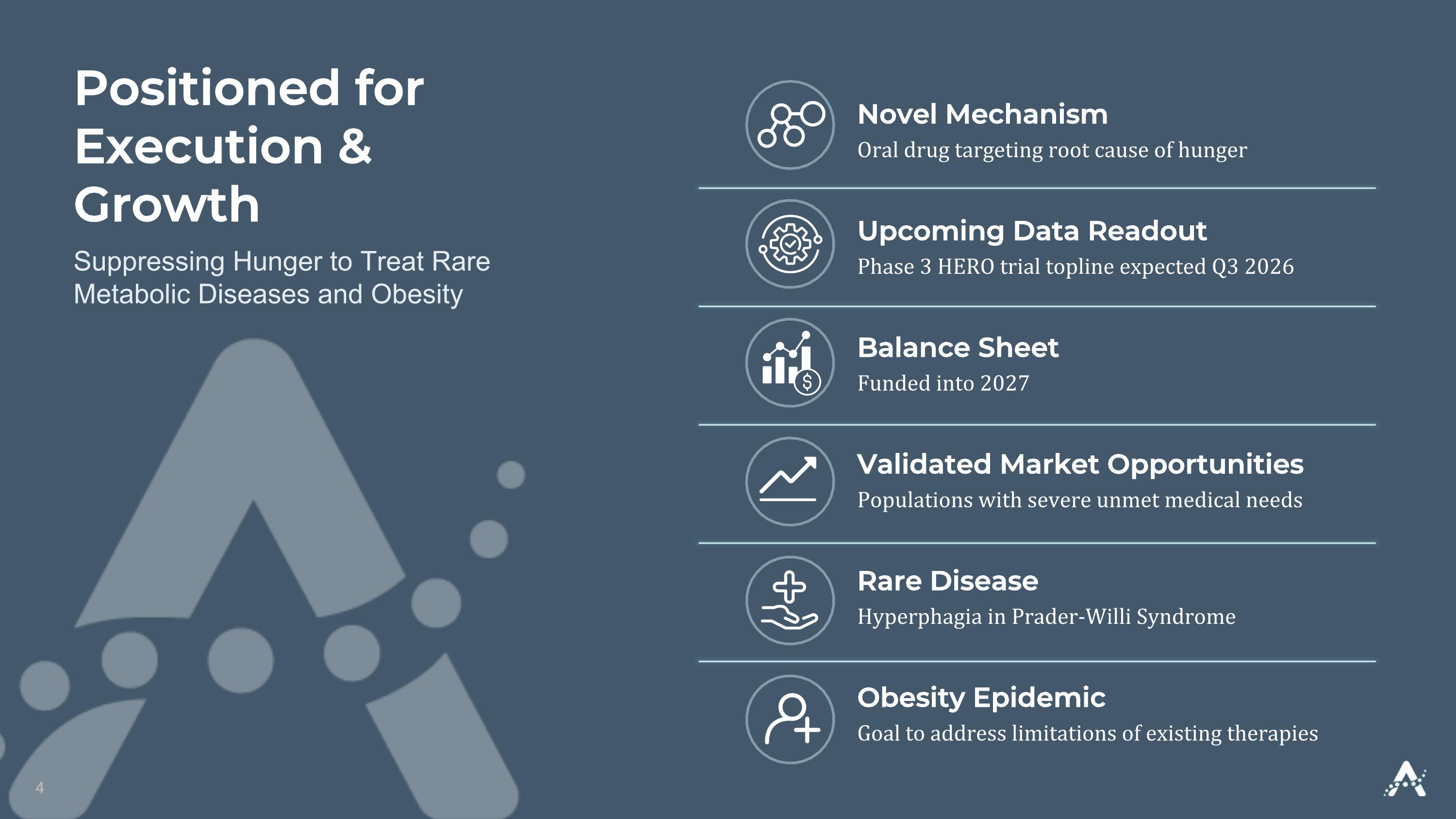
Positioned for Execution & Growth Suppressing Hunger to Treat Rare Metabolic Diseases and Obesity Rare Disease Hyperphagia in Prader-Willi Syndrome Obesity Epidemic Goal to address limitations of existing therapies Validated Market Opportunities Populations with severe unmet medical needs Balance Sheet Funded into 2027 Upcoming Data Readout Phase 3 HERO trial topline expected Q3 2026 Novel Mechanism Oral drug targeting root cause of hunger
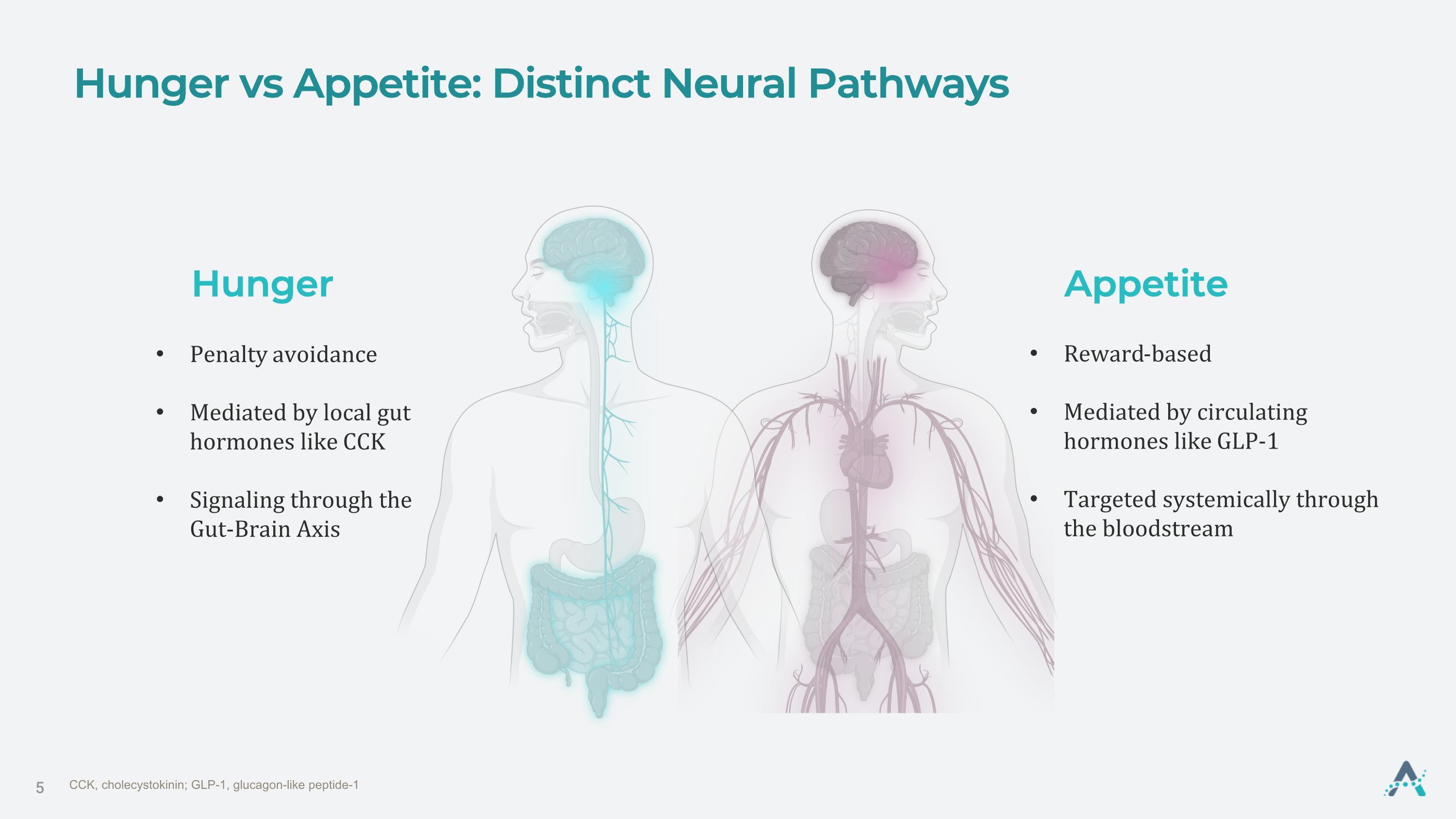
CCK, cholecystokinin; GLP-1, glucagon-like peptide-1 Hunger vs Appetite: Distinct Neural Pathways Appetite Hunger Penalty avoidance Mediated by local gut hormones like CCK Signaling through the Gut-Brain Axis Reward-based Mediated by circulating hormones like GLP-1 Targeted systemically through the bloodstream
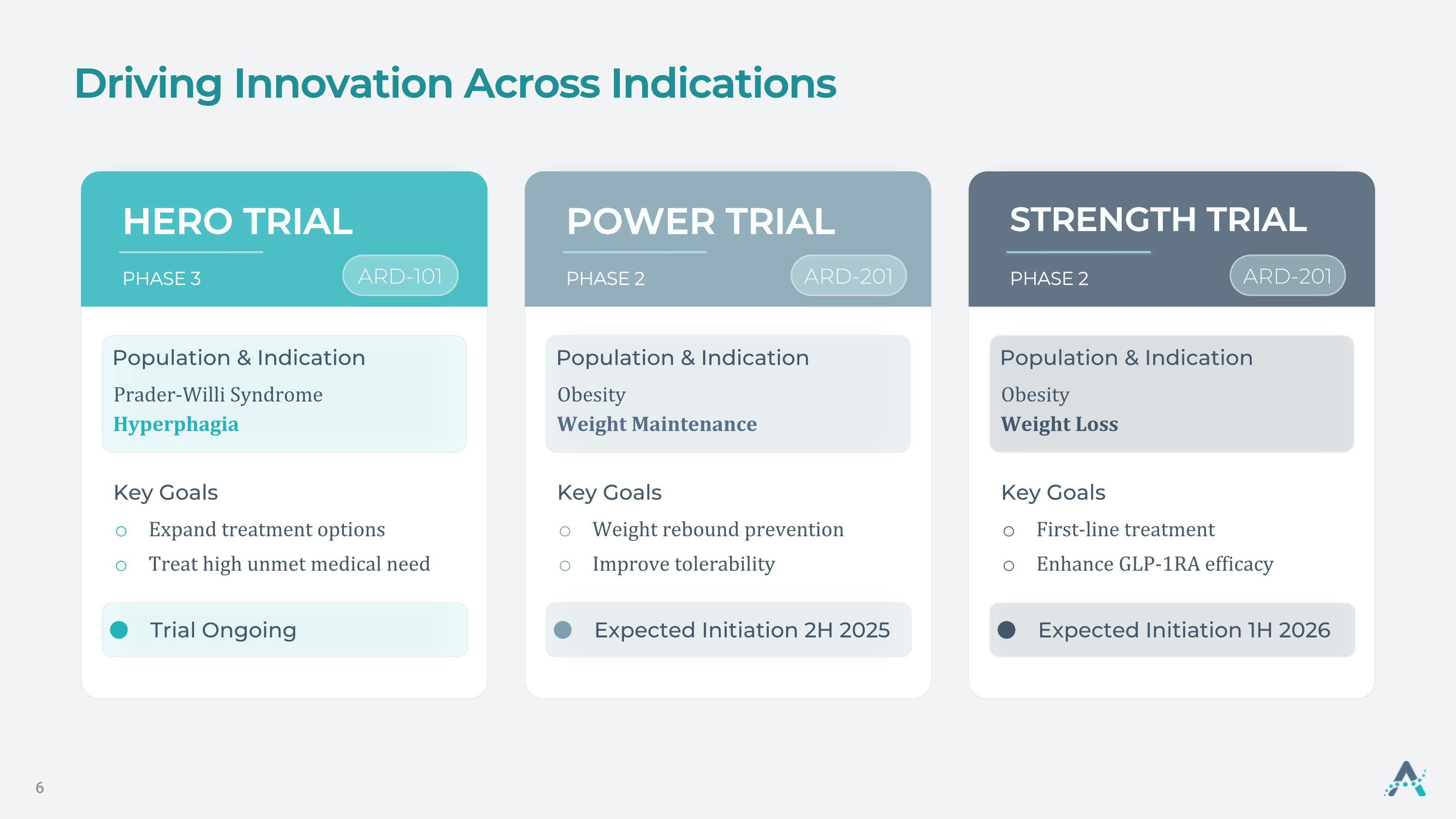
Driving Innovation Across Indications HERO TRIAL Hyperphagia ARD-101 Population & Indication Prader-Willi Syndrome PHASE 3 Trial Ongoing Key Goals Expand treatment options Treat high unmet medical need POWER TRIAL Weight Maintenance ARD-201 Population & Indication Obesity PHASE 2 Expected Initiation 2H 2025 Key Goals Weight rebound prevention Improve tolerability STRENGTH TRIAL Weight Loss ARD-201 Population & Indication Obesity PHASE 2 Expected Initiation 1H 2026 Key Goals First-line treatment Enhance GLP-1RA efficacy
ObesityWeek 2025 ARD-201 7
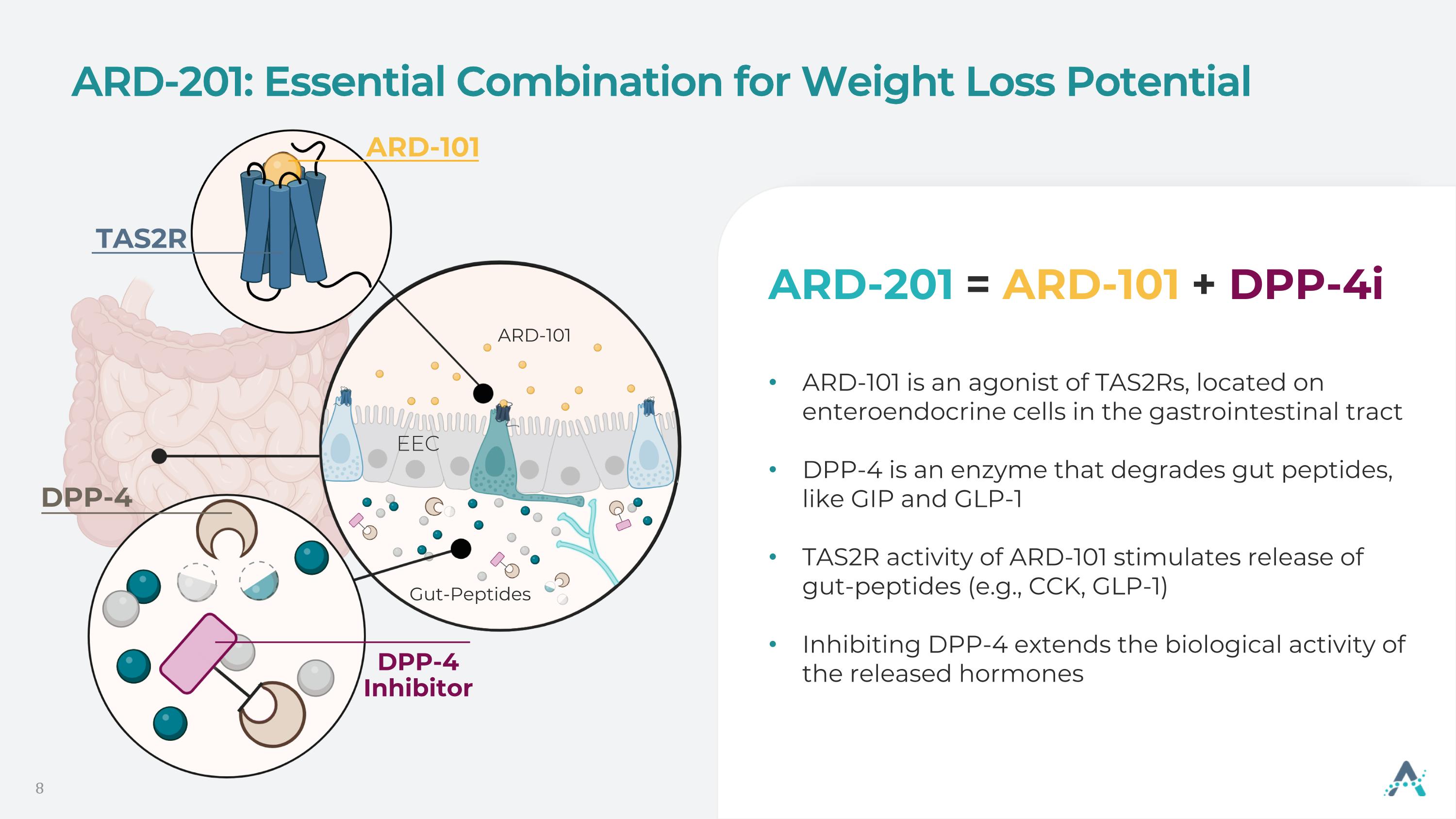
ARD-201: Essential Combination for Weight Loss Potential 8 EEC Gut-Peptides ARD-101 DPP-4 TAS2R DPP-4 Inhibitor ARD-101 ARD-201 = ARD-101 + DPP-4i ARD-101 is an agonist of TAS2Rs, located on enteroendocrine cells in the gastrointestinal tract DPP-4 is an enzyme that degrades gut peptides, like GIP and GLP-1 TAS2R activity of ARD-101 stimulates release of �gut-peptides (e.g., CCK, GLP-1) Inhibiting DPP-4 extends the biological activity of the released hormones
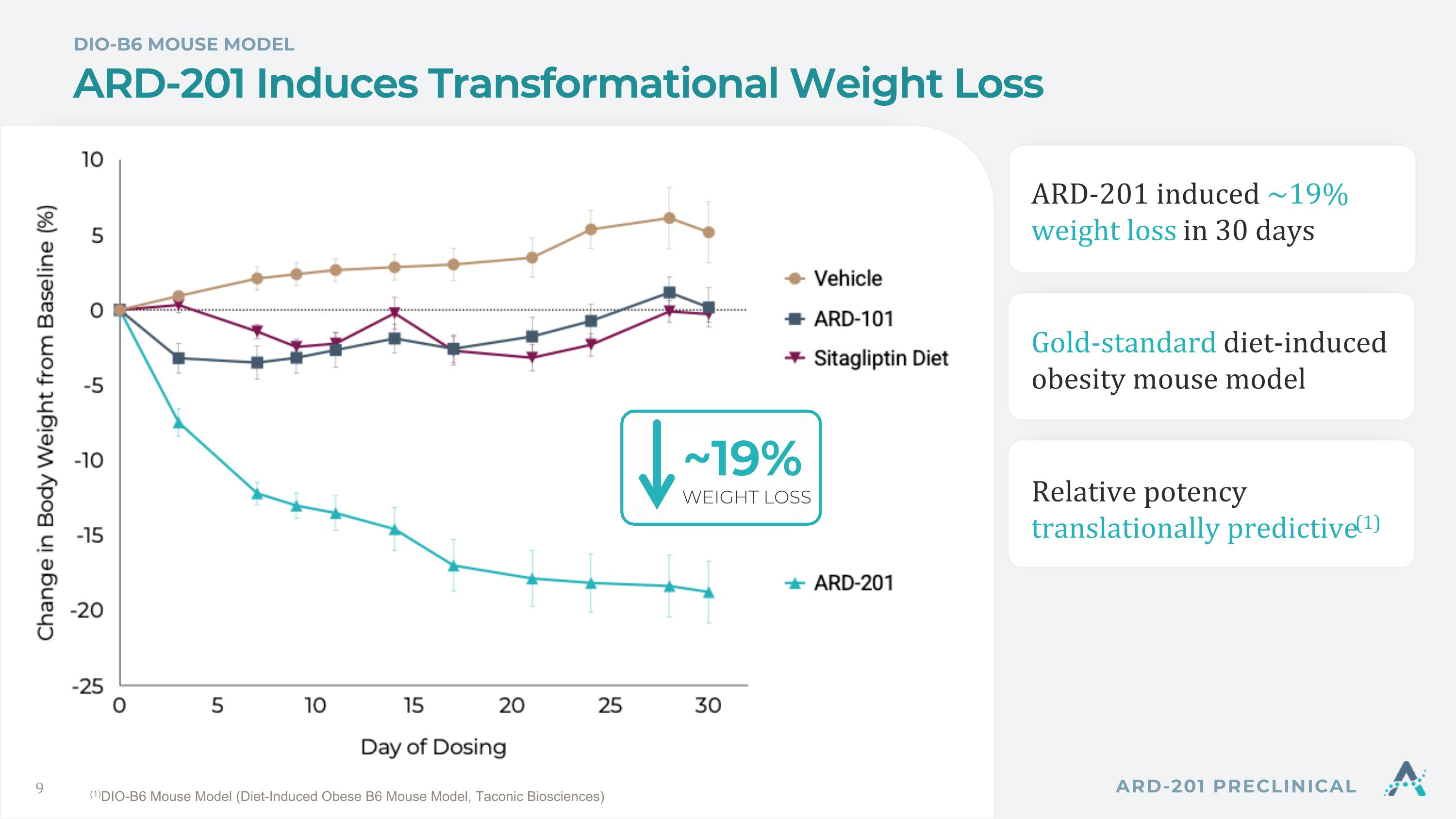
~19% WEIGHT LOSS ARD-201 PRECLINICAL (1)DIO-B6 Mouse Model (Diet-Induced Obese B6 Mouse Model, Taconic Biosciences) 9 Gold-standard diet-induced obesity mouse model ARD-201 induced ~19% weight loss in 30 days Relative potency translationally predictive(1) ARD-201 Induces Transformational Weight Loss DIO-B6 MOUSE MODEL
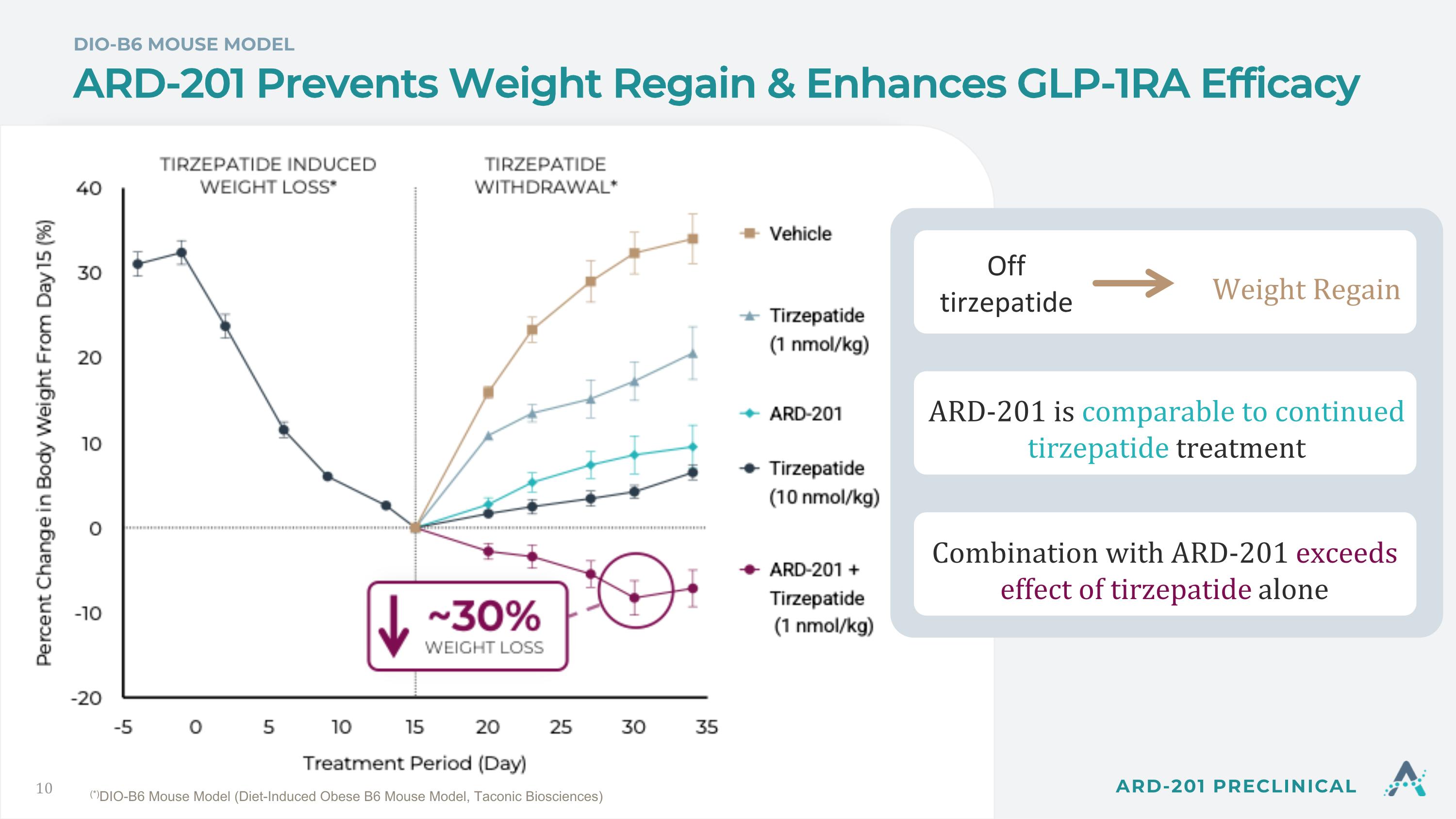
ARD-201 Prevents Weight Regain & Enhances GLP-1RA Efficacy ARD-201 PRECLINICAL DIO-B6 MOUSE MODEL (*)DIO-B6 Mouse Model (Diet-Induced Obese B6 Mouse Model, Taconic Biosciences) 10 Off tirzepatide Weight Regain ARD-201 is comparable to continued tirzepatide treatment Combination with ARD-201 exceeds effect of tirzepatide alone
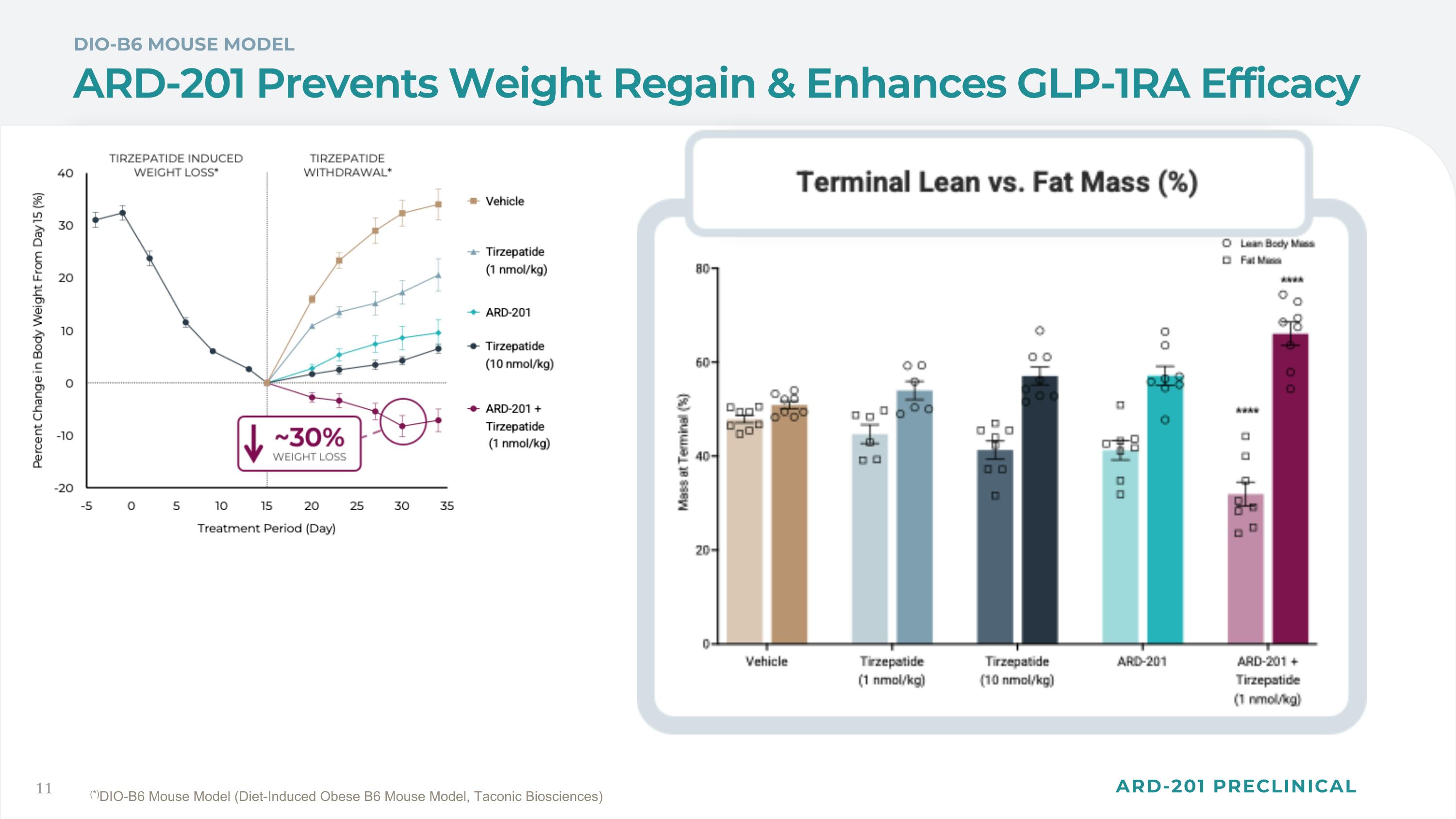
ARD-201 Prevents Weight Regain & Enhances GLP-1RA Efficacy ARD-201 PRECLINICAL DIO-B6 MOUSE MODEL (*)DIO-B6 Mouse Model (Diet-Induced Obese B6 Mouse Model, Taconic Biosciences) 11
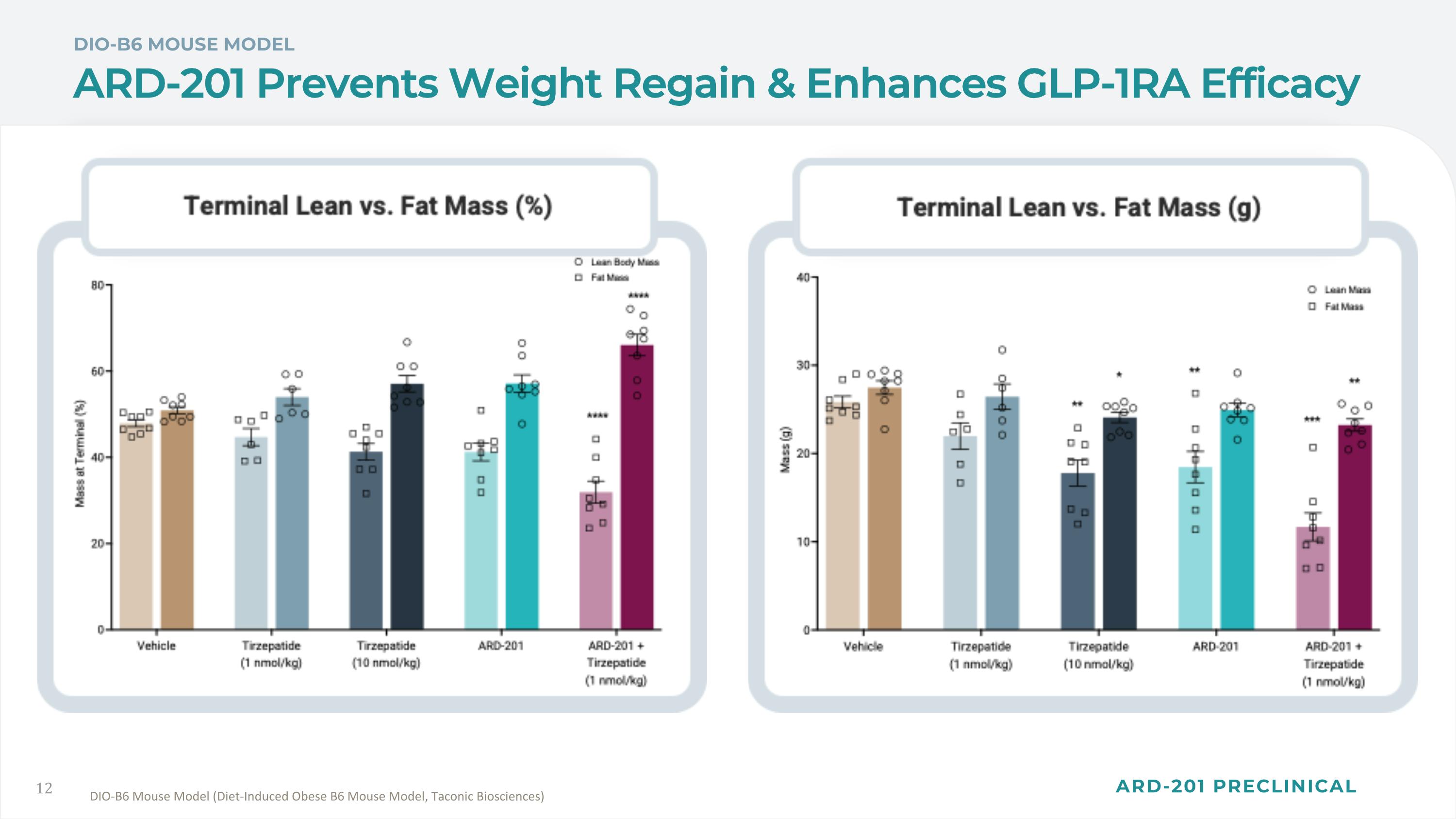
ARD-201 Prevents Weight Regain & Enhances GLP-1RA Efficacy ARD-201 PRECLINICAL DIO-B6 MOUSE MODEL DIO-B6 Mouse Model (Diet-Induced Obese B6 Mouse Model, Taconic Biosciences) 12
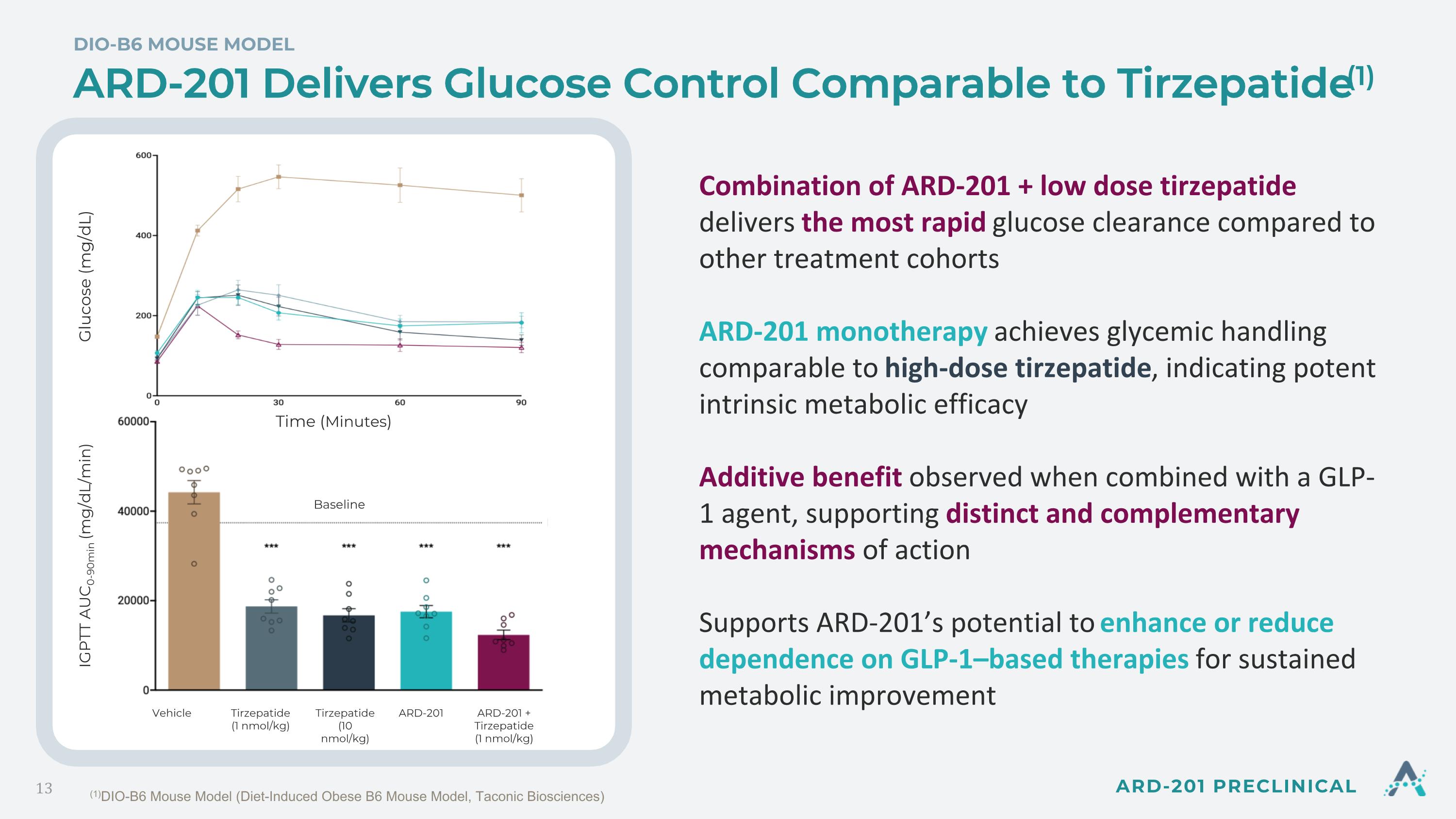
ARD-201 Delivers Glucose Control Comparable to Tirzepatide(1) DIO-B6 MOUSE MODEL ARD-201 PRECLINICAL (1)DIO-B6 Mouse Model (Diet-Induced Obese B6 Mouse Model, Taconic Biosciences) Combination of ARD-201 + low dose tirzepatide delivers the most rapid glucose clearance compared to other treatment cohorts ARD-201 monotherapy achieves glycemic handling comparable to high-dose tirzepatide, indicating potent intrinsic metabolic efficacy Additive benefit observed when combined with a GLP-1 agent, supporting distinct and complementary mechanisms of action Supports ARD-201’s potential to enhance or reduce dependence on GLP-1–based therapies for sustained metabolic improvement Time (Minutes) Glucose (mg/dL) IGPTT AUC0-90min (mg/dL/min) Vehicle Tirzepatide (1 nmol/kg) Tirzepatide (10 nmol/kg) ARD-201 ARD-201 + Tirzepatide (1 nmol/kg) Baseline
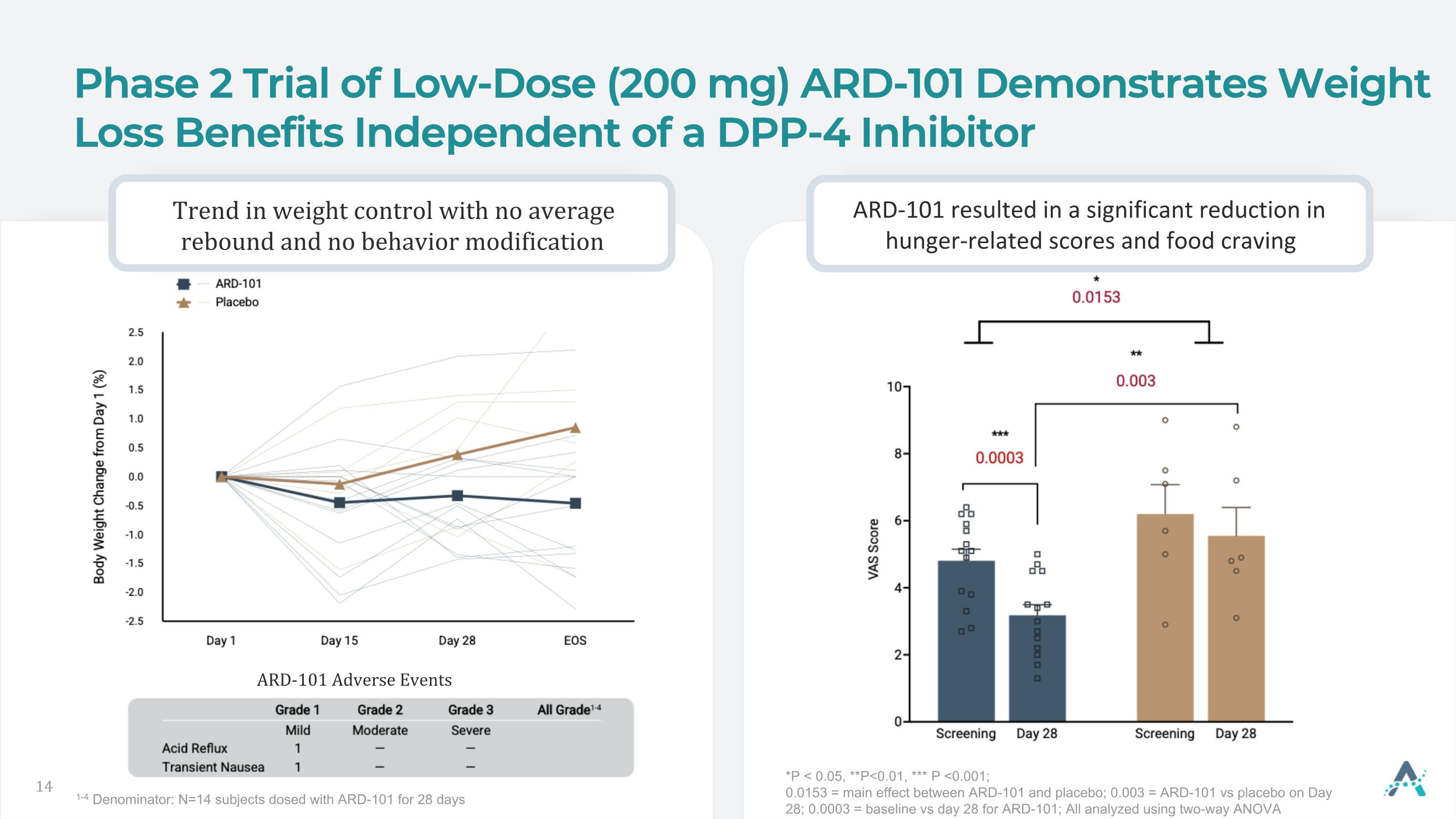
Phase 2 Trial of Low-Dose (200 mg) ARD-101 Demonstrates Weight Loss Benefits Independent of a DPP-4 Inhibitor Figure 14. Effect of ARD-101 on Body Weight in Adults with Obesity 14 ARD-101 resulted in a significant reduction in hunger-related scores and food craving Trend in weight control with no average rebound and no behavior modification 1-4 Denominator: N=14 subjects dosed with ARD-101 for 28 days *P < 0.05, **P<0.01, *** P <0.001; 0.0153 = main effect between ARD-101 and placebo; 0.003 = ARD-101 vs placebo on Day 28; 0.0003 = baseline vs day 28 for ARD-101; All analyzed using two-way ANOVA ARD-101 Adverse Events
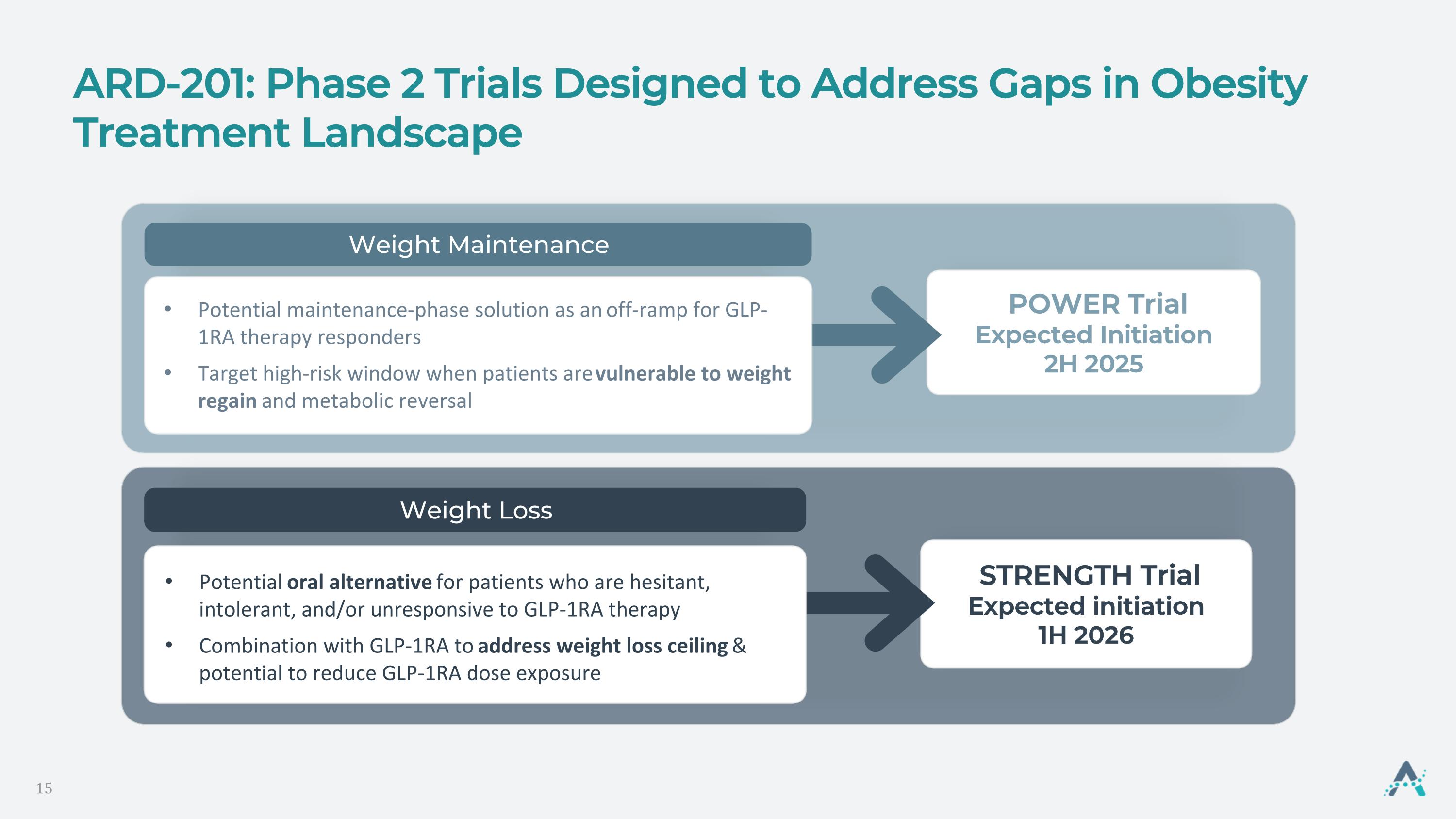
POWER Trial Expected Initiation 2H 2025 Potential maintenance-phase solution as an off-ramp for GLP-1RA therapy responders Target high-risk window when patients are vulnerable to weight regain and metabolic reversal Weight Maintenance STRENGTH Trial Expected initiation 1H 2026 Potential oral alternative for patients who are hesitant, intolerant, and/or unresponsive to GLP-1RA therapy Combination with GLP-1RA to address weight loss ceiling & potential to reduce GLP-1RA dose exposure Weight Loss ARD-201: Phase 2 Trials Designed to Address Gaps in Obesity Treatment Landscape
ObesityWeek 2025 WE-868
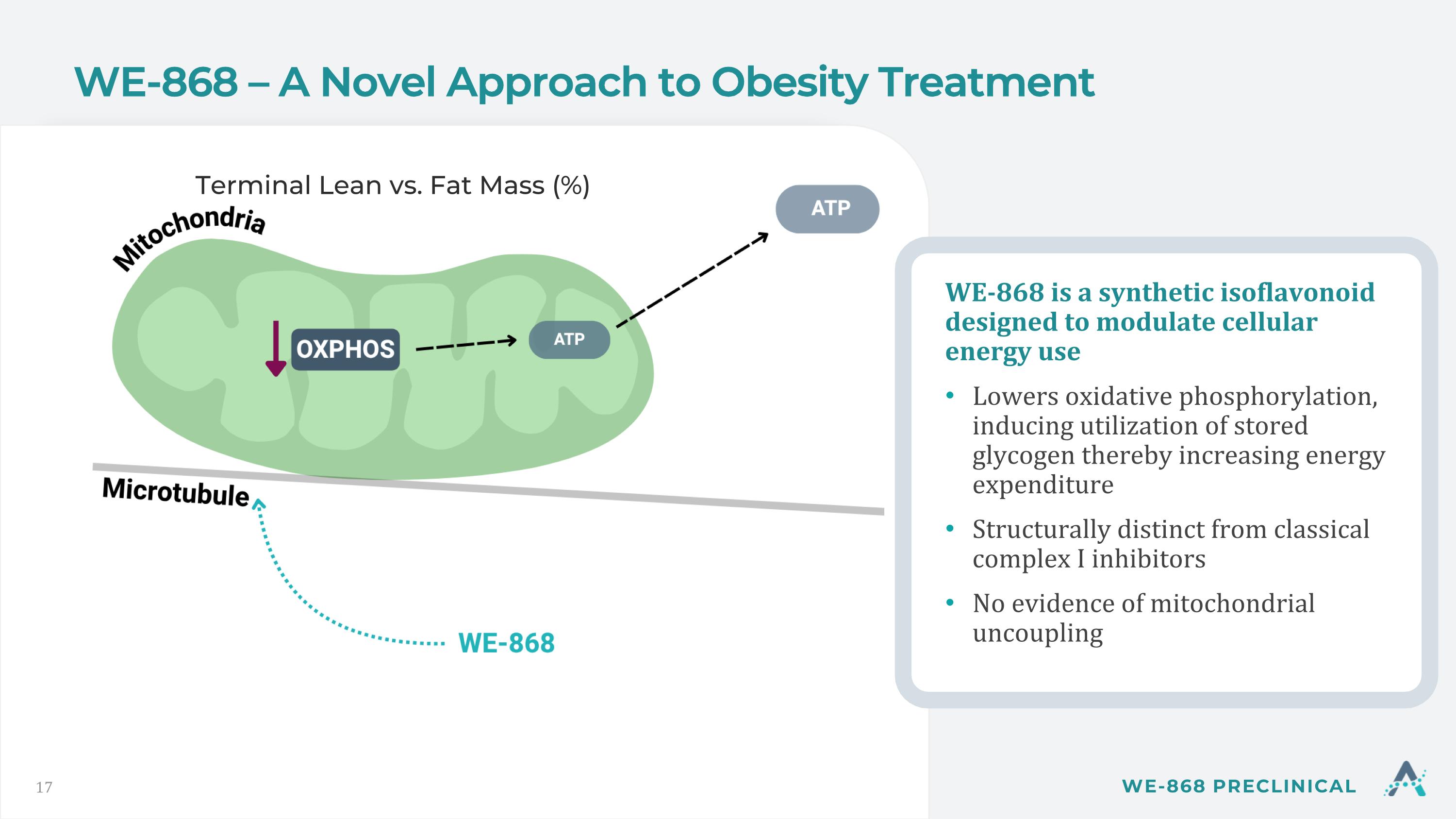
WE-868 – A Novel Approach to Obesity Treatment Terminal Lean vs. Fat Mass (%) WE-868 is a synthetic isoflavonoid designed to modulate cellular energy use Lowers oxidative phosphorylation, inducing utilization of stored glycogen thereby increasing energy expenditure Structurally distinct from classical complex I inhibitors No evidence of mitochondrial uncoupling 17 WE-868 PRECLINICAL
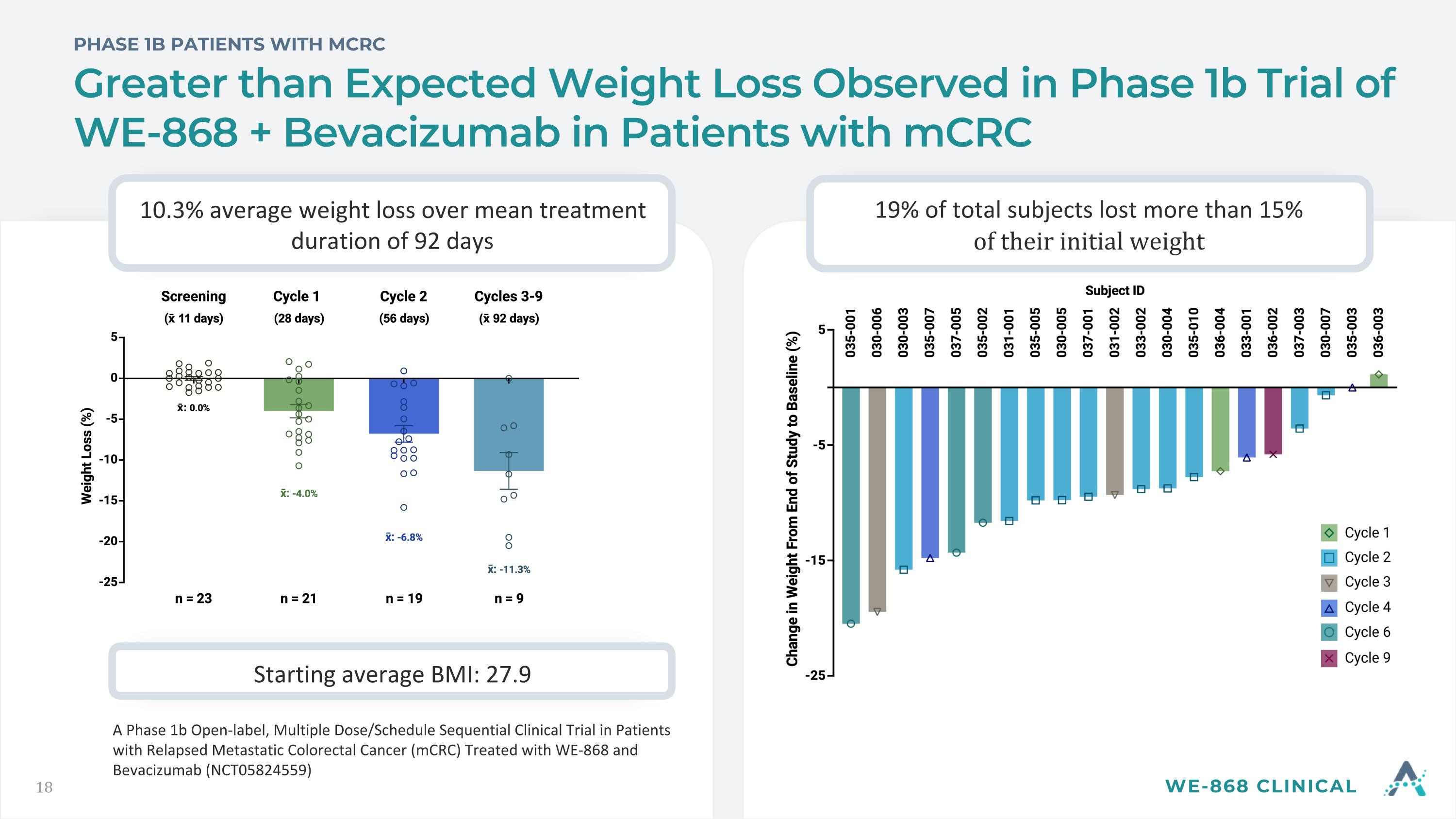
Greater than Expected Weight Loss Observed in Phase 1b Trial of WE-868 + Bevacizumab in Patients with mCRC WE-868 CLINICAL PHASE 1B PATIENTS WITH MCRC 18 19% of total subjects lost more than 15% �of their initial weight 10.3% average weight loss over mean treatment duration of 92 days A Phase 1b Open-label, Multiple Dose/Schedule Sequential Clinical Trial in Patients with Relapsed Metastatic Colorectal Cancer (mCRC) Treated with WE-868 and Bevacizumab (NCT05824559) Starting average BMI: 27.9 18
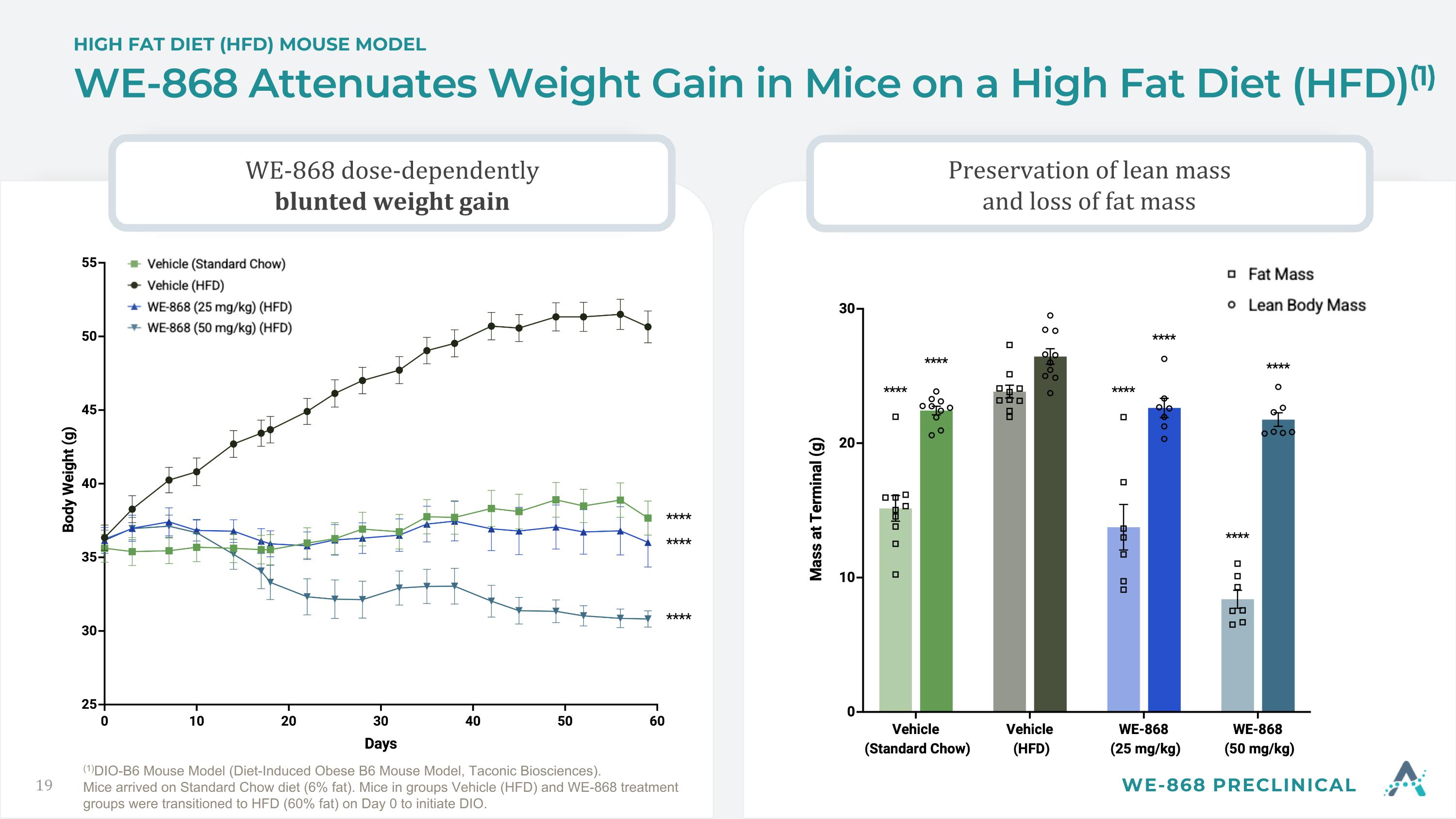
WE-868 Attenuates Weight Gain in Mice on a High Fat Diet (HFD)(1) WE-868 PRECLINICAL HIGH FAT DIET (HFD) MOUSE MODEL 19 Preservation of lean mass �and loss of fat mass WE-868 dose-dependently �blunted weight gain 19 WE-868 PRECLINICAL (1)DIO-B6 Mouse Model (Diet-Induced Obese B6 Mouse Model, Taconic Biosciences). Mice arrived on Standard Chow diet (6% fat). Mice in groups Vehicle (HFD) and WE-868 treatment groups were transitioned to HFD (60% fat) on Day 0 to initiate DIO.
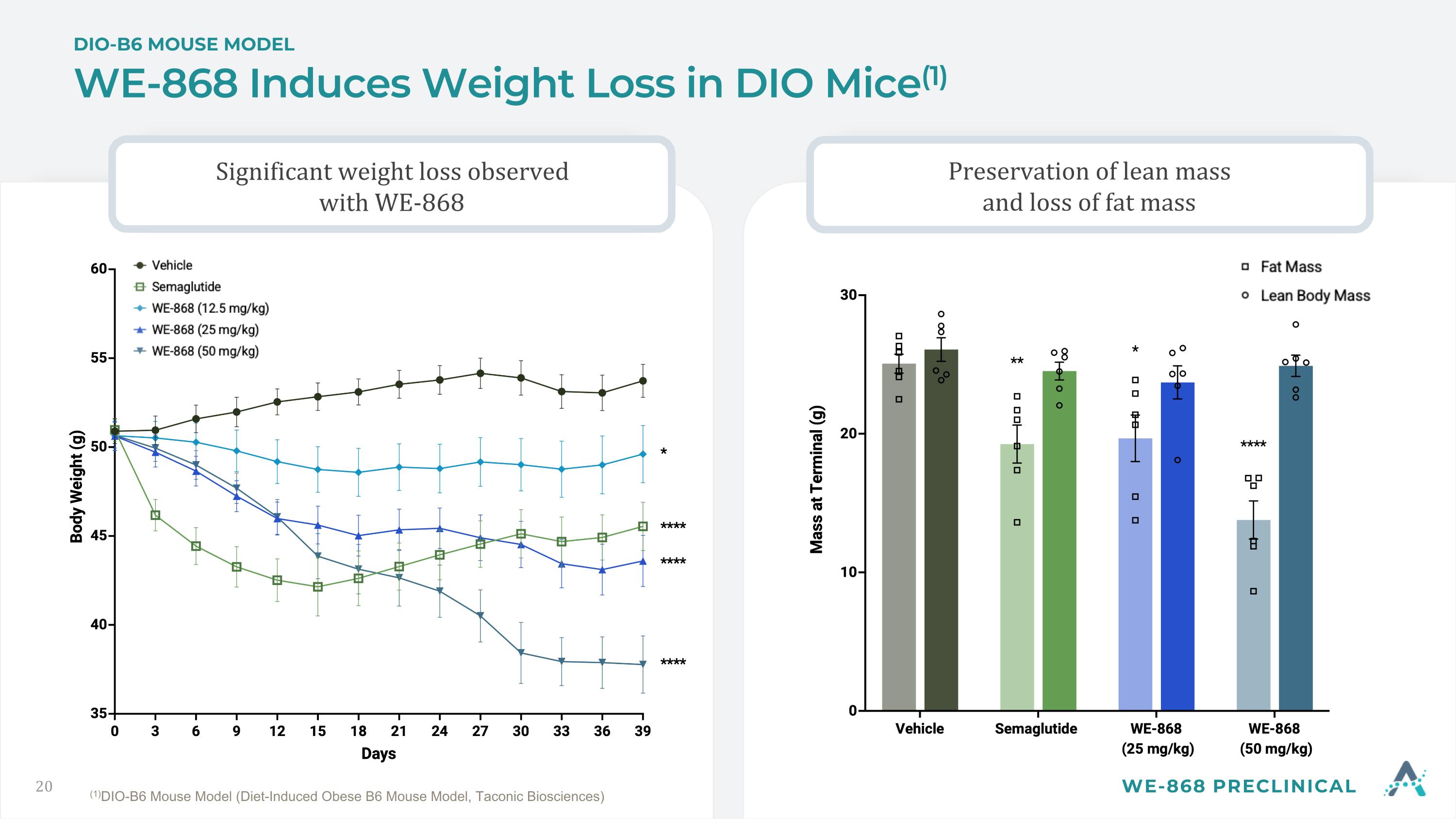
WE-868 Induces Weight Loss in DIO Mice(1) DIO-B6 MOUSE MODEL Preservation of lean mass �and loss of fat mass Significant weight loss observed �with WE-868 20 WE-868 PRECLINICAL (1)DIO-B6 Mouse Model (Diet-Induced Obese B6 Mouse Model, Taconic Biosciences)

Tony Lam, PhD Professor at University of Toronto
Tony Lam Laboratory Nutrient Sensing and the Gut-Brain Axis
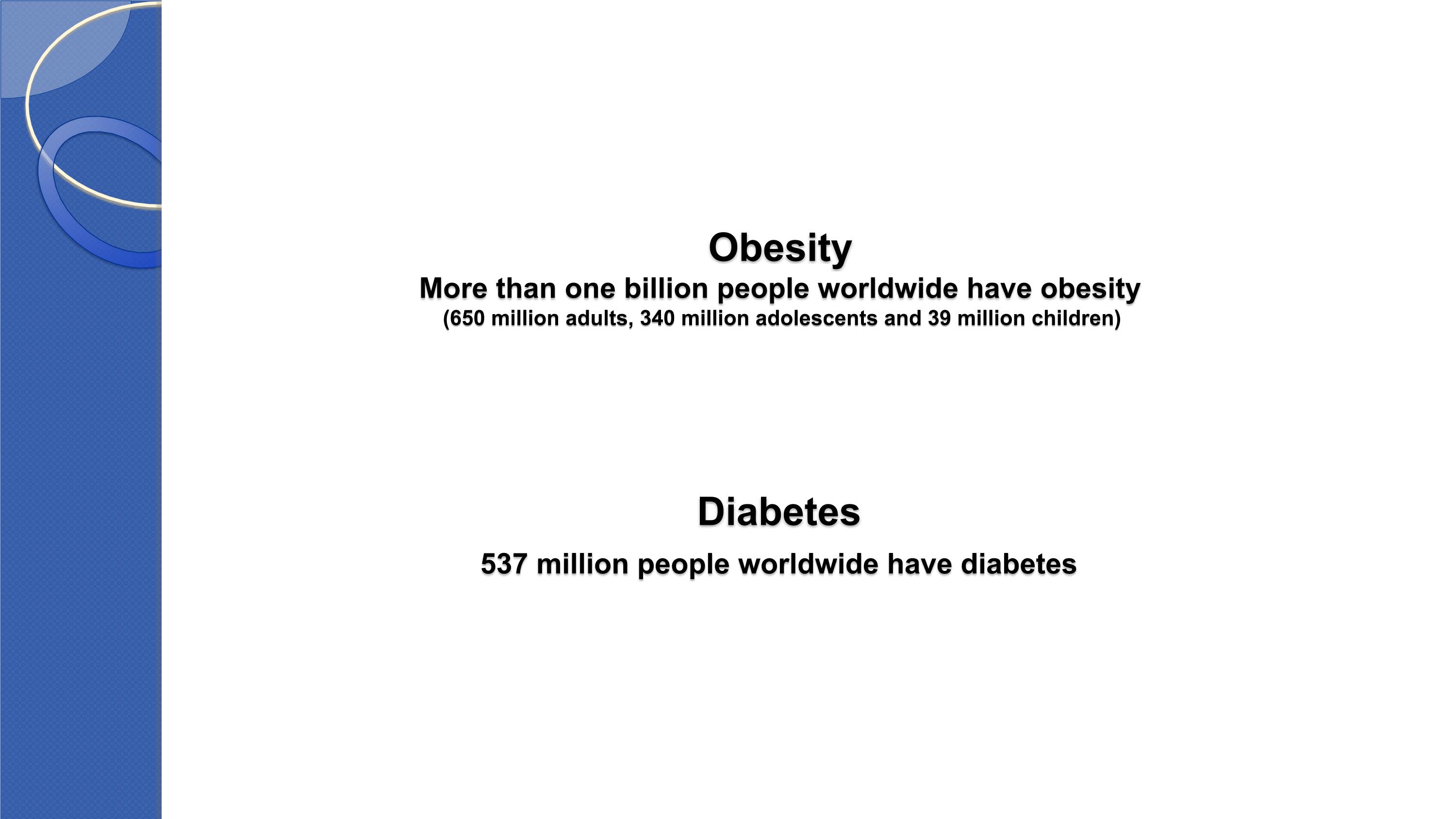
Obesity�More than one billion people worldwide have obesity�(650 million adults, 340 million adolescents and 39 million children) Diabetes 537 million people worldwide have diabetes
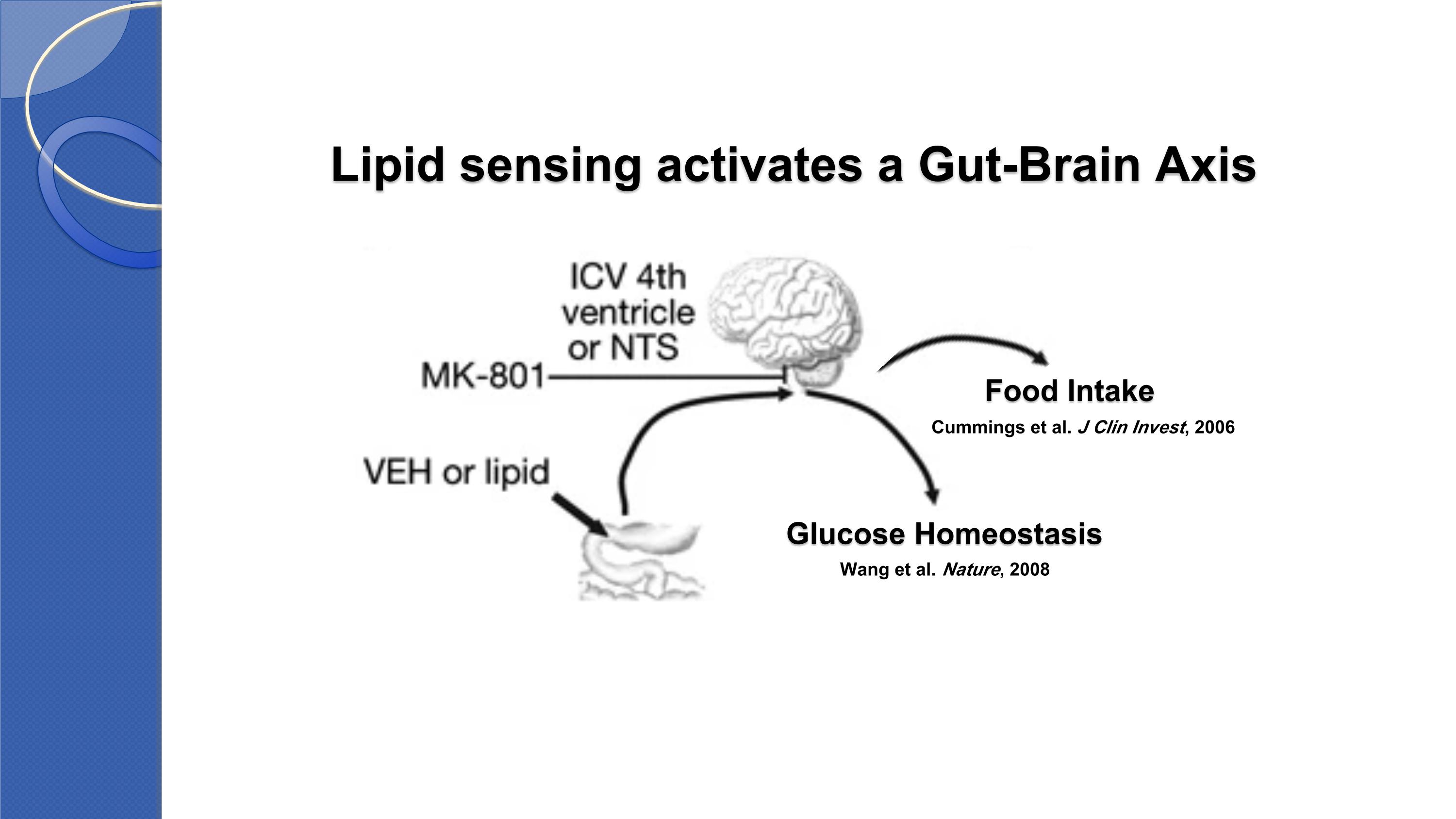
Food Intake Glucose Homeostasis Wang et al. Nature, 2008 Cummings et al. J Clin Invest, 2006 Lipid sensing activates a Gut-Brain Axis
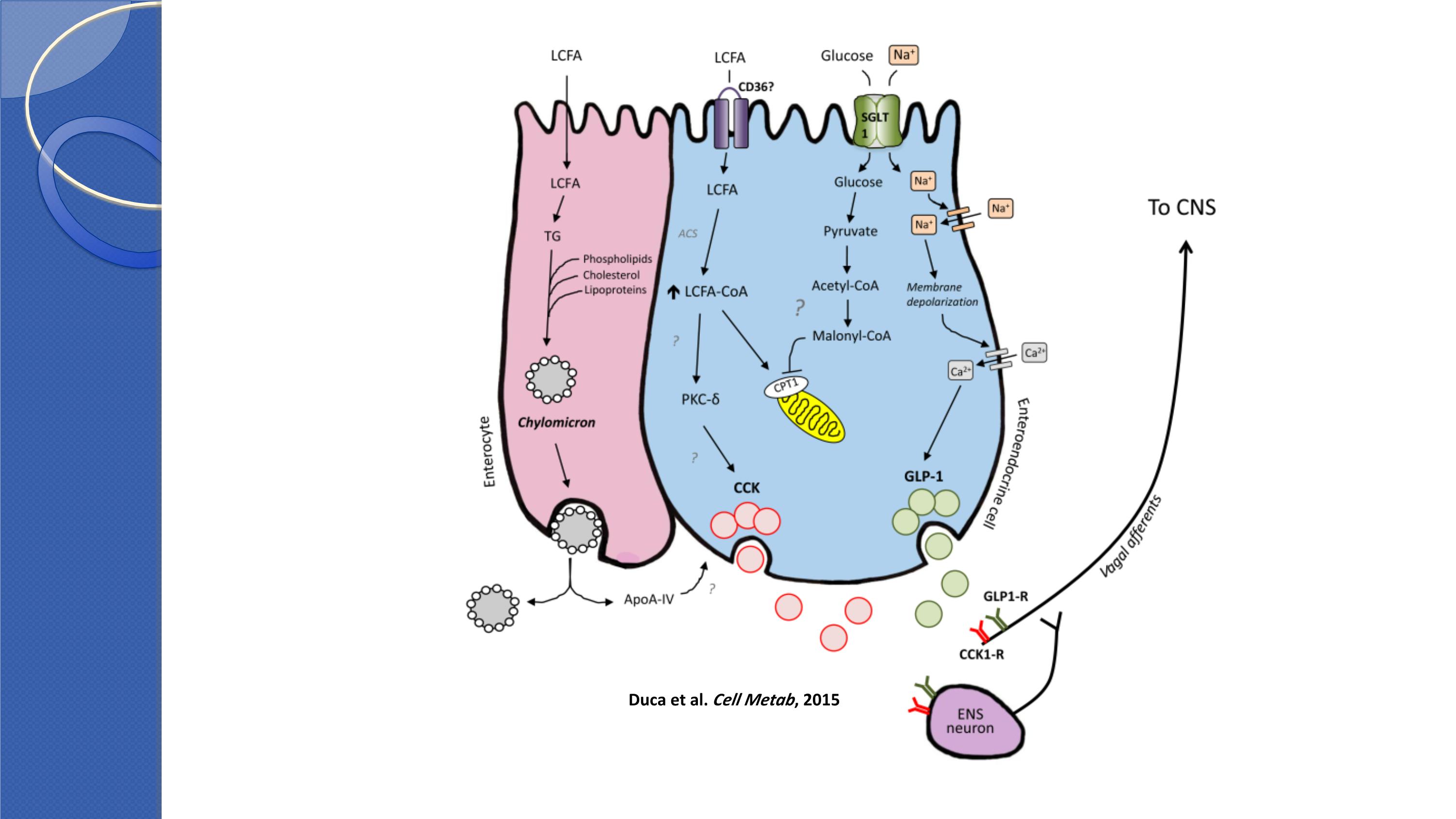
Duca et al. Cell Metab, 2015
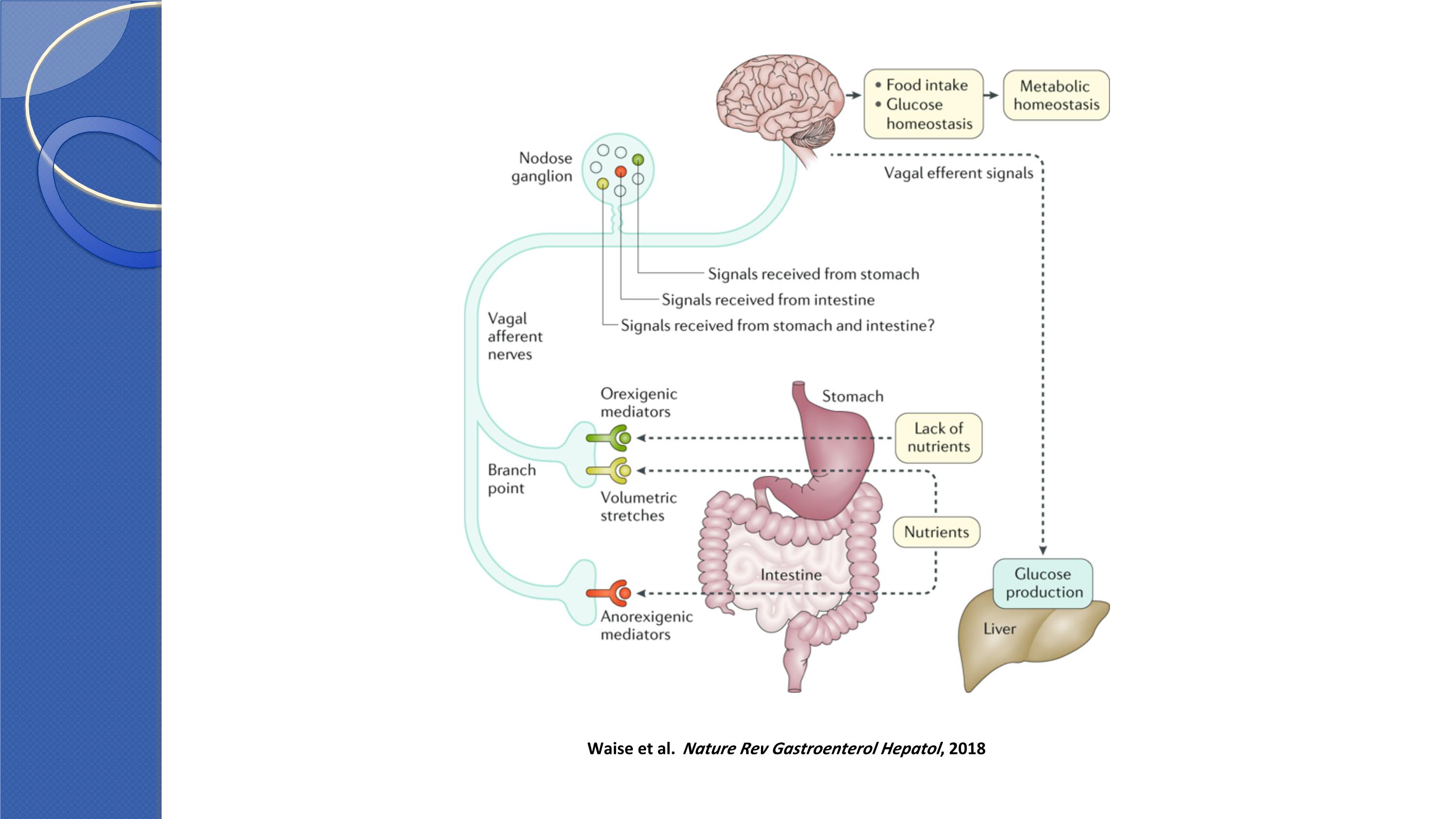
Waise et al. Nature Rev Gastroenterol Hepatol, 2018
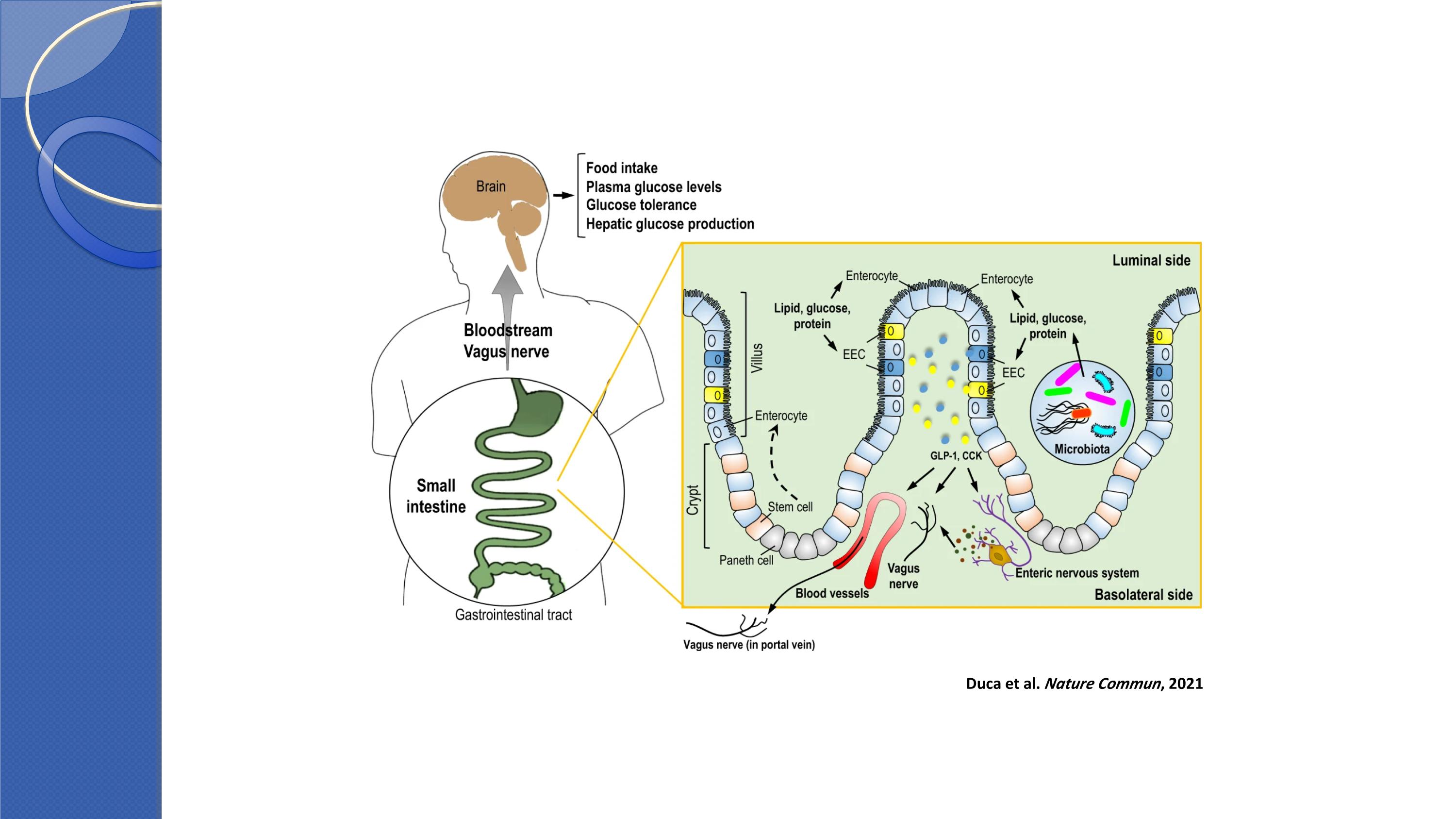
Duca et al. Nature Commun, 2021
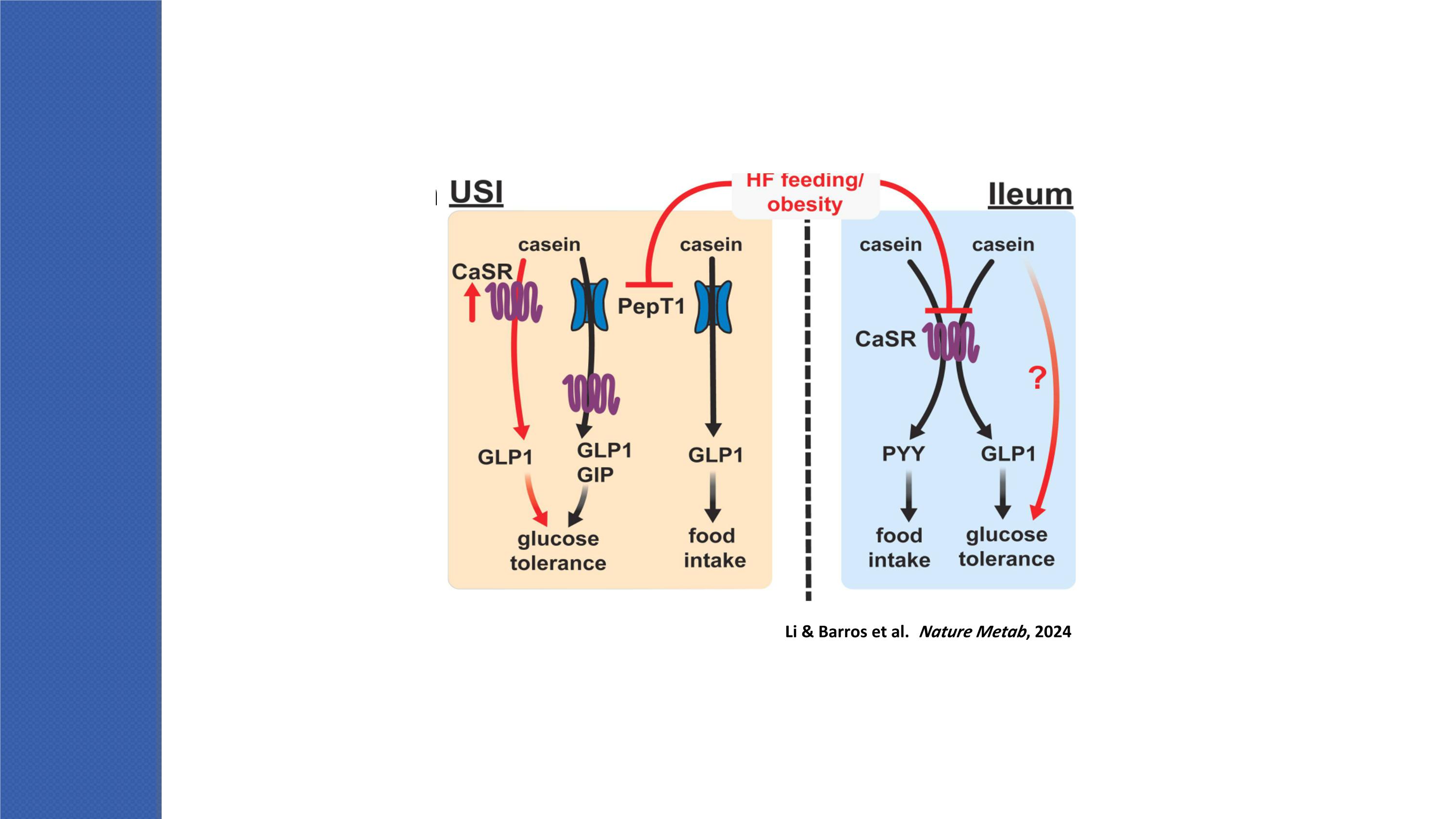
Li & Barros et al. Nature Metab, 2024
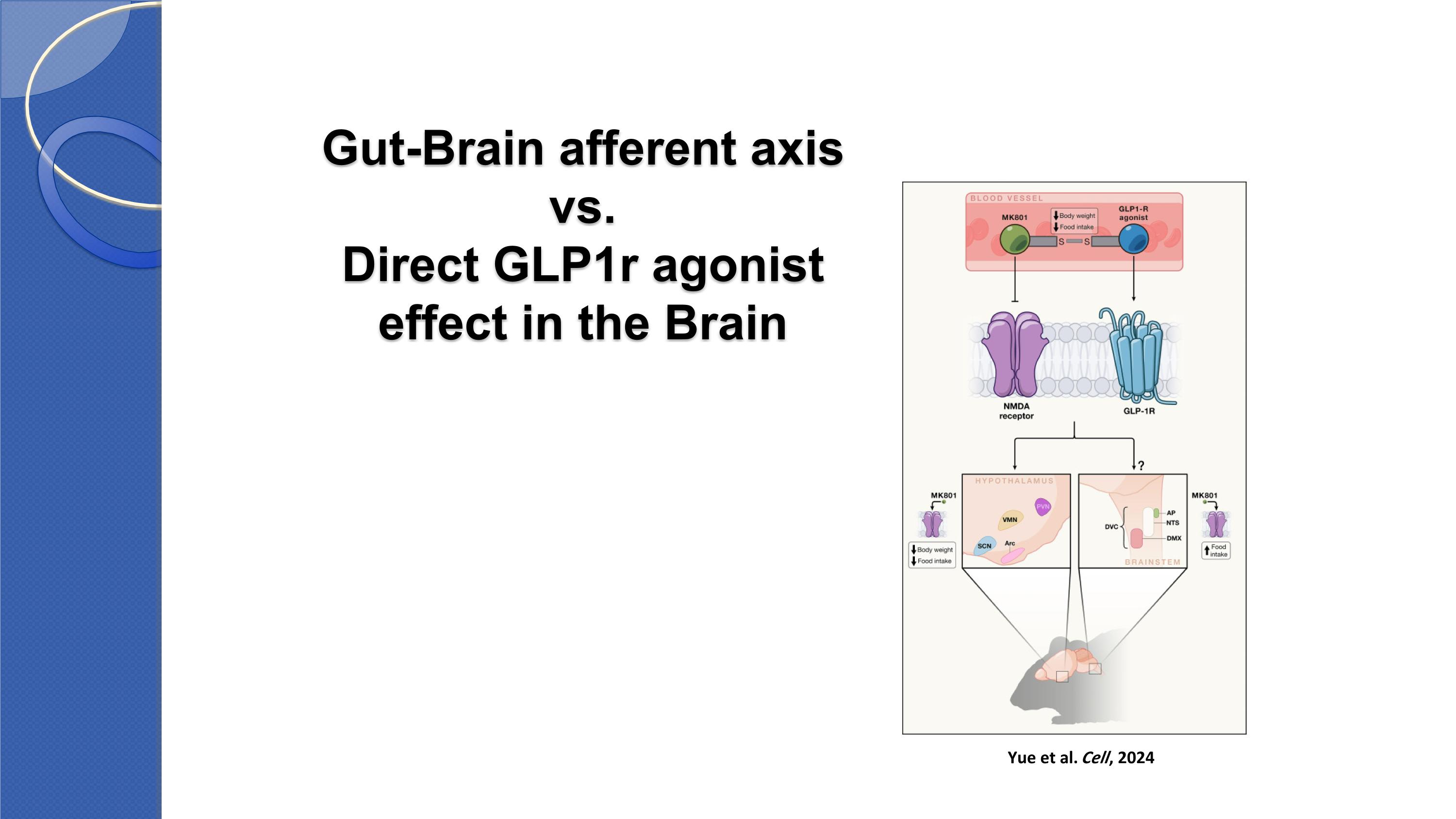
Yue et al. Cell, 2024 Gut-Brain afferent axis vs. Direct GLP1r agonist effect in the Brain
Bitter Taste Receptor (TAS2R) & the Gut-Brain axis TAS2Rs are expressed in the small intestine TAS2R agonists increase intestinal CCK and GLP1 secretion in parallel to lowering food intake in rats Grau-Bove C et al. Nutrients 2020 PMID:33321802
Lab members: Dr. Song-Yang Zhang Kyla Bruce Nick Garrido Dr. Zeyu Yang Melissa Wang Dorsa Moslemian Rachel Kuah Penny Wang Lisa Nash Toronto General Hospital Foundation

Caroline M. Apovian, MD Co Director, Center for Weight Management and Wellness at Brigham and Women’s Hospital
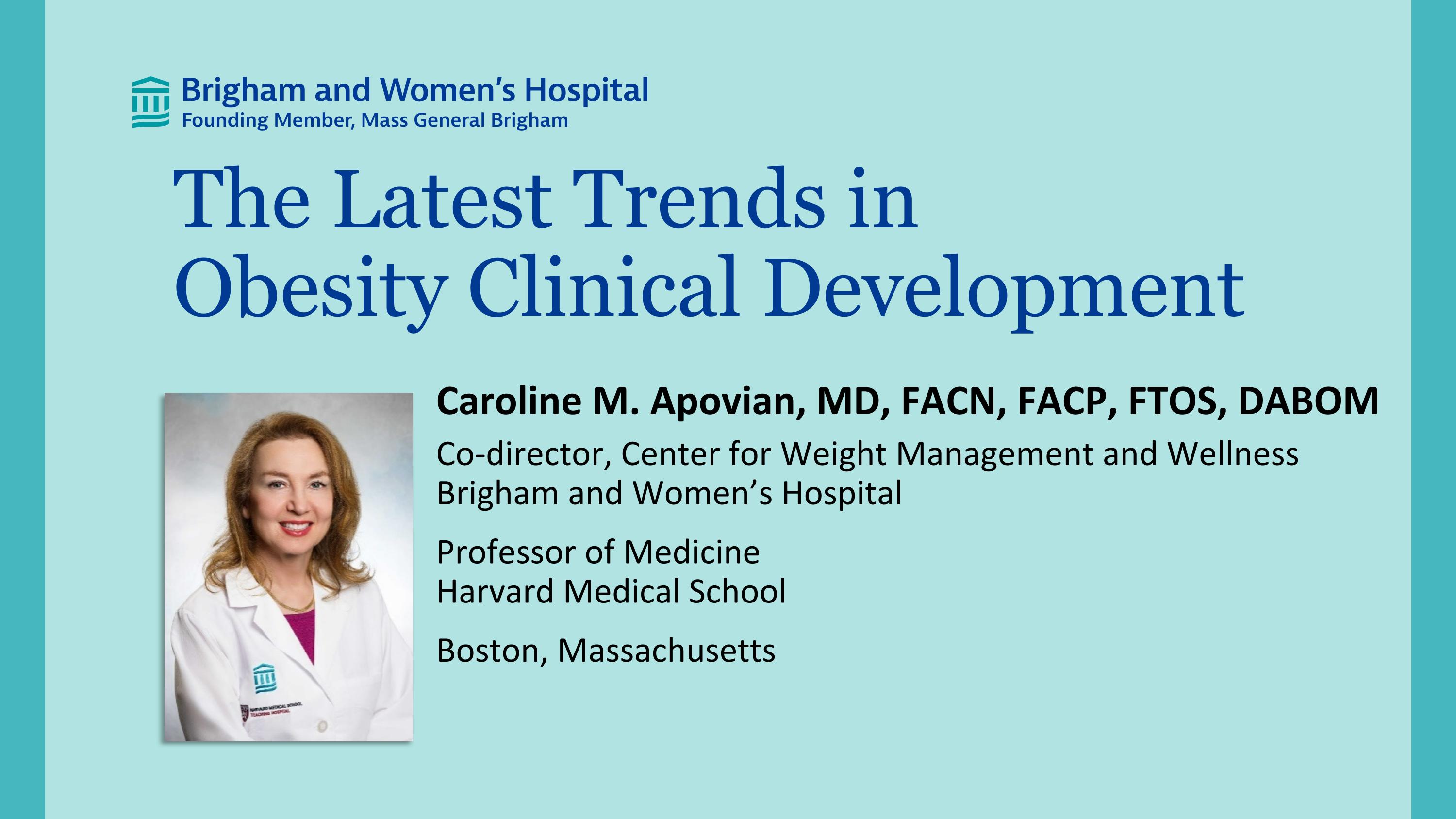
The Latest Trends in�Obesity Clinical Development Caroline M. Apovian, MD, FACN, FACP, FTOS, DABOM Co-director, Center for Weight Management and Wellness Brigham and Women’s Hospital Professor of Medicine Harvard Medical School Boston, Massachusetts

Center for Weight Management and Wellness Caroline M. Apovian, MD, FACN, FACP, DABOM Past President, The Obesity Society, 2018 Co-Director, Center for Weight Management and Wellness Brigham and Women’s Hospital Adipose Tissue and Nutrient Metabolism Core Co-Director, Boston Obesity Nutrition Research Center (BNORC)

Center for Weight Management and Wellness: Clinical and Research Staff
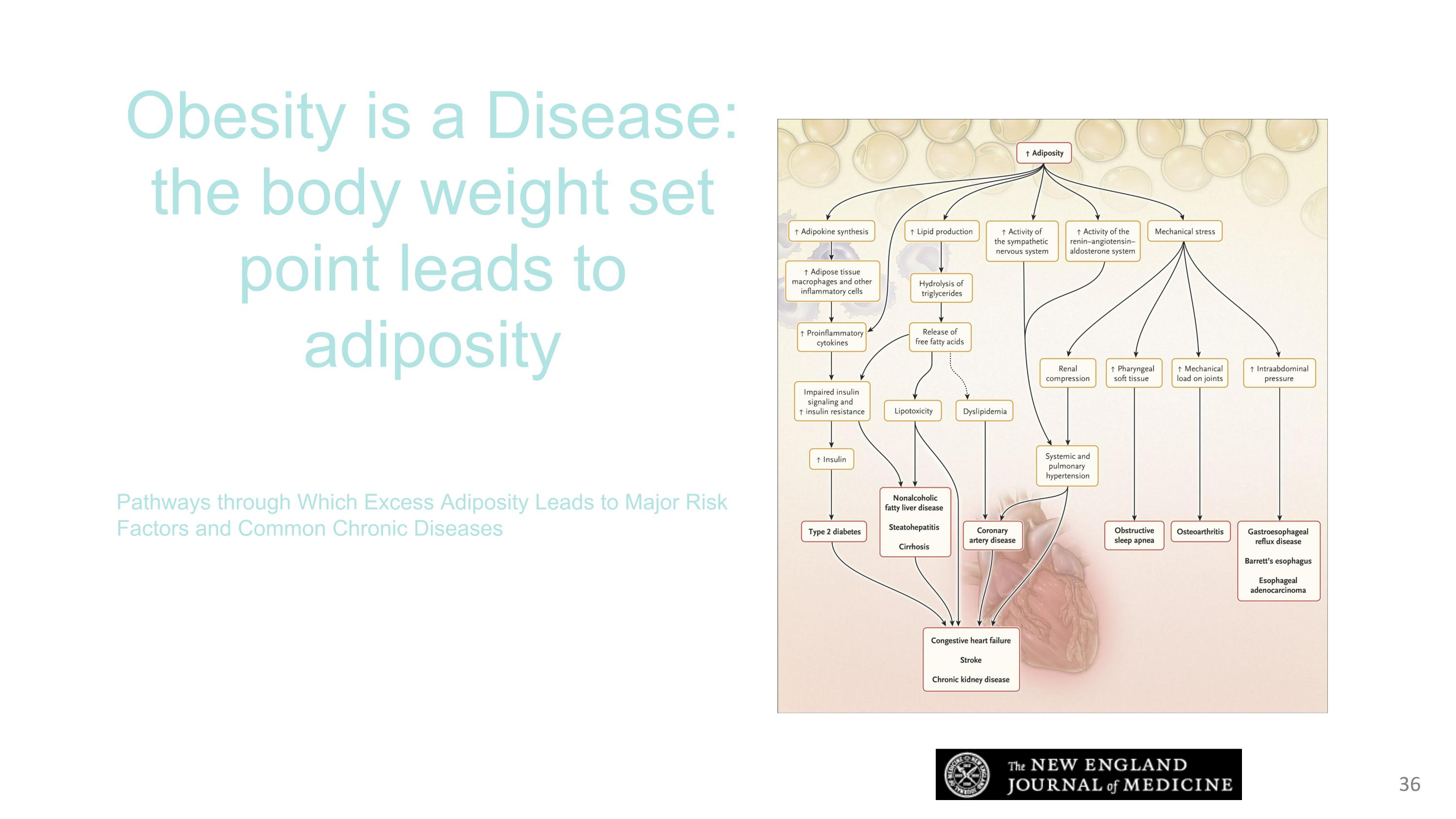
Obesity is a Disease: the body weight set point leads to adiposity Heymsfield SB, Wadden TA. N Engl J Med ;376:254-266 Pathways through Which Excess Adiposity Leads to Major Risk Factors and Common Chronic Diseases
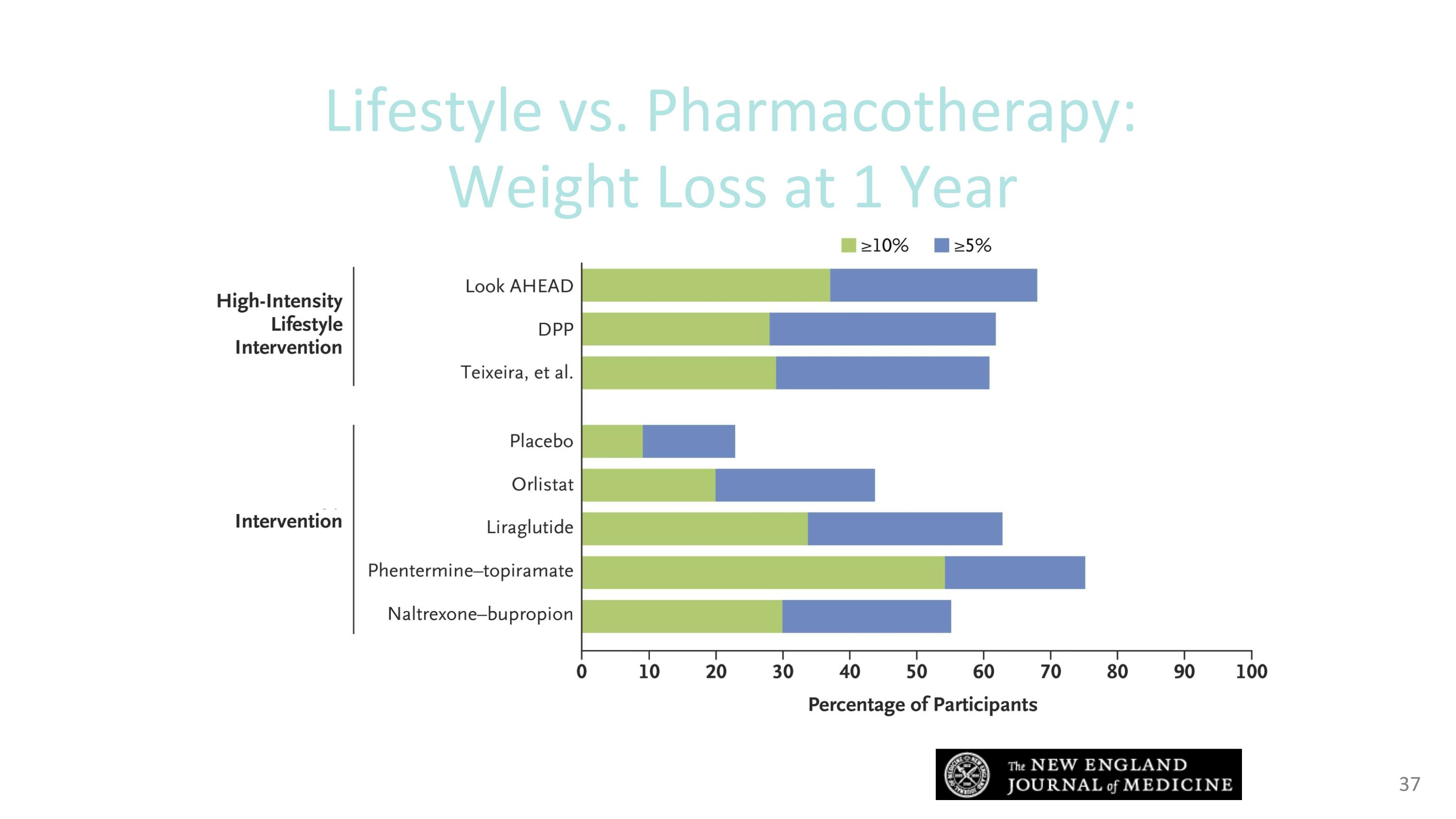
Weight Loss at 1 Year with High-Intensity Lifestyle Interventions or Pharmacotherapy Combined Lifestyle vs. Pharmacotherapy: Weight Loss at 1 Year Heymsfield SB, Wadden TA. N Engl J Med ;376:254-266
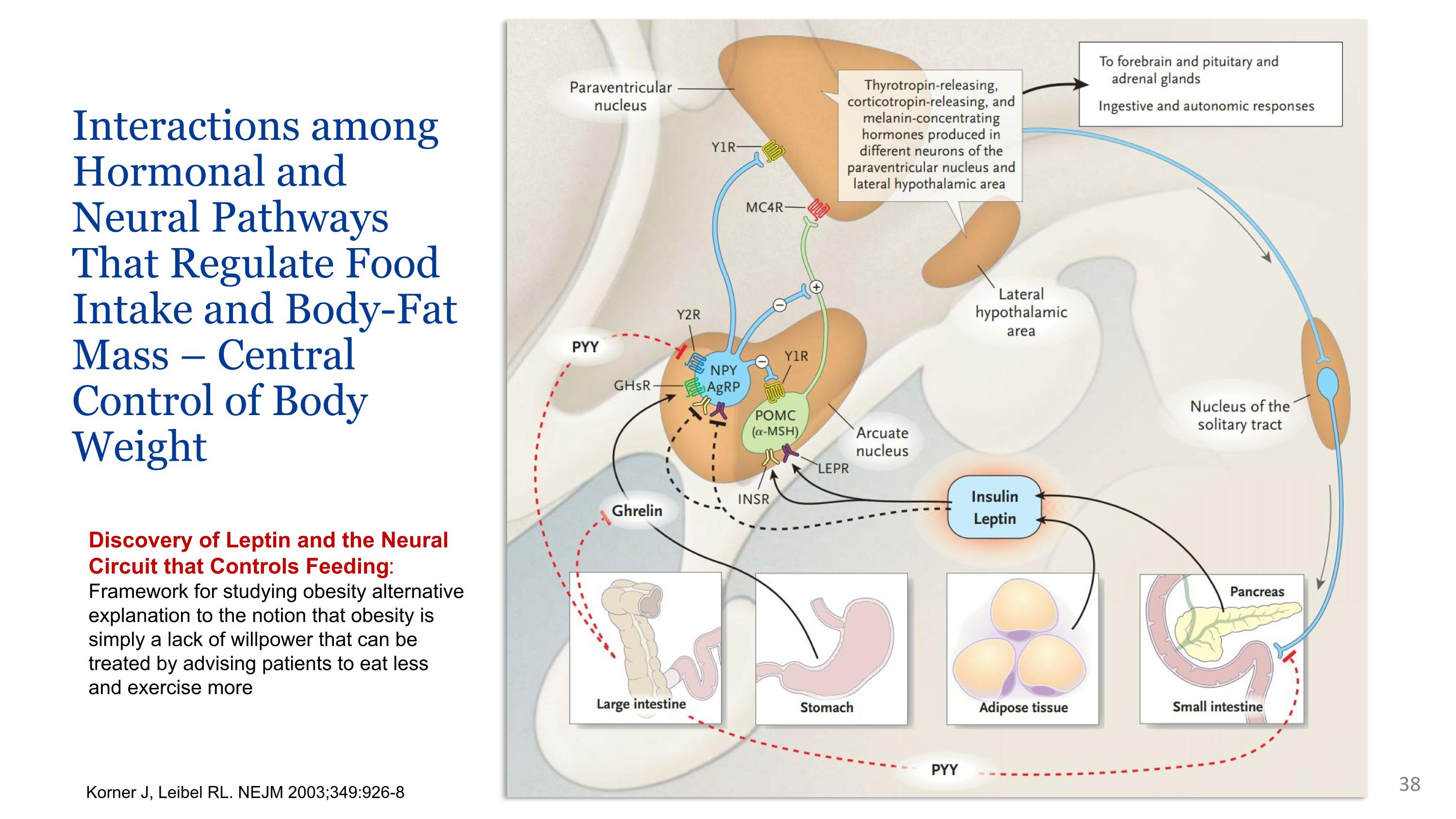
Interactions among Hormonal and Neural Pathways That Regulate Food Intake and Body-Fat Mass – Central Control of Body Weight Korner J, Leibel RL. NEJM 2003;349:926-8 Discovery of Leptin and the Neural Circuit that Controls Feeding: Framework for studying obesity alternative explanation to the notion that obesity is simply a lack of willpower that can be treated by advising patients to eat less and exercise more
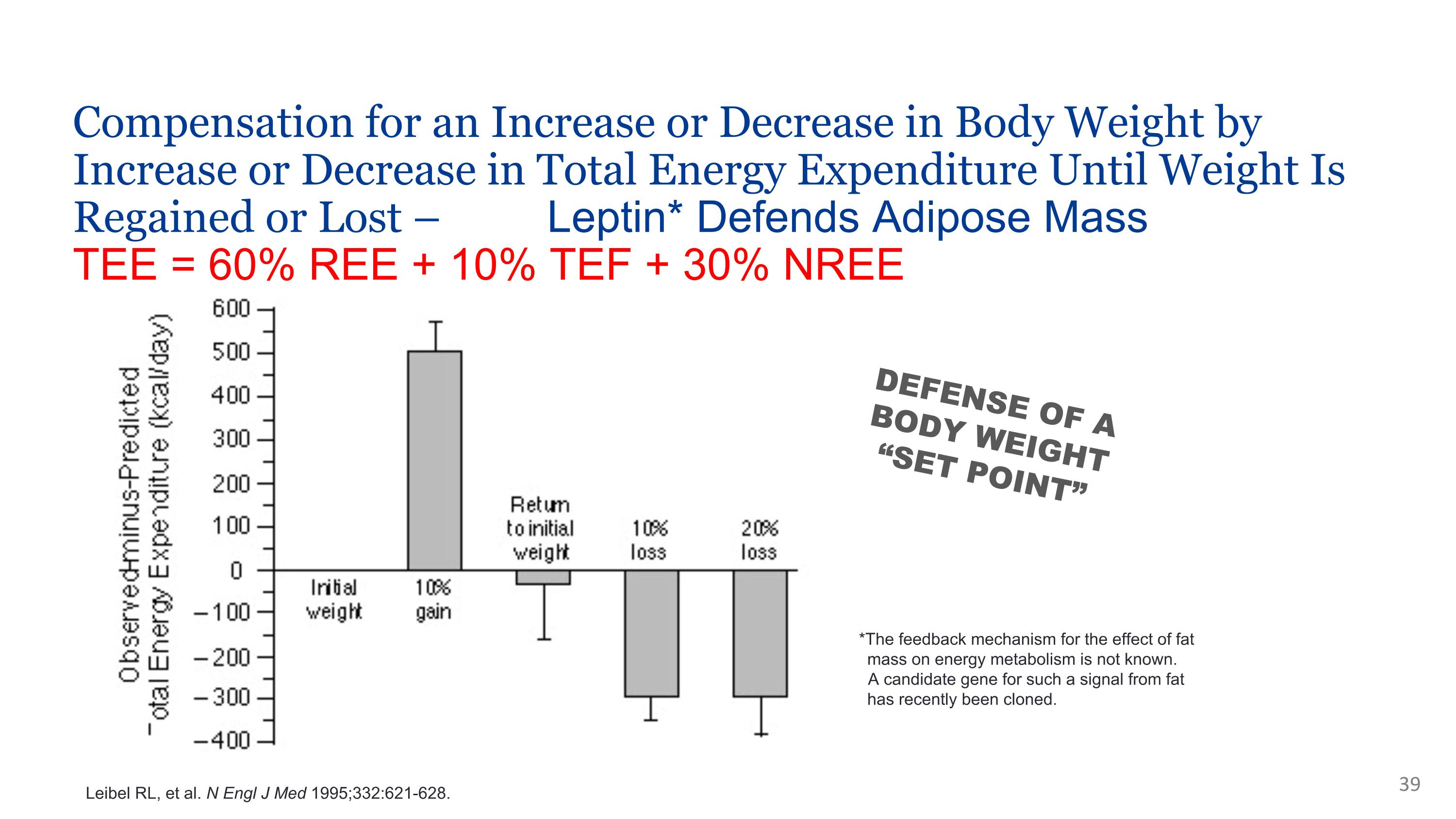
Compensation for an Increase or Decrease in Body Weight by Increase or Decrease in Total Energy Expenditure Until Weight Is Regained or Lost – Leptin* Defends Adipose Mass�TEE = 60% REE + 10% TEF + 30% NREE Leibel RL, et al. N Engl J Med 1995;332:621-628. DEFENSE OF A BODY WEIGHT “SET POINT” *The feedback mechanism for the effect of fat mass on energy metabolism is not known. A candidate gene for such a signal from fat has recently been cloned.
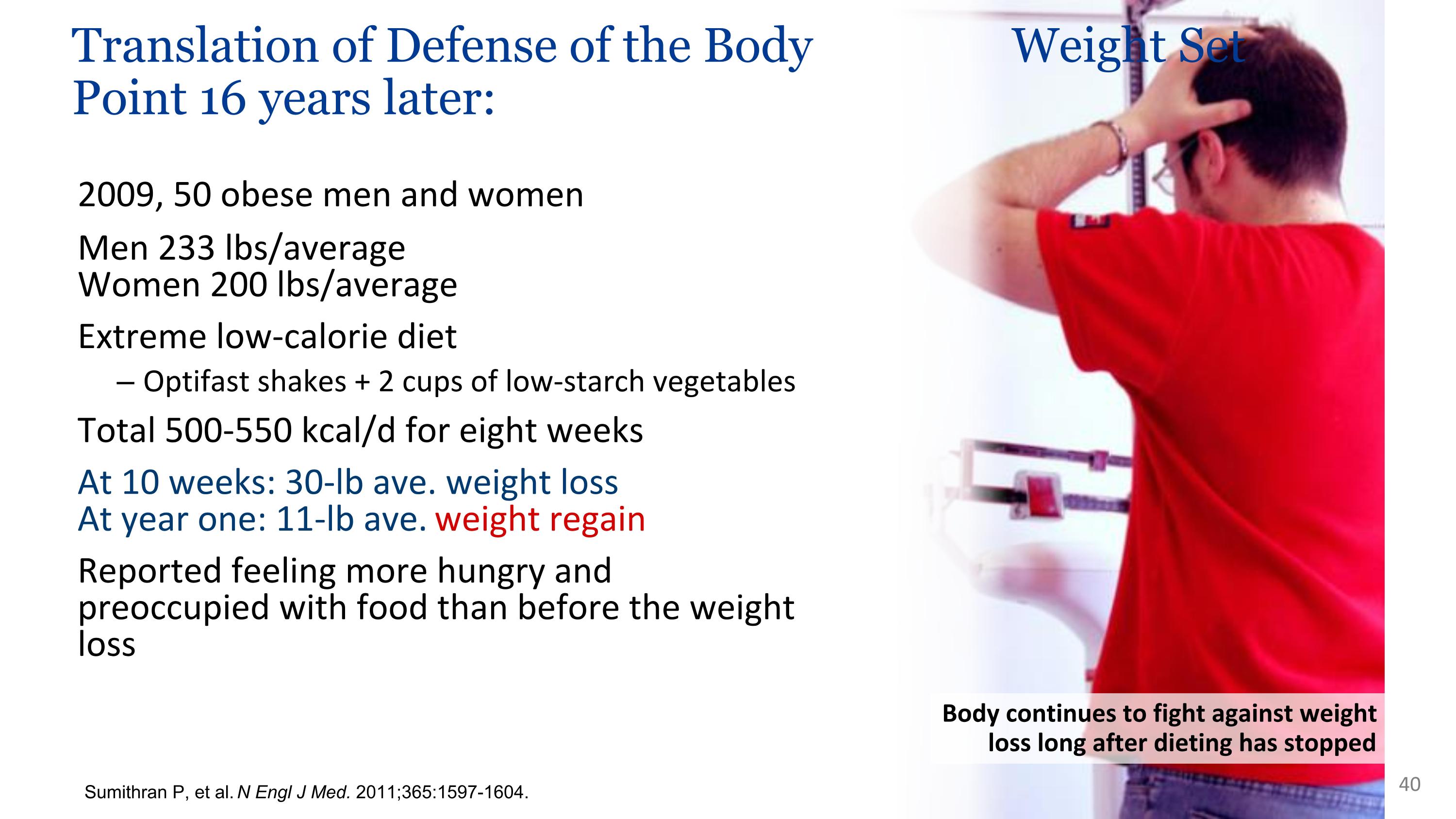
2009, 50 obese men and women Men 233 lbs/average Women 200 lbs/average Extreme low-calorie diet Optifast shakes + 2 cups of low-starch vegetables Total 500-550 kcal/d for eight weeks At 10 weeks: 30-lb ave. weight loss At year one: 11-lb ave. weight regain Reported feeling more hungry and preoccupied with food than before the weight loss Sumithran P, et al. N Engl J Med. 2011;365:1597-1604. Body continues to fight against weight loss long after dieting has stopped Translation of Defense of the Body Weight Set Point 16 years later:
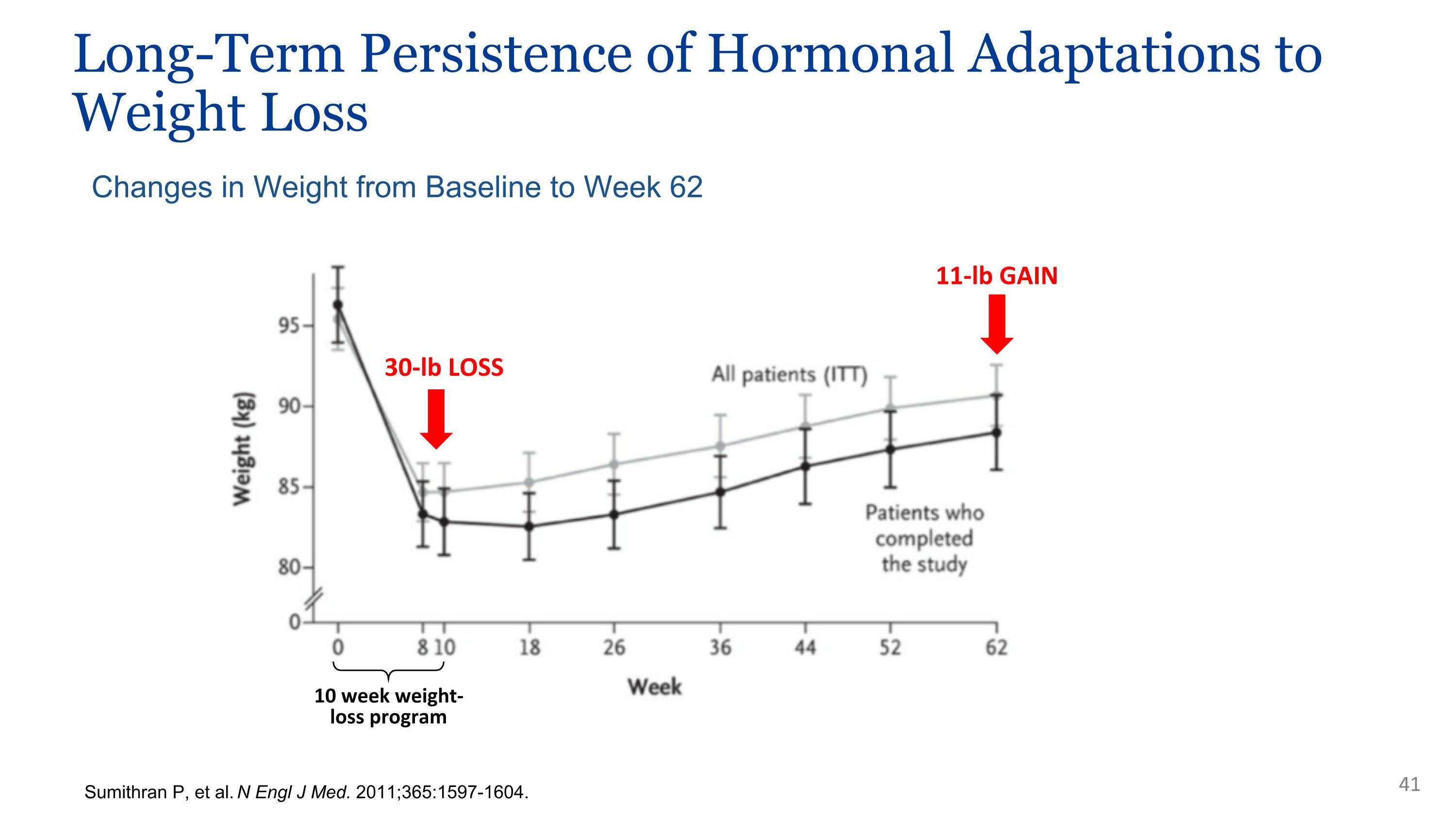
Long-Term Persistence of Hormonal Adaptations to Weight Loss Changes in Weight from Baseline to Week 62 30-lb LOSS 11-lb GAIN 10 week weight-loss program Sumithran P, et al. N Engl J Med. 2011;365:1597-1604.
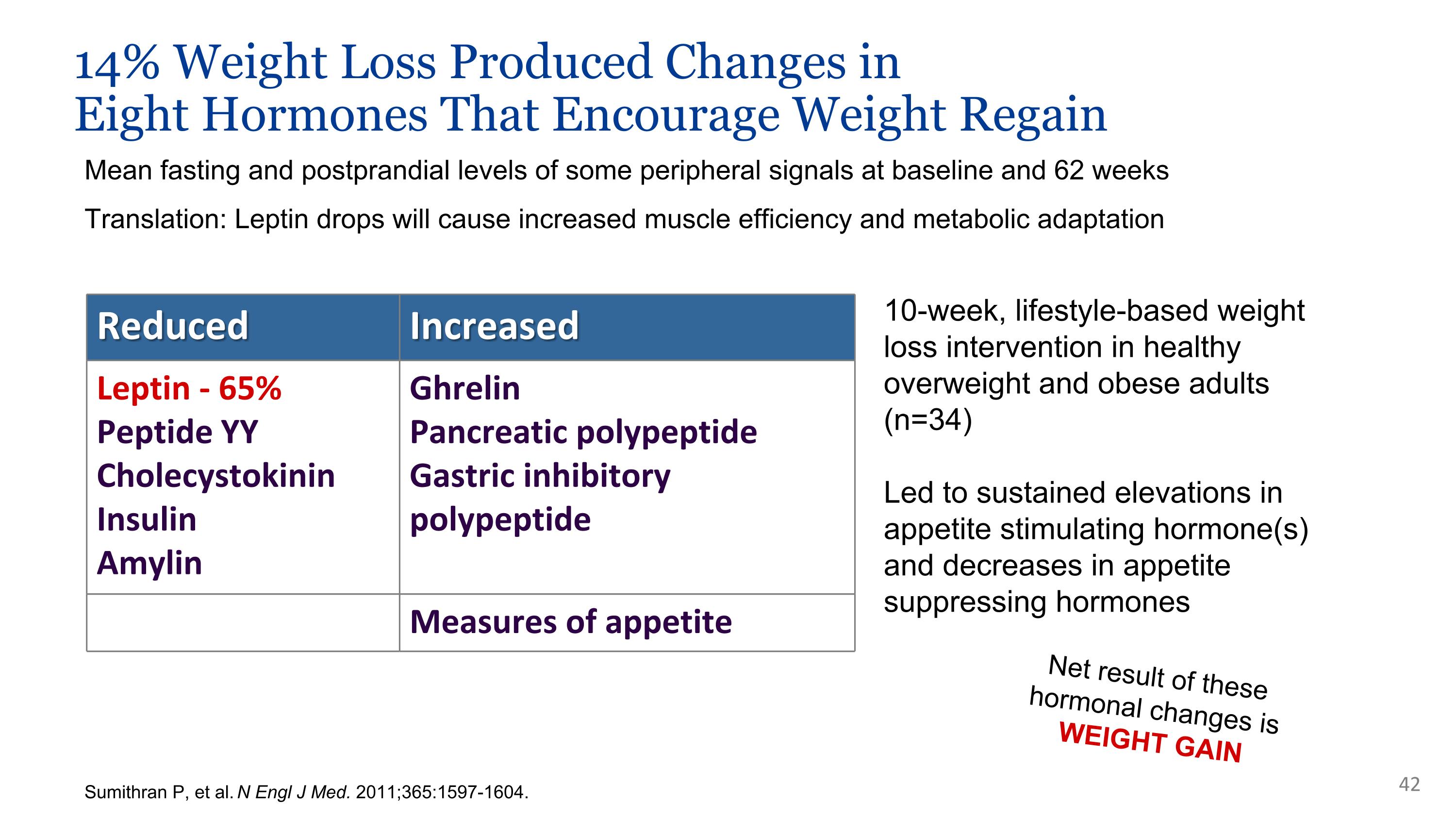
14% Weight Loss Produced Changes in �Eight Hormones That Encourage Weight Regain Mean fasting and postprandial levels of some peripheral signals at baseline and 62 weeks Reduced Increased Leptin - 65% Peptide YY Cholecystokinin Insulin Amylin Ghrelin Pancreatic polypeptide Gastric inhibitory polypeptide Measures of appetite 10-week, lifestyle-based weight loss intervention in healthy overweight and obese adults (n=34) Led to sustained elevations in appetite stimulating hormone(s) and decreases in appetite suppressing hormones Net result of these hormonal changes is WEIGHT GAIN Translation: Leptin drops will cause increased muscle efficiency and metabolic adaptation Sumithran P, et al. N Engl J Med. 2011;365:1597-1604.
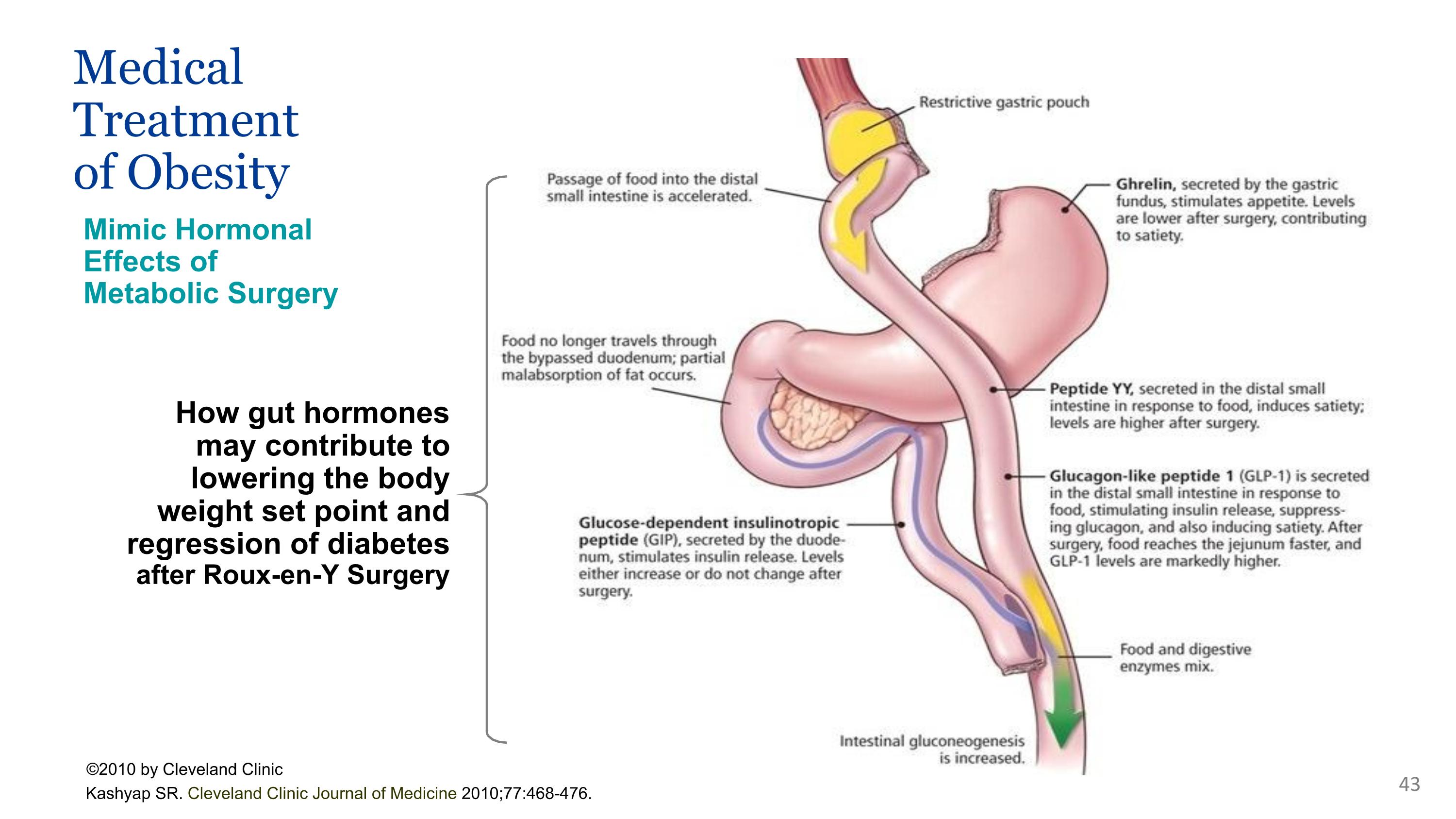
Medical Treatment of Obesity ©2010 by Cleveland Clinic Kashyap SR. Cleveland Clinic Journal of Medicine 2010;77:468-476. Mimic Hormonal Effects of Metabolic Surgery How gut hormones may contribute to lowering the body weight set point and regression of diabetes after Roux-en-Y Surgery
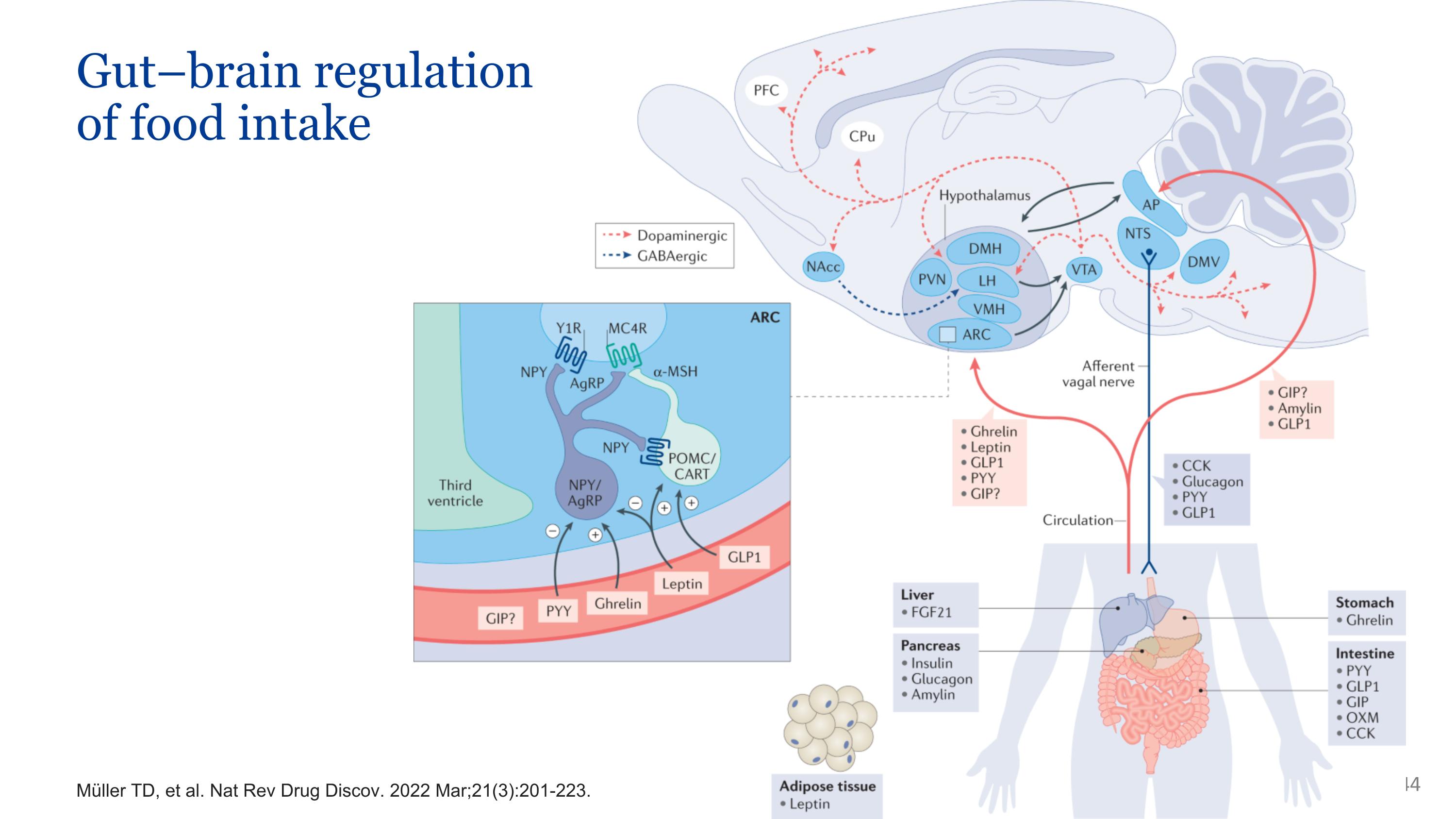
Müller TD, et al. Nat Rev Drug Discov. 2022 Mar;21(3):201-223. Gut–brain regulation of food intake
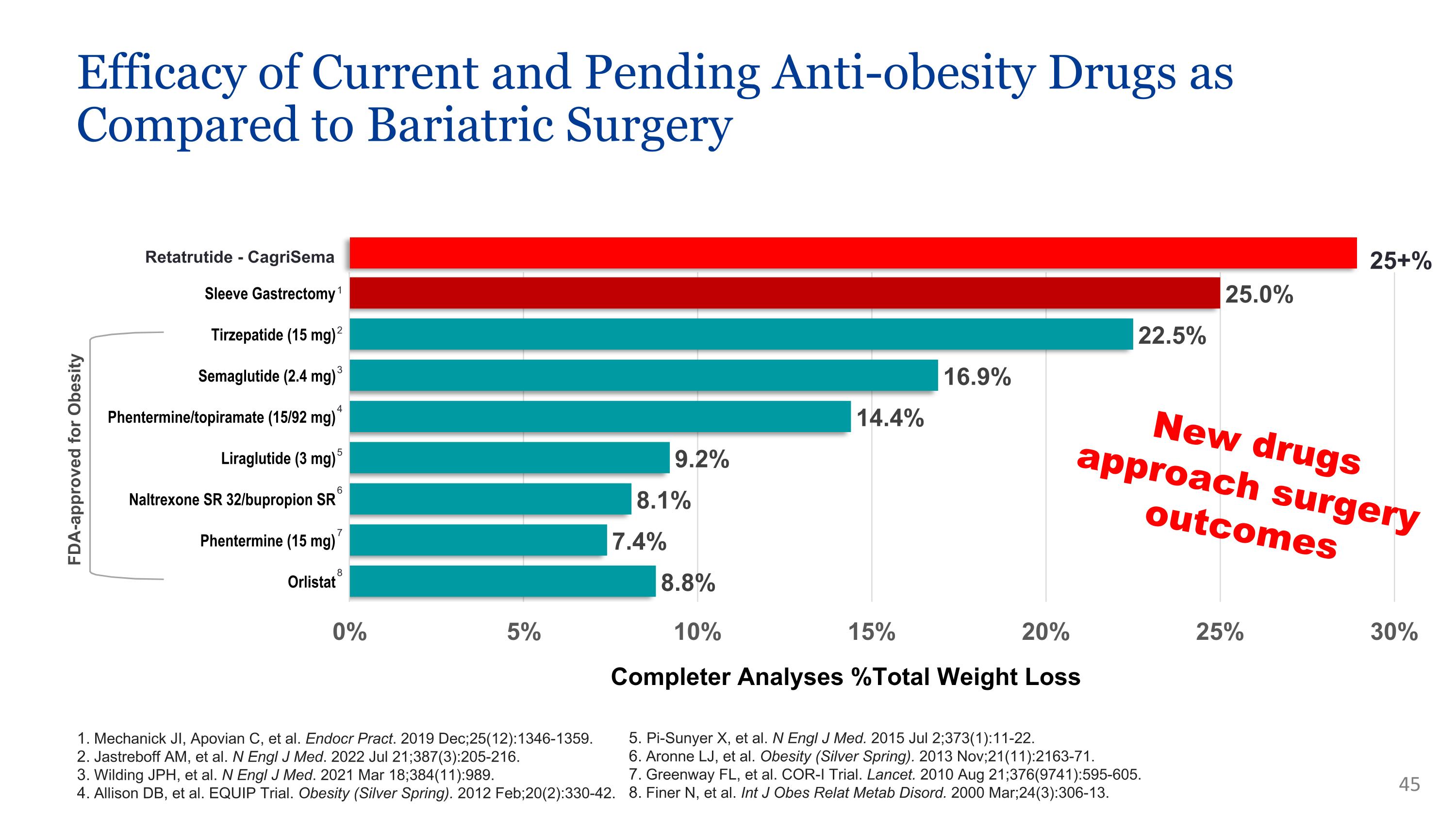
Retatrutide - CagriSema FDA-approved for Obesity 1 2 3 4 5 6 7 8 25+% Efficacy of Current and Pending Anti-obesity Drugs as Compared to Bariatric Surgery Mechanick JI, Apovian C, et al. Endocr Pract. 2019 Dec;25(12):1346-1359. Jastreboff AM, et al. N Engl J Med. 2022 Jul 21;387(3):205-216. Wilding JPH, et al. N Engl J Med. 2021 Mar 18;384(11):989. Allison DB, et al. EQUIP Trial. Obesity (Silver Spring). 2012 Feb;20(2):330-42. Pi-Sunyer X, et al. N Engl J Med. 2015 Jul 2;373(1):11-22. Aronne LJ, et al. Obesity (Silver Spring). 2013 Nov;21(11):2163-71. Greenway FL, et al. COR-I Trial. Lancet. 2010 Aug 21;376(9741):595-605. Finer N, et al. Int J Obes Relat Metab Disord. 2000 Mar;24(3):306-13. New drugs approach surgery outcomes
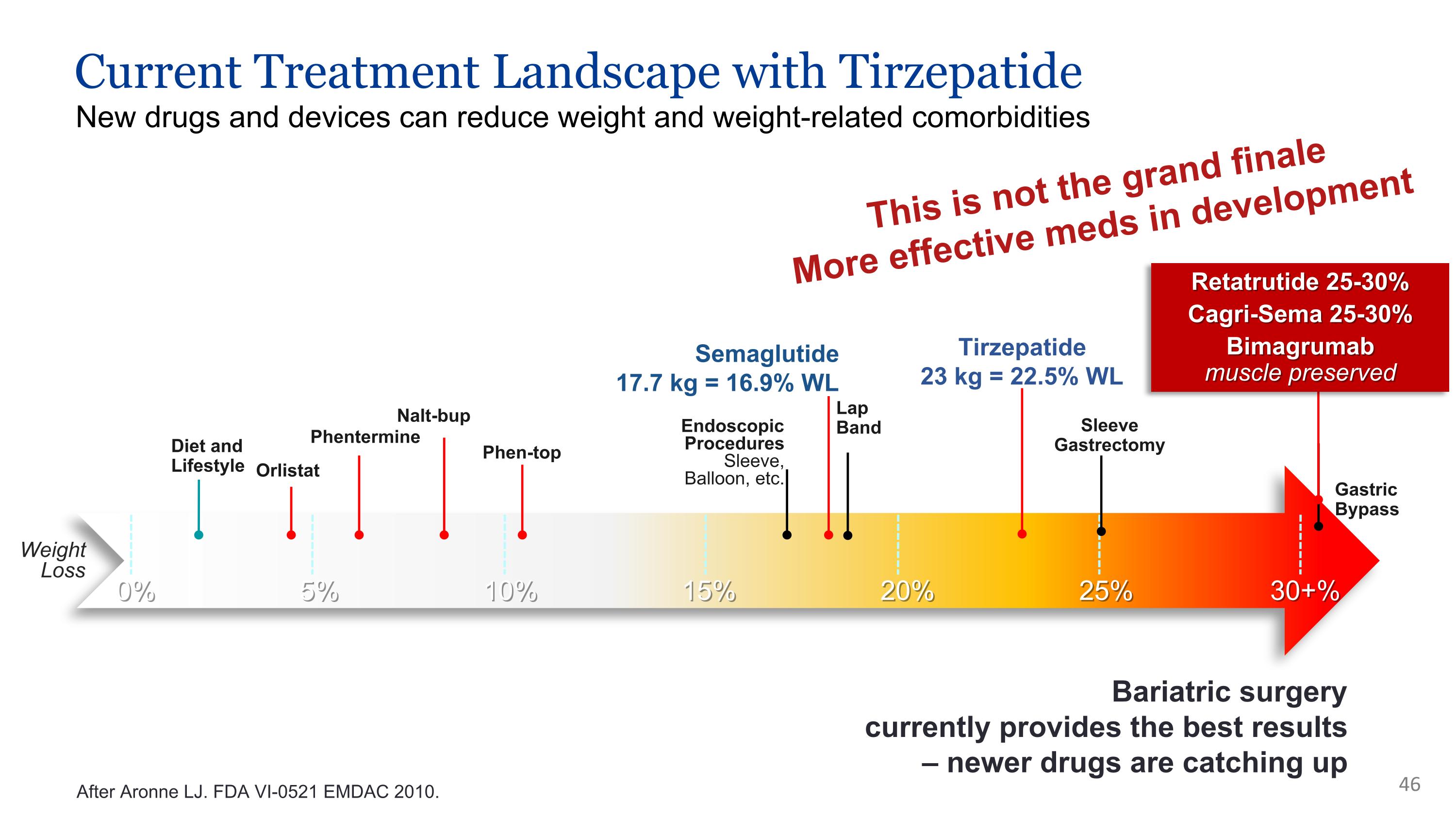
Current Treatment Landscape with Tirzepatide 0% 5% 10% 15% 20% 25% 30+% Weight Loss After Aronne LJ. FDA VI-0521 EMDAC 2010. Diet and Lifestyle New drugs and devices can reduce weight and weight-related comorbidities Lap Band Sleeve Gastrectomy Gastric Bypass Tirzepatide 23 kg = 22.5% WL Orlistat Phentermine Nalt-bup Semaglutide 17.7 kg = 16.9% WL Phen-top Endoscopic Procedures Sleeve, Balloon, etc. This is not the grand finale More effective meds in development Retatrutide 25-30% Cagri-Sema 25-30% Bimagrumab muscle preserved Bariatric surgery currently provides the best results – newer drugs are catching up
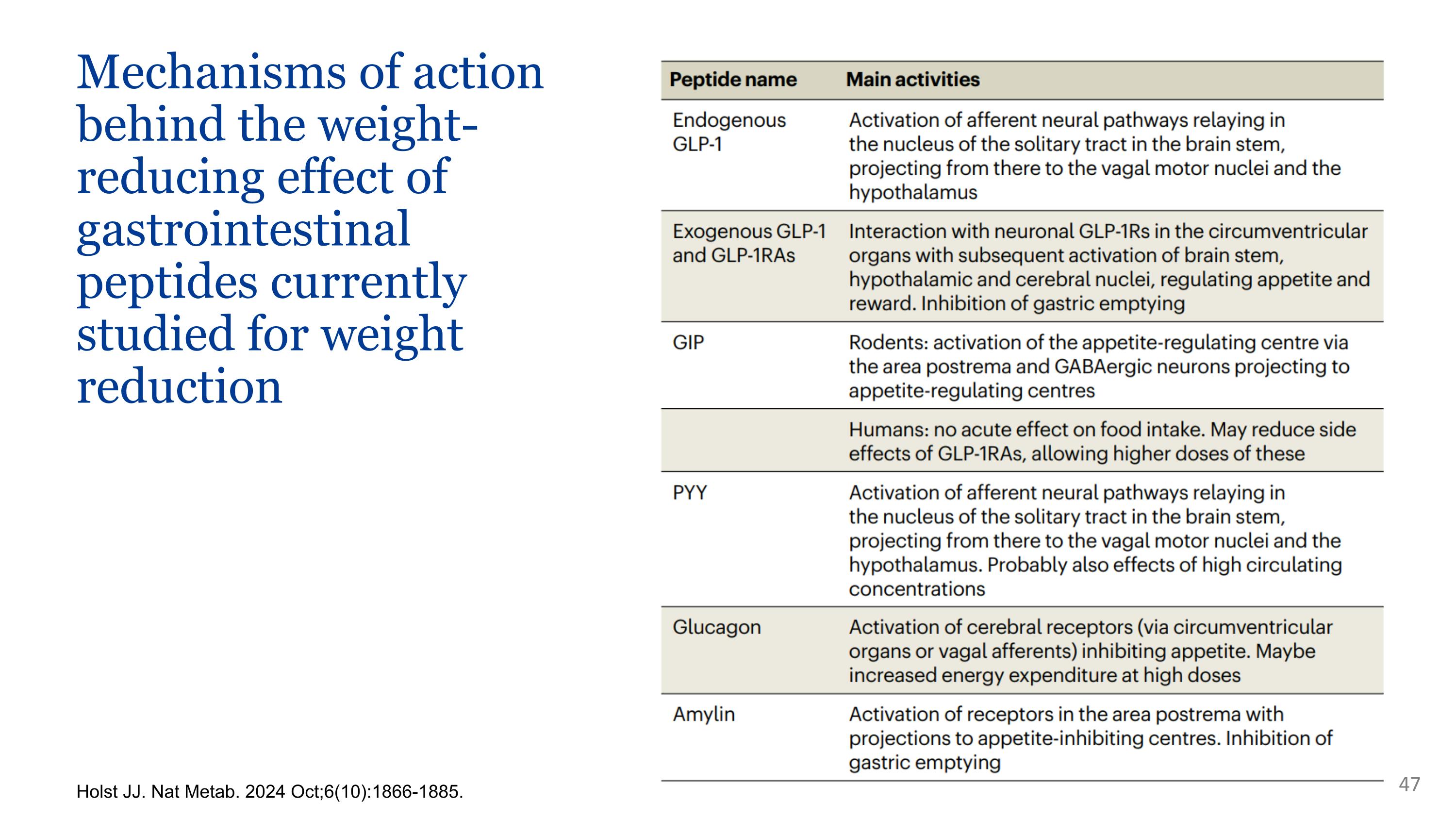
Mechanisms of action behind the weight-reducing effect of gastrointestinal peptides currently studied for weight reduction Holst JJ. Nat Metab. 2024 Oct;6(10):1866-1885.
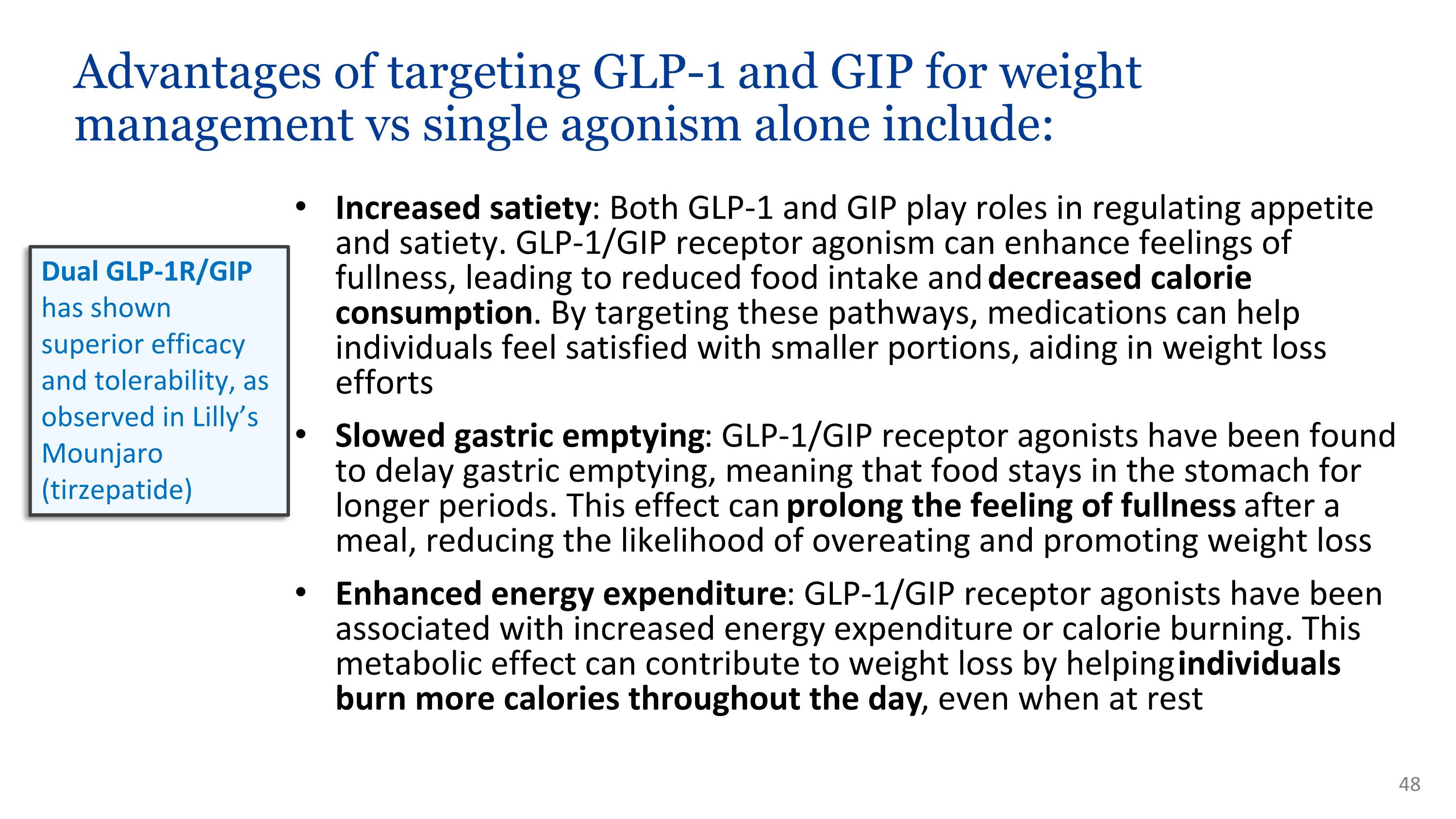
Advantages of targeting GLP-1 and GIP for weight management vs single agonism alone include: Increased satiety: Both GLP-1 and GIP play roles in regulating appetite and satiety. GLP-1/GIP receptor agonism can enhance feelings of fullness, leading to reduced food intake and decreased calorie consumption. By targeting these pathways, medications can help individuals feel satisfied with smaller portions, aiding in weight loss efforts Slowed gastric emptying: GLP-1/GIP receptor agonists have been found to delay gastric emptying, meaning that food stays in the stomach for longer periods. This effect can prolong the feeling of fullness after a meal, reducing the likelihood of overeating and promoting weight loss Enhanced energy expenditure: GLP-1/GIP receptor agonists have been associated with increased energy expenditure or calorie burning. This metabolic effect can contribute to weight loss by helping individuals burn more calories throughout the day, even when at rest Dual GLP-1R/GIP has shown superior efficacy and tolerability, as observed in Lilly’s Mounjaro (tirzepatide)

Current Unmet Needs
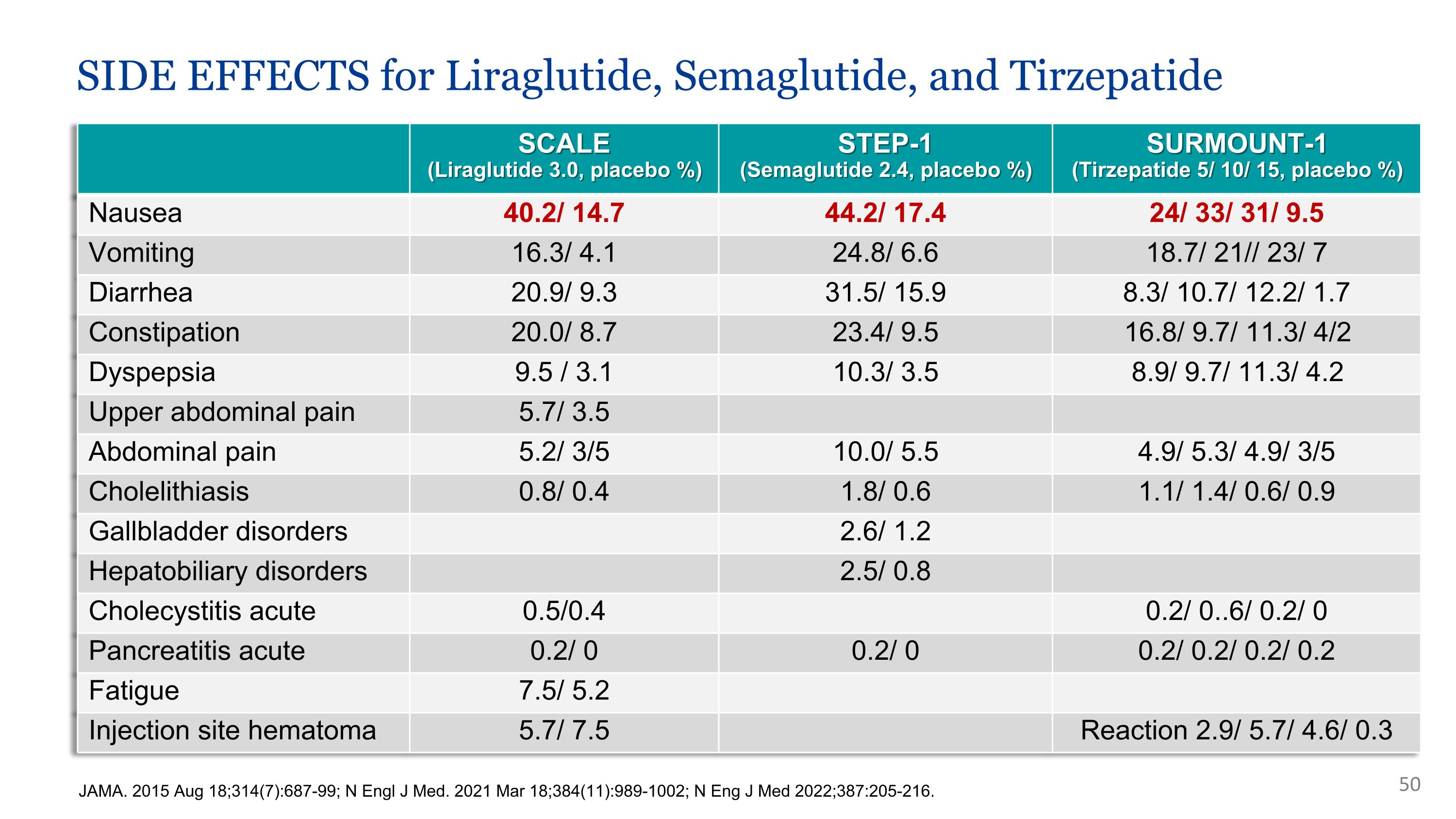
SIDE EFFECTS for Liraglutide, Semaglutide, and Tirzepatide JAMA. 2015 Aug 18;314(7):687-99; N Engl J Med. 2021 Mar 18;384(11):989-1002; N Eng J Med 2022;387:205-216. SCALE (Liraglutide 3.0, placebo %) STEP-1 (Semaglutide 2.4, placebo %) SURMOUNT-1 (Tirzepatide 5/ 10/ 15, placebo %) Nausea 40.2/ 14.7 44.2/ 17.4 24/ 33/ 31/ 9.5 Vomiting 16.3/ 4.1 24.8/ 6.6 18.7/ 21// 23/ 7 Diarrhea 20.9/ 9.3 31.5/ 15.9 8.3/ 10.7/ 12.2/ 1.7 Constipation 20.0/ 8.7 23.4/ 9.5 16.8/ 9.7/ 11.3/ 4/2 Dyspepsia 9.5 / 3.1 10.3/ 3.5 8.9/ 9.7/ 11.3/ 4.2 Upper abdominal pain 5.7/ 3.5 Abdominal pain 5.2/ 3/5 10.0/ 5.5 4.9/ 5.3/ 4.9/ 3/5 Cholelithiasis 0.8/ 0.4 1.8/ 0.6 1.1/ 1.4/ 0.6/ 0.9 Gallbladder disorders 2.6/ 1.2 Hepatobiliary disorders 2.5/ 0.8 Cholecystitis acute 0.5/0.4 0.2/ 0..6/ 0.2/ 0 Pancreatitis acute 0.2/ 0 0.2/ 0 0.2/ 0.2/ 0.2/ 0.2 Fatigue 7.5/ 5.2 Injection site hematoma 5.7/ 7.5 Reaction 2.9/ 5.7/ 4.6/ 0.3
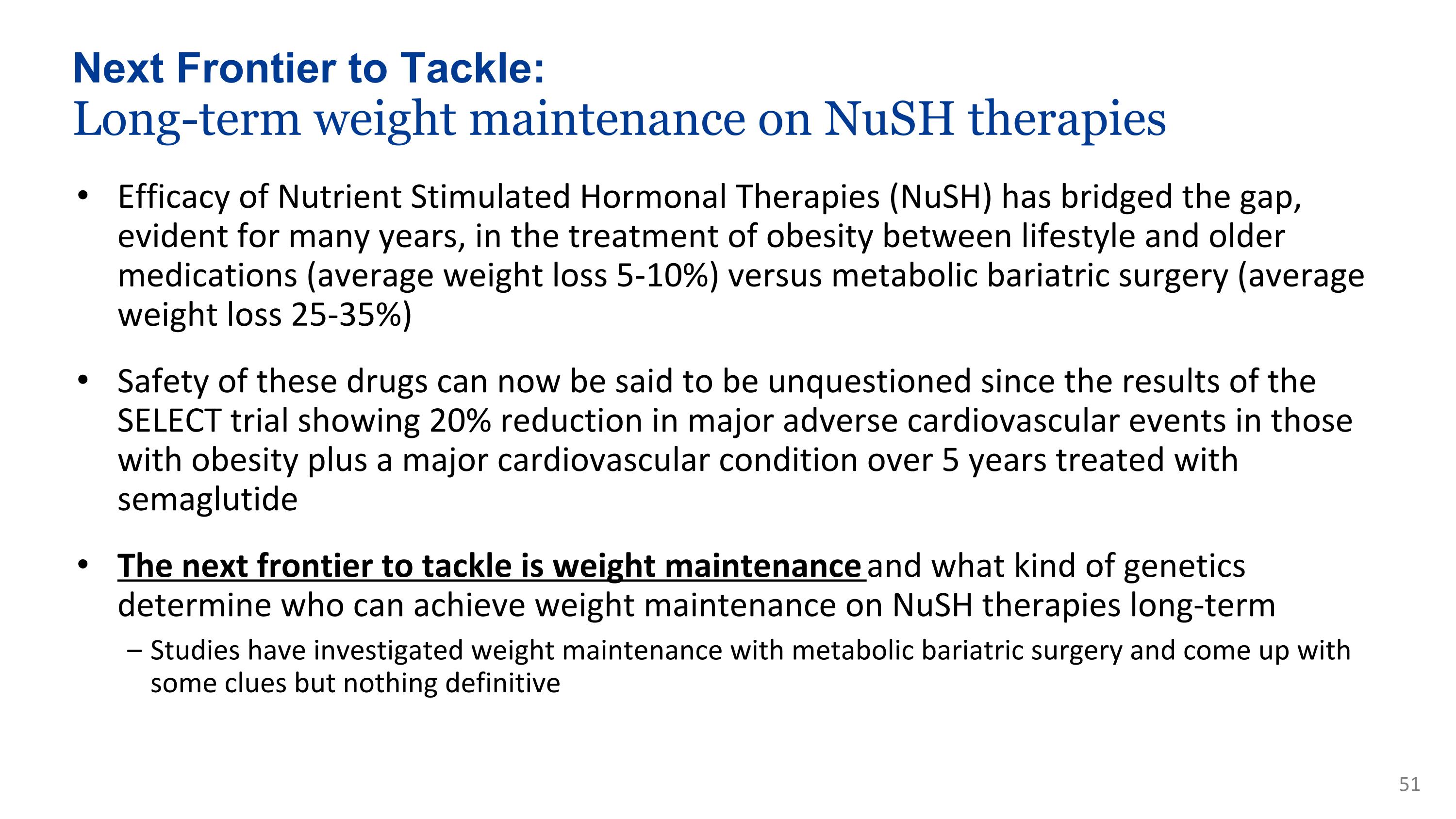
Next Frontier to Tackle: �Long-term weight maintenance on NuSH therapies Efficacy of Nutrient Stimulated Hormonal Therapies (NuSH) has bridged the gap, evident for many years, in the treatment of obesity between lifestyle and older medications (average weight loss 5-10%) versus metabolic bariatric surgery (average weight loss 25-35%) Safety of these drugs can now be said to be unquestioned since the results of the SELECT trial showing 20% reduction in major adverse cardiovascular events in those with obesity plus a major cardiovascular condition over 5 years treated with semaglutide The next frontier to tackle is weight maintenance and what kind of genetics determine who can achieve weight maintenance on NuSH therapies long-term Studies have investigated weight maintenance with metabolic bariatric surgery and come up with some clues but nothing definitive
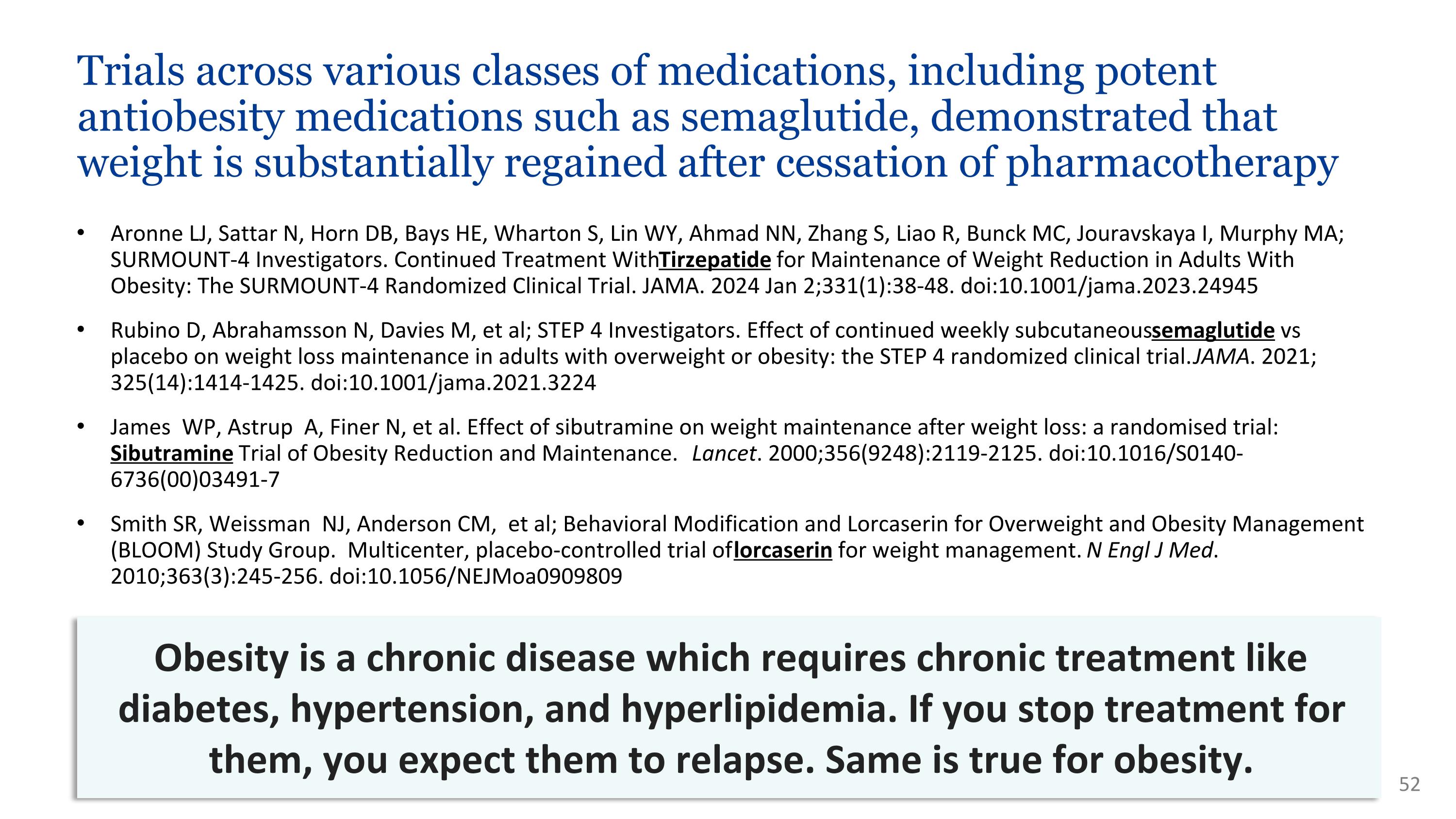
Trials across various classes of medications, including potent antiobesity medications such as semaglutide, demonstrated that weight is substantially regained after cessation of pharmacotherapy Aronne LJ, Sattar N, Horn DB, Bays HE, Wharton S, Lin WY, Ahmad NN, Zhang S, Liao R, Bunck MC, Jouravskaya I, Murphy MA; SURMOUNT-4 Investigators. Continued Treatment With Tirzepatide for Maintenance of Weight Reduction in Adults With Obesity: The SURMOUNT-4 Randomized Clinical Trial. JAMA. 2024 Jan 2;331(1):38-48. doi:10.1001/jama.2023.24945 Rubino D, Abrahamsson N, Davies M, et al; STEP 4 Investigators. Effect of continued weekly subcutaneous semaglutide vs placebo on weight loss maintenance in adults with overweight or obesity: the STEP 4 randomized clinical trial. JAMA. 2021; 325(14):1414-1425. doi:10.1001/jama.2021.3224 James WP, Astrup A, Finer N, et al. Effect of sibutramine on weight maintenance after weight loss: a randomised trial: Sibutramine Trial of Obesity Reduction and Maintenance. Lancet. 2000;356(9248):2119-2125. doi:10.1016/S0140-6736(00)03491-7 Smith SR, Weissman NJ, Anderson CM, et al; Behavioral Modification and Lorcaserin for Overweight and Obesity Management (BLOOM) Study Group. Multicenter, placebo-controlled trial of lorcaserin for weight management. N Engl J Med. 2010;363(3):245-256. doi:10.1056/NEJMoa0909809 Obesity is a chronic disease which requires chronic treatment like diabetes, hypertension, and hyperlipidemia. If you stop treatment for them, you expect them to relapse. Same is true for obesity.
Discussion Are there any patients that successfully maintain when drugs are stopped? We know what happens on average but not if there are any who succeed Can we reduce doses of our NuSH therapies or try another different drug for maintenance? More research is needed – for this we really need to go back to the pathophysiology of obesity Are there examples of different approaches to maintenance?
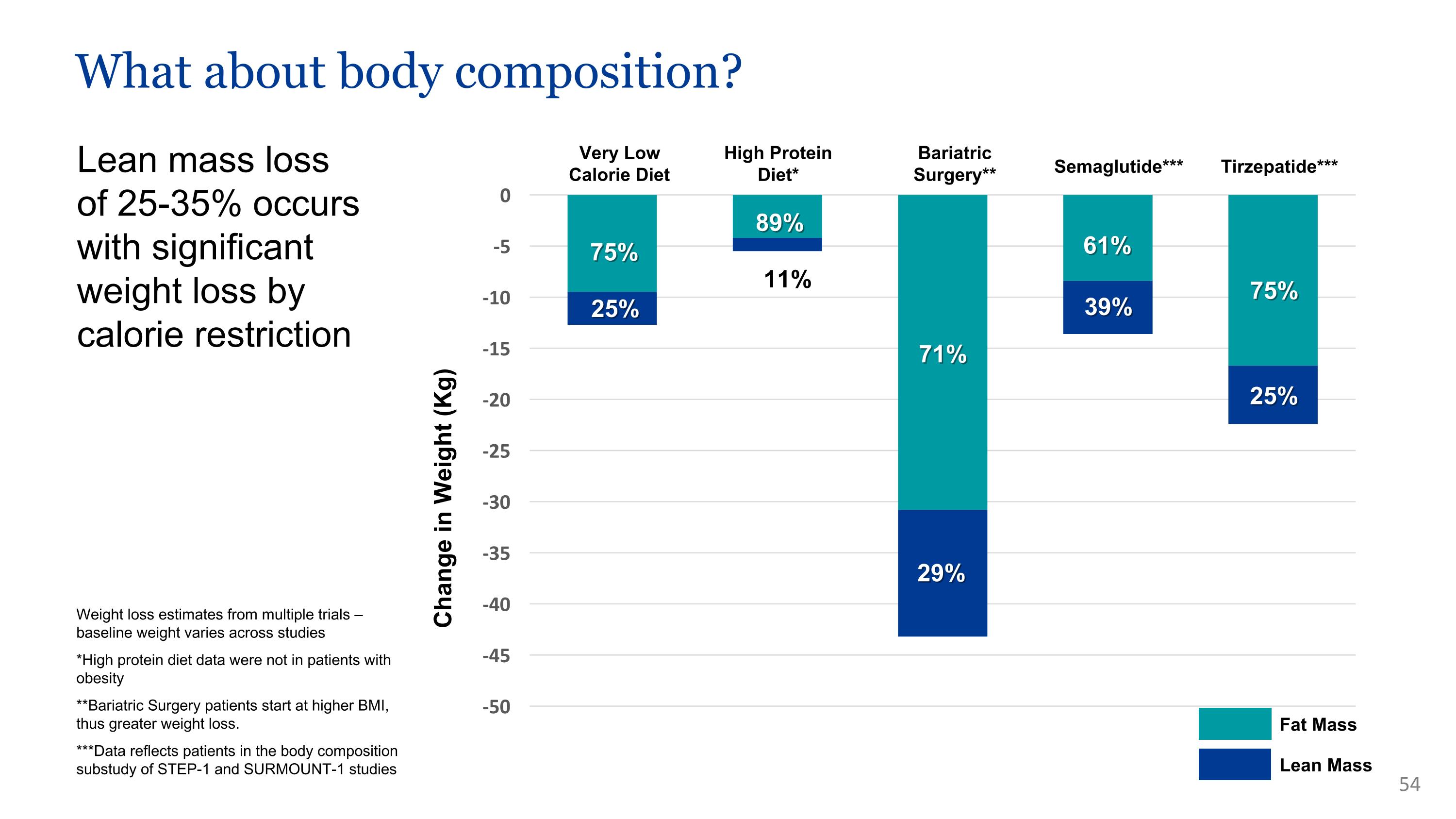
What about body composition? Weight loss estimates from multiple trials – baseline weight varies across studies *High protein diet data were not in patients with obesity **Bariatric Surgery patients start at higher BMI, thus greater weight loss. ***Data reflects patients in the body composition substudy of STEP-1 and SURMOUNT-1 studies 75% 25% 89% 11% 71% 29% 61% 39% 75% 25% Change in Weight (Kg) Very Low Calorie Diet High Protein Diet* Bariatric Surgery** Semaglutide*** Tirzepatide*** Fat Mass Lean Mass Lean mass loss of 25-35% occurs with significant weight loss by calorie restriction

Prader-Willi Syndrome Overview and Update
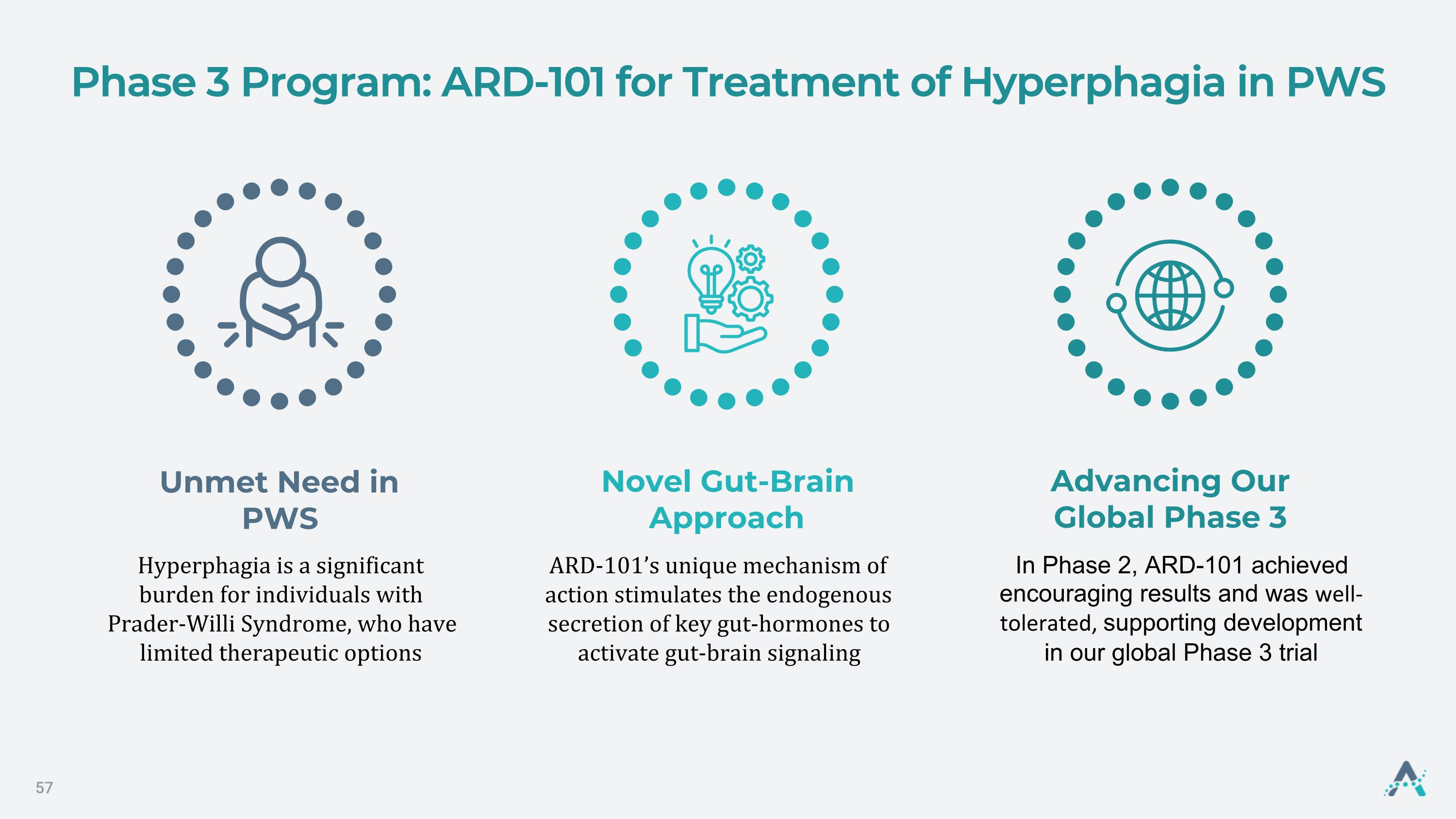
Novel Gut-Brain Approach Unmet Need in PWS Advancing Our Global Phase 3 In Phase 2, ARD-101 achieved encouraging results and was well-tolerated, supporting development in our global Phase 3 trial Hyperphagia is a significant burden for individuals with Prader-Willi Syndrome, who have limited therapeutic options ARD-101’s unique mechanism of action stimulates the endogenous secretion of key gut-hormones to activate gut-brain signaling Phase 3 Program: ARD-101 for Treatment of Hyperphagia in PWS
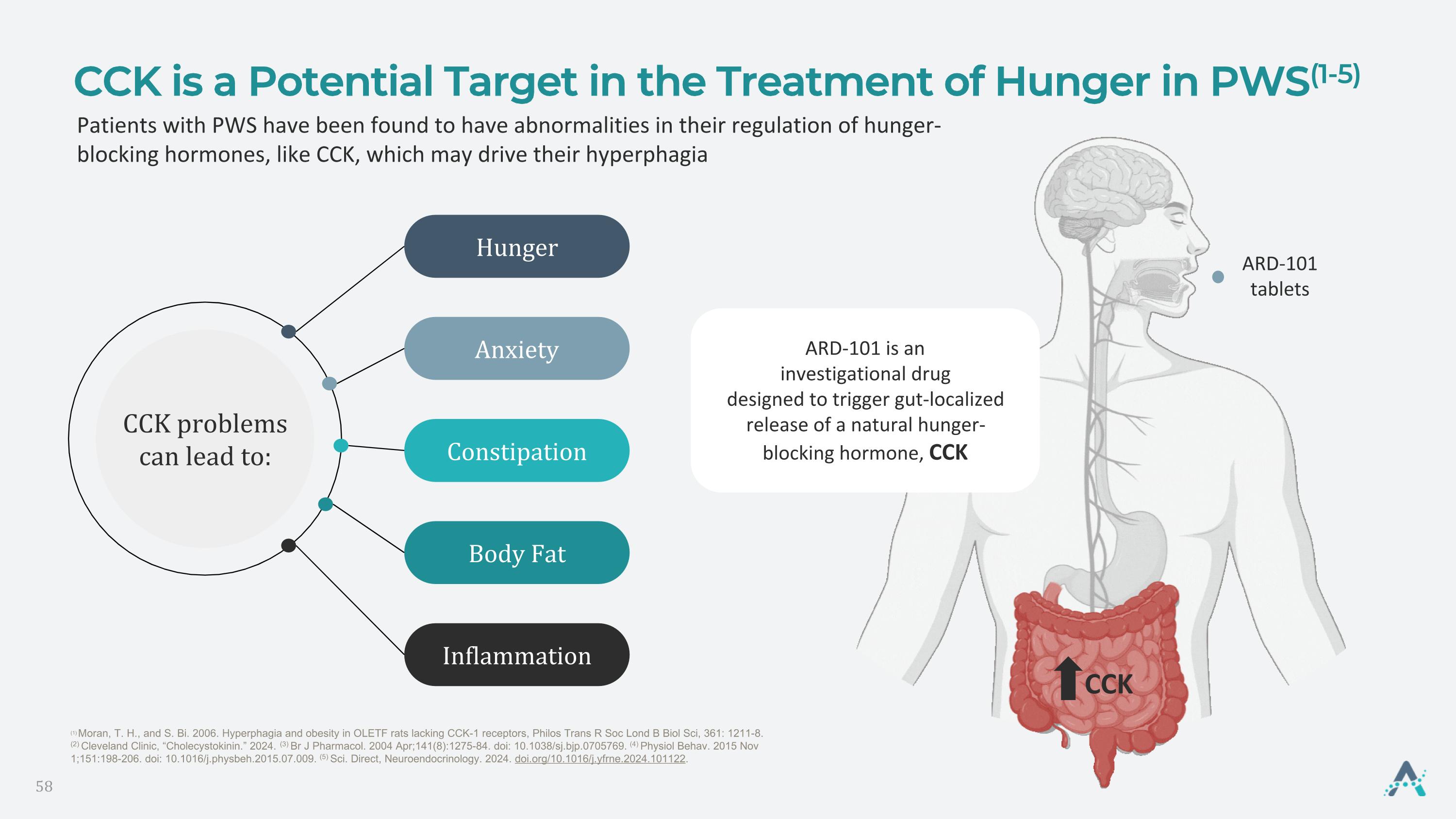
Hunger Anxiety Body Fat Constipation Inflammation CCK problems can lead to: (1) Moran, T. H., and S. Bi. 2006. Hyperphagia and obesity in OLETF rats lacking CCK-1 receptors, Philos Trans R Soc Lond B Biol Sci, 361: 1211-8. (2) Cleveland Clinic, “Cholecystokinin.” 2024. (3) Br J Pharmacol. 2004 Apr;141(8):1275-84. doi: 10.1038/sj.bjp.0705769. (4) Physiol Behav. 2015 Nov 1;151:198-206. doi: 10.1016/j.physbeh.2015.07.009. (5) Sci. Direct, Neuroendocrinology. 2024. doi.org/10.1016/j.yfrne.2024.101122. Patients with PWS have been found to have abnormalities in their regulation of hunger-blocking hormones, like CCK, which may drive their hyperphagia ARD-101 is an �investigational drug �designed to trigger gut-localized release of a natural hunger-blocking hormone, CCK CCK ARD-101 tablets CCK is a Potential Target in the Treatment of Hunger in PWS(1-5) 58
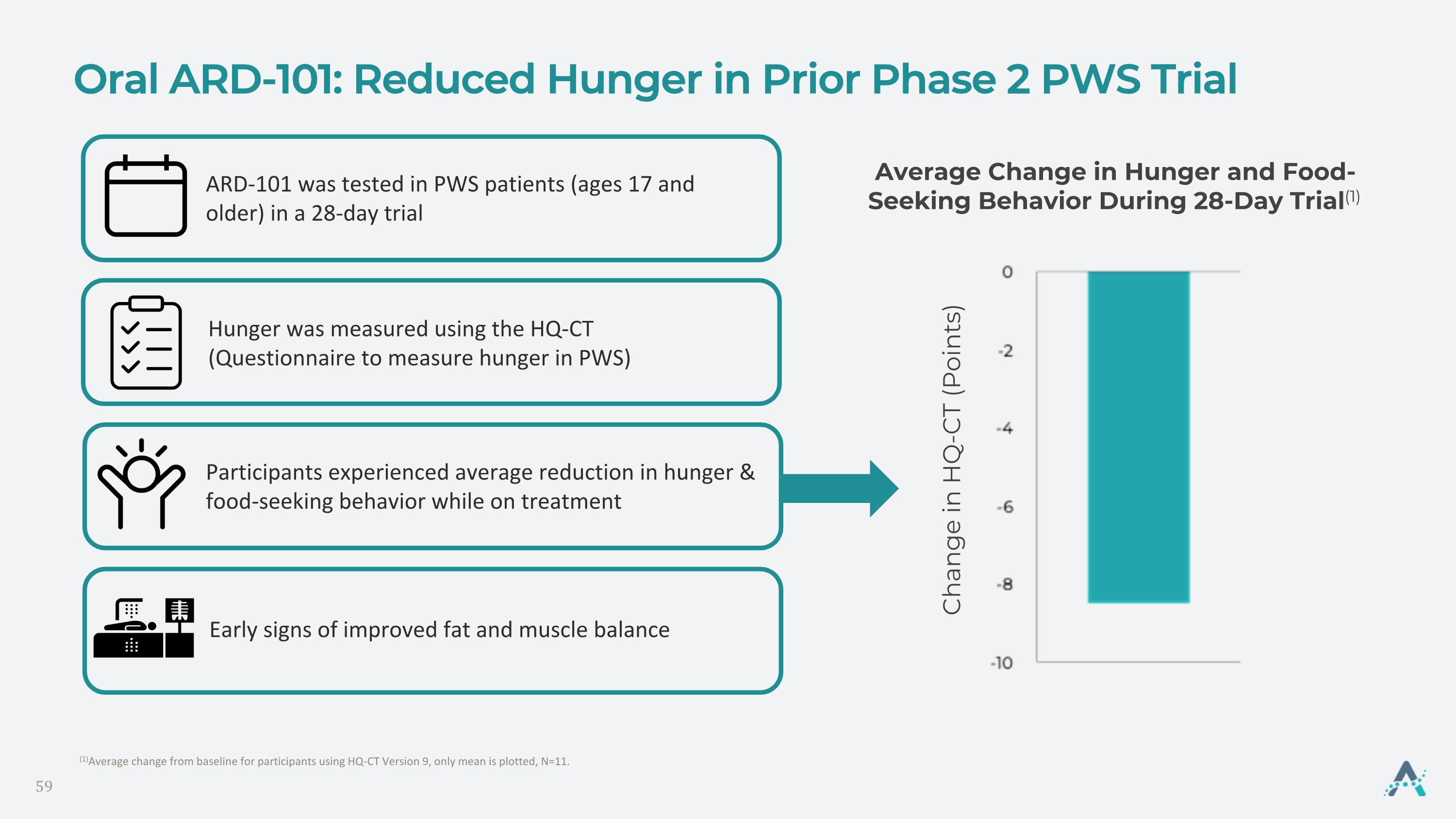
Oral ARD-101: Reduced Hunger in Prior Phase 2 PWS Trial Average Change in Hunger and Food-Seeking Behavior During 28-Day Trial(1) ARD-101 was tested in PWS patients (ages 17 and older) in a 28-day trial Hunger was measured using the HQ-CT (Questionnaire to measure hunger in PWS) Early signs of improved fat and muscle balance Participants experienced average reduction in hunger & food-seeking behavior while on treatment (1)Average change from baseline for participants using HQ-CT Version 9, only mean is plotted, N=11. Change in HQ-CT (Points) 59
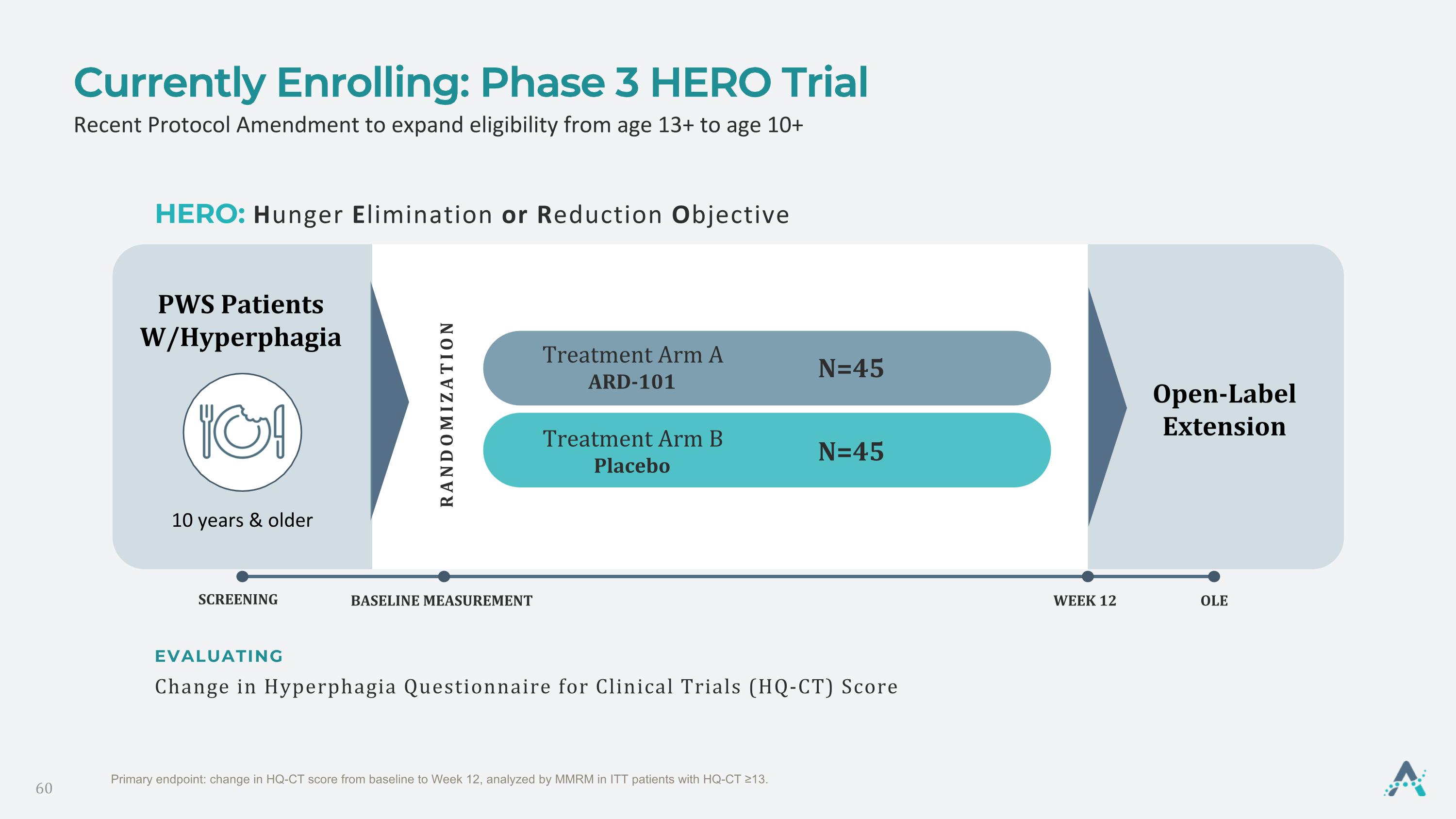
HERO: Hunger Elimination or Reduction Objective EVALUATING Change in Hyperphagia Questionnaire for Clinical Trials (HQ-CT) Score RANDOMIZATION SCREENING OLE PWS Patients W/Hyperphagia 10 years & older Open-Label Extension BASELINE MEASUREMENT WEEK 12 N=45 Treatment Arm A ARD-101 Treatment Arm B Placebo N=45 Primary endpoint: change in HQ-CT score from baseline to Week 12, analyzed by MMRM in ITT patients with HQ-CT ≥13. Recent Protocol Amendment to expand eligibility from age 13+ to age 10+ Currently Enrolling: Phase 3 HERO Trial
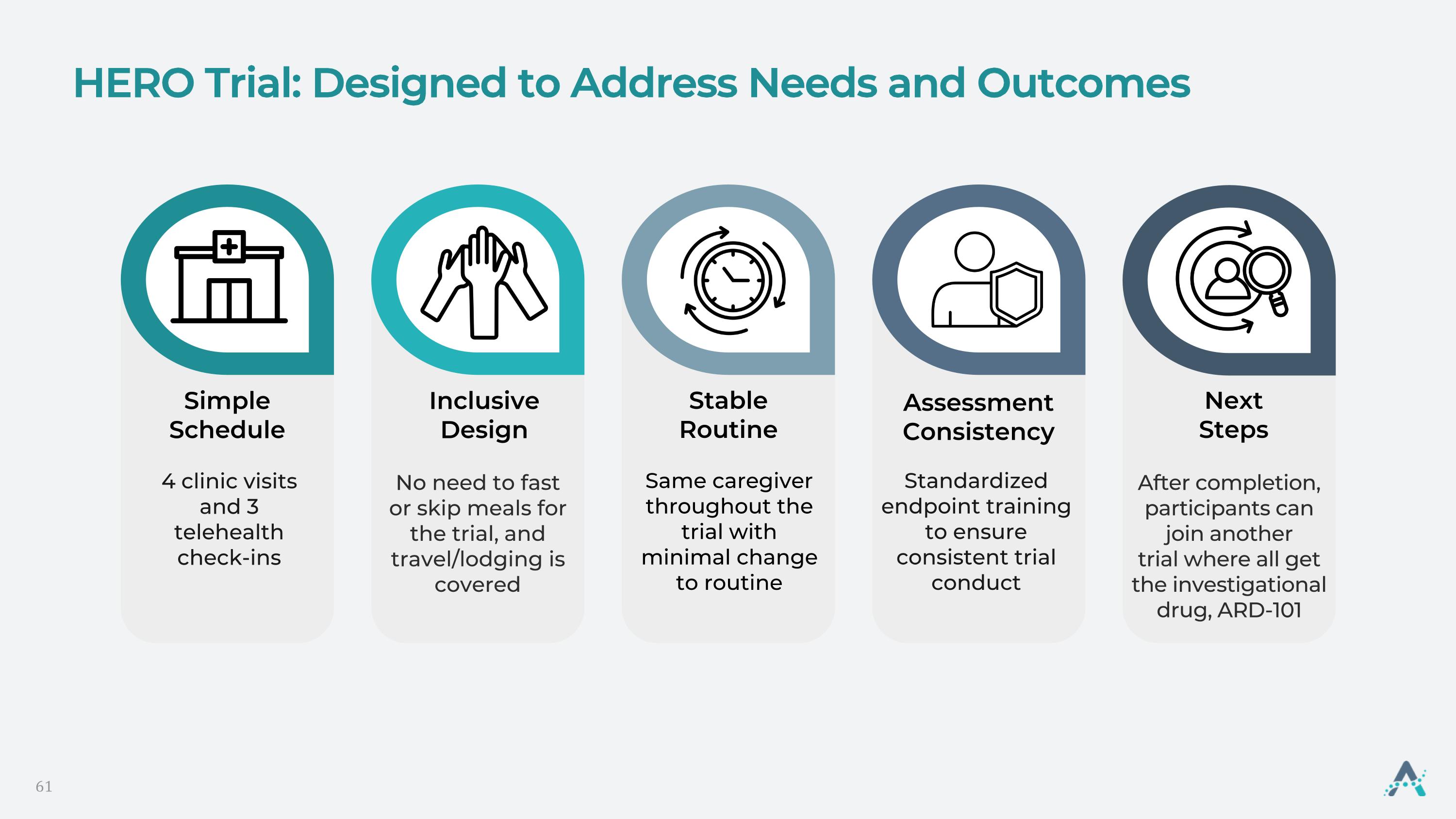
HERO Trial: Designed to Address Needs and Outcomes 61 4 clinic visits and 3 telehealth check-ins Simple Schedule No need to fast or skip meals for the trial, and travel/lodging is covered Inclusive Design Same caregiver throughout the trial with minimal change to routine Stable Routine Standardized endpoint training to ensure consistent trial conduct Assessment Consistency After completion, participants can join another trial where all get the investigational drug, ARD-101 Next Steps
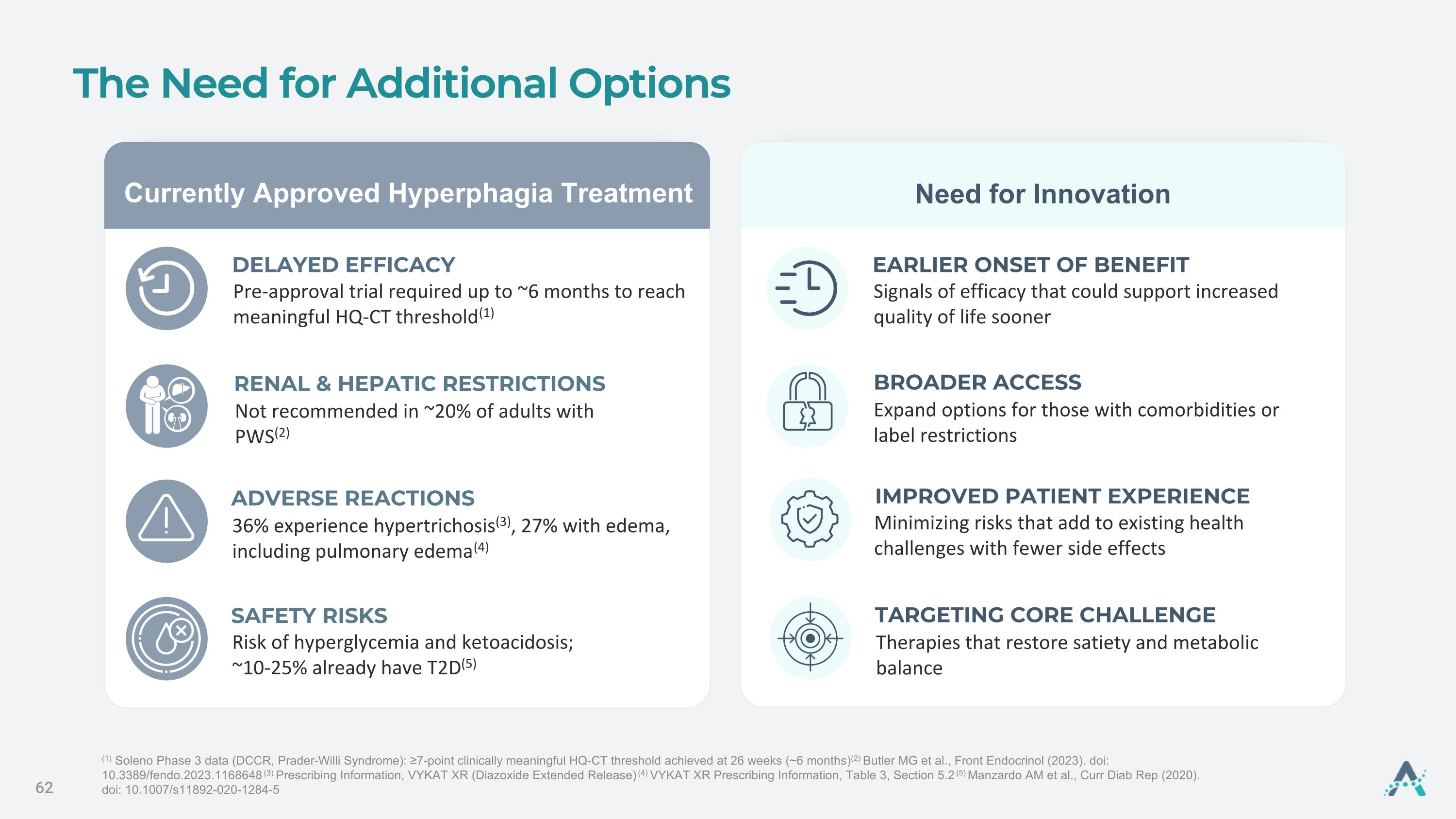
The Need for Additional Options (1) Soleno Phase 3 data (DCCR, Prader-Willi Syndrome): ≥7-point clinically meaningful HQ-CT threshold achieved at 26 weeks (~6 months) (2) Butler MG et al., Front Endocrinol (2023). doi: 10.3389/fendo.2023.1168648 (3) Prescribing Information, VYKAT XR (Diazoxide Extended Release) (4) VYKAT XR Prescribing Information, Table 3, Section 5.2 (5) Manzardo AM et al., Curr Diab Rep (2020). doi: 10.1007/s11892-020-1284-5 Currently Approved Hyperphagia Treatment RENAL & HEPATIC RESTRICTIONS Not recommended in ~20% of adults with PWS(2) SAFETY RISKS Risk of hyperglycemia and ketoacidosis; �~10-25% already have T2D(5) ADVERSE REACTIONS 36% experience hypertrichosis(3), 27% with edema, including pulmonary edema(4) Need for Innovation BROADER ACCESS Expand options for those with comorbidities or label restrictions IMPROVED PATIENT EXPERIENCE Minimizing risks that add to existing health challenges with fewer side effects TARGETING CORE CHALLENGE Therapies that restore satiety and metabolic balance EARLIER ONSET OF BENEFIT Signals of efficacy that could support increased quality of life sooner DELAYED EFFICACY Pre-approval trial required up to ~6 months to reach meaningful HQ-CT threshold(1)

A Discussion with Prader‐Willi Syndrome Association | USA Manasi Jaiman, MD Chief Medical Officer Aardvark Therapeutics Stacy Ward, MS, BCBA Chief Executive Officer PWSA | USA Dorothea Lantz Director of Community Engagement PWSA | USA

Q&A

Obesity Pipeline Q&A