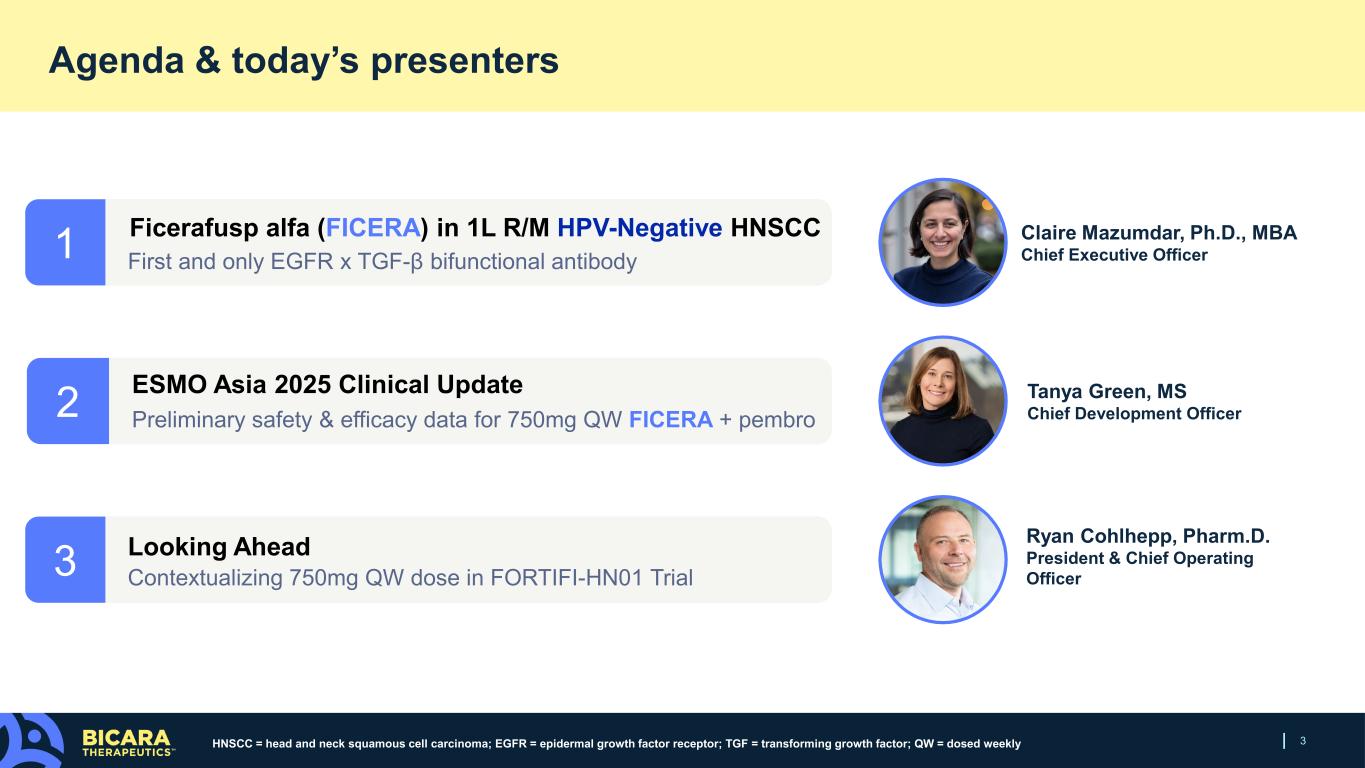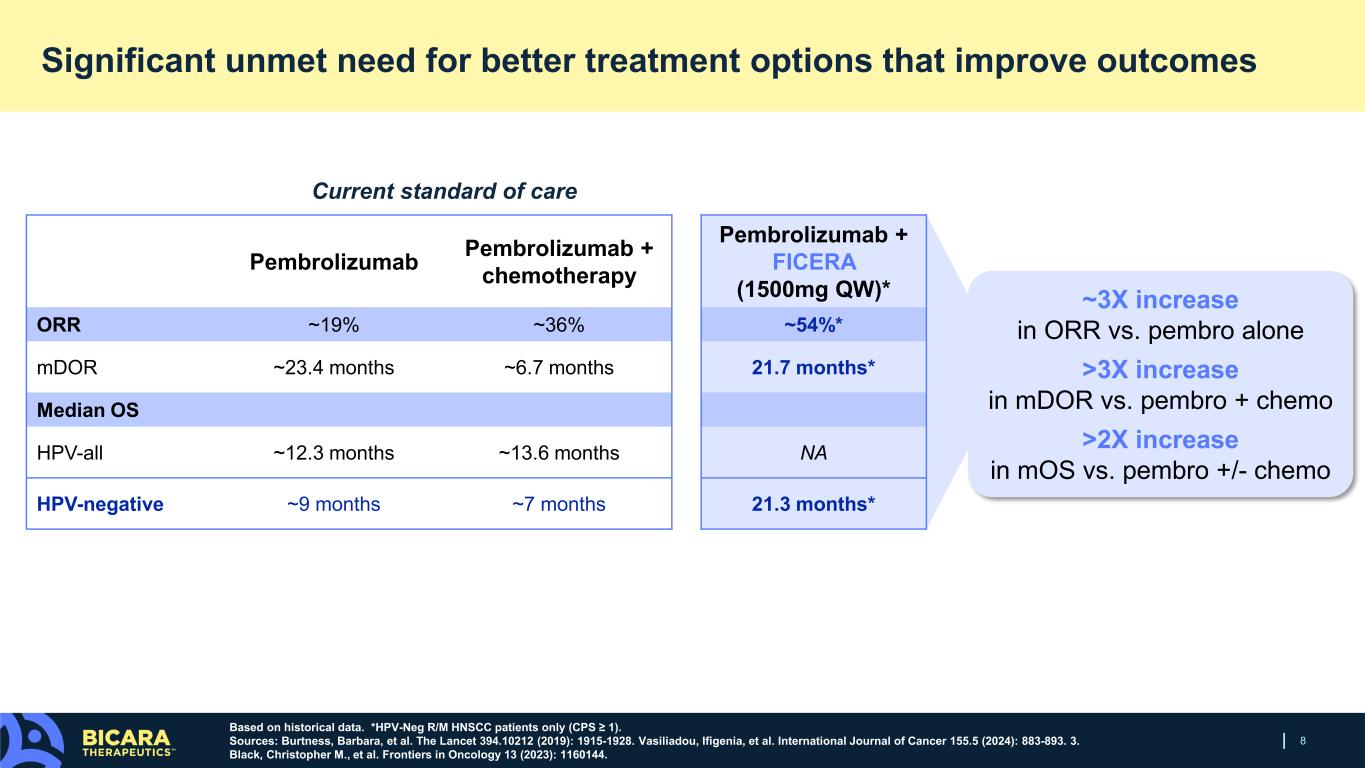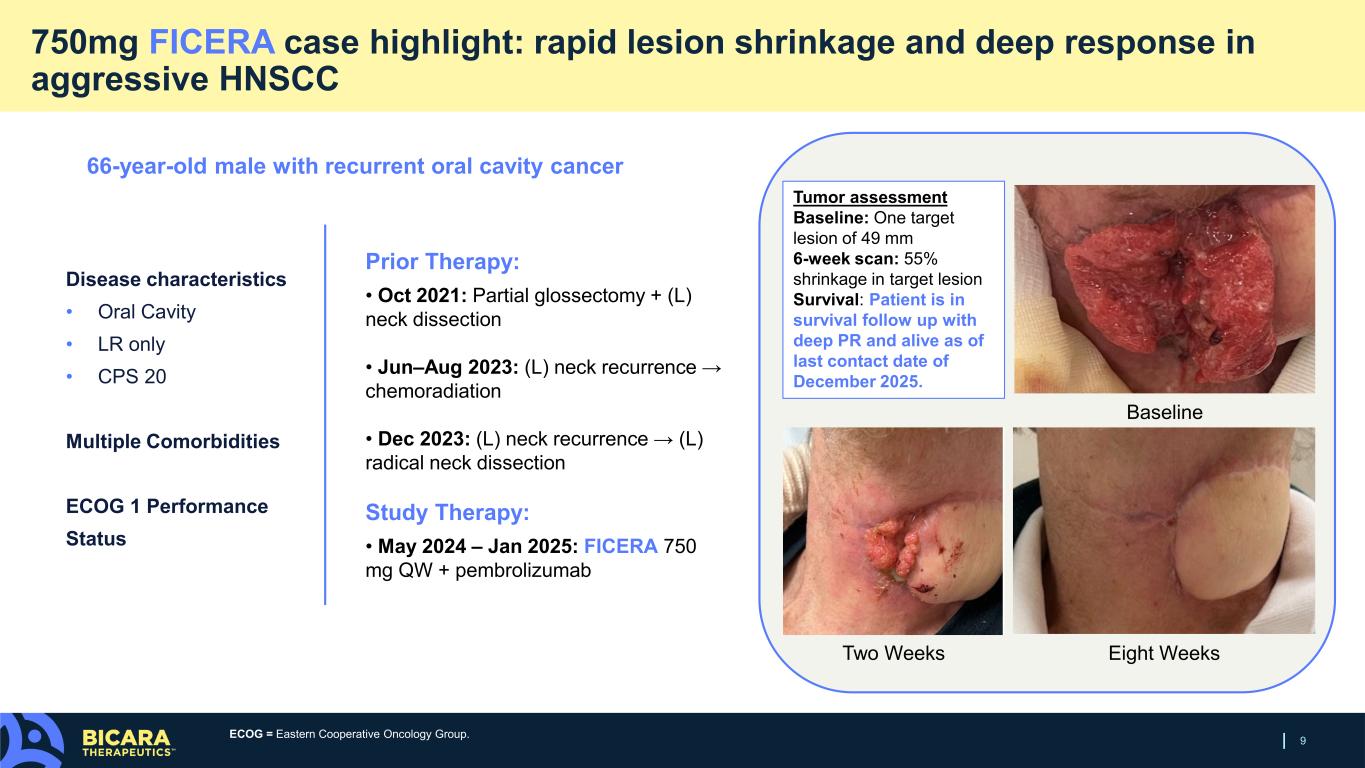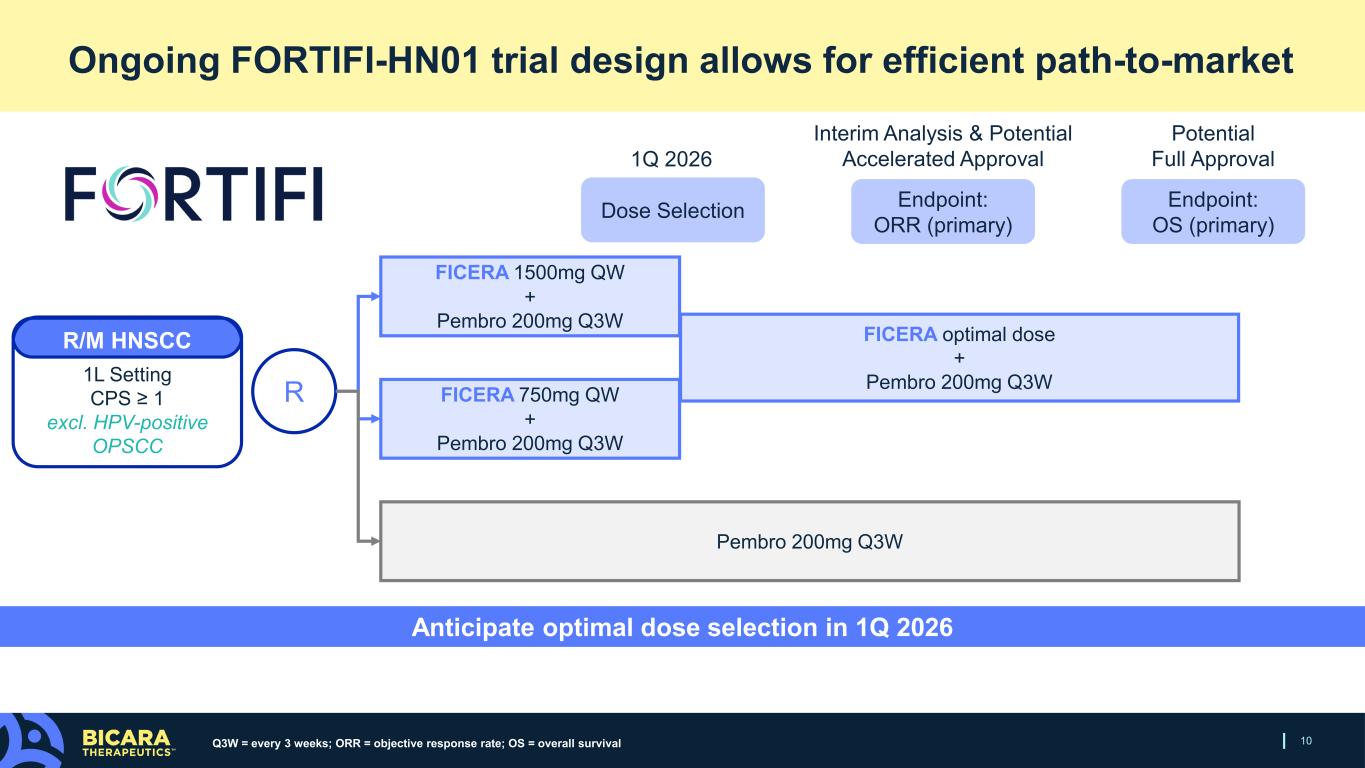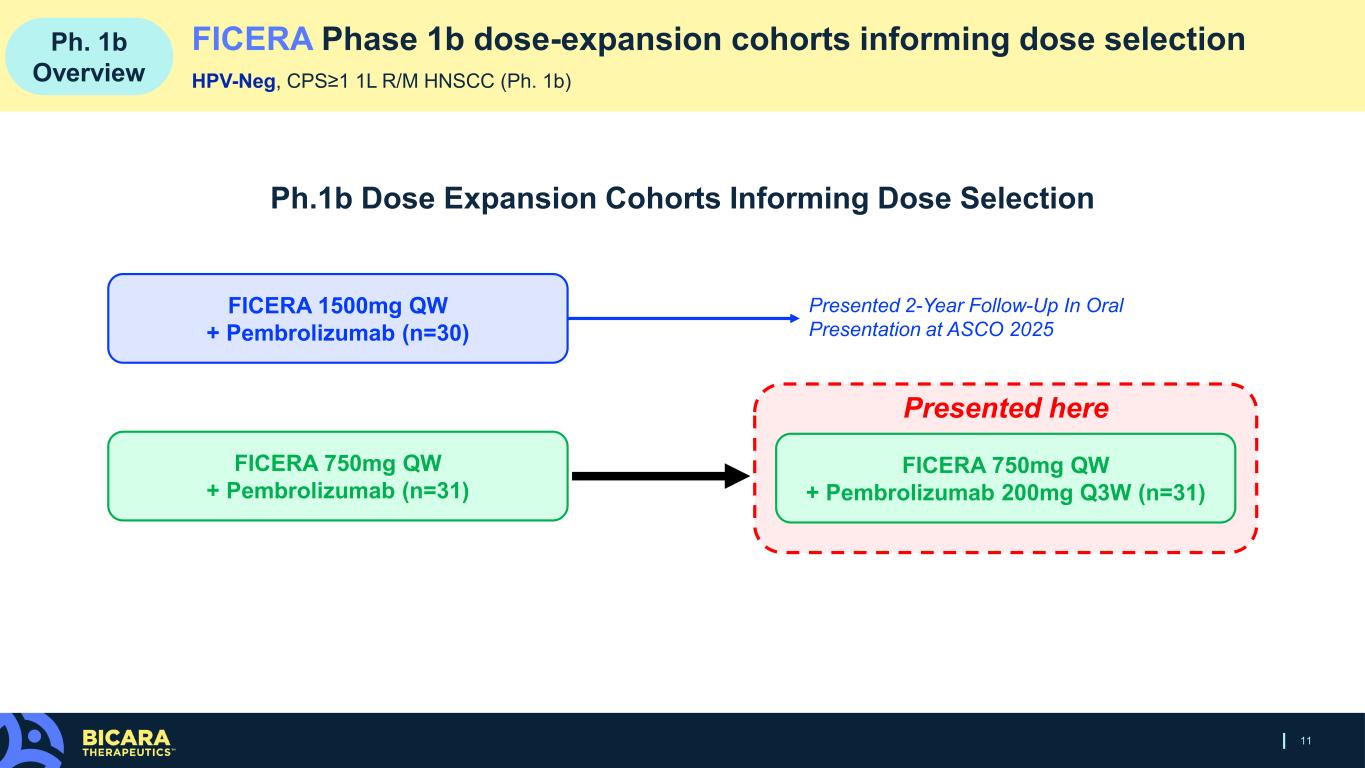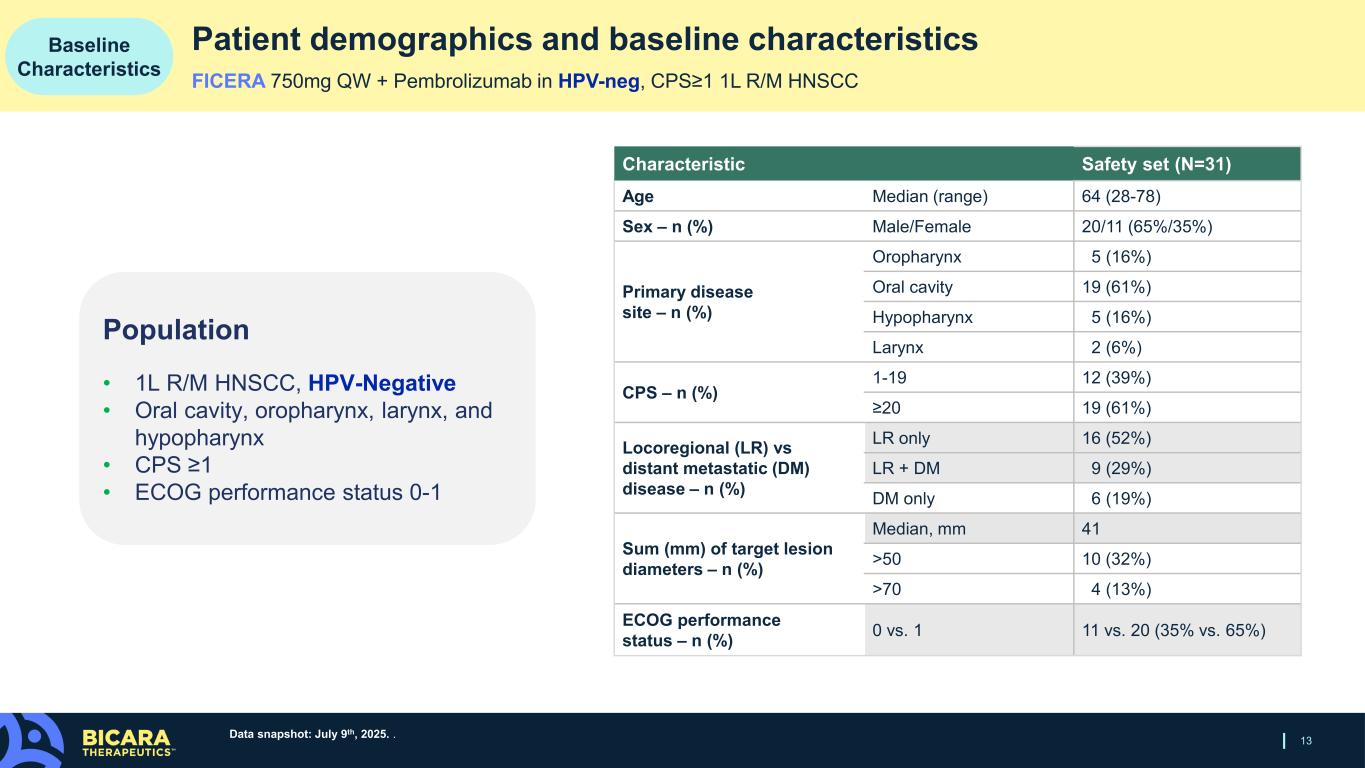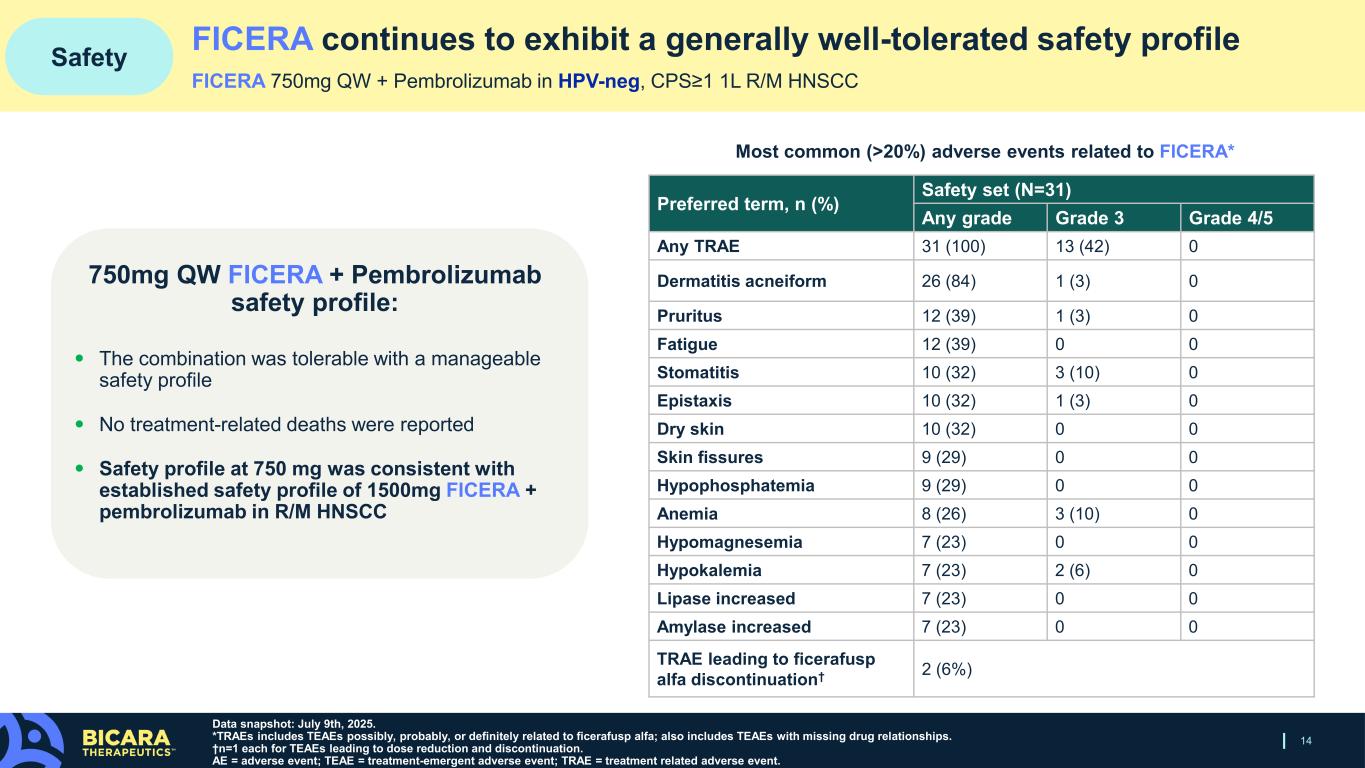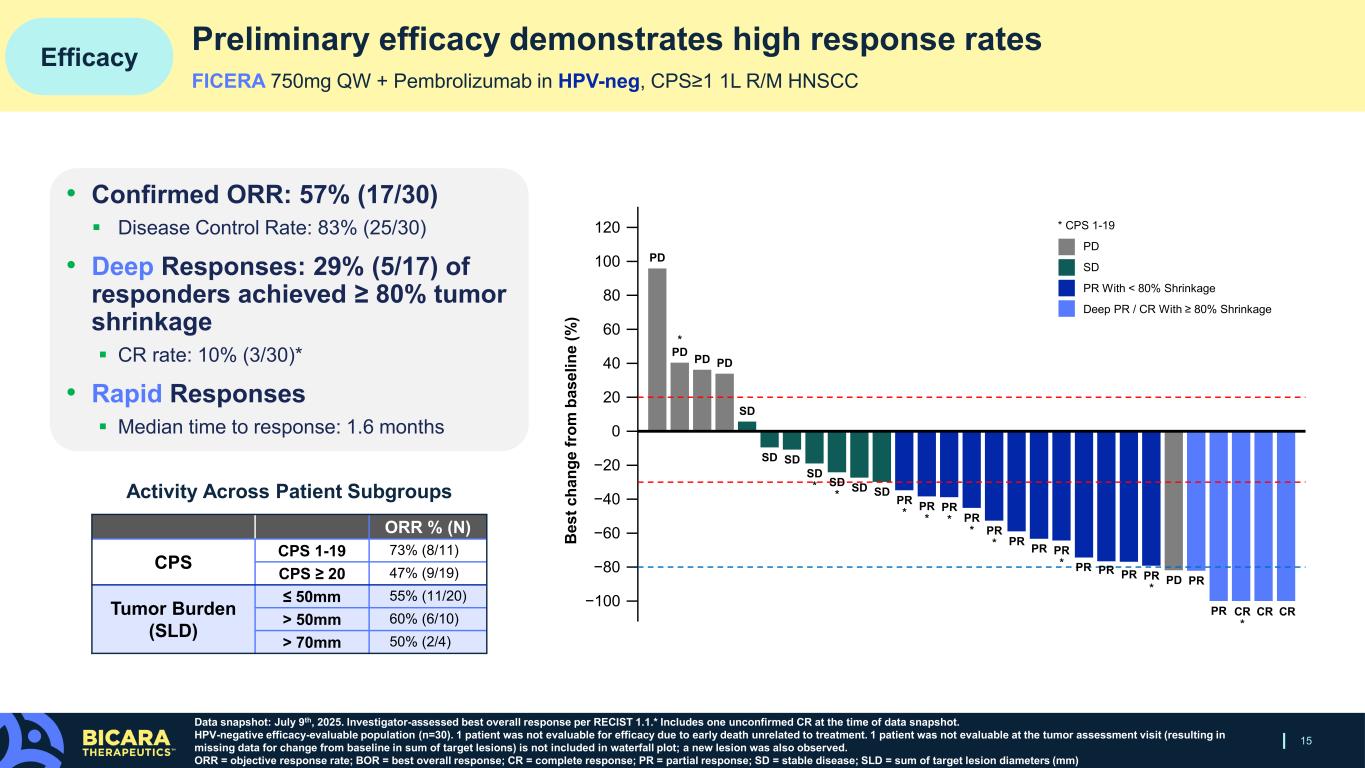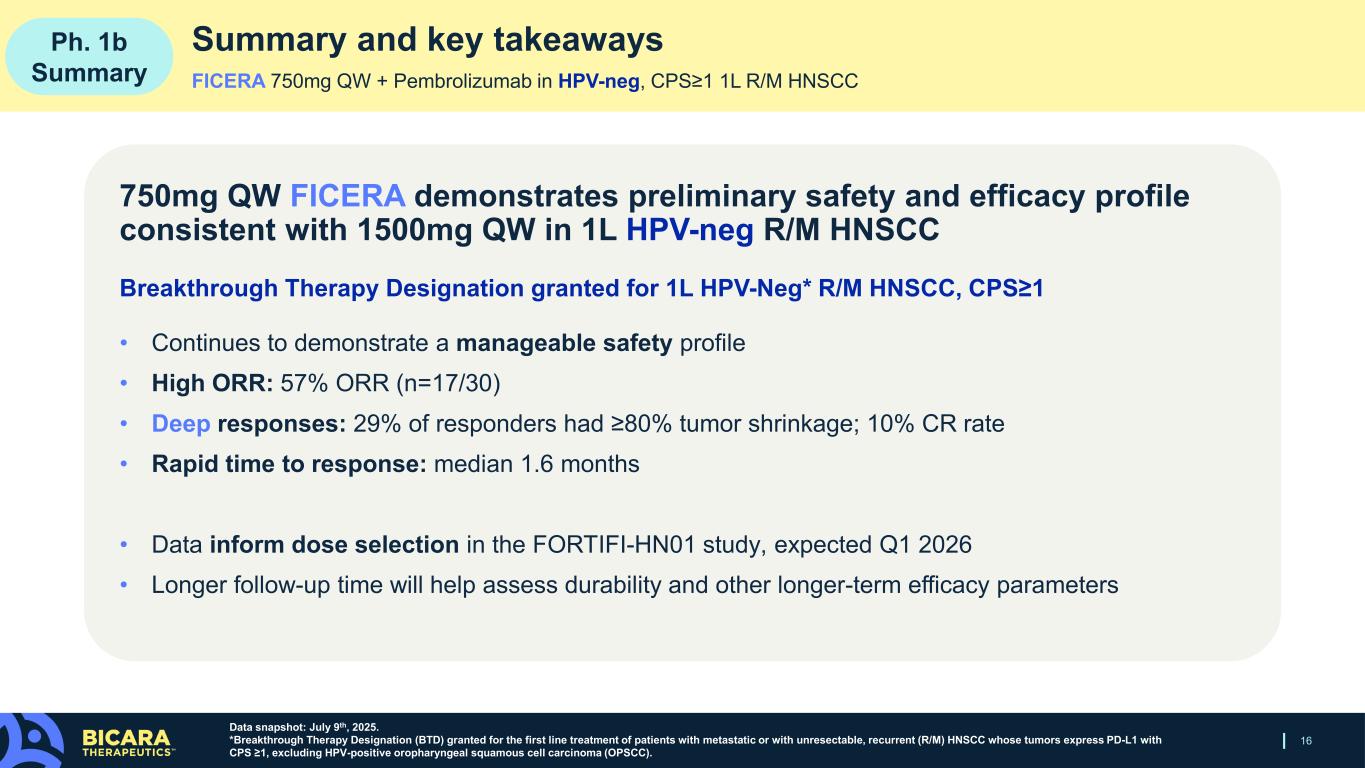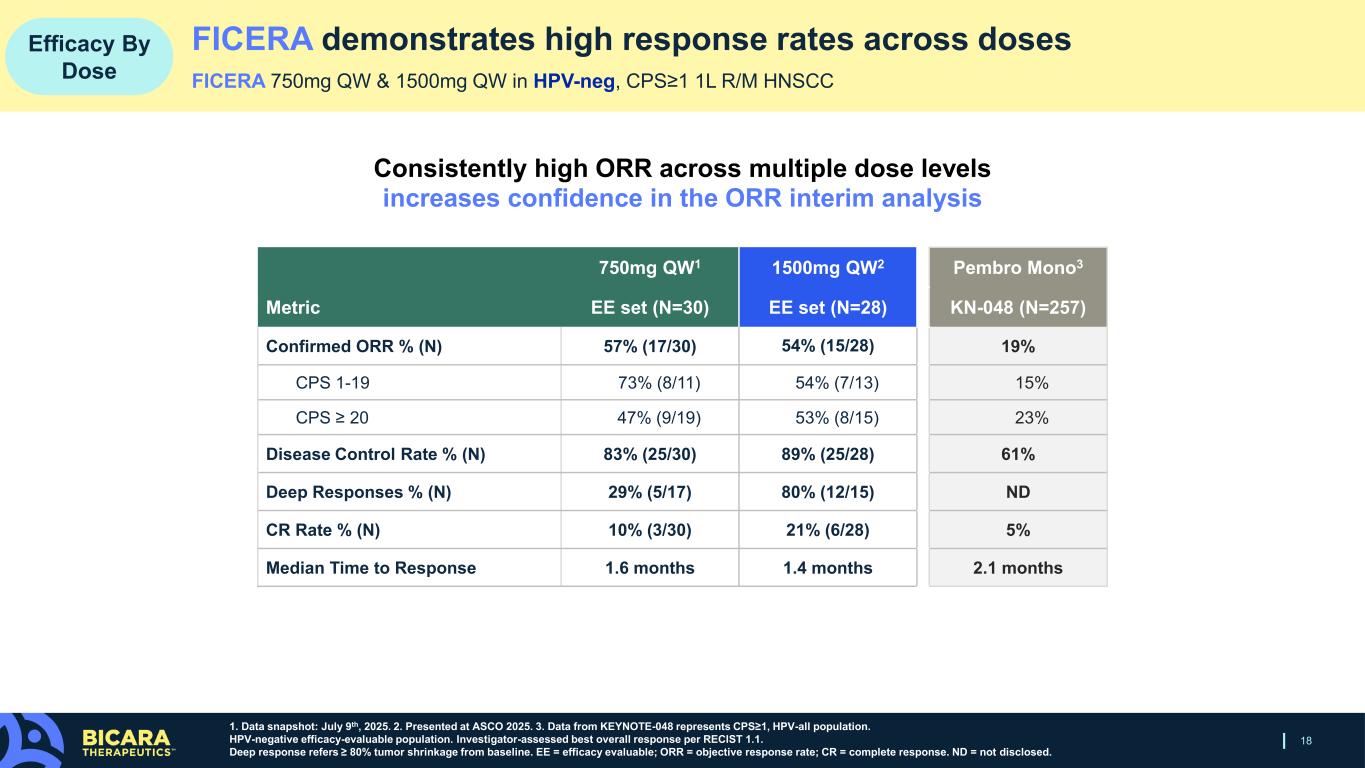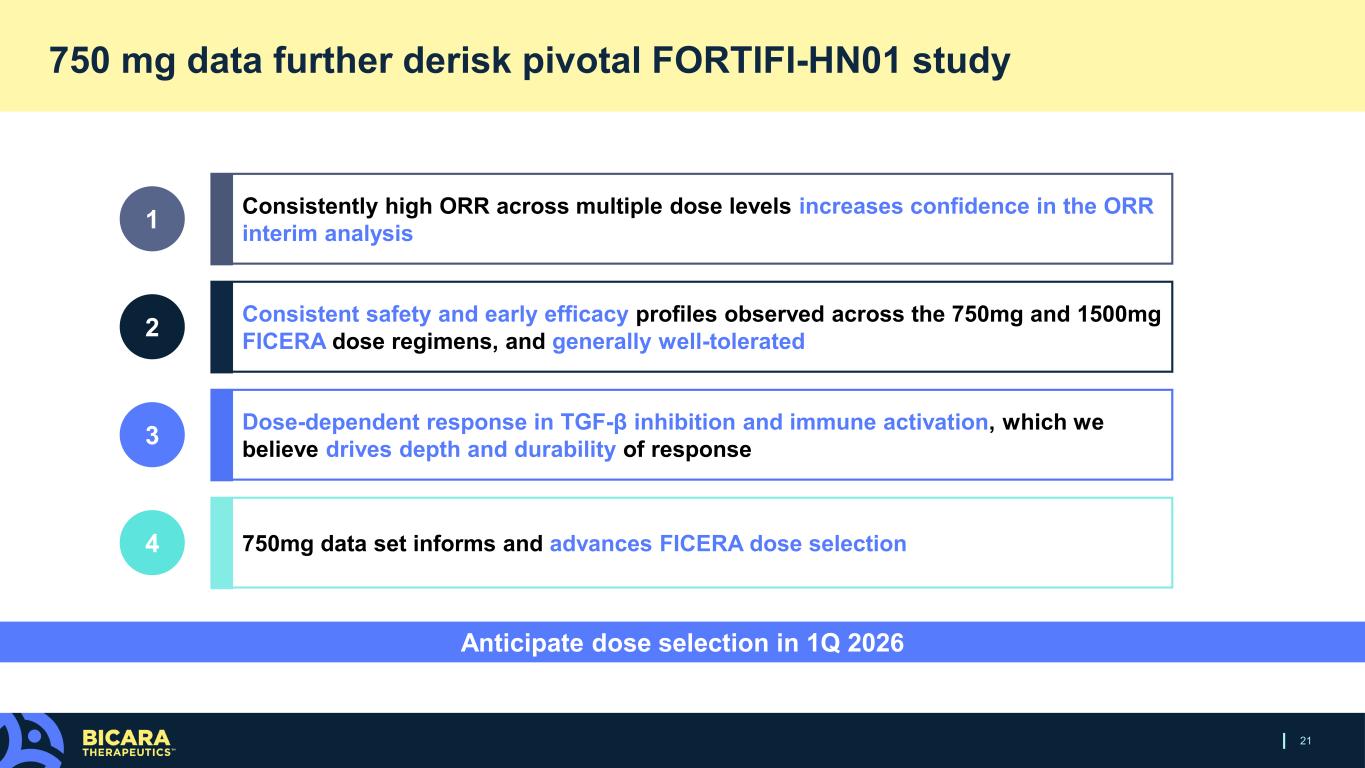
Bicara Therapeutics’ Preliminary Phase 1b Expansion Cohort Data Evaluating 750mg of Ficerafusp Alfa Weekly Plus Pembrolizumab Advances Pivotal Study Dose Selection on Track for First Quarter 2026 Ficerafusp alfa 750mg QW in combination with pembrolizumab demonstrates consistent overall response rate and safety profile comparable to 1500mg QW dose, further derisking pivotal FORTIFI-HN01 study interim analysis Totality of data demonstrates that greater TGF-β inhibition, observed at 1500mg of ficerafusp alfa, drives deeper tumor responses that translate to more durable outcomes for patients Pivotal FORTIFI-HN01 optimal dose declaration expected in first quarter 2026 Company to host conference call and webcast today at 9:00 a.m. ET BOSTON, December 6, 2025 – Bicara Therapeutics Inc. (Nasdaq: BCAX), a clinical-stage biopharmaceutical company committed to bringing transformative bifunctional therapies to patients with solid tumors, today presented preliminary data from a Phase 1b expansion cohort evaluating 750 mg of ficerafusp alfa weekly (QW) in combination with pembrolizumab in first-line (1L) human papillomavirus (HPV)-negative recurrent/metastatic (R/M) head and neck squamous cell carcinoma (HNSCC). The data were highlighted in an oral presentation by Deborah Wong, MD, PhD of UCLA Medical Center at the European Society for Medical Oncology (ESMO) Asia Congress and will be discussed on a company conference call and webcast today, December 6, at 9:00 a.m. ET. “Inadequate tumor penetration remains a major barrier in treating solid tumors such as R/M HNSCC,” said Claire Mazumdar, PhD, MBA, Chief Executive Officer of Bicara Therapeutics. “Ficerafusp alfa, the first and only bifunctional EGFR-directed antibody x TGF-β ligand trap, was purposefully designed to deliver deep and durable responses with the potential to meaningfully extend overall survival for patients. The data presented today mark an important advancement in our dose-optimization strategy, reinforce our confidence in the interim overall response rate analysis as the foundation for pursuing accelerated approval in the FORTIFI-HN01 pivotal trial, and further elucidate the relative contribution of TGF- β in driving deep and durable tumor responses. We have made significant progress in the FORTIFI-HN01 trial this year and are on track to declare an optimal dose in the first quarter of 2026.” Phase 1/1b expansion cohort data presented at ESMO Asia show that 750mg ficerafusp alfa in combination with pembrolizumab was generally well-tolerated, with a safety profile consistent with the known safety profile of ficerafusp alfa plus pembrolizumab in R/M HNSCC. At a preliminary duration of follow-up, 750 mg of ficerafusp alfa demonstrated a 57% confirmed overall response rate, with 10% of patients achieving a completed response, and 29% of responders demonstrating deep responses of at least 80% tumor shrinkage.
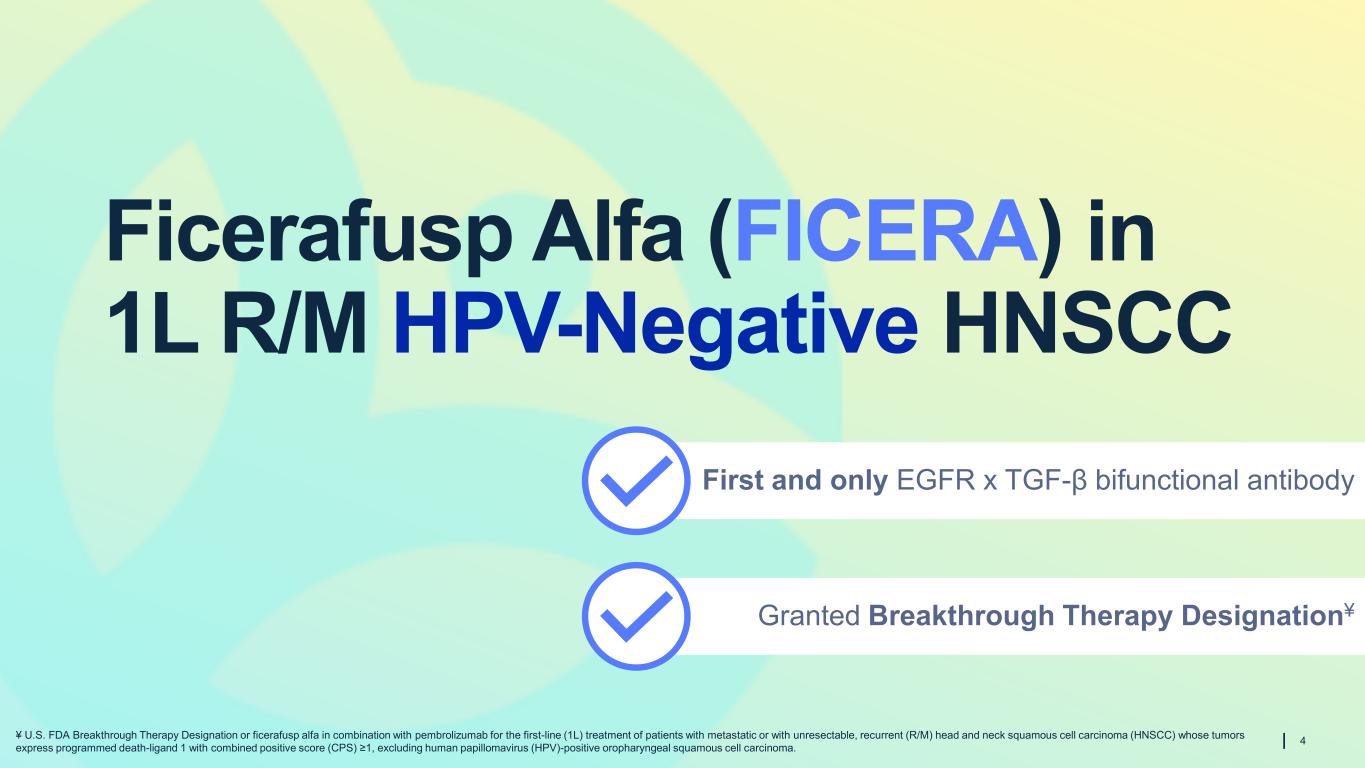
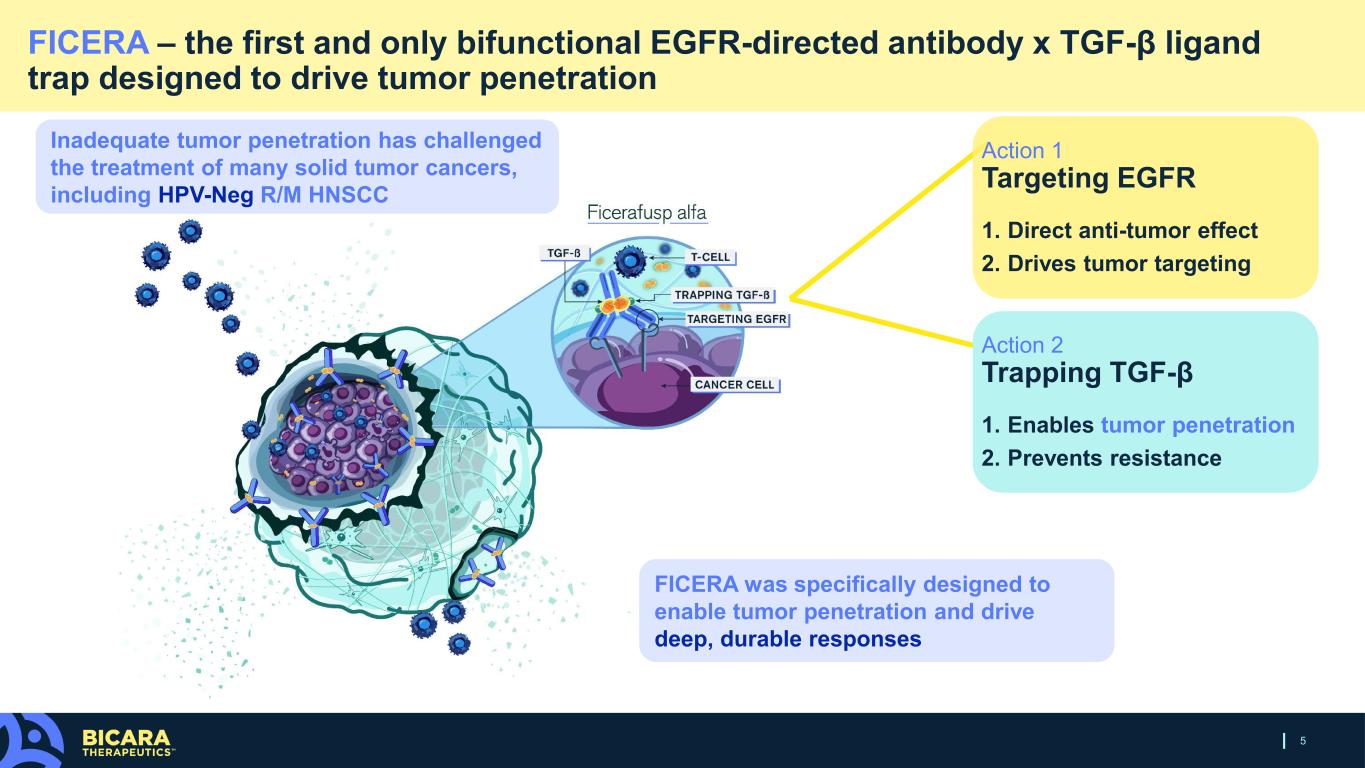
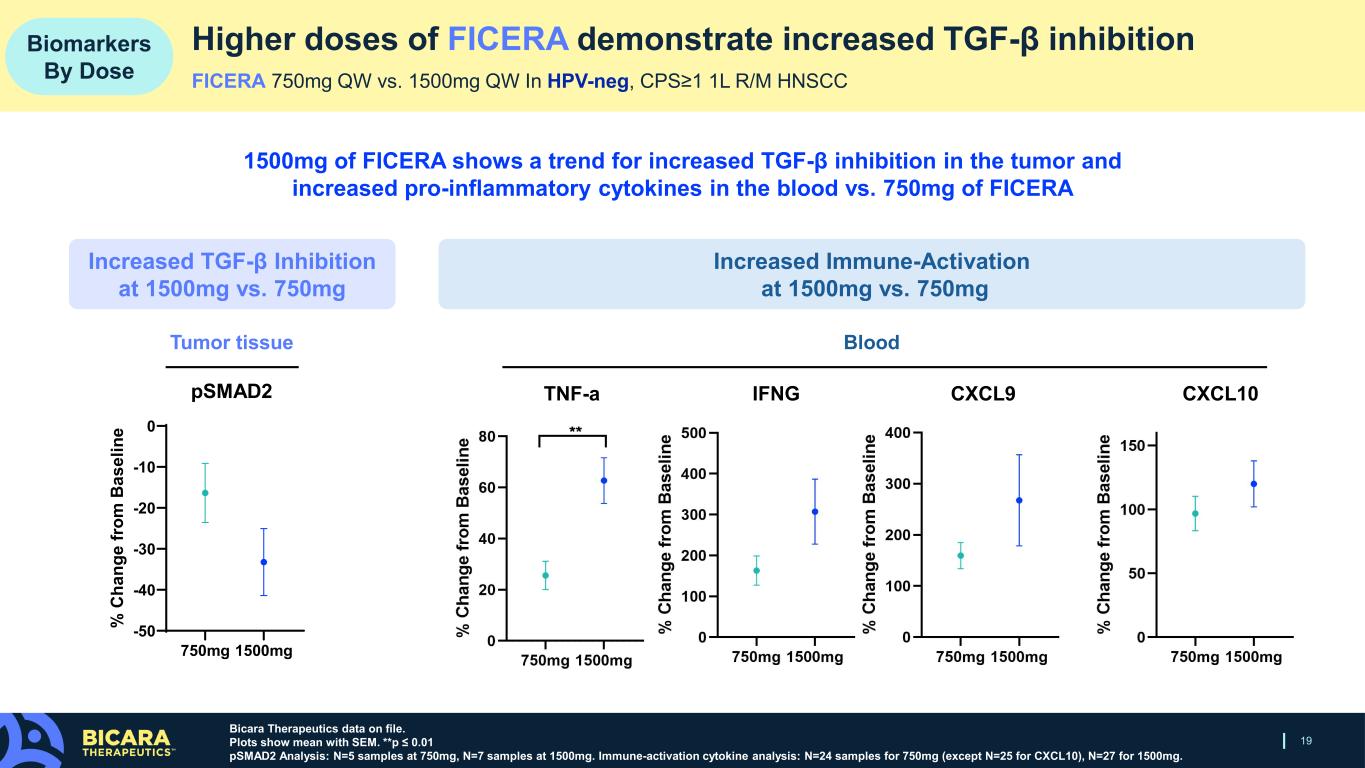
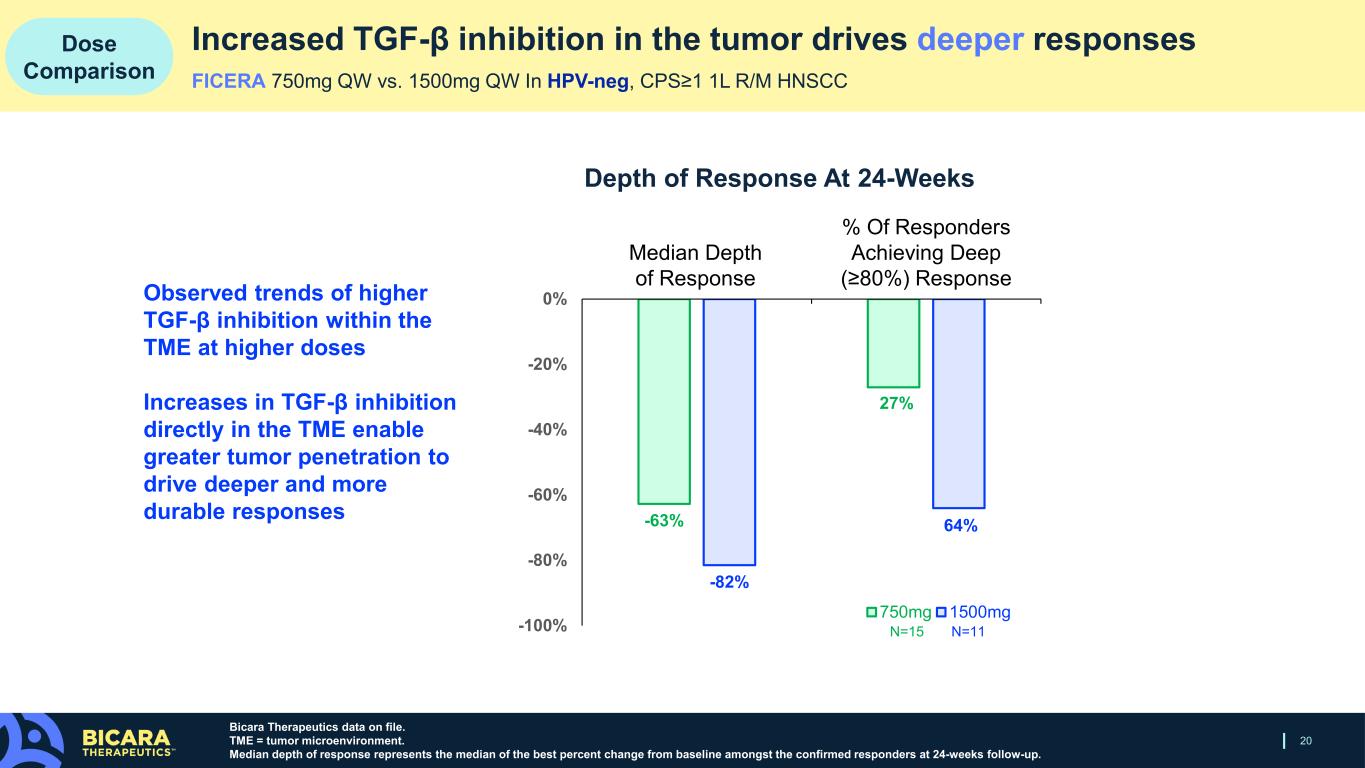
New biomarker data to be presented during Bicara’s corporate call and webcast show that 1500mg of ficerafusp alfa yielded a greater increase TGF-β inhibition within the tumor microenvironment and greater immune activation, compared to 750mg of ficerafusp alfa. The increased TGF-β inhibition in the tumor translated to greater depth of clinical responses at 24 weeks. The median depth of response was 82% at the 1500mg dose vs. 63% at the 750mg dose, and 64% of responders at 1500mg achieved a deep response, compared to 27% of responders at the 750mg dose. The totality of the data suggests that a higher dose of ficerafusp alfa with greater TGF-β inhibition and immune activation drives deeper tumor responses that translate to more durable outcomes for patients. Bicara plans to declare the optimal biologic dose for use in the pivotal FORTIFI-HN01 study in the first quarter of 2026. Conference Call and Webcast Details Bicara Therapeutics will host a conference call and webcast today December 6, 2025 at 9:00 a.m. ET. Individuals may register for the conference call by clicking the link here. Once registered, participants will receive dial-in details and a unique PIN which will allow them to access the call. An audio webcast will be accessible through the Investor Relations section of Bicara’s website under Events and Presentations. An archived replay will also be available for 30 days following the webcast. About Head and Neck Squamous Cell Carcinoma Head and neck squamous cell carcinomas (HNSCCs) develop from the mucosal epithelium in the oral cavity, pharynx and larynx and are the most common malignancies that arise in the head and neck. HNSCC is one of the most common cancers in the United States and globally with a rising incidence anticipated to reach one million new global cases annually by 2030. Ten percent of HNSCC patients are diagnosed with metastatic disease and up to 30% develop a recurrence or metastases over time after receiving initial treatment for advanced HNSCC. Most cases of HNSCC are thought to result from accumulated mutations caused by carcinogenic exposures such as tobacco smoke or HPV infection. Approximately 80% of patients with R/M HNSCC are HPV-negative. These HPV-negative tumors often exhibit a recurrence pattern that is primarily local and are associated with severe morbidities, including fatal tumor bleeding, intense pain, difficulty swallowing, significant weight loss, and cachexia. This highlights a critical unmet need for therapies that have the potential to deliver durable anti-tumor responses, ultimately leading to meaningful improvements in patients' quality of life. About Ficerafusp Alfa Ficerafusp alfa is a first-in-class bifunctional antibody designed to drive tumor penetration by breaking barriers in the tumor microenvironment that have challenged the treatment of multiple solid tumor cancers. Specifically, ficerafusp alfa combines two clinically validated targets: an epidermal growth factor receptor (EGFR) directed monoclonal antibody with a domain that binds to human transforming growth factor beta (TGF-β). Through this targeted mechanism, ficerafusp alfa reverses the fibrotic and immune- excluded tumor microenvironment driven by TGF-β signaling to enable tumor penetration that drives deep and durable responses. The U.S. Food and Drug Administration (FDA) has granted Breakthrough Therapy Designation to ficerafusp alfa in combination with pembrolizumab for the first line (1L) treatment of patients with metastatic or with unresectable, recurrent (R/M) head and neck squamous
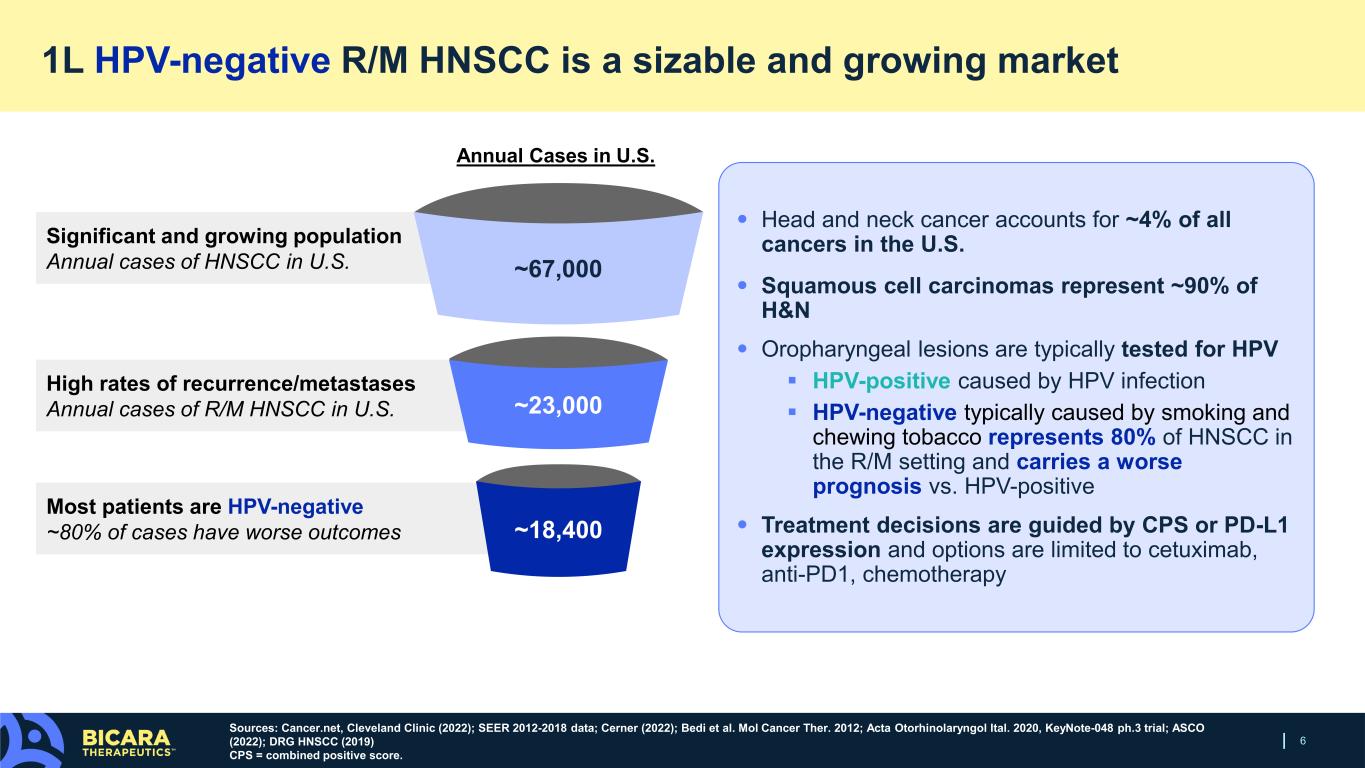
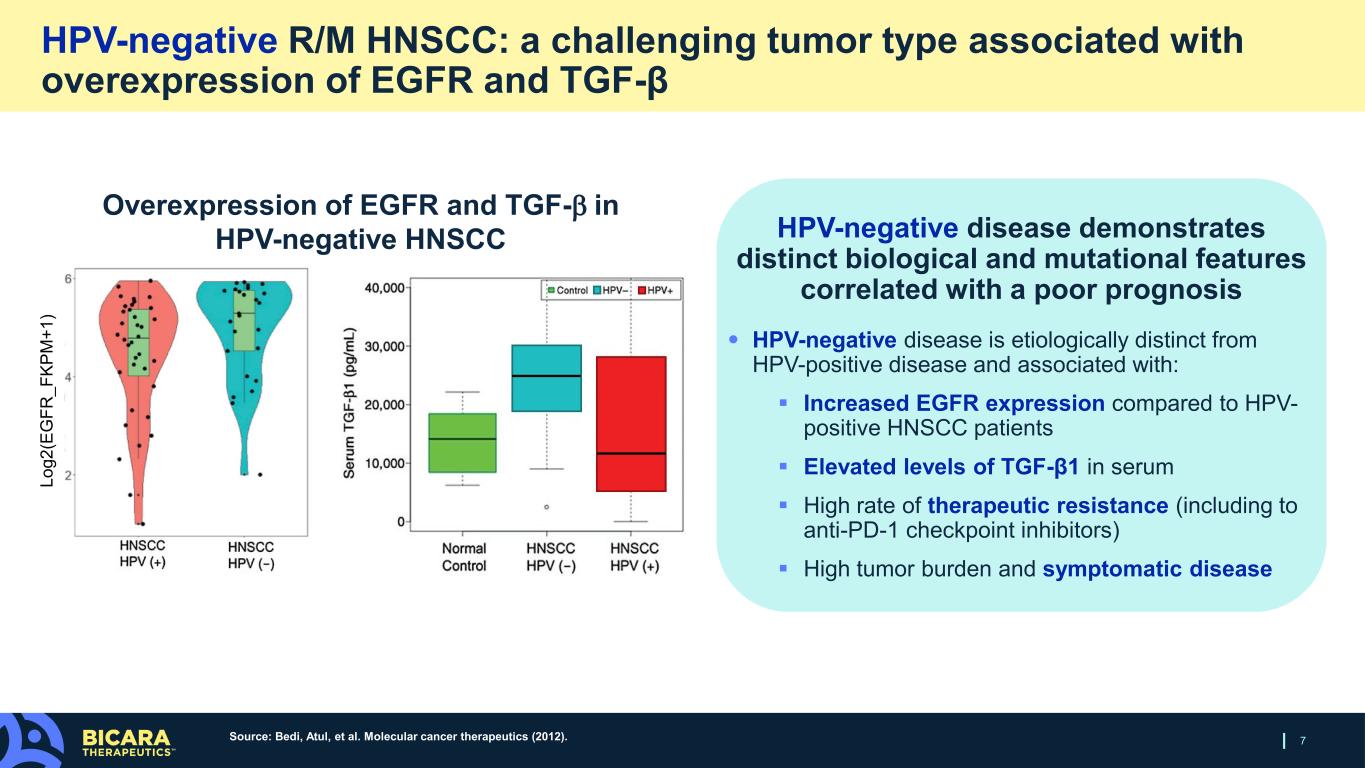
cell carcinoma (HNSCC) whose tumors express programmed death-ligand 1 with combined positive score (CPS) ≥1, excluding human papillomavirus (HPV)-positive oropharyngeal squamous cell carcinoma. Ficerafusp alfa is currently being evaluated in FORTIFI-HN01, a pivotal Phase 2/3 clinical trial in patients with 1L R/M HNSCC. About Bicara Therapeutics Bicara Therapeutics is a clinical-stage biopharmaceutical company committed to bringing transformative bifunctional therapies to patients with solid tumors. Bicara’s lead program, ficerafusp alfa, is a first-in- class bifunctional antibody designed to drive tumor penetration by breaking barriers in the tumor microenvironment that have challenged the treatment of multiple solid tumor cancers. Specifically, ficerafusp alfa combines two clinically validated targets: an epidermal growth factor receptor (EGFR) directed monoclonal antibody with a domain that binds to human transforming growth factor beta (TGF- β). Through this targeted mechanism, ficerafusp alfa reverses the fibrotic and immune-excluded tumor microenvironment driven by TGF-β signaling to enable tumor penetration that drives deep and durable responses. Ficerafusp alfa is being developed in head and neck squamous cell carcinoma, where there remains a significant unmet need, as well as other solid tumor types. For more information, please visit www.bicara.com or follow us on LinkedIn and X. Forward-Looking Statements This press release contains forward-looking statements within the meaning of the Private Securities Litigation Reform Act of 1995, as amended. These statements may be identified by words such as “may,” “might,” “will,” “could,” “would,” “should,” “plan,” “anticipate,” “intend,” “believe,” “expect,” “estimate,” “seek,” “predict,” “future,” “project,” “potential,” “continue,” “target” and similar words or expressions, or the negative thereof, are intended to identify forward-looking statements, although not all contain identifying words. Any statements in this press release that are not statements of historical fact may be deemed to be forward-looking statements. These forward-looking statements include, without limitation, express or implied statements regarding Bicara’s clinical development of ficerafusp alfa in combination with pembrolizumab and presentation of early data from a Phase 1b expansion cohort evaluating 750 mg of ficerafusp alfa weekly (QW) in combination with pembrolizumab in first-line (1L) human papillomavirus (HPV)-negative recurrent/metastatic (R/M) head and neck squamous cell carcinoma (HNSCC), the expected therapeutic potential and clinical benefits of ficerafusp alfa, including potential efficacy and tolerability, and Bicara’s optimal biological dose selection plans. Any forward- looking statements in this press release are based on management's current expectations and beliefs and are subject to a number of risks and uncertainties that are difficult to predict. Factors that could cause actual results to differ include, but are not limited to, risks and uncertainties related to uncertainties inherent in the development of product candidates, including the conduct of research activities and the conduct of clinical trials; uncertainties as to the availability and timing of results and data from clinical trials; whether results from prior preclinical studies, preliminary or interim data from earlier stage clinical trials will be predictive of the results of subsequent preclinical studies and clinical trials; regulatory developments in the United States and foreign countries; whether Bicara’s cash resources will be sufficient to fund its foreseeable and unforeseeable operating expenses and capital expenditure requirements; as well as the risks and uncertainties identified in Bicara’s filings with the Securities and Exchange Commission (SEC), including its Annual Report on Form 10-K for the year ended
December 31, 2024, its Quarterly Report on Form 10-Q for the quarter ended September 30, 2025 and any subsequent filings Bicara makes with the SEC. In addition, any forward-looking statements represent Bicara’s views only as of today and should not be relied upon as representing its views as of any subsequent date. Bicara explicitly disclaims any obligation to update any forward-looking statements. No representations or warranties (expressed or implied) are made about the accuracy of any such forward- looking statements. Contacts Investors Jenna Cohen [email protected] Media Amanda Lazaro 1AB [email protected]