camp-20250516
0001736730false00017367302025-05-162025-05-16

UNITED STATES
SECURITIES AND EXCHANGE COMMISSION
Washington, D.C. 20549
FORM 8-K
CURRENT REPORT
Pursuant to Section 13 or 15(d)
of the Securities Exchange Act of 1934
Date of Report (Date of earliest event reported): May 16, 2025
CAMP4 THERAPEUTICS CORPORATION
(Exact name of registrant as specified in its charter)
Delaware001-4236581-1152476
(State or other jurisdiction
of incorporation)
(Commission
File Number)
(IRS Employer
Identification No.)
One Kendall Square
Building 1400 West, 3rd Floor
Cambridge, MA
02139
(Address of principal executive offices)(Zip Code)
(Registrant’s telephone number, including area code): (617) 651-8867
Not Applicable
(Former name or former address, if changed since last report)
Check the appropriate box below if the Form 8-K filing is intended to simultaneously satisfy the filing obligation of the registrant under any of the following provisions (see General Instruction A.2. below):
¨Written communications pursuant to Rule 425 under the Securities Act (17 CFR 230.425)
¨Soliciting material pursuant to Rule 14a-12 under the Exchange Act (17 CFR 240.14a-12)
¨Pre-commencement communications pursuant to Rule 14d-2(b) under the Exchange Act (17 CFR 240.14d-2(b))
¨Pre-commencement communications pursuant to Rule 13e-4(c) under the Exchange Act (17 CFR 240.13e-4(c))
Securities registered pursuant to Section 12(b) of the Act:
Title of each classTrading
Symbol(s)
Name of each exchange
on which registered
Common Stock, par value $0.0001 per shareCAMPThe Nasdaq Global Market
Indicate by check mark whether the registrant is an emerging growth company as defined in Rule 405 of the Securities Act of 1933 (§230.405 of this chapter) or Rule 12b-2 of the Securities Exchange Act of 1934 (§240.12b-2 of this chapter).
Emerging growth company x
If an emerging growth company, indicate by check mark if the registrant has elected not to use the extended transition period for complying with any new or revised financial accounting standards provided pursuant to Section 13(a) of the Exchange Act. ¨
Item 7.01. Regulation FD Disclosure.
On May 16, 2025, CAMP4 Therapeutics Corporation (the “Company”) issued a press releases titled “CAMP4 Presents Translational Data from SYNGAP1-Related Disorders Program Showcasing Increased Protein in Non-Human Primates and Reviews Preclinical and Detailed Single Ascending Dose Safety Data from Urea Cycle Disorders Program at the 28th American Society of Gene and Cell Therapy Annual Meeting,” a copy of which is furnished as Exhibit 99.1 hereto.

On May 16, 2025, the Company also updated its corporate slide presentation, a copy of which is furnished as Exhibit 99.2 hereto.

The information responsive to Item 7.01 of this Form 8-K and Exhibits 99.1 and 99.2 hereto shall not be deemed “filed” for purposes of Section 18 of the Securities Exchange Act of 1934 (the “Exchange Act”) or otherwise subject to the liabilities of that section, nor shall it be deemed incorporated by reference in any filing under the Securities Act of 1933, as amended, or the Exchange Act, except as expressly set forth by specific reference in such a filing.

Item 9.01 Financial Statements and Exhibits.
(d) Exhibits
Exhibit No.Description
99.1
99.2
104Cover Page Interactive Data File (embedded within the Inline XBRL document).


SIGNATURES
Pursuant to the requirements of the Securities Exchange Act of 1934, the registrant has duly caused this report to be signed on its behalf by the undersigned hereunto duly authorized.
CAMP4 THERAPEUTICS CORPORATION
By:/s/ Kelly Gold
Name: Kelly Gold
Title:   Chief Financial Officer
Date: May 16, 2025


image_0a.jpg

CAMP4 Presents Translational Data from SYNGAP1-Related Disorders Program Showcasing Increased Protein in Non-Human Primates and Reviews Preclinical and Detailed Single Ascending Dose Safety Data from Urea Cycle Disorders Program at the 28th American Society of Gene and Cell Therapy Annual Meeting
Haploinsufficient SYNGAP1 mice treated with CMP-SYNGAP-01 demonstrated an increase in SYNGAP1 protein levels; treatment rescued multiple SYNGAP1-dependent behavioral phenotypes
CMP-SYNGAP-01 administration led to a significant increase in SYNGAP1 protein levels in relevant brain regions in non-human primates (NHPs)
Patient safety and pharmacokinetic data from single ascending dose (SAD) cohorts of the first-in-human Phase 1 clinical trial of CMP-CPS-001 in healthy volunteers highlighted

CAMBRIDGE, Mass., May 16, 2025 – CAMP4 Therapeutics Corporation (“CAMP4”) (Nasdaq: CAMP), a clinical-stage biopharmaceutical company developing a pipeline of regulatory RNA-targeting therapeutics designed to upregulate gene expression with the goal of restoring healthy protein levels to treat a broad range of genetic diseases, today delivered three oral presentations on its SYNGAP1-related disorders and Urea Cycle Disorders (UCDs) programs and shared favorable safety and pharmacokinetics data from the ongoing Phase 1 trial of CMP-CPS-001 in healthy volunteers at the 28th Annual Meeting of the American Society of Gene and Cell Therapy, taking place in New Orleans, May 13 – 17, 2025.
“Patients living with SYNGAP1-related disorders and UCDs currently face a critical dearth of disease-modifying treatment options to manage their condition,” said Dan Tardiff, Ph.D., Senior Vice President, Head of Discovery at CAMP4. “These proof-of-mechanism data indicate CMP-SYNGAP-01 can restore SYNGAP1 protein levels to mitigate disease-relevant phenotypes in haploinsufficient mice and increase SYNGAP1 protein in disease-relevant brain regions in non-human primates when delivered by the clinical route of administration. Additionally, our UCD clinical candidate is well tolerated, and we are preparing to evaluate CMP-CPS-001 in OTC heterozygotes, a population with reduced urea cycle function. We’re excited to continue pioneering our novel approach of upregulating gene expression and addressing the unmet needs of many patients living with genetic diseases characterized by haploinsufficiency or recessive loss of function.”
Josh Mandel-Brehm, Chief Executive Officer of CAMP4, added, “These compelling data underscore the expansive potential of our RAP Platform to address a wide spectrum of genetic conditions, starting with neurologic and metabolic disorders. By pairing clinically validated antisense technologies with newly discovered regulatory RNA targets to upregulate gene expression, we have an opportunity to rapidly advance therapeutics for disorders characterized


by insufficient protein production including SYNGAP1-related disorders, where there is significant unmet need for disease-modifying therapies. We look forward to progressing toward additional clinical trials and exploring strategic partnerships that can accelerate our development plans and deliver long-term value for patients and shareholders.”
Key findings for each program are as follows:
SYNGAP1-related disorders program
In haploinsufficient mice carrying a single copy of the human SYNGAP1 gene, intracerebroventricular (ICV) injection of CMP-SYNGAP-01, a development candidate targeting a regulatory RNA sequence mapped to a SYNGAP1 gene regulatory region, resulted in:
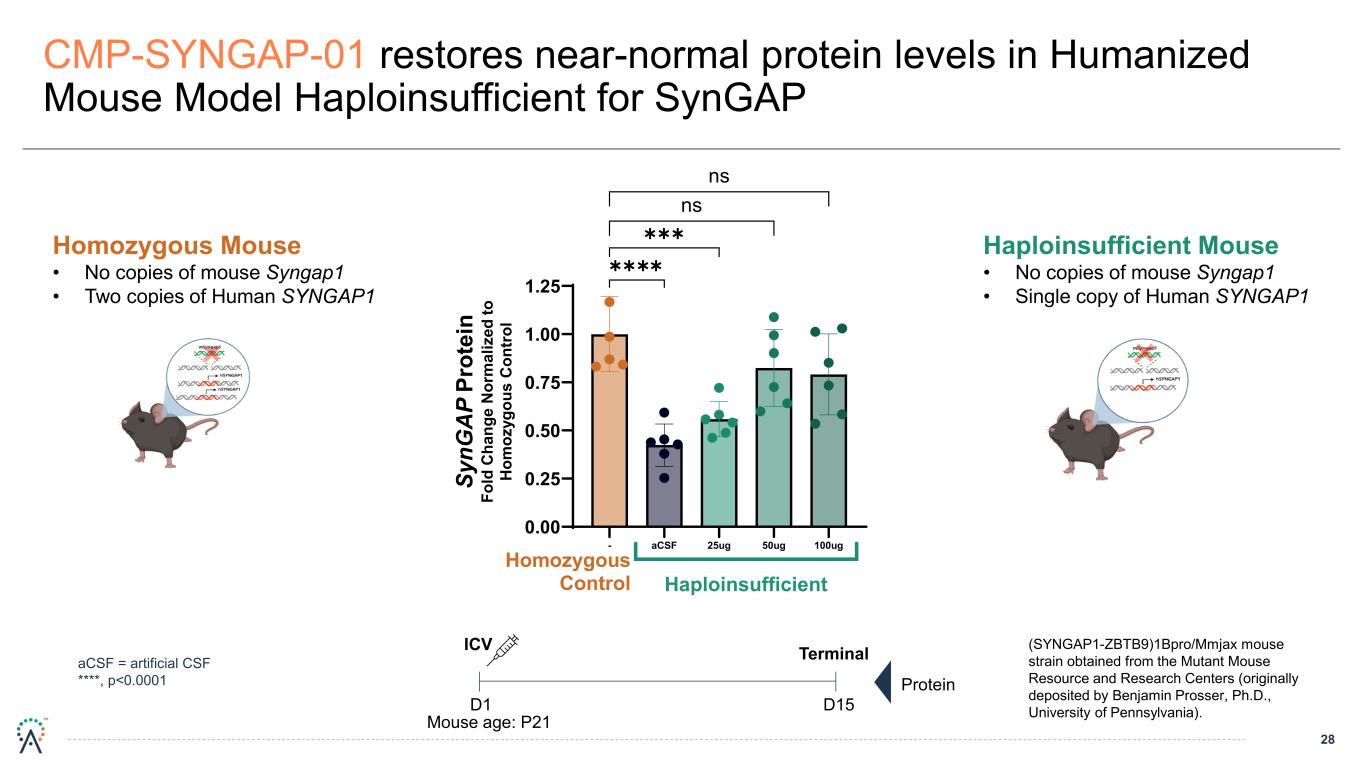
oRestored SYNGAP1 protein levels to near normal range after a single dose
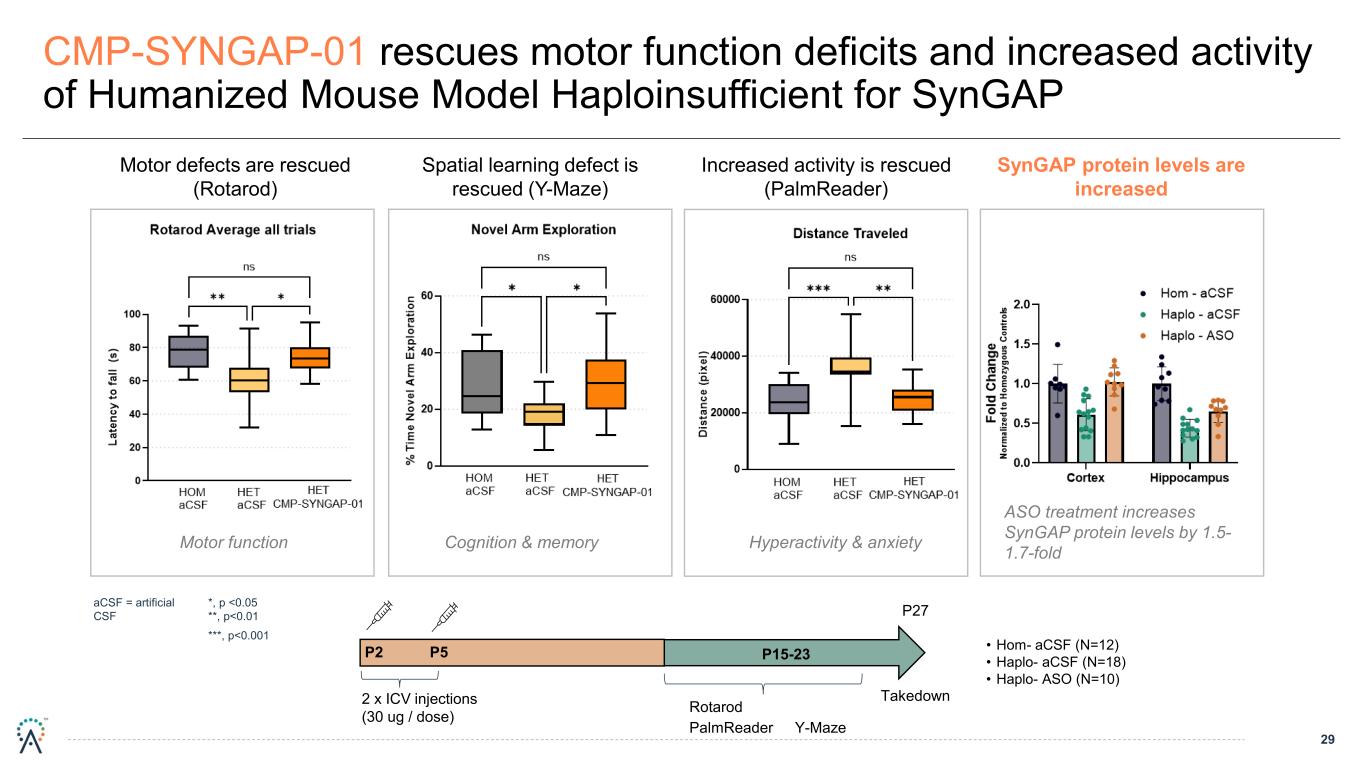
oRescue of motor defects and spatial learning defects following two doses
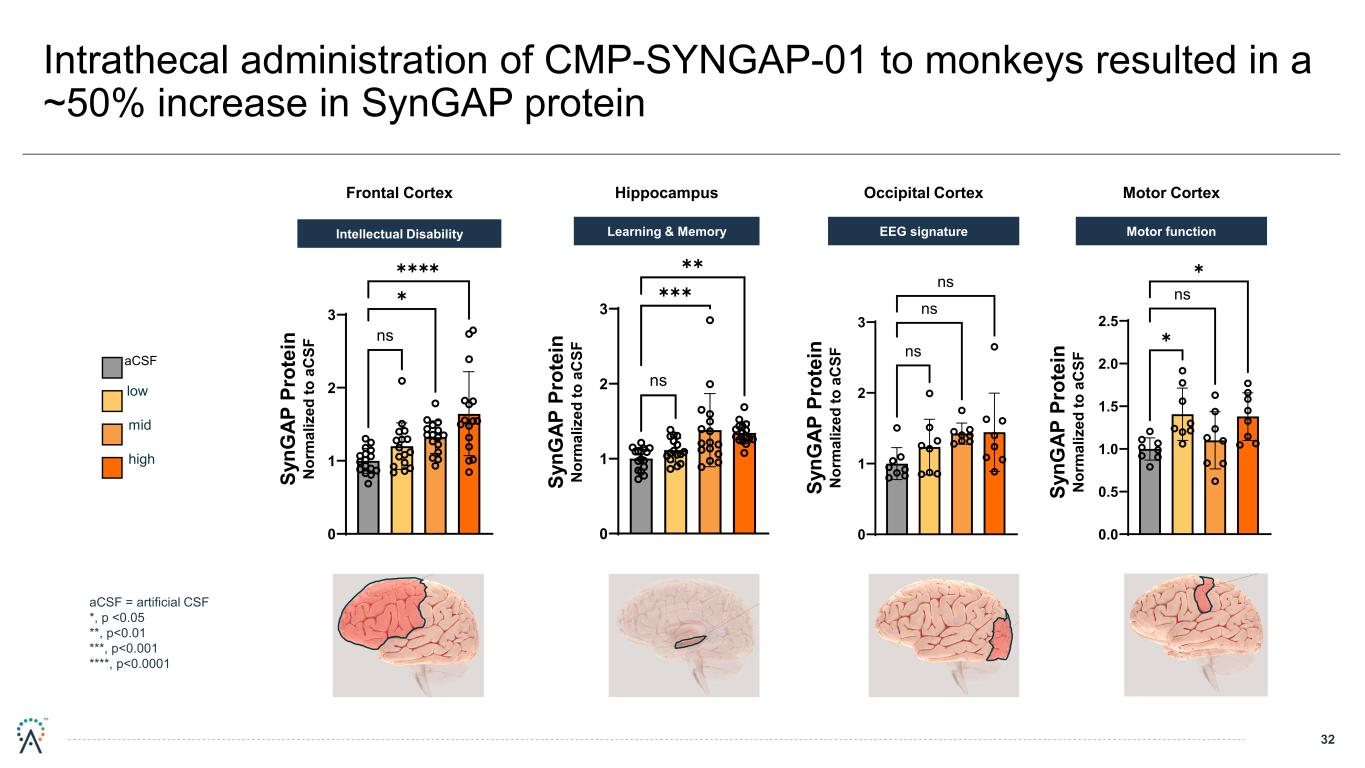
In NHPs, biweekly intrathecal injections of CMP-SYNGAP-01 resulted in a ~1.5-fold increase in SYNGAP1 protein levels across multiple brain regions clinically relevant to the disease
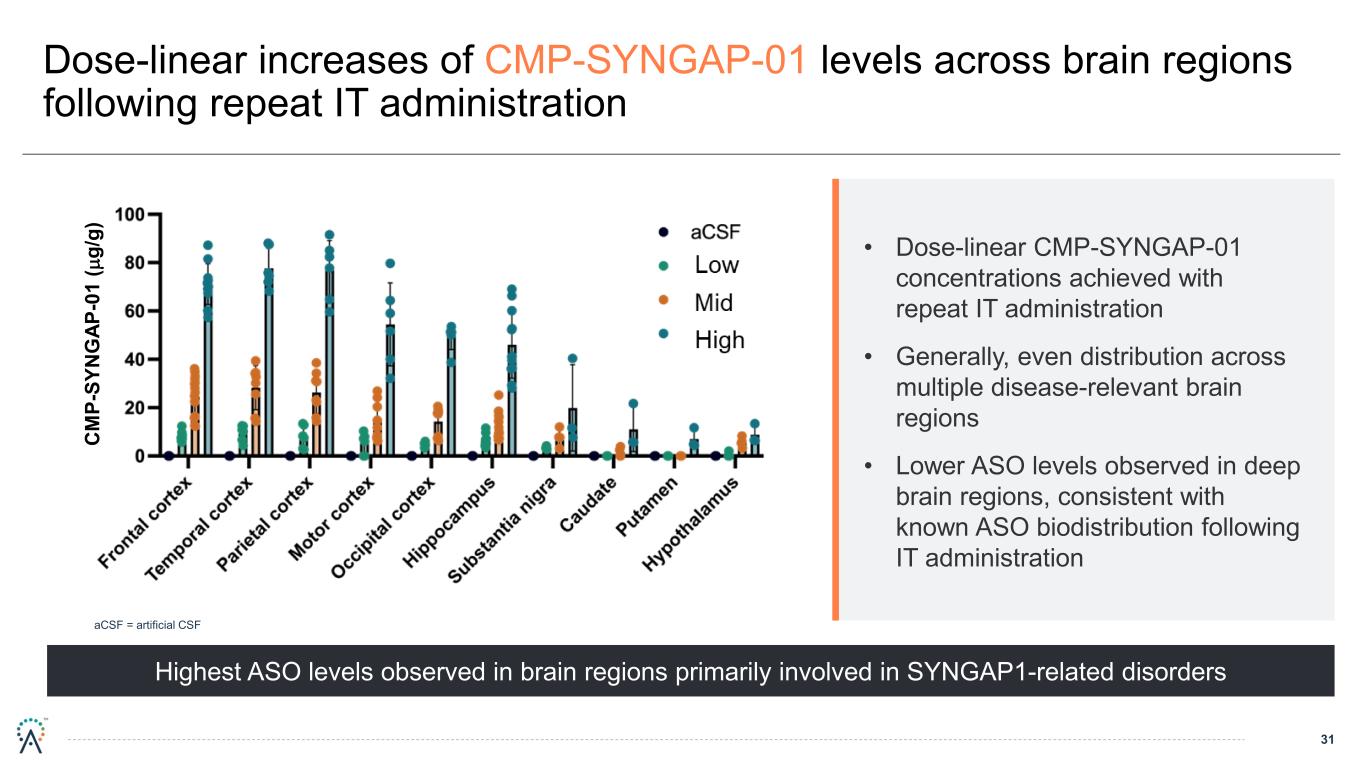
oDose-linear increase in CMP-SYNGAP-01 in disease-relevant brain regions
oCMP-SYNGAP-01 was well tolerated

UCD program
Preclinical data
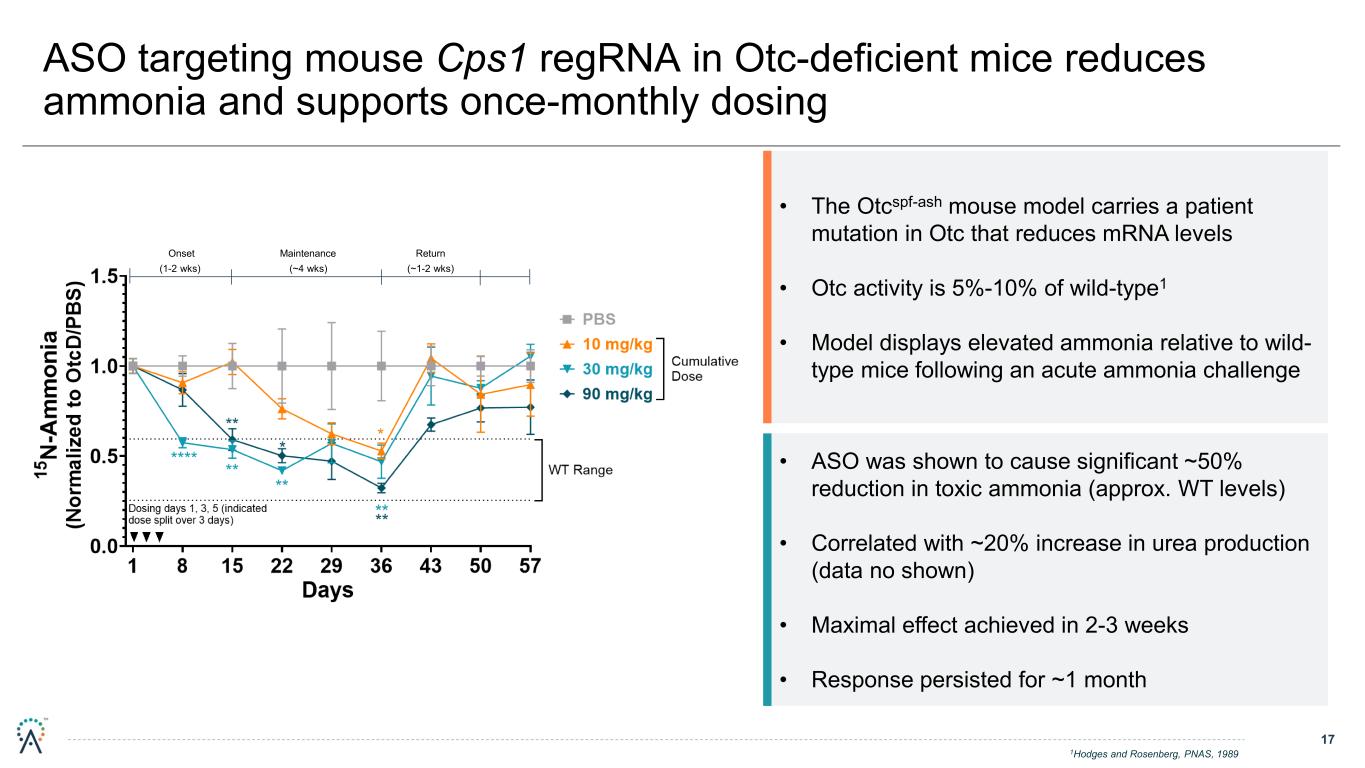
oIn Otc-deficient mice, treatment with CMP-CPS-001 resulted in dose-dependent reductions in ammonia levels, which persisted for approximately 4 weeks
Increases in mRNA levels of additional enzymes of the urea cycle were observed, suggesting increased metabolic activity
oIn mice with humanized livers, administration of CMP-CPS-001 following an ammonia challenge resulted in increased ureagenesis and decreased ammonia levels
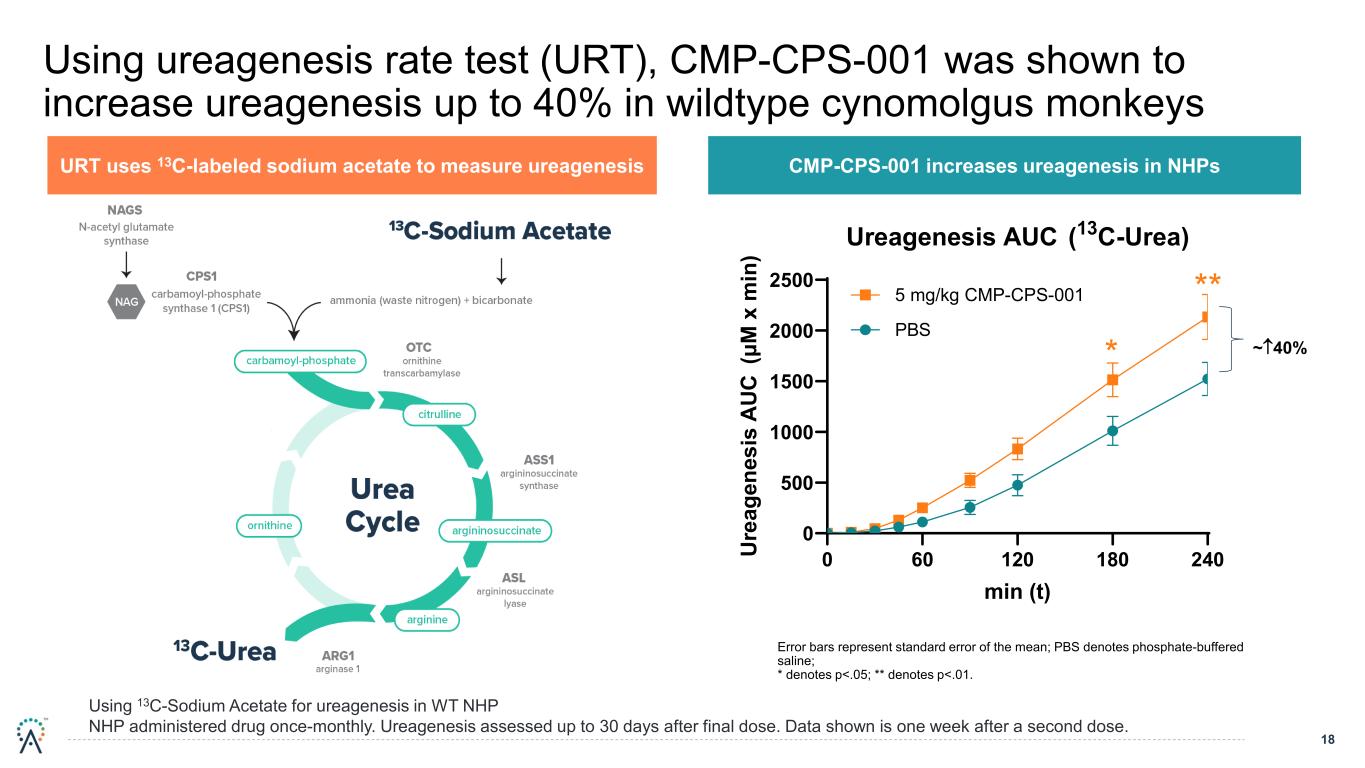
oAdministration of CMP-CPS-001 in NHPs resulted in up to 40% increase in ureagenesis, supporting the MOA to convert ammonia to urea
Phase 1 clinical data
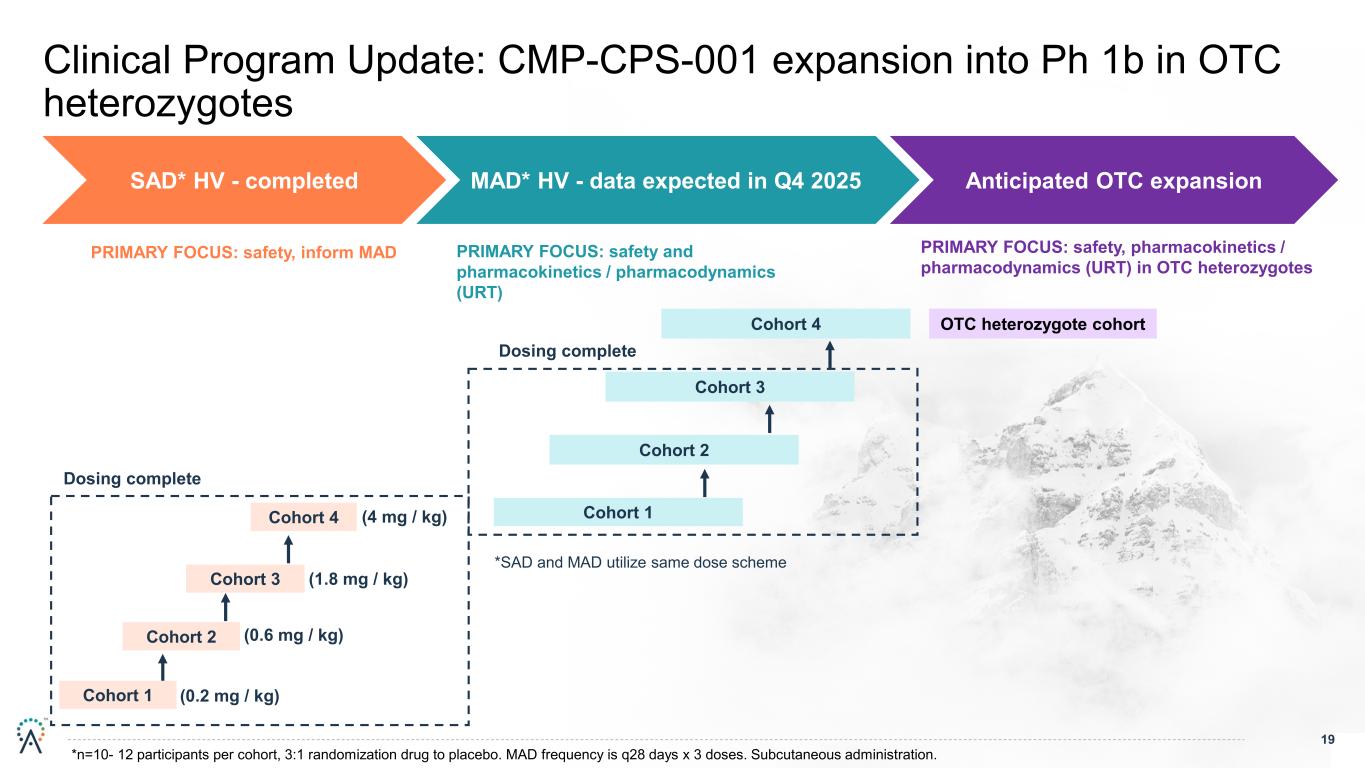
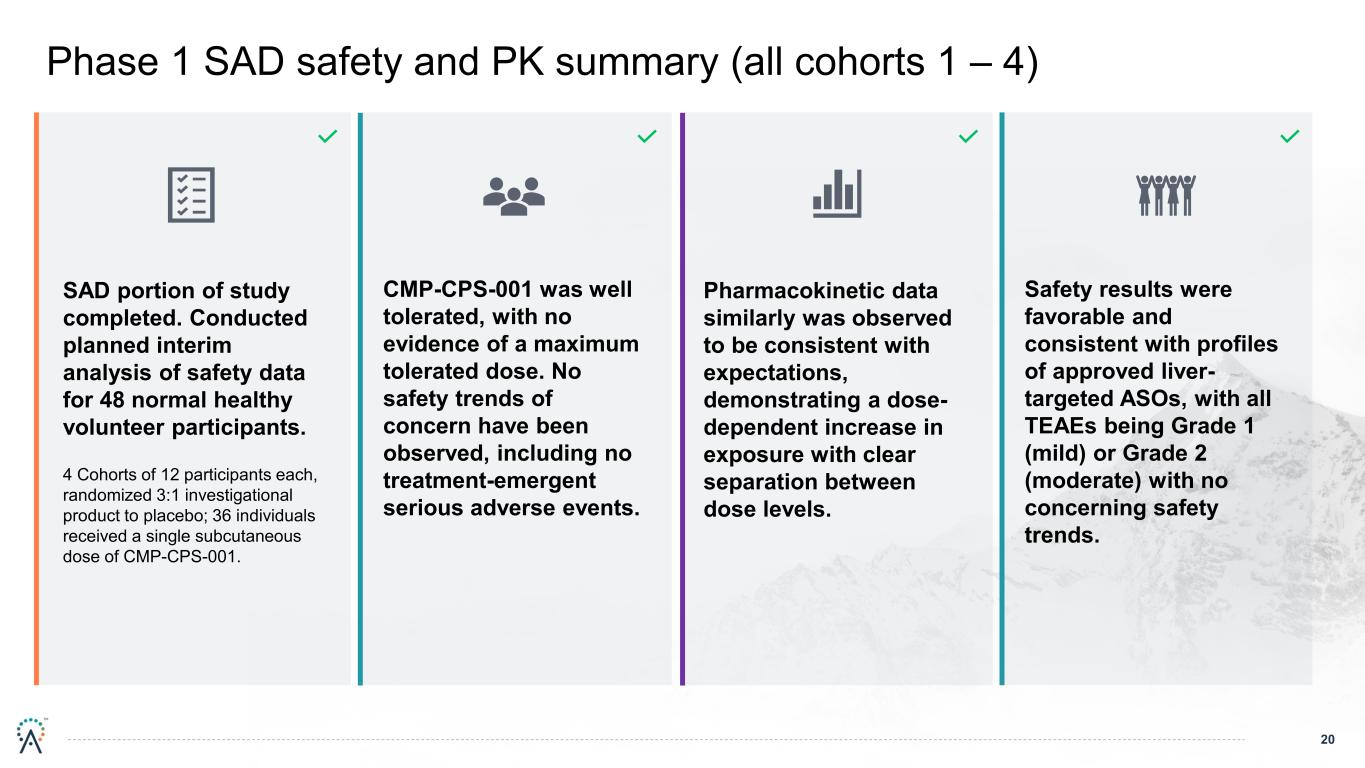
o48 healthy adult participants were enrolled across four SAD cohorts and randomized 3:1 to a single subcutaneous dose of CMP-CPS-001, with 36 participants randomized to CMP-CPS-001
oCMP-CPS-001 was well tolerated, with no evidence of a maximum tolerated dose and no safety trends of concern
oAll treatment-emergent adverse events (TEAEs) were Grade 1 (mild) or Grade 2 (moderate) with no serious or severe adverse events (AEs) or TEAEs and no participants discontinued study drug due to a TEAE
Most common TEAEs were headache (n=6) followed by nausea (n=4)
oPharmacokinetics


Dose-dependent increase in exposure (Cmax and AUC) with clear separation between dose levels
Greater than dose-proportional increase in exposure (Cmax and AUC0-24)
Study Update
oDosing complete in MAD Cohort 1 through Cohort 3
oAnticipate expansion into OTC heterozygotes to assess safety and CMP-CPS-001 effect on ureagenesis in patients with evidence of reduced urea cycle function

The presentations can be accessed on the CAMP4 website at https://investors.camp4tx.com/news-events/presentations after the presentations.

About CAMP4 Therapeutics
CAMP4 is developing disease-modifying treatments for a broad range of genetic diseases where amplifying healthy protein may offer therapeutic benefits. Our approach amplifies mRNA by harnessing a fundamental mechanism of how genes are controlled. To amplify mRNA, our therapeutic ASO drug candidates target regulatory RNAs (regRNAs), which act locally on transcription factors and are the master regulators of gene expression. CAMP4’s proprietary RAP Platform™ enables the mapping of regRNAs and generation of therapeutic candidates designed to target the regRNAs associated with genes underlying haploinsufficient and recessive partial loss-of-function disorders, of which there are more than 1,200, in which a modest increase in protein expression may have the potential to be clinically meaningful. For more information, visit camp4tx.com.
Forward-Looking Statements
This press release contains forward-looking statements which involve risks, uncertainties and contingencies, many of which are beyond the control of the Company, which may cause actual results, performance, or achievements to differ materially from anticipated results, performance, or achievements. All statements other than statements of historical facts contained in this press release are forward-looking statements. In some cases, you can identify forward-looking statements by terms such as “may,” “will,” “should,” “expect,” “plan,” “anticipate,” “could,” “intend,” “target,” “project,” “contemplate,” “believe,” “estimate,” “predict,” “potential” or “continue” or the negative of these terms or other similar expressions, although not all forward-looking statements contain these words. Forward-looking statements include, but are not limited to, statements concerning CAMP4’s plans and expectations regarding its ongoing Phase 1 clinical trial of CMP-CPS-001 and its expansion into a Phase 1b clinical trial of CMP-CPS-001; the anticipated timing and results of the company’s ongoing and future clinical trials, including expectations regarding the timing of reporting data from the CMP-CPS-001 clinical trials; the expected timing for the company’s initiation of GLP toxicity studies relating to CAMP4’s SYNGAP1 program; and the therapeutic potential of CAMP4’s product candidates. The forward-looking statements in this press release speak only as of the


date of this press release and are subject to a number of known and unknown risks, uncertainties and assumptions that could cause the Company’s actual results to differ materially from those anticipated in the forward-looking statements, including, but not limited to: the Company’s limited operating history, incurrence of substantial losses since the Company’s inception and anticipation of incurring substantial and increasing losses for the foreseeable future; the Company’s need for substantial additional financing to achieve the Company’s goals; the uncertainty of clinical development, which is lengthy and expensive, and characterized by uncertain outcomes, and risks related to additional costs or delays in completing, or failing to complete, the development and commercialization of the Company’s current product candidates or any future product candidates; delays or difficulties in the enrollment and dosing of patients in clinical trials; the impact of any significant adverse events or undesirable side effects caused by the Company’s product candidates; potential competition, including from large and specialty pharmaceutical and biotechnology companies; the Company’s ability to realize the benefits of the Company’s current or future collaborations or licensing arrangements and ability to successfully consummate future partnerships; the Company’s ability to obtain regulatory approval to commercialize any product candidate in the United States or any other jurisdiction, and the risk that any such approval may be for a more narrow indication than the Company seeks; the Company’s dependence on the services of the Company’s senior management and other clinical and scientific personnel, and the Company’s ability to retain these individuals or recruit additional management or clinical and scientific personnel; the Company’s ability to grow the Company’s organization, and manage the Company’s growth and expansion of the Company’s operations; risks related to the manufacturing of the Company’s product candidates, which is complex, and the risk that the Company’s third-party manufacturers may encounter difficulties in production; the Company’s ability to obtain and maintain sufficient intellectual property protection for the Company’s product candidates or any future product candidates the Company may develop; the Company’s reliance on third parties to conduct the Company’s preclinical studies and clinical trials; the Company’s compliance with the Company’s obligations under the licenses granted to the Company by others, for the rights to develop and commercialize the Company’s product candidates; risks related to the operations of the Company’s suppliers; and other risks and uncertainties described in the section “Risk Factors” in the Company’s Annual Report on Form 10-K for the year ended December 31, 2024 and Quarterly Report on Form 10-Q for the quarter ended March 31, 2025, as well as other information the Company files with the Securities and Exchange Commission. The forward-looking statements in this press release are inherently uncertain and are not guarantees of future events. Because forward-looking statements are inherently subject to risks and uncertainties, some of which cannot be predicted or quantified and some of which are beyond the Company’s control, you should not unduly rely on these forward-looking statements. The events and circumstances reflected in the forward-looking statements may not be achieved or occur and actual future results, levels of activity, performance and events and circumstances could differ materially from those projected in the forward-looking statements. Moreover, the Company operates in an evolving environment. New risks and uncertainties may emerge from time to time, and management cannot predict all risks and uncertainties. Investors, potential investors, and others should give careful consideration to these risks and uncertainties. Except as required by applicable law, the


Company does not undertake to publicly update or revise any forward-looking statements contained herein, whether as a result of any new information, future events, changed circumstances or otherwise.

Contacts
Investor Relations:
Kelly Gold, CFO
CAMP4 Therapeutics
[email protected]
Media:
Jason Braco, Ph.D.
LifeSci Communications
[email protected]

Pioneering a new class of RNA medicines to increase targeted gene expression May 2025 C O R P O R A T E O V E R V I E W


Forward-Looking Statements This presentation contains forward‐looking statements that are based on the beliefs and assumptions and on information currently available to CAMP4’s management. All statements other than statements of historical fact contained in this presentation are forward-looking statements. Forward‐looking statements include information concerning the initiation, timing, progress and results of preclinical and clinical trials of CAMP4’s product candidates, the timing or likelihood of regulatory filings and approvals for any of its product candidates, and estimates regarding CAMP4’s expenses, future revenues, and future capital requirements. In some cases, you can identify forward-looking statements because they contain words such as “may,” “might,” “will,” “would,” “shall,” “should,” “expects,” “plans,” “anticipates,” “could,” “intends,” “target,” “projects,” “contemplates,” “believes,” “estimates,” “looks,” “seeks,” “predicts,” “potential,” “ongoing,” or “continue” or the negative of these words or other similar terms or expressions that concern our expectations, strategy, plans or intentions, although not all forward-looking statements are accompanied by such words. Forward-looking statements involve known and unknown risks, uncertainties and other factors that may cause CAMP4’s actual results, performance or achievements to be materially different from any future results, performance or achievements expressed or implied by the forward-looking statements. This information was factually accurate on the date it was published. CAMP4 assumes no duty to update the information to reflect subsequent developments, except as required by law. The safety and efficacy of CAMP4’s product candidates and/or uses under investigation have not been established. There is no guarantee that any of our product candidates will receive regulatory authority approval or become commercially available in any country for the uses being investigated or that any such product candidate will achieve a particular revenue level. In particular, CAMP4’s expectations could be affected by, among other things, uncertainties involved in the development of new therapeutic products; unexpected clinical trial results or unexpected new clinical data; unexpected regulatory actions or delays or government regulation generally; CAMP4’s ability to obtain or maintain patent or other proprietary intellectual property protection; competition in general; CAMP4’s ability to establish and maintain collaborations, strategic relationships and supply arrangements, or to realize the intended benefits from such relationships or arrangements; whether CAMP4’s cash resources will be sufficient to fund its foreseeable and unforeseeable operating expenses and capital expenditure requirements; CAMP4’s ability to raise additional funding on favorable terms, or at all; the rate and degree of market acceptance and clinical utility of CAMP4’s product candidates; the ability and willingness of our third-party collaborators to continue research, development and manufacturing activities relating to our product candidates; the accuracy of our data analyses or estimates for the potential and market for our products; and government, industry, and general public pricing and other political pressures. The actual results may vary from the anticipated results and the variations may be material. Other factors that may cause the Company’s actual results to differ from current expectations are discussed in the Company’s filings with the SEC, including the sections titled “Risk factors,” “Management’s discussion and analysis of financial condition and results of operations” and “Special note regarding forward-looking statements” in the Company’s most recent Annual Report on Form 10-K for the year ended December 31, 2024 and Quarterly Report on Form 10-Q for the quarter ended March 31, 2025. You are cautioned not to place undue reliance on these forward-looking statements, which speak only as of the date this presentation is given. Except as required by law, CAMP4 undertakes no obligation to publicly update any forward-looking statements, whether as a result of new information, future events or otherwise. 2


CAMP4 overview RAP Platform: regRNAs are master controllers of gene regulation Lead metabolic program: Urea Cycle Disorders Lead CNS program: SYNGAP1-related Disorders 3 Agenda


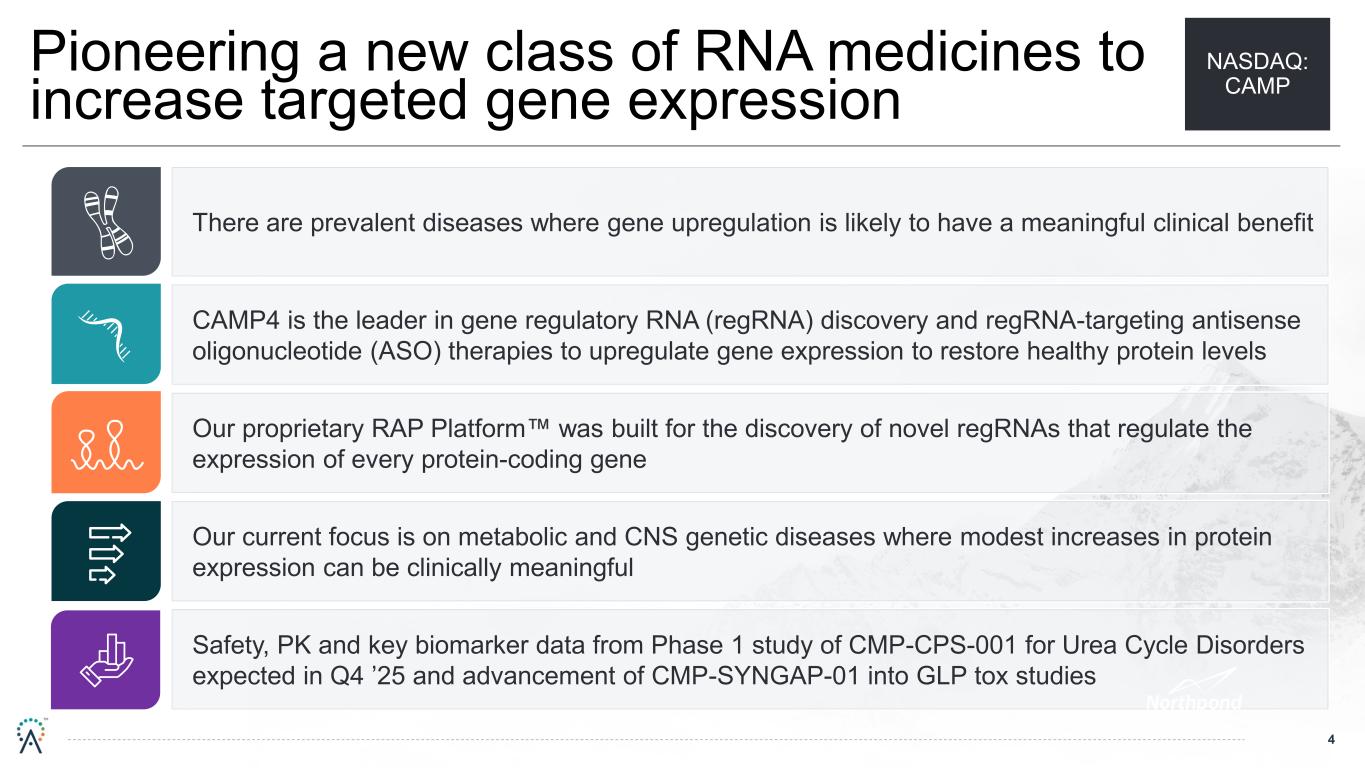
CAMP4 is the leader in gene regulatory RNA (regRNA) discovery and regRNA-targeting antisense oligonucleotide (ASO) therapies to upregulate gene expression to restore healthy protein levels 4 Our proprietary RAP Platform was built for the discovery of novel regRNAs that regulate the expression of every protein-coding gene Our current focus is on metabolic and CNS genetic diseases where modest increases in protein expression can be clinically meaningful Safety, PK and key biomarker data from Phase 1 study of CMP-CPS-001 for Urea Cycle Disorders expected in Q4 ’25 and advancement of CMP-SYNGAP-01 into GLP tox studies NASDAQ: CAMP There are prevalent diseases where gene upregulation is likely to have a meaningful clinical benefit Pioneering a new class of RNA medicines to increase targeted gene expression


5 World-class management team, experienced board and advisors Josh Mandel-Brehm President & CEO David Bumcrot, PhD Chief Scientific Officer Michelle Gates Chief People Officer Caleb Moore Chief Business Operations Officer Yuri Maricich, MD Chief Medical Officer Kelly Gold Chief Financial Officer Board of Directors James Boylan Ingo Chakravarty Michael Higgins Steven Holtzman Josh Mandel-Brehm Amir Nashat, ScD Paula Ragan, PhD Andy Schwab Murray Stewart, DM FRCP Ravi Thadhani, MD Douglas Williams, PhD Rick Young, PhD Len Zon*, MD *Board observer, co-founder Daniel Tardiff, PhD SVP, Head of Discovery Satya Kuchimanchi, PhD SVP, Technical Operations Alla Sigova, PhD VP, Head of Platform


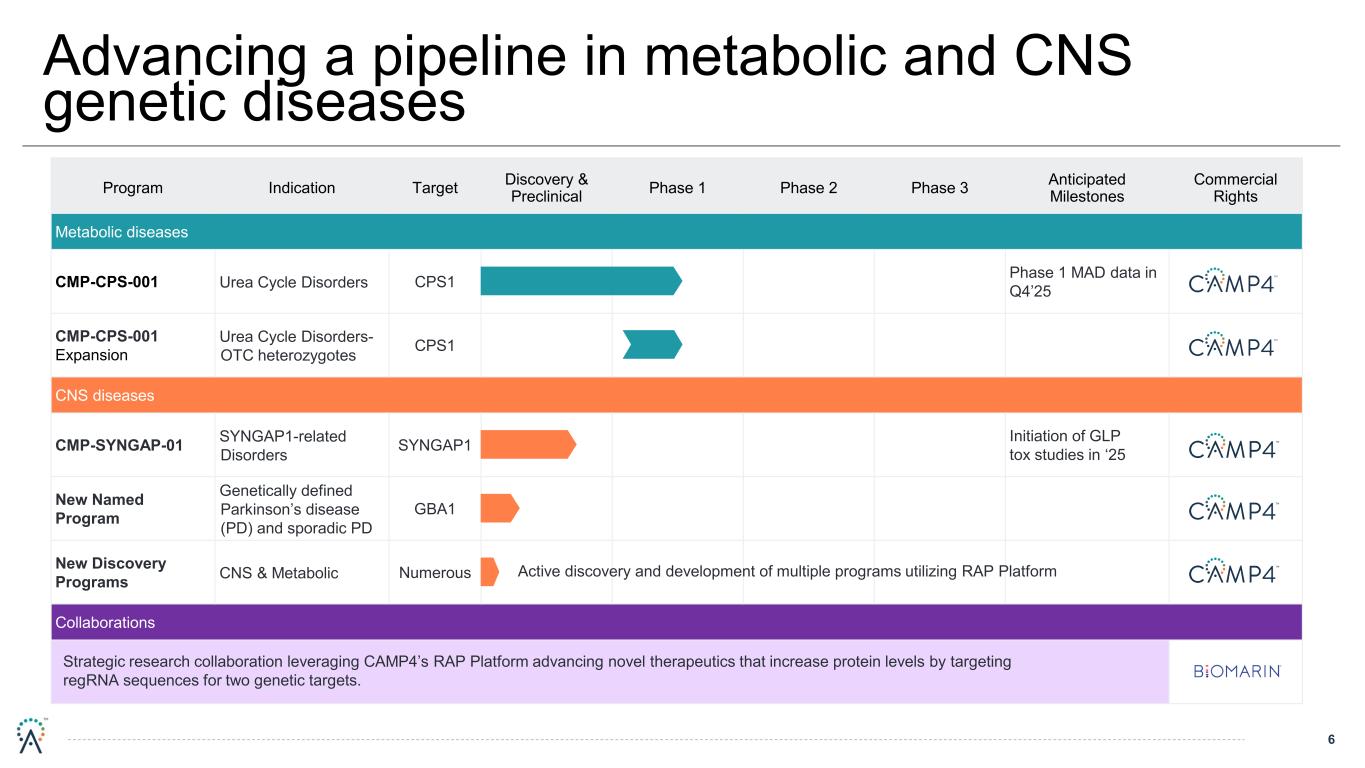
Program Indication Target Discovery & Preclinical Phase 1 Phase 2 Phase 3 Anticipated Milestones Commercial Rights Metabolic diseases CMP-CPS-001 Urea Cycle Disorders CPS1 Phase 1 MAD data in Q4’25 CMP-CPS-001 Expansion Urea Cycle Disorders- OTC heterozygotes CPS1 CNS diseases CMP-SYNGAP-01 SYNGAP1-related Disorders SYNGAP1 Initiation of GLP tox studies in ‘25 New Named Program Genetically defined Parkinson’s disease (PD) and sporadic PD GBA1 New Discovery Programs CNS & Metabolic Numerous Collaborations Advancing a pipeline in metabolic and CNS genetic diseases 6 Strategic research collaboration leveraging CAMP4’s RAP Platform advancing novel therapeutics that increase protein levels by targeting regRNA sequences for two genetic targets. Active discovery and development of multiple programs utilizing RAP Platform


CAMP4 overview RAP Platform: regRNAs are master controllers of gene regulation Lead metabolic program: Urea Cycle Disorders Lead CNS program: SYNGAP1-related Disorders 7 Agenda


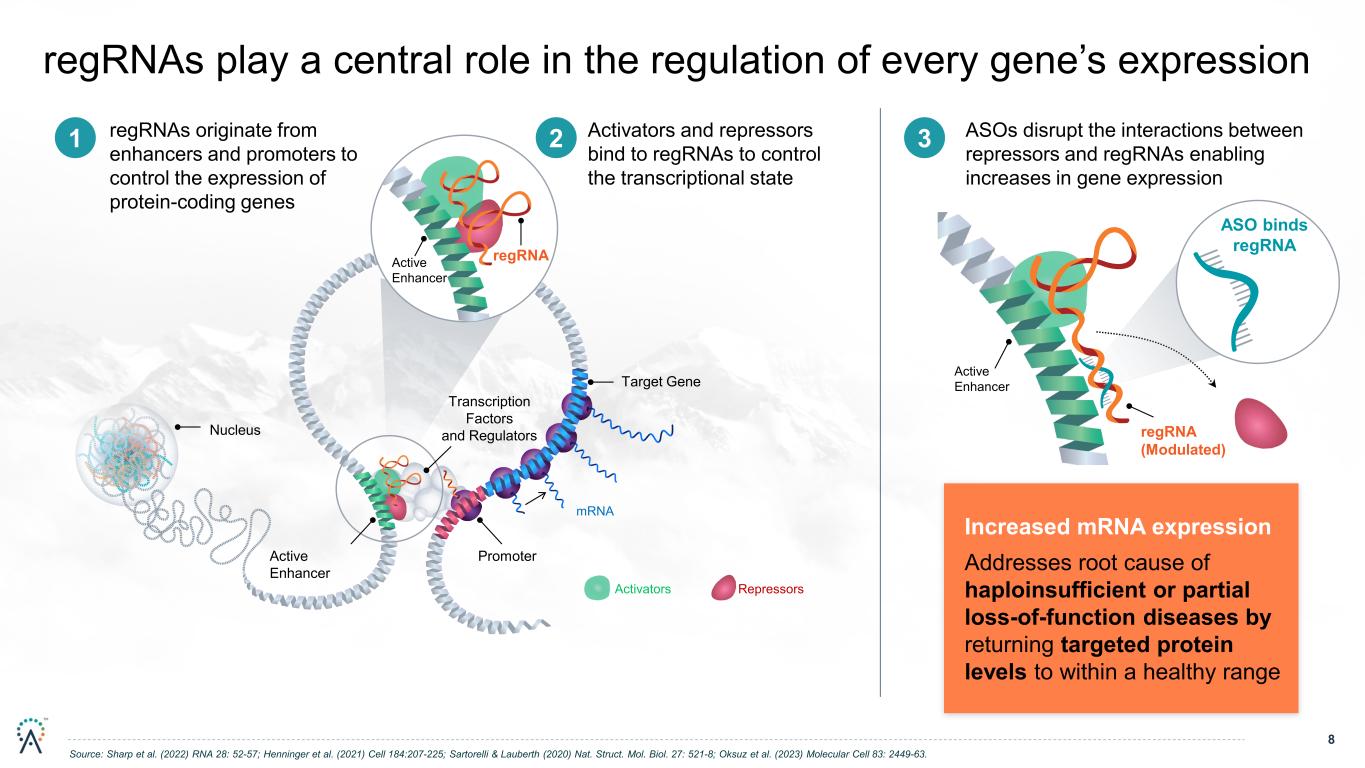
8 regRNAs play a central role in the regulation of every gene’s expression mRNA Activators and repressors bind to regRNAs to control the transcriptional state regRNAs originate from enhancers and promoters to control the expression of protein-coding genes Active Enhancer Nucleus Transcription Factors and Regulators Target Gene Promoter Activators Repressors regRNAActive Enhancer Increased mRNA expression Addresses root cause of haploinsufficient or partial loss-of-function diseases by returning targeted protein levels to within a healthy range ASOs disrupt the interactions between repressors and regRNAs enabling increases in gene expression regRNA (Modulated) Active Enhancer ASO binds regRNA 1 2 3 Source: Sharp et al. (2022) RNA 28: 52-57; Henninger et al. (2021) Cell 184:207-225; Sartorelli & Lauberth (2020) Nat. Struct. Mol. Biol. 27: 521-8; Oksuz et al. (2023) Molecular Cell 83: 2449-63.


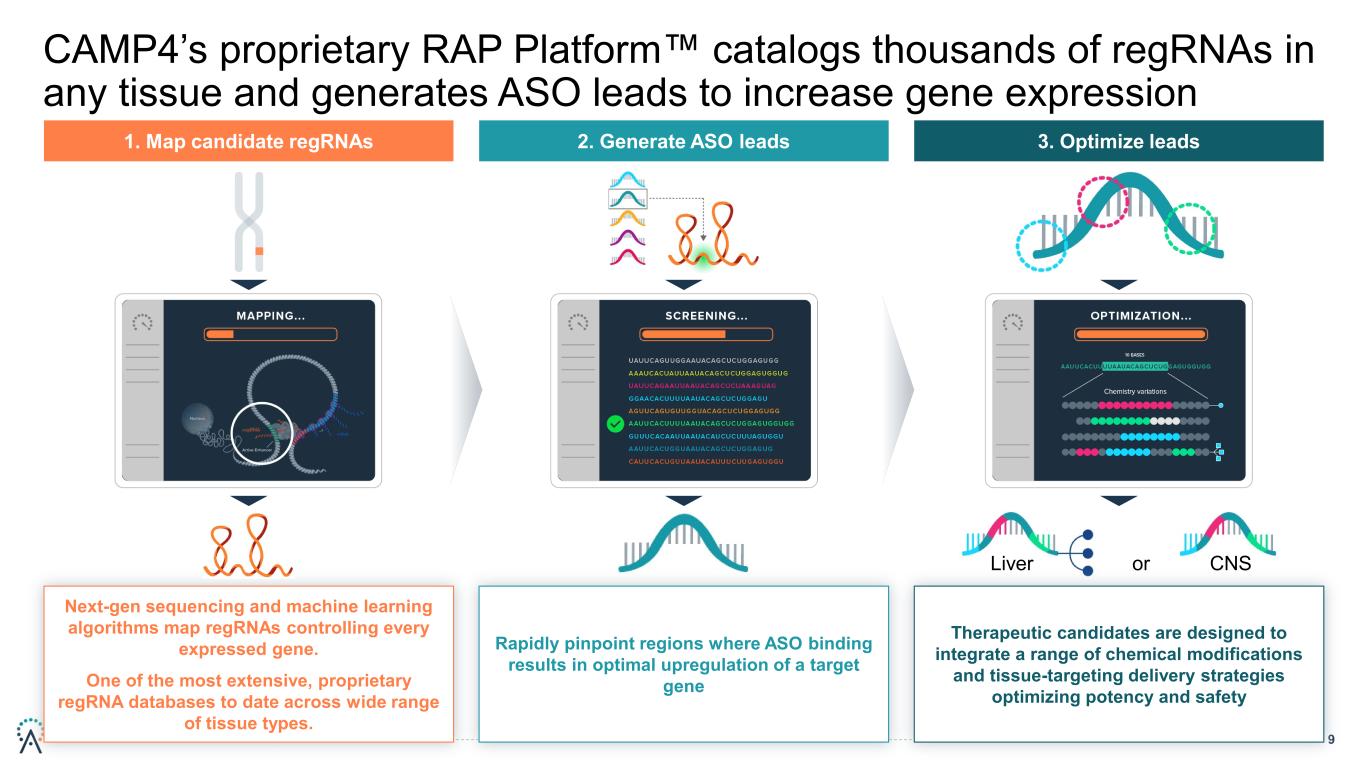
9 1. Map candidate regRNAs 2. Generate ASO leads 3. Optimize leads CAMP4’s proprietary RAP Platform catalogs thousands of regRNAs in any tissue and generates ASO leads to increase gene expression Next-gen sequencing and machine learning algorithms map regRNAs controlling every expressed gene. One of the most extensive, proprietary regRNA databases to date across wide range of tissue types. Liver or CNS Rapidly pinpoint regions where ASO binding results in optimal upregulation of a target gene Therapeutic candidates are designed to integrate a range of chemical modifications and tissue-targeting delivery strategies optimizing potency and safety


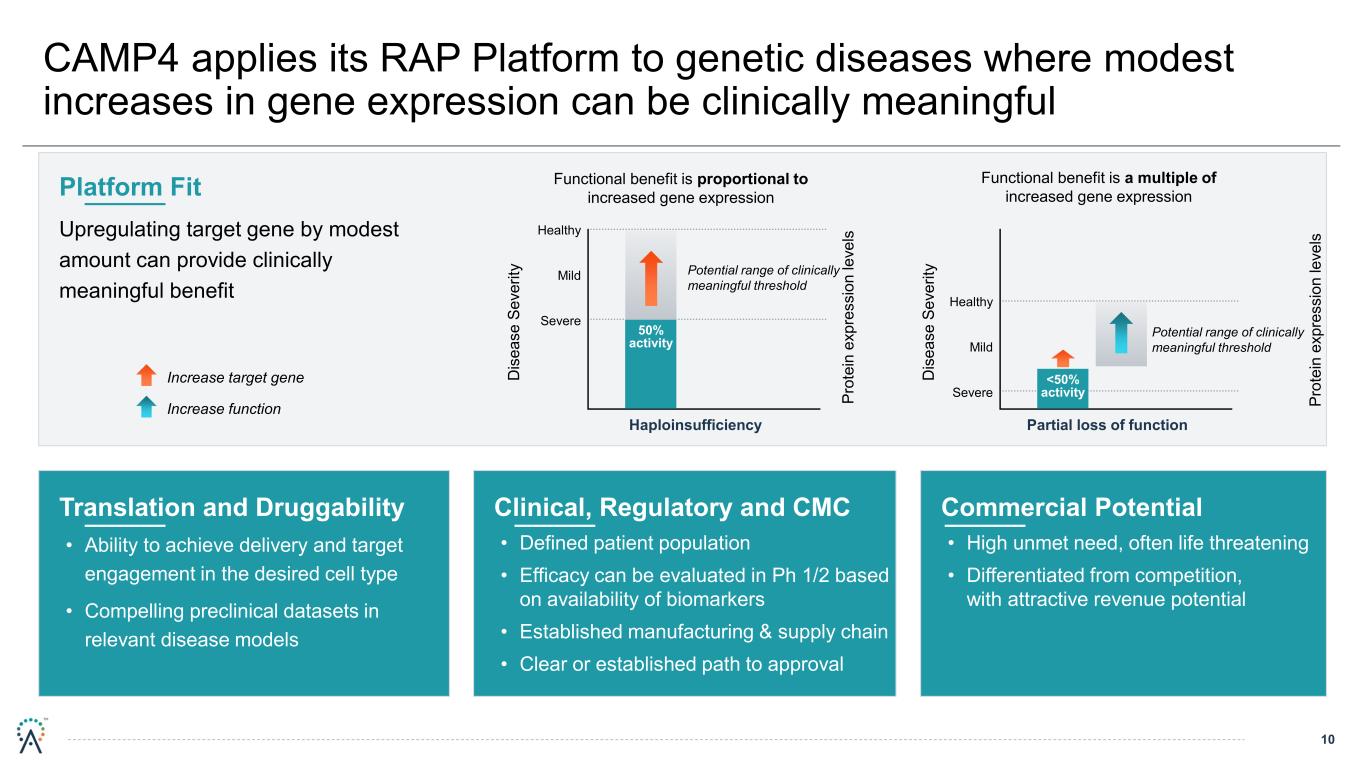
CAMP4 applies its RAP Platform to genetic diseases where modest increases in gene expression can be clinically meaningful 10 Clinical, Regulatory and CMC • Defined patient population • Efficacy can be evaluated in Ph 1/2 based on availability of biomarkers • Established manufacturing & supply chain • Clear or established path to approval Platform Fit Upregulating target gene by modest amount can provide clinically meaningful benefit Translation and Druggability • Ability to achieve delivery and target engagement in the desired cell type • Compelling preclinical datasets in relevant disease models Increase target gene Increase function Commercial Potential • High unmet need, often life threatening • Differentiated from competition, with attractive revenue potential D is ea se S ev er ity D is ea se S ev er ity Functional benefit is proportional to increased gene expression Functional benefit is a multiple of increased gene expression Potential range of clinically meaningful threshold Severe Healthy Mild Haploinsufficiency 50% activity Potential range of clinically meaningful threshold Severe Healthy Mild Partial loss of function <50% activityPr ot ei n ex pr es si on le ve ls Pr ot ei n ex pr es si on le ve ls


CAMP4 overview RAP Platform: regRNAs are master controllers of gene regulation Lead metabolic program: Urea Cycle Disorders Lead CNS program: SYNGAP1-related Disorders 11 Agenda


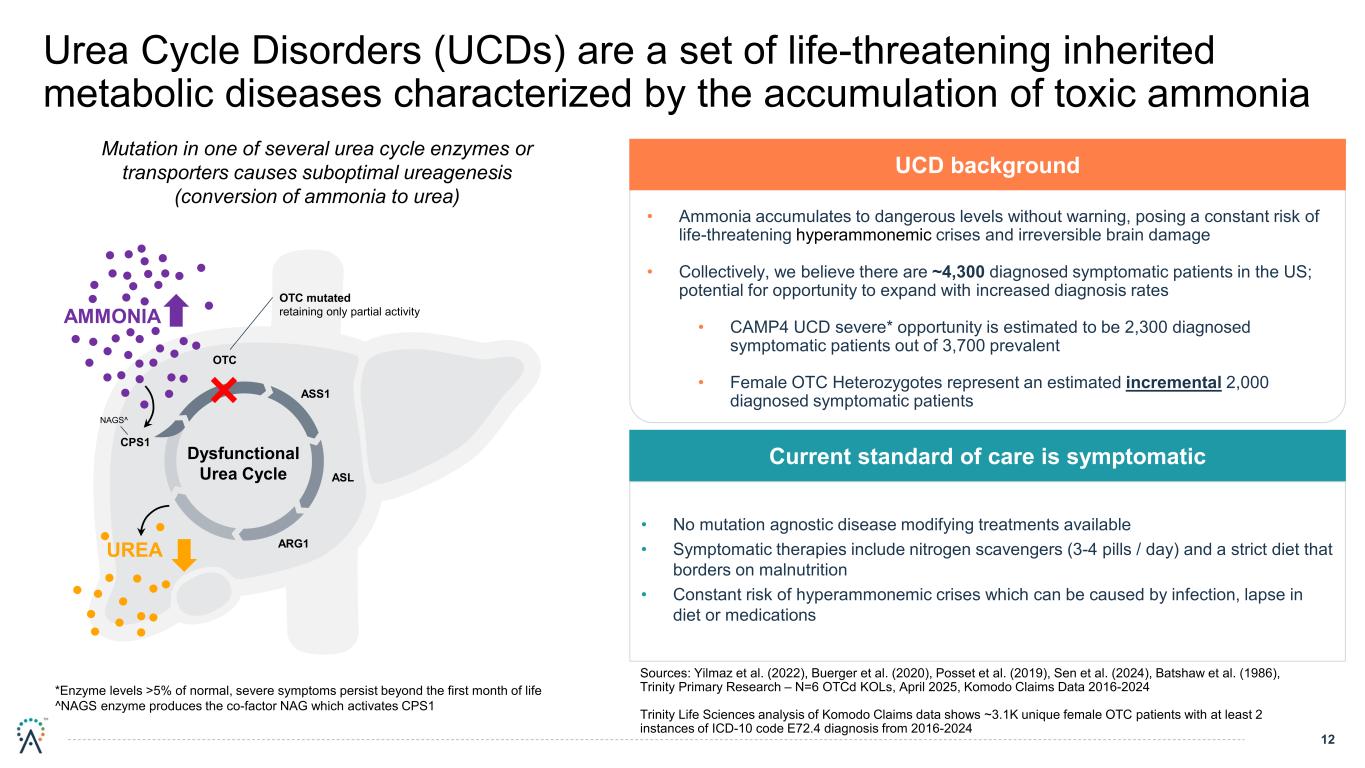
Urea Cycle Disorders (UCDs) are a set of life-threatening inherited metabolic diseases characterized by the accumulation of toxic ammonia 12 OTC ASS1 ASL ARG1 CPS1 Dysfunctional Urea Cycle NAGS^ OTC mutated retaining only partial activity UREA AMMONIA Mutation in one of several urea cycle enzymes or transporters causes suboptimal ureagenesis (conversion of ammonia to urea) • Ammonia accumulates to dangerous levels without warning, posing a constant risk of life-threatening hyperammonemic crises and irreversible brain damage • Collectively, we believe there are ~4,300 diagnosed symptomatic patients in the US; potential for opportunity to expand with increased diagnosis rates • CAMP4 UCD severe* opportunity is estimated to be 2,300 diagnosed symptomatic patients out of 3,700 prevalent • Female OTC Heterozygotes represent an estimated incremental 2,000 diagnosed symptomatic patients UCD background • No mutation agnostic disease modifying treatments available • Symptomatic therapies include nitrogen scavengers (3-4 pills / day) and a strict diet that borders on malnutrition • Constant risk of hyperammonemic crises which can be caused by infection, lapse in diet or medications Current standard of care is symptomatic *Enzyme levels >5% of normal, severe symptoms persist beyond the first month of life ^NAGS enzyme produces the co-factor NAG which activates CPS1 Sources: Yilmaz et al. (2022), Buerger et al. (2020), Posset et al. (2019), Sen et al. (2024), Batshaw et al. (1986), Trinity Primary Research – N=6 OTCd KOLs, April 2025, Komodo Claims Data 2016-2024 Trinity Life Sciences analysis of Komodo Claims data shows ~3.1K unique female OTC patients with at least 2 instances of ICD-10 code E72.4 diagnosis from 2016-2024


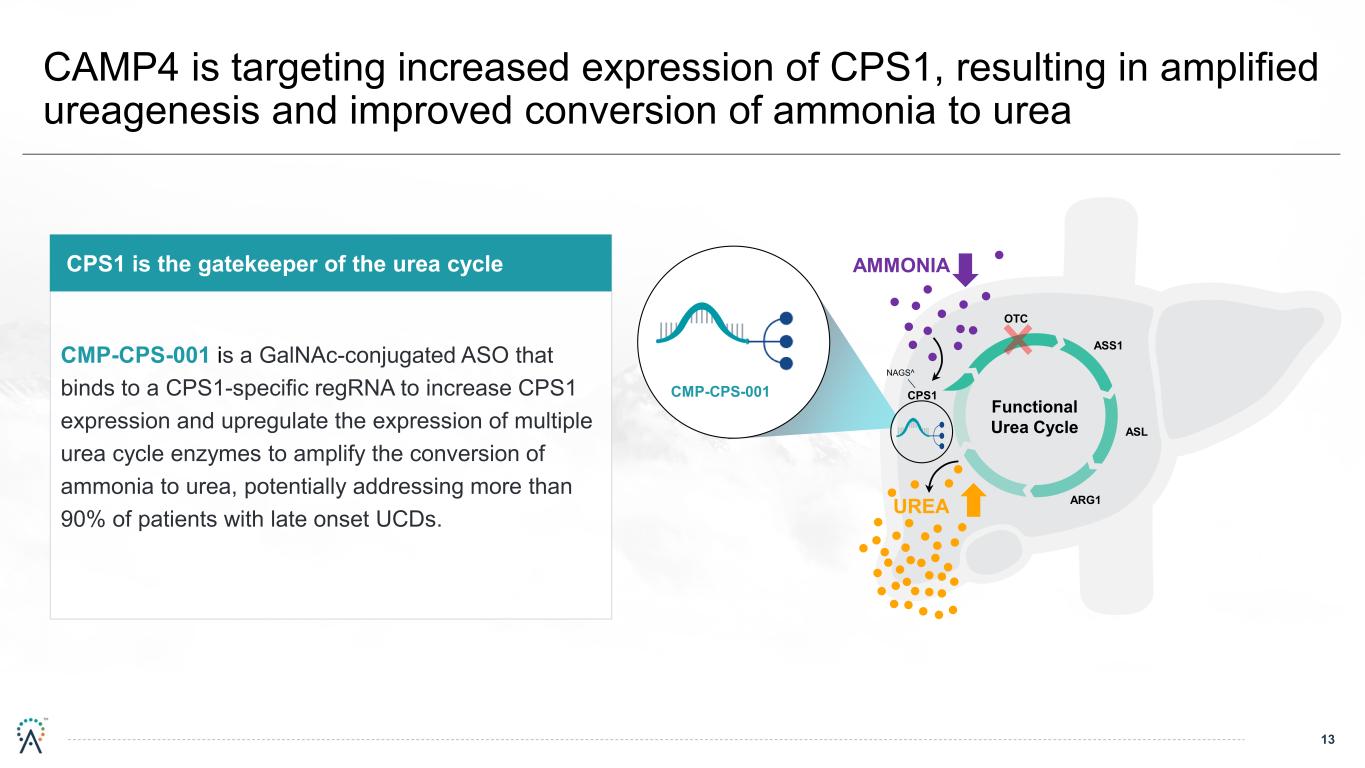
CMP-CPS-001 is a GalNAc-conjugated ASO that binds to a CPS1-specific regRNA to increase CPS1 expression and upregulate the expression of multiple urea cycle enzymes to amplify the conversion of ammonia to urea, potentially addressing more than 90% of patients with late onset UCDs. 13 CAMP4 is targeting increased expression of CPS1, resulting in amplified ureagenesis and improved conversion of ammonia to urea CPS1 is the gatekeeper of the urea cycle OTC ASS1 ASL ARG1 CPS1 UREA Functional Urea Cycle AMMONIA NAGS^ CMP-CPS-001


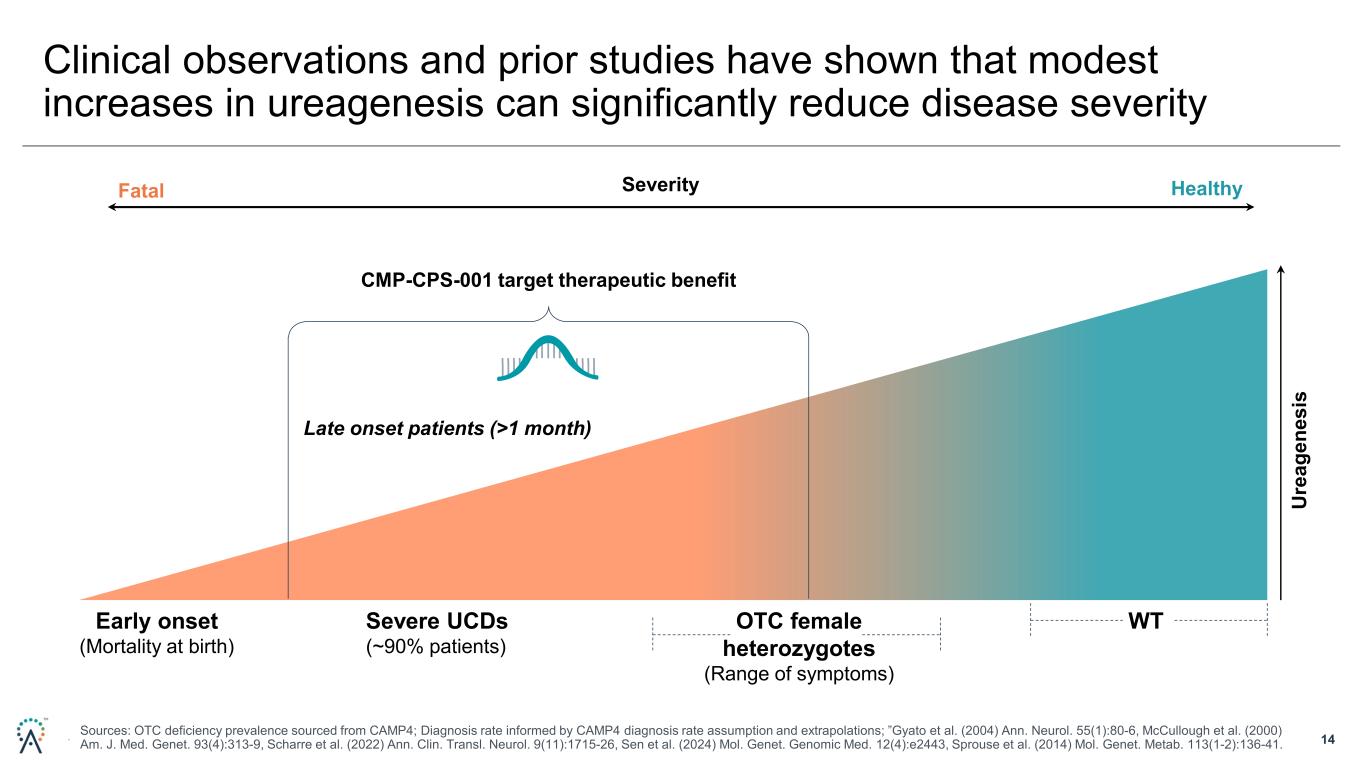
14 Clinical observations and prior studies have shown that modest increases in ureagenesis can significantly reduce disease severity Early onset (Mortality at birth) Severe UCDs (~90% patients) OTC female heterozygotes (Range of symptoms) WT Late onset patients (>1 month) CMP-CPS-001 target therapeutic benefit U re ag en es is SeverityFatal Healthy Sources: OTC deficiency prevalence sourced from CAMP4; Diagnosis rate informed by CAMP4 diagnosis rate assumption and extrapolations; ”Gyato et al. (2004) Ann. Neurol. 55(1):80-6, McCullough et al. (2000) Am. J. Med. Genet. 93(4):313-9, Scharre et al. (2022) Ann. Clin. Transl. Neurol. 9(11):1715-26, Sen et al. (2024) Mol. Genet. Genomic Med. 12(4):e2443, Sprouse et al. (2014) Mol. Genet. Metab. 113(1-2):136-41.


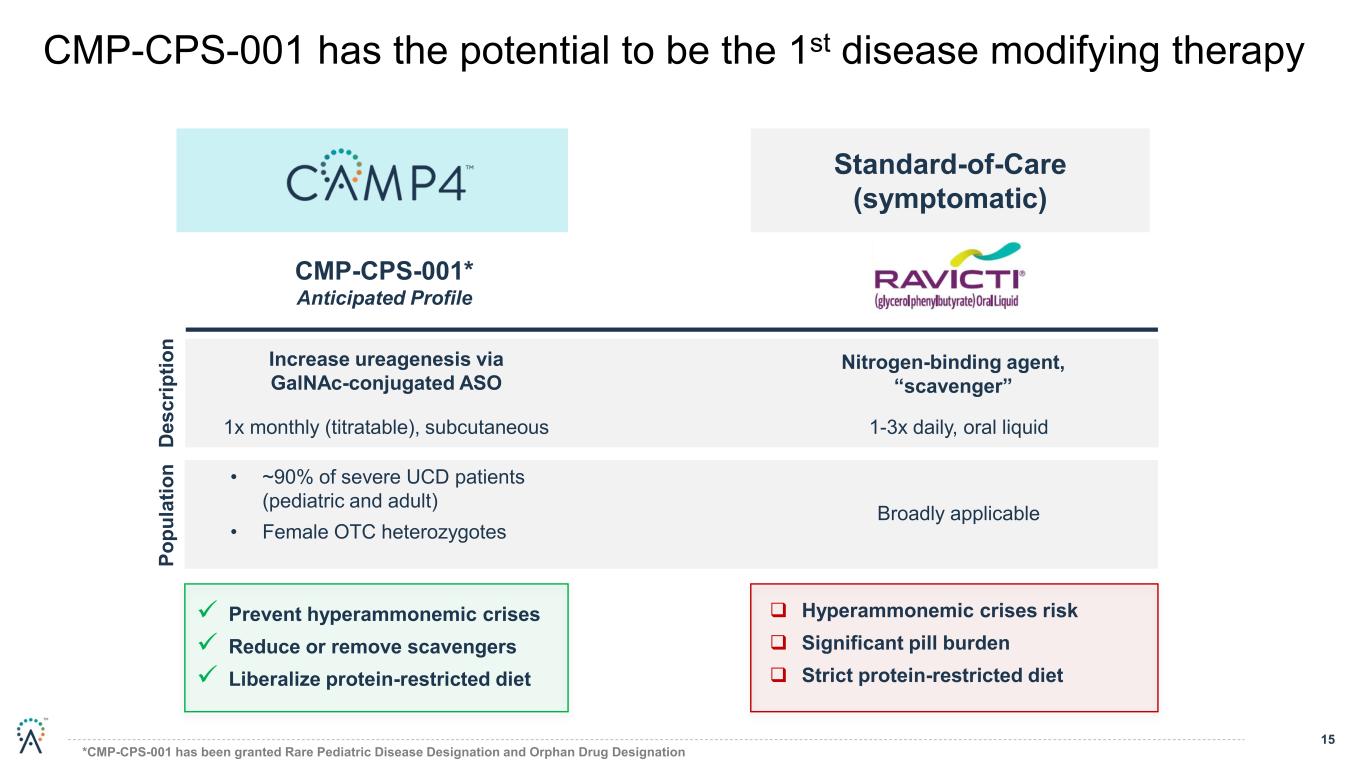
CMP-CPS-001 has the potential to be the 1st disease modifying therapy 15 Increase ureagenesis via GalNAc-conjugated ASO *CMP-CPS-001 has been granted Rare Pediatric Disease Designation and Orphan Drug Designation 1x monthly (titratable), subcutaneous • ~90% of severe UCD patients (pediatric and adult) • Female OTC heterozygotes  Prevent hyperammonemic crises  Reduce or remove scavengers  Liberalize protein-restricted diet Nitrogen-binding agent, “scavenger” 1-3x daily, oral liquid Broadly applicable  Hyperammonemic crises risk  Significant pill burden  Strict protein-restricted diet CMP-CPS-001* Anticipated Profile Standard-of-Care (symptomatic) D es cr ip tio n Po pu la tio n


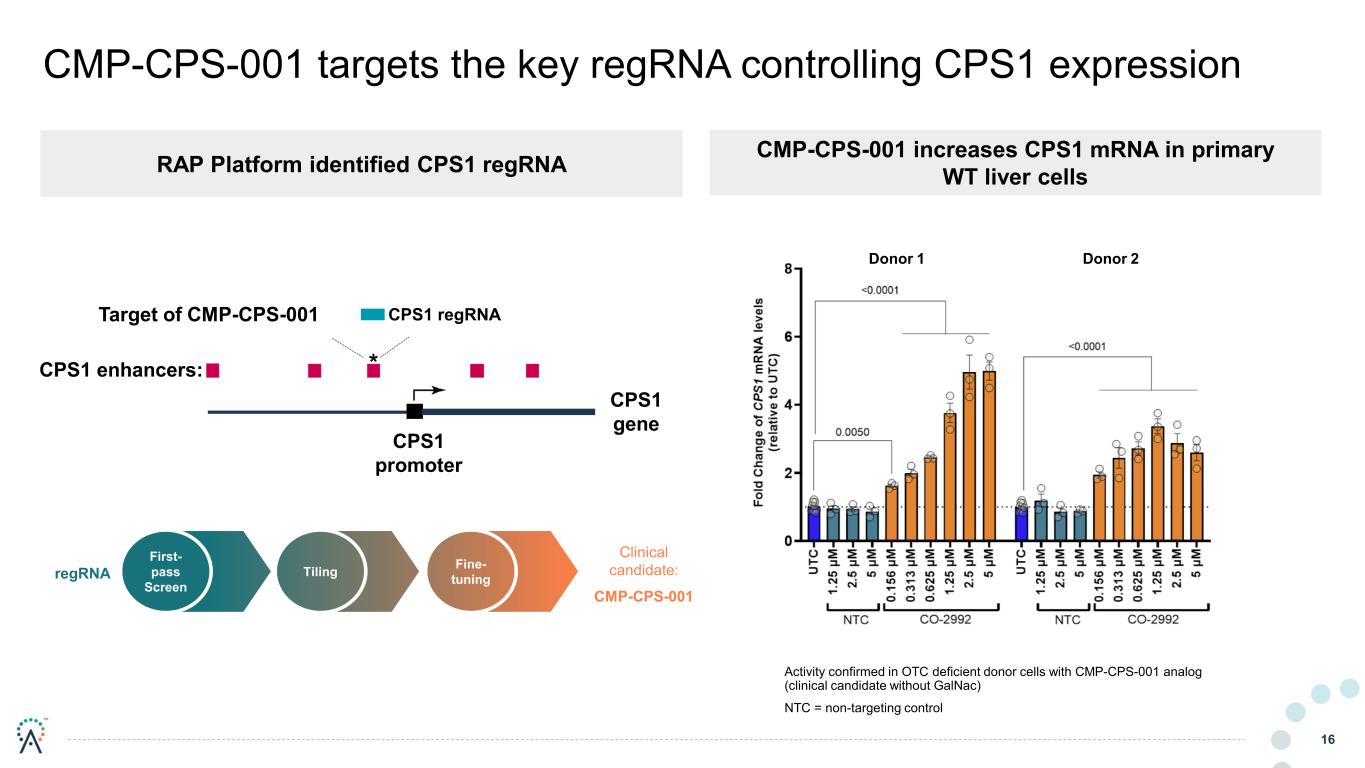
16 CMP-CPS-001 targets the key regRNA controlling CPS1 expression RAP Platform identified CPS1 regRNA CMP-CPS-001 increases CPS1 mRNA in primary WT liver cells CPS1 promoter CPS1 enhancers: Target of CMP-CPS-001 CPS1 gene Activity confirmed in OTC deficient donor cells with CMP-CPS-001 analog (clinical candidate without GalNac) NTC = non-targeting control CPS1 regRNA regRNA Clinical candidate: CMP-CPS-001 First- pass Screen Tiling Fine- tuning Donor 1 Donor 2


ASO targeting mouse Cps1 regRNA in Otc-deficient mice reduces ammonia and supports once-monthly dosing 17 Onset Maintenance Return (1-2 wks) (~4 wks) (~1-2 wks) • The Otcspf-ash mouse model carries a patient mutation in Otc that reduces mRNA levels • Otc activity is 5%-10% of wild-type1 • Model displays elevated ammonia relative to wild- type mice following an acute ammonia challenge • ASO was shown to cause significant ~50% reduction in toxic ammonia (approx. WT levels) • Correlated with ~20% increase in urea production (data no shown) • Maximal effect achieved in 2-3 weeks • Response persisted for ~1 month 1Hodges and Rosenberg, PNAS, 1989


18 Using 13C-Sodium Acetate for ureagenesis in WT NHP NHP administered drug once-monthly. Ureagenesis assessed up to 30 days after final dose. Data shown is one week after a second dose. Error bars represent standard error of the mean; PBS denotes phosphate-buffered saline; * denotes p<.05; ** denotes p<.01. ~↑40% Using ureagenesis rate test (URT), CMP-CPS-001 was shown to increase ureagenesis up to 40% in wildtype cynomolgus monkeys 0 60 120 180 240 0 500 1000 1500 2000 2500 min (t) U re ag en es is A UC (μ M x m in ) Ureagenesis AUC (13C-Urea) * **5 mg/kg CMP-CPS-001 PBS URT uses 13C-labeled sodium acetate to measure ureagenesis CMP-CPS-001 increases ureagenesis in NHPs


19 Clinical Program Update: CMP-CPS-001 expansion into Ph 1b in OTC heterozygotes MAD* HV - data expected in Q4 2025 Cohort 2 Cohort 3 Cohort 4 Dosing complete PRIMARY FOCUS: safety, inform MAD PRIMARY FOCUS: safety and pharmacokinetics / pharmacodynamics (URT) Cohort 1 (4 mg / kg) (1.8 mg / kg) (0.6 mg / kg) (0.2 mg / kg) Cohort 1 Cohort 2 Dosing complete *SAD and MAD utilize same dose scheme PRIMARY FOCUS: safety, pharmacokinetics / pharmacodynamics (URT) in OTC heterozygotes Anticipated OTC expansion SAD* HV - completed Cohort 3 Cohort 4 OTC heterozygote cohort *n=10- 12 participants per cohort, 3:1 randomization drug to placebo. MAD frequency is q28 days x 3 doses. Subcutaneous administration.


20 Phase 1 SAD safety and PK summary (all cohorts 1 – 4) SAD portion of study completed. Conducted planned interim analysis of safety data for 48 normal healthy volunteer participants. 4 Cohorts of 12 participants each, randomized 3:1 investigational product to placebo; 36 individuals received a single subcutaneous dose of CMP-CPS-001. CMP-CPS-001 was well tolerated, with no evidence of a maximum tolerated dose. No safety trends of concern have been observed, including no treatment-emergent serious adverse events. Pharmacokinetic data similarly was observed to be consistent with expectations, demonstrating a dose- dependent increase in exposure with clear separation between dose levels. Safety results were favorable and consistent with profiles of approved liver- targeted ASOs, with all TEAEs being Grade 1 (mild) or Grade 2 (moderate) with no concerning safety trends.


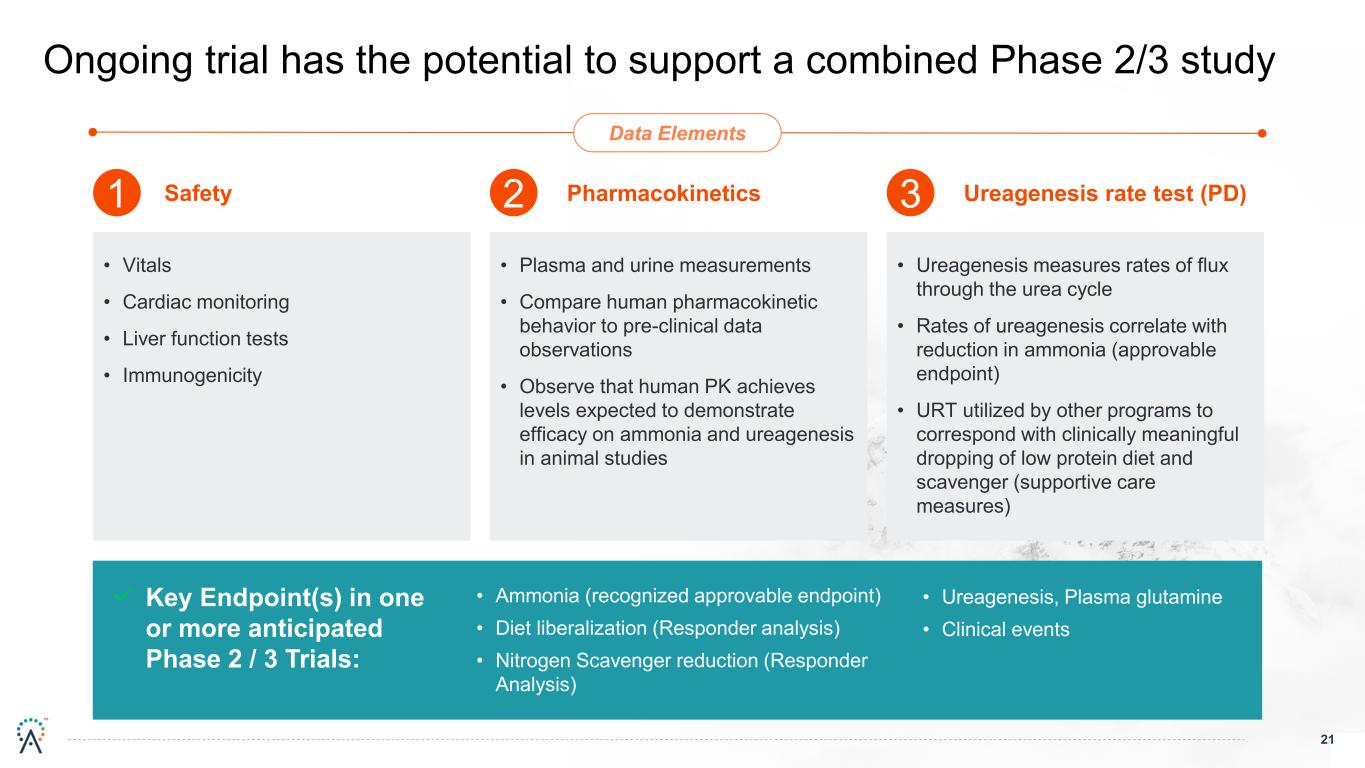
21 Ongoing trial has the potential to support a combined Phase 2/3 study Safety Pharmacokinetics Ureagenesis rate test (PD) • Vitals • Cardiac monitoring • Liver function tests • Immunogenicity • Plasma and urine measurements • Compare human pharmacokinetic behavior to pre-clinical data observations • Observe that human PK achieves levels expected to demonstrate efficacy on ammonia and ureagenesis in animal studies • Ureagenesis measures rates of flux through the urea cycle • Rates of ureagenesis correlate with reduction in ammonia (approvable endpoint) • URT utilized by other programs to correspond with clinically meaningful dropping of low protein diet and scavenger (supportive care measures) Key Endpoint(s) in one or more anticipated Phase 2 / 3 Trials: • Ammonia (recognized approvable endpoint) • Diet liberalization (Responder analysis) • Nitrogen Scavenger reduction (Responder Analysis) 1 2 3 Data Elements • Ureagenesis, Plasma glutamine • Clinical events


CAMP4 overview RAP Platform: regRNAs are master controllers of gene regulation Lead metabolic program: Urea Cycle Disorders Lead CNS program: SYNGAP1-related Disorders 22 Agenda


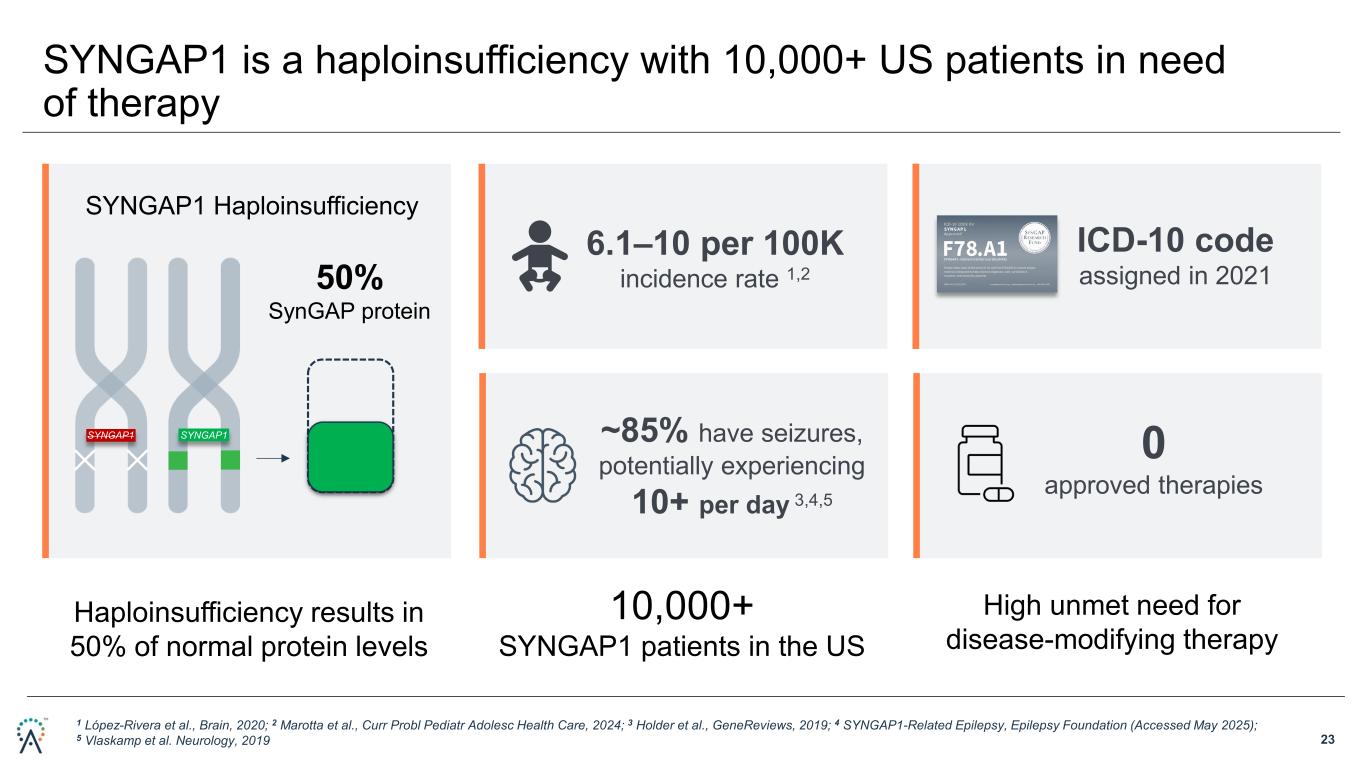
SYNGAP1 is a haploinsufficiency with 10,000+ US patients in need of therapy 23 Haploinsufficiency results in 50% of normal protein levels 10,000+ SYNGAP1 patients in the US High unmet need for disease-modifying therapy 6.1–10 per 100K incidence rate 1,2 ~85% have seizures, potentially experiencing 10+ per day 3,4,5 ICD-10 code assigned in 2021 0 approved therapies SYNGAP1 Haploinsufficiency 50% SynGAP protein 1 López-Rivera et al., Brain, 2020; 2 Marotta et al., Curr Probl Pediatr Adolesc Health Care, 2024; 3 Holder et al., GeneReviews, 2019; 4 SYNGAP1-Related Epilepsy, Epilepsy Foundation (Accessed May 2025); 5 Vlaskamp et al. Neurology, 2019 SYNGAP1 SYNGAP1


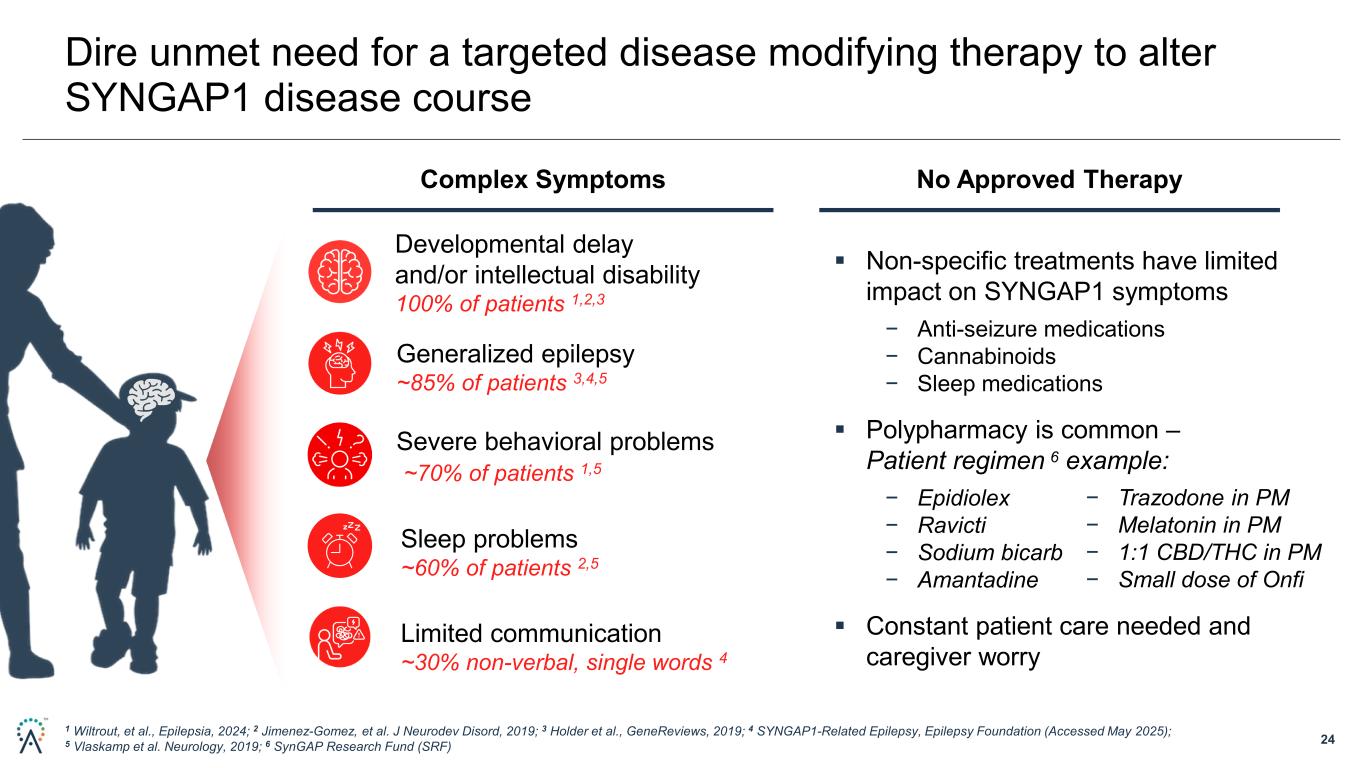
Dire unmet need for a targeted disease modifying therapy to alter SYNGAP1 disease course 24 Complex Symptoms No Approved Therapy  Non-specific treatments have limited impact on SYNGAP1 symptoms − Anti-seizure medications − Cannabinoids − Sleep medications  Polypharmacy is common – Patient regimen 6 example: − Epidiolex − Ravicti − Sodium bicarb − Amantadine  Constant patient care needed and caregiver worry − Trazodone in PM − Melatonin in PM − 1:1 CBD/THC in PM − Small dose of Onfi Sleep problems ~60% of patients 2,5 Developmental delay and/or intellectual disability 100% of patients 1,2,3 Generalized epilepsy ~85% of patients 3,4,5 Severe behavioral problems ~70% of patients 1,5 Limited communication ~30% non-verbal, single words 4 1 Wiltrout, et al., Epilepsia, 2024; 2 Jimenez-Gomez, et al. J Neurodev Disord, 2019; 3 Holder et al., GeneReviews, 2019; 4 SYNGAP1-Related Epilepsy, Epilepsy Foundation (Accessed May 2025); 5 Vlaskamp et al. Neurology, 2019; 6 SynGAP Research Fund (SRF)


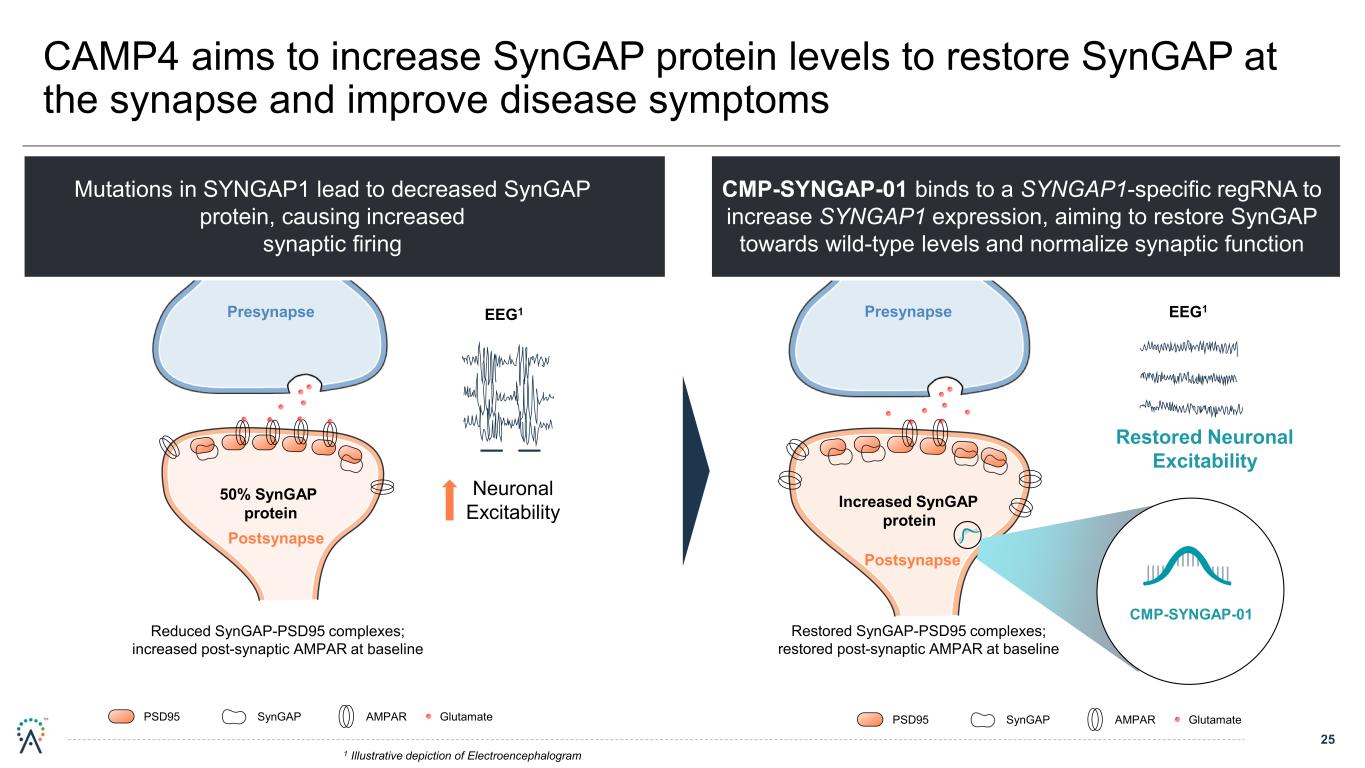
CAMP4 aims to increase SynGAP protein levels to restore SynGAP at the synapse and improve disease symptoms 25 Mutations in SYNGAP1 lead to decreased SynGAP protein, causing increased synaptic firing Neuronal Excitability 1 Illustrative depiction of Electroencephalogram EEG1 Reduced SynGAP-PSD95 complexes; increased post-synaptic AMPAR at baseline 50% SynGAP protein PSD95 SynGAP AMPAR Glutamate Presynapse Postsynapse EEG1 Restored SynGAP-PSD95 complexes; restored post-synaptic AMPAR at baseline Increased SynGAP protein PSD95 SynGAP AMPAR Glutamate Presynapse Postsynapse CMP-SYNGAP-01 CMP-SYNGAP-01 binds to a SYNGAP1-specific regRNA to increase SYNGAP1 expression, aiming to restore SynGAP towards wild-type levels and normalize synaptic function Restored Neuronal Excitability


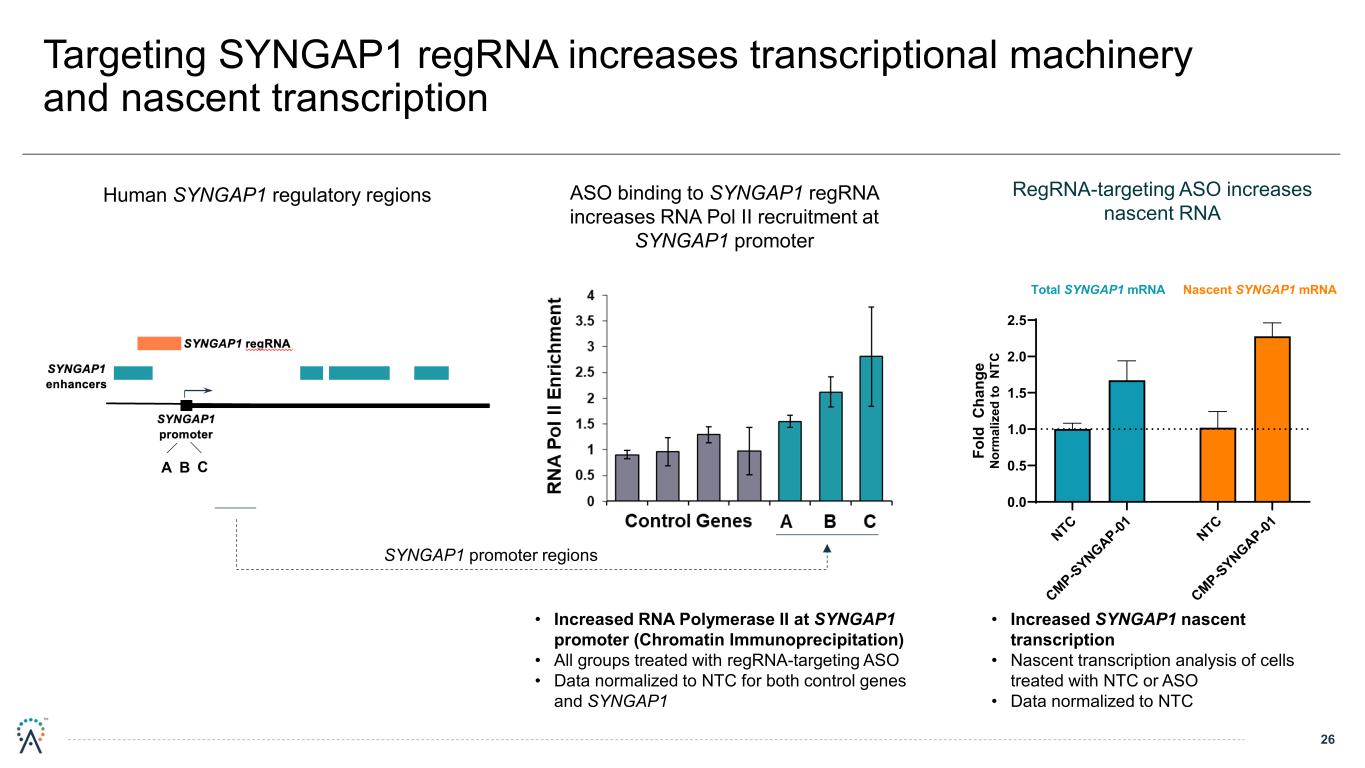
Targeting SYNGAP1 regRNA increases transcriptional machinery and nascent transcription 26 ASO binding to SYNGAP1 regRNA increases RNA Pol II recruitment at SYNGAP1 promoter RegRNA-targeting ASO increases nascent RNA A B C SYNGAP1 promoter regions Human SYNGAP1 regulatory regions • Increased RNA Polymerase II at SYNGAP1 promoter (Chromatin Immunoprecipitation) • All groups treated with regRNA-targeting ASO • Data normalized to NTC for both control genes and SYNGAP1 • Increased SYNGAP1 nascent transcription • Nascent transcription analysis of cells treated with NTC or ASO • Data normalized to NTC NTC CMP-SYNGAP-01 NTC CMP-SYNGAP-01 0.0 0.5 1.0 1.5 2.0 2.5 Fo ld C ha ng e N or m al iz ed to N TC Nascent SYNGAP1 mRNATotal SYNGAP1 mRNA


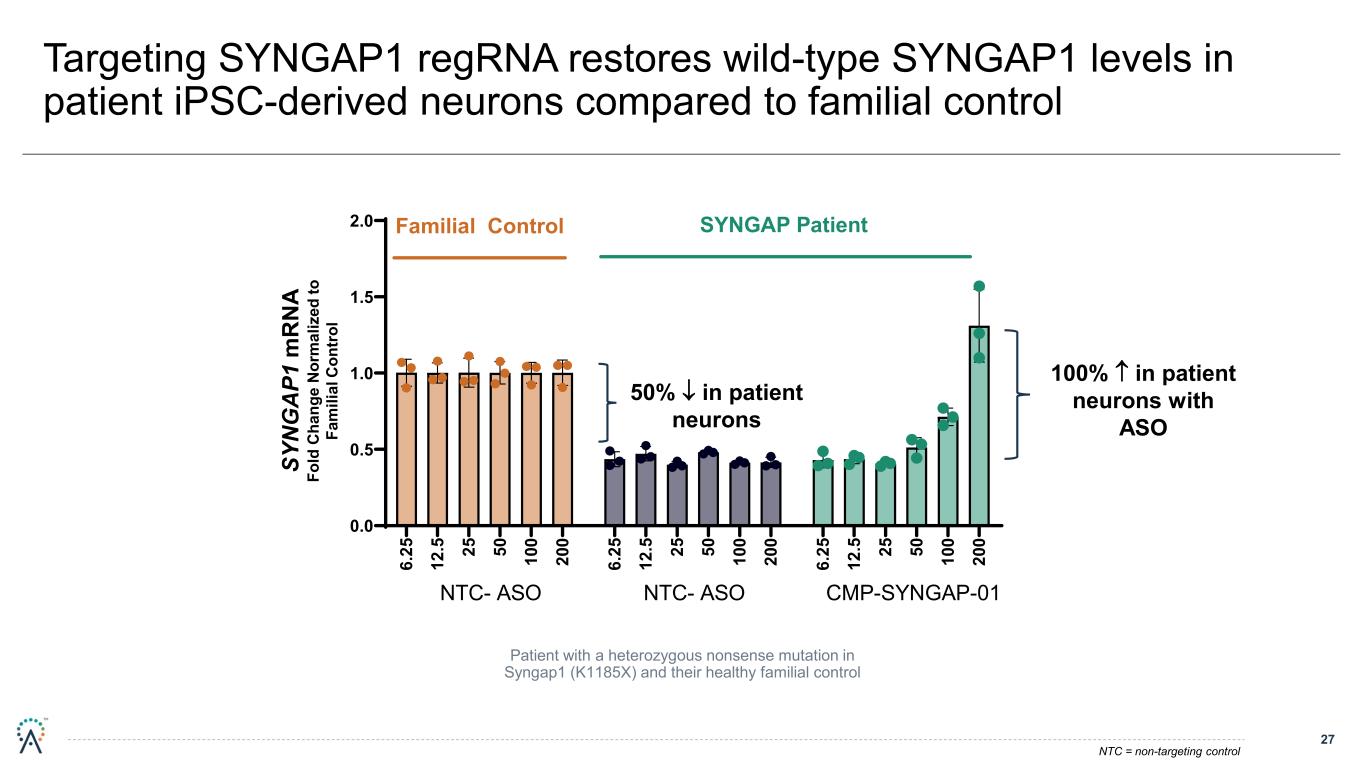
27 Targeting SYNGAP1 regRNA restores wild-type SYNGAP1 levels in patient iPSC-derived neurons compared to familial control NTC = non-targeting control Patient with a heterozygous nonsense mutation in Syngap1 (K1185X) and their healthy familial control 6. 25 12 .5 25 50 10 0 20 0 6. 25 12 .5 25 50 10 0 20 0 6. 25 12 .5 25 50 10 0 20 0 0.0 0.5 1.0 1.5 2.0 FC in S YN G AP 1 m R NA N or m al iz ed to H ea lth y Fa m ili al C on tr ol Familial Control SYNGAP Patient NTC- ASO NTC- ASOCMP-SYNGAP-01 50% ↓ in patient neurons 100% ↑ in patient neurons with ASO SY N G A P1 m R N A Fo ld C ha ng e N or m al iz ed to Fa m ili al C on tr ol NTC- ASO CMP-SYNGAP-01


28 CMP-SYNGAP-01 restores near-normal protein levels in Humanized Mouse Model Haploinsufficient for SynGAP Haploinsufficient Mouse • No copies of mouse Syngap1 • Single copy of Human SYNGAP1 Homozygous Mouse • No copies of mouse Syngap1 • Two copies of Human SYNGAP1 D1 D15 ICV Terminal Protein Mouse age: P21 aCSF = artificial CSF ****, p<0.0001 (SYNGAP1-ZBTB9)1Bpro/Mmjax mouse strain obtained from the Mutant Mouse Resource and Research Centers (originally deposited by Benjamin Prosser, Ph.D., University of Pennsylvania). - aCSF 25ug 50ug 100ug 0.00 0.25 0.50 0.75 1.00 1.25 FC in S yn G A P Pr ot ei n N or m al iz ed to H om oz yg ou s C on tr ol Haploinsufficient Homozygous Control ✱✱✱✱ ns ns ✱✱✱ Sy nG A P Pr ot ei n Fo ld C ha ng e N or m al iz ed to H om oz yg ou s C on tr ol


CMP-SYNGAP-01 rescues motor function deficits and increased activity of Humanized Mouse Model Haploinsufficient for SynGAP 29 Hyperactivity & anxietyMotor function Increased activity is rescued (PalmReader) Motor defects are rescued (Rotarod) Spatial learning defect is rescued (Y-Maze) Cognition & memory *, p <0.05 **, p<0.01 aCSF = artificial CSF ***, p<0.001 SynGAP protein levels are increased ASO treatment increases SynGAP protein levels by 1.5- 1.7-fold P27 Rotarod Takedown Y-MazePalmReader 2 x ICV injections (30 ug / dose) • Hom- aCSF (N=12) • Haplo- aCSF (N=18) • Haplo- ASO (N=10) P2 P15-23P5


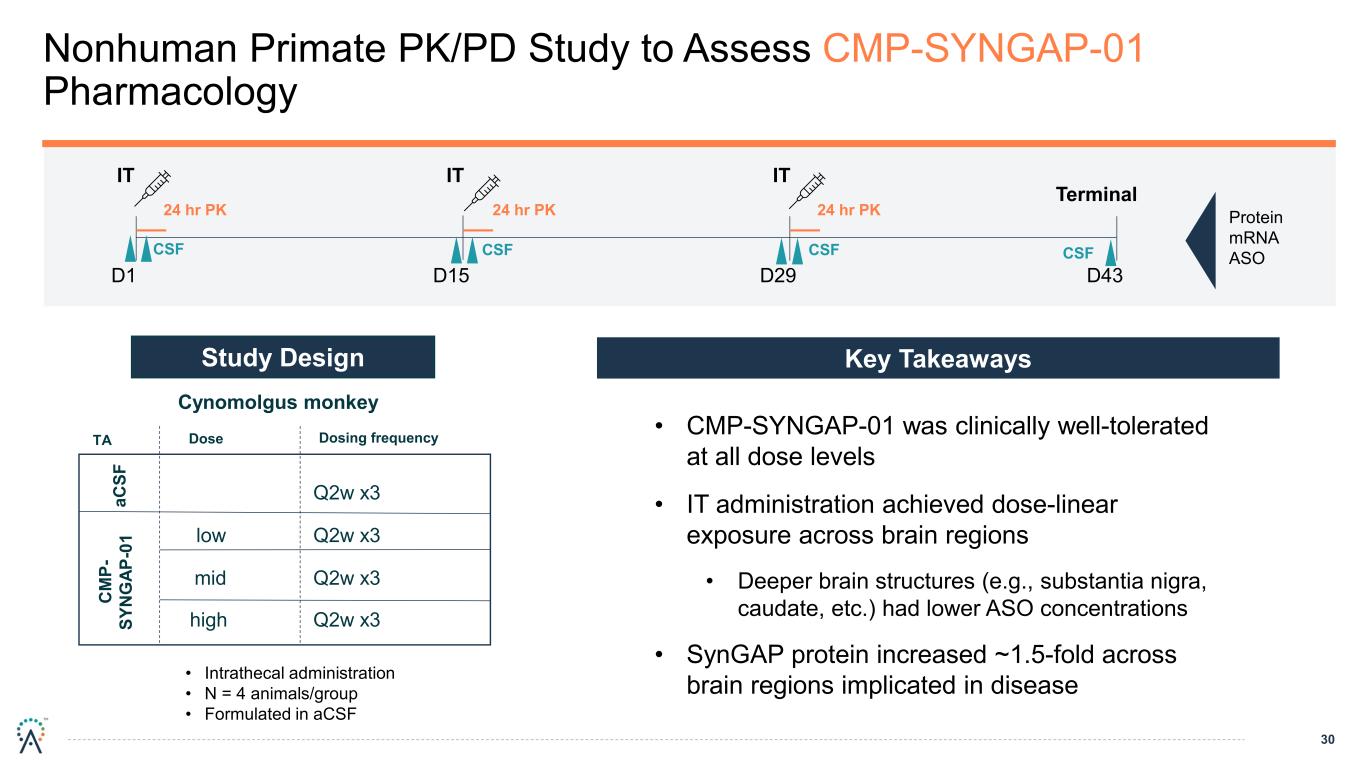
30 Nonhuman Primate PK/PD Study to Assess CMP-SYNGAP-01 Pharmacology aC SF Q2w x3 low Q2w x3 mid Q2w x3 high Q2w x3 C M P- SY N G AP -0 1 TA Dose Dosing frequency Cynomolgus monkey Study Design Key Takeaways • CMP-SYNGAP-01 was clinically well-tolerated at all dose levels • IT administration achieved dose-linear exposure across brain regions • Deeper brain structures (e.g., substantia nigra, caudate, etc.) had lower ASO concentrations • SynGAP protein increased ~1.5-fold across brain regions implicated in disease• Intrathecal administration • N = 4 animals/group • Formulated in aCSF D1 D43 IT D15 D29 IT IT Terminal Protein mRNA ASO 24 hr PK24 hr PK 24 hr PK CSF CSF CSF CSF


Dose-linear increases of CMP-SYNGAP-01 levels across brain regions following repeat IT administration 31 Highest ASO levels observed in brain regions primarily involved in SYNGAP1-related disorders • Dose-linear CMP-SYNGAP-01 concentrations achieved with repeat IT administration • Generally, even distribution across multiple disease-relevant brain regions • Lower ASO levels observed in deep brain regions, consistent with known ASO biodistribution following IT administration aCSF = artificial CSF C M P- SY N G AP -0 1 (µ g/ g)


Intrathecal administration of CMP-SYNGAP-01 to monkeys resulted in a ~50% increase in SynGAP protein 32 0 1 2 3 Fo ld c ha ng e N or m al iz ed to a C SF ns ✱ ✱✱✱✱ 0 1 2 3 Fo ld c ha ng e N or m al iz ed to a C SF ns ✱✱✱ ✱✱ 0.0 0.5 1.0 1.5 2.0 2.5 Fo ld c ha ng e N or m al iz ed to a C SF ✱ ns ✱ 0 1 2 3 Fo ld c ha ng e N or m al iz ed to a C SF ns ns ns Frontal Cortex Occipital CortexHippocampus Motor Cortex Intellectual Disability Learning & Memory EEG signature Motor function aCSF low mid high aCSF = artificial CSF *, p <0.05 **, p<0.01 ***, p<0.001 ****, p<0.0001 Sy nG AP P ro te in N or m al iz ed to a C SF Sy nG AP P ro te in N or m al iz ed to a C SF Sy nG AP P ro te in N or m al iz ed to a C SF Sy nG AP P ro te in N or m al iz ed to a C SF


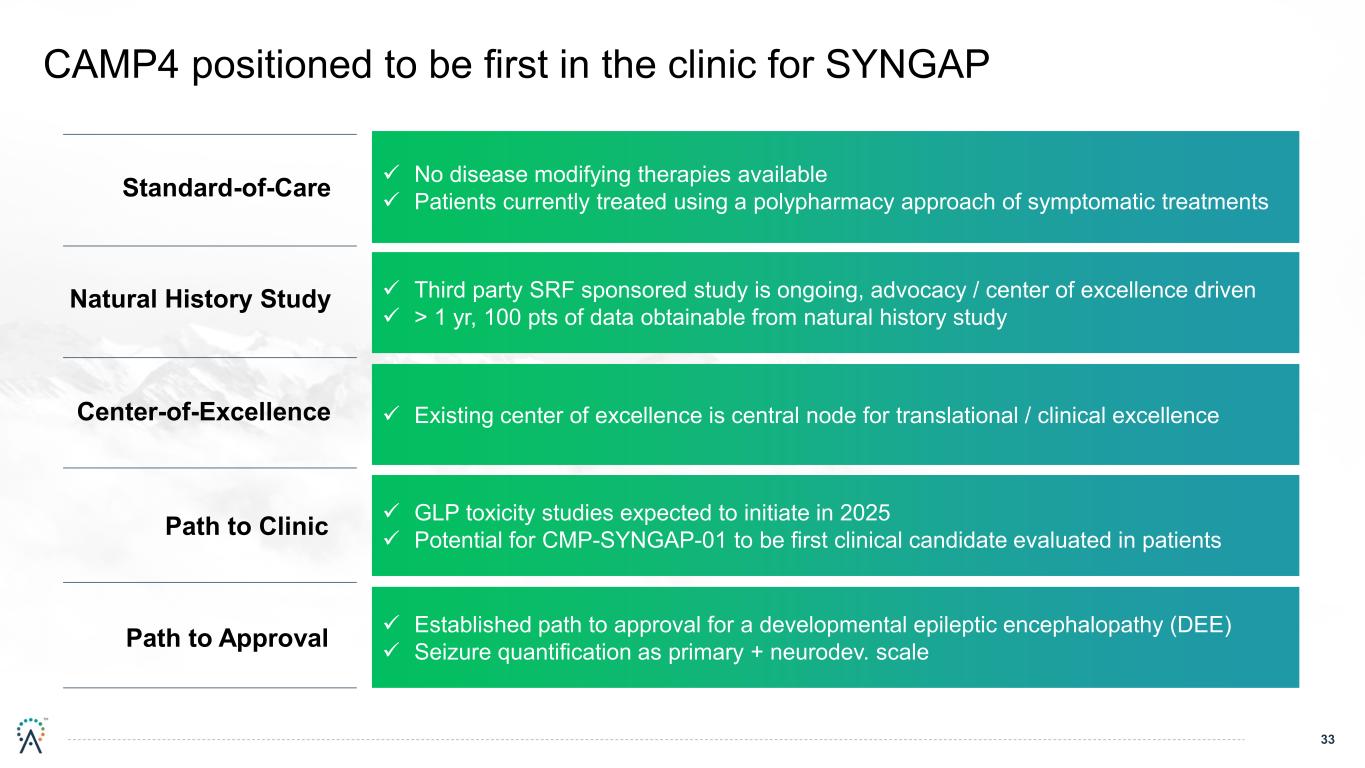
33 CAMP4 positioned to be first in the clinic for SYNGAP> 1 yr, 100 pts of data obtainable from natural history study Standard-of-Care Natural History Study  No disease modifying therapies available  Patients currently treated using a polypharmacy approach of symptomatic treatments  Third party SRF sponsored study is ongoing, advocacy / center of excellence driven  > 1 yr, 100 pts of data obtainable from natural history study  Existing center of excellence is central node for translational / clinical excellence Center-of-Excellence  GLP toxicity studies expected to initiate in 2025  Potential for CMP-SYNGAP-01 to be first clinical candidate evaluated in patients Path to Approval  Established path to approval for a developmental epileptic encephalopathy (DEE)  Seizure quantification as primary + neurodev. scale Path to Clinic


CAMP4 is the leader in gene regulatory RNA (regRNA) discovery and regRNA-targeting antisense oligonucleotide (ASO) therapies to upregulate gene expression to restore healthy protein levels 34 Our proprietary RAP Platform was built for the discovery of novel regRNAs that regulate the expression of every protein-coding gene Our current focus is on metabolic and CNS genetic diseases where modest increases in protein expression can be clinically meaningful Safety, PK and key biomarker data from Phase 1 study of CMP-CPS-001 for Urea Cycle Disorders expected in Q4 ’25 and advancement of CMP-SYNGAP-01 into GLP tox studies NASDAQ: CAMP There are prevalent diseases where gene upregulation is likely to have a meaningful clinical benefit Pioneering a new class of RNA medicines to increase targeted gene expression


Thank you May 2025 C O R P O R A T E O V E R V I E W