
On a Journey to �Erase Cancer Erasca Corporate Presentation January 2026 Eric and his wife Margaret, inspiring our bold mission to erase cancer Exhibit 99.1
We caution you that this presentation contains forward-looking statements. All statements other than statements of historical facts contained in this presentation, including statements regarding our future results of operations and financial position, business strategy, research and development plans, the anticipated timing (including the timing of initiation and the timing of data readouts), costs, design and conduct of our ongoing and planned preclinical studies and clinical trials for our product candidates, the potential therapeutic benefits and potential patient population for each of our product candidates, our intellectual property protection, the timing and likelihood of success of our plans and objectives, the impact of the deprioritization of certain programs, and future results of anticipated product development efforts, are forward-looking statements. In some cases, you can identify forward-looking statements by terms such as “may,” “will,” “should,” “expect,” “plan,” “anticipate,” “could,” “intend,” “target,” “project,” “contemplates,” “believes,” “estimates,” “predicts,” “potential” or “continue” or the negative of these terms or other similar expressions. The inclusion of forward-looking statements should not be regarded as a representation by us that any of our plans will be achieved. Actual results may differ from those set forth in this presentation due to the risks and uncertainties inherent in our business, including, without limitation: our expectations regarding the potential therapeutic benefits of our product candidates, including ERAS-0015 and ERAS-4001, and our planned advancement of our development pipeline, including the anticipated timing of data readouts for the AURORAS-1 and BOREALIS-1 trials; preliminary results of a clinical trial are not necessarily indicative of final results and one or more of the clinical outcomes may materially change as patient enrollment continues, following more comprehensive reviews of the data and as more patient data becomes available, including the risk that an unconfirmed partial response to treatment may not ultimately result in a confirmed partial response to treatment after follow-up evaluations; observations regarding the first dosage level at which a clinical response is detected are based on data generated within individual clinical trials, and comparisons of such clinical observations across different trials involve data from separate trials with distinct designs, patient populations, and methodologies, and therefore may not be directly comparable; any forward-looking statements regarding dose-response relationships reflect current expectations and/or assumptions are subject to risks and uncertainties that could cause actual results to differ materially; our assumptions about the development potential of ERAS-0015 and ERAS-4001 are based in large part on the preclinical data generated by the licensors and we may observe materially and adversely different results as we conduct our planned studies and trials; our approach to the discovery and development of product candidates based on our singular focus on shutting down the RAS/MAPK pathway, a novel and unproven approach; we only have three product candidates in clinical development and all of our other development efforts are in the preclinical stage; our assumptions around which programs may have a higher probability of success may not be accurate, and we may expend our limited resources to pursue a particular product candidate and/or indication and fail to capitalize on product candidates or indications with greater development or commercial potential; potential delays in the commencement, enrollment, data readout, and completion of clinical trials and preclinical studies; our dependence on third parties in connection with manufacturing, research, and preclinical and clinical testing; unexpected adverse side effects or inadequate efficacy of our product candidates that may limit their development, regulatory approval, and/or commercialization, or may result in recalls or product liability claims; unfavorable results from preclinical studies or clinical trials; results from preclinical studies or early clinical trials not necessarily being predictive of future results; we may be unable to secure partnerships or other strategic collaborations for naporafenib on acceptable terms or at all; the inability to realize any benefits from our current licenses, acquisitions, or collaborations, and any future licenses, acquisitions, or collaborations, and our ability to fulfill our obligations under such arrangements; regulatory developments in the United States and foreign countries; our ability to obtain and maintain intellectual property protection for our product candidates and maintain our rights under intellectual property licenses; our ability to fund our operating plans with our current cash, cash equivalents, and marketable securities into the second half of 2028; and other risks described in our prior filings with the Securities and Exchange Commission (SEC), including under the heading “Risk Factors” in our annual report on Form 10-K for the year ended December 31, 2024, and any subsequent filings with the SEC. You are cautioned not to place undue reliance on these forward-looking statements, which speak only as of the date hereof, and we undertake no obligation to update such statements to reflect events that occur or circumstances that exist after the date hereof. All forward-looking statements are qualified in their entirety by this cautionary statement, which is made under the safe harbor provisions of the Private Securities Litigation Reform Act of 1995. This presentation also contains estimates and other statistical data made by independent parties and by us relating to market size and growth and other data about our industry. This data involves a number of assumptions, and you are cautioned not to give undue weight to such estimates. In addition, projections, assumptions, and estimates of our future performance and the future performance of the markets in which we operate are necessarily subject to a high degree of uncertainty and risk. These and other factors could cause results to differ materially from those expressed in the estimates made by the independent parties and by us. Disclaimer: Forward Looking Statements & Market Data
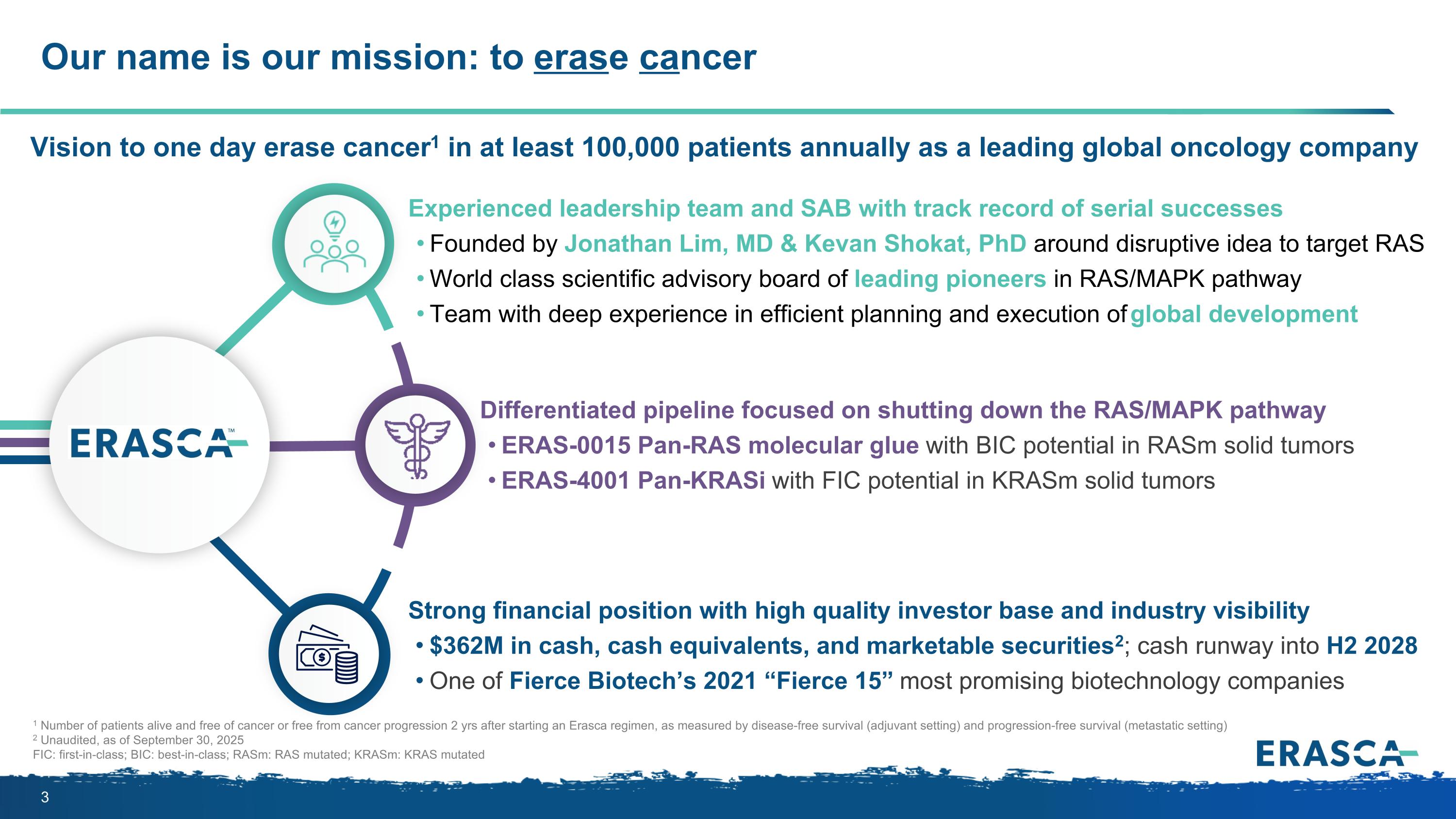
Our name is our mission: to erase cancer 1 Number of patients alive and free of cancer or free from cancer progression 2 yrs after starting an Erasca regimen, as measured by disease-free survival (adjuvant setting) and progression-free survival (metastatic setting) 2 Unaudited, as of September 30, 2025 FIC: first-in-class; BIC: best-in-class; RASm: RAS mutated; KRASm: KRAS mutated Vision to one day erase cancer1 in at least 100,000 patients annually as a leading global oncology company Differentiated pipeline focused on shutting down the RAS/MAPK pathway ERAS-0015 Pan-RAS molecular glue with BIC potential in RASm solid tumors ERAS-4001 Pan-KRASi with FIC potential in KRASm solid tumors Experienced leadership team and SAB with track record of serial successes Founded by Jonathan Lim, MD & Kevan Shokat, PhD around disruptive idea to target RAS World class scientific advisory board of leading pioneers in RAS/MAPK pathway Team with deep experience in efficient planning and execution of global development Strong financial position with high quality investor base and industry visibility $362M in cash, cash equivalents, and marketable securities2; cash runway into H2 2028 One of Fierce Biotech’s 2021 “Fierce 15” most promising biotechnology companies
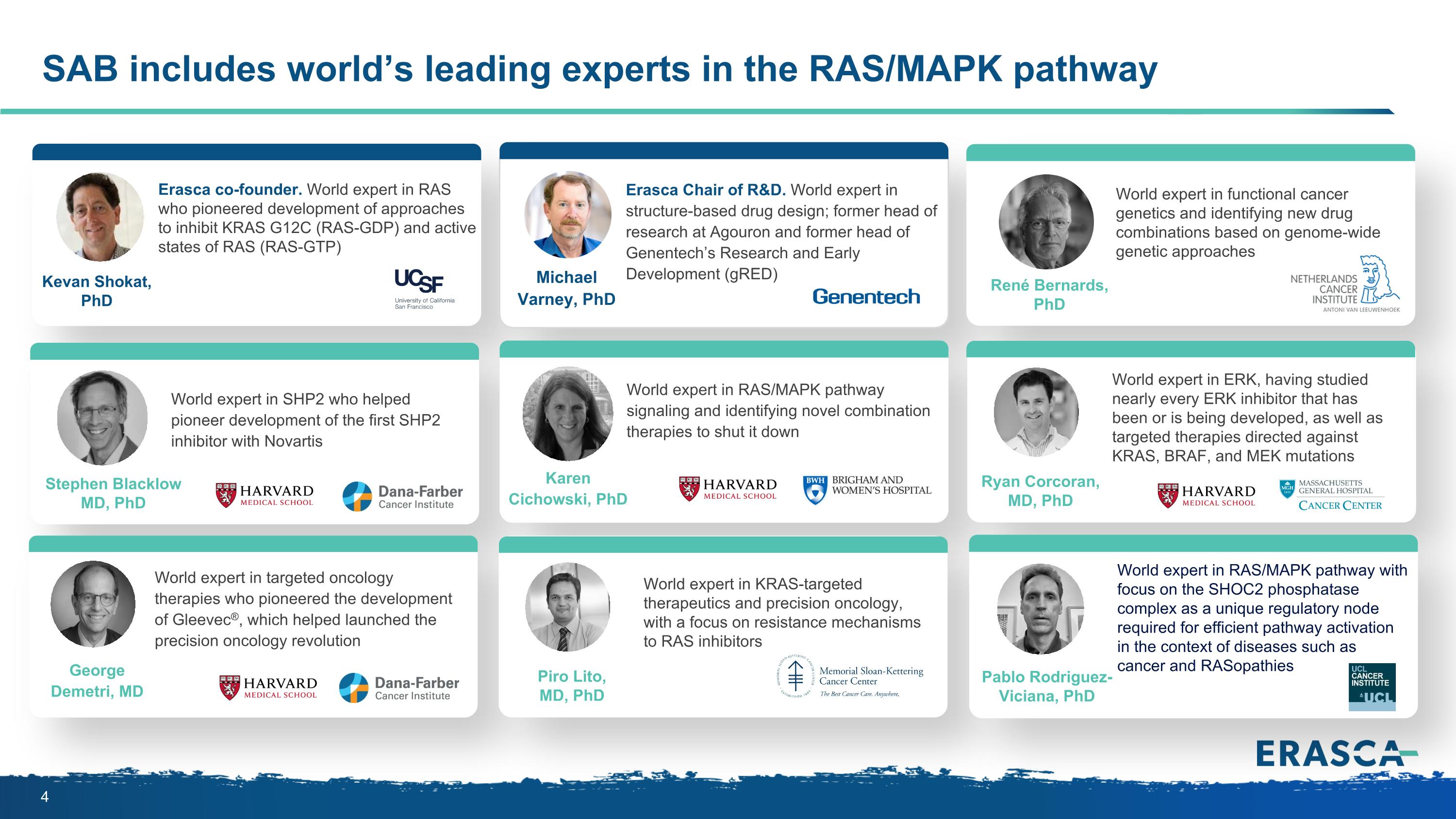
SAB includes world’s leading experts in the RAS/MAPK pathway Erasca co-founder. World expert in RAS who pioneered development of approaches to inhibit KRAS G12C (RAS-GDP) and active states of RAS (RAS-GTP) Kevan Shokat, PhD Erasca Chair of R&D. World expert in structure-based drug design; former head of research at Agouron and former head of Genentech’s Research and Early Development (gRED) Michael Varney, PhD Stephen Blacklow MD, PhD World expert in SHP2 who helped pioneer development of the first SHP2 inhibitor with Novartis René Bernards, PhD World expert in functional cancer genetics and identifying new drug combinations based on genome-wide genetic approaches World expert in RAS/MAPK pathway signaling and identifying novel combination therapies to shut it down Karen Cichowski, PhD World expert in ERK, having studied nearly every ERK inhibitor that has been or is being developed, as well as targeted therapies directed against KRAS, BRAF, and MEK mutations Ryan Corcoran, MD, PhD World expert in targeted oncology therapies who pioneered the development of Gleevec®, which helped launched the precision oncology revolution George Demetri, MD World expert in KRAS-targeted therapeutics and precision oncology, with a focus on resistance mechanisms to RAS inhibitors Piro Lito, MD, PhD World expert in RAS/MAPK pathway with focus on the SHOC2 phosphatase complex as a unique regulatory node required for efficient pathway activation in the context of diseases such as cancer and RASopathies Pablo Rodriguez-Viciana, PhD
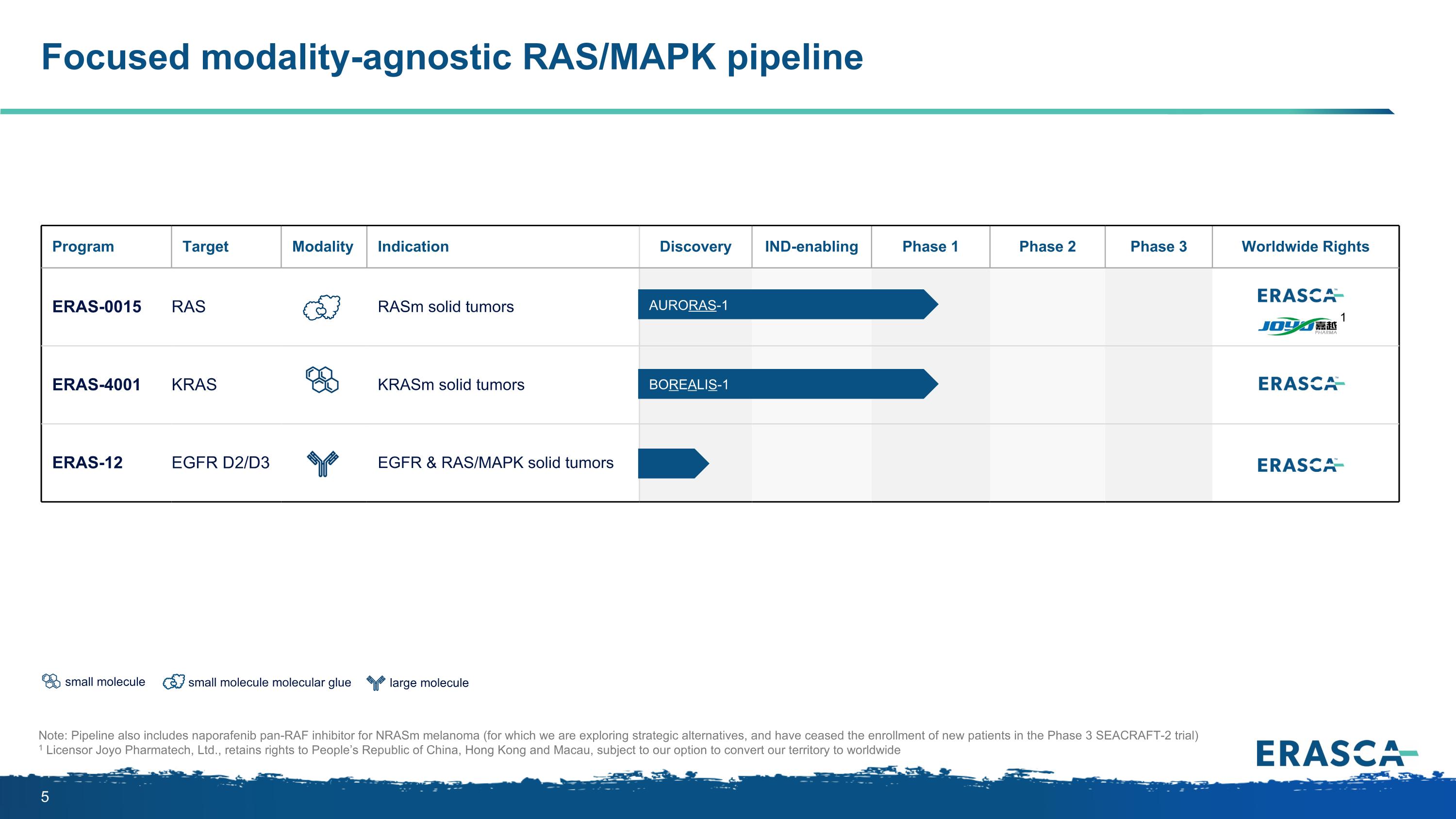
large molecule small molecule Focused modality-agnostic RAS/MAPK pipeline Note: Pipeline also includes naporafenib pan-RAF inhibitor for NRASm melanoma (for which we are exploring strategic alternatives, and have ceased the enrollment of new patients in the Phase 3 SEACRAFT-2 trial) 1 Licensor Joyo Pharmatech, Ltd., retains rights to People’s Republic of China, Hong Kong and Macau, subject to our option to convert our territory to worldwide small molecule molecular glue Program Target Modality Indication Discovery IND-enabling Phase 1 Phase 2 Phase 3 Worldwide Rights ERAS-0015 RAS RASm solid tumors ERAS-4001 KRAS KRASm solid tumors ERAS-12 EGFR D2/D3 EGFR & RAS/MAPK solid tumors AURORAS-1 BOREALIS-1 1
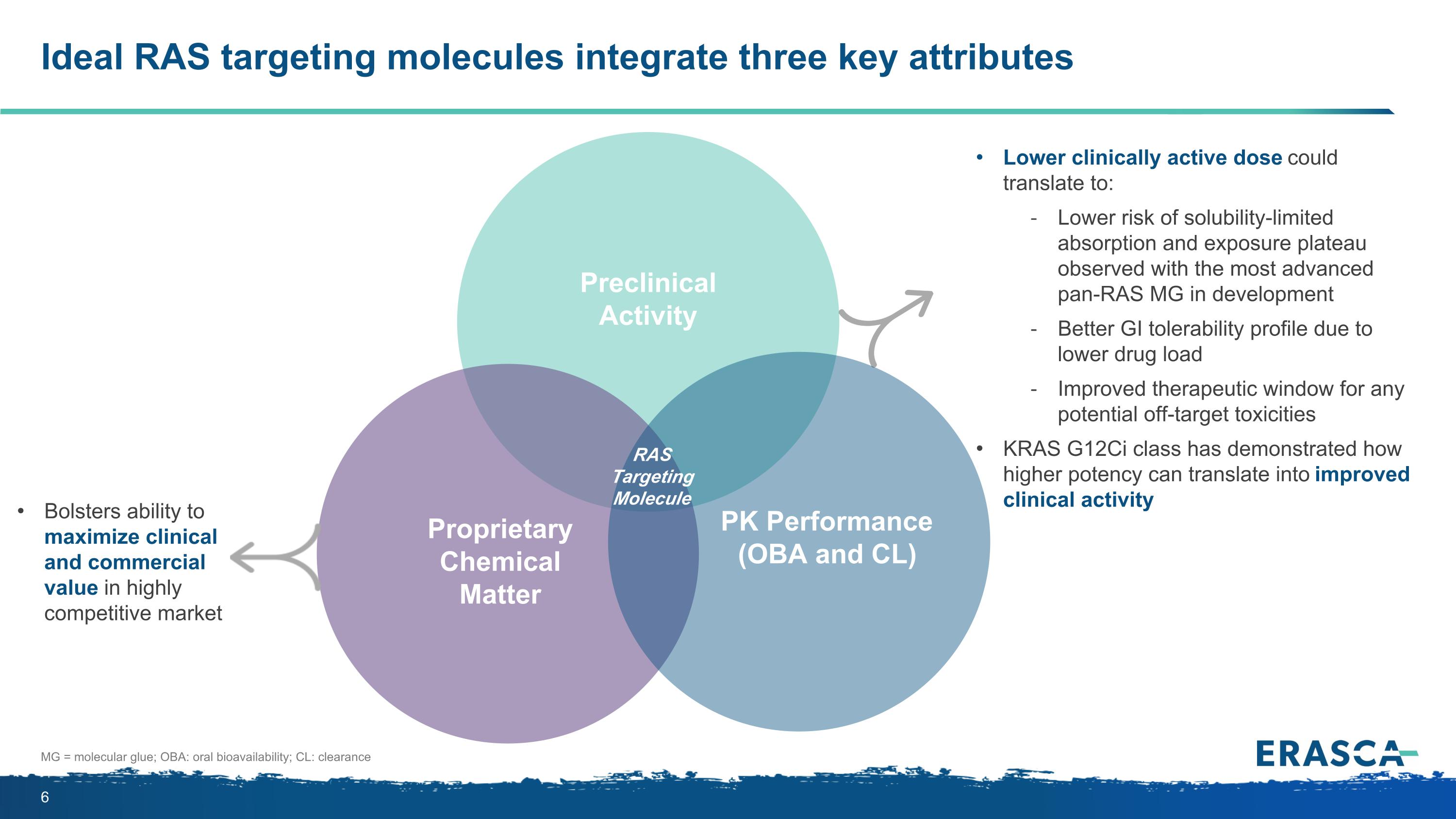
Ideal RAS targeting molecules integrate three key attributes Proprietary Chemical Matter Preclinical Activity RAS Targeting Molecule Bolsters ability to maximize clinical and commercial value in highly competitive market Lower clinically active dose could translate to: Lower risk of solubility-limited absorption and exposure plateau observed with the most advanced pan-RAS MG in development Better GI tolerability profile due to lower drug load Improved therapeutic window for any potential off-target toxicities KRAS G12Ci class has demonstrated how higher potency can translate into improved clinical activity MG = molecular glue; OBA: oral bioavailability; CL: clearance PK Performance (OBA and CL)
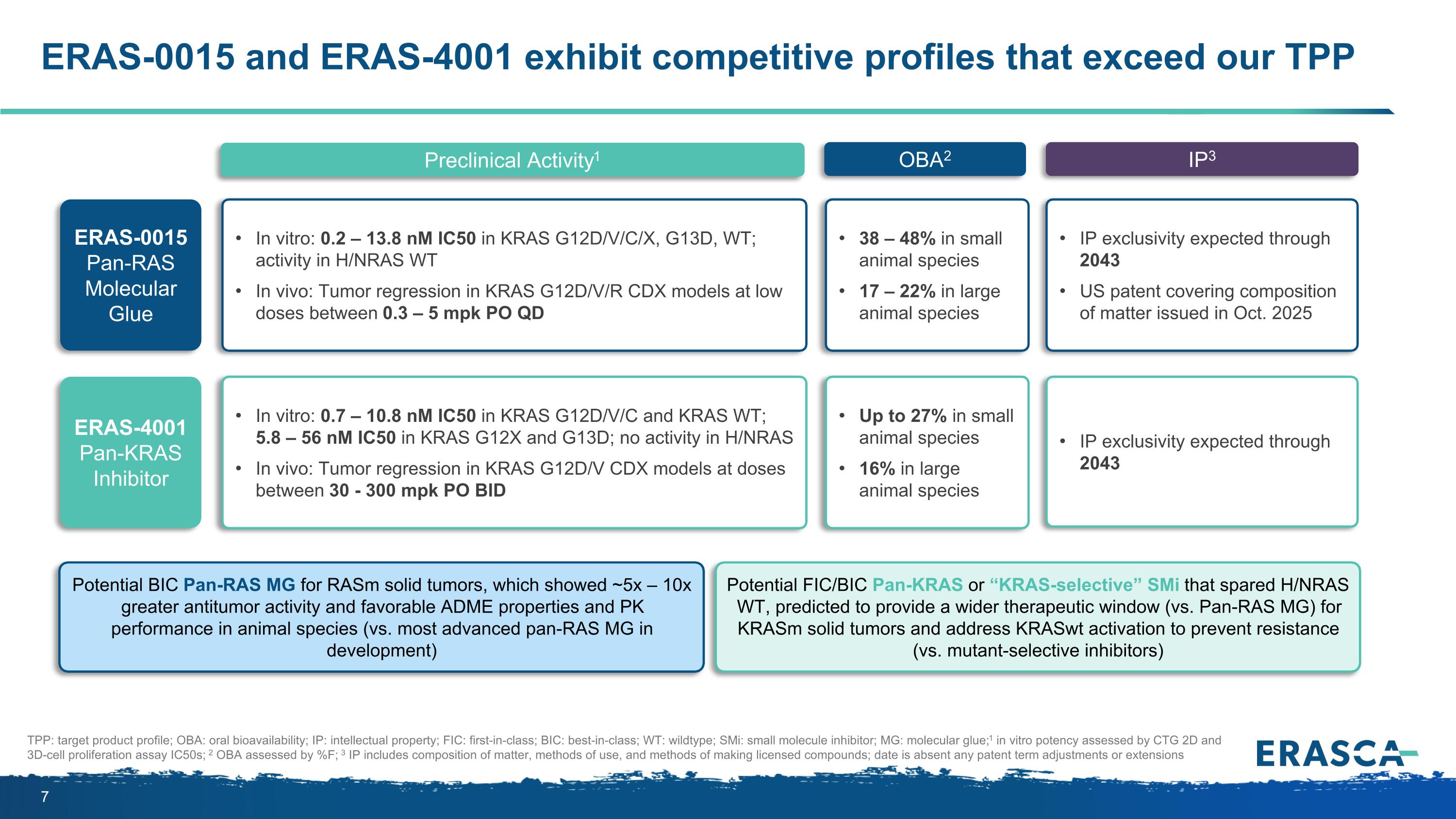
ERAS-0015 and ERAS-4001 exhibit competitive profiles that exceed our TPP Preclinical Activity1 OBA2 IP3 TPP: target product profile; OBA: oral bioavailability; IP: intellectual property; FIC: first-in-class; BIC: best-in-class; WT: wildtype; SMi: small molecule inhibitor; MG: molecular glue; 1 in vitro potency assessed by CTG 2D and 3D-cell proliferation assay IC50s; 2 OBA assessed by %F; 3 IP includes composition of matter, methods of use, and methods of making licensed compounds; date is absent any patent term adjustments or extensions ERAS-0015 Pan-RAS Molecular Glue In vitro: 0.2 – 13.8 nM IC50 in KRAS G12D/V/C/X, G13D, WT; activity in H/NRAS WT In vivo: Tumor regression in KRAS G12D/V/R CDX models at low doses between 0.3 – 5 mpk PO QD 38 – 48% in small animal species 17 – 22% in large animal species IP exclusivity expected through 2043 US patent covering composition of matter issued in Oct. 2025 Potential BIC Pan-RAS MG for RASm solid tumors, which showed ~5x – 10x greater antitumor activity and favorable ADME properties and PK performance in animal species (vs. most advanced pan-RAS MG in development) ERAS-4001 Pan-KRAS Inhibitor Up to 27% in small animal species 16% in large animal species IP exclusivity expected through 2043 Potential FIC/BIC Pan-KRAS or “KRAS-selective” SMi that spared H/NRAS WT, predicted to provide a wider therapeutic window (vs. Pan-RAS MG) for KRASm solid tumors and address KRASwt activation to prevent resistance (vs. mutant-selective inhibitors) In vitro: 0.7 – 10.8 nM IC50 in KRAS G12D/V/C and KRAS WT; 5.8 – 56 nM IC50 in KRAS G12X and G13D; no activity in H/NRAS In vivo: Tumor regression in KRAS G12D/V CDX models at doses between 30 - 300 mpk PO BID
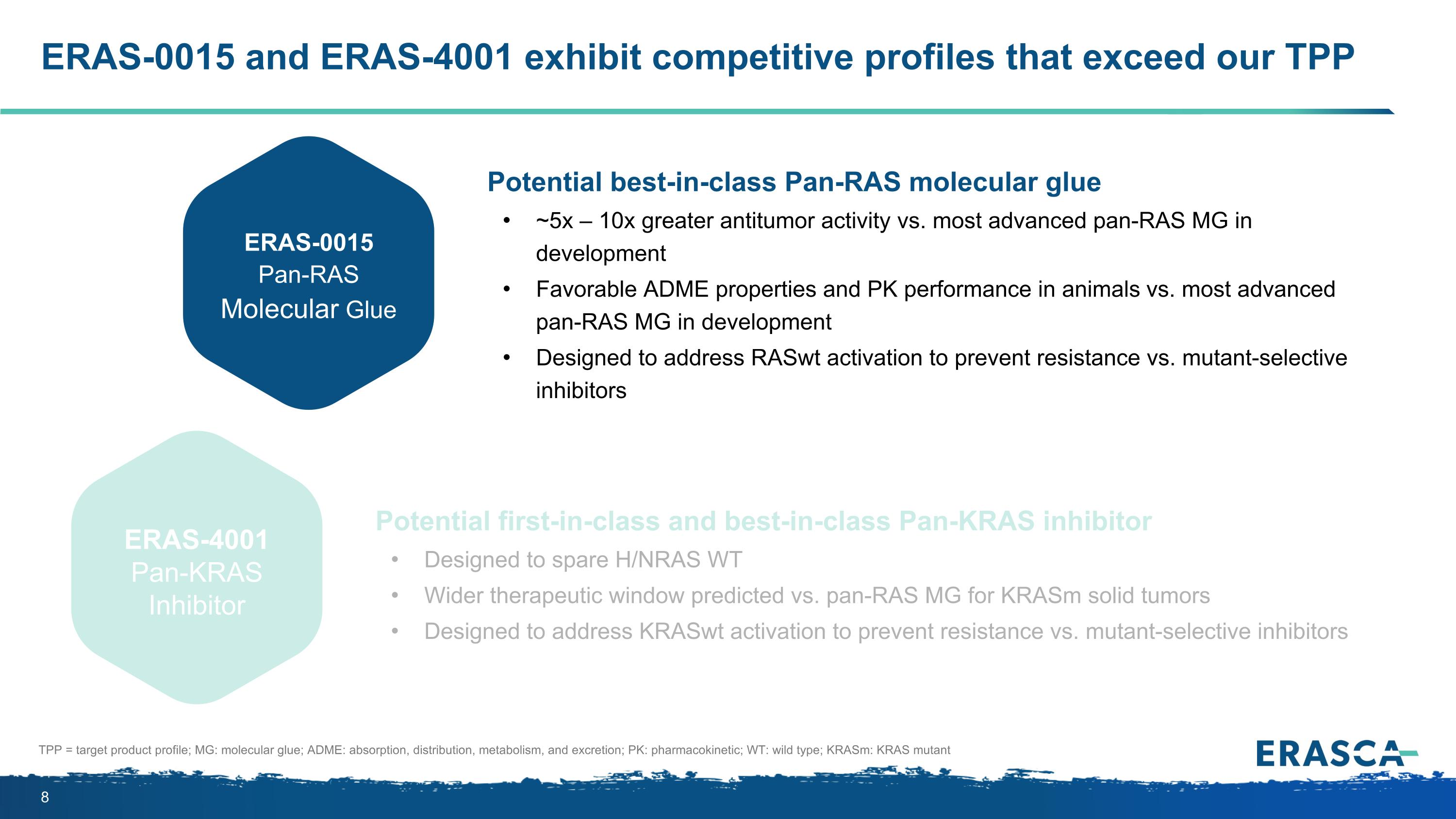
ERAS-0015 and ERAS-4001 exhibit competitive profiles that exceed our TPP Potential first-in-class and best-in-class Pan-KRAS inhibitor Designed to spare H/NRAS WT Wider therapeutic window predicted vs. pan-RAS MG for KRASm solid tumors Designed to address KRASwt activation to prevent resistance vs. mutant-selective inhibitors Potential best-in-class Pan-RAS molecular glue ~5x – 10x greater antitumor activity vs. most advanced pan-RAS MG in development Favorable ADME properties and PK performance in animals vs. most advanced pan-RAS MG in development Designed to address RASwt activation to prevent resistance vs. mutant-selective inhibitors ERAS-0015 Pan-RAS Molecular Glue ERAS-4001 Pan-KRAS Inhibitor TPP = target product profile; MG: molecular glue; ADME: absorption, distribution, metabolism, and excretion; PK: pharmacokinetic; WT: wild type; KRASm: KRAS mutant
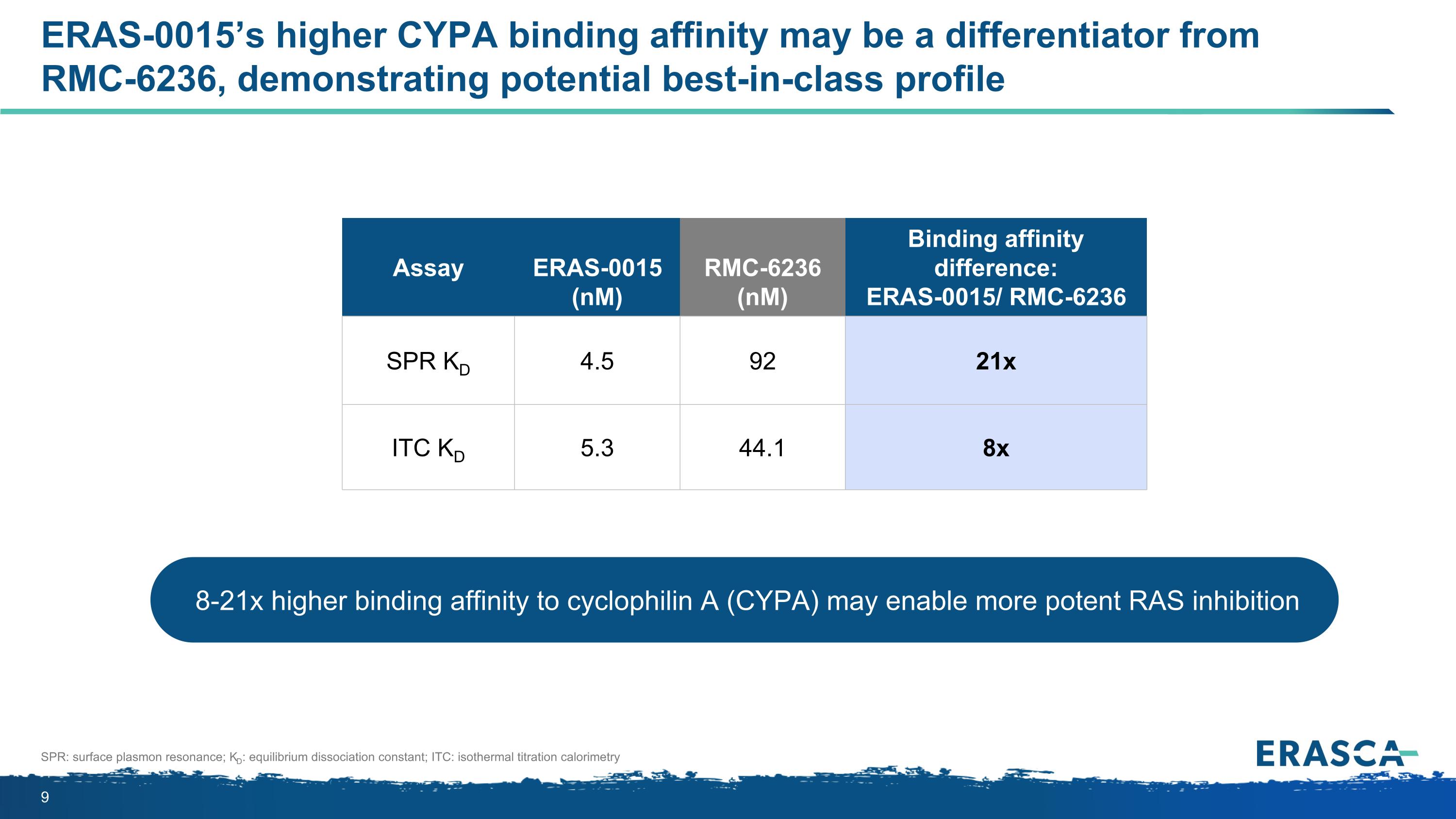
ERAS-0015’s higher CYPA binding affinity may be a differentiator from�RMC-6236, demonstrating potential best-in-class profile SPR: surface plasmon resonance; KD: equilibrium dissociation constant; ITC: isothermal titration calorimetry 8-21x higher binding affinity to cyclophilin A (CYPA) may enable more potent RAS inhibition Assay ERAS-0015 (nM) RMC-6236 (nM) Binding affinity difference: ERAS-0015/ RMC-6236 SPR KD 4.5 92 21x ITC KD 5.3 44.1 8x
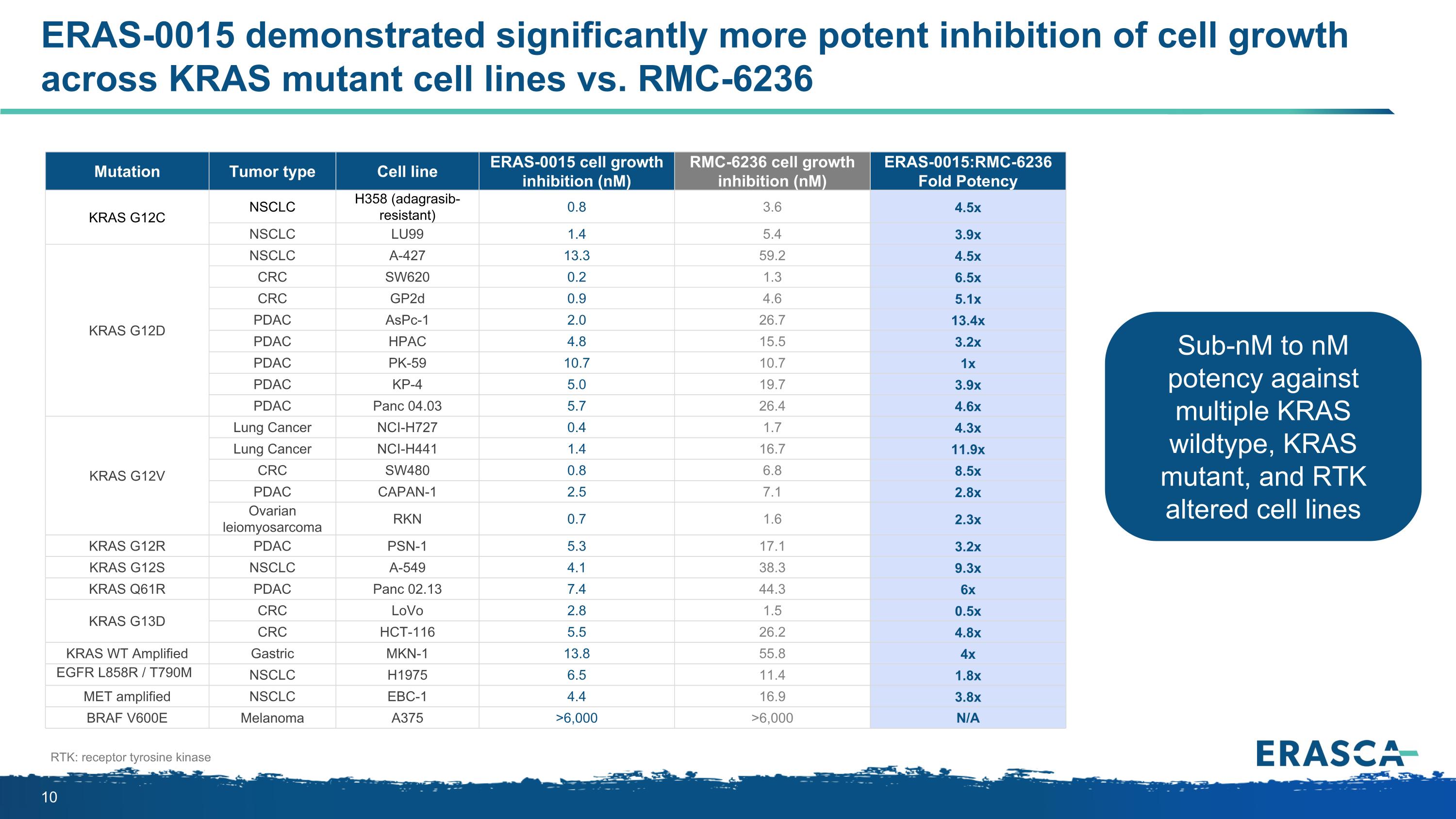
Mutation Tumor type Cell line ERAS-0015 cell growth inhibition (nM) RMC-6236 cell growth inhibition (nM) ERAS-0015:RMC-6236 Fold Potency KRAS G12C NSCLC H358 (adagrasib-resistant) 0.8 3.6 4.5x NSCLC LU99 1.4 5.4 3.9x KRAS G12D NSCLC A-427 13.3 59.2 4.5x CRC SW620 0.2 1.3 6.5x CRC GP2d 0.9 4.6 5.1x PDAC AsPc-1 2.0 26.7 13.4x PDAC HPAC 4.8 15.5 3.2x PDAC PK-59 10.7 10.7 1x PDAC KP-4 5.0 19.7 3.9x PDAC Panc 04.03 5.7 26.4 4.6x KRAS G12V Lung Cancer NCI-H727 0.4 1.7 4.3x Lung Cancer NCI-H441 1.4 16.7 11.9x CRC SW480 0.8 6.8 8.5x PDAC CAPAN-1 2.5 7.1 2.8x Ovarian leiomyosarcoma RKN 0.7 1.6 2.3x KRAS G12R PDAC PSN-1 5.3 17.1 3.2x KRAS G12S NSCLC A-549 4.1 38.3 9.3x KRAS Q61R PDAC Panc 02.13 7.4 44.3 6x KRAS G13D CRC LoVo 2.8 1.5 0.5x CRC HCT-116 5.5 26.2 4.8x KRAS WT Amplified Gastric MKN-1 13.8 55.8 4x EGFR L858R / T790M NSCLC H1975 6.5 11.4 1.8x MET amplified NSCLC EBC-1 4.4 16.9 3.8x BRAF V600E Melanoma A375 >6,000 >6,000 N/A ERAS-0015 demonstrated significantly more potent inhibition of cell growth across KRAS mutant cell lines vs. RMC-6236 RTK: receptor tyrosine kinase Sub-nM to nM potency against multiple KRAS wildtype, KRAS mutant, and RTK altered cell lines
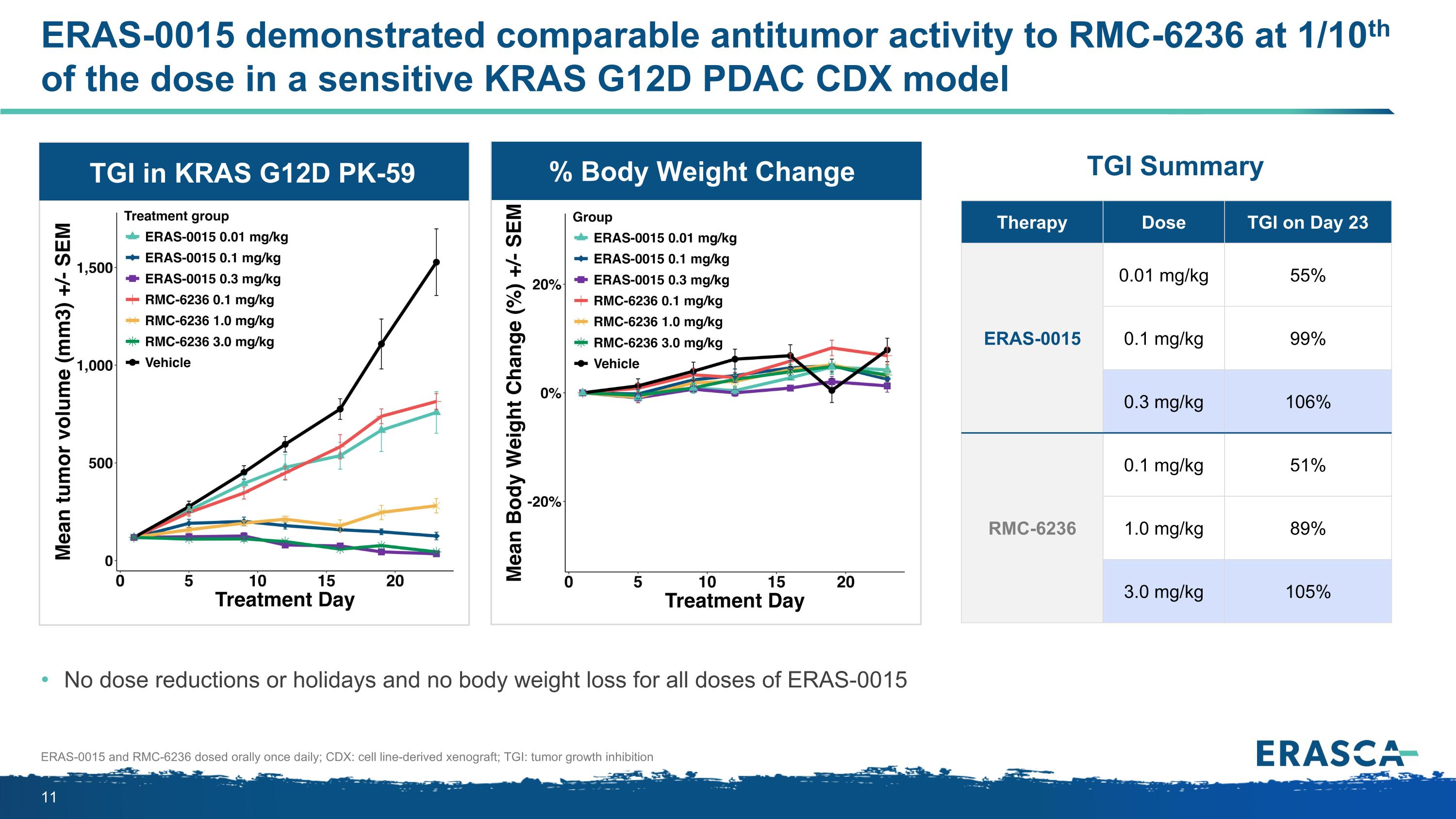
ERAS-0015 demonstrated comparable antitumor activity to RMC-6236 at 1/10th of the dose in a sensitive KRAS G12D PDAC CDX model No dose reductions or holidays and no body weight loss for all doses of ERAS-0015 ERAS-0015 and RMC-6236 dosed orally once daily; CDX: cell line-derived xenograft; TGI: tumor growth inhibition Therapy Dose TGI on Day 23 ERAS-0015 0.01 mg/kg 55% 0.1 mg/kg 99% 0.3 mg/kg 106% RMC-6236 0.1 mg/kg 51% 1.0 mg/kg 89% 3.0 mg/kg 105% TGI Summary TGI in KRAS G12D PK-59 % Body Weight Change
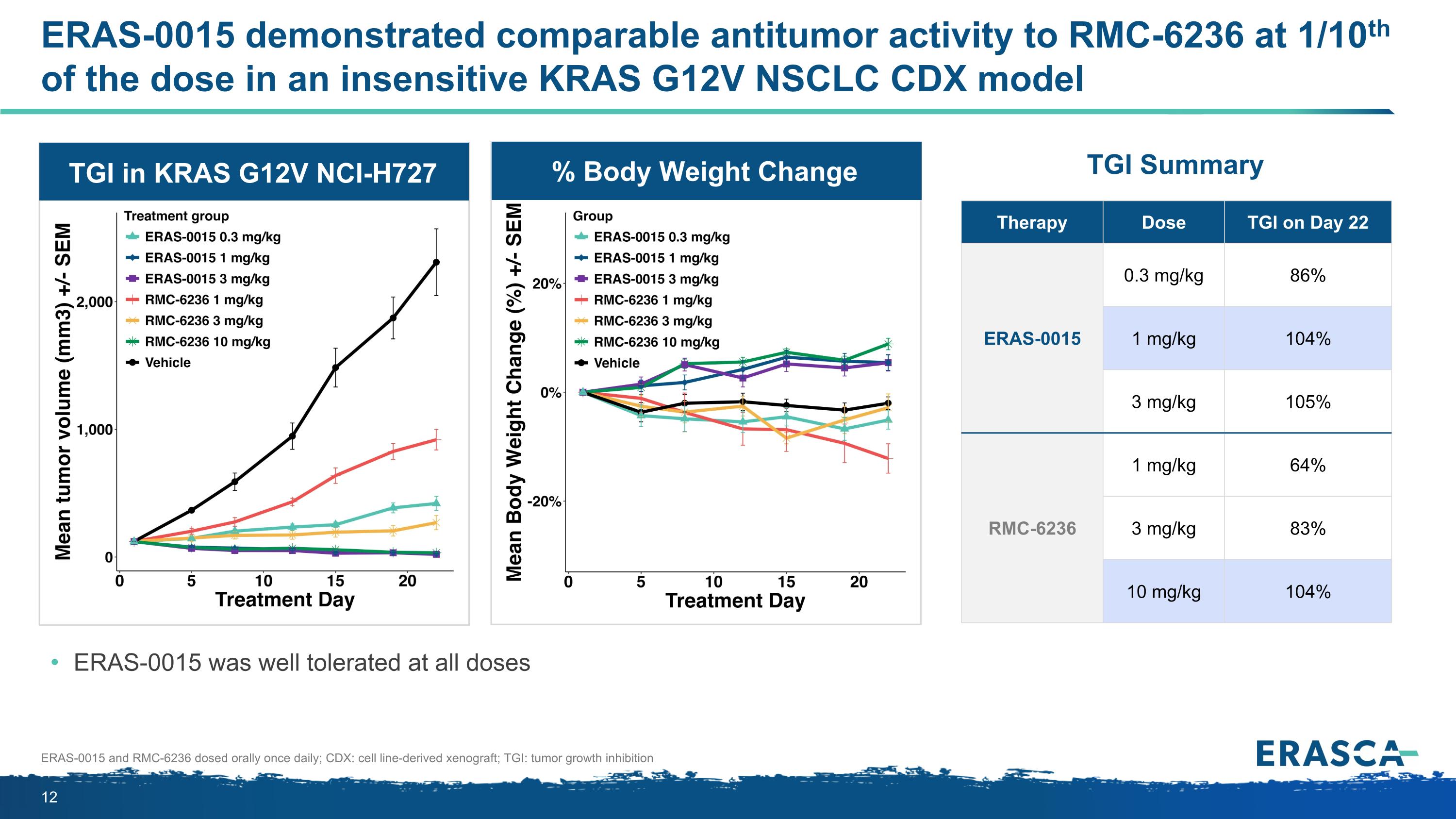
ERAS-0015 demonstrated comparable antitumor activity to RMC-6236 at 1/10th of the dose in an insensitive KRAS G12V NSCLC CDX model ERAS-0015 was well tolerated at all doses Therapy Dose TGI on Day 22 ERAS-0015 0.3 mg/kg 86% 1 mg/kg 104% 3 mg/kg 105% RMC-6236 1 mg/kg 64% 3 mg/kg 83% 10 mg/kg 104% TGI Summary ERAS-0015 and RMC-6236 dosed orally once daily; CDX: cell line-derived xenograft; TGI: tumor growth inhibition TGI in KRAS G12V NCI-H727 % Body Weight Change
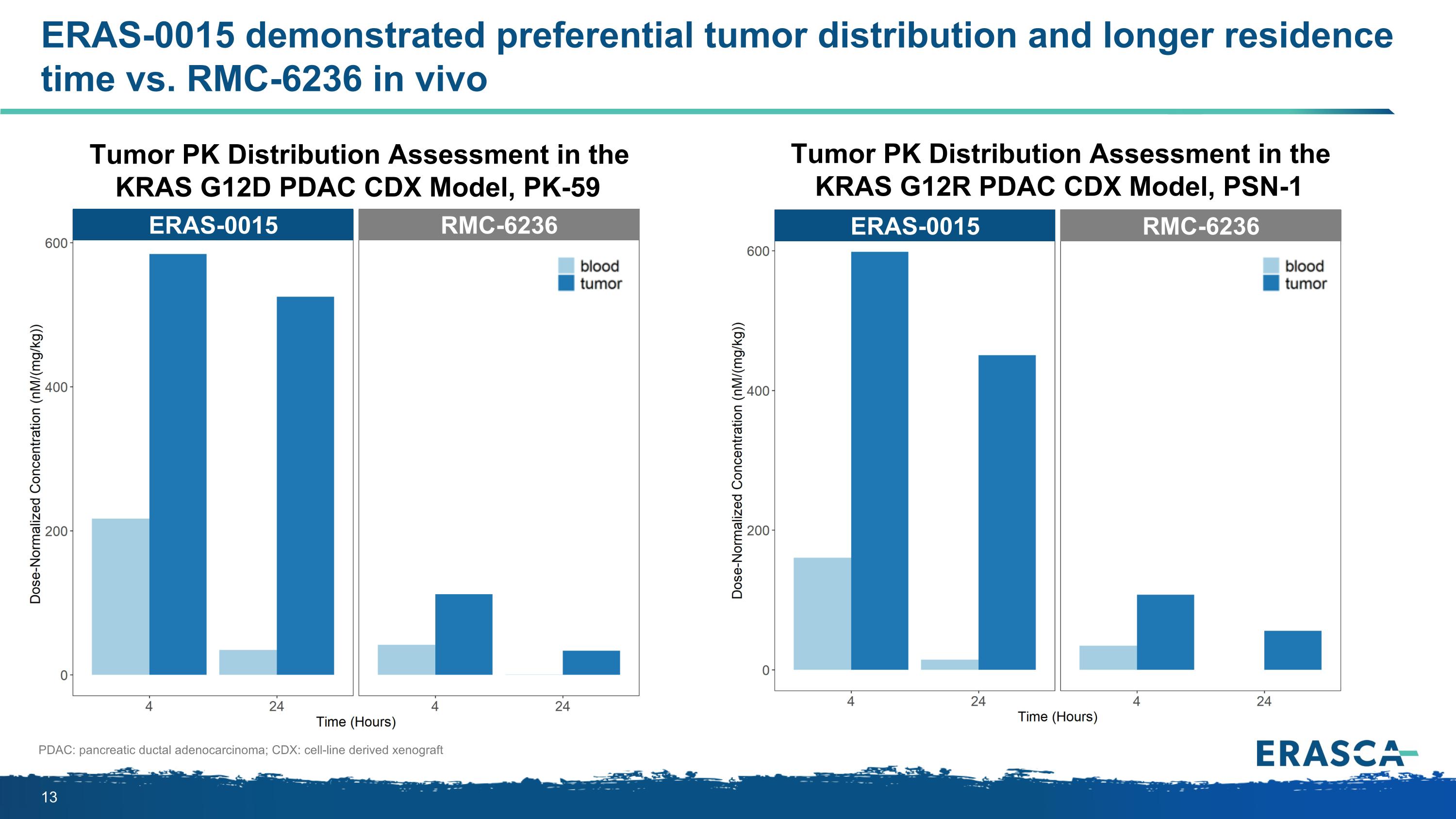
ERAS-0015 demonstrated preferential tumor distribution and longer residence time vs. RMC-6236 in vivo PDAC: pancreatic ductal adenocarcinoma; CDX: cell-line derived xenograft Tumor PK Distribution Assessment in the KRAS G12D PDAC CDX Model, PK-59 Tumor PK Distribution Assessment in the KRAS G12R PDAC CDX Model, PSN-1 ERAS-0015 RMC-6236 ERAS-0015 RMC-6236
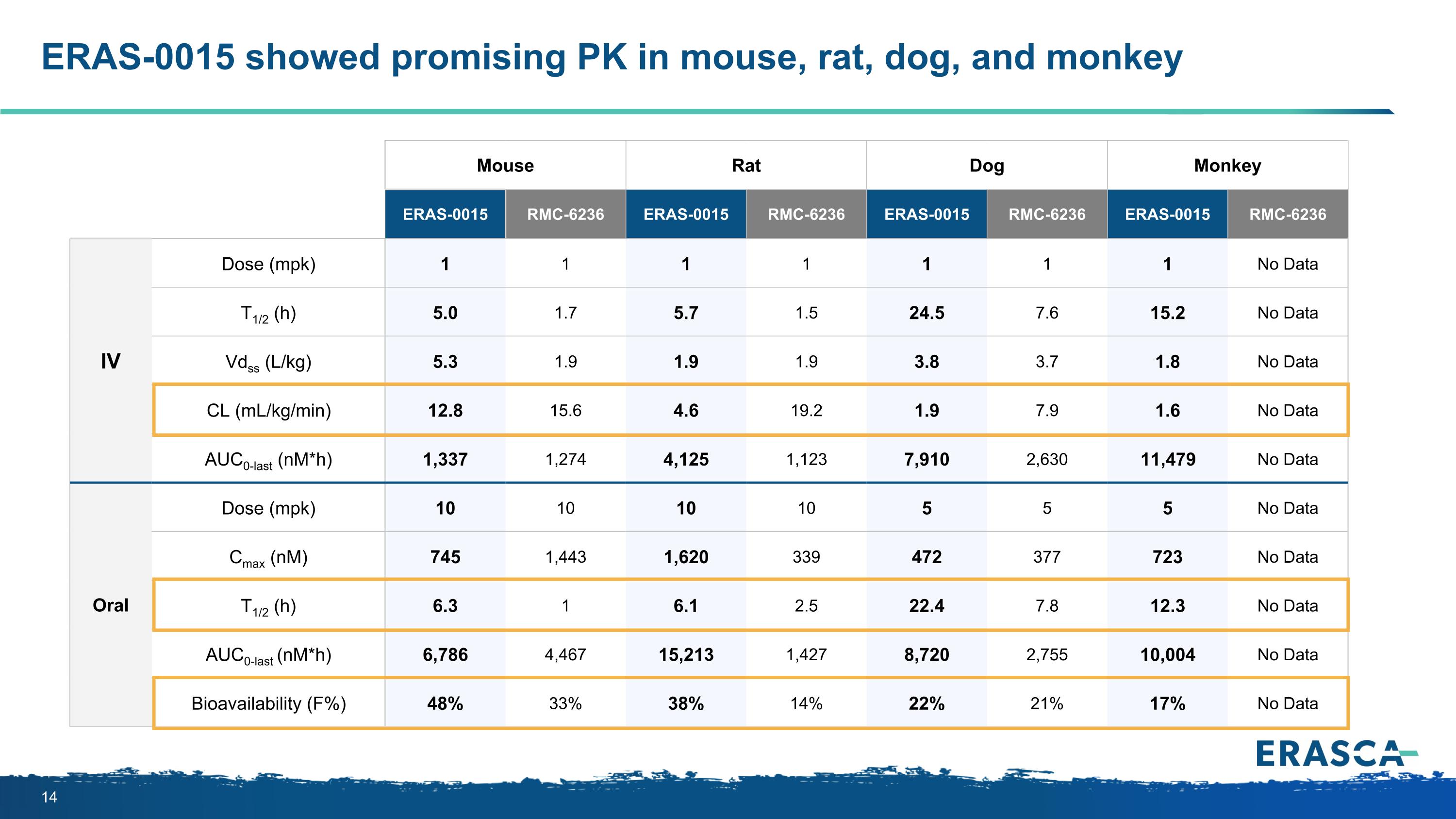
ERAS-0015 showed promising PK in mouse, rat, dog, and monkey Mouse Rat Dog Monkey ERAS-0015 RMC-6236 ERAS-0015 RMC-6236 ERAS-0015 RMC-6236 ERAS-0015 RMC-6236 IV Dose (mpk) 1 1 1 1 1 1 1 No Data T1/2 (h) 5.0 1.7 5.7 1.5 24.5 7.6 15.2 No Data Vdss (L/kg) 5.3 1.9 1.9 1.9 3.8 3.7 1.8 No Data CL (mL/kg/min) 12.8 15.6 4.6 19.2 1.9 7.9 1.6 No Data AUC0-last (nM*h) 1,337 1,274 4,125 1,123 7,910 2,630 11,479 No Data Oral Dose (mpk) 10 10 10 10 5 5 5 No Data Cmax (nM) 745 1,443 1,620 339 472 377 723 No Data T1/2 (h) 6.3 1 6.1 2.5 22.4 7.8 12.3 No Data AUC0-last (nM*h) 6,786 4,467 15,213 1,427 8,720 2,755 10,004 No Data Bioavailability (F%) 48% 33% 38% 14% 22% 21% 17% No Data
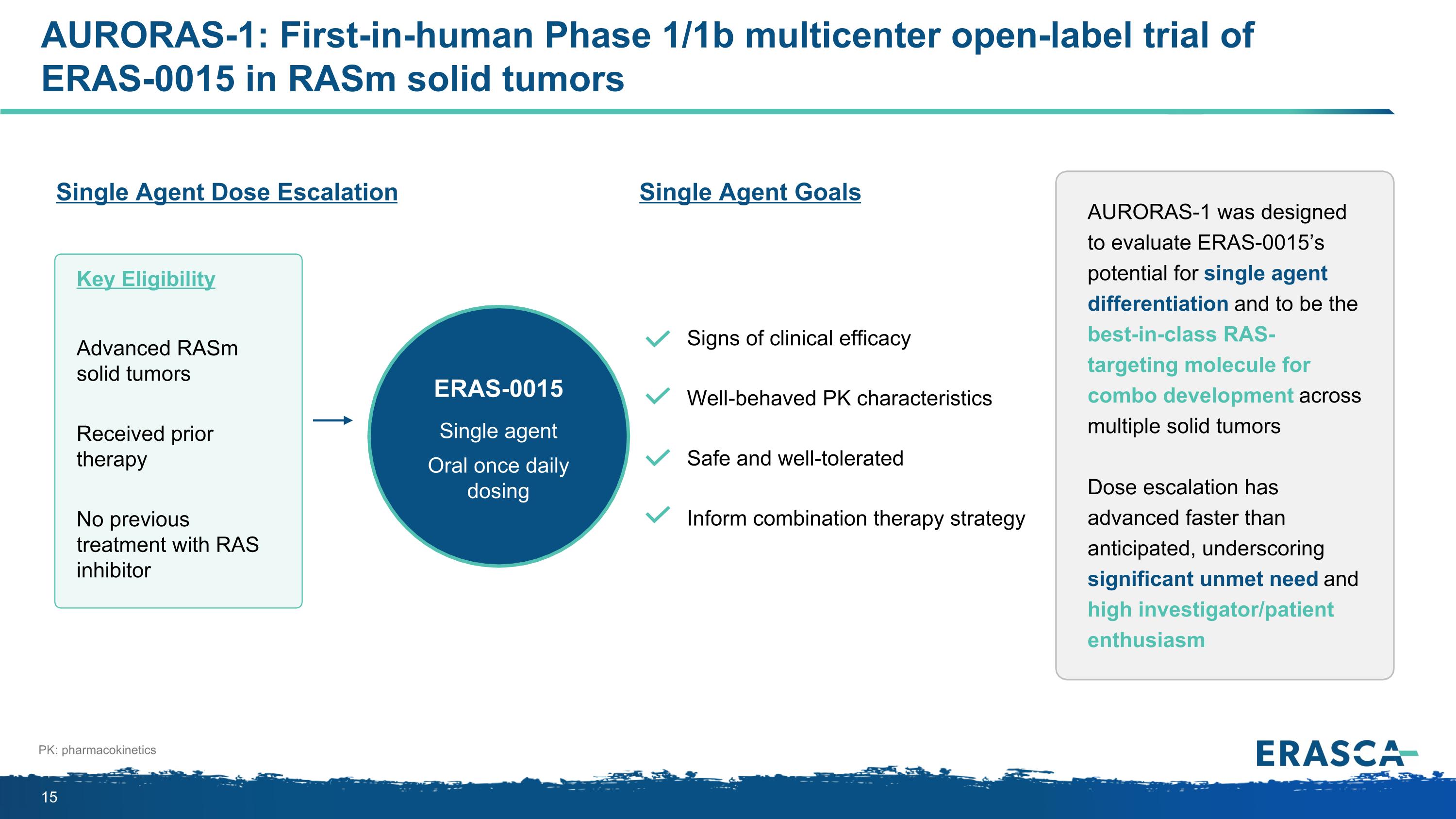
AURORAS-1: First-in-human Phase 1/1b multicenter open-label trial of �ERAS-0015 in RASm solid tumors PK: pharmacokinetics Advanced RASm solid tumors Received prior therapy No previous treatment with RAS inhibitor ERAS-0015 Single agent Oral once daily dosing Signs of clinical efficacy Well-behaved PK characteristics Safe and well-tolerated Inform combination therapy strategy AURORAS-1 was designed to evaluate ERAS-0015’s potential for single agent differentiation and to be the best-in-class RAS-targeting molecule for combo development across multiple solid tumors Dose escalation has advanced faster than anticipated, underscoring significant unmet need and high investigator/patient enthusiasm Single Agent Dose Escalation Single Agent Goals Key Eligibility
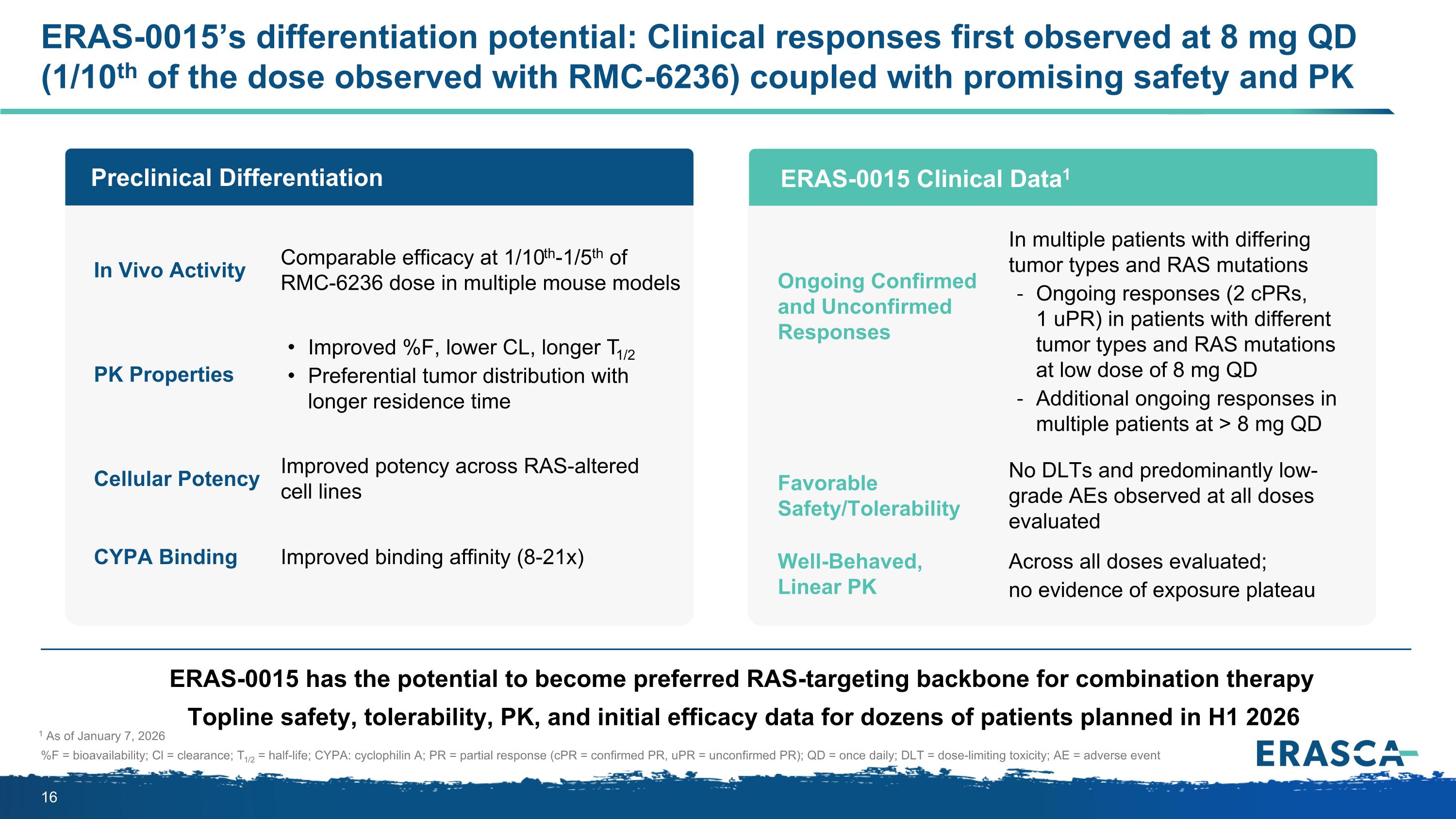
ERAS-0015’s differentiation potential: Clinical responses first observed at 8 mg QD (1/10th of the dose observed with RMC-6236) coupled with promising safety and PK Preclinical Differentiation Comparable efficacy at 1/10th-1/5th of RMC-6236 dose in multiple mouse models In Vivo Activity PK Properties Improved %F, lower CL, longer T1/2 Preferential tumor distribution with longer residence time Cellular Potency Improved potency across RAS-altered cell lines CYPA Binding Improved binding affinity (8-21x) 1 As of January 7, 2026 %F = bioavailability; Cl = clearance; T1/2 = half-life; CYPA: cyclophilin A; PR = partial response (cPR = confirmed PR, uPR = unconfirmed PR); QD = once daily; DLT = dose-limiting toxicity; AE = adverse event ERAS-0015 has the potential to become preferred RAS-targeting backbone for combination therapy Topline safety, tolerability, PK, and initial efficacy data for dozens of patients planned in H1 2026 ERAS-0015 Clinical Data1 Favorable Safety/Tolerability No DLTs and predominantly low-grade AEs observed at all doses evaluated Well-Behaved, Linear PK Across all doses evaluated; no evidence of exposure plateau Ongoing Confirmed and Unconfirmed Responses In multiple patients with differing tumor types and RAS mutations Ongoing responses (2 cPRs, 1 uPR) in patients with different tumor types and RAS mutations at low dose of 8 mg QD Additional ongoing responses in multiple patients at > 8 mg QD
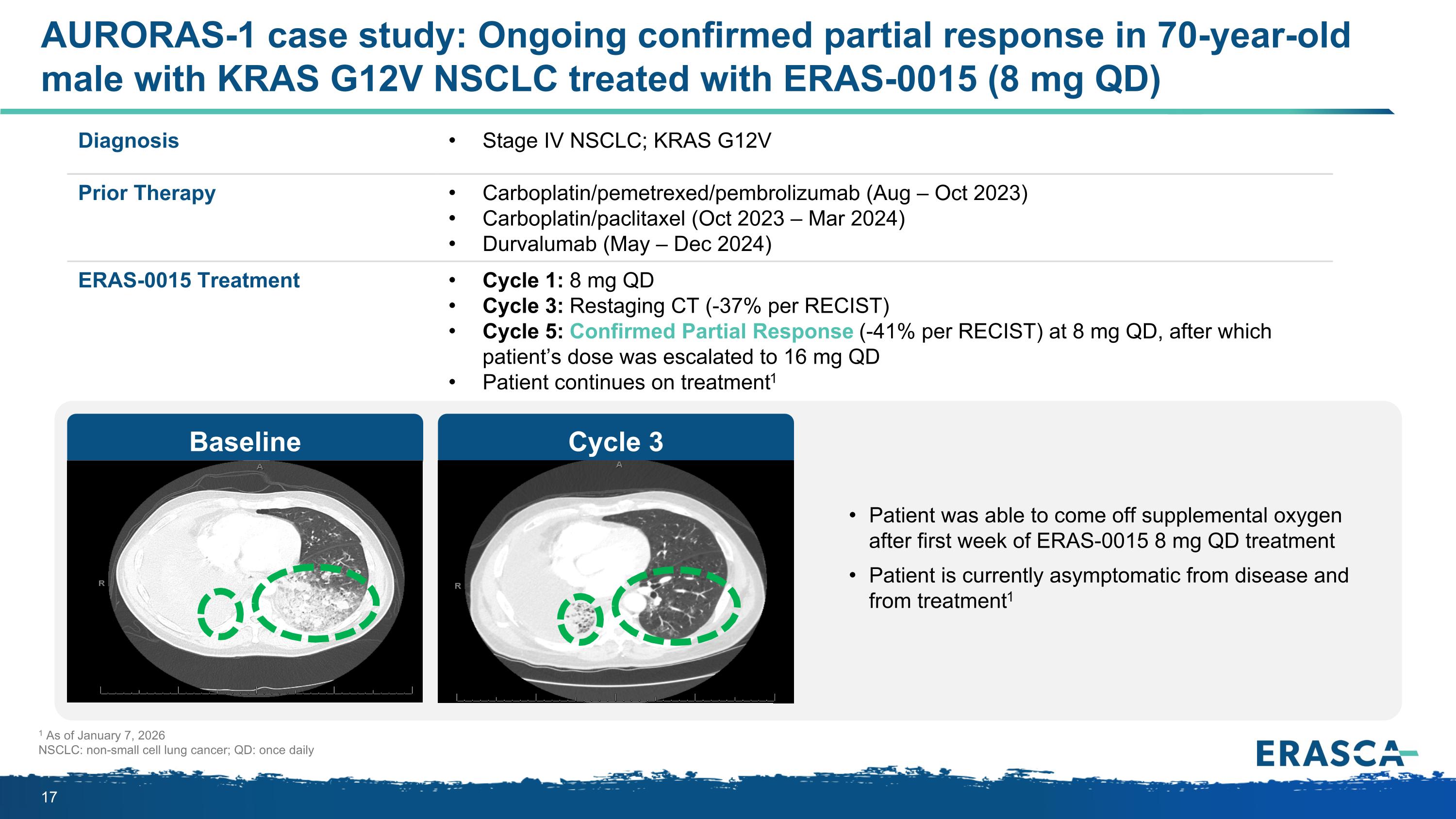
Baseline AURORAS-1 case study: Ongoing confirmed partial response in 70-year-old male with KRAS G12V NSCLC treated with ERAS-0015 (8 mg QD) 1 As of January 7, 2026 NSCLC: non-small cell lung cancer; QD: once daily Cycle 3 Diagnosis Stage IV NSCLC; KRAS G12V Prior Therapy Carboplatin/pemetrexed/pembrolizumab (Aug – Oct 2023) Carboplatin/paclitaxel (Oct 2023 – Mar 2024) Durvalumab (May – Dec 2024) ERAS-0015 Treatment Cycle 1: 8 mg QD Cycle 3: Restaging CT (-37% per RECIST) Cycle 5: Confirmed Partial Response (-41% per RECIST) at 8 mg QD, after which patient’s dose was escalated to 16 mg QD Patient continues on treatment1 Patient was able to come off supplemental oxygen after first week of ERAS-0015 8 mg QD treatment Patient is currently asymptomatic from disease and from treatment1
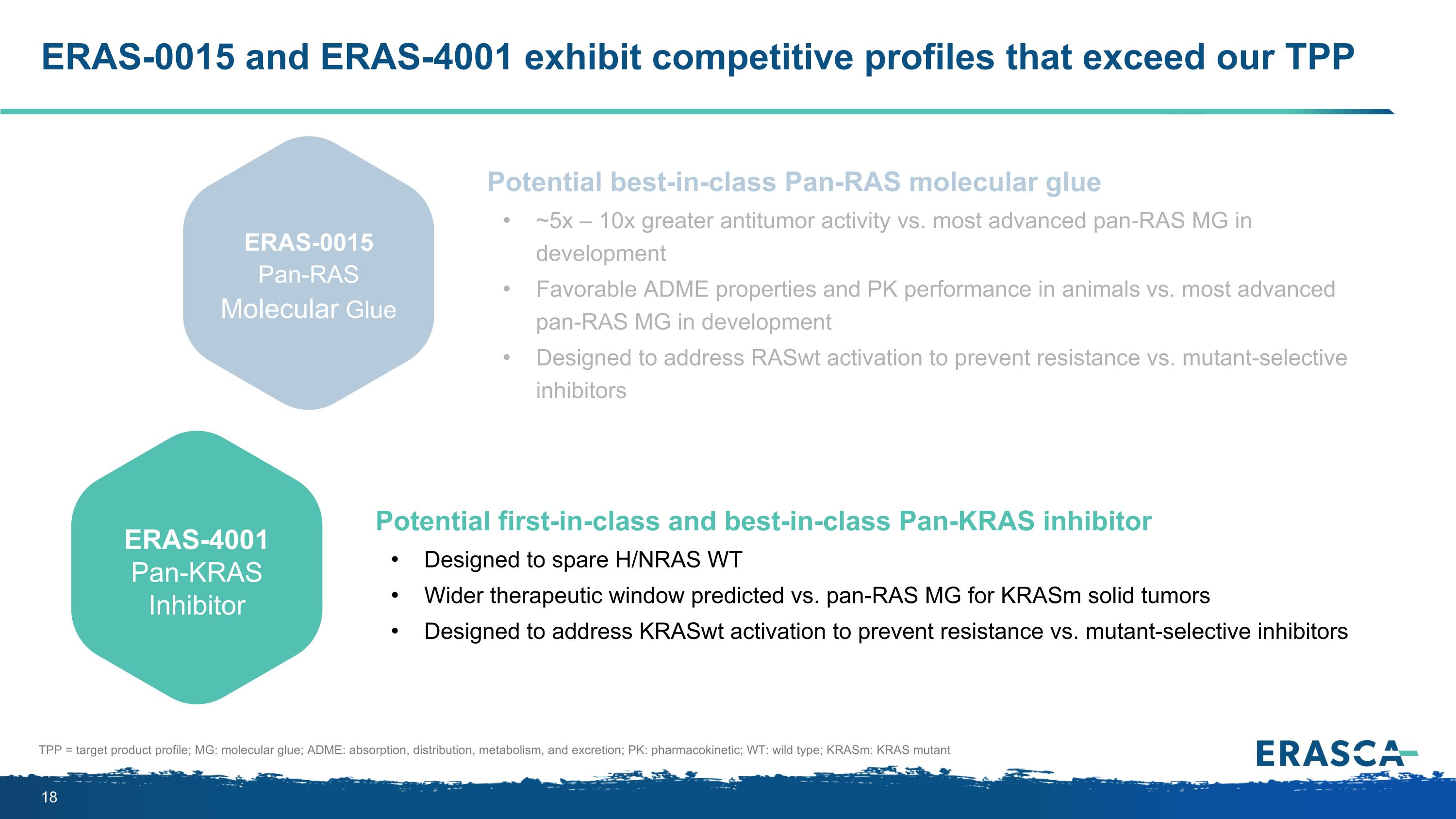
ERAS-0015 and ERAS-4001 exhibit competitive profiles that exceed our TPP Potential first-in-class and best-in-class Pan-KRAS inhibitor Designed to spare H/NRAS WT Wider therapeutic window predicted vs. pan-RAS MG for KRASm solid tumors Designed to address KRASwt activation to prevent resistance vs. mutant-selective inhibitors Potential best-in-class Pan-RAS molecular glue ~5x – 10x greater antitumor activity vs. most advanced pan-RAS MG in development Favorable ADME properties and PK performance in animals vs. most advanced pan-RAS MG in development Designed to address RASwt activation to prevent resistance vs. mutant-selective inhibitors ERAS-0015 Pan-RAS Molecular Glue ERAS-4001 Pan-KRAS Inhibitor TPP = target product profile; MG: molecular glue; ADME: absorption, distribution, metabolism, and excretion; PK: pharmacokinetic; WT: wild type; KRASm: KRAS mutant
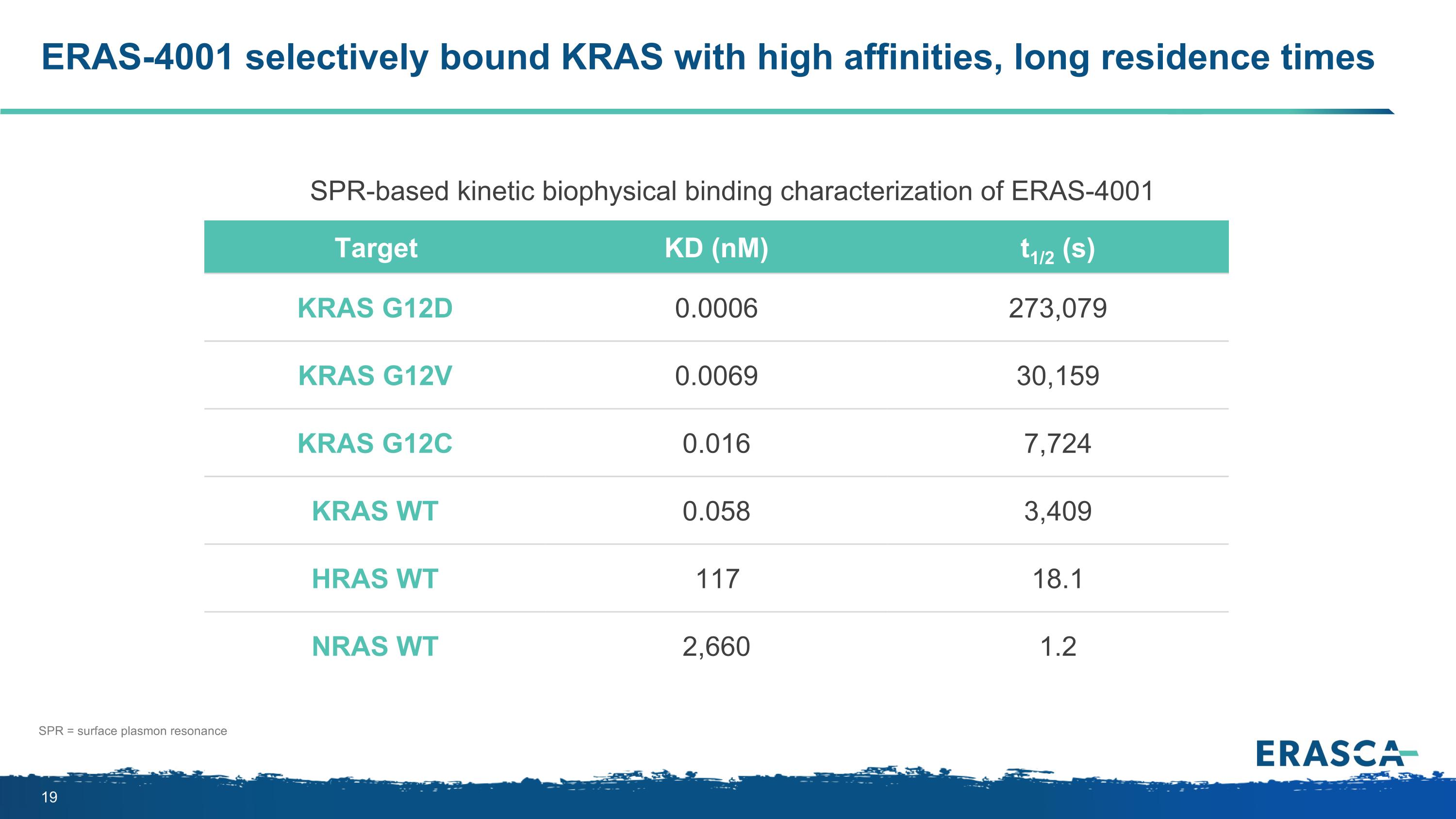
ERAS-4001 selectively bound KRAS with high affinities, long residence times Target KD (nM) t1/2 (s) KRAS G12D 0.0006 273,079 KRAS G12V 0.0069 30,159 KRAS G12C 0.016 7,724 KRAS WT 0.058 3,409 HRAS WT 117 18.1 NRAS WT 2,660 1.2 SPR-based kinetic biophysical binding characterization of ERAS-4001 SPR = surface plasmon resonance
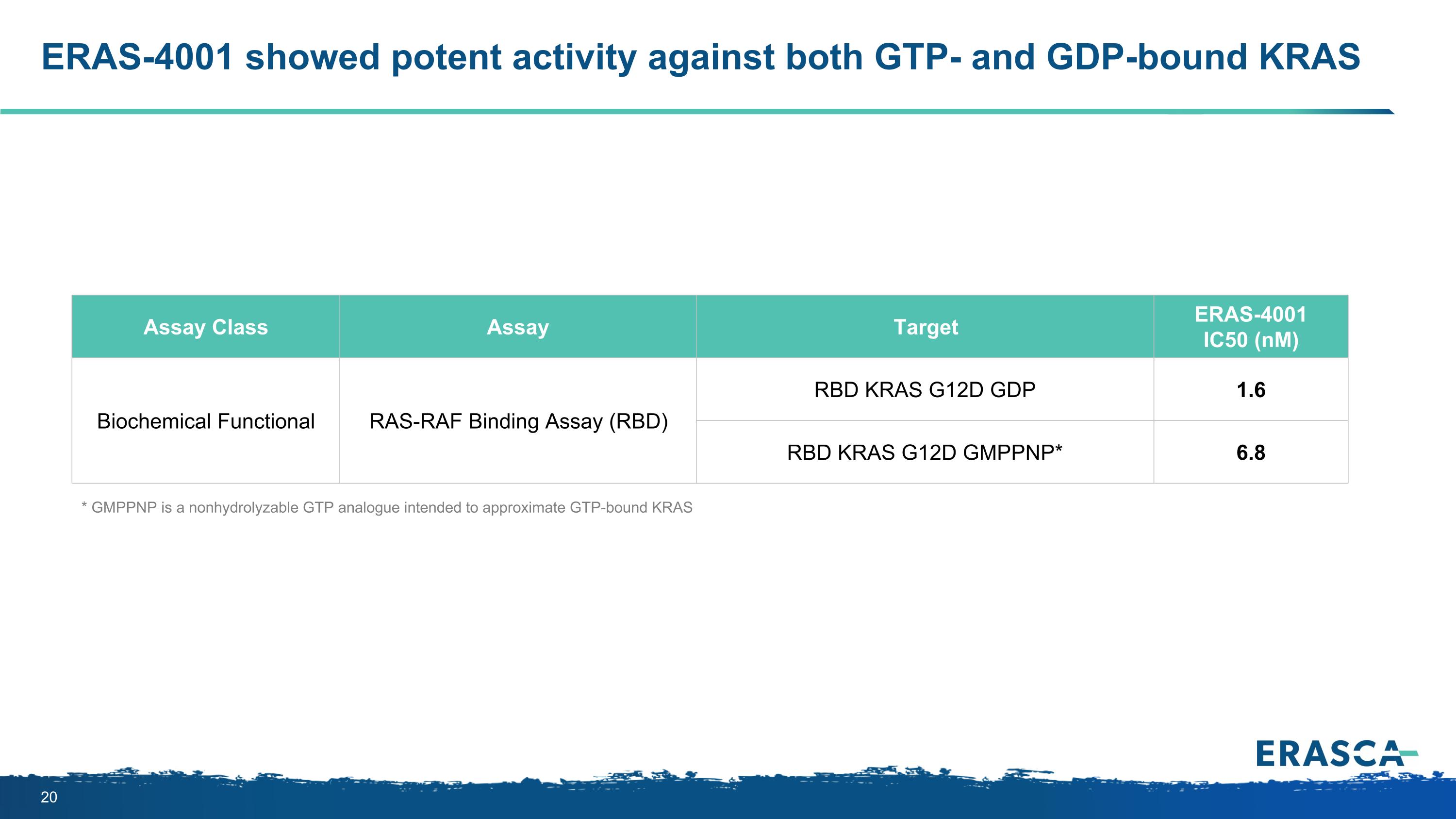
ERAS-4001 showed potent activity against both GTP- and GDP-bound KRAS Assay Class Assay Target ERAS-4001 IC50 (nM) Biochemical Functional RAS-RAF Binding Assay (RBD) RBD KRAS G12D GDP 1.6 RBD KRAS G12D GMPPNP* 6.8 * GMPPNP is a nonhydrolyzable GTP analogue intended to approximate GTP-bound KRAS
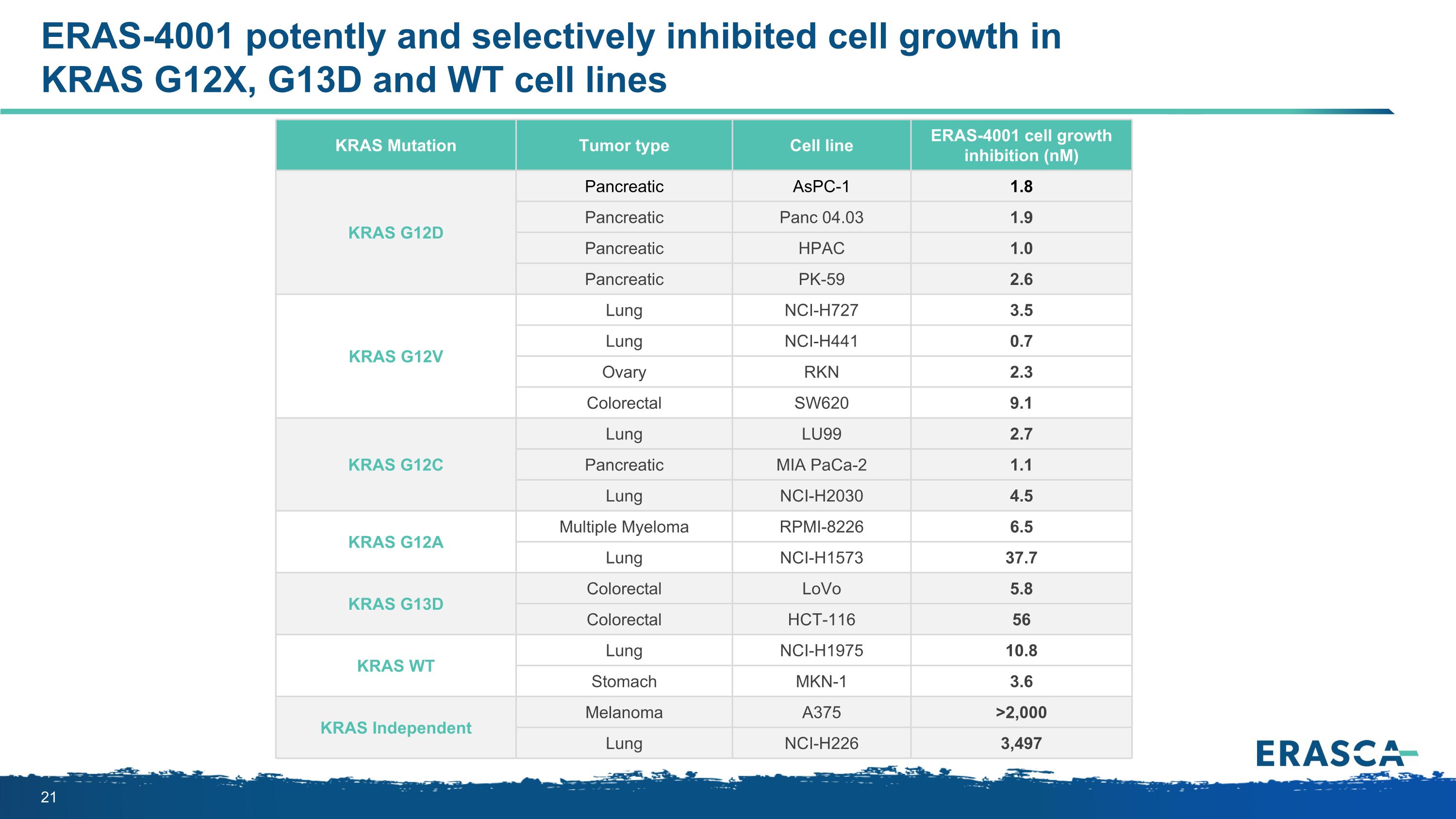
ERAS-4001 potently and selectively inhibited cell growth in�KRAS G12X, G13D and WT cell lines KRAS Mutation Tumor type Cell line ERAS-4001 cell growth inhibition (nM) KRAS G12D Pancreatic AsPC-1 1.8 Pancreatic Panc 04.03 1.9 Pancreatic HPAC 1.0 Pancreatic PK-59 2.6 KRAS G12V Lung NCI-H727 3.5 Lung NCI-H441 0.7 Ovary RKN 2.3 Colorectal SW620 9.1 KRAS G12C Lung LU99 2.7 Pancreatic MIA PaCa-2 1.1 Lung NCI-H2030 4.5 KRAS G12A Multiple Myeloma RPMI-8226 6.5 Lung NCI-H1573 37.7 KRAS G13D Colorectal LoVo 5.8 Colorectal HCT-116 56 KRAS WT Lung NCI-H1975 10.8 Stomach MKN-1 3.6 KRAS Independent Melanoma A375 >2,000 Lung NCI-H226 3,497
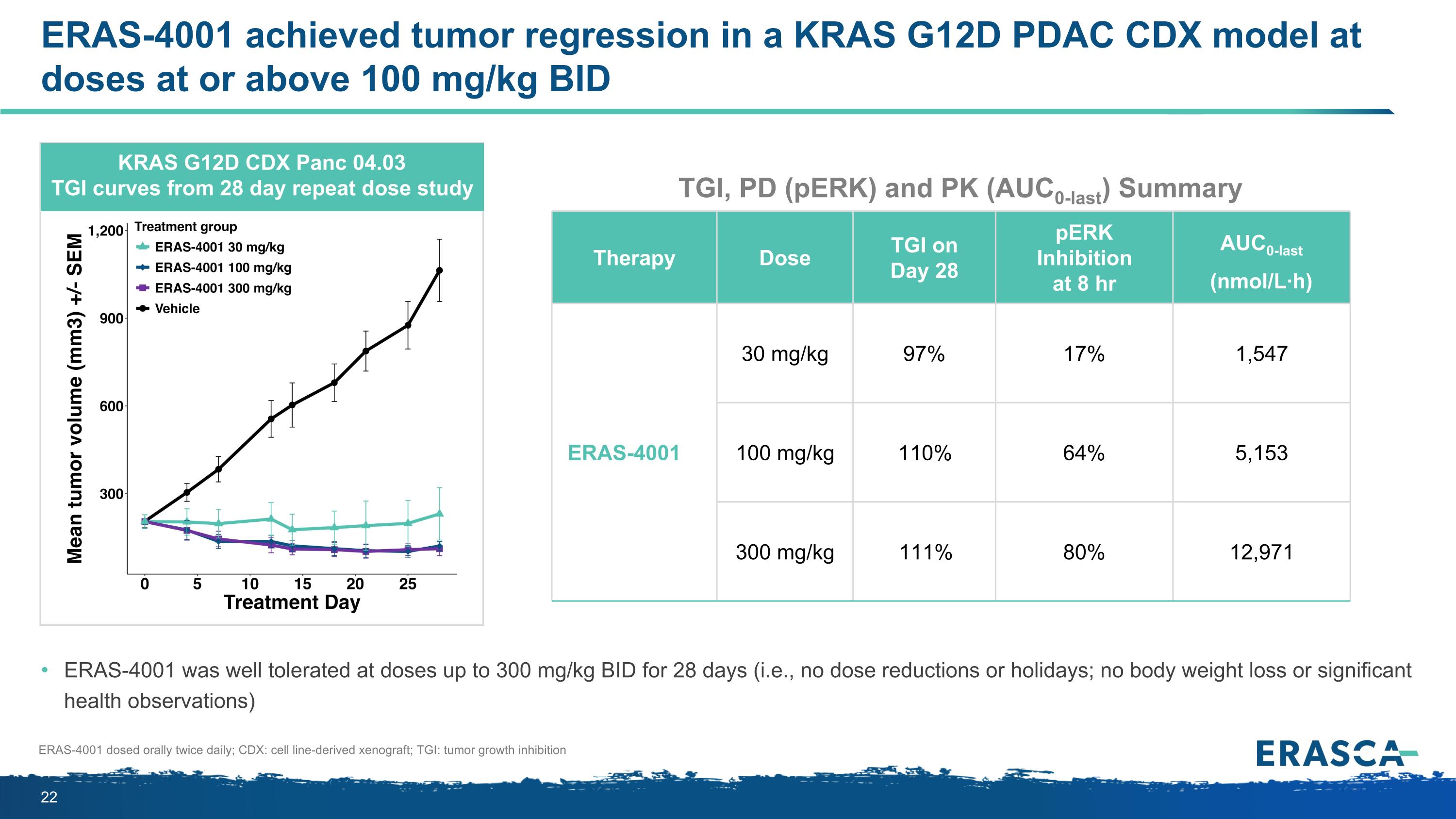
ERAS-4001 achieved tumor regression in a KRAS G12D PDAC CDX model at doses at or above 100 mg/kg BID KRAS G12D CDX Panc 04.03 TGI curves from 28 day repeat dose study ERAS-4001 was well tolerated at doses up to 300 mg/kg BID for 28 days (i.e., no dose reductions or holidays; no body weight loss or significant health observations) ERAS-4001 dosed orally twice daily; CDX: cell line-derived xenograft; TGI: tumor growth inhibition Therapy Dose TGI on Day 28 pERK Inhibition at 8 hr AUC0-last (nmol/L·h) ERAS-4001 30 mg/kg 97% 17% 1,547 100 mg/kg 110% 64% 5,153 300 mg/kg 111% 80% 12,971 TGI, PD (pERK) and PK (AUC0-last) Summary
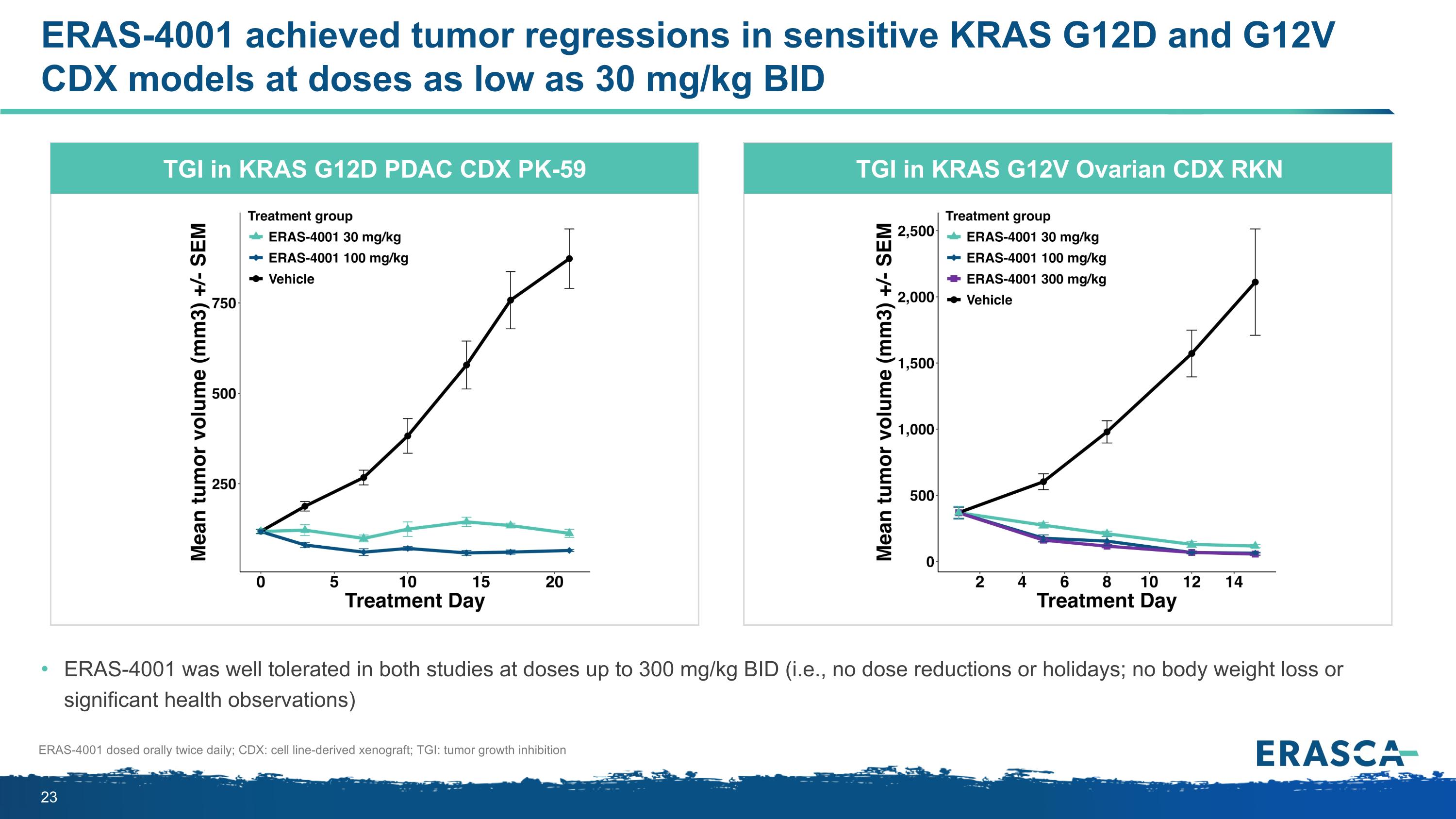
ERAS-4001 achieved tumor regressions in sensitive KRAS G12D and G12V CDX models at doses as low as 30 mg/kg BID ERAS-4001 was well tolerated in both studies at doses up to 300 mg/kg BID (i.e., no dose reductions or holidays; no body weight loss or significant health observations) TGI in KRAS G12D PDAC CDX PK-59 TGI in KRAS G12V Ovarian CDX RKN ERAS-4001 dosed orally twice daily; CDX: cell line-derived xenograft; TGI: tumor growth inhibition
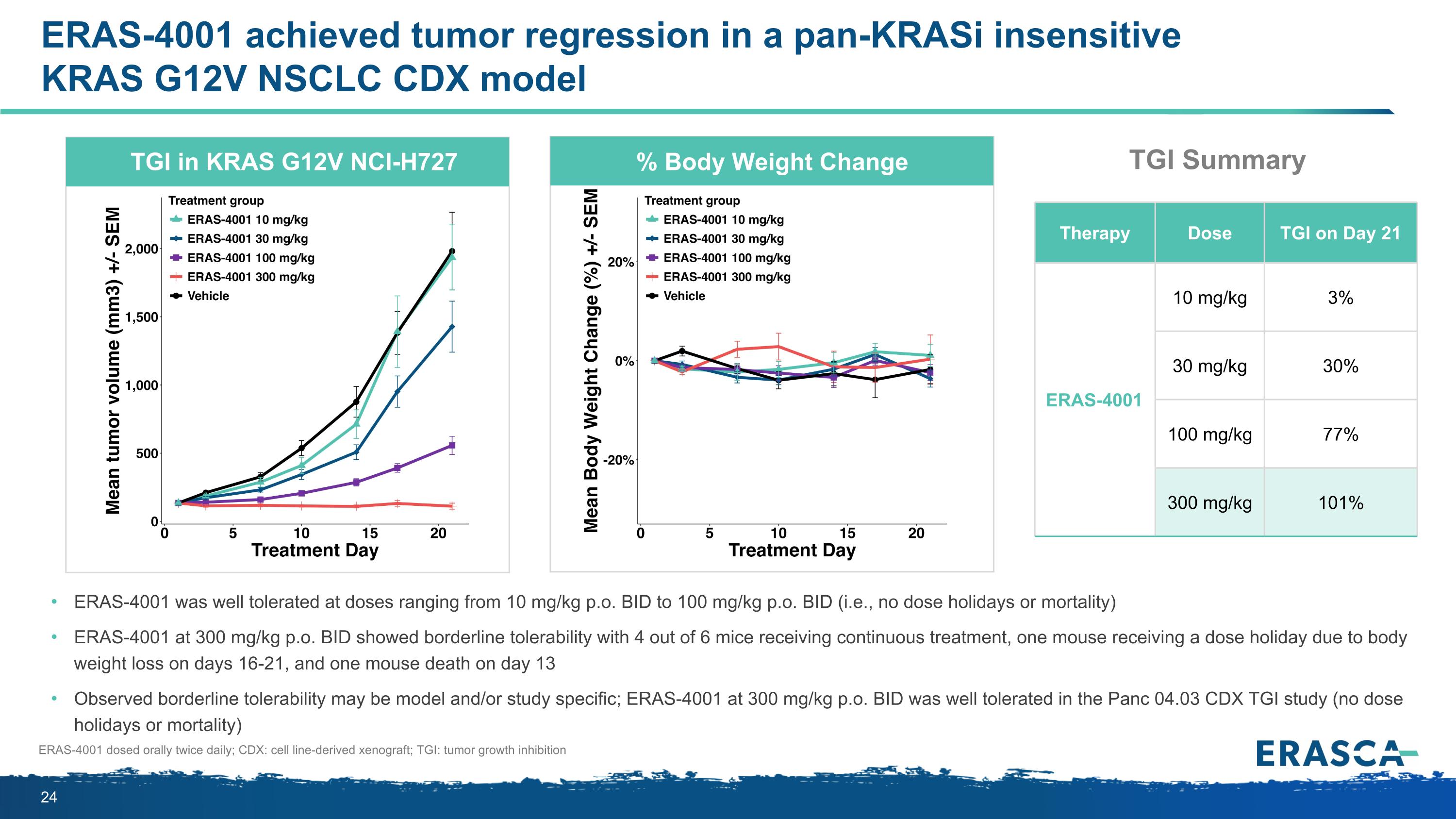
ERAS-4001 achieved tumor regression in a pan-KRASi insensitive�KRAS G12V NSCLC CDX model ERAS-4001 was well tolerated at doses ranging from 10 mg/kg p.o. BID to 100 mg/kg p.o. BID (i.e., no dose holidays or mortality) ERAS-4001 at 300 mg/kg p.o. BID showed borderline tolerability with 4 out of 6 mice receiving continuous treatment, one mouse receiving a dose holiday due to body weight loss on days 16-21, and one mouse death on day 13 Observed borderline tolerability may be model and/or study specific; ERAS-4001 at 300 mg/kg p.o. BID was well tolerated in the Panc 04.03 CDX TGI study (no dose holidays or mortality) ERAS-4001 dosed orally twice daily; CDX: cell line-derived xenograft; TGI: tumor growth inhibition TGI in KRAS G12V NCI-H727 % Body Weight Change Therapy Dose TGI on Day 21 ERAS-4001 10 mg/kg 3% 30 mg/kg 30% 100 mg/kg 77% 300 mg/kg 101% TGI Summary
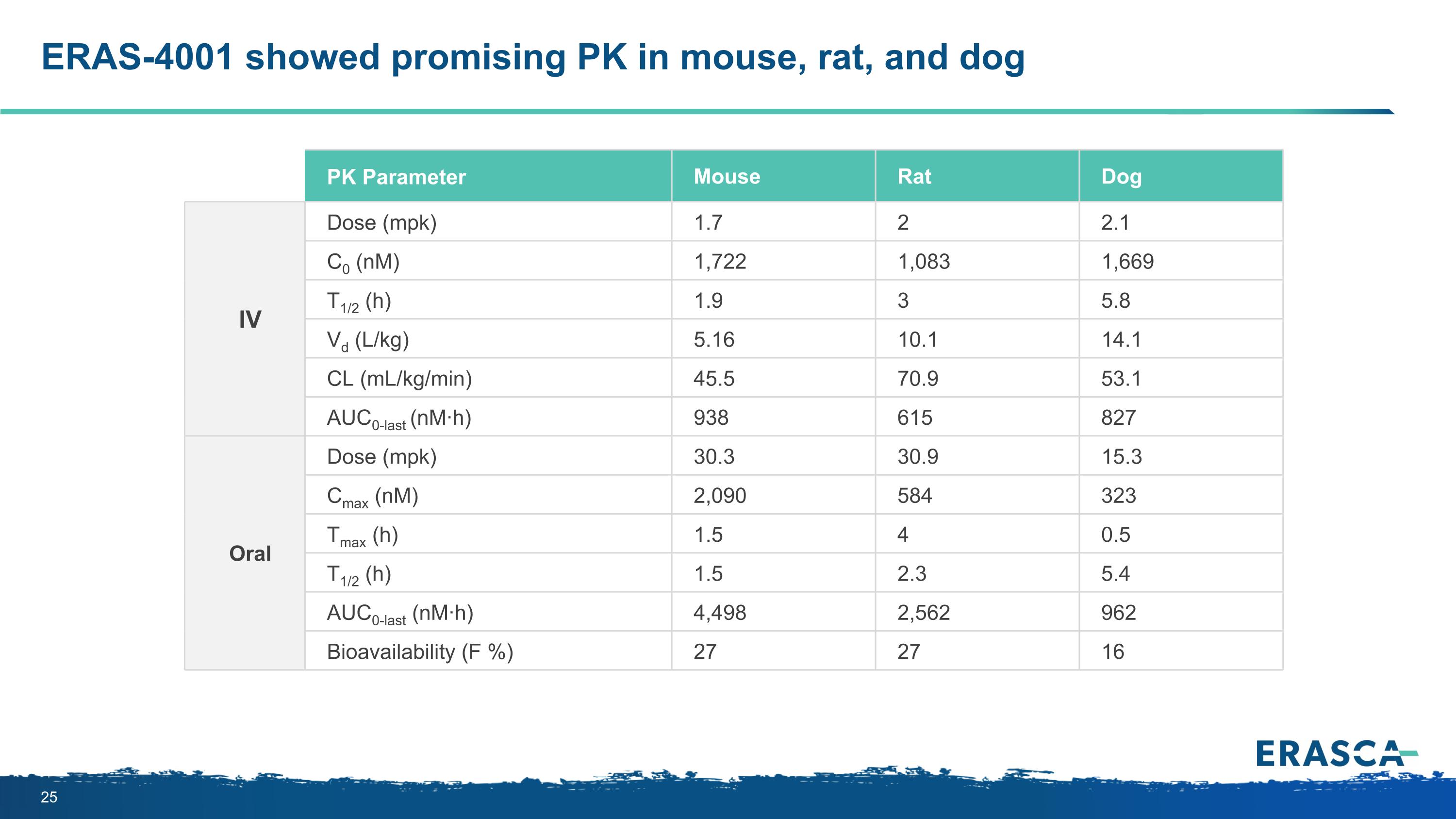
ERAS-4001 showed promising PK in mouse, rat, and dog PK Parameter Mouse Rat Dog IV Dose (mpk) 1.7 2 2.1 C0 (nM) 1,722 1,083 1,669 T1/2 (h) 1.9 3 5.8 Vd (L/kg) 5.16 10.1 14.1 CL (mL/kg/min) 45.5 70.9 53.1 AUC0-last (nM·h) 938 615 827 Oral Dose (mpk) 30.3 30.9 15.3 Cmax (nM) 2,090 584 323 Tmax (h) 1.5 4 0.5 T1/2 (h) 1.5 2.3 5.4 AUC0-last (nM·h) 4,498 2,562 962 Bioavailability (F %) 27 27 16
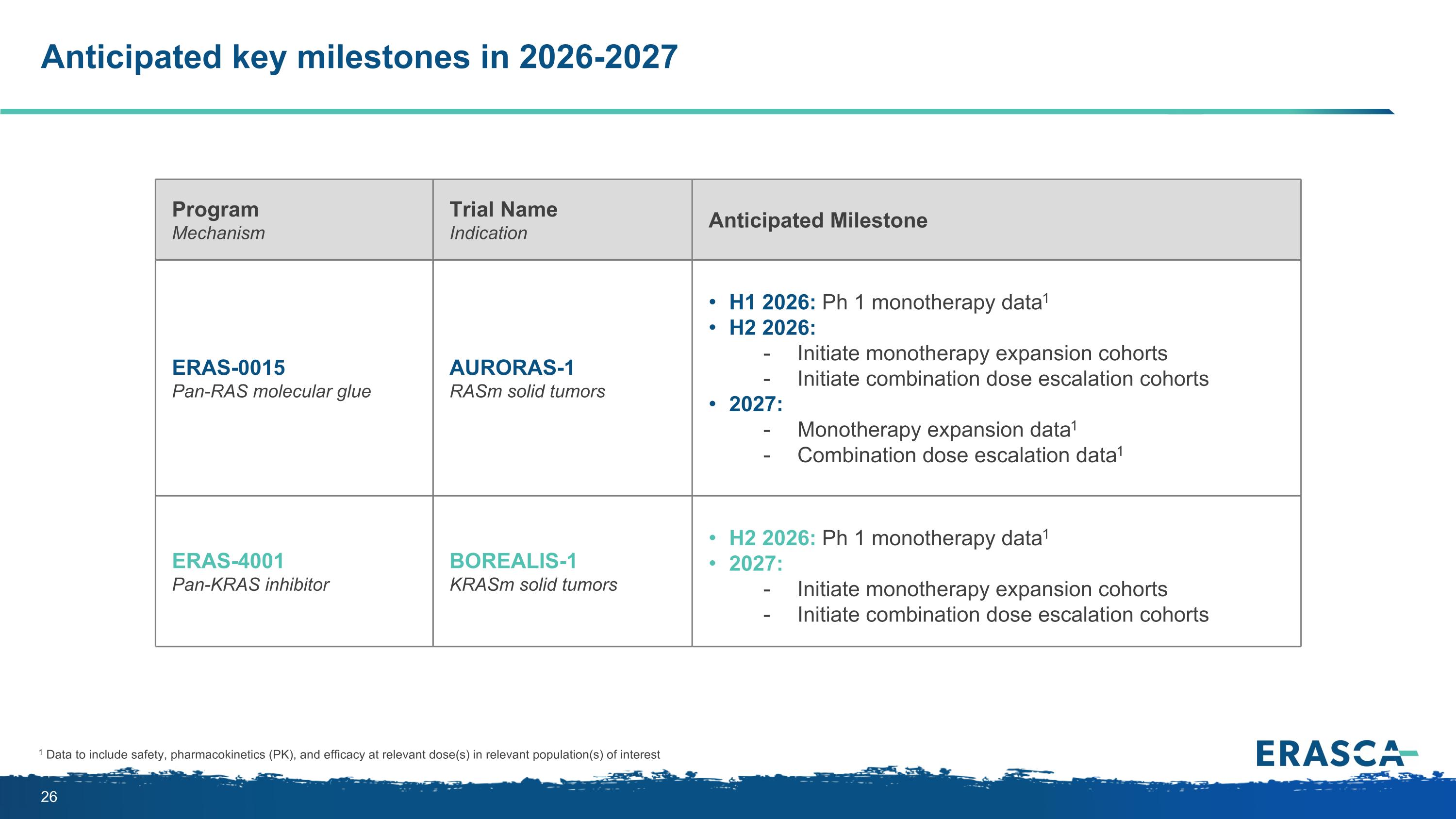
Anticipated key milestones in 2026-2027 1 Data to include safety, pharmacokinetics (PK), and efficacy at relevant dose(s) in relevant population(s) of interest Program Mechanism Trial Name�Indication Anticipated Milestone ERAS-0015 Pan-RAS molecular glue AURORAS-1 RASm solid tumors H1 2026: Ph 1 monotherapy data1 H2 2026: Initiate monotherapy expansion cohorts Initiate combination dose escalation cohorts 2027: Monotherapy expansion data1 Combination dose escalation data1 ERAS-4001 Pan-KRAS inhibitor BOREALIS-1 KRASm solid tumors H2 2026: Ph 1 monotherapy data1 2027: Initiate monotherapy expansion cohorts Initiate combination dose escalation cohorts
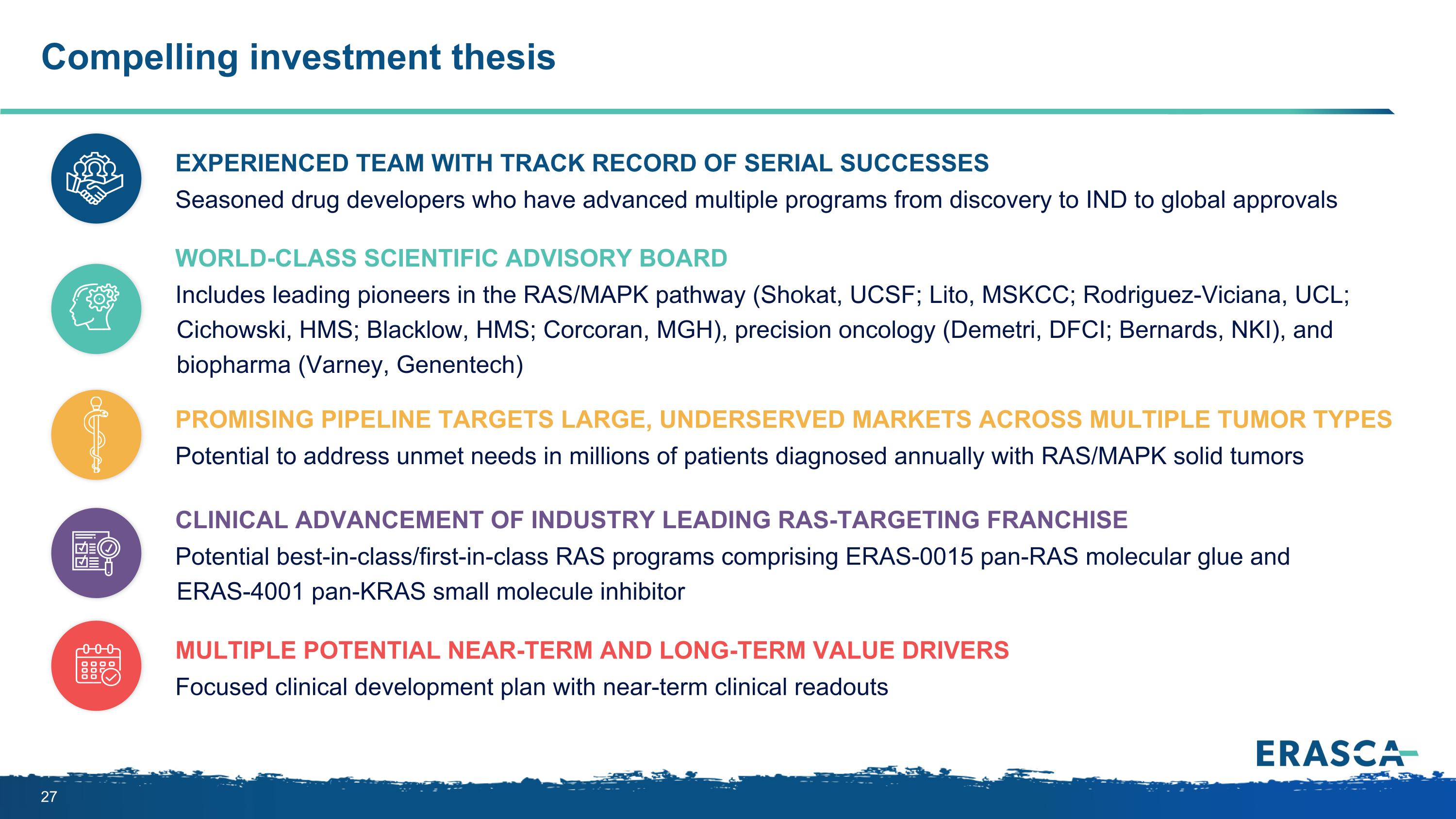
Compelling investment thesis Experienced team with track record of serial successes Seasoned drug developers who have advanced multiple programs from discovery to IND to global approvals Clinical advancement of industry leading RAS-targeting franchise Potential best-in-class/first-in-class RAS programs comprising ERAS-0015 pan-RAS molecular glue and ERAS-4001 pan-KRAS small molecule inhibitor World-class Scientific Advisory Board Includes leading pioneers in the RAS/MAPK pathway (Shokat, UCSF; Lito, MSKCC; Rodriguez-Viciana, UCL; Cichowski, HMS; Blacklow, HMS; Corcoran, MGH), precision oncology (Demetri, DFCI; Bernards, NKI), and biopharma (Varney, Genentech) Multiple potential near-term and long-term value drivers Focused clinical development plan with near-term clinical readouts Promising pipeline targets large, underserved markets across multiple tumor types Potential to address unmet needs in millions of patients diagnosed annually with RAS/MAPK solid tumors

THANK YOU!
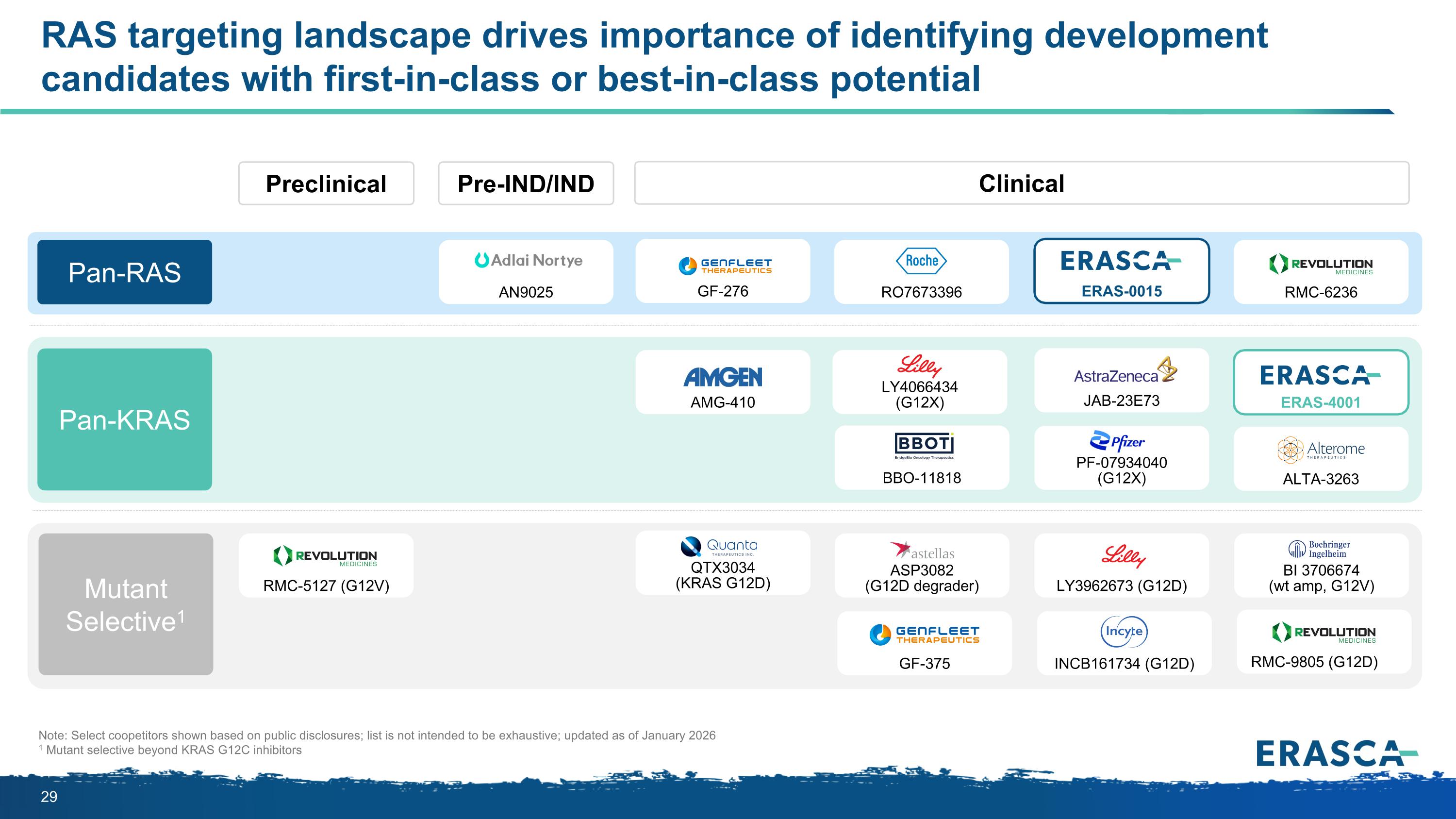
Note: Select coopetitors shown based on public disclosures; list is not intended to be exhaustive; updated as of January 2026 1 Mutant selective beyond KRAS G12C inhibitors RAS targeting landscape drives importance of identifying development candidates with first-in-class or best-in-class potential Clinical Preclinical ERAS-0015 GF-276 RMC-6236 Pan-RAS RO7673396 AN9025 RMC-5127 (G12V) ASP3082 (G12D degrader) BI 3706674 (wt amp, G12V) RMC-9805 (G12D) LY3962673 (G12D) Mutant Selective1 INCB161734 (G12D) GF-375 Clinical Pan-KRAS ERAS-4001 LY4066434 (G12X) PF-07934040 (G12X) BBO-11818 JAB-23E73 ALTA-3263 Pre-IND/IND QTX3034 (KRAS G12D) AMG-410
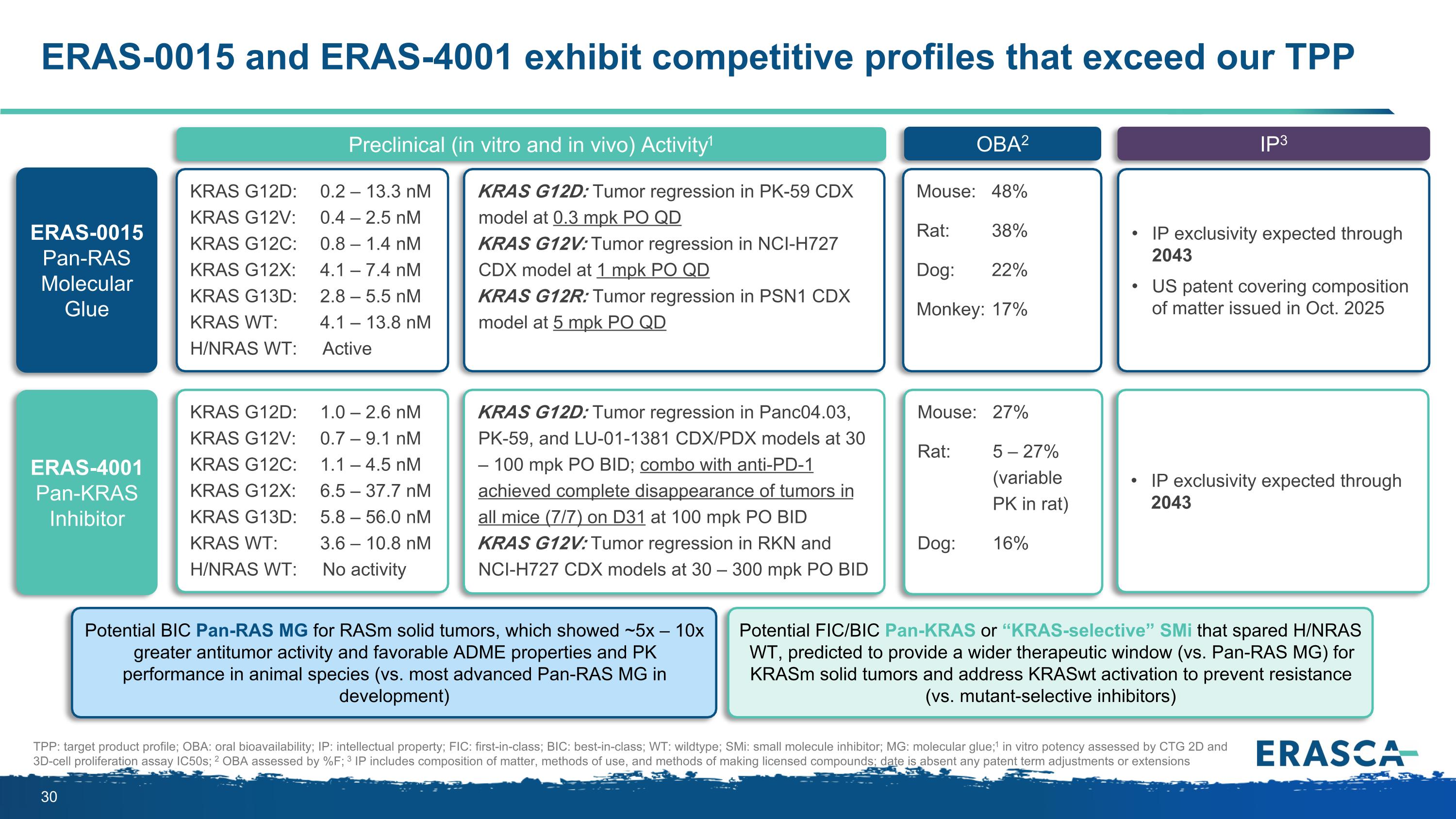
ERAS-0015 and ERAS-4001 exhibit competitive profiles that exceed our TPP Preclinical (in vitro and in vivo) Activity1 OBA2 IP3 TPP: target product profile; OBA: oral bioavailability; IP: intellectual property; FIC: first-in-class; BIC: best-in-class; WT: wildtype; SMi: small molecule inhibitor; MG: molecular glue; 1 in vitro potency assessed by CTG 2D and 3D-cell proliferation assay IC50s; 2 OBA assessed by %F; 3 IP includes composition of matter, methods of use, and methods of making licensed compounds; date is absent any patent term adjustments or extensions ERAS-0015 Pan-RAS Molecular Glue KRAS G12D: 0.2 – 13.3 nM KRAS G12V: 0.4 – 2.5 nM KRAS G12C: 0.8 – 1.4 nM KRAS G12X: 4.1 – 7.4 nM KRAS G13D: 2.8 – 5.5 nM KRAS WT: 4.1 – 13.8 nM H/NRAS WT: Active KRAS G12D: Tumor regression in PK-59 CDX model at 0.3 mpk PO QD KRAS G12V: Tumor regression in NCI-H727 CDX model at 1 mpk PO QD KRAS G12R: Tumor regression in PSN1 CDX model at 5 mpk PO QD Mouse: 48% Rat: 38% Dog: 22% Monkey: 17% IP exclusivity expected through 2043 US patent covering composition of matter issued in Oct. 2025 ERAS-4001 Pan-KRAS Inhibitor KRAS G12D: 1.0 – 2.6 nM KRAS G12V: 0.7 – 9.1 nM KRAS G12C: 1.1 – 4.5 nM KRAS G12X: 6.5 – 37.7 nM KRAS G13D: 5.8 – 56.0 nM KRAS WT: 3.6 – 10.8 nM H/NRAS WT: No activity KRAS G12D: Tumor regression in Panc04.03, PK-59, and LU-01-1381 CDX/PDX models at 30 – 100 mpk PO BID; combo with anti-PD-1 achieved complete disappearance of tumors in all mice (7/7) on D31 at 100 mpk PO BID KRAS G12V: Tumor regression in RKN and NCI-H727 CDX models at 30 – 300 mpk PO BID Mouse: 27% Rat: 5 – 27% (variable PK in rat) Dog: 16% IP exclusivity expected through 2043 Potential BIC Pan-RAS MG for RASm solid tumors, which showed ~5x – 10x greater antitumor activity and favorable ADME properties and PK performance in animal species (vs. most advanced Pan-RAS MG in development) Potential FIC/BIC Pan-KRAS or “KRAS-selective” SMi that spared H/NRAS WT, predicted to provide a wider therapeutic window (vs. Pan-RAS MG) for KRASm solid tumors and address KRASwt activation to prevent resistance (vs. mutant-selective inhibitors)
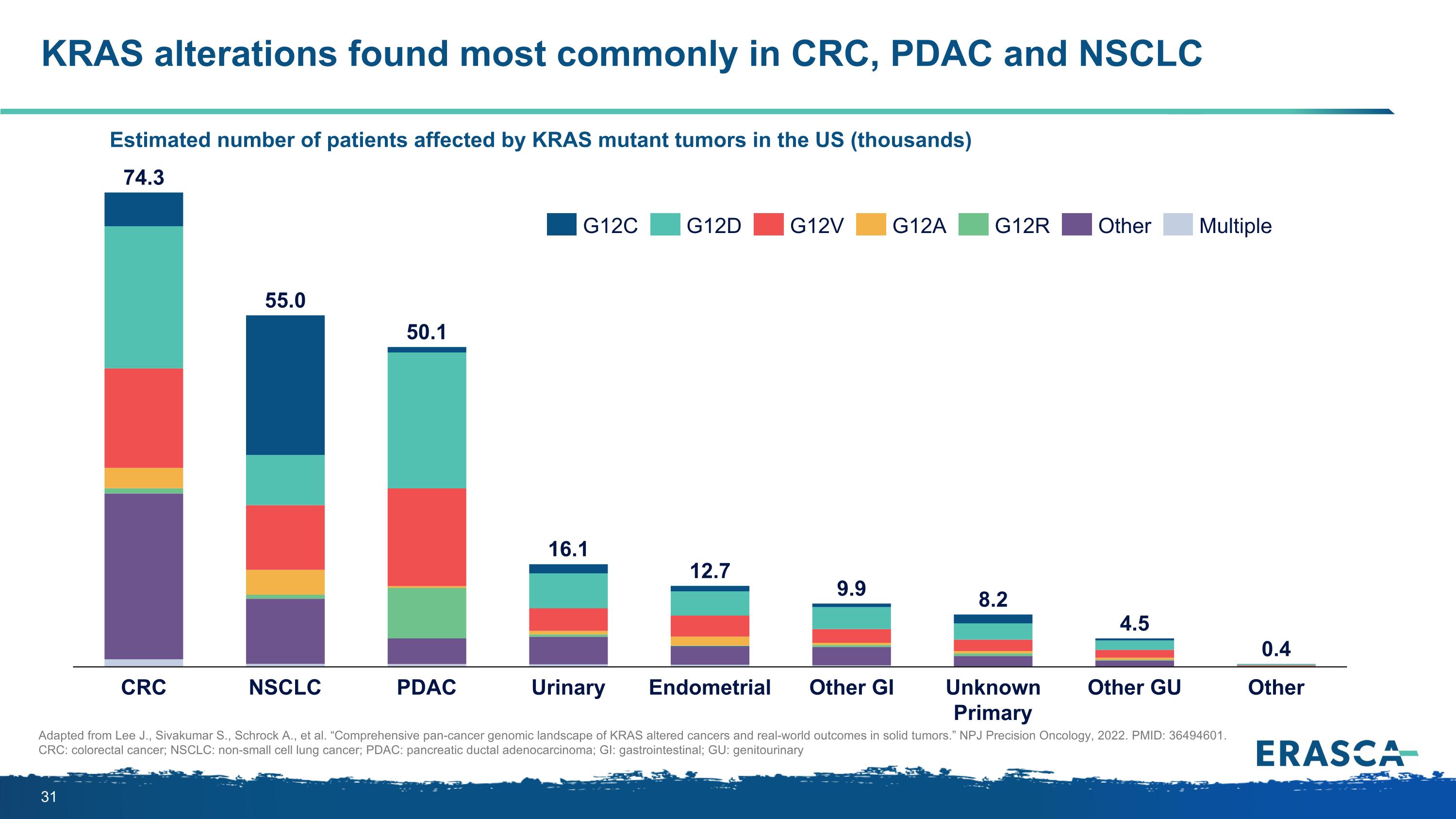
KRAS alterations found most commonly in CRC, PDAC and NSCLC Estimated number of patients affected by KRAS mutant tumors in the US (thousands) Adapted from Lee J., Sivakumar S., Schrock A., et al. “Comprehensive pan-cancer genomic landscape of KRAS altered cancers and real-world outcomes in solid tumors.” NPJ Precision Oncology, 2022. PMID: 36494601. CRC: colorectal cancer; NSCLC: non-small cell lung cancer; PDAC: pancreatic ductal adenocarcinoma; GI: gastrointestinal; GU: genitourinary CRC NSCLC PDAC Urinary Endometrial Other GI Unknown Primary Other GU Other 74.3 55.0 50.1 16.1 12.7 9.9 8.2 4.5 0.4 G12C G12D G12V G12A G12R Other Multiple