8-K
NASDAQ false 0001798749 0001798749 2026-06-01 2026-06-01


UNITED STATES

SECURITIES AND EXCHANGE COMMISSION

Washington, D.C. 20549


FORM 8-K


CURRENT REPORT

Pursuant to Section 13 or 15(d)

of the Securities Exchange Act of 1934

Date of Report (Date of earliest event reported): June 1, 2026


Jade Biosciences, Inc.

(Exact name of registrant as specified in its charter)


Nevada   001-40544
  83-1377888
(State or other jurisdiction
of incorporation)
  (Commission
File Number)
  (IRS Employer
Identification No.)


221 Crescent St., Building 23

Suite 105

Waltham, MA

  02453
(Address of principal executive offices)   (Zip Code)

(Registrant’s telephone number, including area code): (781) 312-3013

N/A

(Former name or former address, if changed since last report)


Check the appropriate box below if the Form 8-K filing is intended to simultaneously satisfy the filing obligation of the registrant under any of the following provisions:


Written communications pursuant to Rule 425 under the Securities Act (17 CFR 230.425)


Soliciting material pursuant to Rule 14a-12 under the Exchange Act (17 CFR 240.14a-12)


Pre-commencement communications pursuant to Rule 14d-2(b) under the Exchange Act (17 CFR 240.14d-2(b))


Pre-commencement communications pursuant to Rule 13e-4(c) under the Exchange Act (17 CFR 240.13e-4(c))

Securities registered pursuant to Section 12(b) of the Act:


Title of each class


Trading
Symbol(s)


Name of each exchange
on which registered

Common stock, par value $0.0001 per share   JBIO   The Nasdaq Capital Market

Indicate by check mark whether the registrant is an emerging growth company as defined in Rule 405 of the Securities Act of 1933 (§230.405 of this chapter) or Rule 12b-2 of the Securities Exchange Act of 1934 (§240.12b-2 of this chapter).

Emerging growth company 

If an emerging growth company, indicate by check mark if the registrant has elected not to use the extended transition period for complying with any new or revised financial accounting standards provided pursuant to Section 13(a) of the Exchange Act. 


Item 7.01.

Regulation FD Disclosure.

On June 1, 2026, Jade Biosciences, Inc. (“Jade” or the “Company”) will host a conference call and webcast to share interim results from its Phase 1 healthy volunteer trial evaluating JADE101, a novel, investigational anti-A Proliferation-Inducing Ligand (“APRIL”) monoclonal antibody in development for the treatment of immunoglobulin A nephropathy (“IgAN”). The event will begin at 8:00 a.m. Eastern Time and will be available via a live webcast accessible on the “Events and Presentations” page of Jade’s corporate website at www.jadebiosciences.com. During the event, the Company will present the corporate slide presentation attached as Exhibit 99.1 to this Current Report on Form 8-K, which is incorporated herein by reference.

The information contained in this Item 7.01, including in Exhibit 99.1 hereto and on Jade’s corporate website, is being “furnished” and shall not be deemed “filed” for the purposes of Section 18 of the Securities Exchange Act of 1934, as amended (the “Exchange Act”), is not subject to the liabilities of that section and is not deemed incorporated by reference in any filing under the Securities Act of 1933, as amended, or the Exchange Act, except as shall be expressly set forth by specific reference in such a filing.


Item 8.01.

Other Events.

On June 1, 2026, the Company announced interim results from its Phase 1 healthy volunteer trial evaluating JADE101in development for the treatment of IgAN. JADE101 is designed with ultra-high binding affinity to selectively block APRIL, a key driver of pathogenic IgA production in IgAN, a chronic autoimmune disease that frequently affects young adults and can lead to end-stage kidney disease over a patient’s lifetime.

JADE101 Phase 1 Trial Design

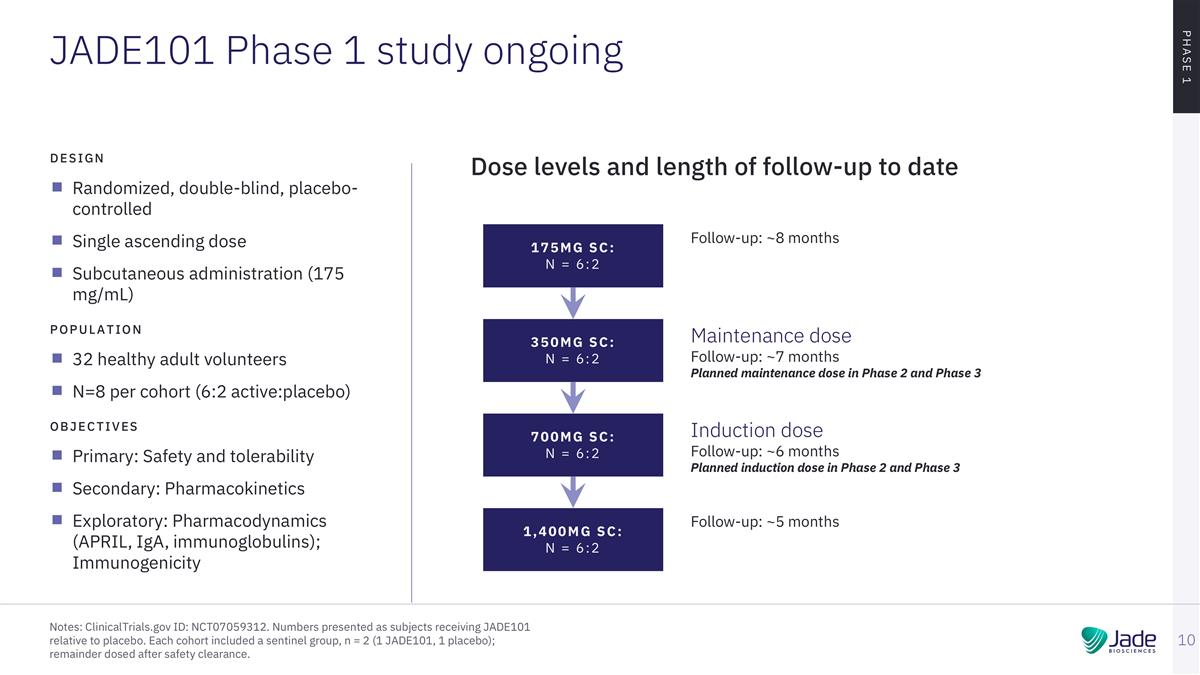
The JADE101 Phase 1 trial is a double-blind, placebo-controlled study evaluating the safety and tolerability, pharmacodynamics (“PD”) and pharmacokinetics (“PK”) of single ascending subcutaneously administered doses of JADE101 in healthy volunteers.

As of the data cutoff of April 14, 2026, the trial has enrolled 32 healthy adult volunteers across four dose cohorts, with eight participants per cohort randomized in a 6:2 ratio to receive JADE101 or placebo. Evaluated doses included single subcutaneous administrations of 175 mg, 350 mg, 700 mg, and 1,400 mg.

Key findings at this interim analysis included:

Depth and Duration of IgA Reductions Driven by Potent Free APRIL (“fAPRIL”) Suppression


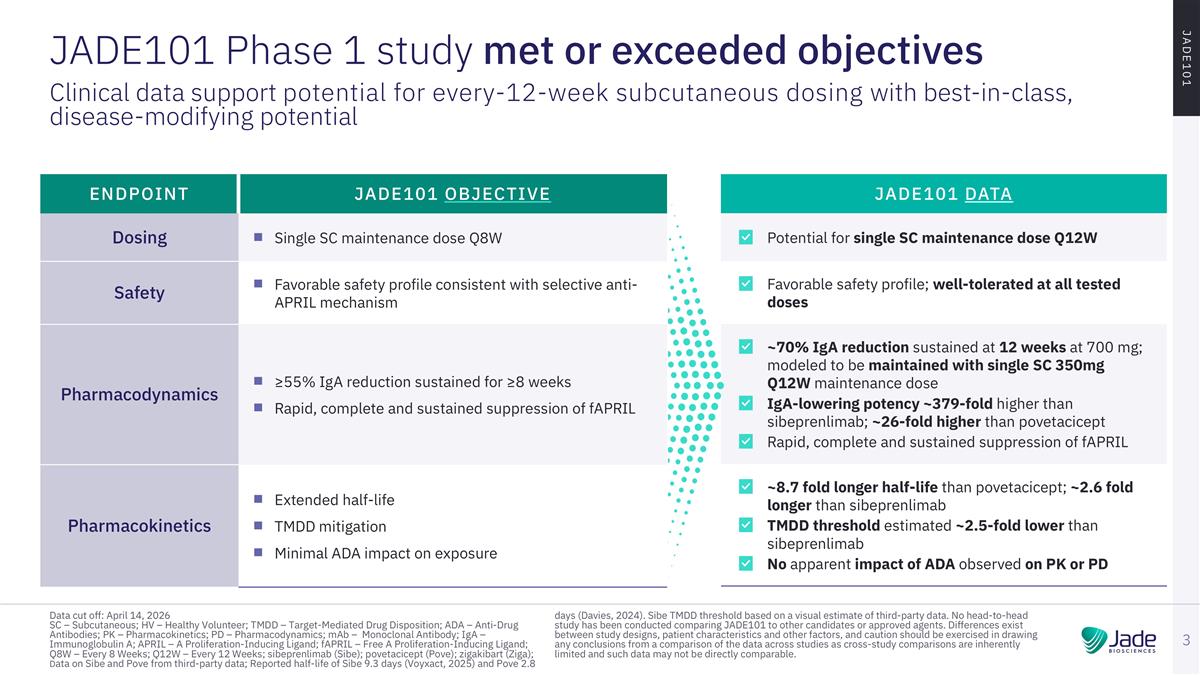
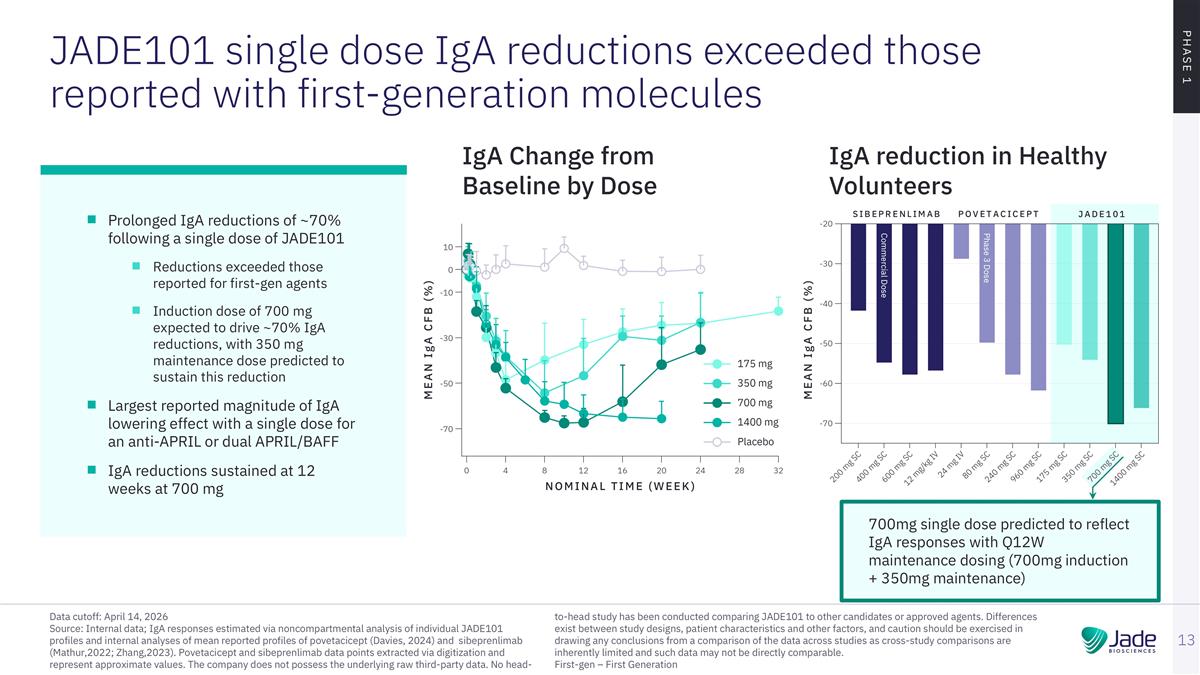
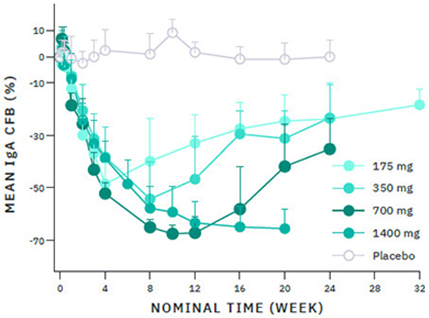
Mean IgA reductions reached approximately 70% from baseline and were sustained at 12 weeks at the 700 mg dose; this dose is anticipated to reflect the steady-state IgA responses in IgAN patients with the planned JADE101 dosing strategy


IgA-lowering effect observed to be deeper, faster, and more durable following a single dose of JADE101 than with first-generation anti-APRIL or dual APRIL/BAFF inhibitors


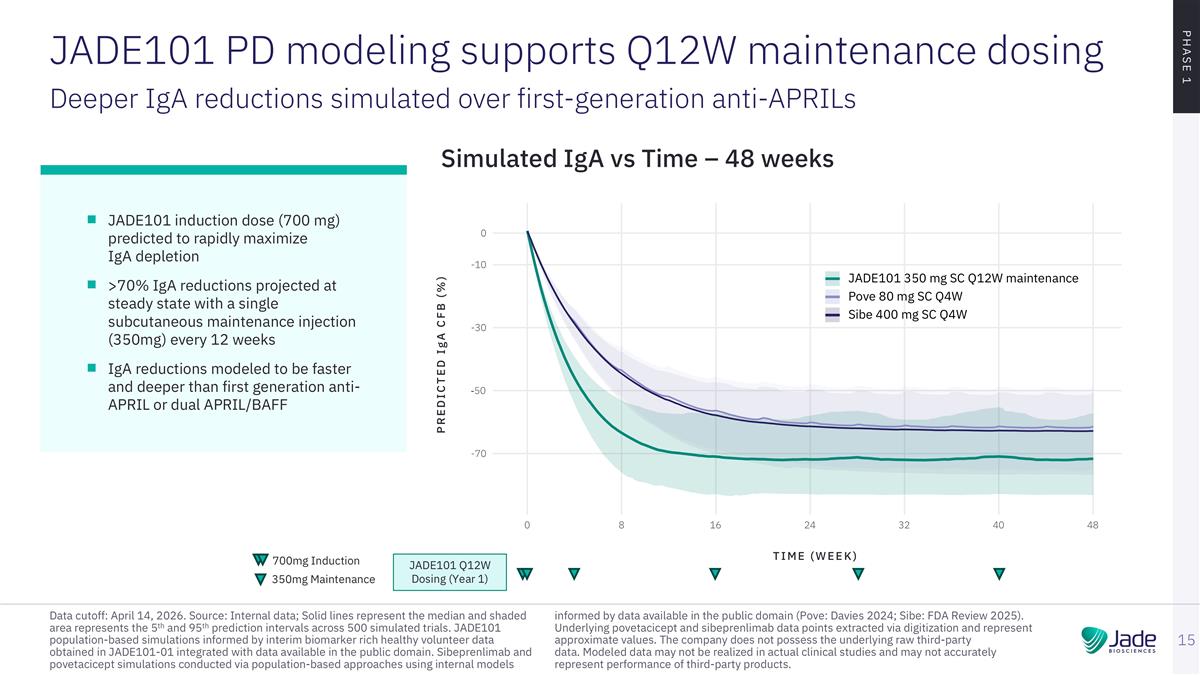
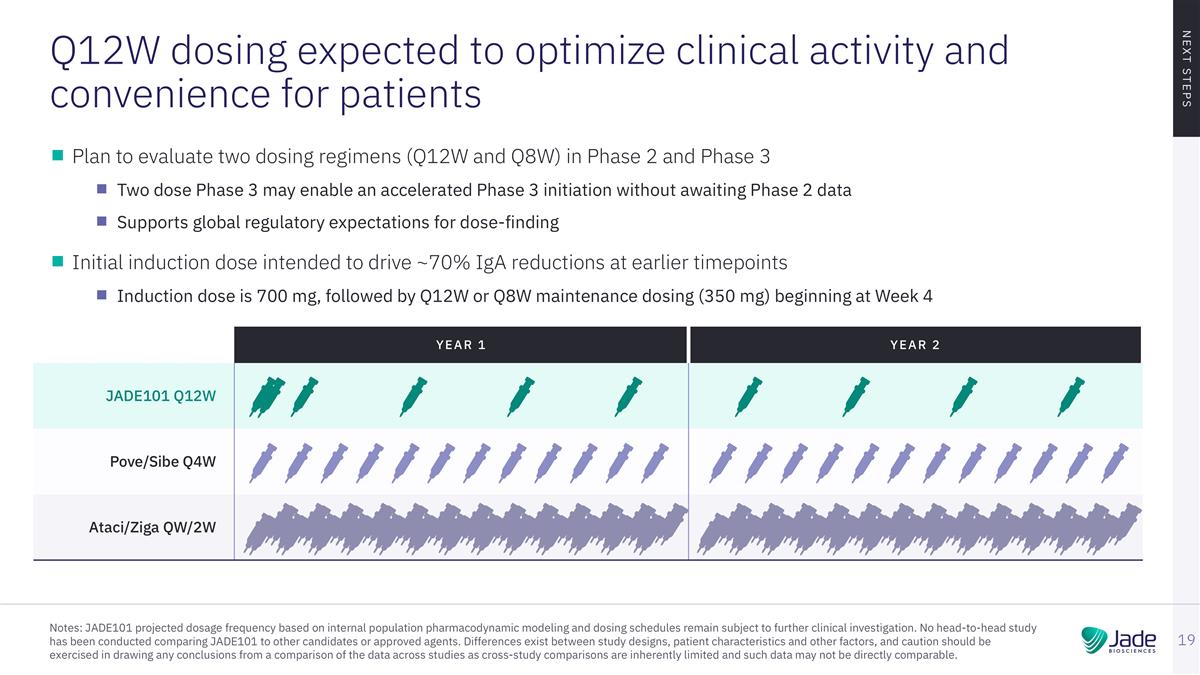
Greater than 70% IgA reductions simulated at steady-state with a single subcutaneous injection of 350 mg of JADE101 every 12 weeks (“Q12W”) following one 700 mg induction dose, which could support best-in-class clinical activity with a convenient dosing regimen of only four injections per year


Figure 1 below shows change from baseline in IgA by dose


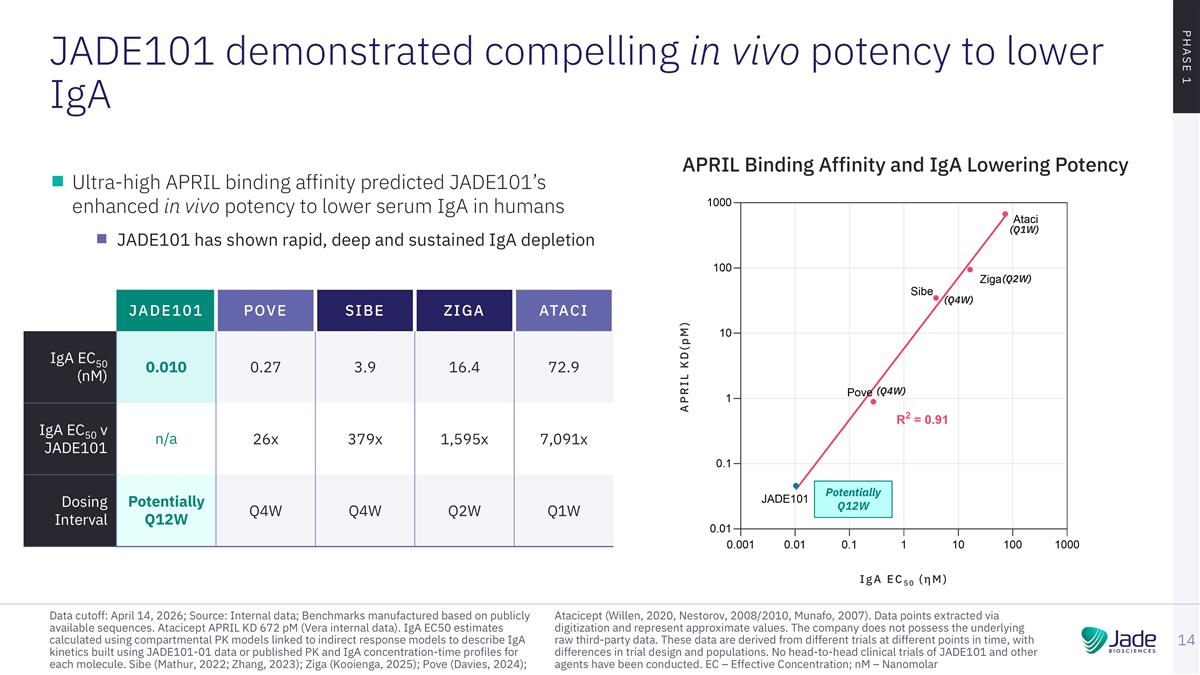
IgA-lowering potency estimated to be approximately 379-fold higher than sibeprenlimab and approximately 26-fold higher than povetacicept


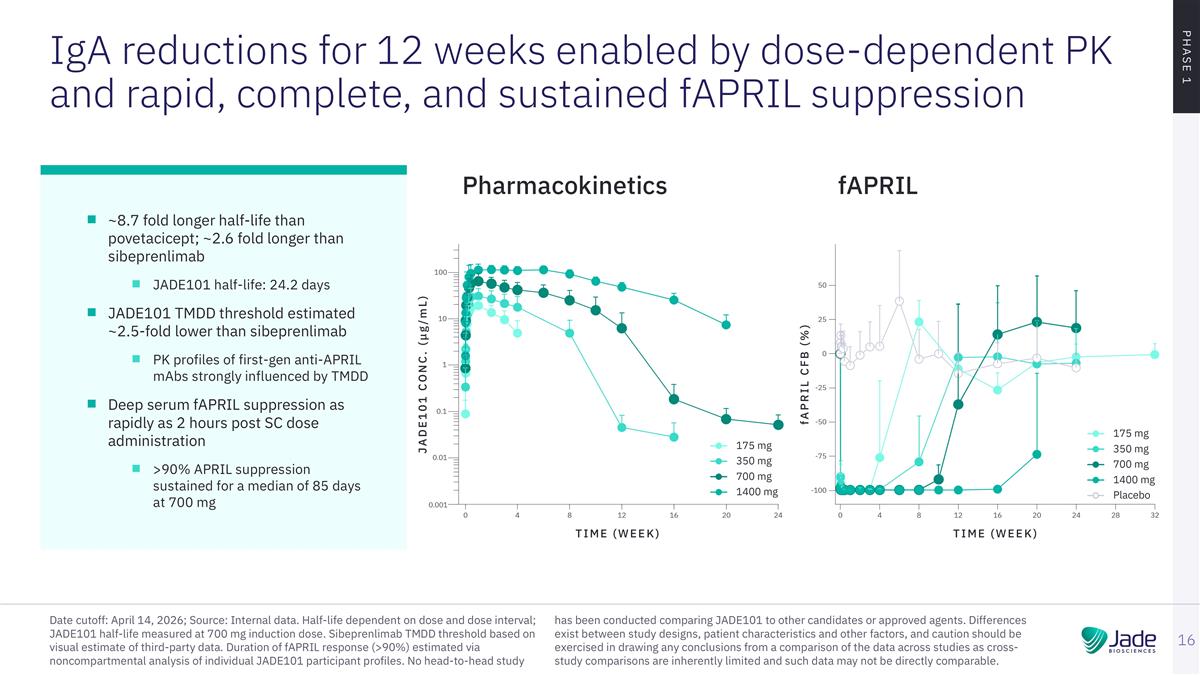
JADE101 achieved rapid, complete and durable suppression of fAPRIL, consistent with the femtomolar APRIL binding affinity of JADE101


Figure 1: IgA change from baseline by dose.
 

LOGO

Favorable Safety Profile; Well-Tolerated Across All Evaluated Subcutaneous Dose Levels


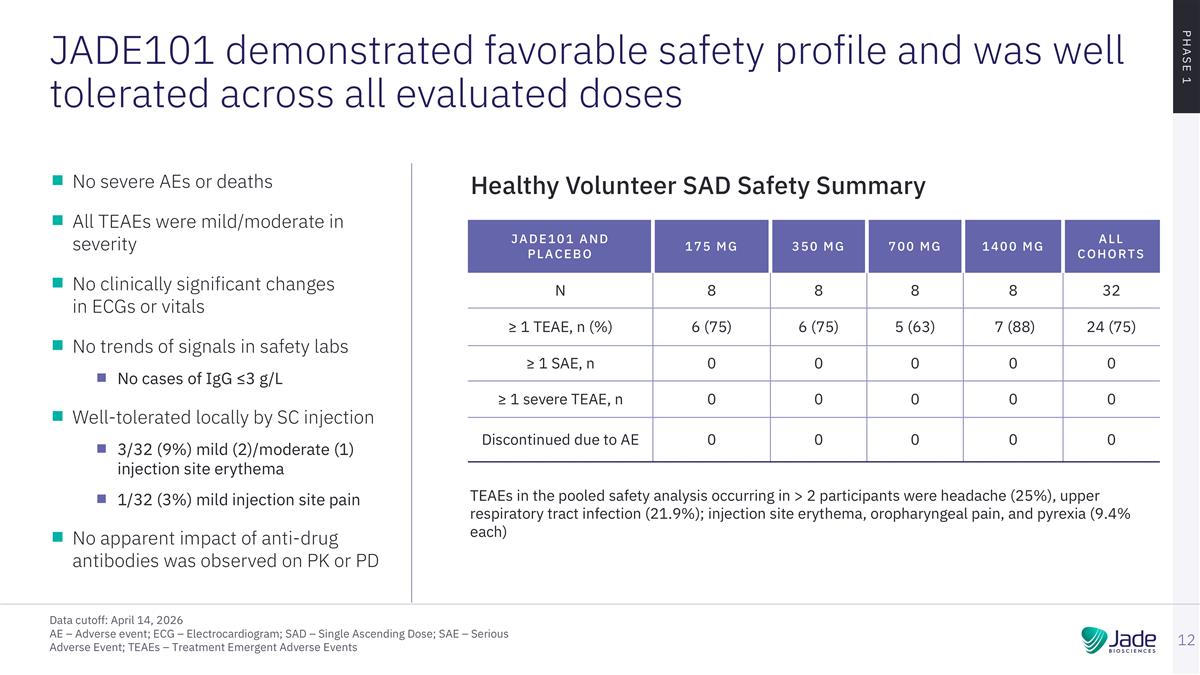
Single subcutaneous doses of JADE101 up to 1,400 mg were well tolerated with an observed safety profile generally consistent with the anti-APRIL class


The most common treatment-emergent adverse events in the pooled safety analysis occurring in more than two participants were headache (25%), upper respiratory tract infection (21.9%), injection site erythema (9.4%), oropharyngeal pain (9.4%) and pyrexia (9.4%)


There were no serious adverse events and no adverse events leading to study discontinuation


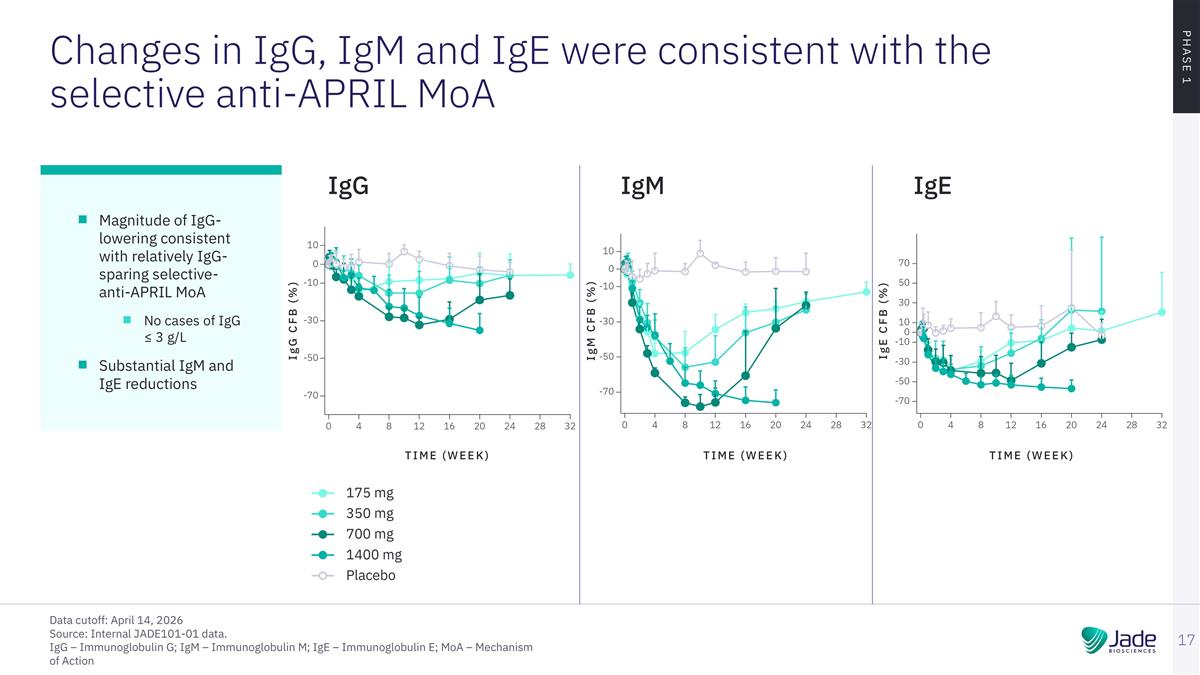
There were no cases of hypogammaglobulinemia, defined as IgG less than or equal to 3 g/L

Differentiated Pharmacokinetic Profile Supports Potential for Convenient Dosing


JADE101 demonstrated dose-dependent increases in exposure across evaluated dose levels


Half-life at steady state for JADE101 was approximately 8.7-fold longer than reported for povetacicept and approximately 2.6-fold longer than reported for sibeprenlimab


Target-mediated drug disposition threshold with JADE101 is estimated to be approximately 2.5-fold lower than reported for sibeprenlimab


No apparent impact of anti-drug antibodies on PK or PD was observed


Baseline Characteristics

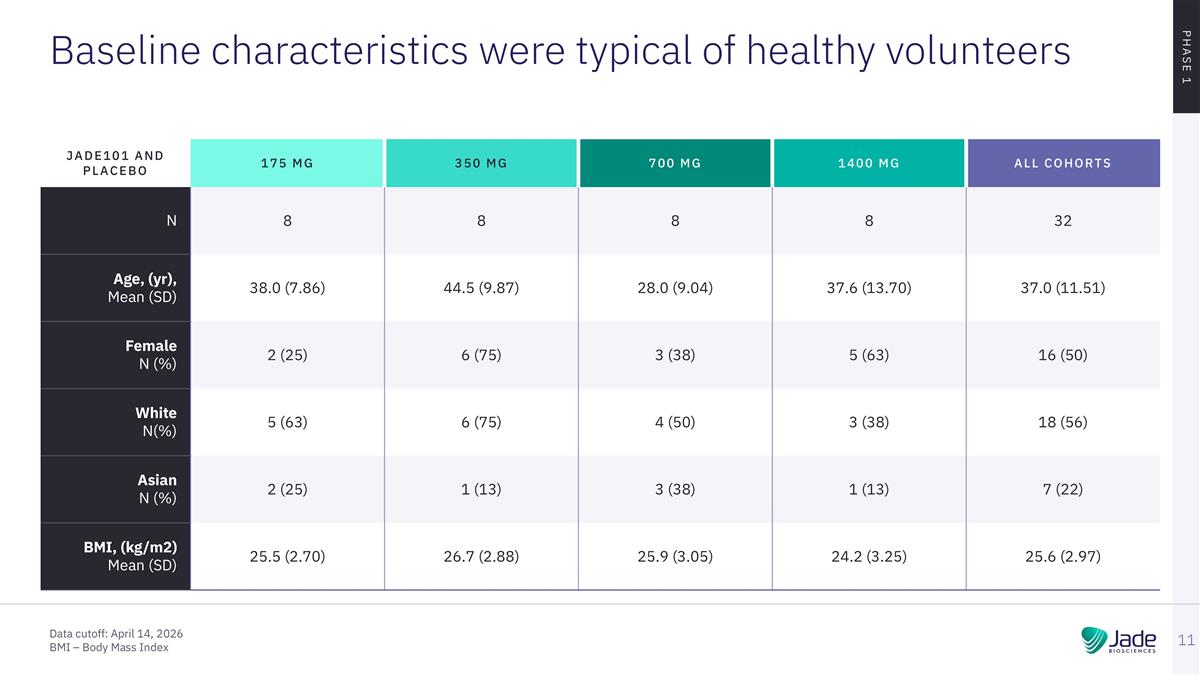
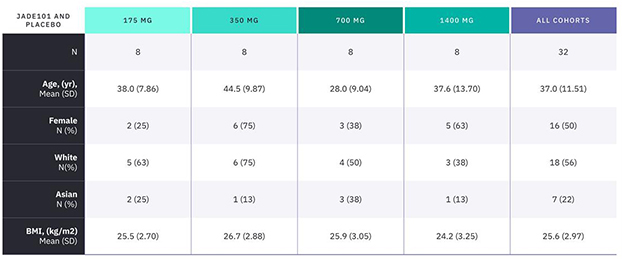
The baseline characteristics of participants from the Phase 1 clinical trial, as of the data cutoff date of April 14, 2026, are summarized below.
 

LOGO

Phase 2 IgAN Trial Underway with Phase 3 Registrational Trial Planned for First Half of 2027

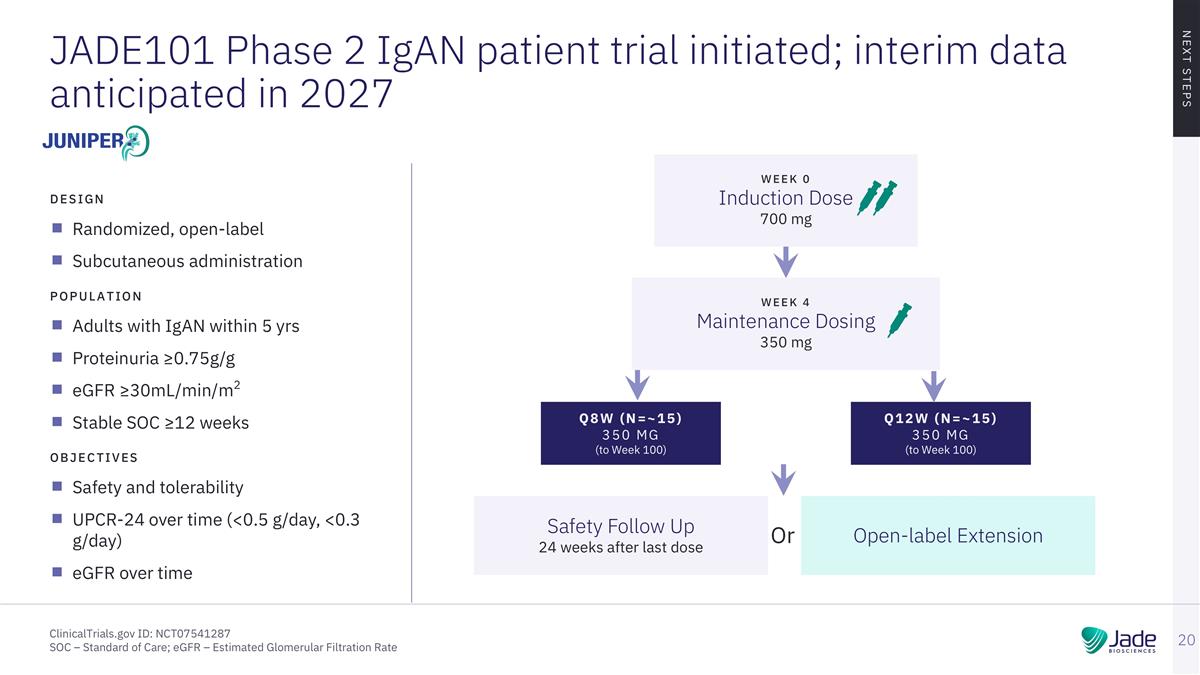
JUNIPER is an ongoing Phase 2 clinical trial evaluating JADE101 in participants with IgAN. The open-label trial is expected to enroll approximately 30 participants. Participants are expected to receive a 700 mg induction dose of JADE101 at treatment onset followed by maintenance doses of 350 mg starting at Week 4 and subsequently either every 8 weeks (n=15) or every 12 weeks (n=15). Evaluating both dose intervals is intended to support accelerated Phase 3 initiation and satisfy global regulatory expectations for dose finding. The primary objectives of the trial are to evaluate the safety and tolerability of JADE101. Secondary and exploratory objectives include changes in 24-hour urine protein-to-creatinine ratio (“UPCR-24”), including the proportion of participants achieving UPCR-24 levels below 0.5 g/day and 0.3 g/day, renal function as measured by estimated glomerular filtration rate, and hematuria resolution over time. Interim clinical data are anticipated in 2027.

Jade plans to initiate a registrational Phase 3 clinical trial in the first half of 2027, pending Food and Drug Administration (“FDA”) requirements.

Forward-Looking Statements

Certain statements in this Current Report on Form 8-K, other than purely historical information, may constitute “forward-looking statements” within the meaning of the federal securities laws, including for purposes of the “safe harbor” provisions under the Private Securities Litigation Reform Act of 1995. These forward-looking statements include, but are not limited to, express or implied statements relating to Jade’s expectations, hopes, beliefs, intentions or strategies regarding the future of its pipeline and business including, without limitation: Jade’s ability to achieve the expected benefits or opportunities with respect to JADE101, including its best-in-class potential; the expected enrollment of the Phase 2 clinical trial of JADE101; the expected timelines for the availability of interim data from the Phase 2 clinical trial of JADE101; Jade’s plans to conduct a Phase 3 clinical trial of JADE101, the design and timing thereof and Jade’s expectations that such trial will serve as a registrational study; Jade’s proposed dosing strategy and its expected optimization of clinical activity and convenience; projected or simulated pharmacodynamic outcomes, including steady-state IgA reductions; and the potential therapeutic uses, efficacy, durability, safety profiles, and dosing of JADE101. The words “opportunity,” “potential,” “milestones,” “pipeline,” “can,” “goal,” “strategy,” “target,” “anticipate,” “achieve,” “believe,” “contemplate,” “continue,” “could,” “estimate,” “expect,” “intends,” “may,” “plan,” “possible,” “project,” “should,” “will,” “would” and similar expressions (including the negatives of these terms or variations of them) may identify forward-looking statements, but the absence of these words does not mean that a statement is not forward-looking. These forward-looking statements are based on current expectations and beliefs concerning future developments and their potential effects.


There can be no assurance that future developments affecting Jade will be those that have been anticipated. These forward-looking statements involve a number of risks, uncertainties (some of which are beyond Jade’s control) or other assumptions that may cause actual results or performance to be materially different from those expressed or implied by these forward-looking statements. These risks and uncertainties include, but are not limited to: interim results of a clinical trial are not necessarily indicative of final results and one or more of the outcomes may materially change following more comprehensive reviews of the data, as follow-up on the outcome of any particular participant continues and as more participant or final data becomes available; modeled and predicted data for JADE101 may not be realized in actual clinical studies and may not accurately represent performance of third-party products; the ongoing and planned clinical trials of JADE101 and any other clinical trials may be delayed or may not demonstrate desirable efficacy or predicted performance; Jade’s planned JADE101 Phase 3 clinical trial may be delayed based on FDA feedback or requirements, as the FDA retains broad discretion to require additional clinical data for any product candidate prior to the conduct of a Phase 3 clinical trial or submission for regulatory approval; even if such Phase 3 trial is successful, it may not support regulatory approval; adverse events and safety signals may occur; Jade may experience unanticipated costs, difficulties or delays in the product development process; Jade’s product candidates may be delayed to a point where they are not commercially viable; clinical trial start up, enrollment or regulatory challenges may occur; challenges associated with Jade’s dependence on third-party vendors for the development, manufacture and supply of its product candidates may occur; Jade may use its capital resources sooner than expected; and the other risks, uncertainties and factors more fully described in Jade’s most recent filings with the Securities and Exchange Commission (including the Quarterly Report on Form 10-Q for the quarter ended March 31, 2026). Should one or more of these risks or uncertainties materialize, or should any of Jade’s assumptions prove incorrect, actual results may vary in material respects from those projected in these forward-looking statements. You should not place undue reliance on forward-looking statements in this communication, which speak only as of the date they are made and are qualified in their entirety by reference to the cautionary statements herein. Jade does not undertake or accept any duty to release publicly any updates or revisions to any forward-looking statements. This communication does not purport to summarize all of the conditions, risks and other attributes of an investment in Jade. No head-to-head study has been conducted comparing JADE101 to other candidates or approved agents. Differences exist between study designs, patient characteristics and other factors, and caution should be exercised in drawing any conclusions from a comparison of the data across studies as cross-study comparisons are inherently limited and such data may not be directly comparable. In addition, data from third party products have been extracted via digitization and represent approximate values.


Item 9.01.

Financial Statements and Exhibits.

(d) Exhibits


Exhibit

Number

   Description
99.1    Slide Presentation
104    Cover Page Interactive Data File (embedded within the Inline XBRL document)


SIGNATURE

Pursuant to the requirements of the Securities Exchange Act of 1934, the registrant has duly caused this report to be signed on its behalf by the undersigned hereunto duly authorized.


    Jade Biosciences, Inc.
Date: June 1, 2026     By:  

/s/ Bradford Dahms

    Name:   Bradford Dahms
    Title:   Chief Financial Officer and Treasurer

Slide 1

JADE101 Phase 1 Interim Data Conference Call June 1, 2026 Nasdaq: jbio Exhibit 99.1


Slide 2

Disclaimers Forward Looking Statements Certain statements contained in or made orally during this presentation, other than purely historical information, may constitute “forward-looking statements” within the meaning of the federal securities laws, including for purposes of the “safe harbor” provisions under the Private Securities Litigation Reform Act of 1995. These forward-looking statements include, but are not limited to, express or implied statements relating to Jade’s expectations, hopes, beliefs, intentions or strategies regarding the future of its pipeline and business including, without limitation: Jade’s ability to achieve the expected benefits or opportunities with respect to JADE101, including its best-in-class potential; the expected enrollment of the Phase 2 clinical trial of JADE101; the expected timelines for the availability of interim data from the Phase 2 clinical trial of JADE101;  Jade’s plans to conduct a Phase 3 clinical trial of JADE101, the design and timing thereof and Jade’s expectations that such trial will serve as a registrational study; Jade’s proposed dosing strategy and its expected optimization of clinical activity and convenience; projected or simulated pharmacodynamic outcomes, including steady-state IgA reductions, and the potential therapeutic uses, efficacy, durability, safety profiles, and dosing of JADE101. The words “opportunity,” “potential,” “milestones,” “pipeline,” “can,” “goal,” “strategy,” “target,” “anticipate,” “achieve,” “believe,” “contemplate,” “continue,” “could,” “estimate,” “expect,” “intends,” “may,” “plan,” “possible,” “project,” “should,” “will,” “would” and similar expressions (including the negatives of these terms or variations of them) may identify forward-looking statements, but the absence of these words does not mean that a statement is not forward-looking. These forward-looking statements are based on current expectations and beliefs concerning future developments and their potential effects. Management believes these forward looking statements are reasonable as of the time made. There can be no assurance that future developments affecting Jade will be those that have been anticipated. These forward-looking statements involve a number of risks, uncertainties (some of which are beyond Jade’s control) or other assumptions that may cause actual results or performance to be materially different from those expressed or implied by these forward-looking statements. These risks and uncertainties include, but are not limited to: interim results of a clinical trial are not necessarily indicative of final results and one or more of the outcomes may materially change following more comprehensive reviews of the data, as follow-up on the outcome of any particular participant continues and as more participant or final data becomes available; modeled and predicted data for JADE101 may not be realized in actual clinical studies and may not accurately represent performance of third party agents; the ongoing and planned clinical trials of JADE101 and any other clinical trials may be delayed or may not demonstrate desirable efficacy or predicted performance; Jade’s planned JADE101 Phase 3 clinical trial  may be delayed based on FDA feedback or requirements, as the FDA retains broad discretion to require additional clinical data for any product candidate prior to the conduct of a Phase 3 clinical trial or submission for regulatory approval; even if such Phase 3 trial is successful, it may not support regulatory approval; adverse events and safety signals may occur; Jade may experience unanticipated costs, difficulties or delays in the product development process; Jade’s product candidates may be delayed to a point where they are not commercially viable; clinical trial start up, enrollment or regulatory challenges may occur; challenges associated with Jade’s dependence on third-party vendors for the development, manufacture and supply of its product candidates may occur; Jade may use its capital resources sooner than expected; and the other risks, uncertainties and factors more fully described in Jade’s most recent filings with the Securities and Exchange Commission (including the Quarterly Report on Form 10-Q for the quarter ended March 31, 2026). Should one or more of these risks or uncertainties materialize, or should any of Jade’s assumptions prove incorrect, actual results may vary in material respects from those projected in these forward-looking statements. You should not place undue reliance on forward-looking statements in this communication, which speak only as of the date they are made and are qualified in their entirety by reference to the cautionary statements herein. Jade does not undertake or accept any duty to release publicly any updates or revisions to any forward-looking statements. This communication does not purport to summarize all of the conditions, risks and other attributes of an investment in Jade. Market and Industry Data; Cross-Study Comparisons  Certain information contained in this presentation and statements made orally during this presentation relate to or are based on studies, publications and other data obtained from third-party sources as well as our own internal estimates and research. While we believe these third-party sources to be reliable as of the date of this presentation, we have not independently verified, and make no representation as to the adequacy, fairness, accuracy or completeness of, any information obtained from third party sources. Forecasts and other forward-looking information obtained from these sources are subject to the same qualifications and uncertainties as the other forward-looking statements in this presentation. Statements as to our market and competitive position data are based on market data currently available to us, as well as management’s internal analyses and assumptions regarding the company, which involve certain assumptions and estimates. These internal analyses have not been verified by any independent sources, and there can be no assurance that the assumptions or estimates are accurate. While we are not aware of any misstatements regarding our industry data presented herein, our estimates involve risks and uncertainties and are subject to change based on various factors. As a result, we cannot guarantee the accuracy or completeness of such information contained in this presentation. This presentation contains comparisons of data across separate, non-head-to-head studies. No head-to-head study has been conducted comparing JADE101 to other candidates or approved agents.  Differences may exist between study designs, patient characteristics and other factors, and caution should be exercised in drawing any conclusions from a comparison of the data across studies as cross-study comparisons are inherently limited and such data may not be directly comparable.  In addition, data from third party products have been extracted via digitization and represent approximate values.


Slide 3

JADE101 Phase 1 study met or exceeded objectives JADE101 Clinical data support potential for every-12-week subcutaneous dosing with best-in-class, disease-modifying potential Data cut off: April 14, 2026 SC – Subcutaneous; HV – Healthy Volunteer; TMDD – Target-Mediated Drug Disposition; ADA – Anti-Drug Antibodies; PK – Pharmacokinetics; PD – Pharmacodynamics; mAb – Monoclonal Antibody; IgA – Immunoglobulin A; APRIL – A Proliferation-Inducing Ligand; fAPRIL – Free A Proliferation-Inducing Ligand; Q8W – Every 8 Weeks; Q12W – Every 12 Weeks; sibeprenlimab (Sibe); povetacicept (Pove); zigakibart (Ziga); Data on Sibe and Pove from third-party data; Reported half-life of Sibe 9.3 days (Voyxact, 2025) and Pove 2.8 days (Davies, 2024). Sibe TMDD threshold based on a visual estimate of third-party data. No head-to-head study has been conducted comparing JADE101 to other candidates or approved agents. Differences exist between study designs, patient characteristics and other factors, and caution should be exercised in drawing any conclusions from a comparison of the data across studies as cross-study comparisons are inherently limited and such data may not be directly comparable.  Endpoint JADE101 Objective Dosing​ Single SC maintenance dose Q8W Safety Favorable safety profile consistent with selective anti-APRIL mechanism Pharmacodynamics ≥55% IgA reduction sustained for ≥8 weeks Rapid, complete and sustained suppression of fAPRIL Pharmacokinetics Extended half-life TMDD mitigation Minimal ADA impact on exposure JADE101 DATA Potential for single SC maintenance dose Q12W Favorable safety profile; well-tolerated at all tested doses ~70% IgA reduction sustained at 12 weeks at 700 mg; modeled to be maintained with single SC 350mg Q12W maintenance dose IgA-lowering potency ~379-fold higher than sibeprenlimab; ~26-fold higher than povetacicept Rapid, complete and sustained suppression of fAPRIL ~8.7 fold longer half-life than povetacicept; ~2.6 fold longer than sibeprenlimab TMDD threshold estimated ~2.5-fold lower than sibeprenlimab No apparent impact of ADA observed on PK or PD


Slide 4

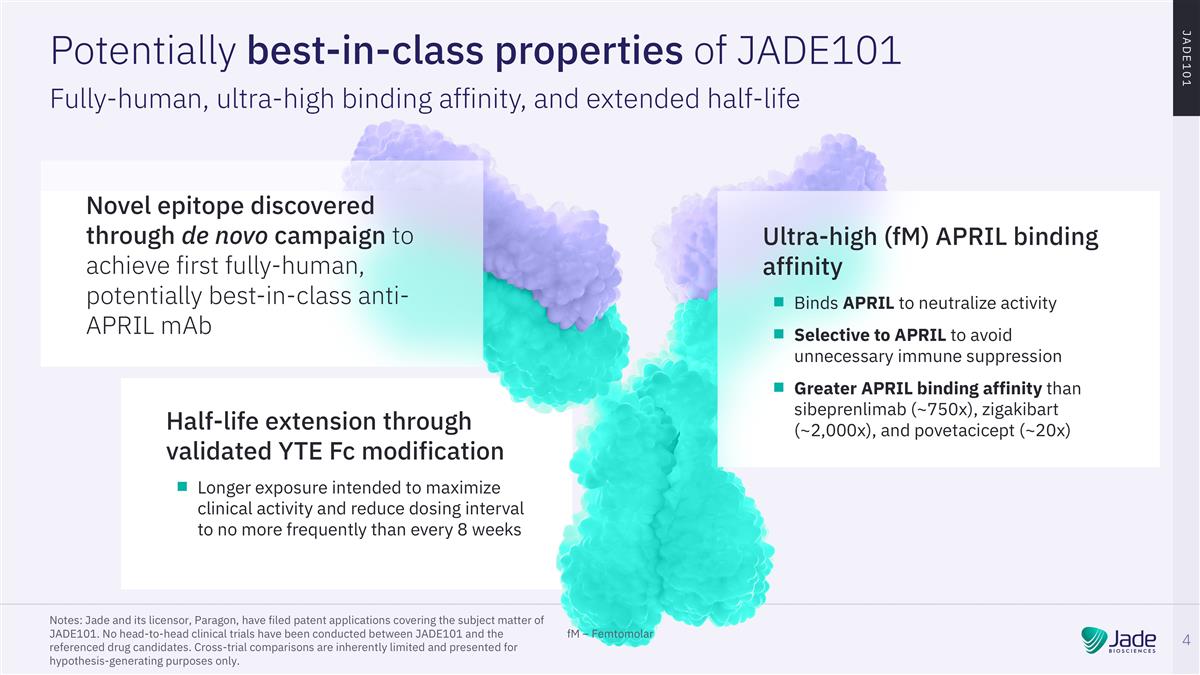
Half-life extension through validated YTE Fc modification Longer exposure intended to maximize clinical activity and reduce dosing interval to no more frequently than every 8 weeks Potentially best-in-class properties of JADE101 Fully-human, ultra-high binding affinity, and extended half-life Notes: Jade and its licensor, Paragon, have filed patent applications covering the subject matter of JADE101. No head-to-head clinical trials have been conducted between JADE101 and the referenced drug candidates. Cross-trial comparisons are inherently limited and presented for hypothesis-generating purposes only. fM – Femtomolar Ultra-high (fM) APRIL binding affinity Binds APRIL to neutralize activity Selective to APRIL to avoid unnecessary immune suppression Greater APRIL binding affinity than sibeprenlimab (~750x), zigakibart (~2,000x), and povetacicept (~20x) Novel epitope discovered through de novo campaign to achieve first fully-human, potentially best-in-class anti-APRIL mAb Jade101


Slide 5

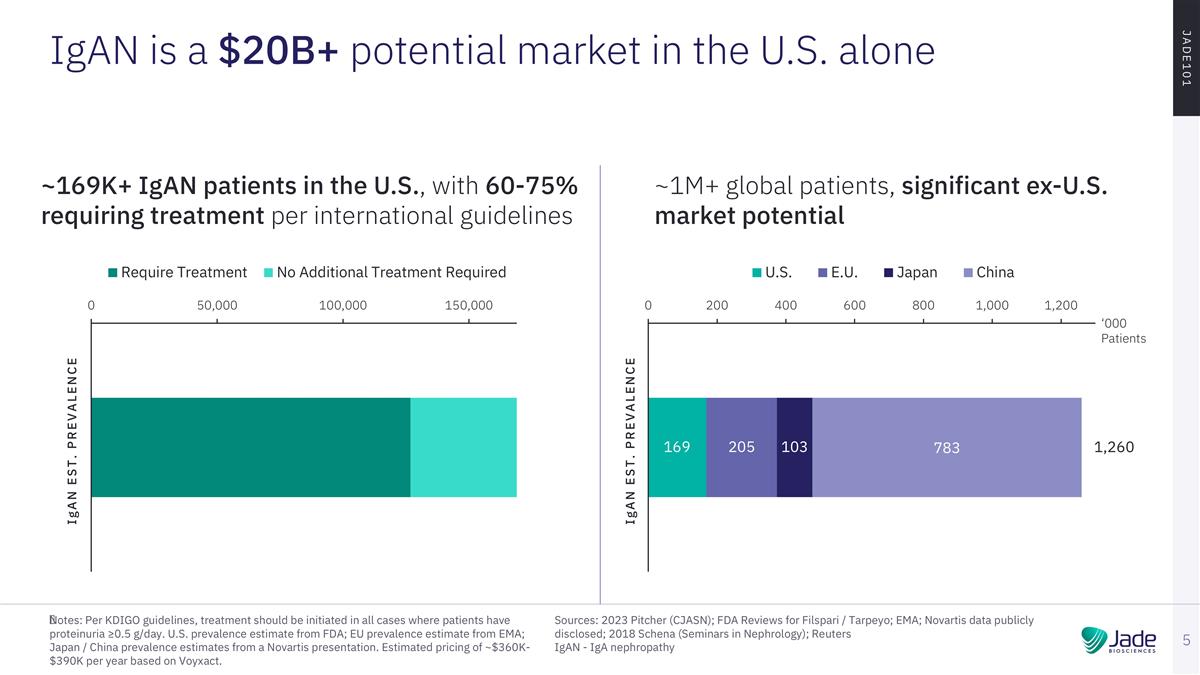
IgAN is a $20B+ potential market in the U.S. alone ~169K+ IgAN patients in the U.S., with 60-75% requiring treatment per international guidelines ~1M+ global patients, significant ex-U.S. market potential Notes: Per KDIGO guidelines, treatment should be initiated in all cases where patients have proteinuria ≥0.5 g/day. U.S. prevalence estimate from FDA; EU prevalence estimate from EMA; Japan / China prevalence estimates from a Novartis presentation. Estimated pricing of ~$360K-$390K per year based on Voyxact. Sources: 2023 Pitcher (CJASN); FDA Reviews for Filspari / Tarpeyo; EMA; Novartis data publicly disclosed; 2018 Schena (Seminars in Nephrology); Reuters IgAN - IgA nephropathy Jade101


Slide 6

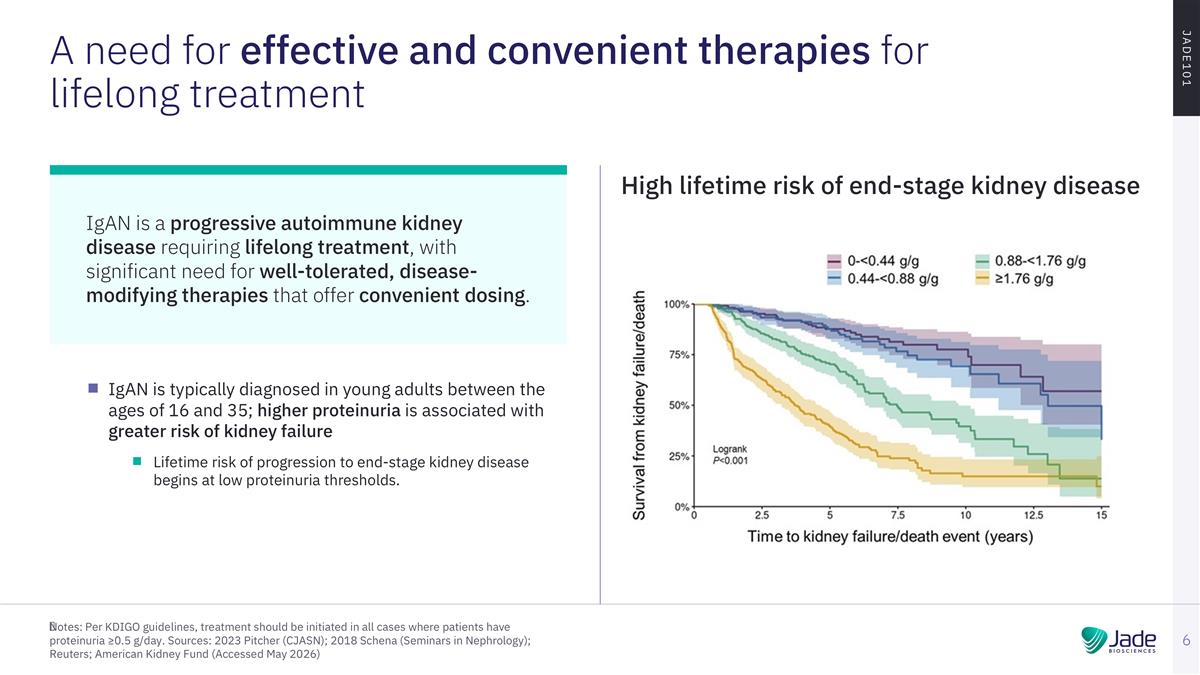
High lifetime risk of end-stage kidney disease A need for effective and convenient therapies for lifelong treatment  IgAN is typically diagnosed in young adults between the ages of 16 and 35; higher proteinuria is associated with greater risk of kidney failure Lifetime risk of progression to end-stage kidney disease begins at low proteinuria thresholds. Notes: Per KDIGO guidelines, treatment should be initiated in all cases where patients have proteinuria ≥0.5 g/day. Sources: 2023 Pitcher (CJASN); 2018 Schena (Seminars in Nephrology); Reuters; American Kidney Fund (Accessed May 2026) Jade101 IgAN is a progressive autoimmune kidney disease requiring lifelong treatment, with significant need for well-tolerated, disease-modifying therapies that offer convenient dosing.


Slide 7

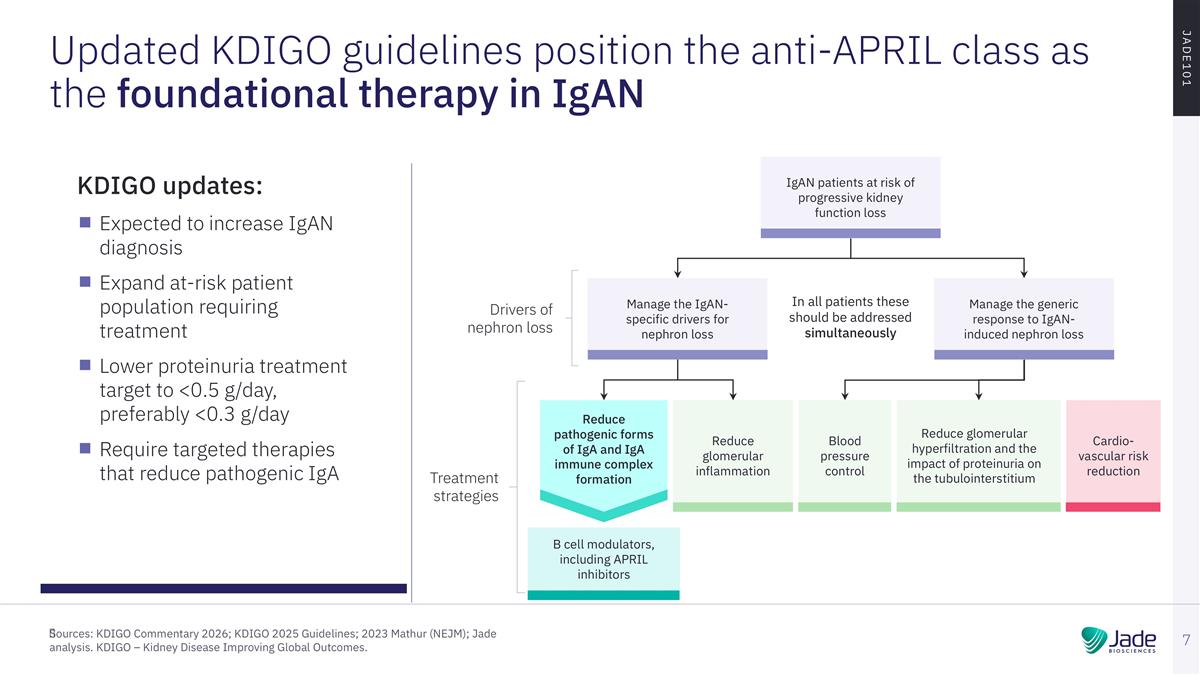
Updated KDIGO guidelines position the anti-APRIL class as the foundational therapy in IgAN KDIGO updates: Expected to increase IgAN diagnosis Expand at-risk patient population requiring treatment Lower proteinuria treatment target to <0.5 g/day, preferably <0.3 g/day Require targeted therapies that reduce pathogenic IgA Sources: KDIGO Commentary 2026; KDIGO 2025 Guidelines; 2023 Mathur (NEJM); Jade analysis. KDIGO – Kidney Disease Improving Global Outcomes. Jade101 Drivers of nephron loss In all patients these should be addressed simultaneously Reduce pathogenic forms of IgA and IgA immune complex formation Treatment strategies IgAN patients at risk of progressive kidney function loss Manage the IgAN-specific drivers for nephron loss Manage the generic response to IgAN-induced nephron loss Cardio-vascular risk reduction Reduce glomerular hyperfiltration and the impact of proteinuria on the tubulointerstitium Blood pressure control Reduce glomerular inflammation B cell modulators, including APRIL inhibitors


Slide 8

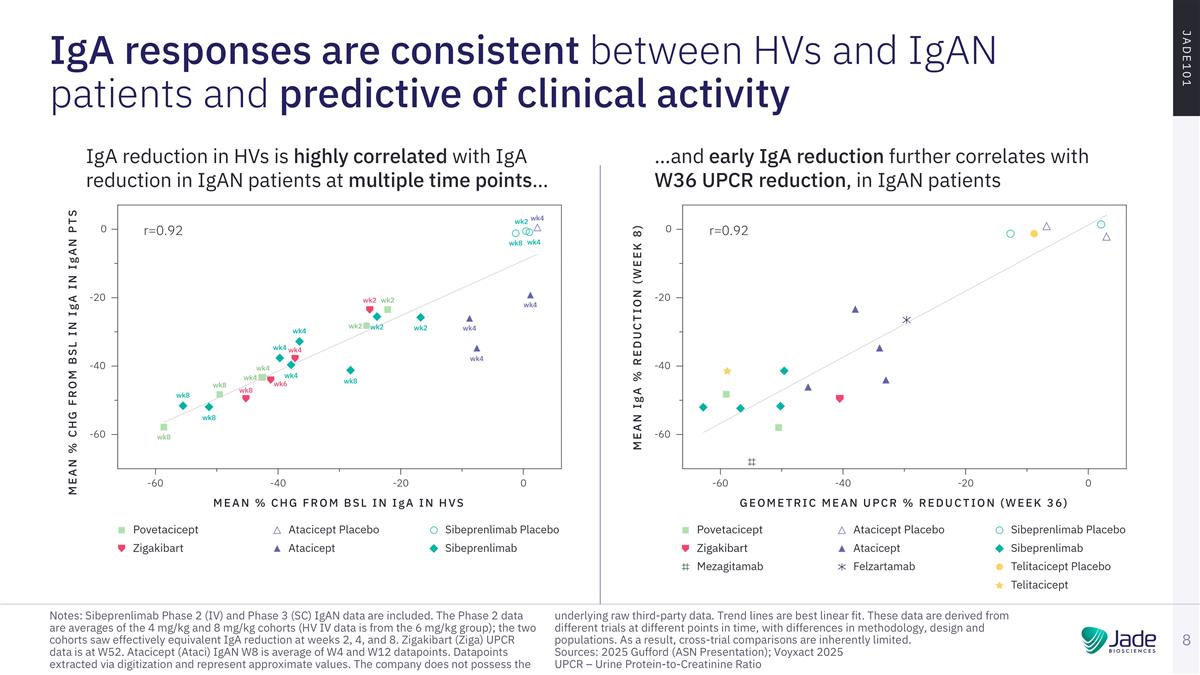
IgA responses are consistent between HVs and IgAN patients and predictive of clinical activity IgA reduction in HVs is highly correlated with IgA reduction in IgAN patients at multiple time points… …and early IgA reduction further correlates with W36 UPCR reduction, in IgAN patients Jade101 Notes: Sibeprenlimab Phase 2 (IV) and Phase 3 (SC) IgAN data are included. The Phase 2 data are averages of the 4 mg/kg and 8 mg/kg cohorts (HV IV data is from the 6 mg/kg group); the two cohorts saw effectively equivalent IgA reduction at weeks 2, 4, and 8. Zigakibart (Ziga) UPCR data is at W52. Atacicept (Ataci) IgAN W8 is average of W4 and W12 datapoints. Datapoints extracted via digitization and represent approximate values. The company does not possess the underlying raw third-party data. Trend lines are best linear fit. These data are derived from different trials at different points in time, with differences in methodology, design and populations. As a result, cross-trial comparisons are inherently limited. Sources: 2025 Gufford (ASN Presentation); Voyxact 2025 UPCR – Urine Protein-to-Creatinine Ratio MEAN % CHG FROM BSL IN IgA IN IgAN PTS MEAN % CHG FROM BSL IN IgA IN HVS MEAN IgA % REDUCTION (WEEK 8) GEOMETRIC MEAN UPCR % REDUCTION (WEEK 36) r=0.92 r=0.92


Slide 9

JADE101 Interim Phase 1 Data


Slide 10

JADE101 Phase 1 study ongoing Design Randomized, double-blind, placebo-controlled Single ascending dose Subcutaneous administration (175 mg/mL) Population 32 healthy adult volunteers N=8 per cohort (6:2 active:placebo) Objectives Primary: Safety and tolerability Secondary: Pharmacokinetics Exploratory: Pharmacodynamics (APRIL, IgA, immunoglobulins); Immunogenicity Dose levels and length of follow-up to date Phase 1 175MG SC: N = 6:2 Follow-up: ~8 months 350MG SC: N = 6:2 Maintenance dose Follow-up: ~7 months Planned maintenance dose in Phase 2 and Phase 3 700MG SC: N = 6:2 Induction dose Follow-up: ~6 months Planned induction dose in Phase 2 and Phase 3 1,400MG SC: N = 6:2 Follow-up: ~5 months Notes: ClinicalTrials.gov ID: NCT07059312. Numbers presented as subjects receiving JADE101 relative to placebo. Each cohort included a sentinel group, n = 2 (1 JADE101, 1 placebo); remainder dosed after safety clearance.


Slide 11

Baseline characteristics were typical of healthy volunteers Phase 1 Data cutoff: April 14, 2026 BMI – Body Mass Index JADE101 and Placebo 175 mg 350 mg 700 mg 1400 mg All cohorts N 8 8 8 8 32 Age, (yr), Mean (SD) 38.0 (7.86) 44.5 (9.87) 28.0 (9.04) 37.6 (13.70) 37.0 (11.51) Female N (%) 2 (25) 6 (75) 3 (38) 5 (63) 16 (50) White N(%) 5 (63) 6 (75) 4 (50) 3 (38) 18 (56) Asian N (%) 2 (25) 1 (13) 3 (38) 1 (13) 7 (22) BMI, (kg/m2) Mean (SD) 25.5 (2.70) 26.7 (2.88) 25.9 (3.05) 24.2 (3.25) 25.6 (2.97)


Slide 12

JADE101 demonstrated favorable safety profile and was well tolerated across all evaluated doses No severe AEs or deaths All TEAEs were mild/moderate in severity  No clinically significant changes in ECGs or vitals No trends of signals in safety labs No cases of IgG ≤3 g/L  Well-tolerated locally by SC injection 3/32 (9%) mild (2)/moderate (1) injection site erythema 1/32 (3%) mild injection site pain No apparent impact of anti-drug antibodies was observed on PK or PD Healthy Volunteer SAD Safety Summary Phase 1 JADE101 and Placebo 175 mg 350 mg 700 mg 1400 mg All cohorts N 8 8 8 8 32 ≥ 1 TEAE, n (%) 6 (75) 6 (75) 5 (63) 7 (88) 24 (75) ≥ 1 SAE, n 0 0 0 0 0 ≥ 1 severe TEAE, n 0 0 0 0 0 Discontinued due to AE 0 0 0 0 0 TEAEs in the pooled safety analysis occurring in > 2 participants were headache (25%), upper respiratory tract infection (21.9%); injection site erythema, oropharyngeal pain, and pyrexia (9.4% each) Data cutoff: April 14, 2026 AE – Adverse event; ECG – Electrocardiogram; SAD – Single Ascending Dose; SAE – Serious Adverse Event; TEAEs – Treatment Emergent Adverse Events


Slide 13

JADE101 single dose IgA reductions exceeded those reported with first-generation molecules Data cutoff: April 14, 2026 Source: Internal data; IgA responses estimated via noncompartmental analysis of individual JADE101 profiles and internal analyses of mean reported profiles of povetacicept (Davies, 2024) and sibeprenlimab (Mathur,2022; Zhang,2023). Povetacicept and sibeprenlimab data points extracted via digitization and represent approximate values. The company does not possess the underlying raw third-party data. No head-to-head study has been conducted comparing JADE101 to other candidates or approved agents. Differences exist between study designs, patient characteristics and other factors, and caution should be exercised in drawing any conclusions from a comparison of the data across studies as cross-study comparisons are inherently limited and such data may not be directly comparable. First-gen – First Generation Prolonged IgA reductions of ~70% following a single dose of JADE101 Reductions exceeded those reported for first-gen agents Induction dose of 700 mg expected to drive ~70% IgA reductions, with 350 mg maintenance dose predicted to sustain this reduction Largest reported magnitude of IgA lowering effect with a single dose for an anti-APRIL or dual APRIL/BAFF IgA reductions sustained at 12 weeks at 700 mg Phase 1 MEAN IgA CFB (%) Nominal Time (week) IgA Change from Baseline by Dose IgA reduction in Healthy Volunteers MEAN IgA CFB (%) Sibeprenlimab Povetacicept Jade101 700mg single dose predicted to reflect IgA responses with Q12W maintenance dosing (700mg induction + 350mg maintenance)


Slide 14

Ultra-high APRIL binding affinity predicted JADE101’s enhanced in vivo potency to lower serum IgA in humans JADE101 has shown rapid, deep and sustained IgA depletion JADE101 demonstrated compelling in vivo potency to lower IgA PHASE 1 APRIL KD(pM) IgA EC50 (ηM) Jade101 Pove Sibe Ziga Ataci IgA EC50 (nM) 0.010 0.27 3.9 16.4 72.9 IgA EC50 v JADE101 n/a 26x 379x 1,595x 7,091x Dosing Interval Potentially Q12W Q4W Q4W Q2W Q1W Data cutoff: April 14, 2026; Source: Internal data; Benchmarks manufactured based on publicly available sequences. Atacicept APRIL KD 672 pM (Vera internal data). IgA EC50 estimates calculated using compartmental PK models linked to indirect response models to describe IgA kinetics built using JADE101-01 data or published PK and IgA concentration-time profiles for each molecule. Sibe (Mathur, 2022; Zhang, 2023); Ziga (Kooienga, 2025); Pove (Davies, 2024); Atacicept (Willen, 2020, Nestorov, 2008/2010, Munafo, 2007). Data points extracted via digitization and represent approximate values. The company does not possess the underlying raw third-party data. These data are derived from different trials at different points in time, with differences in trial design and populations. No head-to-head clinical trials of JADE101 and other agents have been conducted. EC – Effective Concentration; nM – Nanomolar (Q1W) (Q2W) (Q4W) (Q4W) Potentially Q12W APRIL Binding Affinity and IgA Lowering Potency


Slide 15

0 -10 -30 -50 -70 0 8 16 24 32 40 48 JADE101 350 mg SC Q12W maintenance Pove 80 mg SC Q4W Sibe 400 mg SC Q4W JADE101 PD modeling supports Q12W maintenance dosing Deeper IgA reductions simulated over first-generation anti-APRILs JADE101 induction dose (700 mg) predicted to rapidly maximize IgA depletion >70% IgA reductions projected at steady state with a single subcutaneous maintenance injection (350mg) every 12 weeks  IgA reductions modeled to be faster and deeper than first generation anti-APRIL or dual APRIL/BAFF PHASE 1 Data cutoff: April 14, 2026. Source: Internal data; Solid lines represent the median and shaded area represents the 5th and 95th prediction intervals across 500 simulated trials. JADE101 population-based simulations informed by interim biomarker rich healthy volunteer data obtained in JADE101-01 integrated with data available in the public domain. Sibeprenlimab and povetacicept simulations conducted via population-based approaches using internal models informed by data available in the public domain (Pove: Davies 2024; Sibe: FDA Review 2025). Underlying povetacicept and sibeprenlimab data points extracted via digitization and represent approximate values. The company does not possess the underlying raw third-party data. Modeled data may not be realized in actual clinical studies and may not accurately represent performance of third-party products. JADE101 Q12W Dosing (Year 1) 700mg Induction 350mg Maintenance PREDICTED IgA CFB (%) Time (week) Simulated IgA vs Time – 48 weeks


Slide 16

Pharmacokinetics fAPRIL JADE101 CONC. (μg/mL) IgA reductions for 12 weeks enabled by dose-dependent PK and rapid, complete, and sustained fAPRIL suppression Date cutoff: April 14, 2026; Source: Internal data. Half-life dependent on dose and dose interval; JADE101 half-life measured at 700 mg induction dose. Sibeprenlimab TMDD threshold based on visual estimate of third-party data. Duration of fAPRIL response (>90%) estimated via noncompartmental analysis of individual JADE101 participant profiles. No head-to-head study has been conducted comparing JADE101 to other candidates or approved agents. Differences exist between study designs, patient characteristics and other factors, and caution should be exercised in drawing any conclusions from a comparison of the data across studies as cross-study comparisons are inherently limited and such data may not be directly comparable. Phase 1 fAPRIL CFB (%) Time (week) ~8.7 fold longer half-life than povetacicept; ~2.6 fold longer than sibeprenlimab JADE101 half-life: 24.2 days JADE101 TMDD threshold estimated ~2.5-fold lower than sibeprenlimab PK profiles of first-gen anti-APRIL mAbs strongly influenced by TMDD Deep serum fAPRIL suppression as rapidly as 2 hours post SC dose administration >90% APRIL suppression sustained for a median of 85 days at 700 mg Time (week)


Slide 17

Changes in IgG, IgM and IgE were consistent with the selective anti-APRIL MoA IgG IgM Magnitude of IgG-lowering consistent with relatively IgG-sparing selective- anti-APRIL MoA No cases of IgG ≤ 3 g/L Substantial IgM and IgE reductions PHASE 1 IgE IgG CFB (%) Time (week) IgM CFB (%) Time (week) IgE CFB (%) Time (week) Data cutoff: April 14, 2026 Source: Internal JADE101-01 data. IgG – Immunoglobulin G; IgM – Immunoglobulin M; IgE – Immunoglobulin E; MoA – Mechanism of Action


Slide 18

JADE101 Next Steps


Slide 19

Plan to evaluate two dosing regimens (Q12W and Q8W) in Phase 2 and Phase 3 Two dose Phase 3 may enable an accelerated Phase 3 initiation without awaiting Phase 2 data Supports global regulatory expectations for dose-finding Initial induction dose intended to drive ~70% IgA reductions at earlier timepoints Induction dose is 700 mg, followed by Q12W or Q8W maintenance dosing (350 mg) beginning at Week 4 Q12W dosing expected to optimize clinical activity and convenience for patients Next steps Year 1 Year 2 JADE101 Q12W Pove/Sibe Q4W Ataci/Ziga QW/2W Notes: JADE101 projected dosage frequency based on internal population pharmacodynamic modeling and dosing schedules remain subject to further clinical investigation. No head-to-head study has been conducted comparing JADE101 to other candidates or approved agents. Differences exist between study designs, patient characteristics and other factors, and caution should be exercised in drawing any conclusions from a comparison of the data across studies as cross-study comparisons are inherently limited and such data may not be directly comparable. 


Slide 20

JADE101 Phase 2 IgAN patient trial initiated; interim data anticipated in 2027 Design Randomized, open-label Subcutaneous administration Population Adults with IgAN within 5 yrs  Proteinuria ≥0.75g/g eGFR ≥30mL/min/m2 Stable SOC ≥12 weeks Objectives Safety and tolerability UPCR-24 over time (<0.5 g/day, <0.3 g/day) eGFR over time Next steps Week 0 Induction Dose 700 mg Q8W (N=~15) 350 MG (to Week 100) Week 4 Maintenance Dosing 350 mg Q12W (N=~15) 350 MG (to Week 100) Safety Follow Up 24 weeks after last dose ClinicalTrials.gov ID: NCT07541287 SOC – Standard of Care; eGFR – Estimated Glomerular Filtration Rate Open-label Extension Or


Slide 21

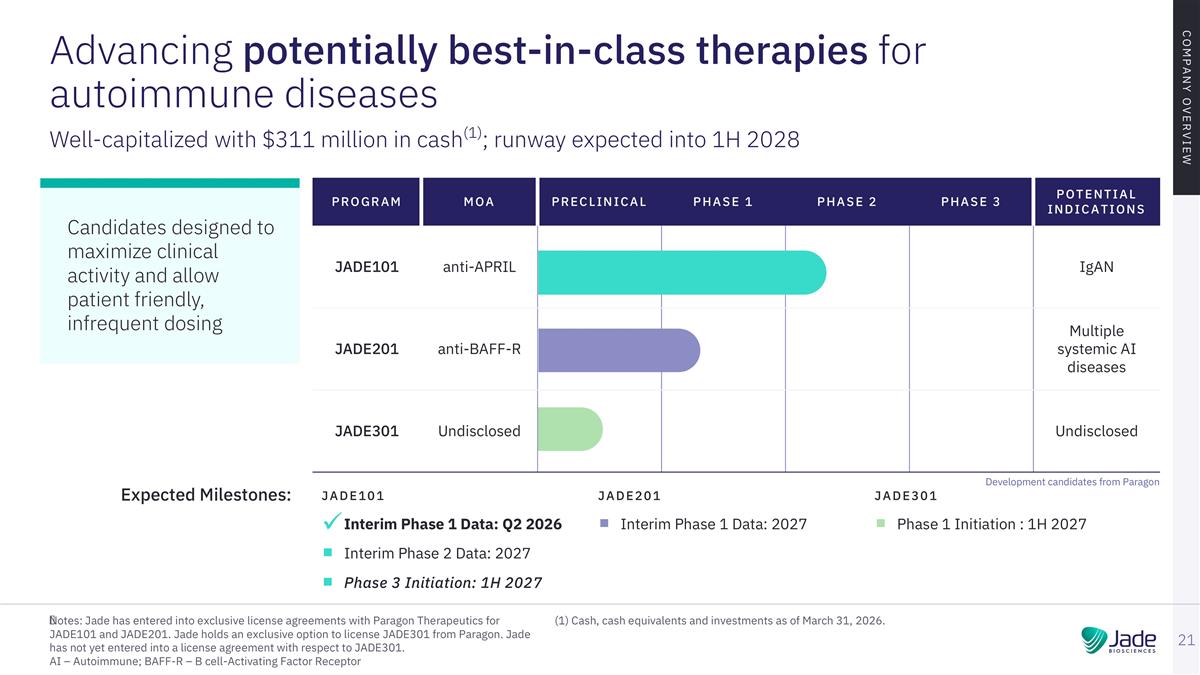
Program MOA preclinical Phase 1 Phase 2 Phase 3 Potential Indications JADE101 anti-APRIL IgAN JADE201 anti-BAFF-R Multiple systemic AI diseases JADE301 Undisclosed Undisclosed Advancing potentially best-in-class therapies for autoimmune diseases Well-capitalized with $311 million in cash(1); runway expected into 1H 2028 Notes: Jade has entered into exclusive license agreements with Paragon Therapeutics for JADE101 and JADE201. Jade holds an exclusive option to license JADE301 from Paragon. Jade has not yet entered into a license agreement with respect to JADE301. AI – Autoimmune; BAFF-R – B cell-Activating Factor Receptor (1) Cash, cash equivalents and investments as of March 31, 2026. Candidates designed to maximize clinical activity and allow patient friendly, infrequent dosing Company overview Development candidates from Paragon Jade101 Interim Phase 1 Data: Q2 2026 Interim Phase 2 Data: 2027 Phase 3 Initiation: 1H 2027 Jade201 Interim Phase 1 Data: 2027 Jade301 Phase 1 Initiation : 1H 2027 Expected Milestones:


Slide 22

Thank you JadeBiosciences.com [email protected] Nasdaq: jbio