Topline Results from the PORTOLA Phase 2a Trial in Autoimmune Hepatitis (AIH) Exhibit 99.2
Forward-Looking Statements and Topline Data Disclaimer The material in this presentation (this “Presentation”) regarding Kezar Life Sciences, Inc. (“Kezar”) is for informational purposes only. This Presentation contains forward-looking statements within the meaning of the Private Securities Litigation Reform Act of 1995. Words such as “may,” “will,” “should,” “expect,” “believe”, “plan” and similar expressions (as well as other words or expressions referencing future events, conditions or circumstances) are intended to identify forward-looking statements. These forward-looking statements are based on Kezar’s expectations and assumptions as of the date of this Presentation. Each of these forward-looking statements involves risks and uncertainties that could cause Kezar’s clinical development programs, future results or performance to differ materially from those expressed or implied by the forward-looking statements. Forward-looking statements contained in this Presentation include, but are not limited to, statements about the design, progress, timing, scope and results of current and future clinical trials of zetomipzomib, the preliminary nature of topline data, anticipated regulatory submissions, safety findings relating to the clinical hold on zetomipzomib, the likelihood that data will support future development and therapeutic potential of zetomipzomib, the association of data with treatment outcomes, and the likelihood of initiating a registrational trial of zetomipzomib in autoimmune hepatitis or obtaining regulatory approval of zetomipzomib. Many factors may cause differences between current expectations and actual results, including the performance of audit and verification procedures on topline data, safety or efficacy data observed during clinical studies, changes in expected or existing competition, uncertainties and timing of the regulatory approval process, and unexpected litigation or other disputes. Other factors that may cause actual results to differ from those expressed or implied in the forward-looking statements in this Presentation are discussed in Kezar’s filings with the U.S. Securities and Exchange Commission, including the “Risk Factors” contained therein. Except as required by law, Kezar assumes no obligation to update any forward-looking statements contained herein to reflect any change in expectations, even as new information becomes available. Certain information contained in this Presentation related to or is based on studies, publications, surveys and other data obtained from third-party sources and Kezar’s own internal estimates and research. While Kezar believes these third-party sources to be reliable as of the date of this Presentation, it has not independently verified, and makes no representation as to the adequacy, fairness, accuracy or completeness of any information obtained from third-party sources. In addition, all of the market data included in this Presentation involves a number of assumptions and limitations, and there can be no guarantee as to the accuracy or reliability of such assumptions. Finally, while Kezar believes its own internal research is reliable, such research has not been verified by any independent source. 2
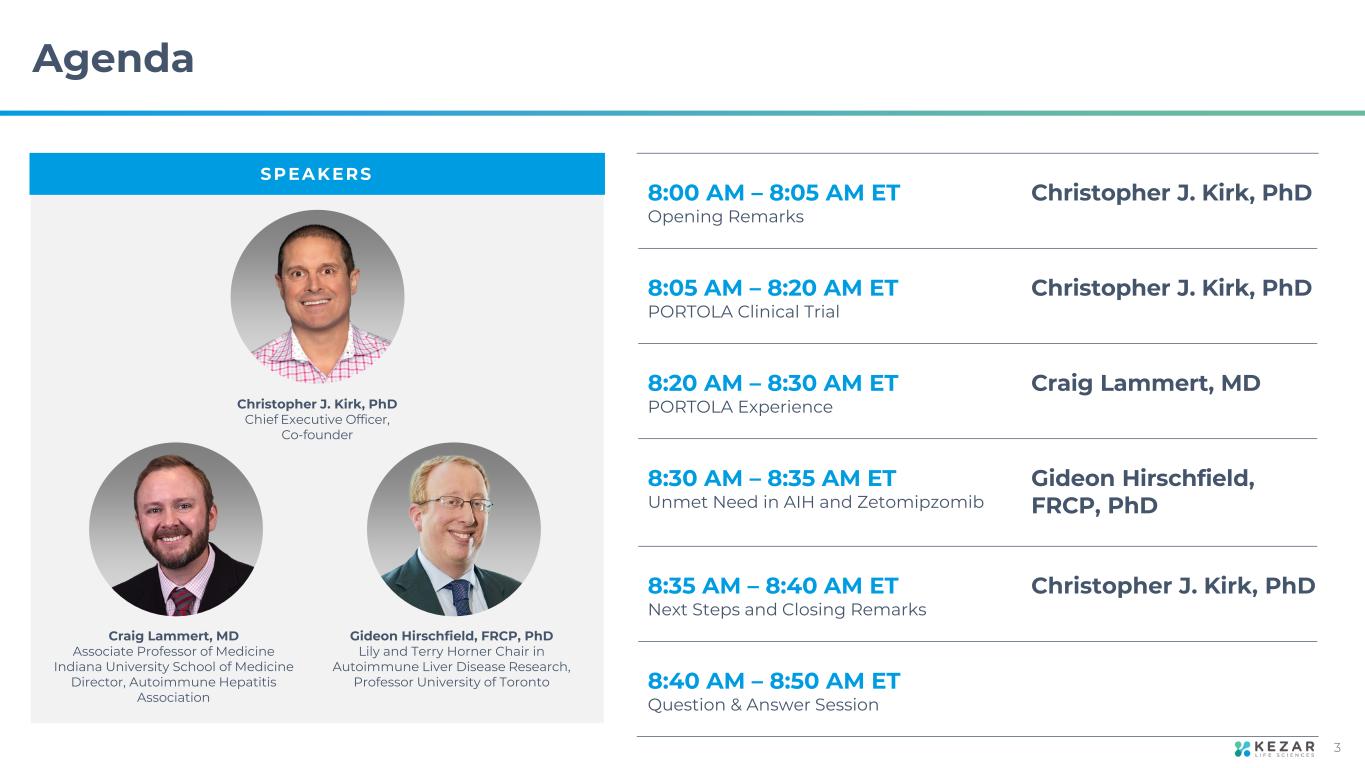
Christopher J. Kirk, PhD Chief Executive Officer, Co-founder Craig Lammert, MD Associate Professor of Medicine Indiana University School of Medicine Director, Autoimmune Hepatitis Association Agenda 8:00 AM – 8:05 AM ET Opening Remarks Christopher J. Kirk, PhD 8:05 AM – 8:20 AM ET PORTOLA Clinical Trial Christopher J. Kirk, PhD 8:20 AM – 8:30 AM ET PORTOLA Experience Craig Lammert, MD 8:30 AM – 8:35 AM ET Unmet Need in AIH and Zetomipzomib Gideon Hirschfield, FRCP, PhD 8:35 AM – 8:40 AM ET Next Steps and Closing Remarks Christopher J. Kirk, PhD 8:40 AM – 8:50 AM ET Question & Answer Session SPEAKERS Gideon Hirschfield, FRCP, PhD Lily and Terry Horner Chair in Autoimmune Liver Disease Research, Professor University of Toronto 3
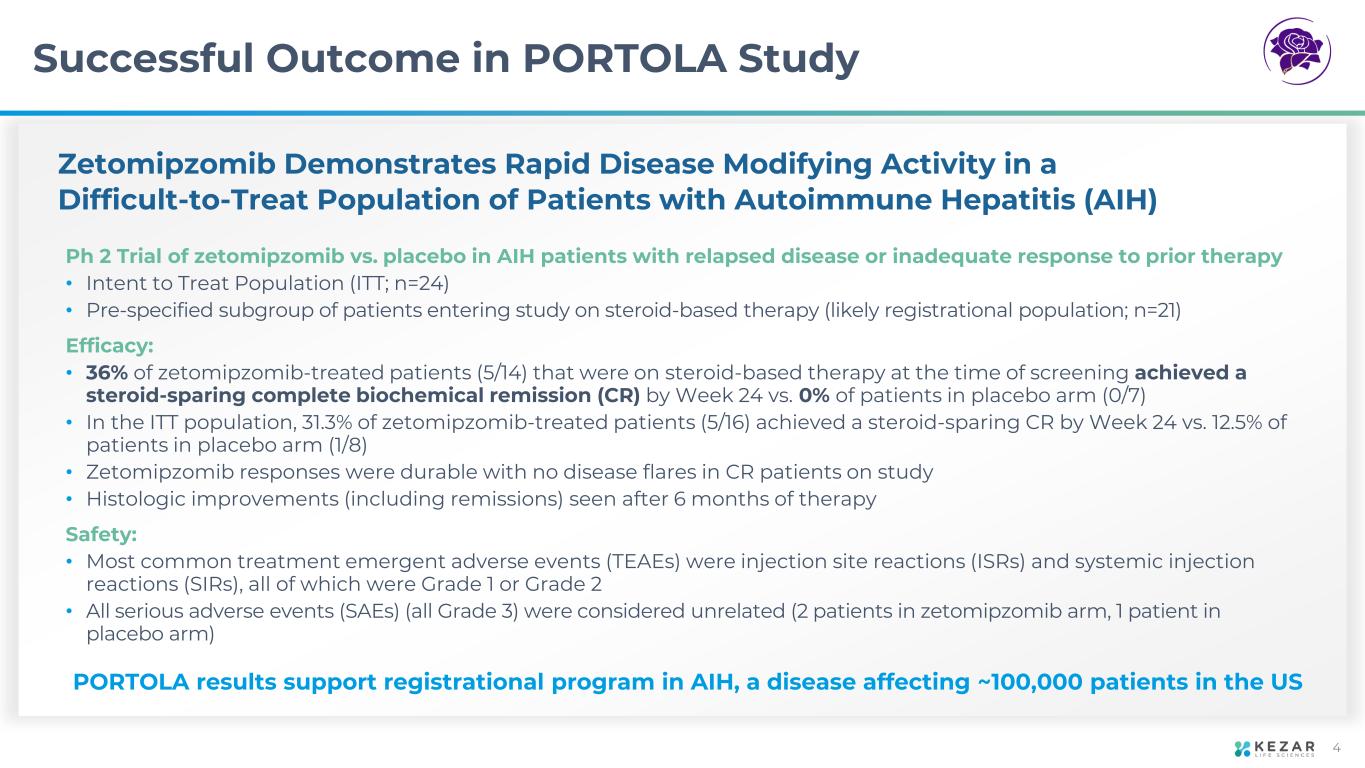
Successful Outcome in PORTOLA Study 4 Ph 2 Trial of zetomipzomib vs. placebo in AIH patients with relapsed disease or inadequate response to prior therapy • Intent to Treat Population (ITT; n=24) • Pre-specified subgroup of patients entering study on steroid-based therapy (likely registrational population; n=21) Efficacy: • 36% of zetomipzomib-treated patients (5/14) that were on steroid-based therapy at the time of screening achieved a steroid-sparing complete biochemical remission (CR) by Week 24 vs. 0% of patients in placebo arm (0/7) • In the ITT population, 31.3% of zetomipzomib-treated patients (5/16) achieved a steroid-sparing CR by Week 24 vs. 12.5% of patients in placebo arm (1/8) • Zetomipzomib responses were durable with no disease flares in CR patients on study • Histologic improvements (including remissions) seen after 6 months of therapy Safety: • Most common treatment emergent adverse events (TEAEs) were injection site reactions (ISRs) and systemic injection reactions (SIRs), all of which were Grade 1 or Grade 2 • All serious adverse events (SAEs) (all Grade 3) were considered unrelated (2 patients in zetomipzomib arm, 1 patient in placebo arm) Zetomipzomib Demonstrates Rapid Disease Modifying Activity in a Difficult-to-Treat Population of Patients with Autoimmune Hepatitis (AIH) PORTOLA results support registrational program in AIH, a disease affecting ~100,000 patients in the US
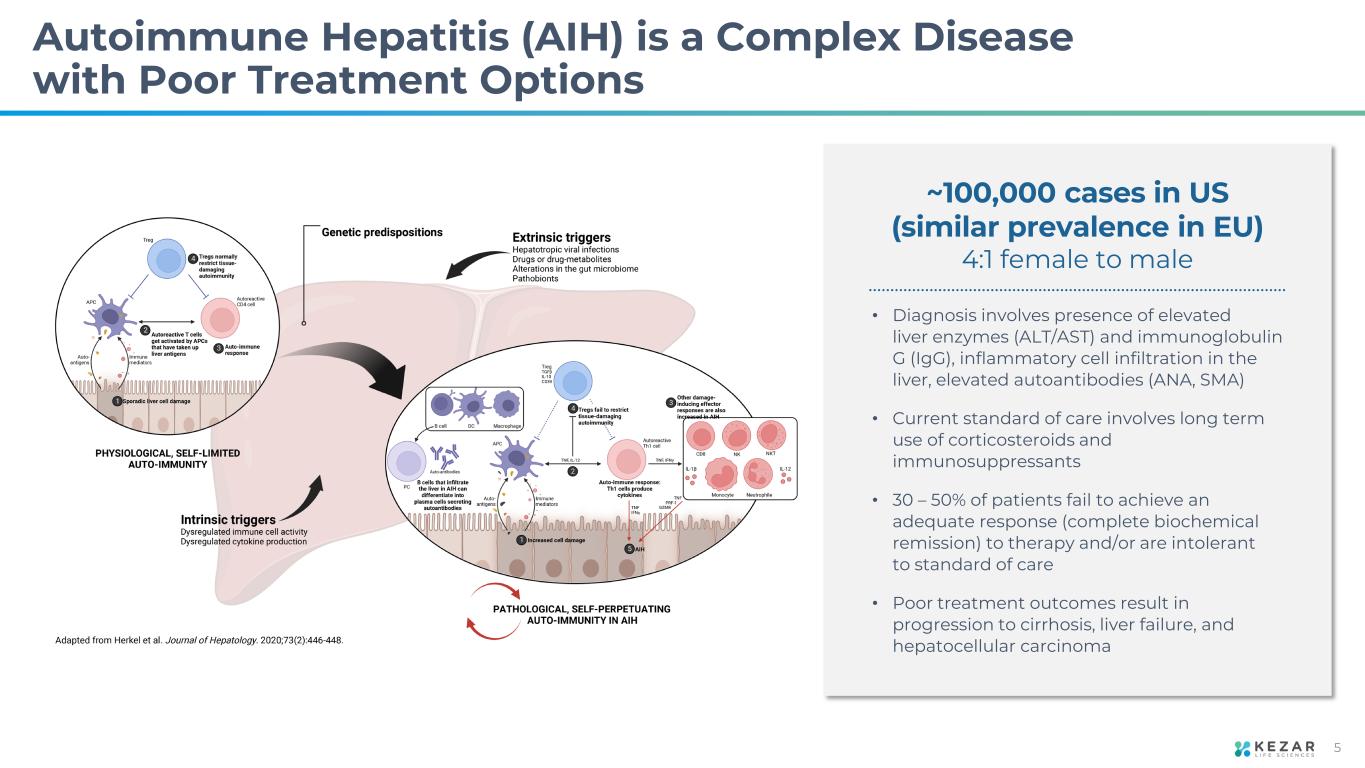
Autoimmune Hepatitis (AIH) is a Complex Disease with Poor Treatment Options ~100,000 cases in US (similar prevalence in EU) 4:1 female to male • Diagnosis involves presence of elevated liver enzymes (ALT/AST) and immunoglobulin G (IgG), inflammatory cell infiltration in the liver, elevated autoantibodies (ANA, SMA) • Current standard of care involves long term use of corticosteroids and immunosuppressants • 30 – 50% of patients fail to achieve an adequate response (complete biochemical remission) to therapy and/or are intolerant to standard of care • Poor treatment outcomes result in progression to cirrhosis, liver failure, and hepatocellular carcinoma 5
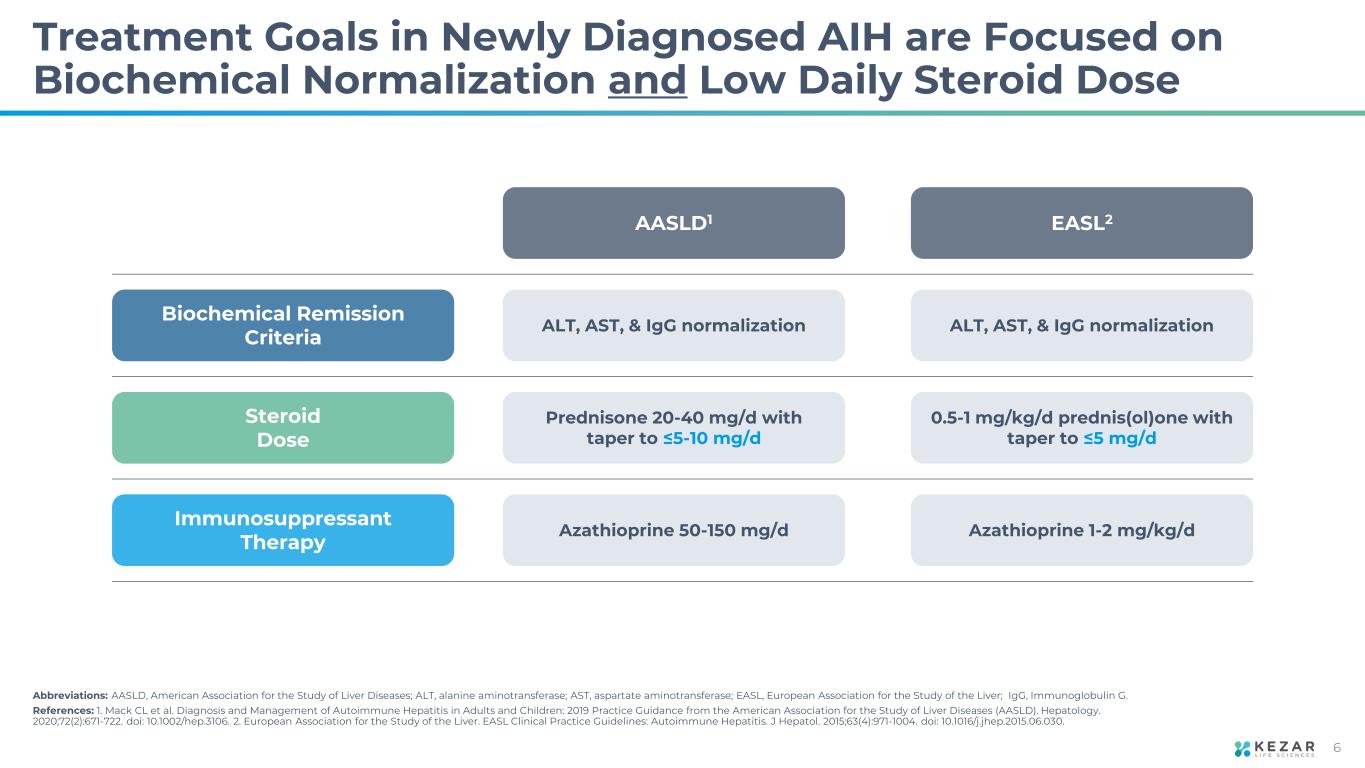
Treatment Goals in Newly Diagnosed AIH are Focused on Biochemical Normalization and Low Daily Steroid Dose Abbreviations: AASLD, American Association for the Study of Liver Diseases; ALT, alanine aminotransferase; AST, aspartate aminotransferase; EASL, European Association for the Study of the Liver; IgG, Immunoglobulin G. References: 1. Mack CL et al. Diagnosis and Management of Autoimmune Hepatitis in Adults and Children: 2019 Practice Guidance from the American Association for the Study of Liver Diseases (AASLD). Hepatology. 2020;72(2):671-722. doi: 10.1002/hep.3106. 2. European Association for the Study of the Liver. EASL Clinical Practice Guidelines: Autoimmune Hepatitis. J Hepatol. 2015;63(4):971-1004. doi: 10.1016/j.jhep.2015.06.030. Biochemical Remission Criteria ALT, AST, & IgG normalization ALT, AST, & IgG normalization Steroid Dose Prednisone 20-40 mg/d with taper to ≤5-10 mg/d 0.5-1 mg/kg/d prednis(ol)one with taper to ≤5 mg/d Immunosuppressant Therapy Azathioprine 50-150 mg/d Azathioprine 1-2 mg/kg/d AASLD1 EASL2 6
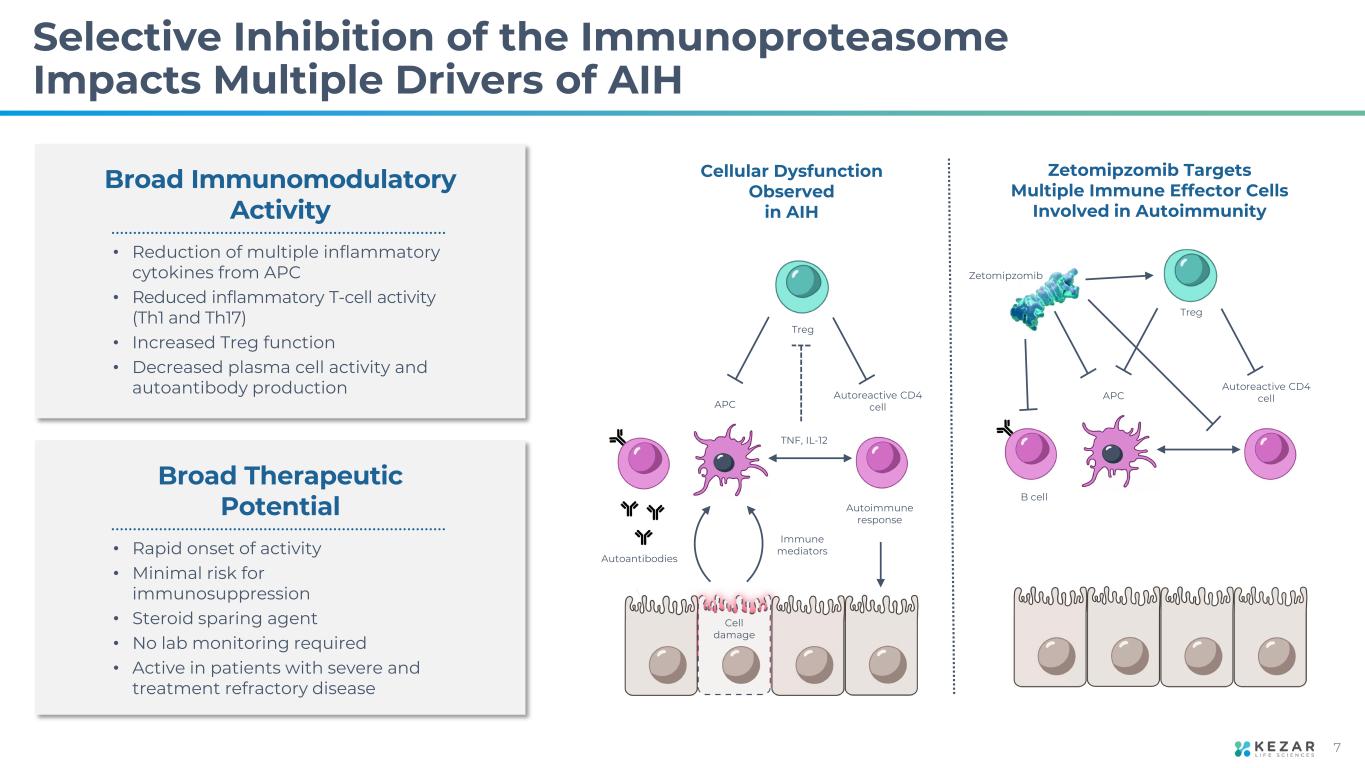
Broad Therapeutic Potential • Rapid onset of activity • Minimal risk for immunosuppression • Steroid sparing agent • No lab monitoring required • Active in patients with severe and treatment refractory disease Broad Immunomodulatory Activity • Reduction of multiple inflammatory cytokines from APC • Reduced inflammatory T-cell activity (Th1 and Th17) • Increased Treg function • Decreased plasma cell activity and autoantibody production Selective Inhibition of the Immunoproteasome Impacts Multiple Drivers of AIH Zetomipzomib Targets Multiple Immune Effector Cells Involved in Autoimmunity Cellular Dysfunction Observed in AIH Treg Autoreactive CD4 cellAPC Immune mediators Autoantibodies TNF, IL-12 Cell damage Autoimmune response Treg Autoreactive CD4 cellAPC B cell Zetomipzomib 7
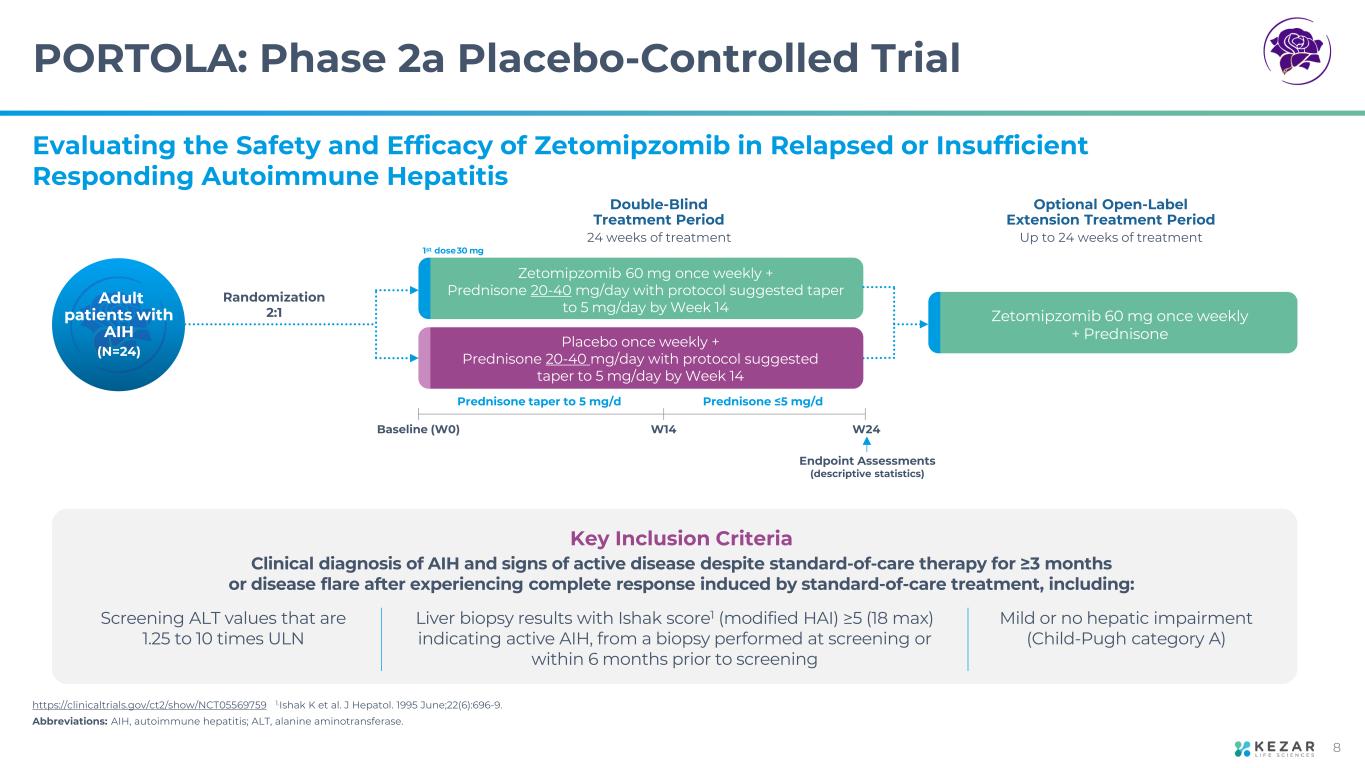
Evaluating the Safety and Efficacy of Zetomipzomib in Relapsed or Insufficient Responding Autoimmune Hepatitis PORTOLA: Phase 2a Placebo-Controlled Trial Adult patients with AIH (N=24) Optional Open-Label Extension Treatment Period Randomization 2:1 Up to 24 weeks of treatment Zetomipzomib 60 mg once weekly + Prednisone Double-Blind Treatment Period 1st dose 30 mg Zetomipzomib 60 mg once weekly + Prednisone 20-40 mg/day with protocol suggested taper to 5 mg/day by Week 14 Prednisone taper to 5 mg/d W14Baseline (W0) W24 24 weeks of treatment Endpoint Assessments (descriptive statistics) Prednisone ≤5 mg/d https://clinicaltrials.gov/ct2/show/NCT05569759 1.Ishak K et al. J Hepatol. 1995 June;22(6):696-9. Abbreviations: AIH, autoimmune hepatitis; ALT, alanine aminotransferase. Clinical diagnosis of AIH and signs of active disease despite standard-of-care therapy for ≥3 months or disease flare after experiencing complete response induced by standard-of-care treatment, including: Key Inclusion Criteria Placebo once weekly + Prednisone 20-40 mg/day with protocol suggested taper to 5 mg/day by Week 14 Screening ALT values that are 1.25 to 10 times ULN Liver biopsy results with Ishak score1 (modified HAI) ≥5 (18 max) indicating active AIH, from a biopsy performed at screening or within 6 months prior to screening Mild or no hepatic impairment (Child-Pugh category A) 8
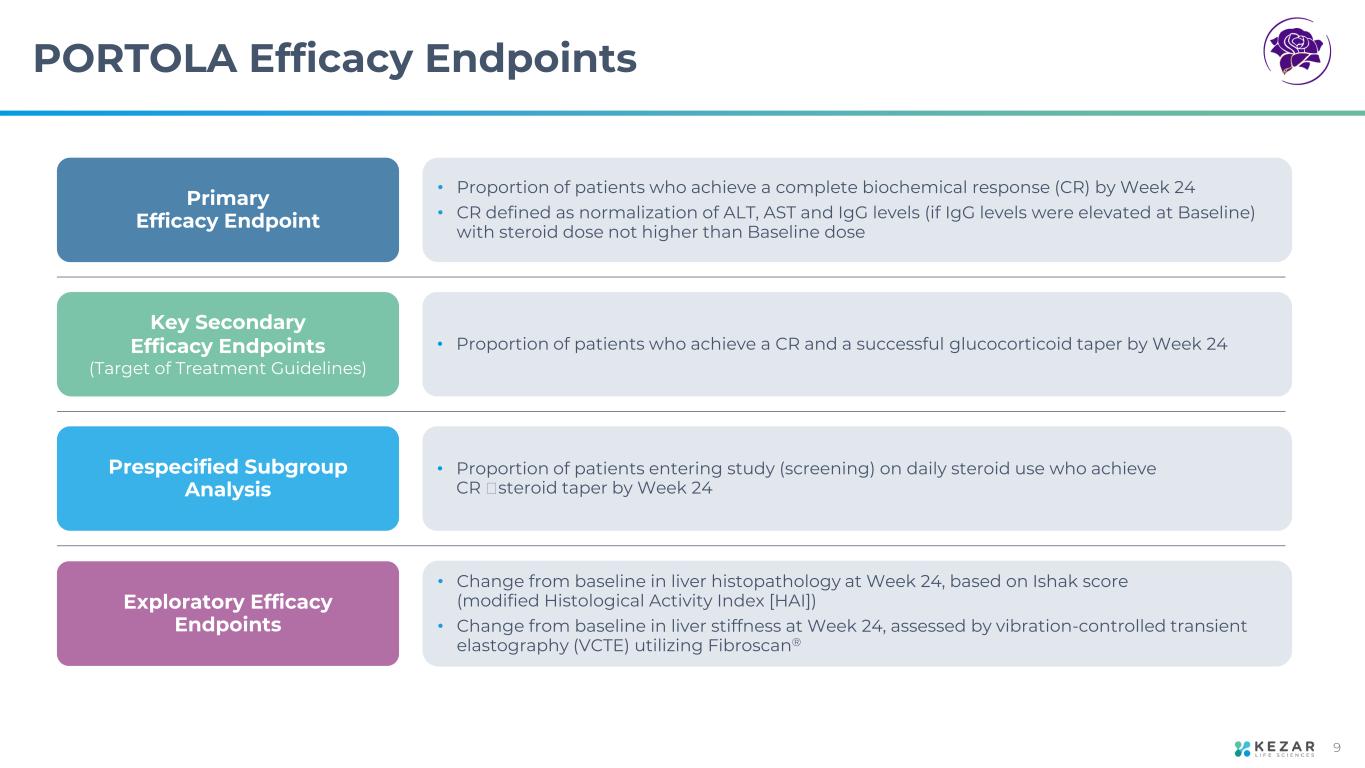
9 PORTOLA Efficacy Endpoints Primary Efficacy Endpoint • Proportion of patients who achieve a complete biochemical response (CR) by Week 24 • CR defined as normalization of ALT, AST and IgG levels (if IgG levels were elevated at Baseline) with steroid dose not higher than Baseline dose Key Secondary Efficacy Endpoints (Target of Treatment Guidelines) • Proportion of patients who achieve a CR and a successful glucocorticoid taper by Week 24 Prespecified Subgroup Analysis • Proportion of patients entering study (screening) on daily steroid use who achieve CR � steroid taper by Week 24 Exploratory Efficacy Endpoints • Change from baseline in liver histopathology at Week 24, based on Ishak score (modified Histological Activity Index [HAI]) • Change from baseline in liver stiffness at Week 24, assessed by vibration-controlled transient elastography (VCTE) utilizing Fibroscan®
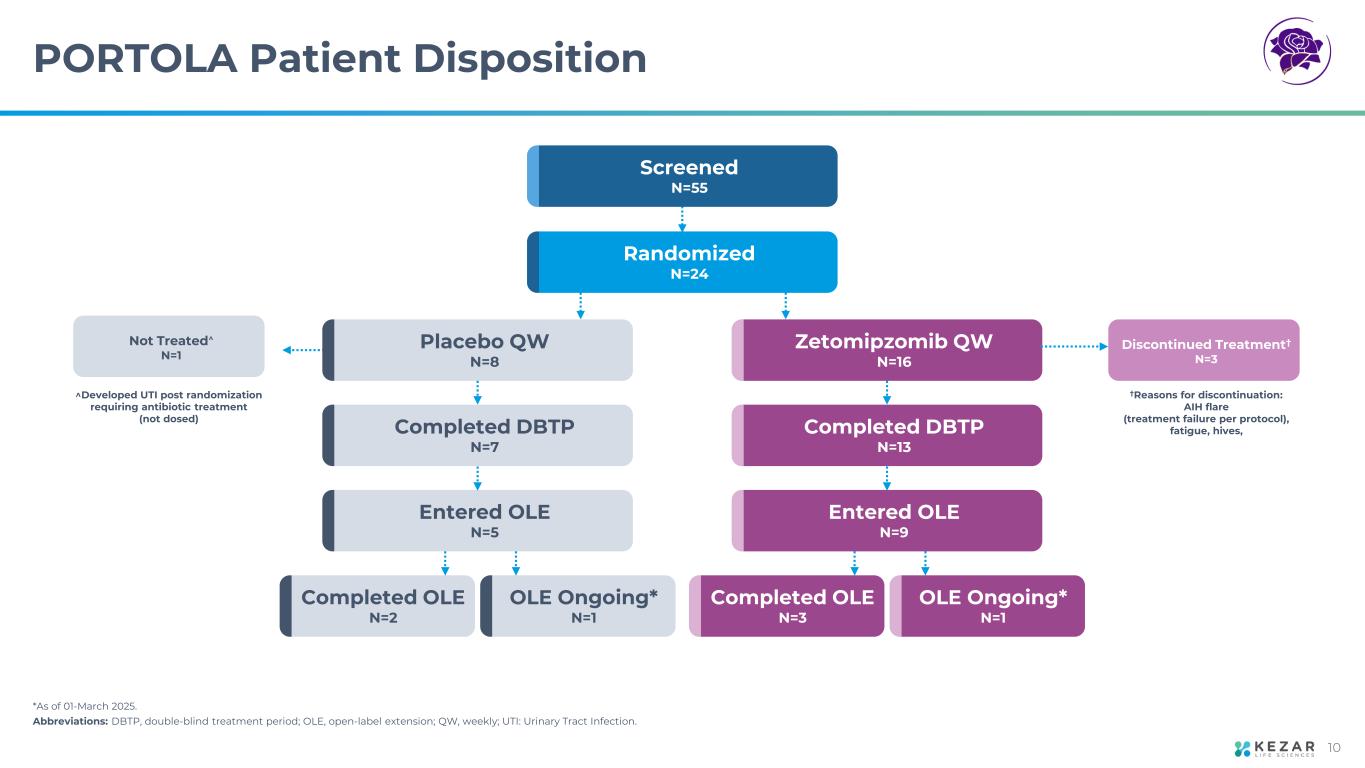
Completed OLE N=3 OLE Ongoing* N=1 Entered OLE N=9 Completed DBTP N=13 Zetomipzomib QW N=16 Discontinued Treatment† N=3 †Reasons for discontinuation: AIH flare (treatment failure per protocol), fatigue, hives, PORTOLA Patient Disposition *As of 01-March 2025. Abbreviations: DBTP, double-blind treatment period; OLE, open-label extension; QW, weekly; UTI: Urinary Tract Infection. ^Developed UTI post randomization requiring antibiotic treatment (not dosed) Randomized N=24 Screened N=55 Completed OLE N=2 OLE Ongoing* N=1 Entered OLE N=5 Completed DBTP N=7 Placebo QW N=8 Not Treated^ N=1 10
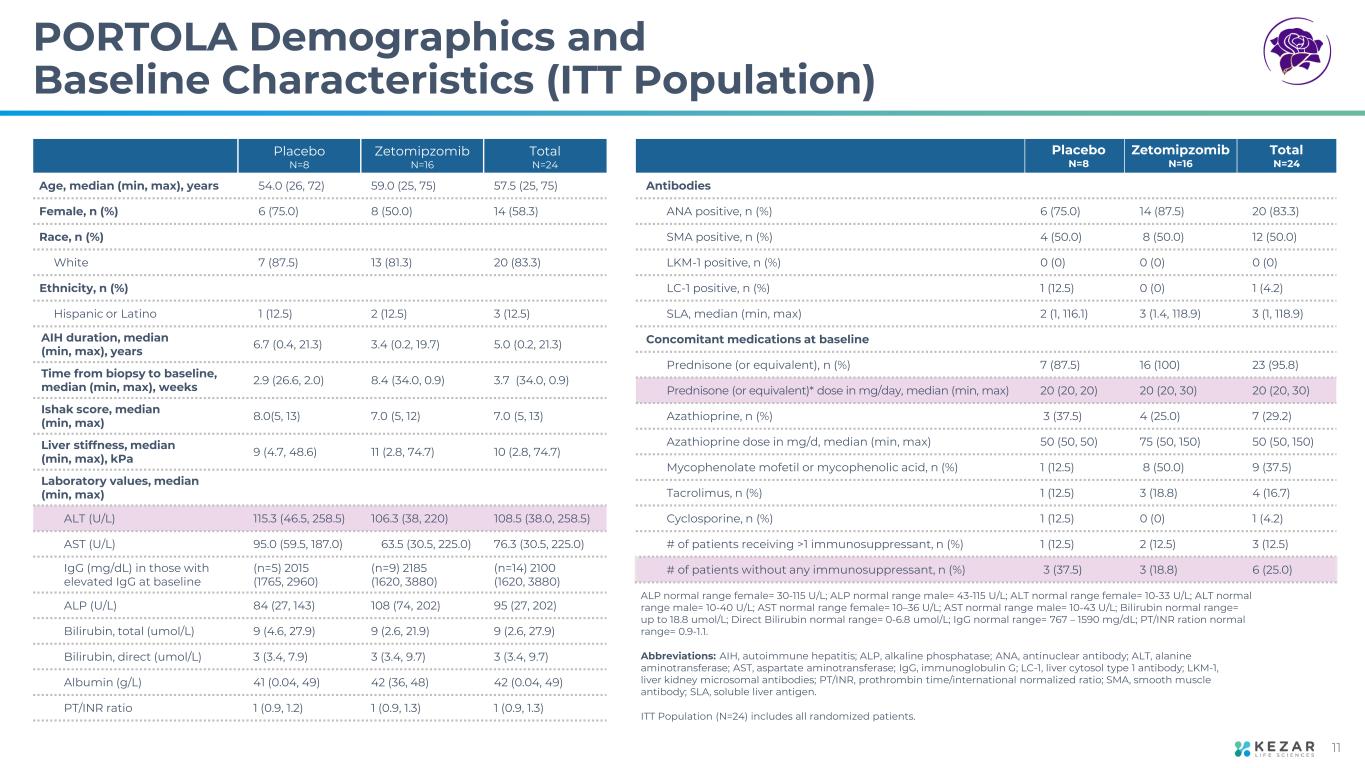
PORTOLA Demographics and Baseline Characteristics (ITT Population) Placebo N=8 Zetomipzomib N=16 Total N=24 Age, median (min, max), years 54.0 (26, 72) 59.0 (25, 75) 57.5 (25, 75) Female, n (%) 6 (75.0) 8 (50.0) 14 (58.3) Race, n (%) White 7 (87.5) 13 (81.3) 20 (83.3) Ethnicity, n (%) Hispanic or Latino 1 (12.5) 2 (12.5) 3 (12.5) AIH duration, median (min, max), years 6.7 (0.4, 21.3) 3.4 (0.2, 19.7) 5.0 (0.2, 21.3) Time from biopsy to baseline, median (min, max), weeks 2.9 (26.6, 2.0) 8.4 (34.0, 0.9) 3.7 (34.0, 0.9) Ishak score, median (min, max) 8.0(5, 13) 7.0 (5, 12) 7.0 (5, 13) Liver stiffness, median (min, max), kPa 9 (4.7, 48.6) 11 (2.8, 74.7) 10 (2.8, 74.7) Laboratory values, median (min, max) ALT (U/L) 115.3 (46.5, 258.5) 106.3 (38, 220) 108.5 (38.0, 258.5) AST (U/L) 95.0 (59.5, 187.0) 63.5 (30.5, 225.0) 76.3 (30.5, 225.0) IgG (mg/dL) in those with elevated IgG at baseline (n=5) 2015 (1765, 2960) (n=9) 2185 (1620, 3880) (n=14) 2100 (1620, 3880) ALP (U/L) 84 (27, 143) 108 (74, 202) 95 (27, 202) Bilirubin, total (umol/L) 9 (4.6, 27.9) 9 (2.6, 21.9) 9 (2.6, 27.9) Bilirubin, direct (umol/L) 3 (3.4, 7.9) 3 (3.4, 9.7) 3 (3.4, 9.7) Albumin (g/L) 41 (0.04, 49) 42 (36, 48) 42 (0.04, 49) PT/INR ratio 1 (0.9, 1.2) 1 (0.9, 1.3) 1 (0.9, 1.3) Placebo N=8 Zetomipzomib N=16 Total N=24 Antibodies ANA positive, n (%) 6 (75.0) 14 (87.5) 20 (83.3) SMA positive, n (%) 4 (50.0) 8 (50.0) 12 (50.0) LKM-1 positive, n (%) 0 (0) 0 (0) 0 (0) LC-1 positive, n (%) 1 (12.5) 0 (0) 1 (4.2) SLA, median (min, max) 2 (1, 116.1) 3 (1.4, 118.9) 3 (1, 118.9) Concomitant medications at baseline Prednisone (or equivalent), n (%) 7 (87.5) 16 (100) 23 (95.8) Prednisone (or equivalent)* dose in mg/day, median (min, max) 20 (20, 20) 20 (20, 30) 20 (20, 30) Azathioprine, n (%) 3 (37.5) 4 (25.0) 7 (29.2) Azathioprine dose in mg/d, median (min, max) 50 (50, 50) 75 (50, 150) 50 (50, 150) Mycophenolate mofetil or mycophenolic acid, n (%) 1 (12.5) 8 (50.0) 9 (37.5) Tacrolimus, n (%) 1 (12.5) 3 (18.8) 4 (16.7) Cyclosporine, n (%) 1 (12.5) 0 (0) 1 (4.2) # of patients receiving >1 immunosuppressant, n (%) 1 (12.5) 2 (12.5) 3 (12.5) # of patients without any immunosuppressant, n (%) 3 (37.5) 3 (18.8) 6 (25.0) Abbreviations: AIH, autoimmune hepatitis; ALP, alkaline phosphatase; ANA, antinuclear antibody; ALT, alanine aminotransferase; AST, aspartate aminotransferase; IgG, immunoglobulin G; LC-1, liver cytosol type 1 antibody; LKM-1, liver kidney microsomal antibodies; PT/INR, prothrombin time/international normalized ratio; SMA, smooth muscle antibody; SLA, soluble liver antigen. ALP normal range female= 30-115 U/L; ALP normal range male= 43-115 U/L; ALT normal range female= 10-33 U/L; ALT normal range male= 10-40 U/L; AST normal range female= 10–36 U/L; AST normal range male= 10-43 U/L; Bilirubin normal range= up to 18.8 umol/L; Direct Bilirubin normal range= 0-6.8 umol/L; IgG normal range= 767 – 1590 mg/dL; PT/INR ration normal range= 0.9-1.1. ITT Population (N=24) includes all randomized patients. 11
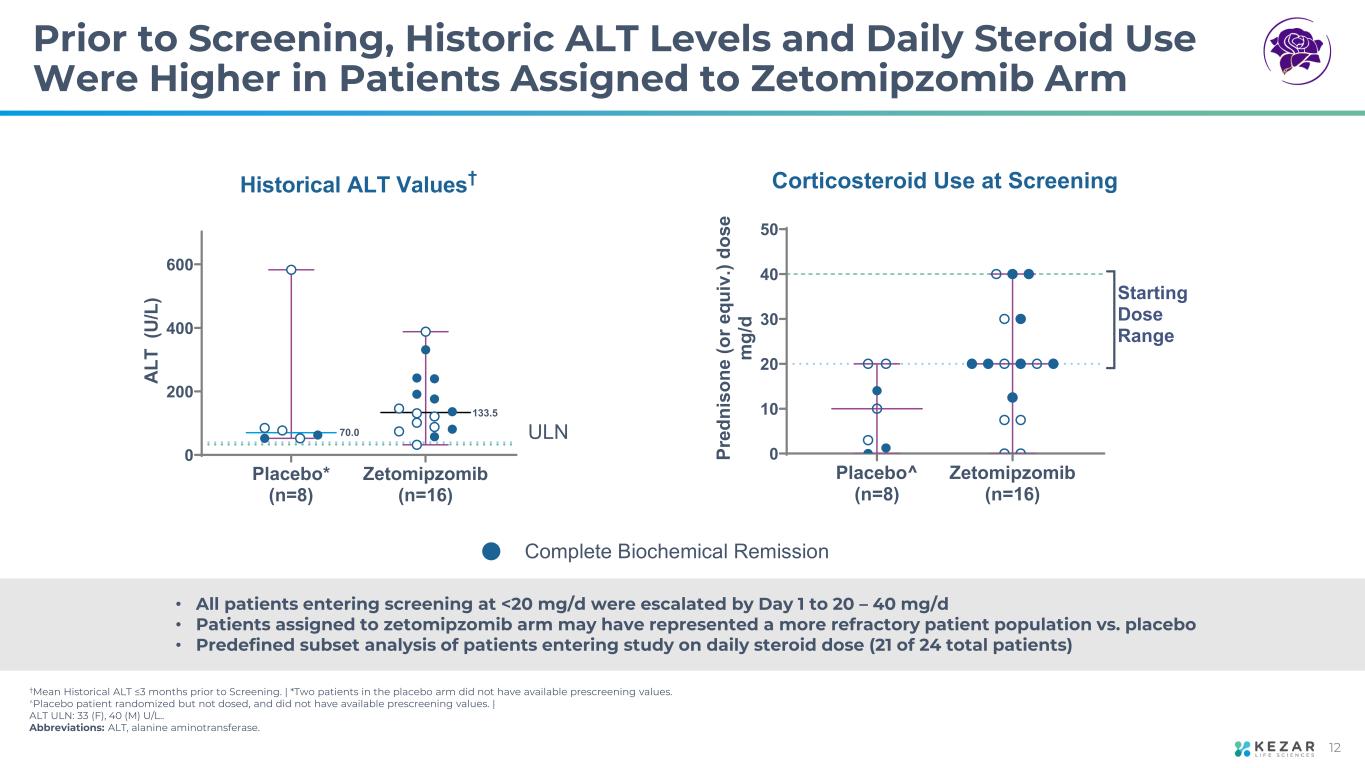
Prior to Screening, Historic ALT Levels and Daily Steroid Use Were Higher in Patients Assigned to Zetomipzomib Arm †Mean Historical ALT ≤3 months prior to Screening. | *Two patients in the placebo arm did not have available prescreening values. ^Placebo patient randomized but not dosed, and did not have available prescreening values. | ALT ULN: 33 (F), 40 (M) U/L.. Abbreviations: ALT, alanine aminotransferase. Placebo* (n=8) Zetomipzomib (n=16) 0 200 400 600 Historical ALT Values† AL T (U /L ) 70.0 133.5 Placebo^ (n=8) Zetomipzomib (n=16) 0 10 20 30 40 50 Corticosteroid Use at Screening Pr ed ni so ne (o r e qu iv .) do se m g/ d Starting Dose Range ULN Complete Biochemical Remission • All patients entering screening at <20 mg/d were escalated by Day 1 to 20 – 40 mg/d • Patients assigned to zetomipzomib arm may have represented a more refractory patient population vs. placebo • Predefined subset analysis of patients entering study on daily steroid dose (21 of 24 total patients) 12
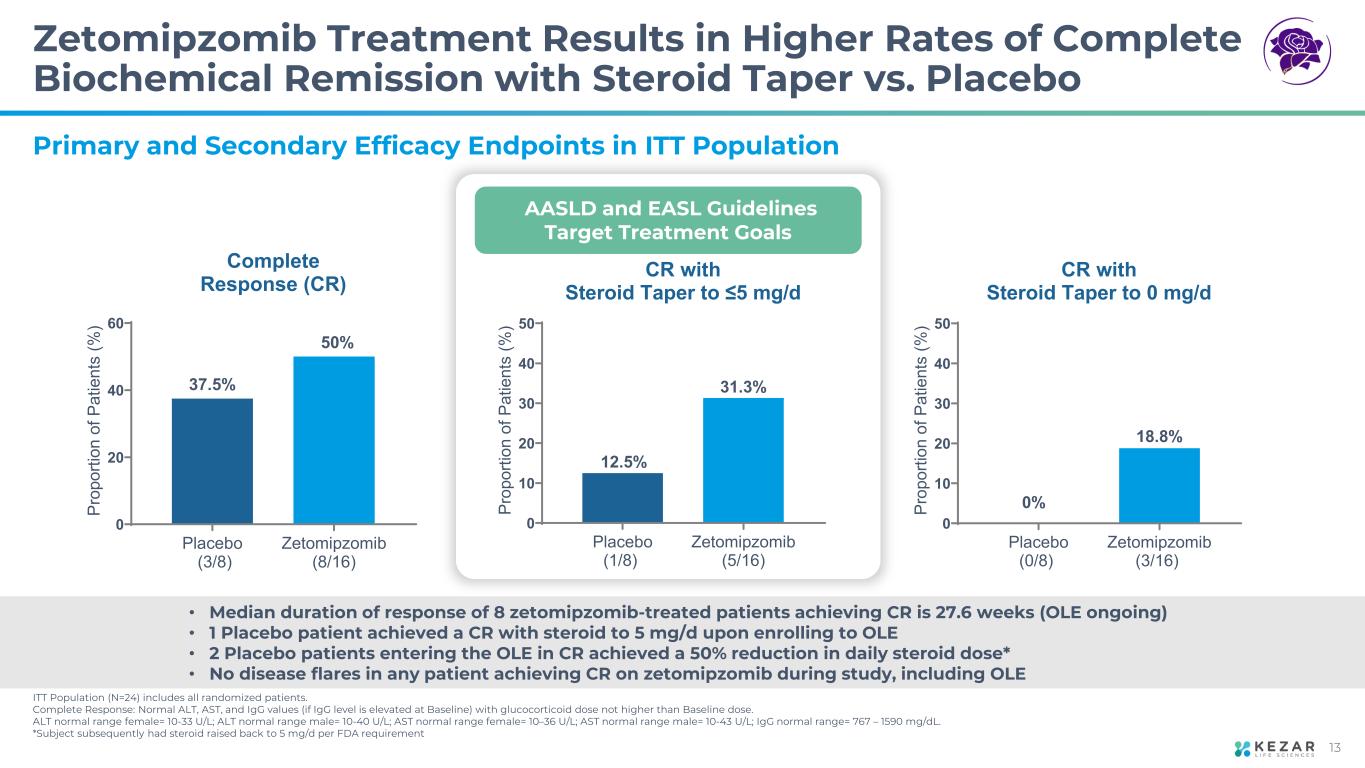
AASLD and EASL Guidelines Target Treatment Goals Placebo (3/8) Zetomipzomib (8/16) 0 20 40 60 Complete Response (CR) Pr op or tio n of P at ie nt s (% ) 37.5% 50% Placebo (1/8) Zetomipzomib (5/16) 0 10 20 30 40 50 CR with Steroid Taper to ≤5 mg/d Pr op or tio n of P at ie nt s (% ) 31.3% 12.5% Placebo (0/8) Zetomipzomib (3/16) 0 10 20 30 40 50 CR with Steroid Taper to 0 mg/d Pr op or tio n of P at ie nt s (% ) 37.5% 18.8% 0% 13 Zetomipzomib Treatment Results in Higher Rates of Complete Biochemical Remission with Steroid Taper vs. Placebo ITT Population (N=24) includes all randomized patients. Complete Response: Normal ALT, AST, and IgG values (if IgG level is elevated at Baseline) with glucocorticoid dose not higher than Baseline dose. ALT normal range female= 10-33 U/L; ALT normal range male= 10-40 U/L; AST normal range female= 10–36 U/L; AST normal range male= 10-43 U/L; IgG normal range= 767 – 1590 mg/dL. *Subject subsequently had steroid raised back to 5 mg/d per FDA requirement • Median duration of response of 8 zetomipzomib-treated patients achieving CR is 27.6 weeks (OLE ongoing) • 1 Placebo patient achieved a CR with steroid to 5 mg/d upon enrolling to OLE • 2 Placebo patients entering the OLE in CR achieved a 50% reduction in daily steroid dose* • No disease flares in any patient achieving CR on zetomipzomib during study, including OLE Primary and Secondary Efficacy Endpoints in ITT Population
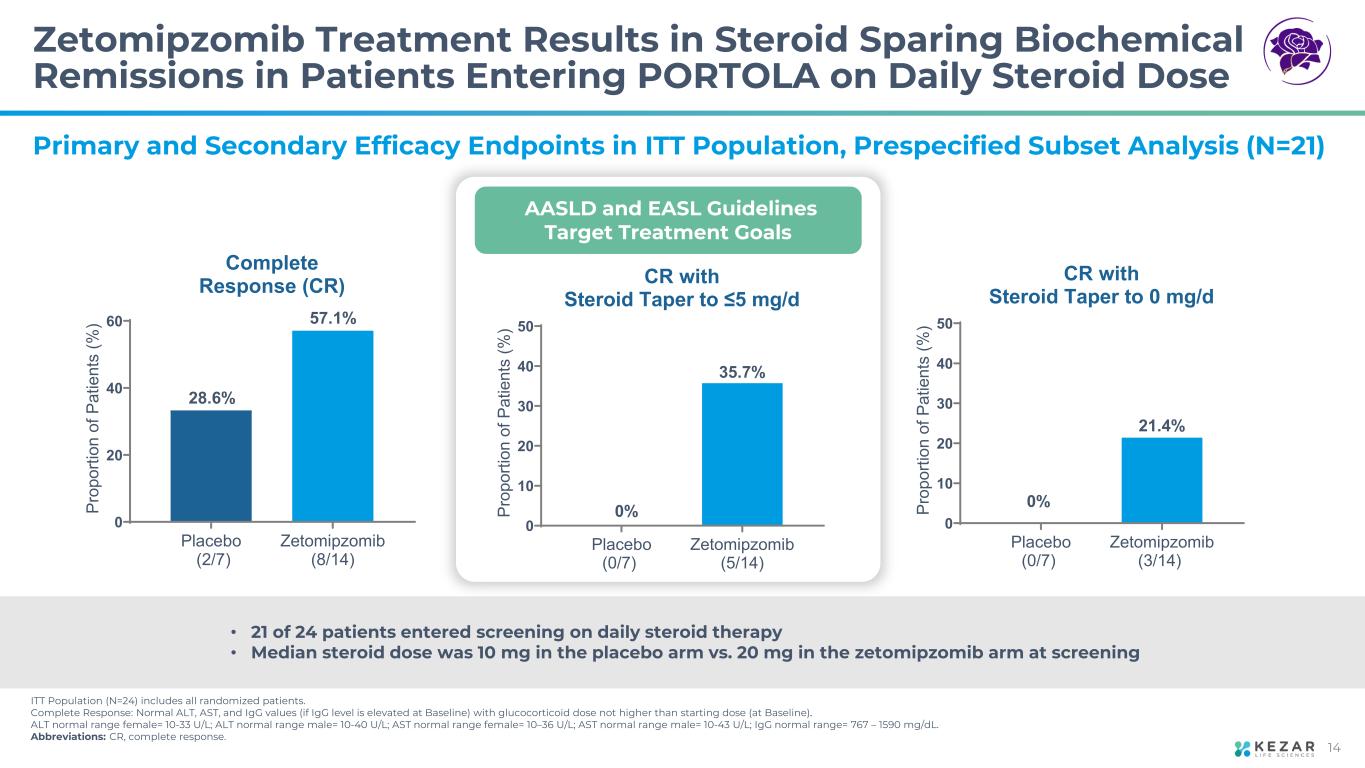
• 21 of 24 patients entered screening on daily steroid therapy • Median steroid dose was 10 mg in the placebo arm vs. 20 mg in the zetomipzomib arm at screening Zetomipzomib Treatment Results in Steroid Sparing Biochemical Remissions in Patients Entering PORTOLA on Daily Steroid Dose ITT Population (N=24) includes all randomized patients. Complete Response: Normal ALT, AST, and IgG values (if IgG level is elevated at Baseline) with glucocorticoid dose not higher than starting dose (at Baseline). ALT normal range female= 10-33 U/L; ALT normal range male= 10-40 U/L; AST normal range female= 10–36 U/L; AST normal range male= 10-43 U/L; IgG normal range= 767 – 1590 mg/dL. Abbreviations: CR, complete response. Placebo (2/7) Zetomipzomib (8/14) 0 20 40 60 Complete Response (CR) Pr op or tio n of P at ie nt s (% ) 28.6% 57.1% Placebo (0/7) Zetomipzomib (5/14) 0 10 20 30 40 50 CR with Steroid Taper to ≤5 mg/d Pr op or tio n of P at ie nt s (% ) 35.7% 0% Placebo (0/7) Zetomipzomib (3/14) 0 10 20 30 40 50 CR with Steroid Taper to 0 mg/d Pr op or tio n of P at ie nt s (% ) 37.5% 14.3% 21.4% 0% 14 AASLD and EASL Guidelines Target Treatment Goals Primary and Secondary Efficacy Endpoints in ITT Population, Prespecified Subset Analysis (N=21)
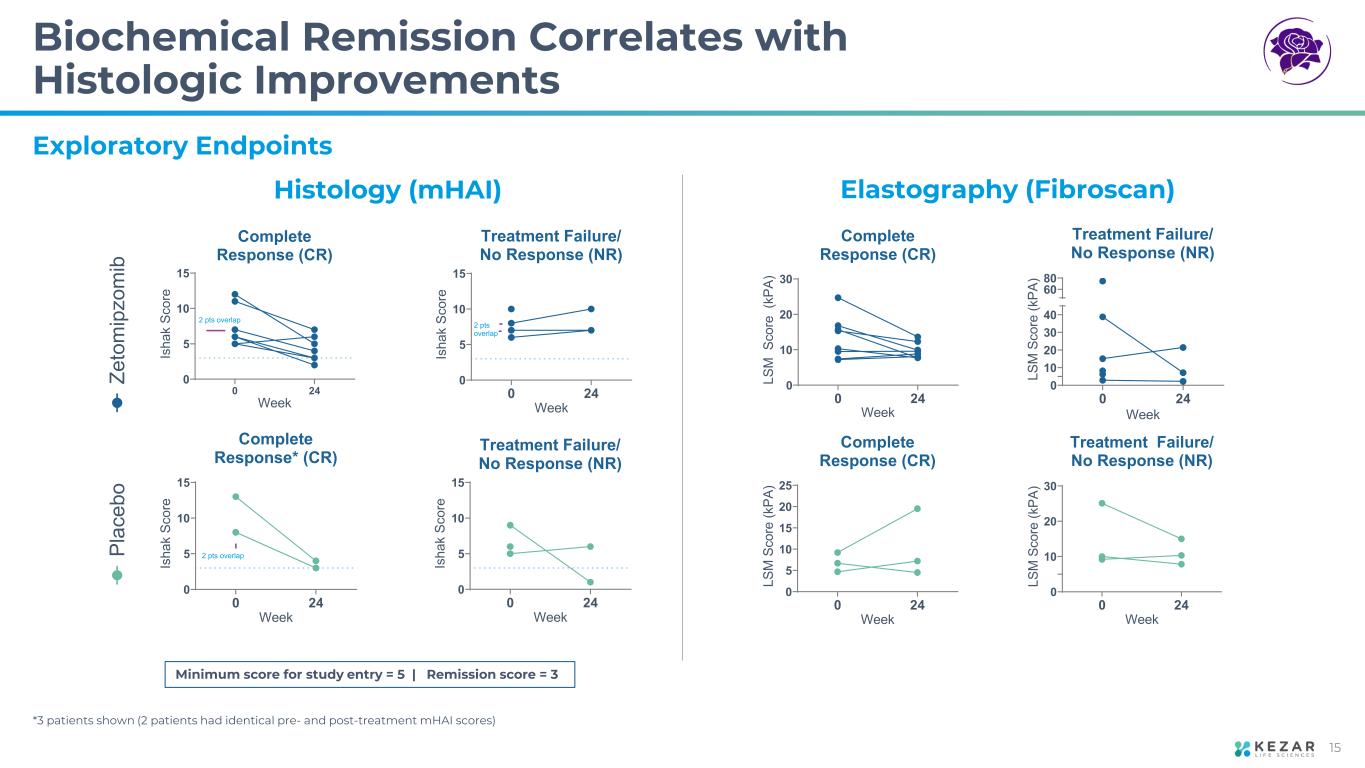
Exploratory Endpoints *3 patients shown (2 patients had identical pre- and post-treatment mHAI scores) Biochemical Remission Correlates with Histologic Improvements 0 24 0 5 10 15 Complete Response (CR) Week Is ha k Sc or e 2 pts overlap 0 24 0 5 10 15 Treatment Failure/ No Response (NR) Week Is ha k Sc or e 2 pts overlap Ze to m ip zo m ib 0 24 0 5 10 15 Complete Response* (CR) Week Is ha k Sc or e 2 pts overlap 0 24 0 5 10 15 Treatment Failure/ No Response (NR) Week Is ha k Sc or e Pl ac eb o Histology (mHAI) 0 24 0 10 20 30 Complete Response (CR) Week LS M S co re ( kP A) 0 24 0 10 20 30 40 60 80 Treatment Failure/ No Response (NR) Week LS M S co re (k PA ) 0 24 0 5 10 15 20 25 Complete Response (CR) Week LS M S co re (k PA ) 0 24 0 10 20 30 Treatment Failure/ No Response (NR) Week LS M S co re (k PA ) Elastography (Fibroscan) Minimum score for study entry = 5 | Remission score = 3 15
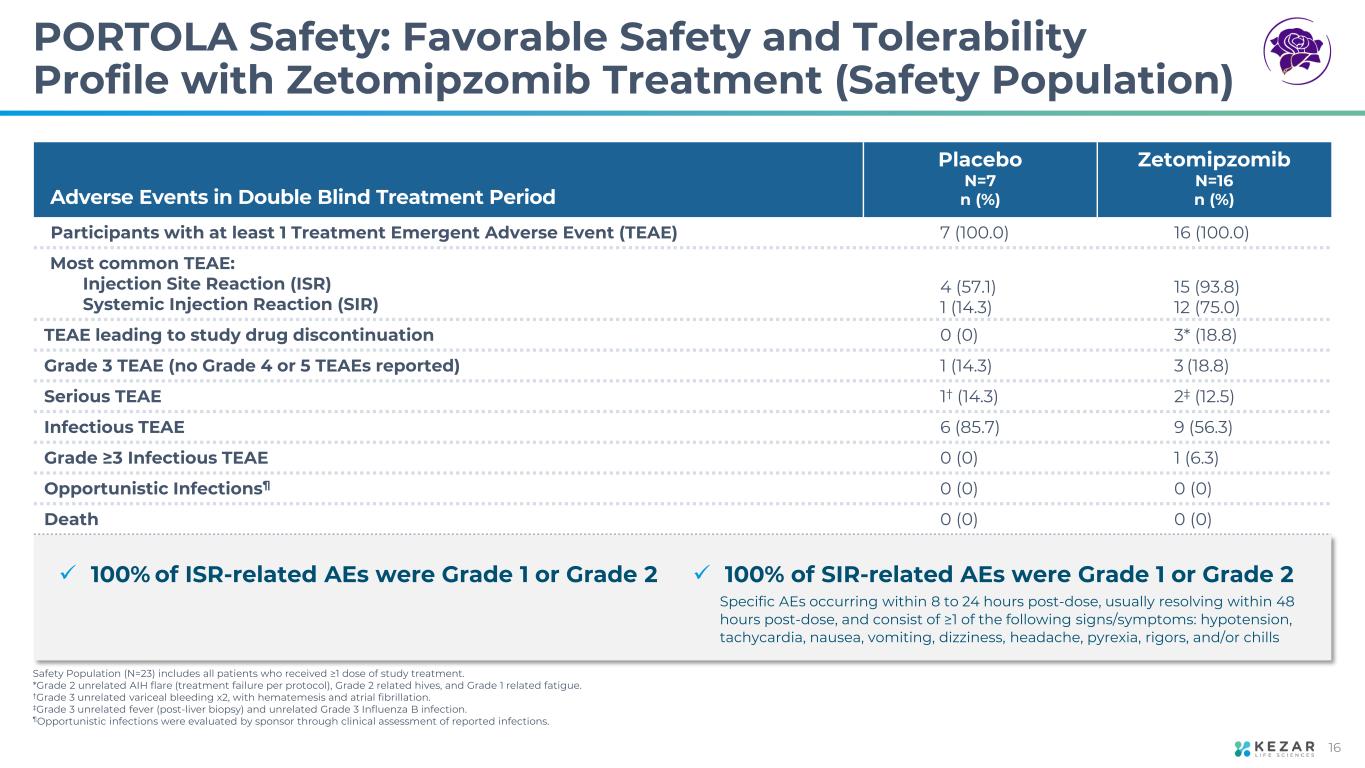
PORTOLA Safety: Favorable Safety and Tolerability Profile with Zetomipzomib Treatment (Safety Population) Adverse Events in Double Blind Treatment Period Placebo N=7 n (%) Zetomipzomib N=16 n (%) Participants with at least 1 Treatment Emergent Adverse Event (TEAE) 7 (100.0) 16 (100.0) Most common TEAE: Injection Site Reaction (ISR) Systemic Injection Reaction (SIR) 4 (57.1) 1 (14.3) 15 (93.8) 12 (75.0) TEAE leading to study drug discontinuation 0 (0) 3* (18.8) Grade 3 TEAE (no Grade 4 or 5 TEAEs reported) 1 (14.3) 3 (18.8) Serious TEAE 1† (14.3) 2‡ (12.5) Infectious TEAE 6 (85.7) 9 (56.3) Grade ≥3 Infectious TEAE 0 (0) 1 (6.3) Opportunistic Infections¶ 0 (0) 0 (0) Death 0 (0) 0 (0) Safety Population (N=23) includes all patients who received ≥1 dose of study treatment. *Grade 2 unrelated AIH flare (treatment failure per protocol), Grade 2 related hives, and Grade 1 related fatigue. †Grade 3 unrelated variceal bleeding x2, with hematemesis and atrial fibrillation. ‡Grade 3 unrelated fever (post-liver biopsy) and unrelated Grade 3 Influenza B infection. ¶Opportunistic infections were evaluated by sponsor through clinical assessment of reported infections. Specific AEs occurring within 8 to 24 hours post-dose, usually resolving within 48 hours post-dose, and consist of ≥1 of the following signs/symptoms: hypotension, tachycardia, nausea, vomiting, dizziness, headache, pyrexia, rigors, and/or chills 16 100% of SIR-related AEs were Grade 1 or Grade 2 100% of ISR-related AEs were Grade 1 or Grade 2
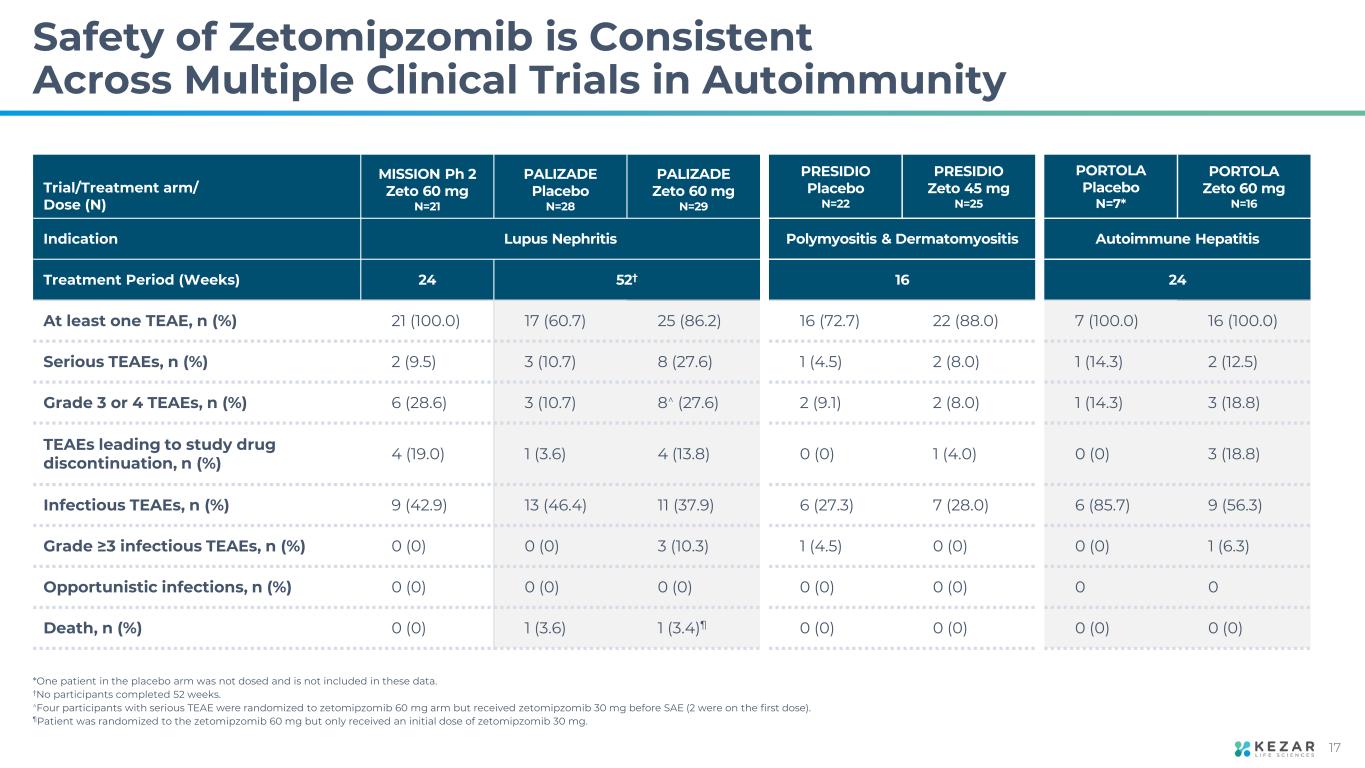
Trial/Treatment arm/ Dose (N) MISSION Ph 2 Zeto 60 mg N=21 PALIZADE Placebo N=28 PALIZADE Zeto 60 mg N=29 Indication Lupus Nephritis Treatment Period (Weeks) 24 52† At least one TEAE, n (%) 21 (100.0) 17 (60.7) 25 (86.2) Serious TEAEs, n (%) 2 (9.5) 3 (10.7) 8 (27.6) Grade 3 or 4 TEAEs, n (%) 6 (28.6) 3 (10.7) 8^ (27.6) TEAEs leading to study drug discontinuation, n (%) 4 (19.0) 1 (3.6) 4 (13.8) Infectious TEAEs, n (%) 9 (42.9) 13 (46.4) 11 (37.9) Grade ≥3 infectious TEAEs, n (%) 0 (0) 0 (0) 3 (10.3) Opportunistic infections, n (%) 0 (0) 0 (0) 0 (0) Death, n (%) 0 (0) 1 (3.6) 1 (3.4)¶ PRESIDIO Placebo N=22 PRESIDIO Zeto 45 mg N=25 Polymyositis & Dermatomyositis 16 16 (72.7) 22 (88.0) 1 (4.5) 2 (8.0) 2 (9.1) 2 (8.0) 0 (0) 1 (4.0) 6 (27.3) 7 (28.0) 1 (4.5) 0 (0) 0 (0) 0 (0) 0 (0) 0 (0) Safety of Zetomipzomib is Consistent Across Multiple Clinical Trials in Autoimmunity *One patient in the placebo arm was not dosed and is not included in these data. †No participants completed 52 weeks. ^Four participants with serious TEAE were randomized to zetomipzomib 60 mg arm but received zetomipzomib 30 mg before SAE (2 were on the first dose). ¶Patient was randomized to the zetomipzomib 60 mg but only received an initial dose of zetomipzomib 30 mg. PORTOLA Placebo N=7* PORTOLA Zeto 60 mg N=16 Autoimmune Hepatitis 24 7 (100.0) 16 (100.0) 1 (14.3) 2 (12.5) 1 (14.3) 3 (18.8) 0 (0) 3 (18.8) 6 (85.7) 9 (56.3) 0 (0) 1 (6.3) 0 0 0 (0) 0 (0) 17
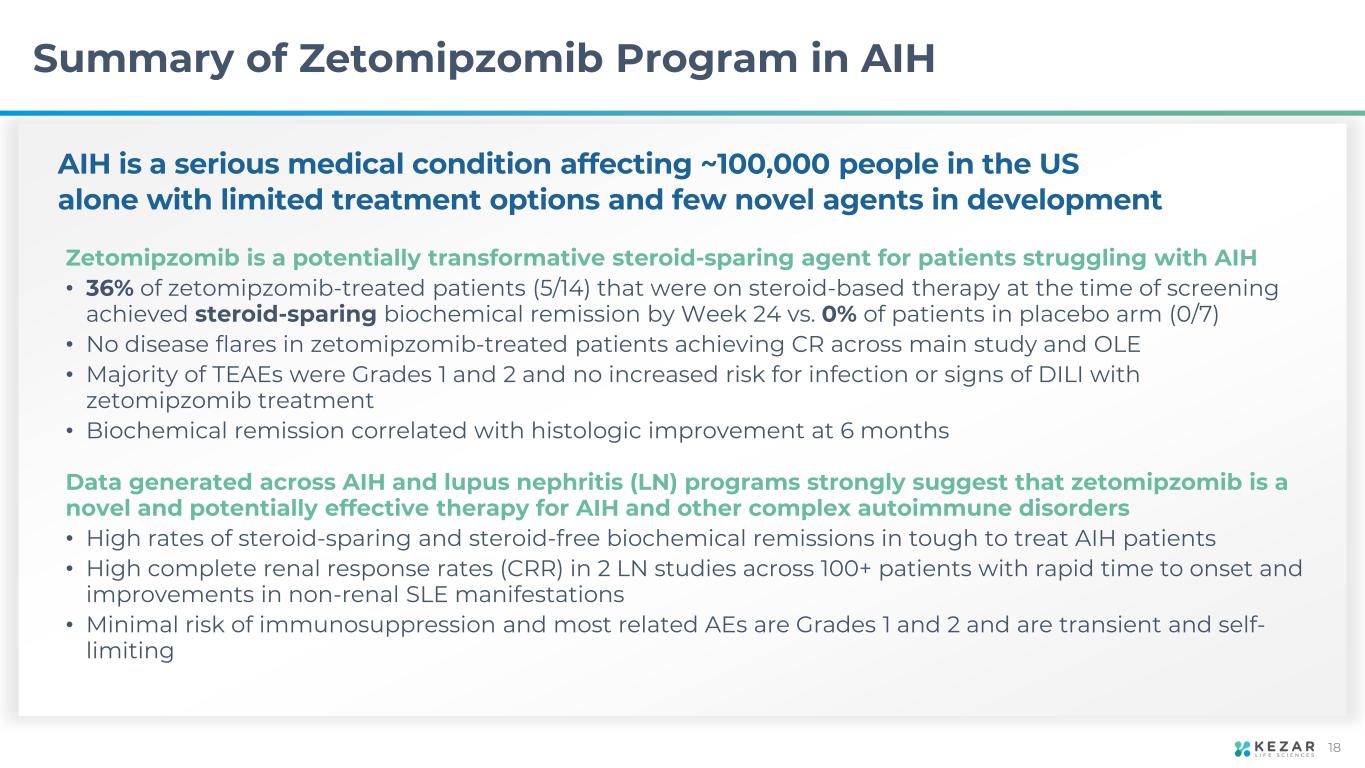
Zetomipzomib is a potentially transformative steroid-sparing agent for patients struggling with AIH • 36% of zetomipzomib-treated patients (5/14) that were on steroid-based therapy at the time of screening achieved steroid-sparing biochemical remission by Week 24 vs. 0% of patients in placebo arm (0/7) • No disease flares in zetomipzomib-treated patients achieving CR across main study and OLE • Majority of TEAEs were Grades 1 and 2 and no increased risk for infection or signs of DILI with zetomipzomib treatment • Biochemical remission correlated with histologic improvement at 6 months Data generated across AIH and lupus nephritis (LN) programs strongly suggest that zetomipzomib is a novel and potentially effective therapy for AIH and other complex autoimmune disorders • High rates of steroid-sparing and steroid-free biochemical remissions in tough to treat AIH patients • High complete renal response rates (CRR) in 2 LN studies across 100+ patients with rapid time to onset and improvements in non-renal SLE manifestations • Minimal risk of immunosuppression and most related AEs are Grades 1 and 2 and are transient and self- limiting AIH is a serious medical condition affecting ~100,000 people in the US alone with limited treatment options and few novel agents in development Summary of Zetomipzomib Program in AIH 18
INDIANA UNIVERSITY SCHOOL OF MEDICINE PORTOLA Experience Craig S. Lammert, MD Assistant Professor of Medicine, Indiana University School of Medicine Executive Director of the Autoimmune Hepatitis Association Principal Investigator of the PORTOLA Clinical Trial
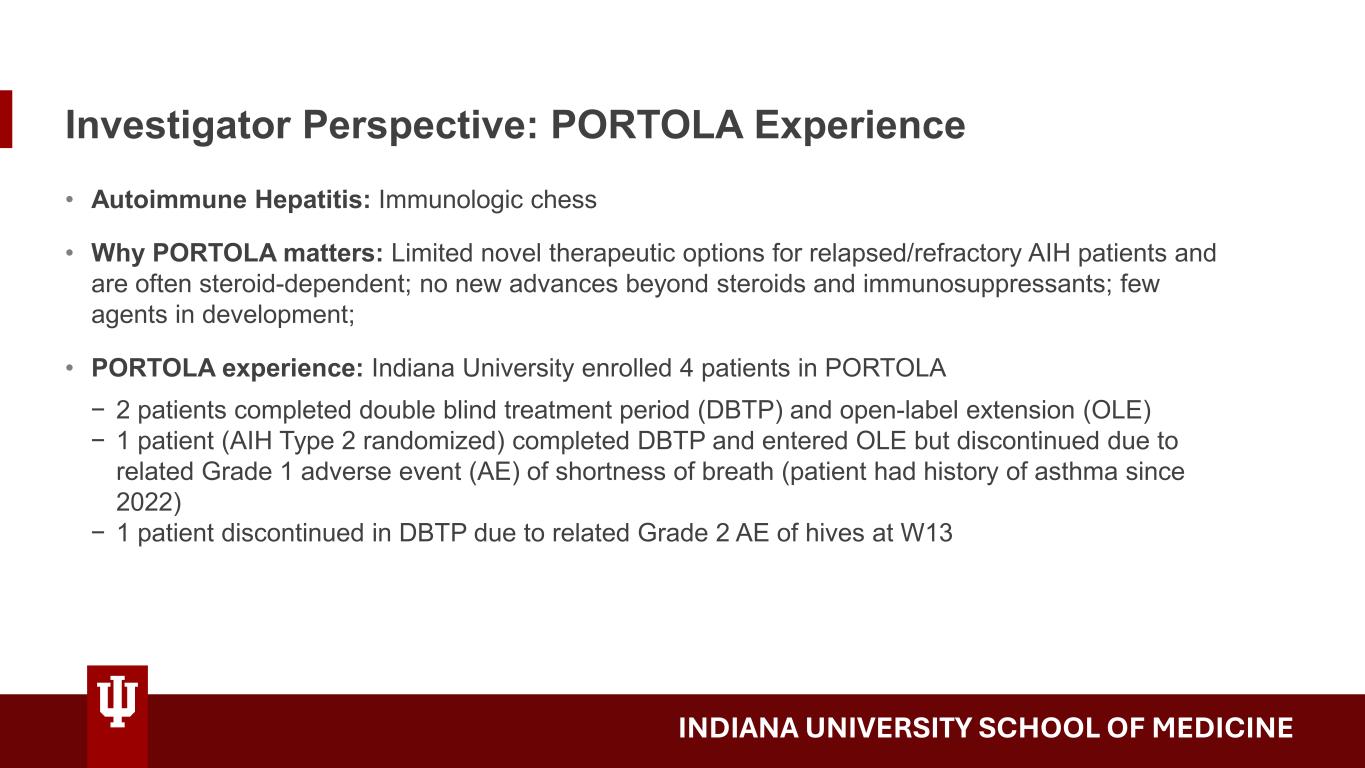
INDIANA UNIVERSITY SCHOOL OF MEDICINE Investigator Perspective: PORTOLA Experience • Autoimmune Hepatitis: Immunologic chess • Why PORTOLA matters: Limited novel therapeutic options for relapsed/refractory AIH patients and are often steroid-dependent; no new advances beyond steroids and immunosuppressants; few agents in development; • PORTOLA experience: Indiana University enrolled 4 patients in PORTOLA − 2 patients completed double blind treatment period (DBTP) and open-label extension (OLE) − 1 patient (AIH Type 2 randomized) completed DBTP and entered OLE but discontinued due to related Grade 1 adverse event (AE) of shortness of breath (patient had history of asthma since 2022) − 1 patient discontinued in DBTP due to related Grade 2 AE of hives at W13
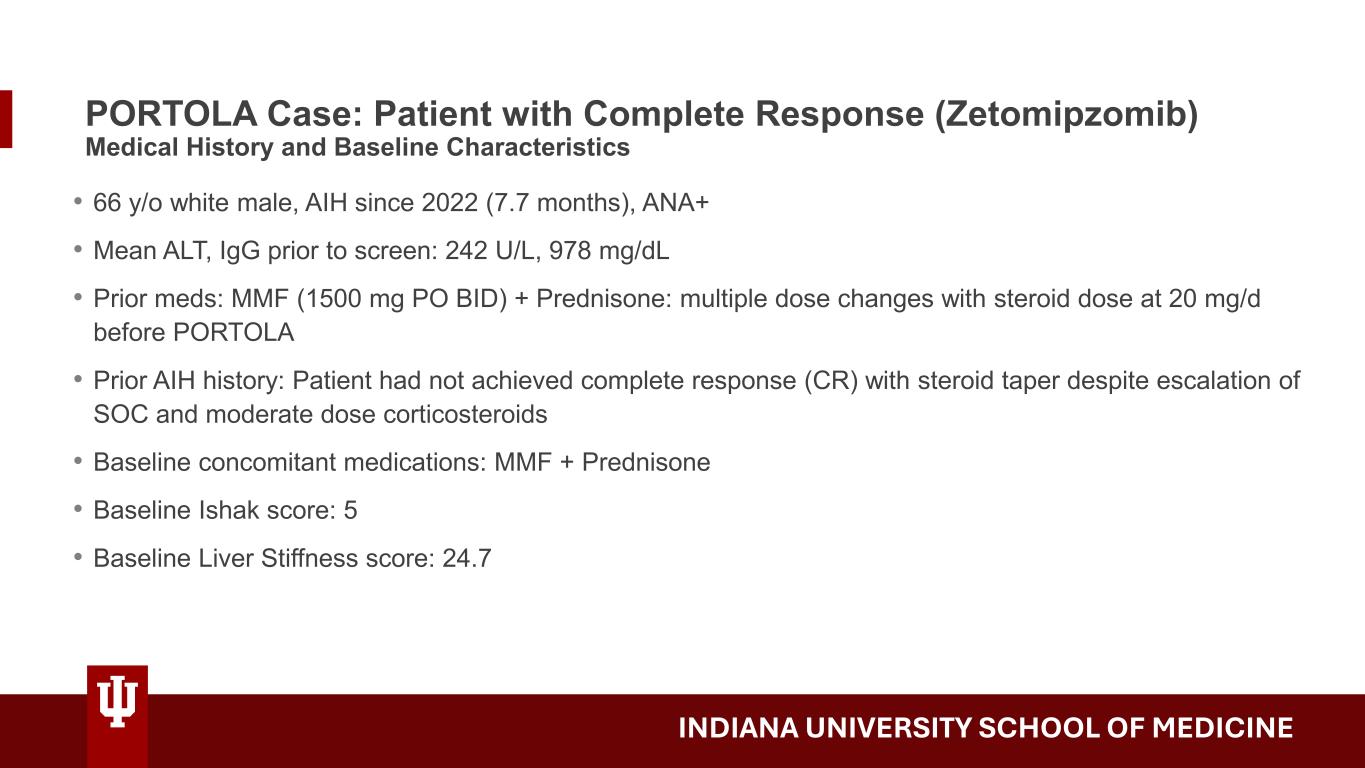
INDIANA UNIVERSITY SCHOOL OF MEDICINE PORTOLA Case: Patient with Complete Response (Zetomipzomib) Medical History and Baseline Characteristics • 66 y/o white male, AIH since 2022 (7.7 months), ANA+ • Mean ALT, IgG prior to screen: 242 U/L, 978 mg/dL • Prior meds: MMF (1500 mg PO BID) + Prednisone: multiple dose changes with steroid dose at 20 mg/d before PORTOLA • Prior AIH history: Patient had not achieved complete response (CR) with steroid taper despite escalation of SOC and moderate dose corticosteroids • Baseline concomitant medications: MMF + Prednisone • Baseline Ishak score: 5 • Baseline Liver Stiffness score: 24.7
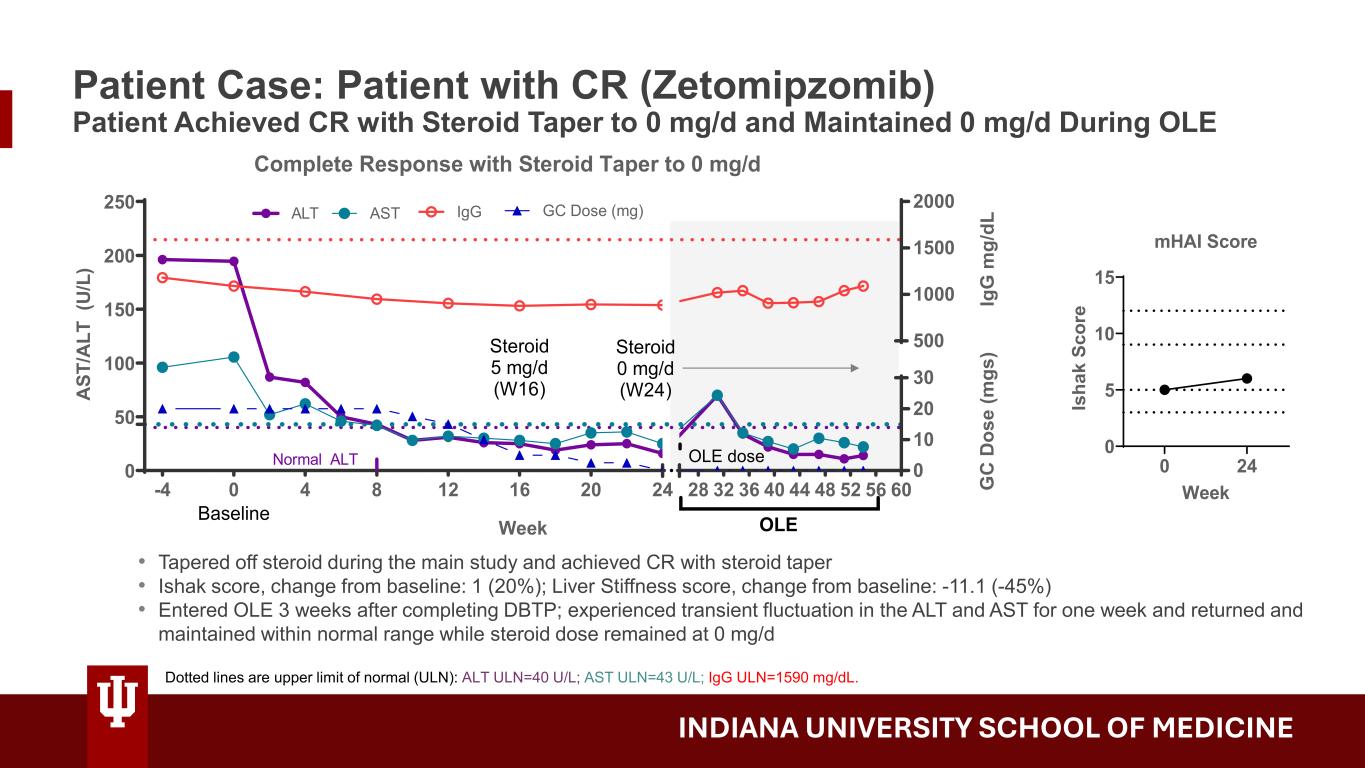
INDIANA UNIVERSITY SCHOOL OF MEDICINE Patient Case: Patient with CR (Zetomipzomib) Patient Achieved CR with Steroid Taper to 0 mg/d and Maintained 0 mg/d During OLE -4 0 4 8 12 16 20 24 0 50 100 150 200 250 0 10 20 30 500 1000 1500 2000 28 32 36 40 44 48 52 56 60 Week A ST /A LT ( U /L ) G C D os e (m gs ) Complete Response with Steroid Taper to 0 mg/d Baseline ALT IgGAST GC Dose (mg) Ig G m g/ dL Steroid 0 mg/d (W24) Normal ALT OLE OLE dose Steroid 5 mg/d (W16) 0 24 0 5 10 15 mHAI Score Week Is ha k Sc or e Dotted lines are upper limit of normal (ULN): ALT ULN=40 U/L; AST ULN=43 U/L; IgG ULN=1590 mg/dL. • Tapered off steroid during the main study and achieved CR with steroid taper • Ishak score, change from baseline: 1 (20%); Liver Stiffness score, change from baseline: -11.1 (-45%) • Entered OLE 3 weeks after completing DBTP; experienced transient fluctuation in the ALT and AST for one week and returned and maintained within normal range while steroid dose remained at 0 mg/d
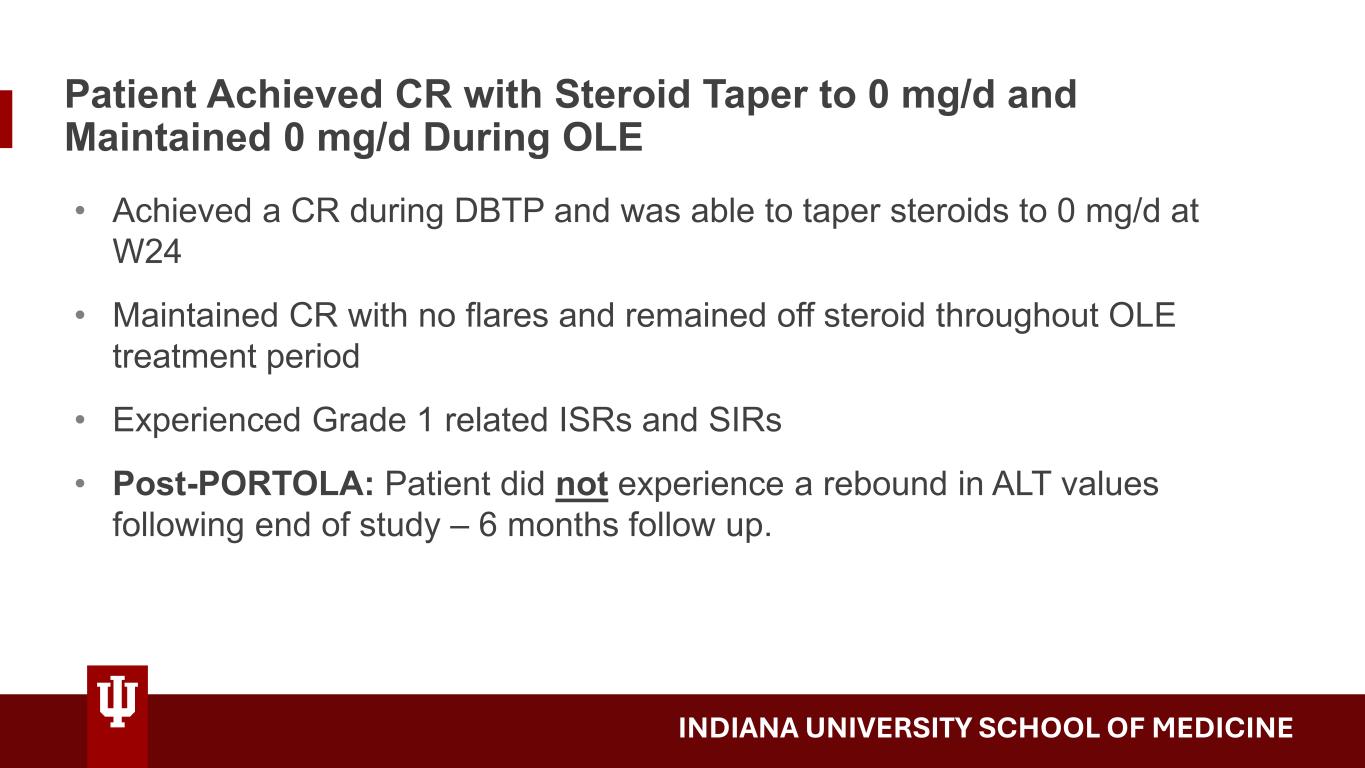
INDIANA UNIVERSITY SCHOOL OF MEDICINE Patient Achieved CR with Steroid Taper to 0 mg/d and Maintained 0 mg/d During OLE • Achieved a CR during DBTP and was able to taper steroids to 0 mg/d at W24 • Maintained CR with no flares and remained off steroid throughout OLE treatment period • Experienced Grade 1 related ISRs and SIRs • Post-PORTOLA: Patient did not experience a rebound in ALT values following end of study – 6 months follow up.
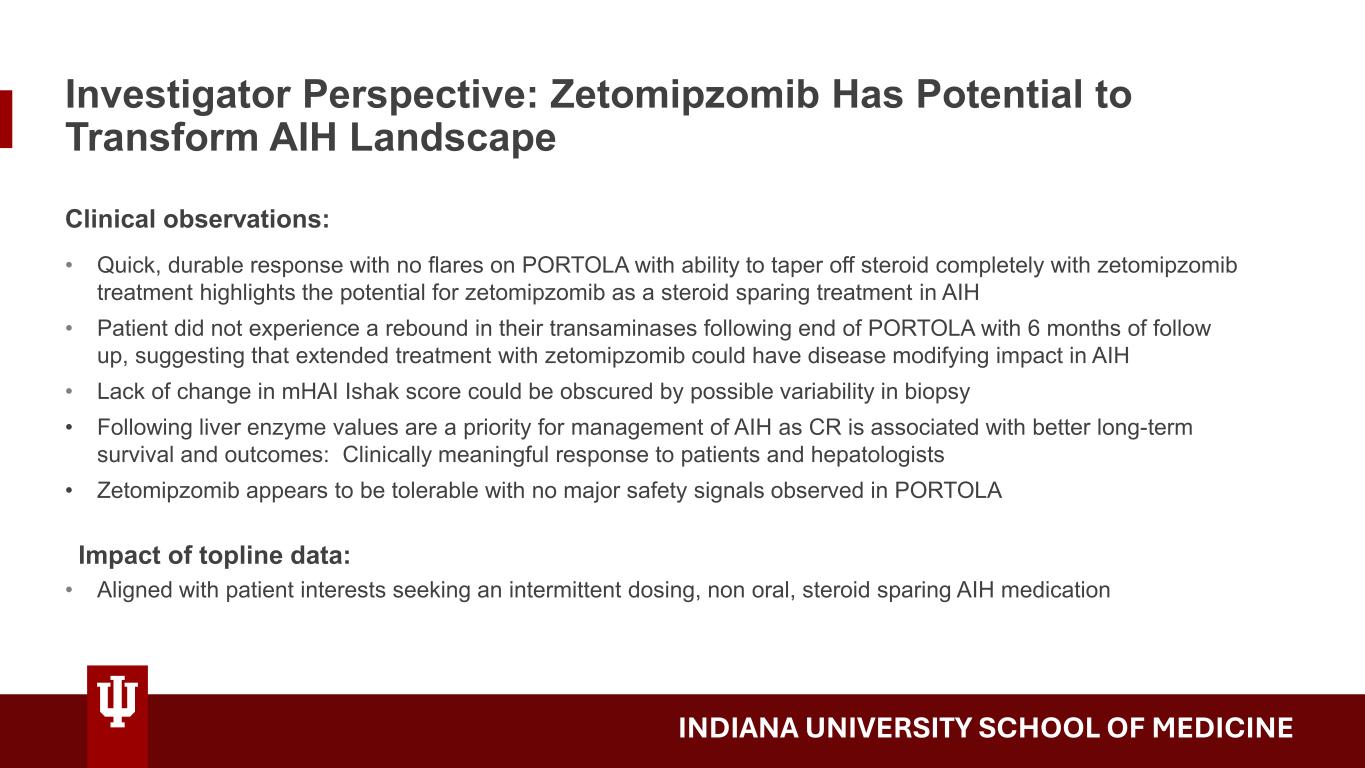
INDIANA UNIVERSITY SCHOOL OF MEDICINE Investigator Perspective: Zetomipzomib Has Potential to Transform AIH Landscape Clinical observations: • Quick, durable response with no flares on PORTOLA with ability to taper off steroid completely with zetomipzomib treatment highlights the potential for zetomipzomib as a steroid sparing treatment in AIH • Patient did not experience a rebound in their transaminases following end of PORTOLA with 6 months of follow up, suggesting that extended treatment with zetomipzomib could have disease modifying impact in AIH • Lack of change in mHAI Ishak score could be obscured by possible variability in biopsy • Following liver enzyme values are a priority for management of AIH as CR is associated with better long-term survival and outcomes: Clinically meaningful response to patients and hepatologists • Zetomipzomib appears to be tolerable with no major safety signals observed in PORTOLA Impact of topline data: • Aligned with patient interests seeking an intermittent dosing, non oral, steroid sparing AIH medication
Presented by Gideon Hirschfield, Autoimmune and Rare Liver Disease Programme AUTOIMMUNE HEPATITIS: WE CAN AND SHOULD DO BETTER Gideon Hirschfield, PhD, MB BChir, FRCP Lily and Terry Horner Chair in Autoimmune Liver Disease Research Director, Francis Family Liver Clinic, Toronto General Hospital
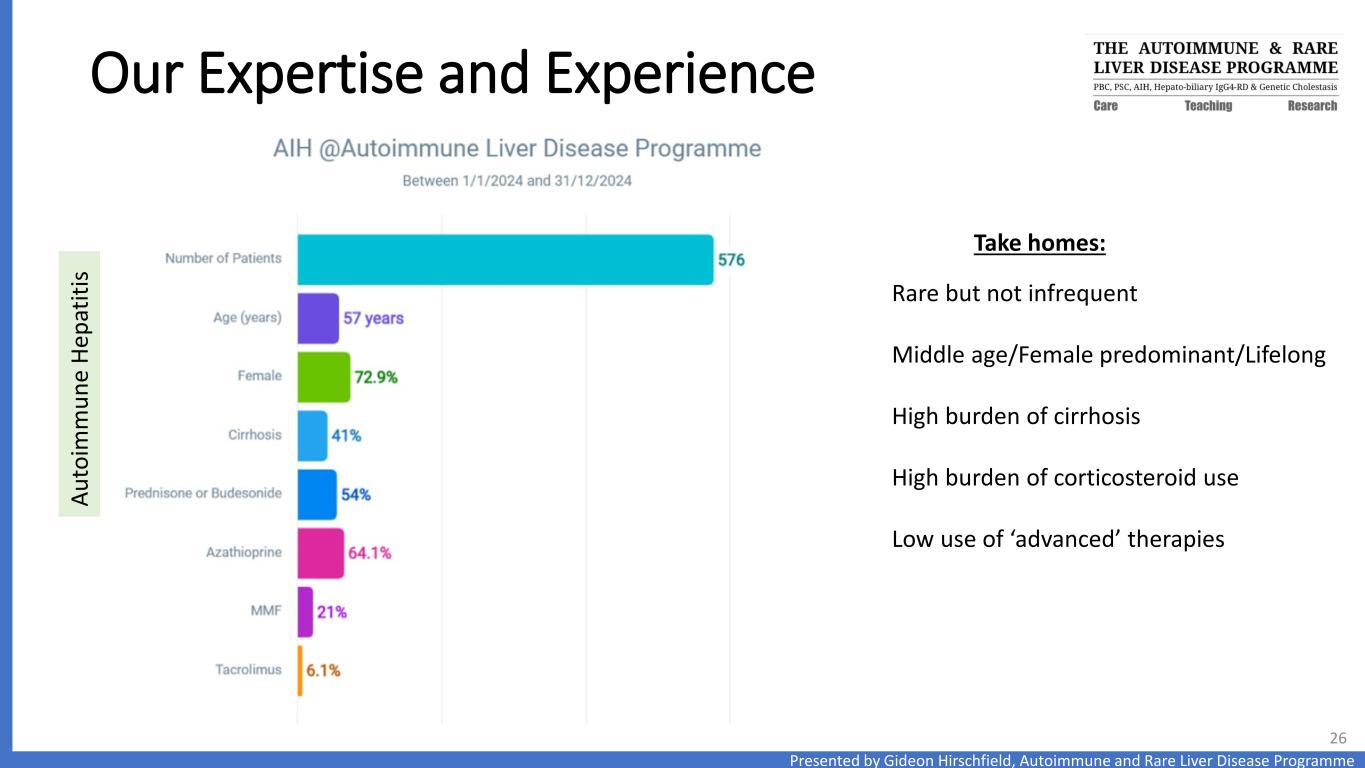
Presented by Gideon Hirschfield, Autoimmune and Rare Liver Disease Programme 26 Our Expertise and Experience Rare but not infrequent Middle age/Female predominant/Lifelong High burden of cirrhosis High burden of corticosteroid use Low use of ‘advanced’ therapies Au to im m un e He pa tit is Take homes:
Presented by Gideon Hirschfield, Autoimmune and Rare Liver Disease Programme Autoimmune Hepatitis (AIH): A Significant Unmet Need • AIH is a chronic autoimmune disease with unresolving inflammation of the liver of unknown cause • Complex interplay of genetic predisposition and environmental triggers is believed to initiate autoimmune cascade • Dysregulation of T cell function (Treg cells) play crucial role in pathogenesis of AIH with cytokines/chemokines contributing to inflammatory process and liver damage • Plasma cells are a frequent and relatively specific feature of AIH, and develop from activated B cells with help from CD4+ T cells • Significant morbidity and mortality associated with disease progression and complications • Current SOC (corticosteroids and immunosuppressants) are associated with significant side effects 27
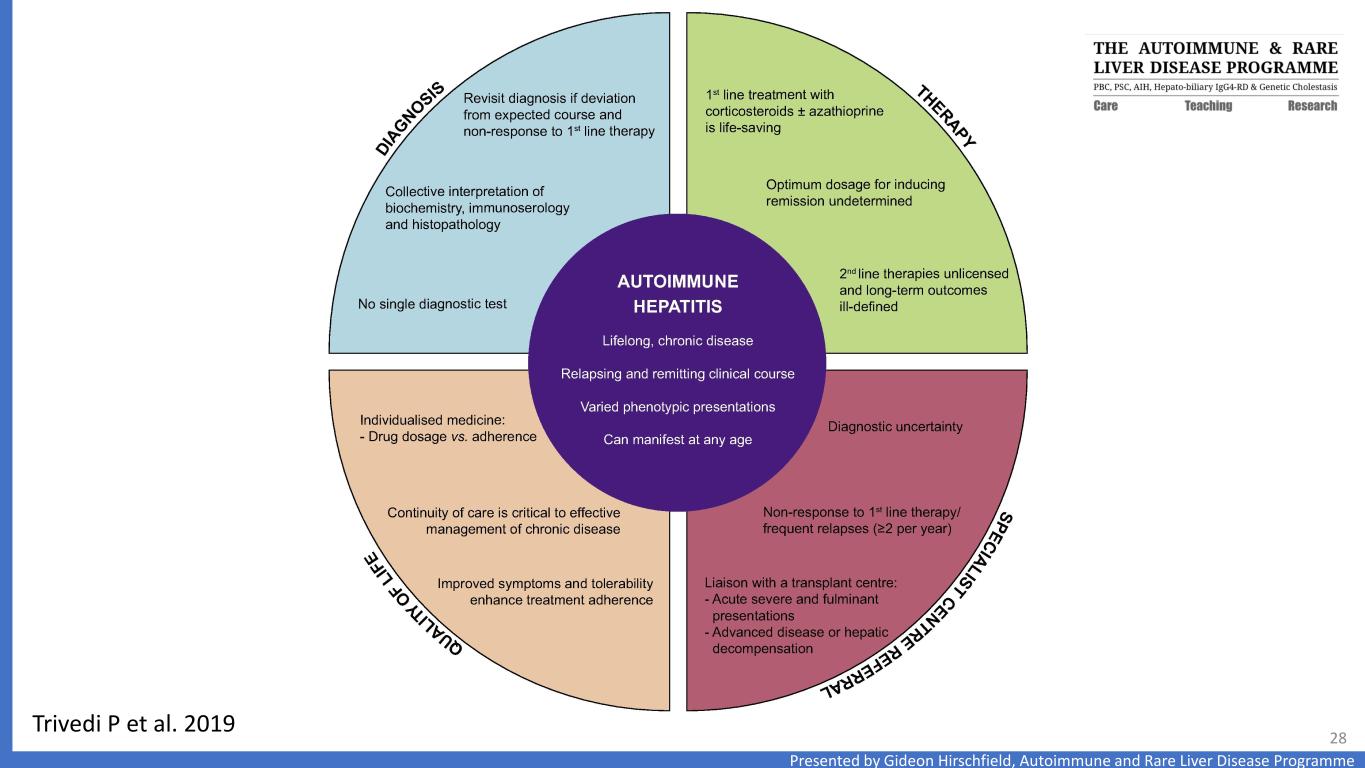
Presented by Gideon Hirschfield, Autoimmune and Rare Liver Disease Programme Fig. 2 Trivedi P et al. 2019 28
Presented by Gideon Hirschfield, Autoimmune and Rare Liver Disease Programme AIH: Real World Challenges • Limited options with standard of care - lack of choice • Adverse effects of corticosteroids and immunosuppressant individually and together • Tolerability • Weight, diabetes, osteoporosis, cosmetic, symptoms • Malignancy • Relapse rates upon treatment withdrawal • Risk of disease progression: • Cirrhosis, liver failure, portal hypertension, and increased risk of HCC 29
Presented by Gideon Hirschfield, Autoimmune and Rare Liver Disease Programme AIH: Current Unmet Needs • Inadequate therapy choices • Bad disease, ineffective drug, or intolerable treatment • Need for therapies that reliably induce durable remission with safety and tolerability that are on-label • Lack of corticosteroid-sparing agents • Lack of agents that have disease modifying potential • Stark contrast to IBD, RA, SLE in terms of therapy choices • Limited agents in development 30
Presented by Gideon Hirschfield, Autoimmune and Rare Liver Disease Programme Need for Novel Targeted Therapies: Zetomipzomib Has Opportunity to Add Value • Broad immunomodulatory activity targeting AIH pathophysiology – relevant niche/alignment of opportunities to enter AIH • B-cells/T-cells • Lack of non-specific immunosuppression • Corticosteroid-sparing potential • Disease modifying potential • First proof-of-concept study in AIH demonstrates clear efficacy signals in the hard-to-treat refractory/relapsed patient population • Translation of corticosteroid-sparing and durable response in refractory population to potential first-line therapy? 31
Presented by Gideon Hirschfield, Autoimmune and Rare Liver Disease Programme Thank you Gideon Hirschfield
Presented by Gideon Hirschfield, Autoimmune and Rare Liver Disease Programme NEXT STEPS & CLOSING REMARKS Christopher J, Kirk, PhD Chief Executive Officer, Co-Founder
Next Steps for Zetomipzomib Program in AIH Pending removal of partial clinical hold, Kezar looks forward to aligning with the FDA and EMA on a potential registrational study in AIH Kezar will respond to all FDA Division of Hepatology partial clinical hold comments as quickly as possible Biochemical remission with steroid taper and histologic improvement are likely to be key components of a pivotal study in this disease 34 Presentation of PORTOLA results at a major medical conference is planned for second half 2025 Results from PORTOLA study strongly support registrational development plan for zetomipzomib in AIH patients

QUESTION & ANSWER SESSION
4000 Shoreline Court Suite 300 South San Francisco, CA 94080 CONTACT US