NewAmsterdam Pharma Presents Positive Data from BROADWAY Trial Demonstrating Statistically Significant Reductions in Key Alzheimer’s Disease Biomarkers at AAIC 2025
-- Pre-specified analysis shows obicetrapib significantly reduced absolute levels of plasma p-tau217, a key biomarker of Alzheimer’s disease pathology, in both the full analysis set (p=0.0019) and in ApoE4 carriers (p=0.0215), supporting CETP inhibition as a potential novel, upstream approach to Alzheimer’s prevention –
-- In APOE4/E4 carriers, the highest risk category for Alzheimer’s disease, obicetrapib reduced p-tau217 levels by 20.5%, over 12 months, compared to placebo (p=0.010) --
-- Results build on obicetrapib’s cardiometabolic profile, including multiple clinical trials demonstrating reductions in LDL-C, small dense LDL particles, Lipoprotein(a), and biomarkers associated with diabetes and kidney function –
Naarden, the Netherlands and Miami, USA; July 30, 2025 – NewAmsterdam Pharma Company N.V. (Nasdaq: NAMS or “NewAmsterdam” or the “Company”), a late-stage, clinical biopharmaceutical company developing oral, non-statin medicines for patients at risk of cardiovascular disease (“CVD”) with elevated low-density lipoprotein cholesterol (“LDL-C”), for whom existing therapies are not sufficiently effective or well-tolerated, today announced full data from the prespecified Alzheimer’s disease (“AD”) biomarker analysis in the BROADWAY clinical trial (NCT05142722). The data were presented today during a Developing Topics oral session at the 2025 Alzheimer’s Association International Conference (“AAIC”) in Toronto.
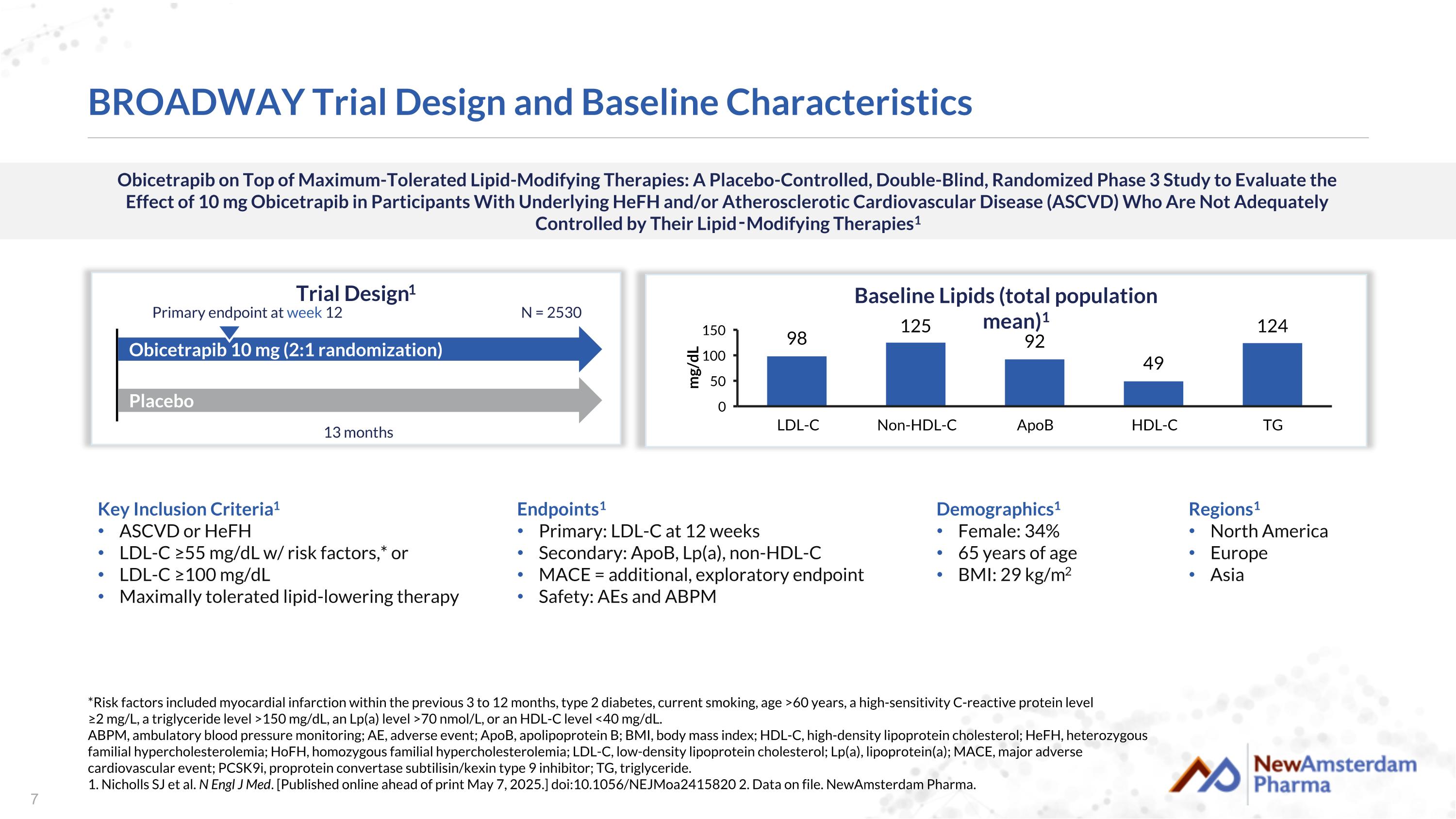
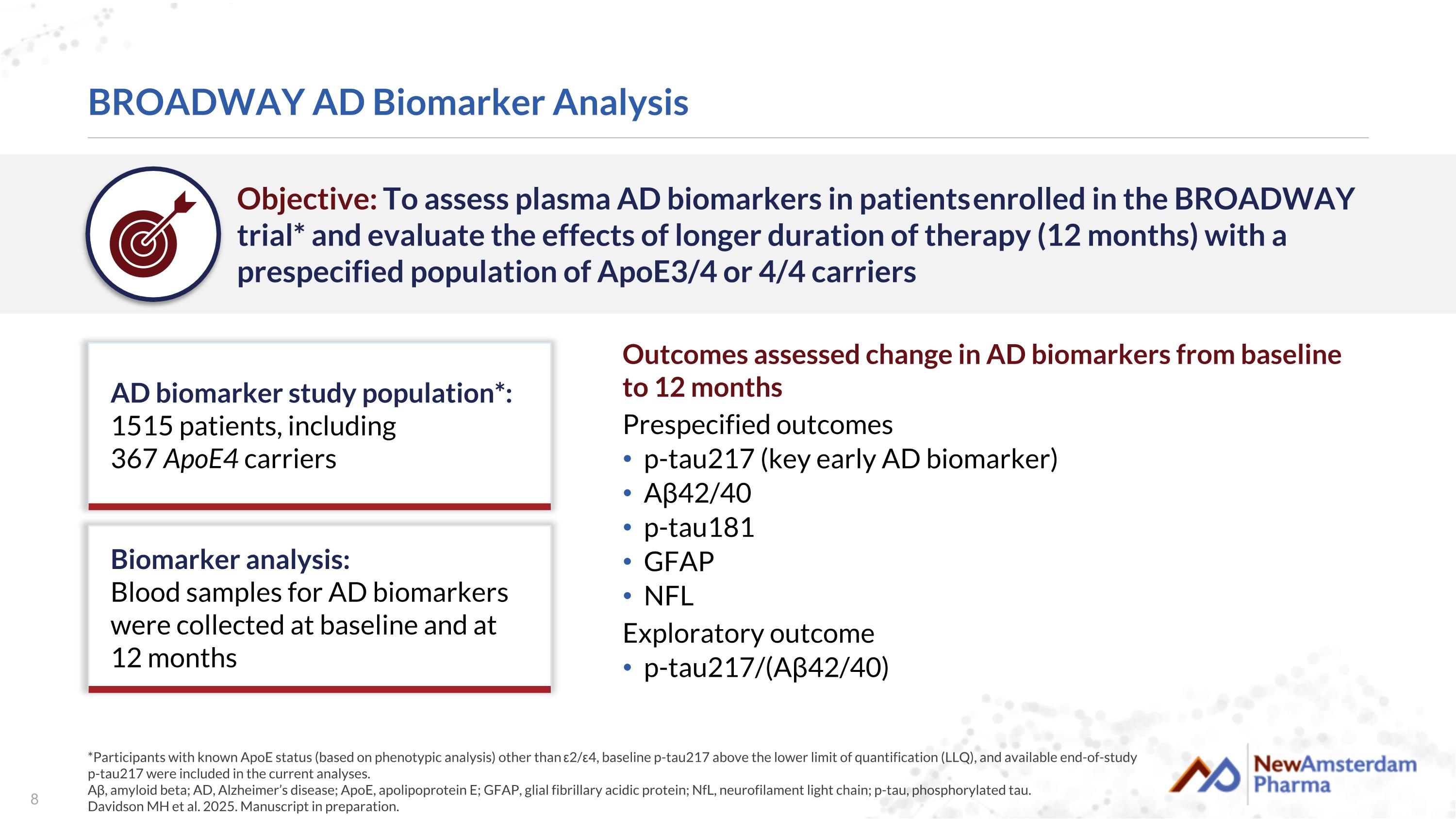
The BROADWAY trial was primarily designed as a pivotal Phase 3 trial to evaluate LDL-C lowering efficacy of obicetrapib, a potent CETP inhibitor, in adult patients with established atherosclerotic cardiovascular disease (“ASCVD”) and/or heterozygous familial hypercholesterolemia (“HeFH”), whose LDL-C is not adequately controlled, despite being on maximally tolerated lipid-lowering therapy. In connection with this trial, a prespecified analysis evaluated the effect of obicetrapib on plasma biomarkers of AD in 1,515 patients with established ASCVD and/or HeFH whose ApoE status was able to be determined, including 367 ApoE4 carriers. Safety in this population was not evaluated independently from the overall BROADWAY study population, where obicetrapib was observed to be well-tolerated, with safety results comparable to placebo.
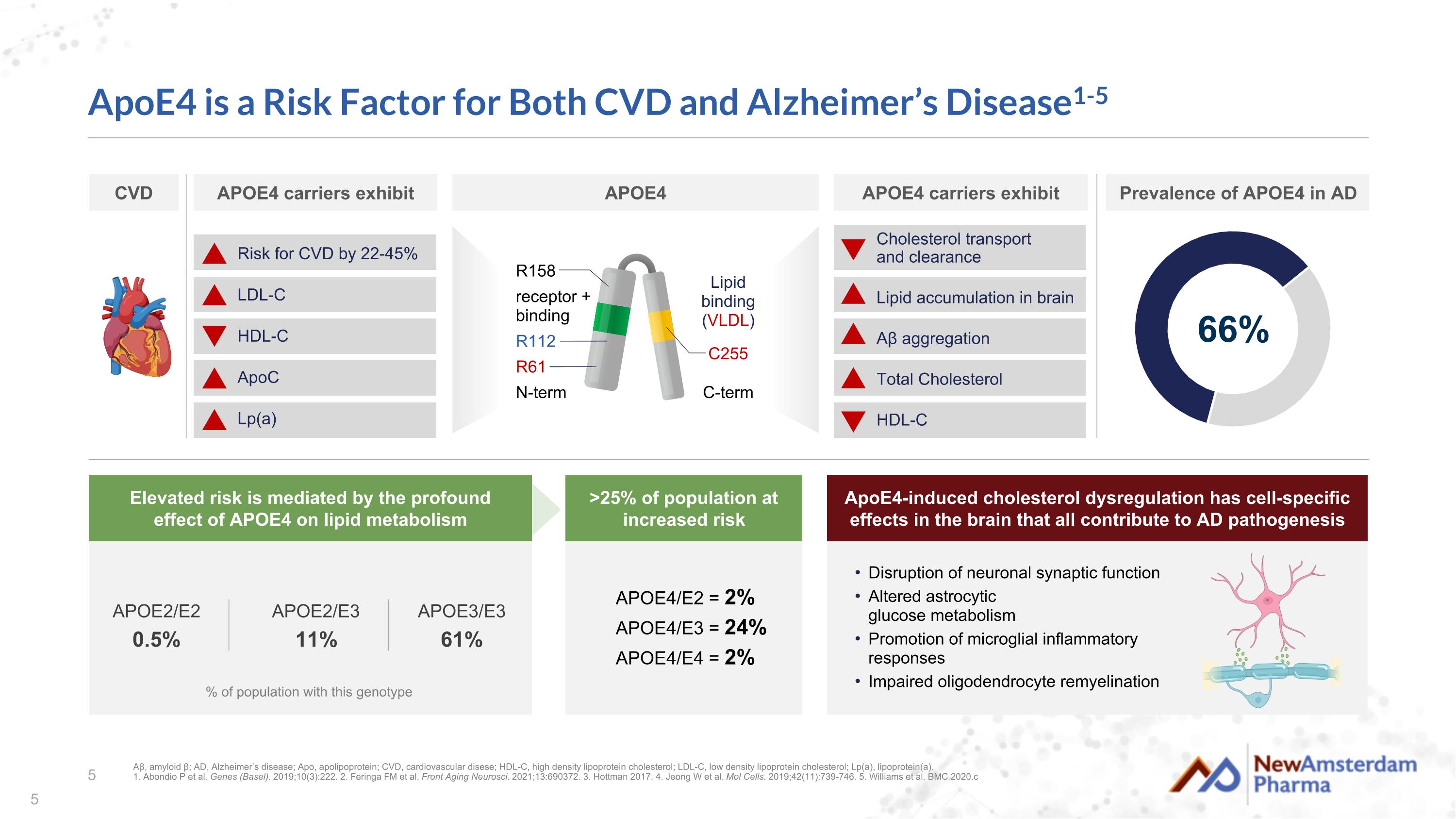
ApoE4 is both a risk factor for CVD and AD where ApoE4 carriers generally exhibit higher levels of LDL-C, Lp(a), and reduced cholesterol transport and clearance. Treatment with obicetrapib 10 mg daily for 12 months resulted in statistically significant lower absolute changes in plasma p-tau217, a key biomarker of AD pathology, in both the analysis set (p=0.0019) and in ApoE4 carriers (p=0.0215). Favorable trends were also observed across additional biomarkers, including neurofilament light chain (“NFL”), glial fibrillary acidic protein (“GFAP”), p-tau181, and the Aβ42/40 ratio, in the full analysis set and in ApoE4 carriers, with the greatest effect generally observed in carriers of two E4 proteins.
Percent change in AD biomarkers among E4/E4 carriers versus placebo (n=29)
|
|
|
|
|
|
|
Biomarker |
p-tau217 |
NFL |
GFAP |
p-tau181 |
Aβ42/40 |
p-tau217/ (Aβ42/40) |
Mean % Change |
-20.48% |
-17.31% |
-15.24% |
-13.67% |
-7.96% |
-22.65% |
p-value |
0.010 |
0.020 |
0.006 |
0.06 |
0.013 |
0.032 |
“Alzheimer’s disease remains a devastating global health challenge, with no effective preventive treatments available,” said Michael Davidson, M.D., Chief Executive Officer of NewAmsterdam Pharma. “Obicetrapib, our investigational once-daily oral therapy, shows promise by significantly slowing the progression of, and in some instances decreasing, plasma levels of p-tau217, a key Alzheimer’s biomarker, in this analysis. This is especially important in ApoE4 gene carriers—a group that represents over a quarter of the population and faces a heightened risk for this disease. Combined with its LDL-C lowering benefits observed in multiple clinical trials, obicetrapib may offer a unique opportunity to reduce both neurodegenerative and heart disease risks.”
Percent change in p-tau217 progression by subgroup versus placebo
|
|
|
|
|
|
Biomarker |
Full Analysis Set |
ApoE4 Carriers |
ApoE4, Age ≥ 60 |
ApoE4, Age ≥ 70 |
ApoE4/E4 |
n= |
1515 |
367 |
283 |
139 |
29 |
Mean % Change |
-2.99% |
-5.74% |
-5.40% |
-8.39% |
-20.48% |
p-value |
0.019 |
0.022 |
0.06 |
0.039 |
0.010 |
One of the first biomarkers to provide evidence of neurodegeneration is p-tau217, which can begin to increase more than 20 years before onset of cognitive impairment. In addition, p-tau217 has shown significantly higher accuracy in assessing AD than alternative plasma- or MRI-based analyses, and its performance does not significantly differ from key CSF- or PET-based measures. NFL and GFAP biomarkers are also considered predictive of neurodegeneration and elevated levels in the blood have been associated with AD progression and pathology. These results build on NewAmsterdam’s Phase 2a proof of concept trial and preclinical data, which showed reductions in brain cholesterol metabolites and stabilization of AD biomarkers in ApoE4 carriers.
“These results advance our understanding of how upstream lipid modulation may influence Alzheimer’s disease risk, especially in individuals carrying the ApoE4 protein,” said Philip Scheltens, M.D., Ph.D., Professor Emeritus at Amsterdam UMC. “With more than 25% of the population carrying one or two copies of ApoE4 and no approved preventative therapies, interventions that can slow AD associated biomarker progression may offer a promising path toward delaying or modifying disease onset and progression in this high-risk group.”
“Today’s findings mark an important early step in linking lipid biology and cardiometabolic medicine to neurodegeneration,” said John Kastelein, M.D., Ph.D., FESC, Chief Scientific Officer of NewAmsterdam Pharma. “Obicetrapib’s ability to reduce not only p-tau217 in ApoE4 carriers, a well-characterized and defined group, but also multiple additional important AD biomarkers would add a compelling new dimension to its therapeutic profile. Coupled with effects on LDL-C, small dense LDL particles, Lp(a), and metabolic biomarkers observed in multiple clinical trials, these data highlight obicetrapib’s potential to address the converging pathways of cardiovascular and neurovascular disease with a single, oral therapy.”
The Company looks forward to discussing these results with regulatory authorities to determine potential next steps.
Conference Call and Webcast Information
NewAmsterdam will host a live webcast and conference call at 10:00 a.m. ET on July 30, 2025 to review the full AD biomarker data presented at AAIC. To access the live webcast, participants may register here. The live webcast will be available under the “Events & Presentations” section of the Investor Relations page of the Company’s website at ir.newamsterdampharma.com.
To participate via telephone, please register in advance here. Upon registration, all telephone participants will receive a confirmation email detailing how to join the conference call, including the dial-in number along with a unique passcode and registrant ID that can be used to access the call. While not required, it is recommended that participants join the call ten minutes prior to the scheduled start. An archived replay of the webcast will be available on NewAmsterdam’s website following the live event.
Design of the Pivotal Phase 3 BROADWAY Clinical Trial
The 52-week, global, pivotal, Phase 3, randomized, double-blind, placebo-controlled multicenter trial evaluated the efficacy and safety of 10 mg obicetrapib compared to placebo as an adjunct to maximally tolerated lipid-lowering therapies in patients with ASCVD and/or HeFH whose LDL-C is not adequately controlled. The trial was conducted at sites in North America, Europe, Asia and Australia. A total of 2,530 patients were randomized 2:1 to receive 10 mg obicetrapib or placebo dosed as a once-daily oral treatment, with or without food for 52 weeks. The mean baseline LDL-C for enrolled patients in the obicetrapib arm was approximately 100 mg/dL despite high intensity statin use reported by nearly 70% of patients during screening. Females comprised approximately 34% of the trial population and the median age of participants at baseline was 65 years.
The primary endpoint was LS mean percent change from baseline in LDL-C of obicetrapib 10 mg compared to placebo after 84 days which showed a reduction of 33% with imputation. Secondary endpoints also included percent changes from baseline of obicetrapib 10 mg compared to placebo in ApoB, Lp(a), ApoA1, HDL-C, non-HDL-C, total cholesterol, and triglycerides at day 84, and on LDL-C levels at days 180 and 365. Other exploratory outcome measures included time from randomization until the first confirmed occurrence of MACE in the obicetrapib arm compared to placebo. The trial also evaluated the safety and tolerability profile of obicetrapib.
Alzheimer’s Analysis
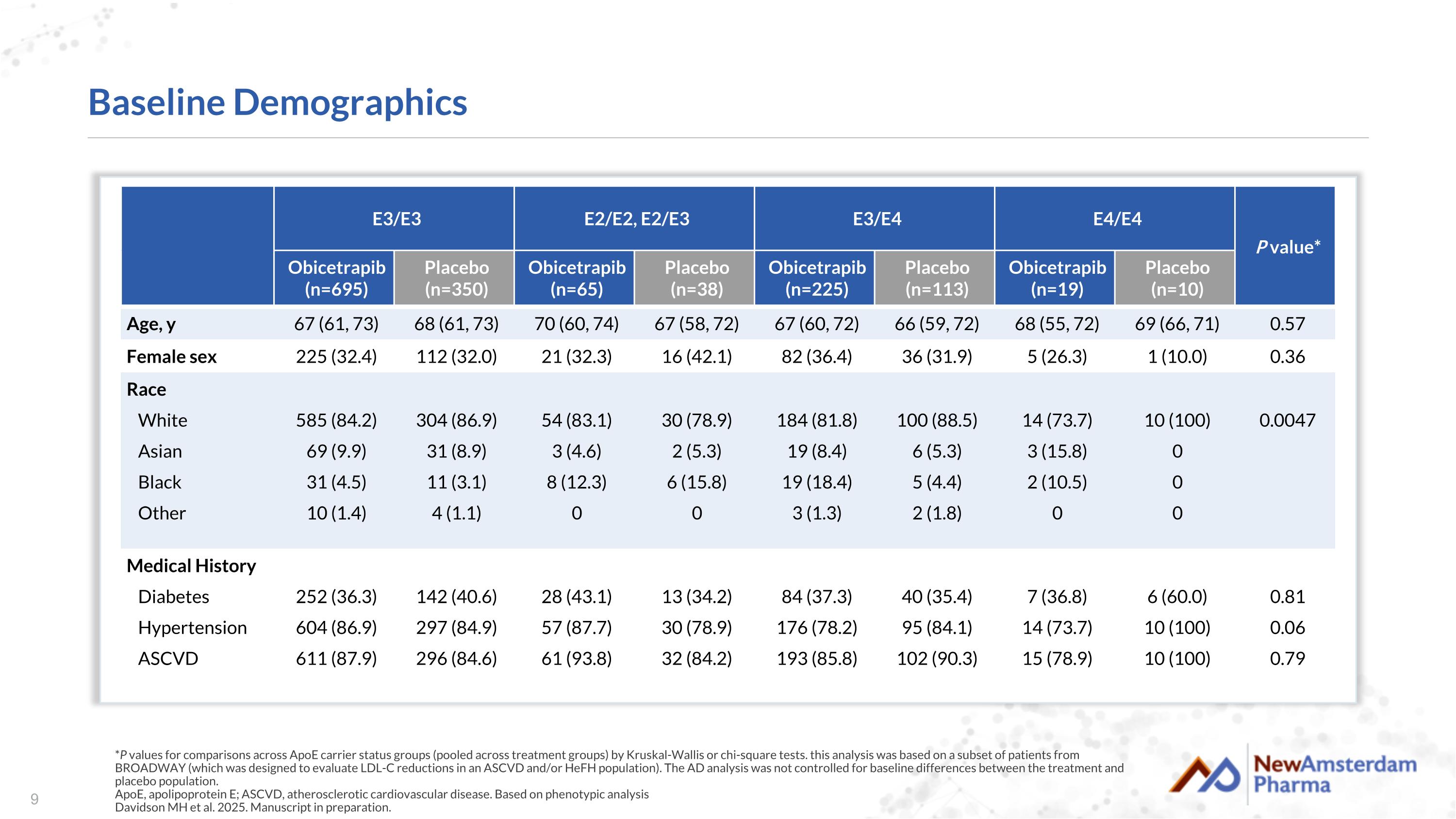
In BROADWAY, a pre-specified AD analysis was designed to assess plasma AD biomarkers in patients enrolled in the BROADWAY trial and evaluated the effects of longer duration of therapy (12 months) with a prespecified population of ApoE3/4 or 4/4 carriers, based on phenotypic analysis. The analysis included 1,515 patients, including 367 ApoE4 carriers, whose ApoE status was able to be determined. Because this analysis was based on a subset of patients from BROADWAY (which was designed to evaluate LDL-C reductions in an ASCVD and/or HeFH population), the AD analysis was not controlled for baseline differences between the treatment and placebo population. The primary outcome measure was p-tau217 absolute and percent change over 12 months, among patients with baseline and end of study datapoints above the lower limit of quantitation. Additional outcome measures included NFL, GFAP, p-tau181, and Aβ42/40 ratio absolute and percent change over 12 months. NewAmsterdam observed statistically significant lower absolute changes in p-tau217 compared to placebo over 12 months in both the full analysis set (p=0.0019; n= 1,515) and in ApoE4 carriers (p=0.0215; n=367). Although a safety analysis was not performed in the AD study population, in BROADWAY obicetrapib was observed to be well-tolerated, with safety results comparable to placebo.
Design of the Phase 2a Alzheimer's Trial
The open-label and single-arm trial was designed to assess the pharmacodynamics, pharmacokinetics, safety and tolerability of obicetrapib 10 mg in early AD patients carrying at least one copy of ApoE4. A total of 13 patients were given 10 mg obicetrapib and followed for 24 weeks. NewAmsterdam observed reductions in the levels of 24- and 27-hydroxycholestrol in both plasma and cerebrospinal fluid. Overall, obicetrapib was observed to be well-tolerated. No serious adverse events (“AEs”) were reported, nor were any AEs considered to be related to the study drug.
About Obicetrapib
Obicetrapib is a novel, oral, low-dose CETP inhibitor that NewAmsterdam is developing to overcome the limitations of current LDL-lowering treatments. In each of the Company’s Phase 2 trials, ROSE2, TULIP, ROSE, and OCEAN, as well as the Company’s Phase 3 BROOKLYN, BROADWAY and TANDEM trials, evaluating obicetrapib as monotherapy or combination therapy, the Company observed statistically significant LDL-lowering combined with a side effect profile similar to that of placebo. The Company commenced the Phase 3 PREVAIL cardiovascular outcomes trial in March 2022, which is designed to assess the potential of obicetrapib to reduce occurrences of
MACE. The Company completed enrollment of PREVAIL in April 2024 and randomized over 9,500 patients. Commercialization rights of obicetrapib in Europe, either as a monotherapy or as part of a fixed-dose combination with ezetimibe, have been exclusively granted to the Menarini Group, an Italy-based, leading international pharmaceutical and diagnostics company.
About NewAmsterdam
NewAmsterdam Pharma (Nasdaq: NAMS) is a late-stage biopharmaceutical company whose mission is to improve patient care in populations with metabolic diseases where currently approved therapies have not been adequate or well tolerated. We seek to fill a significant unmet need for a safe, well-tolerated and convenient LDL-lowering therapy. In multiple phase 3 trials, NewAmsterdam is investigating obicetrapib, an oral, low-dose and once-daily CETP inhibitor, alone or as a fixed-dose combination with ezetimibe, as LDL-C lowering therapies to be used as an adjunct to statin therapy for patients at risk of CVD with elevated LDL-C, for whom existing therapies are not sufficiently effective or well tolerated.
Forward-Looking Statements
Certain statements included in this document that are not historical facts are forward-looking statements for purposes of the safe harbor provisions under the United States Private Securities Litigation Reform Act of 1995. Forward-looking statements generally are accompanied by words such as “believe,” “may,” “will,” “estimate,” “continue,” “anticipate,” “intend,” “expect,” “should,” “would,” “plan,” “predict,” “potential,” “seem,” “seek,” “future,” “outlook” and similar expressions that predict or indicate future events or trends or that are not statements of historical matters. These forward-looking statements include, but are not limited to, statements regarding: the Company’s business and strategic plans; the therapeutic potential of obicetrapib including, without limitation, its potential to reduce neurodegenerative and heart disease risks; the potential for obicetrapib to favorably impact AD biomarkers and the potential benefits of doing so; the Company’s plans to discuss the results of the AD analysis with regulatory authorities to determine potential next steps; the Company’s clinical trials and the timing relating thereto; and the timing and forums for announcing data. These statements are based on various assumptions, whether or not identified in this document, and on the current expectations of the Company’s management and are not predictions of actual performance. These forward-looking statements are provided for illustrative purposes only and are not intended to serve as and must not be relied on as a guarantee, an assurance, a prediction, or a definitive statement of fact or probability. Actual events and circumstances are difficult or impossible to predict and may differ from assumptions. Many actual events and circumstances are beyond the control of the Company. These forward-looking statements are subject to a number of risks and uncertainties, including changes in domestic and foreign business, market, financial, political, and legal conditions; risks related to the approval of obicetrapib and the timing of expected regulatory and business milestones; whether results of the AD analysis and other early studies will be indicative of the results of later clinical trials; whether projections regarding clinical outcomes will reflect actual results in future clinical trials or clinical use of obicetrapib, if approved; the potential for varying interpretations of the results of the AD analysis; the impact of competitive product candidates; and those risks, uncertainties and other factors discussed under the caption "Item 1A. Risk Factors" and elsewhere in the Company’s most recent Form 10-K, Form 10-Q and other public filings with the Securities and Exchange Commission - which are available at www.sec.gov. Additional risks related to the Company’s business include, but are not limited to: uncertainty regarding outcomes of the Company’s ongoing clinical trials, particularly as they relate to regulatory review and potential approval for obicetrapib; risks associated with the Company’s efforts to commercialize obicetrapib; the Company’s ability to negotiate and enter into definitive agreements on favorable terms, if at all; the impact of competing product candidates on the Company’s business and prospects; intellectual property related claims; the Company’s ability to attract and retain qualified personnel; and ability to continue to source the raw materials for obicetrapib and manufacturer final product. If any of these risks materialize or the Company’s assumptions prove incorrect, actual results could differ materially from the results implied by these forward-looking statements. There may be additional risks that the Company does not presently know or that the Company currently believes are immaterial that could also cause actual results to differ from those contained in the forward-looking statements. In addition, forward-looking statements reflect the Company’s expectations, plans, or forecasts of future events and views as of the date of this
document and are qualified in their entirety by reference to the cautionary statements herein. The Company anticipates that subsequent events and developments may cause the Company’s assessments to change. These forward-looking statements should not be relied upon as representing the Company’s assessment as of any date subsequent to the date of this communication. Accordingly, undue reliance should not be placed upon the forward-looking statements. Neither the Company nor any of its affiliates undertakes any obligation to update these forward-looking statements, except as may be required by law.
Company Contact
Matthew Philippe
P: 1-917-882-7512
[email protected]
Media Contact
Real Chemistry on behalf of NewAmsterdam
Christian Edgington
P: 1-513-310-6410
[email protected]
Investor Contact
Precision AQ on behalf of NewAmsterdam
Austin Murtagh
P: 1-212-698-8696
[email protected]
Obicetrapib in Alzheimer’s Disease (AD): �First-in-Class Evidence from BROADWAY July 30, 2025
Disclaimer This presentation (together with oral statements made in connection herewith, this “Presentation”) is for informational purposes only. Forward Looking Statements Certain statements included in this presentation (together with oral statements made in connection herewith, this “Presentation”) that are not historical facts are forward-looking statements for purposes of the safe harbor provisions under the United States Private Securities Litigation Reform Act of 1995. Forward-looking statements generally are accompanied by words such as “believe,” “may,” “will,” “estimate,” “continue,” “anticipate,” “intend,” “expect,” “should,” “would,” “plan,” “predict,” “potential,” “seem,” “seek,” “future,” “outlook,” "aim" and similar expressions that predict or indicate future events or trends or that are not statements of historical matters. These forward-looking statements include, but are not limited to, statements by NewAmsterdam Pharma Company N.V. (“NewAmsterdam” or the “Company”) regarding estimates and forecasts of financial and performance metrics and projections of market opportunity; the Company's business and strategic plans; expectations and timing related to the success, cost and timing of product development activities, including timing of initiation, completion and data readouts for clinical trials and the potential approval of the Company’s product candidate; the timing for enrolling patients in clinical trials; the size and growth potential of the markets for the Company’s product candidate; the Company's ability to achieve the broad degree of physician adoption and use and market acceptance necessary for commercial success; the therapeutic potential of the Company’s product candidate including without limitation, its potential to favorably impact AD biomarkers and its potential to reduce neurodegenerative and heart disease risks; the Company’s plans to discuss the results of the AD analysis with regulatory authorities to determine next steps; financing and other business milestones; and the Company’s plans for commercialization. These statements are based on various assumptions, whether or not identified in this Presentation, and on the current expectations of the Company’s management and are not predictions of actual performance. These forward-looking statements are provided for illustrative purposes only and are not intended to serve as and must not be relied on as a guarantee, an assurance, a prediction, or a definitive statement of fact or probability. Actual events and circumstances are difficult or impossible to predict and may differ from assumptions. Many actual events and circumstances are beyond the control of the Company. These forward-looking statements are subject to a number of risks and uncertainties, including changes in domestic and foreign business, market, financial, political, and legal conditions; risks related to the approval of the Company’s product candidate and the timing of expected regulatory and business milestones; whether topline, initial or preliminary results from a particular clinical trial will be predictive of the final results of that trial and whether results of the AD analysis and other early clinical trials will be indicative of the results of later clinical trials; the potential for varying interpretations of the Alzheimer's disease analysis results and the results of other trials; uncertainty regarding outcomes of the Company’s ongoing clinical trials, particularly as they relate to regulatory review and potential approval of the Company’s product candidate; risks associated with the Company’s efforts to commercialize its product candidates; the impact of competing product candidates on the Company’s business and prospects; intellectual property-related claims; the Company’s ability to attract and retain qualified personnel; and the Company’s ability to continue to source the raw materials for its product candidates and manufacturer final product; and those risks, uncertainties and other factors discussed under the caption "Item 1A. Risk Factors" and elsewhere in the Company’s most recent Form 10-K, Form 10-Q and other public filings with the Securities and Exchange Commission - which are available at www.sec.gov. If any of these risks materialize or NewAmsterdam’s assumptions prove incorrect, actual results could differ materially from the results implied by these forward-looking statements. There may be additional risks that are presently unknown by the Company or that the Company currently believes are immaterial that could also cause actual results to differ from those contained in the forward-looking statements. In addition, forward-looking statements reflect NewAmsterdam’s expectations, plans, or forecasts of future events and views as of the date of this Presentation and are qualified in their entirety by reference to the cautionary statements herein. NewAmsterdam anticipates that subsequent events and developments will cause the Company’s assessments to change. These forward-looking statements should not be relied upon as representing NewAmsterdam’s assessments as of any date subsequent to the date of this Presentation. Accordingly, undue reliance should not be placed upon the forward-looking statements. Neither NewAmsterdam nor any of its affiliates undertakes any obligation to update these forward-looking statements, except as required by law. Market Data Certain information contained in this Presentation relates to or is based on third-party studies, publications, data, surveys and NewAmsterdam’s own internal estimates and research. In addition, all of the market data included in this Presentation involves a number of assumptions and limitations, and there can be no guarantee as to the accuracy or reliability of such assumptions. Finally, while NewAmsterdam believes its internal research is reliable, such research has not been verified by any independent source and NewAmsterdam cannot guarantee and makes no representation or warranty, express or implied, as to its accuracy and completeness. Trademarks This Presentation contains trademarks, service marks, trade names, and copyrights of NewAmsterdam and other companies, which are the property of their respective owners. The use or display of third parties’ trademarks, service marks, trade name or products in this Presentation is not intended to, and does not imply, a relationship with NewAmsterdam or an endorsement or sponsorship by or of NewAmsterdam. Solely for convenience, the trademarks, service marks and trade names referred to in this Presentation may appear with the TM or SM symbols, but such references are not intended to indicate, in any way, that NewAmsterdam will not assert, to the fullest extent permitted under applicable law, their rights or the right of the applicable licensor to these trademarks, service marks and trade names.
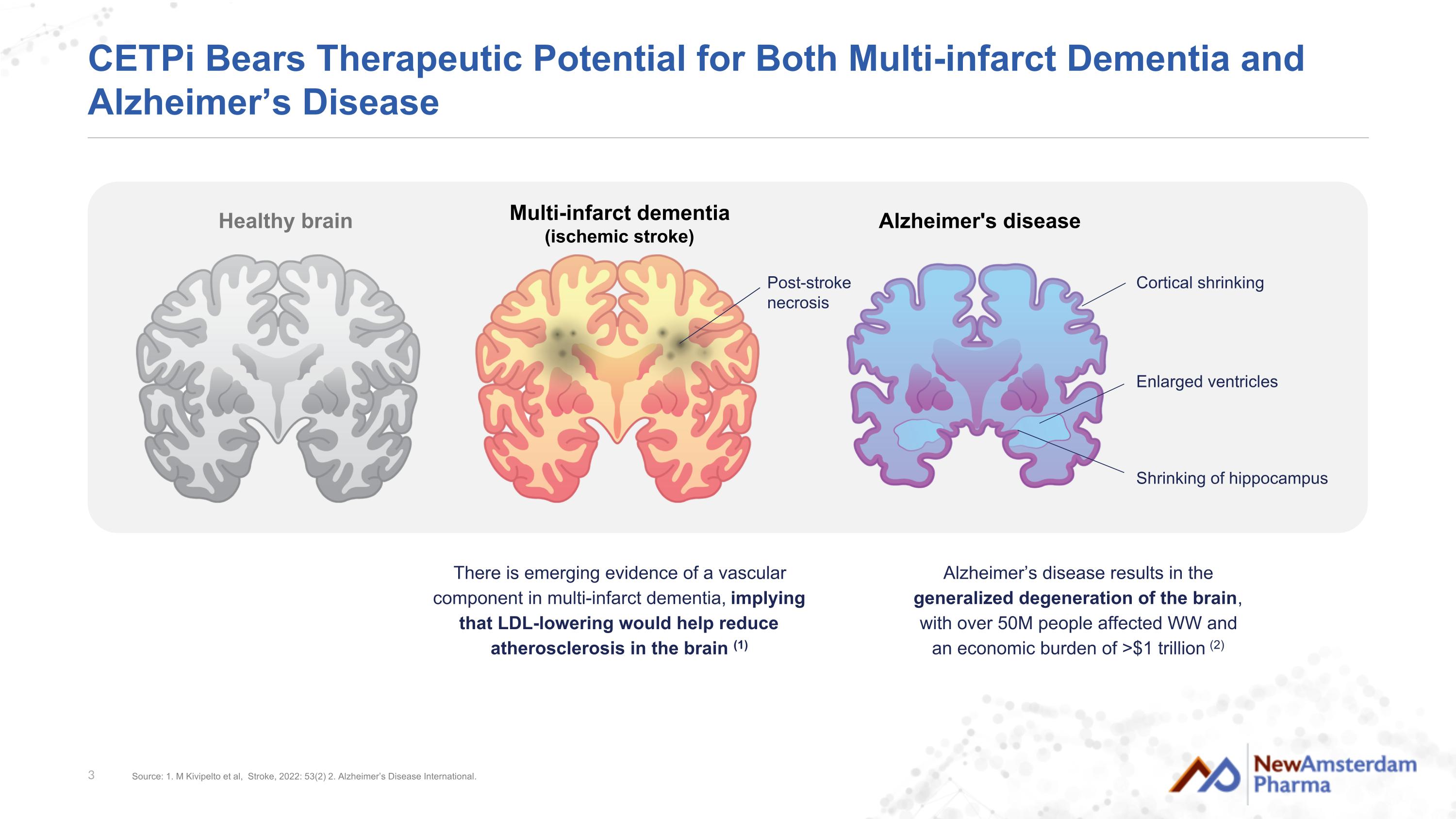
CETPi Bears Therapeutic Potential for Both Multi-infarct Dementia and Alzheimer’s Disease Alzheimer's disease Healthy brain Alzheimer’s disease results in the generalized degeneration of the brain, with over 50M people affected WW and an economic burden of >$1 trillion (2) There is emerging evidence of a vascular component in multi-infarct dementia, implying that LDL-lowering would help reduce atherosclerosis in the brain (1) Multi-infarct dementia (ischemic stroke) Cortical shrinking Enlarged ventricles Shrinking of hippocampus Post-stroke necrosis Source: 1. M Kivipelto et al, Stroke, 2022: 53(2) 2. Alzheimer’s Disease International.
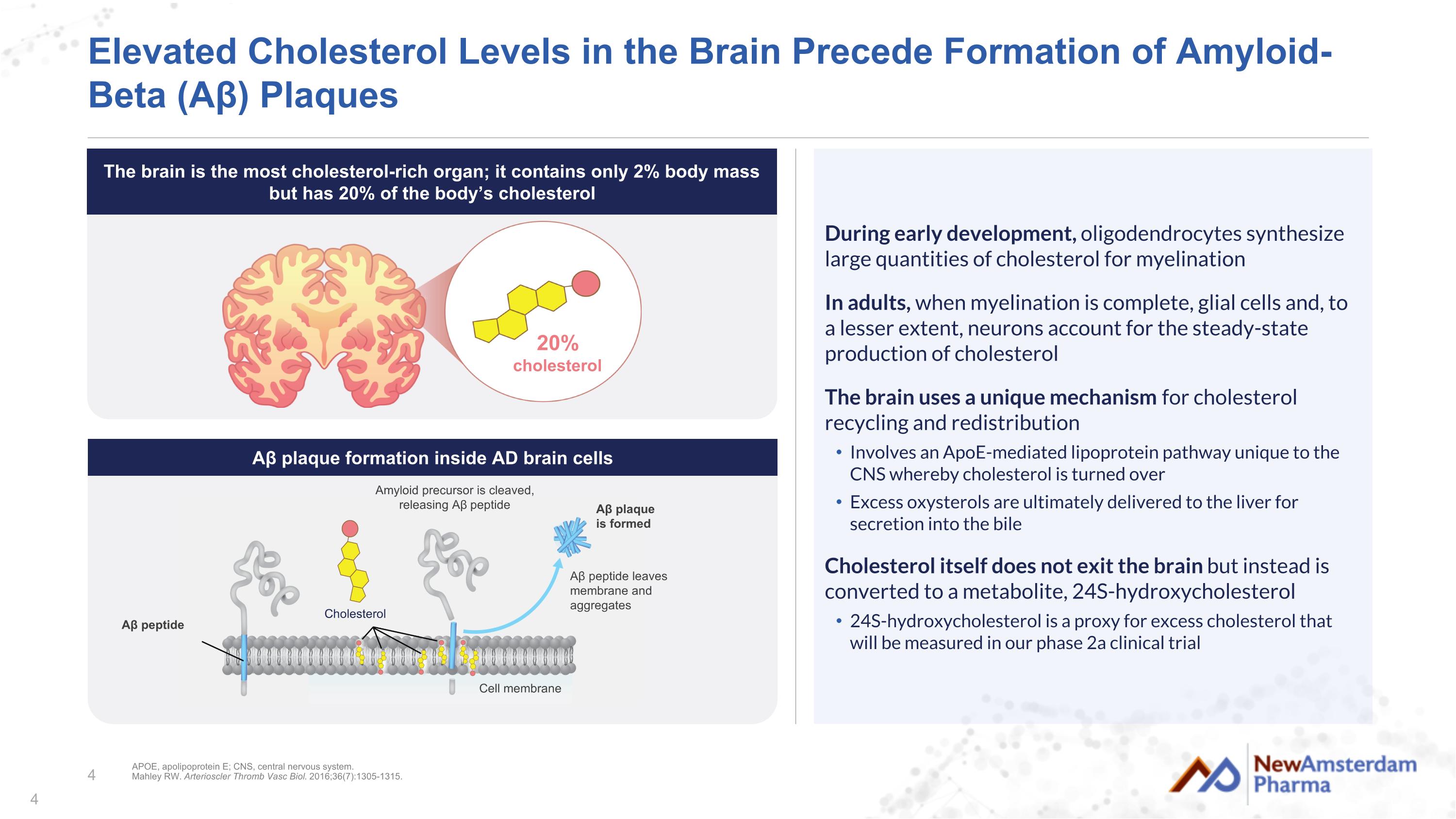
+ Elevated Cholesterol Levels in the Brain Precede Formation of Amyloid-Beta (Aβ) Plaques During early development, oligodendrocytes synthesize large quantities of cholesterol for myelination In adults, when myelination is complete, glial cells and, to a lesser extent, neurons account for the steady-state production of cholesterol The brain uses a unique mechanism for cholesterol recycling and redistribution Involves an ApoE-mediated lipoprotein pathway unique to the CNS whereby cholesterol is turned over Excess oxysterols are ultimately delivered to the liver for secretion into the bile Cholesterol itself does not exit the brain but instead is converted to a metabolite, 24S-hydroxycholesterol 24S-hydroxycholesterol is a proxy for excess cholesterol that will be measured in our phase 2a clinical trial 20% cholesterol APOE, apolipoprotein E; CNS, central nervous system. Mahley RW. Arterioscler Thromb Vasc Biol. 2016;36(7):1305-1315. Amyloid precursor is cleaved,�releasing Aβ peptide Aβ peptide leaves�membrane and aggregates Aβ plaque is formed Aβ peptide Cholesterol Cell membrane Aβ plaque formation inside AD brain cells The brain is the most cholesterol-rich organ; it contains only 2% body mass but has 20% of the body’s cholesterol
ApoE4 is a Risk Factor for Both CVD and Alzheimer’s Disease1-5 % of population with this genotype APOE2/E3 11% APOE3/E3 61% APOE2/E2 0.5% APOE4/E2 = 2% APOE4/E3 = 24% APOE4/E4 = 2% Cholesterol transport�and clearance Lipid accumulation in brain Aβ aggregation Total Cholesterol HDL-C receptor + binding N-term C-term Lipid binding (VLDL) R158 R61 R112 C255 Disruption of neuronal synaptic function Altered astrocytic �glucose metabolism Promotion of microglial inflammatory responses Impaired oligodendrocyte remyelination Aβ, amyloid β; AD, Alzheimer’s disease; Apo, apolipoprotein; CVD, cardiovascular disese; HDL-C, high density lipoprotein cholesterol; LDL-C, low density lipoprotein cholesterol; Lp(a), lipoprotein(a). 1. Abondio P et al. Genes (Basel). 2019;10(3):222. 2. Feringa FM et al. Front Aging Neurosci. 2021;13:690372. 3. Hottman 2017. 4. Jeong W et al. Mol Cells. 2019;42(11):739-746. 5. Williams et al. BMC 2020.c 66% APOE4 carriers exhibit Prevalence of APOE4 in AD ApoE4-induced cholesterol dysregulation has cell-specific effects in the brain that all contribute to AD pathogenesis >25% of population at increased risk Elevated risk is mediated by the profound�effect of APOE4 on lipid metabolism CVD APOE4 carriers exhibit APOE4 Risk for CVD by 22-45% LDL-C HDL-C ApoC Lp(a)

BROADWAY AD Biomarker Analysis:�Design and �Baseline Characteristics AD, Alzheimer’s disease.
Obicetrapib on Top of Maximum-Tolerated Lipid-Modifying Therapies: A Placebo-Controlled, Double-Blind, Randomized Phase 3 Study to Evaluate the Effect of 10 mg Obicetrapib in Participants With Underlying HeFH and/or Atherosclerotic Cardiovascular Disease (ASCVD) Who Are Not Adequately Controlled by Their Lipid‑Modifying Therapies1 BROADWAY Trial Design and Baseline Characteristics Trial Design1 Key Inclusion Criteria1 ASCVD or HeFH LDL-C ≥55 mg/dL w/ risk factors,* or LDL-C ≥100 mg/dL Maximally tolerated lipid-lowering therapy Placebo Obicetrapib 10 mg (2:1 randomization) N = 2530 13 months Primary endpoint at week 12 Demographics1 Female: 34% 65 years of age BMI: 29 kg/m2 Baseline Lipids (total population mean)1 *Risk factors included myocardial infarction within the previous 3 to 12 months, type 2 diabetes, current smoking, age >60 years, a high-sensitivity C-reactive protein level �≥2 mg/L, a triglyceride level >150 mg/dL, an Lp(a) level >70 nmol/L, or an HDL-C level <40 mg/dL. ABPM, ambulatory blood pressure monitoring; AE, adverse event; ApoB, apolipoprotein B; BMI, body mass index; HDL-C, high-density lipoprotein cholesterol; HeFH, heterozygous familial hypercholesterolemia; HoFH, homozygous familial hypercholesterolemia; LDL-C, low-density lipoprotein cholesterol; Lp(a), lipoprotein(a); MACE, major adverse cardiovascular event; PCSK9i, proprotein convertase subtilisin/kexin type 9 inhibitor; TG, triglyceride. 1. Nicholls SJ et al. N Engl J Med. [Published online ahead of print May 7, 2025.] doi:10.1056/NEJMoa2415820 2. Data on file. NewAmsterdam Pharma. Endpoints1 Primary: LDL-C at 12 weeks Secondary: ApoB, Lp(a), non-HDL-C MACE = additional, exploratory endpoint Safety: AEs and ABPM Regions1 North America Europe Asia
BROADWAY AD Biomarker Analysis *Participants with known ApoE status (based on phenotypic analysis) other than ε2/ε4, baseline p-tau217 above the lower limit of quantification (LLQ), and available end-of-study p-tau217 were included in the current analyses. Aβ, amyloid beta; AD, Alzheimer’s disease; ApoE, apolipoprotein E; GFAP, glial fibrillary acidic protein; NfL, neurofilament light chain; p-tau, phosphorylated tau.�Davidson MH et al. 2025. Manuscript in preparation. Objective: To assess plasma AD biomarkers in patients enrolled in the BROADWAY trial* and evaluate the effects of longer duration of therapy (12 months) with a prespecified population of ApoE3/4 or 4/4 carriers Outcomes assessed change in AD biomarkers from baseline to 12 months Prespecified outcomes p-tau217 (key early AD biomarker) Aβ42/40 p-tau181 GFAP NFL Exploratory outcome p-tau217/(Aβ42/40) AD biomarker study population*: 1515 patients, including 367 ApoE4 carriers Biomarker analysis: Blood samples for AD biomarkers were collected at baseline and at 12 months
Baseline Demographics *P values for comparisons across ApoE carrier status groups (pooled across treatment groups) by Kruskal-Wallis or chi-square tests. this analysis was based on a subset of patients from BROADWAY (which was designed to evaluate LDL-C reductions in an ASCVD and/or HeFH population). The AD analysis was not controlled for baseline differences between the treatment and placebo population. ApoE, apolipoprotein E; ASCVD, atherosclerotic cardiovascular disease. Based on phenotypic analysis Davidson MH et al. 2025. Manuscript in preparation. E3/E3 E2/E2, E2/E3 E3/E4 E4/E4 P value* Obicetrapib (n=695) Placebo (n=350) Obicetrapib (n=65) Placebo (n=38) Obicetrapib (n=225) Placebo (n=113) Obicetrapib (n=19) Placebo (n=10) Age, y 67 (61, 73) 68 (61, 73) 70 (60, 74) 67 (58, 72) 67 (60, 72) 66 (59, 72) 68 (55, 72) 69 (66, 71) 0.57 Female sex 225 (32.4) 112 (32.0) 21 (32.3) 16 (42.1) 82 (36.4) 36 (31.9) 5 (26.3) 1 (10.0) 0.36 Race White Asian Black Other 585 (84.2) 69 (9.9) 31 (4.5) 10 (1.4) 304 (86.9) 31 (8.9) 11 (3.1) 4 (1.1) 54 (83.1) 3 (4.6) 8 (12.3) 0 30 (78.9) 2 (5.3) 6 (15.8) 0 184 (81.8) 19 (8.4) 19 (18.4) 3 (1.3) 100 (88.5) 6 (5.3) 5 (4.4) 2 (1.8) 14 (73.7) 3 (15.8) 2 (10.5) 0 10 (100) 0 0 0 0.0047 Medical History Diabetes Hypertension ASCVD 252 (36.3) 604 (86.9) 611 (87.9) 142 (40.6) 297 (84.9) 296 (84.6) 28 (43.1) 57 (87.7) 61 (93.8) 13 (34.2) 30 (78.9) 32 (84.2) 84 (37.3) 176 (78.2) 193 (85.8) 40 (35.4) 95 (84.1) 102 (90.3) 7 (36.8) 14 (73.7) 15 (78.9) 6 (60.0) 10 (100) 10 (100) 0.81 0.06 0.79

BROADWAY AD Biomarker Study:�Primary Results AD, Alzheimer’s disease.
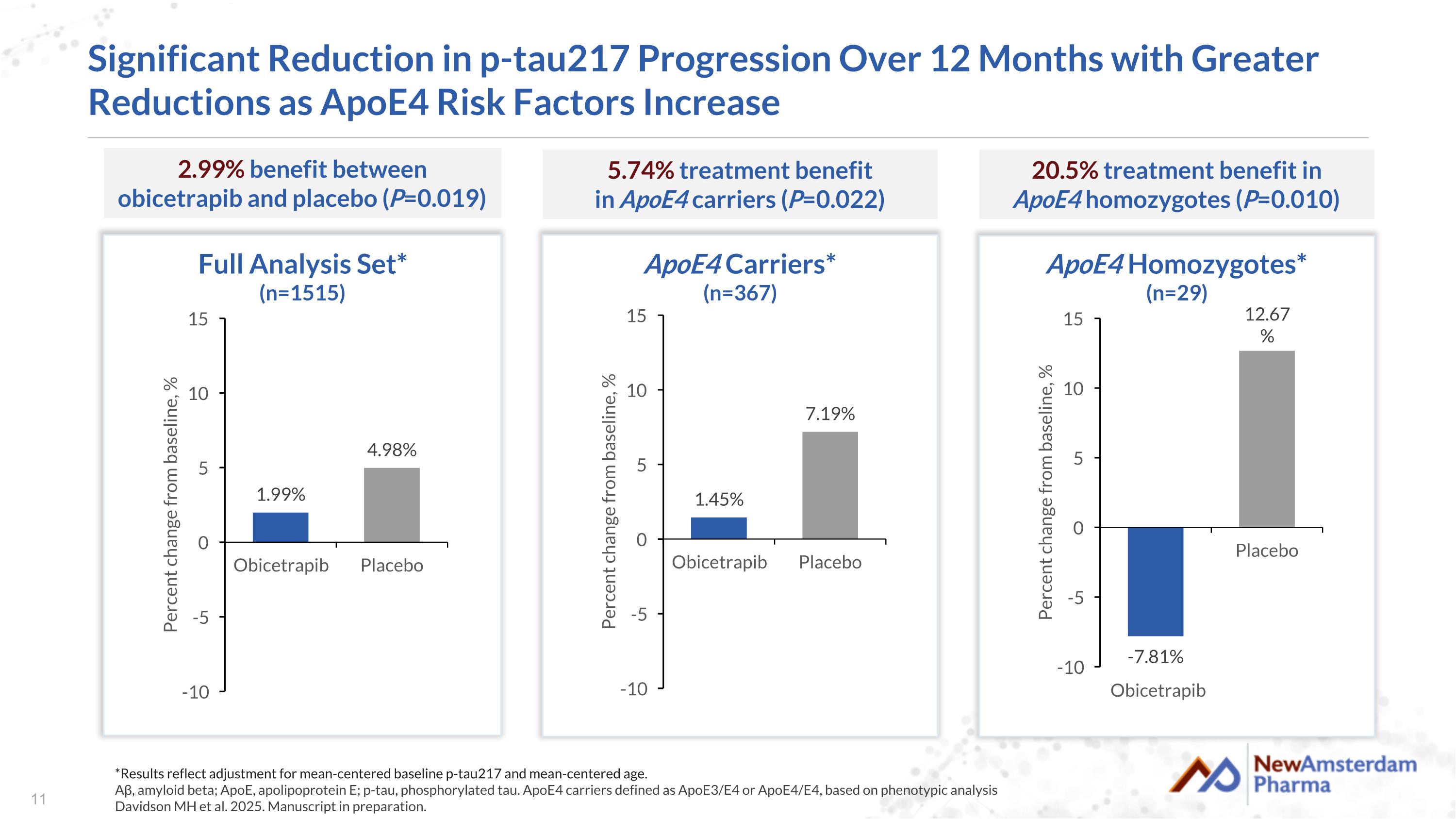
Significant Reduction in p-tau217 Progression Over 12 Months with Greater Reductions as ApoE4 Risk Factors Increase Full Analysis Set* (n=1515) 2.99% benefit between obicetrapib and placebo (P=0.019) ApoE4 Carriers* (n=367) 5.74% treatment benefit in ApoE4 carriers (P=0.022) *Results reflect adjustment for mean-centered baseline p-tau217 and mean-centered age. Aβ, amyloid beta; ApoE, apolipoprotein E; p-tau, phosphorylated tau. ApoE4 carriers defined as ApoE3/E4 or ApoE4/E4, based on phenotypic analysis Davidson MH et al. 2025. Manuscript in preparation. Obicetrapib ApoE4 Homozygotes* (n=29) 20.5% treatment benefit in �ApoE4 homozygotes (P=0.010)
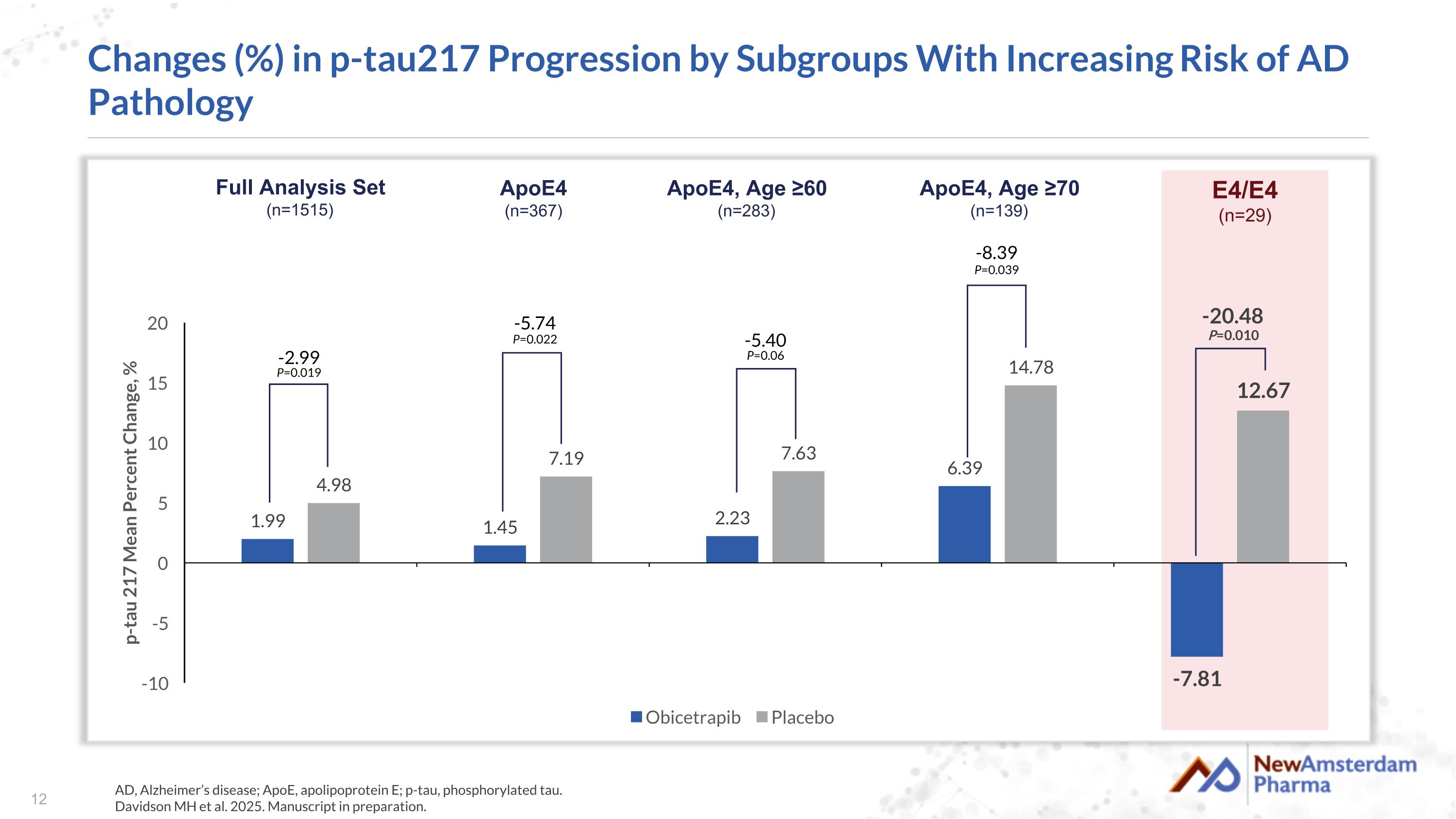
Changes (%) in p-tau217 Progression by Subgroups With Increasing Risk of AD Pathology AD, Alzheimer’s disease; ApoE, apolipoprotein E; p-tau, phosphorylated tau. Davidson MH et al. 2025. Manuscript in preparation. -8.39 P=0.039 -5.40 P=0.06 -5.74 P=0.022 -2.99 P=0.019 -20.48 P=0.010 Full Analysis Set (n=1515) ApoE4 (n=367) ApoE4, Age ≥60 (n=283) E4/E4 (n=29) ApoE4, Age ≥70 (n=139)
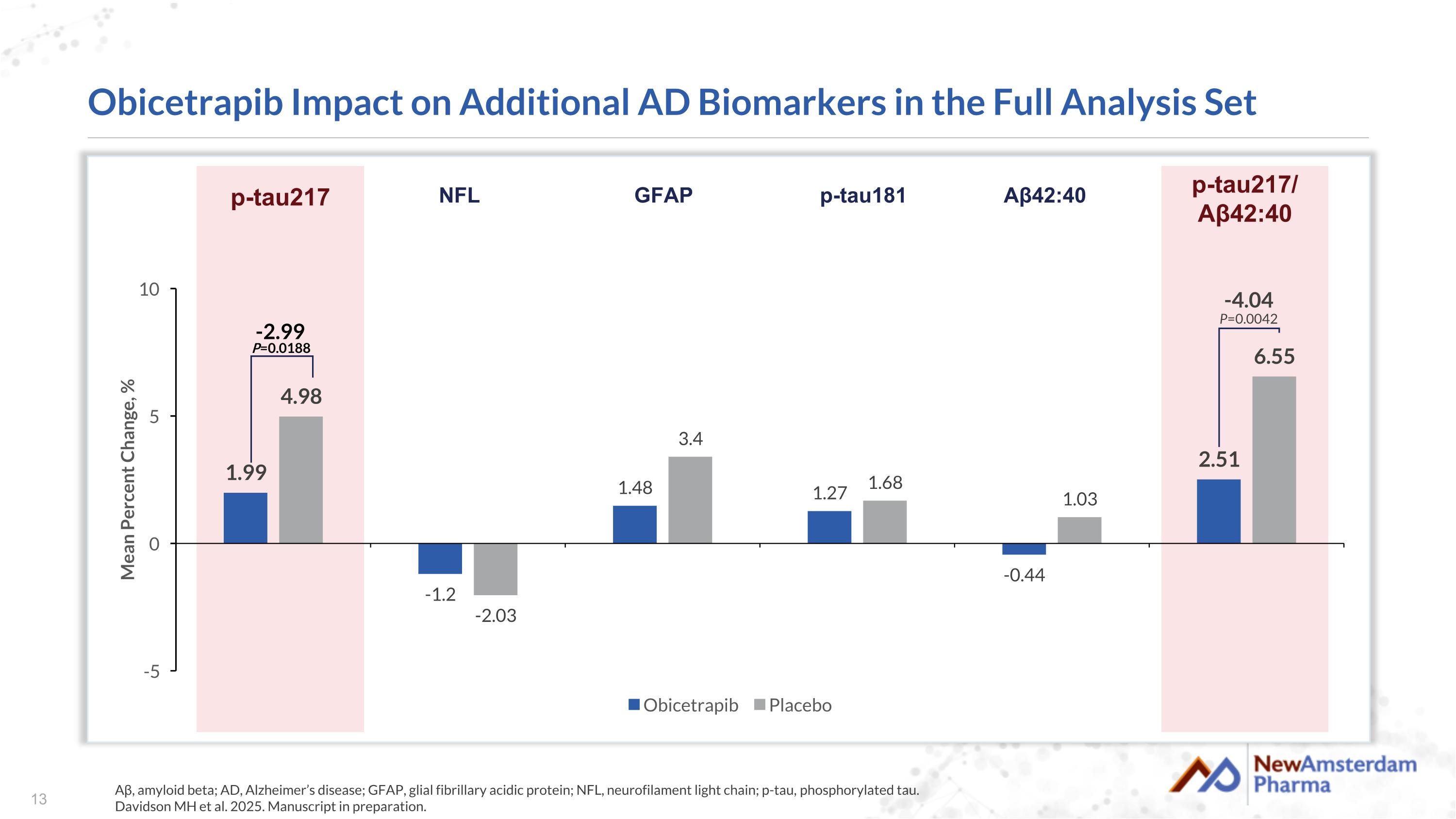
Obicetrapib Impact on Additional AD Biomarkers in the Full Analysis Set Aβ, amyloid beta; AD, Alzheimer’s disease; GFAP, glial fibrillary acidic protein; NFL, neurofilament light chain; p-tau, phosphorylated tau. �Davidson MH et al. 2025. Manuscript in preparation. -2.99 P=0.0188 -4.04 P=0.0042 p-tau217 NFL GFAP p-tau181 Aβ42:40 p-tau217/�Aβ42:40
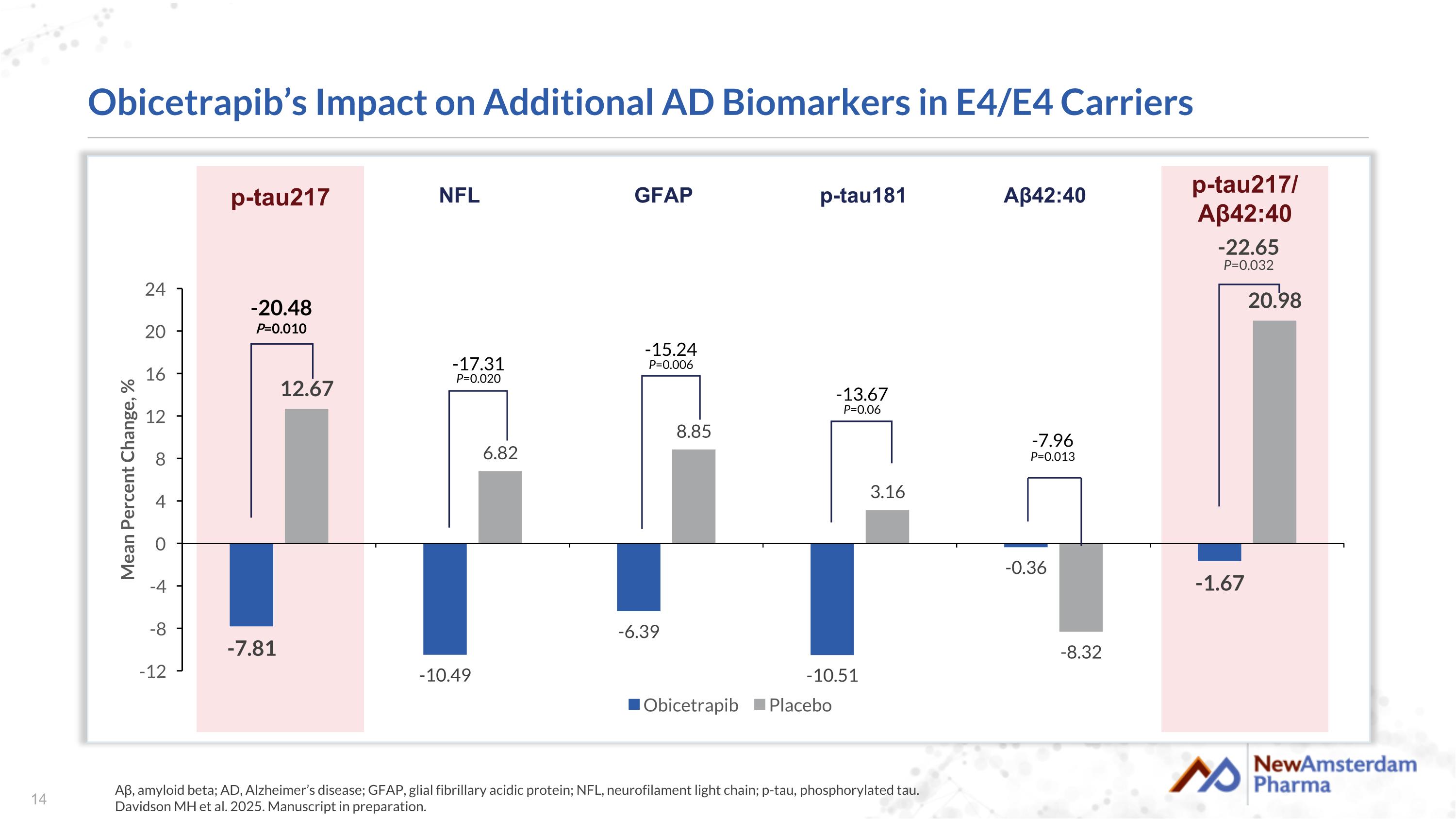
Obicetrapib’s Impact on Additional AD Biomarkers in E4/E4 Carriers Aβ, amyloid beta; AD, Alzheimer’s disease; GFAP, glial fibrillary acidic protein; NFL, neurofilament light chain; p-tau, phosphorylated tau. �Davidson MH et al. 2025. Manuscript in preparation. -7.96 P=0.013 -13.67 P=0.06 -15.24 P=0.006 -17.31 P=0.020 -20.48 P=0.010 -22.65 P=0.032 p-tau217 NFL GFAP p-tau181 Aβ42:40 p-tau217/�Aβ42:40
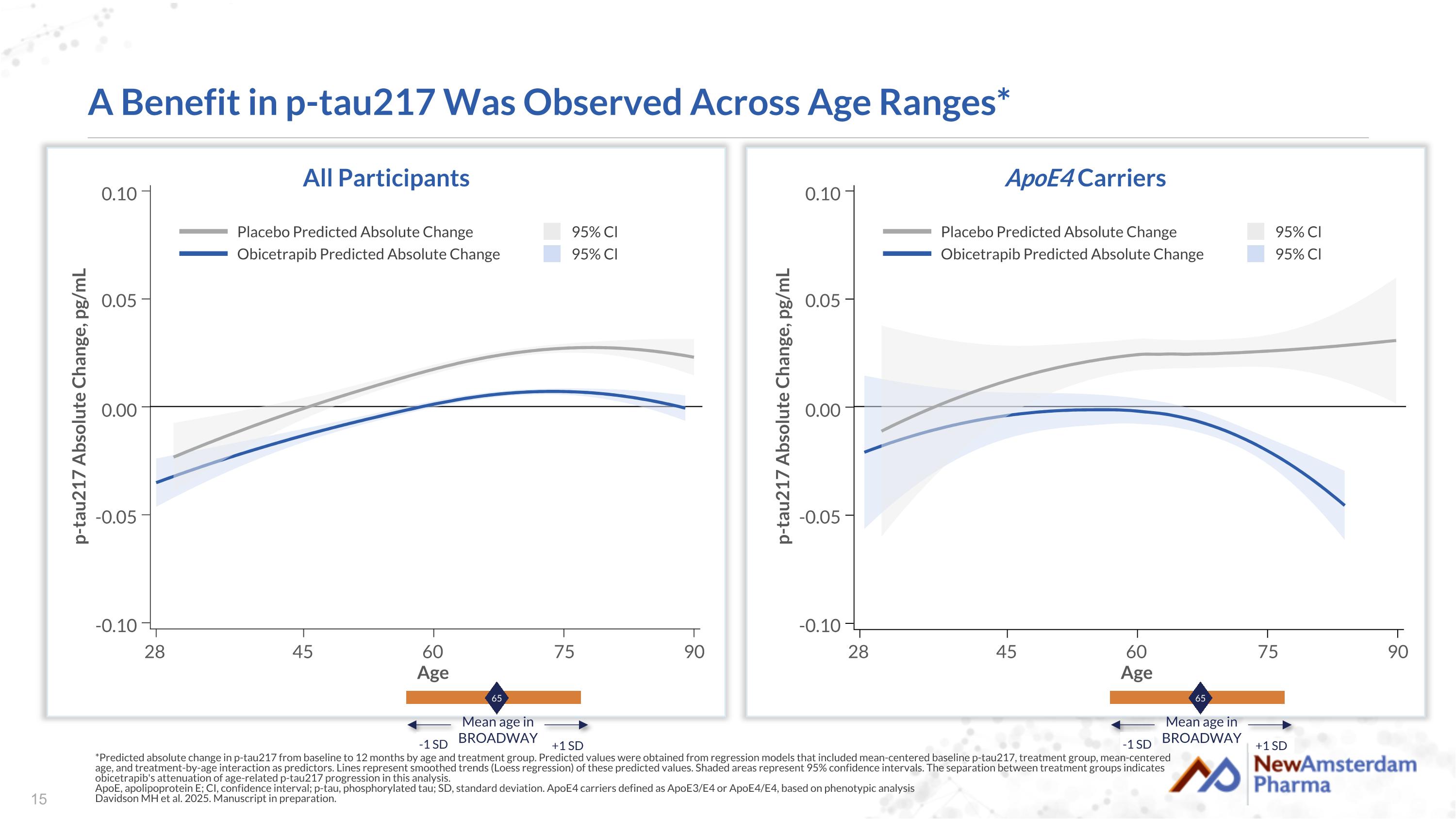
A Benefit in p-tau217 Was Observed Across Age Ranges* *Predicted absolute change in p-tau217 from baseline to 12 months by age and treatment group. Predicted values were obtained from regression models that included mean-centered baseline p-tau217, treatment group, mean-centered age, and treatment-by-age interaction as predictors. Lines represent smoothed trends (Loess regression) of these predicted values. Shaded areas represent 95% confidence intervals. The separation between treatment groups indicates obicetrapib's attenuation of age-related p-tau217 progression in this analysis. ApoE, apolipoprotein E; CI, confidence interval; p-tau, phosphorylated tau; SD, standard deviation. ApoE4 carriers defined as ApoE3/E4 or ApoE4/E4, based on phenotypic analysis Davidson MH et al. 2025. Manuscript in preparation. All Participants ApoE4 Carriers Placebo Predicted Absolute Change Obicetrapib Predicted Absolute Change 95% Cl 95% Cl 65 Mean age in �BROADWAY -1 SD +1 SD p-tau217 Absolute Change, pg/mL Age 90 75 60 45 28 -0.10 -0.05 0.00 0.05 0.10 Placebo Predicted Absolute Change Obicetrapib Predicted Absolute Change 95% Cl 95% Cl 65 Mean age in �BROADWAY -1 SD +1 SD p-tau217 Absolute Change, pg/mL Age 90 75 60 45 28 -0.10 -0.05 0.00 0.05 0.10
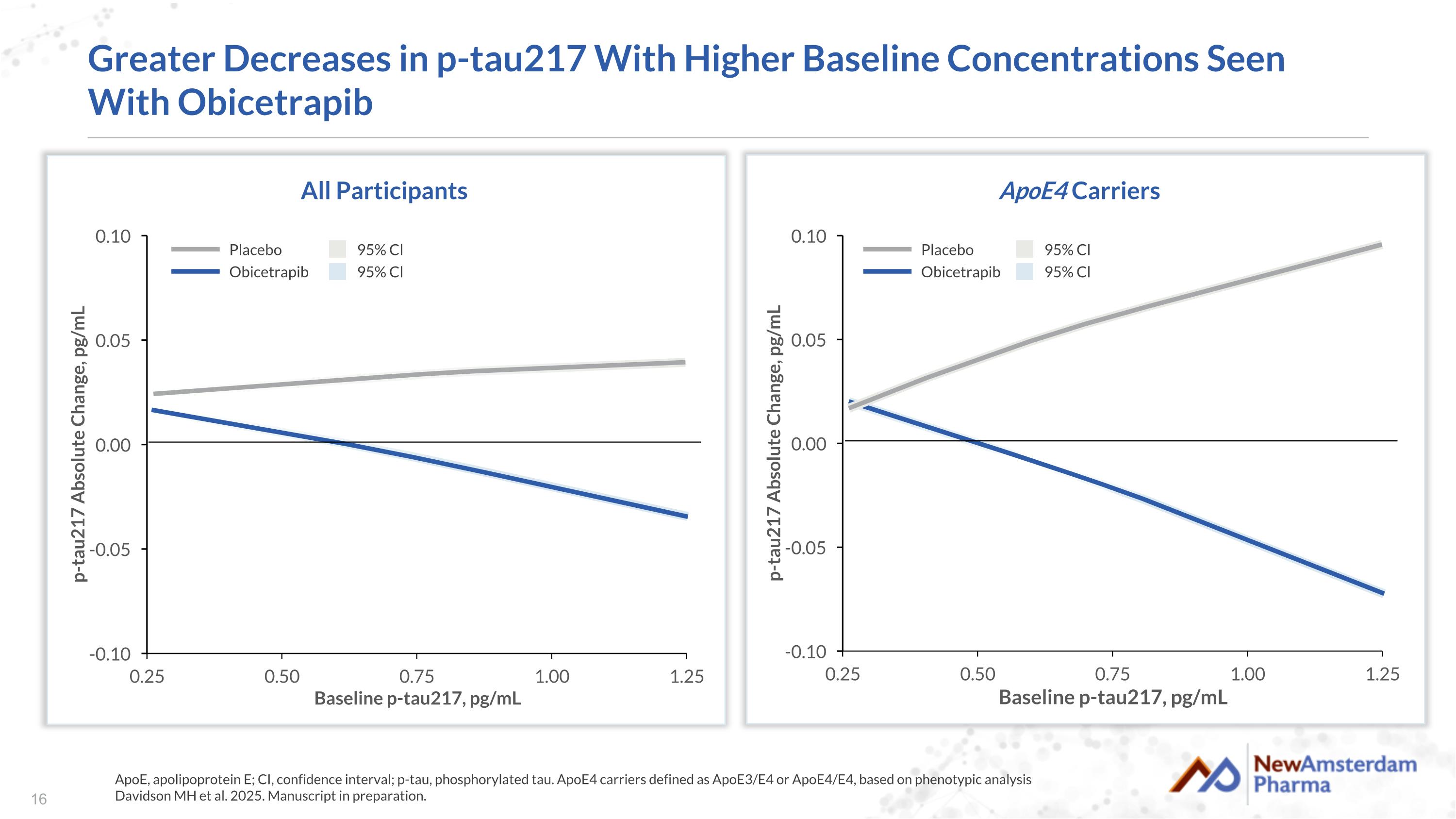
Greater Decreases in p-tau217 With Higher Baseline Concentrations Seen With Obicetrapib ApoE, apolipoprotein E; CI, confidence interval; p-tau, phosphorylated tau. ApoE4 carriers defined as ApoE3/E4 or ApoE4/E4, based on phenotypic analysis Davidson MH et al. 2025. Manuscript in preparation. All Participants Placebo Obicetrapib 95% Cl 95% Cl ApoE4 Carriers Placebo Obicetrapib 95% Cl 95% Cl

APOE4 and p-tau217
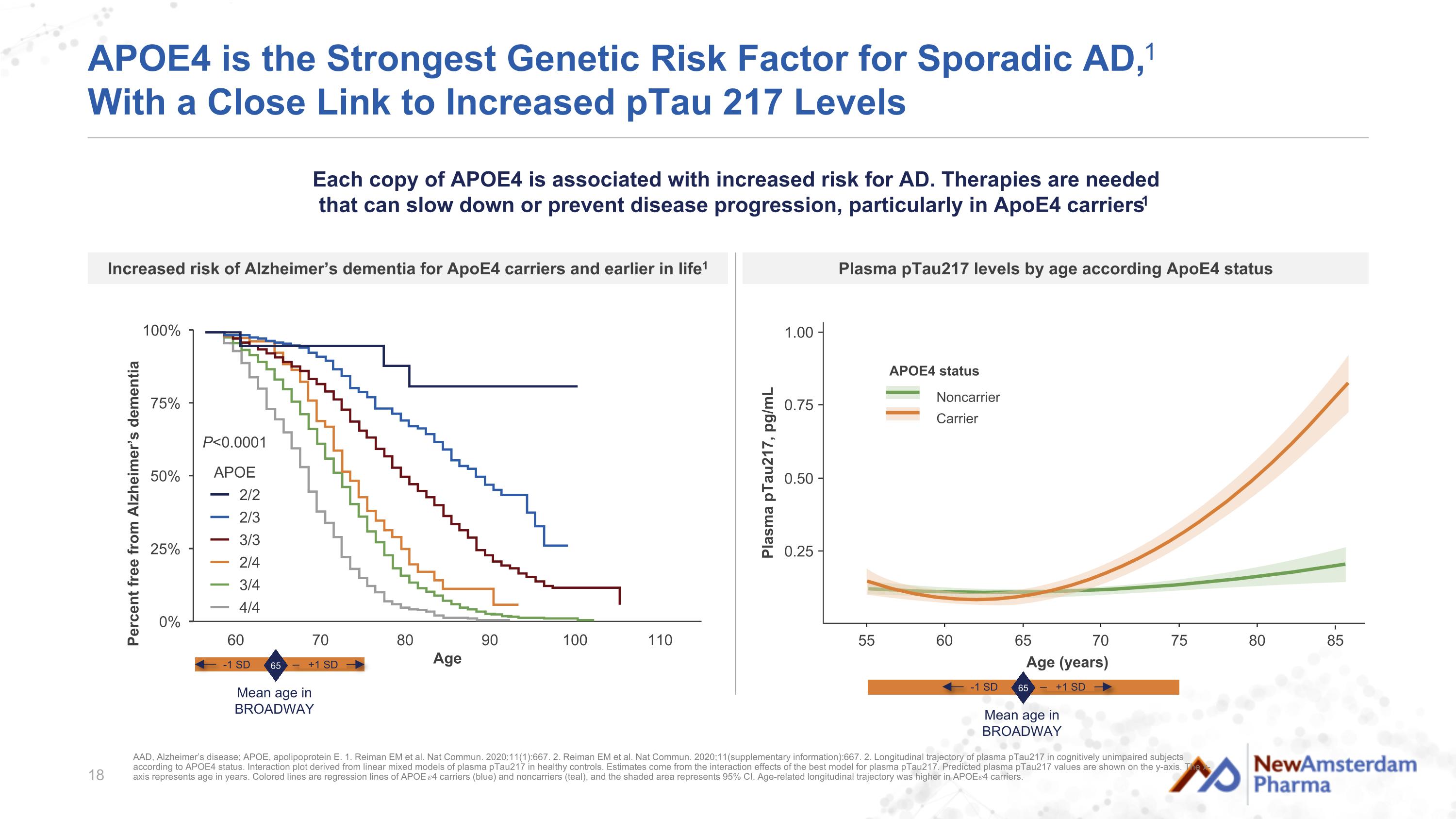
APOE4 is the Strongest Genetic Risk Factor for Sporadic AD,1 �With a Close Link to Increased pTau 217 Levels P<0.0001 APOE 2/2 2/3 3/3 2/4 3/4 4/4 Age (years) 0.25 0.50 1.00 Plasma pTau217, pg/mL 0.75 80 55 60 65 70 75 85 Noncarrier Carrier APOE4 status AAD, Alzheimer’s disease; APOE, apolipoprotein E. 1. Reiman EM et al. Nat Commun. 2020;11(1):667. 2. Reiman EM et al. Nat Commun. 2020;11(supplementary information):667. 2. Longitudinal trajectory of plasma pTau217 in cognitively unimpaired subjects according to APOE4 status. Interaction plot derived from linear mixed models of plasma pTau217 in healthy controls. Estimates come from the interaction effects of the best model for plasma pTau217. Predicted plasma pTau217 values are shown on the y-axis. The x-axis represents age in years. Colored lines are regression lines of APOE 𝜀4 carriers (blue) and noncarriers (teal), and the shaded area represents 95% CI. Age-related longitudinal trajectory was higher in APOE 𝜀4 carriers. Each copy of APOE4 is associated with increased risk for AD. Therapies are needed that can slow down or prevent disease progression, particularly in ApoE4 carriers1 Plasma pTau217 levels by age according ApoE4 status Increased risk of Alzheimer’s dementia for ApoE4 carriers and earlier in life1 65 Mean age in �BROADWAY -1 SD +1 SD 65 Mean age in �BROADWAY -1 SD +1 SD
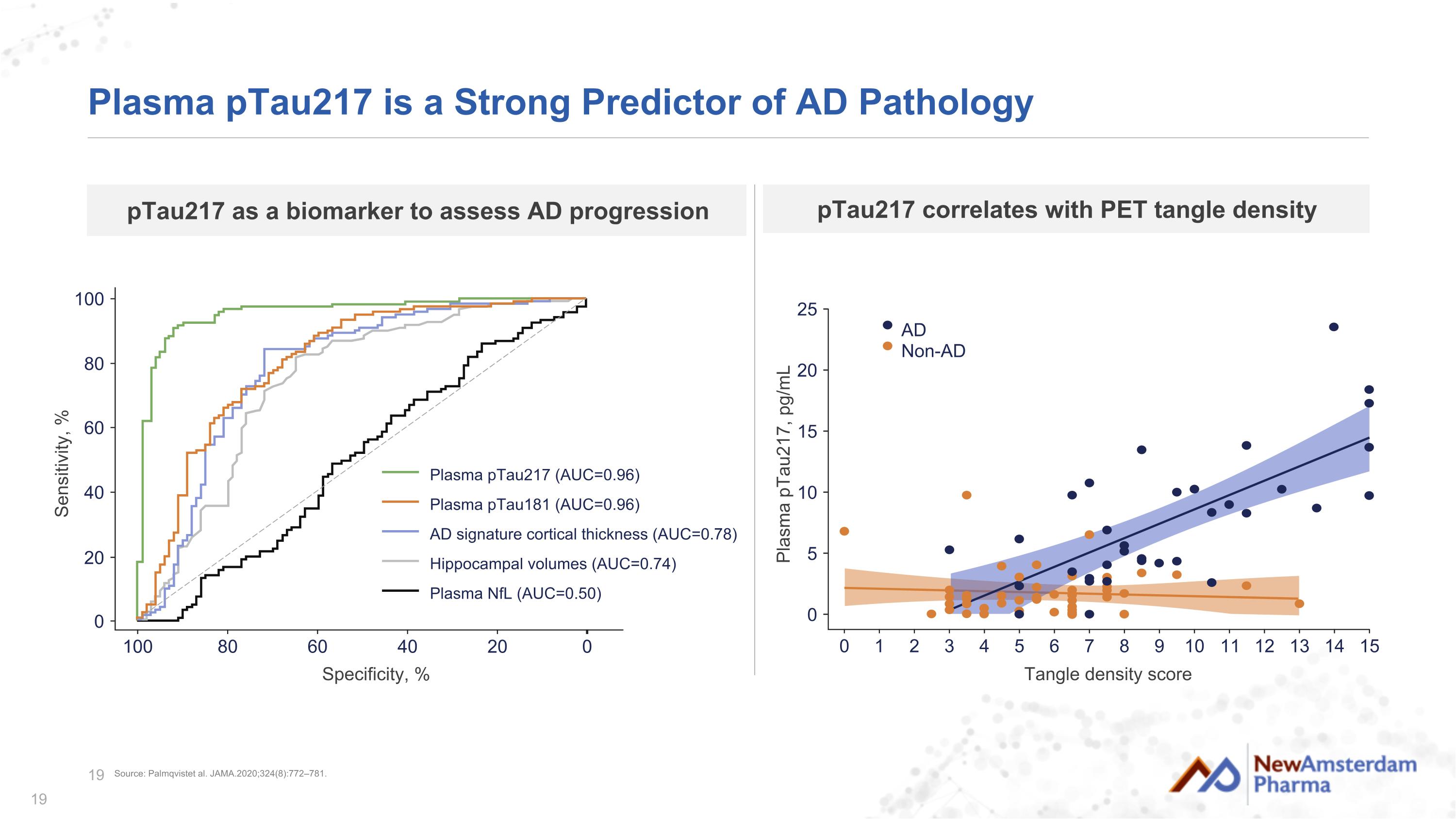
Plasma pTau217 is a Strong Predictor of AD Pathology Specificity, % 0 20 100 Sensitivity, % 80 20 100 80 60 40 0 60 40 Plasma pTau217 (AUC=0.96) Plasma pTau181 (AUC=0.96) AD signature cortical thickness (AUC=0.78) Hippocampal volumes (AUC=0.74) Plasma NfL (AUC=0.50) pTau217 as a biomarker to assess AD progression Tangle density score 0 1 2 3 4 0 5 10 15 25 Plasma pTau217, pg/mL 20 15 5 6 7 8 9 10 11 12 13 14 AD Non-AD pTau217 correlates with PET tangle density Source: Palmqvistet al. JAMA.2020;324(8):772–781.

Conclusions
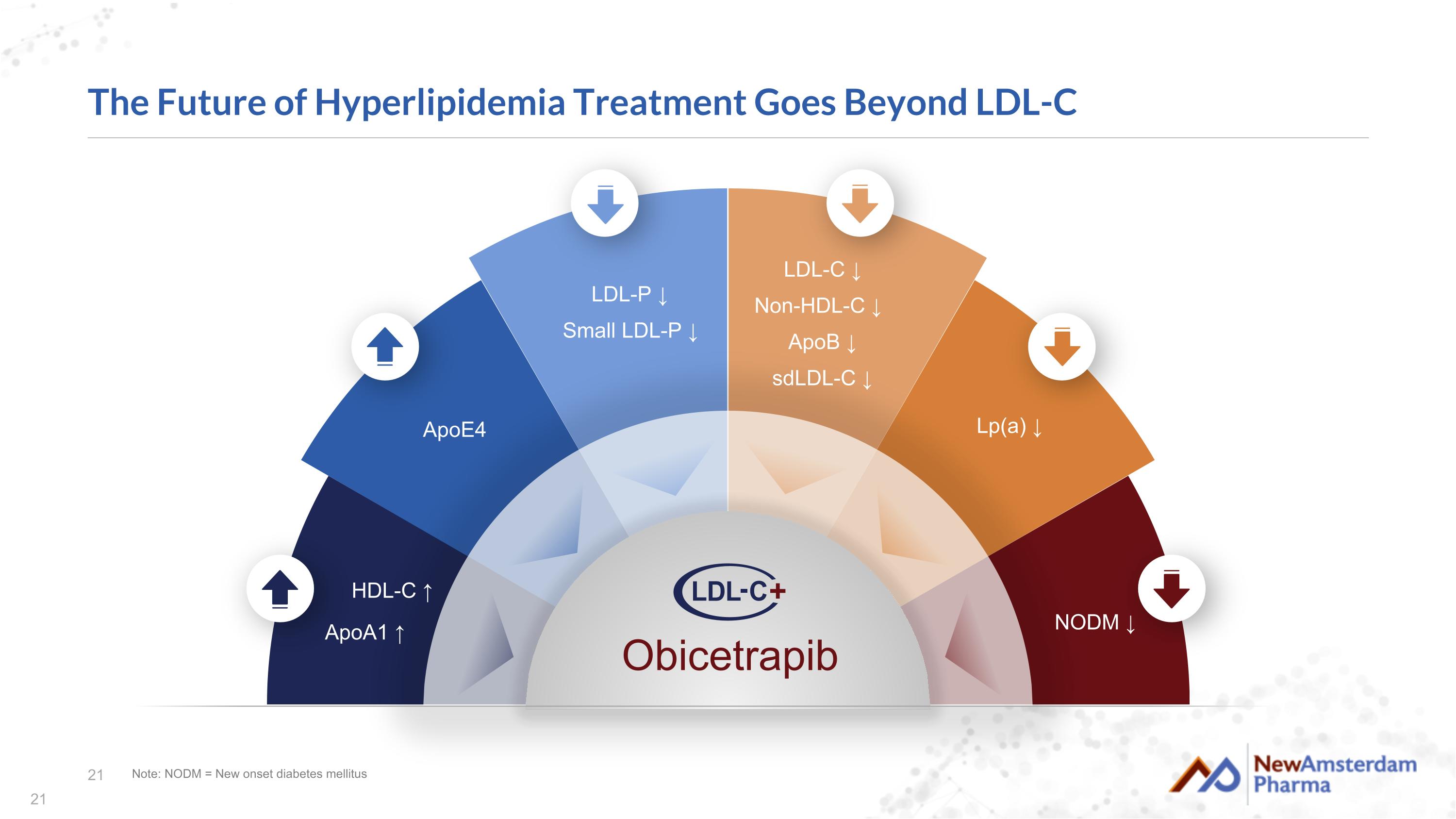
The Future of Hyperlipidemia Treatment Goes Beyond LDL-C Note: NODM = New onset diabetes mellitus ApoE4 LDL-P ↓ Small LDL-P ↓ NODM ↓ HDL-C ↑ ApoA1 ↑ LDL-C ↓ Non-HDL-C ↓ ApoB ↓ sdLDL-C ↓ Lp(a) ↓ Obicetrapib
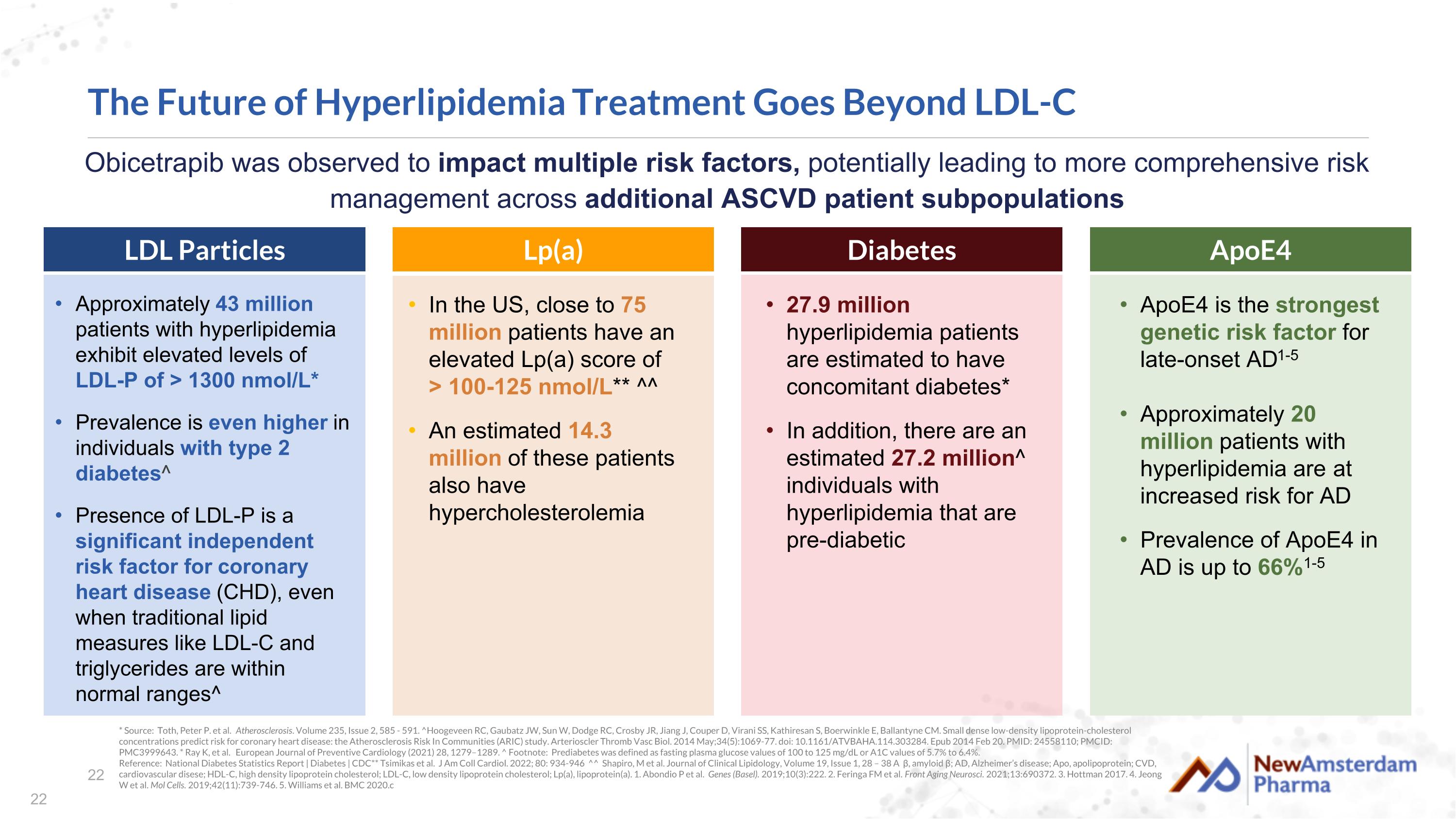
* Source: Toth, Peter P. et al. Atherosclerosis. Volume 235, Issue 2, 585 - 591. ^Hoogeveen RC, Gaubatz JW, Sun W, Dodge RC, Crosby JR, Jiang J, Couper D, Virani SS, Kathiresan S, Boerwinkle E, Ballantyne CM. Small dense low-density lipoprotein-cholesterol concentrations predict risk for coronary heart disease: the Atherosclerosis Risk In Communities (ARIC) study. Arterioscler Thromb Vasc Biol. 2014 May;34(5):1069-77. doi: 10.1161/ATVBAHA.114.303284. Epub 2014 Feb 20. PMID: 24558110; PMCID: PMC3999643. * Ray K, et al. European Journal of Preventive Cardiology (2021) 28, 1279–1289. ^ Footnote: Prediabetes was defined as fasting plasma glucose values of 100 to 125 mg/dL or A1C values of 5.7% to 6.4%. Reference: National Diabetes Statistics Report | Diabetes | CDC** Tsimikas et al. J Am Coll Cardiol. 2022; 80: 934-946 ^^ Shapiro, M et al. Journal of Clinical Lipidology, Volume 19, Issue 1, 28 – 38 Aβ, amyloid β; AD, Alzheimer’s disease; Apo, apolipoprotein; CVD, cardiovascular disese; HDL-C, high density lipoprotein cholesterol; LDL-C, low density lipoprotein cholesterol; Lp(a), lipoprotein(a). 1. Abondio P et al. Genes (Basel). 2019;10(3):222. 2. Feringa FM et al. Front Aging Neurosci. 2021;13:690372. 3. Hottman 2017. 4. Jeong W et al. Mol Cells. 2019;42(11):739-746. 5. Williams et al. BMC 2020.c Approximately 43 million patients with hyperlipidemia exhibit elevated levels of LDL-P of > 1300 nmol/L* Prevalence is even higher in individuals with type 2 diabetes^ Presence of LDL-P is a significant independent risk factor for coronary heart disease (CHD), even when traditional lipid measures like LDL-C and triglycerides are within normal ranges^ The Future of Hyperlipidemia Treatment Goes Beyond LDL-C In the US, close to 75 million patients have an elevated Lp(a) score of > 100-125 nmol/L** ^^ An estimated 14.3 million of these patients also have hypercholesterolemia 27.9 million hyperlipidemia patients are estimated to have concomitant diabetes* In addition, there are an estimated 27.2 million^ individuals with hyperlipidemia that are pre-diabetic ApoE4 is the strongest genetic risk factor for late-onset AD1-5 Approximately 20 million patients with hyperlipidemia are at increased risk for AD Prevalence of ApoE4 in AD is up to 66%1-5 LDL Particles Lp(a) Diabetes ApoE4 Obicetrapib was observed to impact multiple risk factors, potentially leading to more comprehensive risk management across additional ASCVD patient subpopulations