UNITED STATES
SECURITIES AND EXCHANGE COMMISSION
Washington, D.C. 20549
FORM
CURRENT REPORT
Pursuant to Section 13 or 15(d)
of the Securities Exchange Act of 1934
Date of Report (Date of earliest event reported):
(Exact name of registrant as specified in its charter)
(State or other jurisdiction | (Commission | (IRS Employer |
(Address of principal executive offices) | (Zip Code) |
(
(Registrant’s telephone number, including area code)
N/A
(Former name or former address, if changed since last report)
Check the appropriate box below if the Form 8-K filing is intended to simultaneously satisfy the filing obligation of the registrant under any of the following provisions:
Written communications pursuant to Rule 425 under the Securities Act (17 CFR 230.425) |
Soliciting material pursuant to Rule 14a-12 under the Exchange Act (17 CFR 240.14a-12) |
Pre-commencement communications pursuant to Rule 14d-2(b) under the Exchange Act (17 CFR 240.14d-2(b)) |
Pre-commencement communications pursuant to Rule 13e-4(c) under the Exchange Act (17 CFR 240.13e-4(c)) |
Securities registered pursuant to Section 12(b) of the Act:
Title of each class | Trading symbol(s) | Name of each exchange on which registered |
|
Indicate by check mark whether the registrant is an emerging growth company as defined in Rule 405 of the Securities Act of 1933 (§230.405 of this chapter) or Rule 12b-2 of the Securities Exchange Act of 1934 (§240.12b-2 of this chapter).
Emerging growth company
If an emerging growth company, indicate by check mark if the registrant has elected not to use the extended transition period for complying with any new or revised financial accounting standards provided pursuant to Section 13(a) of the Exchange Act.
Item 2.02 Results of Operations and Financial Condition.
On November 10, 2025, Passage Bio, Inc. (the “Company”) issued a press release announcing its financial results for the quarter ended September 30, 2025. A copy of the press release is attached as Exhibit 99.1 to this report.
The information in this Item 2.02, including Exhibit 99.1 to this report, shall not be deemed to be “filed” for purposes of Section 18 of the Securities Exchange Act of 1934, as amended (the “Exchange Act”), or otherwise subject to the liabilities of that section or Sections 11 and 12(a)(2) of the Securities Act of 1933, as amended (the “Securities Act”). The information contained in this Item 2.02 and in the accompanying Exhibit 99.1 shall not be incorporated by reference into any other filing under the Exchange Act or under the Securities Act, except as shall be expressly set forth by specific reference in such filing.
Item 7.01 Regulation FD Disclosure.
On November 10, 2025, the Company updated its corporate presentation. A copy of the corporate presentation is attached as Exhibit 99.2 to this Current Report on Form 8-K.
The information in this Item 7.01, including Exhibit 99.2 to this Current Report on Form 8-K, shall not be deemed to be “filed” for purposes of Section 18 of the Exchange Act, or otherwise subject to the liabilities of that section or Sections 11 and 12(a)(2) of the Securities Act. The information contained in this Item 7.01 and in the accompanying Exhibit 99.2 shall not be incorporated by reference into any other filing under the Exchange Act or under the Securities Act, except as shall be expressly set forth by specific reference in such filing.
Item 9.01 Financial Statements and Exhibits.
(d)Exhibits
Exhibit No. | Description | |
99.1 | ||
99.2 | ||
104 | Cover Page Interactive Data File (formatted as Inline XBRL). |
2
SIGNATURE
Pursuant to the requirements of the Securities Exchange Act of 1934, the registrant has duly caused this report to be signed on its behalf by the undersigned hereunto duly authorized.
PASSAGE BIO, INC. | ||
Date: November 10, 2025 | By: | /s/ Kathleen Borthwick |
Kathleen Borthwick | ||
Chief Financial Officer | ||
3

PASSAGE BIO REPORTS THIRD QUARTER 2025 FINANCIAL RESULTS AND PROVIDES RECENT BUSINESS HIGHLIGHTS
Actively enrolling Cohort 3 (FTD-GRN) and Cohort 4 (FTD-C9orf72) patients in ongoing upliFT-D study
Aligned with the U.S. Food and Drug Administration (FDA) on an analytical approach to establish comparability of a high-productivity, suspension-based PBFT02 manufacturing process
On track to obtain regulatory feedback on FTD-GRN registrational trial design in 1H 2026
Cash runway into 1Q 2027
PHILADELPHIA – November 10, 2025 – Passage Bio, Inc. (Nasdaq: PASG), a clinical stage genetic medicines company focused on improving the lives of patients with neurodegenerative diseases, today reported financial results for the third quarter ended September 30, 2025, and provided recent business highlights.
“We are pleased to report that we have opened enrollment in our third FTD-GRN and first FTD-C9orf72 patient cohorts in our ongoing upliFT-D clinical trial of PBFT02. We recognize the urgent need for the development of disease-modifying therapies for the FTD patient community, and we remain focused on advancing our study expeditiously,” said Will Chou, M.D., president and chief executive officer of Passage Bio. “In addition, we completed a successful meeting with the FDA where we aligned on key elements of an analytical comparability plan to support the future use of our high-productivity, suspension-based manufacturing process for PBFT02 in a registrational study. As we look towards the first half of 2026, we are excited to share additional data to further inform our understanding of the potential of PBFT02 and initiate discussions with the FDA on a registrational study design in FTD-GRN.”

| ● | Actively enrolling Cohort 3 (FTD-GRN) and Cohort 4 (FTD-C9orf72) patients in upliFT-D study: Cohort 3 is expected to consist of five to 10 FTD-GRN patients, with patient enrollment occurring in parallel; Cohort 4 is expected to consist of three to five FTD-C9orf72 patients. Both cohorts will evaluate Dose 2 PBFT02. The company recently amended the upliFT-D trial protocol to introduce a short course of low-dose prophylactic anticoagulation and revise study inclusion criteria to allow for enrollment of patients who are prodromal or have mild cognitive impairment and to exclude patients who are more severely progressed. The amended protocol was submitted to all global trial sites and relevant health authorities and has been implemented at initial trial sites. The company plans to report updated interim safety and biomarker data from Dose 2 in the first half of 2026. |
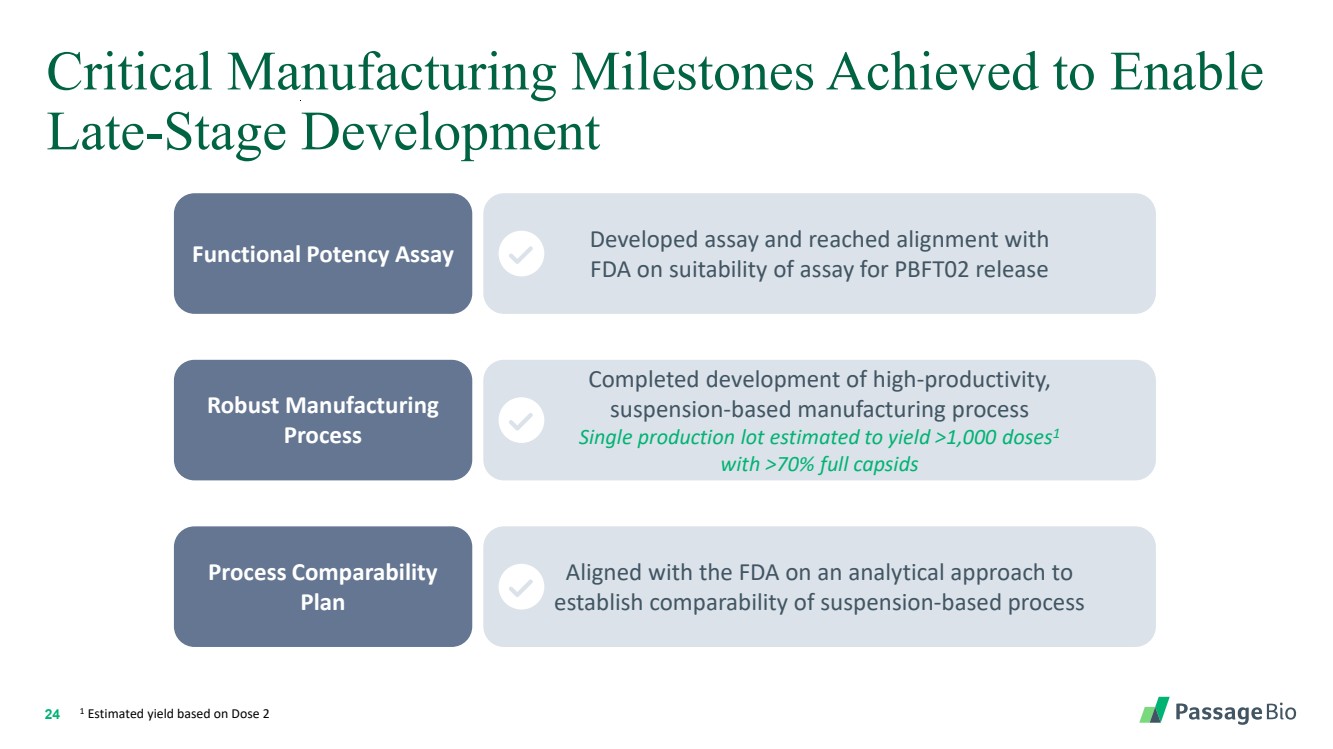
| ● | Aligned with the FDA on an analytical approach to establish comparability of a high-productivity, suspension-based PBFT02 manufacturing process: The company completed a Type D Chemistry, Manufacturing, and Controls (CMC) meeting with FDA, during which the company aligned with FDA on key elements of the analytical plan to establish process comparability of its suspension-based process. The GMP-ready, suspension-based PBFT02 manufacturing process has been executed at 200-liter scale, and substantially improved productivity, capsid purity, and percentage of full capsids compared to the current adherent-based manufacturing process. A single batch of the suspension-based process is estimated to yield more than 1,000 doses of PBFT02 at Dose 2 with over 90% purity and over 70% full capsids. |
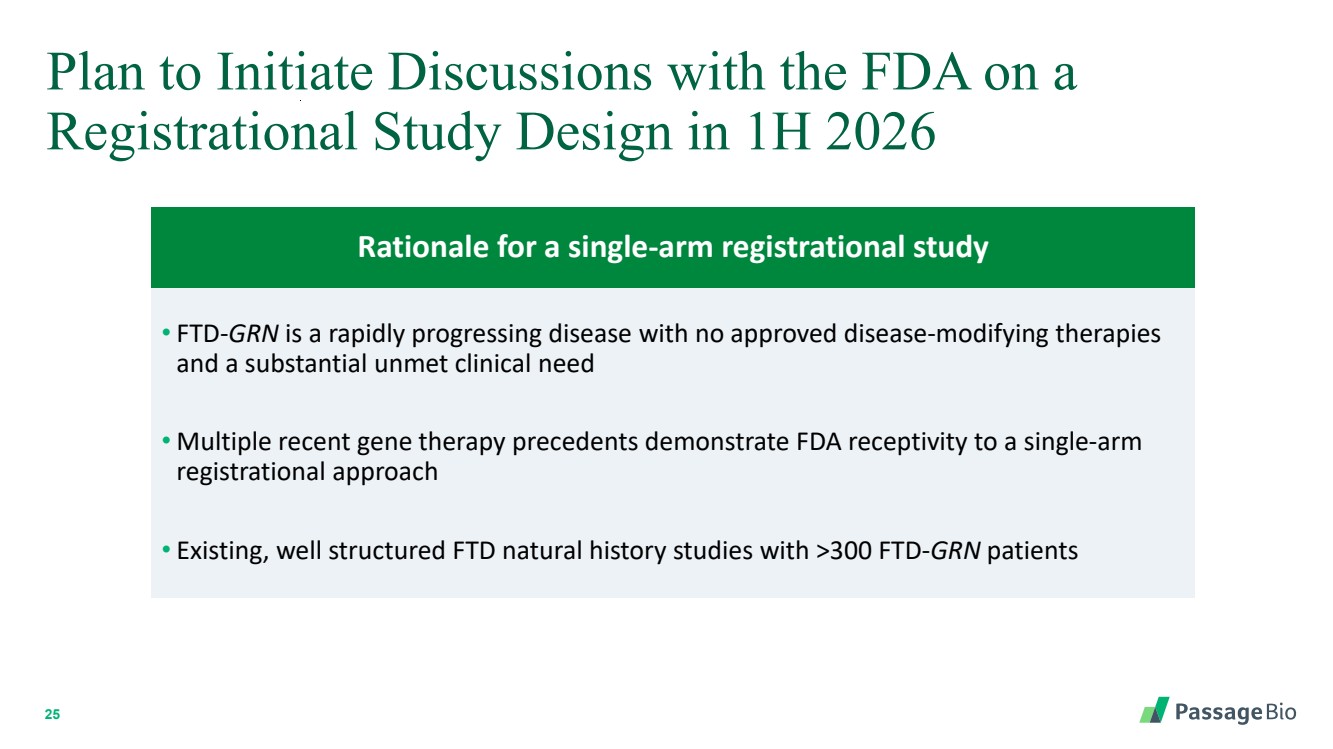
| ● | On track to obtain regulatory feedback on an FTD-GRN registrational trial design in 1H 2026: The company intends to engage with the FDA in the first half of 2026 to gain feedback on key elements of a registrational study design of PBFT02 for FTD-GRN, including the FDA’s perspective on the possibility of a single-arm registrational design with a comparison to a natural history control. |
Anticipated Upcoming Milestones:
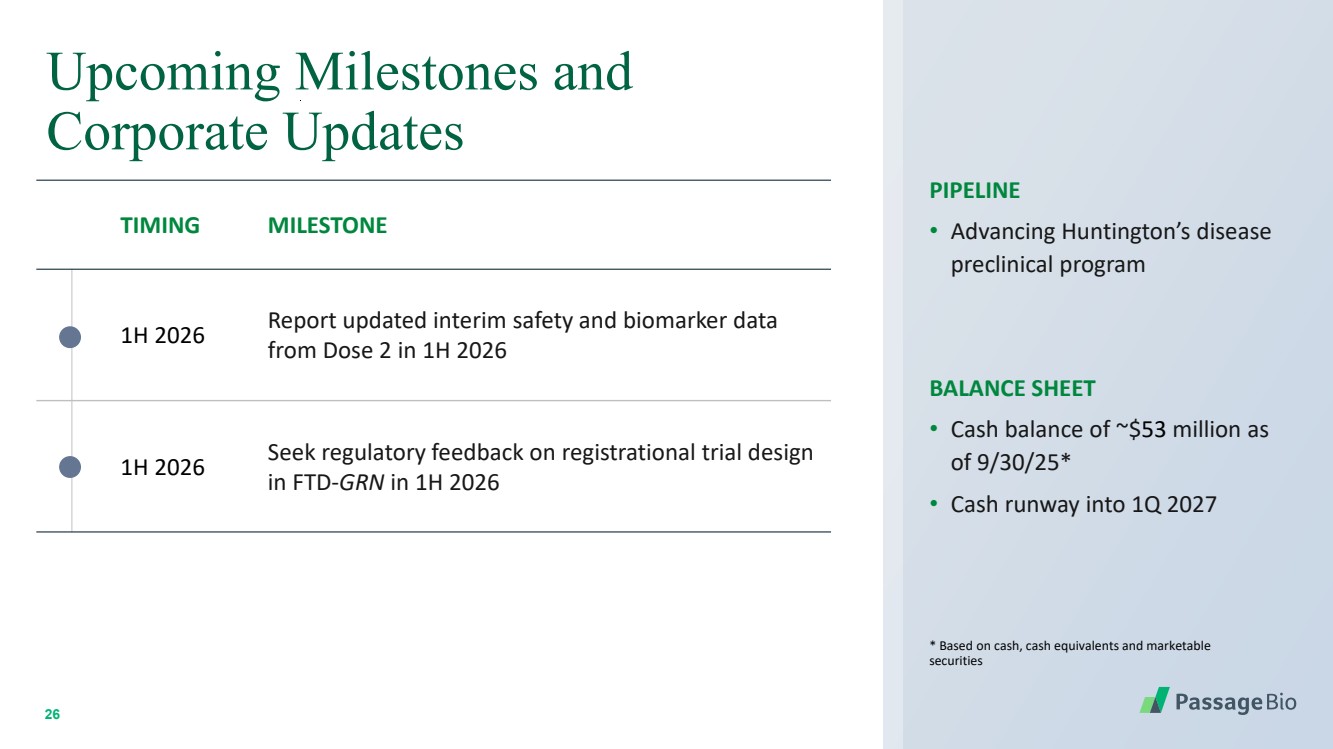
| ● | Report updated interim safety and biomarker data from Dose 2 in 1H 2026 |
| ● | Seek regulatory feedback on registrational trial design in FTD-GRN in 1H 2026 |

Third Quarter 2025 Financial Results
| ● | Cash Position: Cash, cash equivalents and marketable securities were $52.8 million as of September 30, 2025, as compared to $84.8 million as of September 30, 2024. The company expects current cash, cash equivalents and marketable securities to fund operations into 1Q 2027. |
| ● | Research and Development (R&D) Expenses: R&D expenses were $4.3 million for the quarter ended September 30, 2025, as compared to $8.7 million for the quarter ended September 30, 2024. |
| ● | General and Administrative (G&A) Expenses: G&A expenses were $4.3 million for the quarter ended September 30, 2025, as compared to $7.3 million for the quarter ended September 30, 2024. |
| ● | Net Loss: Net loss was $7.7 million, or $2.44 per basic and diluted share (as adjusted for the 1-for-20 reverse stock split effected on July 14, 2025), for the quarter ended September 30, 2025, as compared to a net loss of $19.3 million, or $6.15 per basic and diluted share (as adjusted for the 1-for-20 reverse stock split effected on July 14, 2025), for the quarter ended September 30, 2024. |
About upliFT-D (NCT04747431)
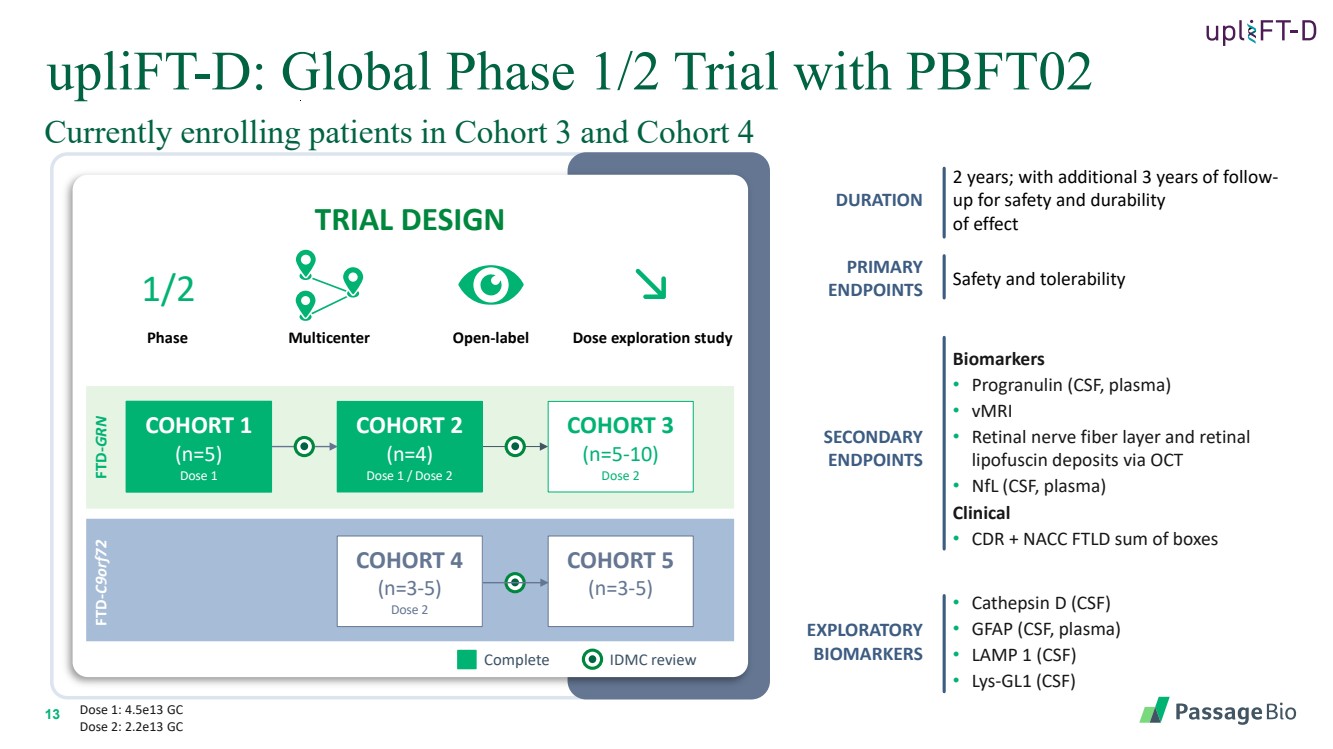
upliFT-D is a Phase 1/2 global, multi-center, open-label clinical trial of PBFT02 administered by single injection into the cisterna magna in patients aged 35 to 75 years with FTD-GRN or FTD-C9orf72. The clinical trial will sequentially enroll three FTD-GRN cohorts and two FTD-C9orf72 cohorts. Enrollment is currently ongoing. The primary endpoint of the clinical trial is to evaluate the safety and tolerability of PBFT02. Secondary endpoints include disease biomarkers and clinical outcome measures. upliFT-D is a two-year clinical trial with a three-year safety extension.
Passage Bio is pursuing several initiatives to support clinical trial recruitment and enrollment, including a collaborative partnership with InformedDNA to provide no-cost genetic counseling and testing for adults who have been diagnosed by their physicians with FTD. More information about upliFT-D can be found here.
About Passage Bio
Passage Bio (Nasdaq: PASG) is a clinical stage genetic medicines company on a mission to improve the lives of patients with neurodegenerative diseases. Our primary focus is the development and advancement of cutting-edge, one-time therapies designed to target the underlying pathology of these conditions. Passage Bio’s lead product candidate, PBFT02, seeks to treat neurodegenerative conditions, including frontotemporal dementia, by elevating progranulin levels to restore lysosomal function and slow disease progression.
To learn more about Passage Bio and our steadfast commitment to protecting patients and families against loss in neurodegenerative conditions, please visit: passagebio.com.

Forward-Looking Statements
This press release contains “forward-looking statements” within the meaning of, and made pursuant to the safe harbor provisions of, the Private Securities Litigation Reform Act of 1995, including, but not limited to: our expectations about timing and execution of anticipated milestones, including the progress of clinical studies and the availability of clinical data from such trials; the initiation of dosing of FTD-C9orf72 patients; timing of feedback from regulatory authorities; our expectations about our collaborators’ and partners’ ability to execute key initiatives; our expectations about cash runway; and the ability of our product candidates to treat their respective target CNS disorders. These forward-looking statements may be accompanied by such words as “aim,” “anticipate,” “believe,” “continue,” “could,” “should,” “target,” “estimate,” “expect,” “forecast,” “goal,” “intend,” “may,” “might,” “plan,” “potential,” “possible,” “will,” “would,” and other words and terms of similar meaning. These statements involve risks and uncertainties that could cause actual results to differ materially from those reflected in such statements, including: our ability to develop and obtain regulatory approval for our product candidates; the timing and results of preclinical studies and clinical trials; risks associated with clinical trials, including our ability to adequately manage clinical activities, unexpected concerns that may arise from additional data or analysis obtained during clinical trials, regulatory authorities may require additional information or further studies, or may fail to approve or may delay approval of our drug candidates; the occurrence of adverse safety events; the risk that positive results in a preclinical study or clinical trial may not be replicated in subsequent trials or success in early stage clinical trials may not be predictive of results in later stage clinical trials; failure to protect and enforce our intellectual property, and other proprietary rights; our dependence on collaborators and other third parties for the development and manufacture of product candidates and other aspects of our business, which are outside of our full control; risks associated with current and potential delays, work stoppages, or supply chain disruptions; and the other risks and uncertainties that are described in the Risk Factors section in documents the company files from time to time with the Securities and Exchange Commission (SEC), and other reports as filed with the SEC. Passage Bio undertakes no obligation to publicly update any forward-looking statement, whether written or oral, that may be made from time to time, whether as a result of new information, future developments or otherwise.

Passage Bio, Inc.
Balance Sheets
| | (Unaudited) | | | | |
(in thousands, except share and per share data) |
| September 30, 2025 |
| December 31, 2024 | ||
Assets |
| |
|
| |
|
Current assets: |
| |
|
| |
|
Cash and cash equivalents | | $ | 52,773 | | $ | 37,573 |
Marketable securities | | | — | | | 39,183 |
Prepaid expenses and other current assets | |
| 1,637 | |
| 838 |
Prepaid research and development | |
| 1,320 | |
| 1,221 |
Total current assets | |
| 55,730 | |
| 78,815 |
Property and equipment, net | |
| 5,159 | |
| 9,331 |
Right of use assets - operating leases | | | 13,001 | |
| 13,803 |
Other assets | |
| 270 | |
| 463 |
Total assets | | $ | 74,160 | | $ | 102,412 |
Liabilities and stockholders’ equity | |
| | |
|
|
Current liabilities: | |
| | |
|
|
Accounts payable | | $ | 952 | | $ | 742 |
Accrued expenses and other current liabilities | |
| 4,001 | |
| 6,707 |
Non-refundable sublicense and transition services payments | | | 13,750 | | | 8,226 |
Operating lease liabilities | | | 3,542 | |
| 3,688 |
Total current liabilities | |
| 22,245 | |
| 19,363 |
Operating lease liabilities - noncurrent | |
| 20,795 | |
| 21,788 |
Total liabilities | |
| 43,040 | |
| 41,151 |
| | | | | | |
Stockholders’ equity: | |
| | |
|
|
Preferred stock, $0.0001 par value: 10,000,000 shares authorized; no shares issued and outstanding at both September 30, 2025 and December 31, 2024 | | | — | | | — |
Common stock, $0.0001 par value: 300,000,000 shares authorized; 3,178,710 shares issued and outstanding at September 30, 2025 and 3,161,503 shares issued and outstanding at December 31, 2024 | |
| — | |
| — |
Additional paid‑in capital | |
| 722,894 | |
| 720,488 |
Accumulated other comprehensive income (loss) | | | — | | | 8 |
Accumulated deficit | |
| (691,774) | |
| (659,235) |
Total stockholders’ equity | |
| 31,120 | |
| 61,261 |
Total liabilities and stockholders’ equity | | $ | 74,160 | | $ | 102,412 |

Passage Bio, Inc.
Statements of Operations and Comprehensive Loss
(Unaudited)
| | Three Months Ended September 30, | | Nine Months Ended September 30, | ||||||||
(in thousands, except share and per share data) |
| 2025 |
| 2024 | | 2025 |
| 2024 | ||||
Operating expenses: |
| |
|
| |
| | |
|
| |
|
Research and development | | $ | 4,307 | | $ | 8,656 | | $ | 17,858 | | $ | 30,621 |
General and administrative | |
| 4,348 | |
| 7,251 | |
| 14,953 | |
| 20,276 |
Impairment of long-lived assets | | | — | | | 4,795 | | | 2,637 | | | 5,233 |
Loss from operations | |
| (8,655) | |
| (20,702) | |
| (35,448) | |
| (56,130) |
Other income (expense), net | |
| 906 | |
| 1,362 | |
| 2,909 | |
| 4,088 |
Net loss | | $ | (7,749) | | $ | (19,340) | | $ | (32,539) | | $ | (52,042) |
Per share information: | |
|
| |
| | |
|
| |
|
|
Net loss per share of common stock, basic and diluted | | $ | (2.44) | | $ | (6.15) | | $ | (10.26) | | $ | (17.04) |
Weighted average common shares outstanding, basic and diluted | |
| 3,178,710 | |
| 3,146,582 | |
| 3,170,573 | |
| 3,054,440 |
Comprehensive loss: | | | | | | | | | | | | |
Net loss | | $ | (7,749) | | $ | (19,340) | | $ | (32,539) | | $ | (52,042) |
Unrealized gain (loss) on marketable securities | | | — | | | 99 | | | (8) | | | 75 |
Comprehensive loss | | $ | (7,749) | | $ | (19,241) | | $ | (32,547) | | $ | (51,967) |
For further information, please contact:
Investors:
Stuart Henderson
Passage Bio
Media:
Mike Beyer
Sam Brown Inc. Healthcare Communications
312.961.2502
[email protected]

| Nasdaq: PASG © 2025 Passage Bio. All rights reserved. Corporate Presentation November 2025 |
| 2 Forward-Looking Statement This presentation includes “forward-looking statements” within the meaning of, and made pursuant to the safe harbor provisions of, the Private Securities Litigation Reform Act of 1995, including, but not limited to: our expectations about timing and execution of anticipated milestones, including the progress of clinical studies and the availability of clinical data from such trials; timing of feedback from regulatory authorities; the potential of our product candidates versus other treatment options and clinical candidates; our expectations about cash runway; and the ability of PBFT02 to treat FTD-GRN or FTD-C9orf72. These forward-looking statements may be accompanied by such words as “aim,” “anticipate,” “believe,” “could,” “estimate,” “expect,” “forecast,” “goal,” “intend,” “may,” “might,” “plan,” “potential,” “possible,” “will,” “would,” and other words and terms of similar meaning. These statements involve risks and uncertainties that could cause actual results to differ materially from those reflected in such statements, including: our ability to develop and obtain regulatory approval for our product candidates; the timing and results of preclinical studies and clinical trials; risks associated with clinical trials, including our ability to adequately manage clinical activities, unexpected concerns that may arise from additional data or analysis obtained during clinical trials, the timing of and our ability to obtain and maintain regulatory approvals; our expectations about the willingness of healthcare professionals to use our product candidates, the timing, or amount, the occurrence of adverse safety events; the risk that positive results in a preclinical study or clinical trial may not be replicated in subsequent trials or success in early stage clinical trials may not be predictive of results in later stage clinical trials; failure to protect and enforce our intellectual property, and other proprietary rights; our dependence on collaborators and other third parties for the development and manufacture of product candidates and other aspects of our business, which are outside of our full control; the timing, or amount, of receipt of any potential future milestone and royalty payments; risks associated with current and potential delays, work stoppages, or supply chain disruptions; and the other risks and uncertainties that are described in the Risk Factors section in documents the company files from time to time with the Securities and Exchange Commission (SEC), and other reports as filed with the SEC. Passage Bio undertakes no obligation to publicly update any forward-looking statement, whether written or oral, that may be made from time to time, whether as a result of new information, future developments or otherwise. |
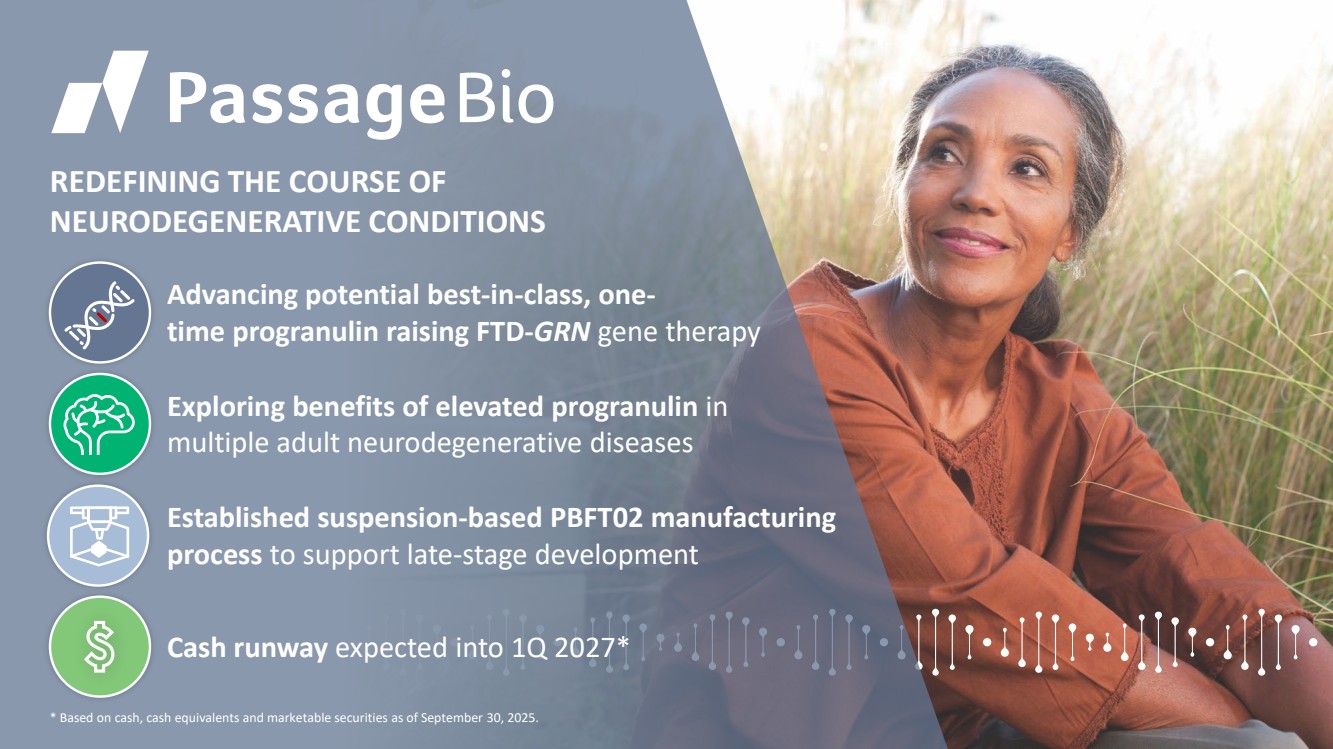
| 3 REDEFINING THE COURSE OF NEURODEGENERATIVE CONDITIONS Advancing potential best-in-class, one-time progranulin raising FTD-GRN gene therapy Established suspension-based PBFT02 manufacturing process to support late-stage development Cash runway expected into 1Q 2027* Exploring benefits of elevated progranulin in multiple adult neurodegenerative diseases * Based on cash, cash equivalents and marketable securities as of September 30, 2025. |
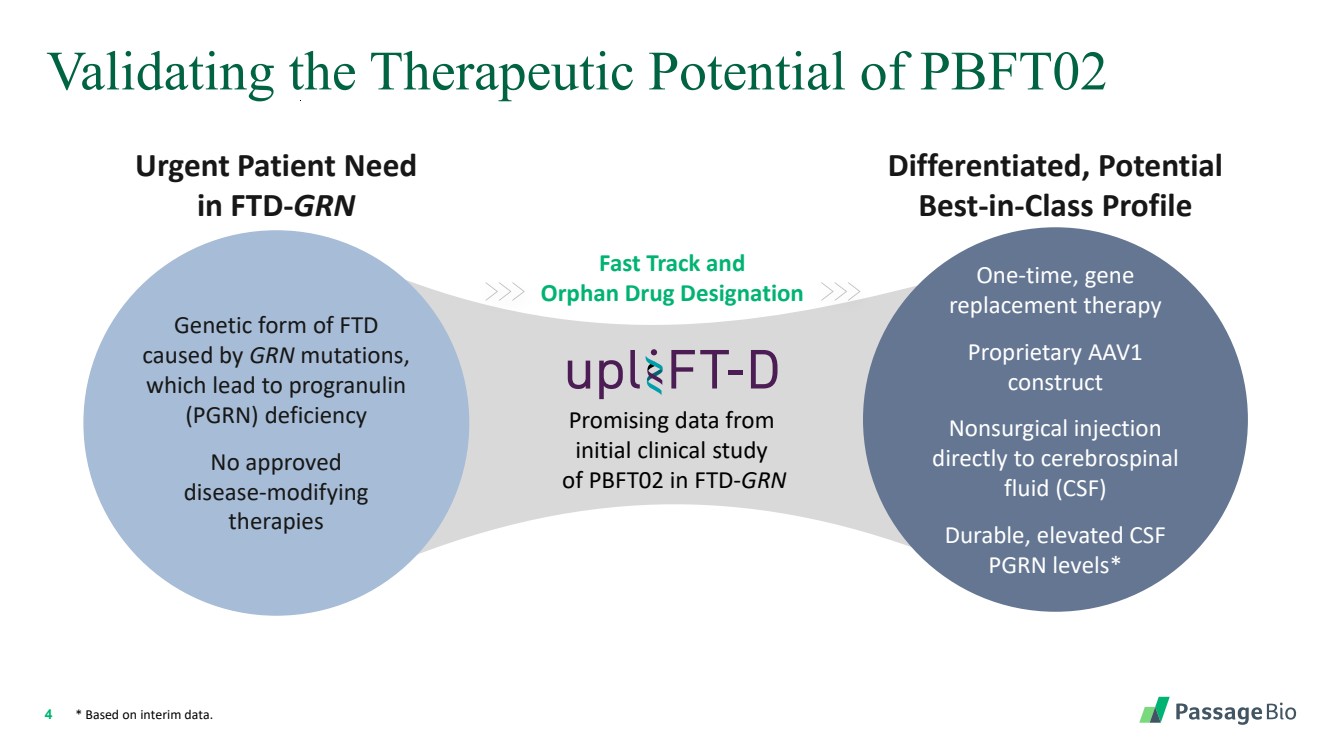
| 4 Validating the Therapeutic Potential of PBFT02 Promising data from initial clinical study of PBFT02 in FTD-GRN Genetic form of FTD caused by GRN mutations, which lead to progranulin (PGRN) deficiency No approved disease-modifying therapies One-time, gene replacement therapy Proprietary AAV1 construct Nonsurgical injection directly to cerebrospinal fluid (CSF) Durable, elevated CSF PGRN levels* Urgent Patient Need in FTD-GRN Differentiated, Potential Best-in-Class Profile Fast Track and Orphan Drug Designation * Based on interim data. |
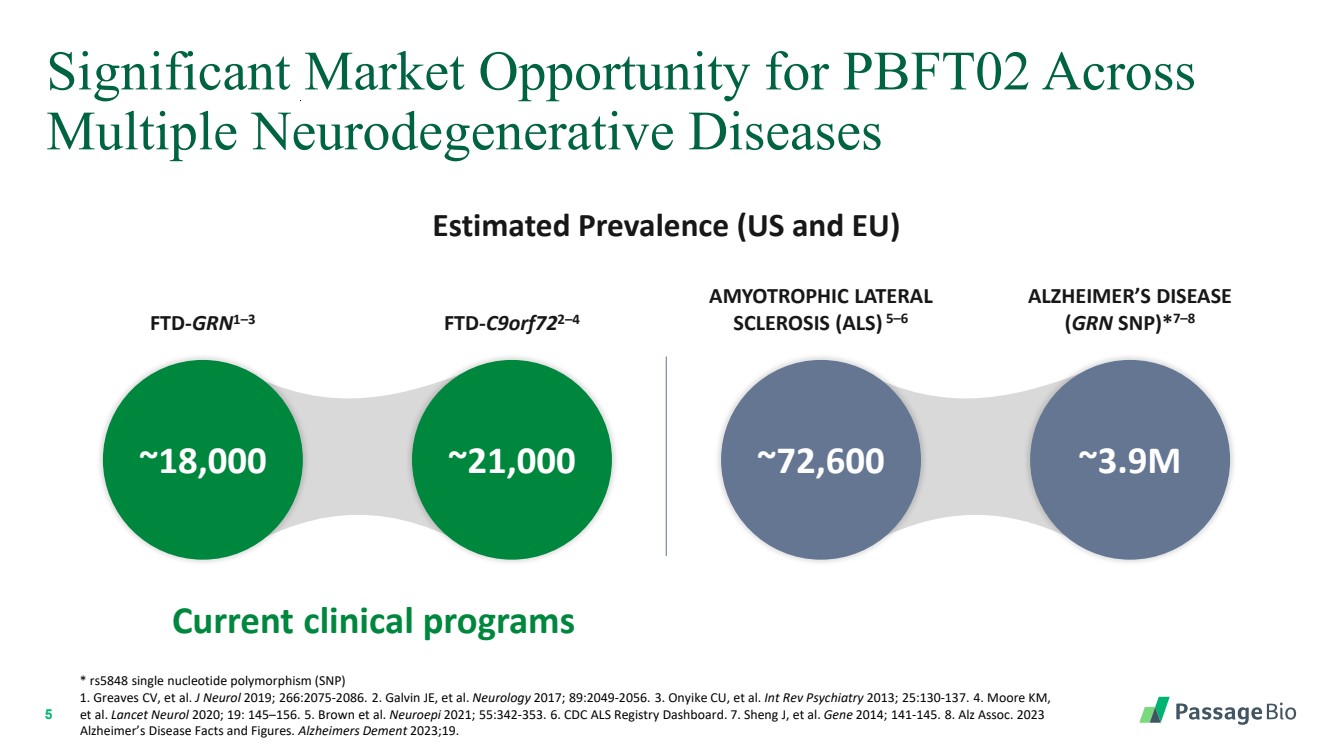
| 5 Significant Market Opportunity for PBFT02 Across Multiple Neurodegenerative Diseases ~18,000 ~21,000 ~72,600 ~3.9M FTD-GRN1–3 FTD-C9orf722–4 AMYOTROPHIC LATERAL SCLEROSIS (ALS) 5–6 ALZHEIMER’S DISEASE (GRN SNP)*7–8 * rs5848 single nucleotide polymorphism (SNP) 1. Greaves CV, et al. J Neurol 2019; 266:2075-2086. 2. Galvin JE, et al. Neurology 2017; 89:2049-2056. 3. Onyike CU, et al. Int Rev Psychiatry 2013; 25:130-137. 4. Moore KM, et al. Lancet Neurol 2020; 19: 145–156. 5. Brown et al. Neuroepi 2021; 55:342-353. 6. CDC ALS Registry Dashboard. 7. Sheng J, et al. Gene 2014; 141-145. 8. Alz Assoc. 2023 Alzheimer’s Disease Facts and Figures. Alzheimers Dement 2023;19. Estimated Prevalence (US and EU) Current clinical programs |
| PBFT02 Frontotemporal Dementia |
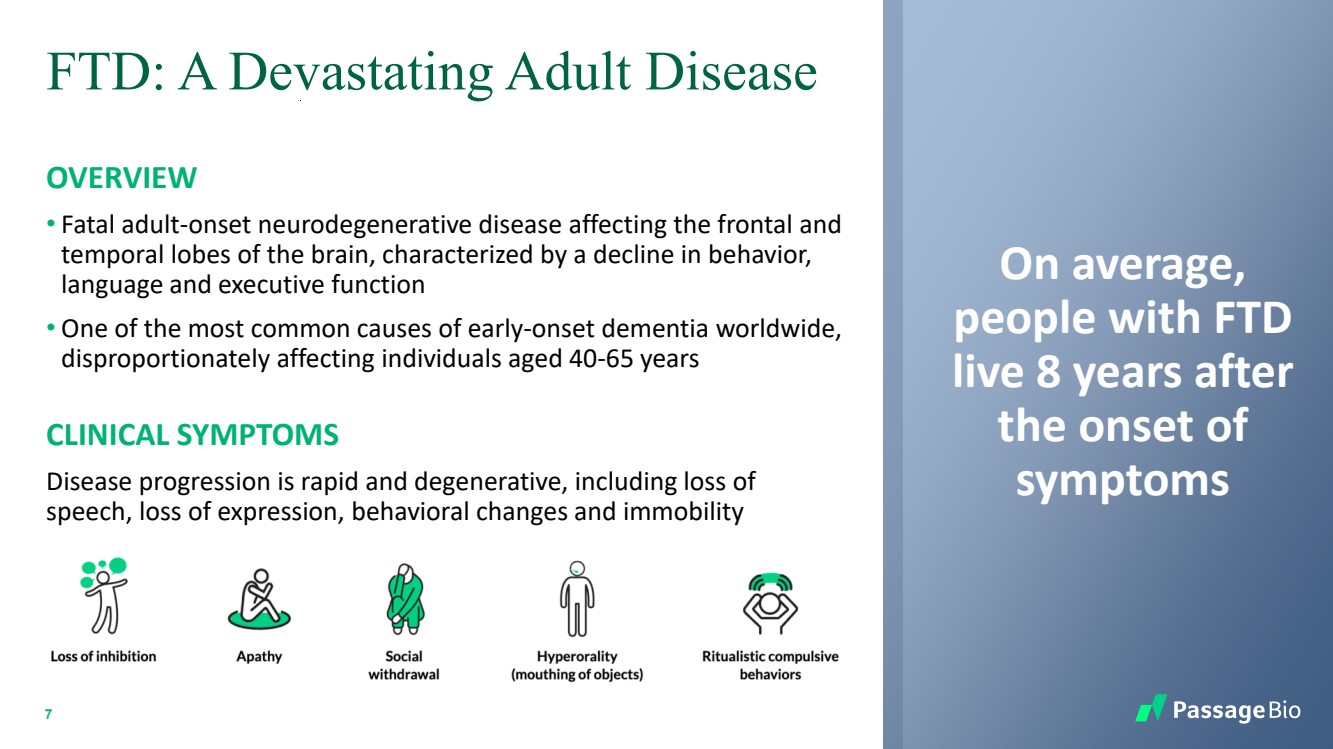
| 7 FTD: A Devastating Adult Disease OVERVIEW • Fatal adult-onset neurodegenerative disease affecting the frontal and temporal lobes of the brain, characterized by a decline in behavior, language and executive function • One of the most common causes of early-onset dementia worldwide, disproportionately affecting individuals aged 40-65 years CLINICAL SYMPTOMS Disease progression is rapid and degenerative, including loss of speech, loss of expression, behavioral changes and immobility On average, people with FTD live 8 years after the onset of symptoms |
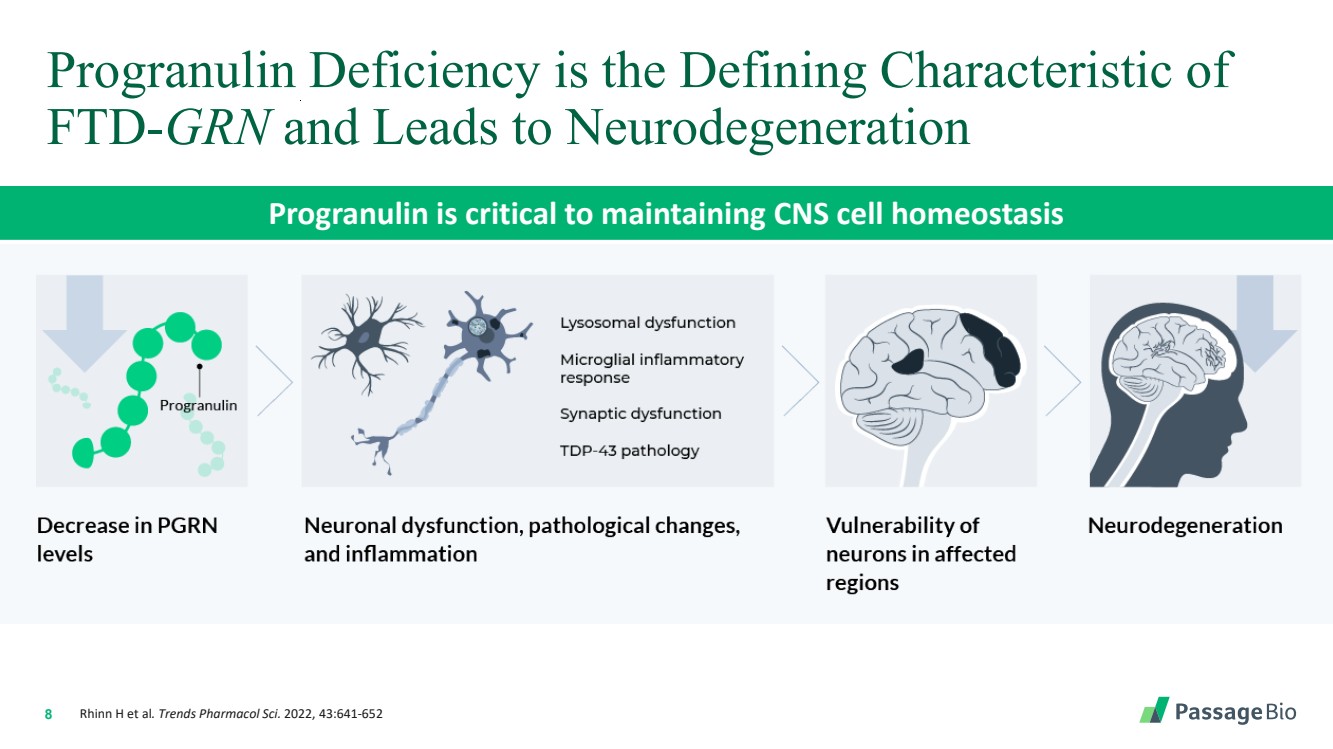
| 8 Progranulin Deficiency is the Defining Characteristic of FTD-GRN and Leads to Neurodegeneration Progranulin is critical to maintaining CNS cell homeostasis Rhinn H et al. Trends Pharmacol Sci. 2022, 43:641-652 |
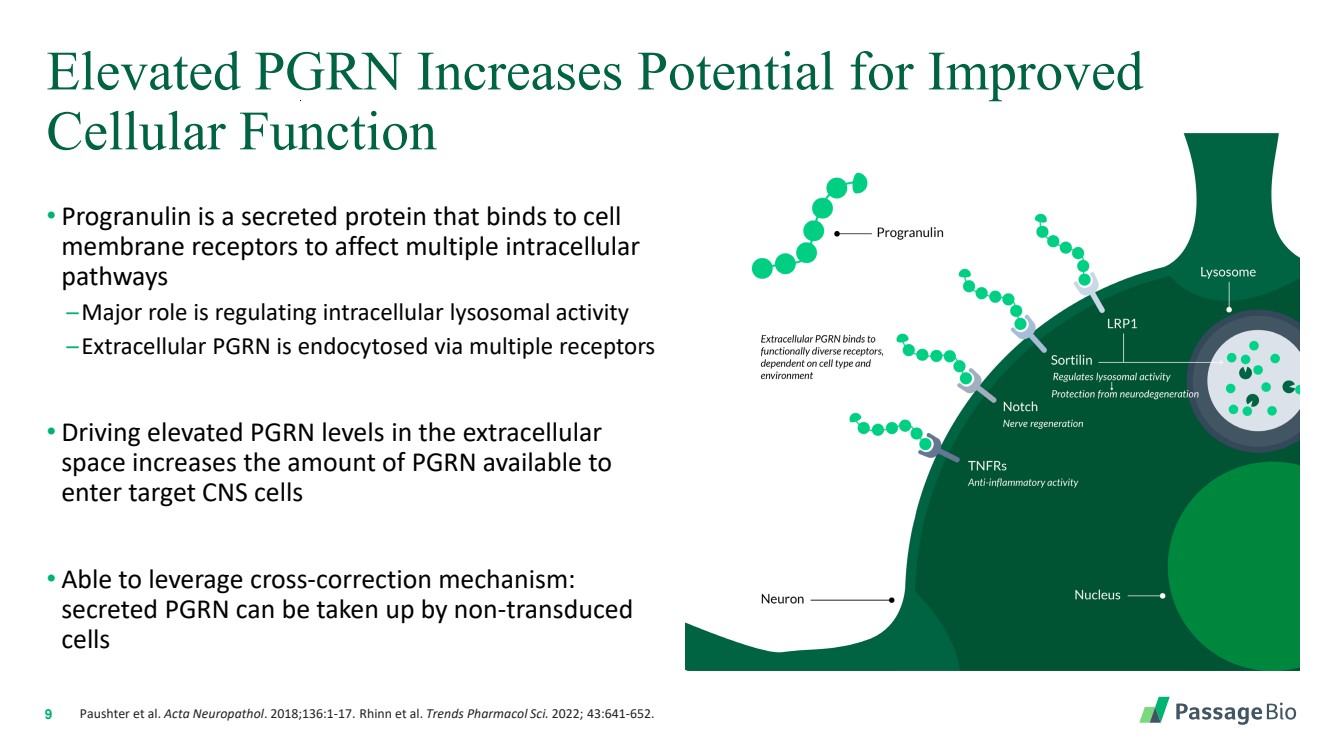
| 9 Elevated PGRN Increases Potential for Improved Cellular Function • Progranulin is a secreted protein that binds to cell membrane receptors to affect multiple intracellular pathways –Major role is regulating intracellular lysosomal activity –Extracellular PGRN is endocytosed via multiple receptors • Driving elevated PGRN levels in the extracellular space increases the amount of PGRN available to enter target CNS cells • Able to leverage cross-correction mechanism: secreted PGRN can be taken up by non-transduced cells Paushter et al. Acta Neuropathol. 2018;136:1-17. Rhinn et al. Trends Pharmacol Sci. 2022; 43:641-652. |
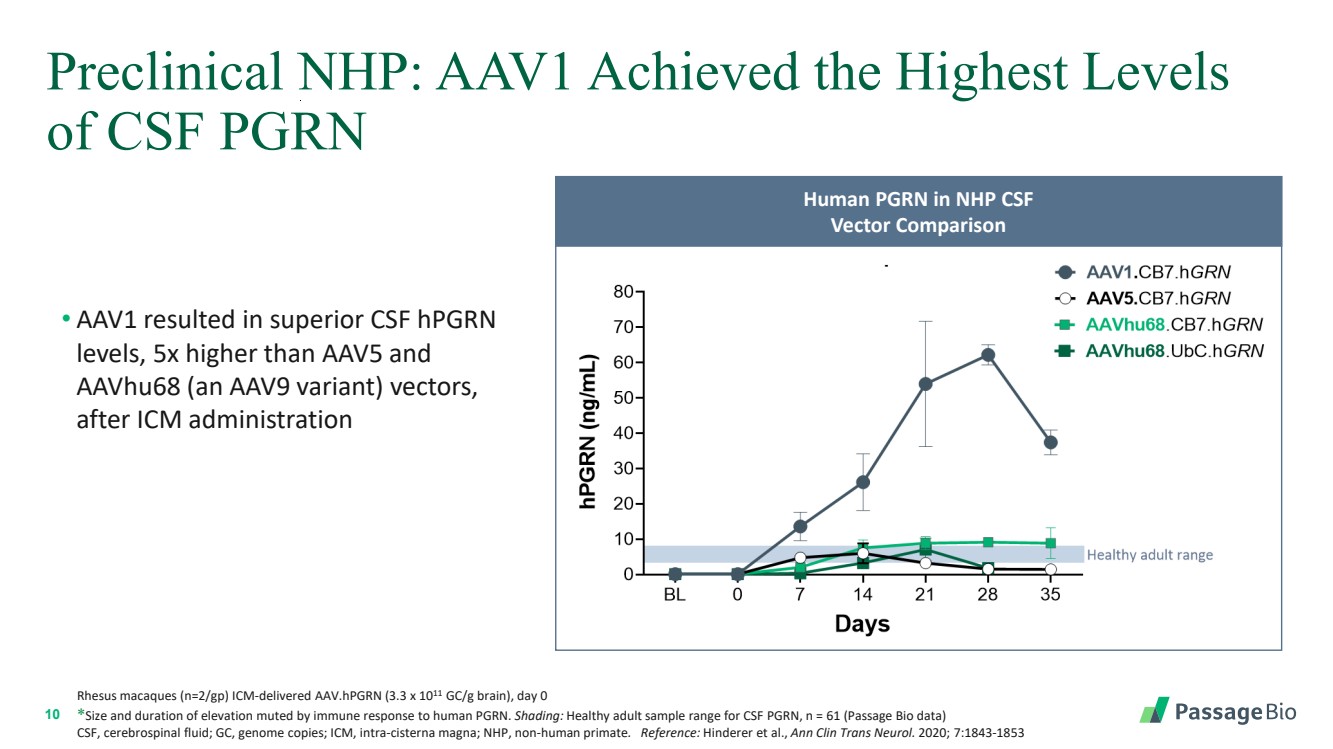
| 10 Preclinical NHP: AAV1 Achieved the Highest Levels of CSF PGRN • AAV1 resulted in superior CSF hPGRN levels, 5x higher than AAV5 and AAVhu68 (an AAV9 variant) vectors, after ICM administration Rhesus macaques (n=2/gp) ICM-delivered AAV.hPGRN (3.3 x 10¹¹ GC/g brain), day 0 *Size and duration of elevation muted by immune response to human PGRN. Shading: Healthy adult sample range for CSF PGRN, n = 61 (Passage Bio data) CSF, cerebrospinal fluid; GC, genome copies; ICM, intra-cisterna magna; NHP, non-human primate. Reference: Hinderer et al., Ann Clin Trans Neurol. 2020; 7:1843-1853 Human PGRN in NHP CSF Vector Comparison |
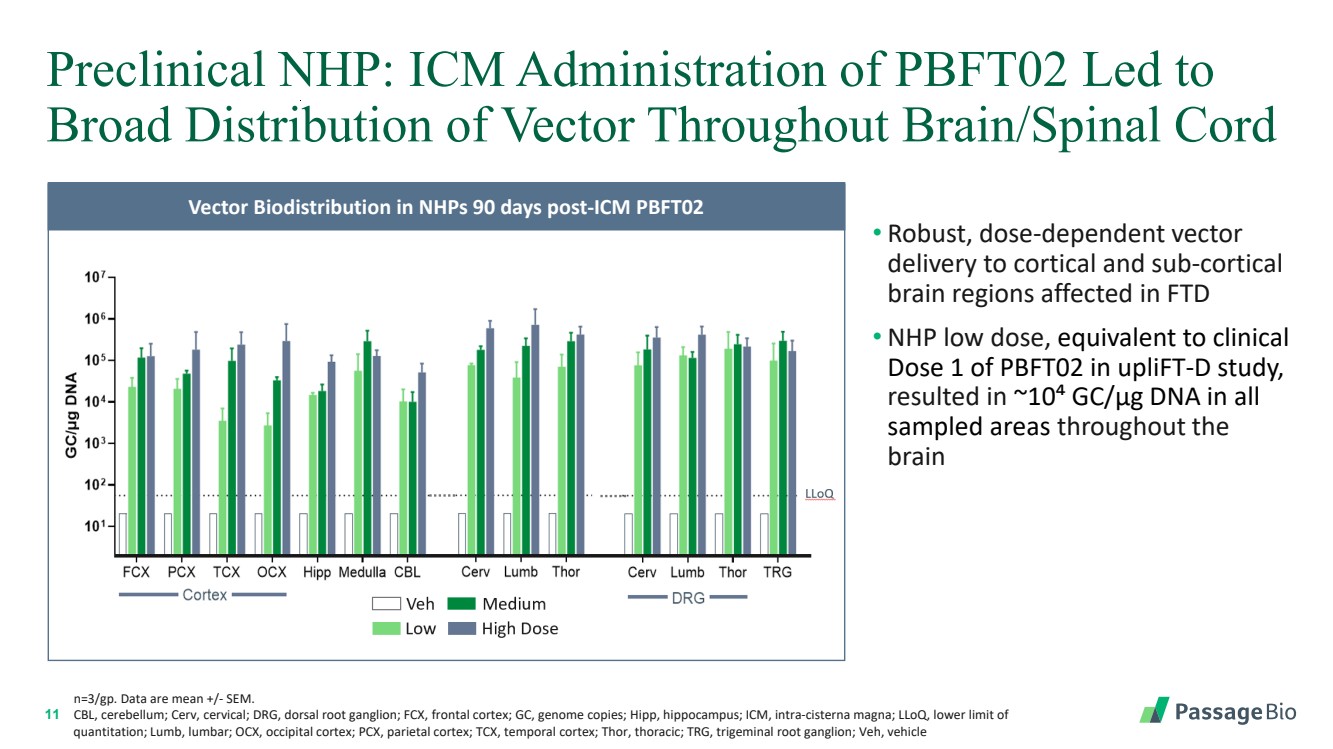
| 11 Preclinical NHP: ICM Administration of PBFT02 Led to Broad Distribution of Vector Throughout Brain/Spinal Cord Vector Biodistribution in NHPs 90 days post-ICM PBFT02 • Robust, dose-dependent vector delivery to cortical and sub-cortical brain regions affected in FTD • NHP low dose, equivalent to clinical Dose 1 of PBFT02 in upliFT-D study, resulted in ~10⁴ GC/μg DNA in all sampled areas throughout the brain n=3/gp. Data are mean +/- SEM. CBL, cerebellum; Cerv, cervical; DRG, dorsal root ganglion; FCX, frontal cortex; GC, genome copies; Hipp, hippocampus; ICM, intra-cisterna magna; LLoQ, lower limit of quantitation; Lumb, lumbar; OCX, occipital cortex; PCX, parietal cortex; TCX, temporal cortex; Thor, thoracic; TRG, trigeminal root ganglion; Veh, vehicle |
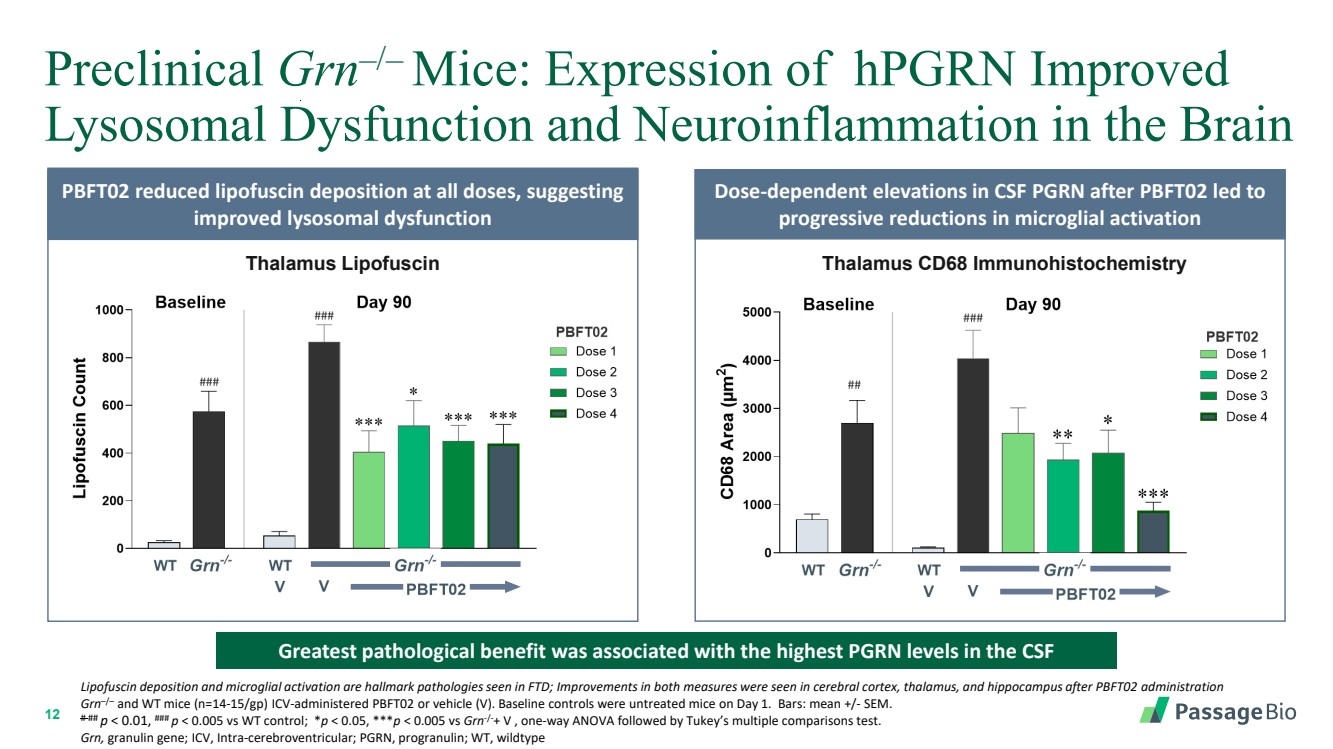
| 12 Preclinical Grn–/– Mice: Expression of hPGRN Improved Lysosomal Dysfunction and Neuroinflammation in the Brain Greatest pathological benefit was associated with the highest PGRN levels in the CSF Lipofuscin deposition and microglial activation are hallmark pathologies seen in FTD; Improvements in both measures were seen in cerebral cortex, thalamus, and hippocampus after PBFT02 administration Grn–/– and WT mice (n=14-15/gp) ICV-administered PBFT02 or vehicle (V). Baseline controls were untreated mice on Day 1. Bars: mean +/- SEM. # ## p < 0.01, ### p < 0.005 vs WT control; *p < 0.05, ***p < 0.005 vs Grn-/- + V , one-way ANOVA followed by Tukey’s multiple comparisons test. Grn, granulin gene; ICV, Intra-cerebroventricular; PGRN, progranulin; WT, wildtype PBFT02 reduced lipofuscin deposition at all doses, suggesting improved lysosomal dysfunction Dose-dependent elevations in CSF PGRN after PBFT02 led to progressive reductions in microglial activation Thalamus Lipofuscin Thalamus CD68 Immunohistochemistry |
| 13 TRIAL DESIGN upliFT-D: Global Phase 1/2 Trial with PBFT02 Currently enrolling patients in Cohort 3 and Cohort 4 DURATION 2 years; with additional 3 years of follow-up for safety and durability of effect PRIMARY ENDPOINTS Safety and tolerability SECONDARY ENDPOINTS Biomarkers • Progranulin (CSF, plasma) • vMRI • Retinal nerve fiber layer and retinal lipofuscin deposits via OCT • NfL (CSF, plasma) Clinical • CDR + NACC FTLD sum of boxes EXPLORATORY BIOMARKERS • Cathepsin D (CSF) • GFAP (CSF, plasma) • LAMP 1 (CSF) • Lys-GL1 (CSF) COHORT 1 (n=5) Dose 1 COHORT 2 (n=4) Dose 1 / Dose 2 COHORT 3 (n=5-10) Dose 2 COHORT 4 (n=3-5) Dose 2 COHORT 5 (n=3-5) IDMC review Phase Multicenter Open-label Dose exploration study 1/2 Complete Dose 1: 4.5e13 GC Dose 2: 2.2e13 GC FTD-GRN FTD-C9orf72 |
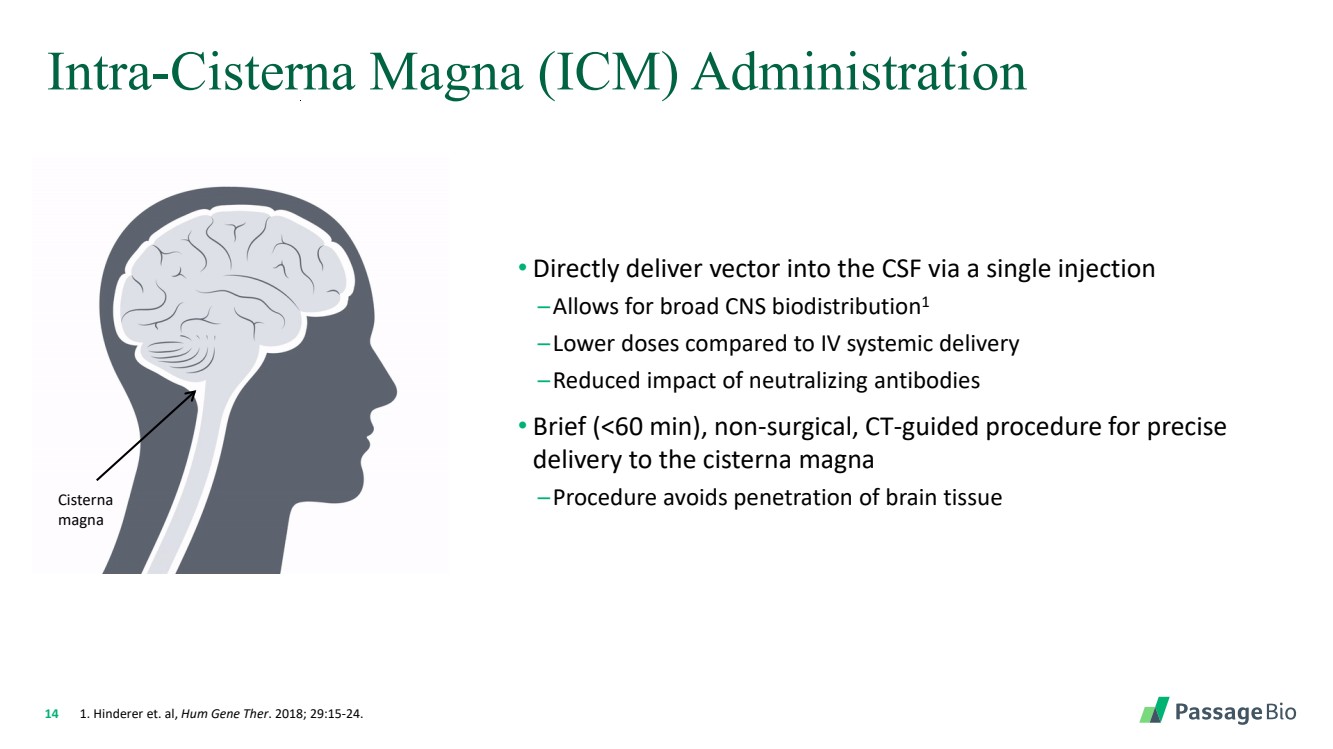
| 14 Intra-Cisterna Magna (ICM) Administration • Directly deliver vector into the CSF via a single injection –Allows for broad CNS biodistribution1 –Lower doses compared to IV systemic delivery –Reduced impact of neutralizing antibodies • Brief (<60 min), non-surgical, CT-guided procedure for precise delivery to the cisterna magna Cisterna –Procedure avoids penetration of brain tissue magna 1. Hinderer et. al, Hum Gene Ther. 2018; 29:15-24. |
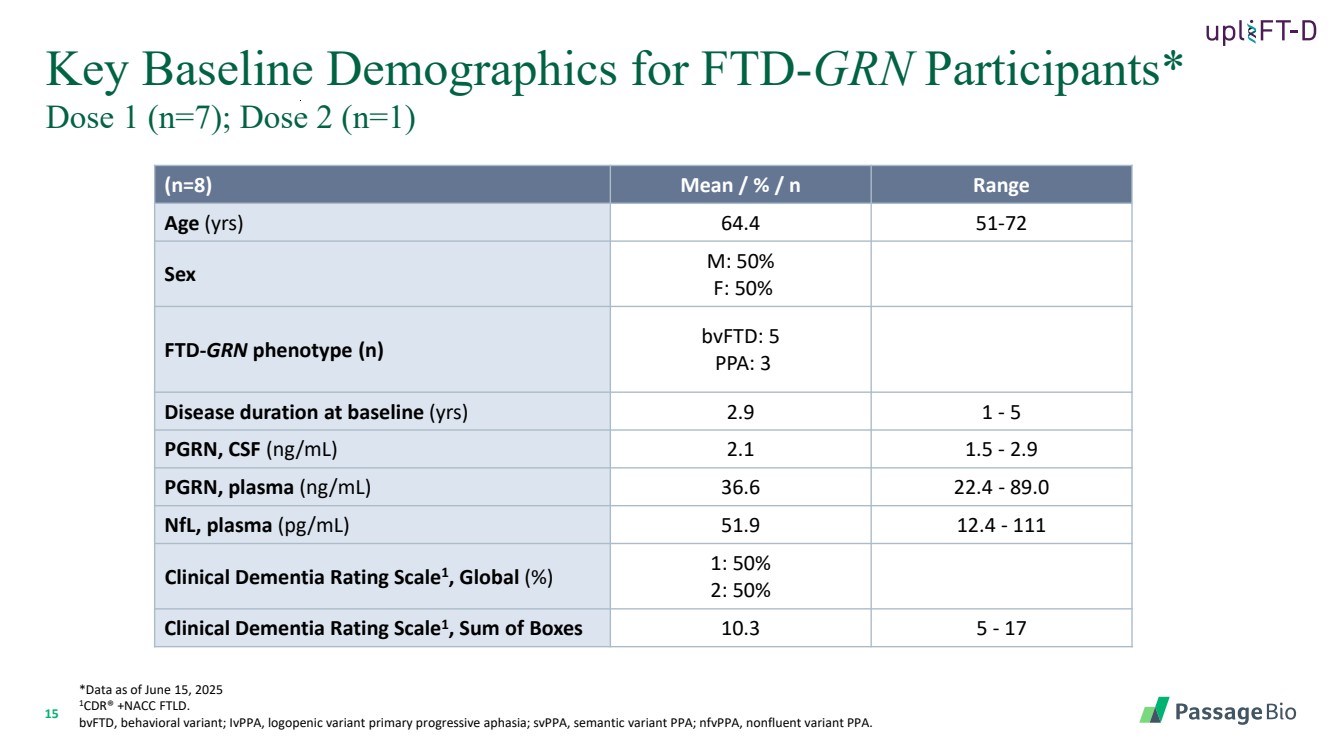
| 15 Key Baseline Demographics for FTD-GRN Participants* Dose 1 (n=7); Dose 2 (n=1) (n=8) Mean / % / n Range Age (yrs) 64.4 51-72 Sex M: 50% F: 50% FTD-GRN phenotype (n) bvFTD: 5 PPA: 3 Disease duration at baseline (yrs) 2.9 1 - 5 PGRN, CSF (ng/mL) 2.1 1.5 - 2.9 PGRN, plasma (ng/mL) 36.6 22.4 - 89.0 NfL, plasma (pg/mL) 51.9 12.4 - 111 Clinical Dementia Rating Scale1, Global (%) 1: 50% 2: 50% Clinical Dementia Rating Scale1, Sum of Boxes 10.3 5 - 17 *Data as of June 15, 2025 1CDR® +NACC FTLD. bvFTD, behavioral variant; IvPPA, logopenic variant primary progressive aphasia; svPPA, semantic variant PPA; nfvPPA, nonfluent variant PPA. |
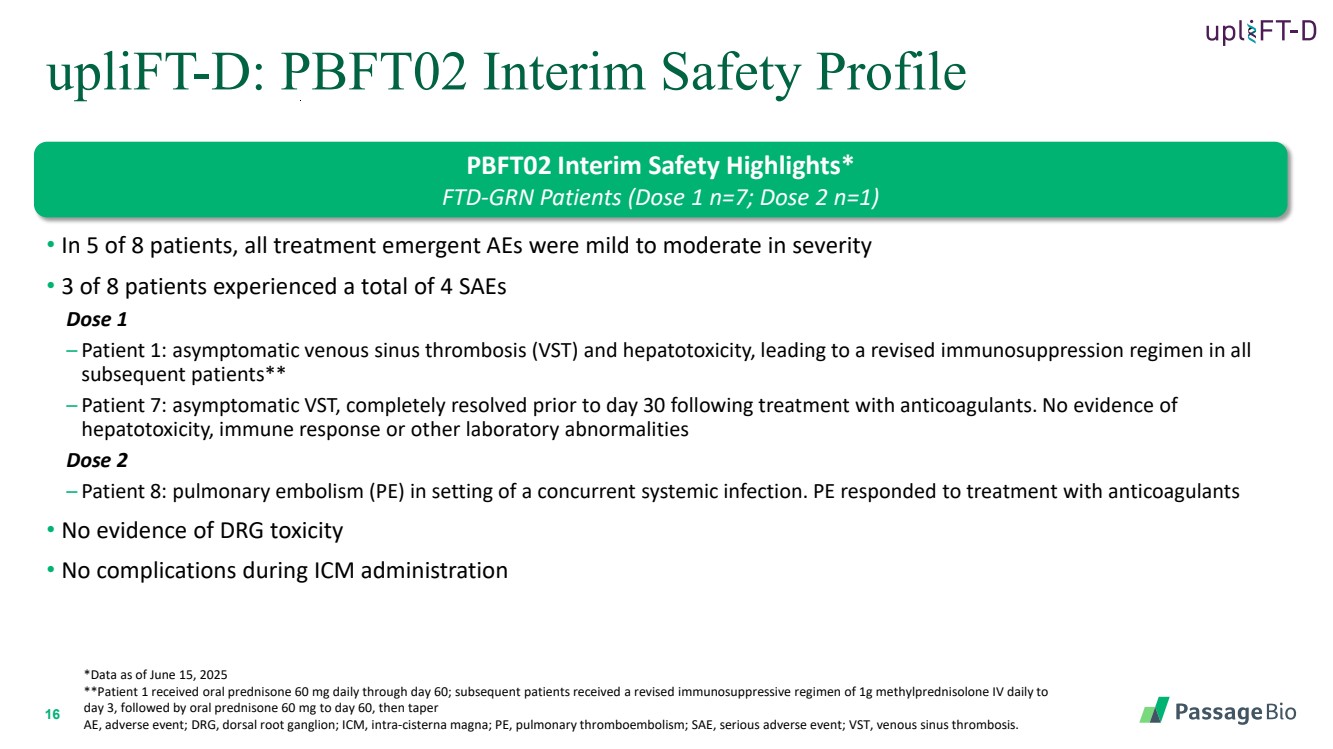
| 16 upliFT-D: PBFT02 Interim Safety Profile • In 5 of 8 patients, all treatment emergent AEs were mild to moderate in severity • 3 of 8 patients experienced a total of 4 SAEs Dose 1 – Patient 1: asymptomatic venous sinus thrombosis (VST) and hepatotoxicity, leading to a revised immunosuppression regimen in all subsequent patients** – Patient 7: asymptomatic VST, completely resolved prior to day 30 following treatment with anticoagulants. No evidence of hepatotoxicity, immune response or other laboratory abnormalities Dose 2 – Patient 8: pulmonary embolism (PE) in setting of a concurrent systemic infection. PE responded to treatment with anticoagulants • No evidence of DRG toxicity • No complications during ICM administration PBFT02 Interim Safety Highlights* FTD-GRN Patients (Dose 1 n=7; Dose 2 n=1) *Data as of June 15, 2025 **Patient 1 received oral prednisone 60 mg daily through day 60; subsequent patients received a revised immunosuppressive regimen of 1g methylprednisolone IV daily to day 3, followed by oral prednisone 60 mg to day 60, then taper AE, adverse event; DRG, dorsal root ganglion; ICM, intra-cisterna magna; PE, pulmonary thromboembolism; SAE, serious adverse event; VST, venous sinus thrombosis. |
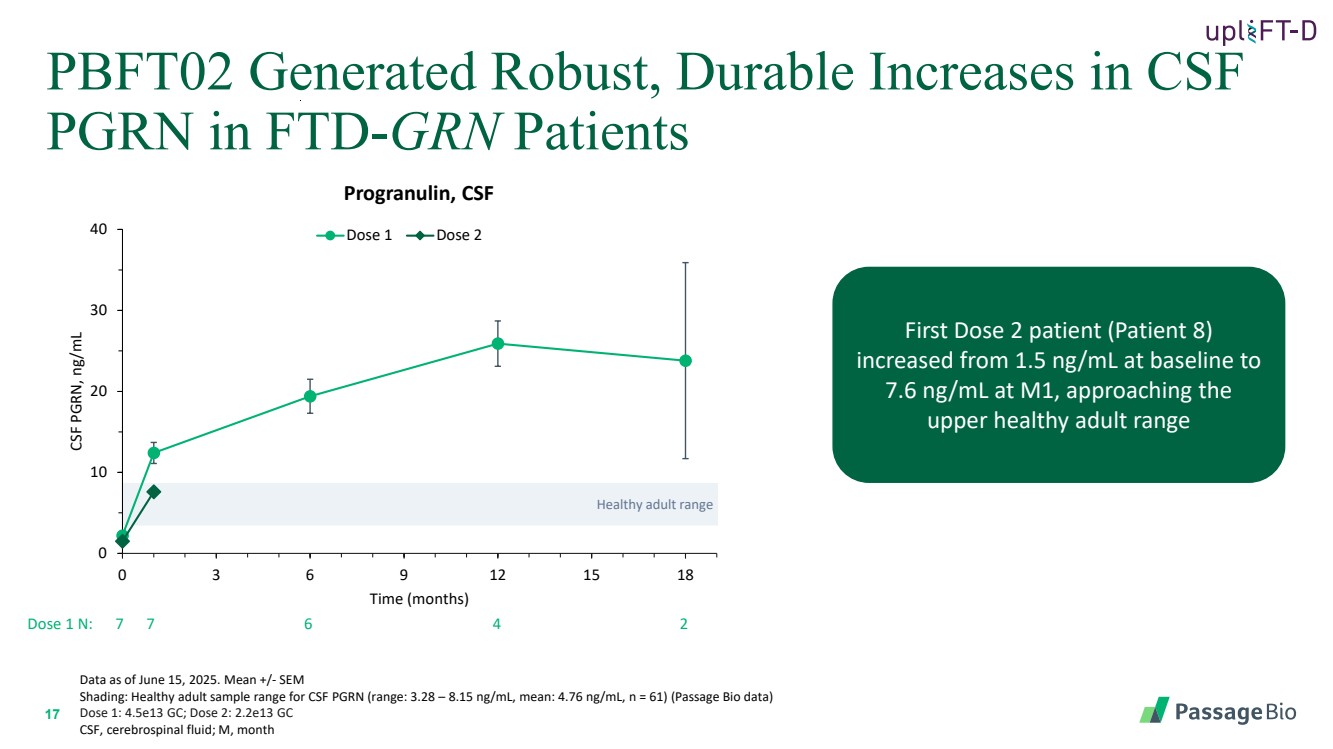
| 17 PBFT02 Generated Robust, Durable Increases in CSF PGRN in FTD-GRN Patients 0 10 20 30 40 0 3 6 9 12 15 18 CSF PGRN, ng/mL Time (months) Progranulin, CSF Dose 1 Dose 2 Data as of June 15, 2025. Mean +/- SEM Shading: Healthy adult sample range for CSF PGRN (range: 3.28 – 8.15 ng/mL, mean: 4.76 ng/mL, n = 61) (Passage Bio data) Dose 1: 4.5e13 GC; Dose 2: 2.2e13 GC CSF, cerebrospinal fluid; M, month First Dose 2 patient (Patient 8) increased from 1.5 ng/mL at baseline to 7.6 ng/mL at M1, approaching the upper healthy adult range Healthy adult range Dose 1 N: 7 7 6 4 2 |
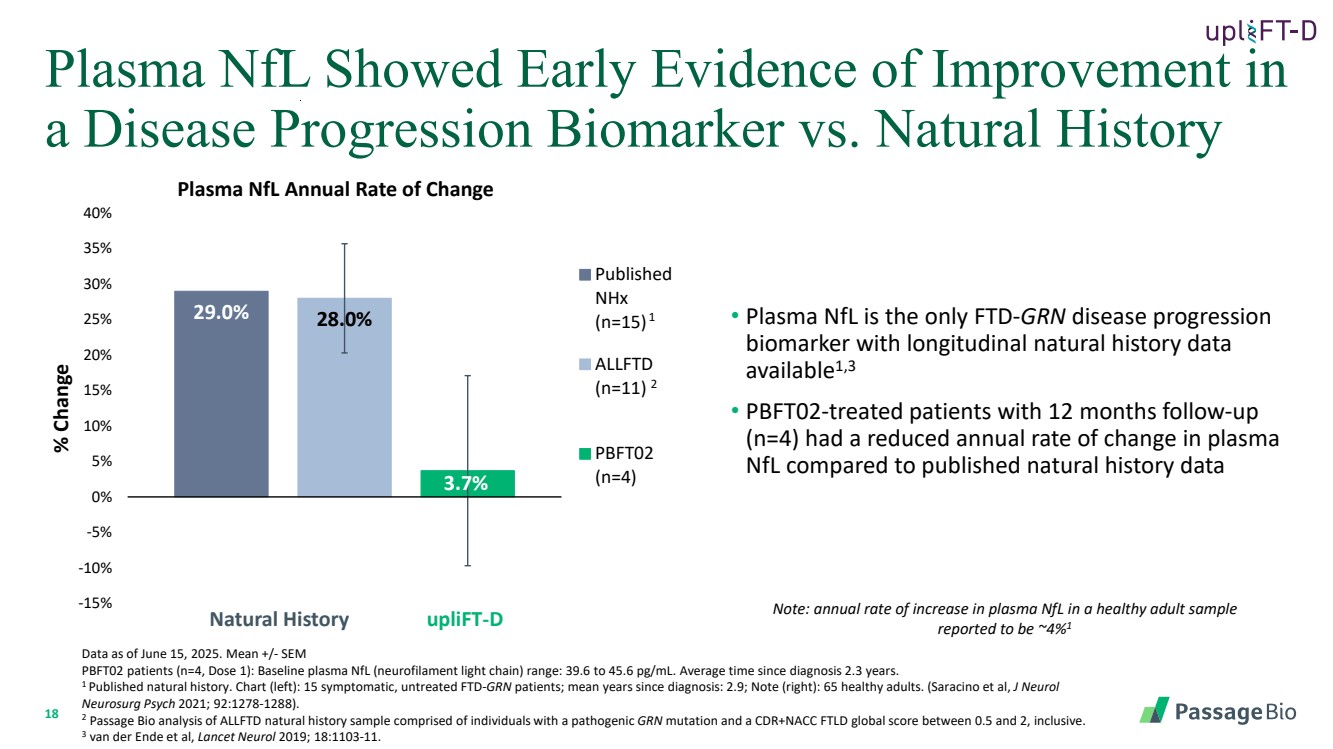
| 18 Plasma NfL Showed Early Evidence of Improvement in a Disease Progression Biomarker vs. Natural History 29.0% 28.0% 3.7% -15% -10% -5% 0% 5% 10% 15% 20% 25% 30% 35% 40% % Change Plasma NfL Annual Rate of Change Published NHx (n=15) ALLFTD (n=11) PBFT02 (n=4) Data as of June 15, 2025. Mean +/- SEM PBFT02 patients (n=4, Dose 1): Baseline plasma NfL (neurofilament light chain) range: 39.6 to 45.6 pg/mL. Average time since diagnosis 2.3 years. 1 Published natural history. Chart (left): 15 symptomatic, untreated FTD-GRN patients; mean years since diagnosis: 2.9; Note (right): 65 healthy adults. (Saracino et al, 2021; ). 2 Passage Bio analysis of ALLFTD natural history sample comprised of individuals with a pathogenic GRN mutation and a CDR+NACC FTLD global score between 0.5 and 2, inclusive. 3 van der Ende et al, Lancet Neurol 2019; 18:1103-11. J Neurol Neurosurg Psych 92:1278-1288 • Plasma NfL is the only FTD-GRN disease progression biomarker with longitudinal natural history data available1,3 • PBFT02-treated patients with 12 months follow-up (n=4) had a reduced annual rate of change in plasma NfL compared to published natural history data Natural History upliFT-D 1 2 Note: annual rate of increase in plasma NfL in a healthy adult sample reported to be ~4%1 |
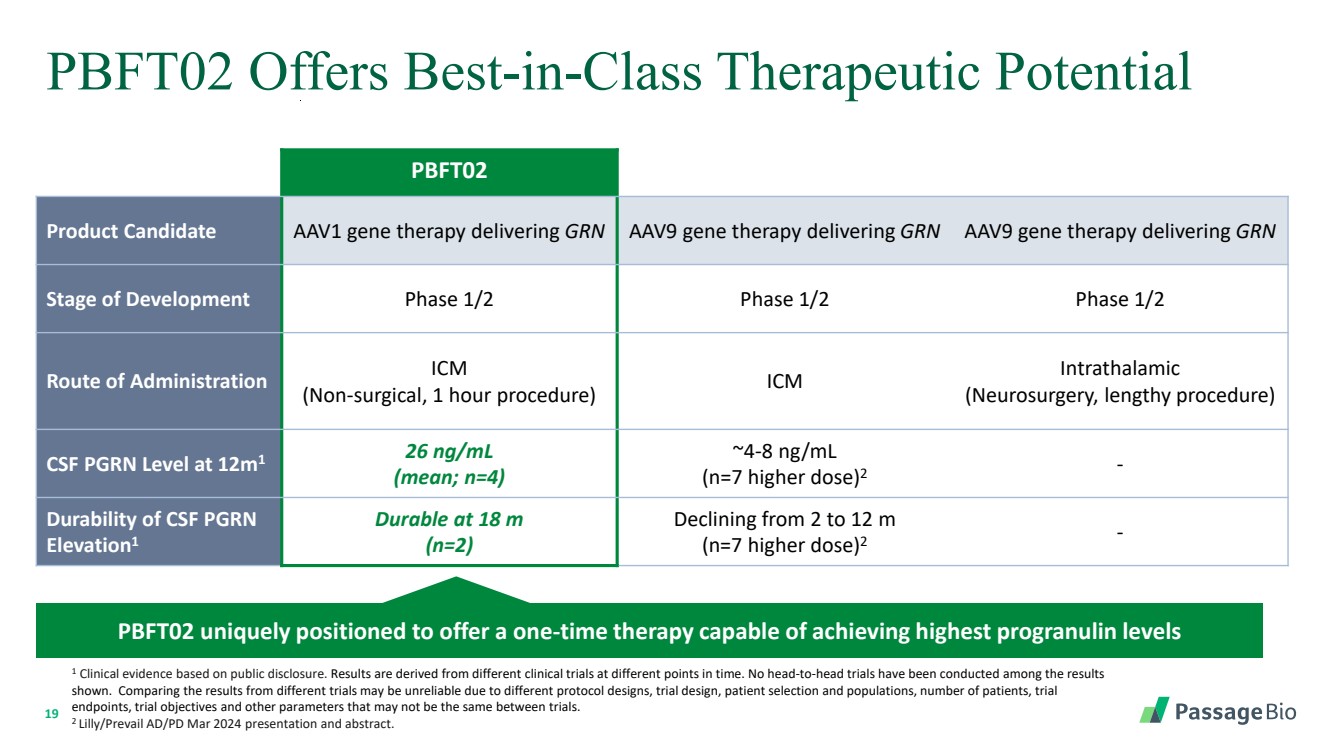
| 19 PBFT02 Offers Best-in-Class Therapeutic Potential PBFT02 Product Candidate AAV1 gene therapy delivering GRN AAV9 gene therapy delivering GRN AAV9 gene therapy delivering GRN Stage of Development Phase 1/2 Phase 1/2 Phase 1/2 Route of Administration ICM (Non-surgical, 1 hour procedure) ICM Intrathalamic (Neurosurgery, lengthy procedure) CSF PGRN Level at 12m1 26 ng/mL (mean; n=4) ~4-8 ng/mL (n=7 higher dose)2 - Durability of CSF PGRN Elevation1 Durable at 18 m (n=2) Declining from 2 to 12 m (n=7 higher dose)2 - PBFT02 uniquely positioned to offer a one-time therapy capable of achieving highest progranulin levels 1 Clinical evidence based on public disclosure. Results are derived from different clinical trials at different points in time. No head-to-head trials have been conducted among the results shown. Comparing the results from different trials may be unreliable due to different protocol designs, trial design, patient selection and populations, number of patients, trial endpoints, trial objectives and other parameters that may not be the same between trials. 2 Lilly/Prevail AD/PD Mar 2024 presentation and abstract. |
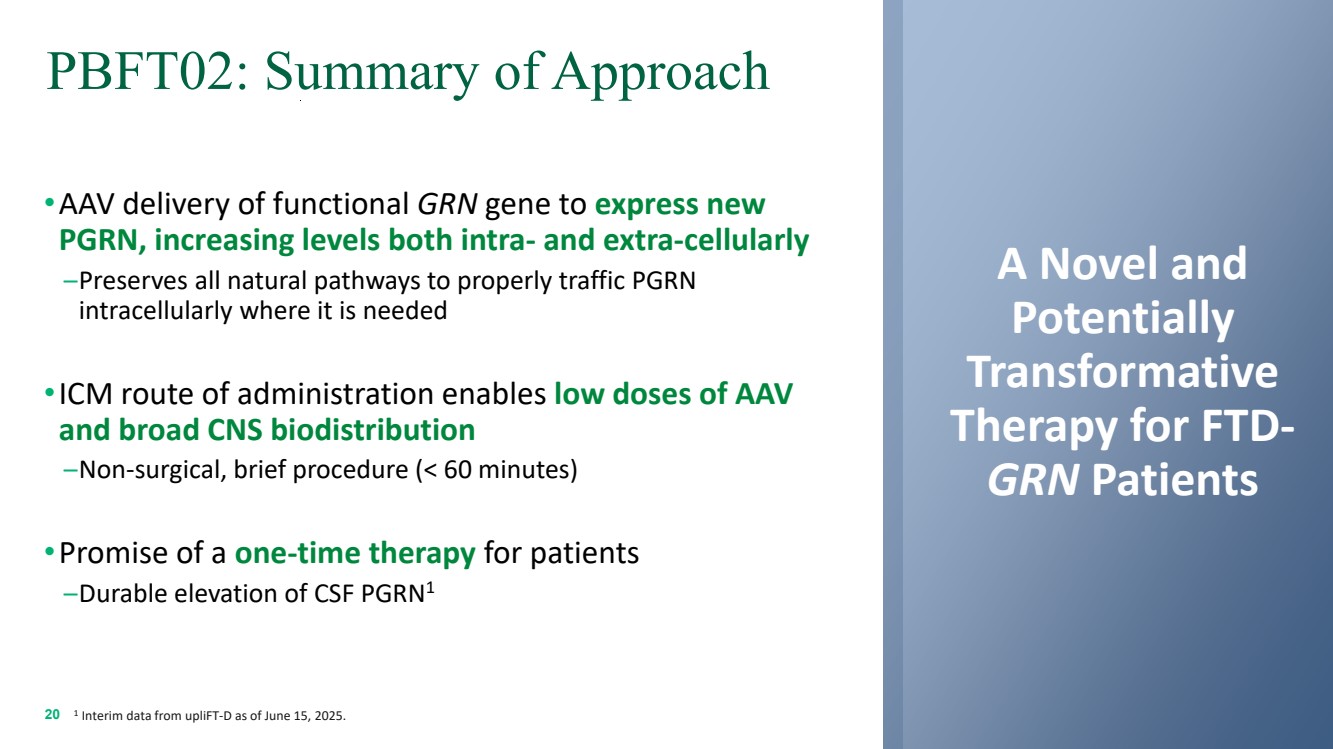
| 20 PBFT02: Summary of Approach •AAV delivery of functional GRN gene to express new PGRN, increasing levels both intra- and extra-cellularly –Preserves all natural pathways to properly traffic PGRN intracellularly where it is needed •ICM route of administration enables low doses of AAV and broad CNS biodistribution –Non-surgical, brief procedure (< 60 minutes) •Promise of a one-time therapy for patients –Durable elevation of CSF PGRN1 1 Interim data from upliFT-D as of June 15, 2025. A Novel and Potentially Transformative Therapy for FTD-GRN Patients |
| Looking Ahead |
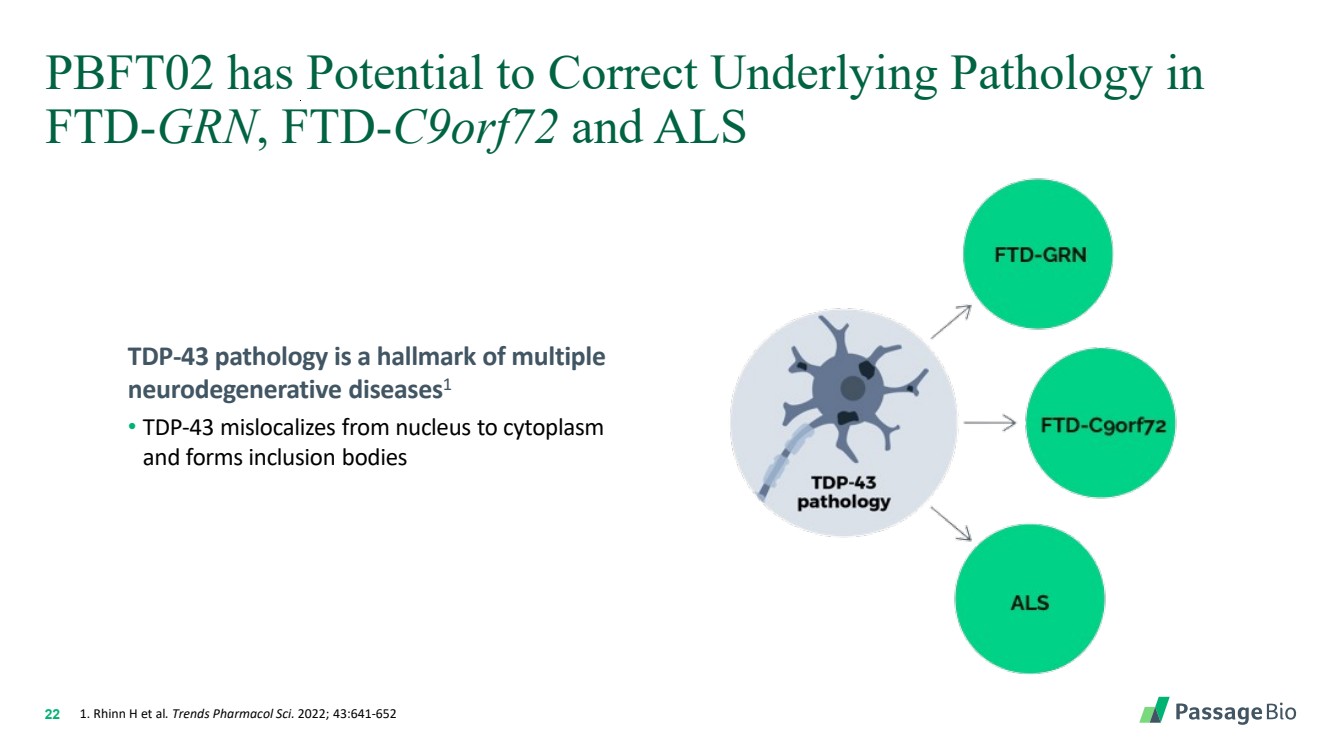
| 22 PBFT02 has Potential to Correct Underlying Pathology in FTD-GRN, FTD-C9orf72 and ALS TDP-43 pathology is a hallmark of multiple neurodegenerative diseases1 • TDP-43 mislocalizes from nucleus to cytoplasm and forms inclusion bodies 1. Rhinn H et al. Trends Pharmacol Sci. 2022; 43:641-652 |
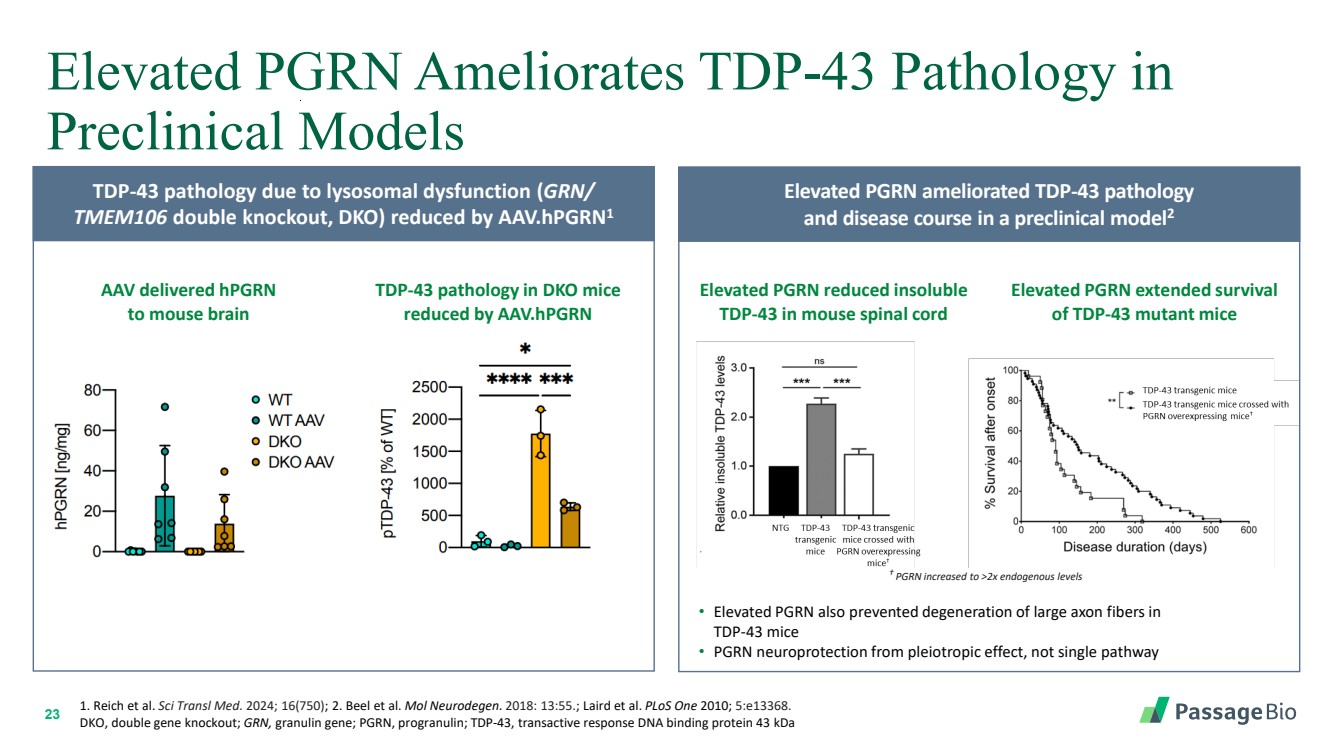
| 23 TDP-43 pathology due to lysosomal dysfunction (GRN/ TMEM106 double knockout, DKO) reduced by AAV.hPGRN1 Elevated PGRN Ameliorates TDP-43 Pathology in Preclinical Models AAV delivered hPGRN to mouse brain TDP-43 pathology in DKO mice reduced by AAV.hPGRN Elevated PGRN reduced insoluble TDP-43 in mouse spinal cord Elevated PGRN extended survival of TDP-43 mutant mice Elevated PGRN ameliorated TDP-43 pathology and disease course in a preclinical model2 • Elevated PGRN also prevented degeneration of large axon fibers in TDP-43 mice • PGRN neuroprotection from pleiotropic effect, not single pathway 1. Reich et al. Sci Transl Med. 2024; 16(750); 2. Beel et al. Mol Neurodegen. 2018: 13:55.; Laird et al. PLoS One 2010; 5:e13368. DKO, double gene knockout; GRN, granulin gene; PGRN, progranulin; TDP-43, transactive response DNA binding protein 43 kDa † PGRN increased to >2x endogenous levels |
| 24 Critical Manufacturing Milestones Achieved to Enable Late-Stage Development Functional Potency Assay Developed assay and reached alignment with FDA on suitability of assay for PBFT02 release Robust Manufacturing Process Completed development of high-productivity, suspension-based manufacturing process Single production lot estimated to yield >1,000 doses1 with >70% full capsids 1 Estimated yield based on Dose 2 Process Comparability Plan Aligned with the FDA on an analytical approach to establish comparability of suspension-based process |
| 25 Plan to Initiate Discussions with the FDA on a Registrational Study Design in 1H 2026 Rationale for a single-arm registrational study • FTD-GRN is a rapidly progressing disease with no approved disease-modifying therapies and a substantial unmet clinical need • Multiple recent gene therapy precedents demonstrate FDA receptivity to a single-arm registrational approach • Existing, well structured FTD natural history studies with >300 FTD-GRN patients |
| 26 Upcoming Milestones and Corporate Updates PIPELINE • Advancing Huntington’s disease preclinical program BALANCE SHEET • Cash balance of ~$53 million as of 9/30/25* • Cash runway into 1Q 2027 * Based on cash, cash equivalents and marketable securities TIMING MILESTONE 1H 2026 Report updated interim safety and biomarker data from Dose 2 in 1H 2026 1H 2026 Seek regulatory feedback on registrational trial design in FTD-GRN in 1H 2026 |
| 27 REDEFINING THE COURSE OF NEURODEGENERATIVE CONDITIONS Advancing potential best-in-class, one-time progranulin raising FTD-GRN gene therapy Established suspension-based PBFT02 manufacturing process to support late-stage development Cash runway expected into 1Q 2027* Exploring benefits of elevated progranulin in multiple adult neurodegenerative diseases * Based on cash, cash equivalents and marketable securities as of September 30, 2025. |
| Thank You passagebio.com | NASDAQ: PASG |
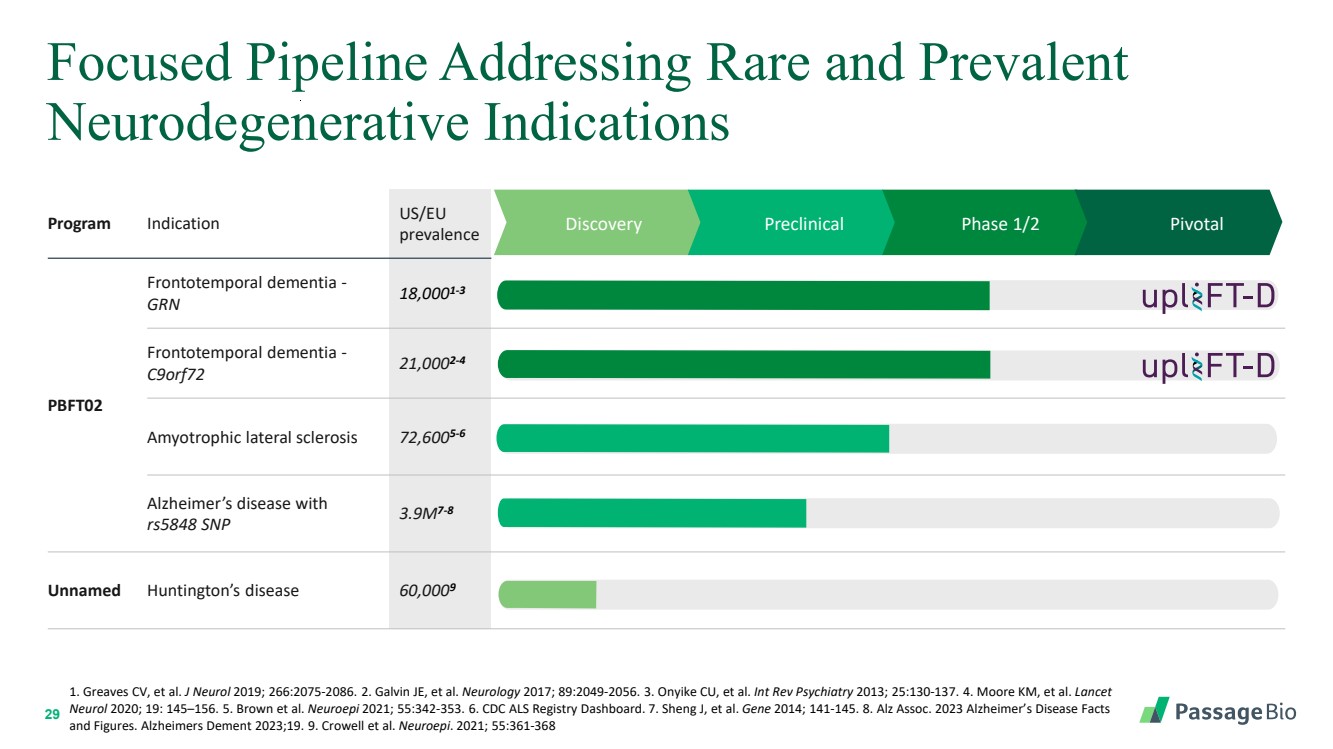
| 29 Program Indication US/EU prevalence Discovery Preclinical Phase 1/2 Pivotal PBFT02 Frontotemporal dementia - GRN 18,0001-3 Frontotemporal dementia - C9orf72 21,0002-4 Amyotrophic lateral sclerosis 72,6005-6 Alzheimer’s disease with rs5848 SNP 3.9M7-8 Unnamed Huntington’s disease 60,0009 Focused Pipeline Addressing Rare and Prevalent Neurodegenerative Indications 1. Greaves CV, et al. J Neurol 2019; 266:2075-2086. 2. Galvin JE, et al. Neurology 2017; 89:2049-2056. 3. Onyike CU, et al. Int Rev Psychiatry 2013; 25:130-137. 4. Moore KM, et al. Lancet Neurol 2020; 19: 145–156. 5. Brown et al. Neuroepi 2021; 55:342-353. 6. CDC ALS Registry Dashboard. 7. Sheng J, et al. Gene 2014; 141-145. 8. Alz Assoc. 2023 Alzheimer’s Disease Facts and Figures. Alzheimers Dement 2023;19. 9. Crowell et al. Neuroepi. 2021; 55:361-368 |
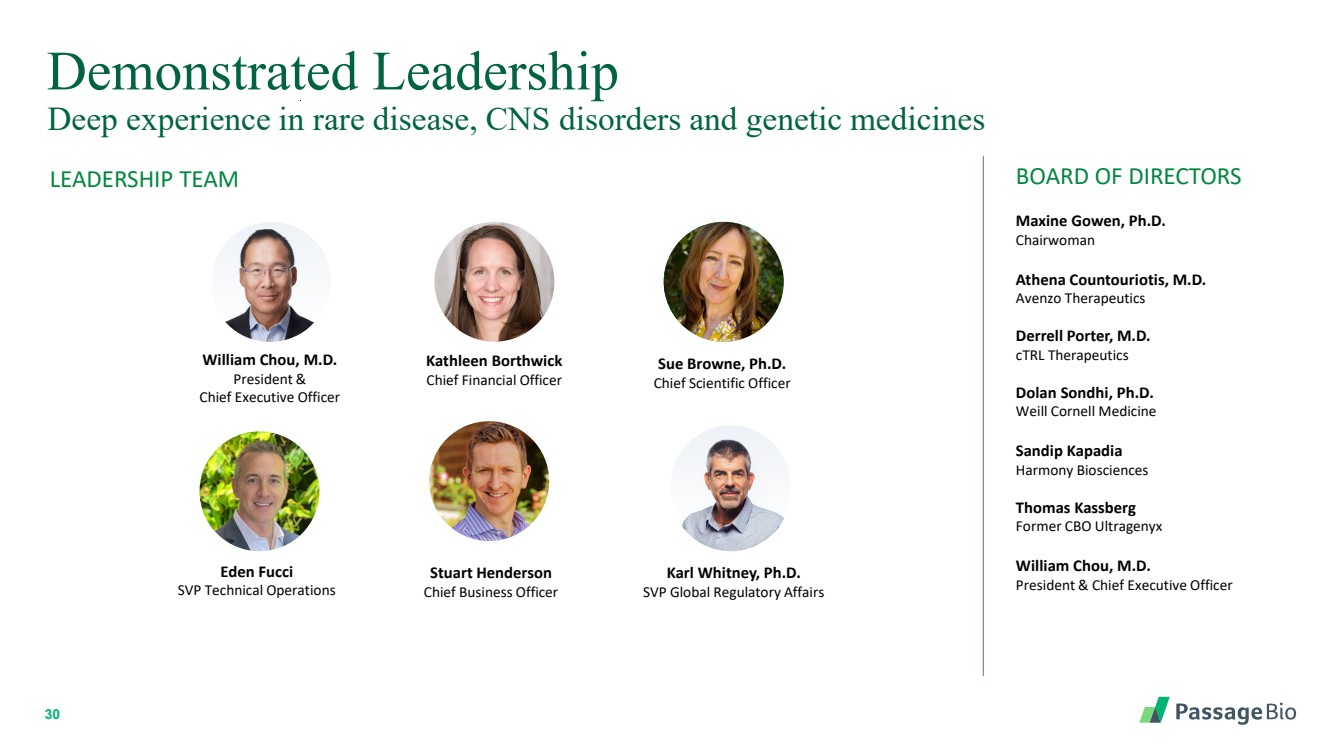
| 30 Demonstrated Leadership LEADERSHIP TEAM Deep experience in rare disease, CNS disorders and genetic medicines Eden Fucci SVP Technical Operations BOARD OF DIRECTORS Maxine Gowen, Ph.D. Chairwoman Athena Countouriotis, M.D. Avenzo Therapeutics Derrell Porter, M.D. cTRL Therapeutics Dolan Sondhi, Ph.D. Weill Cornell Medicine Sandip Kapadia Harmony Biosciences Thomas Kassberg Former CBO Ultragenyx William Chou, M.D. President & Chief Executive Officer Stuart Henderson Chief Business Officer William Chou, M.D. President & Chief Executive Officer Kathleen Borthwick Chief Financial Officer Karl Whitney, Ph.D. SVP Global Regulatory Affairs Sue Browne, Ph.D. Chief Scientific Officer |