false
0001130598
0001130598
2025-06-03
2025-06-03
iso4217:USD
xbrli:shares
iso4217:USD
xbrli:shares
UNITED STATES
SECURITIES AND EXCHANGE COMMISSION
Washington, DC 20549
FORM 8-K
CURRENT REPORT
PURSUANT TO SECTION 13 OR 15(d) OF
THE
SECURITIES EXCHANGE ACT OF 1934
Date of Report (Date of earliest event reported):
June 3, 2025
Traws
Pharma, Inc.
(Exact name of Registrant as specified in its
charter)
| Delaware |
|
001-36020 |
|
22-3627252 |
(State or Other Jurisdiction
of Incorporation or Organization) |
|
(Commission
File Number) |
|
(I.R.S. Employer
Identification No.) |
12 Penns Trail
Newtown, PA 18940 |
| (267)
759-3680 |
(Address,
Including Zip Code, and Telephone Number, Including Area Code, of Registrant’s Principal Executive
Offices)
Not Applicable
(Former name or former address, if changed since
last report)
Check the appropriate box below if the Form 8-K
is intended to simultaneously satisfy the filing obligation of the registrant under any of the following provisions:
| ¨ | Written
communications pursuant to Rule 425 under the Securities Act (17 CFR 230.425) |
| ¨ | Soliciting
material pursuant to Rule 14a-12 under the Exchange Act (17 CFR 240.14a-12) |
| ¨ | Pre-commencement
communications pursuant to Rule 14d-2(b) under the Exchange Act (17 CFR 240.14d-2(b)) |
| ¨ | Pre-commencement
communications pursuant to Rule 13e-4(c) under the Exchange Act (17 CFR 240.13e-4(c)) |
Securities registered pursuant to Section 12(b) of the Act:
| Title of each class |
Trading Symbol(s) |
Name of each exchange on which registered |
| Common
stock, par value $.01 per share |
TRAW |
The
Nasdaq Stock Market LLC |
Indicate by check mark whether the registrant
is an emerging growth company as defined in Rule 405 of the Securities Act of 1933 (§230.405 of this chapter) or Rule 12b-2
of the Securities Exchange Act of 1934 (§240.12b-2 of this chapter).
Emerging growth company ¨
If
an emerging growth company, indicate by check mark if the registrant has elected not to use the extended transition period for complying
with any new or revised financial accounting standards provided pursuant to Section 13(a) of the Exchange Act. ¨
| Item 7.01 |
Regulation FD Disclosure. |
On June 3, 2025,
Traws Pharma, Inc. (the “Company”) posted two corporate presentations to its website, each covering one of the Company’s
legacy oncology programs, rigosertib and narazaciclib, respectively. Copies of those corporate presentations are furnished as Exhibits 99.1
and 99.2 hereto and incorporated herein by reference.
The information
set forth under Item 7.01 of this Current Report on Form 8-K (this “Current Report”), including Exhibits 99.1 and
99.2 attached hereto, is being furnished and shall not be deemed “filed” for purposes of Section 18 of the Securities
Exchange Act of 1934, as amended (the “Exchange Act”), or otherwise subject to the liabilities of such section. The information
in Item 7.01 of this Current Report, including Exhibits 99.1 and 99.2, shall not be incorporated by reference into any filing under
the Securities Act of 1933, as amended, or the Exchange Act, regardless of any incorporation by reference language in any such filing,
except as expressly set forth by specific reference in such a filing. This Current Report will not be deemed an admission as to the materiality
of any information in this Current Report that is required to be disclosed solely by Regulation FD.
On
June 3, 2025, the Company issued a press release the (the “Press Release”) announcing
the publication of clinical efficacy data for recessive dystrophic epidermolysis bullosa associated locally advanced or metastatic squamous
cell carcinoma patients treated with rigosertib in an investigator sponsored, open-label, single arm Phase 2 study. The results of the
study indicated an overall response rate of 80% with complete responses in 50% of evaluable patients. A copy of the Press Release is filed
herewith as Exhibit 99.3 and is incorporated by reference into this Item 8.01.
Forward-Looking Statements
This Current Report, including each of the exhibits,
contains certain forward-looking statements that involve substantial risks and uncertainties. When used herein, the terms “anticipates,”
“expects,” “estimates,” “believes,” “will” and similar expressions, as they relate to
the Company or its management, are intended to identify such forward-looking statements.
Forward-looking statements in this Current Report,
including each of the exhibits, or hereafter, including in other publicly available documents filed with the Securities and Exchange Commission,
reports to the stockholders of the Company and other publicly available statements issued or released by the Company involve known and
unknown risks, uncertainties and other factors which could cause the Company’s actual results, performance (financial or operating)
or achievements to differ from the future results, performance (financial or operating) or achievements expressed or implied by such forward-looking
statements. Such future results are based upon management’s best estimates based upon current conditions and the most recent results
of operations. These risks include, but are not limited to, the risks set forth herein and in such other documents filed with the Securities
and Exchange Commission, each of which could adversely affect the Company’s business and the accuracy of the forward-looking statements
contained herein.
| Item 9.01 |
Financial Statements and Exhibits. |
(d) Exhibits.
SIGNATURES
Pursuant to the requirements
of the Securities Exchange Act of 1934, as amended, the Registrant has duly caused this report to be signed on its behalf by the undersigned
hereunto duly authorized.
| Date: June 3, 2025 |
TRAWS PHARMA, INC. |
| |
|
|
| |
By: |
/s/ Iain Dukes |
| |
|
Iain Dukes |
| |
|
Interim Chief Executive Officer |
Exhibit 99.1
Traws Pharma - Rigosertib June 2025
Forward - looking statements This presentation contains, and certain oral statements made by management from time to time may contain, “forward - looking state ments” within the meaning of the “safe harbor” provisions of the Private Securities Litigation Reform Act of 1995, Section 27A of the Securities Act of 1933, as amended (th e “ Securities Act”), and Section 21E of the Securities Exchange Act of 1934, as amended. Such statements include actions, events, results, strategies and expectations and are often id entifiable by use of the words “believes,” “expects,” “intends,” “anticipates,” “plans,” “seeks,” “estimates,” “projects,” “may,” “will,” “could,” “might,” or “continues” or simil ar expressions. Forward - looking statements within this presentation include, but are not limited to, express or implied statements regarding the nature, strategy, opportunities and fo cus of Traws Pharma, Inc. (“Traws”); the development, commercial potential and potential benefits of any product candidates; potential partnership opportunities; anticipated clini cal drug development activities, related timelines and expected milestones; anticipated interactions with the FDA and other domestic and foreign regulatory bodies; and other statem ent s that are not historical fact. All statements other than statements of historical fact contained in this communication are forward - looking statements. These forward - looking statements a re made as of the date they were first issued, and were based on the then - current expectations, estimates, forecasts, and projections, as well as the beliefs and assumptions of managem ent. There can be no assurance that future developments affecting the company will be those that have been anticipated. Forward - looking statements are subject to a number of risks and uncertainties, many of which involve factors or circumstances th at are beyond Traws’ control. Traws’ actual results could differ materially from those stated or implied in forward - looking statements due to a number of factors, including but not limited to (i) the uncertainties associated with Traws’ product candidates, as well as risks associated with the clinical development and regulatory approval of product candidates, inc luding potential delays in the commencement and completion of clinical trials, studies and evaluations; (ii) risks related to Traws’ ability to identify and solidify partne rsh ips for the advancement of certain of its product candidates; (iii) risks related to Traws’ ability to obtain sufficient additional capital to continue to advance its product candidates and ope rat e its business; (iv) uncertainties in obtaining successful clinical results for product candidates and unexpected costs that may result therefrom; (v) risks related to the failure to r eal ize any value from product candidates currently being developed and anticipated to be developed in light of inherent risks and difficulties involved in successfully bringing produ ct candidates to market; (vi) uncertainties in retaining key personnel, including the executive team and directors; and (vii) risks that may stem from changes in the regulatory and/or po lit ical landscape, and (viii) risks associated with the possible failure to realize certain anticipated benefits of Traws’ 2024 merger with Trawsfynydd Therapeutics, Inc., including wi th respect to future financial and operating results and the other risks and uncertainties included in Traws’ Annual Report on Form 10 - K for the year ended December 31, 2024 and Traws’ subsequent filings with the U.S. Securities and Exchange Commission (the “SEC”). Actual results and the timing of events could differ materially from those anticipated in su ch forward - looking statements as a result of these risks and uncertainties. You should not place undue reliance on these forward - looking statements, which are made only as of the date h ereof or as of the dates indicated in the forward - looking statements. Traws expressly disclaims any obligation or undertaking, unless required by applicable law, to release publi cly any updates or revisions to any forward - looking statements contained herein to reflect any change in its expectations with regard thereto or any change in events, conditions or circumstances on which any such statements are based. This communication does not purport to summarize all of the conditions, risks and other attributes of an investment in Traws. This presentation is for informational purposes only and shall not constitute an offer to sell or a solicitation of an offer to buy the securities of the Traws, nor shall there be any sale of any such securities in any state or jurisdiction in which such offer, solicitation, or sale would be unlawful prior to regist rat ion or qualification under the securities laws of such state or jurisdiction. No offer of securities shall be made, except by means of a prospectus meeting the requirements of Section 10 of th e Securities Act or an exemption therefrom.
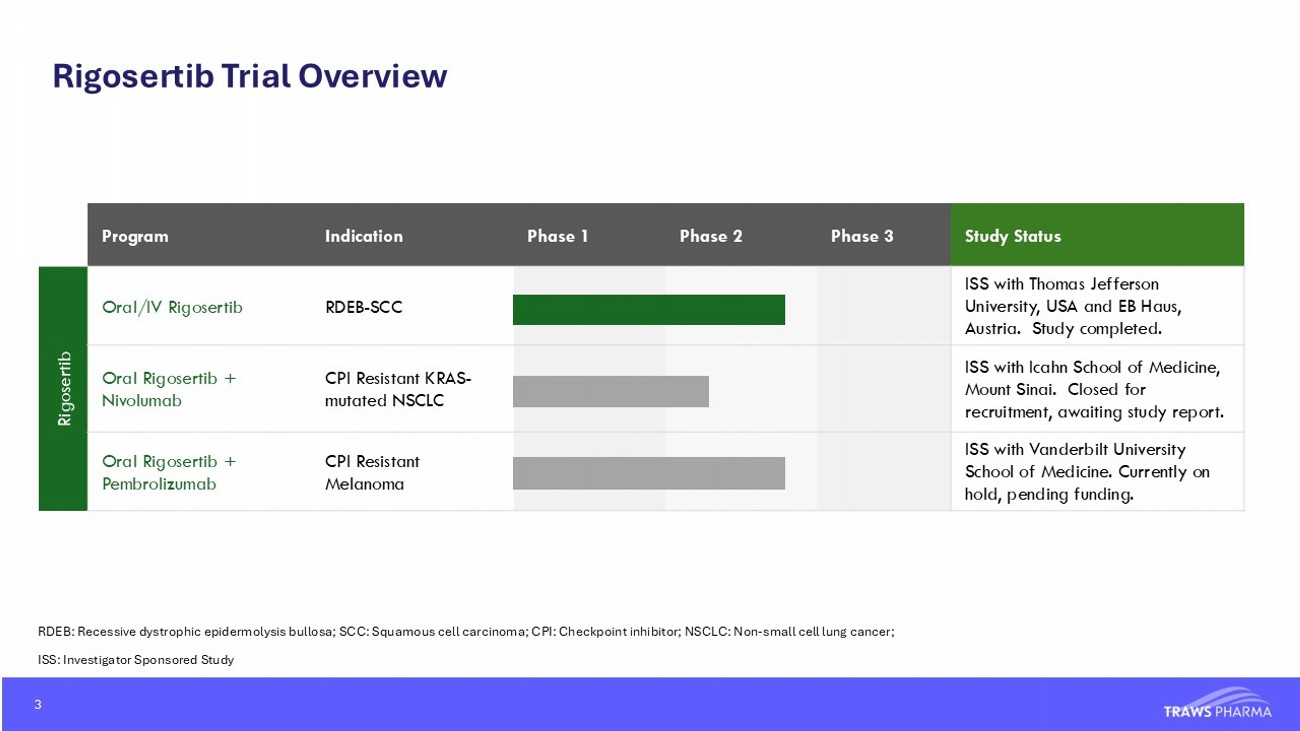
Study Status Phase 3 Phase 2 Phase 1 Indication Program ISS with Thomas Jefferson University, USA and EB Haus, Austria. Study completed. RDEB - SCC Oral/IV Rigosertib Rigosertib ISS with Icahn School of Medicine, Mount Sinai. Closed for recruitment, awaiting study report. CPI Resistant KRAS - mutated NSCLC Oral Rigosertib + Nivolumab ISS with Vanderbilt University School of Medicine. Currently on hold, pending funding. CPI Resistant Melanoma Oral Rigosertib + Pembrolizumab Rigosertib Trial Overview RDEB: Recessive dystrophic epidermolysis bullosa; SCC: Squamous cell carcinoma; CPI: Checkpoint inhibitor; NSCLC: Non - small cell lung cancer; ISS: Investigator Sponsored Study 3
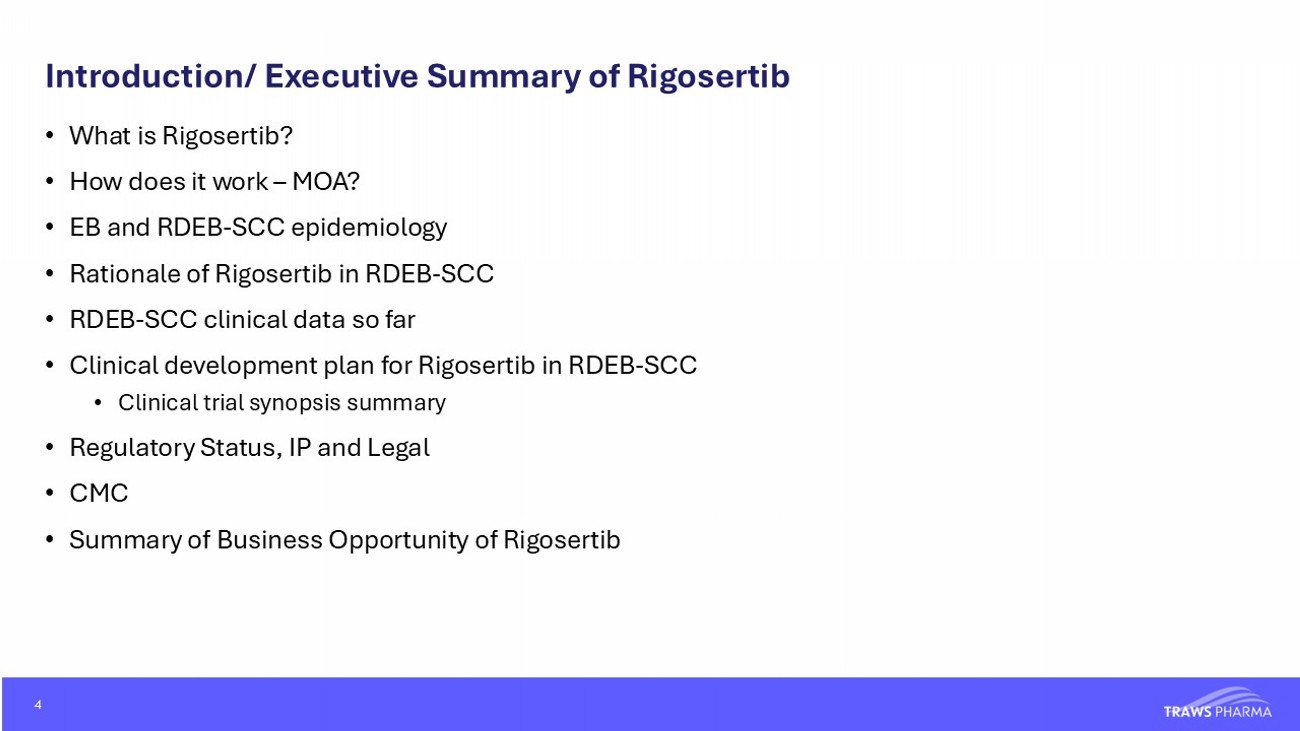
Introduction/ Executive Summary of Rigosertib • What is Rigosertib? • How does it work – MOA? • EB and RDEB - SCC epidemiology • Rationale of Rigosertib in RDEB - SCC • RDEB - SCC clinical data so far • Clinical development plan for Rigosertib in RDEB - SCC • Clinical trial synopsis summary • Regulatory Status, IP and Legal • CMC • Summary of Business Opportunity of Rigosertib 4
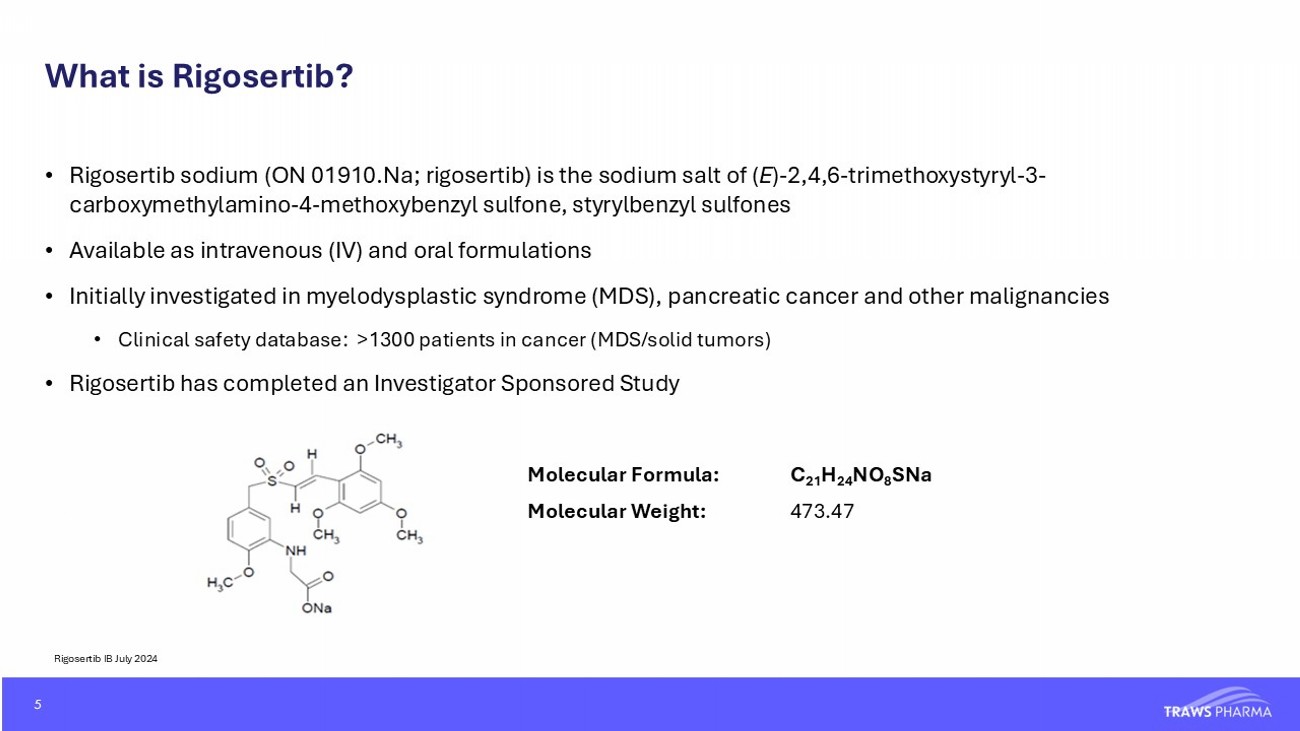
What is Rigosertib? • Rigosertib sodium (ON 01910.Na; rigosertib) is the sodium salt of ( E ) - 2,4,6 - trimethoxystyryl - 3 - carboxymethylamino - 4 - methoxybenzyl sulfone, styrylbenzyl sulfones • Available as intravenous (IV) and oral formulations • Initially investigated in myelodysplastic syndrome (MDS), pancreatic cancer and other malignancies • Clinical safety database: >1300 patients in cancer (MDS/solid tumors) • Rigosertib has completed an Investigator Sponsored Study Rigosertib IB July 2024 5 C 21 H 24 NO 8 SNa Molecular Formula: 473.47 Molecular Weight:
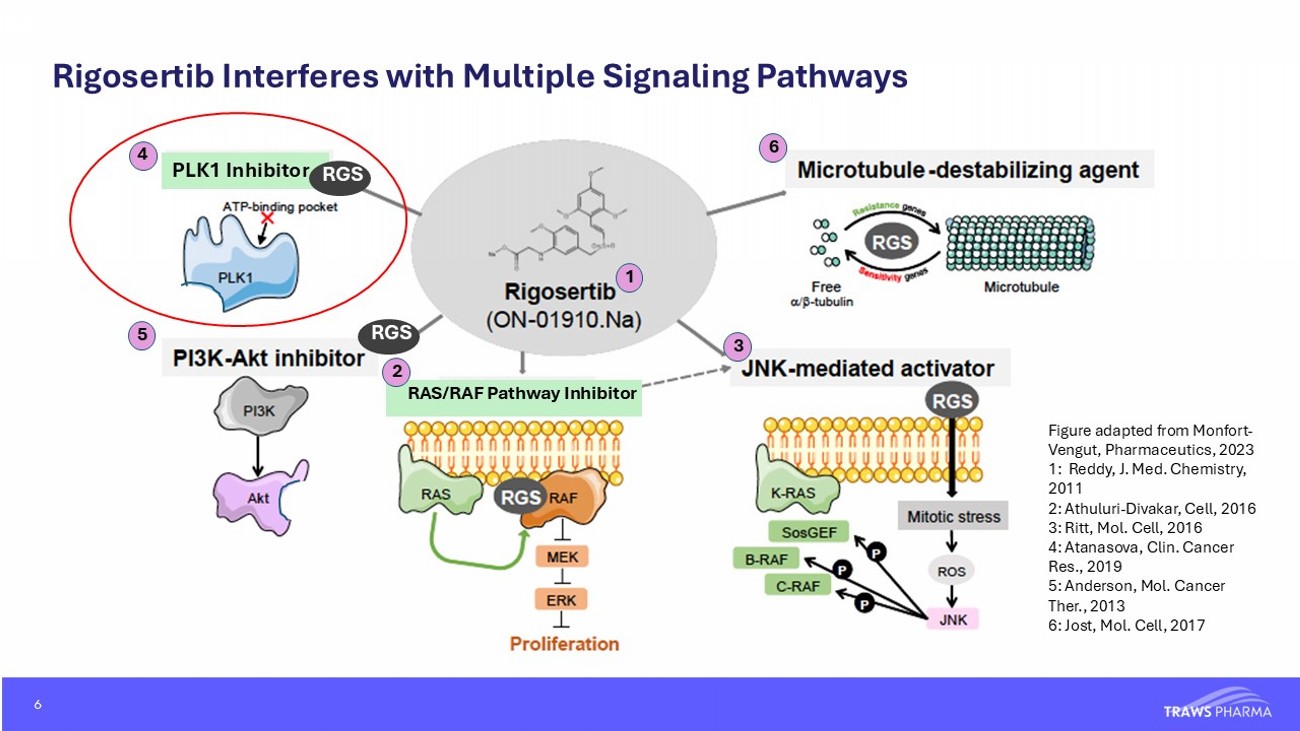
Rigosertib Interferes with Multiple Signaling Pathways 6 RAS/RAF Pathway Inhibitor 1 2 3 5 6 RGS Figure adapted from Monfort - Vengut, Pharmaceutics, 2023 1: Reddy, J. Med. Chemistry, 2011 2: Athuluri - Divakar, Cell, 2016 3: Ritt, Mol. Cell, 2016 4: Atanasova, Clin. Cancer Res., 2019 5: Anderson, Mol. Cancer Ther., 2013 6: Jost, Mol. Cell, 2017 PLK1 Inhibitor RGS 4
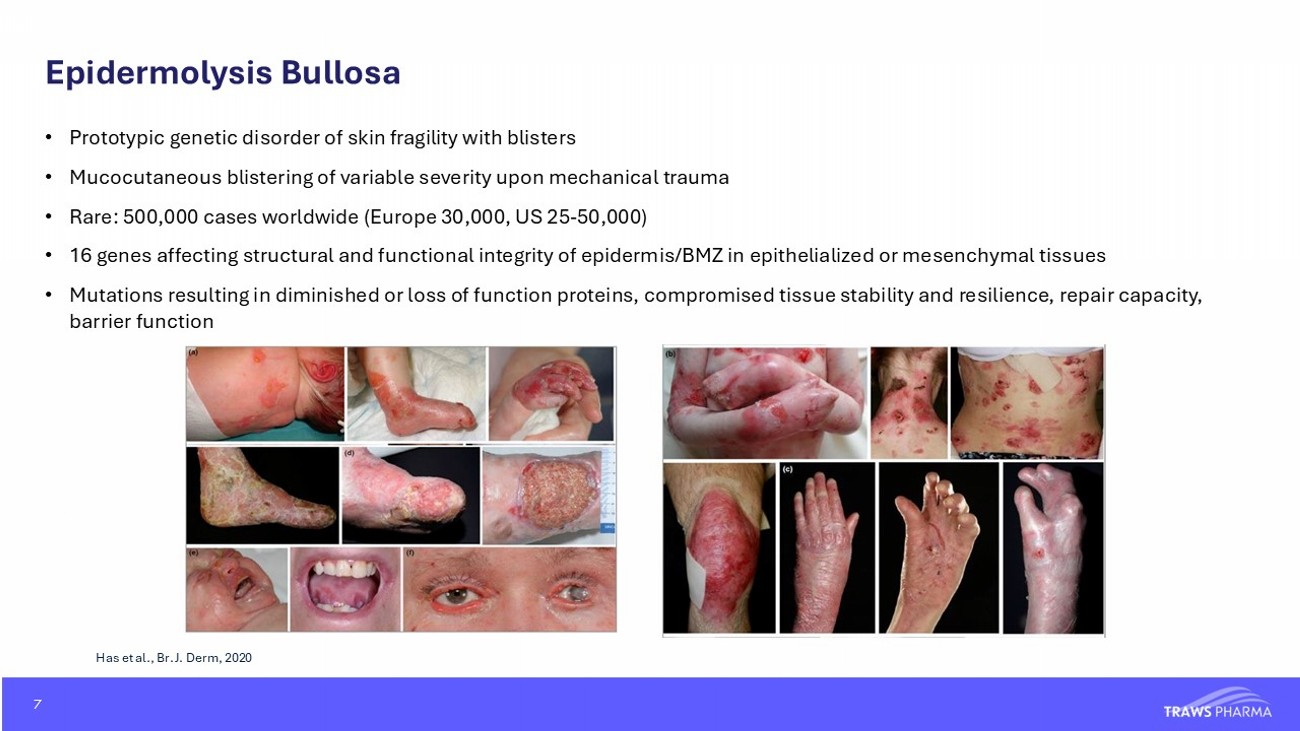
Epidermolysis Bullosa • Prototypic genetic disorder of skin fragility with blisters • Mucocutaneous blistering of variable severity upon mechanical trauma • Rare: 500,000 cases worldwide (Europe 30,000, US 25 - 50,000) • 16 genes affecting structural and functional integrity of epidermis/BMZ in epithelialized or mesenchymal tissues • Mutations resulting in diminished or loss of function proteins, compromised tissue stability and resilience, repair capacity, barrier function Has et al., Br. J. Derm, 2020 7
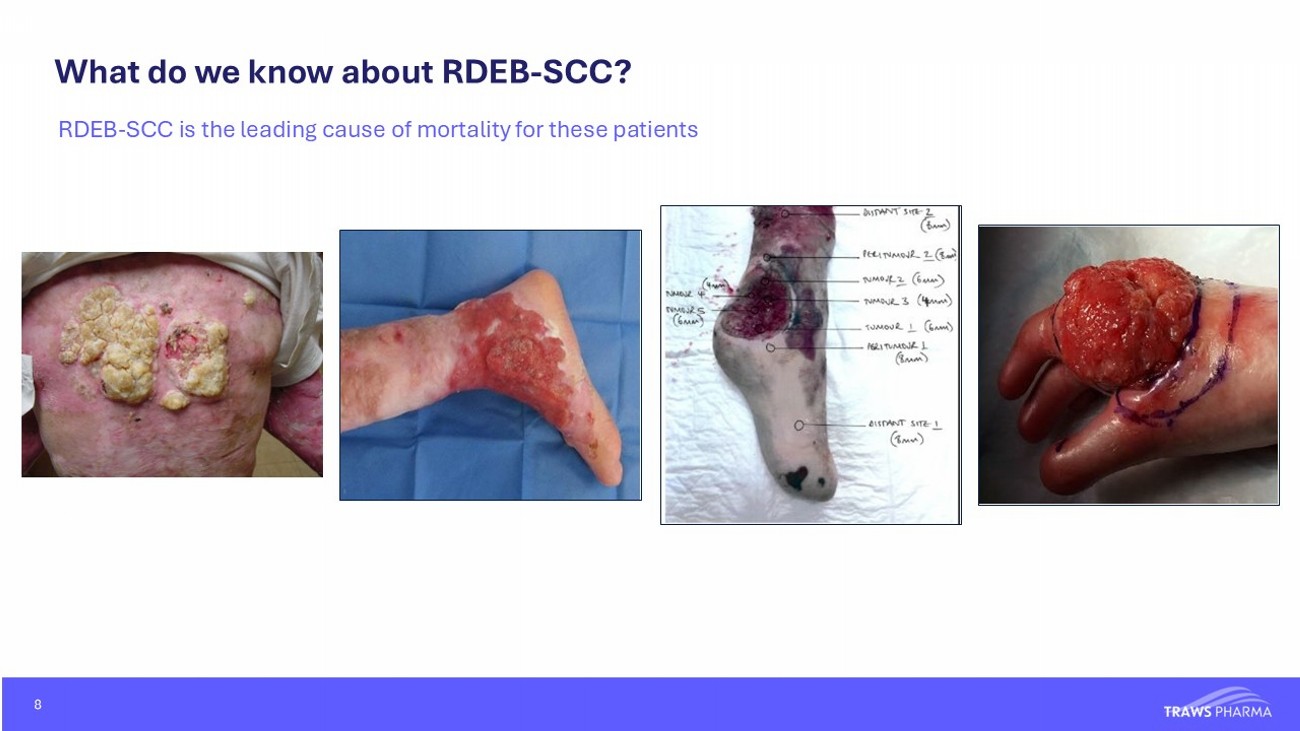
What do we know about RDEB - SCC? RDEB - SCC is the leading cause of mortality for these patients 8
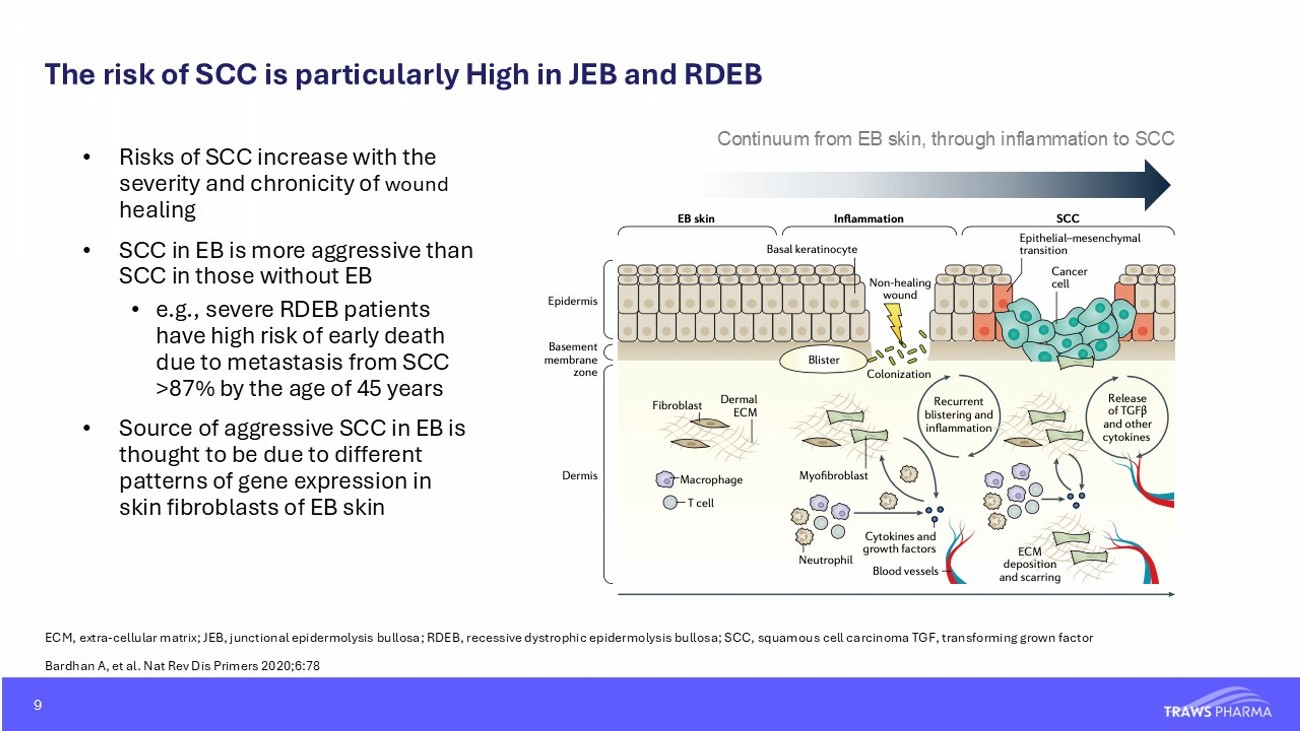
The risk of SCC is particularly High in JEB and RDEB ECM, extra - cellular matrix; JEB, junctional epidermolysis bullosa; RDEB, recessive dystrophic epidermolysis bullosa; SCC, squamo us cell carcinoma TGF, transforming grown factor Bardhan A, et al. Nat Rev Dis Primers 2020;6:78 • Risks of SCC increase with the severity and chronicity of wound healing • SCC in EB is more aggressive than SCC in those without EB • e.g., severe RDEB patients have high risk of early death due to metastasis from SCC >87% by the age of 45 years • Source of aggressive SCC in EB is thought to be due to different patterns of gene expression in skin fibroblasts of EB skin 9 Continuum from EB skin, through inflammation to SCC
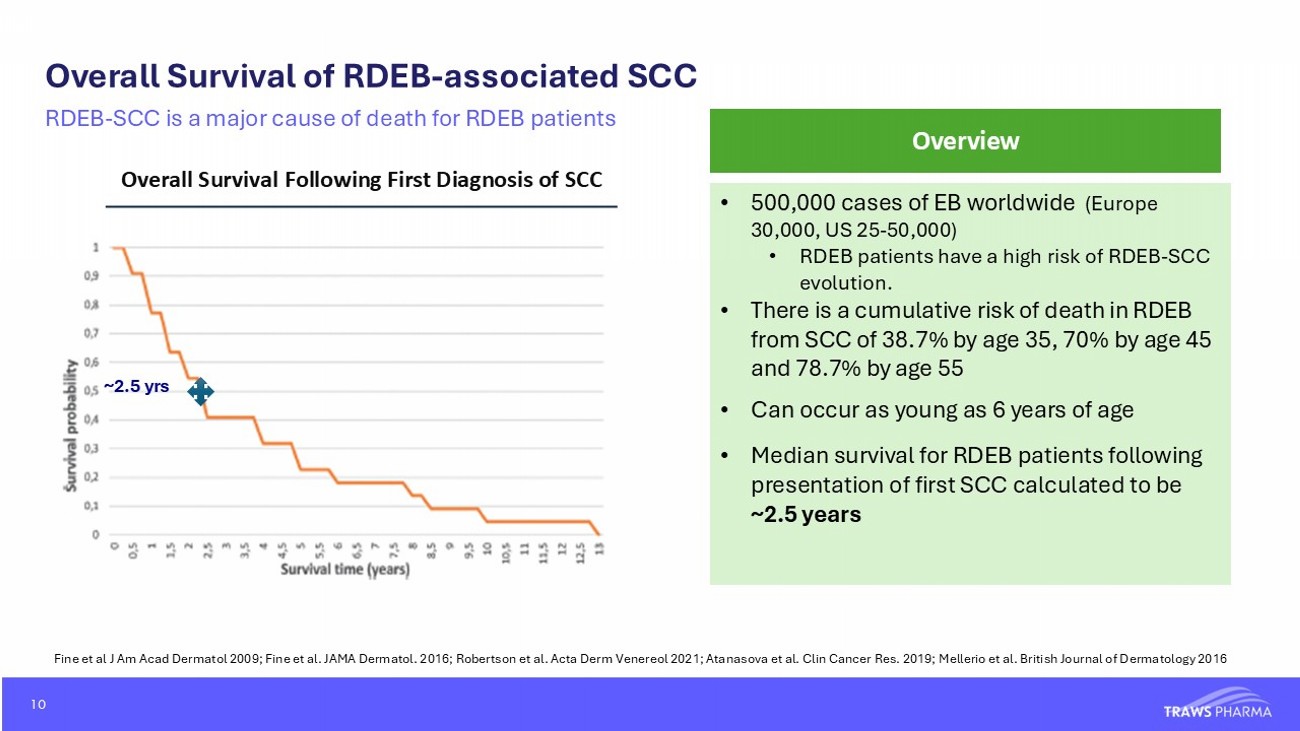
Overall Survival of RDEB - associated SCC RDEB - SCC is a major cause of death for RDEB patients Fine et al J Am Acad Dermatol 2009 ; Fine et al. JAMA Dermatol. 2016; Robertson et al. Acta Derm Venereol 2021; Atanasova et al. Clin Cancer Res. 2019; Mellerio et al. British Journal of Dermatology 2016 10 Overall Survival Following First Diagnosis of SCC ~2.5 yrs Overview • 500,000 cases of EB worldwide (Europe 30,000, US 25 - 50,000) • RDEB patients have a high risk of RDEB - SCC evolution. • There is a cumulative risk of death in RDEB from SCC of 38.7% by age 35, 70% by age 45 and 78.7% by age 55 • Can occur as youn g as 6 years of age • Median survival for RDEB patients following presentation of first SCC calculated to be ~2.5 years
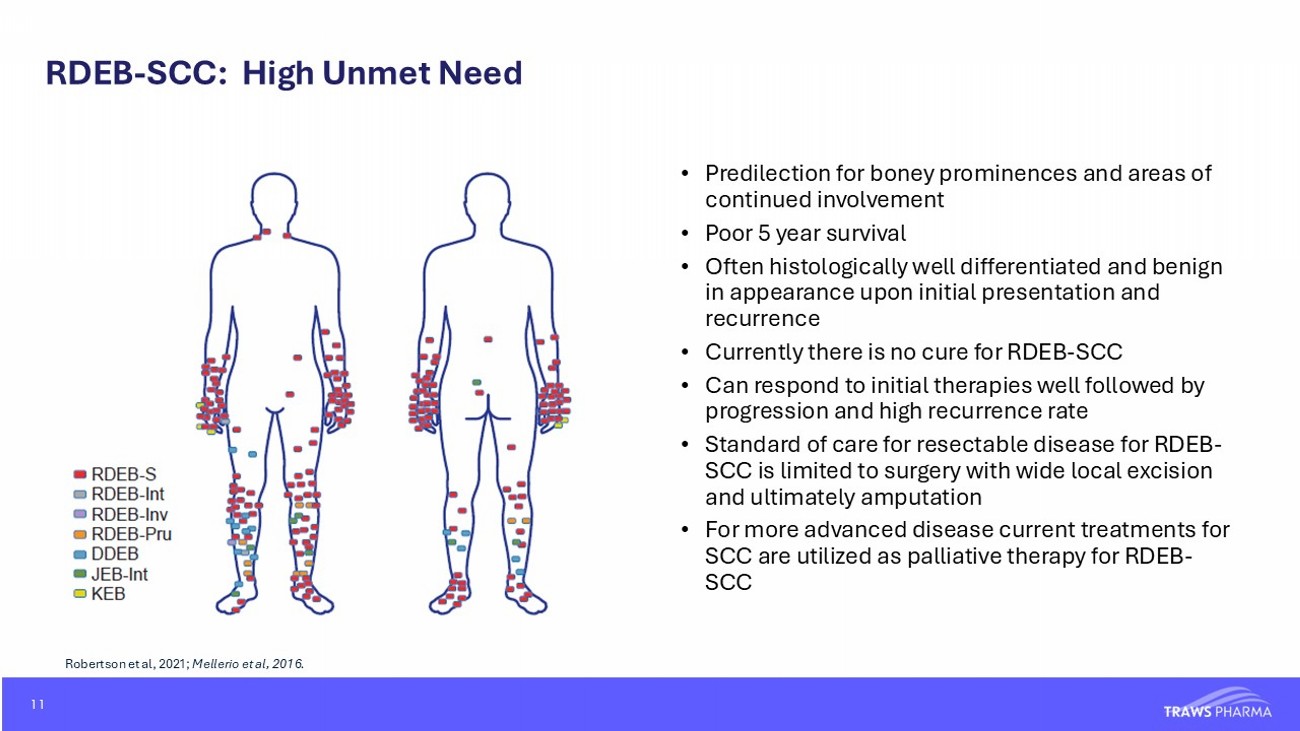
Robertson et al, 2021 ; Mellerio et al, 2016 . RDEB - SCC: High Unmet Need • Predilection for boney prominences and areas of continued involvement • Poor 5 year survival • Often histologically well differentiated and benign in appearance upon initial presentation and recurrence • Currently there is no cure for RDEB - SCC • Can respond to initial therapies well followed by progression and high recurrence rate • Standard of care for resectable disease for RDEB - SCC is limited to surgery with wide local excision and ultimately amputation • For more advanced disease current treatments for SCC are utilized as palliative therapy for RDEB - SCC 11
Rigosertib and RDEB - SCC rationale and status 12
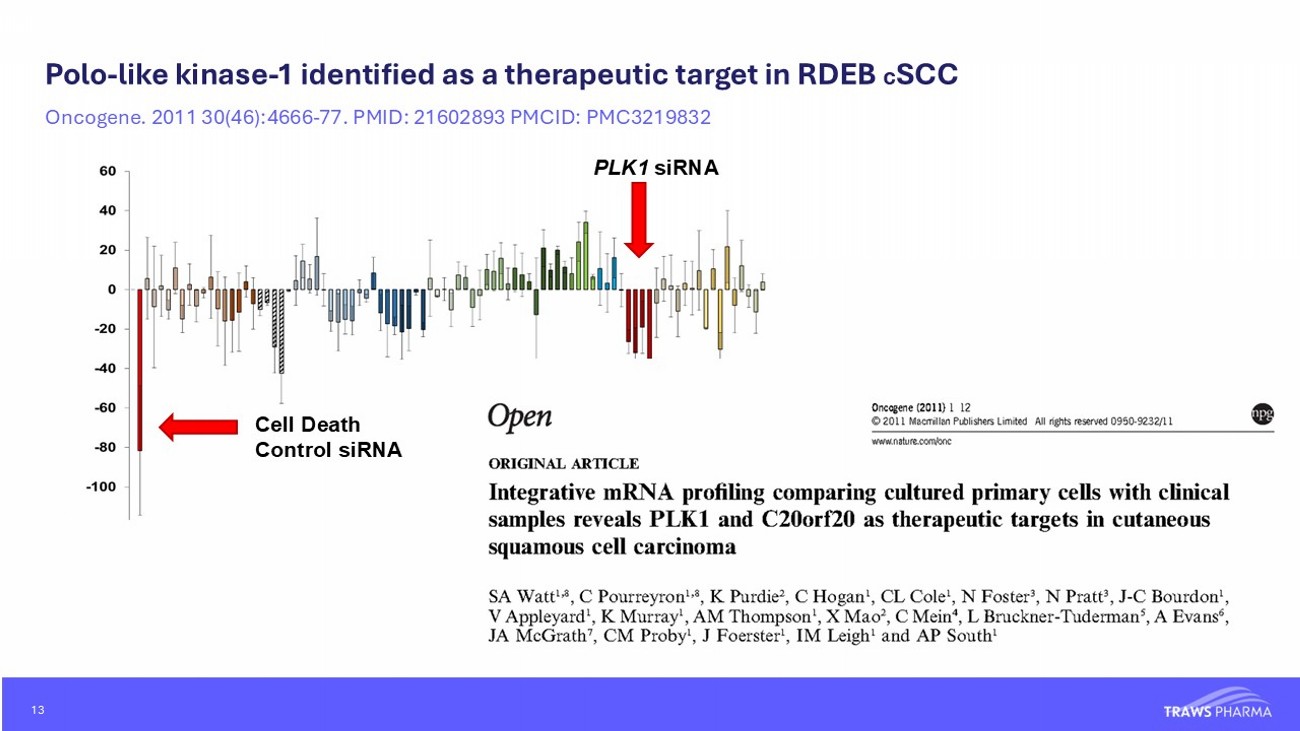
Polo - like kinase - 1 identified as a therapeutic target in RDEB c SCC Oncogene. 2011 30(46):4666 - 77. PMID: 21602893 PMCID: PMC3219832 13 Cell Death Control siRNA PLK1 siRNA
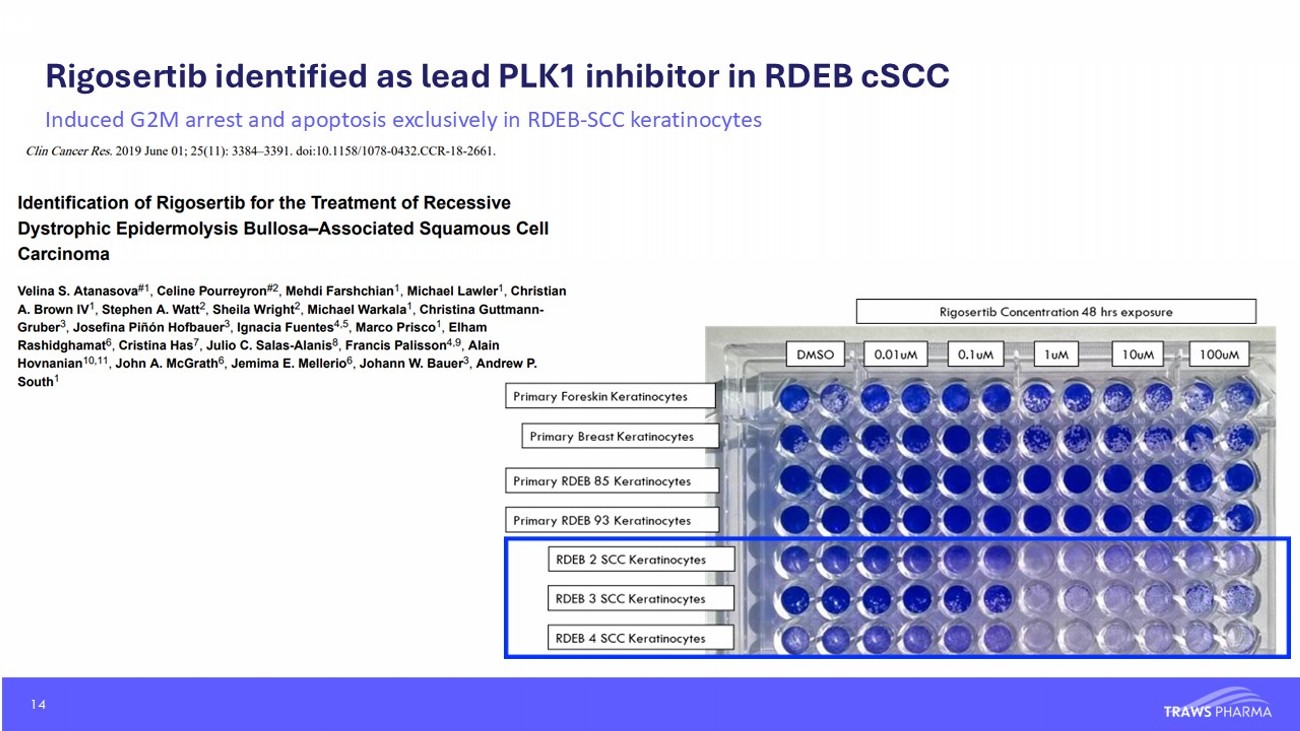
Rigosertib identified as lead PLK1 inhibitor in RDEB cSCC Induced G2M arrest and apoptosis exclusively in RDEB - SCC keratinocytes 14
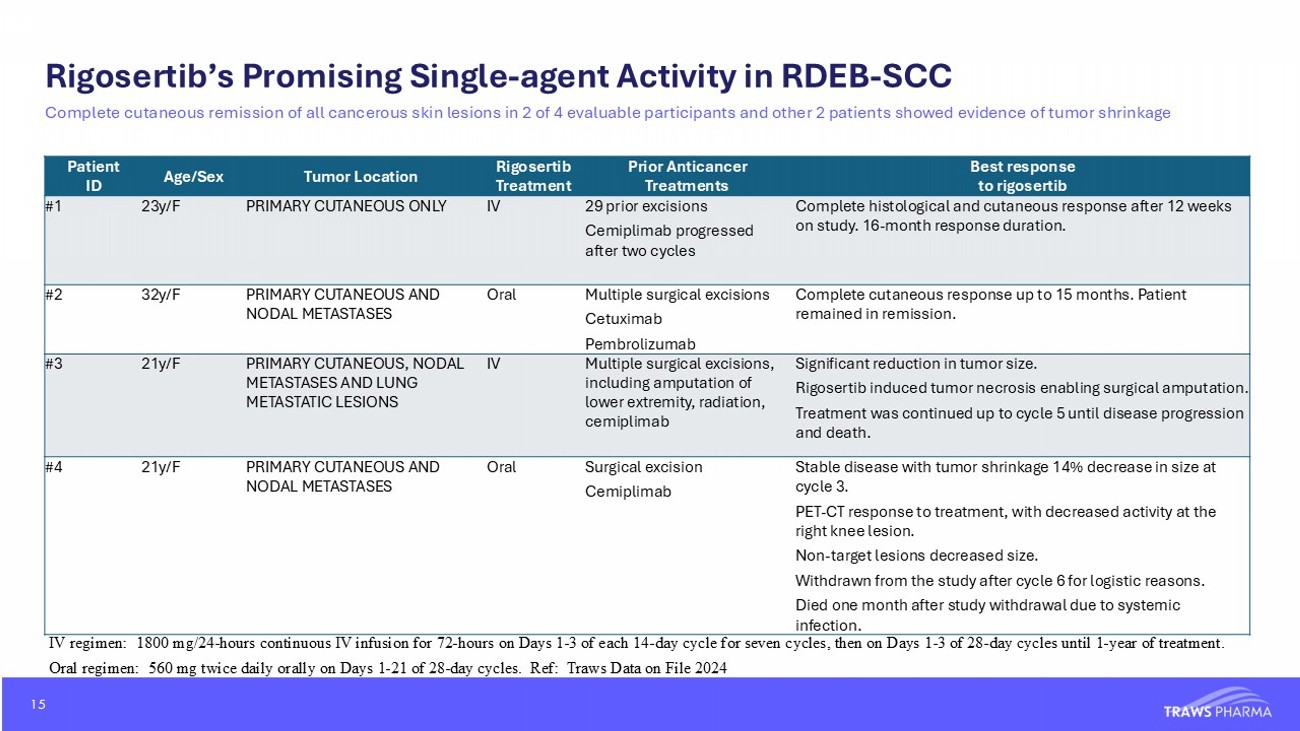
Rigosertib’s Promising Single - agent Activity in RDEB - SCC Best response to rigosertib Prior Anticancer Treatments Rigosertib Treatment Tumor Location Age/Sex Patient ID Complete histological and cutaneous response after 12 weeks on study. 16 - month response duration. 29 prior excisions Cemiplimab progressed after two cycles IV PRIMARY CUTANEOUS ONLY 23y/F #1 Complete cutaneous response up to 15 months. Patient remained in remission. Multiple surgical excisions Cetuximab Pembrolizumab Oral PRIMARY CUTANEOUS AND NODAL METASTASES 32y/F #2 Significant reduction in tumor size. Rigosertib induced tumor necrosis enabling surgical amputation. Treatment was continued up to cycle 5 until disease progression and death. Multiple surgical excisions, including amputation of lower extremity, radiation, cemiplimab IV PRIMARY CUTANEOUS, NODAL METASTASES AND LUNG METASTATIC LESIONS 21y/F #3 Stable disease with tumor shrinkage 14% decrease in size at cycle 3. PET - CT response to treatment, with decreased activity at the right knee lesion. Non - target lesions decreased size. Withdrawn from the study after cycle 6 for logistic reasons. Died one month after study withdrawal due to systemic infection. Surgical excision Cemiplimab Oral PRIMARY CUTANEOUS AND NODAL METASTASES 21y/F #4 Complete cutaneous remission of all cancerous skin lesions in 2 of 4 evaluable participants and other 2 patients showed evide nce of tumor shrinkage IV regimen: 1800 mg/24 - hours continuous IV infusion for 72 - hours on Days 1 - 3 of each 14 - day cycle for seven cycles, then on Day s 1 - 3 of 28 - day cycles until 1 - year of treatment. Oral regimen: 560 mg twice daily orally on Days 1 - 21 of 28 - day cycles. Ref: Traws Data on File 2024 15
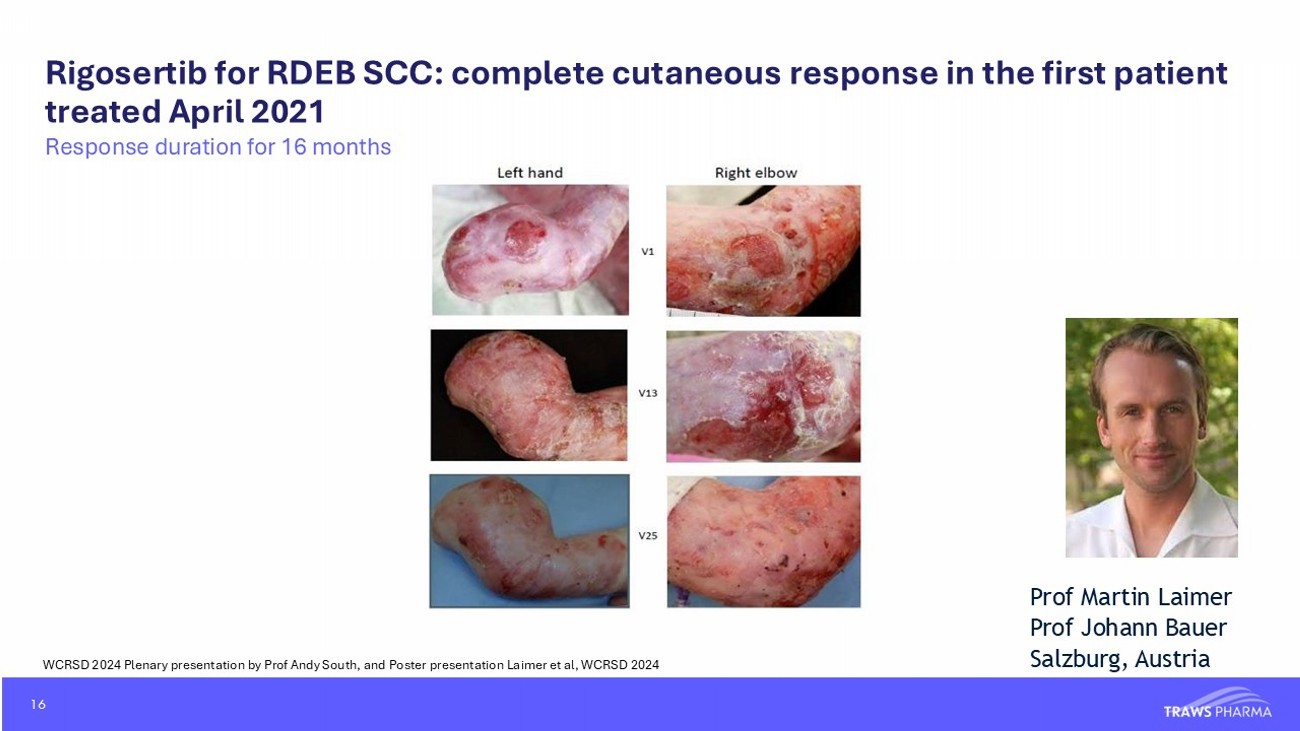
Rigosertib for RDEB SCC: complete cutaneous response in the first patient treated April 2021 Response duration for 16 months WCRSD 2024 Plenary presentation by Prof Andy South, and Poster presentation Laimer et al, WCRSD 2024 Prof Martin Laimer Prof Johann Bauer Salzburg, Austria 16
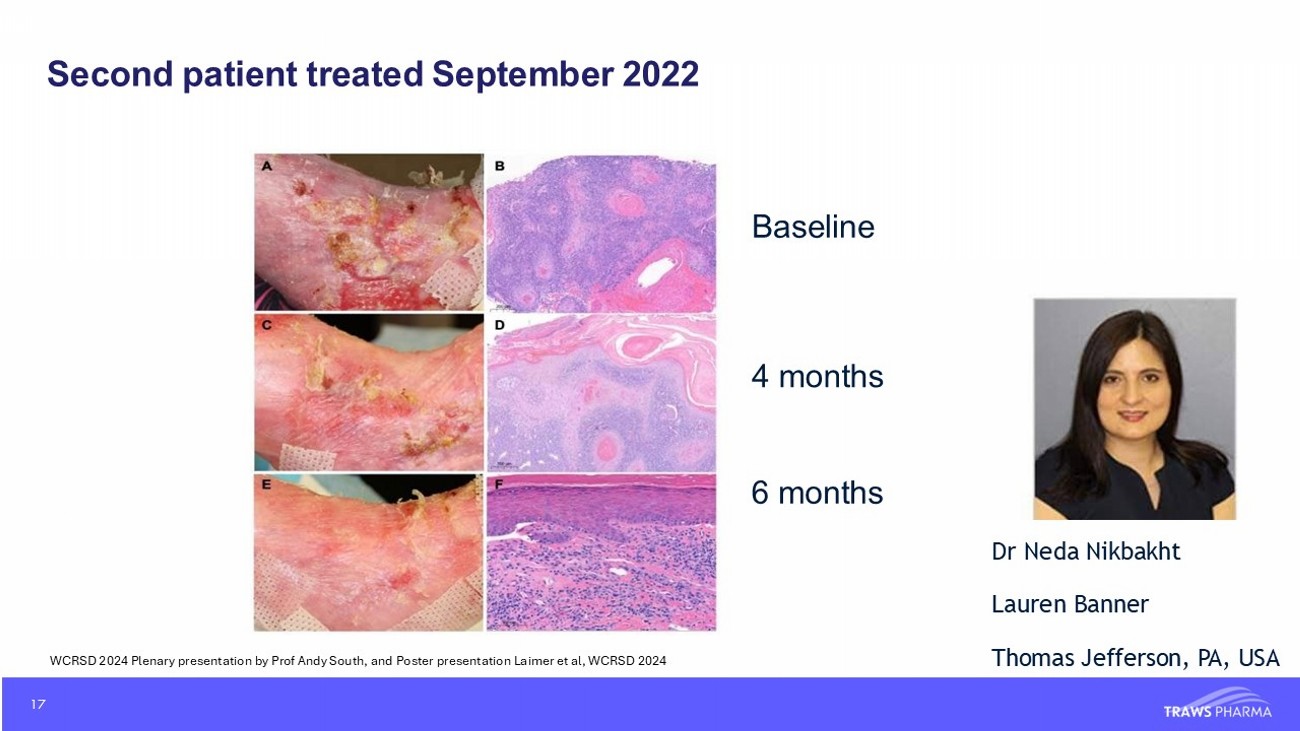
Baseline 4 months 6 months Dr Neda Nikbakht Lauren Banner Thomas Jefferson, PA, USA Second patient treated September 2022 WCRSD 2024 Plenary presentation by Prof Andy South, and Poster presentation Laimer et al, WCRSD 2024 17
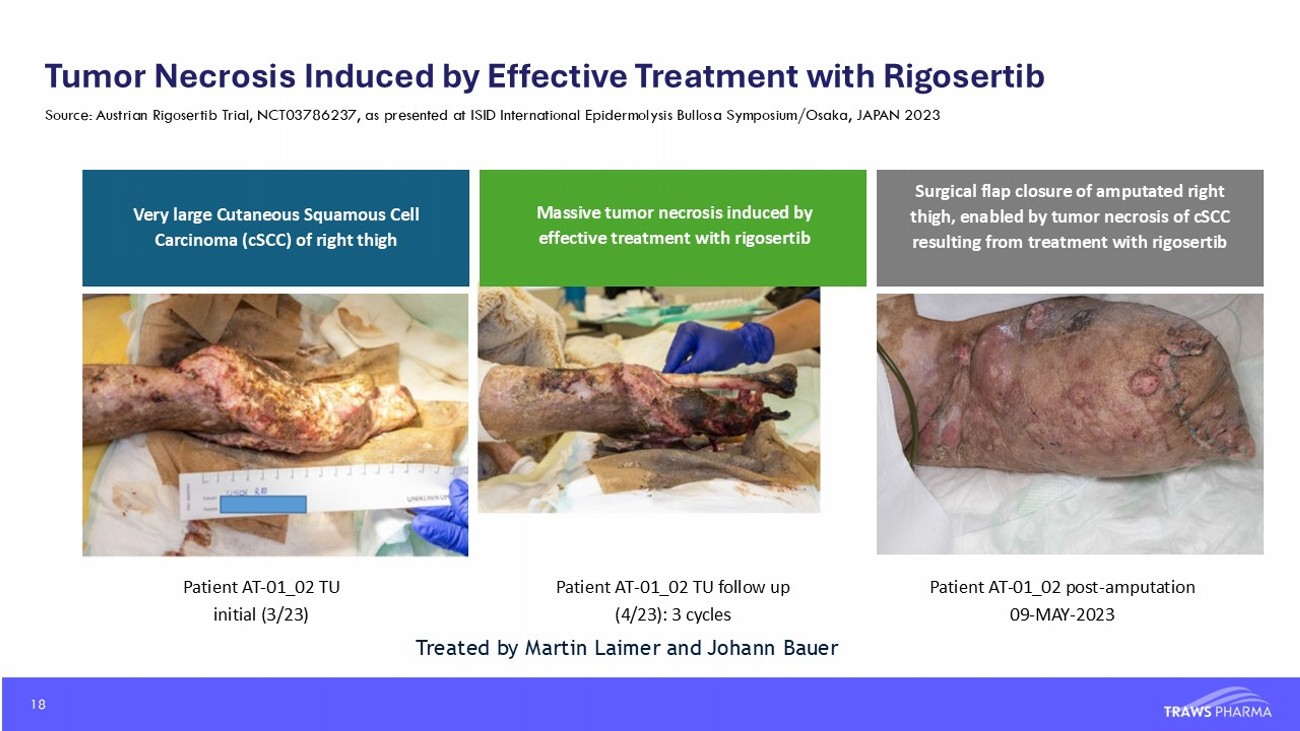
Tumor Necrosis Induced by Effective Treatment with Rigosertib Source: Austrian Rigosertib Trial, NCT03786237, as presented at ISID International Epidermolysis Bullosa Symposium/Osaka, JAP AN 2023 18 Patient AT - 01_02 TU initial (3/23) Patient AT - 01_02 TU follow up (4/23): 3 cycles Patient AT - 01_02 post - amputation 09 - MAY - 2023 Very large Cutaneous Squamous Cell Carcinoma (cSCC) of right thigh Massive tumor necrosis induced by effective treatment with rigosertib Surgical flap closure of amputated right thigh, enabled by tumor necrosis of cSCC resulting from treatment with rigosertib Treated by Martin Laimer and Johann Bauer
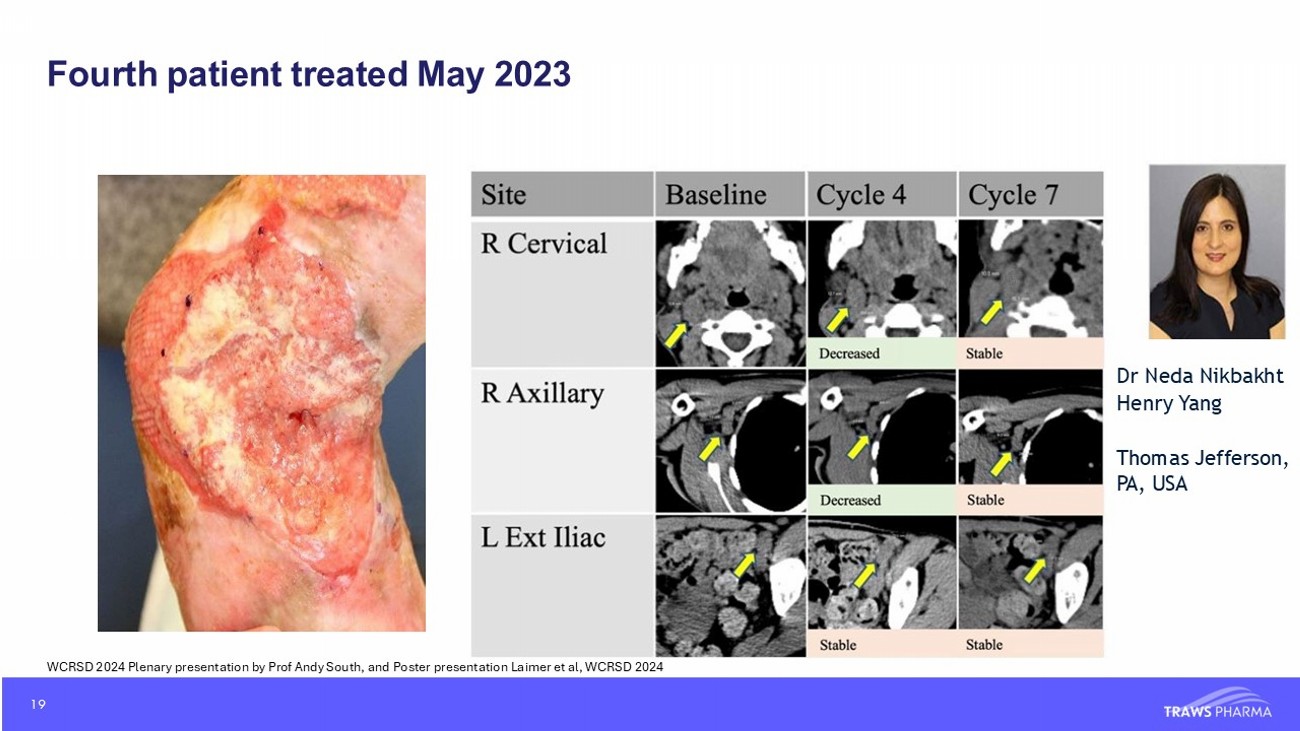
Dr Neda Nikbakht Henry Yang Thomas Jefferson, PA, USA Fourth patient treated May 2023 WCRSD 2024 Plenary presentation by Prof Andy South, and Poster presentation Laimer et al, WCRSD 2024 19
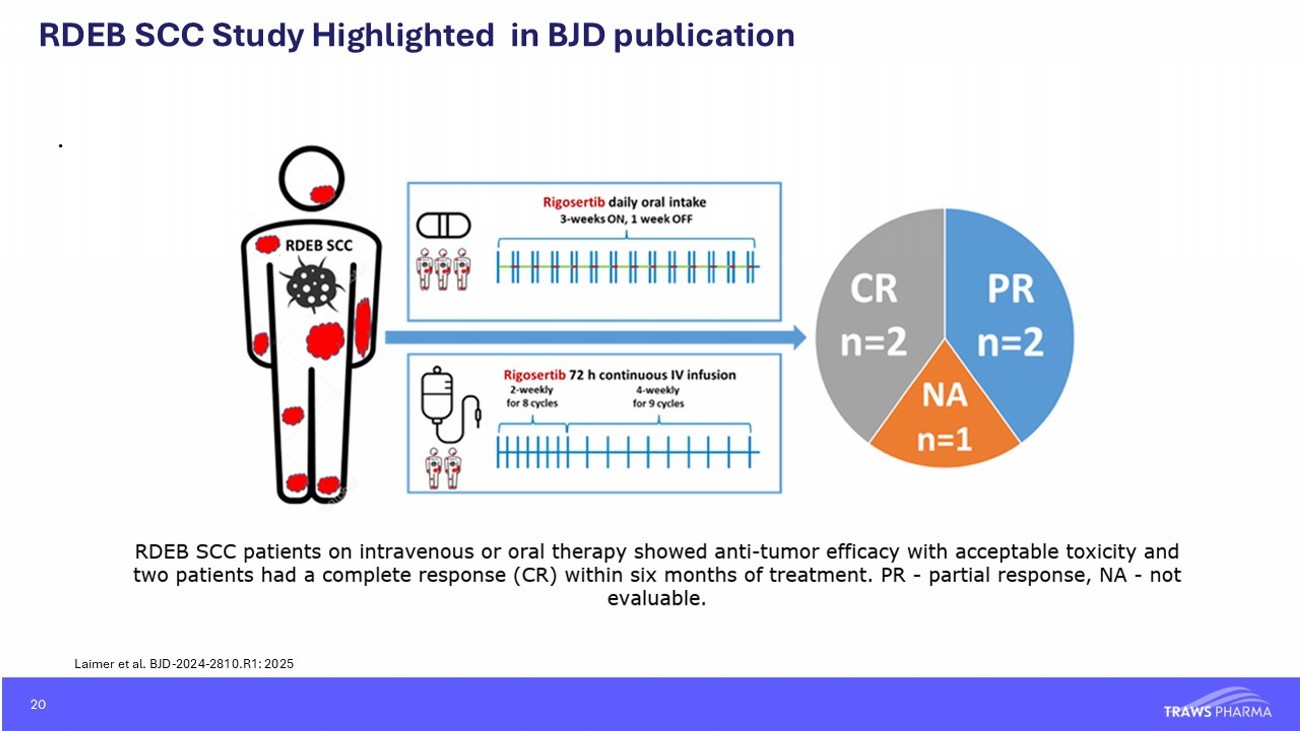
RDEB SCC Study Highlighted in BJD publication • 20 Laimer et al. BJD - 2024 - 2810.R1: 2025
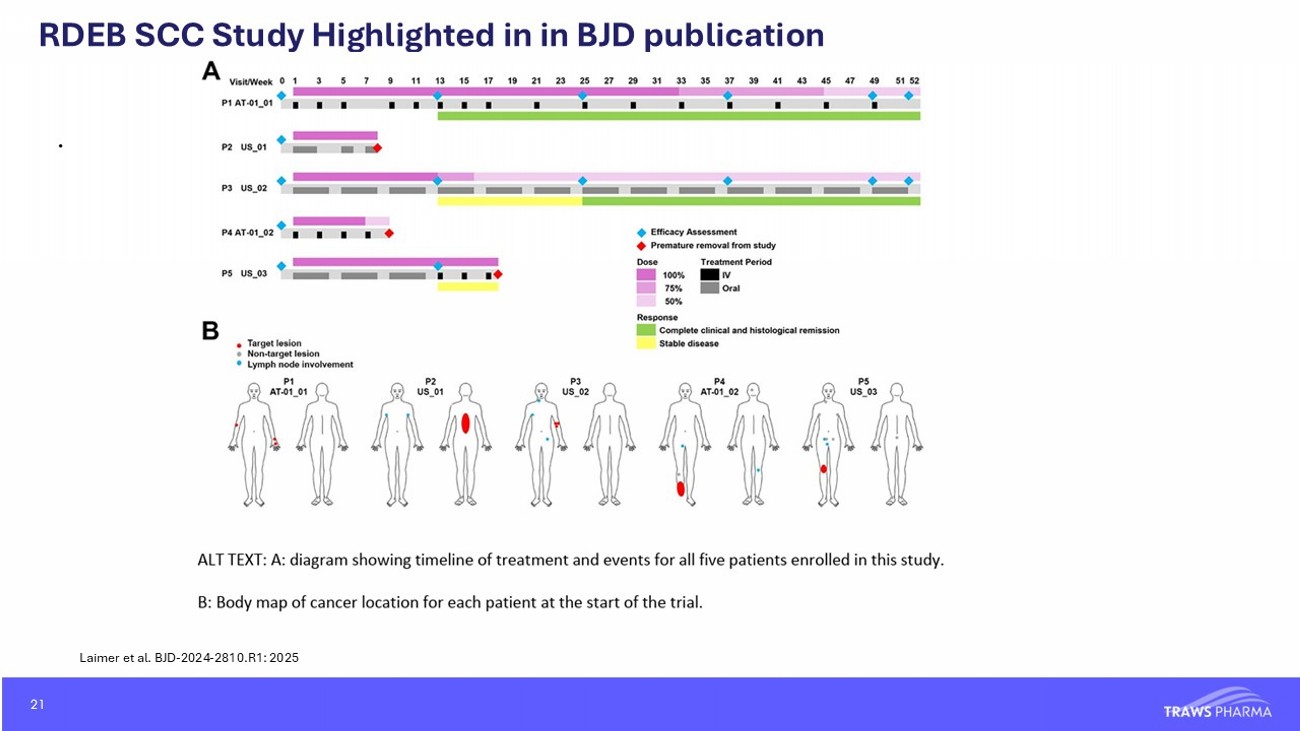
RDEB SCC Study Highlighted in in BJD publication • 21 Laimer et al. BJD - 2024 - 2810.R1: 2025
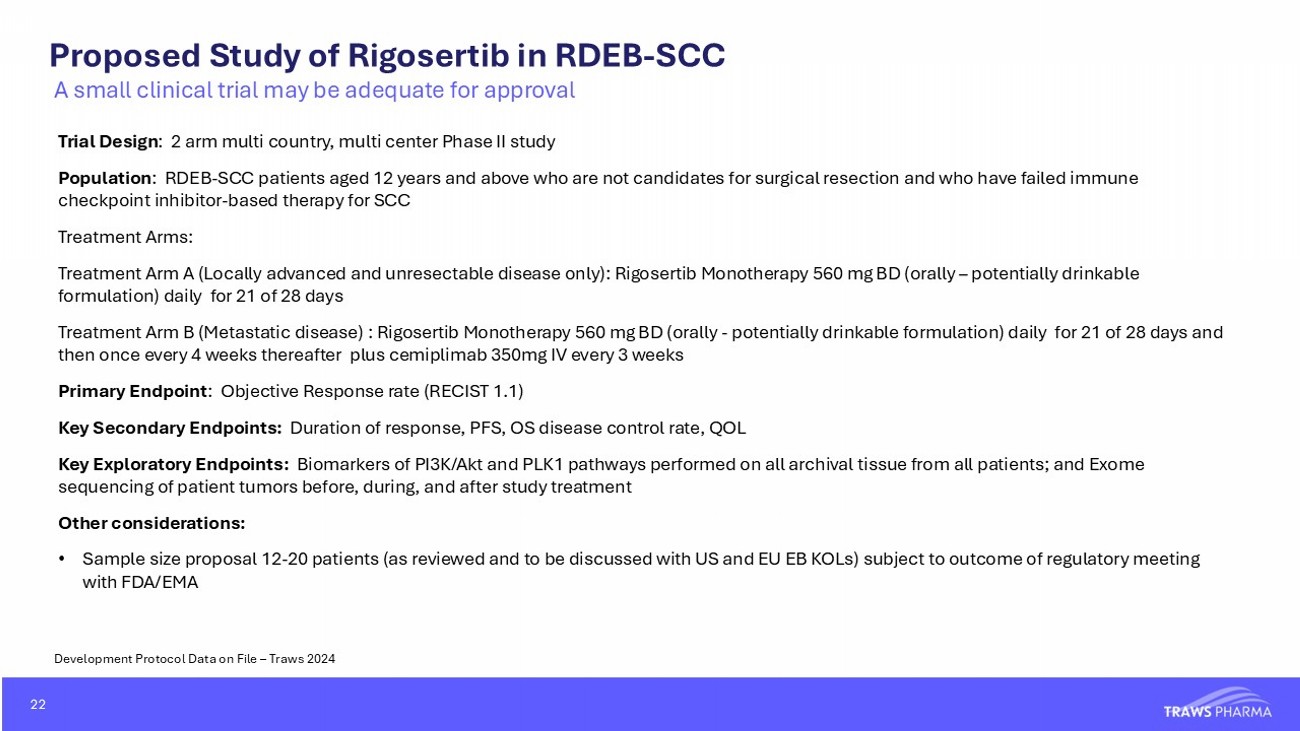
Trial Design : 2 arm multi country, multi center Phase II study Population : RDEB - SCC patients aged 12 years and above who are not candidates for surgical resection and who have failed immune checkpoint inhibitor - based therapy for SCC Treatment Arms: Treatment Arm A (Locally advanced and unresectable disease only): Rigosertib Monotherapy 560 mg BD (orally – potentially drinkab le formulation) daily for 21 of 28 days Treatment Arm B (Metastatic disease) : Rigosertib Monotherapy 560 mg BD (orally - potentially drinkable formulation) daily for 21 of 28 days and then once every 4 weeks thereafter plus cemiplimab 350mg IV every 3 weeks Primary Endpoint : Objective Response rate (RECIST 1.1) Key Secondary Endpoints: Duration of response, PFS, OS disease control rate, QOL Key Exploratory Endpoints: Biomarkers of PI3K/Akt and PLK1 pathways performed on all archival tissue from all patients; and Exome sequencing of patient tumors before, during, and after study treatment Other considerations: • Sample size proposal 12 - 20 patients (as reviewed and to be discussed with US and EU EB KOLs) subject to outcome of regulatory me eting with FDA/EMA A small clinical trial may be adequate for approval Development Protocol Data on File – Traws 2024 22 Proposed Study of Rigosertib in RDEB - SCC
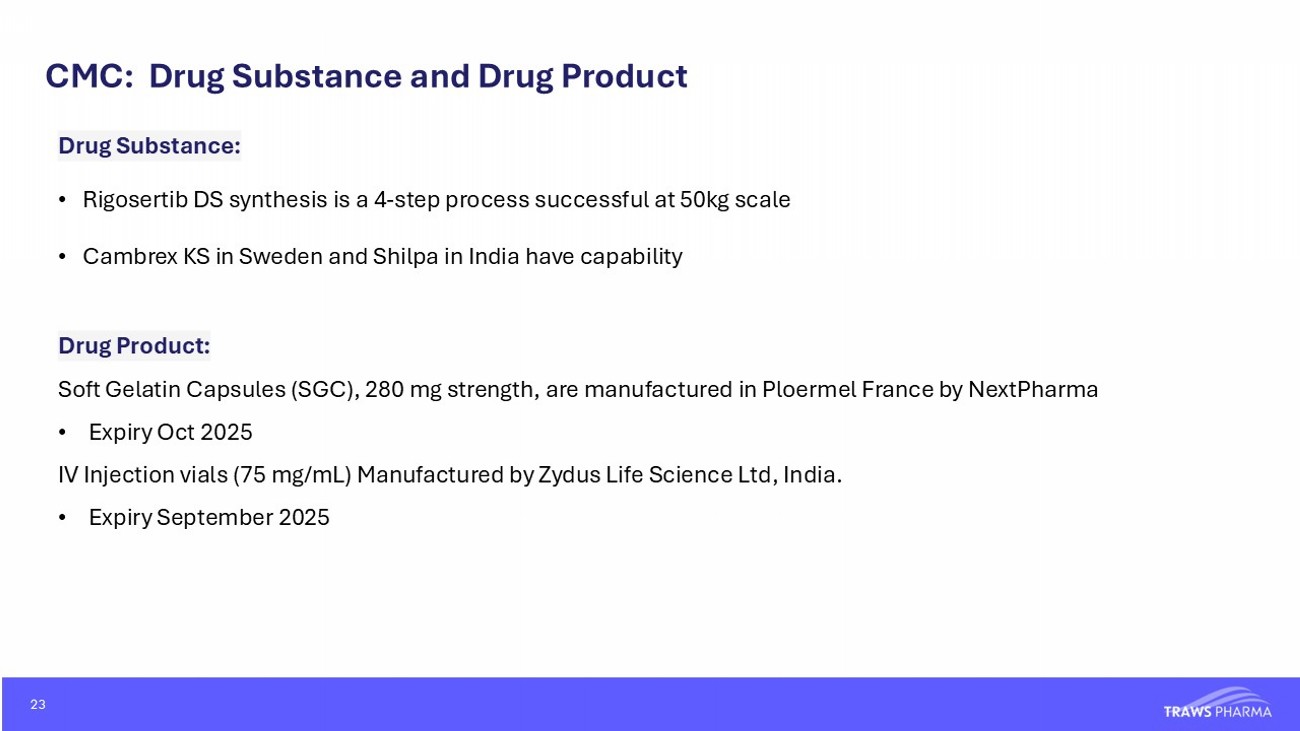
CMC: Drug Substance and Drug Product Drug Substance: • Rigosertib DS synthesis is a 4 - step process successful at 50kg scale • Cambrex KS in Sweden and Shilpa in India have capability Drug Product: Soft G elatin Capsules (SGC), 280 mg strength, are manufactured in Ploermel France by NextPharma • Expiry Oct 2025 IV Injection vials (75 mg/mL) Manufactured by Zydus Life Science Ltd, India. • Expiry September 2025 23
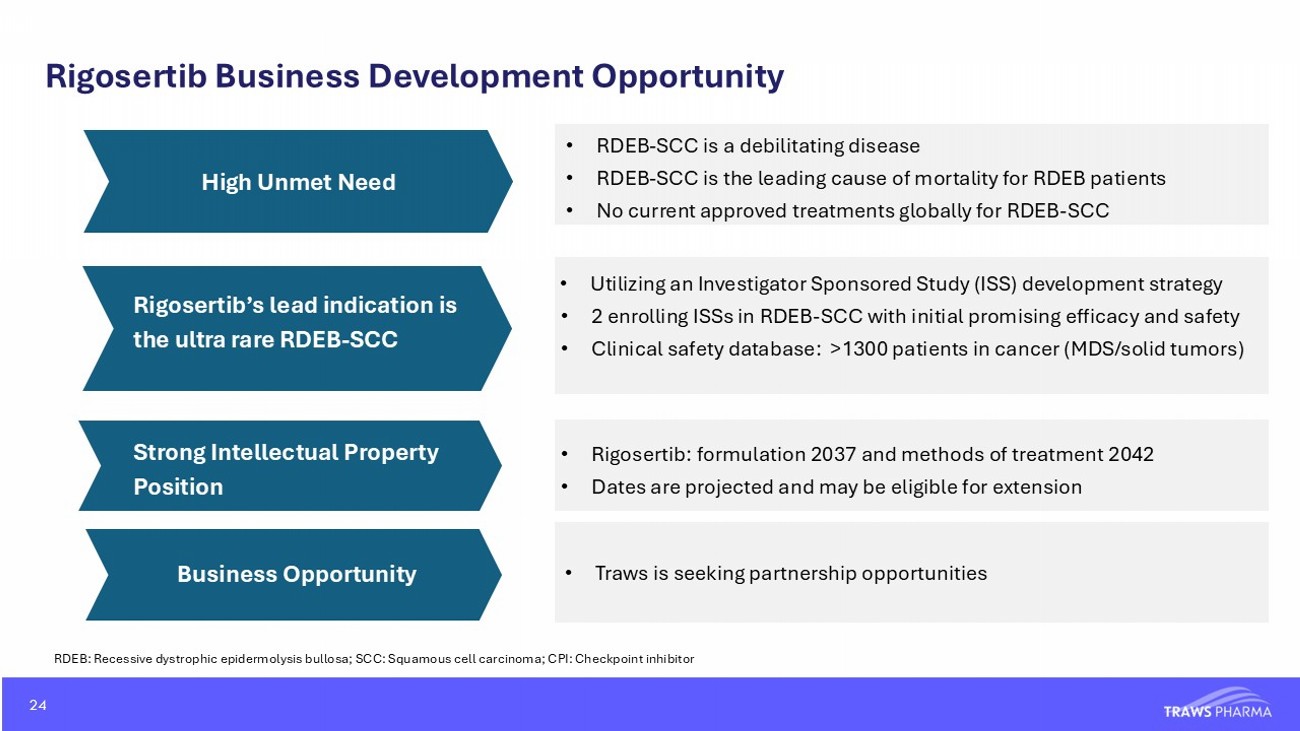
• Traws is seeking partnership opportunities • RDEB - SCC is a de bilitating disease • RDEB - SCC is the leading cause of mortality for RDEB patients • No current approved treatments globally for RDEB - SCC • Utilizing an Investigator Sponsored Study (ISS) development strategy • 2 enrolling ISSs in RDEB - SCC with initial promising efficacy and safety • Clinical safety database: >1300 patients in cancer (MDS/solid tumors) • Rigosertib: formulation 2037 and methods of treatment 2042 • Dates are projected and may be eligible for extension Rigosertib Business Development Opportunity RDEB: Recessive dystrophic epidermolysis bullosa; SCC: Squamous cell carcinoma; CPI: Checkpoint inhibitor 24 High Unmet Need Rigosertib’s lead indication is the ultra rare RDEB - SCC Strong Intellectual Property Position Business Opportunity
Exhibit 99.2
Traws Pharma Narazaciclib June 2025
Forward - looking statements This presentation contains, and certain oral statements made by management from time to time may contain, “forward - looking state ments” within the meaning of the “safe harbor” provisions of the Private Securities Litigation Reform Act of 1995, Section 27A of the Securities Act of 1933, as amended (th e “ Securities Act”), and Section 21E of the Securities Exchange Act of 1934, as amended. Such statements include actions, events, results, strategies and expectations and are often id entifiable by use of the words “believes,” “expects,” “intends,” “anticipates,” “plans,” “seeks,” “estimates,” “projects,” “may,” “will,” “could,” “might,” or “continues” or simil ar expressions. Forward - looking statements within this presentation include, but are not limited to, express or implied statements regarding the nature, strategy, opportunities and fo cus of Traws Pharma, Inc. (“Traws”); the development, commercial potential and potential benefits of any product candidates; potential partnership opportunities; anticipated clini cal drug development activities, related timelines and expected milestones; anticipated interactions with the FDA and other domestic and foreign regulatory bodies; and other statem ent s that are not historical fact. All statements other than statements of historical fact contained in this communication are forward - looking statements. These forward - looking statements a re made as of the date they were first issued, and were based on the then - current expectations, estimates, forecasts, and projections, as well as the beliefs and assumptions of managem ent. There can be no assurance that future developments affecting the company will be those that have been anticipated. Forward - looking statements are subject to a number of risks and uncertainties, many of which involve factors or circumstances th at are beyond Traws’ control. Traws’ actual results could differ materially from those stated or implied in forward - looking statements due to a number of factors, including but not limited to (i) the uncertainties associated with Traws’ product candidates, as well as risks associated with the clinical development and regulatory approval of product candidates, inc luding potential delays in the commencement and completion of clinical trials, studies and evaluations; (ii) risks related to Traws’ ability to identify and solidify partne rsh ips for the advancement of certain of its product candidates; (iii) risks related to Traws’ ability to obtain sufficient additional capital to continue to advance its product candidates and ope rat e its business; (iv) uncertainties in obtaining successful clinical results for product candidates and unexpected costs that may result therefrom; (v) risks related to the failure to r eal ize any value from product candidates currently being developed and anticipated to be developed in light of inherent risks and difficulties involved in successfully bringing produ ct candidates to market; (vi) uncertainties in retaining key personnel, including the executive team and directors; and (vii) risks that may stem from changes in the regulatory and/or po lit ical landscape, and (viii) risks associated with the possible failure to realize certain anticipated benefits of Traws’ 2024 merger with Trawsfynydd Therapeutics, Inc., including wi th respect to future financial and operating results and the other risks and uncertainties included in Traws’ Annual Report on Form 10 - K for the year ended December 31, 2024 and Traws’ subsequent filings with the U.S. Securities and Exchange Commission (the “SEC”). Actual results and the timing of events could differ materially from those anticipated in su ch forward - looking statements as a result of these risks and uncertainties. You should not place undue reliance on these forward - looking statements, which are made only as of the date h ereof or as of the dates indicated in the forward - looking statements. Traws expressly disclaims any obligation or undertaking, unless required by applicable law, to release publi cly any updates or revisions to any forward - looking statements contained herein to reflect any change in its expectations with regard thereto or any change in events, conditions or circumstances on which any such statements are based. This communication does not purport to summarize all of the conditions, risks and other attributes of an investment in Traws. This presentation is for informational purposes only and shall not constitute an offer to sell or a solicitation of an offer to buy the securities of the Traws, nor shall there be any sale of any such securities in any state or jurisdiction in which such offer, solicitation, or sale would be unlawful prior to regist rat ion or qualification under the securities laws of such state or jurisdiction. No offer of securities shall be made, except by means of a prospectus meeting the requirements of Section 10 of th e Securities Act or an exemption therefrom. 2
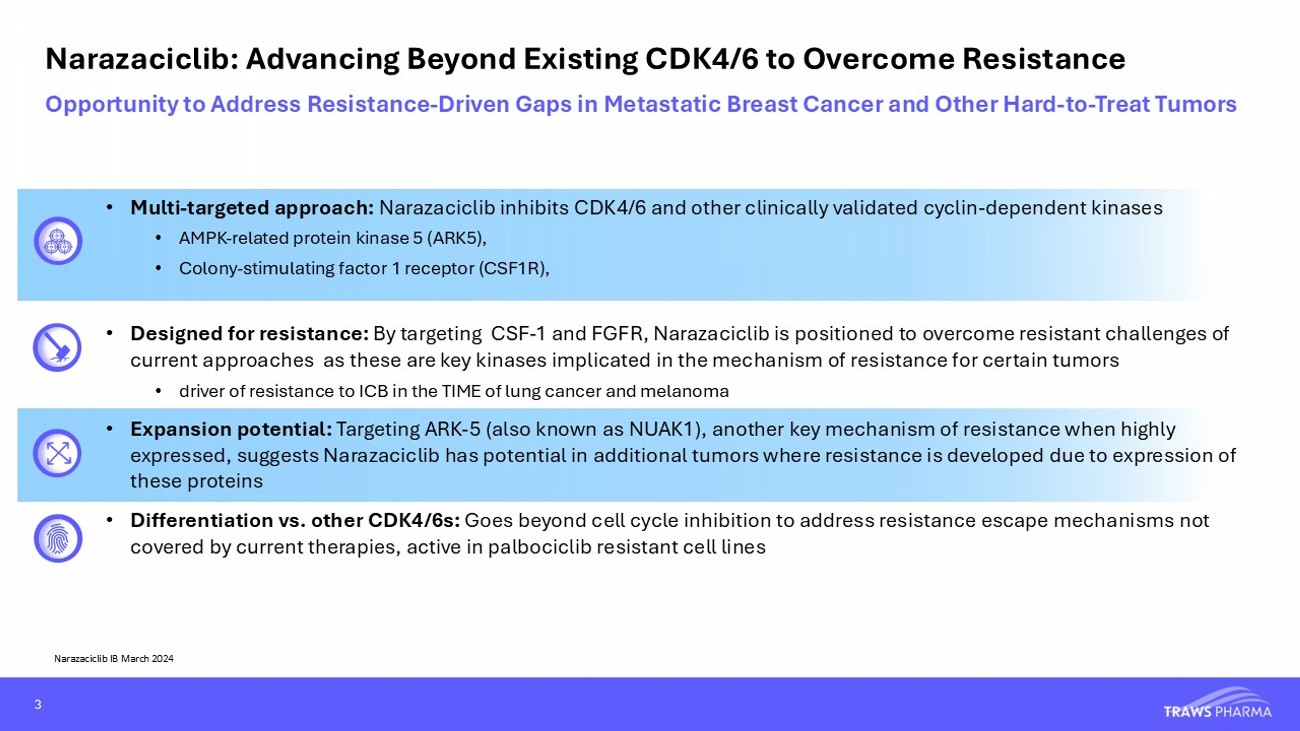
• Multi - targeted approach: Narazaciclib inhibits CDK4/6 and other clinically validated cyclin - dependent kinases • AMPK - related protein kinase 5 (ARK5), • Colony - stimulating factor 1 receptor (CSF1R), • Designed for resistance: By targeting CSF - 1 and FGFR, Narazaciclib is positioned to overcome resistant challenges of current approaches as these are key kinases implicated in the mechanism of resistance for certain tumors • driver of resistance to ICB in the TIME of lung cancer and melanoma • Expansion potential: Targeting ARK - 5 (also known as NUAK1), another key mechanism of resistance when highly expressed, suggests Narazaciclib has potential in additional tumors where resistance is developed due to expression of these proteins • Differentiation vs. other CDK4/6s: Goes beyond cell cycle inhibition to address resistance escape mechanisms not covered by current therapies, active in palbociclib resistant cell lines Narazaciclib: Advancing Beyond Existing CDK4/6 to Overcome Resistance Opportunity to Address Resistance - Driven Gaps in Metastatic Breast Cancer and Other Hard - to - Treat Tumors Narazaciclib IB March 2024 3
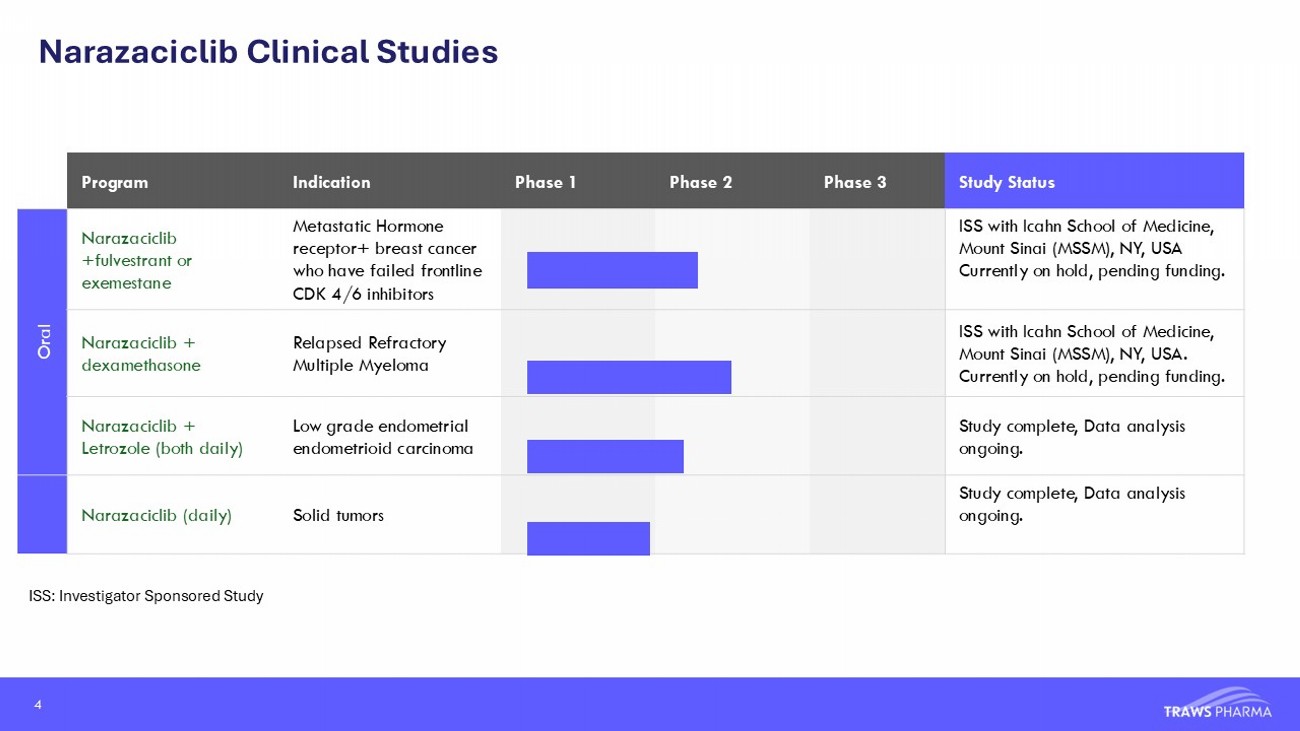
Study Status Phase 3 Phase 2 Phase 1 Indication Program ISS with Icahn School of Medicine, Mount Sinai (MSSM), NY, USA Currently on hold, pending funding. Metastatic Hormone receptor+ breast cancer who have failed frontline CDK 4/6 inhibitors Narazaciclib +fulvestrant or exemestane Oral ISS with Icahn School of Medicine, Mount Sinai (MSSM), NY, USA. Currently on hold, pending funding. Relapsed Refractory Multiple Myeloma Narazaciclib + dexamethasone Study complete, Data analysis ongoing. Low grade endometrial endometrioid carcinoma Narazaciclib + Letrozole (both daily) Study complete, Data analysis ongoing. Solid tumors Narazaciclib (daily) Narazaciclib Clinical Studies ISS: Investigator Sponsored Study 4
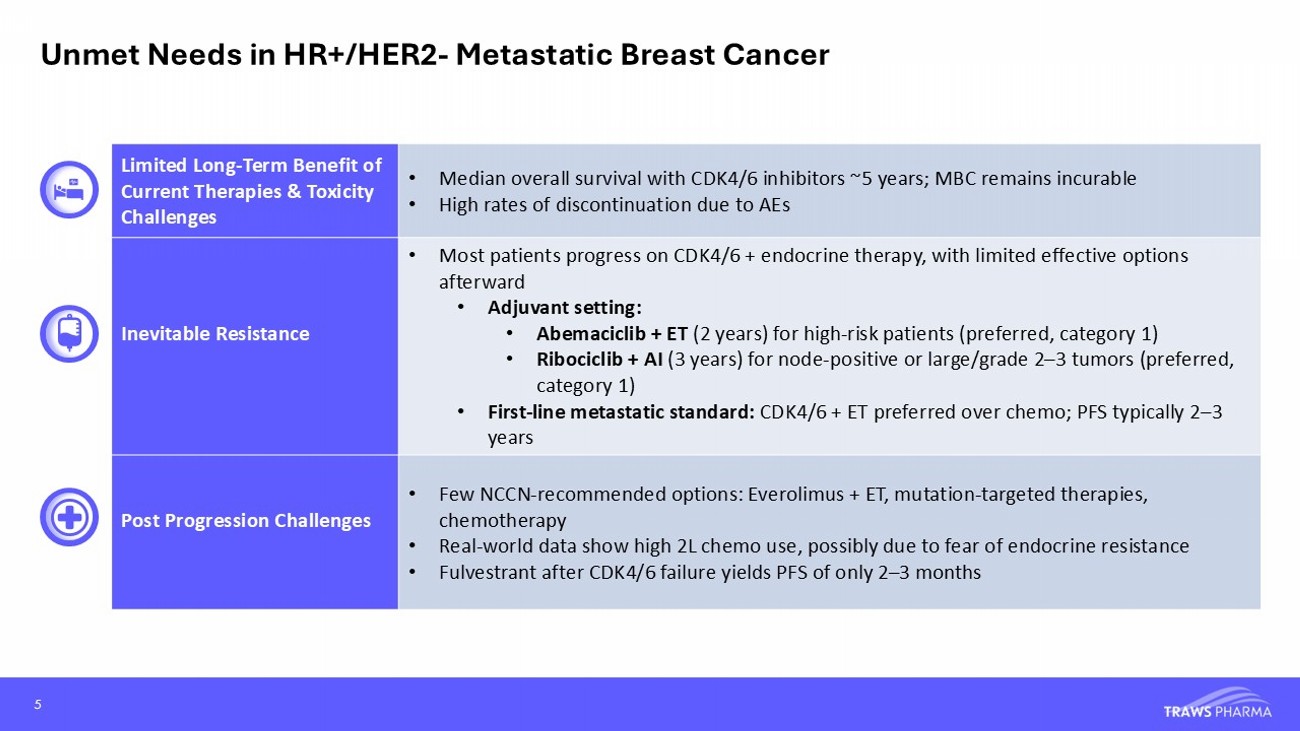
Unmet Needs in HR+/HER2 - Metastatic Breast Cancer • Median overall survival with CDK4/6 inhibitors ~5 years; MBC remains incurable • High rates of discontinuation due to AEs Limited Long - Term Benefit of Current Therapies & Toxicity Challenges • Most patients progress on CDK4/6 + endocrine therapy, with limited effective options afterward • Adjuvant setting: • Abemaciclib + ET (2 years) for high - risk patients (preferred, category 1) • Ribociclib + AI (3 years) for node - positive or large/grade 2 – 3 tumors (preferred, category 1) • First - line metastatic standard: CDK4/6 + ET preferred over chemo; PFS typically 2 – 3 years Inevitable Resistance • Few NCCN - recommended options: Everolimus + ET, mutation - targeted therapies, chemotherapy • Real - world data show high 2L chemo use, possibly due to fear of endocrine resistance • Fulvestrant after CDK4/6 failure yields PFS of only 2 – 3 months Post Progression Challenges 5
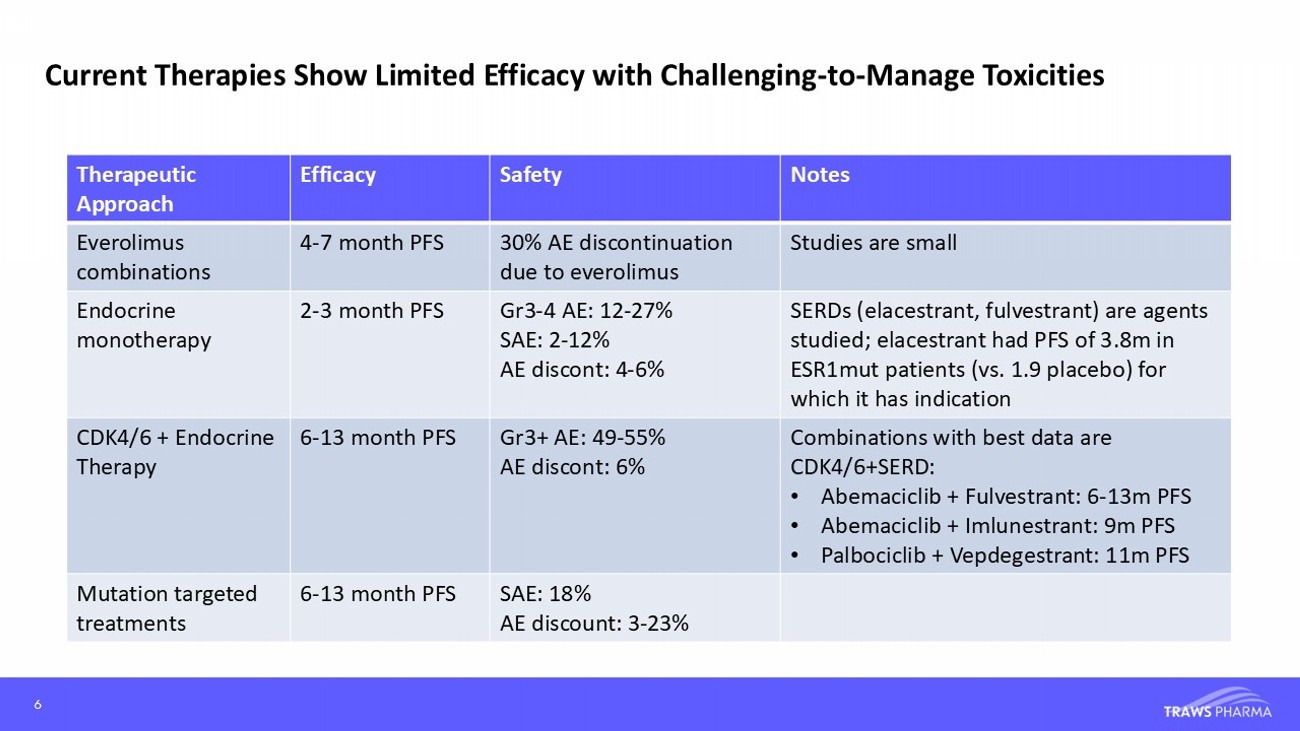
Current Therapies Show Limited Efficacy with Challenging - to - Manage Toxicities Notes Safety Efficacy Therapeutic Approach Studies are small 30% AE discontinuation due to everolimus 4 - 7 month PFS Everolimus combinations SERDs (elacestrant, fulvestrant) are agents studied; elacestrant had PFS of 3.8m in ESR1mut patients (vs. 1.9 placebo) for which it has indication Gr3 - 4 AE: 12 - 27% SAE: 2 - 12% AE discont: 4 - 6% 2 - 3 month PFS Endocrine monotherapy Combinations with best data are CDK4/6+SERD: • Abemaciclib + Fulvestrant: 6 - 13m PFS • Abemaciclib + Imlunestrant: 9m PFS • Palbociclib + Vepdegestrant: 11m PFS Gr3+ AE: 49 - 55% AE discont: 6% 6 - 13 month PFS CDK4/6 + Endocrine Therapy SAE: 18% AE discount: 3 - 23% 6 - 13 month PFS Mutation targeted treatments 6
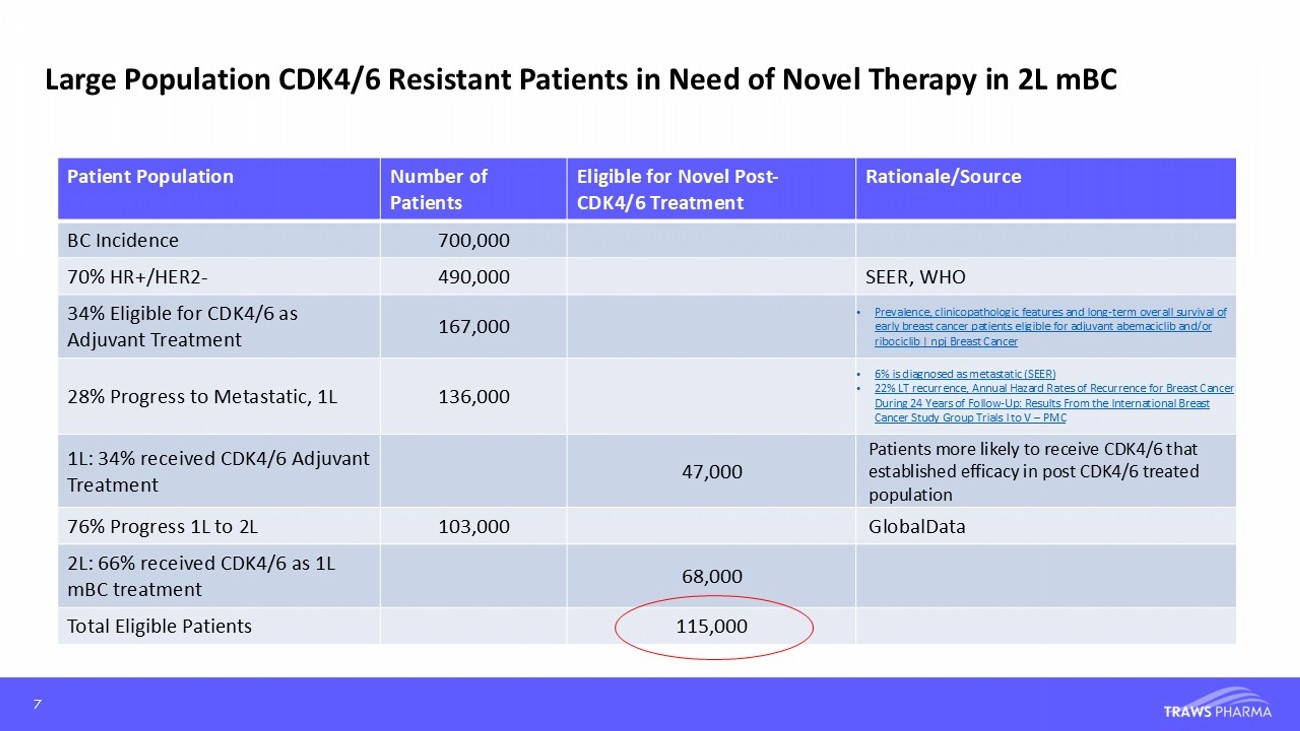
Large Population CDK4/6 Resistant Patients in Need of Novel Therapy in 2L mBC Rationale/Source Eligible for Novel Post - CDK4/6 Treatment Number of Patients Patient Population 700,000 BC Incidence SEER, WHO 490,000 70% HR+/HER2 - • Prevalence, clinicopathologic features and long - term overall survival of early breast cancer patients eligible for adjuvant abemaciclib and/or ribociclib | npj Breast Cancer 167,000 34% Eligible for CDK4/6 as Adjuvant Treatment • 6% is diagnosed as metastatic (SEER) • 22% LT recurrence, Annual Hazard Rates of Recurrence for Breast Cancer During 24 Years of Follow - Up: Results From the International Breast Cancer Study Group Trials I to V – PMC 136,000 28% Progress to Metastatic, 1L Patients more likely to receive CDK4/6 that established efficacy in post CDK4/6 treated population 47,000 1L: 34% received CDK4/6 Adjuvant Treatment GlobalData 103,000 76% Progress 1L to 2L 68,000 2L: 66% received CDK4/6 as 1L mBC treatment 115,000 Total Eligible Patients 7
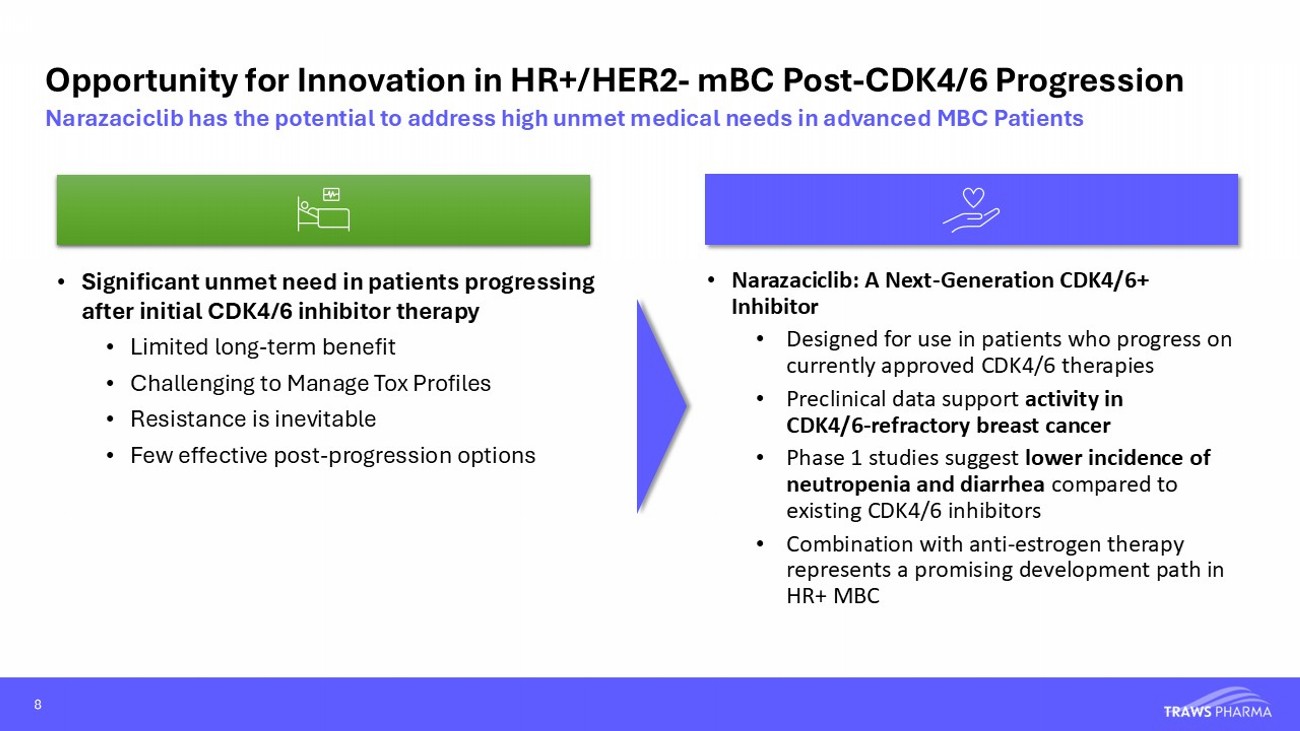
Opportunity for Innovation in HR+/HER2 - mBC Post - CDK4/6 Progression • Significant unmet need in patients progressing after initial CDK4/6 inhibitor therapy • Limited long - term benefit • Challenging to Manage Tox Profiles • Resistance is inevitable • Few effective post - progression options Narazaciclib has the potential to address high unmet medical needs in advanced MBC Patients 8 • Narazaciclib: A Next - Generation CDK4/6+ Inhibitor • Designed for use in patients who progress on currently approved CDK4/6 therapies • Preclinical data support activity in CDK4/6 - refractory breast cancer • Phase 1 studies suggest lower incidence of neutropenia and diarrhea compared to existing CDK4/6 inhibitors • Combination with anti - estrogen therapy represents a promising development path in HR+ MBC
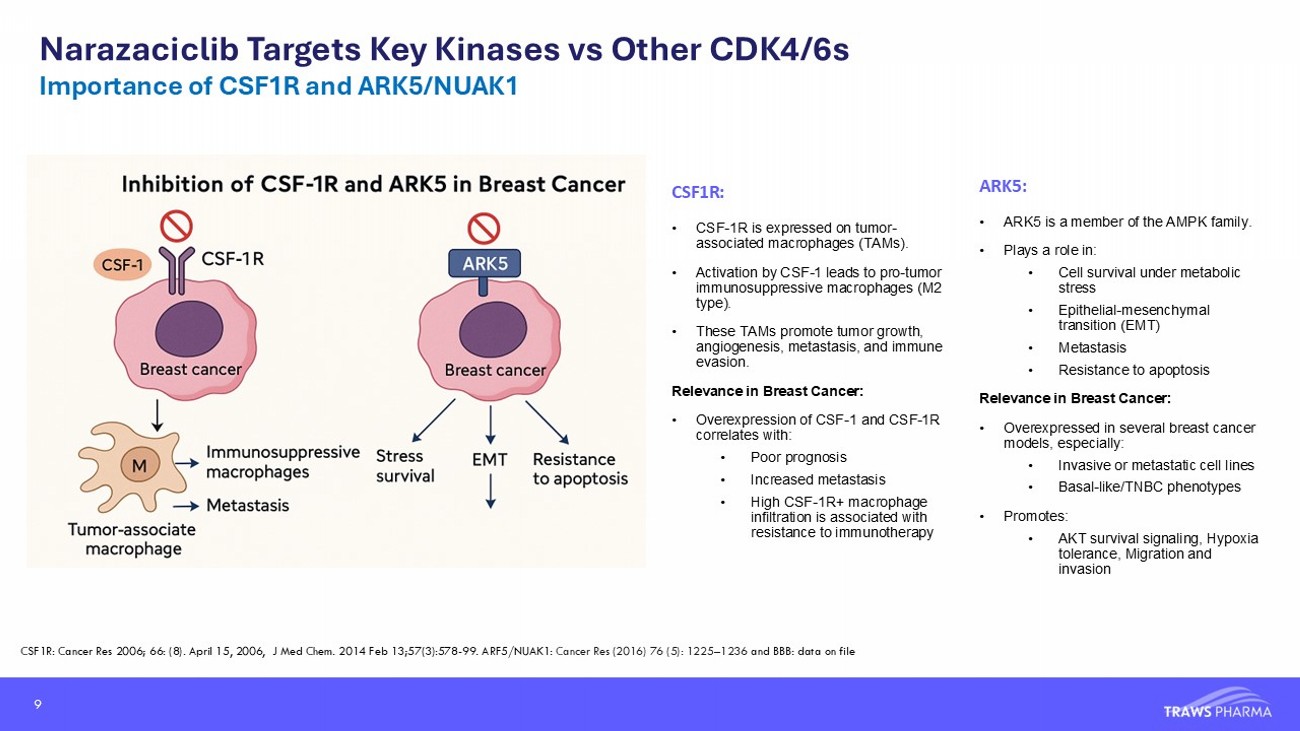
Narazaciclib Targets Key Kinases vs Other CDK4/6s Importance of CSF1R and ARK5/NUAK1 9 ARK5: • ARK5 is a member of the AMPK family. • Plays a role in: • Cell survival under metabolic stress • Epithelial - mesenchymal transition (EMT) • Metastasis • Resistance to apoptosis Relevance in Breast Cancer: • Overexpressed in several breast cancer models, especially: • Invasive or metastatic cell lines • Basal - like/TNBC phenotypes • Promotes: • AKT survival signaling, Hypoxia tolerance, Migration and invasion CSF1R: Cancer Res 2006; 66: (8). April 15, 2006, J Med Chem. 2014 Feb 13;57(3):578 - 99. ARF5/NUAK1: Cancer Res (2016) 76 (5): 1225 – 1236 and BBB: data on file CSF1R: • CSF - 1R is expressed on tumor - associated macrophages (TAMs). • Activation by CSF - 1 leads to pro - tumor immunosuppressive macrophages (M2 type). • These TAMs promote tumor growth, angiogenesis, metastasis, and immune evasion. Relevance in Breast Cancer: • Overexpression of CSF - 1 and CSF - 1R correlates with: • Poor prognosis • Increased metastasis • High CSF - 1R+ macrophage infiltration is associated with resistance to immunotherapy
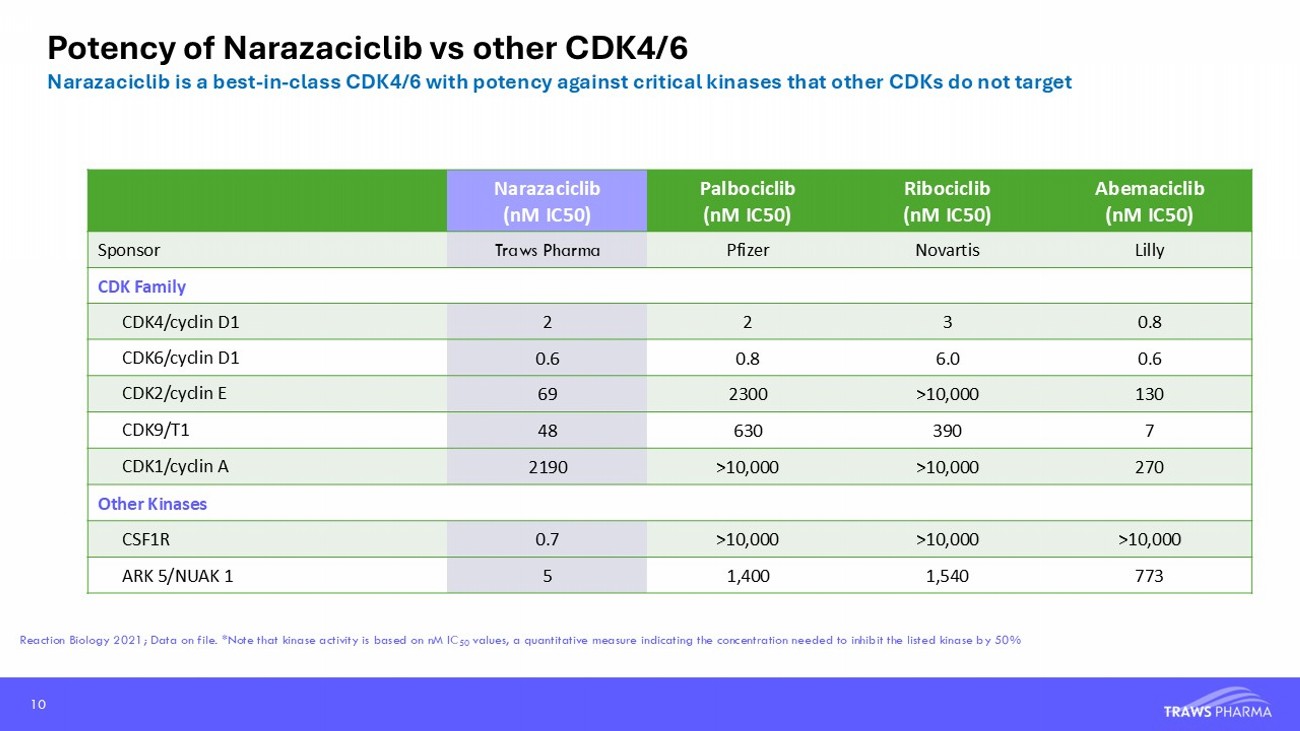
Potency of Narazaciclib vs other CDK4/6 Narazaciclib is a best - in - class CDK4/6 with potency against critical kinases that other CDKs do not target 10 Reaction Biology 2021; Data on file. *Note that kinase activity is based on nM IC 50 values, a quantitative measure indicating the concentration needed to inhibit the listed kinase by 50% Abemaciclib (nM IC50) Ribociclib (nM IC50) Palbociclib (nM IC50) Narazaciclib (nM IC50) Lilly Novartis Pfizer Traws Pharma Sponsor CDK Family 0.8 3 2 2 CDK4/cyclin D1 0.6 6.0 0.8 0.6 CDK6/cyclin D1 130 >10,000 2300 69 CDK2/cyclin E 7 390 630 48 CDK9/T1 270 >10,000 >10,000 2190 CDK1/cyclin A Other Kinases >10,000 >10,000 >10,000 0.7 CSF1R 773 1,540 1,400 5 ARK 5/NUAK 1
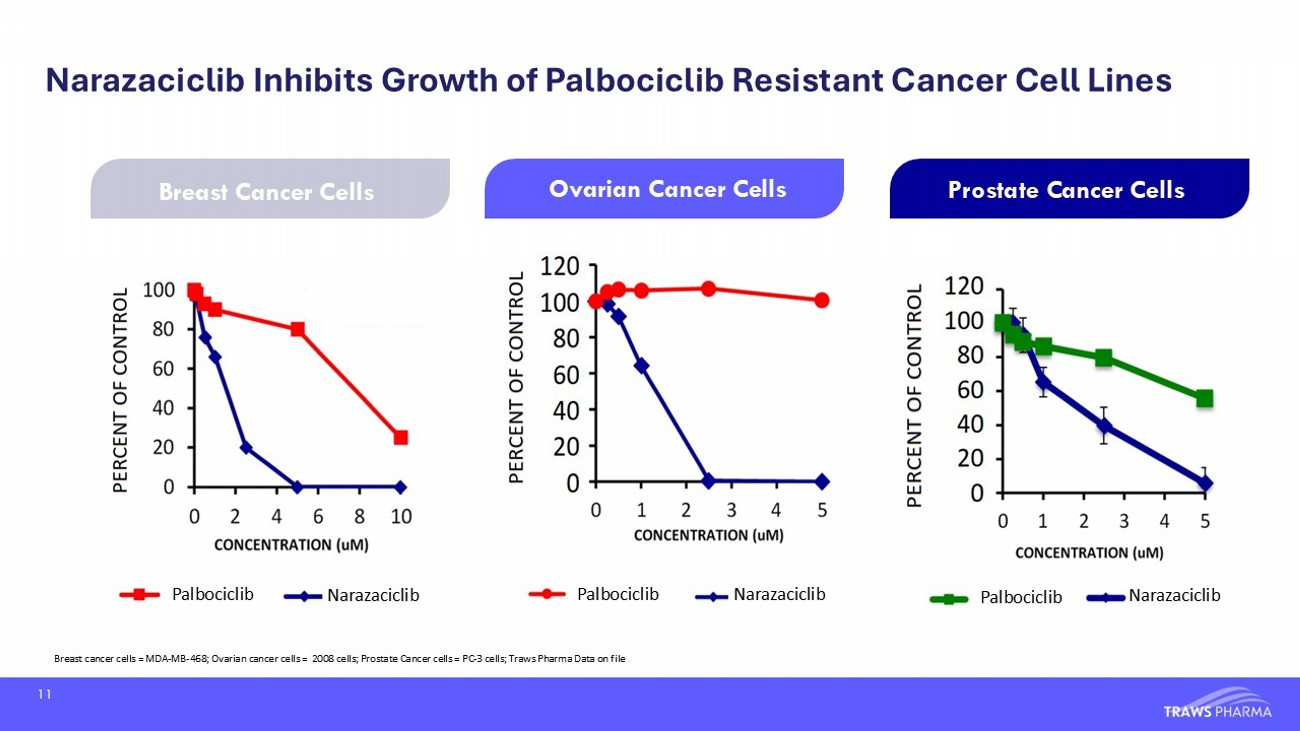
Narazaciclib Inhibits Growth of Palbociclib Resistant Cancer Cell Lines Prostate Cancer Cells Ovarian Cancer Cells Palbociclib Palbociclib Palbociclib Narazaciclib Narazaciclib Narazaciclib Breast Cancer Cells Breast cancer cells = MDA - MB - 468; Ovarian cancer cells = 2008 cells; Prostate Cancer cells = PC - 3 cells; Traws Pharma Data on f ile 11
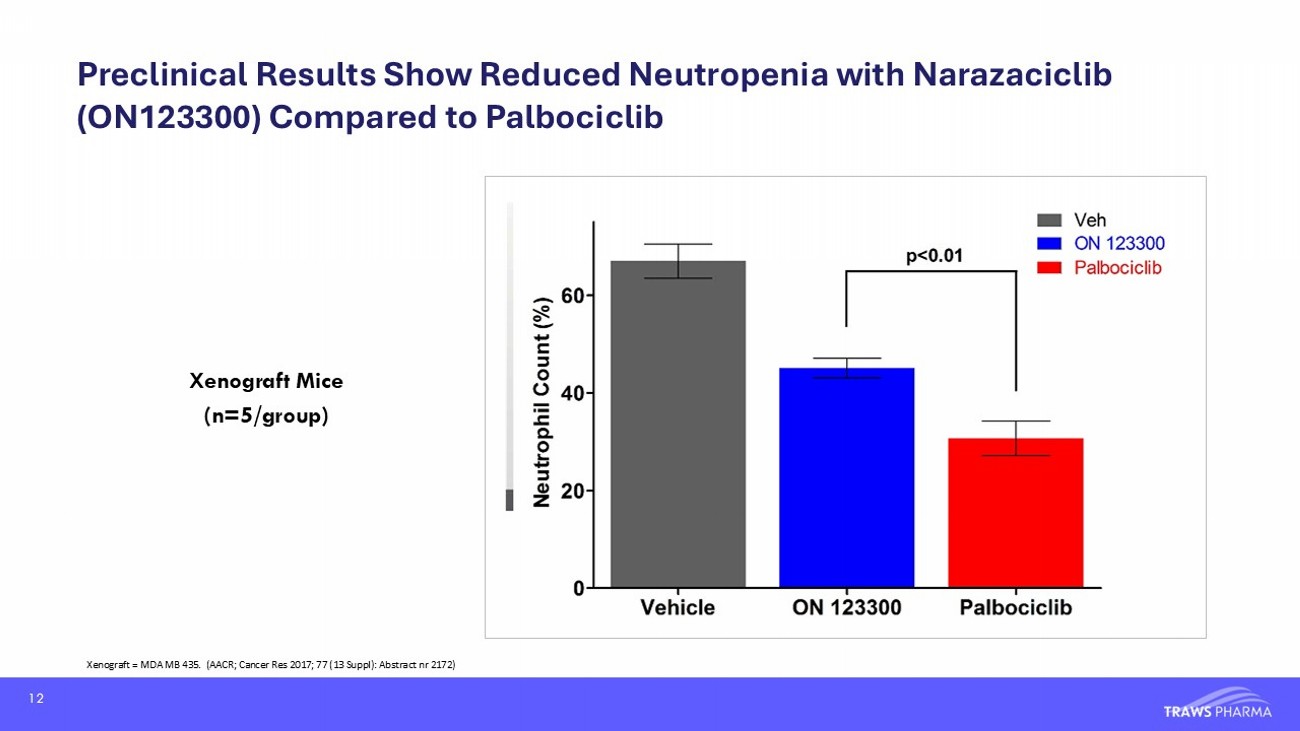
Preclinical Results Show Reduced Neutropenia with Narazaciclib (ON123300) Compared to Palbociclib Xenograft Mice (n=5/group) B ON 123300, an Orally Administered Novel CDK4/6 + ARK5 Inhibitor, Exhibits Potent Antitumor Activity In Vivo: Comparative Studies with Palbociclib S. Patel* 1 , P. Pancholi 1 , T. Visal 1 , A. Samant 1 , D. Kansara 1 , V. J. Rajadhyaksha 2 , B. S. Hoffman 2 , M. Maniar 2 , and V. Sehdev 1 1 Division of Pharmaceutical Sciences, Arnold & Marie Schwartz College of Pharmacy & Health Sciences, Long Island University , Brooklyn, NY , USA, 2 Onconova Therapeutics, Inc., Newtown, PA, USA. INTRODUCTION • The overexpression of cyclin-dependent kinases 4/6 (CDK4/6) is known to cause cell cycle dysregulation in certain cancer types, making these cell cycle kinases attractive targets for pharmacological inhibition. The effectiveness of first- generation non-selective cyclin- dependent kinases, such as roscovitine and flavopiridol, was hampered by toxicities, leading to the development of second-generation compounds like IBRANCE®/Palbociclib that specifically inhibit CDK4 and 6. • ON 123300 is a third-generation potent CDK4/6 inhibitor that also inhibits ARK5 with low nanomolar potency and has the potential to improve upon second- generation compounds. Previous studies have demonstrated the inhibitory effect of single-agent ON 123300 in various pre- clinical cancer models of MM and leukemia. [1 & 2] • In this study, we investigated the comparative therapeutic potential of ON 123300 as an oral anticancer agent and a second-generation inhibitor, Palbociclib, in xenografted Rb+ve mouse models. METHODS • MDA-MB-435S xenografted mice were treated once a day for 21 days with ON 123300 (125mg/kg) or Palbociclib (125mg/kg). Tumor volumes were measured and peripheral blood was gathered to evaluate the effects on hematological parameters. Separately, Western blot analyses were performed to determine the effect of CDK4/6 inhibition on p-Rb following intra-tumoral treatment with ON 123300 (2.5µM) or Palbociclib (2.5µM). Figure 2. Treatment with ON 123300 or Palbociclib exhibit comparable anticancer activity in Rb+ve in vitro cancer models: Fig. 2: (A & B) The cell viability assay data indicate significant inhibition of MDA- MB-435S and HCC70 Rb+ve cancer cell lines after treatment with various concentrations of ON 123300 (0.15-0.30 µM) and Palbociclib (0.15-0.30 µM). A B RESULTS Figure 6. Intra-tumoral treatment with ON 123300 or Palbociclib significantly inhibits expression of pRb in tumor tissue: Fig 6: The protein expression data shows that intra- tumoral treatment with ON 123300 or Palbociclib mediated significant reduction in expression of pRb in xenografted tumor tissue. Veh - Vehicle and Palbo - Palbociclib. ACKNOWLEDGEMENTS • This study was supported by grants from Onconova Therapeutics Inc. and the work was done at Dept. of Pharm. Sciences, Arnold and Marie Schwartz College of Pharmacy and Health Sciences, Long Island University, NY 11201. CONCLUSION • Our in vitro and xenograft data indicates that ON 123300, a third-generation CDK4/6 inhibitor, is as effective as Palbociclib in an Rb+ve xenograft model. • In addition, this study also suggests that ON 123300 may have the added advantage of reduced neutropenia when compared to Palbociclib. • Prior preclinical data suggest that ON 123300 may be efficacious in Rb-ve tumors, where second-generation compounds have diminished single-agent activity, and our ongoing studies are aimed at further characterizing the in vivo activity of ON 123300 in this setting. REFERENCES 1. Perumal D, Kuo PY, Leshchenko VV, et al. Dual Targeting of CDK4 and ARK5 Using a Novel Kinase Inhibitor ON123300 Exerts Potent Anticancer Activity against Multiple Myeloma. Cancer Res. 2016 Mar 1;76(5):1225-36. 2. Divakar SK, Ramana Reddy MV, Cosenza SC, et al. Dual inhibition of CDK4/Rb and PI3K/AKT/mTOR pathways by ON123300 induces synthetic lethality in mantle cell lymphomas. Leukemia. 2016 Jan;30(1):86-93. Fig 4: MDA-MB-435S xenografted mice were treated QD with ON 123300 (125 mg/kg) or Palbociclib (125 mg/kg) for 21 days. (A) The tumor volume data indicate comparable and significant anti-tumor activity that treatment with ON 123300 or Palbociclib. (B) Animal body weight does not show any significant change after treatment with ON 123300 or Palbociclib. A Figure 4. Treatment with ON 123300 or Palbociclib exhibits similar anti- tumor activity in vivo: Figure 3. Treatment with ON 123300 inhibits expression of p-Rb in MDA-MB-435S Rb+ve cancer cells : Fig. 3: MDA-MB-435S cells were treated with various concentrations of ON 123300 (0.625-2.5 µM) for multiple time points (4-24 hrs.). The protein expression data exhibit a dose- and time-dependent decrease in pRb levels after treatment with varying concentrations of ON 123300. Figure 1. Chemical structure of ON 123300 and Palbociclib: Figure 5. Treatment with ON 123300 exhibits reduced suppression of neutrophils in comparison to Palbociclib in mouse xenografts: Fig. 5: MDA-MB-435S xenografted mice were treated QD with ON 123300 (125 mg/kg) or Palbociclib (125 mg/kg) for 21 days. (A) The blood cell count data indicate that treatment with ON 123300 exhibits significantly improved neutrophil count when compared to Palbociclib in xenografted mice after treatment for 21 days. (B & C) Platelet and RBC counts show similar degree of inhibition after treatment with ON 123300 or Palbociclib. Veh - Vehicle. B C ON 123300 Palbociclib A Xenograft = MDA MB 435. (AACR; Cancer Res 2017; 77 (13 Suppl): Abstract nr 2172) 12
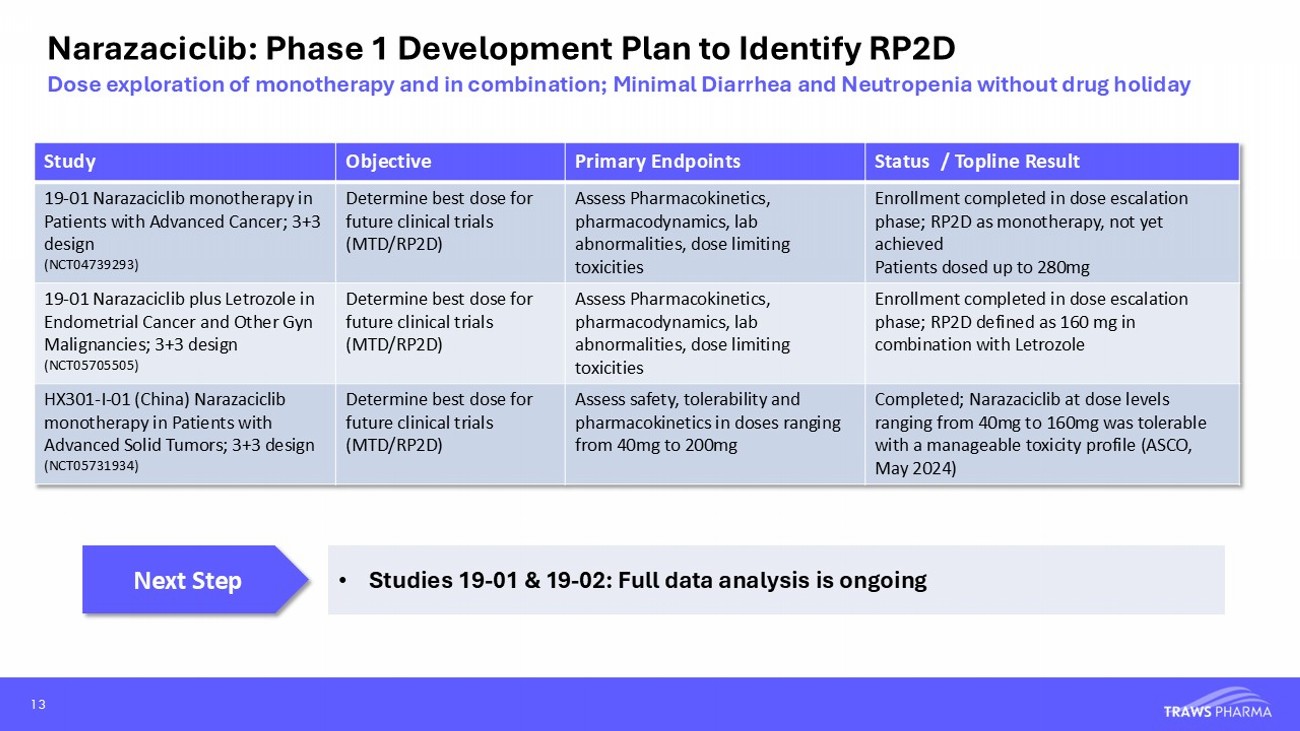
Narazaciclib: Phase 1 Development Plan to Identify RP2D Status / Topline Result Primary Endpoints Objective Study Enrollment completed in dose escalation phase; RP2D as monotherapy, not yet achieved Patients dosed up to 280mg Assess Pharmacokinetics, pharmacodynamics, lab abnormalities, dose limiting toxicities Determine best dose for future clinical trials (MTD/RP2D) 19 - 01 Narazaciclib monotherapy in Patients with Advanced Cancer; 3+3 design (NCT04739293) Enrollment completed in dose escalation phase; RP2D defined as 160 mg in combination with Letrozole Assess Pharmacokinetics, pharmacodynamics, lab abnormalities, dose limiting toxicities Determine best dose for future clinical trials (MTD/RP2D) 19 - 01 Narazaciclib plus Letrozole in Endometrial Cancer and Other Gyn Malignancies; 3+3 design (NCT05705505) Completed; Narazaciclib at dose levels ranging from 40mg to 160mg was tolerable with a manageable toxicity profile (ASCO, May 2024) Assess safety, tolerability and pharmacokinetics in doses ranging from 40mg to 200mg Determine best dose for future clinical trials (MTD/RP2D) HX301 - I - 01 (China) Narazaciclib monotherapy in Patients with Advanced Solid Tumors; 3+3 design (NCT05731934) Dose exploration of monotherapy and in combination; Minimal Diarrhea and Neutropenia without drug holiday • Studies 19 - 01 & 19 - 02: Full data analysis is ongoing Next Step 13
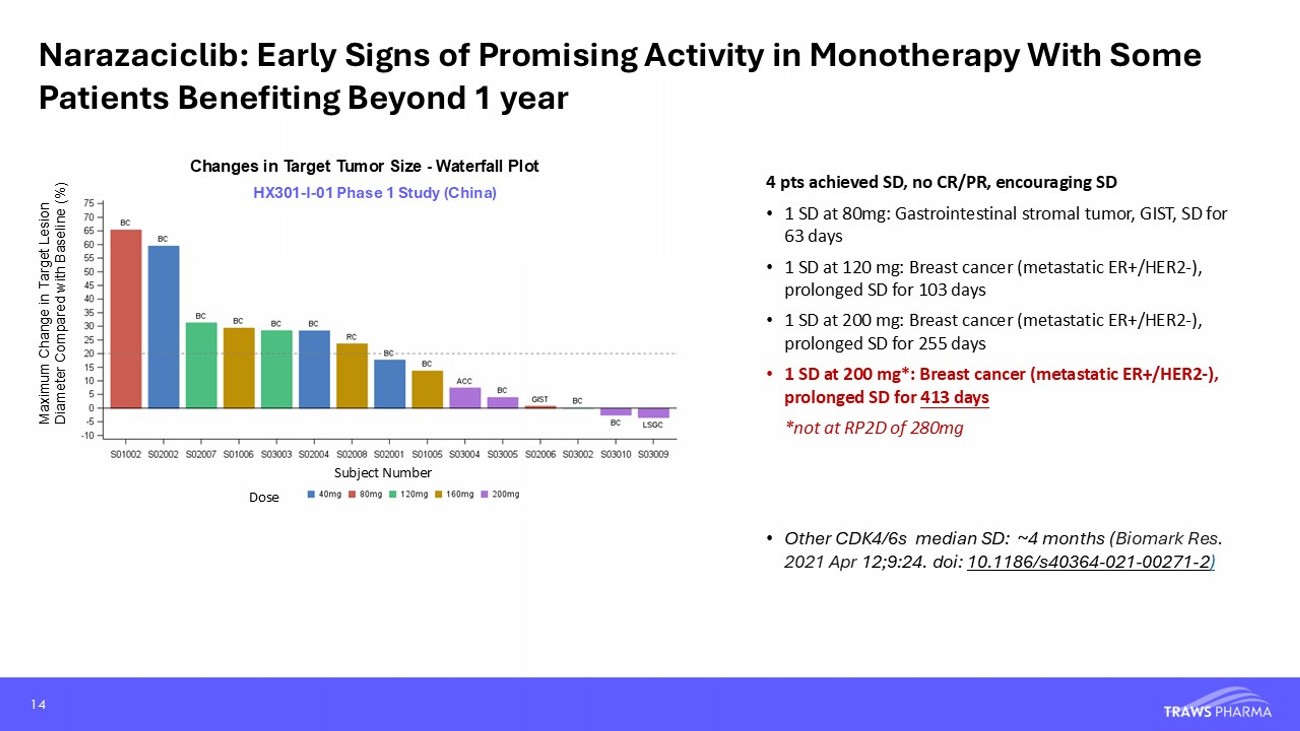
Narazaciclib: Early Signs of Promising Activity in Monotherapy With Some Patients Benefiting Beyond 1 year 14 Changes in Target Tumor Size - Waterfall Plot 4 pts achieved SD, no CR/PR, encouraging SD • 1 SD at 80mg: Gastrointestinal stromal tumor, GIST, SD for 63 days • 1 SD at 120 mg: Breast cancer (metastatic ER+/HER2 - ), prolonged SD for 103 days • 1 SD at 200 mg: Breast cancer (metastatic ER+/HER2 - ), prolonged SD for 255 days • 1 SD at 200 mg*: Breast cancer (metastatic ER+/HER2 - ), prolonged SD for 413 days *not at RP2D of 280mg HX301 - I - 01 Phase 1 Study (China) Maximum Change in Target Lesion Diameter Compared with Baseline (%) Dose Subject Number • Other CDK4/6s median SD: ~4 months ( Biomark Res. 2021 Apr 12;9:24. doi: 10.1186/s40364 - 021 - 00271 - 2 )
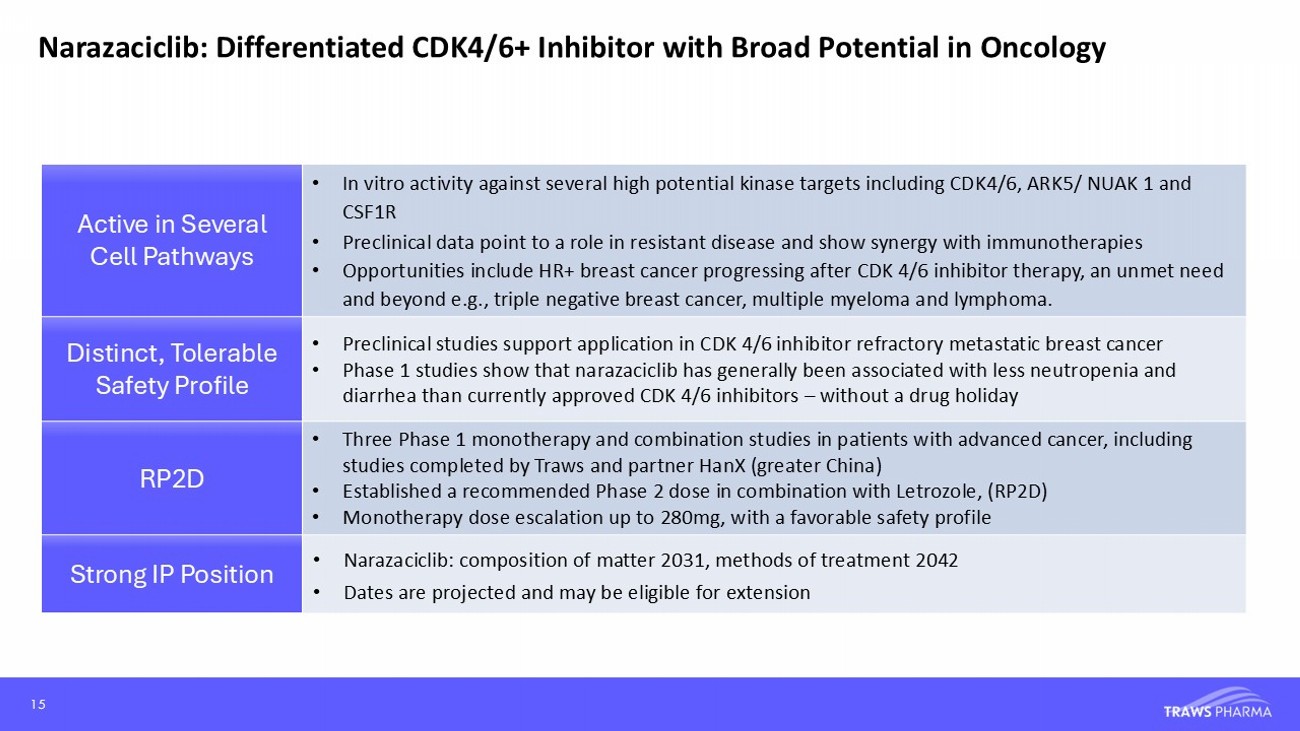
Narazaciclib: Differentiated CDK4/6+ Inhibitor with Broad Potential in Oncology 15 • In vitro activity against several high potential kinase targets including CDK4/6, ARK5/ NUAK 1 and CSF1R • Preclinical data point to a role in resistant disease and show synergy with immunotherapies • Opportunities include HR+ breast cancer progressing after CDK 4/6 inhibitor therapy, an unmet need and beyond e.g., triple negative breast cancer, multiple myeloma and lymphoma. Active in Several Cell Pathways • Preclinical studies support application in CDK 4/6 inhibitor refractory metastatic breast cancer • Phase 1 studies show that narazaciclib has generally been associated with less neutropenia and diarrhea than currently approved CDK 4/6 inhibitors – without a drug holiday Distinct, Tolerable Safety Profile • Three Phase 1 monotherapy and combination studies in patients with advanced cancer, including studies completed by Traws and partner HanX (greater China) • Established a recommended Phase 2 dose in combination with Letrozole, (RP2D) • Monotherapy dose escalation up to 280mg, with a favorable safety profile RP2D • Narazaciclib: composition of matter 2031, methods of treatment 2042 • Dates are projected and may be eligible for extension Strong IP Position
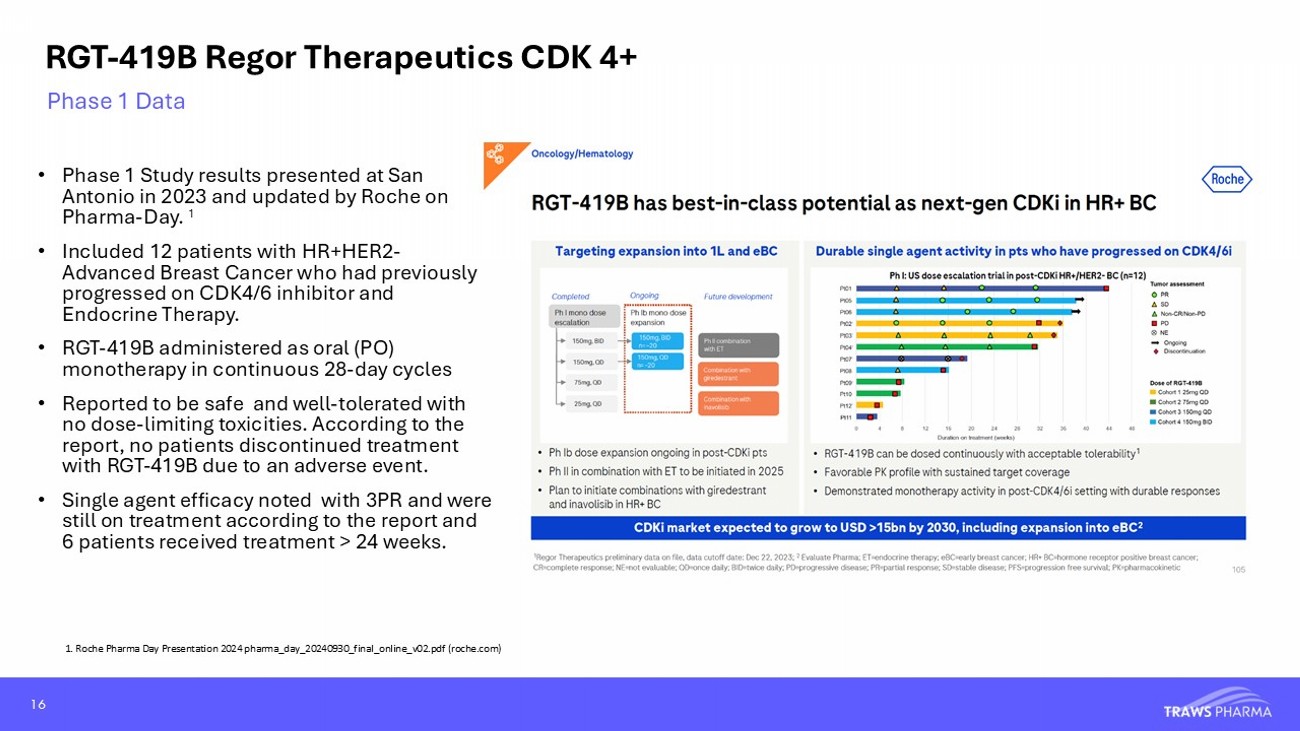
RGT - 419B Regor Therapeutics CDK 4+ Phase 1 Data 1. Roche Pharma Day Presentation 2024 pharma_day_20240930_final_online_v02.pdf (roche.com) 16 • Phase 1 Study results presented at San Antonio in 2023 and updated by Roche on Pharma - Day. 1 • Included 12 patients with HR+HER2 - Advanced Breast Cancer who had previously progressed on CDK4/6 inhibitor and Endocrine Therapy. • RGT - 419B administered as oral (PO) monotherapy in continuous 28 - day cycles • Reported to be safe and well - tolerated with no dose - limiting toxicities. According to the report, no patients discontinued treatment with RGT - 419B due to an adverse event. • Single agent efficacy noted with 3PR and were still on treatment according to the report and 6 patients received treatment > 24 weeks.
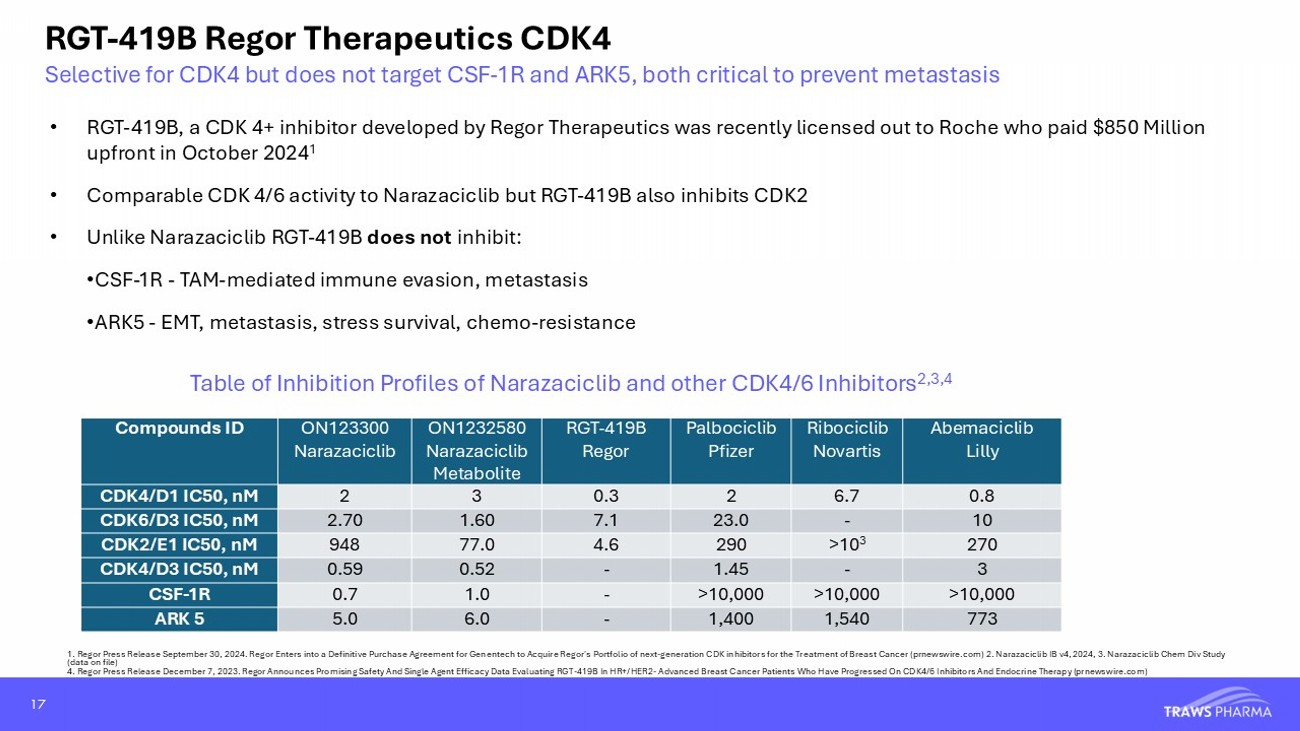
RGT - 419B Regor Therapeutics CDK4 • RGT - 419B, a CDK 4+ inhibitor developed by Regor Therapeutics was recently licensed out to Roche who paid $850 Million upfront in October 2024 1 • Comparable CDK 4/6 activity to Narazaciclib but RGT - 419B also inhibits CDK2 • Unlike Narazaciclib RGT - 419B does not inhibit: • CSF - 1R - TAM - mediated immune evasion, metastasis • ARK5 - EMT, metastasis, stress survival, chemo - resistance Selective for CDK4 but does not target CSF - 1R and ARK5, both critical to prevent metastasis 1. Regor Press Release September 30, 2024. Regor Enters into a Definitive Purchase Agreement for Genentech to Acquire Regor's Po rtfolio of next - generation CDK inhibitors for the Treatment of Breast Cancer (prnewswire.com) 2. Narazaciclib IB v4, 2024, 3. Narazaciclib Chem Div Study (data on file) 4. Regor Press Release December 7, 2023. Regor Announces Promising Safety And Single Agent Efficacy Data Evaluating RGT - 419B In HR+/HER2 - Advanced Breast Cancer Patients Who Have Progressed On CDK4/6 Inhibitors And Endocrine Therapy (prnewswire.com) 17 Table of Inhibition Profiles of Narazaciclib and other CDK4/6 Inhibitors 2,3,4 Abemaciclib Lilly Ribociclib Novartis Palbociclib Pfizer RGT - 419B Regor ON1232580 Narazaciclib Metabolite ON123300 Narazaciclib Compounds ID 0.8 6.7 2 0.3 3 2 CDK4/D1 IC50, nM 10 - 23.0 7.1 1.60 2.70 CDK6/D3 IC50, nM 270 >10 3 290 4.6 77.0 948 CDK2/E1 IC50, nM 3 - 1.45 - 0.52 0.59 CDK4/D3 IC50, nM >10,000 >10,000 >10,000 - 1.0 0.7 CSF - 1R 773 1,540 1,400 - 6.0 5.0 ARK 5
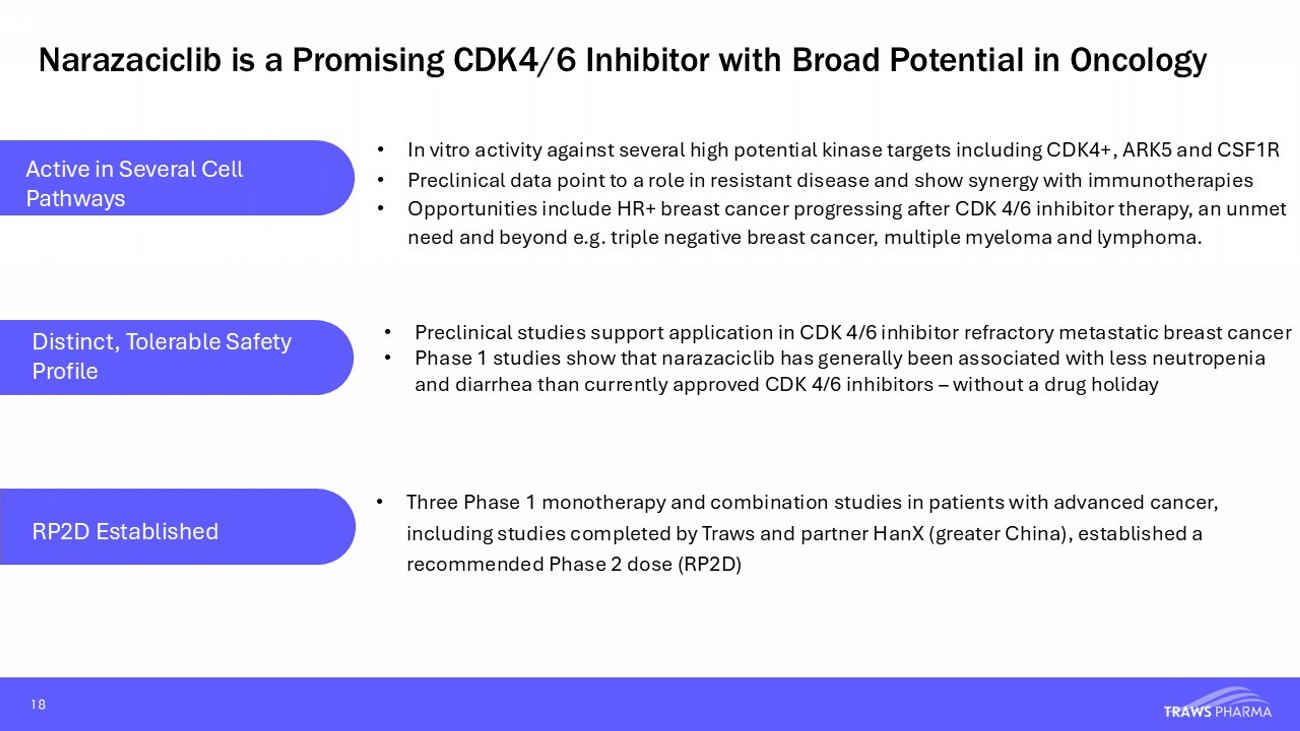
Narazaciclib is a Promising CDK4/6 Inhibitor with Broad Potential in Oncology 18 • Three Phase 1 monotherapy and combination studies in patients with advanced cancer, including studies completed by Traws and partner HanX (greater China), established a recommended Phase 2 dose (RP2D) • In vitro activity against several high potential kinase targets including CDK4+, ARK5 and CSF1R • Preclinical data point to a role in resistant disease and show synergy with immunotherapies • Opportunities include HR+ breast cancer progressing after CDK 4/6 inhibitor therapy, an unmet need and beyond e.g. triple negative breast cancer, multiple myeloma and lymphoma. • Preclinical studies support application in CDK 4/6 inhibitor refractory metastatic breast cancer • Phase 1 studies show that narazaciclib has generally been associated with less neutropenia and diarrhea than currently approved CDK 4/6 inhibitors – without a drug holiday Active in Several Cell Pathways Distinct, Tolerable Safety Profile RP2D Established
19 Appendix
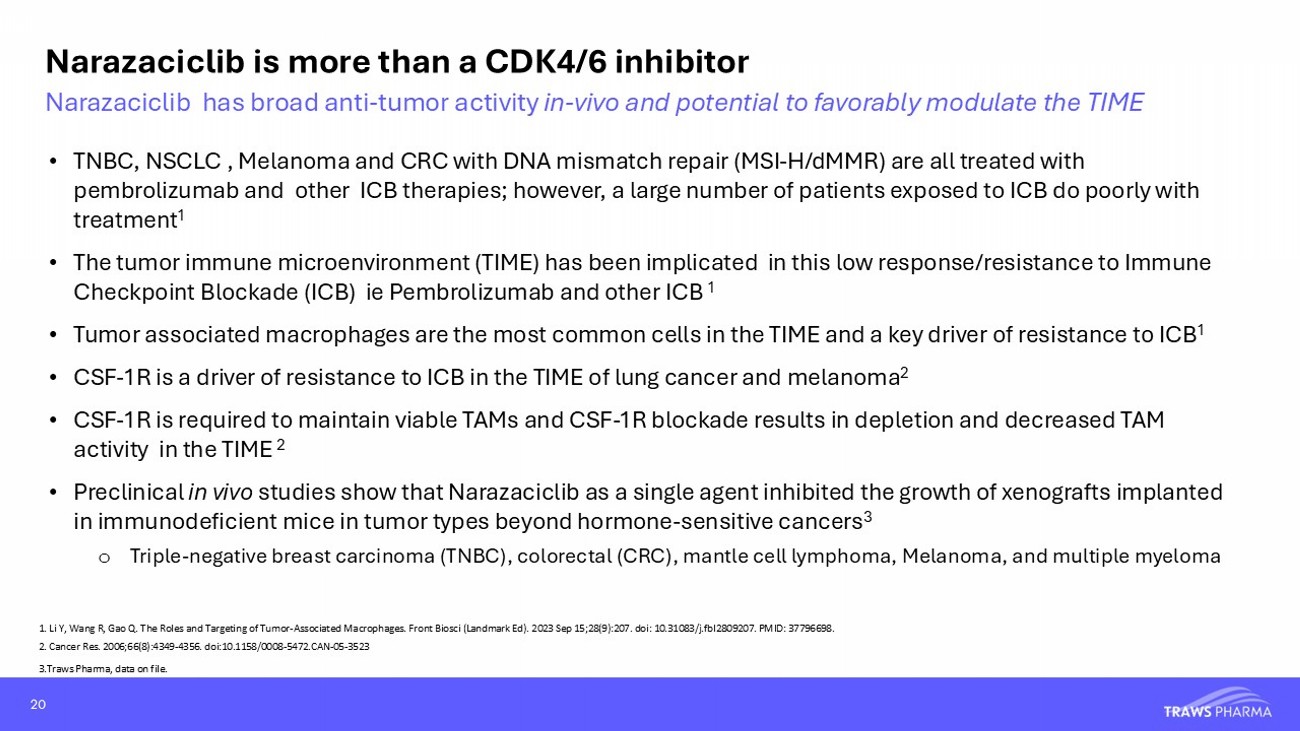
Narazaciclib is more than a CDK4/6 inhibitor • TNBC, NSCLC , Melanoma and CRC with DNA mismatch repair (MSI - H/dMMR) are all treated with pembrolizumab and other ICB therapies; however, a large number of patients exposed to ICB do poorly with treatment 1 • The tumor immune microenvironment (TIME) has been implicated in this low response/resistance to Immune Checkpoint Blockade (ICB) ie Pembrolizumab and other ICB 1 • Tumor associated macrophages are the most common cells in the TIME and a key driver of resistance to ICB 1 • CSF - 1R is a driver of resistance to ICB in the TIME of lung cancer and melanoma 2 • CSF - 1R is required to maintain viable TAMs and CSF - 1R blockade results in depletion and decreased TAM activity in the TIME 2 • Preclinical in vivo studies show that Narazaciclib as a single agent inhibited the growth of xenografts implanted in immunodeficient mice in tumor types beyond hormone - sensitive cancers 3 o Triple - negative breast carcinoma (TNBC), colorectal (CRC), mantle cell lymphoma, Melanoma, and multiple myeloma Narazaciclib has broad anti - tumor activity in - vivo and potential to favorably modulate the TIME 20 1. Li Y, Wang R, Gao Q. The Roles and Targeting of Tumor - Associated Macrophages. Front Biosci (Landmark Ed). 2023 Sep 15;28(9):2 07. doi: 10.31083/j.fbl2809207. PMID: 37796698. 2. Cancer Res. 2006;66(8):4349 - 4356. doi:10.1158/0008 - 5472.CAN - 05 - 3523 3.Traws Pharma, data on file.
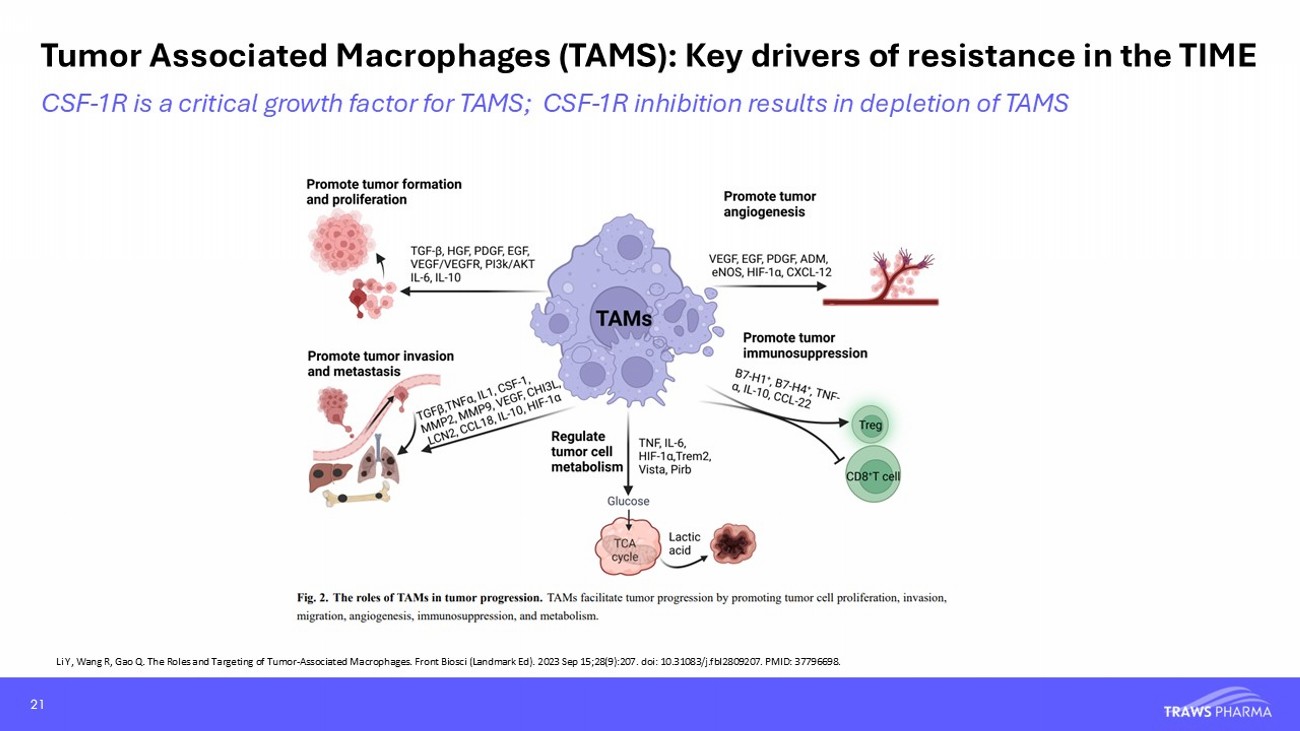
Tumor Associated Macrophages (TAMS): Key drivers of resistance in the TIME CSF - 1R is a critical growth factor for TAMS; CSF - 1R inhibition results in depletion of TAMS Li Y, Wang R, Gao Q. The Roles and Targeting of Tumor - Associated Macrophages. Front Biosci (Landmark Ed). 2023 Sep 15;28(9):207. doi: 10.31083/j.fbl2809207. PMID: 37796698. 21
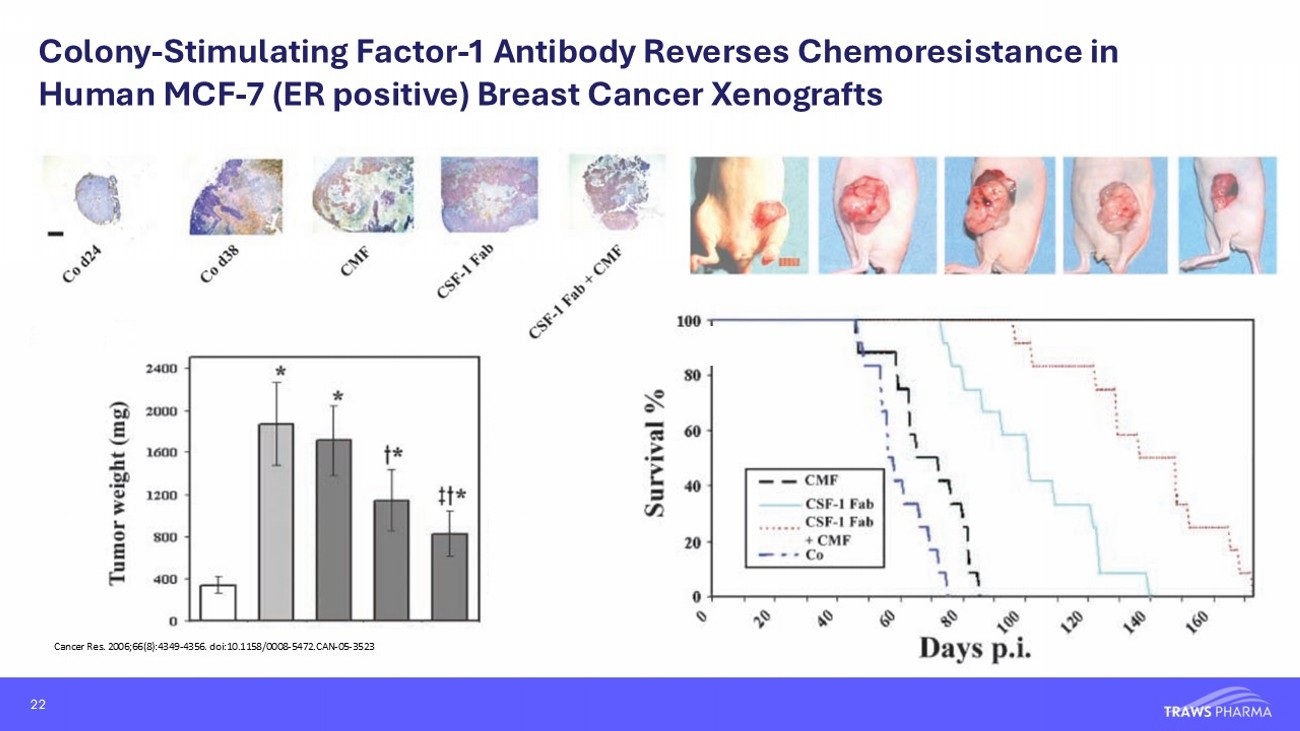
Colony - Stimulating Factor - 1 Antibody Reverses Chemoresistance in Human MCF - 7 (ER positive) Breast Cancer Xenografts Cancer Res. 2006;66(8):4349 - 4356. doi:10.1158/0008 - 5472.CAN - 05 - 3523 22
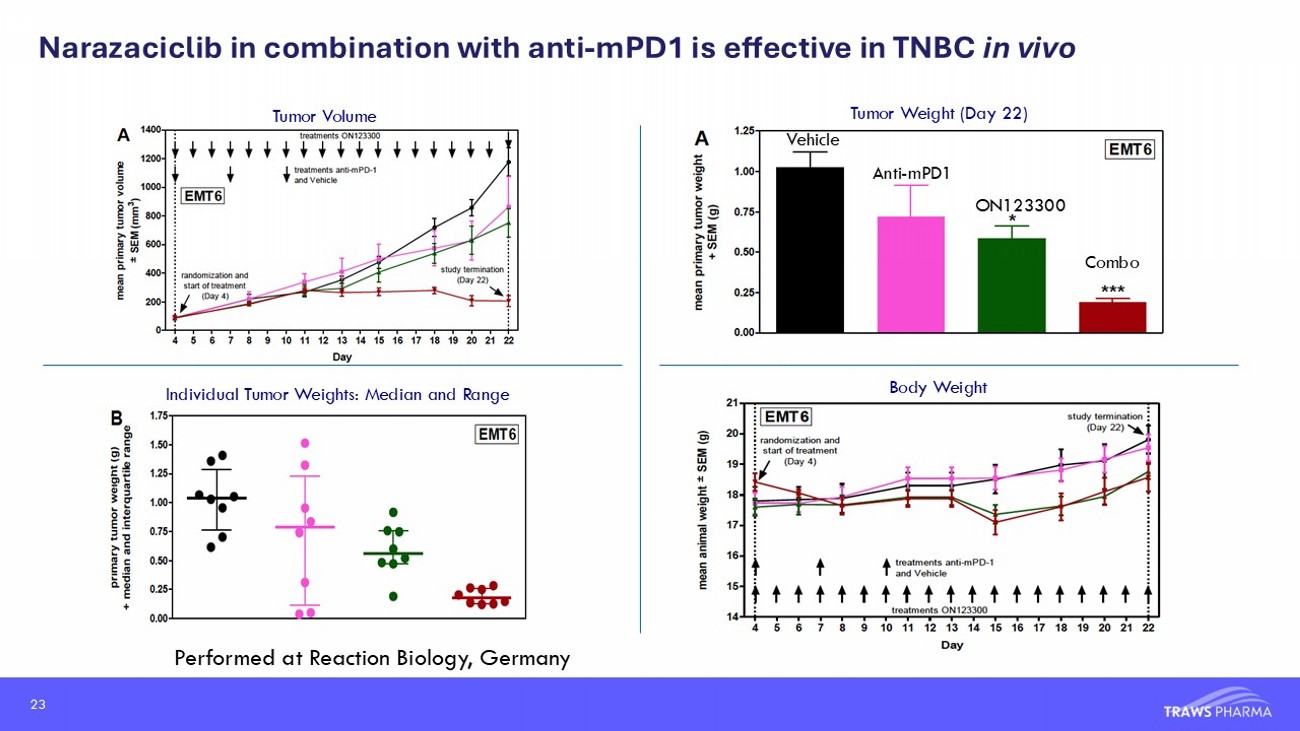
Narazaciclib in combination with anti - mPD1 is effective in TNBC in vivo 23 Body Weight Tumor Volume Tumor Weight (Day 22) Vehicle Anti - mPD1 ON123300 Combo Individual Tumor Weights: Median and Range Performed at Reaction Biology, Germany
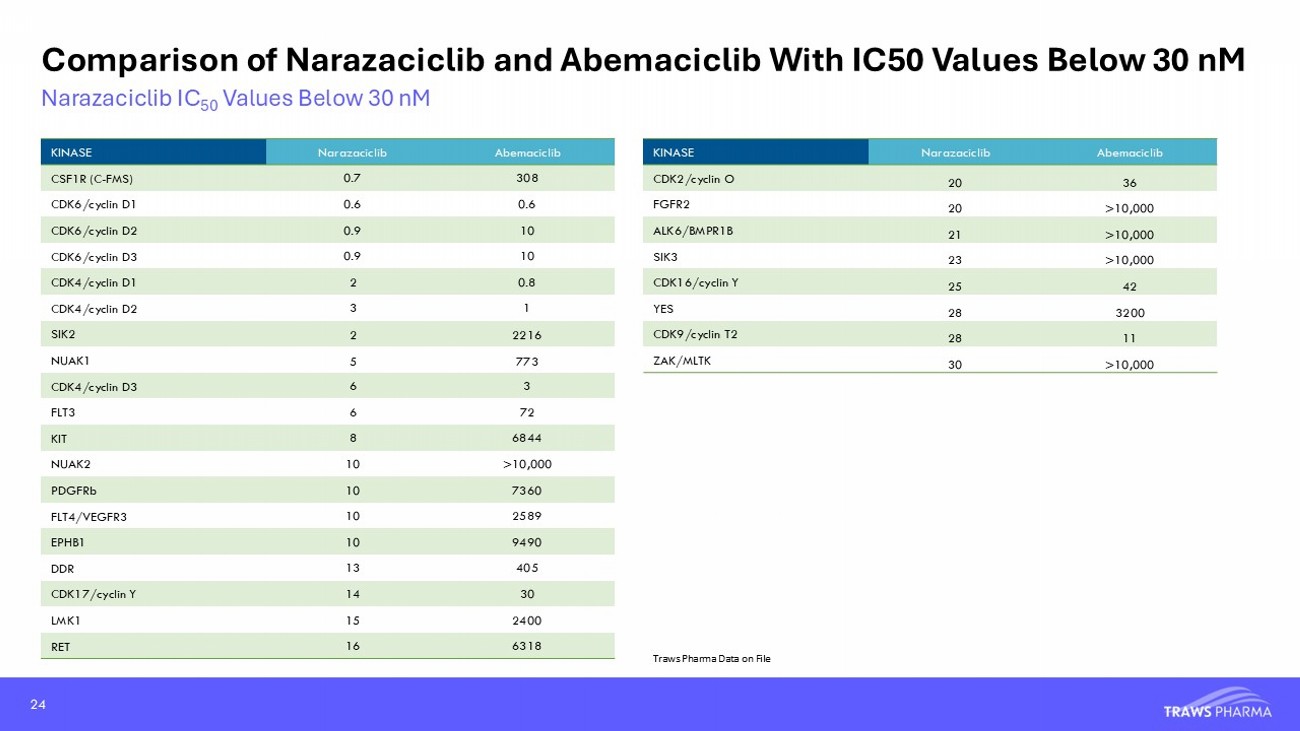
Comparison of Narazaciclib and Abemaciclib With IC50 Values Below 30 nM Narazaciclib IC 50 Values Below 30 nM Traws Pharma Data on File Abemaciclib Narazaciclib KINASE 308 0.7 CSF1R (C - FMS) 0.6 0.6 CDK6/cyclin D1 10 0.9 CDK6/cyclin D2 10 0.9 CDK6/cyclin D3 0.8 2 CDK4/cyclin D1 1 3 CDK4/cyclin D2 2216 2 SIK2 773 5 NUAK1 3 6 CDK4/cyclin D3 72 6 FLT3 6844 8 KIT >10,000 10 NUAK2 7360 10 PDGFRb 2589 10 FLT4/VEGFR3 9490 10 EPHB1 405 13 DDR 30 14 CDK17/cyclin Y 2400 15 LMK1 6318 16 RET Abemaciclib Narazaciclib KINASE 36 20 CDK2/cyclin O >10,000 20 FGFR2 >10,000 21 ALK6/BMPR1B >10,000 23 SIK3 42 25 CDK16/cyclin Y 3200 28 YES 11 28 CDK9/cyclin T2 >10,000 30 ZAK/MLTK 24
Exhibit 99.3
Traws Pharma Announces Publication of Compelling
Efficacy data in RDEB SCC Patients Treated with Legacy Oncology Drug Rigosertib
NEWTOWN, PA, June 3, 2025 (GLOBE NEWSWIRE)
– Traws Pharma, Inc. (NASDAQ: TRAW) (“Traws Pharma”, “Traws” or “the Company”), a clinical-stage
biopharmaceutical company developing novel therapies to target critical threats to human health from respiratory viral diseases, today
announced the publication of key clinical efficacy data for rigosertib, a legacy Traws Pharma oncology asset for which development and
commercialization partners are being actively sought, in patients with RDEB SCC. The paper, published in the British Journal of Dermatology1,
details the first clinical trial of any experimental cancer therapeutic in this rare and complicated monogenic disease. The results
indicated an overall response rate of 80%, with complete responses in 50% of evaluable patients.
“These data indicate that rigosertib is
a potential treatment for cutaneous SCC in RDEB patients, where there is a substantial unmet need and no approved therapies. The aggressive
course of this disease is inadequately addressed by current treatment regimens, which produce limited response rates of mostly short duration,”
said Victor Moyo, MD, Chief Medical Officer Oncology, Traws Pharma.
“We are excited to report the compelling
efficacy and tolerability profile of rigosertib in this devastating, difficult to treat disease, and thank the patients, sponsors and
investigators for their commitment to this program,” commented Iain Dukes, MA, DPhil, Interim CEO, Traws Pharma. “Rigosertib
is available for further development and commercialization, and we are committed to finding an appropriate partner to advance this important
medicine to approval.”
About RDEB-associated SCC
RDEB is caused by insufficient expression of type
VII collagen, which is responsible for anchoring the skin’s inner layer to its outer layer. This leads to extreme skin fragility
as well as chronic blistering and wound formation with recurrent infections in RDEB patients, many of whom go on to develop metastatic
squamous cell carcinoma driven by overexpression of polo-like kinase 1 (PLK-1). RDEB-associated SCC tumors show a highly aggressive and
early metastasizing course that makes them the primary cause of death for these patients, with a cumulative risk of death of 70% and 78.7%
by ages 45 and 55, respectively2,3. RDEB-associated SCC can appear in pediatric patients or in young adults. Currently available
treatments such as targeted therapies and conventional chemo- and/or radiotherapy have demonstrated limited response rates and poor durability
in RDEB-associated SCC2,4.
Abbreviations: RDEB SCC, Recessive Dystrophic
Epidermolysis Bullosa Associated Locally Advanced or Metastatic Squamous Cell Carcinoma
References
| 1. | Martin Laimer, Andrew P South, Elisabeth Mayr, Sophie Kitzmueller, Lauren Banner, Michael Alexander,
Linda Hosler, Henry Yang, Matthew Parris, Meena Arora, Georg Zimmermann, Gregor Schweighofer-Zwink, Johann W Bauer, Neda Nikbakht, Efficacy
and Safety of Rigosertib in Patients with Recessive Dystrophic Epidermolysis Bullosa Associated Advanced/Metastatic Cutaneous Squamous
Cell Carcinoma, British Journal of Dermatology, 2025;, ljaf205, https://doi.org/10.1093/bjd/ljaf205 |
| 2. | Mellerio et al. Br J Dermatol. 2016 Jan; 174(1):56-67. doi: 10.1111/bjd.14104. |
| 3. | Fine et al. J Am Acad Dermatol. 2009 Feb; 60(2):203-11. doi: 10.1016/j.jaad.2008.09.035. |
| 4. | Stratigos et al. Eur J Cancer. 2020 Mar;128:83-102. doi: 10.1016/j.ejca.2020.01.008. |
About Rigosertib
Rigosertib is a small molecule kinase inhibitor
(including PLK-1). The compound is being evaluated in a series of investigator sponsored studies including as a monotherapy for potential
use in advanced squamous cell carcinoma complicating recessive dystrophic epidermolysis bullosa (RDEB-associated SCC) (NCT03786237, NCT04177498),
using both oral and IV formulations. Rigosertib has also been evaluated in combination with other agents, including checkpoint inhibitors,
for solid tumors including non-small cell lung cancer, and metastatic melanoma.
About Traws Pharma, Inc.
Traws Pharma is a clinical stage biopharmaceutical
company dedicated to developing novel therapies to target critical threats to human health in respiratory viral diseases. Traws integrates
antiviral drug development, medical intelligence and regulatory strategy to meet real world challenges in the treatment of viral diseases.
We are advancing novel investigational oral small molecule antiviral agents that have potent activity against difficult to treat or resistant
virus strains that threaten human health: bird flu and seasonal influenza, and COVID-19/Long COVID. Tivoxavir marboxil is in development
as a single dose treatment for bird flu and seasonal influenza, targeting the influenza cap-dependent endonuclease (CEN). Ratutrelvir
is in development as a ritonavir-independent COVID treatment, targeting the Main protease (Mpro or 3CL protease).
Traws is actively seeking development and commercialization
partners for its legacy clinical oncology programs, rigosertib and narazaciclib. More details can be found on Traws’ website at
https://www.ir.trawspharma.com/partnering.
Follow our progress on our website or on LinkedIn.
Forward-Looking Statements
Some of the statements in this release are forward-looking
statements within the meaning of Section 27A of the Securities Act of 1933, as amended, Section 21E of the Securities Exchange
Act of 1934, as amended, and the Private Securities Litigation Reform Act of 1995, and involve risks and uncertainties including statements
regarding the Company, its business and product candidates, including the potential opportunity, benefits and the regulatory plans for
its rigosertib oncology program. The Company has attempted to identify forward-looking statements by terminology including “believes”,
“estimates”, “anticipates”, “expects”, “plans”, “intends”, “may”,
“could”, “might”, “will”, “should”, “preliminary”, “encouraging”,
“approximately” or other words that convey uncertainty of future events or outcomes. Although Traws believes that the expectations
reflected in such forward-looking statements are reasonable as of the date made, expectations may prove to have been materially different
from the results expressed or implied by such forward looking statements. These statements are only predictions and involve known and
unknown risks, uncertainties, and other factors, including Traws’ ability to identify and enter into development and/or commercialization
agreements with potential partners for its legacy rigosertib oncology program, the success and timing of Traws’ clinical trials,
the efficacy of rigosertib as a treatment for cutaneous SCC in RDEB patients, market conditions, regulatory requirements, changes in government
regulation, and those discussed under the heading “Risk Factors” in Traws’ filings with the U.S. Securities and Exchange
Commission (SEC). Any forward-looking statements contained in this release speak only as of its date. Traws undertakes no obligation to
update any forward-looking statements contained in this release to reflect events or circumstances occurring after its date or to reflect
the occurrence of unanticipated events, except to the extent required by law.
Traws Pharma Contact
Nora Brennan
Traws Pharma, Inc.
[email protected]
www.trawspharma.com
Investor Contact:
Bruce Mackle
LifeSci Advisors, LLC
646-889-1200
[email protected]