
Aardvark Therapeutics, Inc 8-K, filed Jan 12, 2026
Aardvark Therapeutics, Inc. (AARD)
About this 8-K
Aardvark Therapeutics, Inc filed this 8-K on January 12, 2026.
Items reported
- Item 8.01: Other events
- Item 9.01: Financial statements and exhibits
UNITED STATES
SECURITIES AND EXCHANGE COMMISSION
WASHINGTON, D.C. 20549
FORM 8-K
CURRENT REPORT
Pursuant to Section 13 or 15(d) of the Securities Exchange Act of 1934
Date of Report (Date of earliest event reported): |
(Exact name of Registrant as Specified in Its Charter)
(State or Other Jurisdiction |
(Commission File Number) |
(IRS Employer |
||
|
|
|
|
|
|
||||
|
||||
(Address of Principal Executive Offices) |
|
(Zip Code) |
||
Registrant’s Telephone Number, Including Area Code: |
(Former Name or Former Address, if Changed Since Last Report)
Check the appropriate box below if the Form 8-K filing is intended to simultaneously satisfy the filing obligation of the registrant under any of the following provisions:
Securities registered pursuant to Section 12(b) of the Act:
|
|
Trading |
|
|
|
|
Indicate by check mark whether the registrant is an emerging growth company as defined in Rule 405 of the Securities Act of 1933 (§ 230.405 of this chapter) or Rule 12b-2 of the Securities Exchange Act of 1934 (§ 240.12b-2 of this chapter).
Emerging growth company
If an emerging growth company, indicate by check mark if the registrant has elected not to use the extended transition period for complying with any new or revised financial accounting standards provided pursuant to Section 13(a) of the Exchange Act.
Item 8.01 Other Events.
On January 12, 2026, Aardvark Therapeutics, Inc. (the “Company”) updated its corporate presentation for use in meetings from time to time with investors, analysts and others, which corporate presentation will also be posted to the Company’s website. A copy of the corporate presentation is filed as Exhibit 99.1 to this Current Report on Form 8-K and is incorporated by reference into this Item 8.01. The presentation is current as of January 12, 2026, and the Company disclaims any obligation to update this material in the future.
Item 9.01 Financial Statements and Exhibits.
(d) Exhibits.
|
|
|
Exhibit |
|
Description |
99.1 |
|
|
104 |
|
Cover Page Interactive Data File (embedded within the Inline XBRL document). |
SIGNATURES
Pursuant to the requirements of the Securities Exchange Act of 1934, the registrant has duly caused this report to be signed on its behalf by the undersigned hereunto duly authorized.
|
|
|
AARDVARK THERAPEUTICS, INC. |
|
|
|
|
Date: |
January 12, 2026 |
By: |
/s/ Tien-Li Lee, M.D. |
|
|
|
Tien-Li Lee, M.D. |
Corporate Presentation January 2026 Exhibit 99.1
Disclaimer Aardvark Therapeutics, Inc. (the “Company”) does not (nor its respective affiliates, directors, members, officers, employees or agents) make any representation or warranty, express or implied, as to, and no reliance should be placed on, the fairness, accuracy, completeness or correctness of the information and opinions contained in this presentation or any other written or oral information made available to any interested party or its advisors and any liability therefor is hereby expressly disclaimed. This presentation includes certain statements, estimates, targets and projections (including, without limitation, projected revenue, growth and demand expectations and estimated costs) provided by the Company with respect to the anticipated future performance of the assets described herein which reflect significant assumptions and subjective judgments by the Company’s management. The Company believes that it is important to communicate its future assumptions and expectations to current and prospective investors. These assumptions and judgments may or may not prove to be correct, are subject to significant business, economic and competitive uncertainties and contingencies, many of which are beyond the control of the Company, and there can be no assurance that any estimates, targets or projections are attainable or will be realized. The actual results may vary from the projected results and such variations may be material. Any forward-looking statement made by the Company in this presentation speaks only as of the date on which it was made. The Company and its affiliates, directors, members, officers, employees and agents shall have no liability whatsoever (in negligence or otherwise) for the accuracy or sufficiency of the information contained herein, any errors, omissions or misstatements relating hereto, or any direct, indirect, consequential or other loss howsoever arising from any use of this presentation or its contents or otherwise arising in connection with this presentation. These forward-looking statements are subject to risks and uncertainties, including the factors described under the “Risk Factors” section of the Company’s most recent Annual Report on Form 10-K and Quarterly Reports on Form 10-Q that the Company has filed or may subsequently file with the U.S. Securities and Exchange Commission. The Company undertakes no obligation to update or revise any forward-looking statements, whether as a result of new information, future events or otherwise. Nothing contained within this presentation is or should be relied upon as a promise or representation as to the future. Trade names, trademarks and service marks of other companies appearing in this presentation are the property of their respective owners. Solely for convenience, the trademarks and trade names referred to in this presentation appear without the ® and TM symbols, but those references are not intended to indicate, in any way, that we will not assert, to the fullest extent under applicable law, our rights, or the rights of the applicable licensor to these trademarks and tradenames. This presentation concerns products that are under clinical investigation and which have not yet been approved for marketing by the U.S. Food and Drug Administration. It is currently limited by federal law to investigational use, and no representation is made as to its safety or effectiveness for the purposes for which it is being investigated.
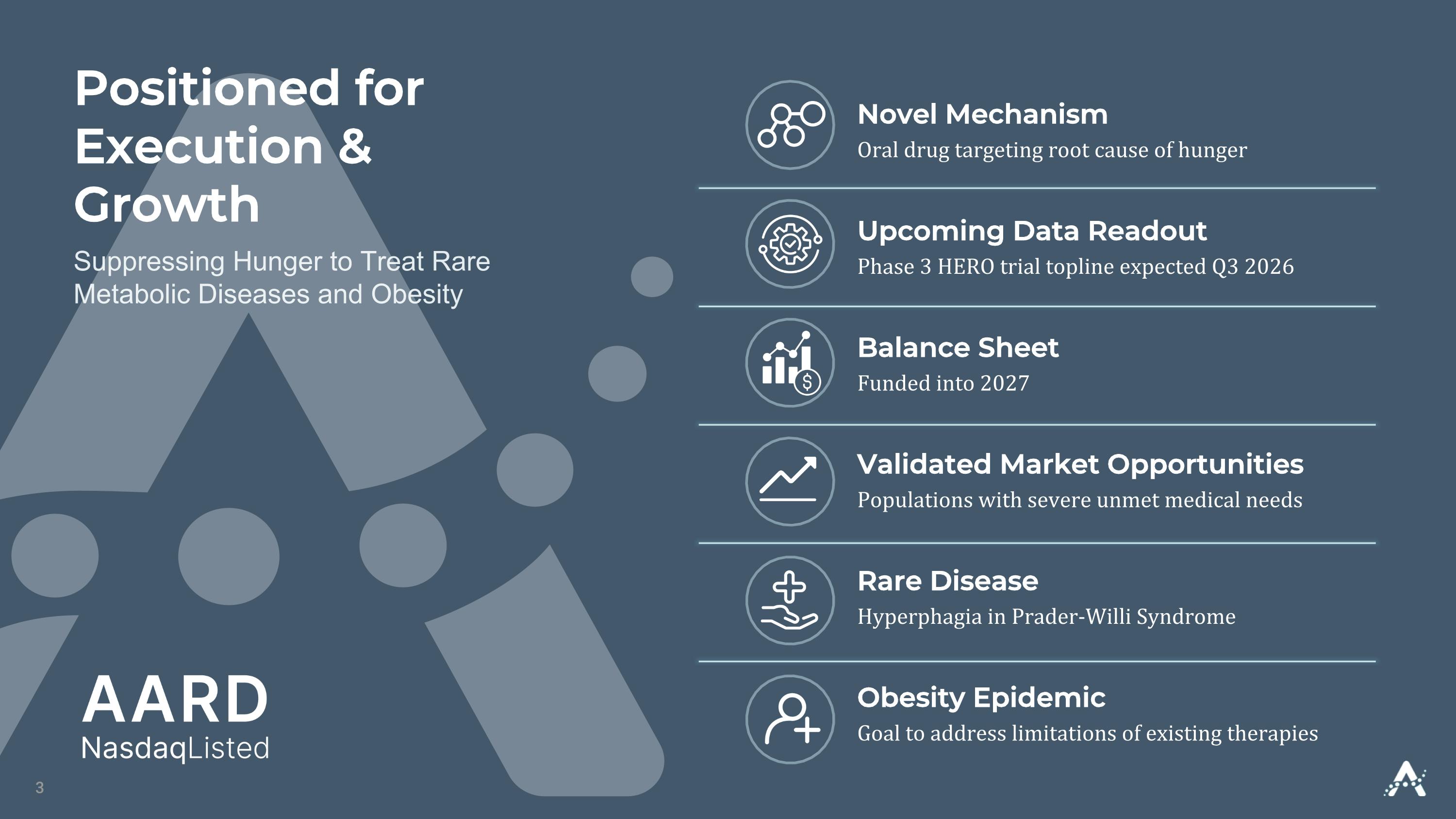
Positioned for Execution & Growth Suppressing Hunger to Treat Rare Metabolic Diseases and Obesity Rare Disease Hyperphagia in Prader-Willi Syndrome Obesity Epidemic Goal to address limitations of existing therapies Validated Market Opportunities Populations with severe unmet medical needs Balance Sheet Funded into 2027 Upcoming Data Readout Phase 3 HERO trial topline expected Q3 2026 Novel Mechanism Oral drug targeting root cause of hunger

Expert Leadership Spans Clinical, Scientific, & Commercial Tien Lee Bryan Jones Our Team Our Board Founder and Chief Executive Officer Chief Operating Officer Manasi Jaiman Chief Medical Officer Nelson Sun Chief Financial Officer Zhenhuan Zheng Chief Research Officer Timothy Kieffer Chief Scientific Officer Danny Villeneuve Chief Commercial Officer Christian Zapf General Counsel Tien Lee Founder and Chief Executive Officer Victor Tong, Jr. Managing Director, Decheng Capital Jeffrey Chi Senior Consultant, Vickers Venture Partners Susan Graf Entrepreneur in Residence Locust Walk Partners Roy Baynes Chief Medical Officer Eikon Therapeutics
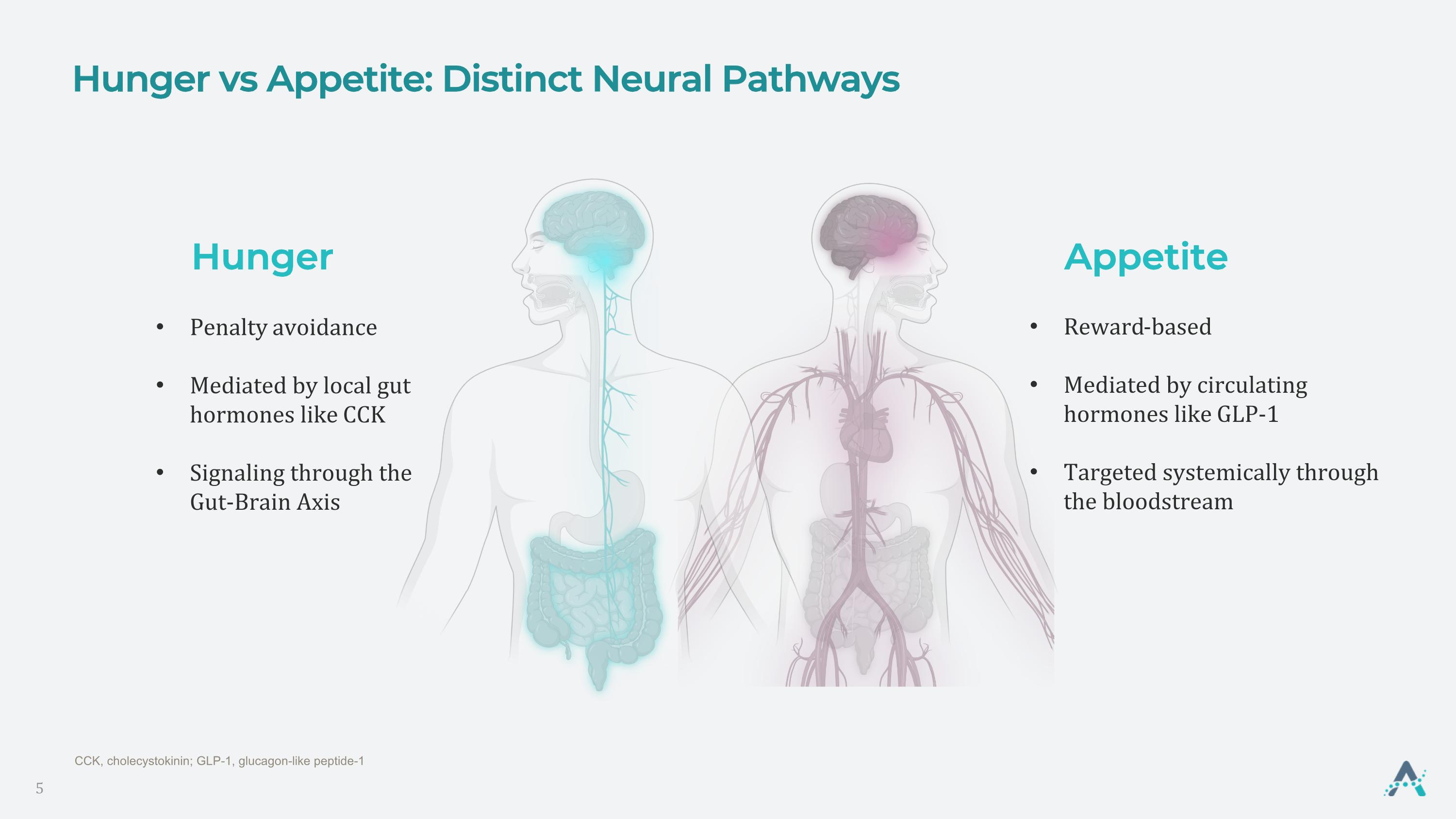
Hunger vs Appetite: Distinct Neural Pathways CCK, cholecystokinin; GLP-1, glucagon-like peptide-1 Appetite Hunger Penalty avoidance Mediated by local gut hormones like CCK Signaling through the Gut-Brain Axis Reward-based Mediated by circulating hormones like GLP-1 Targeted systemically through the bloodstream
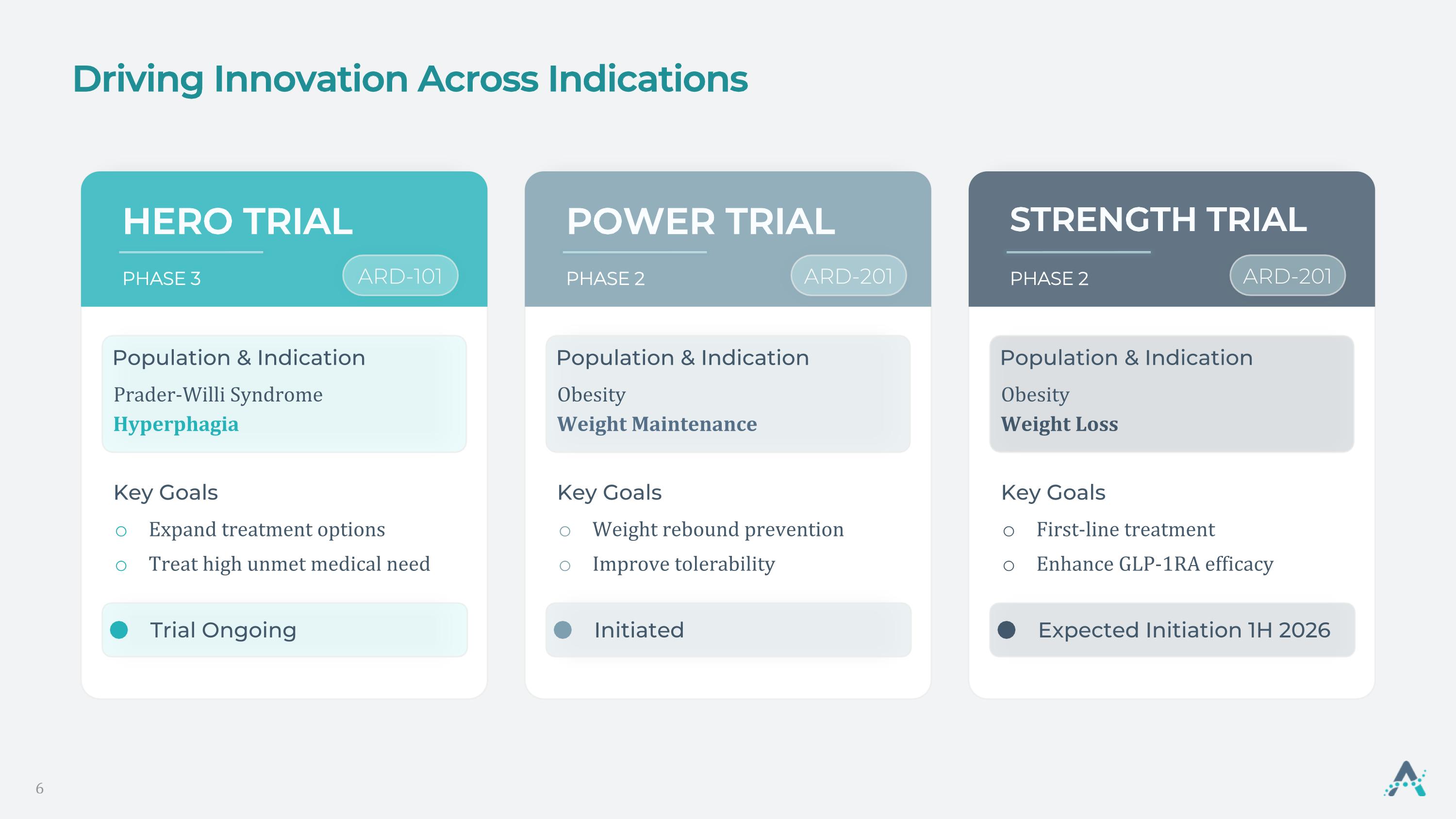
Driving Innovation Across Indications HERO TRIAL Hyperphagia ARD-101 Population & Indication Prader-Willi Syndrome PHASE 3 Trial Ongoing Key Goals Expand treatment options Treat high unmet medical need POWER TRIAL Weight Maintenance ARD-201 Population & Indication Obesity PHASE 2 Initiated Key Goals Weight rebound prevention Improve tolerability STRENGTH TRIAL Weight Loss ARD-201 Population & Indication Obesity PHASE 2 Expected Initiation 1H 2026 Key Goals First-line treatment Enhance GLP-1RA efficacy
ARD-101 for Hyperphagia: Prader-Willi Syndrome
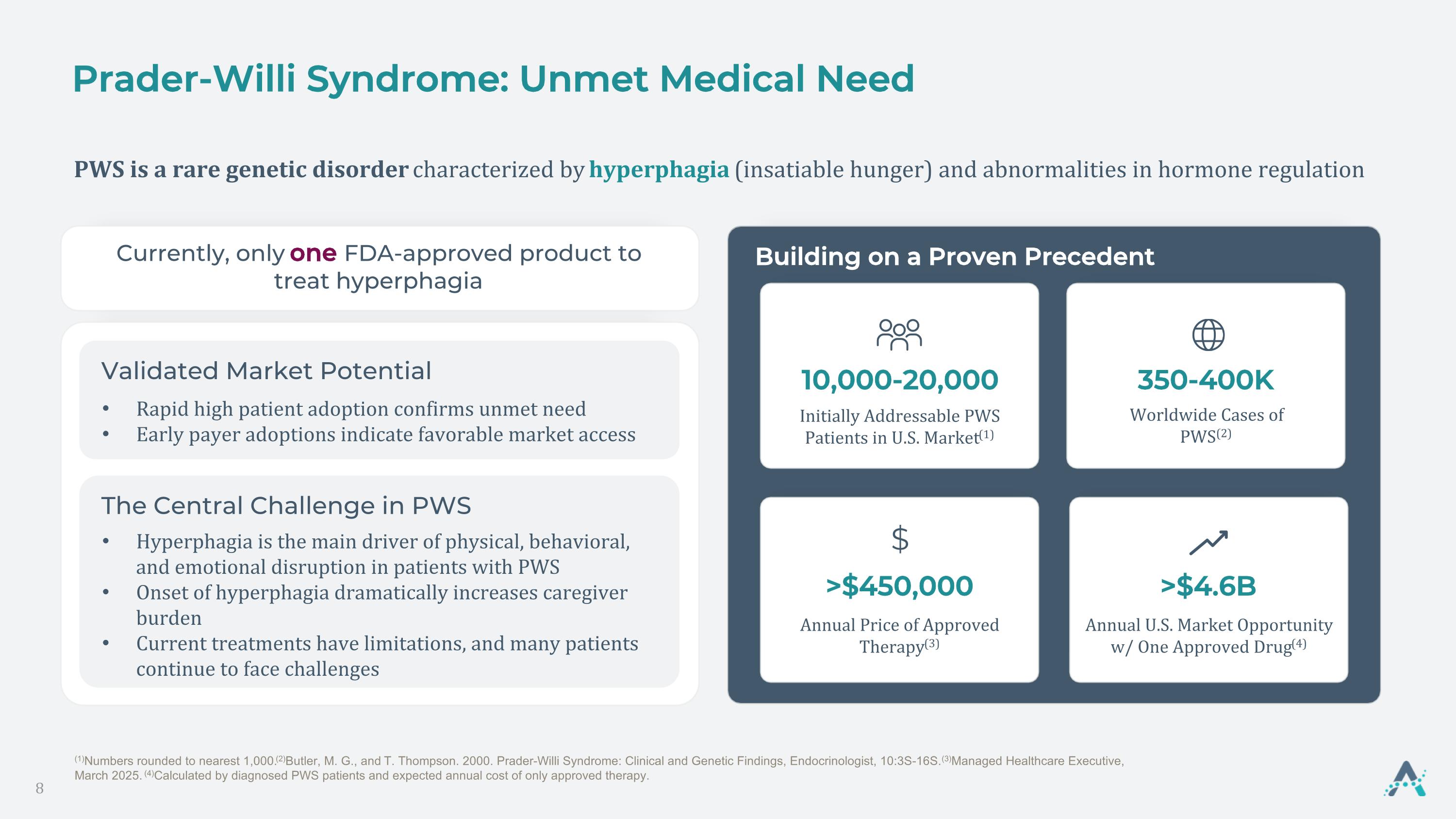
(1)Numbers rounded to nearest 1,000.(2)Butler, M. G., and T. Thompson. 2000. Prader-Willi Syndrome: Clinical and Genetic Findings, Endocrinologist, 10:3S-16S. (3)Managed Healthcare Executive, March 2025. (4)Calculated by diagnosed PWS patients and expected annual cost of only approved therapy. Prader-Willi Syndrome: Unmet Medical Need PWS is a rare genetic disorder characterized by hyperphagia (insatiable hunger) and abnormalities in hormone regulation Building on a Proven Precedent Currently, only one FDA-approved product to treat hyperphagia 10,000-20,000 Initially Addressable PWS Patients in U.S. Market(1) 350-400K Worldwide Cases of PWS(2) >$450,000 Annual Price of Approved Therapy(3) >$4.6B Annual U.S. Market Opportunity w/ One Approved Drug(4) $ Validated Market Potential Rapid high patient adoption confirms unmet need Early payer adoptions indicate favorable market access The Central Challenge in PWS Hyperphagia is the main driver of physical, behavioral, and emotional disruption in patients with PWS Onset of hyperphagia dramatically increases caregiver burden Current treatments have limitations, and many patients continue to face challenges
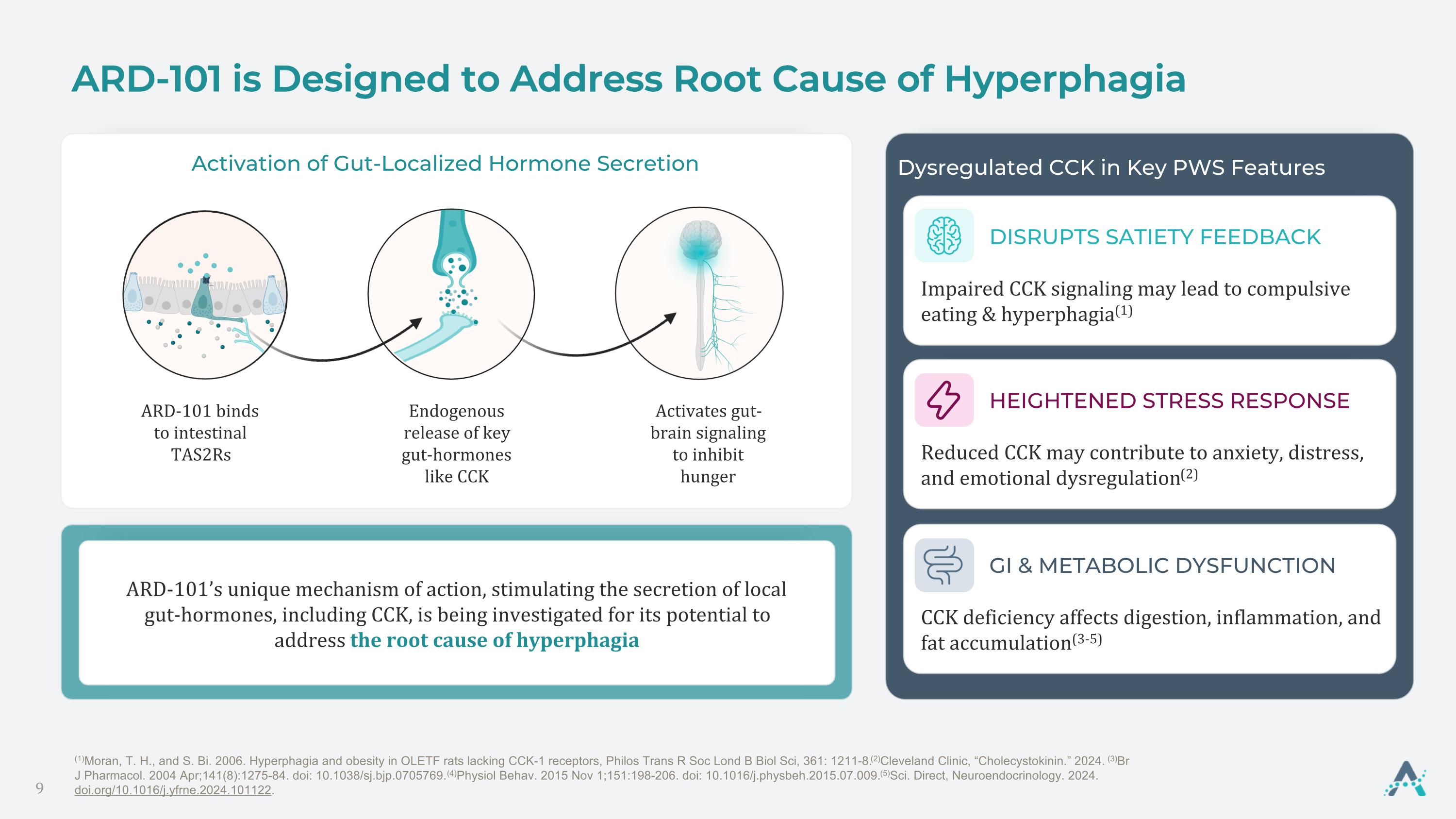
(1)Moran, T. H., and S. Bi. 2006. Hyperphagia and obesity in OLETF rats lacking CCK-1 receptors, Philos Trans R Soc Lond B Biol Sci, 361: 1211-8. (2)Cleveland Clinic, “Cholecystokinin.” 2024. (3)Br J Pharmacol. 2004 Apr;141(8):1275-84. doi: 10.1038/sj.bjp.0705769. (4)Physiol Behav. 2015 Nov 1;151:198-206. doi: 10.1016/j.physbeh.2015.07.009. (5)Sci. Direct, Neuroendocrinology. 2024. doi.org/10.1016/j.yfrne.2024.101122. ARD-101 is Designed to Address Root Cause of Hyperphagia Activation of Gut-Localized Hormone Secretion ARD-101 binds to intestinal TAS2Rs Endogenous release of key gut-hormones like CCK Activates gut-brain signaling to inhibit hunger DISRUPTS SATIETY FEEDBACK Impaired CCK signaling may lead to compulsive eating & hyperphagia(1) HEIGHTENED STRESS RESPONSE Reduced CCK may contribute to anxiety, distress, and emotional dysregulation(2) GI & METABOLIC DYSFUNCTION CCK deficiency affects digestion, inflammation, and fat accumulation(3-5) Dysregulated CCK in Key PWS Features ARD-101’s unique mechanism of action, stimulating the secretion of local gut-hormones, including CCK, is being investigated for its potential to address the root cause of hyperphagia
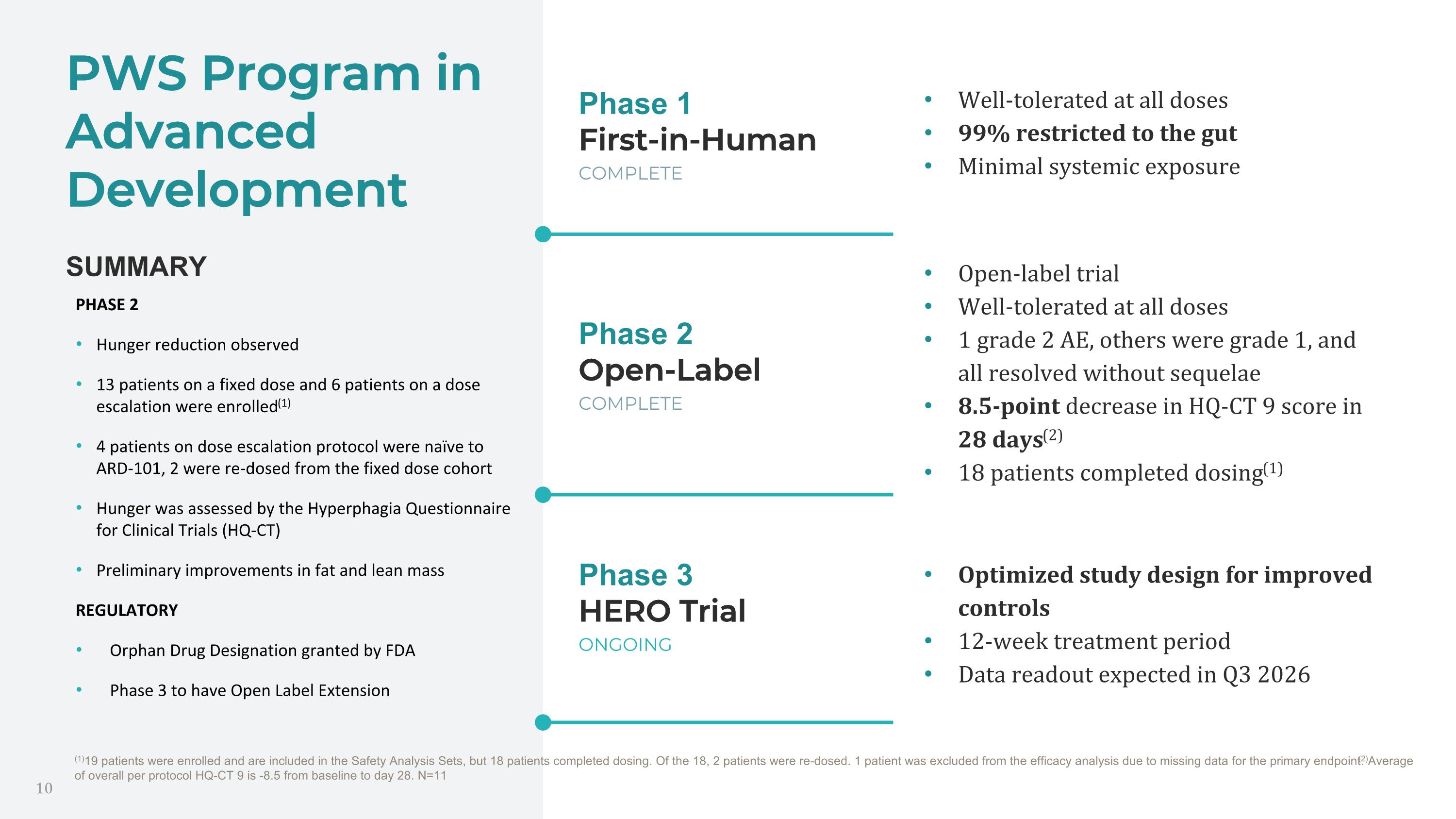
- PWS Program in Advanced Development PHASE 2 Hunger reduction observed 13 patients on a fixed dose and 6 patients on a dose escalation were enrolled(1) 4 patients on dose escalation protocol were naïve to ARD-101, 2 were re-dosed from the fixed dose cohort Hunger was assessed by the Hyperphagia Questionnaire for Clinical Trials (HQ-CT) Preliminary improvements in fat and lean mass REGULATORY Orphan Drug Designation granted by FDA Phase 3 to have Open Label Extension SUMMARY Phase 1 First-in-Human COMPLETE Phase 2 Open-Label COMPLETE Phase 3 HERO Trial ONGOING Well-tolerated at all doses 99% restricted to the gut Minimal systemic exposure Open-label trial Well-tolerated at all doses 1 grade 2 AE, others were grade 1, and all resolved without sequelae 8.5-point decrease in HQ-CT 9 score in 28 days(2) 18 patients completed dosing(1) Optimized study design for improved controls 12-week treatment period Data readout expected in Q3 2026 (1)19 patients were enrolled and are included in the Safety Analysis Sets, but 18 patients completed dosing. Of the 18, 2 patients were re-dosed. 1 patient was excluded from the efficacy analysis due to missing data for the primary endpoint. (2)Average of overall per protocol HQ-CT 9 is -8.5 from baseline to day 28. N=11
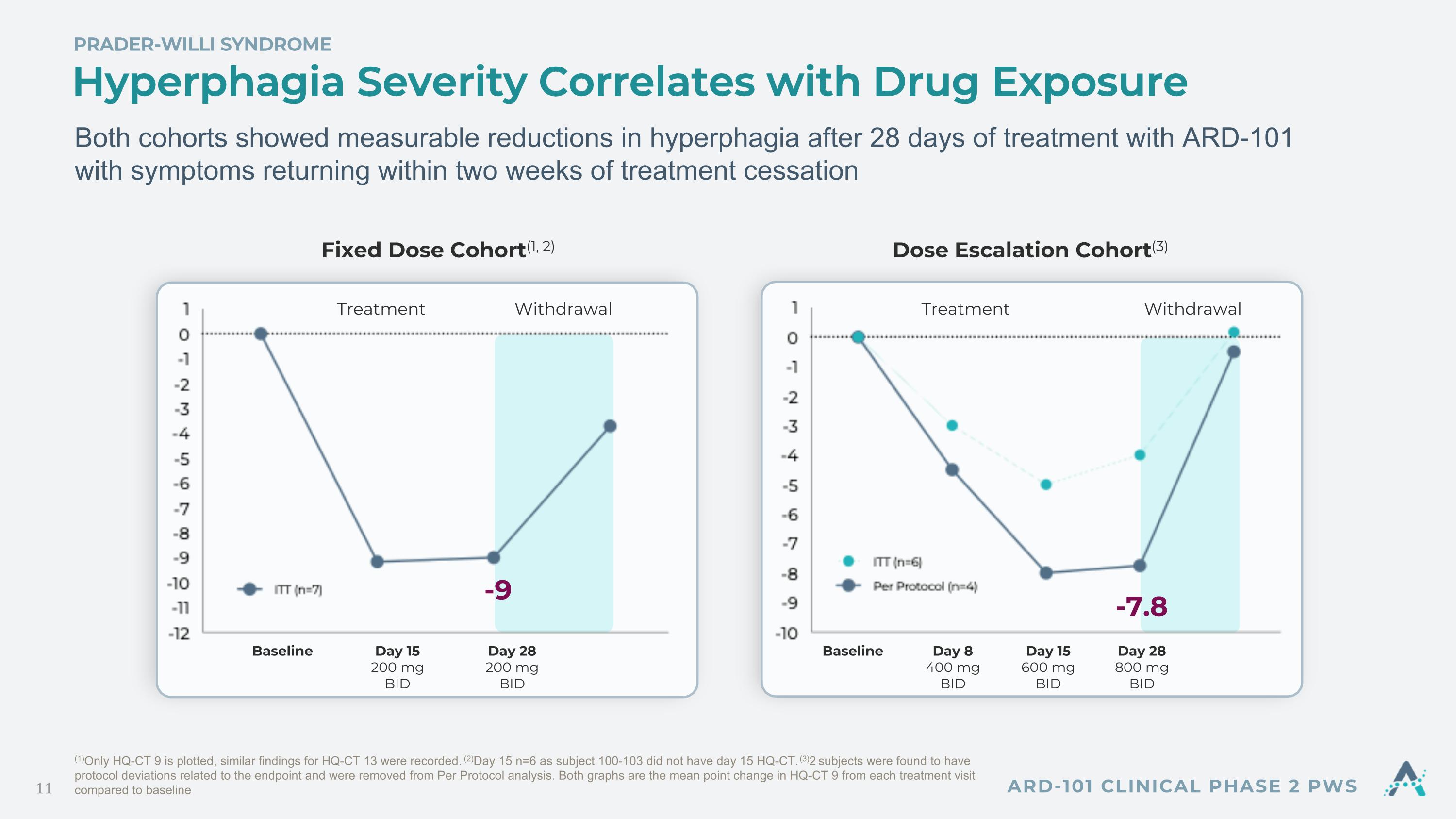
(1)Only HQ-CT 9 is plotted, similar findings for HQ-CT 13 were recorded. (2)Day 15 n=6 as subject 100-103 did not have day 15 HQ-CT. (3)2 subjects were found to have protocol deviations related to the endpoint and were removed from Per Protocol analysis. Both graphs are the mean point change in HQ-CT 9 from each treatment visit compared to baseline ARD-101 CLINICAL PHASE 2 PWS Hyperphagia Severity Correlates with Drug Exposure PRADER-WILLI SYNDROME Both cohorts showed measurable reductions in hyperphagia after 28 days of treatment with ARD-101 with symptoms returning within two weeks of treatment cessation Baseline Day 15 200 mg BID Day 28 200 mg BID Baseline Day 8 400 mg BID Day 15 600 mg BID Day 28 800 mg BID Fixed Dose Cohort(1, 2) Dose Escalation Cohort(3) Withdrawal -9 -7.8 Withdrawal Treatment Treatment
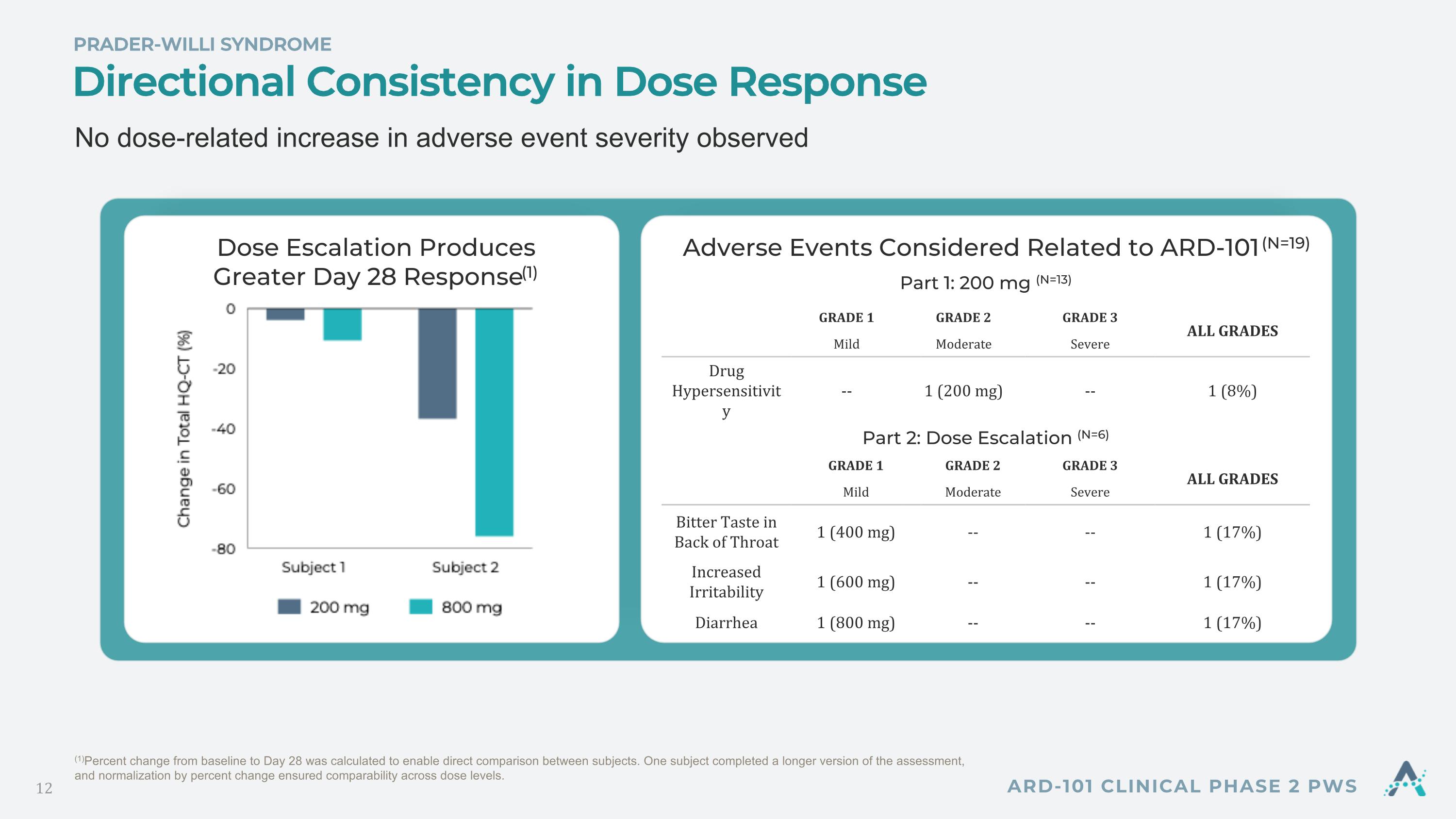
(1)Percent change from baseline to Day 28 was calculated to enable direct comparison between subjects. One subject completed a longer version of the assessment, and normalization by percent change ensured comparability across dose levels. ARD-101 CLINICAL PHASE 2 PWS Directional Consistency in Dose Response PRADER-WILLI SYNDROME Adverse Events Considered Related to ARD-101 (N=19) Dose Escalation Produces Greater Day 28 Response(1) Part 1: 200 mg (N=13) GRADE 1 GRADE 2 GRADE 2 GRADE 3 ALL GRADES Mild Moderate Moderate Severe Drug Hypersensitivity -- 1 (200 mg) 1 (200 mg) -- 1 (8%) Part 2: Dose Escalation (N=6) GRADE 1 GRADE 2 GRADE 3 ALL GRADES Mild Moderate Severe Bitter Taste in Back of Throat 1 (400 mg) -- -- 1 (17%) Increased Irritability 1 (600 mg) -- -- 1 (17%) Diarrhea 1 (800 mg) -- -- 1 (17%) No dose-related increase in adverse event severity observed
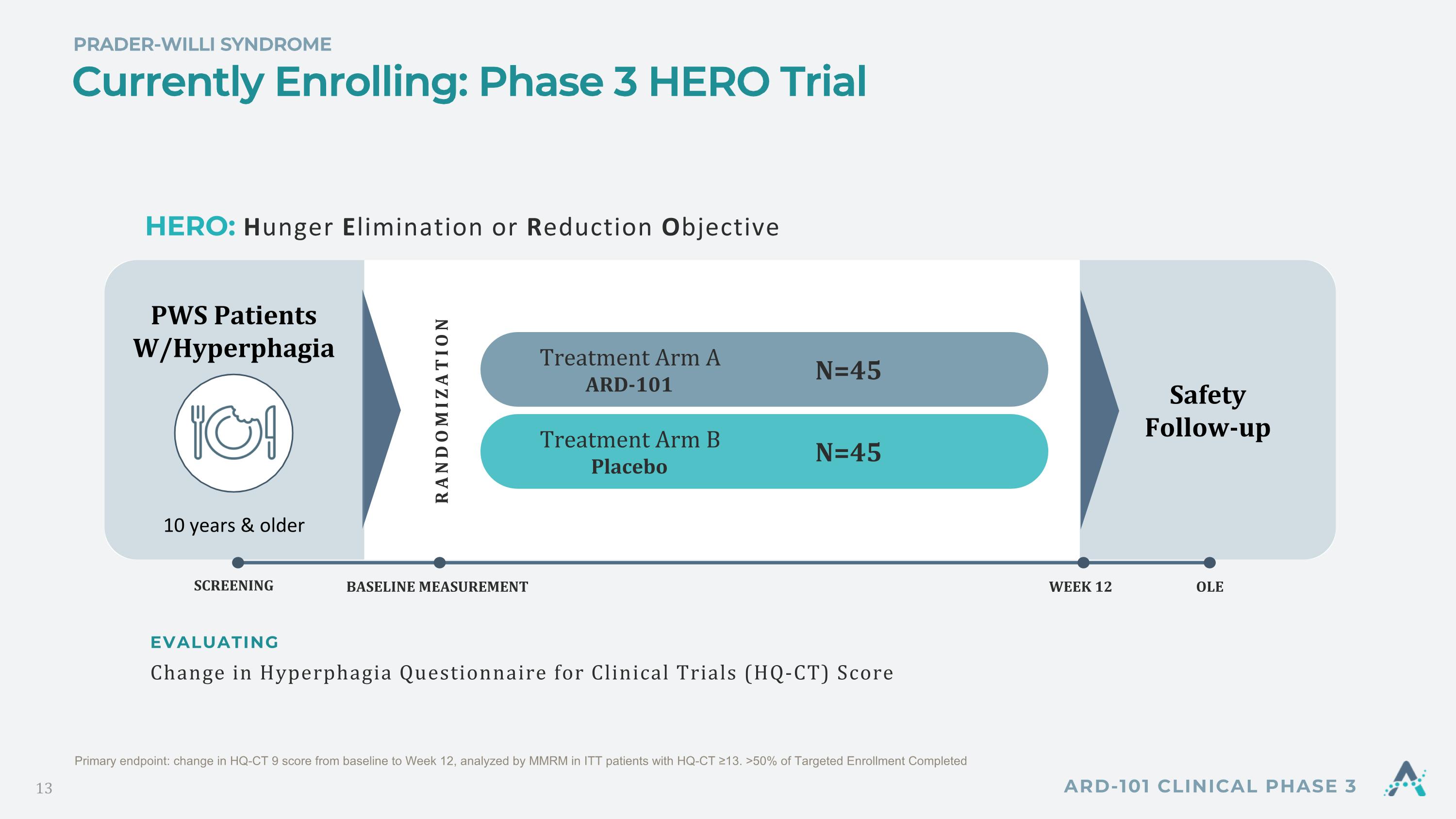
Primary endpoint: change in HQ-CT 9 score from baseline to Week 12, analyzed by MMRM in ITT patients with HQ-CT ≥13. >50% of Targeted Enrollment Completed ARD-101 CLINICAL PHASE 3 Currently Enrolling: Phase 3 HERO Trial PRADER-WILLI SYNDROME HERO: Hunger Elimination or Reduction Objective PWS Patients W/Hyperphagia Safety Follow-up 10 years & older RANDOMIZATION N=45 Treatment Arm A ARD-101 Treatment Arm B Placebo N=45 SCREENING OLE BASELINE MEASUREMENT WEEK 12 EVALUATING Change in Hyperphagia Questionnaire for Clinical Trials (HQ-CT) Score
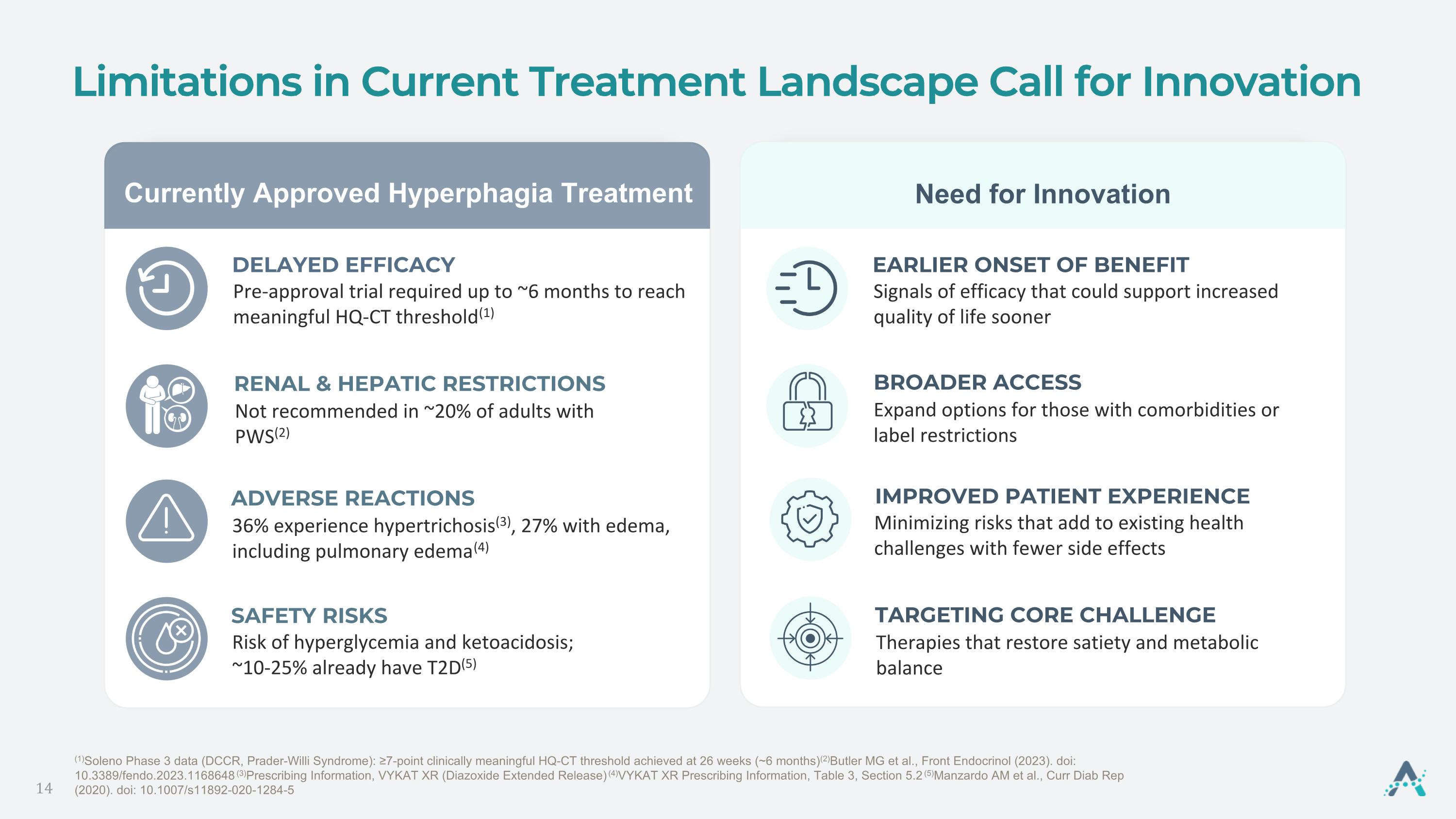
Limitations in Current Treatment Landscape Call for Innovation Currently Approved Hyperphagia Treatment RENAL & HEPATIC RESTRICTIONS Not recommended in ~20% of adults with PWS(2) SAFETY RISKS Risk of hyperglycemia and ketoacidosis; ~10-25% already have T2D(5) ADVERSE REACTIONS 36% experience hypertrichosis(3), 27% with edema, including pulmonary edema(4) Need for Innovation BROADER ACCESS Expand options for those with comorbidities or label restrictions IMPROVED PATIENT EXPERIENCE Minimizing risks that add to existing health challenges with fewer side effects TARGETING CORE CHALLENGE Therapies that restore satiety and metabolic balance EARLIER ONSET OF BENEFIT Signals of efficacy that could support increased quality of life sooner DELAYED EFFICACY Pre-approval trial required up to ~6 months to reach meaningful HQ-CT threshold(1) (1)Soleno Phase 3 data (DCCR, Prader-Willi Syndrome): ≥7-point clinically meaningful HQ-CT threshold achieved at 26 weeks (~6 months) (2)Butler MG et al., Front Endocrinol (2023). doi: 10.3389/fendo.2023.1168648 (3)Prescribing Information, VYKAT XR (Diazoxide Extended Release) (4)VYKAT XR Prescribing Information, Table 3, Section 5.2 (5)Manzardo AM et al., Curr Diab Rep (2020). doi: 10.1007/s11892-020-1284-5
ARD-201 for Obesity
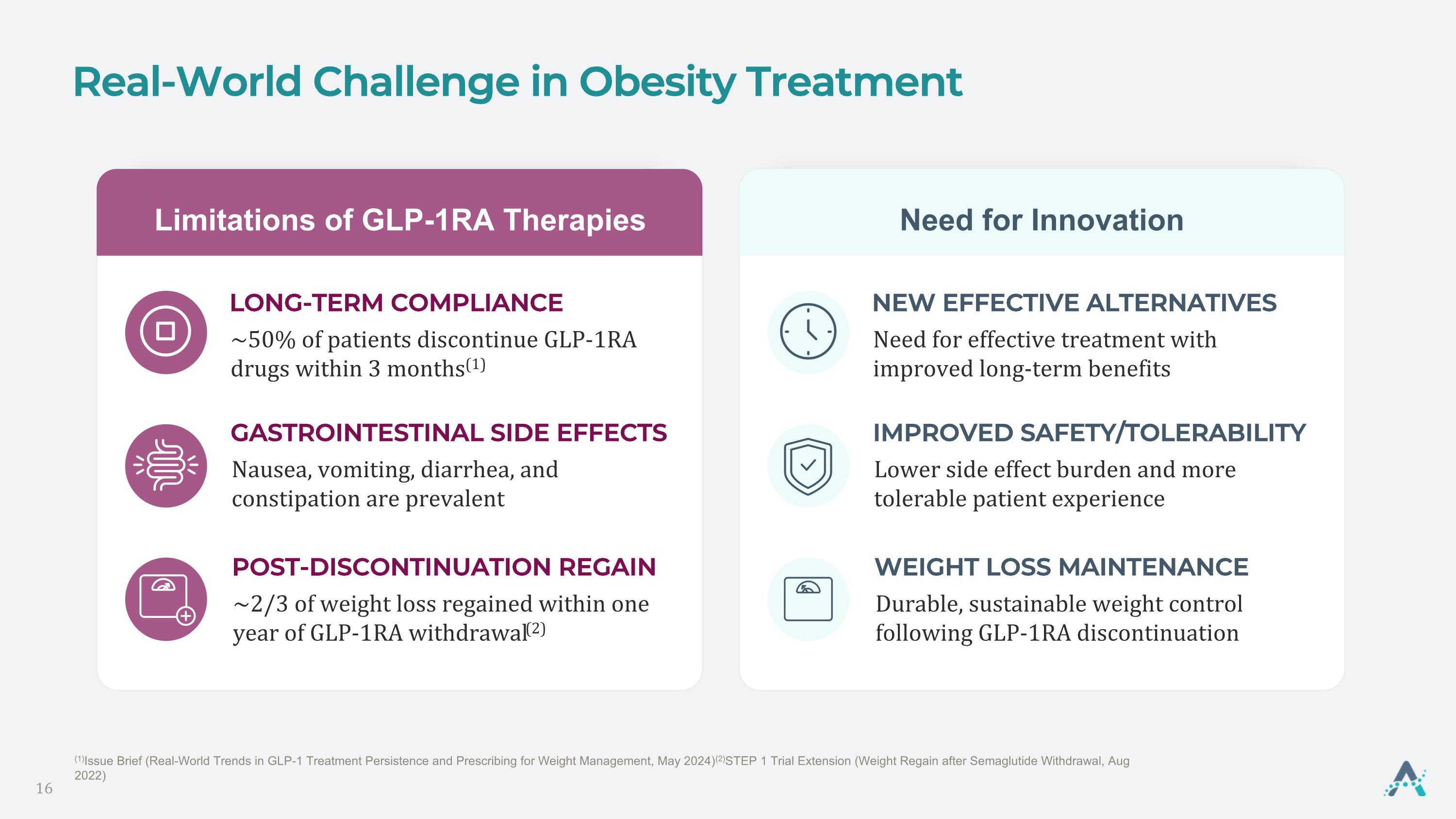
Real-World Challenge in Obesity Treatment (1)Issue Brief (Real-World Trends in GLP-1 Treatment Persistence and Prescribing for Weight Management, May 2024) (2)STEP 1 Trial Extension (Weight Regain after Semaglutide Withdrawal, Aug 2022) Limitations of GLP-1RA Therapies LONG-TERM COMPLIANCE ~50% of patients discontinue GLP-1RA drugs within 3 months(1) GASTROINTESTINAL SIDE EFFECTS Nausea, vomiting, diarrhea, and constipation are prevalent POST-DISCONTINUATION REGAIN ~2/3 of weight loss regained within one year of GLP-1RA withdrawal(2) Need for Innovation NEW EFFECTIVE ALTERNATIVES Need for effective treatment with improved long-term benefits IMPROVED SAFETY/TOLERABILITY Lower side effect burden and more tolerable patient experience WEIGHT LOSS MAINTENANCE Durable, sustainable weight control following GLP-1RA discontinuation
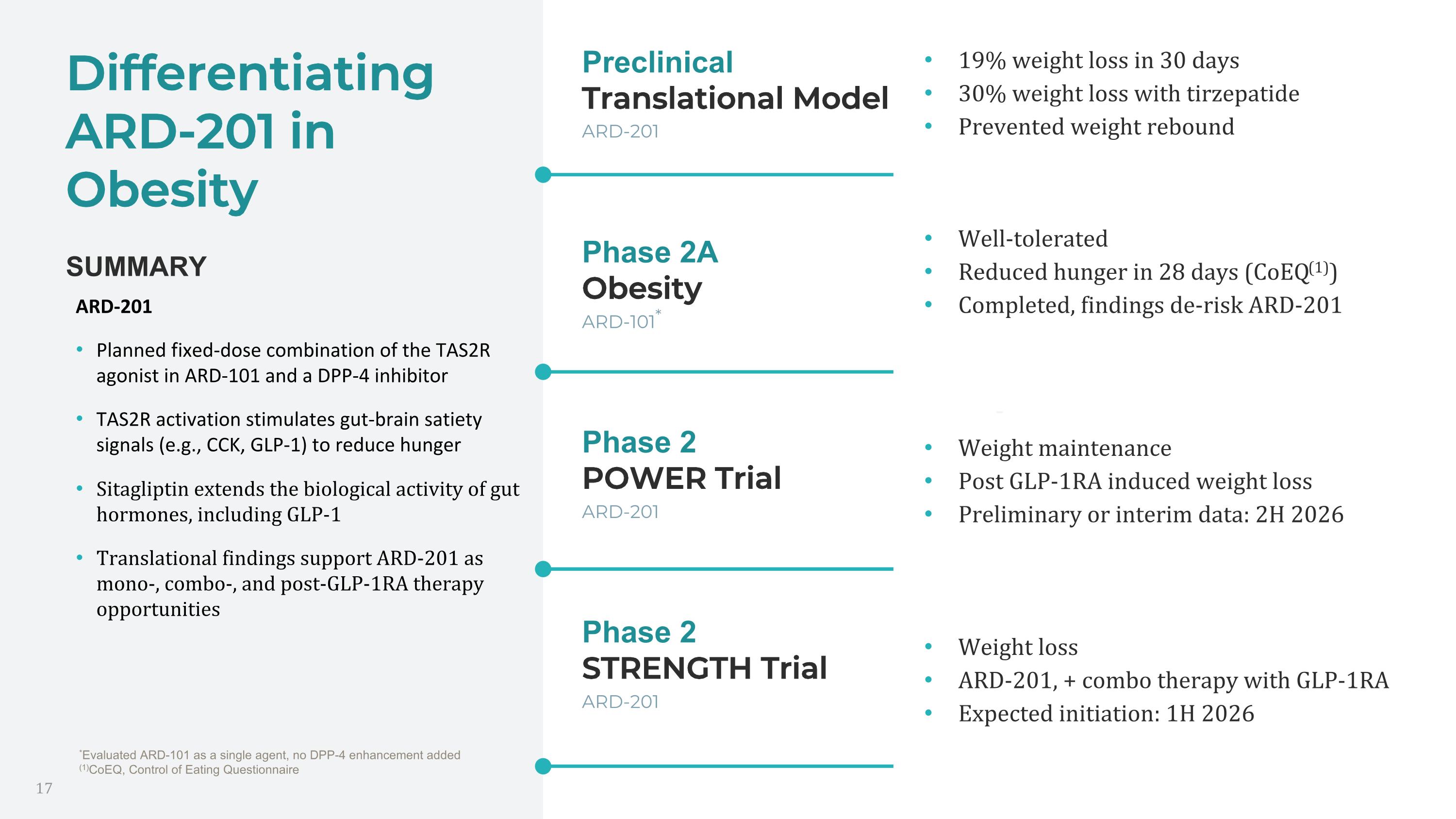
- Differentiating ARD-201 in Obesity ARD-201 Planned fixed-dose combination of the TAS2R agonist in ARD-101 and a DPP-4 inhibitor TAS2R activation stimulates gut-brain satiety signals (e.g., CCK, GLP-1) to reduce hunger Sitagliptin extends the biological activity of gut hormones, including GLP-1 Translational findings support ARD-201 as mono-, combo-, and post-GLP-1RA therapy opportunities SUMMARY Preclinical Translational Model Phase 2A Obesity ARD-101* Phase 2 POWER Trial ARD-201 Phase 2 STRENGTH Trial ARD-201 ARD-201 *Evaluated ARD-101 as a single agent, no DPP-4 enhancement added (1)CoEQ, Control of Eating Questionnaire 19% weight loss in 30 days 30% weight loss with tirzepatide Prevented weight rebound Well-tolerated Reduced hunger in 28 days (CoEQ(1)) Completed, findings de-risk ARD-201 Weight maintenance Post GLP-1RA induced weight loss Preliminary or interim data: 2H 2026 Weight loss ARD-201, + combo therapy with GLP-1RA Expected initiation: 1H 2026
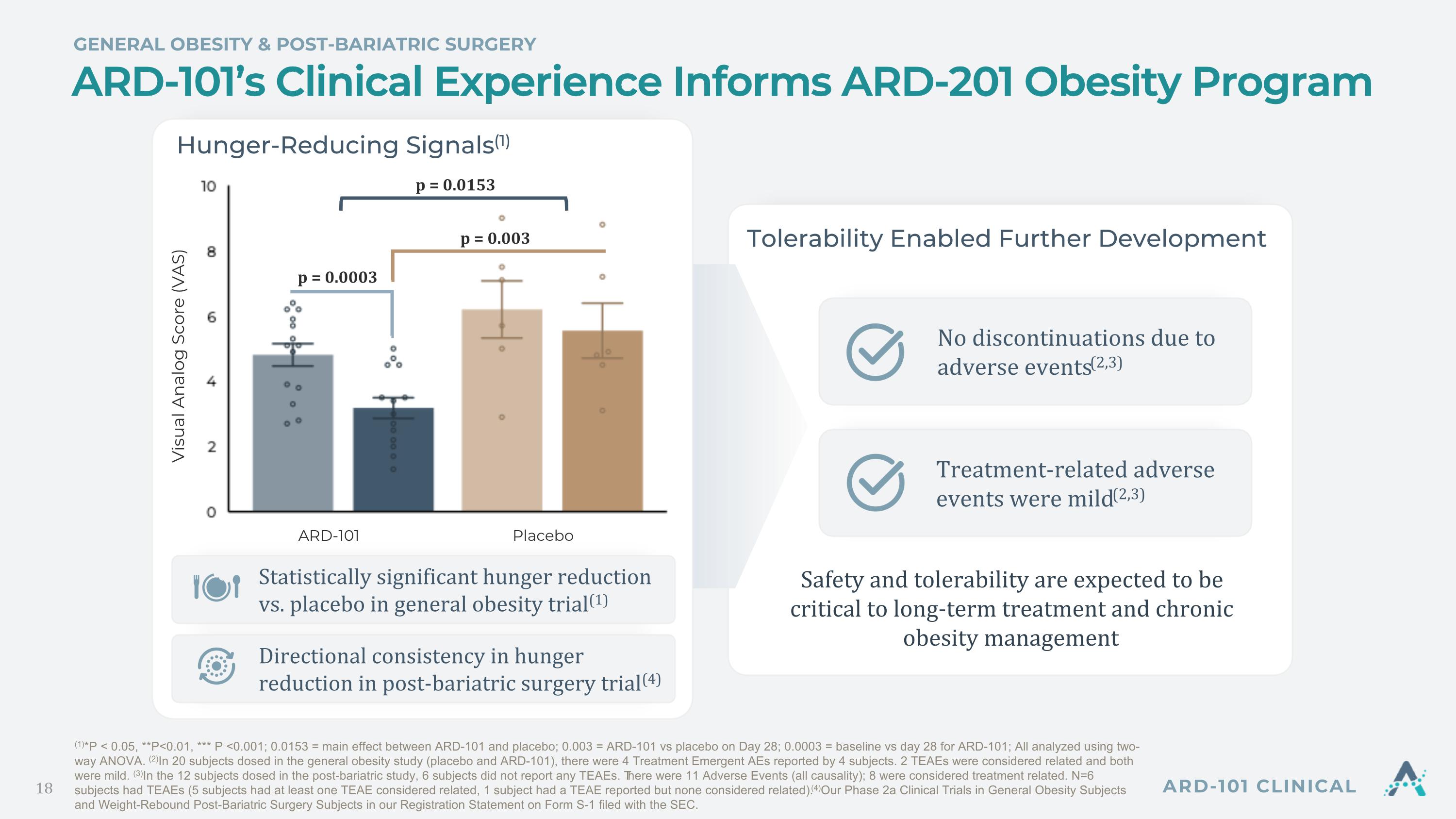
ARD-101 CLINICAL ARD-101’s Clinical Experience Informs ARD-201 Obesity Program GENERAL OBESITY & POST-BARIATRIC SURGERY Hunger-Reducing Signals(1) Visual Analog Score (VAS) ARD-101 Placebo p = 0.0153 p = 0.003 p = 0.0003 Statistically significant hunger reduction vs. placebo in general obesity trial(1) Directional consistency in hunger reduction in post-bariatric surgery trial(4) Tolerability Enabled Further Development No discontinuations due to adverse events(2,3) Safety and tolerability are expected to be critical to long-term treatment and chronic obesity management Treatment-related adverse events were mild(2,3) (1)*P < 0.05, **P<0.01, *** P <0.001; 0.0153 = main effect between ARD-101 and placebo; 0.003 = ARD-101 vs placebo on Day 28; 0.0003 = baseline vs day 28 for ARD-101; All analyzed using two-way ANOVA. (2)In 20 subjects dosed in the general obesity study (placebo and ARD-101), there were 4 Treatment Emergent AEs reported by 4 subjects. 2 TEAEs were considered related and both were mild. (3)In the 12 subjects dosed in the post-bariatric study, 6 subjects did not report any TEAEs. There were 11 Adverse Events (all causality); 8 were considered treatment related. N=6 subjects had TEAEs (5 subjects had at least one TEAE considered related, 1 subject had a TEAE reported but none considered related). (4)Our Phase 2a Clinical Trials in General Obesity Subjects and Weight-Rebound Post-Bariatric Surgery Subjects in our Registration Statement on Form S-1 filed with the SEC.
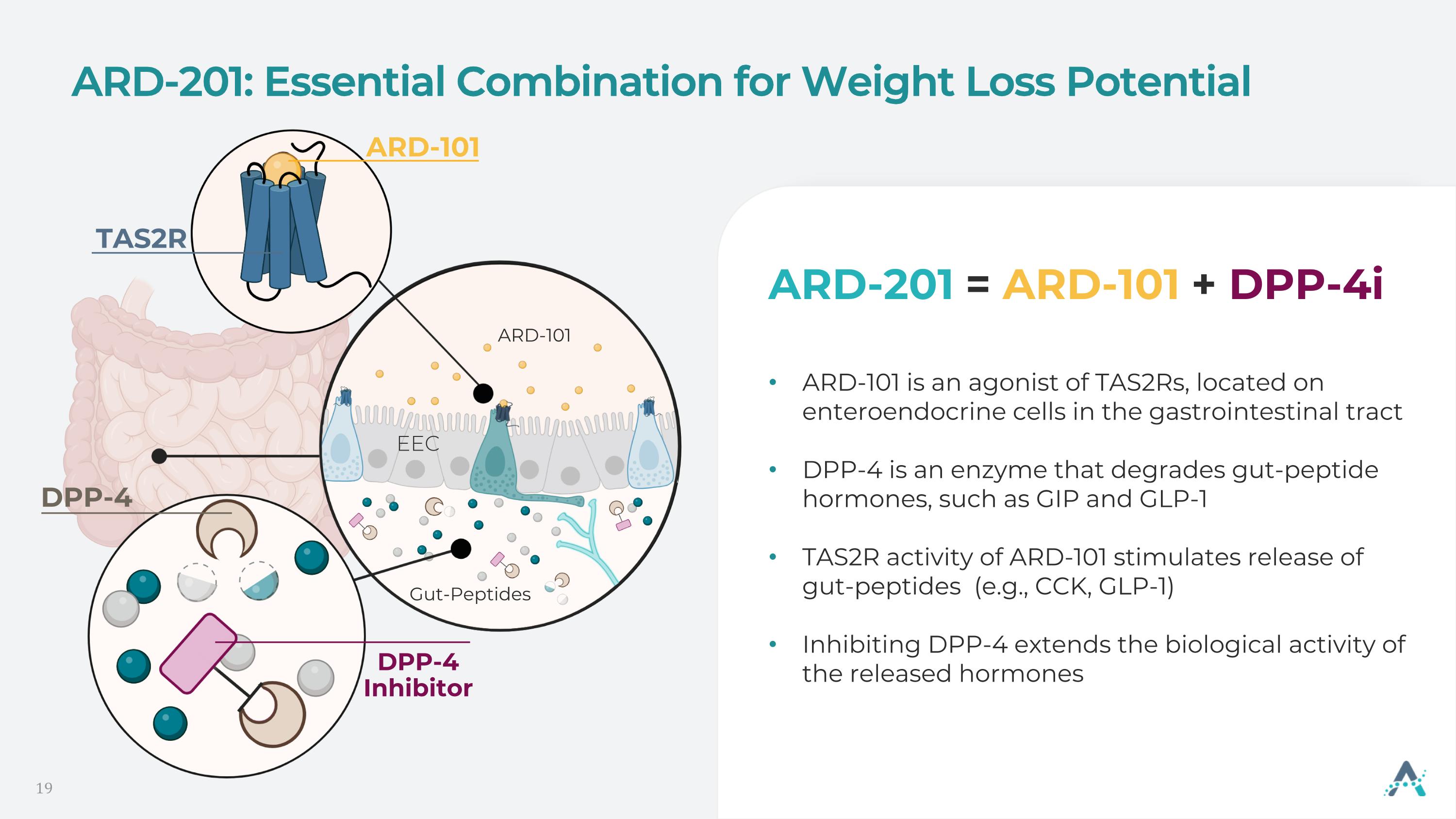
ARD-201: Essential Combination for Weight Loss Potential EEC Gut-Peptides ARD-101 DPP-4 TAS2R DPP-4 Inhibitor ARD-101 ARD-201 = ARD-101 + DPP-4i ARD-101 is an agonist of TAS2Rs, located on enteroendocrine cells in the gastrointestinal tract DPP-4 is an enzyme that degrades gut-peptide hormones, such as GIP and GLP-1 TAS2R activity of ARD-101 stimulates release of gut-peptides (e.g., CCK, GLP-1) Inhibiting DPP-4 extends the biological activity of the released hormones
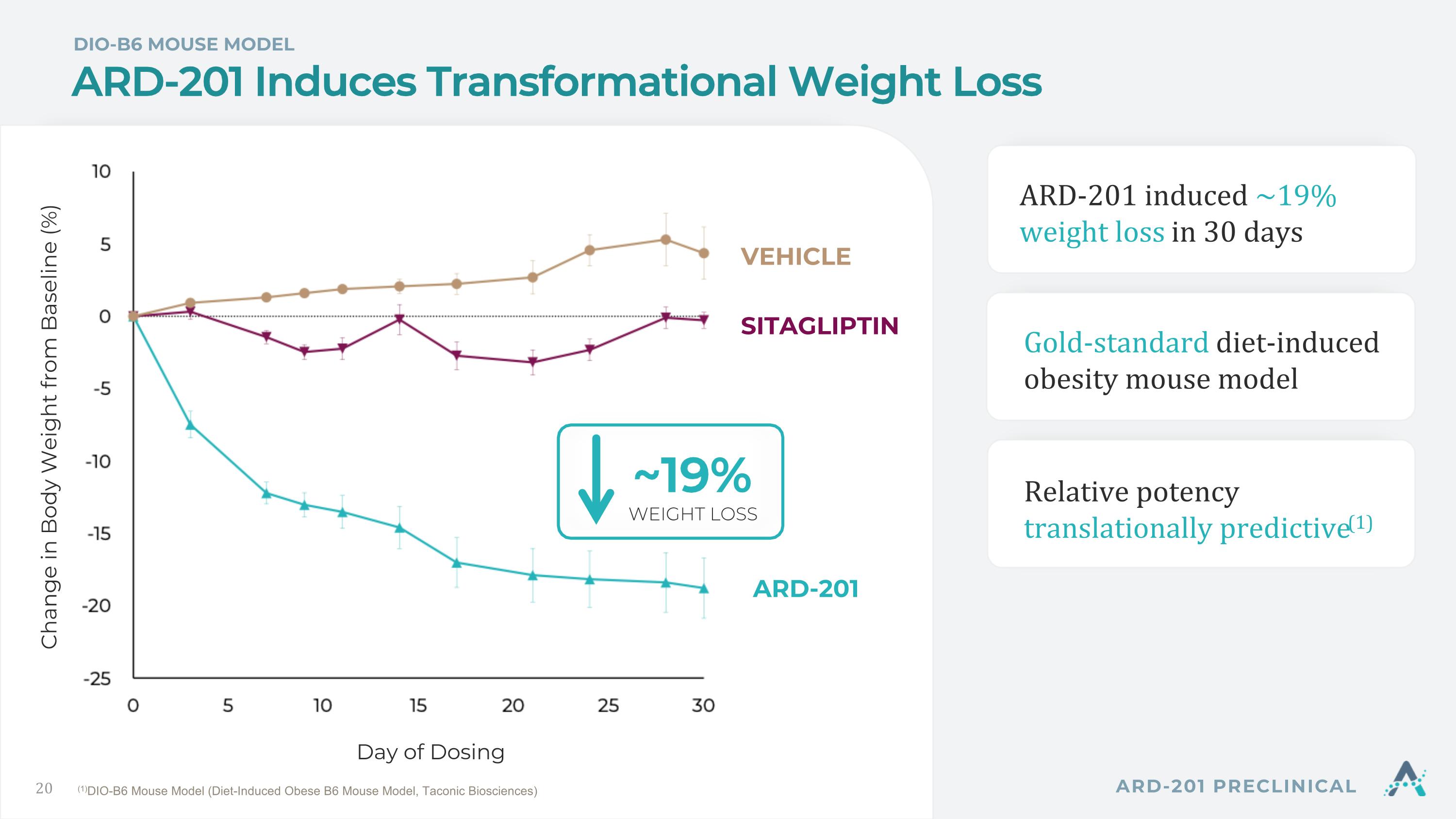
~19% WEIGHT LOSS 20 Gold-standard diet-induced obesity mouse model ARD-201 induced ~19% weight loss in 30 days Relative potency translationally predictive(1) Change in Body Weight from Baseline (%) Day of Dosing VEHICLE SITAGLIPTIN ARD-201 ARD-201 PRECLINICAL ARD-201 Induces Transformational Weight Loss DIO-B6 MOUSE MODEL (1)DIO-B6 Mouse Model (Diet-Induced Obese B6 Mouse Model, Taconic Biosciences)
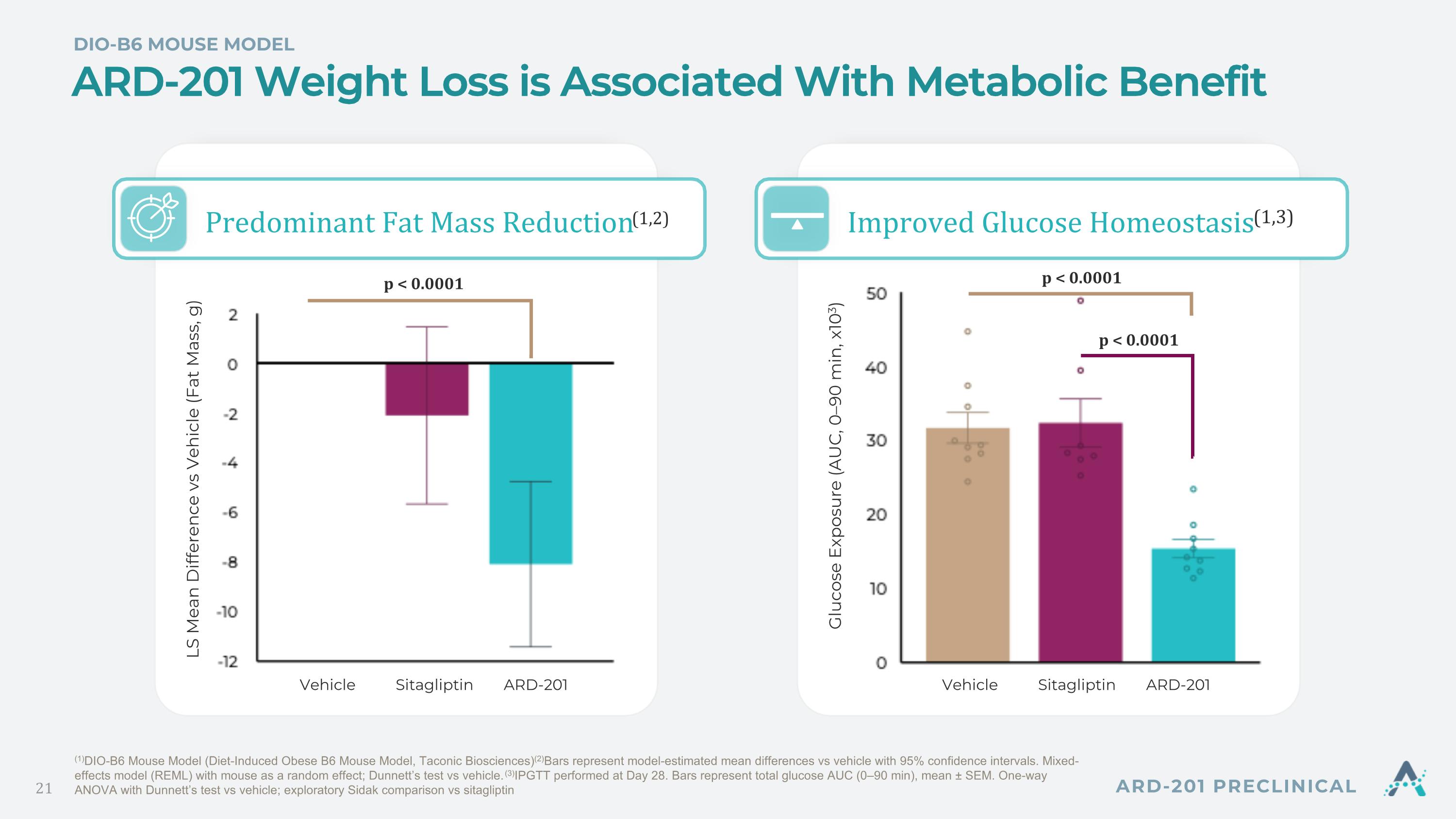
(1)DIO-B6 Mouse Model (Diet-Induced Obese B6 Mouse Model, Taconic Biosciences) (2)Bars represent model-estimated mean differences vs vehicle with 95% confidence intervals. Mixed-effects model (REML) with mouse as a random effect; Dunnett’s test vs vehicle. (3)IPGTT performed at Day 28. Bars represent total glucose AUC (0–90 min), mean ± SEM. One-way ANOVA with Dunnett’s test vs vehicle; exploratory Sidak comparison vs sitagliptin ARD-201 PRECLINICAL ARD-201 Weight Loss is Associated With Metabolic Benefit DIO-B6 MOUSE MODEL p < 0.0001 LS Mean Difference vs Vehicle (Fat Mass, g) Vehicle Sitagliptin ARD-201 Predominant Fat Mass Reduction(1,2) Glucose Exposure (AUC, 0–90 min, x103) Vehicle Sitagliptin ARD-201 Improved Glucose Homeostasis(1,3) p < 0.0001 p < 0.0001
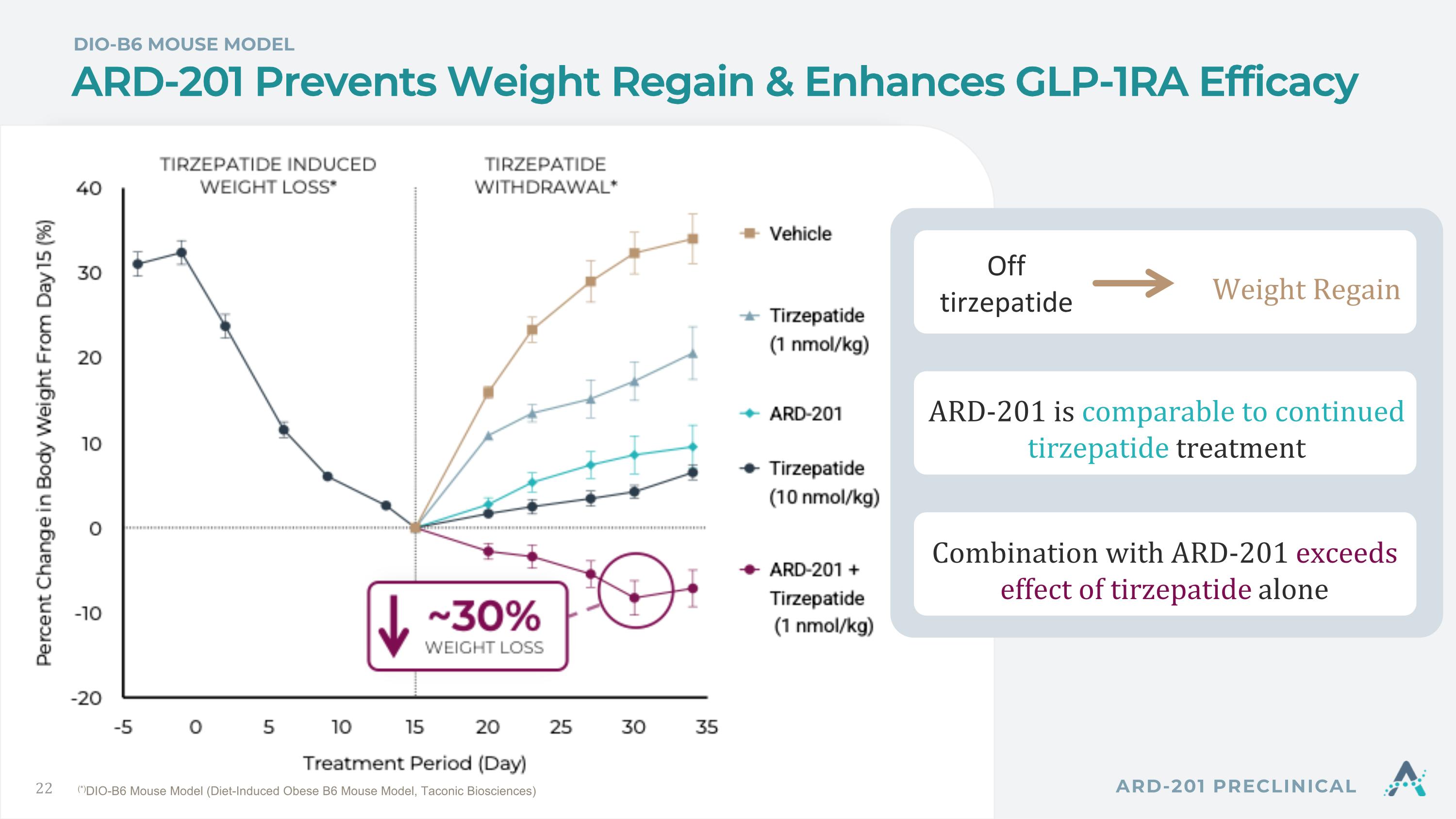
22 Off tirzepatide Weight Regain ARD-201 is comparable to continued tirzepatide treatment Combination with ARD-201 exceeds effect of tirzepatide alone ARD-201 PRECLINICAL ARD-201 Prevents Weight Regain & Enhances GLP-1RA Efficacy DIO-B6 MOUSE MODEL (*)DIO-B6 Mouse Model (Diet-Induced Obese B6 Mouse Model, Taconic Biosciences)
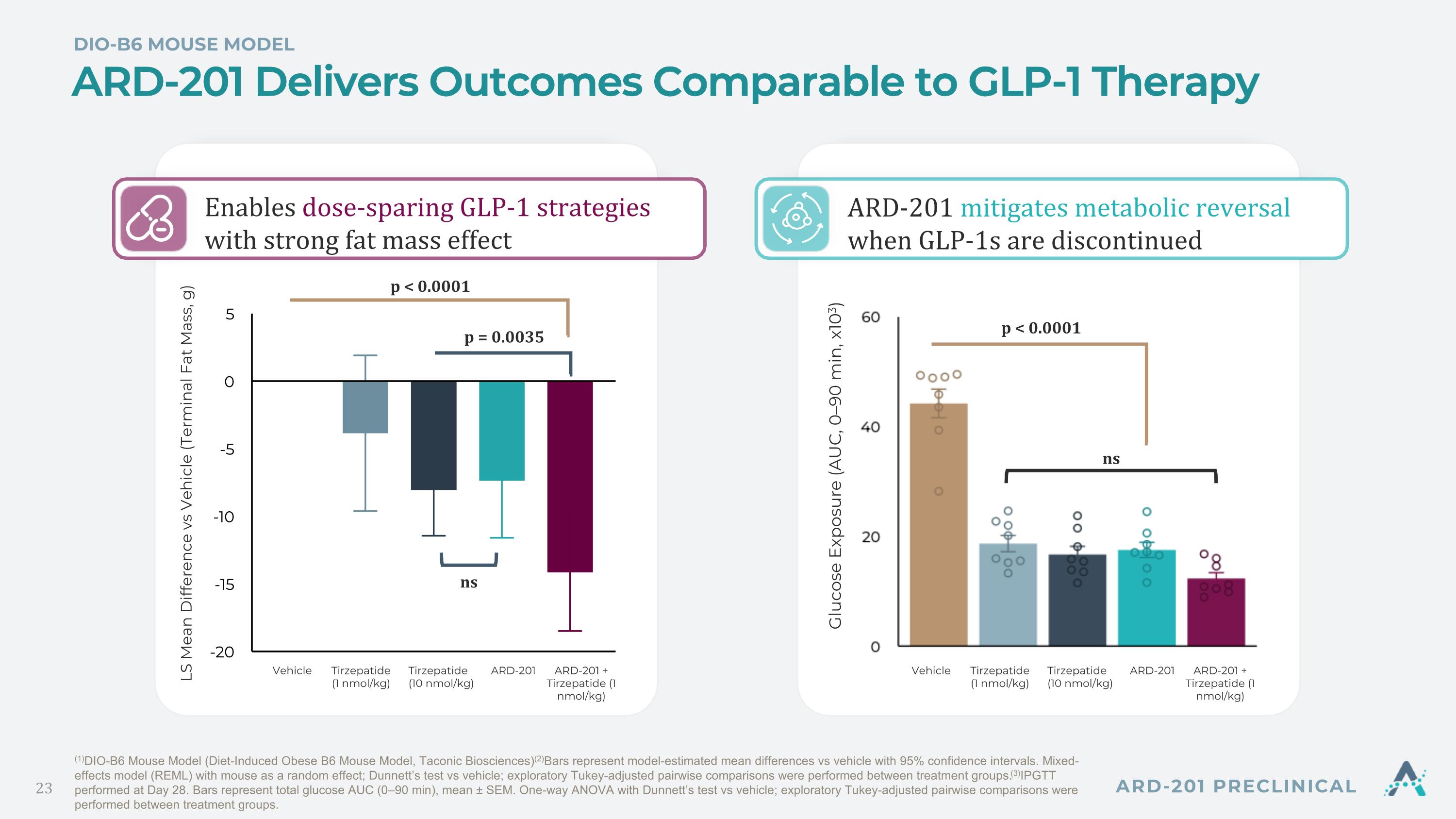
(1)DIO-B6 Mouse Model (Diet-Induced Obese B6 Mouse Model, Taconic Biosciences) (2)Bars represent model-estimated mean differences vs vehicle with 95% confidence intervals. Mixed-effects model (REML) with mouse as a random effect; Dunnett’s test vs vehicle; exploratory Tukey-adjusted pairwise comparisons were performed between treatment groups. (3)IPGTT performed at Day 28. Bars represent total glucose AUC (0–90 min), mean ± SEM. One-way ANOVA with Dunnett’s test vs vehicle; exploratory Tukey-adjusted pairwise comparisons were performed between treatment groups. ARD-201 PRECLINICAL ARD-201 Delivers Outcomes Comparable to GLP-1 Therapy DIO-B6 MOUSE MODEL LS Mean Difference vs Vehicle (Terminal Fat Mass, g) Enables dose-sparing GLP-1 strategies with strong fat mass effect Glucose Exposure (AUC, 0–90 min, x103) ARD-201 mitigates metabolic reversal when GLP-1s are discontinued Vehicle Tirzepatide (1 nmol/kg) Tirzepatide (10 nmol/kg) ARD-201 ARD-201 + Tirzepatide (1 nmol/kg) ns p < 0.0001 p = 0.0035 ns p < 0.0001 Vehicle Tirzepatide (1 nmol/kg) Tirzepatide (10 nmol/kg) ARD-201 ARD-201 + Tirzepatide (1 nmol/kg)
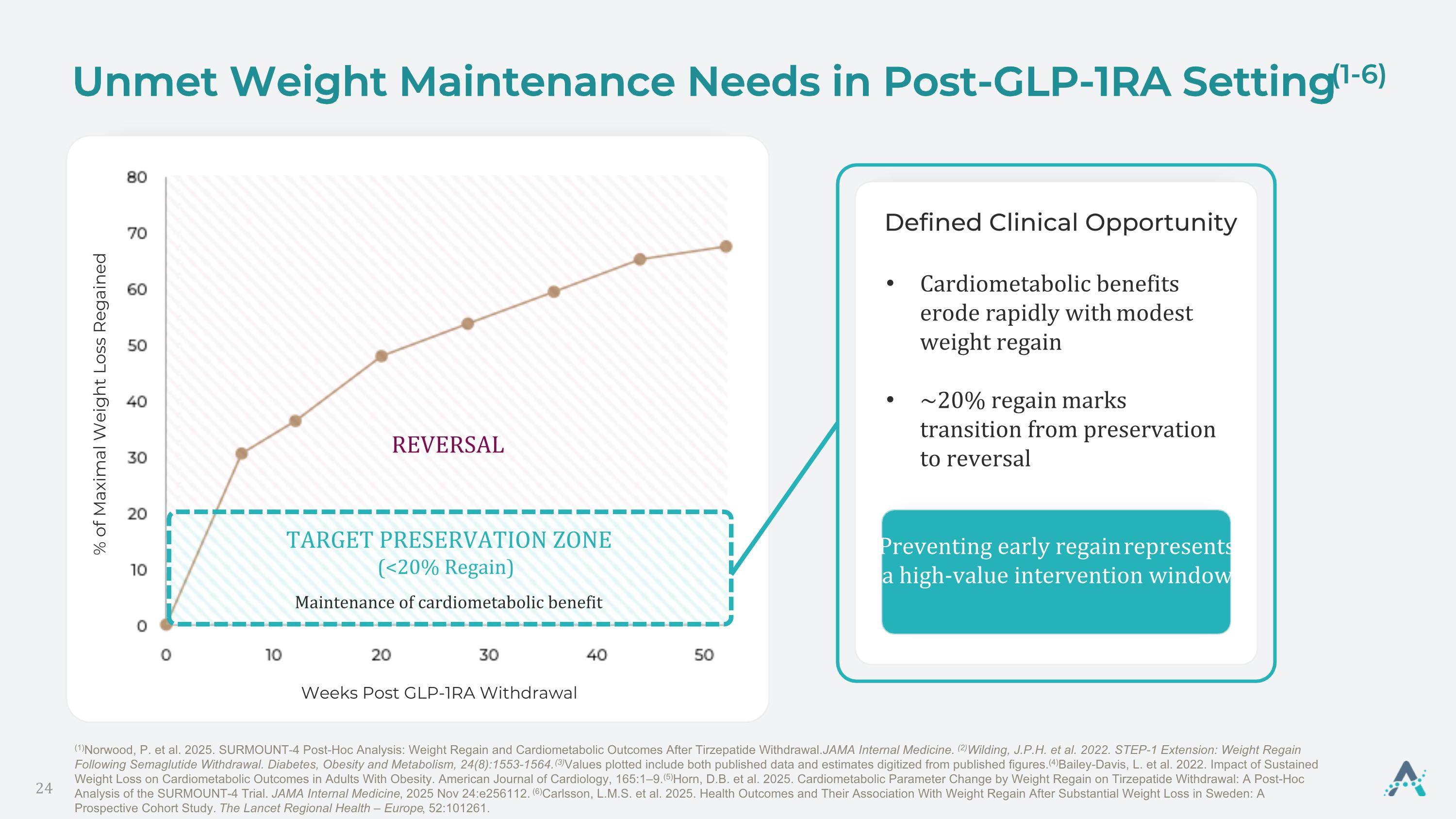
Unmet Weight Maintenance Needs in Post-GLP-1RA Setting(1-6) (1)Norwood, P. et al. 2025. SURMOUNT-4 Post-Hoc Analysis: Weight Regain and Cardiometabolic Outcomes After Tirzepatide Withdrawal. JAMA Internal Medicine. (2)Wilding, J.P.H. et al. 2022. STEP-1 Extension: Weight Regain Following Semaglutide Withdrawal. Diabetes, Obesity and Metabolism, 24(8):1553-1564. (3)Values plotted include both published data and estimates digitized from published figures. (4)Bailey-Davis, L. et al. 2022. Impact of Sustained Weight Loss on Cardiometabolic Outcomes in Adults With Obesity. American Journal of Cardiology, 165:1–9. (5)Horn, D.B. et al. 2025. Cardiometabolic Parameter Change by Weight Regain on Tirzepatide Withdrawal: A Post-Hoc Analysis of the SURMOUNT-4 Trial. JAMA Internal Medicine, 2025 Nov 24:e256112. (6)Carlsson, L.M.S. et al. 2025. Health Outcomes and Their Association With Weight Regain After Substantial Weight Loss in Sweden: A Prospective Cohort Study. The Lancet Regional Health – Europe, 52:101261. Weeks Post GLP-1RA Withdrawal % of Maximal Weight Loss Regained REVERSAL TARGET PRESERVATION ZONE (<20% Regain) Maintenance of cardiometabolic benefit Defined Clinical Opportunity Cardiometabolic benefits erode rapidly with modest weight regain ~20% regain marks transition from preservation to reversal Preventing early regain represents a high-value intervention window
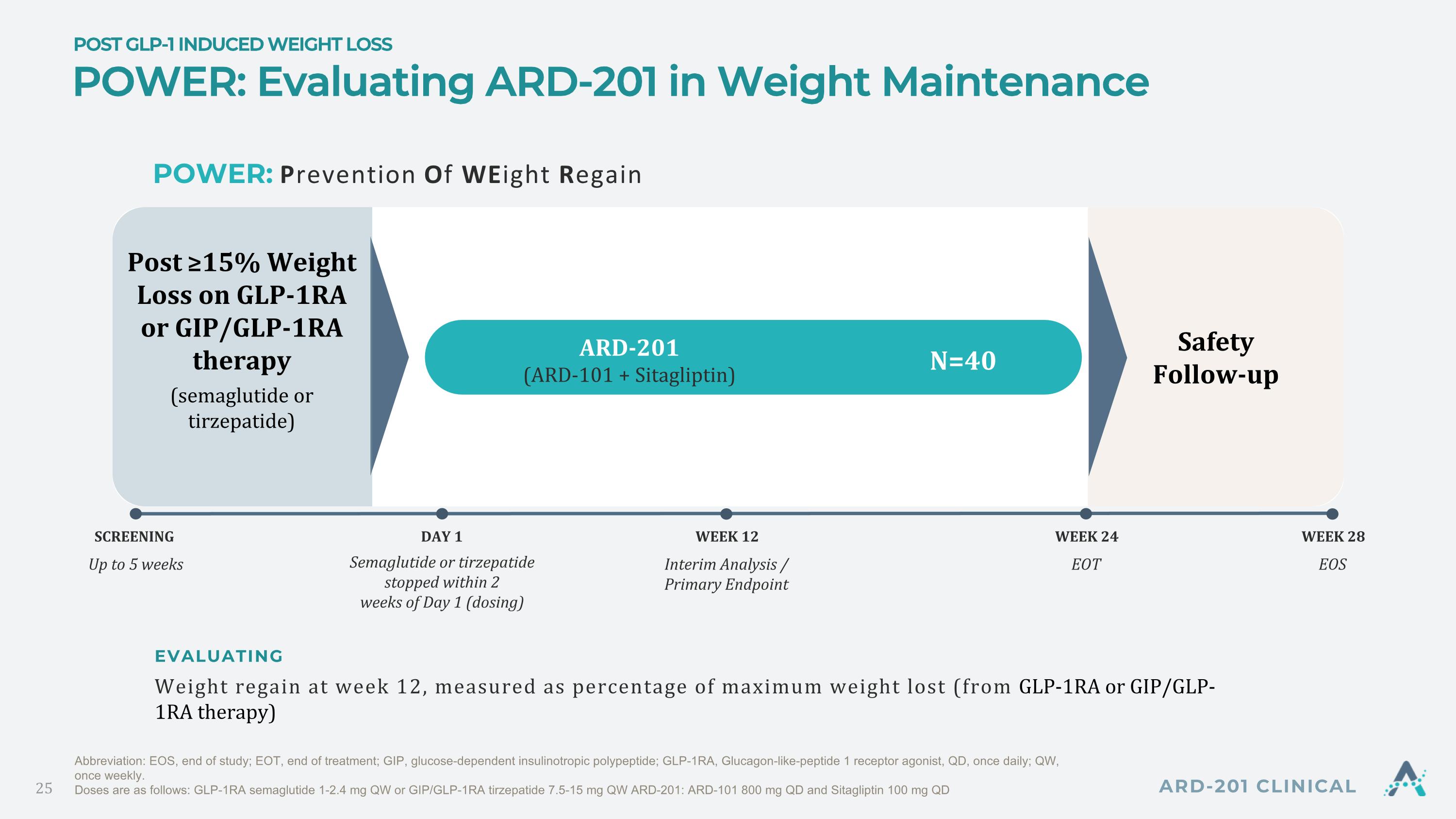
Abbreviation: EOS, end of study; EOT, end of treatment; GIP, glucose-dependent insulinotropic polypeptide; GLP-1RA, Glucagon-like-peptide 1 receptor agonist, QD, once daily; QW, once weekly. Doses are as follows: GLP-1RA semaglutide 1-2.4 mg QW or GIP/GLP-1RA tirzepatide 7.5-15 mg QW ARD-201: ARD-101 800 mg QD and Sitagliptin 100 mg QD ARD-201 CLINICAL POWER: Evaluating ARD-201 in Weight Maintenance POST GLP-1 INDUCED WEIGHT LOSS POWER: Prevention Of WEight Regain SCREENING WEEK 28 Post ≥15% Weight Loss on GLP-1RA or GIP/GLP-1RA therapy (semaglutide or tirzepatide) Safety Follow-up DAY 1 WEEK 24 N=40 ARD-201 (ARD-101 + Sitagliptin) WEEK 12 Up to 5 weeks Semaglutide or tirzepatide stopped within 2 weeks of Day 1 (dosing) Interim Analysis / Primary Endpoint EOT EOS EVALUATING Weight regain at week 12, measured as percentage of maximum weight lost (from GLP-1RA or GIP/GLP-1RA therapy)
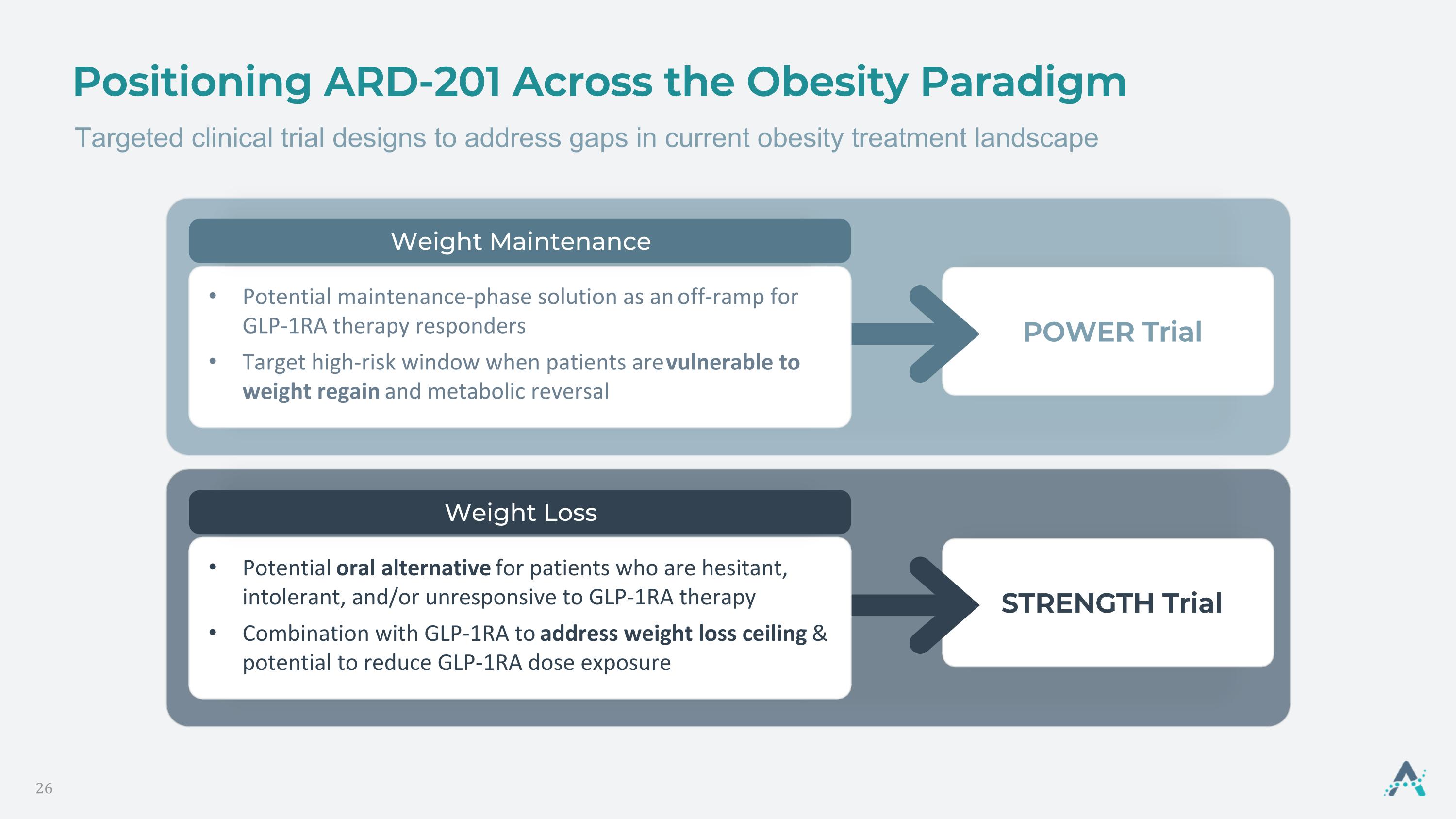
Positioning ARD-201 Across the Obesity Paradigm POWER Trial Potential maintenance-phase solution as an off-ramp for GLP-1RA therapy responders Target high-risk window when patients are vulnerable to weight regain and metabolic reversal Weight Maintenance STRENGTH Trial Potential oral alternative for patients who are hesitant, intolerant, and/or unresponsive to GLP-1RA therapy Combination with GLP-1RA to address weight loss ceiling & potential to reduce GLP-1RA dose exposure Weight Loss Targeted clinical trial designs to address gaps in current obesity treatment landscape
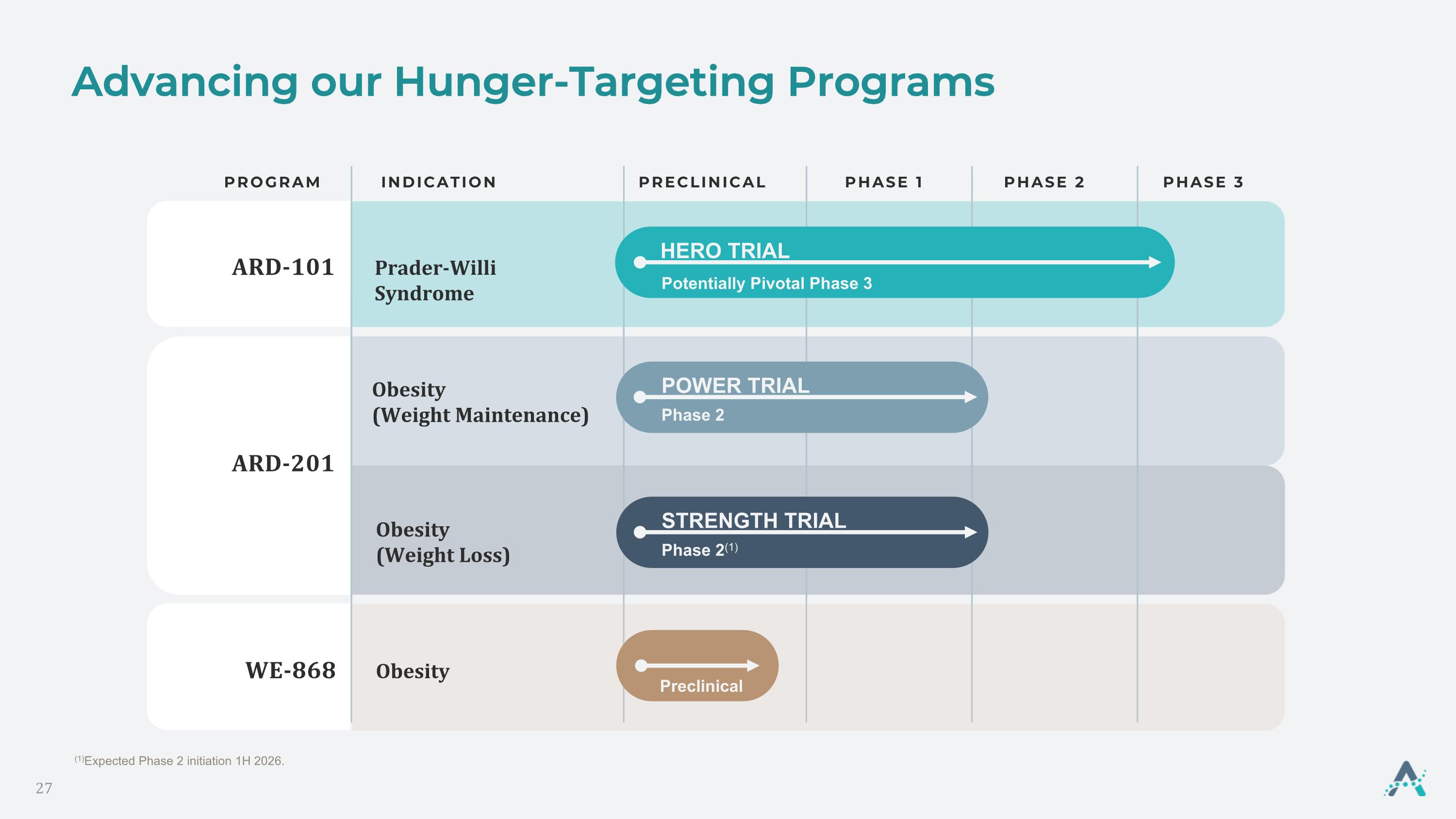
Advancing our Hunger-Targeting Programs PROGRAM ARD-101 INDICATION Prader-Willi Syndrome PRECLINICAL PHASE 1 PHASE 2 PHASE 3 HERO Trial Potentially Pivotal Phase 3 Strength Trial Phase 2(1) POWER Trial Phase 2 WE-868 Obesity ARD-201 Obesity (Weight Loss) Obesity (Weight Maintenance) Preclinical (1)Expected Phase 2 initiation 1H 2026.
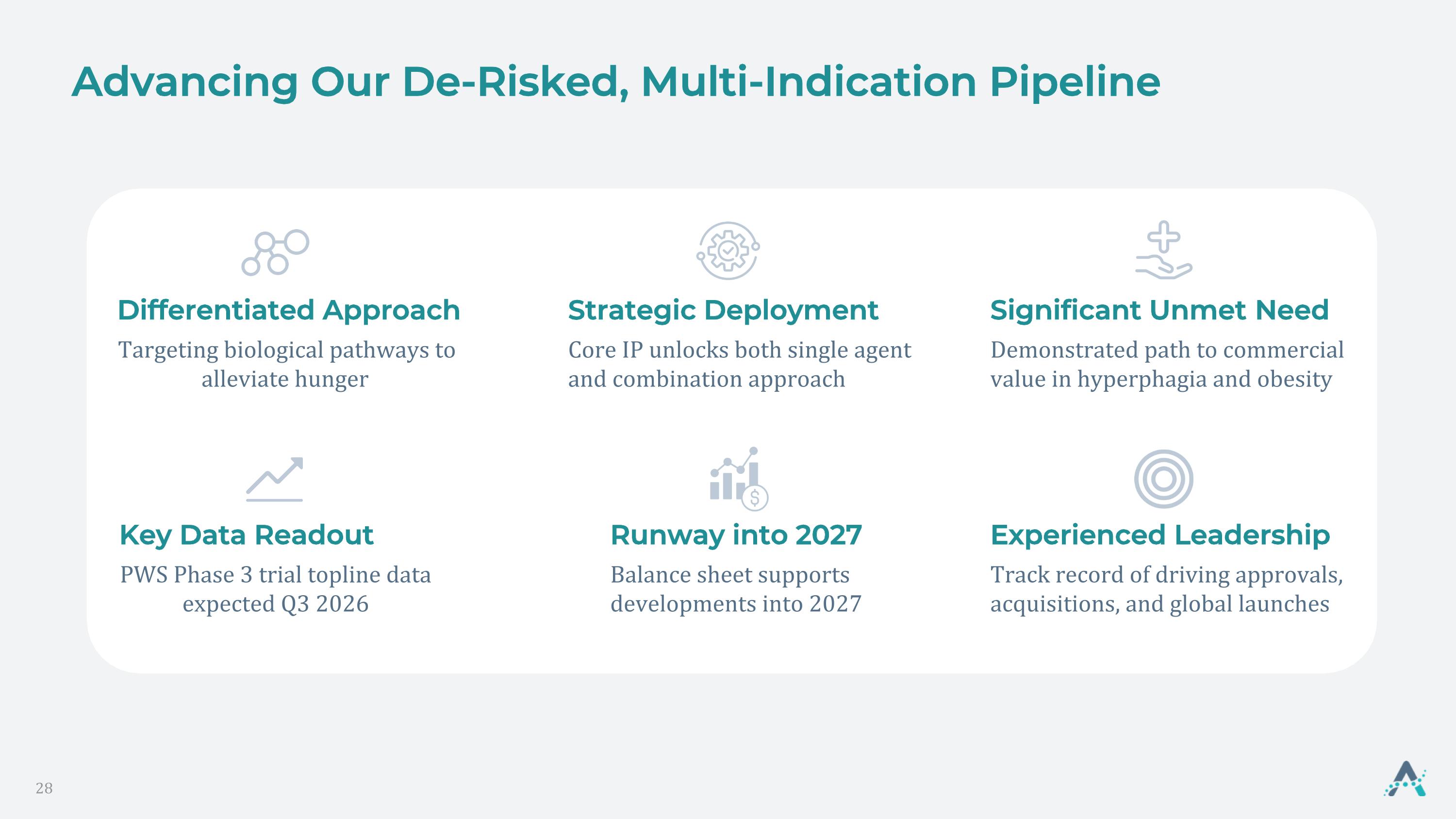
Advancing Our De-Risked, Multi-Indication Pipeline Preclinical Differentiated Approach Targeting biological pathways to alleviate hunger Strategic Deployment Core IP unlocks both single agent and combination approach Key Data Readout PWS Phase 3 trial topline data expected Q3 2026 Significant Unmet Need Demonstrated path to commercial value in hyperphagia and obesity Runway into 2027 Balance sheet supports developments into 2027 Experienced Leadership Track record of driving approvals, acquisitions, and global launches

Thank you Contact InvestorRelations@AardvarkTherapeutics.com