
ALV 8-K
Autoliv Inc (ALV)
UNITED STATES
SECURITIES AND EXCHANGE COMMISSION
Washington, D.C. 20549
FORM
CURRENT REPORT
Pursuant to Section 13 or 15(d)
of the Securities Exchange Act of 1934
Date of Report (Date of earliest event reported):
(Exact name of registrant as specified in its charter)
|
|
|||
(State or other jurisdiction of incorporation) |
|
(Commission File Number) |
|
(IRS Employer Identification No.) |
|
|
|
|
||
(Address of principal executive offices) |
|
(Zip code) |
+
(Registrant’s telephone number, including area code)
Not Applicable
(Former name or former address, if changed since last report)
Check the appropriate box below if the Form 8-K filing is intended to simultaneously satisfy the filing obligation of the registrant under any of the following provisions (see General Instruction A.2. below):
Written communications pursuant to Rule 425 under the Securities Act (17 CFR 230.425) |
|
Soliciting material pursuant to Rule 14a-12 under the Exchange Act (17 CFR 240.14a-12) |
|
Pre-commencement communications pursuant to Rule 14d-2(b) under the Exchange Act (17 CFR 240.14d-2(b)) |
|
Pre-commencement communications pursuant to Rule 13e-4(c) under the Exchange Act (17 CFR 240.13e-4(c)) |
Securities registered pursuant to Section 12(b) of the Act:
Title of each class |
|
Trading Symbol(s) |
|
Name of each exchange on which registered |
|
|
Indicate by check mark whether the registrant is an emerging growth company as defined in Rule 405 of the Securities Act of 1933 (§ 230.405 of this chapter) or Rule 12b-2 of the Securities Exchange Act of 1934 (§ 240.12b-2 of this chapter).
Emerging growth company
If an emerging growth company, indicate by check mark if the registrant has elected not to use the extended transition period for complying with any new or revised financial accounting standards provided pursuant to Section 13(a) of the Exchange Act. ☐
Item 2.02 Results of Operations and Financial Condition.
On January 27, 2023, Autoliv, Inc. (the “Company”) issued a press release announcing its financial results for the fourth quarter of 2022. A copy of the press release is furnished as Exhibit 99.1 to this report and is incorporated herein by reference. This press release contains certain references to financial measures identified as “organic sales,” “adjusted operating income,” “adjusted operating margin,” “trade working capital,” “adjusted earnings per share,” “net debt,” “adjusted EBITDA,” “net cash before financing,” “operating cash flow,” “free cash flow,” “cash conversion,” “leverage ratio,” and “adjusted return on capital employed,” all of which are adjustments from comparable measures calculated and presented in accordance with U.S. generally accepted accounting principles (GAAP). These financial measures, as used herein, differ from financial measures reported under GAAP, and management believes that these financial presentations provide useful supplemental information, which is important to a proper understanding by investors of the Company’s core business results. These presentations should not be viewed as a substitute for results determined in accordance with GAAP, nor are they necessarily comparable to non-GAAP financial measures presented by other companies. For an explanation of the reasons why management uses these figures, see the Company’s Annual Report on Form 10-K for the fiscal year ended December 31, 2021, filed with the SEC on February 22, 2022, and the Press Release regarding its financial results for the fourth quarter of 2022. A copy of the press release is furnished as Exhibit 99.1 to this report.
Item 7.01 Regulation FD Disclosure.
On January 27, 2023, the Company issued a press release announcing its financial results for the fourth quarter of 2022. A copy of the press release is furnished as Exhibit 99.1 to this report and is incorporated herein by reference.
The information in Items 2.02 and 7.01 of this Form 8-K and the exhibit attached hereto as Exhibit 99.1 shall not be deemed “filed” for purposes of Section 18 of the Securities Exchange Act of 1934, as amended (the “Exchange Act”), or otherwise subject to the liabilities of that section, nor shall it be deemed incorporated by reference in any filing under the Securities Act of 1933, as amended, or the Exchange Act, except as shall be expressly set forth by specific reference in such a filing.
Item 9.01 Financial Statements and Exhibits.
(d) EXHIBITS
99.1 |
|
|
104 |
|
Cover Page Interactive Data File (embedded within the Inline XBRL document). |
2(4)
EXHIBIT INDEX
Exhibit No. |
|
Description |
|
|
|
99.1 |
|
|
|
|
|
104 |
|
Cover Page Interactive Data File (embedded within the Inline XBRL document). |
3(4)
SIGNATURES
Pursuant to the requirements of the Securities Exchange Act of 1934, the registrant has duly caused this report to be signed on its behalf by the undersigned hereunto duly authorized.
|
AUTOLIV, INC |
||
|
|
|
|
|
By: |
|
/s/ Anthony J. Nellis |
|
Name: |
|
Anthony J. Nellis |
|
Title: |
|
Executive Vice President, Legal Affairs and General Counsel |
Date: January 27, 2023
4(4)
Exhibit 99.1
Exhinbit Financial Report Octob
Financial Report
October – December 2022
Stockholm, Sweden, January 27, 2023
(NYSE: ALV and SSE: ALIV.sdb)


Q4 2022: Solid performance
Financial highlights Q4 2022 $2,335 million net sales 10% net sales increase 18% organic sales increase* 9.8% operating margin 10% adjusted operating margin* $1.80 EPS, a 38% increase $1.83 adjusted EPS*, a 40% increase |
|
Full year 2023 indications Around 15% organic sales growth Around 1% negative FX effect on net sales Around 8.5-9.0% adjusted operating margin Around $900 million operating cash flow
|
All change figures in this release compare to the same period of the previous year except when stated otherwise.
Key business developments in the fourth quarter of 2022
*For non-U.S. GAAP measures see enclosed reconciliation tables.
Key Figures
(Dollars in millions, except per share data) |
Q4 2022 |
Q4 2021 |
Change |
FY 2022 |
FY 2021 |
Change |
|
Net sales |
$2,335 |
$2,119 |
10% |
$8,842 |
$8,230 |
7.4% |
|
Operating income |
230 |
174 |
32% |
659 |
675 |
(2.3)% |
|
Adjusted operating income1) |
233 |
177 |
31% |
598 |
683 |
(12)% |
|
Operating margin |
9.8% |
8.2% |
1.6pp |
7.5% |
8.2% |
(0.7)pp |
|
Adjusted operating margin1) |
10.0% |
8.3% |
1.6pp |
6.8% |
8.3% |
(1.5)pp |
|
Earnings per share2, 3) |
1.80 |
1.31 |
38% |
4.85 |
4.96 |
(2.2)% |
|
Adjusted earnings per share1, 2, 3) |
1.83 |
1.30 |
40% |
4.40 |
5.02 |
(12)% |
|
Operating cash flow |
$462 |
$317 |
46% |
$713 |
$754 |
(5.4)% |
|
Return on capital employed4) |
24.3% |
18.9% |
5.4pp |
17.5% |
18.3% |
(0.7)pp |
|
Adjusted return on capital employed1, 4) |
24.9% |
19.1% |
5.7pp |
16.0% |
18.5% |
(2.5)pp |
|
1) Excluding costs and gains from capacity alignments. Non-U.S. GAAP measure, see reconciliation table. 2) Assuming dilution when applicable and net of treasury shares. 3) Participating share awards with right to receive dividend equivalents are (under the two-class method) excluded from the EPS calculation. 4) Annualized operating income and income from equity method investments, relative to average capital employed. |
|||||||
Comments from Mikael Bratt, President & CEO |
|
|
|
|
The fourth quarter and the full year 2022 were important steps towards our medium-term targets. In 2022, we faced the worst cost inflation seen in three decades, which initially significantly impacted our profitability. Through aggressive price adjustments, we managed to gradually offset this raw material cost inflation and profitability was restored towards the end of the year.
|
We expect an increase in overall product launches in 2023. This development contributes to building an even stronger platform for our long-term success. We remain confident in our ability to reach our medium term adjusted operating margin target of around 12%, under the framework previously communicated.
The strong 2023 sales growth we foresee, together with the actions we undertook in 2022, creates a solid base for a significant improvement in our adjusted operating margin. This is despite the challenges from inflation impacting our non-raw material costs such as labor, logistics and energy. We continue to execute on productivity and cost reduction activities to offset this, and we have also initiated discussions with our customers on non-raw material cost inflation. We believe price adjustments will offset the non-raw material cost inflation, with small positive effects in the first quarter and gradually larger positive effects as the year progresses.
Our FY 2023 indication is an organic sales growth of around 15% and an adjusted operating margin of around 8.5-9%, with Q1 2023 adjusted operating margin around 5%. Our positive cash flow trend should allow for increasing shareholder returns. |
|
In Q4 2022, profitability recovered significantly, with double-digit adjusted operating margin* and an operating cash flow of $462 million. This was made possible through extensive customer discussions initiated early in 2022 that resulted in price increases to compensate for high raw material cost inflation. A high level of product launches and relentless cost control also supported our strong performance. Our organic sales growth outperformed LVP significantly in all regions, mainly due to price increases and product launches. Our balance sheet remained strong, and our leverage ratio* improved despite increased capex, dividends and share repurchases.
We continued to strengthen our position as the market leader in 2022 through our strong sales growth and the solid profitability and cash flow performance in the second half of the year. Order win rates for new EV platforms were high, both with new EV makers and traditional OEMs. |
|||

2
Full year 2023 indications
Our outlook indications for 2023 are mainly based on our customer call-offs, a full year 2023 global LVP growth of around 3%, that we achieve our targeted cost compensation effects and that customer call-off volatility is reduced.
|
Full Year Indication |
|
Full Year Indication |
Organic sales growth |
Around 15% |
Tax rate2) |
Around 32% |
FX impact on net sales |
Around 1% negative |
Operating cash flow3) |
Around $900 million |
Adjusted operating margin1) |
Around 8.5-9% |
Capex, net, of sales |
Around 6% |
1) Excluding costs for capacity alignments, antitrust related matters and other discrete items. 2) Excluding unusual tax items. 3) Excluding unusual items.
The forward-looking non-U.S. GAAP financial measures above are provided on a non-U.S. GAAP basis. Autoliv has not provided a U.S. GAAP reconciliation of these measures because items that impact these measures, such as costs related to capacity alignments and antitrust matters, cannot be reasonably predicted or determined. As a result, such reconciliation is not available without unreasonable efforts and Autoliv is unable to determine the probable significance of the unavailable information.
Framework for our medium-term adjusted operating margin target
Our medium term adjusted operating margin target of around 12% is based on the previously communicated framework. This relies on the continued implementation of our strategic initiatives (e.g. automation, digitalization and footprint optimization) together with the following conditions: (i) a business environment with a stable global LVP of at least 85 million and (ii) that headwinds from inflation do not have a greater net negative impact on our operating margin than they had in 2021 (offset through price compensations or declining raw material prices). We remain confident that if these conditions are met for the full year 2024, which we see as possible if the geopolitical and macro-economic situation improves, then we should reach the 12% adjusted operating margin target in 2024.
Conference call and webcast
An earnings conference call will be held at 2:00 p.m. CET today, January 27, 2023. Information regarding how to participate is available on www.autoliv.com. The presentation slides for the conference call will be available on our website shortly after the publication of this financial report.
3
Business market condition update
Supply Chain
LVP was limited in Q4 2022 as a result of the global semiconductor shortage and other industry supply chain disruptions. Q4 2022 saw global LVP growth year-over-year by around 2.3% (according to S&P Global January 2023). Supply chain disruptions led to low customer demand visibility and material changes to customer call-offs with short notice which negatively impacted our production efficiency and profitability in the quarter. Rising raw material costs amounted to almost 4pp in operating margin headwind in Q4, which was offset by commercial customer recoveries, including retroactive compensations.
We expect the current industry-wide supply chain disruptions to be a limiting factor for the global LVP in the first half year of 2023, while we expect that demand and supply will be in better balance in the second half of 2023.
COVID-19
Direct COVID-19 related costs, such as personal protective equipment, quarantine costs and similar items, were less than $2 million in Q4 2022. Governmental support in connection with furloughing, short-term work weeks, and other similar activities were less than $1 million in the quarter.
Inflation
We expect the raw material price changes in 2023 will to a large extent be reflected in price changes in our products, albeit with delays of several months. We also expect significant cost pressure from broad based inflation relating to labor, logistics, utilities and other items. We continue to execute on productivity and cost reduction activities to offset this inflation, and we have also initiated challenging discussions with our customers on non-raw material cost inflation. We believe price adjustments will gradually offset the non-raw material cost inflation as the market digests these new realities, with limited positive effects in the first quarter and gradual improvement as the year progresses.
The war in Ukraine
The direct impact of the war in Ukraine on our business has been relatively limited. In 2021, sales in Russia were less than 1.0% of our total sales, declining to less than 0.1% in 2022. Autoliv has one facility with fewer than 20 employees in Russia, down from close to 200 employees before the start of the war. Our operations in Russia are currently suspended. Autoliv net assets in Russia consists of USD cash items, which amount to around $8 million. Autoliv has no operations in Ukraine.
This report includes content supplied by S&P Global; Copyright © Light Vehicle Production Forecast, January, 2023. All rights reserved.
4
Key Performance Trends
Net Sales Development by region |
Operating and adjusted operating income and margins |
|
|
|
|
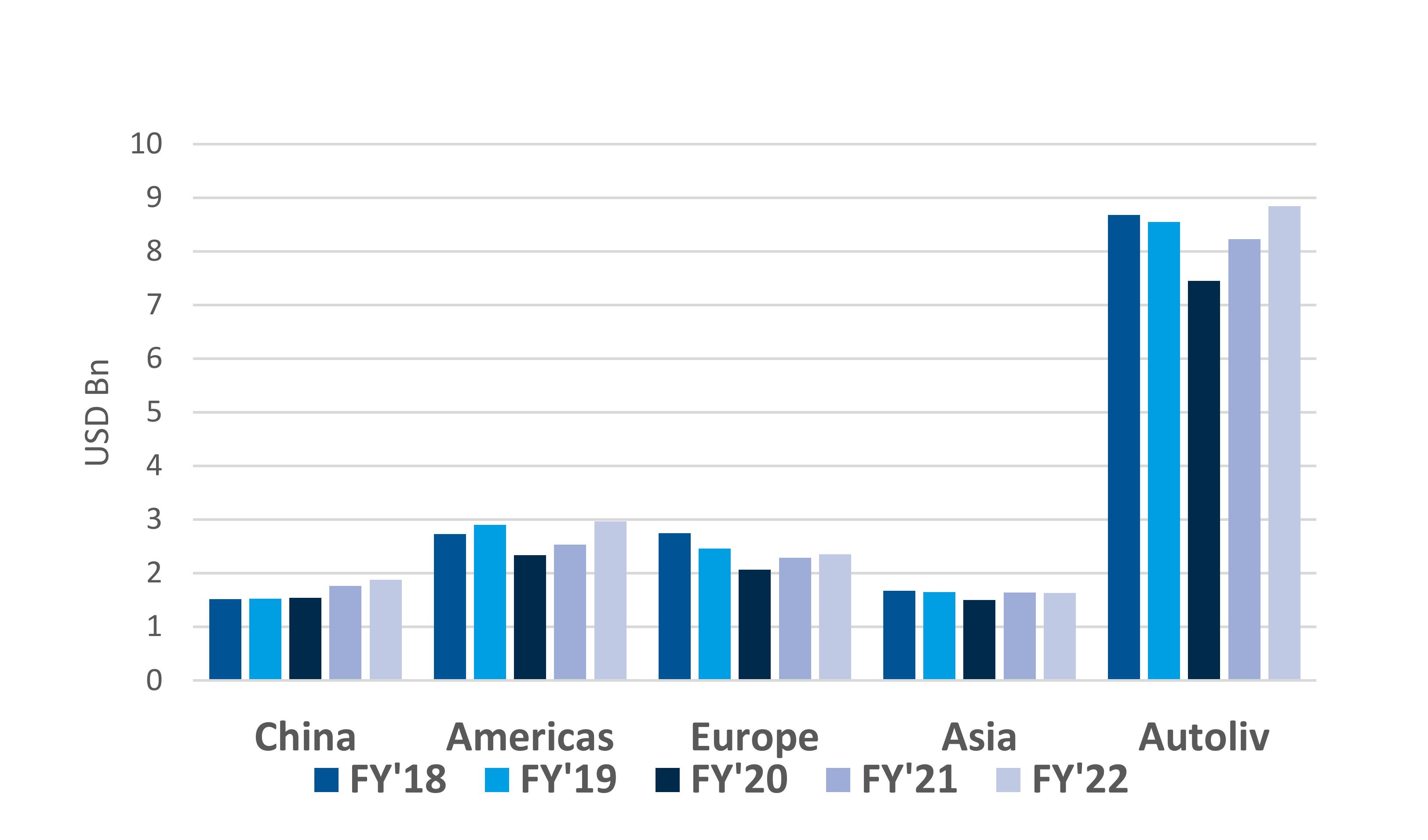
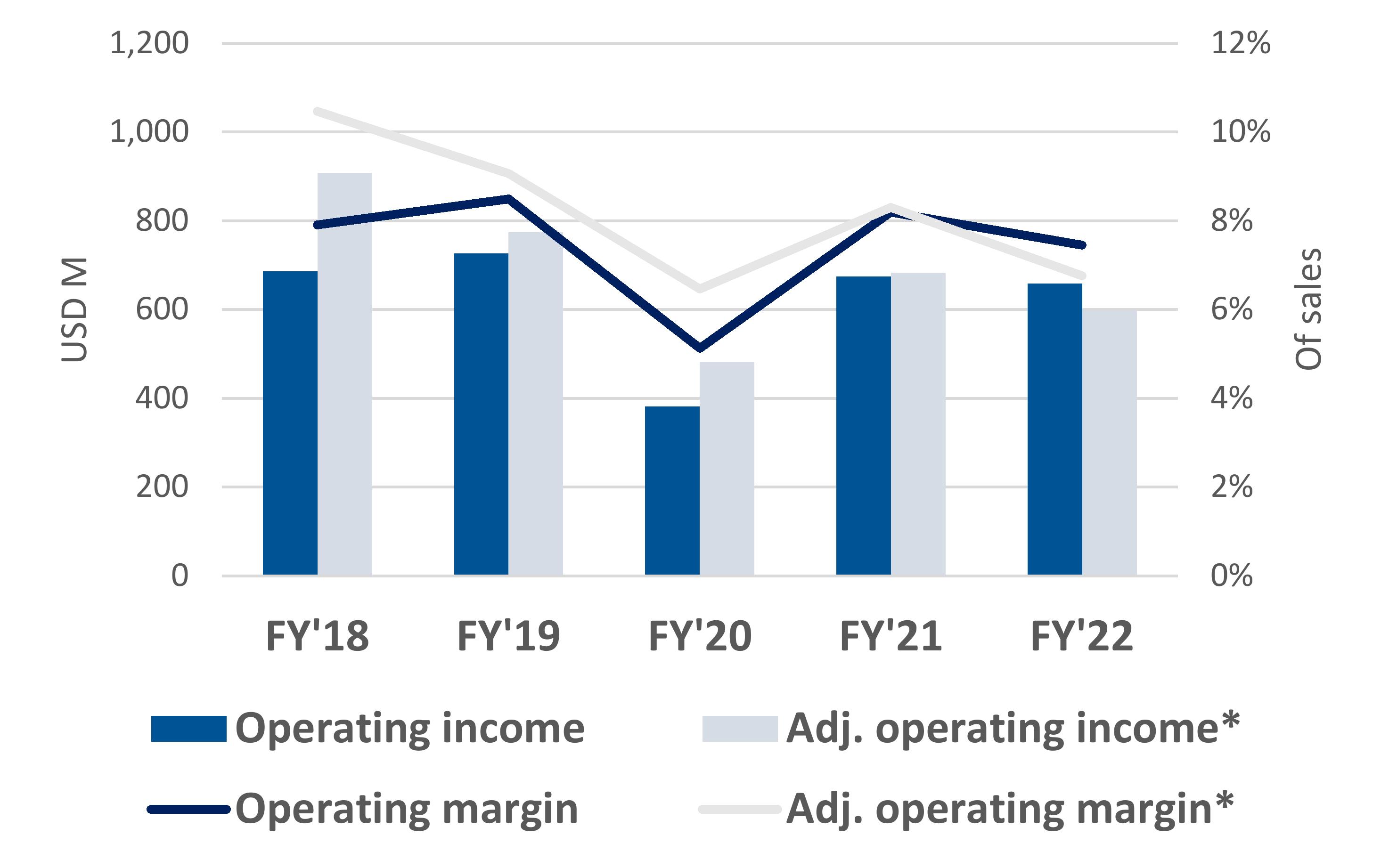
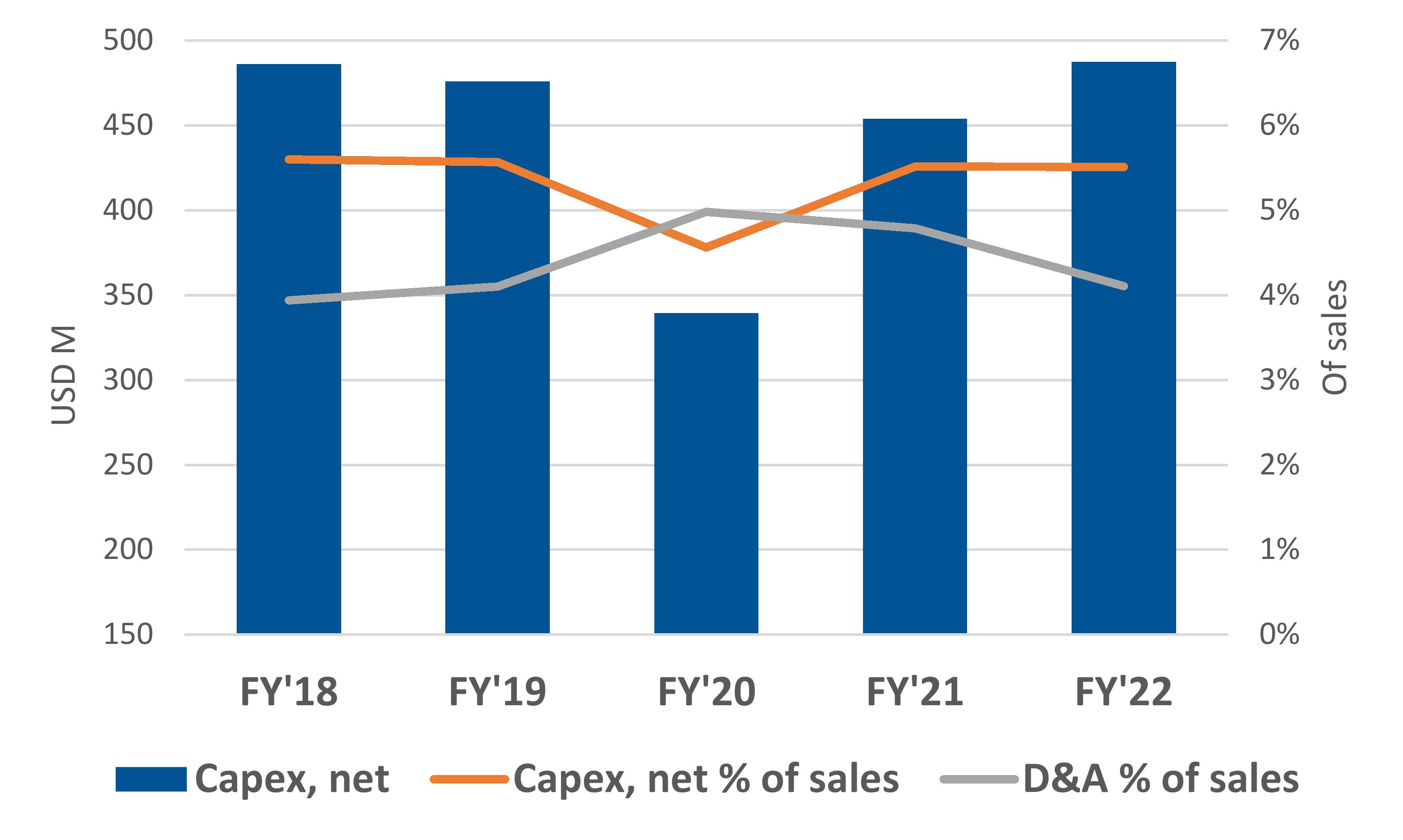
Capex and D&A |
Operating and adjusted operating Cash Flow |
|
|
|
|
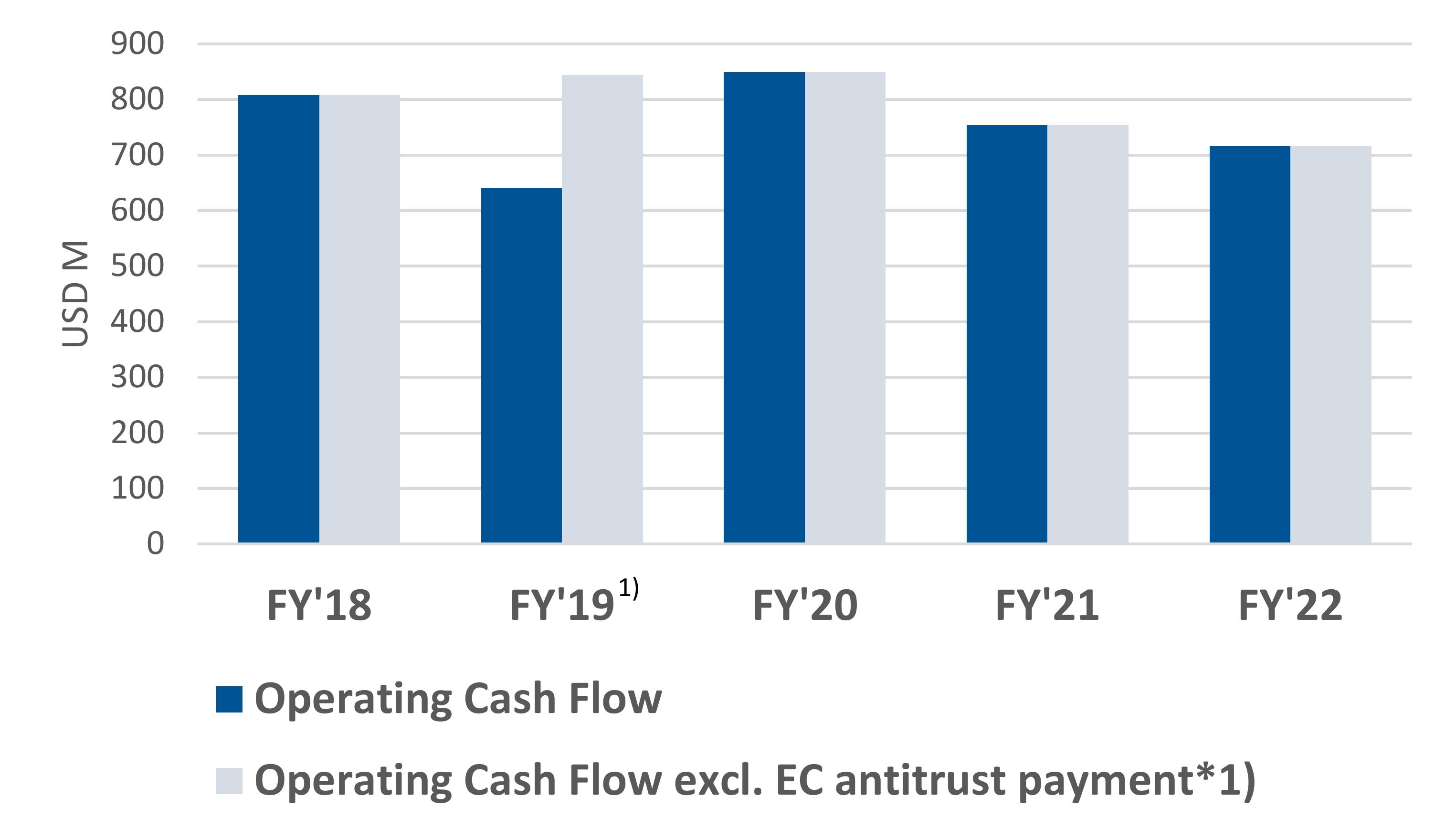
Return on Capital Employed |
Cash Conversion* |
|
|
|
|
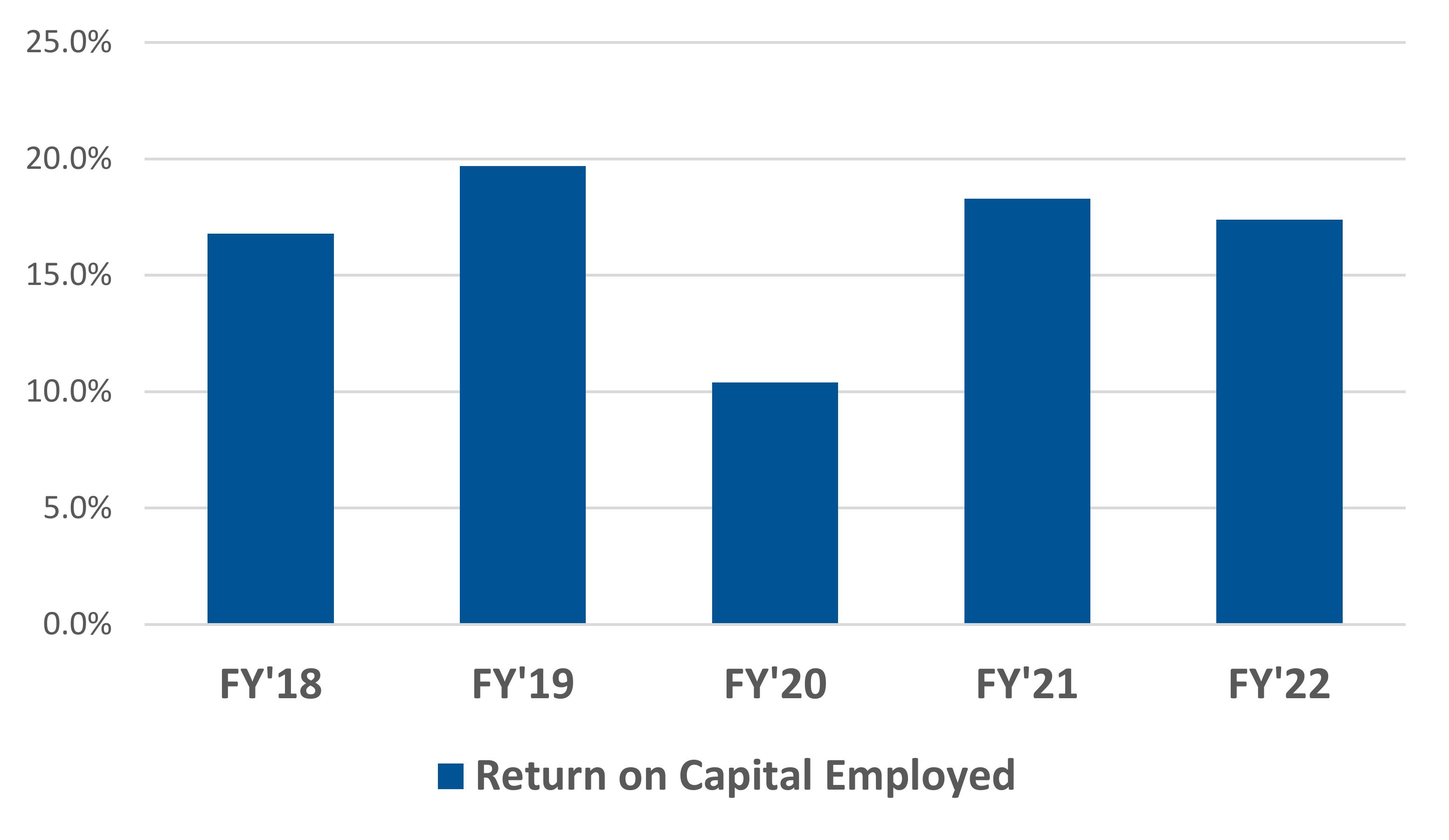
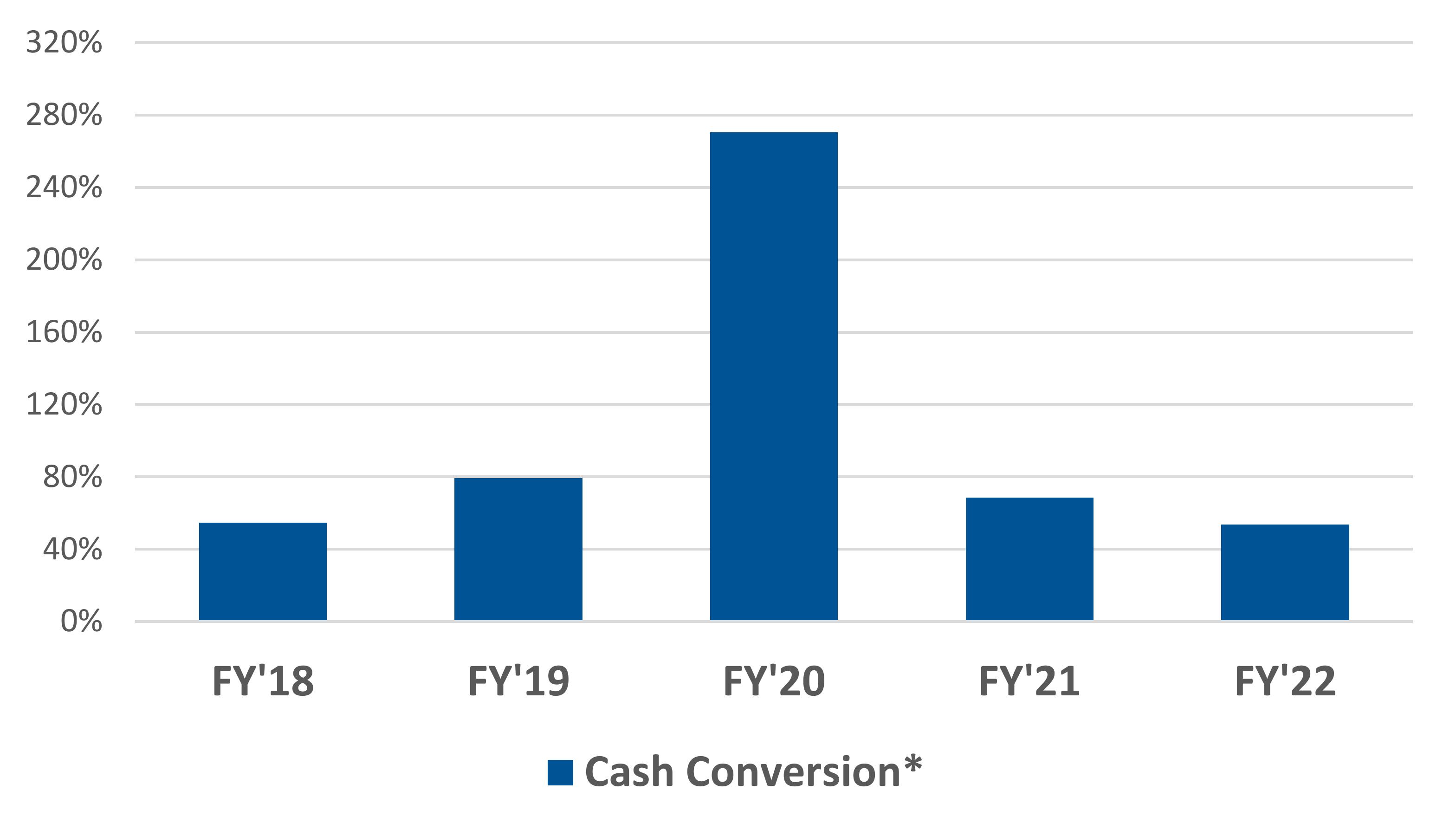
Key definitions -----------------------------------------------------------------------------------------------------------------
Capex,net: Capital Expenditure, net. D&A: Depreciation and Amortization. Adj. operating income and margin*: Operating income adjusted for capacity alignments, antitrust related matters and separation of our business segments in 2018. Capacity alignments include non-recurring costs related to our structural efficiency and business cycle management programs. |
|
Operating cash flow excluding EC antitrust payment*: Management estimate for Continuing Operations derived from cash flow including Discontinued Operations in 2018. Adjusted for EC antitrust payment of $203 million in 2019. Cash conversion*: Free cash flow* in relation to net income adjusted for EC antitrust accrual in 2018 and payment in 2019. Free cash flow defined as operating cash flow less capital expenditure, net. |
5
Consolidated sales development
Fourth quarter 2022
Consolidated sales |
|
Fourth quarter |
Reported change (U.S. GAAP) |
Currency |
Organic |
|
(Dollars in millions) |
|
2022 |
2021 |
|||
Airbags, Steering Wheels and Other2) |
|
$1,581 |
$1,408 |
12% |
(7.4)% |
20% |
Seatbelt Products2) |
|
754 |
711 |
6.1% |
(7.5)% |
14% |
Total |
|
$2,335 |
$2,119 |
10% |
(7.4)% |
18% |
|
|
|
|
|
|
|
Asia |
|
$977 |
$958 |
1.9% |
(12)% |
14% |
Whereof: |
China |
536 |
538 |
(0.4)% |
(9.9)% |
9.4% |
|
Japan |
191 |
187 |
1.8% |
(19)% |
21% |
|
RoA |
250 |
233 |
7.4% |
(10)% |
18% |
Americas |
|
742 |
632 |
17% |
1.8% |
16% |
Europe |
|
616 |
529 |
17% |
(11)% |
27% |
Total |
|
$2,335 |
$2,119 |
10% |
(7.4)% |
18% |
1) Effects from currency translations. 2) Including Corporate and other sales. |
||||||
Sales by product – Airbags, Steering Wheels and Other All major product categories increased organically* in the quarter. The largest contributors to the increase were inflatable curtains and steering wheels, followed by side airbags and passenger airbags. |
|
Sales by product - Seatbelts The main contributors to Seatbelt products organic growth* were Europe and Americas, followed by Asia excluding China. |
Sales by region Our global organic sales* increased by 18% compared to the global LVP increase of 2.3% (according to S&P Global, Jan 2023). The 15pp outperformance was mainly driven by price |
|
increases and new product launches. Autoliv outperformed LVP by around 23pp in Europe, by around 14pp in China and Japan, by around 9pp in Americas and by around 5pp in rest of Asia. |
Q4 2022 organic growth* |
Americas |
Europe |
China |
Japan |
Rest of Asia |
Global |
Autoliv |
16% |
27% |
9.4% |
21% |
18% |
18% |
Main growth drivers |
GM, Hyundai, Honda |
VW, Stellantis, Renault |
BYD, GM, Geely |
Nissan, Subaru, Toyota |
Hyundai, Ford, Suzuki |
GM, Hyundai, Honda |
Main decline drivers |
Stellantis, Nissan |
Mercedes, Mitsubishi |
VW, Nissan, Great Wall |
n/a |
Mitsubishi, Toyota, Nissan |
Great Wall, Nissan |
Light vehicle production development
Change vs same period last year according to S&P Global
Q4 2022 |
Americas |
Europe |
China |
Japan |
Rest of Asia |
Global |
LVP (Jan 2023) |
6.4% |
4.1% |
(4.8)% |
7.1% |
12% |
2.3% |
LVP (Oct 2022) |
9.0% |
3.6% |
(2.3)% |
11% |
(0.1)% |
2.8% |
6
Consolidated sales development
Full year 2022
Consolidated sales |
|
Full year |
Reported change |
Currency |
Organic |
|
(Dollars in millions) |
|
2022 |
2021 |
|||
Airbags, Steering Wheels and Other2) |
|
$5,807 |
$5,380 |
7.9% |
(5.9)% |
14% |
Seatbelt Products2) |
|
3,035 |
2,850 |
6.5% |
(6.4)% |
13% |
Total |
|
$8,842 |
$8,230 |
7.4% |
(6.1)% |
14% |
|
|
|
|
|
|
|
Asia |
|
$3,521 |
$3,407 |
3.3% |
(7.9)% |
11% |
Whereof: |
China |
1,883 |
1,766 |
6.6% |
(4.4)% |
11% |
|
Japan |
686 |
733 |
(6.4)% |
(16)% |
9.2% |
|
RoA |
952 |
908 |
4.8% |
(8.6)% |
13% |
Americas |
|
2,967 |
2,535 |
17% |
0.5% |
17% |
Europe |
|
2,355 |
2,289 |
2.9% |
(11)% |
13% |
Total |
|
$8,842 |
$8,230 |
7.4% |
(6.1)% |
14% |
1) Effects from currency translations. 2) Including Corporate and other sales. |
||||||
Sales by product – Airbags, Steering Wheels and Other The largest contributors to the organic growth* were inflatable curtains and steering wheels, followed by passenger airbags and side airbags. |
|
Sales by product - Seatbelts The main contributors to the organic growth* were Europe and Americas, followed by Asia excluding China and China. |
Sales by region Our global organic sales* increased by around 14% compared to the LVP increase of around 6.9% (according to S&P Global, Jan 2023). The 6.6pp outperformance was driven by price increases and new product launches, partly offset by negative geographical mix effects. |
|
Autoliv outperformed LVP by around 15pp in Europe, by around 9pp in Japan, by around 7pp in Americas and by around 3pp in China, while we underperformed LVP by around 3pp in rest of Asia. |
Full year 2022 organic growth* |
Americas |
Europe |
China |
Japan |
Rest of Asia |
Global |
Autoliv |
17% |
13% |
11% |
9.2% |
13% |
14% |
Main growth drivers |
GM, Ford, Stellantis |
VW, Stellantis, Toyota |
Toyota, Geely, BYD |
Subaru, Mitsubishi, Nissan |
Tata, Suzuki, Hyundai |
Stellantis, Toyota, Ford |
Main decline drivers |
Nissan |
Nissan, Mitsubishi, Volvo |
Great Wall, Hyundai, Mazda |
n/a |
Nissan, Mitsubishi |
Great Wall, Nissan |
Light vehicle production development
Change vs same period last year according to S&P Global
Full year 2022 |
Americas |
Europe |
China |
Japan |
Rest of Asia |
Global |
LVP (Jan 2023) |
9.4% |
(1.3)% |
8.3% |
(0.2)% |
17% |
6.9% |
LVP (Jan 2022) |
16% |
18% |
1.4% |
7.4% |
4.2% |
8.9% |
7
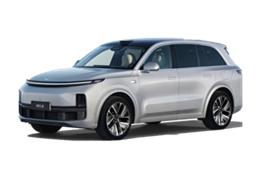
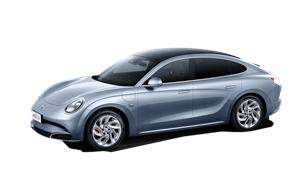
Key launches in the fourth quarter 2022
Lixiang X02 |
|
Zeekr 009 |
|
ORA Shandianmao |
|
|
|
|
|
|
|
|
|
|
|
|
|
|
|
|
|
|
|
GWM Shanhai Pao |
|
Citroen C4X |
|
Honda Pilot |
|
|
|
|
|
|
|
|
|
|
|
|
|
|
|
|
|
|
|
Honda Accord |
|
Peugeot 408 |
|
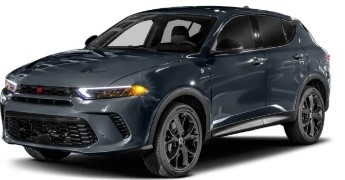
Dodge Hornet |
|
|
|
|
|
|
|
|
|
|
|
|
|





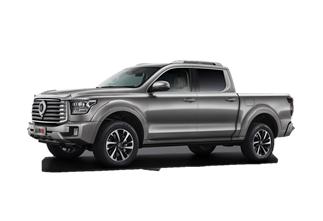
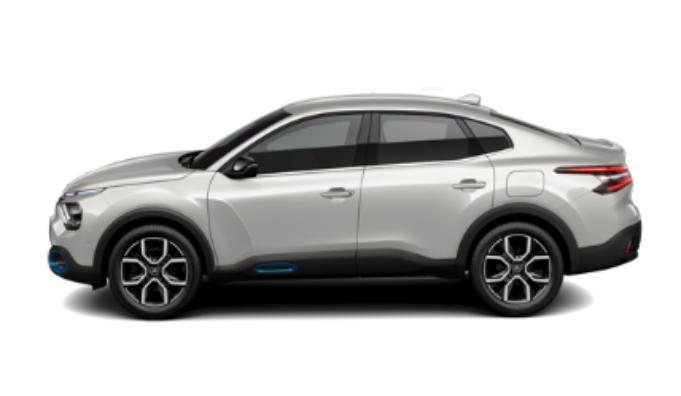
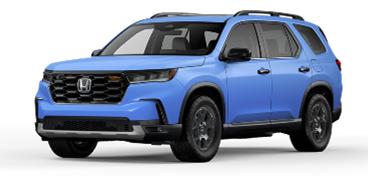


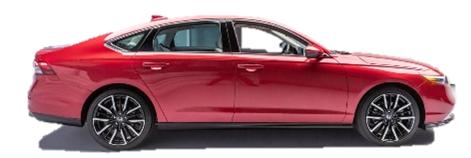




|
|
Driver/Passenger Airbags |
|
Seatbelts |
|
Side Airbags |
|
|
Head/Inflatable Curtain Airbags |
|
Steering Wheel |
|
Knee Airbag |
|
|
Front Center Airbag |
|
Bag-in-Belt |
|
Pyrotechnical Safety Switch |
|
|
Pedestrian Airbag |
|
Hood Lifter |
|
Available as EV/PHEV |


8
Financial development
Selected income statement items
Condensed income statement |
Fourth quarter |
|
Full year |
||||
(Dollars in millions, except per share data) |
2022 |
2021 |
Change |
|
2022 |
2021 |
Change |
Net sales |
$2,335 |
$2,119 |
10% |
|
$8,842 |
$8,230 |
7.4% |
Cost of sales |
(1,937) |
(1,751) |
11% |
|
(7,446) |
(6,719) |
11% |
Gross profit |
$399 |
$368 |
8.3% |
|
$1,396 |
$1,511 |
(7.6)% |
S,G&A |
(105) |
(113) |
(7.1)% |
|
(437) |
(432) |
1.2% |
R,D&E, net |
(65) |
(80) |
(18)% |
|
(390) |
(391) |
(0.1)% |
Amortization of intangibles |
(0) |
(3) |
(81)% |
|
(3) |
(10) |
(73)% |
Other income (expense), net |
2 |
1 |
32% |
|
93 |
(3) |
(n/a) |
Operating income |
$230 |
$174 |
32% |
|
$659 |
$675 |
(2.3)% |
Adjusted operating income1) |
$233 |
$177 |
31% |
|
$598 |
$683 |
(12)% |
Financial and non-operating items, net |
(16) |
(17) |
(3.9)% |
|
(56) |
(61) |
(7.9)% |
Income before taxes |
$214 |
$158 |
36% |
|
$603 |
$614 |
(1.8)% |
Income taxes |
(57) |
(42) |
35% |
|
(178) |
(177) |
0.5% |
Net income |
$156 |
$115 |
36% |
|
$425 |
$437 |
(2.7)% |
Earnings per share2, 3) |
1.80 |
1.31 |
38% |
|
4.85 |
4.96 |
(2.2)% |
Adjusted earnings per share1, 2, 3) |
$1.83 |
$1.30 |
40% |
|
$4.40 |
$5.02 |
(12)% |
|
|
|
|
|
|
|
|
Gross margin |
17.1% |
17.4% |
(0.3)pp |
|
15.8% |
18.4% |
(2.6)pp |
S,G&A, in relation to sales |
(4.5)% |
(5.3)% |
0.8pp |
|
(4.9)% |
(5.3)% |
0.3pp |
R,D&E, net in relation to sales |
(2.8)% |
(3.8)% |
1.0pp |
|
(4.4)% |
(4.7)% |
0.3pp |
Operating margin |
9.8% |
8.2% |
1.6pp |
|
7.5% |
8.2% |
(0.7)pp |
Adjusted operating margin1) |
10.0% |
8.3% |
1.6pp |
|
6.8% |
8.3% |
(1.5)pp |
Tax Rate |
26.8% |
26.9% |
(0.2)pp |
|
29.5% |
28.9% |
0.7pp |
|
|
|
|
|
|
|
|
Other data |
|
|
|
|
|
|
|
No. of shares at period-end in millions4) |
86.2 |
87.5 |
(1.5)% |
|
86.2 |
87.5 |
(1.5)% |
Weighted average no. of shares in millions4) |
86.5 |
87.4 |
(1.1)% |
|
87.1 |
87.5 |
(0.5)% |
Weighted average no. of shares in millions, diluted5) |
86.7 |
87.7 |
(1.2)% |
|
87.2 |
87.7 |
(0.5)% |
1) Non-U.S. GAAP measure, excluding costs and gains from capacity alignments. See reconciliation table. 2) Assuming dilution when applicable and net of treasury shares. 3) Participating share awards with right to receive dividend equivalents are (under the two-class method) excluded from the EPS calculation. 4) Excluding dilution and net of treasury shares. 5) Net of treasury shares. |
|||||||
Fourth quarter 2022 development Gross profit increased by $31 million and the gross margin decreased by 0.3pp compared to the same quarter 2021. The gross profit increase was primarily driven by price increases and volume growth, partly offset by higher costs for raw materials, call off volatility and higher costs for premium freight. S,G&A costs decreased by $8 million compared to the prior year period, mainly due to positive currency translation effects. S,G&A costs in relation to sales decreased from 5.3% to 4.5%. R,D&E, net costs decreased by $14 million compared to the prior year period, mainly due to higher engineering income and positive currency translation effects. R,D&E, net, in relation to sales decreased from 3.8% to 2.8%. Other income (expense), net was close to unchanged compared to the prior year period. Operating income increased by $55 million compared to the same period in 2021, mainly as a consequence of the higher gross profit and lower costs for S,G&A and R,D&E, net. |
|
Adjusted operating income* increased by $56 million compared to the prior year period, mainly due to higher gross profit and lower costs for S,G&A and R,D&E, net. Financial and non-operating items, net, was close to unchanged compared to the prior year period. Income before taxes increased by $56 million compared to the prior year period, mainly due to the higher operating income. Tax rate was 26.8%, almost unchanged compared to 26.9% in the same period last year. Discrete tax items, net, decreased the tax rate this quarter by 9.1pp. Discrete tax items increased the tax rate by 0.6pp in the same period last year. The increase in underlying tax rate in the fourth quarter 2022 was due to unfavorable country mix. Earnings per share, diluted increased by $0.49 compared to the prior year period, where the main driver was $0.43 from higher operating income and $0.04 from lower tax cost. |
9
Full year 2022 development Gross profit decreased by $115 million, and the gross margin decreased by 2.6pp compared to the prior year. The gross profit decrease was primarily driven by adverse effects from higher costs for raw material and premium freight and adverse currency translation effects, partly offset by price increases.
S,G&A costs increased by $5 million compared to the prior year, mainly relating to investments in personnel and IT and improvement projects, partly offset by positive currency translation effects.
R,D&E, net costs were close to unchanged compared to the prior year. R,D&E, net, in relation to sales declined from 4.7% to 4.4%.
Other income (expense), net improved by $96 million compared to the prior year, mainly due to around $80 million gain from the sale of a property in Japan and around $20 million from a patent litigation settlement partly offset by around $10 million in capacity alignment provision for the closure of a plant in South Korea.
Operating income decreased by $16 million compared to the prior year, mainly as a consequence of the lower gross profit, partly offset by the improved Other income (expense).
|
|
Adjusted operating income* decreased by $85 million compared to the prior year, mainly due to lower gross profit, partly offset by improved Other income (expense).
Financial and non-operating items, net, improved by $5 million compared to the prior year, mainly due to lower interest net and improved other non-operating items, net.
Income before taxes decreased by $11 million compared to the prior year, mainly due to the lower operating income partly offset by improved financial and non-operating items, net.
Tax rate was 29.5% compared to 28.9% in the same period last year, mainly due to unfavorable country mix. In addition, discrete tax items, net, decreased the tax rate this year by 2.5pp. Discrete tax items, net increased the tax rate last year by 0.6pp.
Earnings per share, diluted decreased by $0.11 compared to a year earlier, where the main driver was $0.19 from lower operating income, partly mitigated by $0.04 from financial items. |
10
Selected Balance Sheet and Cash Flow items
Selected Balance Sheet items |
Fourth quarter |
||
(Dollars in millions) |
2022 |
2021 |
Change |
Trade working capital 1) |
$1,183 |
$1,332 |
(11)% |
Trade working capital in relation to sales 2) |
12.7% |
15.7% |
(3.1)pp |
- Receivables outstanding in relation to sales 3) |
20.4% |
20.0% |
0.4pp |
- Inventory outstanding in relation to sales 4) |
10.4% |
9.2% |
1.2pp |
- Payables outstanding in relation to sales 5) |
18.1% |
13.5% |
4.6pp |
Cash & cash equivalents |
594 |
969 |
(39)% |
Gross Debt 6) |
1,766 |
2,008 |
(12)% |
Net Debt 7) |
1,184 |
1,052 |
13% |
Capital employed 8) |
3,810 |
3,700 |
3.0% |
Return on capital employed 9) |
24.3% |
18.9% |
5.4pp |
Total equity |
$2,626 |
$2,648 |
(0.8)% |
Return on total equity 10) |
24.5% |
17.6% |
6.8pp |
Leverage ratio 11) |
1.4 |
1.2 |
20% |
1) Outstanding receivables and outstanding inventory less outstanding payables. 2) Outstanding receivables and outstanding inventory less outstanding payables relative to annualized quarterly sales. 3) Outstanding receivables relative to annualized quarterly sales. 4) Outstanding inventory relative to annualized quarterly sales. 5) Outstanding payables relative to annualized quarterly sales. 6) Short- and long-term interest-bearing debt. 7) Short- and long-term debt less cash and cash equivalents and debt-related derivatives. Non-U.S. GAAP measure. See reconciliation table. 8) Total equity and net debt. 9) Annualized operating income and income from equity method investments, relative to average capital employed. 10) Annualized net income relative to average total equity. 11) Net debt adjusted for pension liabilities in relation to EBITDA. Non-U.S. GAAP measure. See reconciliation table. |
|||
Selected Cash Flow items |
Fourth quarter |
|
Full year |
||||
(Dollars in millions) |
2022 |
2021 |
Change |
|
2022 |
2021 |
Change |
Net income |
$156 |
$115 |
36% |
|
$425 |
$437 |
(2.7)% |
Changes in operating working capital |
226 |
116 |
95% |
|
58 |
(63) |
n/a |
Depreciation and amortization |
90 |
97 |
(7.4)% |
|
363 |
394 |
(7.9)% |
Gain on divestiture of property |
- |
- |
n/a |
|
(80) |
- |
n/a |
Other, net |
(10) |
(12) |
(15)% |
|
(54) |
(15) |
n/a |
Operating cash flow |
$462 |
$317 |
46% |
|
$713 |
$754 |
(5.4)% |
Capital expenditure, net |
(165) |
(153) |
8% |
|
(485) |
(454) |
6.8% |
Free cash flow1) |
$297 |
$164 |
82% |
|
$228 |
$300 |
(24)% |
Cash conversion2) |
190% |
142% |
48pp |
|
54% |
69% |
(15)pp |
Shareholder returns |
|
|
|
|
|
|
|
- Dividends paid |
(57) |
(56) |
1.6% |
|
(224) |
(165) |
36% |
- Share repurchases |
(55) |
- |
n/a |
|
(115) |
- |
n/a |
Cash dividend paid per share |
$(0.66) |
$(0.64) |
2.7% |
|
$(2.58) |
$(1.88) |
37% |
Capital expenditures, net in relation to sales |
7.1% |
7.2% |
(0.1)pp |
|
5.5% |
5.5% |
(0.0)pp |
1) Operating cash flow less Capital expenditure, net. Non-U.S. GAAP measure. See enclosed reconciliation table. 2) Free cash flow relative to Net income. Non-U.S. GAAP measure. See reconciliation table. |
|||||||
Fourth quarter 2022 development Operating cash flow increased by $146 million to $462 million compared to the same period last year, mainly due to more positive working capital effects and higher net income. Capital expenditure, net increased by $12 million compared to the same period last year, mainly due to investments related to footprint and capacity expansions. Capital expenditure, net in relation to sales was close to unchanged at 7.1%. Free cash flow* was $297 million compared to $164 million the prior year period. The increase was due to the higher operating cash flow, partly offset by the higher capital expenditure, net.
|
|
Cash conversion* defined as free cash flow* in relation to net income, was 190% compared to 142% in the same period last year. Leverage ratio*. As of December 31, 2022, the Company had a leverage ratio of 1.4x compared to 1.2x as of December 31, 2021, as the net debt* increased and the 12 months trailing adjusted EBITDA* decreased.
|
11
Full year 2022 development Trade working capital* was reduced by $150 million compared to the same period last year, where the main driver was related to $549 million in higher accounts payables, partly offset by $208 million in higher receivables and $192 million in higher inventories. Operating cash flow decreased by $41 million to $713 million compared to last year, mainly due to lower net income excluding the gain on property divestiture, lower depreciation and amortization and adverse effects from changes in deferred income taxes partly offset by positive working capital effects. Capital expenditure, net increased by $31 million compared to last year, mainly due to increased investments related to footprint and capacity expansions, partly offset by $95 million in proceeds from the sale of property, plant and equipment. Capital expenditure, net in relation to sales was unchanged at 5.5%. |
|
Free cash flow* was $228 million compared to $300 million a year earlier. The decline was due to the lower operating cash flow and higher capital expenditure, net. Cash conversion* defined as free cash flow* in relation to net income, declined from 69% last year to 54% due to the lower free cash flow. Net debt* was $1,184 million as of December 31, 2022, which was $132 million higher than a year ago. Liquidity position. As of December 31, 2022, our cash balance was around $0.6 billion, and including committed, unused loan facilities, our liquidity position was around $1.7 billion. Total equity decreased by $22 million compared to December 31, 2021, mainly due to dividends paid of $224 million, $136 million in adverse currency translation effects and $115 million from share repurchases, partly offset by $425 million from net income. |
Headcount
|
Dec 31 |
Sep 30 |
Dec 31 |
|
2022 |
2022 |
2021 |
Headcount |
69,100 |
67,800 |
60,600 |
Whereof: Direct headcount in manufacturing |
50,600 |
49,600 |
43,000 |
Indirect headcount |
18,400 |
18,300 |
17,600 |
Temporary personnel |
11% |
11% |
7.8% |
By December 31, 2022, total headcount increased by 8,500 compared to a year earlier. The indirect workforce increased by 4.5% while the direct workforce increased by 18%, reflecting the strong organic sales growth in the fourth quarter of 2022 compared to the same period last year. |
|
Compared to September 30, 2022, total headcount increased by around 1,300, whereof direct workforce increased by around 2% and the indirect workforce increased by around 0.5%. |
12
Other Items
• On October 24, 2022, Autoliv China announced a strategic cooperation agreement with Geely Auto Group to develop advanced safety technology for future vehicles. The collaboration includes a system approach to automotive safety and will cover 16 technologies. The objective is to develop products that will meet the future demand for safer vehicles and to save more lives. • On November 4, 2022, Autoliv announced its holistic approach to motorcycle safety. The concept includes the world’s first motorcycle helmet with an integrated airbag for enhanced head protection in collaboration with AIROH, as well as airbags for protective clothing and a motorcycle airbag. The innovations were presented at the EICMA trade fair in Milan, Italy, in November, 2022. • On December 2, 2022, Autoliv announced that it has joined the Advisory Board of the United Nations Road Safety Fund. • On December 16, 2022, Autoliv announced the appointment of Jonas Jademyr as the new Executive Vice President, Quality & Program Management effective January 15, 2023. Mr. Jademyr is a member of the Autoliv Executive Management Team and succeeded Svante Mogefors who will retire. |
|
• The Company set May 11, 2023 as the date for its 2023 annual meeting of stockholders. The meeting will be a hybrid meeting, conducted virtually and in-person in the Detroit metropolitan area. Only the stockholders of record at the close of business on March 15, 2023 will be entitled to be present and vote at the meeting. • In Q4 2022, Autoliv repurchased and retired 0.65 million shares of common stock at an average price of $84.67 per share under the Autoliv 2022-2024 stock purchase program. • In December 2022, the Company retired 10 million shares of common stock that has been held in treasury. These shares were acquired between 2008 and 2014 under the prior stock repurchase program. After the retirement, the Company continues to hold 4,980,037 shares of common stock in treasury. • The Company will host an Investor Day at the Autoliv Technology Center in Auburn Hills, Michigan USA on June 12, 2023 with focus on products, strategic roadmap and automation and operational efficiency. |
Next Report Autoliv intends to publish the quarterly earnings report for the first quarter of 2023 on Friday, April 21, 2023. Inquiries: Investors and Analysts Anders Trapp Vice President Investor Relations Tel +46 (0)8 5872 0671 Henrik Kaar Director Investor Relations Tel +46 (0)8 5872 0614 Inquiries: Media Gabriella Ekelund Senior Vice President Communications Tel +46 (0)70 612 6424 Autoliv, Inc. is obliged to make this information public pursuant to the EU Market Abuse Regulation. The information was submitted for publication, through the agency of the VP of Investor Relations set out above, at 12.00 CET on January 27, 2023. |
|
Footnotes *Non-U.S. GAAP measure, see enclosed reconciliation tables. Definitions and SEC Filings Please refer to www.autoliv.com or to our Annual Report for definitions of terms used in this report. Autoliv’s annual report to stockholders, annual report on Form 10-K, quarterly reports on Form 10-Q, proxy statements, management certifications, press releases, current reports on Form 8-K and other documents filed with the SEC can be obtained free of charge from Autoliv at the Company’s address. These documents are also available at the SEC’s website www.sec.gov and at Autoliv’s corporate website www.autoliv.com. This report includes content supplied by S&P Global; Copyright © Light Vehicle Production Forecast, January 2022, October 2022 and January 2023. All rights reserved. S&P Global is a global supplier of independent industry information. The permission to use S&P Global copyrighted reports, data and information does not constitute an endorsement or approval by S&P Global of the manner, format, context, content, conclusion, opinion or viewpoint in which S&P Global reports, data and information or its derivations are used or referenced herein. |
13
“Safe Harbor Statement”
This report contains statements that are not historical facts but rather forward-looking statements within the meaning of the Private Securities Litigation Reform Act of 1995. Such forward-looking statements include those that address activities, events or developments that Autoliv, Inc. or its management believes or anticipates may occur in the future. All forward-looking statements are based upon our current expectations, various assumptions and/or data available from third parties. Our expectations and assumptions are expressed in good faith and we believe there is a reasonable basis for them. However, there can be no assurance that such forward-looking statements will materialize or prove to be correct as forward-looking statements are inherently subject to known and unknown risks, uncertainties and other factors which may cause actual future results, performance or achievements to differ materially from the future results, performance or achievements expressed in or implied by such forward-looking statements. In some cases, you can identify these statements by forward-looking words such as “estimates”, “expects”, “anticipates”, “projects”, “plans”, “intends”, “believes”, “may”, “likely”, “might”, “would”, “should”, “could”, or the negative of these terms and other comparable terminology, although not all forward-looking statements contain such words. Because these forward-looking statements involve risks and uncertainties, the outcome could differ materially from those set out in the forward-looking statements for a variety of reasons, including without limitation, general economic conditions, including inflation; the impacts of the coronavirus (COVID-19) pandemic on the Company’s financial condition, business operations, operating costs, liquidity and competition and on the global economy; changes in and stability of light vehicle production; fluctuation in vehicle production schedules for which the Company is a supplier; global supply chain disruptions, including port, transportation and distribution delays or interruptions; supply chain disruptions and component shortages specific to the automotive industry or the Company; disruptions and impacts relating to the ongoing war between Russia and Ukraine; changes in general industry and market conditions or regional growth or decline; changes in and the successful execution of our capacity alignment, restructuring, cost reduction, efficiency and strategic initiatives and the market reaction thereto; loss of business |
|
from increased competition; higher raw material, fuel and energy, and other costs; changes in consumer and customer preferences for end products; customer losses; changes in regulatory conditions; customer bankruptcies, consolidations, or restructuring or divestiture of customer brands; unfavorable fluctuations in currencies or interest rates among the various jurisdictions in which we operate; market acceptance of our new products; costs or difficulties related to the integration of any new or acquired businesses and technologies; continued uncertainty in pricing and other negotiations with customers; successful integration of acquisitions and operations of joint ventures; successful implementation of strategic partnerships and collaborations; our ability to be awarded new business; product liability, warranty and recall claims and investigations and other litigation, civil judgements or financial penalties and customer reactions thereto; higher expenses for our pension and other postretirement benefits, including higher funding needs for our pension plans; work stoppages or other labor issues; possible adverse results of pending or future litigation or infringement claims and the availability of insurance with respect to such matters; our ability to protect our intellectual property rights; negative impacts of antitrust investigations or other governmental investigations and associated litigation relating to the conduct of our business; tax assessments by governmental authorities and changes in our effective tax rate; dependence on key personnel; legislative or regulatory changes impacting or limiting our business; our ability to meet our sustainability targets, goals and commitments; political conditions; dependence on and relationships with customers and suppliers; the conditions necessary to hit our medium term financial targets; and other risks and uncertainties identified under the headings “Risk Factors” and “Management’s Discussion and Analysis of Financial Condition and Results of Operations” in our Annual Reports and Quarterly Reports on Forms 10-K and 10-Q and any amendments thereto. For any forward-looking statements contained in this or any other document, we claim the protection of the safe harbor for forward-looking statements contained in the Private Securities Litigation Reform Act of 1995, and we assume no obligation to update publicly or revise any forward-looking statements in light of new information or future events, except as required by law. |
14
Consolidated Statements of Net Income
(Dollars in millions, except per share data, unaudited) |
Fourth quarter |
Full year |
||
|
2022 |
2021 |
2022 |
2021 |
Airbags, Steering Wheels and Other1) |
$1,581 |
$1,408 |
$5,807 |
$5,380 |
Seatbelt products |
754 |
711 |
3,035 |
2,850 |
Total net sales |
$2,335 |
$2,119 |
$8,842 |
$8,230 |
|
|
|
|
|
Cost of sales |
(1,937) |
(1,751) |
(7,446) |
(6,719) |
Gross profit |
$399 |
$368 |
$1,396 |
$1,511 |
|
|
|
|
|
Selling, general & administrative expenses |
(105) |
(113) |
(437) |
(432) |
Research, development & engineering expenses, net |
(65) |
(80) |
(390) |
(391) |
Amortization of intangibles |
(0) |
(3) |
(3) |
(10) |
Other income (expense), net |
2 |
1 |
93 |
(3) |
Operating income |
$230 |
$174 |
$659 |
$675 |
|
|
|
|
|
Income from equity method investments |
1 |
1 |
3 |
3 |
Interest income |
2 |
1 |
6 |
4 |
Interest expense |
(19) |
(14) |
(60) |
(60) |
Other non-operating items, net |
0 |
(4) |
(5) |
(7) |
Income before income taxes |
$214 |
$158 |
$603 |
$614 |
|
|
|
|
|
Income taxes |
(57) |
(42) |
(178) |
(177) |
Net income |
$156 |
$115 |
$425 |
$437 |
|
|
|
|
|
Less: Net income attributable to non-controlling interest |
0 |
0 |
2 |
2 |
Net income attributable to controlling interest |
$156 |
$115 |
$423 |
$435 |
|
|
|
|
|
Earnings per share2, 3) |
$1.80 |
$1.31 |
$4.85 |
$4.96 |
1) Including Corporate and other sales. 2) Assuming dilution when applicable and net of treasury shares. 3) Participating share awards with right to receive dividend equivalents are (under the two-class method) excluded from EPS calculation.
15
Consolidated Balance Sheets
|
|
Dec 31 |
Sep 30 |
Jun 30 |
Mar 31 |
Dec 31 |
(Dollars in millions, unaudited) |
|
2022 |
2022 |
2022 |
2022 |
2021 |
Assets |
|
|
|
|
|
|
Cash & cash equivalents |
|
$594 |
$483 |
$327 |
$938 |
$969 |
Receivables, net |
|
1,907 |
1,893 |
1,779 |
1,824 |
1,699 |
Inventories, net |
|
969 |
924 |
903 |
913 |
777 |
Prepaid expenses |
|
160 |
218 |
195 |
170 |
164 |
Other current assets |
|
84 |
69 |
81 |
79 |
65 |
Total current assets |
|
$3,714 |
$3,587 |
$3,285 |
$3,923 |
$3,675 |
|
|
|
|
|
|
|
Property, plant & equipment, net |
|
1,960 |
1,795 |
1,806 |
1,853 |
1,855 |
Operating leases right-of-use assets |
|
160 |
116 |
120 |
126 |
132 |
Goodwill |
|
1,375 |
1,364 |
1,373 |
1,384 |
1,387 |
Intangible assets, net |
|
7 |
5 |
6 |
7 |
8 |
Investments and other non-current assets |
|
502 |
467 |
439 |
476 |
481 |
Total assets |
|
$7,717 |
$7,334 |
$7,030 |
$7,769 |
$7,537 |
|
|
|
|
|
|
|
Liabilities and equity |
|
|
|
|
|
|
Short-term debt |
|
$711 |
$692 |
$559 |
$347 |
$346 |
Accounts payable |
|
1,693 |
1,503 |
1,303 |
1,385 |
1,144 |
Accrued expenses |
|
915 |
965 |
944 |
1,050 |
996 |
Operating lease liabilities - current |
|
39 |
35 |
37 |
38 |
38 |
Other current liabilities |
|
283 |
263 |
218 |
253 |
297 |
Total current liabilities |
|
$3,642 |
$3,458 |
$3,061 |
$3,073 |
$2,821 |
|
|
|
|
|
|
|
Long-term debt |
|
1,054 |
1,037 |
1,060 |
1,647 |
1,662 |
Pension liability |
|
154 |
149 |
155 |
172 |
197 |
Operating lease liabilities - non-current |
|
119 |
81 |
83 |
87 |
94 |
Other non-current liabilities |
|
121 |
118 |
113 |
116 |
115 |
Total non-current liabilities |
|
$1,450 |
$1,385 |
$1,410 |
$2,022 |
$2,067 |
|
|
|
|
|
|
|
Total parent shareholders’ equity |
|
2,613 |
2,478 |
2,544 |
2,659 |
2,633 |
Non-controlling interest |
|
13 |
13 |
15 |
15 |
15 |
Total equity |
|
$2,626 |
$2,491 |
$2,558 |
$2,674 |
$2,648 |
|
|
|
|
|
|
|
Total liabilities and equity |
|
$7,717 |
$7,334 |
$7,030 |
$7,769 |
$7,537 |
16
Consolidated Statements of Cash Flow
|
Fourth quarter |
Full year |
|||
(Dollars in millions, unaudited) |
2022 |
2021 |
|
2022 |
2021 |
Net income |
$156 |
$115 |
|
$425 |
$437 |
Depreciation and amortization |
90 |
97 |
|
363 |
394 |
Gain on divestiture of property |
- |
- |
|
(80) |
- |
Other, net |
(10) |
(12) |
|
(54) |
(15) |
Changes in operating working capital, net |
226 |
116 |
|
58 |
(63) |
Net cash provided by operating activities |
$462 |
$317 |
|
$713 |
$754 |
|
|
|
|
|
|
Expenditures for property, plant and equipment |
(168) |
(154) |
|
(585) |
(458) |
Proceeds from sale of property, plant and equipment |
2 |
1 |
|
101 |
4 |
Net cash used in investing activities |
$(165) |
$(153) |
|
$(485) |
$(454) |
|
|
|
|
|
|
Net cash before financing1) |
$297 |
$164 |
|
$228 |
$300 |
|
|
|
|
|
|
Decrease (increase) in short term debt |
(25) |
(9) |
|
167 |
(11) |
Increase (decrease) in short-term part of long-term debt |
0 |
0 |
|
(302) |
(275) |
Decrease long-term debt |
(4) |
(19) |
|
(55) |
(20) |
Dividends paid |
(57) |
(56) |
|
(224) |
(165) |
Share repurchases |
(55) |
- |
|
(115) |
- |
Common stock options exercised |
0 |
0 |
|
0 |
3 |
Dividend paid to non-controlling interests |
(1) |
(0) |
|
(2) |
(1) |
Net cash used in financing activities |
$(142) |
$(84) |
|
$(531) |
$(469) |
|
|
|
|
|
|
Effect of exchange rate changes on cash |
(44) |
(14) |
|
(73) |
(39) |
Increase (decrease) in cash and cash equivalents |
$111 |
$66 |
|
$(375) |
$(209) |
Cash and cash equivalents at period-start |
483 |
904 |
|
969 |
1,178 |
Cash and cash equivalents at period-end |
$594 |
$969 |
|
$594 |
$969 |
1) Non-U.S. GAAP measure comprised of "Net cash provided by operating activities" and "Net cash used in investing activities". See reconciliation table.
17
RECONCILIATION OF U.S. GAAP TO NON-U.S. GAAP MEASURES
In this report we sometimes refer to non-U.S. GAAP measures that we and securities analysts use in measuring Autoliv's performance. We believe that these measures assist investors and management in analyzing trends in the Company's business for the reasons given below. Investors should not consider these non-U.S. GAAP measures as substitutes, but rather as additions, to financial reporting measures prepared in accordance with U.S. GAAP. It should be noted that these measures, as defined, may not be comparable to similarly titled measures used by other companies.
Components in Sales Increase/Decrease
Since the Company historically generates approximately 75% of sales in currencies other than in the reporting currency (i.e. U.S. dollars) and currency rates have been volatile, we analyze the Company's sales trends and performance as changes in organic sales growth. This presents the increase or decrease in the overall U.S. dollar net sales on a comparable basis, allowing separate discussions of the impact of acquisitions/divestitures and exchange rates. The tables on pages 6 and 7 present changes in organic sales growth as reconciled to the change in the total U.S. GAAP net sales.
Trade Working Capital
Due to the need to optimize cash generation to create value for shareholders, management focuses on operationally derived trade working capital as defined in the table below. The reconciling items used to derive this measure are, by contrast, managed as part of our overall management of cash and debt, but they are not part of the responsibilities of day-to-day operations' management.
|
Dec 31 |
Sep 30 |
Jun 30 |
Mar 31 |
Dec 31 |
(Dollars in millions) |
2022 |
2022 |
2022 |
2022 |
2021 |
Receivables, net |
$1,907 |
$1,893 |
$1,779 |
$1,824 |
$1,699 |
Inventories, net |
969 |
924 |
903 |
913 |
777 |
Accounts payable |
(1,693) |
(1,503) |
(1,303) |
(1,385) |
(1,144) |
Trade Working capital |
$1,183 |
$1,314 |
$1,379 |
$1,352 |
$1,332 |
18
Net Debt
Autoliv from time to time enters into “debt-related derivatives” (DRDs) as a part of its debt management and as part of efficiently managing the Company’s overall cost of funds. Creditors and credit rating agencies use net debt adjusted for DRDs in their analyses of the Company’s debt, therefore we provide this non-U.S. GAAP measure. DRDs are fair value adjustments to the carrying value of the underlying debt. Also included in the DRDs is the unamortized fair value adjustment related to a discontinued fair value hedge that will be amortized over the remaining life of the debt. By adjusting for DRDs, the total financial liability of net debt is disclosed without grossing debt up with currency or interest fair values.
|
Dec 31 |
Sep 30 |
Jun 30 |
Mar 31 |
Dec 31 |
(Dollars in millions) |
2022 |
2022 |
2022 |
2022 |
2021 |
Short-term debt |
$711 |
$692 |
$559 |
$347 |
$346 |
Long-term debt |
1,054 |
1,037 |
1,060 |
1,647 |
1,662 |
Total debt |
$1,766 |
$1,729 |
$1,619 |
$1,994 |
$2,008 |
Cash & cash equivalents |
(594) |
(483) |
(327) |
(938) |
(969) |
Debt issuance cost/Debt-related derivatives, net |
12 |
42 |
26 |
1 |
13 |
Net debt |
$1,184 |
$1,288 |
$1,318 |
$1,057 |
$1,052 |
|
|
|
Dec 31 |
Dec 31 |
Dec 31 |
(Dollars in millions) |
|
|
2020 |
2019 |
2018 |
Short-term debt |
|
|
$302 |
$368 |
$621 |
Long-term debt |
|
|
2,110 |
1,726 |
1,609 |
Total debt |
|
|
$2,411 |
$2,094 |
$2,230 |
Cash & cash equivalents |
|
|
(1,178) |
(445) |
(616) |
Debt issuance cost/Debt-related derivatives, net |
|
|
(19) |
0 |
5 |
Net debt |
|
|
$1,214 |
$1,650 |
$1,619 |
19
Leverage ratio
The non-U.S. GAAP measure “net debt” is also used in the non-U.S. GAAP measure “Leverage ratio”. Management uses this measure to analyze the amount of debt the Company can incur under its debt policy. Management believes that this policy also provides guidance to credit and equity investors regarding the extent to which the Company would be prepared to leverage its operations. In 2021, EBITDA calculation was redefined to exclude other non-operating items and income from equity method investments. Historic EBITDA and leverage ratio have been recalculated resulting in minor adjustments. Autoliv’s policy is to maintain a leverage ratio commensurate with a strong investment grade credit rating. The Company measures its leverage ratio as net debt* adjusted for pension liabilities in relation to adjusted EBITDA*. The long-term target is to maintain a leverage ratio of around 1.0x within a range of 0.5x to 1.5x.
|
Dec 31 |
Sep 30 |
Dec 31 |
(Dollars in millions) |
2022 |
2022 |
2021 |
Net debt1) |
$1,184 |
$1,288 |
$1,052 |
Pension liabilities |
154 |
149 |
197 |
Debt per the Policy |
$1,338 |
$1,437 |
$1,248 |
|
|
|
|
Net income2) |
$425 |
$384 |
$437 |
Income taxes2) |
178 |
163 |
177 |
Interest expense, net2, 3) |
54 |
51 |
57 |
Other non-operating items, net2) |
5 |
9 |
7 |
Income from equity method investments2) |
(3) |
(4) |
(3) |
Depreciation and amortization of intangibles2) |
363 |
370 |
394 |
Capacity alignments and antitrust related matters2) |
(61) |
(61) |
8 |
EBITDA per the Policy (Adjusted EBITDA) |
$961 |
$912 |
$1,077 |
|
|
|
|
Leverage ratio |
1.4 |
1.6 |
1.2 |
1) Short- and long-term debt less cash and cash equivalents and debt-related derivatives. 2) Latest 12 months. 3) Interest expense including cost for extinguishment of debt, if any, less interest income. |
|||
20
Free Cash Flow, Net Cash Before Financing and Cash Conversion
Management uses the non-U.S. GAAP measure “free cash flow” to analyze the amount of cash flow being generated by the Company’s operations after capital expenditure, net. This measure indicates the Company’s cash flow generation level that enables strategic value creation options such as dividends or acquisitions. For details on free cash flow, see the reconciliation table below. Management uses the non-U.S. GAAP measure “net cash before financing” to analyze and disclose the cash flow generation available for servicing external stakeholders such as shareholders and debt stakeholders. For details on net cash before financing, see the reconciliation table below. Management uses the non-U.S. GAAP measure “cash conversion” to analyze the proportion of net income that is converted into free cash flow. The measure is a tool to evaluate how efficient the Company utilizes its resources. For details on cash conversion, see the reconciliation table below.
|
Fourth quarter |
|
Full year |
||
(Dollars in millions) |
2022 |
2021 |
|
2022 |
2021 |
Net income |
$156 |
$115 |
|
$425 |
$437 |
Changes in operating working capital |
226 |
116 |
|
58 |
(63) |
Depreciation and amortization |
90 |
97 |
|
363 |
394 |
Gain on divestiture of property |
- |
- |
|
(80) |
- |
Other, net |
(10) |
(12) |
|
(54) |
(15) |
Operating cash flow |
$462 |
$317 |
|
$713 |
$754 |
Capital expenditure, net |
(165) |
(153) |
|
(485) |
(454) |
Free cash flow1) |
$297 |
$164 |
|
$228 |
$300 |
Net cash before financing |
$297 |
$164 |
|
$228 |
$300 |
Cash conversion2) |
190% |
142% |
|
54% |
69% |
1) Operating cash flow less Capital expenditures, net. 2) Free cash flow relative to Net income.
|
|
Full year |
|
Full year |
Full year |
(Dollars in millions) |
|
2020 |
|
2019 |
20181) |
Net income |
|
$188 |
|
$463 |
$184 |
Changes in operating assets and liabilities |
|
277 |
|
47 |
(229) |
Depreciation and amortization |
|
371 |
|
351 |
397 |
Goodwill impairment charges |
|
- |
|
- |
- |
Other, net2) |
|
13 |
|
(220) |
239 |
Operating cash flow |
|
$849 |
|
$641 |
$591 |
EC antitrust payment |
|
- |
|
(203) |
- |
Operating cash flow excl antitrust |
|
$849 |
|
$844 |
$591 |
Capital expenditure, net |
|
(340) |
|
(476) |
(555) |
Free cash flow3) |
|
$509 |
|
$165 |
$36 |
Free cash flow excl antitrust payment4) |
|
$509 |
|
$368 |
$36 |
Acquisitions of businesses and other, net |
|
- |
|
- |
(73) |
Net cash before financing |
|
$509 |
|
$165 |
$(37) |
Cash conversion5) |
|
270% |
|
36% |
19% |
Cash conversion excl antitrust6) |
|
270% |
|
79% |
19% |
1) Including Discontinued Operations. 2) Including EC antitrust non-cash provision 2018 and EC antitrust payment 2019. 3) Operating cash flow less Capital expenditure, net. 4) For 2019, Operating cash flow excluding EC antitrust payment less Capital expenditure, net. 5) Free cash flow relative to Net income. 6) For 2019, Free cash flow excluding EC antitrust payment relative to Net income. |
|||||
21
Items Affecting Comparability
We believe that comparability between periods is improved through the exclusion of certain items. To assist investors in understanding the operating performance of Autoliv's business, it is useful to consider certain U.S. GAAP measures exclusive of these items.
The following table reconciles Income before income taxes, Net income attributable to controlling interest, capital employed, which are inputs utilized to calculate Return on Capital Employed (“ROCE”), adjusted ROCE and Return on Total Equity (“ROE”). The Company believes this presentation may be useful to investors and industry analysts who utilize these adjusted non-U.S. GAAP measures in their ROCE and ROE calculations to exclude certain items for comparison purposes across periods. Autoliv’s management uses the ROCE, adjusted ROCE and ROE measures for purposes of comparing its financial performance with the financial performance of other companies in the industry and providing useful information regarding the factors and trends affecting the Company’s business.
As used by the Company, ROCE is annualized operating income and income from equity method investments, relative to average capital employed. Adjusted ROCE is annualized operating income and income from equity method investments, relative to average capital employed as adjusted to exclude certain non-recurring items. The Company believes ROCE and adjusted ROCE are useful indicators of long-term performance both absolute and relative to the Company's peers as it allows for a comparison of the profitability of the Company’s capital employed in its business relative to that of its peers.
ROE is the ratio of annualized income (loss) relative to average total equity for the periods presented. The Company’s management believes that ROE is a useful indicator of how well management creates value for its shareholders through its operating activities and its capital management.
Accordingly, the tables below reconcile from U.S. GAAP to the equivalent non-U.S. GAAP measure.
|
Fourth quarter 2022 |
|
Fourth quarter 2021 |
||||
(Dollars in millions, except per share data) |
Reported |
Adjust-ments1) |
Non-U.S. |
|
Reported |
Adjust-ments1) |
Non-U.S. |
Operating income |
$230 |
$3 |
$233 |
|
$174 |
$3 |
$177 |
Operating margin |
9.8% |
0.1% |
10.0% |
|
8.2% |
0.1% |
8.3% |
Income before taxes |
214 |
3 |
217 |
|
158 |
3 |
160 |
Net income attributable to controlling interest |
156 |
2 |
158 |
|
115 |
(1) |
114 |
Return on capital employed2) |
24.3% |
0.6% |
24.9% |
|
18.9% |
0.3% |
19.1% |
Return on total equity3) |
24.5% |
0.7% |
25.2% |
|
17.6% |
(0.1)% |
17.5% |
Earnings per share4, 5) |
$1.80 |
$0.02 |
$1.83 |
|
$1.31 |
$(0.01) |
$1.30 |
1) Costs for capacity alignments. 2) Annualized operating income and income from equity method investments, relative to average capital employed. 3) Annualized income relative to average total equity. 4) Assuming dilution when applicable and net of treasury shares. 5) Participating share awards with right to receive dividend equivalents are (under the two-class method) excluded from the EPS calculation. |
|||||||
|
Full year 2022 |
|
Full year 2021 |
||||
|
Reported |
Adjust-ments1) |
Non-U.S. |
|
Reported |
Adjust-ments1) |
Non-U.S. |
Operating income |
$659 |
$(61) |
$598 |
|
$675 |
$8 |
$683 |
Operating margin |
7.5% |
(0.7)% |
6.8% |
|
8.2% |
0.1% |
8.3% |
Income before taxes |
603 |
(61) |
542 |
|
614 |
8 |
622 |
Net income attributable to controlling interest |
423 |
(39) |
384 |
|
435 |
5 |
440 |
Capital employed |
3,810 |
(39) |
3,771 |
|
3,700 |
5 |
3,705 |
Return on capital employed2) |
17.5% |
(1.5)% |
16.0% |
|
18.3% |
0.2% |
18.5% |
Return on total equity3) |
16.3% |
(1.3)% |
15.0% |
|
17.1% |
0.2% |
17.3% |
Earnings per share4, 5) |
$4.85 |
$(0.45) |
$4.40 |
|
$4.96 |
$0.06 |
$5.02 |
1) Costs and gains from capacity alignments. 2) Annualized operating income and income from equity method investments, relative to average capital employed. 3) Annualized income relative to average total equity. 4) Assuming dilution when applicable and net of treasury shares. 5) Participating share awards with right to receive dividend equivalents are (under the two-class method) excluded from the EPS calculation.
|
|||||||
22
|
Full year 2020 |
|
Full year 2019 |
||||
|
Reported |
Adjust-ments1) |
Non-U.S. |
|
Reported |
Adjust-ments1) |
Non-U.S. |
Operating income |
$382 |
$99 |
$482 |
|
$726 |
$49 |
$774 |
Operating margin |
5.1% |
1.4% |
6.5% |
|
8.5% |
0.6% |
9.1% |
1) Costs for capacity alignments and antitrust related matters. |
|||||||
|
|
|
Full year 2018 |
||||
|
|
|
|
|
Reported |
Adjust-ments1) |
Non-U.S. |
Operating income |
|
|
|
|
$686 |
$222 |
$908 |
Operating margin |
|
|
|
|
7.9% |
2.6% |
10.5% |
1) Costs for capacity alignments and antitrust related matters. |
|||||||
Items included in non-U.S. GAAP adjustments |
Fourth quarter 2022 |
|
Fourth quarter 2021 |
||
|
Adjustment |
Adjustment |
|
Adjustment |
Adjustment |
Capacity alignments |
$3 |
0.04 |
|
$3 |
$0.03 |
Total adjustments to operating income |
$3 |
$0.04 |
|
$3 |
$0.03 |
Tax on non-U.S. GAAP adjustments1) |
(1) |
(0.0) |
|
(3) |
(0.04) |
Total adjustments to net income |
$2 |
0.02 |
|
$(1) |
$(0.01) |
|
|
|
|
|
|
Average number of shares outstanding - diluted2) |
|
87.2 |
|
|
87.7 |
|
|
|
|
|
|
Annualized adjustment on return on capital employed |
12 |
|
|
11 |
|
Adjustment on return on capital employed |
0.6% |
|
|
0.3% |
|
|
|
|
|
|
|
Annualized adjustment on Return on total equity |
$8 |
|
|
$(2) |
|
Adjustment on return on total equity |
0.7% |
|
|
(0.1)% |
|
1) The tax is calculated based on the tax laws in the respective jurisdiction(s) of the adjustment(s). 2) Annualized average number of outstanding shares |
|||||
23
Items included in non-U.S. GAAP adjustments |
Full year 2022 |
|
Full year 2021 |
||
|
Adjustment |
Adjustment |
|
Adjustment |
Adjustment |
Capacity alignment |
$(61) |
(0.70) |
|
$8 |
$0.10 |
Total adjustments to operating income |
$(61) |
$(0.70) |
|
$8 |
$0.10 |
Tax on non-U.S. GAAP adjustments1) |
22 |
0.25 |
|
(3) |
(0.04) |
Total adjustments to net income |
$(39) |
(0.45) |
|
$5 |
$0.06 |
|
|
|
|
|
|
Average number of shares outstanding - diluted2) |
|
87.2 |
|
|
87.7 |
|
|
|
|
|
|
Annualized adjustment on Return on capital employed |
(61) |
|
|
8 |
|
Adjustment on return on capital employed |
(1.5)% |
|
|
0.2% |
|
|
|
|
|
|
|
Annualized adjustment on Return on total equity |
$(39) |
|
|
$5 |
|
Adjustment on return on total equity |
(1.3)% |
|
|
0.2% |
|
1) The tax is calculated based on the tax laws in the respective jurisdiction(s) of the adjustment(s). 2) Annualized average number of outstanding shares |
|||||
24
Multi-year Summary
Continuing Operations unless noted
(Dollars in millions, unaudited) |
2022 |
2021 |
2020 |
2019 |
2018 |
Sales and Income |
|
|
|
|
|
Net sales |
$8,842 |
$8,230 |
$7,447 |
$8,548 |
$8,678 |
Airbag sales1) |
5,807 |
5,380 |
4,824 |
5,676 |
5,699 |
Seatbelt sales |
3,035 |
2,850 |
2,623 |
2,871 |
2,980 |
Operating income |
659 |
675 |
382 |
726 |
686 |
Net income attributable to controlling interest |
423 |
435 |
187 |
462 |
376 |
Earnings per share (US$) – basic2) |
4.83 |
4.97 |
2.14 |
5.29 |
4.32 |
Earnings per share (US$) – assuming dilution2, 3) |
4.85 |
4.96 |
2.14 |
5.29 |
4.31 |
Gross margin4) |
15.8% |
18.4% |
16.7% |
18.5% |
19.7% |
R,D&E net in relation to sales |
(4.4)% |
(4.7)% |
(5.0)% |
(4.7)% |
(4.8)% |
S,G&A in relation to sales |
(4.9)% |
(5.3)% |
(5.2)% |
(4.7)% |
(4.5)% |
Operating margin5) |
7.5% |
8.2% |
5.1% |
8.5% |
7.9% |
Adjusted operating margin6, 7) |
6.8% |
8.3% |
6.5% |
9.1% |
10.5% |
Balance Sheet |
|
|
|
|
|
Trade working capital8) |
1,183 |
1,332 |
1,366 |
1,417 |
1,396 |
Trade working capital in relation to sales9) |
12.7% |
15.7% |
13.6% |
16.2% |
15.9% |
Receivables outstanding in relation to sales10) |
20.4% |
20.0% |
18.1% |
18.6% |
19.0% |
Inventory outstanding in relation to sales11) |
10.4% |
9.2% |
7.9% |
8.5% |
8.6% |
Payables outstanding in relation to sales12) |
18.1% |
13.5% |
12.5% |
10.8% |
11.7% |
Total equity |
2,626 |
2,648 |
2,423 |
2,122 |
1,897 |
Total parent shareholders’ equity per share (US$) |
30.30 |
30.10 |
27.56 |
24.19 |
21.63 |
Current assets excluding cash |
3,119 |
2,705 |
3,091 |
2,557 |
2,670 |
Property, plant and equipment, net |
1,960 |
1,855 |
1,869 |
1,816 |
1,690 |
Intangible assets (primarily goodwill) |
1,382 |
1,395 |
1,412 |
1,410 |
1,423 |
Capital employed |
3,810 |
3,700 |
3,637 |
3,772 |
3,516 |
Net debt7) |
1,184 |
1,052 |
1,214 |
1,650 |
1,619 |
Total assets |
7,717 |
7,537 |
8,157 |
6,771 |
6,722 |
Long-term debt |
1,054 |
1,662 |
2,110 |
1,726 |
1,609 |
Return on capital employed13, 14) |
17.5% |
18.3% |
10.0% |
20.0% |
17.0% |
Return on total equity14, 15) |
16.3% |
17.1% |
9.0% |
23.0% |
13.0% |
Total equity ratio |
34% |
35% |
30% |
31% |
28% |
Cash flow and other data |
|
|
|
|
|
Operating Cash flow16) |
713 |
754 |
849 |
641 |
591 |
Depreciation and amortization16) |
363 |
394 |
371 |
351 |
397 |
Capital expenditures, net16) |
485 |
454 |
340 |
476 |
555 |
Capital expenditures, net in relation to sales16) |
5.5% |
5.5% |
4.6% |
5.6% |
5.7% |
Free Cash flow7, 16, 17) |
228 |
300 |
509 |
165 |
36 |
Cash conversion7, 16, 18) |
54% |
69% |
270% |
36% |
20% |
Direct shareholder return16, 19) |
339 |
165 |
54 |
217 |
214 |
Cash dividends paid per share (US$) |
2.58 |
1.88 |
0.62 |
2.48 |
2.46 |
Number of shares outstanding (millions)20) |
86.2 |
87.5 |
87.4 |
87.2 |
87.1 |
Number of employees, December 31 |
61,700 |
55,900 |
61,000 |
58,900 |
57,700 |
1) Including steering wheels, inflators and initiators. 2) Participating share awards with right to receive dividend equivalents are (under the two-class method) excluded from the EPS calculation. 3) Assuming dilution and net of treasury shares. 4) Gross profit relative to sales. 5) Operating income relative to sales. 6) Excluding costs for capacity alignment, antitrust related matters and separation of our business segments. 7) Non-US GAAP measure, for reconciliation see tables above. 8) Outstanding receivables and outstanding inventory less outstanding payables. 9) Outstanding receivables and outstanding inventory less outstanding payables relative to annualized fourth quarter sales. 10) Outstanding receivables relative to annualized fourth quarter sales. 11) Outstanding inventory relative to annualized fourth quarter sales. 12) Outstanding payables relative to annualized fourth quarter sales. 13) Operating income and income from equity method investments, relative to average capital employed. 14) The Company has decided not to recalculate prior periods since the distribution of Veoneer had a significant impact on total equity and capital employed making the comparison less meaningful. 15) Income relative to average total equity. 16) Including Discontinued Operations in 2018. 17) Operating cash flow less Capital expenditures, net. 18) Free cash flow relative to Net income. 19) Dividends paid and Shares repurchased. 20) At year end, excluding dilution and net of treasury shares. |
|||||
25