
AUPH 8-K
Aurinia Pharmaceuticals Inc. (AUPH)
8-K
2023-04-05
For: 2023-04-05
View Original
Added on
April 04, 2026
UNITED STATES
SECURITIES AND EXCHANGE COMMISSION
Washington, D.C. 20549
FORM 8-K
CURRENT REPORT
Pursuant to Section 13 or 15(d) of the Securities Exchange Act of 1934
Date of Report (Date of earliest event reported): April 5, 2023
(Exact name of registrant as specified in its charter)
(State or Other Jurisdiction of Incorporation) | (Commission File No.) | (IRS Employer Identification No.) | ||||||||||||
(250 ) 744-2487
(Address and telephone number of registrant's principal executive offices)
Check the appropriate box below if the Form 8-K filing is intended to simultaneously satisfy the filing obligation of the registrant under any of the following provisions:
| Written communications pursuant to Rule 425 under the Securities Act (17 CFR 230.425) | |||||
| Soliciting material pursuant to Rule 14a-12 under the Exchange Act (17 CFR 240.14a-12) | |||||
| Pre-commencement communications pursuant to Rule 14d-2(b) under the Exchange Act (17 CFR 240.14d-2(b)) | |||||
| Pre-commencement communications pursuant to Rule 13e-4(c) under the Exchange Act (17 CFR 240.13e-4(c)) | |||||
Securities registered pursuant to Section 12(b) of the Act:
| Title of Each Class | Trading Symbol(s) | Name of Each Exchange on which Registered | ||||||||||||
Indicate by check mark whether the registrant is an emerging growth company as defined in Rule 405 of the Securities Act of 1933 (§230.405 of this chapter) or Rule 12b-2 of the Securities Exchange Act of 1934 (§240.12b-2 of this chapter).
Emerging growth company ☐
If an emerging growth company, indicate by check mark if the registrant has elected not to use the extended transition period for complying with any new or revised financial accounting standards provided pursuant to Section 13(a) of the Exchange Act. ☐
| Item 7.01 | Regulation FD Disclosure. | ||||
On April 5, 2023, Aurinia Pharmaceuticals Inc. (Aurinia or the Company) announced promising results from the AURORA Renal Biopsy Sub-Study. LUPKYNIS is a novel agent approved for the treatment of adults with active lupus nephritis (LN). The addition of LUPKYNIS on top of the then current standard of care MMF and low-dose steroids in Aurinia’s Phase 3 AURORA 1 and AURORA 2 studies led to significantly earlier and greater reductions in proteinuria while maintaining stable renal function, as evidenced by a stable estimated glomerular filtration rate (eGFR) slope over time. To further characterize the long-term impact of LUPKYNIS on the kidney at the histologic level, repeat biopsies were collected from selected patients in both treatment arms (the active control arm with patients treated with only MMF and steroids, and the study arm of voclosporin in combination with MMF and steroids). The patients in the voclosporin treatment arm demonstrated histologic activity improvement with stable chronicity scores similar to the active control arm of MMF and low dose steroids alone over the 18-months average treatment period at the time of repeat biopsy.
The information in this Current Report on Form 8-K is being furnished and shall not be deemed “filed” for the purposes of Section 18 of the Securities Exchange Act of 1934, as amended, or otherwise subject to the liabilities of that section, nor shall they be deemed incorporated by reference into any of our filings under the Securities Act of 1933, as amended, or the Securities Exchange Act of 1934, as amended, whether made before or after the date hereof, regardless of any general incorporation language in such filing. The furnishing of this information hereby shall not be deemed an admission as to the materiality of any such information.
| Item 9.01 | Financial Statements and Exhibits | ||||
(d) Exhibits.
| Exhibit No. | Description | |||||||
| 99.1 | ||||||||
| 99.2 | ||||||||
| 104 | Cover Page Interactive Data File (the cover page XBRL tags are embedded within the Inline XBRL document) | |||||||
SIGNATURES
Pursuant to the requirements of the Securities Exchange Act of 1934, the registrant has duly caused this report to be signed on its behalf by the undersigned hereunto duly authorized.
Date: April 5, 2023
| AURINIA PHARMACEUTICALS INC. | ||||||||
| By: | /s/ Stephen P. Robertson | |||||||
| Name: | Stephen P. Robertson | |||||||
| Title: | EVP, General Counsel, Corporate Secretary and Chief Compliance Officer | |||||||
Exhibit 99.1
Aurinia Pharmaceuticals Announces Promising Topline Data from Renal Biopsy Sub-study of the AURORA Trial
LUPKYNIS® treated patients showed histologic activity improvement with stable chronicity scores similar to active control arm of mycophenolate mofetil (MMF) and low dose steroids alone
Data further reinforces differentiation of LUPKYNIS from first generation calcineurin inhibitors (CNIs)
Conference call to be hosted today at 8:30 a.m. EDT
EDMONTON, Alberta– April 5, 2023 - Aurinia Pharmaceuticals Inc. (NASDAQ: AUPH) (Aurinia or the Company) today announced promising results from the AURORA Renal Biopsy Sub-Study. LUPKYNIS is a novel agent approved for the treatment of adults with active lupus nephritis (LN). The addition of LUPKYNIS on top of the then current standard of care MMF and low-dose steroids in Aurinia’s Phase 3 AURORA 1 and AURORA 2 studies led to significantly earlier and greater reductions in proteinuria while maintaining stable renal function, as evidenced by a stable estimated glomerular filtration rate (eGFR) slope over time. To further characterize the long-term impact of LUPKYNIS on the kidney at the histologic level, repeat biopsies were collected from selected patients in both treatment arms (the active control arm with patients treated with only MMF and steroids, and the study arm of voclosporin in combination with MMF and steroids). The patients in the voclosporin treatment arm demonstrated histologic activity improvement with stable chronicity scores similar to the active control arm of MMF and low dose steroids alone over the 18-months average treatment period at the time of repeat biopsy.
“We are encouraged by these results,” said Dr. Greg Keenan, recently appointed Chief Medical Officer of Aurinia. “Seeing similar improvement in the activity scores and absence of change in the chronicity scores with the LUPKYNIS treated patients as compared to those on MMF and low dose steroids alone strengthens the totality of the evidence supporting the long-term efficacy and safety of LUPKYNIS and further differentiates the safety of this second-generation treatment from the legacy, first generation CNIs.”
Repeat renal biopsies were obtained from 16 patients in the voclosporin arm and 10 patients in the active control arm over 18 months from study entry. Baseline and follow-up activity scores, a measure of active inflammation in LN, and chronicity scores, a measure of irreversible kidney injury, were obtained using a validated assessment tool. Compared to baseline, the activity scores for both LUPKYNIS and active control populations improved to a similar degree, while the chronicity scores remained stable over time in both arms.
Dr. Brad Rovin, Professor of Nephrology and Director, Division of Nephrology at the Ohio State University Wexner Medical Center said, “The lack of histologic evidence of CNI nephrotoxicity and the absence of progression of chronic kidney damage after approximately 18 months of treatment further strengthen the overall evidence supporting the long-term safety of LUPKYNIS in LN patients”.
Further data will be presented at the upcoming Congress of Clinical Rheumatology meeting, May 4-7, 2023. Aurinia will host a conference call/webcast at 8:30 am EDT to review these results. Interested participants can dial 877-407-9170 / +1 201-493-6756 (Toll-free U.S. & Canada). The audio and webcast can also be accessed under "News/Events” through the “Investors” section of the Aurinia corporate website at www.auriniapharma.com.
About Lupus Nephritis
Lupus Nephritis is a serious manifestation of systemic lupus erythematosus (SLE), a chronic and complex autoimmune disease. About 200,000-300,000 people live with SLE in the U.S. and about one-third of these people are diagnosed with lupus nephritis at the time of their SLE diagnosis. About 50 percent of all people with SLE may develop lupus nephritis. If poorly controlled, lupus nephritis can lead to permanent and irreversible tissue damage within the kidney. Black and Asian people with SLE are four times more likely to develop lupus nephritis and Hispanic people are approximately twice as likely to develop the disease
1
compared to White people with SLE. Black and Hispanic people with SLE also tend to develop lupus nephritis earlier and have poorer outcomes, compared to White people with SLE.
About LUPKYNIS
LUPKYNIS® is the first U.S. FDA- and EC-approved oral medicine for the treatment of adult patients with active LN. LUPKYNIS is a novel, structurally modified calcineurin inhibitor (CNI) with a dual mechanism of action, acting as an immunosuppressant through inhibition of T-cell activation and cytokine production and promoting podocyte stability in the kidney. The recommended starting dose of LUPKYNIS is three capsules twice daily with no requirement for serum drug monitoring. Dose modifications can be made based on Aurinia’s proprietary personalized eGFR-based dosing protocol. Boxed Warning, warnings, and precautions for LUPKYNIS are consistent with those of other CNI-immunosuppressive treatments.
About Aurinia
Aurinia Pharmaceuticals is a fully integrated biopharmaceutical company focused on delivering therapies to treat targeted patient populations with a high unmet medical need that are impacted by autoimmune, kidney and rare diseases. In January 2021, the Company introduced LUPKYNIS® (voclosporin), the first FDA-approved oral therapy dedicated to the treatment of adult patients with active lupus nephritis. The Company’s head office is in Edmonton, Alberta, its U.S. commercial office is in Rockville, Maryland. The Company focuses its development efforts globally.
INDICATION AND IMPORTANT SAFETY INFORMATION
INDICATIONS
LUPKYNIS is indicated in combination with a background immunosuppressive therapy regimen for the treatment of adult patients with active LN. Limitations of Use: Safety and efficacy of LUPKYNIS have not been established in combination with cyclophosphamide. Use of LUPKYNIS is not recommended in this situation.
IMPORTANT SAFETY INFORMATION
BOXED WARNINGS: MALIGNANCIES AND SERIOUS INFECTIONS
Increased risk for developing malignancies and serious infections with LUPKYNIS or other immunosuppressants that may lead to hospitalization or death.
CONTRAINDICATIONS
LUPKYNIS is contraindicated in patients taking strong CYP3A4 inhibitors because of the increased risk of acute and/or chronic nephrotoxicity, and in patients who have had a serious/severe hypersensitivity reaction to LUPKYNIS or its excipients.
WARNINGS AND PRECAUTIONS
Lymphoma and Other Malignancies: Immunosuppressants, including LUPKYNIS, increase the risk of developing lymphomas and other malignancies, particularly of the skin. The risk appears to be related to increasing doses and duration of immunosuppression rather than to the use of any specific agent.
Serious Infections: Immunosuppressants, including LUPKYNIS, increase the risk of developing bacterial, viral, fungal, and protozoal infections (including opportunistic infections), which may lead to serious, including fatal, outcomes.
Nephrotoxicity: LUPKYNIS, like other CNIs, may cause acute and/or chronic nephrotoxicity. The risk is increased when CNIs are concomitantly administered with drugs associated with nephrotoxicity.
Hypertension: Hypertension is a common adverse reaction of LUPKYNIS therapy and may require antihypertensive therapy.
2
Neurotoxicity: LUPKYNIS, like other CNIs, may cause a spectrum of neurotoxicities: severe include posterior reversible encephalopathy syndrome (PRES), delirium, seizure, and coma; others include tremor, paresthesia, headache, and changes in mental status and/or motor and sensory functions.
Hyperkalemia: Hyperkalemia, which may be serious and require treatment, has been reported with CNIs, including LUPKYNIS. Concomitant use of agents associated with hyperkalemia may increase the risk for hyperkalemia.
QTc Prolongation: LUPKYNIS prolongs the QTc interval in a dose-dependent manner when dosed higher than the recommended lupus nephritis therapeutic dose. The use of LUPKYNIS in combination with other drugs that are known to prolong QTc may result in clinically significant QT prolongation.
Immunizations: Avoid the use of live attenuated vaccines during treatment with LUPKYNIS. Inactivated vaccines noted to be safe for administration may not be sufficiently immunogenic during treatment with LUPKYNIS.
Pure Red Cell Aplasia: Cases of pure red cell aplasia (PRCA) have been reported in patients treated with another CNI immunosuppressant. If PRCA is diagnosed, consider discontinuation of LUPKYNIS.
Drug-Drug Interactions: Avoid co-administration of LUPKYNIS and strong CYP3A4 inhibitors or with strong or moderate CYP3A4 inducers. Reduce LUPKYNIS dosage when co-administered with moderate CYP3A4 inhibitors. Reduce dosage of certain P-gp substrates with narrow therapeutic windows when co-administered.
ADVERSE REACTIONS
The most common adverse reactions (>3%) were glomerular filtration rate decreased, hypertension, diarrhea, headache, anemia, cough, urinary tract infection, abdominal pain upper, dyspepsia, alopecia, renal impairment, abdominal pain, mouth ulceration, fatigue, tremor, acute kidney injury, and decreased appetite.
SPECIFIC POPULATIONS
Pregnancy/Lactation: May cause fetal harm. Advise not to breastfeed.
Renal Impairment: Not recommended in patients with baseline eGFR ≤45 mL/min/1.73 m2 unless benefit exceeds risk. Severe renal impairment: Reduce LUPKYNIS dose.
Mild and Moderate Hepatic Impairment: Reduce LUPKYNIS dose. Severe hepatic impairment: Avoid LUPKYNIS use.
Please see Prescribing Information, including Boxed Warning, and Medication Guide for LUPKYNIS.
Investor/Media Contact:
3

Renal Biopsy Sub-study April 2023
indicated in combination with a background immunosuppressive therapy regimen for the treatment of adult patients with active lupus nephritis (LN) Limitations of use: Safety and efficacy of LUPKYNIS have not been established in combination with cyclophosphamide. Use of LUPKYNIS is not recommended in this situation © 2023 Aurinia Pharmaceuticals Inc. All marks and their logos are the property of Aurinia Pharmaceuticals Inc. 2
Renal Biopsy Sub-study Background • The clinical utility of LUPKYNIS, a novel, second generation CNI, in lupus nephritis has been established1-3 • LUPKYNIS has shown higher rates of remission and response over 3 years in placebo-controlled clinical trials against a background of the then standard of care (SOC) while preserving renal function, without typical first-generation calcineurin inhibitor (CNI) clinical manifestations of toxicity • First-generation CNIs, tacrolimus (TAC) and cyclosporine A (CsA), are known to cause irreversible, histopathologic kidney damage characterized by arteriolar hyalinosis, interstitial fibrosis, tubular atrophy or glomerular sclerosis4 • The renal tissue-level impact of the LUPKYNIS has not been demonstrated to date Biopsy Sub-study • Enrolled a representative cohort of the AURORA 1 study population • Biopsy samples were scored using the validated National Institutes of Health (NIH) systematic approach to assessing disease activity (histologic measures of inflammation) and chronicity (irreversible kidney damage and scarring associated with end-stage kidney disease)5,6 1. Rovin BH et al. Lancet. 2021;397(10289):2070-2080. 2. Arriens C et al. Arthritis Rheumatol. 2022;74 (suppl 9). 3. Parikh S et al. Am Soc Nephrol. 2022;33: 184. 4. Naesens M et al. Clin J Am Soc Nephrol. 2009;4:481-508. 5. Bajema IM et al. Kidney Int. 2018;93(4):789-796. 6. Austin HA et al. Kidney Int. 1984; 25:689-695. 3
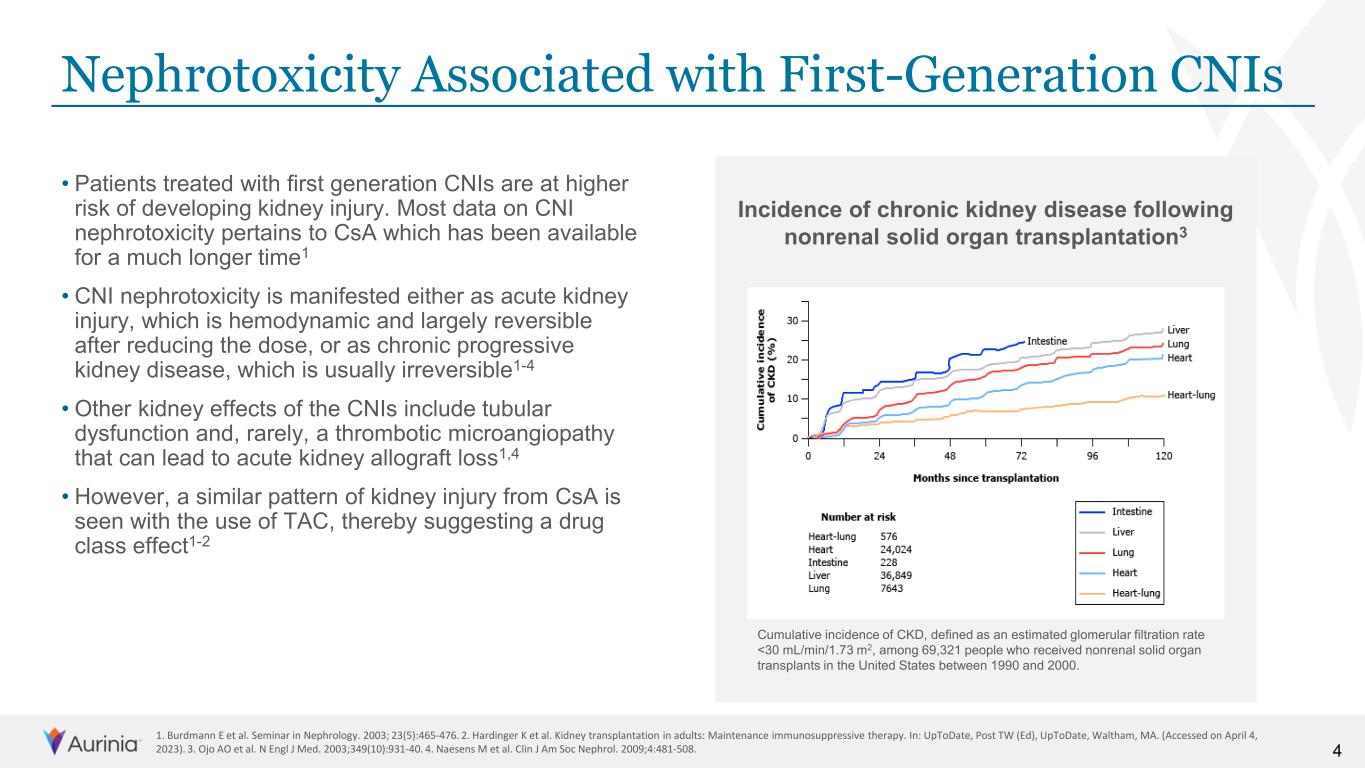
Cumulative incidence of CKD, defined as an estimated glomerular filtration rate <30 mL/min/1.73 m2, among 69,321 people who received nonrenal solid organ transplants in the United States between 1990 and 2000. Incidence of chronic kidney disease following nonrenal solid organ transplantation3 Nephrotoxicity Associated with First-Generation CNIs • Patients treated with first generation CNIs are at higher risk of developing kidney injury. Most data on CNI nephrotoxicity pertains to CsA which has been available for a much longer time1 • CNI nephrotoxicity is manifested either as acute kidney injury, which is hemodynamic and largely reversible after reducing the dose, or as chronic progressive kidney disease, which is usually irreversible1-4 • Other kidney effects of the CNIs include tubular dysfunction and, rarely, a thrombotic microangiopathy that can lead to acute kidney allograft loss1,4 • However, a similar pattern of kidney injury from CsA is seen with the use of TAC, thereby suggesting a drug class effect1-2 1. Burdmann E et al. Seminar in Nephrology. 2003; 23(5):465-476. 2. Hardinger K et al. Kidney transplantation in adults: Maintenance immunosuppressive therapy. In: UpToDate, Post TW (Ed), UpToDate, Waltham, MA. (Accessed on April 4, 2023). 3. Ojo AO et al. N Engl J Med. 2003;349(10):931-40. 4. Naesens M et al. Clin J Am Soc Nephrol. 2009;4:481-508. 4
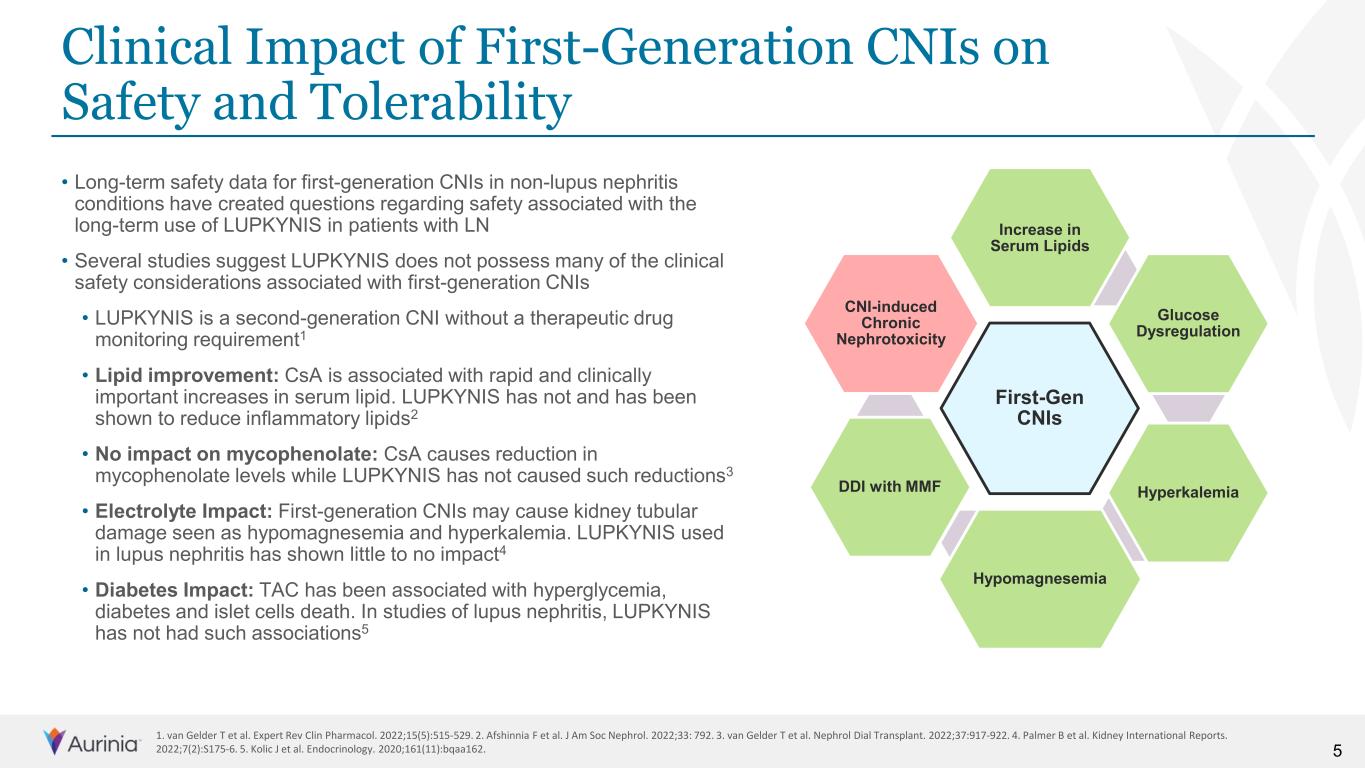
• Long-term safety data for first-generation CNIs in non-lupus nephritis conditions have created questions regarding safety associated with the long-term use of LUPKYNIS in patients with LN • Several studies suggest LUPKYNIS does not possess many of the clinical safety considerations associated with first-generation CNIs • LUPKYNIS is a second-generation CNI without a therapeutic drug monitoring requirement1 • Lipid improvement: CsA is associated with rapid and clinically important increases in serum lipid. LUPKYNIS has not and has been shown to reduce inflammatory lipids2 • No impact on mycophenolate: CsA causes reduction in mycophenolate levels while LUPKYNIS has not caused such reductions3 • Electrolyte Impact: First-generation CNIs may cause kidney tubular damage seen as hypomagnesemia and hyperkalemia. LUPKYNIS used in lupus nephritis has shown little to no impact4 • Diabetes Impact: TAC has been associated with hyperglycemia, diabetes and islet cells death. In studies of lupus nephritis, LUPKYNIS has not had such associations5 1. van Gelder T et al. Expert Rev Clin Pharmacol. 2022;15(5):515-529. 2. Afshinnia F et al. J Am Soc Nephrol. 2022;33: 792. 3. van Gelder T et al. Nephrol Dial Transplant. 2022;37:917-922. 4. Palmer B et al. Kidney International Reports. 2022;7(2):S175-6. 5. Kolic J et al. Endocrinology. 2020;161(11):bqaa162. First-Gen CNIs Increase in Serum Lipids Glucose Dysregulation Hyperkalemia Hypomagnesemia DDI with MMF CNI-induced Chronic Nephrotoxicity Clinical Impact of First-Generation CNIs on Safety and Tolerability 5
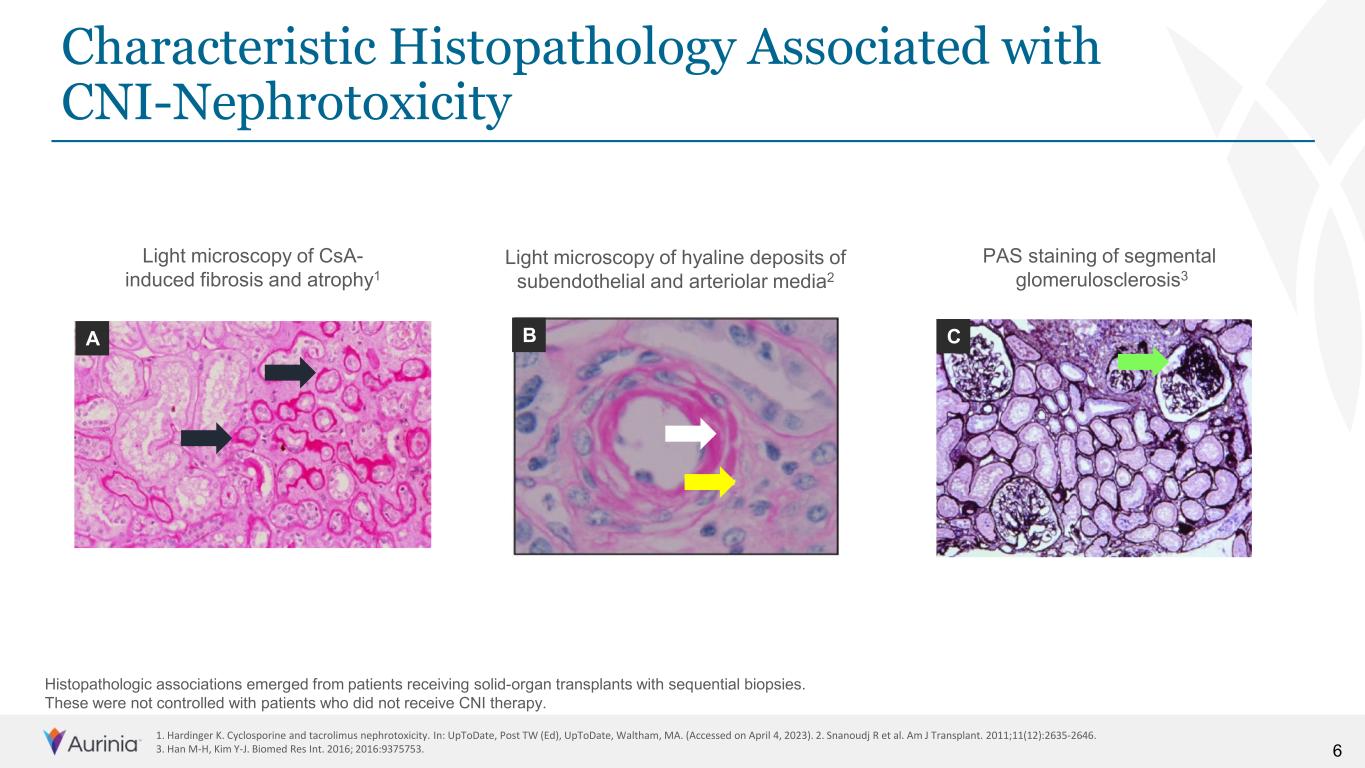
Characteristic Histopathology Associated with CNI-Nephrotoxicity Histopathologic associations emerged from patients receiving solid-organ transplants with sequential biopsies. These were not controlled with patients who did not receive CNI therapy. 1. Hardinger K. Cyclosporine and tacrolimus nephrotoxicity. In: UpToDate, Post TW (Ed), UpToDate, Waltham, MA. (Accessed on April 4, 2023). 2. Snanoudj R et al. Am J Transplant. 2011;11(12):2635-2646. 3. Han M-H, Kim Y-J. Biomed Res Int. 2016; 2016:9375753. Light microscopy of CsA- induced fibrosis and atrophy1 Light microscopy of hyaline deposits of subendothelial and arteriolar media2 PAS staining of segmental glomerulosclerosis3 A B C 6
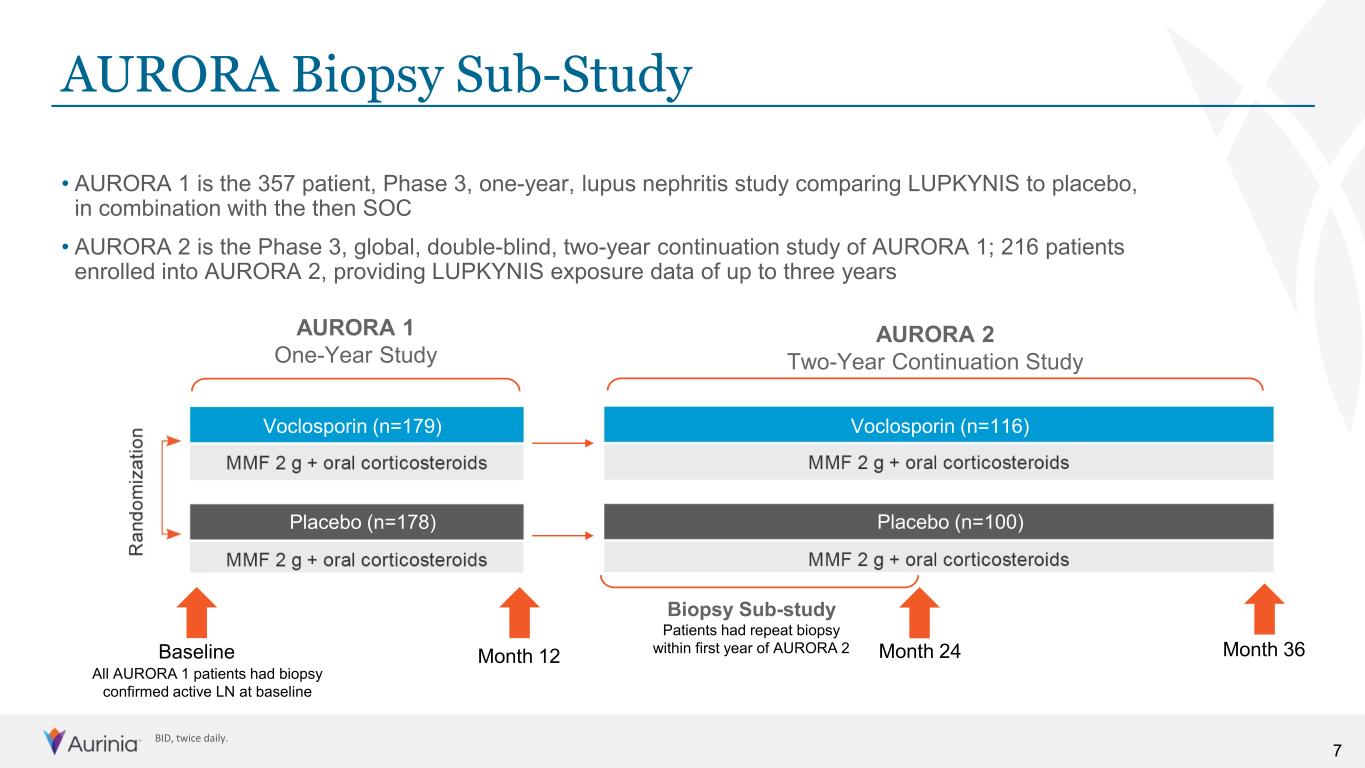
AURORA Biopsy Sub-Study • AURORA 1 is the 357 patient, Phase 3, one-year, lupus nephritis study comparing LUPKYNIS to placebo, in combination with the then SOC • AURORA 2 is the Phase 3, global, double-blind, two-year continuation study of AURORA 1; 216 patients enrolled into AURORA 2, providing LUPKYNIS exposure data of up to three years AURORA 1 One-Year Study AURORA 2 Two-Year Continuation Study BID, twice daily. Baseline Month 12 Month 24 Month 36 Biopsy Sub-study Patients had repeat biopsy within first year of AURORA 2 All AURORA 1 patients had biopsy confirmed active LN at baseline Placebo (n=178) Placebo (n=100) Voclosporin (n=179) Voclosporin (n=116) 7
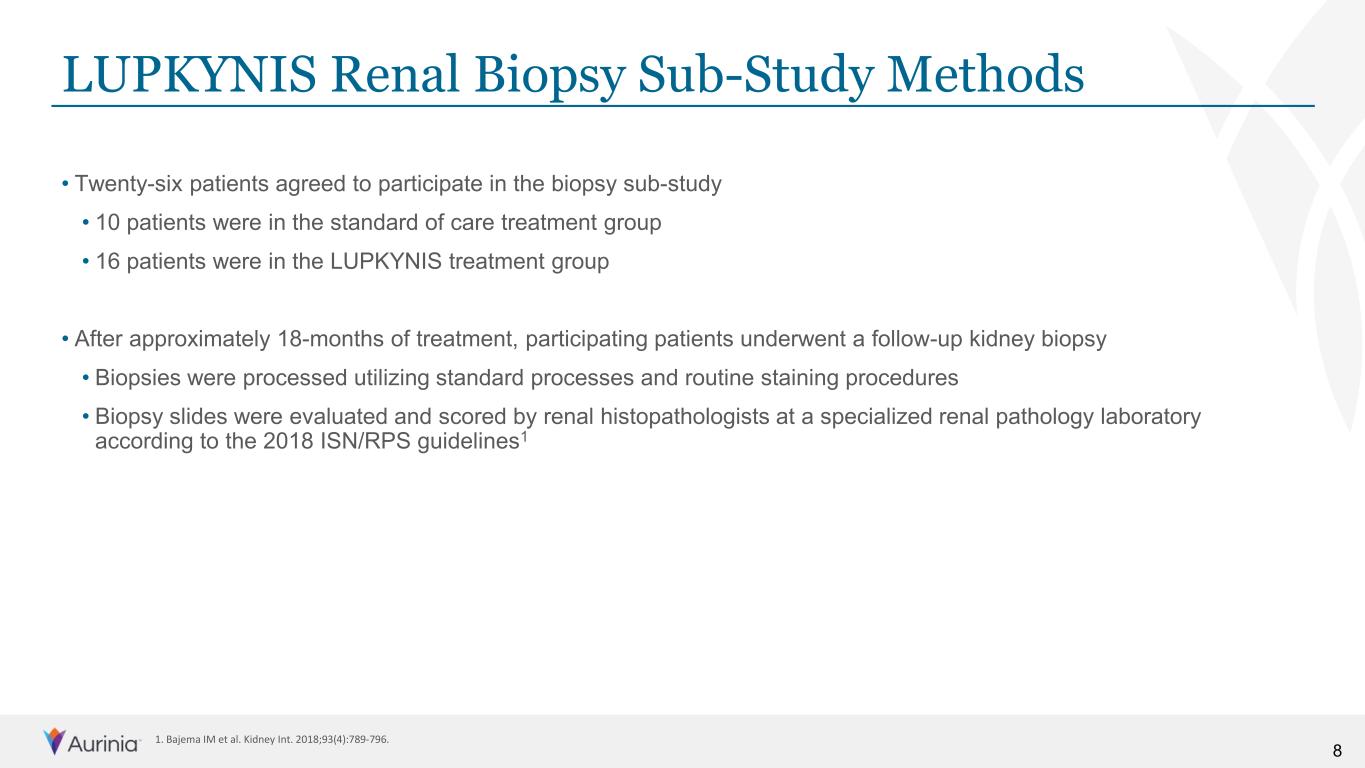
LUPKYNIS Renal Biopsy Sub-Study Methods • Twenty-six patients agreed to participate in the biopsy sub-study • 10 patients were in the standard of care treatment group • 16 patients were in the LUPKYNIS treatment group • After approximately 18-months of treatment, participating patients underwent a follow-up kidney biopsy • Biopsies were processed utilizing standard processes and routine staining procedures • Biopsy slides were evaluated and scored by renal histopathologists at a specialized renal pathology laboratory according to the 2018 ISN/RPS guidelines1 1. Bajema IM et al. Kidney Int. 2018;93(4):789-796. 8
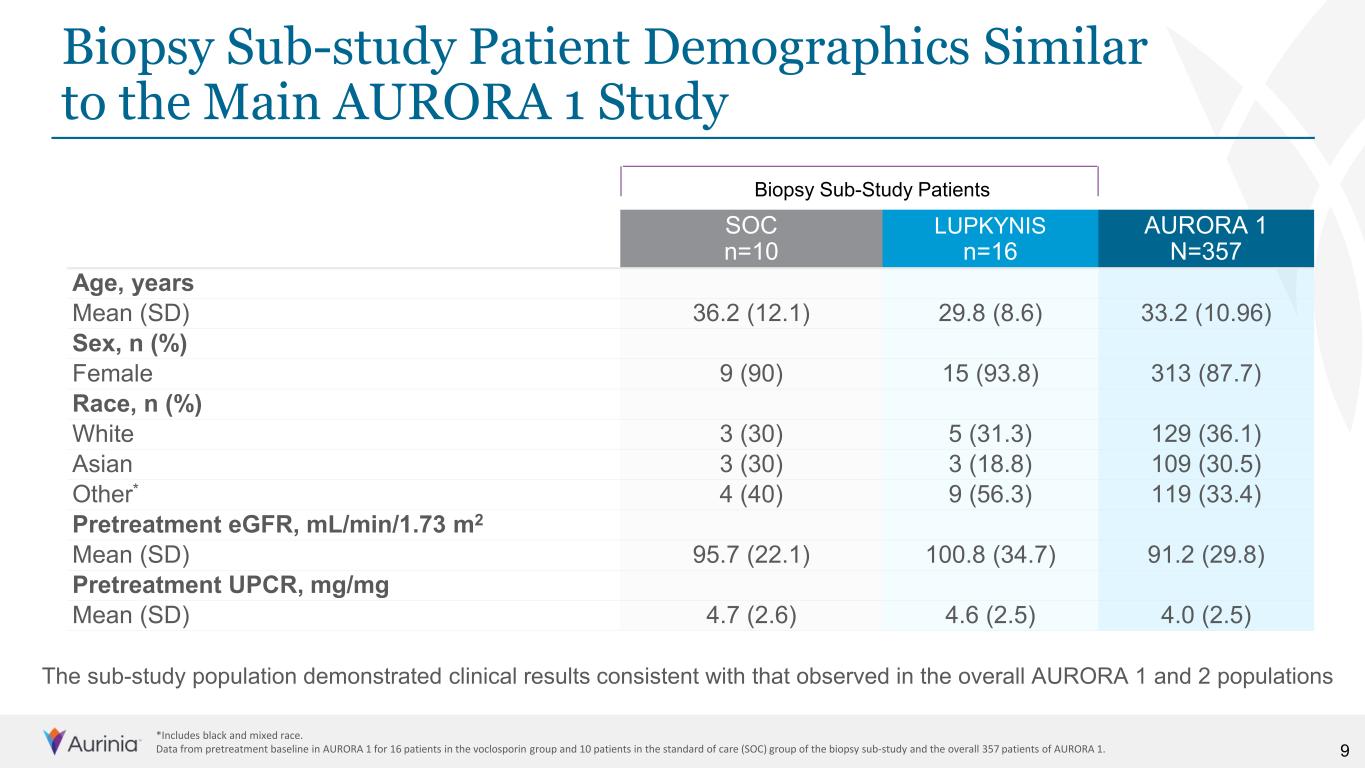
Biopsy Sub-study Patient Demographics Similar to the Main AURORA 1 Study SOC n=10 LUPKYNIS n=16 AURORA 1 N=357 Age, years Mean (SD) 36.2 (12.1) 29.8 (8.6) 33.2 (10.96) Sex, n (%) Female 9 (90) 15 (93.8) 313 (87.7) Race, n (%) White 3 (30) 5 (31.3) 129 (36.1) Asian 3 (30) 3 (18.8) 109 (30.5) Other* 4 (40) 9 (56.3) 119 (33.4) Pretreatment eGFR, mL/min/1.73 m2 Mean (SD) 95.7 (22.1) 100.8 (34.7) 91.2 (29.8) Pretreatment UPCR, mg/mg Mean (SD) 4.7 (2.6) 4.6 (2.5) 4.0 (2.5) *Includes black and mixed race. Data from pretreatment baseline in AURORA 1 for 16 patients in the voclosporin group and 10 patients in the standard of care (SOC) group of the biopsy sub-study and the overall 357 patients of AURORA 1. The sub-study population demonstrated clinical results consistent with that observed in the overall AURORA 1 and 2 populations 9 Biopsy Sub-Study Patients
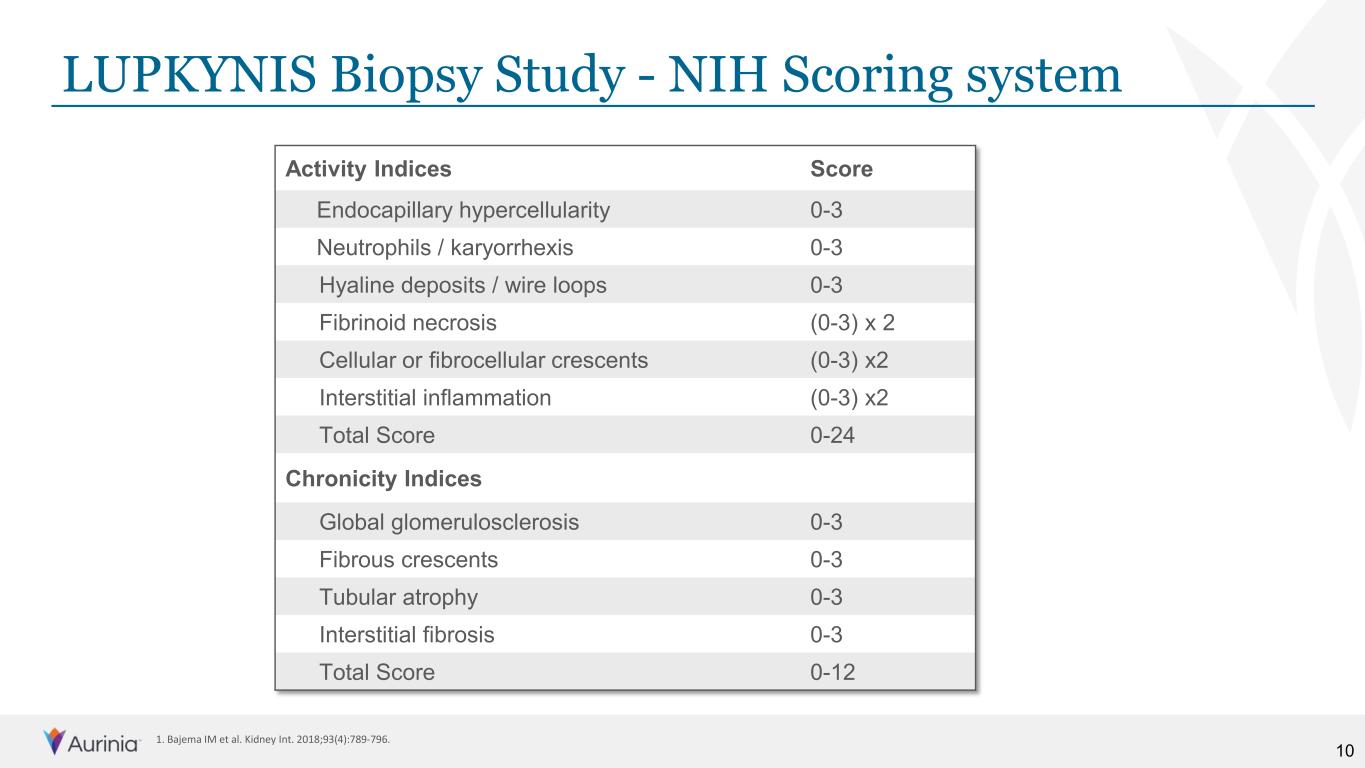
Activity Indices Score Endocapillary hypercellularity 0-3 Neutrophils / karyorrhexis 0-3 Hyaline deposits / wire loops 0-3 Fibrinoid necrosis (0-3) x 2 Cellular or fibrocellular crescents (0-3) x2 Interstitial inflammation (0-3) x2 Total Score 0-24 Chronicity Indices Global glomerulosclerosis 0-3 Fibrous crescents 0-3 Tubular atrophy 0-3 Interstitial fibrosis 0-3 Total Score 0-12 LUPKYNIS Biopsy Study - NIH Scoring system 1. Bajema IM et al. Kidney Int. 2018;93(4):789-796. 10
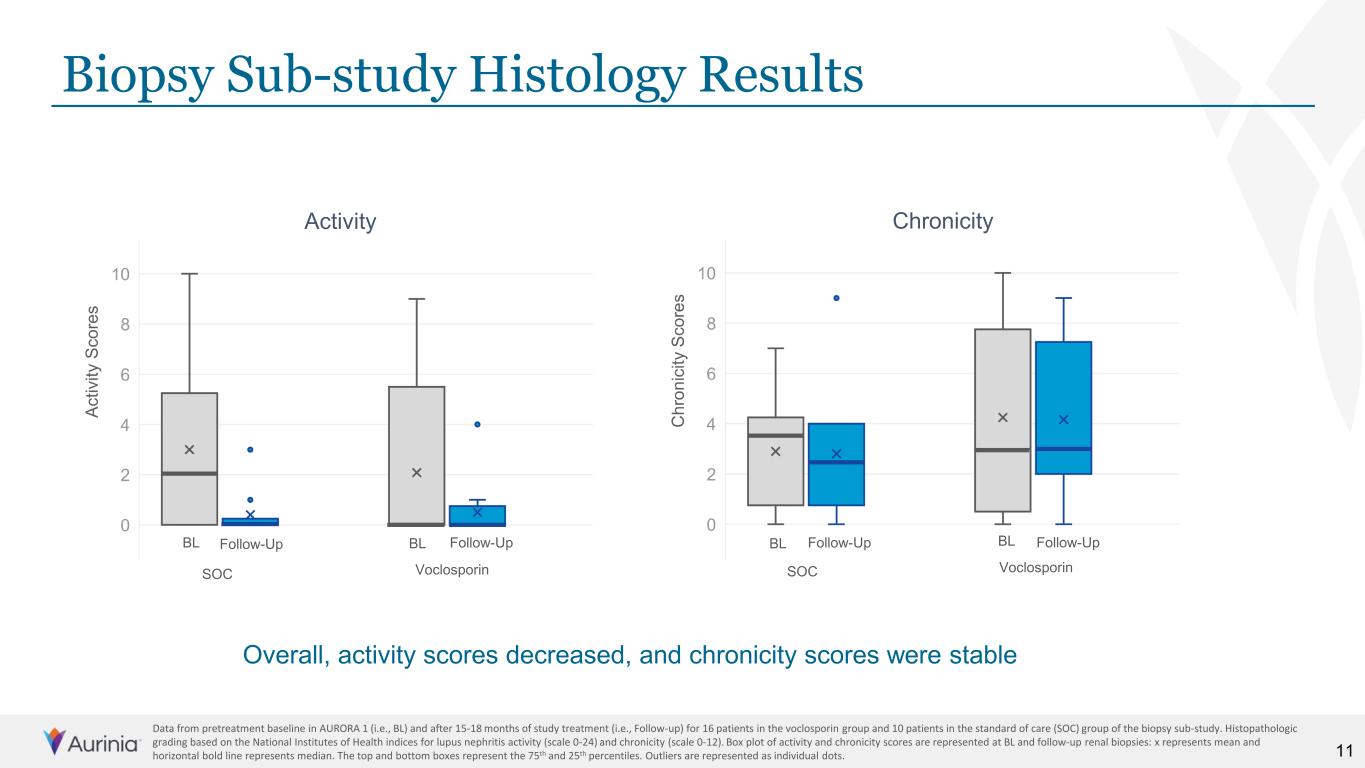
Biopsy Sub-study Histology Results Overall, activity scores decreased, and chronicity scores were stable Data from pretreatment baseline in AURORA 1 (i.e., BL) and after 15-18 months of study treatment (i.e., Follow-up) for 16 patients in the voclosporin group and 10 patients in the standard of care (SOC) group of the biopsy sub-study. Histopathologic grading based on the National Institutes of Health indices for lupus nephritis activity (scale 0-24) and chronicity (scale 0-12). Box plot of activity and chronicity scores are represented at BL and follow-up renal biopsies: x represents mean and horizontal bold line represents median. The top and bottom boxes represent the 75th and 25th percentiles. Outliers are represented as individual dots. SOC Voclosporin BL BL BL BLFollow-Up Follow-Up Follow-Up Follow-Up Activity Chronicity SOC Voclosporin 11
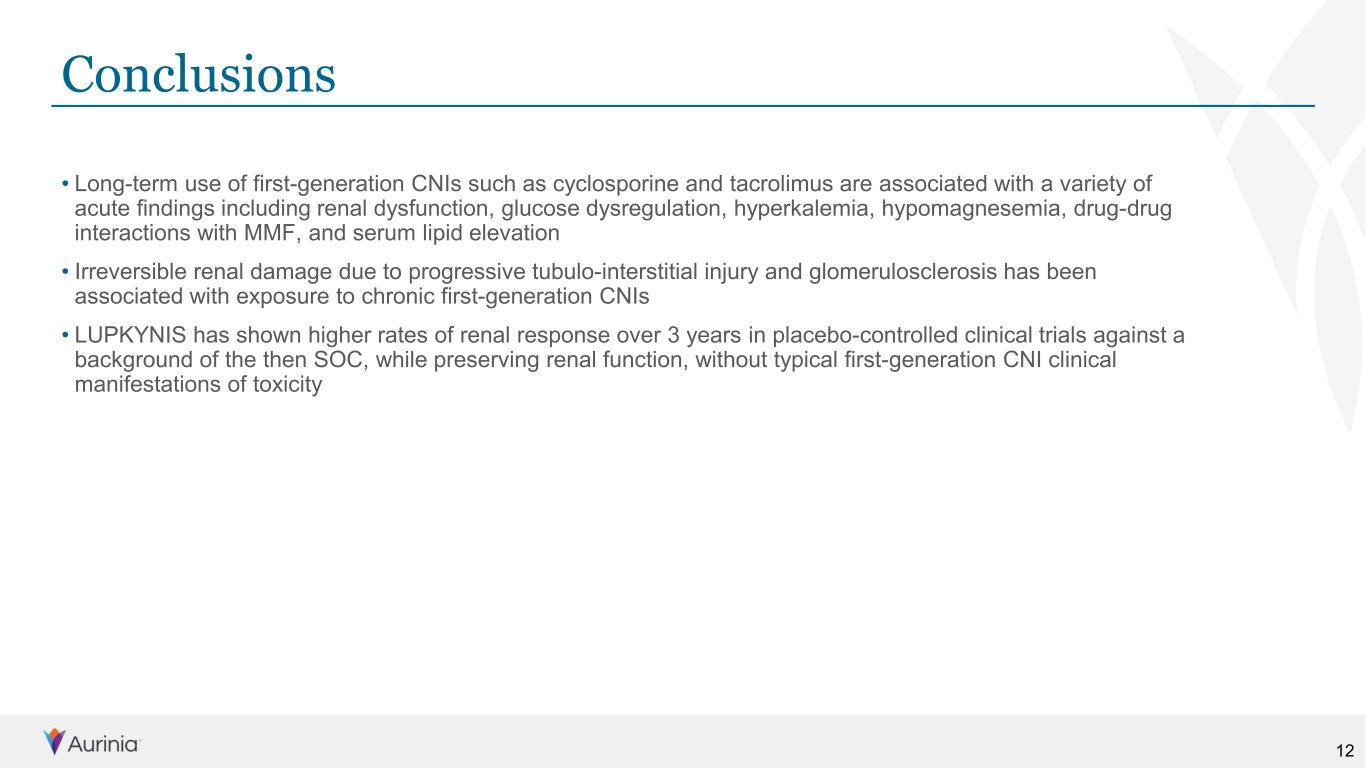
Conclusions • Long-term use of first-generation CNIs such as cyclosporine and tacrolimus are associated with a variety of acute findings including renal dysfunction, glucose dysregulation, hyperkalemia, hypomagnesemia, drug-drug interactions with MMF, and serum lipid elevation • Irreversible renal damage due to progressive tubulo-interstitial injury and glomerulosclerosis has been associated with exposure to chronic first-generation CNIs • LUPKYNIS has shown higher rates of renal response over 3 years in placebo-controlled clinical trials against a background of the then SOC, while preserving renal function, without typical first-generation CNI clinical manifestations of toxicity 12
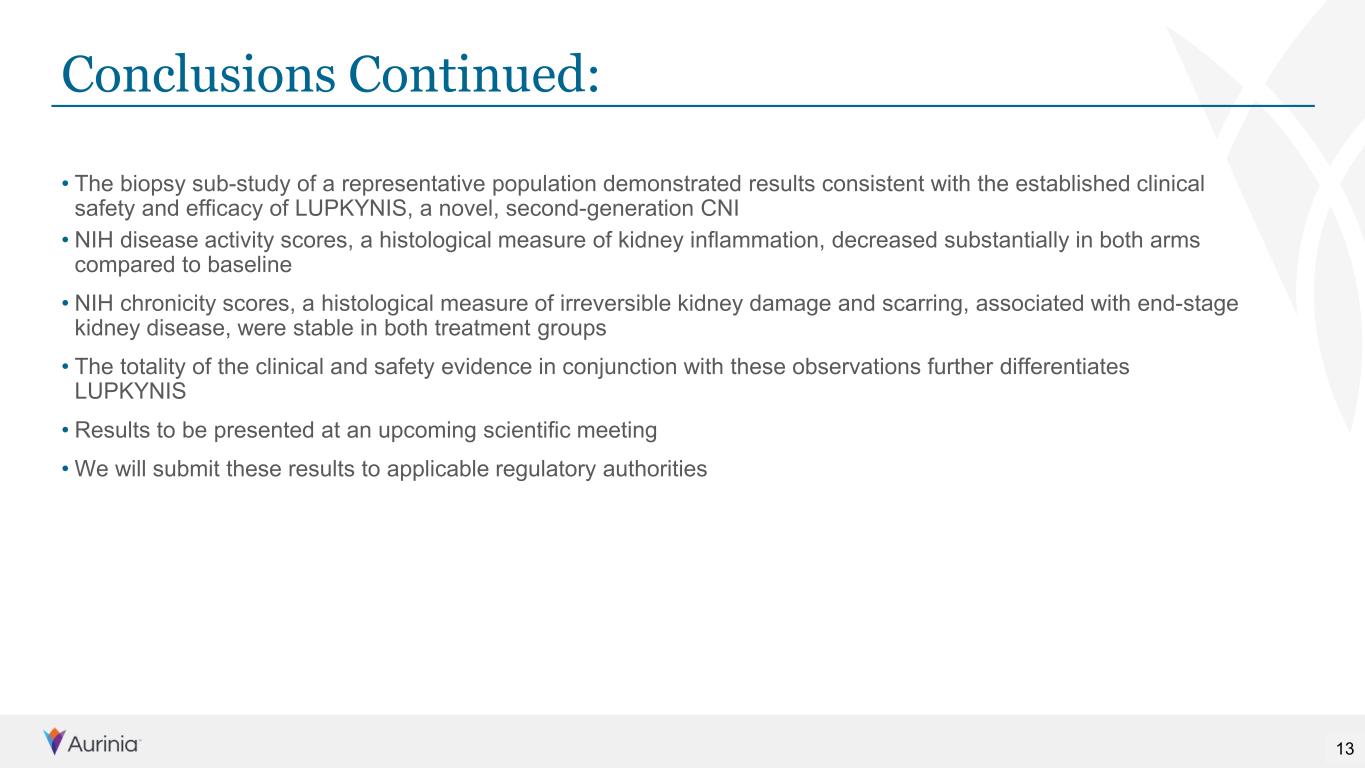
Conclusions Continued: • The biopsy sub-study of a representative population demonstrated results consistent with the established clinical safety and efficacy of LUPKYNIS, a novel, second-generation CNI • NIH disease activity scores, a histological measure of kidney inflammation, decreased substantially in both arms compared to baseline • NIH chronicity scores, a histological measure of irreversible kidney damage and scarring, associated with end-stage kidney disease, were stable in both treatment groups • The totality of the clinical and safety evidence in conjunction with these observations further differentiates LUPKYNIS • Results to be presented at an upcoming scientific meeting • We will submit these results to applicable regulatory authorities 1313

Renal Biopsy Sub-study April 2023