Operator
Good morning, and welcome to the Brightspire Capital First Quarter 2026 Earnings Conference Call. All participants will be in listen-only mode. Should you need assistance, please signal a conference specialist by pressing the star key followed by zero. After today's presentation, there will be an opportunity to ask questions. To ask a question, you may press star, then one on your telephone keypad. To withdraw your question, please press star, then 2. Please note, this event is being recorded. I would now like to turn the conference over to David Palame, General Counsel. Please go ahead.
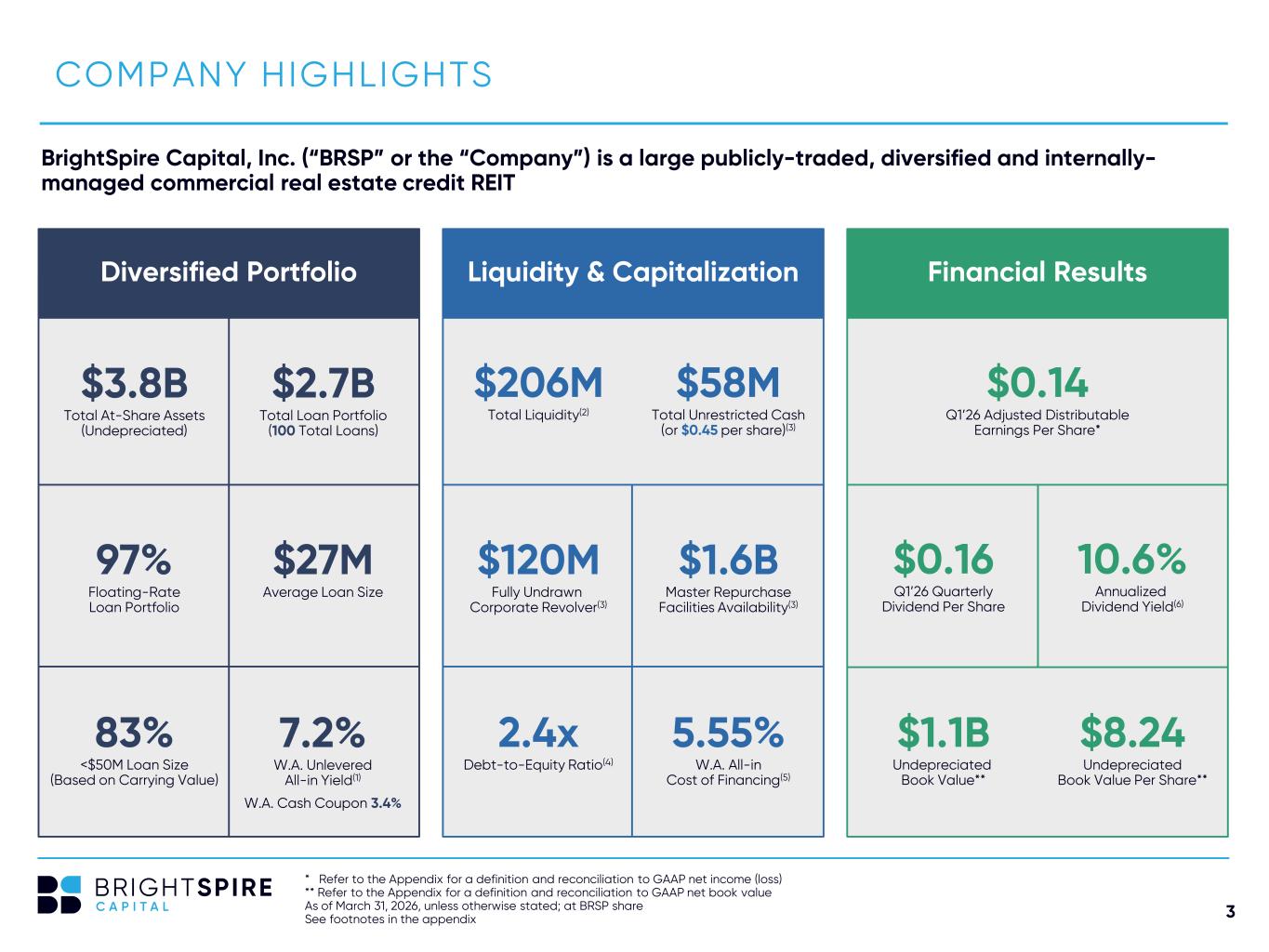
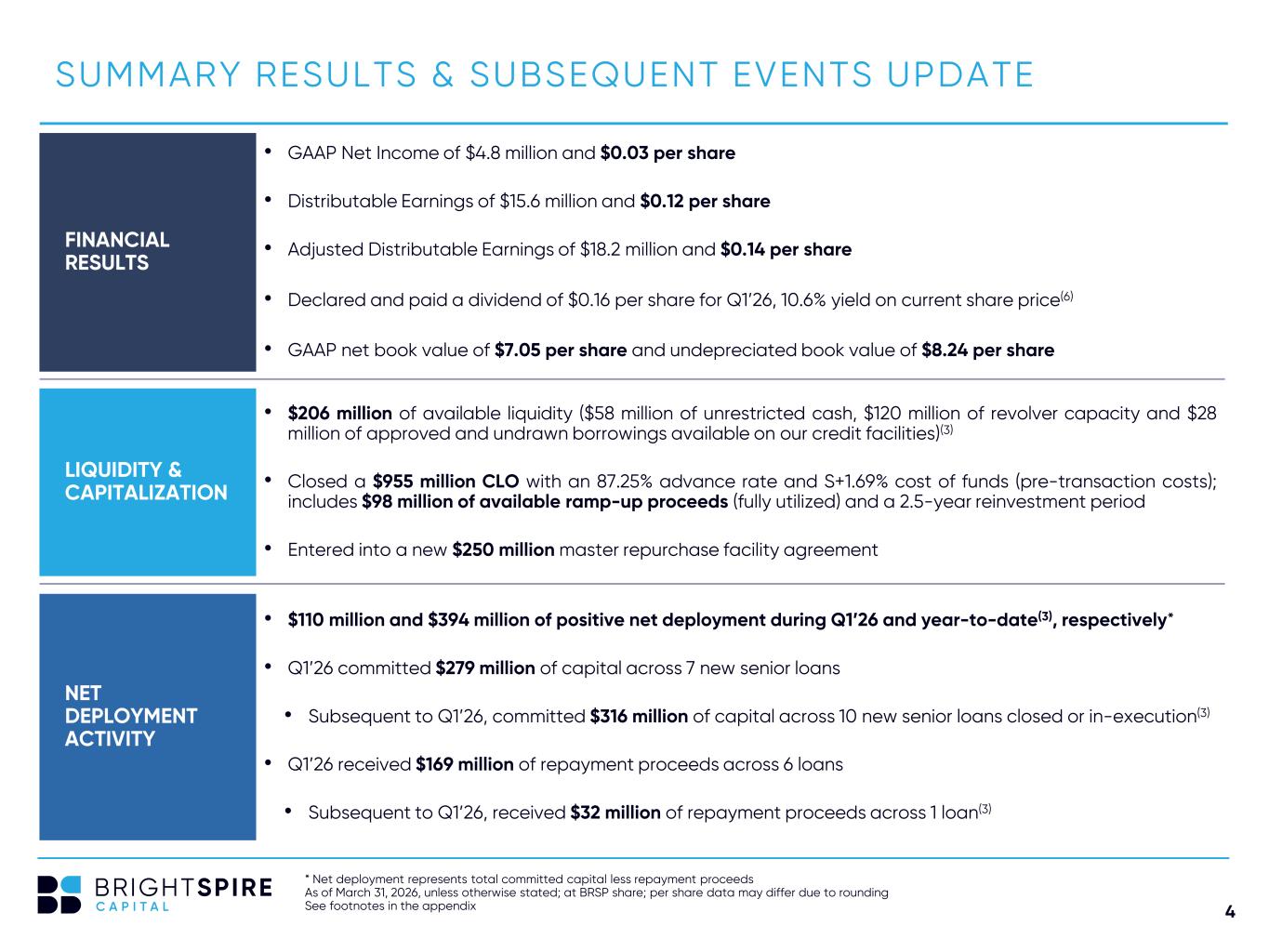
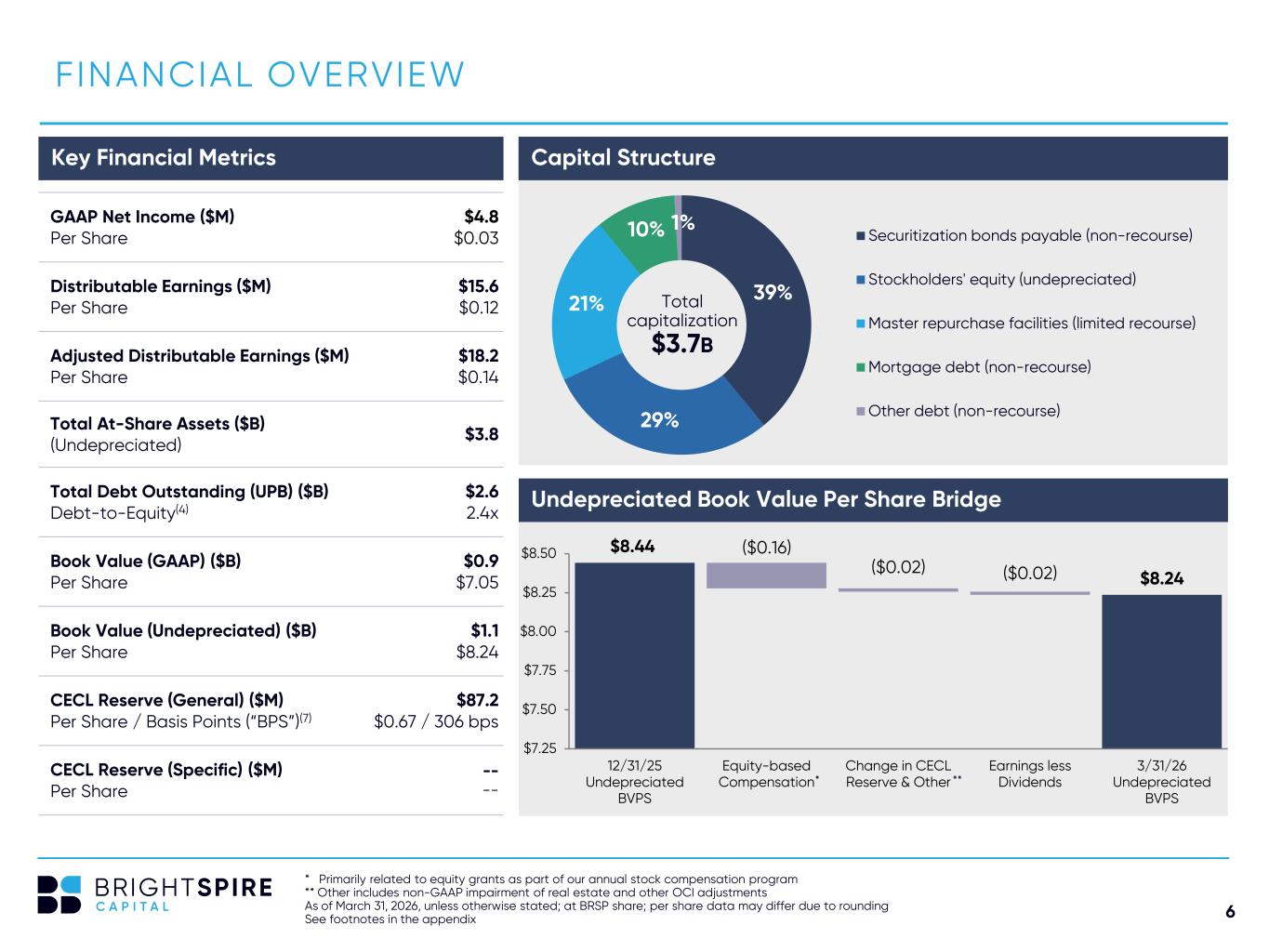
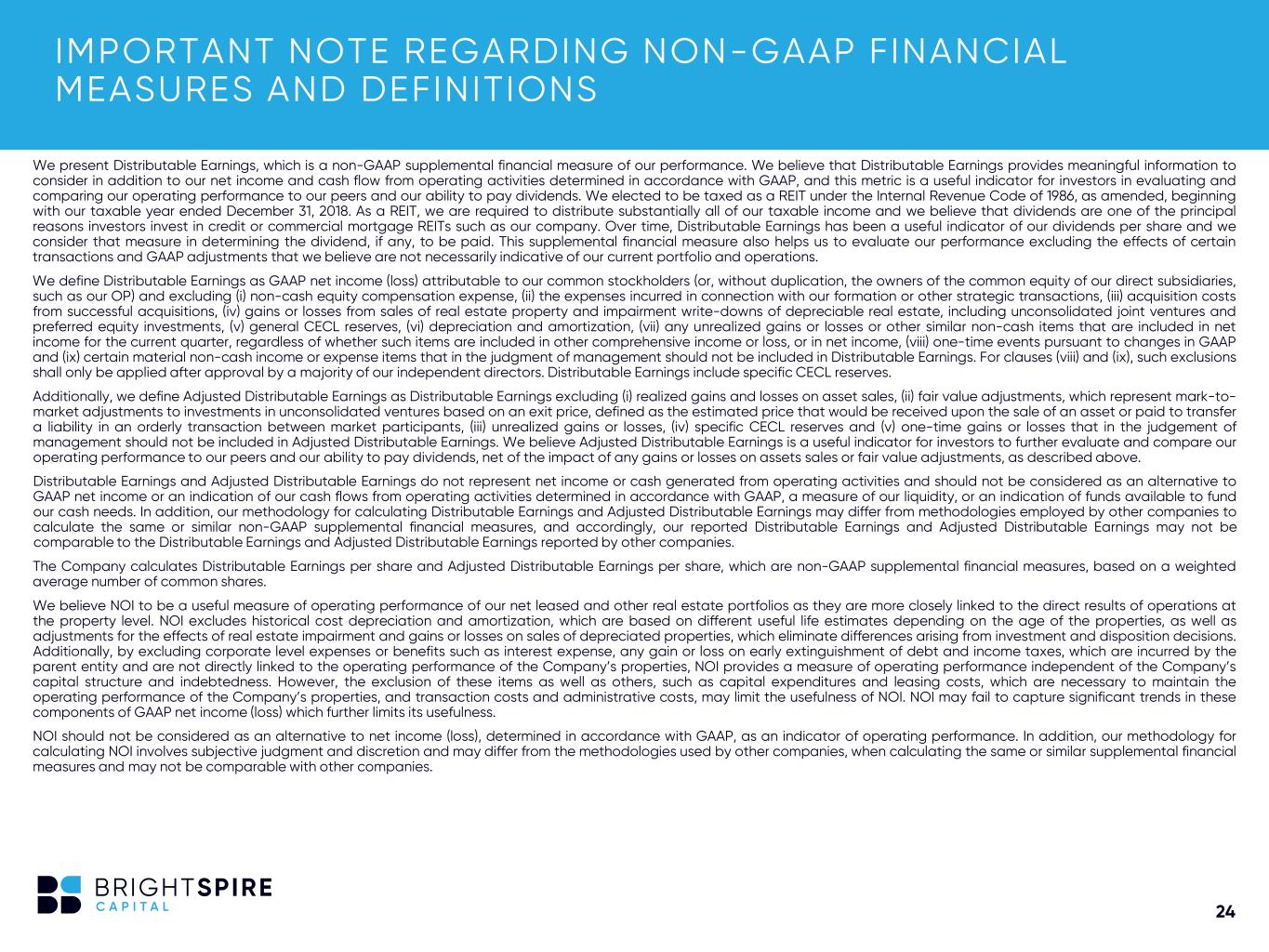
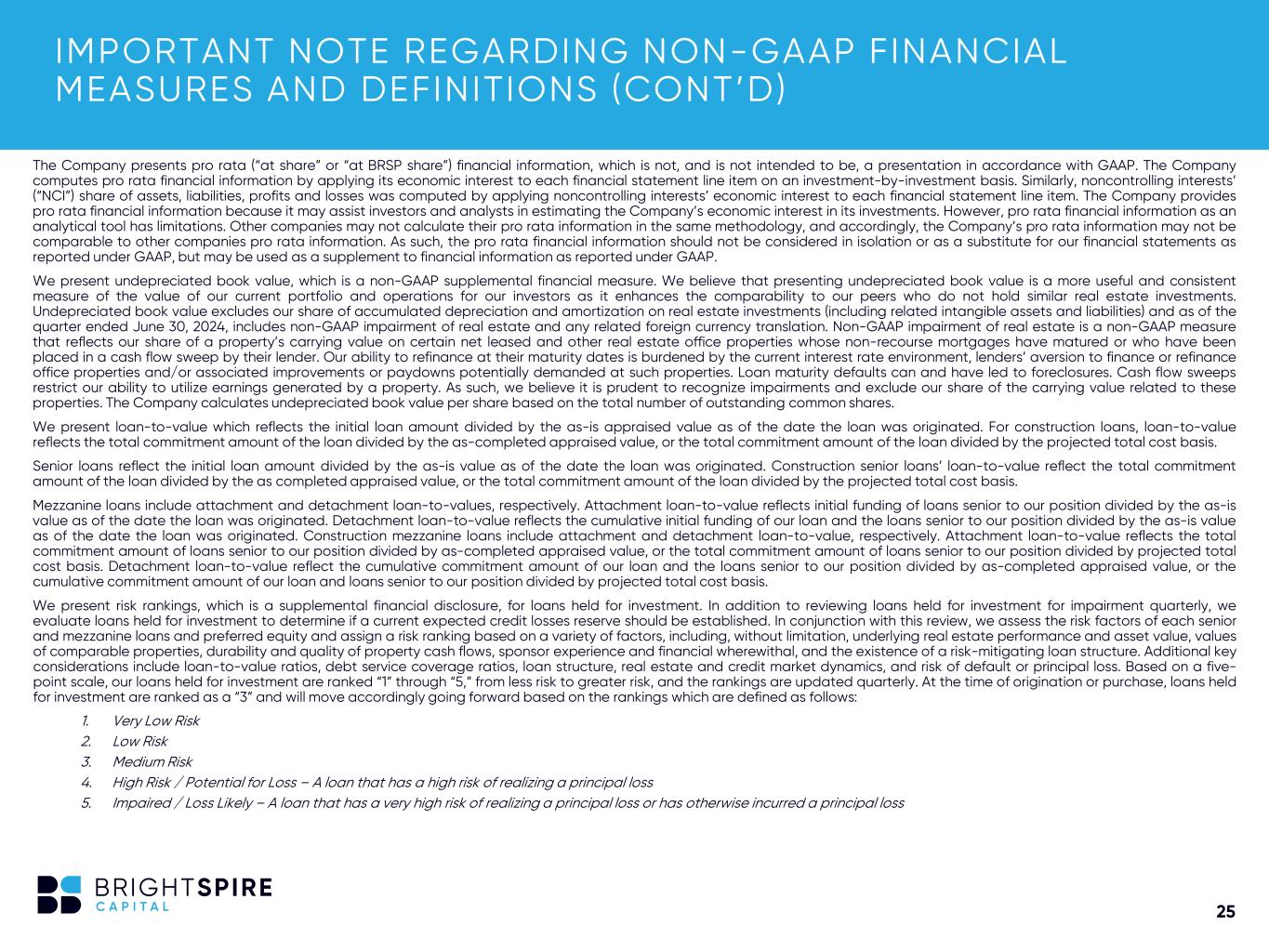
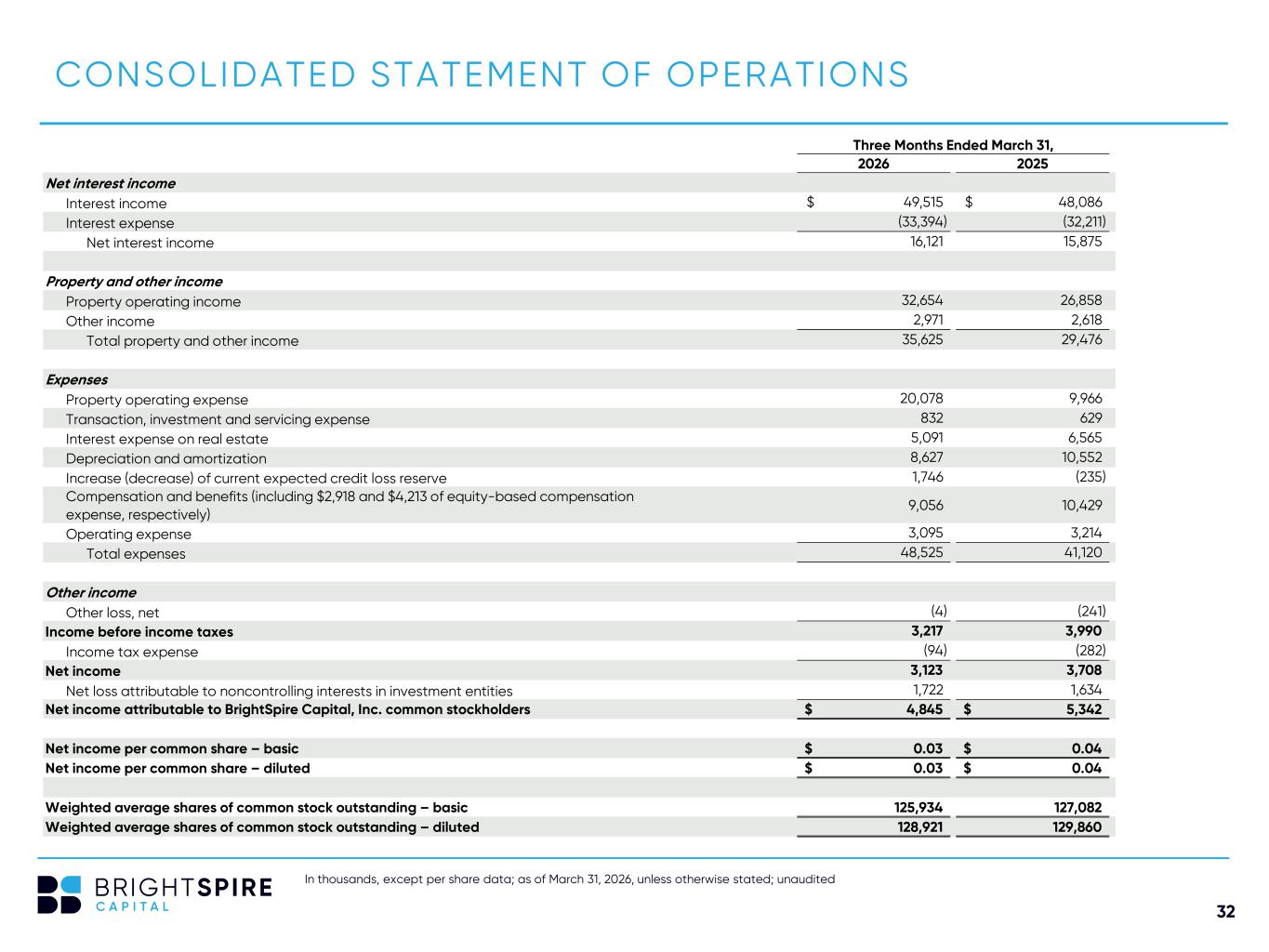
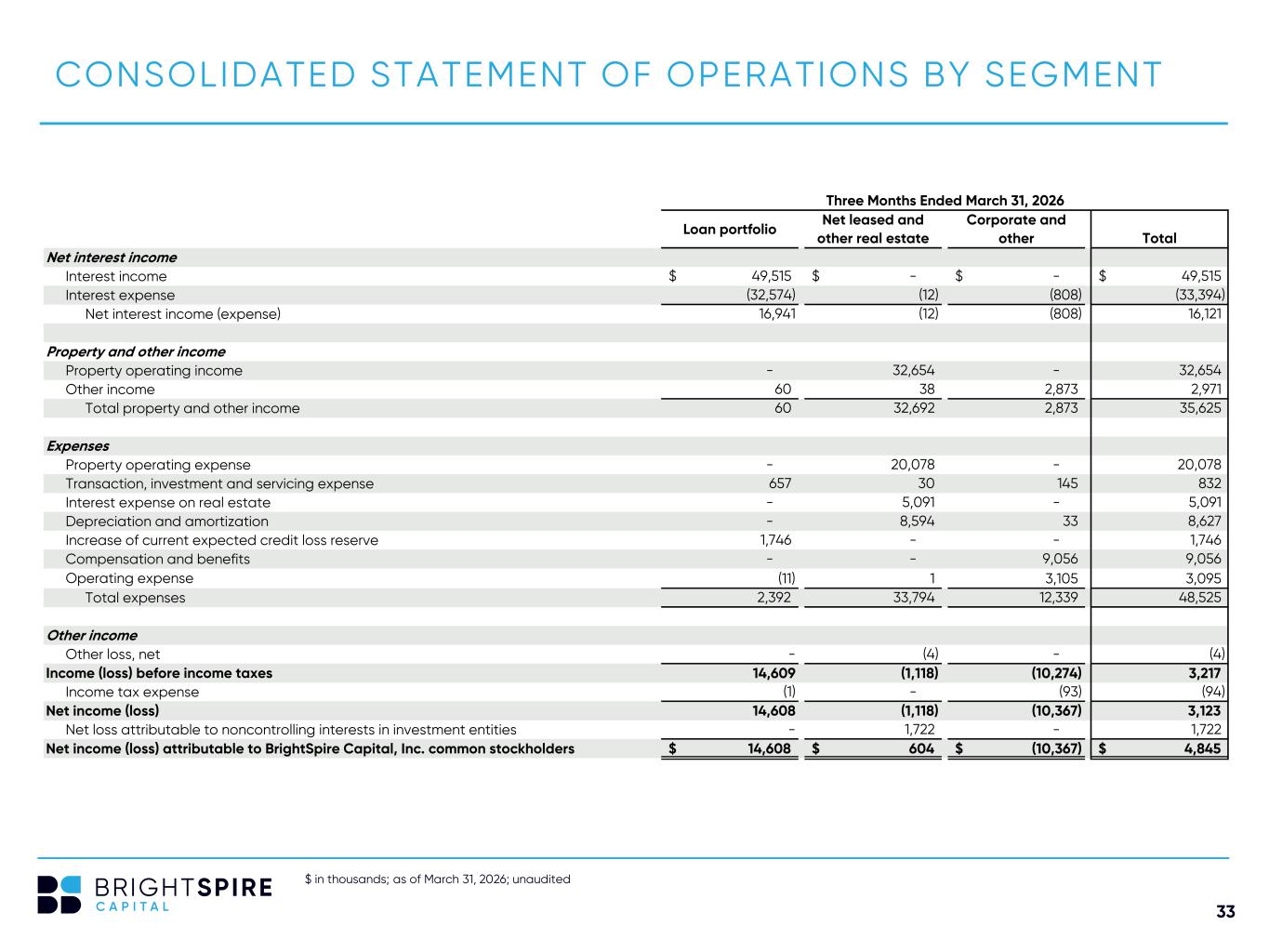
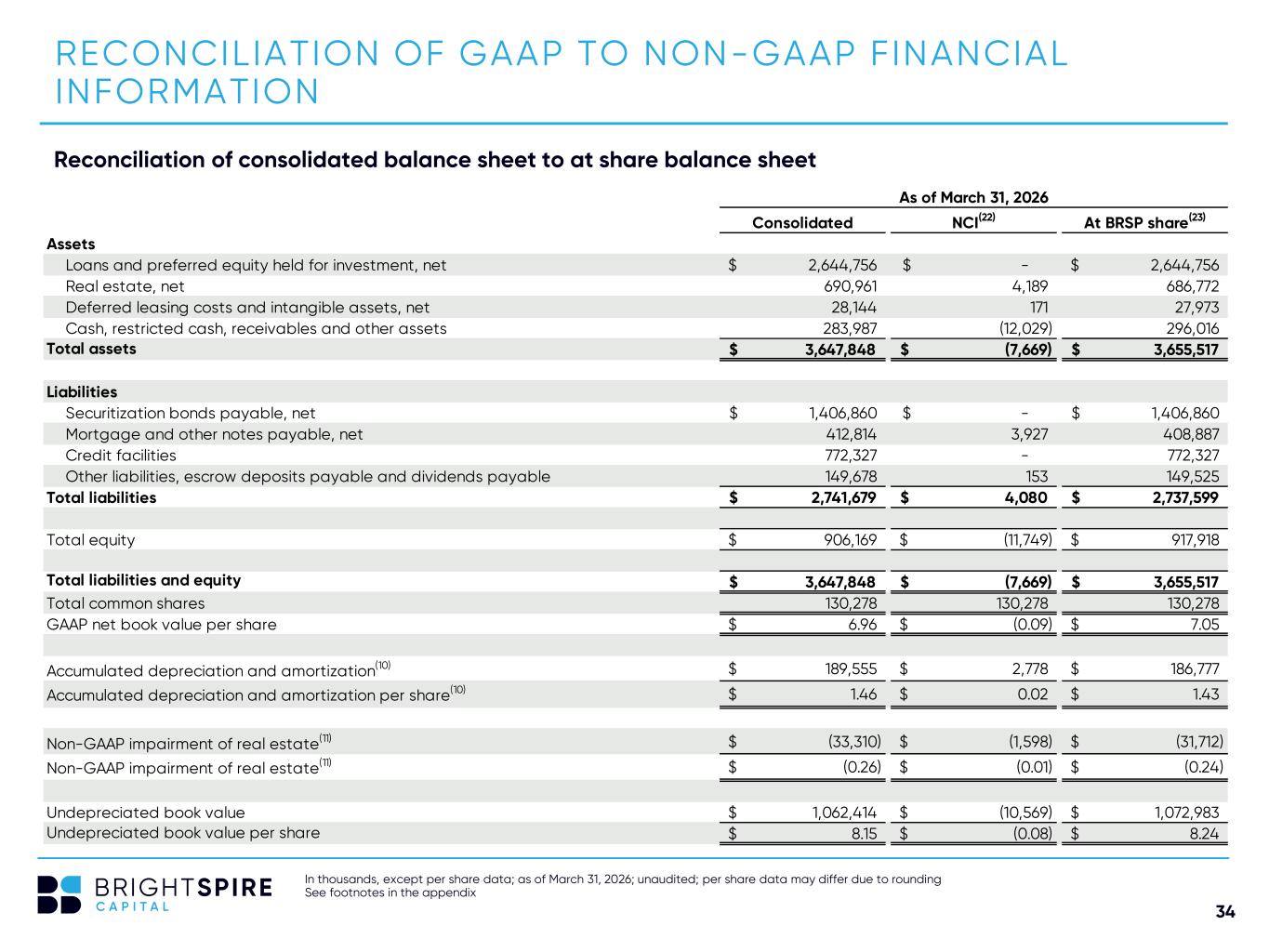
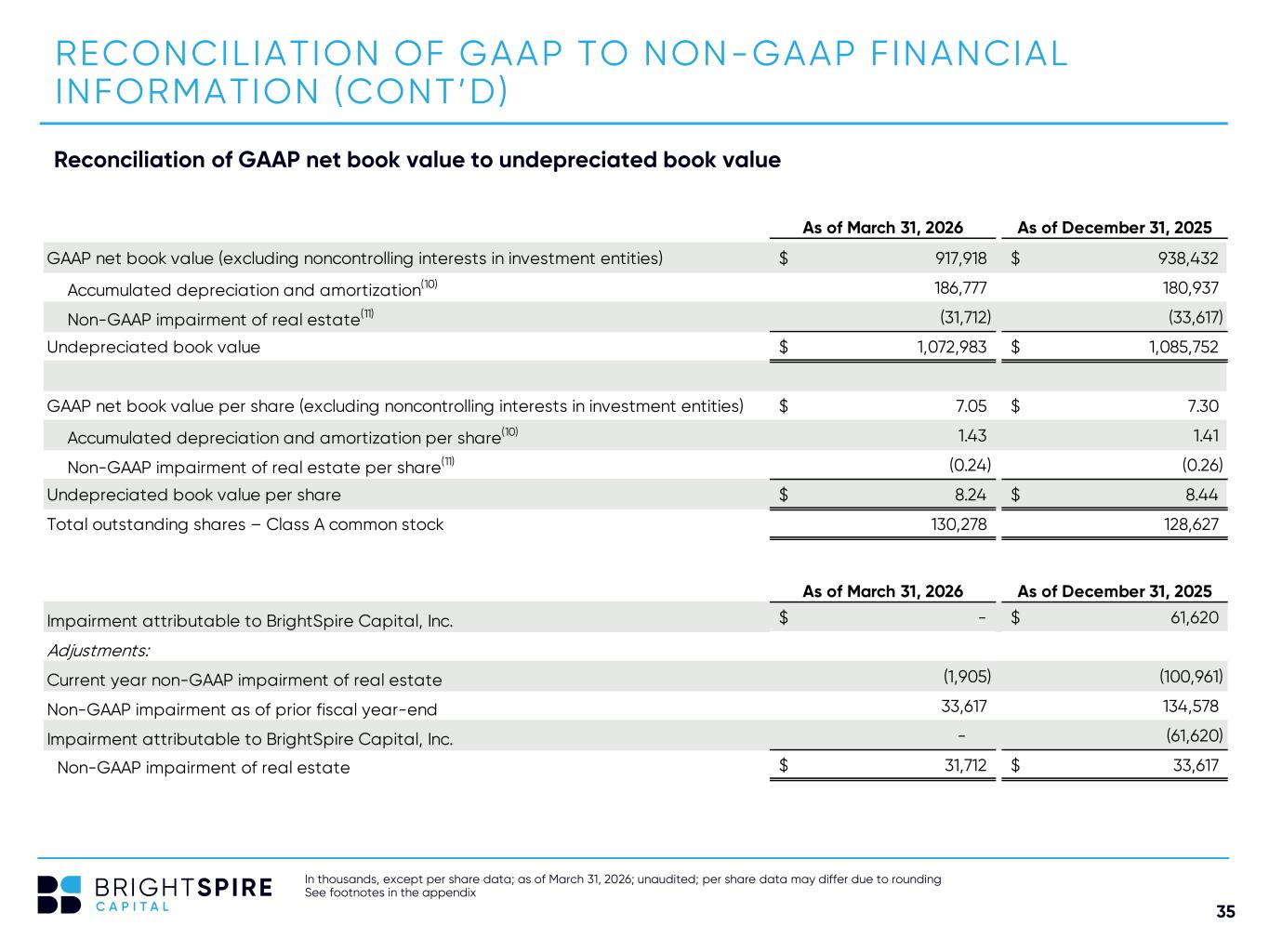
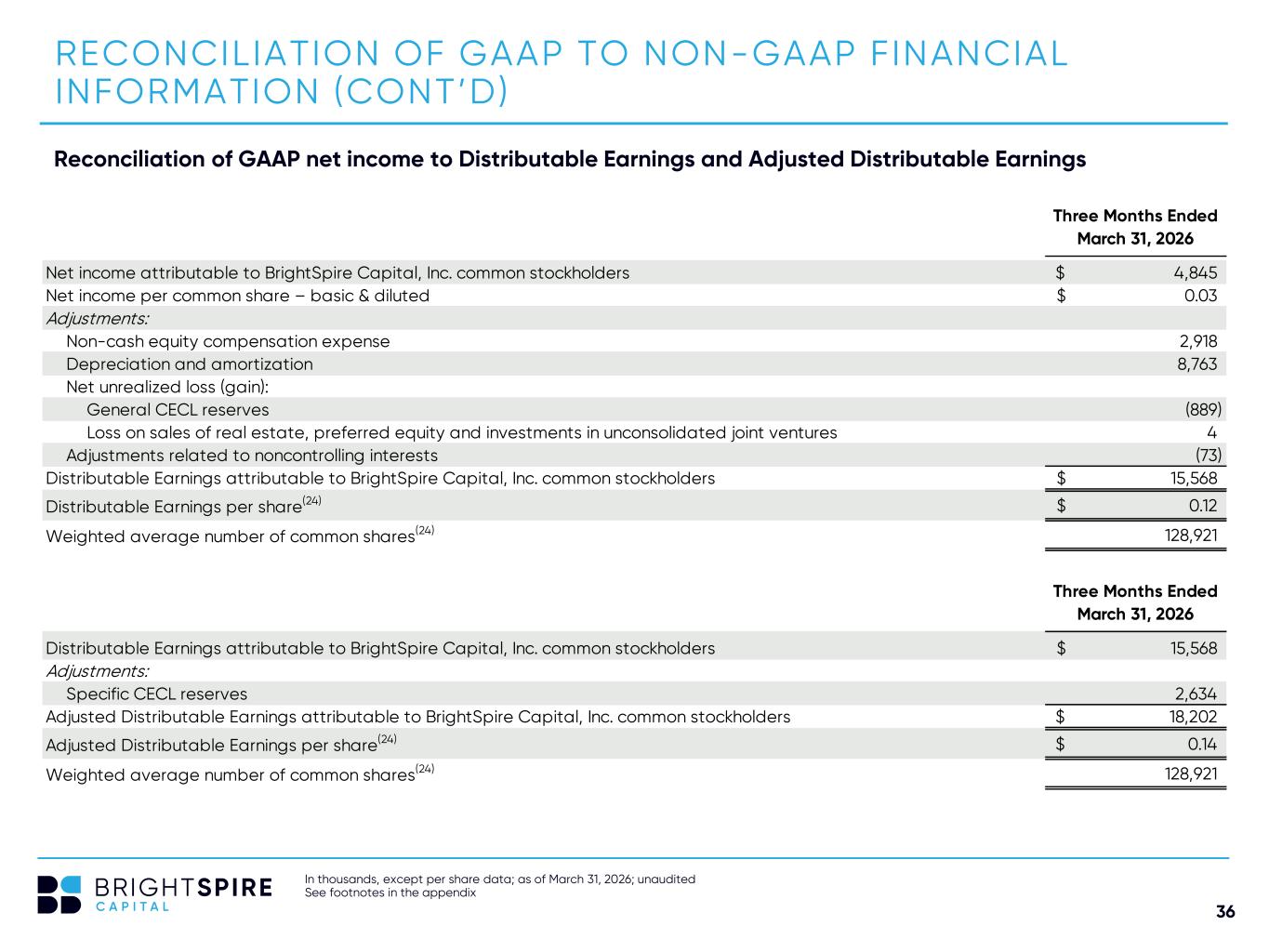
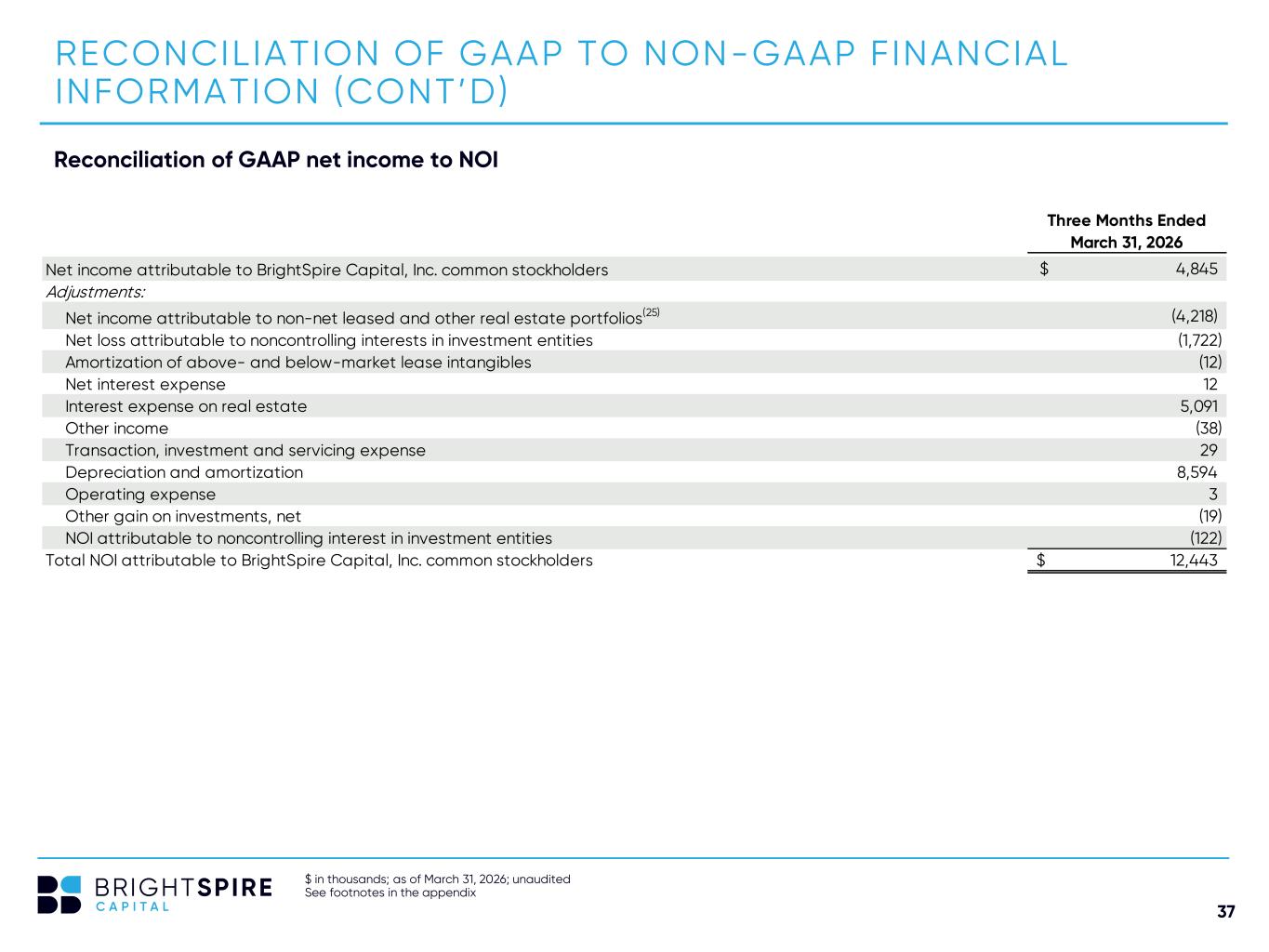
Good morning, and welcome to Brightspire Capital's first quarter 2026 earnings conference call. We will refer to Brightspire Capital as Brightspire, BRSP, or the company throughout this call. Speaking on the call today are the company's Chief Executive Officer, Mike Mazze, President and Chief Operating Officer, Andy Witt, and Chief Financial Officer, Frank Saraceno. Before I hand the call over, please note that on this call, certain information presented contains forward-looking statements. These statements, which are based on management's current expectations, are subject to risks, uncertainties, and assumptions. Potential risks and uncertainties could cause the company's business and financial results to differ materially. For a discussion of risks that could affect results, please see the risk factors section of our most recent 10-K and other risk factors and forward-looking statements in the company's current and periodic reports filed with the SEC from time to time. All information discussed on this call is as of today, April 29, 2026, and the company does not intend and undertakes no duty to update for future events or circumstances. In addition, certain financial information presented on this call represents non-GAAP financial measures. The company's earnings release and supplemental presentation, which was released yesterday afternoon and is available on the company's website, presents reconciliations to the appropriate GAAP measures and an explanation of why the company believes such non-GAAP financial measures are useful to investors. Before I turn the call over to Mike, I will provide a brief recap on our results. The company reported first-quarter gap net income attributable to common stockholders of $4.8 million, or $0.03 per share, distributable earnings of $15.6 million, or $0.12 per share, and adjusted distributable earnings of $18.2 million, or $0.14 per share. Current liquidity stands at $206 million, of which $58 million is unrestricted cash. The company also reported gap net book value of $7.05 per share and undepreciated book value of $8.24 per share as of March 31, 2026. Finally, during this call, management may refer to distributable earnings as D-E. With that, I would now like to turn the call over to Mike.
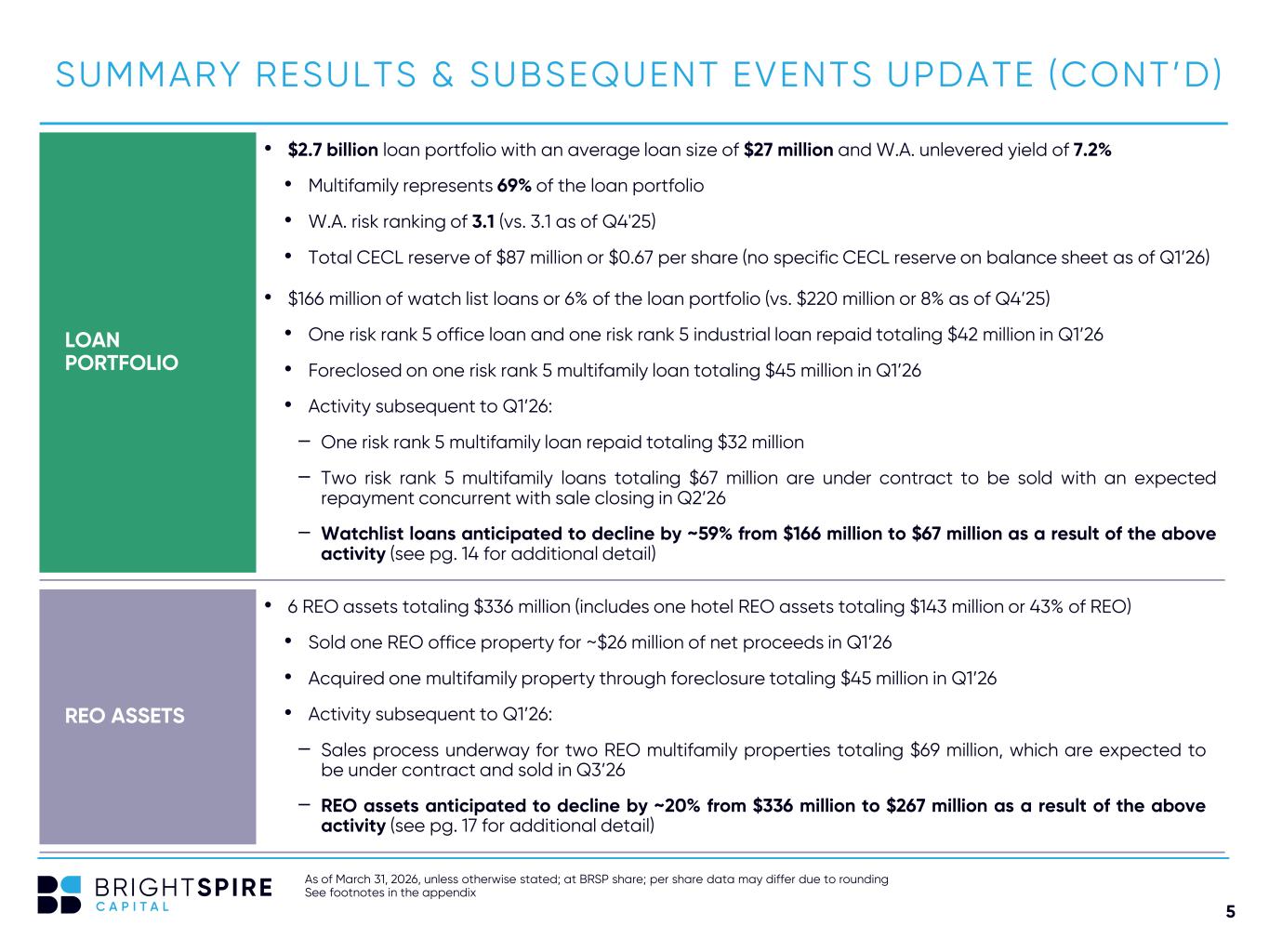
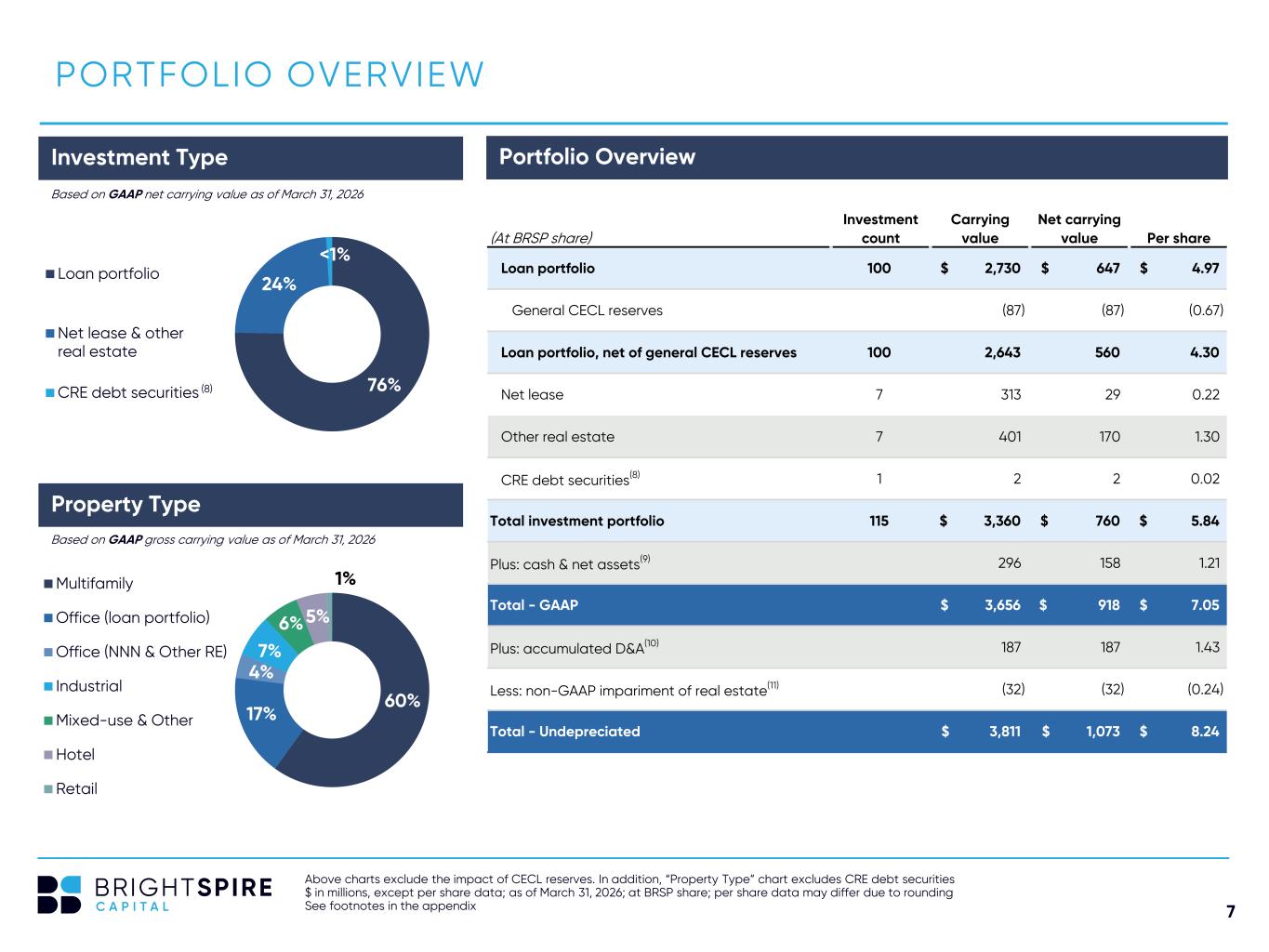
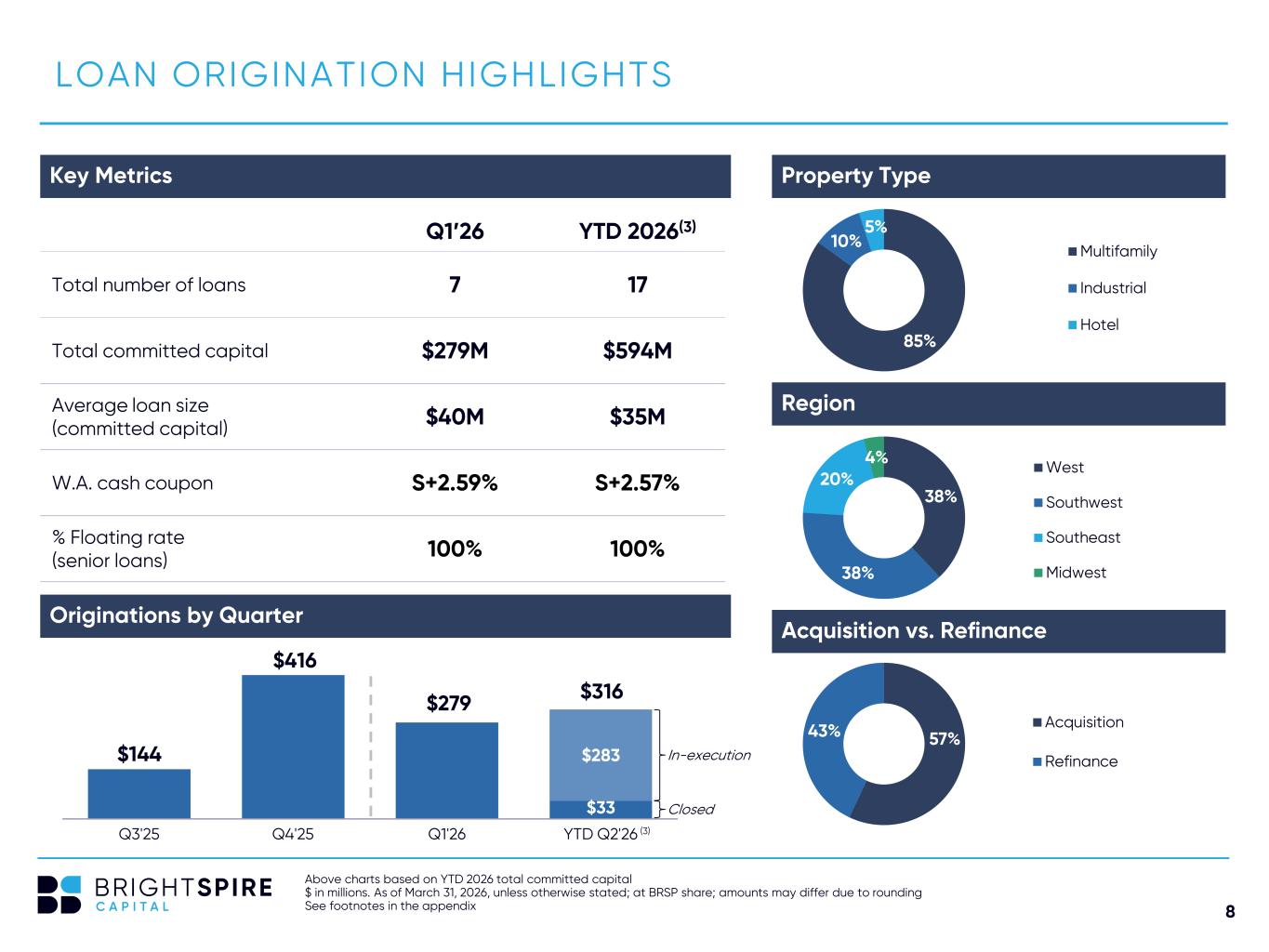
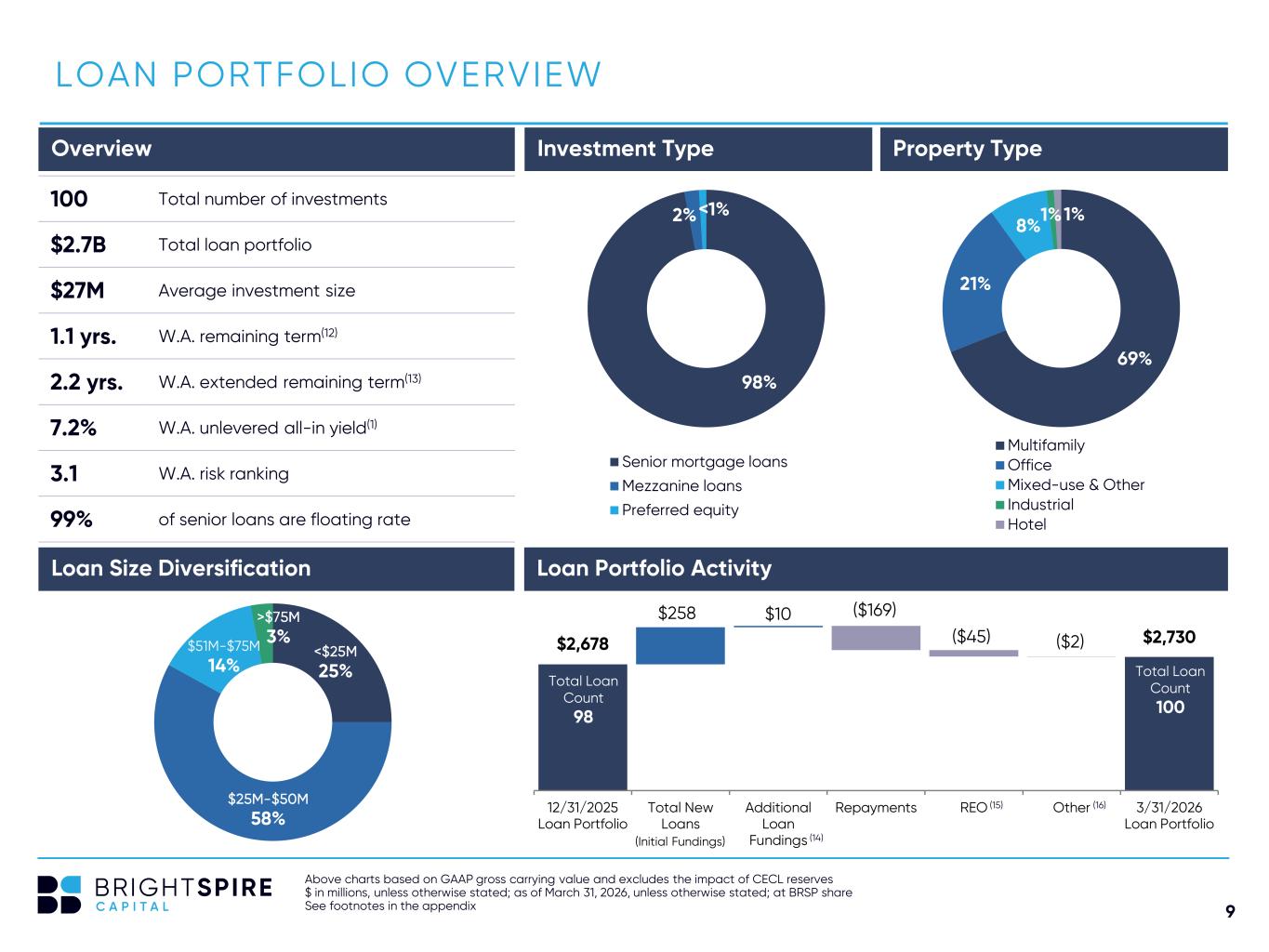
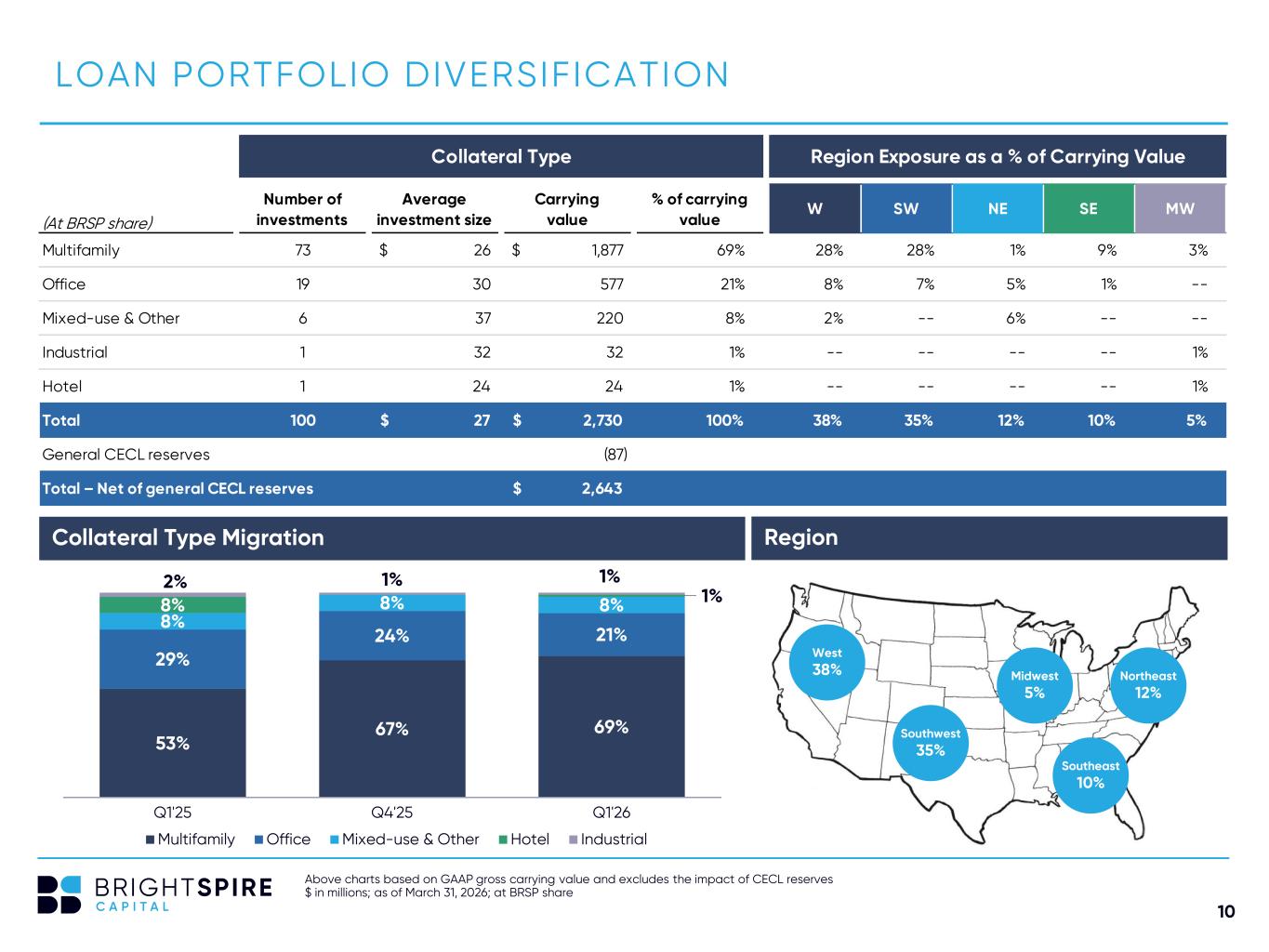
Thanks, David, and welcome to our first quarter 2026 earnings call. I will keep my prepared remarks brief, and as always, Andy will walk through the quarter's loan originations and portfolio activity. Since re-initiating new loan production, we have closed 37 loans totaling $1.1 billion with an additional nine loans in execution for $283 million for a combined total of just over $1.4 billion. While the process has been gradual, we have steadily increased our loan book each quarter and it now stands at $2.7 billion. Our strategy remains focused on middle market lending, with an average loan size of approximately $27 million. We have been focused on increasing diversification and avoiding loan size and investment concentrations that we deem too large for our equity capital base. This, in turn, will also allow us to maintain slightly lower cash balances. Thus far, the overwhelming majority of new loans have been multifamily, contributing to a more favorable property-type exposure. During the quarter, our portfolio also benefited from payoffs and resolutions of office loans. We expect a further reduction in our office loan exposure to occur this next quarter. As an aside, we also closed loans on hotel and industrial properties during the first However, overall, we expect multifamily loans to continue to comprise the majority of our activity in the medium term, with bridge loan demand being driven by valuation resets and increasing levels of sales transactions. This reflects lenders incentivizing borrowers with greater frequency to sell or refinance 2021 and 2022 vintage bridge or construction loans. It is worth noting that, in particular, the Sunbelt markets are seeing very high demand for multifamily bridge lending as that region works to absorb vacancies and rent concessions over the next 12 to 18 months. As we look ahead, our priorities remain straightforward, and those are to redeploy capital from the watch list and REO resolutions into new loans, to grow the loan book to $3.5 billion by year-end and to execute a fifth CLO in the second half of the year. This plan positions us to cover the dividend by year-end. Achieving that goal will provide greater financial clarity, while the continued reduction in REO should remove credit uncertainties that may be overhanging the stock. Taken together, we are confident these actions will position Brightspire to drive long-term shareholder value. With that, I will turn the call over to our president, Andy Witt. Andrew?
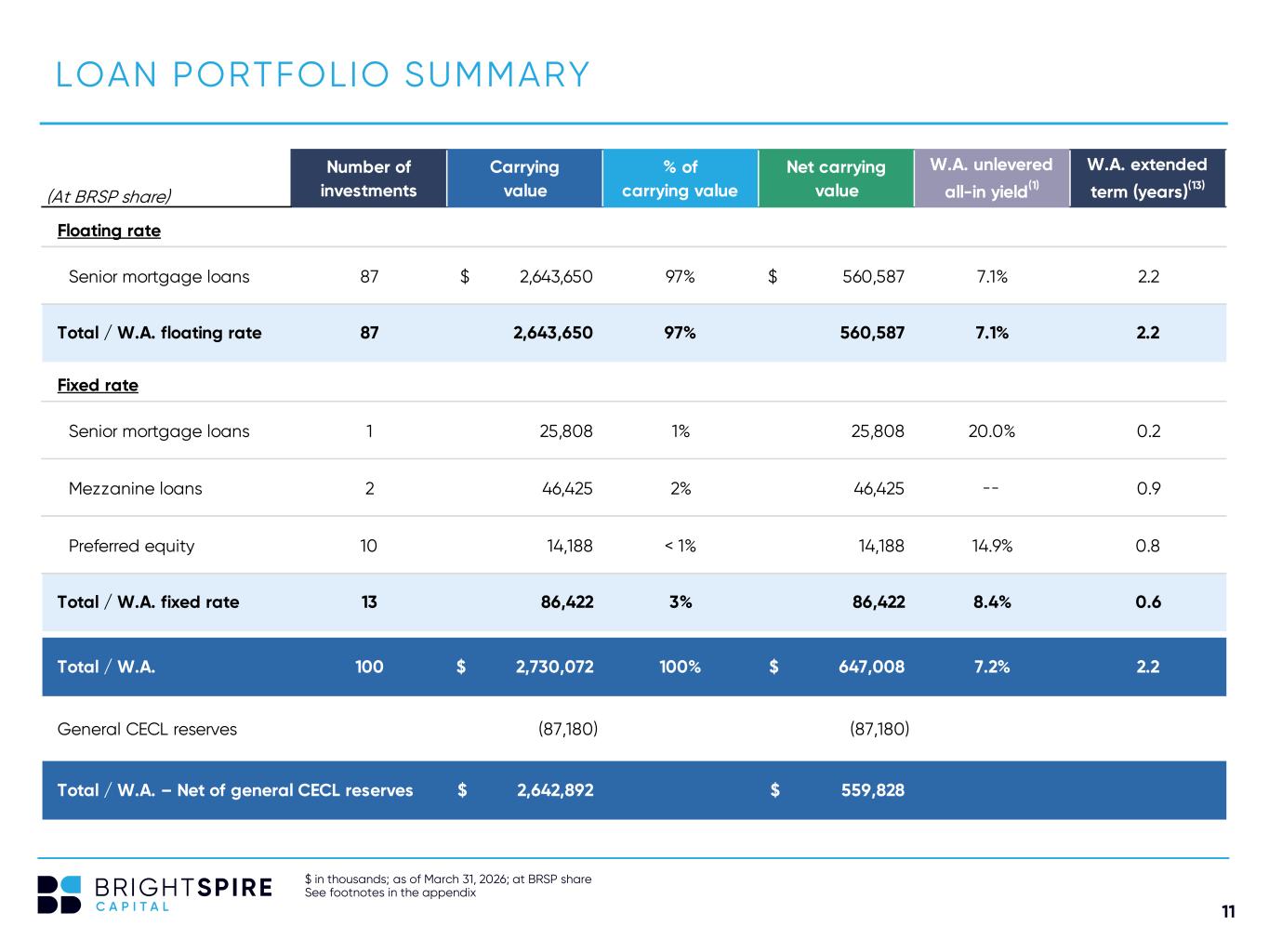
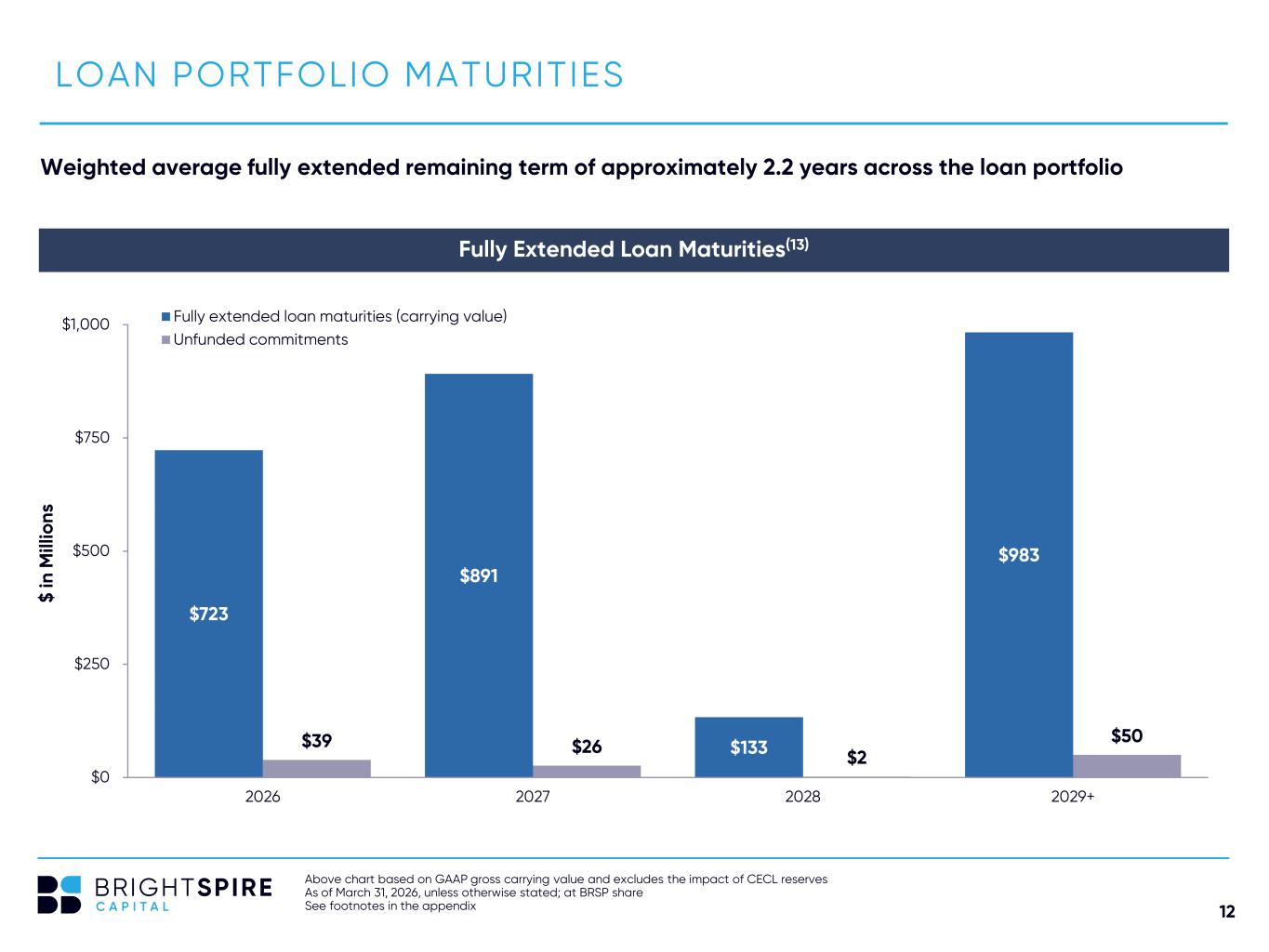
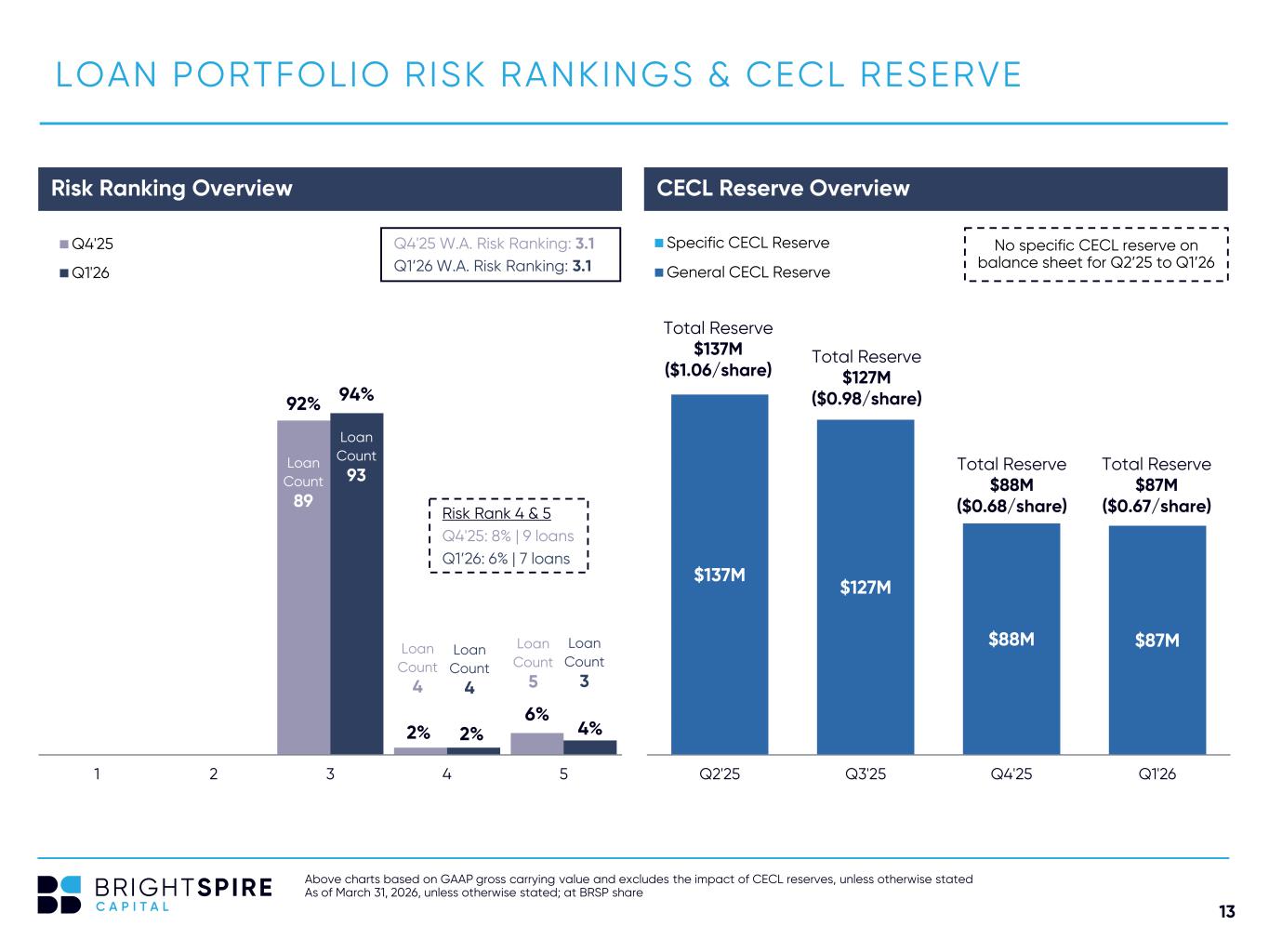
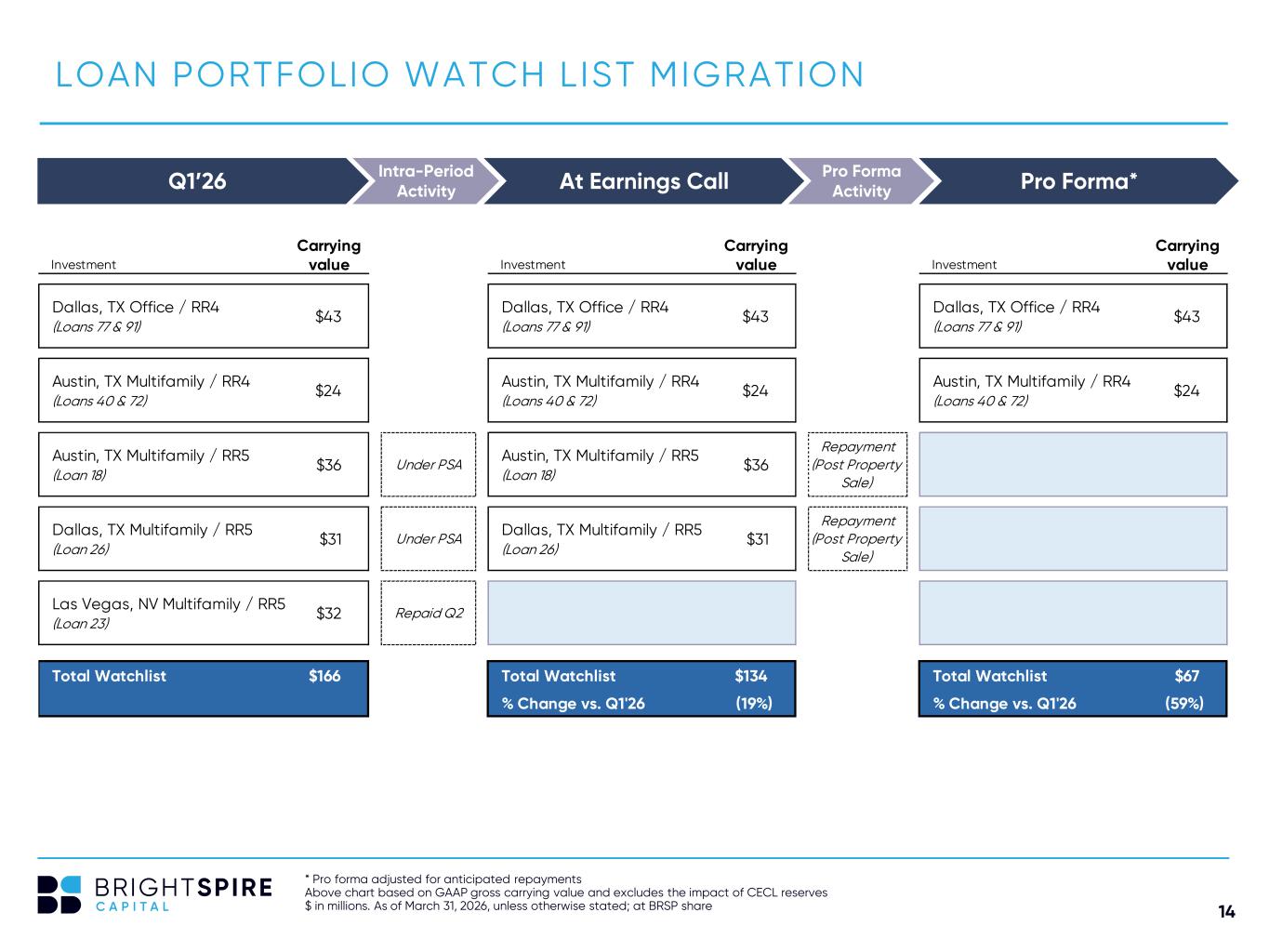
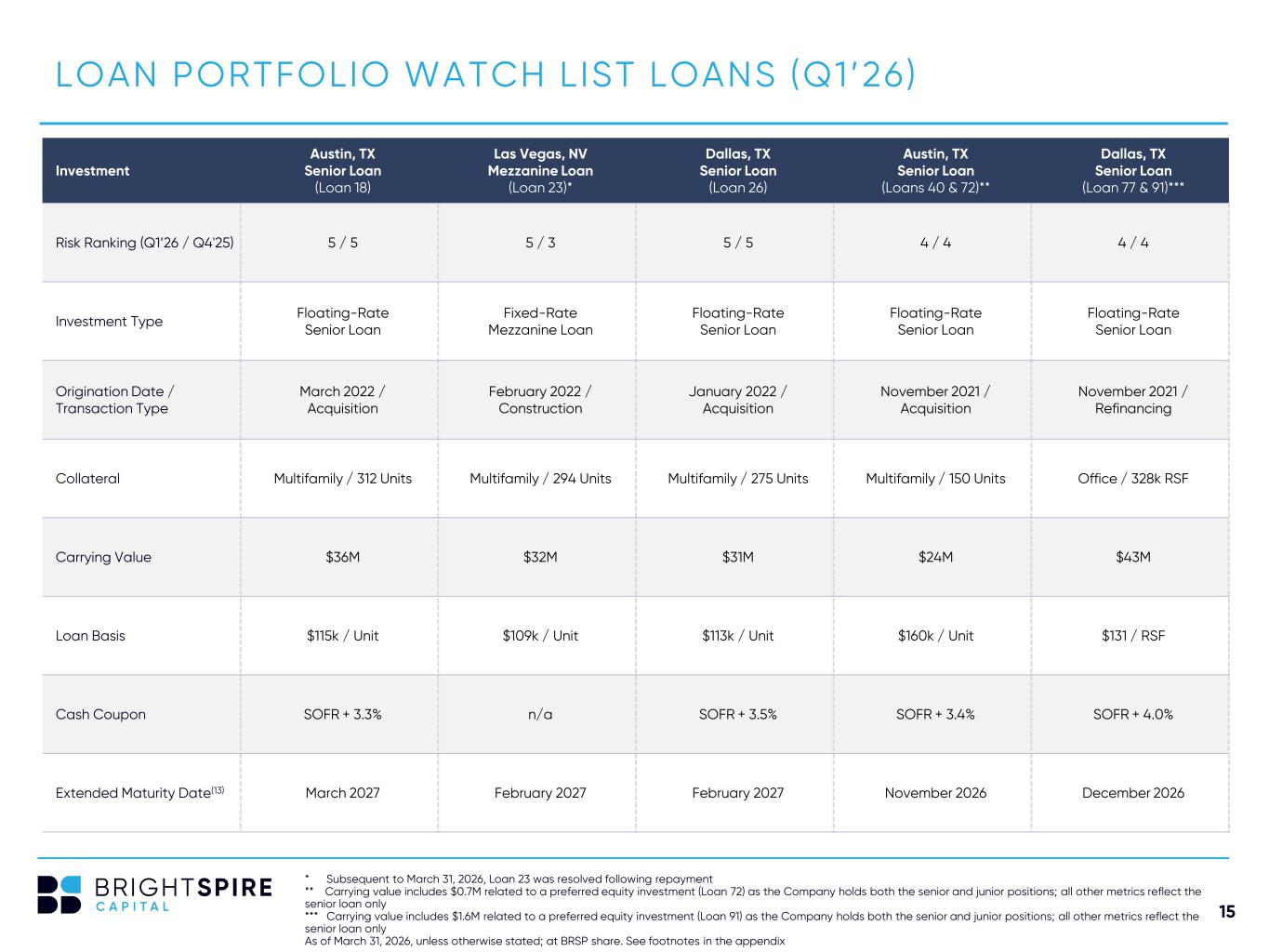
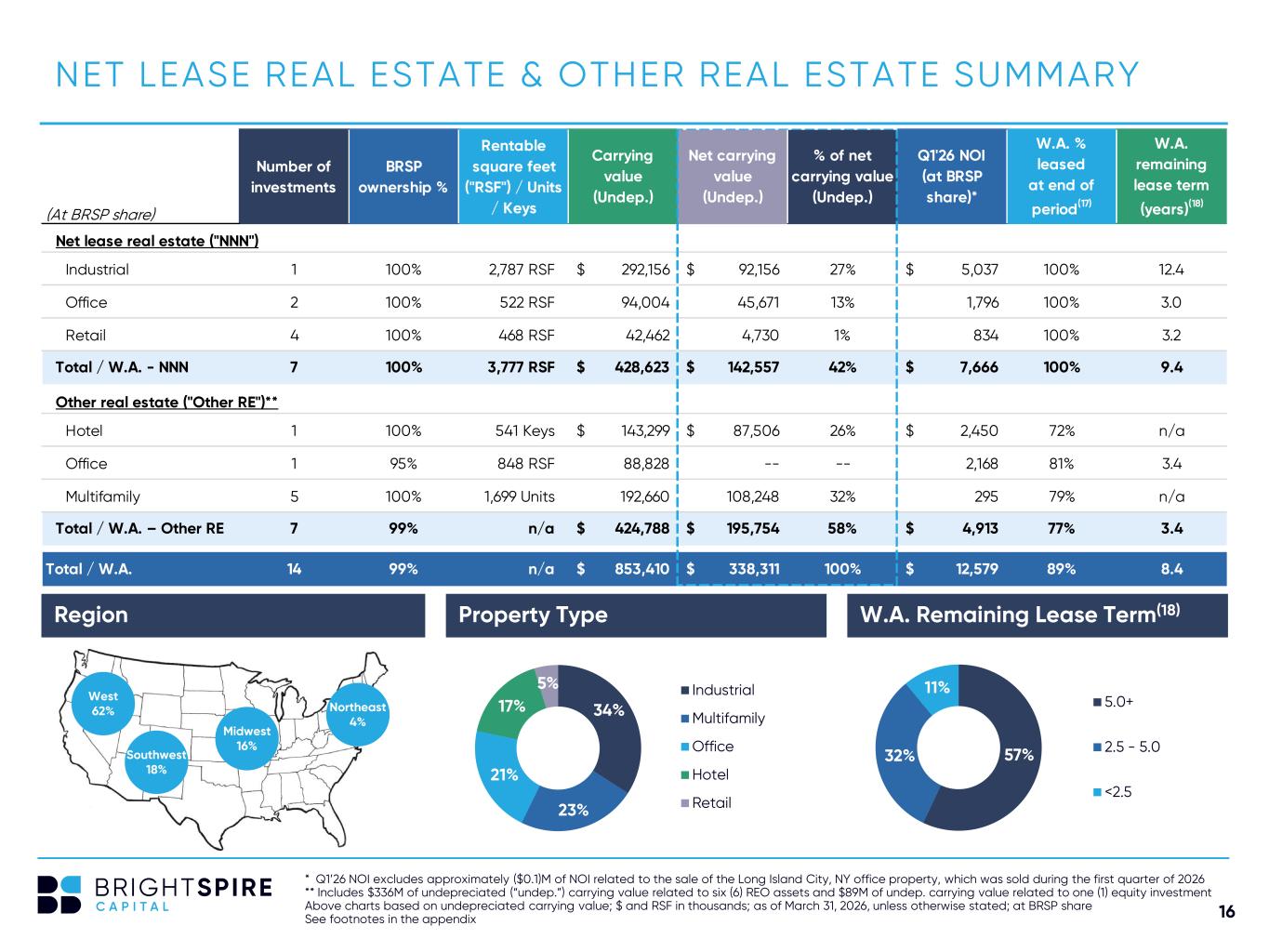
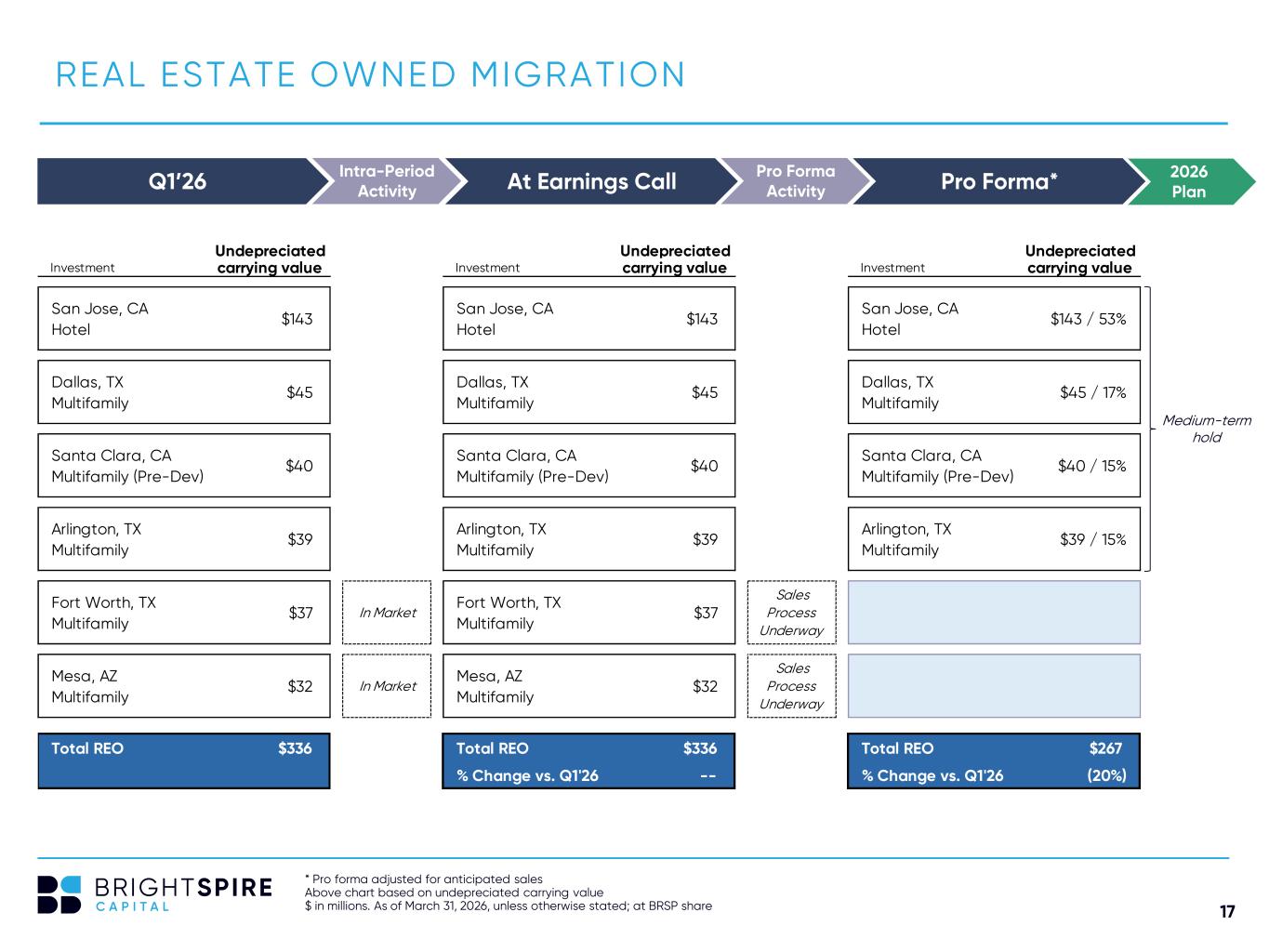
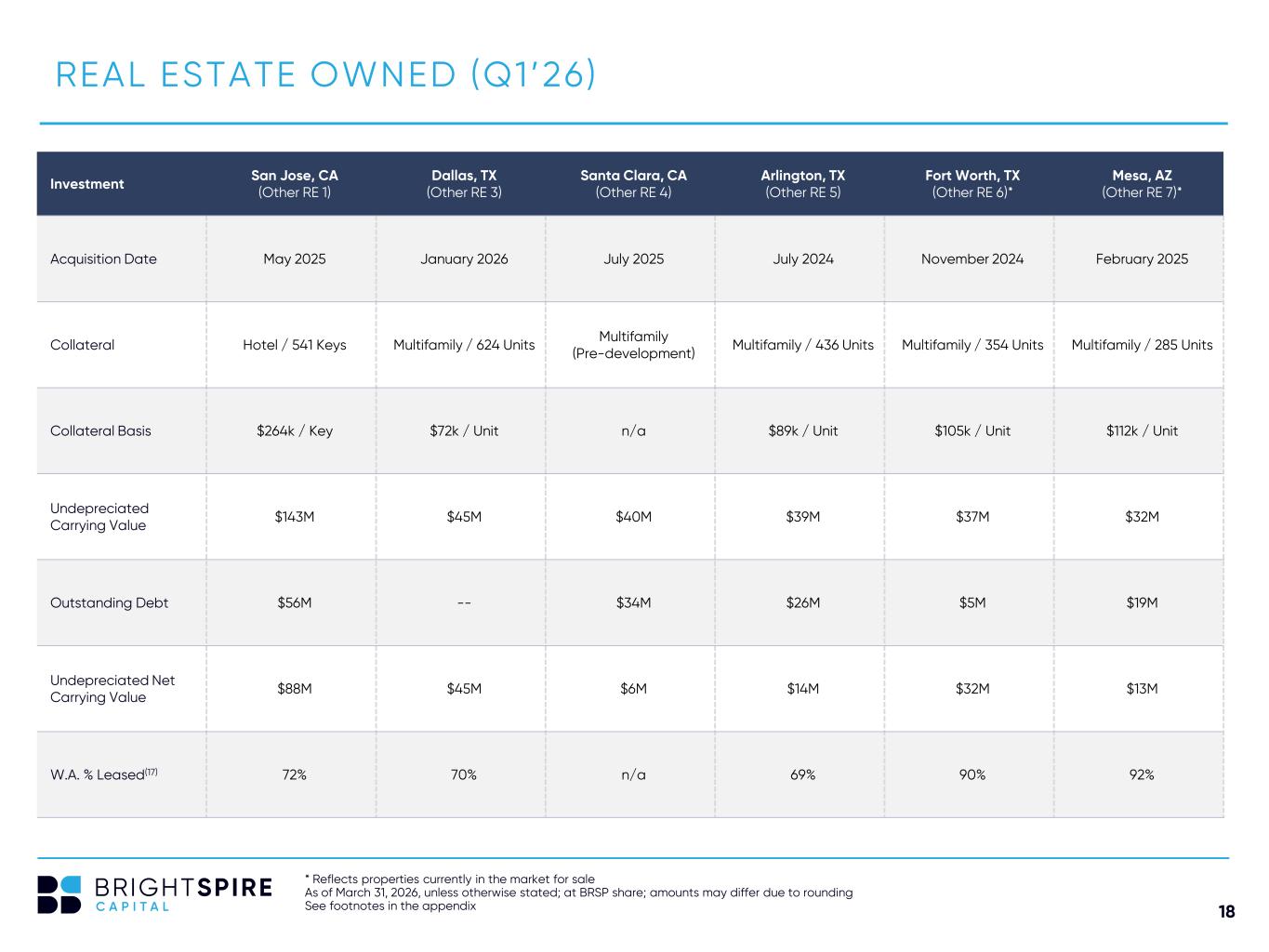
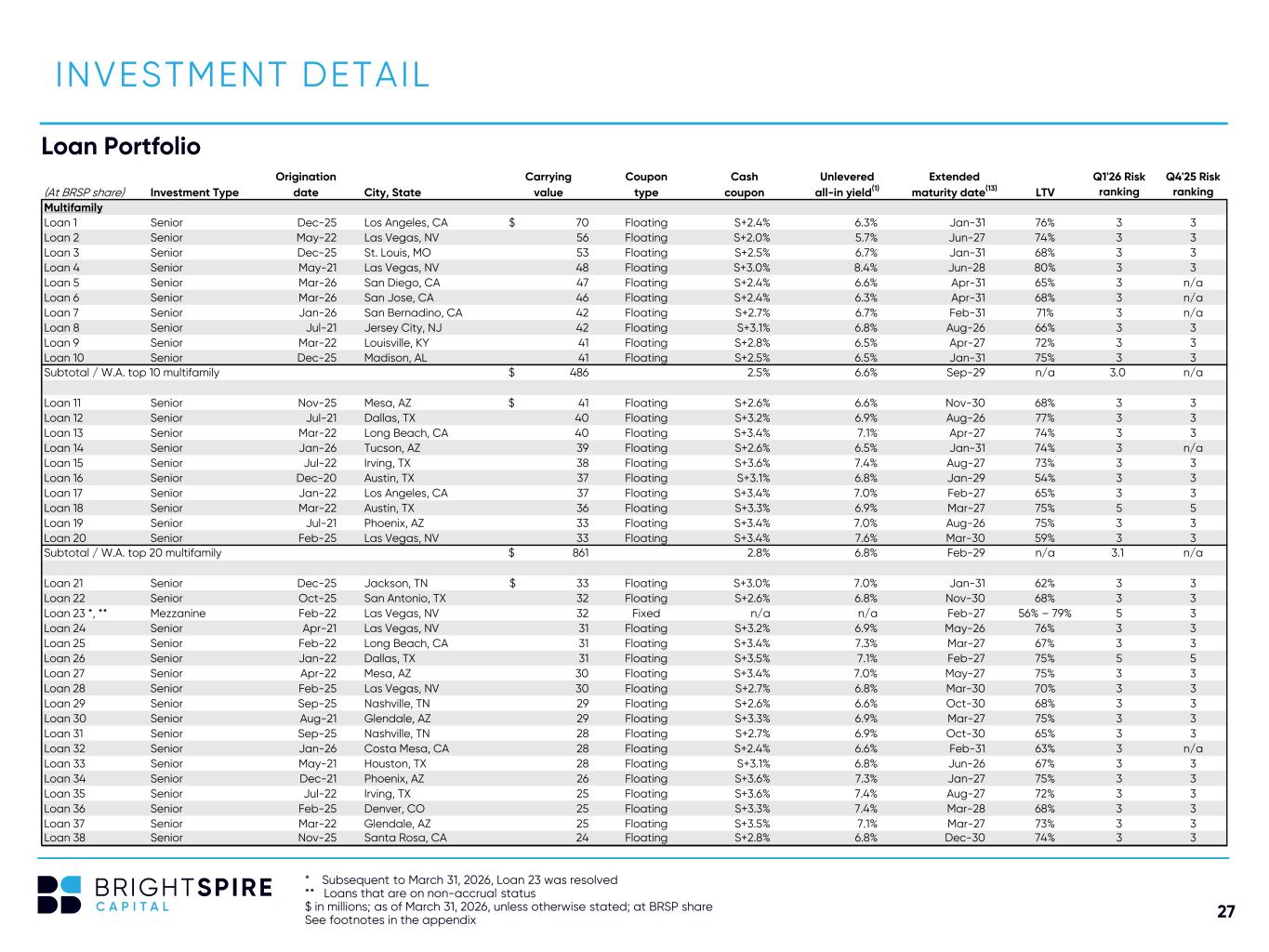
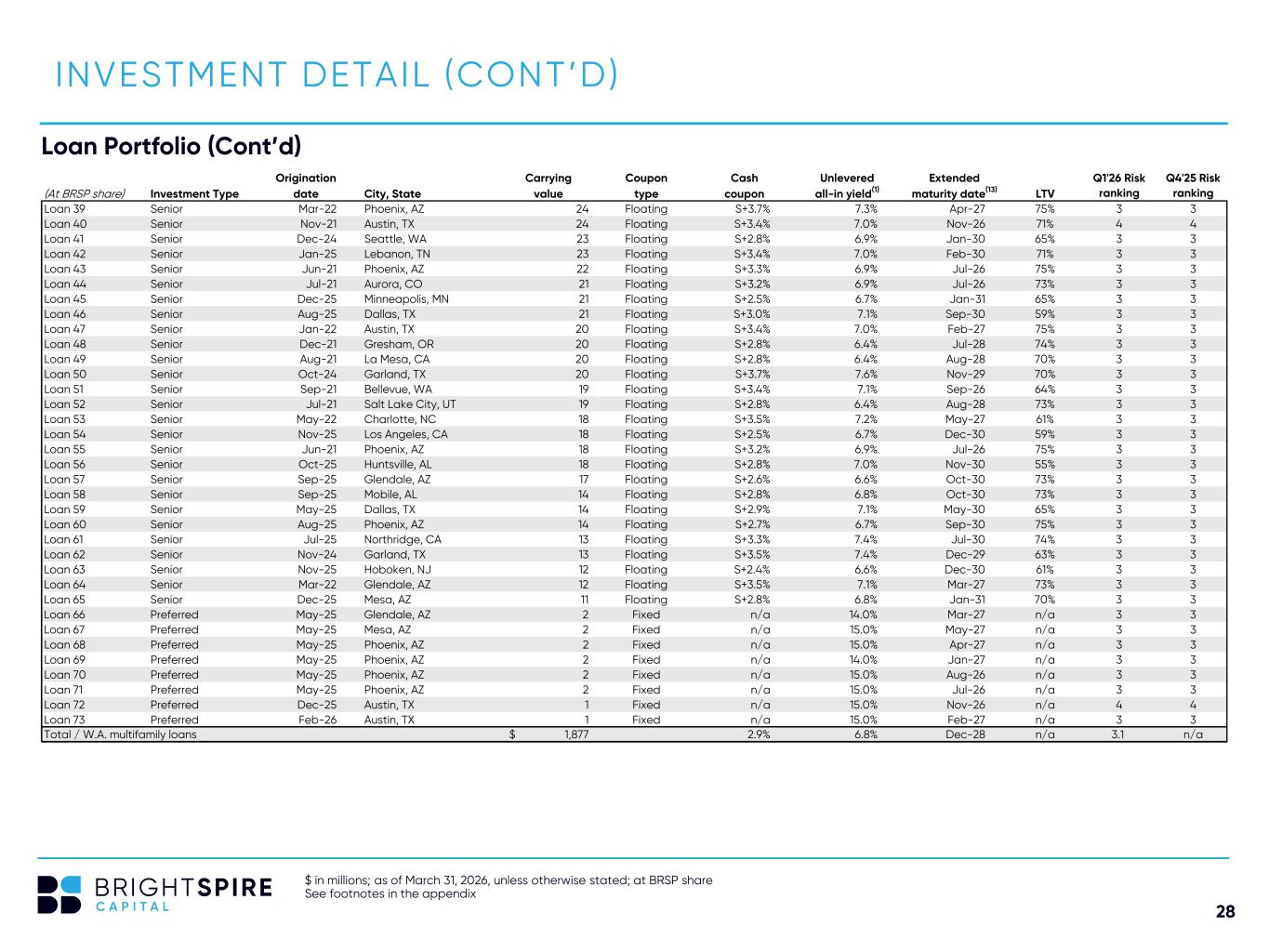
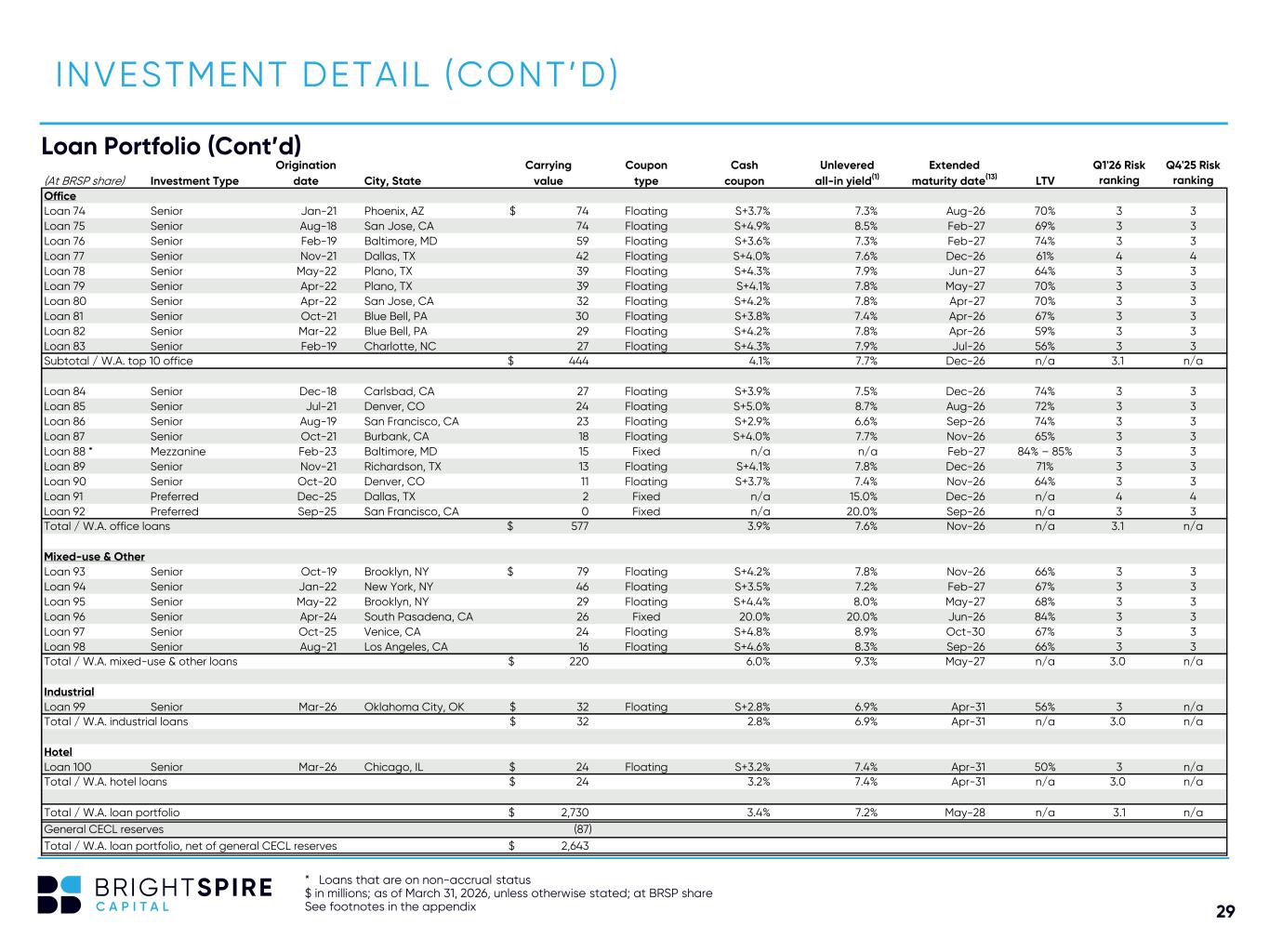
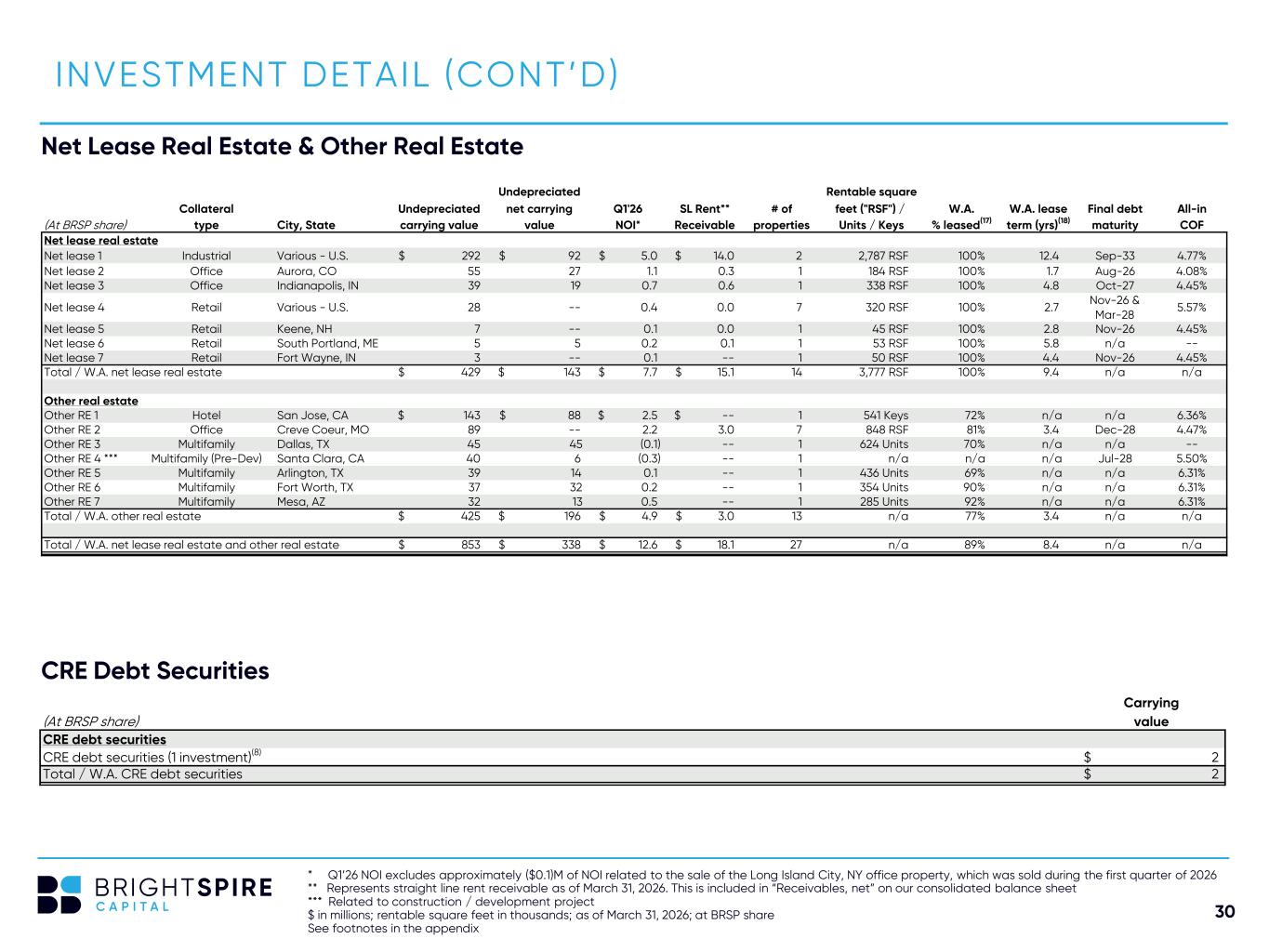
Thank you, Mike. Starting with our originations activity, it has been a busy start to the year, despite the geopolitical issues in the Middle East. Equity markets have largely taken the events in stride, and with the exception of a couple of weeks when decision-making slowed, the commercial real estate credit markets have been similarly resilient. In the first quarter and subsequently, we closed on eight loans, totaling $311 million in commitments. Currently, we have nine additional loans in execution, totaling an incremental $283 million in commitments. In total, this year, we have closed or are in execution on 17 loans for total commitments of $594 million, 14 of which were multifamily. Transaction volume picked up in the first quarter. we saw over $29 billion at the top end of the funnel, which represents an increase of over 50% versus the same period last year. It is worth noting that we are focused on the middle market opportunity, mostly between $20 and $70 million, highlighting the breadth of transaction volume we're seeing at the top end of the funnel. Repayments during the quarter consisted of 169 million across six positions including two risk rank five loans three of the repayments were office loans further reducing our office exposure to just over 20 percent of the loan portfolio we expect to continue reducing office exposure both nominally and as a percentage of our loan portfolio throughout the remainder of 2026. currently the property underlying the phoenix office loan, our largest office loan, is being marketed for sale. Our loan book at quarter in was approximately $2.7 billion across 100 loans, a modest increase quarter over quarter. Our average loan balance is $27 million and our risk ranking is $3.1 consistent with the previous quarter. Given the recent momentum, we expect to cross $3 billion in loans by approximately halfway way through the year. Further, we anticipate our loan book will continue to grow in the back half of the year, targeting at least $3.5 billion loan portfolio by year end. As it relates to portfolio management during the first quarter and subsequently, exposure to watchlist loan continues to move in the right direction. During the first quarter, we resolved three loans, including one property we took ownership of through foreclosure, bringing watchlist exposure down to $166 million, or 6% of the loan portfolio. We also downgraded and simultaneously resolved one multifamily mezzanine loan for $32 million. As of today, we have four loans on our watchlist for an aggregate value of $134 million. Multifamily properties underlying two of the remaining four watchlist loans are under purchase and sale agreements, both of which are expected. Following the sale of these two properties, our watchlist will consist of two positions, a Dallas office loan and an Austin multifamily loan with an aggregate gross book value of the reduction in watchlist exposure, both completed and underway, in combination with new loan originations are foundational to our loan portfolio growth plan. While we continue to make progress on the portfolio, we recognize there are headwinds still ahead, particularly in overbuilt, sunbelt markets that are both challenged from a market fundamentals and policy perspective, particularly as it relates to immigration, which is pronounced in border states. As a result, these markets are experiencing rental rate and conception challenges. As Mike mentioned, it is in these same markets where we are seeing lenders lean on borrowers to sell underlying assets, resulting in a wave of sales, particularly as for the REO portion of the portfolio, there are six positions totaling $336 million. Two of the four multifamily properties are currently in the market for sale following the completion of value-add business plans we've executed over the past 12 months. The remaining two multifamily properties are currently undergoing value-add business plans, and we expect to be in a position to take them to market in late 2026 or early 2027. The final two REO properties consist of the San Jose Hotel and the Santa Clara Multifamily Pre-Development Properties. Continue to make progress on the San Jose Hotel property, driving operational performance while making physical improvements. the loan represents 43% of our current REO exposure with a carrying value of $143 million. Lastly, as it relates to our Santa Clara multifamily pre-development property, market conditions continue to evolve favorably as it is achieving some of the strongest rental rate growth in the country, fueled by the AI boom. We anticipate taking this property to market later this year or very early. In closing, we made significant progress during the quarter and subsequently in all phases of the business, and results were consistent with the expectation. Looking ahead, our focus remains on growing the portfolio and increasing earnings. With that, I will turn the call over to Frank Saraceno, our Chief Financial Officer.
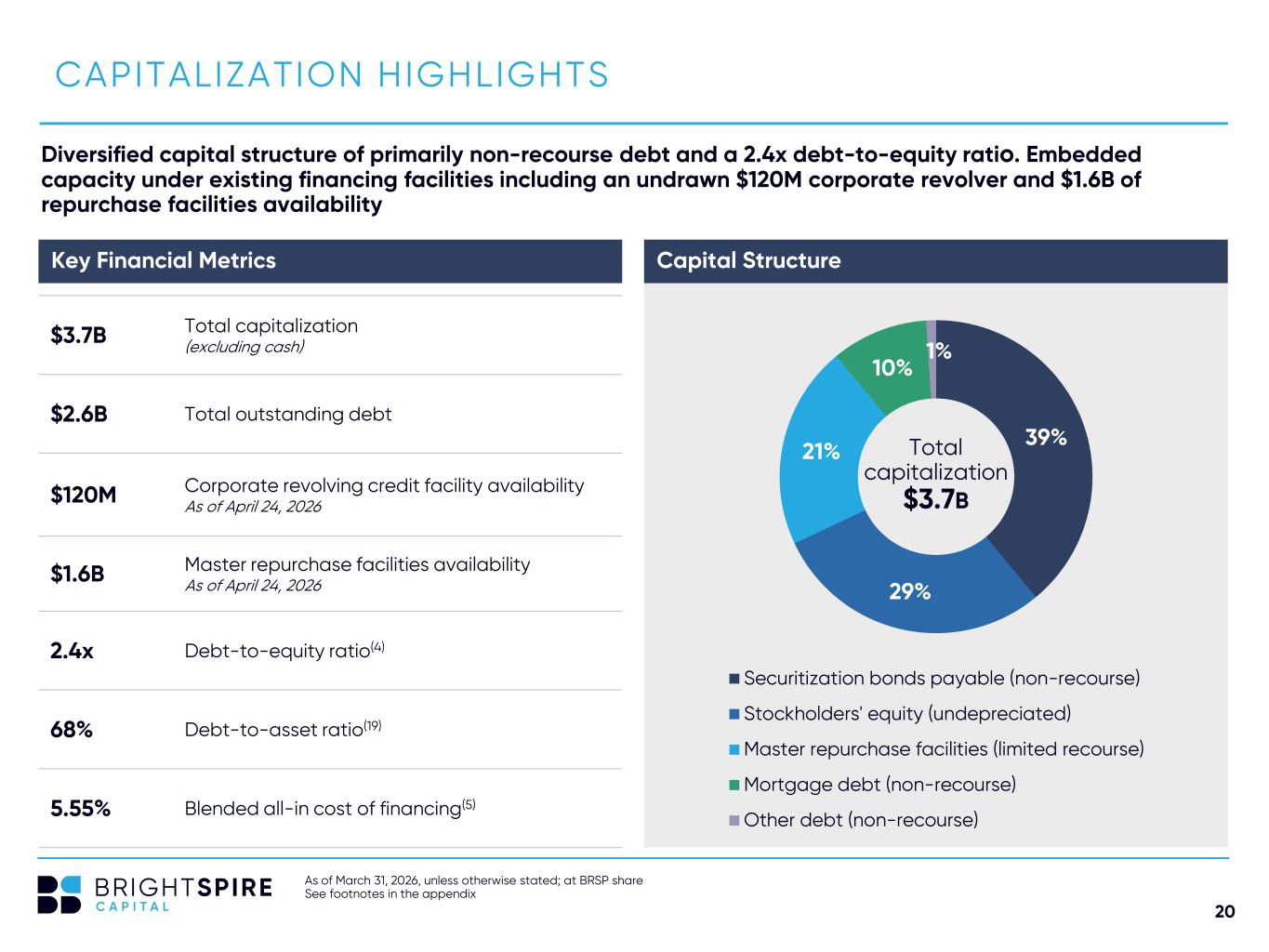
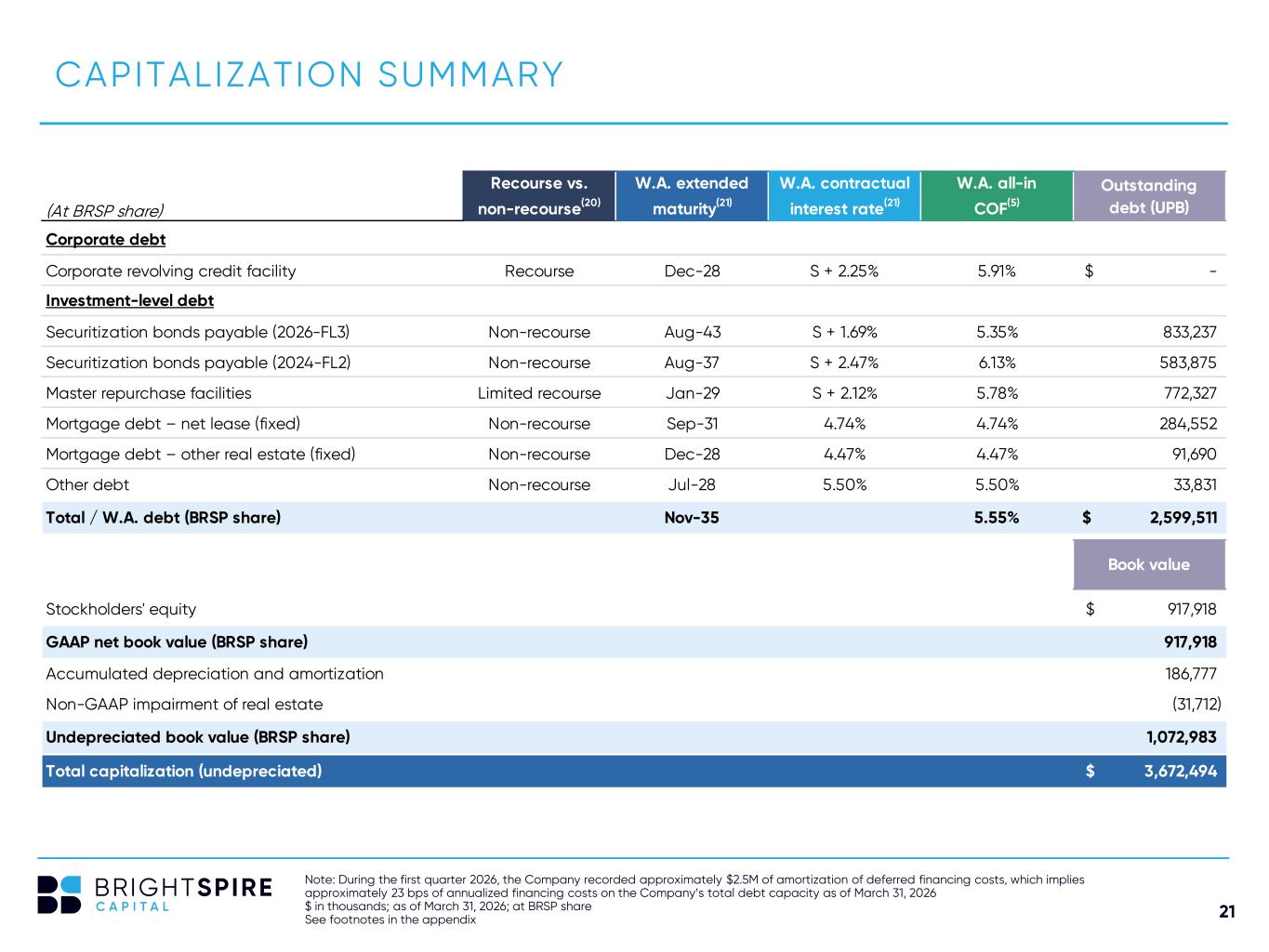
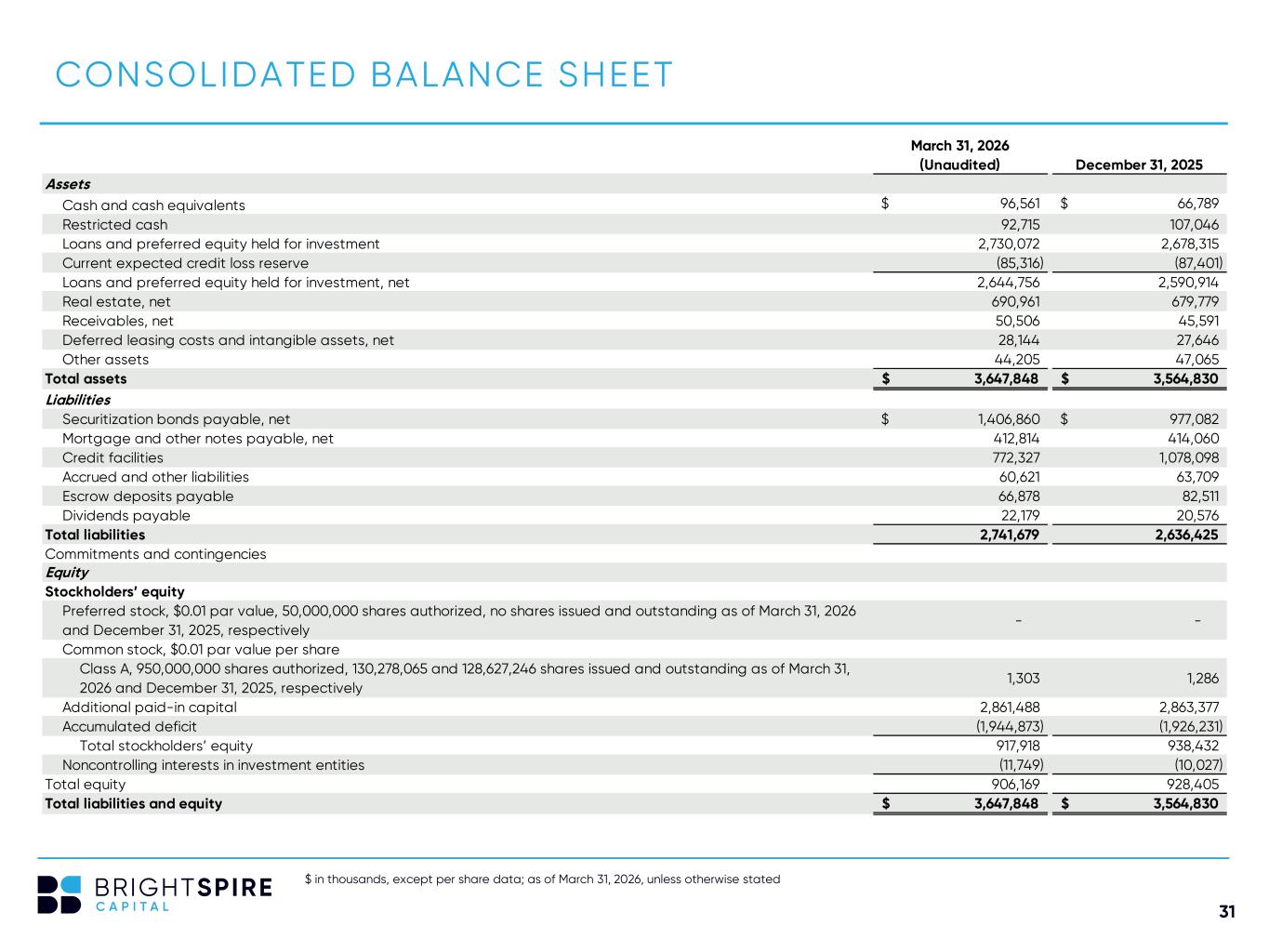
Thank you, Andy, and good morning, everyone. For the first quarter, we generated adjusted DE of 18.2 million or 14 cents per share. First quarter DE was 15.6 million dollars or 12 cents per share. DE includes a specific reserve of approximately 2.6 million dollars. Additionally, we reported total company gap net income of 4.8 million or three cents per share. Quarter over quarter, total company gap net book value decreased to seven dollars and five cents per share from $7.30 in the fourth quarter. Unappreciated book value decreased to $8.24 per share from $8.44. The change is mainly attributable to equity granted as part of our stock compensation program and consistent with past practice. Additionally, the first vesting of our performance stock unit awards also contributed to this decrease. Going forward, PSU vesting will be an annual first quarter occurrence. Looking at reserves, during the first quarter, we recorded a specific CECL reserve of approximately $2.6 million. As Andy mentioned earlier, we downgraded and simultaneously resolved one mezzanine loan, and as a result, charge dropped the associated reserves. Our general CECL provision decreased slightly to $87 million or 306 basis points on total loan commitments versus 88 million or 315 basis points reported in the fourth quarter. Our debt-to-assets ratio is 68%, and our debt-to-equity ratio is 2.4 times. Lastly, our liquidity as of today stands at approximately $206 million. This includes $58 million of cash, $120 million available under our credit facility, and approximately $28 million of approved but undrawn borrowings available on our warehouse This concludes our prepared remarks, and with that, let's open it up for questions. Operator?
Operator
We will now begin the question and answer session. To ask a question, you may press star then 1 on your telephone keypad. If you are using a speakerphone, please pick up your handset before pressing the keys. To withdraw your question, please press star then 2. At this time, we will pause momentarily to assemble our roster. Our first question today is from Timothy D'Agostino with B-Riley Securities. please go ahead.
Yeah, hi. Good morning, and thank you for taking the question. I guess for me, it'd be interesting to hear how the investment landscape and the market is in the second quarter compared to the first quarter. Obviously, 10-year treasury was heightened in May, and it'd just be good to hear the opportunity out there. Is your pipeline growing in the second quarter? Thank you.
Hey, thank you. It's Mike. Thank you for the question. As Andy alluded to in his opening remarks, we did see a little bit of a pause given what was going on in private credit, given what's going on geopolitically, but that was pretty brief. It got pretty much right back on track after about two or three weeks. Overall, the market is doing pretty well. You're seeing spreads remain tight. We did not see a gap out in spreads that we saw in pricing in certain sectors in private credit. Real estate spreads continue to stay resilient. We kind of hit a wall on how tight we've gone. Everything is getting done pretty much for multifamily around the mid-200s, plus or minus 10 basis points. We are seeing some good response in the capital markets. We're seeing CRE, CLO transactions with price talk on the AAAs at 135. I think that's 10 tighter than where we printed in January before the Iran affair started. So market's pretty much on track. Pipeline looks good. As Andy mentioned, subsequent to quarter end, we've got a lot of stuff in execution, over $300 million in loans in execution now for closing. So we're expecting to hit the $3 billion mark mid-year. And right now, things are pretty calm. Pipeline looks good. The flow looks good. We also mentioned that we're seeing a lot of lenders leaning on incentivizing, maybe I should say, borrowers to get to the market, either vis-a-vis short sales, foreclosures, or that's happening tremendously in Texas. Right now, we're seeing a lot of activity there, a lot of price resets. And in that, we're seeing opportunities for new loans.
Okay, great. Thank you so much. And then I guess just as a second question, I'd mentioned in the fall that the San Francisco area is performing better from the AI boom. And is that true across multifamily, office, and industrial? I guess it would just be interesting to get a little bit more color on per asset class in that area Because I have heard that before that, you know, San Francisco is doing better with the AI boom.
Yeah, I would say San Francisco and the Bay Area. Even there was a commentary by Green Street, I think, last night that even Oakland is starting to see some some positive tailwinds. So on the resi side, absolutely. If you look at rent increases around the country, I think San Francisco is leading the way even above New York City with positive rent growth. And we also see the same thing in office. You're seeing a lot of activity in AI where startup companies are starting off with a smaller amount of square footage year one, and they get a second round of financing if they get traction on their strategy. and they're coming back for 20,000, 25,000 square feet. So I think you're seeing office leasing in San Francisco doing better than it was pre-2019. We also think that the same effect is going to be in the lodging sector. That sector has been dormant for quite a while. San Francisco was kind of like on a no-fly list for a few years now, but given what's gone on with the new mayor of San Francisco, who's done a miraculous job in turning that city around and what's going on AI, I think generally people are more bullish on San Francisco, yes.
And then, sorry, if I could just ask a follow-up question there. Is there any tailwinds being drawn to the San Jose Hotel from that or not as much?
Not as much right now. We're still very largely dependent upon group business. We're still going through our CapEx program and upgrading the hotel. Um, we had some very, very serious, uh, events occur with the Superbowl and March Madness NCAAs. The hotel handled those very well. We did very well with those. We have FIFA coming as well as, uh, another event in, uh, in July, the CrossFit, uh, national champions, championship. So that, that should also be a, a, a tailwind for us, but we're not yet seeing that, uh, that transient business traveler yet. We're seeing a lot better in resorts and hotels because of the amount of money that the baby boomers have in terms of discretionary income. But we need a pickup in transient overnight stays to really get us to the NOI level that we want. But as we said, we intend to hold that asset through the balance of the year and market it at the end of this year or beginning of next year.
Okay, great. Thank you so much for the call today.
Operator
The next question is from Chris Muller with Citizens. Please go ahead.
Hey, guys. Thanks for taking the questions. So it's great to see the expected REO sales and also the five-rated loan repayment and expected underlying property sales there. And it looks like that's going to clean up the rest of the five-rated loans. So I guess, first off, am I reading into that correctly? And then, will there be any realized losses associated with those subsequent activity that will hit second quarter earnings?
Well, on the properties that we have up for sale now in REO, those bids are coming in now. And so the answer is we'll find out. We think we're pretty close to the pin. But as Andy alluded to, there's a lot of supply coming in those markets. And one thing that I want to highlight is as we wind down and we're making a magnificent headway on the watch list, there are still areas of the country, particularly in the Southwest, as Andy mentioned on his prepared remarks, that are experiencing a lot of softness. The Dallas-Fort Worth market seems to be tightening. It seems to be coming out of a trough. We could see a potential tightening of rent concessions over the next six months. However, you move to markets like Arizona and Vegas, and particularly Arizona, we're seeing very few asset sales. So we have an asset in Mesa that we're selling right now in the REO. The bids are due next week, but there have been very, very few. I think maybe 5% of asset sales relative to the peak of asset transactions in like 2022. I think asset sales in Arizona are kind of like the 2009 levels. So that market has been more slow to recover. We've got a lot of vacancy and a lot of absorption that needs to be dealt with. And that's probably going to take another 12 to 18 months. So we have eyes. We've made some new loans in Arizona at reset basis that we really like. But with regard to our portfolio, we have some exposure in Arizona and we're watching it very closely. That market has been chronically difficult with rent concessions, vacancies. As Andy mentioned, we're seeing kind of a reversal of the immigration that we've had over the past few years. That's going backwards now. A lot of the in-migration to the state because of the work from home during COVID has pretty much completely unwound, but there's a lot of supply that's still hitting the market this year. So all eyes and ears on Arizona, and we'll know more about our REL sales this week. As I said, we're expecting bids this week and next week.
Got it. And it looks like the remaining four-rated loans are in Dallas at Austin. Anything you can share on the potential path of those?
The multifamily one, that'll be pretty straightforward. We'll time the market on that. There's liquidity there. It's all a matter of pricing. On the Dallas office, we have some activity going on with existing tenants that we think will be positive. We're waiting for the outcome there. The property is holding its own. We're also, there are two buildings on the property. The smaller building is up for sale. If we get a bid on that, that'll help reduce the loan amount. But it's a nice building, good location. It's been holding its own. The occupancy is about 70%. And if we get some of this leasing done and re-leasing done, there's a pretty good chance that we may ask that owner to put that building on the market.
Got it. That's very helpful, and thanks for taking the questions.
Operator
The next question is from John Nicodemus with BTIG. Please go ahead.
Hi, and good morning. Knowing the prepared marks, you mentioned that you had originated an industrial and a hotel loan during the quarter. Are those areas that you're looking to incrementally add to at all, or are these more just one-off opportunities, given that those are your only loans in the portfolio in either of those sectors? Thank you.
Andy, would you like to take a swing at that?
So we did do a couple of loans away from multifamily. We're certainly looking to do more. We like the industrial sector. We're going to be selective in the hotel space, and there are other asset classes that we're looking at. However, I would say going forward, look for us to be predominantly investing in multifamily.
We've looked at some industrial. the issue there is it's all about back leverage as well. We're seeing opportunities where there is a lot of binary lease-up risk that really doesn't lend itself well for a CLO or for back leverage. That's really more of a private credit fund type of investment. So we're seeing a lot of that. We're looking in an industrial for more granular rent rolls while there is lease-up needed. And And the reason why they're coming to a non-bank is for that reason. We're looking for the ones that have a little less binary risk than some of the deals that we've been seeing. In hotel, listen, RevPar for the year 2025 was down a little bit in the U.S. The shiny spots were resorts, as I said earlier. There's a vast amount of wealth in a certain demographic that's looking to spend money on wellness and experiences and things like that. So the resorts are doing better. It's really the more full-service economy side of the hotel sector that has been struggling a little bit. So we're very selective there. The hotel loan we did is a very unique transaction. And as much as the asset and the metrics on the loan, the capital structure and the transaction was also very appealing to us. So that was almost a very unique set of circumstances that transcended the fact that it was just a hotel loan. So we're seeing opportunities in those sectors still, as Andy said, very selective.
Great. Thank you, Mike and Andy. Another one from me, just regarding dividend coverage. I believe last quarter you mentioned you were looking for full coverage by mid-year and then positive coverage by year-end. Now it kind of sounds like it's more full coverage by year-end. I'm just curious if there's anything that's changed there on your path back to dividend coverage. Thanks.
Yeah, it's just the timing of asset resolutions and putting out money that, you know, you could see over a longer period, six-month period, you get there. But just over the short term, things happen. Things get delayed. For instance, we delayed on the Arizona sale. We delayed taking indications on pricing by that, by two weeks. So things like that are occurring. We're in ebbs and flows. We're still hovering very close to the dividend, just shy by two cents this quarter. But we are very confident that we'll get there by year end. And when you look at the pipeline and look how much progress we've made, I think we're pretty comfortable that mid-year we'll get to the 300. And it looks like, really, based on the payoff projections that we're looking at, it looks like the 3.5 million is really a stone's throw away. So I think we're pretty optimistic about getting there by year end. I'm sorry, but during the course of the year, we get the ebbs and flows of things that get delayed, and it causes a little bit of a blip. But we're confident we'll get there by year end.
Totally get it. Thank you so much, Mike. That's all for me.
Operator
Again, if you have a question, please press star, then one. The next question is from Jason Weaver with Jones Trading. Please go ahead.
Hey, guys. Thanks for taking my question. First, I appreciate your comments on the pricing environment out there, But when I look at it, it looks like the originations out of 1Q were quite a bit tighter inside of the existing book at $259. So with your stated ROE target of around 12% on new originations, what's the all-in financing spread you're underwriting to these loans? And at what point does spread compression force you to either widen the credit screen or reduce origination pace rather than compress ROE?
Speaker 6
Yeah, hi, this is Matt Hess, and I'll take that one. So as spreads have marched in on the whole loans, we've seen similar on the back leverage side. So, you know, we've generally tried to maintain about 100 basis points spread between our loans and our financing source. That's been pretty consistent to date. As Mike mentioned, you know, we priced our CLO in the early part of the first quarter this year. And we've seen spreads, you know, despite the noise, continue to march in there as well, which is great news, right? A lot of demand for that paper. So we've been able to maintain our ROEs despite the tightening.
Got it. And the EFL3 surely helped out with that.
And, Jason, overall, listen, the banks, I'm sure some of the line lenders listened to the call. I don't want to speak on their behalf. But the banks are flush with capital. a lot of because of the changes in Basel III that were anticipated. This has been a sector that may be one of the best performing sectors at the banks because we know that we don't see any losses on any bank lines for any of our competitors or funds in the back leverage warehouse sector.
And the risk-based capital treatment for these assets is favorable versus making whole loans so the banks very much have an appetite uh for warehouse lending so they have been uh slowly playing ball with spreads tightening that's good color i appreciate it um and then on that same subject almost with the pricing environment as is right here versus where the stock's trading uh at a discount to undepreciated book value um think tell me talk to me about the trade-off of repurchase versus uh deployment into new originations and how you're looking at that today?
Well, listen, the buybacks are something we've done. You've seen us do it on the course of 2025. We did it a couple to several times. We'll look to do it again. When we did it before, the price was more in the mid fives. When we looked at the yield on the dividend yield on the stock at that level versus where we could put out money, there was a crossover there where it looked very, very attractive versus making new loans. And so we did that. But as long as the stock is trading where it is now and hopefully higher into the sixes, making loans is what we do. And that's what we want to preserve the capital. We do realize that there is a halo effect, positive halo effect in buying back stock that typically is not long lived. We're not buying back enough stock to really affect the overall book value. We can drive it by a few cents a quarter, but not really immaterial enough as much as we see the effect of making new loans and what that will do to the stock price. So the bias is make new loans. And at this level, we think making new loans at the levels we discussed is more attractive to us with our capital.
All right. Thanks. I appreciate you guys.
Operator
Thank you. The next question is from Gaurav Mehta with Alliance Global Partners. Please go ahead.
Yeah, thank you. Good morning. I wanted to ask you on the $3 billion and $3.5 billion expectations for mid-year and end of the year and some of your commentary around Sunbelt and the Bay Area. So as you look to deploy that capital, do you have any regional preference as to where you're seeing demand and where you want to put that new capital Sure.
Speaker 6
This is Matt Huston. I'll start on this and Mike can jump in. I mean, I think we're generally looking at all those places. You know, basis is obviously very important, as Mike said, despite the headwinds and some of the Sunbelt markets, we are still lending there, you know, at reset basis. So, you know, acquisition, new capital coming in, you know, debt yields that work on a going in basis are obviously very attractive. And then, yes, we're also looking and have done stuff and will continue to do stuff in the Bay Area. So, you know, we're seeing great rent growth there. So even some older vintage properties are getting the benefit of that. Mike, anything you want to add?
You know, I think if you also look at, thank you for the question. I think also if you look at something that we've been studying recently, when you look at the transaction volume that's occurred in 2020, 2021, and 2022, when interest rates were close to zero, and we had in some cases double-digit rent growth in these markets, and an influx of immigration where people were living somewhere, and we're sure a lot of that was in workforce housing. The number of transactions that have occurred were higher than anywhere else in history in some of these markets. We are expecting, I mean, you see what we're doing with our watch list, with our REO. We are expecting other lenders, and we're seeing this in deals we quote where existing lenders are behind the scenes, encouraging borrowers to get out to the market and reset values. There is a disgorgement that's going to have to happen. And while we think real estate is in very late innings, certainly relative to private credit, with CECL reserves that we've taken across the board with our brethren in the market, we still see that the transactions need to occur. You may have taken a CECL against the loan, but now that loan has to go out into the market and get restructured and we capitalized. So we still think there's going to be a big opportunity on the back end of the 2020 to 2022 cycle where we're going to see a lot of transactions coming out in 26, 27, and 28. The issue with some markets are they're lagging. And as I highlighted, some states in the southwest are still very much lagging. Texas is doing better. We're seeing a lot of activity in Texas. We do think that there's going to be a dam that breaks in Arizona and Nevada.
And there'll be a lot of opportunity to lend there at reset basis. All right. Thank you. That's all I have. This concludes our question-and-answer session.
Operator
I would like to turn the conference back over to Michael Mazze for any closing remarks.
Thank you. Thank you, as always, for joining us today. And if we're not scheduled to have a one-on-one with you, please call on us, and we'll be glad to do that. If not, we'll see you all on the second quarter earnings call in July. Thank you.
Operator
The conference is now concluded. Thank you for attending today's presentation. You may now disconnect.