CBIO 8-K
Crescent Biopharma, Inc. (CBIO)
UNITED STATES
SECURITIES AND EXCHANGE COMMISSION
Washington, DC 20549
FORM
CURRENT REPORT
Pursuant to Section 13 or 15(d) of
The Securities Exchange Act of 1934
Date of Report (Date of earliest event reported):
(Exact name of registrant as specified in its charter)
(State or other jurisdiction of incorporation) | (Commission File Number) | (IRS Employer |
(Address of principal executive offices, including zip code)
(
(Registrant’s telephone number, including area code)
N/A
(Former name or former address, if changed since last report)
Check the appropriate box below if the Form 8-K filing is intended to simultaneously satisfy the filing obligation of the registrant under any of the following provisions:
Securities registered pursuant to Section 12(b) of the Act:
Title of each class | Trading Symbol(s) | Name of each exchange on which registered |
Indícate by check mark whether the registrant is an emerging growth company as defined in Rule 405 of the Securities Act of 1933 (§230.405 of this chapter) or Rule 12b-2 of the Securities Exchange Act of 1934 (§240.12b-2 of this chapter).
Emerging growth company
If an emerging growth company, indicate by check mark if the registrant has elected not to use the extended transition period for complying with any new or revised financial accounting standards provided pursuant to Section 13(a) of the Exchange Act. ☐
Item 2.02 Results of Operations and Financial Condition.
On May 6, 2024, GlycoMimetics, Inc. (the “Company”) issued a press release announcing, in addition to the information described in Item 7.01 below, its financial results for the first quarter ended March 31, 2024. A copy of this press release is furnished herewith as Exhibit 99.1 to this Current Report and is incorporated herein by reference.
In accordance with General Instruction B.2. of Form 8-K, the information in this Item 2.02, and Exhibit 99.1 hereto, shall not be deemed “filed” for purposes of Section 18 of the Securities Exchange Act of 1934, as amended (the “Exchange Act”), or otherwise subject to the liability of that section, nor shall it be deemed incorporated by reference in any of the Company’s filings under the Securities Act of 1933, as amended (the “Securities Act”), or the Exchange Act, whether made before or after the date hereof, regardless of any incorporation language in such a filing, except as expressly set forth by specific reference in such a filing.
Item 7.01.Regulation FD Disclosure.
Topline Results from Phase 3 Clinical Trial
On May 6, 2024, the Company issued a press release announcing, in addition to the information described in Item 2.02 above, topline results from its pivotal Phase 3 clinical trial of its drug candidate uproleselan in patients with relapsed/refectory acute myeloid leukemia. A copy of this press release is furnished herewith as Exhibit 99.1 to this Current Report and is incorporated herein by reference.
Updated Corporate Presentation
A copy of a slide presentation that the Company plans to use for anticipated investor meetings is attached to this Current Report as Exhibit 99.2 and is incorporated herein solely for purposes of this Item 7.01 disclosure.
The information in this Item 7.01, including Exhibits 99.1 and 99.2 attached hereto, is being furnished and shall not be deemed “filed” for purposes of Section 18 of the Exchange Act or otherwise subject to the liability of that section, nor shall it be deemed incorporated by reference in any of the Company’s filings under the Securities Act or the Exchange Act, whether made before or after the date hereof, regardless of any incorporation language in such a filing.
Item 9.01Financial Statements and Exhibits
(d) Exhibits
Exhibit |
| |
Number |
| Exhibit Description |
99.1 | ||
99.2 | ||
104 | Cover Page Interactive Data File (the cover page XBRL tags are embedded within the Inline XBRL document) |
2
SIGNATURES
Pursuant to the requirements of the Securities Exchange Act of 1934, the registrant has duly caused this report to be signed on its behalf by the undersigned hereunto duly authorized.
GLYCOMIMETICS, INC. | ||
By: | /s/ Brian M. Hahn | |
Date: May 6, 2024 | Brian M. Hahn |
3
Exhibit 99.1

GlycoMimetics Announces Results of Pivotal Phase 3 Study of Uproleselan in Relapsed/Refractory (R/R) Acute Myeloid Leukemia (AML)
| ● | Study of uproleselan combined with chemotherapy did not meet its primary endpoint of overall survival in the intent to treat population |
| ● | Adverse events were consistent with known side effect profiles of chemotherapy used in the study |
| ● | Comprehensive data analysis with medical, statistical, and regulatory experts underway and will be shared as appropriate; company will submit results for presentation at an upcoming medical meeting |
| ● | National Cancer Institute (NCI) Phase 2/3 study in newly diagnosed AML patients remains ongoing |
| ● | Conference call and webcast to be hosted today, May 6, 2024, at 8:30 a.m. ET. |
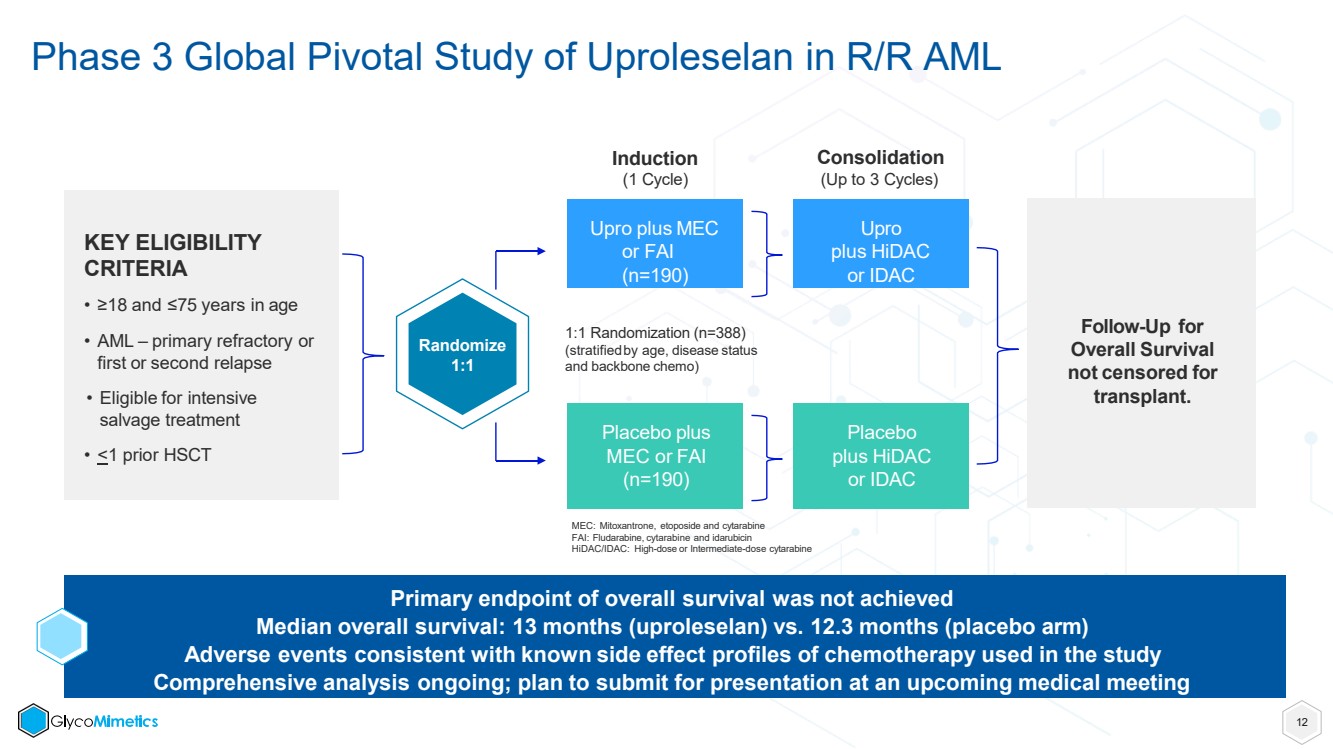
ROCKVILLE, Md.--(BUSINESS WIRE) – May 6, 2024-- GlycoMimetics, Inc. (Nasdaq: GLYC), a late clinical-stage biotechnology company discovering and developing glycobiology-based therapies for cancers and inflammatory diseases, today announced topline results from its Phase 3 global pivotal study of uproleselan in 388 patients with R/R AML. In the study, uproleselan combined with chemotherapy did not achieve a statistically significant improvement in overall survival in the intent to treat population versus chemotherapy alone.
Patients treated with uproleselan had a median overall survival of 13 months, compared to 12.3 months in the placebo arm. Adverse events were consistent with known side effect profiles of chemotherapy used in the study.
“While the outcome of our Phase 3 study in R/R AML is not what we hoped, we wish to thank the investigators, the participating patients and their families for their dedication to this large, well-controlled randomized study,” said Harout Semerjian, Chief Executive Officer of GlycoMimetics. “We are thoroughly analyzing the data in collaboration with medical, statistical and regulatory experts and are committed to submitting a comprehensive data analysis for presentation at an upcoming medical meeting.”
The randomized, double-blind, placebo-controlled Phase 3 clinical study evaluated uproleselan in combination with MEC (mitoxantrone, etoposide and cytarabine) or FAI (fludarabine, cytarabine and idarubicin) in patients with R/R AML. Patients received either uproleselan or placebo for 8 days over 1 cycle of an induction and, if applicable, up to 3 cycles of consolidation. The primary endpoint of the study was overall survival without censoring for transplant. Secondary endpoints included incidence of severe oral mucositis, complete remission rate and remission rate. A total of 388 patients across 70 sites in nine countries were randomized 1:1 between treatment and placebo arms.
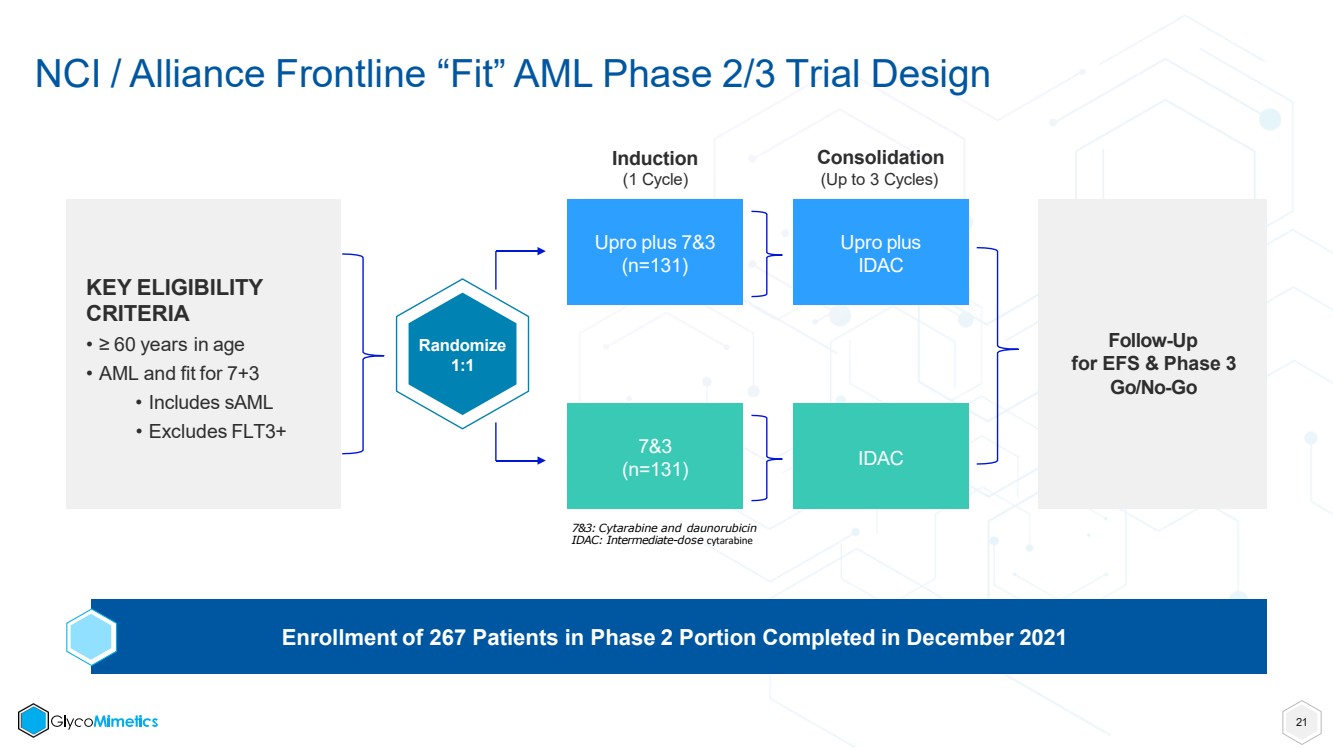
The NCI and the Alliance for Clinical Trials in Oncology are conducting an adaptive Phase 2/3 study of uproleselan in adults with newly diagnosed AML who are 60 years or older and fit for intensive chemotherapy. The randomized, controlled study is evaluating the addition of uproleselan to a standard cytarabine/daunorubicin regimen (7+3) versus chemotherapy alone. The Phase 2 portion of the study completed enrollment of 267 patients in December 2021. Results of the pre-planned Phase 2 event free survival interim analysis will be reported when available.
First Quarter 2024 Preliminary Financial Results
Today, the company also disclosed its preliminary financial results for the first quarter of 2024.
| ● | Cash position: As of March 31, 2024, GlycoMimetics had cash and cash equivalents of $31.3 million, compared to $41.8 million as of December 31, 2023. |
| ● | R&D Expenses: The company’s research and development expenses increased to $6.0 million for the quarter ended March 31, 2024, as compared to $5.4 million for the same period in 2023. These increases were due to raw material acquisition costs for future manufacturing batches. |
| ● | G&A Expenses: The company’s general and administrative expenses decreased to $5.1 million for the quarter ended March 31, 2024, compared to $5.5 million for the same period in 2023. The decrease was due to lower personnel-related and external consulting expenses. |
| ● | Shares Outstanding: Shares of common stock outstanding as of March 31, 2024, were 64,450,835. |
Conference Call Information
The company will host a conference call and webcast today at 8:30 a.m. ET. To access the call by phone, please go to this registration link and you will be provided with dial in details. Participants are encouraged to connect 15 minutes in advance of the scheduled start time.
A live webcast of the call will be available on the “Investors” tab on the GlycoMimetics website. A webcast replay will be available for 30 days following the call.
Please note this call will replace the previously announced First Quarter 2024 Financial Results call scheduled for May 9, 2024 at 8:30 a.m. ET.
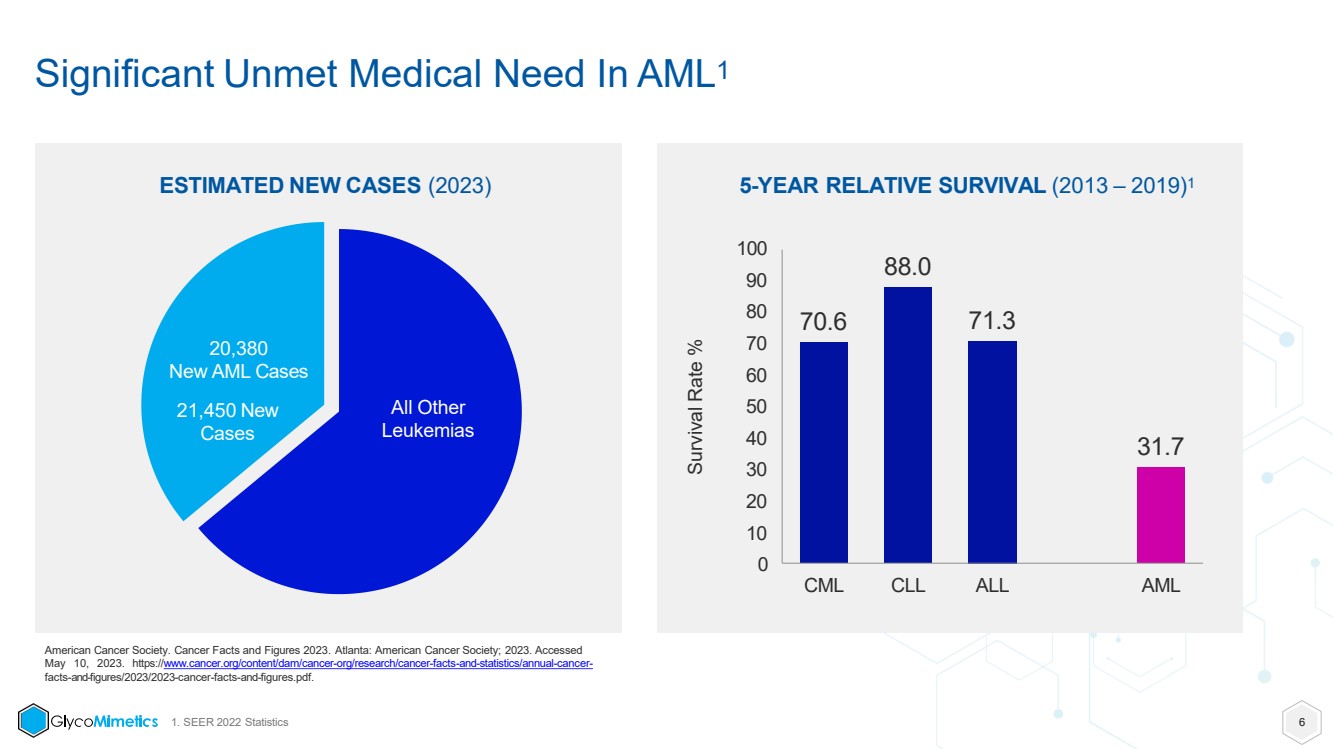
AML is the most common acute leukemia in adults. A cancer of the bone marrow, nearly 21,000 people in the United States are diagnosed with AML each year. Despite the availability of multiple treatments, disease prognosis is poor, and new treatment options are needed to improve outcomes. Newly diagnosed AML has the lowest 5-year survival rate of all leukemias at 31.7%. The five-year survival rate for people with relapsed/refractory disease is only 10%.
About Uproleselan
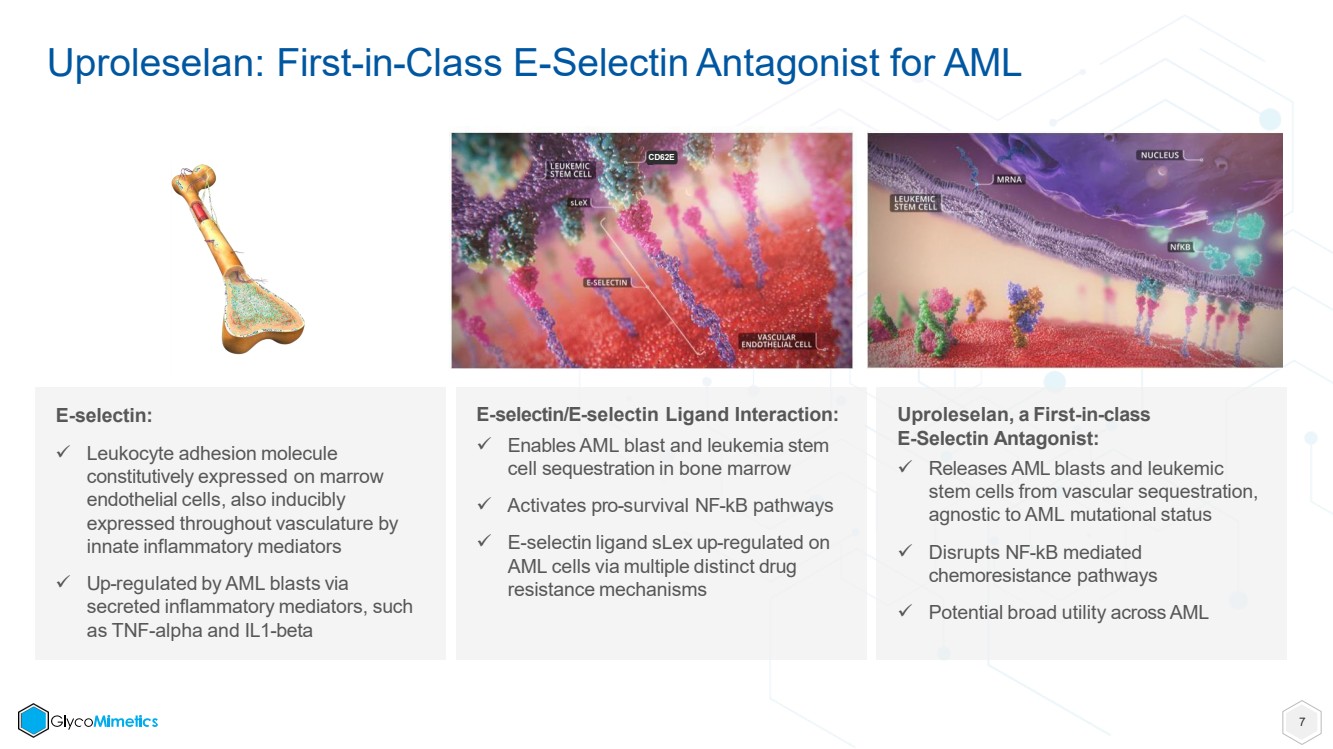
Discovered and developed by GlycoMimetics, uproleselan (yoo’ pro le’se lan) is an investigational, first-in-class E-selectin antagonist. GlycoMimetics has received Breakthrough Therapy and Fast Track designations from the U.S. Food and Drug Administration (FDA) and Breakthrough Therapy designation from the Chinese National Medical Products Administration for uproleselan as a potential treatment for adult AML patients with relapsed or refractory disease. E-selectin is a leukocyte adhesion molecule constitutively expressed on endothelial cells of the vasculature and bone marrow. In AML, there is evidence that E-selectin–ligand interaction between endothelial cells in the protective niche of the Bone Marrow microEnvironment (BME) and leukemic stem cells and blasts promotes leukemic cell survival and hides them from AML therapies. Uproleselan is designed to disrupt E-selectin binding and prevent leukemic myeloid cells using the protective niche of the BME.
About GlycoMimetics, Inc.
GlycoMimetics is a late clinical-stage biotechnology company discovering and developing glycobiology-based therapies for cancers, including AML, and for inflammatory diseases. The company’s scientific approach is based on an understanding of the role that carbohydrates play in cell recognition. Its specialized chemistry platform is being deployed to discover small molecule drugs, known as glycomimetics, that alter carbohydrate-mediated recognition in diverse disease states, including cancers and inflammation. GlycoMimetics is leveraging its differentiated expertise with this scientific approach in order to advance its pipeline of wholly owned drug candidates. The company’s goal is to develop transformative therapies for diseases with high unmet medical need. GlycoMimetics is headquartered in Rockville, MD in the BioHealth Capital Region. Learn more at www.glycomimetics.com.
Forward-Looking Statements
This press release contains forward-looking statements. These forward-looking statements may include, but are not limited to, statements regarding the conduct of, and timing for analysis and presentation of data from, clinical trials; potential development and regulatory activities; and the potential benefits and impact of uproleselan. Actual results may differ materially from those described in these forward-looking statements. For a further description of the risks associated with these statements, as well as other risks facing GlycoMimetics, please see the risk factors described in the company’s Annual Report on Form 10-K filed with the U.S. Securities and Exchange Commission (SEC) on March 27, 2024, and other filings GlycoMimetics makes with the SEC from time to time. Forward-looking statements speak only as of the date of this release, and GlycoMimetics undertakes no obligation to update or revise these statements, except as may be required by law.
Investor Contact:
Argot Partners
Leo Vartorella
212-600-1902
| Transforming Lives Glycobiology-based Therapeutics May 2024 | NASDAQ: GLYC |
| 2 Forward-Looking Statements • To the extent thatstatements contained in this presentation are not descriptions of historical facts,they are forward-looking statementsreflecting the current beliefs and expectations of the management of GlycoMimetics, Inc. (“GlycoMimetics,” “we,” “us,” or “our”). Forward-looking statements contained in this presentationmay include, but are not limited to: (i) the expected or projected timing of events, data readout and data analysisfrom clinical trials; (ii) the planned or potential clinical development and potential indications, benefits and impact of our drug candidates, including uproleselan and GMI-1687;(iii) the timing of receipt of clinical data; (iv) the potentialsafety, efficacy or clinical utility of our drug candidates;(v) the size of patient populations targeted by drug candidateswe or our collaboratorsdevelop; (vi) the likelihood and timing of regulatory filings, and plans for interactionswith regulatory authorities; (vii) our business and product development strategies, including our cash needs and expected cash runway; and (viii) any otherstatement containing terminology such as “may,” “will,” “should,” “expects,” “plans,” “anticipates,” “believes,” “estimates,” “predicts,” “potential,” “intends,” or “continue,” or the negative of these terms or other comparable terminology. • Forward-looking statements are subject to known and unknown risks, uncertainties, and other factorsthat may cause our or our industry’s actualresults, levels of activity, performance, or achievements to be materially different from those discussed, implied or otherwise anticipated by such statements. You are cautioned not to place undue reliance on such forward-looking statements, which are current only as of the date of this presentation. Examples of risks, uncertainties and factorsthatmay cause differences between our expectations and actual results include unexpected safety or efficacy data, unexpected side effectsobserved during preclinical studies or in clinical trials, whether results of early clinical trials will be indicative of results from later clinical trials, changesin expected or existing competition or additional market research that may cause our expectations about market opportunity to change, changes in the regulatory environment for our drug candidates, failure of our collaboratorsto support or advance our collaborations or drug candidates, our need for future capital,the inability to adequately protect our intellectual property, and becoming a party to litigation or other disputes. For a further description of the risks associatedwith forward-looking statements, as well as other risks facingGlycoMimetics, please see the risk factors described in the Company’s Annual Report on Form 10-K filed with the U.S. Securities and Exchange Commission on March 27, 2024, as well as other reports we file with the U.S. Securities and Exchange Commission from time to time, including those factorsdiscussed under the caption “Risk Factors” in such filings. Forward-looking statementsspeak only as of the date of this presentation, and GlycoMimetics undertakes no obligation to update or revise these statements, except as may be required by law. |
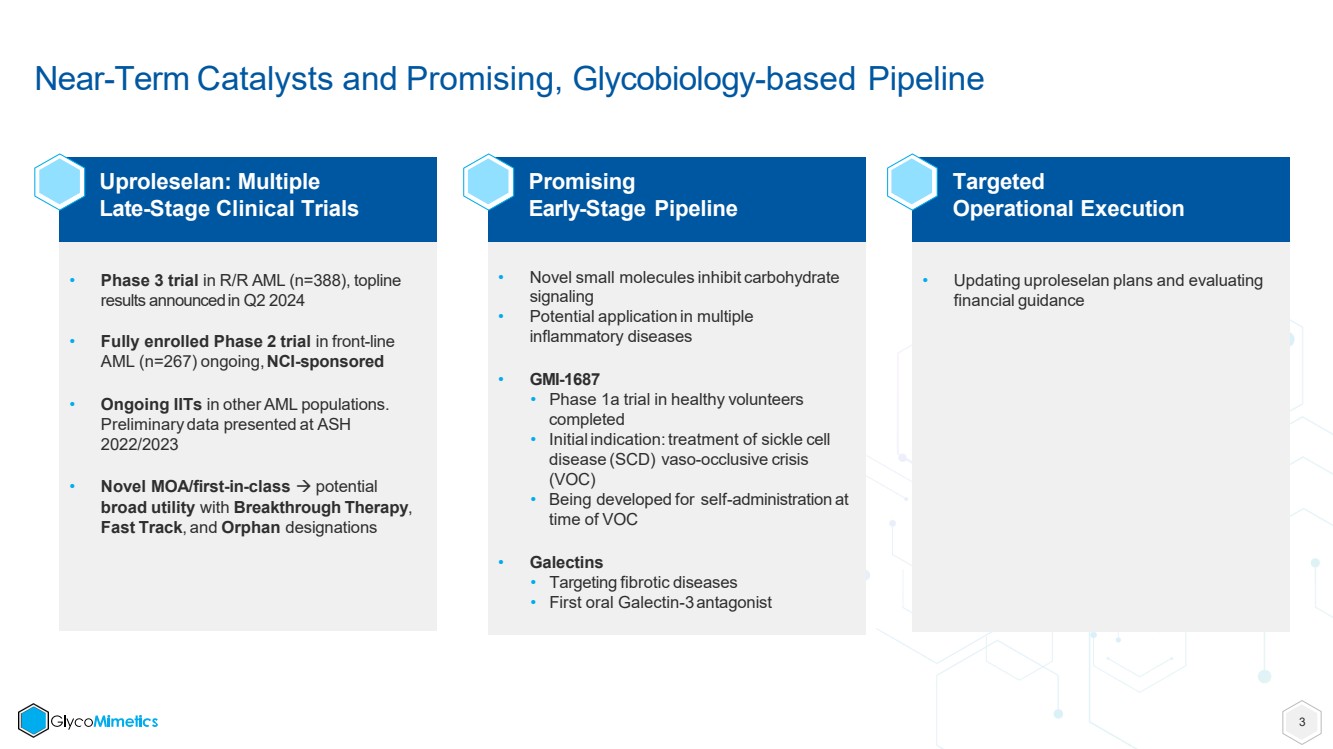
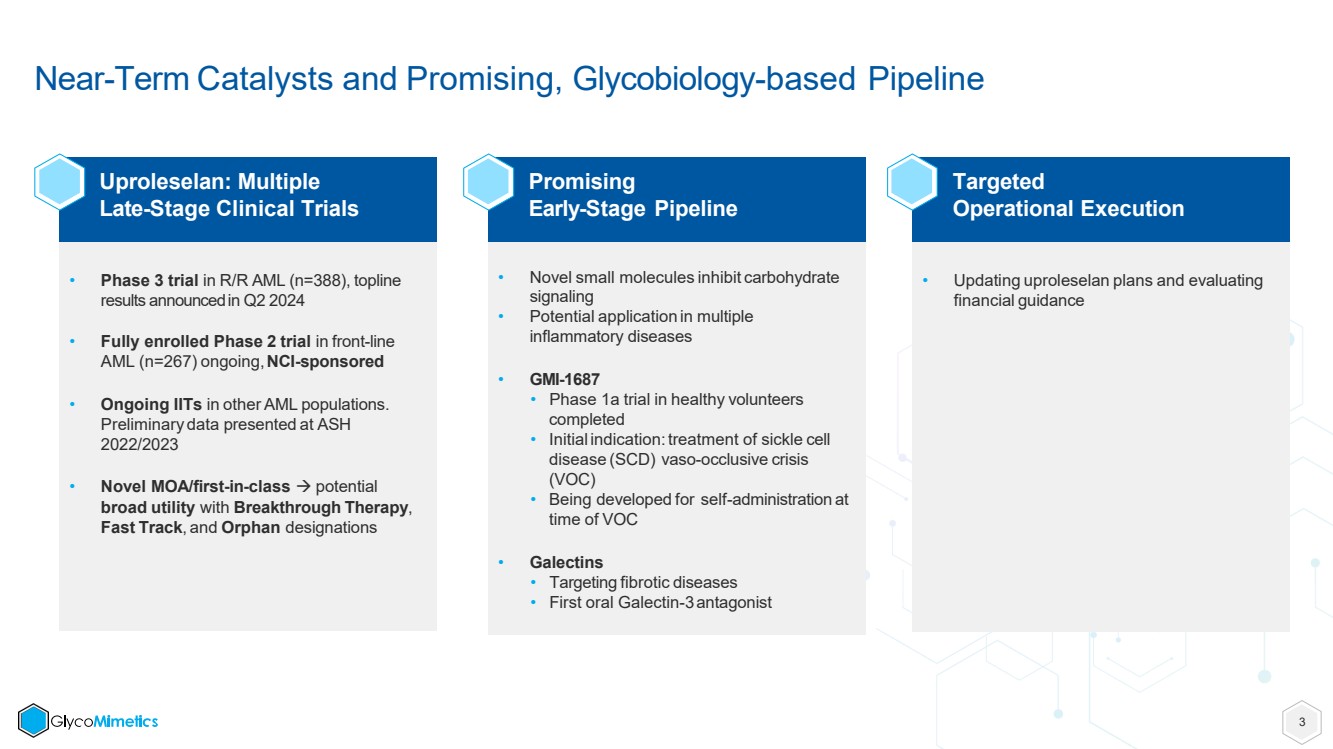
| • Phase 3 trial in R/R AML (n=388), topline results announcedin Q2 2024 • Fully enrolled Phase 2 trial in front-line AML (n=267) ongoing,NCI-sponsored • Ongoing IITs in other AML populations. Preliminary data presented at ASH 2022/2023 • Novel MOA/first-in-class → potential broad utility with Breakthrough Therapy, Fast Track, and Orphan designations • Novel small molecules inhibit carbohydrate signaling • Potential application in multiple inflammatory diseases • GMI-1687 • Phase 1a trial in healthy volunteers completed • Initial indication: treatment of sickle cell disease (SCD) vaso-occlusive crisis (VOC) • Being developed for self-administration at time of VOC • Galectins • Targeting fibrotic diseases • First oral Galectin-3antagonist • Updating uproleselan plans and evaluating financial guidance Near-Term Catalysts and Promising, Glycobiology-based Pipeline 3 Uproleselan: Multiple Late-Stage Clinical Trials Promising Early-Stage Pipeline Targeted Operational Execution |
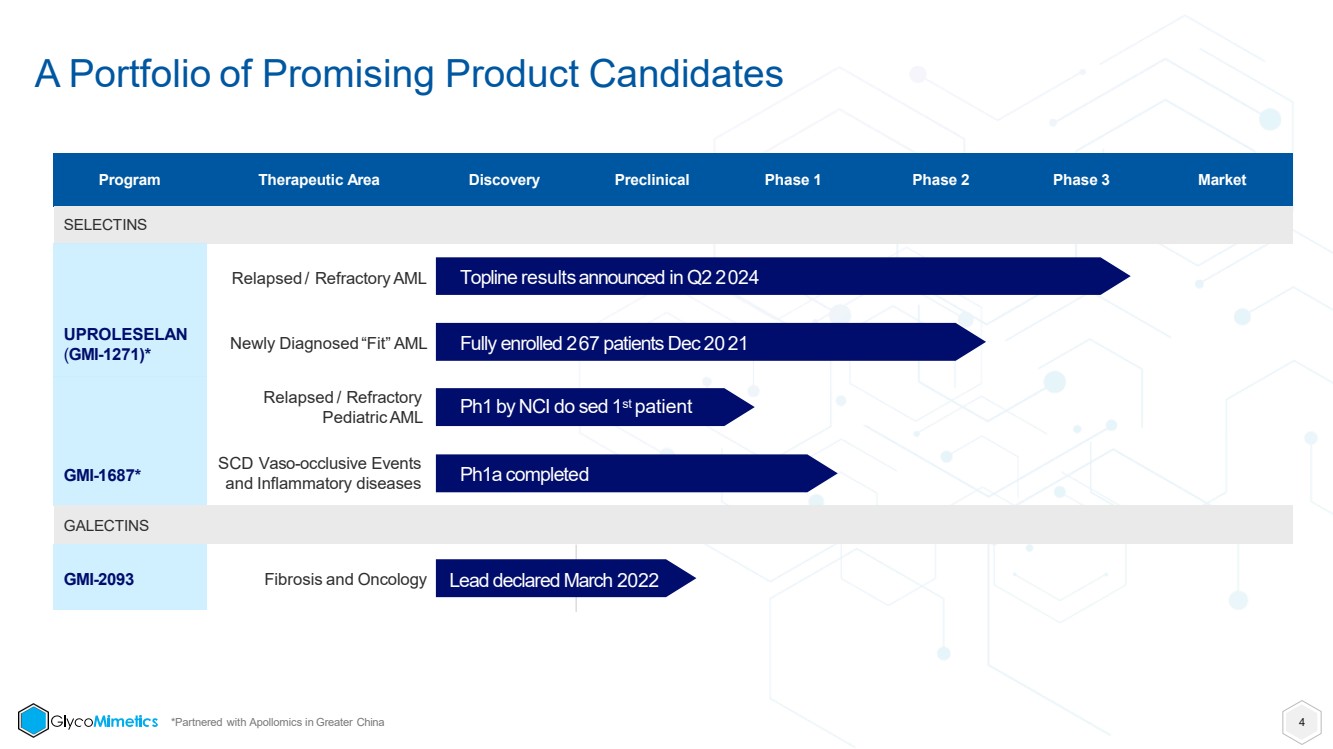
| A Portfolio of Promising Product Candidates *Partnered with Apollomics in Greater China 4 Program Therapeutic Area Discovery Preclinical Phase 1 Phase 2 Phase 3 Market SELECTINS Relapsed / RefractoryAML Topline resultsannounced in Q2 2024 UPROLESELAN (GMI-1271)* Newly Diagnosed“Fit” AML Fully enrolled 267 patients Dec 2021 Relapsed / Refractory PediatricAML Ph1 by NCI do sed 1st patient GMI-1687* SCD Vaso-occlusive Events and Inflammatory diseases Ph1a completed GALECTINS GMI-2093 Fibrosis and Oncology Lead declared March 2022 |
| Breakthrough Therapy Designation in AML Uproleselan (GMI-1271) |
| 1. SEER 2022 Statistics 6 Significant Unmet Medical Need In AML1 All Other Leukemias 20,380 New AML Cases 21,450 New Cases All Other Leukemias American Cancer Society. Cancer Facts and Figures 2023. Atlanta: American Cancer Society; 2023. Accessed May 10, 2023. https://www.cancer.org/content/dam/cancer-org/research/cancer-facts-and-statistics/annual-cancer-facts-and-figures/2023/2023-cancer-facts-and-figures.pdf. ESTIMATED NEW CASES (2023) 70.6 88.0 71.3 31.7 100 90 80 70 60 50 40 30 20 10 0 CML CLL ALL AML Survival Rate % 5-YEAR RELATIVE SURVIVAL (2013 – 2019)1 |
| Uproleselan: First-in-Class E-Selectin Antagonist for AML 7 E-selectin: ✓ Leukocyte adhesion molecule constitutively expressed on marrow endothelial cells, also inducibly expressed throughout vasculature by innate inflammatory mediators ✓ Up-regulated by AML blasts via secreted inflammatory mediators, such as TNF-alpha and IL1-beta CD62E E-selectin/E-selectin Ligand Interaction: ✓ Enables AML blast and leukemia stem cell sequestration in bone marrow ✓ Activates pro-survival NF-kB pathways ✓ E-selectin ligand sLex up-regulated on AML cells via multiple distinct drug resistance mechanisms Uproleselan, a First-in-class E-Selectin Antagonist: ✓ Releases AML blasts and leukemic stem cells from vascular sequestration, agnostic to AML mutational status ✓ Disrupts NF-kB mediated chemoresistance pathways ✓ Potential broad utility acrossAML |
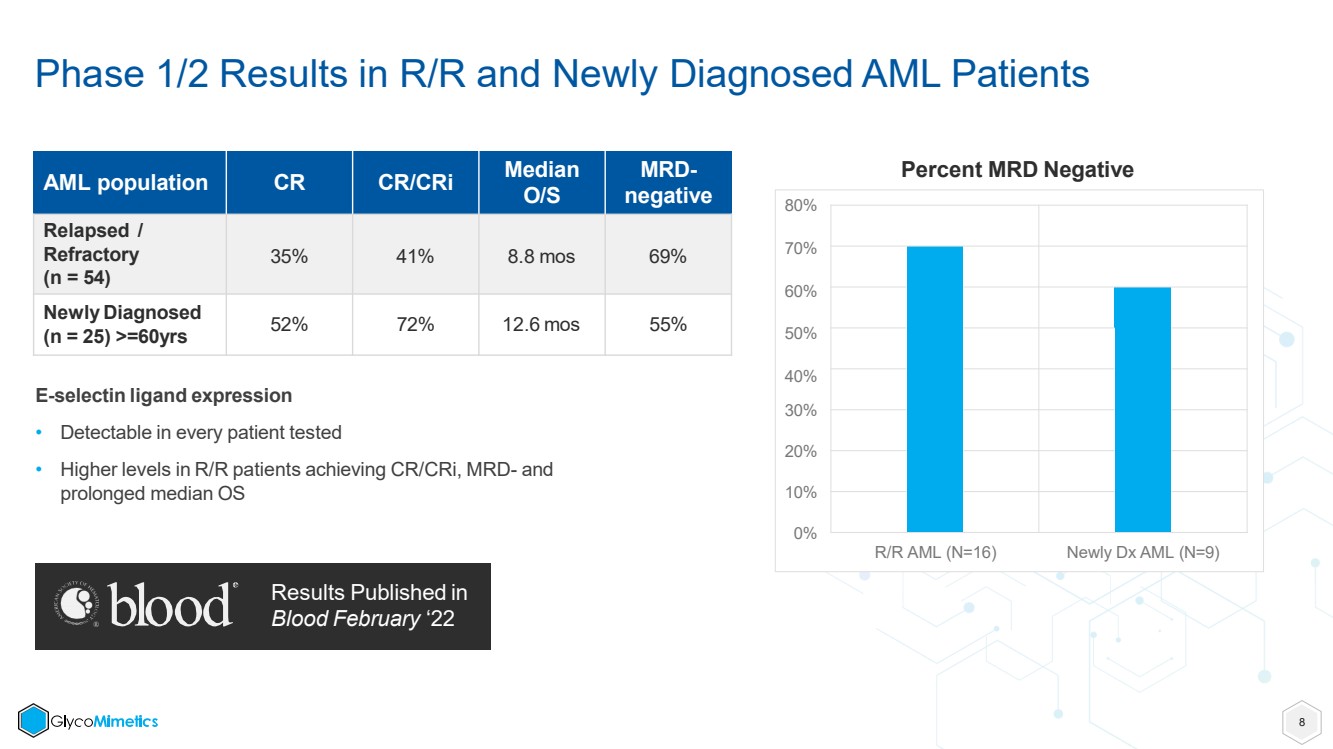
| E-selectin ligand expression • Detectable in every patient tested • Higher levels in R/R patients achieving CR/CRi, MRD- and prolonged median OS 8 Phase 1/2 Results in R/R and Newly Diagnosed AML Patients 0% 10% 20% 30% R/R AML (N=16) Newly Dx AML (N=9) Percent MRD Negative 80% 70% 60% 50% 40% Results Published in Blood February ‘22 AML population CR CR/CRi Median O/S MRD-negative Relapsed / Refractory (n = 54) 35% 41% 8.8 mos 69% Newly Diagnosed (n = 25) >=60yrs 52% 72% 12.6 mos 55% |
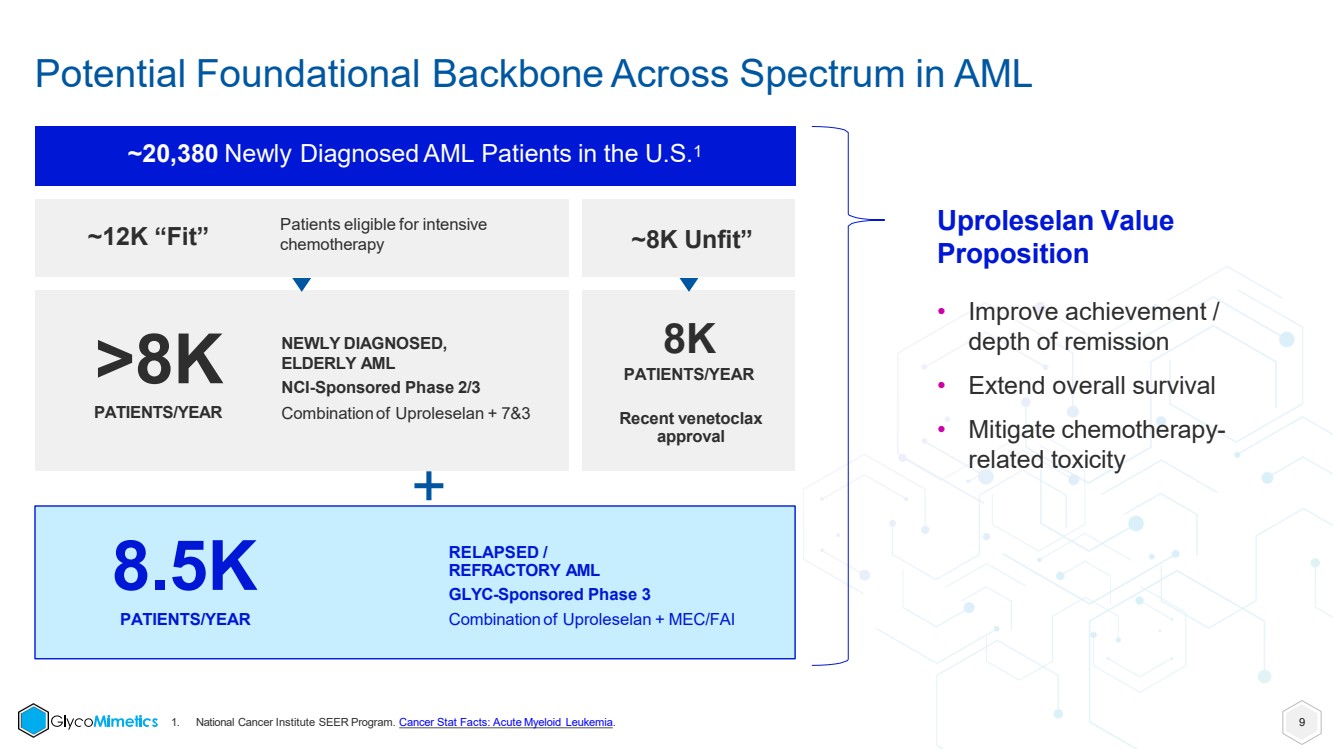
| 1. National Cancer Institute SEER Program. Cancer Stat Facts: Acute Myeloid Leukemia. 9 Potential Foundational Backbone Across Spectrum in AML • Improve achievement / depth of remission • Extend overall survival • Mitigate chemotherapy-related toxicity Uproleselan Value Proposition ~20,380 Newly Diagnosed AML Patients in the U.S.1 ~12K “Fit” ~8K Unfit” >8K PATIENTS/YEAR NEWLY DIAGNOSED, ELDERLY AML NCI-Sponsored Phase 2/3 Combinationof Uproleselan + 7&3 8.5K PATIENTS/YEAR RELAPSED / REFRACTORY AML GLYC-Sponsored Phase 3 Combination of Uproleselan + MEC/FAI 8K PATIENTS/YEAR Recent venetoclax approval Patients eligible for intensive chemotherapy + |
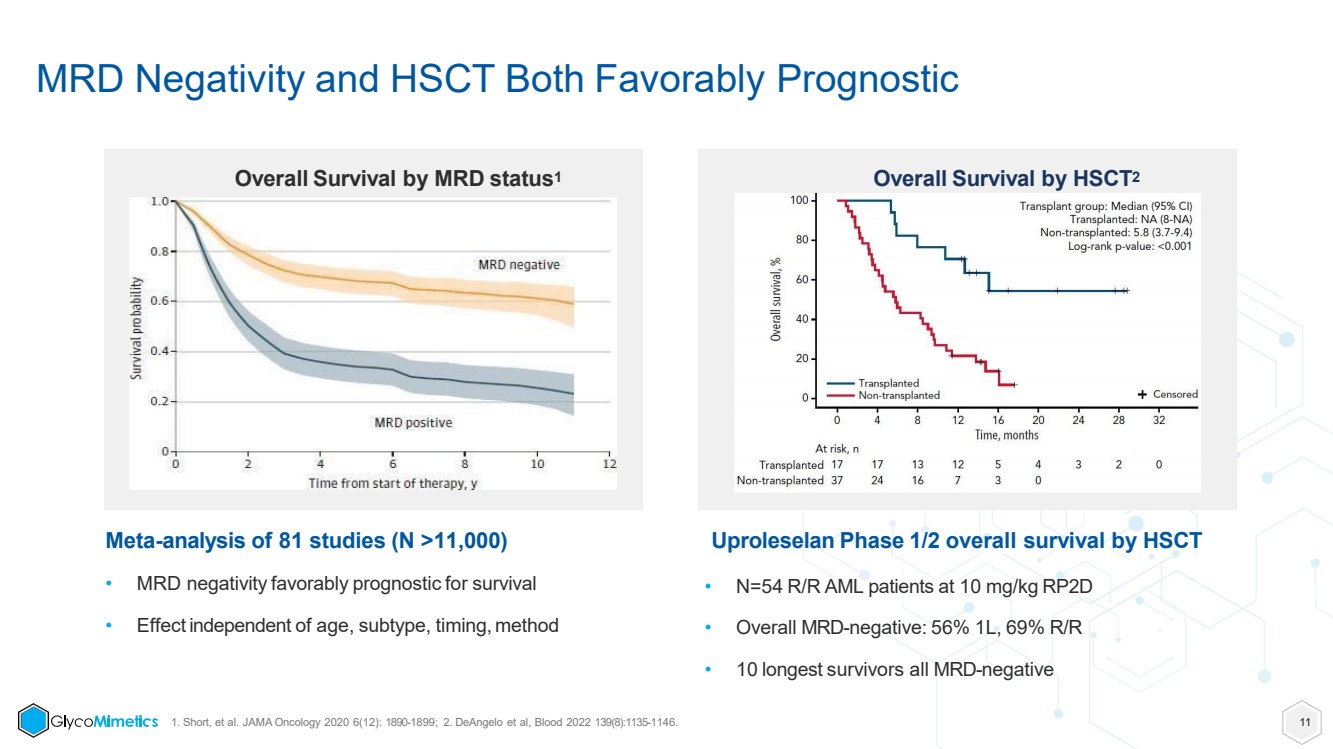
| Uproleselan Phase 1/2 overall survival by HSCT • N=54 R/R AML patients at 10 mg/kg RP2D • Overall MRD-negative: 56% 1L, 69% R/R • 10 longest survivors all MRD-negative Meta-analysis of 81 studies (N >11,000) • MRD negativity favorably prognostic for survival • Effect independent of age, subtype, timing, method MRD Negativity and HSCT Both Favorably Prognostic 11 Overall Survival by MRD status1 Overall Survival by HSCT2 1. Short, et al. JAMA Oncology 2020 6(12): 1890-1899; 2. DeAngelo et al, Blood 2022 139(8):1135-1146. |
| 12 Primary endpoint of overall survival was not achieved Median overall survival: 13 months (uproleselan) vs. 12.3 months (placebo arm) Adverse events consistent with known side effect profiles of chemotherapy used in the study Comprehensive analysis ongoing; plan to submit for presentation at an upcoming medical meeting Placebo plus MEC or FAI (n=190) Placebo plus HiDAC or IDAC Upro plus MEC or FAI (n=190) Upro plus HiDAC or IDAC 1:1 Randomization (n=388) (stratifiedby age, disease status and backbone chemo) Induction (1 Cycle) Consolidation (Up to 3 Cycles) MEC: Mitoxantrone, etoposide and cytarabine FAI: Fludarabine, cytarabine and idarubicin HiDAC/IDAC: High-dose or Intermediate-dose cytarabine Randomize 1:1 Follow-Up for Overall Survival not censored for transplant. KEY ELIGIBILITY CRITERIA • ≥18 and ≤75 years in age • AML – primary refractory or first or second relapse • Eligible for intensive salvage treatment • <1 prior HSCT Phase 3 Global Pivotal Study of Uproleselan in R/R AML |
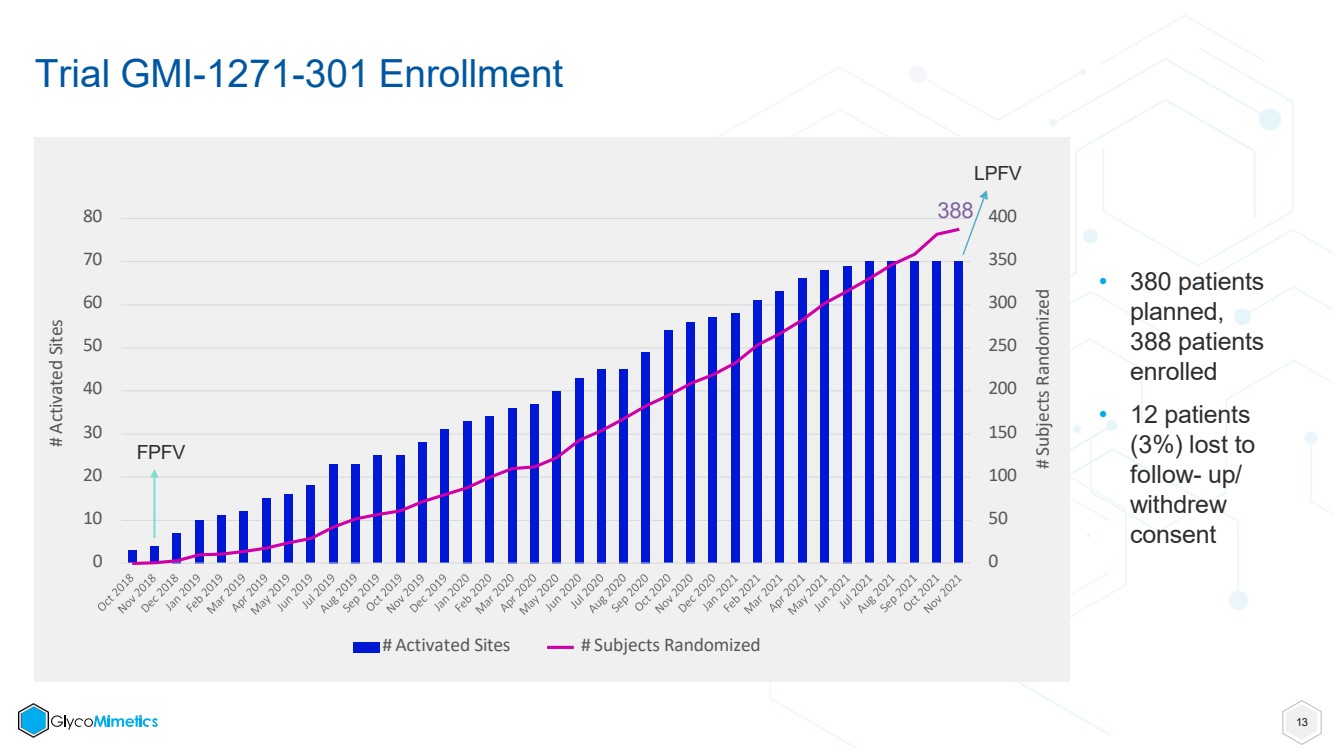
| 388 0 50 100 150 200 250 300 350 400 0 10 20 30 40 50 60 70 80 # Subjects Randomized # Activated Sites # Activated Sites # Subjects Randomized FPFV LPFV Trial GMI-1271-301 Enrollment 13 • 380 patients planned, 388 patients enrolled • 12 patients (3%) lost to follow- up/ withdrew consent |
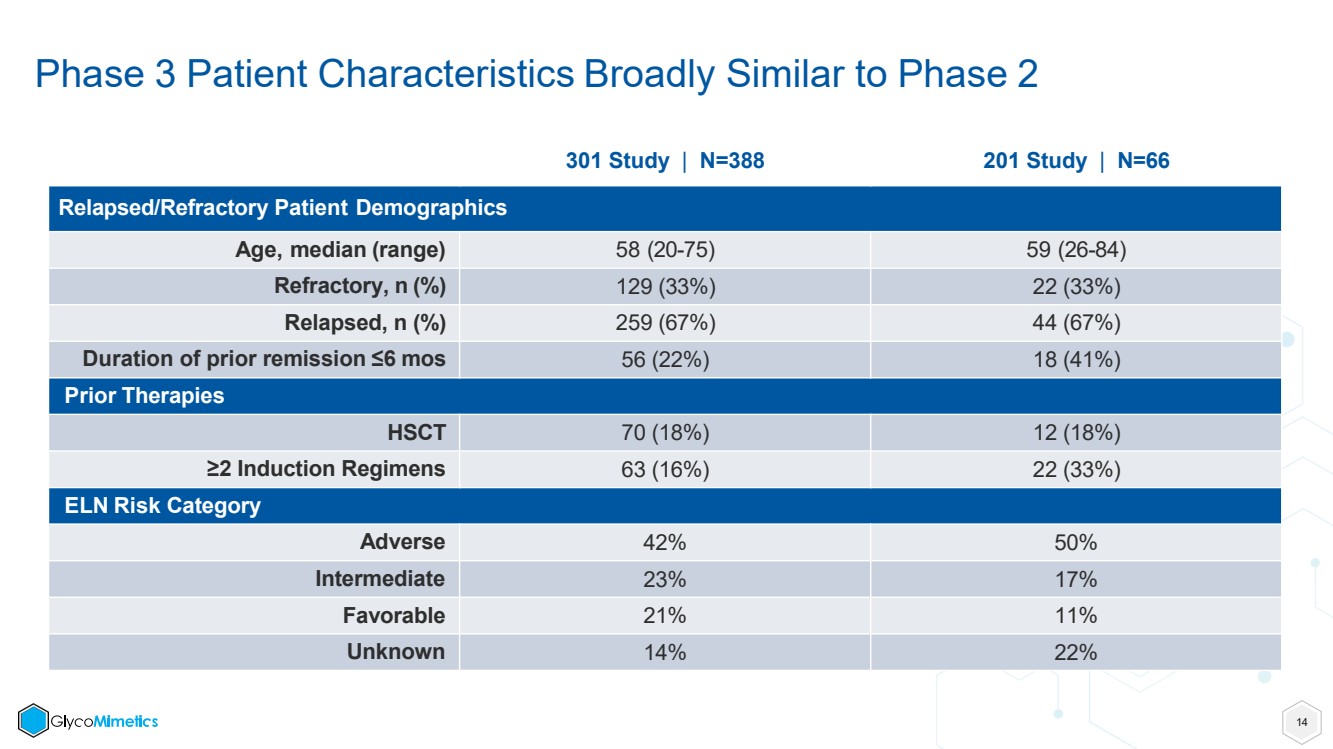
| 14 Phase 3 Patient Characteristics Broadly Similar to Phase 2 301 Study | N=388 201 Study | N=66 Relapsed/Refractory Patient Demographics Age, median (range) 58 (20-75) 59 (26-84) Refractory, n (%) 129 (33%) 22 (33%) Relapsed, n (%) 259 (67%) 44 (67%) Duration of prior remission ≤6 mos 56 (22%) 18 (41%) Prior Therapies HSCT 70 (18%) 12 (18%) ≥2 Induction Regimens 63 (16%) 22 (33%) ELN Risk Category Adverse 42% 50% Intermediate 23% 17% Favorable 21% 11% Unknown 14% 22% |
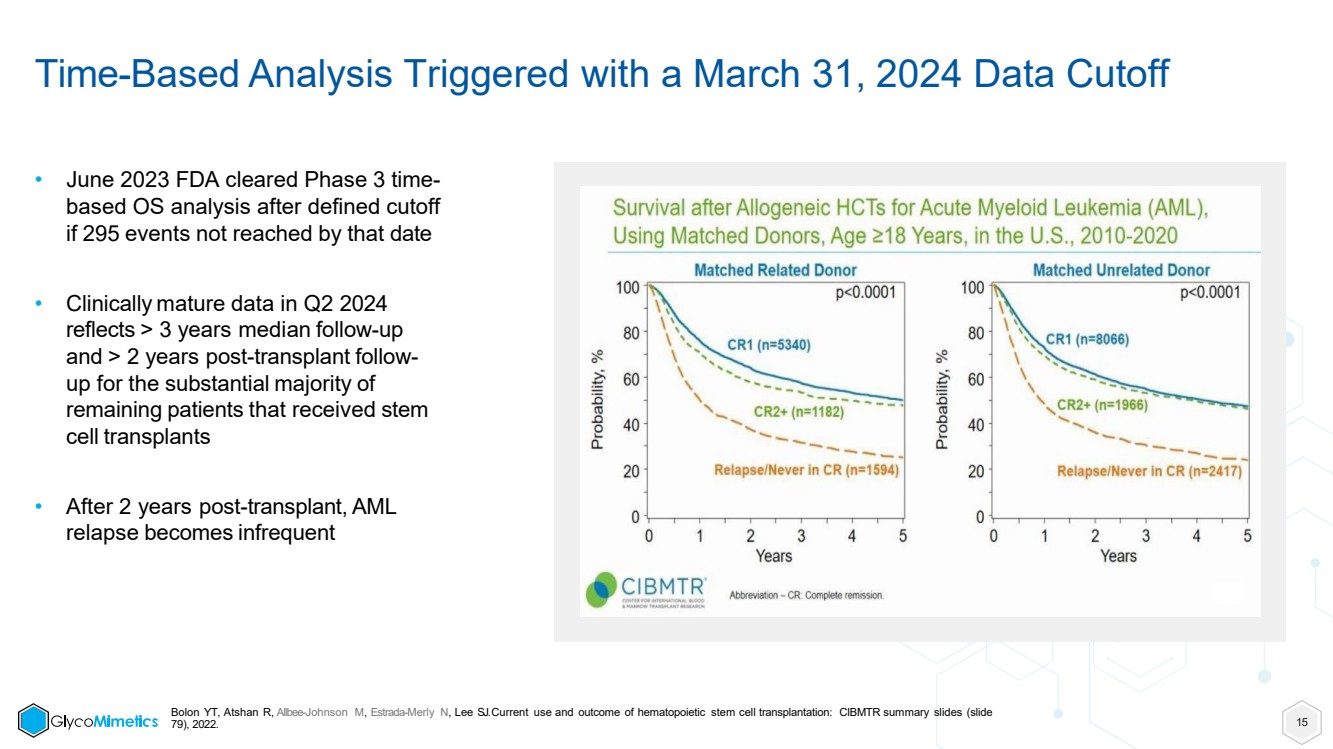
| • June 2023 FDA cleared Phase 3 time-based OS analysis after defined cutoff if 295 events not reached by that date • Clinically mature data in Q2 2024 reflects > 3 years median follow-up and > 2 years post-transplant follow-up for the substantial majority of remaining patients that received stem cell transplants • After 2 years post-transplant, AML relapse becomes infrequent 15 Bolon YT, Atshan R, Allbee-Johnson M, Estrada-Merly N, Lee SJ.Current use and outcome of hematopoietic stem cell transplantation: CIBMTR summary slides (slide 79), 2022. Time-Based Analysis Triggered with a March 31, 2024 Data Cutoff |
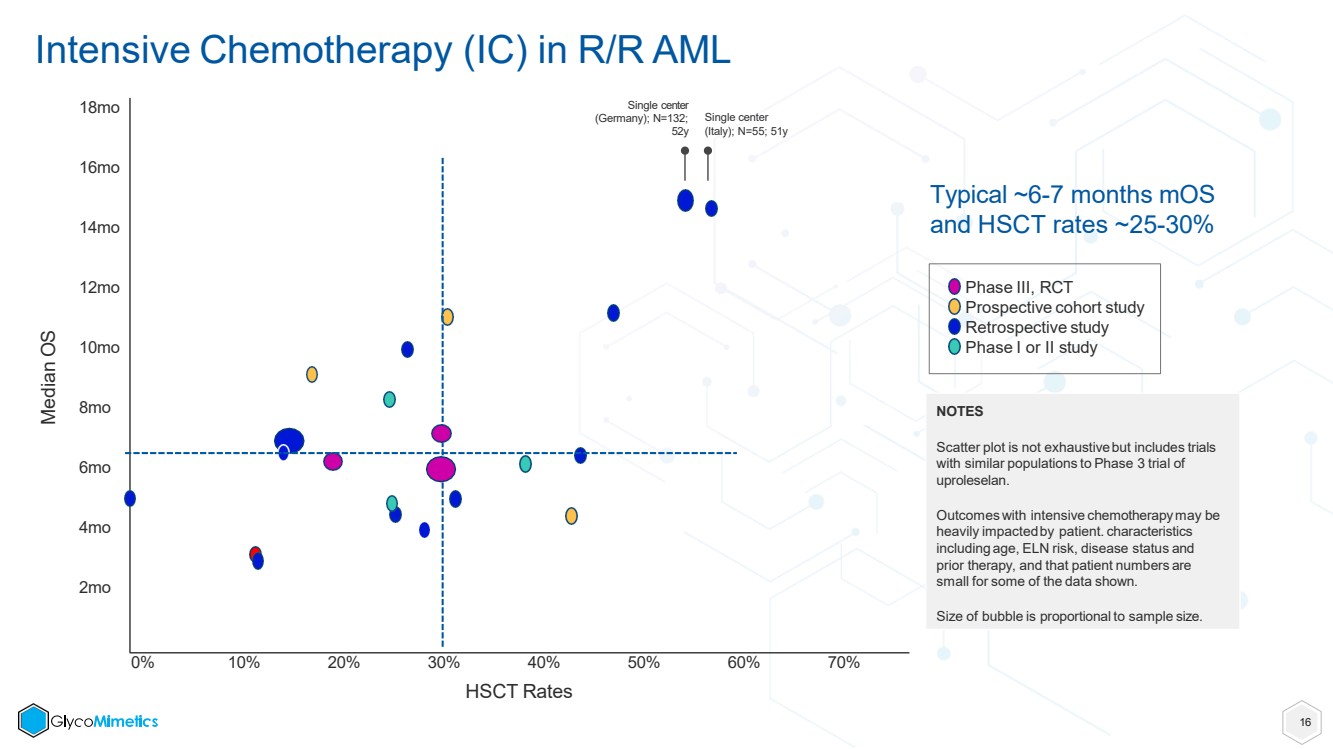
| 10% 20% 30% 50% 60% 70% Phase III, RCT Prospective cohort study Retrospective study Phase I or II study 18mo 16mo 14mo 12mo 10mo 8mo 6mo 4mo 2mo 0% 40% HSCT Rates Median OS Single center (Italy); N=55; 51y Single center (Germany); N=132; 52y Intensive Chemotherapy (IC) in R/R AML 16 NOTES Scatter plot is not exhaustivebut includes trials with similar populations to Phase 3 trial of uproleselan. Outcomes with intensive chemotherapymay be heavily impactedby patient. characteristics including age, ELN risk, disease status and prior therapy, and that patient numbers are small for some of the data shown. Size of bubble is proportional to sample size. Typical ~6-7 months mOS and HSCT rates ~25-30% |
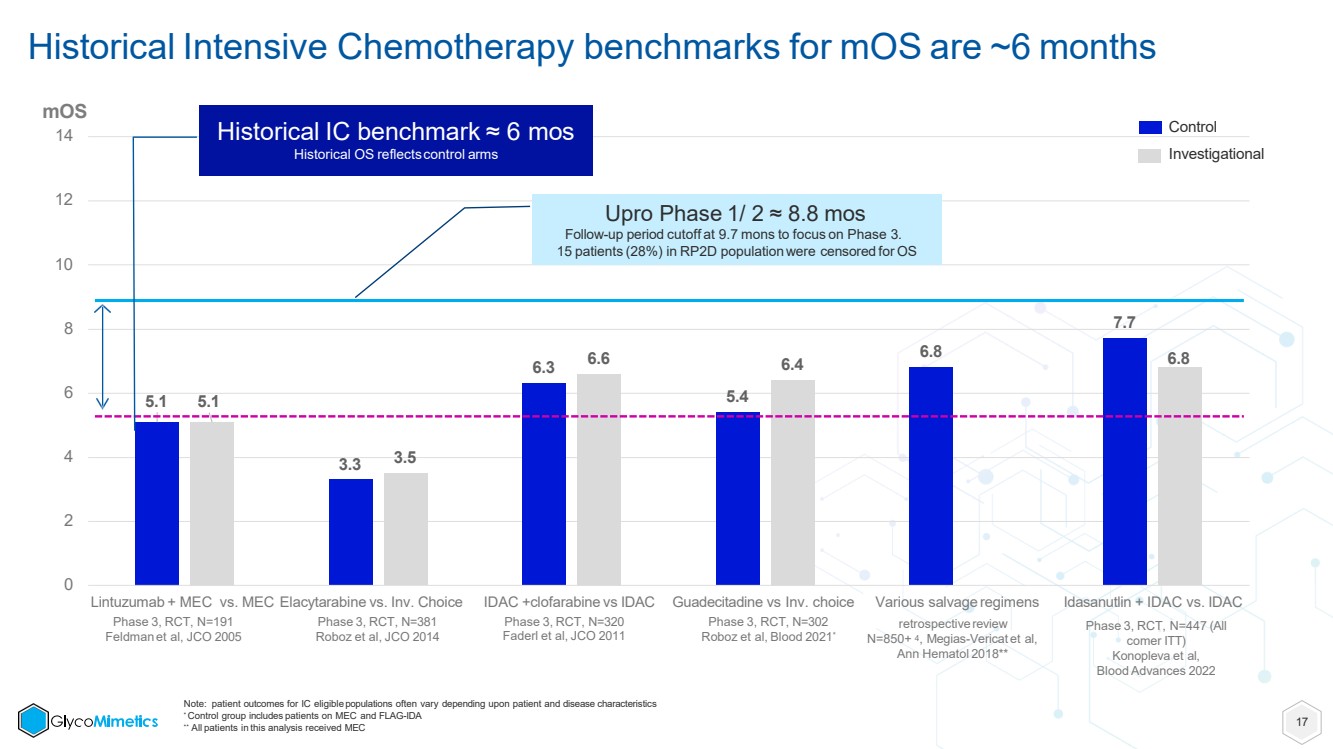
| 3.3 6.3 5.4 6.8 7.7 5.1 5.1 3.5 6.6 6.4 6.8 0 2 4 6 8 10 12 Lintuzumab + MEC vs. MEC Elacytarabine vs. Inv. Choice IDAC +clofarabine vs IDAC Phase 3, RCT, N=320 Faderl et al, JCO 2011 Upro Phase 1/ 2 ≈ 8.8 mos Follow-up period cutoff at 9.7 mons to focus on Phase 3. 15 patients (28%) in RP2D populationwere censored for OS 17 Various salvage regimens retrospectivereview N=850+ 4, Megias-Vericat et al, Ann Hematol 2018** Guadecitadine vs Inv. choice Phase 3, RCT, N=302 Roboz et al, Blood 2021* Idasanutlin + IDAC vs. IDAC Phase 3, RCT, N=447 (All comer ITT) Konopleva et al, Blood Advances 2022 mOS 14 Historical Intensive Chemotherapy benchmarks for mOS are ~6 months Phase 3, RCT, N=191 Feldmanet al, JCO 2005 Phase 3, RCT, N=381 Roboz et al, JCO 2014 Historical IC benchmark ≈ 6 mos Historical OS reflectscontrol arms Note: patient outcomes for IC eligiblepopulations often vary depending upon patient and disease characteristics *Control group includes patients on MEC and FLAG-IDA ** All patients in this analysis received MEC Control Investigational |
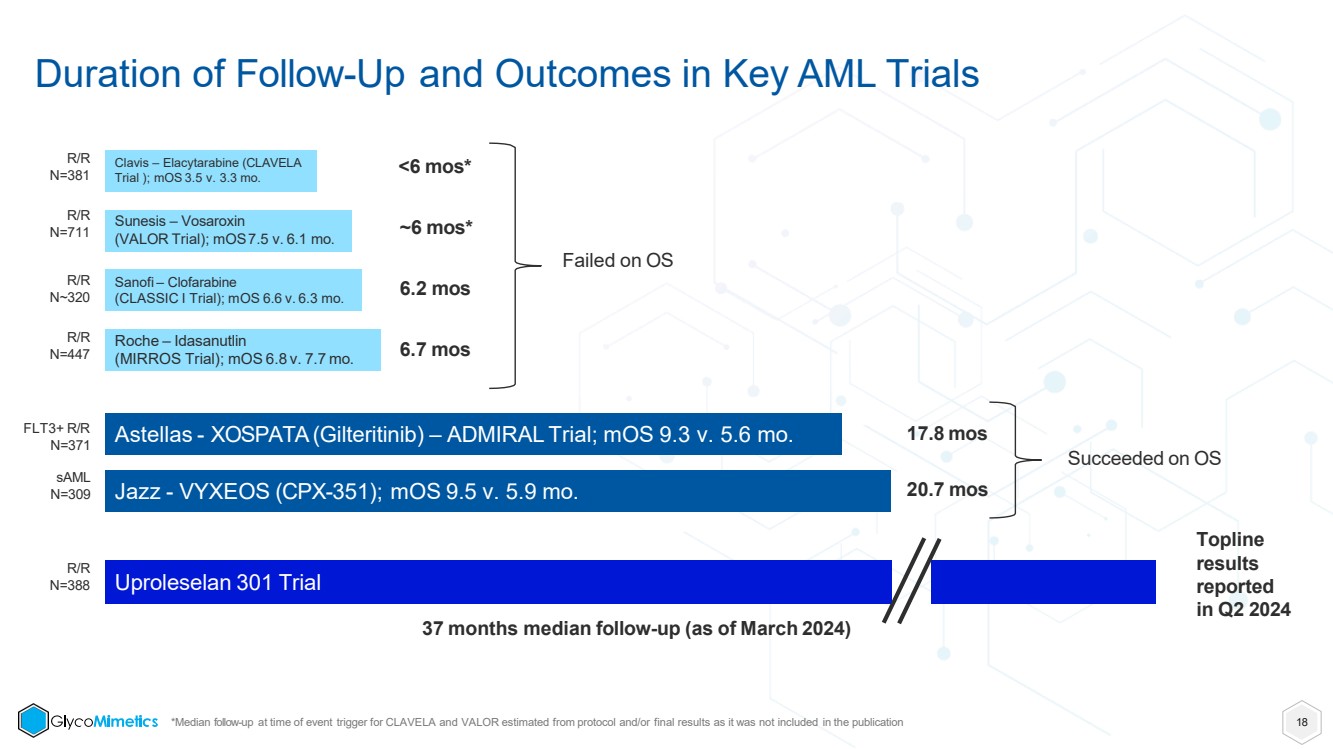
| Duration of Follow-Up and Outcomes in Key AML Trials *Median follow-up at time of event trigger for CLAVELA and VALOR estimated from protocol and/or final results as it was not included in the publication 18 Sanofi – Clofarabine (CLASSIC I Trial); mOS 6.6 v. 6.3 mo. Roche – Idasanutlin (MIRROS Trial); mOS 6.8 v. 7.7 mo. Astellas - XOSPATA(Gilteritinib) – ADMIRAL Trial; mOS 9.3 v. 5.6 mo. Jazz - VYXEOS (CPX-351); mOS 9.5 v. 5.9 mo. 6.2 mos 6.7 mos 17.8 mos 20.7 mos Succeeded on OS Failed on OS Uproleselan 301 Trial Topline results reported in Q2 2024 37 months median follow-up (as of March 2024) Clavis – Elacytarabine (CLAVELA Trial ); mOS 3.5 v. 3.3 mo. Sunesis – Vosaroxin (VALOR Trial); mOS7.5 v. 6.1 mo. <6 mos* ~6 mos* R/R N=388 R/R N=447 R/R N~320 R/R N=711 R/R N=381 FLT3+ R/R N=371 sAML N=309 |
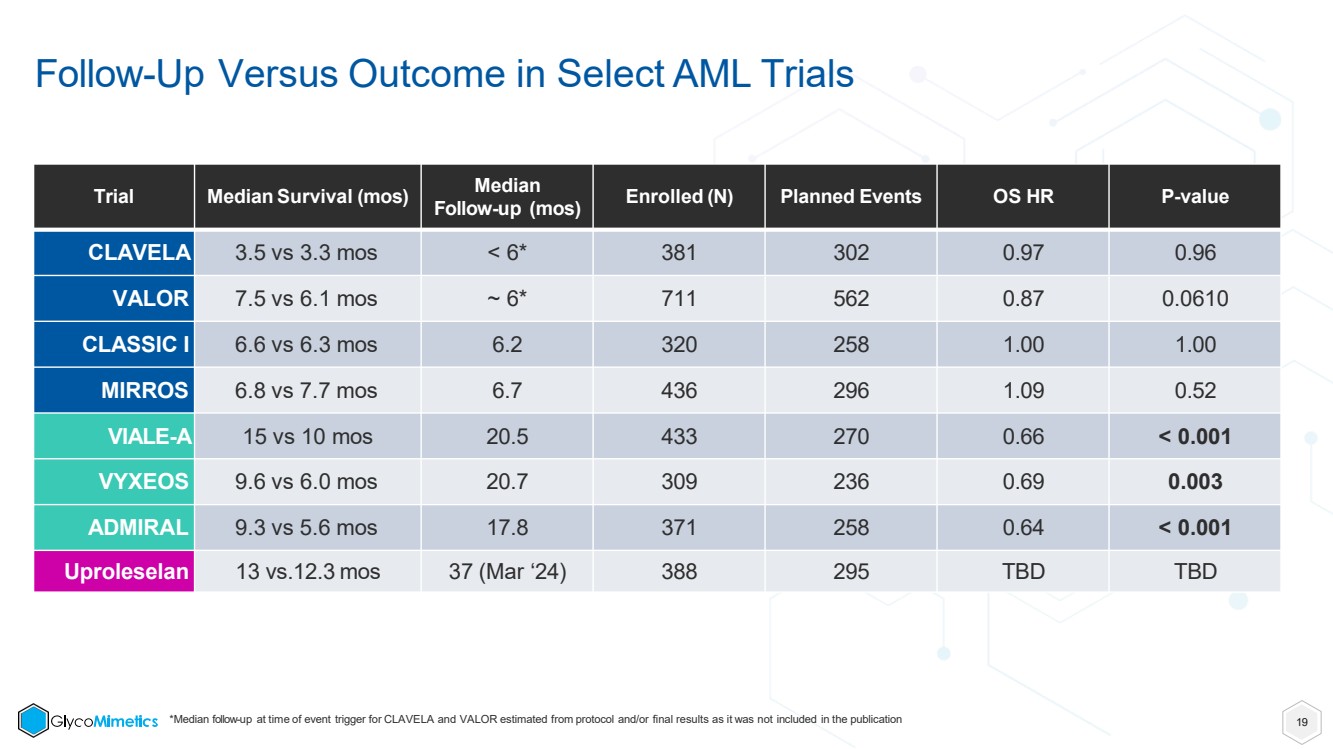
| Follow-Up Versus Outcome in Select AML Trials 19 Trial Median Survival (mos) Median Follow-up (mos) Enrolled (N) Planned Events OS HR P-value CLAVELA 3.5 vs 3.3 mos < 6* 381 302 0.97 0.96 VALOR 7.5 vs 6.1 mos ~ 6* 711 562 0.87 0.0610 CLASSIC I 6.6 vs 6.3 mos 6.2 320 258 1.00 1.00 MIRROS 6.8 vs 7.7 mos 6.7 436 296 1.09 0.52 VIALE-A 15 vs 10 mos 20.5 433 270 0.66 < 0.001 VYXEOS 9.6 vs 6.0 mos 20.7 309 236 0.69 0.003 ADMIRAL 9.3 vs 5.6 mos 17.8 371 258 0.64 < 0.001 Uproleselan 13 vs.12.3 mos 37 (Mar ‘24) 388 295 TBD TBD *Median follow-up at time of event trigger for CLAVELA and VALOR estimated from protocol and/or final results as it was not included in the publication |
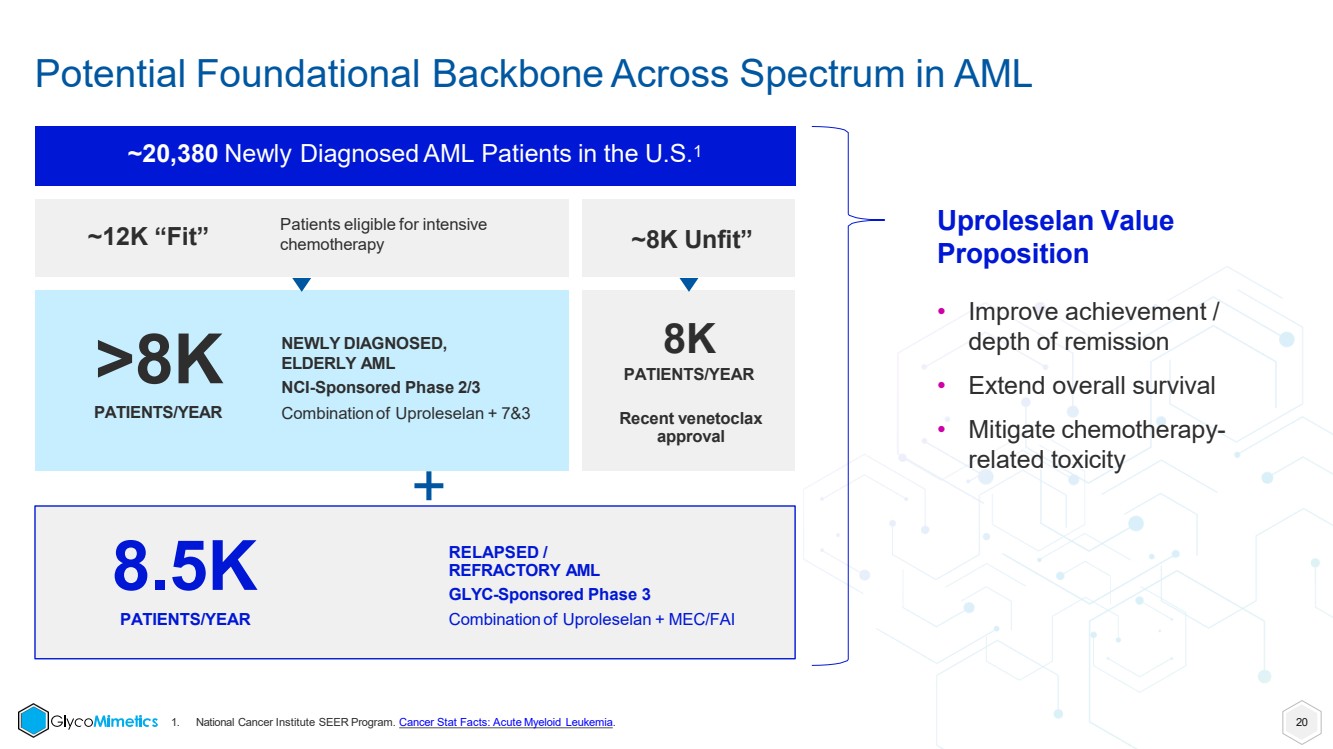
| 1. National Cancer Institute SEER Program. Cancer Stat Facts: Acute Myeloid Leukemia. 20 Potential Foundational Backbone Across Spectrum in AML • Improve achievement / depth of remission • Extend overall survival • Mitigate chemotherapy-related toxicity Uproleselan Value Proposition ~20,380 Newly Diagnosed AML Patients in the U.S.1 ~12K “Fit” ~8K Unfit” >8K PATIENTS/YEAR NEWLY DIAGNOSED, ELDERLY AML NCI-Sponsored Phase 2/3 Combinationof Uproleselan + 7&3 8.5K PATIENTS/YEAR RELAPSED / REFRACTORY AML GLYC-Sponsored Phase 3 Combination of Uproleselan + MEC/FAI 8K PATIENTS/YEAR Recent venetoclax approval Patients eligible for intensive chemotherapy + |
| NCI / Alliance Frontline “Fit” AML Phase 2/3 Trial Design 21 Enrollment of 267 Patients in Phase 2 Portion Completed in December 2021 KEY ELIGIBILITY CRITERIA • ≥ 60 years in age • AML and fit for 7+3 • Includes sAML • Excludes FLT3+ 7&3 (n=131) IDAC Upro plus 7&3 (n=131) Upro plus IDAC Induction (1 Cycle) Consolidation (Up to 3 Cycles) Follow-Up for EFS & Phase 3 Go/No-Go 7&3: Cytarabine and daunorubicin IDAC: Intermediate-dose cytarabine Randomize 1:1 |
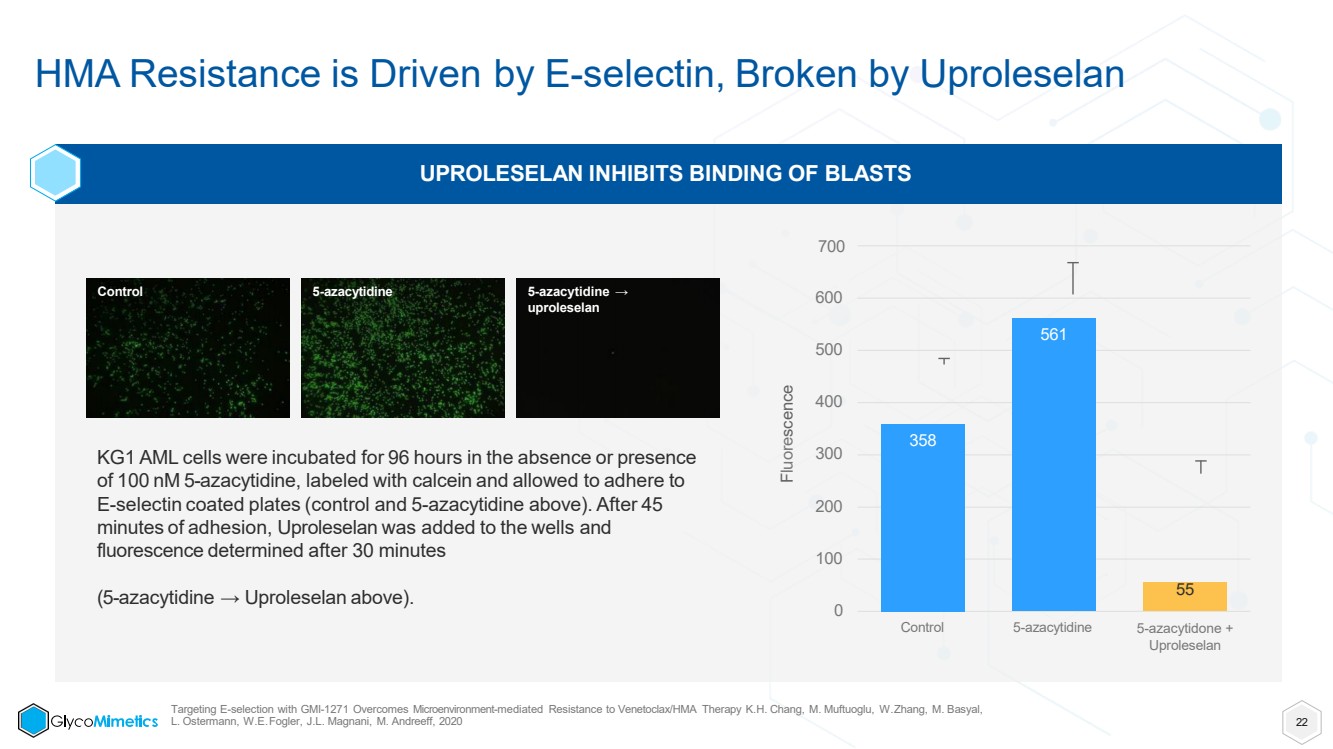
| HMA Resistance is Driven by E-selectin, Broken by Uproleselan 22 Targeting E-selection with GMI-1271 Overcomes Microenvironment-mediated Resistance to Venetoclax/HMA Therapy K.H. Chang, M. Muftuoglu, W.Zhang, M. Basyal, L. Ostermann, W.E.Fogler, J.L. Magnani, M. Andreeff, 2020 Control 5-azacytidine 5-azacytidine → uproleselan KG1 AML cells were incubated for 96 hours in the absence or presence of 100 nM 5-azacytidine, labeled with calcein and allowed to adhere to E-selectin coated plates (control and 5-azacytidine above). After 45 minutes of adhesion, Uproleselan was added to the wells and fluorescence determined after 30 minutes (5-azacytidine → Uproleselan above). 358 561 55 0 100 200 300 400 500 600 Control 5-azacytidine 5-azacytidone + Uproleselan Fluorescence UPROLESELAN INHIBITS BINDING OF BLASTS 700 |
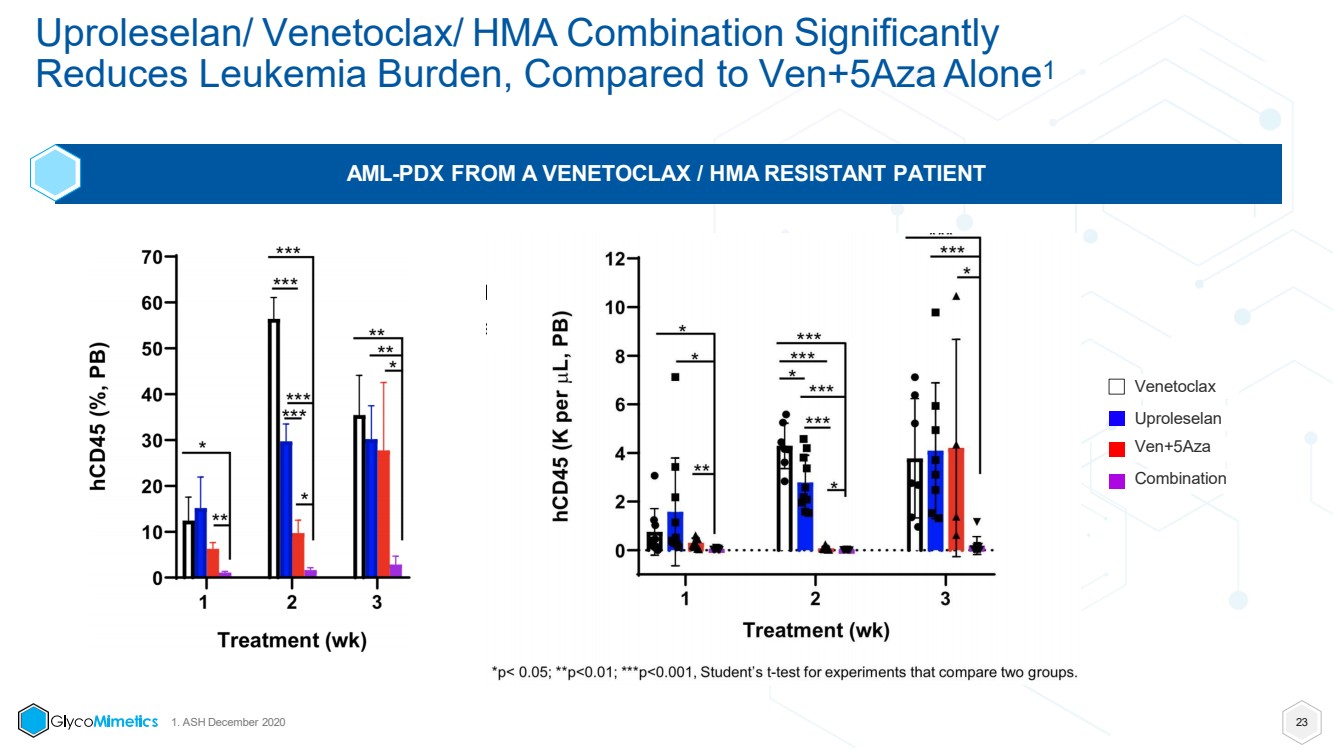
| Uproleselan/ Venetoclax/ HMA Combination Significantly Reduces Leukemia Burden, Compared to Ven+5Aza Alone1 1. ASH December 2020 23 Venetoclax Uproleselan Ven+5Aza Combination AML-PDX FROM A VENETOCLAX / HMA RESISTANT PATIENT |
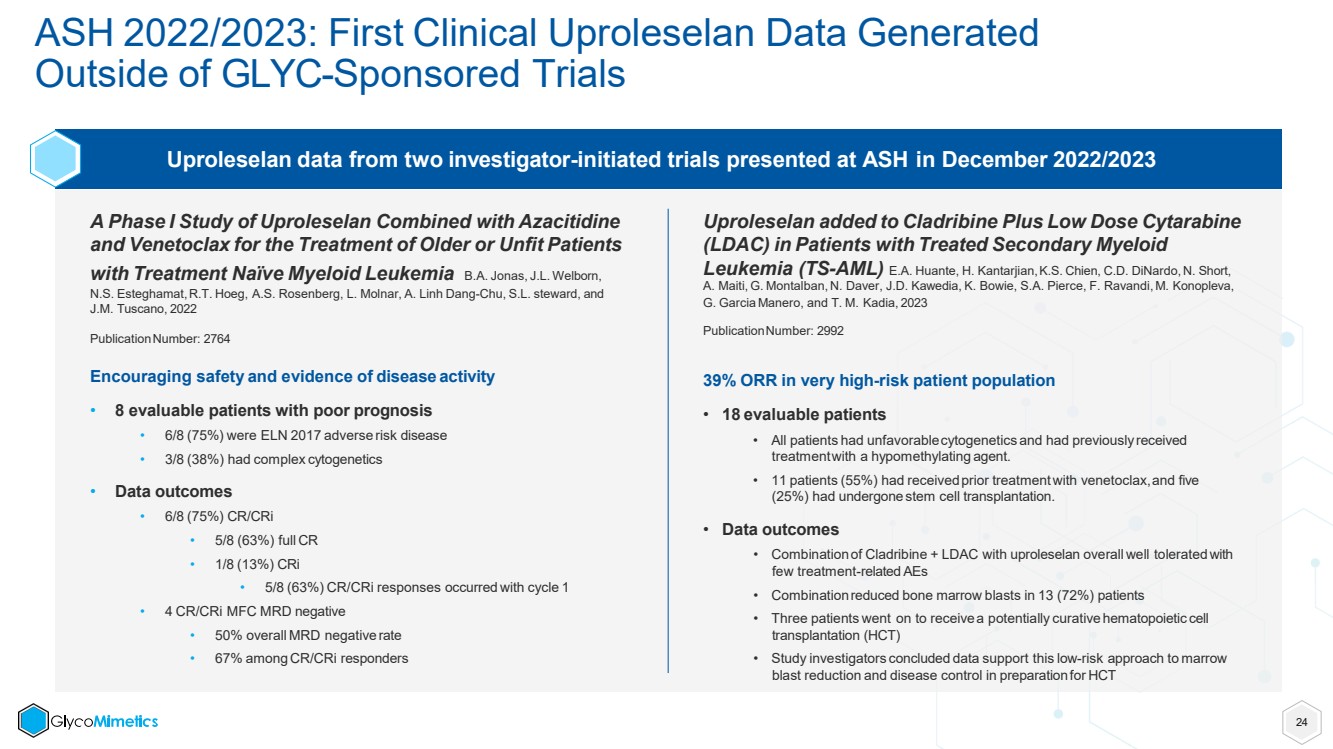
| A Phase I Study of Uproleselan Combined with Azacitidine and Venetoclax for the Treatment of Older or Unfit Patients with Treatment Naïve Myeloid Leukemia B.A. Jonas, J.L. Welborn, N.S. Esteghamat,R.T. Hoeg, A.S. Rosenberg, L. Molnar, A. Linh Dang-Chu, S.L. steward, and J.M. Tuscano, 2022 PublicationNumber: 2764 Encouraging safety and evidence of disease activity • 8 evaluable patients with poor prognosis • 6/8 (75%) were ELN 2017 adverse risk disease • 3/8 (38%) had complex cytogenetics • Data outcomes • 6/8 (75%) CR/CRi • 5/8 (63%) full CR • 1/8 (13%) CRi • 5/8 (63%) CR/CRi responses occurred with cycle 1 • 4 CR/CRi MFC MRD negative • 50% overall MRD negative rate • 67% amongCR/CRi responders 24 ASH 2022/2023: First Clinical Uproleselan Data Generated Outside of GLYC-Sponsored Trials Uproleselan data from two investigator-initiated trials presented at ASH in December 2022/2023 Uproleselan added to Cladribine Plus Low Dose Cytarabine (LDAC) in Patients with Treated Secondary Myeloid Leukemia (TS-AML) E.A. Huante, H. Kantarjian,K.S. Chien, C.D. DiNardo, N. Short, A. Maiti, G. Montalban, N. Daver, J.D. Kawedia, K. Bowie, S.A. Pierce, F. Ravandi, M. Konopleva, G. Garcia Manero, and T. M. Kadia, 2023 PublicationNumber: 2992 39% ORR in very high-risk patient population • 18 evaluable patients • All patients had unfavorablecytogenetics and had previously received treatmentwith a hypomethylating agent. • 11 patients (55%) had receivedprior treatmentwith venetoclax,and five (25%) had undergonestem cell transplantation. • Data outcomes • Combinationof Cladribine + LDAC with uproleselan overall well tolerated with few treatment-relatedAEs • Combinationreduced bone marrow blasts in 13 (72%) patients • Three patients went on to receivea potentially curative hematopoietic cell transplantation (HCT) • Study investigators concluded data support this low-risk approach to marrow blast reduction and disease control in preparationfor HCT |
| Treatment of Vaso-occlusive Crisis (VOC) in Patients with Sickle Cell Disease GMI-1687 |

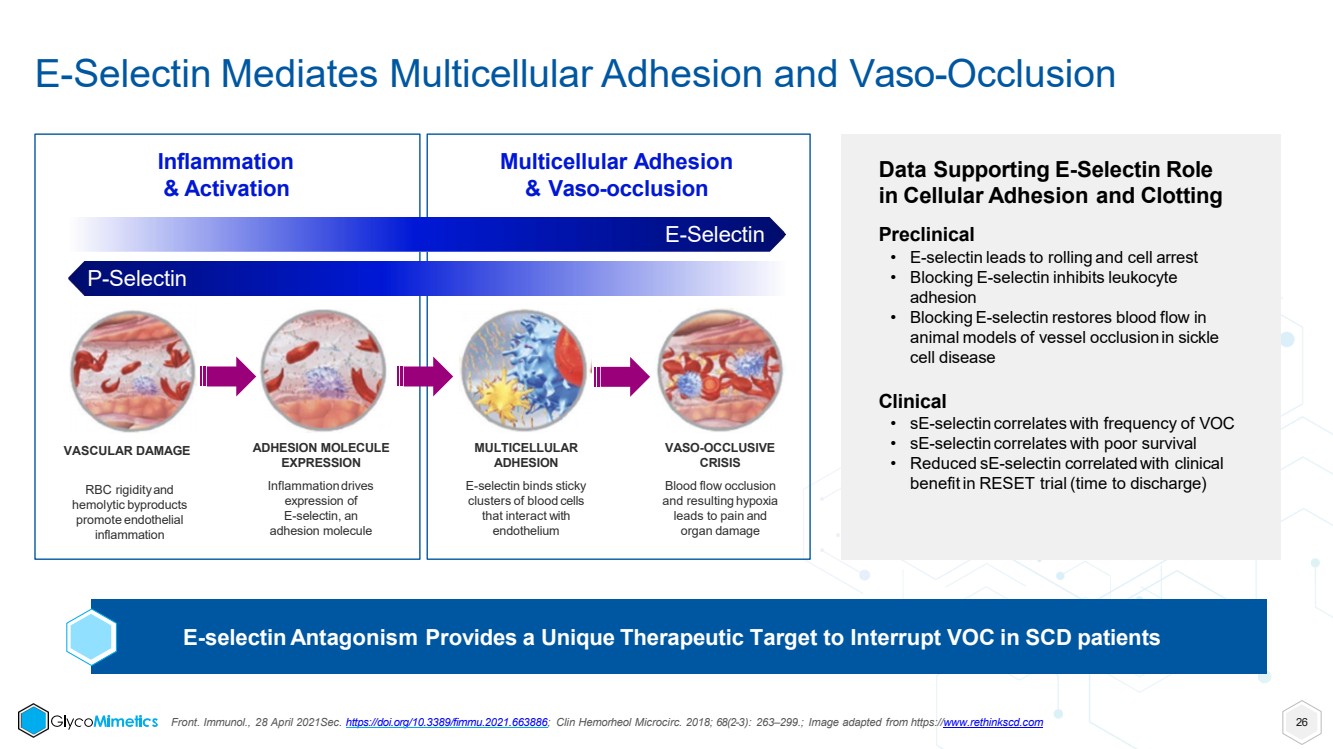
| Front. Immunol., 28 April 2021Sec. https://doi.org/10.3389/fimmu.2021.663886; Clin Hemorheol Microcirc. 2018; 68(2-3): 263–299.; Image adapted from https://www.rethinkscd.com 26 E-Selectin Mediates Multicellular Adhesion and Vaso-Occlusion Data Supporting E-Selectin Role in Cellular Adhesion and Clotting Preclinical • E-selectin leads to rolling and cell arrest • Blocking E-selectin inhibits leukocyte adhesion • BlockingE-selectin restores blood flow in animal models of vessel occlusionin sickle cell disease Clinical • sE-selectin correlates with frequency of VOC • sE-selectin correlates with poor survival • Reduced sE-selectin correlatedwith clinical benefit in RESET trial (time to discharge) Inflammation & Activation Multicellular Adhesion & Vaso-occlusion E-Selectin P-Selectin VASCULAR DAMAGE RBC rigidityand hemolytic byproducts promote endothelial inflammation ADHESION MOLECULE EXPRESSION Inflammationdrives expression of E-selectin, an adhesion molecule MULTICELLULAR ADHESION E-selectin binds sticky clusters of blood cells that interact with endothelium VASO-OCCLUSIVE CRISIS Blood flow occlusion and resulting hypoxia leads to pain and organ damage E-selectin Antagonism Provides a Unique Therapeutic Target to Interrupt VOC in SCD patients |
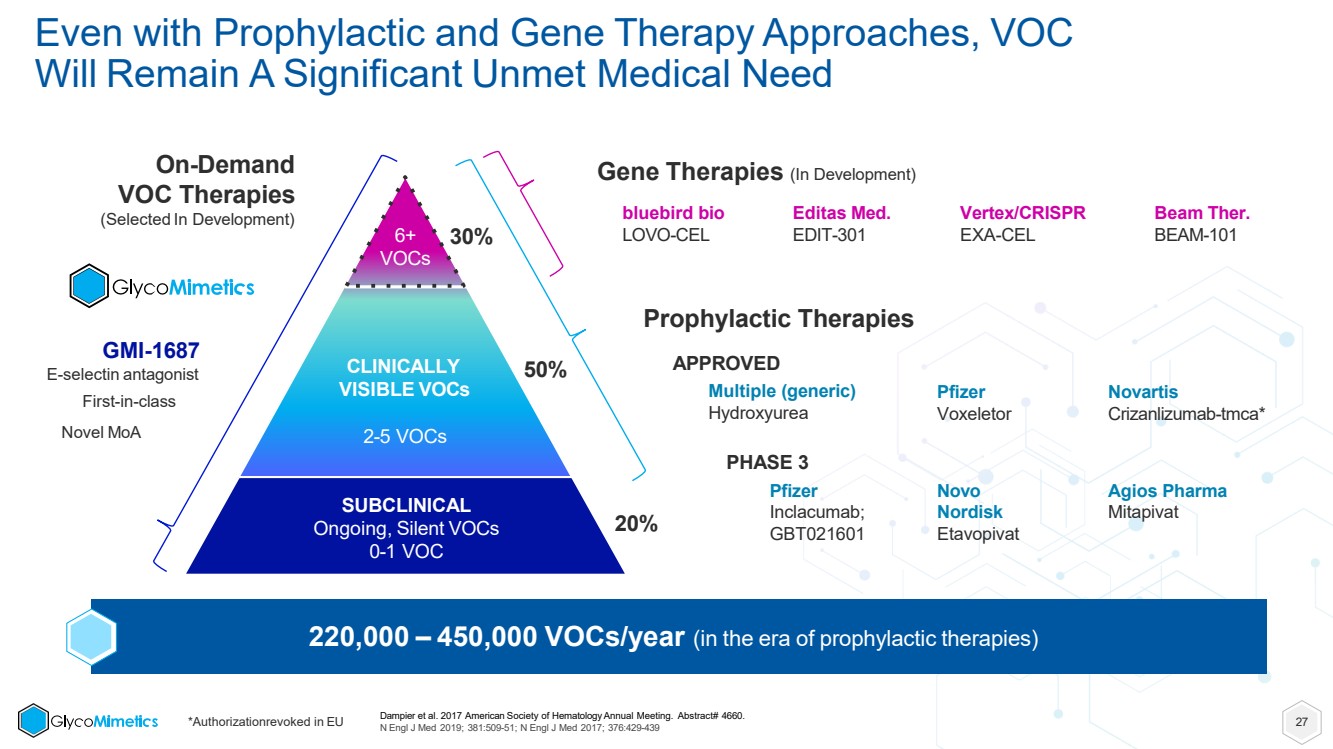
| 27 Even with Prophylactic and Gene Therapy Approaches, VOC Will Remain A Significant Unmet Medical Need Dampier et al. 2017 American Society of HematologyAnnual Meeting. Abstract# 4660. N Engl J Med 2019; 381:509-51; N Engl J Med 2017; 376:429-439 SUBCLINICAL Ongoing, Silent VOCs 0-1 VOC CLINICALLY VISIBLE VOCs 2-5 VOCs 6+ VOCs 20% 50% 30% On-Demand VOC Therapies (Selected In Development) Vertex/CRISPR EXA-CEL Editas Med. EDIT-301 bluebird bio LOVO-CEL Beam Ther. BEAM-101 *Authorizationrevoked in EU 220,000 – 450,000 VOCs/year (in the era of prophylactic therapies) Pfizer Voxeletor Novartis Crizanlizumab-tmca* Pfizer Inclacumab; GBT021601 Novo Nordisk Etavopivat Agios Pharma Mitapivat Prophylactic Therapies APPROVED Multiple (generic) Hydroxyurea PHASE 3 Gene Therapies (In Development) GMI-1687 E-selectin antagonist First-in-class Novel MoA |
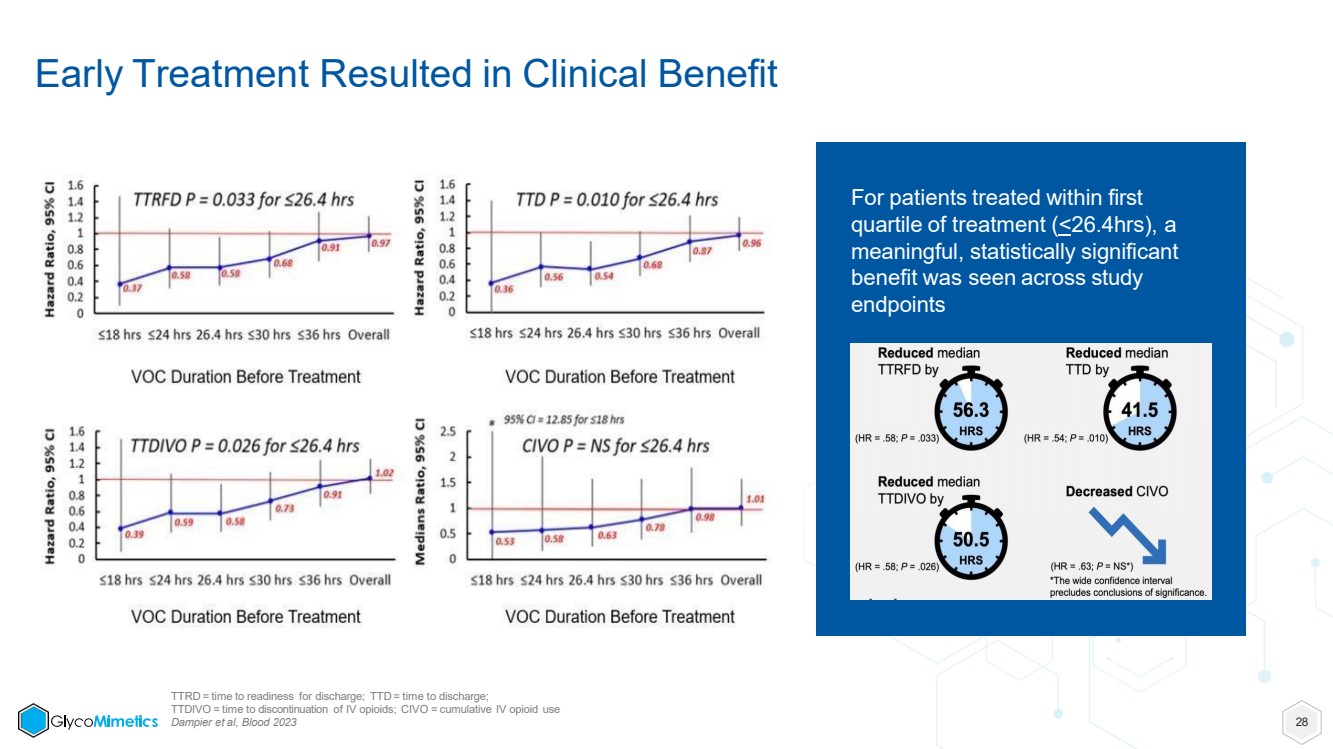
| 28 TTRD = time to readiness for discharge; TTD = time to discharge; TTDIVO = time to discontinuation of IV opioids; CIVO = cumulative IV opioid use Dampier et al, Blood 2023 Early Treatment Resulted in Clinical Benefit For patients treated within first quartile of treatment (<26.4hrs), a meaningful, statistically significant benefit was seen across study endpoints |
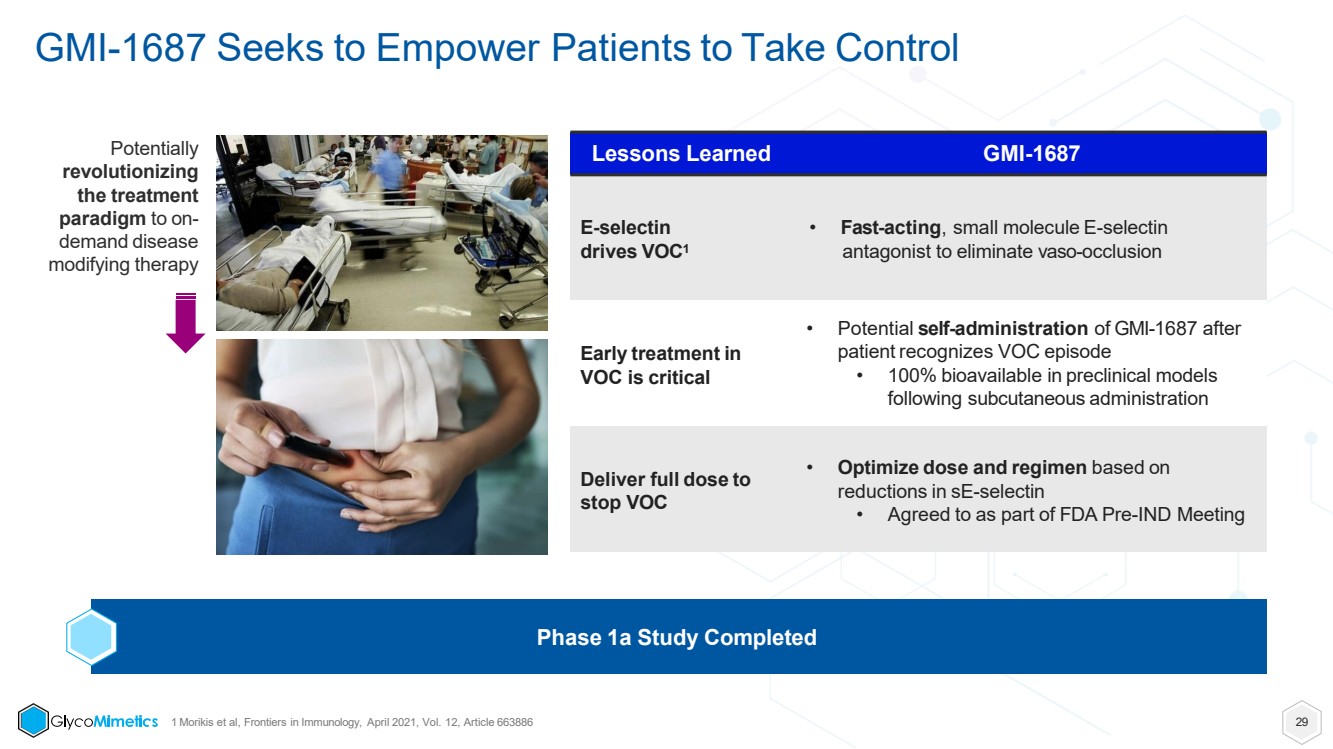
| GMI-1687 Seeks to Empower Patients to Take Control 1 Morikis et al, Frontiers in Immunology, April 2021, Vol. 12, Article 663886 29 Lessons Learned GMI-1687 E-selectin drives VOC1 • Fast-acting, small molecule E-selectin antagonist to eliminate vaso-occlusion Early treatment in VOC is critical • Potential self-administration of GMI-1687 after patient recognizes VOC episode • 100% bioavailable in preclinical models following subcutaneous administration Deliver full dose to stop VOC • Optimize dose and regimen based on reductions in sE-selectin • Agreed to as part of FDA Pre-IND Meeting Potentially revolutionizing the treatment paradigm to on-demand disease modifying therapy Phase 1a Study Completed |
| Potential Treatments in Oncology, Inflammation and Fibrosis GALECTIN-3 INHIBITORS |

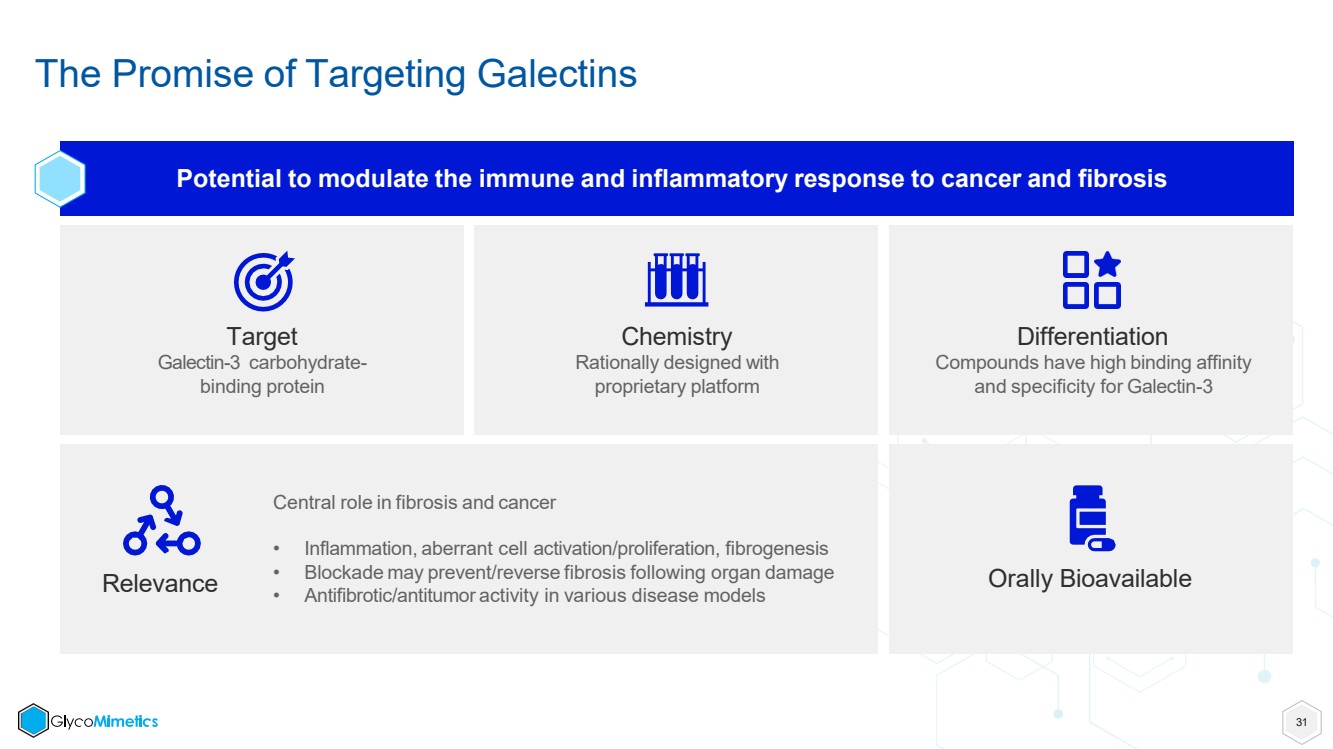
| 31 The Promise of Targeting Galectins Potential to modulate the immune and inflammatory response to cancer and fibrosis Target Galectin-3 carbohydrate-binding protein Chemistry Rationally designed with proprietary platform Differentiation Compounds have high binding affinity and specificity for Galectin-3 Orally Bioavailable Central role in fibrosis and cancer • Inflammation, aberrant cell activation/proliferation, fibrogenesis • Blockade may prevent/reverse fibrosis following organ damage • Antifibrotic/antitumor activity in various disease models Relevance |
| • Phase 3 trial in R/R AML (n=388), topline results announcedin Q2 2024 • Fully enrolled Phase 2 trial in front-line AML (n=267) ongoing,NCI-sponsored • Ongoing IITs in other AML populations. Preliminary data presented at ASH 2022/2023 • Novel MOA/first-in-class → potential broad utility with Breakthrough Therapy, Fast Track, and Orphan designations • Novel small molecules inhibit carbohydrate signaling • Potential application in multiple inflammatory diseases • GMI-1687 • Phase 1a trial in healthy volunteers completed • Initial indication: treatment of sickle cell disease (SCD) vaso-occlusive crisis (VOC) • Being developed for self-administration at time of VOC • Galectins • Targeting fibrotic diseases • First oral Galectin-3antagonist • Updating uproleselan plans and evaluating financial guidance Near-Term Catalysts and Promising, Glycobiology-based Pipeline 3 Uproleselan: Multiple Late-Stage Clinical Trials Promising Early-Stage Pipeline Targeted Operational Execution |
| Thank You www.glycomimetics.com | NASDAQ: GLYC |