8-K
GYRE THERAPEUTICS, INC. (GYRE)
UNITED STATES
SECURITIES AND EXCHANGE COMMISSION
WASHINGTON, D.C. 20549
FORM 8-K
CURRENT REPORT
Pursuant to Section 13 or 15(d) of the Securities Exchange Act of 1934
Date of report (Date of earliest event reported): April 28, 2025
Gyre Therapeutics, Inc.
(Exact name of registrant as specified in its charter)
| Delaware | 000-51173 | 56-2020050 |
|---|---|---|
| (State or other jurisdiction of incorporation) | (Commission File Number) | (IRS Employer Identification No.) |
| 12770 High Bluff Drive<br><br> <br>Suite 150<br><br> <br>San Diego, CA | 92130 | |
| --- | --- | |
| (Address of principal executive offices) | (Zip Code) |
Registrant’s telephone number, including area code: (858)
567-7770
N/A
(Former name or former address, if changed since last report)
Check the appropriate box below if the Form 8-K filing is intended to simultaneously satisfy the filing obligation of the registrant under any of the
following provisions \(see General Instruction A.2. below\):
| ☐ | Written communications pursuant to Rule 425 under the Securities Act (17 CFR 230.425) |
|---|---|
| ☐ | Soliciting material pursuant to Rule 14a-12 under the Exchange Act (17 CFR 240.14a-12) |
| --- | --- |
| ☐ | Pre-commencement communications pursuant to Rule 14d-2(b) under the Exchange Act (17 CFR 240.14d-2(b)) |
| --- | --- |
| ☐ | Pre-commencement communications pursuant to Rule 13e-4(c) under the Exchange Act (17 CFR 240.13e-4(c)) |
| --- | --- |
Securities registered pursuant to Section 12(b) of the Act:
| Title of each class | Trading Symbol(s) | Name of each exchange on which<br><br> <br>registered |
|---|---|---|
| Common Stock | GYRE | The Nasdaq Capital Market |
Indicate by check mark whether the registrant is an emerging growth company as defined in Rule 405 of the Securities Act of 1933 (§230.405 of this chapter) or Rule 12b-2 of the Securities Exchange Act of 1934 (§240.12b-2 of this chapter).
Emerging growth company ☐
If an emerging growth company, indicate by check mark if the registrant has elected not to use the extended transition period for complying with any new or revised financial accounting standards provided pursuant to Section 13(a) of the Exchange Act. ☐
| Item 7.01 | Regulation FD Disclosure. |
|---|
On April 28, 2025, Gyre Therapeutics, Inc. (the “Company”) made available an updated corporate presentation on the Company’s website.
A copy of the corporate presentation is furnished as Exhibit 99.1 to this Current Report on Form 8-K and is incorporated by reference herein. The exhibit furnished under Item 7.01 of this Current Report on Form 8-K shall not be deemed to be “filed” for purposes of Section 18 of the Securities Exchange Act of 1934, as amended (the “Exchange Act”), or otherwise subject to the liabilities of that section, nor shall it be deemed incorporated by reference in any filing under the Exchange Act or the Securities Act of 1933, as amended, regardless of any general incorporation language in such filing.
| Item 9.01 | Financial Statements and Exhibits |
|---|
(d) Exhibits.
EXHIBIT INDEX
| Exhibit<br><br> <br>No. | Description |
|---|---|
| 99.1 | Corporate Presentation, dated April 2025 |
| 104 | Cover page interactive data file (embedded within the inline XBRL document) |
2
SIGNATURE
Pursuant to the requirements of the Securities Exchange Act of 1934, the registrant has duly caused this report to be signed on its behalf by the undersigned hereunto duly authorized.
| GYRE THERAPEUTICS, INC. | ||
|---|---|---|
| Date: April 28, 2025 | By: | /s/ Han Ying, Ph.D. |
| Name: | Han Ying, Ph.D. | |
| Title: | Chief Executive Officer |
3
Exhibit 99.1
Corporate Presentation April 2025 Developing Anti-Fibrotic Therapeutics for Chronic Organ Diseases

Forward Looking Statements This presentation contains “forward-looking statements” within the meaning of the federal securities laws regarding the current plans, expectations and strategies of Gyre Therapeutics, Inc. and its subsidiaries (“Gyre”), which statements are subject to substantial risks and uncertainties and are based on management’s estimates and assumptions. All statements, other than statements of historical facts included in this presentation, are forward-looking statements, including statements concerning: Gyre’s plans, objectives, goals, strategies, future events, or intentions relating to Gyre’s products and markets; the safety, efficacy and clinical benefits of Gyre’s product candidates; the anticipated timing and design of any planned or ongoing preclinical studies and clinical trials; Gyre’s research and development efforts; timing of expected clinical readouts, including timing of topline data from Gyre Pharmaceuticals’ Phase 3 clinical trial evaluating F351 for the treatment of CHB-associated liver fibrosis in the PRC, initiation of Gyre’s Phase 2 trial in the U.S. for F351 for the treatment of MASH-associated liver fibrosis, timing of completion of Gyre’s Phase 2 clinical trial in the PRC of F573 for ALF/ACLF, initiation of Phase 1 trial of F230 for the treatment of PAH and IND submission of F528 in COPD, the expectations regarding commercial launch of nintedanib and avatrombopag maleate tablets, management’s plans and objectives for future operations and future results of anticipated product development efforts; potential addressable market size; and Gyre’s liquidity and capital resources and business trends. In some cases, you can identify forward-looking statements by terms such as “believe,” “can,” “could,” “design,” “estimate,” “expect,” “forecast,” “intend,” “may,” “might,” “plan,” “potential,” “predict,” “objective,” “should,” “strategy,” “will,” “would,” or the negative of these terms, and similar expressions intended to identify forward-looking statements. These statements involve known and unknown risks, uncertainties and other factors that could cause Gyre’s actual results to differ materially from the forward-looking statements expressed or implied in this presentation, such as the uncertainties inherent in the clinical drug development process, the regulatory approval process, the timing of any regulatory filings, the potential for substantial delays, the risk that earlier study results may not be predictive of future study results, manufacturing risks, and competition from other therapies or products, as well as those described in “Risk Factors” and “Management’s Discussion and Analysis of Financial Condition” in Gyre’s Annual Report on Form 10-K for the year ended December 31, 2024 filed on March 17, 2025 with the Securities and Exchange Commission (the “SEC”) and elsewhere in such filing and in Gyre’s other periodic reports and subsequent disclosure documents filed with the SEC. Gyre cannot assure you that it will realize the results, benefits or developments that it expects or anticipates or, even if substantially realized, that they will result in the expected consequences or affect Gyre or its business in the ways expected. Forward-looking statements are not historical facts, and reflect management’s current views with respect to future events. Given the significant uncertainties, you should evaluate all forward-looking statements made in this presentation in the context of these risks and uncertainties and not place undue reliance on these forward-looking statements as predictions of future events. All forward-looking statements in this presentation apply only as of the date made and are expressly qualified in their entirety by the cautionary statements included in this presentation. Gyre has no intention to publicly update or revise any forward-looking statements to reflect subsequent events or circumstances, except as required by law. Gyre obtained the data used throughout this presentation from its own internal estimates and research, as well as from research, surveys and studies conducted by third parties. Internal estimates are derived from publicly available information and Gyre’s own internal research and experience, and are based on assumptions made by management based on such data and its knowledge, which it believes to be reasonable. In addition, while Gyre believes the data included in this presentation is reliable and based on reasonable assumptions, Gyre has not independently verified any third-party information, and all such data involve risks and uncertainties and are subject to change based on various factors. This presentation concerns a discussion of investigational drugs that are under preclinical and/or clinical investigation and which have not yet been approved for marketing by the U.S. Food and Drug Administration. They are currently limited by Federal law to investigational use, and no representations are made as to their safety or effectiveness for the purposes for which they are being investigated. 2

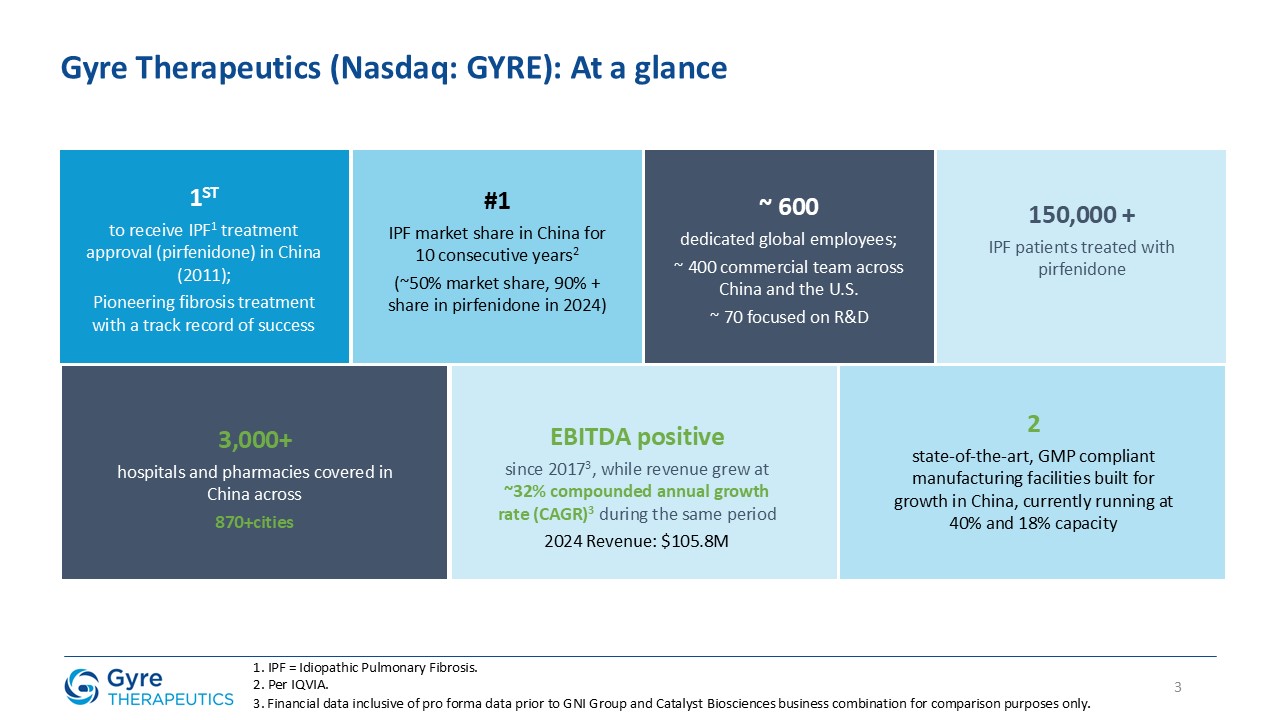
3 Gyre Therapeutics (Nasdaq: GYRE): At a glance 1ST to receive IPF1 treatment approval (pirfenidone) in China (2011); Pioneering fibrosis treatment with a track record of success #1 IPF market share in China for 10 consecutive years2 (~50% market share, 90% + share in pirfenidone in 2024) ~ 600 dedicated global employees; ~ 400 commercial team across China and the U.S. ~ 70 focused on R&D 150,000 + IPF patients treated with pirfenidone 3,000+ hospitals and pharmacies covered in China across 870+cities EBITDA positive since 20173, while revenue grew at ~32% compounded annual growth rate (CAGR)3 during the same period 2024 Revenue: $105.8M 2 state-of-the-art, GMP compliant manufacturing facilities built for growth in China, currently running at 40% and 18% capacity 1. IPF = Idiopathic Pulmonary Fibrosis. 2. Per IQVIA. 3. Financial data inclusive of pro forma data prior to GNI Group and Catalyst Biosciences business combination for comparison purposes only.

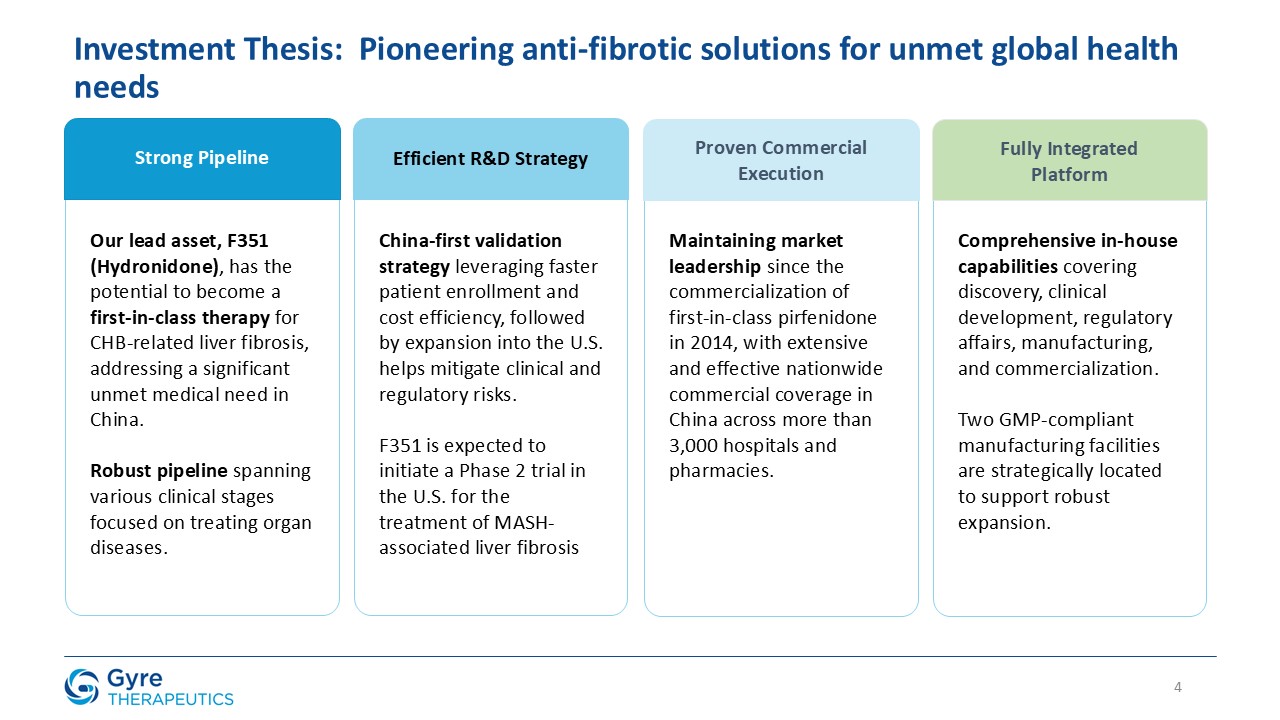
4 Investment Thesis: Pioneering anti-fibrotic solutions for unmet global health needs Strong Pipeline Our lead asset, F351 (Hydronidone), has the potential to become a first-in-class therapy for CHB-related liver fibrosis, addressing a significant unmet medical need in China. Robust pipeline spanning various clinical stages focused on treating organ diseases. Efficient R&D Strategy China-first validation strategy leveraging faster patient enrollment and cost efficiency, followed by expansion into the U.S. helps mitigate clinical and regulatory risks. F351 is expected to initiate a Phase 2 trial in the U.S. for the treatment of MASH-associated liver fibrosis Proven Commercial Execution Maintaining market leadership since the commercialization of first-in-class pirfenidone in 2014, with extensive and effective nationwide commercial coverage in China across more than 3,000 hospitals and pharmacies. Fully Integrated Platform Comprehensive in-house capabilities covering discovery, clinical development, regulatory affairs, manufacturing, and commercialization. Two GMP-compliant manufacturing facilities are strategically located to support robust expansion.

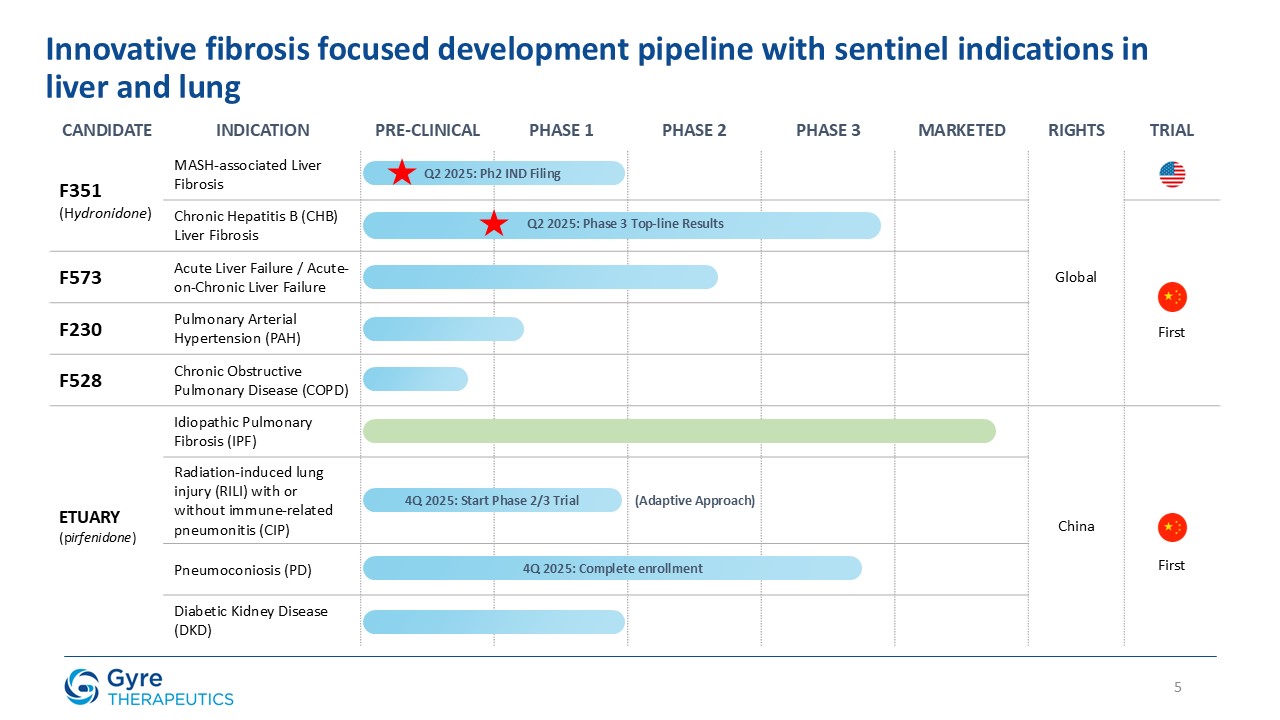
5 Innovative fibrosis focused development pipeline with sentinel indications in liver and lung CANDIDATE INDICATION PRE-CLINICAL PHASE 1 PHASE 2 PHASE 3 MARKETED RIGHTS TRIAL F351(Hydronidone) MASH-associated Liver Fibrosis Global Chronic Hepatitis B (CHB) Liver Fibrosis First F573 Acute Liver Failure / Acute-on-Chronic Liver Failure F230 Pulmonary Arterial Hypertension (PAH) F528 Chronic Obstructive Pulmonary Disease (COPD) ETUARY(pirfenidone) Idiopathic Pulmonary Fibrosis (IPF) China First Radiation-induced lung injury (RILI) with or without immune-related pneumonitis (CIP) Pneumoconiosis (PD) Diabetic Kidney Disease (DKD) Q2 2025: Ph2 IND Filing Q2 2025: Phase 3 Top-line Results 4Q 2025: Complete enrollment 4Q 2025: Start Phase 2/3 Trial (Adaptive Approach)

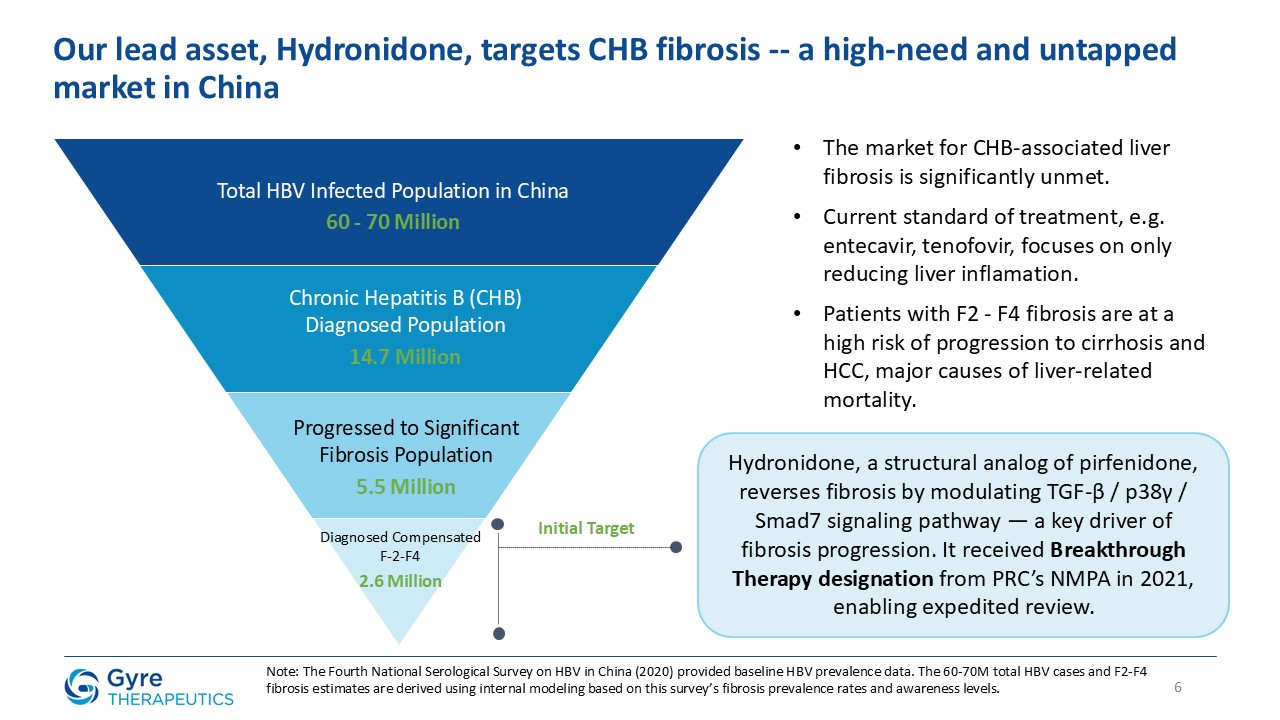
6 Our lead asset, Hydronidone, targets CHB fibrosis -- a high-need and untapped market in China The market for CHB-associated liver fibrosis is significantly unmet. Current standard of treatment, e.g. entecavir, tenofovir, focuses on only reducing liver inflamation. Patients with F2 - F4 fibrosis are at a high risk of progression to cirrhosis and HCC, major causes of liver-related mortality. Note: The Fourth National Serological Survey on HBV in China (2020) provided baseline HBV prevalence data. The 60-70M total HBV cases and F2-F4 fibrosis estimates are derived using internal modeling based on this survey’s fibrosis prevalence rates and awareness levels. Hydronidone, a structural analog of pirfenidone, reverses fibrosis by modulating TGF-β / p38γ / Smad7 signaling pathway — a key driver of fibrosis progression. It received Breakthrough Therapy designation from PRC’s NMPA in 2021, enabling expedited review. Initial Target Total HBV Infected Population in China 60 - 70 Million Chronic Hepatitis B (CHB) Diagnosed Population 14.7 Million Progressed to Significant Fibrosis Population 5.5 Million Diagnosed Compensated F-2-F4 2.6 Million

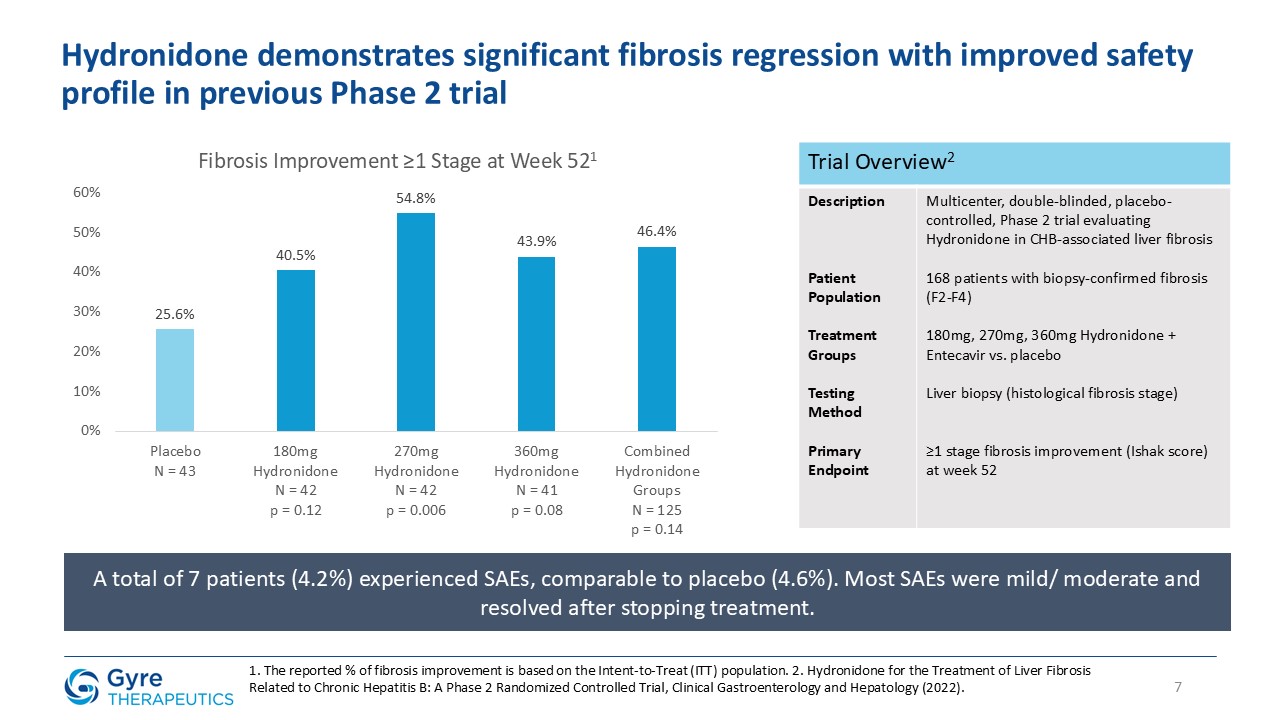
7 Hydronidone demonstrates significant fibrosis regression with improved safety profile in previous Phase 2 trial Trial Overview2 Description Patient Population Treatment Groups Testing Method Primary Endpoint Multicenter, double-blinded, placebo-controlled, Phase 2 trial evaluating Hydronidone in CHB-associated liver fibrosis 168 patients with biopsy-confirmed fibrosis (F2-F4) 180mg, 270mg, 360mg Hydronidone + Entecavir vs. placebo Liver biopsy (histological fibrosis stage) ≥1 stage fibrosis improvement (Ishak score) at week 52 1. The reported % of fibrosis improvement is based on the Intent-to-Treat (ITT) population. 2. Hydronidone for the Treatment of Liver Fibrosis Related to Chronic Hepatitis B: A Phase 2 Randomized Controlled Trial, Clinical Gastroenterology and Hepatology (2022). A total of 7 patients (4.2%) experienced SAEs, comparable to placebo (4.6%). Most SAEs were mild/ moderate and resolved after stopping treatment.

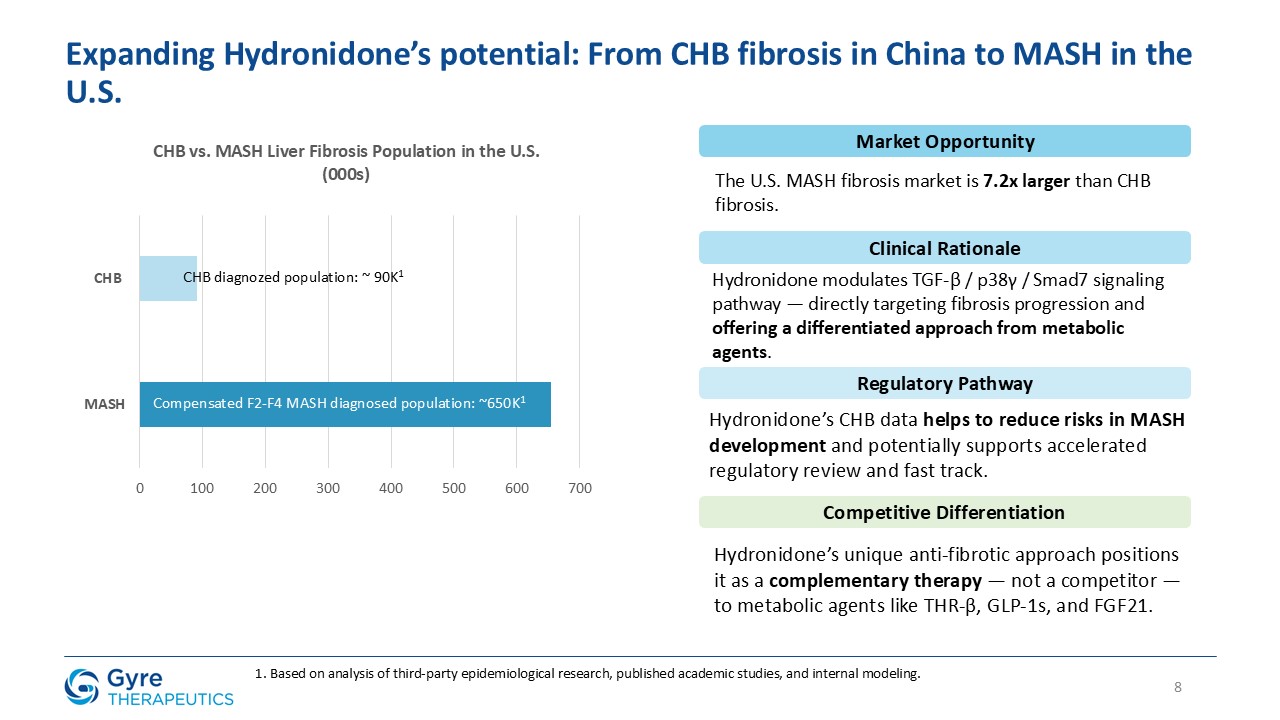
8 Expanding Hydronidone’s potential: From CHB fibrosis in China to MASH in the U.S. 1. Based on analysis of third-party epidemiological research, published academic studies, and internal modeling. Compensated F2-F4 MASH diagnosed population: ~650K1 CHB diagnozed population: ~ 90K1 Market Opportunity The U.S. MASH fibrosis market is 7.2x larger than CHB fibrosis. Clinical Rationale Hydronidone modulates TGF-β / p38γ / Smad7 signaling pathway — directly targeting fibrosis progression and offering a differentiated approach from metabolic agents. Regulatory Pathway Hydronidone’s CHB data helps to reduce risks in MASH development and potentially supports accelerated regulatory review and fast track. Competitive Differentiation Hydronidone’s unique anti-fibrotic approach positions it as a complementary therapy — not a competitor — to metabolic agents like THR-β, GLP-1s, and FGF21.

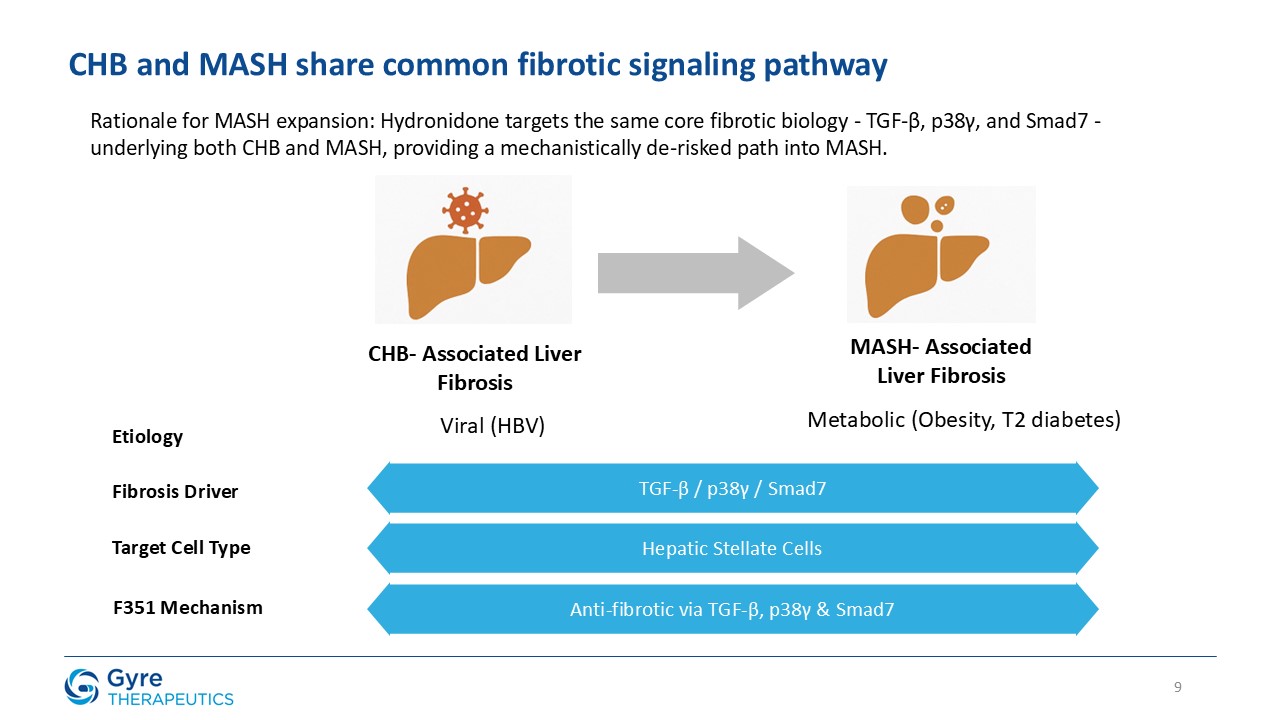
9 CHB and MASH share common fibrotic signaling pathway CHB- Associated Liver Fibrosis MASH- Associated Liver Fibrosis Etiology Viral (HBV) Metabolic (Obesity, T2 diabetes) Fibrosis Driver Target Cell Type F351 Mechanism TGF-β / p38γ / Smad7 Hepatic Stellate Cells Anti-fibrotic via TGF-β, p38γ & Smad7 Rationale for MASH expansion: Hydronidone targets the same core fibrotic biology - TGF-β, p38γ, and Smad7 - underlying both CHB and MASH, providing a mechanistically de-risked path into MASH.

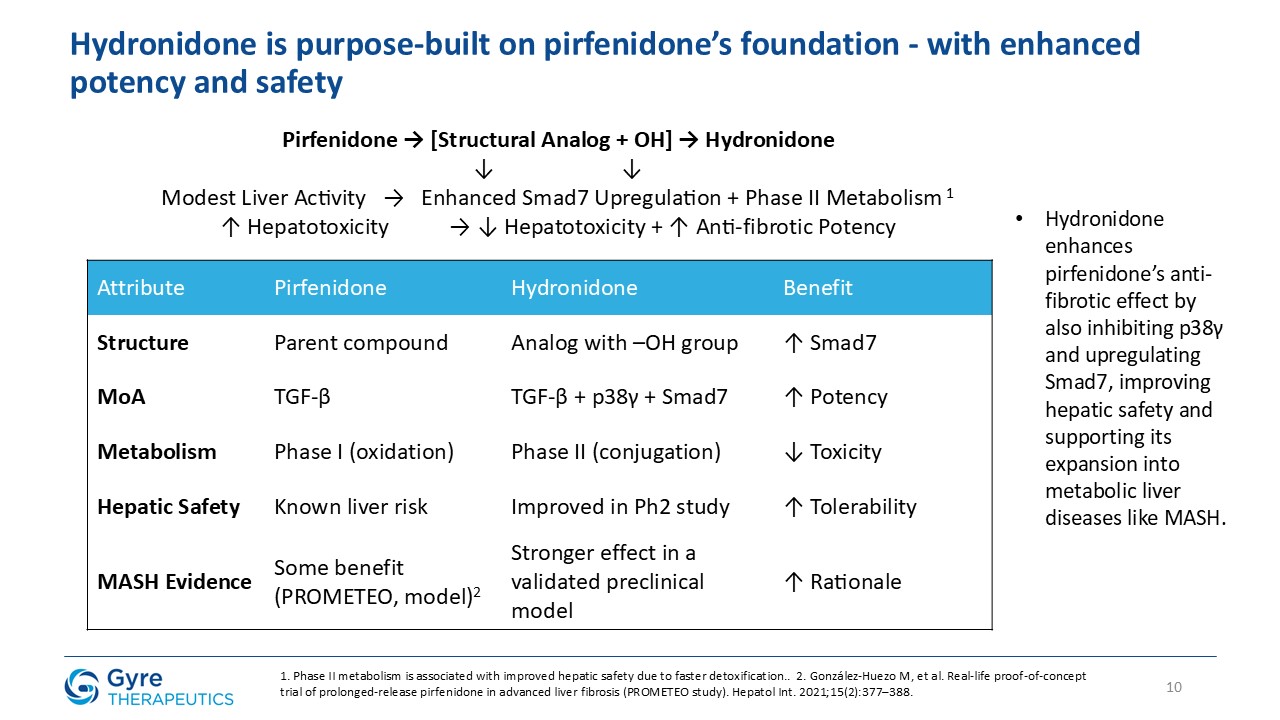
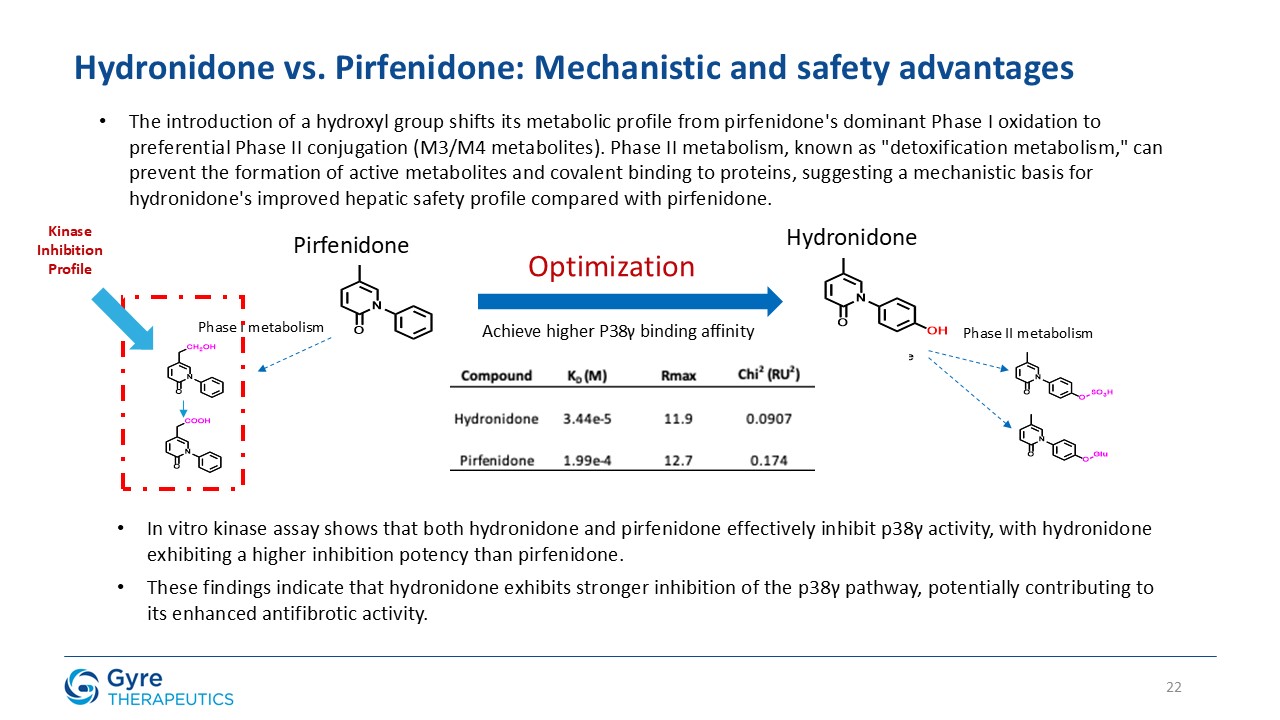
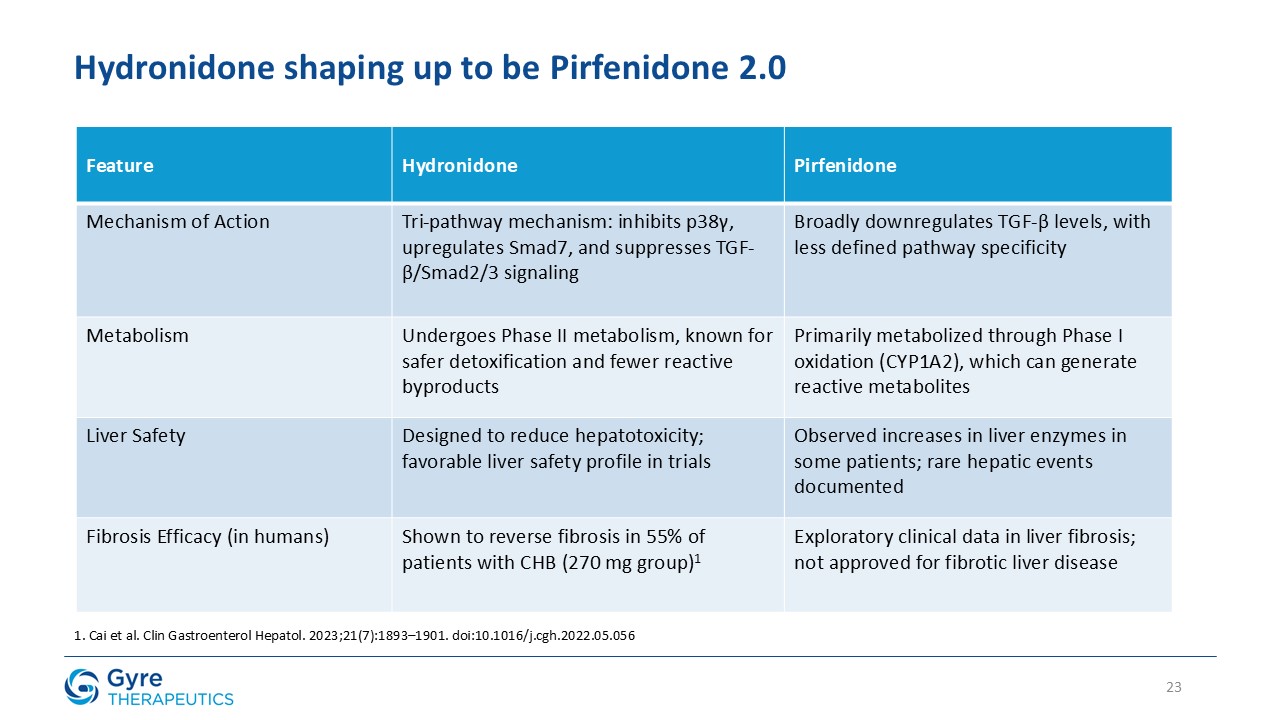
Hydronidone is purpose-built on pirfenidone’s foundation - with enhanced potency and safety 10 Pirfenidone → [Structural Analog + OH] → Hydronidone ↓ ↓ Modest Liver Activity → Enhanced Smad7 Upregulation + Phase II Metabolism 1 ↑ Hepatotoxicity → ↓ Hepatotoxicity + ↑ Anti-fibrotic Potency Attribute Pirfenidone Hydronidone Benefit Structure Parent compound Analog with –OH group ↑ Smad7 MoA TGF-β TGF-β + p38γ + Smad7 ↑ Potency Metabolism Phase I (oxidation) Phase II (conjugation) ↓ Toxicity Hepatic Safety Known liver risk Improved in Ph2 study ↑ Tolerability MASH Evidence Some benefit (PROMETEO, model)2 Stronger effect in a validated preclinical model ↑ Rationale 1. Phase II metabolism is associated with improved hepatic safety due to faster detoxification.. 2. González-Huezo M, et al. Real-life proof-of-concept trial of prolonged-release pirfenidone in advanced liver fibrosis (PROMETEO study). Hepatol Int. 2021;15(2):377–388. Hydronidone enhances pirfenidone’s anti-fibrotic effect by also inhibiting p38γ and upregulating Smad7, improving hepatic safety and supporting its expansion into metabolic liver diseases like MASH.

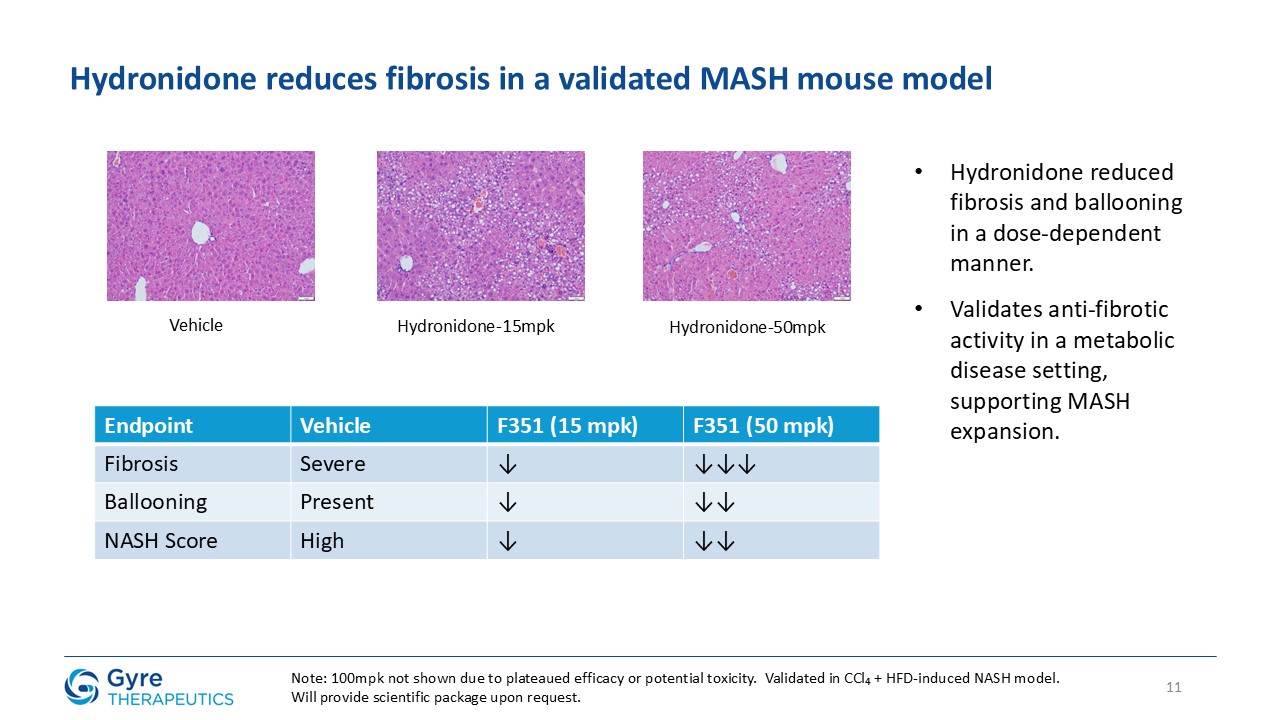
Hydronidone reduces fibrosis in a validated MASH mouse model 11 Vehicle Hydronidone-15mpk Hydronidone-50mpk Endpoint Vehicle F351 (15 mpk) F351 (50 mpk) Fibrosis Severe ↓ ↓↓↓ Ballooning Present ↓ ↓↓ NASH Score High ↓ ↓↓ Hydronidone reduced fibrosis and ballooning in a dose-dependent manner. Validates anti-fibrotic activity in a metabolic disease setting, supporting MASH expansion. Note: 100mpk not shown due to plateaued efficacy or potential toxicity. Validated in CCl₄ + HFD-induced NASH model. Will provide scientific package upon request.

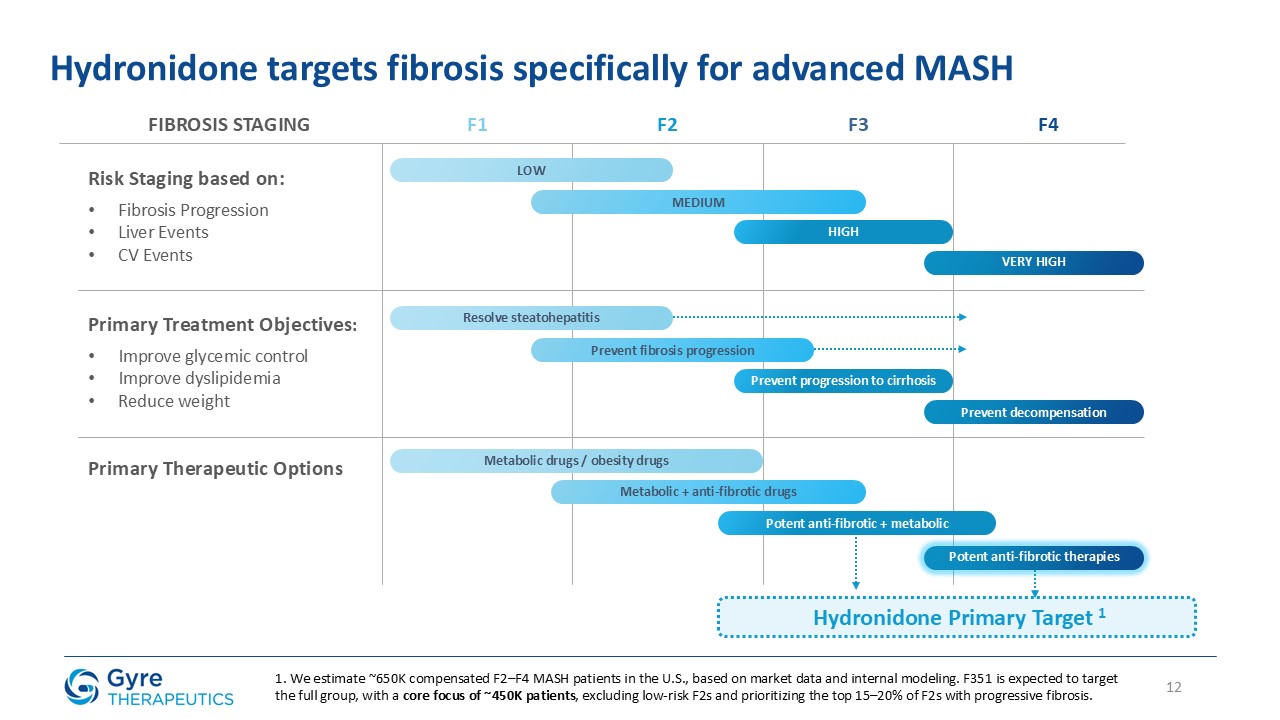
12 Hydronidone targets fibrosis specifically for advanced MASH FIBROSIS STAGING Risk Staging based on: Fibrosis Progression Liver Events CV Events Primary Treatment Objectives: Improve glycemic control Improve dyslipidemia Reduce weight Primary Therapeutic Options F1 F2 F3 F4 LOW MEDIUM HIGH VERY HIGH Resolve steatohepatitis Prevent fibrosis progression Prevent progression to cirrhosis Prevent decompensation Metabolic drugs / obesity drugs Metabolic + anti-fibrotic drugs Potent anti-fibrotic + metabolic Potent anti-fibrotic therapies Hydronidone Primary Target 1 1. We estimate ~650K compensated F2–F4 MASH patients in the U.S., based on market data and internal modeling. F351 is expected to target the full group, with a core focus of ~450K patients, excluding low-risk F2s and prioritizing the top 15–20% of F2s with progressive fibrosis.

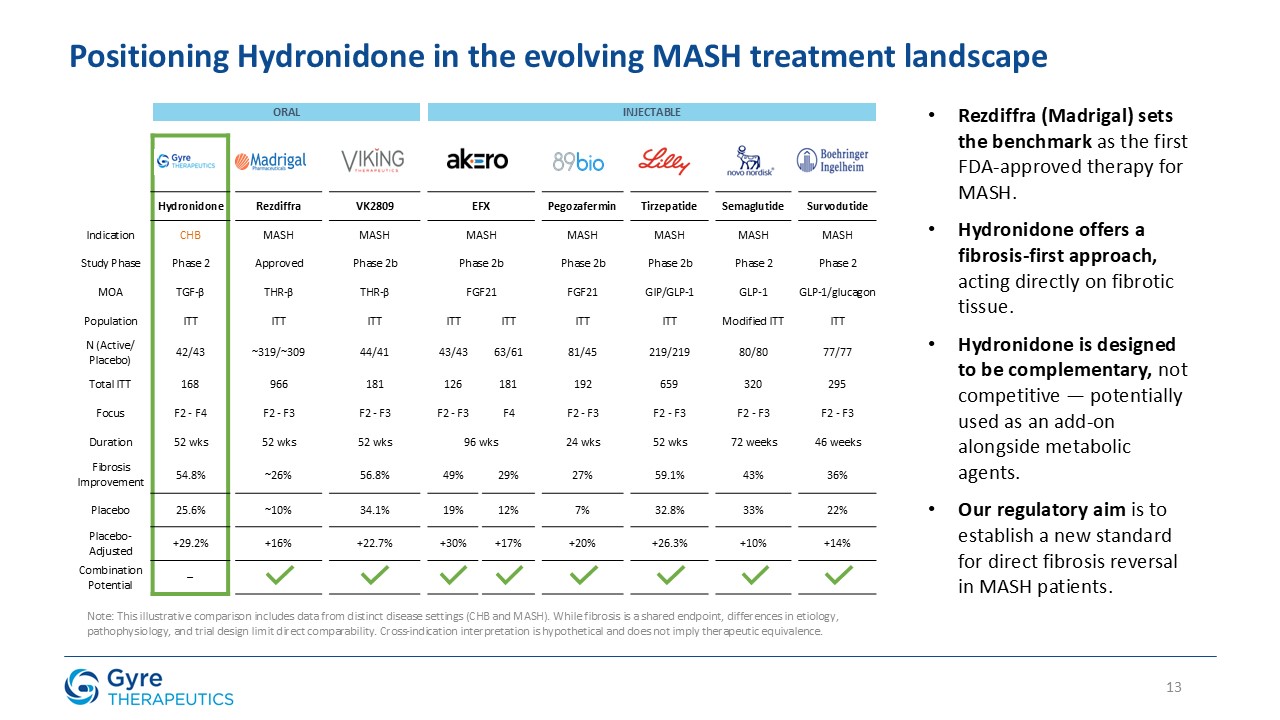
13 Positioning Hydronidone in the evolving MASH treatment landscape ORAL INJECTABLE Hydronidone Rezdiffra VK2809 EFX Pegozafermin Tirzepatide Semaglutide Survodutide Indication CHB MASH MASH MASH MASH MASH MASH MASH Study Phase Phase 2 Approved Phase 2b Phase 2b Phase 2b Phase 2b Phase 2 Phase 2 MOA TGF-β THR-β THR-β FGF21 FGF21 GIP/GLP-1 GLP-1 GLP-1/glucagon Population ITT ITT ITT ITT ITT ITT ITT Modified ITT ITT N (Active/Placebo) 42/43 ~319/~309 44/41 43/43 63/61 81/45 219/219 80/80 77/77 Total ITT 168 966 181 126 181 192 659 320 295 Focus F2 - F4 F2 - F3 F2 - F3 F2 - F3 F4 F2 - F3 F2 - F3 F2 - F3 F2 - F3 Duration 52 wks 52 wks 52 wks 96 wks 24 wks 52 wks 72 weeks 46 weeks Fibrosis Improvement 54.8% ~26% 56.8% 49% 29% 27% 59.1% 43% 36% Placebo 25.6% ~10% 34.1% 19% 12% 7% 32.8% 33% 22% Placebo-Adjusted +29.2% +16% +22.7% +30% +17% +20% +26.3% +10% +14% Combination Potential – Note: This illustrative comparison includes data from distinct disease settings (CHB and MASH). While fibrosis is a shared endpoint, differences in etiology, pathophysiology, and trial design limit direct comparability. Cross-indication interpretation is hypothetical and does not imply therapeutic equivalence. Rezdiffra (Madrigal) sets the benchmark as the first FDA-approved therapy for MASH. Hydronidone offers a fibrosis-first approach, acting directly on fibrotic tissue. Hydronidone is designed to be complementary, not competitive — potentially used as an add-on alongside metabolic agents. Our regulatory aim is to establish a new standard for direct fibrosis reversal in MASH patients.

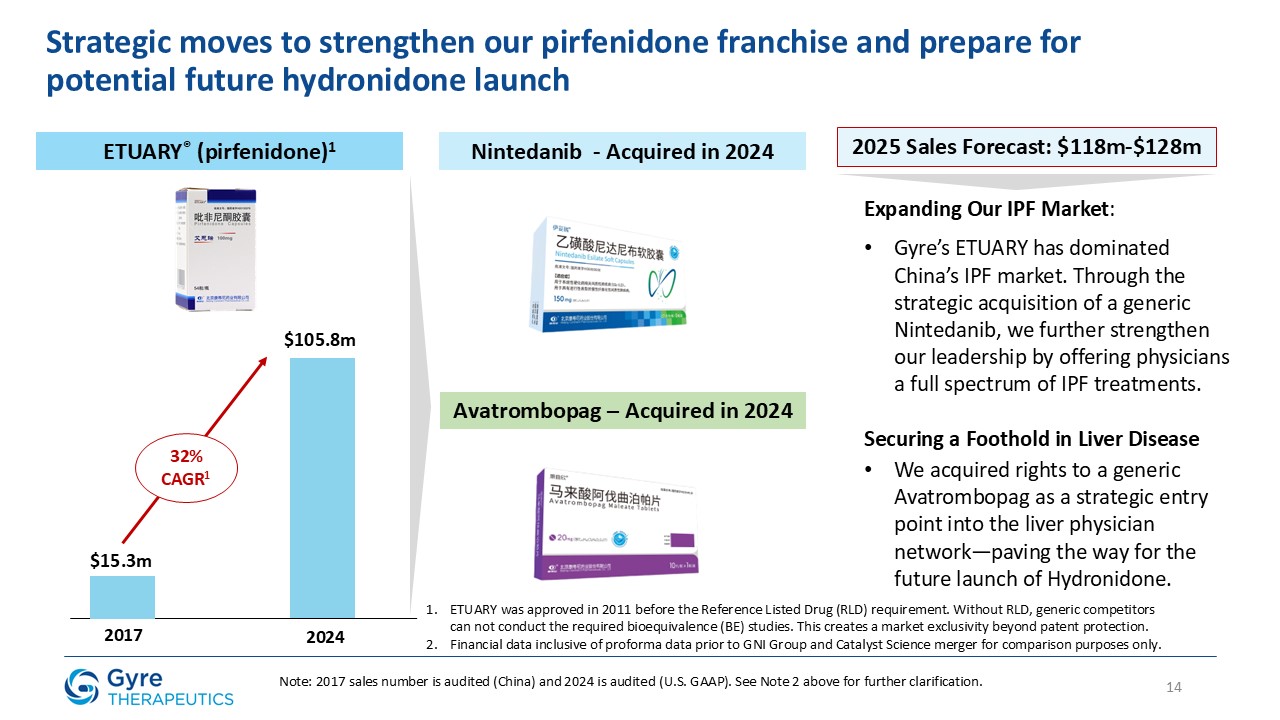
Strategic moves to strengthen our pirfenidone franchise and prepare for potential future hydronidone launch 14 ETUARY® (pirfenidone)1 Nintedanib - Acquired in 2024 Avatrombopag – Acquired in 2024 2017 2024 $15.3m $105.8m 32% CAGR1 Expanding Our IPF Market: Gyre’s ETUARY has dominated China’s IPF market. Through the strategic acquisition of a generic Nintedanib, we further strengthen our leadership by offering physicians a full spectrum of IPF treatments. Securing a Foothold in Liver Disease We acquired rights to a generic Avatrombopag as a strategic entry point into the liver physician network—paving the way for the future launch of Hydronidone. ETUARY was approved in 2011 before the Reference Listed Drug (RLD) requirement. Without RLD, generic competitors can not conduct the required bioequivalence (BE) studies. This creates a market exclusivity beyond patent protection. Financial data inclusive of proforma data prior to GNI Group and Catalyst Science merger for comparison purposes only. Note: 2017 sales number is audited (China) and 2024 is audited (U.S. GAAP). See Note 2 above for further clarification. 2025 Sales Forecast: $118m-$128m

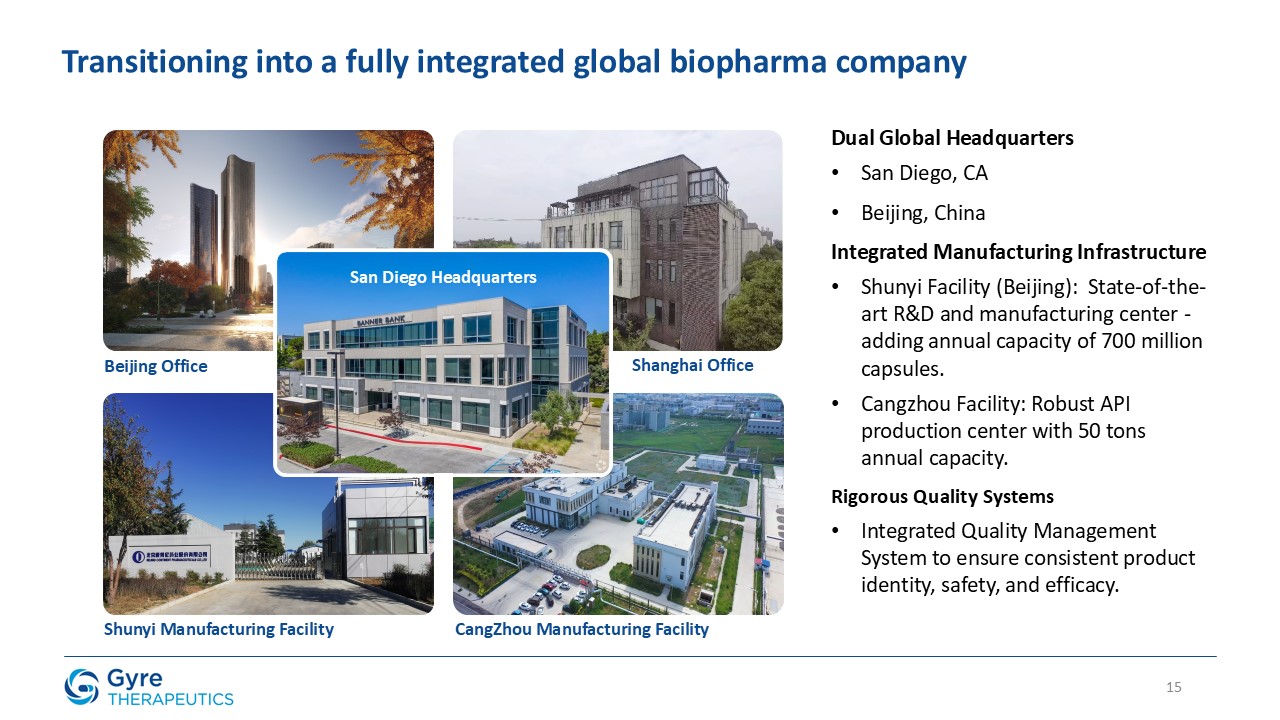
15 Transitioning into a fully integrated global biopharma company Beijing Office Shanghai Office Shunyi Manufacturing Facility CangZhou Manufacturing Facility Dual Global Headquarters San Diego, CA Beijing, China Integrated Manufacturing Infrastructure Shunyi Facility (Beijing): State-of-the-art R&D and manufacturing center - adding annual capacity of 700 million capsules. Cangzhou Facility: Robust API production center with 50 tons annual capacity. Rigorous Quality Systems Integrated Quality Management System to ensure consistent product identity, safety, and efficacy. San Diego Headquarters

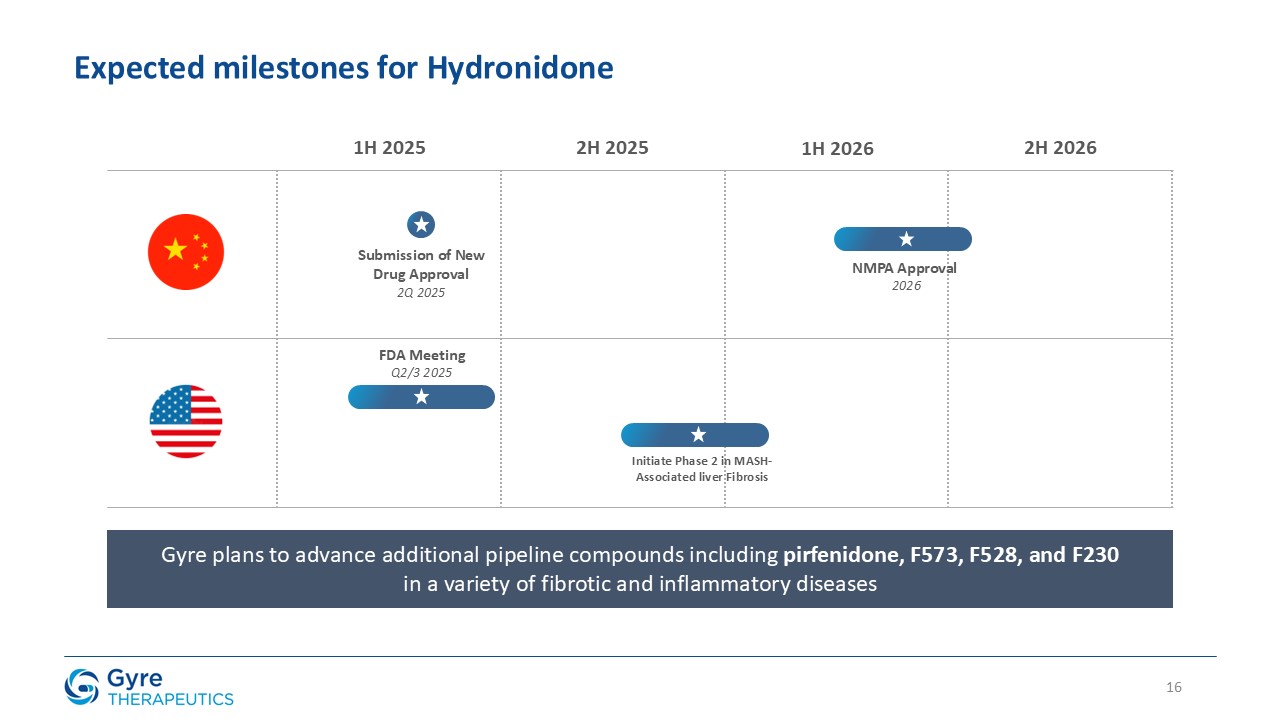
Expected milestones for Hydronidone 16 1H 2025 2H 2025 1H 2026 Gyre plans to advance additional pipeline compounds including pirfenidone, F573, F528, and F230in a variety of fibrotic and inflammatory diseases Submission of New Drug Approval 2Q 2025 NMPA Approval 2026 Initiate Phase 2 in MASH-Associated liver Fibrosis FDA Meeting Q2/3 2025 2H 2026

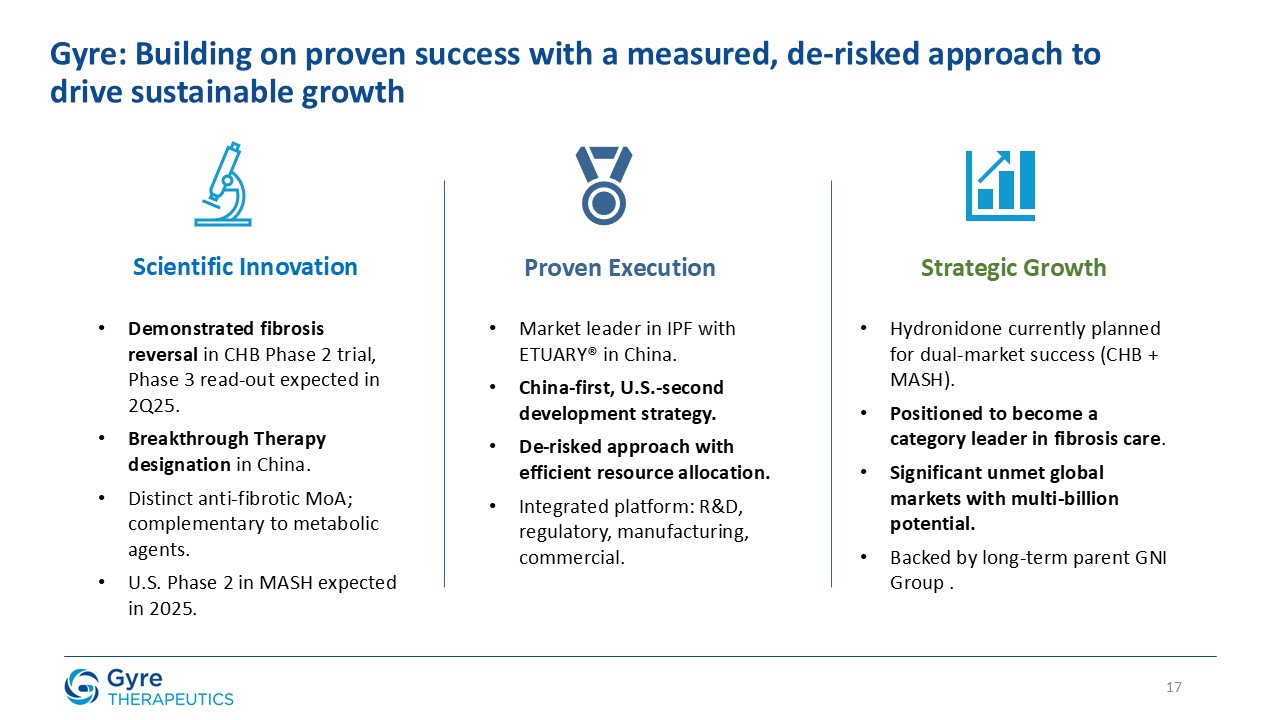
Market leader in IPF with ETUARY® in China. China-first, U.S.-second development strategy. De-risked approach with efficient resource allocation. Integrated platform: R&D, regulatory, manufacturing, commercial. 17 Gyre: Building on proven success with a measured, de-risked approach to drive sustainable growth Scientific Innovation Demonstrated fibrosis reversal in CHB Phase 2 trial, Phase 3 read-out expected in 2Q25. Breakthrough Therapy designation in China. Distinct anti-fibrotic MoA; complementary to metabolic agents. U.S. Phase 2 in MASH expected in 2025. Proven Execution Strategic Growth Hydronidone currently planned for dual-market success (CHB + MASH). Positioned to become a category leader in fibrosis care. Significant unmet global markets with multi-billion potential. Backed by long-term parent GNI Group .

18 APPENDIX: F351 - Mechanism of Action

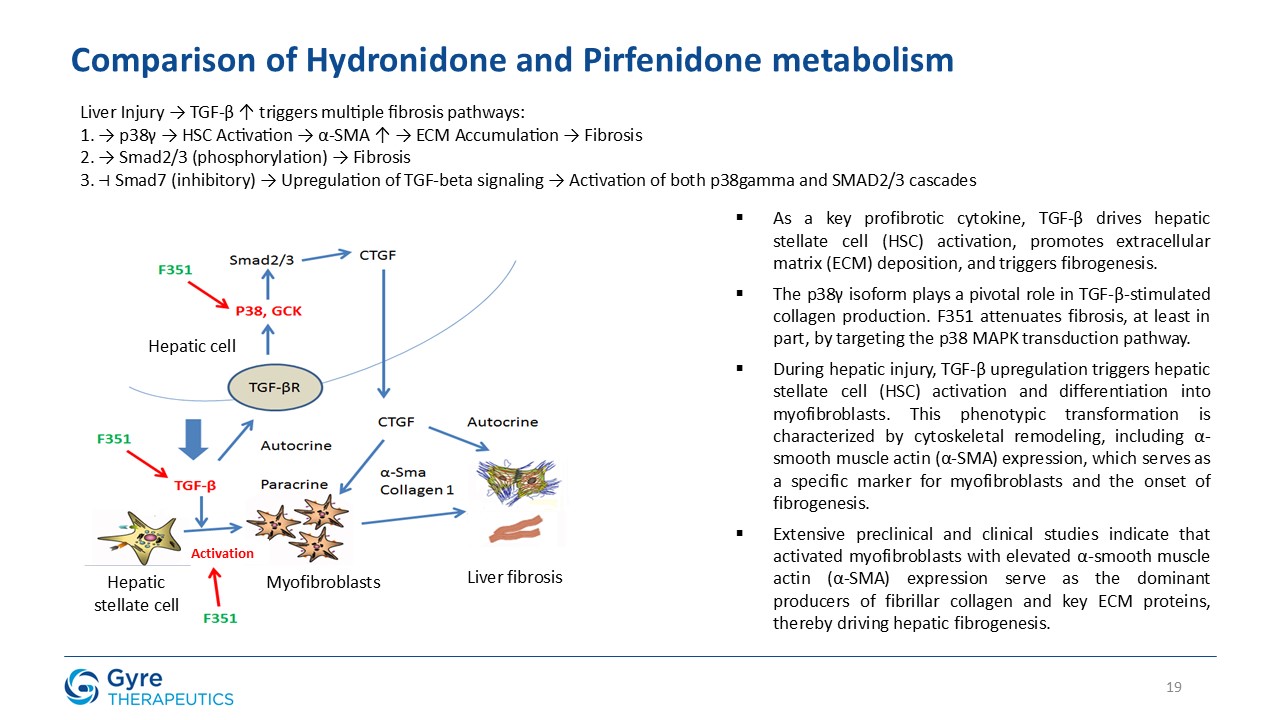
19 Comparison of Hydronidone and Pirfenidone metabolism Hepatic cell Hepatic stellate cell Myofibroblasts Liver fibrosis Activation As a key profibrotic cytokine, TGF-β drives hepatic stellate cell (HSC) activation, promotes extracellular matrix (ECM) deposition, and triggers fibrogenesis. The p38γ isoform plays a pivotal role in TGF-β-stimulated collagen production. F351 attenuates fibrosis, at least in part, by targeting the p38 MAPK transduction pathway. During hepatic injury, TGF-β upregulation triggers hepatic stellate cell (HSC) activation and differentiation into myofibroblasts. This phenotypic transformation is characterized by cytoskeletal remodeling, including α-smooth muscle actin (α-SMA) expression, which serves as a specific marker for myofibroblasts and the onset of fibrogenesis. Extensive preclinical and clinical studies indicate that activated myofibroblasts with elevated α-smooth muscle actin (α-SMA) expression serve as the dominant producers of fibrillar collagen and key ECM proteins, thereby driving hepatic fibrogenesis. Liver Injury → TGF-β ↑ triggers multiple fibrosis pathways: 1. → p38γ → HSC Activation → α-SMA ↑ → ECM Accumulation → Fibrosis 2. → Smad2/3 (phosphorylation) → Fibrosis 3. ⊣ Smad7 (inhibitory) → Upregulation of TGF-beta signaling → Activation of both p38gamma and SMAD2/3 cascades

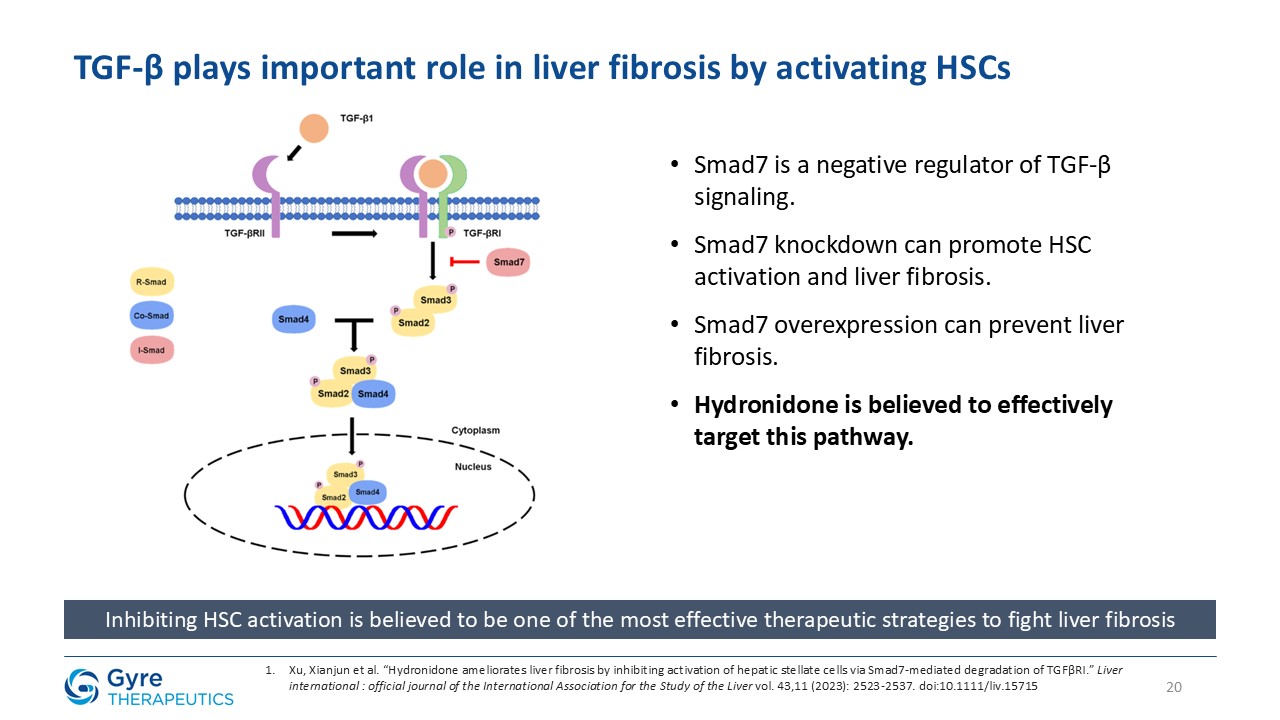
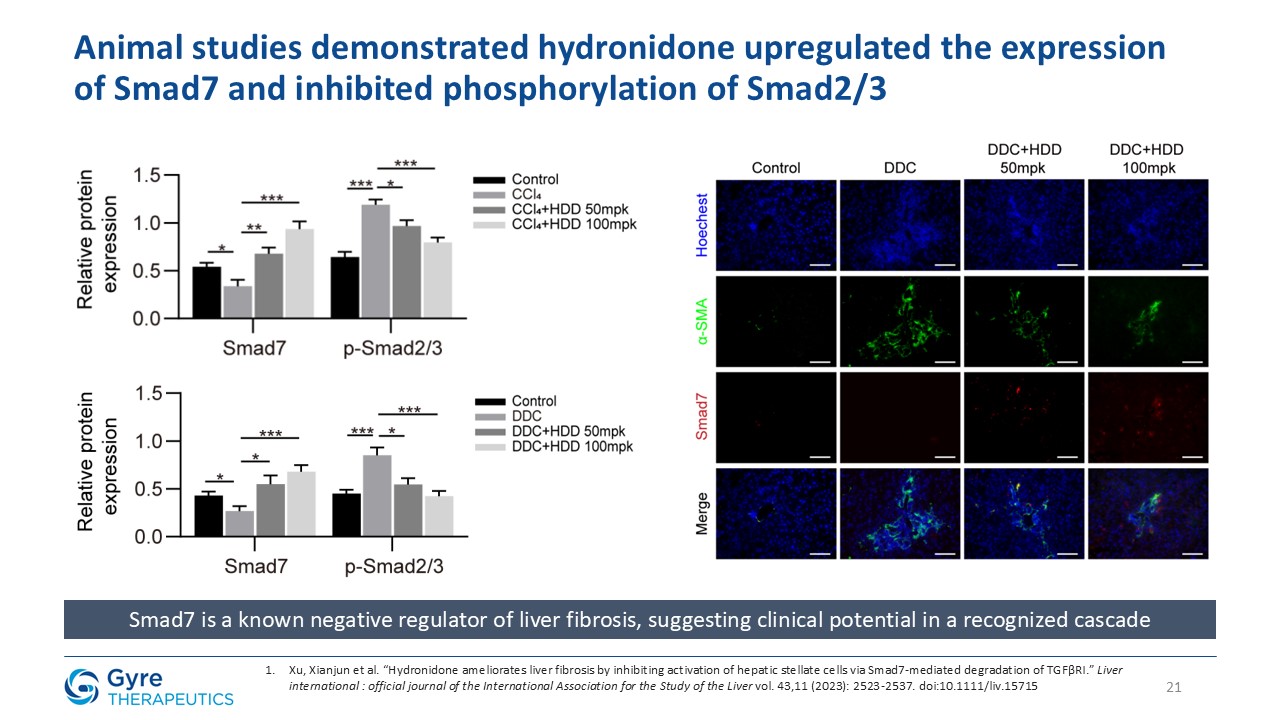
Smad7 is a negative regulator of TGF-β signaling. Smad7 knockdown can promote HSC activation and liver fibrosis. Smad7 overexpression can prevent liver fibrosis. Hydronidone is believed to effectively target this pathway. Inhibiting HSC activation is believed to be one of the most effective therapeutic strategies to fight liver fibrosis 20 Xu, Xianjun et al. “Hydronidone ameliorates liver fibrosis by inhibiting activation of hepatic stellate cells via Smad7-mediated degradation of TGFβRI.” Liver international : official journal of the International Association for the Study of the Liver vol. 43,11 (2023): 2523-2537. doi:10.1111/liv.15715 TGF-β plays important role in liver fibrosis by activating HSCs

Smad7 is a known negative regulator of liver fibrosis, suggesting clinical potential in a recognized cascade Xu, Xianjun et al. “Hydronidone ameliorates liver fibrosis by inhibiting activation of hepatic stellate cells via Smad7-mediated degradation of TGFβRI.” Liver international : official journal of the International Association for the Study of the Liver vol. 43,11 (2023): 2523-2537. doi:10.1111/liv.15715 21 Animal studies demonstrated hydronidone upregulated the expression of Smad7 and inhibited phosphorylation of Smad2/3

22 Hydronidone vs. Pirfenidone: Mechanistic and safety advantages The introduction of a hydroxyl group shifts its metabolic profile from pirfenidone's dominant Phase I oxidation to preferential Phase II conjugation (M3/M4 metabolites). Phase II metabolism, known as "detoxification metabolism," can prevent the formation of active metabolites and covalent binding to proteins, suggesting a mechanistic basis for hydronidone's improved hepatic safety profile compared with pirfenidone. Phase II metabolism Phase I metabolism Optimization Achieve higher P38γ binding affinity Pirfenidone Hydronidone Kinase Inhibition Profile In vitro kinase assay shows that both hydronidone and pirfenidone effectively inhibit p38γ activity, with hydronidone exhibiting a higher inhibition potency than pirfenidone. These findings indicate that hydronidone exhibits stronger inhibition of the p38γ pathway, potentially contributing to its enhanced antifibrotic activity.

23 Hydronidone shaping up to be Pirfenidone 2.0 Feature Hydronidone Pirfenidone Mechanism of Action Tri-pathway mechanism: inhibits p38γ, upregulates Smad7, and suppresses TGF-β/Smad2/3 signaling Broadly downregulates TGF-β levels, with less defined pathway specificity Metabolism Undergoes Phase II metabolism, known for safer detoxification and fewer reactive byproducts Primarily metabolized through Phase I oxidation (CYP1A2), which can generate reactive metabolites Liver Safety Designed to reduce hepatotoxicity; favorable liver safety profile in trials Observed increases in liver enzymes in some patients; rare hepatic events documented Fibrosis Efficacy (in humans) Shown to reverse fibrosis in 55% of patients with CHB (270 mg group)1 Exploratory clinical data in liver fibrosis; not approved for fibrotic liver disease 1. Cai et al. Clin Gastroenterol Hepatol. 2023;21(7):1893–1901. doi:10.1016/j.cgh.2022.05.056

24 Thank you Contact: David Zhang David.Zhang@Gyretx.com