Immunocore Holdings plc 6-K, filed Jan 9, 2023
Immunocore Holdings plc (IMCR)
6-K
2023-01-09
For: 2023-01-09
View Original
Added on
April 07, 2026
About this 6-K
Immunocore Holdings plc filed this 6-K on January 9, 2023.
UNITED STATES
SECURITIES AND EXCHANGE COMMISSION
Washington, D.C. 20549
FORM 6-K
REPORT OF FOREIGN PRIVATE ISSUER
PURSUANT TO RULE 13a-16 OR 15d-16
UNDER THE SECURITIES EXCHANGE ACT OF 1934
For the Month of January 2023
Commission File Number: 001-39992
Immunocore Holdings plc
(Translation of registrant’s name into English)
92 Park Drive
Milton Park
Abingdon, Oxfordshire OX14 4RY
United Kingdom
(Address of principal executive office)
Indicate by check mark whether the registrant files or will file annual reports under cover of Form 20-F or Form 40-F:
☒ Form 20-F ☐ Form 40-F
INCORPORATION BY REFERENCE
The information in this Report on Form 6-K (“Report”), other than Exhibit 99.3 hereto, is being furnished and shall not be deemed “filed” for purposes of Section 18 of the Securities Exchange Act of
1934 (the “Exchange Act”) or otherwise subject to the liabilities of that section, nor shall it be deemed incorporated by reference in any filing under the Securities Act of 1933 or the Exchange Act.
Exhibit 99.3 to this Report shall be deemed to be incorporated by reference into the registration statements on Form S-8 (File Nos. 333-255182 and 333-265000) and the registration statement on Form F-3ASR (File No.
333-264105) of Immunocore Holdings plc (the “Company”) and to be a part thereof from the date on which this Report is furnished, to the extent not superseded by documents or reports subsequently filed or furnished.
INFORMATION CONTAINED IN THIS REPORT ON FORM 6-K
Preliminary Full Year and Fourth Quarter 2022 KIMMTRAK and tebentafusp Net Sales; Preliminary Year-End 2022 Cash and Cash Equivalents
On Monday, January 9, 2023, the Company announced preliminary estimates of (1) total net product and pre-product revenue arising from the sales of KIMMTRAK and tebentafusp (“net sales”) for the fourth
quarter and twelve months ended December 31, 2022 and (2) the amount of cash and cash equivalents at December 31, 2022. While the Company has not finalized its financial results for the twelve months ended December 31, 2022, the Company
preliminarily estimates that its total net sales were approximately $50 million for the fourth quarter ended December 31, 2022, an increase of approximately 25% compared to the third quarter ended September 30, 2022, and approximately $140 million
for the fiscal year ended December 31, 2022. The Company preliminarily estimates that its cash and cash equivalents as of December 31, 2022 were approximately $400 million. The foregoing dollar amounts were converted using the December 31, 2022
convenience rate of 1 British pound sterling to 1.21 U.S. dollars.
The information in this subheading is preliminary, has not been audited and is subject to change pending completion of the Company’s audited financial statements for the year ended December 31, 2022.
It is possible that the Company or its independent registered public accounting firm may identify items that require the Company to make adjustments to the amounts included in this subheading, and such changes could be material. Additional
information and disclosures would also be required for a more complete understanding of the Company’s financial position and results of operations as of December 31, 2022.
Press Release Announcing Strategic Priorities for 2023; Updated Corporate Presentation and Pipeline Chart
On Monday, January 9, 2023, the Company announced its updated strategic priorities and pipeline expansion for 2023. A copy of the press release is furnished as Exhibit 99.1 to this Report on Form 6-K.
Also on January 9, 2023, the Company posted an updated corporate presentation reflecting these updates and the updated disclosure regarding the Company’s preliminary unaudited net sales for the fourth quarter and fiscal
year ended December 31, 2022 and preliminary unaudited cash and cash equivalents as of December 31, 2022. The updated corporate presentation is available in the ‘Investors/Media’ section of the Company’s website at www.immunocore.com. The Company
intends to use this presentation in meetings with analysts, investors and others from time to time, including its meetings at the 41st Annual J.P. Morgan Healthcare Conference. A copy of the presentation is being furnished hereto as Exhibit 99.2
and is incorporated herein by reference.
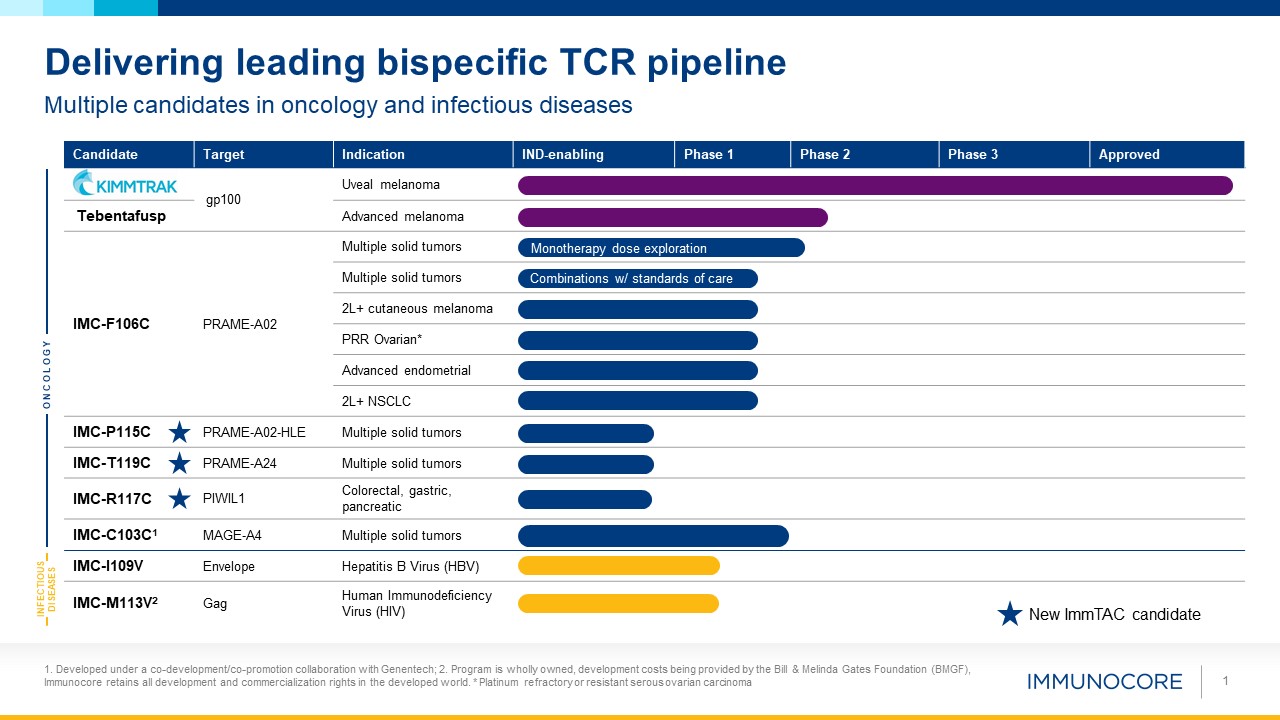
The Company published an updated pipeline chart of KIMMRAK and its therapeutic candidates in development, which is filed as Exhibit 99.3 to this Report and incorporated by reference herein.
Presentation at 41st Annual J.P. Morgan Healthcare Conference
Bahija Jallal, the Company’s Chief Executive Officer, will present at the upcoming 41st Annual J.P. Morgan Healthcare Conference on Wednesday, January 11, 2023 at 12:00 p.m. ET. The presentation will be webcast
live and will be available in the “Investors/Media” section of the Company’s website, located at www.immunocore.com.
The Company’s website and any information contained on the Company’s website are not incorporated into this Report.
CAUTIONARY NOTE ON FORWARD-LOOKING STATEMENTS
This Report contains forward-looking statements within the meaning of the Private Securities Litigation Reform Act of 1995. Words such as “may,” “will,” “expect,” “plan,” “anticipate,”
“estimate,” “intend” and similar expressions (as well as other words or expressions referencing future events, conditions or circumstances) are intended to identify forward-looking statements. These statements include, but are not limited to,
statements regarding the Company’s strategic priorities, pipeline and expansion thereof, and preliminary unaudited net sales and cash and cash equivalents. These forward-looking statements are based on the Company’s expectations and assumptions
as of the date of this Report, and are subject to a number of risks and uncertainties that could cause actual results to differ materially and adversely from those set forth in or implied by such forward-looking statements, many of which are
beyond the Company’s control. Actual results may differ materially from those expressed or implied by these forward-looking statements. For a discussion of risk factors that may cause the Company’s actual results to differ from those expressed or
implied in the forward-looking statements in this Report, you should refer to the Company’s filings with the U.S. SEC, including the “Risk Factors” sections contained therein. Except as required by law, the Company undertakes no obligation to
publicly update any forward-looking statements, whether as a result of new information, future events or otherwise. You should, therefore, not rely on these forward-looking statements as representing the Company’s views as of any date subsequent
to the date of this Report.
EXHIBIT INDEX
|
Exhibit
No.
|
Description
|
|
|
Press Release dated January 9, 2023.
|
||
|
Corporate Presentation.
|
||
|
Pipeline Chart.
|
SIGNATURES
Pursuant to the requirements of the Securities Exchange Act of 1934, the registrant has duly caused this report to be signed on its behalf by the undersigned, thereunto duly authorized.
|
IMMUNOCORE HOLDINGS PLC
|
||
|
Date: January 9, 2023
|
By:
|
/s/ Bahija Jallal, Ph.D.
|
Exhibit 99.1

Immunocore announces strategic priorities including pipeline expansion for 2023 -2024
KIMMTRAK (tebentafusp-tebn) approved in over 30 countries with continued global expansion in 2023-2024; preliminary unaudited net sales of ~$50 million in Q4 and ~$140 million for full year 2022
Priority for IMC-F106C (PRAME HLA-A02) is enrollment in monotherapy and combination arms of Phase 1/2 clinical trial, with data planned by 1H 2024
Expanding PRAME franchise, including targeting PRAME HLA-A24 with a first-in-class ImmTAC to broaden the addressable patient population, and a PRAME HLA-A02 half-life extended ImmTAC for patient
convenience
First-in-class ImmTAC targeting PIWIL1 for colorectal and other gastrointestinal cancers – IND planned for Q4 2023
Company to present at 41st Annual J.P. Morgan Healthcare Conference on Wednesday, January 11, 2023 at 9:00 AM P.T.
(OXFORDSHIRE, England & CONSHOHOCKEN, Penn. & ROCKVILLE, Md., US, 09 January, 2023) Immunocore Holdings plc (Nasdaq: IMCR) (“Immunocore” or the “Company”), a commercial-stage biotechnology company pioneering
the development of a novel class of T cell receptor (TCR) bispecific immunotherapies designed to treat a broad range of diseases, including cancer, autoimmune and infectious diseases, today announces the addition of three new ImmTAC product
candidates (targeting PRAME-A24, PRAME-A02 half-life extended [HLE], and PIWIL1) to its pipeline and preliminary unaudited KIMMTRAK (tebentafusp-tebn) 2022 year-end net sales.
“We are so proud of what we have delivered for patients with metastatic uveal melanoma, thanks to the talent and hard work of our experienced team. With $140 million of preliminary net sales for KIMMTRAK for 2022, our
solid financial position has enabled us to accelerate the development of our existing pipeline and expand our platform,” said Bahija Jallal, Chief Executive Office of Immunocore. “2023 is off to a great start
with the continued execution of our ambitious development plan for IMC-F106C as well as today’s announcement of the expansion of our PRAME franchise and the nomination of a novel ImmTAC candidate for GI cancers.”
Preliminary Year-End 2022 KIMMTRAK and tebentafusp net sales
The preliminary unaudited total net product and net pre-product revenue (or “net sales”) arising from the sales of KIMMTRAK and tebentafusp was ~$50 million in Q4 2022, an increase of ~25% compared to the previous
quarter, and ~$140 million for full year 2022. Preliminary unaudited cash and cash equivalents were ~$400 million USD year end 2022.1
1 These dollar amounts were converted using the Dec. 31, 2022 convenience rate of £1 to $1.21.

In 2023, the Company will continue to launch in additional countries and establish KIMMTRAK globally as first line treatment for metastatic uveal melanoma, while exploring how to enhance patient convenience. In
addition, the Company is enrolling patients into a Phase 2/3 trial to investigate the potential of tebentafusp in advanced cutaneous melanoma.
Expansion of ImmTAC franchise targeting PRAME
IMC-F106C (PRAME-A02)
Initial Phase 1 data with IMC-F106C targeting PRAME, in the context of HLA-A02, presented in September 2022 at the ESMO Congress 2022, demonstrated multiple durable confirmed RECIST responses and a reduction in
circulating tumor DNA (ctDNA) in multiple solid tumors.
As previously announced, and following the promising initial data, patient enrollment is ongoing in the four monotherapy expansion arms and multiple combination arms of the trial: cutaneous melanoma, ovarian, non-small
cell lung cancer (NSCLC), and endometrial cancers. The IMC-F106C-101 trial is adaptive and enables combinations with standards-of-care including checkpoint inhibitors, chemotherapy, and tebentafusp. These combinations will position the Company to
explore IMC-F106C in earlier lines of treatment.
In 2023, the Company plans to continue to expand the clinical trial footprint globally; enrolling additional patients in the expansion arms to understand the breadth of clinical activity across multiple tumor types.
The Company expects to report initial data from the monotherapy and combination arms by the first half of 2024.
IMC-T119C (PRAME-A24) & IMC-P115C (PRAME-A02 Half-Life Extended)
IMC-F106C is an ImmTAC targeting PRAME for patients with HLA-A02, which is expressed in approximately 40% of Western populations (United States, Canada, EU). In order to expand the potential of TCR therapy targeting
PRAME, the Company is developing IMC-T119C, a first-in-class ImmTAC product candidate targeting a PRAME peptide presented by HLA-A24. HLA-24 is an HLA-type that is estimated to be present in 60% of people in Japan and 15-20% in Western populations.
In addition, the Company is developing IMC-P115C, a half-life extended (HLE) ImmTAC product candidate targeting PRAME-A02, with the aim of improving patient convenience. IMC-P115C targets the same PRAME-A02 peptide and
uses the same CD3 end and TCR specificity as IMC-F106C.
First-in-class ImmTAC candidate – IMC-R117C (PIWIL1) for colorectal and other gastrointestinal cancers
The Company has leveraged its proprietary peptidomic database to validate a novel target, PIWIL1. PIWIL1 is believed to play a role in tumor progression and is expressed across a range of tumors including colorectal,
which is historically insensitive to immune checkpoints, as well as gastro-esophageal, and pancreatic cancer. PIWIL1 is also reported to be a negative prognostic marker. The Company believes IMC-R117C is the first PIWIL1 targeted immunotherapy and
plans to submit an IND in Q4 2023.
Page 2 of 7
Enrolling ImmTAV candidates for a functional cure in HIV & HBV
The Company continues to enroll patients in the HIV and HBV global Phase 1 clinical trials. The Company plans to report data from the Single Ascending Dose portion of the Phase 1 HIV trial in 2023.
41st Annual J.P. Morgan Healthcare Conference
The Company has updated its corporate presentation to reflect these updates. Additionally, the Immunocore management team will discuss these updates during a live and webcast presentation at the 41st Annual
J.P. Morgan Healthcare Conference, on Wednesday January 11, 2023, at 9:00AM P.T. The presentation and webcast will be available in the ‘Investors/Media’ section of Immunocore’s website at www.immunocore.com. A replay of the presentation will be made
available for a limited time.
##
About ImmTAV molecules and infectious diseases
ImmTAV (Immune mobilising monoclonal TCRs Against Virus) molecules are novel bispecific molecules that, like ImmTAC (Immune mobilising monoclonal TCRs Against Cancer) molecules, are designed to enable the immune system
to recognize and eliminate virally infected cells.
Immunocore is advancing clinical candidates to cure patients with HIV and hepatitis B virus (HBV). The Company aims to achieve sustained control of HIV after patients stop anti-retroviral therapy (ART), without the
risk of virological relapse or onward transmission. This is known as ‘functional cure’. For the treatment of HBV, the Company aims to achieve sustained loss of circulating viral antigens and markers of viral replication after stopping medication for
people living with chronic HBV.
About ImmTAC® molecules for cancer
Immunocore’s proprietary T cell receptor (TCR) technology generates a novel class of bispecific biologics called ImmTAC (Immune mobilizing monoclonal TCRs Against Cancer) molecules that are designed to redirect the
immune system to recognize and kill cancerous cells. ImmTAC molecules are soluble TCRs engineered to recognize intracellular cancer antigens with ultra-high affinity and selectively kill these cancer cells via an anti-CD3 immune-activating effector
function. Based on the demonstrated mechanism of T cell infiltration into human tumors, the ImmTAC mechanism of action holds the potential to treat hematologic and solid tumors, regardless of mutational burden or immune infiltration, including immune
“cold” low mutation rate tumors.
About the IMC-F106C-101 Phase 1/2 Trial
IMC-F106C-101 is a first-in-human, Phase 1/2 dose escalation trial in patients with multiple solid tumor cancers including non-small cell lung cancer (NSCLC), small-cell lung cancer (SCLC), endometrial, ovarian,
cutaneous melanoma, and breast cancers. The Phase 1 dose escalation trial was designed to determine the maximum tolerated dose (MTD), as well as to evaluate the safety, preliminary anti-tumor activity and pharmacokinetics of IMC-F106C, a bispecific
protein built on Immunocore’s ImmTAC® technology, and the Company’s first molecule to target the PRAME antigen. The Company has initiated patient enrollment into four expansion arms in cutaneous melanoma, ovarian, NSCLC, and endometrial
cancers. The IMC-F106C-101 trial is adaptive and includes the option for Phase 2 expansion, allowing for approximately 100 patients treated per tumor type in the Phase 1 and 2 expansion arms. Dose escalation continues in additional solid tumors as
well as plans for combination arms with standards-of-care, including checkpoint inhibitors, chemotherapy, and tebentafusp.
Page 3 of 7
About Uveal Melanoma
Uveal melanoma is a rare and aggressive form of melanoma, which affects the eye. Although it is the most common primary intraocular malignancy in adults, the diagnosis is rare, and up to 50% of people with uveal
melanoma will eventually develop metastatic disease. Unresectable or metastatic uveal melanoma typically has a poor prognosis and had no approved treatment until KIMMTRAK.
About KIMMTRAK®
KIMMTRAK is a novel bispecific protein comprised of a soluble T cell receptor fused to an anti-CD3 immune-effector function. KIMMTRAK specifically targets gp100, a lineage antigen expressed in melanocytes and melanoma.
This is the first molecule developed using Immunocore’s ImmTAC technology platform designed to redirect and activate T cells to recognise and kill tumour cells. KIMMTRAK has been approved for the treatment of HLA-A*02:01-positive adult patients with
unresectable or metastatic uveal melanoma in the United States, European Union, Canada, Australia, and the United Kingdom.
About Phase 3 IMCgp100-202 Trial
IMCgp100-202 (NCT03070392) is a randomized pivotal trial that evaluated overall survival (OS) of KIMMTRAK compared to investigator’s choice (either pembrolizumab, ipilimumab, or dacarbazine) in HLA-A*02:01-positive
adult patients with previously untreated mUM. KIMMTRAK demonstrated an unprecedented OS benefit with a Hazard Ratio (HR) in the intent-to-treat population favoring KIMMTRAK, HR=0.51 (95% CI: 0.37, 0.71); p< 0.0001, over investigator’s choice (82%
pembrolizumab; 13% ipilimumab; 6% dacarbazine).
IMPORTANT SAFETY INFORMATION
Cytokine Release Syndrome (CRS), which may be serious or life-threatening, occurred in patients receiving KIMMTRAK. Monitor for at least 16 hours following first
three infusions and then as clinically indicated. Manifestations of CRS may include fever, hypotension, hypoxia, chills, nausea, vomiting, rash, elevated transaminases, fatigue, and headache. CRS
occurred in 89% of patients who received KIMMTRAK with 0.8% being grade 3 or 4. Ensure immediate access to medications and resuscitative equipment to manage CRS. Ensure patients are euvolemic prior to initiating the infusions. Closely monitor
patients for signs or symptoms of CRS following infusions of KIMMTRAK. Monitor fluid status, vital signs, and oxygenation level and provide appropriate therapy. Withhold or discontinue KIMMTRAK depending on persistence and severity of CRS.
Skin Reactions
Skin reactions, including rash, pruritus, and cutaneous edema occurred in 91% of patients treated with KIMMTRAK. Monitor patients for skin reactions. If skin reactions occur, treat with antihistamine and topical or
systemic steroids based on persistence and severity of symptoms. Withhold or permanently discontinue KIMMTRAK depending on the severity of skin reactions.
Page 4 of 7
Elevated Liver Enzymes
Elevations in liver enzymes occurred in 65% of patients treated with KIMMTRAK. Monitor alanine aminotransferase (ALT), aspartate aminotransferase (AST), and total blood bilirubin prior to the start of and during
treatment with KIMMTRAK. Withhold KIMMTRAK according to severity.
Embryo-Fetal Toxicity
KIMMTRAK may cause fetal harm. Advise pregnant patients of potential risk to the fetus and patients of reproductive potential to use effective contraception during treatment with KIMMTRAK and 1 week after the last
dose.
The most common adverse reactions (≥30%) in patients who received KIMMTRAK were cytokine release syndrome, rash, pyrexia, pruritus, fatigue, nausea, chills, abdominal pain, edema, hypotension, dry skin, headache, and
vomiting. The most common (≥50%) laboratory abnormalities were decreased lymphocyte count, increased creatinine, increased glucose, increased AST, increased ALT, decreased hemoglobin, and decreased phosphate.
For more information, please see full Summary of Product Characteristics (SmPC) or full U.S. Prescribing Information (including BOXED WARNING for CRS).
About KIMMTRAKConnect
Immunocore is committed to helping patients who need KIMMTRAK obtain access via our KIMMTRAKConnect program. The program provides services with dedicated nurse case managers who
provide personalized support, including educational resources, financial assistance, and site of care coordination. To learn more, visit KIMMTRAKConnect.com or call 844-775-2273.
About Immunocore
Immunocore is a commercial-stage biotechnology company pioneering the development of a novel class of TCR bispecific immunotherapies called ImmTAX – Immune mobilizing monoclonal TCRs Against X disease – designed to treat a broad range of
diseases, including cancer, autoimmune, and infectious disease. Leveraging its proprietary, flexible, off-the-shelf ImmTAX platform, Immunocore is developing a deep pipeline in multiple therapeutic areas, including five clinical stage programs in
oncology and infectious disease, advanced pre-clinical programs in autoimmune disease and multiple earlier pre-clinical programs. The Company’s most advanced oncology TCR therapeutic, KIMMTRAK has been approved for the treatment of
HLA-A*02:01-positive adult patients with unresectable or metastatic uveal melanoma in the United States, European Union, Canada, Australia, and the United Kingdom.
Page 5 of 7
Forward Looking Statements
This press release contains “forward-looking statements” within the meaning of the safe harbor provisions of the Private Securities Litigation Reform Act of 1995. Words such as “may,” “can,” “will,” “believe,” “expect,” “plan,” “anticipate,” and
similar expressions (as well as other words or expressions referencing future events or circumstances) are intended to identify forward-looking statements. All statements, other than statements of historical facts, included in this press release
are forward-looking statements. These statements include, but are not limited to, statements regarding the therapeutic potential and expected clinical benefits, including overall survival benefit, of Immunocore’s products and product candidates,
including KIMMTRAK, IMC-F106C, IMC-T119C, IMC-P115C, IMC-R117C, and IMC-M113V ; statements that IMC-T119C is first-in-class ImmTAC and that IMC-R117C is first in class and first PIWIL targeted immunotherapy for colorectal and other
gastrointestinal cancers; expectations regarding the development and expansion of Immunocore’s pipeline and the design, progress, timing, enrollment, scope, expansion and results of Immunocore’s existing and planned clinical trials, including
statements regarding the ongoing enrollment of patients in the Phase 2/3 trial to investigate the potential of tebentafusp in advanced cutaneous melanoma, the continued expansion of, enrollment of additional patients in, and timing for reporting
data from the monotherapy and combination arms of the IMC-F106C-101 trial, the planned IND timing for IMC-R117C, and the timing for reporting data from the single ascending dose portion of the IMC-M113V Phase 1 HIV clinical trial; Immunocore’s
ability to obtain and maintain regulatory approval for its products and product candidates; expectations regarding the potential market opportunity and potential commercial performance of KIMMTRAK and Immunocore’s other product candidates, if
approved; statements regarding the continued launch of KIMMTRAK in additional countries; statements regarding the establishment of KIMMTRAK globally as a first line treatment for metastatic uveal melanoma; statements regarding the planned
exploration of patient convenience; preliminary unaudited net sales of KIMMTRAK and tebentafusp; and preliminary unaudited cash and cash equivalents. Any forward-looking statements are based on management’s current expectations of future events and
are subject to a number of risks and uncertainties that could cause actual results to differ materially and adversely from those set forth in or implied by such forward-looking statements, many of which are beyond Immunocore’s control.
These risks and uncertainties include, but are not limited to, the impact of worsening macroeconomic conditions and the ongoing and evolving COVID-19 pandemic on Immunocore’s business, strategy, clinical trials, financial position and
anticipated milestones, including Immunocore’s ability to conduct ongoing and planned clinical trials; Immunocore’s ability to obtain a clinical supply of current or future product candidates, or commercial supply of KIMMTRAK or any future approved
products, including as a result of supply chain disruptions, the COVID-19 pandemic, the war in Ukraine or global geopolitical tension; Immunocore’s ability to obtain and maintain regulatory approvals for its product candidates; Immunocore’s ability
to develop, manufacture and commercialize its product candidates; Immunocore’s ability and plans in continuing to establish and expand a commercial infrastructure and to successfully launch, market and sell KIMMTRAK and any future approved
products; Immunocore’s ability to successfully expand the approved indications for KIMMTRAK or obtain marketing approval for KIMMTRAK in additional geographies in the future; the delay of any current or planned clinical trials, whether due to the
COVID-19 pandemic, patient enrollment delays or otherwise; Immunocore’s ability to successfully demonstrate the safety and efficacy of its product candidates and gain approval of its product candidates on a timely basis, if at all; competition with
respect to market opportunities; unexpected safety or efficacy data observed during pre-clinical studies or clinical trials; actions of regulatory agencies, which may affect the initiation, timing and progress of Immunocore’s clinical trials or
future regulatory approval; Immunocore’s need for and ability to obtain additional funding, on favorable terms or at all, including as a result of worsening macroeconomic conditions such as rising inflation and interest rates, volatility in the
capital markets and related market uncertainty, the COVID-19 pandemic, the war in Ukraine and global geopolitical tension; Immunocore’s ability to obtain, maintain and enforce intellectual property protection for KIMMTRAK or any product candidates
it is developing; clinical trial site activation or enrollment rates that are lower than expected; and the success of Immunocore’s current and future collaborations, partnerships or licensing arrangements. These and other risks and uncertainties
are described in greater detail in the section titled "Risk Factors" in Immunocore’s filings with the Securities and Exchange Commission, including Immunocore’s most recent Annual Report on Form 20-F for the year ended December 31, 2021 filed with
the Securities and Exchange Commission on March 3, 2022, as well as discussions of potential risks, uncertainties, and other important factors in the Company’s subsequent filings with the Securities and Exchange Commission. All information in this
press release is as of the date of the release, and the Company undertakes no duty to update this information, except as required by law. In addition, as the reported net sales and cash and cash equivalents in this press release are preliminary,
have not been audited and are subject to change pending completion of the Company’s audited financial statements for the year ended December 31, 2022, it is possible that the Company or its independent registered public accounting firm may identify
items that require the Company to make adjustments to the amount included in this release, and such changes could be material. Additional information and disclosures would also be required for a more complete understanding of the Company’s
financial position and results of operations as of December 31, 2022.
Page 6 of 7
CONTACT:
Immunocore
Sébastien Desprez, Head of Communications
T: +44 (0) 7458030732
T: +44 (0) 7458030732
E: mailto:sebastien.desprez@immunocore.com
Follow on Twitter: @Immunocore
Consilium Strategic Communications (corporate and financial)
Mary-Jane Elliott/ Chris Welsh/Jessica Hodgson
T: +44 (0)203 709 5700
E: Immunocore@consilium-comms.com
Investor Relations
Clayton Robertson, Head of Investor Relations
Clayton Robertson, Head of Investor Relations
T: +1 215-384-4781
E: ir@immunocore.com
Page 7 of 7
Exhibit 99.2

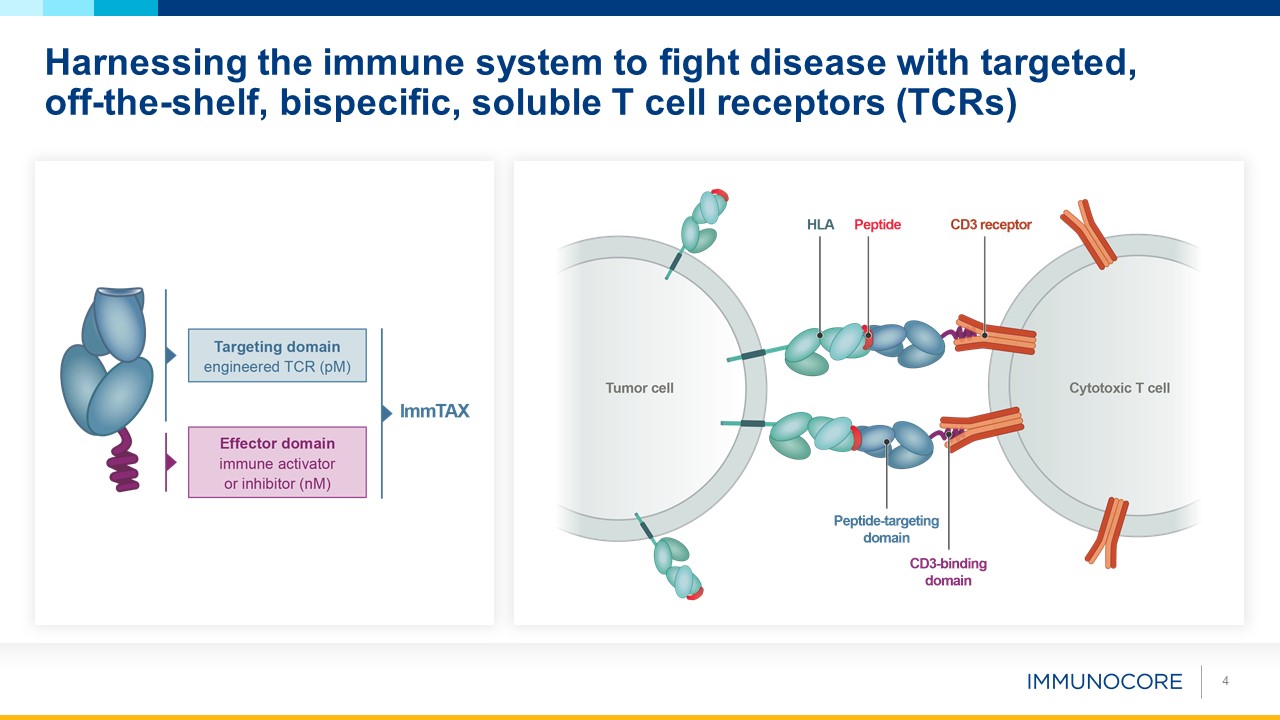
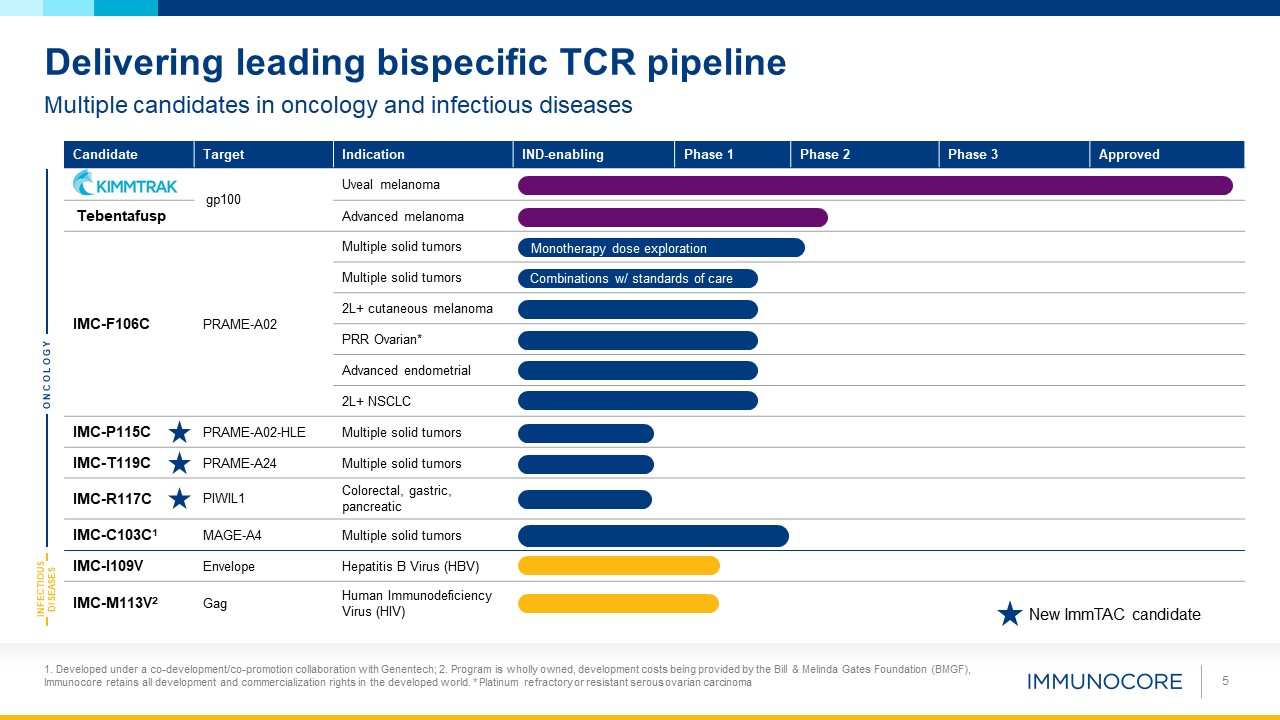


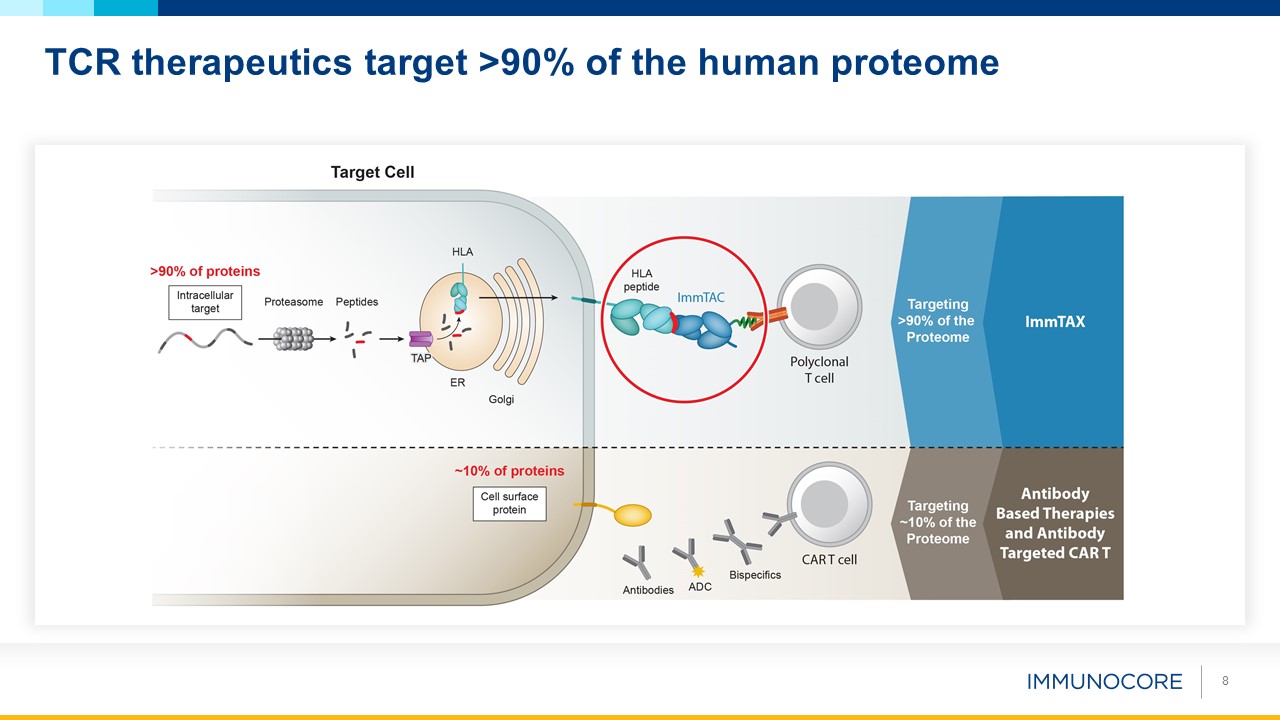


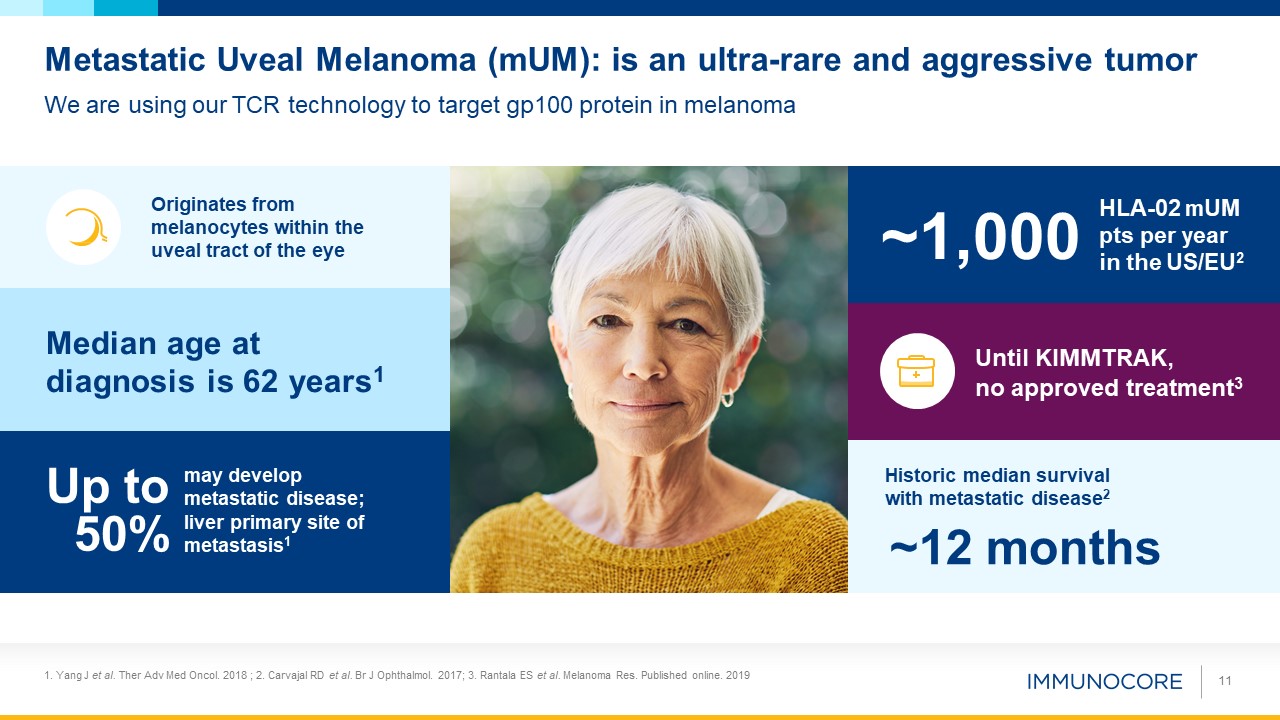
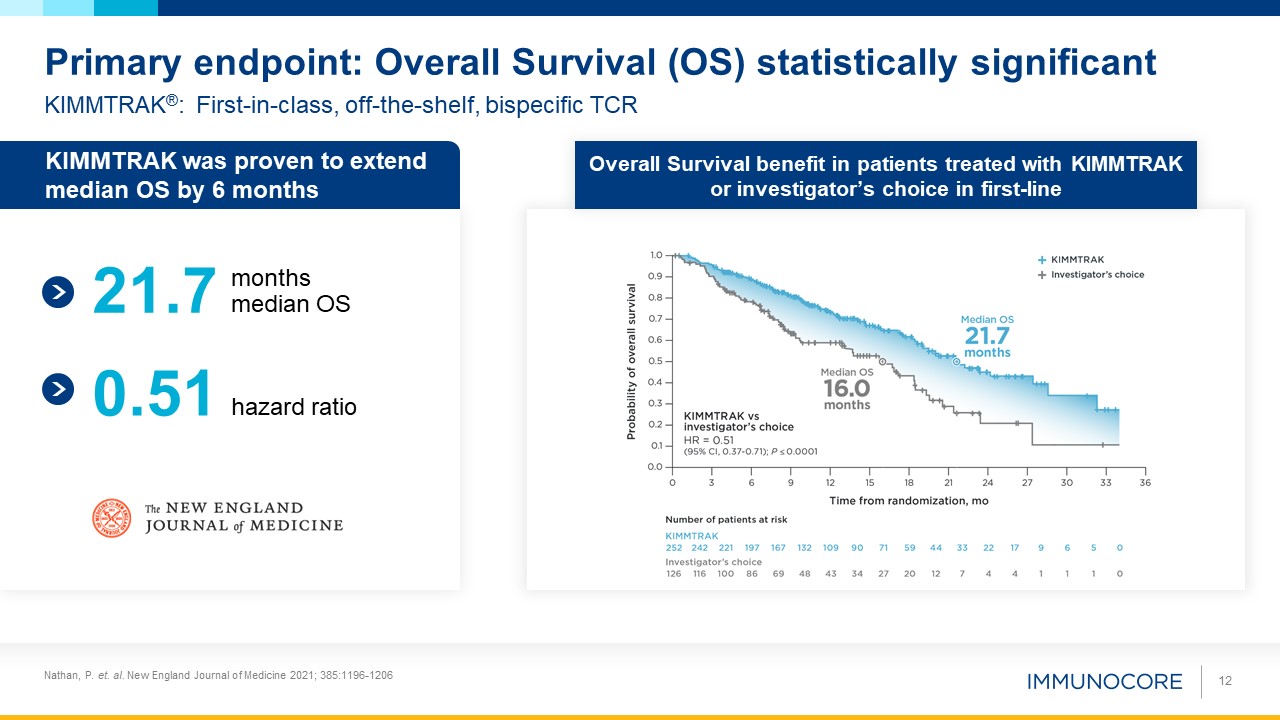
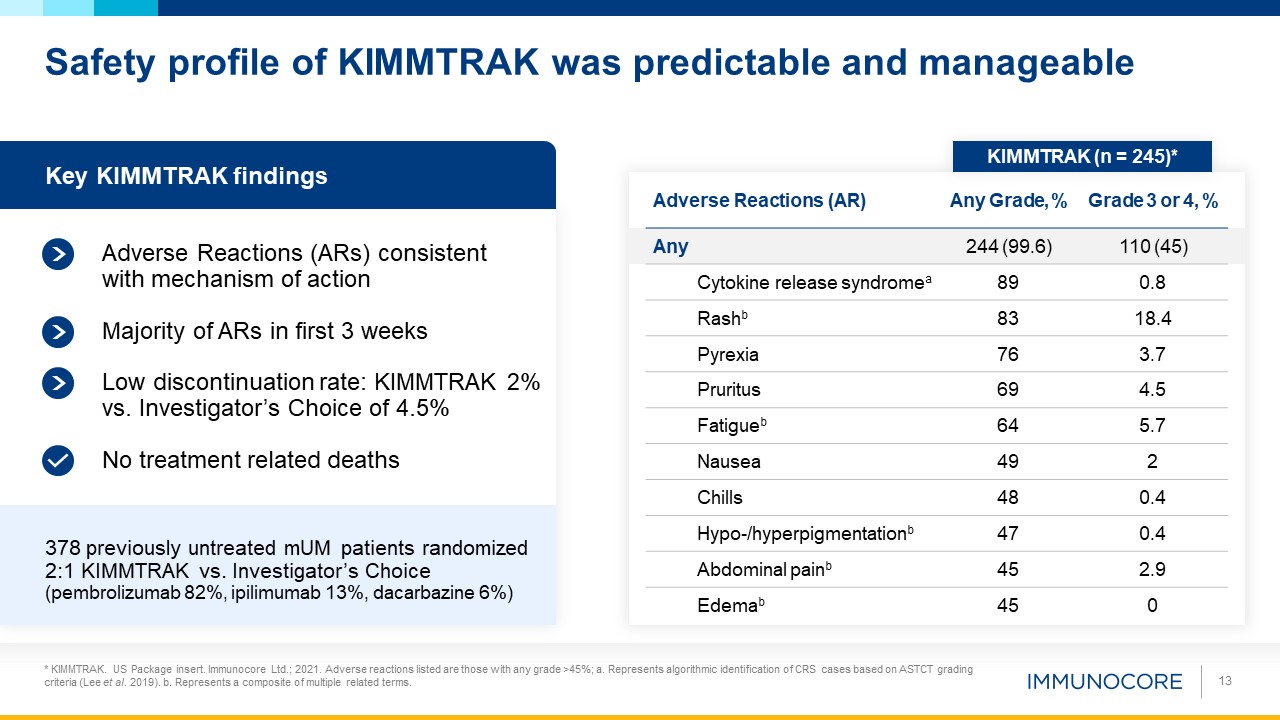
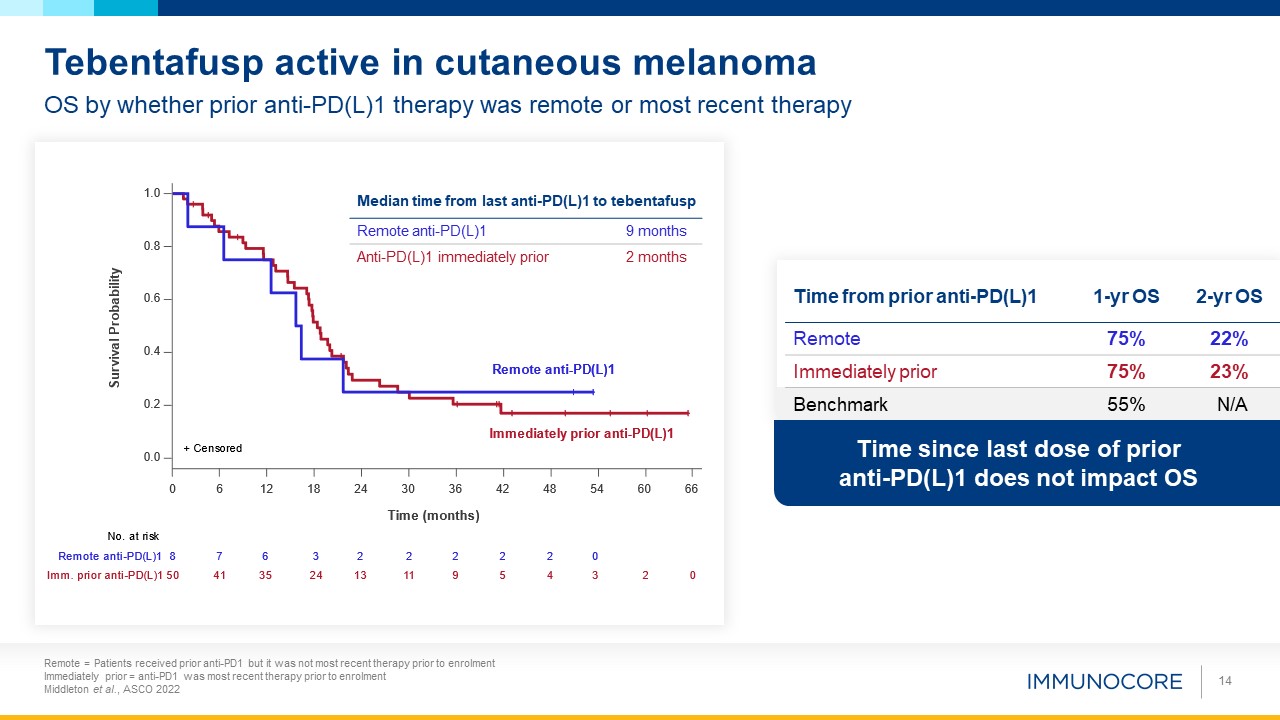


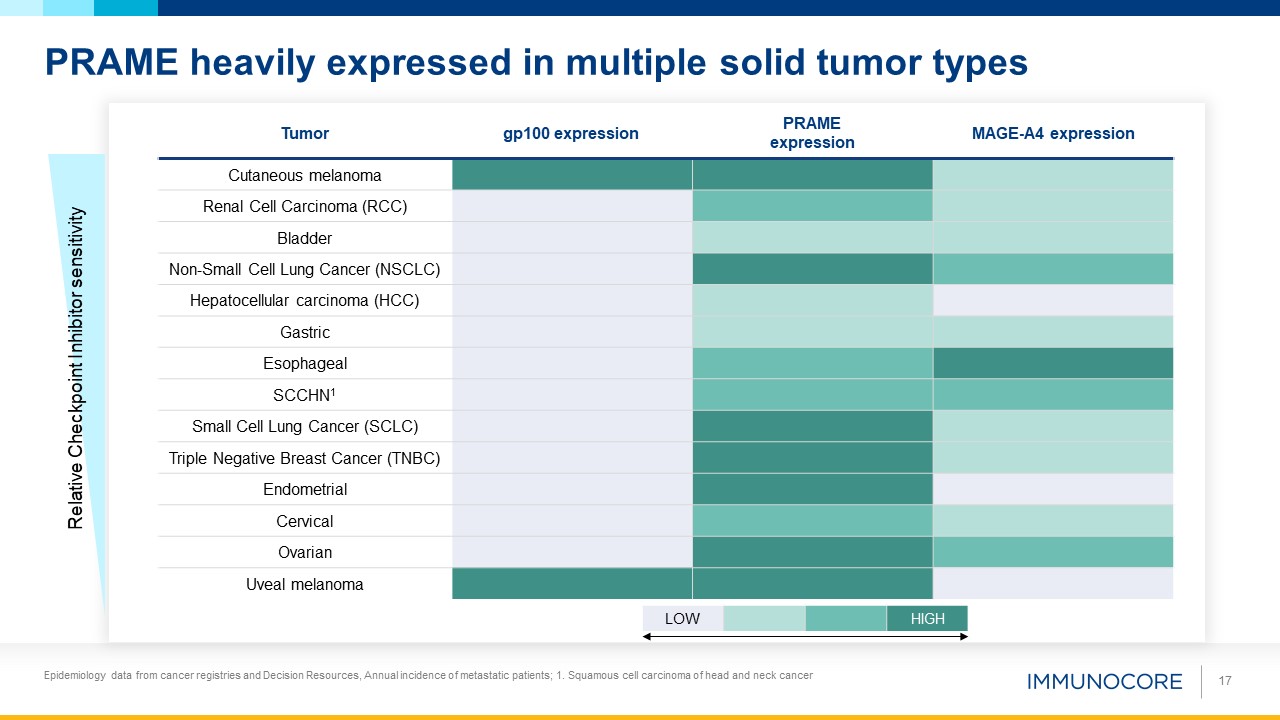
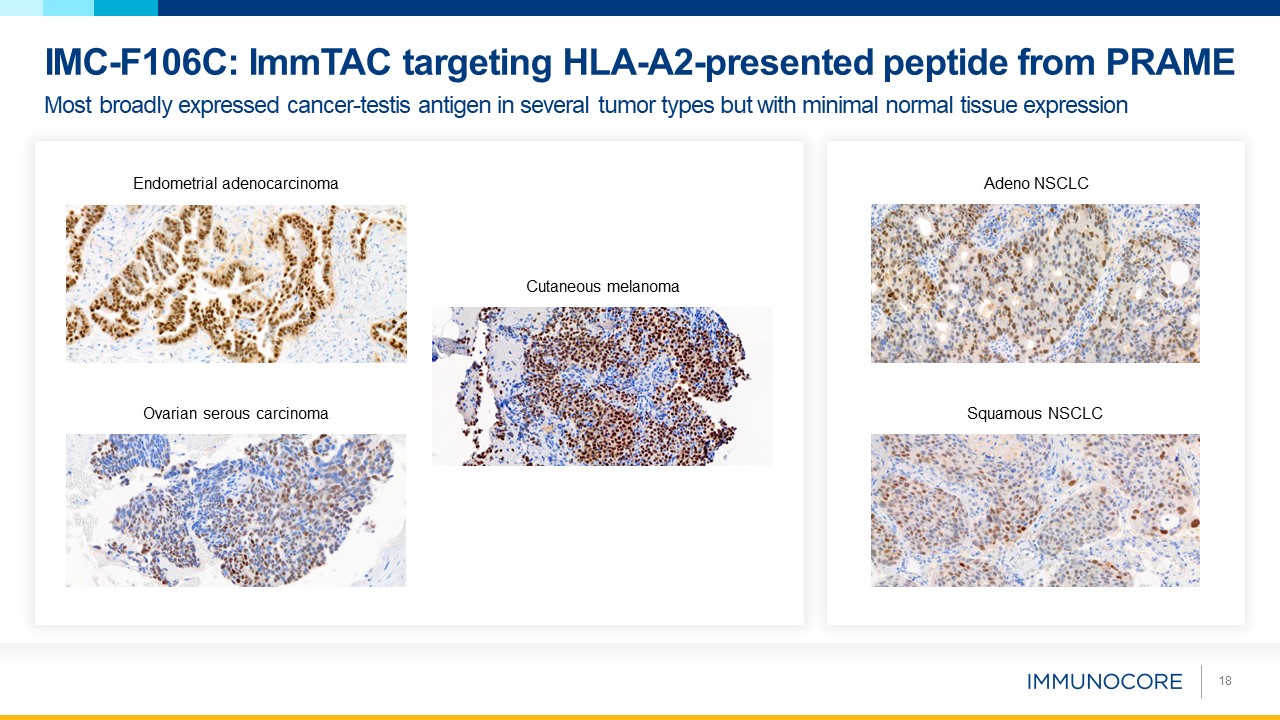
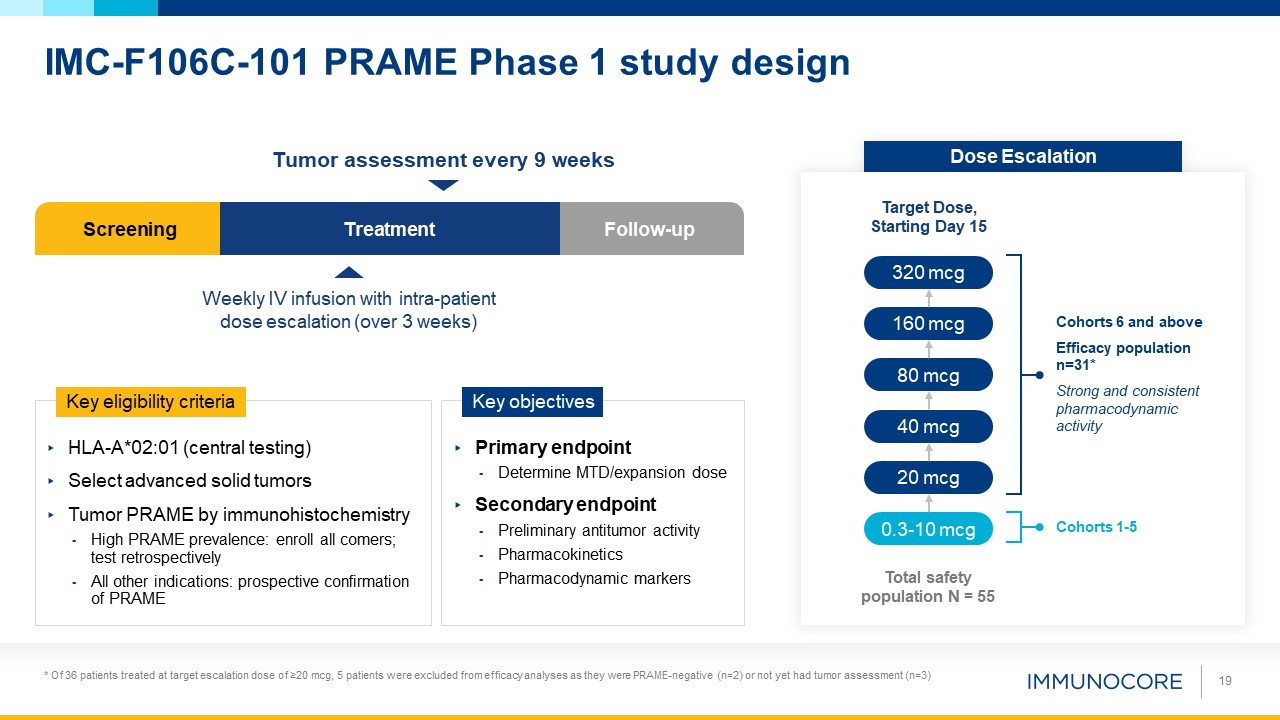
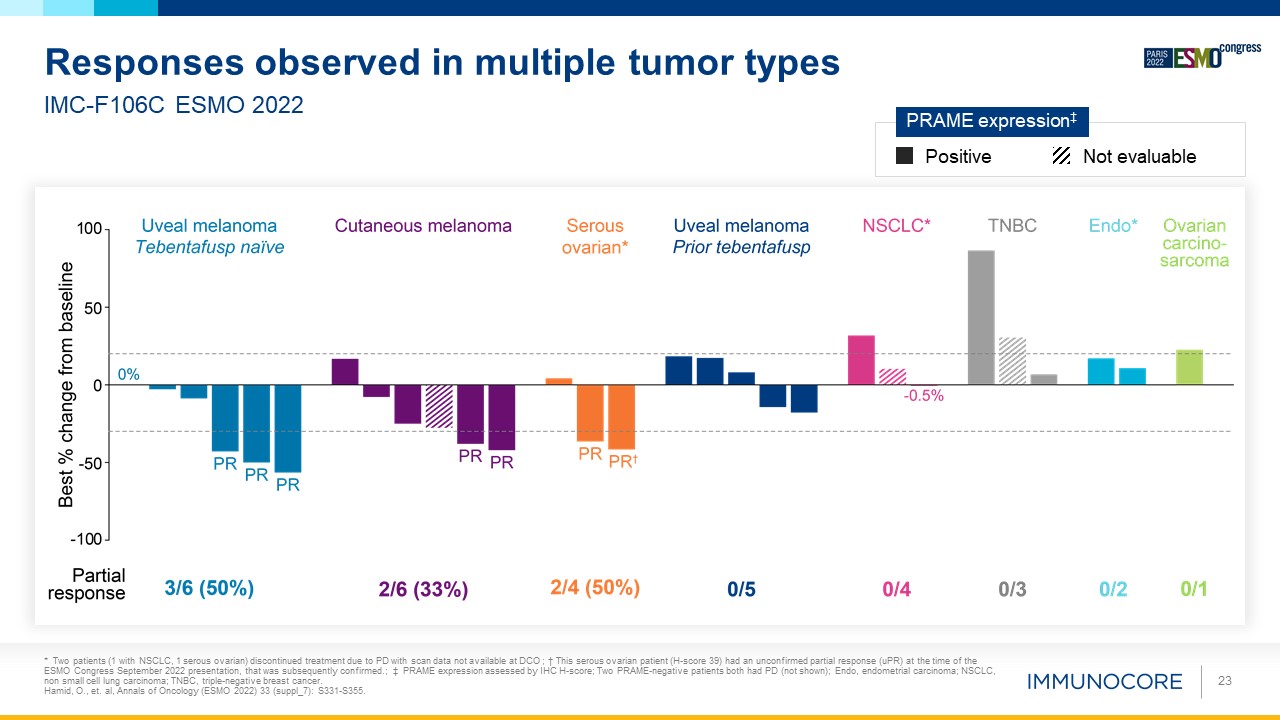
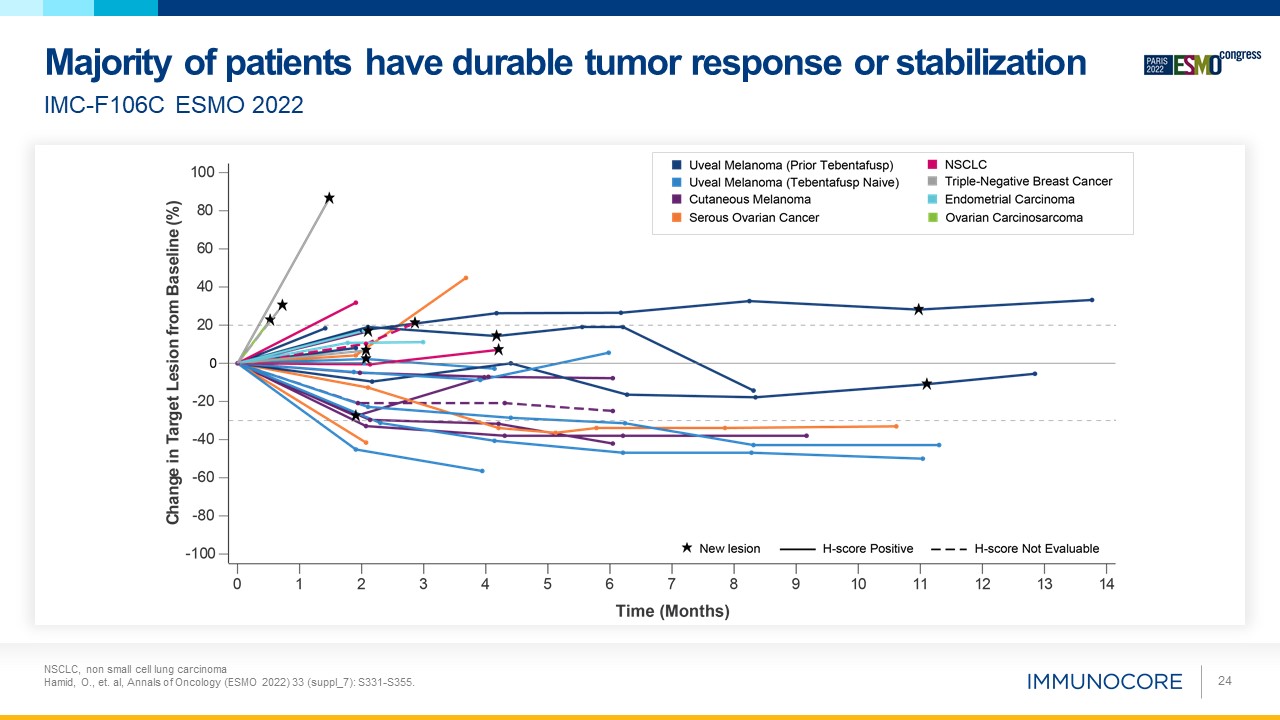


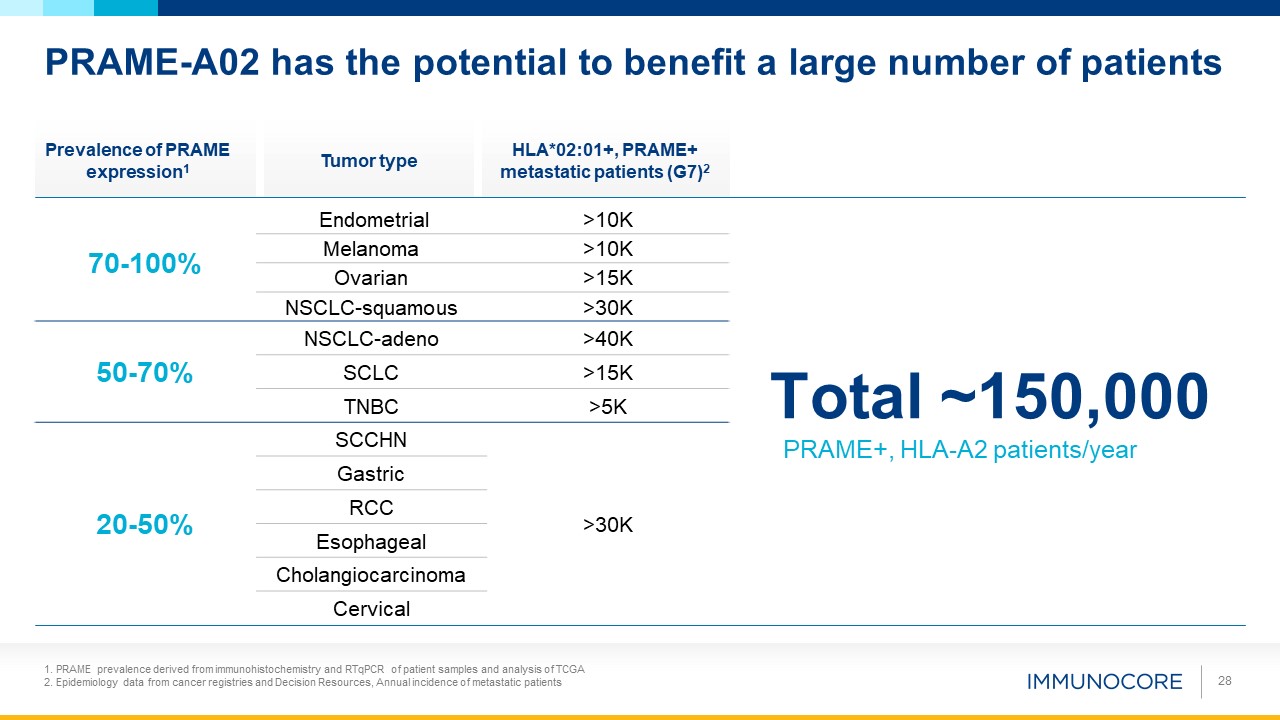

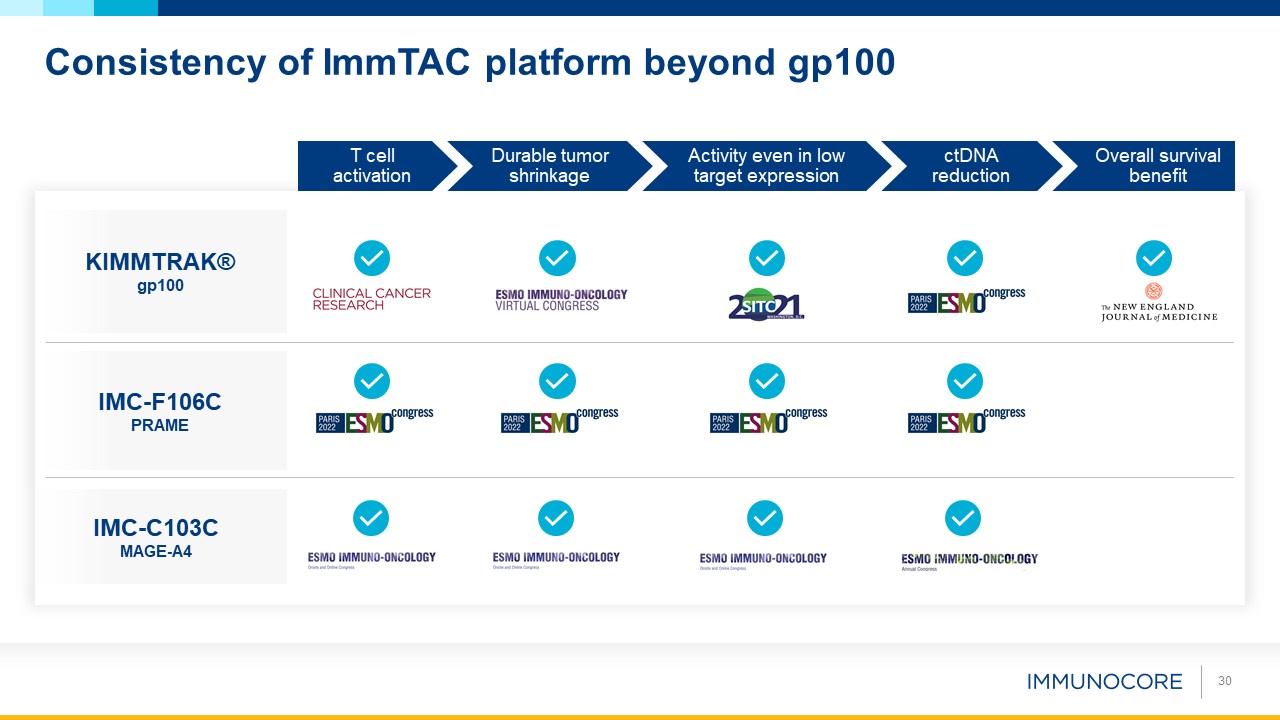
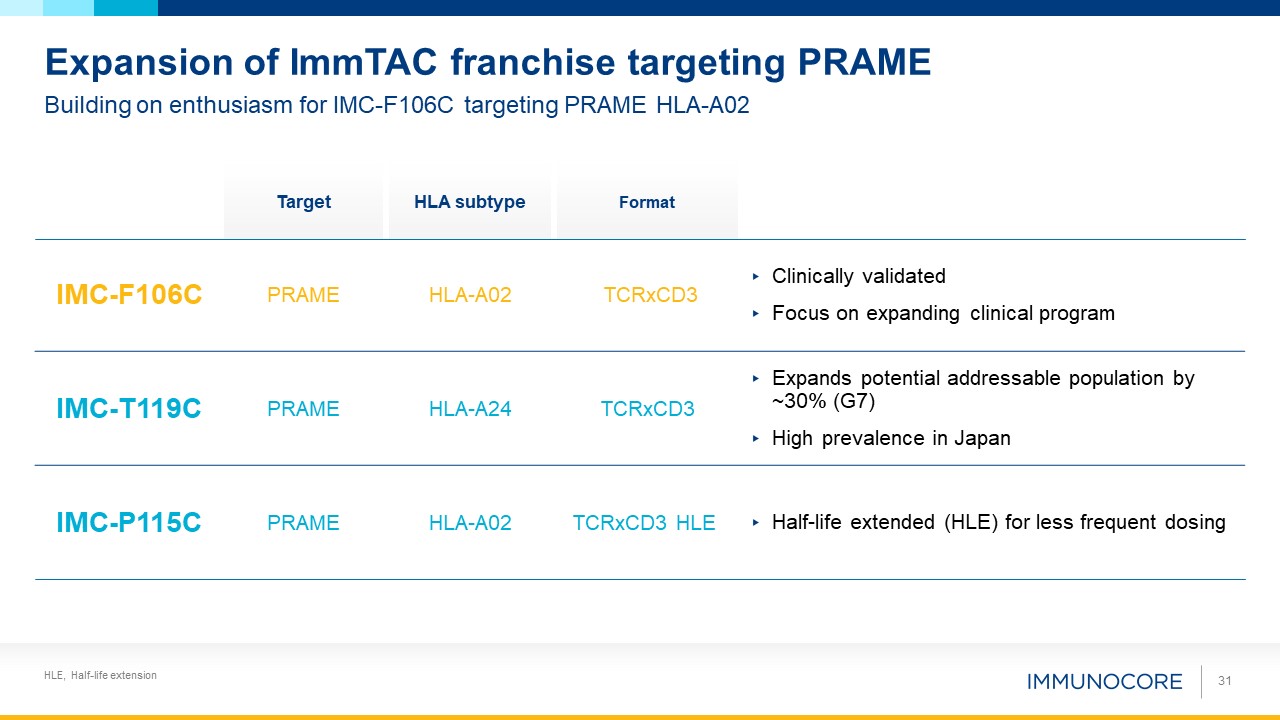



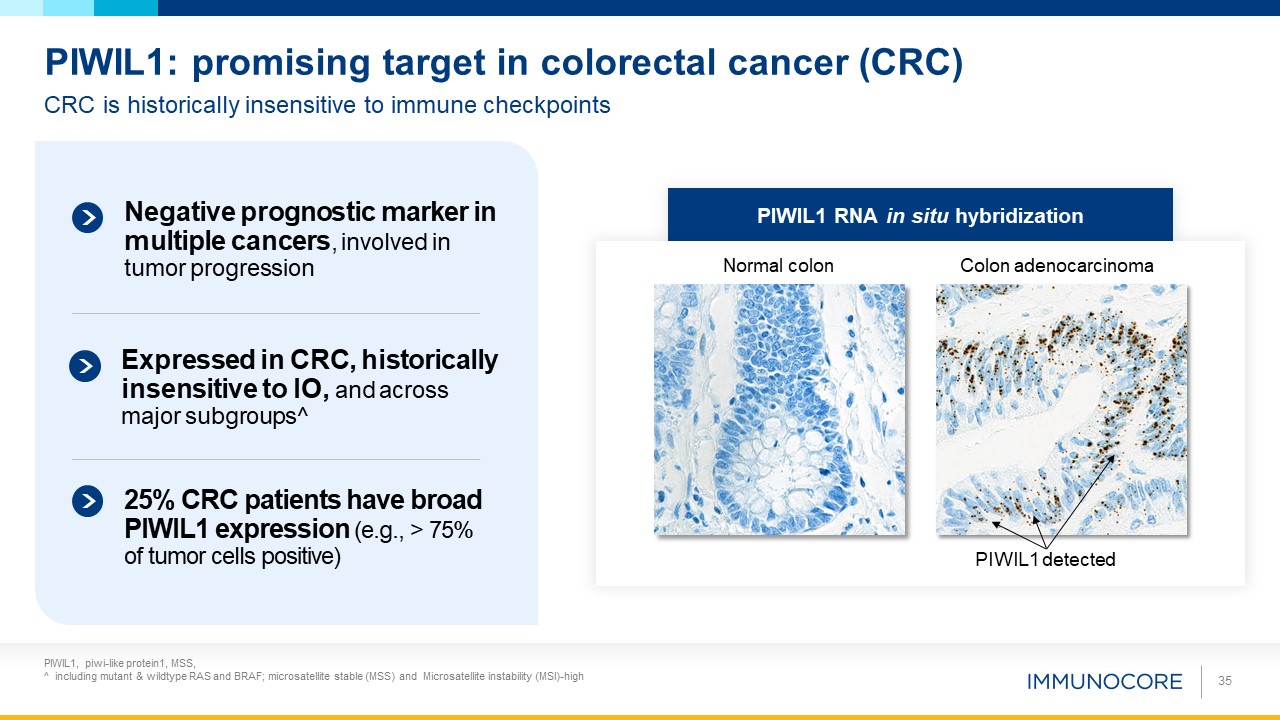


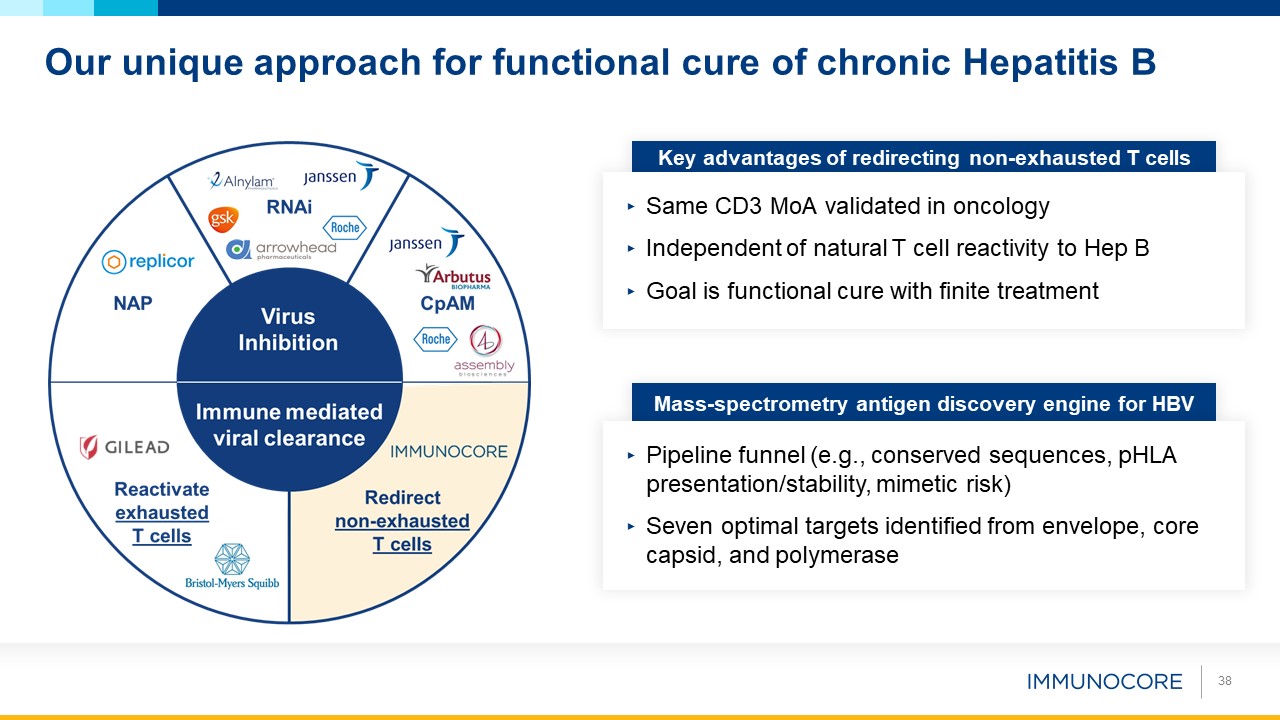

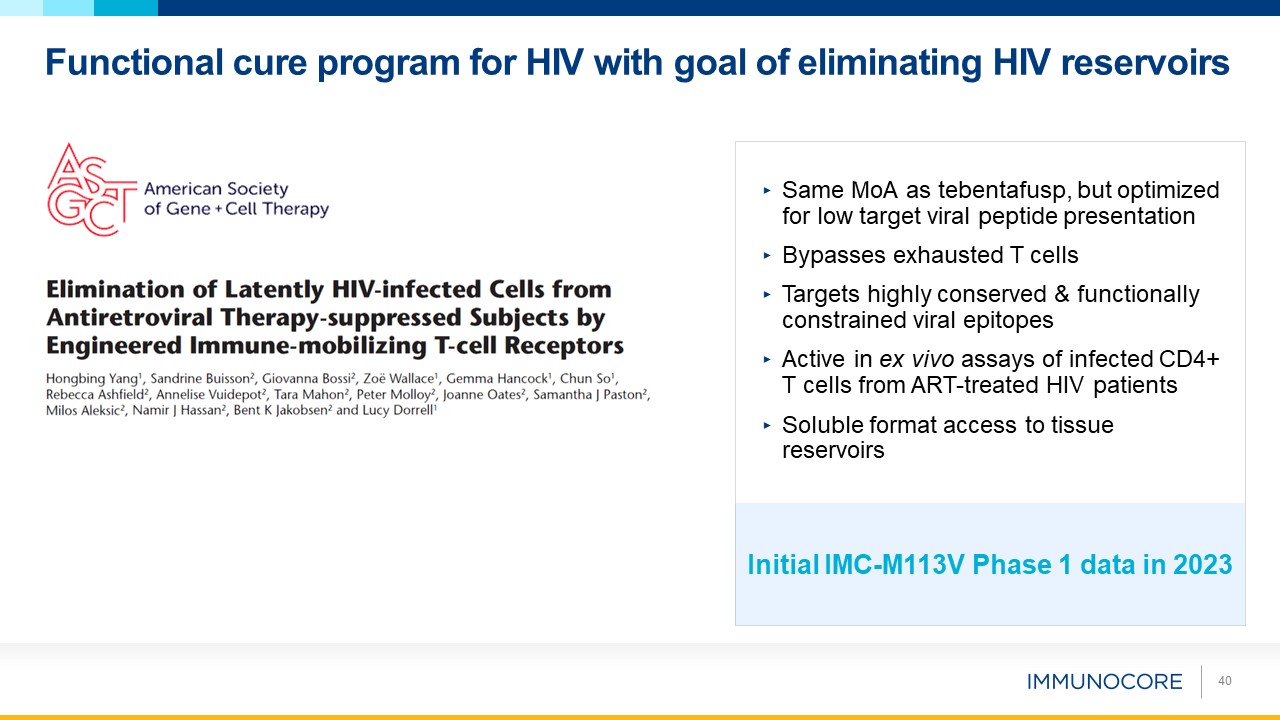

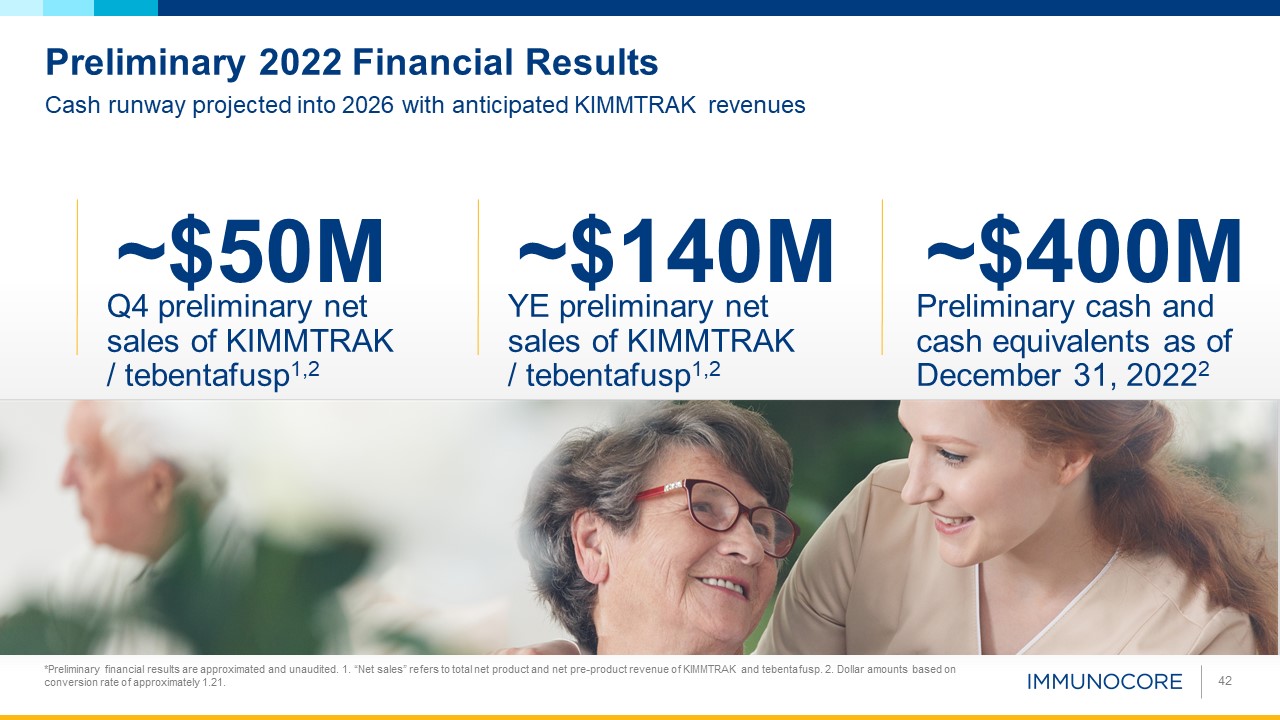

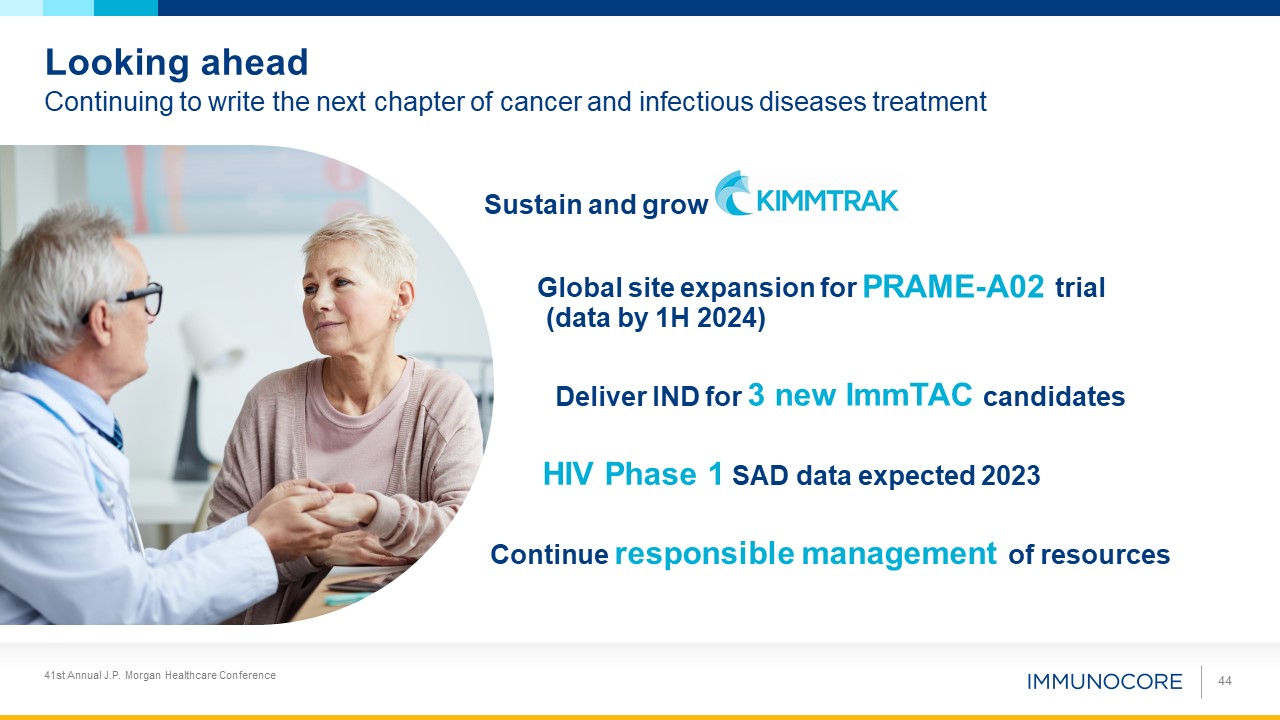

Exhibit 99.3