INSM 8-K
INSMED Inc (INSM)
8-K
2025-06-10
For: 2025-06-10
View Original
Added on
April 09, 2026
UNITED STATES
SECURITIES AND EXCHANGE COMMISSION
Washington, D.C. 20549
FORM 8-K
CURRENT REPORT
Pursuant to Section 13 or 15(d) of
The Securities Exchange Act of 1934
Date of Report (Date of earliest event reported): June 10, 2025
(Exact name of registrant as specified in its charter)
|
|
|
|
||
|
(State or other jurisdiction of incorporation)
|
(Commission File Number)
|
(IRS Employer Identification No.)
|
|
|
(Zip Code)
|
|
|
(Address of principal executive offices)
|
Registrant’s telephone number, including area code: (908 ) 977-9900
Not Applicable
(Former name or former address, if changed since last report.)
Check the appropriate box below if the Form 8-K filing is intended to simultaneously satisfy the filing obligation of the registrant under any of the following
provisions (see General Instruction A.2. below):
|
Written communications pursuant to Rule 425 under the Securities Act (17 CFR 230.425)
|
|
Soliciting material pursuant to Rule 14a-12 under the Exchange Act (17 CFR 240.14a-12)
|
|
Pre-commencement communications pursuant to Rule 14d-2(b) under the Exchange Act (17 CFR 240.14d-2(b))
|
|
Pre-commencement communications pursuant to Rule 13e-4(c) under the Exchange Act (17 CFR 240.13e-4(c))
|
Securities registered pursuant to Section 12(b) of the Act:
|
Title of each class
|
Trading Symbol(s)
|
Name of each exchange on which
registered
|
|
|
|
|
Indicate by check mark whether the registrant is an emerging growth company as defined in Rule 405 of the Securities Act of 1933 (17 CFR 230.405) or Rule 12b-2 of the
Securities Exchange Act of 1934 (17 CFR 240.12b-2).
Emerging growth company ☐
If an emerging growth company, indicate by check mark if the registrant has elected not to use the extended transition period for complying with any new or revised
financial accounting standards provided pursuant to Section 13(a) of the Exchange Act. ☐
ITEM 7.01 — Regulation FD Disclosure.
On June 10, 2025, Insmed Incorporated (the “Company”) issued a press release announcing positive topline results from its Phase 2b study of
treprostinil palmitil inhalation powder (“TPIP”) in patients with pulmonary arterial hypertension (“PAH”). A copy of the press release is attached hereto as Exhibit 99.1 and incorporated herein by reference.
The Company will host a conference call to discuss the positive topline results of the TPIP PAH study on June 10, 2025, at 8:00 a.m., Eastern Time, and
a live webcast of the call will be available through the investor relations section of the Company’s website. A copy of the slide presentation to be used by the Company during the conference call is attached hereto as Exhibit 99.2 and incorporated
herein by reference.
The information contained in this Item 7.01, including Exhibits 99.1 and 99.2, shall not be deemed “filed” for purposes of Section 18 of the Securities
Exchange Act of 1934 (the “Exchange Act”), as amended, or incorporated by reference in any filing under the Securities Act of 1933, as amended, or the Exchange Act, except as shall be expressly set forth by specific reference in such a filing.
ITEM 8.01 — Other Events.
On June 10, 2025, the Company announced positive
topline results from its Phase 2b TPIP PAH study, a randomized, double-blind, placebo-controlled study evaluating the efficacy and safety of TPIP administered once daily in patients with PAH (World Health
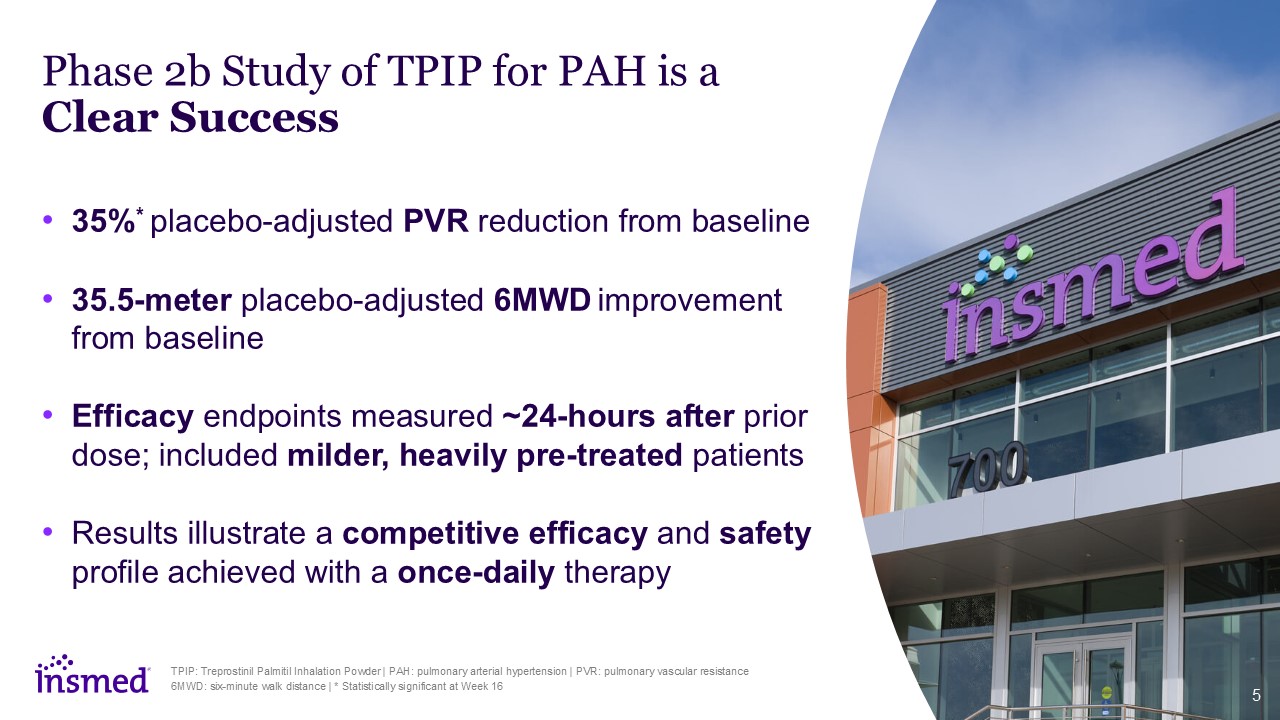
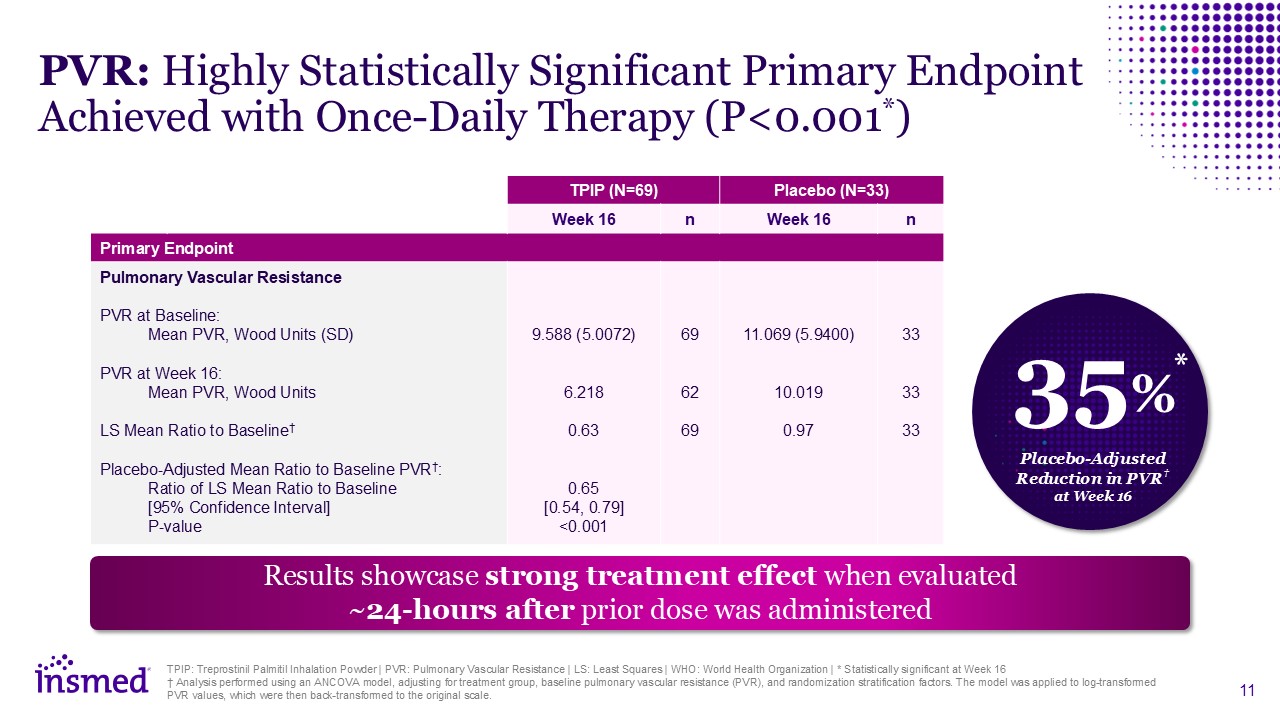
Organization Group 1). The study met its primary endpoint and all secondary efficacy endpoints. For the primary endpoint, the placebo-adjusted reduction from baseline in pulmonary vascular resistance (“PVR”) was 35% with Least Squares (“LS”) mean
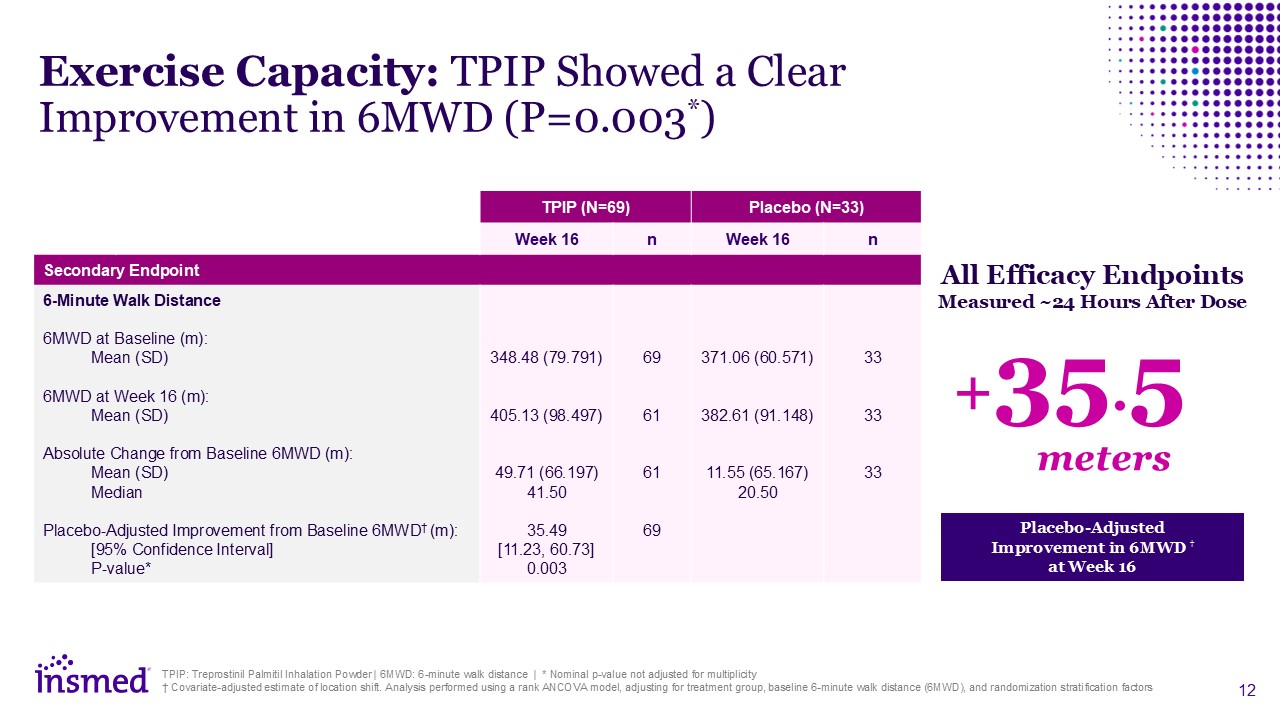
ratio of 0.65 (95% Confidence Interval (“CI”): 0.54, 0.79; p<0.001). For the secondary efficacy endpoints, the placebo-adjusted improvement in six-minute walk distance (“6MWD”) was 35.5 meters (95% CI: 11.2, 60.7; p=0.003) and the
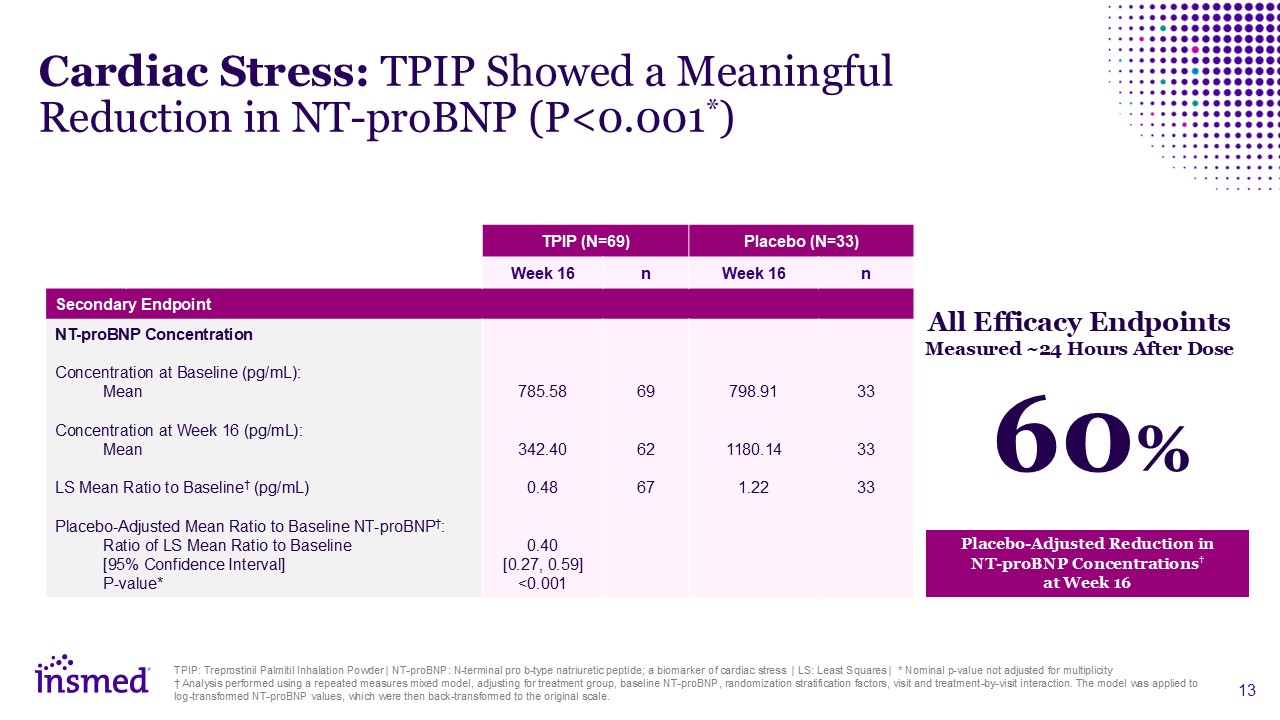
placebo-adjusted reduction from baseline in N-terminal pro b-type natriuretic peptide (“NT-proBNP”) concentrations, a biomarker for cardiac stress, was 60% with LS mean ratio of 0.40 (95% CI: 0.27, 0.59; p<0.001). Efficacy of TPIP was
evaluated approximately 24 hours after therapy was administered.
Based on these results, the Company will engage with the U.S. Food and Drug Administration
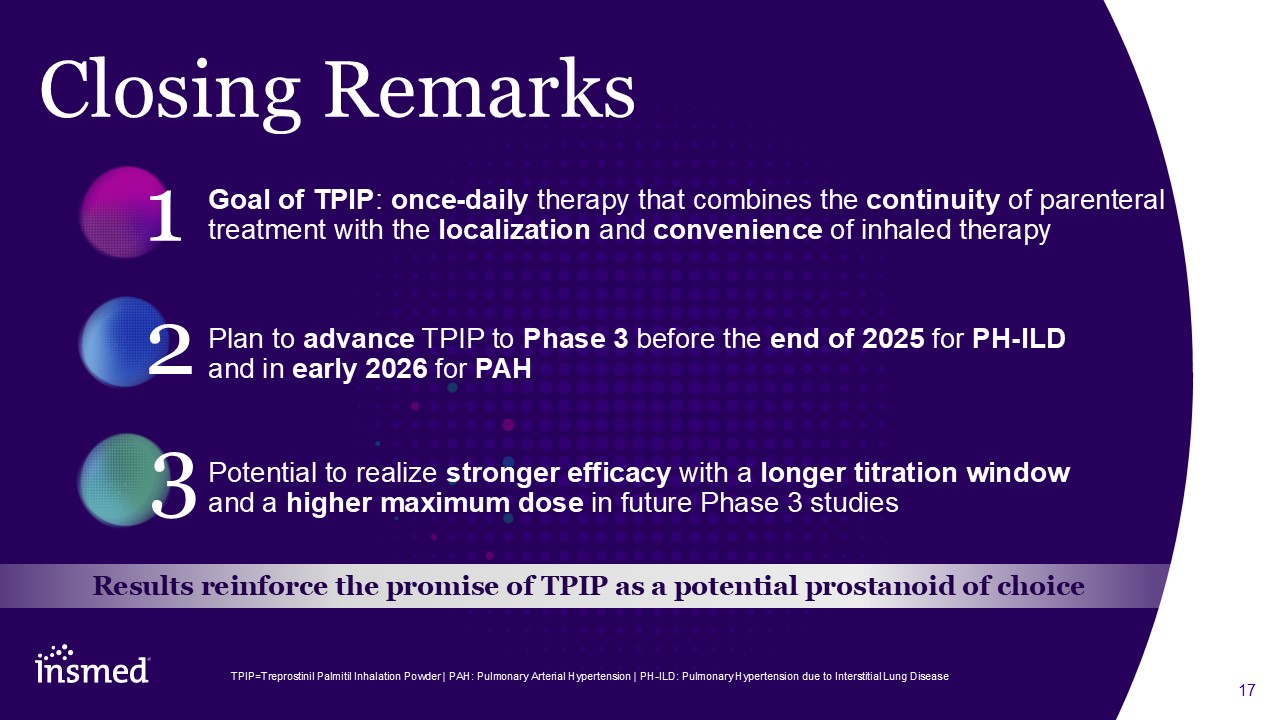
(“FDA”) regarding the Phase 3 trial design for PAH. The Company plans to initiate a Phase 3 trial in patients with pulmonary hypertension associated with interstitial lung
disease (“PH-ILD”) before the end of 2025 and a Phase 3 trial in patients with PAH in early 2026.
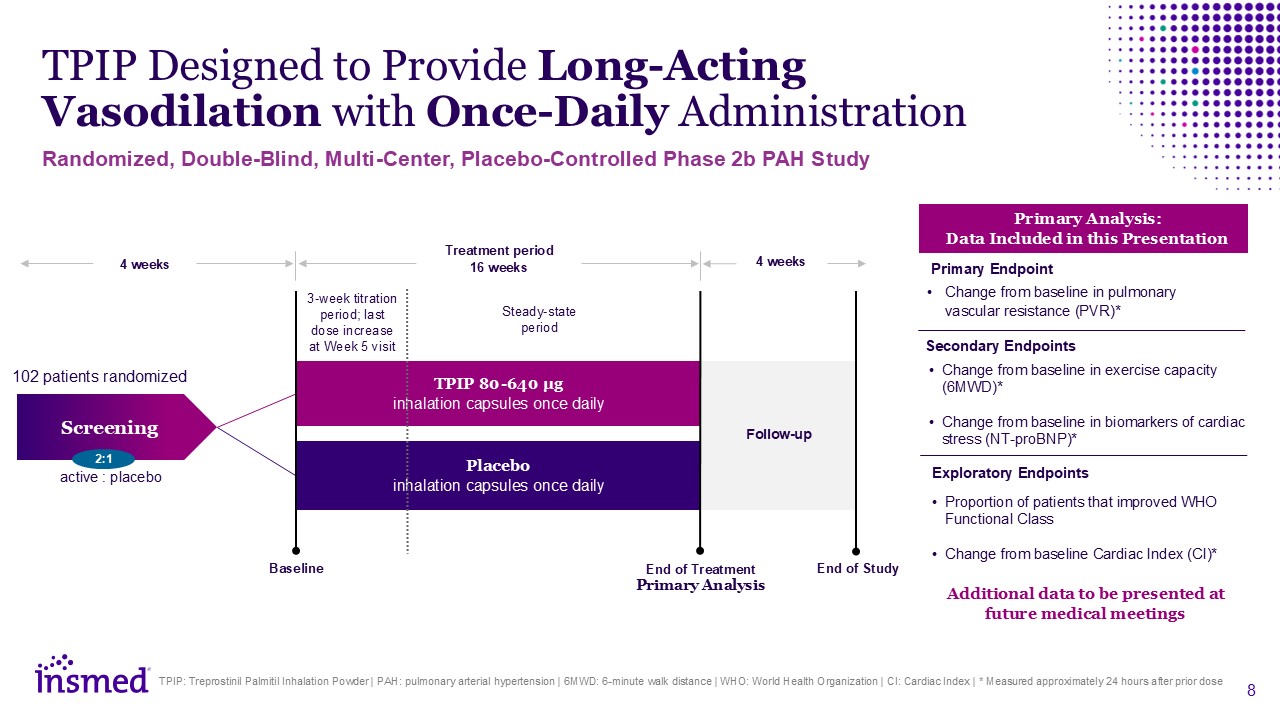
The TPIP PAH study was conducted at 44 sites globally, and a total of 102 patients were randomized 2:1 to receive either TPIP (n=69) or placebo (n=33) for 16 weeks.
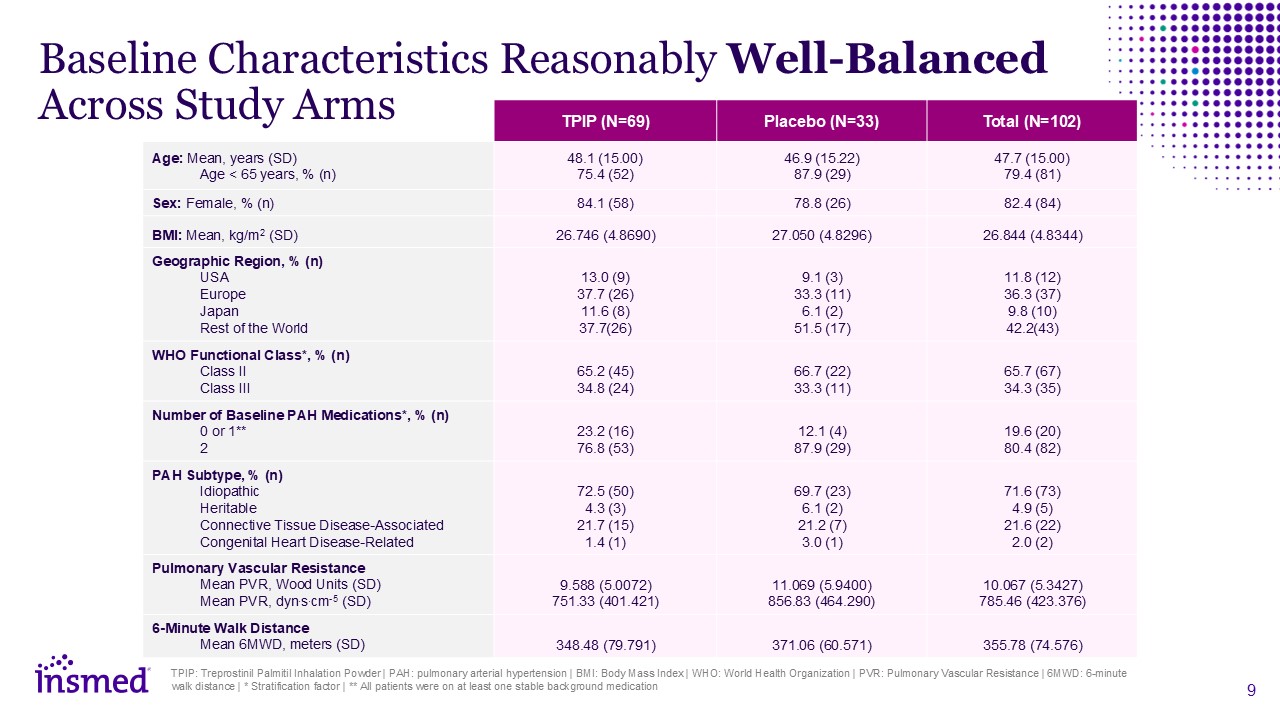
Demographics and baseline characteristics were similar in both study arms. Patients started at a dose of 80 µg once daily (TPIP or matching placebo) and were titrated up to their maximum tolerated dose, or to the maximum allowable dose of 640 µg,
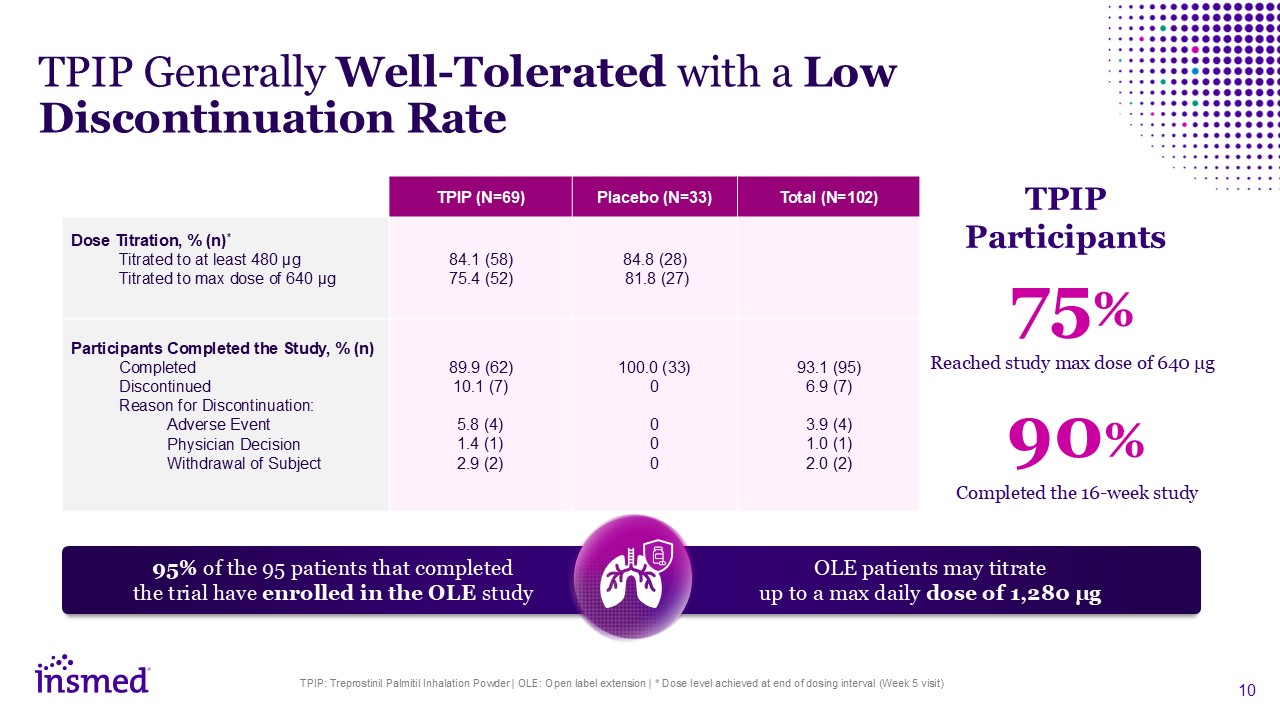
once daily over a three-week period, with the possibility of a final dose increase occurring at Week 5. Of the patients treated with TPIP, 84% titrated to at least 480 µg once daily (n=58) and 75% titrated to the maximum allowed dose of 640 µg once
daily (n=52). Overall, 90% of patients receiving TPIP (n=62) and all patients receiving placebo completed the study.
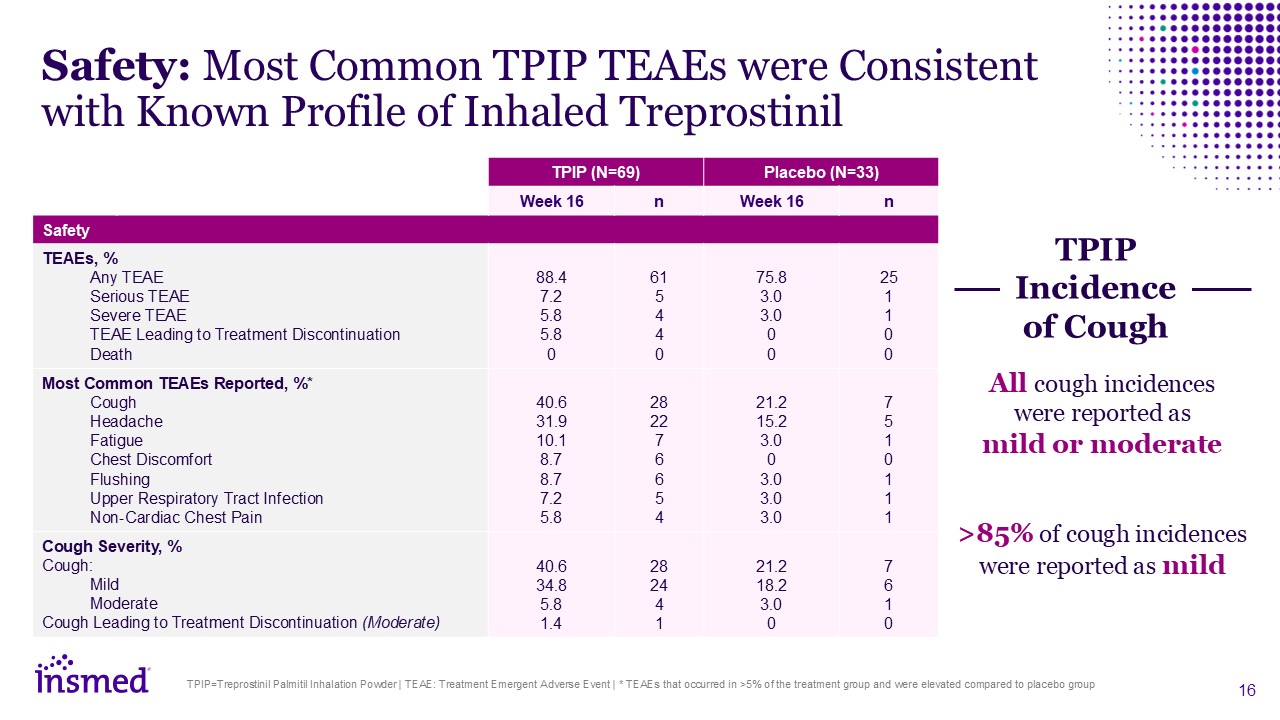
Once-daily TPIP therapy was well-tolerated in the study. Treatment-emergent adverse events (“TEAEs”) occurred in 88.4% of patients who received TPIP versus 75.8% of
patients who received placebo; serious TEAEs were observed in 7.2% of patients who received TPIP versus 3.0% of patients who received placebo; and severe TEAEs were observed in 5.8% of patients who received TPIP versus 3.0% of patients who received
placebo. TEAEs leading to treatment discontinuation were experienced by 5.8% of patients taking TPIP; there were none in the placebo arm. There were no deaths in the study. The most common TEAEs occurring in at least 5.0% of patients in any study
arm, and more frequently with TPIP than with placebo, were cough (40.6%, 21.2%), headache (31.9%, 15.2%), fatigue (10.1%, 3.0%), chest discomfort (8.7%, 0.0%), flushing (8.7%, 3.0%), upper respiratory tract infection (7.2%, 3.0%), and non-cardiac
chest pain (5.8%, 3.0%) for TPIP and placebo, respectively.
All patients who completed the Phase 2b study were eligible to enroll in the long-term open-label extension, which will evaluate TPIP up to a maximum allowable dose of
1,280 µg once daily. Of the patients who completed the Phase 2b study (n=95), 95% enrolled in the open-label extension. The Company plans to present detailed results from
the Phase 2b study of TPIP in PAH and the open-label extension at future medical meetings. Topline results from the Phase 2a study of TPIP in patients with PH-ILD were previously reported in May 2024.
Forward-Looking Statements
The forward-looking statements in this Current Report on Form 8-K are based upon the Company's current expectations and beliefs, and involve known and unknown risks,
uncertainties and other factors, which may cause the Company's actual results, performance and achievements and the timing of certain events to differ materially from the results, performance, achievements or timings discussed, projected,
anticipated or indicated in any forward-looking statements. Such risks, uncertainties and other factors include, among others, the following: the risk that the full data set from the TPIP PAH study or data generated in further clinical trials of
TPIP will not be consistent with the topline results of the TPIP PAH study; failure to successfully conduct future clinical trials for TPIP, such as the Company’s planned Phase 3 program for TPIP, including due to the Company's potential inability
to enroll or retain sufficient patients to conduct and complete the trials or generate data necessary for regulatory approval, among other things; development of unexpected safety or efficacy concerns related to TPIP; failure of third parties on
which the Company is dependent to manufacture sufficient quantities of TPIP for clinical needs, to conduct the Company's clinical trials, or to comply with the Company's agreements or laws and regulations that impact the Company's business or
agreements with the Company; failure to obtain regulatory approval for TPIP; inaccuracies in the Company's estimates of the size of the potential markets for TPIP or in data the Company has used to identify physicians; expected rates of patient
uptake, duration of expected treatment, or expected patient adherence or discontinuation rates, if TPIP is approved; inability of the Company or the Company's third-party manufacturers to comply with regulatory requirements related to TPIP; the
Company's inability to obtain adequate reimbursement from government or third-party payors for TPIP or acceptable prices for TPIP, if approved; restrictions or other obligations imposed on us by agreements related to TPIP and failure to comply with
our obligations under such agreements; risks that the Company's clinical studies will be delayed or that serious side effects will be identified during drug development; the strength and enforceability of the Company’s intellectual property rights
or the rights of third parties; and the cost and potential reputational damage resulting from litigation to which the Company may become a party, including product liability claims.
The Company may not actually achieve the results, plans, intentions or expectations indicated by the Company's forward-looking statements because, by their nature,
forward-looking statements involve risks and uncertainties because they relate to events and depend on circumstances that may or may not occur in the future. For additional information about the risks and uncertainties that may affect the Company's
business, please see the factors discussed in Item 1A, “Risk Factors,” in the Company's Annual Report on Form 10-K for the year ended December 31, 2024 and any subsequent Company filings with the Securities and Exchange Commission (the “SEC”).
The Company cautions readers not to place undue reliance on any such forward-looking statements, which speak only as of the date hereof. The Company disclaims any
obligation, except as specifically required by law and the rules of the SEC, to publicly update or revise any such statements to reflect any change in expectations or in events, conditions or circumstances on which any such statements may be based,
or that may affect the likelihood that actual results will differ from those set forth in the forward-looking statements.
ITEM 9.01 – Financial Statements and Exhibits.
(d) Exhibits
|
Exhibit
No.
|
Description
|
|
|
Press release issued by Insmed Incorporated on June 10, 2025.
|
||
|
Insmed Incorporated June 10, 2025 TPIP PAH Presentation.
|
||
|
104
|
Cover Page Interactive Date File (embedded within the Inline XBRL document).
|
SIGNATURES
Pursuant to the requirements of the Securities Exchange Act of 1934, the registrant has duly caused this report to be signed on its behalf by the
undersigned hereunto duly authorized.
|
Dated: June 10, 2025
|
INSMED INCORPORATED
|
|
|
By:
|
/s/ Michael A. Smith
|
|
|
Name:
|
Michael A. Smith
|
|
|
Title:
|
Chief Legal Officer and Corporate Secretary
|
|
Exhibit 99.1

Insmed Announces Positive Topline Results from Phase 2b Study of Treprostinil Palmitil Inhalation Powder (TPIP) as Once-Daily Therapy in Patients with
Pulmonary Arterial Hypertension
–The Study Met Primary and All Secondary Efficacy Endpoints–
| ▫ |
Statistically Significant 35% Placebo-Adjusted Reduction from Baseline in Pulmonary Vascular Resistance for the Primary Endpoint (p<0.001)
|
| ▫ |
35.5 Meter Placebo-Adjusted Improvement in Six-Minute Walk Distance for the Secondary Efficacy Endpoint (p=0.003)
|
| ▫ |
60% Placebo-Adjusted Reduction from Baseline in NT-proBNP Concentrations for the Secondary Efficacy Endpoint (p<0.001)
|
| ▫ |
Results Were Assessed Approximately 24 Hours After
Administration, Demonstrating Sustained Benefit Throughout the 24-Hour Dosing Period
|
–TPIP Was Well Tolerated in the Study, with 75% of Patients Titrating to the Highest Dose–
–Insmed to Immediately Engage with FDA to Inform Phase 3 Trial Design with Studies Expected to Begin Before End of 2025 for PH-ILD and in
Early 2026 for PAH–
–Insmed to Host Investor Call at 8:00 AM ET on Tuesday, June 10, 2025–
BRIDGEWATER, N.J., June 10, 2025 -- Insmed Incorporated (Nasdaq:INSM), a people-first global biopharmaceutical company striving to deliver first- and best-in-class
therapies to transform the lives of patients facing serious diseases, today announced positive topline results from its randomized, double-blind, placebo-controlled Phase 2b study evaluating the efficacy and safety of treprostinil palmitil
inhalation powder (TPIP), administered once daily in patients with pulmonary arterial hypertension (PAH, World Health Organization Group 1). The study met its primary endpoint and all secondary efficacy endpoints. For the primary endpoint, the
placebo-adjusted reduction from baseline in pulmonary vascular resistance (PVR) was 35% with Least Squares (LS)
mean ratio of 0.65 (95% CI: 0.54, 0.79; p<0.001). For the secondary efficacy endpoints, the placebo-adjusted improvement in six-minute walk distance (6MWD) was 35.5 meters (95% CI: 11.2, 60.7; p=0.003) and the placebo-adjusted reduction from
baseline in N-terminal pro b-type natriuretic peptide (NT-proBNP) concentrations, a biomarker for cardiac stress, was 60% with LS mean ratio of 0.40 (95% CI: 0.27, 0.59; p<0.001). These results demonstrate the durability of TPIP’s therapeutic
effect as a once-daily therapy based on efficacy being evaluated approximately 24 hours after therapy was administered.
Based on these results, Insmed will immediately engage with the U.S. Food and Drug Administration (FDA) regarding the Phase 3 trial design for PAH. Insmed plans to initiate
a Phase 3 trial in patients with pulmonary hypertension associated with interstitial lung disease (PH-ILD) before the end of 2025 and a Phase 3 trial in patients with PAH in early 2026.
“The statistically significant and clinically meaningful results shown with TPIP in pulmonary arterial hypertension mark a potential breakthrough for patients and the
future of prostanoid therapy,” said Gene Sullivan, M.D., Chief Product Strategy Officer of Insmed. “TPIP was designed with the goal of fully harnessing the potential of treprostinil and providing meaningful benefit to patients. These unprecedented
Phase 2b results unequivocally demonstrate TPIP’s potential to be a highly effective and well-tolerated once-daily prostanoid therapy for the treatment of PAH across disease severities and background treatment regimens. We look forward to expanding
upon these results in the upcoming Phase 3 program.”
The study was conducted at 44 sites globally, and a total of 102 patients were randomized 2:1 to receive either TPIP (n=69) or placebo (n=33) for 16 weeks. Demographics and
baseline characteristics were similar in both study arms. Patients started at a dose of 80 µg once daily (TPIP or matching placebo) and were titrated up to their maximum tolerated dose, or to the maximum allowable dose of 640 µg, once daily over a
three-week period, with the possibility of a final dose increase occurring at Week 5. Of the patients treated with TPIP, 84% titrated to at least 480 µg once daily (n=58) and 75% titrated to the maximum allowed dose of 640 µg once daily (n=52).
Overall, 90% of patients receiving TPIP (n=62) and all patients receiving placebo completed the study.
Once-daily TPIP therapy was well tolerated in the study. Treatment-emergent adverse events (TEAEs) occurred in 88.4% of patients who received TPIP versus 75.8% of
patients who received placebo; serious TEAEs were observed in 7.2% of patients who received TPIP versus 3.0% of patients who received placebo; and severe TEAEs were observed in 5.8% of patients who received TPIP versus 3.0% of patients who
received placebo. TEAEs leading to treatment discontinuation were experienced by 5.8% of patients taking TPIP; there were none in the placebo arm. There were no deaths in the study. The most common TEAEs occurring in at least 5.0% of patients in
any study arm, and more frequently with TPIP than with placebo, were cough (40.6%, 21.2%), headache (31.9%, 15.2%), fatigue (10.1%, 3.0%), chest discomfort (8.7%, 0.0%), flushing (8.7%, 3.0%), upper respiratory tract infection (7.2%, 3.0%), and
non-cardiac chest pain (5.8%, 3.0%) for TPIP and placebo, respectively.
“Today’s outstanding results for TPIP represent more than a decade of hard work and the application of innovative chemistry intended to deliver a safe and effective,
once-daily inhaled prostanoid therapy for patients with PAH, a devastating, progressive disease,” said Martina Flammer, M.D., MBA, Chief Medical Officer of Insmed. “Having met the primary endpoint with high statistical significance, as well as seeing
positive results for all secondary efficacy endpoints, we are excited about TPIP’s potential to become the prostanoid of choice. Thank you to the many patients and clinicians who participated in this study and contributed to today’s historic
outcome.”
All patients who completed the Phase 2b study were eligible to enroll in the long-term open-label extension, which will evaluate TPIP up to a maximum allowable dose of
1,280 µg once daily. Of the patients who completed the Phase 2b study (n=95), 95% enrolled in the open-label extension. Insmed plans to present detailed results from the Phase 2b study of TPIP in PAH and the open-label extension at future medical
meetings. Topline results from the Phase 2a study of TPIP in patients with PH-ILD were previously reported in May 2024.
Results of the Phase 2b study of TPIP in PAH, including exploratory analyses, will be discussed during the Company's investor conference call on Tuesday, June 10, 2025, at
8:00 AM ET and as part of an investor presentation available at https://investor.insmed.com/events.
Conference Call Information
Insmed will host a conference call today at 8:00 AM ET to discuss the TPIP Phase 2b study results in PAH. The call can be accessed by dialing (888) 210-2654 (U.S.
and Canada) or (646) 960-0278 (international) and entering the conference ID number 7862189. The call will also be webcast live on the Company's website at www.insmed.com.
A replay of the conference call will be accessible approximately two hours after its completion through Tuesday,
June 17, 2025, by dialing (800) 770-2030 (U.S. and Canada) or (609) 800-9909 (international) and referencing conference ID number 7862189. A webcast of the call will also be archived for 90 days under the Investor Relations section of the Company's
website at www.insmed.com.
About TPIP
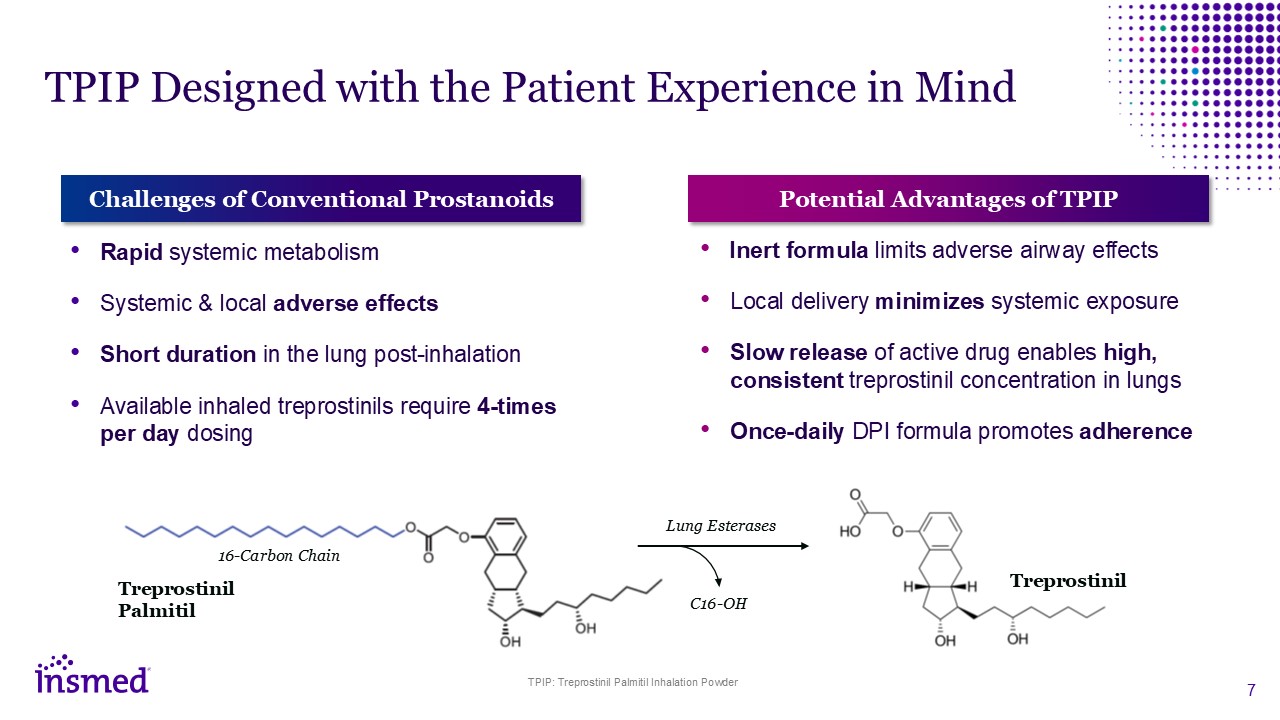
Treprostinil palmitil inhalation powder (TPIP) is a dry powder formulation of treprostinil palmitil, a treprostinil prodrug consisting of treprostinil linked by an ester
bond to a 16-carbon chain. Developed entirely in Insmed's laboratories, TPIP is a potentially highly differentiated prostanoid being evaluated as a once-daily therapy for the treatment of patients with PAH, PH-ILD, and other rare and serious
pulmonary disorders. TPIP is administered in a capsule-based inhalation device. TPIP is an investigational drug product that has not been approved for any indication in any jurisdiction.
About the Phase 2b Study
The Phase 2b study of treprostinil palmitil inhalation powder (TPIP) in patients with pulmonary arterial hypertension (PAH) was a randomized, double-blind, multicenter,
placebo-controlled study designed to evaluate the efficacy, safety, and pharmacokinetics of TPIP, administered once daily, in patients diagnosed with PAH (World Health Organization Group 1). The study was conducted at 44 sites and enrolled 102 adult
participants. Patients started at a dose of 80 µg once daily (TPIP or matching placebo) and were titrated up to their maximum tolerated dose, or to the maximum allowable dose of 640 µg, once daily over a three-week period, with the possibility of a
final dose increase occurring at Week 5. Patients self-administered TPIP or placebo using a capsule-based inhalation device. The primary endpoint was change from baseline in pulmonary vascular resistance (PVR) versus placebo at Week 16. Secondary
endpoints were six-minute walk distance (6MWD), N-terminal pro b-type natriuretic peptide (NT-proBNP) concentrations, pharmacokinetics, and safety/tolerability. Patients who completed the study could enroll in a long-term open-label extension, with
the option to titrate up to a maximum tolerated dose of 1,280 µg once daily.
About Pulmonary Arterial Hypertension
Pulmonary arterial hypertension (PAH) is a serious, progressive, rare disease in which the blood vessels in the lungs narrow or become obstructed, leading to high blood
pressure in the pulmonary arteries. The most common symptoms include shortness of breath, chest pain, dizziness or fainting, fatigue, and weakness. It is estimated that approximately 35,000 patients in the U.S., 40,000 patients in the EU5 (France,
Germany, Italy, Spain, and the UK), and 15,000 patients in Japan have been diagnosed with the disease. Untreated, PAH can be debilitating and often fatal.
About Insmed
Insmed Incorporated is a people-first global biopharmaceutical company striving to deliver first- and best-in-class therapies to transform the lives of patients facing
serious diseases. The Company is advancing a diverse portfolio of approved and mid- to late-stage investigational medicines as well as cutting-edge drug discovery focused on serving patient communities where the need is greatest. Insmed's most
advanced programs are in pulmonary and inflammatory conditions, including a therapy approved in the United States, Europe, and Japan to treat a chronic, debilitating lung disease. The Company's early-stage programs encompass a wide range of
technologies and modalities, including gene therapy, AI-driven protein engineering, protein manufacturing, RNA end-joining, and synthetic rescue.
Headquartered in Bridgewater, New Jersey, Insmed has offices and research locations throughout the United States, Europe, and Japan. Insmed is proud to be recognized as one
of the best employers in the biopharmaceutical industry, including spending four consecutive years as the No. 1 Science Top Employer. Visit www.insmed.com to learn more.
Forward-looking Statements
This press release contains forward-looking statements that involve substantial risks and uncertainties. "Forward-looking statements," as that term is defined in the
Private Securities Litigation Reform Act of 1995, are statements that are not historical facts and involve a number of risks and uncertainties. Words herein such as "may," "will," "should," "could," "would," "expects," "plans," "anticipates,"
"believes," "estimates," "projects," "predicts," "intends," "potential," "continues," and similar expressions (as well as other words or expressions referencing future events, conditions or circumstances) may identify forward-looking statements.
The forward-looking statements in this press release are based upon the Company's current expectations and beliefs, and involve known and unknown risks, uncertainties and
other factors, which may cause the Company's actual results, performance and achievements and the timing of certain events to differ materially from the results, performance, achievements or timings discussed, projected, anticipated or indicated in
any forward-looking statements. Such risks, uncertainties and other factors include, among others, the following: the risk that the full data set from the TPIP PAH study or data generated in further clinical trials of TPIP will not be consistent with
the topline results of the TPIP PAH study; failure to successfully conduct future clinical trials for TPIP, such as the Company’s planned Phase 3 program for TPIP, including due to the Company's potential inability to enroll or retain sufficient
patients to conduct and complete the trials or generate data necessary for regulatory approval, among other things; development of unexpected safety or efficacy concerns related to TPIP; failure of third parties on which the Company is dependent to
manufacture sufficient quantities of TPIP for clinical needs, to conduct the Company's clinical trials, or to comply with the Company's agreements or laws and regulations that impact the Company's business or agreements with the Company; failure to
obtain regulatory approval for TPIP; inaccuracies in the Company's estimates of the size of the potential markets for TPIP or in data the Company has used to identify physicians; expected rates of patient uptake, duration of expected treatment, or
expected patient adherence or discontinuation rates, if TPIP is approved; inability of the Company or the Company's third-party manufacturers to comply with regulatory requirements related to TPIP; the Company's inability to obtain adequate
reimbursement from government or third-party payors for TPIP or acceptable prices for TPIP, if approved; restrictions or other obligations imposed on us by agreements related to TPIP and failure to comply with our obligations under such agreements;
risks that the Company's clinical studies will be delayed or that serious side effects will be identified during drug development; the strength and enforceability of the Company’s intellectual property rights or the rights of third parties; and the
cost and potential reputational damage resulting from litigation to which the Company may become a party, including product liability claims.
The Company may not actually achieve the results, plans, intentions or expectations indicated by the Company's forward-looking statements because, by their nature,
forward-looking statements involve risks and uncertainties because they relate to events and depend on circumstances that may or may not occur in the future. For additional information about the risks and uncertainties that may affect the Company's
business, please see the factors discussed in Item 1A, "Risk Factors," in the Company's Annual Report on Form 10-K for the year ended December 31, 2024 and any subsequent Company filings with the Securities and Exchange Commission (SEC).
The Company cautions readers not to place undue reliance on any such forward-looking statements, which speak only as of the date of this press release. The Company
disclaims any obligation, except as specifically required by law and the rules of the SEC, to publicly update or revise any such statements to reflect any change in expectations or in events, conditions or circumstances on which any such statements
may be based, or that may affect the likelihood that actual results will differ from those set forth in the forward-looking statements.
Contact:
Investors:
Bryan Dunn
Vice President, Investor Relations
(646) 812-4030
Media:
Claire Mulhearn
Vice President, Corporate Communications
(862) 842-6819
Exhibit 99.2