MTVA 8-K
MetaVia Inc. (MTVA)
UNITED STATES
SECURITIES AND EXCHANGE COMMISSION
WASHINGTON, D.C. 20549
FORM
CURRENT REPORT
Pursuant to Section 13 or 15(d) of the Securities Exchange Act of 1934
Date of Report (Date of earliest event reported):

(Exact name of Registrant as Specified in Its Charter)
(State or other jurisdiction of incorporation) | (Commission File Number) | (IRS Employer Identification No.) |
(Address of principal executive offices) | (Zip Code) |
(
(Registrant’s telephone number, including area code)
Not applicable
(Former name or former address, if changed since last report)
Check the appropriate box below if the Form 8-K filing is intended to simultaneously satisfy the filing obligation of the registrant under any of the following provisions:
Written communications pursuant to Rule 425 under the Securities Act (17 CFR 230.425) | |
Soliciting material pursuant to Rule 14a-12 under the Exchange Act (17 CFR 240.14a-12) | |
Pre-commencement communications pursuant to Rule 14d-2(b) under the Exchange Act (17 CFR 240.14d-2(b)) | |
Pre-commencement communications pursuant to Rule 13e-4(c) under the Exchange Act (17 CFR 240.13e-4(c)) |
Securities registered pursuant to Section 12(b) of the Act:
Title of each class |
| Trading Symbol(s) |
| Name of each exchange on which registered |
|
|
Indicate by check mark whether the registrant is an emerging growth company as defined in Rule 405 of the Securities Act of 1933 (§ 230.405 of this chapter) or Rule 12b-2 of the Securities Exchange Act of 1934 (§ 240.12b-2 of this chapter).
Emerging growth company
If an emerging growth company, indicate by check mark if the registrant has elected not to use the extended transition period for complying with any new or revised financial accounting standards provided pursuant to Section 13(a) of the Exchange Act. ☐
Item 7.01. Regulation FD Disclosure.
On October 7, 2024, NeuroBo Pharmaceuticals, Inc. (the “Company”) posted an updated corporate presentation to its website at https://www.neurobopharma.com/events-presentations/presentations, which the Company may use from time to time in communications or conferences. A copy of the corporate presentation is attached as Exhibit 99.1 to this Current Report on Form 8-K (this “Report”).
Information contained on or accessible through any website reference in the corporate presentation is not part of, or incorporated by reference in, this Report, and the inclusion of such website addresses in this Report by incorporation by reference of the corporate presentation is as inactive textual references only.
Exhibit 99.1 hereto contains forward-looking statements within the meaning of the federal securities laws. These forward-looking statements are based on current expectations and are not guarantees of future performance. Further, the forward-looking statements are subject to the limitations listed in Exhibit 99.1 and in the other reports of the Company filed with the Securities and Exchange Commission, including that actual events or results may differ materially from those in the forward-looking statements.
The information in this Report, including Exhibit 99.1 hereto, is furnished pursuant to Item 7.01 and shall not be deemed "filed" for purposes of Section 18 of the Securities Exchange Act of 1934, as amended (the "Exchange Act"), or otherwise subject to the liabilities of that Section, nor shall it be deemed incorporated by reference in any filing under the Securities Act of 1933, as amended, or the Exchange Act, except as expressly set forth by specific reference in such filing. The Company’s submission of this Report shall not be deemed an admission as to the materiality of any information required to be disclosed solely to satisfy the requirements of Regulation FD.
Item 9.01.Financial Statements and Exhibits.
(d) Exhibits
Exhibit |
| Exhibit Description |
99.1 | ||
104 | Cover Page Interactive Data File (embedded within Inline XBRL document). |
SIGNATURES
Pursuant to the requirements of the Securities Exchange Act of 1934, the registrant has duly caused this report to be signed on its behalf by the undersigned hereunto duly authorized.
| NEUROBO PHARMACEUTICALS, INC. | ||
Date: October 7, 2024 | By: | /s/ Hyung Heon Kim | |
Hyung Heon Kim | |||
President and Chief Executive Officer | |||
| December 2023 NASDAQ: NRBO 1 October 2024 NeuroBo Pharmaceuticals, Inc. |
| 2 Forward-Looking Statements This presentation may contain forward-looking statements within the meaning of the Private Securities Litigation Reform Act of 1995. Forward-looking statements include all statements that do not relate solely to historical or current facts and can be identified by the use of words such as “believes”, “expects”, “anticipates”, “may”, “will”, “should”, “seeks”, “approximately”, “intends”, “projects”, “plans”, “estimates” or the negative of these words or other comparable terminology (as well as other words or expressions referencing future events, conditions or circumstances). Forward-looking statements are predictions, projections and other statements about future events that are based on current expectations and assumptions and, as a result, are subject to risks and uncertainties. These forward-looking statements include statements regarding the market size and potential growth opportunities of our current and future product candidates, capital requirements and use of proceeds, clinical development activities, the timeline for, and results of, clinical trials, regulatory submissions, and potential regulatory approval and commercialization of our current and future product candidates. Many factors could cause actual future events to differ materially from the forward-looking statements in this presentation, including, without limitation, those risks associated with our ability to execute on our commercial strategy; the timeline for regulatory submissions; ability to obtain regulatory approval through the development steps of our current and future product candidates, the ability to realize the benefits of the license agreement with Dong-A ST Co. Ltd., including the impact on future financial and operating results of NeuroBo; the cooperation of our contract manufacturers, clinical study partners and others involved in the development of our current and future product candidates; potential negative interactions between our product candidates and any other products with which they are combined for treatment; our ability to initiate and complete clinical trials on a timely basis; our ability to recruit subjects for our clinical trials; whether we receive results from our clinical trials that are consistent with the results of pre-clinical and previous clinical trials; impact of costs related to the license agreement, known and unknown, including costs of any litigation or regulatory actions relating to the license agreement; effects of changes in applicable laws or regulations; whether we are able to maintain compliance with Nasdaq listing requirements; and effects of changes to our stock price on the terms of the license agreement and any future fundraising. These forward-looking statements are based on information currently available to us and our current plans or expectations and are subject to a number of known and unknown uncertainties, risks and other important factors that may cause our actual results, performance or achievements expressed or implied by the forward-looking statements. These and other important factors are described in detail in the "Risk Factors" section of our Annual Report on Form 10-K for the year ended December 31, 2023 and our other filings with the Securities and Exchange Commission. While we may elect to update such forward-looking statements at some point in the future, except as required by law, we disclaim any obligation to do so, even if subsequent events cause our views to change. Although we believe the expectations reflected in such forward-looking statements are reasonable, we can give no assurance that such expectations will prove to be correct. These forward-looking statements should not be relied upon as representing our views as of any date subsequent to this presentation. This presentation also may contain estimates and other statistical data made by independent parties and by us relating to market size and other data about our industry. This data involves a number of assumptions and limitations, and you are cautioned not to give undue weight to such estimates. In addition, projections, assumptions and estimates of our future performance and the future performance of the markets in which we operate are necessarily subject to a high degree of uncertainty and risk. |
| 3 Strong Leadership Team Executive Management Hyung Heon Kim, Chief Executive Officer Robert Homolka, SVP Clinical Operations Marshall H. Woodworth, Chief Financial Officer Mi-Kyung Kim, Ph.D., RPh, Chief Scientific Officer ▪ 20+ years of experience in M&A, financing and corporate governance ▪ 10+ years of licensing, M&A and compliance with Dong-A Group ▪ Former General Counsel/SVP at Dong-A ST and Dong-A Socio Group ▪ BA Soonghsil University, JD Washington University School of Law ▪ 25+ years in drug discovery research at Dong-A ST ▪ Specialized in diabetes, obesity, MASH, immune-mediated diseases ▪ Ph.D., RPh, College of Pharmacy, Ewha Womans University ▪ 35+ years in pharmaceutical and biotech development ▪ Sr. director of clinical operations in Adiso Therapeutics ▪ Director of clinical operations at Shire/Takeda pharmaceuticals ▪ Director of experimental trial management at AstraZeneca ▪ 35+ years of financial experience ▪ 20+ years working with life science investors and analysts ▪ CFO of Nevakar Inc., Braeburn Pharmaceuticals Inc., Aerocrine AB and Furiex Pharmaceuticals Inc. ▪ BS University of Maryland, MBA Indiana University Chris Fang, MD, Advisor/Consulting Chief Medical Officer ▪ 20+ years of experience in clinical development, R&D and medical affairs ▪ Career focused on obesity, MASH, diabetes and other indications ▪ Held key roles at Eli Lilly, IQVIA, Acer Health and Johnson & Johnson ▪ BA UCLA, Master of Health Science John Hopkins, MD Cornell, MBA Wharton Non-Executive Management |

| 4 Compelling Investment Opportunity Targeting Obesity and MASH with a Pipeline of Next Generation Therapeutics ▪ Aiming to increase Shareholder Value through Multiple, Near-Term, Value Creating Milestones • DA-1726 ✓ Ongoing Phase 1 trial for the treatment of obesity ✓ Part 1 (SAD) top line data from planned cohorts showed a strong safety profile o Additional cohort(s) are being added to Part 1 (SAD) to explore maximum tolerable dose o Part 2 (MAD) interim data readout from planned cohorts expected in Q1 2025 • DA-1241 ✓ Ongoing Phase 2a in subjects with presumed MASH o Top-line data readout expected in Q4 2024 ▪ Backed by Strategic Partner and Major Shareholder, Dong-A ST ▪ Well capitalized with approximately $27.9 million in Cash at the end of Q2 2024. Additional $50 million in aggregate gross proceeds may be received if all milestone-based warrants are fully exercised. |
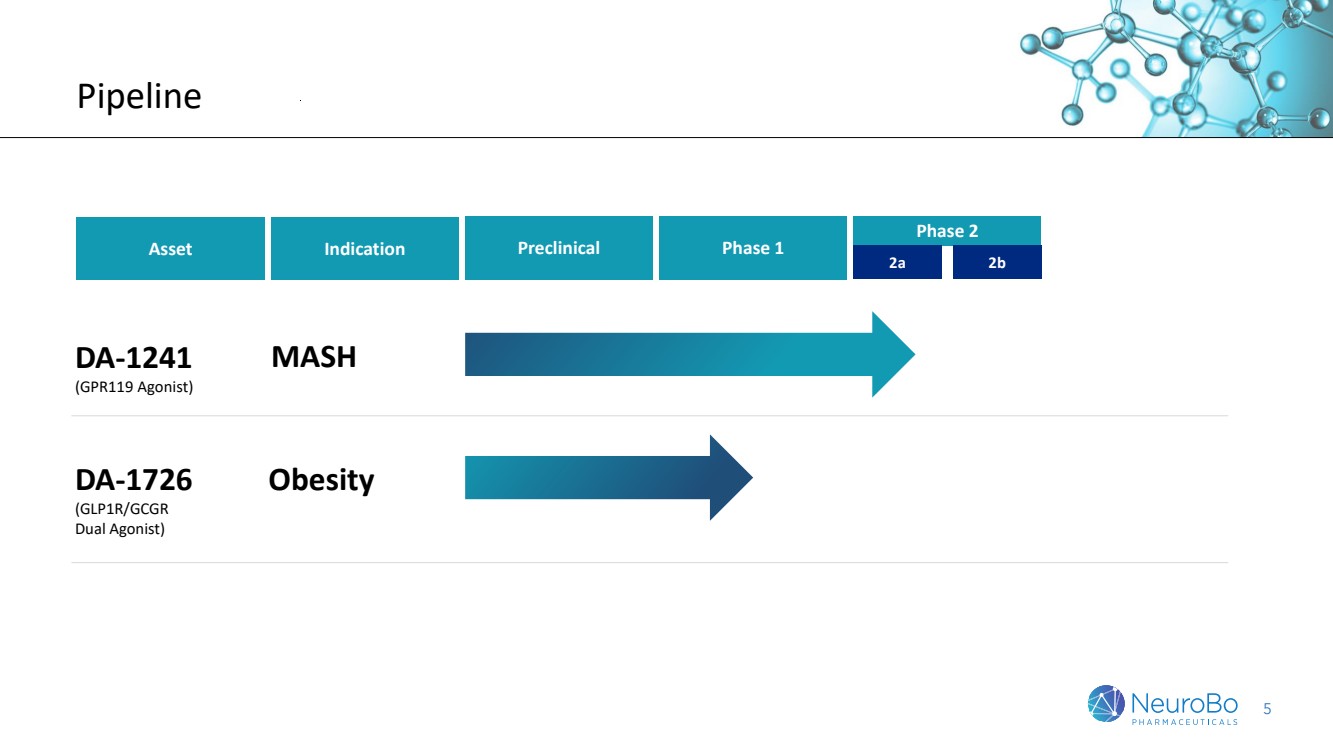
| 5 Pipeline Asset Preclinical Phase 1 Phase 2 DA-1241 (GPR119 Agonist) DA-1726 (GLP1R/GCGR Dual Agonist) 2a 2b OBESITY Indication MASH Obesity |
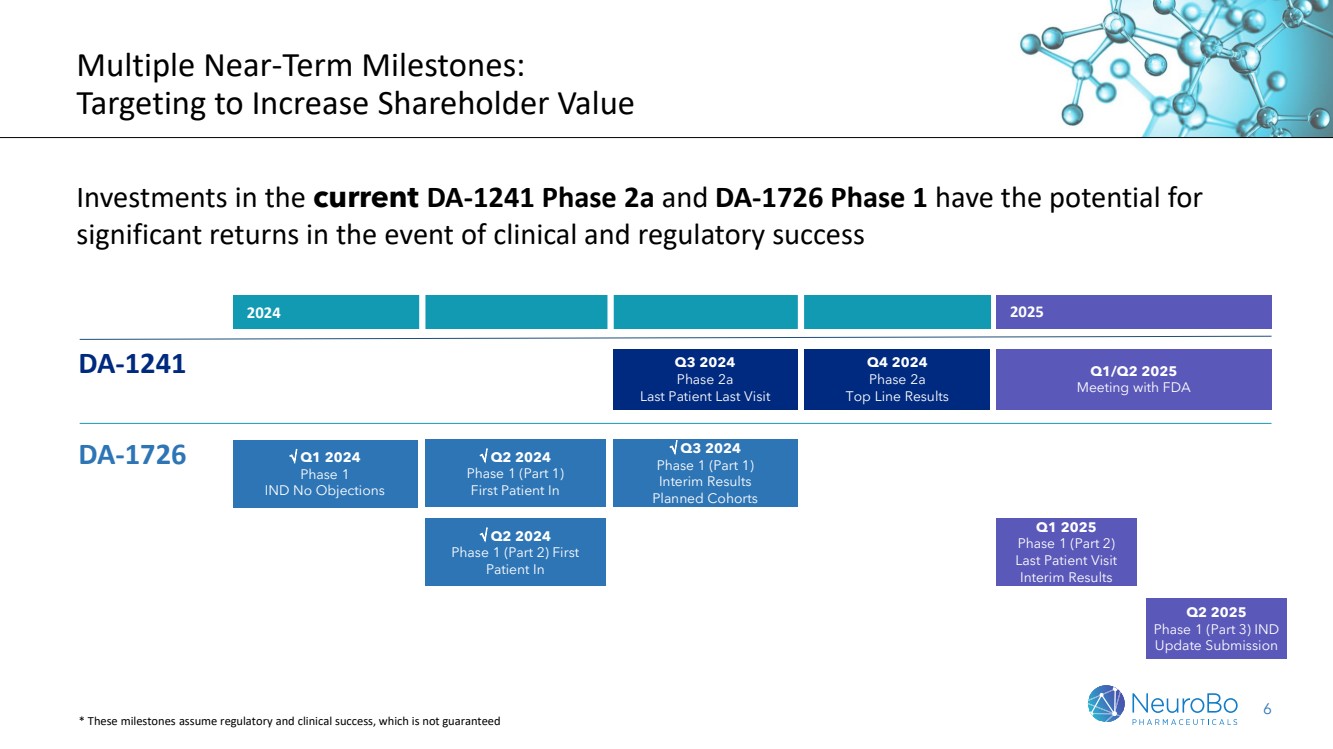
| 6 Multiple Near-Term Milestones: Targeting to Increase Shareholder Value Investments in the current DA-1241 Phase 2a and DA-1726 Phase 1 have the potential for significant returns in the event of clinical and regulatory success Q1/Q2 2025 Meeting with FDA 2024 2025 DA-1241 Q3 2024 Phase 2a Last Patient Last Visit Q4 2024 Phase 2a Top Line Results Q1 2024 Phase 1 IND No Objections DA-1726 Q3 2024 Phase 1 (Part 1) Interim Results Planned Cohorts Q2 2024 Phase 1 (Part 1) First Patient In Q2 2024 Phase 1 (Part 2) First Patient In Q1 2025 Phase 1 (Part 2) Last Patient Visit Interim Results * These milestones assume regulatory and clinical success, which is not guaranteed Q2 2025 Phase 1 (Part 3) IND Update Submission |
| December 2023 NASDAQ: NRBO 7 DA -1726 A Novel GLP1R/GCGR Dual Agonist for the Treatment of Obesity |
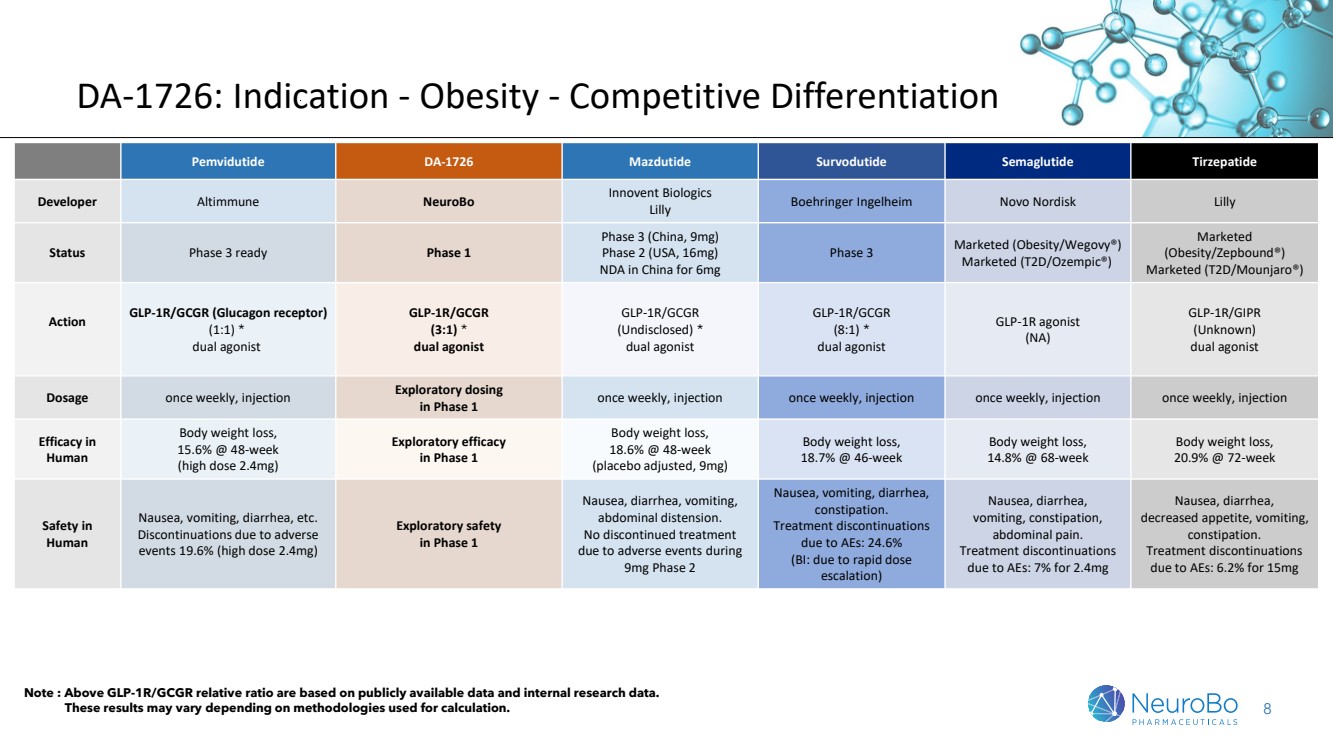
| 8 DA-1726: Indication - Obesity - Competitive Differentiation Pemvidutide DA-1726 Mazdutide Survodutide Semaglutide Tirzepatide Developer Altimmune NeuroBo Innovent Biologics Lilly Boehringer Ingelheim Novo Nordisk Lilly Status Phase 3 ready Phase 1 Phase 3 (China, 9mg) Phase 2 (USA, 16mg) NDA in China for 6mg Phase 3 Marketed (Obesity/Wegovy®) Marketed (T2D/Ozempic®) Marketed (Obesity/Zepbound®) Marketed (T2D/Mounjaro®) Action GLP-1R/GCGR (Glucagon receptor) (1:1) * dual agonist GLP-1R/GCGR (3:1) * dual agonist GLP-1R/GCGR (Undisclosed) * dual agonist GLP-1R/GCGR (8:1) * dual agonist GLP-1R agonist (NA) GLP-1R/GIPR (Unknown) dual agonist Dosage once weekly, injection Exploratory dosing in Phase 1 once weekly, injection once weekly, injection once weekly, injection once weekly, injection Efficacy in Human Body weight loss, 15.6% @ 48-week (high dose 2.4mg) Exploratory efficacy in Phase 1 Body weight loss, 18.6% @ 48-week (placebo adjusted, 9mg) Body weight loss, 18.7% @ 46-week Body weight loss, 14.8% @ 68-week Body weight loss, 20.9% @ 72-week Safety in Human Nausea, vomiting, diarrhea, etc. Discontinuations due to adverse events 19.6% (high dose 2.4mg) Exploratory safety in Phase 1 Nausea, diarrhea, vomiting, abdominal distension. No discontinued treatment due to adverse events during 9mg Phase 2 Nausea, vomiting, diarrhea, constipation. Treatment discontinuations due to AEs: 24.6% (BI: due to rapid dose escalation) Nausea, diarrhea, vomiting, constipation, abdominal pain. Treatment discontinuations due to AEs: 7% for 2.4mg Nausea, diarrhea, decreased appetite, vomiting, constipation. Treatment discontinuations due to AEs: 6.2% for 15mg Note : Above GLP-1R/GCGR relative ratio are based on publicly available data and internal research data. These results may vary depending on methodologies used for calculation. |
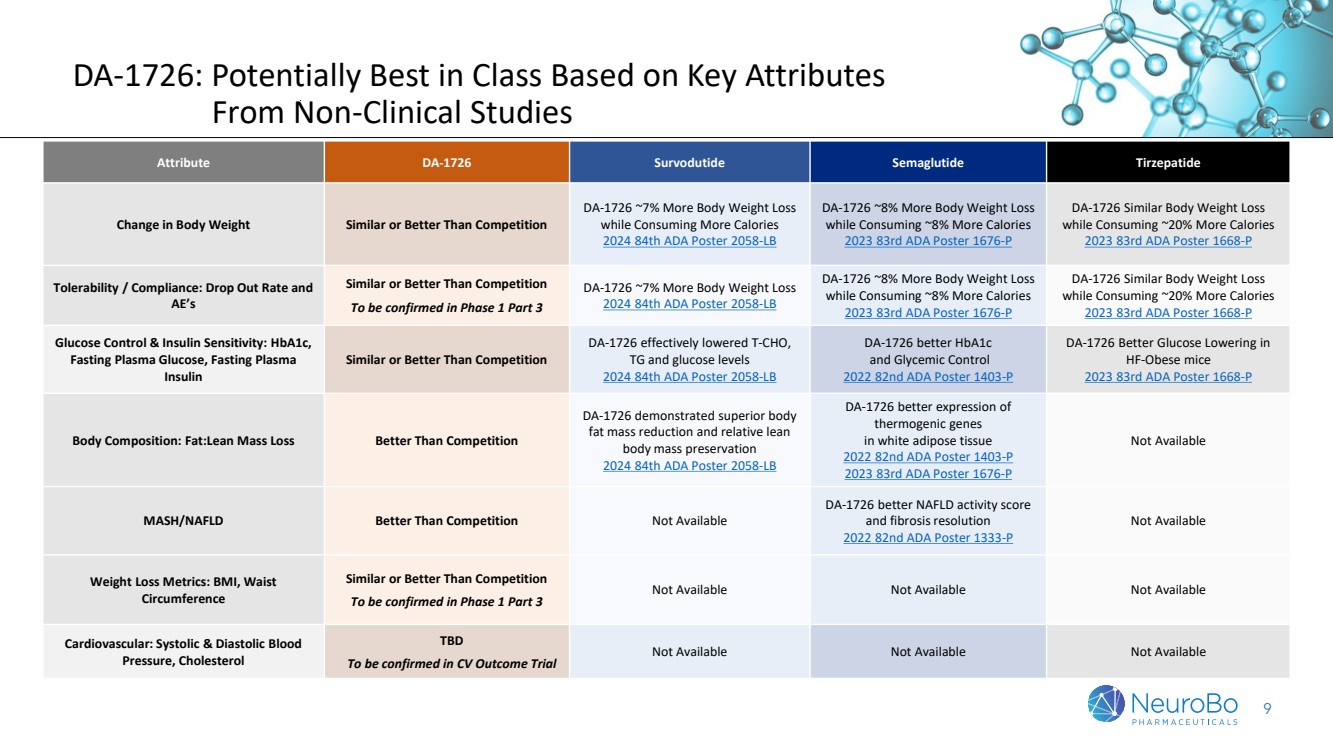
| 9 DA-1726: Potentially Best in Class Based on Key Attributes From Non-Clinical Studies Attribute DA-1726 Survodutide Semaglutide Tirzepatide Change in Body Weight Similar or Better Than Competition DA-1726 ~7% More Body Weight Loss while Consuming More Calories 2024 84th ADA Poster 2058-LB DA-1726 ~8% More Body Weight Loss while Consuming ~8% More Calories 2023 83rd ADA Poster 1676-P DA-1726 Similar Body Weight Loss while Consuming ~20% More Calories 2023 83rd ADA Poster 1668-P Tolerability / Compliance: Drop Out Rate and AE’s Similar or Better Than Competition To be confirmed in Phase 1 Part 3 DA-1726 ~7% More Body Weight Loss 2024 84th ADA Poster 2058-LB DA-1726 ~8% More Body Weight Loss while Consuming ~8% More Calories 2023 83rd ADA Poster 1676-P DA-1726 Similar Body Weight Loss while Consuming ~20% More Calories 2023 83rd ADA Poster 1668-P Glucose Control & Insulin Sensitivity: HbA1c, Fasting Plasma Glucose, Fasting Plasma Insulin Similar or Better Than Competition DA-1726 effectively lowered T-CHO, TG and glucose levels 2024 84th ADA Poster 2058-LB DA-1726 better HbA1c and Glycemic Control 2022 82nd ADA Poster 1403-P DA-1726 Better Glucose Lowering in HF-Obese mice 2023 83rd ADA Poster 1668-P Body Composition: Fat:Lean Mass Loss Better Than Competition DA-1726 demonstrated superior body fat mass reduction and relative lean body mass preservation 2024 84th ADA Poster 2058-LB DA-1726 better expression of thermogenic genes in white adipose tissue 2022 82nd ADA Poster 1403-P 2023 83rd ADA Poster 1676-P Not Available MASH/NAFLD Better Than Competition Not Available DA-1726 better NAFLD activity score and fibrosis resolution 2022 82nd ADA Poster 1333-P Not Available Weight Loss Metrics: BMI, Waist Circumference Similar or Better Than Competition To be confirmed in Phase 1 Part 3 Not Available Not Available Not Available Cardiovascular: Systolic & Diastolic Blood Pressure, Cholesterol TBD To be confirmed in CV Outcome Trial Not Available Not Available Not Available |
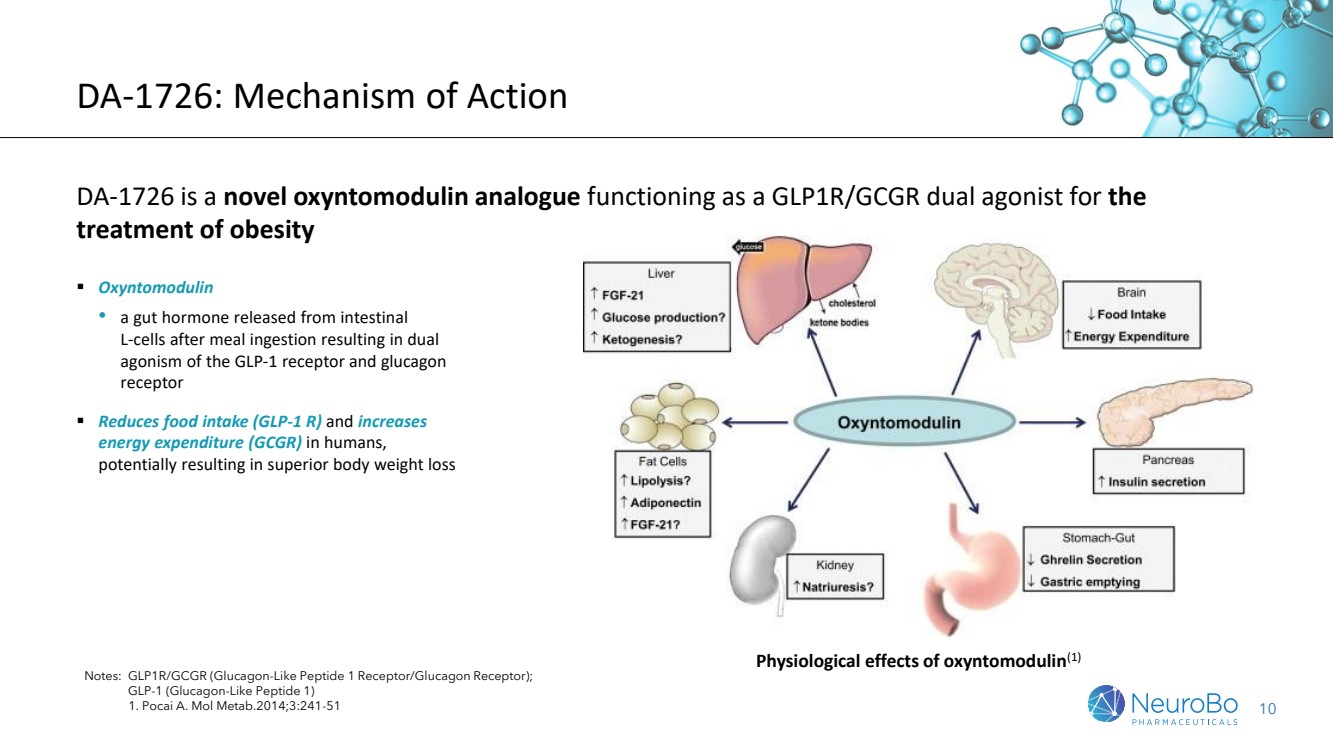
| 10 DA-1726: Mechanism of Action DA-1726 is a novel oxyntomodulin analogue functioning as a GLP1R/GCGR dual agonist for the treatment of obesity Notes: GLP1R/GCGR (Glucagon-Like Peptide 1 Receptor/Glucagon Receptor); GLP-1 (Glucagon-Like Peptide 1) 1. Pocai A. Mol Metab.2014;3:241-51 ▪ Oxyntomodulin • a gut hormone released from intestinal L-cells after meal ingestion resulting in dual agonism of the GLP-1 receptor and glucagon receptor ▪ Reduces food intake (GLP-1 R) and increases energy expenditure (GCGR) in humans, potentially resulting in superior body weight loss Physiological effects of oxyntomodulin(1) |
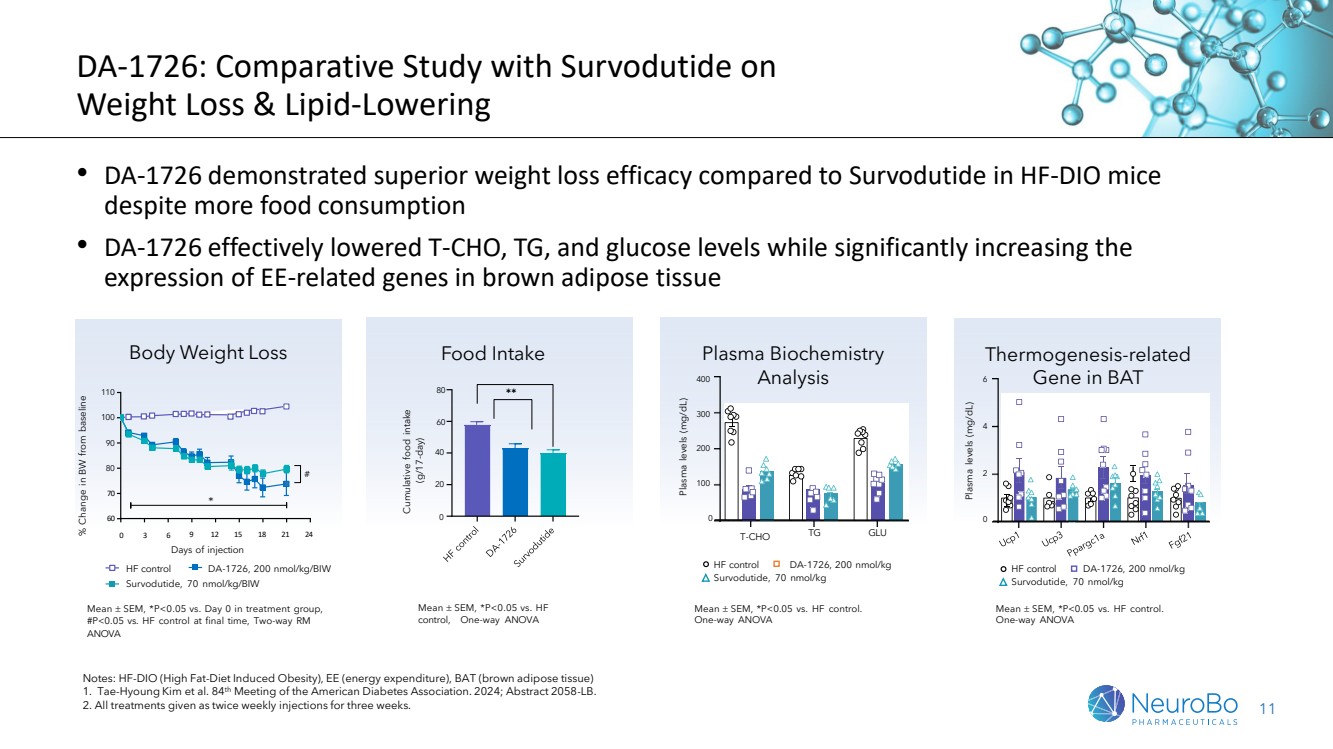
| 11 DA-1726: Comparative Study with Survodutide on Weight Loss & Lipid-Lowering Food Intake Plasma Biochemistry Analysis Body Weight Loss Notes: HF-DIO (High Fat-Diet Induced Obesity), EE (energy expenditure), BAT (brown adipose tissue) 1. Tae-Hyoung Kim et al. 84th Meeting of the American Diabetes Association. 2024; Abstract 2058-LB. 2. All treatments given as twice weekly injections for three weeks. 60 70 80 90 100 110 Mean SEM, *P<0.05 vs. Day 0 in treatment group, #P<0.05 vs. HF control at final time, Two-way RM ANOVA * % Change in BW from baseline # Days of injection 0 20 40 60 80 Cumulative food intake (g/17-day) ✱✱ Mean SEM, *P<0.05 vs. HF control, One-way ANOVA 0 3 6 9 12 15 18 21 24 Thermogenesis-related Gene in BAT HF control DA-1726, 200 nmol/kg/BIW Survodutide, 70 nmol/kg/BIW 0 100 200 300 400 Plasma levels (mg/dL) HF control Survodutide, 70 nmol/kg Mean SEM, *P<0.05 vs. HF control. One-way ANOVA T-CHO TG GLU DA-1726, 200 nmol/kg HF control Survodutide, 70 nmol/kg Mean SEM, *P<0.05 vs. HF control. One-way ANOVA DA-1726, 200 nmol/kg 0 2 4 6 Plasma levels (mg/dL) • DA-1726 demonstrated superior weight loss efficacy compared to Survodutide in HF-DIO mice despite more food consumption • DA-1726 effectively lowered T-CHO, TG, and glucose levels while significantly increasing the expression of EE-related genes in brown adipose tissue |
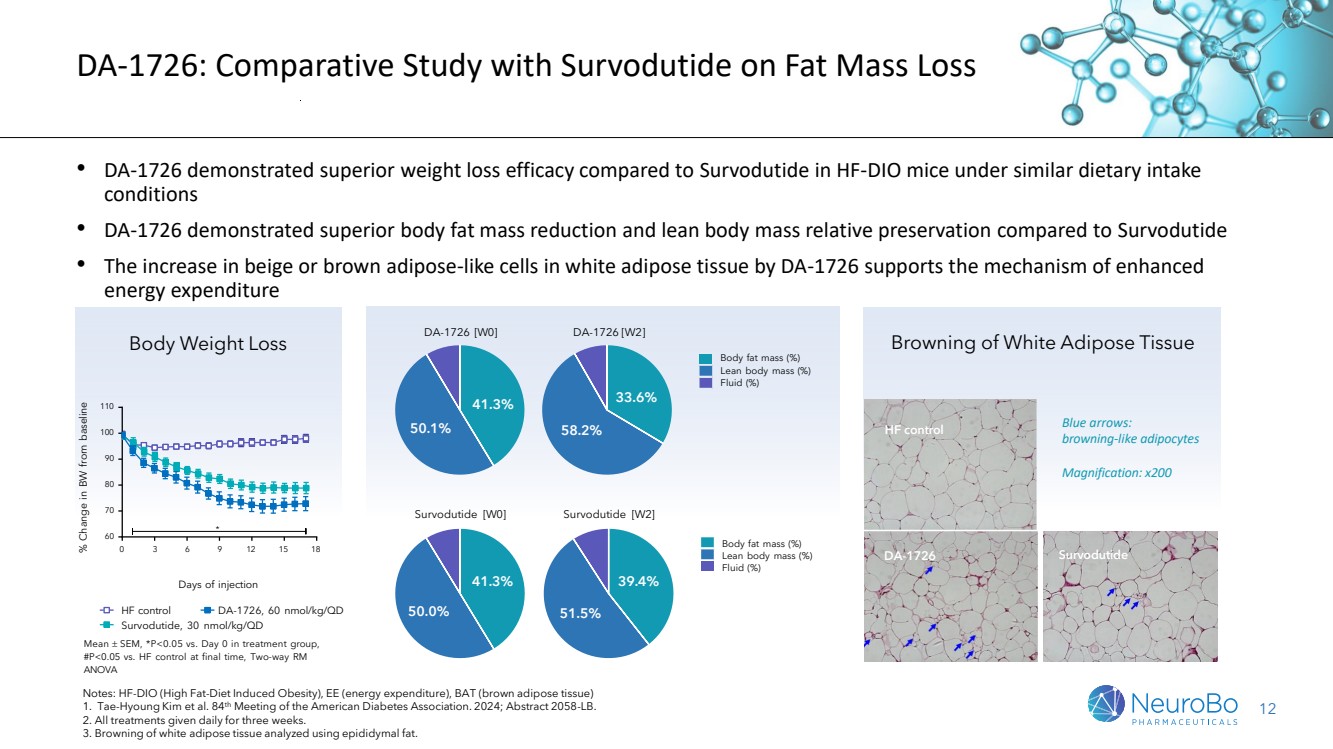
| 12 DA-1726: Comparative Study with Survodutide on Fat Mass Loss • DA-1726 demonstrated superior weight loss efficacy compared to Survodutide in HF-DIO mice under similar dietary intake conditions • DA-1726 demonstrated superior body fat mass reduction and lean body mass relative preservation compared to Survodutide • The increase in beige or brown adipose-like cells in white adipose tissue by DA-1726 supports the mechanism of enhanced energy expenditure Browning of White Adipose Tissue 41.3% 50.1% Survodutide [W0] 41.3% 50.0% 33.6% 58.2% Body fat mass (%) Lean body mass (%) Fluid (%) Survodutide [W2] 39.4% 51.5% Body fat mass (%) Lean body mass (%) Fluid (%) DA-1726 Survodutide HF control Blue arrows: browning-like adipocytes Magnification: x200 HF control Survodutide, 30 nmol/kg/QD DA-1726, 60 nmol/kg/QD Days of injection 0 60 70 80 90 100 110 * % 3 6 9 12 15 18 Change in BW from baseline Body Weight Loss DA-1726 [W0] DA-1726 [W2] Notes: HF-DIO (High Fat-Diet Induced Obesity), EE (energy expenditure), BAT (brown adipose tissue) 1. Tae-Hyoung Kim et al. 84th Meeting of the American Diabetes Association. 2024; Abstract 2058-LB. 2. All treatments given daily for three weeks. 3. Browning of white adipose tissue analyzed using epididymal fat. Mean SEM, *P<0.05 vs. Day 0 in treatment group, #P<0.05 vs. HF control at final time, Two-way RM ANOVA |
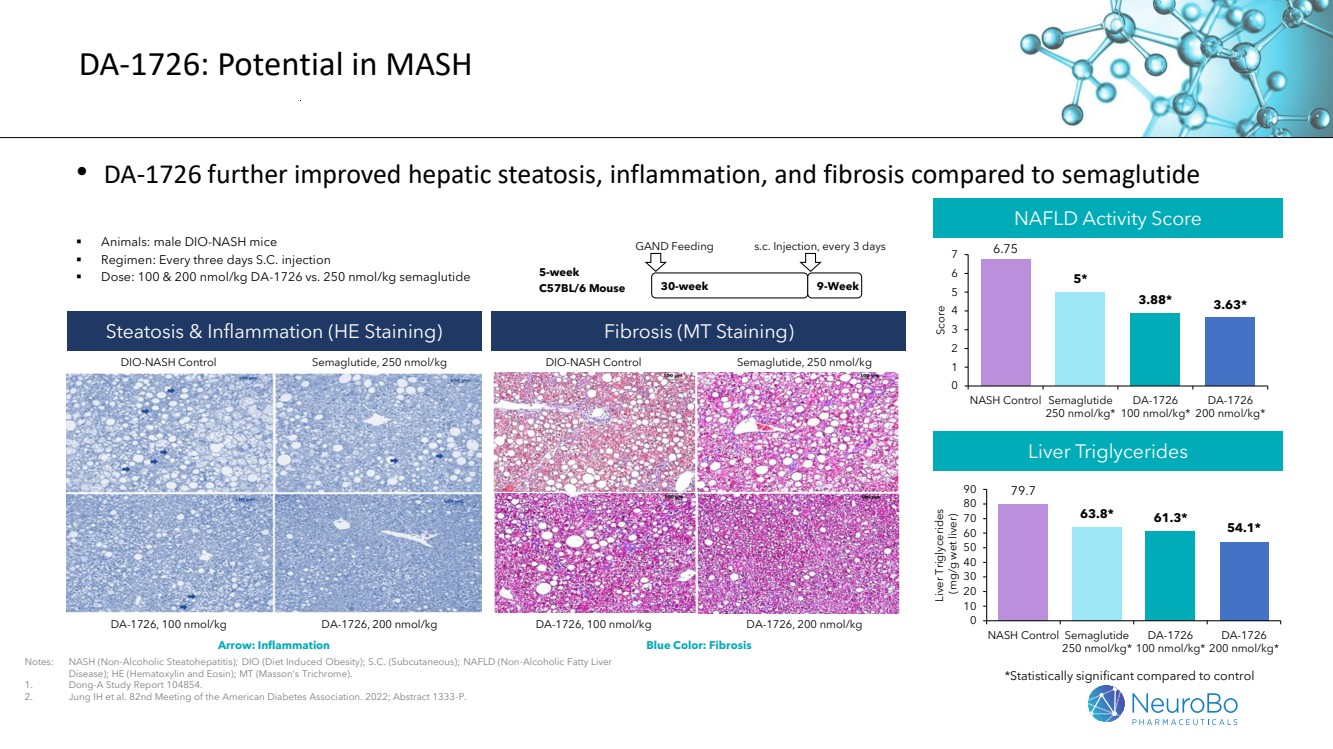
| 6.75 5* 3.88* 3.63* 0 1 2 3 4 5 6 7 NASH Control Semaglutide 250 nmol/kg* DA-1726 100 nmol/kg* DA-1726 200 nmol/kg* Score • DA-1726 further improved hepatic steatosis, inflammation, and fibrosis compared to semaglutide Steatosis & Inflammation (HE Staining) ▪ Animals: male DIO-NASH mice ▪ Regimen: Every three days S.C. injection ▪ Dose: 100 & 200 nmol/kg DA-1726 vs. 250 nmol/kg semaglutide DA-1726, 100 nmol/kg Notes: NASH (Non-Alcoholic Steatohepatitis); DIO (Diet Induced Obesity); S.C. (Subcutaneous); NAFLD (Non-Alcoholic Fatty Liver Disease); HE (Hematoxylin and Eosin); MT (Masson’s Trichrome). 1. Dong-A Study Report 104854. 2. Jung IH et al. 82nd Meeting of the American Diabetes Association. 2022; Abstract 1333-P. 30-week GAND Feeding s.c. Injection, every 3 days 5-week C57BL/6 Mouse 9-Week NAFLD Activity Score Fibrosis (MT Staining) DA-1726, 200 nmol/kg DIO-NASH Control Semaglutide, 250 nmol/kg DIO-NASH Control Semaglutide, 250 nmol/kg DA-1726, 100 nmol/kg DA-1726, 200 nmol/kg Liver Triglycerides Arrow: Inflammation Blue Color: Fibrosis 79.7 63.8* 61.3* 54.1* 0 10 20 30 40 50 60 70 80 90 NASH Control Semaglutide 250 nmol/kg* DA-1726 100 nmol/kg* DA-1726 200 nmol/kg* Liver Triglycerides (mg/g wet liver) *Statistically significant compared to control DA-1726: Potential in MASH |
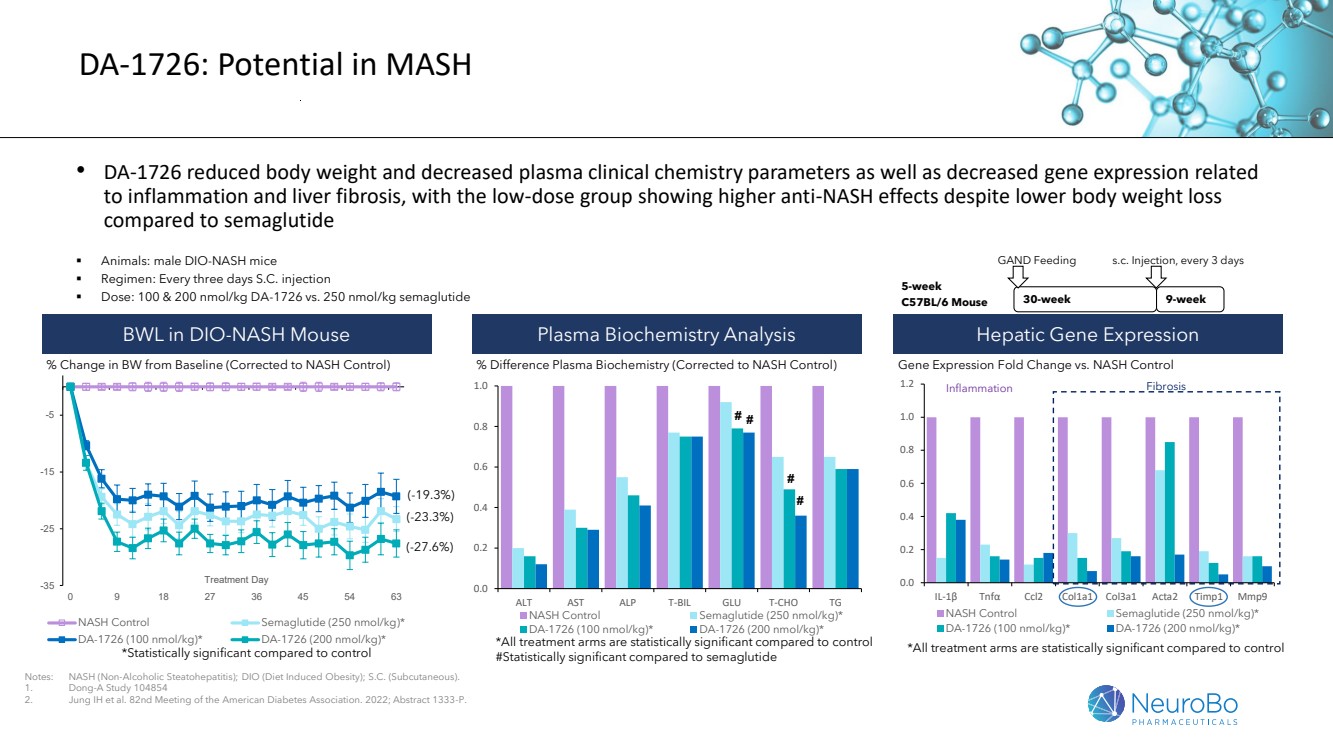
| DA-1726 Therapeutic Potential for NASH (Cont’d) (1,2) • DA-1726 reduced body weight and decreased plasma clinical chemistry parameters as well as decreased gene expression related to inflammation and liver fibrosis, with the low-dose group showing higher anti-NASH effects despite lower body weight loss compared to semaglutide BWL in DIO-NASH Mouse Plasma Biochemistry Analysis Hepatic Gene Expression ▪ Animals: male DIO-NASH mice ▪ Regimen: Every three days S.C. injection ▪ Dose: 100 & 200 nmol/kg DA-1726 vs. 250 nmol/kg semaglutide 30-week GAND Feeding s.c. Injection, every 3 days 5-week C57BL/6 Mouse 9-week -35 -25 -15 -5 0 9 18 27 36 45 54 63 Treatment Day NASH Control Semaglutide (250 nmol/kg)* DA-1726 (100 nmol/kg)* DA-1726 (200 nmol/kg)* 0.0 0.2 0.4 0.6 0.8 1.0 ALT AST ALP T-BIL GLU T-CHO TG NASH Control Semaglutide (250 nmol/kg)* DA-1726 (100 nmol/kg)* DA-1726 (200 nmol/kg)* 0.0 0.2 0.4 0.6 0.8 1.0 1.2 IL-1β Tnfα Ccl2 Col1a1 Col3a1 Acta2 Timp1 Mmp9 NASH Control Semaglutide (250 nmol/kg)* DA-1726 (100 nmol/kg)* DA-1726 (200 nmol/kg)* % Change in BW from Baseline (Corrected to NASH Control) % Difference Plasma Biochemistry (Corrected to NASH Control) Gene Expression Fold Change vs. NASH Control # # # # Notes: NASH (Non-Alcoholic Steatohepatitis); DIO (Diet Induced Obesity); S.C. (Subcutaneous). 1. Dong-A Study 104854 2. Jung IH et al. 82nd Meeting of the American Diabetes Association. 2022; Abstract 1333-P. (-27.6%) (-19.3%) (-23.3%) Inflammation Fibrosis *Statistically significant compared to control *All treatment arms are statistically significant compared to control #Statistically significant compared to semaglutide *All treatment arms are statistically significant compared to control DA-1726: Potential in MASH |
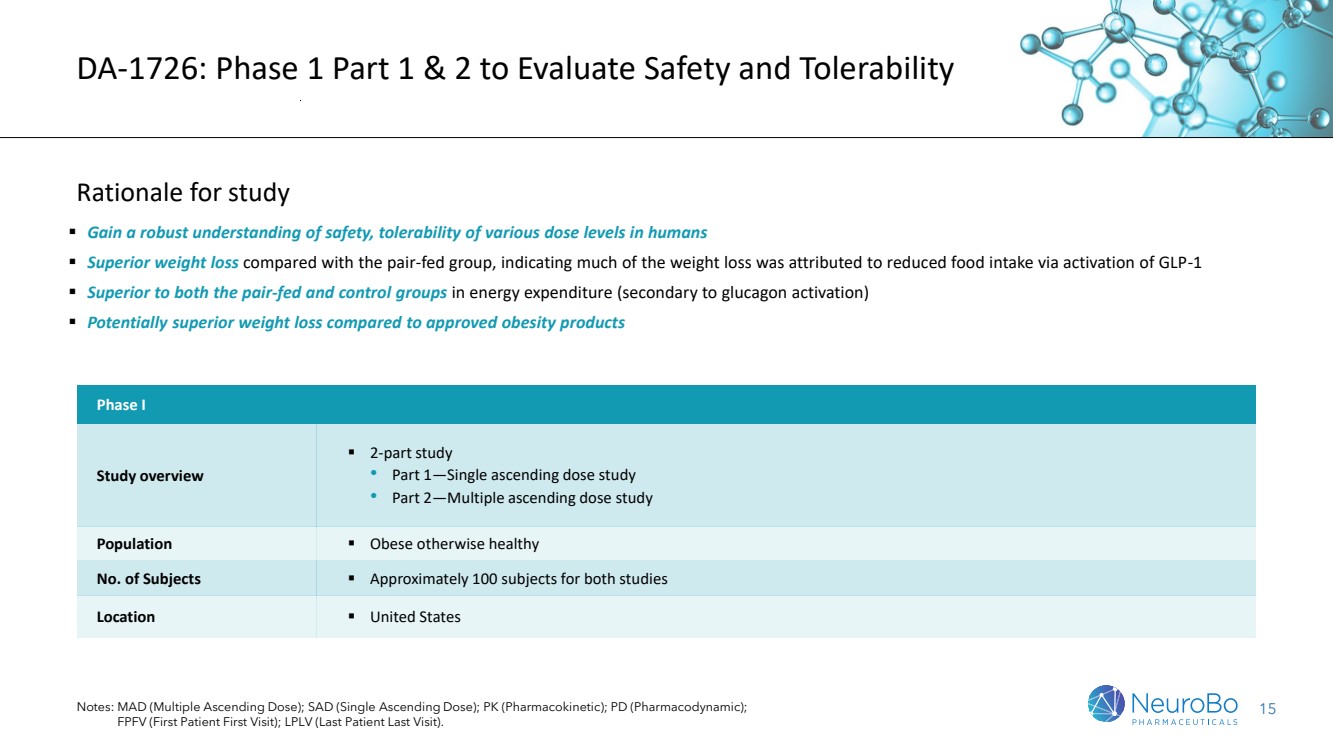
| 15 DA-1726: Phase 1 Part 1 & 2 to Evaluate Safety and Tolerability Rationale for study ▪ Gain a robust understanding of safety, tolerability of various dose levels in humans ▪ Superior weight loss compared with the pair-fed group, indicating much of the weight loss was attributed to reduced food intake via activation of GLP-1 ▪ Superior to both the pair-fed and control groups in energy expenditure (secondary to glucagon activation) ▪ Potentially superior weight loss compared to approved obesity products Notes: MAD (Multiple Ascending Dose); SAD (Single Ascending Dose); PK (Pharmacokinetic); PD (Pharmacodynamic); FPFV (First Patient First Visit); LPLV (Last Patient Last Visit). Phase I Study overview ▪ 2-part study • Part 1—Single ascending dose study • Part 2—Multiple ascending dose study Population ▪ Obese otherwise healthy No. of Subjects ▪ Approximately 100 subjects for both studies Location ▪ United States |
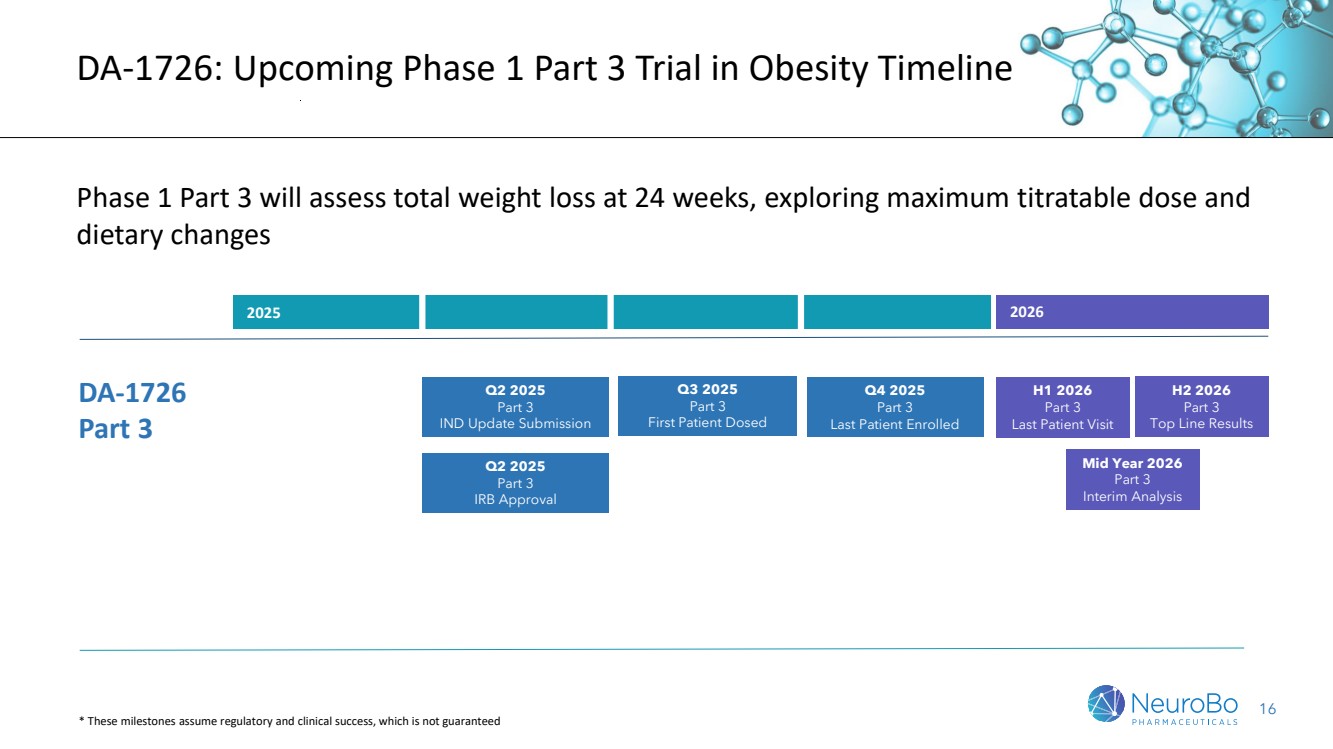
| 16 DA-1726: Upcoming Phase 1 Part 3 Trial in Obesity Timeline Phase 1 Part 3 will assess total weight loss at 24 weeks, exploring maximum titratable dose and dietary changes 2025 2026 DA-1726 Part 3 H1 2026 Part 3 Last Patient Visit Q3 2025 Part 3 First Patient Dosed H2 2026 Part 3 Top Line Results * These milestones assume regulatory and clinical success, which is not guaranteed Q2 2025 Part 3 IND Update Submission Q2 2025 Part 3 IRB Approval Q4 2025 Part 3 Last Patient Enrolled Mid Year 2026 Part 3 Interim Analysis |
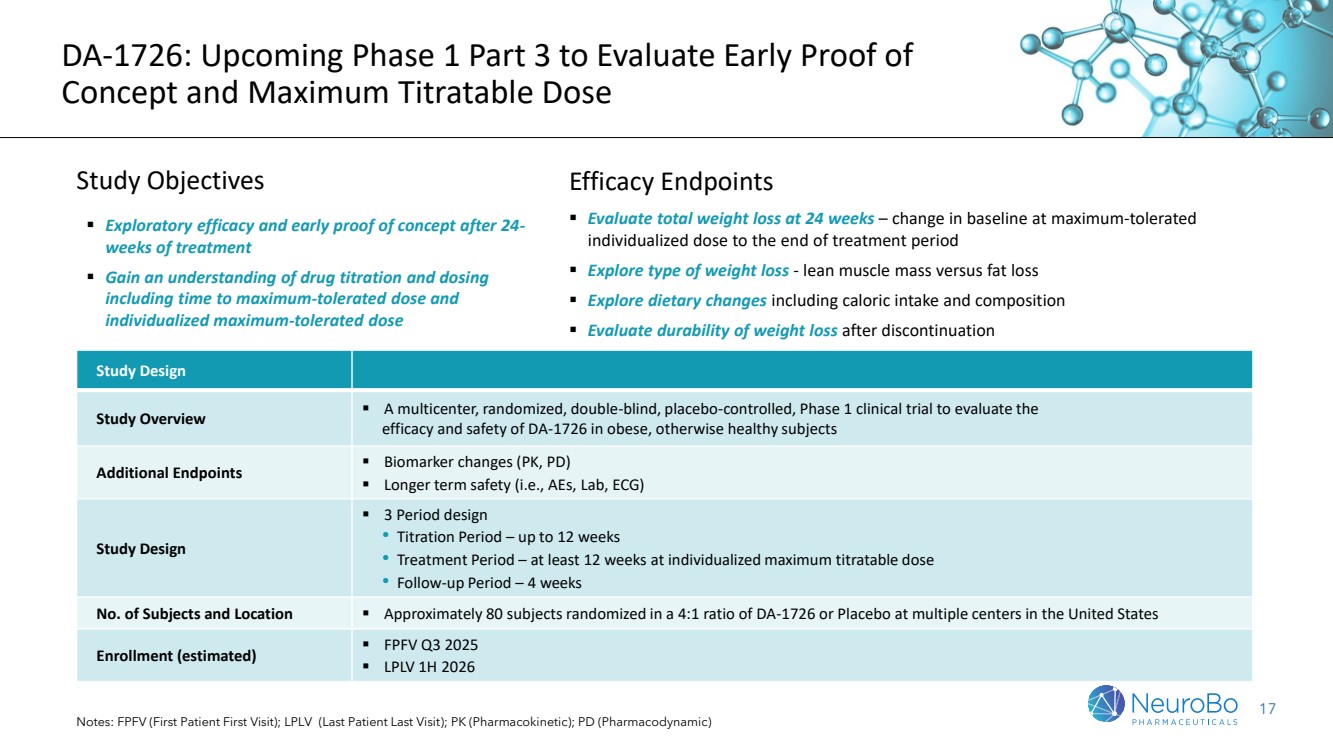
| 17 DA-1726: Upcoming Phase 1 Part 3 to Evaluate Early Proof of Concept and Maximum Titratable Dose Study Design Study Overview ▪ A multicenter, randomized, double-blind, placebo-controlled, Phase 1 clinical trial to evaluate the efficacy and safety of DA-1726 in obese, otherwise healthy subjects Additional Endpoints ▪ Biomarker changes (PK, PD) ▪ Longer term safety (i.e., AEs, Lab, ECG) Study Design ▪ 3 Period design • Titration Period – up to 12 weeks • Treatment Period – at least 12 weeks at individualized maximum titratable dose • Follow-up Period – 4 weeks No. of Subjects and Location ▪ Approximately 80 subjects randomized in a 4:1 ratio of DA-1726 or Placebo at multiple centers in the United States Enrollment (estimated) ▪ FPFV Q3 2025 ▪ LPLV 1H 2026 Notes: FPFV (First Patient First Visit); LPLV (Last Patient Last Visit); PK (Pharmacokinetic); PD (Pharmacodynamic) Study Objectives ▪ Exploratory efficacy and early proof of concept after 24- weeks of treatment ▪ Gain an understanding of drug titration and dosing including time to maximum-tolerated dose and individualized maximum-tolerated dose ▪ Evaluate total weight loss at 24 weeks – change in baseline at maximum-tolerated individualized dose to the end of treatment period ▪ Explore type of weight loss - lean muscle mass versus fat loss ▪ Explore dietary changes including caloric intake and composition ▪ Evaluate durability of weight loss after discontinuation Efficacy Endpoints |
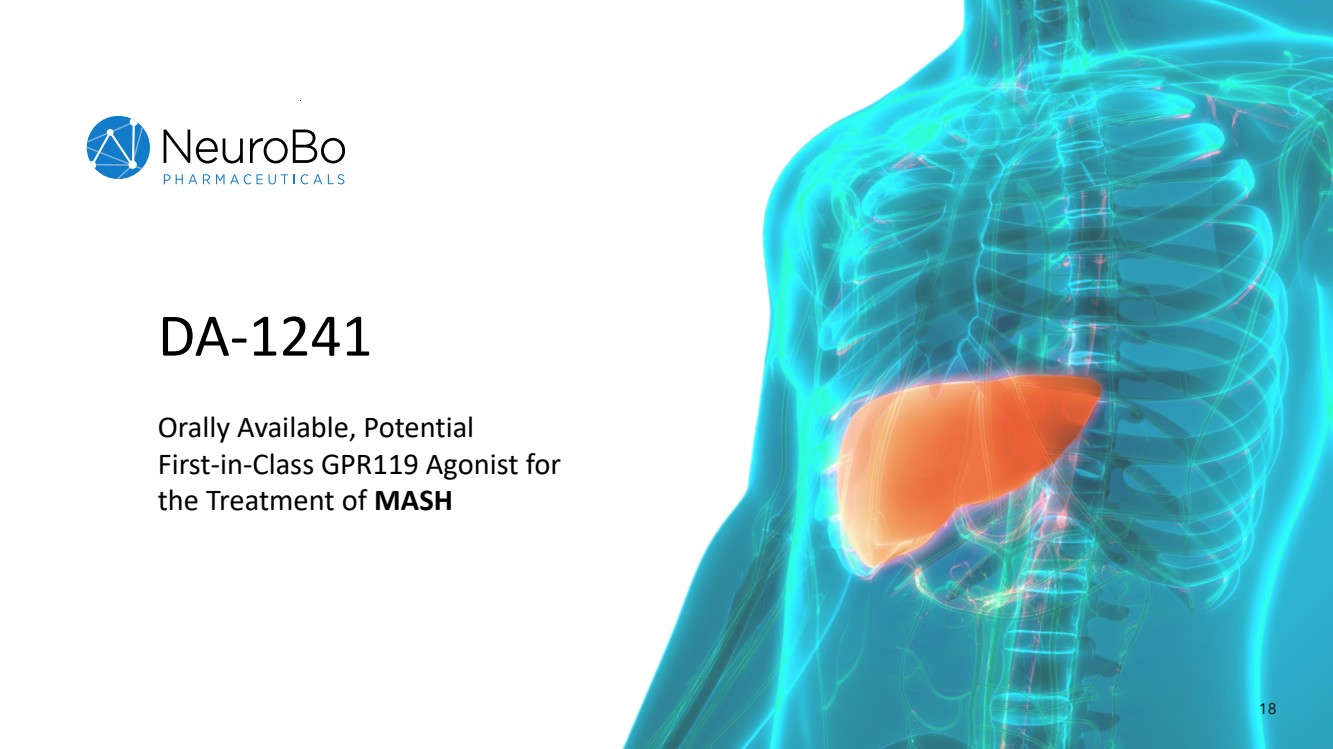
| December 2023 NASDAQ: NRBO 18 DA-1241 Orally Available, Potential First-in-Class GPR119 Agonist for the Treatment of MASH |
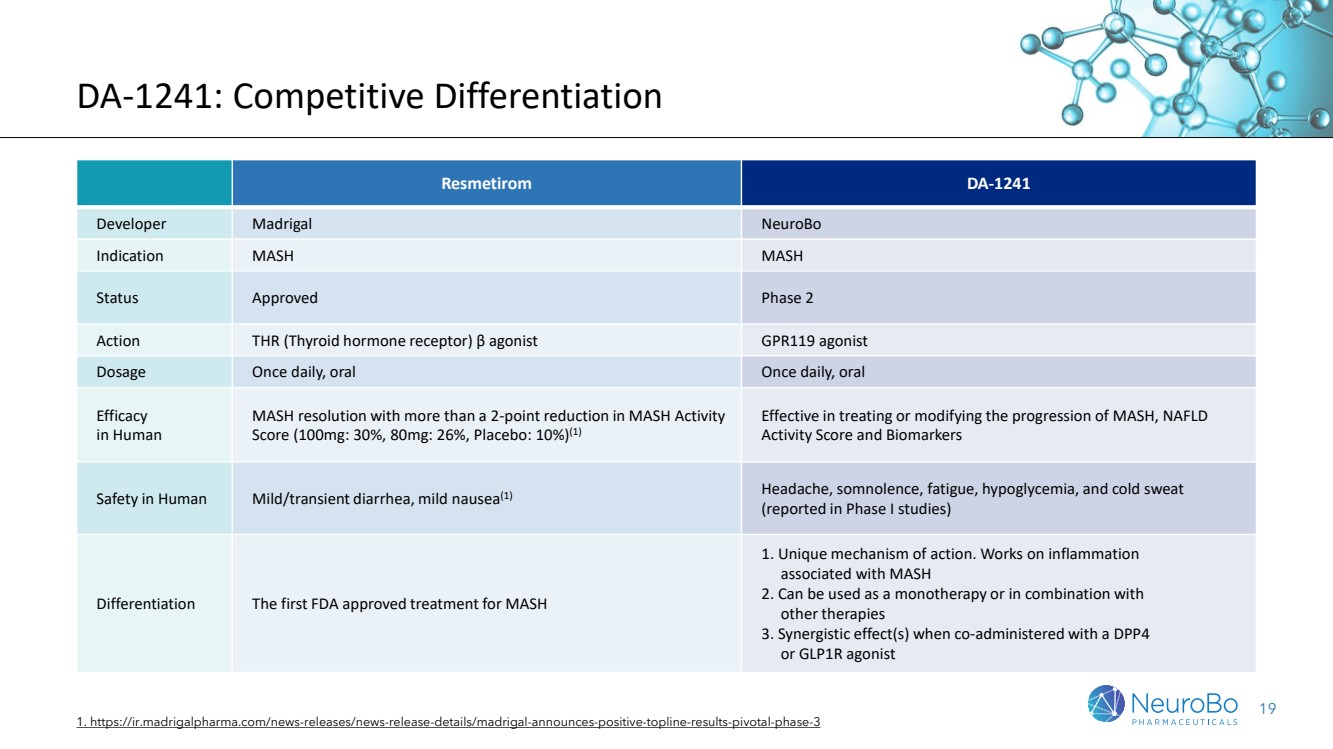
| 19 DA-1241: Competitive Differentiation 1. https://ir.madrigalpharma.com/news-releases/news-release-details/madrigal-announces-positive-topline-results-pivotal-phase-3 Resmetirom DA-1241 Developer Madrigal NeuroBo Indication MASH MASH Status Approved Phase 2 Action THR (Thyroid hormone receptor) β agonist GPR119 agonist Dosage Once daily, oral Once daily, oral Efficacy in Human MASH resolution with more than a 2-point reduction in MASH Activity Score (100mg: 30%, 80mg: 26%, Placebo: 10%)(1) Effective in treating or modifying the progression of MASH, NAFLD Activity Score and Biomarkers Safety in Human Mild/transient diarrhea, mild nausea(1) Headache, somnolence, fatigue, hypoglycemia, and cold sweat (reported in Phase I studies) Differentiation The first FDA approved treatment for MASH 1. Unique mechanism of action. Works on inflammation associated with MASH 2. Can be used as a monotherapy or in combination with other therapies 3. Synergistic effect(s) when co-administered with a DPP4 or GLP1R agonist |
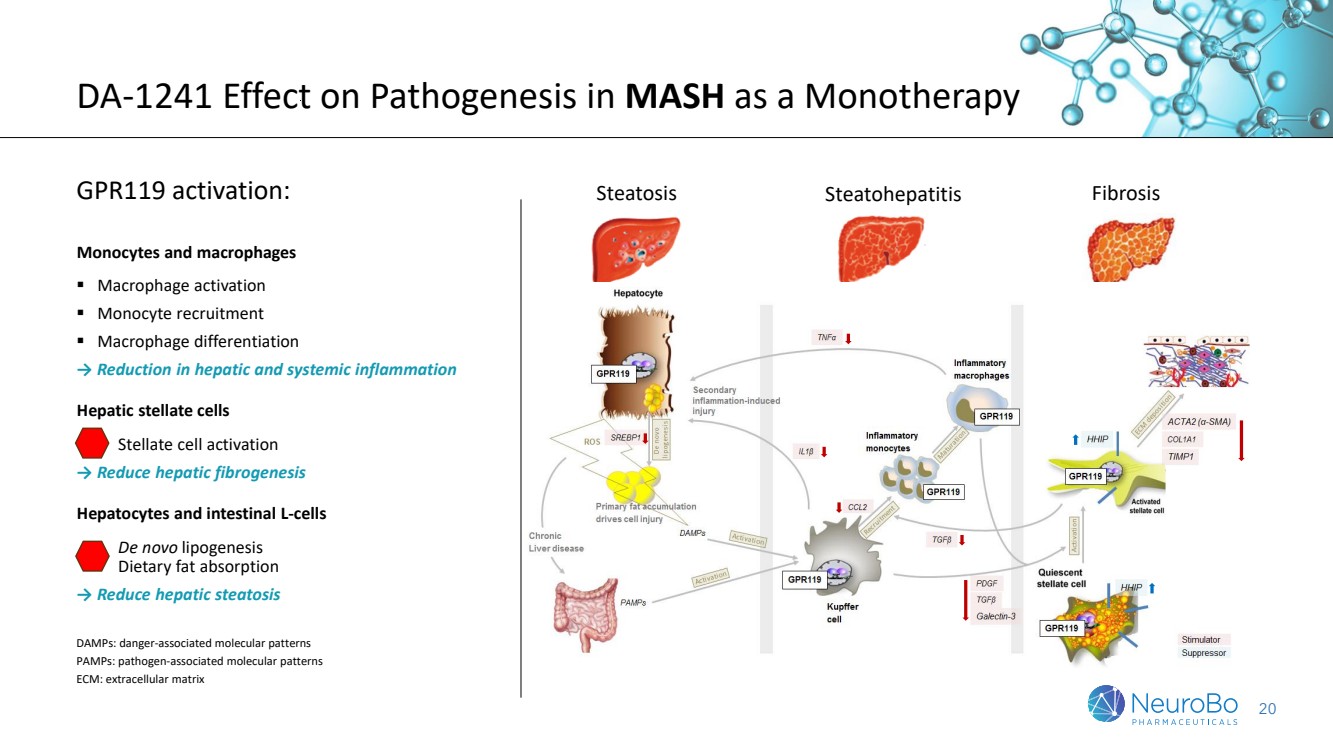
| 20 DA-1241 Effect on Pathogenesis in MASH as a Monotherapy GPR119 activation: Monocytes and macrophages ▪ Macrophage activation ▪ Monocyte recruitment ▪ Macrophage differentiation → Reduction in hepatic and systemic inflammation Hepatic stellate cells Stellate cell activation → Reduce hepatic fibrogenesis Hepatocytes and intestinal L-cells De novo lipogenesis Dietary fat absorption → Reduce hepatic steatosis Steatosis Steatohepatitis Fibrosis DAMPs: danger-associated molecular patterns PAMPs: pathogen-associated molecular patterns ECM: extracellular matrix |
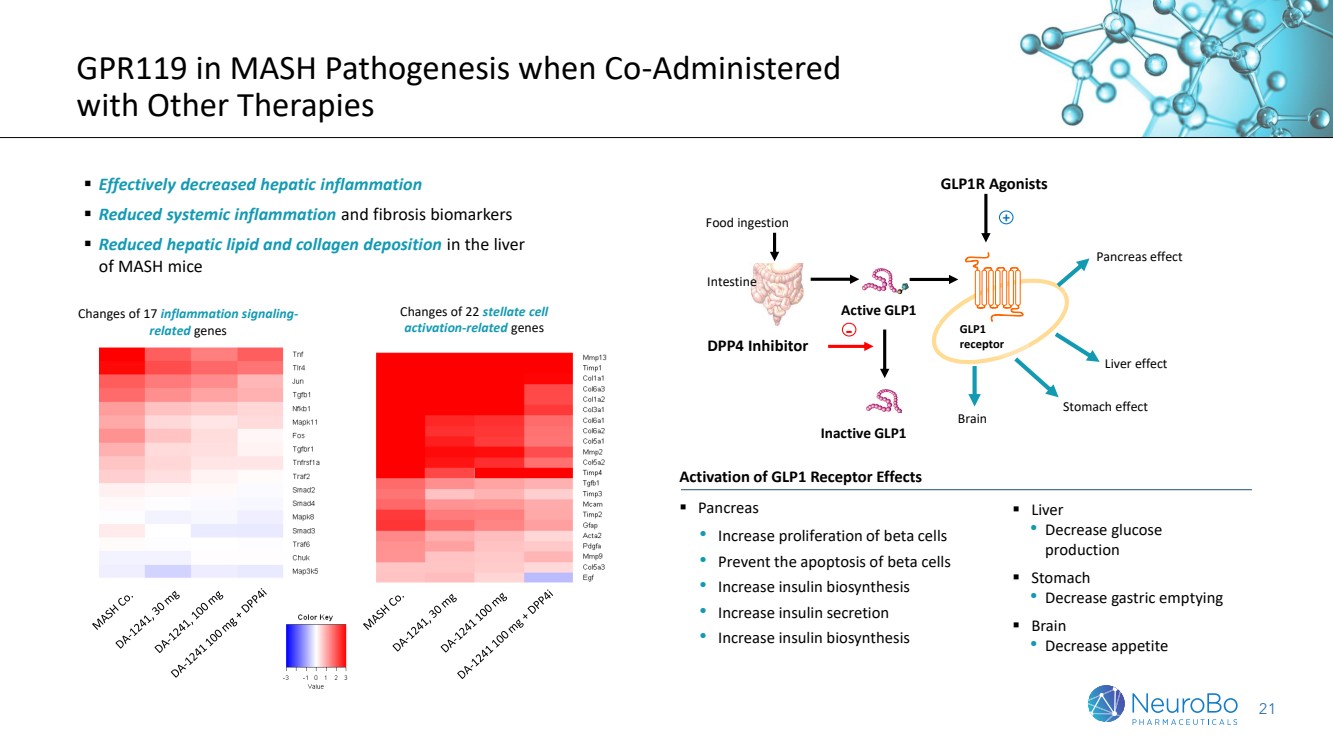
| 21 GPR119 in MASH Pathogenesis when Co-Administered with Other Therapies ▪ Effectively decreased hepatic inflammation ▪ Reduced systemic inflammation and fibrosis biomarkers ▪ Reduced hepatic lipid and collagen deposition in the liver of MASH mice Activation of GLP1 Receptor Effects ▪ Pancreas • Increase proliferation of beta cells • Prevent the apoptosis of beta cells • Increase insulin biosynthesis • Increase insulin secretion • Increase insulin biosynthesis Liver effect Pancreas effect Intestine Active GLP1 Inactive GLP1 DPP4 Inhibitor + - GLP1R Agonists GLP1 receptor Stomach effect Brain Food ingestion Changes of 22 stellate cell activation-related genes Changes of 17 inflammation signaling-related genes ▪ Liver • Decrease glucose production ▪ Stomach • Decrease gastric emptying ▪ Brain • Decrease appetite |
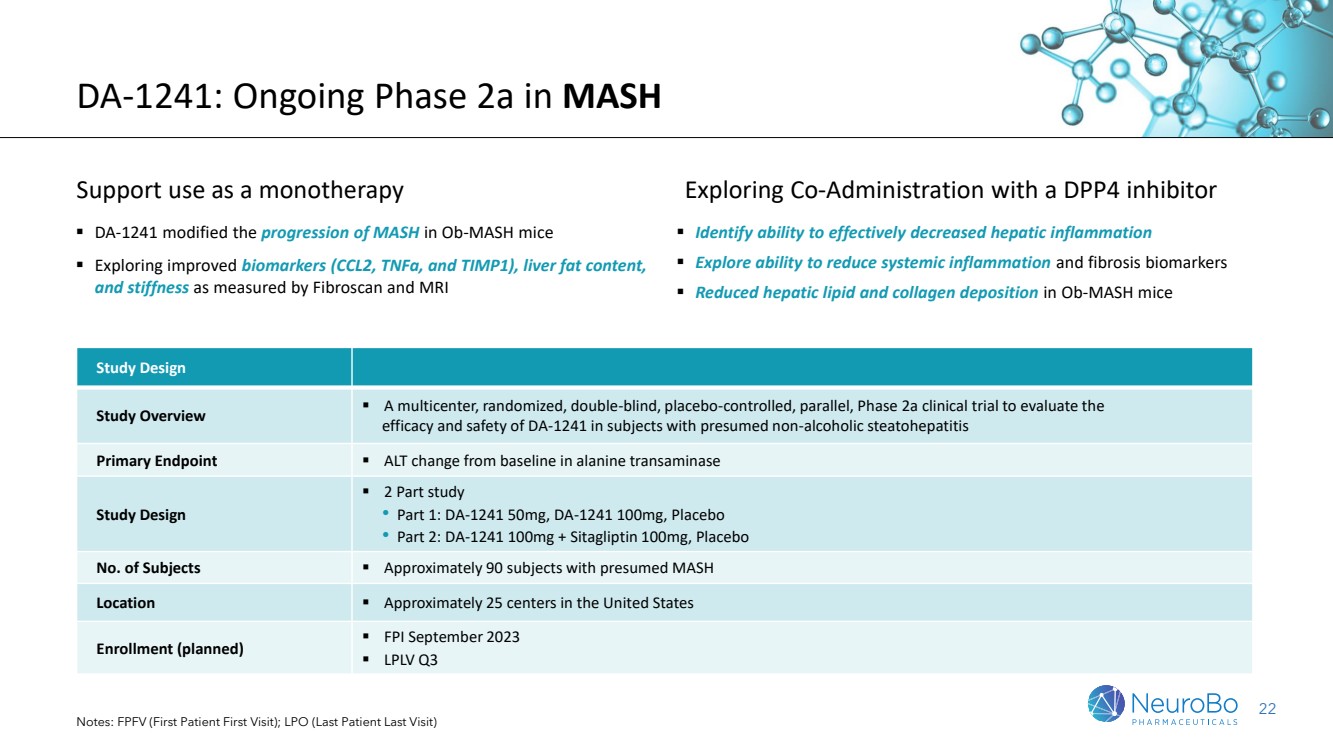
| 22 DA-1241: Ongoing Phase 2a in MASH Support use as a monotherapy Study Design Study Overview ▪ A multicenter, randomized, double-blind, placebo-controlled, parallel, Phase 2a clinical trial to evaluate the efficacy and safety of DA-1241 in subjects with presumed non-alcoholic steatohepatitis Primary Endpoint ▪ ALT change from baseline in alanine transaminase Study Design ▪ 2 Part study • Part 1: DA-1241 50mg, DA-1241 100mg, Placebo • Part 2: DA-1241 100mg + Sitagliptin 100mg, Placebo No. of Subjects ▪ Approximately 90 subjects with presumed MASH Location ▪ Approximately 25 centers in the United States Enrollment (planned) ▪ FPI September 2023 ▪ LPLV Q3 ▪ DA-1241 modified the progression of MASH in Ob-MASH mice ▪ Exploring improved biomarkers (CCL2, TNFa, and TIMP1), liver fat content, and stiffness as measured by Fibroscan and MRI Exploring Co-Administration with a DPP4 inhibitor ▪ Identify ability to effectively decreased hepatic inflammation ▪ Explore ability to reduce systemic inflammation and fibrosis biomarkers ▪ Reduced hepatic lipid and collagen deposition in Ob-MASH mice Notes: FPFV (First Patient First Visit); LPO (Last Patient Last Visit) |
| December 2023 NASDAQ: NRBO 23 Financials and Capitalization |
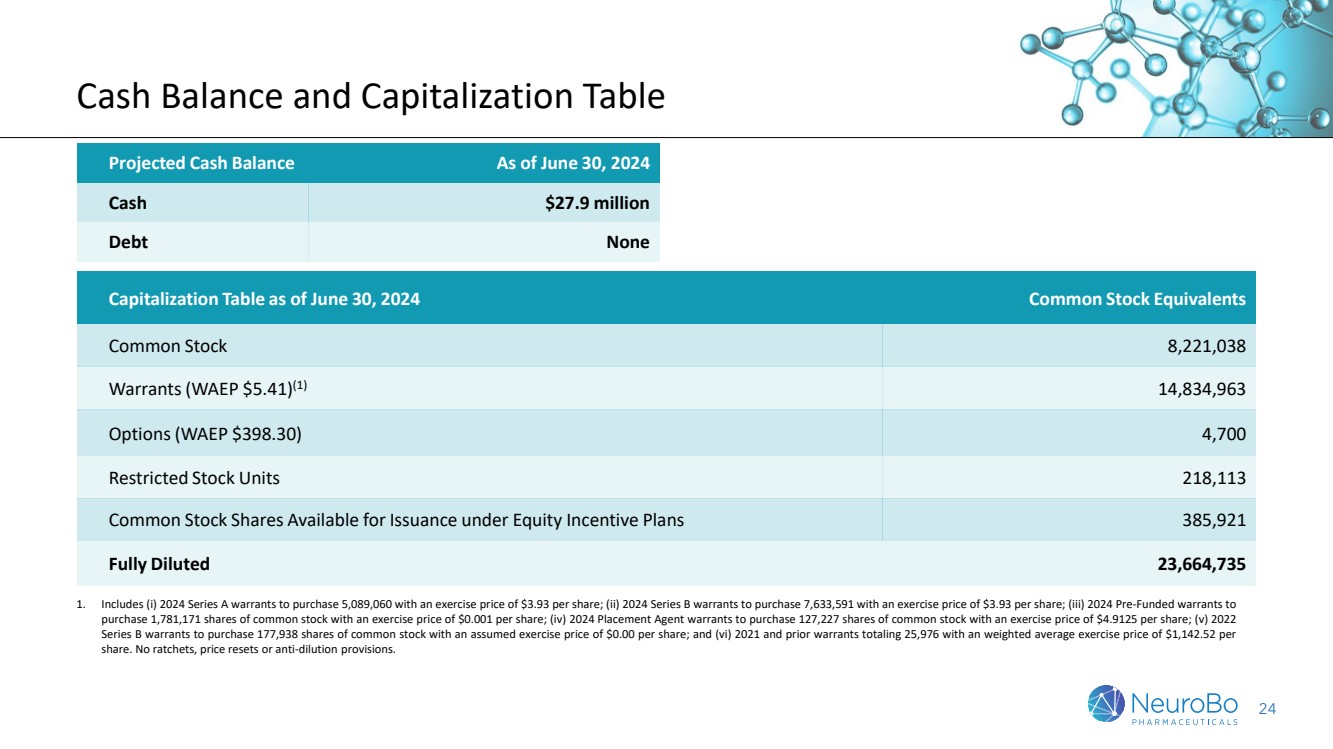
| 24 Cash Balance and Capitalization Table Projected Cash Balance As of June 30, 2024 Cash $27.9 million Debt None Capitalization Table as of June 30, 2024 Common Stock Equivalents Common Stock 8,221,038 Warrants (WAEP $5.41)(1) 14,834,963 Options (WAEP $398.30) 4,700 Restricted Stock Units 218,113 Common Stock Shares Available for Issuance under Equity Incentive Plans 385,921 Fully Diluted 23,664,735 1. Includes (i) 2024 Series A warrants to purchase 5,089,060 with an exercise price of $3.93 per share; (ii) 2024 Series B warrants to purchase 7,633,591 with an exercise price of $3.93 per share; (iii) 2024 Pre-Funded warrants to purchase 1,781,171 shares of common stock with an exercise price of $0.001 per share; (iv) 2024 Placement Agent warrants to purchase 127,227 shares of common stock with an exercise price of $4.9125 per share; (v) 2022 Series B warrants to purchase 177,938 shares of common stock with an assumed exercise price of $0.00 per share; and (vi) 2021 and prior warrants totaling 25,976 with an weighted average exercise price of $1,142.52 per share. No ratchets, price resets or anti-dilution provisions. |
| 25 Multiple Near-Term Milestones: Targeting to Increase Shareholder Value Investments in the current DA-1241 Phase 2a and DA-1726 Phase 1 have the potential for significant returns in the event of clinical and regulatory success Q1/Q2 2025 Meeting with FDA 2024 2025 DA-1241 Q3 2024 Phase 2a Last Patient Last Visit Q4 2024 Phase 2a Top Line Results Q1 2024 Phase 1 IND No Objections DA-1726 Q3 2024 Phase 1 (Part 1) Interim Results Planned Cohorts Q2 2024 Phase 1 (Part 1) First Patient In Q2 2024 Phase 1 (Part 2) First Patient In Q1 2025 Phase 1 (Part 2) Last Patient Visit Interim Results * These milestones assume regulatory and clinical success, which is not guaranteed Q2 2025 Phase 1 (Part 3) IND Update Submission |
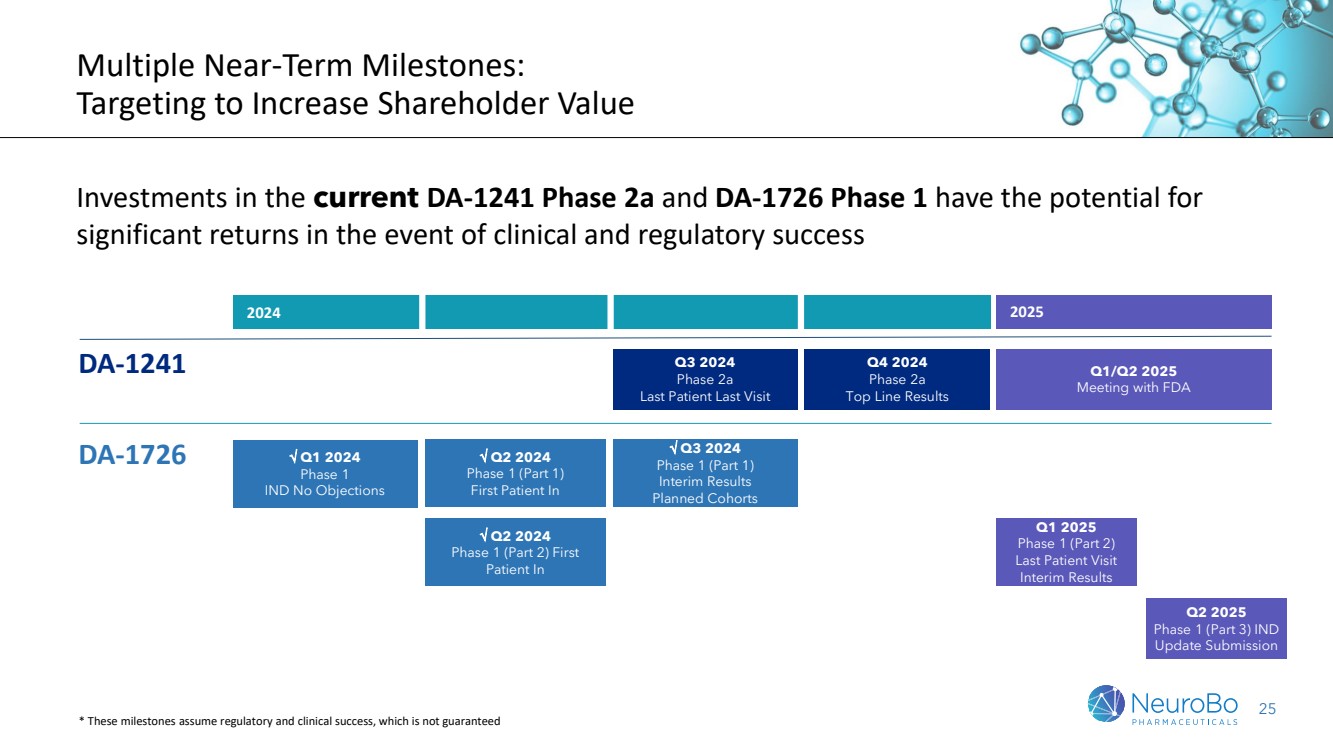
| 26 DA-1726: Upcoming Phase 1 Part 3 Trial in Obesity Timeline Phase 1 Part 3 will assess total weight loss at 24 weeks, exploring maximum titratable dose and dietary changes. 2025 2026 DA-1726 Part 3 H1 2026 Part 3 Last Patient Visit Q3 2025 Part 3 First Patient Dosed H2 2026 Part 3 Top Line Results * These milestones assume regulatory and clinical success, which is not guaranteed Q2 2025 Part 3 IND Update Submission Q2 2025 Part 3 IRB Approval Q4 2025 Part 3 Last Patient Enrolled Mid Year 2026 Part 3 Interim Analysis |
| December 2023 NASDAQ: NRBO 27 Investment Thesis |
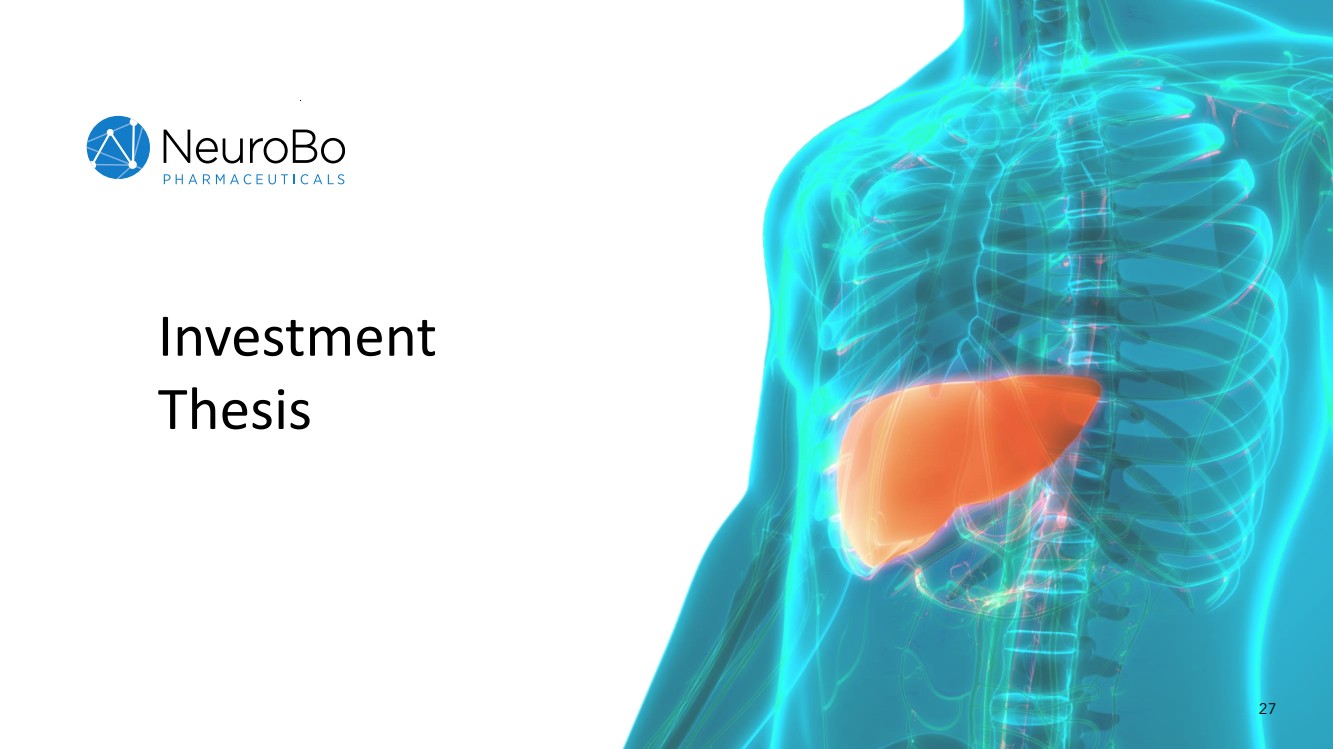
| 28 Compelling Investment Opportunity Targeting Obesity and MASH with a Pipeline of Next Generation Therapeutics ▪ Aiming to increase Shareholder Value through Multiple, Near-Term, Value Creating Milestones • DA-1726 ✓ Ongoing Phase 1 trial for the treatment of obesity ✓ Part 1 (SAD) top line data from planned cohorts showed a strong safety profile o Additional cohort(s) are being added to Part 1 (SAD) to explore maximum tolerable dose o Part 2 (MAD) interim data readout from planned cohorts expected in Q1 2025 • DA-1241 ✓ Ongoing Phase 2a in subjects with presumed MASH o Top-line data readout expected in Q4 2024 ▪ Backed by Strategic Partner and Major Shareholder, Dong-A ST ▪ Well capitalized with approximately $27.9 million in Cash at the end of Q2 2024. Additional $50 million in aggregate gross proceeds may be received if all milestone-based warrants are fully exercised. |
| December 2023 NASDAQ: NRBO 29 Thank You! Investor Contacts: Rx Communications Group Michael Miller +1 917.633.6086 [email protected] NeuroBo Pharmaceuticals Marshall Woodworth +1 919.749.8748 [email protected] |