NextCure, Inc 8-K, filed Apr 10, 2025
NextCure, Inc. (NXTC)
About this 8-K
NextCure, Inc filed this 8-K on April 10, 2025.
Items reported
- Item 7.01: Regulation FD disclosure
- Item 9.01: Financial statements and exhibits
UNITED STATES
SECURITIES AND EXCHANGE COMMISSION
Washington, D.C. 20549
FORM
CURRENT REPORT
Pursuant to Section 13 or 15(d) of the Securities Exchange Act of 1934
Date of Report (Date of earliest event reported):
(Exact name of registrant as specified in its charter)
|
|
|
|
|
| ||
(Address of principal |
| (Zip Code) |
executive offices) |
|
|
Registrant's telephone number, including area code: (
(Former name or former address, if changed since last report.)
Check the appropriate box below if the Form 8-K filing is intended to simultaneously satisfy the filing obligation of the registrant under any of the following provisions:
Securities registered pursuant to Section 12(b) of the Act:
|
|
|
Title of each class | Trading Symbol(s) | Name of each exchange on which registered |
Indicate by check mark whether the registrant is an emerging growth company as defined in Rule 405 of the Securities Act of 1933 (§230.405 of this chapter) or Rule 12b-2 of the Securities Exchange Act of 1934 (§240.12b-2 of this chapter). Emerging growth company
If an emerging growth company, indicate by check mark if the registrant has elected not to use the extended transition period for complying with any new or revised financial accounting standards provided pursuant to Section 13(a) of the Exchange Act. ☐
Item 7.01 Regulation FD Disclosure
On April 10, 2025, NextCure, Inc. (the “Company”) updated its corporate presentation to reflect updates on its ongoing clinical trial of LNCB74. Beginning on April 10, 2025, the Company will be engaging with members of the investment community, which may reference these presentation materials. The Company is furnishing a copy of such presentation materials, which is attached hereto as Exhibit 99.1.
The information furnished in this Item 7.01 (including Exhibit 99.1) shall not be deemed to be “filed” for purposes of the Exchange Act, or otherwise subject to the liabilities of that section, and is not incorporated by reference into any filing under the Securities Act, or the Exchange Act, except as shall be expressly set forth by specific reference in such a filing.
Item 9.01Financial Statements and Exhibits
(d) Exhibits.
Exhibit No. | | Description |
99.1 | | |
104 | | Cover Page Interactive Data File (embedded within the inline XBRL document) |
SIGNATURE
Pursuant to the requirements of the Securities Exchange Act of 1934, the registrant has duly caused this report to be signed on its behalf by the undersigned hereunto duly authorized.
Dated: April 10, 2025 | NEXTCURE, INC. | |
|
|
|
| By: | /s/ Steven P. Cobourn |
| Name: | Steven P. Cobourn |
| Title: | Chief Financial Officer |
| Corporate Presentation NASDAQ: NXTC APRIL 2025 |

| Forward-Looking Statement 2 To the extent that statements contained in this presentation are not descriptions of historical facts, they may be deemed to be forward-looking statements under the Private Securities Litigation Reform Act of 1995. These statements are based on current expectations, forecasts, assumptions and other information available to NextCure as of the date hereof. Forward-looking statements include statements regarding NextCure’s expectations, beliefs, intentions or strategies regarding the future and can be identified by forward-looking words such as “may,” “will,” “potential,” “expects,” “believes,” “intends,” “hope,” “towards,” “forward,” “later” and similar expressions. Examples of forward-looking statements in this presentation include, among others, statements about the development plans for our products, statements about the progress and evaluation and expected timing of results of NextCure’s ongoing or planned clinical trials, expectations regarding the potential benefits, activity, effectiveness and safety of our research stage, preclinical stage, and clinical stage therapeutic candidates, NextCure’s financial guidance, expected upcoming milestones, and NextCure’s plans, objectives and intentions with respect to the discovery and development of therapeutic products. Forward-looking statements involve substantial risks and uncertainties that could cause actual results to differ materially from those projected in any forward-looking statement. Such risks and uncertainties include, among others: the impacts of the COVID-19 pandemic on NextCure’s business, including NextCure’s clinical trials, third parties on which NextCure relies and NextCure’s operations; positive results in preclinical studies may not be predictive of the results of clinical trials; NextCure’s limited operating history and no products approved for commercial sale; NextCure’s history of significant losses; NextCure’s need to obtain additional financing; risks related to clinical development, marketing approval and commercialization; the unproven approach to the discovery and development of product candidates based on NextCure’s discovery platform; and dependence on key personnel. More detailed information on these and additional factors that could affect NextCure’s actual results are described in NextCure’s filings with the Securities and Exchange Commission (the “SEC”), including in Item 1A of NextCure’s most recent Form 10-K, subsequent Form 10-Q and elsewhere in the Company’s filings with the SEC. You should not place undue reliance on any forward-looking statements. Forward-looking statements speak only as of the date of this press release, and NextCure assumes no obligation to update any forward-looking statements, except as required by law, even if expectations change. |
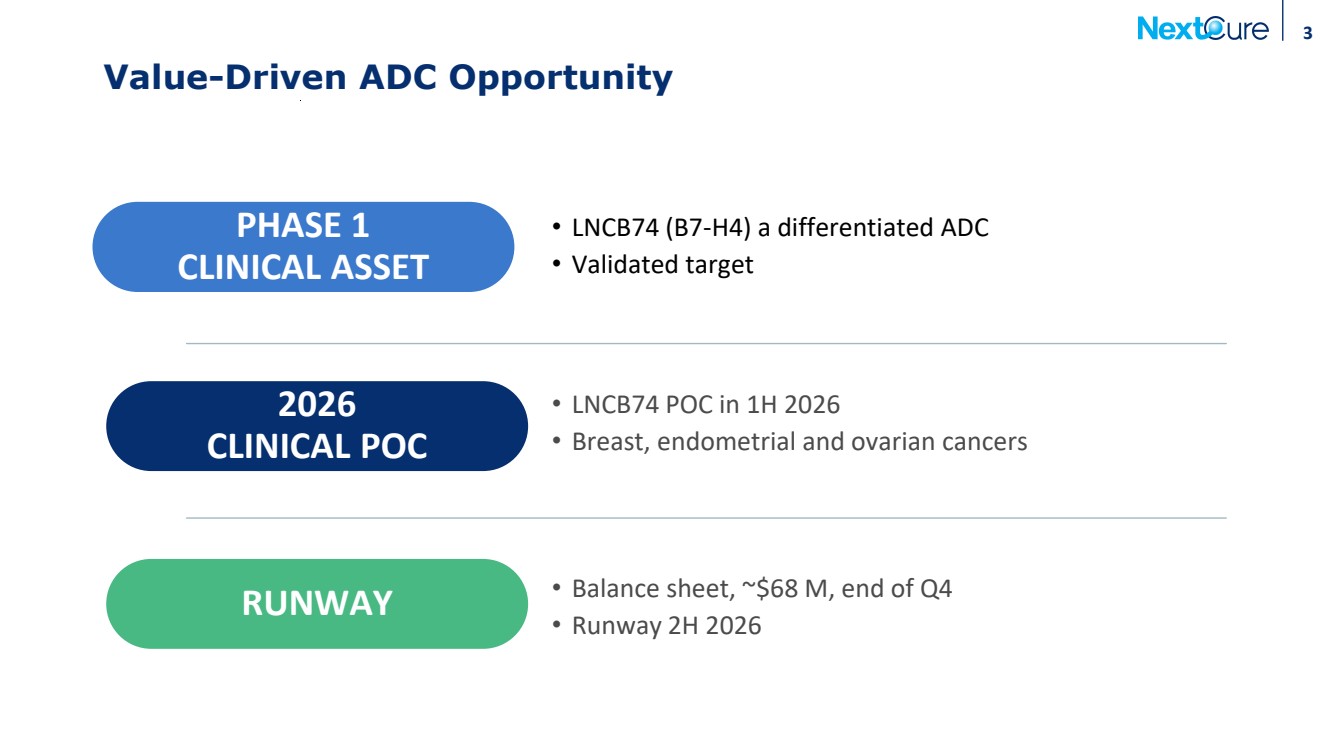
| 3 Value-Driven ADC Opportunity • LNCB74 POC in 1H 2026 • Breast, endometrial and ovarian cancers 2026 CLINICAL POC PHASE 1 CLINICAL ASSET • LNCB74 (B7-H4) a differentiated ADC • Validated target • Balance sheet, ~$68 M, end of Q4 • Runway 2H 2026 RUNWAY |
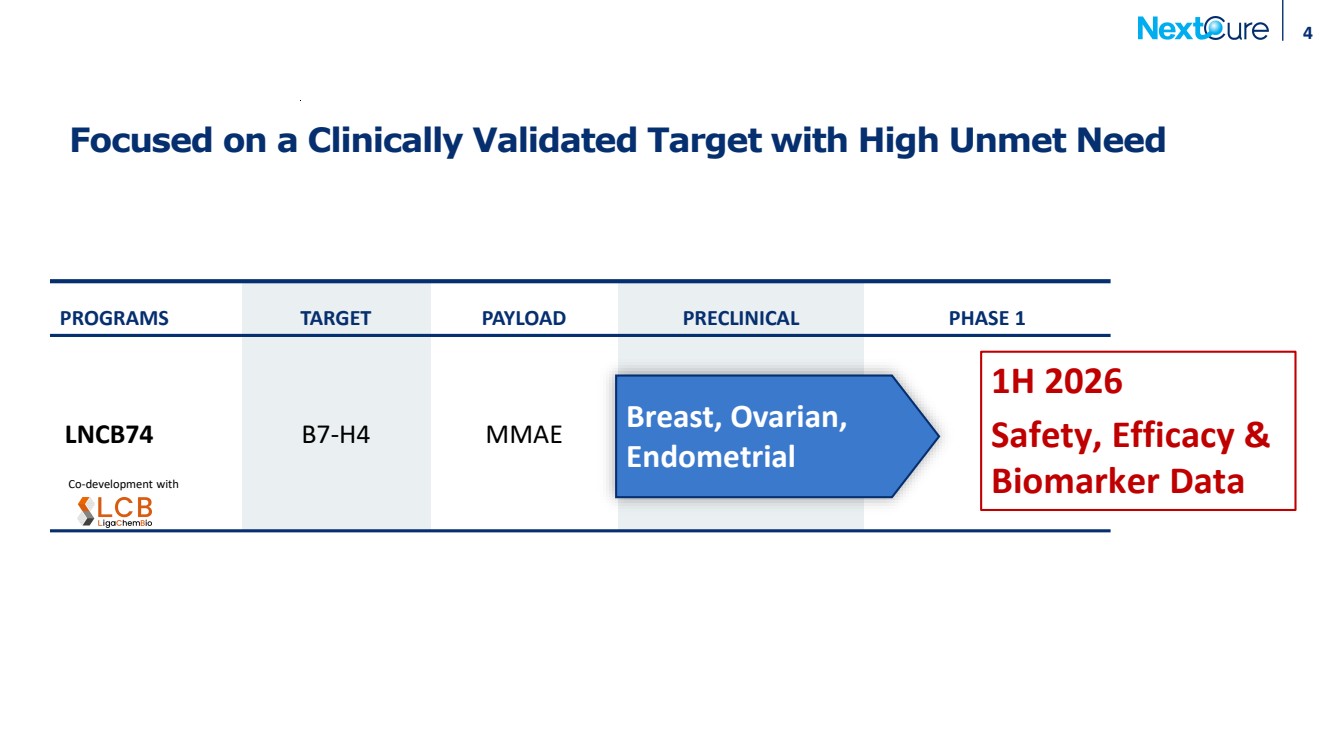
| Focused on a Clinically Validated Target with High Unmet Need 4 PROGRAMS TARGET PAYLOAD PRECLINICAL PHASE 1 LNCB74 B7-H4 MMAE Co-development with Breast, Ovarian, Endometrial 1H 2026 Safety, Efficacy & Biomarker Data |
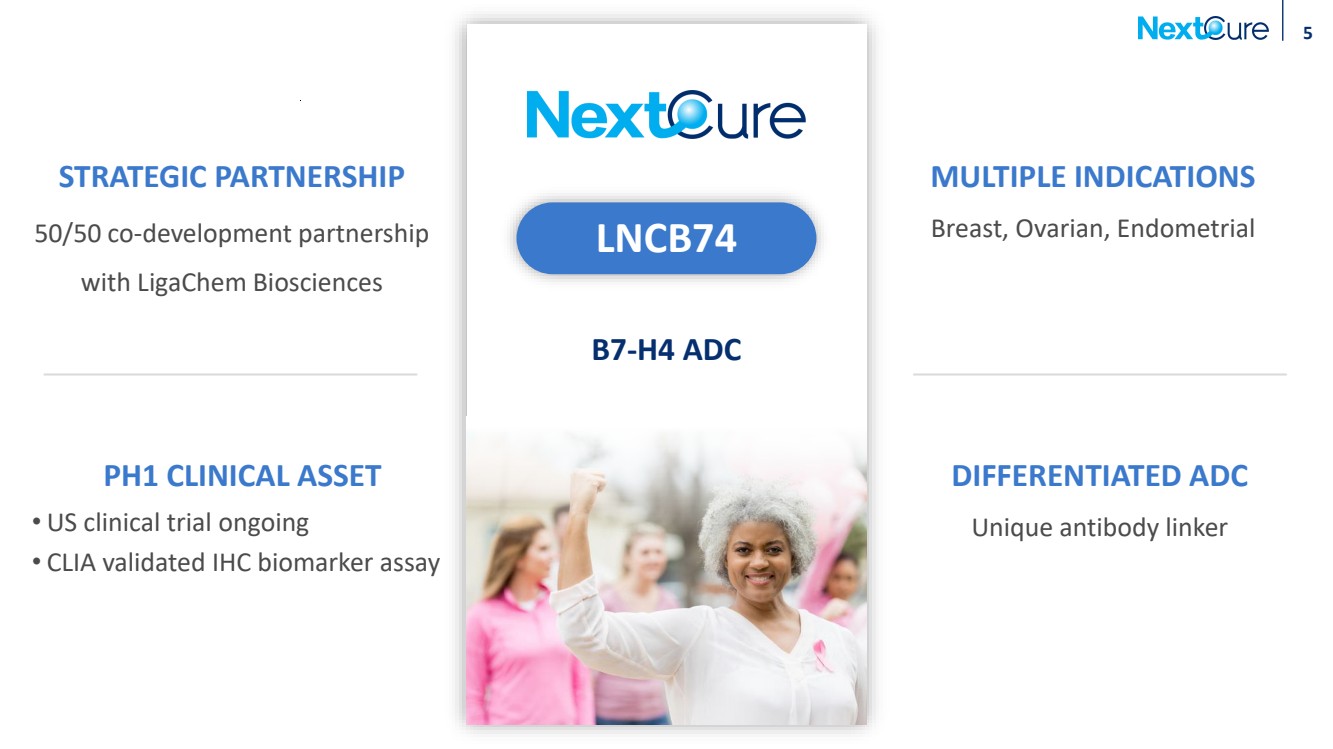
| 5 LNCB74 B7-H4 ADC DIFFERENTIATED ADC Unique antibody linker STRATEGIC PARTNERSHIP 50/50 co-development partnership with LigaChem Biosciences MULTIPLE INDICATIONS Breast, Ovarian, Endometrial PH1 CLINICAL ASSET • US clinical trial ongoing • CLIA validated IHC biomarker assay |
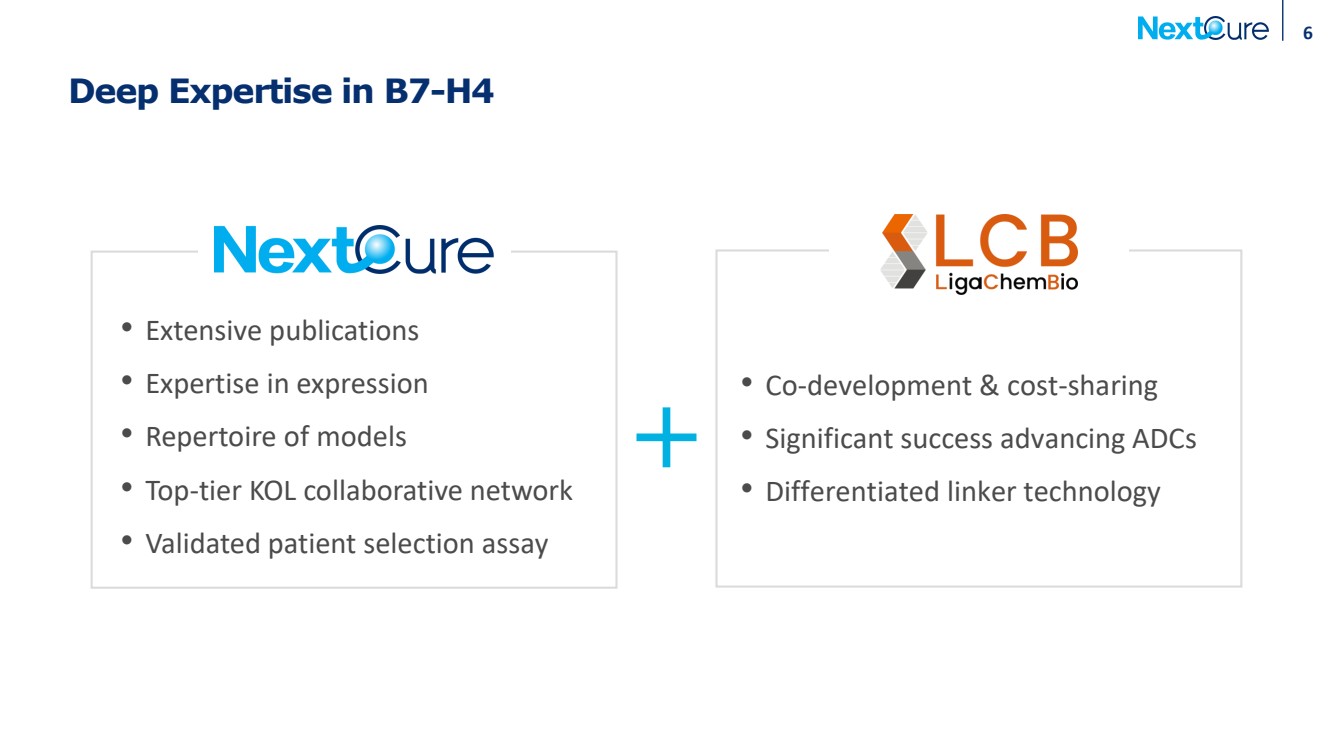
| Deep Expertise in B7-H4 6 • Extensive publications • Expertise in expression • Repertoire of models • Top-tier KOL collaborative network • Validated patient selection assay • Co-development & cost-sharing • Significant success advancing ADCs • Differentiated linker technology |
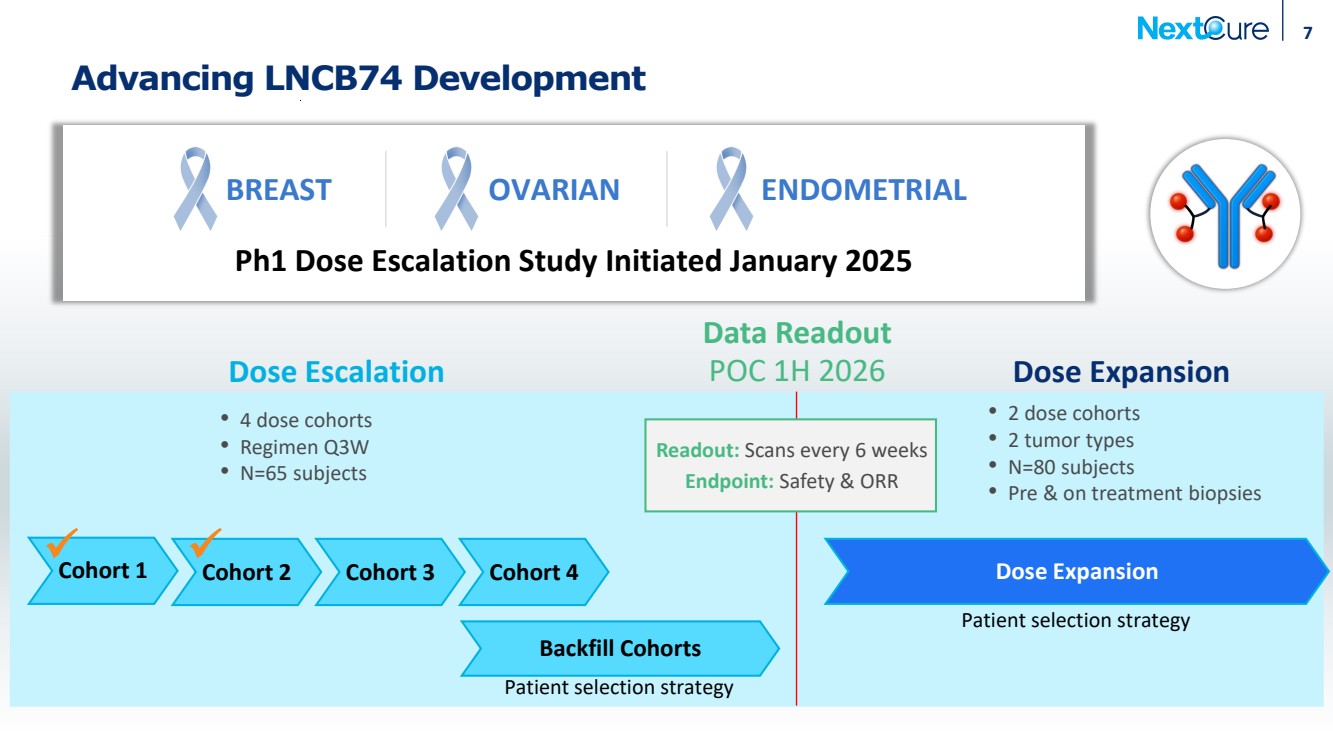
| Advancing LNCB74 Development Data Readout POC 1H 2026 Cohort 1 Cohort 2 Cohort 3 Cohort 4 Backfill Cohorts ✓ ✓ 7 Dose Expansion • 4 dose cohorts • Regimen Q3W • N=65 subjects • 2 dose cohorts • 2 tumor types • N=80 subjects • Pre & on treatment biopsies Patient selection strategy Patient selection strategy Dose Escalation Dose Expansion BREAST OVARIAN ENDOMETRIAL Ph1 Dose Escalation Study Initiated January 2025 Readout: Scans every 6 weeks Endpoint: Safety & ORR |
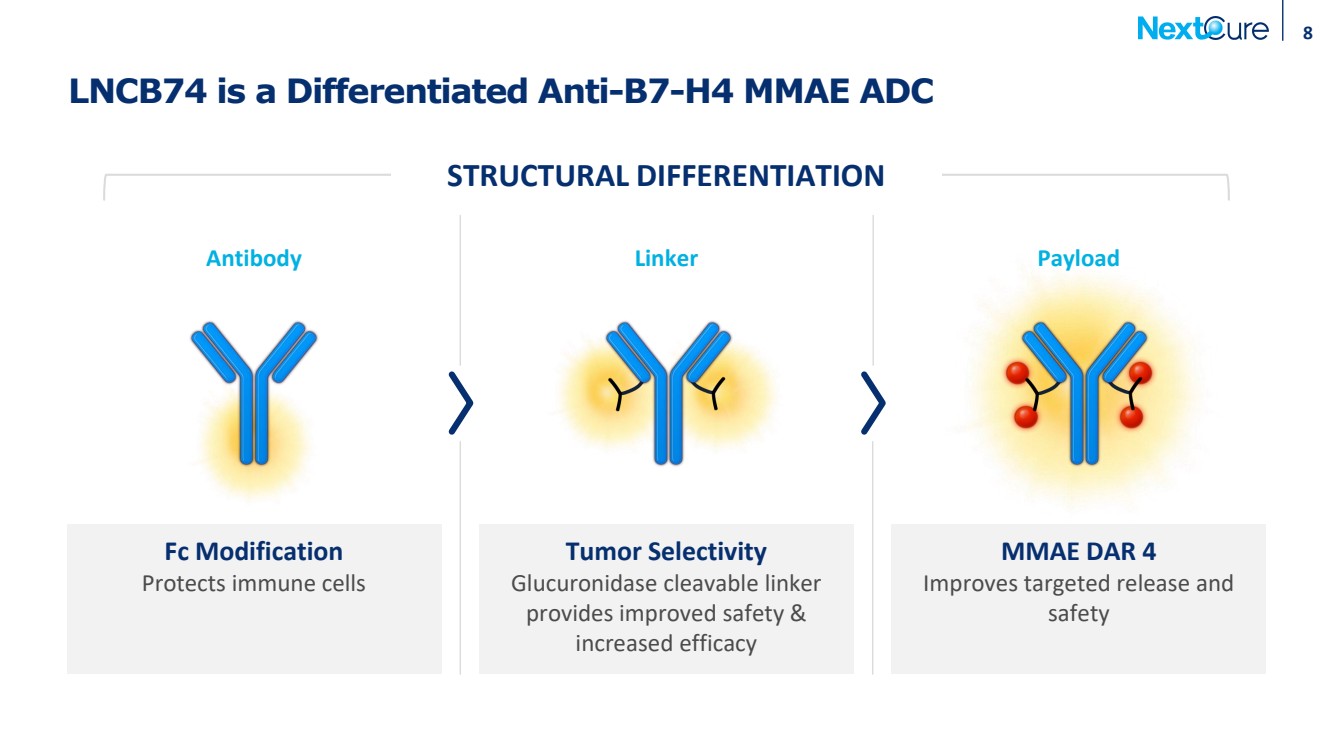
| LNCB74 is a Differentiated Anti-B7-H4 MMAE ADC Fc Modification Protects immune cells Tumor Selectivity Glucuronidase cleavable linker provides improved safety & increased efficacy 8 MMAE DAR 4 Improves targeted release and safety Antibody Linker Payload STRUCTURAL DIFFERENTIATION |
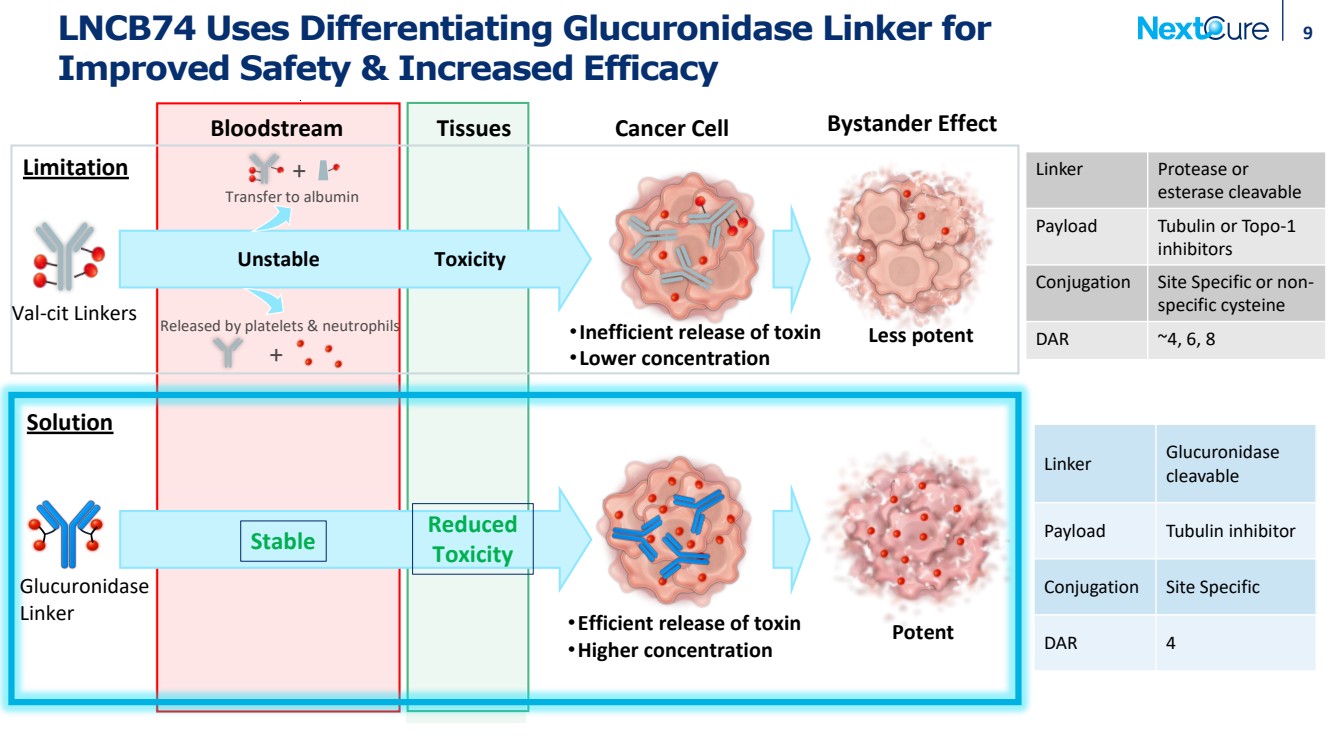
| LNCB74 Uses Differentiating Glucuronidase Linker for Improved Safety & Increased Efficacy 9 Bloodstream Tissues Cancer Cell Bystander Effect Linker Glucuronidase cleavable Payload Tubulin inhibitor Conjugation Site Specific DAR 4 •Efficient release of toxin •Higher concentration Stable Potent Solution Reduced Toxicity + + Transfer to albumin Released by platelets & neutrophils Unstable Toxicity •Inefficient release of toxin •Lower concentration Less potent Limitation Linker Protease or esterase cleavable Payload Tubulin or Topo-1 inhibitors Conjugation Site Specific or non-specific cysteine DAR ~4, 6, 8 Val-cit Linkers Glucuronidase Linker |
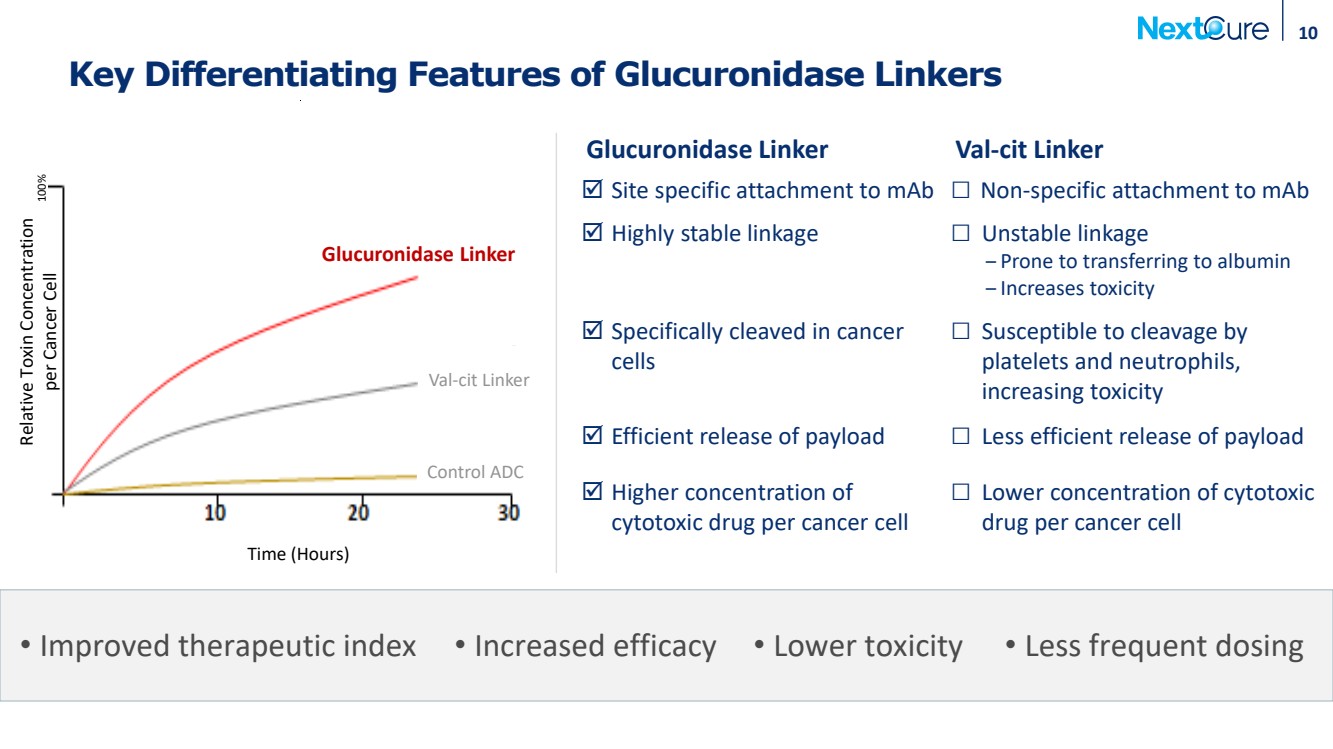
| Key Differentiating Features of Glucuronidase Linkers 10 Time (Hours) Relative Toxin Concentration per Cancer Cell 100% Val-cit Linker Glucuronidase Linker Control ADC Glucuronidase Linker Val-cit Linker Site specific attachment to mAb □ Non-specific attachment to mAb Highly stable linkage □ Unstable linkage ‒ Prone to transferring to albumin ‒ Increases toxicity Specifically cleaved in cancer cells □ Susceptible to cleavage by platelets and neutrophils, increasing toxicity Efficient release of payload □ Less efficient release of payload Higher concentration of cytotoxic drug per cancer cell □ Lower concentration of cytotoxic drug per cancer cell • Improved therapeutic index • Increased efficacy • Lower toxicity • Less frequent dosing |
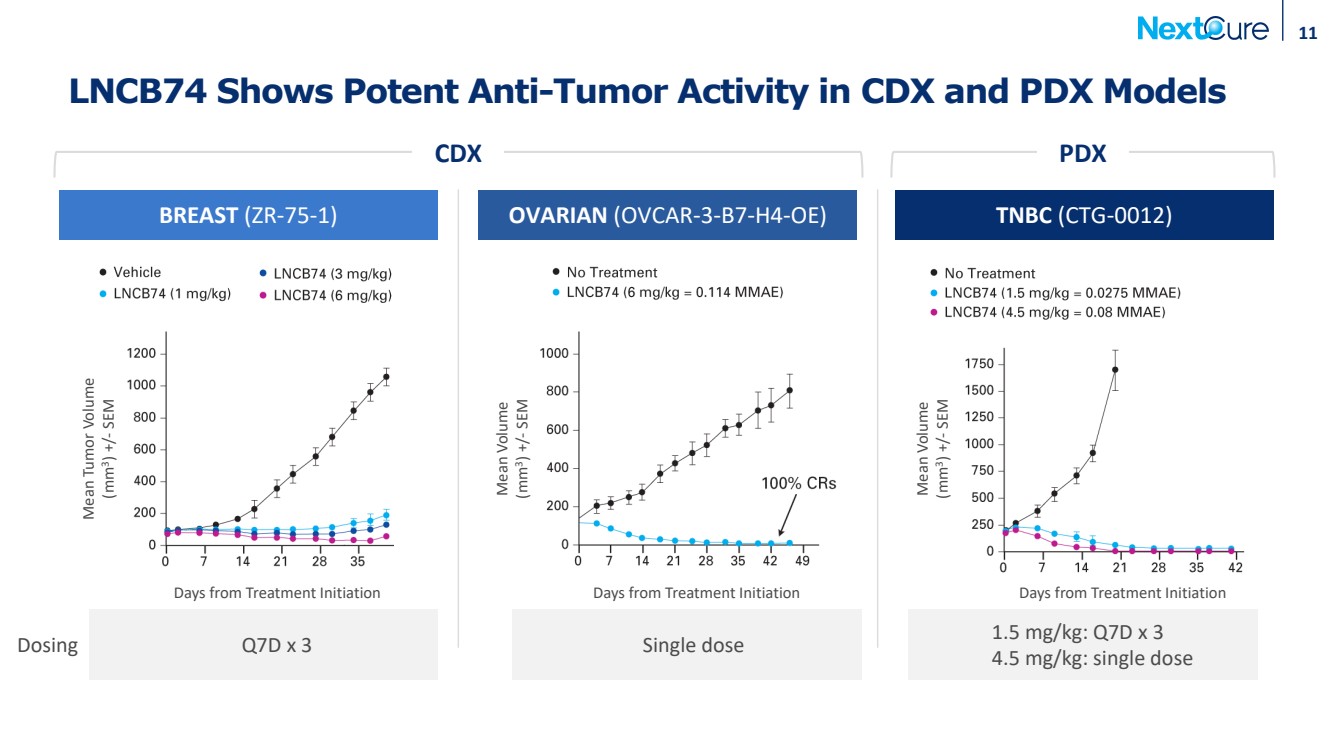
| 11 LNCB74 Shows Potent Anti-Tumor Activity in CDX and PDX Models OVARIAN (OVCAR-3-B7-H4-OE) Days from Treatment Initiation Mean Volume (mm3) +/- SEM TNBC (CTG-0012) Mean Volume (mm3) +/- SEM Days from Treatment Initiation BREAST (ZR-75-1) Days from Treatment Initiation Mean Tumor Volume (mm3) +/- SEM CDX PDX Dosing Q7D x 3 1.5 mg/kg: Q7D x 3 4.5 mg/kg: single dose Single dose |
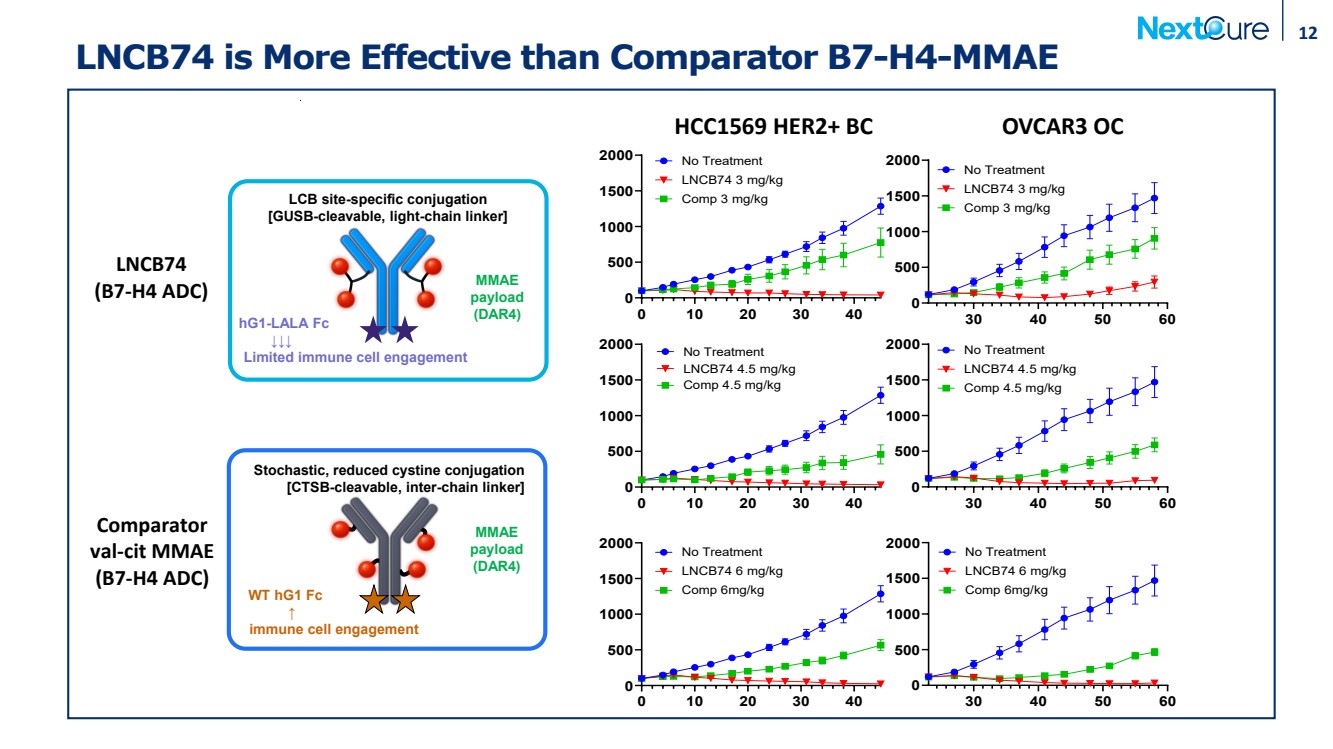
| LNCB74 is More Effective than Comparator B7-H4-MMAE 12 0 10 20 30 40 0 500 1000 1500 2000 No Treatment LNCB74 3 mg/kg Comp 3 mg/kg 0 10 20 30 40 0 500 1000 1500 2000 No Treatment Comp 4.5 mg/kg LNCB74 4.5 mg/kg 0 10 20 30 40 0 500 1000 1500 2000 No Treatment LNCB74 6 mg/kg Comp 6mg/kg 30 40 50 60 0 500 1000 1500 2000 No Treatment LNCB74 3 mg/kg Comp 3 mg/kg 30 40 50 60 0 500 1000 1500 2000 No Treatment LNCB74 4.5 mg/kg Comp 4.5 mg/kg 30 40 50 60 0 500 1000 1500 2000 No Treatment LNCB74 6 mg/kg Comp 6mg/kg HCC1569 HER2+ BC OVCAR3 OC Comparator val-cit MMAE (B7-H4 ADC) WT hG1 Fc ↑ immune cell engagement MMAE payload (DAR4) Stochastic, reduced cystine conjugation [CTSB-cleavable, inter-chain linker] LNCB74 (B7-H4 ADC) LCB site-specific conjugation [GUSB-cleavable, light-chain linker] hG1-LALA Fc ↓↓↓ Limited immune cell engagement MMAE payload (DAR4) |
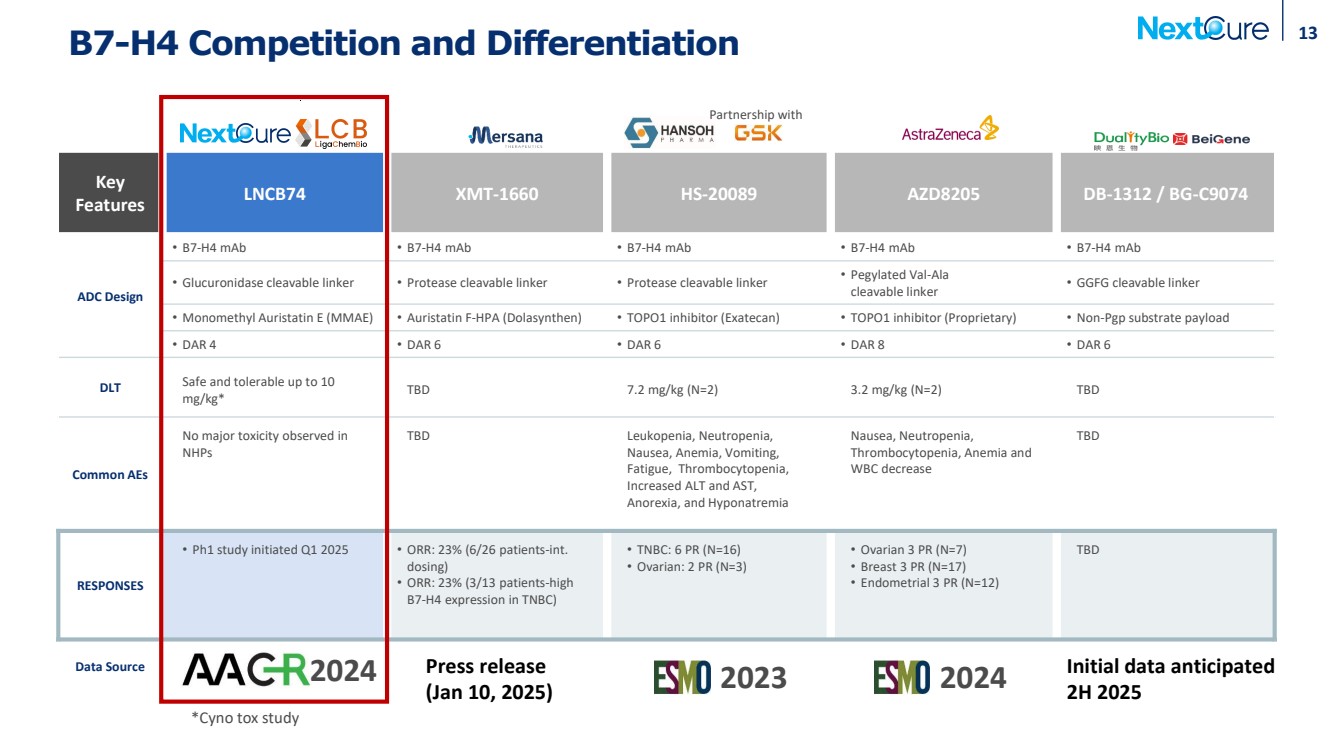
| B7-H4 Competition and Differentiation Key Features LNCB74 XMT-1660 HS-20089 AZD8205 DB-1312 / BG-C9074 ADC Design • B7-H4 mAb • B7-H4 mAb • B7-H4 mAb • B7-H4 mAb • B7-H4 mAb • Glucuronidase cleavable linker • Protease cleavable linker • Protease cleavable linker • Pegylated Val-Ala cleavable linker • GGFG cleavable linker • Monomethyl Auristatin E (MMAE) • Auristatin F-HPA (Dolasynthen) • TOPO1 inhibitor (Exatecan) • TOPO1 inhibitor (Proprietary) • Non-Pgp substrate payload • DAR 4 • DAR 6 • DAR 6 • DAR 8 • DAR 6 DLT Safe and tolerable up to 10 mg/kg* TBD 7.2 mg/kg (N=2) 3.2 mg/kg (N=2) TBD Common AEs No major toxicity observed in NHPs TBD Leukopenia, Neutropenia, Nausea, Anemia, Vomiting, Fatigue, Thrombocytopenia, Increased ALT and AST, Anorexia, and Hyponatremia Nausea, Neutropenia, Thrombocytopenia, Anemia and WBC decrease TBD RESPONSES • Ph1 study initiated Q1 2025 • ORR: 23% (6/26 patients-int. dosing) • ORR: 23% (3/13 patients-high B7-H4 expression in TNBC) • TNBC: 6 PR (N=16) • Ovarian: 2 PR (N=3) • Ovarian 3 PR (N=7) • Breast 3 PR (N=17) • Endometrial 3 PR (N=12) TBD Data Source 2024 2023 *Cyno tox study 2024 Partnership with 13 Press release (Jan 10, 2025) Initial data anticipated 2H 2025 |
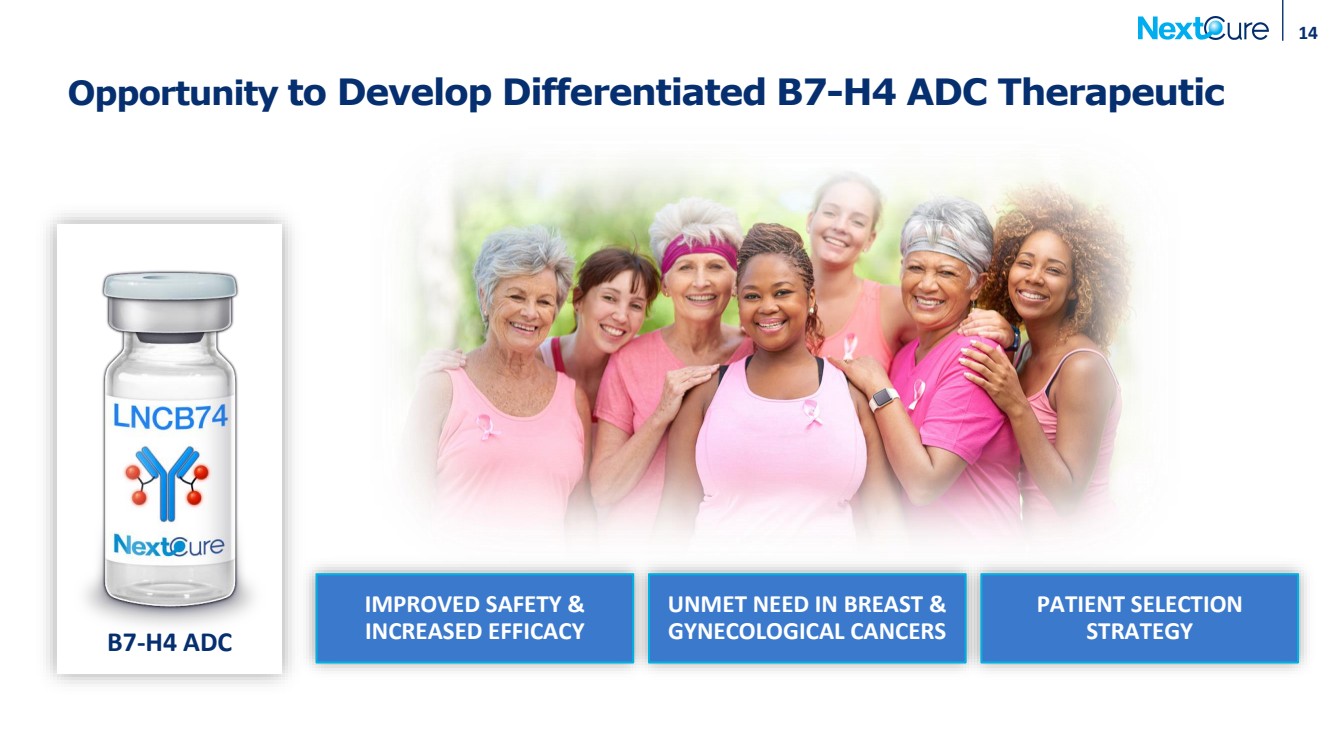
| IMPROVED SAFETY & INCREASED EFFICACY Opportunity to Develop Differentiated B7-H4 ADC Therapeutic 14 B7-H4 ADC UNMET NEED IN BREAST & GYNECOLOGICAL CANCERS PATIENT SELECTION STRATEGY |
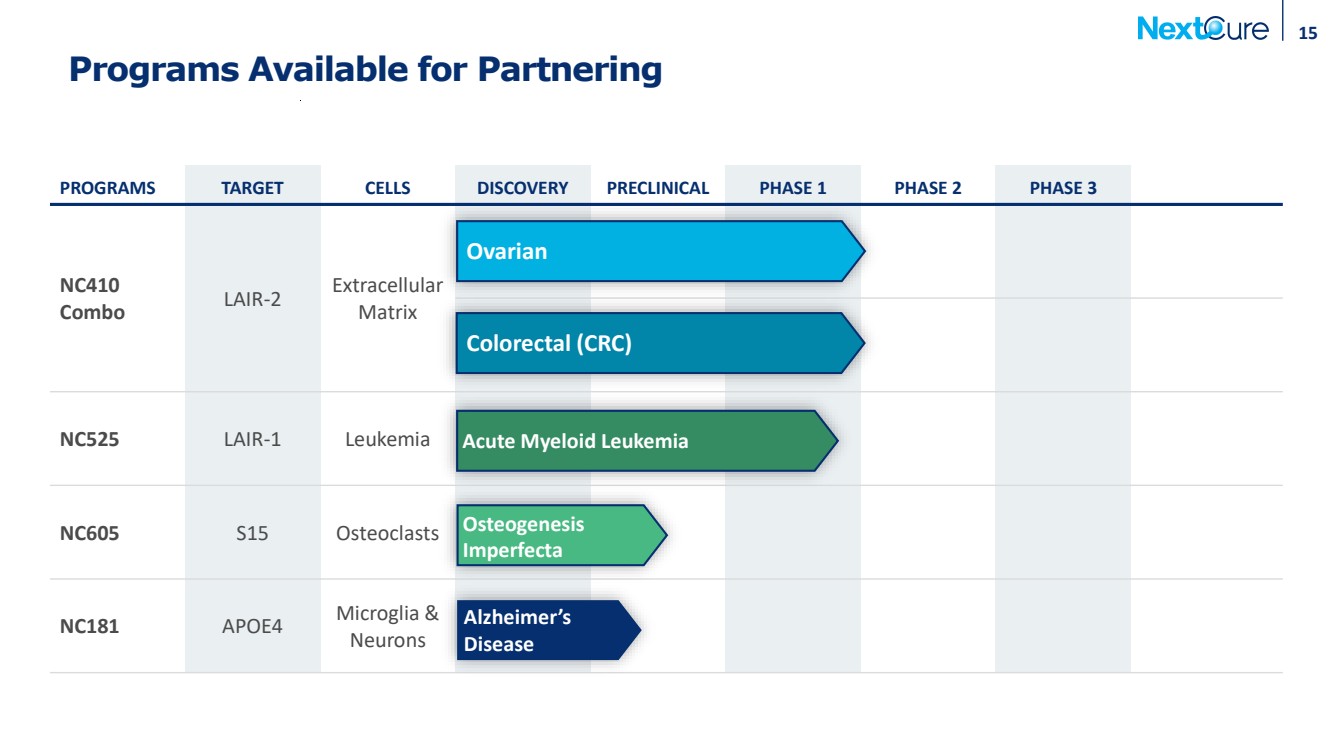
| Programs Available for Partnering 15 PROGRAMS TARGET CELLS DISCOVERY PRECLINICAL PHASE 1 PHASE 2 PHASE 3 NC410 Combo LAIR-2 Extracellular Matrix NC525 LAIR-1 Leukemia NC605 S15 Osteoclasts NC181 APOE4 Microglia & Neurons Alzheimer’s Disease Osteogenesis Imperfecta Acute Myeloid Leukemia Colorectal (CRC) Ovarian |
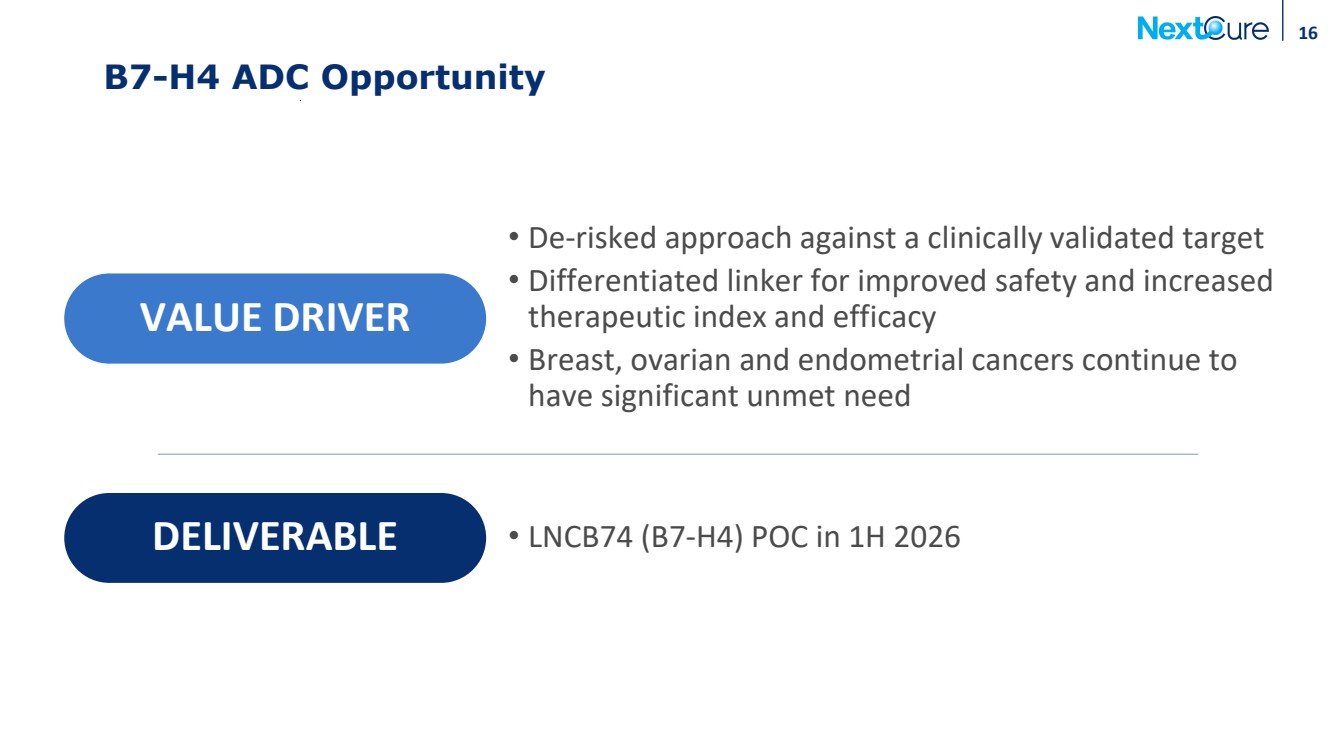
| 16 B7-H4 ADC Opportunity DELIVERABLE • LNCB74 (B7-H4) POC in 1H 2026 VALUE DRIVER • De-risked approach against a clinically validated target • Differentiated linker for improved safety and increased therapeutic index and efficacy • Breast, ovarian and endometrial cancers continue to have significant unmet need |