
PEPG 8-K
PepGen Inc. (PEPG)
UNITED STATES
SECURITIES AND EXCHANGE COMMISSION
WASHINGTON, D.C. 20549
FORM
CURRENT REPORT
Pursuant to Section 13 or 15(d)
of the Securities Exchange Act of 1934
Date of Report (Date of earliest event reported):
(Exact name of Registrant as Specified in Its Charter)
| (State or Other Jurisdiction of Incorporation) |
(Commission File Number) |
(IRS Employer Identification No.) |
| |
||
| (Address of Principal Executive Offices) | (Zip Code) |
Registrant’s Telephone Number, Including Area Code:
(Former Name or Former Address, if Changed Since Last Report)
Check the appropriate box below if the Form 8-K filing is intended to simultaneously satisfy the filing obligation of the registrant under any of the following provisions:
| Written communications pursuant to Rule 425 under the Securities Act (17 CFR 230.425) |
| Soliciting material pursuant to Rule 14a-12 under the Exchange Act (17 CFR 240.14a-12) |
| Pre-commencement communications pursuant to Rule 14d-2(b) under the Exchange Act (17 CFR 240.14d-2(b)) |
| Pre-commencement communications pursuant to Rule 13e-4(c) under the Exchange Act (17 CFR 240.13e-4(c)) |
Securities registered pursuant to Section 12(b) of the Act:
| Title of each class |
Trading Symbol(s) |
Name of each exchange on which registered | ||
Indicate by check mark whether the registrant is an emerging growth company as defined in Rule 405 of the Securities Act of 1933 (§ 230.405 of this chapter) or Rule 12b-2 of the Securities Exchange Act of 1934 (§ 240.12b-2 of this chapter).
Emerging growth company
If an emerging growth company, indicate by check mark if the registrant has elected not to use the extended transition period for complying with any new or revised financial accounting standards provided pursuant to Section 13(a) of the Exchange Act.
| Item 7.01 | Regulation FD Disclosure. |
On September 24, 2025, PepGen Inc. (the “Company”) issued a press release titled “PepGen Announces Highest Mean Splicing Correction Ever Reported in DM1 Patients.” A copy of the press release in connection with the announcement is being furnished as Exhibit 99.1 to this Current Report on Form 8-K.
The information in Item 7.01, in this Current Report on Form 8-K (including Exhibit 99.1 attached hereto) is intended to be furnished and shall not be deemed “filed” for purposes of Section 18 of the Securities Exchange Act of 1934, as amended (the “Exchange Act”) or otherwise subject to the liabilities of that section, nor shall it be deemed incorporated by reference in any filing under the Securities Act of 1933, as amended, or the Exchange Act, except as expressly set forth by specific reference in such filing.
| Item 8.01. | Other Events. |
A copy of the Company’s presentation titled “Freedom-DM1, 15 mg/gk Cohort Data Update”, is filed hereto as Exhibit 99.2 to this Current Report on Form 8-K and is incorporated herein by reference. Representatives of the Company will use the presentation in various meetings with investors from time to time.
Item 9.01 Financial Statements and Exhibits.
| Exhibit Number |
Description | |
| 99.1 | Press Release dated September 24, 2025 | |
| 99.2 | Freedom-DM1, 15 mg/gk Cohort Data Update Presentation, of September 2025 | |
| 104 | Cover page interactive data file (embedded within Inline XBRL document) | |
SIGNATURES
Pursuant to the requirements of the Securities Exchange Act of 1934, the registrant has duly caused this report to be signed on its behalf by the undersigned hereunto duly authorized.
| PEPGEN INC. | ||||||
| Date: September 24, 2025 | By: | /s/ Noel Donnelly | ||||
| Noel Donnelly, Chief Financial Officer | ||||||
Exhibit 99.1
PepGen Announces Highest Mean Splicing Correction Reported in DM1 Patients
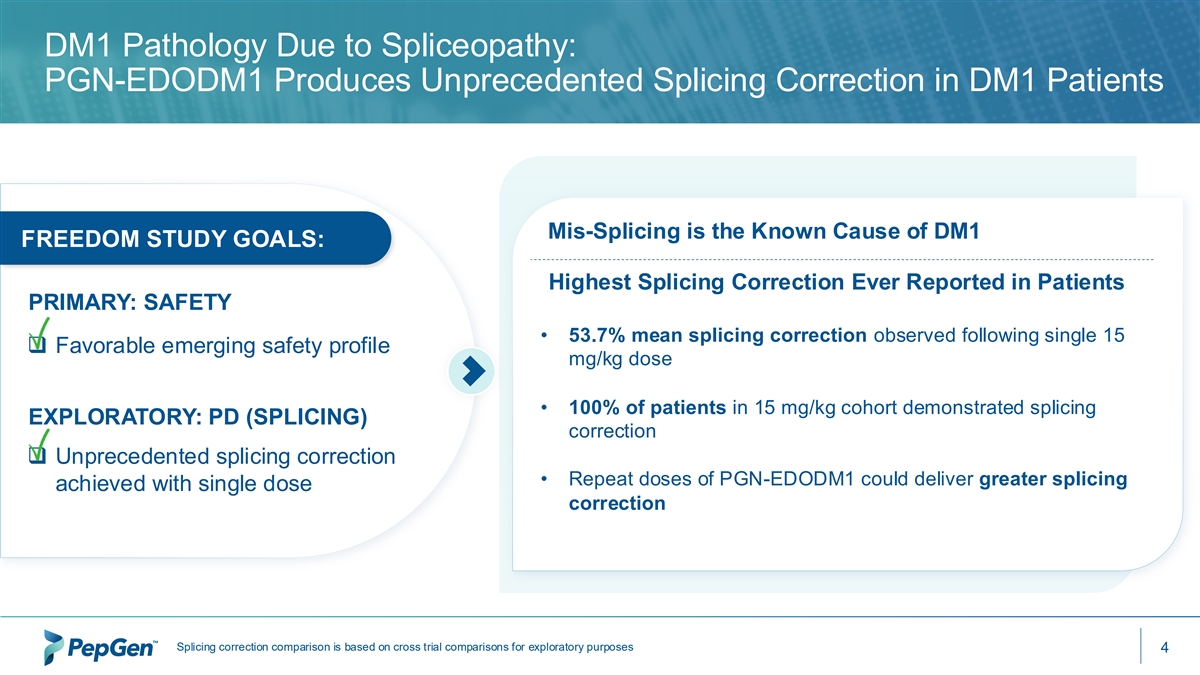
– 53.7% mean splicing correction observed following a single 15 mg/kg dose of PGN-
EDODM1, with all patients showing an improvement in splicing –
– PGN-EDODM1 was generally well-tolerated at 15 mg/kg, with drug-related adverse
events mild or moderate in severity –
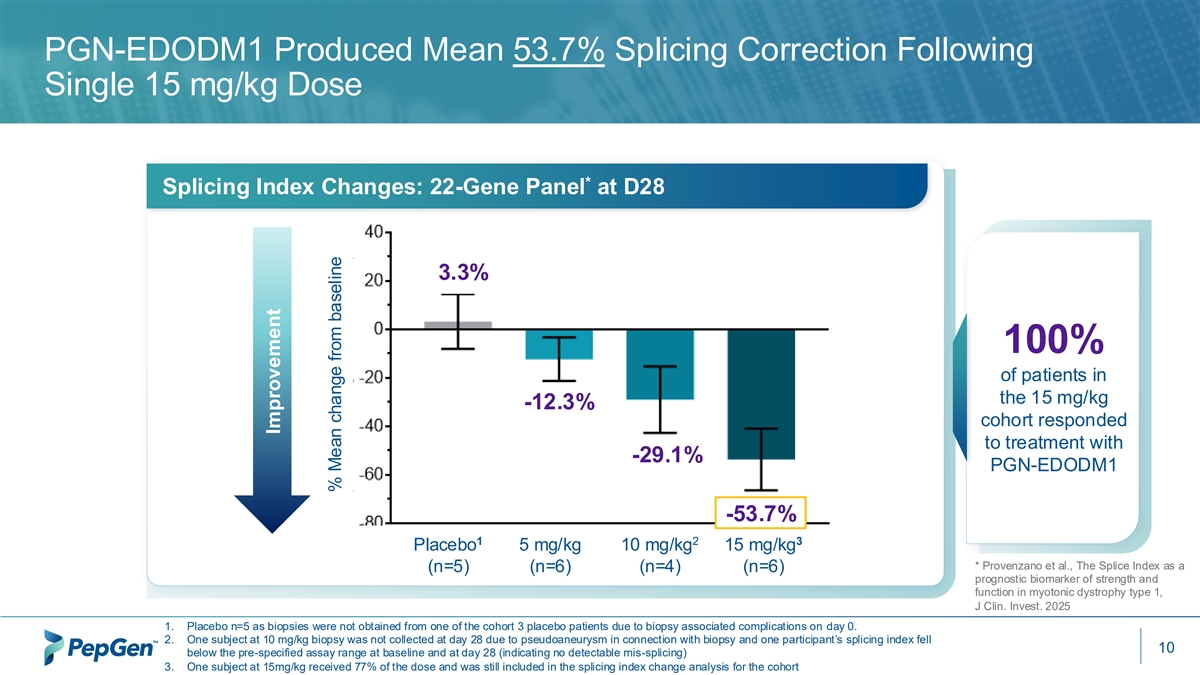
BOSTON—September 24, 2025— PepGen Inc. (Nasdaq: PEPG), a clinical-stage biotechnology company developing the next generation of oligonucleotide therapies with the goal of transforming the treatment of severe neuromuscular and neurological diseases, announced positive clinical data today from the 15 mg/kg dose cohort of its ongoing FREEDOM-DM1 Phase 1 single ascending dose (SAD) study in patients with myotonic dystrophy type 1 (DM1). These latest results demonstrated a mean splicing correction of 53.7% following a single 15 mg/kg dose of PGN-EDODM1, substantially higher than any previously reported splicing correction in DM1 patients.
“We are delighted to report that the FREEDOM clinical study achieved all of its key objectives, including unprecedented splicing correction following a single dose of PGN-EDODM1 at 15 mg/kg,” said Paul Streck, MD, MBA, Executive Vice President of Research and Development at PepGen. “Since mis-splicing is the underlying cause of DM1, we believe high levels of splicing correction have the potential to reverse the underlying molecular defects, and produce functional improvements in multiple outcome measures, including myotonia and muscle weakness, in repeat dose studies.”
James McArthur, PhD, PepGen’s President and Chief Executive Officer, added, “These data build upon and reinforce our previously reported splicing correction levels seen in the FREEDOM single dose cohorts of 5 and 10 mg/kg of PGN-EDODM1. Additionally, we are excited to report that 100% of patients in the 15 mg/kg cohort of our FREEDOM trial showed improved splicing correction following treatment. We look forward to reporting data from the first cohort of FREEDOM2, our multiple ascending dose (MAD) study currently underway, in the first quarter of 2026.”
FREEDOM Results for the 15 mg/kg (n=8) Dose Cohort
Splicing and Muscle Concentration Data:
| • | Mean splicing correction of 53.7% in patients receiving 15 mg/kg of PGN-EDODM1 (n=6), as measured by the 22-gene panel1 at 28 days post-dosing. The Company previously reported mean splicing correction at 5 mg/kg (n=6) and at 10 mg/kg (n=4)2, 3 of 12.3% and 29.1%, respectively, demonstrating greater than dose-proportional increases in splicing correction. |
| • | All six patients (100%) receiving a 15 mg/kg dose of PGN-EDODM1 responded to treatment by showing improved splicing correction. |
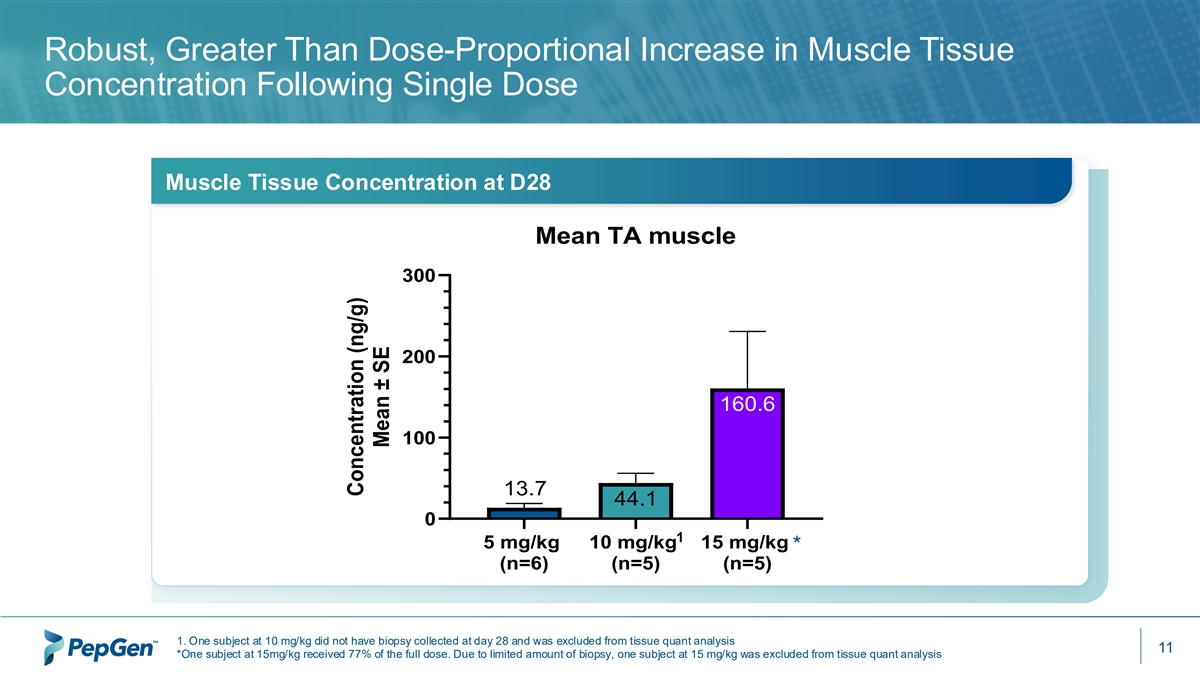
| • | In addition, greater than dose-proportional increases in muscle tissue concentrations of PGN-EDODM1 were observed across 5 mg/kg (n=6), 10 mg/kg (n=5)2 and 15 mg/kg (n=6) at Day 28. |
Safety Data:
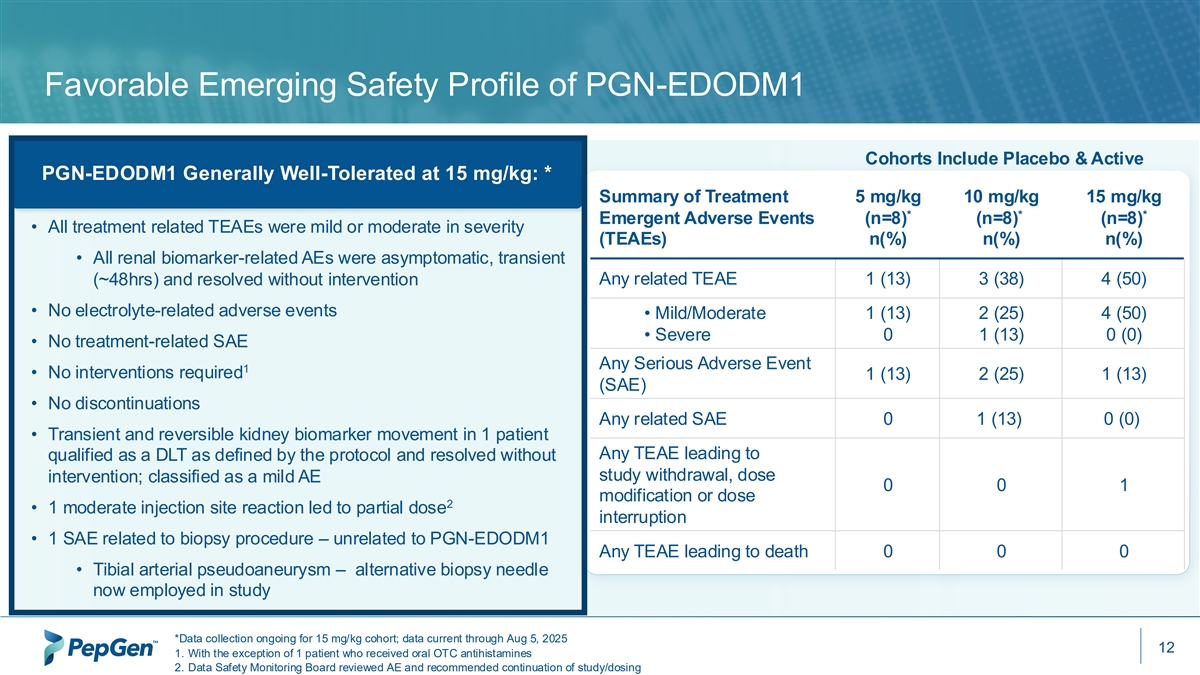
| • | PGN-EDODM1 was generally well-tolerated at 15 mg/kg, with no serious treatment-related adverse events (AEs). All treatment-related AEs at 15 mg/kg were mild or moderate, transient, and with the exception of one patient (who received oral OTC antihistamines), did not require intervention. |
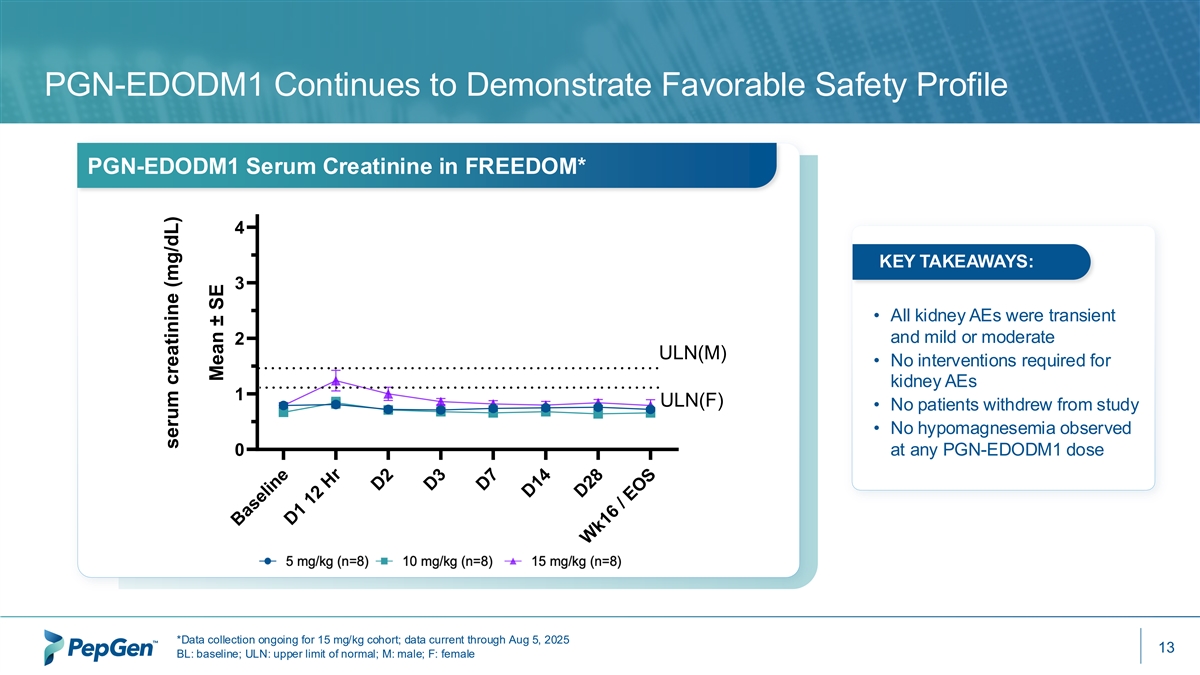
| • | There were no electrolyte-related AEs, including an absence of hypomagnesemia AEs. |
| • | All renal biomarker-related AEs were asymptomatic, transient (~48hrs) and resolved without intervention. A transient and reversible kidney biomarker elevation in one patient qualified as a dose-limiting toxicity, as defined by the study protocol, and was classified as a mild AE, which resolved without intervention. The patient remained in study. |
PepGen anticipates reporting results from the FREEDOM2-DM1 MAD study 5 mg/kg cohort in the first quarter of 2026, and also expects to begin dosing its 10 mg/kg cohort in the first quarter of 2026.
A copy of our corporate presentation including these results will be posted on the Events & Presentations section of the PepGen investor website, investors.pepgen.com.
About PGN-EDODM1
PGN-EDODM1, PepGen’s investigational candidate in development for the treatment of myotonic dystrophy type 1 (DM1), utilizes the Company’s proprietary Enhanced Delivery Oligonucleotide (EDO) technology to deliver a therapeutic oligonucleotide that is designed to restore the normal splicing function of MBNL1, a key RNA splicing protein. PGN-EDODM1 addresses the deleterious effects of cytosine-uracil-guanine (CUG) repeat expansion in the dystrophia myotonic protein kinase (DMPK) transcripts which sequester MBNL1, by binding to the pathogenic CUG trinucleotide repeat expansion
present in the DMPK transcripts, and disrupting the binding between the CUG repeat expansion and MBNL1. PepGen believes this innovative therapeutic approach may have considerable advantages over oligonucleotide modalities that rely on knockdown or degradation of the DMPK transcripts as it will allow the DMPK transcripts to continue to perform their normal function within the cell, while also liberating MBNL1 to correct downstream mis-splicing events. The U.S. Food and Drug Administration has granted PGN-EDODM1 both Orphan Drug and Fast Track Designations for the treatment of patients with DM1.
About the FREEDOM Clinical Program
FREEDOM-DM1 is a multinational, randomized, double-blind, placebo-controlled Phase 1 single ascending dose (SAD) study, enrolling 24 adult participants with DM1 in multiple geographies including the United States, the United Kingdom (UK) and Canada, to evaluate the safety and tolerability of PGN-EDODM1. Per the protocol, PGN-EDODM1 was administered at starting doses of 5 mg/kg and 10 mg/kg with subsequent dose escalation to 15 mg/kg, based upon evaluation by a data safety monitoring board of safety data from the prior dose cohort(s). Muscle biopsies are being conducted at baseline, at Day 28 and at Week 16. In addition to safety and tolerability, oligonucleotide muscle concentrations, splicing correction and functional outcome measures are being assessed at Day 28 and at Week 16 following a single dose of PGN-EDODM1.
FREEDOM2-DM1 is a Phase 2 randomized, double-blind, placebo-controlled, multiple ascending dose clinical trial evaluating PGN-EDODM1 in approximately 24 adult participants with DM1 in Canada, the United Kingdom, and potentially other geographies, including the United States, subject to regulatory clearances. An Open Label Extension study (PGN-EDODM1-OLE) is cleared by the UK Medicines and Healthcare products Regulatory Agency and Health Canada. FREEDOM and FREEDOM2 patients will have the opportunity to participate in that study.
About Myotonic Dystrophy Type 1
Myotonic dystrophy type 1 (DM1) is a monogenic, autosomal dominant, progressive disorder that primarily affects skeletal, cardiac and smooth muscle, with central nervous system symptoms also being evident. Globally, the prevalence of DM1 is estimated to be 1 in 8,000 people, with approximately 40,000 patients in the United States, 75,000 patients in Europe and 15,000 patients in Japan.
DM1 patients can suffer from various manifestations of disease including myotonia, or a temporary rigidity due to the inability to relax muscles, muscle weakness, cardiac abnormalities, respiratory problems, fatigue, gastrointestinal complications, early cataracts, and cognitive and behavioral impairments. For patients with more severe forms of DM1, life expectancy is reduced due to increased mortality rates resulting from pulmonary and cardiac complications.
About PepGen
PepGen Inc. is a clinical-stage biotechnology company developing the next generation of oligonucleotide therapies with the goal of transforming the treatment of severe neuromuscular and neurological diseases. PepGen’s Enhanced Delivery Oligonucleotide (EDO) platform is founded on over a decade of research and development and leverages cell-penetrating peptides to improve the uptake and activity of conjugated oligonucleotide therapeutics. Using these EDO peptides, the Company is generating a pipeline of oligonucleotide therapeutic candidates designed to target the root cause of serious diseases.
For more information, please visit www.pepgen.com. Follow PepGen on LinkedIn and X.
Forward-Looking Statements
This press release contains forward-looking statements within the meaning of the Private Securities Litigation Reform Act of 1995, as amended. These statements may be identified by words such as “aims,” “anticipates,” “believes,” “could,” “estimates,” “expects,” “forecasts,” “goal,” “intends,” “may,” “plans,” “possible,” “potential,” “seeks,” “will,” and variations of these words or similar expressions that are intended to identify forward-looking statements. Any such statements in this press release that are not statements of historical fact may be deemed to be forward-looking statements. These forward-looking statements include, without limitation, statements regarding the potential of our EDO platform to deliver high levels of oligonucleotide to the nuclei, the therapeutic potential and safety profile of PGN-EDODM1 based on data from the 5, 10 and 15 mg/kg cohorts of the FREEDOM-DM1 study, our expectations regarding the potential for significant correction of mis-splicing with more doses of PGN-EDODM1 over a longer treatment period to potentially provide improved functional benefit for patients with DM1, the design and conduct of clinical trials with our candidates, including expected timelines for additional data reports from our FREEDOM trial and the initial data report from our FREEDOM2-DM1 trial, the potential for any functional improvements that may result from robust splicing correction with PGN-EDODM1, dose-dependent increases in splicing suggesting that PGN-EDODM1 is getting into the muscle and effectively binding to the target, and ongoing and planned regulatory interactions.
Any forward-looking statements in this press release are based on current expectations, estimates and projections only as of the date of this release and are subject to a number of risks and uncertainties that could cause actual results to differ materially and adversely from those set forth in or implied by such forward-looking statements. These risks and uncertainties include, but are not limited to risks related to: delays or failure to successfully
initiate or complete our ongoing and planned development activities for our product candidates, including PGN-EDODM1; our ability to enroll patients in our clinical trials, including FREEDOM2; that our interpretation of clinical and preclinical study results may be incorrect, or that we may not observe the levels of therapeutic activity in clinical testing that we anticipate based on prior clinical or preclinical results, including for PGN-EDODM1; our product candidates, including PGN-EDODM1, may not be safe and effective or otherwise demonstrate safety and efficacy in our clinical trials; adverse outcomes from our regulatory interactions, including delays in regulatory review, clearance to proceed or approval by regulatory authorities with respect to our programs, including clearance to commence planned clinical studies of our product candidates, or other regulatory feedback requiring modifications to our development programs, including in each case with respect to our FREEDOM2 program; changes in regulatory framework that are out of our control; unexpected increases in the expenses associated with our development activities or other events that adversely impact our financial resources and cash runway; and our dependence on third parties for some or all aspects of our product manufacturing, research and preclinical and clinical testing. Additional risks concerning PepGen’s programs and operations are described in our most recent reports filed with the SEC. PepGen explicitly disclaims any obligation to update any forward-looking statements except to the extent required by law.
This release discusses PGN-EDODM1, an investigational therapy that has not been approved for use in any country, and is not intended to convey conclusions about its efficacy or safety. There is no guarantee that PGN-EDODM1 or any other investigational therapy will successfully complete clinical development or gain regulatory authority approval.
| 1. | Provenzano et al., The Splice Index as a prognostic biomarker of strength and function in myotonic dystrophy type 1, J Clin. Invest. 2025 |
| 2. | One patient’s biopsy was not collected at day 28 due to pseudoaneurysm in connection with the biopsy procedure. |
| 3. | One patient’s sample showed a splicing index outside the pre-specified assay range at both baseline and day 28 (no detectable mis-splicing) and was excluded from the analysis. |
Investor Contact
Laurence Watts
New Street Investor Relations
Exhibit 99.2 FREEDOM-DM1 15 mg/kg Cohort Data Update September 2025
Forward-Looking Statements This presentation contains forward-looking statements within the meaning of the Private Securities Litigation Reform Act of 1995, as amended. These statements may be identified by words such as “aims,” “anticipates,” “believes,” “could,” “estimates,” “expects,” “forecasts,” “goal,” “intends,” “may,” “plans,” “possible,” “potential,” “seeks,” “will,” and variations of these words or similar expressions that are intended to identify forward-looking statements. Any such statements in this presentation that are not statements of historical fact may be deemed to be forward-looking statements. These forward-looking statements include, without limitation, statements regarding the potential of our EDO platform to deliver higher levels of oligonucleotide to the nuclei, the therapeutic potential and safety profile of PGN-EDODM1 based on data from the 5, 10 and 15 mg/kg cohorts of the FREEDOM-DM1 study, our expectations regarding the potential for significant correction of mis-splicing with more doses of PGN-EDODM1 over a longer treatment period to potentially provide improved functional benefit for patients with DM1, the design, initiation and conduct of clinical trials, including expected timelines for our FREEDOM2-DM1 trial, and ongoing and planned regulatory interactions. Any forward-looking statements in this presentation are based on current expectations, estimates and projections only as of the date of this presentation and are subject to a number of risks and uncertainties that could cause actual results to differ materially and adversely from those set forth in or implied by such forward-looking statements. These risks and uncertainties include, but are not limited to: delays or failure to successfully initiate or complete our ongoing and planned development activities for our product candidates, including PGN-EDODM1; our ability to enroll patients in our clinical trials, including FREEDOM2, that our interpretation of clinical and preclinical study results may be incorrect, or that we may not observe the levels of therapeutic activity in clinical testing that we anticipate based on prior clinical or preclinical results, including for PGN-EDODM1; our product candidates, including PGN-EDODM1, may not be safe and effective or otherwise demonstrate safety and efficacy in our clinical trials; adverse outcomes from our regulatory interactions, including delays in regulatory review, clearance to proceed or approval by regulatory authorities with respect to our programs, including clearance to commence planned clinical studies of our product candidates, or other regulatory feedback requiring modifications to our development programs, including in each case with respect to our including FREEDOM2 clinical trial; changes in regulatory framework that are out of our control; our ability to obtain, maintain and protect our intellectual property; our ability to enforce our patents against infringers and defend our patent portfolio against challenges from third parties; competition from others developing therapies for the indications we are pursuing; unexpected increases in the expenses associated with our development activities or other events that adversely impact our financial resources and cash runway; and our dependence on third parties for some or all aspects of our product manufacturing, research and preclinical and clinical testing. Additional risks concerning PepGen's programs and operations are described in our most recent filings with the SEC. PepGen explicitly disclaims any obligation to update any forward-looking statements except to the extent required by law. This presentation discusses PGN-EDODM1, an investigational therapy, that has not been approved for use in any country, and is not intended to convey conclusions about their efficacy or safety. There is no guarantee that PGN-EDODM1 or any other investigational therapy will successfully complete clinical development or gain regulatory authority approval. 2
Myotonic Dystrophy Type 1 Overview and EDO Platform
DM1 Pathology Due to Spliceopathy: PGN-EDODM1 Produces Unprecedented Splicing Correction in DM1 Patients Mis-Splicing is the Known Cause of DM1 FREEDOM STUDY GOALS: Highest Splicing Correction Ever Reported in Patients PRIMARY: SAFETY • 53.7% mean splicing correction observed following single 15 ❑ Favorable emerging safety profile mg/kg dose • 100% of patients in 15 mg/kg cohort demonstrated splicing EXPLORATORY: PD (SPLICING) correction ❑ Unprecedented splicing correction • Repeat doses of PGN-EDODM1 could deliver greater splicing achieved with single dose correction Splicing correction comparison is based on cross trial comparisons for exploratory purposes 4
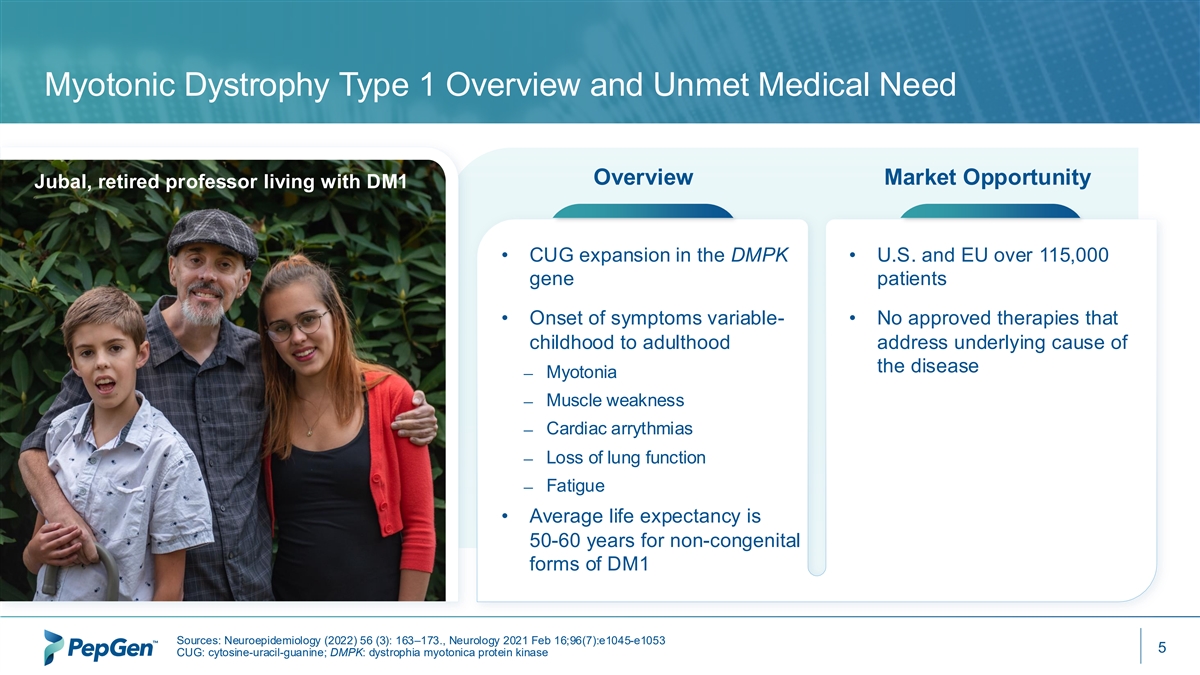
Myotonic Dystrophy Type 1 Overview and Unmet Medical Need Overview Market Opportunity Jubal, retired professor living with DM1 • CUG expansion in the DMPK • U.S. and EU over 115,000 gene patients • Onset of symptoms variable- • No approved therapies that childhood to adulthood address underlying cause of the disease – Myotonia – Muscle weakness – Cardiac arrythmias – Loss of lung function – Fatigue • Average life expectancy is 50-60 years for non-congenital forms of DM1 Sources: Neuroepidemiology (2022) 56 (3): 163–173., Neurology 2021 Feb 16;96(7):e1045-e1053 5 CUG: cytosine-uracil-guanine; DMPK: dystrophia myotonica protein kinase
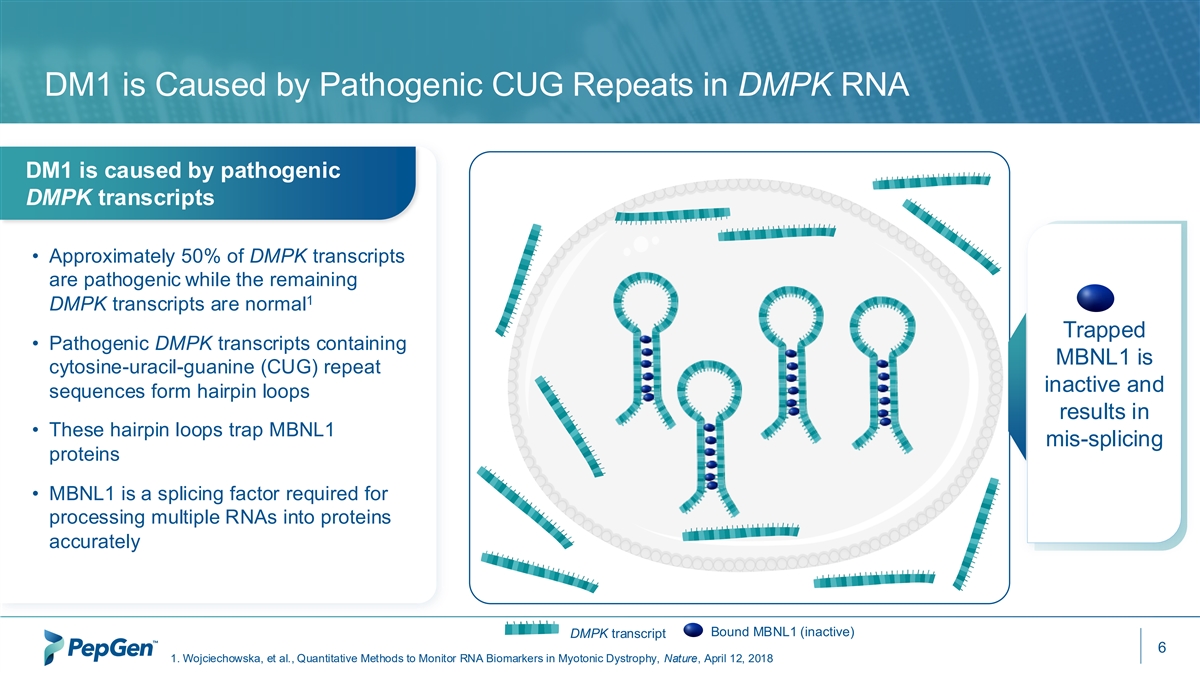
DM1 is Caused by Pathogenic CUG Repeats in DMPK RNA DM1 is caused by pathogenic DMPK transcripts • Approximately 50% of DMPK transcripts are pathogenic while the remaining 1 DMPK transcripts are normal Trapped • Pathogenic DMPK transcripts containing MBNL1 is cytosine-uracil-guanine (CUG) repeat inactive and sequences form hairpin loops results in • These hairpin loops trap MBNL1 mis-splicing proteins • MBNL1 is a splicing factor required for processing multiple RNAs into proteins accurately Bound MBNL1 (inactive) DMPK transcript 6 1. Wojciechowska, et al., Quantitative Methods to Monitor RNA Biomarkers in Myotonic Dystrophy, Nature, April 12, 2018
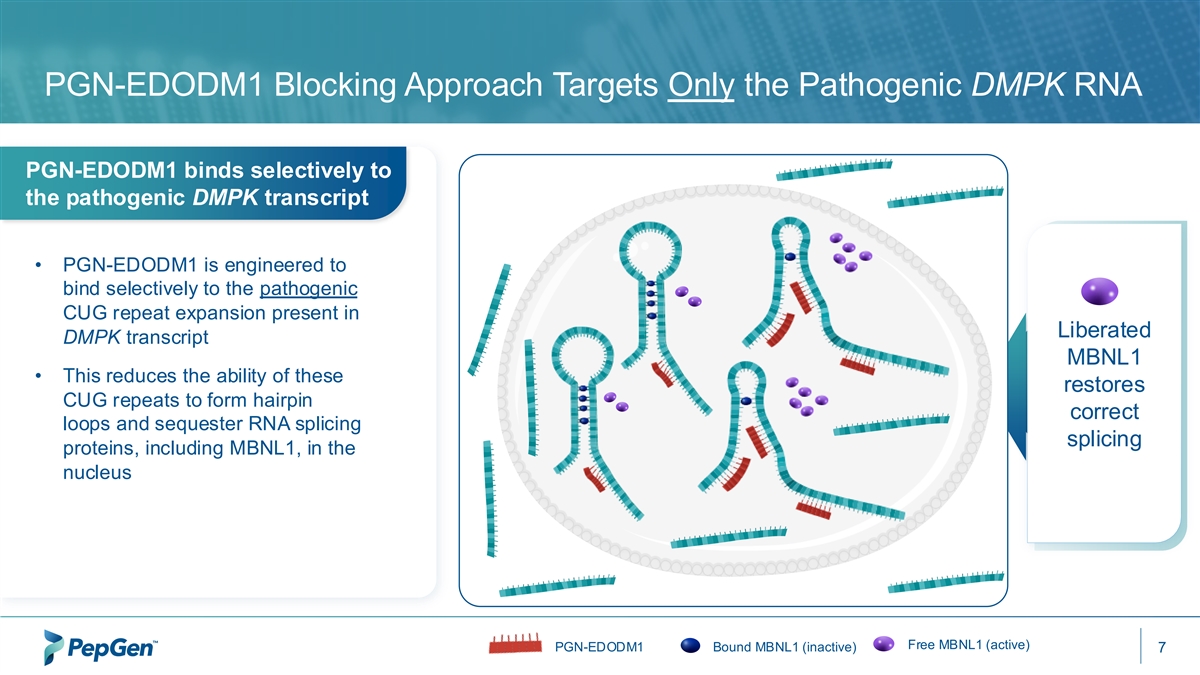
PGN-EDODM1 Blocking Approach Targets Only the Pathogenic DMPK RNA PGN-EDODM1 binds selectively to the pathogenic DMPK transcript • PGN-EDODM1 is engineered to bind selectively to the pathogenic CUG repeat expansion present in Liberated DMPK transcript MBNL1 • This reduces the ability of these restores CUG repeats to form hairpin correct loops and sequester RNA splicing splicing proteins, including MBNL1, in the nucleus Free MBNL1 (active) PGN-EDODM1 Bound MBNL1 (inactive) 7

FREEDOM-DM1 Overview and Results
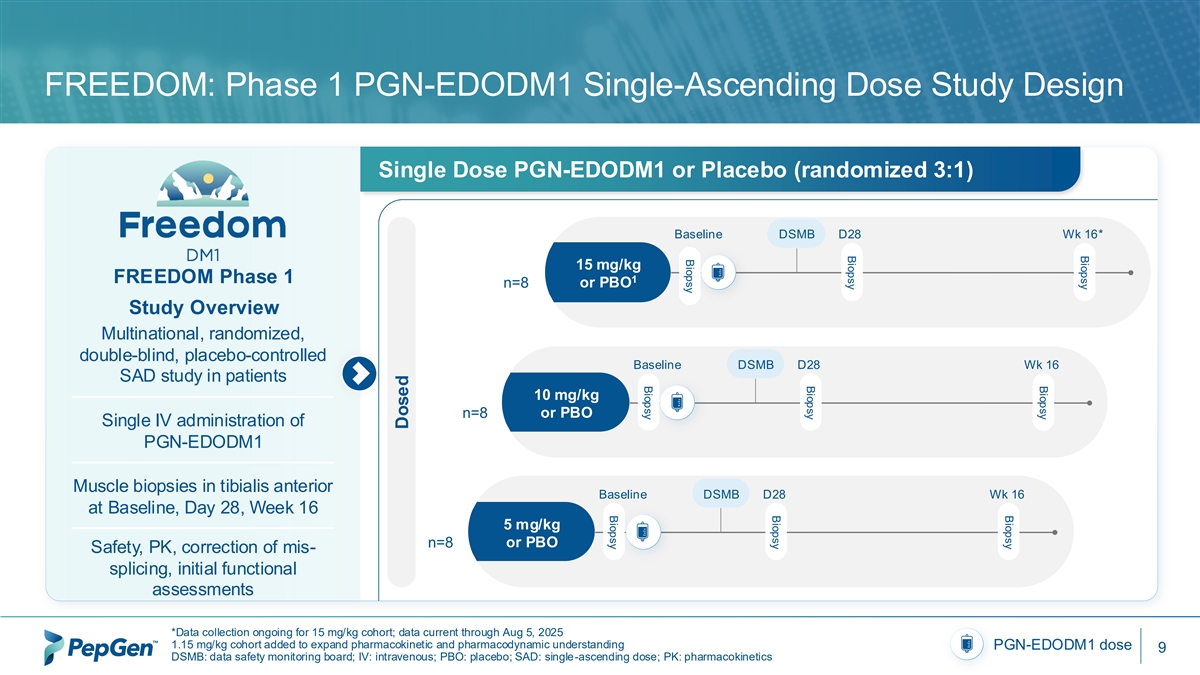
Biopsy Biopsy Biopsy Biopsy Biopsy Biopsy Biopsy Biopsy Biopsy FREEDOM: Phase 1 PGN-EDODM1 Single-Ascending Dose Study Design Single Dose PGN-EDODM1 or Placebo (randomized 3:1) Baseline DSMB D28 Wk 16* 15 mg/kg 1 FREEDOM Phase 1 n=8 or PBO Study Overview Multinational, randomized, double-blind, placebo-controlled Baseline DSMB D28 Wk 16 SAD study in patients 10 mg/kg or PBO n=8 Single IV administration of PGN-EDODM1 Muscle biopsies in tibialis anterior Baseline DSMB D28 Wk 16 at Baseline, Day 28, Week 16 5 mg/kg n=8 or PBO Safety, PK, correction of mis- splicing, initial functional assessments *Data collection ongoing for 15 mg/kg cohort; data current through Aug 5, 2025 1.15 mg/kg cohort added to expand pharmacokinetic and pharmacodynamic understanding PGN-EDODM1 dose 9 DSMB: data safety monitoring board; IV: intravenous; PBO: placebo; SAD: single-ascending dose; PK: pharmacokinetics Dosed
PGN-EDODM1 Produced Mean 53.7% Splicing Correction Following Single 15 mg/kg Dose * Splicing Index Changes: 22-Gene Panel at D28 3.3% 100% of patients in the 15 mg/kg -12.3% cohort responded to treatment with -29.1% PGN-EDODM1 -53.7% 1 2 3 Placebo 5 mg/kg 10 mg/kg 15 mg/kg * Provenzano et al., The Splice Index as a (n=5) (n=6) (n=4) (n=6) prognostic biomarker of strength and function in myotonic dystrophy type 1, J Clin. Invest. 2025 1. Placebo n=5 as biopsies were not obtained from one of the cohort 3 placebo patients due to biopsy associated complications on day 0. 2. One subject at 10 mg/kg biopsy was not collected at day 28 due to pseudoaneurysm in connection with biopsy and one participant’s splicing index fell 10 below the pre-specified assay range at baseline and at day 28 (indicating no detectable mis-splicing) 3. One subject at 15mg/kg received 77% of the dose and was still included in the splicing index change analysis for the cohort Improvement % Mean change from baseline
Robust, Greater Than Dose-Proportional Increase in Muscle Tissue Concentration Following Single Dose Muscle Tissue Concentration at D28 Mean TA muscle 300 200 160.6 100 13.7 44.1 0 * 1 5 mg/kg 10 mg/kg 15 mg/kg * (n=6) (n=5) (n=5) 1. One subject at 10 mg/kg did not have biopsy collected at day 28 and was excluded from tissue quant analysis 11 *One subject at 15mg/kg received 77% of the full dose. Due to limited amount of biopsy, one subject at 15 mg/kg was excluded from tissue quant analysis Concentration (ng/g) Mean ± SE
Favorable Emerging Safety Profile of PGN-EDODM1 Cohorts Include Placebo & Active PGN-EDODM1 Generally Well-Tolerated at 15 mg/kg: * Summary of Treatment 5 mg/kg 10 mg/kg 15 mg/kg * * * 1 Emergent Adverse Events (n=8) (n=8) (n=8) • All treatment related TEAEs were mild or moderate in severity (TEAEs) n(%) n(%) n(%) • All renal biomarker-related AEs were asymptomatic, transient (~48hrs) and resolved without intervention Any related TEAE 1 (13) 3 (38) 4 (50) • No electrolyte-related adverse events • Mild/Moderate 1 (13) 2 (25) 4 (50) • Severe 0 1 (13) 0 (0) • No treatment-related SAE Any Serious Adverse Event 1 • No interventions required 1 (13) 2 (25) 1 (13) (SAE) • No discontinuations Any related SAE 0 1 (13) 0 (0) • Transient and reversible kidney biomarker movement in 1 patient Any TEAE leading to qualified as a DLT as defined by the protocol and resolved without study withdrawal, dose intervention; classified as a mild AE 0 0 1 modification or dose 2 • 1 moderate injection site reaction led to partial dose interruption • 1 SAE related to biopsy procedure – unrelated to PGN-EDODM1 Any TEAE leading to death 0 0 0 • Tibial arterial pseudoaneurysm – alternative biopsy needle now employed in study *Data collection ongoing for 15 mg/kg cohort; data current through Aug 5, 2025 12 1. With the exception of 1 patient who received oral OTC antihistamines 2. Data Safety Monitoring Board reviewed AE and recommended continuation of study/dosing
PGN-EDODM1 Continues to Demonstrate Favorable Safety Profile FREEDOM PGN-EDODM1 Serum Creatinine in FREEDOM* serum creatinine 4 KEY TAKEAWAYS: 3 • All kidney AEs were transient and mild or moderate 2 ULN(M) • No interventions required for kidney AEs 1 ULN(F) • No patients withdrew from study • No hypomagnesemia observed 0 at any PGN-EDODM1 dose 5 mg/kg (n=8) 10 mg/kg (n=8) 15 mg/kg (n=8) *Data collection ongoing for 15 mg/kg cohort; data current through Aug 5, 2025 13 BL: baseline; ULN: upper limit of normal; M: male; F: female Baseline D1 12 Hr D2 D3 D7 D14 D28 Wk16 / EOS serum creatinine (mg/dL) Mean ± SE
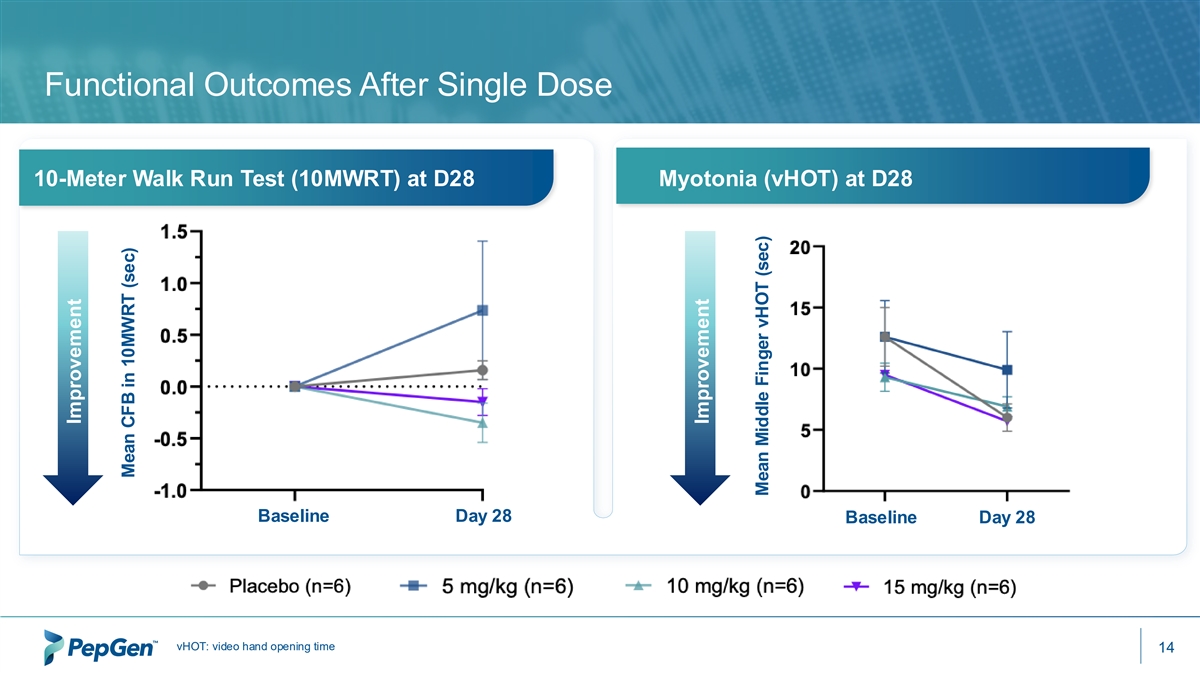
Functional Outcomes After Single Dose 10-Meter Walk Run Test (10MWRT) at D28 Myotonia (vHOT) at D28 Baseline Day 28 Baseline Day 28 vHOT: video hand opening time 14 Improvement Mean CFB in 10MWRT (sec) Improvement Mean Middle Finger vHOT (sec)

Closing Remarks
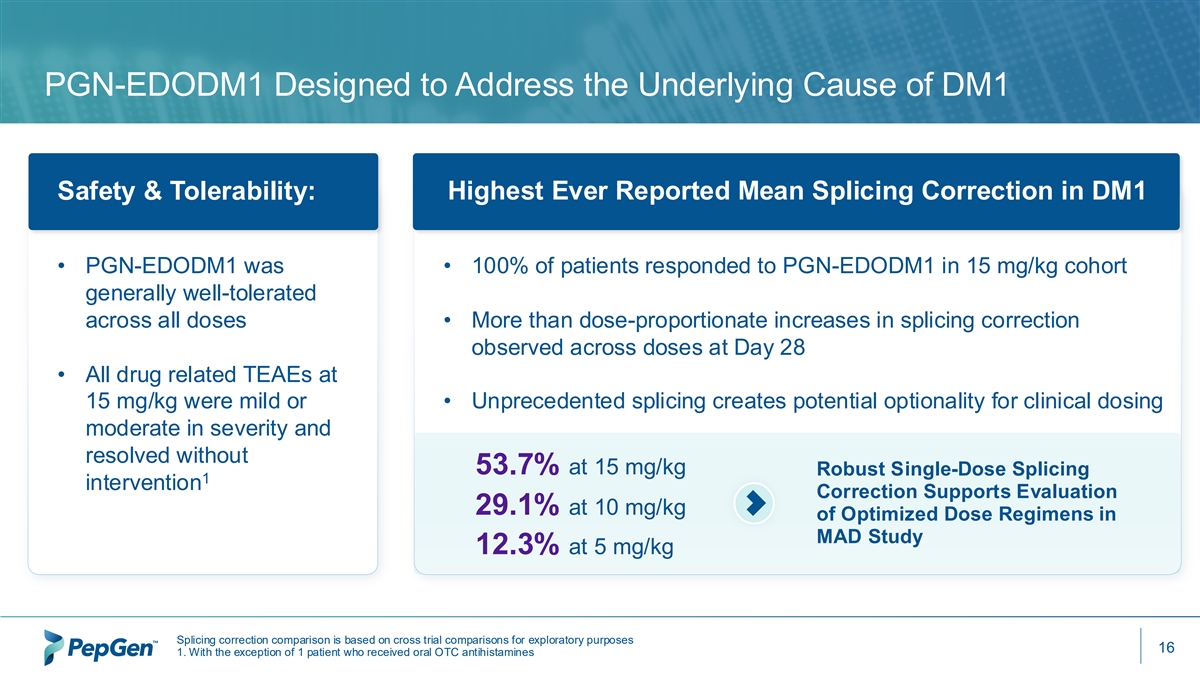
PGN-EDODM1 Designed to Address the Underlying Cause of DM1 Safety & Tolerability: Highest Ever Reported Mean Splicing Correction in DM1 • PGN-EDODM1 was • 100% of patients responded to PGN-EDODM1 in 15 mg/kg cohort generally well-tolerated across all doses • More than dose-proportionate increases in splicing correction observed across doses at Day 28 • All drug related TEAEs at 15 mg/kg were mild or • Unprecedented splicing creates potential optionality for clinical dosing moderate in severity and resolved without 53.7% at 15 mg/kg Robust Single-Dose Splicing 1 intervention Correction Supports Evaluation 29.1% at 10 mg/kg of Optimized Dose Regimens in MAD Study 12.3% at 5 mg/kg Splicing correction comparison is based on cross trial comparisons for exploratory purposes 16 1. With the exception of 1 patient who received oral OTC antihistamines
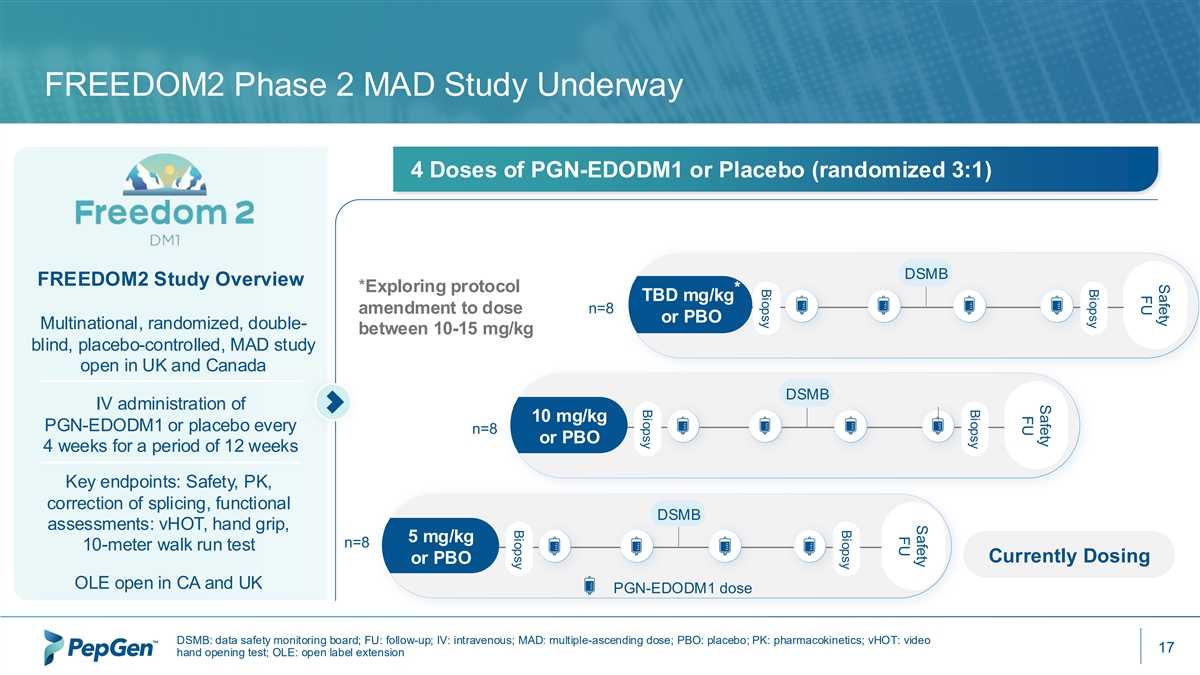
Safety FU Biopsy Safety FU Biopsy Safety FU Biopsy Biopsy Biopsy Biopsy FREEDOM2 Phase 2 MAD Study Underway 4 Doses of PGN-EDODM1 or Placebo (randomized 3:1) DSMB FREEDOM2 Study Overview *Exploring protocol * TBD mg/kg amendment to dose n=8 or PBO Multinational, randomized, double- between 10-15 mg/kg blind, placebo-controlled, MAD study open in UK and Canada DSMB IV administration of 10 mg/kg PGN-EDODM1 or placebo every n=8 or PBO 4 weeks for a period of 12 weeks Key endpoints: Safety, PK, correction of splicing, functional DSMB assessments: vHOT, hand grip, 5 mg/kg n=8 10-meter walk run test Currently Dosing or PBO OLE open in CA and UK PGN-EDODM1 dose DSMB: data safety monitoring board; FU: follow-up; IV: intravenous; MAD: multiple-ascending dose; PBO: placebo; PK: pharmacokinetics; vHOT: video 17 hand opening test; OLE: open label extension
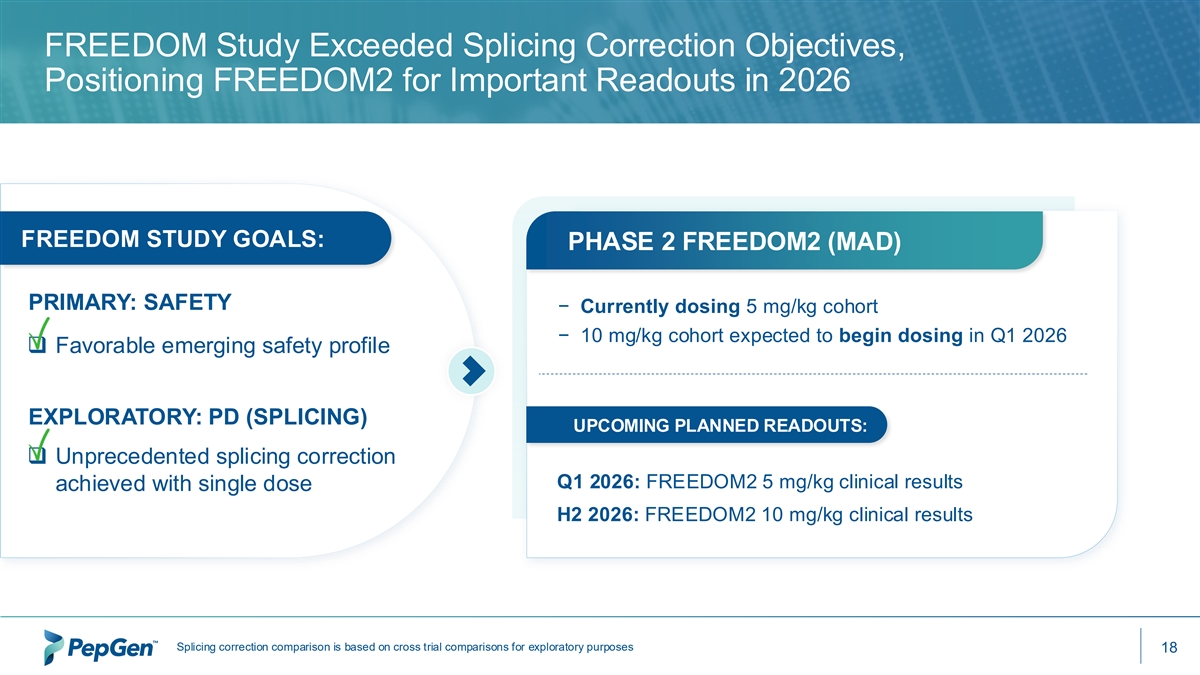
FREEDOM Study Exceeded Splicing Correction Objectives, Positioning FREEDOM2 for Important Readouts in 2026 FREEDOM STUDY GOALS: PHASE 2 FREEDOM2 (MAD) PRIMARY: SAFETY − Currently dosing 5 mg/kg cohort − 10 mg/kg cohort expected to begin dosing in Q1 2026 ❑ Favorable emerging safety profile EXPLORATORY: PD (SPLICING) UPCOMING PLANNED READOUTS: ❑ Unprecedented splicing correction Q1 2026: FREEDOM2 5 mg/kg clinical results achieved with single dose H2 2026: FREEDOM2 10 mg/kg clinical results Splicing correction comparison is based on cross trial comparisons for exploratory purposes 18