
PLX 8-K
Protalix BioTherapeutics, Inc. (PLX)
UNITED STATES
SECURITIES AND EXCHANGE COMMISSION
Washington, D.C. 20549
FORM
CURRENT REPORT
Pursuant to Section 13 or 15(d) of
the Securities Exchange Act of 1934
Date of Report (Date of Earliest Event Reported):
(Exact name of registrant as specified in its charter)
|
| |||
(State or other jurisdiction | (Commission File Number) | (IRS Employer | ||
(Address of principal executive offices) | (Zip Code) |
Registrant’s telephone number, including area code
(Former name or former address, if changed since last report.)
Check the appropriate box below if the Form 8-K filing is intended to simultaneously satisfy the filing obligation of the registrant under any of the following provisions (see General Instruction A.2. below):
Securities registered pursuant to Section 12(b) of the Act:
Title of each class | Trading Symbol(s) | Name of each exchange on which registered |
Indicate by check mark whether the registrant is an emerging growth company as defined in Rule 405 of the Securities Act of 1933 (17 CFR §230.405) or Rule 12b-2 of the Securities Exchange Act of 1934 (17 CFR §240.12b-2).
Emerging growth company
If an emerging growth company, indicate by check mark if the registrant has elected not to use the extended transition period for complying with any new or revised financial accounting standards provided pursuant to Section 13(a) of the Exchange Act. ◻
Item 7.01 | Regulation FD Disclosure |
On October 17, 2025, Protalix BioTherapeutics, Inc., a Delaware corporation (the “Company”) posted a corporate presentation to its website. A copy of the corporate presentation is furnished as Exhibit 99.1 to this Current Report on Form 8-K.
In accordance with General Instruction B.2 of Form 8-K, the information in this Item 7.01 to this Current Report on Form 8-K, including Exhibit 99.1, shall not be deemed to be “filed” for purposes of Section 18 of the Securities Exchange Act of 1934, as amended (the “Exchange Act”), or otherwise subject to the liability of that section, and shall not be incorporated by reference into any registration statement or other document filed under the Securities Act of 1933, as amended, or the Exchange Act, except as shall be expressly set forth by specific reference in such filing.
Item 8.01 | Other Events |
On October 17, 2025, the Company issued a press release, together with its development and commercialization partner, Chiesi Global Rare Diseases, a unit of Chiesi Farmaceutici S.p.A., announcing that that the Committee for Medicinal Products for Human Use of the European Medicines Agency has issued a negative opinion on the request to approve the dosing regimen of 2 mg/kg body weight infused every 4 weeks for Elfabrio® (pegunigalsidase alfa), in addition to the currently approved dosing regimen of 1 mg/kg body weight infused every 2 weeks. A copy of the press release is attached as Exhibit 99.2 to this Current Report on Form 8-K and is incorporated herein by reference.
Item 9.01Financial Statements and Exhibits
Exhibit No. |
| Description |
99.1 | ||
99.2 | ||
104 | Cover Page Interactive Data File (embedded within the Inline XBRL document) |
SIGNATURES
Pursuant to the requirements of the Securities Exchange Act of 1934, the Registrant has duly caused this report to be signed on its behalf by the undersigned hereunto duly authorized.
Date: October 17, 2025 | PROTALIX BIOTHERAPEUTICS, INC. | ||
|
|
|
|
| By: | /s/ Dror Bashan | |
|
| Name: | Dror Bashan |
|
| Title: | President and |
| 1 PROTALIX BIOTHERAPEUTICS C O R P O R A T E P R E S E N T A T I O N J u n e 2024 PROTALIX BIOTHERAPEUTICS Pioneering solutions to transform the treatment of rare diseases C O R P O R A T E P R E S E N T A T I O N O c t o b e r 2025 Exhibit 99.1 |

| 2 Forward-Looking Statements This presentation contains forward-looking statements that involve risks and uncertainties within the meaning of Section 27A of the Securities Act of 1933, as amended, or the Securities Act, and Section 21E of the Exchange Act. Forward-looking statements are neither historical facts nor assurances of future performance. Instead, they are based on management’s current expectations or plans projections for future operating and financial performance based on assumptions currently believed to be valid. Forward-looking statements can be identified by the use of words such as “anticipate,” “believe,” “estimate,” “expect,” “can,” “continue,” “could,” “intend,” “may,” “plan,” “potential,” “predict,” “project,” “should,” “will,” “would” and other words or phrases of similar import, as they relate to Protalix, its subsidiaries or its management, are intended to identify forward-looking statements, although not all forward-looking statements contain these identifying words. The forward-looking statements in this presentation include, among other things, statements regarding our cash runway and the commercialization of our products. Forward-looking statements are subject to many risks and uncertainties that could cause our actual results to differ materially from any future results expressed or implied by the forward-looking statements, including, but not limited to, risks related to the commercialization of Elfabrio®; Elfabrio’s revenue, expenses and costs may not be as expected; Elfabrio’s market acceptance, competition, reimbursement and regulatory actions, including as a result of the boxed warning contained in the U.S. Food and Drug Administration, or FDA, approval received for the product; the regulatory approval and commercial success of our other product and product candidates, if approved; risks related to our expectations with respect to the potential commercial value of our other product and product candidates; failure or delay in the commencement or completion of our preclinical studies and clinical trials, which may be caused by several factors, including: slower than expected rates of patient recruitment; unforeseen safety issues; determination of dosing issues; lack of effectiveness during clinical trials; inability to satisfactorily demonstrate non-inferiority to approved therapies; inability or unwillingness of medical investigators and institutional review boards to follow our clinical protocols; inability to monitor patients adequately during or after treatment; and/or lack of sufficient funding to finance our clinical trials; delays in the approval or potential rejection of any applications we file with the FDA, European Medicines Agency or other health regulatory authorities for our other product candidates, and other risks relating to the review process; our ability to manage our relationship with our collaborators, distributors or partners, including, but not limited to, Pfizer Inc., and Chiesi Global Rare Diseases; and other factors described in our filings with the U.S. Securities and Exchange Commission. In addition, new risk factors and uncertainties may emerge from time to time, and it is not possible to predict all risk factors and uncertainties. Given these uncertainties, investors should not place undue reliance on these forward-looking statements. Except as required by law, Protalix undertakes no obligation to update or revise the information contained in this presentation whether as a result of new information, future events or circumstances or otherwise. 2 This presentation also contains estimates and other data made by independent parties and Protalix relating to market size and growth and other data related to the industry in which Protalix operates. This data involves a number of assumptions and limitations, and you are cautioned not to give undue weight to such estimates. Neither Protalix nor any other person makes any representation as to the accuracy or completeness of such data. In light of the foregoing, you are urged not to rely on any forward-looking statement or third-party data in reaching any conclusion or making any investment decision about any securities of the Company. The appropriateness of a particular investment or strategy will depend on an investor’s individual circumstances and objectives. We recommend that investors independently evaluate specific investments and strategies. Third-Party Information |
| 3 Experienced leadership team ORI KALID, PH.D. VP of R&D Dr. Kalid brings >20 years of leadership experience in pharmaceutical R&D. Previously he was co-founder and CEO of Silverskate Bio, as well as co-founder and CEO of Pi Therapeutics. He also served at Hotaru Innovation Partners, PREDIX/EPIX Pharmaceuticals and Karyopharm Therapeutics. Dror Bashan President and CEO Mr. Bashan has over 20 years of experience in the pharmaceutical industry with roles ranging from business development, marketing, sales and finance, providing him with both cross regional and cross discipline experience and a deep knowledge of the global pharmaceutical and health industries. SHOSHI TESSLER, PH.D. VP, Clinical Dev & Regulatory Affairs Dr. Tessler has >20yrs experience in the pharma, leading innovative drug development projects, from discovery to market. Previously, she served as VP, R&D of Biosight and of Enzymotec. (currently part of International Flavors & Fragrances Inc.) and as a Project Champion at Innovative R&D, Teva. YARON NAOS SVP of Operations Mr. Naos has been with Protalix for >20 years. He has a wealth of hands-on experience and knowledge in the field of pharmaceutical development. Previously, he was R&D Product Manager at Dexxon Pharmaceutical Co., one of Israel's largest pharmaceutical companies, where he was responsible for technology transfer from R&D to production GILAD MAMLOK SVP & CFO Mr. Mamlok brings 30 yrs experience in healthcare/ technology companies. His has extensive experience in capital markets transactions, mergers and acquisitions and BD. Previously, he served as the CFO of TytoCare and CFO of Sol-Gel Technologies. Earlier, he served in other medical device and technology companies, including Given Imaging for 10 years (acquired by Covidien) and Nice. Fernando Sallés, PH.D., CLP Chief Business Officer Dr. Salles has spent >25 years in senior strategic/BD roles. Most recently as CBO at Kallyope. Previously at IMAB, Teva, Merck, Schering-Plough and Organon. Notable transactions: Acquired phase 2b ready asset, novel obesity target to Novo Nordisk, BioCentury/Bay Helix deal of the year award for IMab - AbbVie >$2B |

| 4 Accomplished Board of Directors AMOS BAR SHALEV Director POL F. BOUDES, M.D. Director GWEN A. MELINCOFF Director AHARON SCHWARTZ, PH.D. Director ELIOT FORSTER, PH.D. Chairman DROR BASHAN President & CEO, Director SHMUEL “MULI” BEN ZVI, PH.D. Director Christian Else Director BATM logo |

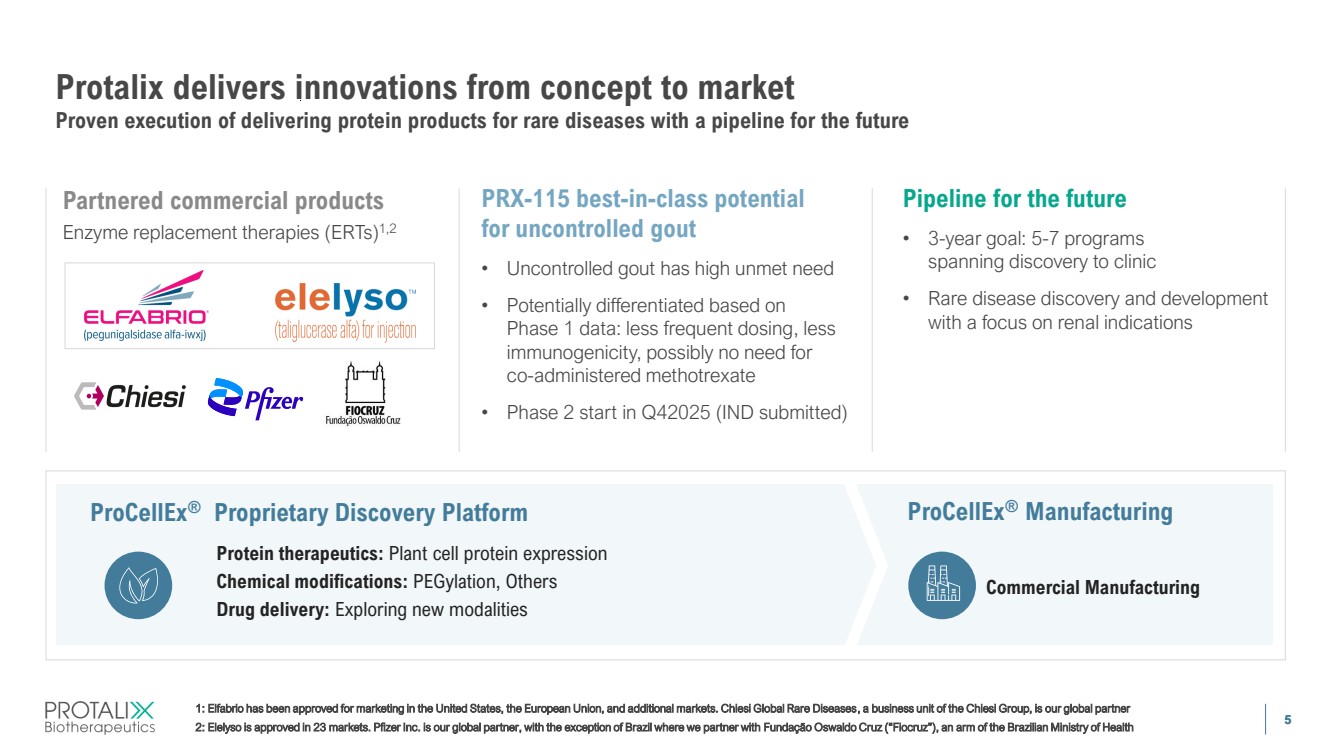
| 5 Protalix delivers innovations from concept to market Proven execution of delivering protein products for rare diseases with a pipeline for the future 1: Elfabrio has been approved for marketing in the United States, the European Union, and additional markets. Chiesi Global Rare Diseases, a business unit of the Chiesi Group, is our global partner 2: Elelyso is approved in 23 markets. Pfizer Inc. is our global partner, with the exception of Brazil where we partner with Fundação Oswaldo Cruz (“Fiocruz”), an arm of the Brazilian Ministry of Health ProCellEx® Proprietary Discovery Platform Protein therapeutics: Plant cell protein expression Chemical modifications: PEGylation, Others Drug delivery: Exploring new modalities Commercial Manufacturing ProCellEx® Manufacturing Partnered commercial products Enzyme replacement therapies (ERTs)1,2 Pipeline for the future • 3-year goal: 5-7 programs spanning discovery to clinic • Rare disease discovery and development with a focus on renal indications PRX-115 best-in-class potential for uncontrolled gout • Uncontrolled gout has high unmet need • Potentially differentiated based on Phase 1 data: less frequent dosing, less immunogenicity, possibly no need for co-administered methotrexate • Phase 2 start in Q42025 (IND submitted) |
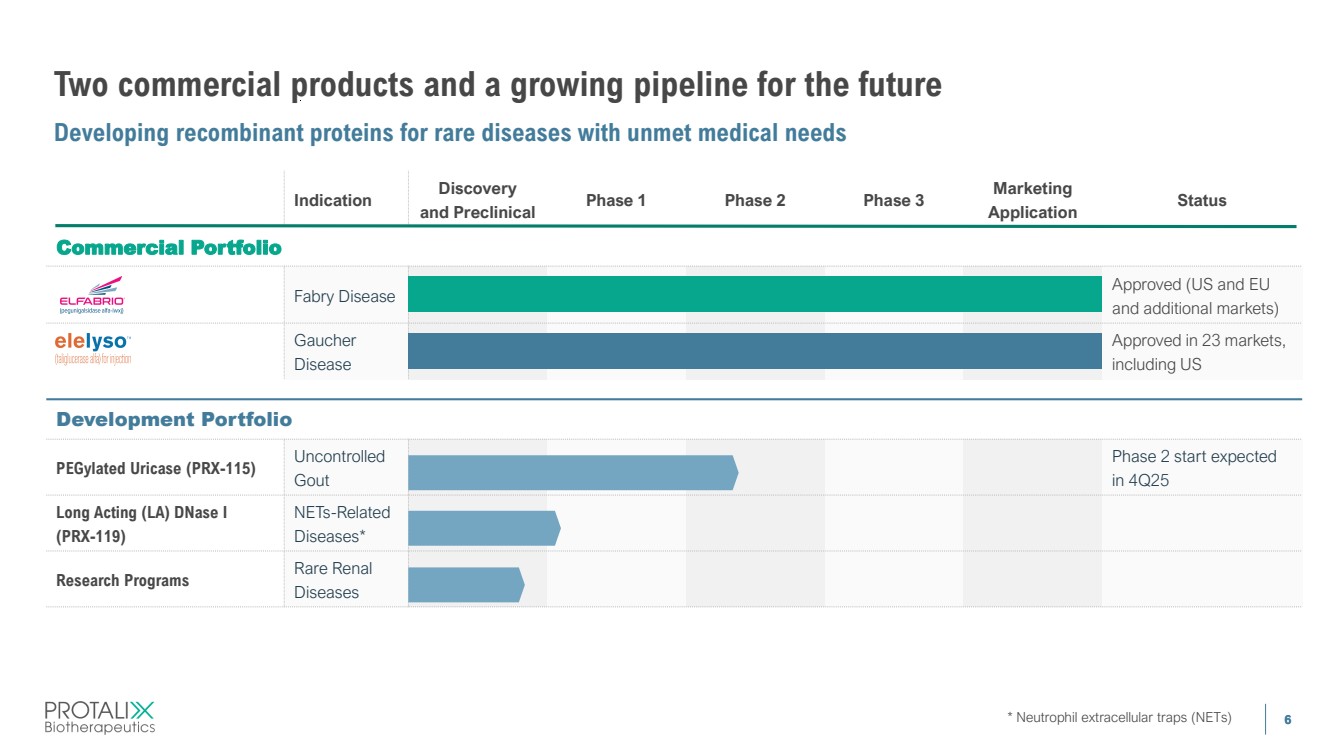
| 6 Indication Discovery and Preclinical Phase 1 Phase 2 Phase 3 Marketing Application Status Commercial Portfolio Fabry Disease Approved (US and EU and additional markets) Gaucher Disease Approved in 23 markets, including US PEGylated Uricase (PRX-115) Uncontrolled Gout Phase 2 start expected in 4Q25 Long Acting (LA) DNase I (PRX-119) NETs-Related Diseases* Research Programs Rare Renal Diseases Two commercial products and a growing pipeline for the future Developing recombinant proteins for rare diseases with unmet medical needs 6 * Neutrophil extracellular traps (NETs) Development Portfolio |
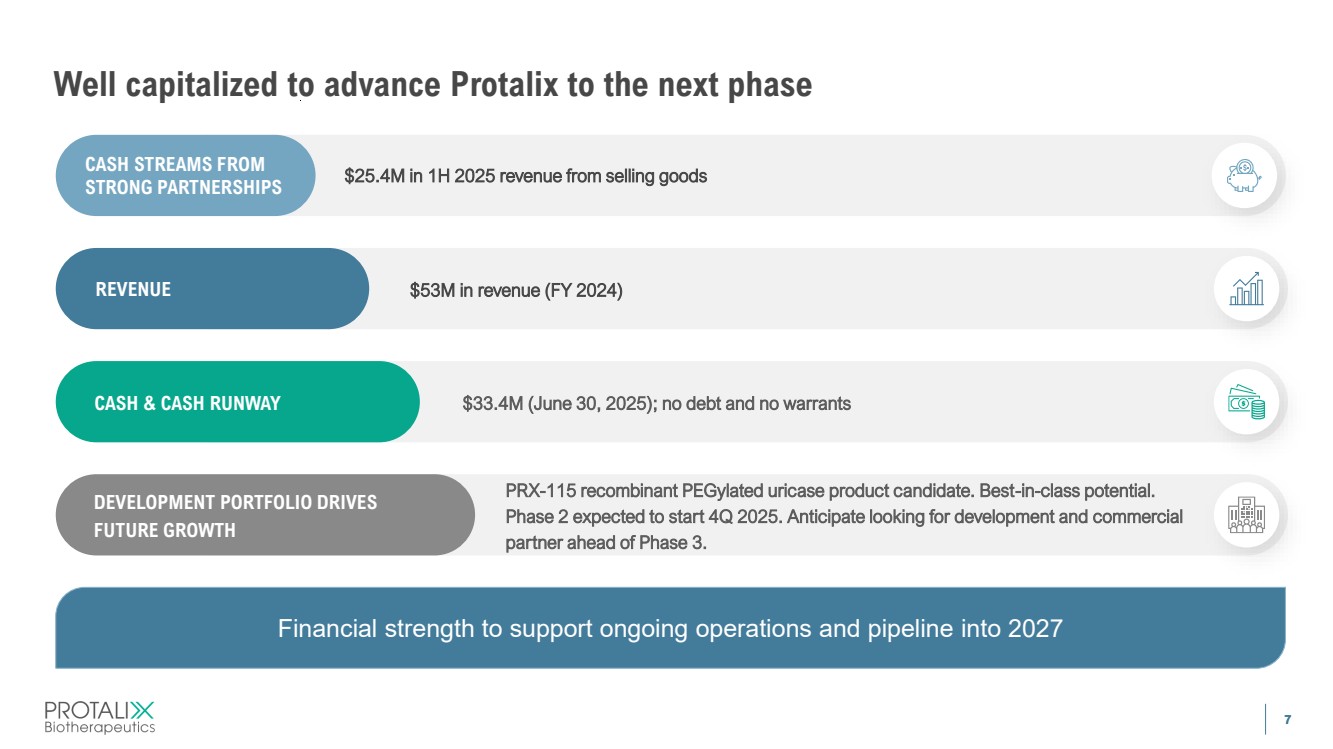
| 7 Well capitalized to advance Protalix to the next phase CASH STREAMS FROM STRONG PARTNERSHIPS $25.4M in 1H 2025 revenue from selling goods REVENUE $53M in revenue (FY 2024) CASH & CASH RUNWAY $33.4M (June 30, 2025); no debt and no warrants PRX-115 recombinant PEGylated uricase product candidate. Best-in-class potential. Phase 2 expected to start 4Q 2025. Anticipate looking for development and commercial partner ahead of Phase 3. DEVELOPMENT PORTFOLIO DRIVES FUTURE GROWTH Financial strength to support ongoing operations and pipeline into 2027 |
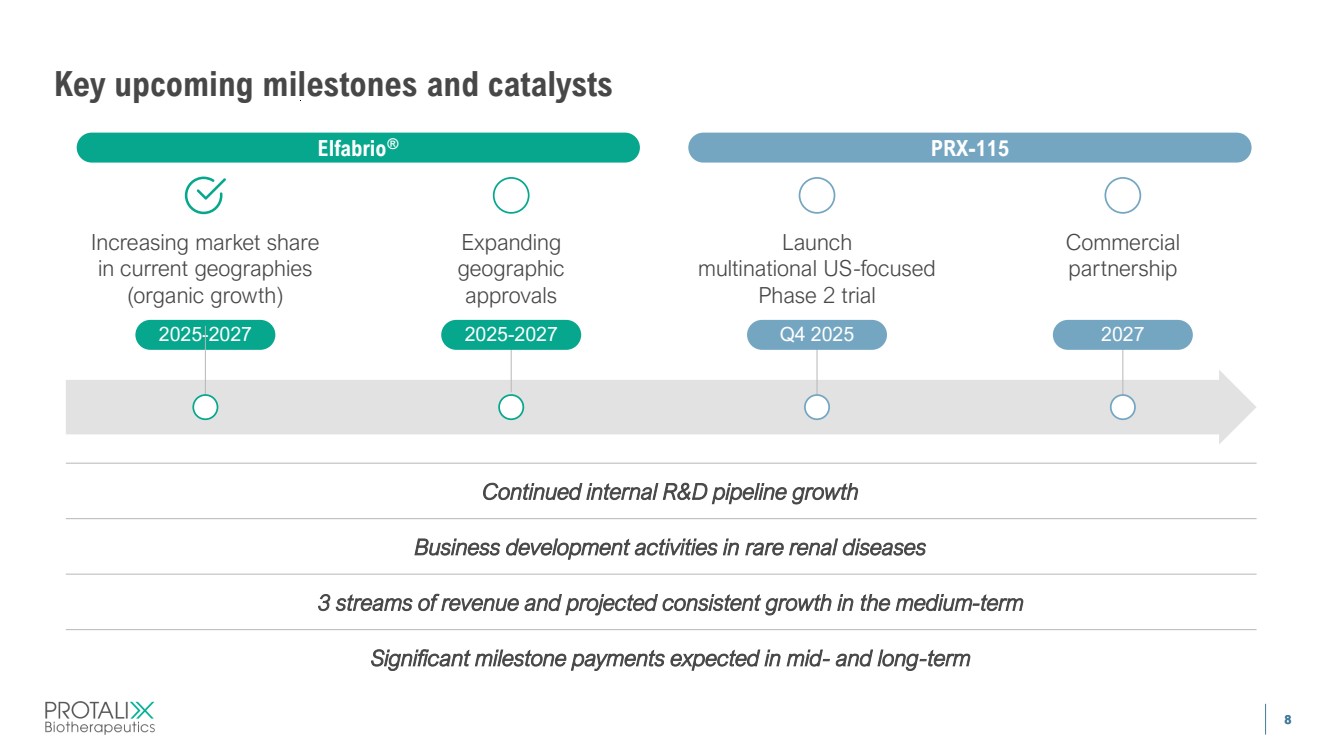
| 8 Key upcoming milestones and catalysts Business development activities in rare renal diseases 3 streams of revenue and projected consistent growth in the medium-term Significant milestone payments expected in mid- and long-term Continued internal R&D pipeline growth Elfabrio® Launch multinational US-focused Phase 2 trial Q4 2025 Commercial partnership 2027 PRX-115 Expanding geographic approvals 2025-2027 2025-2027 Increasing market share in current geographies (organic growth) |
| 9 Phase 2 ready PRX-115 in development for uncontrolled gout |

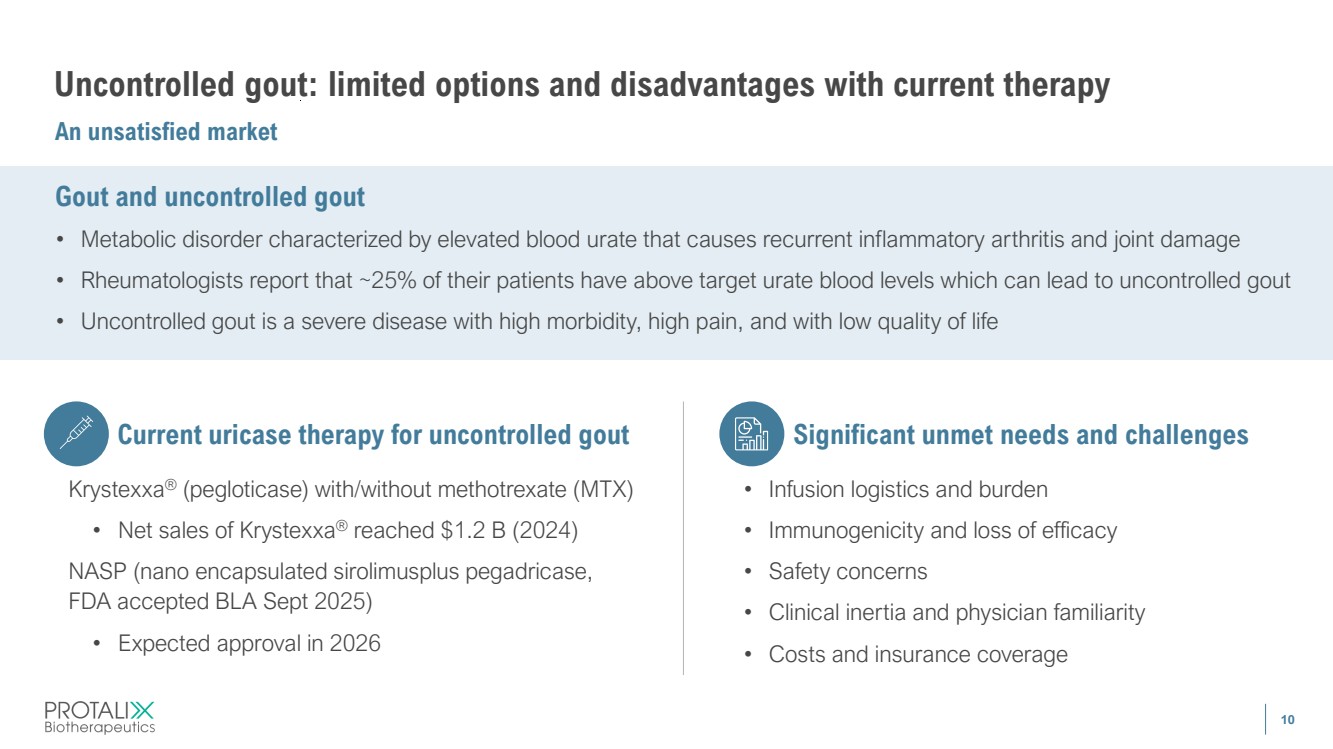
| 10 Uncontrolled gout: limited options and disadvantages with current therapy An unsatisfied market Gout and uncontrolled gout • Metabolic disorder characterized by elevated blood urate that causes recurrent inflammatory arthritis and joint damage • Rheumatologists report that ~25% of their patients have above target urate blood levels which can lead to uncontrolled gout • Uncontrolled gout is a severe disease with high morbidity, high pain, and with low quality of life Current uricase therapy for uncontrolled gout Krystexxa® (pegloticase) with/without methotrexate (MTX) • Net sales of Krystexxa® reached $1.2 B (2024) NASP (nano encapsulated sirolimusplus pegadricase, FDA accepted BLA Sept 2025) • Expected approval in 2026 Significant unmet needs and challenges • Infusion logistics and burden • Immunogenicity and loss of efficacy • Safety concerns • Clinical inertia and physician familiarity • Costs and insurance coverage |
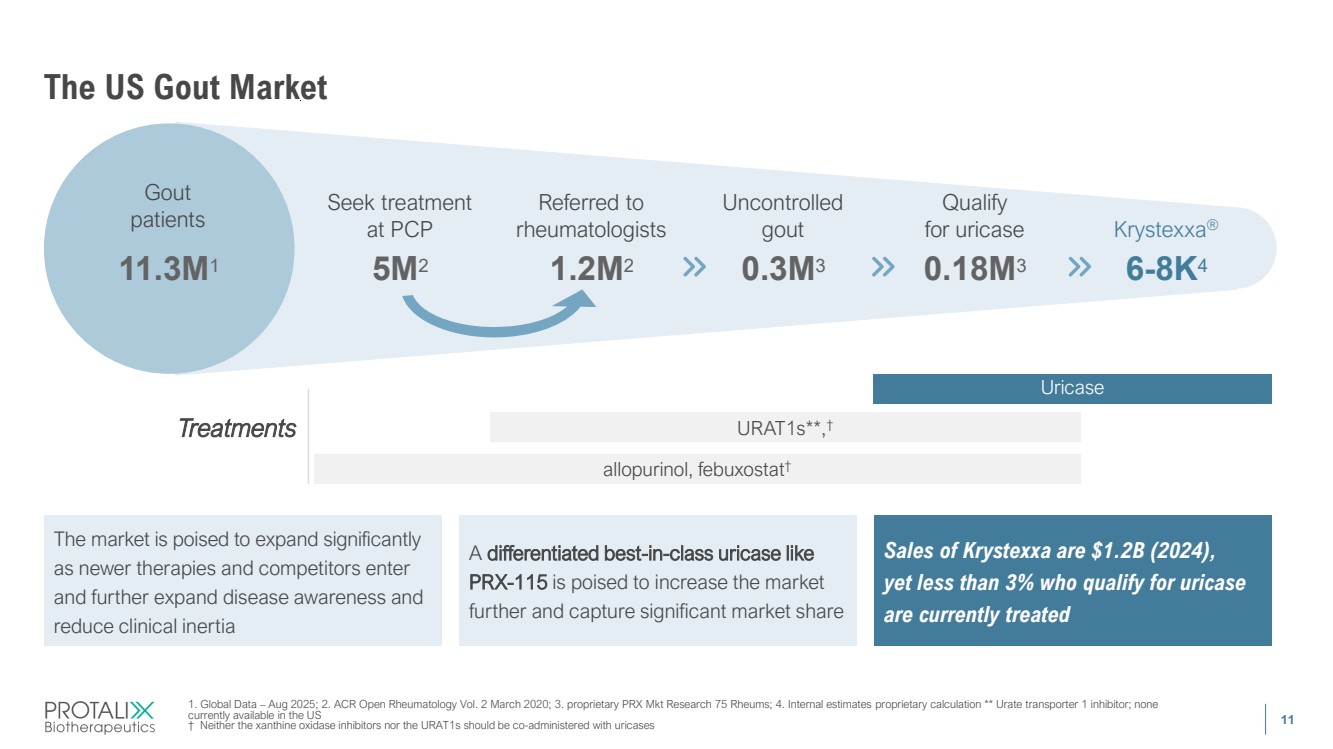
| 11 11.3M1 5M2 1.2M2 0.3M3 0.18M3 6-8K4 The US Gout Market Treatments The market is poised to expand significantly as newer therapies and competitors enter and further expand disease awareness and reduce clinical inertia A differentiated best-in-class uricase like PRX-115 is poised to increase the market further and capture significant market share Sales of Krystexxa are $1.2B (2024), yet less than 3% who qualify for uricase are currently treated Gout patients Uncontrolled gout Referred to rheumatologists Seek treatment at PCP Qualify for uricase Krystexxa® allopurinol, febuxostat† URAT1s**,† Uricase 1. Global Data – Aug 2025; 2. ACR Open Rheumatology Vol. 2 March 2020; 3. proprietary PRX Mkt Research 75 Rheums; 4. Internal estimates proprietary calculation ** Urate transporter 1 inhibitor; none currently available in the US † Neither the xanthine oxidase inhibitors nor the URAT1s should be co-administered with uricases |
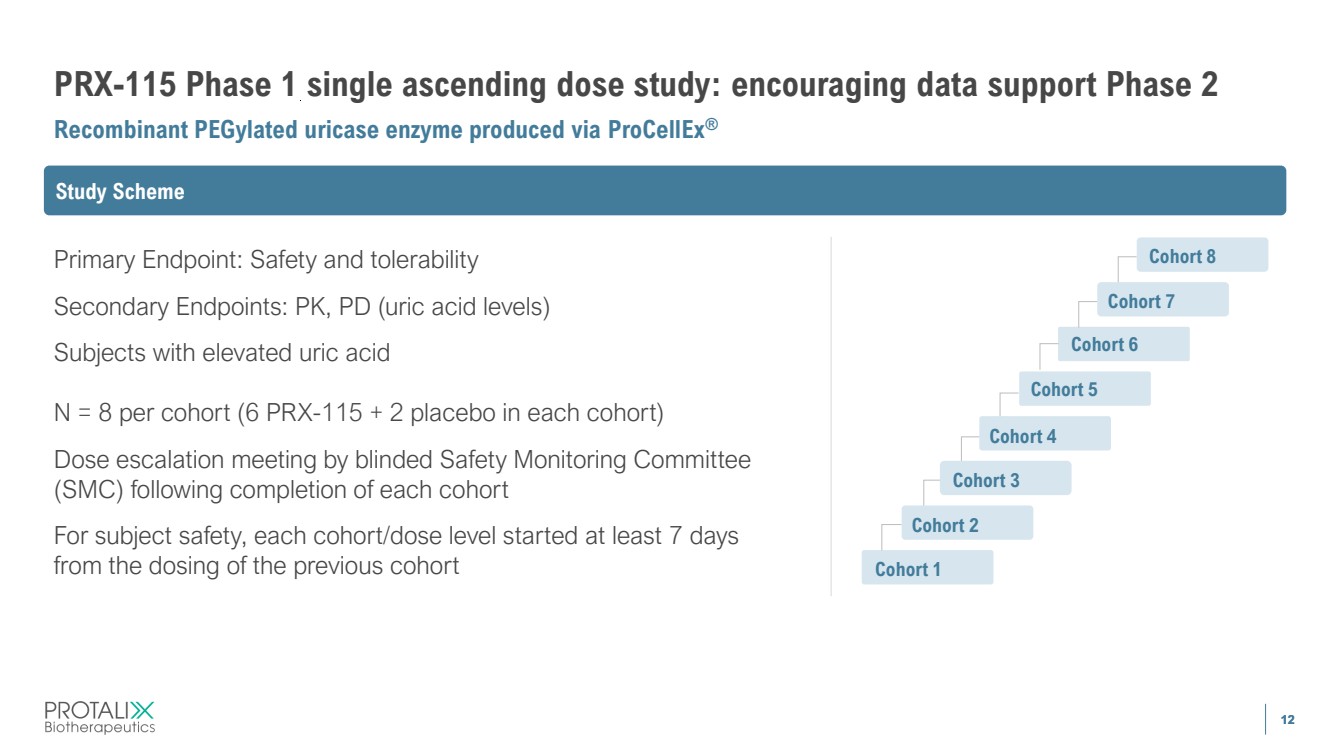
| 12 PRX-115 Phase 1 single ascending dose study: encouraging data support Phase 2 Recombinant PEGylated uricase enzyme produced via ProCellEx® 12 Study Scheme Primary Endpoint: Safety and tolerability Secondary Endpoints: PK, PD (uric acid levels) Subjects with elevated uric acid N = 8 per cohort (6 PRX-115 + 2 placebo in each cohort) Dose escalation meeting by blinded Safety Monitoring Committee (SMC) following completion of each cohort For subject safety, each cohort/dose level started at least 7 days from the dosing of the previous cohort Cohort 1 Cohort 2 Cohort 3 Cohort 4 Cohort 5 Cohort 6 Cohort 7 Cohort 8 |
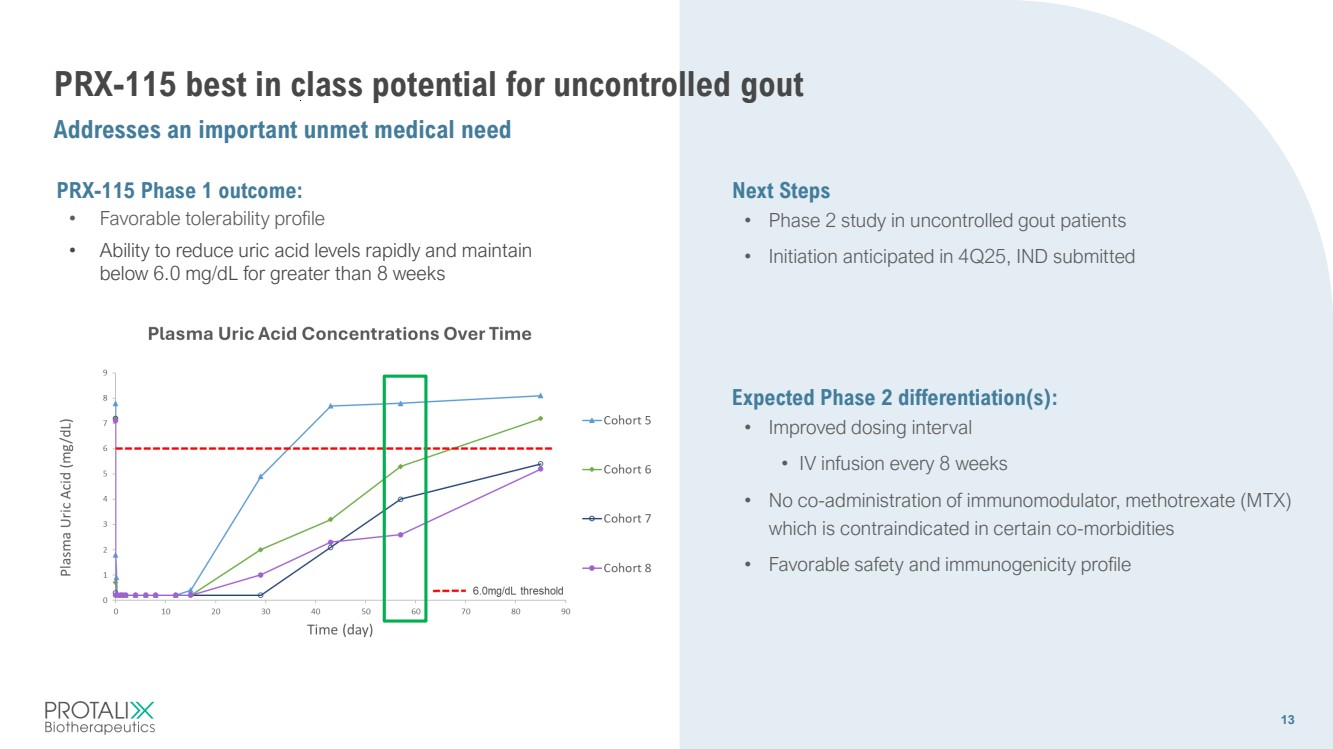
| 13 PRX-115 best in class potential for uncontrolled gout Addresses an important unmet medical need 13 Next Steps • Phase 2 study in uncontrolled gout patients • Initiation anticipated in 4Q25, IND submitted PRX-115 Phase 1 outcome: • Favorable tolerability profile • Ability to reduce uric acid levels rapidly and maintain below 6.0 mg/dL for greater than 8 weeks Expected Phase 2 differentiation(s): • Improved dosing interval • IV infusion every 8 weeks • No co-administration of immunomodulator, methotrexate (MTX) which is contraindicated in certain co-morbidities • Favorable safety and immunogenicity profile |
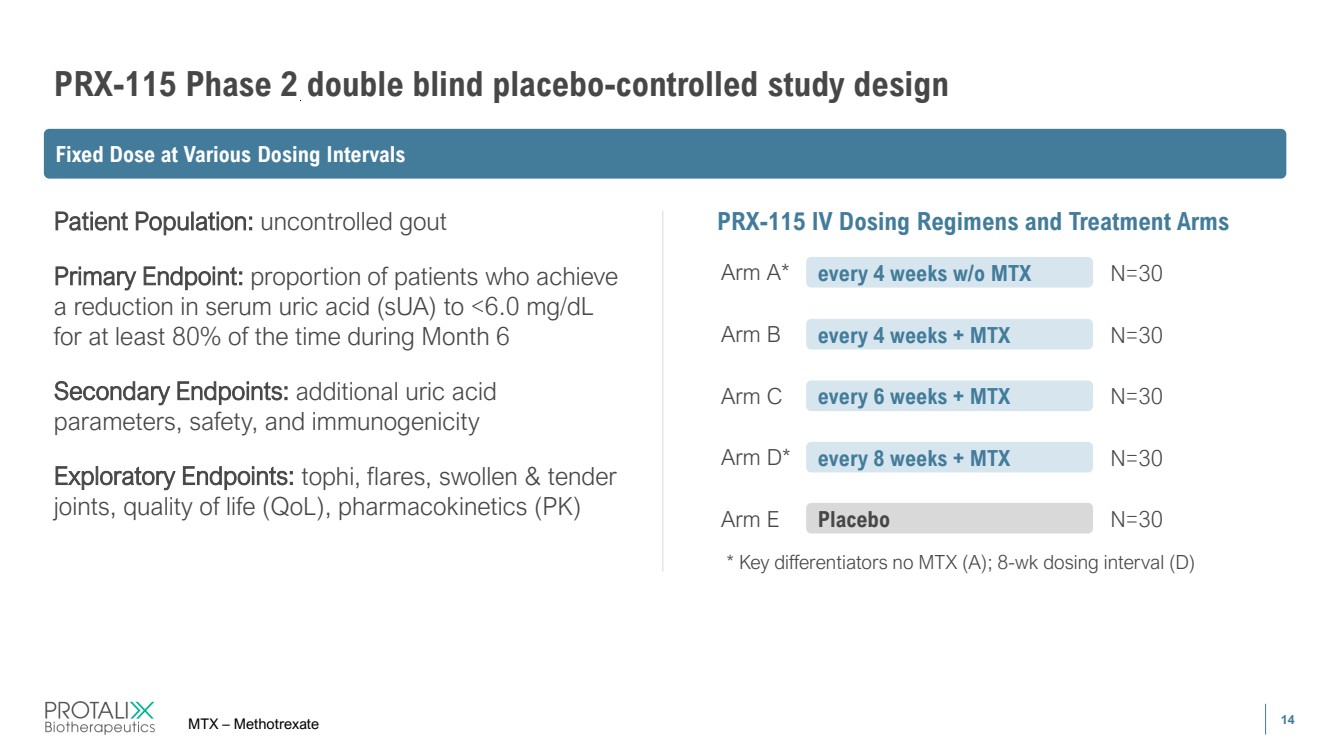
| 14 PRX-115 Phase 2 double blind placebo-controlled study design MTX – Methotrexate Patient Population: uncontrolled gout Primary Endpoint: proportion of patients who achieve a reduction in serum uric acid (sUA) to <6.0 mg/dL for at least 80% of the time during Month 6 Secondary Endpoints: additional uric acid parameters, safety, and immunogenicity Exploratory Endpoints: tophi, flares, swollen & tender joints, quality of life (QoL), pharmacokinetics (PK) PRX-115 IV Dosing Regimens and Treatment Arms Arm A* every 4 weeks w/o MTX N=30 Arm B every 4 weeks + MTX N=30 Arm C every 6 weeks + MTX N=30 Arm D* every 8 weeks + MTX N=30 Arm E Placebo N=30 * Key differentiators no MTX (A); 8-wk dosing interval (D) Fixed Dose at Various Dosing Intervals |
| 15 Commercial products Reliably partnered and delivering revenue |

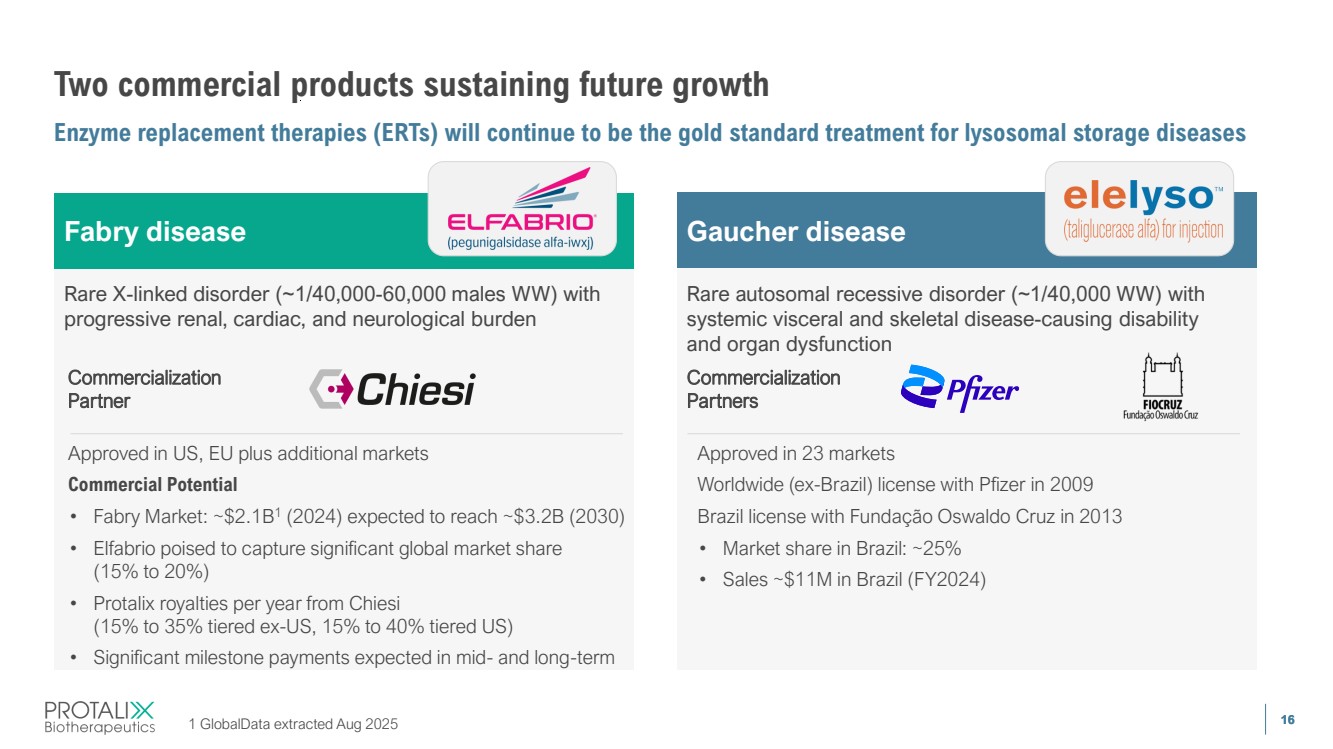
| 16 Rare autosomal recessive disorder (~1/40,000 WW) with systemic visceral and skeletal disease-causing disability and organ dysfunction Rare X-linked disorder (~1/40,000-60,000 males WW) with progressive renal, cardiac, and neurological burden Fabry disease Two commercial products sustaining future growth Enzyme replacement therapies (ERTs) will continue to be the gold standard treatment for lysosomal storage diseases 16 1 GlobalData extracted Aug 2025 Approved in 23 markets Worldwide (ex-Brazil) license with Pfizer in 2009 Brazil license with Fundação Oswaldo Cruz in 2013 • Market share in Brazil: ~25% • Sales ~$11M in Brazil (FY2024) Gaucher disease Approved in US, EU plus additional markets Commercial Potential • Fabry Market: ~$2.1B1 (2024) expected to reach ~$3.2B (2030) • Elfabrio poised to capture significant global market share (15% to 20%) • Protalix royalties per year from Chiesi (15% to 35% tiered ex-US, 15% to 40% tiered US) • Significant milestone payments expected in mid- and long-term Commercialization Partners Commercialization Partner |
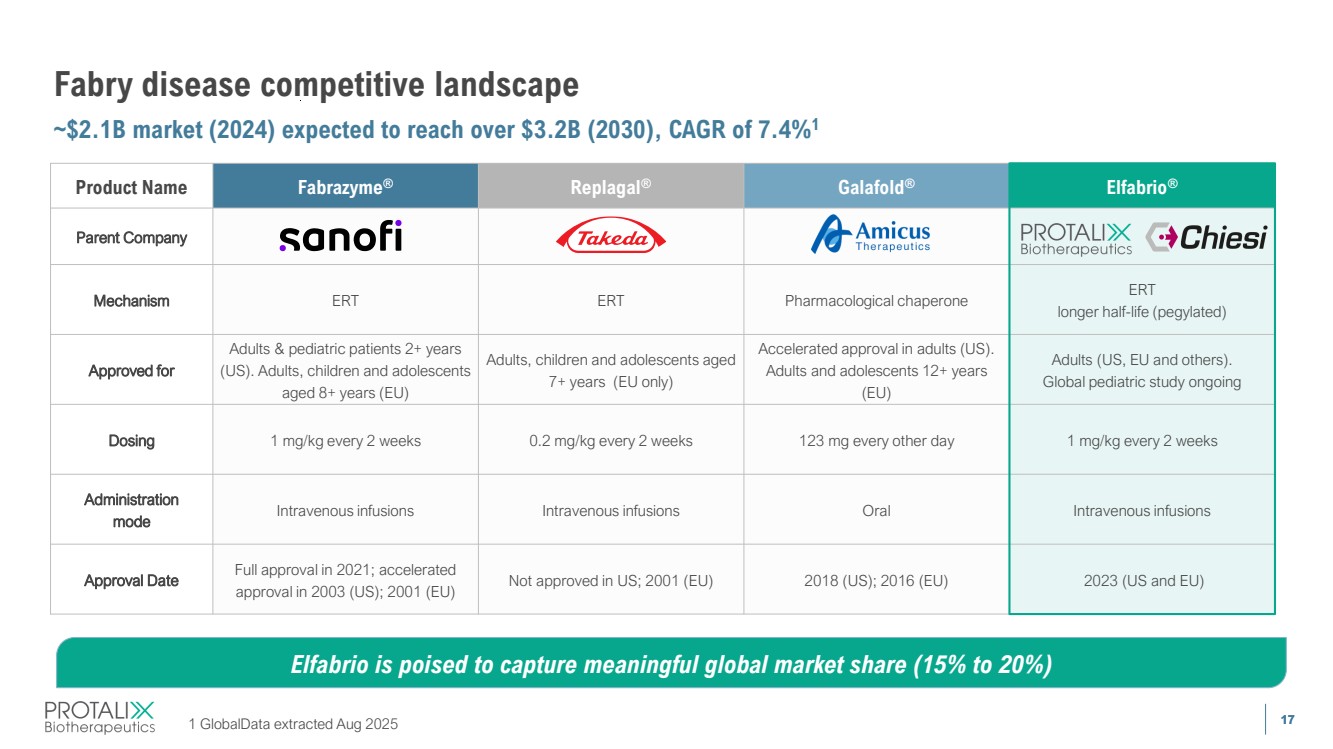
| 17 Fabry disease competitive landscape ~$2.1B market (2024) expected to reach over $3.2B (2030), CAGR of 7.4%1 17 1 GlobalData extracted Aug 2025 Product Name Fabrazyme® Replagal® Galafold® Elfabrio® Parent Company Mechanism ERT ERT Pharmacological chaperone ERT longer half-life (pegylated) Approved for Adults & pediatric patients 2+ years (US). Adults, children and adolescents aged 8+ years (EU) Adults, children and adolescents aged 7+ years (EU only) Accelerated approval in adults (US). Adults and adolescents 12+ years (EU) Adults (US, EU and others). Global pediatric study ongoing Dosing 1 mg/kg every 2 weeks 0.2 mg/kg every 2 weeks 123 mg every other day 1 mg/kg every 2 weeks Administration mode Intravenous infusions Intravenous infusions Oral Intravenous infusions Approval Date Full approval in 2021; accelerated approval in 2003 (US); 2001 (EU) Not approved in US; 2001 (EU) 2018 (US); 2016 (EU) 2023 (US and EU) Elfabrio is poised to capture meaningful global market share (15% to 20%) |
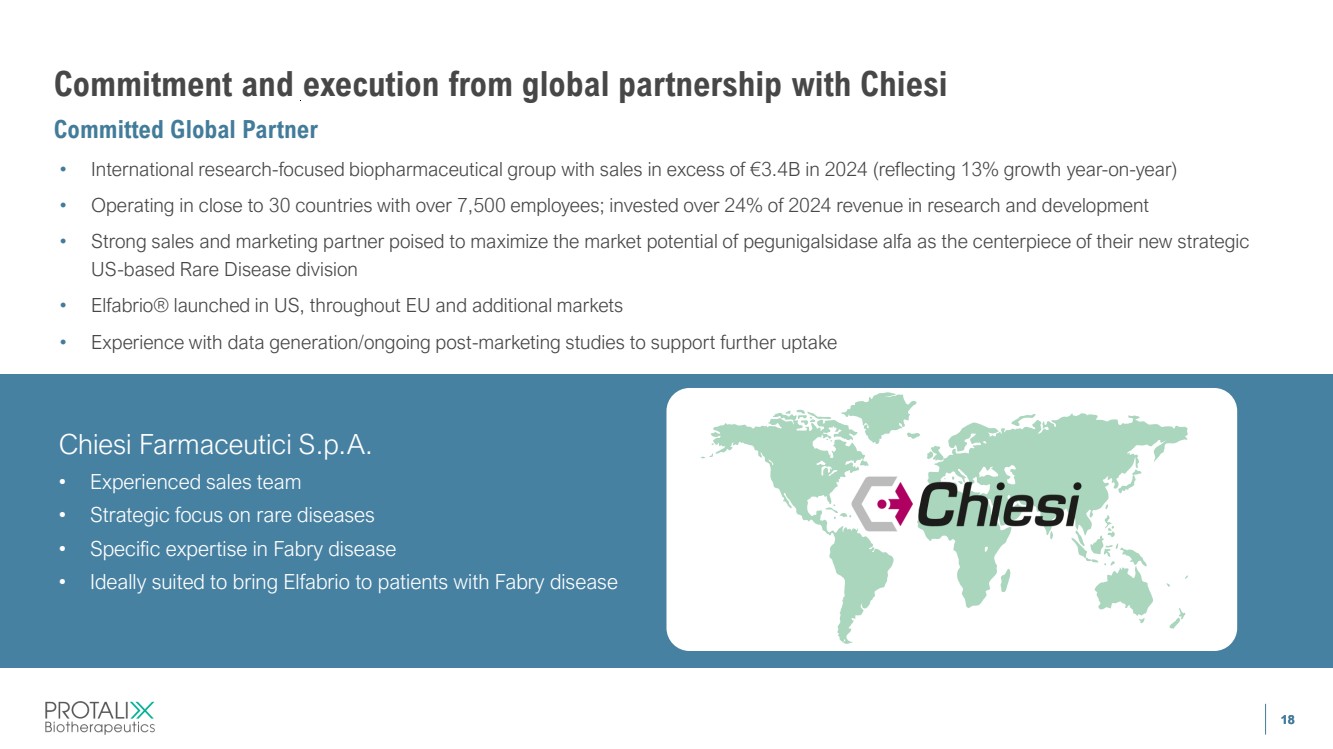
| 18 Commitment and execution from global partnership with Chiesi Committed Global Partner • International research-focused biopharmaceutical group with sales in excess of €3.4B in 2024 (reflecting 13% growth year-on-year) • Operating in close to 30 countries with over 7,500 employees; invested over 24% of 2024 revenue in research and development • Strong sales and marketing partner poised to maximize the market potential of pegunigalsidase alfa as the centerpiece of their new strategic US-based Rare Disease division • Elfabrio® launched in US, throughout EU and additional markets • Experience with data generation/ongoing post-marketing studies to support further uptake Chiesi Farmaceutici S.p.A. • Experienced sales team • Strategic focus on rare diseases • Specific expertise in Fabry disease • Ideally suited to bring Elfabrio to patients with Fabry disease |
| 19 Growth strategy |

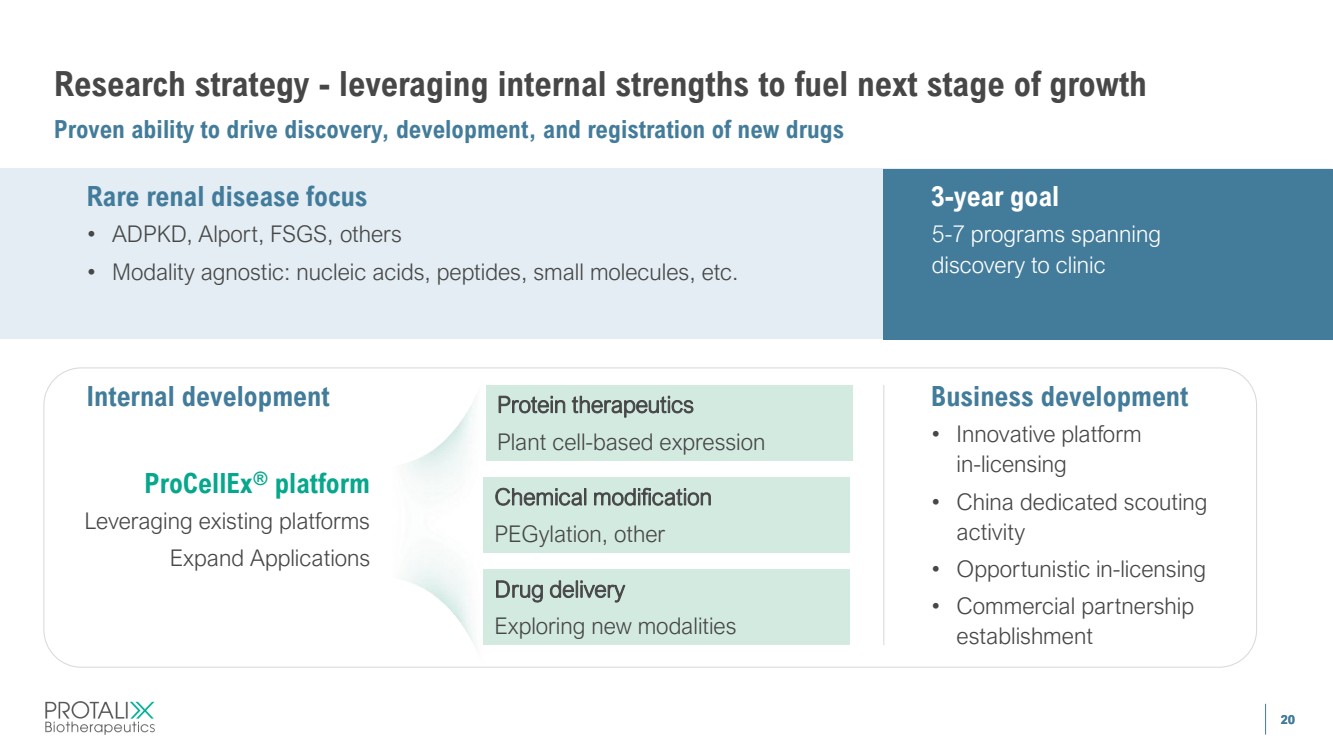
| 20 Research strategy - leveraging internal strengths to fuel next stage of growth Proven ability to drive discovery, development, and registration of new drugs 20 Internal development Protein therapeutics Plant cell-based expression Chemical modification PEGylation, other Drug delivery Exploring new modalities Business development • Innovative platform in-licensing • China dedicated scouting activity • Opportunistic in-licensing • Commercial partnership establishment Rare renal disease focus • ADPKD, Alport, FSGS, others • Modality agnostic: nucleic acids, peptides, small molecules, etc. 3-year goal 5-7 programs spanning discovery to clinic ProCellEx® platform Leveraging existing platforms Expand Applications |
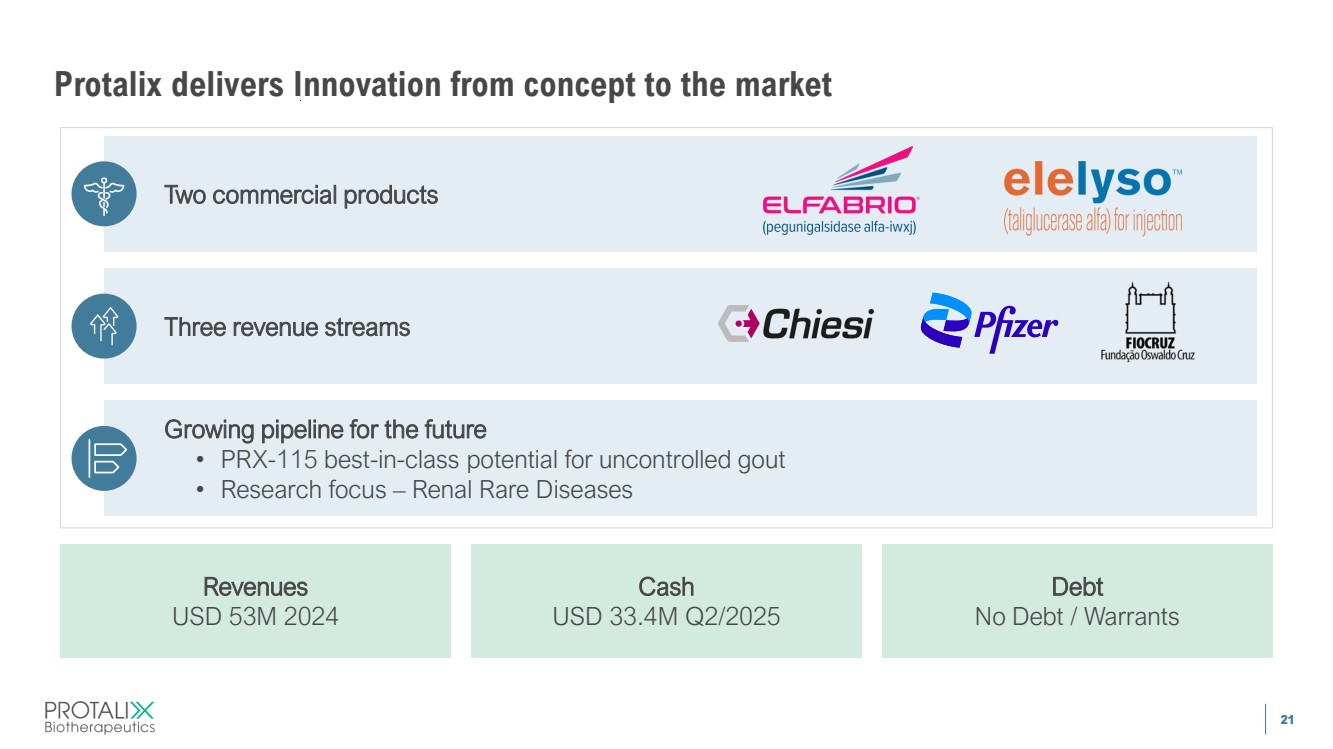
| 21 Protalix delivers Innovation from concept to the market Revenues USD 53M 2024 Cash USD 33.4M Q2/2025 Debt No Debt / Warrants Growing pipeline for the future • PRX-115 best-in-class potential for uncontrolled gout • Research focus – Renal Rare Diseases Three revenue streams Two commercial products |
| 22 PROTALIX BIOTHERAPEUTICS C O R P O R A T E P R E S E N T A T I O N J u n e 2024 PROTALIX BIOTHERAPEUTICS Pioneering solutions to transform the treatment of rare diseases C O R P O R A T E P R E S E N T A T I O N O c t o b e r 2025 |

Exhibit 99.1


Chiesi Global Rare Diseases and Protalix Biotherapeutics Acknowledge CHMP Negative Opinion on Every Four Week Dosing Regimen of
Elfabrio® (pegunigalsidase alfa) in the EU
-- Every two weeks remains approved as a dosing regimen of Elfabrio in the EU --
PARMA, Italy and CARMIEL, Israel – Oct. 17, 2025 – Chiesi Global Rare Diseases, a business unit of the Chiesi Group established to deliver innovative therapies and solutions for people living with rare diseases, and Protalix BioTherapeutics, Inc. (NYSE American:PLX), a biopharmaceutical company focused on the development, production and commercialization of recombinant therapeutic proteins produced by its proprietary ProCellEx® plant cell-based protein expression system, acknowledge that the Committee for Medicinal Products for Human Use (CHMP) of the European Medicines Agency (EMA) has issued a negative opinion on the request to approve the dosing regimen of 2 mg/kg body weight infused every 4 weeks (E4W) for Elfabrio (pegunigalsidase alfa, in addition to the currently approved dosing regimen of 1 mg/kg body weight infused every 2 weeks (E2W).
“We are disappointed by the result of this review but want to express our immense appreciation for the collaboration of the patient community, researchers and European Commission throughout this process,” said Giacomo Chiesi, Executive Vice President, Chiesi Global Rare Diseases. “We are proud to be a part of this community and will continue to prioritize the potential to advance and evolve safe and effective solutions for Fabry disease with reduced treatment burden.”
"We, together with Chiesi, remain committed to reducing the treatment burden for patients with Fabry disease," said Dror Bashan, Protalix's President and Chief Executive Officer. "The results of this review do not change this priority. We are grateful to all of the patients and investigators, and their staff members, who participated in the every 4 weeks clinical trial programs."
“We acknowledge this outcome with disappointment but also with gratitude for the dedication shown by all involved – from patients and advocates to researchers and regulators,” said Mary Pavlou, President of Fabry International Network (FIN). “The Fabry International Network remains committed to fostering collaboration that drives meaningful progress both in safety and effectiveness and strives for advancements that make a real difference in daily life and long-term outcomes.”
The submission for CHMP review was based on data from an open-label, switch-over trial, BRIGHT (formally PB-102-F50), designed to assess the safety, efficacy and pharmacokinetics (PK) of pegunigalsidase alfa 2 mg/kg administered every four weeks and its ongoing open label extension study, CLI-06657AA1-03 (formerly PB-102-F51). The two studies combined have a median exposure of almost six years. Further support was
provided from modelling and exposure-response analyses across prior trials (PB-102-F01/-F02, PB-102-F20, and PB-102-F50). These data were not deemed sufficient to conclude on similar efficacy. Chiesi and Protalix intend to keep working together to support the Fabry disease community.
Important Safety Information
Indication
Elfabrio® (pegunigalsidase alfa-iwxj) is indicated for the treatment of adults with confirmed Fabry disease.
Important Safety Information
WARNING: HYPERSENSITIVITY REACTIONS INCLUDING ANAPHYLAXIS Patients treated with Elfabrio have experienced hypersensitivity reactions, including anaphylaxis. Appropriate medical support measures, including cardiopulmonary resuscitation equipment, should be readily available during Elfabrio administration. If a severe hypersensitivity reaction (eg, anaphylaxis) occurs, discontinue Elfabrio immediately and initiate appropriate medical treatment. In patients with severe hypersensitivity reaction, a desensitization procedure to Elfabrio may be considered. |
Prior to Elfabrio administration, consider pretreating with antihistamines, antipyretics, and/or corticosteroids. Inform patients and caregivers of the signs and symptoms of hypersensitivity reactions and infusion-associated reactions (IARs), and instruct them to seek medical care immediately if such symptoms occur.
| ● | If a severe hypersensitivity reaction (including anaphylaxis) or severe IAR occurs, immediately discontinue Elfabrio administration and initiate appropriate medical treatment. |
| ● | If a mild to moderate hypersensitivity reaction or IAR occurs, consider slowing the infusion rate or temporarily withholding the dose. |
In clinical trials, 20 (14%) Elfabrio-treated patients experienced hypersensitivity reactions. Four Elfabrio-treated patients (3%) experienced anaphylaxis reactions that occurred within 5 to 40 minutes of the start of the initial infusion. The signs and symptoms of hypersensitivity reactions and anaphylaxis included headache, nausea, vomiting, throat tightness, facial and oral edema, truncal rash, tachycardia, hypotension, rigors, urticaria, intense pruritus, moderate upper airway obstructions, macroglossia, and mild lip edema.
In clinical trials, 41 (29%) Elfabrio-treated patients experienced one or more infusion-associated reactions, including hypersensitivity, nausea, chills, pruritus, rash, chest pain, dizziness, vomiting, asthenia, pain, sneezing, dyspnea, nasal congestion, throat irritation,
abdominal pain, erythema, diarrhea, burning sensation, neuralgia, headache, paresthesia, tremor, agitation, increased body temperature, flushing, bradycardia, myalgia, hypertension, and hypotension.
A case of membranoproliferative glomerulonephritis with immune depositions in the kidney was reported during clinical trials. Monitor serum creatinine and urinary protein-to-creatinine ratio. If glomerulonephritis is suspected, discontinue treatment until a diagnostic evaluation can be conducted.
When switching to Elfabrio from a prior enzyme replacement therapy, the risk of hypersensitivity reactions and infusion-associated reactions may be increased in certain patients with pre-existing anti-drug antibodies (ADAs). Consider monitoring IgG and IgE ADAs and clinical or pharmacodynamic response (eg, plasma lyso-Gb3 levels).
The most common adverse reactions (≥15%) were infusion-associated reactions, nasopharyngitis, headache, diarrhea, fatigue, nausea, back pain, pain in extremity, and sinusitis.
Please see Full Prescribing Information for Elfabrio.
About Fabry Disease
Fabry disease is a rare, inherited lysosomal storage disorder caused by mutations in the GLA gene, which leads to a deficiency of the enzyme alpha-galactosidase A. This deficiency results in an accumulation of a fatty substance called globotriaosylceramide (GL-3) in the body’s cells, affecting the heart, kidneys, skin, nervous system, and other organs. Fabry disease can cause a range of serious signs and symptoms, including fatigue, chronic pain, gastrointestinal issues, decreased ability to sweat, progressive kidney failure, heart complications, and increased risk of stroke.
The condition affects both males and females and can present from childhood through adulthood, often with delayed diagnosis or misdiagnosis. While Fabry disease is rare, early detection and access to appropriate treatment — such as enzyme replacement therapy or
pharmacological chaperones — are critical in managing symptoms and slowing disease progression.
About Chiesi Group
Chiesi is a research-oriented international biopharmaceutical group that develops and markets innovative therapeutic solutions in respiratory health, rare diseases, and specialty care. The company’s mission is to improve people’s quality of life and act responsibly towards both the community and the environment.
By changing its legal status to a Benefit Corporation in Italy, the US, France and Colombia, Chiesi’s commitment to creating shared value for society as a whole is legally binding and central to company-wide decision-making. As a certified B Corp since 2019, Chiesi is part of a global community of businesses that meet high standards of social and environmental impact. The company aims to reach Net-Zero greenhouse gases (GHG) emissions by 2035.
With 90 years of experience, Chiesi is headquartered in Parma (Italy), with 31 affiliates worldwide, and counts more than 7,500 employees. The Group’s research and development
center in Parma works alongside 6 other important R&D hubs in France, the US, Canada, China, the UK, and Sweden.
For more information visit www.chiesi.com.
About Chiesi Global Rare Diseases
Chiesi Global Rare Diseases is a business unit of the Chiesi Group established to deliver innovative therapies and solutions for people living with rare diseases. As a family business, Chiesi Group strives to create a world where it is common to have therapy for all diseases and acts as a force for good, for society and the planet. The goal of the Global Rare Diseases unit is to ensure equal access so as many people as possible can experience their most fulfilling life. The unit collaborates with the rare disease community around the globe to bring voice to underserved people in the health care system.
For more information visit www.chiesirarediseases.com.
Follow @ChiesiGlobalRareDiseases on LinkedIn, Facebook, Instagram, X and YouTube.Follow
@ChiesiGlobalRareDiseases on LinkedIn, Facebook, Instagram, X and YouTube.
About Protalix BioTherapeutics, Inc.
Protalix is a biopharmaceutical company focused on the development and commercialization of recombinant therapeutic proteins expressed through its proprietary plant cell-based expression system, ProCellEx. It is the first company to gain U.S. Food and Drug Administration (FDA) approval of a protein produced through plant cell-based in suspension expression system. This unique expression system represents a new method for developing recombinant proteins in an industrial-scale manner. Protalix has licensed to Pfizer Inc. the worldwide development and commercialization rights to taliglucerase alfa for the treatment of Gaucher disease, Protalix’s first product manufactured through ProCellEx, excluding in Brazil, where Protalix retains full rights. Protalix’s second product, Elfabrio®, was approved by both the FDA and the European Medicines Agency in May 2023.
Protalix has partnered with Chiesi Farmaceutici S.p.A. for the global development and commercialization of Elfabrio. Protalix’s development pipeline consists of proprietary versions of recombinant therapeutic proteins that target established pharmaceutical markets, including the following product candidates: PRX–115, a plant cell-expressed recombinant PEGylated uricase for the treatment of uncontrolled gout; PRX–119, a plant cell-expressed long acting DNase I for the treatment of NETs-related diseases; and others.
Protalix BioTherapeutics, Inc. Forward-Looking Statements
To the extent that statements in this press release are not strictly historical, all such statements are forward-looking, and are made pursuant to the safe-harbor provisions of the Private Securities Litigation Reform Act of 1995. The terms “anticipate,” “believe,” “estimate,” “expect,” “can,” “continue,” “could,” “intend,” “may,” “plan,” “potential,” “predict,” “project,” “should,” “will,” “would” and other words or phrases of similar import are intended to identify forward-looking statements. These forward-looking statements are subject to known and unknown risks and uncertainties that may cause actual future experience and results to differ materially from the statements made. These statements are based on our current beliefs and expectations as to such future outcomes. Drug discovery
and development involve a high degree of risk and the final results of a clinical trial may be different than the preliminary findings for the clinical trial. Factors that might cause material differences include, among others: risks related to the commercialization of Elfabrio; risks relating to Elfabrio market acceptance, competition, reimbursement and regulatory actions, including as a result of the boxed warning contained in the FDA approval received for the product; the possible disruption of Protalix's operations due to the war declared by Israel's security cabinet against the Hamas terrorist organization located in the Gaza Strip, the military campaign against the Hezbollah and other terrorist activities and armed conflict, including as a result of the disruption of the operations of certain regulatory authorities and of certain of Protalix's suppliers, collaborative partners, licensees, clinical trial sites, distributors and customers, and the risk that the current hostilities will result in a greater regional conflict; delays in the approval or potential rejection of any applications filed with the FDA, EMA or other health regulatory authorities for Protalix's product candidates, and other risks relating to the review process; the risk that the results of clinical trials will not support the applicable claims of safety or efficacy; risks related to the amount and sufficiency of Protalix’s cash and cash equivalents; risks relating to changes to published interim, topline or preliminary data from clinical trials; the inherent risks and uncertainties in developing drug platforms and products of the type we are developing; the impact of development of competing therapies and/or technologies by other companies; and risks relating to changes in healthcare laws, rules and regulations in the United States or elsewhere; and other factors described in our filings with the U.S. Securities and Exchange Commission. The statements in this press release are valid only as of the date hereof and Protalix disclaims any obligation to update this information, except as may be required by law.
Chiesi Global Rare Diseases Media Contact
Sky Striar
LifeSci Communications
Email: [email protected]
Protalix BioTherapeutics, Inc. Investor Contact
Mike Moyer, Managing Director
LifeSci Advisors
+1-617-308-4306
PP-RA-01328 V1.0