Praxis Precision Medicines, Inc 8-K, filed Sep 3, 2024
Praxis Precision Medicines, Inc. (PRAX)
About this 8-K
Praxis Precision Medicines, Inc filed this 8-K on September 3, 2024.
Items reported
- Item 7.01: Regulation FD disclosure
- Item 8.01: Other events
- Item 9.01: Financial statements and exhibits
UNITED STATES
SECURITIES AND EXCHANGE COMMISSION
Washington, D.C. 20549
FORM
CURRENT REPORT
Pursuant to Section 13 or 15(d)
of the Securities Exchange Act of 1934
Date of Report (Date of earliest event reported):
(Exact name of registrant as specified in its charter)
|
(State or other jurisdiction of incorporation) |
(Commission File Number) |
(I.R.S. Employer Identification No.) |
Praxis Precision Medicines, Inc.
(Address of principal executive offices, including zip code)
(
(Registrant’s telephone number, including area code)
Not Applicable
(Former Name or Former Address, if Changed Since Last Report)
Check the appropriate box below if the Form 8-K filing is intended to simultaneously satisfy the filing obligation of the registrant under any of the following provisions:
| Written communications pursuant to Rule 425 under the Securities Act (17 CFR 230.425) |
| Soliciting material pursuant to Rule 14a-12 under the Exchange Act (17 CFR 240.14a-12) |
| Pre-commencement communications pursuant to Rule 14d-2(b) under the Exchange Act (17 CFR 240.14d-2(b)) |
| Pre-commencement communications pursuant to Rule 13e-4(c) under the Exchange Act (17 CFR 240.13e-4(c)) |
Securities registered pursuant to Section 12(b) of the Act:
| Title of each class |
Trade Symbol(s) |
Name of each exchange on which registered | ||
Indicate by check mark whether the registrant is an emerging growth company as defined in Rule 405 of the Securities Act of 1933 (§ 230.405 of this chapter) or Rule 12b-2 of the Securities Exchange Act of 1934 (§ 240.12b-2 of this chapter).
Emerging growth company
If an emerging growth company, indicate by check mark if the registrant has elected not to use the extended transition period for complying with any new or revised financial accounting standards provided pursuant to Section 13(a) of the Exchange Act. ¨
Item 7.01. Regulation FD Disclosure.
On September 3, 2024, Praxis Precision Medicines, Inc. (the “Company”) published a corporate presentation announcing topline results from its EMBOLD Study. The presentation is available in the “Investors + Media” portion of the Company's website at investors.praxismedicines.com and a copy is furnished as Exhibit 99.1 to this Current Report on Form 8-K.
The information in this Item 7.01 of this Form 8-K and Exhibit 99.1 attached hereto shall not be deemed filed for purposes of Section 18 of the Securities Exchange Act of 1934, as amended (the “Exchange Act”) or otherwise subject to the liabilities of that section, nor shall any of it be deemed incorporated by reference in any filing under the Securities Act of 1933 or the Exchange Act, except as expressly set forth by specific reference in such a filing.
Item 8.01. Other Events.
On September 3, 2024, the Company announced topline results from the EMBOLD study evaluating relutrigine (PRAX-562) in SCN2A and SCN8A developmental and epileptic encephalopathy (DEE) patients.
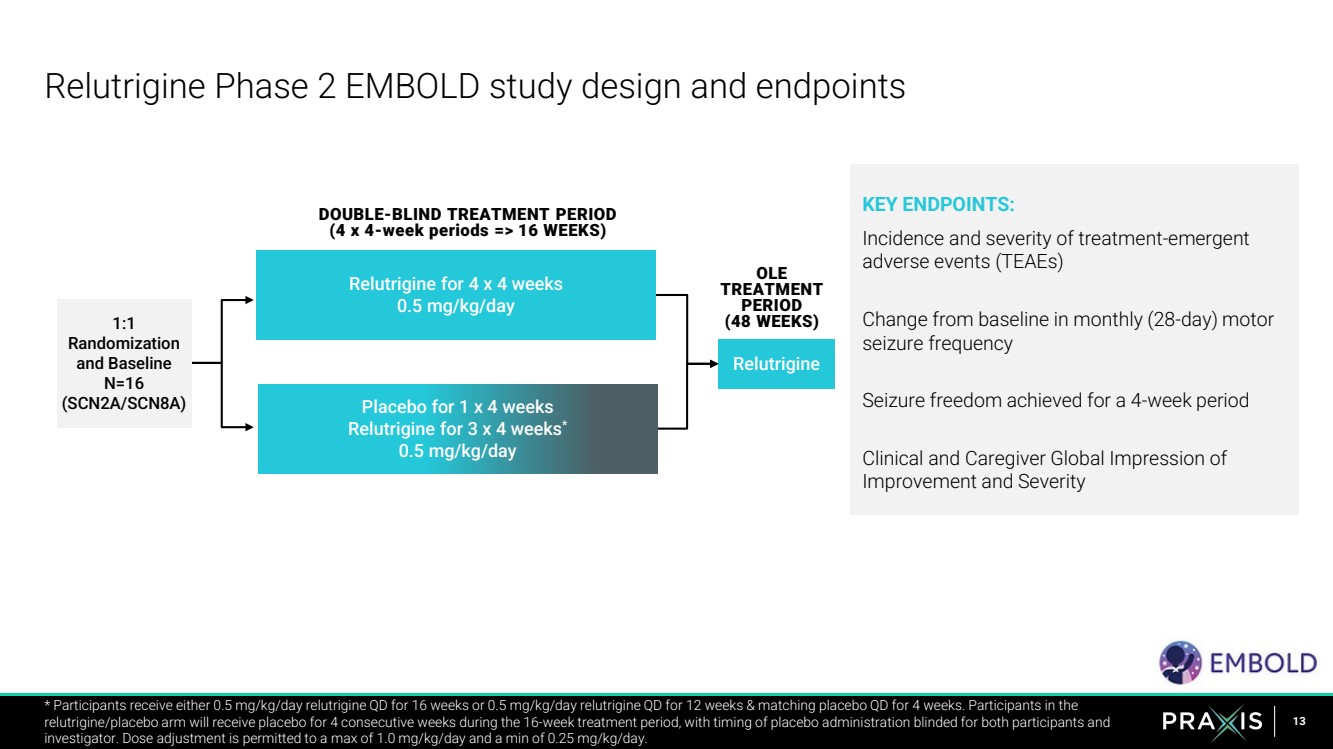
EMBOLD is a multicenter, double-blind, placebo-controlled, intervention-period-masked, randomized study, followed by open-label extension (OLE), which enrolled eligible male and female participants aged 2-18 years with a diagnosis of early onset SCN2A-DEE or SCN8A-DEE. Sixteen patients were randomized (1:1) to receive relutrigine QD for 16 weeks, or relutrigine QD for 12 weeks and matching placebo QD for 4 weeks, administered orally or via gastrostomy/jejunostomy tube (G/J-tube). Fifteen patients were determined to be eligible for efficacy assessments. Dose adjustment was permitted to a maximum of 1.0 mg/kg/day and a minimum of 0.25 mg/kg/day. Thirteen patients enrolled in the OLE.
Summary of EMBOLD results
Relutrigine was generally safe and well tolerated by patients during the EMBOLD study. Seven patients increased the daily dose from 0.5 to 1 mg/kg/day during the double-blind period of the study. No patient required dose reduction. The most common adverse events (AE) were infections, vomiting, pyrexia, somnolence and constipation in patients receiving relutrigine. No patients discontinued due to an AE.
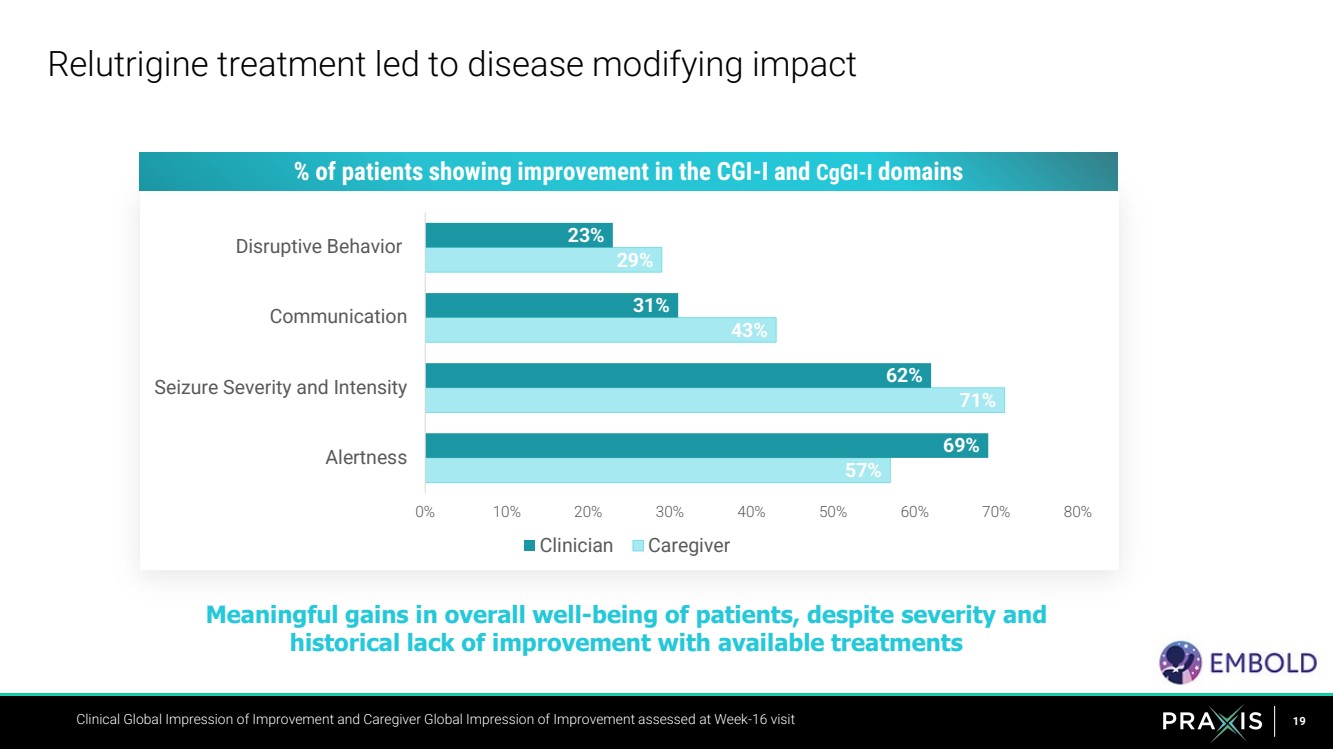
Patients on relutrigine observed a placebo-adjusted reduction of 46% in countable motor seizures (log-transformed). Change in Global Impression of Improvement, assessed by the caregiver and clinician at week 16 for patients on relutrigine, showed an improvement (caregiver, clinician) in disruptive behavior (29%, 23%), communication (43%, 31%), seizure severity and intensity (71%, 62%) and alertness (57%, 69%).
Eight patients have completed at least one 28-day period in the long-term extension of EMBOLD with a median reduction in motor seizures of 75%. Five patients achieved a 28-day seizure free status while receiving relutrigine, compared to none on placebo.
Forward-Looking Statements
This Current Report on Form 8-K contains forward-looking statements within the meaning of the Private Securities Litigation Reform Act of 1995 and other federal securities laws, including statements regarding the clinical development of relutrigine, including with respect to the EMBOLD and related long-term extension study, and the potential benefits of relutrigine to treat patients aged 2-18 years with a diagnosis of early onset SCN2A-DEE or SCN8A-DEE. The forward-looking statements included in this Current Report on Form 8-K are subject to a number of risks, uncertainties and assumptions, including, without limitation, uncertainties inherent in clinical trials, the expected timing of submission for regulatory approval or review by governmental authorities and other risks as described in the Company’s Annual Report on Form 10-K for the year ended December 31, 2023 and its other filings with the Securities and Exchange Commission. These statements are based only on facts currently known by the Company and speak only as of the date of this Current Report on Form 8-K. As a result, you are cautioned not to rely on these forward-looking statements and the Company undertakes no obligation to publicly update or revise any forward-looking statement, whether as a result of new information, future developments or otherwise.
Item 9.01. Financial Statements and Exhibits.
(d) Exhibits
Exhibit No. |
Description | |
| 99.1 | EMBOLD Corporate Presentation | |
| 104 | Cover Page Interactive Data File (embedded within the inline XBRL document) |
SIGNATURE
Pursuant to the requirements of the Securities Exchange Act of 1934, the registrant has duly caused this report to be signed on its behalf by the undersigned hereunto duly authorized.
| PRAXIS PRECISION MEDICINES, INC. | ||
| Date: September 3, 2024 | By: | /s/ Marcio Souza |
| Marcio Souza | ||
| Chief Executive Officer | ||
| RELUTRIGINE: EMBOLD Phase 2 Study Topline Results September 3, 2024 ® |

| 2 Forward-looking statements This presentation may contain “forward-looking statements” within the meaning of the Private Securities Litigation Reform Act of 1995 relating to our business, operations, and financial conditions, including but not limited to express or implied statements regarding the current beliefs, expectations and assumptions regarding the future of our business, future plans and strategies, , including statements regarding the estimated market for our product candidates, if approved, our development plans, our preclinical and clinical results, including statements regarding the clinical development of relutrigine and the EMBOLD and related long-term extension study, and the potential benefits of relutrigine to treat patients aged 2-18 years with a diagnosis of early onset SCN2A-DEE or SCN8A-DEE, as well as the potential benefit to well-being and quality of life, the timing of the EMERALD study, any upcoming discussions with the FDA, and the timing thereof, and the safety, efficacy, and regulatory and clinical design or progress, potential regulatory submissions, approvals and timing thereof of any of our product candidates. Any forward-looking statements in this presentation are based on management’s current expectations and beliefs and are subject to a number of risks, uncertainties and important factors that may cause actual events or results to differ materially from those expressed or implied by any forward-looking statements contained in this presentation, including, without limitation, risks relating to: (i) the success and timing of our ongoing clinical trials, (ii) the success and timing of our product development activities and initiating clinical trials, (iii) the success and timing of our collaboration partners’ product development activities, (iv) the timing of and our ability to obtain and maintain regulatory approval of any of our product candidates, (v) our plans to research, discover and develop additional product candidates, (vi) our ability to enter into collaborations for the development of new product candidates, (vii) our ability to establish manufacturing capabilities, and our collaboration partners’ abilities to manufacture our product candidates and scale production, (viii) our ability to meet any specific milestones set forth herein, and (ix) the potential addressable market sizes for product candidates. New risks and uncertainties may emerge from time to time, and it is not possible to predict all risks and uncertainties. Except as required by applicable law, we do not plan to publicly update or revise any forward-looking statements contained herein, whether as a result of any new information, future events, changed circumstances or otherwise. Although we believe the expectations reflected in such forward-looking statements are reasonable, we can give no assurance that such expectations will prove to be correct. Accordingly, readers are cautioned not to place undue reliance on these forward-looking statements. For further information regarding the risks, uncertainties and other factors that may cause differences between our expectations and actual results, you should review the “Risk Factors” section of our Annual Report on Form 10-K for the year ended December 31, 2023 filed with the Securities and Exchange Commission (“SEC”) and our other filings with the SEC. Certain information contained in this presentation relates to or is based on studies, publications, surveys and other data obtained from third-party sources and our own internal estimates and research. While we believe these third-party sources to be reliable as of the date of this presentation, we have not independently verified, and make no representation as to the adequacy, fairness, accuracy or completeness of, any information obtained from third-party sources. In addition, all of the market data included in this presentation involves a number of assumptions and limitations, and there can be no guarantee as to the accuracy or reliability of such assumptions. Finally, while we believe our own internal research is reliable, such research has not been verified by any independent source. |

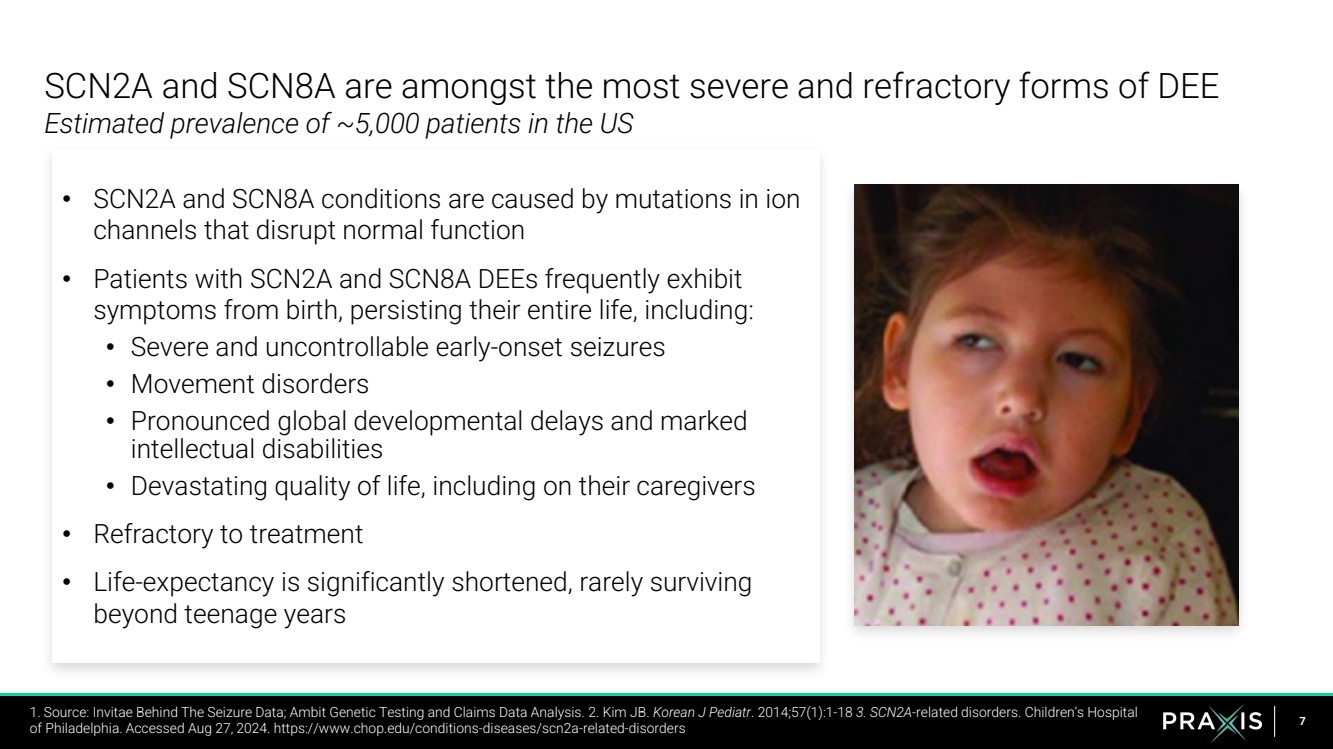
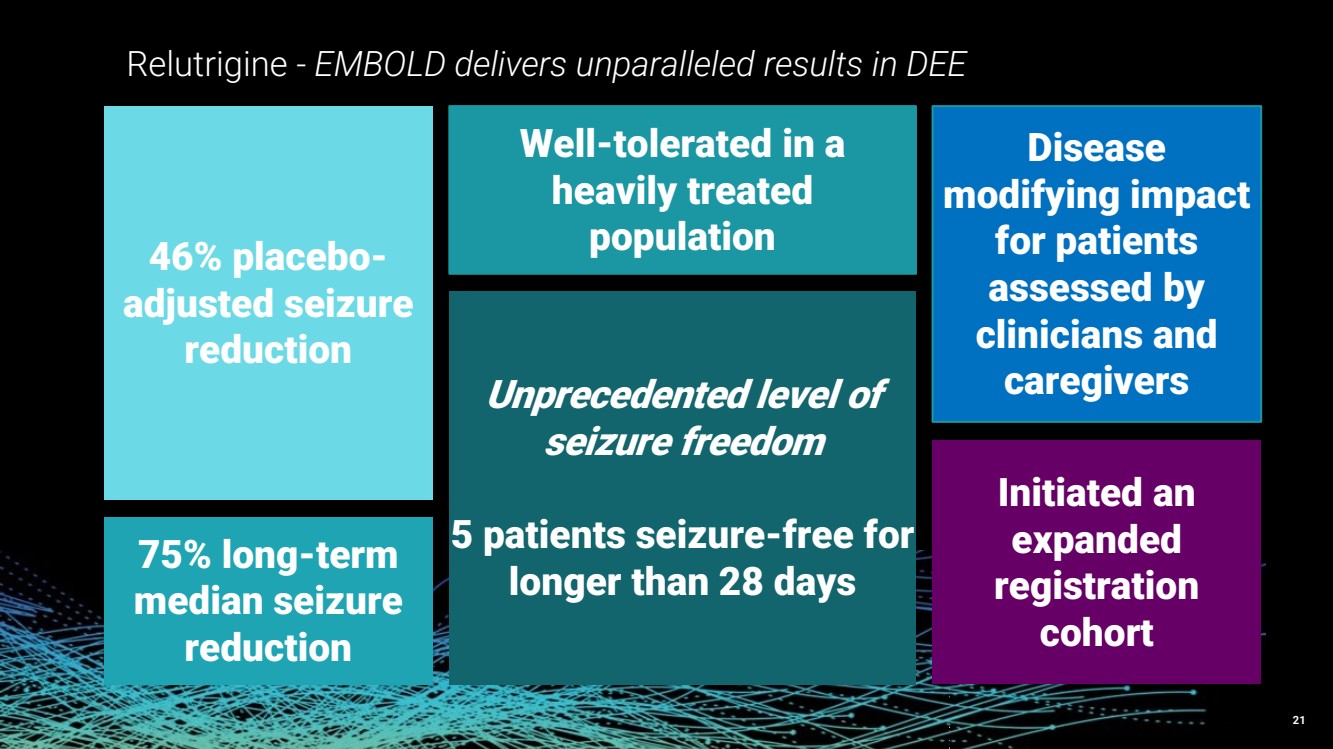
| 3 Relutrigine - EMBOLD delivers unparalleled results in DEE 46% placebo-adjusted seizure reduction Unprecedented level of seizure freedom 5 patients seizure-free for longer than 28 days Well-tolerated in a heavily treated population 75% long-term median seizure reduction Disease modifying impact for patients assessed by clinicians and caregivers Initiated an expanded registration cohort |
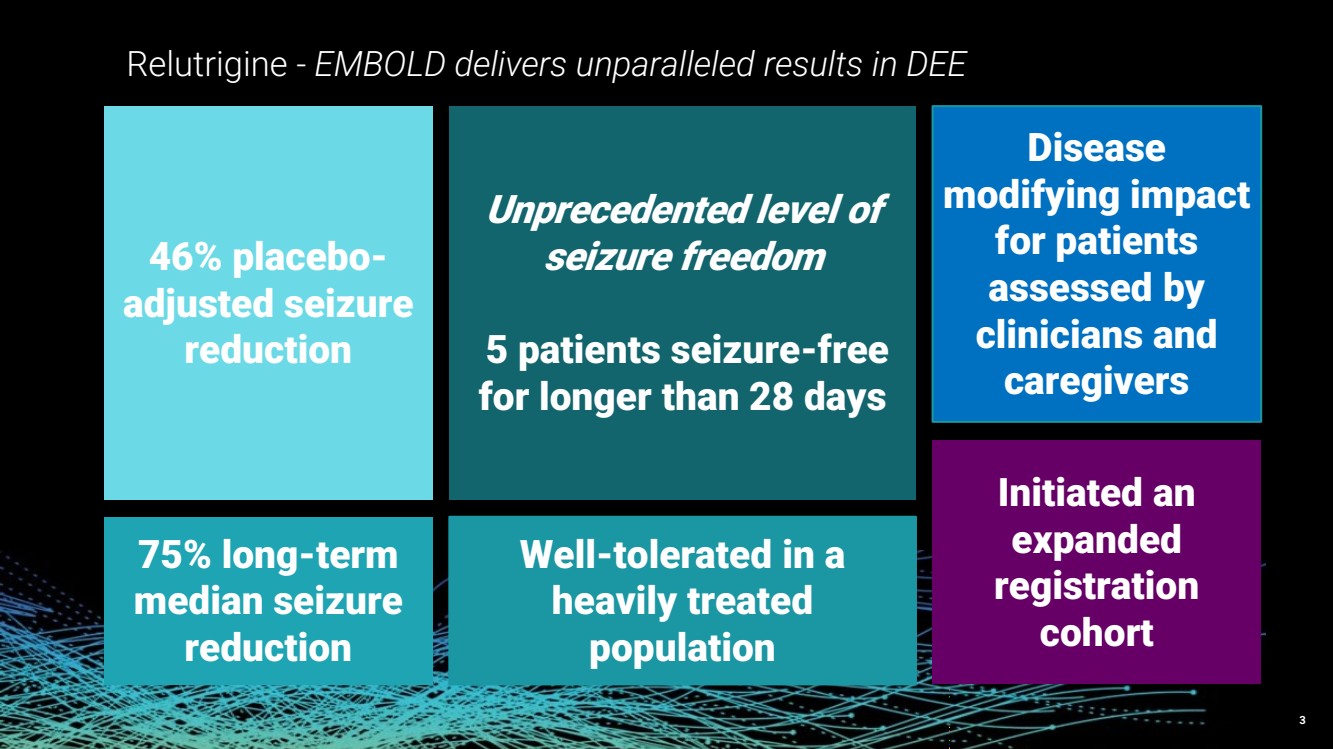
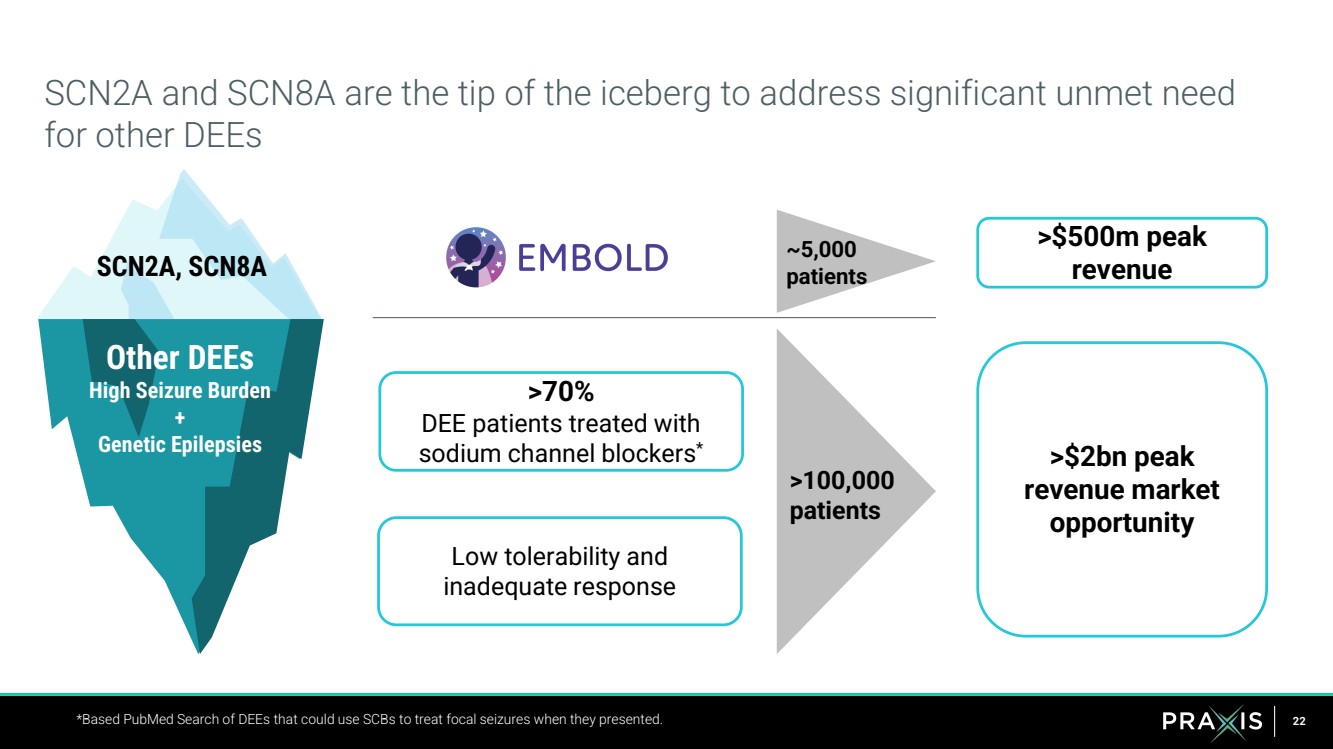
| 4 >$500M US Market Opportunity * Poke G, Stanley J, Scheffer IE, Sadleir LG. Epidemiology of Developmental and Epileptic Encephalopathy and of Intellectual Disability and Epilepsy in Children >100k Developmental Epilepsies with high seizure burden using sodium channel blockers* >$2B+ Opportunity for DEEs ~5K SCN2/8A US patients Relutrigine Addressable Patients Peak Revenue Potential Relutrigine is poised to disrupt the DEE market |
| 5 Disease Overview: Developmental and Epileptic Encephalopathies (DEEs) RELUTRIGINE |

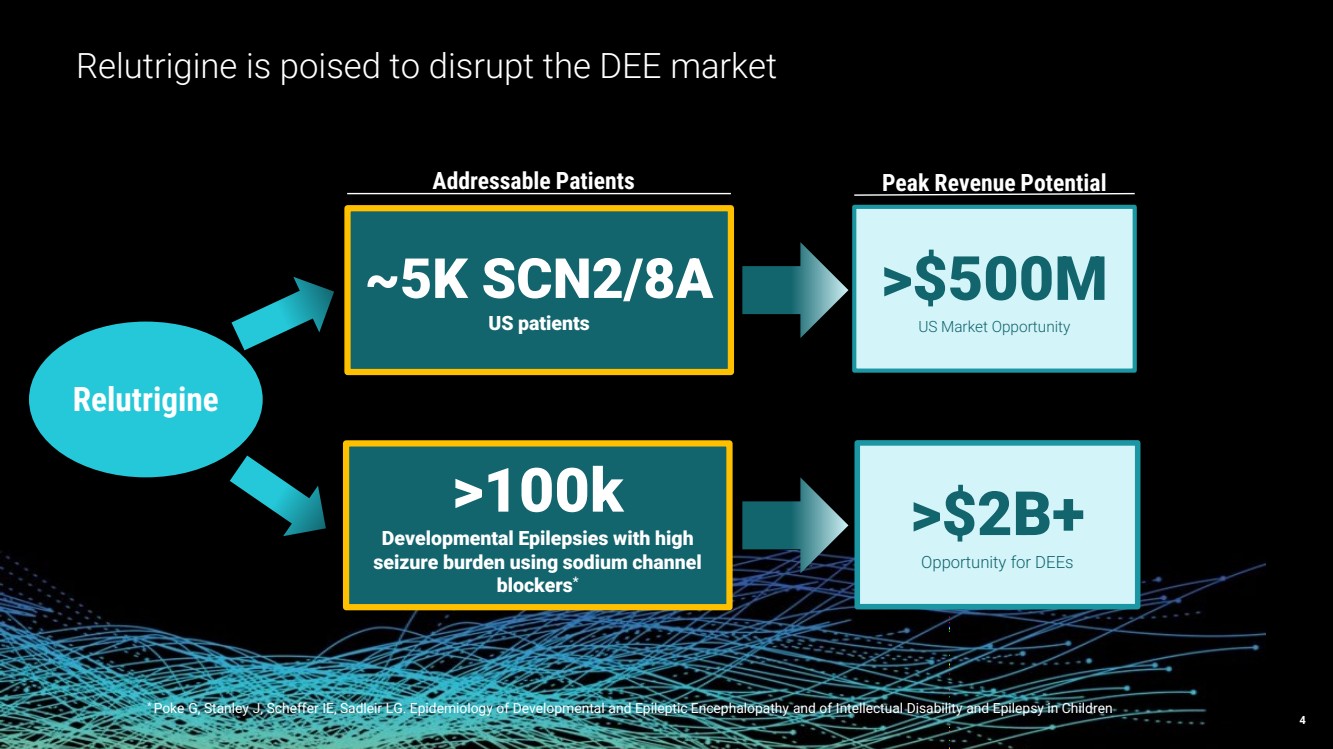
| 6 DEEs are demanding and devastating with early mortality The incidence of DEE is expected to be 1/10,000 live births Characterized by frequent seizures, abnormal brain function, and developmental disability, typically beginning in infancy Often caused by mutations that disrupt function of brain voltage-gated ion channels Significantly impact quality of life for both patients and their caregivers Patients experience impairment in motor, cognitive and language development, with many remaining non-verbal Treatment is sub-optimal, often associated with safety and tolerability issues Rarely survive beyond teenage years, with SUDEP and aspiration pneumonia amongst common causes of early mortality 1. Zuberi SM, et al. Epilepsia. 2022;63(6):1349-1397 2. Helbig KL, et al. Am J Hum Genet. 2018;103(5):666-678. , 3. Takai A, et al. Int J Mol Sci. 2020;21(17):6442, 4. Gallop K, et al. Epilepsy Behav. 2021;124:108324, 5. Johannessen Landmark C, et al. Epilepsia. 2021;62(4):857-873. 6. Thurman DJ, et al. Epilepsia. 2014;55(10):1479-1485 |
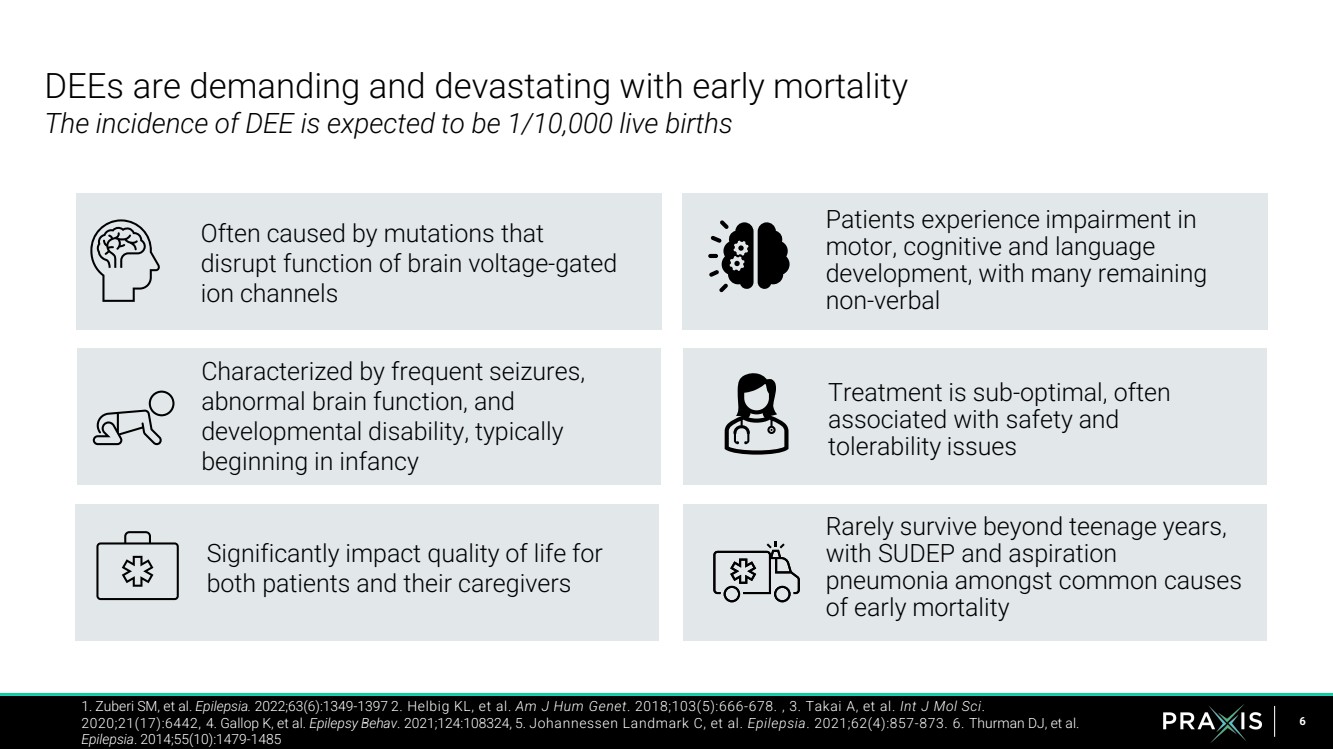
| 7 • SCN2A and SCN8A conditions are caused by mutations in ion channels that disrupt normal function • Patients with SCN2A and SCN8A DEEs frequently exhibit symptoms from birth, persisting their entire life, including: • Severe and uncontrollable early-onset seizures • Movement disorders • Pronounced global developmental delays and marked intellectual disabilities • Devastating quality of life, including on their caregivers • Refractory to treatment • Life-expectancy is significantly shortened, rarely surviving beyond teenage years SCN2A and SCN8A are amongst the most severe and refractory forms of DEE Estimated prevalence of ~5,000 patients in the US 1. Source: Invitae Behind The Seizure Data; Ambit Genetic Testing and Claims Data Analysis. 2. Kim JB. Korean J Pediatr. 2014;57(1):1-18 3. SCN2A-related disorders. Children’s Hospital of Philadelphia. Accessed Aug 27, 2024. https://www.chop.edu/conditions-diseases/scn2a-related-disorders |
| 8 RELUTRIGINE Mechanism of Action |

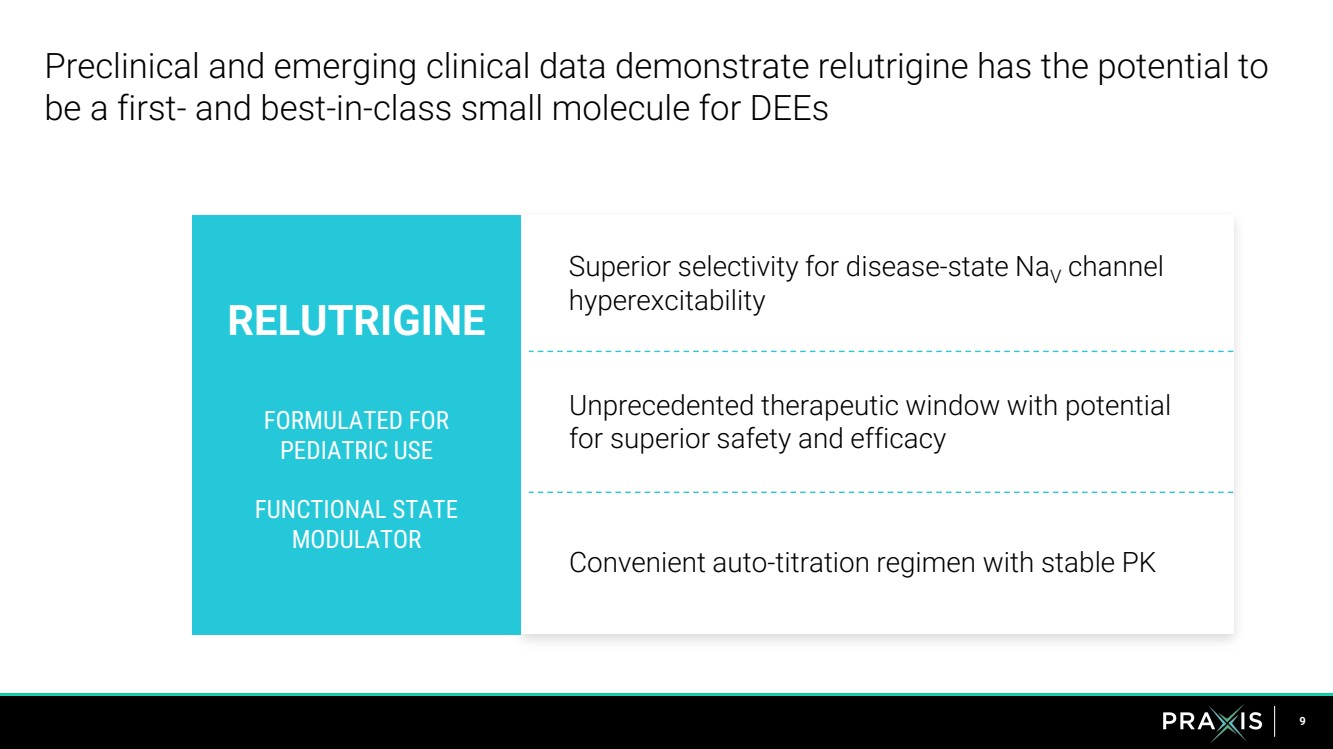
| 9 Preclinical and emerging clinical data demonstrate relutrigine has the potential to be a first- and best-in-class small molecule for DEEs Superior selectivity for disease-state NaV channel hyperexcitability Convenient auto-titration regimen with stable PK Unprecedented therapeutic window with potential for superior safety and efficacy RELUTRIGINE FORMULATED FOR PEDIATRIC USE FUNCTIONAL STATE MODULATOR |
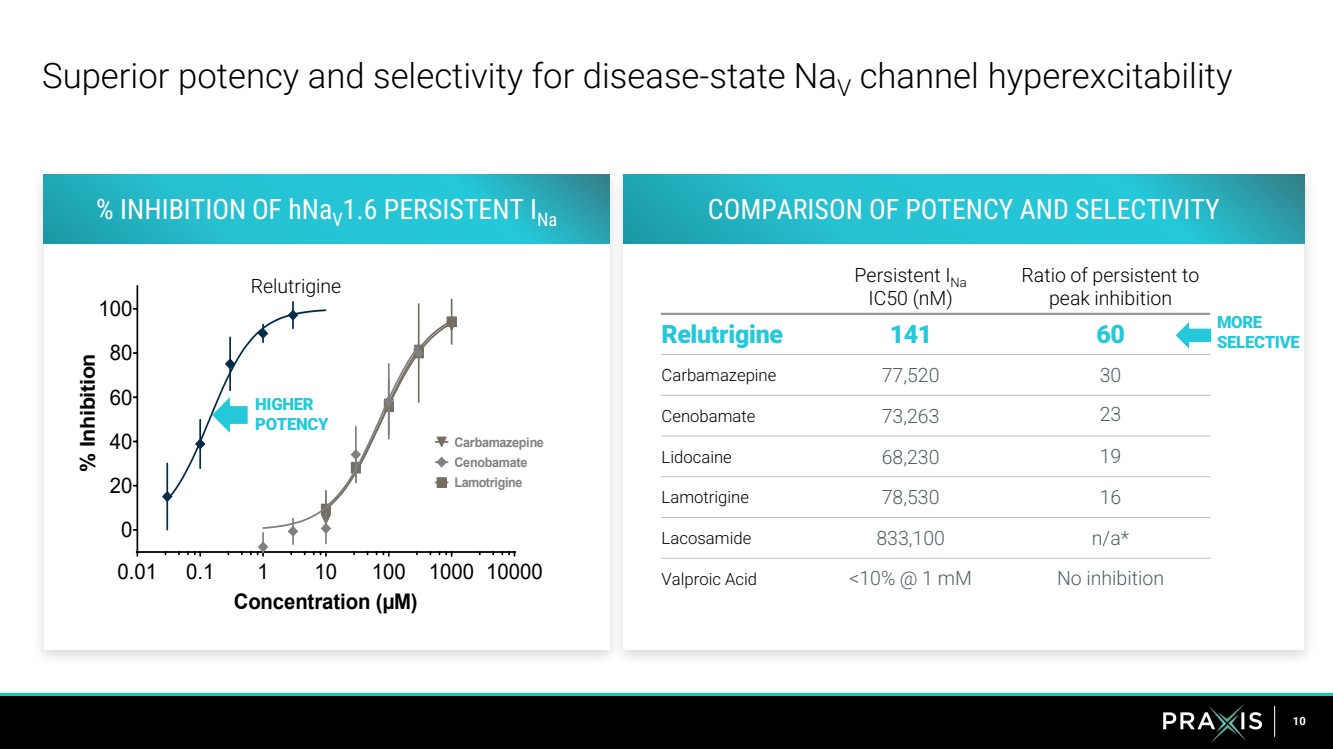
| 10 % INHIBITION OF hNaV1.6 PERSISTENT INa COMPARISON OF POTENCY AND SELECTIVITY Superior potency and selectivity for disease-state NaV channel hyperexcitability 0.01 0.1 1 10 100 1000 10000 0 20 40 60 80 100 Concentration (µM) % Inhibition Carbamazepine Lamotrigine Cenobamate Relutrigine Persistent INa IC50 (nM) Ratio of persistent to peak inhibition Relutrigine 141 60 Carbamazepine 77,520 30 Cenobamate 73,263 23 Lidocaine 68,230 19 Lamotrigine 78,530 16 Lacosamide 833,100 n/a* Valproic Acid <10% @ 1 mM No inhibition MORE SELECTIVE HIGHER POTENCY |
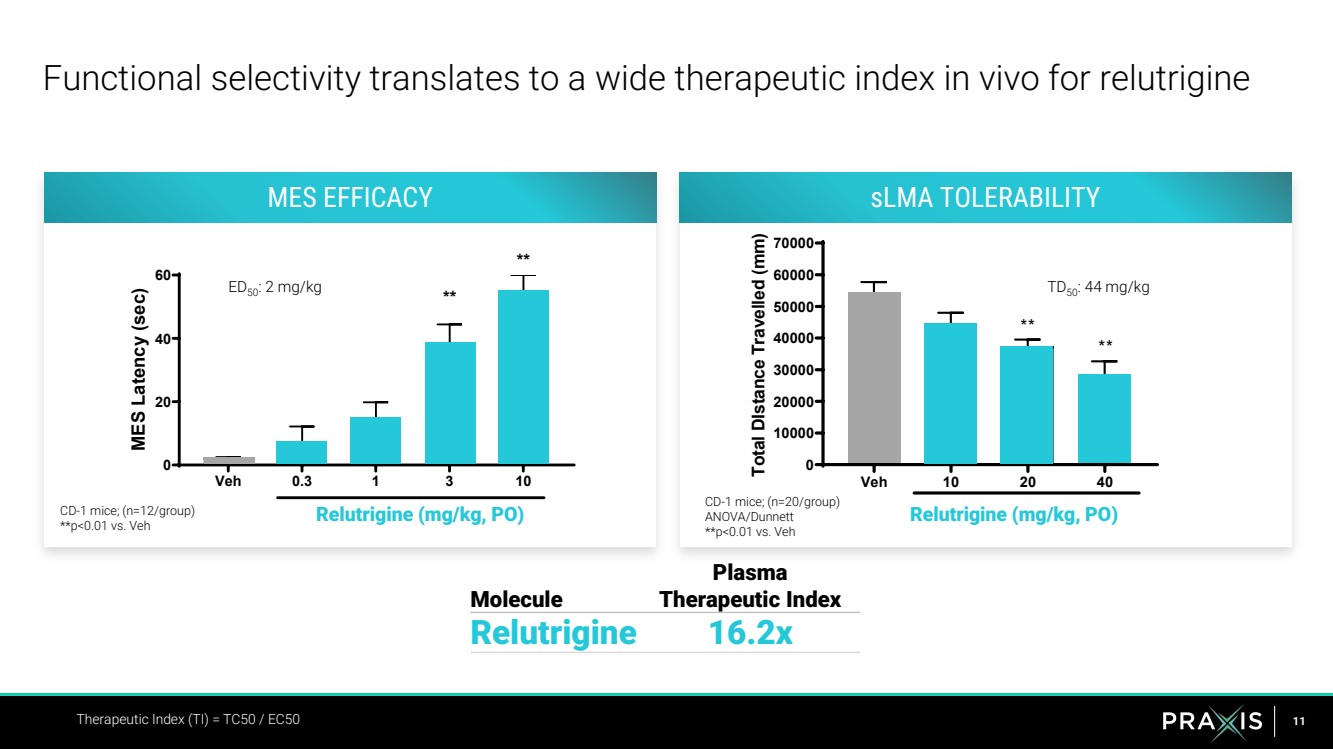
| 11 MES EFFICACY sLMA TOLERABILITY Functional selectivity translates to a wide therapeutic index in vivo for relutrigine Therapeutic Index (TI) = TC50 / EC50 CD-1 mice; (n=12/group) **p<0.01 vs. Veh ED50: 2 mg/kg Molecule Plasma Therapeutic Index Relutrigine 16.2x Relutrigine (mg/kg, PO) Relutrigine (mg/kg, PO) CD-1 mice; (n=20/group) ANOVA/Dunnett **p<0.01 vs. Veh TD50: 44 mg/kg Veh 0.3 1 3 10 0 20 40 60 MES Latency (sec) ** ** Veh 10 20 40 0 10000 20000 30000 40000 50000 60000 70000 Total DIstance Travelled (mm) ** ** |
| 12 Topline Data RELUTRIGINE |

| 13 KEY ENDPOINTS: Incidence and severity of treatment-emergent adverse events (TEAEs) Change from baseline in monthly (28-day) motor seizure frequency Seizure freedom achieved for a 4-week period Clinical and Caregiver Global Impression of Improvement and Severity Relutrigine Phase 2 EMBOLD study design and endpoints * Participants receive either 0.5 mg/kg/day relutrigine QD for 16 weeks or 0.5 mg/kg/day relutrigine QD for 12 weeks & matching placebo QD for 4 weeks. Participants in the relutrigine/placebo arm will receive placebo for 4 consecutive weeks during the 16-week treatment period, with timing of placebo administration blinded for both participants and investigator. Dose adjustment is permitted to a max of 1.0 mg/kg/day and a min of 0.25 mg/kg/day. DOUBLE-BLIND TREATMENT PERIOD (4 x 4-week periods => 16 WEEKS) Relutrigine 1:1 Randomization and Baseline N=16 (SCN2A/SCN8A) OLE TREATMENT PERIOD (48 WEEKS) Relutrigine for 4 x 4 weeks 0.5 mg/kg/day Placebo for 1 x 4 weeks Relutrigine for 3 x 4 weeks* 0.5 mg/kg/day |
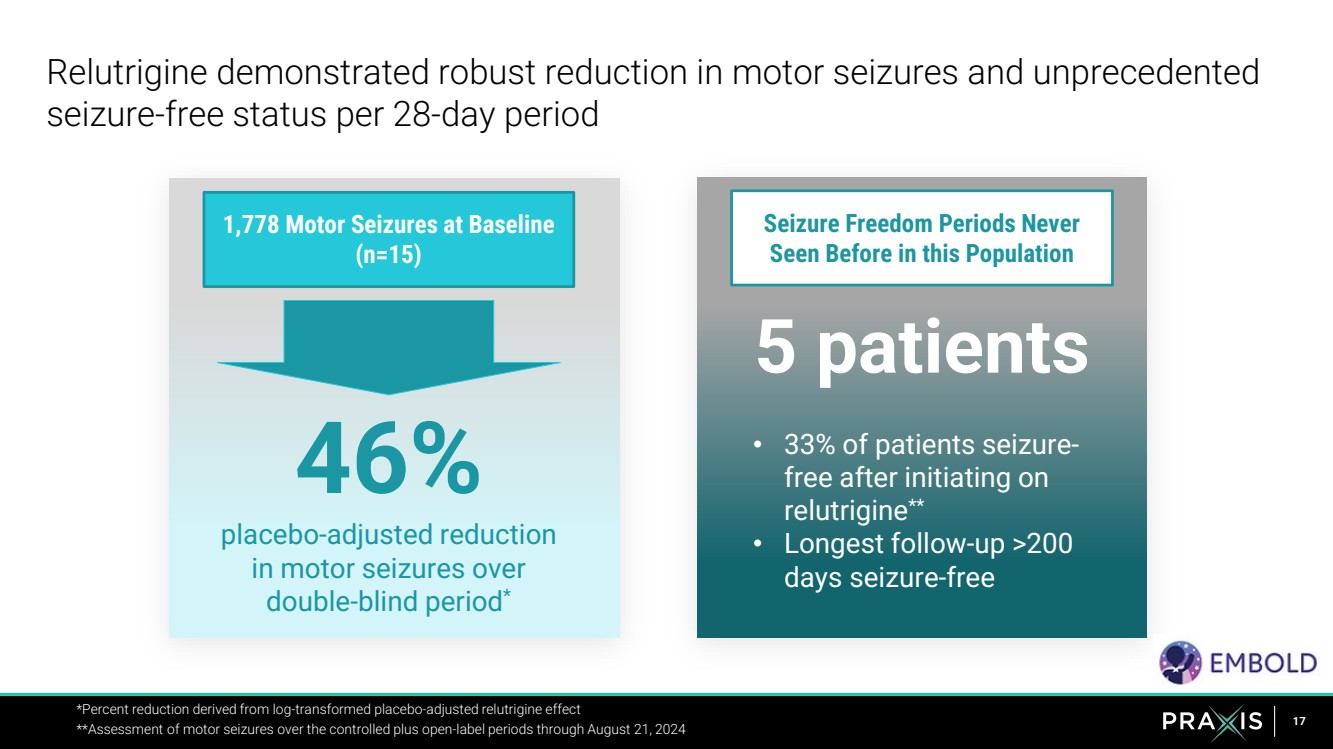
| 14 EMBOLD study disposition *Patients assigned to placebo received placebo for one (4 week) period and relutrigine for 3 periods **1 patient had no available data for efficacy assessment Assessed for eligibility (n=21) Did not meet inclusion criteria (n=5) Placebo (n=8)* • Safety population (n=8) • Eligible for assessment (n=7**) Relutrigine (n=8->16* ) • Safety population (n=16) • Eligible for assessment (n=15**) Assessed for baseline (n=16) Pre-screened for eligibility (n=74) Key Inclusion Criteria • Documented severe DEE with mutations in SCN2A or SCN8A genes • Age 2-18 years • ≥8 countable motor seizures in 4 weeks preceding AND during 28-day baseline observation • On stable ASM doses for ≥1 month prior to screening |
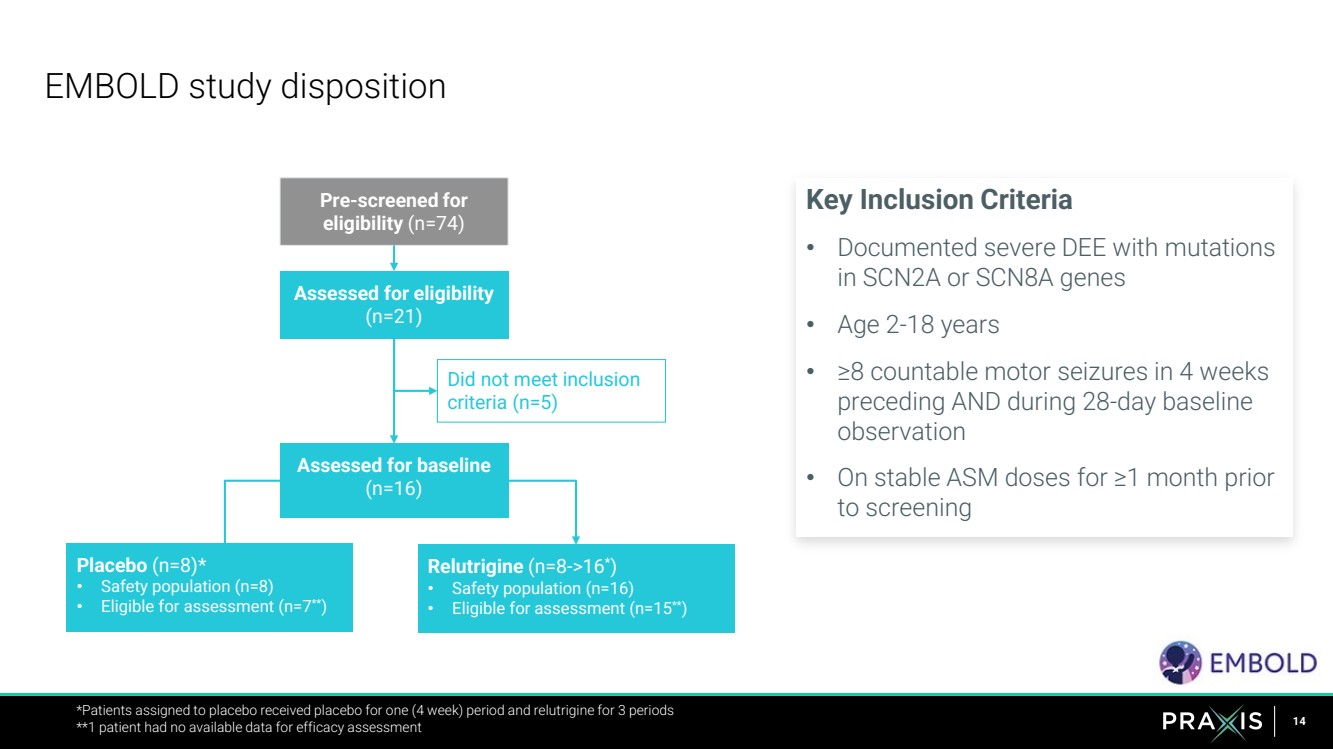
| 15 Demographics and Baseline Characteristics Placebo (n = 8) Total (n = 16) Age, mean (min, max) 6.1 (3, 12) 5.9 (2, 14) DEE SCN2A, n (%) 4 (50) 7 (44) SCN8A, n (%) 4 (50) 9 (56) Gender (Male / Female, %) 5/3 (63/37) 9/7 (56/44) Age at seizure onset (n) 0 – 3 months 7 13 4 – 12 months 1 2 >12 months 0 1 Patients with ASM use at baseline 1 or 2 ASM 2 4 3 or 4 ASM 5 11 Baseline motor seizures per 28-day, median (min, max) 58.7 (15, 844) 53.5 (13, 844) Baseline log-transformed motor seizures per 28-day, mean (SE) 4 (0.4) 3.3 (0.3) Baseline CGI-S, mean (min, max) 5.5 (4, 6) 5.6 (4, 6) |
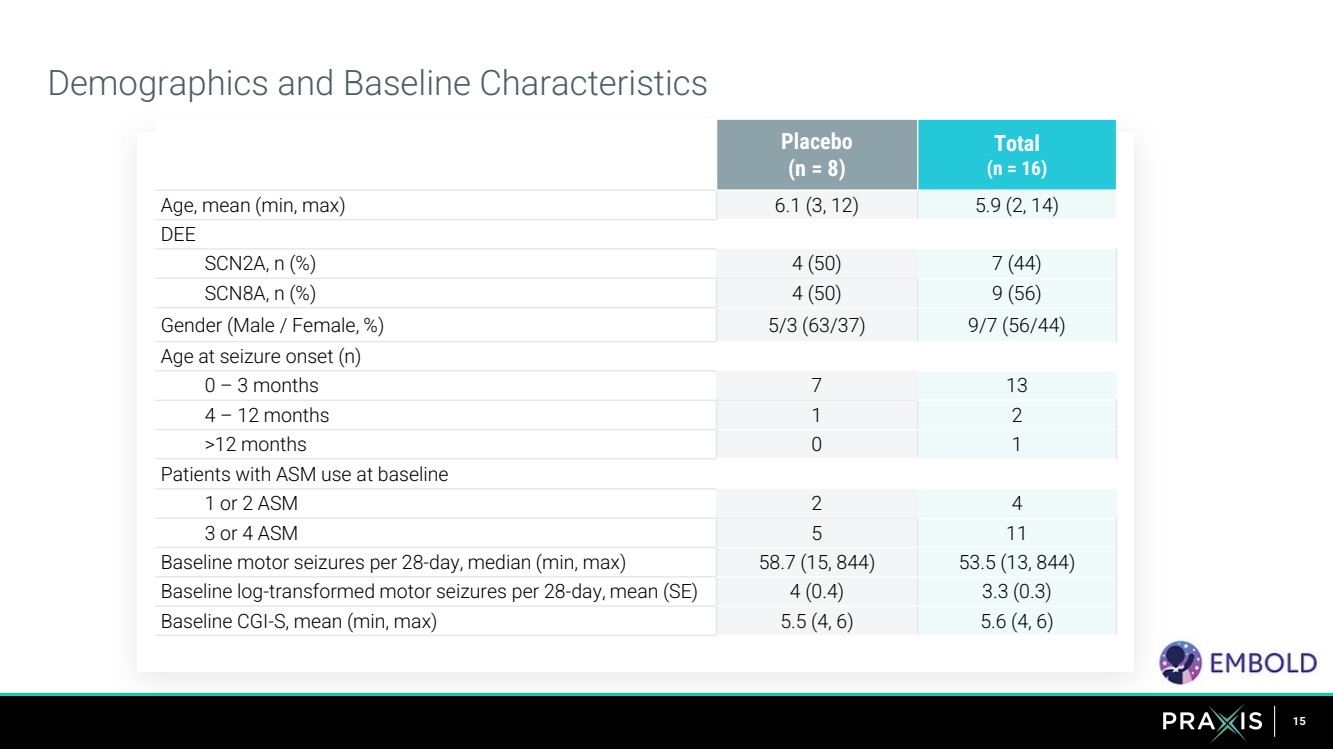
| 16 Relutrigine was generally well-tolerated *Infections include bronchiolitis, conjunctivitis, gastroenteritis, influenza, metapneumovirus infection, nasopharyngitis, otitis media, pneumonia, respiratory tract infection, rhinovirus infection scarlet fever, tonsillitis, upper respiratory tract infection Placebo (n=8) Total (n=16) Any TEAE 4 (50%) 14 (88%) TEAEs > 2 patients Infections* 3 (38%) 8 (50%) Vomiting 1 (13%) 5 (31%) Pyrexia 0 5 (31%) Somnolence 0 4 (25%) Constipation 0 3 (19%) Nasopharyngitis 2 (25%) 1 (6%) AEs were mostly mild to moderate No drug-related SAE No dose reduction of relutrigine required One severe TEAE of status epilepticus related to an infection |
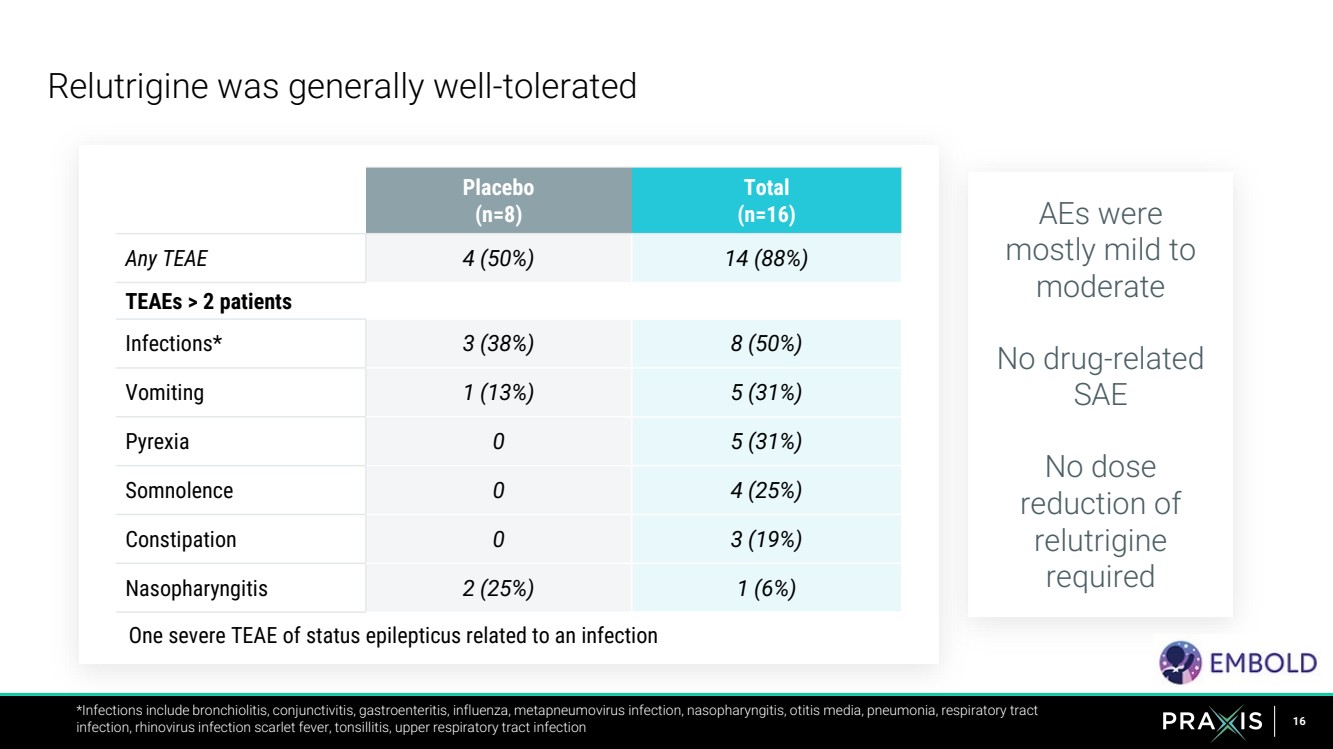
| 17 Relutrigine demonstrated robust reduction in motor seizures and unprecedented seizure-free status per 28-day period *Percent reduction derived from log-transformed placebo-adjusted relutrigine effect **Assessment of motor seizures over the controlled plus open-label periods through August 21, 2024 • 33% of patients seizure-free after initiating on relutrigine** • Longest follow-up >200 days seizure-free 5 patients 1,778 Motor Seizures at Baseline (n=15) 46% placebo-adjusted reduction in motor seizures over double-blind period* Seizure Freedom Periods Never Seen Before in this Population |
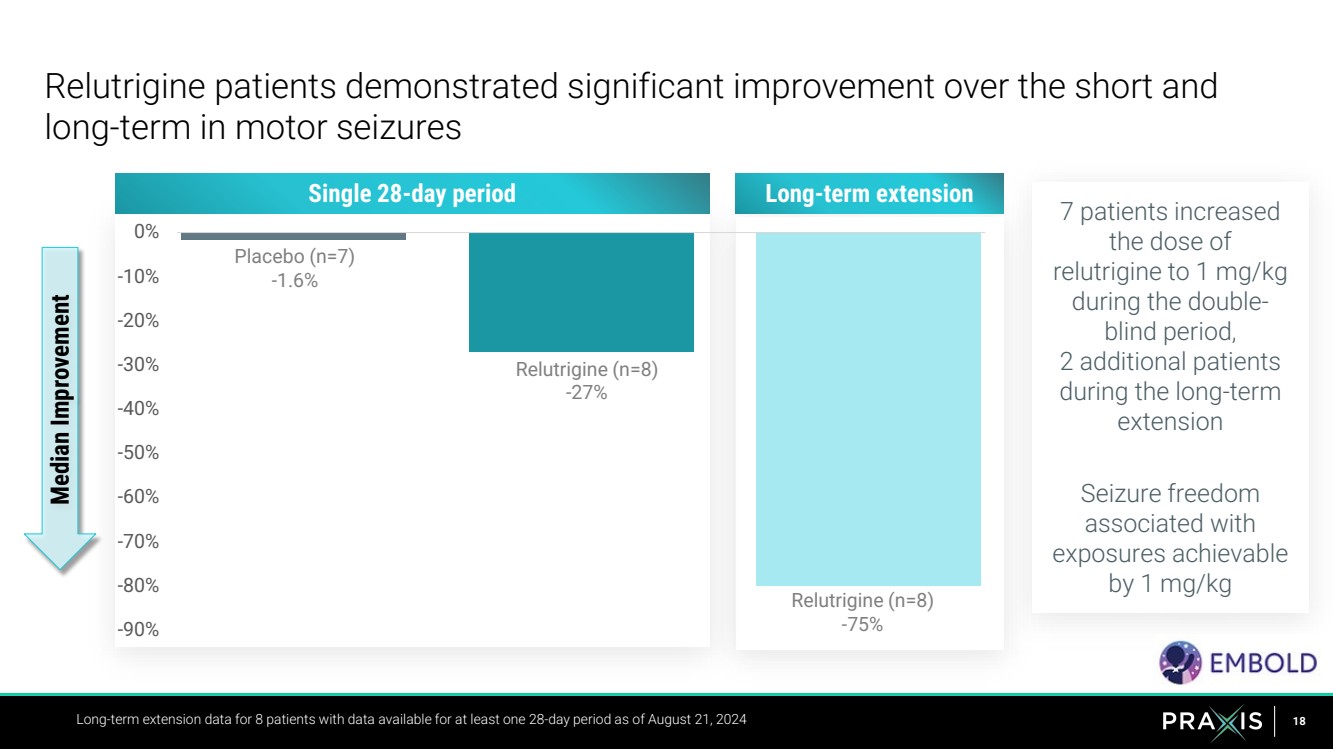
| 18 -90% -80% -70% -60% -50% -40% -30% -20% -10% 0% Relutrigine patients demonstrated significant improvement over the short and long-term in motor seizures Long-term extension data for 8 patients with data available for at least one 28-day period as of August 21, 2024 Placebo (n=7) -1.6% Relutrigine (n=8) -27% Relutrigine (n=8) -75% 7 patients increased the dose of relutrigine to 1 mg/kg during the double-blind period, 2 additional patients during the long-term extension Seizure freedom associated with exposures achievable by 1 mg/kg Single 28-day period Long-term extension Median Improvement |
| Clinical Global Impression of Improvement and Caregiver Global Impression of Improvement assessed at Week-16 visit 19 57% 71% 43% 29% 69% 62% 31% 23% 0% 10% 20% 30% 40% 50% 60% 70% 80% Alertness Seizure Severity and Intensity Communication Disruptive Behavior Clinician Caregiver Relutrigine treatment led to disease modifying impact Meaningful gains in overall well-being of patients, despite severity and historical lack of improvement with available treatments % of patients showing improvement in the CGI-I and CgGI-I domains |
| 20 Next Steps RELUTRIGINE |

| 21 Relutrigine - EMBOLD delivers unparalleled results in DEE 46% placebo-adjusted seizure reduction Unprecedented level of seizure freedom 5 patients seizure-free for longer than 28 days Well-tolerated in a heavily treated population 75% long-term median seizure reduction Disease modifying impact for patients assessed by clinicians and caregivers Initiated an expanded registration cohort |
| 22 SCN2A and SCN8A are the tip of the iceberg to address significant unmet need for other DEEs *Based PubMed Search of DEEs that could use SCBs to treat focal seizures when they presented. >$500m peak revenue Low tolerability and inadequate response >70% DEE patients treated with sodium channel blockers* SCN2A, SCN8A Other DEEs High Seizure Burden + Genetic Epilepsies >$2bn peak revenue market opportunity >100,000 patients ~5,000 patients |
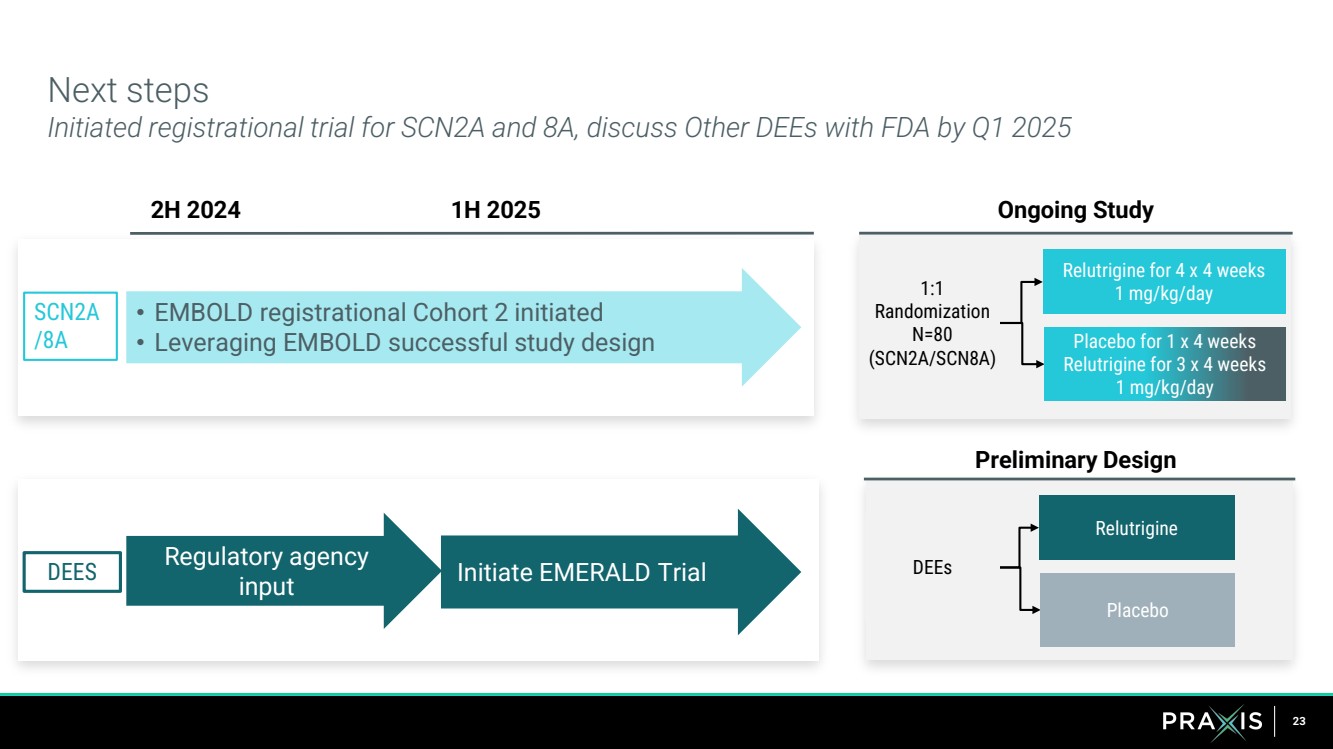
| 23 Regulatory agency input • EMBOLD registrational Cohort 2 initiated • Leveraging EMBOLD successful study design Next steps Initiated registrational trial for SCN2A and 8A, discuss Other DEEs with FDA by Q1 2025 2H 2024 1H 2025 Initiate EMERALD Trial 1:1 Randomization N=80 (SCN2A/SCN8A) Relutrigine for 4 x 4 weeks 1 mg/kg/day Placebo for 1 x 4 weeks Relutrigine for 3 x 4 weeks 1 mg/kg/day SCN2A /8A DEES DEEs Relutrigine Placebo Ongoing Study Preliminary Design |
| ® |