Speaker 0
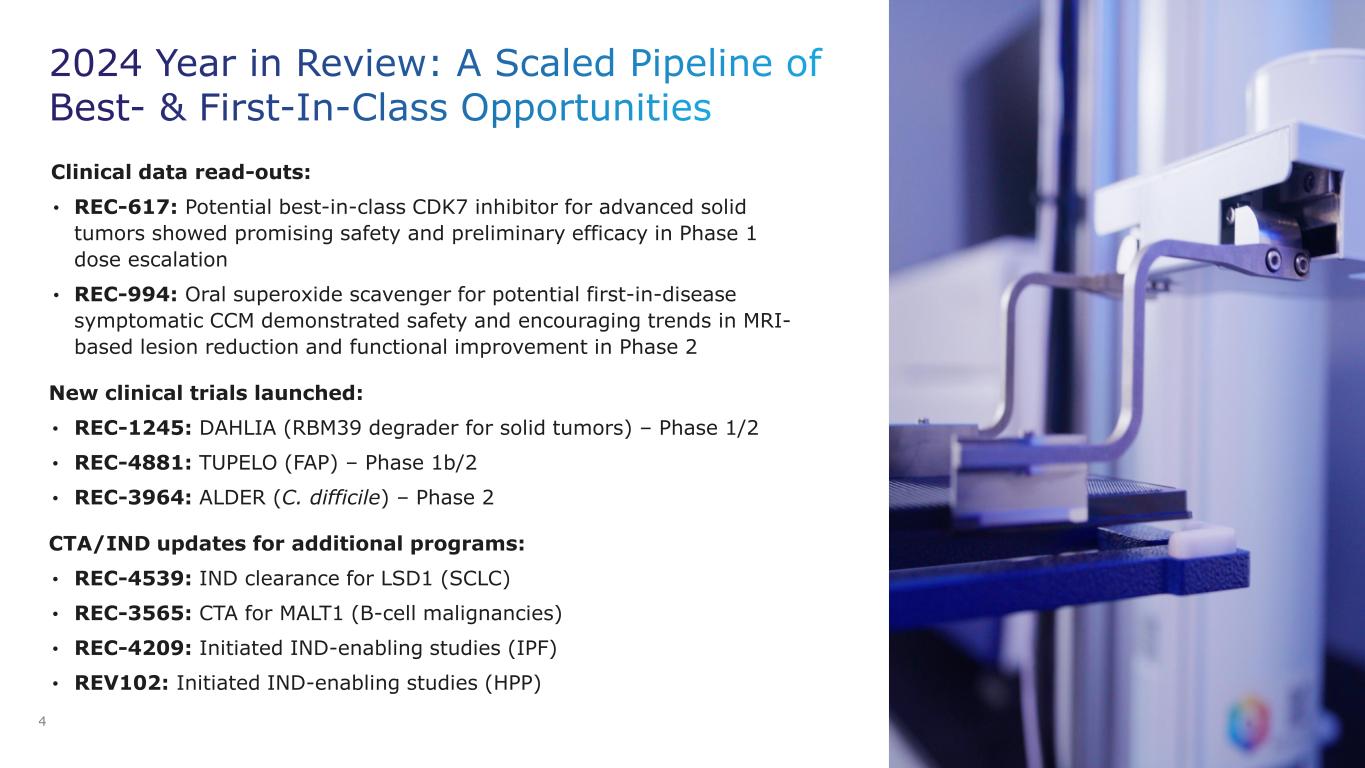
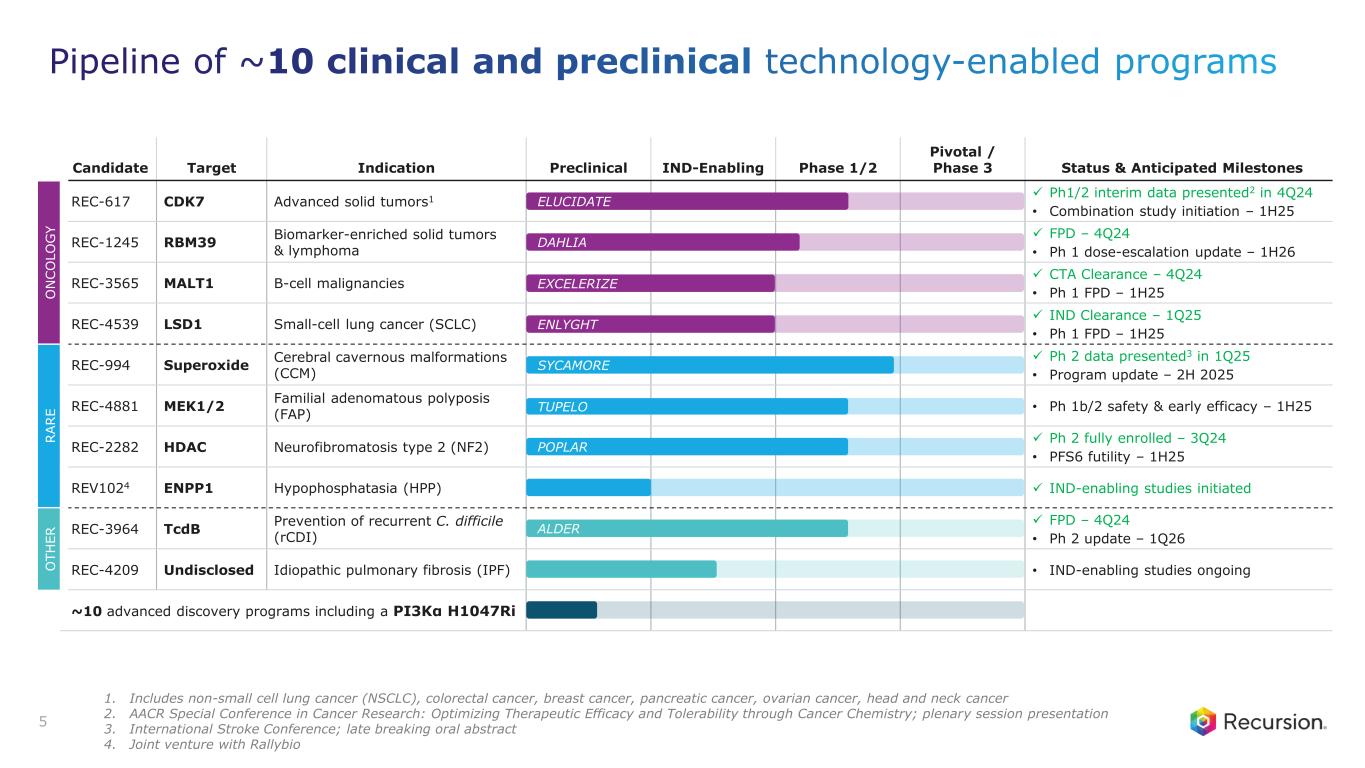
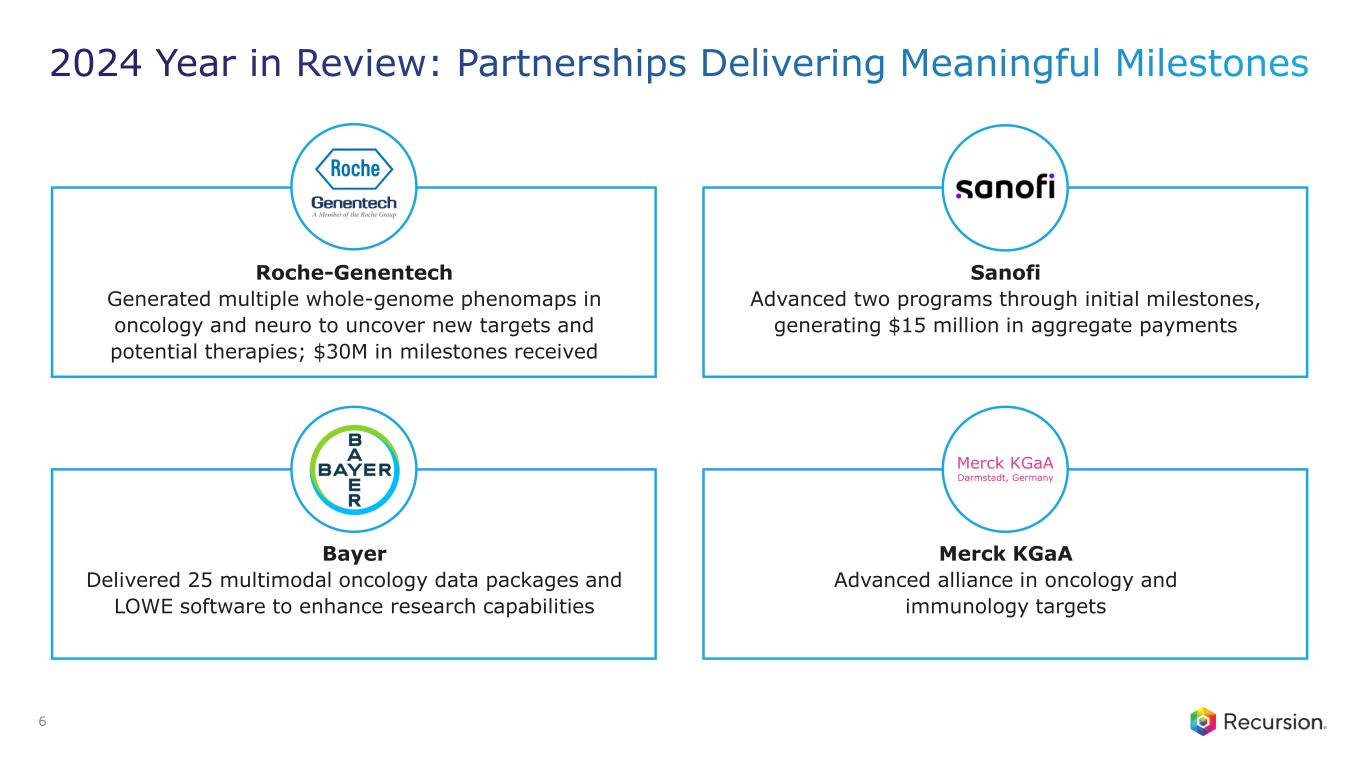
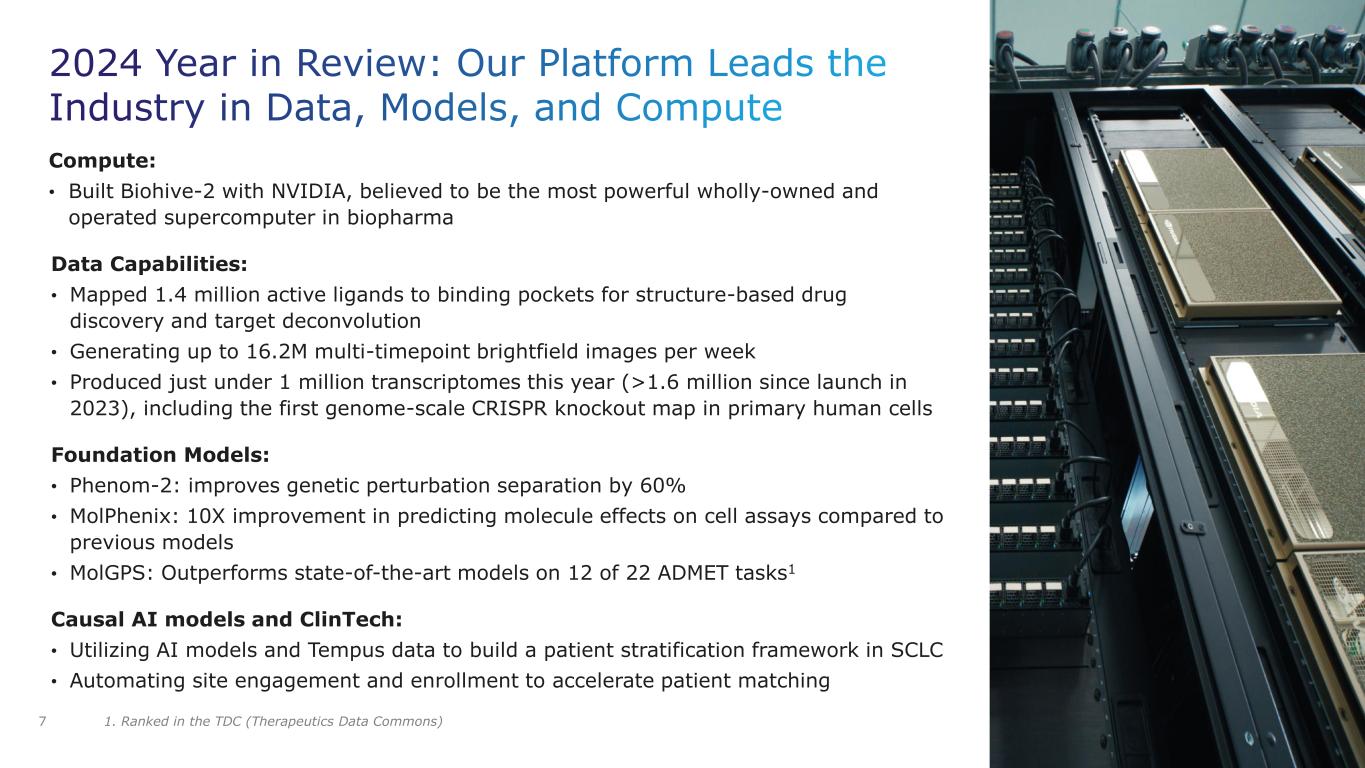
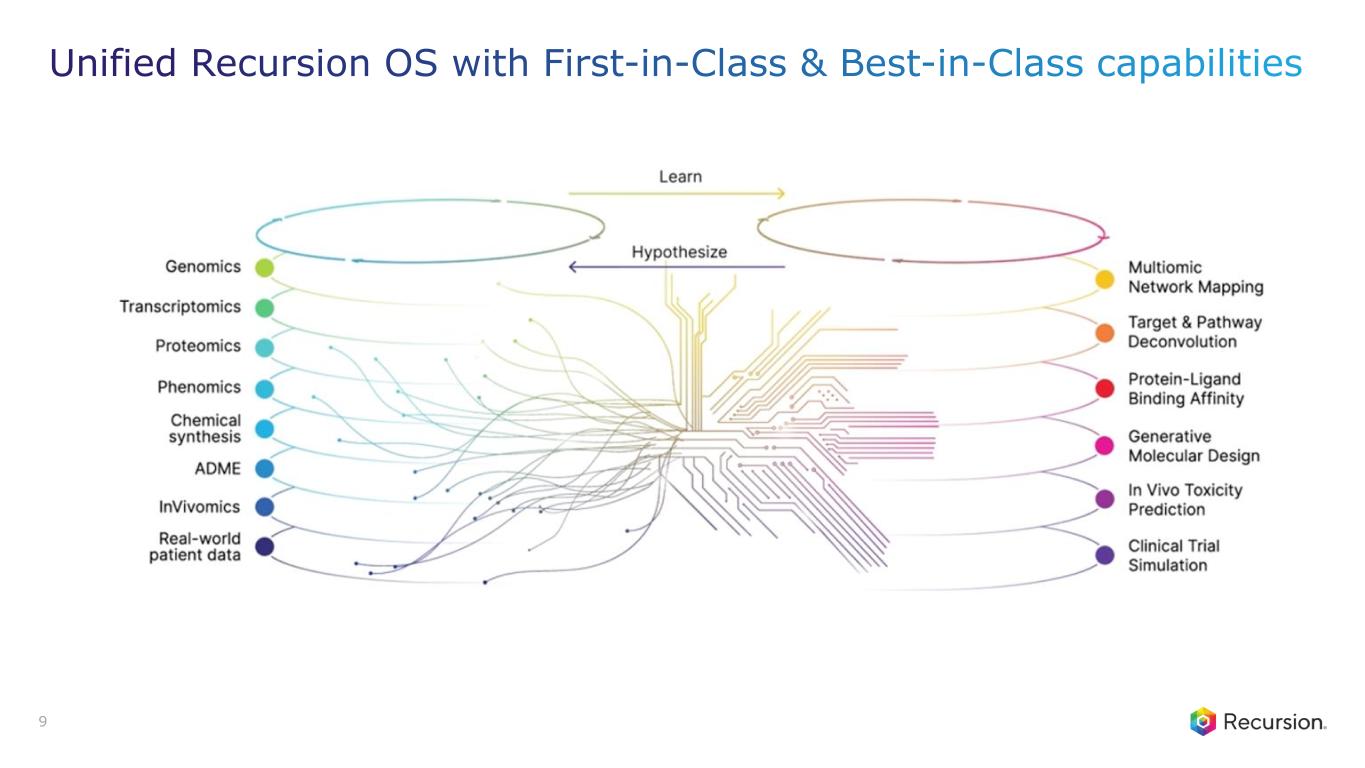
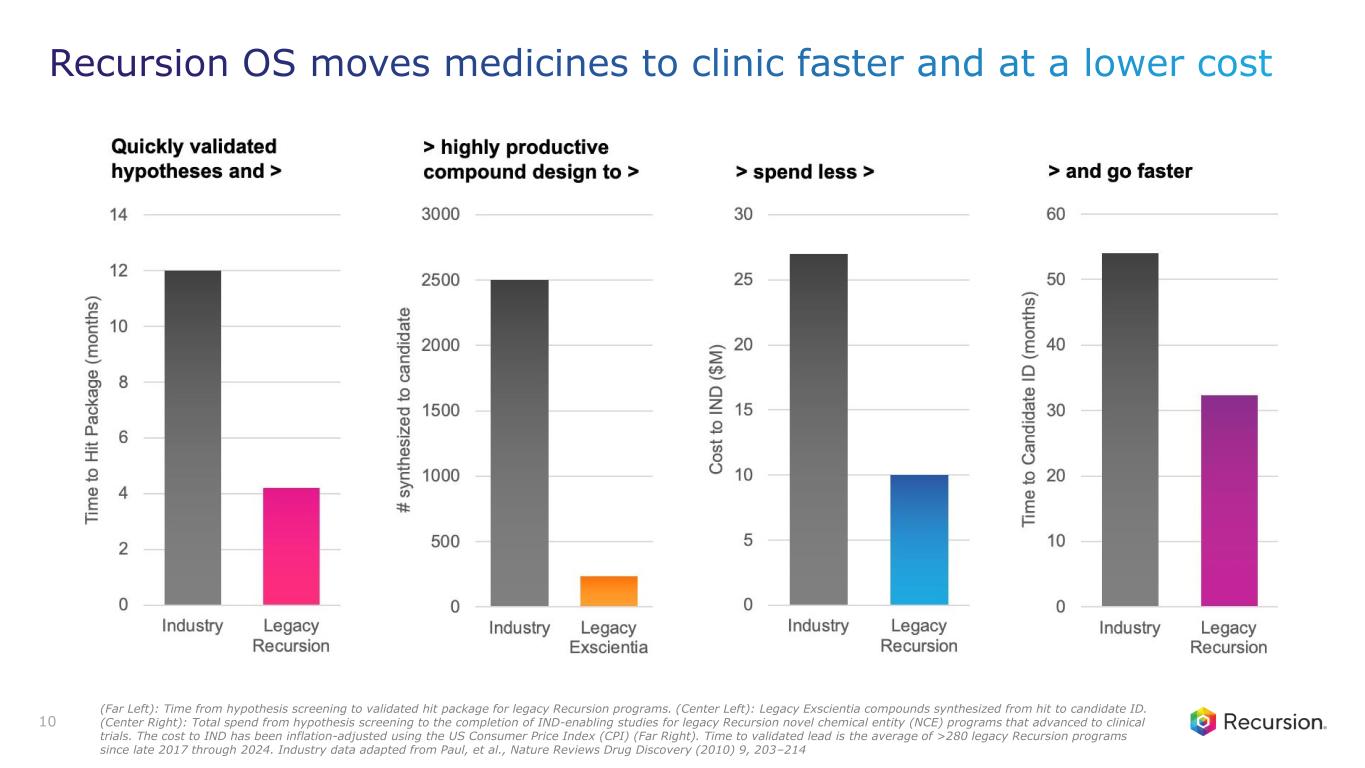
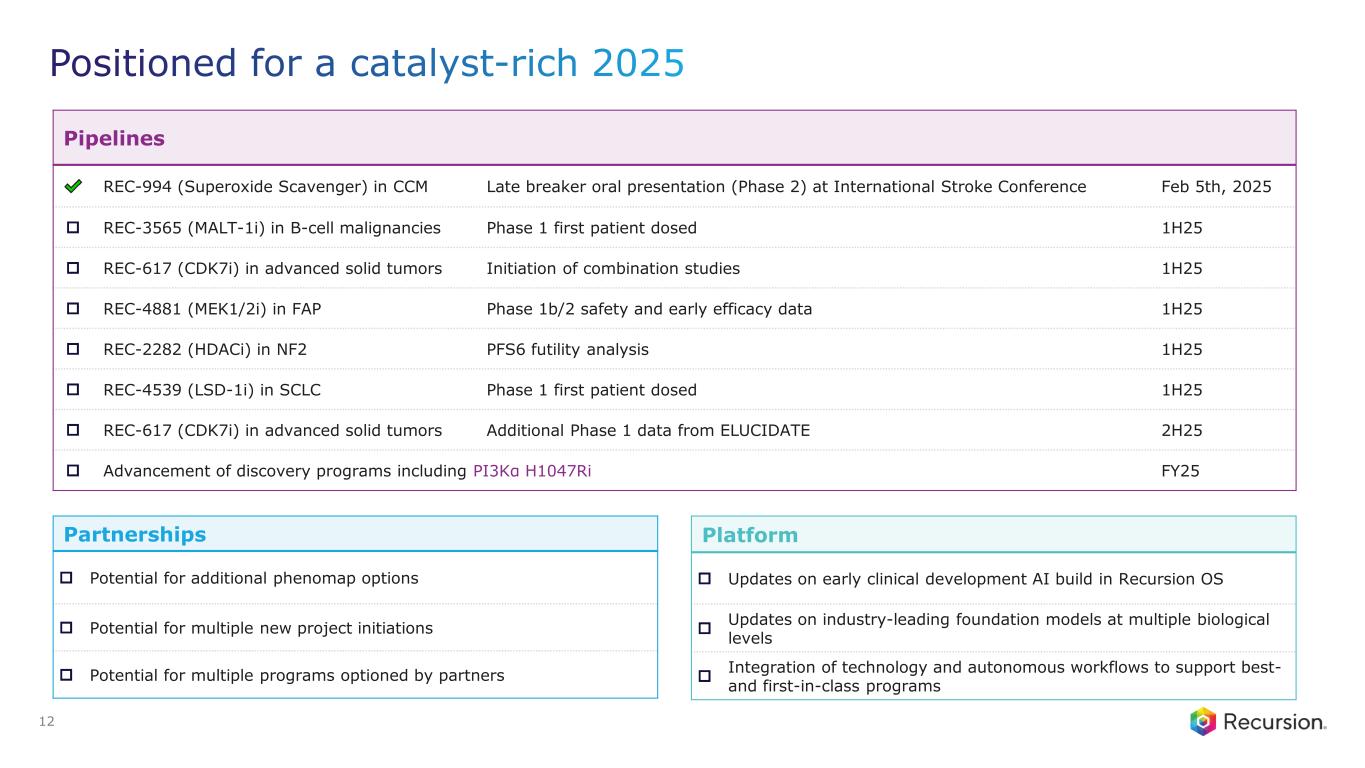
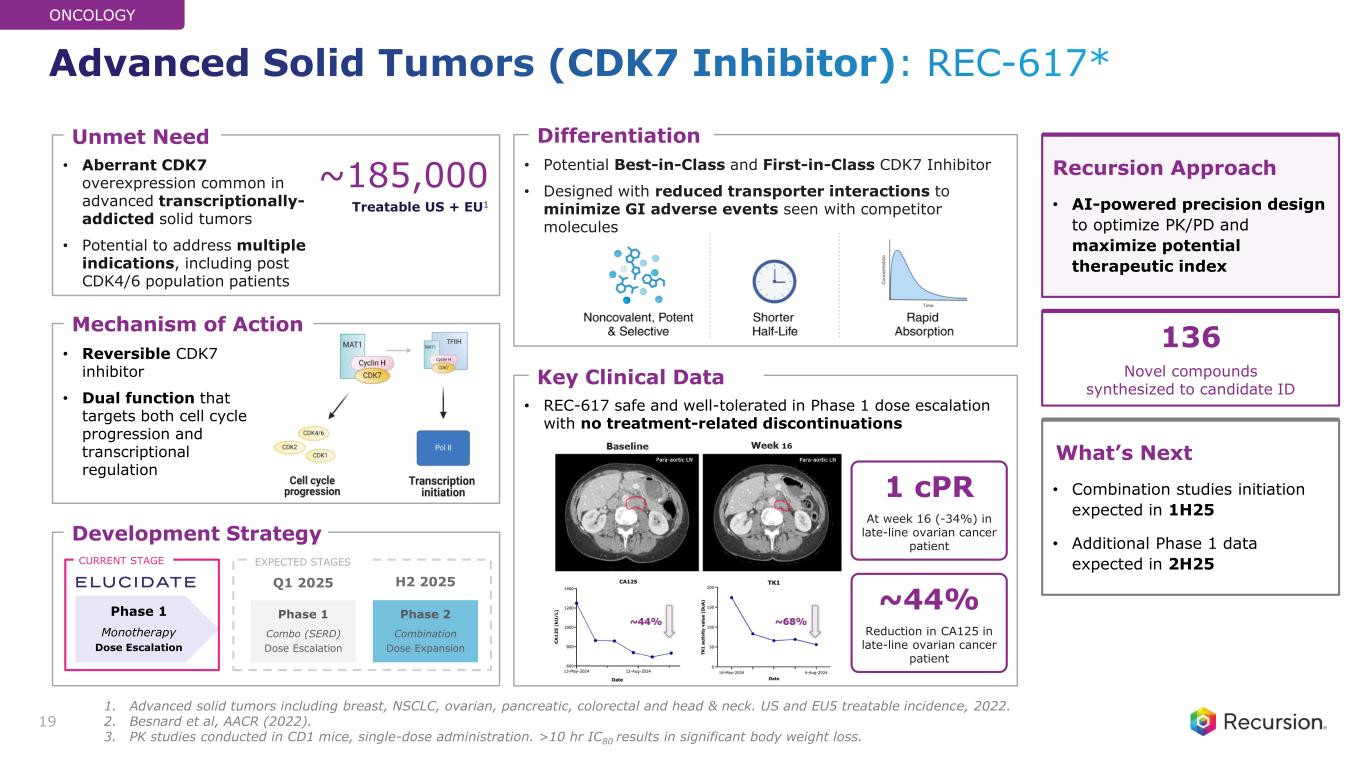
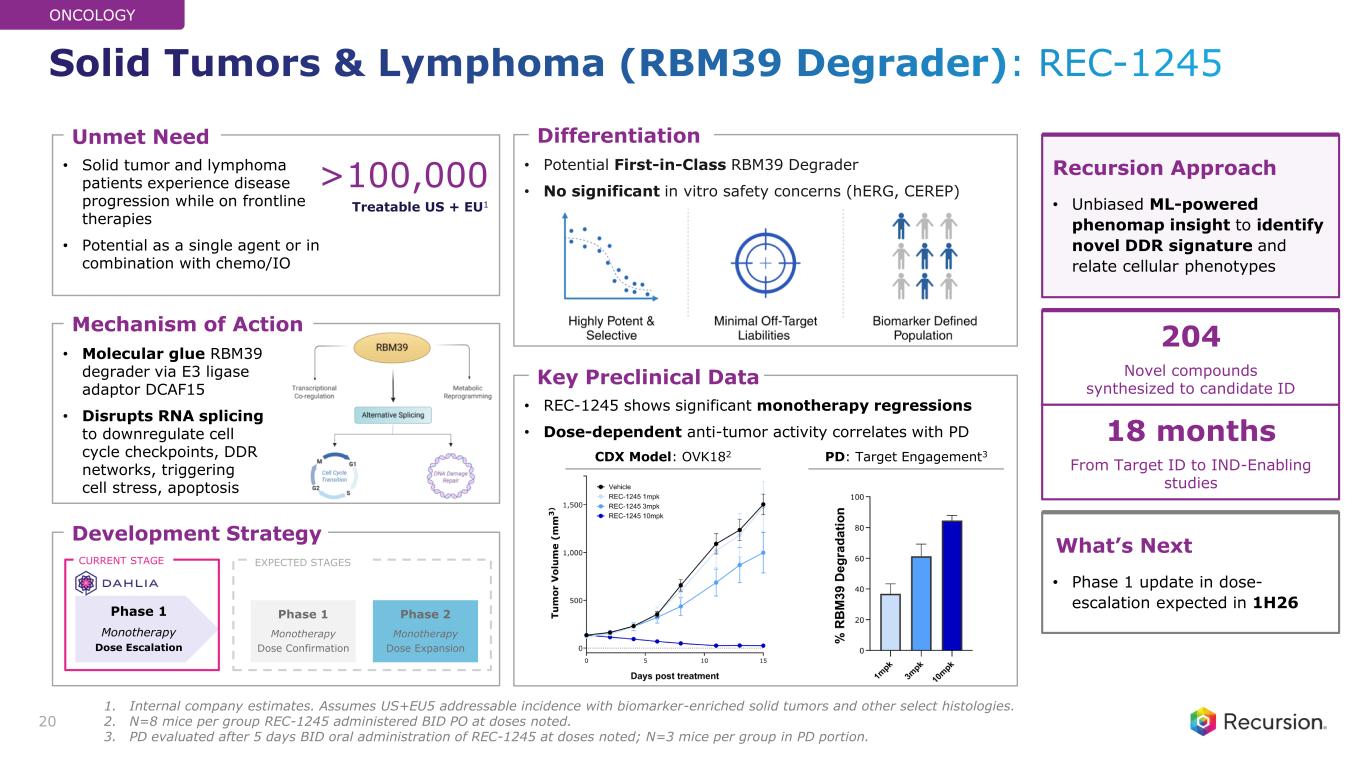
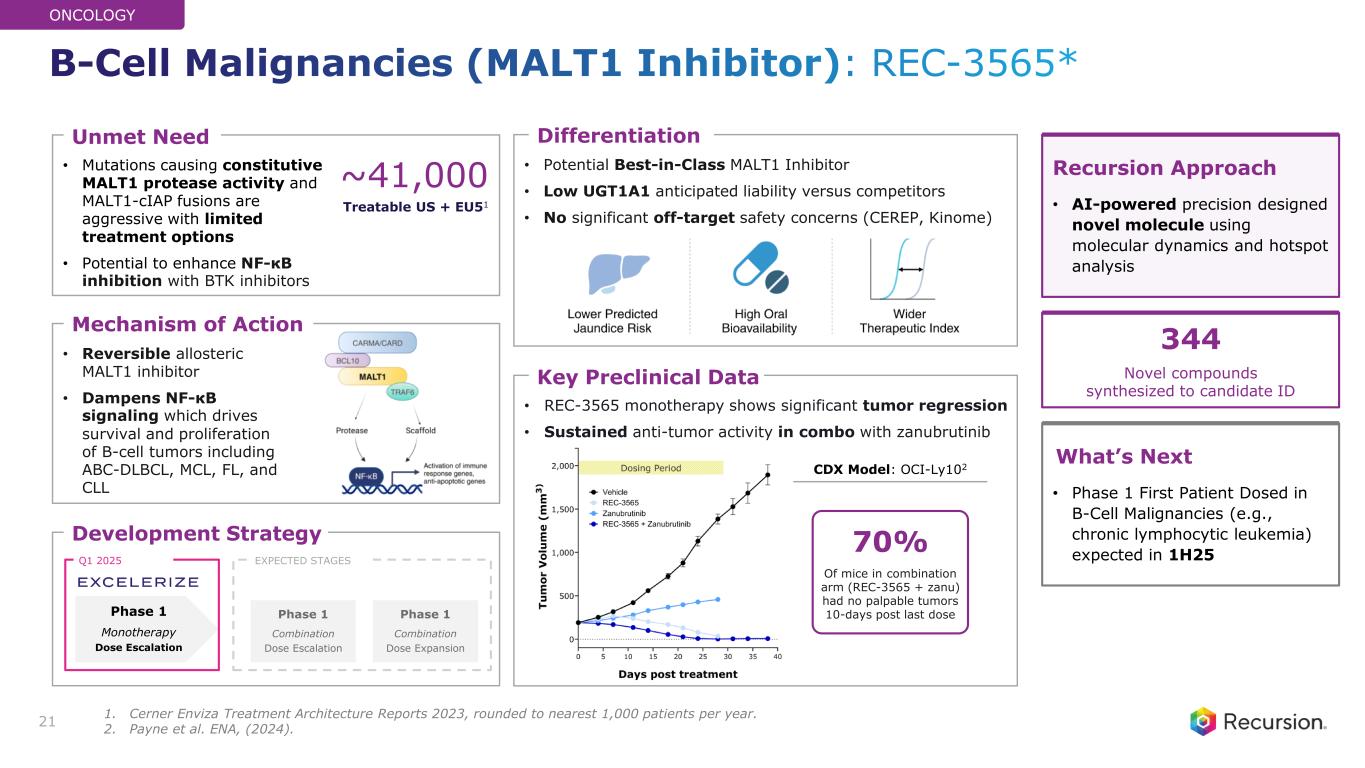
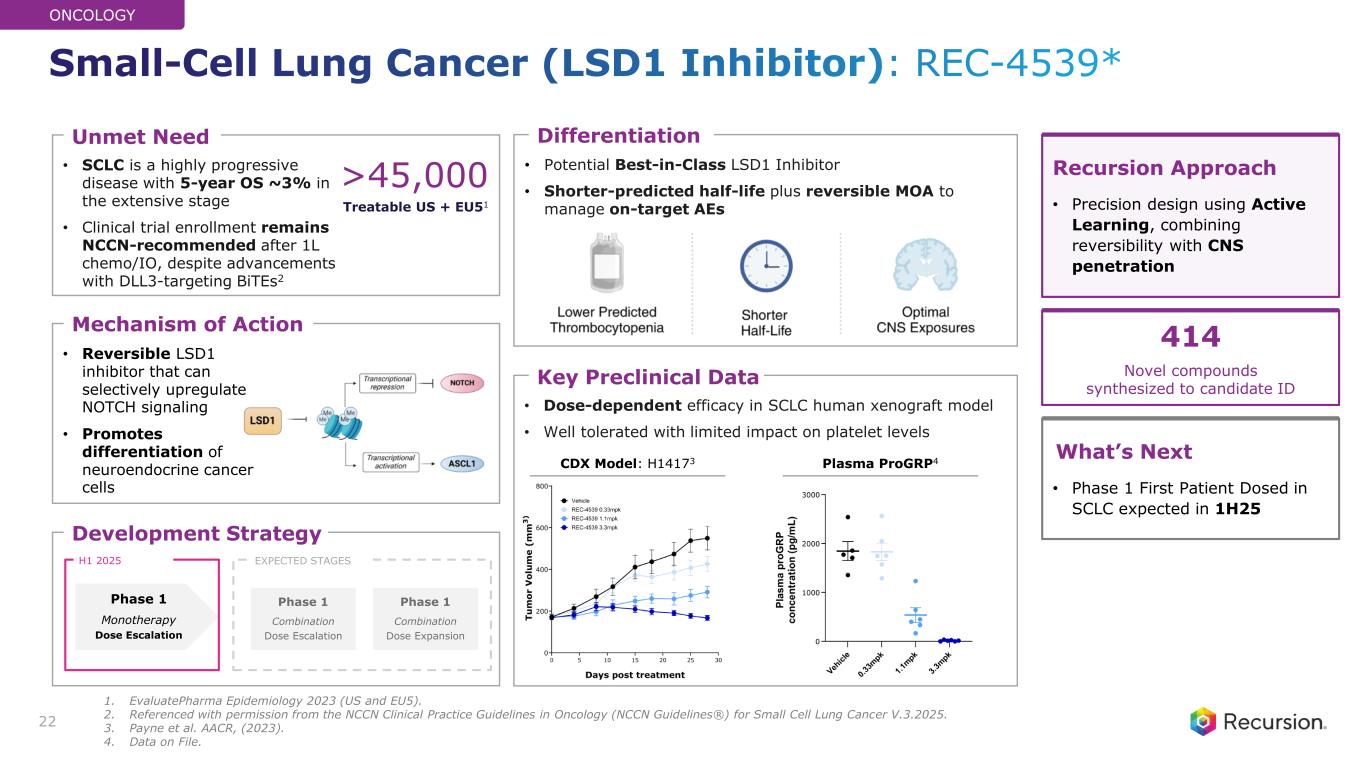
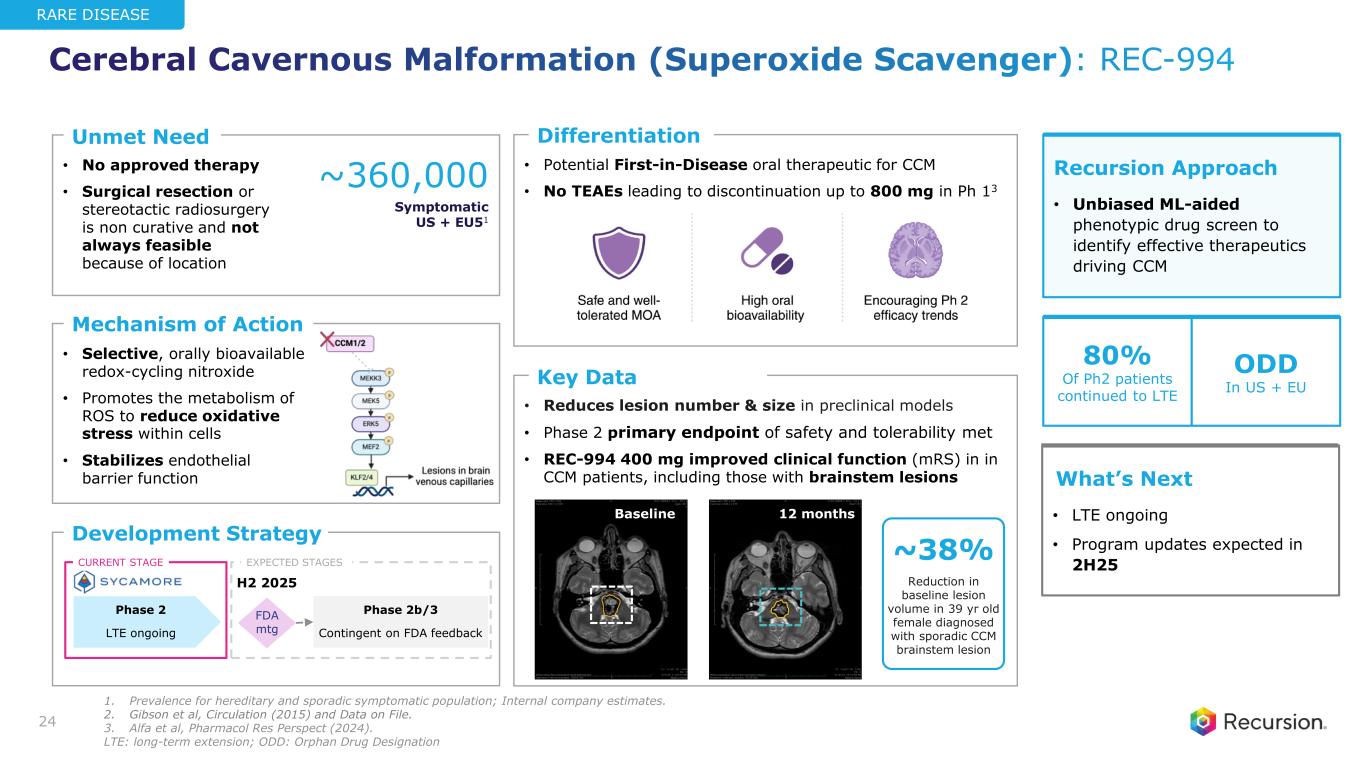
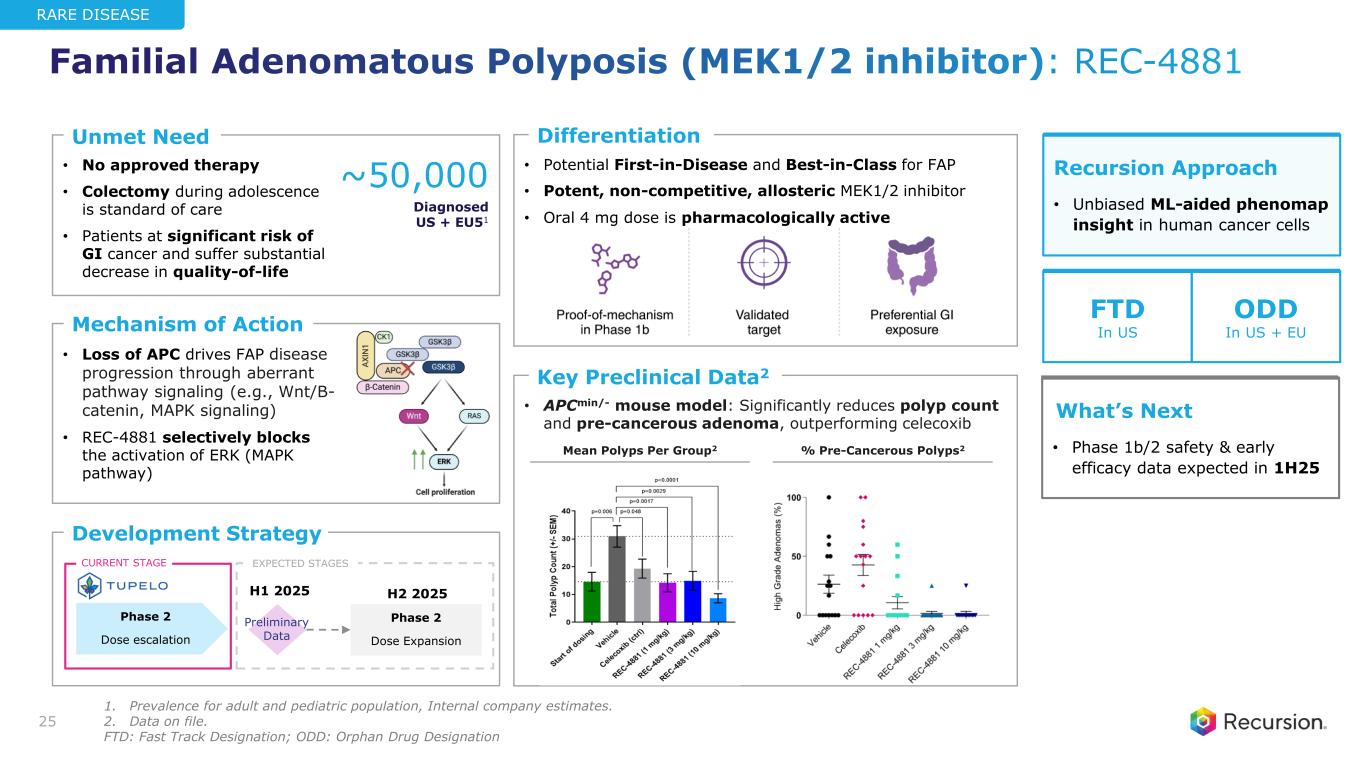
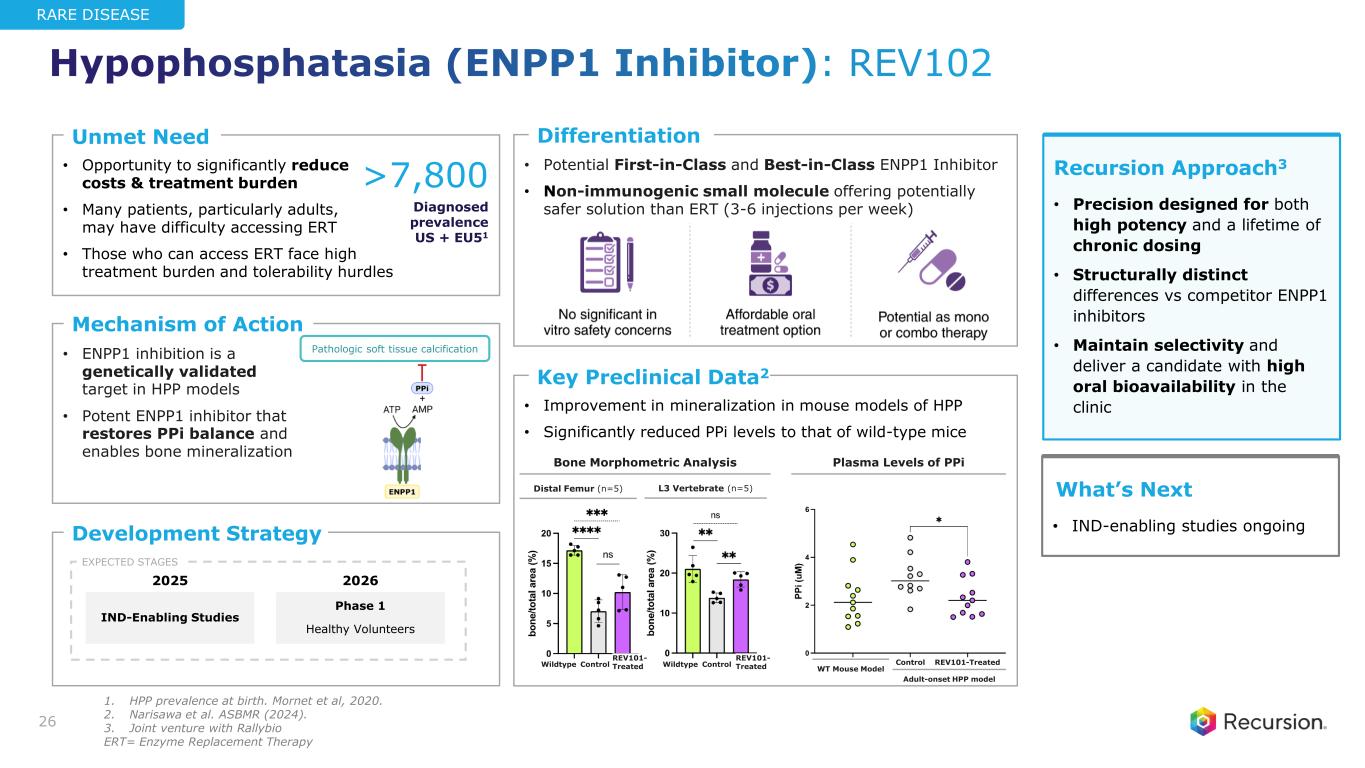
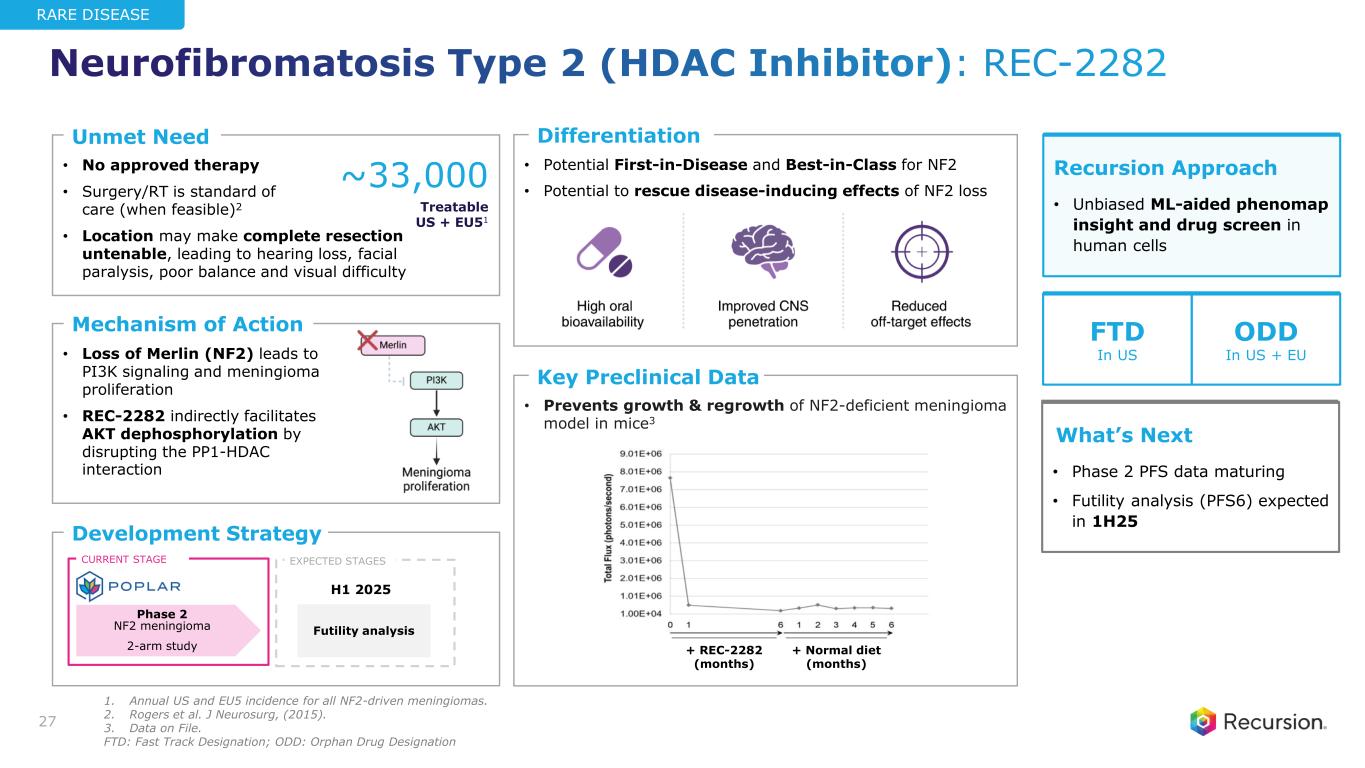
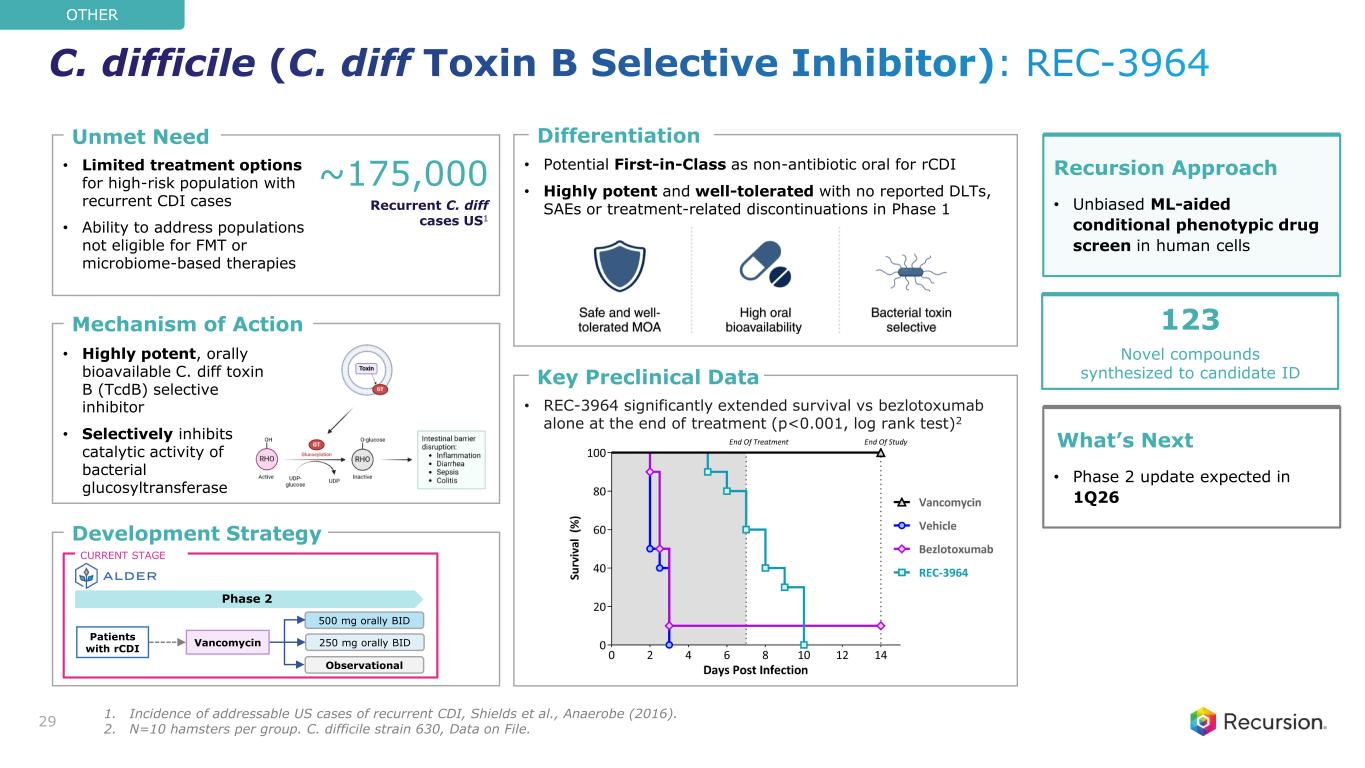
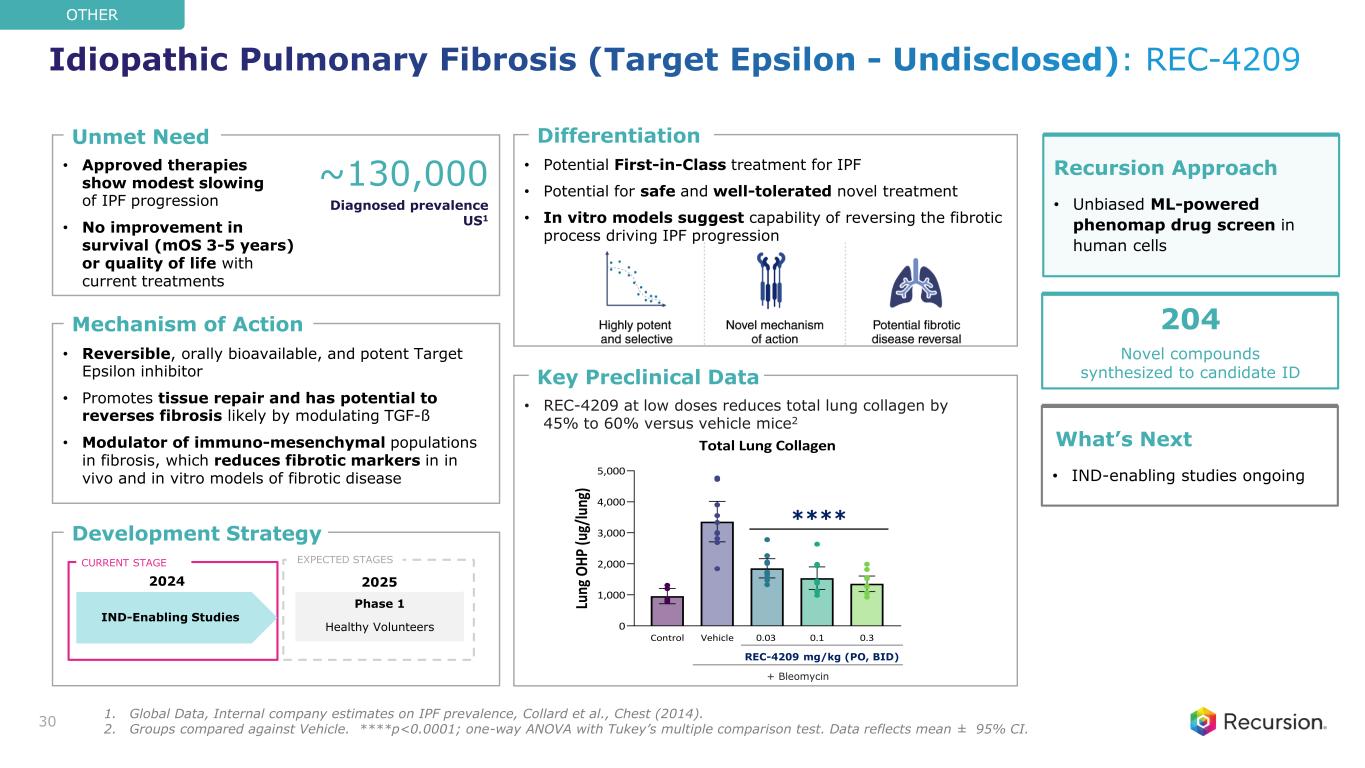
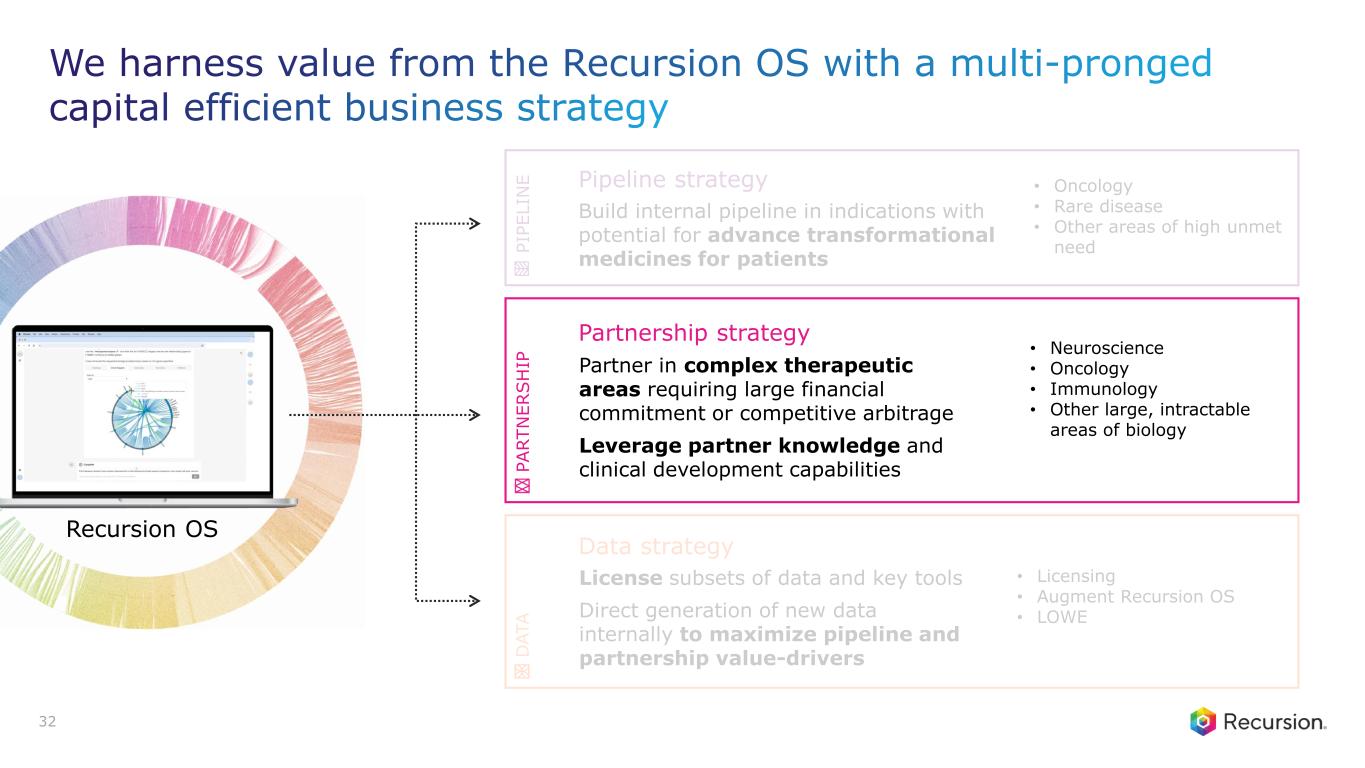
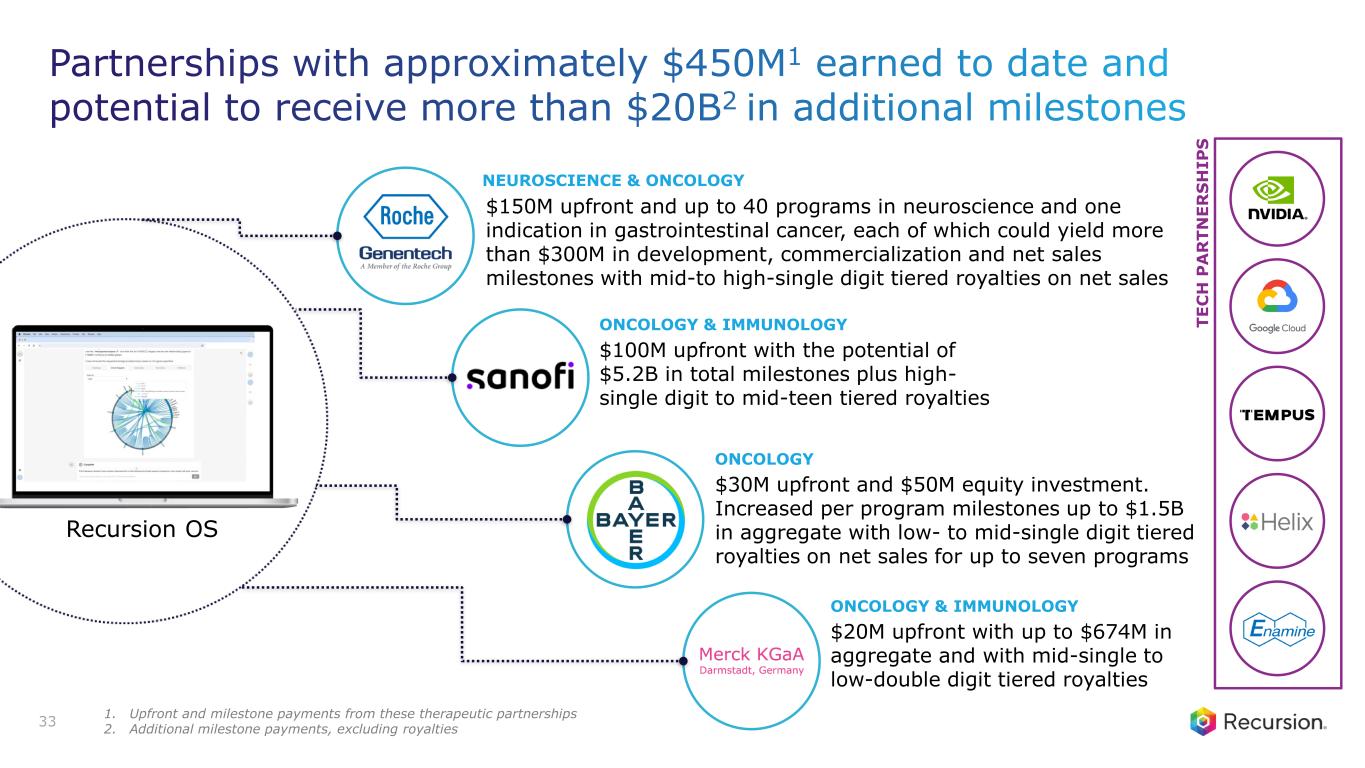
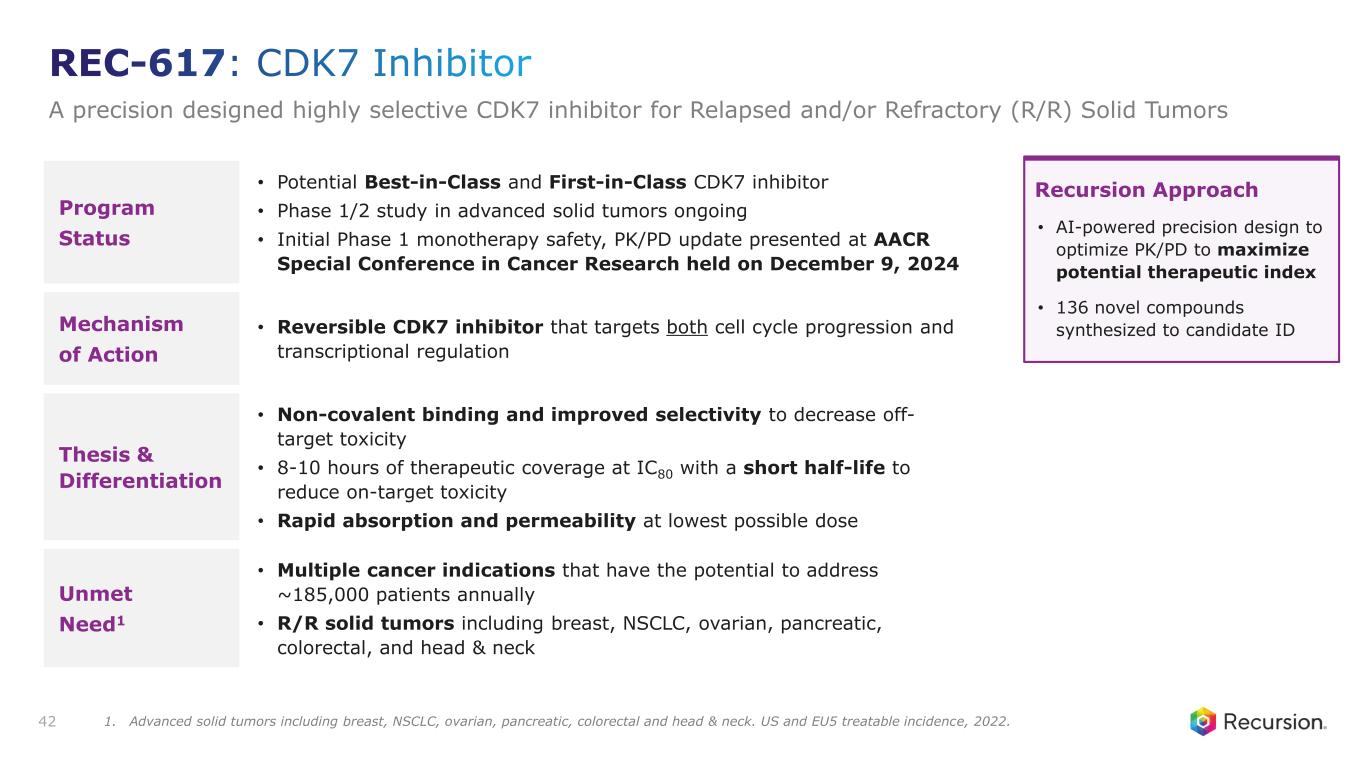
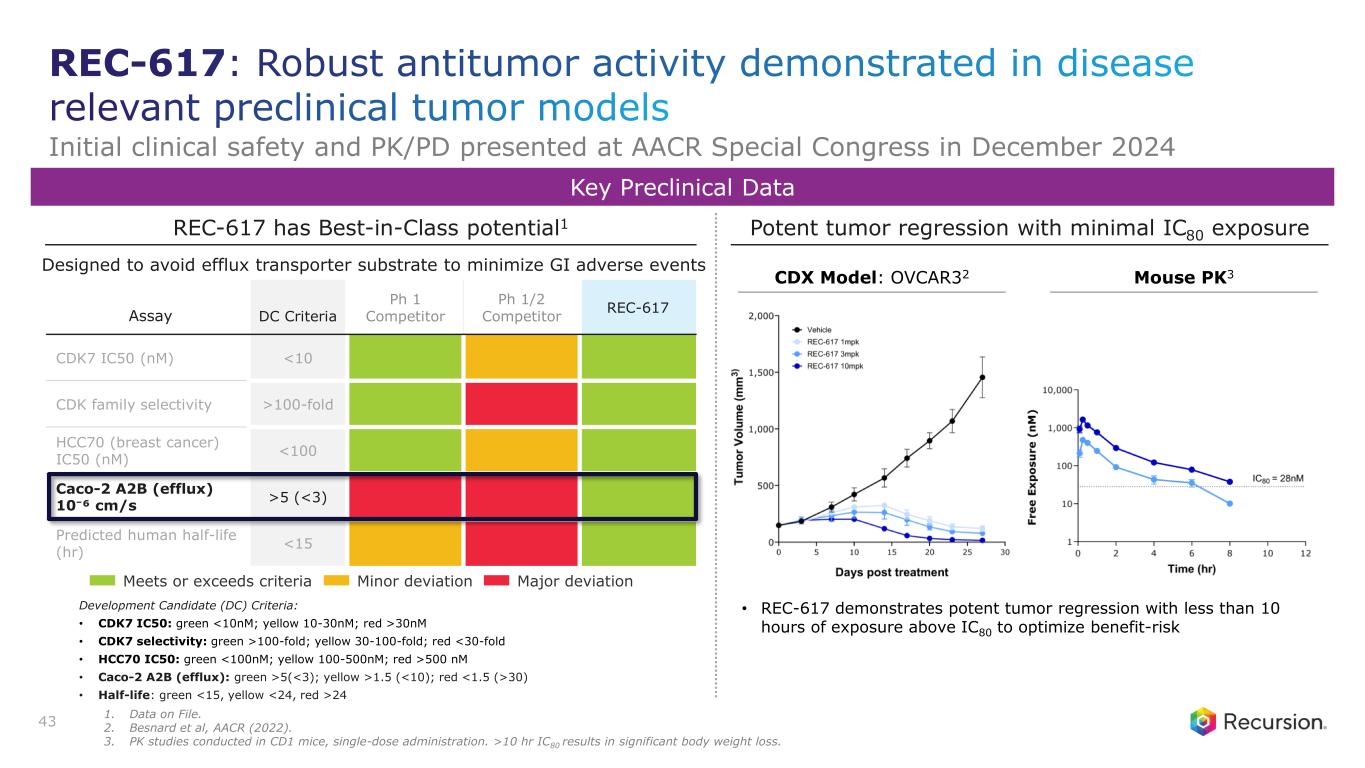
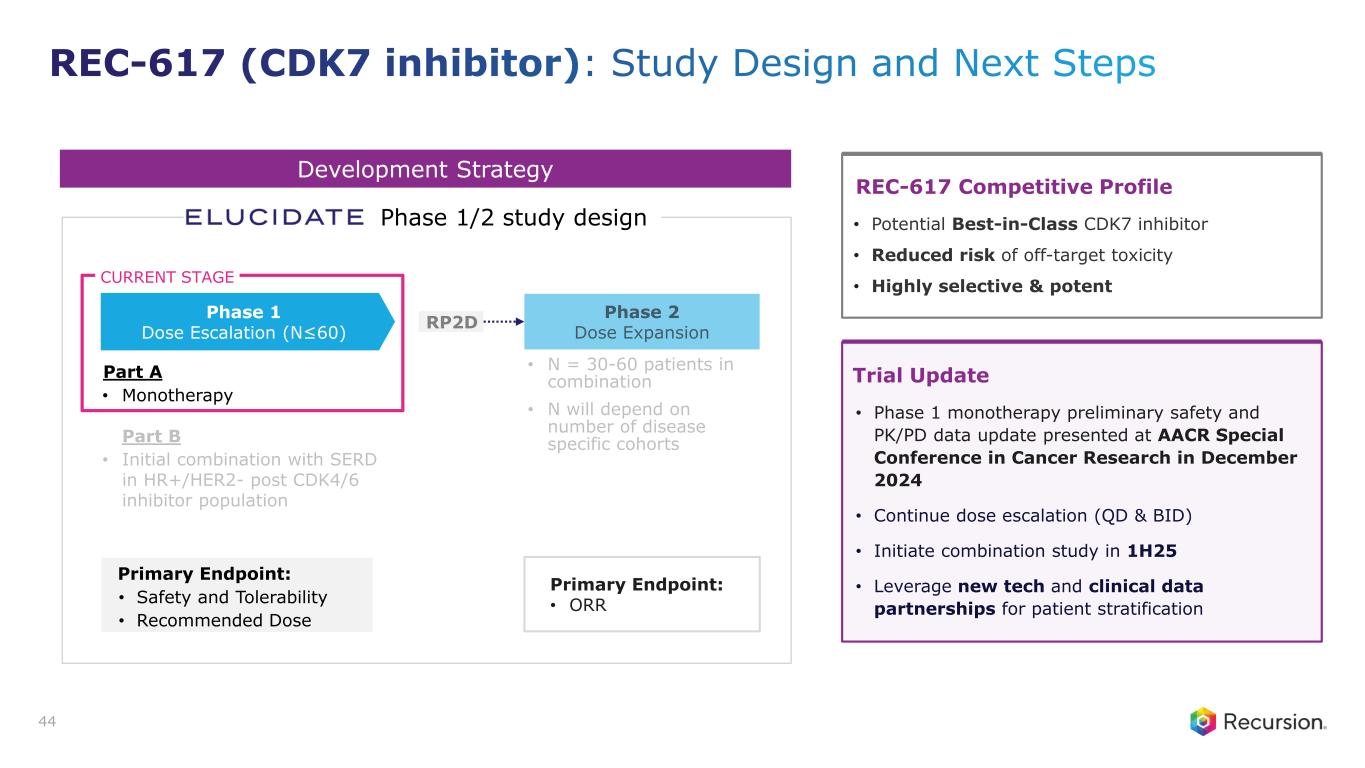
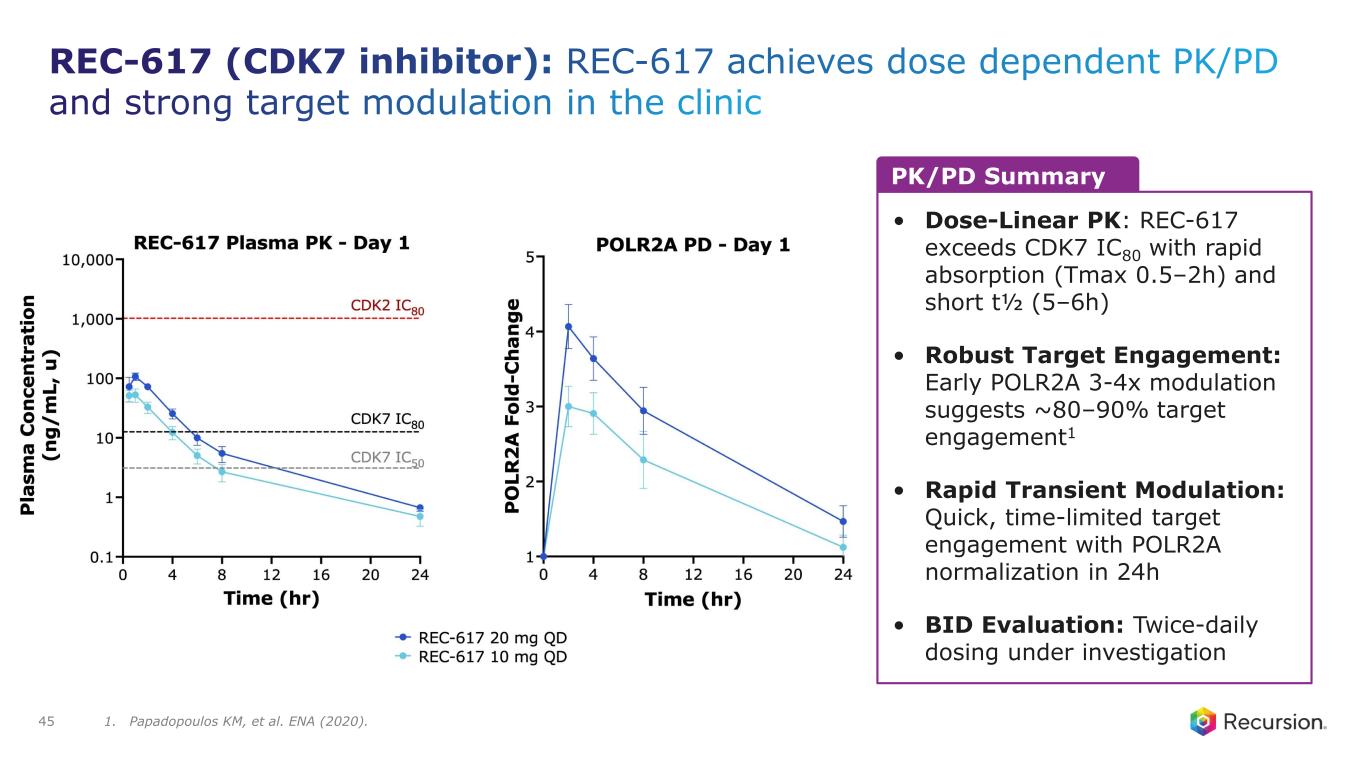
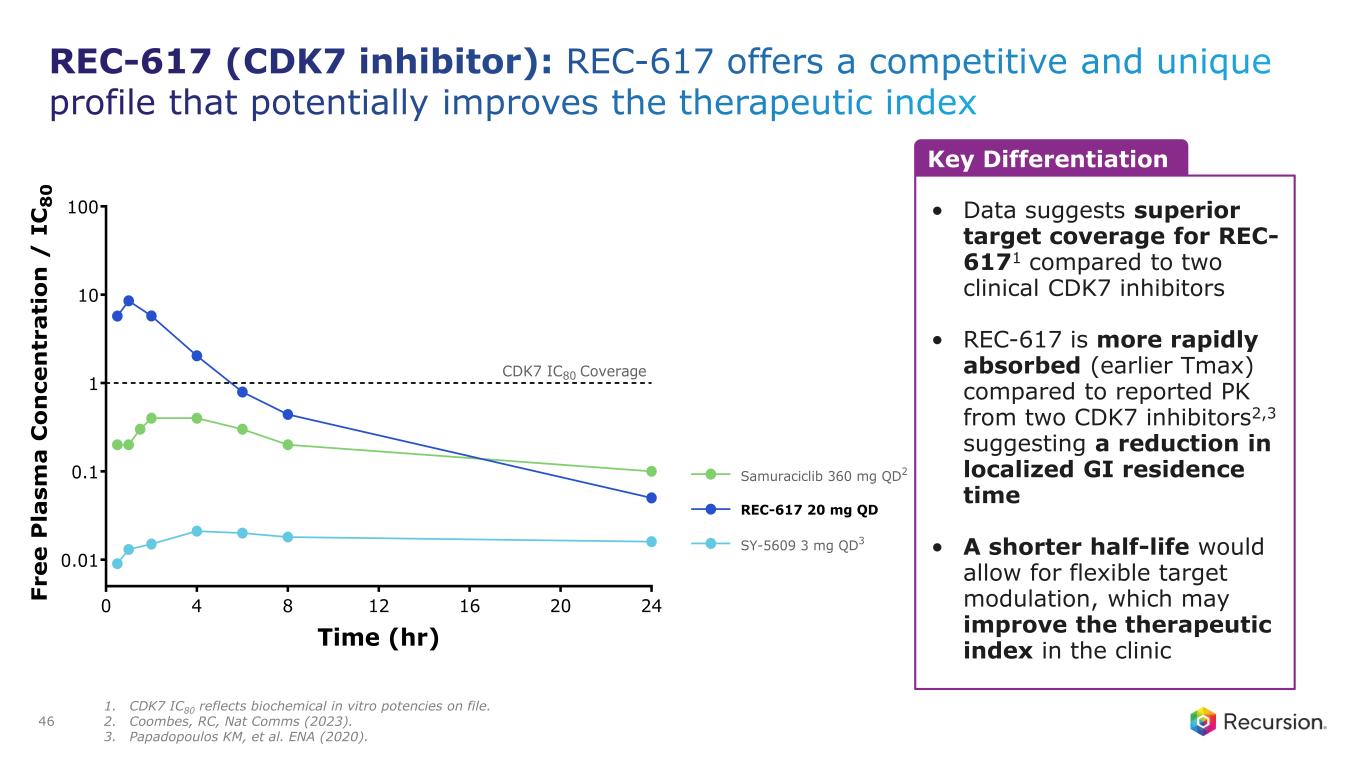
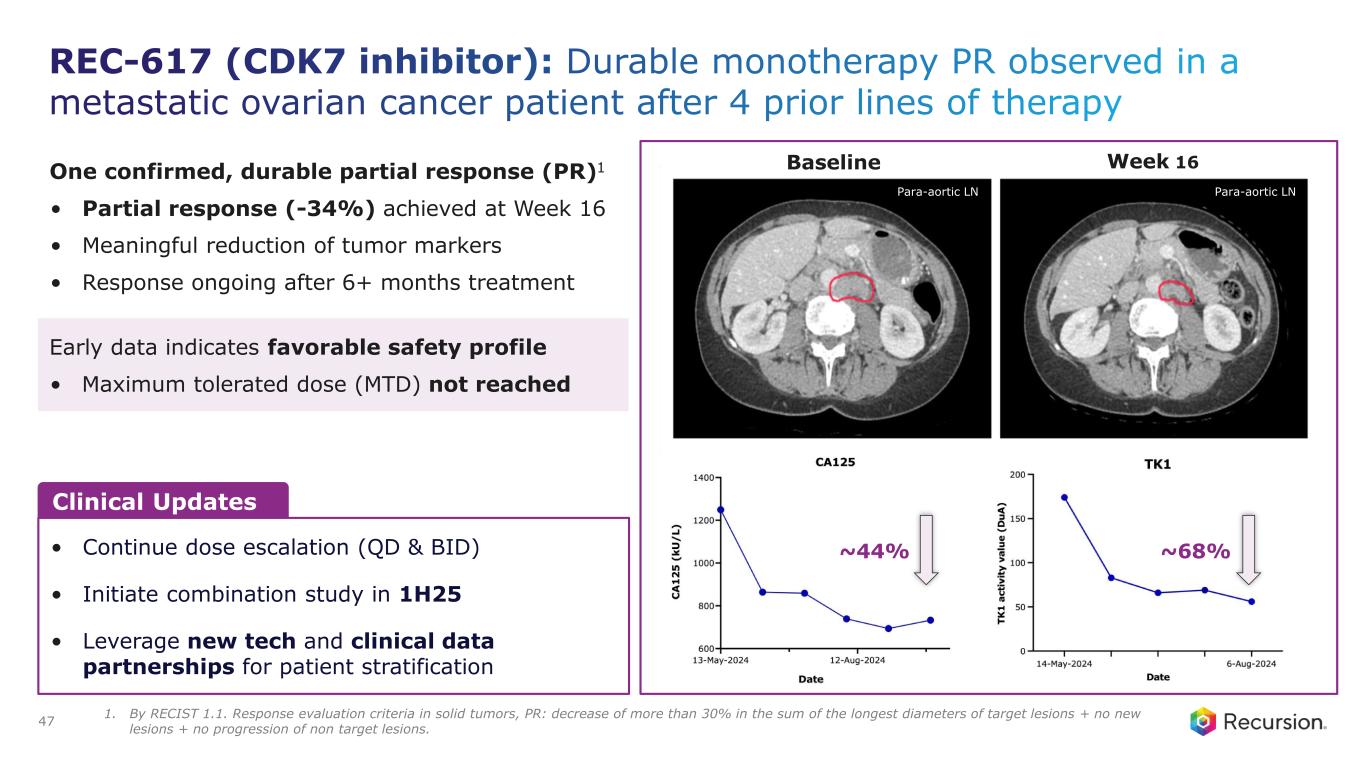
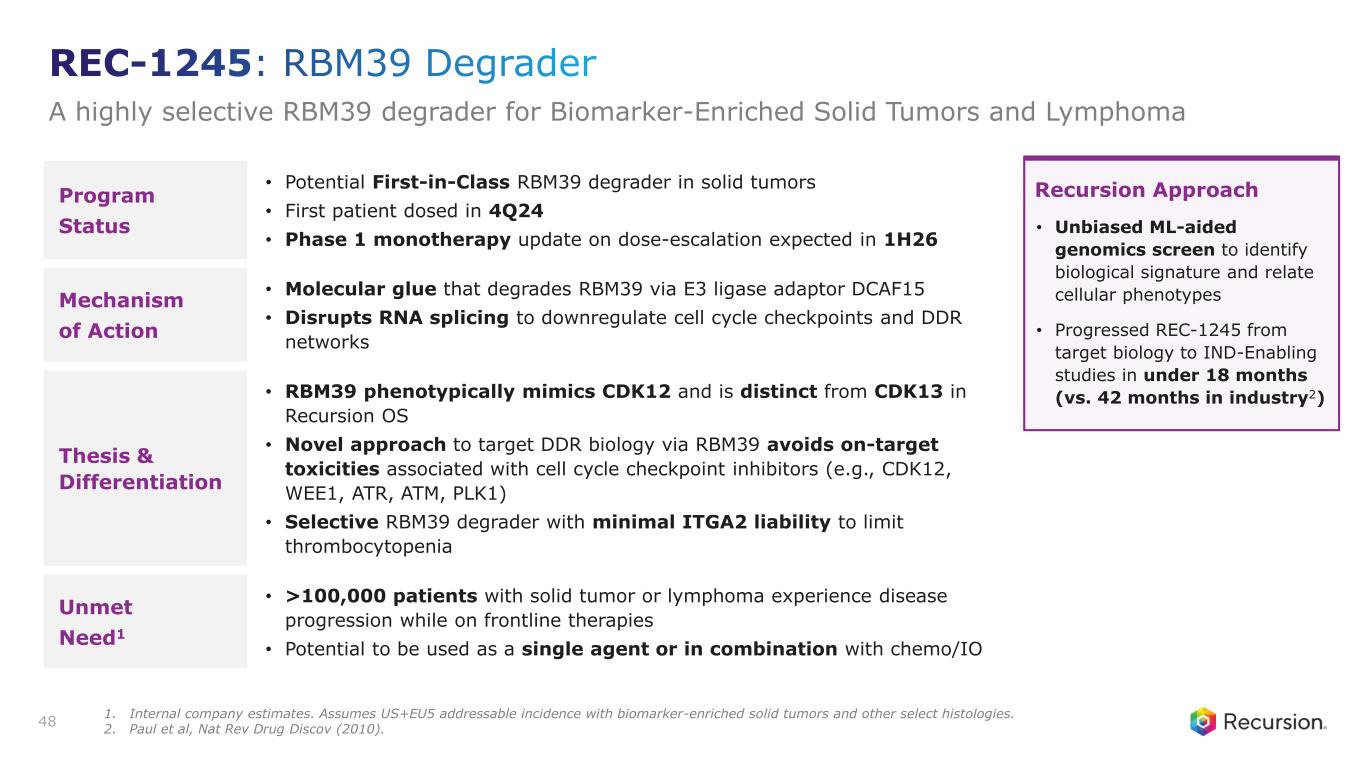
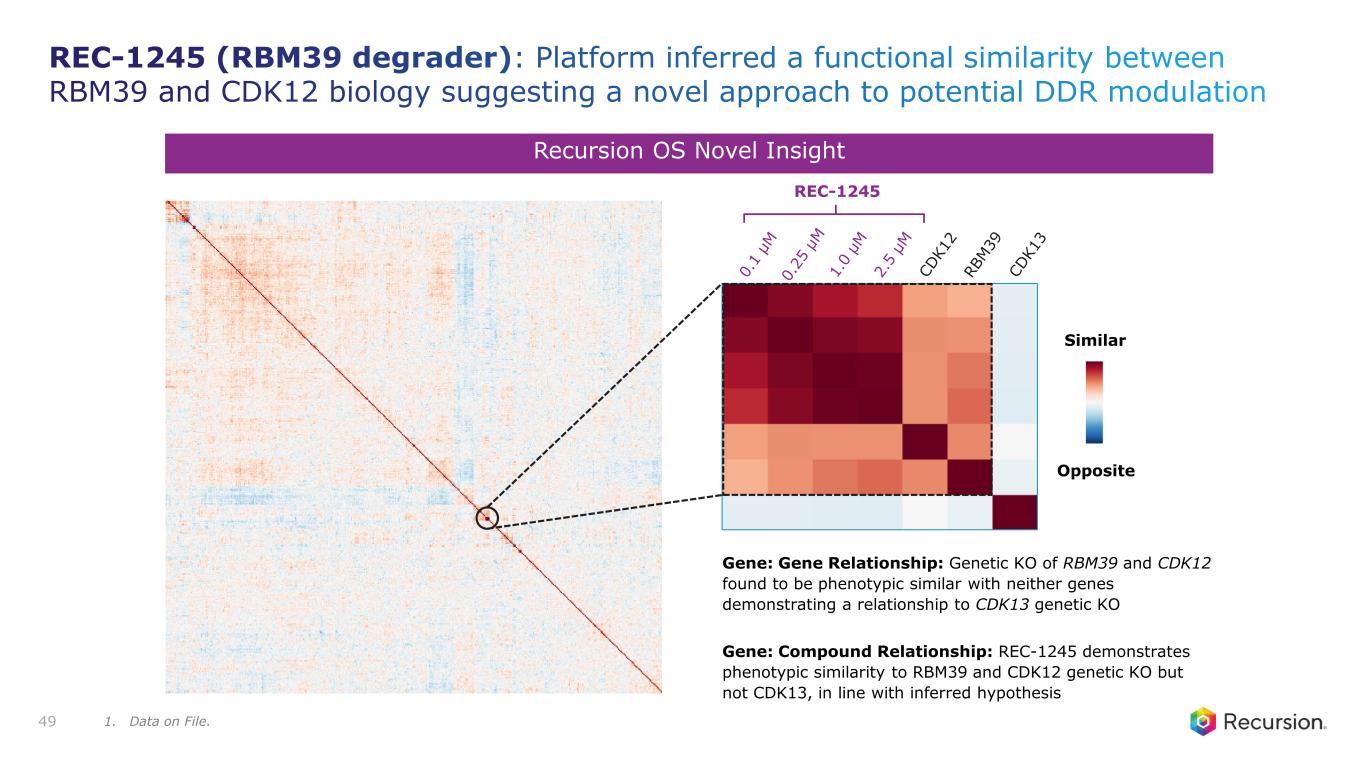
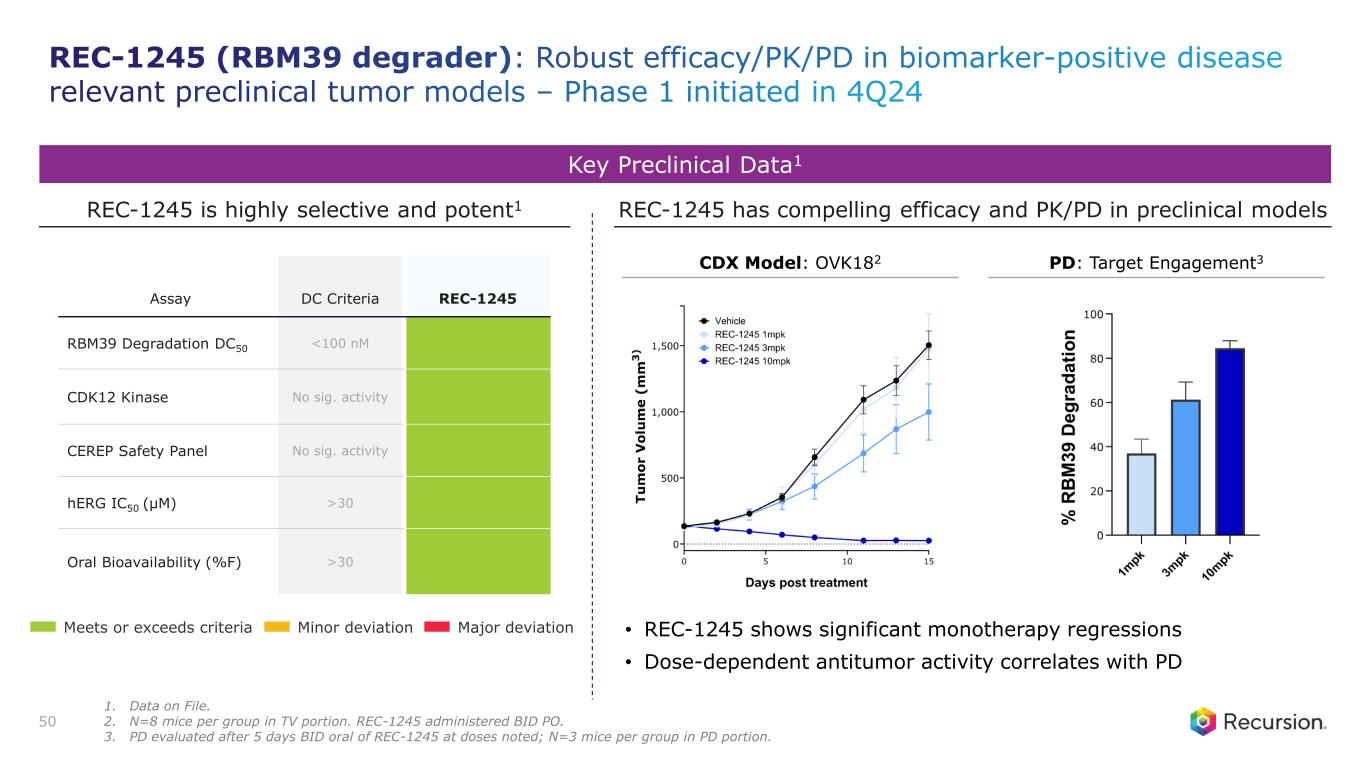
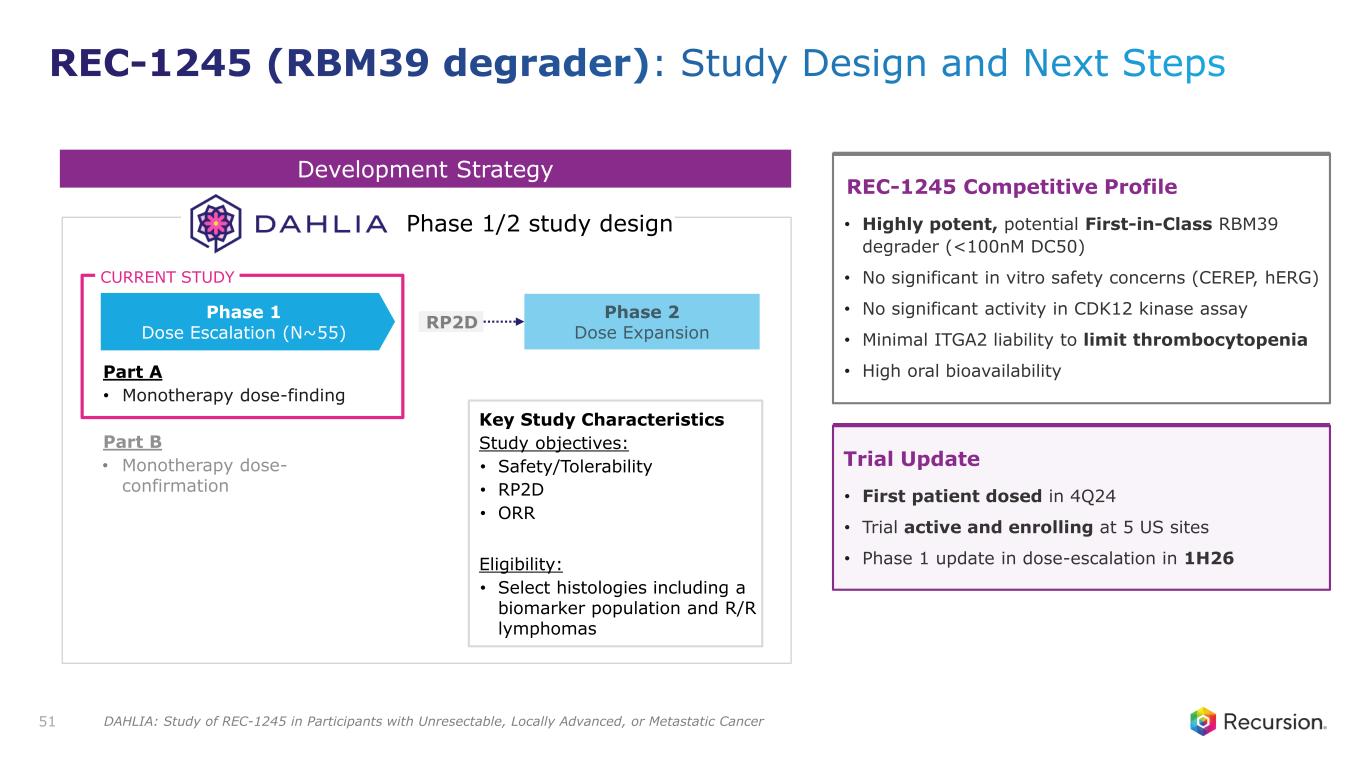
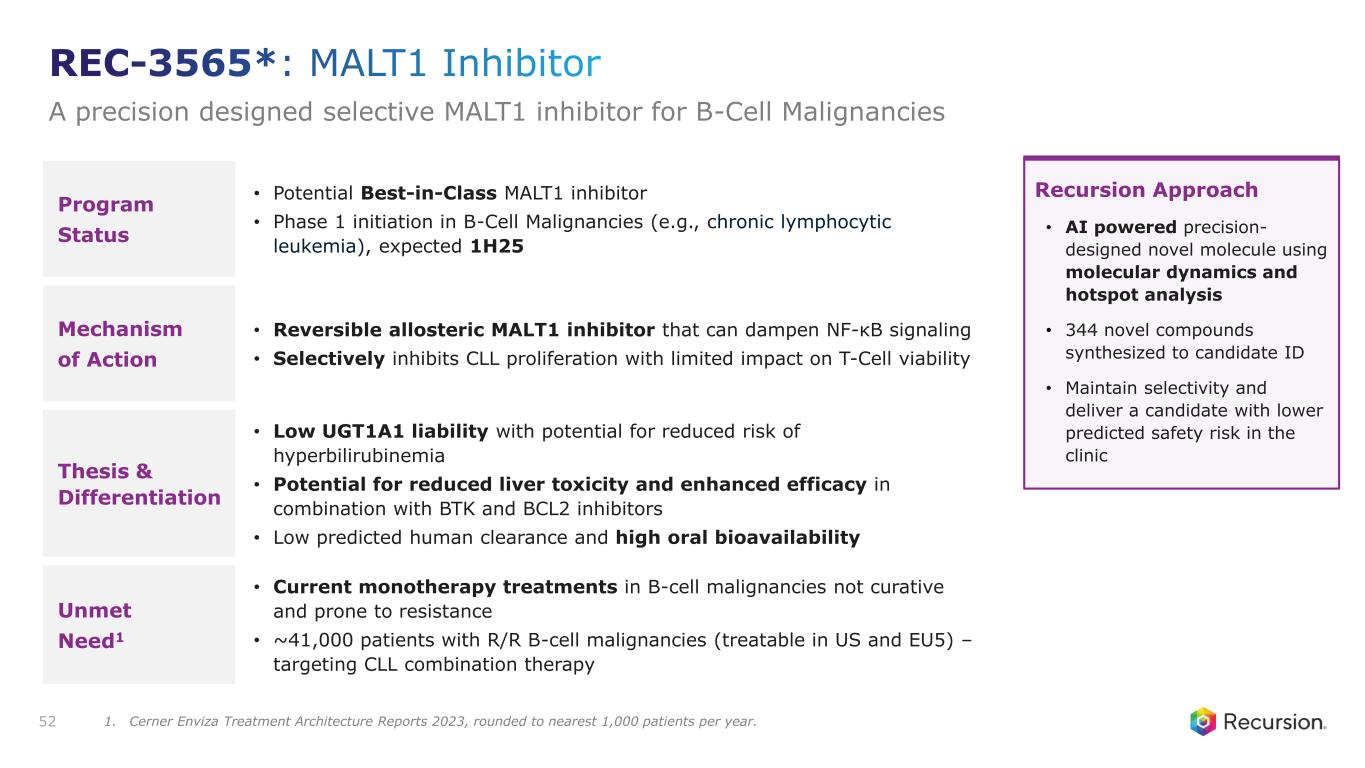
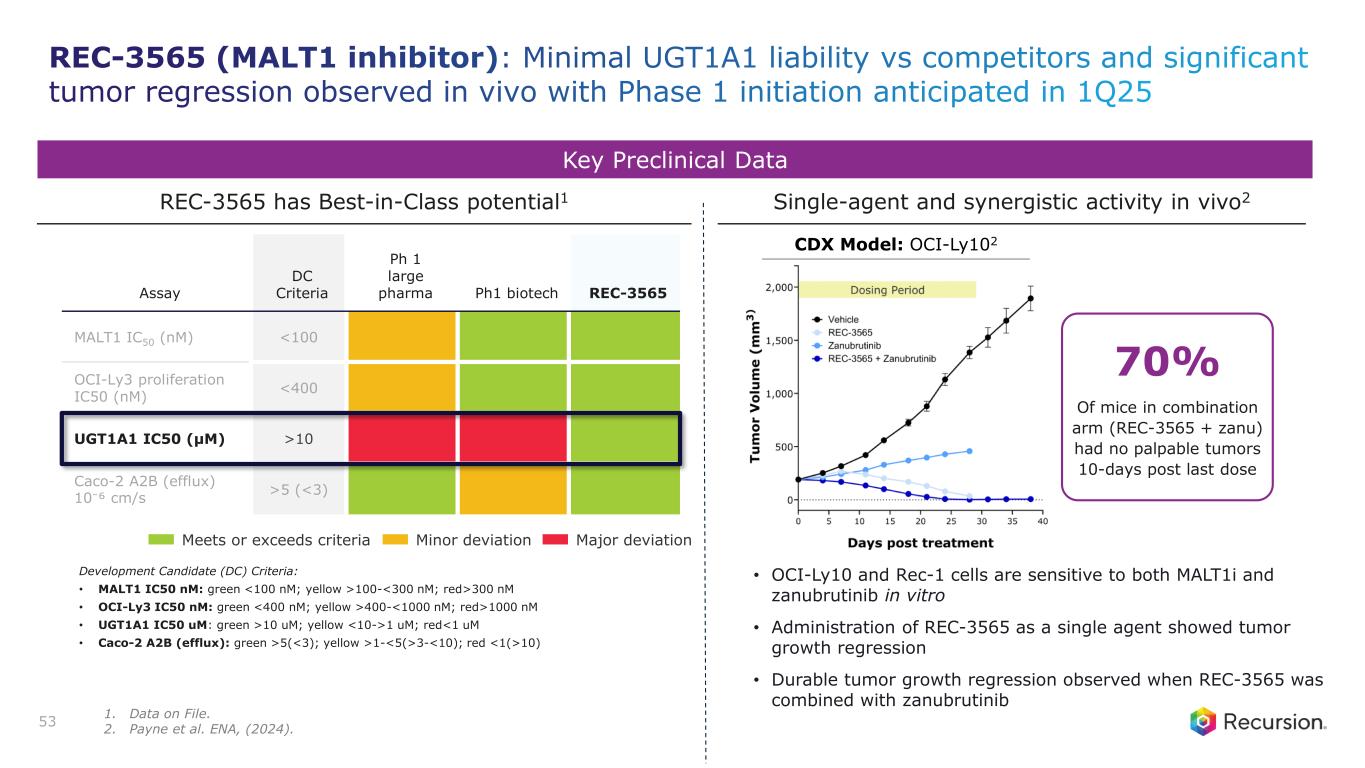
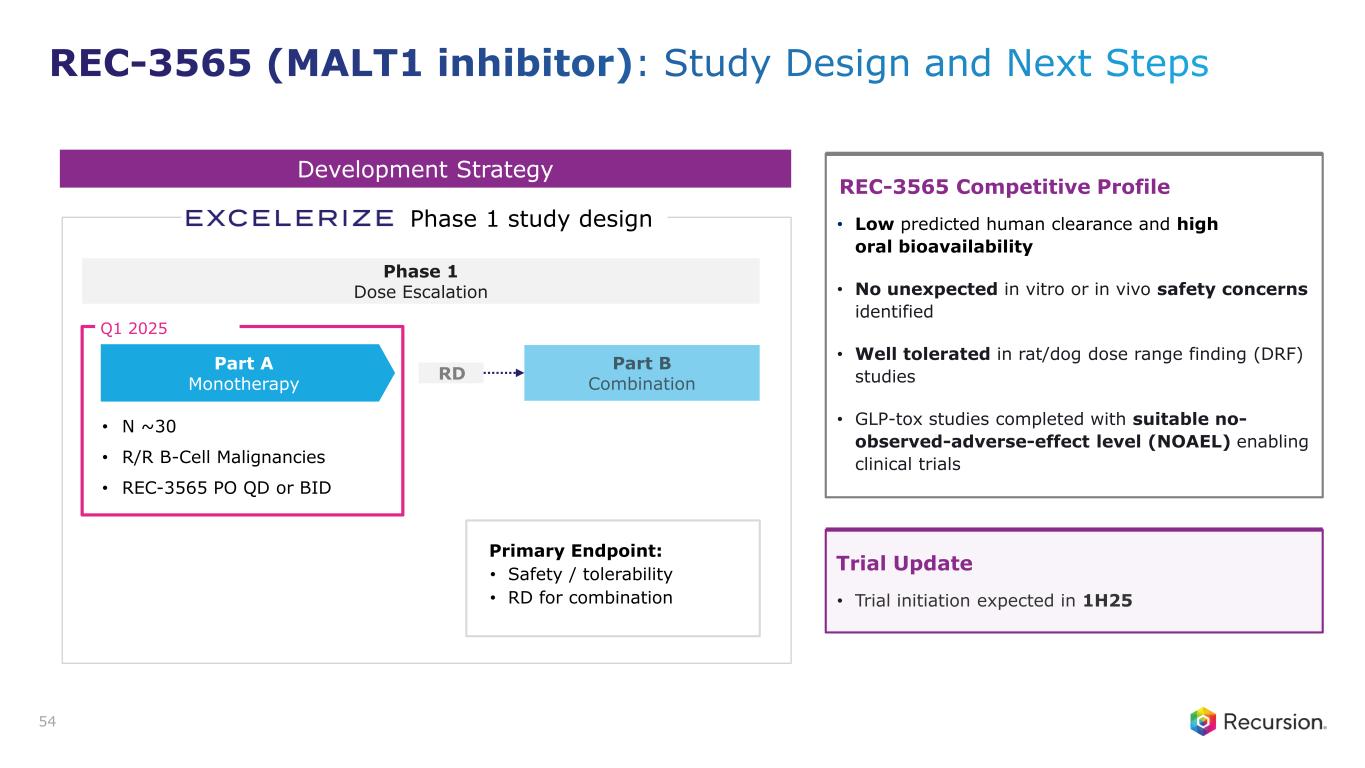
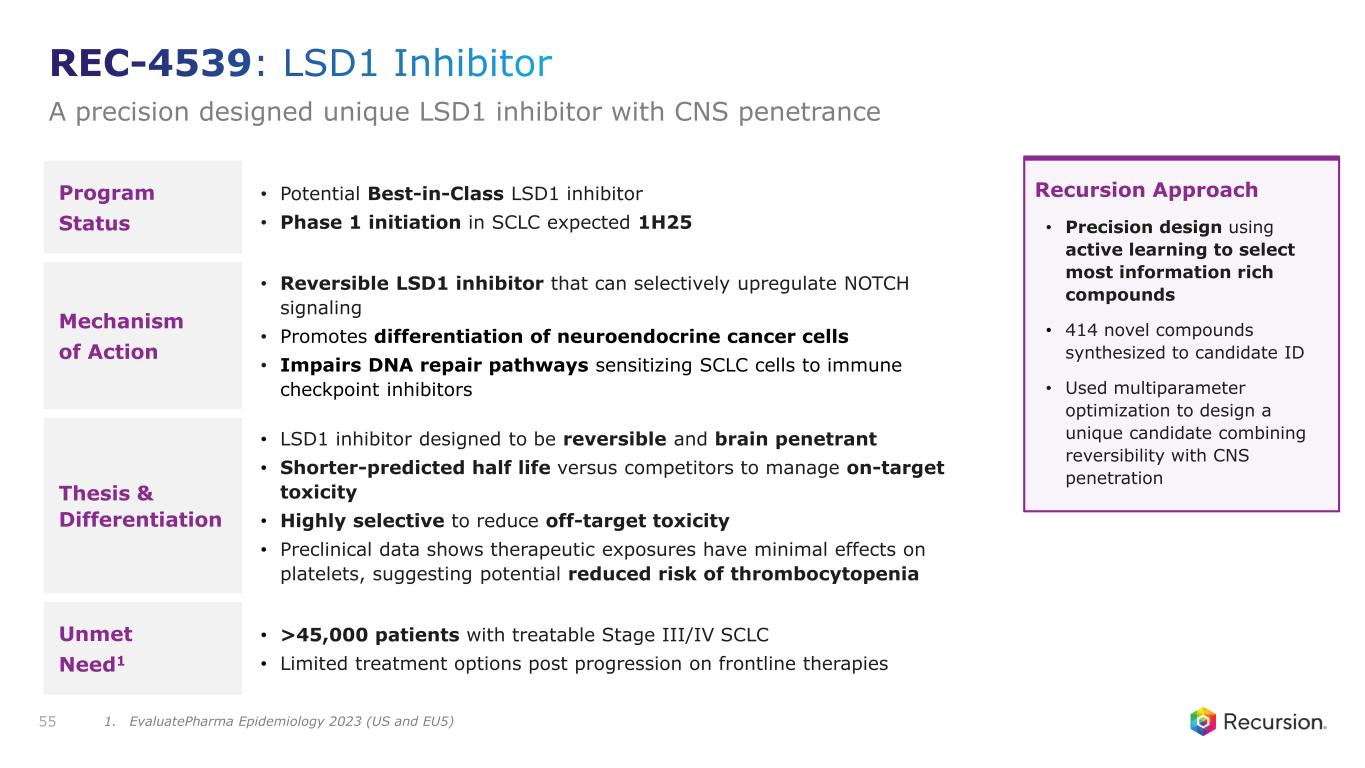
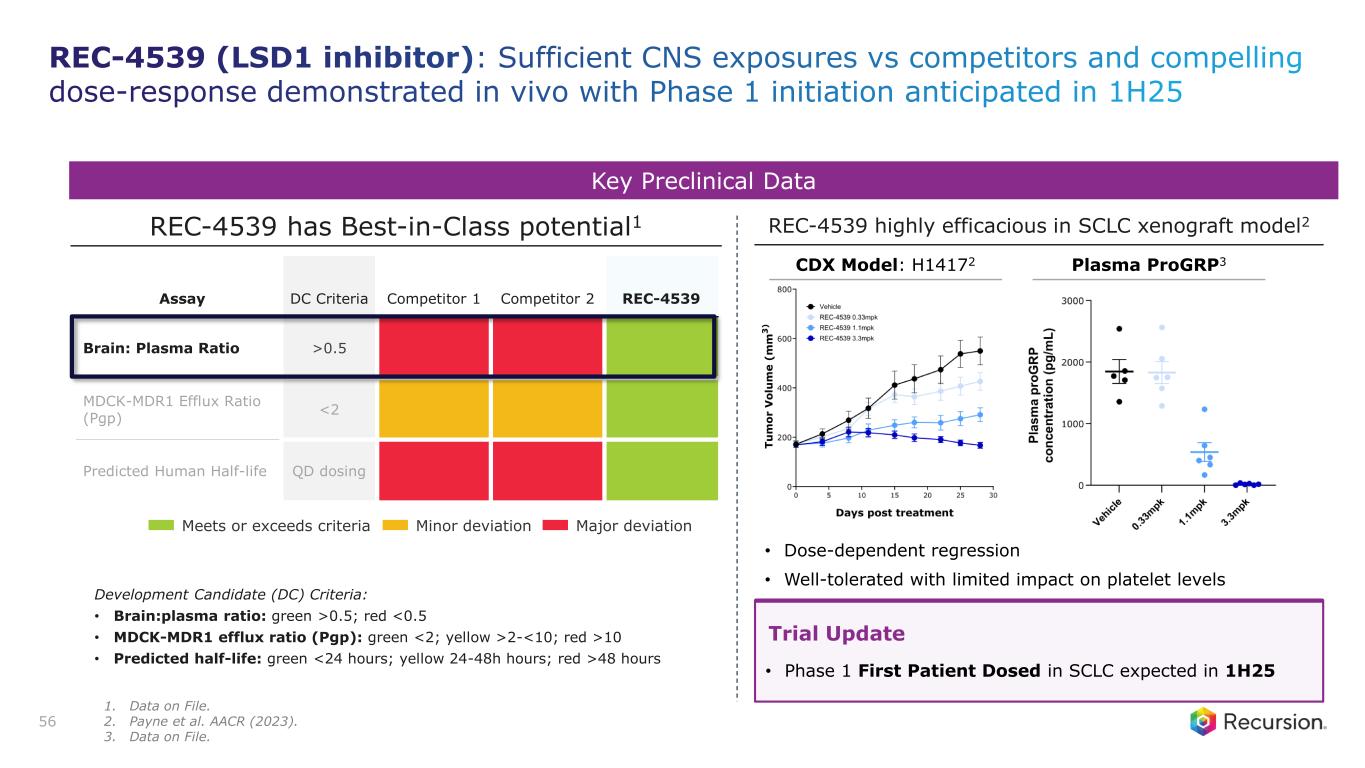
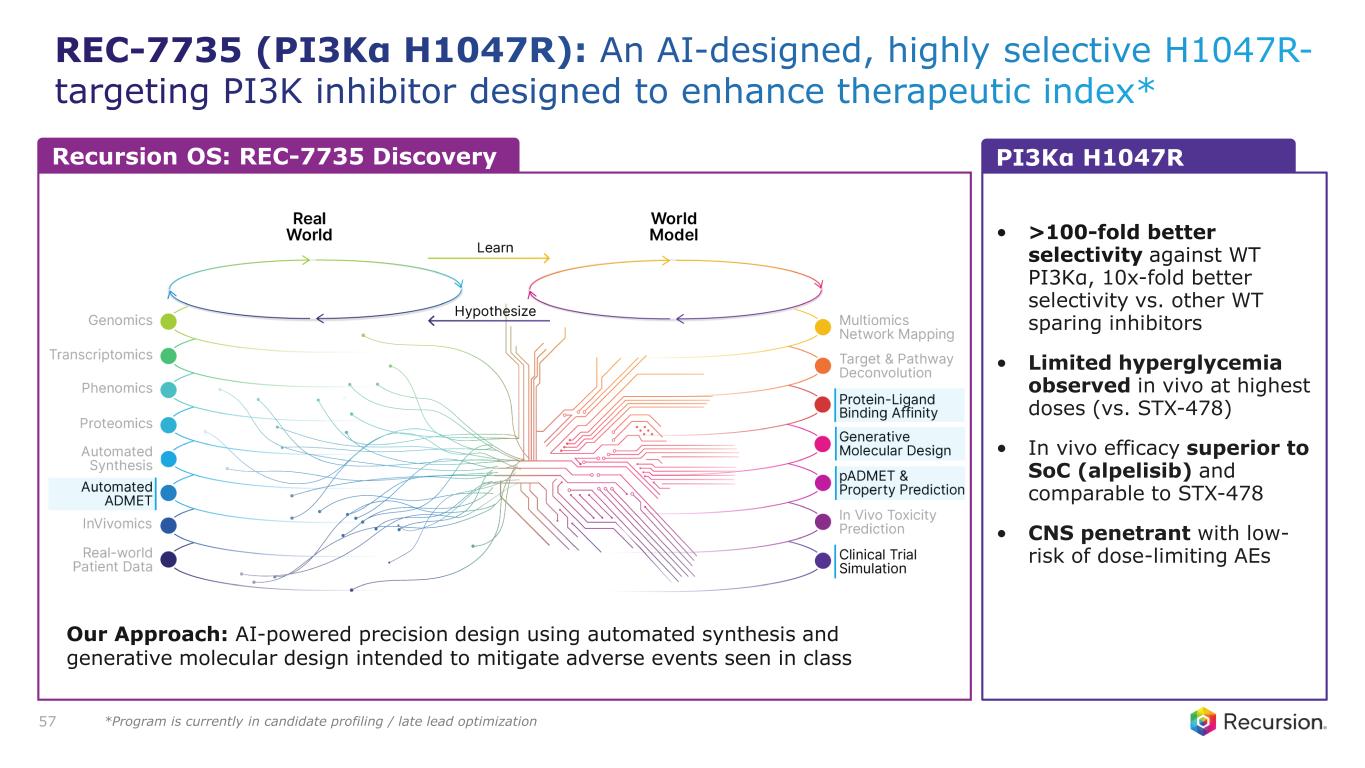
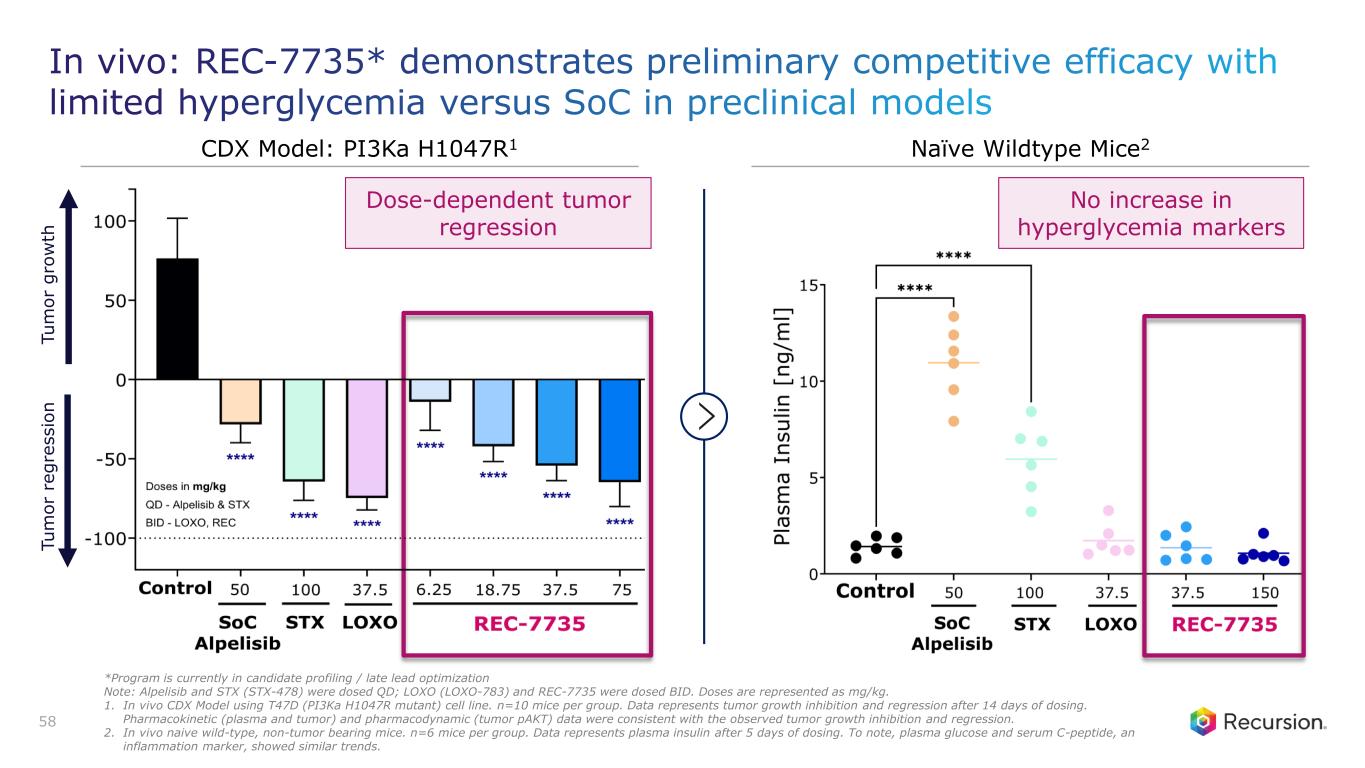
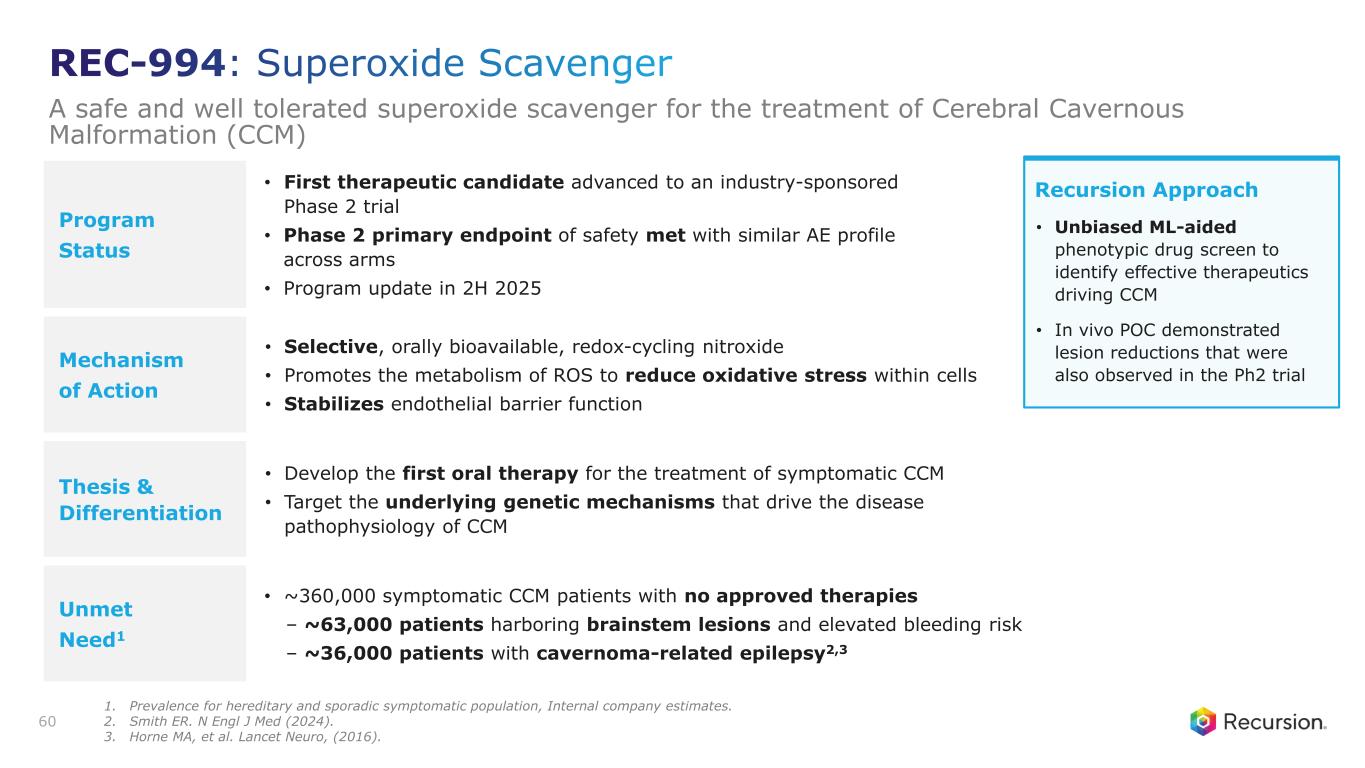
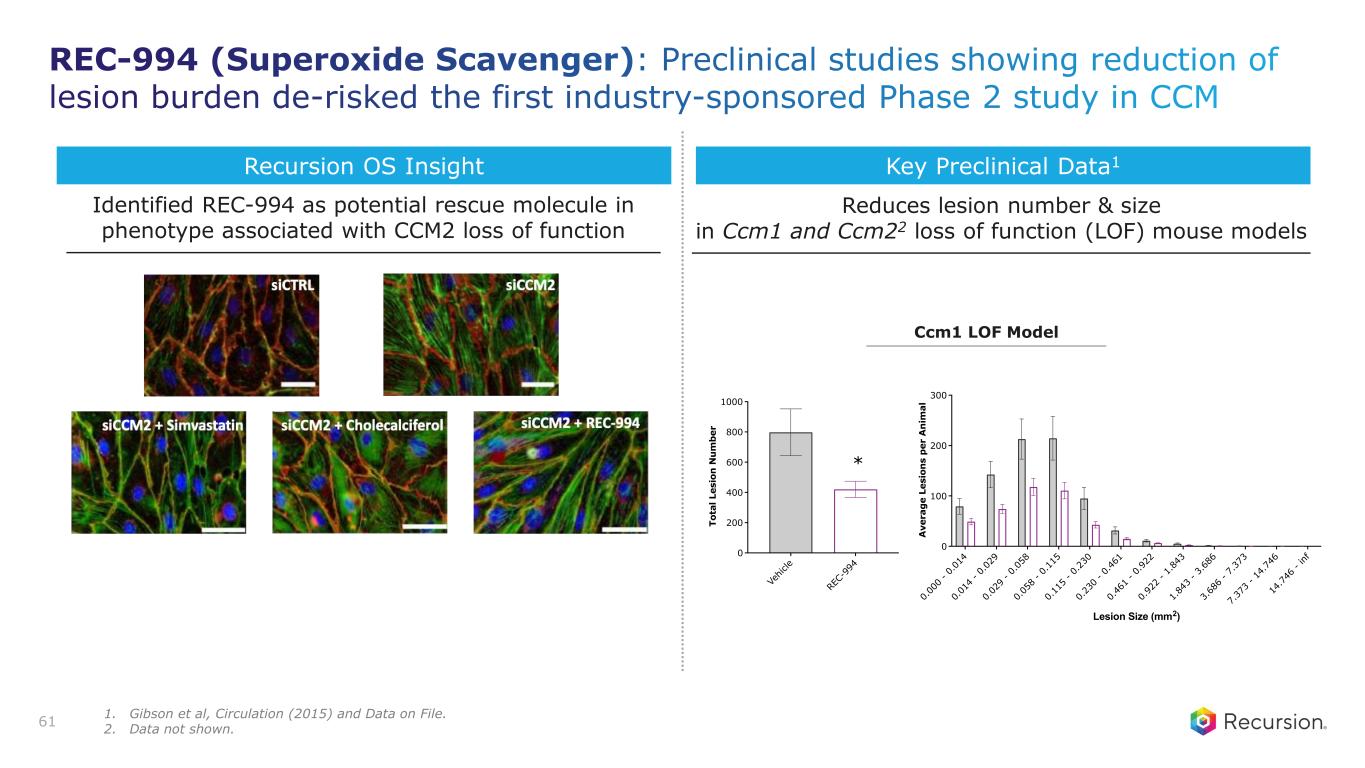
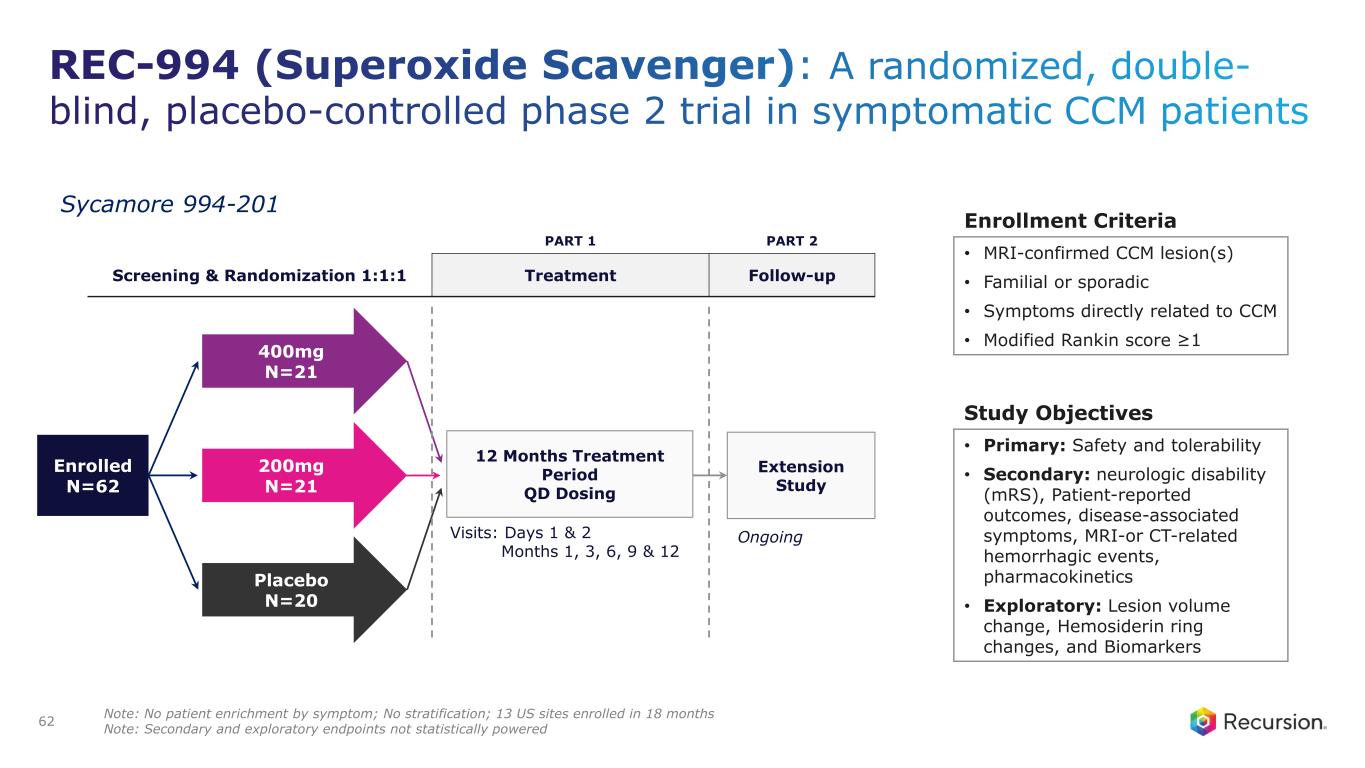
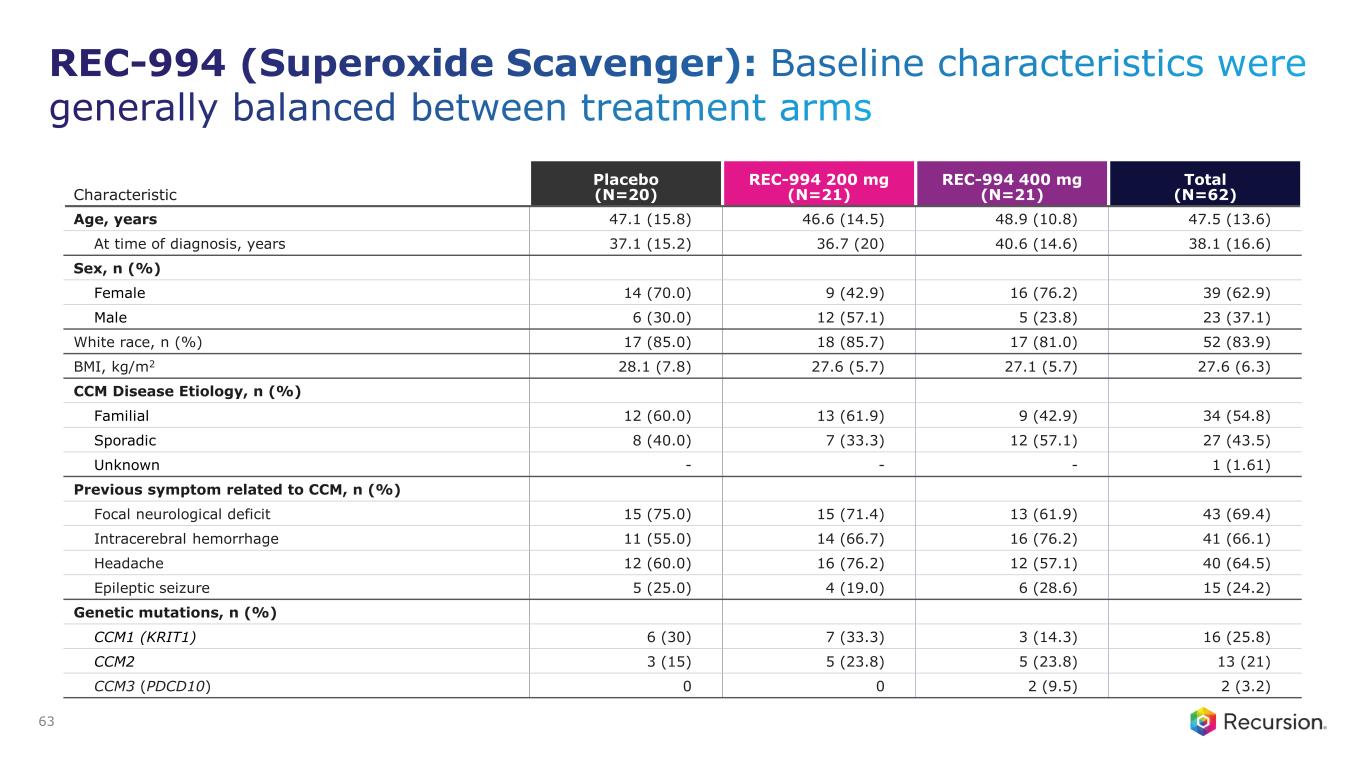
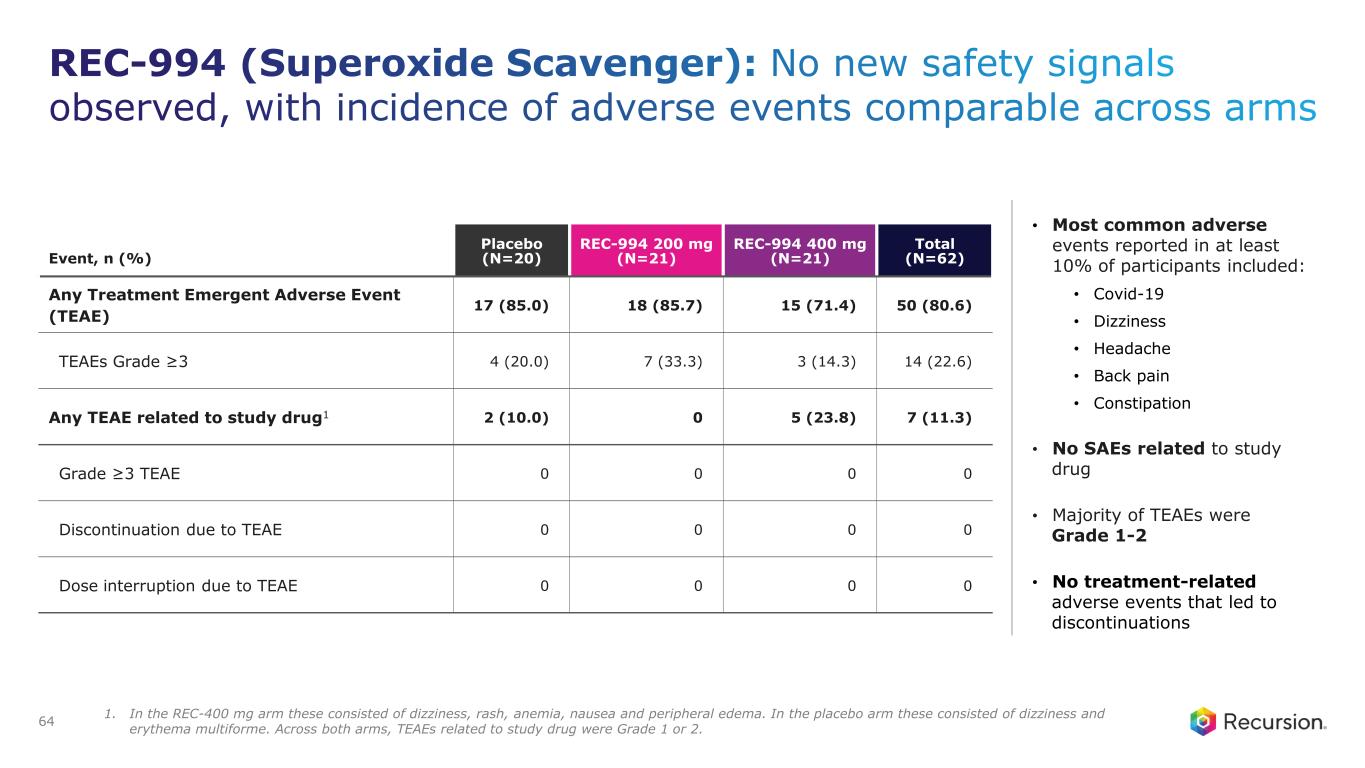
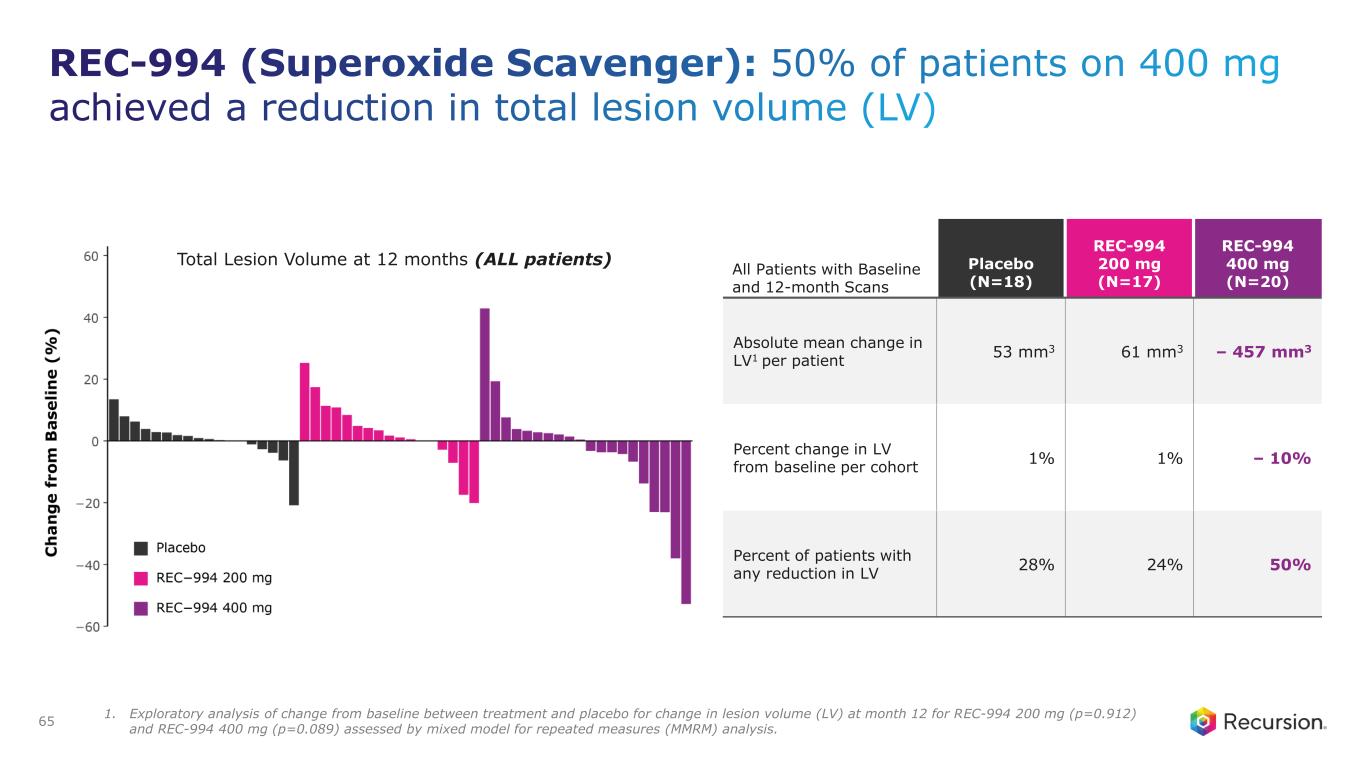
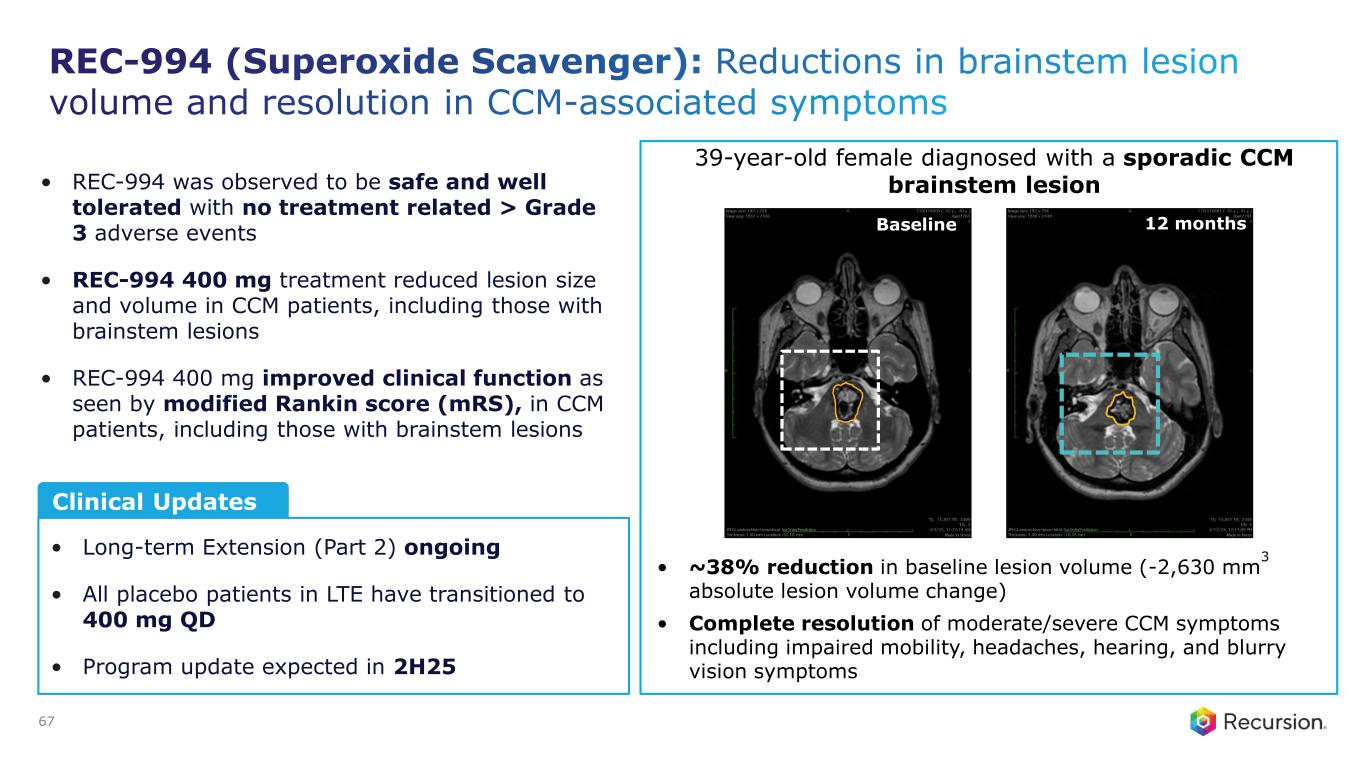
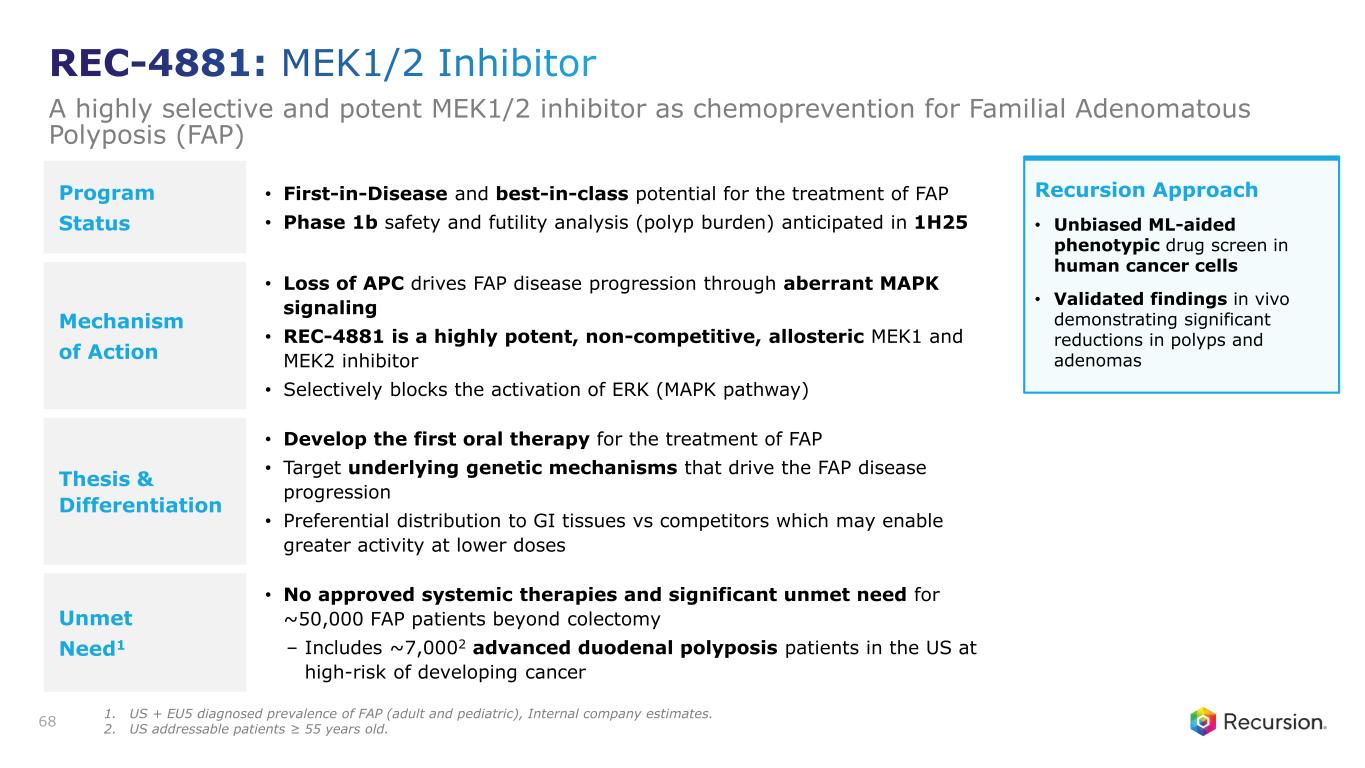
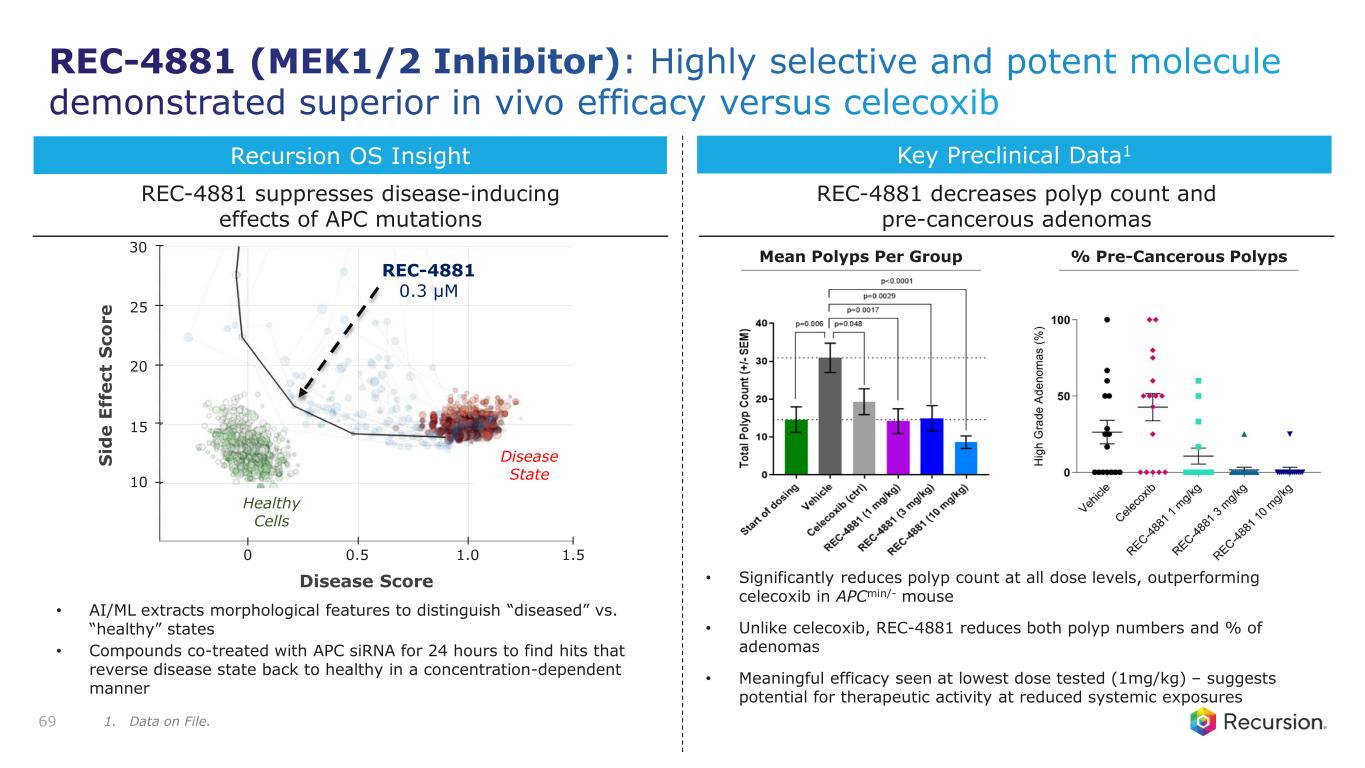
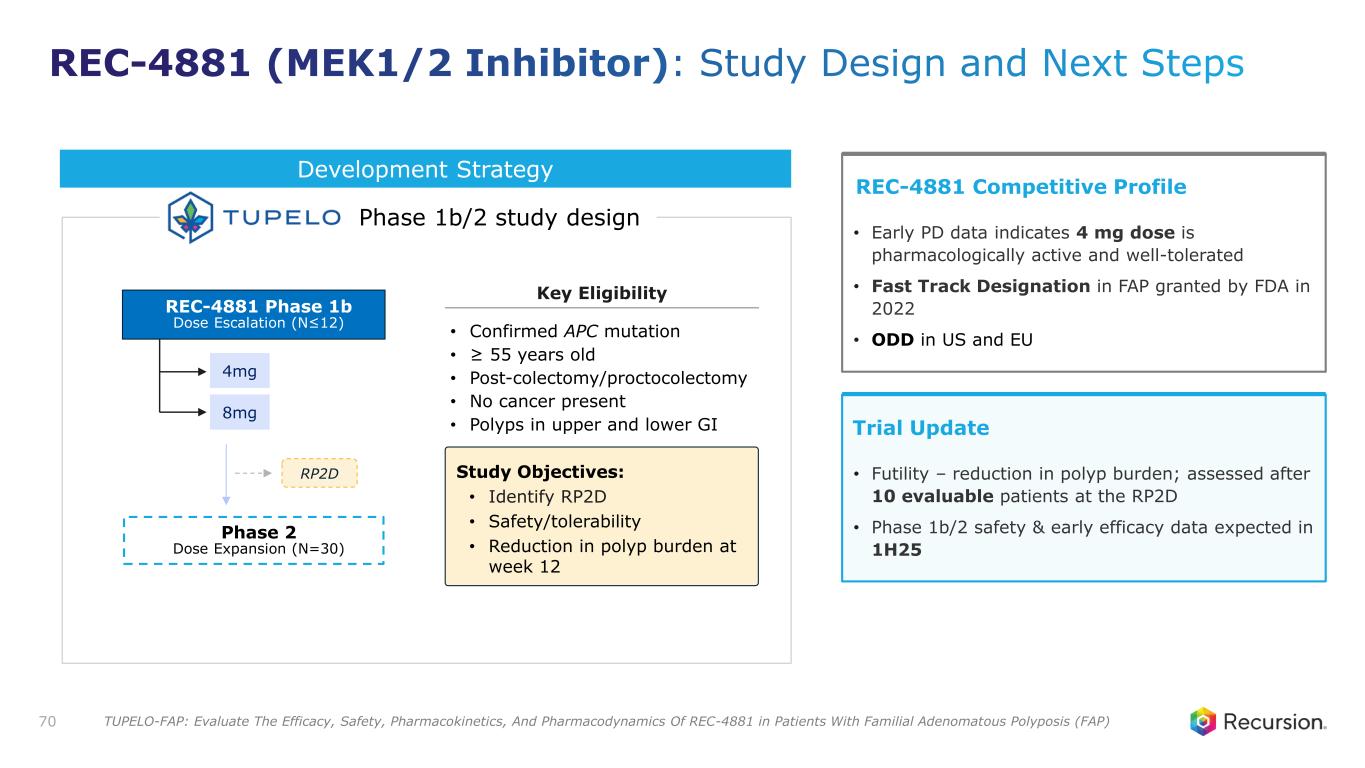
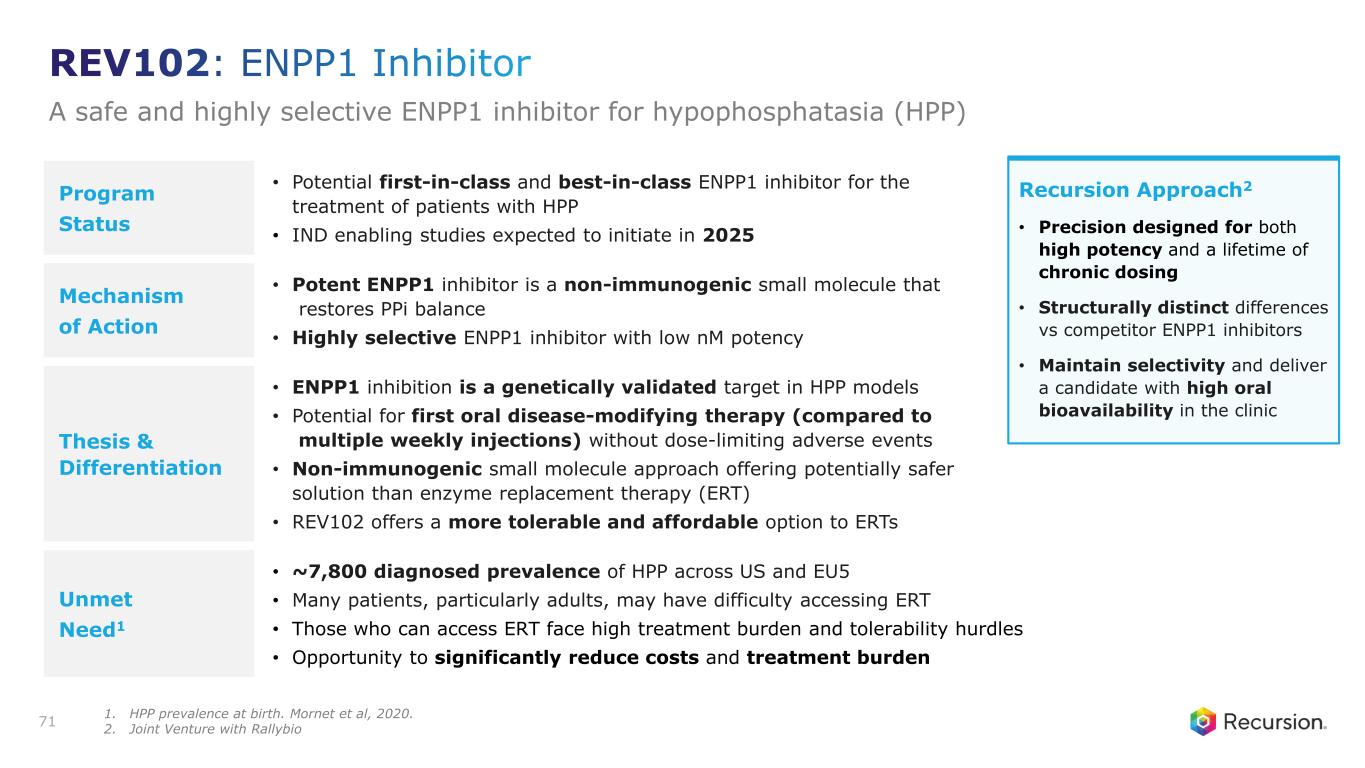
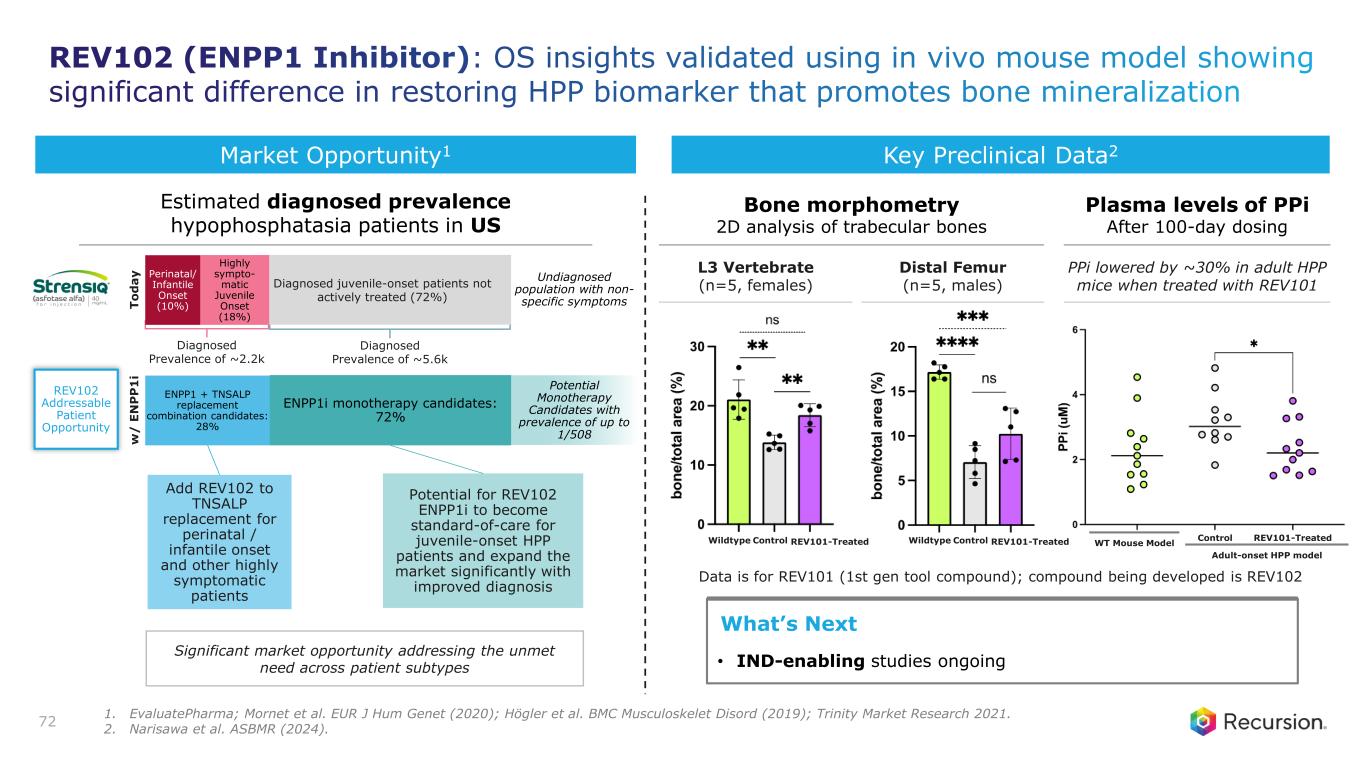
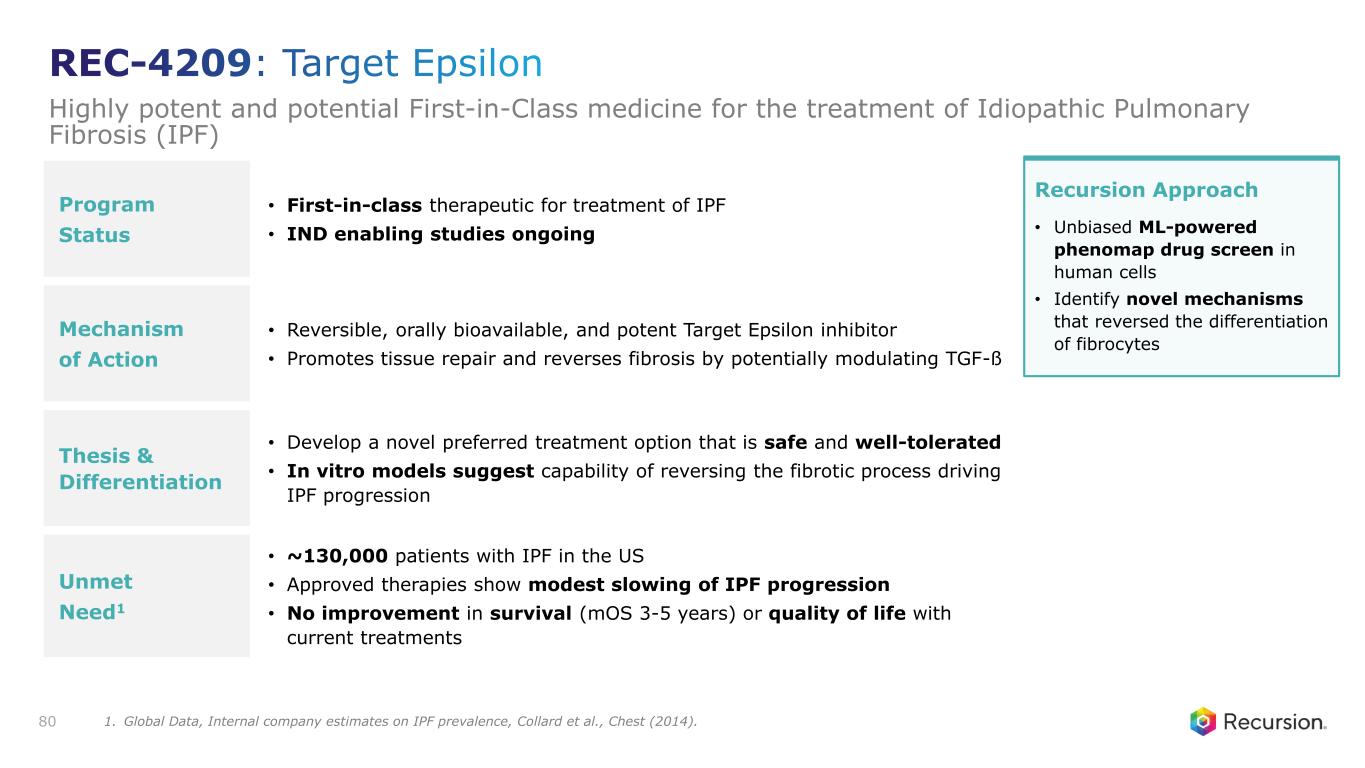
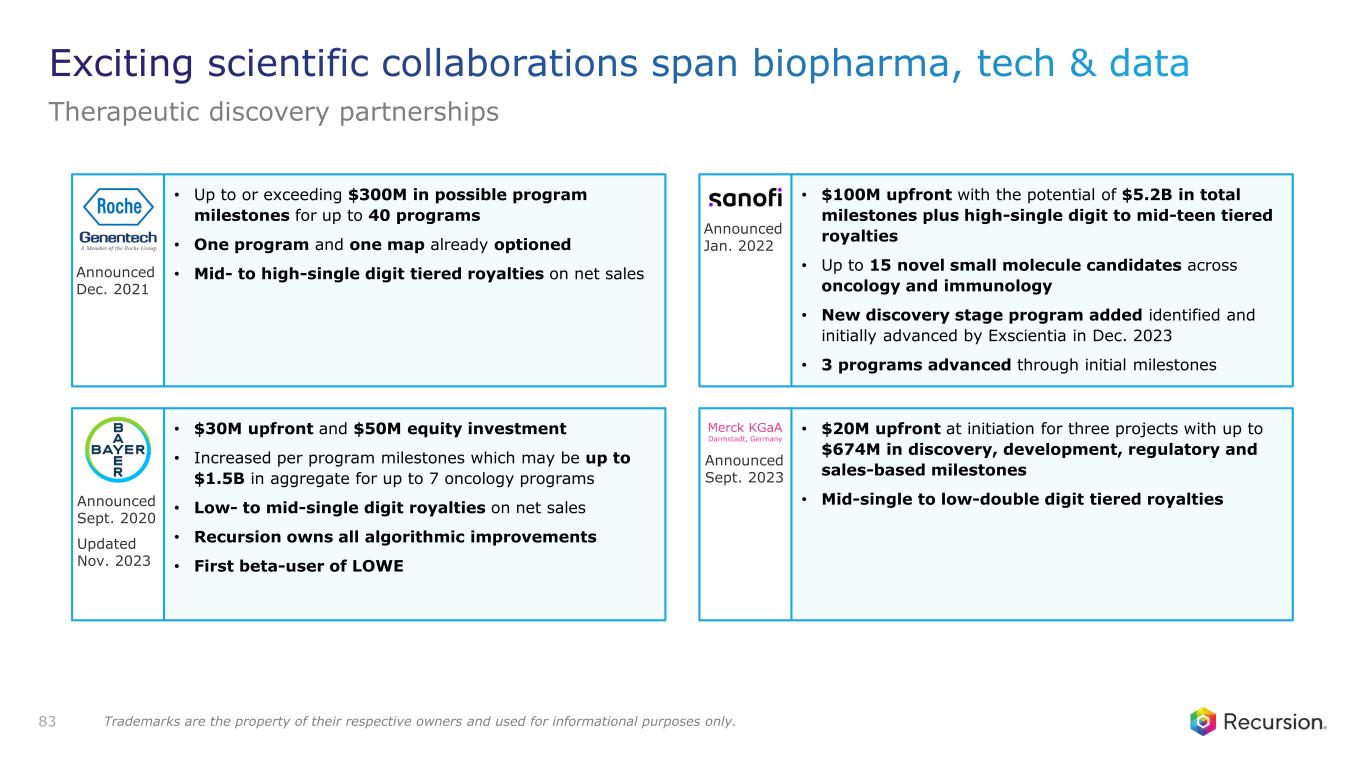
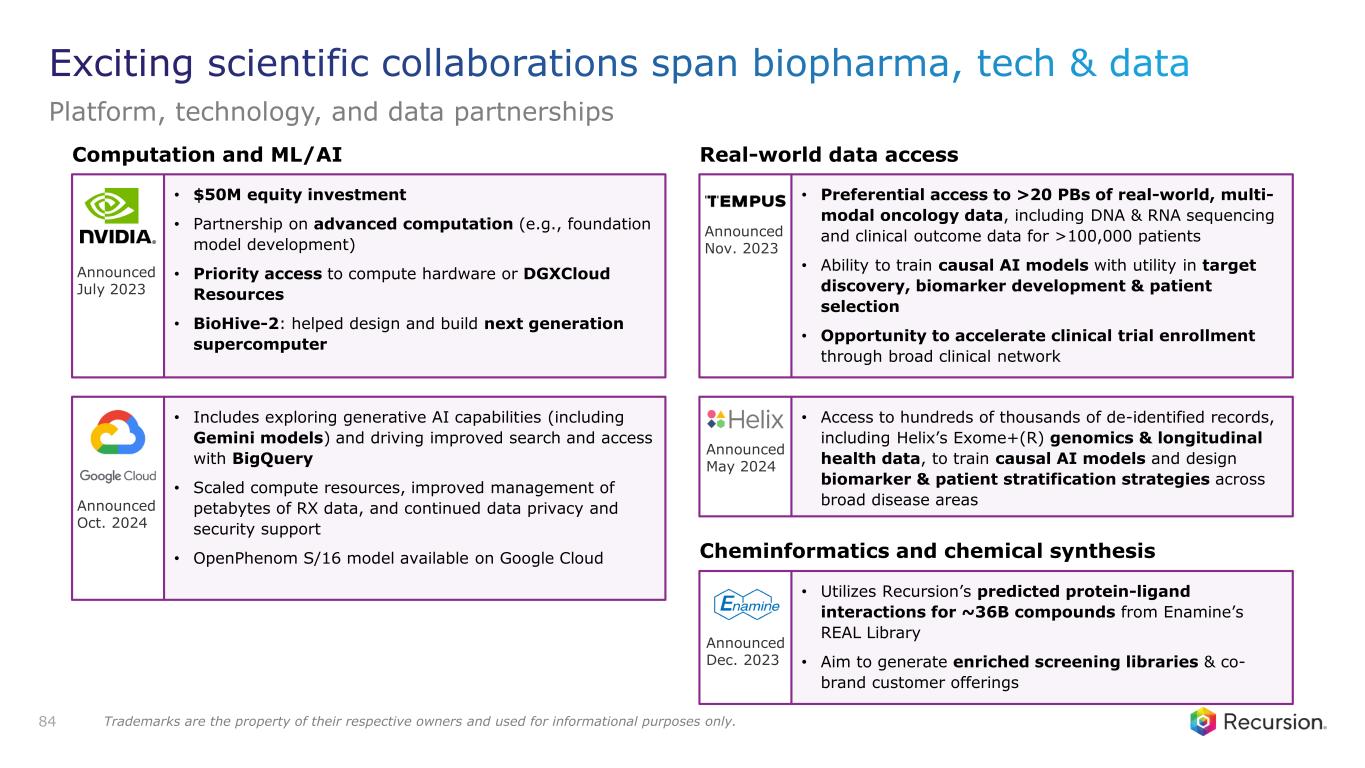
Welcome to Recursion's Earnings Call. I'm Chris Gibson, Co-Founder and CEO, and I'm eager to discuss Recursion's trajectory for 2024 and 2025. Let's begin by examining the current landscape. Recursion is at the forefront of TechBio, unlocking opportunities to transform drug discovery and development. In 2024, we're witnessing early indicators that foreshadow a promising future for the biopharma industry. As we approach 2025, we anticipate a series of compelling evidence that will clarify this vision for all. To provide context, I'll recap some important developments from 2024, starting with our clinical data updates. Last year marked the first time we could report on the efficacy of our initial clinical programs, REC-617 and REC-994. REC-617 is a promising CDK7 inhibitor aimed at treating advanced solid tumors. In the dose escalation phase, we observed not only a favorable safety profile but also early signs of efficacy, including one patient achieving a lasting tumor reduction of more than six months, alongside others maintaining stable disease. This has paved the way for us to initiate combination studies shortly. Next, regarding REC-994, an oral superoxide scavenger potentially addressing symptomatic cerebral cavernous malformation, we achieved robust chronic safety outcomes for patients treated over a year. In our signal-finding study, we noted a significant reduction in lesion size based on subjective MRI measures and favorable trends in functional improvement according to the modified Rankin score during this Phase II trial. We’re excited to advance these pioneering programs from the Recursion OS. Additionally, we launched several trials, including our REC-1245 study for RBM39 degradation in solid tumors, the familial adenomatous polyposis trial, REK-4881, and our C. difficile trial with REC-3964. We are progressing next-generation molecules toward clinical evaluation, with CTA and IND updates across multiple programs, including IND clearance for LSD1 in small cell lung cancer and CTA initiation for MALT-1 and B-cell malignancies. We’ve also commenced IND studies for our IPF program, REC-4209, and started IND-enabling studies for hypophosphatasia through our joint venture with Rallybio. Our efforts have led to significant progress across our pipeline, as illustrated in our green highlights on the pipeline slide. We are committed to maintaining this momentum in the upcoming year. Our platform has enabled many of these early indications we are pursuing. While our focus has shifted mainly to clinical programs, I want to revisit some of our foundational work. I want to spotlight the REC-7735 program, a mutant-selective PI3-kinase inhibitor, developed using the Recursion OS. This molecule shows a hundredfold selectivity for mutant forms over wild types in early preclinical models and demonstrates significantly lower hyperglycemia compared to other inhibitors. This early discovery has captured considerable interest from potential partners since we introduced it at JPMorgan recently. In addition to our pipeline, we are engaged in valuable partnerships with Roche, Genentech, Sanofi, Bayer, and Merck KGaA, with our work with Roche yielding multiple whole genome Phenomaps in oncology and neuroscience last year. This resulted in a $30 million milestone. We also advanced two programs with Sanofi in 2024, resulting in $15 million in milestone payments with more on the horizon. In terms of platform development, we continue to lead the industry in data, foundation models, and computational capabilities. Last year, we launched BioHive-2 in collaboration with NVIDIA, which we believe is the most powerful supercomputer owned and operated by a biopharma company. Throughout the year, our utilization of this supercomputer has enabled us to develop various foundation models and explore new neural network architectures to push our understanding of biology. Our data capabilities have seen significant advancements as well. We mapped over 1.4 million active ligands to binding pockets and generated 6.2 million multi-timepoint brightfield images weekly on our Phenomics platform. We produced nearly one million transcriptomes last year, bringing our total to over 1.6 million since starting this initiative in 2023. Furthermore, we began exploring Causal AI models and ClinTech in 2024, utilizing AI models to develop a causal understanding of biology from patient data. An exciting project involved using Tempus data to construct a patient stratification framework in small cell lung cancer for one of our advancing programs. We also initiated automated tools to enhance patient engagement and streamline recruitment, laying groundwork for scaling Recursion’s pipeline. As companies transition into the TechBio sector, generating and aggregating diverse biological and chemical data is crucial. Recursion is leading in this effort, allowing us to learn from real-world data, generate models, and formulate hypotheses for experimental validation. We've shown impressive indicators of our ability to quickly validate hypotheses compared to industry averages. Our approach allows us to optimize hits while synthesizing fewer molecules, leading to reduced costs and faster timelines. Ultimately, we aim to enhance the probability of success for our clinical candidates, and as we advance trial-readouts in the coming years, we look forward to benchmarking our outcomes against industry standards. We believe these indicators signify great potential, and now I invite Lina Nilsson, our SVP Head of Platform, to join me in Salt Lake City to discuss how our collaborative efforts are translating into improved benchmarks.
Speaker 1
Thank you, Chris. As two independent companies, we have developed two technology platforms that are already improving efficiencies in drug discovery and development from complementary perspectives. At Recursion, we focus on insights from complex biology mapping, creating extensive data sets designed to generate industry-leading models of human health and disease. Meanwhile, Exscientia focuses on technologies and models for optimizing compounds, synthesizing molecules with the right multi-parameter properties for potential treatments. Now we are combining these complementary strengths. Specifically, during the merger, we established 90-day plans aimed at quickly generating real value, and I’m excited to share some initial results with you, with more to follow. We have unified massive data sets from both companies into a single platform that includes ADMET liabilities, Phenomics, Cellular Function, and Protein-ligand binding, all integrated into our Centaur model management platform. Coupled with Recursion's extensive compute resources, we are developing a new generation of models that are more powerful, accurate, and generalizable. In just three months, we have begun to quantify benefits to our pipeline. For instance, implementing new scientific agents has led to a 60% reduction in the time required to move from hit to lead initiation, and we are utilizing federated models based on a new data set of over one million compounds for improved MOA deconvolution. Additionally, we've seen a 2.5-fold increase in efficiency for detecting new bioactive compounds and a 40% reduction in potentially cytotoxic compounds. This is just one example among 18 new applications. We are already witnessing significant progress in creating a joint platform where the whole is much greater than the sum of its parts. Now, I'll hand it over to Ben Taylor, our CFO, who will discuss how we are accomplishing this exciting work while also saving money as a combined entity.
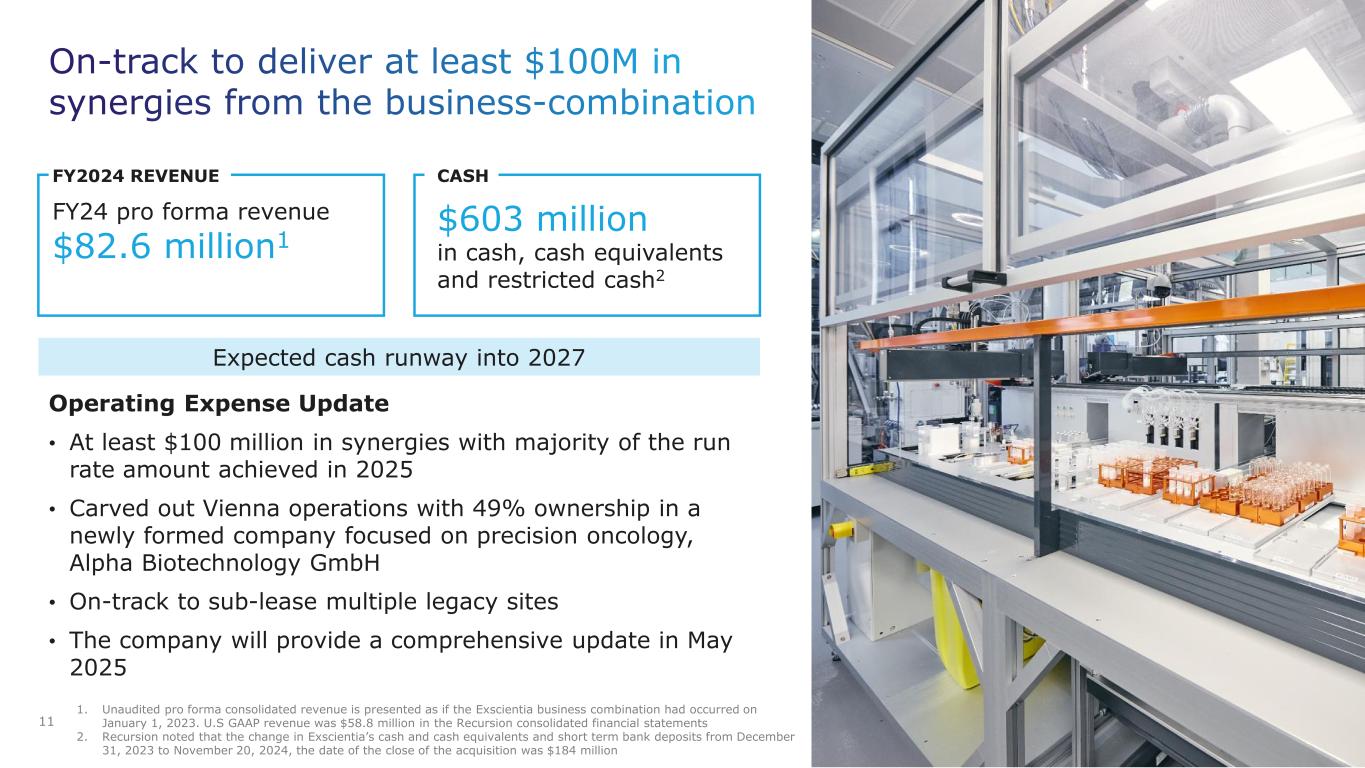
Thanks, Lina. Yeah, it's been a great year for us both coming together as companies as well as what we've seen looking forward. So for starters we had $83 million in revenue as a combined group that's a pro forma basis in 2024 and had an ending cash balance of over $600 million. Now, that gives us enough of a runway to be able to extend into 2027. So continuing on the business model that we have, we feel very comfortable that we've got the runway to be able to execute on a lot of those things that Chris and Lina were just talking about. An important element of that when we closed the deal we gave guidance that we expected up to $100 million in synergies, we actually believe we will achieve a majority of those synergies this year and be able to get to a run rate that is beyond that $100 million over time. Now that is coming both from the more traditional synergies that you would expect from two companies coming together, but also on a lot of the operational synergies. So all of those benefits that Lina was just talking about actually translate to economic benefits for us too as we push forward. In addition really exciting important note we have carved out the Vienna operations into a new company. That will continue on and that both gives the new company a great stand-alone mandate, as well as helps to organize some of our operations and really provide us as much focus as we can possibly get. And we're on track to also clean up a lot of the excess office and legacy sites that we had previously when we came together as a combined company. So we will give you a much more in-depth understanding of some of these developments in May. What we are doing right now is basically going through all of our operations and going from the bottoms up as well as doing a strategic assessment and we want to give that to you all at once in a few months. Now as we look forward into the next year, we are really, really excited because not only was 2024 as Chris would like to say our best year yet. But when we look forward to 2025 we just see so much coming through the pipeline that really starts to show signal and point that the technologies we're developing are having a material difference. Chris brought up CDK7 and CCM and the initial data there. We have a number of additional studies that are getting started and we'll have readouts in the near future that could continue to support that moving forward. I think the PI3K is actually a great example as well, because that is an example of how we have this deep pipeline that most people don't even know about. We were able to look at a situation that was in the market and move quickly to provide what we believe is a better quality candidate that we can move forward with. And it is in that area that is not normally viewed by the rest of the investor market. So really exciting to be able to talk about more of those pipeline programs coming through in the future as well. Partnerships will continue to be an important part of our business model. I really want to highlight that in a part of our revenues, we brought in $45 million in cash payments for achieving milestones from Sanofi and Roche. So that's very different from an upfront payment or a license to our technology that is actually achieving technical goals that were extremely difficult and highly valued by those partners. And so we expect to continue achieving those milestones both generating cash flows, but also validating that the technology is doing what we want it to do. And then we will also continue to bring forward more of the data on how the platform is exceeding benchmarks moving faster being very efficient in how it does it. And so you can expect that through the course of 2025. All of that I think comes together. We take it very seriously. Our mandate from our investors is not to just be a biotech company. It's actually when we say TechBio what that means is we want to change the underlying probability of success across the biopharma industry and that's by creating better quality medicines and doing it in a more efficient way. And so we look at all of these points and try and stay focused on the bigger vision. And I'm going to turn it back over to Chris because he can really talk about how these points come together and where we see it going in the future.
Speaker 0
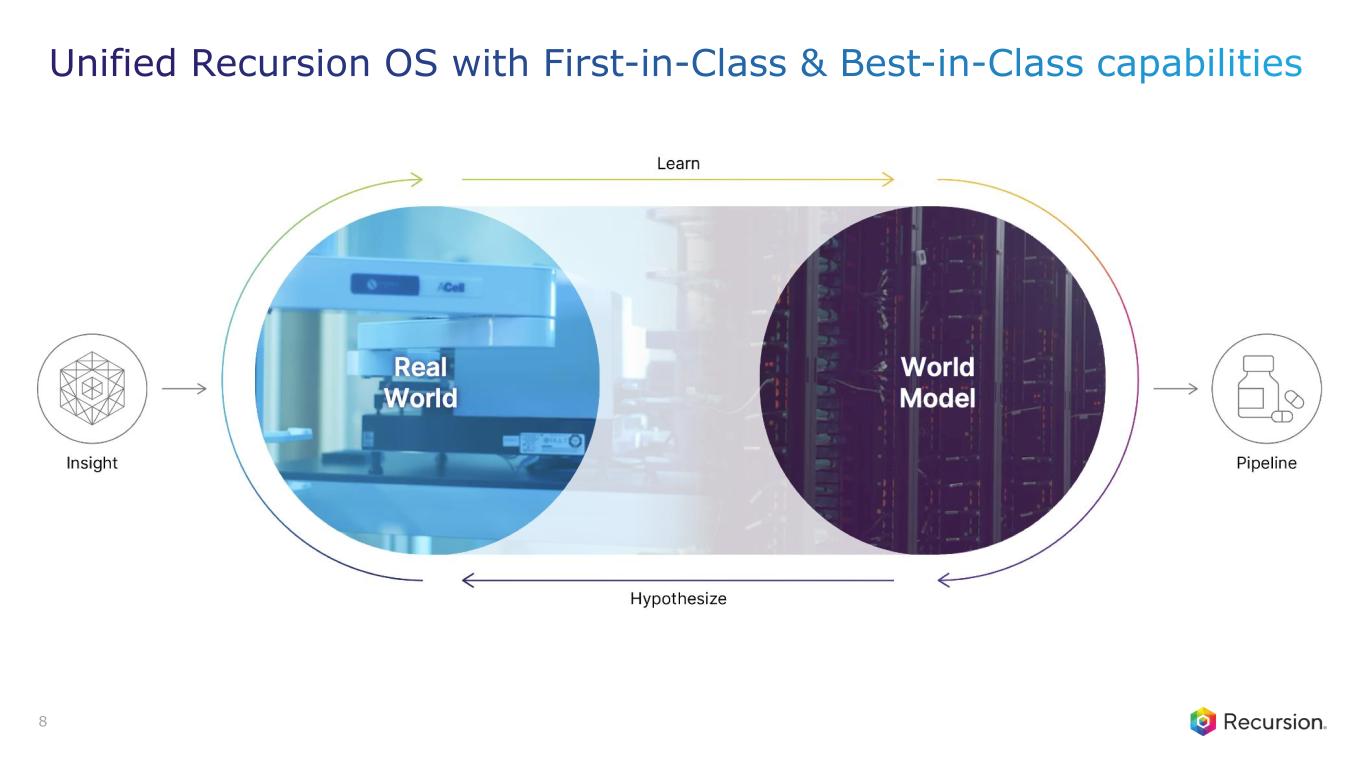
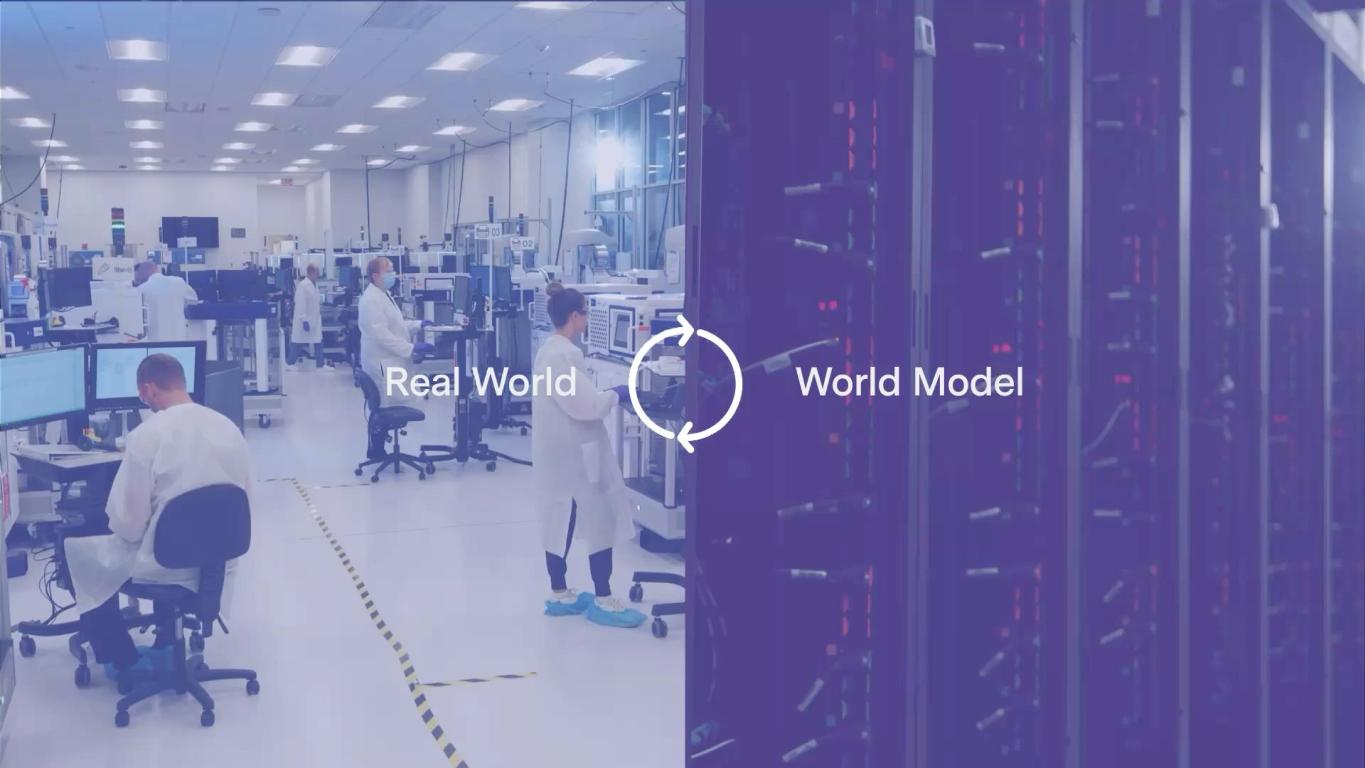
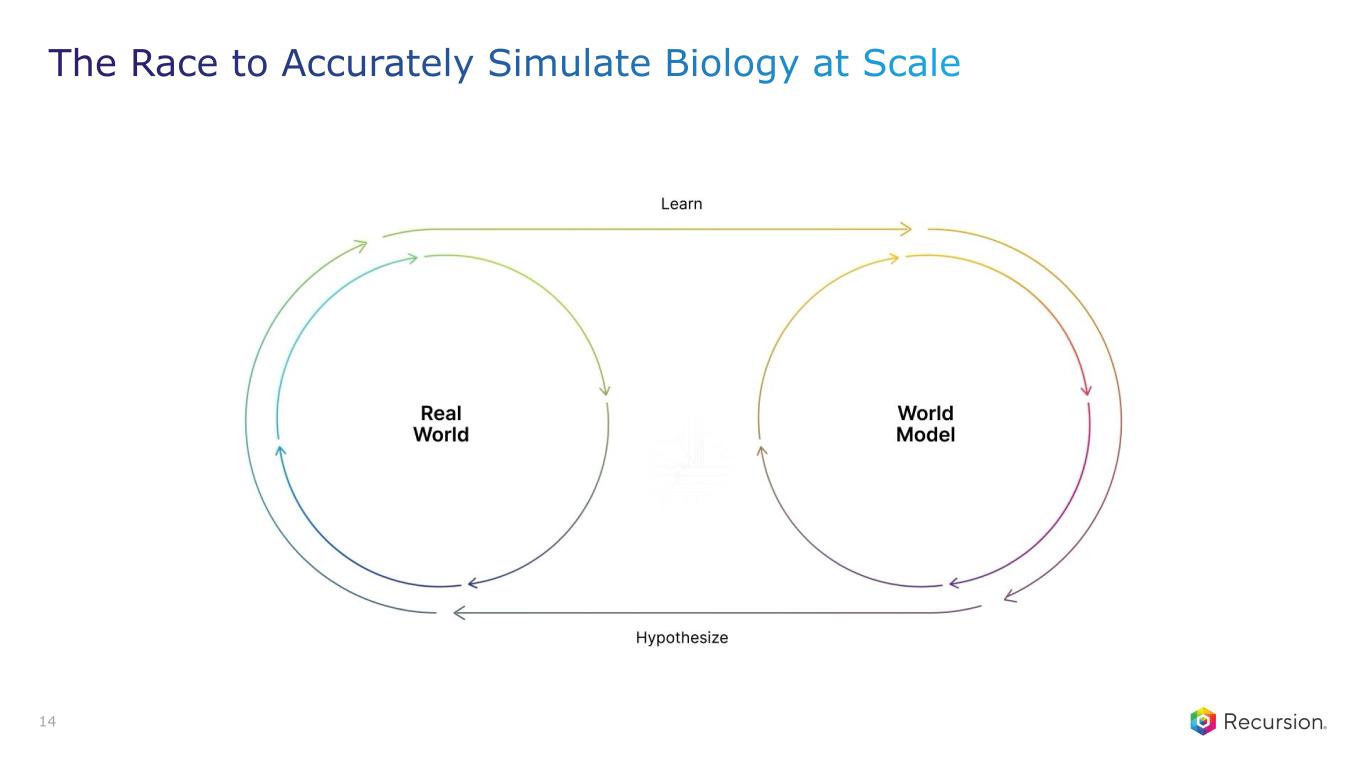
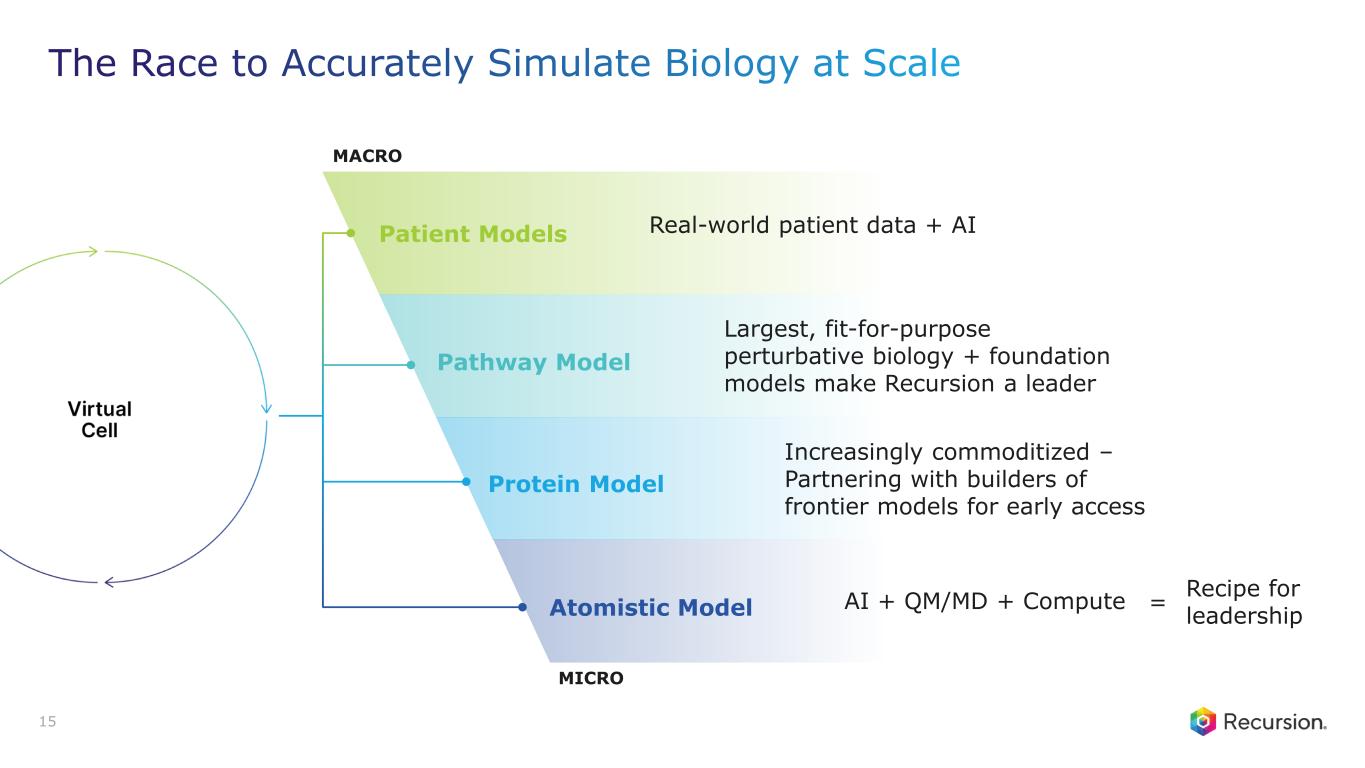
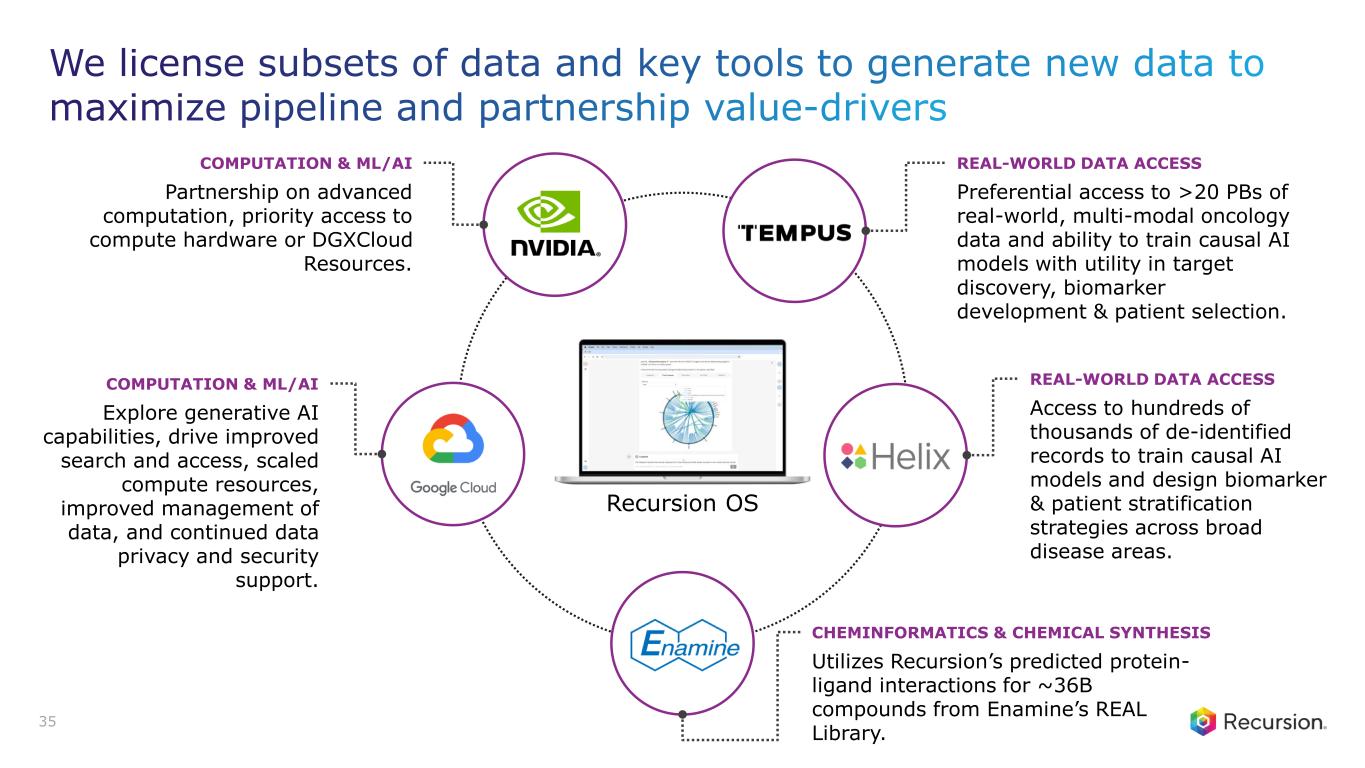
Thank you, Ben. We are very enthusiastic about 2025, as Ben mentioned, with various potential catalysts on the horizon related to our pipeline, partnerships, and platform. However, as we look slightly further into the future, we believe there is immense value to be uncovered. We feel that Recursion is among the best positioned to achieve this. I want to share some of that vision with you and discuss our perspective on the intermediate term. Currently, Recursion leads in integrating real-world data to build world models. This concept involves having a laboratory filled with scientists generating data, which can then be utilized within a computational framework to create models. We analyze and hypothesize using those models and then return to the real world with our findings. This has been our ongoing effort at Recursion, continuously cycling between real-world observations and model development. Moving ahead, we foresee a significant transformation where world models advance to become comparable to a virtual cell. This virtual cell could greatly enhance our capability to predict biological processes. Instead of relying solely on real-world data for algorithm-driven predictions, this shift will allow us to engage with biology more comprehensively and explore chemistry in depth. We anticipate needing various data layers and capabilities to construct an incredibly realistic virtual cell that can simulate biological and chemical phenomena. At the broadest level, we will include patient models based on authentic patient data and artificial intelligence. While Recursion has not yet generated extensive data in this area, our clinical trials present an opportunity. We are collaborating with remarkable organizations like Tempus and Helix, which enable us to access vast amounts of patient data from across the country and beyond, allowing us to develop Causal AI models alongside our foundational data. Recursion is particularly well-regarded for our work on biological pathways, where we have amassed hundreds of millions of perturbations in our labs, creating bespoke datasets across various omics layers. We expect to maintain our leadership in this domain. Our work with protein modeling, utilizing AlphaFold and other protein folding models, is thrilling and we anticipate that this will become somewhat commoditized given the numerous pioneering groups involved. While we have yet to disclose all our collaborations, we are excited about partnering with leaders in this field to ensure Recursion has access to some of the foremost protein folding models available. On a more micro level, we are exploring atomistic models, specifically quantum mechanics and molecular dynamics. There has been skepticism regarding AI’s ability to contribute here, but we believe that notion will be proven wrong. Our developments at Recursion suggest that AI integrated with quantum mechanics and molecular dynamics positions us favorably, alongside our legacy Exscientia team and extensive computational resources, and we expect to unveil some groundbreaking advancements in the near future. When we consolidate these elements—data spanning atoms, proteins, pathways, and patient information—it creates a significant competitive advantage for Recursion, helping us integrate all this information into a virtual cell. Although we may not achieve this within the next 12 months, I believe it is on the horizon, and we are committed to working diligently toward this goal. With a look at 2024, 2025, and perhaps beyond, I want to move on to the question-and-answer session. We have received many great questions and I'll now refer to our Q&A monitor. The first question is from Alec Stranahan from BofA. Recursion has discussed its supercomputer and data scale, particularly regarding the phenotypic side in the past, but recent developments, including DeepSeek, raise questions about the necessity of scale. I would like to know if you see this as a risk for TechBio as well, or if biology is so intricate that scale will remain crucial. Alec, that’s a fantastic question. Biology is incredibly complex, and the interplay between biology and chemistry is also highly intricate. Therefore, I believe scale will continue to be significant. While DeepSeek has shown that it is possible to train and deploy models more efficiently, having scale for the latest generations of neural networks and architectures is beneficial. I am confident that we will achieve this and integrate data from various layers. We don't see any substantial opportunity for someone to essentially streamline biology and chemistry because it is fundamentally too complex. Next we'll go to Vikram, one of our analysts from Morgan Stanley. How is your partnership with NVIDIA progressing? And what are your key focus areas for your foundation model work? Great question, Vikram. So we've been working with the NVIDIA team for many years. We're working on a number of different projects and they've been helping us to deploy lots of our different models across these very complex supercomputers BioHive-2 being the one that we have in-house at Recursion. It is not trivial to be able to train on a supercomputer of that scale not just one or two different models but many different models across multiple teams and multiple sites. And what's more, we're not just using the GPU side of things. We're also using the CPU side of that supercomputer to actually do some of the atomistic work that I talked about just a moment ago. So there's a lot of complexity in just deploying all of these tools and NVIDIA helps us there. There's lots of work that we're excited to continue doing with the NVIDIA team that we haven't talked about yet, and we'll have to wait in future quarters or years to be able to share more of that with you. Now moving over to Gil at Needham. Given costs on compute appear to be going down, how much of a moat does owning your own supercomputers still offer? Yes, this is a great question. Look, I think, there's two things that are necessary and neither sufficient to build these maps of biology and figure out how to advance medicines more quickly. One is data and one is compute. And while the cost of compute is going down, it's not trivial to do compute at the scale that Recursion is doing it. So over two, five, 10 years, you may see a dramatic reduction but I think we're going to be moving to virtual cells before we see a 10x reduction in the cost of compute. So, we think it will be important for companies operating at the kind of frontier of TechBio to be able to have access to world-class compute. And at least over the next two or three years, we think that's going to be a competitive moat for Recursion. And at the same time, the data side, we think is the extreme advantage for us. Because it doesn't matter how much money you have or how advanced do we get on the biology side of things, it still takes time for cells to grow. It still takes time for a crisper knockout to mature and create all of the effects downstream in a cell. And biology is so complex that there's sort of this binomial tree of potential possibilities that would take an infinite amount of time to test. And so this virtuous cycle of learning and iteration where you can test at some scale, make hypotheses and go back and validate or improve those hypotheses, we think that's going to be key. And we think Recursion is years ahead from almost anyone else in the space in terms of building these data or aggregating these data across all these different levels of biology. So we feel really, really good about that.
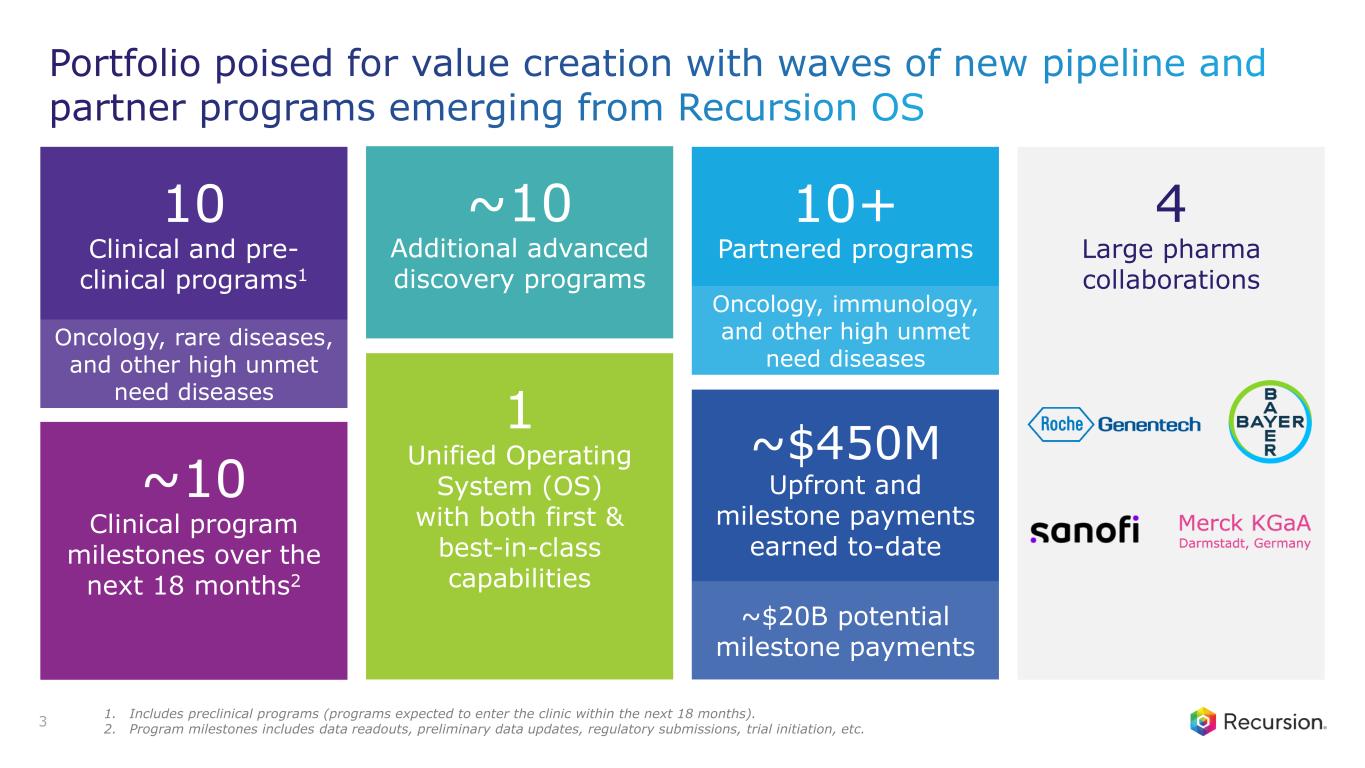
So it's a great question. And it causes a lot of confusion out there, because we are in many ways a tech company. However, our revenue and earnings don't show up like a traditional tech company. In the sense of we are often in our partnerships paid an upfront payment that then is recognized as revenue over a longer period of time. So you can't think of this like a subscription or a payment that's coming in quarterly. And so important fact we've brought in $450 million from our partnerships, a significant amount of that still has not been recognized as revenue. So as we continue to go on and have milestones or enter into new partnerships, those will continue to be cash inflows. They may or may not show up immediately as revenues. So it's really, really hard to track our quarter-to-quarter performance based on our revenue and we never suggest that people guide to it. We've encountered a complex accounting question. Since we closed the transaction, most of the financials in our 10-K reflect the legacy Recursion's stand-alone financials along with a stub period for the legacy Exscientia piece. In the press release and the 10-K, you'll see the cash burn amount of $184 million, which represents the starting and ending cash balance for Exscientia. Additionally, if you look at the cash flow from operations and the capital expenditures from Recursion, you'll find a figure just over $550 million for the combined entities. While this number isn't perfect, it gives a general sense of our situation. We are confident in our ability to grow, manage our cash burn, and remain under those figures this year. We will provide more details in May, as we want to ensure a proper budgeting process. Our focus remains on cash burn and runway, and we will return with further guidance and explanations later.
Speaker 0
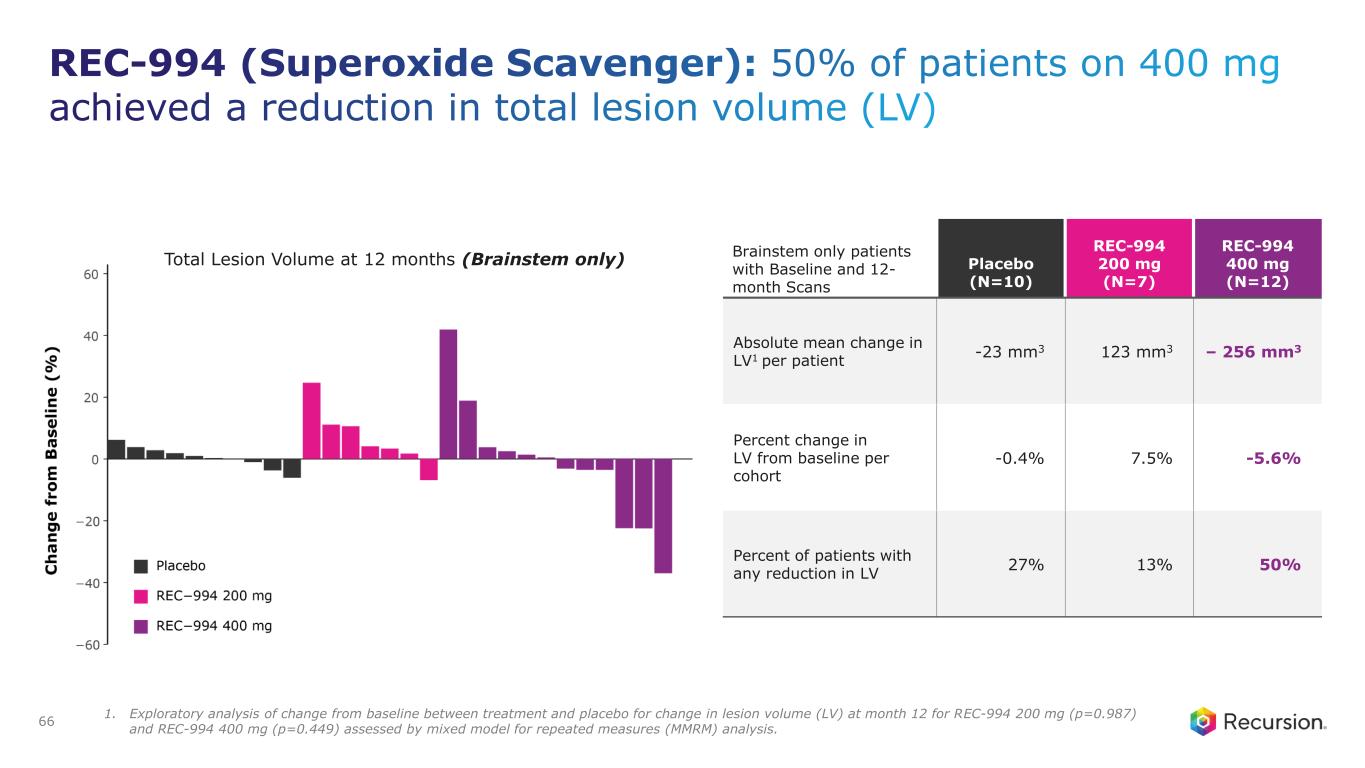
Awesome. Thanks, Ben. Next, it looks like we've got a couple of questions here on our CCM program. This is REC-994 and CCM. So Joe Philips asks, any updates on timing on REC-994? I was wondering if there's more clarification on whether this is going to advance to commercialization, our commercialization. And then Jeff at BioVantage, the primary endpoint of safety for REC-994 was met, but it was negative with regard to efficacy. Can you comment on the status of that program and plans moving forward beyond the recent presentation? What is the rationale for the longer-term treatment that will lead to statistically significant improvements? So great questions here. So I want to take Jeff's question first which is, we did see really, really exciting robust safety across this chronic treatment of a year. But I would challenge this idea that we did not see efficacy in the study. We did a signal-finding study. We're the first company to ever go to any regulatory agency with a CCM clinical trial to look at efficacy. And so we had to look at a wide variety of different measures a wide variety of secondary endpoints that could give us an idea of where to go in a subsequent trial. And so in a signal-finding study, you don't necessarily power all of those different end points, you go looking for maybe nearly significant or somewhat significant, but not p-value less than 0.05 findings that you can then parlay into a subsequent study where you narrow down the number of endpoints that you go after. What we saw was I think nearly significant data with a poorly powered study across this objective measure of MRI. If you look in the brainstem lesions for example, we see really robust reduction in these particular lesions. And you have to be careful looking at so many different measures, but we've got this long-term extension study that we'll be able to look at soon that will give us insights into whether these trends are continuing. And then we also saw this trend in modified Rankin Score which is really, really important because there's a precedence at the FDA from a functional standpoint of looking at neurologic diseases and showing a reduction in this MRS score over time. And so these will be key endpoints that we hone in on as we have discussions with the regulators about how to advance this program. And you can imagine if we go forward with a smaller number of endpoints and a larger number of patients, we may be very well positioned if we saw the same quantity and quality of reductions in lesions and improvements in symptoms to actually show statistical significance. Now, in terms of the details, later this year, we will be able to come back to you post interaction with the FDA and post maybe some exploration of our long-term extension data with some more clear plans on how we plan to advance this program. But I know today, the signals we saw in this signal-finding study were ones that we're excited about and certainly worth exploring for a disease with no other treatment besides surgery. All right. And we've got S. Jane on the business strategy. So the company's revenue streams suggest a split between a long-term royalty base of revenue and then viable drug candidates and short-term partnership-based deals with existing pharma companies. So there's a two-part question. While we've seen a lot of gains in the partnership revenue, are there any plans to expand and diversify revenue sources beyond the current avenues? So maybe Ben, actually, I'll send that one over to you and then I'll take the second part in just a minute here.
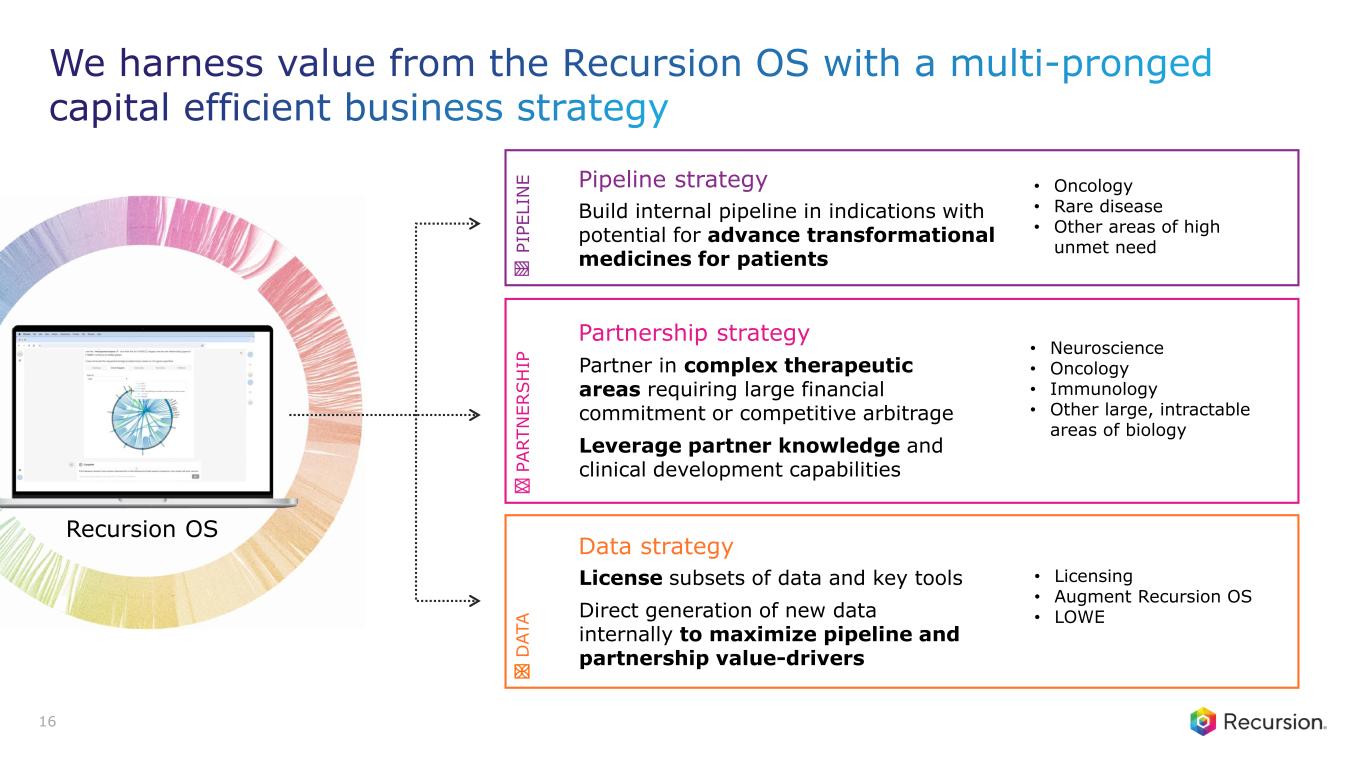
Sure. Well, and it's really interesting. We've certainly done the work internally to look at different revenue streams to come in. What I would say is the economics that we get out of our pharma partnerships are excellent. For example, we're looking at over $300 million in milestone payments per program, high single low double-digit royalties. And effectively, we have all of our direct cost paid for upfront. And so that's a very economically attractive deal. For us to diversify into other areas, we actually have to exceed that sort of an ROI threshold. So we do continue to look at it. We do engage with whether it's partners on the tech side or on the pharma side different ideas. But I'd say there's a very high bar for us to expand that.
Speaker 0
Thanks Ben. The second question from S.J. is how confident is the leadership in our ability to discover and successfully clear clinical trials and get viable drugs on the shelves potentially tapping into some of the delayed longer-term royalty-based revenue? And I would just say Look I think we're very confident here. Discovering and developing medicines is hard, but we've been building a learning system. And my strong belief is that the system we have built has a high probability of being able to generate better molecules and better medicines over time. So, whatever level we're at today on average I would expect each generation of new molecules to get better. Now, it's important to note that for any individual program there are hundreds of ways that it can fail. And some of those can be really, really surprising. And so we can't say with any confidence whether molecule A, B, or C is more or less likely to advance. There are certainly ones where we're investing more to go faster but that it's very hard on an individual asset level to be extraordinarily confident when you're in sort of the preclinical stage the Phase 1 stage the Phase 2 stage. But what I can say is both we with our own pipeline and our partners with a number of programs that have been moving forward in those partnerships a lot of potential. And what I think is really important about Recursion is that we're not a typical biopharma company that has a handful of assets that create almost a bimodal outcome for the company where if you're successful in that leading program in that Phase 2 trial, the company has bought for some really, really exciting number and that molecule advances in someone else's hands. We're building a platform that's going to allow us to take many programs forward through our pipeline, many programs through our partnerships and that starts to remove that kind of bimodal risk. And if one believes our platform is at least as good as the industry average in discovering and developing medicines but we're doing it at a higher scale and more efficiently, I think Recursion can become a really, really important company in the space. If we can do that and over time start to demonstrate that we're increasing the probability of success. And again we're not here for trying to build this company and sell it in the next year or two. We're here a decade in with decades more to go. But I think if we can start to demonstrate that improvement in the probability of success while generating molecules at scale and doing it more efficiently, I think we're a company that has the potential to truly transform this industry. And so those royalty-based revenues would be coming in in that case. And of course so with revenues from our own programs that we develop with our internal pipeline.
Sure. The short answer is no. We're not giving any guidance on it right now. But I think what you've seen come out of our partnerships in the past is milestones around either drug programs advancing or delivery of phenomaps. I would say we are doing both of those things still in our partnerships. And so we look to do more of the same and more of it. The other thing that I would note is and this is alluded to and what Chris was saying another thing that we are always looking at is when is the right time to either advance a program on our own or to potentially look at partnerships around them as they advance through. And so I think that's something that we continue to look into for our pipeline and that could generate revenues and milestones as well.
Speaker 0
Thanks Ben. Just a couple of things that I would add real quick right there is we've been doing the work of these partnerships for many years and essentially priming the pump on the milestones. And so while we're not giving any formal guidance for this year, I think there's a lot of confidence in where we're going. And as Ben was just alluding to, we're also starting to I think get a lot of interest in some of our individual assets that are in our clinical or preclinical pipeline. And so hopefully, we'll start to be able to demonstrate again different ways that Recursion is generating revenue generating credentialization of the platform and subsidization of the future pipeline that we're going to build.
Speaker 1
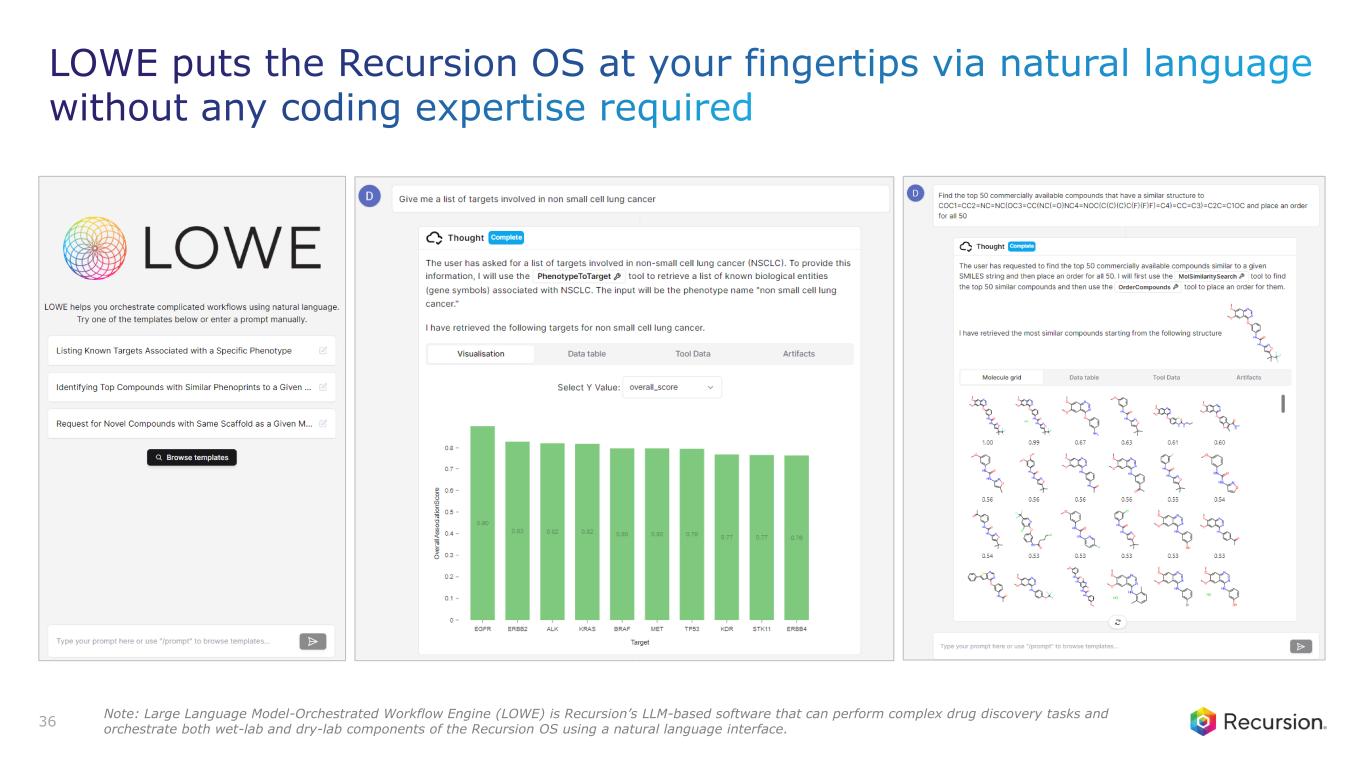
A few weeks ago at the JPMorgan Conference, we discussed our objective of creating virtual cells to facilitate large-scale medicine discovery and development, potentially enabling us to simulate clinical trials. Considering the known issues with inaccuracies in large language models (LLMs), are there concerns that virtual trials could also face similar inaccuracies, especially regarding drug interactions in cells? Additionally, in the rare disease领域, where data may be scarce, how would you validate the outcomes from these virtual trials to ensure their reliability? Yes, that’s a great question. We rely on LLMs alongside various other model architectures, including transformers and deep flow nets, as well as MolE, which is a unique architecture we use at Recursion. These models provide significant capabilities for making accurate predictions, but they also come with limitations, such as hallucinations and false positives. Therefore, we create extensive benchmarking data sets to ensure our models perform at their best. An important aspect is our large laboratory environments, which allow us to validate insights generated by these models. We focus our experimental assays on the most promising compounds and insights, ensuring that our validation processes are comprehensive and concentrated on areas with the greatest potential, rather than investing time and resources on less viable compounds. This critical validation occurs before any drug is administered to patients. Regarding rare diseases, this is a challenge faced not only by Recursion but by the entire industry. One strategy involves developing models that extend beyond predicting specific diseases. Our approach focuses on understanding broader biological contexts, enabling us to validate model performance that considers not just one gene, but its relationship with the overall cellular environment in patients. This helps build confidence in dealing with "rare" conditions while acknowledging the intricacies of human health data, thanks to our extensive data sets and collaborations like those with Tempus Helix.
Speaker 0
Thank you, Lina. Gill from Needham asked about what would signal that we have achieved a productive virtual cell environment. It's a great question. I don’t believe it will be a sudden change but rather a gradual process we will see unfold over the next few years. At Valence, we are leading the Polaris benchmarking initiative across the industry. We have compared many of our models against the therapeutic data commons and predictive ADMET benchmarks. Our goal is to transition from models that provide insights into predictive ADMET, mechanism of action deconvolution, or clinical trial simulation, to broader models that reveal emergent features allowing us to ask and answer questions across various layers of biology. In imagining the future, my sense of progress towards that virtual cell would be when we start reporting a decrease in the data we are generating, indicating a shift from data collection to merely validating predictions. At that point, the transition will have occurred. Currently, we are still conducting up to 2.2 million Phenomics experiments weekly and have completed 1.6 million Transcriptomics experiments over the last 1.5 years, while expanding into additional data modalities. When you observe those numbers decreasing intentionally as we focus on validating simulated outputs and continue to build our pipeline, you will know that we have achieved that virtual cell. Regarding Laura’s question about NIH funding and its potential impact on Recursion’s direction and our ability to develop medicines, in the short term, I don’t foresee any issues. Recursion relied on NIH funding in its early days, and we did secure about $3.5 million through small business innovative research grants. However, I am concerned for other startups in the space that may struggle to access such funding and what that could mean for the broader environment. As you may have seen, Laura, we have announced an initiative building off the Altitude Lab incubator, which is funded by Recursion. Several entrepreneurs, including myself, are establishing a fund aimed at supporting promising companies that could be affected by NIH funding disruptions, helping them thrive in Salt Lake City. On a broader note, I find the situation quite concerning. Several institutions have started delaying graduate student admissions, and while some companies are bringing PhD and postdoc talent into their organizations, the entire industry relies heavily on the exceptional graduates and postdocs emerging from academia. I worry that if we do not address the funding cuts soon, the US could lose its significant edge in the field over the next 10 to 15 years. Many from around the world come here for training, and if we do not rectify these NIH funding reductions quickly, we will start to see a shift. So, great with that. I think we're probably going to decide to move on here. Thank you everybody for joining us for this Earnings Call. We're really excited to be building towards the future here, decoding biology to radically improve lives and hope you all have an amazing day. Thank you so much.