8-K
Scholar Rock Holding Corp (SRRK)
UNITED
STATES
SECURITIES AND EXCHANGE COMMISSION
Washington, D.C. 20549
\_\_\_\_\_\_\_\_\_\_\_\_\_\_\_\_\_\_\_\_\_
FORM
8-K
\_\_\_\_\_\_\_\_\_\_\_\_\_\_\_\_\_\_\_\_\_
CURRENT REPORT
Pursuant to Section 13 or 15(d) of the Securities Exchange Act of 1934
Date of Report (Date of earliest event Reported): November 7, 2023
Scholar Rock Holding Corporation
\(Exact Name of Registrant as Specified in Charter\)
| Delaware | 001-38501 | 82-3750435 |
|---|---|---|
| (State or Other Jurisdiction of Incorporation) | (Commission File Number) | (I.R.S. Employer Identification Number) |
301 Binney Street, 3rd Floor, Cambridge, MA 02142
(Address of Principal Executive Offices) (Zip Code)
(857) 259-3860
\(Registrant’s telephone number, including area code\)
(Former name or former address, if changed since last report)
Check the appropriate box below if the Form 8-K filing is intended to simultaneously satisfy the filing obligation of the registrant under any of the following provisions:
☐ Written communications pursuant to Rule 425 under the Securities Act (17 CFR 230.425)
☐ Soliciting material pursuant to Rule 14a-12 under the Exchange Act (17 CFR 240.14a-12)
☐ Pre-commencement
communications pursuant to Rule 14d-2\(b\) under the Exchange Act \(17 CFR 240.14d-2\(b\)\)
☐ Pre-commencement
communications pursuant to Rule 13e-4\(c\) under the Exchange Act \(17 CFR 240.13e-4\(c\)\)
Securities registered pursuant to Section 12(b) of the Act:
| Title of each class | Trading Symbol(s) | Name of each exchange on which registered |
|---|---|---|
| Common Stock, par value $0.001 per share | SRRK | The Nasdaq Global Select Market |
Indicate by check mark whether the registrant is an emerging growth company as defined in Rule 405 of the Securities Act of 1933 (17 CFR §230.405) or Rule 12b-2 of the Securities Exchange Act of 1934 (17 CFR §240.12b-2). Emerging growth company ☒
If an emerging growth company, indicate by check mark if the registrant has elected not to use the extended transition period for complying with any new or revised financial accounting standards provided pursuant to Section 13(a) of the Exchange Act. ☒
Item 2.02. Results of Operations and Financial Condition.
On November 7, 2023, Scholar Rock Holding Corporation (the “Company”) issued a press release announcing its financial and operating results for the quarter ended September 30, 2023. A copy of the press release is being furnished as Exhibit 99.1 to this Report on Form 8-K.
The information in this Report on Form 8-K and Exhibit 99.1 attached hereto is intended to be furnished and shall not be deemed “filed” for purposes of Section 18 of the Securities Exchange Act of 1934, as amended (the “Exchange Act”), or otherwise subject to the liabilities of that section, nor shall it be deemed incorporated by reference in any filing under the Securities Act of 1933, as amended, or the Exchange Act, except as expressly set forth by specific reference in such filing.
Item 8.01. Other Events.
A copy of the Company’s current corporate slide presentation is being filed herewith as Exhibit 99.2 to this Report on Form 8-K and is incorporated herein by reference. The Company undertakes no obligation to update, supplement or amend the materials attached hereto as Exhibit 99.2.
Item 9.01. Financial Statements and Exhibits.
(d) Exhibits
| Exhibit<br><br> <br>No. | Description |
|---|---|
| 99.1 | Press Release issued by the Company<br> on November 7, 2023, furnished hereto. |
| 99.2 | Presentation Slide Deck. |
| 104 | Cover Page Interactive Data File (embedded within the Inline XBRL document). |
SIGNATURE
Pursuant to the requirements of the Securities Exchange Act of 1934, the registrant has duly caused this report to be signed on its behalf by the undersigned hereunto duly authorized.
| Scholar Rock Holding Corporation | ||
|---|---|---|
| Date: November 7, 2023 | By: | /s/ Junlin Ho |
| Junlin Ho | ||
| General Counsel and Corporate Secretary | ||
| Exhibit 99.1 | ||
| --- |
Scholar Rock Reports Third Quarter 2023 Financial Results and Highlights Business Progress
- Completed enrollment for pivotal Phase 3 SAPPHIRE trial evaluating apitegromab; topline data expected in 4Q 2024 - Expanding into cardiometabolic disorders with SRK-439, a novel investigational myostatin inhibitor - Presented new data supporting proof of concept for SRK-181 in heavily pretreated patients with resistant metastatic ccRCC; completing enrollment of the Phase 1 DRAGON trial in December 2023 - Completed $98 million public offering, extending projected cash runway into second half of 2025
CAMBRIDGE, Mass.--(BUSINESS WIRE)--November 7, 2023--Scholar Rock (NASDAQ: SRRK), a Phase 3 clinical-stage biopharmaceutical company focused on the treatment of serious diseases in which protein growth factors play a fundamental role, today reported financial results and corporate updates for the third quarter ended September 30, 2023.
“We have made significant progress across our pipeline over the last quarter, including completing enrollment of our Phase 3 SAPPHIRE trial of apitegromab, which was designed to build on the positive Phase 2 TOPAZ results. Based on the sustained improvement in motor function that was observed after 36 months of treatment in the TOPAZ trial, the favorable safety and tolerability profile, and the high continued participation rate in our long-term extension study, we believe apitegromab has the potential to be a transformative therapy for SMA patients,” said Jay Backstrom, M.D., MPH, President and Chief Executive Officer of Scholar Rock. “Further, we are excited to leverage our expertise in selective myostatin inhibition and expand into cardiometabolic disorders, including obesity. We believe our highly selective myostatin inhibitor SRK-439 has the potential to help patients retain lean muscle mass, which has been a key obstacle for many on GLP-1 receptor agonist therapy, and we plan to file an IND in 2025 to initiate clinical testing of SRK-439 in combination with GLP-1 receptor agonists.”
“Additionally, we recently presented new clinical and biomarker data from the Phase 1 DRAGON trial that demonstrated the therapeutic potential of SRK-181 in heavily pretreated patients with anti-PD-1 resistant clear cell renal cell carcinoma. We believe that the DRAGON trial has achieved the objective of establishing proof of concept that our highly selective approach to blocking latent TGFβ1 can restore sensitivity to a checkpoint inhibitor, most notably in those with anti-PD-1 resistant ccRCC and supports further development of SRK-181,” he added.
Recent Company Highlights and Upcoming Milestones
Spinal Muscular Atrophy (SMA) Program
Apitegromab is an investigational fully human monoclonal antibody that inhibits myostatin activation by selectively binding the pro- and latent forms of myostatin in skeletal muscle and is being developed as a potential first muscle-targeted therapy for the treatment of SMA.
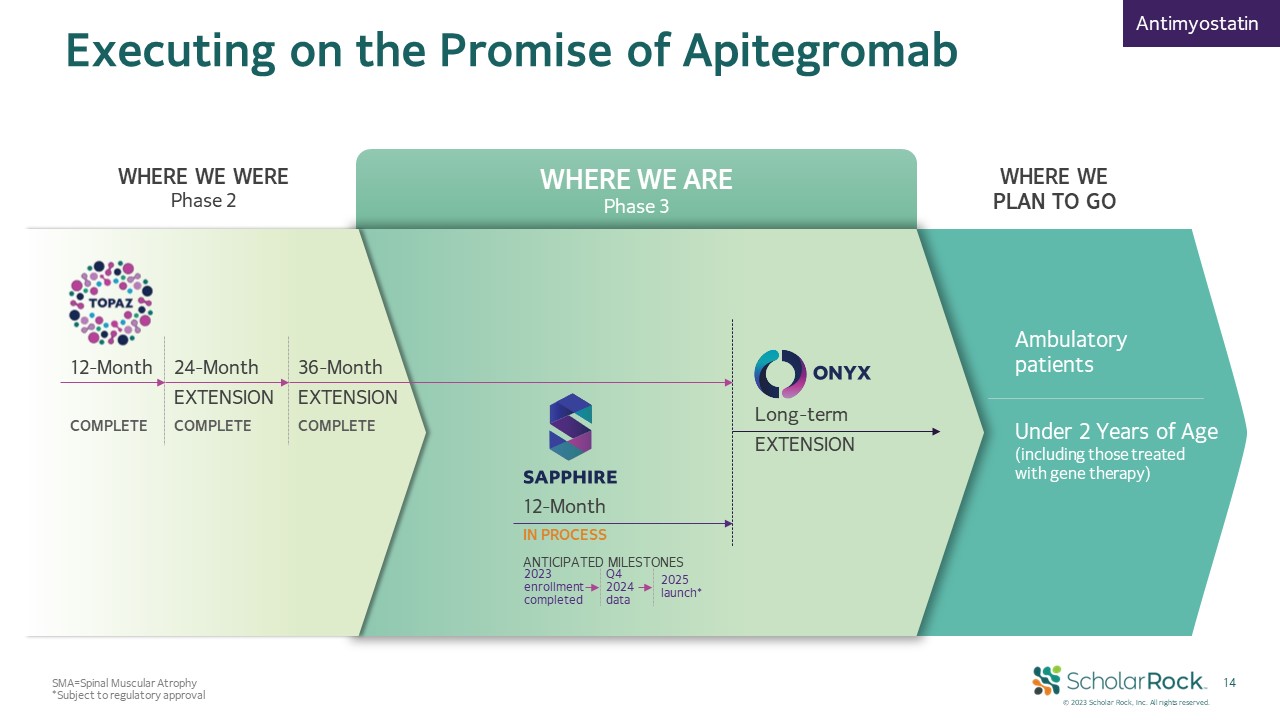
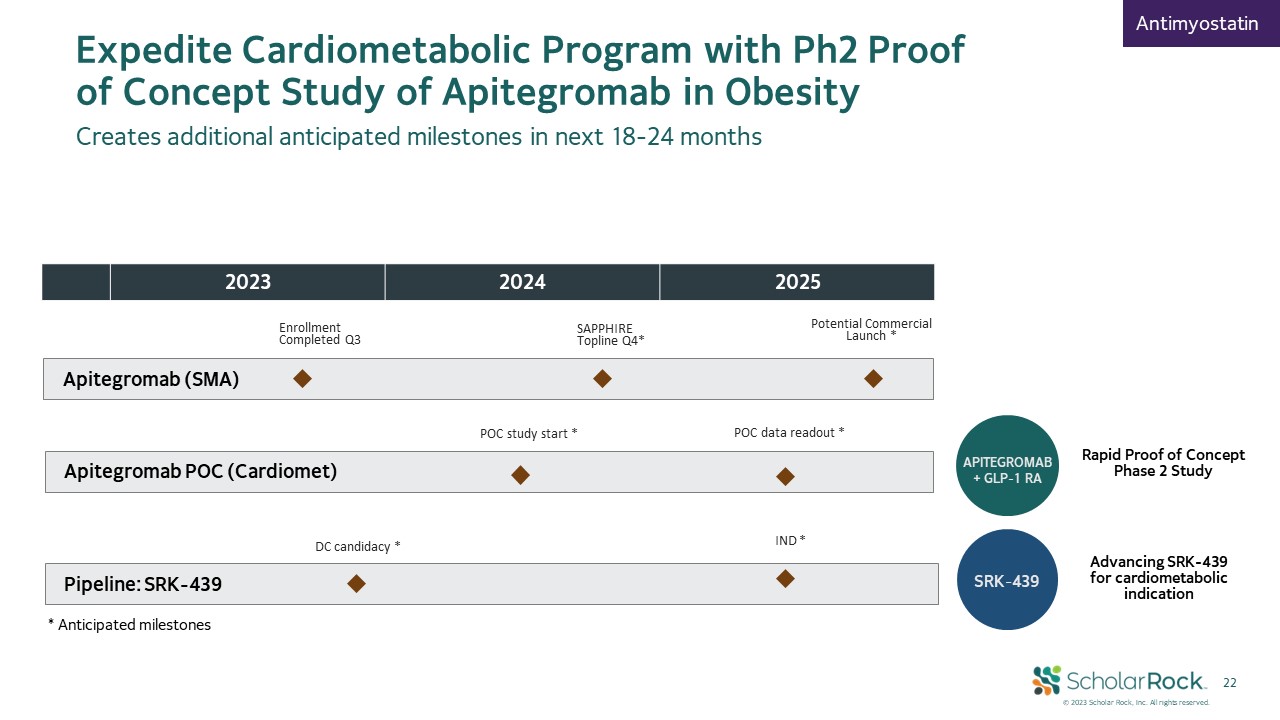
- Completed enrollment of its pivotal Phase 3 SAPPHIRE clinical trial. The Company announced that it completed enrollment in September 2023, with topline data expected in the fourth quarter of 2024. If successful and if approved, the Company expects to initiate a commercial product launch in 2025.
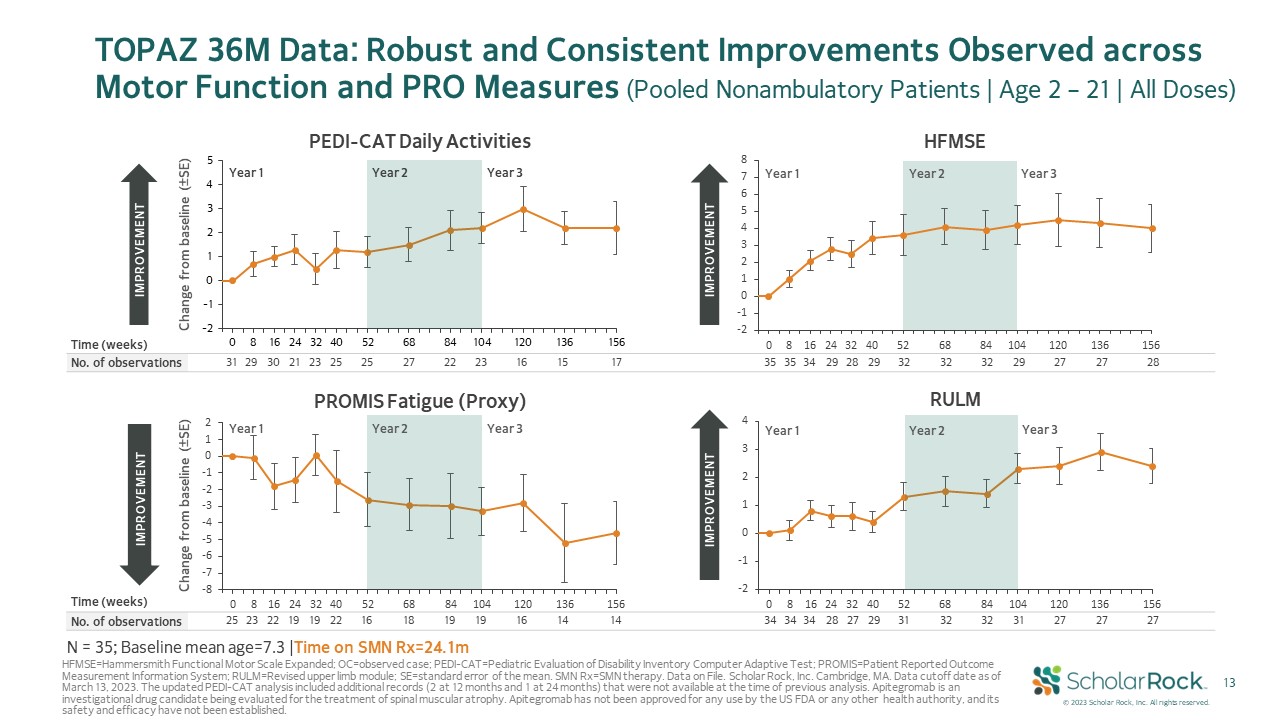
- Presented encore 36-month extension data from the Phase 2 TOPAZ trial at the 28^th^ Annual Congress of the World Muscle Society in October. The Company presented encore data from its Phase 2 TOPAZ trial extension period evaluating patient outcomes in SMA after 36 months of treatment of apitegromab, which showed long-term sustained improvements in motor function and in patient-reported outcome measures in patients with nonambulatory Types 2 and 3 SMA receiving survival motor neuron (SMN) therapy.
- ONYX long-term extension study for patients from both the TOPAZ and SAPPHIRE studies remains ongoing.
Immuno-Oncology Program
SRK-181 is an investigational selective inhibitor of latent TGFβ1 activation and is being developed with the aim of overcoming resistance to checkpoint therapy in patients with advanced cancer.
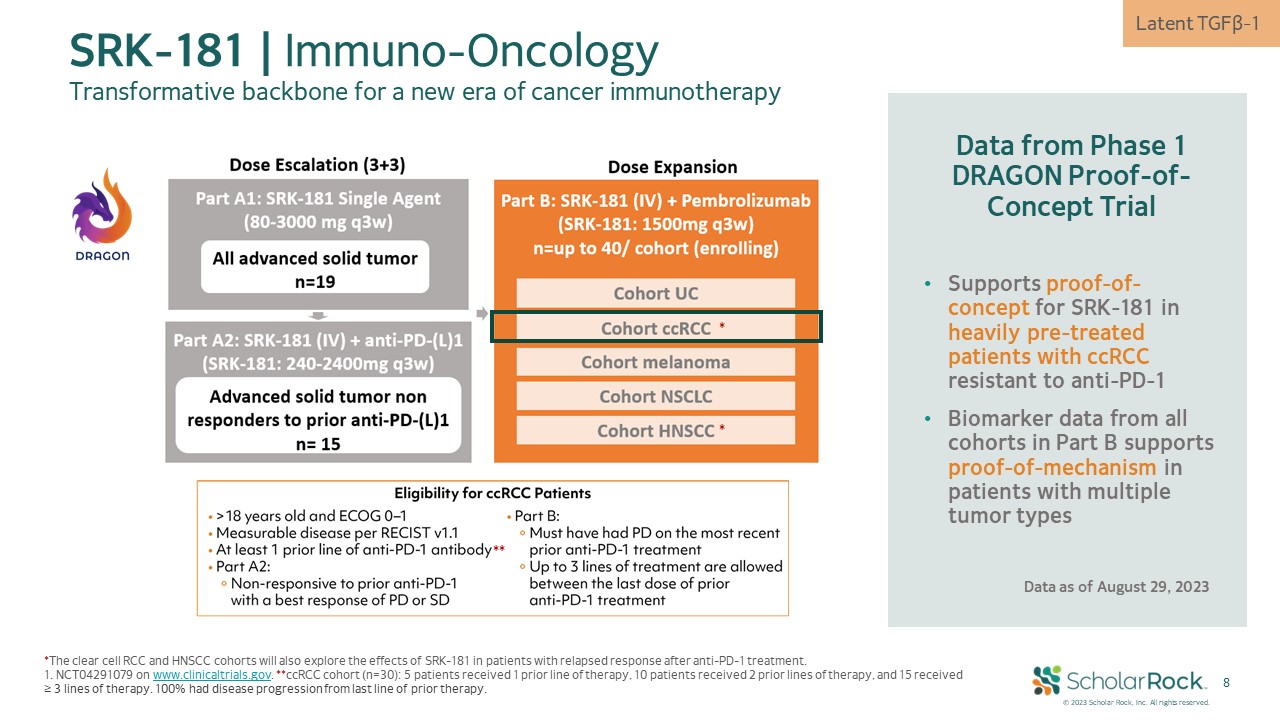
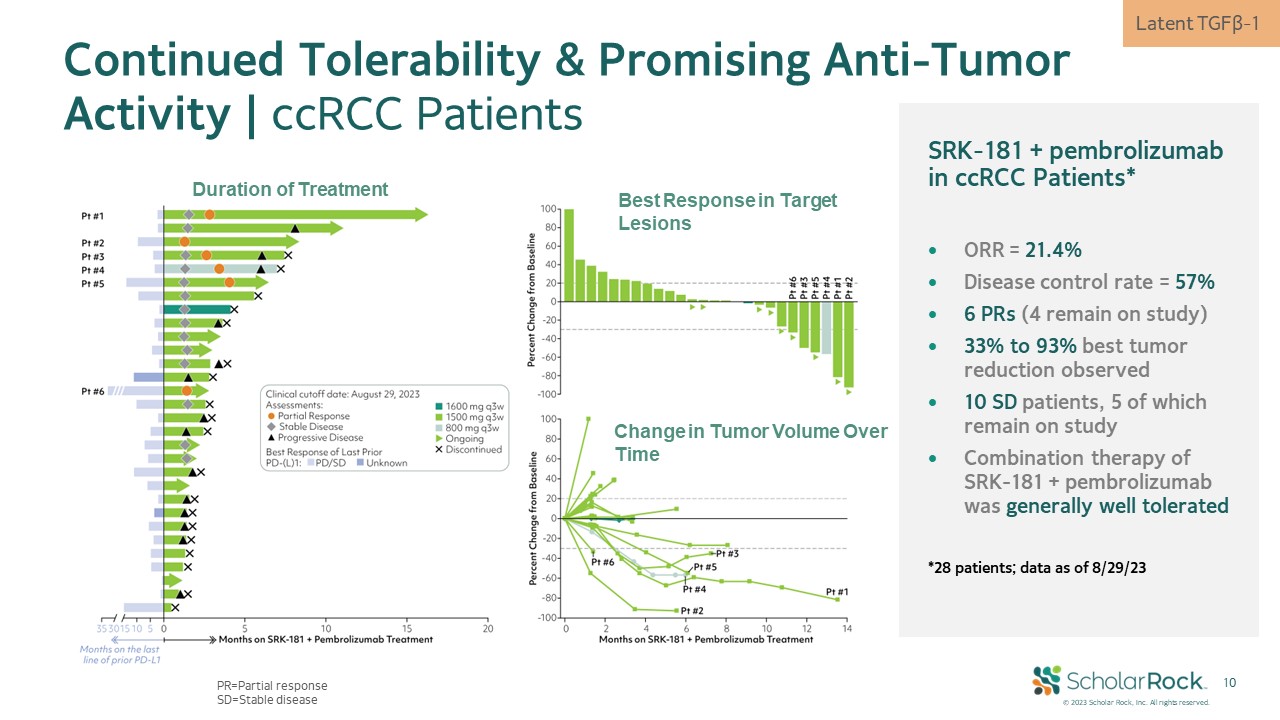
- Presented clinical and biomarker data from Phase 1 DRAGON proof-of-concept trial at the SITC 38^th^ Annual Meeting. The Company presented new data from its Phase 1 DRAGON proof-of-concept trial. As of the August 29, 2023 data cutoff, SRK-181 data showed favorable tolerability and promising anti-tumor activity in heavily pretreated patients with clear cell renal cell carcinoma (ccRCC) resistant to anti-PD-1. Of 28 evaluable patients in the ccRCC cohort, six patients had confirmed partial responses and achieved a best tumor reduction of 33% to 93%. The objective response rate (ORR) was 21.4% and the disease control rate was 57%. Circulating granulocytic myeloid-derived suppressor cell (gMDSC) levels correlated with better clinical responsiveness in ccRCC patients treated with SRK-181 in combination with pembrolizumab. The Company believes these data from the Phase 1 DRAGON trial supports proof of concept and that the trial has met its primary objectives. The Company is completing enrollment of the trial in December 2023, while continuing to treat patients who remain on study.
Cardiometabolic Program
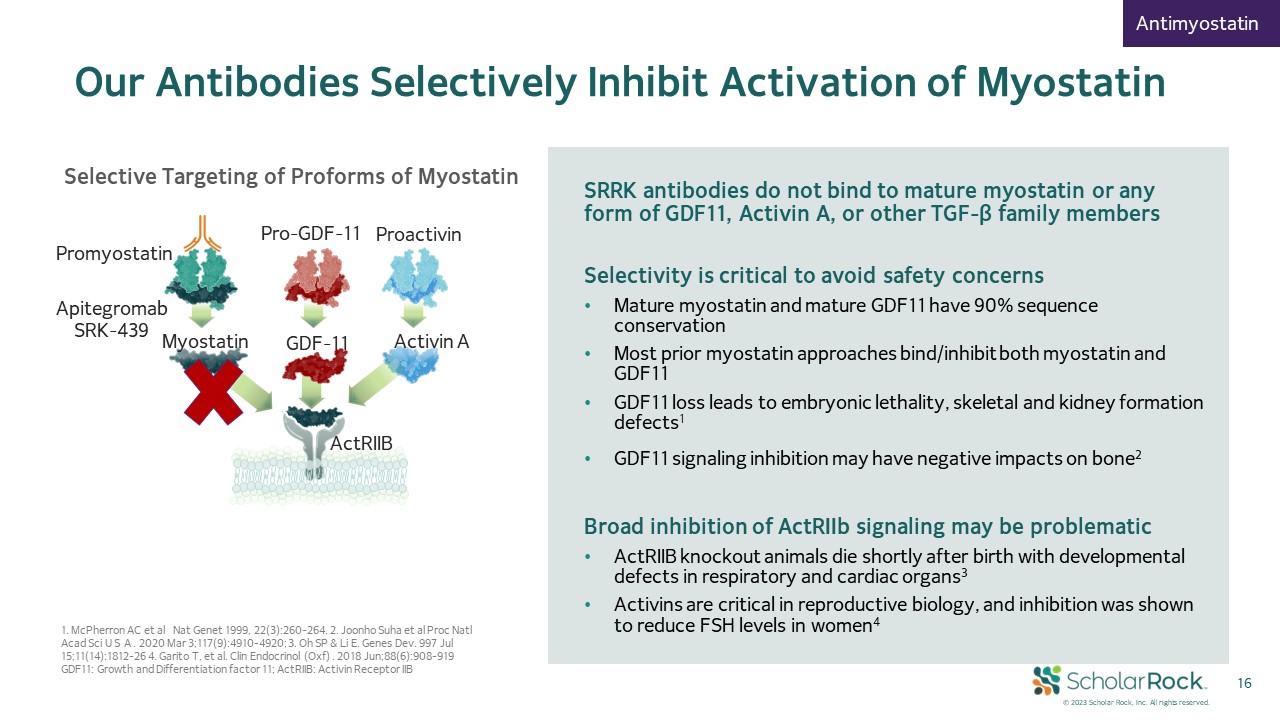
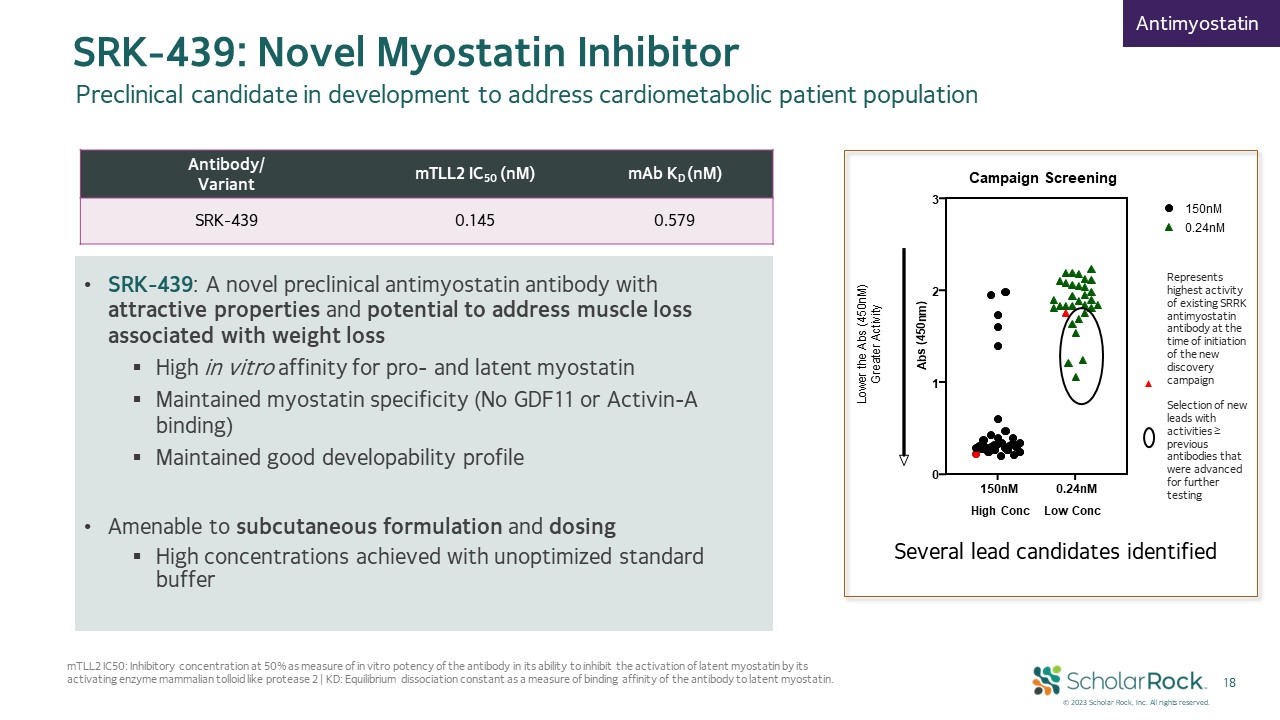
SRK-439 is a novel, preclinical investigational myostatin inhibitor that has high in vitro affinity for pro- and latent myostatin, maintenance of myostatin specificity (i.e., no GDF11 or Activin-A binding), and is initially being developed for the treatment of obesity.
- Plans to initiate a Phase 2 proof-of-concept trial with apitegromab in combination with a GLP-1 receptor agonist (GLP-1 RA) in obesity in 2024. As part of the Company’s strategy to advance the development of SRK-439, it plans to initiate a Phase 2 proof-of-concept trial with apitegromab in combination with a GLP-1 RA in 2024, subject to IND clearance. Data from the clinical trial are expected in mid-2025 and will be used to inform further clinical development of SRK-439. The Company plans to file an IND for SRK-439 for the treatment of obesity in 2025.
Third Quarter 2023 Financial Results
For the quarter ended September 30, 2023, net loss was $42.4 million compared to a net loss of $43.3 million for the quarter ended September 30, 2022.
- The Company did not record any revenue for either the quarter ended September 30, 2023 or September 30, 2022.
- Research and development expense was $30.3 million for the quarter ended September 30, 2023, compared to $33.4 million for the quarter ended September 30, 2022.
- General and administrative expense was $13.3 million for the quarter ended September 30, 2023, compared to $10.5 million for the quarter ended September 30, 2022.
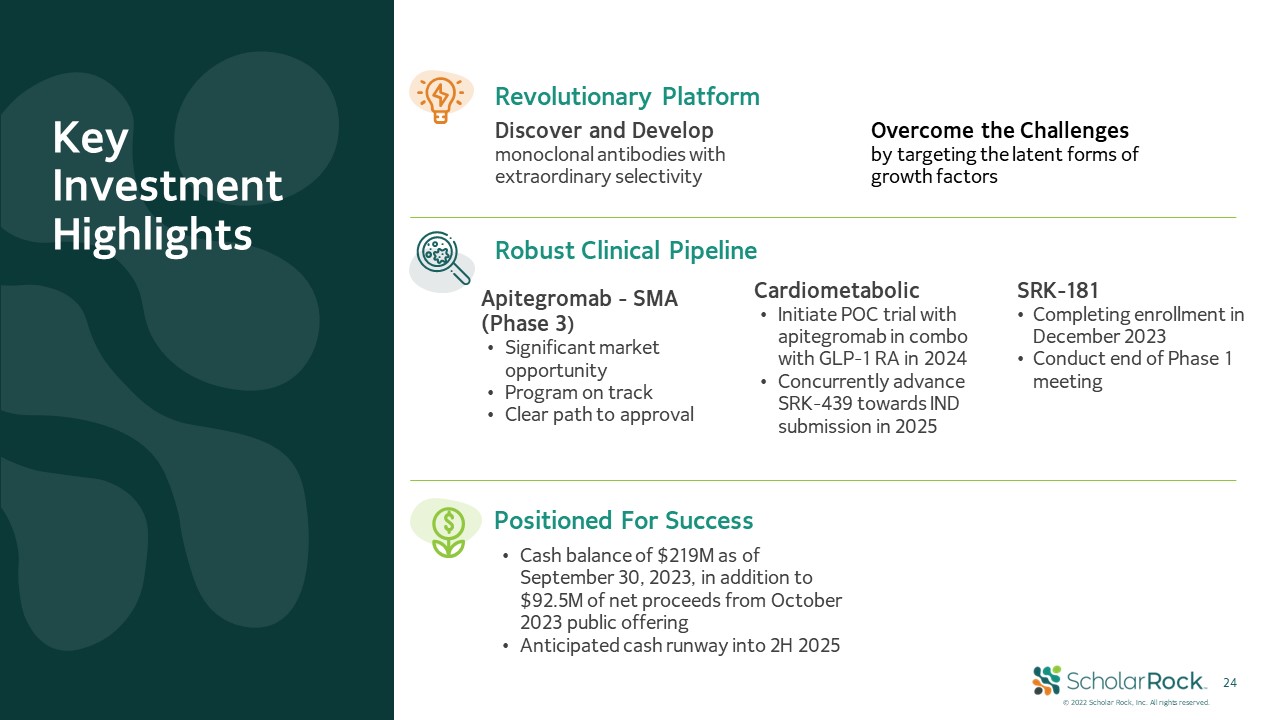
- As of September 30, 2023, Scholar Rock had cash, cash equivalents, and marketable securities of approximately $218.6 million, which in addition to approximately $92.5 million of net proceeds from the October 2023 equity offering, is projected to fund the Company’s anticipated operating and capital expenditure requirements into the second half of 2025.
“Our upsized public offering achieved two key objectives: it enables us to bring our expertise to the cardiometabolic and obesity space with SRK-439, a highly selective myostatin inhibitor, and it extends our cash runway well past our upcoming SAPPHIRE Phase 3 data read out in Q4 2024,” said Ted Myles, Chief Operating Officer and Chief Financial Officer of Scholar Rock. “We are executing against our plan and we are well positioned going into 2024.”
Conference Call and Webcast The Company’s earnings conference call for the third quarter will be held at 8:00 a.m. ET on November 7, 2023. To access the conference call by phone, participants may register here to receive the dial-in number and unique PIN. A live webcast of the conference call will be available on the Investors & Media section of the Scholar Rock website at http://investors.scholarrock.com. An archived replay of the webcast will be available for approximately 90 days following the call.
About the Phase 3 SAPPHIRE Trial SAPPHIRE is an ongoing randomized, double-blind, placebo-controlled, Phase 3 clinical trial evaluating the safety and efficacy of apitegromab in nonambulatory patients with Types 2 and 3 SMA who are receiving SMN-targeted therapy (either nusinersen or risdiplam). SAPPHIRE targeted enrolling approximately 156 patients aged 2-12 years old in the main efficacy population. These patients were randomized 1:1:1 to receive for 12 months either apitegromab 10 mg/kg, apitegromab 20 mg/kg, or placebo by intravenous (IV) infusion every 4 weeks. An exploratory population that targeted enrolling up to 48 patients aged 13-21 years old will also separately be evaluated. These patients were randomized 2:1 to receive either apitegromab 20 mg/kg or placebo. For more information about SAPPHIRE, visit www.clinicaltrials.gov. Apitegromab has not been approved for any use by the US FDA or any other health authority, and its safety and efficacy have not been established.
About SRK-181 & the Phase 1 DRAGON Proof-of-Concept Trial SRK-181 is a selective inhibitor of TGFβ1 activation being developed to overcome primary resistance to checkpoint inhibitor therapy, such as anti-PD-(L)1 antibodies, in advanced cancer. TGFβ1 is the predominant TGFβ isoform expressed in many human tumor types. Based on analyses of various human tumors that are resistant to anti-PD-(L)1 therapy, data suggest that TGFβ1 is a key contributor to the immunosuppressive tumor microenvironment, excluding and preventing entry of cytotoxic T cells into the tumor, thereby inhibiting anti-tumor immunity. ^1^
SRK-181 specifically targets the latent TGFβ1 isoform in a context-independent manner, designed to enable complete inhibition of TGFβ1 in all compartments within the tumor microenvironment. Scholar Rock believes that SRK-181 has the potential to overcome this immune cell exclusion and induce tumor regression when administered in combination with anti-PD-(L)1 therapy while potentially avoiding toxicities associated with non-selective TGFβ inhibition. The Phase 1 DRAGON proof-of-concept clinical trial (NCT04291079) in patients with locally advanced or metastatic solid tumors is ongoing. The trial is currently enrolling and dosing patients in multiple proof of concept cohorts conducted in parallel, including urothelial carcinoma (UC), cutaneous melanoma (MEL), non-small cell lung cancer (NSCLC), head and neck squamous cell carcinoma (HNSCC), and clear cell renal cell carcinoma (ccRCC). SRK-181 is an investigational product candidate, and its efficacy and safety have not been established. SRK-181 has not been approved for any use by the FDA or any other regulatory agency.
^1^Martin et al., Sci. Transl. Med. 12: 25 March 2020
About Scholar Rock Scholar Rock is a biopharmaceutical company that discovers, develops, and delivers life-changing therapies for people with serious diseases that have high unmet need. As a global leader in the biology of the transforming growth factor beta (TGFβ) superfamily of cell proteins and named for the visual resemblance of a scholar rock to protein structures, the clinical-stage company is focused on advancing innovative treatments where protein growth factors are fundamental. Over the past decade, Scholar Rock has created a pipeline with the potential to advance the standard of care for neuromuscular disease, cardiometabolic disorders, cancer, and other conditions where growth factor-targeted drugs can play a transformational role.
Scholar Rock is the only company to show clinical proof of concept for a muscle-targeted treatment in spinal muscular atrophy (SMA). This commitment to unlocking fundamentally different therapeutic approaches is powered by broad application of a proprietary platform, which has developed novel monoclonal antibodies to modulate protein growth factors with extraordinary selectivity. By harnessing cutting-edge science in disease spaces that are historically under-addressed through traditional therapies, Scholar Rock works every day to create new possibilities for patients. Learn more about the our approach at ScholarRock.com and follow @ScholarRock and on LinkedIn.
Availability of Other Information About Scholar Rock
Investors and others should note that we communicate with our investors and the public using our company website www.scholarrock.com, including, but not limited to, company disclosures, investor presentations and FAQs, Securities and Exchange Commission filings, press releases, public conference call transcripts and webcast transcripts, as well as on Twitter and LinkedIn. The information that we post on our website or on Twitter or LinkedIn could be deemed to be material information. As a result, we encourage investors, the media and others interested to review the information that we post there on a regular basis. The contents of our website or social media shall not be deemed incorporated by reference in any filing under the Securities Act of 1933, as amended.
Scholar Rock^®^ is a registered trademark of Scholar Rock, Inc.
Forward-Looking Statements
This press release contains "forward-looking statements" within the meaning of the Private Securities Litigation Reform Act of 1995, including, but not limited to, statements regarding Scholar Rock’s future expectations, plans and prospects, including without limitation, Scholar Rock’s expectations regarding its growth, strategy, progress and timing of its clinical trials for apitegromab and SRK-181 and its preclinical programs, including SRK-439, and indication selection and development timing, including the therapeutic potential, clinical benefits and safety thereof, expectations regarding timing, success and data announcements of current ongoing preclinical and clinical trials, its cash runway, expectations regarding the achievement of important milestones, the ability of any product candidate to perform in humans in a manner consistent with earlier nonclinical, preclinical or clinical trial data, and the potential of its product candidates and proprietary platform. The use of words such as “may,” “might,” “could,” “will,” “should,” “expect,” “plan,” “anticipate,” “believe,” “estimate,” “project,” “intend,” “future,” “potential,” or “continue,” and other similar expressions are intended to identify such forward-looking statements. All such forward-looking statements are based on management's current expectations of future events and are subject to a number of risks and uncertainties that could cause actual results to differ materially and adversely from those set forth in or implied by such forward-looking statements. These risks and uncertainties include, without limitation, that preclinical and clinical data, including the results from the Phase 2 clinical trial of apitegromab, or Part A or Part B of the Phase 1 clinical trial of SRK-181, are not predictive of, may be inconsistent with, or more favorable than, data generated from future or ongoing clinical trials of the same product candidates, including, without limitation, the Phase 3 clinical trial of apitegromab in SMA or Part B of the Phase 1 clinical trial of SRK-181; Scholar Rock’s ability to provide the financial support, resources and expertise necessary to identify and develop product candidates on the expected timeline; the data generated from Scholar Rock’s nonclinical and preclinical studies and clinical trials; information provided or decisions made by regulatory authorities; competition from third parties that are developing products for similar uses; Scholar Rock’s ability to obtain, maintain and protect its intellectual property; Scholar Rock’s dependence on third parties for development and manufacture of product candidates including, without limitation, to supply any clinical trials; Scholar Rock’s ability to manage expenses and to obtain additional funding when needed to support its business activities and establish and maintain strategic business alliances and new business initiatives, and the impacts of public health pandemics such as COVID-19 on business operations and expectations, as well as those risks more fully discussed in the section entitled "Risk Factors" in Scholar Rock’s Quarterly Report on Form 10-Q for the quarter ended June 30, 2023, as well as discussions of potential risks, uncertainties, and other important factors in Scholar Rock’s subsequent filings with the Securities and Exchange Commission. Any forward-looking statements represent Scholar Rock’s views only as of today and should not be relied upon as representing its views as of any subsequent date. All information in this press release is as of the date of the release, and Scholar Rock undertakes no duty to update this information unless required by law.
| Scholar Rock Holding Corporation | ||||||||||||
|---|---|---|---|---|---|---|---|---|---|---|---|---|
| Condensed Consolidated Statements of Operations | ||||||||||||
| (unaudited) | ||||||||||||
| (in thousands, except share and per share data) | ||||||||||||
| Three Months Ended September 30 | Nine Months Ended September 30 | |||||||||||
| 2023 | 2022 | 2023 | 2022 | |||||||||
| Revenue | $ | — | $ | — | $ | — | $ | 33,193 | ||||
| Operating expenses | ||||||||||||
| Research and development | 30,337 | 33,392 | 86,939 | 94,831 | ||||||||
| General and administrative | 13,335 | 10,470 | 36,324 | 32,304 | ||||||||
| Total operating expenses | 43,672 | 43,862 | 123,263 | 127,135 | ||||||||
| Loss from operations | (43,672 | ) | (43,862 | ) | (123,263 | ) | (93,942 | ) | ||||
| Other income (expense), net | 1,313 | 565 | 3,600 | (1,305 | ) | |||||||
| Net loss | $ | (42,359 | ) | $ | (43,297 | ) | $ | (119,663 | ) | $ | (95,247 | ) |
| Net loss per share, basic and diluted | $ | (0.53 | ) | $ | (0.55 | ) | $ | (1.49 | ) | $ | (1.80 | ) |
| Weighted average common shares outstanding, basic and diluted | 80,606,438 | 79,336,161 | 80,115,143 | 52,958,447 |
| Scholar Rock Holding Corporation | ||||
|---|---|---|---|---|
| Condensed Consolidated Balance Sheets | ||||
| (unaudited) | ||||
| (in thousands) | ||||
| September 30, 2023 | December 31, 2022 | |||
| Assets | ||||
| Cash, cash equivalents and marketable securities | $ | 218,635 | $ | 315,361 |
| Other current assets | 9,830 | 12,663 | ||
| Total current assets | 228,465 | 328,024 | ||
| Other assets | 22,224 | 30,144 | ||
| Total assets | $ | 250,689 | $ | 358,168 |
| Liabilities and Stockholders' Equity | ||||
| Current liabilities | $ | 26,730 | $ | 36,389 |
| Long-term liabilities | 56,294 | 61,544 | ||
| Total liabilities | 83,024 | 97,933 | ||
| Total stockholders' equity | 167,665 | 260,235 | ||
| Total liabilities and stockholders' equity | $ | 250,689 | $ | 358,168 |
Contacts
Investors & Media
Rushmie Nofsinger
Scholar Rock
rnofsinger@scholarrock.com
ir@scholarrock.com
857-259-5573
| Exhibit 99.2 |
|---|

Scholar Rock Q3 Business Update November 7, 2023

© Scholar Rock, Inc. All rights reserved. 2023. Forward-Looking Statements Various statements in this presentation concerning the future expectations, plans and prospects of Scholar Rock, Inc. (“Scholar Rock”), including without limitation, Scholar Rock’s expectations regarding its strategy, its product candidate selection and development timing, including timing for the initiation of and reporting results from its preclinical studies and clinical trials for SRK-439, apitegromab, SRK-181, and other product candidates and indication selection and development timing, its cash runway, the ability of any product candidate to perform in humans in a manner consistent with earlier nonclinical, preclinical or clinical trial data, and the potential of its product candidates and proprietary platform. The use of words such as “may,” “could,” “might,” “will,” “should,” “expect,” “plan,” “anticipate,” “believe,” “estimate,” “project,” “intend,” “future,” “potential,” or “continue,” and other similar expressions are intended to identify such forward-looking statements for the purposes of the safe harbor provisions under The Private Securities Litigation Reform Act of 1995. All such forward-looking statements are based on management's current expectations of future events and are subject to a number of risks and uncertainties that could cause actual results to differ materially and adversely from those set forth in or implied by such forward-looking statements. These risks and uncertainties include, without limitation, that preclinical and clinical data, including the results from the Phase 2 trial of apitegromab or Part A or Part B of the Phase 1 trial of SRK-181, are not predictive of, may be inconsistent with, or more favorable than, data generated from future or ongoing clinical trials of the same product candidate, including the Phase 3 clinical trial of apitegromab in SMA and Part B of the Phase 1 clinical trial of SRK-181, respectively, Scholar Rock’s ability to provide the financial support, resources and expertise necessary to identify and develop product candidates on the expected timeline, the data generated from Scholar Rock’s nonclinical and preclinical studies and clinical trials, information provided or decisions made by regulatory authorities, competition from third parties that are developing products for similar uses, Scholar Rock’s ability to obtain, maintain and protect its intellectual property, the success of Scholar Rock’s current and potential future collaborations, Scholar Rock’s dependence on third parties for development and manufacture of product candidates including, without limitation, to supply any clinical trials, Scholar Rock’s ability to manage expenses and to obtain additional funding when needed to support its business activities and establish and maintain strategic business alliances and new business initiatives, and the impacts of current macroeconomic and geopolitical events, hostilities in Ukraine, increasing rates of inflation and rising interest rates, on business operations and expectations, as well as those risks more fully discussed in the section entitled "Risk Factors" in Scholar Rock’s Form 10-K for the year ended December 31, 2022, and Quarterly Report on Form 10-Q for the quarter ended September 30, 2023, as well as discussions of potential risks, uncertainties, and other important factors in Scholar Rock’s subsequent filings with the Securities and Exchange Commission. Any forward-looking statements represent Scholar Rock’s views only as of today and should not be relied upon as representing its views as of any subsequent date. All information in this press release is as of the date of the release, and Scholar Rock undertakes no duty to update this information unless required by law. This presentation may also contain estimates and other statistical data made by independent parties and by us relating to market size and growth and other data about our industry. This data involves a number of assumptions and limitations, and you are cautioned not to give undue weight to such estimates. In addition, projections, assumptions, and estimates of our future performance and the future performance of the markets in which we compete are necessarily subject to a high degree of uncertainty and risk. Apitegromab, SRK-181, and SRK-439 are investigational drug candidates under evaluation. Apitegromab, SRK-181, and SRK-439 have not been approved for any use by the FDA or any other regulatory agency and the safety and efficacy of apitegromab, SRK-181 and SRK-439 have not been established.

Jay Backstrom, MD, MPH Chief Executive Officer Ted Myles, MBA Chief Operating Officer & Chief Financial Officer Mo Qatanani, PhD SVP, Head of Research Scholar Rock Call Participants

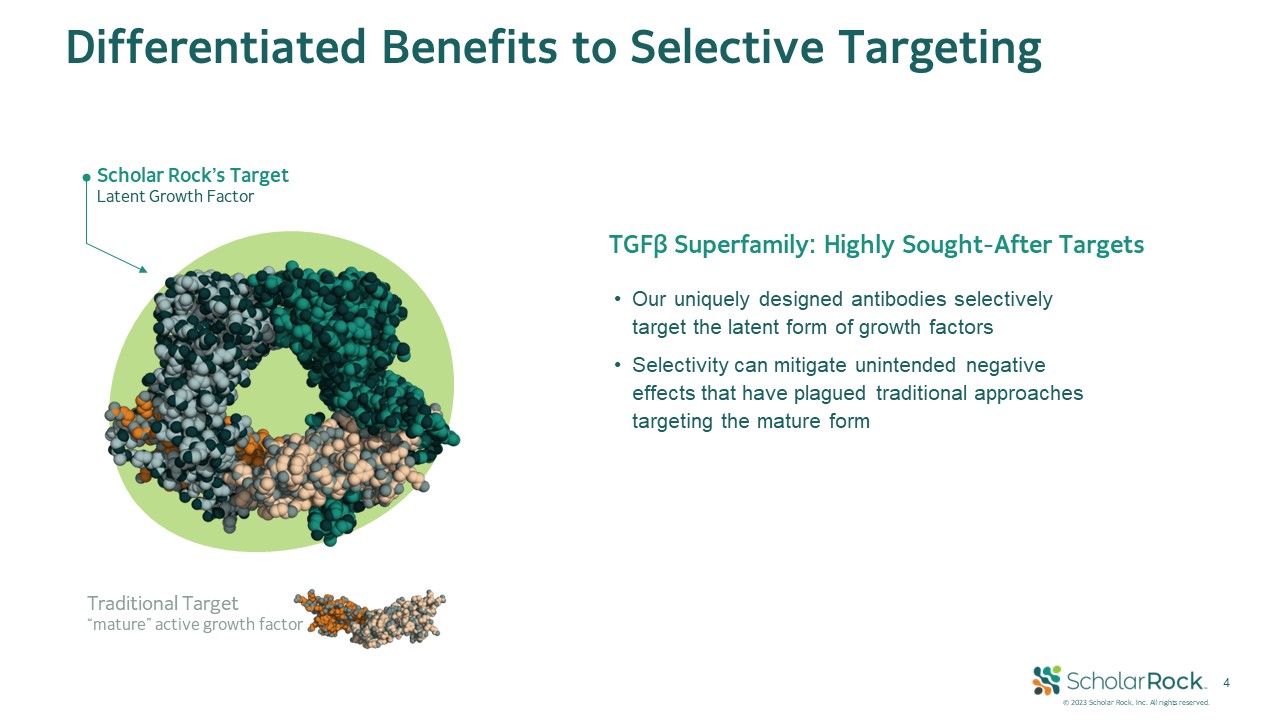
Differentiated Benefits to Selective Targeting Scholar Rock’s TargetLatent Growth Factor Traditional Target“mature” active growth factor Our uniquely designed antibodies selectively target the latent form of growth factors Selectivity can mitigate unintended negative effects that have plagued traditional approaches targeting the mature form TGFβ Superfamily: Highly Sought-After Targets 4

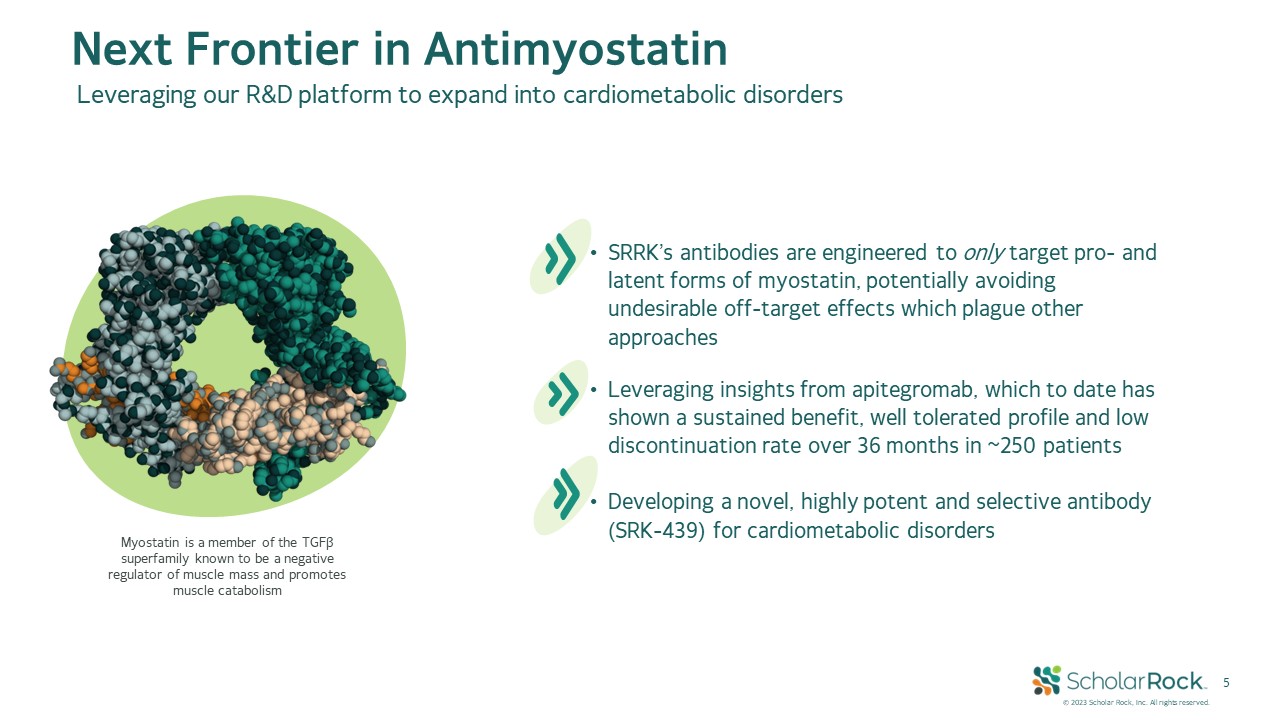
Next Frontier in Antimyostatin Leveraging our R&D platform to expand into cardiometabolic disorders Myostatin is a member of the TGFβ superfamily known to be a negative regulator of muscle mass and promotes muscle catabolism SRRK’s antibodies are engineered to only target pro- and latent forms of myostatin, potentially avoiding undesirable off-target effects which plague other approaches Leveraging insights from apitegromab, which to date has shown a sustained benefit, well tolerated profile and low discontinuation rate over 36 months in ~250 patients Developing a novel, highly potent and selective antibody (SRK-439) for cardiometabolic disorders 5

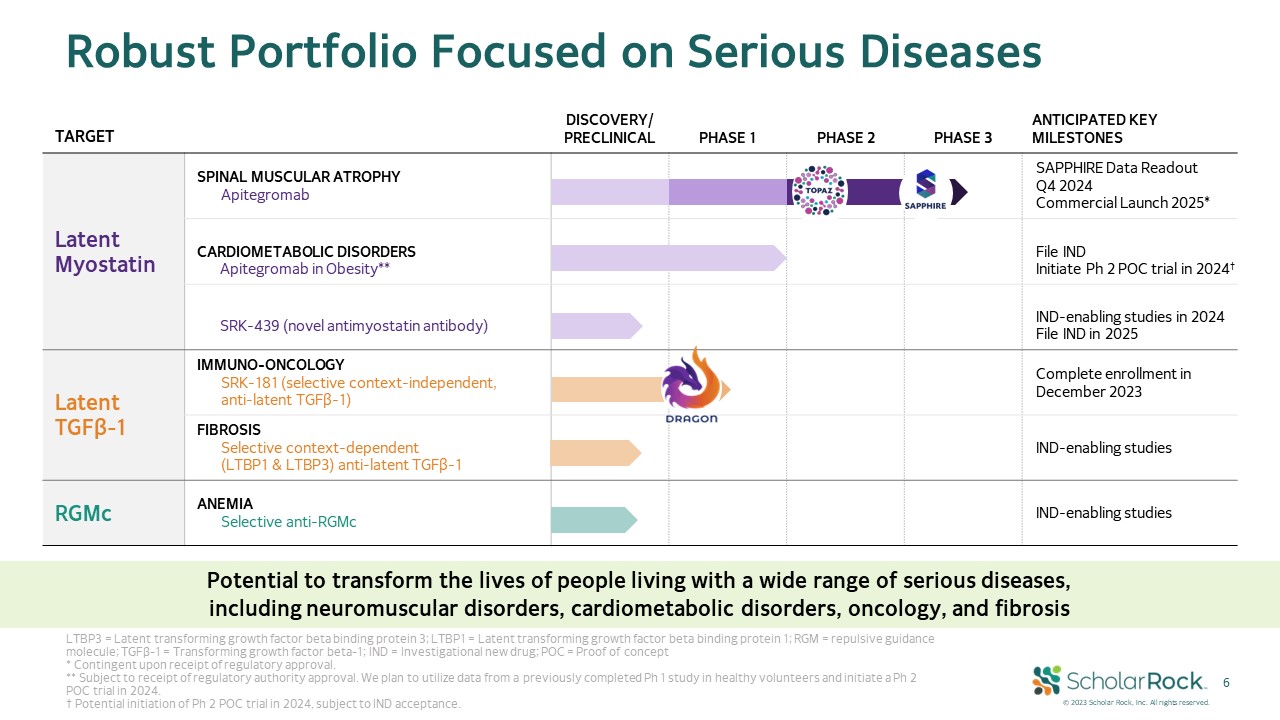
Potential to transform the lives of people living with a wide range of serious diseases, including neuromuscular disorders, cardiometabolic disorders, oncology, and fibrosis TARGET DISCOVERY/PRECLINICAL PHASE 1 PHASE 2 PHASE 3 ANTICIPATED KEY MILESTONES Latent Myostatin SPINAL MUSCULAR ATROPHYApitegromab SAPPHIRE Data Readout Q4 2024 Commercial Launch 2025* CARDIOMETABOLIC DISORDERS Apitegromab in Obesity** File IND Initiate Ph 2 POC trial in 2024† SRK-439 (novel antimyostatin antibody) IND-enabling studies in 2024 File IND in 2025 LatentTGFβ-1 IMMUNO-ONCOLOGYSRK-181 (selective context-independent, anti-latent TGFβ-1) Complete enrollment in December 2023 FIBROSIS Selective context-dependent (LTBP1 & LTBP3) anti-latent TGFβ-1 IND-enabling studies RGMc ANEMIASelective anti-RGMc IND-enabling studies 6 LTBP3 = Latent transforming growth factor beta binding protein 3; LTBP1 = Latent transforming growth factor beta binding protein 1; RGM = repulsive guidance molecule; TGFβ-1 = Transforming growth factor beta-1; IND = Investigational new drug; POC = Proof of concept * Contingent upon receipt of regulatory approval. ** Subject to receipt of regulatory authority approval. We plan to utilize data from a previously completed Ph 1 study in healthy volunteers and initiate a Ph 2 POC trial in 2024. † Potential initiation of Ph 2 POC trial in 2024, subject to IND acceptance. Robust Portfolio Focused on Serious Diseases

Clinical Programs UpdateSRK-181Apitegromab Jay Backstrom – Chief Executive Officer

SRK-181 | Immuno-Oncology Transformative backbone for a new era of cancer immunotherapy Data from Phase 1 DRAGON Proof-of-Concept Trial Supports proof-of-concept for SRK-181 in heavily pre-treated patients with ccRCC resistant to anti-PD-1 Biomarker data from all cohorts in Part B supports proof-of-mechanism in patients with multiple tumor types Data as of August 29, 2023 Latent TGFβ-1 8 *The clear cell RCC and HNSCC cohorts will also explore the effects of SRK-181 in patients with relapsed response after anti-PD-1 treatment. 1. NCT04291079 on www.clinicaltrials.gov. **ccRCC cohort (n=30): 5 patients received 1 prior line of therapy, 10 patients received 2 prior lines of therapy, and 15 received ≥ 3 lines of therapy. 100% had disease progression from last line of prior therapy. * * **

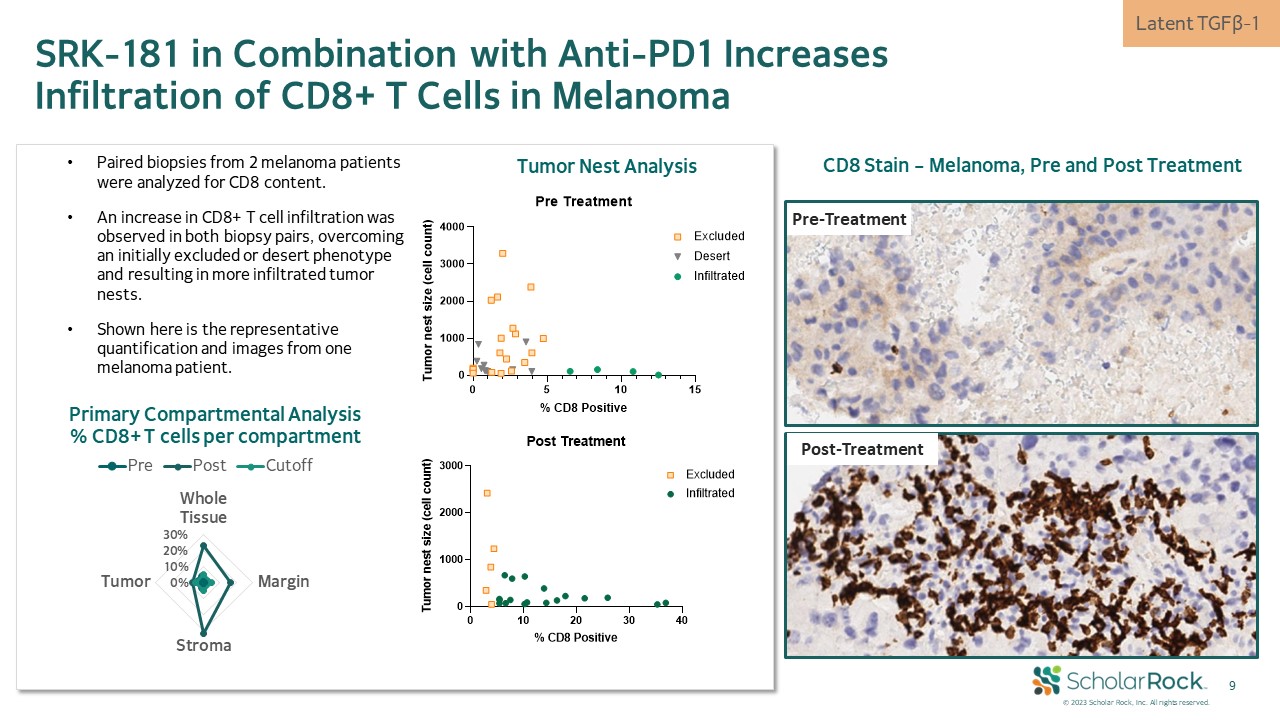
SRK-181 in Combination with Anti-PD1 Increases Infiltration of CD8+ T Cells in Melanoma Paired biopsies from 2 melanoma patients were analyzed for CD8 content. An increase in CD8+ T cell infiltration was observed in both biopsy pairs, overcoming an initially excluded or desert phenotype and resulting in more infiltrated tumor nests. Shown here is the representative quantification and images from one melanoma patient. Tumor Nest Analysis CD8 Stain – Melanoma, Pre and Post Treatment Primary Compartmental Analysis % CD8+ T cells per compartment Post-Treatment Pre-Treatment Latent TGFβ-1 9

Duration of Treatment Best Response in Target Lesions Change in Tumor Volume Over Time Continued Tolerability & Promising Anti-Tumor Activity | ccRCC Patients SRK-181 + pembrolizumab in ccRCC Patients* ORR = 21.4% Disease control rate = 57% 6 PRs (4 remain on study) 33% to 93% best tumor reduction observed 10 SD patients, 5 of which remain on study Combination therapy of SRK-181 + pembrolizumab was generally well tolerated *28 patients; data as of 8/29/23 Latent TGFβ-1 10 PR=Partial response SD=Stable disease

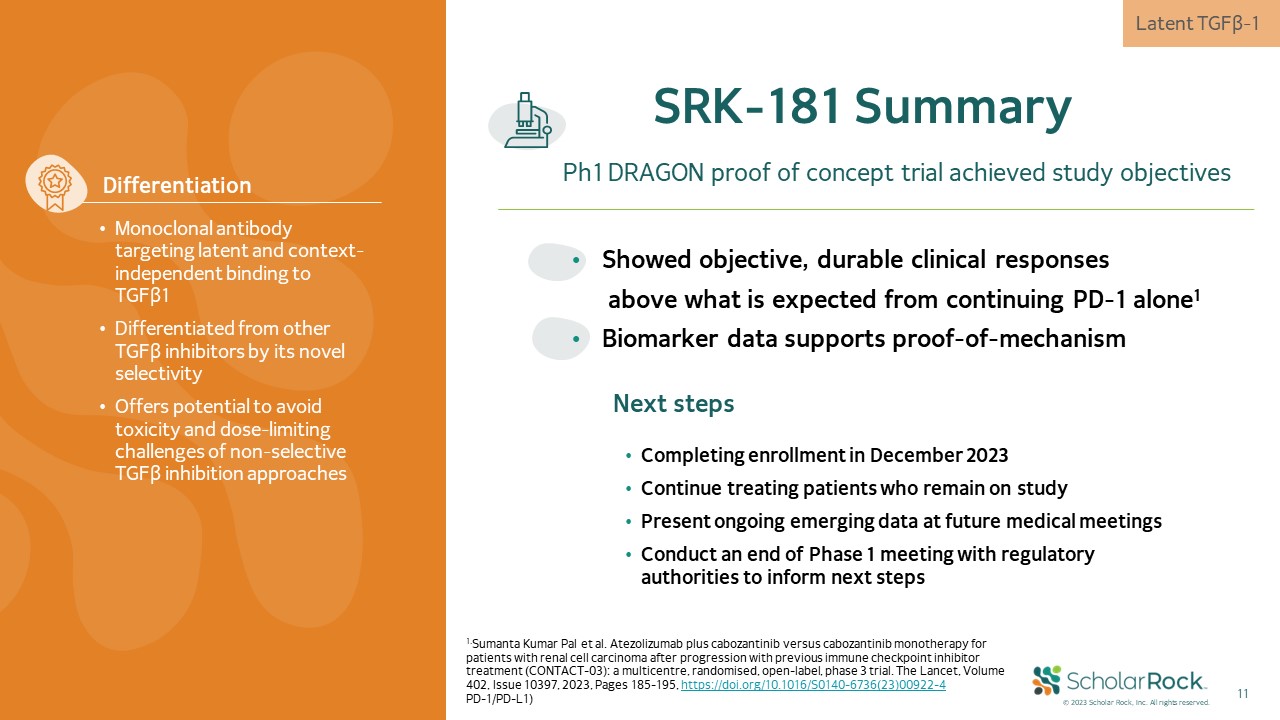
11 1.Sumanta Kumar Pal et al. Atezolizumab plus cabozantinib versus cabozantinib monotherapy for patients with renal cell carcinoma after progression with previous immune checkpoint inhibitor treatment (CONTACT-03): a multicentre, randomised, open-label, phase 3 trial. The Lancet, Volume 402, Issue 10397, 2023, Pages 185-195, https://doi.org/10.1016/S0140-6736(23)00922-4 PD-1/PD-L1) Monoclonal antibody targeting latent and context-independent binding to TGFβ1 Differentiated from other TGFβ inhibitors by its novel selectivity Offers potential to avoid toxicity and dose-limiting challenges of non-selective TGFβ inhibition approaches Differentiation SRK-181 Summary Completing enrollment in December 2023 Continue treating patients who remain on study Present ongoing emerging data at future medical meetings Conduct an end of Phase 1 meeting with regulatory authorities to inform next steps Latent TGFβ-1 Ph1 DRAGON proof of concept trial achieved study objectives Showed objective, durable clinical responses above what is expected from continuing PD-1 alone1 Biomarker data supports proof-of-mechanism Next steps

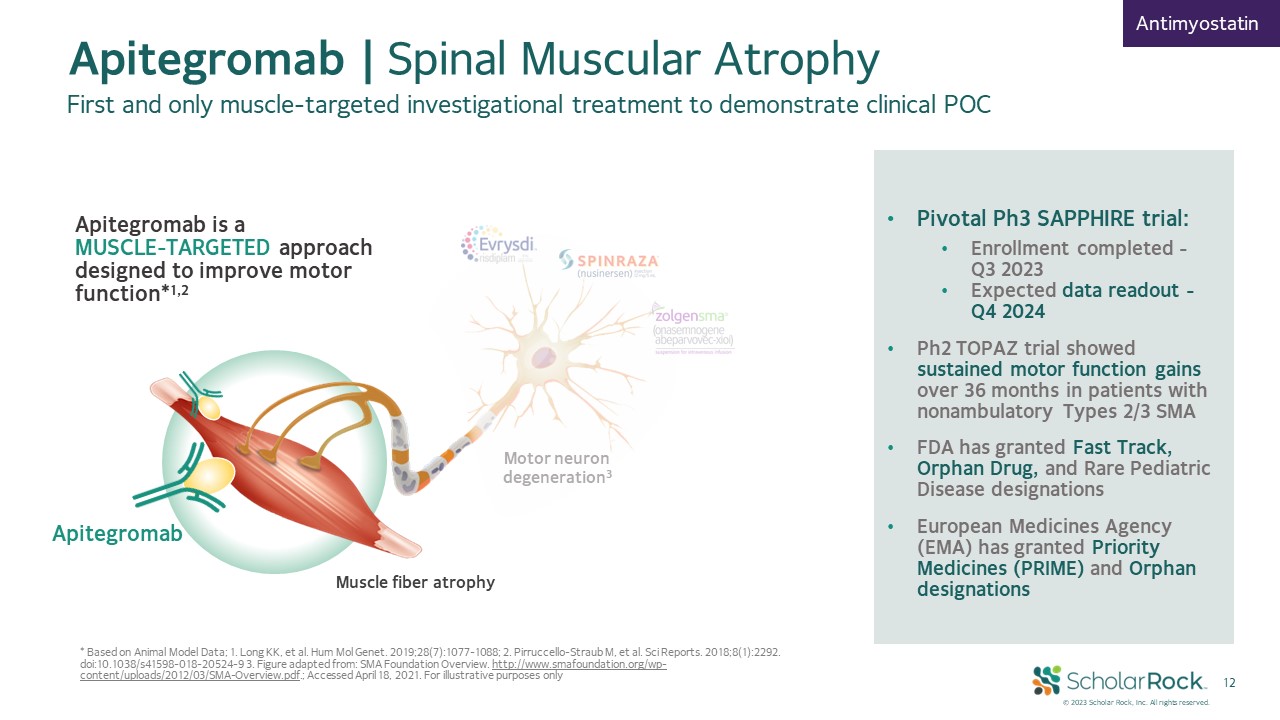
Apitegromab | Spinal Muscular Atrophy First and only muscle-targeted investigational treatment to demonstrate clinical POC * Based on Animal Model Data; 1. Long KK, et al. Hum Mol Genet. 2019;28(7):1077-1088; 2. Pirruccello-Straub M, et al. Sci Reports. 2018;8(1):2292. doi:10.1038/s41598-018-20524-9 3. Figure adapted from: SMA Foundation Overview. http://www.smafoundation.org/wp-content/uploads/2012/03/SMA-Overview.pdf.; Accessed April 18, 2021. For illustrative purposes only Apitegromab is a MUSCLE-TARGETED approach designed to improve motor function*1,2 Apitegromab Muscle fiber atrophy Motor neuron degeneration3 Pivotal Ph3 SAPPHIRE trial: Enrollment completed - Q3 2023 Expected data readout - Q4 2024 Ph2 TOPAZ trial showed sustained motor function gains over 36 months in patients with nonambulatory Types 2/3 SMA FDA has granted Fast Track, Orphan Drug, and Rare Pediatric Disease designations European Medicines Agency (EMA) has granted Priority Medicines (PRIME) and Orphan designations Antimyostatin 12

Time (weeks) No. of observations Time (weeks) No. of observations Year 3 Year 2 Year 1 TOPAZ 36M Data: Robust and Consistent Improvements Observed across Motor Function and PRO Measures (Pooled Nonambulatory Patients | Age 2 – 21 | All Doses) IMPROVEMENT PEDI-CAT Daily Activities IMPROVEMENT IMPROVEMENT N = 35; Baseline mean age=7.3 |Time on SMN Rx=24.1m HFMSE Change from baseline (±SE) IMPROVEMENT Year 2 Year 3 Year 1 RULM Year 3 Year 2 Year 1 PROMIS Fatigue (Proxy) Change from baseline (±SE) Year 2 Year 3 Year 1 34 34 34 28 27 29 31 32 32 31 27 27 27 35 35 34 29 28 29 32 32 32 29 27 28 27 31 29 30 21 23 25 25 22 27 23 16 17 15 25 23 22 19 19 22 16 19 18 19 16 14 14 HFMSE=Hammersmith Functional Motor Scale Expanded; OC=observed case; PEDI-CAT=Pediatric Evaluation of Disability Inventory Computer Adaptive Test; PROMIS=Patient Reported Outcome Measurement Information System; RULM=Revised upper limb module; SE=standard error of the mean. SMN Rx=SMN therapy. Data on File. Scholar Rock, Inc. Cambridge, MA. Data cutoff date as of March 13, 2023. The updated PEDI-CAT analysis included additional records (2 at 12 months and 1 at 24 months) that were not available at the time of previous analysis. Apitegromab is an investigational drug candidate being evaluated for the treatment of spinal muscular atrophy. Apitegromab has not been approved for any use by the US FDA or any other health authority, and its safety and efficacy have not been established. 13

Executing on the Promise of Apitegromab 14 SMA=Spinal Muscular Atrophy *Subject to regulatory approval WHERE WE AREPhase 3 12-Month IN PROCESS Long-term EXTENSION 2023 enrollment completed Q4 2024 data 2025 launch* ANTICIPATED MILESTONES WHERE WE WERE Phase 2 12-Month COMPLETE 24-Month EXTENSION COMPLETE 36-Month EXTENSION COMPLETE WHERE WE PLAN TO GO Ambulatory patients Under 2 Years of Age (including those treated with gene therapy) Antimyostatin

Cardiometabolic Program Mo Qatanani– SVP, Research

Our Antibodies Selectively Inhibit Activation of Myostatin Selective Targeting of Proforms of Myostatin 16 SRRK antibodies do not bind to mature myostatin or any form of GDF11, Activin A, or other TGF-β family members Selectivity is critical to avoid safety concerns Mature myostatin and mature GDF11 have 90% sequence conservation Most prior myostatin approaches bind/inhibit both myostatin and GDF11 GDF11 loss leads to embryonic lethality, skeletal and kidney formation defects1 GDF11 signaling inhibition may have negative impacts on bone2 Broad inhibition of ActRIIb signaling may be problematic ActRIIB knockout animals die shortly after birth with developmental defects in respiratory and cardiac organs3 Activins are critical in reproductive biology, and inhibition was shown to reduce FSH levels in women4 1. McPherron AC et al Nat Genet 1999, 22(3):260-264. 2. Joonho Suha et al Proc Natl Acad Sci U S A . 2020 Mar 3;117(9):4910-4920; 3. Oh SP & Li E. Genes Dev. 997 Jul 15;11(14):1812-26 4. Garito T, et al. Clin Endocrinol (Oxf) . 2018 Jun;88(6):908-919 GDF11: Growth and Differentiation factor 11; ActRIIB: Activin Receptor IIB Apitegromab SRK-439 Pro-GDF-11 Proactivin Myostatin GDF-11 Activin A Promyostatin ActRIIB Antimyostatin

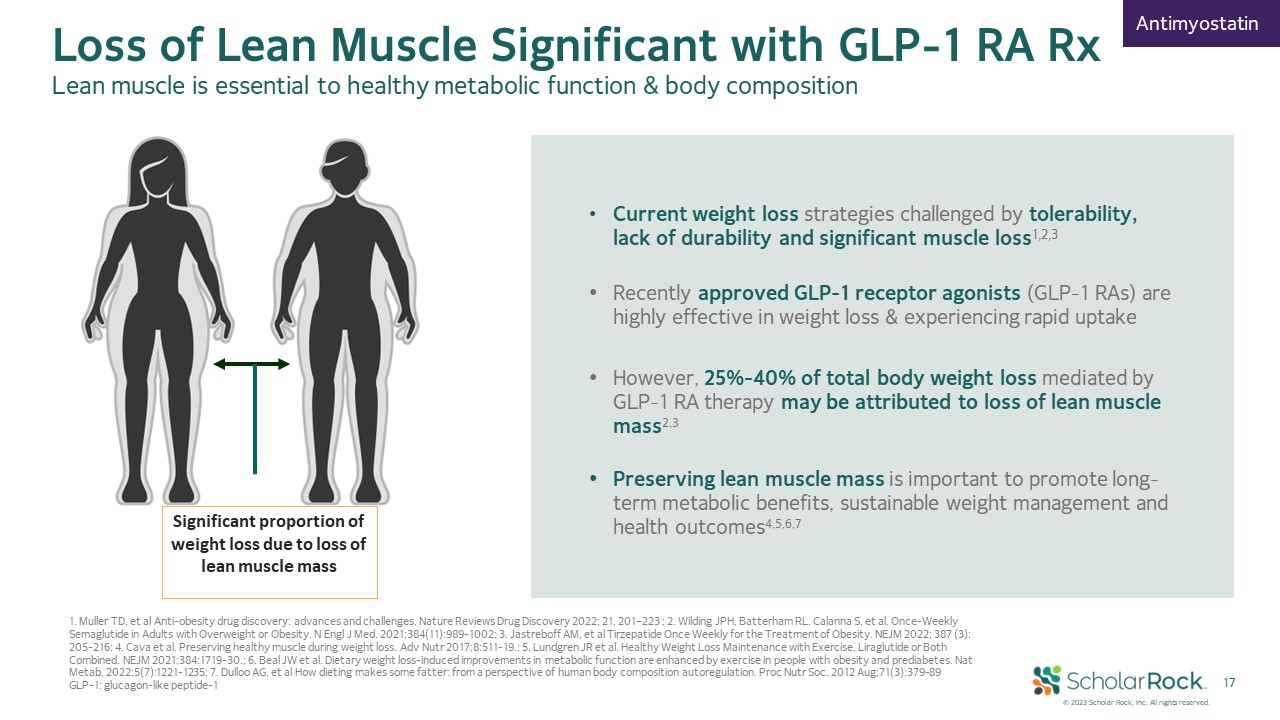
Loss of Lean Muscle Significant with GLP-1 RA RxLean muscle is essential to healthy metabolic function & body composition Current weight loss strategies challenged by tolerability, lack of durability and significant muscle loss1,2,3 Recently approved GLP-1 receptor agonists (GLP-1 RAs) are highly effective in weight loss & experiencing rapid uptake However, 25%-40% of total body weight loss mediated by GLP-1 RA therapy may be attributed to loss of lean muscle mass2,3 Preserving lean muscle mass is important to promote long-term metabolic benefits, sustainable weight management and health outcomes4,5,6,7 Significant proportion of weight loss due to loss of lean muscle mass 1. Muller TD, et al Anti-obesity drug discovery: advances and challenges. Nature Reviews Drug Discovery 2022; 21, 201–223 ; 2. Wilding JPH, Batterham RL, Calanna S, et al. Once-Weekly Semaglutide in Adults with Overweight or Obesity. N Engl J Med. 2021;384(11):989-1002; 3. Jastreboff AM, et al Tirzepatide Once Weekly for the Treatment of Obesity. NEJM 2022; 387 (3): 205-216; 4. Cava et al. Preserving healthy muscle during weight loss. Adv Nutr 2017;8:511-19.; 5. Lundgren JR et al. Healthy Weight Loss Maintenance with Exercise, Liraglutide or Both Combined. NEJM 2021;384:1719-30.; 6. Beal JW et al. Dietary weight loss-induced improvements in metabolic function are enhanced by exercise in people with obesity and prediabetes. Nat Metab. 2022;5(7):1221-1235; 7. Dulloo AG, et al How dieting makes some fatter: from a perspective of human body composition autoregulation. Proc Nutr Soc. 2012 Aug;71(3):379-89 GLP-1: glucagon-like peptide-1 Antimyostatin 17

SRK-439: Novel Myostatin Inhibitor Antibody/ Variant mTLL2 IC50 (nM) mAb KD (nM) SRK-439 0.145 0.579 SRK-439: A novel preclinical antimyostatin antibody with attractive properties and potential to address muscle loss associated with weight loss High in vitro affinity for pro- and latent myostatin Maintained myostatin specificity (No GDF11 or Activin-A binding) Maintained good developability profile Amenable to subcutaneous formulation and dosing High concentrations achieved with unoptimized standard buffer Several lead candidates identified 150nM 0.24nM 0 1 2 3 Campaign Screening High Conc Low Conc A b s ( 4 5 0 n m ) 150nM 0.24nM L o w e r t h e A b s ( 4 5 0 n M ) G r e a t e r A c t i v i t y mTLL2 IC50: Inhibitory concentration at 50% as measure of in vitro potency of the antibody in its ability to inhibit the activation of latent myostatin by its activating enzyme mammalian tolloid like protease 2 | KD: Equilibrium dissociation constant as a measure of binding affinity of the antibody to latent myostatin. Represents highest activity of existing SRRK antimyostatin antibody at the time of initiation of the new discovery campaign Selection of new leads with activities ≥ previous antibodies that were advanced for further testing Preclinical candidate in development to address cardiometabolic patient population Antimyostatin 18

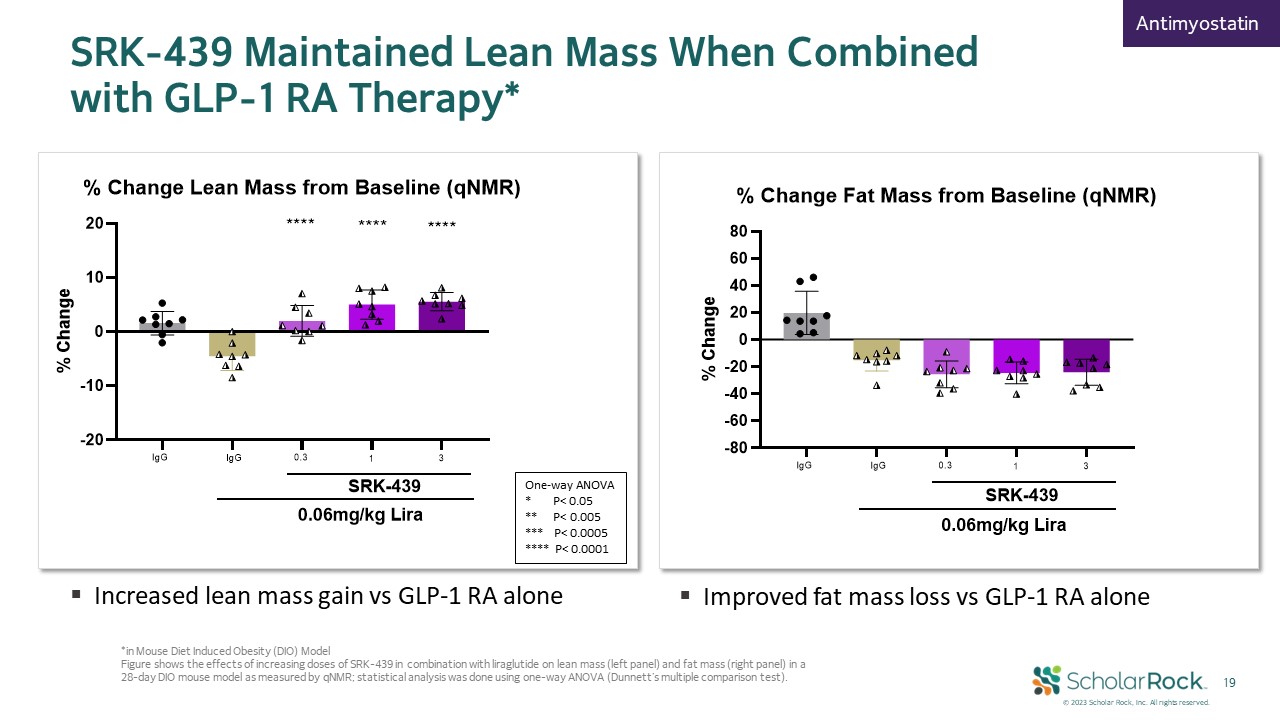
SRK-439 Maintained Lean Mass When Combined with GLP-1 RA Therapy* 19 Improved fat mass loss vs GLP-1 RA alone Increased lean mass gain vs GLP-1 RA alone One-way ANOVA * P< 0.05 ** P< 0.005 *** P< 0.0005 **** P< 0.0001 *in Mouse Diet Induced Obesity (DIO) Model Figure shows the effects of increasing doses of SRK-439 in combination with liraglutide on lean mass (left panel) and fat mass (right panel) in a 28-day DIO mouse model as measured by qNMR; statistical analysis was done using one-way ANOVA (Dunnett’s multiple comparison test). Antimyostatin

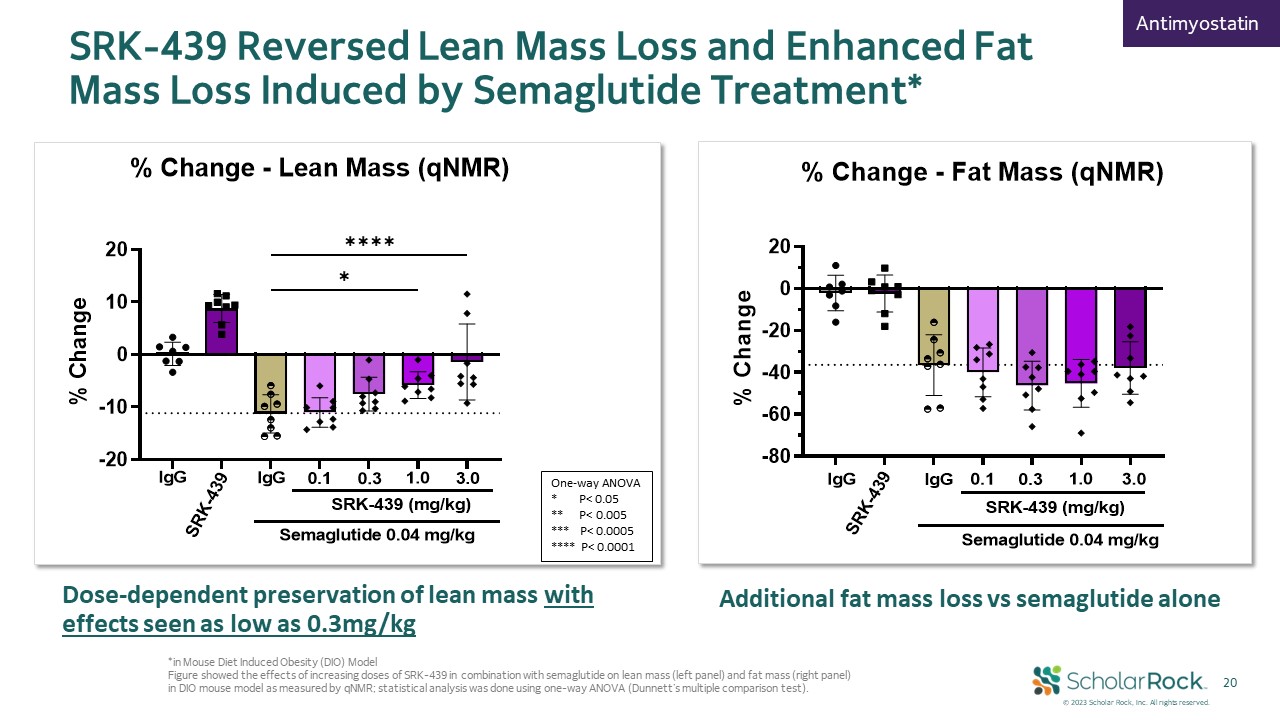
SRK-439 Reversed Lean Mass Loss and Enhanced Fat Mass Loss Induced by Semaglutide Treatment* 20 One-way ANOVA * P< 0.05 ** P< 0.005 *** P< 0.0005 **** P< 0.0001 *in Mouse Diet Induced Obesity (DIO) Model Figure showed the effects of increasing doses of SRK-439 in combination with semaglutide on lean mass (left panel) and fat mass (right panel) in DIO mouse model as measured by qNMR; statistical analysis was done using one-way ANOVA (Dunnett’s multiple comparison test). Additional fat mass loss vs semaglutide alone Dose-dependent preservation of lean mass with effects seen as low as 0.3mg/kg Antimyostatin

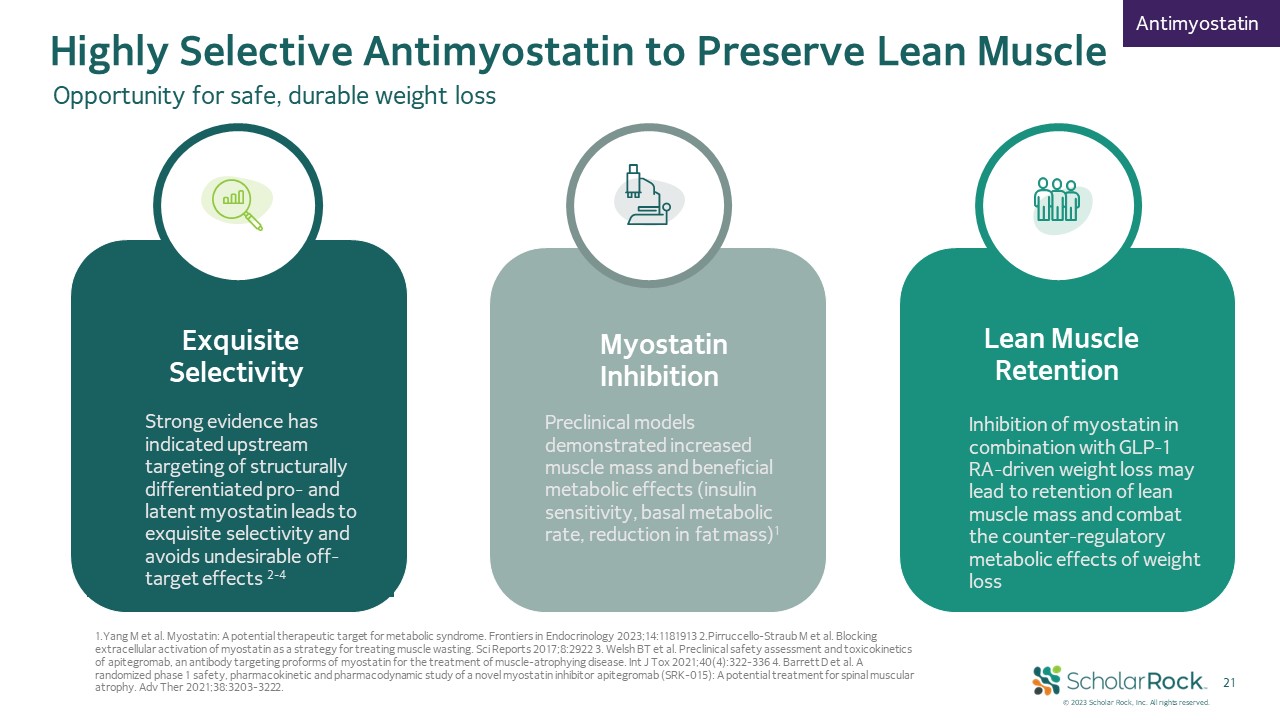
Highly Selective Antimyostatin to Preserve Lean Muscle Opportunity for safe, durable weight loss Myostatin Inhibition Preclinical models demonstrated increased muscle mass and beneficial metabolic effects (insulin sensitivity, basal metabolic rate, reduction in fat mass)1 Exquisite Selectivity Strong evidence has indicated upstream targeting of structurally differentiated pro- and latent myostatin leads to exquisite selectivity and avoids undesirable off-target effects 2-4 Lean Muscle Retention Inhibition of myostatin in combination with GLP-1 RA-driven weight loss may lead to retention of lean muscle mass and combat the counter-regulatory metabolic effects of weight loss 1.Yang M et al. Myostatin: A potential therapeutic target for metabolic syndrome. Frontiers in Endocrinology 2023;14:1181913 2.Pirruccello-Straub M et al. Blocking extracellular activation of myostatin as a strategy for treating muscle wasting. Sci Reports 2017;8:2922 3. Welsh BT et al. Preclinical safety assessment and toxicokinetics of apitegromab, an antibody targeting proforms of myostatin for the treatment of muscle-atrophying disease. Int J Tox 2021;40(4):322-336 4. Barrett D et al. A randomized phase 1 safety, pharmacokinetic and pharmacodynamic study of a novel myostatin inhibitor apitegromab (SRK-015): A potential treatment for spinal muscular atrophy. Adv Ther 2021;38:3203-3222. Antimyostatin 21

Expedite Cardiometabolic Program with Ph2 Proof of Concept Study of Apitegromab in Obesity SRK-439 Rapid Proof of Concept Phase 2 Study APITEGROMAB + GLP-1 RA Advancing SRK-439 for cardiometabolic indication 2023 2024 2025 Apitegromab (SMA) Apitegromab POC (Cardiomet) Pipeline: SRK-439 Enrollment Completed Q3 SAPPHIRE Topline Q4* POC study start * POC data readout * DC candidacy * IND * Potential Commercial Launch * * Anticipated milestones Antimyostatin Creates additional anticipated milestones in next 18-24 months 22

Summary Ted Myles– COO & CFO

24 Key Investment Highlights Revolutionary Platform Overcome the Challenges by targeting the latent forms of growth factors Discover and Develop monoclonal antibodies with extraordinary selectivity Positioned For Success Cardiometabolic Initiate POC trial with apitegromab in combo with GLP-1 RA in 2024 Concurrently advance SRK-439 towards IND submission in 2025 Cash balance of $219M as of September 30, 2023, in addition to $92.5M of net proceeds from October 2023 public offering Anticipated cash runway into 2H 2025 Robust Clinical Pipeline Apitegromab - SMA (Phase 3) Significant market opportunity Program on track Clear path to approval SRK-181 Completing enrollment in December 2023 Conduct end of Phase 1 meeting