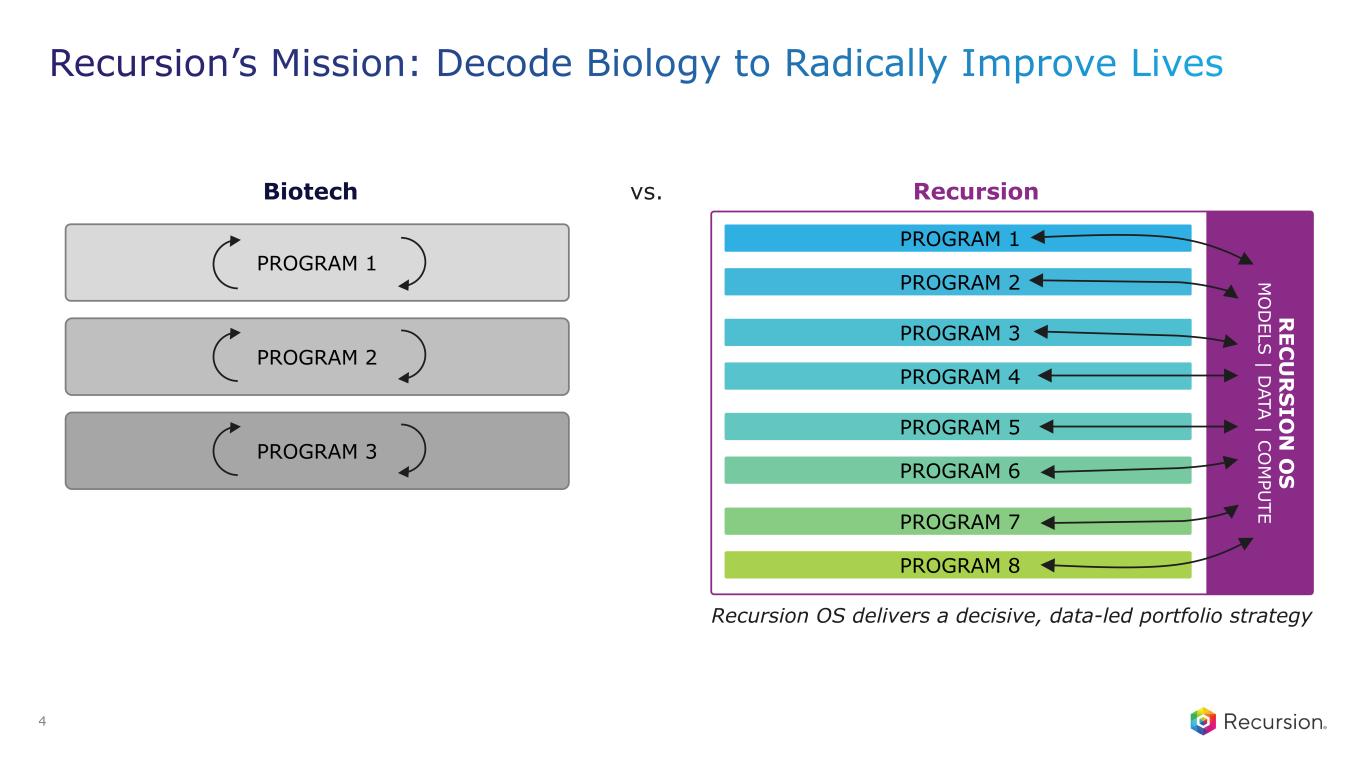
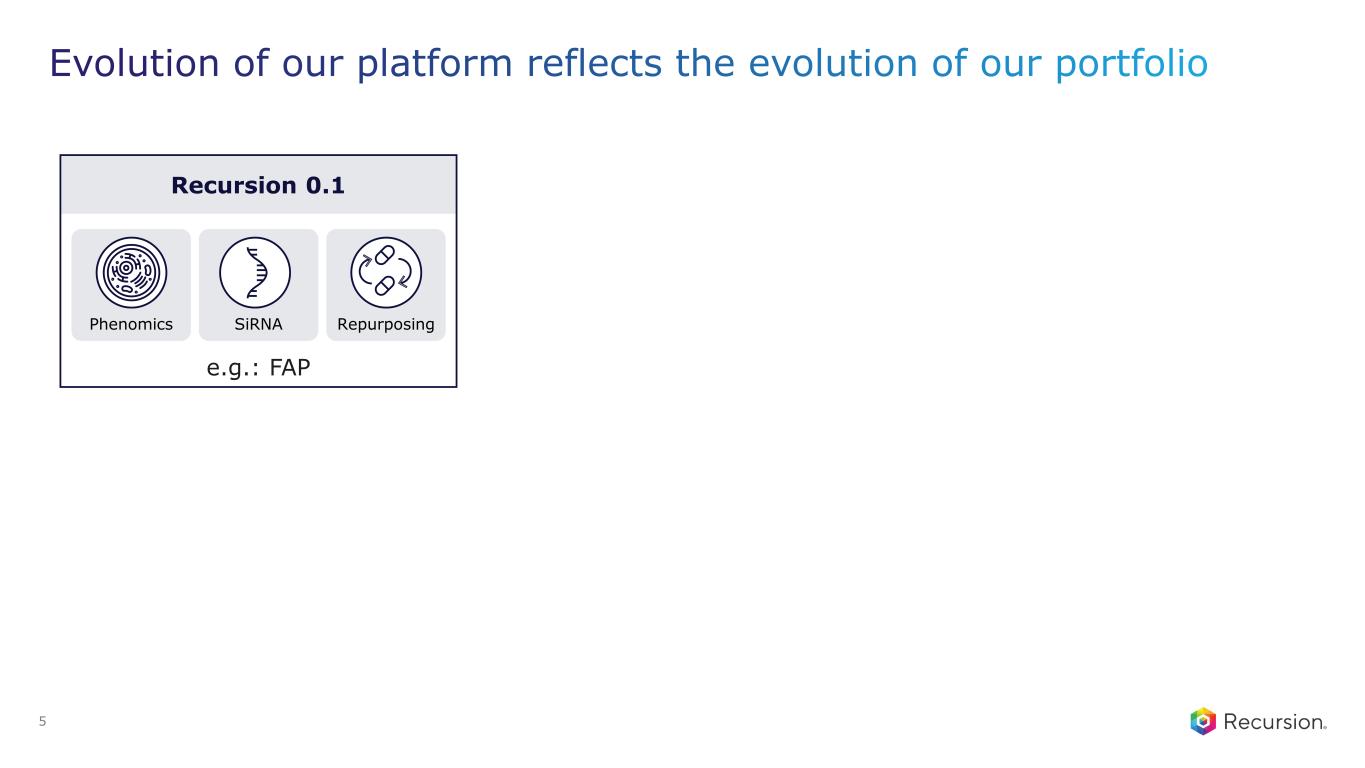
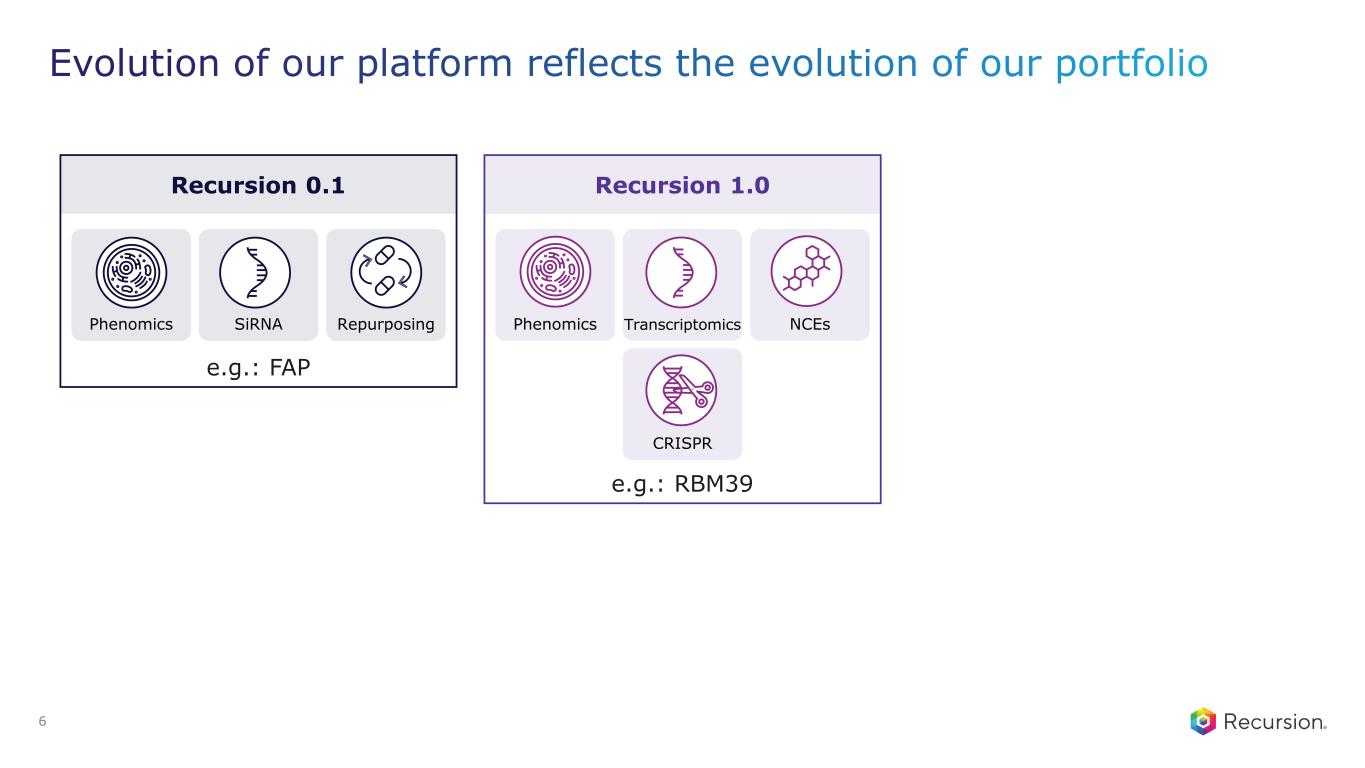
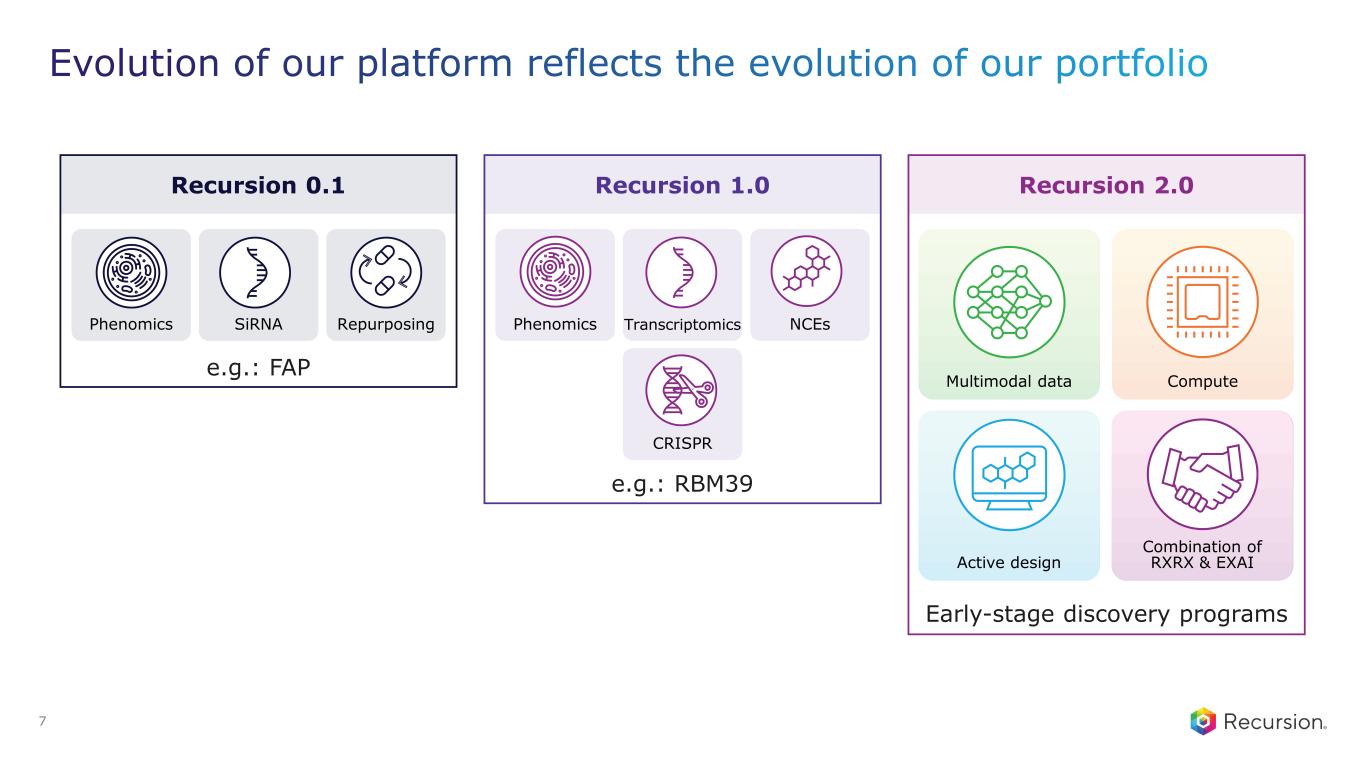
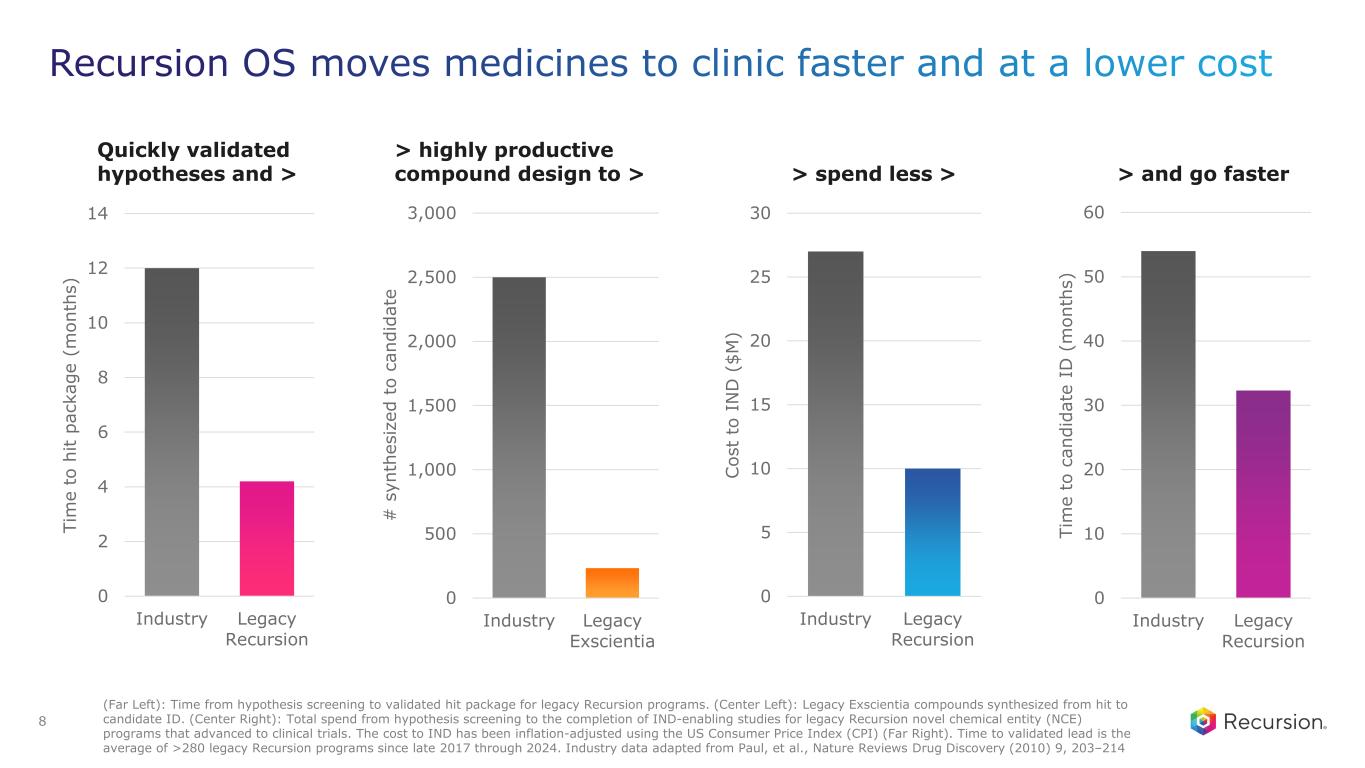
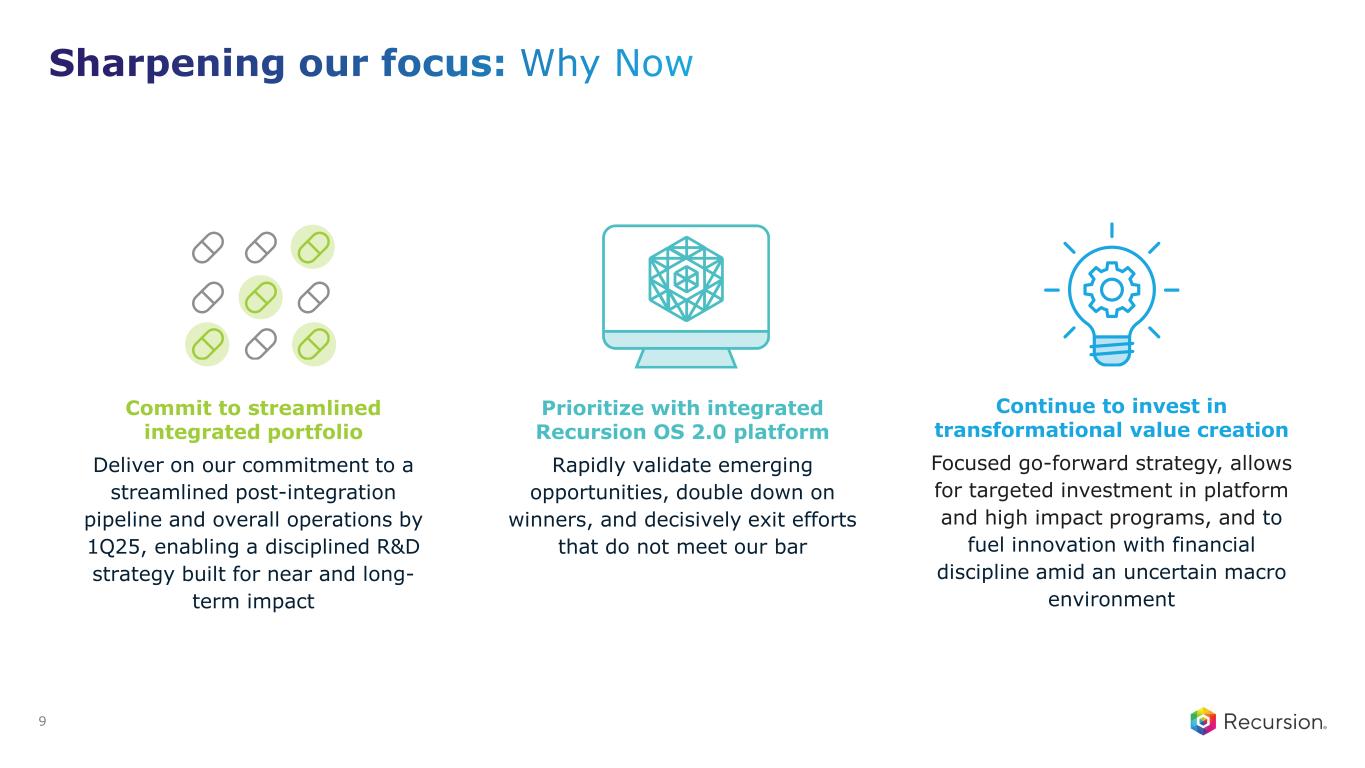
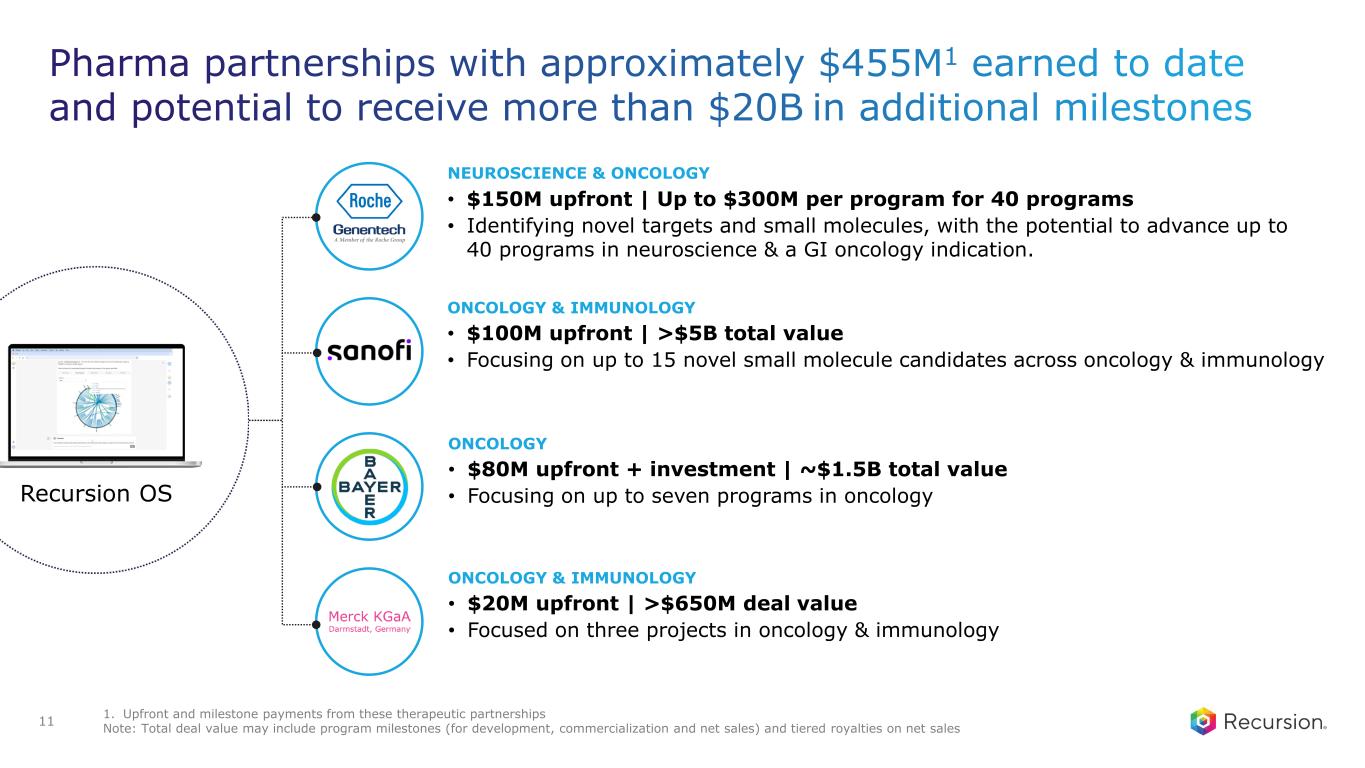
Hi, everybody. My name is Chris Gibson, Co-Founder and CEO of Recursion, and I'm delighted to welcome you to our Earnings Call this morning. We're going to go ahead and get started. Perfect. So, of course, it's important to note that we're going to be providing forward-looking information today, so please understand all of these important caveats. So, I want to begin by just talking a little bit about Recursion's mission, which is to decode biology to radically improve lives. Unlike a traditional biotech, where learnings from a program typically work within that specific program, those learnings could improve a program, or the scientists from a given program might take some of those learnings onto their next program. At Recursion, we're trying to do something different. We're trying to build a learning system, a Recursion Operating System that learns from every program to make the next generation of programs better and better, and that requires some scale. What you're going to see today is that we're taking decisive action to make sure that we can continue to both take our internal pipeline forward, our partnerships forward, and also run this critical experiment for the biopharma industry: to build the first great TechBio company. I want to talk a little bit about our earliest version of the platform, Recursion 0.1. This was a platform built on top of phenomics and siRNA and repurposing. Today, you'll hear a bit about how some of those programs have done well, like our FAP program with preliminary efficacy data and safety data we'll share soon, and also how some of those programs have not turned out the way we hoped, such as our CCM program. Building on the learnings of that first generation, we built an improved Recursion Operating System, Recursion 1.0, that added transcriptomics allowing us to go after new chemical entities and use advanced tools like CRISPR. That's allowed us to take forward incredible programs like our RBM39 program and our C. diff program. Some of these programs are advancing and others we're holding back for strategic reasons today. Ultimately, Recursion 2.0 is what we are now. Post the combination with Exscientia, we've seen the power of combining our two platforms, the multimodal data, the compute, and the active design. These are allowing us to generate a new generation of early-stage discovery programs that we think are extraordinarily exciting. All of this work is enabling us to demonstrate these leading indicators of success. We're able to validate our hypotheses more quickly. We're able to generate candidates with fewer molecules synthesized. We can spend less and go faster. Through each generation of the Recursion Operating System, we expect to improve on these kinds of parameters. Today, we're sharpening our focus, sharpening our R&D portfolio because we committed to doing that with the combination of Recursion and Exscientia, two of the leading TechBio companies, as we've seen with our Recursion OS 2.0 platform. We want to make sure we can double down on the winners and also ensure that we're the kind of company that can decisively move away from programs that don't meet our mark. Finally, we understand the challenging macroeconomic environment, and we want to be absolutely sure that in this uncertain environment, we're making disciplined and thoughtful decisions to ensure that we can deliver on our long-term mission to decode biology to radically improve lives. Today, we're unveiling our go-forward pipeline, more than five clinical and preclinical programs that we believe have a much higher probability of success. These are programs that are worth taking the shot on, and we're doubling down on them. We're going to hear a lot more about each of these a little bit later today. But before we do, I want to share that it's not just about our internal pipeline; it's also about our partnerships. We've brought in more than $450 million earned through these four collaborations to date. Today, we're also sharing that we've received our fourth program option from Sanofi, part of that collaboration. Through our continued work on programs like those that we're advancing with Roche, Genentech, and with Sanofi, Recursion is not only going to continue building its Recursion Operating System, but it's going to continue learning to improve not only our internal pipeline but all of the partnership programs that we advance together in the future. With that, I want to turn it over to our Chief R&D Officer and Chief Commercial Officer, Najat Khan. A huge thanks to her and the team that has done incredible work to help us make these important decisions for the future of the Company. And with that, over to you, Najat.
Speaker 1
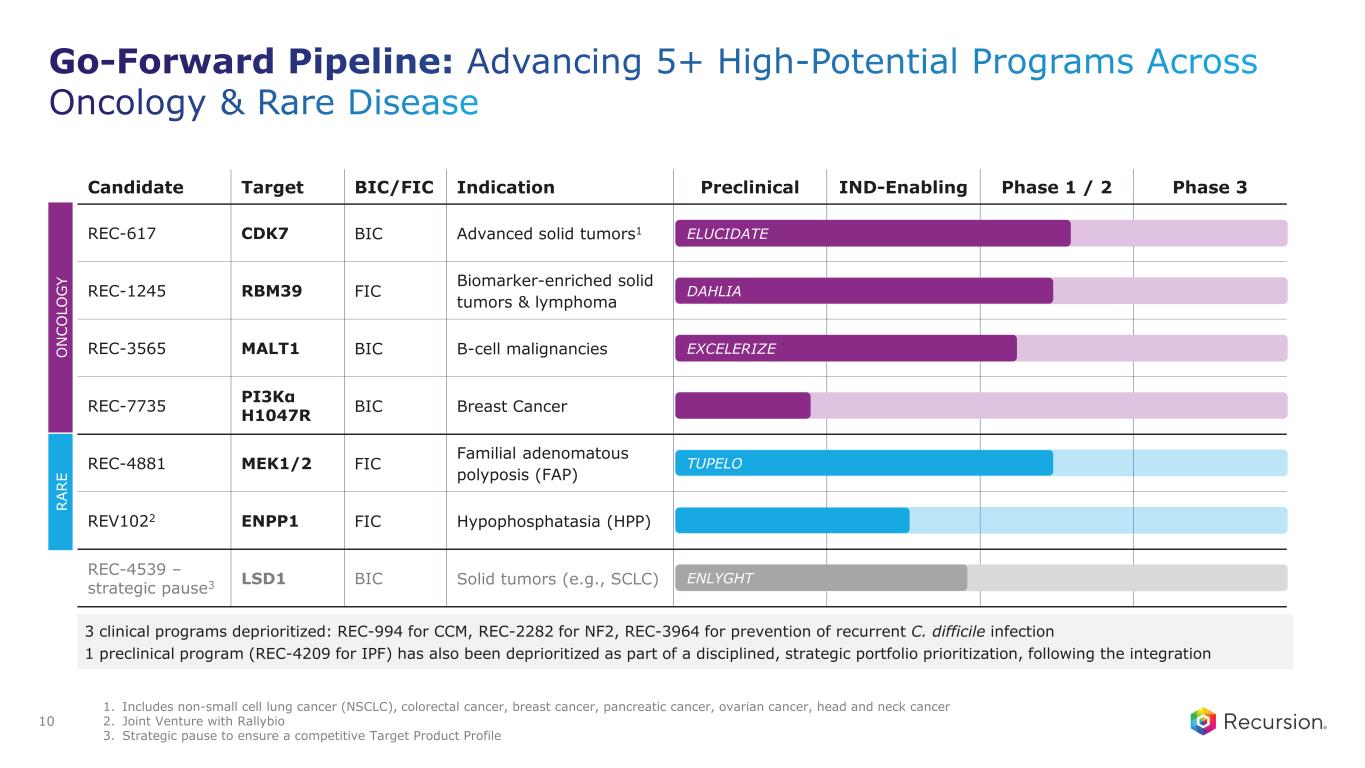
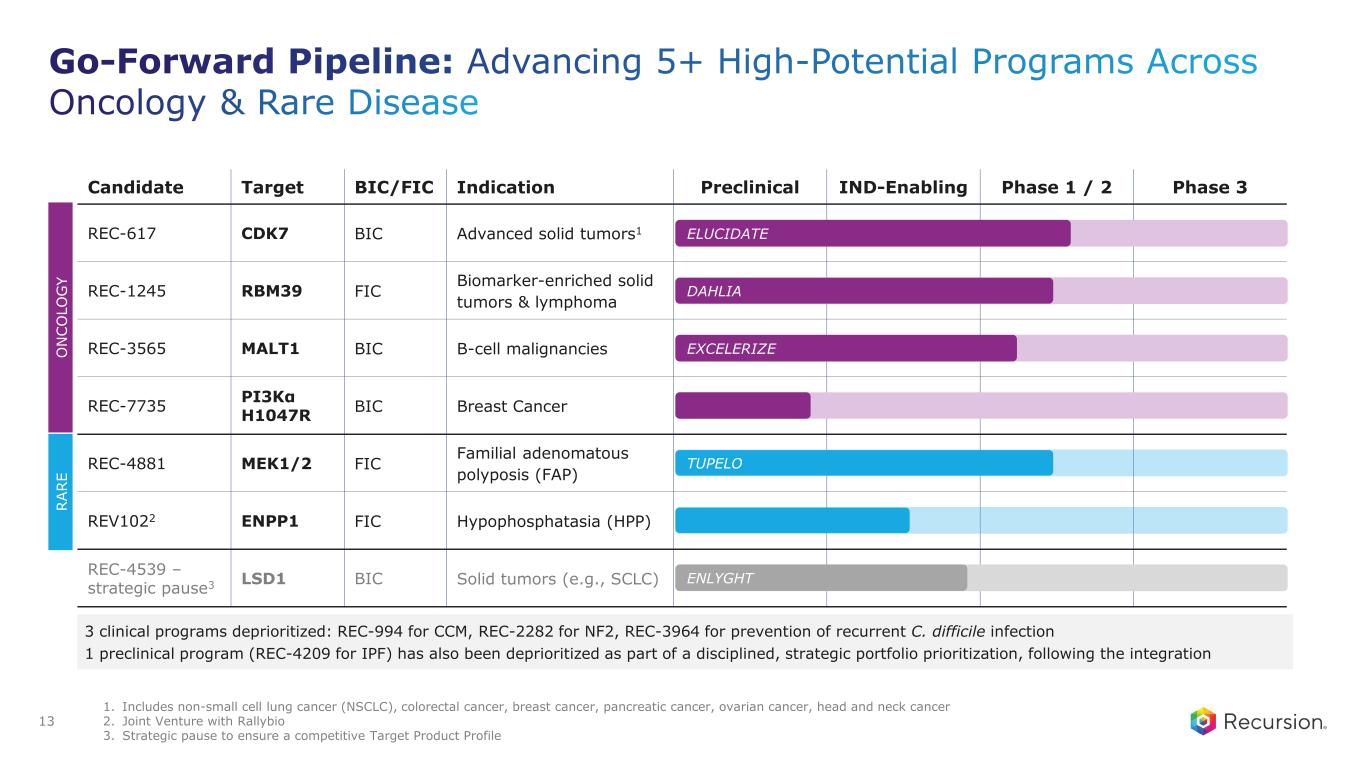
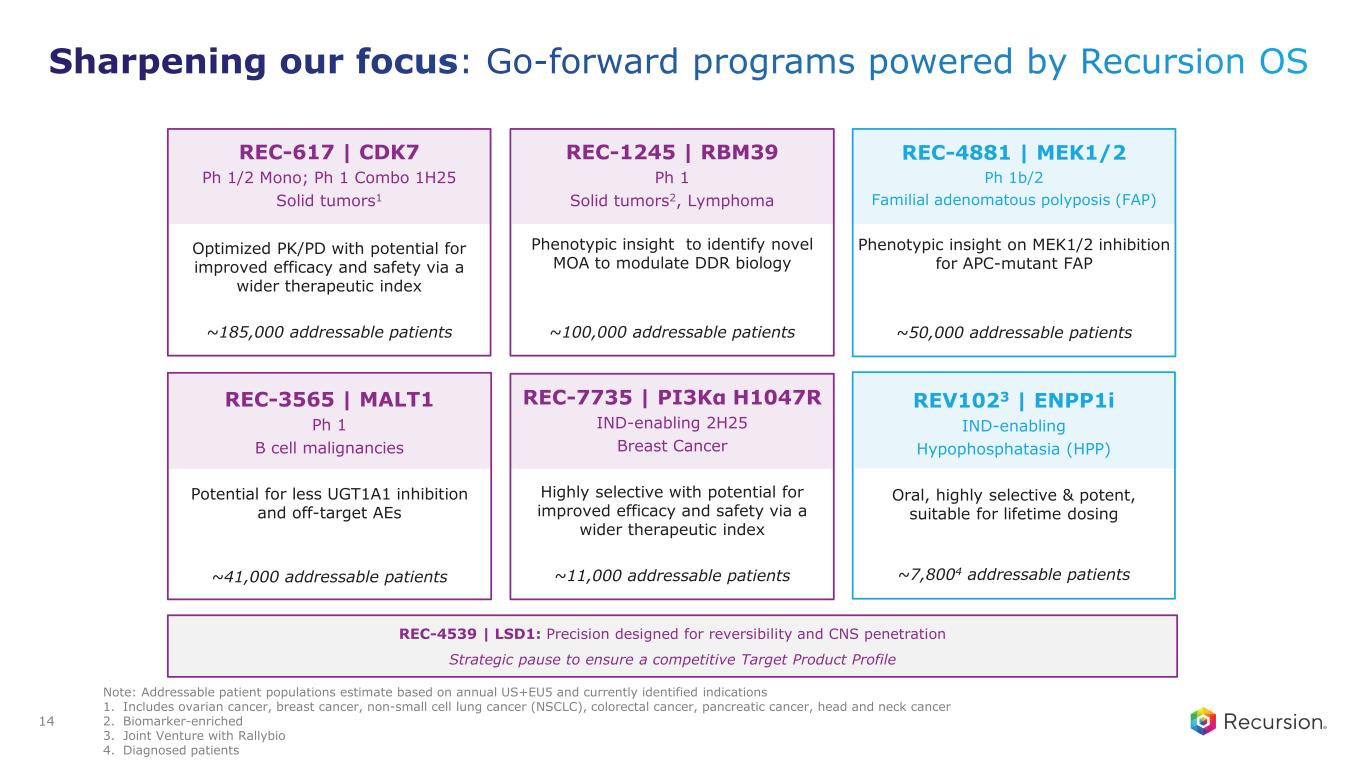
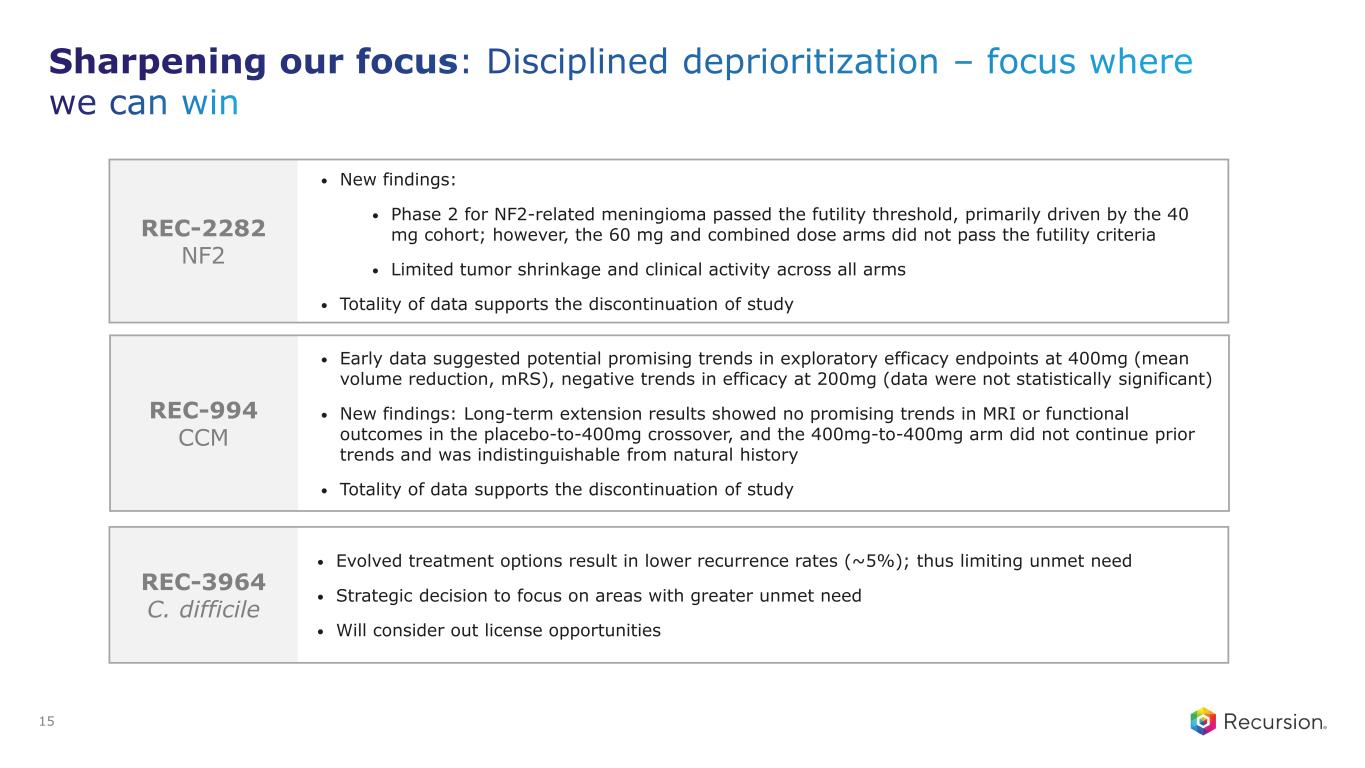
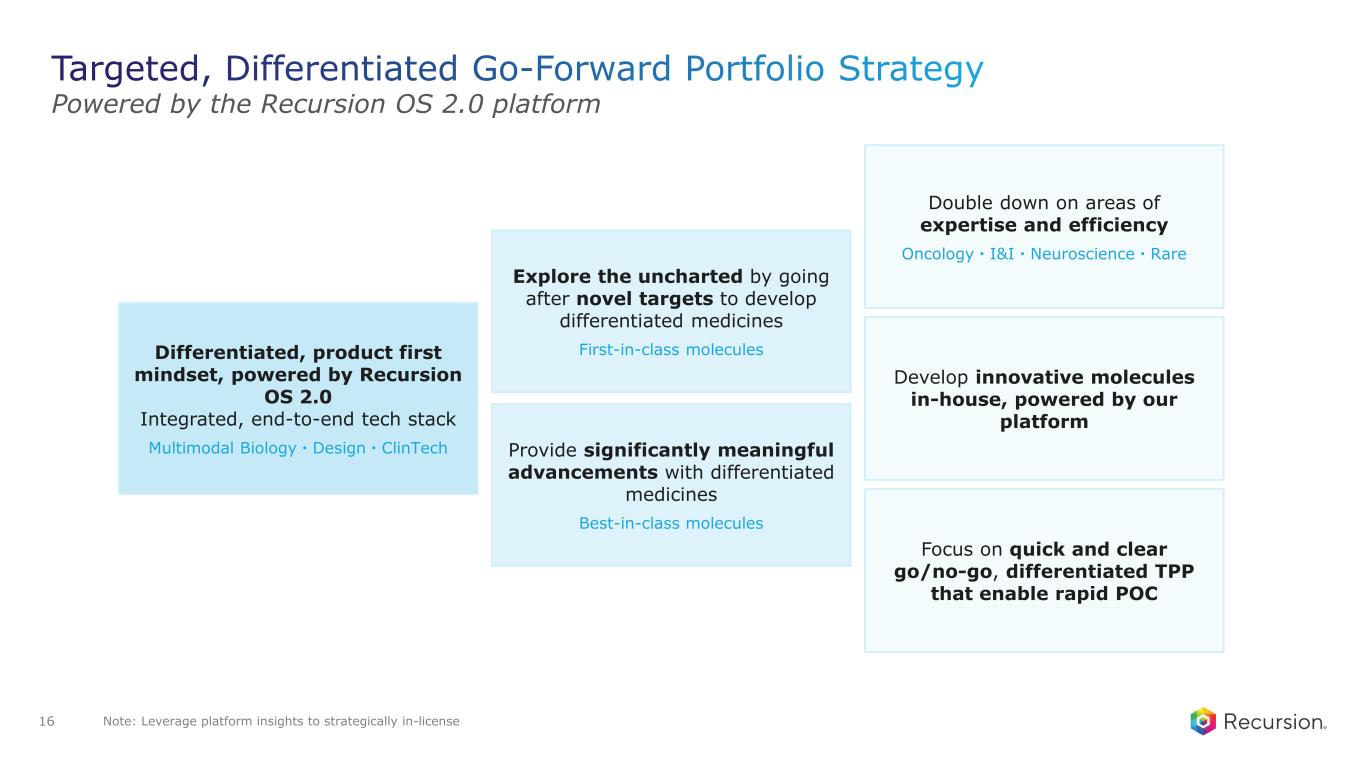
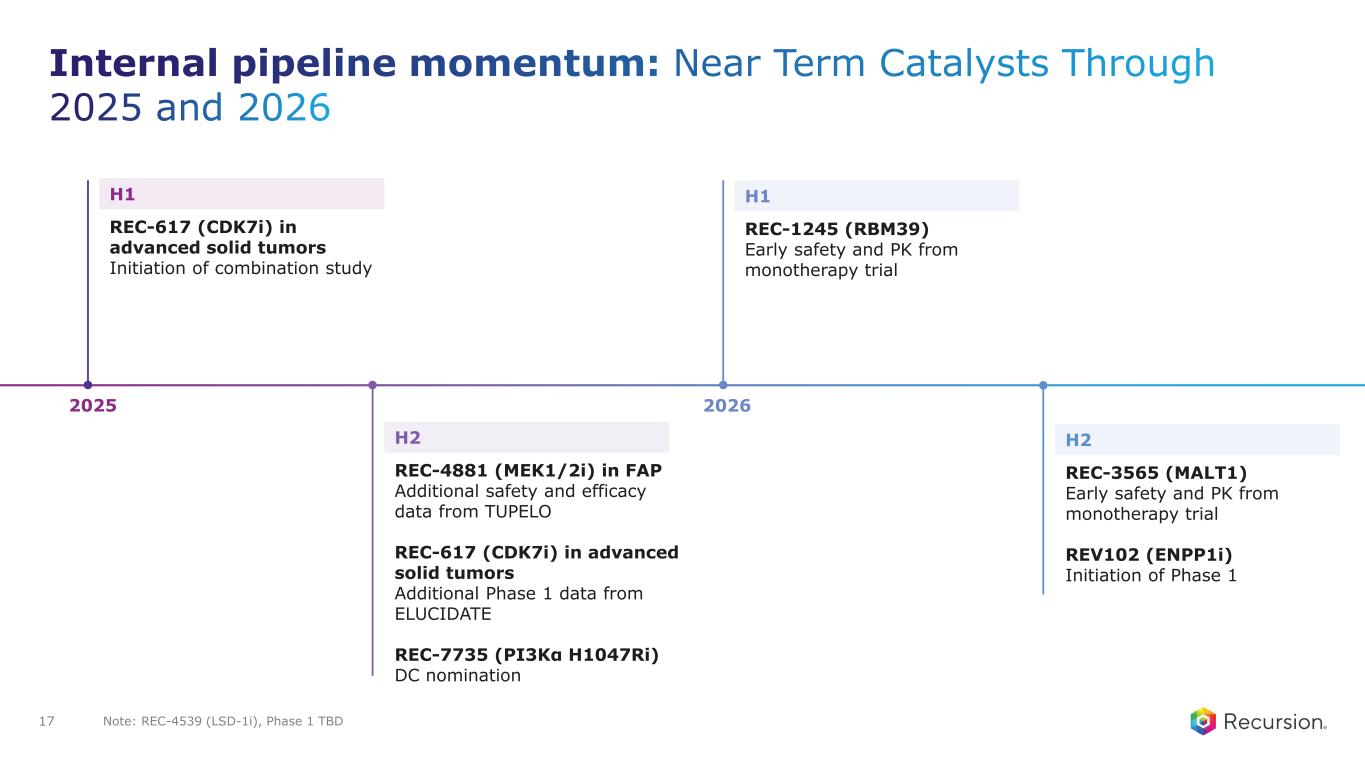
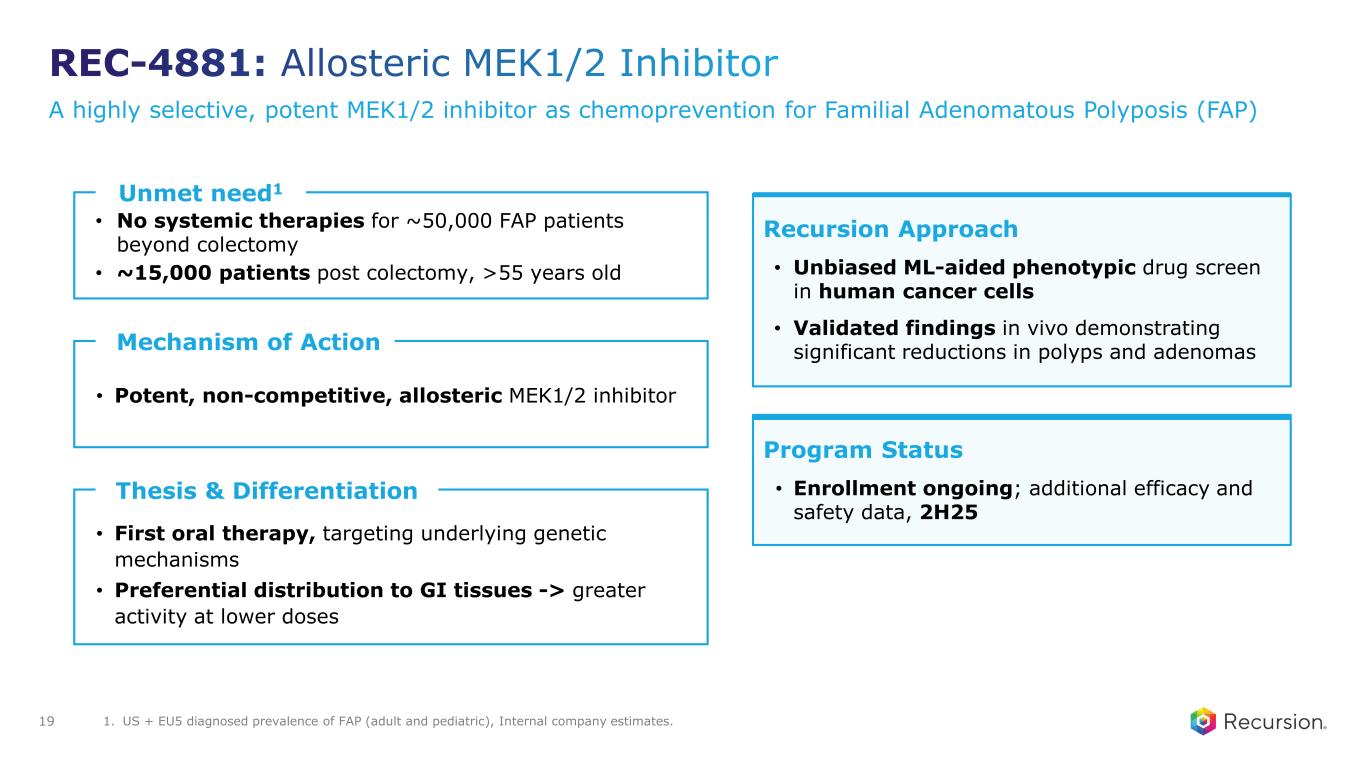
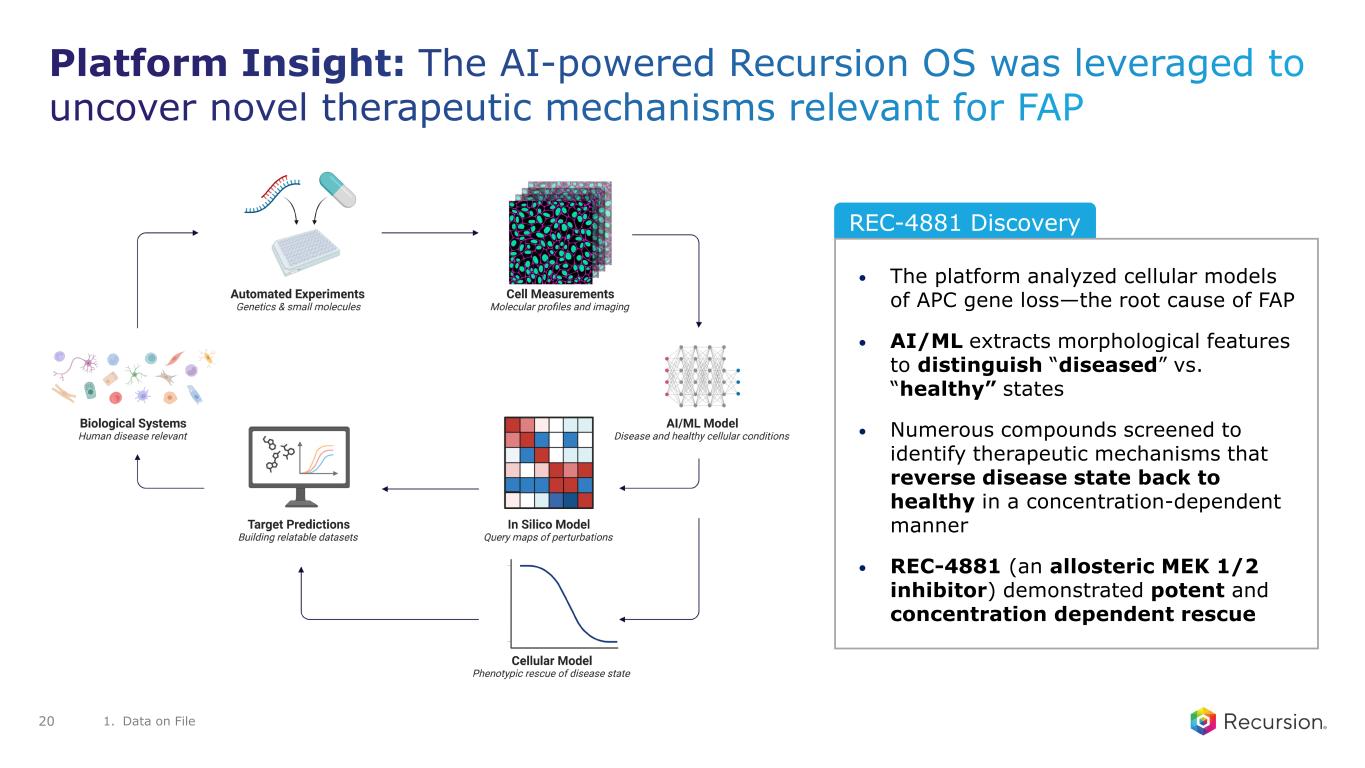
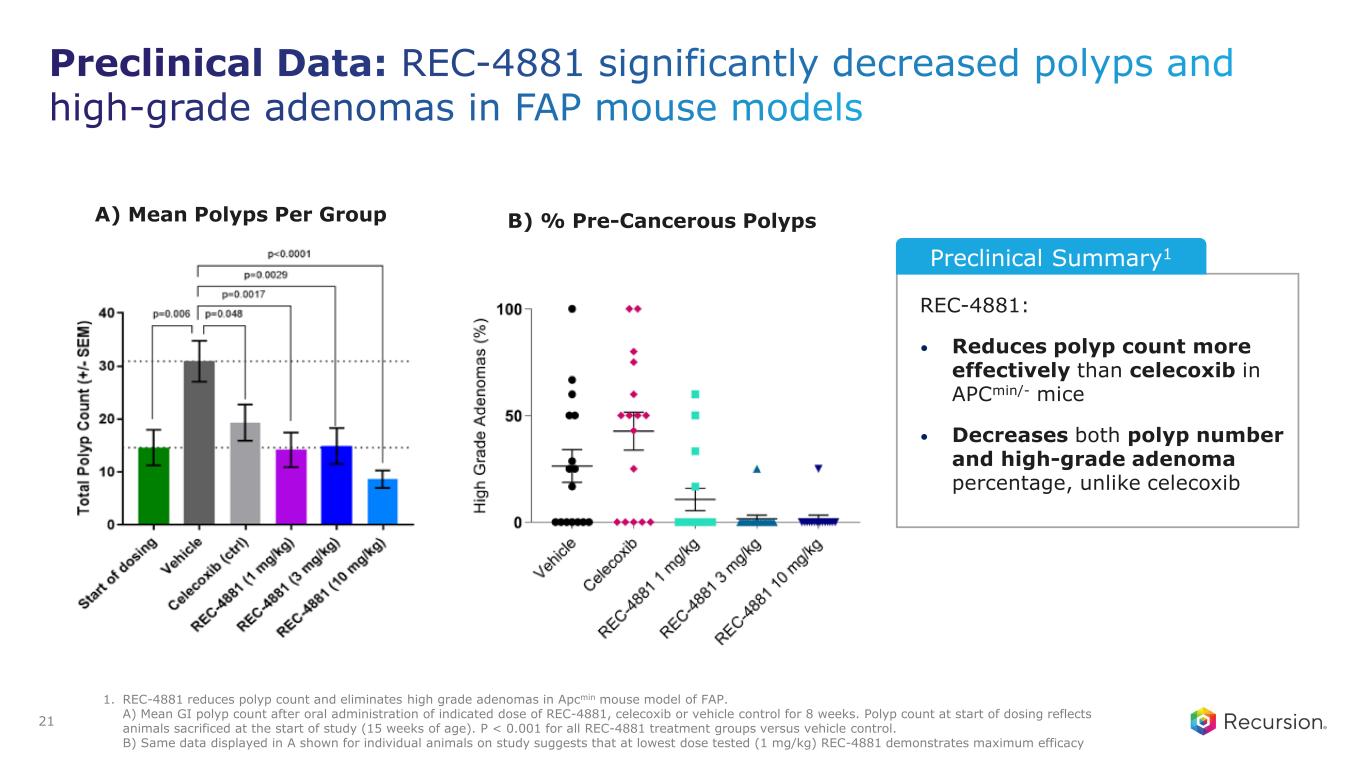
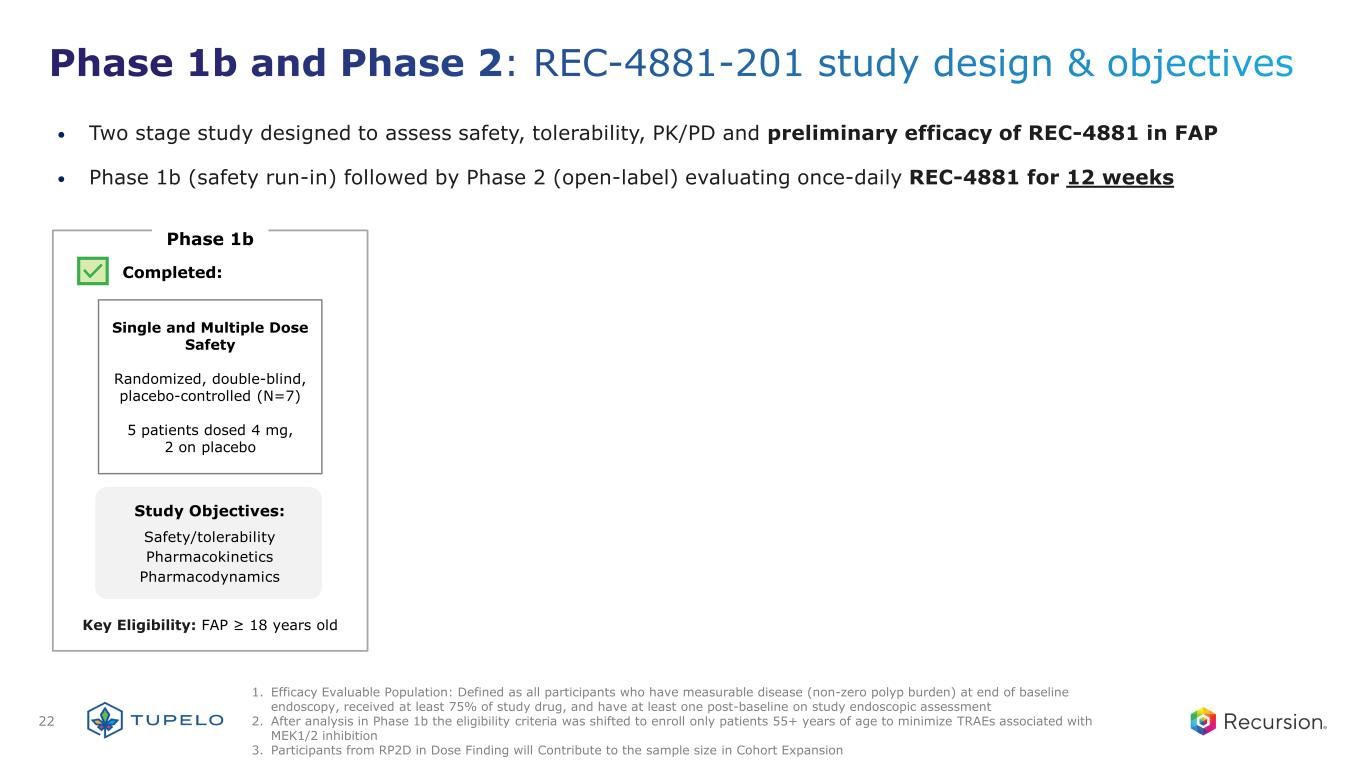
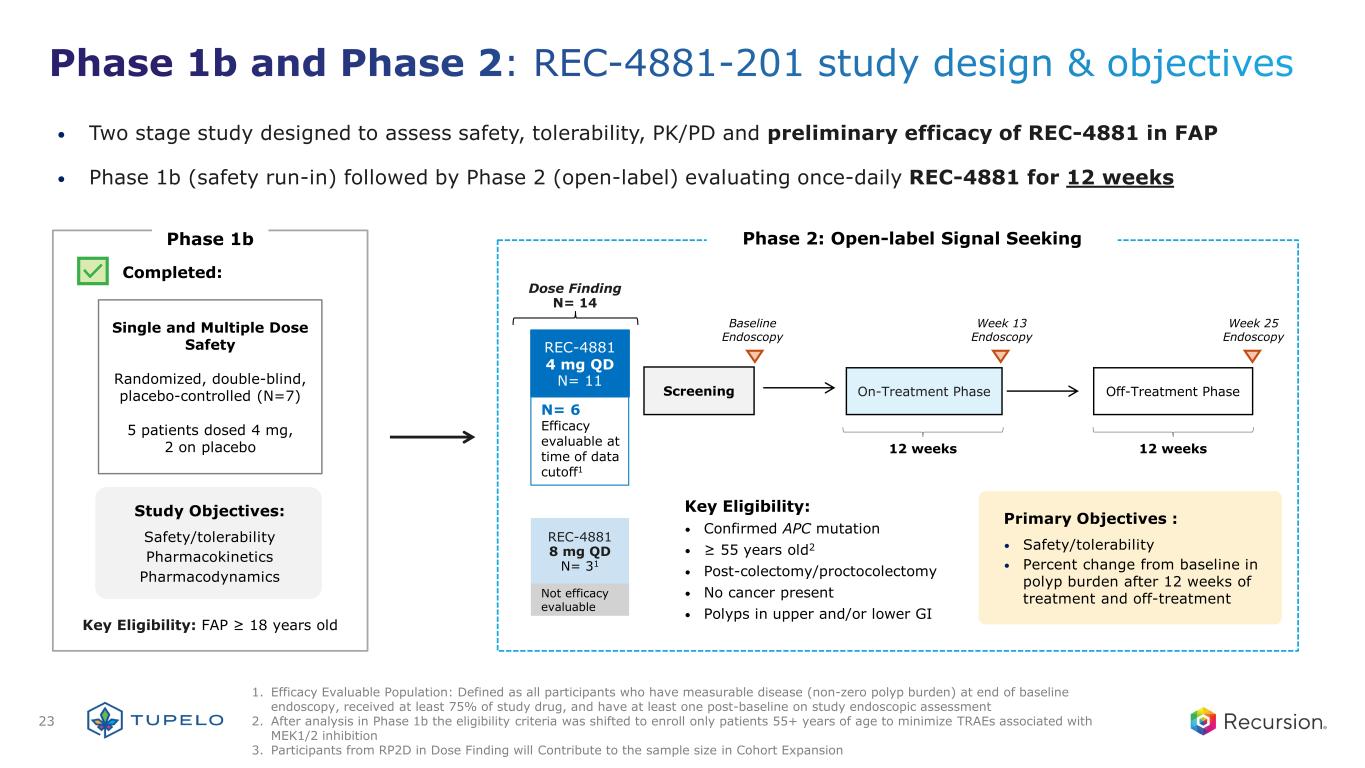
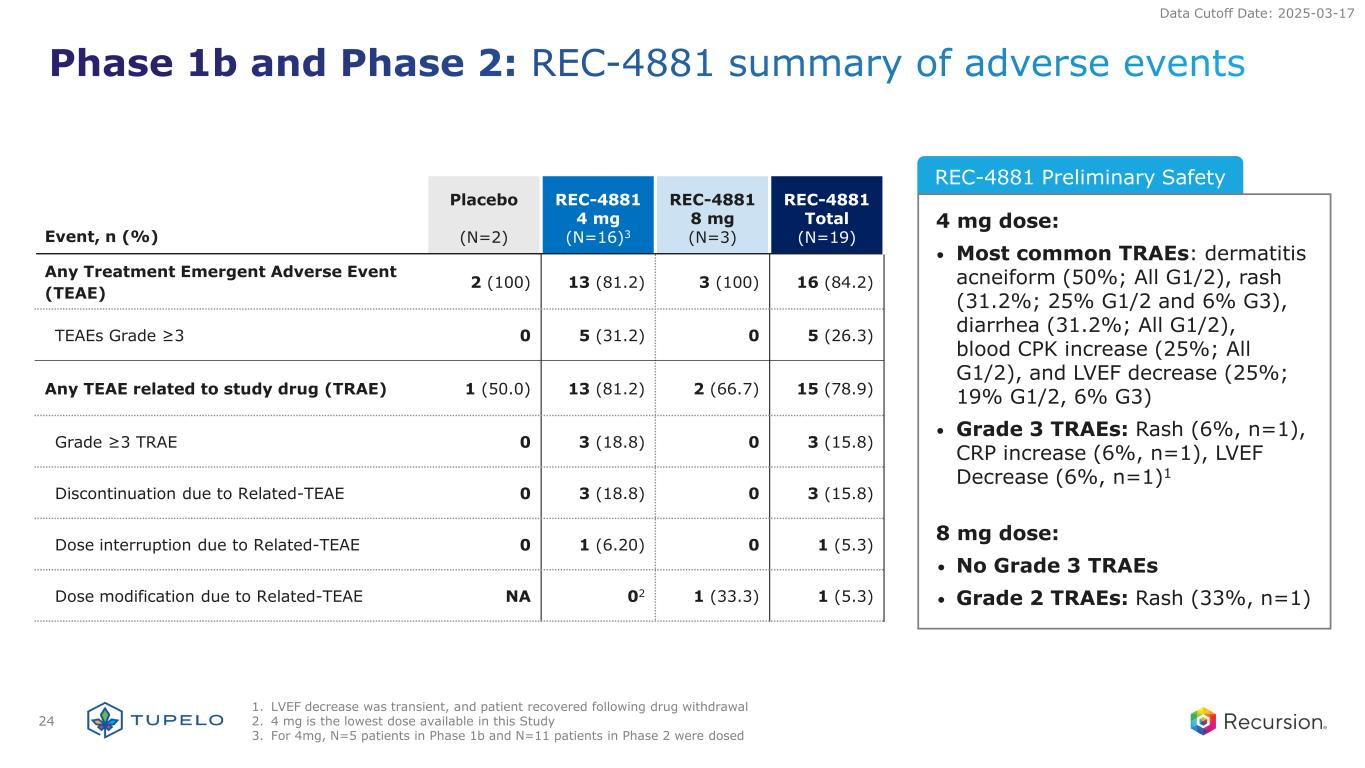
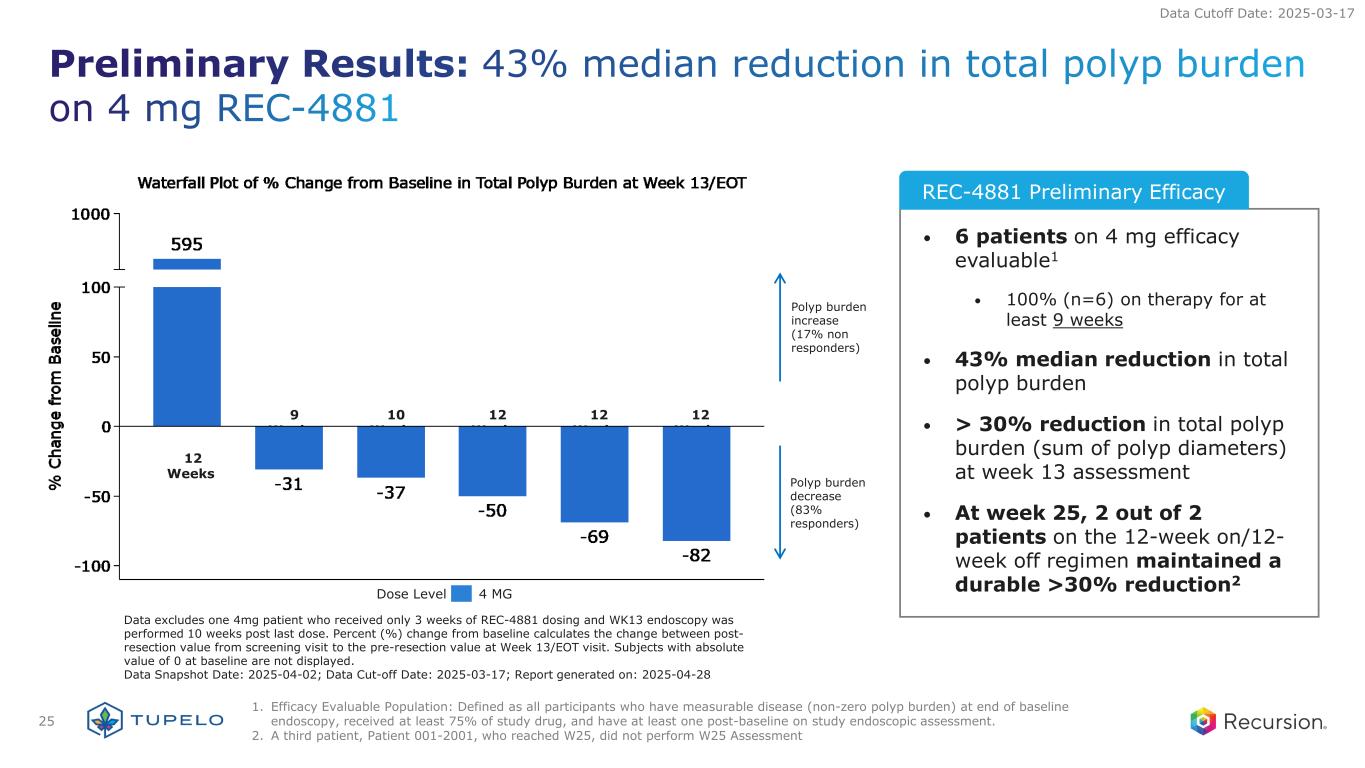
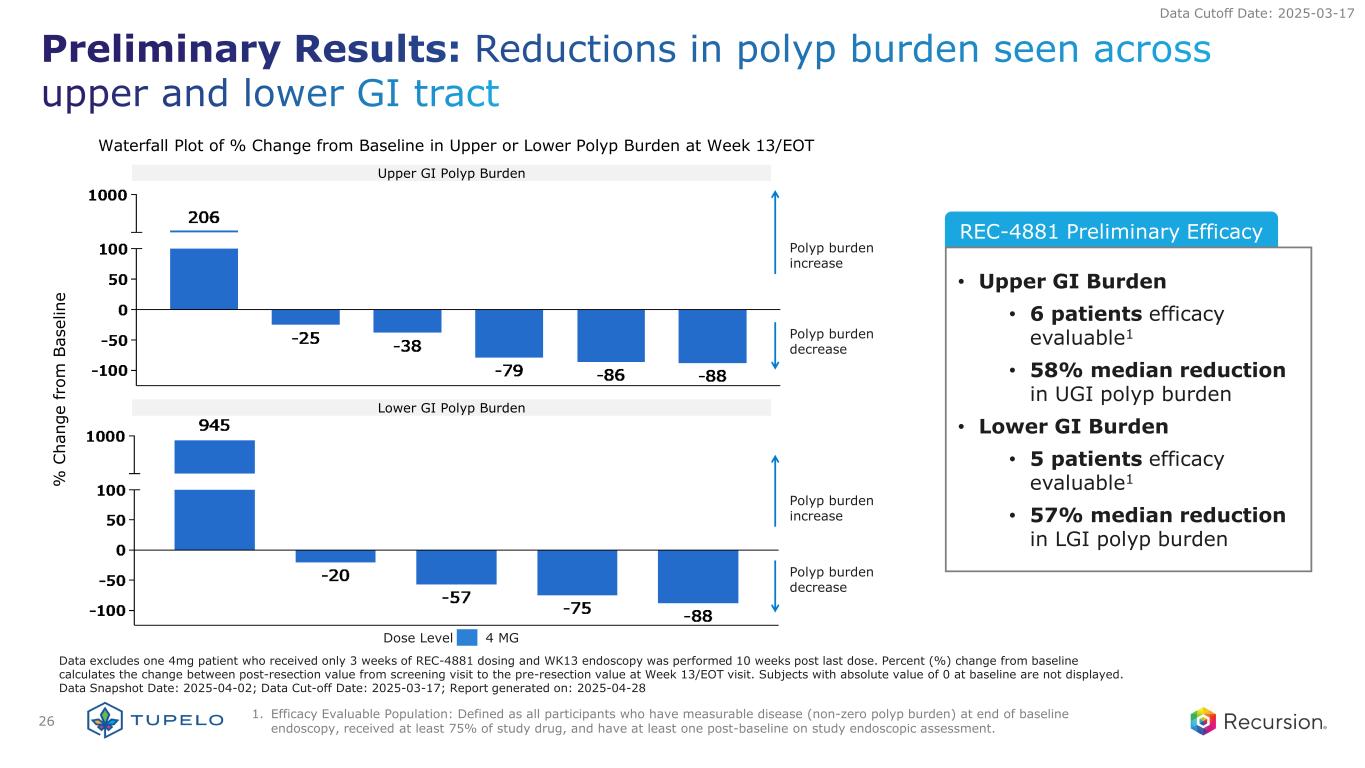
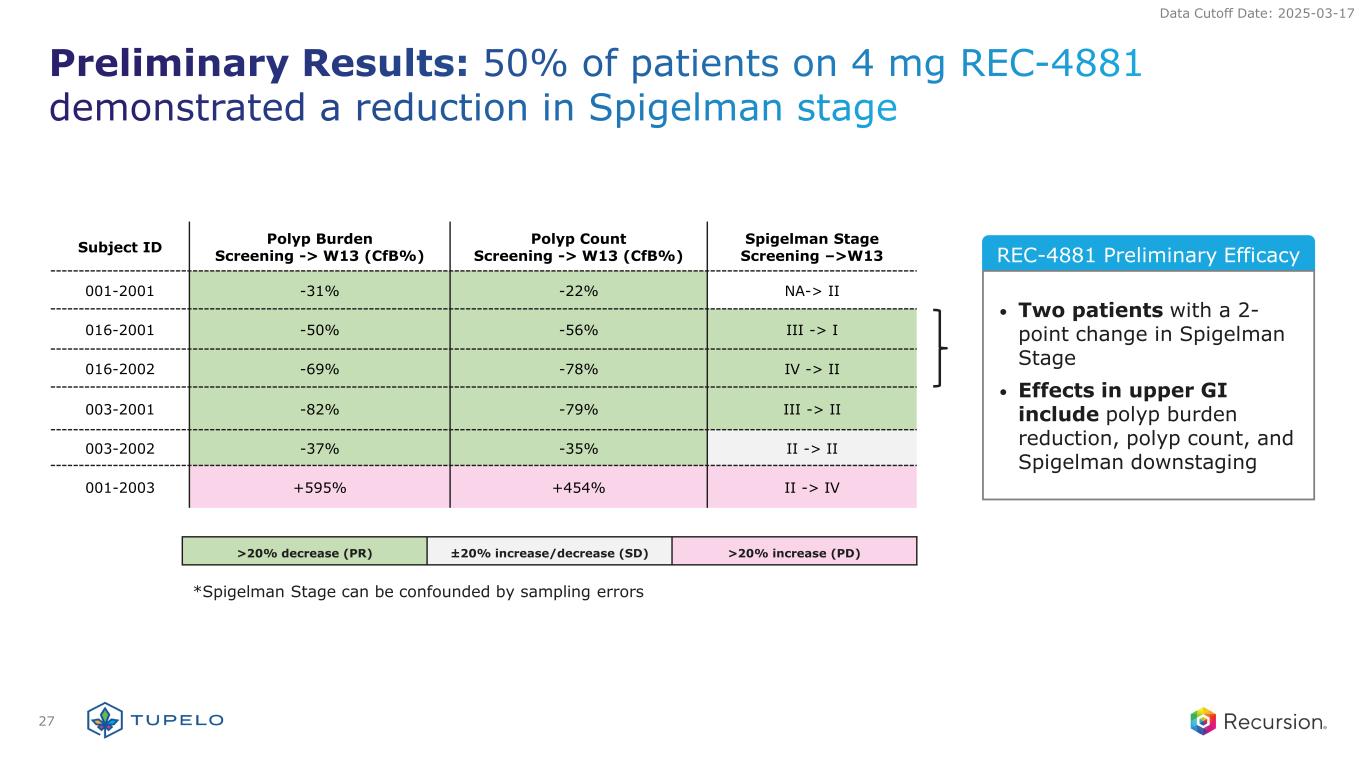
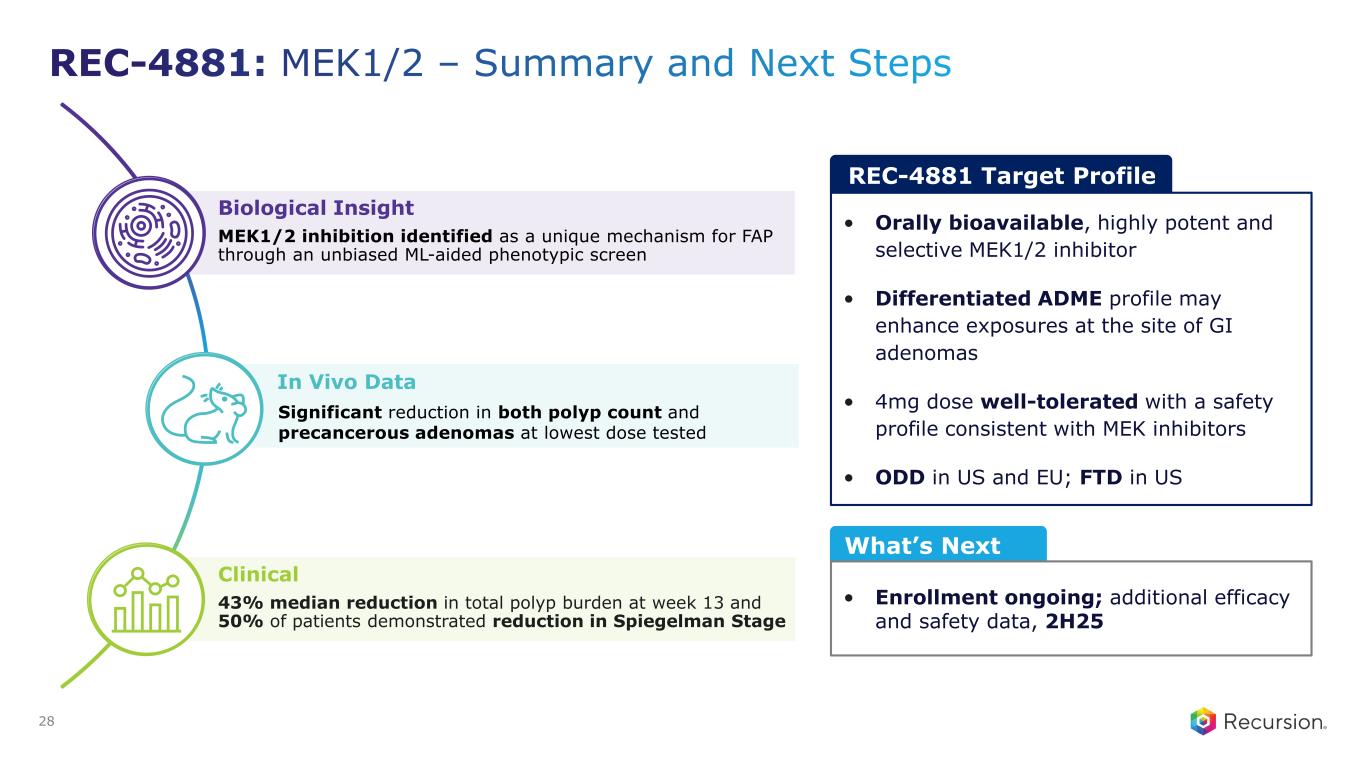
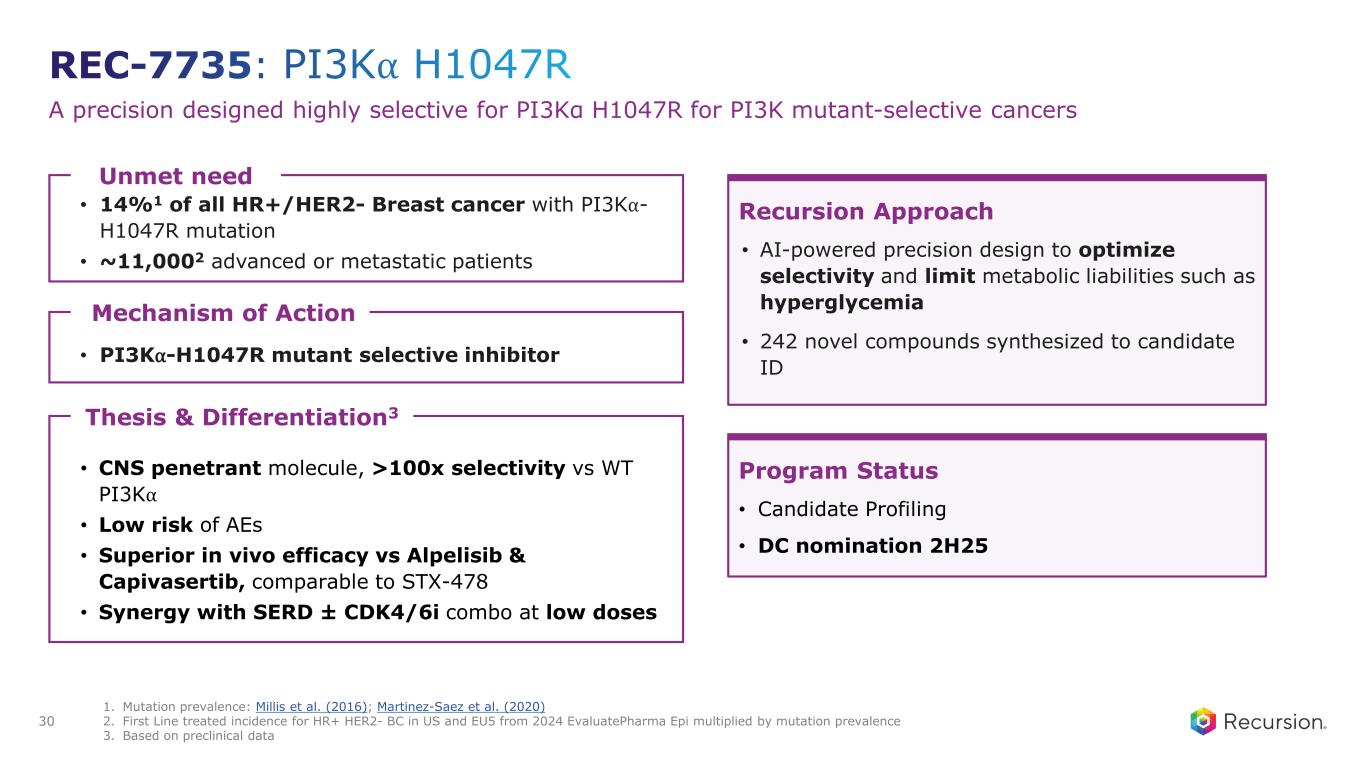
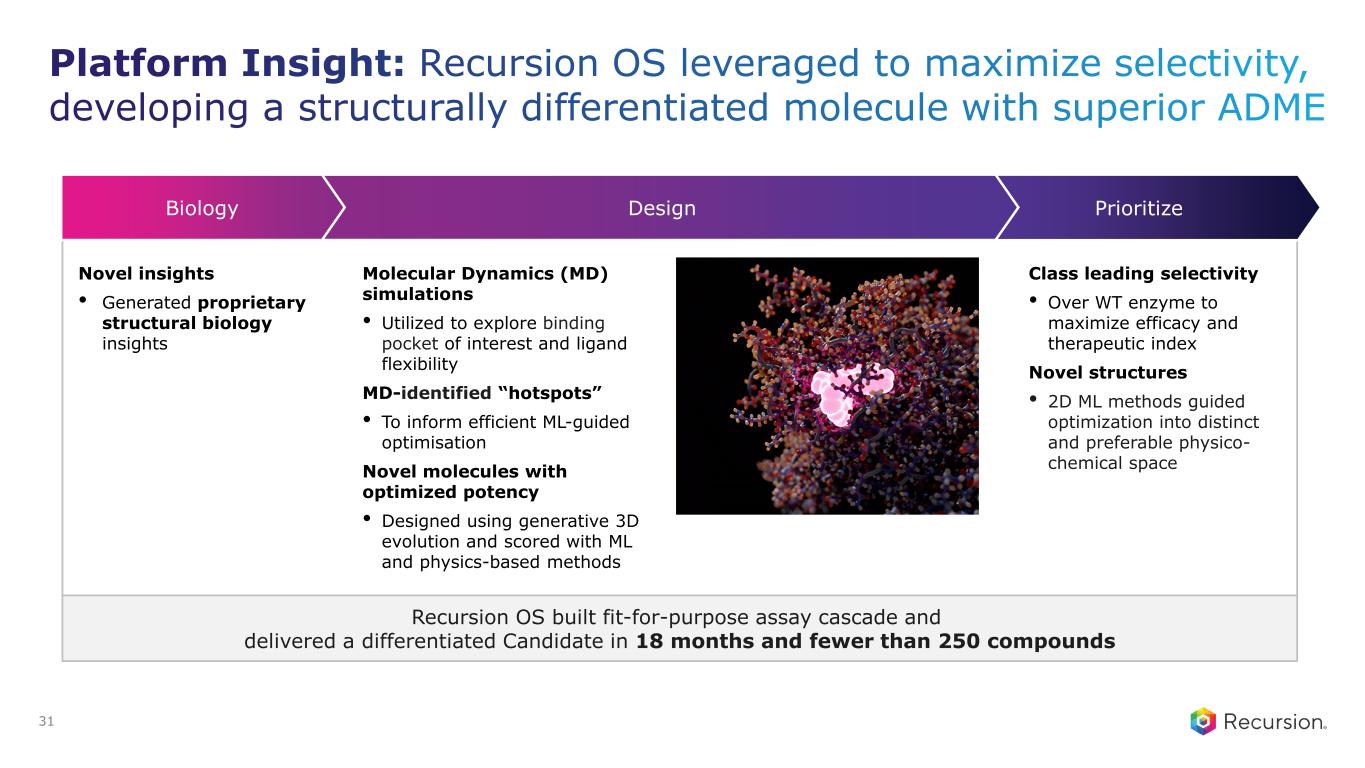
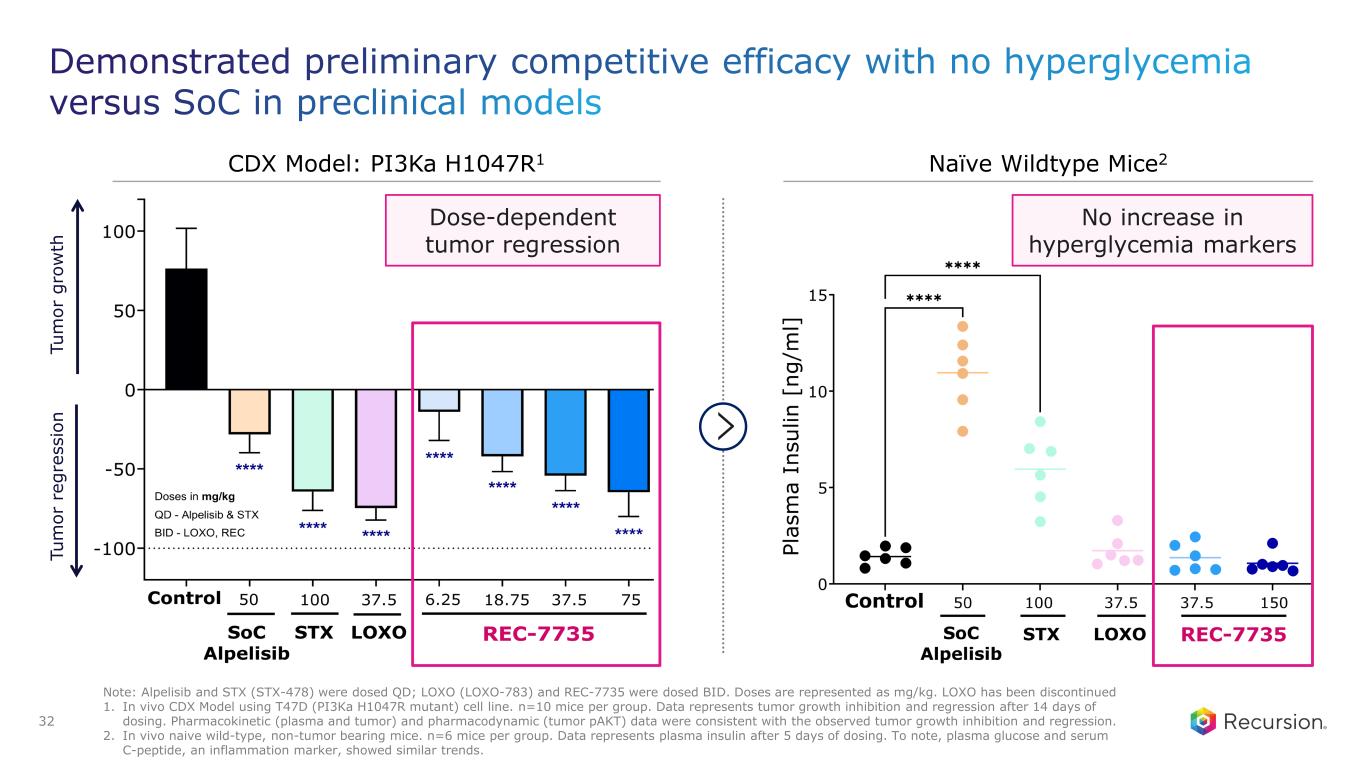
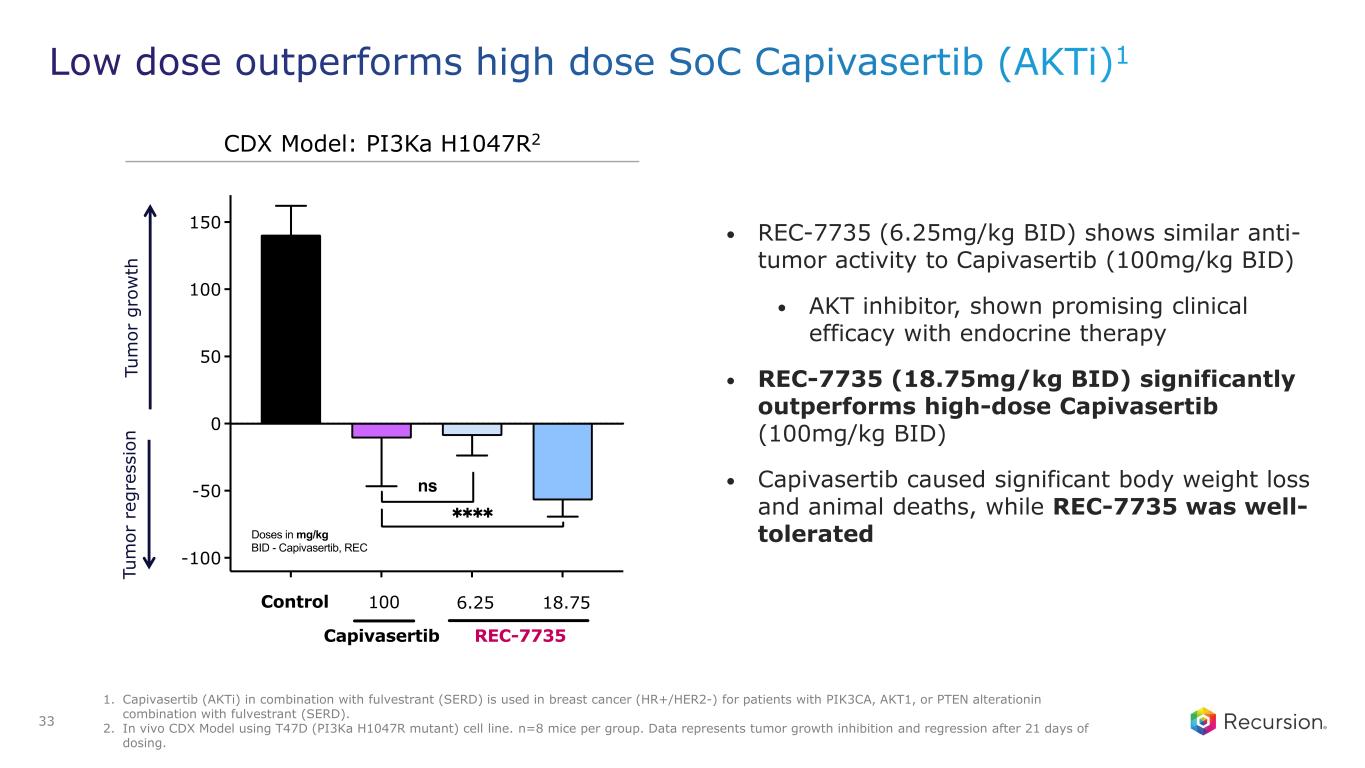
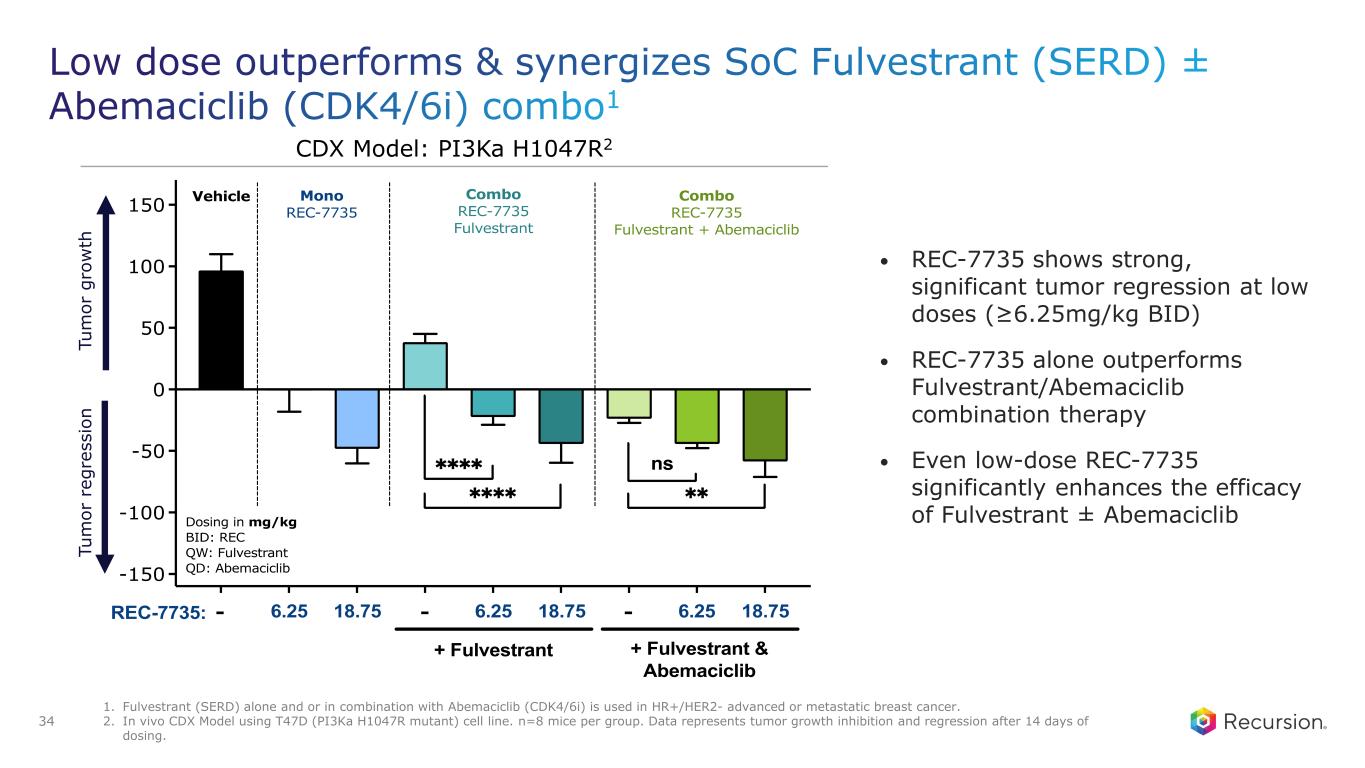
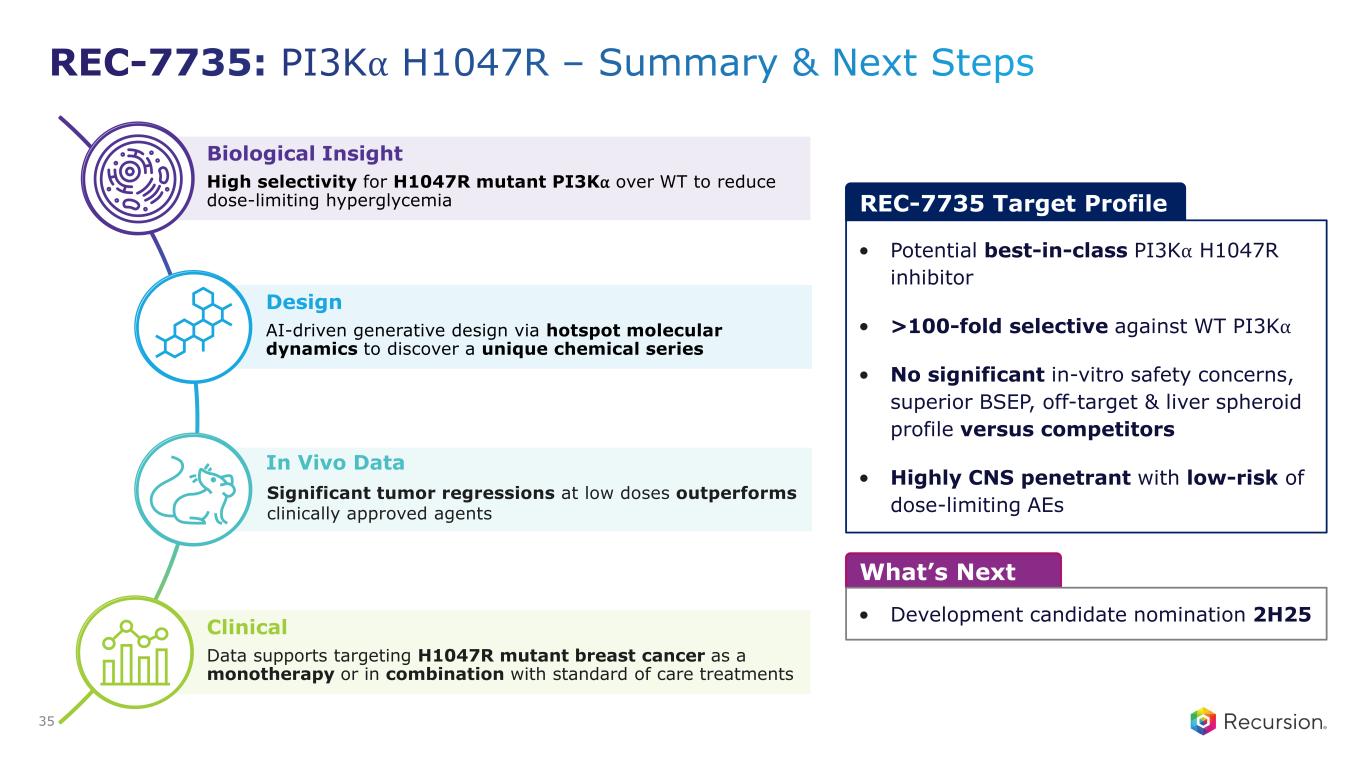
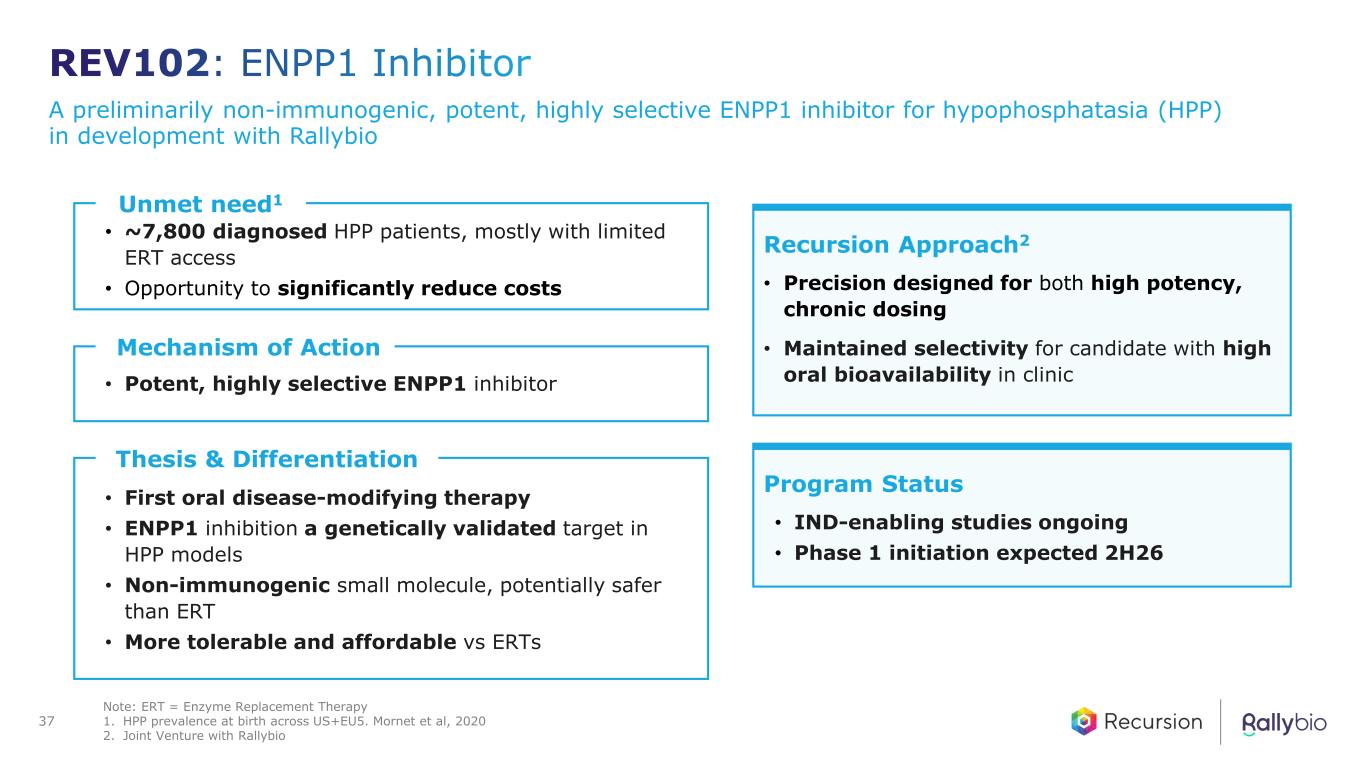
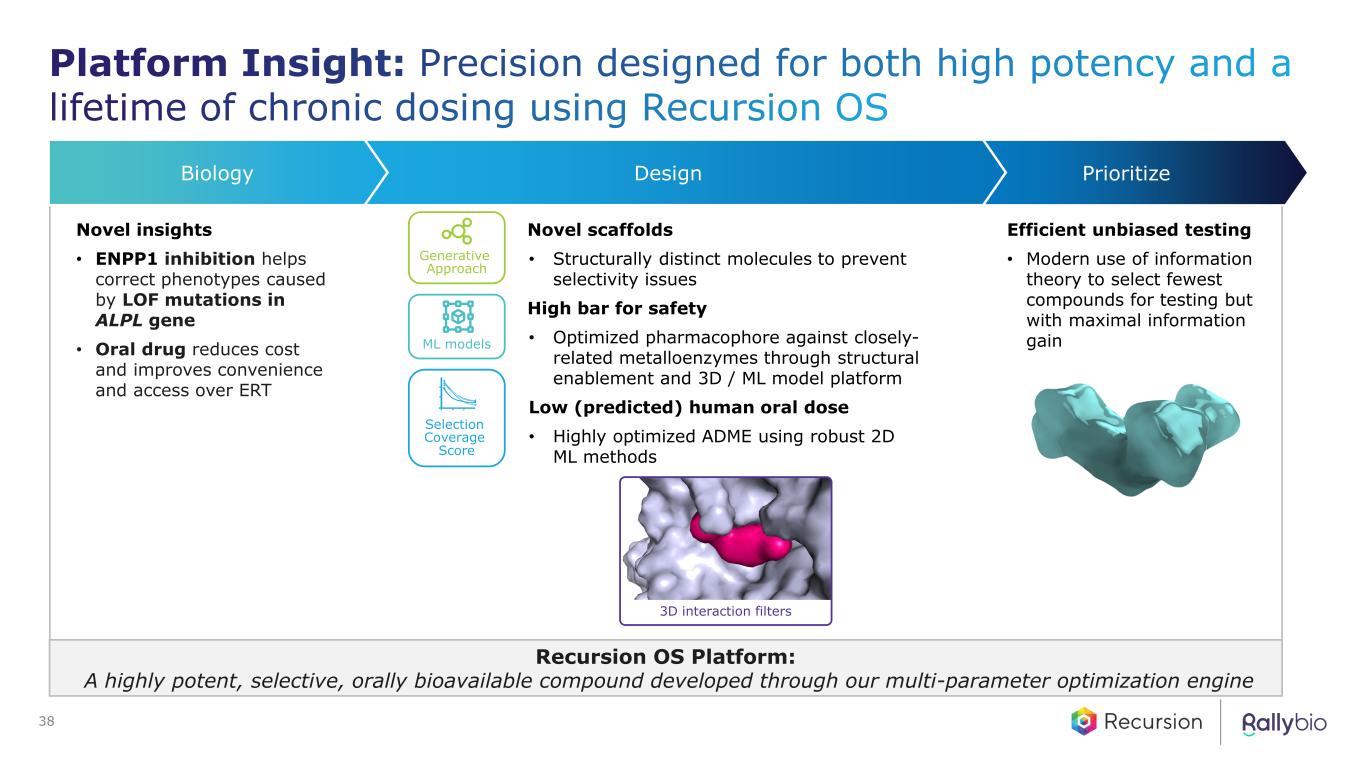
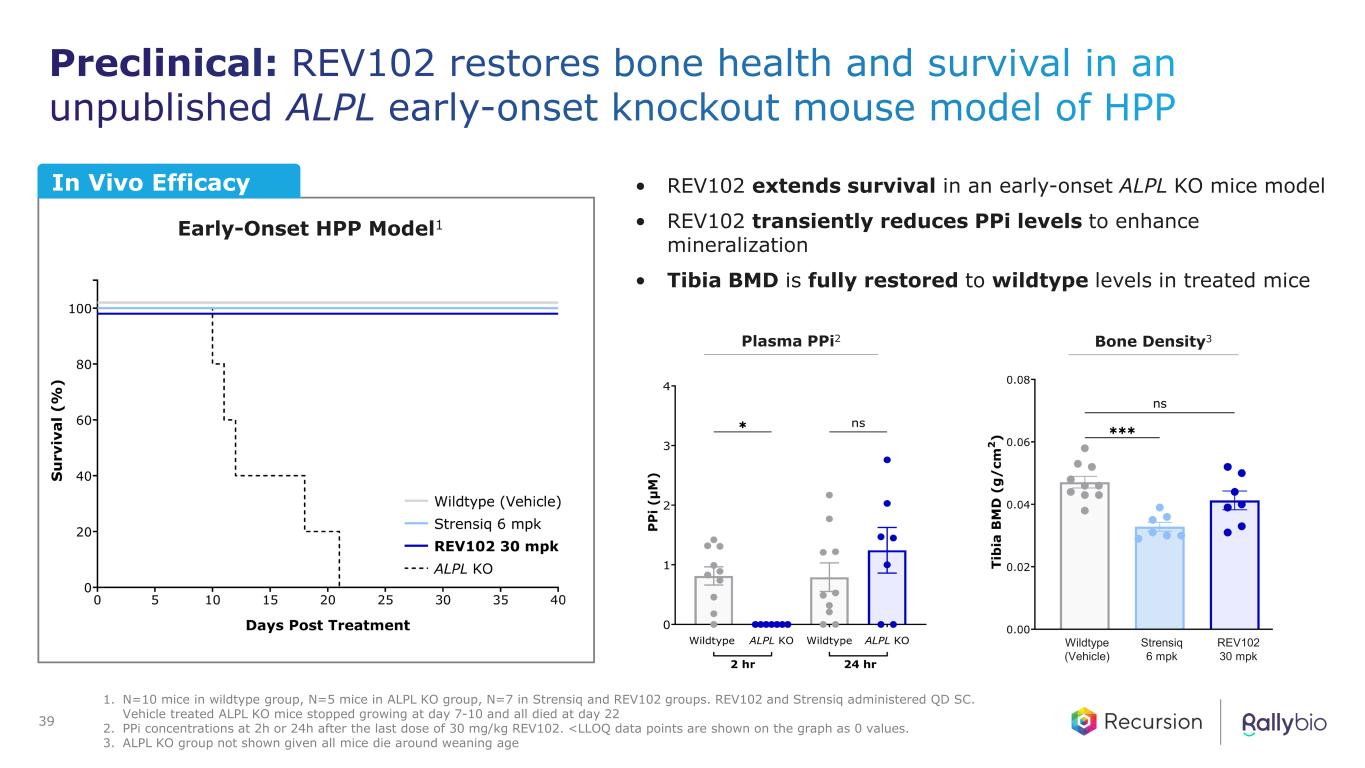
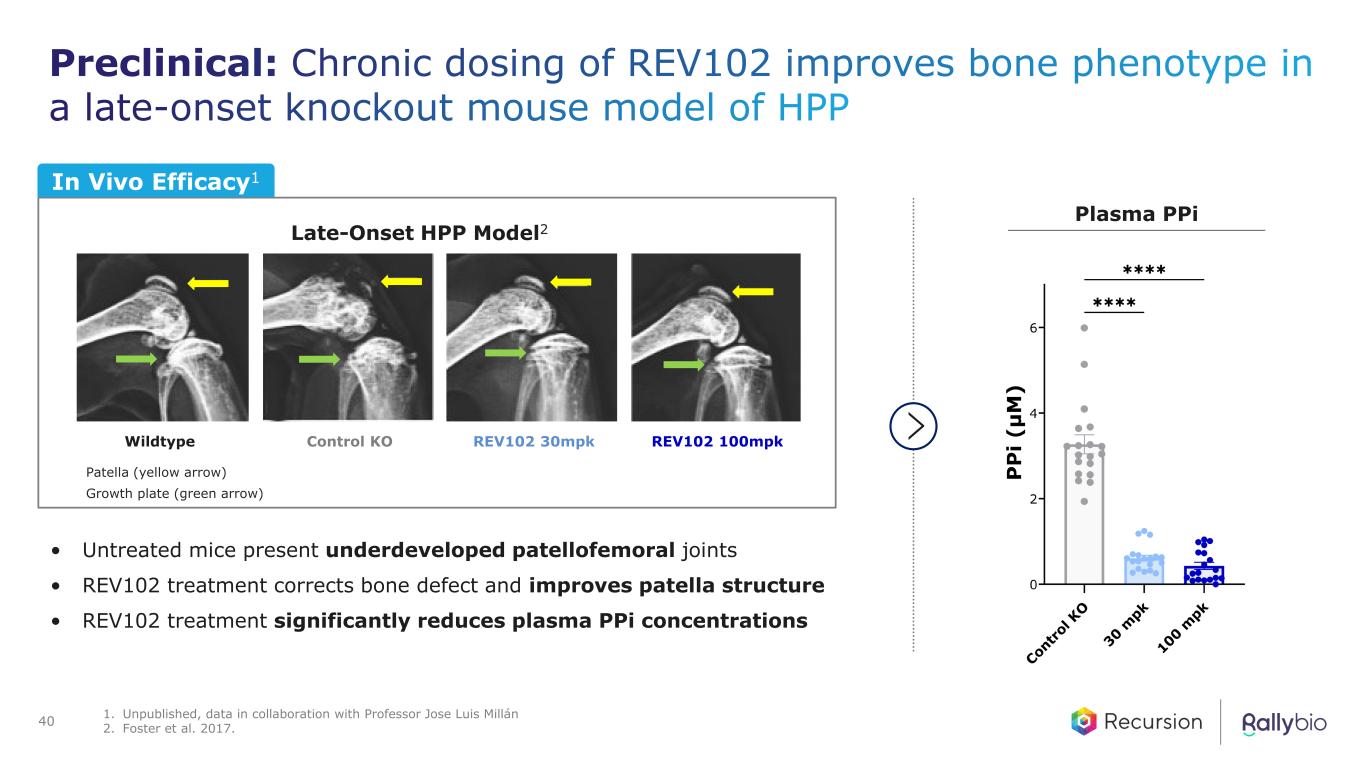
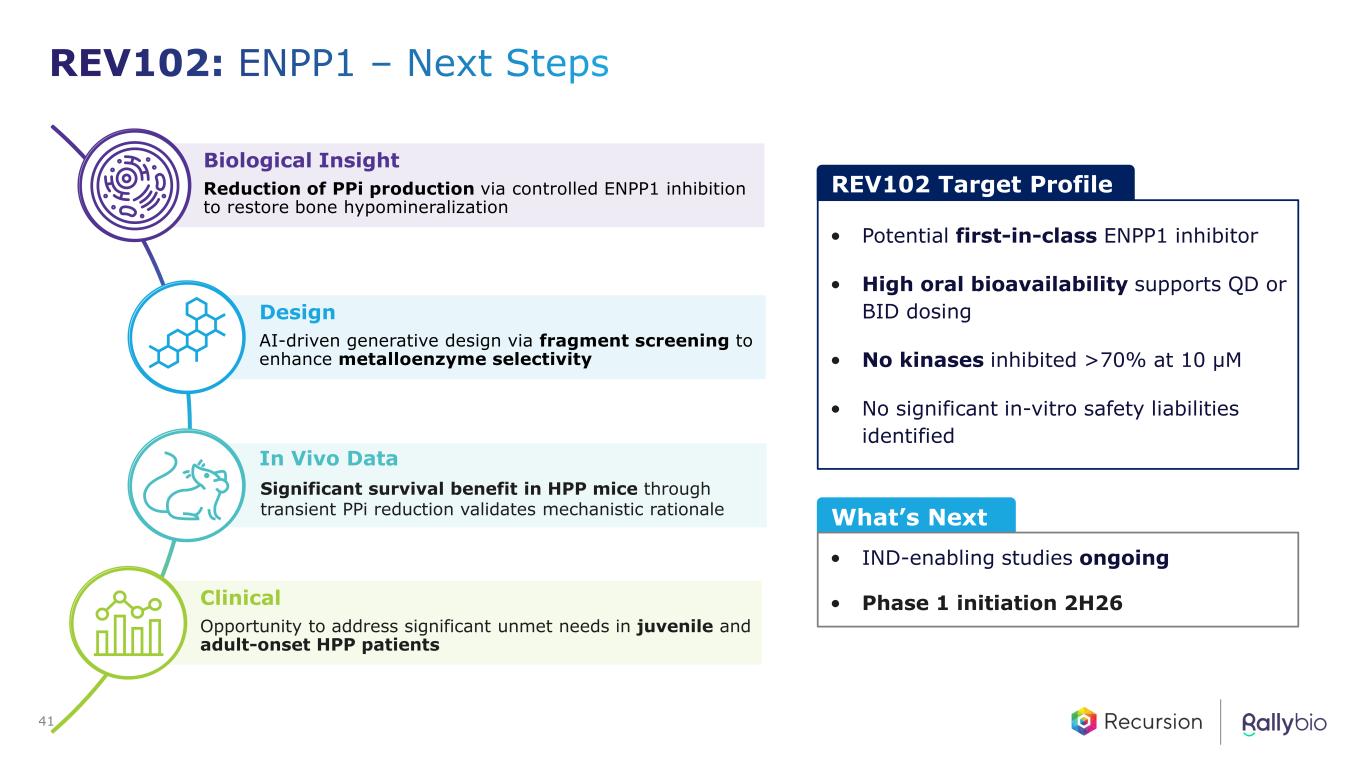
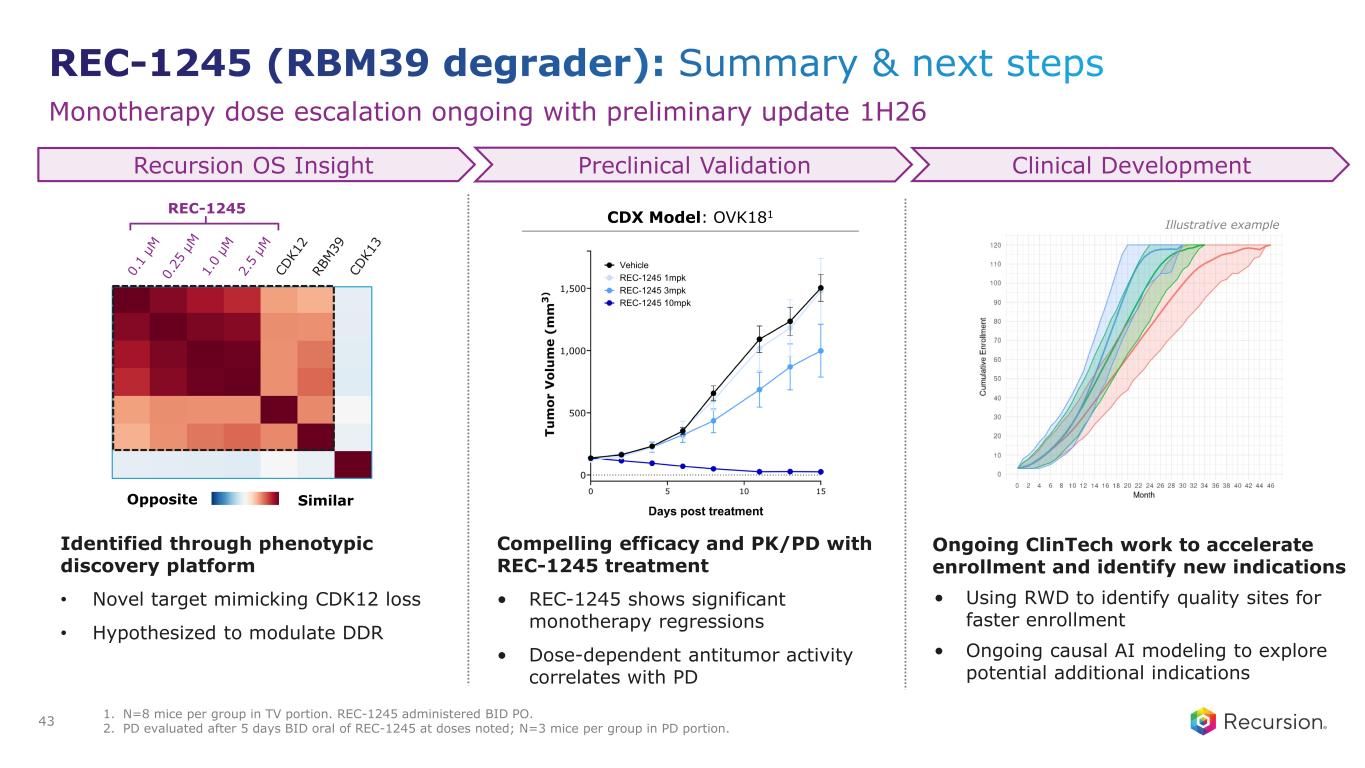
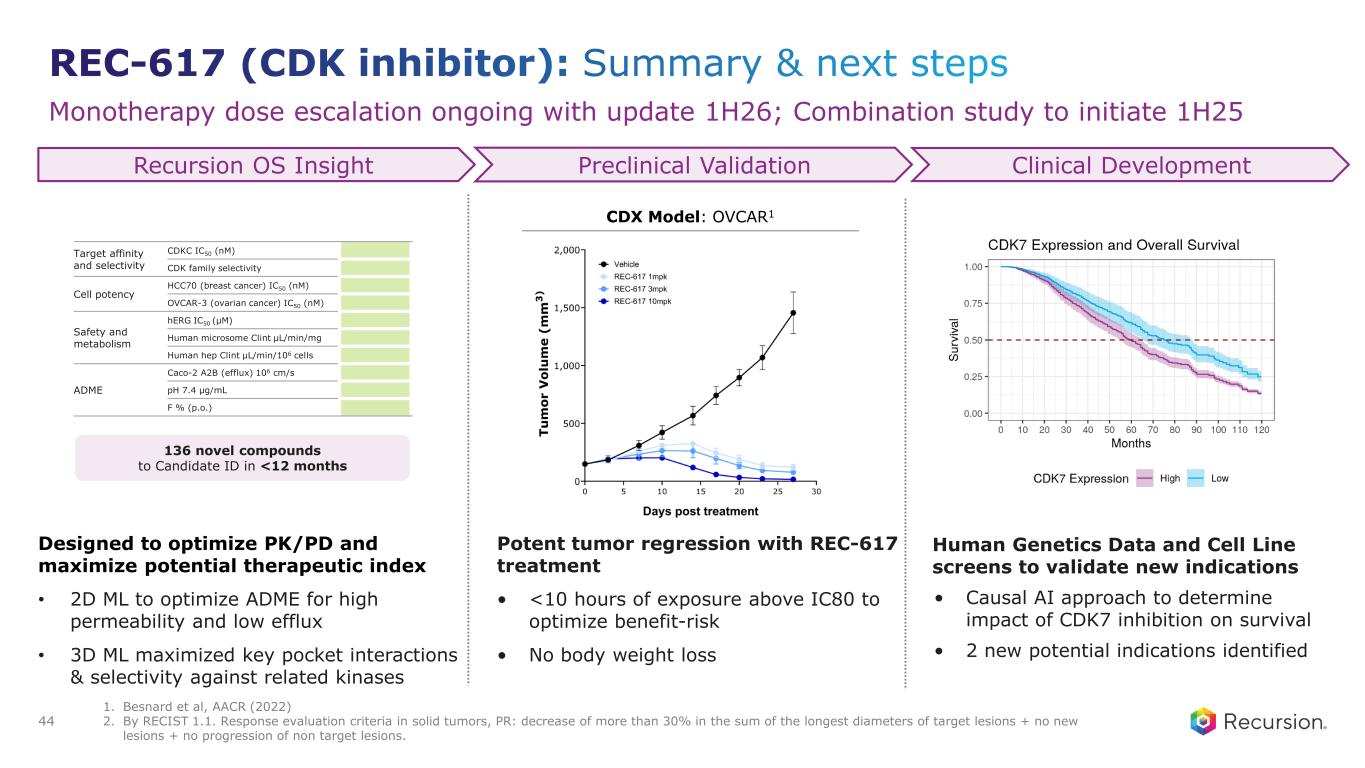
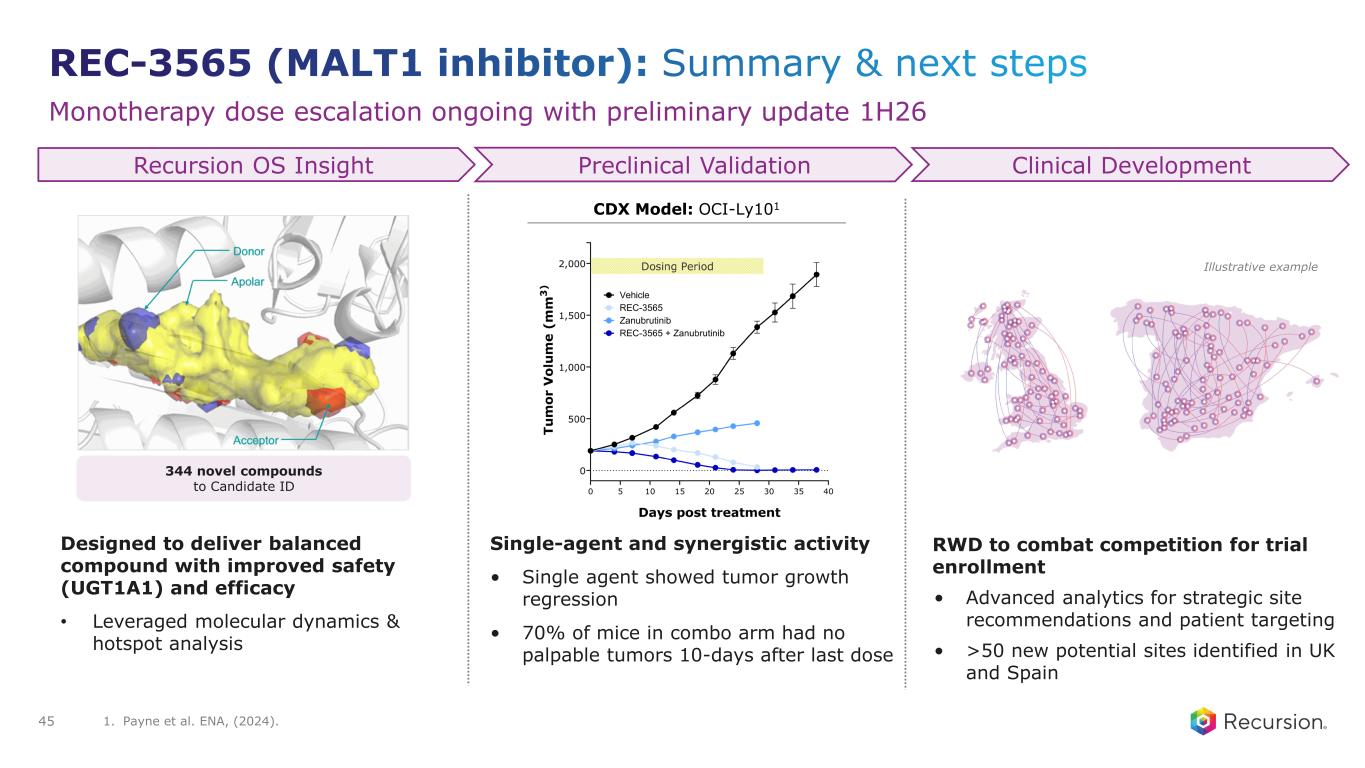
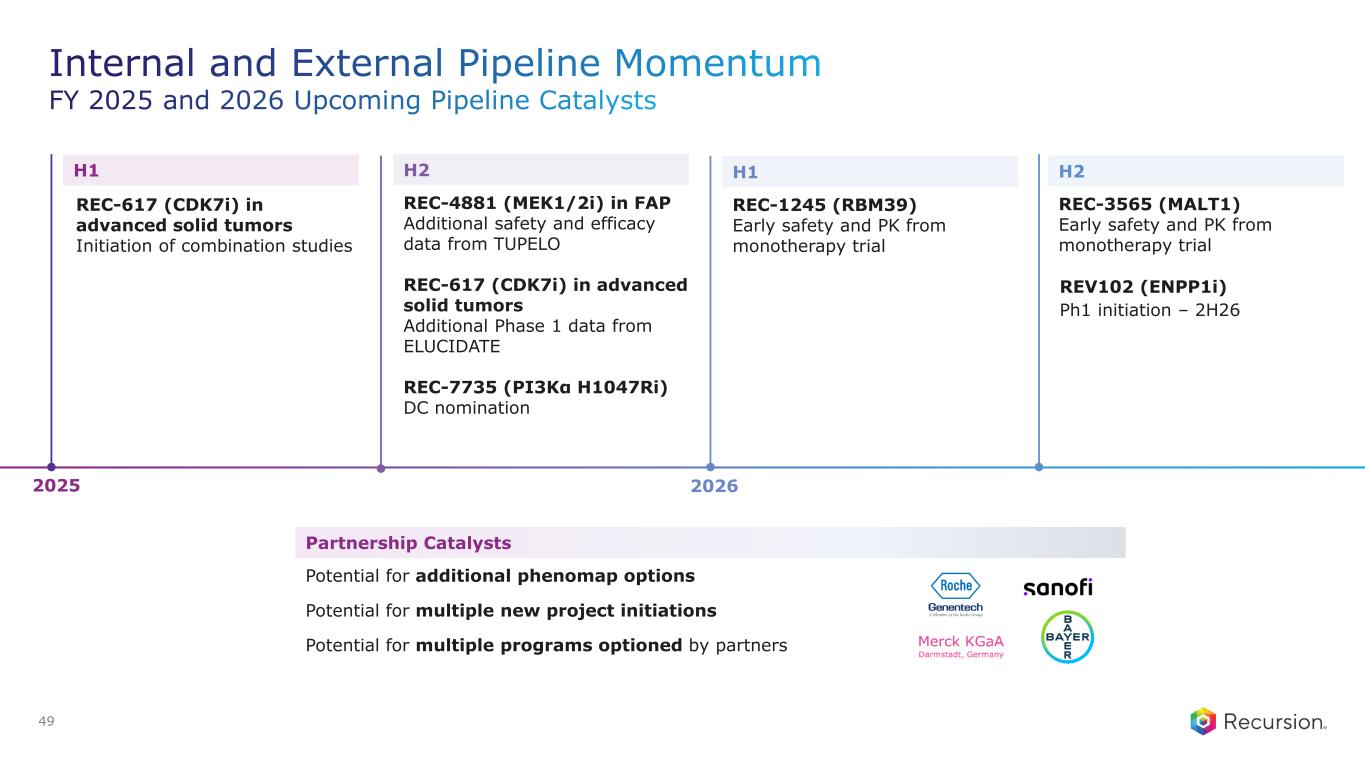
Thank you, Chris. Good morning. Good afternoon. Good evening, everyone. Thank you so much for joining our Q1 2025 earnings call. As Chris mentioned, over the next 40 minutes or so, I'll walk through some of the key pipeline updates, delivering on our commitment to sharpen our focus following the combination with Exscientia. I'll also highlight the programs we're advancing with the potential for the greatest impact as well as programs that we have thoughtfully chosen to discontinue. In addition to that, I'll round it out. So, first of all, three key points to consider. One is our pipeline really reflects the strategic application of Recursion OS and AI where it matters the most. As I go through each of these programs, I'll talk about places where we have novel biological insight or areas where we're engineering and designing differentiated molecules, as well as areas that we're driving precision-based development, a really key theme that we're doubling down on further. Every single asset you see on this page is done with one end in mind: programs that aim to create differentiated medicines that patients are waiting for. The second point, in terms of sharpening our focus, we're doubling down in these programs, both in oncology and complementing it with a focused effort in rare diseases. As Chris mentioned, we're advancing over five internally developed programs with first or best-in-class potential, each targeting unmet needs with a clear and efficient path to development and potential launch. The third point, as part of having a portfolio, since we did the integration, the portfolio has grown, and we said that we would actually make disciplined decisions to sharpen our focus. This is based on both data, and I’ll talk through that, but also strategic considerations. It includes deprioritizing three programs: NF2, CCM, and C. diff. We're also placing LSD on a strategic pause as we assess opportunities for a more differentiated TPP. We've also made some choices in our preclinical programs, a balanced approach, both preclinically in research and also in development. Let's start with some of the go-forward programs from the prior slide. I'm going to go through further details, but I just want to hit a few key points as a summary. Starting with our selective and reversible CDK7 inhibitor, REC-617, was precision designed using our Recursion 2.0 platform with a remarkable 136 novel compounds synthesized, compared to thousands that are typically made. It was designed to optimize that therapeutic index with the goal of improving safety and efficacy compared to our competitor molecules. Early clinical data, which we shared in December from our monotherapy shows encouraging monotherapy activity, including a confirmed partial response in a platinum-resistant ovarian cancer patient, and so far, a manageable safety profile. As we committed to before, we will open combination studies in the first half of 2025, and further details about that will be announced upon study initiation. Now, turning to our potential first-in-class RBM molecular degrader REC-1245. This emerged from our phenotypic insight that revealed RBM39 as a potential novel mechanism that is functionally linked from our phenotypic platform to CDK12, a historically challenging oncology target. By degrading RBM39, REC-1245 is designed to potentially mimic the downstream effects of CDK12 inhibition, disrupting RNA splicing to downregulate cell cycle checkpoints, DDR networks, etc. This triggers cell stress and apoptosis. We advanced this program from target ID to IND enabling in less than 18 months, showcasing the speed and precision of our learning, discovery, and Recursion 2.0 platform. The clinical development program is focused on a biomarker-defined set of solid tumors and select lymphomas with preclinical studies supporting its PK, PD relationship, and antitumor activity. The study is now in monotherapy dose escalation. Turning to the next one, MALT1. This is our selective best-in-class MALT1 inhibitor, which recently entered Phase 1 dose escalation last quarter with the first patient now dosed. REC-3565 is being developed for relapsed refractory B-cell malignancies. Again, another example of a molecule that was designed by the Recursion 2.0 platform, especially the generative AI piece, which integrated hotspot analysis and molecular dynamics to enable best-in-class profiles with improved potency, selectivity, and safety. One piece I want to point out is that the molecule was designed to avoid meaningful inhibition of UGT1A1, a known off-target liability seen in this class of molecules that can drive hyperbilirubinemia. Next, PI3K. This is one of our most advanced preclinical programs, designed to highly selectively target the H1047R mutation, which is a driver alteration present in about 14% of breast cancers and 4% of all cancers. While PI3K, of course, is a crowded landscape, this molecule was again developed using our generative AI platform to optimize selectivity from the mutant as well as over wild-type, about 100x more selectivity over wild-type and 10x greater selectivity from some of the wild-type sparing inhibitors that you've seen recently. Thus far, in our preclinical models, we've not shown any signs of hyperglycemia or GI tox. Early preclinical data is something I'll share in greater detail today that are showing tumor regressions at low doses supporting a potential therapeutic window that limits liabilities such as hyperglycemia with the goal to also improve the potential for efficacy. FAP is an allosteric MEK1/2 inhibitor in development for the orphan disease FAP. Just as a reminder, there are no approved therapies and the unmet need is very high. This is a potential first-in-disease program that originated from the earliest iterations of the Recursion OS Platform, showing unexpected and novel insight between MEK and APC in FAP disease modulation. 4881 is currently an ongoing Phase 2 open-label signal-seeking study. Some of the initial data, including safety, tolerability, and preliminary efficacy of REG-4881 in 4 milligrams was presented yesterday by our investigator, Dr. Joel Samandar, in a late-breaking podium session at the DDW conference in San Diego. I'll walk through some of the similar data to share with you in terms of the pipeline update, as well as the next steps for the program. ENPP1, moving to our second program in rare diseases, REV102 is an orally bioavailable small molecule ENPP1 inhibitor being developed jointly with Rallybio for hypophosphatasia, a rare metabolic bone disease. This opportunity is crucial for patients who have limited choices for treatment due to the nature of the current options available. LSD1, as noted earlier, was strategically pausing development of a potential best-in-class CNS-penetrating reversible LSD1 inhibitor to ensure some of the internal and external data that would be important to have a competitive TPP. We may pick this program up later depending on how some of this data evolves. Moving on to the programs that we are deprioritizing. Let's start with NF2. After a thorough review of the clinical data by the NF2 team, the decision to discontinue further development is clear. Although Phase 2 for NF2-related meningiomas technically passed the futility threshold, this was primarily driven by the lower 40-milligram cohort. The 60-milligram and the combined dose arms did not pass the futility criteria, and we observed limited tumor shrinkage and clinical activity across both doses. The next program, CCM. Initially reported topline data from the Phase 2 SYCAMORE trial, we were pleased to see that it was safe and well tolerated. While the early data showed some promising trends, potentially, in exploratory efficacy endpoints at 400 milligrams, we saw negative trends in efficacy for 200, though these signals and data were not statistically significant. From our long-term extension studies, we noted a decline in MRI and functional outcomes. Importantly, we did not see promising trends in the placebo to 400-milligram crossover where each patient served as their own baseline, and results were not distinguishable from natural history. Therefore, based on the totality of the data and the discontinuation of the systemic program, we chose to cease further development. Now turning to C. diff. Despite novel insights into how we can tackle recurrent C. diff with a highly potent and orally viable C. diff toxin B selective inhibitor, the unmet need for C. diff has reduced to almost around 5%. Without a clear differentiation profile, we've decided not to pursue further internal development. I want to round by saying that for our clinical trial transparency policy, we intend to make all clinical data publicly available in a peer-reviewed journal following appropriate review. A huge thank you to all of the investigators and patients for supporting us, for being part of the studies; research and development is one of the hardest things we do, to create new medicines for patients, and it's with deep gratitude. So, I talked about go-forward programs and data-driven and strategic decisions for our portfolio strategy as a learning organization, grounded in scientific rigor and disciplined capital allocation. This reflects a raised bar for what we choose to pursue: programs that meet the highest standards of differentiation, address significant unmet needs, and leverage the unique strength and the full power of the Recursion 2.0 platform. We are evolving to a more focused product-oriented strategy leveraging the full power of the Recursion 2.0 platform. This tech stack encompasses biology, chemistry, and clinical support. We will continue to focus on medicines for patients that are differentiated at the time of launch, be they first-in-class or best-in-class. Disciplined execution through rapid, data-driven resource-efficient go/no-go decisions is key. We anticipate meaningful readouts and catalysts across our internal pipeline in 2025 and 2026. For the first half of 2025, we anticipate initiation of our combination study in advanced tumors, building on monotherapy insights for CDK7. In the second half of this year, we expect additional Phase 1 data from monotherapy. For FAP, we have additional patients enrolling in our 4-milligram cohort, providing further data. For PI3K, we aim for development candidate nomination in the second half of this year to start IND enabling studies. Transitioning to early 2026, we see early safety and PK data readouts for the RBM39 program in solid tumors, and similarly for B-cell malignancies we expect early updates in the second half, alongside the Phase 1 initiation for our ENPP1 inhibitor. Those were the deep dives on our go-forward programs, and I’ll round it out with a quick overview of our oncology pipeline presented on a one-pager. So, the first one is RBM39 degrader, achieved promising results in clinical models, showing dose-dependent antitumor activity. The study is currently in Phase 1 monotherapy with an update anticipated in the first half of 2026. For CDK7, we're leveraging our platform to optimize the therapeutic index, showing evidence of tumor regression and stable disease response. In vivo data demonstrated efficacy and safety, with ongoing studies utilizing causal AI for precise patient selection. Lastly, our partnered programs reflect collaborative efforts against complex targets and high-quality molecule generation. We are excited about the progress in both our internal pipeline as well as within our partnerships. Thank you for your attention. I'll now turn it to our CFO, Ben Taylor, for the financial update.
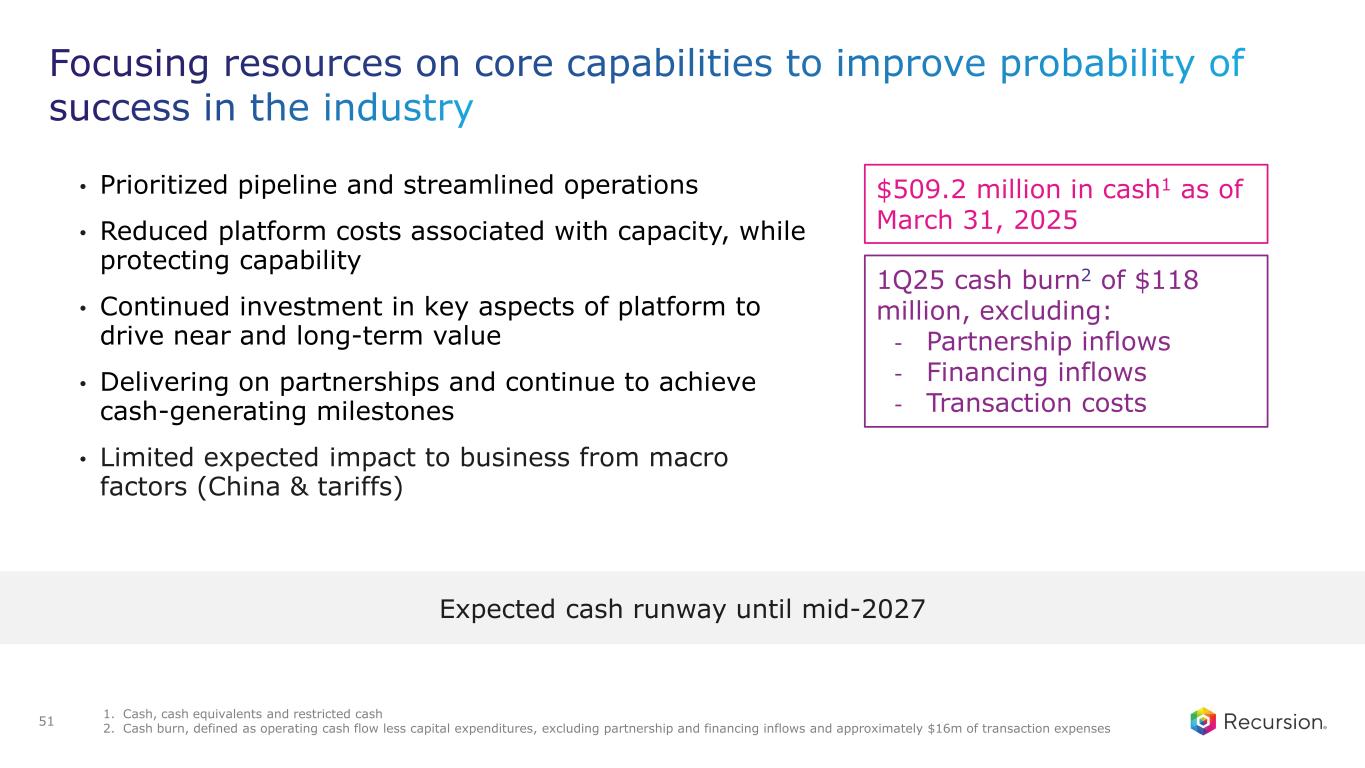
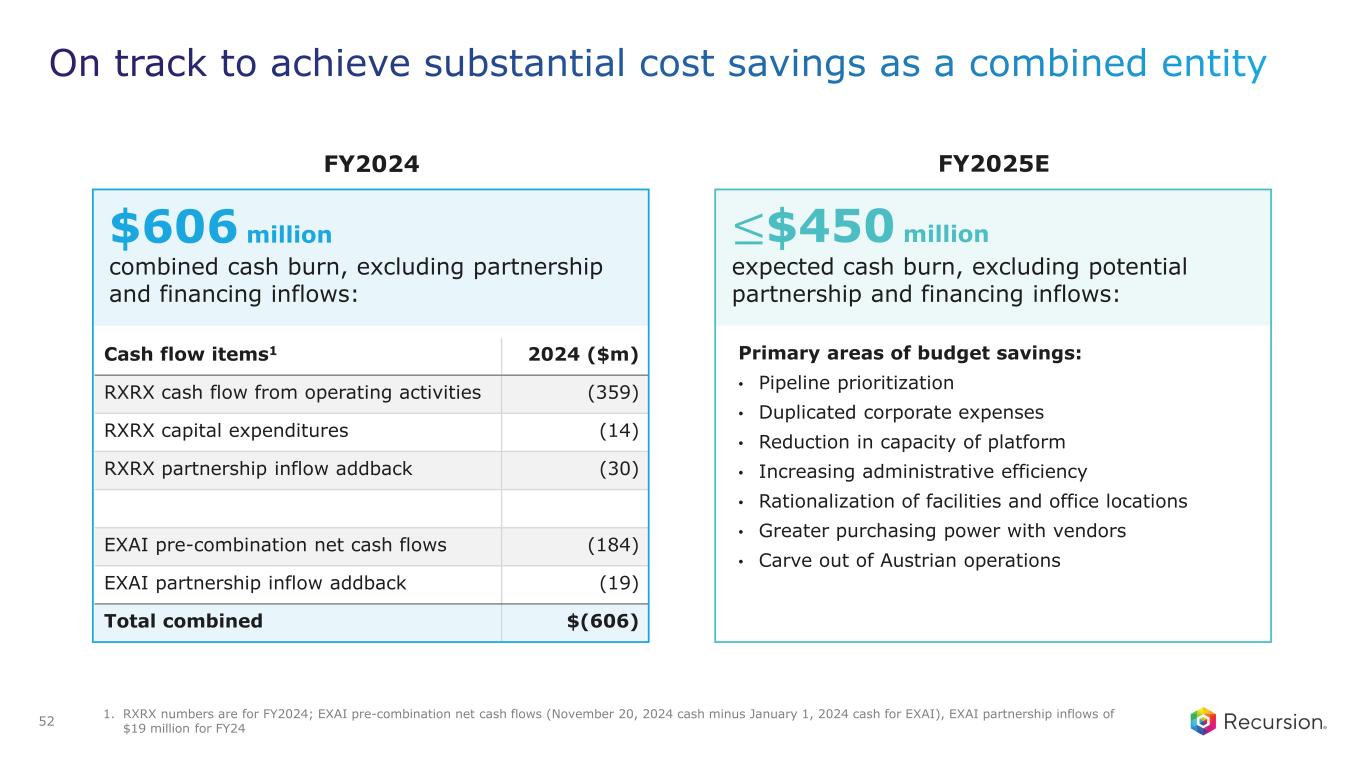
Sure. Thank you, Najat. We wanted to start with discussing the financials, not only focusing on the pipeline prioritization but also how we're striving to make data-driven, disciplined decisions across the organization to maximize our ability to reach milestones. If you look at how we've been adjusting our operations since the merger and even before, we've focused on adjusting our capacity over our capabilities. Our capabilities reflect our overall platform, while capacity pertains to how many we can utilize. We have a great ability to adjust our capacity based on market conditions and pipeline needs while maintaining those capabilities across the platform. Through the first quarter and for the rest of the year, we expect to end the quarter with $509 million in cash. During Q1 '25, our operational cash burn was approximately $118 million, factoring in all operational expenditures and capital expenses, not including inflows from partnerships or financing, and excluding transaction costs from the merger. Collectively, we anticipate this cash runway extending into mid-2027. Our strategy incorporates driving cash flows from our existing partnerships, having brought in $450 million, achieving significant milestones with Sanofi and Roche, allowing us to leverage cash flows from partnerships. Furthermore, we will continue considering new business development opportunities and adjusting our operational capacity as needed to support these partnerships. If we move on to the next slide, you can see a comparison of our burn rates pre- and post-merger. In 2024, our combined cash burn was about $600 million, while for this year, we budgeted for less than or equal to $450 million, achieved through pipeline prioritization and adjusting corporate expenses. By maintaining our tech focus, we plan to accomplish more with fewer resources. With that, I'll hand it back to Chris.
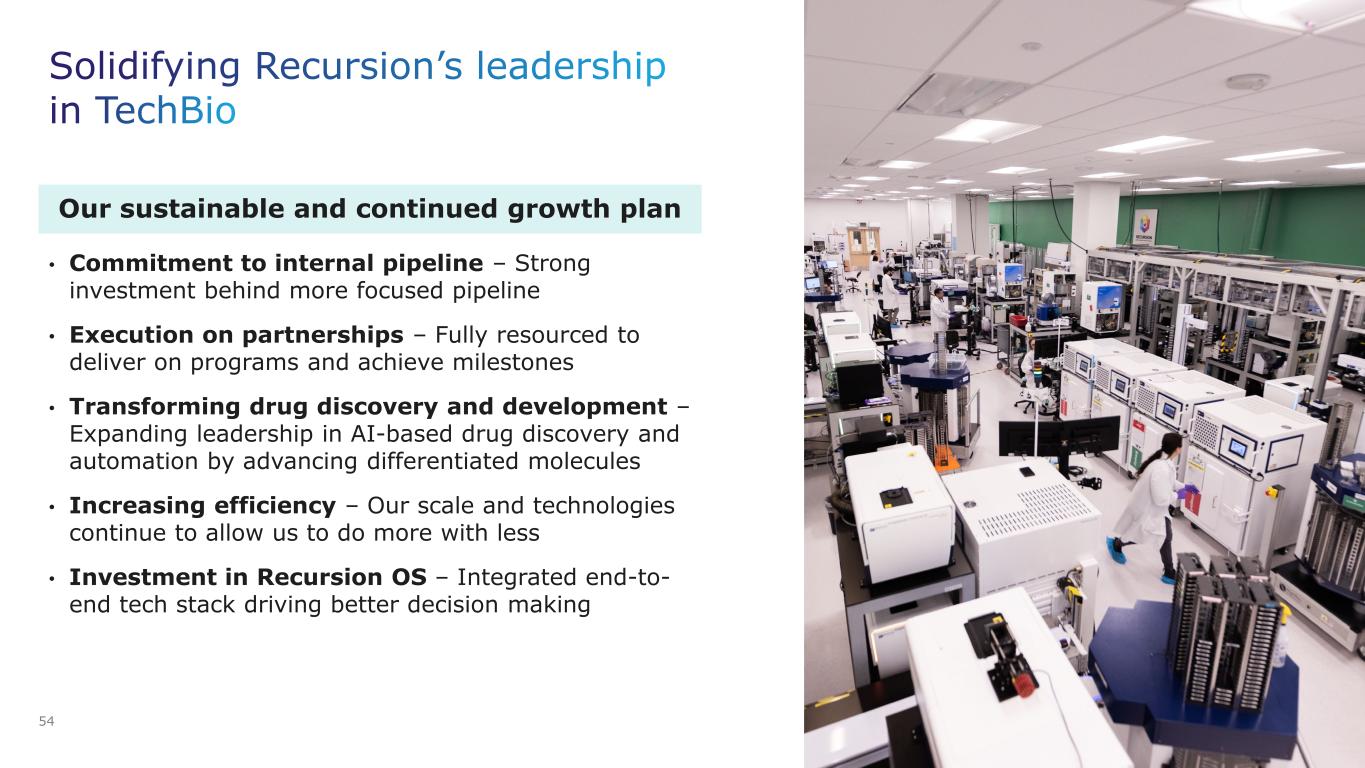
Thanks, Ben. I want to talk a little bit about Recursion 2.0 and the experiment that we're here to run at Recursion. You've heard from Ben and Najat today, and on behalf of them and the entire team, we thank you for your attention. I just want to share with all of you that we believe Recursion will continue to lead the TechBio space, and we're going to do that through this sustainable continued growth plan that we shared today. We're committed to our internal pipeline, though it will be more focused than it has been in the past. We're going to continue to execute on our partnerships and believe there are substantial milestones we have the potential to earn in the coming quarters and years. We will continue increasing our focus on leveraging AI, not only in drug discovery but all the way through development, with some exciting developments in clinical that we’ll share more on soon. As Ben just stated, we will continue increasing the efficiency at Recursion while also never ceasing our investment in the Recursion Operating System, because ultimately it's that operating system, that learning system that we believe will provide Recursion with a competitive advantage in the coming years. With that, I thank you all for your attention. We're now going to turn it over to Q&A.
Looks like Eric Joseph at JPMorgan has asked: Given your stated runway to mid-2027, what burn rate do you anticipate exiting '25 or entering '26 with? From where would you expect incremental efficiencies still to be derived, and do you plan to raise capital? I'll turn it over to you, Ben. Sure, of course. We haven't given specific guidance on the runway, but you can imagine if our budget for this year is $450 million or less, we're targeting a runway of less than that. We will provide additional detail in the year ahead. Alongside this, we're continuously looking for different efficiencies across the organization. For example, we've successfully driven better contracts with our partners and integrated different parts of the business to reach lower overall costs. We'll continue to find opportunities for extending our runway without affecting our ability to execute on our pipeline programs both internally and with our partnerships. As for raising capital, we plan to continue our previous business practices while monitoring the market for potential opportunities.
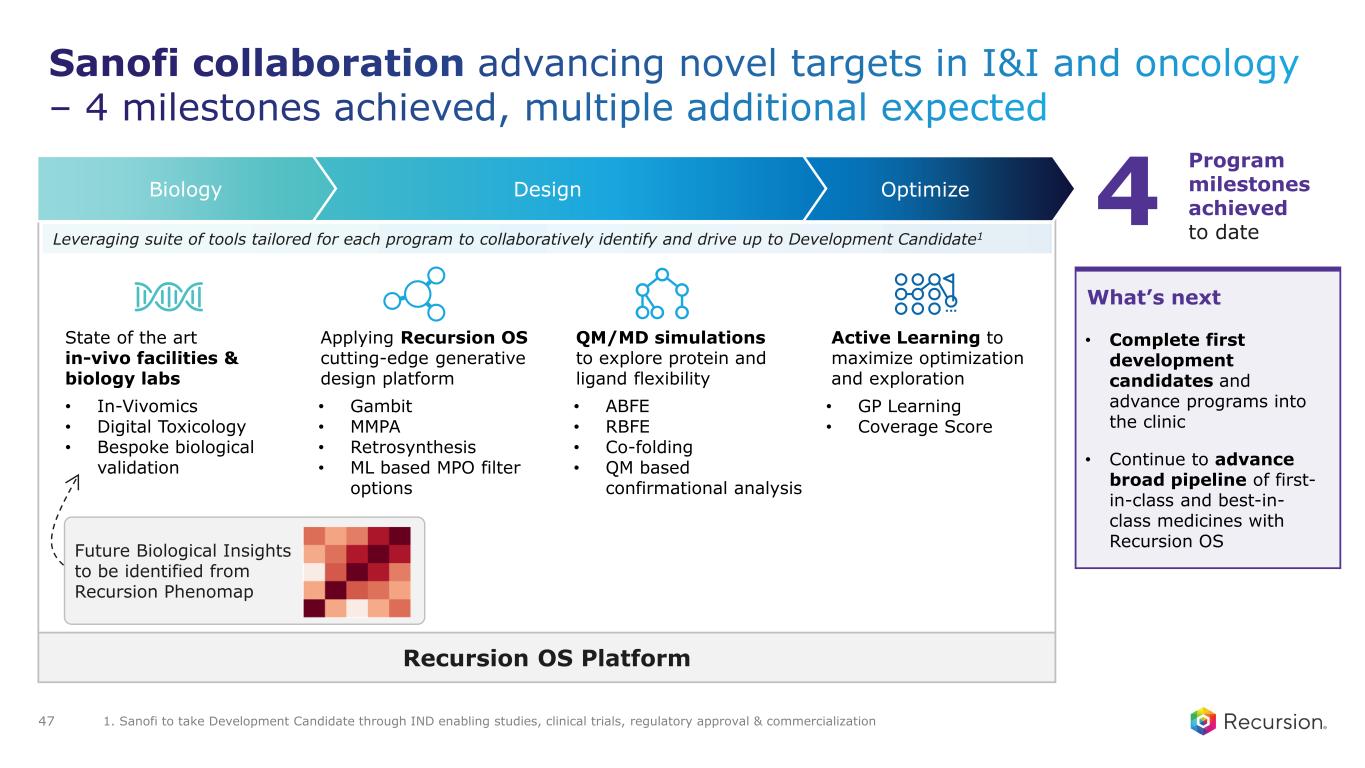
Thank you so much, Ben. Next, we got James and Joe asking a question on partnerships. When can we see an option in on a molecule candidate from one of your four main partnerships, and any further insights on new levers in the OS for accelerating partnership programs to commercialization? I'll take the first part of that. We've already had four programs optioned in our collaboration with Sanofi, and another program optioned in our collaboration with Genentech. We think these programs, and many others, have the potential to move into later stage options which involve our partners' pipelines. For the second part, I'll turn it over to you, Najat.
Speaker 1
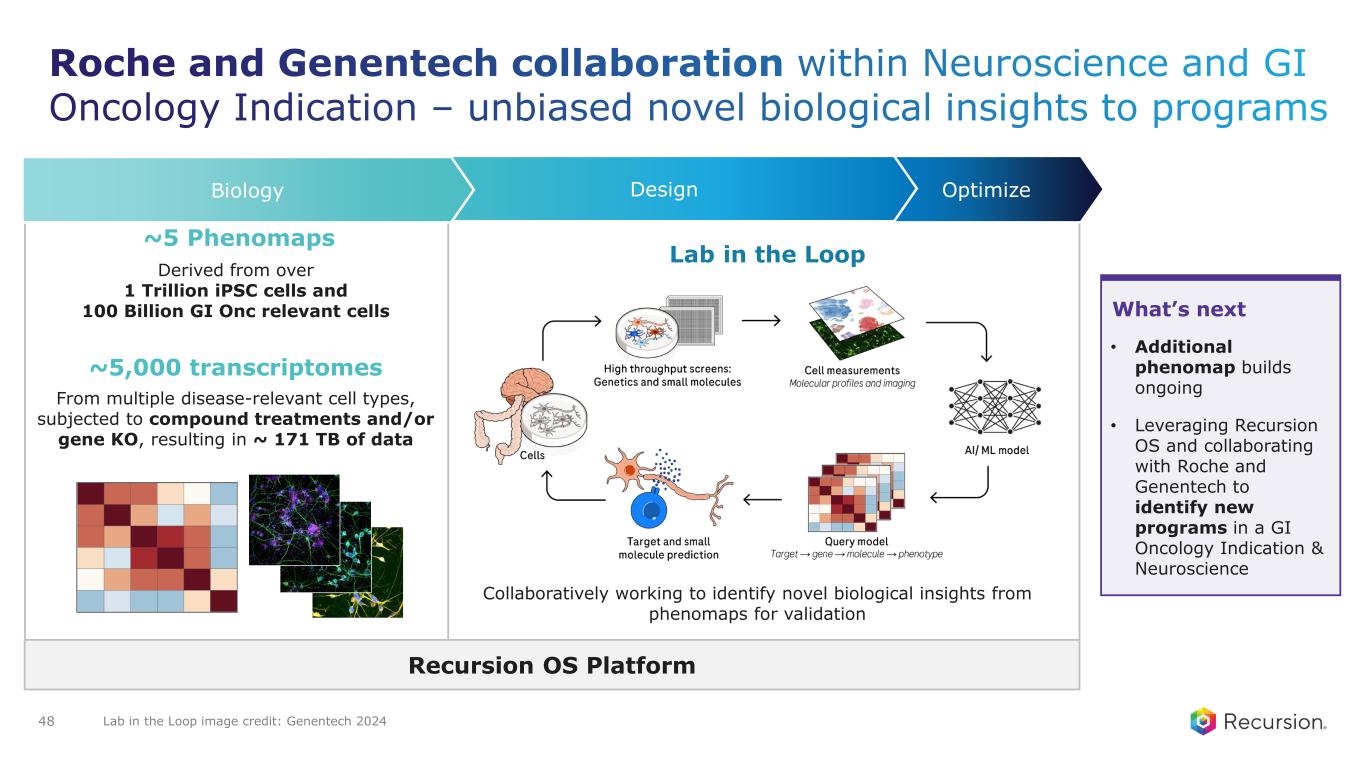
Yes, I’ll mention maybe three. One, on biology, we've talked about the phenomics work that Recursion is doing now adding transcriptomics, which helps us understand holistically not only the biology but also better characterize patient populations. This creates a differentiated TPP upfront. Two, on the chemistry and design module, we are improving our modeling strategies and will continue to train models that help us target aspects that can be challenging. Three, in development, we're looking to leverage our ClinTech capabilities using multimodal data to understand the optimal patient population which helps us move more rapidly.
Thanks, Najat. Next up, we've got Vikram from Morgan Stanley, asking a question on the pipeline. Your pipeline prioritization leans heavily towards oncology. Do you generally see a pivot away from rare disease for your pipeline and platform? If so, can you describe the aspects of the recursion operating system that might make oncology a stronger fit in addition to rare disease? I believe both oncology and rare disease are excellent areas for us to deploy our platform. In both, we have genetic markers that provide us with biological anchors. We will continue forwarding both rare disease and oncology based on data; I do not foresee us abandoning either area in the near term.
Speaker 1
Yes, happy to address questions around the FAP data shared at DDW. Our median polyp burden reduction was 43% in our 4-milligram cohort. Additionally, we noted that the safety profile reported is consistent with what's seen for MEK1/2 inhibitors. Other programs have shown polyp reductions ranging from 20% to 30%. The Spiegelman stage data is also an encouraging indicator of our program’s progress. We are dedicated to understanding the non-responder patient further to enhance our approach as we move forward. For FAP, we're encouraged by the 30% to 80% polyp burden reduction and will consider if we need higher dosing after reviewing progress in the current cohort. We're planning on completing our study with these patients and then taking suitable next steps, possibly involving discussions with regulatory agencies. The success bar for FAP relates closely to turned polyp burden andFDA approval, with current off-label agents barely providing any response. There is immense unmet need, especially with patients requiring multiple life surgeries that limit quality of life. A competitor cognizant of a similar pathway might still offer opportunities for differentiation, and our early data reinforces this. We anticipate that more patients will be joining the 4-milligram group, allowing us to better facilitate our data analysis and define the next steps. We’ve involved multiple endpoints, including Spiegelman scores, to monitor patient progress.
We noticed that CCM, NF2, and C. diff were all products of our earlier Recursion 0.1 platform where we explored candidate repurposing. FAP is now showing promise, but we decided to discontinue C. diff based on commercial feasibility. Our Recursion 1.0 and Recursion 2.0 developments have allowed us to refine our approach, enhancing efficacy and evidence from larger cohorts.
Speaker 1
Coming in less than a year ago, we've emphasized thoughtful molecule designs and rapid learning to make informed go-forward portfolio strategies. Molecules like CCM, NF2, and FAP were all initially licensed programs. More recently, we've leveraged designs focused on fit-for-purpose molecules customized to the needs we identified. Whenever we mention AI, we aim for enhancements across study designs with precise patient targeting. This is crucial for maximizing the signal-to-noise in our ongoing studies; thus, leveraging tools like Tempus and pushing boundaries through predictive algorithms is vital for our success. Patient prioritization is critical, and we take a strong approach to ensure that recruitment aligns with the greatest signal and noise. This plays a key role not only for our clinical but also to support valid go/no-go decision-making. When determining which programs to prioritize, we focus on the potential value of the drug, including patient population, unmet needs, and competitive differentiation. We assess the entire development plan feasibility against the backdrop of scientific data and risk perspectives, aiming for high standards in differentiation.
Recursion is well-positioned for evolving regulatory frameworks, like the updates issued by FDA. We generate large-scale datasets, building foundation models that transition preclinical studies to a predictive and validate regime. This evolution will enable our success in maintaining compliance and outpacing competitors in this regard. With that, we appreciate everybody's focus and attention today. Thank you for joining. We look forward to seeing you all on the street. Thank you so much, everybody. Bye-bye.