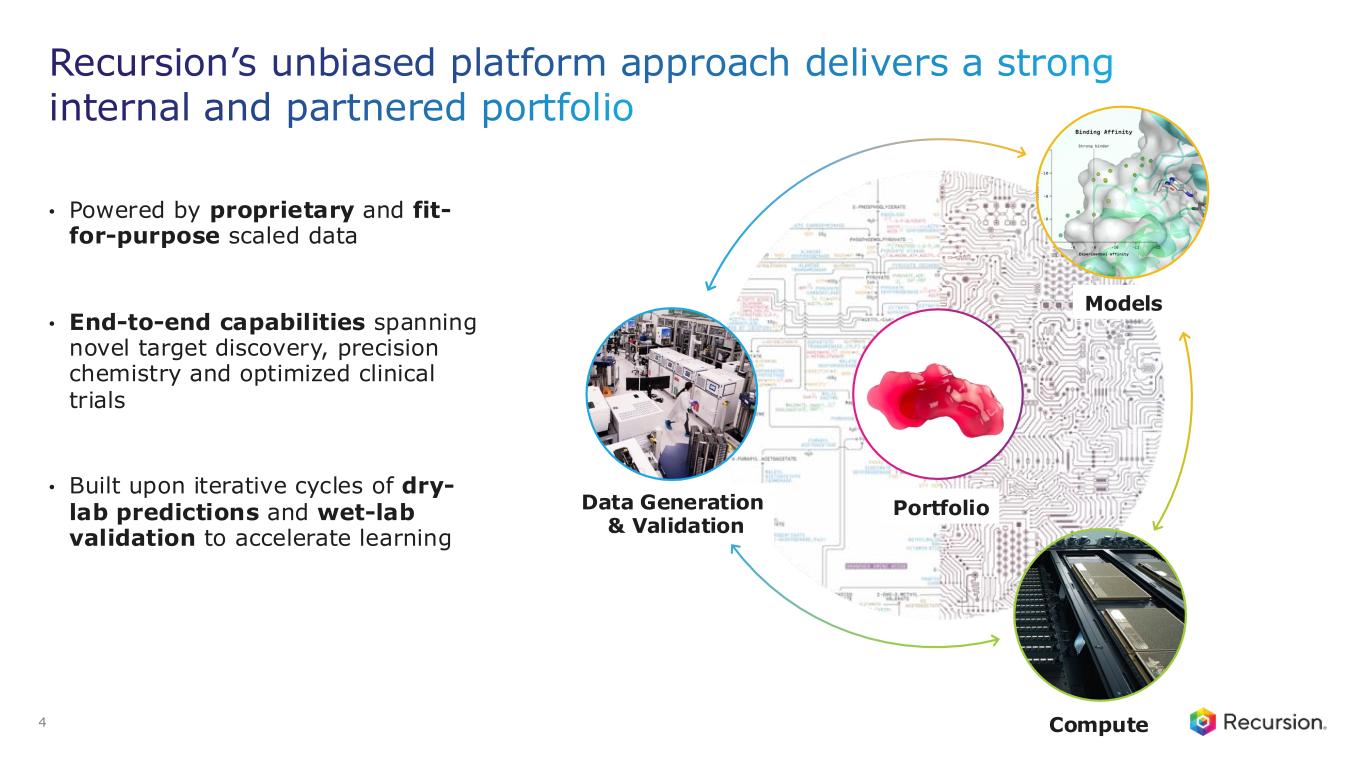
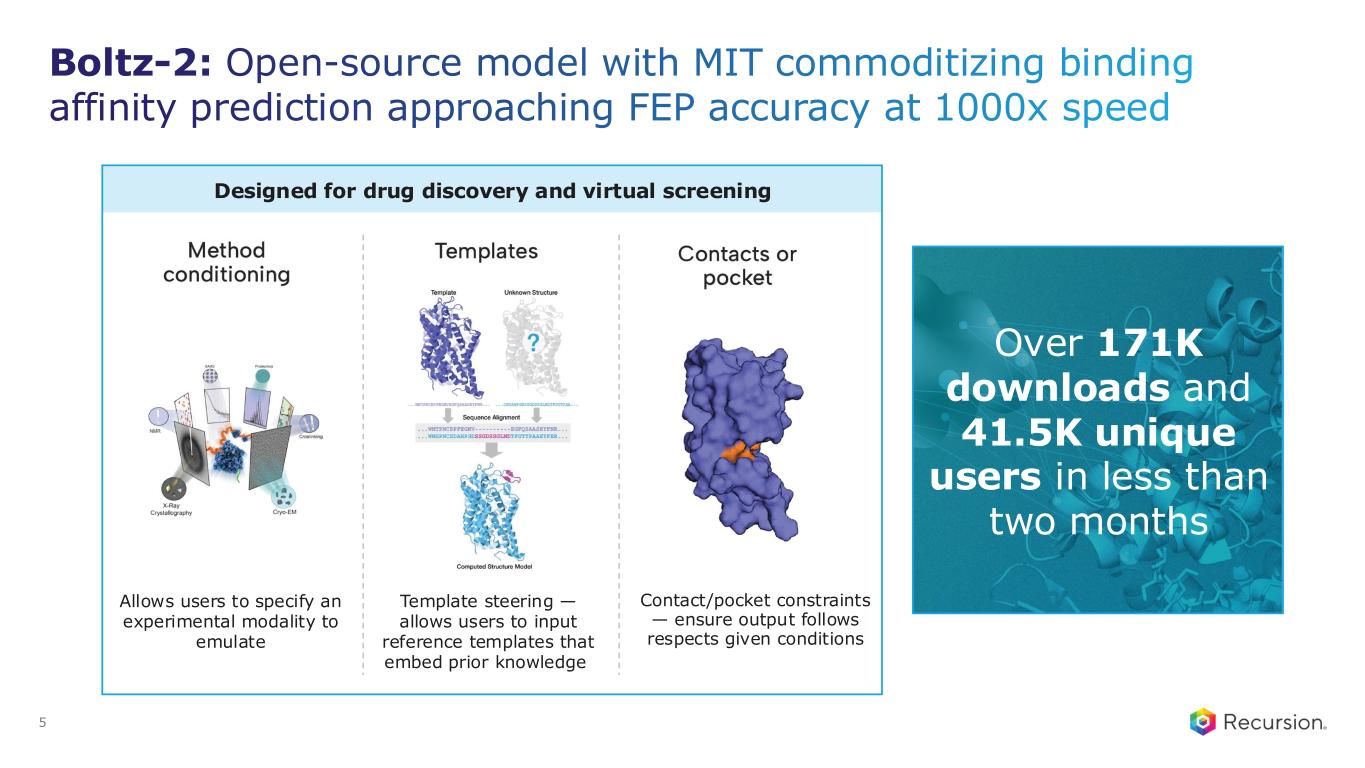
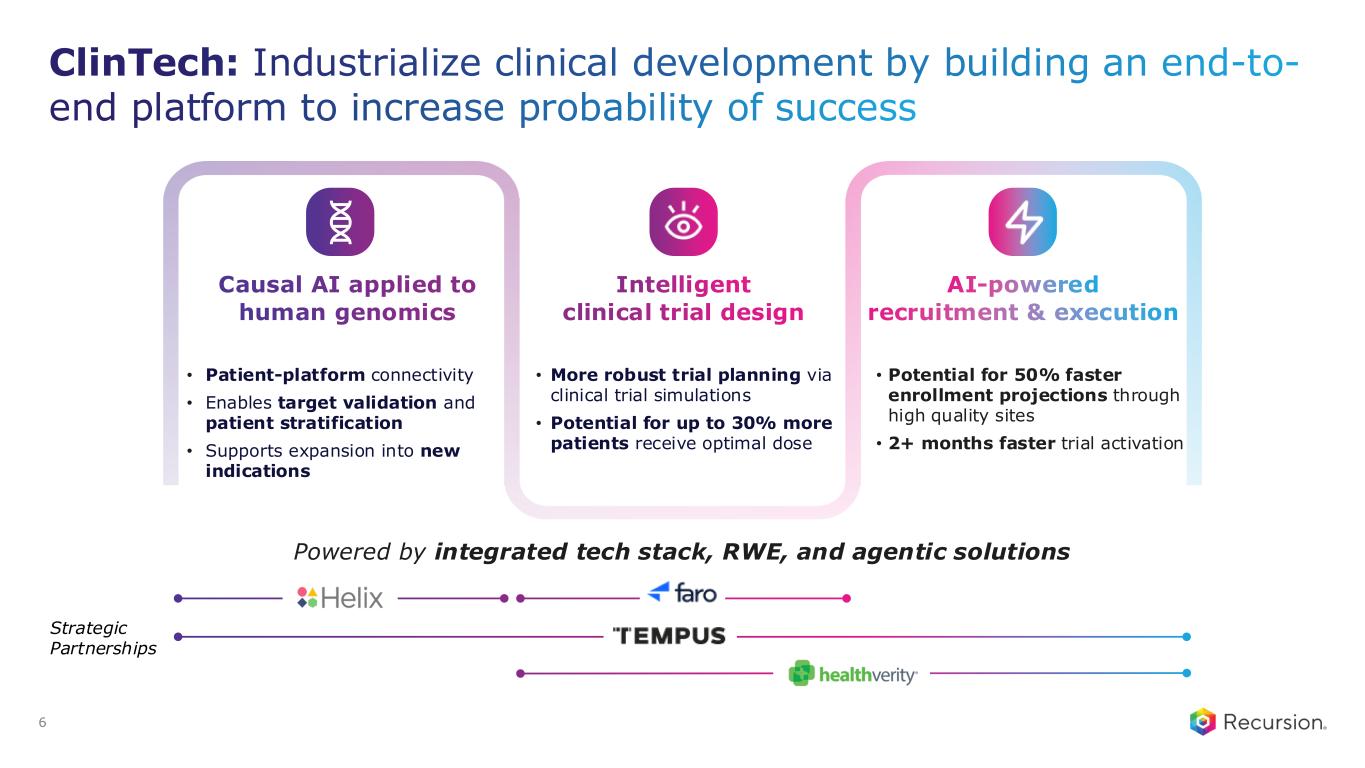
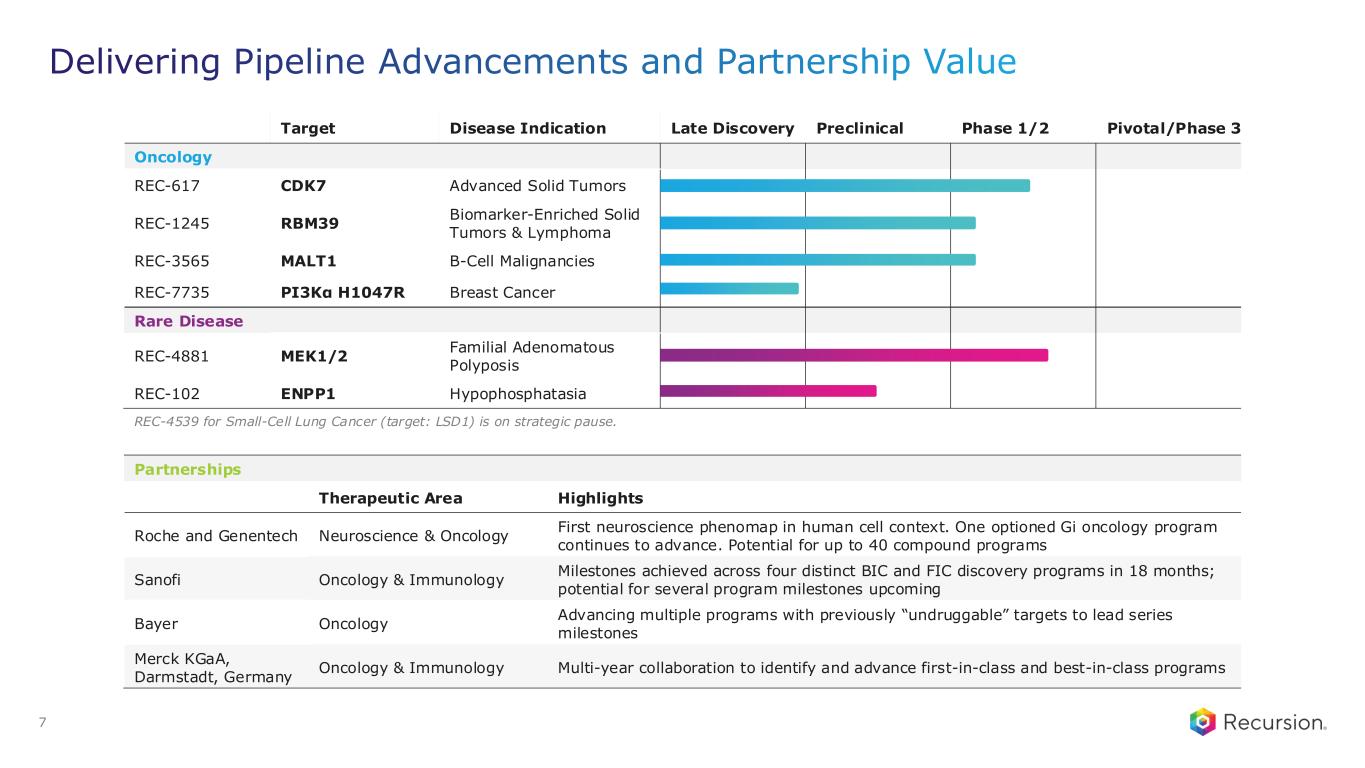
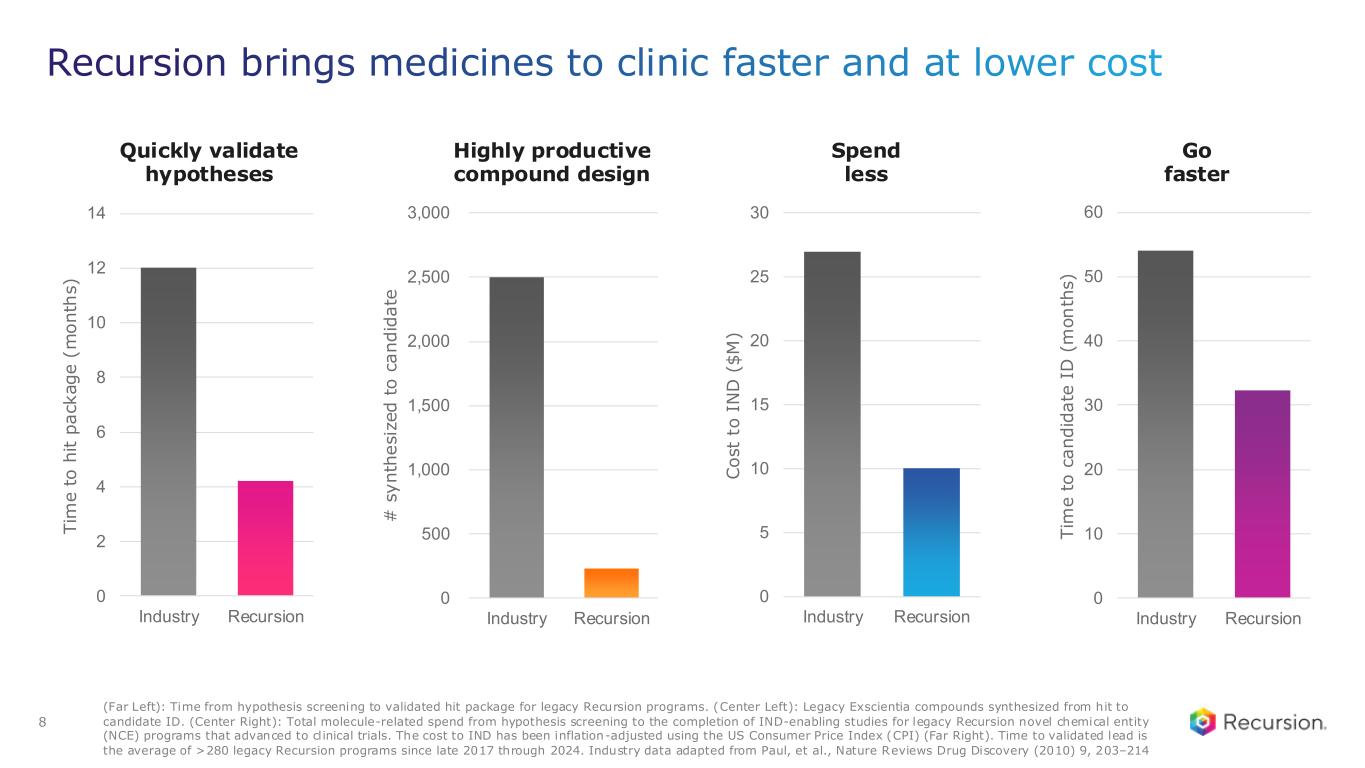
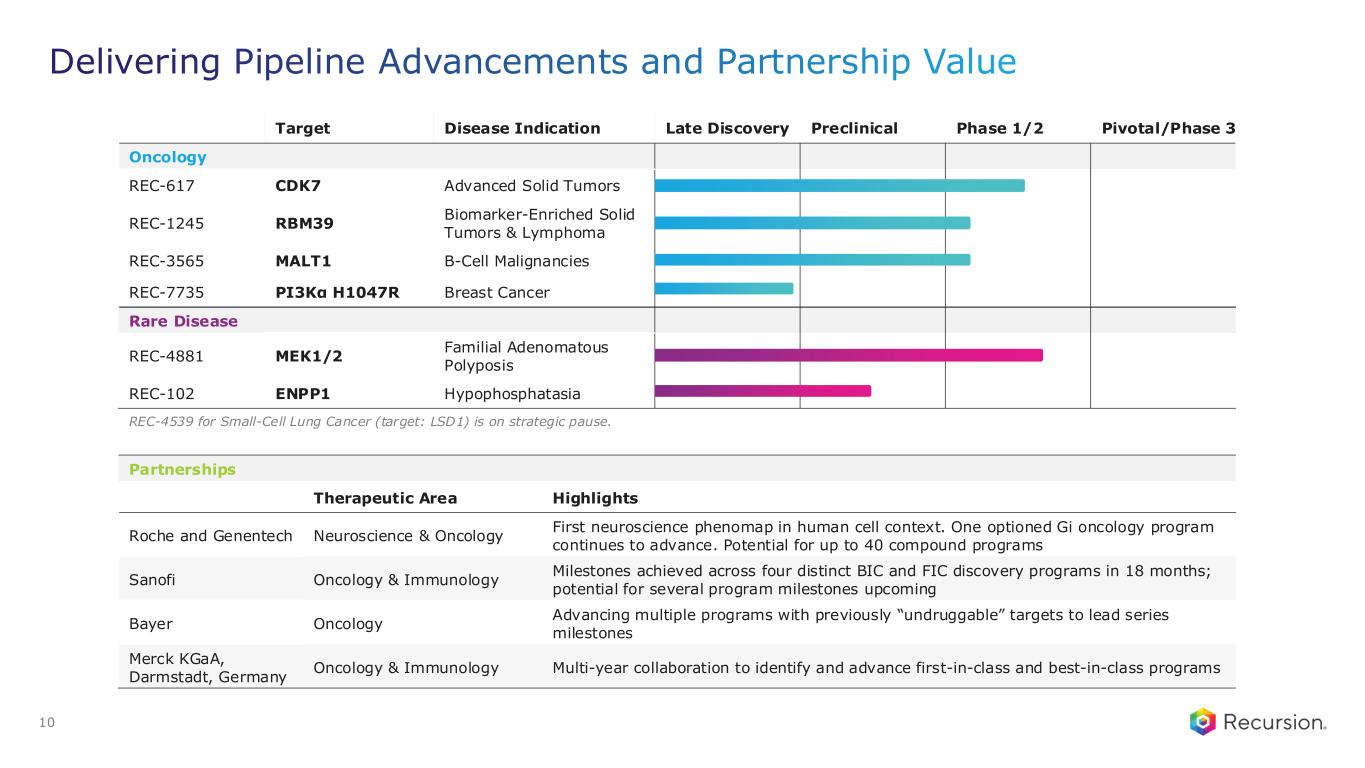
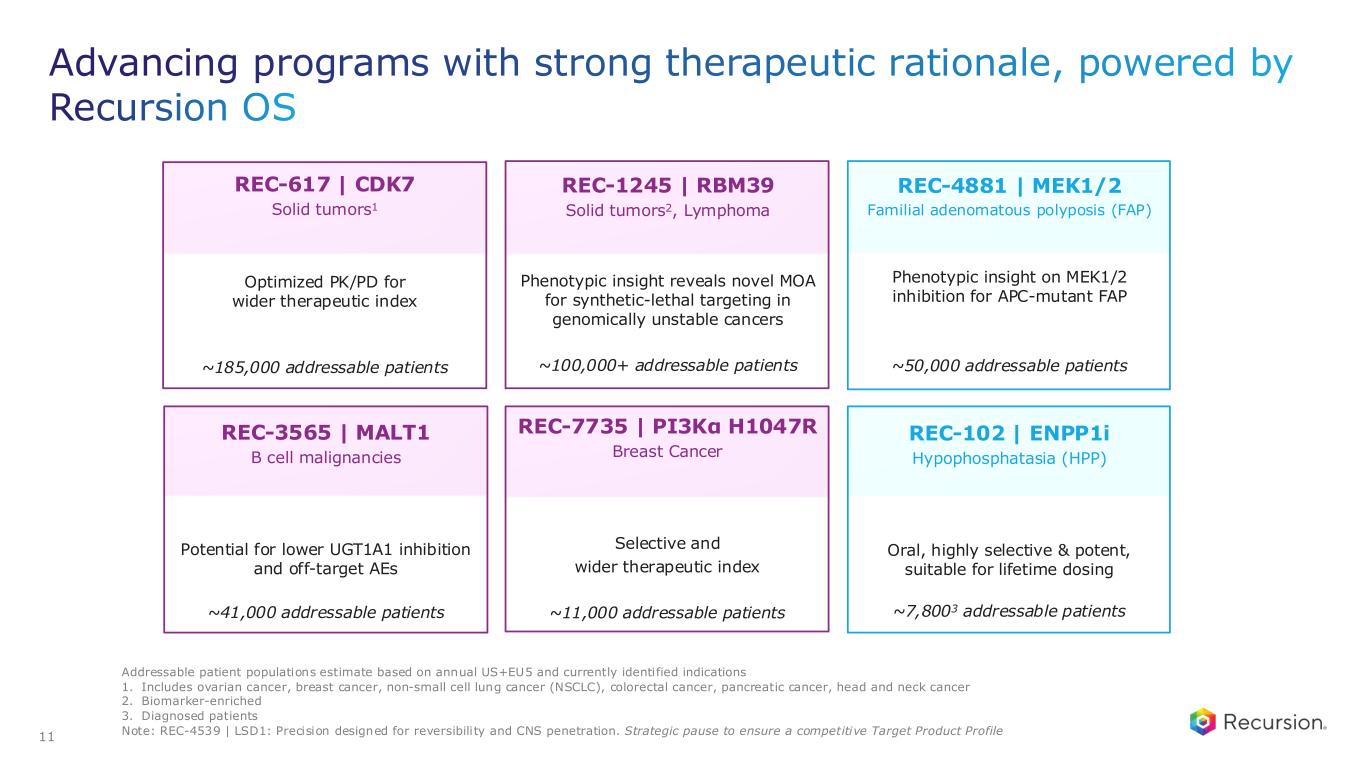
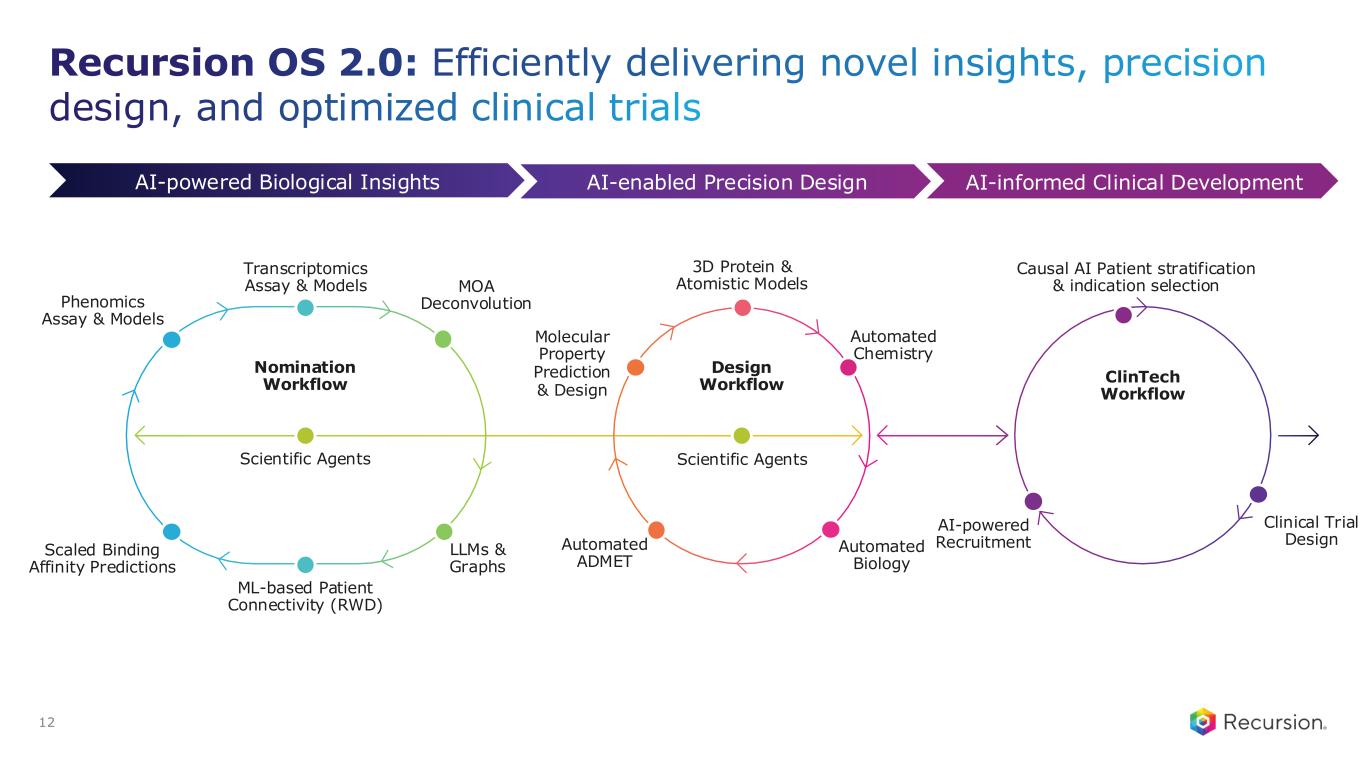
Hello, and welcome, everybody, to Recursion's Q2 2025 Earnings Call. My name is Chris Gibson, and I'm the Co-Founder and CEO of Recursion. And I'm excited to share with you today some of the latest updates on our company as we drive forward to decode biology. We've been talking for the last 9 months since the business combination with Exscientia about the Recursion OS 2.0. And I want to start there today and tell you a little bit about the way that we're bringing together the incredible components from both Exscientia and Recursion and building new components of the OS in order to drive forward our mission. At Recursion, we base everything off of proprietary fit-for-purpose data, whether it's data we generate in-house or data that we pull from partners. And we're not just generating data to help discover targets or to help translate programs or to help with clinical trials, we're building a true end-to-end capability from target discovery all the way through to clinical trial simulation. We're really, really excited about the way all of these pieces fit together and add to each other. And everything we do at Recursion is based on iterative cycles of learning, much of our work based on iterative cycles of dry lab predictions and wet lab validations. I want to talk about a few of the pieces of the Recursion OS that we really, really leaned into in the last quarter. And I'm going to start off with talking about Boltz-2. This was a really exciting partnership with both MIT and Nvidia, where we were able to help lead the field of protein folding and lead the field of protein ligand binding predictions with this work that we did with MIT. And we were able to actually open source this project. And to date, there have been almost 200,000 downloads and almost 50,000 unique users. And what I think is most exciting, what's gotten the most traction about this work is that we were able to actually make binding predictions that are approaching the level of efficiency and the level of efficacy of free energy perturbation calculations, but we're able to do this with about 1,000-fold less compute. That is really, really, really exciting. It means that a lot of the sort of real bespoke work that was done with physics-based computing could actually be done in a screening format. And while there's more work to do in this space by us and many others, we are very excited about the way this tool and tools like this are going to be able to drive the field forward. And what's more, we've already built this technology into the Recursion OS and even improvements on this technology into the Recursion OS. Another area we've been talking about for the last year has been our ClinTech platform. And this is something that we are now deploying against every single one of our programs at Recursion. There's multiple components to this. The first is our causal AI applied to human genomics. And this is really exciting. We're taking patient data that we get from Helix and Tempus. We're combining that with our perturbation biology data and algorithms from Recursion to help to connect our platform to patients. And this is enabling us to identify targets, to stratify patients, and even to do indication expansion. We've also started to design and simulate our clinical trials at Recursion using in-house software that we've been building. This is allowing us to potentially improve the optimal dose for 30% more patients. This is really, really exciting. And again, we are now deploying this against our programs at Recursion. And third, we're now using our AI, not just to identify patients, not just to design our clinical trials, but actually to recruit and execute. The operations side of our clinical trials is really, really important as well. And with the new software that we've built and the partnerships we've built in this space, we now have the potential for 50% faster enrollment projections at high-quality sites. And this means we can activate trials up to 2 months faster. Again, this is the early days of our ClinTech platform. But what I'm most excited about is that we're already deploying these tools against the programs in our pipeline, and we'll be deploying these against new programs in our pipeline soon. We continue to advance a pipeline of both internal programs in oncology and rare disease as well as a suite of R&D collaborations and programs with our partners of Roche, Sanofi, Bayer, and Merck KgAa. And we're really, really excited about all of these programs today. But what I think is most exciting isn't any one of the programs, it's the platform we're building and these leading indicators where we're demonstrating that we can bring medicines to the clinic faster and at lower cost. And ultimately, these leading indicators are things that we believe over time are going to continue to improve, and we're going to be able to continue to raise a high bar of quality on our programs and drive them forward at real scale. And to tell you more about the way we're building momentum, let me turn it over to our Chief R&D and Chief Commercial Officer, Najat Khan.
Speaker 1
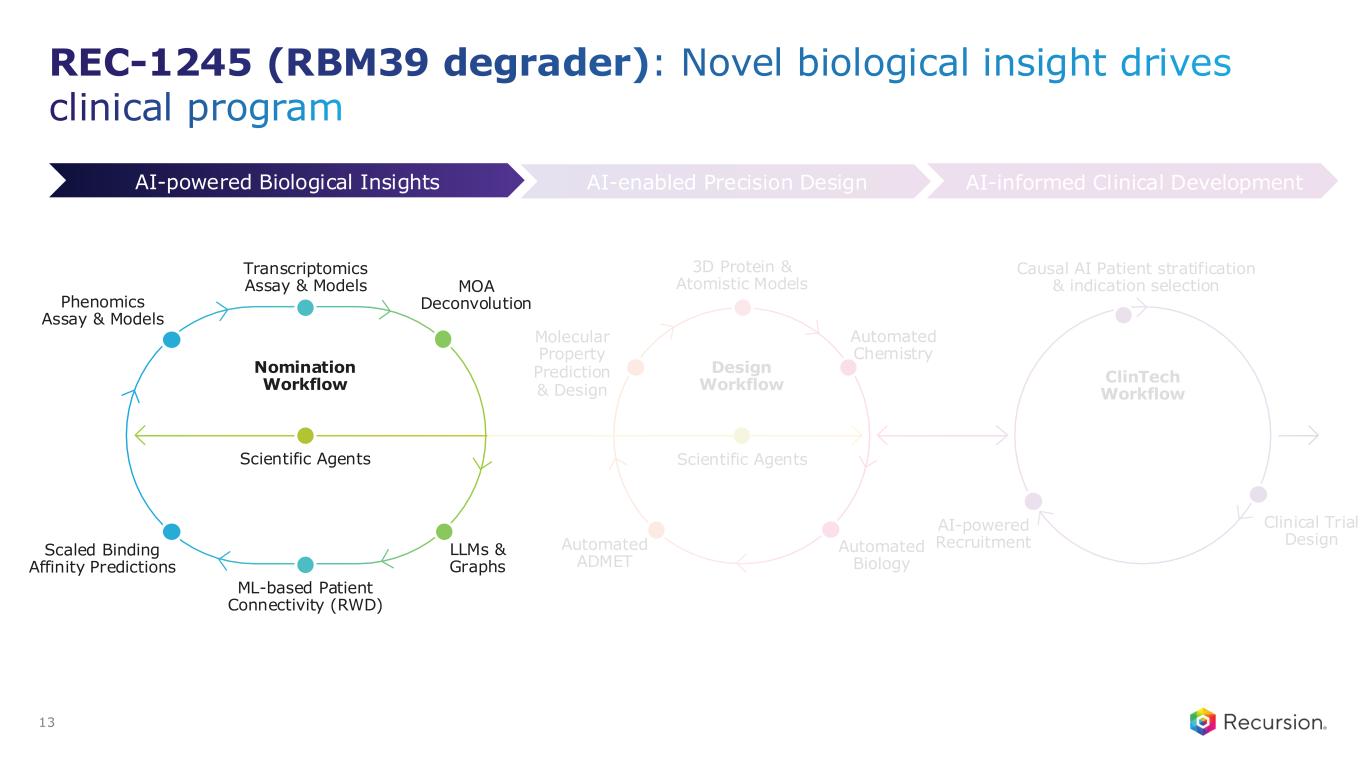
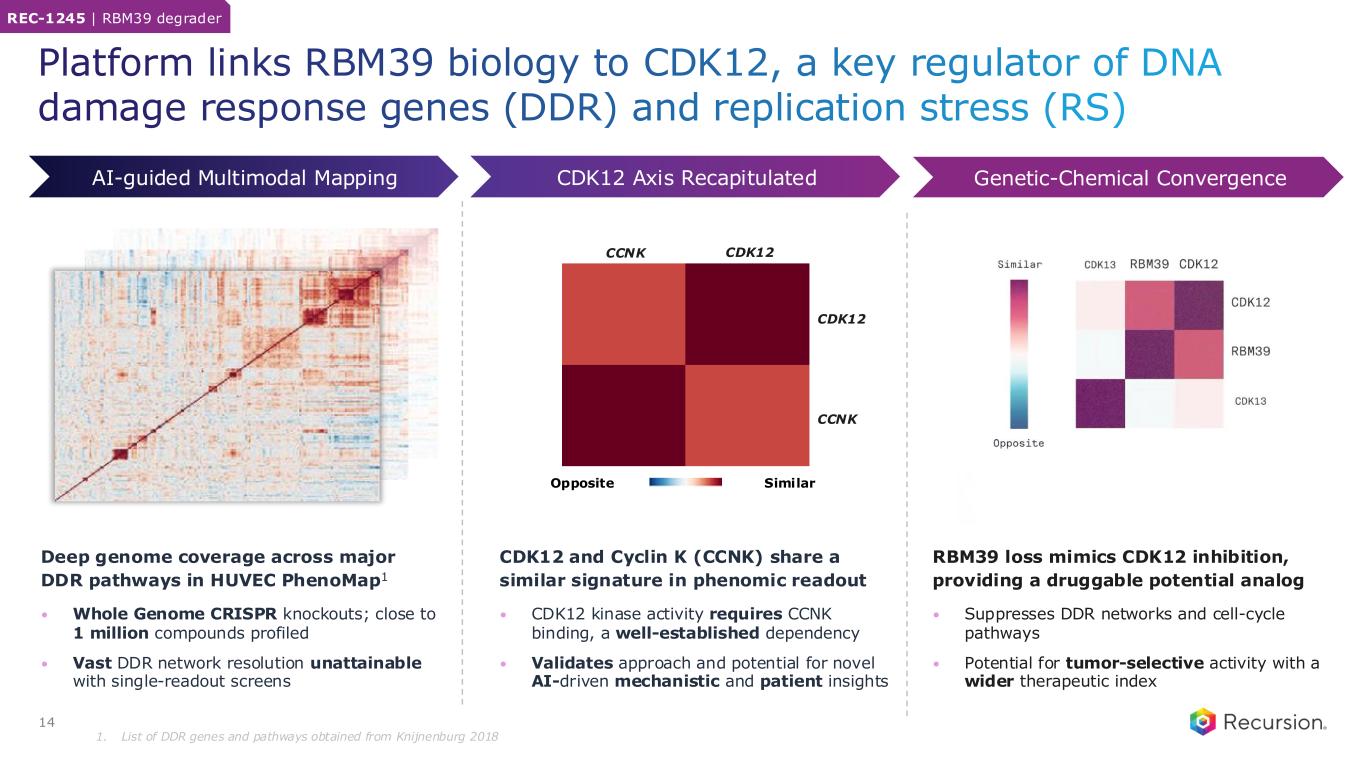
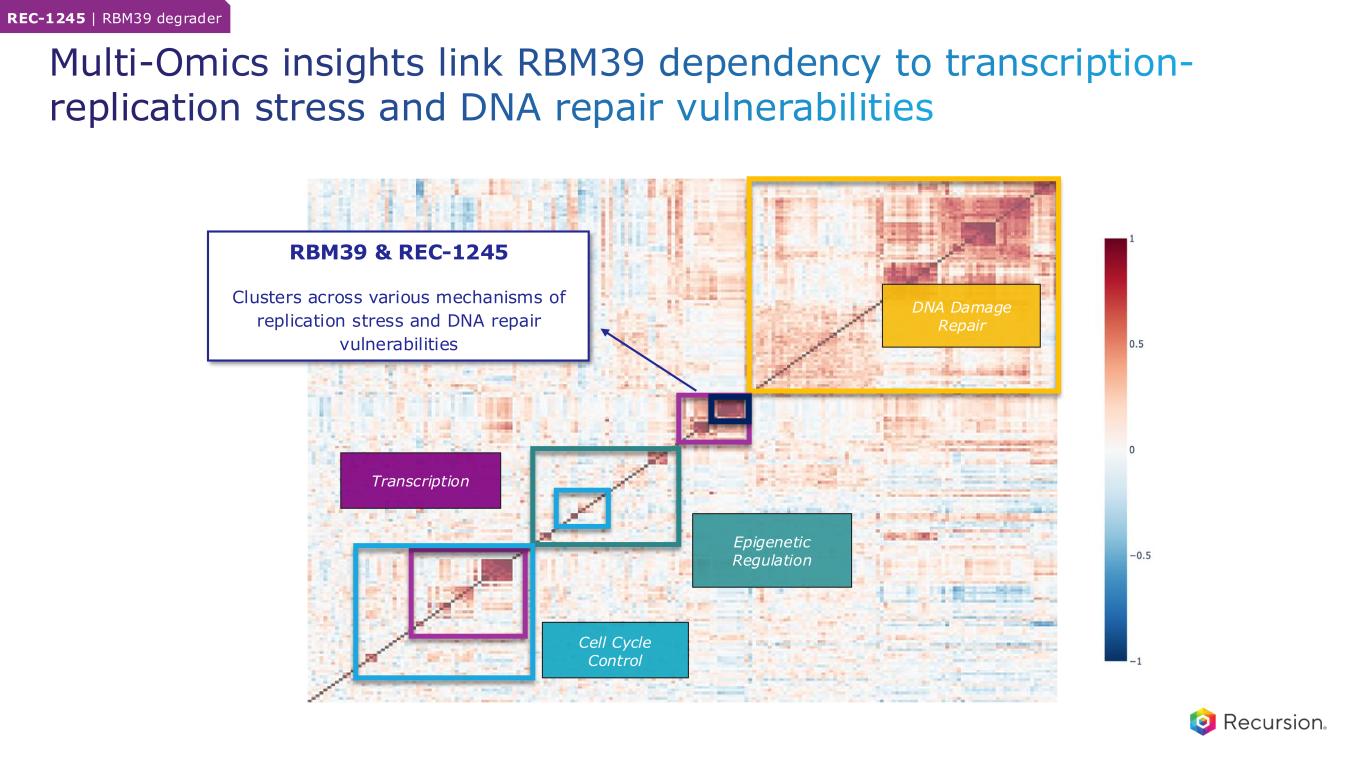
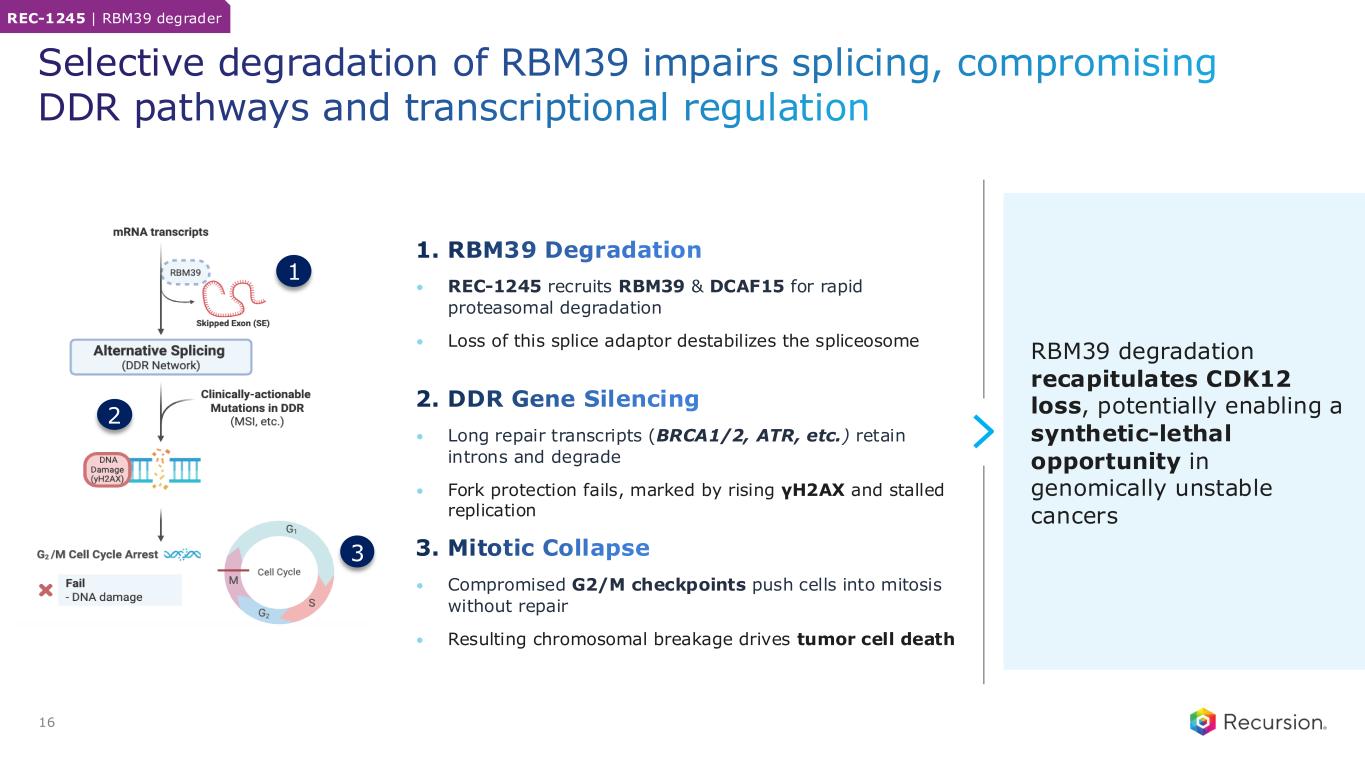
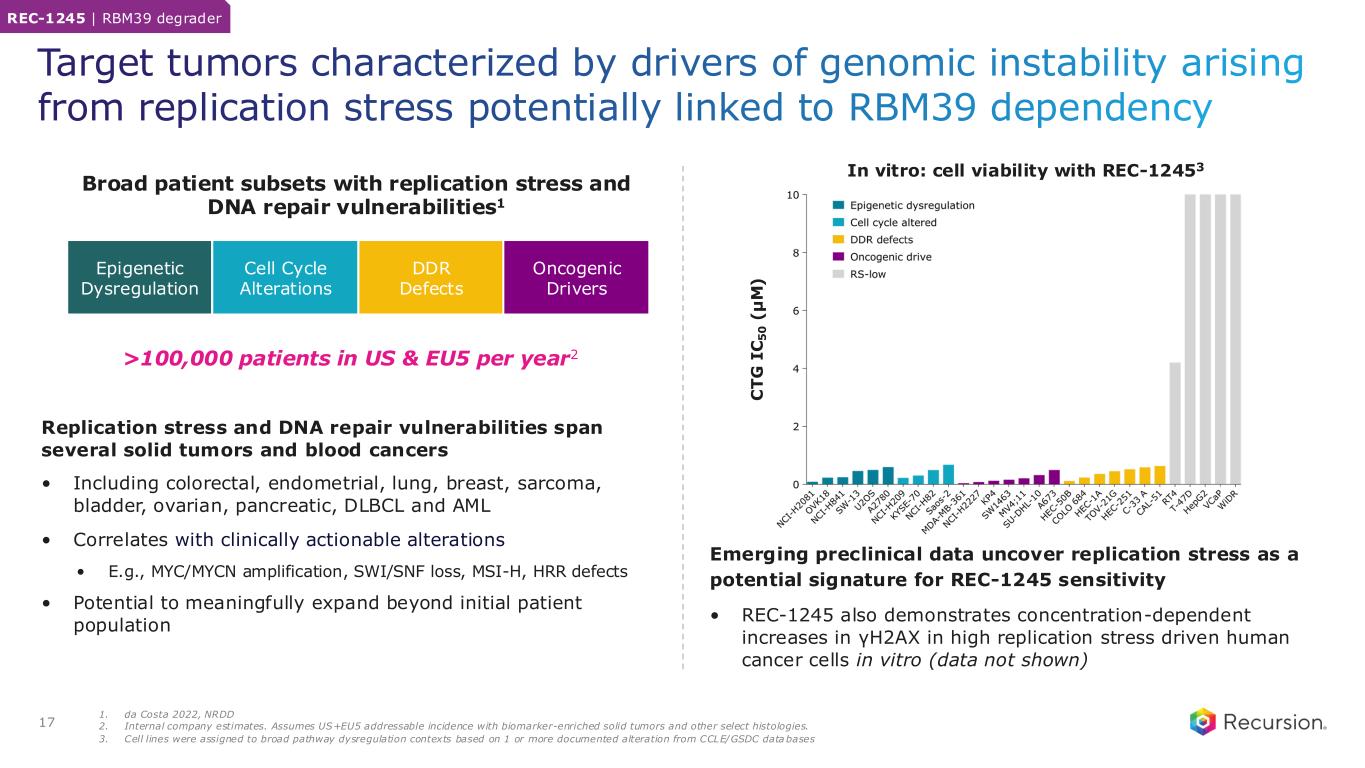
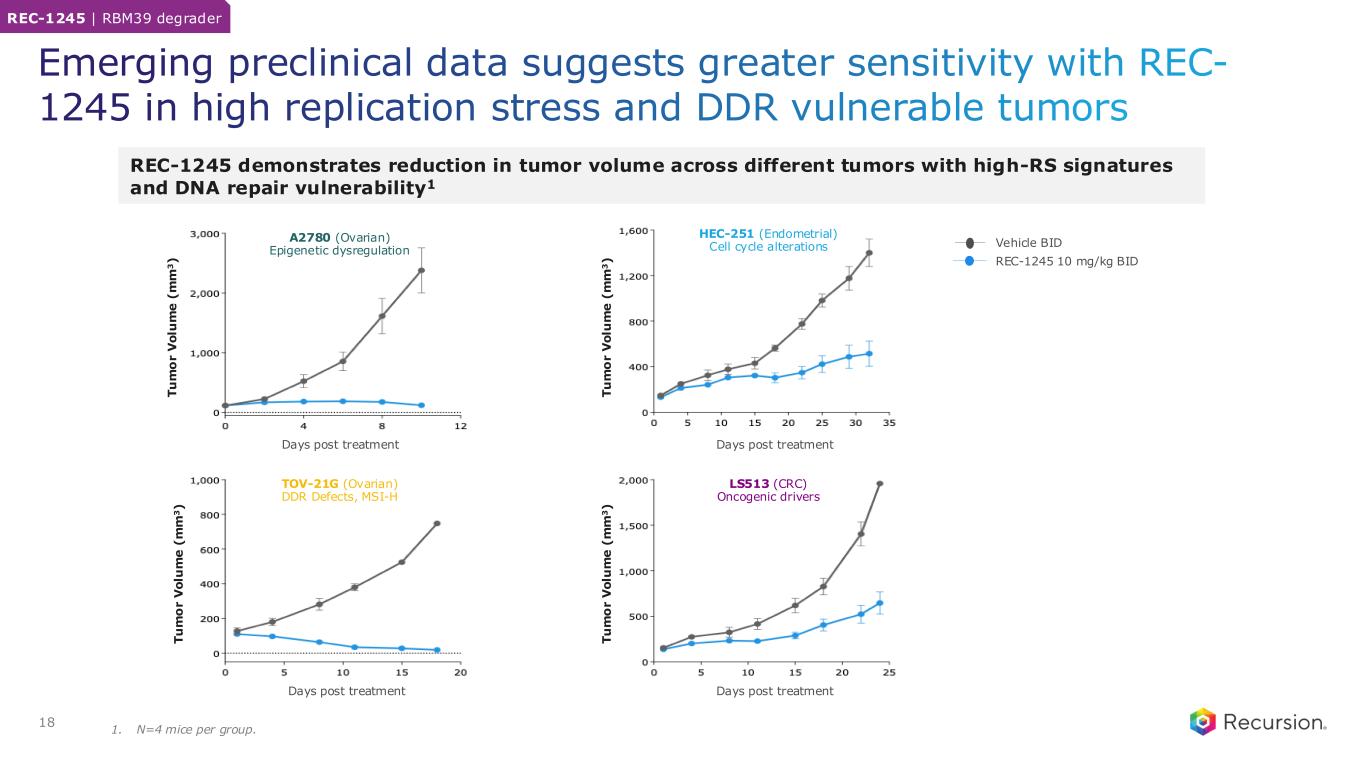
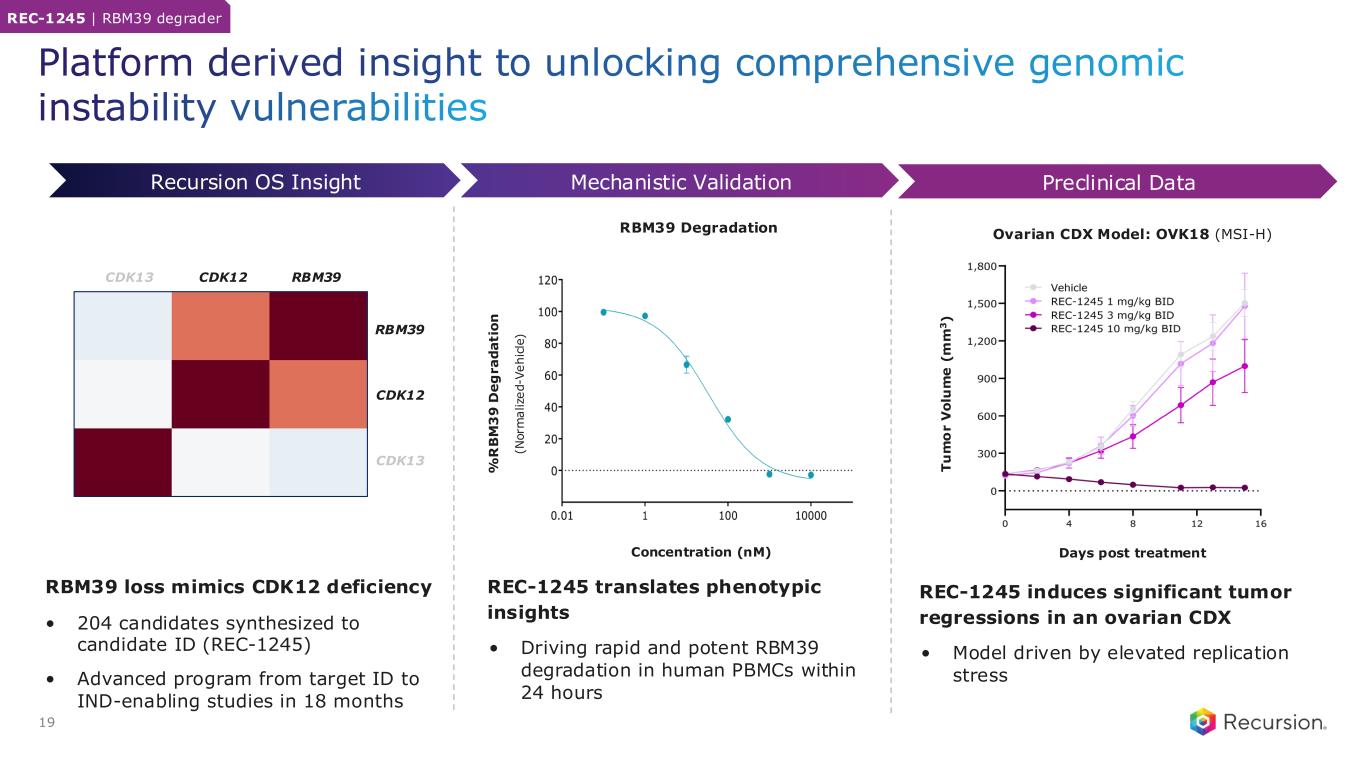
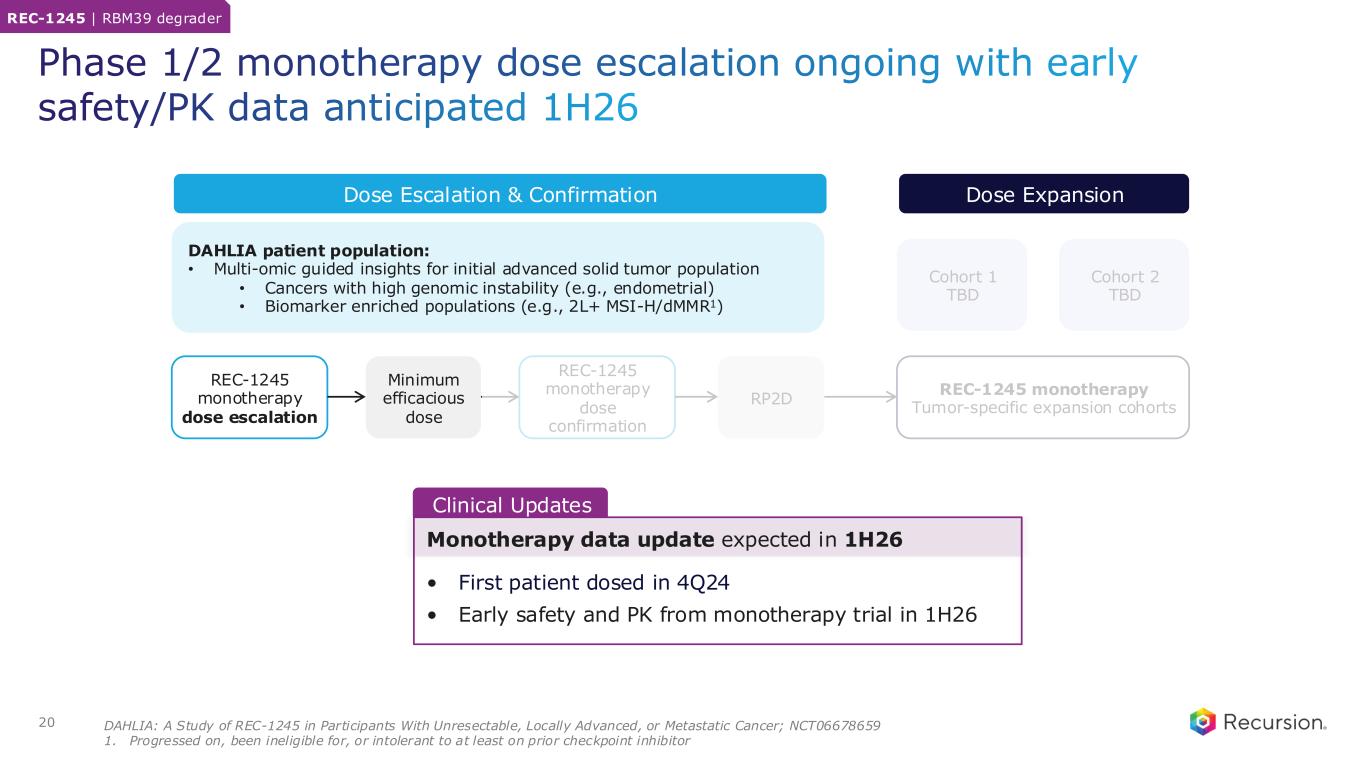
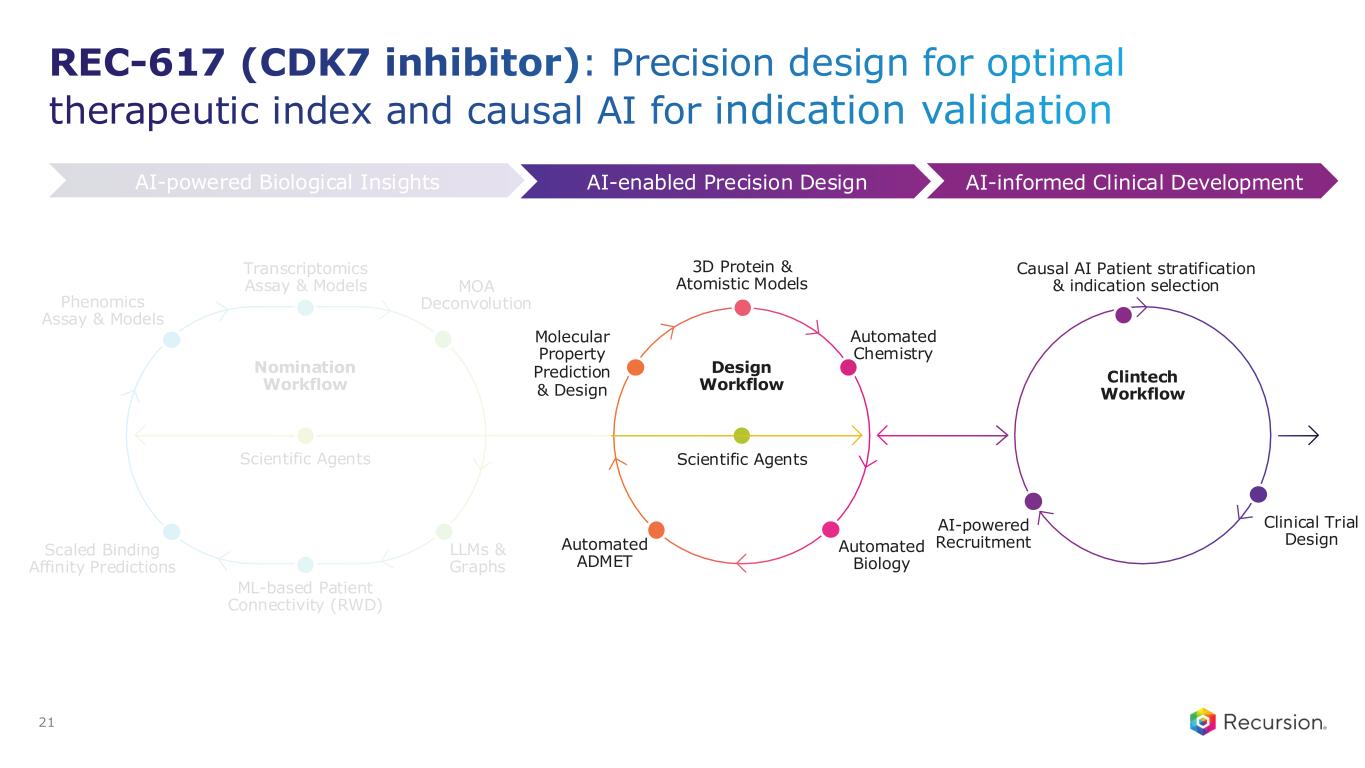
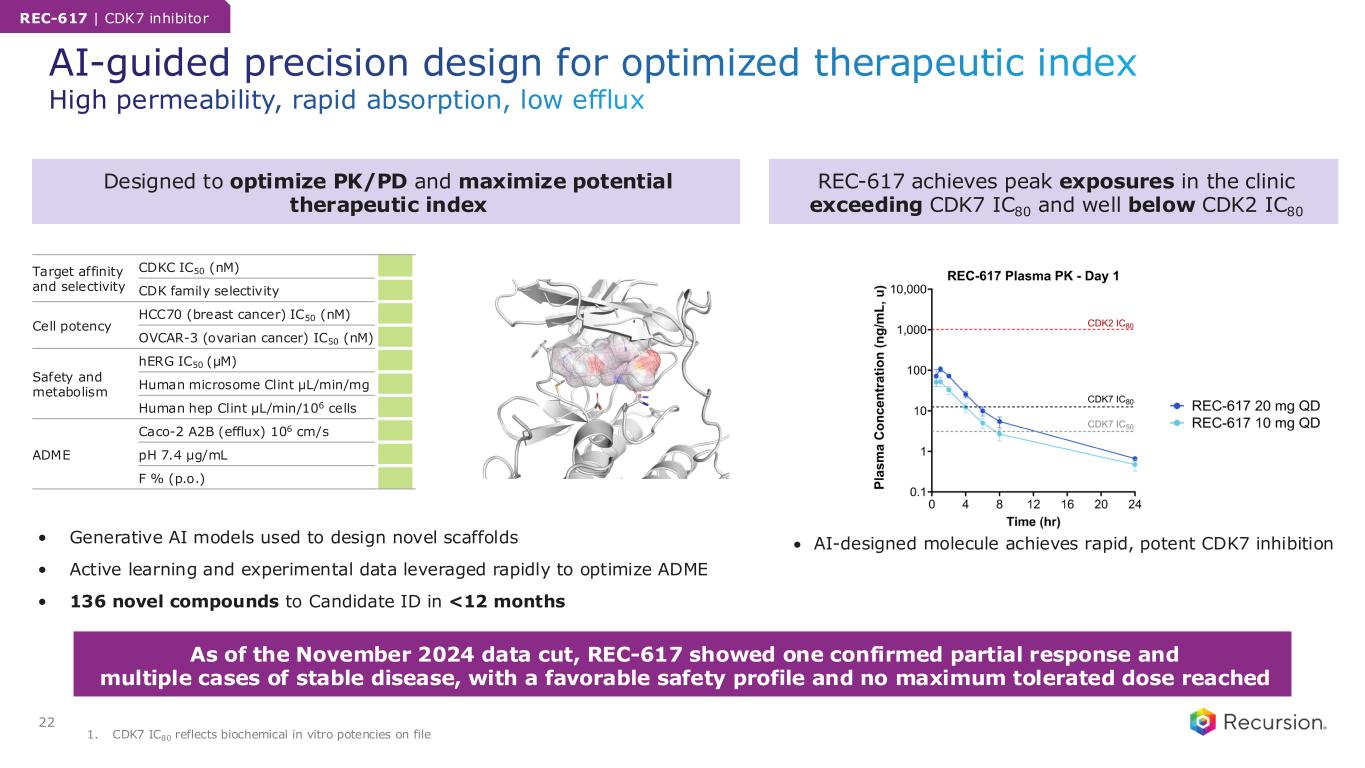
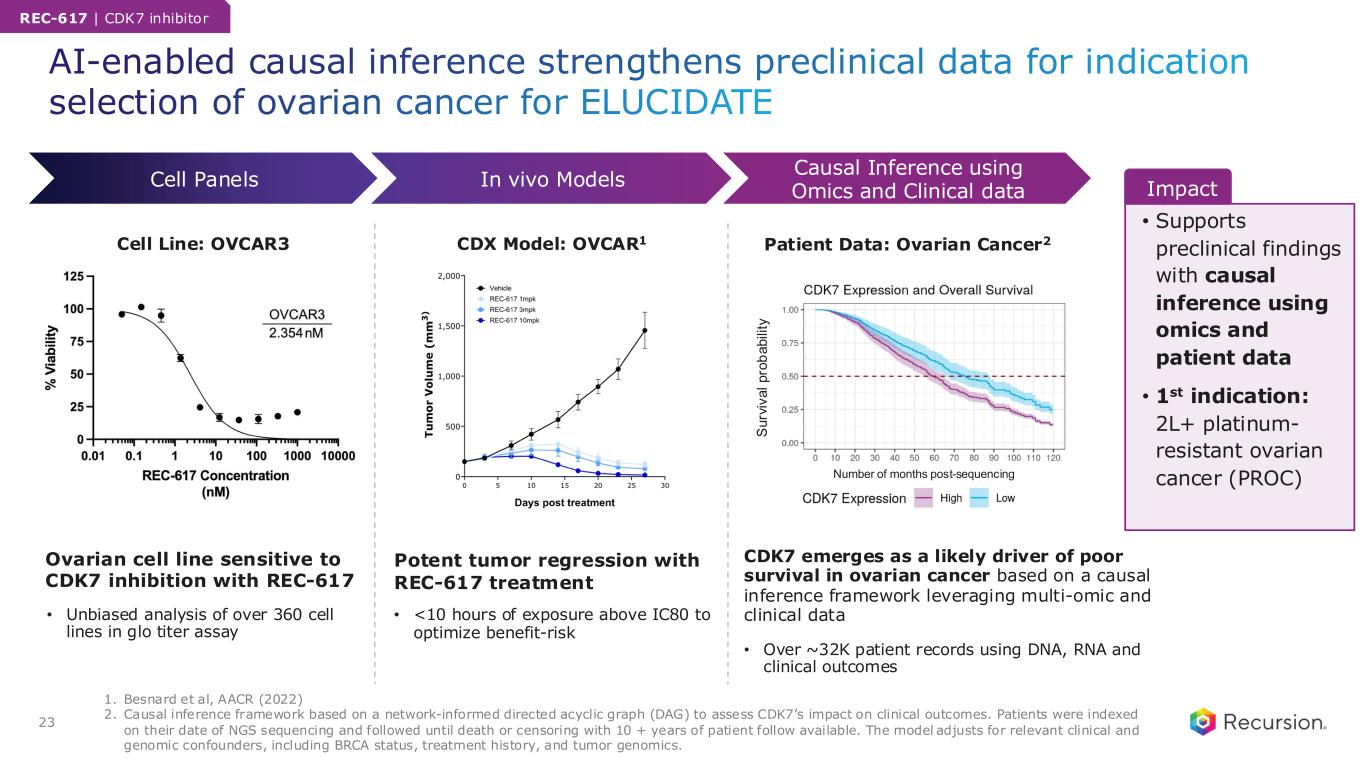
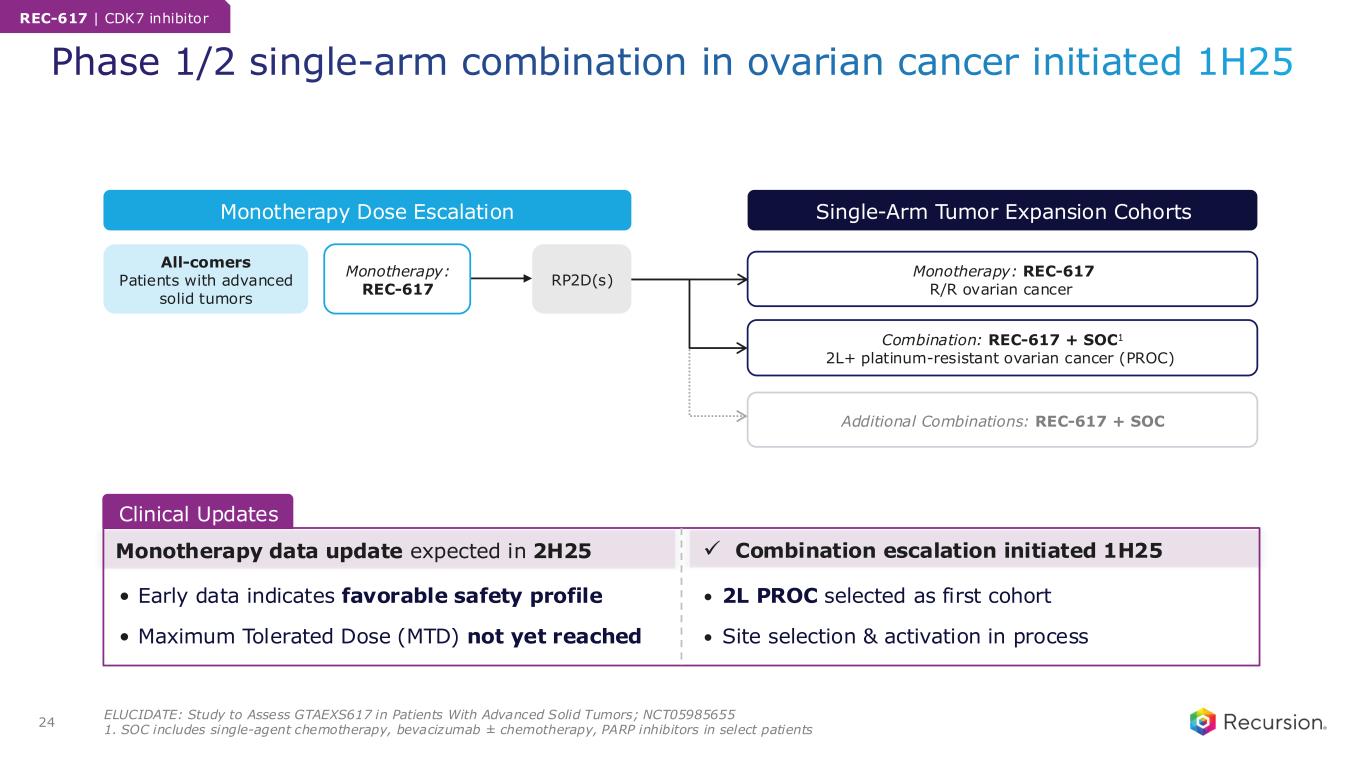
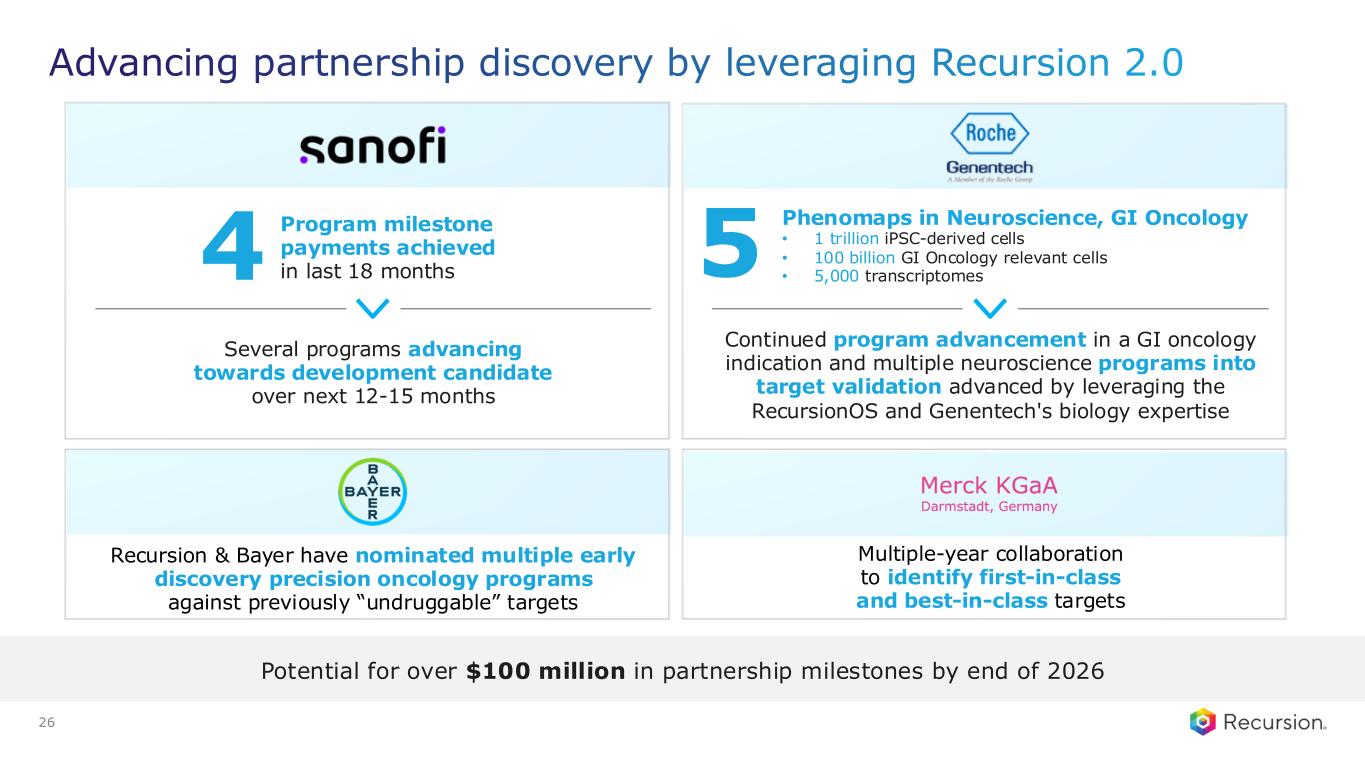
Thank you, Chris. It's great to be here today. Let's get started. Chris mentioned the various partnerships and discovery programs we are working on internally. I want to highlight a few key points. Internally, there are about six significant programs making crucial advancements in both oncology and rare diseases. Today, I will focus more on some of our advanced oncology programs, specifically CDK7 and RBM39. We'll discuss our biomarker-enriched solid tumors, patient populations, and how we utilize our platform's insights to refine our strategy. Regarding partnerships, there are two main areas of value creation. The first involves proprietary datasets we are developing with our partners, such as the neuronal phenomap we created with Roche and Genentech. The second area focuses on partner programs where we apply our AI capabilities in chemistry to tackle difficult first-in-class and best-in-class challenges. Recently, we reached a fourth milestone in our collaboration with Sanofi, and more updates will follow. Moving on to our internal programs, I will provide a brief overview of our portfolio before diving deeper into CDK7 and RBM39. As a reminder, CDK7 is a critical target, and our aim is to optimize the therapeutic index through our AI-driven design in the Recursion OS platform. This is particularly important since CDK7 has seen prior attempts by others. We expect to have more monotherapy dose escalation data by the end of this year, and we have also initiated combination studies. RBM39 was identified via our phenomap, revealing new synthetic lethal targeting opportunities in genomically unstable cancers. We anticipate initial data from our monotherapy dose escalation in the first half of 2026. Additionally, I want to mention our MEK1/2 and FAP programs, which highlight significant connections derived from unbiased insights in phenotypic data. Further data updates will be expected in late 2025. For MALT1, we continue leveraging AI in our chemistry design to mitigate liabilities with UGT1A1 inhibition, currently in monotherapy dose escalation. Additionally, we have several preclinical programs advancing to critical phases of development. As we refine our Recursion OS platform through ongoing advancements, we believe the next generation of programs will exhibit even greater potential and efficiency gains. A quick overview of our 2.0 platform, following our integration with Exscientia, reveals we are leveraging AI-driven biological insights to identify novel targets using multi-omic data. This includes utilizing patient connectivity datasets to elucidate mechanisms of action and streamline early drug discovery processes. Next, I'll delve into RBM39, where we initiate our biology mapping with large-scale CRISPR knockouts, profiling proprietary compounds to discern initial chemical substrates linked to our biological insights. Our findings suggest that RBM39 displays phenotypic similarities to CDK12, an attractive target for its role in DNA damage repair but known for selectivity challenges. We believe RBM39 could offer a potential therapeutic avenue. We also explore dependencies across our biological map to identify established relationships, which assists in validating our insights. The focus is on analyzing RBM39's role in splicing fidelity, where its degradation leads to splicing errors and exacerbates instability in genomically compromised tumors, potentially leading to tumor cell death. Further investigation into patient populations indicates that cancers with replication stress and epigenetic dysregulation could be amenable targets for RBM39 approaches. Our in vitro data shows that our RBM39 degrader demonstrates heightened sensitivity in cell lines under replication stress conditions, serving as an encouraging early indicator. Similarly, our in vivo results reveal tumor volume reductions in high-replication stress types, reinforcing RBM39's potential as a novel therapeutic target. These insights guide our dosing and combination strategy, with a focus on cancers displaying significant genomic instability and relevant biomarkers. We're currently enrolling patients for monotherapy studies and expect early safety and pharmacokinetic data in the first half of 2026. Next is CDK7, where we utilize our Recursion OS platform for molecule design aimed at optimizing the therapeutic index while simultaneously targeting appropriate patient populations and combination strategies. In our trials, we're addressing key challenges observed in existing treatments, such as permeability and rapid absorption, employing generative AI for innovative scaffold designs. We've achieved candidate identification quickly, and our data reveal promising exposures that exceed metrics of peer compounds. Notably, we have seen one confirmed response in ovarian cancer with a favorable safety profile. Our next steps involve focusing on a combination arm for second-line plus platinum-resistant ovarian cancer, identified through rigorous preclinical studies and causal inference analysis across extensive patient data. This reassures us of the unmet needs in this patient segment. I also want to touch on our partnered discovery programs, particularly our ongoing collaboration with Sanofi, where we have set significant milestones in recent months. We're advancing several programs, including development candidates expected within the next year. For our work with Roche, we have delivered extensive phenomaps, particularly in neuroscience and GI oncology, aimed at translating insights into new therapeutic programs. Partnering with leading organizations allows us to bring together our unique capabilities and expertise while actively seeking solutions for challenging targets. We anticipate significant progress on these fronts, with a goal of achieving over $100 million in partnership milestones by the end of 2026. Now, I’d like to turn it over to our CFO, Ben Taylor, to provide a financial update.
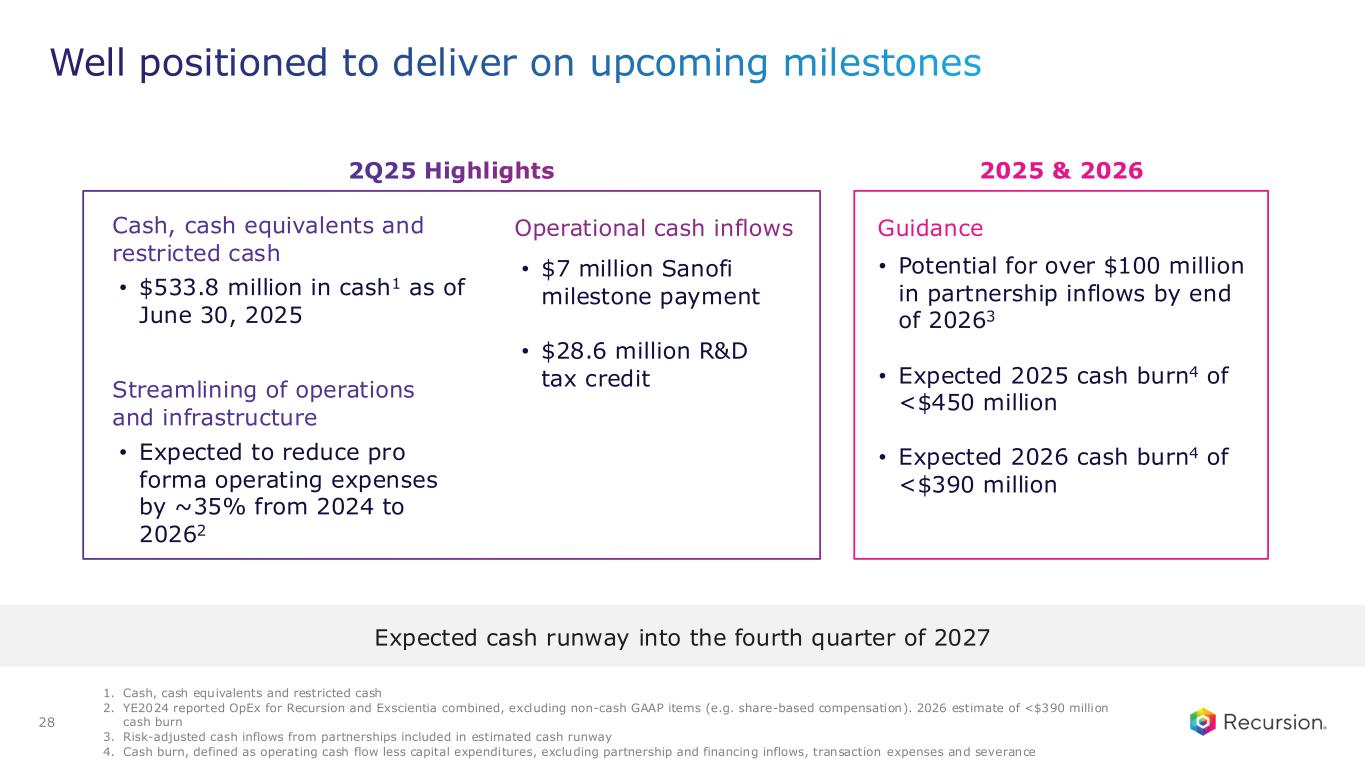
Terrific. Thanks, Najat. So we had a good quarter and ended with a strong cash balance as we go to the next slide, showing $533 million in cash at the end of the quarter. That was based on not only managing our expenses. So at the time of the merger, we made a commitment to our shareholders that we would not only drive a lot of the growth and the programs and the technology that Chris and Najat talked about, but also manage our expenses. And so you've seen us go from a pro forma burn in 2024 to an expected cash burn in 2026 that's 35% less. And that's really our commitment as a management team to making sure that we're doing this as efficiently as possible. We had some great cash inflows over the quarter. In addition to the Sanofi milestone payment, we also had a $29 million R&D tax credit. This is a U.K. tax credit. We will continue to receive this in the future, although it will be smaller as the legislation around it has changed. Our guidance has not changed, and we continue to project over $100 million in partnership inflows by the end of 2026 and managing our burn below $390 million in 2026, so next year. All of that comes together with an expected cash runway through the fourth quarter of 2027. That cash burn number that I gave you does not include any partner inflows or other financing or inflows that would come in. And with that, I will turn it back over to Chris.
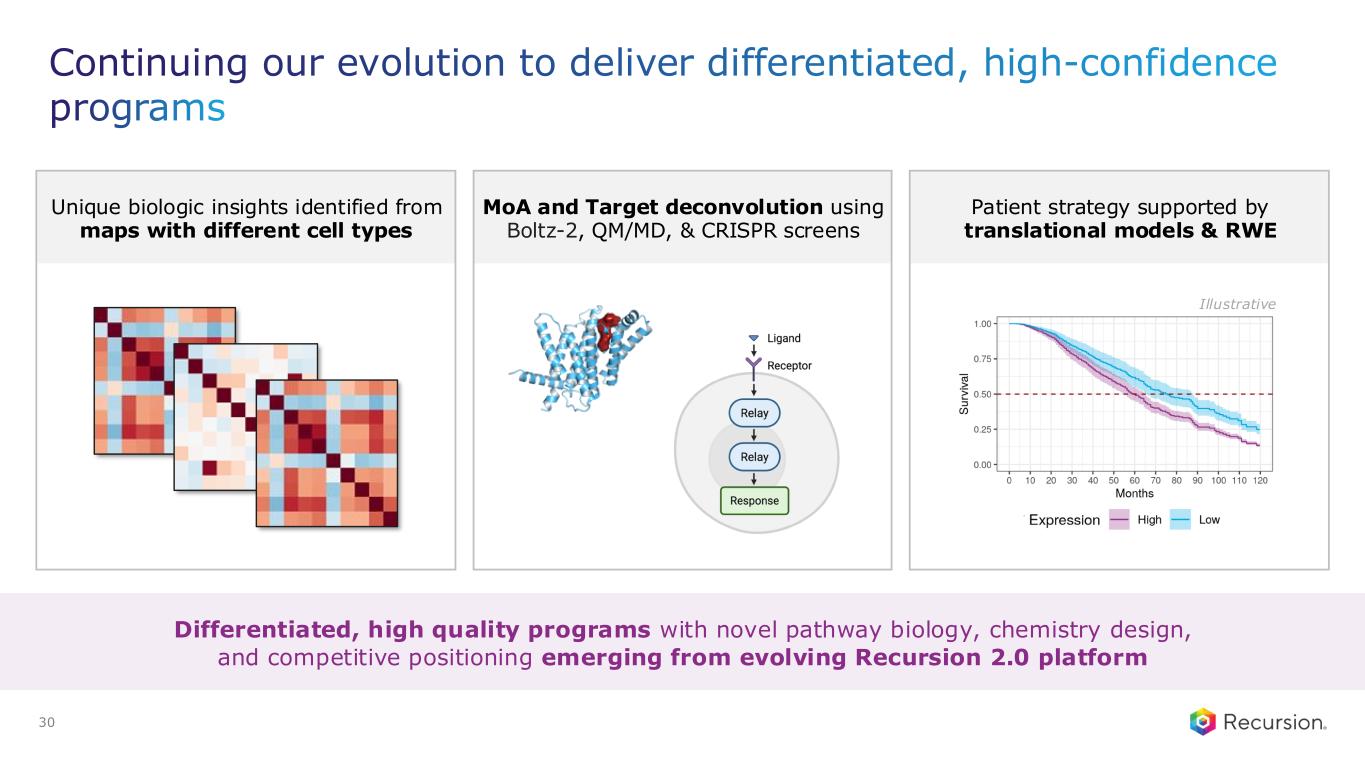
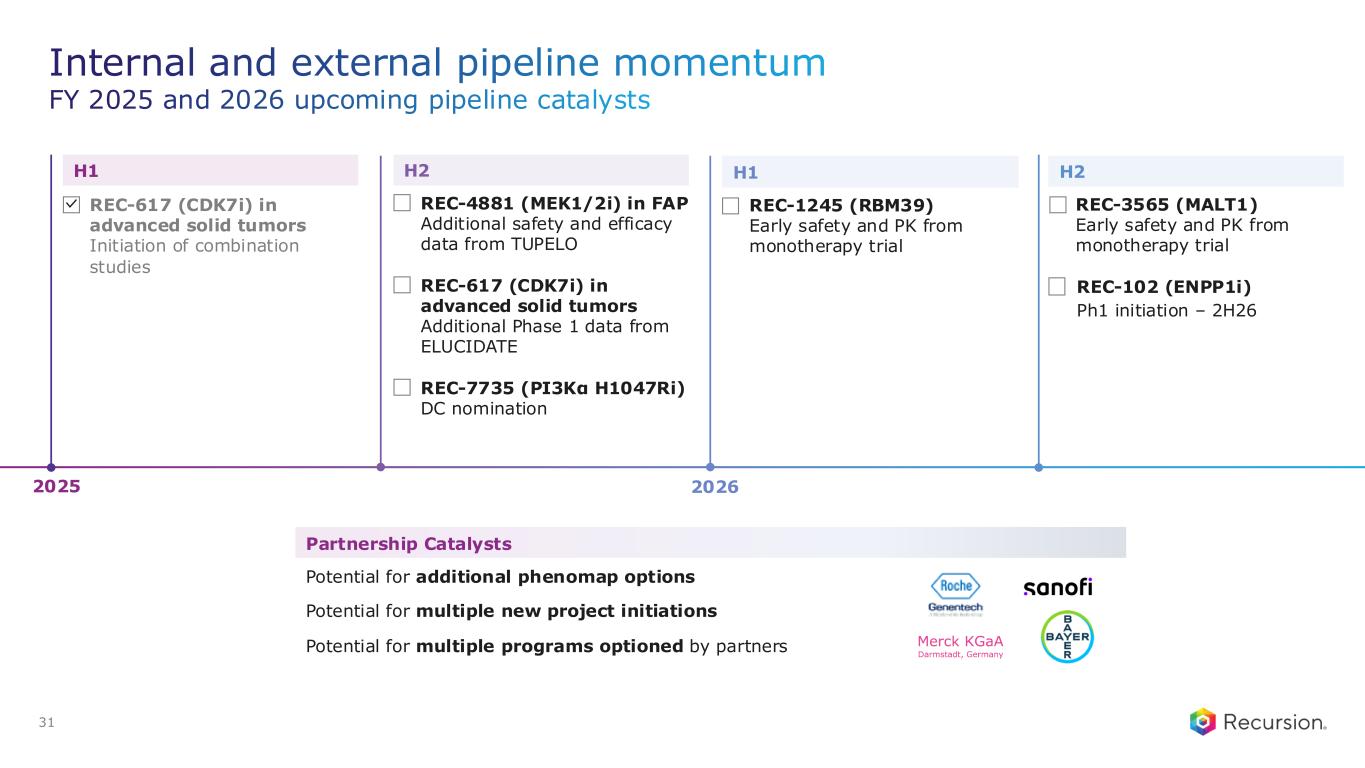
Thank you, Ben. I want to conclude by discussing our vision for the future of Recursion. The past nine months since our business combination with Exscientia have been remarkable. We believe we have effectively combined the best aspects of both companies into Recursion OS 2.0, as mentioned earlier by myself and Najat. Looking ahead, you'll notice that we are committed to maintaining a high standard of quality while delivering unique biological insights through our multimodal maps that span various cell types. We plan to introduce new ideas, targets, and chemistry, utilizing our mechanisms of action and target deconvolution systems, along with tools like Boltz-2, our QMMD systems, and CRISPR screens to pursue those exciting targets. We will also continue to leverage our ClinTech platform to translate the models and programs we develop at Recursion, using real-world evidence to advance them towards the clinic. Our focus remains on high-quality, differentiated programs that aim to achieve what others cannot. We are eager to showcase the Recursion 2.0 platform and its innovative programs that integrate all aspects of target discovery to ClinTech in the coming quarters and years. Over the next 18 months, we have an exciting calendar filled with catalysts. The second half of this year looks promising, with several readouts, including FAP and CDK7, as Najat noted earlier. In the first half of next year, we will discuss our RBM39 program with early safety and pharmacokinetics results from the monotherapy trial. In the second half of next year, we will focus on both MALT1 and the launch of our ENPP1 program, which we recently integrated from our joint venture with Rallybio. Additionally, we will deliver results across all of our partnerships, with opportunities for new phenomap options, new project initiations, and programs being optioned by our partners. Recursion remains dedicated to advancing both our internal and partner pipelines while developing a future drug discovery platform that we believe will enhance the probability of success, reduce time and costs, and increase the potential of the medicines we are working on. Now, we will transition to the Q&A portion. And I'm going to go to the first question, which comes from multiple parties, which is about our Boltz-2 project. So the question is, is Boltz-2 the initiative with a major partner on foundational protein structure modeling that I mentioned at JPM earlier this year? And the answer is yes. This is the partnership that we alluded to at JPMorgan. And one of the questions here is why open source versus keeping it internal? So we believe that discovering and developing medicines is really, really challenging. Biology is really complex. Chemistry is really complex. And there are places where we believe we have a very differentiated advantage, such as with our large-scale phenomics platform and our design platform. These are places where we're going to keep those tools internal. There are other places where we need to be on the forefront, but we believe there are many competitive partners or groups working in the space. And in those areas, rather than try to keep something internal that others have available to them, we actually think it best to help commoditize that particular technology. And that's exactly what we're doing with Boltz-2. So we're commoditizing our complement, making sure that everyone has access to the kinds of tools that many groups are using and then keeping proprietary those tools that we think nobody else really has. The second question is, are you still building proprietary models? And the answer is, absolutely. So we were leveraging the Boltz-2 models before they were public. We also have large-scale internal data sets, and one could imagine that we could take the same kind of architectures, the same kinds of models that have been built in Boltz-2 and training them across much larger proprietary data sets to give us an internal advantage. So the second question, I'm going to go to Najat. And the question is from Dennis at Jefferies. And Dennis asked for the CDK7 combo expansion cohort in ovarian cancer, what standard of care are you allowing in the trial? And remind us the level of efficacy they showed in terms of OR and PFS? And then, Najat, I'll come to the part 2 after you answer the first one.
Speaker 1
Thanks, Chris. Thanks, Dennis, for the question. Great question. So the standard of care, as I mentioned during the presentation, it will be single agent chemo plus beva as well. The last that I've seen for that combination, the median PFS was about 6.7 months and then median OS was about 14 to 22 months. And look, for us, for the combination, we definitely want to see meaningful improvement to the standard of care. This is a patient population with very significant unmet need. And the team will look through in terms of what other points might be more critical as well, for instance, the proportion of patients that reach a certain scan by a certain period of time and so forth. So a lot of conversations ongoing there, but we definitely want to see meaningful improvement from the standard of care for PFS.
Thanks, Najat. You hit part 2 there. So I'll move on to the next question, which is Brendan from Cowen and Alec from BofA ask, you mentioned the multiomic profiling that's ongoing for REC-1245, that's our RBM39 program. Do you expect the data from this analysis will in part dictate which patients you enroll in future studies? And what data from this analysis would you be able to leverage when targeting or enrolling future patients? And finally, can you point to the differentiation of RBM39 compared to other CDK targeting assets?
Speaker 1
Thank you for your questions, Brendan and Alec. I'll address the initial inquiries regarding how the data from this analysis will influence patient selection going forward. As I mentioned in today's presentation, the strength of our approach lies in the holistic understanding of mass cell biology, phenomaps, and multiomic strategies. This allows us to identify the importance of our target across various pathways rather than focusing solely on a specific area. Understanding the implications of replication stress and DNA repair vulnerabilities is crucial for RBM39 as a target. This foundational knowledge guided our selection of patients for monotherapy dose escalation, which we outlined in our press release this morning. Additionally, the monotherapy dose escalation will play a critical role as we recruit and enroll patients based on specific biomarkers, adjusting our strategy based on the data we collect. This not only supports novel target discovery but also enhances our hypotheses regarding which patients to pursue extensively. The potential for RBM39 to target a wide array of genomically unstable tumor types is significant.
Speaker 1
And then the point of differentiation in RBM39 and CDK7. RBM39 is not a kinase, right? And a lot of the kinases, for instance, as I mentioned, CDK12 has always been, for a long time, an important oncogenic target, but the homology with CDK13 just makes it challenging to really get that selectivity that you're looking for. So for us, it was born out of that inspiration of selectivity for a target that's important for DDR modulation, but went beyond much more when we looked at the broader map. And trust me, the map I even showed you today just for DDR pathways, it's a big, beautiful map. It's much broader than that. So at some point, I'd love to be able to show you more and what we see there.
Thanks, Najat. Okay. Next question. Brendan from Cowen and Sean from Morgan Stanley asks, for the upcoming FAP data, where do you see the threshold for success in that readout that would give you confidence in the path forward? And given the high unmet need in FAP, do you think the magnitude of polyp production you've seen to date would support approval and uptake in this patient population if replicated in Phase III?
Speaker 1
Thank you, Chris. I appreciate Brendan and Sean from Morgan Stanley for their question. There is currently no approved treatment for FAP. Celecoxib and other medications are used off-label and can reduce polyp burden by about 20% to 30%. We are certainly aiming for a significant improvement in polyp reduction, and some initial data looks promising. However, it will be crucial for us to analyze the data later this year when we have a larger patient population. Regarding the support for approval and uptake, after we review the data later this year, it will be essential to engage in discussions with regulators. Once we have more information, I will be glad to provide further details on the approval process.
Thanks, Najat. And next, we have partnership questions coming from Gil at Needham and Sean at Morgan Stanley. Najat, I'm going to send the first one over to you, which is, for the $7 million milestone achieved under the Sanofi collaboration, one of the latest in many milestones we've earned from that collaboration. Can you go into more detail as to what exactly was achieved to merit this milestone?
Speaker 1
Great. So the programs that we have, and again, up to 15 programs as part of this partnership. I can't disclose exactly, of course, the target. But I can say that this was a challenging target in the immunology space. And what we do see is the milestone is focused on lead series, right, actually being able to successfully accomplish that. Next upcoming milestones would be development candidate. I think the point that's important to note is, look, these are all very, very challenging first-in-class, best-in-class targets and to design them is hard. It's not how you do it traditionally. And the fact that we've been able to get 4 out of 4 so far, knock on wood, somewhere, I think, is an important testament to how new approaches can help us and augment what we could do before. But more to come over the next 12 to 15 months.
I believe one of the intriguing aspects of the tech bio sector is that many companies collaborating with large pharmaceutical firms are tackling some of the most challenging targets that traditional methods could not address. The progress we've made, along with others, on these milestones is quite encouraging. Ben, I'll pass it to you now. What insights, if any, do you have on the potential $100 million in milestones by 2026? Are any of these included in the cash runway calculations? This question comes from Gil at Needham and Sean at Morgan Stanley.
Sure. Thanks, Gil and Sean. So in a way, we have a lot of visibility in the sense of that guidance was only based on existing partnerships and existing programs in those partnerships. Now of course, we don't have certainty that those milestones will be accomplished. And so what we do is we actually look at all of the programs that we know and we probability weight them. And so this is a probability weighted number, not the full amount. If we were to take the absolute number, it would be higher than this. And we don't include any potential new business development or additional expansion on programs that are not yet identified. So those are 2 areas where we could grow potential milestones in the future, but this is our best estimate that we felt safe in given the existing business.
Thank you, Ben. And next, we're going to go to Dennis from Jefferies and Mani from Leerink, who are both asking questions about our cash runway and how we get to our guidance of Q4 2027 cash outlook.
Sure, absolutely. So a couple of important notes here. One, it's really important to always focus on the cash flows when you're thinking about cash runway. So if you look at our P&L statement, our operating expenses or our net income actually include a lot of noncash expenses in it. So it's really important to go to that cash flow statement and look down at what is flowing through there. Secondly, all of our guidance that we gave, the $450 million this year, the $390 million next year is cash-based operating expense and CapEx, not including any partner inflows or new business development or financing. And so what we do is we then look, what are all the scenarios that could take us forward and get us to 2027? And actually, what we found is, there are many different ways that we get to the fourth quarter 2027. What we felt comfortable with is even just looking at our existing partnerships, like I was just talking about with the milestones, we felt comfortable that operating in a smart way that we are right now and trying to be as efficient as possible with our expenses, trying to really execute on our existing partnerships and following the same sort of strategy that we have on other cash inflows, including financing, we felt very comfortable we can get to the fourth quarter '27. And so we will continue to move forward. And as time goes forward, we'll look to optimize as best we can around those different variables.
Thanks, Ben. Final question here from John, who asks or says, we've seen companies like XAI making bold moves such as investing heavily in compute with millions of chips to accelerate their vision. Can you share how RXRX is similarly tripling down? What ambitious or transformative initiatives are you planning to reflect your next level of thinking? John, thanks. Great question, I think, to end it. First, I'd just say, if you looked at the State of AI Report that Nathan Benaich puts out, you'll actually see that Recursion is, I believe, one of the only biopharma companies that's actually listed as the top 20 private or public companies in the world, nongovernmental companies in terms of the scale of our compute. Now we're nowhere near Tesla, XAI, or any of those companies, but we really are driving one of the most sophisticated large-scale compute initiatives in the whole of biopharma. And I think that speaks to the kind of ambition that we have for how technology is going to drive this field forward. But in terms of other initiatives, I've spoken at prior events, including JPMorgan, about our belief in this field racing towards what we call a virtual cell. And this is essentially a computational model of cellular biology that would allow you to predict what would happen to a cell, many different kinds of cells, if you acted on them in any way, you add a protein, you change the effect of a gene or the expression level of a gene, you add a small molecule or multiple small molecules. And we believe that building a reliable and robust virtual cell is going to require not just having really good protein folding data, not just having really good atomistic and physics modeling and not just having good patient data or pathway data, it's going to require having all of those different data layers and being on the frontier of all of those. And I think recursion today through our partnerships with companies like Tempus and Helix, really driving the patient layer through our own work at Recursion, building the pathway data with genome scale knockout maps across more than a dozen different human cell types. And then as you heard today with our Boltz modeling and some of our QMMD modeling, we're able to really work at the protein folding of the animistic modeling layer. And I think being able to operate across all those layers is going to be a real advantage as we race towards the virtual cell and deploy early versions of that internally. What's more, we have a team at Recursion called the Frontier Research Group. And the Frontier Research Group is a dedicated group of folks who are working at the very frontier in high-risk but high-reward areas. And while this virtual cell is a part of the work that that group is doing, some of the work you heard about today, including the causal AI modeling using Tempus data, actually started in this Frontier Research Group and now has gone into production across the Recursion OS. And these are the bets we make in high-risk high-reward areas that then get deployed in some cases, just 6 or 9 months later. I can't tell you about all the things we're doing in that group, but I will say, one of the areas we think is super interesting, we're watching very closely is the use of agents to automate the way we discover things and to automate the way we might discover medicines. And that's certainly an area that we're working to stay really close to as well. So lots of exciting work happening at Recursion and across the whole field, it feels like a very, very exciting area to watch for the next half decade or so. So I want to thank everybody for joining us today. We really appreciate having you. Really appreciate the questions, and we look forward to seeing you at the next earnings call or perhaps sometime before then. Thanks, everybody.