
KRYS 8-K
Krystal Biotech, Inc. (KRYS)
8-K
2025-07-09
For: 2025-07-09
View Original
Added on
April 08, 2026
UNITED STATES
SECURITIES AND EXCHANGE COMMISSION
Washington, D.C. 20549
FORM 8-K
CURRENT REPORT
Pursuant to Section 13 or 15(d)
of the Securities Exchange Act of 1934
Date of Report (Date of earliest event reported): July 9, 2025
(Exact name of registrant as specified in its charter)
| (State or other jurisdiction of incorporation) | (Commission File Number) | (IRS Employer Identification Number) | ||||||||||||
(Address of principal executive offices, including Zip Code)
Registrant’s telephone number, including area code: (412 ) 586-5830
Check the appropriate box below if the Form 8-K filing is intended to simultaneously satisfy the filing obligation of the registrant under any of the following provisions:
| Written communications pursuant to Rule 425 under the Securities Act (17 CFR 230.425) | |||||
| Soliciting material pursuant to Rule 14a-12 under the Exchange Act (17 CFR 240.14a-12) | |||||
| Pre-commencement communications pursuant to Rule 14d-2(b) under the Exchange Act (17 CFR 240.14d-2(b)) | |||||
| Pre-commencement communications pursuant to Rule 13e-4(c) under the Exchange Act (17 CFR 240.13e-4(c)) | |||||
Securities registered pursuant to Section 12(b) of the Act:
| Title of each class | Trading Symbol(s) | Name of each exchange on which registered | ||||||||||||
| Common Stock | KRYS | Nasdaq Global Select Market | ||||||||||||
Indicate by check mark whether the registrant is an emerging growth company as defined in Rule 405 of the Securities Act of 1933 (§230.405 of this chapter) or Rule 12b-2 of the Securities Exchange Act of 1934 (§240.12b-2 of this chapter).
Emerging growth company ☐
If an emerging growth company, indicate by check mark if the registrant has elected not to use the extended transition period for complying with any new or revised financial accounting standards provided pursuant to Section 13(a) of the Exchange Act. ☐
Item 7.01 Regulation FD Disclosure
On July 9, 2025, Krystal Biotech, Inc. (the “Company”) issued a press release announcing the first patient dosed in the Company’s Phase 1/2 trial of KB801 for the treatment of neurotrophic keratitis. In addition, the Company announced in the press release that it would host a conference call and webcast at 8:30 a.m. ET on July 9, 2025, to discuss neurotrophic keratitis, the Company’s KB801 program, and the clinical study design. For purposes of the call and webcast, the Company provided a slide presentation, which is available on the “Investors” section of the Company’s website at www.krystalbio.com. Copies of the press release and the slide presentation are attached hereto as Exhibit 99.1 and Exhibit 99.2, respectively, and are incorporated by reference herein.
The information in this Item 7.01 of this Current Report on Form 8-K and in Exhibits 99.1 and 99.2 attached hereto shall not be (i) deemed to be “filed” for purposes of Section 18 of the Securities Exchange Act of 1934, as amended, or otherwise subject to the liabilities of that section, or (ii) incorporated into any registration statement or other document filed with the Securities and Exchange Commission by the Company, whether made before or after the date hereof, regardless of any general incorporation language in such filing, except as shall be expressly set forth by specific reference in such filing.
Item 9.01 Financial Statements and Exhibits.
(d) Exhibits.
| Exhibit No. | Description | |||||||
| 99.1 | ||||||||
| 99.2 | ||||||||
| 104 | Cover Page Interactive Data file (embedded within the Inline XBRL document) | |||||||
SIGNATURES
Pursuant to the requirements of the Securities Exchange Act of 1934, as amended, the registrant has duly caused this report to be signed on its behalf by the undersigned hereunto duly authorized.
Date: | KRYSTAL BIOTECH, INC. | |||||||||||||||||||
| By: | /s/ Krish S. Krishnan | |||||||||||||||||||
| Name: | Krish S. Krishnan | |||||||||||||||||||
| Title: | Chairman and Chief Executive Officer | |||||||||||||||||||
Exhibit 99.1
Krystal Biotech Announces First Patient Dosed in Phase 1/2 Trial of KB801 for the Treatment of Neurotrophic Keratitis
Eye drop administration of KB801 designed to enable sustained expression of NGF in the front of the eye
Investor call and webcast to be held July 9 at 8:30 am ET to discuss program and trial design
PITTSBURGH, July 9, 2025 (GLOBE NEWSWIRE) – Krystal Biotech, Inc. (the “Company”) (NASDAQ: KRYS) announced today that the first patient has been dosed in its Phase 1/2 clinical trial (“EMERALD-1”), a 2:1 randomized, double-masked, multicenter, placebo-controlled study evaluating KB801 for the treatment of neurotrophic keratitis (NK).
“Our ophthalmology pipeline is well under way with the dosing of our first patient in EMERALD-1, along with initiation of our Phase 3 IOLITE study in DEB,” said Suma Krishnan, President, Research & Development, Krystal Biotech, Inc. “Until now, rapid protein clearance rates and high cell turnover in the front of the eye have severely limited the therapeutic potential of biologics and gene therapies for the treatment of corneal epithelial defects and other front of the eye diseases. We now have an opportunity to drive sustained expression and repeat administration of therapeutic biologic payloads with a simple eye drop application and look forward to delivering meaningful benefit to NK patients in need.”
KB801 is a redosable eye drop gene therapy in development for the treatment of NK, a degenerative corneal disease characterized by damage or loss of function in the neurons innervating the eye leading to corneal epithelial defects, ulcers, and perforation. Left untreated, NK can result in severe vision loss. Although NK is a rare disease with an estimated prevalence in the range of 10 to 50 cases per 100,000, claims data analyses suggest awareness and diagnosis rates are on the rise in the United States. Based on available claims data, an estimated 68,000 patients in the United States had a NK claim in 2024, up over 115% from 31,000 patients with a NK claim in 2020.
EMERALD-1 is a randomized, double-masked, multicenter, placebo-controlled study evaluating KB801, administered as an eye drop, for the treatment of NK. Up to 27 adults with Stage 2 or Stage 3 NK, as defined by the Mackie criteria, will be enrolled and randomized 2:1 to receive either KB801, at a concentration of 1010 PFU/mL, or placebo topically to the study eye twice weekly for 8 weeks.
The primary objective of EMERALD-1 is to evaluate the safety and tolerability of topical ocular administration of KB801 in patients with NK. The secondary objective is evaluation of efficacy based on the proportion of patients with complete durable healing of corneal epithelium at 8 weeks, defined as 0 mm corneal fluorescein staining in the area of the corneal lesion at both week 8 and 0 mm corneal fluorescein staining in the same area at week 10, as assessed by a masked reader. Additional exploratory efficacy measures will include change in corneal lesion size from baseline, each assessed at weeks 4, 6, 8, 10, and 20, as well as evaluations of corneal
sensation and patient-reported symptom burden. More details of the EMERALD-1 study can be found at www.clinicaltrials.gov under NCT identifier NCT06999733.
The Company will host an investor conference call and webcast today, Wednesday, July 9, 2025, at 8:30 am ET, to discuss NK, the KB801 program, and clinical study design. Investors and the general public can access the live webcast at: https://www.webcaster4.com/Webcast/Page/3018/52704. For those unable to listen to the live webcast, an archived version will also be available on the Investors section of the Company’s website for at least 30 days.
About KB801
KB801 is a redosable eye drop gene therapy designed to enable sustained, localized expression and secretion of nerve growth factor (NGF) by epithelial cells in the front of the eye for the treatment of neurotrophic keratitis (NK), a rare, degenerative corneal disease that leads to corneal epithelial defects, ulcers, and perforation. Recombinant NGF eye drops have been shown to significantly improve corneal healing and are approved for the treatment of NK in multiple jurisdictions worldwide, but rapid clearance from the eye requires intensive administration six times a day, limiting therapeutic utility. By enabling the cells of the front of the eye to produce NGF locally, KB801 has the potential to significantly reduce the treatment burden for patients while also maintaining more consistent NGF levels in the front of the eye.
About Krystal Biotech, Inc.
Krystal Biotech, Inc. (NASDAQ: KRYS) is a fully integrated, commercial-stage, global biotechnology company focused on the discovery, development and commercialization of genetic medicines to treat diseases with high unmet medical needs. VYJUVEK®, the Company’s first commercial product, is the first-ever redosable gene therapy and the first genetic medicine approved by the FDA and EMA for the treatment of dystrophic epidermolysis bullosa. The Company is rapidly advancing a robust preclinical and clinical pipeline of investigational genetic medicines in respiratory, oncology, dermatology, ophthalmology, and aesthetics. Krystal Biotech is headquartered in Pittsburgh, Pennsylvania. For more information, please visit http://www.krystalbio.com, and follow @KrystalBiotech on LinkedIn and X (formerly Twitter).
Forward-Looking Statements
Any statements in this press release about future expectations, plans and prospects for Krystal Biotech, Inc.’s product candidate, KB801, and its EMERALD-1 clinical trial evaluating KB801 for the treatment of neurotrophic keratitis (NK), including statements about the potential of KB801 to significantly reduce the treatment burden for NK patients while also maintaining more consistent NGF levels in the front of the eye resulting in meaningful benefits to NK patients; the estimated prevalence of NK and the expectation, based on claims data analyses, that awareness and diagnosis rates are on the rise in the United States; the EMERALD-1 trial design, including the expected number of patients that will be participating in the study and the study objectives; and other statements containing the words “anticipate,” “believe,” “estimate,” “expect,” “intend,” “may,” “plan,” “predict,” “project,” “target,” “potential,” “likely,” “will,” “would,” “could,” “should,” “continue,” and similar expressions, constitute forward-looking statements within the meaning of The Private Securities Litigation Reform Act of 1995. Actual results may differ materially from those indicated by such forward-looking
statements as a result of various important factors, including uncertainties inherent in the initiation and conduct of clinical trials, as well as regulatory review of clinical trials and applications for marketing approvals; and such other important factors as are set forth under the caption “Risk Factors” in the Company’s annual and quarterly reports on file with the U.S. Securities and Exchange Commission. The forward-looking statements included in this press release represent the Company’s views as of the date of this press release. The Company anticipates that subsequent events and developments will cause its views to change. However, while the Company may elect to update these forward-looking statements at some point in the future, it specifically disclaims any obligation to do so. These forward-looking statements should not be relied upon as representing the Company’s views as of any date subsequent to the date of this press release.
CONTACT
Investors and Media:
Stéphane Paquette, PhD
Krystal Biotech

© Copyright 2025 Krystal Biotech, Inc. All rights reserved. KB801 for Neurotrophic Keratitis First Patient Dosed Update July 2025
Krystal | 2 Forward Looking Statements and Disclosures This presentation and the accompanying oral presentation contain forward-looking statements that involve substantial risks and uncertainties. Any statements about future expectations, plans, and prospects for Krystal Biotech, Inc. (together with its subsidiaries, the “Company”), including but not limited to statements about the Company’s investigational product candidate, KB801, and the EMERALD-1 clinical trial evaluating KB801 for the treatment of NK; KB801 being well positioned to deliver significant benefit for the growing number of patients diagnosed with NK; the estimated number of NK patients the U.S.; the potential benefits of KB801 compared to Oxervate, including superior and sustained NGF exposure in the cornea and a significant reduction in dosing frequency; the versatility and breadth of the Company’s redosable HSV-1 based platform and potential opportunities for front of the eye applications; the clinical development path for KB801 being relatively short and cost-effective with safety, efficacy, and CMC all significantly derisked; the possibility of expedited development and potential registrations in 2026 and 2027 for KB803 and KB801, respectively; the timing of data readouts from the Company’s pipeline products in 2025; value creation opportunities and a path to building long-term growth and shareholder value, including the VYJUVEK franchise being poised for steady growth for years to come, the addition of KB803, if approved, being highly synergistic with VYJUVEK and driving further top-line and bottom-growth, and pipeline efforts in the lung and eye being springboards that could open up multi product opportunities in blockbuster markets; and other statements containing the words “anticipate”, “believe”, “estimate”, “expect”, “intend”, “may”, “plan”, “predict”, “project”, “target”, “potential”, “likely”, “will”, “would”, “could”, “should”, “continue”, and similar expressions, constitute forward-looking statements within the meaning of The Private Securities Litigation Reform Act of 1995. Actual results may differ materially from those indicated by such forward- looking statements as a result of various important factors, including: uncertainties associated with regulatory reviews and the content and timing of regulatory authorities’ decisions; uncertainties in the initiation and conduct of clinical trials and availability and timing of data from clinical trials; the availability or commercial potential of product candidates; and such other important factors as are set forth in the Company’s filings with the SEC. The forward-looking statements represent the Company’s views as of the date of this presentation and should not be relied upon as representing the Company’s views as of any subsequent date. The Company specifically disclaims any obligation to update forward-looking statements. This presentation contains estimates and statistical data. Estimates involve assumptions and limitations, and investors are cautioned not to give undue weight to estimates. Neither the Company nor any other person makes any representation as to the accuracy or completeness of such estimates or data or undertakes any obligation to update such estimates or data. Any projections, assumptions, and estimates of the Company’s future performance and the future performance of the markets in which the Company operates are necessarily subject to a high degree of uncertainty and risk. Other than VYJUVEK, all products described in this presentation are investigational therapies.
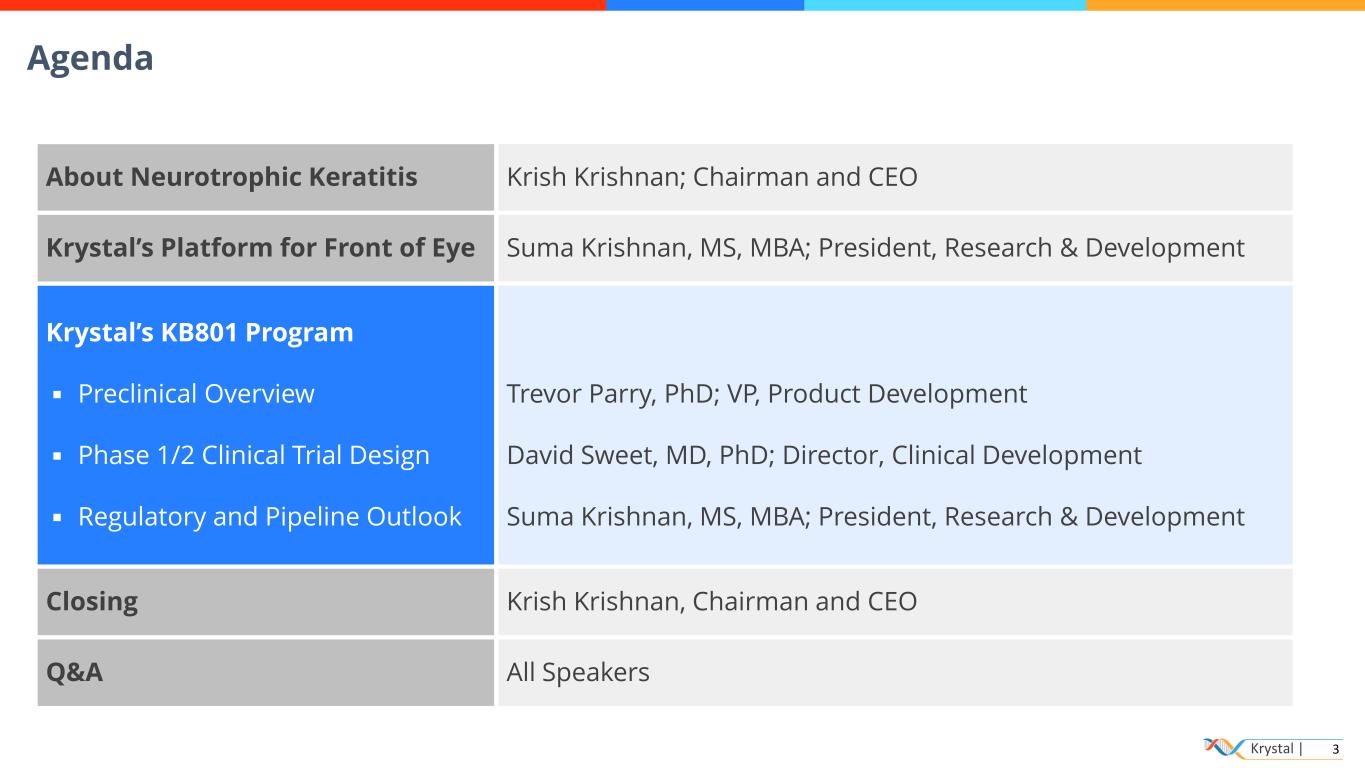
Krystal | 3 Agenda About Neurotrophic Keratitis Krish Krishnan; Chairman and CEO Krystal’s Platform for Front of Eye Suma Krishnan, MS, MBA; President, Research & Development Krystal’s KB801 Program Preclinical Overview Phase 1/2 Clinical Trial Design Regulatory and Pipeline Outlook Trevor Parry, PhD; VP, Product Development David Sweet, MD, PhD; Director, Clinical Development Suma Krishnan, MS, MBA; President, Research & Development Closing Krish Krishnan, Chairman and CEO Q&A All Speakers
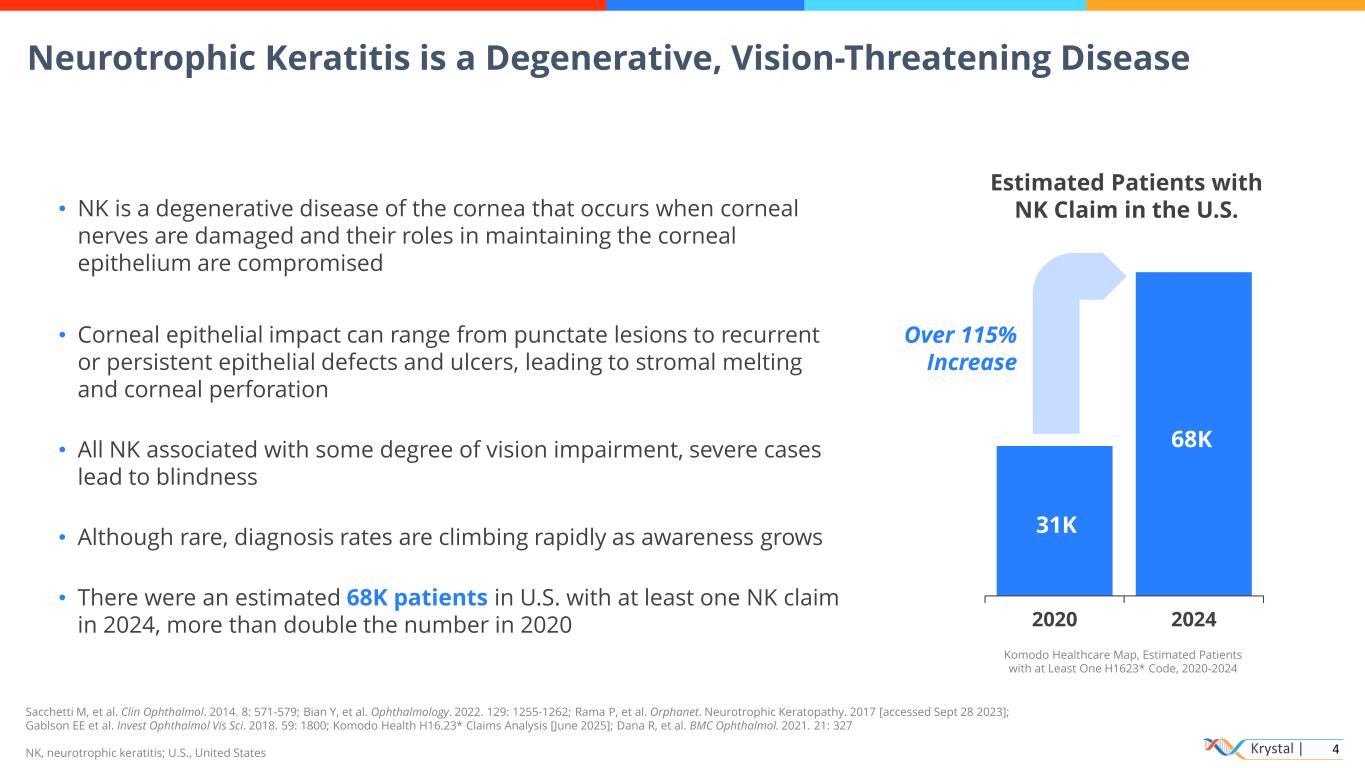
Krystal | 4 Neurotrophic Keratitis is a Degenerative, Vision-Threatening Disease Sacchetti M, et al. Clin Ophthalmol. 2014. 8: 571-579; Bian Y, et al. Ophthalmology. 2022. 129: 1255-1262; Rama P, et al. Orphanet. Neurotrophic Keratopathy. 2017 [accessed Sept 28 2023]; Gablson EE et al. Invest Ophthalmol Vis Sci. 2018. 59: 1800; Komodo Health H16.23* Claims Analysis [June 2025]; Dana R, et al. BMC Ophthalmol. 2021. 21: 327 NK, neurotrophic keratitis; U.S., United States • NK is a degenerative disease of the cornea that occurs when corneal nerves are damaged and their roles in maintaining the corneal epithelium are compromised • Corneal epithelial impact can range from punctate lesions to recurrent or persistent epithelial defects and ulcers, leading to stromal melting and corneal perforation • All NK associated with some degree of vision impairment, severe cases lead to blindness • Although rare, diagnosis rates are climbing rapidly as awareness grows • There were an estimated 68K patients in U.S. with at least one NK claim in 2024, more than double the number in 2020 2020 2024 Estimated Patients with NK Claim in the U.S. 31K 68K Over 115% Increase Komodo Healthcare Map, Estimated Patients with at Least One H1623* Code, 2020-2024
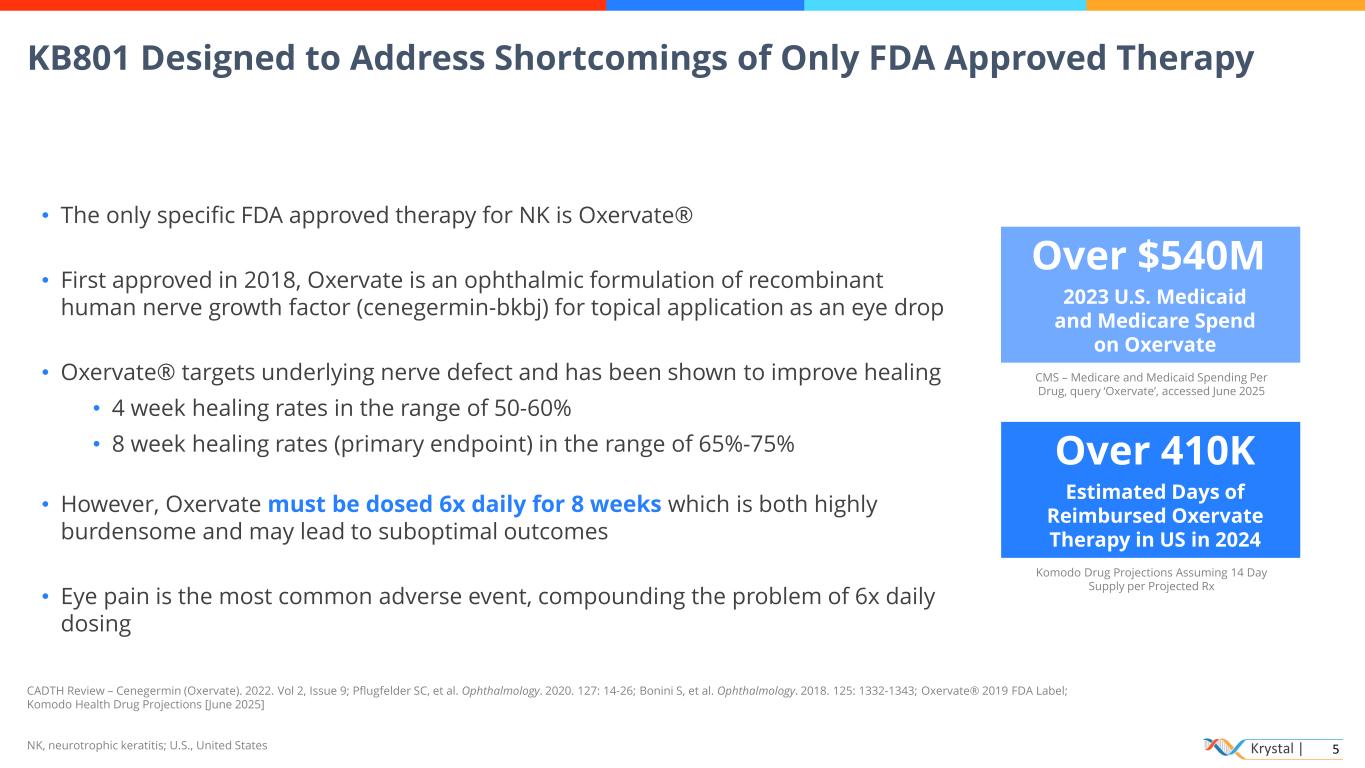
Krystal | 5 • The only specific FDA approved therapy for NK is Oxervate® • First approved in 2018, Oxervate is an ophthalmic formulation of recombinant human nerve growth factor (cenegermin-bkbj) for topical application as an eye drop • Oxervate® targets underlying nerve defect and has been shown to improve healing • 4 week healing rates in the range of 50-60% • 8 week healing rates (primary endpoint) in the range of 65%-75% • However, Oxervate must be dosed 6x daily for 8 weeks which is both highly burdensome and may lead to suboptimal outcomes • Eye pain is the most common adverse event, compounding the problem of 6x daily dosing KB801 Designed to Address Shortcomings of Only FDA Approved Therapy CADTH Review – Cenegermin (Oxervate). 2022. Vol 2, Issue 9; Pflugfelder SC, et al. Ophthalmology. 2020. 127: 14-26; Bonini S, et al. Ophthalmology. 2018. 125: 1332-1343; Oxervate® 2019 FDA Label; Komodo Health Drug Projections [June 2025] NK, neurotrophic keratitis; U.S., United States CMS – Medicare and Medicaid Spending Per Drug, query ‘Oxervate’, accessed June 2025 2023 U.S. Medicaid and Medicare Spend on Oxervate Over $540M Komodo Drug Projections Assuming 14 Day Supply per Projected Rx Estimated Days of Reimbursed Oxervate Therapy in US in 2024 Over 410K
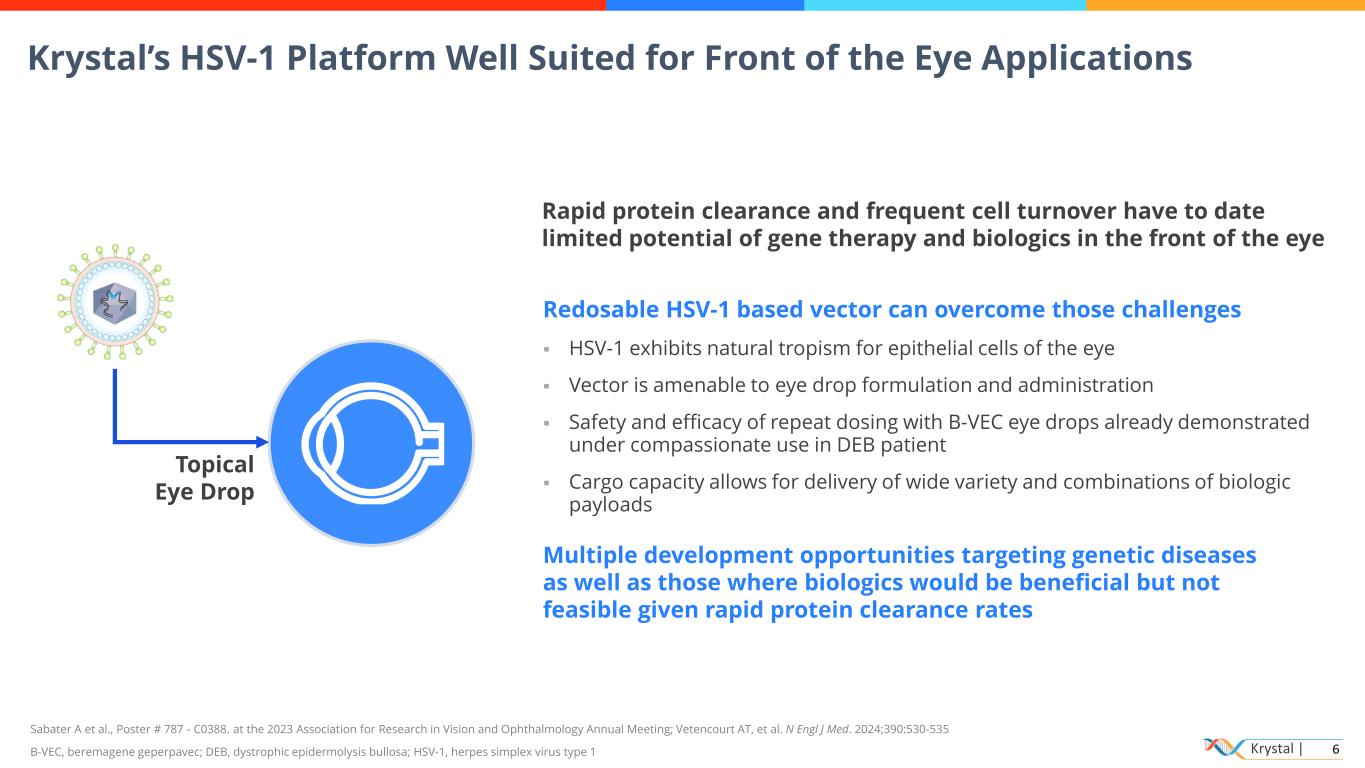
Krystal | 6 Sabater A et al., Poster # 787 - C0388. at the 2023 Association for Research in Vision and Ophthalmology Annual Meeting; Vetencourt AT, et al. N Engl J Med. 2024;390:530-535 B-VEC, beremagene geperpavec; DEB, dystrophic epidermolysis bullosa; HSV-1, herpes simplex virus type 1 Rapid protein clearance and frequent cell turnover have to date limited potential of gene therapy and biologics in the front of the eye Redosable HSV-1 based vector can overcome those challenges HSV-1 exhibits natural tropism for epithelial cells of the eye Vector is amenable to eye drop formulation and administration Safety and efficacy of repeat dosing with B-VEC eye drops already demonstrated under compassionate use in DEB patient Cargo capacity allows for delivery of wide variety and combinations of biologic payloads Topical Eye Drop Krystal’s HSV-1 Platform Well Suited for Front of the Eye Applications Multiple development opportunities targeting genetic diseases as well as those where biologics would be beneficial but not feasible given rapid protein clearance rates
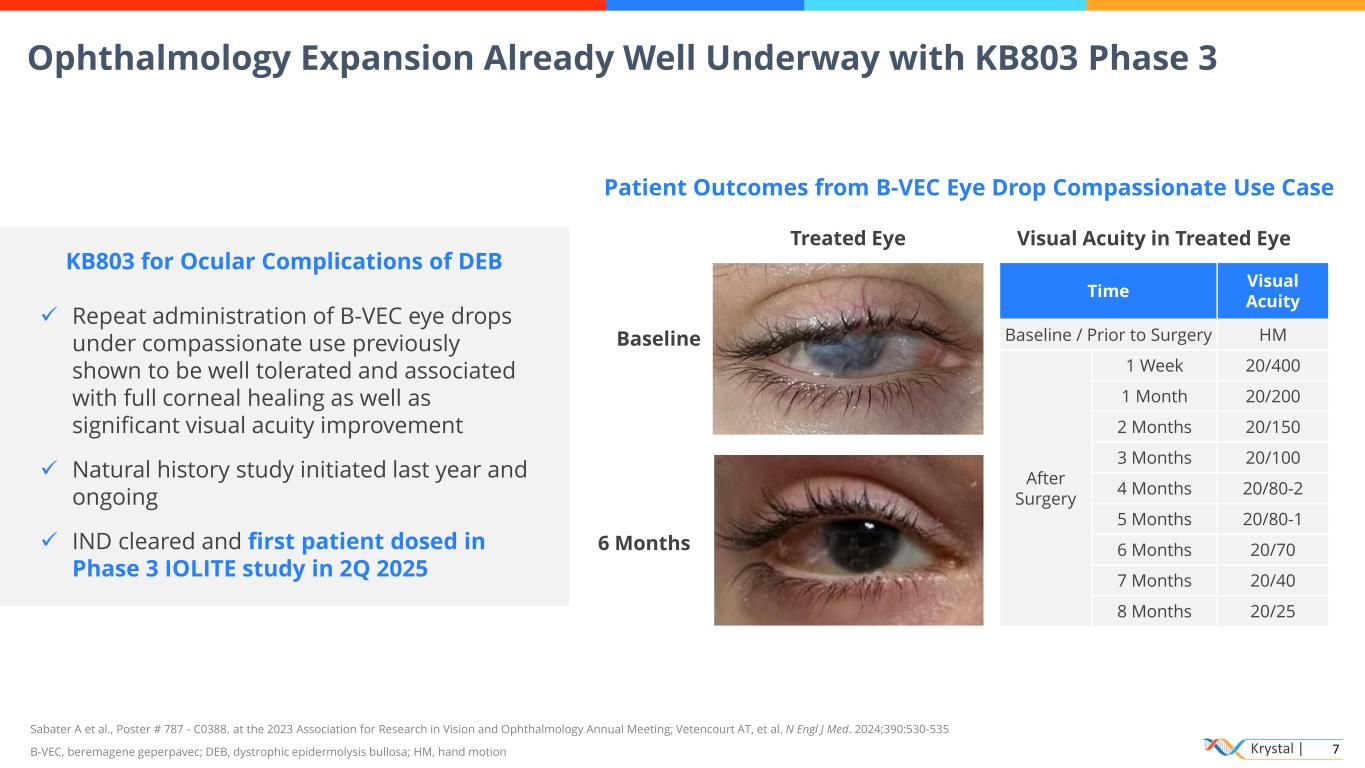
Krystal | 7 Ophthalmology Expansion Already Well Underway with KB803 Phase 3 KB803 for Ocular Complications of DEB Repeat administration of B-VEC eye drops under compassionate use previously shown to be well tolerated and associated with full corneal healing as well as significant visual acuity improvement Natural history study initiated last year and ongoing IND cleared and first patient dosed in Phase 3 IOLITE study in 2Q 2025 Baseline 6 Months Treated Eye Visual Acuity in Treated Eye Time Visual Acuity Baseline / Prior to Surgery HM After Surgery 1 Week 20/400 1 Month 20/200 2 Months 20/150 3 Months 20/100 4 Months 20/80-2 5 Months 20/80-1 6 Months 20/70 7 Months 20/40 8 Months 20/25 Sabater A et al., Poster # 787 - C0388. at the 2023 Association for Research in Vision and Ophthalmology Annual Meeting; Vetencourt AT, et al. N Engl J Med. 2024;390:530-535 B-VEC, beremagene geperpavec; DEB, dystrophic epidermolysis bullosa; HM, hand motion Patient Outcomes from B-VEC Eye Drop Compassionate Use Case
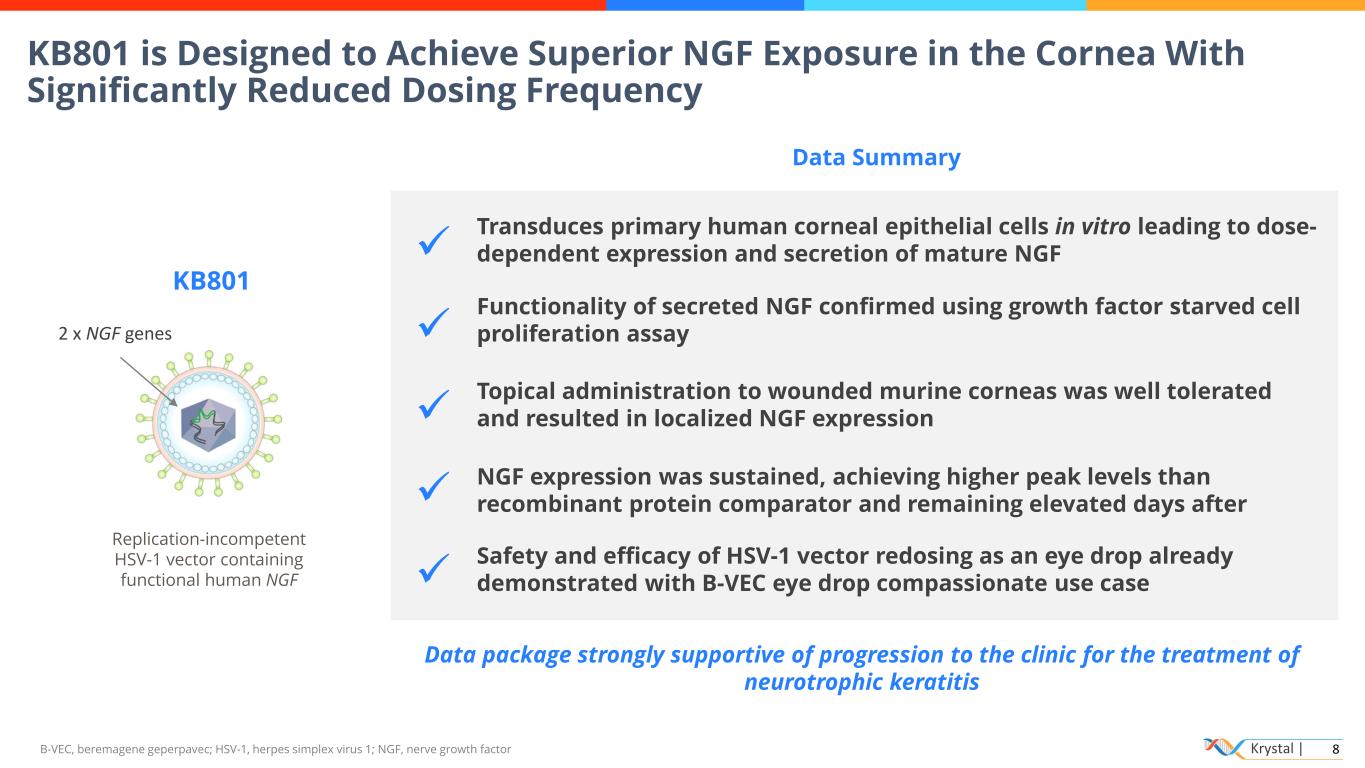
Krystal | 8B-VEC, beremagene geperpavec; HSV-1, herpes simplex virus 1; NGF, nerve growth factor KB801 Replication-incompetent HSV-1 vector containing functional human NGF 2 x NGF genes Topical administration to wounded murine corneas was well tolerated and resulted in localized NGF expression Safety and efficacy of HSV-1 vector redosing as an eye drop already demonstrated with B-VEC eye drop compassionate use case Data package strongly supportive of progression to the clinic for the treatment of neurotrophic keratitis NGF expression was sustained, achieving higher peak levels than recombinant protein comparator and remaining elevated days after Data Summary Transduces primary human corneal epithelial cells in vitro leading to dose- dependent expression and secretion of mature NGF Functionality of secreted NGF confirmed using growth factor starved cell proliferation assay KB801 is Designed to Achieve Superior NGF Exposure in the Cornea With Significantly Reduced Dosing Frequency
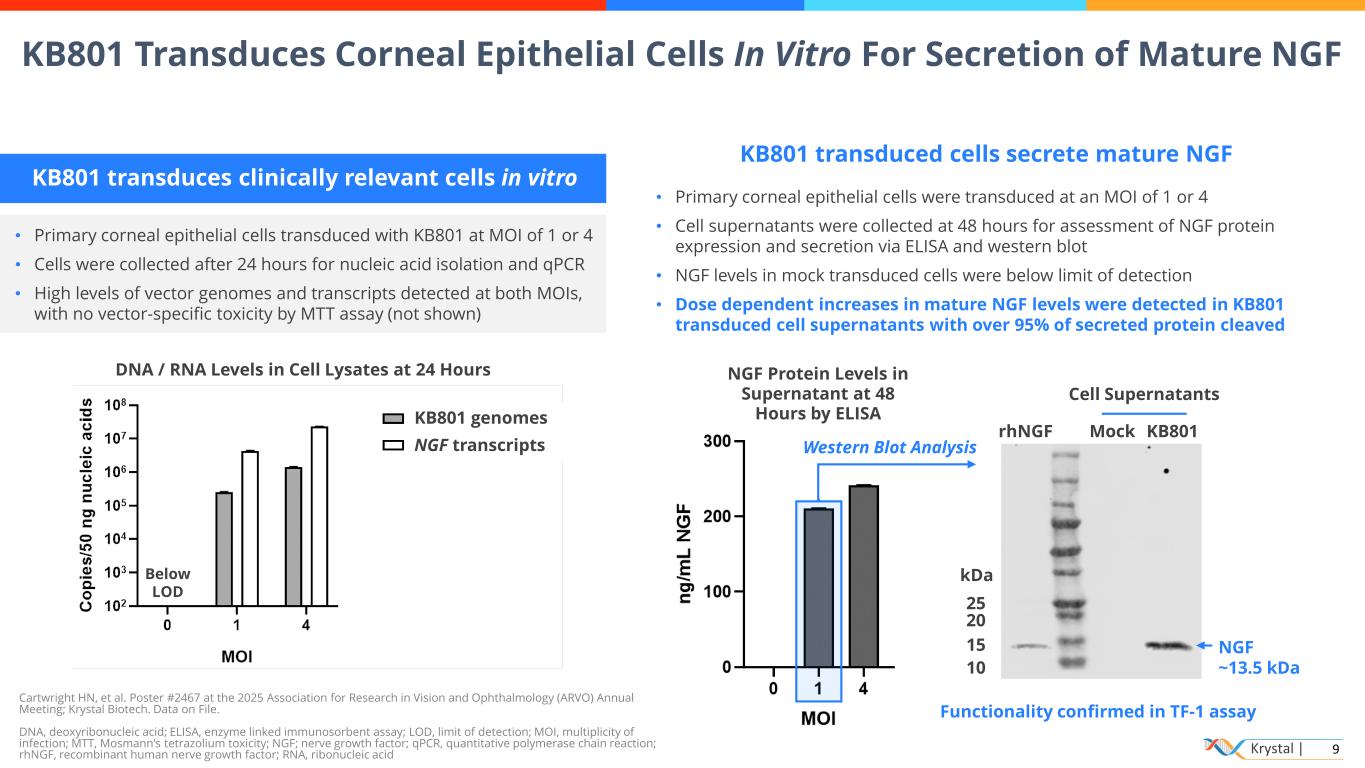
Krystal | 9 KB801 Transduces Corneal Epithelial Cells In Vitro For Secretion of Mature NGF Cartwright HN, et al. Poster #2467 at the 2025 Association for Research in Vision and Ophthalmology (ARVO) Annual Meeting; Krystal Biotech. Data on File. DNA, deoxyribonucleic acid; ELISA, enzyme linked immunosorbent assay; LOD, limit of detection; MOI, multiplicity of infection; MTT, Mosmann’s tetrazolium toxicity; NGF; nerve growth factor; qPCR, quantitative polymerase chain reaction; rhNGF, recombinant human nerve growth factor; RNA, ribonucleic acid • Primary corneal epithelial cells transduced with KB801 at MOI of 1 or 4 • Cells were collected after 24 hours for nucleic acid isolation and qPCR • High levels of vector genomes and transcripts detected at both MOIs, with no vector-specific toxicity by MTT assay (not shown) KB801 transduces clinically relevant cells in vitro • Primary corneal epithelial cells were transduced at an MOI of 1 or 4 • Cell supernatants were collected at 48 hours for assessment of NGF protein expression and secretion via ELISA and western blot • NGF levels in mock transduced cells were below limit of detection • Dose dependent increases in mature NGF levels were detected in KB801 transduced cell supernatants with over 95% of secreted protein cleaved KB801 transduced cells secrete mature NGF rhNGF Mock KB801 Cell Supernatants NGF ~13.5 kDa10 15 20 25 kDa NGF Protein Levels in Supernatant at 48 Hours by ELISA Western Blot Analysis DNA / RNA Levels in Cell Lysates at 24 Hours KB801 genomes NGF transcripts Functionality confirmed in TF-1 assay Below LOD
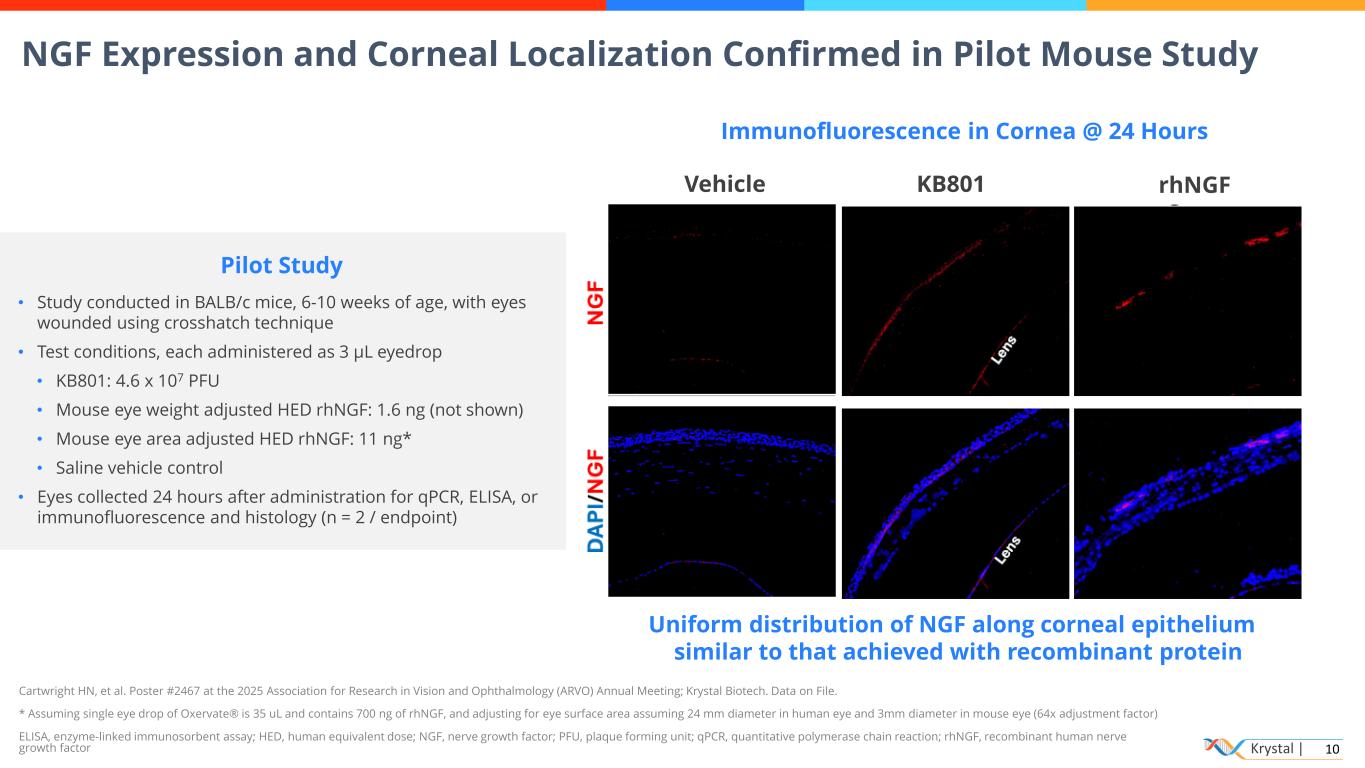
Krystal | 10 NGF Expression and Corneal Localization Confirmed in Pilot Mouse Study Cartwright HN, et al. Poster #2467 at the 2025 Association for Research in Vision and Ophthalmology (ARVO) Annual Meeting; Krystal Biotech. Data on File. * Assuming single eye drop of Oxervate® is 35 uL and contains 700 ng of rhNGF, and adjusting for eye surface area assuming 24 mm diameter in human eye and 3mm diameter in mouse eye (64x adjustment factor) ELISA, enzyme-linked immunosorbent assay; HED, human equivalent dose; NGF, nerve growth factor; PFU, plaque forming unit; qPCR, quantitative polymerase chain reaction; rhNGF, recombinant human nerve growth factor Vehicle Immunofluorescence in Cornea @ 24 Hours KB801 rhNGF Uniform distribution of NGF along corneal epithelium similar to that achieved with recombinant protein Pilot Study • Study conducted in BALB/c mice, 6-10 weeks of age, with eyes wounded using crosshatch technique • Test conditions, each administered as 3 µL eyedrop • KB801: 4.6 x 10⁷ PFU • Mouse eye weight adjusted HED rhNGF: 1.6 ng (not shown) • Mouse eye area adjusted HED rhNGF: 11 ng* • Saline vehicle control • Eyes collected 24 hours after administration for qPCR, ELISA, or immunofluorescence and histology (n = 2 / endpoint)
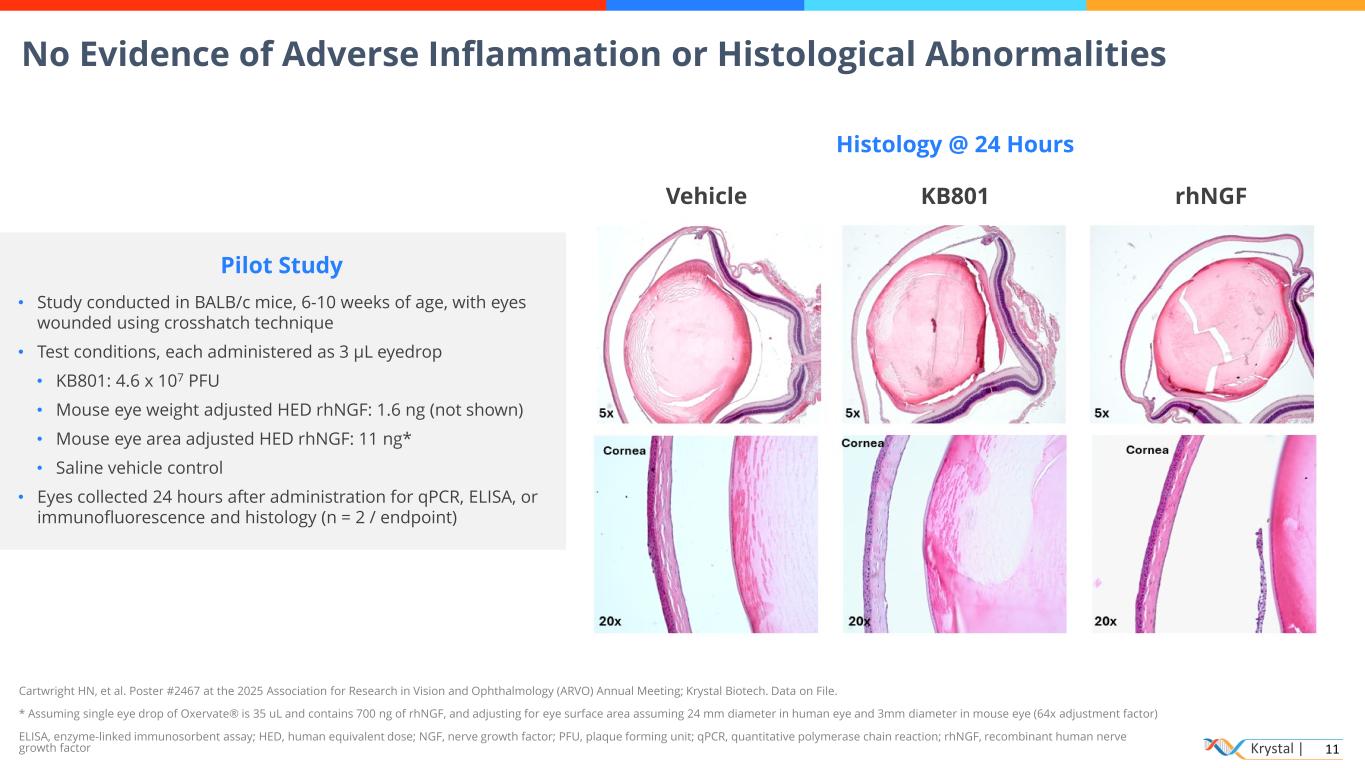
Krystal | 11 No Evidence of Adverse Inflammation or Histological Abnormalities Cartwright HN, et al. Poster #2467 at the 2025 Association for Research in Vision and Ophthalmology (ARVO) Annual Meeting; Krystal Biotech. Data on File. * Assuming single eye drop of Oxervate® is 35 uL and contains 700 ng of rhNGF, and adjusting for eye surface area assuming 24 mm diameter in human eye and 3mm diameter in mouse eye (64x adjustment factor) ELISA, enzyme-linked immunosorbent assay; HED, human equivalent dose; NGF, nerve growth factor; PFU, plaque forming unit; qPCR, quantitative polymerase chain reaction; rhNGF, recombinant human nerve growth factor Pilot Study • Study conducted in BALB/c mice, 6-10 weeks of age, with eyes wounded using crosshatch technique • Test conditions, each administered as 3 µL eyedrop • KB801: 4.6 x 10⁷ PFU • Mouse eye weight adjusted HED rhNGF: 1.6 ng (not shown) • Mouse eye area adjusted HED rhNGF: 11 ng* • Saline vehicle control • Eyes collected 24 hours after administration for qPCR, ELISA, or immunofluorescence and histology (n = 2 / endpoint) Vehicle Histology @ 24 Hours KB801 rhNGF
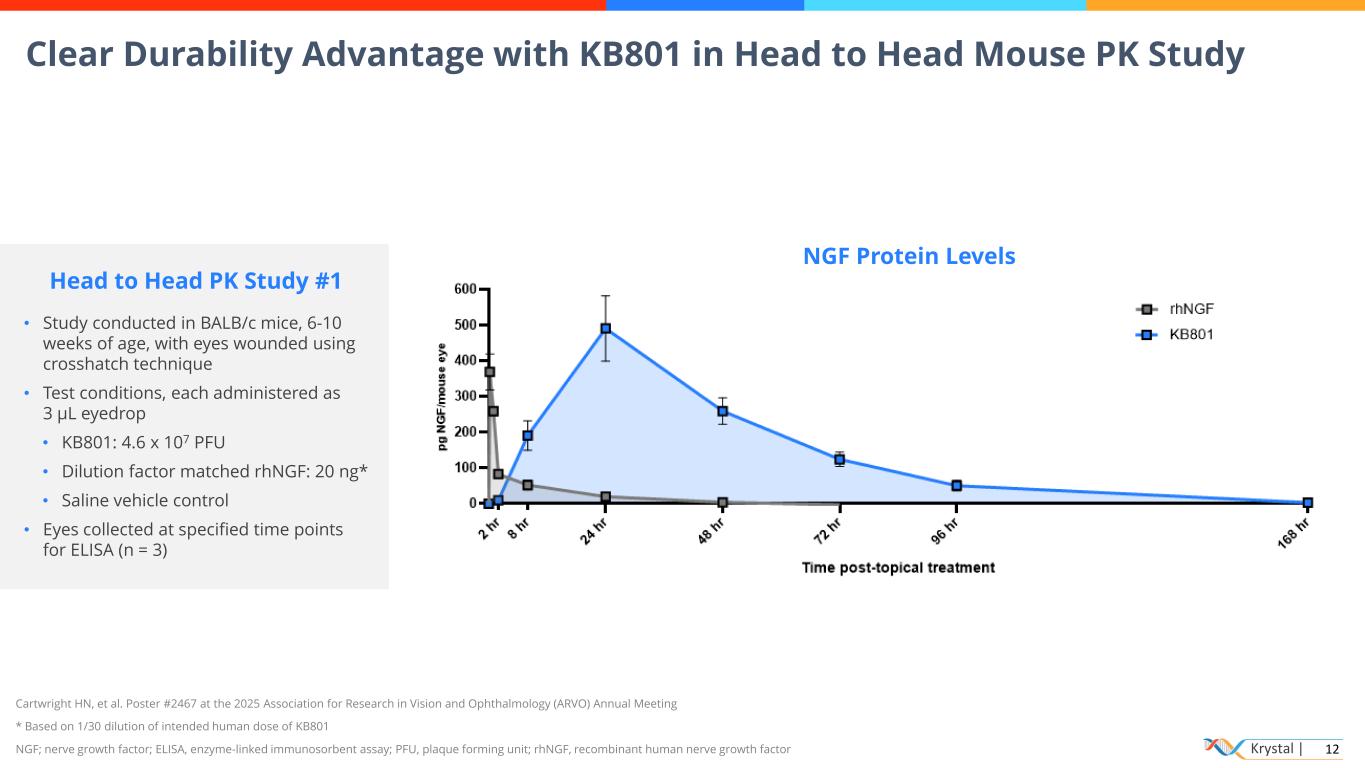
Krystal | 12 Clear Durability Advantage with KB801 in Head to Head Mouse PK Study Head to Head PK Study #1 • Study conducted in BALB/c mice, 6-10 weeks of age, with eyes wounded using crosshatch technique • Test conditions, each administered as 3 µL eyedrop • KB801: 4.6 x 10⁷ PFU • Dilution factor matched rhNGF: 20 ng* • Saline vehicle control • Eyes collected at specified time points for ELISA (n = 3) Cartwright HN, et al. Poster #2467 at the 2025 Association for Research in Vision and Ophthalmology (ARVO) Annual Meeting * Based on 1/30 dilution of intended human dose of KB801 NGF; nerve growth factor; ELISA, enzyme-linked immunosorbent assay; PFU, plaque forming unit; rhNGF, recombinant human nerve growth factor NGF Protein Levels
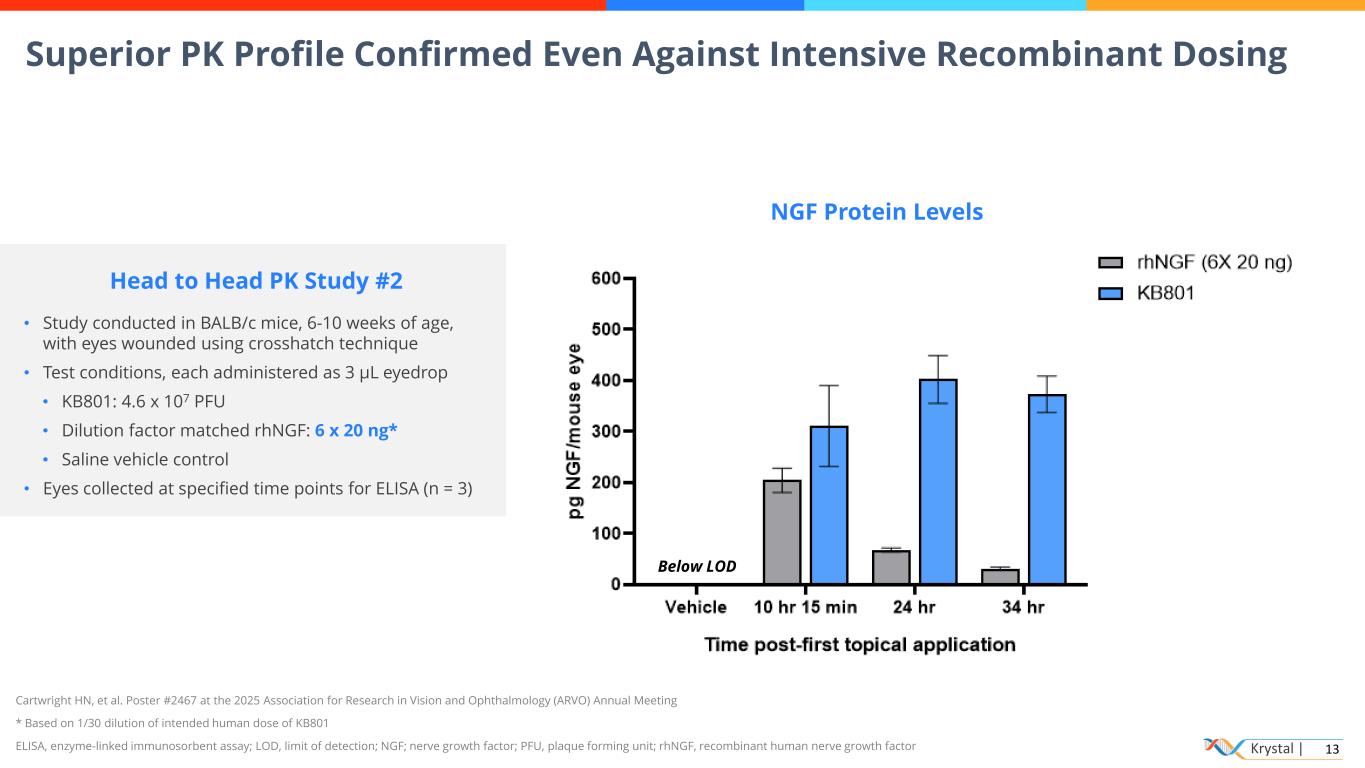
Krystal | 13 Superior PK Profile Confirmed Even Against Intensive Recombinant Dosing Head to Head PK Study #2 • Study conducted in BALB/c mice, 6-10 weeks of age, with eyes wounded using crosshatch technique • Test conditions, each administered as 3 µL eyedrop • KB801: 4.6 x 10⁷ PFU • Dilution factor matched rhNGF: 6 x 20 ng* • Saline vehicle control • Eyes collected at specified time points for ELISA (n = 3) Cartwright HN, et al. Poster #2467 at the 2025 Association for Research in Vision and Ophthalmology (ARVO) Annual Meeting * Based on 1/30 dilution of intended human dose of KB801 ELISA, enzyme-linked immunosorbent assay; LOD, limit of detection; NGF; nerve growth factor; PFU, plaque forming unit; rhNGF, recombinant human nerve growth factor NGF Protein Levels Below LOD
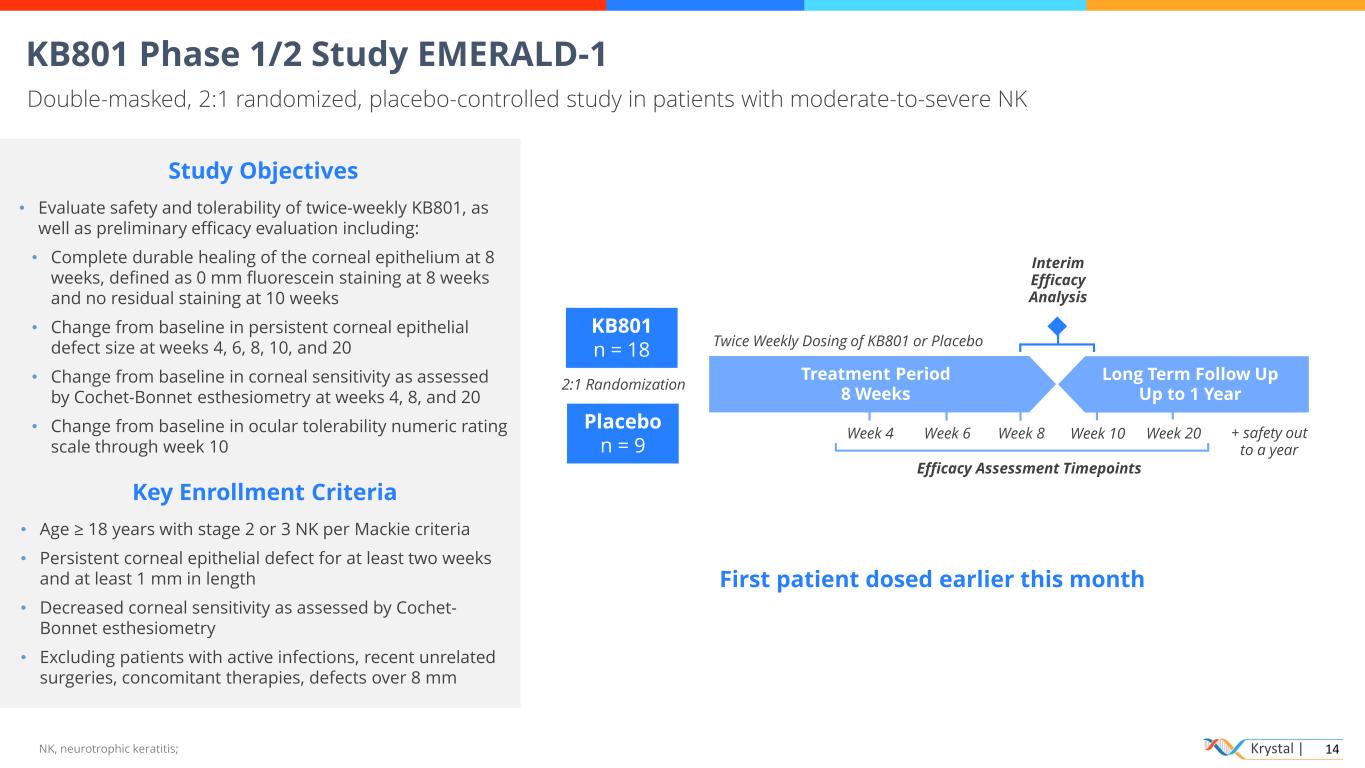
Krystal | 14 Study Objectives • Evaluate safety and tolerability of twice-weekly KB801, as well as preliminary efficacy evaluation including: • Complete durable healing of the corneal epithelium at 8 weeks, defined as 0 mm fluorescein staining at 8 weeks and no residual staining at 10 weeks • Change from baseline in persistent corneal epithelial defect size at weeks 4, 6, 8, 10, and 20 • Change from baseline in corneal sensitivity as assessed by Cochet-Bonnet esthesiometry at weeks 4, 8, and 20 • Change from baseline in ocular tolerability numeric rating scale through week 10 Key Enrollment Criteria • Age ≥ 18 years with stage 2 or 3 NK per Mackie criteria • Persistent corneal epithelial defect for at least two weeks and at least 1 mm in length • Decreased corneal sensitivity as assessed by Cochet- Bonnet esthesiometry • Excluding patients with active infections, recent unrelated surgeries, concomitant therapies, defects over 8 mm NK, neurotrophic keratitis; KB801 Phase 1/2 Study EMERALD-1 Double-masked, 2:1 randomized, placebo-controlled study in patients with moderate-to-severe NK Week 4 KB801 n = 18 Placebo n = 9 2:1 Randomization Treatment Period 8 Weeks Twice Weekly Dosing of KB801 or Placebo Interim Efficacy Analysis Long Term Follow Up Up to 1 Year Week 6 Week 8 Week 10 Week 20 + safety out to a year Efficacy Assessment Timepoints First patient dosed earlier this month
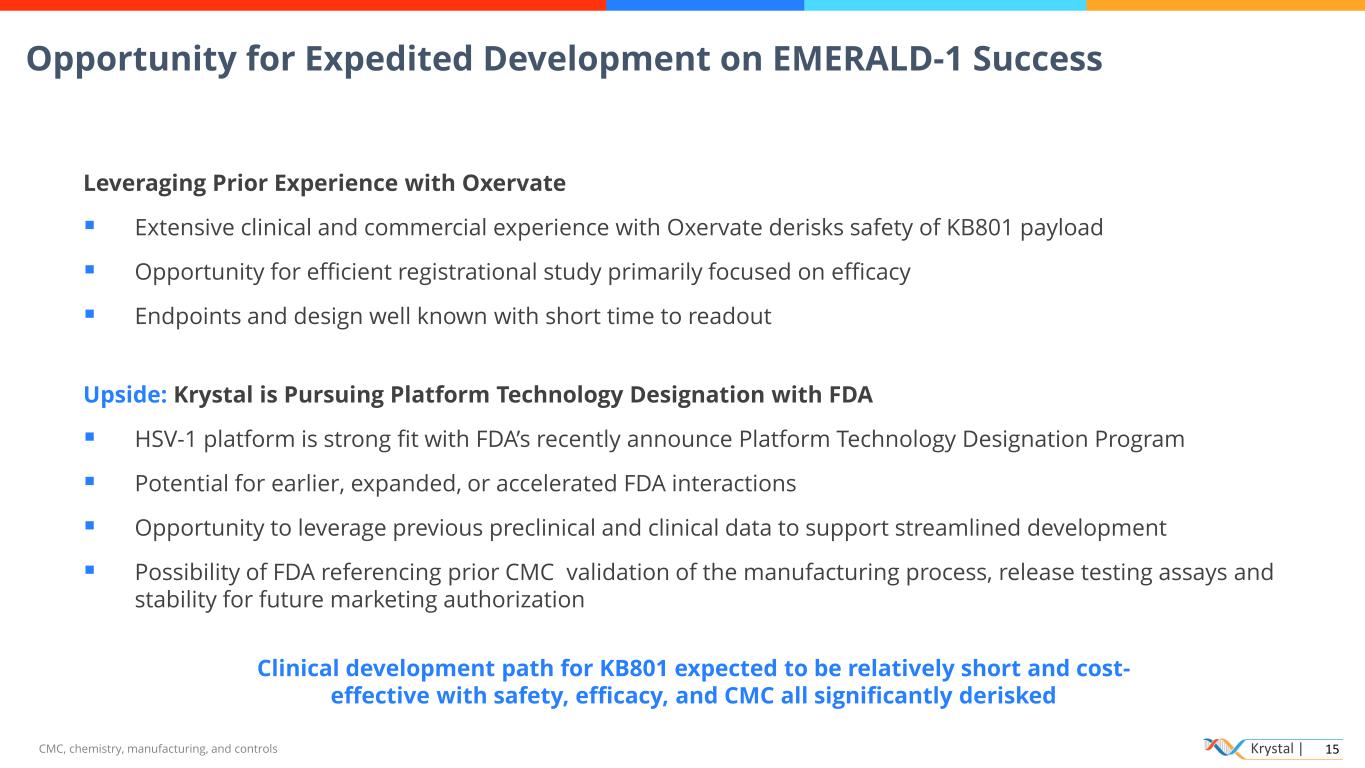
Krystal | 15 Opportunity for Expedited Development on EMERALD-1 Success CMC, chemistry, manufacturing, and controls Leveraging Prior Experience with Oxervate Extensive clinical and commercial experience with Oxervate derisks safety of KB801 payload Opportunity for efficient registrational study primarily focused on efficacy Endpoints and design well known with short time to readout Upside: Krystal is Pursuing Platform Technology Designation with FDA HSV-1 platform is strong fit with FDA’s recently announce Platform Technology Designation Program Potential for earlier, expanded, or accelerated FDA interactions Opportunity to leverage previous preclinical and clinical data to support streamlined development Possibility of FDA referencing prior CMC validation of the manufacturing process, release testing assays and stability for future marketing authorization Clinical development path for KB801 expected to be relatively short and cost- effective with safety, efficacy, and CMC all significantly derisked
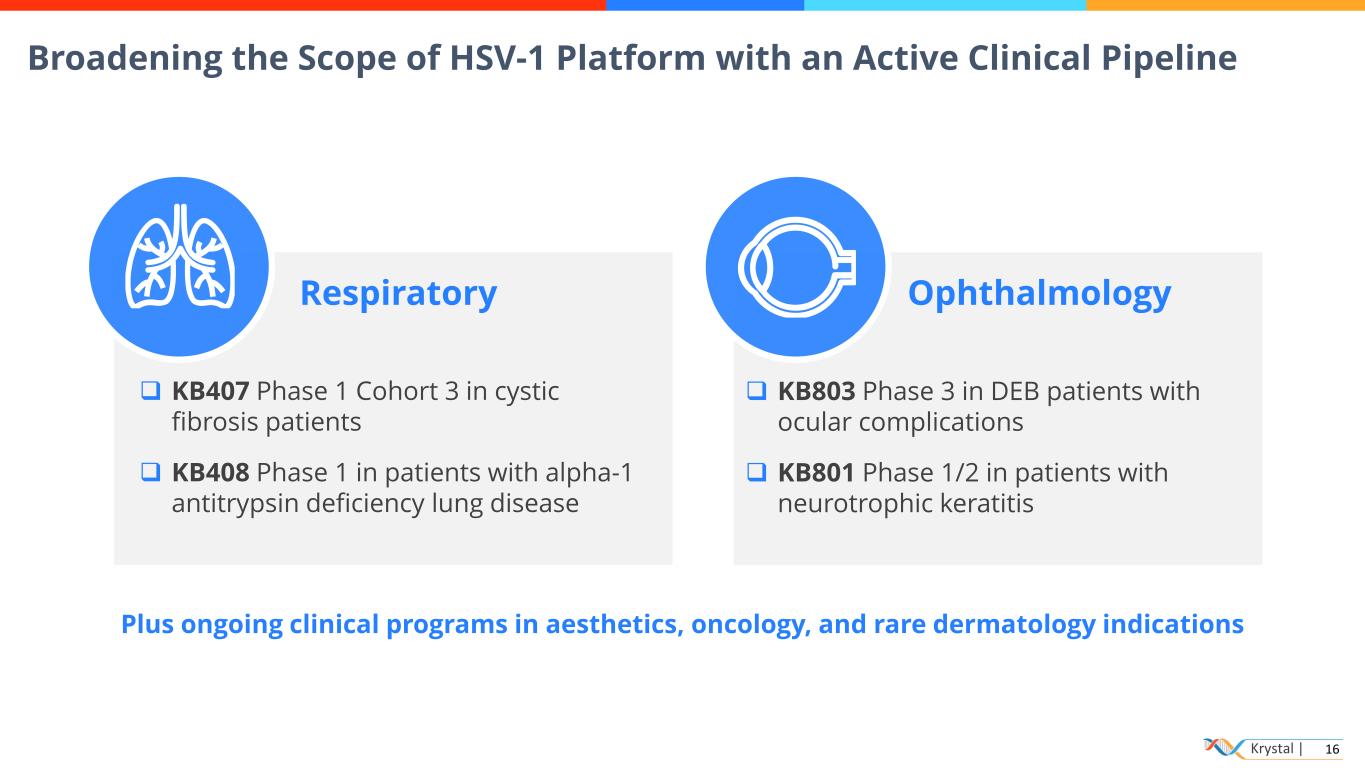
Krystal | 16 Broadening the Scope of HSV-1 Platform with an Active Clinical Pipeline Respiratory KB407 Phase 1 Cohort 3 in cystic fibrosis patients KB408 Phase 1 in patients with alpha-1 antitrypsin deficiency lung disease Ophthalmology KB803 Phase 3 in DEB patients with ocular complications KB801 Phase 1/2 in patients with neurotrophic keratitis Plus ongoing clinical programs in aesthetics, oncology, and rare dermatology indications
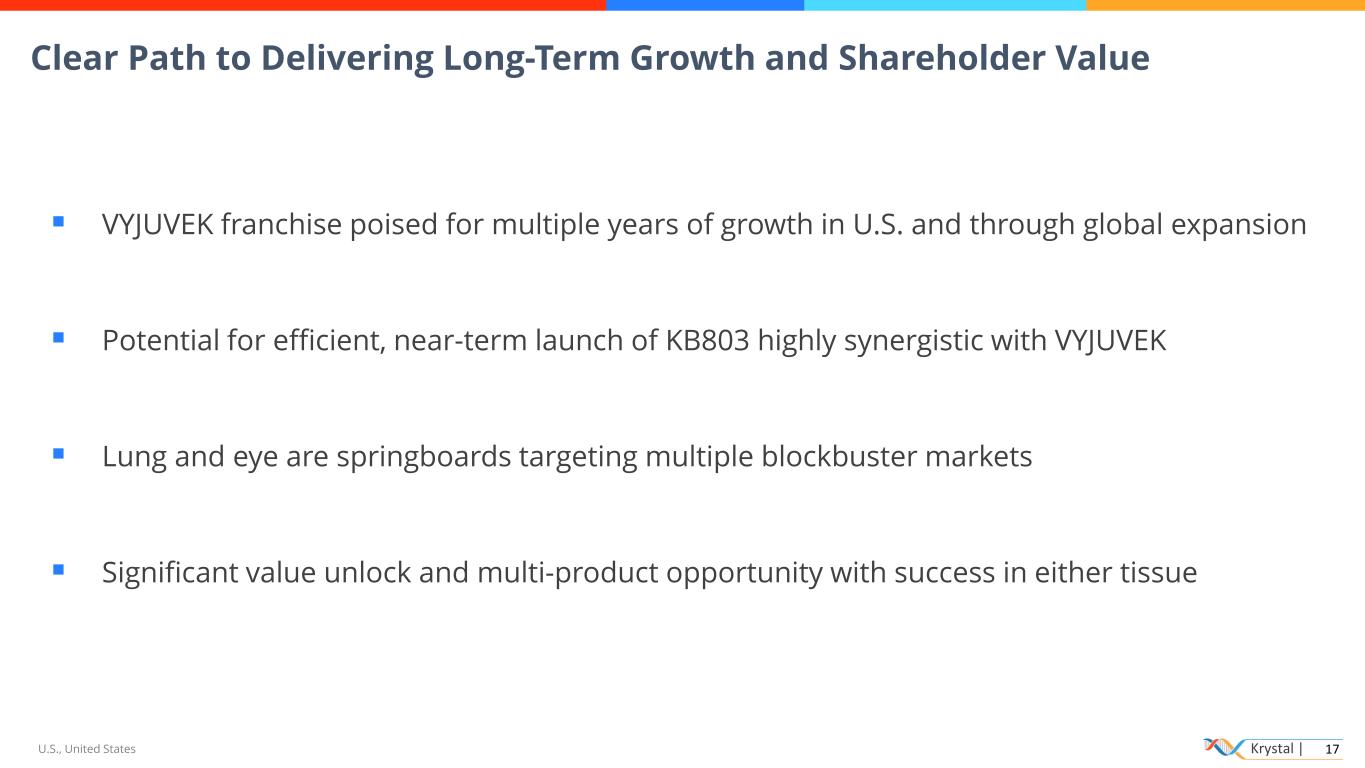
Krystal | 17 VYJUVEK franchise poised for multiple years of growth in U.S. and through global expansion Potential for efficient, near-term launch of KB803 highly synergistic with VYJUVEK Lung and eye are springboards targeting multiple blockbuster markets Significant value unlock and multi-product opportunity with success in either tissue U.S., United States Clear Path to Delivering Long-Term Growth and Shareholder Value
Developing Genetic Medicines to Treat Diseases with High Unmet Medical Needs © Copyright 2025 Krystal Biotech, Inc. All rights reserved.