
NAGE 10-Q
Niagen Bioscience, Inc. (NAGE)
10-Q
2026-08-04
For: 2026-06-30
View Original
Added on
August 04, 2026
UNITED STATES
SECURITIES AND EXCHANGE COMMISSION
Washington, D.C. 20549
FORM 10-Q
OF THE SECURITIES EXCHANGE ACT OF 1934
For the quarterly period ended June 30, 2026
Commission File Number: 001-37752

| (Exact Name of Registrant as Specified in its Charter) | ||||||||
| (State or other jurisdiction of incorporation or organization) | (I.R.S. Employer Identification No.) | |||||||
| (Address of Principal Executive Offices) | (Zip Code) | |||||||
Registrant's telephone number, including area code: (310 ) 388-6706
Securities registered pursuant to Section 12(b) of the Act:
| Title of each class | Trading Symbol | Name of each exchange on which registered | ||||||
The | ||||||||
Indicate by check mark whether the registrant (1) has filed all reports required to be filed by section 13 or 15(d) of the Securities Exchange Act of 1934 during the preceding 12 months (or for such shorter period that the registrant was required to file such reports), and (2) has been subject to such filing requirements for the past 90 days. | ☑ | ☐ | No | ||||||||||||||||||||||||||||||||||||||
Indicate by check mark whether the registrant has submitted electronically every Interactive Data File required to be submitted pursuant to Rule 405 of Regulation S-T (Section 232.405 of this chapter) during the preceding 12 months (or for such shorter period that the registrant was required to submit such files). | ☑ | ☐ | No | ||||||||||||||||||||||||||||||||||||||
Indicate by check mark whether the registrant is a large accelerated filer, accelerated filer, non-accelerated filer, smaller reporting company or emerging growth company. See definition of “large accelerated filer, accelerated filer, smaller reporting company and emerging growth company” in Rule 12b-2 of the Exchange Act. | |||||||||||||||||||||||||||||||||||||||||
| ☑ | Accelerated filer | ☐ | Non-accelerated filer | ☐ | Smaller reporting company | Emerging growth company | |||||||||||||||||||||||||||||||||||
| If an emerging growth company, indicate if the registrant has elected not to use the extended transition period for complying with any new or revised financial accounting standards provided pursuant to Section 13(a) of the Exchange Act. | ☐ | Yes | ☐ | No | |||||||||||||||||||||||||||||||||||||
Indicate by check mark whether the registrant is a shell company (as defined in Rule 12b-2 of the Exchange Act). | ☐ | Yes | No | ||||||||||||||||||||||||||||||||||||||
As of July 30, 2026 there were 79,126,002 shares of the registrant’s common stock issued and outstanding.
Niagen Bioscience, Inc.
Quarterly Report on Form 10-Q
For the Three and Six Months Ended June 30, 2026
Table of Contents
| Pg. | |||||
Condensed Consolidated Balance Sheets as of June 30, 2026 and December 31, 2025 | |||||
Condensed Consolidated Statements of Operations for the three and six months ended June 30, 2026 and June 30, 2025 | |||||
Condensed Consolidated Statements of Stockholders’ Equity for the three and six months ended June 30, 2026 and June 30, 2025 | |||||
Condensed Consolidated Statements of Cash Flows for the six months ended June 30, 2026 and June 30, 2025 | |||||
2
PART I
Item 1. FINANCIAL STATEMENTS (unaudited)
Niagen Bioscience, Inc. and Subsidiaries
Unaudited Condensed Consolidated Balance Sheets
(In thousands, except par values)
| June 30, 2026 | December 31, 2025 | ||||||||||
| Assets | |||||||||||
| Current assets | |||||||||||
Cash and cash equivalents, including restricted cash of $ | $ | $ | |||||||||
Trade receivables, net of allowances of $ | |||||||||||
| Inventories | |||||||||||
| Assets held for sale | |||||||||||
| Prepaid expenses and other assets | |||||||||||
| Total current assets | |||||||||||
| Leasehold improvements and equipment, net | |||||||||||
| Intangible assets, net | |||||||||||
| Right-of-use assets, net | |||||||||||
| Other long-term assets | |||||||||||
| Total assets | $ | $ | |||||||||
| Liabilities and Stockholders' Equity | |||||||||||
| Current liabilities | |||||||||||
| Accounts payable | $ | $ | |||||||||
| Accrued expenses | |||||||||||
| Current maturities of operating lease obligations | |||||||||||
| Current deferred consideration liability | |||||||||||
| Customer deposits | |||||||||||
| Total current liabilities | |||||||||||
| Deferred revenue | |||||||||||
| Operating lease obligations, less current maturities | |||||||||||
| Deferred consideration liability, less current portion | |||||||||||
| Total liabilities | |||||||||||
Commitments and Contingencies (Note 8) | |||||||||||
| Stockholders' Equity | |||||||||||
Common stock, $ | |||||||||||
| Additional paid-in capital | |||||||||||
| Accumulated deficit | ( | ( | |||||||||
| Cumulative translation adjustments | ( | ( | |||||||||
| Total stockholders' equity | |||||||||||
| Total liabilities and stockholders' equity | $ | $ | |||||||||
See accompanying Notes to the Unaudited Condensed Consolidated Financial Statements.
3
Niagen Bioscience, Inc. and Subsidiaries
Unaudited Condensed Consolidated Statements of Operations
(In thousands, except per share data)
| Three Months Ended June 30, | Six Months Ended June 30, | ||||||||||||||||||||||
| 2026 | 2025 | 2026 | 2025 | ||||||||||||||||||||
| Sales, net | $ | $ | $ | $ | |||||||||||||||||||
| Cost of sales | |||||||||||||||||||||||
| Gross profit | |||||||||||||||||||||||
| Operating expenses: | |||||||||||||||||||||||
| Sales and marketing | |||||||||||||||||||||||
| Research and development | |||||||||||||||||||||||
| General and administrative | |||||||||||||||||||||||
| Total operating expenses | |||||||||||||||||||||||
| Operating income | |||||||||||||||||||||||
| Nonoperating income: | |||||||||||||||||||||||
| Interest income, net | |||||||||||||||||||||||
| Gain on sale of operating segment | ( | ||||||||||||||||||||||
| Income before provision for income taxes | |||||||||||||||||||||||
| Provision for income taxes | |||||||||||||||||||||||
| Net income | $ | $ | $ | $ | |||||||||||||||||||
| Net income per share attributable to common stockholders: | |||||||||||||||||||||||
| Basic | $ | $ | $ | $ | |||||||||||||||||||
| Diluted | $ | $ | $ | $ | |||||||||||||||||||
| Weighted average common shares outstanding: | |||||||||||||||||||||||
| Basic | |||||||||||||||||||||||
| Diluted | |||||||||||||||||||||||
See accompanying Notes to the Unaudited Condensed Consolidated Financial Statements.
4
Niagen Bioscience, Inc. and Subsidiaries
Unaudited Condensed Consolidated Statements of Stockholders' Equity
(In thousands)
| Three Months Ended June 30, 2026 | |||||||||||||||||||||||||||||||||||
| Common Stock | Additional Paid-in Capital | Accumulated Deficit | Cumulative Translation Adjustments | Total Stockholders' Equity | |||||||||||||||||||||||||||||||
| Shares | Amount | ||||||||||||||||||||||||||||||||||
| Balance, April 1, 2026 | $ | $ | $ | ( | $ | ( | $ | ||||||||||||||||||||||||||||
| Exercise of stock options | — | — | — | ||||||||||||||||||||||||||||||||
| Issuance of restricted stock | — | — | — | — | — | ||||||||||||||||||||||||||||||
| Issuance of common stock from ESPP | — | — | — | ||||||||||||||||||||||||||||||||
| Share-based compensation | — | — | — | — | |||||||||||||||||||||||||||||||
| Common stock repurchase | ( | — | ( | — | — | ( | |||||||||||||||||||||||||||||
| Translation adjustment | — | — | — | — | |||||||||||||||||||||||||||||||
| Net income | — | — | — | — | |||||||||||||||||||||||||||||||
| Balance, June 30, 2026 | $ | $ | $ | ( | $ | ( | $ | ||||||||||||||||||||||||||||
| Three Months Ended June 30, 2025 | |||||||||||||||||||||||||||||||||||
| Common Stock | Additional Paid-in Capital | Accumulated Deficit | Cumulative Translation Adjustments | Total Stockholders' Equity | |||||||||||||||||||||||||||||||
| Shares | Amount | ||||||||||||||||||||||||||||||||||
| Balance, April 1, 2025 | $ | $ | $ | ( | $ | ( | $ | ||||||||||||||||||||||||||||
| Exercise of stock options | — | — | |||||||||||||||||||||||||||||||||
| Issuance of restricted stock | — | — | — | ||||||||||||||||||||||||||||||||
| Share-based compensation | — | — | — | — | |||||||||||||||||||||||||||||||
| Translation adjustment | — | — | — | — | |||||||||||||||||||||||||||||||
| Net income | — | — | — | — | |||||||||||||||||||||||||||||||
| Balance, June 30, 2025 | $ | $ | $ | ( | $ | ( | $ | ||||||||||||||||||||||||||||
See accompanying Notes to the Unaudited Condensed Consolidated Financial Statements.
5
Niagen Bioscience, Inc. and Subsidiaries
Unaudited Condensed Consolidated Statements of Stockholders' Equity Continued
(In thousands, unless otherwise indicated)
| Six Months Ended June 30, 2026 | |||||||||||||||||||||||||||||||||||
| Common Stock | Additional Paid-in Capital | Accumulated Deficit | Cumulative Translation Adjustments | Total Stockholders' Equity | |||||||||||||||||||||||||||||||
| Shares | Amount | ||||||||||||||||||||||||||||||||||
| Balance, January 1, 2026 | $ | $ | $ | ( | $ | ( | $ | ||||||||||||||||||||||||||||
| Exercise of stock options | — | — | — | ||||||||||||||||||||||||||||||||
| Issuance of restricted stock | — | — | — | — | — | ||||||||||||||||||||||||||||||
| Issuance of common stock from ESPP | — | — | — | ||||||||||||||||||||||||||||||||
| Share-based compensation | — | — | — | — | |||||||||||||||||||||||||||||||
| Common stock repurchase | ( | — | ( | ( | |||||||||||||||||||||||||||||||
| Translation adjustment | — | — | — | — | |||||||||||||||||||||||||||||||
| Net income | — | — | — | — | |||||||||||||||||||||||||||||||
| Balance, June 30, 2026 | $ | $ | $ | ( | $ | ( | $ | ||||||||||||||||||||||||||||
| Six Months Ended June 30, 2025 | |||||||||||||||||||||||||||||||||||
| Common Stock | Additional Paid-in Capital | Accumulated Deficit | Cumulative Translation Adjustments | Total Stockholders' Equity | |||||||||||||||||||||||||||||||
| Shares | Amount | ||||||||||||||||||||||||||||||||||
| Balance, January 1, 2025 | $ | $ | $ | ( | $ | ( | $ | ||||||||||||||||||||||||||||
| Exercise of stock options | — | — | |||||||||||||||||||||||||||||||||
| Issuance of restricted stock | — | — | — | ||||||||||||||||||||||||||||||||
| Share-based compensation | — | — | — | — | |||||||||||||||||||||||||||||||
| Net income | — | — | — | — | |||||||||||||||||||||||||||||||
| Balance, June 30, 2025 | $ | $ | $ | ( | $ | ( | $ | ||||||||||||||||||||||||||||
See accompanying Notes to the Unaudited Condensed Consolidated Financial Statements.
6
Niagen Bioscience, Inc. and Subsidiaries
Unaudited Condensed Consolidated Statements of Cash Flows
(In thousands)
| Six Months Ended June 30, | |||||||||||
| 2026 | 2025 | ||||||||||
| Cash Flows From Operating Activities | |||||||||||
| Net income | $ | $ | |||||||||
| Adjustments to reconcile net income to net cash provided by operating activities: | |||||||||||
| Depreciation of leasehold improvements and equipment | |||||||||||
| Amortization of intangibles | |||||||||||
| Noncash lease expense | |||||||||||
| Gain on sale of operating segment | ( | ||||||||||
| Share-based compensation expense | |||||||||||
Loss on disposal of leasehold improvements and equipment | |||||||||||
| Allowance for (Recovery of) credit losses | ( | ||||||||||
| Interest accretion on deferred consideration | |||||||||||
| Non-cash financing costs | |||||||||||
| Changes in operating assets and liabilities: | |||||||||||
| Trade receivables | ( | ||||||||||
| Inventories | ( | ( | |||||||||
| Implementation costs for cloud computing arrangement | ( | ( | |||||||||
| Prepaid expenses and other assets | ( | ||||||||||
| Accounts payable | ( | ||||||||||
| Accrued expenses | ( | ( | |||||||||
| Deferred revenue | ( | ||||||||||
| Customer deposits and other | ( | ( | |||||||||
| Operating lease liabilities | ( | ( | |||||||||
Deferred consideration liability | |||||||||||
| Net cash provided by operating activities | |||||||||||
| Cash Flows From Investing Activities | |||||||||||
| Purchases of leasehold improvements and equipment | ( | ( | |||||||||
Proceeds from sale of operating segment | |||||||||||
Transaction costs from sale of operating segment | ( | ||||||||||
| Net cash provided by / (used in) investing activities | ( | ||||||||||
| Cash Flows From Financing Activities | |||||||||||
Payment of deferred consideration | ( | ||||||||||
| Proceeds from exercise of stock options | |||||||||||
| Proceeds from issuance of common stock from ESPP | |||||||||||
| Repurchase of common stock | ( | ||||||||||
| Payment of debt issuance costs | ( | ||||||||||
| Principal payments on finance leases | ( | ||||||||||
Net cash (used in) / provided by financing activities | ( | ||||||||||
| Net increase in cash and cash equivalents | |||||||||||
Cash and cash equivalents, including restricted cash of $ | |||||||||||
Cash and cash equivalents, including restricted cash of $ | $ | $ | |||||||||
| Supplemental Disclosures of Cash Flow Information | |||||||||||
| Cash payments for principal on operating lease liabilities | $ | $ | |||||||||
| Supplemental Schedule of Noncash Operating Activity | |||||||||||
| Right-of-use assets and operating lease obligations incurred for entering into lease amendment | $ | $ | |||||||||
See accompanying Notes to the Unaudited Condensed Consolidated Financial Statements.
7
| Niagen Bioscience, Inc. and Subsidiaries | ||||||||
Notes to the Unaudited Condensed Consolidated Financial Statements | ||||||||
Note 1. Nature of Business
Niagen Bioscience, Inc. and its wholly owned subsidiaries, ChromaDex, Inc., ChromaDex Analytics, Inc., NAD Pharmaceuticals Corp., ChromaDex International, Inc., ChromaDex Asia Limited, Asia Pacific Scientific, Inc., ChromaDex Asia Pacific Ventures Limited, ChromaDex Europa B.V., and ChromaDex Trading (Shanghai) Co., Ltd. (collectively, “Niagen Bioscience” or the “Company”) are a global bioscience company dedicated to healthy aging. The Niagen Bioscience team is engaged in research on nicotinamide adenine dinucleotide (NAD+), an essential coenzyme that is a key regulator of cellular metabolism and is found in every cell of the human body. NAD+ levels in humans have been shown to decline with age, among other factors, and may be increased through administration of NAD+ precursors.
Niagen Bioscience is the innovator behind the NAD+ precursor nicotinamide riboside chloride (“NRC” or “NRCL,” commonly referred to as “NR”), commercialized as the flagship ingredient Niagen®, available in both food and pharmaceutical grades. Nicotinamide riboside chloride and other NAD+ precursors are protected by Niagen Bioscience’s patent and/or licensed rights portfolio. The Company delivers food-grade Niagen® as the sole or principal dietary ingredient in its dietary supplement consumer product line, Tru Niagen®, and has expanded its consumer product offerings to include a topical skincare product incorporating Niagen® as the principal ingredient. Furthermore, the Company develops and commercializes proprietary ingredient technologies, including food-grade Niagen® and pharmaceutical-grade Niagen®, supplies these ingredients as raw materials to manufacturers of consumer products and U.S. FDA-registered 503B outsourcing facilities, respectively, and supports clinician-directed telehealth access to prescription-based Niagen® offerings.
In addition, the Company is developing certain molecules for potential therapeutic applications, including rare genetic diseases and aging related disorders. These activities include research and development efforts, including preclinical and clinical studies and regulatory planning, and the Company does not currently generate revenue from these activities. The Company may continue internal development and may also pursue strategic collaborations or licensing arrangements.
Prior to February 24, 2026, the Company also provided natural product fine chemicals, known as phytochemicals, and related research and development services through its analytical reference standards and services operating segment. This operating segment was sold as of such date. Certain assets associated with this segment were classified and presented as held for sale on the Condensed Consolidated Balance Sheet as of December 31, 2025. The results of operations of this segment are included in continuing operations for all periods presented, as the disposition did not represent a strategic shift that would have a major effect on the Company’s operations or financial results and, therefore, did not meet the criteria for discontinued operations treatment. Refer to Note 4, Business Segments and Concentrations, for further information.
Note 2. Basis of Presentation and Significant Accounting Policies
Basis of Presentation: The accompanying Unaudited Condensed Consolidated Financial Statements have been prepared in accordance with accounting principles generally accepted in the United States of America (“generally accepted accounting principles” or “GAAP”) for interim financial information and the instructions to Form 10-Q and Regulation S-X promulgated under the Securities Exchange Act of 1934, as amended (the “Exchange Act”). Certain information and footnote disclosures normally included in financial statements prepared in accordance with GAAP have been condensed or omitted pursuant to such rules and regulations. In the opinion of management, the interim Unaudited Condensed Consolidated Financial Statements include all adjustments, including normal recurring adjustments, necessary for a fair presentation of the financial condition, results of operations and cash flows for such periods. Results of operations for any interim period are not necessarily indicative of results for any other interim period or for the full year. These Unaudited Condensed Consolidated Financial Statements should be read in conjunction with the Consolidated Financial Statements and notes thereto included in the Company’s 2025 Annual Report on Form 10-K filed with the SEC on March 4, 2026.
Basis of Consolidation: The accompanying Unaudited Condensed Consolidated Financial Statements and notes thereto have been prepared on a consolidated basis and reflect the consolidated financial position of the Company and its wholly owned subsidiaries. All significant intercompany balances and transactions have been eliminated from these financial statements.
Significant Accounting Policies: There have been no changes to the Company’s significant accounting policies described in the Company’s 2025 Annual Report on Form 10-K that have had a material impact on the Company’s Unaudited Condensed Consolidated Financial Statements and related notes.
8
| Niagen Bioscience, Inc. and Subsidiaries | ||||||||
Notes to the Unaudited Condensed Consolidated Financial Statements | ||||||||
Recent Accounting Standards Adopted by the Company:
In July 2025, the FASB issued ASU 2025-05, “Financial Instruments - Credit Losses (Topic 326): Measurement of Credit Losses for Accounts Receivable and Contract Assets”. The update provides a practical expedient to simplify the estimation of expected credit losses for current accounts receivable and current contract assets arising from revenue transactions accounted for under ASC 606. ASU 2025-05 is effective for fiscal years beginning after December 15, 2025 and for interim periods within those fiscal years, with early adoption permitted. The Company adopted ASU 2025-05 effective January 1, 2026 and elected the practical expedient. The adoption of this guidance did not have a material impact on the Company’s consolidated financial statements or related disclosures.
Accounting Standards Recently Issued but Not Yet Adopted by the Company:
In October 2023, the FASB issued ASU 2023-06, “Disclosure Improvements: Codification Amendments in Response to the SEC’s Disclosure Update and Simplification Initiative,” to amend certain disclosure and presentation requirements for a variety of topics within the Accounting Standards Codification (ASC). These amendments align the requirements in the ASC to the removal of certain disclosure requirements set out in Regulation S-X and Regulation S-K, announced by the SEC. The effective date for each amended topic in the ASC is either the date on which the SEC’s removal of the related disclosure requirement from Regulation S-X or Regulation S-K becomes effective, or on June 30, 2027, if the SEC has not removed the requirements by that date. Early adoption is prohibited. The Company is currently evaluating the impact that the adoption of ASU 2023-06 may have on its consolidated financial statements and disclosures.
In November 2024, the FASB issued ASU 2024-03, “Income Statement (Topic 220): Reporting Comprehensive Income - Expense Disaggregation Disclosures, Disaggregation of Income Statement Expenses." ASU 2024-03 requires public companies to disclose additional information about certain expense categories, including purchases of inventory, employee compensation, depreciation, amortization, and depletion, in both interim and annual financial statements. The amendments in this ASU will be effective for annual periods beginning after December 15, 2026, and interim reporting periods beginning after December 15, 2027. Early adoption is permitted and is effective on either a prospective basis or retrospective basis. The Company is currently evaluating the impact of this standard.
In September 2025, the FASB issued ASU 2025-06, “Intangibles-Goodwill and Other - Internal-Use Software (Subtopic 350-40): Targeted Improvements to the Accounting for Internal-Use Software,” which amends the guidance in ASC 350-40. The amendment modernizes the recognition and disclosure framework for internal-use software costs, removing the previous “development stage” model and requiring capitalization of software costs once a project is authorized, funded, and deemed probable to complete, with an added focus on evaluating any significant development uncertainty. The new standard is effective for annual reporting periods beginning after December 15, 2027 and interim periods within those annual reporting periods, and early adoption is permitted. We are currently evaluating the impact of this standard and do not expect the adoption of this guidance to have a material impact on our consolidated financial statements and accompanying notes.
In December 2025, the FASB issued ASU 2025-11, “Interim Reporting (Topic 270): Narrow-Scope Improvements,” which clarifies the applicability and improves the navigability of the interim reporting guidance. The amendments also provide additional guidance on required interim disclosures, including a comprehensive listing of required interim disclosures and a new disclosure principle for reporting material events occurring after the most recent annual period. ASU 2025-11 is effective for interim reporting periods within annual reporting periods beginning after December 15, 2027 for public business entities, and early adoption is permitted for all entities. We are currently evaluating the impact of this standard and do not expect the adoption of this guidance to have a material impact on our consolidated financial statements and accompanying notes.
9
| Niagen Bioscience, Inc. and Subsidiaries | ||||||||
Notes to the Unaudited Condensed Consolidated Financial Statements | ||||||||
Note 3. Income Per Share Attributable to Common Stockholders
The following table sets forth the computations of income per share amounts attributable to common stockholders for the three and six months ended June 30, 2026 and 2025:
| Three Months Ended June 30, | Six Months Ended June 30, | ||||||||||||||||||||||
| (In thousands, except per share data) | 2026 | 2025 | 2026 | 2025 | |||||||||||||||||||
| Numerator: | |||||||||||||||||||||||
| Net income | $ | $ | $ | $ | |||||||||||||||||||
| Denominator: | |||||||||||||||||||||||
| Weighted average common shares outstanding for basic earnings per share (1) | |||||||||||||||||||||||
| Plus: incremental shares from assumed exercise of options, vesting of restricted stock units, and issuances under the employee stock purchase plan (2) | |||||||||||||||||||||||
| Adjusted weighted average common shares outstanding for diluted earnings per share | |||||||||||||||||||||||
| Income Per Share: | |||||||||||||||||||||||
| Basic income per common share | $ | $ | $ | $ | |||||||||||||||||||
| Diluted income per common share | $ | $ | $ | $ | |||||||||||||||||||
(1) Includes a weighted average of approximately 167,000
(2) Options that were anti-dilutive and, therefore, excluded from the computation of weighted average common shares outstanding for each of the three and six months ended June 30, 2026 and 2025 are presented in the table below. There were no anti-dilutive restricted stock units or potential shares issuable under the employee stock purchase plan during the periods presented.
| Three Months Ended June 30, | Six Months Ended June 30, | ||||||||||||||||||||||
| (In thousands) | 2026 | 2025 | 2026 | 2025 | |||||||||||||||||||
| Stock options | |||||||||||||||||||||||
Note 4. Business Segments and Concentrations
For the periods presented, the Company’s four reportable segments are as follows:
•Consumer Products segment: provides finished consumer products incorporating the Company's proprietary ingredient, Niagen®, primarily dietary supplements, directly to consumers and distributors;
•Ingredients segment: develops and commercializes proprietary ingredient technologies, including food-grade Niagen® and pharmaceutical-grade Niagen®, and supplies these ingredients as raw materials to the manufacturers of consumer products and U.S. FDA-registered 503B outsourcing facilities, respectively, and supports clinician-directed telehealth access to prescription-based Niagen® offerings;
•Analytical Reference Standards and Services segment: offers the supply of phytochemical reference standards and other research and development services; and
•Pharmaceuticals segment: pursues the pharmaceutical development of our proprietary molecules for potential therapeutic applications in rare diseases, and currently conducts research and development activities, including pre-clinical and clinical studies and regulatory planning.
10
| Niagen Bioscience, Inc. and Subsidiaries | ||||||||
Notes to the Unaudited Condensed Consolidated Financial Statements | ||||||||
The Company’s reportable segments are significant operating segments that offer differentiated products and services. This segment structure reflects the Company’s current operational and financial management and provides the framework used by management to evaluate performance, allocate resources, and support the Company’s strategic objectives while maintaining financial discipline.
The Company’s Chief Operating Decision Maker (CODM) is a management group comprised of the Chief Executive Officer and Chief Financial Officer. The CODM reviews monthly and quarterly financial information for each operating segment, including net sales, gross profit (loss), operating income (loss), and spending by segment, to evaluate operating performance and allocate resources. The CODM does not review assets by operating segment in evaluating performance, and therefore assets by segment are not disclosed. There are no intersegment sales that require elimination. The “Corporate and other” classification includes corporate items that are not allocated to the Company’s reportable segments.
Divestiture of Analytical Reference Standards and Services Segment
During the year ended December 31, 2025, the Company committed to a plan to sell substantially all of the assets of its analytical reference standards and services operating segment to a third party. As of December 31, 2025, the assets associated with this operating segment met the criteria to be classified as held for sale and are presented as assets held for sale in the accompanying Unaudited Condensed Consolidated Balance Sheets.
Prior to classification as held for sale, the Company evaluated the long-lived assets of the Analytical Reference Standards and Services operating segment for impairment and recorded any necessary adjustments to reflect the assets at the lower of carrying value or estimated fair value less costs to sell. Depreciation and amortization of long-lived assets ceased upon classification as held for sale. Assets classified as held for sale as of December 31, 2025 primarily consisted of $403,000 of inventory, certain long-lived assets of $138,000 , customer relationships, contract-related assets, and a trade name.
On February 24, 2026, the Company entered into and completed a definitive asset purchase agreement with a third party for total cash consideration of approximately $6.0 million, subject to working capital adjustments of approximately $0.2 million. Under the terms of the agreement, the buyer assumed certain operating liabilities arising after the closing date, while the Company retained accounts receivable and accounts payable incurred prior to the closing date related to the sold assets. During the quarter ended March 31, 2026, the Company recognized a gain of $4.8 million on the sale of these assets, net of transaction costs of approximately $0.5 million, primarily consisting of legal, consulting, and other professional fees and sales taxes, which is included in gain on sale of operating segment in the Unaudited Condensed Consolidated Statements of Operations.
The results of operations of the Analytical Reference Standards and Services operating segment are included in continuing operations for all periods presented, as the divestiture does not represent a strategic shift that has (or will have) a major effect on the Company’s operations or financial results and therefore does not qualify for discontinued operations treatment.
In connection with the disposition, the Company entered into a transition services agreement (TSA) pursuant to which it provides certain operational and administrative services to the buyer for a period of up to six months following the closing date. The Company receives a service fee for these services, which is recognized as the services are performed. During the three and six months ended June 30, 2026, the Company recognized $236,000 and $310,000 of transition services revenue, respectively, which are included in net sales. The related net sales and costs of sales are reflected within “Corporate and other” for segment reporting purposes, as they represent corporate activities not allocated to the Company’s reportable segments. As of June 30, 2026, amounts due to and from the buyer totaled approximately $288,000 and $285,000 , respectively, and are included within accounts payable and trade receivables in the accompanying Unaudited Condensed Consolidated Balance Sheet. These balances primarily relate to transition services provided under the TSA. The Company has not separately presented these amounts as they are immaterial to the consolidated financial statements.
11
| Niagen Bioscience, Inc. and Subsidiaries | ||||||||
Notes to the Unaudited Condensed Consolidated Financial Statements | ||||||||
The following tables set forth financial information by segment:
| Three months ended June 30, 2026 | Consumer Products segment | Ingredients segment | Analytical Reference Standards and Services segment | Pharmaceuticals segment | Corporate and other (1) | Total | ||||||||||||||||||||||||||||||||
| (In thousands) | ||||||||||||||||||||||||||||||||||||||
| Net sales | $ | $ | $ | $ | $ | $ | ||||||||||||||||||||||||||||||||
| Cost of sales | ||||||||||||||||||||||||||||||||||||||
| Gross profit (loss) | ( | |||||||||||||||||||||||||||||||||||||
| Operating expenses: | ||||||||||||||||||||||||||||||||||||||
| Sales and marketing | ||||||||||||||||||||||||||||||||||||||
| Advertising | ||||||||||||||||||||||||||||||||||||||
| Marketing | ||||||||||||||||||||||||||||||||||||||
| Selling | ||||||||||||||||||||||||||||||||||||||
| Research and development | ||||||||||||||||||||||||||||||||||||||
| General and administrative (2) | ||||||||||||||||||||||||||||||||||||||
| Operating expenses | ||||||||||||||||||||||||||||||||||||||
| Operating income (loss) | $ | $ | $ | $ | ( | $ | ( | $ | ||||||||||||||||||||||||||||||
(1) Includes TSA activity related to the disposition of the Analytical Reference Standards and Services operating segment, which is reflected in net sales, cost of sales and gross profit.
(2) General and administrative expenses within “Corporate and other” represent ongoing corporate overhead and are not directly attributable to TSA activities.
| Three months ended June 30, 2025 | Consumer Products segment | Ingredients segment | Analytical Reference Standards and Services segment | Pharmaceuticals segment | Corporate and other | Total | ||||||||||||||||||||||||||||||||
| (In thousands) | ||||||||||||||||||||||||||||||||||||||
| Net sales | $ | $ | $ | $ | $ | $ | ||||||||||||||||||||||||||||||||
| Cost of sales | ||||||||||||||||||||||||||||||||||||||
| Gross profit | ||||||||||||||||||||||||||||||||||||||
| Operating expenses: | ||||||||||||||||||||||||||||||||||||||
| Sales and marketing | ||||||||||||||||||||||||||||||||||||||
| Advertising | ||||||||||||||||||||||||||||||||||||||
| Marketing | ||||||||||||||||||||||||||||||||||||||
| Selling | ||||||||||||||||||||||||||||||||||||||
| Research and development | ||||||||||||||||||||||||||||||||||||||
| General and administrative | ||||||||||||||||||||||||||||||||||||||
| Operating expenses | ||||||||||||||||||||||||||||||||||||||
| Operating income (loss) | $ | $ | $ | $ | ( | $ | ( | $ | ||||||||||||||||||||||||||||||
12
| Niagen Bioscience, Inc. and Subsidiaries | ||||||||
Notes to the Unaudited Condensed Consolidated Financial Statements | ||||||||
| Six Months Ended June 30, 2026 | Consumer Products segment | Ingredients segment | Analytical Reference Standards and Services segment | Pharmaceuticals segment | Corporate and other (1) | Total | ||||||||||||||||||||||||||||||||
| (In thousands) | ||||||||||||||||||||||||||||||||||||||
| Net sales | $ | $ | $ | $ | $ | $ | ||||||||||||||||||||||||||||||||
| Cost of sales | ||||||||||||||||||||||||||||||||||||||
| Gross profit | ||||||||||||||||||||||||||||||||||||||
| Operating expenses: | ||||||||||||||||||||||||||||||||||||||
| Sales and marketing | ||||||||||||||||||||||||||||||||||||||
| Advertising | ||||||||||||||||||||||||||||||||||||||
| Marketing | ||||||||||||||||||||||||||||||||||||||
| Selling | ||||||||||||||||||||||||||||||||||||||
| Research and development | ||||||||||||||||||||||||||||||||||||||
| General and administrative (2) | ||||||||||||||||||||||||||||||||||||||
| Operating expenses | ||||||||||||||||||||||||||||||||||||||
| Operating income (loss) | $ | $ | $ | $ | ( | $ | ( | $ | ||||||||||||||||||||||||||||||
(1) Includes TSA activity related to the disposition of the Analytical Reference Standards and Services operating segment, which is reflected in net sales, cost of sales and gross profit.
(2) General and administrative expenses within “Corporate and other” represent ongoing corporate overhead and are not directly attributable to TSA activities.
| Six Months Ended June 30, 2025 | Consumer Products segment | Ingredients segment | Analytical Reference Standards and Services segment | Pharmaceuticals segment | Corporate and other | Total | ||||||||||||||||||||||||||||||||
| (In thousands) | ||||||||||||||||||||||||||||||||||||||
| Net sales | $ | $ | $ | $ | $ | $ | ||||||||||||||||||||||||||||||||
| Cost of sales | ||||||||||||||||||||||||||||||||||||||
Gross profit | ||||||||||||||||||||||||||||||||||||||
| Operating expenses: | ||||||||||||||||||||||||||||||||||||||
| Sales and marketing | ||||||||||||||||||||||||||||||||||||||
| Advertising | ||||||||||||||||||||||||||||||||||||||
| Marketing | ||||||||||||||||||||||||||||||||||||||
| Selling | ||||||||||||||||||||||||||||||||||||||
| Research and development | ||||||||||||||||||||||||||||||||||||||
| General and administrative | ||||||||||||||||||||||||||||||||||||||
| Operating expenses | ||||||||||||||||||||||||||||||||||||||
| Operating income (loss) | $ | $ | $ | $ | ( | $ | ( | $ | ||||||||||||||||||||||||||||||
13
| Niagen Bioscience, Inc. and Subsidiaries | ||||||||
Notes to the Unaudited Condensed Consolidated Financial Statements | ||||||||
Disaggregation of Revenue
The Company disaggregates its revenue from contracts with customers by type of goods or services for each of its segments, as the Company believes it best depicts how the nature, amount, timing and uncertainty of its revenue and cash flows are affected by economic factors. The pharmaceuticals segment did not generate revenue during the periods presented. Disaggregated revenues are as follows:
| Three Months Ended June 30, 2026 | Consumer Products Segment | Ingredients Segment | Analytical Reference Standards and Services Segment | Corporate and Other (1) | Total | |||||||||||||||||||||||||||
| (In thousands) | ||||||||||||||||||||||||||||||||
| Tru Niagen®, Consumer Product | $ | $ | $ | $ | $ | |||||||||||||||||||||||||||
Food-grade Niagen® | ||||||||||||||||||||||||||||||||
Pharmaceutical-grade Niagen® | ||||||||||||||||||||||||||||||||
| Subtotal Niagen® Related | ||||||||||||||||||||||||||||||||
| Other Ingredients | ||||||||||||||||||||||||||||||||
| Reference Standards | ||||||||||||||||||||||||||||||||
| Services and Other | ||||||||||||||||||||||||||||||||
| Subtotal Other Goods and Services | ||||||||||||||||||||||||||||||||
| Total Net Sales | $ | $ | $ | $ | $ | |||||||||||||||||||||||||||
(1) Includes TSA activity related to the disposition of the Analytical Reference Standards and Services operating segment.
| Three Months Ended June 30, 2025 | Consumer Products Segment | Ingredients Segment | Analytical Reference Standards and Services Segment | Total (1) | ||||||||||||||||||||||
| (In thousands) | ||||||||||||||||||||||||||
| Tru Niagen®, Consumer Product | $ | $ | $ | $ | ||||||||||||||||||||||
Food-grade Niagen® | ||||||||||||||||||||||||||
| Pharmaceutical-grade Niagen® | ||||||||||||||||||||||||||
| Subtotal Niagen® Related | ||||||||||||||||||||||||||
| Other Ingredients | ||||||||||||||||||||||||||
| Reference Standards | ||||||||||||||||||||||||||
| Services and Other | ||||||||||||||||||||||||||
| Subtotal Other Goods and Services | ||||||||||||||||||||||||||
| Total Net Sales | $ | $ | $ | $ | ||||||||||||||||||||||
(1) Does not include TSA activity related to the disposition of the Analytical Reference Standards and Services operating segment, which is only applicable during 2026 as no such similar activity occurred in 2025.
14
| Niagen Bioscience, Inc. and Subsidiaries | ||||||||
Notes to the Unaudited Condensed Consolidated Financial Statements | ||||||||
| Six Months Ended June 30, 2026 | Consumer Products Segment | Ingredients Segment | Analytical Reference Standards and Services Segment | Corporate and Other (1) | Total | |||||||||||||||||||||||||||
| (In thousands) | ||||||||||||||||||||||||||||||||
| Tru Niagen®, Consumer Product | $ | $ | $ | $ | $ | |||||||||||||||||||||||||||
Food-grade Niagen® | ||||||||||||||||||||||||||||||||
| Pharmaceutical-grade Niagen® | ||||||||||||||||||||||||||||||||
| Subtotal Niagen® Related | ||||||||||||||||||||||||||||||||
| Other Ingredients | ||||||||||||||||||||||||||||||||
| Reference Standards | ||||||||||||||||||||||||||||||||
| Services and Other | ||||||||||||||||||||||||||||||||
| Subtotal Other Goods and Services | ||||||||||||||||||||||||||||||||
| Total Net Sales | $ | $ | $ | $ | $ | |||||||||||||||||||||||||||
(1) Includes TSA activity related to the disposition of the Analytical Reference Standards and Services operating segment.
| Six Months Ended June 30, 2025 | Consumer Products Segment | Ingredients Segment | Analytical Reference Standards and Services Segment | Total (1) | ||||||||||||||||||||||
| (In thousands) | ||||||||||||||||||||||||||
| Tru Niagen®, Consumer Product | $ | $ | $ | $ | ||||||||||||||||||||||
Food-grade Niagen® | ||||||||||||||||||||||||||
| Pharmaceutical-grade Niagen® | ||||||||||||||||||||||||||
| Subtotal Niagen® Related | ||||||||||||||||||||||||||
| Other Ingredients | ||||||||||||||||||||||||||
| Reference Standards | ||||||||||||||||||||||||||
| Services and Other | ||||||||||||||||||||||||||
| Subtotal Other Goods and Services | ||||||||||||||||||||||||||
| Total Net Sales | $ | $ | $ | $ | ||||||||||||||||||||||
(1) Does not include TSA activity related to the disposition of the Analytical Reference Standards and Services operating segment, which is only applicable during 2026 as no such similar activity occurred in 2025.
Disclosure of Major Customers
Major customers are defined as customers whose sales or trade receivables individually consist of more than ten percent of total sales or total trade receivables, respectively. Percentage of net sales from major customers of the Company’s consumer products segment and ingredients segment for the periods indicated were as follows:
| Three Months Ended June 30, | Six Months Ended June 30, | |||||||||||||||||||||||||
| Major Customers | 2026 | 2025 | 2026 | 2025 | ||||||||||||||||||||||
| Customer A | * | % | * | % | ||||||||||||||||||||||
* Represents less than 10% | ||||||||||||||||||||||||||
15
| Niagen Bioscience, Inc. and Subsidiaries | ||||||||
Notes to the Unaudited Condensed Consolidated Financial Statements | ||||||||
The percentage of the amounts due from major customers to total trade receivables, net for the periods indicated were as follows:
| Percentage of the Company's Total Trade Receivables | ||||||||||||||
| Major Customers | At June 30, 2026 | At December 31, 2025 | ||||||||||||
| Customer A | % | * | ||||||||||||
| Customer B | * | % | ||||||||||||
| Customer C | % | % | ||||||||||||
| * Represents less than 10% | ||||||||||||||
As of June 30, 2026, the Company had total outstanding trade receivables of $8.6 million, with approximately 37.2 % of this total concentrated among two customers. Whenever a significant concentration is present it poses a potential risk to the Company's financial performance and cash flows, as any adverse changes in the payment behavior or financial health of these major customers could impact the Company's cash flows and financial results.
The Company has determined that the current concentration is primarily due to the timing of purchases, and the Company does not consider the concentration of its trade receivables to be a significant risk. Nevertheless, to ensure prudence and safeguard against potential challenges arising from this concentration, the Company remains vigilant in monitoring the creditworthiness and payment behavior of these major customers. Furthermore, the Company continues to pursue new partnerships and business opportunities which help to diversify its customer base and minimize the risk of an overreliance on any particular trade receivable. Despite the Company’s risk mitigation efforts, there is no assurance that the Company will not experience delays or defaults in payment from its customers, which could result in an increase in the Company's bad debt expense, a reduction in cash flows, and a negative impact on its financial performance.
Note 5. Inventories
The Company's major classes of inventory and corresponding balances as of June 30, 2026 and December 31, 2025 are as follows:
| (In thousands) | June 30, 2026 | December 31, 2025 | ||||||||||||
| Consumer Products - Finished Goods | $ | $ | ||||||||||||
| Consumer Products - Work in Process | ||||||||||||||
| Bulk ingredients | ||||||||||||||
| Total Inventory | $ | $ | ||||||||||||
16
| Niagen Bioscience, Inc. and Subsidiaries | ||||||||
Notes to the Unaudited Condensed Consolidated Financial Statements | ||||||||
Note 6. Leases
The Company accounts for its leases in accordance with ASU No. 2016-02 (Topic 842), which requires that a lessee recognize the assets and liabilities that arise from operating leases. The ASU requires lessees to recognize a liability for lease obligations, which represents the discounted obligation to make future lease payments, and a corresponding right-of-use (ROU) asset on the balance sheet. The Company leases office space facilities and a research and development laboratory under non-cancelable operating leases, with varying expirations extending through fiscal year 2035. The lease agreements provide for renewal options and rent escalation over the lease terms, as well as require the Company to pay maintenance, insurance and property taxes. Lease expense is recognized on a straight-line basis over the term of the lease.
In June 2026, the Company entered into a new office lease for 10,564 rentable square feet in Los Angeles, California. The lease has a contractual term of approximately 8 years and is scheduled to commence on April 1, 2027. The Company may receive limited early access to the premises prior to the commencement date for move-in and related activities. Because the lease had not commenced and the Company did not have the right to access or use the premises as of June 30, 2026, no right-of-use asset or lease liability has been recognized under ASC 842.
Operating Leases
As of June 30, 2026 and December 31, 2025, the Company had ROU assets of $1.8 million and $2.2 million, respectively, and corresponding operating lease liabilities of $2.3 million and $2.8 million, respectively. For the three and six months ended June 30, 2026 and 2025, the components of operating lease expense are as follows:
| Three Months Ended June 30, | Six Months Ended June 30, | ||||||||||||||||||||||
| (In thousands) | 2026 | 2025 | 2026 | 2025 | |||||||||||||||||||
| Operating leases | |||||||||||||||||||||||
| Operating lease expense | $ | $ | $ | $ | |||||||||||||||||||
| Variable lease expense (1) | |||||||||||||||||||||||
| Operating lease expense | |||||||||||||||||||||||
| Short-term lease rent expense | |||||||||||||||||||||||
| Total expense | $ | $ | $ | $ | |||||||||||||||||||
(1) Variable lease costs, including property taxes and insurance and common area maintenance fees, are classified in cost of sales in the Company's Unaudited Condensed Consolidated Statements of Operations.
| At June 30, 2026 | |||||
| Weighted-average remaining lease term (years), operating leases | |||||
| Weighted-average discount rate, operating leases | % | ||||
Future minimum lease payments under operating leases as of June 30, 2026 are as follows:
| Year | (In thousands) | |||||||
2026 (Remainder) | $ | |||||||
| 2027 | ||||||||
| 2028 | ||||||||
| 2029 | ||||||||
| 2030 | ||||||||
| Total | ||||||||
| Less present value discount | ( | |||||||
| Present value of total operating lease liabilities | ||||||||
| Less current portion | ( | |||||||
| Long-term obligations under operating leases | $ | |||||||
17
| Niagen Bioscience, Inc. and Subsidiaries | ||||||||
Notes to the Unaudited Condensed Consolidated Financial Statements | ||||||||
Note 7. Share-Based Compensation
Equity Plans
The Company grants awards to recipients through the 2017 Equity Incentive Plan, as amended (the “2017 Plan”), which was approved by stockholders and the Board of Directors. Pursuant to the latest amendment, the 2017 Plan provides for the issuance of shares that total no more than the sum of (i) 22,900,000 new shares, (ii) any returning shares such as forfeited, cancelled, or expired shares granted under either the 2017 Plan or the Second Amended and Restated 2007 Equity Incentive Plan, and (iii) 500,000 shares pursuant to an inducement award. The number of shares available to be issued under the 2017 Plan will be reduced by (i) one share for each share that relates to an option or stock appreciation right award, and (ii) 1.5 shares for each share that relates to an award other than a stock option or stock appreciation right award (a full-value award). As of June 30, 2026, there were approximately 5.4 million remaining shares available for issuance under the 2017 Plan. Options expire 10 years from the date of grant.
The Company uses the Black-Scholes option-pricing model to recognize the value of stock-based compensation expense for stock option awards that are not market based. Determining the appropriate fair-value model and calculating the fair value of stock option awards at the grant date requires judgment, including estimating stock price volatility and expected option life. The fair-value of the restricted stock unit awards at the grant date is based on the market price on the grant date. The fair-value of the market performance stock unit awards (PSUs) at the grant date is based on a Monte Carlo simulation using the specific performance metrics. The Company develops estimates based on historical data and market information, which can change significantly over time, and adjusts for forfeitures as they occur.
General Vesting Conditions
Historically, the Company’s stock option awards have been generally subject to a one-year cliff vesting period, after which one-third of the shares vest with the remaining shares vesting ratably each month over a two-year period subject to the applicable grantee’s continued service. Beginning August 1, 2025, newly granted stock option awards generally vest over four years at 25 three-year vesting period with one-third vesting per year on the anniversary of the grant date. The PSUs are eligible to vest during a seven-year performance period based on the achievement and maintenance of certain volume weighted average price thresholds for a minimum of 60 Trading Days and upon certification by the Board’s Compensation Committee and subject to the Chief Executive Officer’s continued employment with the Company on the applicable vesting date. Certain executive stock option awards provide for accelerated vesting if there is a change in control or termination without cause.
Employee Stock Purchase Plan
On June 24, 2025, the Company’s shareholders approved the Niagen Bioscience, Inc. Employee Stock Purchase Plan (ESPP), pursuant to which 650,000 shares of the Company’s common stock were reserved for issuance. The ESPP allows eligible officers and employees to purchase designated shares of the Company’s stock through payroll deductions, up to 10 % of their base salary or wages. The price of common stock purchased under the ESPP is equal to 85 % of the lesser of (i) the closing price of a share of common stock on the purchase date, or (ii) the closing price of a share of common stock on the offering date. Offering periods under the ESPP will generally be in six month increments, commencing on January 1 and July 1 of each calendar year, with the administrator having the right to establish different offering periods. The Company commenced its first offering period on January 1, 2026 with the first purchase occurring June 30, 2026. On June 30, 2026, 26,000 shares were purchased under the ESPP at $2.71 per share, resulting in cash proceeds of approximately $0.1 million. As of June 30, 2026, 624,000 shares remained available for issuance.
Share Repurchase Program
During the six months ended June 30, 2026, the Company repurchased 1,173,118 shares of its common stock for an aggregate purchase price of $5.1 million, which was recorded as a reduction of common stock and additional paid-in capital. As of June 30, 2026, approximately $14.6 million remains available under the approved share repurchase program.
18
| Niagen Bioscience, Inc. and Subsidiaries | ||||||||
Notes to the Unaudited Condensed Consolidated Financial Statements | ||||||||
Stock Options
The Company used the following weighted average assumptions for options granted during the six months ended June 30, 2026:
| Weighted Average: | Six Months Ended June 30, 2026 | |||||||
| Expected term | ||||||||
| Expected volatility | % | |||||||
| Risk-free rate | % | |||||||
| Expected dividends | % | |||||||
Service Period Based Stock Options
The following table summarizes activity of service period-based stock options during the six months ended June 30, 2026:
| Weighted Average | ||||||||||||||||||||||||||
| (In thousands except per share data and remaining contractual term) | Number of Options | Exercise Price | Remaining Contractual Term (Years) | Aggregate Intrinsic Value | ||||||||||||||||||||||
| Outstanding at December 31, 2025 | $ | $ | ||||||||||||||||||||||||
| Options Granted | ||||||||||||||||||||||||||
| Options Exercised | ( | |||||||||||||||||||||||||
| Options Forfeited | ( | |||||||||||||||||||||||||
| Outstanding at June 30, 2026 | $ | $ | * | |||||||||||||||||||||||
| Exercisable at June 30, 2026 | $ | $ | * | |||||||||||||||||||||||
*The aggregate intrinsic values in the table above are based on the Company’s stock price of $3.19 , which is the closing price of the Company’s stock on the last trading day for the period ended June 30, 2026.
Restricted Stock Units
The following table summarizes activity of RSUs during the six months ended June 30, 2026:
| (In thousands except per share fair value) | Number of RSUs | Weighted Average Fair Value | |||||||||
| Unvested shares at December 31, 2025 | $ | ||||||||||
| Granted | |||||||||||
| Vested | ( | ||||||||||
| Forfeited | ( | ||||||||||
| Unvested shares at June 30, 2026 | $ | ||||||||||
There were no activities related to restricted stock awards or market performance stock units during the six months ended June 30, 2026.
19
| Niagen Bioscience, Inc. and Subsidiaries | ||||||||
Notes to the Unaudited Condensed Consolidated Financial Statements | ||||||||
Total Share-Based Compensation
Total share-based compensation expense was as follows:
| Three Months Ended June 30, | Six Months Ended June 30, | ||||||||||||||||||||||
| (In thousands) | 2026 | 2025 | 2026 | 2025 | |||||||||||||||||||
| Share-based compensation expense | |||||||||||||||||||||||
| Cost of sales | $ | $ | $ | $ | |||||||||||||||||||
| Sales and marketing | |||||||||||||||||||||||
| Research and development | |||||||||||||||||||||||
| General and administrative | |||||||||||||||||||||||
| Total | $ | $ | $ | $ | |||||||||||||||||||
As of June 30, 2026, the Company expects to recognize future share-based compensation expense of approximately $6.3 million related to unvested stock options, $0.1 million for unvested RSUs, and $2.6 million for unvested PSUs. These expenses will be recognized over weighted-average years of approximately 2.5 for options, 0.7 for RSUs, and 2.8 for PSUs.
Note 8. Commitments and Contingencies
Purchase Commitments
The Company has an exclusive manufacturing arrangement for the supply of Nicotinamide Riboside Chloride (NRCL) with W.R. Grace & Co. -Conn. (Grace). On July 25, 2025, the Company executed a Sales Agreement (the “Grace Supply Agreement”) with Grace with an effective date of April 1, 2025. Grace holds patents related to the crystalline form of NR chloride that provide Grace with exclusive manufacturing rights for certain forms of NRCL.
Pursuant to the Grace Supply Agreement, Grace supplies the Company with NRCL meeting specified quality and technical requirements as defined in a previously executed quality agreement dated March 22, 2024. In addition, Grace is prohibited from selling NRCL to third parties and must notify the Company of any new business inquiries relating to the purchase of NRCL. The Company is contractually obligated to purchase minimum quantities of NRCL during each year of the agreement term.
The Grace Supply Agreement provides for an initial term through April 30, 2029, and will automatically renew for successive 12-month terms unless either party provides written notice of its intent not to renew. The Company is required to purchase a minimum quantity of NRCL during each year of the term. The Company provides rolling monthly forecasts of its anticipated purchase requirements for a 24-month period, of which the first 12 months are binding upon Grace’s acceptance. As of June 30, 2026, the Company is obligated to purchase approximately $20.5 million of NRCL through June 30, 2027.
Deferred Consideration Obligation - Patent Assignment
In December 2025, the Company entered into an Assignment Agreement (the “Assignment Agreement”) with Queen’s University Belfast (“QUB”) pursuant to which it acquired certain patent rights and assumed fixed, unconditional payment obligations through 2038 (the “Deferred Consideration Obligation”). The obligation is recorded at present value as of the acquisition date, with subsequent accretion recognized as interest expense over the term of the arrangement.
The payment obligations consist of recurring annual payments beginning in 2026 and two fixed lump-sum payments due in 2034 and 2037. Certain payments are denominated in U.S. dollars, while others are denominated in British pound sterling and are subject to foreign currency exchange rate fluctuations. As of June 30, 2026, the carrying value of the Deferred Consideration Obligation was $5.7 million. Refer to Note 15 in the Company’s Annual Report on Form 10-K for the year ended December 31, 2025 for additional information regarding the Assignment Agreement and related payment obligations.
20
| Niagen Bioscience, Inc. and Subsidiaries | ||||||||
Notes to the Unaudited Condensed Consolidated Financial Statements | ||||||||
Legal Proceedings
1. U.S. Food and Drug Administration
On February 3, 2026, Niagen Bioscience, Inc. filed a complaint in the United States District Court for the District of Columbia against the U.S. Food and Drug Administration (FDA), the U.S. Department of Health and Human Services, and certain federal officials in their official capacities. The lawsuit challenges the FDA response letters issued in September 2025 concerning the regulatory status of nicotinamide mononucleotide (NMN) under the Federal Food, Drug, and Cosmetic Act. The complaint alleges that FDA’s interpretation of the statutory provisions governing dietary supplements is contrary to law and arbitrary and capricious under the Administrative Procedure Act. The Company seeks declaratory and injunctive relief, including an order vacating the challenged portions of the FDA response letters and enjoining FDA from applying the interpretation at issue.
On April 28, 2026, the FDA filed a motion to dismiss the Company’s complaint on procedural grounds. The Company believes the government’s motion lacks merit and has opposed it. The Company’s complaint does not seek monetary damages. The Company cannot predict the outcome of this matter. No accrual has been recorded in the accompanying unaudited consolidated financial statements related to this proceeding.
2. Elysium Health, Inc.
Delaware - Patent Infringement Action
On September 17, 2018, Niagen Bioscience and Trustees of Dartmouth College filed a patent infringement complaint in the United States District Court for the District of Delaware against Elysium Health, Inc. (Elysium). The complaint alleges that Elysium’s BASIS® dietary supplement infringes U.S. Patent Nos. 8,197,807 (‘807 Patent) and 8,383,086 (‘086 Patent) that comprise compositions containing isolated nicotinamide riboside held by Dartmouth and licensed exclusively to Niagen Bioscience. On October 23, 2018, Elysium filed an answer to the complaint. The answer asserts various affirmative defenses and denies that Plaintiffs are entitled to any relief.
On November 7, 2018, Elysium filed a motion to stay the patent infringement proceedings pending resolution of (1) the inter partes review of the ‘807 Patent and the ‘086 Patent before the Patent Trial and Appeal Board (PTAB) and (2) the outcome of the litigation in the California Action. Niagen Bioscience filed an opposition brief on November 21, 2018 detailing the issues with Elysium’s motion to stay. In particular, Niagen Bioscience argued that given claim 2 of the ‘086 Patent was only included in the PTAB’s inter partes review for procedural reasons the PTAB was unlikely to invalidate claim 2 and therefore litigation in Delaware would continue regardless. In addition, Niagen Bioscience argued that the litigation in the California Action is unlikely to have a significant effect on the ongoing patent litigation. After the PTAB released its written decision upholding claim 2 of the ‘086 Patent, proving Niagen Bioscience’s prediction correct, Niagen Bioscience informed the Delaware court of the PTAB’s decision on January 17, 2019. On June 19, 2019, the Delaware court granted in part and denied in part Elysium’s motion, ordering that the case was stayed pending the resolution of Elysium’s patent misuse counterclaim in the California Action.
On November 1, 2019, Niagen Bioscience filed a motion to lift the stay due to changed circumstances in the California Action, among other reasons. Briefing on the motion was completed on November 22, 2019. On January 6, 2020, the Delaware court issued an oral order instructing the parties to submit a joint status report after the January 13, 2020 motions hearing in the California Action. The joint status report was submitted on January 30, 2020. On February 4, 2020, the Delaware court issued an order granting Niagen Bioscience’s motion to lift the stay and setting a scheduling conference for March 10, 2020. On March 19, 2020, the Delaware court entered a scheduling order, which, among other things, set the claim-construction hearing for December 17, 2020 and trial for the week of September 27, 2021. On April 17, 2020, Niagen Bioscience served infringement contentions. Elysium filed a Second Amended Answer on July 10, 2020.
21
| Niagen Bioscience, Inc. and Subsidiaries | ||||||||
Notes to the Unaudited Condensed Consolidated Financial Statements | ||||||||
On April 24, 2020, Niagen Bioscience moved for leave to amend the complaint to add Healthspan Research, LLC as a plaintiff. On May 5, 2020, Elysium filed its opposition to Niagen Bioscience’s motion for leave to amend and moved to dismiss Niagen Bioscience for alleged lack of standing. Niagen Bioscience filed its opposition to Elysium’s motion to dismiss and reply in support of its motion to amend on May 19, 2020. Elysium filed its reply in support of its motion to dismiss on May 26, 2020. The Court held a hearing on the motion for leave to amend the complaint and Elysium’s motion to dismiss on September 16, 2020. On December 15, 2020, the Court entered orders (i) granting in part and denying in part Elysium’s motion to dismiss Niagen Bioscience for alleged lack of standing; and (ii) denying Niagen Bioscience’s motion for leave to amend. Niagen Bioscience filed a motion for reargument on December 29, 2020. Elysium filed a response to the motion for reargument on January 28, 2021. Niagen Bioscience filed a motion for leave to file a reply on February 8, 2021. Elysium filed a response to the motion for leave to file a reply on February 12, 2021. Niagen Bioscience filed a reply to the motion for leave to file a reply on February 19, 2021. The Court granted the motion for leave to file the reply on April 26, 2021, and denied the motion for reargument on April 27, 2021.
On July 22, 2020 the parties filed a Joint Claim Construction Chart and respective motions for claim construction. The parties filed a Joint Claim Construction Brief on November 5, 2020. The Court held a Markman hearing on claim-construction issues on December 17, 2020. The Court entered a claim-construction ruling on January 5, 2021.
Fact discovery closed on January 26, 2021. Opening expert reports were served on February 9, 2021. Responsive expert reports were served on March 9, 2021. Reply expert reports were served on March 30, 2021. Both parties filed dispositive and Daubert motions on April 27, 2021.
On September 21, 2021, the Court granted Elysium’s motion for summary judgment that the claims of the ‘807 and ‘086 patents are invalid based on patent-ineligible subject matter. Niagen Bioscience filed a notice of appeal on November 2, 2021. Niagen Bioscience’s opening brief was filed on February 2, 2022. Elysium’s response brief was filed on April 11, 2022. Niagen Bioscience’s reply brief was filed on May 9, 2022. Oral argument occurred on December 6, 2022. On February 13, 2023, the court of appeals issued a decision affirming the district court’s decision. On March 15, 2023, Niagen Bioscience filed a petition for a panel rehearing and/or rehearing en banc. On April 10, 2023, the court of appeals invited Elysium to file a response to the petition and on April 24, 2023, Elysium filed a response to the petition. On May 10, 2023, the court of appeals denied the petition. On May 17, 2023, the court of appeals issued the mandate. On June 16, 2023, Elysium filed a bill of costs and a motion for attorneys’ fees and costs. On June 30, 2023, Niagen Bioscience filed objections to Elysium’s bill of costs. On July 21, 2023, Niagen Bioscience filed a response to Elysium’s motion for attorneys’ fees and costs. On July 28, 2023, Niagen Bioscience filed an application for an extension of time to September 7, 2023 to file a petition for writ of certiorari. On August 1, 2023, the Supreme Court granted the requested extension. On August 14, 2023, Elysium filed a reply in support of its motion for attorneys’ fees and costs. On September 7, 2023, Niagen Bioscience filed a petition for writ of certiorari. On October 16, 2023, the Supreme Court denied the petition. On March 25, 2024, the Court granted Elysium’s motion for attorneys’ fees and costs. On April 9, 2024, the Court entered a stipulated schedule and procedure for resolving the amount of fees and costs. On May 23, 2024, Elysium filed its opening brief. On June 6, 2024, Niagen Bioscience filed its response brief. On June 13, 2024, Elysium filed its reply brief. On August 20, 2024, the Court issued a ruling on the parties’ disputes regarding the amount of fees and costs and instructed the parties to meet and confer about the next steps in light of the ruling. On October 1, 2024, the parties submitted a joint motion for entry of judgment. On October 28, 2024, the court issued its final judgment resolving the amount of fees and costs granting $9.2 million, plus judgment interest on this amount calculated at a rate of 5.02 % compounded annually on any unpaid balance for the period from March 25, 2024, until Niagen Bioscience pays the total sum owed. On December 4, 2024, Niagen Bioscience filed an unopposed motion in the district court to approve bond and stay enforcement under Rule 62. On December 6, 2024, the Court granted the motion.
On November 25, 2024, Niagen Bioscience appealed the final judgment to the U.S. Court of Appeals for the Federal Circuit. On February 26, 2025, Niagen Bioscience filed its opening appeal brief. Elysium filed its response brief on March 21, 2025. Niagen Bioscience filed its reply brief on April 25, 2025. The Federal Circuit heard the oral arguments on July 9, 2026, but no ruling has been made. In connection with the Court's current ruling and the Company’s filed appeal, management has assessed that it is reasonably possible a contingent liability will be incurred. If the Company is successful in its appeal, no liability would be incurred. The Company believes the Court abused its discretion in granting the award. However, if the Company is not successful, the Company may be liable for the aggregate amount sought by Elysium, which, inclusive of Niagen Bioscience’s estimates for post-judgment interest through the anticipated appeal, is approximately $10.4 million. As of June 30, 2026, the Company has not recorded an accrual for this matter, as the ultimate resolution remains uncertain.
22
| Niagen Bioscience, Inc. and Subsidiaries | ||||||||
Notes to the Unaudited Condensed Consolidated Financial Statements | ||||||||
3. Contingencies
(A) In December 2025, a retail partner in Asia initiated a recall and withdrawal from sale of certain units of the Company’s Tru Niagen® Immune Daily Defense product in Hong Kong and Singapore, asserting that the product contained more than the labeled amount of 1,000 I.U. of Vitamin D3 and therefore did not comply with applicable local regulatory requirements. In February 2026, the retail partner alleged that the Company breached certain supply agreements in connection with this matter.
In April 2026, the Company reached an agreement in principle with the retail partner to resolve the matter and support the continuation of the commercial relationship. This agreement resolves the previously disclosed contingency related to this matter. Under the terms of the arrangement, the parties agreed to resolve previously withheld receivables totaling approximately $1.3 million, which were fully collected by the Company during the second quarter of 2026. The arrangement also provides for the return of certain unsold inventory, the provision of replacement products to address product-related concerns, and the retail partner’s agreement not to pursue previously asserted claims related to loss of margin and goodwill.
The Company has evaluated the accounting implications of the arrangement and determined that the resolution primarily represents the collection of previously recognized accounts receivable, together with product-related remediation and customary commercial activities. Accordingly, the arrangement does not result in a reduction of previously recognized revenue. Costs associated with replacement inventory and returned goods will be recognized in the appropriate period under the Company’s accounting policies. Subsequent to June 30, 2026, the Company received the returned inventory from the retail partner and began shipping replacement products in accordance with the terms of the agreement.
The agreement also includes a limited ongoing obligation to provide replacement products for certain future customer returns and may give rise to obligations. These potential obligations are contingent in nature and are not currently considered probable or reasonably estimable. The Company continues to believe it has complied with its contractual obligations and applicable regulatory requirements.
(B) On April 28, 2026, Thorne Research, Inc. and Thorne HealthTech, Inc. (collectively, “Thorne”) filed a complaint in the United States District Court for the District of South Carolina against Niagen Bioscience, Inc., ChromaDex, Inc., and QUB (collectively, the “Defendants”). The complaint seeks, among other relief, a declaratory judgment that certain Thorne products do not infringe U.S. Patent No. 12,252,506 (the “’506 Patent”), as well as damages and injunctive relief based on claims of alleged tortious interference with contract, intentional interference with prospective business relations, and unfair competition under South Carolina law.
Thorne’s complaint arises out of communications by Defendants asserting infringement of the ’506 Patent and the initiation of a patent enforcement proceeding through Amazon’s Patent Evaluation Express (APEX) program relating to certain Thorne products. Thorne alleges that its products do not infringe the ’506 Patent and that Defendants’ actions were improper and caused harm to its business relationships and sales. The Company intends to vigorously defend against the action. At this time, the Company is unable to reasonably estimate the possible loss or range of loss, if any, associated with this matter due to the early stage of the proceedings. Accordingly, no accrual has been recorded in the accompanying financial statements.
On June 22, 2026, Thorne filed a petition for inter partes review (IPR2026-00400) with the U.S. Patent Trial and Appeal Board (the "PTAB") challenging claims 1-12 and 21-35 of the “’506 Patent, which relates to methods of preparing nicotinamide riboside and its derivatives. The petition asserts that the challenged claims are unpatentable based on certain prior art references and contends that the challenged claims are not entitled to the July 29, 2013 priority date identified on the face of the ’506 Patent.
The petition relates to the declaratory judgment action described above. The Company intends to oppose institution of the proceeding, including by filing a discretionary denial brief and a patent owner preliminary response. As of the date of this filing, the PTAB has not determined whether to institute inter partes review. The Company intends to vigorously defend the validity of the ’506 Patent. At this time, the Company is unable to predict the outcome of the proceeding or reasonably estimate the possible loss or range of loss, if any, associated with this matter.
23
| Niagen Bioscience, Inc. and Subsidiaries | ||||||||
Notes to the Unaudited Condensed Consolidated Financial Statements | ||||||||
(C) On May 28, 2026 and June 16, 2026, respectively, two putative class action complaints were filed against the Company and ChromaDex, Inc. in the United States District Courts for the Central District of California and the Southern District of California alleging, among other things, that certain advertising and marketing claims relating to Tru Niagen® were false or misleading. The complaints seek monetary and equitable relief on behalf of proposed nationwide and state classes under various consumer protection and related laws. On July 17, 2026, the Court ordered the two cases be consolidated and ordered the plaintiffs to file an amended consolidated complaint on or before August 14, 2026. The Company believes the claims are without merit and intends to vigorously defend against these actions. At this early stage of both the proceedings, the Company is unable to reasonably estimate the possible loss or range of loss, if any, associated with these matters. Accordingly, no accrual has been recorded in the accompanying financial statements. The Company will continue to monitor these matters and assess the need for any accrual or additional disclosure as the litigation progresses.
Note 9. Deferred Revenue - NHSc
On October 10, 2022, the Company and Société des Produits Nestlé SA, a société anonyme organized under the laws of Switzerland (NHSc), as successor-in-interest to NESTEC Ltd., entered into an amended and restated supply agreement (the “Supply Agreement”), which amends and restates the supply agreement, dated December 19, 2018, entered into by the Company and NESTEC Ltd. Pursuant to the Supply Agreement, NHSc and its affiliates will exclusively purchase NRCL from the Company and NHSc and its affiliates will have the non-exclusive right to manufacture, market, distribute, and sell products using NRCL for human use in the (i) medical nutritional, (ii) functional food and beverage and (iii) multi-ingredient dietary supplements categories sold under one of the NHSc brands world-wide, but excluding certain countries and ingredient combinations. The term of the Supply Agreement is five years , unless earlier terminated, and is subject to automatic extensions provided certain minimum purchases by NHSc are met.
Under the Supply Agreement, the Company will continue to recognize the deferred revenue balance received in connection with the original NESTEC Ltd. agreement utilizing the output method. Deferred revenue will be recognized by the Company based on the percentage of NRCL kilograms delivered to-date compared to the total forecasted NRCL kilograms expected to be delivered over the duration of the contract term, including renewal options, as estimated by the Company. As a result of the updated forecast, the proportion of NRCL delivered to-date may increase or decline relative to the revised total expected output. Such changes in estimates may lead to an adjustment in the amount of deferred revenue recognized. The impact of the updated estimates on revenue recognized from deferred revenue for the three and six months ended June 30, 2026 and 2025 is as follows:
| (In thousands) | Three Months Ended June 30, | Six Months Ended June 30, | |||||||||||||||||||||
| 2026 | 2025 | 2026 | 2025 | ||||||||||||||||||||
| Revenue recognized (reversed) from deferred revenue | $ | $ | ( | $ | $ | ( | |||||||||||||||||
The corresponding deferred revenue balance as of June 30, 2026 and December 31, 2025 is as follows:
| (In thousands) | June 30, 2026 | December 31, 2025 | |||||||||
| Deferred revenue balance | $ | $ | |||||||||
24
ITEM 2. Management’s Discussion and Analysis of Financial Condition and Results of Operations
The following discussion should be read in conjunction with the Unaudited Condensed Consolidated Financial Statements and accompanying notes, which appear elsewhere in this Quarterly Report on Form 10-Q. We urge you to carefully review and consider the various disclosures made by us in this Quarterly Report and in our other reports filed with the Securities and Exchange Commission (SEC), including our Annual Report on Form 10-K for the year ended December 31, 2025, as well as subsequent reports we may file from time to time on Form 10-Q and Form 8-K, for additional information. All dollar amounts in this Management’s Discussion and Analysis of Financial Condition and Results of Operations are approximate.
Growth and percentage comparisons made herein generally refer to the three and six months ended June 30, 2026 compared with the three and six months ended June 30, 2025 unless otherwise noted. Unless otherwise indicated or unless the context otherwise requires, all references in this document to “we,” “us,” “our,” the “Company,” “Niagen Bioscience” and similar expressions refer to Niagen Bioscience, Inc., and depending on the context, its subsidiaries.
Special Note Regarding Forward Looking Statements
Certain statements in this MD&A, other than purely historical information, including estimates, projections, statements relating to our business plans, objectives and expected operating results, and the assumptions upon which those statements are based, are "forward-looking statements" within the meaning of the Private Securities Litigation Reform Act of 1995, Section 27A of the Securities Act of 1933, as amended, and Section 21E of the Securities Exchange Act of 1934, as amended. Forward-looking statements generally can be identified by the use of forward-looking terminology such as “expects,” “anticipates,” “intends,” “estimates,” “plans,” “potential,” “possible,” “probable,” “believes,” “seeks,” “may,” “will,” “should,” “could,” “predicts,” “projects,” “continue,” “would” or the negative of such terms or other similar expressions. Forward-looking statements are based on current expectations and assumptions that are subject to risks and uncertainties which may cause actual results to differ materially from the forward-looking statements. We undertake no obligation to update or revise publicly any forward-looking statements, whether as a result of new information, future events, or otherwise. Readers should carefully review the risk factors set forth below in Part II, Item 1A, “Risk Factors” and our financial statements and related notes included in this Quarterly Report on Form 10-Q and in our Annual Report on Form 10-K for the year ended December 31, 2025 filed with the Securities and Exchange Commission on March 4, 2026 (Annual Report).
Company Overview
We are a global bioscience company dedicated to promoting healthy aging. Our operations are centered on the research, development and commercialization of nicotinamide adenine dinucleotide (NAD+) precursors and related technologies. NAD+ is an essential coenzyme that regulates cellular metabolism and is present in every cell of the human body. NAD+ levels naturally decline with age and may also be impacted by lifestyle and certain disease states. Increasing NAD+ levels through NAD+ precursors has been shown to support cellular function.
Our business and product platform are grounded in a significant and growing body of scientific research related to NAD+ and its role in human health. Nicotinamide riboside chloride (“NRC,” also referred to as “NRCL” or “NR”), the active ingredient in our proprietary Niagen®, is among the most extensively studied NAD+ precursors. Data from preclinical studies and human clinical trials indicate that orally administered NRC can increase NAD+ levels in blood and tissue. Food-grade Niagen® has been reviewed under the U.S. Food and Drug Administration’s (FDA) new dietary ingredient notification program, notified to the FDA as generally recognized as safe (GRAS), and has received approvals or authorizations in multiple international jurisdictions, including Canada, the European Union, Turkey, and Australia. Niagen® and other NAD+ precursors are protected by a portfolio of owned and licensed patents.
There are more than 525 published human clinical studies related to NAD+ and its role in health. Areas of study include, but are not limited to, understanding NAD+’s role in rare diseases such as Ataxia-Telangiectasia, neurodegenerative diseases, neuropathy, sarcopenia, liver disease and heart failure. Through our Niagen Research Program (NRP®), formerly the ChromaDex External Research Program (CERP®), we have established research collaborations with universities and research institutions that contribute to peer-reviewed publications advancing the understanding of NAD+ biology and informing the development of our products and technologies.
25
Our business is organized around a platform that spans consumer products, ingredient supply, and pharmaceutical development:
Consumer Products
We develop and commercialize finished consumer products that incorporate our proprietary ingredient, Niagen®. Our primary consumer offering is Tru Niagen®, a dietary supplement available directly to consumers and through distributors. We have also expanded our Tru Niagen® product line to include additional formulations and formats, as well as stick packs and a topical skincare product, each incorporating Niagen®.
Ingredients
We develop and supply proprietary ingredient technologies, including food-grade and pharmaceutical-grade Niagen®. Food-grade Niagen® is supplied as a dietary and food ingredient to manufacturers of consumer products. Pharmaceutical-grade Niagen® is supplied to U.S. FDA-registered 503B outsourcing facilities and certain international compounding pharmacies for use in compounded intravenous and injectable formulations, subject to applicable regulatory requirements. The Company also supports clinician-directed telehealth access to prescription-based Niagen® offerings. These formulations are marketed by the compounding pharmacies as Niagen IV and Niagen injectable products, including under the name "Niagen Plus."
Pharmaceutical Development
We are pursuing the development of certain proprietary molecules for potential therapeutic applications, including rare genetic diseases and aging related disorders. Our activities include preclinical and clinical studies, regulatory planning, and other research and development efforts, and we do not currently generate revenue from these activities. We may pursue internal development as well as strategic collaborations or licensing arrangements.
Recent Developments
NB4168 Rare Disease Development Milestones
In July 2026, we publicly introduced NB4168, our proprietary lead investigational therapeutic candidate for the treatment of Ataxia-Telangiectasia (A-T). NB4168 is an oral small molecule engineered to deliver substantially greater nicotinamide riboside (NR) exposure than conventional NR while maintaining a differentiated pharmacokinetic and safety profile. More recently, the U.S. Food and Drug Administration granted Rare Pediatric Disease (RPD) designation for NB4168 for the treatment of AT, and the European Medicines Agency (EMA) granted Orphan Medicinal Product Designation (OMPD) for NB4168, supporting our plans to advance the program globally.
Los Angeles, CA Office Lease Agreement
In June 2026, we entered into a new office lease for 10,564 rentable square feet in Los Angeles, California. The lease has a contractual term of approximately 8 years and is scheduled to commence on April 1, 2027. We may receive limited early access to the premises prior to the commencement date for move-in and related activities. Because the lease had not commenced as of June 30, 2026, no right-of-use asset or lease liability has been recognized under ASC 842.
Telehealth Platform Launch
In May 2026, we launched a clinician-directed telehealth platform under Niagen Plus, enabling eligible U.S. patients to connect with independent licensed healthcare providers who, where medically appropriate, may prescribe Niagen® at-home injection kits, expanding the Niagen Plus clinic channel beyond in-person settings and introducing a direct-to-patient access model.
26
Resolution of Previously Disclosed Contingency
In April 2026, we reached an agreement in principle with a retail partner in Asia to resolve a previously disclosed dispute related to the recall and withdrawal of certain Tru Niagen® Immune Daily Defense products.
Under the terms of the arrangement, previously withheld receivables totaling approximately $1.3 million were released and fully collected by the end of April 2026. We expect this to result in improved collections and a reduction in accounts receivable in the near term.
The agreement also includes the return of certain unsold inventory and the provision of replacement products. As a result, we expect to recognize costs associated with returned inventory, rework activities, and replacement products, which will be reflected in cost of sales in the period incurred. These costs are expected to impact gross margin in the near term; however, we do not expect these costs to be material. Subsequent to June 30, 2026, we received the returned inventory from the retail partner and began shipping replacement products in accordance with the terms of the agreement.
We do not expect the resolution of this matter to have a material adverse impact on our overall financial condition. In addition, while we have agreed to provide replacement products for certain future customer returns of the affected product, such obligations are limited in scope and are not currently expected to be material.
Disposal of Analytical Reference Standards and Services Segment
In February 2026, we completed the sale of substantially all of the assets of our analytical reference standards and services business to a third party for total cash consideration of approximately $6.0 million, subject to customary working capital adjustments of approximately $0.2 million. As part of the transaction, the buyer assumed certain operating liabilities arising after the closing date, while we retained accounts receivable and accounts payable incurred prior to closing.
We recognized a gain on the sale of approximately $4.8 million during the three months ended March 31, 2026, which is included in gain on sale of operating segment in the Unaudited Condensed Consolidated Statements of Operations. The transaction provides additional liquidity and allows us to further focus on our core Niagen®-based consumer products, ingredient supply, and pharmaceutical development activities.
As a result of the disposition, revenue attributable to analytical reference standards and services is no longer included in our ongoing operating results following the closing date. This change is expected to further concentrate our revenue mix toward higher-growth, consumer-oriented product offerings and ingredient sales. In addition, the analytical reference standards and services business operated with a cost structure and margin profile that differed from our core businesses, including higher fixed operating costs related to specialized personnel, laboratory operations, and quality systems. Following the disposition, certain shared fixed costs that were previously allocated to the analytical reference standards and services segment will be absorbed primarily by our remaining operations, particularly the ingredients segment, until such time as we are able to realign our cost structure. We may also undertake organizational and workforce adjustments in response to the disposition; however, any related cost savings are expected to be realized over time and not immediately. As a result, the full impact of these changes on our cost structure and operating margins may evolve over the course of the year. The exit of this operating segment is expected to reduce ongoing operating complexity and may result in greater margin consistency across our remaining operations over time. However, period-to-period comparability of revenue and margins may be affected due to the absence of revenues previously generated by this operating segment.
In connection with the sale, we entered into a transition services agreement (TSA) under which we will provide certain operational and administrative services to the buyer for a period of up to six months following the closing date. We receive service fees for these services, which are recognized as the services are performed. During the three and six months ended June 30, 2026, we recognized $236,000 and $310,000 of transition services revenue, respectively, which is included in net sales. The net sales and cost of sales from this TSA are temporary in nature and are not expected to recur beyond the transition period.
The results of the analytical reference standards and services business are included in continuing operations for all periods presented. For additional information, refer to Note 4, Business Segments and Concentrations to our Unaudited Condensed Consolidated Financial Statements.
27
Financial Condition and Results of Operations
The discussion and analysis of our financial condition and results of operations is based on our financial statements, which have been prepared in accordance with U.S. generally accepted accounting principles (GAAP). The preparation of these financial statements requires making estimates and assumptions that affect the reported amounts of assets and liabilities and the disclosure of contingent assets and liabilities at the date of the financial statements, as well as the reported net sales and expenses during the reporting periods. On an ongoing basis, we evaluate such estimates and judgments, including those described in greater detail below. We base our estimates on historical experience and on various other factors that we believe are reasonable under the circumstances, the results of which form the basis for making judgments about the carrying value of assets and liabilities that are not readily apparent from other sources. Actual results may differ from these estimates under different assumptions or conditions.
As of June 30, 2026, our cash and cash equivalents totaled approximately $66.7 million, of which $66.6 million was unrestricted. We anticipate that our current unrestricted cash and cash equivalents and cash to be generated from net sales will be sufficient to meet our financial obligations as they become due over at least the next twelve months. We may, however, seek additional capital in the next twelve months, both to meet our projected operating plans after the next twelve months and/or to fund our longer-term strategic objectives.
For the periods presented, we operated our business through four operating segments that offer differentiated products and services. Through our Consumer Products segment, we provide finished consumer products incorporating our proprietary ingredients directly to consumers and distributors, including dietary supplements and a topical skincare product. We deliver food-grade Niagen® as the sole or principal ingredient in our consumer product line, Tru Niagen®.
Our Ingredients segment develops and commercializes proprietary ingredient technologies, including food-grade Niagen® and pharmaceutical-grade Niagen®, and supplies these ingredients as raw materials to manufacturers of consumer products and U.S. FDA-registered 503B outsourcing facilities, respectively, and supports clinician-directed telehealth access to prescription-based Niagen® offerings.
Our Pharmaceuticals segment is focused on the research and development of proprietary molecules for potential therapeutic applications, including in rare genetic diseases and aging related disorders. To date, this segment has been limited to research and development activities, including preclinical and clinical studies and regulatory planning, and does not currently generate revenue.
Our Analytical Reference Standards and Services segment focused on natural product fine chemicals, known as phytochemicals, and related research and development services. As discussed in “Recent Developments,” we sold this operating segment in February 2026.
The results of these segments and our consolidated operations are detailed in the discussion that follows.
Our consolidated net sales, net income and income per share for the three and six months ended June 30, 2026 and 2025 are as follows:
| Three Months Ended June 30, | Six Months Ended June 30, | ||||||||||||||||||||||
| (In thousands, except per share data) | 2026 | 2025 | 2026 | 2025 | |||||||||||||||||||
| Net sales | $ | 29,785 | $ | 31,117 | $ | 61,259 | $ | 61,598 | |||||||||||||||
| Net income | 963 | 3,609 | 7,281 | 8,672 | |||||||||||||||||||
| Income Per Share: | |||||||||||||||||||||||
| Basic income per common share | $ | 0.01 | $ | 0.05 | $ | 0.09 | $ | 0.11 | |||||||||||||||
| Diluted income per common share | $ | 0.01 | $ | 0.04 | $ | 0.09 | $ | 0.10 | |||||||||||||||
28
Net Sales
Net sales consist of gross sales less discounts and returns. The following table sets forth our total net sales by reportable segment:
| Three Months Ended June 30, | Six Months Ended June 30, | ||||||||||||||||||||||||||||||||||
($ In thousands) | 2026 | 2025 | % Change | 2026 | 2025 | % Change | |||||||||||||||||||||||||||||
| Net sales: | |||||||||||||||||||||||||||||||||||
| Consumer Products | $ | 24,162 | $ | 22,699 | 6 | % | $ | 46,575 | $ | 44,200 | 5 | % | |||||||||||||||||||||||
| Ingredients | 5,387 | 7,619 | (29) | % | 13,951 | 15,788 | (12) | % | |||||||||||||||||||||||||||
| Analytical reference standards and services | — | 799 | (100) | % | 423 | 1,610 | (74) | % | |||||||||||||||||||||||||||
| Corporate and other | 236 | — | N/A | 310 | — | N/A | |||||||||||||||||||||||||||||
| Total net sales | $ | 29,785 | $ | 31,117 | (4) | % | $ | 61,259 | $ | 61,598 | (1) | % | |||||||||||||||||||||||
Total net sales decreased by $1.3 million and $0.3 million for the three and six months ended June 30, 2026, respectively, as compared to the same periods in 2025. The decrease was primarily attributable to lower net sales from our ingredients segment and the absence of analytical reference standards and services revenue following the February 2026 disposition of that business, partially offset by growth within our consumer products segment. The pharmaceuticals segment did not generate revenue during the periods presented. Detailed changes in net sales were driven by the following:
•Within our consumer products segment, Tru Niagen® sales increased by $1.5 million and $2.4 million for the three and six months ended June 30, 2026, respectively, compared to the corresponding periods in 2025. This growth was driven by increased e-commerce channel performance, which grew by approximately $2.5 million and $4.8 million, respectively, compared to prior year periods, reflecting increased customer demand and acquisition. Sales to A.S. Watson Group were lower by $2.3 million and $4.7 million, respectively, compared to the prior year periods, partially offset by increased sales to other distribution channels by $1.3 million and $2.2 million. Growth within other distribution channels was driven in part by increased cross-border sales into China, which increased approximately $1.0 million and $1.6 million for the three and six months ended June 30, 2026, respectively, compared to the corresponding prior-year periods. The decline in sales to A.S. Watson Group reflects variability in ordering patterns and commercial activity during the period. We continue to engage with this partner on marketing and sales initiatives to support the ongoing relationship.
•Total ingredient sales decreased by $2.2 million and $1.8 million for the three and six months ended June 30, 2026, respectively, compared to the same periods in 2025. The decrease was primarily driven by lower sales to food-grade Niagen® partners, which declined by approximately $1.1 million and $0.7 million, respectively, as well as lower pharmaceutical-grade Niagen® sales of $1.0 million and $1.1 million respectively. Food-grade ingredient sales were impacted by lower purchasing from a significant customer due to softer downstream demand and sell-through. Pharmaceutical-grade sales also reflected reduced purchasing expectations from certain partners. Ingredient partner orders remain subject to timing variability.
•Analytical reference standards and services net sales decreased by $0.8 million and $1.2 million for the three and six months ended June 30, 2026, respectively, compared to the same periods in 2025. The decreases reflect the February 2026 divestiture of the Analytical Reference Standards and Services business, resulting in only partial-period revenue being recognized during the current-year periods. As a result of the divestiture, we do not expect to generate additional net sales from this segment in future periods.
•Corporate and other net sales represent revenue generated under the TSA entered into in connection with the February 2026 disposition of our Analytical Reference Standards and Services operating segment. The TSA provides for specified transition services to support the buyer for a period of up to six months following the closing date. Accordingly, the related revenue is temporary in nature and is not expected to recur beyond the transition period.
29
Cost of Sales
Cost of sales includes raw materials, labor, overhead, and delivery costs. The following table sets forth our total cost of sales by reportable segment:
| Three Months Ended June 30, | Six Months Ended June 30, | ||||||||||||||||||||||||||||||||||||||||||||||
| Amount | % of net sales | Amount | % of net sales | ||||||||||||||||||||||||||||||||||||||||||||
($ In thousands) | 2026 | 2025 | 2026 | 2025 | 2026 | 2025 | 2026 | 2025 | |||||||||||||||||||||||||||||||||||||||
| Cost of sales: | |||||||||||||||||||||||||||||||||||||||||||||||
| Consumer Products | $ | 7,839 | $ | 7,453 | 32.4 | % | 32.8 | % | $ | 15,434 | $ | 14,860 | 33.1 | % | 33.6 | % | |||||||||||||||||||||||||||||||
| Ingredients | 2,374 | 2,808 | 44.1 | 36.9 | 5,929 | 5,909 | 42.5 | 37.4 | |||||||||||||||||||||||||||||||||||||||
| Analytical reference standards and services | — | 630 | N/A | 78.8 | 308 | 1,272 | 72.8 | 79.0 | |||||||||||||||||||||||||||||||||||||||
| Corporate and other | 258 | — | 109.3 | N/A | 298 | — | 96.1 | N/A | |||||||||||||||||||||||||||||||||||||||
| Total cost of sales | $ | 10,471 | $ | 10,891 | 35.2 | % | 35.0 | % | $ | 21,969 | $ | 22,041 | 35.9 | % | 35.8 | % | |||||||||||||||||||||||||||||||
Total cost of sales, as a percentage of net sales, remained generally consistent at 35.2% and 35.9% for the three and six months ended June 30, 2026, respectively, compared to 35.0% and 35.8% for the corresponding periods in 2025. Changes in cost of sales were primarily driven by the following:
•Cost of sales, as a percentage of net sales, within our consumer products segment may vary due to changes in business mix, product mix, costs of components, inflationary pressures, optimization efforts in our supply chain, and other factors. For the three and six months ended June 30, 2026, cost of sales as a percentage of net sales decreased by approximately 40 basis points and 50 basis points, respectively, compared to the same periods in 2025. The modest improvement was attributable to a favorable shift in business mix, with e-commerce representing a greater portion of segment net sales, which generally carries higher gross margins.
•Cost of sales, as a percentage of net sales, in our ingredients segment are influenced by several factors including inventory purchase costs, fixed supply chain overhead, transportation and storage costs, product mix, and other factors. For the three and six months ended June 30, 2026, cost of sales as a percentage of net sales increased by approximately 720 basis points and 510 basis points, respectively, compared to the same periods in 2025. The increase was primarily attributable to an unfavorable shift in product mix, with food-grade Niagen® representing a greater proportion of segment sales and pharmaceutical-grade Niagen® representing a smaller proportion of segment sales, each of which carries a distinct margin profile, resulting in lower overall gross margins during the period. Gross margins were also impacted by pricing concessions provided to certain customers to support commercial relationships in a more competitive market environment.
•Cost of sales, as a percentage of net sales, in our analytical reference standards and services segment are influenced by many factors including inventory purchase costs, fixed supply chain overhead, transportation and storage costs, and other factors. Following the February 2026 disposition of the business, both net sales and cost of sales reflect only partial-period operations during the current year and therefore declined compared to the corresponding prior-year periods. We do not expect this segment to generate additional net sales or incur additional cost of sales in future periods.
•Corporate and other cost of sales represent expenses incurred under the TSA entered into in connection with the February 2026 disposition of our Analytical Reference Standards and Services operating segment. The TSA provides for specified transition services to support the buyer for a period of up to six months following the closing date. Accordingly, the related cost of sales are temporary in nature and are not expected to recur beyond the transition period.
30
Gross Profit (loss)
Gross profit (loss) is net sales less the cost of sales and is affected by business and product mix, competitive pricing and costs of products, labor, overhead, services, and delivery, among other factors. The following table sets forth our total gross profit (loss) by reportable segment:
| Three Months Ended June 30, | Six Months Ended June 30, | ||||||||||||||||||||||||||||||||||
($ In thousands) | 2026 | 2025 | % Change | 2026 | 2025 | % Change | |||||||||||||||||||||||||||||
| Gross profit (loss): | |||||||||||||||||||||||||||||||||||
| Consumer Products | $ | 16,323 | $ | 15,246 | 7 | % | $ | 31,141 | $ | 29,340 | 6 | % | |||||||||||||||||||||||
| Ingredients | 3,013 | 4,811 | (37) | 8,022 | 9,879 | (19) | |||||||||||||||||||||||||||||
| Analytical reference standards and services | — | 169 | (100) | 115 | 338 | (66) | |||||||||||||||||||||||||||||
| Corporate and other | (22) | — | N/A | 12 | — | N/A | |||||||||||||||||||||||||||||
| Total gross profit (loss) | $ | 19,314 | $ | 20,226 | (5) | % | $ | 39,290 | $ | 39,557 | (1) | % | |||||||||||||||||||||||
For details supporting the changes in gross profit, refer to the preceding discussions outlining the changes in both our net sales and cost of sales for each respective segment.
Operating Expenses-Sales and Marketing
Sales and marketing expense consists of salaries, advertising, public relations, marketing expenses and commissions. Sales and marketing expense by reportable segment is as follows:
| Three Months Ended June 30, | Six Months Ended June 30, | ||||||||||||||||||||||||||||||||||||||||||||||
| 2026 | 2025 | 2026 | 2025 | ||||||||||||||||||||||||||||||||||||||||||||
| ($ In thousands) | Amount | % of net sales | Amount | % of net sales | Amount | % of net sales | Amount | % of net sales | |||||||||||||||||||||||||||||||||||||||
| Advertising expenses: | |||||||||||||||||||||||||||||||||||||||||||||||
| Consumer Products | $ | 3,166 | 13.1 | % | $ | 2,882 | 12.7 | % | $ | 6,458 | 13.9 | % | $ | 5,858 | 13.3 | % | |||||||||||||||||||||||||||||||
| Total advertising expenses | $ | 3,166 | 10.6 | % | $ | 2,882 | 9.3 | % | $ | 6,458 | 10.5 | % | $ | 5,858 | 9.5 | % | |||||||||||||||||||||||||||||||
| Marketing expenses: | |||||||||||||||||||||||||||||||||||||||||||||||
| Consumer Products | $ | 3,712 | 15.4 | % | $ | 2,514 | 11.1 | % | $ | 7,134 | 15.3 | % | $ | 4,967 | 11.2 | % | |||||||||||||||||||||||||||||||
| Ingredients | 180 | 3.3 | 45 | 0.6 | 276 | 2.0 | 70 | 0.4 | |||||||||||||||||||||||||||||||||||||||
| Total marketing expenses | $ | 3,892 | 13.1 | % | $ | 2,559 | 8.2 | % | $ | 7,410 | 12.1 | % | $ | 5,037 | 8.2 | % | |||||||||||||||||||||||||||||||
| Sales expenses: | |||||||||||||||||||||||||||||||||||||||||||||||
| Consumer Products | $ | 3,032 | 12.5 | % | $ | 2,678 | 11.8 | % | $ | 5,759 | 12.4 | % | $ | 5,185 | 11.7 | % | |||||||||||||||||||||||||||||||
| Ingredients | 40 | 0.7 | 7 | 0.1 | 134 | 1.0 | 56 | 0.4 | |||||||||||||||||||||||||||||||||||||||
| Analytical reference standards and services | — | N/A | 81 | 10.1 | 44 | 10.4 | 188 | 11.7 | |||||||||||||||||||||||||||||||||||||||
| Total sales expenses | $ | 3,072 | 10.3 | % | $ | 2,766 | 8.9 | % | $ | 5,937 | 9.7 | % | $ | 5,429 | 8.8 | % | |||||||||||||||||||||||||||||||
| Total sales and marketing expenses: | |||||||||||||||||||||||||||||||||||||||||||||||
| Consumer Products | $ | 9,910 | 41.0 | % | $ | 8,074 | 35.6 | % | $ | 19,351 | 41.5 | % | $ | 16,010 | 36.2 | % | |||||||||||||||||||||||||||||||
| Ingredients | 220 | 4.1 | 52 | 0.7 | 410 | 2.9 | 126 | 0.8 | |||||||||||||||||||||||||||||||||||||||
| Analytical reference standards and services | — | N/A | 81 | 10.1 | 44 | 10.4 | 188 | 11.7 | |||||||||||||||||||||||||||||||||||||||
| Total sales and marketing expenses | $ | 10,130 | 34.0 | % | $ | 8,207 | 26.4 | % | $ | 19,805 | 32.3 | % | $ | 16,324 | 26.5 | % | |||||||||||||||||||||||||||||||
31
Total sales and marketing expenses increased by $1.9 million and $3.5 million during the three and six months ended June 30, 2026, respectively, as compared to the same periods in 2025. As a percentage of net sales, total sales and marketing expenses increased by 760 basis points and 580 basis points, respectively. The increase primarily reflects higher cost of advertising and customer acquisition, investments to support brand growth and planned commercial initiatives, including increased spending in marketing channels that are expected to build longer-term brand awareness and customer acquisition rather than generate immediate revenue.
•For our consumer products segment, sales and marketing expenses increased by $1.8 million and $3.3 million during the three and six months ended June 30, 2026, respectively, compared to the same periods in 2025 and, as a percentage of net sales, increased to 41.0% from 35.6% and to 41.5% from 36.2%, respectively. The increase was primarily attributable to higher marketing and advertising expenditures to support brand growth and customer acquisition initiatives, as well as increased personnel-related costs associated with the expansion of our marketing organization. These initiatives are intended to support long-term growth and may not result in immediate increases in net sales.
•For our ingredients segment, sales and marketing expense slightly increased by $0.2 million and $0.3 million during the three and six months ended June 30, 2026, respectively, compared to the same periods in 2025 and, as a percentage of net sales, increased to 4.1% from 0.7% and to 2.9% from 0.8%. The increase was primarily attributable to higher marketing and promotional expenditures supporting pharmaceutical-grade Niagen® commercialization initiatives.
•For our analytical reference standards and services segment, sales and marketing expense decreased for the three and six months ended June 30, 2026, compared to the corresponding periods in 2025, primarily due to the February 2026 disposition of the business and the resulting reduction in operating activities.
Operating Expenses-Research and Development
Research and development (R&D) expenses consist primarily of personnel-related costs, clinical trials, product development, and process development expenses. Prior-period amounts have been recast to conform to the current period segment presentation. R&D expenses by reportable segment were as follows:
| Three Months Ended June 30, | Six Months Ended June 30, | ||||||||||||||||||||||||||||||||||
($ In thousands) | 2026 | 2025 | % Change | 2026 | 2025 | % Change | |||||||||||||||||||||||||||||
| R&D expenses: | |||||||||||||||||||||||||||||||||||
| Consumer Products | $ | 841 | $ | 891 | (6) | % | $ | 1,574 | $ | 1,536 | 2 | % | |||||||||||||||||||||||
| Ingredients | 191 | 304 | (37) | 471 | 549 | (14) | |||||||||||||||||||||||||||||
| Pharmaceuticals | 481 | 372 | 29 | 949 | 740 | 28 | |||||||||||||||||||||||||||||
| Total R&D expenses | $ | 1,513 | $ | 1,567 | (3) | % | $ | 2,994 | $ | 2,825 | 6 | % | |||||||||||||||||||||||
•R&D expenses in our pharmaceuticals segment slightly increased by $0.1 million and $0.2 million for the three and six months ended June 30, 2026, respectively, compared to the same periods in 2025. This increase primarily reflects continued research and development of an NAD+ precursor-based candidate for potential therapeutic applications in rare diseases. These costs were primarily related to ongoing preclinical activities and supporting research infrastructure. In late June 2026, we entered into an agreement with a contract research organization ("CRO") to support the advancement of our development programs. While the agreement had a limited impact on current-period expenses, we expect it to contribute to increased research and development expenditures in future periods as activities under the agreement progress.
•The remaining R&D expenses related to our Niagen® branded ingredient are allocated to the consumer products and ingredients segments based on recorded revenues. R&D expenses allocated to these segments remained generally consistent for the three and six months ended June 30, 2026, compared to the corresponding periods in 2025. Lower direct consulting and product development research expenses were largely offset by higher spending on other research and development activities, including scientific engagement initiatives such as a research conference. We expect R&D spending within these segments to continue to vary based on the timing and scope of research projects, clinical development activities, scientific engagement initiatives, and internal resource allocation.
32
Operating Expenses-General and Administrative
General and administrative expense consists of general company administration, legal, royalties, IT, accounting and executive management expenses. General and administrative expenses are not allocated by segment and instead are classified under our Corporate and Other category. General and administrative expense for the periods indicated were as follows:
| Three Months Ended June 30, | Six Months Ended June 30, | ||||||||||||||||||||||||||||||||||
($ In thousands) | 2026 | 2025 | % Change | 2026 | 2025 | % Change | |||||||||||||||||||||||||||||
| General and administrative | $ | 6,971 | $ | 7,267 | (4) | % | $ | 14,215 | $ | 12,451 | 14 | % | |||||||||||||||||||||||
Total general and administrative expenses decreased by $0.3 million during the three months ended June 30, 2026, compared to the corresponding period in 2025. The slight decrease was primarily due to lower royalties, professional fees, and employee-related expenses, substantially offset by higher share-based compensation. Total general and administrative expenses increased by $1.8 million during the six months ended June 30, 2026, compared to the corresponding period in 2025. The increase was primarily driven by a $1.3 million increase in provisions for credit losses, reflecting a $1.3 million recovery of credit losses recognized in the prior year period that did not occur in 2026, as well as $1.0 million in higher share-based compensation, partially offset by lower royalties of $0.7 million. For additional details regarding the prior year recovery of credit losses, refer to our Form 10-K filing for the year ended December 31, 2025, Note 10, Commitments and Contingencies.
Income Taxes
Deferred tax assets are reduced by a valuation allowance when, in the opinion of management, it is more likely than not that some portion or all of the deferred tax assets will not be realized. As of June 30, 2026 and December 31, 2025, we maintained a full valuation allowance against the entire deferred income tax balance. In accordance with ASC 740, Income Taxes, future realization of deferred tax assets depends on the existence of sufficient taxable income, including the expectation of future profitability.
The Company recorded income tax expense of $106,000 and $523,000 during the three and six months ended June 30, 2026, respectively, representing 9.9% and 6.7% of earnings before income taxes for the respective periods. During the three and six months ended June 30, 2025, the Company recorded $128,000 and $296,000, respectively, of income tax expense representing 3.4% and 3.3% of earnings before income taxes for the respective periods.
The Company is not currently under examination by the Internal Revenue Service or any other major income tax jurisdiction. As of June 30, 2026 and December 31, 2025, the Company has not identified any material uncertain tax positions requiring a reserve.
Depreciation and Amortization
Depreciation expense was approximately $233,000 and $316,000 for the six months ended June 30, 2026 and 2025, respectively. We depreciate our assets on a straight-line basis, based on the estimated useful lives of the respective assets.
Amortization expense of intangible assets was approximately $349,000 and $75,000 for the six months ended June 30, 2026 and 2025, respectively. We amortize intangible assets using a straight-line method, generally over 10 years. For licensed patent rights, the useful lives are 10 years or the remaining term of the patents underlying licensing rights, whichever is shorter. The useful life of subsequent milestone payments that are capitalized match the remaining useful life of the initial licensing payment that was originally capitalized.
Noncash lease expense related to right-of-use assets was approximately $352,000 for the six months ended June 30, 2026 compared to $332,000 for the six months ended June 30, 2025.
Liquidity and Capital Resources
From inception through June 30, 2026, we have incurred aggregate losses of approximately $157.2 million. These losses are primarily due to expenses associated with the development and expansion of our operations and investments to protect our intellectual property, including litigation-related expenses. Historically, our operations were financed primarily through capital contributions, including the issuance of common stock in private placements, as well as cash generated from sales. As our operating results and cash generation have improved, our liquidity profile has strengthened.
33
Our board of directors periodically reviews our capital requirements in light of our operating performance, growth initiatives, and long-term business objectives. Our future capital requirements will be influenced by several factors, including cash flows from operations, sales growth, gross margin performance, planned investments in research and development and commercialization activities, and the timing and scale of potential strategic initiatives. While we currently expect to fund our operations primarily through existing cash resources and cash generated from operations, we may, from time to time, consider additional financing to support strategic investments or growth opportunities. Any such financing may include equity or debt financings, collaborative arrangements, or other sources of capital.
As of June 30, 2026, we had cash and cash equivalents of $66.7 million, including approximately $0.2 million of restricted cash. Our cash and cash equivalents as of June 30, 2026 consisted of bank deposits and short-term investments in highly liquid investment-grade debt instruments with an original maturity of three months or less. In addition, as of June 30, 2026, we had purchase obligations of approximately $20.5 million related to inventory purchase commitments and approximately $2.6 million related to future minimum lease obligations under commenced leases to be paid over twelve months and four years, respectively, as well as fixed, unconditional deferred consideration obligations of approximately $9.5 million and £0.4 million payable through 2038 in connection with the assignment of certain patent rights. During June 2026, we entered into a new operating lease for office space in Los Angeles with a contractual commencement date of April 1, 2027, subject to certain early access provisions. Because the lease had not commenced as of June 30, 2026, no related right-of-use asset or lease liability has been recognized in the accompanying Unaudited Condensed Consolidated Balance Sheets. Upon commencement of the lease, we expect to recognize the associated operating lease assets and liabilities in accordance with ASC 842. As of June 30, 2026 and December 31, 2025, we had no material off-balance sheet arrangements and no borrowings outstanding under our line of credit. We believe that our current unrestricted cash and cash equivalents, together with cash expected to be generated from operations will be sufficient to meet our financial obligations as they become due over at least the next twelve months and beyond. In addition, pursuant to the Sales Agreement with Canaccord Genuity LLC and Roth Capital Partners, LLC entered into on June 26, 2026 (ATM Facility), our ATM facility provides us with the ability to raise up to $50.0 million of additional capital, subject to market conditions. As of the date of this Quarterly Report on Form 10-Q, we have not sold any shares under the ATM Facility.
Net cash provided by operating activities: Cash provided by operating activities is net income adjusted for certain non-cash items and changes in operating assets and liabilities. For the six months ended June 30, 2026, net cash provided by operating activities was approximately $1.6 million, compared to approximately $9.1 million for the same period in 2025, representing a decrease of $7.6 million.
Net income for the six months ended June 30, 2026 was $7.3 million, compared to $8.7 million for the same period in 2025. Net income in the current period includes several non-cash items, including $3.4 million of share-based compensation expense and a $4.8 million gain on the sale of the analytical reference standards and services business segment. In addition, the prior year period included the recovery of previously written-off amounts, which did not recur in the current period.
Changes in working capital resulted in a net use of cash during the six months ended June 30, 2026, primarily driven by accounts payable and accrued expenses. Accounts payable decreased, resulting in a $1.4 million use of cash during the current period, compared to a $5.2 million source of cash in the prior year period. Accrued expenses decreased, resulting in a $3.9 million use of cash during the current period, compared to a $0.4 million use of cash in the prior year period. These decreases were partially offset by inventory and trade receivables. Inventory increased, resulting in a $0.2 million use of cash during the current period, compared to a $5.2 million use of cash in the prior year period, reflecting higher inventory purchases in the prior year period associated with our inventory purchase commitments. Trade receivables resulted in a $1.1 million source of cash during the six months ended June 30, 2026, compared to a $0.7 million use of cash in the prior year period.
We expect operating cash flows to continue to fluctuate significantly from period to period due to a variety of factors, including changes in operating results, shipment timing, the pace of trade receivable collections, inventory management practices, and the timing of payments to vendors, among other factors.
Cash provided by (used in) investing activities: Investing cash flows consist primarily of proceeds from the sale of a business segment and related transaction costs as well as capital expenditures. Net cash provided by investing activities was $5.2 million for the six months ended June 30, 2026 compared to a net use of cash of approximately $0.2 million for the same period in 2025. The increase of $5.3 million was driven by the sale of the analytical reference standards and services business segment.
34
Net cash (used in) provided by financing activities: Financing cash flows consist primarily of exercises of stock options and ESPP purchases through employee equity incentive plans, share repurchases, and settlements of deferred consideration. For the six months ended June 30, 2026, net cash used in financing activities was $4.8 million, compared to net cash provided by financing activities of $6.8 million for the same period in 2025. This decrease of $11.6 million was primarily driven by $5.1 million of common stock repurchases in the current year period and lower proceeds from stock option exercises of approximately $6.5 million compared to the prior year period.
Critical Accounting Estimates
There have been no material changes to critical accounting estimates from those disclosed in our 2025 Form 10-K.
ITEM 3. Quantitative and Qualitative Disclosures About Market Risk
Supplier Concentration Risk
We rely on a single supplier for the supply of nicotinamide riboside chloride (NRC), a key raw material used in our products, and on a limited number of third-party suppliers for other raw materials. This reliance on a sole-source supplier for NRC and a limited supplier base for other inputs exposes us to risks related to supply availability, pricing, quality, and delivery.
Any disruption in supply from key suppliers, including as a result of production issues, capacity constraints, regulatory compliance matters, or other factors, could delay or interrupt our ability to manufacture and distribute our products. In addition, our limited ability to source NRC from alternative suppliers increases our exposure to potential supply shortages or unfavorable commercial terms. Such disruptions or changes in supplier relationships could have a material adverse effect on our business, financial condition, and results of operations.
Inventory and Purchase Commitment Risk
We enter into purchase commitments with suppliers for raw materials, including NRC, in order to support our anticipated production and sales requirements. These commitments may require us to purchase minimum quantities and maintain certain inventory levels. As a result, we are exposed to risks associated with changes in demand, forecasting inaccuracies, and inventory management. If actual demand for our products is lower than expected or if market conditions change, we may be required to hold excess inventory or sell products at reduced margins. In addition, we may be unable to fully utilize committed raw materials, which could result in inventory write-downs or other charges. Such outcomes could have a material adverse effect on our financial condition, results of operations, and cash flows.
We are exposed to market risks arising from changes in interest rates and foreign currency exchange rates.
Interest Rate Risk
We may be exposed to interest rate risk in connection with our revolving credit facility with Western Alliance Bank. The facility provides for borrowings of up to $10.0 million at a floating interest rate equal to the greater of (i) 6.00% per annum or (ii) the Prime Rate, plus 1.00%. As of June 30, 2026, we had no outstanding borrowings under this facility and, accordingly, had no current exposure to interest rate fluctuations. However, any future borrowings under the facility would subject us to variability in interest expense based on changes in the Prime Rate. All amounts outstanding under the facility, if any, mature on November 12, 2027.
Our cash and cash equivalents are held in short-term, highly liquid investments, including money market funds. Due to the short-term nature and low risk profile of these investments, changes in interest rates are not expected to have a material impact on the fair value of our portfolio, results of operations, or cash flows. We do not have material interest-bearing debt with fixed rates that would expose us to significant interest rate risk.
Foreign Currency Risk
We are exposed to foreign currency risk to a limited extent through the operations of certain foreign subsidiaries and sales denominated in currencies other than the U.S. dollar, including sales through international e-commerce platforms. However, the majority of our revenues and expenses are denominated in U.S. dollars. As a result, fluctuations in foreign currency exchange rates have not had, and are not expected to have, a material impact on our financial position, results of operations, or cash flows. We do not currently engage in hedging or other derivative transactions to manage foreign currency risk.
35
ITEM 4. Controls and Procedures
Evaluation of Disclosure Controls and Procedures
Our management, with the supervision of our Chief Executive Officer and Chief Financial Officer (our principal executive officer and principal financial officer, respectively), evaluated the effectiveness of our disclosure controls and procedures, as defined in Rules 13a-15(e) and 15d-15(e) under the Securities Exchange Act of 1934, as amended (Exchange Act), as of the end of the period covered by this Quarterly Report on Form 10-Q. In designing and evaluating the disclosure controls and procedures, management recognizes that any controls and procedures, no matter how well designed and operated, can provide only reasonable assurance of achieving the desired control objectives. In addition, the design of disclosure controls and procedures must reflect the fact that there are resource constraints and that management is required to apply its judgment in evaluating the benefits of possible controls and procedures relative to their costs. Based on that evaluation, our Chief Executive Officer and Chief Financial Officer concluded that, as of June 30, 2026, our disclosure controls and procedures are effective at the reasonable assurance level.
Changes in Internal Control over Financial Reporting
There were no changes in internal control over financial reporting (as such term is defined in Rules 13a-15(f) and 15d-15(f) under the Exchange Act) that occurred during the Company’s second fiscal quarter that have materially affected, or are reasonably likely to materially affect, our internal control over financial reporting.
PART II
Item 1. Legal Proceedings
For a description of our legal proceedings, see Note 8, Commitments and Contingencies, Legal Proceedings in the Notes to the Unaudited Condensed Consolidated Financial Statements, included in Part I, Item 1 of this Quarterly Report on Form 10-Q.
Item 1A. Risk Factors
Investing in our common stock involves a high degree of risk. Current investors and potential investors should consider carefully the risks and uncertainties described below and in our Annual Report, together with all other information contained in this Quarterly Report on Form 10-Q and our Annual Report, including our financial statements, the related notes and “Management’s Discussion and Analysis of Financial Condition and Results of Operations,” before making investment decisions with respect to our common stock. If any of the following risks actually occur, our business, financial condition, results of operations and future growth prospects would likely be materially and adversely affected. Under these circumstances, the trading price and value of our common stock could decline, and you may lose all or part of your investment. The risks and uncertainties described in this Quarterly Report on Form 10-Q and in our Annual Report are not the only ones facing our Company. Additional risks and uncertainties of which we are not presently aware, or that we currently consider immaterial, may also affect our business operations.
Summary of Risk Factors
We are providing the following summary of the risk factors contained in this Form 10-Q to enhance the readability and accessibility of our risk factor disclosures. This summary does not address all of the risks that we face. We encourage our stockholders to carefully review the risk factors contained in this Form 10-Q in their entirety for additional information regarding the risks and uncertainties that could cause our actual results to vary materially from recent results or from our anticipated future results.
36
Risks Related to our Company and our Business:
•Interruptions in our relationships or declines in our business with major customers could materially harm our business and financial results.
•Global, market and economic conditions may negatively impact our business, financial condition and share price.
•Our future success largely depends on sales of our Tru Niagen® product.
•The success of our consumer product and ingredient business is linked to the size and growth rate of the wellness industry market and an adverse change in the size or growth rate of that market could have a material adverse effect on us.
•The future growth and profitability of our consumer product business will depend in large part upon the effectiveness and efficiency of our marketing efforts and our ability to select effective markets and media in which to market and advertise.
•Many of our competitors are larger and have greater financial and other resources than we do.
•We have a history of operating losses, may need additional financing to meet our future long-term capital requirements and may be unable to raise sufficient capital on favorable terms or at all.
Risks Related to our Operations:
•Our operating results may fluctuate significantly, which could make our future results difficult to predict and could cause our operating results to fall below expectations.
•If we are unable to maintain or develop sales, marketing and distribution capabilities or maintain or develop arrangements with third parties to sell, market and distribute our products, including through third-party e-commerce marketplaces, our business may be harmed.
•Our business could be negatively impacted by cyber security incidents or threats, which could lead to data breaches, material interruption to our operations, manufacturing or laboratory systems, clinical trials, and IT systems, and violations of statutory and contractual privacy, confidentiality and data security obligations. This could result in significant fines, penalties, litigation, and liabilities, regulatory investigations or lawsuits, including class actions, reputational harm, and loss of revenue, customers or sales.
Risks Related to our Products:
•We rely on a single supplier, W.R. Grace, for NRC and a limited number of third-party suppliers for the raw materials required to produce our products.
•Unfavorable publicity or consumer perception of our products and any similar products distributed by other companies could have a material adverse effect on our business.
•We may incur material product liability claims or class action litigation, which could increase our costs and adversely affect our reputation, revenues and operating income.
•We utilize ingredients and components for our products from foreign suppliers, and may be negatively affected by the risks associated with international trade and importation issues.
•We are subject to potential payment processing risk.
Risks Related to our Intellectual Property:
•Our ability to protect our intellectual property and proprietary technology through patents and other means is uncertain and may be inadequate, which may have a material and adverse effect on us.
•Our patents and licenses may be subject to challenge on validity grounds, and our patent applications may be rejected.
•We may become subject to claims of infringement or misappropriation of the intellectual property rights of others, which could prohibit us from developing our products, require us to obtain licenses from third parties or to develop non-infringing alternatives and subject us to substantial monetary damages.
37
Risks Related to Regulatory Approval of our Products and Other Government Regulations:
•Changes in government regulation or in practices relating to the pharmaceutical, dietary supplement, food and cosmetic industry could affect our ability to comply and the demand for our products and services.
•Compliance with stringent and changing global privacy and data security laws and regulations may increase our operating costs, expose us to liability, and restrict our ability to collect, use, transfer, and otherwise process data critical to our business. Any actual or perceived failure to comply could materially adversely affect our business, financial condition, or operations.
Risks Related to the Securities Markets and Ownership of our Equity Securities:
•The market price of our common stock may be volatile and adversely affected by several factors.
•We have not paid cash dividends in the past and do not expect to pay cash dividends in the foreseeable future. Any return on investment may be limited to the value of our common stock.
•We have a significant number of outstanding options and unvested restricted stock units. Future sales of these shares could adversely affect the market price of our common stock.
General Risks:
•We may become involved in securities class action litigation that could divert management’s attention and harm our business.
•Our failure to establish and maintain effective internal control over financial reporting could result in material misstatements in our financial statements, result in our failure to meet our reporting obligations and cause investors to lose confidence in our reported financial information, which in turn could cause the trading price of our common stock to decline.
•We have a limited operating history in China and our ability to develop successful channels in China is subject to legal, political, economic and social uncertainties.
•Environmental, social and governance matters and any related reporting obligations may impact our business and reputation.
38
Risks Related to our Company and our Business
Interruptions in our relationships or declines in our business with major customers could materially harm our business and financial results.
Any interruption in our relationship or decline in our business with key customers upon whom we become highly dependent could cause harm to our business. Factors that could influence our relationship with our customers upon whom we may become highly dependent include:
•our ability to maintain our products at prices and quality that are competitive with those of our competitors, and the potential for new competitors or more aggressive actions by our existing competitors;
•increased availability or customer acceptance of alternative ingredients, including NMN, which could cause customers to reduce purchases from us, shift purchases to competing products or seek more favorable pricing or other commercial terms, and any such reduction by a significant customer could disproportionately affect our ingredient revenue, margins and results of operations;
•our ability to maintain quality levels for our products sufficient to meet the expectations of our customers;
•our ability to produce, ship and deliver a sufficient quantity of our products in a timely manner to meet the needs of our customers;
•our ability to continue to develop and launch new products that our customers feel meet their needs and requirements, with respect to cost, timeliness, features, performance and other factors;
•our ability to develop new sales and distribution channels for our new products;
•our ability to successfully develop relationships with clinics and other third-party providers of our pharmaceutical-grade products;
•our ability to provide timely, responsive and accurate customer support to our customers; and
•the ability of our customers to effectively deliver, market and increase sales of their own products based on ours.
Global, market and economic conditions may negatively impact our business, financial condition and share price.
Concerns over inflation, tariffs, import/export regulations, trade disputes, geopolitical issues, the U.S. financial markets, higher interest rates, foreign exchange rates, capital and exchange controls, unstable global credit markets and financial conditions, have led to periods of significant economic instability, declines in consumer confidence and discretionary spending and diminished expectations for the global economy and expectations of slower global economic growth going forward. Our general business strategy may be adversely affected by any such economic downturns, volatile business environments and unstable or unpredictable economic and market conditions. If these conditions continue to deteriorate or do not improve, it may make any necessary debt or equity financing more difficult to complete, more costly and more dilutive. In addition, there is a risk that one or more of our current or future service providers, manufacturers, suppliers and other partners could be negatively affected by difficult economic times, which could adversely affect our ability to attain our operating goals on schedule and on budget or meet our business and financial objectives. Specifically, the impact of these volatile and negative conditions may include, but are not limited to, decreased demand for our products and services as consumers may consider the purchase of nutritional products discretionary, a decrease in our ability to accurately forecast future product trends and demand, and a negative impact on our ability to timely collect receivables from our customers. The foregoing economic conditions may lead to increased levels of bankruptcies, restructurings and liquidations for our customers, scaling back of research and development expenditures, delays in planned projects and shifts in business strategies for many of our customers. Such events could, in turn, adversely affect our business through loss of sales.
In addition, we face several risks associated with international business and are subject to global events beyond our control, including war, public health crises, such as pandemics and epidemics, trade disputes, economic sanctions, trade wars and their collateral impacts and other international events. Any of these changes could have a material adverse effect on our reputation, business, financial condition or results of operations. There may be changes to our business if there is instability, disruption or destruction in a significant geographic region, regardless of cause, including war, terrorism and related sanctions and countermeasures, riot, civil insurrection or social unrest; and natural or man-made disasters, including extreme weather events due to climate change, famine, flood, fire, earthquake, storm or disease. The effects of rising global inflation are difficult to predict, but could adversely impact geopolitical and macroeconomic conditions, the global economy, and contribute to increased market volatility, which may in turn adversely affect our business and operations.
39
Our future success largely depends on sales of our Tru Niagen® product.
We expect to generate a significant percentage of our future revenue from sales of our Tru Niagen® product. As a result, the market acceptance of Tru Niagen® is critical to our continued success, and if we are unable to expand market acceptance and increase consumer awareness of Tru Niagen® our business, results of operations, financial condition, liquidity and growth prospects would be materially adversely affected.
The success of our consumer product and ingredient business is linked to the size and growth rate of the wellness industry market and an adverse change in the size or growth rate of that market could have a material adverse effect on us.
An adverse change in the size or growth rate of the wellness industry market, particularly the dietary supplement market, could have a material adverse effect on our business. The success of our pharmaceutical-grade Niagen® ingredient offering is dependent on the continued growth of the intravenous hydration therapy and spa markets and our ability to reach those markets. Underlying market conditions are subject to change based on economic conditions, consumer preferences and other factors that are beyond our control, including media attention and scientific research, which may be positive or negative.
The future growth and profitability of our consumer product business will depend in large part upon the effectiveness and efficiency of our marketing efforts and our ability to select effective markets and media in which to market and advertise.
Our consumer products business success depends on our ability to attract and retain customers, which significantly depends on our marketing practices. Our future growth and profitability will depend in large part upon the effectiveness and efficiency of our marketing efforts, including our ability to:
•create greater awareness of our brand;
•identify the most effective and efficient levels of spending in each market, media and specific media vehicle;
•determine the appropriate creative messages and media mix for advertising, marketing and promotional expenditures;
•effectively manage marketing costs (including creative and media) to maintain acceptable customer acquisition costs;
•select the most effective markets, media and specific media vehicles in which to market and advertise; and
•convert consumer inquiries into actual orders.
Many of our competitors are larger and have greater financial and other resources than we do.
Our products compete and will compete with other similar products produced by our competitors. These competitive products are and may in the future be marketed by well-established, successful companies that possess greater financial, marketing, distributional, personnel and other resources than we possess. Using these resources, these companies can implement extensive advertising and promotional campaigns, both generally and in response to specific marketing efforts by competitors, and enter into new markets more rapidly to introduce new products. In certain instances, competitors with greater financial resources also may be able to enter a market in direct competition with us, offering attractive marketing tools to encourage the sale of products that compete with our products or present cost features that consumers may find attractive.
Our material cash requirements will depend on many factors.
Our material cash requirements will depend on many factors, including:
•the revenues generated by sales of our products;
•the costs associated with expanding our sales and marketing efforts, including efforts to hire independent agents and sales representatives;
•our business costs, including increased costs as a result of inflation;
•the expenses we incur in developing and commercializing our products, including research and development and clinical expenses associated with potential pharmaceutical products, the cost of obtaining and maintaining regulatory approvals and developing new distribution channels; and
•unanticipated general and administrative expenses.
40
Because of these factors, we may seek to raise additional capital within the next twelve months both to meet our projected operating plans after the next twelve months and to fund our longer-term strategic objectives. Additional capital may come from public and private equity or debt offerings, borrowings under lines of credit or other sources. These additional funds may not be available on favorable terms, or at all. There can be no assurance we will be successful in raising these additional funds. Furthermore, if we issue equity or debt securities to raise additional funds, our existing stockholders may experience dilution and the new equity or debt securities we issue may have rights, preferences and privileges senior to those of our existing stockholders. In addition, if we raise additional funds through collaboration, licensing or other similar arrangements, it may be necessary to relinquish valuable rights to our products or proprietary technologies, or grant licenses on terms that are not favorable to us. If we cannot raise funds on acceptable terms, we may not be able to develop or enhance our products, obtain the required regulatory clearances or approvals, execute our business plan, take advantage of future opportunities, or respond to competitive pressures or unanticipated customer requirements. Any of these events could adversely affect our ability to achieve our development and commercialization goals, which could have a material and adverse effect on our business, results of operations and financial condition.
Changes in our business strategy, including entering new consumer product markets, restructuring our businesses or other factors may increase our costs or otherwise affect the profitability of our businesses.
As changes in our business environment occur we may adjust our business strategies to meet these changes or we may otherwise decide to restructure our operations or businesses or assets. In addition, external events including changing technology, changing consumer patterns and changes in macroeconomic conditions, including inflationary pressures, may impair the value of our assets and increase our costs. When these changes or events occur, we may incur costs to change our business strategy and may need to write down the value of assets. In any of these events, our costs may increase, we may have significant charges associated with the write-down of assets or returns on new investments may be lower than prior to the change in strategy or restructuring. For example, we may not be successful in developing our consumer product business for sales of Tru Niagen® products or sales of our Niagen® ingredient products, and our sales may decrease despite us incurring increased costs related to marketing or otherwise developing such products.
We face significant competition, including from other supplements such as NMN.
The markets for our products and services are both competitive and price-sensitive. Many of our competitors have significant financial, operations, sales and marketing resources and experience in research and development. Competitors could develop new technologies that compete with our products and services or even render our products obsolete. If a competitor develops superior technology or cost-effective alternatives to our products and services, our business could be seriously harmed. In September 2025, the FDA determined that nicotinamide mononucleotide (NMN) may be lawfully marketed as a dietary ingredient. The availability of NMN products as dietary supplements has increased competition in the market for NAD precursor and healthy-aging products, including through lower-priced products, products marketed through the same e-commerce, marketplace, retail and practitioner channels through which we sell our products, and products that consumers may perceive as comparable to or interchangeable with our Niagen® and Tru Niagen® products. The availability of NMN may have a particularly significant competitive impact on our ingredient business, including by causing existing or potential ingredient customers to reduce purchases of our products, purchase alternative ingredients or seek more favorable pricing, volume commitments or other contractual terms from us. If consumers, retailers, distributors, healthcare providers or other customers choose NMN products instead of our products, or if we are required to increase promotional spending, reduce prices or make commercial concessions in response to such competition, our sales, gross margins, profitability, market share and results of operations could be materially adversely affected. We have experienced the impacts of this competition in our ingredient business, including on our financial results, since the September 2025 FDA decision. We have filed a lawsuit challenging the FDA’s interpretation concerning the regulatory status of NMN. We cannot predict the outcome or timing of that litigation, and NMN products may continue to compete with our products during the pendency of the proceeding or if we do not obtain the relief sought. If the FDA’s determination is not overturned or superseded, it may continue to introduce additional channels of competition in certain product categories.
Additionally, some competitors, including sellers of NMN, may engage in misleading marketing practices, including mislabeling their products by overstating ingredient levels or making claims that their products provide benefits similar to ours without scientific support. These practices may mislead consumers into purchasing inferior or ineffective alternatives, thereby eroding our market share and damaging the credibility of the product category as a whole. If such competitors gain traction in the marketplace, our ability to differentiate our scientifically validated products may be diminished, which could adversely affect demand from consumers and ingredient customers, our pricing and contractual terms, our gross margins, and overall business.
41
Furthermore, the markets for some of our products are also subject to specific competitive risks because these markets are highly price competitive. Our competitors have competed in the past by lowering prices on certain products. If they do so again, we may be forced to respond by lowering our prices. This would reduce sales revenues and increase losses. Failure to anticipate and respond to price competition may also impact sales and aggravate losses. Our commercial opportunity could be reduced if our competitors develop and commercialize products that are more effective or convenient than our products. Our competitors also may obtain regulatory approval for their products in markets we have not yet entered or before we are able to obtain approval for ours, which could result in our competitors establishing a strong market position before we are able to enter that market. To the extent we are not the first to develop, offer and/or supply new products, customers may buy from our competitors or make materials themselves, causing our competitive position to suffer.
Litigation may harm our business.
Substantial, complex or extended litigation could cause us to incur significant costs and distract our management. For example, lawsuits by employees, stockholders, collaborators, distributors, customers, competitors or others could be very costly and substantially disrupt our business. Disputes from time to time with such companies, organizations or individuals are not uncommon, and we cannot assure you that we will always be able to resolve such disputes on terms favorable to us. We have been, and may in the future be, subject to consumer class actions and other claims challenging the accuracy, substantiation or presentation of our advertising, marketing and product claims. Refer to Note 8, Commitments and Contingencies, Contingencies in the Notes to the Unaudited Condensed Consolidated Financial Statements, included in Part I, Item 1 of this Quarterly Report on Form 10-Q, for more detail. Unexpected results could cause us to have financial exposure in these matters in excess of recorded reserves and insurance coverage, requiring us to provide additional reserves to address these liabilities, therefore impacting profits.
We have a history of operating losses, may need additional financing to meet our future long-term capital requirements and may be unable to raise sufficient capital on favorable terms or at all.
While we have recorded net income in both of the years ended December 31, 2025 and 2024, and have recorded net income of approximately $7.3 million for the six months ended June 30, 2026, we may not be able to sustain profitability in future periods. Our history of net losses and negative cash flow have had, and may continue to have, an adverse effect on our stockholders’ equity and working capital, and if we are not able to sustain profitability in the future, our stock price may be depressed. We expect to continue to incur increasing expenses as we develop our sales, marketing, distribution and other commercial infrastructure and continue to develop and commercialize our products, including the cost of obtaining and maintaining regulatory approvals, and establishing new distribution channels for pharmaceutical-grade Niagen®.
As of June 30, 2026, our cash and cash equivalents totaled approximately $66.7 million, of which $66.6 million was unrestricted, and we had no borrowings outstanding under our line of credit up to $10.0 million, subject to certain terms and conditions, with Western Alliance Bank. We believe that our existing cash resources and available borrowings are sufficient to fund our current operating plans for at least the next twelve months. However, we may require additional funds beyond that period, either through additional equity or debt financings, including pursuant to the Sales Agreement with Canaccord Genuity LLC and Roth Capital Partners, LLC (ATM Facility), or collaborative agreements, lines of credit from other banks, or other sources. We have no commitments to obtain such additional financing, and we may not be able to obtain any such additional financing on terms favorable to us, or at all. Further, in recent years, as a result of various factors including global instability, increased interest rates, and inflationary conditions, among other factors, the global credit and financial markets have experienced extreme volatility, including diminished liquidity and credit availability and uncertainty about economic stability. There can be no assurance that further deterioration in credit and financial markets and confidence in economic conditions will not occur. If equity and credit markets deteriorate, it may make any necessary debt or equity financing more difficult to obtain, more costly and/or more dilutive. If adequate financing is not available, the Company will delay, postpone or terminate product and service expansion and curtail certain selling, general and administrative operations. The inability to raise additional financing may have a material adverse effect on the future performance of the Company.
Risks Related to our Operations
Our operating results may fluctuate significantly, which could make our future results difficult to predict and could cause our operating results to fall below expectations.
Our operating results may fluctuate due to a variety of factors, a portion of which are outside of our control. Factors that are difficult to predict and that could cause our operating results to fluctuate include:
•the timing and magnitude of orders, shipments and acceptance of our products, including product returns, order rescheduling and cancellations by our customers;
42
•our ability to control the costs of the parts and materials we use or to timely adopt subsequent generations of parts and materials;
•our ability to control the costs of the development, sales and distribution of our products;
•disruption in our supply chains, shipping logistics, component availability and related procurement costs;
•the impact of tariffs or changes in trade policies, which could increase our costs and affect pricing or demand for our products;
•our ability to develop, introduce and distribute new products or product enhancements that meet customer requirements and to effectively manage product transitions;
•our reliance on third-party partners involved in the development and supply of new or existing products;
•disruptions, suspensions, restrictions or other changes affecting our ability to sell, advertise, fulfill orders or receive payments through third-party e-commerce marketplaces;
•changes in the competitive dynamics of our markets, including new entrants, new products, or discounting of product prices;
•our ability to control or mitigate costs, including our operating expenses, to support business growth and our continued expansion;
•our ability to upgrade and develop our systems and infrastructure to accommodate growth;
•the impact of inflation on labor and other costs, other adverse economic conditions including the impact of public health epidemics or pandemics;
•disputes and litigation;
•our ability to attract and retain key personnel in a timely and cost-effective manner;
•information technology related costs, disruptions and hindrances;
•our ability to effectively incorporate artificial intelligence (AI) solutions into our operations, services, and systems;
•future regulation by federal, state or local governments; and
•general economic conditions as well as economic conditions specific to the dietary supplement industry.
Our revenues and operating results are and will remain difficult to forecast due to the foregoing factors as the occurrence of any one of these factors could negatively affect our operating results in any particular quarter.
If we are unable to maintain or develop sales, marketing and distribution capabilities or maintain or develop arrangements with third parties to sell, market and distribute our products, our business may be harmed.
To achieve commercial success for our products, we must sell our product lines and/or technologies at favorable prices. In addition to being expensive, maintaining such a sales force is time-consuming. Qualified direct sales personnel with experience in the dietary supplement industry are in high demand, and there can be no assurance that we will be able to hire or retain an effective direct sales team. Similarly, qualified independent sales representatives both within and outside the United States are in high demand, and we may not be able to build an effective network for the distribution of our product through such representatives. There can be no assurance that we will be able to enter into contracts with representatives on terms acceptable to us. Furthermore, there can be no assurance that we will be able to build an alternate distribution framework should we attempt to do so.
We may also need to contract with third parties in order to market our products. To the extent that we enter into arrangements with third parties to perform marketing and distribution services, our product revenue could be lower and our costs higher than if we directly marketed our products. Furthermore, to the extent that we enter into co-promotion or other marketing and sales arrangements with other companies, any revenue received will depend on the skills and efforts of others, and we do not know whether these efforts will be successful. If we are unable to establish and maintain adequate sales, marketing and distribution capabilities, independently or with others, we will not be able to generate product revenue, and may not become profitable.
A portion of our consumer product sales depends on third-party e-commerce marketplaces and platforms. Our ability to sell products through these channels depends on our continued compliance with marketplace policies, listing requirements, advertising rules, fulfillment standards, intellectual property procedures, customer review practices and other terms and conditions that are established and modified by these marketplaces from time to time. These marketplaces have broad discretion to interpret and enforce their policies and may suspend, restrict or remove our product listings, limit our advertising or promotional activities, change search rankings or product placement, modify fulfillment or fee structures, impose reserves,
43
withhold or delay payment of sales proceeds, or take other actions that could adversely affect our sales, cash flows and operating results. Competitors and other third-parties may also challenge our product listings or advertising claims through marketplace complaint, product-compliance or similar procedures, and marketplaces may restrict or remove a listing while such a challenge is being reviewed.
We have experienced, and may in the future experience, interruptions in our ability to sell products through significant third-party online marketplaces, including temporary suspensions or restrictions of product listings. Any such interruption, even if temporary or later resolved, could result in lost sales or a material adverse effect on our business, financial condition, results of operations and cash flows. During the three months ended June 30, 2026, one of our Tru Niagen® product listings was temporarily suspended on a significant third-party e-commerce marketplace through which the product is sold, resulting in lost revenue. Although the listing was subsequently restored, similar suspensions or restrictions could result in additional lost sales, increased costs and diversion of management resources.
Our business could be negatively impacted by cyber security incidents or threats, which could lead to data breaches, material interruptions to our operations, manufacturing or laboratory systems, clinical trials, and IT systems, and violations of statutory and contractual privacy, confidentiality and data security obligations. This could result in significant fines, penalties, litigation, and liabilities, regulatory investigations or lawsuits, including class actions, reputational harm, and loss of revenue, customers or sales.
In the ordinary course of our business, we may collect, process, store and transmit proprietary, confidential and sensitive information, including personal information (including health information), intellectual property, trade secrets, and proprietary business information owned or controlled by us or other parties. We use our data centers and our networks, and those of third parties, to store and access our proprietary business and other sensitive information. We and the third parties upon which we rely may face various cyber security threats, which are prevalent and continue to increase, including, without limitation, cyber security attacks on our information technology infrastructure and attempts by others to gain access to our proprietary or sensitive information and other similar threats, including ransomware, supply-chain compromises, criminal or nation-state activity, and emerging attack vectors increasingly enhanced by automation and artificial intelligence. We rely upon third-party service providers and technologies to operate critical business systems to process confidential and personal information in a variety of contexts, including, without limitation, third-party providers of cloud-based infrastructure, employee email, and other functions. Our ability to monitor these third-party providers’ information security practices is limited, and these third parties may not have adequate information security measures in place. Ransomware attacks, including those from organized criminal threat actors, nation-states and nation-state supported actors, are becoming increasingly prevalent and can lead to significant interruptions, delays, or outages in our operations, loss of data, loss of income, significant extra expenses to restore data or systems, reputational loss and the diversion of funds. Similarly, supply-chain attacks have increased in frequency and severity, and we cannot guarantee that third parties and infrastructure in our supply chain or our third-party partners’ supply-chains have not been compromised or that they do not contain exploitable defects or bugs that could result in a breach of or disruption to our information technology systems or the third-party information technology systems that support us and our services. There may be additional cyber security threats as our employees have the ability to work from home, utilizing network connections outside of the Company premises. Any of the previously identified or similar threats could cause a security incident or other interruption and could result in unauthorized, unlawful, or accidental acquisition, modification, destruction, loss, alteration, encryption, disclosure of, or access to data. A security incident or other interruption could disrupt our ability (and that of third parties upon whom we rely) to provide our products and services. Despite our efforts to identify and remediate vulnerabilities, if any, in our information technology systems (including our products), our efforts may not be successful. Further, we may experience delays in developing and deploying remedial measures designed to address any such identified vulnerabilities.
An actual or perceived cyber security incident could result in disrupted operations, including suspension of our clinical trial activities, lost opportunities, misstated financial data, liability for stolen assets or information, theft of our intellectual property, loss of data and other personally identifiable or sensitive information, increased costs arising from the implementation of additional security protective measures, litigation (including class actions), reputational damage, government enforcement actions that could include investigations, fines, penalties, audits and inspections, additional reporting requirements and/or oversight, temporary or permanent bans on all or some processing of personal data (which could impact clinical trials), interruptions in our operations (including availability of data) financial loss, and other similar harms. Further, individuals, clinical trial participants or other relevant stakeholders could sue us for our actual or perceived failure to comply with our security obligations, including, without limitation, in class action litigation. We may expend significant resources, fundamentally change our business activities and practices, or modify our operations, including our clinical trial activities, or information technology in an effort to protect against security incidents and to mitigate, detect, and remediate actual and potential vulnerabilities.
44
Additionally, some applicable federal, state and foreign laws may require companies to notify individuals, government regulators, including state attorneys general, the U.S. Department of Health and Human Services Office of Civil Rights, the U.S. Securities and Exchange Commission, credit agencies and the media, of security breaches involving particular personally identifiable information, which could result from breaches experienced by us or by our vendors, contractors, or organizations with which we have relationships. Notifications and follow-up actions related to a security breach are costly, and the disclosures or the failure to comply with such requirements could lead to adverse consequences and could impact our reputation or cause us to incur significant costs, including legal expenses and remediation costs.
Any remedial costs or other liabilities related to security incidents may not be fully insured or indemnified by other means. Our contracts may not contain limitations of liability; however, even where they do, there can be no assurance that limitations of liability in our contracts are sufficient to protect us from liabilities, damages, or claims related to our data privacy and security obligations. Although we maintain cyber insurance, we cannot be sure that our insurance coverage will be adequate or sufficient to protect us from or to mitigate liabilities arising out of our privacy and security practices, that such coverage will continue to be available on commercially reasonable terms or at all, or that such coverage will pay future claims.
We may need to increase the size of our organization, and we can provide no assurance that we will successfully expand operations or manage growth effectively.
Our increase in the scope and the scale of our product launches, including entrance into new markets, has resulted in significantly higher operating expenses for increased personnel and fees for regulatory approvals, among other expenses. As a result, we anticipate that our operating expenses will continue to increase. Expansion of our operations may also cause a significant demand on our management, finances and other resources. Our ability to manage the anticipated future growth, should it occur, will depend upon a significant expansion of our accounting and other internal management systems and the implementation and subsequent improvement of a variety of systems, procedures and controls. There can be no assurance that significant problems in these areas will not occur. Any failure to expand these areas and implement and improve such systems, procedures and controls in an efficient manner at a pace consistent with our business could have a material adverse effect on our business, financial condition and results of operations. There can be no assurance that our attempts to expand our marketing, sales, manufacturing and customer support efforts will be successful or will result in additional sales or profitability in any future period. As a result of the expansion of our operations and the anticipated increase in our operating expenses, as well as the difficulty in forecasting revenue levels, we expect to continue to experience significant fluctuations in our results of operations.
The insurance industry has previously and may again become more selective in offering some types of coverage and we may not be able to obtain insurance coverage in the future.
The insurance industry has previously experienced periods of increased selectivity in providing certain types of coverage, including product liability, cyber, property, and directors' and officers' liability insurance. It is possible that such trends may recur in the future. We currently maintain insurance coverage that aligns with our historical levels and risk management policies. However, we cannot guarantee the availability of comparable insurance coverage on favorable terms, or at all, in the future. Furthermore, some of our customers, as well as prospective customers, stipulate that we maintain specific minimum levels of coverage for our products. Failure to meet these required coverage levels could lead to material changes in business terms or the potential loss of business relationships.
We depend on key personnel, the loss of any of which could negatively affect our business.
Our business depends greatly on the expertise and contributions of several key individuals, including our senior leadership team and other critical team members and professionals in scientific research and marketing. The development of our products and services and the effective marketing of our offerings necessitate individuals with specialized skills and experience. Moreover, certain positions within our organization, such as those in manufacturing, quality control, safety and compliance, information technology, sales, and e-commerce, are highly technical and require qualified personnel. We operate within highly competitive markets, and the demand for skilled professionals in our industry is high. Competitors, customers, marketing partners, and other companies in our industry also seek these same talented individuals. Therefore, our ability to succeed is intrinsically linked to our capacity to attract and retain skilled personnel, which will necessitate substantial financial resources. There can be no guarantee that we will successfully identify and attract additional qualified employees or retain our existing team members. Any inability to recruit qualified personnel, the loss of key individuals' services, including our executive officers, or the potential loss of future executive officers or key personnel, may have a material and adverse effect on our business.
45
We may not be able to monetize our products for use in pharmaceuticals through partnerships, licensing, or other arrangements, and we may not receive regulatory approval to commercialize a pharmaceutical product.
As part of our business strategy, we are pursuing the development of NAD precursors for potential therapeutic applications, including in advanced aging-related and rare diseases, and may develop partnerships or licensing arrangements to monetize our proprietary molecules for pharmaceutical applications. To date, these efforts have been limited to research and development activities, including preclinical and clinical studies and regulatory planning, and we do not currently generate revenue from these activities. Pharmaceutical development is costly, time-consuming and uncertain, and we may incur increasing research and development, clinical, regulatory and other expenses as these activities progress. There is no guarantee that we will be able to successfully advance any product candidate or identify suitable partners, negotiate favorable terms, or successfully execute such partnerships. Even if we enter into agreements with third parties, our ability to generate revenue from these arrangements will depend on various factors, including our partners' willingness and ability to invest in research, development, and commercialization efforts.
Additionally, the development and commercialization of pharmaceutical products are subject to extensive regulatory requirements, including approval by the U.S. FDA and other global regulatory authorities. If we or our partners are unable to obtain the necessary approvals or face delays in the regulatory process, our ability to generate revenue from pharmaceutical applications of our molecules may be significantly limited.
We may not be successful in acquiring complementary businesses or products on favorable terms or enter into joint venture or similar arrangements.
As part of our business strategy, we intend to consider acquisitions of similar or complementary businesses or products. No assurance can be given that we will be successful in identifying attractive acquisition candidates or completing acquisitions, joint ventures or other arrangements on favorable terms. In addition, any future acquisitions will be accompanied by the risks commonly associated with acquisitions. These risks include potential exposure to unknown liabilities of acquired companies or to acquisition costs and expenses, the difficulty and expense of integrating the operations and personnel of the acquired companies, the potential disruption to the business of the combined company and potential diversion of our management's time and attention, the impairment of relationships with and the possible loss of key employees and clients as a result of the changes in management, the incurrence of amortization expenses and write-downs and dilution to the shareholders of the combined company if the acquisition is made for stock of the combined company. In addition, successful completion of an acquisition may depend on consents from third parties, including regulatory authorities and private parties, which consents are beyond our control. If we enter into future joint ventures or other collaborative arrangements, disruptions in our relationships with our collaborators could also impact the success of our joint venture, and the anticipated benefits may not materialize. There can be no assurance that products, technologies or businesses of acquired companies will be effectively assimilated into the business or product offerings of the combined company or will have a positive effect on the combined company's revenues or earnings. Further, the combined company may incur significant expense to complete acquisitions and to support the acquired products and businesses. Any such acquisitions may be funded with cash, debt or equity, which could have the effect of diluting or otherwise adversely affecting the holdings or the rights of our existing stockholders.
If we experience a significant disruption in our information technology systems or if we fail to implement new systems and software successfully, our business could be adversely affected.
We depend on information systems throughout our company, as well as those of our contractors, consultants, vendors and other third parties, to control our manufacturing processes, process orders, manage inventory, process and bill shipments and collect cash from our customers, respond to customer inquiries, contribute to our overall internal control processes, maintain records of our property, plant and equipment, and record and pay amounts due vendors and other creditors. If we were to experience a prolonged disruption in our information systems that involve interactions amongst employees as well as with customers and suppliers, it could result in the loss of sales and customers and/or increased costs, which could adversely affect our overall business operation.
46
We are subject to financial and operating covenants in our business financing agreement with Western Alliance Bank, as amended (Credit Agreement) and any failure to comply with such covenants, or obtain waivers in the event of non-compliance, could limit our borrowing availability under the Credit Agreement, resulting in our being unable to borrow under the Credit Agreement and materially adversely impact our liquidity. In addition, our operations may not provide sufficient cash to meet the repayment obligations of debt incurred under the Credit Agreement.
The Credit Agreement contains affirmative and restrictive covenants, including covenants regarding delivery of financial statements, the amount of cash maintained at Western Alliance Bank, maintenance of inventory, payment of taxes, maintenance of insurance, dispositions of property, business combinations or acquisitions and incurrence of additional indebtedness, and use of cash, among other customary covenants, in each case subject to limited exceptions.
There can be no assurance that we will be able to comply with the financial and other covenants in the Credit Agreement. Our failure to comply with these covenants could cause us to be unable to borrow under the Credit Agreement and may constitute an event of default which, if not cured or waived, could result in the acceleration of the maturity of any indebtedness then outstanding under the Credit Agreement, which would require us to pay all amounts then outstanding. If we are unable to repay those amounts, Western Alliance Bank could proceed against the collateral granted to them to secure that debt, which would seriously harm our business. Such an event could materially adversely affect our financial condition and liquidity. Additionally, such events of non-compliance could impact the terms of any additional borrowings and/or any credit renewal terms. Any failure to comply with such covenants may be a disclosable event and may be perceived negatively. Such perception could adversely affect the market price for our common stock and our ability to obtain financing in the future.
We are subject to potential payment processing risk.
Our customers pay for consumer products using a variety of different payment methods, including credit and debit cards, gift cards and online wallets. Our offerings may be eligible for purchase using health savings account (HSA) or flexible spending account (FSA) funds. We rely on internal systems, as well as those of third parties, to process payment. Acceptance and processing of these payment methods are subject to certain rules and regulations and require the payment of interchange and other fees. We depend on contractors, vendors and other third parties to process HSA/FSA purchases and to make eligibility determinations in accordance with applicable IRS and health insurance plan requirements. To the extent there are disruptions in our payment processing systems, increases in payment processing fees, material changes in the payment ecosystem, such as large re-issuances of payment cards, delays in receiving payments from payment processors, or changes to rules or regulations concerning payment processing or HSA/FSA eligibility, our revenue, operating expenses and results of operations could be adversely impacted. Compliance with the Payment Card Industry Data Security Standard and implementing related procedures, technology and information security measures requires significant resources and ongoing attention, and any security incident involving cardholder data could subject us to significant penalties and liability. We leverage our third-party payment processors to bill customers on our behalf. If these third parties become unwilling or unable to continue processing payments on our behalf, we will have to find alternative methods of collecting payments, which could adversely impact customer acquisition and retention. In addition, from time to time, we encounter fraudulent use of payment methods, which could impact results of operations.
47
Risks Related to Our Products
We rely on a single supplier, W.R. Grace, for NRC and a limited number of third-party suppliers for the raw materials required to produce our products. Any failure by or loss of a third-party supplier could result in delays and increased costs, which may adversely affect our business.
Our dependence on a limited number of third-party suppliers or on a single supplier, and the challenges we may face in obtaining adequate supplies of raw materials, including NRC, involve several risks, including limited control over pricing, availability, quality and delivery schedules. We cannot be certain that our current suppliers will continue to provide us with the quantities of these raw materials that we require or satisfy our anticipated specifications and quality requirements. Any supply interruption in limited or sole sourced raw materials, including supply shortages, supplier production disruptions, quantity issues, or disruption to our suppliers, could materially harm our ability to manufacture our products until a new source of supply, if any, could be identified and qualified. Additionally, our suppliers may fail inspection or have other compliance issues with regulatory authorities that, even if unrelated to our supply chain and materials, may impact or cause delays in their ability to deliver agreed upon supplies in a timely manner which can have negative impacts on our business plans. We may be unable to find a sufficient alternative supply channel in a reasonable time or on commercially reasonable terms. Any performance failure on the part of our suppliers could delay the development and commercialization of our products, or interrupt production of then existing products that are already marketed, which would have a material adverse effect on our business. In particular, W.R. Grace & Co.-Conn. (Grace) is our single source for the supply of food-grade NRC. Our supply of NRC is subject to periodic renewals and these renewals are not guaranteed. In January 2019, Grace obtained patents related to the crystalline form of NRC which limit our ability to find alternatives for supply if we are unable to further extend our agreement with Grace. There is no guarantee that we will be able to continue to contract with Grace for the supply of NRC, or that such terms will be favorable to us.
Failure by outsourcing facilities that produce pharmaceutical-grade Niagen® and related finished products to adequately perform their obligations could harm our business or financial results.
We rely on contract manufacturers to manufacture pharmaceutical-grade Niagen® and 503B outsourcing facilities to compound and distribute pharmaceutical-grade Niagen® into intravenous, injectable and intravenous-push forms and then distribute the same. We do not control or direct the compounding process used by these outsourcing facilities. We rely on those manufacturers and outsourcing facilities for compliance with the applicable regulatory requirements. We have no control over the ability of third parties to maintain adequate quality control, quality assurance and qualified personnel. If the FDA or a comparable international regulatory authority does not approve these facilities for the manufacturing or compounding of these ingredients and products, respectively, or if it withdraws any such approval in the future, we may need to identify alternative manufacturing and compounding facilities, which would significantly impact our ability to meet consumer demand. In addition, our inability to identify or enter into satisfactory arrangements with any such alternative manufacturing and compounding facilities may result in a material adverse effect on our business, financial condition and results of operations. Further, our reliance on third-party manufacturers entails risks, including:
•inability to meet certain product specifications and quality requirements consistently;
•delay or inability to procure or expand sufficient manufacturing capacity;
•issues related to scale-up of manufacturing;
•costs and validation of new equipment and facilities required for scale-up;
•third-party manufacturers may not be able to execute necessary manufacturing procedures and other logistical support requirements appropriately;
•third-party manufacturers may fail to comply with cGMP requirements and other requirements by the FDA or other comparable regulatory authorities;
•inability for us to negotiate manufacturing agreements with third parties under commercially reasonable terms, if at all;
•breach, termination or non-renewal of manufacturing agreements with third parties in a manner or at a time that is costly or damaging to us or the clinics with which we partner;
•third-party manufacturers may not devote sufficient resources to our products;
•we may not own, or may have to share, the intellectual property rights to any improvements made by third-party manufacturers in the manufacturing process;
•operations of third-party manufacturers or our suppliers could be disrupted by conditions unrelated to our business or operations, including the bankruptcy of the manufacturer or supplier; and
•logistics carrier disruptions or increased costs that are beyond our control.
48
Any adverse developments affecting manufacturing operations may result in lot failures, inventory shortages, shipment delays, product withdrawals or recalls or other interruptions in the supply of these products, which could prevent their delivery to clinics or other third parties administering or distributing pharmaceutical-grade Niagen®. We may also have to write off inventory, incur other charges and expenses to replace ingredients or dietary supplements that fail to meet specifications, undertake costly remediation efforts, or seek more costly manufacturing alternatives.
Any of these events could impact our ability to successfully commercialize any future products. Some of these events could be the basis for FDA action, including injunction, request for recall, seizure, total or partial suspension of production, or issuance of a Form 483 or Warning Letter.
Any failure by clinics, healthcare providers, pharmacies, and other third parties administering Niagen Plus products could adversely affect our brand and reputation.
Although we are independent from the clinics that administer Niagen Plus products, which feature pharmaceutical-grade Niagen®, our brand may be negatively affected by issues arising at the clinic level. We advertise locations where consumers can receive Niagen Plus products, which may create an association between our brand and the services provided by these third-party clinics. We have limited control over the prices charged by clinics or other third-parties for Niagen Plus products and related services, and efforts to restructure our commercial arrangements may not enable us to achieve desired pricing or consumer accessibility.
If clinics, healthcare providers, pharmacies or other third parties administering Niagen Plus products fail to adhere to proper medical protocols, engage in misleading marketing practices, or face regulatory scrutiny, our brand reputation could suffer, even if we are not directly responsible for their actions. Additionally, any adverse events or negative customer experiences at these clinics could erode consumer trust in our products and impact demand. While we seek to partner with reputable clinics, healthcare providers, pharmacies and other third parties, we cannot control their operations, including their pricing practices, and any issues arising from their activities could have a material adverse effect on our business and reputation.
Unfavorable publicity or consumer perception of our products and any similar products distributed by other companies could have a material adverse effect on our business.
We believe the dietary supplement and intravenous therapies market are highly dependent upon consumer perception regarding the safety, efficacy and quality of dietary supplements generally, as well as of products distributed specifically by us. Consumer perception of our products can be significantly influenced by scientific research or findings, regulatory investigations, litigation, national media attention, social media and other publicity regarding the consumption of dietary supplements. We cannot assure you that future scientific research, findings, regulatory proceedings, litigation, media attention or other research findings or publicity will be favorable to the dietary supplement market or any product, or consistent with earlier publicity. Future research reports, findings, regulatory proceedings, litigation, media attention or other publicity that are perceived as less favorable than, or that question, such earlier research reports, findings or publicity could have a material adverse effect on the demand for our products and consequently on our business, results of operations, financial condition and cash flows. Challenges to, or adverse determinations regarding, the substantiation or presentation of our advertising and marketing claims, including by self-regulatory organizations, competitors, marketplaces or plaintiffs, could require us to modify or discontinue claims, result in restrictions on the sale or promotion of our products, expose us to litigation or regulatory scrutiny and adversely affect consumer perception and demand.
Our dependence upon consumer perceptions means that adverse scientific research reports, findings, regulatory proceedings, litigation, media attention or other publicity, if accurate or with merit, could have a material adverse effect on the demand for our products, the availability and pricing of our ingredients, and our business, results of operations, financial condition and cash flows. For example, negative publicity or consumer concerns regarding competitors’ products — such as NMN or similar ingredients — could reduce consumer confidence in dietary supplements generally or in products within the same category, which could in turn adversely affect demand of our products. Further, adverse public reports or other media attention regarding the safety, efficacy and quality of dietary supplements in general, or our products specifically, or associating the consumption of dietary supplements with illness, could have such a material adverse effect. Even media attention that is immaterial or inaccurate can have an impact on our sales or financial results if widely disseminated to our customers. Any such adverse public reports or other media attention could arise even if the adverse effects associated with such products resulted from consumers’ failure to consume such products appropriately or as directed and the content of such public reports and other media attention may be beyond our control.
49
We may incur material product liability claims or class action litigation, which could increase our costs and adversely affect our reputation, revenues and operating income.
As a consumer product and ingredient supplier we market and manufacture products designed for human and animal consumption. We are subject to product liability claims if the use of our products is alleged to have resulted in injury. Our products include ingredients classified as dietary supplements, or natural health products, and, in most cases, are not subject to pre-market regulatory approval in the United States. Previously unknown adverse reactions resulting from human consumption of these ingredients could occur. In addition, the products we sell are produced by third-party manufacturers and outsourcing facilities. As a marketer of products manufactured by third parties, we also may be liable for various product liability claims for products we do not manufacture. We may also be subject to claims arising from products prescribed, compounded, dispensed, sold or administered by independent healthcare providers, pharmacies, clinics or other third parties, particularly where such products bear our name or branding, even if the alleged injury results from conduct or services that we do not control. We have, and may in the future, be subject to various class action lawsuits and product liability claims, including, among others, that our products include inadequate instructions for use or inadequate warnings concerning possible side effects and interactions with other substances. A product liability claim or class action litigation against us could result in increased costs and could adversely affect our reputation with our customers, which, in turn, could have a materially adverse effect on our business, results of operations, financial condition and cash flows.
We utilize ingredients and components for our products from foreign suppliers, and may be negatively affected by the risks associated with international trade and importation issues.
The key ingredient in our products, Niagen®, is manufactured in the United States, however, we utilize ingredients and components for a number of our products from suppliers outside of the United States. Accordingly, the acquisition of these ingredients is subject to the risks generally associated with importing raw materials, including, among other factors, delays in shipments, changes in economic and political conditions, supply chain disruptions, quality assurance, health epidemics affecting the region of such suppliers, global instability, nonconformity to specifications or laws and regulations, tariffs, trade and/or labor disputes and foreign currency fluctuations. While we have a supplier certification program and audit and inspect our suppliers’ facilities as necessary both in the United States and internationally, we cannot assure you that raw materials received from suppliers outside of the United States will conform to all specifications, laws and regulations. There have in the past been quality and safety issues in our industry with certain items imported from overseas. We may incur additional expenses and experience shipment delays due to preventative measures adopted by the U.S. governments, our suppliers and our company.
We may experience delays in the development of, or may never develop, any additional products to commercialize.
We have invested a substantial amount of our time and resources in developing various new products. Commercialization of these products will require additional development, clinical evaluation, regulatory approval, significant marketing efforts and substantial additional investment before they can provide us with any revenue. Despite our efforts, these products may not become commercially successful products for a number of reasons, including but not limited to:
•we may not be able to obtain or maintain regulatory approvals for our products, or the approved indication may be narrower than we seek;
•our products may not prove to be safe and effective in clinical trials;
•we may experience delays in our development program and our pharmaceutical-development efforts, which are at an early stage, may not progress beyond research and development, preclinical or clinical studies or regulatory planning;
•we may rely on third-parties to develop and produce our products, which could lead to increased costs, unanticipated delays, or other negative impacts, and we may be unable to identify or enter into suitable strategic collaborations or licensing agreements;
•any products that are approved may not be accepted in the marketplace;
•we may not be able to partner with clinics willing to distribute our products;
•prescriptions for our pharmaceutical-grade products, which require a prescription, may not be available;
•we may not have adequate financial or other resources to complete the development or to commence the commercialization of our products or may not have adequate financial or other resources to achieve significant commercialization of our products;
•we may not be able to manufacture any of our products in commercial quantities or at an acceptable cost;
•rapid technological change may make our products obsolete;
50
•we may be unable to effectively protect our intellectual property rights or we may become subject to claims that our activities have infringed the intellectual property rights of others; and
•we may be unable to obtain or defend patent rights for our products.
We may not be able to partner with others for technological capabilities and new products and services.
Our ability to remain competitive may depend, in part, on our ability to continue to seek partners that can offer technological improvements and improve existing products and services that are offered to our customers. We are committed to attempting to keep pace with technological change, to stay abreast of technology changes and to look for partners that will develop new products and services for our customer base. We cannot assure prospective or existing investors that we will be successful in finding partners or be able to continue to incorporate new developments in technology, to improve existing products and services, or to develop successful new products and services, nor can we be certain that newly developed products and services will perform satisfactorily or be widely accepted in the marketplace or that the costs involved in these efforts will not be substantial.
If we fail to maintain adequate quality standards for our products and services, our business may be adversely affected and our reputation harmed.
Dietary supplement, nutraceutical, food and beverage, functional food, analytical laboratories, pharmaceutical and cosmetic customers are often subject to rigorous quality standards to obtain and maintain regulatory approval of their products and the manufacturing processes that generate them. A failure to maintain, or, in some instances, upgrade our quality standards to meet our customers’ needs, could cause damage to our reputation and potentially result in substantial sales losses.
If we experience product recalls, we may incur significant and unexpected costs, and our business reputation could be adversely affected.
We may be exposed to product recalls and adverse public relations if our products are alleged to be mislabeled or to cause injury or illness, or if we are alleged to have violated governmental regulations. A product recall could result in substantial and unexpected expenditures, which would reduce operating profit and cash flow. In addition, a product recall may require significant management attention. Product recalls may hurt the value of our brands and lead to decreased demand for our products. Product recalls also may lead to increased scrutiny by federal, state or international regulatory agencies of our operations and increased litigation and could have a material adverse effect on our business, results of operations, financial condition and cash flows.
Demand for our products and services is subject to the commercial success of our customers’ products, which may vary for reasons outside our control.
Even if we are successful in securing utilization of our products in a customer’s manufacturing process, sales of many of our products and services remain dependent on the timing and volume of the customer’s production, over which we have no control. The demand for our products depends on regulatory approvals and/or notifications and frequently depends on the commercial success of the customer’s supported product. Regulatory processes are complex, lengthy, expensive, and can often take years to complete.
51
Risks Related to our Intellectual Property
Our ability to protect our intellectual property and proprietary technology through patents and other means is uncertain and may be inadequate, which may have a material and adverse effect on us.
Our success depends significantly on our ability to protect our proprietary rights to the technologies used in our products. We rely on patent protection, as well as a combination of copyright, trade secret and trademark laws and nondisclosure, confidentiality and other contractual restrictions to protect our proprietary technology, including our licensed technology. However, these legal means afford only limited protection and may not adequately protect our rights or permit us to gain or keep any competitive advantage. For example, our pending United States and foreign patent applications may not issue as patents in a form that will be advantageous to us or may issue and be subsequently successfully challenged by others and invalidated. In addition, our pending patent applications include claims to material aspects of our products and procedures that are not currently protected by issued patents. Both the patent application process and the process of managing patent disputes can be time consuming and expensive. Competitors may be able to design around our patents or develop products which provide outcomes which are comparable or even superior to ours. Steps that we have taken to protect our intellectual property and proprietary technology, including entering into confidentiality agreements and intellectual property assignment agreements with some of our officers, employees, consultants and advisors, may not provide us with meaningful protection for our trade secrets or other proprietary information in the event of unauthorized use or disclosure or other breaches of the agreements. Furthermore, the laws of foreign countries may not protect our intellectual property rights to the same extent as do the laws of the United States. Additionally, our patent portfolio may protect both existing and potential commercial opportunities, even if we do not currently commercialize products covered by those patents. If we are unable to successfully enforce such patents, we may lose competitive or potential future commercialization opportunities.
In the event a competitor infringes our licensed or pending patent or other intellectual property rights, enforcing those rights may be costly, uncertain, difficult and time consuming. Even if successful, litigation to enforce our intellectual property rights or to defend our patents against challenge could be expensive and time consuming and could divert our management’s attention. In particular, the final outcome of our litigation with Elysium Health, Inc. and Elysium Health LLC (collectively, “Elysium”) may have an adverse effect on our financial condition. See Note 8, Commitments and Contingencies, Legal Proceedings in the Notes to the Unaudited Condensed Consolidated Financial Statements, included in Part I, Item 1 of this Quarterly Report on Form 10-Q. We may not have sufficient resources to enforce our intellectual property rights or to defend our patent rights against a challenge. The failure to obtain patents and/or protect our intellectual property rights could have a material and adverse effect on our business, results of operations and financial condition.
Our patents and licenses may be subject to challenge on validity grounds, and our patent applications may be rejected.
We rely on our patents, patent applications, licenses and other intellectual property rights to give us a competitive advantage. Whether a patent is valid, or whether a patent application should be granted, is a complex matter of science and law, and therefore we cannot be certain that, if challenged, our patents, patent applications and/or other intellectual property rights would be upheld nor can we be certain we will prevail in an appeal. If one or more of those patents, patent applications, licenses and other intellectual property rights are invalidated, rejected or found unenforceable and we are unable to reverse that finding through an appeal, that could reduce or eliminate any competitive advantage we might otherwise have had.
We may become subject to claims of infringement or misappropriation of the intellectual property rights of others, which could prohibit us from developing our products, require us to obtain licenses from third parties or to develop non-infringing alternatives and subject us to substantial monetary damages.
Third parties could, in the future, assert infringement or misappropriation claims against us with respect to products we develop. Whether a product infringes a patent or misappropriates other intellectual property involves complex legal and factual issues, the determination of which is often uncertain. Therefore, we cannot be certain that we have not infringed the intellectual property rights of others. There may be third-party patents or patent applications with claims to materials, formulations, methods of manufacture or methods for use related to the use or manufacture of our products, and our potential competitors may assert that some aspect of our product infringes their patents. Because patent applications may take years to issue, there also may be applications now pending of which we are unaware that may later result in issued patents upon which our products could infringe. There also may be existing patents or pending patent applications of which we are unaware upon which our products may inadvertently infringe.
52
Any infringement or misappropriation claim could cause us to incur significant costs, place significant strain on our financial resources, divert management’s attention from our business and harm our reputation. If the relevant patents in such claim were upheld as valid and enforceable and we were found to infringe them, we could be prohibited from manufacturing or selling any product that is found to infringe unless we could obtain licenses to use the technology covered by the patent or are able to design around the patent. We may be unable to obtain such a license on terms acceptable to us, if at all, and we may not be able to redesign our products to avoid infringement, which could materially impact our revenue. A court could also order us to pay compensatory damages for such infringement, plus prejudgment interest and could, in addition, treble the compensatory damages and award attorney fees. These damages could be substantial and could harm our reputation, business, financial condition and operating results. A court also could enter orders that temporarily, preliminarily or permanently enjoin us and our customers from making, using, or selling products, and could enter an order mandating that we undertake certain remedial activities. Depending on the nature of the relief ordered by the court, we could become liable for additional damages to third parties.
The prosecution and enforcement of patents licensed to us by third parties are not within our control. Without these technologies, our products may not be successful and our business would be harmed if the patents were infringed on or misappropriated without action by such third parties.
We have obtained licenses from third parties for patents and patent application rights related to ingredients and/or the products we are developing, allowing us to use intellectual property rights owned by or licensed to these third parties. We do not control the maintenance, prosecution, enforcement or strategy for many of these patents or patent application rights and as such are dependent in part on the owners of the intellectual property rights to maintain their viability. If any third-party licensor is unable to successfully maintain, prosecute or enforce the licensed patents and/or patent application rights related to our products, we may become subject to infringement or misappropriation claims or lose our competitive advantage. Without access to these technologies or suitable design-around or alternative technology options, our ability to conduct our business could be impaired significantly.
We may be subject to damages resulting from claims that we, our employees, or our independent contractors have wrongfully used or disclosed alleged trade secrets of others.
Some of our employees were previously employed at other dietary supplement, nutraceutical, food and beverage, functional food, analytical laboratories, pharmaceutical and cosmetic companies. We may also hire additional employees who are currently employed at other such companies, including our competitors. Additionally, consultants or other independent agents with which we may contract may be or have been in a contractual arrangement with one or more of our competitors. We may be subject to claims that these employees or independent contractors have used or disclosed such other party’s trade secrets or other proprietary information. Litigation may be necessary to defend against these claims. Even if we are successful in defending against these claims, litigation could result in substantial costs and be a distraction to our management. If we fail to defend such claims, in addition to paying monetary damages, we may lose valuable intellectual property rights or personnel. A loss of key personnel or their work product could hamper or prevent our ability to market existing or new products, which could severely harm our business.
53
Risks Related to Regulatory Approval of Our Products and Other Government Regulations
Changes in government regulation, priorities or practices relating to the pharmaceutical, dietary supplement, food and cosmetic industry could affect our ability to comply with certain regulations and the demand for our products and services.
Governmental agencies throughout the world, including in the United States, strictly regulate the pharmaceutical, dietary supplement, food and cosmetic industries. Changes in regulation or regulatory priorities, such as a relaxation in regulatory requirements or the introduction of simplified drug approval procedures, or an increase in regulatory requirements that we may have difficulty satisfying or that make our services less competitive, could eliminate or substantially reduce the demand for our services or adversely impact our ability to comply with the new regulations. For example, recent FDA decisions, including the determination that NMN may be lawfully marketed as a dietary ingredient, if not overturned or superseded, may reflect a relaxation of prior regulatory positions and could result in additional competition or reduced demand for our products and services. Also, if the government makes efforts to contain drug costs and pharmaceutical and biotechnology company profits from new drugs, or if health insurers were to change their practices with respect to reimbursements for pharmaceutical products, our customers may spend less, or reduce their spending on research and development. For example, recent executive orders have sought to implement “most-favored nation” pricing policies for certain drug and pharmaceutical manufacturers, although the mechanisms by which these policies may be implemented have not yet been determined.
Compliance with stringent and changing global privacy and data security laws and regulations may increase our operating costs, expose us to liability, and restrict our ability to collect, use, transfer, and otherwise process data critical to our business. Any actual or perceived failure to comply could materially adversely affect our business, financial condition, or operations.
We process personal information and other sensitive information (including proprietary and confidential business information, trade secrets, intellectual property, patient and clinical trial data, genetic and health-related data, and sensitive third-party information) to operate our business. Accordingly, we are, or may become, subject to numerous federal, state, local, and foreign privacy and data security laws, regulations, guidance and industry standards as well as contracts and other obligations that apply to the processing of personal data by us and on our behalf. The legal framework for the processing of information worldwide is dynamic and complex, and we expect additional changes in laws, regulations, and regulatory interpretations. While we believe we have substantially compliant programs and controls in place to comply with privacy laws domestically and internationally, our efforts to comply with data privacy and cybersecurity laws is likely to impose additional costs on us, and we cannot predict whether the interpretations of the requirements, or changes in our practices in response to new requirements or interpretations of the requirements, could have a material adverse effect on our business.
We are subject to stringent and evolving global data protection laws, including the European Union’s General Data Protection Regulation (GDPR) and the United Kingdom’s GDPR (UK GDPR), which impose significant obligations and restrictions on the processing and cross-border transfer of personal data and may result in increased compliance costs, regulatory scrutiny, and liability. Following the United Kingdom’s withdrawal from the EEA and the EU, we also have to comply with the UK-specific requirements related to data protection, including with respect to the transfer of personal data outside of the UK, which increases our regulatory compliance burden. Legal developments in Europe have increased the complexity and uncertainty regarding transfers of personal data from the European Economic Area (“EEA”) and the UK to the United States. Although we use recognized transfer mechanisms, evolving regulatory guidance or enforcement actions could restrict or prohibit certain transfers and necessitate localized data processing at significant expense.
Other data privacy and security laws have been proposed at the federal, state, and local levels in recent years, which could further complicate compliance efforts and increase the risk of enforcement action against us because we may become subject to additional obligations, and the number of individuals or entities that can initiate actions against us may increase (including individuals, via a private right of action, and state actors).
Our use of personal information in connection with data analytics and emerging technologies, including artificial intelligence, may be subject to additional privacy constraints, including requirements relating to lawful bases for processing, transparency obligations, limitations on secondary uses, and automated decision-making oversight. Regulators in multiple jurisdictions have implemented or are considering new privacy and AI-specific legal frameworks, and any failure or perceived failure by us to comply with such requirements could lead to regulatory investigations, enforcement actions, fines, or restrictions on data use. We may also face enforcement risk where our partners, vendors, or service providers leverage AI in ways that involve personal data, even if we do not control the underlying technology.
54
We are subject to regulation by various federal, state, local and foreign agencies that require us to comply with a wide variety of laws and regulations, including those regarding the manufacture of products, advertising and product label claims, the distribution of our products and environmental matters. Failure to comply with these laws and regulations could subject us to fines, penalties and additional costs.
Some of our operations are subject to regulation by various United States federal agencies and similar state and international agencies, including the Department of Commerce, the FDA, the FTC, the Department of Transportation and the Department of Agriculture, the California State Board of Pharmacy and the U.S. Environmental Protection Agency. These laws and regulations govern a wide variety of product activities, from design and development to labeling, manufacturing, handling, sales, distribution of products, and promoting and advertising products. If we fail to comply with any of these laws or regulations, we may be subject to fines or penalties, have to recall products and/or cease their manufacture and distribution, which would increase our costs and reduce our sales. We rely on outsourcing facilities for compounding our pharmaceutical-grade Niagen® ingredient. The bulk drug substances must appear on the FDA’s “interim” list of bulk substances that may be used in compounding under Section 503B which are those bulk drug substances for which the FDA has determined there is a clinical need. If certain conditions are met, the FDA will exercise enforcement discretion concerning use of “interim” Category 1 substances pending evaluation of the substances for inclusion on the FDA’s final list of bulk drug substances for which there is a clinical need. If the substances used in manufacturing and compounding our products are removed from this interim list or if the FDA determines not to place NRC on the final list of bulk drug substances for which there is a clinical need, it may subject us and our third-party partners to additional regulatory scrutiny.
We are pursuing an investigational new drug (IND) application with the FDA with respect to the potential for one of our patented NAD precursors to be used as a treatment for Ataxia-Telangiectasia (A-T), a rare disease with less than 200,000 cases diagnosed in the U.S. per year, and have obtained Orphan Drug Designation (ODD) and Rare Pediatric Disease (RPD) designation from the FDA. There is no guarantee that our IND application will be successful, or that we will be able to successfully commence or complete clinical trials or obtain FDA approval for the use of our patented NAD precursor as a treatment for AT. Any delay or failure in advancing the development of our patented NAD precursor as a potential treatment for AT could result in additional costs, and we may not recover the expenses incurred or realize any commercial benefit from these efforts.
We are also subject to various federal, state, local and international laws and regulations that govern the handling, storage, transportation, disposal, manufacture, use and sale of substances that are or could be classified as toxic or hazardous substances. Some risk of contamination or injury from toxic or hazardous substances is inherent in our operations and the products we manufacture, sell, or distribute, for which we could be held liable. In addition, we may incur substantial costs to comply with current or future environmental, health and safety laws and regulations. Current or future environmental, health and safety laws and regulations may impair our research, development or production efforts. In addition, failure to comply with these laws and regulations may result in fines and penalties, product recalls or the imposition of restrictions on our ability to carry on with or expand a portion or all of our operations, which could materially adversely affect our business, financial condition or results of operations.
Government regulations of our customers’ business are extensive and are constantly changing. Changes in these regulations can significantly affect customer demand for our products and services.
The process by which our customers’ industries are regulated is controlled by government agencies and depending on the market segment can be very expensive, time consuming, and uncertain. Changes in regulations or the enforcement practices of current regulations could have a negative impact on our customers and, in turn, our business. The FDA has broad authority to enforce provisions of federal law and related regulations, including cGMPs, and other regulations that will likely affect many of our customers. The FDA’s discretionary enforcement authority may have a material impact on our results of operations, as lack of enforcement or an interpretation of the regulations that lessens the burden of compliance for the dietary supplement marketplace may cause a reduced demand for our products and services.
55
Changes in government regulation related to regulatory approvals to market and sell our goods could adversely affect our ability to generate revenues.
The industries within which we operate are subject to stringent and constantly evolving regulations by a wide range of authorities worldwide. We believe our products are following all applicable regulations in those jurisdictions within which they are sold or marketed. We cannot predict how regulations will evolve or what new requirements may arise in the future and, if so, whether or how such changes may affect any products that we are developing or may attempt to develop. Depending on how regulations evolve, our goods may be suspended or may not be able to be marketed and sold in the United States or in other markets until we have achieved appropriate regulatory compliance, as implemented by the FDA or other regulatory body. In certain markets and product categories, regulatory approval is a prerequisite for marketing and selling our products. These markets and categories may require adherence to specific regulatory standards, and any failure to obtain or maintain necessary approvals or changes in requirements in these regions could adversely impact our ability to sell our goods there. Satisfaction of regulatory requirements may take many years, is dependent upon the type, complexity and novelty of the product or service and would require the expenditure of substantial resources.
If regulatory clearance of a good that we propose to market and sell is granted, this clearance may be limited to those particular countries, states and conditions for which the good is demonstrated to be safe and effective, which could limit our ability to generate revenue. We cannot ensure that any good that we develop will meet all of the applicable regulatory requirements needed to receive marketing clearance. Failure to obtain regulatory approval will prevent commercialization of our goods where such clearance is necessary. There can be no assurance that we will obtain regulatory approval of our proposed goods that may require it.
Risks Related to the Securities Markets and Ownership of our Equity Securities
The market price of our common stock may be volatile and adversely affected by several factors.
The market price of our common stock could fluctuate significantly in response to various factors and events, including, but not limited to:
•our ability to develop and commercialize our products;
•our ability to integrate operations, technology, products and services;
•our ability to execute our business plan;
•our operating results falling below expectations;
•our issuance of additional securities, including debt or equity or a combination thereof;
•announcements of technological innovations or new products by us or our competitors;
•acceptance of and demand for our products by consumers;
•media coverage or social media attention regarding our industry or us;
•litigation, arbitration, or other adverse non-judicial proceedings;
•disputes with or our inability to collect from significant customers;
•loss of any strategic relationship;
•industry developments, including, without limitation, changes in healthcare policies or practices;
•economic and other external factors, including effects of inflationary pressures or higher interest rates;
•reductions in purchases from our large customers;
•sales of our common stock by us, our insiders or other stockholders;
•short positions, hedging, or other transactions in our securities;
•period-to-period fluctuations in our financial results; and
•whether an active trading market in our common stock develops and is maintained.
In addition, the securities markets have from time to time experienced significant price and volume fluctuations that are unrelated to the operating performance of particular companies. These market fluctuations may also materially and adversely affect the market price of our common stock.
56
We have not paid cash dividends in the past and do not expect to pay cash dividends in the foreseeable future. Any return on investment may be limited to the value of our common stock.
We have never paid cash dividends on our capital stock and do not anticipate paying cash dividends on our capital stock in the foreseeable future. The payment of dividends on our capital stock will depend on our earnings, financial condition and other business and economic factors affecting us at such time as the board of directors may consider relevant. Our board has approved a stock repurchase program under which we may repurchase shares of our common stock, depending on our financial condition and the price of our common stock, but there is no guarantee that we will purchase additional shares in the future under this program, or the amounts we may repurchase, if any. If we do not pay dividends, our common stock may be less valuable because a return on your investment will only occur if the common stock price appreciates.
We have a significant number of outstanding options, unvested restricted stock units and unvested market performance stock units. Future sales of these shares could adversely affect the market price of our common stock.
As of June 30, 2026, we had outstanding options for an aggregate of approximately 10.0 million shares of common stock at a weighted average exercise price of $3.82 per share and unvested restricted stock units and market performance stock units of approximately 0.1 million shares and 1.5 million shares, respectively.
Once these awards vest and in the case of stock options, once they are exercised, the resulting shares may be sold in the public market, subject to compliance with our insider trading policies and any applicable requirements under our equity incentive plans. While these policies and plans impose certain restrictions on the timing and method of sale, they generally permit holders to sell shares in the open market.
If our stock price increases, additional outstanding options may become in-the-money, which could result in increased option exercises and subsequent sales of shares. Sales of a significant number of shares, or the perception that such sales may occur, could adversely affect the market price of our common stock.
Our ability to use our net operating loss (NOL) carryforwards and certain other tax attributes may be limited.
Our federal net operating losses (NOLs) generated in taxable years beginning on or prior to December 31, 2017 could expire unused. Under current law, federal NOLs incurred in taxable years beginning after December 31, 2017, may be carried forward indefinitely, but the deductibility of such federal NOLs in tax years beginning after December 31, 2017, is limited to 80% of taxable income. It is uncertain if and to what extent various states will conform to federal tax laws. In addition, under Sections 382 and 383 of the Internal Revenue Code of 1986, as amended, and corresponding provisions of state law, if a corporation undergoes an “ownership change,” which is generally defined as a greater than 50% change (by value) in its equity ownership over a three-year period, the corporation’s ability to use its pre-change NOL carryforwards and other pre-change tax attributes (such as research tax credits) to offset its post-change income or taxes may be limited. We may experience ownership changes in the future as a result of subsequent shifts in our stock ownership, some of which may be outside of our control. As a result, if we earn net taxable income, our ability to use our pre-ownership change NOL carryforwards to offset U.S. federal taxable income may be subject to limitations, which could potentially result in increased future tax liability to us. In addition, at the state level, there may be periods during which the use of NOLs is suspended or otherwise limited, which could accelerate or permanently increase state taxes owed.
Our bylaws, as amended (Bylaws) provide that the Court of Chancery of the State of Delaware is the exclusive forum for certain disputes between us and our stockholders, which could limit our stockholders’ ability to obtain a favorable judicial forum for disputes with us or our directors, officers or employees.
Our Bylaws provide that the Court of Chancery of the State of Delaware will be the sole and exclusive forum for the following types of actions or proceedings under Delaware statutory or common law: (i) any derivative action or proceeding brought on our behalf, (ii) any action asserting a claim of breach of a fiduciary duty owed by any of our directors or officers to our company or our stockholders, (iii) any action asserting a claim against our company arising pursuant to any provision of the Delaware General Corporation Law or our amended and restated certificate of incorporation or Bylaws, or (iv) any action asserting a claim against our company governed by the internal affairs doctrine.
57
This choice of forum provision may limit a stockholder’s ability to bring certain claims in a judicial forum that it finds favorable for disputes with us or any of our directors, officers, other employees or stockholders, which may discourage lawsuits with respect to such claims, although our stockholders will not be deemed to have waived our compliance with federal securities laws and the rules and regulations thereunder. While the Delaware courts have determined that such choice of forum provisions are facially valid and several state trial courts have enforced such provisions, there is no guarantee that courts of appeal will affirm the enforceability of such provisions and a stockholder may nevertheless seek to bring a claim in a venue other than that designated in the exclusive forum provision. If a court were to find this choice of forum provision to be inapplicable or unenforceable in an action, we may incur additional costs associated with resolving such action in other jurisdictions, which could adversely affect our business and financial condition.
General Risks
We may become involved in securities class action litigation that could divert management’s attention and harm our business.
The stock market has experienced extreme price and volume fluctuations. These fluctuations have often been unrelated or disproportionate to the operating performance of the companies involved. If these fluctuations occur in the future, the market price of our shares could fall regardless of our operating performance. In the past, following periods of volatility in the market price of a particular company’s securities, securities class action litigation has often been brought against that company. If the market price or volume of our shares suffers extreme fluctuations, then we may become involved in this type of litigation, which would be expensive and divert management’s attention and resources from managing our business.
As a public company, we may also from time to time make forward-looking statements about future operating results and provide some financial guidance to the public markets. Projections may not be made in a timely manner, or we might fail to reach expected performance levels and could materially affect the price of our shares. Any failure to meet published forward-looking statements that adversely affect the stock price could result in losses to investors, stockholder lawsuits or other litigation, sanctions or restrictions issued by the Securities and Exchange Commission.
Our failure to establish and maintain effective internal control over financial reporting could result in material misstatements in our financial statements, our failure to meet our reporting obligations and cause investors to lose confidence in our reported financial information, which in turn could cause the trading price of our common stock to decline.
Maintaining effective internal control over financial reporting is necessary for us to produce reliable and timely financial statements and disclosures. If we identify material weaknesses in our internal controls and/or fail to establish and maintain effective controls and procedures and internal control over financial reporting, it could result in material misstatements in our financial statements and/or a failure to meet our reporting and financial obligations, each of which could have a material adverse effect on our financial condition and the trading price of our common stock.
Environmental, social and governance matters may impact our business and reputation.
Companies across many industries are facing increased scrutiny, including by consumers, investors, employees and other stakeholders, as well as by governmental and non-governmental organizations surrounding environmental, social and governance (ESG) practices. This increased scrutiny and changing expectations with respect to the Company’s ESG practices as well as new laws and regulations may result in additional costs or risks. The State of California passed the Climate Corporate Data Accountability Act and the Climate-Related Financial Risk Act that, if not overturned or amended, will impose broad climate-related disclosure obligations on certain companies doing business in California, starting in 2026. While we are not currently subject to these disclosure requirements, if we become subject to them in the future they could result in additional compliance costs and risks. New laws and regulations or more stringent interpretations of existing laws and regulations, such as those related to climate change, could affect the operation of our properties or result in significant additional expense and restrictions on our business operations. If we are unable to satisfy such new criteria, investors may conclude that our policies with respect to environmental, social, or corporate responsibility are inadequate. We risk damage to our brand and reputation in the event that our ESG procedures or standards do not meet or are perceived to not meet the standards set by various constituencies, which could lead to the loss of existing or potential customers and reduced sales.
58
Developing and achieving ESG initiatives may result in increased costs in our supply chain, fulfillment, and/or corporate business operations, and could deviate from our initial estimates and have a material adverse effect on our business and financial condition. Investor advocacy groups, certain institutional investors, investment funds and other influential investors have been increasingly focused on ESG practices and in recent years have placed increasing importance on the non-financial impacts of their investments. Topics taken into account in such assessments include, among others, the company’s efforts and impacts on climate change and human rights, ethics and compliance with law and the role of the Company’s board of directors in supervising various sustainability issues. If we do not achieve publicly announced ESG goals or our competitors’ ESG performance metrics are perceived to be more favorable than ours, our reputation may be harmed, and potential or current investors may elect to invest with our competitors instead. Also in recent years, “anti-ESG” sentiment has gained momentum across the U.S., with several states and Congress having proposed or enacted “anti-ESG” policies, legislation, or initiatives, and the President having issued executive orders opposing diversity, equity and inclusion (“DEI”) initiatives in the private sector. Institutional investors and proxy advisory firms have also updated their guidelines and expectations with respect to ESG and DEI initiatives. Such anti-ESG and anti-DEI-related policies, legislation, initiatives, litigation, and scrutiny could result in us facing additional compliance obligations, becoming the subject of investigations and enforcement actions, or sustaining reputational harm, which could adversely impact our financial condition and results of operations. In light of investors’ and other stakeholders’ increased focus on ESG matters, there can be no certainty that we will manage such issues successfully, or that we will meet our investors’ ESG expectations, which continue to evolve, and we may incur additional costs and our brand’s ability to attract and retain qualified employees and business may be harmed.
Changes in tax laws or regulations that are applied adversely to us or our customers may have a material adverse effect on our business, cash flow, financial condition or results of operations.
New income, sales, use or other tax laws, statutes, rules, regulations or ordinances could be enacted at any time, which could adversely affect our business operations and financial performance. Further, existing tax laws, statutes, rules, regulations or ordinances could be interpreted, changed, modified or applied adversely to us. For example, the Trump administration and Congress have proposed various U.S. federal tax law changes, which if enacted could have a material impact on our business, cash flows, financial condition or results of operations. In addition, it is uncertain if and to what extent various states will conform to federal tax laws. Future tax reform legislation could have a material impact on the value of our deferred tax assets, could result in significant one-time charges, and could increase our future U.S. tax expense.
We have a limited operating history in China and our ability to develop successful channels in China will be subject to certain legal, political, economic and social uncertainties.
We intend to seek partners and paths to expand our operations in China, but there is no guarantee that we will be able to do so. Our ability to pursue successful expansion in China is subject to general, as well as industry-specific, economic, political and legal developments and risks in China, including the need to obtain and maintain required regulatory approvals. For example, certain products may require Blue Hat Registration or other regulatory authorizations, and there can be no assurance that we will be able to obtain such approvals in a timely manner, or at all. Failure to obtain required registrations or approvals could limit or prevent our ability to market and sell our products in China.
The Chinese government exercises significant control over the Chinese economy, including but not limited to, controlling capital investments, allocating resources, setting monetary policy, controlling and monitoring foreign exchange rates, implementing and overseeing tax regulations, providing preferential treatment to certain industry segments or companies and issuing necessary licenses to conduct business.
Our operations, whether through a new joint venture or otherwise, will be subject to laws and regulations applicable to foreign investment in China. There are uncertainties regarding the interpretation and enforcement of laws, rules and policies in China. Because many laws and regulations are relatively new, the interpretations of many laws, regulations and rules are not always uniform. Moreover, the interpretation of statutes and regulations may be subject to government policies reflecting domestic political agendas. Enforcement of existing laws or contracts based on existing law may be uncertain and sporadic. As a result of the foregoing, it may be difficult for us to obtain swift or equitable enforcement of laws ostensibly designed to protect companies like ours, which could have a material adverse effect on our business and results of operations.
59
Our shares of common stock may be thinly traded, so you may be unable to sell at or near ask prices or at all.
We cannot predict the extent to which an active public market for our common stock will develop or be sustained. This situation may be attributable to a number of factors, including the fact that we are a small company that is relatively unknown to stock analysts, stock brokers, institutional investors and others in the investment community who generate or influence sales volume, and that even if we came to the attention of such persons, they tend to be risk averse and would be reluctant to follow an unproven company such as ours or purchase or recommend the purchase of our shares until such time as we have become more seasoned and viable. As a consequence, there may be periods of several days or weeks when trading activity in our shares is minimal or non-existent, as compared to a seasoned issuer which has a large and steady volume of trading activity that will generally support continuous sales without an adverse effect on share price. We cannot assure you that a broader or more active public trading market for our common stock will develop or be sustained, or that current trading levels will be sustained or not diminish.
Stockholders may experience significant dilution if future equity offerings are used to fund operations or acquire complementary businesses.
If future operations or acquisitions are financed through the issuance of additional equity securities, stockholders could experience significant dilution. Securities issued in connection with future financing activities or potential acquisitions may have rights and preferences senior to the rights and preferences of our common stock. In addition, the issuance of shares of our common stock upon the exercise of outstanding options or warrants may result in dilution to our stockholders.
Item 2. Unregistered Sales of Equity Securities and Use of Proceeds
Issuer Purchases of Equity Securities
On November 6, 2025, our board of directors approved a share repurchase program (the “Share Repurchase Program”) authorizing the Company to repurchase up to $10.0 million of its outstanding common stock. On March 17, 2026, our board approved an increase in the authorization under the Company’s Share Repurchase Program up to $20.0 million. The Share Repurchase Program permits the Company to purchase shares from time to time through a variety of methods, including in the open market, through privately negotiated transactions, or other means as determined by our management, in accordance with applicable securities laws. As part of the Share Repurchase Program, the Company may enter into a pre-arranged stock repurchase plan, which operates in accordance with guidelines specified under Rule 10b5-1 of the Securities Exchange Act of 1934, as amended. Accordingly, any transactions under such stock repurchase plan would be completed in accordance with the terms of the plan, including specified price, volume, and timing conditions. The Share Repurchase Program expires October 31, 2027, and may be modified, suspended, or discontinued at any time. During the three months ended June 30, 2026, the Company repurchased 683,419 shares of common stock under the Share Repurchase Program.
A summary of the repurchase activity during the three months ended June 30, 2026 is as follows:
| Period | Total Number of Shares Purchased | Average Price Paid per Share | Total Number of Shares Purchased as Part of the Publicly Announced Plans or Programs | Maximum Dollar Value of Shares that May Yet Be Purchased Under the Plans or Programs | ||||||||||||||||||||||
| May 1-31, 2026 | 683,419 | $ | 4.05 | 683,419 | $ | 14,628,000 | ||||||||||||||||||||
| Total | 683,419 | 683,419 | ||||||||||||||||||||||||
Item 5. Other Information
During our last fiscal quarter, no director or officer, as defined in Rule 16a-1(f), adopted terminated
60
Item 6. Exhibits
| Incorporated by Reference | ||||||||||||||||||||||||||||||||||||||
| Exhibit No. | Description | Form | File Number | Exhibit | Filing Date | Filed or Furnished Herewith | ||||||||||||||||||||||||||||||||
| 3.1 | 10-K | 001-37752 | 3.1 | 3/15/2018 | ||||||||||||||||||||||||||||||||||
| 3.2 | 8-K | 001-37752 | 3.1 | 3/19/2025 | ||||||||||||||||||||||||||||||||||
| 3.3 | 8-K | 001-37752 | 3.2 | 3/19/2025 | ||||||||||||||||||||||||||||||||||
| 10.1 | X | |||||||||||||||||||||||||||||||||||||
| 10.2 | S-3 | 333-297093 | 1.2 | 6/26/2026 | ||||||||||||||||||||||||||||||||||
| X | ||||||||||||||||||||||||||||||||||||||
| X | ||||||||||||||||||||||||||||||||||||||
| X | ||||||||||||||||||||||||||||||||||||||
| 101.INS | Inline XBRL Instance Document- the instance document does not appear in the Interactive Data File because its XBRL tags are embedded within the Inline XBRL document | |||||||||||||||||||||||||||||||||||||
| 101.SCH | Inline XBRL Taxonomy Extension Schema Document | |||||||||||||||||||||||||||||||||||||
| 101.CAL | Inline XBRL Taxonomy Extension Calculation Linkbase Document | |||||||||||||||||||||||||||||||||||||
| 101.DEF | Inline XBRL Taxonomy Extension Definition Linkbase Document | |||||||||||||||||||||||||||||||||||||
| 101.LAB | Inline XBRL Taxonomy Extension Label Linkbase Document | |||||||||||||||||||||||||||||||||||||
| 101.PRE | Inline XBRL Taxonomy Extension Presentation Linkbase Document | |||||||||||||||||||||||||||||||||||||
| 104 | 104 Cover Page Interactive Data File (formatted as Inline XBRL and contained in Exhibit 101) | |||||||||||||||||||||||||||||||||||||
61
SIGNATURES
Pursuant to the requirements of the Securities Exchange Act of 1934, the Registrant has duly caused this report to be signed on its behalf by the undersigned thereunto duly authorized.
| NIAGEN BIOSCIENCE, INC. | ||||||||
| Date: August 4, 2026 | /s/ OZAN PAMIR | |||||||
| Ozan Pamir | ||||||||
| Chief Financial Officer | ||||||||
| (principal financial officer and duly authorized on behalf of the registrant) | ||||||||
62
EXHIBIT 10.1
OFFICE LEASE
Between
DE PARK AVENUE 1100, LLC,
a Delaware limited liability company
as Landlord
and CHROMADEX, INC.,
a California corporation as Tenant
June 12, 2026
OFFICE LEASE
BASIC LEASE INFORMATION (“BLI”)
Dated as of: | June 12, 2026 | ||||
“Landlord”: | DE PARK AVENUE 1100, LLC, a Delaware limited liability company | ||||
“Tenant”: | CHROMADEX, INC., a California corporation | ||||
SECTION
1.1 “Premises”: Suite Number: 1800
Floor: Eighteenth (18th)
“Building”: 1100 Glendon Avenue
Los Angeles, California 90024
1.4 “Rentable Area” of the Premises: 10,564 square feet
1.4 “Usable Area” of the Premises: 8,384 square feet
2.1 “Term”: Seven (7) years and ten (10) months.
2.1 “Commencement Date”: April 1, 2027 (subject to Section 2.3, below)
2.1 “Expiration Date”: January 31, 2035
2.2 “Early Access”: Subject to the terms and conditions of Section 2.2, and upon the later of the date of Substantial Completion of the Improvements or December 1, 2026, Tenant may have early access to the Premises. Landlord shall use reasonable efforts to keep Tenant reasonably informed of any changes in the timing or extent of such early access.
2.4 Extension Option: Subject to the conditions set forth in Section 2.4, Tenant may elect to extend the Term for two (2) additional five
(5) year periods (the “Extended Term,” or the “Second Extended Term”, as applicable) commencing on the day after the Expiration Date of the initial Term (or the Extended Term, as applicable), by giving written notice (the “Extension Notice”) to Landlord no more than twelve (12) months and no less than nine (9) months prior to the Expiration Date (each, an “Extension Option”).
2.5 “Right of First Offer”: See Section 2.5
3.1 “Fixed Monthly Rent” Tenant shall pay Fixed Monthly Rent during the Term
as follows:
Fixed Monthly | ||||||||
Starting (and including) | Until and Including | Rent | ||||||
April 1, 2027 | March 31, 2028 | $44,897.00 | ||||||
April 1, 2028 | March 31, 2029 | $46,243.91 | ||||||
April 1, 2029 | March 31 2030 | $47,631.23 | ||||||
April 1, 2030 | March 31, 2031 | $49,060.16 | ||||||
(ii)
April 1, 2031 | March 31, 2032 | $50,531.97 | |||||||||
April 1, 2032 | March 31, 2033 | $52,047.93 | |||||||||
April 1, 2033 | March 31, 2034 | $53,609.37 | |||||||||
April 1, 2034 | January 31, 2035 | $55,217.65 | |||||||||
| 3.2 | Landlord’s “Payment Address”: | DE Park Avenue 1100, LLC c/o Douglas Emmett Management, LLC 10866 Wilshire Boulevard, Suite 270 Los Angeles, California 90024 | |||||||||
| 3.3 | Abated Rent: | The following percentages of the Fixed Monthly Rent due for each of the full calendar months of the Term listed below will be abated as set forth in Section 3.3: Month Percent April 2027 100% May 2027 100% June 2027 100% July 2027 100% August 2027 100% September 2027 100% October 2027 100% November 2027 100% December 2027 100% January 2028 100% Subject to the conditions set forth in Section 3.3.2, Tenant shall have the right, upon written notice to Landlord delivered at any time prior to the start of construction of the Improvements, to convert all or any portion of the Abated Rent to additional tenant improvement dollars. | |||||||||
| 3.4 | “Late Charge Waiver”: | Tenant shall not be assessed any Late Charge for the first late payment of Rent in each twenty-four (24) month period of the Term so long as Tenant pays such amount within five (5) business days of Tenant’s receipt of notice that such amount has not been paid. | |||||||||
| 4.1 | “Base Year” for Operating Expenses: | Calendar year 2027 | |||||||||
| 4.1 | “Tenant’s Share”: | 3.03% | |||||||||
| 5.1 | Security Deposit: | Concurrent with the execution and delivery of this Lease, Tenant shall deliver to Landlord a “Security Deposit” consisting of $65,419.00 in cash or immediately available funds as security for Tenant’s timely, full and faithful observance and performance of each of its obligations under this Lease. The provisions | |||||||||
(iii)
of Section 3.4 of this Lease relating to Late Charges and interest shall apply to this obligation. | ||||||||
| 6.1 | “Specified Use” of Premises: | General office use, consistent with the operation of a first-class office building in the Westwood area. | ||||||
| 6.1 | Exclusive uses for other tenants: | Tenant acknowledges and agrees that it shall not engage in any of the following uses for which Landlord has already granted exclusive rights: The operation of (i) a secondary level education school or institution, (ii) on-site, online or automated instructional classes in preparation for a license or certification, (iii) standardized test preparation for secondary or post-secondary education, and (iv) tutoring services for groups at the K-12, high school or secondary education level. | ||||||
| 6.6 | “Permitted Signage”: | Subject to the approval of Landlord and the terms of this Lease, at Tenant’s sole expense, Tenant is entitled to (i) provide for inclusion in the Building directory (a) Tenant’s business name and suite designation and (b) a maximum of eleven (11) additional listings limited solely to Tenant’s officers, employees, subsidiaries, affiliates and any approved sublessees; (ii) one (1) suite sign including Tenant’s business name and suite designation on the exterior facade(s) of the wall appurtenant to the entrance to the Premises; and (iii) subject to the approval of the City of Los Angeles and so long as the original Tenant occupies the entire Premises, one (1) slot (lowest currently available slot, which slot shall not be changed during the Term) on the monument sign (at the corner of Glendon Avenue and Lindbrook Drive), specifying Tenant's name (but not Tenant's logo) in the location shown on Exhibit G attached hereto. | ||||||
| 8.1 | Permit Parking: | This Lease includes the following parking permits under the terms and conditions in ARTICLE 8: Type “Optional Parking Permits” Single 30 unreserved Single 1 reserved | ||||||
22.5 | Tenant’s Address for Notices and Billings: | |||||||
Before the Commencement Date: | 10900 Wilshire Boulevard, Suite 600 Los Angeles, California 90024 | |||||||
After the Commencement Date: | 1100 Glendon Avenue, Suite 1800 Los Angeles, California 90024 | |||||||
Contact: | Ozan Pamir | |||||||
(iv)
Landlord’s Address for Notices: | DE Park Avenue 1100, LLC c/o Douglas Emmett Management, LLC 1299 Ocean Avenue, Suite 1000 Santa Monica, California 90401 Attention: Senior Vice President, Commercial Property Management | |||||||
| 22.6 | Brokers: | Douglas Emmett Management, LLC 1299 Ocean Avenue, Suite 1000 Santa Monica, California 90401 Attention: Senior Vice President, Commercial Property Management and CBRE 400 South Hope Street, 25th Floor Los Angeles, California 90071 | ||||||
| 22.22 | “Guarantor”: | NIAGEN BIOSCIENCE, INC., a Delaware corporation | ||||||
Exhibit F | “Improvements”: | Landlord and Tenant have agreed that Landlord will construct certain Improvements as defined in, and pursuant to, the Landlord Construction Exhibit attached as Exhibit F. | ||||||
Exhibit F | “Tenant Representative” for Improvements: | Ozan Pamir | ||||||
Exhibit F | “Landlord Representative” for Improvements: | Ronna Ragland | ||||||
This BLI is hereby incorporated into and made an integral part of this Lease and the Section references in the left margin are only intended to indicate certain provisions where such information is used. Each reference in this Lease shall incorporate the applicable BLI.
(v)
OFFICE LEASE TABLE OF CONTENTS
ARTICLE PAGE
ARTICLE 10. MAINTENANCE, REPAIRS, DAMAGE, DESTRUCTION, RENOVATION AND ALTERATION 13
ARTICLE 21. INTENTIONALLY DELETED
EXHIBITS
A | Premises Plan | ||||
| B | Definitions | ||||
| C | Calculation of Operating Expenses | ||||
| D | Building Rules and Regulations | ||||
| E | General Rules for Construction by Tenant | ||||
| F | Landlord Construction Exhibit | ||||
| G | Signage Rules | ||||
H | Guaranty of Lease | ||||
(vi)
OFFICE LEASE
This Office Lease (this “Lease”) dated June 12, 2026, is by and between Landlord and Tenant. Certain capitalized terms are defined in the BLI and in Exhibit B.
ARTICLE 1. DEMISE OF PREMISES
1.1 Demise. Subject to the covenants and agreements contained in this Lease, Landlord hereby leases to Tenant, and Tenant hereby leases from Landlord, the Premises for the Term. Provided there is no Tenant Default, and subject to the limitations contained in this Lease, Tenant shall lawfully and quietly hold, occupy and enjoy the Premises as provided under this Lease during the Term without any interference by persons claiming through Landlord. The configuration of the Premises is shown on Exhibit A attached hereto. Tenant acknowledges that it has made its own inspection of, and inquiries regarding, the Premises. Therefore, except as expressly set forth in this Lease and for any Improvements to be completed by Landlord pursuant to Exhibit F, Tenant (i) accepts the Premises in their “as-is” condition; (ii) acknowledges that no Landlord Party has made any representation or warranty, express or implied, regarding the condition, suitability or usability of the Premises or the Building for the purposes intended by Tenant; and (iii) acknowledges that Landlord has no obligation to alter, remodel, improve, renovate or decorate the Premises, Building, the Real Property or any part thereof; provided, however, that Landlord covenants that, as of the Commencement Date, (A) the Premises and Building systems serving the Premises (including HVAC, electrical and plumbing) shall be in good working order and repair, ordinary wear and tear excepted, (B) all structural components of the Building, including, but not limited to, the roof, exterior walls, supporting columns and walls and foundation, shall be free from any material defects, and (C) the base, shell and core of the Building shall be in good working order and repair, ordinary wear and tear excepted.
1.2 Common Areas. Subject to the conditions in this Lease (including rules, regulations and restrictions which are, in the reasonable judgment of Landlord, necessary or desirable to ensure the first-class operation, maintenance, reputation or appearance of the Building), Tenant is granted the nonexclusive use of the Common Areas during the Term.
1.3 Landlord’s Reservation of Rights. Landlord specifically reserves to itself the use, control and repair of the structural portions of all perimeter walls of the Premises, any balconies, terraces or roofs adjacent to the Premises (including any flagpoles or other installations on said walls, balconies, terraces or roofs) and any space in and/or adjacent to the Premises used for shafts, stairways, pipes, conduits, ducts, mail chutes, conveyors, pneumatic tubes, electric or other utilities, sinks, fan rooms or other Building facilities, and the use thereof, as well as access thereto through the Premises. Landlord also specifically reserves to itself the right to enter the Premises (i) to perform services required of Landlord, including janitorial service; (ii) to inspect, preserve, protect, repair, alter, improve, update and make additions to the Building, and, as necessary in Landlord’s reasonable judgment or with Tenant’s reasonable consent, to alter, improve, update or make additions to the Premises; (iii) to exhibit the Premises to current or prospective purchasers, mortgagees, tenants (during the last twelve (12) months of the Term only), ground or underlying lessors or insurers; (iv) to post and maintain notices of non-responsibility and similar matters; or (v) as otherwise provided in this Lease. Landlord may make any such entries without the abatement of Rent and may take such reasonable steps as required to accomplish the stated purposes. Except in the event of an emergency or for janitorial services, Landlord shall provide Tenant with not less than twenty-four (24) hours’ prior notice of entry (which may be by email) and shall use commercially reasonable efforts to conduct such entry during Normal Business Hours. Landlord shall use commercially reasonable efforts to (A) minimize interference with Tenant’s business operations, (B) comply with Tenant’s reasonable security procedures (provided Tenant supplies such procedures in writing in advance), and (C) maintain the confidentiality of Tenant’s non-public business information observed in the Premises. To permit the exercise of such rights, Landlord shall at all times have a key with which to unlock all of the doors in the Premises, excluding Tenant's vaults, safes and special secured areas designated in advance by Tenant. In an emergency, Landlord shall have the right to use any means that Landlord may deem proper to open the doors in and to the Premises. Any entry into the Premises by Landlord consistent with these rights shall not be deemed to be a forcible or unlawful entry into, or a detainer of, the Premises, or an actual or constructive eviction of Tenant from any portion of the Premises. Landlord agrees to use commercially reasonable
1
efforts to minimize interference with Tenant's use of and access to the Premises as a result of Landlord's exercise of its entry rights.
1.4 Area. The purpose of the square footage of the Useable Area and Rentable Area is solely to provide a general basis for comparison and pricing of the Premises in relation to other spaces in the market area, and the Rentable Area or Usable Area shall not be adjusted under this Lease regardless of any future measurement of square footage of the Common Areas.
ARTICLE 2. COMMENCEMENT DATE AND TERM
2.1 Commencement Date and Term. The term of this Lease (“Term”) shall commence on the Commencement Date and shall end at 11:59 p.m. on the Expiration Date.
2.2 Early Access. If Tenant desires access to the Premises prior to the Commencement Date (but only upon the later of the date of Substantial Completion of the Improvements or December 1, 2026) for the purpose of installing furniture, fixtures, telephones and special improvements approved by Landlord and/or to occupy the Premises for the purpose of conducting its business in the Premises, Tenant shall provide Landlord with a reasonably detailed request. Landlord shall use reasonable efforts to keep Tenant reasonably informed of any changes in the timing or extent of such early access. Prior to any such early access, Tenant must (a) provide the certificate(s) evidencing the insurance required under this Lease and (b) pay all funds due upon the execution of this Lease by Tenant. In the course of any access before the Commencement Date, Tenant (A) shall be subject to Landlord's reasonable administrative control and supervision, and (B) shall comply with all of the provisions and covenants contained in this Lease, except that Tenant shall not be obligated to pay Rent until the Commencement Date; provided, that Tenant or Tenant Affiliate continues to pay rent under the existing office lease at 10990 Wilshire Boulevard prior to the Commencement Date. If Tenant’s access to the Premises is solely for the purposes stated herein, then such access shall not serve to accelerate the Commencement Date. Neither Tenant’s failure to exercise its right of early access for any reason nor limitations or restrictions by Landlord on early access for any reason whatsoever shall delay the Commencement Date.
2.3 Delay in Delivery. If Landlord fails to deliver possession of the Premises to Tenant on the Commencement Date for any reason, this Lease shall not be void or voidable and (i) except to the extent of any Tenant Delay, Tenant shall not be obligated to pay Rent until possession of the Premises has been delivered to Tenant by Landlord; (ii) Landlord’s failure to deliver possession of the Premises on the Commencement Date shall not affect Tenant’s obligations under this Lease other than to delay the commencement of Rent; and (iii) Landlord shall not be liable to Tenant for any damage resulting from Landlord’s inability to deliver such possession. If Landlord fails to deliver possession of the Premises within sixty (60) days after the Commencement Date set forth in the BLI (as such date may be extended by Tenant Delay and Force Majeure), then Tenant may terminate this Lease by written notice to Landlord delivered within ten (10) days after such sixty (60) day period; provided that Tenant shall not have such termination right if Tenant is then in default beyond applicable notice and cure periods. If a notice to terminate the Lease is not delivered by Tenant to Landlord within said ten (10) day period, then this Lease shall continue in full force and effect. If Landlord has not delivered possession of the Premises to Tenant within thirty (30) days after receipt of such notice (extended to the extent of any Tenant Delay or Force Majeure), then this Lease shall terminate, without further liability by either party to the other, upon a second (2nd) notice from Tenant given promptly after such failure to cure.
2.4 Extension Options.
2.4.1 Extension Options. Provided that (i) the Extension Notice is timely and duly received by Landlord; (ii) the applicable Extension Option is exercised by the original Tenant signing this Lease or a Tenant Affiliate (as that term is defined in Section 20.4.2 below), (iii) Tenant has not assigned this Lease or sublet more than forty-nine percent (49%) of the Rentable Area of the Premises to any person or entity other than a Tenant Affiliate; (iv) the time period to extend the Extension Option has not expired; and (v) there is no Tenant Default existing at any time between the date of the Extension Notice and the commencement of the Extended Term (or the Second Extended Term, as applicable), then this Lease of the entire Premises shall continue through the end of the
2
Extended Term (or the Second Extended Term, as applicable). The Extension Notice shall be irrevocable. During the Extended Term (or the Second Extended Term, as applicable), all terms of this Lease shall be unchanged except that (a) the Expiration Date shall be the last day of the Extended Term (or the Second Extended Term, as applicable);
(b) the Fixed Monthly Rent (the “Extended Term Rent”, or the “Second Extended Term Rent”, as applicable) shall be as determined in accordance with Section 2.4.2; (c) the Base Year shall be changed to the calendar year in which the Extended Term (or the Second Extended Term, as applicable) commences; and (d) the Premises shall be accepted in its “as-is” condition.
2.4.2 Determination of Extended Term Rent. The Extended Term Rent (or the Second Extended Term Rent, as applicable) shall be determined as follows:
1. Landlord and Tenant shall use good faith efforts to agree upon the Extended Term Rent (or the Second Extended Term Rent, as applicable) based on the Fair Market Rent of the Premises as of the commencement of the Extended Term (or the Second Extended Term, as applicable) (i.e., if the Tenant has relocated, expanded or reduced its Premises during the Term, the Fair Market Rent shall be based on the Rentable Area of the new Premises). “Fair Market Rent” means the monthly effective rent (as annually adjusted thereafter) achievable by Landlord, taking into account all relevant factors including all economic benefits and concessions and any and all other monetary or non-monetary consideration that may be given, in the market place to a non-renewal tenant for a similar use of comparable space in comparable Class A office buildings in the geographic submarket of the Premises for a comparable term, except that no consideration shall be given to (i) the fact that Landlord is or is not required to pay a real estate brokerage commission in connection with Extension Option, and (ii) any period of rental abatement, if any, granted to tenants in connection with the design, permitting and construction of tenant improvements.
2. If Landlord and Tenant cannot reach agreement on the Extended Term Rent (or the Second Extended Term Rent, as applicable) within forty-five (45) days after Landlord’s receipt of the Extension Notice, each party will submit a notice (the “Arbitration Notice”) to the other setting forth (i) the name of one (1) arbitrator who (a) shall be a real estate broker or MAI appraiser who shall have been active over the ten (10) year period ending on the date of such appointment in the leasing or valuation of commercial office properties in the vicinity of the Building and (b) shall have agreed to comply with the terms of this Section and (ii) the party’s final proposal for the Extended Term Rent (or the Second Extended Term Rent, as applicable) (its “Proposed Rent”). Each party will pay the fees of the arbitrator it names. If either party fails to submit an Arbitration Notice by the deadline, and does not cure such failure on fifteen
(15) days’ notice from the other party, then the Extended Term Rent (or the Second Extended Term Rent, as applicable) shall be the Proposed Rent set forth in the Arbitration Notice that was timely submitted.
3. The two appointed arbitrators shall appoint a third arbitrator meeting the same criteria set forth above for the qualification of the two appointed arbitrators, with Landlord and Tenant each bearing one half of the costs of the third appraiser’s fee. If the two initial arbitrators fail to agree upon and timely appoint the third arbitrator, then either party may petition the presiding judge of the Superior Court of Los Angeles County to appoint a third arbitrator who meets the criteria in Section 2, or if the third arbitrator refuses to act, either party may petition any judge having jurisdiction over the parties to appoint such arbitrator.
4. Within thirty (30) days of the appointment of the third arbitrator, each of the three arbitrators shall select one of the two Proposed Rents submitted by the parties as being closest to the Fair Market Rent. The arbitrators shall not have any power to select any rent other than one of the two Proposed Rents submitted. Landlord's or Tenant's submitted Proposed Rent, whichever is selected by a majority of the arbitrators as being closest to Fair Market Rent,
3
shall become the Extended Term Rent (or the Second Extended Term Rent, as applicable) and be binding upon Landlord and Tenant.
5. Following the determination of Fair Market Rent, Landlord shall provide Tenant with a notice setting forth the terms of the Extended Term (or the Second Extended Term, as applicable), as provided in this Section.
2.5 Right of First Offer.
2.5.1 Right of First Offer.
a) Provided Tenant is not in material uncured default after the expiration of time and the opportunity to cure as of the date or any time after Tenant tenders to Landlord Tenant’s Expansion Notice; and
b) At least three (3) years remain before expiration of the Term of this Lease, or Tenant is willing to enter into an extension of the Term for a minimum of three (3) additional years;
then, Landlord grants Tenant an ongoing right of first offer to lease any contiguous space on the eighteenth (18th) floor of the Building (the “Expansion Premises”) that is vacated and thereafter becomes available for rent (or will be vacated and available for rent within 6 months) during the Term of this Lease, including any extension thereof, as follows:
If Landlord has knowledge that any space within the Expansion Premises becomes available for lease (or will be vacated and available for lease within 6 months) at any time during the term, or Extended Term, if any, of this Lease, Landlord shall give written notice thereof (the “Offer Notice”) to Tenant, specifying the terms and conditions upon which Landlord is willing to lease that portion of the Expansion Premises then available (or will be available within 6 months).
2.5.2 Tenant’s Acceptance. Tenant shall have ten (10) business days after receipt of the Offer Notice from Landlord to advise Landlord of Tenant’s election (the “Acceptance”) to lease the Expansion Premises on the same terms and conditions as Landlord has specified in its Offer Notice. Tenant’s right of first offer shall apply only to the entirety of the Expansion Premises offered, and Tenant shall have no right to exercise the right of first offer as to only a portion of the Expansion Premises offered. If the Acceptance is so given, then within thirty (30) days thereafter, Landlord and Tenant shall sign an amendment to this Lease, adding the Expansion Premises to the Premises and incorporating all of the terms and conditions originally contained in Landlord’s Offer Notice; provided that an otherwise valid exercise of Tenant’s Right of First Offer shall be binding upon the parties.
2.5.3 Extinguishment of Rights. If Tenant does not tender the Acceptance of Landlord’s Offer Notice, then Landlord may lease such portion of the Expansion Premises as is then available to any third party it chooses without liability to Tenant on terms and conditions substantially similar to those specified in Landlord’s Offer Notice. If Landlord desires to lease the Expansion Premises to a third party at terms materially more favorable to such third party than those contained in the Offer Notice, Landlord shall first re-offer the Expansion Premises to Tenant upon such materially more favorable terms, and Tenant shall have five (5) business days to consider such offer. As used herein, “materially more favorable” shall mean the net effective rent is at least ten percent (10%) less than that of the net effective rent offered to Tenant in the initial Offer Notice. If Tenant does not tender the Acceptance of such materially more favorable terms and Landlord fails to enter into a lease for such Expansion Premises within six (6) months following Tenant’s rejection, Tenant’s Right of First Offer will once again apply, and Landlord shall re-offer the Expansion Premises to Tenant pursuant to the terms of this Section before leasing such space to a third party.
2.5.4 Reinstatement of Right of First Offer. If Landlord then enters into a lease for all or a portion of the Expansion Premises with a third party tenant, which lease terminates during the Term or Extended Term, if any, of this Lease, after expiration or earlier termination of said third party lease, this right of first offer, as set forth herein, shall re-apply.
2.5.5 No Assignment of Right. This right is personal to the original Tenant signing this Lease or a Tenant Affiliate, and shall be null, void and of no further force or effect as of the date that Tenant assigns this Lease
4
to an unaffiliated entity and/or subleases more than forty-nine percent (49%) of the total Rentable Area of the Premises.
ARTICLE 3. PAYMENT OF RENT, LATE CHARGES
3.1 Payment of Fixed Monthly Rent and Additional Rent. “Rent” means all payments of monies in any form whatsoever required under the terms and provisions of this Lease, and shall consist of (i) Fixed Monthly Rent plus (ii) “Additional Rent”, which includes any cost, expense, fee, charge, amount or sum (other than Fixed Monthly Rent) payable by Tenant under this Lease.
3.2 Manner of Payment. On or prior to March 1, 2027, Tenant shall pay to Landlord in cash or immediately available funds the Fixed Monthly Rent due for the first full month of the Term. The provisions of Section 3.4 of this Lease relating to Late Charges and interest shall apply to this obligation. Thereafter, Tenant shall pay (i) all Fixed Monthly Rent (and certain recurring Additional Rent as provided in this Lease) in advance on the first day of the relevant calendar month throughout the Term, and (ii) all other Additional Rent within fifteen
(15) days (or other period if specifically stated in this Lease) after receipt of Landlord’s billing. Tenant shall make all payments to Landlord at its Payment Address, in immediately available funds without any abatement, set off or deduction whatsoever, except as expressly provided in this Lease. Tenant shall pay Rent immediately upon the same becoming due and payable, without demand therefor, and shall not be affected by Landlord’s failure to submit statements to Tenant. Landlord may apply any payments received from Tenant to any payment due from Tenant without regard to any designation by Tenant or any prior application of other payments by Landlord.
3.3 Abated Rent; Proration of Rent.
3.3.1 Abated Rent. Provided there has not been any Tenant Default as of the date such Fixed Monthly Rent is otherwise payable, Tenant’s Fixed Monthly Rent shall be abated to the extent and for the months set forth in the BLI (any Fixed Monthly Rent so Abated, the “Abated Rent”). No other amounts due under this Lease shall be affected. In the event of Tenant Default under the terms of the Lease that results in termination of the Lease, then as a part of Landlord’s recovery (but only to the extent Landlord is not otherwise “made whole” for the abated Fixed Monthly Rent hereunder through its recovery of leasehold damages), Landlord shall be entitled to the recovery of the then unamortized remaining balance of the Fixed Monthly Rent that was abated (such amortization being calculated on a straight line basis over the entire Term and such balance being determined as of the date of Tenant’s default).
3.3.2 Abated Rent Conversion. Furthermore and provided there is not any monetary or material non-monetary Tenant Default at the time of Tenant’s notice of election, Tenant shall have the right to accelerate and convert the Abated Rent to additional Tenant improvement allowance (the “Additional Improvement Allowance”) to apply to the Improvements (as hereinafter defined) to be completed by Landlord pursuant to Exhibit F, attached hereto, by providing written notice (the “Abated Rent Conversion Notice”) to Landlord prior to the start of construction of the Improvements. The Abated Rent Conversion Notice shall include the portion of the Abated Rent that Tenant has elected to convert, which shall be referred to herein as the “Additional Improvement Allowance Amount”. If Tenant fails to timely provide the Abated Rent Conversion Notice, Tenant’s right to convert any portion of the Abated Rent into Additional Improvement Allowance shall be null and void. If Tenant exercises its right to convert a portion of the Abated Rent into the Additional Improvement Allowance Amount, Tenant must pay the full amount of Fixed Monthly Rent to Landlord for the applicable month(s) in which the Abated Rent has been converted into the Additional Improvement Allowance and Tenant shall no longer be entitled to the portion of the Abated Rent applicable to the converted month(s). Should Tenant elect to convert only a portion of the Abated Rent into Additional Improvement Allowance, the order of such conversion shall start with the Abated Rent applicable to January 2028, then December 2027, then November 2027, and so on and so forth. By way of example, should Tenant elect to convert $60,000.00 of the Abated Rent into Additional Improvement Allowance, then $44,897.00 shall be deducted from the Abated Rent for January 2028, and the remaining $15,103.00 deducted from the Abated Rent for December 2027, and the Abated Rent for November 2027 and the other months would remain unchanged.
5
3.3.3 Proration of Rent. If the Commencement Date occurs on a day other than the first day of a calendar month, then provided Tenant has paid a full month’s Fixed Monthly Rent for the first full month of the Term, the Fixed Monthly Rent for the month after the partial first month shall be prorated based on the number of days in the partial month which are included within the Term. If this Lease expires on a day other than the last day of a calendar month, then the Rent for the partial last month shall be prorated based on the number of days in such partial last month which are within the Term.
3.4 Late Charges and Interest. Tenant acknowledges that any late payment by Tenant to Landlord of Rent will cause Landlord to incur costs not contemplated by this Lease, the exact amount of which is extremely difficult and impracticable to fix. Such costs include processing and accounting charges and late charges that may be imposed on Landlord by the terms of any encumbrance and note secured by any encumbrance covering the Building and/or Real Property. Therefore, if any payment due from Tenant hereunder (including the Fixed Monthly Rent and Security Deposit due upon Tenant’s execution and delivery of this Lease) is not received by Landlord within five (5) business days of the date it becomes due, Tenant shall pay to Landlord an additional sum equal to five percent (5%) of the overdue amount as a late charge (“Late Charge”). The parties agree that this Late Charge represents a fair and reasonable settlement against the costs that Landlord will incur by reason of Tenant’s late payment. Acceptance of Late Charges shall not constitute a waiver of Tenant Default with respect to the overdue amount, or prevent Landlord from exercising any of the other rights and remedies available to Landlord. In addition, if any payment due from Tenant hereunder is not received by Landlord within twelve (12) days of the date it becomes due, Tenant shall pay to Landlord, in addition to any Late Charge, interest at the rate of ten percent (10%) per annum from the date that the same originally became due and payable until the date it is paid. In addition to any Late Charges or interest payable by Tenant as set forth above in this Section, Tenant shall pay to Landlord as Additional Rent the amount of $750.00 in each and every instance whereby Landlord prepares and delivers to Tenant a notice to pay rent or quit (or any other legal notice under Article 14) as a result of Tenant Default under Article 14 of this Lease. Tenant acknowledges and agrees that such amount represents a fair and reasonable settlement against the legal and administrative costs that Landlord will incur in the preparation and delivery of such notice. Such amount shall be due and payable upon presentation of the notice to pay rent or quit, or such other legal notice delivered under Article 14.
ARTICLE 4. CERTAIN ADDITIONAL RENT
4.1 Payment of Tenant’s Share of Additional Operating Expenses. Tenant shall pay to Landlord as Additional Rent, Tenant’s Share of the amount (“Additional Operating Expenses”) by which (i) the “Operating Expenses” (calculated in accordance with Exhibit C) in any calendar year during the Term following the Base Year (each a “Subsequent Year”) exceed (ii) the Operating Expenses for the Base Year.
4.1.1 Payment of Estimates. Prior to the end of any Subsequent Year, Landlord shall notify Tenant of Landlord’s good faith estimate of Operating Expenses and of Tenant’s Share of Additional Operating Expenses for such Subsequent Year, with each succeeding installment of Fixed Monthly Rent due for that Subsequent Year, Tenant shall pay such estimated Tenant’s Share of Additional Operating Expenses divided by twelve (12), with a reconciliation in the first month after delivery of the estimate between such amount with respect to any prior months of that Subsequent Year and any amounts previously paid by Tenant with respect to Tenant’s Share of Additional Operating Expenses for that Subsequent Year. Landlord may issue subsequent notices under this Section if its estimate of Operating Expenses for that Subsequent Year changes materially.
4.1.2 Reconciliation. After the end of each Subsequent Year, Landlord shall notify Tenant of the actual Operating Expenses and Tenant’s Share of actual Additional Operating Expenses for such Subsequent Year promptly after completing that determination. If Tenant’s Share of any actual Additional Operating Expenses is (i) greater than any amounts already paid by Tenant under this Section with respect to that Subsequent Year, then Tenant shall pay Landlord the net amount owed or (ii) less than any amounts actually paid by Tenant under this Section with respect to that Subsequent Year, then Tenant shall receive a credit of the net amount against any outstanding amount due and then against the next accruing Rent, with any net amount owed paid to Tenant within thirty (30) days after the expiration or earlier termination of this Lease.
6
4.1.3 Tenant’s Audit Right. If Tenant wishes to audit Landlord’s calculation of Tenant’s Share of Additional Operating Expenses under Section 4.1.2, Tenant shall engage a nationally or regionally recognized accounting firm, or any other certified public accountant which is not a tenant of Landlord, (in either case not working on a contingency fee basis) to inspect Landlord’s records with respect to Landlord’s calculation at the offices of Landlord where such records are customarily maintained or at such other location reasonably selected by Landlord. Any such inspection may only be conducted if (i) there is no existing Tenant Default; (ii) Tenant has provided Landlord with notice of its intent to audit Tenant’s Share of Additional Operating Expenses within one hundred twenty (120) days after Tenant received Landlord’s calculation (the “Audit Notice”); (iii) Tenant has paid all amounts billed, including any amounts in potential dispute; (iv) such inspection is conducted at time(s) reasonably designated by Landlord during Landlord’s Normal Business Hours (with such inspection to be completed within ten (10) business days); (v) Tenant and its agents have, in a writing reasonably acceptable to Landlord, agreed in advance of such inspection (a) to follow Landlord’s reasonable rules and procedures regarding inspections of Landlord’s records (including reasonable restrictions on photocopying) and (b) to maintain the confidentiality of the information provided; and (vi) the accounting firm completes the audit in a prompt and timely fashion and provides a copy of its report to Landlord. If, after the report of Tenants’ accounting firm is delivered to Landlord, the parties are unable to agree on Tenant’s Share of any Additional Operating Expenses within ninety
(90) days, the amount of Additional Rent shall be determined by an independent certified public accountant (the “Accountant”) selected by Landlord subject to Tenant’s reasonable approval. Tenant shall advance the fees and costs for the Accountant, but Landlord will reimburse Tenant for such reasonable and necessary fees and costs if the Accountant determines that the actual Operating Expenses (for the Building as a whole) were overstated by more than five percent (5%). Tenant hereby acknowledges that Tenant’s sole right to inspect Landlord’s books and records and to contest the amount of Operating Expenses payable by Tenant shall be as set forth in this Section and Tenant hereby waives any and all other rights pursuant to applicable law to inspect such books and records and/or to contest the amount of Operating Expenses payable by Tenant. If Tenant does not contest Landlord’s calculation of Tenant’s Share of any Additional Operating Expenses in the manner and in accordance with this Section, Landlord’s calculation of Tenant’s Share of any Additional Operating Expenses shall be deemed final and not subject to further dispute.
4.2 Tenant’s Payment of Certain Taxes. Tenant shall pay, prior to delinquency, any and all taxes, surcharges, levies, assessments, fees and charges assessed on, measured by, or reasonably attributable to (i) the cost or value of Tenant’s equipment, furniture, fixtures or other personal property located in the Premises; (ii) Tenant’s possession, leasing, operating, management, maintenance, alteration, repair, use or occupancy of any portion of the Premises or (iii) Tenant’s conduct of business or its gross or net receipts. Tenant shall reimburse Landlord for any and all taxes, surcharges, levies, assessments, fees and charges imposed on Landlord as a result of (a) any of Tenant's trade fixtures, furnishings, equipment and other personal property being assessed and taxed with property of Landlord, (b) the cost or value of any leasehold improvements in the Premises exceeding the cost or value of a Building standard build-out as determined by Landlord; (c) solely because Landlord and Tenant entered into this transaction or executed any document transferring an interest in the Premises to Tenant or (d) any Rent payable hereunder, including any gross receipts tax or excise tax, but not including any income tax (provided that such amounts are not already passed through to Tenant as Additional Operating Expenses). If it becomes unlawful for Tenant to so reimburse Landlord, the Rent payable to Landlord under this Lease shall be revised to net Landlord the same rent after imposition of any such tax as would have been payable to Landlord prior to the imposition of any such tax.
4.3 Direct Charges. Tenant shall pay Landlord for any costs (and not based on Tenant’s Share) which Landlord determines in good faith are properly and directly allocable to Tenant (either alone or in conjunction with another party or parties in which case such charges shall be appropriately prorated as among such other party(ies)) rather than among all tenants of the Building. Direct charges may include reasonable fees for administrative services as determined by Landlord. Insofar as is reasonable, Landlord shall give Tenant prior notice and the opportunity to cure any circumstance that would give rise to such direct billing.
7
ARTICLE 5. SECURITY DEPOSIT
5.1 Application of Security Deposit. Upon any Tenant Default, and at the end of the Term, Landlord may elect to apply as much of the Security Deposit as may be necessary (i) to pay any amounts then due from Tenant under any provision of this Lease and (ii) to reimburse all expenses incurred by Landlord in curing any Tenant Default. If the Security Deposit is insufficient to pay such amounts in full, Landlord may elect to apply the entire Security Deposit in partial payment thereof, and exercise its rights and remedies against Tenant under this Lease and applicable law. The Security Deposit shall not in any way limit, in either scope or amount, the liability of Tenant for non-performance of its obligations or for loss or damage for which Tenant is responsible or the indemnity obligations separately owed by Tenant to Landlord under this Lease. Landlord shall have the right to commingle any Security Deposit with its general assets and shall not be obligated to pay Tenant interest thereon.
5.2 Replenishment of Security Deposit. If the Security Deposit held by Landlord is less than the amount required under the BLI (including as a result of any application under Section 5.1), Tenant shall, within ten (10) days after demand therefor, deposit with Landlord additional cash sufficient to make up the difference. Tenant’s failure to deposit any such amount shall constitute a Tenant Default if not cured within two (2) business days of written notice from Landlord of same.
5.3 Return of any Remaining Security Deposit. Within thirty (30) days after the later of (i) the expiration or earlier termination of this Lease and (ii) the vacation of the Premises by Tenant in accordance with ARTICLE 15, Landlord shall return to Tenant, without interest, any cash Security Deposit that remains on deposit with Landlord after any deductions permitted under this Lease or applicable laws.
5.4 Security Deposit Waivers. Tenant hereby waives Section 1950.7 of the California Civil Code, and all other Codes now in effect or which may hereafter be enacted or promulgated, which (i) establish the time frame by which Landlord must refund a security deposit under a lease, and/or (ii) purport to limit the type of Claims against which Landlord deduct from the Security Deposit, it being agreed that Landlord may deduct any amounts due under this Lease. Landlord acknowledges that the Security Deposit shall be handled and returned in accordance with applicable law and the terms of this Lease.
ARTICLE 6. TENANT COVENANTS
6.1 Use. The Premises shall only be used for the Specified Use and for no other purposes without Landlord’s prior written consent, which may take into account matters such as impacts on the Building, its services and costs of operation and other tenants. Unless specifically included in the definition of the Specified Use, it shall be reasonable for Landlord to refuse to allow Tenant to use the Premises for (i) offices of governmental agency or instrumentality thereof; (ii) offices or agencies of any foreign governmental or political subdivision thereof;
(iii) offices of any health care professionals or service organization; (iv) schools or other training facilities which are not ancillary to corporate, executive or professional office use; (v) retail or restaurant uses; (vi) boiler-room or call center sales type operations; (vii) communications firms such as radio and/or television stations; (viii) an executive suites type subleasing business or operation; (ix) other businesses or uses which are not consistent with those generally found in the Building or other Class A office buildings in the vicinity of the Building; and (x) any use (other than general office use) which requires Landlord to make any change or improvement to the Building in order to comply with any Code.
6.2 No Interference. The Tenant Parties shall not do or permit anything to be done in or about the Premises, the Building, the Real Property or the vicinity thereof, and/or create a condition or permit a condition to exist, including but not limited to, any Tenant Party’s presence in the Premises and/or the Building and/or the nature of its business, operations or affiliations that results in, or causes or entices third parties to act or protest in a way which in any way could reasonably be considered a concern for the safety and/or a threat to human health of the other tenants or occupants in the Building, the Real Property or the vicinity thereof and/or obstruct or interfere with the rights of, or injure or annoy, other tenants or occupants of the Building, the Real Property or the vicinity thereof, or cause, commit, maintain, permit or by the nature of a Tenant Party’s business, allow the continuance of any nuisance or waste in, on or about the Premises, the Building, the Real Property and the vicinity thereof. Tenant
8
shall not use or allow the Premises or any portion of the Real Property to be used for (i) any pornographic or violent purposes; (ii) any purpose that violates any recorded covenants, conditions, and restrictions now or hereafter affecting the Real Property; or (iii) in any manner that, in Landlord’s reasonable judgment, would adversely affect or interfere with the proper and economical rendition of any services Landlord is required to furnish to Tenant or to any other tenant or occupant of the Building, generate excessive foot traffic to the Premises, Building or in the vicinity of the Real Property or place a disproportionate burden on the Building systems.
6.3 Compliance with Laws. Tenant shall at all times (i) remain in full compliance with all applicable Codes and any permits and licenses issued to it by any governmental authority governing its use and occupancy of the Premises; (ii) not use, permit to be used, or permit anything to be done in or about, all or any portion of the Premises which violates any Codes in any way; (iii) comply with any reasonable operations or maintenance programs for the Building; and (iv) promptly remedy any violation of the foregoing. Tenant shall not permit, allow or suffer any Tenant Party to bring any marijuana, cannabis, cannabis derivatives or cannabis containing substances onto the Premises, even if legal under state law. Except to the extent compliance with applicable laws is the responsibility of Tenant under this Lease, Landlord shall comply with all laws relating to the base building and the Common Areas.
6.4 Hazardous Substances. Except for such limited quantities of office materials and supplies as are customarily used in Tenant’s normal business operations and which are obtained, used and disposed of in accordance with applicable Codes, Tenant shall not engage or permit at any time, any operations or activities upon, or any use or occupancy of the Premises, or any portion thereof, for the purpose of or in any way involving the handling, manufacturing, treatment, storage, use, transportation, spillage, leakage, dumping, discharge or disposal (whether legal or illegal, accidental or intentional) of any hazardous substances, materials or wastes, or any wastes regulated under any Code.
6.5 Tenant’s Maintenance and Repair Obligations. Tenant shall (i) maintain in good order and repair the Premises, including (a) floor coverings, (b) interior partitions, (c) doors, (d) the interior side of demising walls,
(e) Tenant Changes, (f) any restrooms exclusively serving the Premises, supplemental air conditioning units, kitchens, garbage disposal(s), Instant-Heat or other hot water producing equipment, dishwashers, water dispensers or ice-makers, refrigeration devices, plumbing fixtures, and similar facilities in the Premises, whether such items are installed by Tenant or are currently existing, and (g) electronic, fiber, phone and data cabling and related equipment that is installed by or for the exclusive benefit of Tenant; and (ii) keep clean any portion of the Premises which Landlord is not obligated to clean, specifically including the cleaning of any dishes and the disposal of food to prevent any unsanitary conditions. Tenant will obtain the reasonable consent of Landlord before engaging any outside person to perform janitorial or repair services within the Premises. Any repairs within the Premises (other than Cosmetic Alterations) shall be subject to the requirements for a Tenant Change. Tenant shall not perform any repairs or maintenance outside of the Premises or affecting the Building systems, but shall instead request that Landlord perform (at Tenant’s cost) any repairs or maintenance which are the responsibility of Tenant.
6.6 Signage. Tenant shall not install, inscribe, paint or affix any Signage in the Premises that is visible from the exterior of the Premises, the Common Areas or the Building except for Permitted Signage, as described in, and subject to the terms of, Exhibit G and any other applicable provisions of this Lease.
6.7 Rules and Regulations. Tenant shall observe and comply with (i) the Building Rules and Regulations set forth in Exhibit D and (ii) except to the extent they conflict with the express provisions of this Lease, any other and further reasonable and non-discriminatory rules and regulations as Landlord may communicate to Tenant in writing which are, in the reasonable judgment of Landlord, necessary or desirable to ensure the first-class operation, maintenance, reputation or appearance of the Building. Although Landlord will make good faith efforts to seek compliance by the other occupants of the Building with the rules and regulations adopted by Landlord, Landlord shall not be responsible to Tenant for the failure of any other tenants or occupants of the Building to comply with any rules or regulations.
6.8 Cooperation by Tenant. Tenant shall cooperate fully with Landlord at all times and abide by all regulations and requirements that Landlord may reasonably prescribe for the proper functioning and protection of
9
the HVAC, electrical, mechanical and plumbing systems, including any that may be appropriate to comply with voluntary controls or guidelines promulgated by any governmental entity relating to the use or conservation of energy, water, gas, light or electricity or the reduction of automobile or other emissions. Tenant shall promptly give notice to Landlord if Tenant becomes aware of any alleged damage to, or defective condition in, any part or appurtenance of the Building's sanitary, electrical, HVAC or other systems serving, located in, or passing through, the Premises.
ARTICLE 7. UTILITIES AND SERVICES
7.1 Access to the Building. Tenant will have access to the Building and Premises and nonexclusive, non-attended automatic passenger elevator service twenty-four (24) hours per day, seven (7) days per week, although on Holidays, the Building management office will be closed and Tenant may not have access to Landlord or the Landlord Parties.
7.2 Janitorial Services. Except on Holidays, Landlord shall furnish the Premises with reasonable janitorial services on business days, and may do so through one or more janitorial companies it selects in its sole discretion.
7.3 Security Services. Tenant acknowledges that Landlord may now or in the future contract with a third party to provide guard service at the Building solely for the purposes of providing surveillance of, and information and directional assistance to, persons in the Building. Landlord may, in its sole discretion, elect to add, decrease, revise the hours of and/or change the level of services being provided by any guard company serving the Building. Tenant acknowledges that such guard service shall not provide any measure of security or safety to the Building or the Premises, and that Tenant shall take such actions as it may deem necessary and reasonable to ensure the safety and security of any Tenant Party’s property or person, provided that Tenant shall obtain Landlord’s written consent in its sole discretion before engaging any company to provide guard or security for the Premises. Landlord shall not be liable to any Tenant Party in any manner whatsoever arising out of the failure of Landlord or its guard service to secure any person or property from harm except to the extent directly caused by the gross negligence or willful misconduct of Landlord. To the extent the usual and customary security is not sufficient and Landlord elects in its sole and absolute discretion to implement and supplement the existing building security based on Tenant’s operations and/or use of the Premises, including but not limited to, Tenant’s use of the Premises in violation of Section 6.2, Tenant shall be solely responsible for the increased expense. Tenant shall reimburse Landlord for all costs incurred upon demand and such costs shall not be considered security costs to be passed through as used in Exhibit C, paragraph 1.
7.4 Utilities. Landlord shall furnish the Premises with a sufficient amount of electric current to provide customary business lighting and to operate ordinary office business machines, such as a single personal computer and ancillary printer per two hundred and fifty (250) square feet of Usable Area in the Premises, facsimile machines, small copiers customarily used for general office purposes, and such other equipment and office machines as do not result in above-standard use of the existing electrical system. Except with the prior consent of Landlord, Tenant shall not install or use in the Premises, any equipment, apparatus or device (i) that requires the installation of a 208 voltage circuit, (ii) that consumes more than five (5) kilowatts per item, or (iii) the aggregate use of which will in any way increase the connected load to more than 5 watts per usable square foot or cause the aggregate amount of electricity to be furnished or supplied for use in the Premises to more than 1.2 kWh per usable square foot per month. Except with the prior consent of Landlord, Tenant shall not connect any electrical equipment to the electrical system of the Building, except through electrical outlets already existing in the Premises, nor shall Tenant pierce, revise, delete or add to the electrical, plumbing, mechanical or HVAC systems in the Premises. Landlord shall furnish Tenant with a reasonable level of water for any kitchen and toilet facilities in the Premises and Common Area bathrooms. Landlord shall retain the sole discretion to choose any reasonably cost competitive utility vendor(s) to supply such services to the Premises and the Building.
7.5 HVAC. During Normal Business Hours, Landlord shall furnish a reasonable level of HVAC to the Premises. If Tenant requires HVAC service in other amounts or outside of Normal Business Hours (“Excess HVAC”), Tenant shall provide notice to Landlord in accordance with the Building’s then standard timing and process as provided to Tenant in writing (including by email) and as may be modified from time to time upon
10
reasonable prior notice to Tenant. Tenant shall pay for any Excess HVAC ordered at the rate and for the minimum period then in effect at the Building ($110.00 per hour as of the date of this Lease), as modified from time to time in Landlord’s reasonable discretion. Tenant shall also pay any costs incurred by Landlord to remedy any failure of the HVAC equipment and systems to efficiently perform their function (including the costs of increased operation and wear and tear on existing equipment and of installing, operating and maintaining supplementary air conditioning units or other facilities in the Premises) which are caused by (i) any change in, or alterations to, the arrangement of partitioning in the Premises after the Commencement Date; (ii) occupancy by more than one person for every two hundred fifty (250) square feet of Usable Area of the Premises; or (iii) Tenant’s failure to keep any HVAC vent within the Premises free of obstruction. If Tenant timely requests and pays for Excess HVAC in accordance with Landlord’s published procedures and Landlord fails to provide such Excess HVAC (other than due to Force Majeure or Tenant’s acts/omissions), then Tenant shall receive a credit equal to the amount paid for the period of non-provision.
7.6 Excess Utility Use. If at any time during the Term, Landlord reasonably believes that Tenant is using electricity, water, gas or any other utilities in excess of the amounts required to be furnished by Landlord under Section 7.4 of this Lease (“Excess Utility Use”), then Landlord may, at Tenant’s cost, install meters, sub-meters and/or other mechanical or electronic measuring devices in order to determine Tenant’s actual use. Tenant shall pay Landlord its costs and expenses caused by such Excess Utility Use (including costs involved with keeping account of the Excess Utility Use).
7.7 Abatement Event. Tenant shall give Landlord prompt notice of any event (an “Abatement Event”) where (i) Tenant is prevented from using and does not use, any portion of the Premises (an “Unusable Area”) as a result of Landlord’s failure to provide the level of services or utilities as required by this Lease; (ii) the restoration of such services or utilities is within Landlord’s reasonable control; (iii) such failure is not required by any governmental inspection or requirement; and (iv) such failure is not attributable to, or caused by, the acts of any Tenant Party. If an Abatement Event continues for six (6) consecutive business days after Landlord’s receipt of any such notice, (the “Eligibility Period”), then after the expiration of the Eligibility Period, during such time that Tenant continues to be so prevented from using, and does not use, that portion of the Premises (a) the Fixed Monthly Rent shall be Proportionally Adjusted, and (b) Tenant’s Share shall be adjusted by a fraction equal to (A) the Usable Area of the Premises then available for use by Tenant divided by (B) the usable area of the Building. Such right to abatement shall be Tenant’s sole and exclusive remedy for any Claims arising from any failure or delay in furnishing any services or utilities as required by this Lease, and Tenant (1) shall not be entitled to claim any constructive eviction or disturbance of Tenant’s use and possession based on any such Claims and (2) Landlord shall not be liable to any Tenant Party for any damages (including interference with Tenant’s business or any loss of profits), by abatement of Rent or otherwise (except as expressly provided in this Section), based on any such Claims.
ARTICLE 8. PARKING
8.1 Permit Parking. During the Term, Tenant shall have the right, but not the obligation, to purchase up to the number of permits listed in the BLI as Optional Parking Permits. Each parking permit allows one (1) Tenant Party to park in the Building parking facility, at the posted monthly parking rates and charges as set from time to time by Landlord in its sole discretion plus applicable taxes. Payments shall be made in advance at the beginning of each month to Landlord or such other entity as Landlord may designate; no refunds or deductions shall be made for any periods that any parking permit is not used. Tenant may increase or decrease the number of Optional Parking Permits leased (up to thirty-one (31) of such permits) with at least thirty (30) days’ prior written notice to Landlord. Further, Landlord may permit Tenant to purchase additional parking permits on a month-to-month basis if Landlord determines, in its sole discretion, that additional parking permits are available. Landlord may, in its sole discretion, designate the location of each parking space. Notwithstanding the foregoing, upon the commencement of Tenant’s business operations at the Premises prior to the Commencement Date, Tenant shall have the right, but not the obligation, to obtain up to the number of permits listed in the BLI as Optional Parking Permits at no charge to Tenant; provided, that Tenant or Tenant Affiliate continues to pay the parking charges under the existing office lease at 10990 Wilshire Boulevard prior to the Commencement Date.
11
8.2 Guest Parking. Guests and invitees of Tenant shall have the right to use, in common with guests and invitees of other tenants of the Building, the transient parking facilities of the Building at the then-posted parking rates and charges. Such rate(s) or charges may be changed by Landlord from time to time in Landlord’s sole discretion, and shall include any and all fees or taxes relating to parking assessed to Landlord for such parking facilities.
8.3 Parking Limitations. Landlord shall have no obligation to monitor the use of the parking facilities, nor shall Landlord be responsible for any loss or damage to any vehicle or other property or for any injury to, or death of, any person. Landlord specifically reserves the right to change the size, configuration, design, layout and all other aspects of the parking facilities at any time and Tenant acknowledges and agrees that Landlord may from time to time, without incurring any liability to Tenant and without any abatement of Rent under this Lease, close-off or restrict access to the parking facilities for purposes of permitting or facilitating any such construction, alteration or improvements. If Landlord grants to any other person the exclusive right to use any particular parking space(s), the Tenant shall not permit any Tenant Party to use such space(s).
8.4 Parking Rules; Transportation Management. Tenant shall be responsible for ensuring that all Tenant Parties comply with all reasonable and non-discriminatory parking rules and regulations adopted by Landlord, as the same may be changed by Landlord from time to time. Tenant shall comply with all present or future programs intended to manage parking, transportation or traffic in and around the Building which are intended to comply with any applicable law regulation or permit. In connection therewith, Tenant shall be responsible for the transportation planning and management for all of Tenant’s employees at the Premises, including working directly with Landlord, any governmental transportation management organization or any other transportation-related committees or entities reasonably designated by Landlord. Such programs may include (i) restrictions on the number of peak-hour vehicle trips generated by Tenant; (ii) requirements for increased vehicle occupancy; (iii) implementing an in-house ride-sharing program and/or appointing an employee transportation coordinator; (iv) working with any Building (or area-wide) ridesharing program manager; (v) instituting employer-sponsored incentives (financial or in-kind) to encourage employees to ridesharing; and (vi) utilizing flexible work shifts for employees.
8.5 Revocation of Parking Permits; Towing. If either the Tenant Parties fail to comply with Landlord’s parking rules and regulations, then in addition to such other remedies and request for injunctive relief it may have, Landlord may remove or tow away the vehicle involved and store the same, all costs of which shall be borne exclusively by Tenant and/or terminate any parking permits issued to Tenant under this Lease, even if Tenant is current in the payment of parking charges.
ARTICLE 9. TENANT CHANGES
9.1 Tenant Changes. Tenant shall not permit any Tenant Party to make any alteration, change, addition, demolition, improvement, repair or replacement in, on, upon, to or about the Premises, the Common Areas or any other portion of the Building (each a “Tenant Change”) without the prior written consent of Landlord (except for Cosmetic Alterations within the Premises). Tenant shall request Landlord’s consent to any Tenant Change not less than thirty (30) days prior to commencing any Tenant Change. Landlord shall not unreasonably withhold, delay or condition its consent to any Tenant Changes; provided Tenant agrees that, in addition to such other reasonable grounds as Landlord may assert for withholding its consent, it shall be reasonable under this Lease and any applicable law for Landlord to withhold its consent to any proposed Tenant Change where Landlord in good faith believes that the proposed Tenant Change may (a) adversely affect the structural portions or the systems or equipment of the Building or the temperature otherwise maintained by the air conditioning system and/or exceed the capacity of existing Building systems and equipment allocated to the Premises, (b) be visible from the exterior of the Building, (c) unreasonably interfere with any other occupant's normal and customary office operations, and/or (d) affect the certificate of occupancy or other permit issued for the Building. Tenant shall be responsible for ensuring that any approved Tenant Change is completed in accordance with General Rules for Construction attached as Exhibit E. Tenant and its Contractor shall enter into appropriate agreements in connection with any approved Tenant Change in substantially the form attached to Exhibit E. If Landlord approves any Tenant Change impacting
12
the Building systems, Building structure or involving the Common Areas or any portion of the Building other than the Premises, then Landlord may require that such change shall only be made by Landlord at the expense of Tenant.
ARTICLE 10. MAINTENANCE, REPAIRS, CASUALTY, RENOVATION AND ALTERATION
10.1 Landlord’s Obligation to Repair and Maintain. During the Term, as part of Operating Expenses, Landlord shall repair and maintain in good order, condition and repair the Building, other than the Premises, (including foundations, exterior walls, bearing walls, support beams, columns, shafts, elevator cabs and fire stairwells, the exterior windows of the Building, the roof of the Building and the Common Areas) in a manner generally consistent with the maintenance and repair standards of comparable office buildings. Tenant hereby waives all right to make repairs at Landlord’s expense under the provisions of Section 1932(1), 1941 and 1942 of the Civil Code of California. Except as expressly set forth in this Lease, Landlord shall not be obligated to perform any repairs, maintenance or renovations, but may do so in its sole discretion.
10.2 Casualty; Landlord’s Option to Terminate. After a Casualty, Landlord may elect to terminate this Lease in lieu of rebuilding or restoring the Premises and/or the Building if (i) repairs to the Premises cannot reasonably be completed without the payment of overtime or other premiums within one hundred and eighty (180) days after the date of the Casualty; (ii) the required repairs cannot reasonably be made pursuant to the Code, or the Building cannot be restored except in a substantially different structural or architectural form than existed before the Casualty; (iii) the holder of any mortgage on the Building or ground or underlying lessor with respect to the Real Property and/or the Building shall require that all or a majority of the insurance proceeds be used to retire the mortgage debt, so that the balance of insurance proceeds remaining available to Landlord for completion of repairs is insufficient to repair said damage or destruction; (iv) the holder of any mortgage on the Building or ground or underlying lessor with respect to the Real Property and/or the Building terminates the mortgage, ground or underlying lease, as the case may be; (v) provided Landlord has complied with its obligations under this Lease with respect to obtaining insurance, the damage is not fully covered, excluding deductibles, by Landlord’s insurance policies; or (vi) provided that Landlord elects to terminate all other leases for offices of a similar size in the Building, more than thirty-three and one-third percent (33 1/3%) of the Building is damaged or destroyed, whether or not the Premises is affected. Promptly after electing to terminate this Lease, Landlord shall notify Tenant of the effective date for the termination of this Lease. In setting the termination date, Landlord shall provide Tenant with a minimum period of sixty (60) days within which to fully vacate the Premises.
10.3 Conduct of Work. Landlord shall (i) give prior notice (except in the case of emergencies or when performing services required of Landlord) to Tenant of any repairs, maintenance or renovations (“Work”) which Landlord expects will significantly affect the Premises and (ii) use its commercially reasonable efforts not to unreasonably interfere with Tenant’s use of the Premises while completing any Work. In connection with any Work, Landlord shall have the right to take reasonable actions including erecting scaffolding or other necessary structures, limiting or eliminating access (including elevators and parking facilities) and entering and working in the Premises. Provided that (a) the Work involved was not required as a result of the negligence and/or willful misconduct of any Tenant Party and (b) no Tenant Default has occurred and is continuing under this Lease, Landlord shall be responsible for all costs associated with any removal, moving and/or storage of Tenant’s furniture, office equipment and files displaced by any Work, as well as the cost to substantially restore any and all areas in the Premises damaged by any Work (provided that if the Work involved was required as a result of the negligence of any Tenant Party, Landlord’s responsibility shall be limited to the extent of insurance proceeds received for such cost). Tenant shall reasonably cooperate with Landlord in connection with any Work.
10.4 Tenant Remedies.
10.4.1 Provided that (i) the Work involved was not required as a result of, or the Casualty caused by, the gross negligence and/or willful misconduct of any Tenant Party; (ii) Landlord has not terminated this Lease as provided in Section 10.2; and (iii) no Tenant Default then exists, during any period that any Work or any Casualty prevents Tenant from (and Tenant does not) conduct normal business operations in the Premises as a result of its failure to have reasonable access or use of the Premises and the parking facilities:
13
1. If requested by Tenant, subject to availability, Landlord shall use commercially reasonable efforts to make other space in the Building available to Tenant which is reasonably suitable for the temporary conduct of Tenant’s business. If such temporary space is smaller than the portion of the Rentable Area of the Premises not being used, (a) the Fixed Monthly Rent shall be adjusted by a fraction equal to (A) the aggregate rentable area of the temporary space and any portion of the Premises then available for use by Tenant divided by (B) the Rentable Area of the Premises, and (b) Tenant’s Share shall be adjusted by a fraction equal to (A) the aggregate usable area in the temporary space and any portion of the Premises then available for use by Tenant divided by
(B) the usable area of the Building.
2. If Landlord is unable to provide such temporary space if requested, then the Fixed Monthly Rent shall be Proportionally Adjusted and Tenant’s Share shall be adjusted by a fraction equal to (i) the Usable Area within the Premises then available for use by Tenant divided by (ii) the usable area of the Building.
3. If Landlord expects that the period to complete any Work required for Tenant to be able to conduct normal business operations in the Premises (the “Repair Period”) will exceed five (5) business days, Landlord shall notify Tenant of the estimated Repair Period (the “Repair Period Notice”). If Landlord expects the Repair Period to exceed one hundred and eighty (180) days (reduced to sixty (60) days if the Casualty to the Premises occurs during the last twelve (12) months of the Term) after the commencement of the repairs, then Tenant may elect to terminate this Lease by providing notice (“Termination Notice”) to Landlord within thirty (30) days after the date of the Repair Period Notice. Subject to extension in the event of Force Majeure, if Landlord has not completed the repairs within thirty (30) days after the expiration of the Repair Period, then Tenant may elect to terminate this Lease by giving Landlord a second Termination Notice within forty-five (45) days after expiration of the Repair Period. Tenant’s failure to provide Landlord with a Termination Notice within the specified time periods shall be deemed conclusive evidence that Tenant has waived its option to terminate this Lease.
10.4.2 Exclusive Remedies; Express Agreement. The remedies under this Section shall be Tenant’s sole and exclusive remedies for any Claims arising out of this ARTICLE 10 or any Work done or not done, and Tenant (i) shall not be entitled to claim any constructive eviction or disturbance of Tenant’s use and possession based on any such Claims and (ii) Landlord shall not be liable to any Tenant Party for any damages (including any consequential damages, such as interference with Tenant’s business or any loss of profits), by abatement of Rent (except as expressly provided in this Section) or otherwise, based on any such Claims. Tenant acknowledges and agrees that: (a) the Premises are part of an office building owned, operated, managed and leased by Landlord and occupied by numerous tenants; (b) Landlord and such tenants are engaged from time to time in a variety of construction projects inside individual premises as well as in Common Areas as part of the normal course of business in the Building; (c) Landlord’s construction activities may include, without limitation, retrofitting the exterior of the Building, such as reskinning for energy-saving purposes or, seismic retrofitting; and (d) such construction activities may cause, among other things, noise, vibration, dust, odors, increased foot traffic in the Building and in elevators and corridors, and increased motor vehicle traffic in parking facilities. This Lease shall not be affected, nor shall any liability be imposed on any Landlord Party, by reason of (A) any diminution or shutting off of light, air or view by any structure which is now or may hereafter be erected on the Building, the Real Property or on lands adjacent to the Building, (B) noise, dust or vibration or other ordinary incidents to construction of improvements on the Building, the Real Property or on lands adjacent to the Building, whether or not by Landlord or (C) obstruction or the view or light from any windows of the Premises by reason of any repairs, improvements, maintenance or cleaning in or about the Building. The provisions of this Lease constitute an express agreement between Landlord and Tenant that applies in the event of any Casualty to the Premises, Building or Real Property. Tenant waives the provisions of any statute or regulations, including California Civil Code Sections 1932(2) and 1933(4), and any other law or statute which now or in the future purports to govern the rights or obligations of Landlord and Tenant concerning a Casualty in the absence of express agreement.
14
ARTICLE 11. INSURANCE
11.1 Landlord Obligations: During the Term, Landlord shall secure and maintain through individual or blanket policies, the following insurance:
1. Fire insurance and extended coverage, with deductibles and the form and endorsements as selected by Landlord, on the Building, the parking facilities, the Common Area improvements and any and all improvements installed in, on or upon the Premises and affixed thereto (but excluding Tenant’s fixtures, furnishings, equipment, personal property or other elements of Tenant’s property); and
2. Such other insurance (including liability insurance, equipment breakdown, business interruption, earthquake and/or flood insurance) as Landlord reasonably elects to obtain or any lender requires, but consistent with the amounts and types of insurance then being required by landlords of buildings comparable to and in the vicinity of the Building.
Notwithstanding any contribution by Tenant to the cost of insurance premiums, Tenant acknowledges that Tenant has no right to receive any proceeds from any insurance policies carried by Landlord.
11.2 Tenant Obligations.
11.2.1 Required Policies. Throughout the Term, Tenant shall secure and maintain the following minimum types and amounts of insurance, in form and from companies acceptable to Landlord, insuring the Tenant Parties:
1. Workers’ Compensation Insurance, which shall be not less than the amount and scope required by statute or other governing law;
2. Employer’s Liability Insurance in amounts equal to the greater of (1) the insurance currently maintained by Tenant, or (2) the following: Bodily Injury by accident - $1,000,000 each accident; Bodily Injury by disease - $1,000,000 policy limit; and Bodily Injury by disease - $1,000,000 each employee;
3. Commercial General Liability Insurance on an occurrence basis, with bodily injury and property damage coverage in an amount equal to a combined single limit of not less than $2,000,000 per occurrence (and $2,000,000 aggregate per location if Tenant has multiple locations) and Umbrella Liability Insurance coverage of not less than $5,000,000; and such insurance shall include the following coverage: (A) Premises and Operations coverage under all coverage parts, if applicable; (B) Products and Completed Operations coverage; (C) Water Damage and Fire Legal Liability; (D) Coverage for liability assumed under this Lease without any limitation endorsements; (E) Personal Injury coverage;
4. Automobile Liability Coverage in the amount of $1,000,000 per accident, insuring Tenant against liability for claims arising out of ownership, maintenance, or use of any owned, hired, borrowed or non-owned automobiles, as applicable;
5. Special form property insurance, including coverage for flood and earthquake, insuring fixtures, glass, equipment, merchandise, inventory and other elements of Tenant’s property in and all other contents of the Premises. Such insurance shall be in an amount equal to one hundred percent (100%) of the replacement value thereof (and Tenant shall re-determine the same as frequently as necessary in order to comply herewith). The proceeds of such insurance, so long as this Lease remains in effect, shall be used to repair and/or replace the items so insured;
6. A commercially reasonable policy of business interruption insurance with respect to the operation of Tenant’s business covering a period of not less than twelve (12) months; and
7. Any other forms of insurance Landlord may reasonably require from time to time, in form and amounts and for insurance risks against which a prudent tenant of comparable size in a comparable business would protect itself.
11.2.2 Policy Terms. All insurance policies maintained by Tenant shall (i) be issued by insurance companies authorized to do business in the state in which the leased premises are located, and with companies rated, at a minimum “A- VII” by A.M. Best; (ii) provide for a deductible only so long as Tenant shall remain liable for
15
payment of any such deductible in the event of any loss; (iii) contain appropriate cross-liability endorsements denying Tenant’s insurers the right of subrogation against Landlord as to risks covered by such insurance, without prejudice to any waiver of indemnity provisions applicable to Tenant and any limitation of liability provisions applicable to Landlord hereunder, of which provisions Tenant shall notify all insurance carriers; (iv) contain provisions for at least ten (10) days advance notice to Landlord of cancellation due to non-payment and thirty (30) days advance notice to Landlord of material modification or cancellation for any reason other than non-payment;
(v) stipulate that coverage afforded under such policies are primary insurance as respects Landlord and that any other insurance maintained by Landlord are excess and non-contributing with the insurance required hereunder; and (vi) not contain any endorsement limiting or excluding a required coverage. Landlord shall be named as an additional insured on the Tenant’s policies of General Liability and Umbrella Liability insurance and as a loss payee on the Tenant’s policies of All Risk insurance as their interest may appear. Tenant may satisfy its insurance obligations hereunder by policies of so-called blanket insurance carried by Tenant so long as they comply with the provisions hereof in all respects. Any claim for loss under Tenant’s insurance policies shall be payable notwithstanding any act, omission, negligence, representation, misrepresentation or other conduct or misconduct of Tenant which might otherwise cause cancellation, forfeiture or reduction of such insurance.
11.2.3 No Limitation of Liability. The insurance requirements in Section 11.2 shall not in any way limit, in either scope or amount, the liability of Tenant for non-performance of its obligations or for loss or damage for which Tenant is responsible or the indemnity obligations separately owed by Tenant to Landlord under this Lease. If Tenant carries insurance coverage of one or more of the types required with limits higher than the limits required in the Lease, the full amount of the insurance coverage actually carried by Tenant will be available to respond to a covered loss or occurrence, and the coverage afforded to Landlord as loss payee, named insured, or additional insured, as the case may be, under this policy or these policies will not be limited by the minimum coverage limits specified in this Lease but will be deemed increased to the amounts actually carried by Tenant. Notwithstanding the foregoing, nothing herein shall be deemed to require Tenant to provide Landlord coverage in excess of the types and limits expressly required under this Lease.
11.3 Mutual Waiver of Subrogation. Landlord and Tenant agree to have their respective insurance companies issuing property damage insurance waive any rights of subrogation that such companies may have against the other party except in the case of that other party’s gross negligence or willful misconduct. Each party agrees to give promptly to its respective insurance company which has issued policies of insurance covering any risk of direct physical loss, notice of the terms of the mutual waivers contained in this Section, and to have such insurance policies properly endorsed, if necessary, to prevent the invalidation of said insurance coverage by reason of said waivers.
11.4 Failure to Secure Insurance. Not later than ten (10) days before Tenant is given access to the Premises, Tenant shall deliver to Landlord written evidence of insurance coverage required herein. No less than (i) ten (10) business days after written demand at any time during the Term and (ii) without demand fifteen (15) days prior to the expiration of any required coverage, Tenant shall deliver to Landlord written evidence of the maintenance, renewal or replacement of such coverage. If Tenant fails to provide verification reasonably acceptable to Landlord that Tenant has secured and maintained the insurance coverage required hereunder, then such failure shall be considered a Tenant Default, and without further notice or demand Landlord shall have the option, but not the obligation, to obtain such insurance on behalf of or as the agent of Tenant and in Tenant’s name and Tenant shall pay Landlord for the premiums associated with such insurance policy or policies as well as such other reasonable costs and fees arising out of such Tenant Default. Landlord’s failure at any time to object to Tenant’s failure to provide the specified insurance or written evidence thereof (either as to the type or amount of such insurance) shall not be deemed as a waiver of Tenant’s obligations under this Section.
11.5 Increased Risk. Tenant shall not (i) violate any condition imposed by standard fire insurance policies as are normally issued for office buildings in Los Angeles County or (ii) permit anything to be done or kept in the Premises which would either increase the risk ratings or premium calculation factors on the Building or property therein (collectively an “Increased Risk”), or result in insurance companies of good standing refusing to insure the Building or any property appurtenant thereto in such amounts and against such risks as Landlord may reasonably
16
determine from time to time are appropriate. Notwithstanding the above, if additional insurance is available to cover such Increased Risk, a Tenant Default shall not occur if Tenant (a) authorizes Landlord in writing to obtain such additional insurance; and (b) prepays the annual cost thereof to Landlord for such additional coverage, as well as the additional costs, if any, of any increase in Landlord’s other insurance premiums resulting from the existence or continuance of such Increased Risk.
ARTICLE 12. INDEMNIFICATION AND LIMITATION ON LIABILITY
12.1 Tenant’s Indemnification. Except to the extent Landlord’s remedies are expressly limited in this Lease, notwithstanding any general allocation of costs in this Lease, Tenant shall indemnify and hold Landlord and the Landlord Parties harmless from and against all Claims (whether arising in or affecting the Premises, the Common Areas or otherwise) arising from (i) the negligence or willful misconduct of any Tenant Party; (ii) any breach by Tenant of its obligations under this Lease; (iii) the installation, placement, removal or financing of any Tenant Change or any of Tenant’s fixtures and/or equipment; (iv) any leaks or other water migration from any plumbing fixtures (including any dishwashers, water dispensers or ice-makers and refrigeration devices) located in the Premises; or (v) or the conduct of Tenant’s business or any other activity, work or thing done, permitted or suffered by any Tenant Party. Except to the extent of the gross negligence or willful misconduct of any Tenant Party, Tenant’s indemnification under this Section shall not extend to damage (a) due to the gross negligence or willful misconduct of Landlord or any Landlord Party or (b) actually covered by Landlord’s property insurance or which would have been covered by the property insurance required to be carried by Landlord under this Lease.
12.2 Landlord’s Indemnification. Except to the extent Tenant’s remedies are expressly limited in this Lease or for items covered by Tenant’s indemnity under Section 12.1, notwithstanding any general allocation of costs in this Lease, Landlord shall indemnify, and hold the Tenant Parties harmless from and against, any and all Claims (whether arising in or affecting the Premises, the Common Areas or otherwise) arising from (i) the gross negligence or willful misconduct of any Landlord Party or (ii) any breach by Landlord of any of its obligations under this Lease. Except to the extent of the gross negligence or willful misconduct of any Landlord Party, Landlord’s indemnification shall not extend to any loss or damage to the extent actually covered by Tenant’s property insurance or which would have been covered by the property insurance required to be carried by Tenant under this Lease. Landlord’s indemnification under this Section shall not extend to damage to the extent caused by the gross negligence or willful misconduct of Tenant or any Tenant Party.
12.3 Assumption of Risk. Except to the extent of the express indemnity in Section 12.2 (i.e., for Claims arising due to the gross negligence or willful misconduct of Landlord or any Landlord Parties), Landlord and the Landlord Parties shall not be liable or responsible in any way for, and Tenant hereby waives all Claims against Landlord and the Landlord Parties with respect to or arising out of, any injury or damage of any kind or from any cause whatsoever, including (i) any damage to property of Tenant, or of others, located in, on or about the Premises;
(ii) the loss of or damage to any property of Tenant or of others by theft or otherwise; (iii) any injury or damage to persons or property resulting from fire, explosion, falling ceiling tiles masonry, steam, gas, electricity, water, rain or leaks from any part of the Premises or from the pipes, appliance of plumbing works or from the roof, street or subsurface or from any other places or by dampness or by any other cause of whatsoever nature; (iv) any injury or damage to persons or property caused by other tenants or persons in the Premises, occupants of any other portions of the Real Property, or the public, or caused by operations in construction of any private, public or quasi-public work; or (v) except as set forth in Section 7.7, any interruption of utilities or services Landlord is required to provide under this Lease. All property of Tenant and the Tenant Parties kept or stored on the Premises, whether leased or owned by any such parties, shall be so kept or stored at the sole risk of Tenant and Tenant shall indemnify and hold Landlord harmless from any Claims arising out of damage to the same, including subrogation claims by Tenant’s insurance carriers. Notwithstanding anything in this Lease and/or any applicable law to the contrary, (a) the liability of Landlord and the Landlord Parties, and any recourse by Tenant against Landlord or any Landlord Party, shall be limited solely and exclusively to Tenant’s actual direct damages, and not to any consequential damages (including such matters as loss of profits, loss of business opportunity, loss of goodwill or loss of use, in each case however occurring), regardless of whether Landlord is aware of the likelihood of such damages; (b) the remedies of Tenant and all persons claiming by, through or under it will be limited to, and recoverable only from, the interest of
17
Landlord in the Building (including any rents and proceeds therefrom) and Landlord and the Landlord Parties shall not have any personal liability and (c) Landlord and the Landlord Parties shall not be liable for interference with light or other intangible rights; provided that nothing herein shall limit Tenant’s right to seek injunctive or other equitable relief. The parties expressly acknowledge and agree that the Rent was set in reliance upon the allocation and limitations of liability specified herein, which allocate the risk between Landlord and Tenant and form a basis of the bargain between the parties, and that the allocation and limitations of damages set forth above are fundamental elements of the basis of that bargain.
ARTICLE 13. LANDLORD DEFAULT
13.1 Landlord Default. Notwithstanding anything to the contrary set forth in this Lease, Landlord shall not be in default in the performance of any obligation required to be performed by Landlord pursuant to this Lease unless Landlord fails to perform such obligation within thirty (30) days after the receipt of written notice from Tenant specifying in detail Landlord’s failure to perform; provided that if a non-monetary default cannot reasonably be cured within such thirty (30) day period, Landlord shall not be deemed in default if it commences cure within such period and thereafter diligently prosecutes such cure to completion. If the Landlord default is not cured within such period, Tenant may commence an action against Landlord to enforce any remedy available to Tenant under this Lease, but shall not be entitled to make any repairs or perform any actions hereunder at Landlord’s expense or to any set-off of the Rent or other amounts owing hereunder.
ARTICLE 14. TENANT DEFAULT
14.1 Tenant Default. A “Tenant Default” under this Lease by Tenant shall be deemed to have occurred if any of the following shall occur (the notice periods provided herein are in lieu of, and not in addition to, any notice periods provided by law). Any notice of default shall describe the default in reasonable detail:
14.1.1 Non-Payment of Rent. Any Rent has not been paid to Landlord within five (5) business days after written notice from Landlord that such amount is due and payable; or
14.1.2 Abandonment. Tenant abandons the Premises pursuant to applicable law; or
14.1.3 Specified Use, No Interference and Compliance with Laws. Tenant fails to keep, observe or perform any covenant or agreement set forth in Sections 6.1, 6.2 or 6.3 and such failure continues and is not cured by Tenant before the expiration of Landlord’s 3- Day Notice to Cure or Quit; or
14.1.4 Other Defaults. Tenant fails to keep, observe or perform any other covenant or agreement (including any rules and regulations established by Landlord) in this Lease and such failure continues and is not cured by Tenant within thirty (30) days after notice from Landlord; provided that if the nature of such default is such that the same cannot reasonably be cured within a thirty (30) day period, Tenant shall not be deemed to be in default if it diligently commences such cure within such period and thereafter diligently proceeds to rectify and cure such default within sixty (60) days after said written notice from Landlord; or
14.1.5 Commencement. Tenant fails, within fifteen (15) days after Landlord tenders the Premises to Tenant in accordance with this Lease, to acknowledge and accept the Commencement Date as having occurred as of the tender and pays Rent based on such Commencement Date; or
14.1.6 Voluntary Proceedings. Tenant or any guarantor (i) applies for or consents to the appointment of, or the taking of possession by a receiver, custodian, trustee or liquidator of itself or of all or a substantial part of its property; (ii) admits in writing its inability, or is generally unable, to pay its debts as such debts become due;
(iii) makes a general assignment for the benefit of its creditors; (iv) commences a voluntary case under federal bankruptcy laws (as now or hereafter in effect); (v) files a petition seeking to take advantage of any other law relating to bankruptcy, insolvency, reorganization, winding up, or composition or adjustment of debts; (vi) fails to controvert in a timely or appropriate manner, or acquiesces in writing to, any petition filed against it in an involuntary case under such bankruptcy laws; or (vii) takes any action for the purpose of effecting any of the foregoing; or
18
14.1.7 Involuntary Proceedings. A proceeding or case is commenced, without the application or consent of the party involved, in any court of competent jurisdiction, seeking (i) the liquidation, reorganization, dissolution, winding up, or composition or readjustment of debts, of Tenant or any guarantor; (ii) the appointment of a trustee, receiver, custodian, liquidator or the like of Tenant or of all or a substantial part of its assets; or (iii) similar relief with respect of Tenant or any guarantor under any law relating to bankruptcy, insolvency, reorganization, winding up, or composition or adjustment of debts, and such proceeding or case shall continue undismissed, or an order, judgment or decree approving or ordering any of the foregoing shall be entered and continue unstayed and in effect, for a period of sixty (60) days, or an order for relief against Tenant or any guarantor shall be entered in an involuntary case under such bankruptcy laws.
14.2 Option to Cure Tenant Default. Landlord may elect to cure all or any part of any Tenant Default at the expense of Tenant (i) immediately and without notice (a) in good faith response to any emergency; or (b) if such Tenant Default unreasonably interferes with the use by any other tenant of the Building, with the efficient operation of the Building, or will result in a violation of law or in a cancellation of any insurance policy maintained by Landlord, or (ii) after the expiration of a 3- day notice of intent to cure provided by Landlord in accordance with applicable law in the case of any other Tenant Default. Tenant shall pay Landlord the amount of any expense reasonably and actually incurred by Landlord in curing the Tenant Default, plus an administrative charge of five percent (5%).
14.3 Remedies upon Tenant Default. Upon the occurrence of any Tenant Default (after expiration of applicable notice and cure periods), Landlord shall have, in addition to any other remedies available to Landlord at law or in equity (all of which remedies shall be distinct, separate and cumulative), the option in its sole discretion to pursue any one or more of the following remedies, each and all of which shall be cumulative and nonexclusive, without any notice or demand whatsoever:
14.3.1 Landlord’s Option to Continue this Lease. Landlord may elect to exercise the remedy described in California Civil Code Section 1951.4 (lessor may continue lease in effect after lessee's breach and abandonment and recover rent as it becomes due, if lessee has the right to sublet or assign, subject only to reasonable limitations). Accordingly, if Landlord does not elect to terminate this Lease on account of any Tenant Default, Landlord may, from time to time, without terminating this Lease, enforce all of its rights and remedies under this Lease, including the right to recover all rent as it becomes due.
14.3.2 Landlord’s Option to Consent to Sublease. If Landlord consents thereto, Tenant may sublet the Premises or any part thereof (which consent Landlord agrees will not be unreasonably withheld), subject to Tenant’s compliance with the requirements of Article 20. So long as Landlord is exercising this remedy it will not terminate Tenant’s right to possession of the Premises, but it may engage in the acts permitted by Section 1951.4(c) of the California Civil Code.
14.3.3 Landlord’s Option to Relet the Premises. If Tenant abandons the Premises in breach of this Lease, Landlord may elect to relet the Premises or any part thereof on such terms and conditions and at such rentals as Landlord in its sole discretion may deem advisable, with the right to make alterations and repairs in and to the Premises necessary to reletting. If Landlord so elects to relet, then gross rentals received by Landlord from the reletting shall be applied:
1. first, to the payment of the reasonable expenses incurred or paid by Landlord in re-entering and securing possession of the Premises and in the reletting thereof (including altering and preparing the Premises for new tenants and brokers' commissions);
2. second, to the payment of the Rent payable by Tenant hereunder; and
3. third, the remainder, if any, to be retained by Landlord and applied to the payment of future Rent as the same become due.
Should the gross rentals received by Landlord from the reletting be insufficient to pay in full the sums stated in clauses 1 and 2, Tenant shall, upon demand, pay the deficiency to Landlord.
19
14.3.4 Landlord’s Option of Re-Entry. Landlord may elect to re-enter the Premises and to remove all persons and all unclaimed property therefrom, either by summary dispossession proceedings or by any suitable action or proceeding at law, without being liable to indictment, prosecution or damages therefor, and may repossess and enjoy the Premises.
14.3.5 Landlord’s Option to Terminate Lease. In the event of a Tenant Default, Landlord may elect to provide to Tenant a notice of termination and/or a notice to quit, notice to cure or quit or a notice to pay rent or quit, and if Tenant fails to cure the Tenant Default specified therein within three (3) days from the date the notice was delivered, then this Lease shall terminate (whether or not the Commencement Date has already occurred) (a “Default Termination”) on the last of such three (3) days in which event Tenant shall immediately deliver the Premises to Landlord. In the event of a Default Termination and Tenant does not deliver possession, then Landlord may proceed with (a) an unlawful detainer complaint for eviction and/or (b) a complaint for unpaid rent and recover from Tenant the total of:
1. the worth at the time of award (including interest at the rate of ten percent (10%) per annum (but in no event in excess of the maximum rate permitted by law)) of the unpaid Rent earned to the date of such Default Termination; and
2. the worth at the time of award (including interest at the rate of ten percent (10%) per annum (but in no event in excess of the maximum rate permitted by law)) of the amount by which the unpaid Rent which would have been earned after the date of such Default Termination until the time of award exceeds the amount of any rental loss that Tenant proves could have been reasonably avoided by Landlord; and
3. the worth at the time of award of the amount by which the unpaid Rent which would have been earned for the balance of the Term after the time of award (discounting such amount at the discount rate of the Federal Reserve Bank of San Francisco at the time of award plus one percent (1%)) exceeds the amount of such rental loss that Tenant proves could have been reasonably avoided. Additional Rent includes Tenant’s Share of any increase in Operating Expenses (including real estate taxes) for the balance of the Term, with Additional Rent for the calendar year of the Tenant Default and for each future calendar year in the Term assumed to be equal to the Additional Rent for the calendar year prior to the year in which Tenant Default occurs, compounded at a rate equal to the mean average rate of inflation for the preceding five calendar years as determined by the United States Department of Labor, Bureau of Labor Statistics Consumer Price Index (All Urban Consumers, all items, 1982-84 equals 100) for the metropolitan area or region of which Los Angeles, California is a part. If such index is discontinued or revised, the average rate of inflation shall be determined by reference to the index designated as the successor or substitute index by the government of the United States; and
4. the unamortized portions as of the Default Termination of any lease commissions, rent concessions and expenditures or improvement allowances actually paid or funded by Landlord under this Lease for improvements or renovations, based on the portion of the Term remaining; and
5. any other amount reasonably necessary to compensate Landlord for all of the detriment proximately caused by Tenant’s failure to observe or perform any of its obligations under this Lease or which in the ordinary course of events would be likely to result therefrom, including the payment of the reasonable expenses incurred or paid by Landlord in re-entering and securing possession of the Premises and in the reletting thereof (including altering and preparing the Premises for new tenants and brokers' commission); and
6. at Landlord’s sole election, such other amounts in addition to or in lieu of the foregoing as may be permitted from time to time under applicable California law, subject to Landlord’s duty to mitigate to the extent required by law.
14.4 Certain Waivers. After Landlord has obtained possession of the Premises pursuant to any lawful order of possession granted in a valid court of law, Tenant thereafter waives and surrenders for Tenant, and for all claiming under Tenant, all rights and privileges now or hereafter existing to redeem the Premises (whether by order or judgment of any court or by any legal process or writ); to assert Tenant’s continued right to occupancy of the Premises; or to have a continuance of this Lease for the Term hereof. Tenant also waives the provisions of any law relating to notice and/or delay in levy of execution in case of an eviction or dispossession for nonpayment of Rent,
20
and of any successor or other law of like import. Any waiver by Tenant of statutory rights relating to eviction, redemption, reinstatement, notice or delay shall apply only to the extent (if any) such waiver is enforceable under applicable law.
14.5 No Implied Termination. No re-entry or repossession, repairs, maintenance, changes, alterations and additions, reletting, appointment of a receiver to protect Landlord's interests hereunder, or any other action or omission by Landlord, shall be construed as an election by Landlord to terminate this Lease or Tenant's right to possession, or to accept a surrender of the Premises, nor shall same operate to release Tenant in whole or in part from any of Tenant's obligations hereunder, unless express notice of such intention is given by Landlord to Tenant. The delivery of keys to the Premises to Landlord or its agent shall not constitute a surrender of the Premises or effect a termination of this Lease, whether or not the keys are thereafter retained by Landlord, and notwithstanding such delivery Tenant shall be entitled to the return of such keys at any reasonable time upon request until this Lease shall have been properly terminated. Tenant hereby irrevocably waives any right otherwise available under any law to redeem or reinstate this Lease. Any waiver by Tenant of statutory rights to redeem or reinstate shall apply only to the extent (if any) such waiver is enforceable under applicable law. The words “re-enter”, “re-entry” and “re-entering” as used herein are not restricted to their technical legal meanings. The voluntary or other surrender of this Lease by Tenant, whether accepted by Landlord or not, or a mutual termination hereof, shall not work a merger, and at the option of Landlord shall operate as an assignment to Landlord of all Subleases affecting the Premises or terminate any or all such sublessees.
ARTICLE 15. CONDITION UPON VACATING AND REMOVAL OF PROPERTY
15.1 Condition upon Vacating. No later than the Expiration Date or earlier termination of this Lease, Tenant shall, except for any Accepted Changes, (i) remove all personal property, furniture, free-standing cabinet work and movable partitions installed by or for Tenant; (ii) remove all data, telecom and other cabling and security systems or devices installed by or for Tenant (including any of the same installed above the ceiling plenum); (iii) remove all fixtures, equipment, improvements, Tenant Changes and installations attached or built into the Premises during the Term; (iv) repair any damage caused by such removal; and (v) terminate Tenant’s occupancy of, quit and surrender to Landlord, the Premises free of debris and trash and in the same condition as received except for Accepted Changes. “Accepted Changes” means (a) any such items covered under clauses (ii) or (iii) that Landlord has specified (at the time consent is provided for such Accepted Change) should remain in place (which items shall remain part of the Premises and be the property of Landlord), (b) ordinary wear and tear, and (c) any damage covered by Landlord’s insurance if not caused by the gross negligence or willful misconduct of any Tenant Party.
ARTICLE 16. HOLDING OVER
16.1 Holding Over. If, without the express consent of Landlord in its sole discretion, Tenant fails to deliver possession of the Premises in the condition required under ARTICLE 15 upon the expiration or earlier termination of this Lease, Tenant shall be deemed to be holding over in a tenancy at sufferance on the same terms and conditions as are contained herein, except that the Fixed Monthly Rent payable by Tenant during such period of holding over (the “Holdover Rent”) shall automatically increase to an amount equal to one hundred fifty percent (150%) of the Fixed Monthly Rent payable by Tenant for the calendar month immediately prior to the date when Tenant commences such holding over. During any period of holding over, Tenant shall be obligated to pay Holdover Rent on a daily basis, pro-rated for each day of Tenant’s holding over. Tenant’s payment of such Holdover Rent, and Landlord’s acceptance thereof, shall not constitute a waiver by Landlord of any of Landlord’s rights or remedies with respect to such holding over, nor shall it be deemed to be a consent by Landlord to Tenant’s continued occupancy or possession of the Premises past the time period covered by Tenant’s payment of the Holdover Rent. Furthermore, if without the express consent of Landlord in its sole discretion Tenant fails to deliver possession of the Premises to Landlord upon the expiration or earlier termination of this Lease, and Landlord has previously notified Tenant in writing that Landlord requires possession of the Premises for a succeeding tenant, then, in addition to any other liabilities to Landlord accruing therefrom, Tenant shall indemnify and hold Landlord harmless from and against all Claims resulting from such failure, including any Claims by any succeeding tenant and any lost profits to Landlord resulting therefrom. Nothing contained in this ARTICLE 16 shall be construed as consent
21
by Landlord to any holding over by Tenant, and Landlord expressly reserves the right to require Tenant to surrender possession of the Premises to Landlord as provided in this Lease upon the expiration or other termination of this Lease. The provisions of this ARTICLE 16 shall not be deemed to limit or constitute a waiver of any other rights or remedies of Landlord provided herein or at law.
ARTICLE 17. CONDEMNATION
17.1 Termination of Lease. If any portion of the Premises, the Building or any adjacent property or street is condemned or taken for governmental occupancy (a “Condemnation”), this Lease may be terminated effective as of the earlier of the vesting of title in such Condemnation or taking or the date of taking of possession by the condemning authority (i) by either Landlord or Tenant if the Condemnation is expected to last more than sixty (60) days of the Term and involves at least twenty-five percent (25%) of the Premises or any portion of the Building which prevents Tenant from obtaining reasonable access to the Building or the Premises; (ii) by either Landlord or Tenant if the Condemnation is expected to last sixty (60) days or less of the Term and occurs during the final twelve
(12) months of the Term; and (iii) by Landlord if either (a) the Condemnation involves any portion of the Building or any adjacent property or street (even if not affecting the Premises) which Landlord reasonably expects could have a material adverse effect on Landlord’s ability to profitably operate the Building or (b) the proceeds of the Condemnation constitute less than ninety percent (90%) of Landlord’s estimate of the cost of rebuilding or restoring the Building. The provisions of this Section represent the exclusive rights of the parties to terminate the lease as a result of a Condemnation, and the parties specifically waive the any rights otherwise available under to Section 1265.130 of the California Code of Civil Procedure.
17.2 Lease Not Terminated. If a Condemnation occurs and this Lease is not terminated, (i) Landlord shall with reasonable diligence, to the extent of the proceeds of the Condemnation payable to Landlord, restore the remaining portion of the Building as nearly as practicable to its condition prior to such Condemnation; and (ii) the Premises shall be reduced to the extent of any portion of the Premises taken in the Condemnation and (a) the Fixed Monthly Rent shall be Proportionally Adjusted, and (b) Tenant’s Share shall be adjusted by a fraction equal to (A) the Usable Area within the Premises remaining after the Condemnation divided by (B) the usable area of the Building.
17.3 Award. In lieu of any Claim against Landlord with regard to any Condemnation, which Tenant specifically waives, Tenant shall be entitled to join in any action claiming compensation for the Condemnation, with Landlord receiving that portion of any awards based on the value of its interests, including the Building, the Premises, any leasehold improvements made or reimbursed by Landlord and any bonus value of this Lease, and Tenant receiving only that portion of any awards based on the value (assuming payment of the full Rent) of the estate vested by this Lease in Tenant, including Tenant’s proximate damages to Tenant’s business and reasonable relocation expenses.
ARTICLE 18. MORTGAGE SUBORDINATION; ATTORNMENT AND MODIFICATION OF LEASE
18.1 Subordination. This Lease, the Term and estate hereby granted, are and shall be subject and subordinate to the lien of each mortgage which may now or at any time hereafter affect Landlord’s interest in the Real Property, Building, Common Areas or portions thereof and/or the land thereunder (an “Underlying Mortgage”), regardless of the interest rate, the terms of repayment, the use of the proceeds or any other provision of any such mortgage. Tenant shall from time to time execute and deliver such instruments as Landlord or the holder of any such mortgage may reasonably request to confirm the subordination provided in this Section; provided, that Landlord shall, at Tenant’s cost, use commercially reasonable efforts to obtain from any current mortgagee a commercially reasonable subordination, non-disturbance, and attornment agreement (the "Non-disturbance Agreement") in favor of Tenant within sixty (60) days after request by Tenant. Further, Landlord shall, at Tenant’s cost, use commercially reasonable efforts to cause any future mortgagee or ground/underlying lessor to deliver to Tenant a commercially reasonable Non-disturbance Agreement in favor of Tenant.
18.2 Attornment. Tenant confirms that if by reason of a default under an Underlying Mortgage the interest of Landlord in the Premises is terminated, provided Tenant is granted in writing continued quiet enjoyment of the
22
Premises pursuant to the terms and provisions of this Lease, Tenant shall attorn to the holder of the reversionary interest in the Premises and shall recognize such holder as Tenant’s landlord under this Lease, but in no event shall such holder be bound by any payment of Rent paid more than one month in advance of the date due under this Lease. Tenant shall, within fifteen (15) days after request therefor, execute and deliver, at any time and from time to time, upon the request of Landlord or of the holder of an Underlying Mortgage any instrument which may be necessary or appropriate to evidence such attornment. If Tenant fails to so execute and deliver any such instrument, then such failure shall constitute an acceptance of the Premises and an acknowledgment by Tenant that statements included in any such document are true and correct, without exception.
18.3 Modification of Lease; Notice of Default. If any current or prospective mortgagee or ground lessor for the Building requires a modification of this Lease, which modification will not cause an increased cost to Tenant or in any other way materially and adversely change the rights and obligations of Tenant hereunder, Tenant agrees that this Lease may be so modified. Tenant agrees to execute and deliver to Landlord within fifteen (15) days following the request therefor whatever documents are required to effectuate said modification. Should Landlord or any such current or prospective mortgagee or ground lessor require execution of a short form of Lease for recording, containing, among other customary provisions, the names of the parties, a description of the Premises and the Term, Tenant agrees to execute and deliver to Landlord such short form of Lease within fifteen (15) days following the request therefor. Further, Tenant shall give notice of any default by Landlord under this Lease to any mortgagee and ground lessor of the Building and shall afford such mortgagee and ground lessor a reasonable opportunity to cure such default prior to exercising any remedy under this Lease.
ARTICLE 19. ESTOPPEL CERTIFICATES
19.1 Estoppel Certificates. Tenant shall, within fifteen (15) days after receipt of Landlord’s written request therefor, execute, acknowledge and deliver to Landlord an estoppel certificate (“Estoppel Certificate”), stating (i) that this Lease is unmodified and in full force and effect (or, if there have been modifications, that this Lease is in full force and effect, as modified, and stating the date and nature of each modification); (ii) the date, if any, to which Rent has been paid; (iii) that no notice has been received by Tenant of any default which has not been cured, except as to defaults specified in the certificate; (iv) that Landlord is not in default under this Lease or, if so, specifying such default; (v) such other factual matters as may be reasonably requested by Landlord; and (vi) confirming that such Estoppel Certificate may be conclusively relied upon by any prospective purchaser, mortgagee or beneficiary under any deed of trust covering the Building or any part thereof and their respective assignees and successors. Tenant’s failure to deliver the Estoppel Certificate within five (5) days following receipt of the Landlord’s second (2nd) written request therefor shall entitle Landlord and any party relying on such certificate to conclusively presume that the facts contained in such certificate are true and correct.
ARTICLE 20. ASSIGNMENT AND SUBLETTING
20.1 Landlord’s Consent Required for Transfers, including Assignment or Sublease. Tenant shall not Transfer any rights under this Lease without Landlord’s consent, to the extent required, as provided in this ARTICLE 20. If Tenant wishes to Transfer any rights under this Lease, in no event shall Tenant’s monetary obligations to Landlord, as set forth in this Lease, be reduced as a result of any Transfer. Any Transfer without Landlord’s prior written consent shall be voidable, and, in Landlord’s sole election, shall constitute a Tenant Default.
20.2 Tenant’s Request to Transfer. If Tenant wishes to Transfer this Lease, then at least thirty (30) days prior to the date when Tenant desires the Transfer to be effective, Tenant shall give notice to Landlord setting forth
(i) the name, address, and business of the proposed Transferee; (ii) business and personal credit applications completed on Landlord’s standard application forms; (iii) information (including references and such financial documentation as Landlord shall reasonably prescribe) concerning the character and financial condition of the proposed Transferee; (iv) the proposed effective date of the Transfer, which shall not be less than thirty (30) days and no more than one hundred eighty (180) days after the date of delivery of the notice; (v) all the material terms and conditions of the proposed Transfer; and (vi) in the case of a Sublease, a detailed description of the space proposed to be sublet, together with any rights of the proposed Transferee to use Tenant’s improvements and/or
23
ancillary services within the Premises. Tenant shall attach an executed copy of all documentation effectuating the proposed Transfer, including all operative documents to evidence such Transfer and all agreements incidental or related to such Transfer. Further, the terms of the proposed Transfer shall provide that such proposed Transferee shall not be permitted to further assign or sublease its interest in the Premises and/or Lease without Landlord’s consent.
20.3 Landlord’s Consent. Landlord shall have thirty (30) days after receipt of both Tenant’s notice of Transfer and any financial information reasonably requested by Landlord to advise Tenant whether Landlord consents or not to such proposed Transfer (Landlord’s lack of response will be deemed a withholding of consent).
20.4 Landlord’s Grounds for Denial of Transfer; Tenant Affiliates.
20.4.1 Grounds for Denial of Transfer. Landlord will not unreasonably withhold, condition and/or delay its consent to any Transfer. Tenant agrees that, in addition to such other reasonable grounds as Landlord may assert for withholding its consent, it shall be reasonable under this Lease and any applicable law for Landlord to withhold its consent to any proposed Transfer, where Landlord in good faith believes that any one or more of the following conditions exists:
1. The Transferee is of a character or reputation which is not consistent with those businesses customarily found in a class A office building;
2. The Transferee intends to use the Premises for a purpose other than the Specified Use, provided that Tenant may request a change in the Specified Use to accommodate a Transferee subject to the consent of Landlord (which consent may be withheld on any reasonable grounds, including those provided in Section 6.1);
3. The Transfer will result in more than a reasonable and safe number of occupants within the Premises;
4. The Transferee is not a party of reasonable financial worth and/or financial stability in light of the responsibilities involved or has demonstrated a prior history of credit instability or unworthiness;
5. The Transfer will cause Landlord to be in violation of another lease or agreement to which Landlord is a party, or would give another occupant of the Building a right to cancel its lease;
6. The Transferee will hold any right of renewal, right of expansion, right of first offer or other similar right held by Tenant; or
7. Either the proposed Transferee, or any person or entity which directly or indirectly, controls, is controlled by, or is under common control with the proposed Transferee, is a tenant in the Building at the time Tenant requests approval of the proposed Transfer, or is engaged in on-going negotiations with Landlord to lease space in the Building at any time during the three months prior to the time Tenant requests approval of the proposed Transfer (provided in each case above, Landlord has suitable space available for such proposed Transferee.
20.4.2 Tenant Affiliates. “Tenant Affiliate” means (i) a parent or subsidiary of Tenant, (ii) any person or entity which controls, is controlled by or under common control with Tenant, (iii) any entity which purchases all or substantially all of the assets or stock of Tenant, (iv) any entity into which Tenant is merged or consolidated, or
(v) any entity which results from the merger or consolidation of entities which control, are controlled by or under common control with Tenant. Landlord’s consent will be deemed given in the case of any Transfer to a Tenant Affiliate, provided that:
1. Any such Tenant Affiliate was not formed or used as a subterfuge to avoid the obligations of this ARTICLE 20;
24
2. The Transfer will comply with the requirements of Section 20.6;
3. The Transfer shall be subject and subordinate to all of the terms and provisions of this Lease; and
4. Prior to the effective date of the Transfer, Tenant shall have provided Landlord with documentation, reasonably satisfactory to Landlord, demonstrating that Tenant and the Tenant Affiliate have an aggregate tangible net worth, computed in accordance with generally accepted accounting principles (but excluding goodwill as an asset), sufficient to meet the obligations of Tenant under this Lease.
20.4.3 Limited Remedies. If Landlord delays, withholds or conditions its consent and Tenant believes that Landlord did so contrary to the terms of this Lease, Tenant’s sole and exclusive remedy will be an action for declaratory relief to determine if Landlord properly withheld or conditioned its consent, and Tenant hereby waives all other Claims or remedies, including those set forth in California Civil Code Section 1995.310.
20.5 Effect of Consent. If Landlord provides (or is deemed to provide) its consent, Tenant shall be free within one hundred eighty (180) days after Landlord's consent to complete the Transfer to the Transferee, subject to the following conditions:
20.5.1 The Transfer shall be on the same terms as were set forth in the notice given to Landlord;
20.5.2 The Transfer shall be documented in a written form reasonably acceptable to Landlord, which form shall specifically include the Transferee’s acknowledgement and acceptance of the obligations and restrictions contained in this Lease, in so far as applicable;
20.5.3 The Transfer shall not be valid, nor shall the Transferee take possession any portion of the Premises, until an executed duplicate original of such Transfer documentation has been delivered to Landlord;
20.5.4 The Transferee shall have no further right to assign this Lease and/or Sublease the Premises without Landlord’s prior written consent; and
20.5.5 Tenant and any guarantor shall have confirmed in writing, in form reasonably satisfactory to Landlord, that each remains fully liable for all obligations to be performed by Tenant under this Lease.
20.5.6 Except in the case of a Transfer to a Tenant Affiliate, Landlord shall receive as Additional Rent hereunder (and without affecting or reducing any other obligation of Tenant under this Lease) fifty percent (50%) of Tenant’s Net Rental Profit derived from such Transfer. “Net Rental Profit” means (without duplication) (i) all consideration of any kind payable to Tenant (or directly to Landlord) by or on behalf of a Transferee, whether denominated as rent, key money, bonus money or otherwise, in connection with such Transfer, plus (ii) any payment in excess of fair market value for services rendered by Tenant to the Transferee or for assets, fixtures, inventory, equipment, or furniture transferred by Tenant to the Transferee in connection with such Transfer, less (iii) reasonable expenses incurred by Tenant in connection with such Transfer for (a) advertising costs, (b) any improvement allowance or other economic concessions (e.g., space planning allowance, moving expenses, lease takeover payments), (c) any brokerage commissions, and (d) attorneys’ fees and less (iv) any Rent payable by Tenant under this Lease during the term of the Transfer (adjusted on a per rentable square foot basis if less than all of the Premises was Transferred). If part of the Net Rental Profit is paid other than in cash, then Landlord’s share of such non-cash consideration shall be paid in a form which is reasonably satisfactory to Landlord. Tenant shall pay Net Rental Profits and shall provide an accounting to Landlord of the calculation of Net Rental Profit within thirty (30) days of Landlord’s written demand. Landlord or its authorized representatives shall have the right at all reasonable times to audit the books, records and papers of Tenant relating to any Transfer, and shall have the right to make copies thereof. If the Net Rental Profit respecting any Transfer shall be found understated, Tenant shall, within thirty (30) days after demand, pay the deficiency, and if the Net Rental Profit was understated by more than three percent (3%), Tenant shall pay Landlord's costs of such audit.
25
20.6 Tenant’s Continued Obligations. Any consent by Landlord to a Transfer shall not release Tenant or any guarantor from any of Tenant’s obligations hereunder or be deemed to be a consent by Landlord to any subsequent Transfer, and Tenant shall remain liable to pay the Rent and/or perform all other obligations to be performed by Tenant hereunder. Landlord’s acceptance of Rent from any other person shall not be deemed to be a waiver by Landlord of any provision of this Lease. Landlord’s consent to one Transfer shall not be deemed consent to any subsequent Transfer. Landlord may consent to subsequent Transfers, amendments or modifications with any Transferee or successor, without notifying or obtain any consent from Tenant, provided that Tenant shall not be responsible to the extent such subsequent Transfers, amendments or modifications either increases Tenant’s liability or expands Tenant’s duties or obligations hereunder. If any Transferee defaults in the performance of any of the provisions of this Lease, whether or not Landlord has collected Rent directly from said Transferee, Landlord may proceed directly against Tenant without the necessity of exhausting remedies against such Transferee.
20.7 Tenant to Pay Landlord’s Costs. If the consent of Landlord is required for any Transfer or other modification to this Lease, Tenant shall, concurrent with its request for such consent, pay to Landlord the non-refundable sum of $1,500.00 as reasonable consideration for Landlord’s considering and processing the request.
ARTICLE 21. INTENTIONALLY DELETED
ARTICLE 22. MISCELLANEOUS
22.1 Entire Agreement. This Lease, including the exhibits and guaranty of lease, if any, annexed hereto, contain the entire agreement and understanding relating to the lease of the Premises and the obligations of Landlord and Tenant in connection therewith. All prior understandings and agreements between Landlord and Tenant relating to the lease of the Premises are merged into this Lease. The exhibits (including the related agreements as signed) annexed to this Lease are hereby incorporated herein and made a part hereof.
22.2 No Waiver or Modification. The failure or delay of Landlord or Tenant to insist in any instance upon the strict keeping, observance or performance of any covenant or agreement contained in this Lease or to exercise any election herein contained shall not be construed as a waiver or relinquishment for the future of such covenant or agreement, but the same shall continue and remain in full force and effect. No waiver or modification by either Landlord or Tenant of any covenant or agreement contained in this Lease shall be deemed to have been made unless the same is in writing executed by the party whose rights are being waived or modified. No surrender of possession of any part of the Premises shall release Tenant from any of its obligations hereunder unless specified in writing by Landlord. The receipt and retention of Rent by Landlord, or the payment of Rent by Tenant, shall not be deemed a waiver of any breach of any covenant or agreement contained in this Lease by either Landlord or Tenant regardless of knowledge of such breach.
22.3 Governing Law; Rules of Construction; Consents and Approvals. This Lease shall be governed by and construed in accordance with the laws of the State of California. The captions in this Lease are for convenience only and shall not in any way limit or be deemed to construe or interpret the terms and provisions hereof. Words used in the masculine gender include the feminine and neuter. If Landlord or Tenant includes more than one person or entity, the obligations hereunder imposed upon that party shall be joint and several. Any act to be performed by Tenant under this Lease shall be performed at its expense except to the extent expressly otherwise provided in this Lease, and any Tenant Default shall be deemed material. The term “including” means “including but not limited to” unless obvious or immediately followed by the word solely. All consents and approvals referred to in this Lease must be in writing and given prior to the act requiring such consent or approval. Whenever this document refers to “reasonable” consent or approval, it means that the party whose approval involved shall reasonably exercise its discretion deciding whether to withhold, delay or condition such consent or approval. In certain cases, certain grounds for the approval may be specifically enumerated as reasonable, but the enumeration of such grounds is not intended to limit other ground that may be reasonable. Unless otherwise specified, Landlord may give or withhold any consent or approval or make any decision in its sole discretion. Whenever this document refers to approvals in a party’s “sole discretion”, it means that the party may withhold, delay or condition its approval in its sole and absolute discretion, without any requirement or test for reasonableness.
26
22.4 Time of the Essence. Time is of the essence of this Lease and of all provisions hereof, except in respect to the delivery of possession of the Premises at the Commencement Date.
22.5 Notices. Any notice, consent, approval, agreement, certification, request, bill, demand, statement, acceptance or other communication hereunder (a “notice”) shall be in writing and shall be considered duly given or furnished when (i) delivered personally or by messenger or overnight delivery service; (ii) three (3) days after being mailed by certified mail; or (iii) upon confirmation of good transmission if sent either (a) via facsimile machine to such phone number as shall have been provided in writing by the recipient party or (b) via email to such email address as shall have been provided in writing by the recipient party; provided that any notice of default, termination, or other notice under ARTICLE 14 shall be effective only upon actual receipt (or refusal of delivery) by Tenant, as evidenced by (1) written acknowledgement of receipt, (2) courier/overnight delivery tracking showing delivery, or (3) certified mail return receipt showing delivery. A party may change its address for notices, billing or payment at any time by notice to the other party. If Tenant fails to provide a valid address other than the Premises upon which service to Tenant can be perfected, then Tenant hereby appoints as its agent to receive the service of all dispossessory or distraint proceedings and notices thereunder the person in charge of or occupying the Premises at the time, and if no person shall be in charge of or occupy the same, then such service may be made by attaching the same to the main entrance of the Premises. Any notice provided by Landlord under ARTICLE 14 of this Lease shall be deemed served on the date of mailing by Landlord. Service of any dispossessory/unlawful detainer or similar legal process shall be made only in the manner required by applicable law, and nothing herein shall be deemed to authorize service by posting except to the extent permitted by applicable law after reasonable attempts at personal and/or substituted service.
22.6 Force Majeure. For the purposes of this Lease, “Force Majeure” means any or all prevention, delays or stoppages and/or the inability to obtain services, labor, materials or reasonable substitutes therefor, when such prevention, delay, stoppage or failure is due to strikes, lockouts, labor disputes, terrorist acts, acts of God, governmental actions, inactions or delays, civil commotion, wildfire, fire or other Casualty, and/or other causes beyond the reasonable control of the party obligated to perform, except that (i) Force Majeure may not be raised as a defense for Tenant’s non-performance of any obligations imposed by this Lease with regard to the payment of Rent to be paid by Tenant under this Lease, (ii) Force Majeure shall not include any prevention, delay, stoppage or other reason for non-performing party’s failure to perform its Lease obligations that was foreseeable at the time Landlord and Tenant executed this Lease, and (iii) Force Majeure shall not apply if the non-performing party would not have been able to perform its obligations imposed by this Lease due to a cause other than Force Majeure. Upon the occurrence of a Force Majeure event, the non-performing party shall notify the other party in writing within five
(5) business days after a Force Majeure event has occurred (the “Force Majeure Notice”). The Force Majeure Notice shall include, with reasonable particularity, (a) the specific event giving rise to Force Majeure, (b) the anticipated effect of the Force Majeure event on the non-performing party’s performance, (c) evidence of the non-performing party’s reasonable efforts to perform the obligations set forth in this Lease, despite Force Majeure, and
(d) the expected duration of the party’s non-performance due to Force Majeure. In addition to the Force Majeure Notice, the non-performing party shall furnish the other party with periodic reports of the progress of the Force Majeure event. The non-performing party shall use commercially reasonable efforts to (1) resume performance as soon as reasonably practicable, and (2) mitigate any damages caused by the Force Majeure event. Force Majeure shall excuse the performance of such party for a period equal to any such prevention, delay, stoppage or inability to perform. Therefore, if this Lease specifies a time period for performance of an obligation by either party, that time period shall be extended by the period of any delay in such party’s performance caused by a Force Majeure.
22.7 Brokers. Landlord agrees to pay all commissions due to the brokers set forth in the BLI as a result of Tenant’s execution of this Lease. Each party warrants that it has not engaged any other broker or agent in connection with this Lease or its negotiations and agrees to indemnify and hold the other party harmless from and against any Claim that alleges a breach of such warranty.
22.8 Submission of Lease. Whether or not rental deposits have been received by Landlord from Tenant, and whether or not Landlord has delivered to Tenant an unexecuted draft version of this Lease for Tenant’s review and/or signature, no contractual or other rights shall exist between Landlord and Tenant with respect to the Premises
27
or any other offices or space situated in the Building, nor shall this Lease be valid and/or in effect until this Lease has been fully executed and a duplicate original of said fully-executed Lease has been delivered to both Landlord and Tenant.
22.9 Severability; Independent Covenants. If any covenant or agreement of this Lease or the application thereof to any person or circumstance shall be held to be invalid or unenforceable, then and in each such event the remainder of this Lease or the application of such covenant or agreement to any other person or any other circumstance shall not be thereby affected, and each covenant and agreement hereof shall remain valid and enforceable to the fullest extent permitted by law. Except where the covenants contained in one Article of this Lease are clearly affected by or contingent upon fulfillment by either party of another Article or Section of this Lease, this Lease shall be construed as though the covenants herein between Landlord and Tenant are independent and not dependent. Tenant hereby expressly waives the benefit of any statute to the contrary.
22.10 Successors and Assigns. Except as expressly provided in this Lease, the covenants and agreements contained in this Lease shall bind and inure to the benefit of Landlord and Tenant, their respective successors and assigns and all persons claiming by, through or under them. Upon any transfer of the Building by Landlord to a transferee that assumes the obligations of Landlord under this Lease in writing, the transferring Landlord shall be released from any liability for performance or breaches of this Lease following the transfer, all of which shall be the responsibility of the transferee as Landlord hereunder.
22.11 Warranty of Authority. If any party hereto purports to be a corporation, limited liability company or a partnership, each of the persons executing this Lease on behalf of that party hereby covenants and warrants that
(i) such party is a duly authorized and existing entity qualified to do business in California, (ii) the persons signing on behalf of that party have full right and authority to enter into this Lease, and (iii) each and every person signing on behalf of that party are authorized to do so.
22.12 No Representations or Warranties. No Landlord Party has made any representations or warranties with respect to the Premises, the Building or this Lease, except as expressly set forth herein, and no rights, easements or licenses are or shall be acquired by Tenant by implication or otherwise.
22.13 No Joint Venture or Partnership. This Lease shall not be deemed or construed to create or establish any relationship of partnership or joint venture or similar relationship or arrangement between Landlord and Tenant hereunder.
22.14 Attorneys' Fees. If Landlord retains an attorney or institutes legal action as a result of Tenant’s failure to pay any Rent, then Tenant shall be required to pay the reasonable fees and expenses incurred by Landlord in connection therewith. In any dispute between the parties concerning any provision of this Lease, or any proceedings to enforce any rights granted under this Lease, the party or parties prevailing in such dispute shall be entitled to the reasonable attorneys' fees and court costs incurred by reason of such dispute.
22.15 Waiver of Trial by Jury. To the maximum extent permitted by applicable law, in the interest of saving time and expense, Landlord and Tenant hereby consent to trial without a jury in any action, proceeding or counterclaim brought by either of the parties hereto against the other or their successor-in-interest in respect to any matters arising out of or relating to this Lease.
22.16 Prohibition Against Recording; Confidentiality. Except as provided in Section 18.3 of this Lease, neither this Lease, nor any memorandum, affidavit or other writing with respect thereto, shall be recorded by Tenant or by anyone acting through, under or on behalf of Tenant, and the recording thereof in violation of this provision shall make this Lease null and void at Landlord’s election. Tenant agrees that the covenants and provisions of this Lease shall not be disclosed except (i) as required by applicable law (including as required by any warrant, subpoena or order issued by a court of competent jurisdiction or law enforcement authority) and (ii) to anyone (including the board members, legal counsel and/or accountants) directly involved in the management, administration, ownership, lending against, or subleasing of the Premises, and who are bound by a similar agreement to maintain confidentiality.
28
22.17 Remedies Cumulative. Except to the extent expressly limited in this Lease, (i) any rights or remedies set forth in this Lease are in addition to all and cumulative with the party’s rights and remedies available under this Lease or provided by applicable law, equity or otherwise and (ii) the exercise of one right or remedy shall not affect a party’s other rights or remedies.
22.18 Civil Code Section 1938 Disclosure. Pursuant to Section 1938 of the California Civil Code, Landlord hereby advises Tenant that as of the date of this Lease neither the Premises, the Building nor the Real Property have undergone inspection by a Certified Access Specialist. Further, pursuant to Section 1938 of the California Civil Code, Landlord notifies Tenant of the following: “A Certified Access Specialist (CASp) can inspect the Premises and determine whether the Premises comply with all of the applicable construction-related accessibility standards under state law. Although California state law does not require a CASp inspection of the Premises, the commercial property owner or lessor may not prohibit the lessee or tenant from obtaining a CASp inspection of the Premises for the occupancy or potential occupancy of the lessee or tenant, if requested by the lessee or tenant. The parties shall mutually agree on the arrangements for the time and manner of any such CASp inspection, the payment of the costs and fees for the CASp inspection and the cost of making any repairs necessary to correct violations of construction-related accessibility standards within the Premises.” Landlord and Tenant agree that (i) Tenant may, at its option and at its sole cost, cause a CASp to inspect the Premises and determine whether the Premises complies with all of the applicable construction-related accessibility standards under California law, (ii) the parties shall mutually coordinate and reasonably approve of the timing of any such CASp inspection so that Landlord may, at its option, have a representative present during such inspection, (iii) Tenant shall be solely responsible for the cost of any repairs necessary to correct violations of construction-related accessibility standards within the Premises, in the Building or Real Property identified by any such CASp inspection, (iv) any alterations and repairs within the Premises shall be performed by Tenant in accordance with Section 9.1 and Exhibit E of this Lease, and (v) if any alterations and repairs to other portions of the Building or Real Property are required as a result of Tenant’s CASp inspection, then Tenant shall reimburse Landlord for Landlord’s cost to perform such alterations and repairs; provided, however, unless such repair or alterations relate solely to other alterations to the Premises which Tenant is obligated to, or elects to, remove upon the expiration or earlier termination of the Term (in which case Tenant shall simultaneously also remove any CASp identified alterations and repairs), Tenant shall have no obligation to remove any repairs or alterations made pursuant to a CASp inspection under this Section.
22.19 Financial Statements. Upon ten (10) business days’ prior request from Landlord (which Landlord may make at any time during the Term, but no more often than two (2) times in any calendar year, other than in the event of a Tenant Default during such calendar year, when such limitation shall not apply), Tenant shall deliver to Landlord: financial statements (including an income statement and balance sheet) for Tenant and any guarantor of this Lease covering the current year to date and the preceding two (2) years. Such statements shall be prepared in accordance with generally acceptable accounting principles and certified as true in all material respects by Tenant (if Tenant is an individual) or by an authorized officer, member/manager or general partner of Tenant (if Tenant is a corporation, limited liability company or partnership, respectively). Landlord shall keep any such financial statements confidential and disclose it only to its professional advisors, investors, purchasers and lenders who also agree to keep all such financial information confidential.
22.20 Counterparts. This Lease may be executed in one or more counterparts, each of which shall constitute an original and all of which shall be one and the same agreement. Signatures required in this document may be executed via “wet” original handwritten signature or initials, or via electronic signature or mark (including, without limitation, Docusign), which shall be binding on the parties as originals, and the executed signature pages may be delivered using .pdf or similar file type transmitted via electronic mail, cloud based server, e-signature technology or other similar electronic means, and any such transmittal shall constitute delivery of the executed document for all purposes of this Lease.
22.21 OFAC Compliance. Tenant hereby represents, warrants and covenants, that either (i) it is regulated by the SEC, FINRA or the Federal Reserve (a “Regulated Entity”), or is a wholly-owned subsidiary or wholly owned affiliate of a Regulated Entity or (ii) neither it nor any person or entity (a) that directly or indirectly controls it or (b) that has a direct or indirect ownership interest in it of twenty-five percent (25%) or more or (c) for which it
29
is acting as an agent in this transaction, either appears on any list of Specially Designated Nationals and Blocked Persons published by the Office of Foreign Assets Control of the U.S. Department of the Treasury or has been named by any Executive Order of the United States Treasury Department as a person with whom transactions are prohibited by law.
22.22 Guaranty. Concurrently with Tenant’s execution of this Lease and as a condition precedent to the effectiveness of this Lease, Tenant shall cause the person(s) indicated in the BLI Table to execute and deliver to Landlord a Guaranty of Lease in the form of the Guaranty of Lease attached to this Lease as Exhibit H. If there is more than one (1) guarantor, their obligations shall be joint and several.
22.23 Asbestos Notification. Many buildings constructed during the 20th Century utilized asbestos-containing materials (“ACM”). ACM is also typically encountered in wrapped heating system insulation, structural fireproofing, acoustical ceilings, vinyl flooring, roofing felts and other materials. Asbestos was regularly used in many other building and non-building products as well. In fact, asbestos fibers are generally present in urban air and water. When inhaled, asbestos fibers can cause certain diseases, including asbestosis, mesothelioma and lung cancer (and risks for smokers are dramatically compounded). According to experts, the health risks associated with asbestos arise when and if fibers become airborne and are inhaled, for example, as a result of maintenance or repairs conducted without proper controls. The United States Environmental Protection Agency has concluded, however, that “[t]he presence of asbestos in a building does not mean that the health of building occupants is endangered. If asbestos-containing material remains in good condition and is unlikely to be disturbed, exposure will be negligible.” As a result, the applicable laws and regulations do not require wholesale removal of ACM; instead, any ACM should be maintained that are releasing or could release asbestos fibers into the air should be identified and responded to appropriately while other ACM should be maintained in good condition, with appropriate work practices followed when disturbance is unavoidable.
In compliance with the Connelly Act (California Health and Safety Code Sections 25915 et seq.), California Proposition 65 (California Health and Safety Code Sections 25249.5 et seq.), and the requirements of the California Occupational Safety and Health Administration (“OSHA”) (California Code of Regulations, title 8, Sections 1529 and 5208) and the federal OSHA General Industry/Construction Standards Notification (29 CFR 1910 and 29 CFR 1926), Landlord hereby notifies Tenant that ACM may be present within or about the Premises and/or the Building:
WARNING: ENTERING THIS AREA CAN EXPOSE YOU TO CHEMICALS KNOWN TO THE STATE OF CALIFORNIA TO CAUSE CANCER, INCLUDING ASBESTOS,
FROM BUILDING MATERIALS. FOR MORE INFORMATION GO TO WWW.P65WARNINGS.CA.GOV.
Because Landlord has no special knowledge relating to ACM, Landlord engaged a qualified asbestos consultant to survey the Building for ACM, and to develop, and assist in implementing, an asbestos management plan for the Building including periodic reinspection and surveillance, air monitoring, information and training programs for building engineering and maintenance staff, cleaning procedures, emergency fiber release and training programs for building engineering and maintenance staff, cleaning procedures, emergency fiber release procedures, work procedures and other measures to minimize potential fiber releases, as well as recordkeeping requirements (the “O&M Program”). The O&M Program is available for review during Normal Business Hours at the Property Management Office for the Building. In connection with the O&M Program, Landlord may enter into the Premises to inspect for ACM, perform air tests and abatement which may be legally required or prudent, and otherwise to comply with legal requirements or recommended practices relating to ACM. Tenant must promptly notify Landlord of any ACM which is found or disturbed, and because any Tenant Change could disturb ACM or involve exposure to asbestos fibers, must obtain Landlord's prior written approval before beginning any Tenant Change and must ensure that all personnel involved be properly trained and qualified to identify and handle any ACM. Tenant, and not Landlord, shall be solely liable for compliance with any notice(s) in or about the Premises or to any Tenant Party concerning ACM which are required by applicable law or regulations (including Proposition 65 and the
30
Connelly Act). Upon Landlord’s request, Tenant shall deliver to Landlord a copy of a signed acknowledgement from any Tenant Party acknowledging receipt of notice of the potential presence of ACM.
22.24 Allowance for FF&E. Landlord shall provide Tenant with a reimbursement allowance of up to
$211,280.00 (the “FF&E Allowance”), which amount may be used solely for (i) the purchase and installation of furniture, fixtures and equipment reasonably required by Tenant for its use and occupancy of the Premises, (ii) the purchase and installation of technology-related materials and services reasonably required by Tenant for its use and occupancy of the Premises, such as computer and telephone cabling and wiring (the items in (i) and (ii) are collectively referred to herein as the “FF&E”), and (iii) costs associated with relocating Tenant’s FF&E to the Premises. Landlord shall disburse the FF&E Allowance within thirty (30) days after Landlord’s receipt of paid invoices for the materials and services purchased by Tenant, except that the FF&E Allowance shall not be available to Tenant until the Commencement Date. Tenant shall submit a single request for reimbursement and such request shall be submitted in writing not later than thirty (30) days after Tenant purchases such materials and services. If any portion of the FF&E Allowance is not used by Tenant, Landlord shall retain such amount and Tenant shall relinquish any right to such amount not used. Landlord shall not have the obligation to disburse the FF&E Allowance (or any portion thereof) to Tenant after September 30, 2027 or at any time a Tenant Default has occurred and is continuing.
[BALANCE OF PAGE INTENTIONALLY LEFT BLANK – SIGNATURE PAGE FOLLOWS]
31
IN WITNESS WHEREOF, Landlord and Tenant have duly executed this Lease effective the later of the date(s) written below.
LANDLORD: | TENANT: | ||||
DE PARK AVENUE 1100, LLC, | CHROMADEX, INC., | ||||
a Delaware limited liability company | a California corporation | ||||
 By: By: | By: /s/ Ozan Pamir | ||||
Name: Ozan Pamir | |||||
Dated: 06/15/2026 | Title: CFO | ||||
Dated: 6/12/2026 | |||||
GUARANTOR: By executing below, Guarantor acknowledges receipt of a true, complete and correct original of the foregoing Lease, including all referenced Exhibits. NIAGEN BIOSCIENCE, INC., a Delaware corporation By: /s/ Ozan Pamir Name: Ozan Pamir Title: CFO Dated: 6/12/2026 | |||||
32
EXHIBIT A PREMISES PLAN
Suite 1800 at 1100 Glendon Avenue, Los Angeles, California 90024 Rentable Area: approximately 10,564 square feet
Usable Area: approximately 8,384 square feet
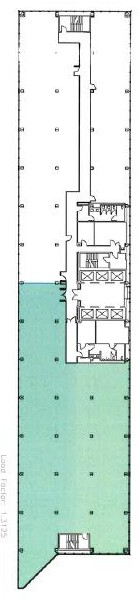
A-1 | ||
EXHIBIT B CERTAIN DEFINITIONS
“Casualty” means any damage or destruction to all or any part of the Premises or Building resulting from or arising out of any wildfire, fire, earthquake, or other identifiable event of a sudden, unexpected or unusual nature.
“Claims” means claims, causes of action, liabilities, losses, demands, damages, fines, penalties, judgments and reasonable costs and expenses (including attorneys’ fees and costs incurred in the defense thereof), whether for injury to or death of any person or persons, or for damage to property (including any loss of use thereof), or otherwise.
“Codes” means any applicable governmental laws, statutes, ordinances, rules, orders or regulations and any rules promulgated by the Board of Fire Underwriters (or any successor thereto).
“Common Areas” means areas which are designated from time to time by Landlord as common areas appurtenant to or servicing the Building, such as common corridors and hallways, stairwells, elevators, restrooms, lobbies, parking facilities, outside plaza areas, land and other improvements surrounding the Building. Balconies and patios are Common Areas unless either designated in Exhibit A as part of the Premises or included as part of the premises of another tenant. Subject to all of the other terms of the Lease, Landlord may maintain and operate the Common Areas in such manner as Landlord determines in its sole discretion.
“Cosmetic Alterations” means an alteration that involves only a strictly cosmetic, non-structural alteration (such as new paint and carpet and minor changes to millwork) to the Premises that (i) are equal to or better than the minimum Building standards and specifications to the Premises; (ii) do not affect the exterior appearance of the Building; (iii) do not affect the Building systems and/or the Building structure; (iv) do not interfere unreasonably with another occupant’s business; and (v) do not require a building permit or any other form of approval whatsoever from any governmental authority. Cosmetic Alterations include the installation of such pictures, certificates, licenses, artwork, bulletin boards and similar items as are normally used in Tenant’s business, so long as such installation is carefully attached to the walls by Tenant in a manner reasonably prescribed by Landlord.
“Holidays” means any federally-recognized holiday and include New Years’ Day, Martin Luther King Jr. Day, Presidents’ Day, Memorial Day, the 4th of July holiday, Labor Day, Thanksgiving Day, the day after Thanksgiving and Christmas Day.
“HVAC” means heat, ventilation and air conditioning.
“Landlord Party” means Landlord and any of its agents, employees, officers, directors, partners, shareholders, members, managers, parents, subsidiaries, affiliates, predecessors and/or successors.
“Lease” means this Lease and any Exhibits attached hereto.
“Normal Business Hours” means 8:00 A.M. to 6:00 P.M., Monday through Friday, and 9:00 A.M. to 1:00 P.M. on Saturday, Holidays excepted.
“Proportionally Adjusted” means a reduction or increase based on a percentage equal to (i) the Rentable Area of the Premises that cannot and is not actually used by Tenant divided by (ii) the Rentable Area of the Premises.
“Real Property” means the Building, the Building’s parking facilities, any outside plaza areas, land and other improvements surrounding the Building which are designated from time to time by Landlord as Common Areas appurtenant to or servicing the Building, and the land upon which any of the foregoing are situated.
“Signage” means any sign, advertisement, notice, awning, or shade (whether temporary or permanent) on or to any part of the outside or inside of the Building, or in any portion of the Premises visible to the outside of the Building or any portion of the Common Areas.
“Sublease” means any sublease of all or a portion of the Premises.
“Substantial Completion” means that point in the construction process when a majority of all of the structural, mechanical, plumbing and electrical work specified herein has been performed; the paint, carpet, hard flooring materials, and base moldings, if any, have been installed, and a majority of the other finish work specified in the final plans and specifications has been completed in such a manner that Tenant could, if it took possession of the Premises, conduct normal business operations in the Premises, but does not require that completion of any millwork or any punch list. If there is a Tenant Delay, Substantial Completion means the date that Landlord
B-1 | ||
EXHIBIT B CERTAIN DEFINITIONS
reasonably determines would have been the date of Substantial Completion had there been no Tenant Delay. Tenant’s taking possession of the Premises and/or commencing Tenant’s normal business operations in the Premises shall be deemed conclusive evidence that Substantial Completion has occurred.
“Tenant Delay” shall mean any delay in the construction of the Improvements caused by any act, omission, delay or Tenant Default by any Tenant Party including (i) the failure of any Tenant Party to comply with any Exhibit or other provision of this Lease requiring any Tenant Party to respond to, review, authorize or approve any matter, or perform an obligation within the time period specified; (ii) any failure by Tenant in paying any amounts when due; (iii) any Tenant change orders or additions, or any Tenant Change or Ancillary Work; or
(iv) the inclusion of any components that are not Building standard, require materials that are not locally available, or is not customary for a normal office build out and, as a result, the same requires a longer lead time for ordering materials or a longer construction period.
“Tenant Party” means Tenant and any of its agents, employees, officers, directors, partners, shareholders, members, managers, contractors, licensees, and invitees.
“Terminate” (although not a capitalized term) means that, as of the effective date of the termination, (i) Tenant’s rights under this Lease to occupy and use the Premises and any other areas of this Building shall cease and Tenant shall vacate the Premises in accordance with this Lease; (ii) Tenant’s obligation to pay Rent shall cease to accrue (except as provided hereunder in the case of a Tenant Default) and (iii) any other rights and obligations of the parties thereafter relating to the future occupancy of the Premises shall cease, except for such terms that specifically survive the termination of the Lease. Termination of this Lease will not affect any accrued liability hereunder, any indemnity obligations under this Lease, any rights as a result of any holdover by Tenant or any other provisions of this Lease (such as the miscellaneous provisions) which shall survive the termination of this Lease.
“Transfer” means any purported assignment, Sublease, mortgage, pledge, license, encumbrance or other transfer of this Lease and/or estate hereby granted or any portion thereof, whether by agreement, operation of law, or otherwise, and shall include:
A. Any dissolution, merger, consolidation, or other reorganization of Tenant, or the single sale or other transfer of a controlling percentage of the capital stock of Tenant (other than the sale of such stock pursuant to a public offering that results in a majority of the same members of the board and executive officers remaining in control of said corporation) and/or the single sale of fifty percent (50%) or more of the value of the assets of Tenant, shall be deemed a voluntary assignment. The phrase “controlling percentage” means the ownership of, and the right to vote stock possessing fifty percent (50%) or more of the total combined voting power of all classes of Tenant’s capital stock issued, outstanding, and entitled to vote for the election of directors. Notwithstanding anything to the contrary contained herein, the preceding paragraph shall not apply to corporations whose stock is traded through a recognized United States exchange or over the counter.
B. Any withdrawal or change (whether voluntary, involuntary, or by operation of law) in the partnership by one or more partners who own, in the aggregate fifty percent (50%) or more of the partnership, or the dissolution of the partnership, shall be deemed a voluntary assignment.
C. If Tenant is comprised of more than one individual, a purported assignment (whether voluntary, involuntary, or by operation of law), by any one of the persons executing this Lease shall be deemed a voluntary assignment.
“Transferee” means the person or entity to which any Transfer is made.
B-2 | ||
EXHIBIT C
CALCULATION OF OPERATING EXPENSES
As used in this Lease, “Operating Expenses” means all costs of the management, operation, maintenance and repair of the Building. By way of illustration only, Operating Expenses shall include:
1. the costs of equipping, staffing and operating an on-site or off-site management office, provided if that management office services more than one building, Landlord shall equitably allocate such costs among the buildings serviced; management fees not in excess of market rates; water and sewer charges; insurance premiums not otherwise directly payable by Tenant; license, permit and inspection fees; any costs, including advocacy expenditures, that are intended to reduce or control Operating Expenses; HVAC; light; power and other utilities; steam; labor; cleaning and janitorial services; security guard services; and supplies, materials, equipment and tools. In no event shall the amount of utility costs included in Operating Expenses for any Subsequent Year be less than those for the Base Year;
2. the cost of capital improvements made to the Building by Landlord during the Term, but only to the extent that such capital improvements (i) reduce other Operating Expenses, when the same were made to the Building by Landlord after the Commencement Date (and to the extent of the reasonably anticipated cost savings); (ii) are required under any Code that was not applicable to the Building as of the Commencement Date; (iii) intentionally deleted; or (iv) are replacements or modifications of nonstructural items located in the Common Areas required to keep the Common Areas in good order and condition. Any capital improvement shall be amortized with interest at eight percent (8%) per annum over the lesser of its estimated useful life (or the period of time over which the cost of the capital improvement is expected to be recouped from related savings), all as Landlord shall reasonably determine in accordance with sound real estate management and accounting principles consistently applied;
3. all general and special real estate taxes, increases in assessments or special assessments and any other ad valorem taxes, rates, levies and assessments upon or with respect to the Building and the personal property used by Landlord to operate the Building, whether paid to any governmental or quasi-governmental authority, and all taxes specifically imposed in lieu of any such taxes (but excluding taxes referred to in Section 4.2 for which Tenant or other tenants in the Building are liable) including fees of counsel and experts, reasonably incurred by, or reimbursable by Landlord in connection with any application for a reduction in the assessed valuation of the Building and/or the land thereunder or for a judicial review thereof, (collectively “Appeal Fees”), but solely to the extent that the Appeal Fees result in a reduction of taxes otherwise payable by Tenant. In no event shall the amount of real estate taxes and assessments included in Operating Expenses for any Subsequent Year be less than those for the Base Year; and
4. the premiums for, and any amounts for deductibles related to, the following insurance coverage: all-risk, structural, fire, boiler and machinery, liability, earthquake and for replacement of tenant improvements, and for such other coverage(s), and at such policy limit(s) as Landlord deems reasonably prudent and/or are required by any lender or ground lessor, which coverage and limits Landlord may, in Landlord’s reasonable discretion, change from time to time. In no event shall the amount of insurance premiums included in Operating Expenses for any Subsequent Year be less than those for the Base Year.
Exclusions from Operating Expenses. Operating Expenses shall not include the following:
1. The costs of repairs to the Building, if and to the extent actually reimbursed by the insurance carried by Landlord or subject to award under any Condemnation proceeding;
2. Depreciation, amortization and interest payments, except as specifically permitted herein or except on materials, tools supplies and vendor-type equipment purchased by Landlord to enable Landlord to supply services Landlord might otherwise contract for with a third party where such depreciation, amortization and interest payments would otherwise have been included in the charge for such third party’s services. In such a circumstance, the inclusion of all depreciation, amortization and interest payments shall be determined pursuant to real estate management and accounting principles, amortized over the reasonably anticipated useful life of the capital item for which such amortization, depreciation or interest allocation was calculated;
3. Marketing costs, including broker commissions, attorneys’ fees incurred in connection with the negotiation and preparation of letters, deal memos, letters of intent, leases, subleases and/or assignments, space
C-1 | ||
EXHIBIT C CALCULATION OF OPERATING EXPENSES | ||
planning costs, and other costs and expenses incurred in connection with leases, sublease and/or assignment negotiations and transactions with present or prospective tenants or other occupants of the Building;
4. Expenses for services not offered to Tenant or for which Tenant is charged directly, whether or not such services or other benefits are provided to another tenant or occupant of the Building;
5. Costs incurred due to a violation of the terms and conditions of any lease or occupancy agreement in the Building by Landlord or any tenant of the Building, other than Tenant;
6. Interest, principal, points and fees on debts or amortization on any mortgage(s) or any other debt instrument encumbering the Building or the Real Property;
7. Costs associated with operating the entity which constitutes Landlord, as the same are distinguished from the costs of operation of the Building, including partnership accounting and legal matters, costs of defending any lawsuits with any mortgagee (except as the actions of Tenant may be in issue), costs of selling, syndicating, financing, mortgaging or hypothecating any of Landlord’s interest in the Building, costs (including attorneys’ fees and costs of settlement judgments and payments in lieu thereof) arising from claims, disputes or potential disputes in connection with potential or actual claims, litigation or arbitration pertaining to Landlord’s ownership of the Building;
8. Leasing, advertising and promotional expenditures, and costs of leasing signs in or on the Building identifying the owner of the Building, or other tenants’ signs;
9. Electric, gas or other utility costs for which (and only to the extent) Landlord has been directly reimbursed by another tenant or occupant of the Building, or for which any tenant directly contracts with the local utility company;
10. Costs, including attorneys’ fees and settlement judgments and/or payments in lieu thereof, arising from actual or potential claims, disputes, litigation or arbitration with other tenants;
11. Costs incurred in renovating or otherwise improving, decorating, painting or redecorating vacant space or in the installation of improvements for Tenant or other occupants of the Building;
12. Tax penalties and interest incurred as a result of Landlord’s negligent or willful failure to make payments and/or to file any income tax or informational return(s) when due, unless such non-payment is due to Tenant’s nonpayment of Rent;
13. Charitable or political contributions;
14. The purchase or rental price of any sculpture, paintings or other object of art (except for costs associated with any Common Area fountains), whether or not installed in, on or upon the Building;
15. Costs of repairs which would have been covered by casualty insurance but for Landlord’s failure to maintain casualty insurance to cover the replacement value of the Building as required by this Lease;
16. The assessment or billing of aggregate Operating Expenses that results in Landlord being reimbursed by the tenants in the Building for more than one hundred percent (100%) of the aggregate Operating Expenses for the year in question;
17. Costs incurred to comply with laws relating to hazardous material, which was in existence in the Building prior to the Commencement Date, and was of such a nature that a federal, State or municipal governmental authority, if it had then had knowledge of the presence of such hazardous material, in the state, and under the conditions that it then existed in the Building, would have then required the removal of such hazardous material or other remedial or containment action with respect thereto; and
18. Wages and/or benefits attributable to personnel above the level of portfolio manager.
Adjustments to Operating Expenses.
1. Landlord shall reasonably adjust the Operating Expenses for the Base Year in any Subsequent Year (i) to exclude any Base Year expense type (e.g., earthquake insurance, concierge services; entry card systems) not included in Operating Expenses in that Subsequent Year and (ii) to add to the Base Year Operating Expenses, the cost of new expense type included in that Subsequent Year, but not in the Base Year, using as the amount of such item in the Base Year, the amount included in the first Subsequent Year in which the new expense type was included (grossed up if only provided for a partial year). As an example, if Landlord
C-2 | ||
EXHIBIT C CALCULATION OF OPERATING EXPENSES | ||
does not provide concierge services in the Base Year, but starts doing so in the middle of first Subsequent Year, and then discontinues such services at the beginning of the third Subsequent Year, then the Operating Expenses for the Base Year when used in the calculation of the first and second (but not third) Subsequent Years shall be increased by the expenses for the concierge services in the first Subsequent Year (adjusted in the second Subsequent Year to reflect a full year).
2. During any period during which a tenant in the Building undertakes to perform work or service in lieu of the performance thereof by Landlord (the cost of which, if performed by Landlord, would be included in Operating Expenses), Landlord may adjust Operating Expenses to reflect the additional Operating Expenses which would have been incurred if such services had been provided by Landlord.
3. If the Building is not at least ninety five percent (95%) occupied during all or a portion of the Base Year or any Subsequent Year, Landlord may adjust components of Operating Expenses in accordance with sound real estate management and accounting principles to reflect the amount of Operating Expenses that would have been incurred had the Building been ninety five percent (95%) occupied.
4. Landlord may in good faith equitably allocate some or all of the Operating Expenses for the Building among and within different portions or occupants of the Building where such Operating Expenses are not common to all tenants of the Building, including differing allocations as among retail and office tenants.
5. If the Term ends on any day but December 31, Tenant’s Share of Additional Operating Expenses for the Subsequent Year in which the Term ends shall be calculated on a full year basis, and then reduced by the percentage of the days in the Subsequent Year after the end of the Term.
C-3 | ||
EXHIBIT D
BUILDING RULES AND REGULATIONS
1. Access. The Tenant Parties shall only use the sidewalks, entrances, lobby(ies), garage(s), elevators, stairways, and public corridors as a means of ingress and egress, and shall take such actions as may reasonably be necessary to ensure that the same remain unobstructed at all times. The entrance and exit doors to the Premises are to be kept closed at all times except as required for orderly passage to and from the Premises. Except on balconies available for the joint or exclusive use of Tenant as otherwise specified hereinabove, Tenant shall not permit any Tenant Party to loiter in any part of the Building or obstruct any means of ingress or egress. Tenant shall not cover any doors, and shall not cover any window, other than with vertical or mini-blinds pre-approved in writing by Landlord. Landlord specifically disapproves the installation of any film or foil covering whatsoever on the windows of the Premises. No Tenant Party shall go up on the roof or onto any balcony serving the Building, except upon such roof, portion thereof, or balcony as may be contiguous to the Premises and is designated in writing by Landlord as a roof-deck, roof-garden area, or exclusive use balcony area.
2. Restroom Facilities. The toilet rooms, toilets, urinals, wash bowls and other apparatus (the “Restroom Facilities”), whether contained in the Common Areas of the Building and/or the interior of the Premises, shall not be used for any purpose other than that for which they were designed. Tenant shall not permit any Tenant Party to throw foreign substances of any kind whatsoever or papers not specifically designated for use in the Restroom Facilities down any toilet, or to dispose of the same in any way not in keeping with the instructions provided to Tenant by the management of the Building regarding same, and Tenant hereby specifically agrees to reimburse Landlord directly for the expense of any breakage, stoppage or damage resulting from Tenant’s violation of this rule.
3. Heavy Equipment. Landlord reserves the right, in Landlord’s sole discretion, to decline, limit or designate the location for installation of any safes, other unusually heavy, or unusually large objects to be used or brought into the Premises or the Building. In each case where Tenant requests installation of one or more such unusually heavy item(s), which request shall be conclusively evidenced by Tenant’s effort to bring such item(s) into the Building or Premises, Tenant shall reimburse Landlord for the costs of any engineering or structural analysis required by Landlord in connection therewith. In all cases, each such heavy object shall be placed on a metal stand or metal plates or such other mounting detail of such size as shall be prescribed by Landlord. Tenant agrees to indemnify Landlord against any damage or injury done to persons, places, things or the Building or its Common Areas when such damage or injury primarily arises out of Tenant’s installation or use of one or more unusually heavy objects. Tenant further agrees to reimburse Landlord for the costs of repair of any damage done to the Building or property therein by putting in, taking out, or maintaining such safes or other unusually heavy objects.
4. Transportation of Freight. Except as otherwise agreed to by Landlord in writing, the Tenant Parties shall
(i) not carry freight, furniture or bulky materials in or out of the Building during Normal Business Hours (or on Saturday’s between the hours of 8:00 A.M. and 6:00 P.M., provided that Tenant pays in advance for Landlord’s reasonably anticipated additional costs, if any, for elevator operators, security guards and other expenses arising by reason of such move); and (ii) remain in compliance with such reasonable rules as may be specified by Landlord. The persons and/or company employed by Tenant for such work must be professional movers, reasonably acceptable to Landlord, and said movers must provide Landlord with a certificate of insurance evidencing the existence of worker’s compensation and all risk liability coverage in a minimum amount of $2,000,000.00.
5. Flammable Materials. Except for such limited quantities of office materials and supplies as are customarily utilized in Tenant’s normal business operations, Tenant shall not (i) use or keep in the Premises or the Building any kerosene, gasoline, flammable or combustible fluid or material, other than those limited quantities of normal business operating materials as may reasonably be necessary for the operation or maintenance of office equipment or (ii) keep or bring into the Premises or the Building any other toxic or hazardous material specifically disallowed pursuant to California state law.
6. Certain Prohibited Activities. Tenant shall not permit any Tenant Party to engage in the preparation and/or serving of foods unless the Premises includes a self-contained kitchen area. Tenant shall not permit the odors arising from such cooking, or any other improper noises, vibrations, or odors to be emanate from the Premises. Tenant may only obtain ice, drinking water, food, beverage, towel or other similar services in compliance with such reasonable rules as may be specified by Landlord. Tenant shall not permit any Tenant Party to smoke tobacco or any other substance at any times, except in such Common Areas located outside the Building which are designated
D-1 | ||
EXHIBIT D BUILDING RULES AND REGULATIONS | ||
by Landlord for such use. Tenant shall not permit any Tenant Party to bring or keep within the Building any animal, bird or bicycle, except such seeing-eye dog or other disability assistance type animal as may comply with the requirements of any applicable Codes. Tenant shall not permit any Tenant Party to interfere in any way with other tenants of the Building or with those having business with them. Tenant shall not conduct any public or private auction, fire sale or other sale of Tenant’s personal property, furniture, fixtures or equipment or any other property located in or upon the Premises without Landlord’s consent in its sole discretion. Landlord reserves the right to exclude or expel from the Building any person who in Landlord’s sole discretion is intoxicated or under the influence of liquor or drugs or who, in any manner, engages in any act in violation of the Rules and Regulations of the Building.
7. Trash. Tenant shall store its trash and garbage within the Premises. No material shall be placed in the trash boxes or receptacles if such material is a hazardous waste or toxic substance or is of such a nature that its disposal in Landlord’s ordinary and customary manner of removing and disposing of trash and garbage would be a violation of any law, ordinance or company regulation governing such disposal. All garbage and refuse disposal shall be made only through entry ways and elevators provided for such purposes and at such times as Landlord shall designate. As and when directed by Landlord and/or if required by any governmental agency having jurisdiction therefor, Tenant shall comply with all directives for recycling and separation of trash. Tenant shall not employ any person to do janitorial work in any part of the Premises without the consent of Landlord, which consent may be withheld in Landlord’s sole discretion.
8. Storage. Tenant may only store goods, wares, or merchandise on or in the Premises in areas specifically designated by Landlord for such storage.
9. Tenant Requests and Directives. Landlord is not obligated to respond to requests or directions by Tenant unless the request or direction is in writing signed by an authorized agent in accordance with the reasonable procedures communicated to Tenant. Tenant shall not request or pay Landlord’s employees for any work or do anything outside of their regular duties unless specifically approved by Landlord. Landlord is not required to admit any person (Tenant or otherwise) to the Premises without specific instructions from Landlord and written authorization for such admittance from Tenant.
10. Keys and Locks. Landlord shall furnish Tenant with two (2) keys to the entry door to the Premises. Tenant shall reimburse Landlord for a reasonable charge for these and any additional keys. Tenant shall not be permitted to have keys made, nor shall Tenant alter any lock or install a new or additional lock or bolts on any door of the Premises without Landlord’s written consent. Tenant shall, in each case, furnish Landlord with a key for any additional lock installed or changed by Tenant or Tenant’s agent(s). Tenant, upon the expiration or earlier termination of this Lease, shall deliver to Landlord all keys in the possession of any Tenant Party for doors in the Building, whether or not furnished to Tenant by Landlord. If any Tenant Party, loses or misplaces any key(s) to the Building, Landlord shall, in Landlord’s sole discretion, either replace said key(s) or re-key such locks as may be affected thereby, and Tenant shall reimburse Landlord for all such costs of such re-keying and/or replacement.
11. Solicitation. The Tenant Parties shall not permit any canvassing, peddling, soliciting and/or distribution of handbills or any other written materials to occur in the Premises and/or the Building, nor shall any Tenant Party engage in such solicitation or distribution activities.
12. Retail Sales, Services and Manufacturing Prohibited. Except with the consent of Landlord, Tenant shall not sell, or permit the retail sale of, newspapers, magazines, periodicals, theater tickets or any other goods or merchandise to the general public in or on the Premises, nor shall Tenant carry on or permit or allow any employee or other person to carry on the independent business of stenography, typewriting or any similar business in or from the Premises for the service or accommodation of other occupants of any other portion of the Building. Tenant shall not permit the Premises to be used for manufacturing or for any illegal activity of any kind, or for any business or activity other than for Tenant’s specific use.
13. Change in Name or Address. Landlord shall have the right, exercisable without notice and without liability to Tenant, to change the name and street address of the Building.
14. Projections from Premises. Tenant shall not install any radio or television antenna, loudspeaker or other device on the roof or the exterior walls of the Building or in any area projecting outside the interior walls of the Premises. Tenant shall not install or permit to be installed any awnings, air conditioning units or other projections without the consent of Landlord.
D-2 | ||
EXHIBIT D BUILDING RULES AND REGULATIONS | ||
15. Balconies/Patios. Without the consent of Landlord, Tenant shall not make any improvements to, or any place or install any furniture, fixtures, plants or other items of any kind whatsoever on, on any balconies/patios (whether part of the Premises or not). Tenant will maintain any items placed or installed on any balconies/patios at its own expense in a first-class condition. Tenant shall not display any graphics, signs or insignias or the like on any balconies/patios.
16. Superiority of Lease. These Rules and Regulations are in addition to and shall not be construed to in any way modify or amend, in whole or in part, the covenants, agreements or provisions of this Lease. In the case of any conflict or disagreement between the express provisions of this Lease and these Rules and Regulations, this Lease shall prevail.
17. Changes to Rules and Regulations; Compliance. Provided such changes do not materially harm Tenant’s ability to conduct its normal business operations, Landlord shall retain the right to change, add or rescind any rule or regulation contained herein, or to make such other and further reasonable and non-discriminatory Rules and Regulations as in Landlord’s sole judgment may, from time to time, become necessary for the management, safety, care and cleanliness of the Premises, the Building or the parking facilities, or for the preservation of good order therein, or for the convenience of other occupants and tenants therein, so long as such rescission, addition, deletion or change is thereafter reasonably applied to all occupants of the Building affected thereby. Tenant will be responsible for the compliance of all Tenant Parties with all rules and regulations of the Building. Waivers of these rules and regulations must be in writing and signed by the Building property manager.
PARKING RULES AND REGULATIONS
A. Tenant shall ensure that any vehicles parked using Tenant’s permits (each a “Tenant Vehicle”) (i) strictly comply with all rules, regulations, posted speed limits, directional signs, yield signs, stops signs and all other signs within or about the parking facilities, statutes affecting handicapped parking and/or access, (ii) do not park within the fire lanes, along parking curbs, on ramps or in striped areas or loading zones, or in any spaces designated as visitor only spaces or customer spaces and (iii) have all doors locked when parked in the Building. Except for emergency repairs, no repairs or work and no washing waxing or cleaning of any Tenant Vehicle is permitted in the parking facilities.
B. Tenant shall register with Landlord all vehicle license plate numbers of all Tenant Vehicles. Tenant shall promptly notify Landlord if any parking access cards are lost or stolen.
C. Tenant shall be responsible for the cost of repairing any damage to the parking facilities or cleaning any debris created or left by any Tenant Vehicle, including oil leakage.
D. Landlord reserves the right to allocate additional visitor spaces on any floor of the parking facilities from time to time with or without prior notice to Tenant.
E. Tenant shall only use the number of parking permits allocated to it and shall not permit more than one of its employees to utilize the same parking permit. Landlord reserves the right to assign or re-assign parking spaces within the parking facilities to Tenant from time to time, and provided Landlord is required to do so by reason of any action arising out of a governmental mandate imposed on Landlord, Landlord further reserves the right at any time to substitute an equivalent number of parking spaces in a parking facility or subterranean or surface parking facility within a reasonable distance of the Premises.
F. Parking is permitted only during the hours that Tenant and/or its personnel are conducting business operations at the Premises; provided, however, occasional overnight parking associated with Tenant's or its personnel's conduct of business at the Premises shall be permitted, subject to Tenant's and/or its personnel's compliance with Landlord's rules related to such overnight parking.
G. Landlord may, in its sole discretion, designate separate areas for bicycles and motorcycles. Tenant shall ensure that Tenant Vehicles shall be parked entirely within the striped lines designating a single space and are not so situated or of such a width or length as to impede access to or egress from vehicles parked in adjacent areas or doors or loading docks. Tenant's parking permits shall be used only for parking of automobiles, motorcycles, motor-driven or non-motor-driven bicycles or four-wheeled trucks or vans no larger than full size passenger automobiles. Further, all Tenant Vehicles shall not be higher than any height
D-3 | ||
EXHIBIT D BUILDING RULES AND REGULATIONS | ||
limitation that may be posted, or of such a size, weight or dimension so that entry of such vehicle into the parking facilities would cause any damage or injury thereto.
H. Tenant shall not allow any Tenant Vehicle, or the vehicles of any Tenant Party, to be loaded or unloaded in any area other than those specifically designated by Landlord for loading. All trucks (other than pick-up trucks) and delivery vehicles shall be (i) parked at the designated areas (which designated areas are subject to change by Landlord at any time), (ii) loaded and unloaded in a manner which does not interfere with the businesses of other occupants of the Building, and (iii) permitted to remain at the Building only so long as is reasonably necessary to complete loading and unloading.
I. No Tenant Party shall use or occupy the parking facilities in any manner which will unreasonably interfere with the use of the parking facilities by other tenants or occupants of the Building. Without limitation, Tenant agrees to promptly turn off any alarm system on any Tenant Vehicle activated and sounding an alarm in the parking facilities. In the event any alarm system fails to turn off and no longer sound an intruder alert fifteen
(15) minutes after commencing such an alarm, Landlord reserves the right to remove the vehicle from the parking facilities at Tenant’s sole expense.
J. Tenant acknowledges that these Rules and Regulations shall be in effect twenty-four (24) hours per day, seven
(7) days per week, without exception.
K. Tenant acknowledges that the parking personnel serving the parking facilities are authorized but not required to issue verbal and written warnings of Tenant’s violations of any of the rules and regulations contained herein. Parking personnel do not have the authority to make or allow any exceptions to these rules.
D-4 | ||
EXHIBIT E
GENERAL RULES FOR CONSTRUCTION BY TENANT
Tenant shall ensure that any Tenant Change is completed pursuant to the provisions of this Lease and this Exhibit E and that any contractor and all persons providing work or supplies with respect to the Tenant Change comply with these rules for general construction by Tenant (the “Rules”). As used herein, “contractor” means each general contractor used by Tenant and, to the extent no general contractor is responsible, Tenant.
1. Approval of Contractors and Suppliers. No work on the Premises shall be performed by any contractor, subcontractor or supplier until (i) Landlord has approved the use of such contractor, subcontractor or supplier in writing, which approval shall not be unreasonably withheld or delayed; (ii) contractor has provided Landlord with evidence of worker’s compensation insurance, automobile, umbrella liability insurance in an amount not less than
$5,000,000 and comprehensive general liability insurance adequate to fully protect Landlord and Tenant, with an additional insured endorsement page naming Landlord and its affiliates; and (iii) contractor has executed the Contractor Inducement Letter attached hereto. Prior to commencing any work, (a) contractor shall provide Landlord with a copy of its written bid for completion of the Tenant Change, which will include contractor's overhead, profit, and fees, and be inclusive of any costs required to complete the work (as stated on any plans for the Tenant Change submitted by Tenant) and to meet the requirements under this Lease (including these Rules, and (b) Tenant must demonstrate, to Landlord’s reasonable satisfaction, Tenant’s ability to pay for the cost of the Tenant Change. Contractor shall use Landlord’s HVAC, plumbing, electrical, fire sprinkler, and fire life safety design build subcontractors for such work so long as they are reasonably cost competitive.
2. Plans. Tenant shall submit full and complete plans and specifications (including Tenant’s selections of finishes and materials, which shall be equal to or better than the minimum Building standards and specifications) for each Tenant Change to Landlord, and no work on the Premises shall be commenced before Tenant has received Landlord’s written approval of such plans. Without limiting Landlord’s discretion to withhold its approval, it shall be deemed reasonable for Landlord to deny its consent to any aspect of the plans that (i) adversely affect Building systems, the structure of the Building or the safety of the Building and/or its occupants, (ii) would violate any Codes;
(iii) require any changes to the base, shell and core of the Building, (iv) are inconsistent with the design, construction or aesthetics of the Building, and/or (v) include finishes that are not equal to or better than the minimum Building standards and specifications (each, a “Design Problem”). Any work not shown on the plans, but which is to be included in the Tenant Change, such as telephone service installation, furnishings or cabinetry, shall be disclosed to Landlord and approved by Landlord in writing prior to installation. During the performance of any Tenant Change, Contractor shall maintain a copy of the approved plans (as evidenced by the Building manager's signature on such plans) within the Premises. Contractor will as soon as practically possible inform the Building manager of any deviations from the approved plans, and no modifications of the plans may be made without the prior written consent of Landlord.
3. Work Schedule. Not less than fifteen (15) days prior to starting any work, contractor shall provide Landlord with contractor’s (and its subcontractors) projected work schedule(s), as well as the list of subcontractors, vendors, and their respective personnel assigned to the project, and no work in the Premises shall be commenced without the prior written approval of Landlord. Contractor and any subcontractors shall use all reasonable efforts to adhere to such schedule. Contractor will promptly inform Landlord of any problems with approved work schedule, and shall not make any material changes without the prior written consent of Landlord.
4. Information. Upon request from Landlord from time to time, Tenant shall (i) provide progress reports to Landlord regarding the preparation of plans, the permitting progress and the construction of the Tenant Change; (ii) invite Landlord to regular meetings to be held between Tenant, contractor and other parties in the construction process; and (iii) shall provide such other information as is reasonably requested by Landlord. Contractor will provide Landlord with as-builts, including mechanical drawings and an air balancing report reflecting the supply air capacity throughout the Premises within ten (10) business days after completion of the Tenant Change. Tenant shall be solely responsible for verifying, in the field, dimensions and conditions on any plans, even if provided by Landlord.
5. Permits. Contractor shall complete all applicable architectural and planning reviews and timely obtain all permits, certificates of occupancy, notices of completion and licenses required by any governmental entity in connection with the Tenant Change and shall promptly provide Landlord with copies of all such permits, certificates of occupancy, notices of completion and licenses. Landlord shall cooperate with Tenant in performing ministerial
E-1 | ||
EXHIBIT E GENERAL RULES FOR CONSTRUCTION BY TENANT | ||
acts reasonably necessary to enable Tenant to obtain any such permits, certificates of occupancy or licenses at no cost to Landlord, but Landlord shall not be responsible for any failure or delay by Tenant for any reason in obtaining any such permits, certificates of occupancy or licenses.
6. Quality of Construction. Contractor shall ensure that the Tenant Change completed in compliance with (i) this Lease, these Rules and any other reasonable instructions of Landlord; (ii) the plans approved in writing by Landlord; (iii) all applicable Building standards (iv) all applicable Codes; (v) all applicable standards of the American Insurance Association (formerly, the National Board of Fire Underwriters) and the National Electrical Code; and (vi) all manufacturer's specifications.
7. Construction Procedures.
Electrical. contractor shall ensure that (i) all electric panel schedules are up to date identifying all new circuits added; (ii) all outlets on back side of each cover plate, and otherwise ensure that all electrical outlets and lighting circuits are properly identified; (iii) a qualified work person is present at all times when any electrical closet is opened with the panel exposed; (iv) all panels are replaced and all doors are shut for any electrical and phone closets at the end of each day's work; (v) all trash and debris are removed at the end of each day's work leaving the telephone and electrical rooms clean (in the event of any failure to clean, Landlord may, but is not obligated to, have the area cleaned at the expense of Tenant).
HVAC Work. Promptly after selection of any HVAC contractor, Contractor shall provide Landlord with a plan showing any new ducting layout, as well as the location of all supply and return air grille, thermostats, and fire dampers, and no work on the Premises shall be commenced without the reasonable consent of Landlord. Contractor must schedule the following inspections through the Building management office:
○ A preliminary inspection of the HVAC work in progress prior to the reinstallation of the ceiling grid.
○ A second inspection of the HVAC operation when the Premises are ready to be air-balanced, which must be attended by Tenant’s HVAC contractor's air balance engineer.
Telephone Outlets. Any telephone outlets must be installed in the manner and location(s) reasonably prescribed by Landlord.
Trash and Debris. All areas in which Contractor or any sub-contractors work must be kept clean. Contractor will not allow any building materials, trash or debris to remain in building public areas, including but not limited to corridors, restrooms, stairwells, lobbies and entryways, at any time. Contractor shall provide for the prompt removal from the Premises of all trash and debris arising during the course of construction. Food and related lunch debris must not to be left in the Premises. Any existing thermostats, ceiling tiles, lighting fixtures and air conditioning grilles removed shall be saved and turned over to Landlord. Contractor shall place all trash and debris in an appropriate bin, monitor and resolve any problems with bin usage, and ensure that bins are emptied on a regular basis and never allowed to overflow, all without requiring the involvement of the Building management office (which assumes no responsibility for bins). At no time will the Building's trash compactors and/or dumpsters be used for the disposal of any trash or debris from construction. If Contractor has not completed any clean up at the end of any day, Landlord may undertake such clean up at the expense of Tenant without further notice. Contractor shall dust off all window sills, light diffusers, clean cabinets and sinks, and apply touch-up paint as needed within five (5) business days after move-in date.
Safety; Hazardous Activities. Contractor will at all times protect the safety of persons working on the Premises as well as other persons in or around the Building. Contractor shall not deliver, handle or remove any “hazardous material” without the reasonable consent of Landlord, and then only in compliance with all applicable laws and regulations. Contractor will not permit welding or burning with an open flame without the reasonable consent of Landlord, and then only with fire extinguishers on hand and other appropriate safety measures in place.
Deliveries; Parking; Elevators. All deliveries of material will be made through the parking lot entrance unless otherwise directed in writing by Landlord, and must be scheduled in advance with Landlord. Loading docks must be reserved in accordance with building policy. Tenant or Contractor is responsible for all parking charges incurred during work. Only the freight elevator is to be used by construction personnel, activities and equipment, and Contractor and its subcontractors and suppliers will comply with the Building procedures for reserving freight elevators. Under no circumstances are construction personnel with materials and/or tools to use the “passenger”
E-2 | ||
EXHIBIT E GENERAL RULES FOR CONSTRUCTION BY TENANT | ||
elevators. Contractor shall keep the suite entrance doors to the Premises closed at all times, except when actually hauling or delivering construction materials.
Floor Protection. Contractor shall use carpet or other floor protection for any use of Building public areas, including but not limited to corridors, restrooms, stairwells, lobbies and entryways using either (i) extra heavy-duty Mylar or (ii) 1/4-inch Masonite Panel, in each case to be taped to floor and adjoining areas. All corners, edges and joints must have adequate anchoring to provide safe and “trip-free” transitions.
Advertising. No identifying signage or advertising is permitted on or in the Building other than as specifically approved in this Lease.
Use of Restrooms. Contractor will not permit the use of restroom wash basins to fill buckets, make pastes, wash brushes, etc. If facilities are required, arrangements for the use of utility closets must be made with the Building manager. At no time may the Building facilities, (sinks, drains, toilets etc.) be used to dispose of waste materials, including paint, finishing compound, grout, etc.
Avoidance of Disruptions. At all times while in the Building, parking facilities and surrounding area, Contractor its subcontractors and suppliers must not disrupt or annoy Building operations, tenants, subtenants, visitors and other trades or any of their employees, officers or invitees working at the property. Except to the minimum extent necessary, all persons involved in the construction shall not use the Common Areas of the Building. Construction work that may cause excessive noise, dust, vibrations or odors (such as “anchoring” of walls or supports to the concrete, core drilling and demolition work, may only be conducted outside of normal working hours (7:30 AM - 6:00 PM, Monday through Friday) and only in compliance with any other reasonable instructions of Landlord. Odoriferous materials (all of which must be compliant with all VOC regulations) that cause an offensive or strong odor may only be used between the hours of Saturday after 2:00 p.m. and Sunday before 12:00 p.m., and only in compliance with any other reasonable instructions of Landlord. Any noise or smell complaints by other tenants shall be remedied promptly or all operations must cease until such noise or smell is abated. No radios, tape decks or amplified sound shall be permitted in work areas. Smoking is not permitted at any time in the Premises or anywhere in the Building.
Work Disturbances. Neither Tenant nor Contractor shall permit any subcontractors, workmen, laborers, material or equipment to come into or upon the Building if the use thereof, in Landlord’s reasonable judgment, would violate Landlord’s agreement with any union providing work, labor or services in or about the Building or disturb labor harmony with the workforce or trades engaged in performing other work, labor or services in or about the Building or the Common Areas. If any violation, disturbance, interference or conflict occurs, Tenant, upon demand by Landlord, shall cause all contractors or subcontractors or all materials causing the violation, disturbance, interference or conflict, to leave or be removed from the Building or the Common Areas promptly. Any work stoppages or slowdowns due to union or other activities that may disrupt the project schedule and or the Building operations are to be promptly resolved by Tenant, and Tenant shall be solely responsible for any impacts to costs and schedule.
Security. Contractor will be responsible for the security of the Premises, including providing a watchman as appropriate, and Landlord will not any responsibility for any lost tools, materials or other property. If Landlord reasonably determines that additional security services are required as a result of the construction of the Tenant Change, Landlord shall provide Tenant notice of such determination and Tenant shall pay such out of pocket costs to Landlord within five (5) business days after being invoiced by Landlord. Off hours access to areas outside of the Premises will generally require Landlord’s prior approval.
Building Rules and Regulations. During any construction, Tenant and Contractor shall comply with the Building Rules and Regulations attached to this Lease as Exhibit D and with any other rules or instructions reasonably provided by Landlord.
8. Payment; Liens. Except to the extent of any tenant improvement allowance reimbursed by Landlord, Tenant shall pay for all costs of the Tenant Change, including (i) Landlord’s costs incurred in reviewing Tenant’s plans for any Tenant Change, (ii) Landlord’s out of pocket costs incurred in engaging any third party engineers, contractors, consultants or design specialists or any other “peer review” work associated with Landlord’s review of Tenant’s plans for any Tenant Change, and (iii) the cost of any renovations, repairs or revisions to any Common Area or the Building that directly result from or are required due to Tenant’s completion of the Tenant Change. From time to time upon request by Landlord (including in connection with any tenant improvement allowance
E-3 | ||
EXHIBIT E GENERAL RULES FOR CONSTRUCTION BY TENANT | ||
reimbursements by Landlord), and upon completion of the Tenant Change, Tenant shall provide Landlord with (a) paid invoices or other such evidence as Landlord may reasonably request that Contractor and all workers have been paid in full, (b) executed lien waiver and release forms in form reasonably satisfactory to Landlord (including any conditional or unconditional waiver and releases in the form required under California Civil Code Sections 8132 through 8138 and confirmation that no liens have been filed against the Premises or the Building and (c) satisfactory evidence of appropriate governmental signoff on all required permits and inspections. If any liens arise against the Premises or the Building as a result of the Tenant Change, Tenant shall promptly cause such liens to be removed and provide Landlord evidence that the title to the Building and Premises have been cleared of such liens, and shall indemnify Landlord for any costs incurred as a result of such liens.
9. Effect of Reviews and Approvals. Tenant’s obligations under this Lease, including payment of Rent, shall not be affected by whether Tenant or contractor timely completes any Tenant Change.
10. Administration; Landlord Expenses. All Tenant Changes will be subject to Landlord’s reasonable inspection, administrative control and supervision, and Tenant, contractor and other persons performing such work will cooperate with Landlord in its efforts to do so. Tenant or contractor shall notify Landlord at least twenty-four
(24) hours in advance of all inspections by the building department. If a Tenant Change either costs $100,000.00 or more or includes structural work of any kind, Tenant shall also pay Landlord an administration fee for supervision of the Tenant Change equal to three percent (3%) of the total hard cost of the Tenant Change.
11. Insurance. Prior to the commencement of any Tenant Change, Tenant shall provide Landlord with evidence that Contractor carries “Builder's All Risk” insurance in an amount approved by Landlord covering the construction of the Tenant Change, Umbrella Liability Insurance coverage of not less than $5,000,000, and such other insurance as Landlord may require. In addition, Landlord may, in its discretion, require Tenant to obtain a lien and completion bond or some alternate form of security satisfactory to Landlord in an amount sufficient to ensure the complete functional, operational and lien-free completion of such Tenant Change in compliance with all applicable permits and regulations and naming Landlord as a co-obligee.
12. Indemnity. If Landlord determines at any time that the activities of Contractor or other persons performing work on the Premises are unacceptable, Tenant and contractor shall cease such activities and remediate any damage at no cost to Landlord. Tenant shall indemnify and hold harmless the Landlord Parties from and against all Claims, to which Landlord or the Landlord Parties may be subject or suffer when the same arise out of or in connection with installation, placement, removal or financing of any Tenant Change, improvements, fixtures and/or equipment in, on, upon or about the Premises by the Tenant Parties, contractor or their respective agents, contractors, directors, employees, licensees, officers, partners or shareholders, including any actions relating to the. Tenant shall be responsible for the cost of repairing any damages that are caused by the Tenant Parties, contractor or their respective agents, subcontractors, directors, employees, or suppliers during the course of construction, which at Landlord’s option may be deducted from any tenant improvement allowance or Tenant’s Security Deposit.
E-4 | ||
SCHEDULE 1
Contractor Inducement Letter
“Landlord”: | Douglas Emmett , LLC c/o Douglas Emmett Management, LLC Senior Vice President of Commercial Property Management 1299 Ocean Avenue, Suite 1000 Santa Monica, California 90401 | ||||
“Contractor”: | |||||
Re: (“Tenant”)
(“Suite”)
(the “Building”)
Contractor has been engaged by Tenant to perform improvements (the “Improvements”) in or on the Building, which is owned by Landlord. Contractor understands and agrees that, prior to Contractor commencing the Improvements, Landlord requires that Contractor provide this Contractor Inducement Letter as a condition precedent to Landlord’s agreement to permit Contractor to perform the Improvements at the Building. Accordingly, Contractor agrees:
1. Contractor shall comply, and shall cause its subcontractors, agents and employees to comply, with (i) the “General Rules for Construction” (attached to the Lease as Exhibit E between Landlord and Tenant relating to the Premises), a copy of which has been read by Contractor and which shall be applicable to Contractor as though set forth herein in full and (ii) any reasonable written guidelines or instructions regarding performance of the Improvements given to Contractor on behalf of Landlord.
2. Contractor shall indemnify and hold harmless Landlord and its affiliates and its and their affiliates, members, interest holders, managers, officers, directors, partners, employees, agents, predecessors, successors and assigns (the “Landlord Parties”) from and against all liabilities, claims, damages, losses, liens, causes of actions, judgments, costs and expenses, of whatever kind or nature, including without limitation, bodily injury or death (whether or not those injured or deceased are performing work under this Contractor Inducement Letter or are affiliated with the parties hereto), property damage, costs of litigation (including, without limitation, actual fees and costs for attorneys retained by the Landlord Parties), fines and penalties (collectively, “Claims”) based on or alleging the Improvements, including any Claims alleging (i) any breach of this Contractor Inducement Letter by Contractor, its subcontractors, agents or employees, (ii) any negligent acts or omissions of Contractor, its subcontractors, agents or employees, including negligence in the screening, hiring and training of employees, contractors and subcontractors, (iii) any failure by Contractor, its subcontractors, agents or employees to comply with any applicable law, regulation, building code or governmental order, (iv) any liens against the Building or the Premises based on the Improvements or (v) any person performing any part of the Improvements not being paid in full. This indemnification obligation shall not be limited in any way by any limitation on the amount or types of damages, compensation or benefits payable by or for Contractor or its subcontractors under workers compensation or disability laws.
3. If any liens arise against the Premises or the Building in connection with the Improvements, Contractor shall promptly cause such liens to be removed and provide Landlord evidence that the title to the Building and Premises have been cleared of such lien. If Contractor fails to do so, in additional to any other remedies available to Landlord, Landlord may, but is not obligated to use whatever means it may deem appropriate to cause said lien to be removed and the cost of any Claims incidental thereto, together with attorneys’ fees, shall be due and payable upon demand by Contractor to Landlord.
4. Without limiting any other available remedies, and in addition to any retention amounts, Landlord shall have the right to withhold out of any amounts due to Contractor (as in for example, disbursements of any tenant
S-1 | ||
SCHEDULE 1 CONTRACTOR INDUCEMENT LETTER | ||
improvement allowance) an amount sufficient to satisfy any lien or Claim and to completely indemnify the Landlord Parties against any damage or costs from such lien or Claim. Any such withholding shall be released if Contractor (at its expense) posts a reasonably acceptable bond or other security in an amount which is sufficient (in the reasonable judgment of the withholding party) to fully indemnify the Landlord Parties against any lien or Claim involved.
5. As the Improvements is for the direct benefit of Landlord as the owner of the Building, Landlord will have the right to pursue rights and remedies directly against Contractor. In any dispute to enforce this Contractor Inducement Letter, the prevailing party in such litigation shall be entitled to receive its costs (not limited to court costs), expenses and reasonable attorneys' fees from the non-prevailing party as the same may be awarded by the court. Contractor waives any right to consequential, special or indirect damages or loss of anticipated profits. Notwithstanding anything else contained herein to the contrary, Contractor shall look solely to Landlord’s interest in the Building and any proceeds from a sale of the Building that actually remain undistributed, for satisfaction of any liabilities or obligations of Landlord under this Agreement. No Landlord Party shall be personally liable for any such liabilities or obligations whatsoever.
S-2 | ||
SCHEDULE 1 CONTRACTOR INDUCEMENT LETTER | ||
The foregoing provisions shall survive the termination or expiration of any agreement between Contractor and Tenant.
ALL OF THE ABOVE TERMS ARE AGREED TO AND ACKNOWLEDGED BY: CONTRACTOR

Signature
Title
S-3 | ||
EXHIBIT F
LANDLORD CONSTRUCTION EXHIBIT
1. Completion of Improvements. Landlord shall cause its general contractor (“Contractor”) to furnish and install within the Premises those items of general construction (collectively, the “Improvements”) pursuant to the plans attached hereto as Schedule 1 (the “Plans”), which have been approved by Landlord and Tenant. Tenant shall advise Landlord in writing within five (5) business days following the execution of the Lease if Tenant elects to have Landlord cause Contractor to perform any items identified as “Tenant Alternates” on the Plans and shall pay the cost thereof to Landlord within ten (10) business days following Tenant’s receipt of Landlord’s invoice therefor. Unless specifically noted to the contrary on the Plans, the Improvements shall be constructed using Building-standard quantities, specifications and materials as determined by Landlord.
2. Change Orders. Tenant shall not modify the Plans (a “Change Order”) without the prior written consent of Landlord, which shall not be unreasonably withheld; provided that if such modification would directly or indirectly delay the Substantial Completion of the Improvements, then such delay shall constitute a Tenant Delay. Further, if any Change Order would increase the cost of designing or constructing the Improvements, then Tenant shall be responsible for such cost as an Over-Allowance Amount (as defined below).
3. Cost of Improvements. Except as set forth in this Section, Landlord shall bear the costs of the Improvements. Tenant shall pay (as Additional Rent) any additional costs (an "Over-Allowance Amount") incurred by Landlord in connection with the Improvements as a result of any Change Orders to the Plans or the Improvements that are made at the request of Tenant or with Tenant's consent (each, a “Change Order”). Any Over-Allowance Amount shall be paid within ten (10) business days after Tenant's receipt of invoice therefor, and may be disbursed by Landlord prior to the disbursement of any portion of Landlord's contribution to the construction of the Improvements.
4. Ancillary Work. If Tenant shall contract for any ancillary work not included in the Improvements, such as data and telephone cabling and equipment, furnishings, installation of Tenant’s trade fixtures or cabinetry (collectively “Ancillary Work”), Tenant shall (i) obtain Landlord’s approval as required by the Lease and otherwise comply in all respects with the requirements of Exhibit E; (ii) pay any costs of any such Ancillary Work, and (iii) cause the Ancillary Work to be conducted in such a way as to not hinder or delay the Improvements.
5. Tenant Delays. Tenant will cooperate with Landlord and its agents in the construction process. In addition to any other remedies available to Landlord under the Lease, Landlord may suspend any activities under this Landlord Construction Exhibit during any Tenant Delay and the Commencement Date under the Lease shall be accelerated on a day-for-day basis for each day of Tenant Delay.
6. Punchlist. After Contractor has Substantially Completed the Improvements and prior to Tenant’s taking occupancy of the Premises, Landlord shall request a joint inspection of the Premises for the purpose of developing a written “punchlist” of any Improvement items that do not conform to the Plans and any approved Change Orders (the “Punchlist”). If Tenant does not make itself reasonably available to participate in such inspection within five
(5) business days following such request, the Punchlist as prepared by Landlord, if any, shall be the approved Punchlist hereunder. Landlord shall use reasonable efforts to correct any items on the Punchlist within thirty (30) days after creation of the Punchlist.
7. Communication Protocol. During the planning and construction process, the Landlord Representative and the Tenant Representative shall (i) have full authority and responsibility to act on its behalf with respect to this Landlord Construction Exhibit and (ii) hold meetings regarding the progress of the construction of the Improvements on a regular basis (which shall be weekly if deemed reasonably necessary) at reasonable times. Either party may change its representative at any time on notice to the other party.
8. Ownership of Improvements. All Improvements shall be deemed Landlord's property under the terms of the Lease.
9. Construction Warranties. Landlord hereby assigns to Tenant, on a non-exclusive basis, to the extent assignable, all warranties and guaranties by the contractor who constructs the Improvements relating to the Improvements, and Tenant hereby waives all Claims against Landlord relating to, or arising out of the construction of the Improvements.
F-1 | ||
EXHIBIT G SIGNAGE RULES
1. Approvals. Tenant’s identification on Signage located on the Building or in any Common Area shall be limited to Tenant’s name and suite designation. Tenant shall not be entitled to the installation of Tenant’s logo in any portion of the Building or Common Areas. The size, style and placement of letters to be used in any Signage in the Common Areas or located in the Premises that is visible from the exterior of the Premises, and the design and installation location(s), shall be determined by Landlord in its sole discretion. For any Signage located on the Building or in any Common Area (other than Building standard suite entry signage or directory board signage) Tenant shall submit to Landlord four (4) copies of detailed shop drawings of Tenant’s proposed sign(s), which shall
(i) conform fully with the provisions of this Exhibit and the remainder of this Lease; (ii) include details of the proposed installation(s); and (iii) include renderings of the Building elevation(s), showing the proposed final installation. Within ten (10) business days after receiving Landlord’s invoice, Tenant shall reimburse Landlord for any out of pocket costs incurred by Landlord in (a) reviewing Tenant’s signage specifications, including Landlord’s out of pocket costs incurred in engaging any third party engineers, contractors, consultants or design specialists and
(b) obtaining all required approvals and permits from all governmental entities, architectural review boards, design review boards or similar decision-making bodies with jurisdiction over the Building (collectively, the “Approval Parties”). Tenant shall (A) diligently and in good faith pursue any such approvals or permits; (B) advise Landlord in writing of its progress; (C) provide Landlord with copies of all applications, correspondence and other written submissions to the Approval Parties; (D) deliver to Landlord documentation evidencing the Approval Parties’ approval, if received, promptly upon Tenant’s receipt of the same; and (E) comply with all requirements of any Approval Party.
2. Intentionally Deleted.
3. Right Personal. Tenant’s right to install and maintain the Signage shall be subject to Tenant’s being open and operating its business under the name “Chromadex, Inc.” in the entire Premises. Should there be a Tenant Default, such Signage shall upon the request of Landlord be removed upon demand at Tenant’s sole cost. The rights granted to Tenant pursuant to this Exhibit are personal to the original Tenant signing this Lease or a Tenant Affiliate and shall not inure to the benefit of any Transferee.
4. Installation Requirements. Tenant shall have any Signage manufactured and Landlord shall install the Signage at Tenant’s sole expense. Tenant shall comply fully with the provisions of Exhibit G and all local, city, and state building, electrical, and signage codes. Tenant shall ensure that any Signage is installed in such a manner that
(i) all penetrations of the structure are sealed in a watertight condition and patched to match the adjacent building finish (ii) no raceways, crossovers, conduits, conductors, transformers, or the like are not exposed and/or visible. To the extent applicable, Landlord shall provide primary electrical service to the proposed location(s) of the Signage at Tenant’s sole expense.
5. Maintenance and Repair. Tenant acknowledges that any right to install any Signage shall expire and be null and void to the extent the installation is not completed within six (6) months after the Commencement Date. Tenant shall be responsible for the costs incurred by Landlord to maintain all Signage in good order and repair and ensure that it does not detract from the first-class appearance of the Building.
6. Tenant’s Failure to Comply. Tenant shall indemnify and hold Landlord harmless from and against all Claims, arising out of or in connection with the installation, existence or removal of any Signage. In addition to any other remedies available under this Lease and applicable law, (i) Landlord may, at Tenant’s sole cost, remove all Signage and restore the Premises and/or the Building to its original condition (a) at the expiration or earlier termination of this Lease, (b) following any Tenant Default or Tenant ceasing to occupy and operate its business from the entire Premises, or (c) to the extent such Signage is not Permitted Signage and (ii) Tenant will pay an administrative fee of $250.00 per day for each day that any Signage is not Permitted Signage.
G-1 | ||
EXHIBIT H GUARANTY OF LEASE
“Guarantor” | NIAGEN BIOSCIENCE, INC., a Delaware corporation | ||||
“Landlord” | DE PARK AVENUE 1100, LLC, a Delaware limited liability company c/o Douglas Emmett Management, LLC 1299 Ocean Avenue, Suite 1000 Santa Monica, California 90401 Attn: Senior Vice President of Commercial Property Management | ||||
“Tenant” | CHROMADEX, INC., a California corporation 1100 Glendon Avenue, Suite 1800 Los Angeles, California 90024 | ||||
Date of “Lease” | June 12, 2026 | ||||
“Premises” | Suite 1800 at the building located at 1100 Glendon Avenue, Los Angeles, California 90024 | ||||
As a material inducement to and in consideration of Landlord entering into the Lease, Landlord having indicated that it would not enter into the Lease without the execution of this Guaranty, Guarantor does hereby enter into this GUARANTY OF LEASE (this “Guaranty”) and agree with Landlord as follows:
1. Guaranty. Guarantor unconditionally and irrevocably guarantees and promises to perform and be liable for each and all obligations and liabilities of Tenant under, arising out of or related to the Lease.
2. Independent Obligations. The obligations of Guarantor hereunder are in addition to and independent of the obligations of Tenant. A separate action may be brought and prosecuted against Guarantor whether action is brought against Tenant or whether Tenant is joined in any such action. Guarantor hereby waives and agrees not to assert or take advantage of: (i) any right to require Landlord to proceed against or exhaust any security held on behalf of Tenant or any other person; (ii) any right to require Landlord to proceed against Tenant or any other person or to pursue any other remedy before proceeding against Guarantor; (iii) the defense of any statute of limitations in any action under or related to this Guaranty or the Lease; (iv) any right or defense that may arise by reason of the incapacity, lack of authority, death or disability of Tenant or any other person; and (v) any right or defense arising by reason of the absence, impairment, modification, limitation, destruction or cessation (in bankruptcy, by an election of remedies, or otherwise) of the liability of Tenant, of the subrogation rights of Guarantor or of the right of Guarantor to proceed against Tenant for reimbursement. Without in any manner limiting the generality of the foregoing, Guarantor hereby waives the benefits of Sections 2809, 2810, 2819, 2845, 2847, 2848, 2849, 2850, 2899 and 3433, the second sentence of Section 2822(a) and all rights that are waivable pursuant to Section 2856, all of the California Civil Code, and any similar or analogous statutes of California or any other jurisdiction.
3. Guarantor Fully Informed. Guarantor agrees that, without the consent of or notice to Guarantor and without affecting any of the obligations of Guarantor hereunder: (i) any term, covenant or condition of the Lease may be amended, compromised, released or otherwise altered by Landlord and Tenant, and Guarantor does guarantee and promise to perform all the obligations of Tenant under the Lease as so amended, compromised, released or altered;
(ii) any guarantor of or party to the Lease may be released, substituted or added; (iii) any right or remedy under the Lease may be exercised, not exercised, impaired, modified, limited, destroyed or suspended; (iv) Landlord or any other person acting on Landlord’s behalf may deal in any manner with Tenant, any guarantor, any party to the Lease or any other person; and (v) all or any part of the Premises or of Tenant’s rights or liabilities under the Lease may be sublet, assigned or assumed. Guarantor hereby waives and agrees not to assert or take advantage of any right or defense based on the absence of any or all presentments, demands (including demands for performance), notices (including notices of adverse change in the financial status of Tenant or other facts which increase the risk to Guarantor, notices of non-performance and notices of acceptance of this Guaranty) and protests of each and every
H-1 | ||
EXHIBIT H GUARANTY OF LEASE | ||
kind. Guarantor represents that it is now and will be completely familiar with (a) the business, operations and condition (financial and otherwise) of Tenant and (b) the Lease. Guarantor is not relying on any information or representation by Landlord in executing this Guaranty. This Guaranty shall not be released, discharged or otherwise affected by (A) any change in the corporate existence or ownership of Tenant or any insolvency, bankruptcy, reorganization or other similar proceeding affecting Tenant or its assets or any resulting release or discharge of any obligation of Tenant or (B) any change relating to the assets, business, operations or condition of Tenant or any matter contemplated by the Lease.
4. Guarantor’s Rights. Until all Tenant’s obligations under the Lease are fully performed, Guarantor: (i) shall have no right of subrogation against the Tenant by reason of any payments or acts of performance by Guarantor under this Guaranty; and (ii) subordinates any liability or indebtedness of Tenant now or hereafter held by Guarantor to the obligations of Tenant under, arising out of or related to the Lease or Tenant’s use or occupancy of the Premises. Guarantor shall not, without the written consent of Landlord, commence, or join with any other person in commencing, any bankruptcy, reorganization or insolvency proceeding against Tenant. The obligations of Guarantor under this Guaranty shall not be altered, limited or affected by any proceeding, voluntary or involuntary, involving the bankruptcy, insolvency, receivership, reorganization, liquidation or arrangement of Tenant, or by any defense which Tenant may have by reason of any order, decree or decision of any court or administrative body resulting from any such proceeding. Guarantor shall file in any bankruptcy or other proceeding in which the filing of claims is required or permitted by law all claims which Guarantor may have against Tenant relating to any indebtedness of Tenant to Guarantor and will assign to Landlord all rights of Guarantor thereunder. Landlord shall have the sole right to accept or reject any plan proposed in such proceeding and to take any other action to which a party filing a claim is entitled. In all such cases, whether in administration, bankruptcy or otherwise, the person or persons authorized to pay such claim shall pay to Landlord the amount payable on such claim and, to the full extent necessary for that purpose, Guarantor hereby assigns to Landlord all of Guarantor’s rights to any such payments or distributions to which Guarantor would otherwise be entitled; provided, however, that Guarantor’s obligations hereunder shall not be satisfied except to the extent that Landlord receives cash by reason of any such payment or distribution. If Landlord receives anything hereunder other than cash, the same shall be held as collateral for amounts due under this Guaranty.
5. Remedies Cumulative. The liability of Guarantor and all rights, powers and remedies of Landlord under this Guaranty or any other agreement now or at any time hereafter in force between Landlord and Guarantor relating to the Lease shall be cumulative, and not alternative, and such rights, powers and remedies shall be in addition to all rights, powers and remedies given to Landlord by law.
6. Financial Statements. Guarantor agrees from time to time upon Landlord’s request, but not more than once in any twelve (12) month period, to deliver to Landlord Guarantor’s financial statement. All financial statements heretofore delivered to Landlord by Guarantor are, and all financial statements hereafter delivered to Landlord by Guarantor shall be, true and correct in all material respects and fair presentations of the financial condition of Guarantor as of the date thereof, prepared in accordance with generally accepted accounting practices. No material adverse change has occurred in the financial condition of Guarantor since the date of the financial statements previously delivered to Landlord.
7. Entire Agreement. This Guaranty shall constitute the entire agreement between Guarantor and the Landlord with respect to the subject matter hereof. No provision of this Guaranty or right of Landlord hereunder may be waived nor may any Guarantor be released from any obligation hereunder except by a writing duly executed by an authorized officer or director of Landlord. The waiver or failure to enforce any provision of this Guaranty shall not operate as a waiver of any other breach of such provision or any other provisions hereof. Should any one or more provisions of this Guaranty be determined to be illegal or unenforceable, all other provisions shall nevertheless be effective.
8. Construction; Time is of the Essence. The term “Landlord” means the Landlord specifically named in the Lease, any assignee of said Landlord, whether by outright assignment or by assignment for security, and any successor to the interest of said Landlord or of any assignee of such Lease or any part thereof, whether by assignment or otherwise. The term “Tenant” means the Tenant specifically named in the Lease, any assignee or subtenant of the Lease and any successor to the interests of said Tenant, assignee or sublessee of such Lease or any part thereof, whether by assignment, sublease or otherwise. If more than one person signs this Guaranty, each such person shall
H-2 | ||
EXHIBIT H GUARANTY OF LEASE | ||
be deemed a Guarantor and the obligation of all such Guarantors shall be joint and several. When the context and construction so requires, all words used in the singular herein shall be deemed to have been used in the plural. The word “person” as used herein shall include an individual, company, firm, association, partnership, corporation, trust or other legal entity of any kind whatsoever. This Guaranty applies to, inures to the benefit of and binds all parties hereto, their heirs, devisees, legatees, executors, administrators, representatives, successors and assigns (including any purchaser at a judicial foreclosure or trustee’s sale or a holder of a deed in lieu thereof). This Guaranty may be assigned by Landlord voluntarily or by operation of law. Time is strictly of the essence under this Guaranty and any amendment, modification or revision hereof.
9. Notices: Any notice, request, demand, or other communication hereunder shall be in writing and shall be considered duly given or furnished when (i) delivered personally or by messenger or overnight delivery service, with signature evidencing such delivery; or (ii) upon the date of delivery, after being mailed in a postpaid envelope, sent certified mail, return receipt requested, when addressed to Landlord as set forth above and to Guarantor as set forth above; or to such other address or addressee as either party may designate by a notice given pursuant hereto.
10. Attorneys’ Fees; Waiver of Jury Trial; Disputes. The party or parties prevailing in any dispute between the parties concerning any provision of this Guaranty, or in any effort to enforce any rights granted under this Guaranty, shall be entitled to the reasonable attorneys' fees and court costs incurred by reason of such dispute or effort. To the maximum extent permitted by applicable law, in the interest of saving time and expense, Landlord and Tenant hereby consent to trial without a jury in any action, proceeding or counterclaim brought by either of the parties hereto against the other or their successor-in-interest in respect to any matters arising out of or relating to this Lease. Each party agrees (i) the law of the State of California shall govern all questions with respect to this Guaranty; (ii) any suit, action or proceeding arising directly or indirectly from this Guaranty, the Lease or the subject matter thereof shall be litigated only in courts located within the County of Los Angeles and the State of California; (iii) Guarantor and Landlord each hereby irrevocably consents to the jurisdiction of any local, state or federal court located within the County of Los Angeles and the State of California;
(iv) Guarantor and Landlord each hereby waives personal service of any and all process upon it and consents to all such service of process in the manner and at the address set forth above; and (v) without limiting the generality of the foregoing, Guarantor and Landlord each hereby waives and agrees not to assert by way of motion, defense or otherwise in any suit, action or proceeding any claim that Guarantor is not personally subject to the jurisdiction of the above-named courts, that such suits, action or proceeding is brought in an inconvenient forum or that the venue of such action, suit or proceeding is improper.
11. Warranty of Authority. If Guarantor purports to be a corporation, limited liability company or a partnership, each of the persons executing this Lease on behalf of Guarantor hereby covenant and warrant that (i) such party is a duly authorized and existing entity qualified to do business in California, (ii) the persons signing on behalf of that party have full right and authority to enter into this Lease, and (iii) each and every person signing on behalf of that party are authorized to do so.
[Signatures Appear on the Following Page]
H-3 | ||
EXHIBIT H GUARANTY OF LEASE | ||
GUARANTOR:
NIAGEN BIOSCIENCE, INC.,
a Delaware corporation
By: Name: Title:
Dated:
H-4 | ||
EXHIBIT 31.1
Certification of the Chief Executive Officer
Pursuant to
Rule 13a-14(a) or Rule 15d-14(a) of the Securities Exchange Act of 1934, as amended,
as adopted pursuant to Section 302 of the Sarbanes-Oxley Act of 2002
I, Robert N. Fried, certify that:
1.I have reviewed this Quarterly Report on Form 10−Q of Niagen Bioscience, Inc.;
2.Based on my knowledge, this report does not contain any untrue statement of a material fact or omit to state a material fact necessary to make the statements made, in light of the circumstances under which such statements were made, not misleading with respect to the period covered by this report;
3.Based on my knowledge, the financial statements, and other financial information included in this report, fairly present in all material respects the financial condition, results of operations and cash flows of the registrant as of, and for, the periods presented in this report;
4.The registrant’s other certifying officer(s) and I are responsible for establishing and maintaining disclosure controls and procedures (as defined in Exchange Act Rules 13a−15(e) and 15d−15(e)) and internal control over financial reporting (as defined in Exchange Act Rules 13a-15(f) and 15d-15(f)) for the registrant and have:
(a)Designed such disclosure controls and procedures, or caused such disclosure controls and procedures to be designed under our supervision, to ensure that material information relating to the registrant, including its consolidated subsidiaries, is made known to us by others within those entities, particularly during the period in which this report is being prepared;
(b)Designed such internal control over financial reporting, or caused such internal control over financial reporting to be designed under our supervision, to provide reasonable assurance regarding the reliability of financial reporting and the preparation of financial statements for external purposes in accordance with generally accepted accounting principles;
(c)Evaluated the effectiveness of the registrant’s disclosure controls and procedures and presented in this report our conclusions about the effectiveness of the disclosure controls and procedures, as of the end of the period covered by this report based on such evaluation; and
(d)Disclosed in this report any change in the registrant’s internal control over financial reporting that occurred during the registrant’s most recent fiscal quarter (the registrant’s fourth fiscal quarter in the case of an annual report) that has materially affected, or is reasonably likely to materially affect, the registrant’s internal control over financial reporting; and
5.The registrant’s other certifying officer(s) and I have disclosed, based on our most recent evaluation of internal control over financial reporting, to the registrant’s auditors and the audit committee of the registrant’s board of directors (or persons performing the equivalent functions):
(a)All significant deficiencies and material weaknesses in the design or operation of internal control over financial reporting which are reasonably likely to adversely affect the registrant’s ability to record, process, summarize and report financial information; and
(b)Any fraud, whether or not material, that involves management or other employees who have a significant role in the registrant’s internal control over financial reporting.
| Date: August 4, 2026 | /s/ ROBERT N. FRIED | ||||
| Robert N. Fried | |||||
| Chief Executive Officer | |||||
EXHIBIT 31.2
Certification of the Chief Financial Officer
Pursuant to
Rule 13a-14(a) or Rule 15d-14(a) of the Securities Exchange Act of 1934, as amended,
as adopted pursuant to Section 302 of the Sarbanes-Oxley Act of 2002
I, Ozan Pamir, certify that:
1.I have reviewed this Quarterly Report on Form 10−Q of Niagen Bioscience, Inc.;
2.Based on my knowledge, this report does not contain any untrue statement of a material fact or omit to state a material fact necessary to make the statements made, in light of the circumstances under which such statements were made, not misleading with respect to the period covered by this report;
3.Based on my knowledge, the financial statements, and other financial information included in this report, fairly present in all material respects the financial condition, results of operations and cash flows of the registrant as of, and for, the periods presented in this report;
4.The registrant’s other certifying officer(s) and I are responsible for establishing and maintaining disclosure controls and procedures (as defined in Exchange Act Rules 13a−15(e) and 15d−15(e)) and internal control over financial reporting (as defined in Exchange Act Rules 13a-15(f) and 15d-15(f)) for the registrant and have:
(a)Designed such disclosure controls and procedures, or caused such disclosure controls and procedures to be designed under our supervision, to ensure that material information relating to the registrant, including its consolidated subsidiaries, is made known to us by others within those entities, particularly during the period in which this report is being prepared;
(b)Designed such internal control over financial reporting, or caused such internal control over financial reporting to be designed under our supervision, to provide reasonable assurance regarding the reliability of financial reporting and the preparation of financial statements for external purposes in accordance with generally accepted accounting principles;
(c)Evaluated the effectiveness of the registrant’s disclosure controls and procedures and presented in this report our conclusions about the effectiveness of the disclosure controls and procedures, as of the end of the period covered by this report based on such evaluation; and
(d)Disclosed in this report any change in the registrant’s internal control over financial reporting that occurred during the registrant’s most recent fiscal quarter (the registrant’s fourth fiscal quarter in the case of an annual report) that has materially affected, or is reasonably likely to materially affect, the registrant’s internal control over financial reporting; and
5.The registrant’s other certifying officer(s) and I have disclosed, based on our most recent evaluation of internal control over financial reporting, to the registrant’s auditors and the audit committee of the registrant’s board of directors (or persons performing the equivalent functions):
(a)All significant deficiencies and material weaknesses in the design or operation of internal control over financial reporting which are reasonably likely to adversely affect the registrant’s ability to record, process, summarize and report financial information; and
(b)Any fraud, whether or not material, that involves management or other employees who have a significant role in the registrant’s internal control over financial reporting.
| Date: August 4, 2026 | /s/ OZAN PAMIR | ||||
| Ozan Pamir | |||||
| Chief Financial Officer | |||||
EXHIBIT 32.1
Certification Pursuant to 18 U.S.C. Section 1350
(as adopted pursuant to Section 906 of the Sarbanes−Oxley Act of 2002)
In connection with this Quarterly Report of Niagen Bioscience, Inc. (the “Company”) on Form 10−Q for the quarter ended June 30, 2026 as filed with the Securities and Exchange Commission on the date hereof (the “Report”), we, Robert N. Fried, Chief Executive Officer of the Company, and Ozan Pamir, Chief Financial Officer of the Company, certify, pursuant to 18 U.S.C. § 1350, as adopted pursuant to Section 906 of the Sarbanes−Oxley Act of 2002, that, to our knowledge:
1.The Report fully complies with the requirements of section 13(a) or 15(d) of the Securities Exchange Act of 1934, as amended; and
2.The information contained in the Report fairly presents, in all material respects, the financial condition and results of operations of the Company.
| Date: August 4, 2026 | /s/ ROBERT N. FRIED | ||||
| Robert N. Fried | |||||
| Chief Executive Officer | |||||
| /s/ OZAN PAMIR | |||||
| Ozan Pamir | |||||
| Chief Financial Officer | |||||
The foregoing certification is being furnished solely pursuant to 18 U.S.C. Section 1350 and is not being filed as part of the Report or as a separate disclosure document.