8-K
PDS Biotechnology Corp (PDSB)
UNITED STATES
SECURITIES AND EXCHANGE COMMISSION
WASHINGTON, DC 20549
FORM 8-K
CURRENT REPORT
Pursuant to Section 13 or 15(d) of the
Securities Exchange Act of 1934
Date of Report (Date of earliest event reported): August 25, 2025
PDS BIOTECHNOLOGY CORPORATION
(Exact Name of Registrant as Specified in Charter)
| Delaware | 001-37568 | 26-4231384 |
|---|---|---|
| (State or Other Jurisdiction of Incorporation) | (Commission File Number) | (I.R.S. Employer Identification No.) |
303A College Road East,
Princeton, NJ 08540
(Address of Principal Executive Offices, and Zip Code)
(800) 208-3343
Registrant’s Telephone Number, Including Area Code
(Former Name or Former Address, if Changed Since Last Report)
Check the appropriate box below if the Form 8-K filing is intended to simultaneously satisfy the filing obligation of the registrant under any of the
following provisions \(see General Instruction A.2. below\):
| ☐ | Written communication pursuant to Rule 425 under the Securities Act (17 CFR 230.425) |
|---|---|
| ☐ | Soliciting material pursuant to Rule 14a-12 under the Exchange Act (17 CFR 240.14a-12) |
| --- | --- |
| ☐ | Pre-commencement communication pursuant to Rule 14d-2(b) under the Exchange Act (17 CFR 240.14d-2(b)) |
| --- | --- |
| ☐ | Pre-commencement communication pursuant to Rule 13e-4(c) under the Exchange Act (17 CFR 240.13e-4(c)) |
| --- | --- |
Securities registered pursuant to Section 12(b) of the Act:
| Title of each class | Trading Symbol(s) | Name of each exchange on which<br><br> <br>registered |
|---|---|---|
| Common Stock, par value $0.00033 per share | PDSB | The Nasdaq Capital Market |
Indicate by check mark whether the registrant is an emerging growth company as defined in Rule 405 of the Securities Act of 1933 (17 CFR §230.405 of this chapter) or Rule 12b-2 of the Securities Exchange Act of 1934 (17 CFR §240.12b-2 of this chapter).
Emerging growth company ☐
If an emerging growth company, indicate by check mark if the registrant has elected not to use the extended transition period for complying with any new or revised financial accounting standards provided pursuant to Section 13(a) of the Exchange Act. Yes ☐ No ☐
| Item 8.01 | Other Events. |
|---|
On August 25, 2025, the Company updated its corporate presentation deck.
A copy of the corporate presentation deck is filed herewith as Exhibit 99.1 and incorporated by reference herein.
| Item 9.01 | Financial Statements and Exhibits. |
|---|
(d) Exhibits.
| Exhibit<br><br> <br>Number | Description |
|---|---|
| 99.1 | Corporate Presentation (August 2025). |
| 104 | Cover Page Interactive Data File (embedded within the Inline XBRL Document). |
Signature
Pursuant to the requirements of the Securities Exchange Act of 1934, the registrant has duly caused this report to be signed on its behalf by the undersigned hereunto duly authorized.
| PDS BIOTECHNOLOGY CORPORATION | ||
|---|---|---|
| Date: August 25, 2025 | By: | /s/ Frank Bedu-Addo, Ph.D. |
| Name: Frank Bedu-Addo, Ph.D. | ||
| Title: President and Chief Executive Officer |
Exhibit 99.1

Precision Designed Science for Cancer Patients NASDAQ: PDSB August 2025

Forward-Looking Statements This communication contains forward-looking statements (including within the meaning of Section 21E of the United States Securities Exchange Act of 1934, as amended, and Section 27A of the United States Securities Act of 1933, as amended) concerning PDS Biotechnology Corporation (the “Company”) and other matters. These statements may discuss goals, intentions and expectations as to future plans, trends, events, results of operations or financial condition, or otherwise, based on current beliefs of the Company’s management, as well as assumptions made by, and information currently available to, management. Forward-looking statements generally include statements that are predictive in nature and depend upon or refer to future events or conditions, and include words such as “may,” “will,” “should,” “would,” “expect,” “anticipate,” “plan,” “likely,” “believe,” “estimate,” “project,” “intend,” “forecast,” “guidance”, “outlook” and other similar expressions among others. Forward-looking statements are based on current beliefs and assumptions that are subject to risks and uncertainties and are not guarantees of future performance. Actual results could differ materially from those contained in any forward-looking statement as a result of various factors, including, without limitation: the Company’s ability to protect its intellectual property rights; the Company’s anticipated capital requirements, including the Company’s anticipated cash runway and the Company’s current expectations regarding its plans for future equity financings; the Company’s dependence on additional financing to fund its operations and complete the development and commercialization of its product candidates, and the risks that raising such additional capital may restrict the Company’s operations or require the Company to relinquish rights to the Company’s technologies or product candidates; the Company’s limited operating history in the Company’s current line of business, which makes it difficult to evaluate the Company’s prospects, the Company’s business plan or the likelihood of the Company’s successful implementation of such business plan; the timing for the Company or its partners to conduct clinical trials for PDS0101 (Versamune® HPV), PDS01ADC, PDS0103 (Versamune® MUC1) and other Versamune® based product candidates; the future success of such trials; the successful implementation of the Company’s research and development programs and collaborations, including any collaboration studies concerning PDS0101 (Versamune® HPV), PDS01ADC, PDS0103 (Versamune® MUC1) and other Versamune® based product candidates and the Company’s interpretation of the results and findings of such programs and collaborations and whether such results are sufficient to support the future success of the Company’s product candidates; the success, timing and cost of the Company’s or its partners’ ongoing clinical trials and anticipated clinical trials for the Company’s current product candidates, including statements regarding response rates, the timing of initiation, pace of enrollment and completion of the trials (including the Company’s ability to fully fund its disclosed clinical trials, which assumes no material changes to the Company’s currently projected expenses), futility analyses, presentations at conferences and data reported in an abstract, and receipt of interim or preliminary results (including, without limitation, any preclinical results or data), which are not necessarily indicative of the final results of the Company’s ongoing clinical trials; any Company statements about its understanding of product candidates mechanisms of action and interpretation of preclinical and early clinical results from its clinical development programs and any collaboration studies; the Company’s ability to continue as a going concern; and other factors, including legislative, regulatory, political and economic developments not within the Company’s control. The foregoing review of important factors that could cause actual events to differ from expectations should not be construed as exhaustive and should be read in conjunction with statements that are included herein and elsewhere, including the other risks, uncertainties, and other factors described under “Risk Factors,” “Management’s Discussion and Analysis of Financial Condition and Results of Operations” and elsewhere in the documents we file with the U.S. Securities and Exchange Commission. The forward-looking statements are made only as of the date of this press release and, except as required by applicable law, the Company undertakes no obligation to revise or update any forward-looking statement, or to make any other forward-looking statements, whether as a result of new information, future events or otherwise. Versamune® is a registered trademark of PDS Biotechnology Corporation. KEYTRUDA® is a registered trademark of Merck Sharp and Dohme LLC, a subsidiary of Merck & Co., Inc., Rahway, NJ, USA. Xtandi® is a registered trademark of Astellas Pharma Inc.

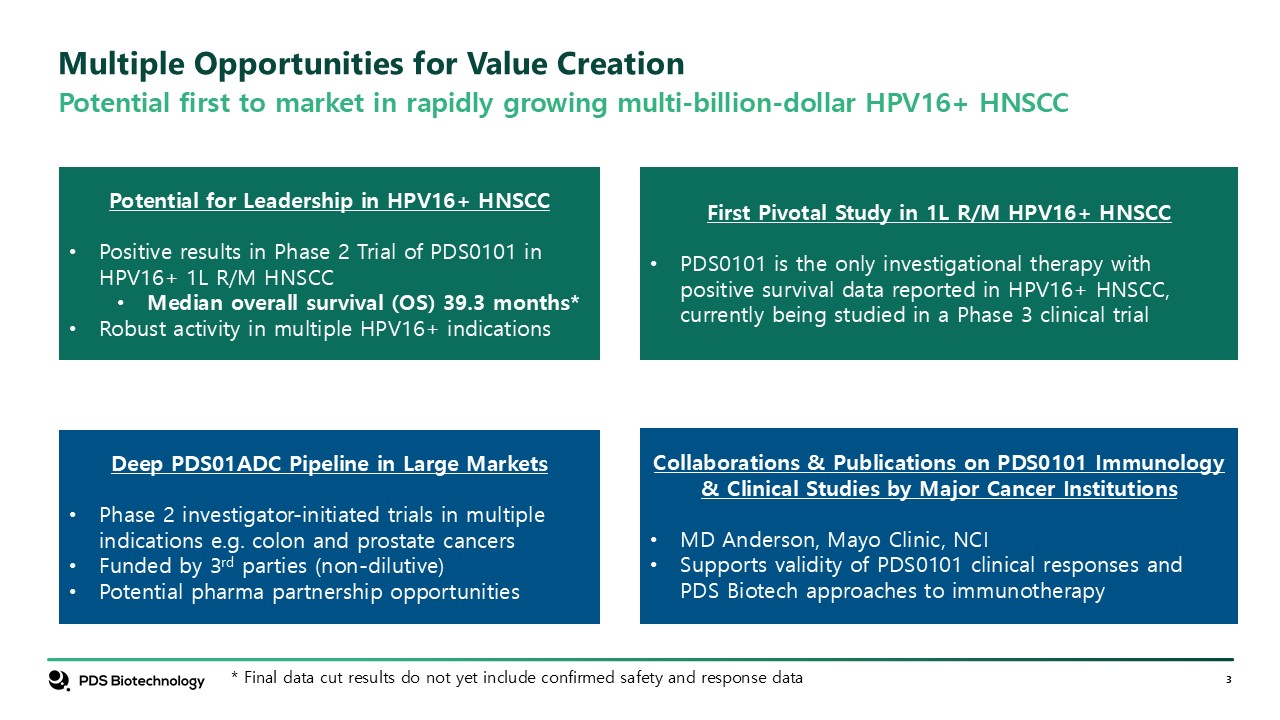
Multiple Opportunities for Value Creation Potential for Leadership in HPV16+ HNSCC Positive results in Phase 2 Trial of PDS0101 in HPV16+ 1L R/M HNSCC Median overall survival (OS) 39.3 months* Robust activity in multiple HPV16+ indications First Pivotal Study in 1L R/M HPV16+ HNSCC PDS0101 is the only investigational therapy with positive survival data reported in HPV16+ HNSCC, currently being studied in a Phase 3 clinical trial Deep PDS01ADC Pipeline in Large Markets Phase 2 investigator-initiated trials in multiple indications e.g. colon and prostate cancers Funded by 3rd parties (non-dilutive) Potential pharma partnership opportunities Collaborations & Publications on PDS0101 Immunology & Clinical Studies by Major Cancer Institutions MD Anderson, Mayo Clinic, NCI Supports validity of PDS0101 clinical responses and PDS Biotech approaches to immunotherapy Potential first to market in rapidly growing multi-billion-dollar HPV16+ HNSCC * Final data cut results do not yet include confirmed safety and response data

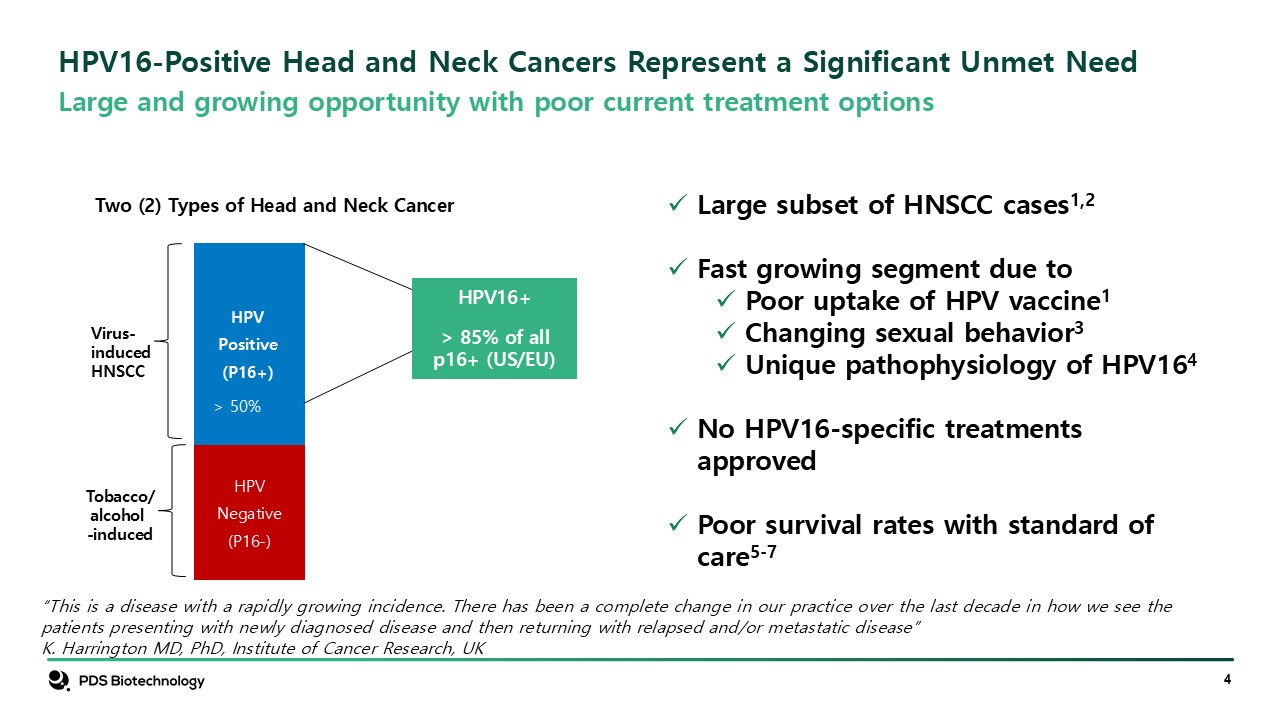
HPV16-Positive Head and Neck Cancers Represent a Significant Unmet Need Large and growing opportunity with poor current treatment options HPV positive Two (2) Types of Head and Neck Cancer Large subset of HNSCC cases1,2 Fast growing segment due to Poor uptake of HPV vaccine1 Changing sexual behavior3 Unique pathophysiology of HPV164 No HPV16-specific treatments approved Poor survival rates with standard of care5-7 HPV16+ > 85% of all p16+ (US/EU) > 50% “This is a disease with a rapidly growing incidence. There has been a complete change in our practice over the last decade in how we see the patients presenting with newly diagnosed disease and then returning with relapsed and/or metastatic disease”K. Harrington MD, PhD, Institute of Cancer Research, UK Virus- induced HNSCC Tobacco/ alcohol -induced

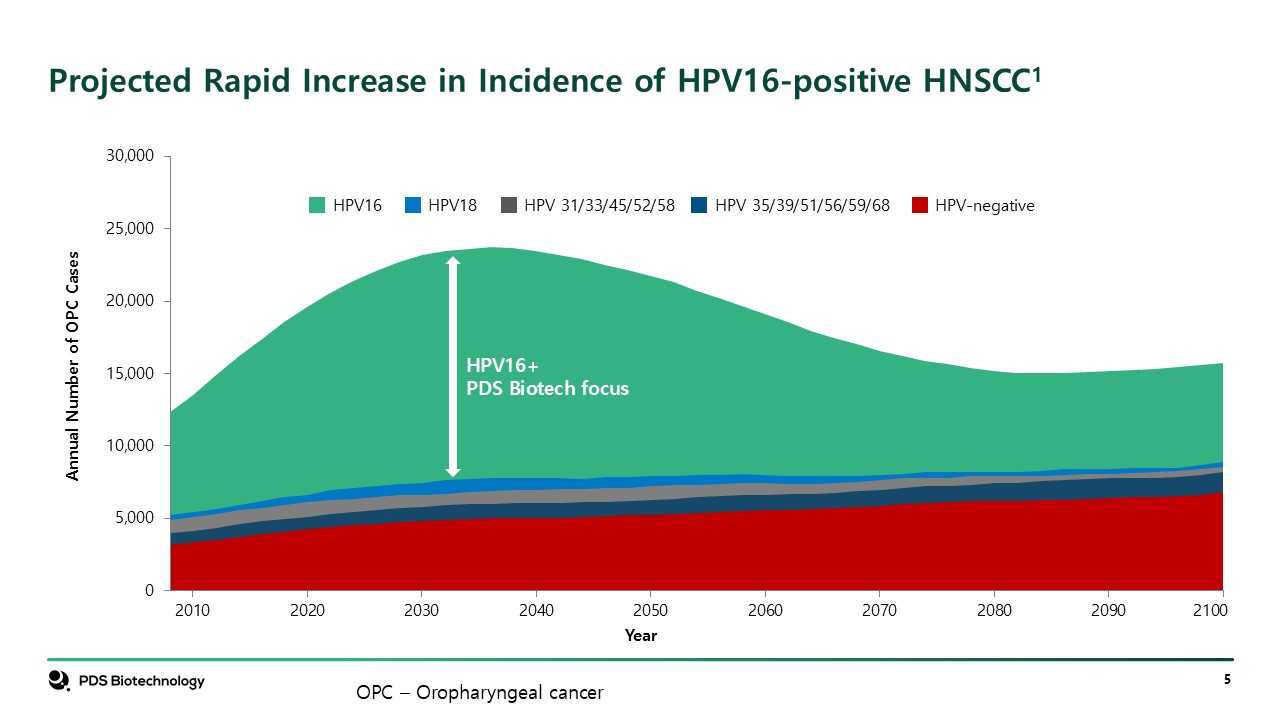
Projected Rapid Increase in Incidence of HPV16-positive HNSCC1 HPV16 HPV18 HPV 31/33/45/52/58 HPV 35/39/51/56/59/68 HPV-negative OPC – Oropharyngeal cancer

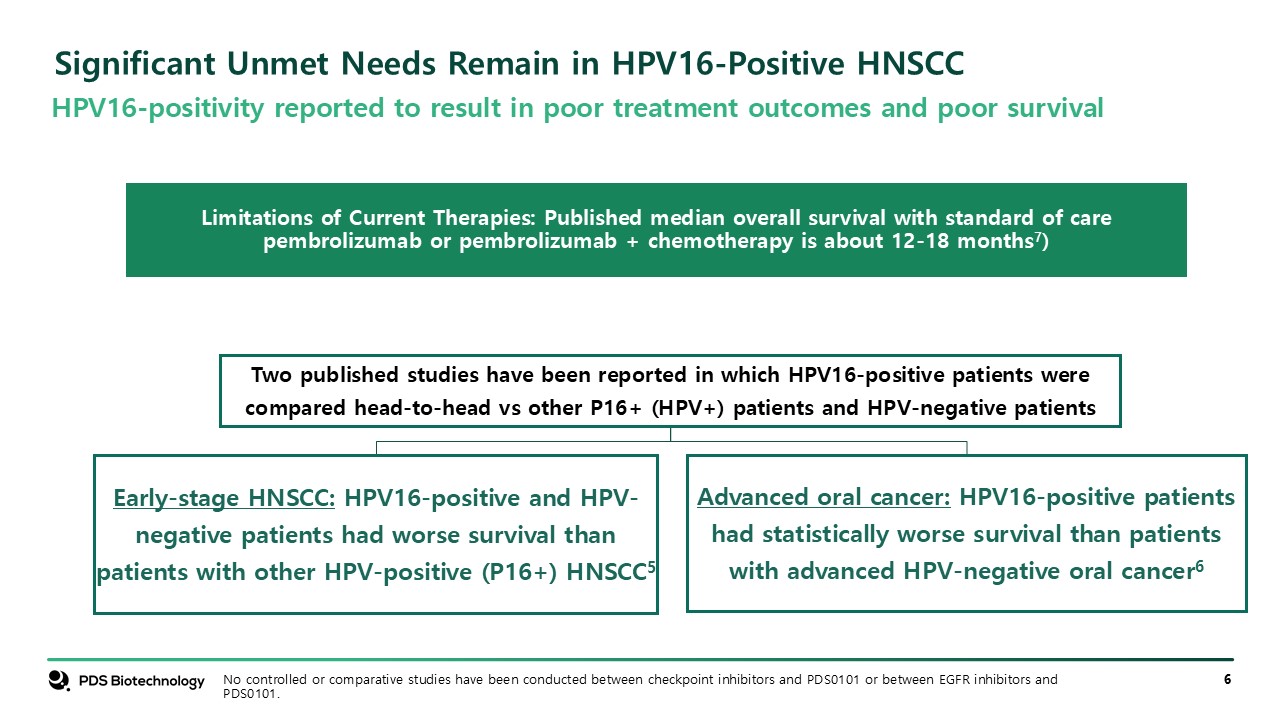
Significant Unmet Needs Remain in HPV16-Positive HNSCC Limitations of Current Therapies: Published median overall survival with standard of care pembrolizumab or pembrolizumab + chemotherapy is about 12-18 months7) No controlled or comparative studies have been conducted between checkpoint inhibitors and PDS0101 or between EGFR inhibitors and PDS0101. HPV16-positivity reported to result in poor treatment outcomes and poor survival

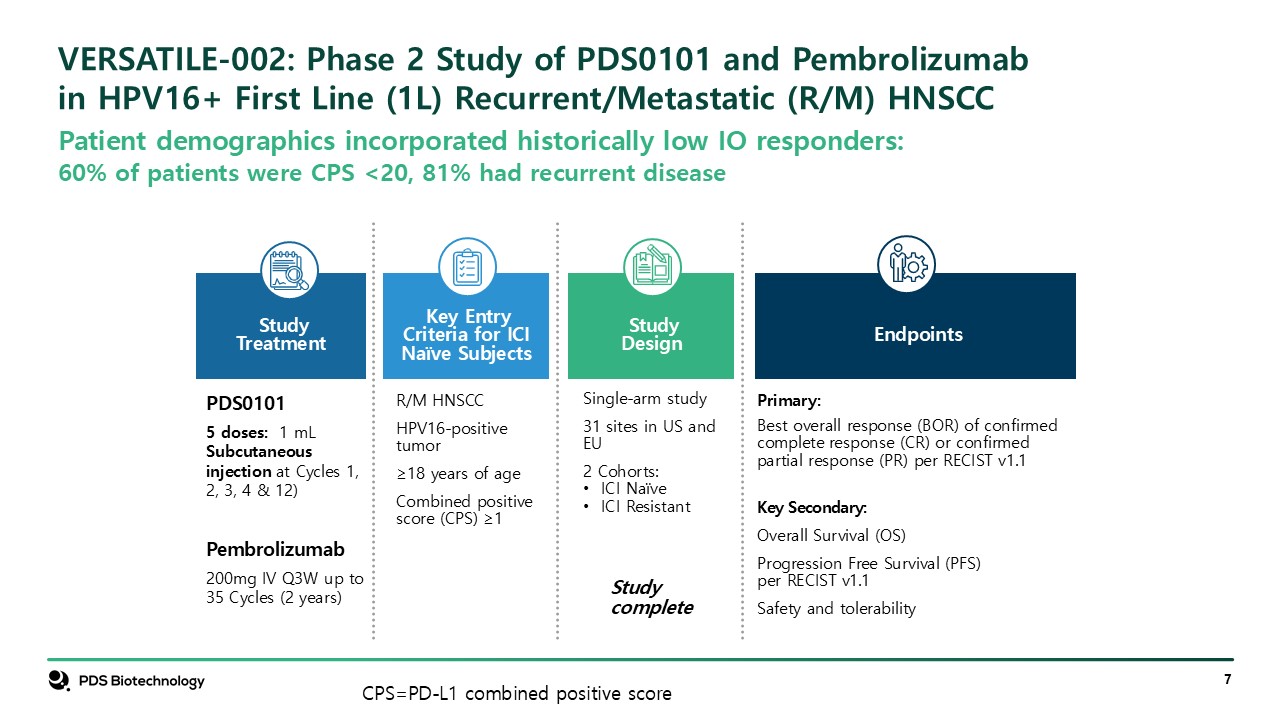
VERSATILE-002: Phase 2 Study of PDS0101 and Pembrolizumab in HPV16+ First Line (1L) Recurrent/Metastatic (R/M) HNSCC StudyDesign Single-arm study 31 sites in US and EU 2 Cohorts: ICI Naïve ICI Resistant Study complete Key Entry Criteria for ICI Naïve Subjects R/M HNSCC HPV16-positive tumor ≥18 years of age Combined positive score (CPS) ≥1 PDS0101 5 doses: 1 mL Subcutaneous injection at Cycles 1, 2, 3, 4 & 12) Pembrolizumab 200mg IV Q3W up to 35 Cycles (2 years) Study Treatment Primary: Best overall response (BOR) of confirmed complete response (CR) or confirmed partial response (PR) per RECIST v1.1 Key Secondary: Overall Survival (OS) Progression Free Survival (PFS) per RECIST v1.1 Safety and tolerability Endpoints Patient demographics incorporated historically low IO responders: 60% of patients were CPS <20, 81% had recurrent disease CPS=PD-L1 combined positive score

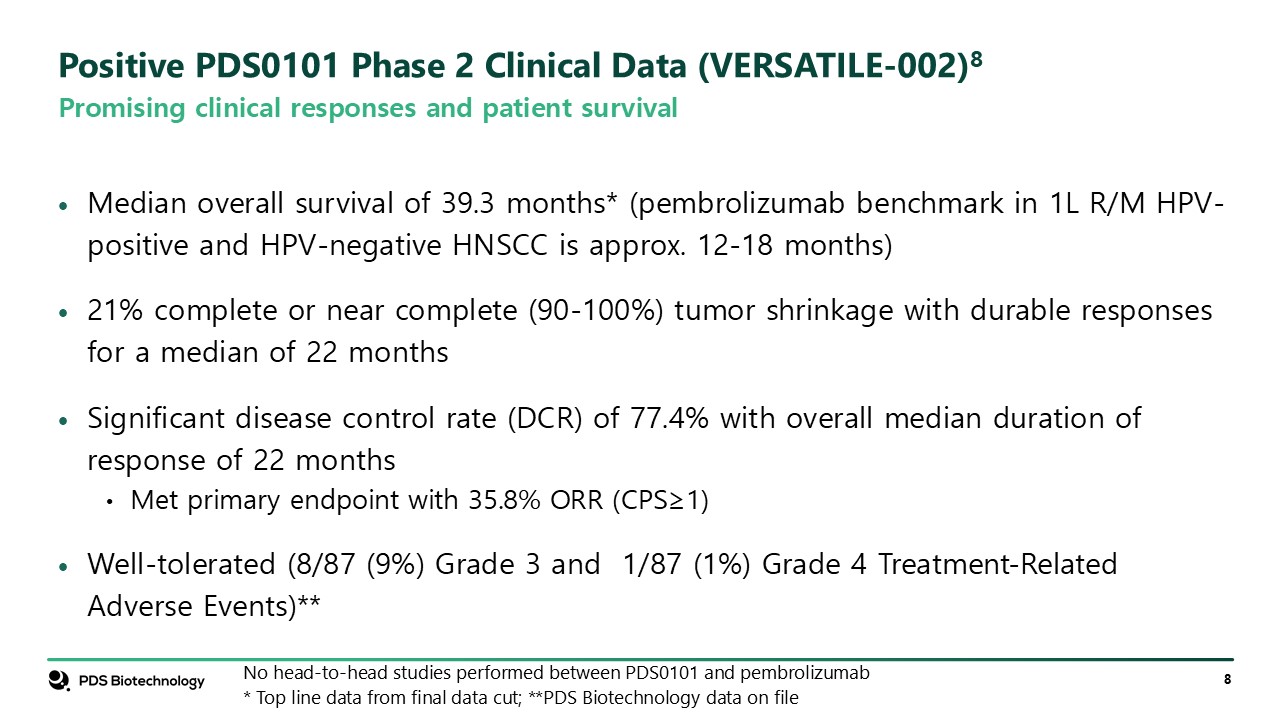
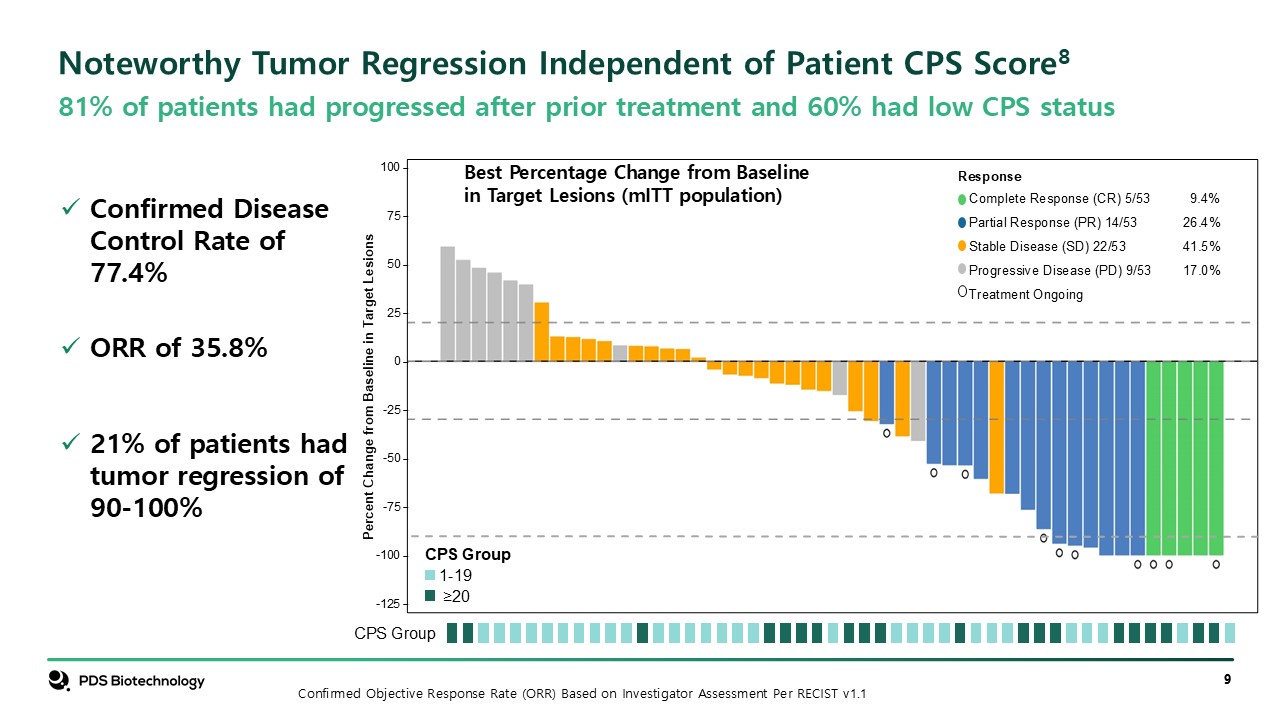
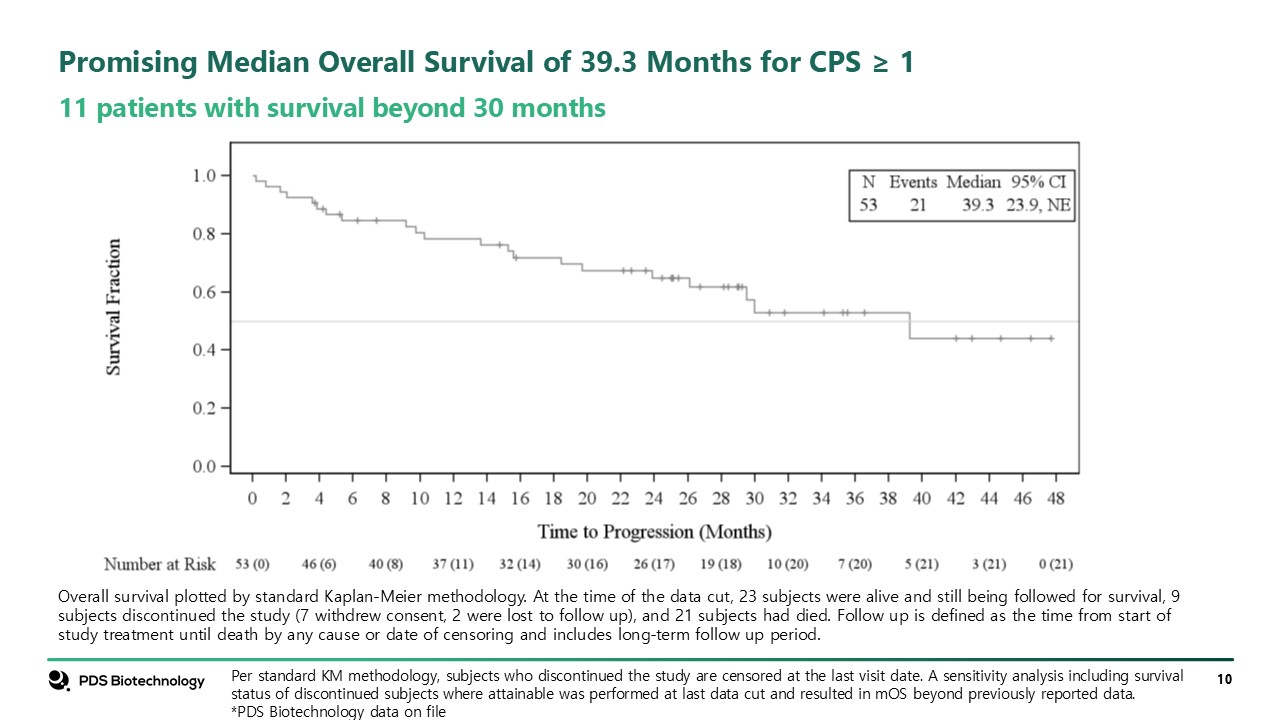
Promising clinical responses and patient survival Median overall survival of 39.3 months* (pembrolizumab benchmark in 1L R/M HPV-positive and HPV-negative HNSCC is approx. 12-18 months) 21% complete or near complete (90-100%) tumor shrinkage with durable responses for a median of 22 months Significant disease control rate (DCR) of 77.4% with overall median duration of response of 22 months Met primary endpoint with 35.8% ORR (CPS≥1) Well-tolerated (8/87 (9%) Grade 3 and 1/87 (1%) Grade 4 Treatment-Related Adverse Events)** Positive PDS0101 Phase 2 Clinical Data (VERSATILE-002)8 No head-to-head studies performed between PDS0101 and pembrolizumab * Top line data from final data cut; **PDS Biotechnology data on file

Percent Change from Baseline in Target Lesions -50 -25 25 50 75 100 0 -75 -100 -125 Response Complete Response (CR) 5/53 9.4% Partial Response (PR) 14/53 26.4% Stable Disease (SD) 22/53 41.5% Progressive Disease (PD) 9/53 17.0% Treatment Ongoing Confirmed Objective Response Rate (ORR) Based on Investigator Assessment Per RECIST v1.1 Best Percentage Change from Baseline in Target Lesions (mITT population) Noteworthy Tumor Regression Independent of Patient CPS Score8 81% of patients had progressed after prior treatment and 60% had low CPS status Confirmed Disease Control Rate of 77.4% ORR of 35.8% 21% of patients had tumor regression of 90-100% CPS Group CPS Group 1-19 ≥20

Promising Median Overall Survival of 39.3 Months for CPS ≥ 1 11 patients with survival beyond 30 months Per standard KM methodology, subjects who discontinued the study are censored at the last visit date. A sensitivity analysis including survival status of discontinued subjects where attainable was performed at last data cut and resulted in mOS beyond previously reported data. *PDS Biotechnology data on file Overall survival plotted by standard Kaplan-Meier methodology. At the time of the data cut, 23 subjects were alive and still being followed for survival, 9 subjects discontinued the study (7 withdrew consent, 2 were lost to follow up), and 21 subjects had died. Follow up is defined as the time from start of study treatment until death by any cause or date of censoring and includes long-term follow up period.

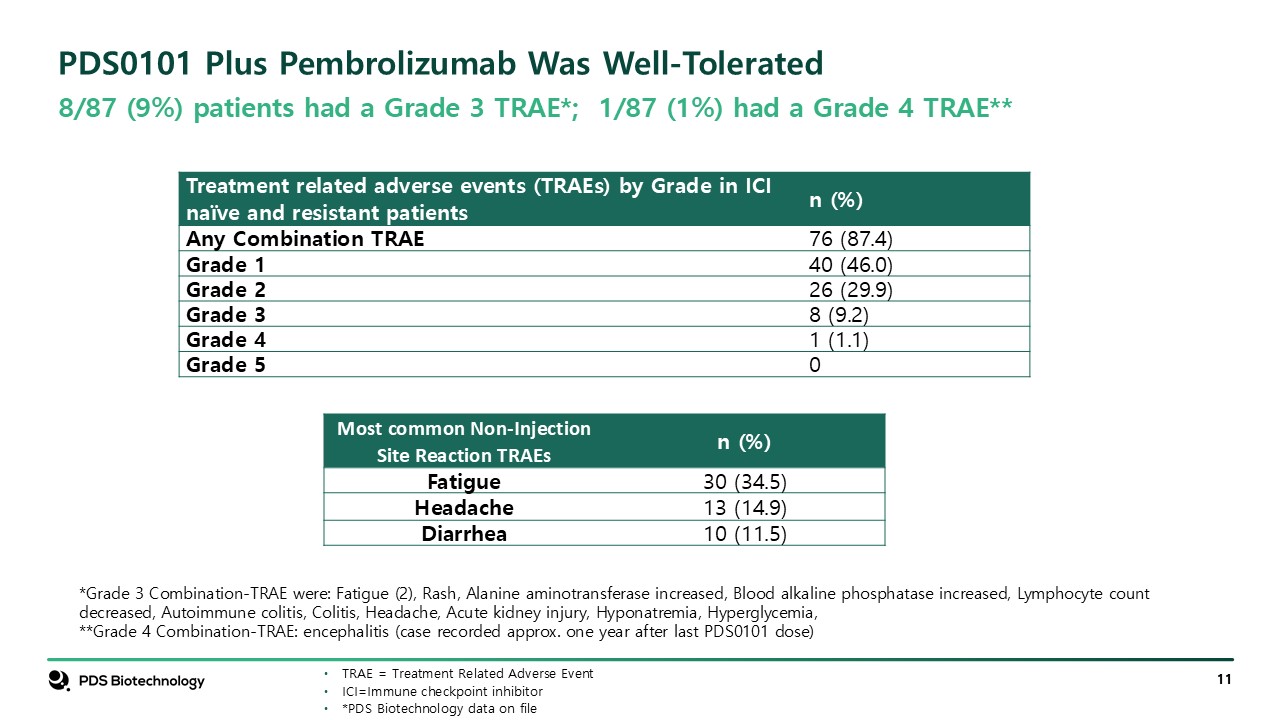
PDS0101 Plus Pembrolizumab Was Well-Tolerated *Grade 3 Combination-TRAE were: Fatigue (2), Rash, Alanine aminotransferase increased, Blood alkaline phosphatase increased, Lymphocyte count decreased, Autoimmune colitis, Colitis, Headache, Acute kidney injury, Hyponatremia, Hyperglycemia, **Grade 4 Combination-TRAE: encephalitis (case recorded approx. one year after last PDS0101 dose) TRAE = Treatment Related Adverse Event ICI=Immune checkpoint inhibitor *PDS Biotechnology data on file 8/87 (9%) patients had a Grade 3 TRAE*; 1/87 (1%) had a Grade 4 TRAE** Treatment related adverse events (TRAEs) by Grade in ICI naïve and resistant patients n (%) Any Combination TRAE 76 (87.4) Grade 1 40 (46.0) Grade 2 26 (29.9) Grade 3 8 (9.2) Grade 4 1 (1.1) Grade 5 0 Most common Non-Injection Site Reaction TRAEs n (%) Fatigue 30 (34.5) Headache 13 (14.9) Diarrhea 10 (11.5)

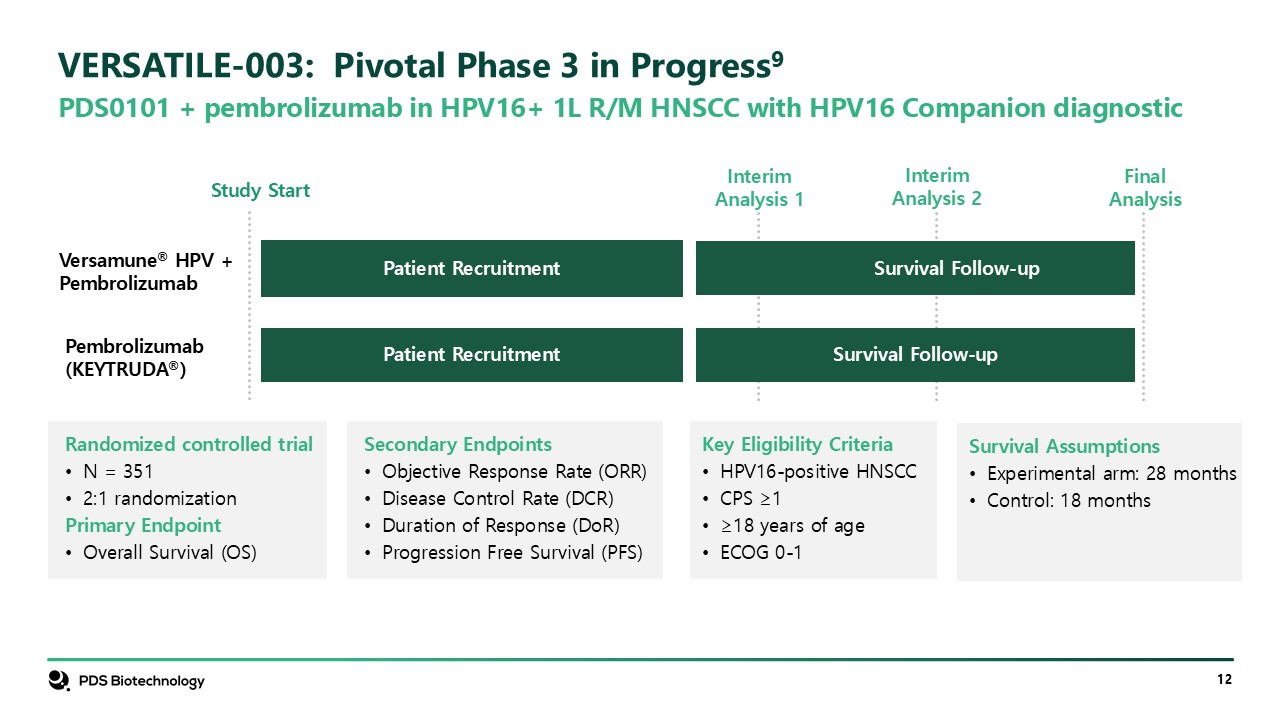
VERSATILE-003: Pivotal Phase 3 in Progress9 Interim Analysis 1 Study Start Versamune® HPV + Pembrolizumab Pembrolizumab (KEYTRUDA®) Patient Recruitment Patient Recruitment Survival Follow-up Survival Follow-up Key Eligibility Criteria HPV16-positive HNSCC CPS ≥1 ≥18 years of age ECOG 0-1 Secondary Endpoints Objective Response Rate (ORR) Disease Control Rate (DCR) Duration of Response (DoR) Progression Free Survival (PFS) Randomized controlled trial N = 351 2:1 randomization Primary Endpoint Overall Survival (OS) FinalAnalysis Interim Analysis 2 PDS0101 + pembrolizumab in HPV16+ 1L R/M HNSCC with HPV16 Companion diagnostic Survival Assumptions Experimental arm: 28 months Control: 18 months

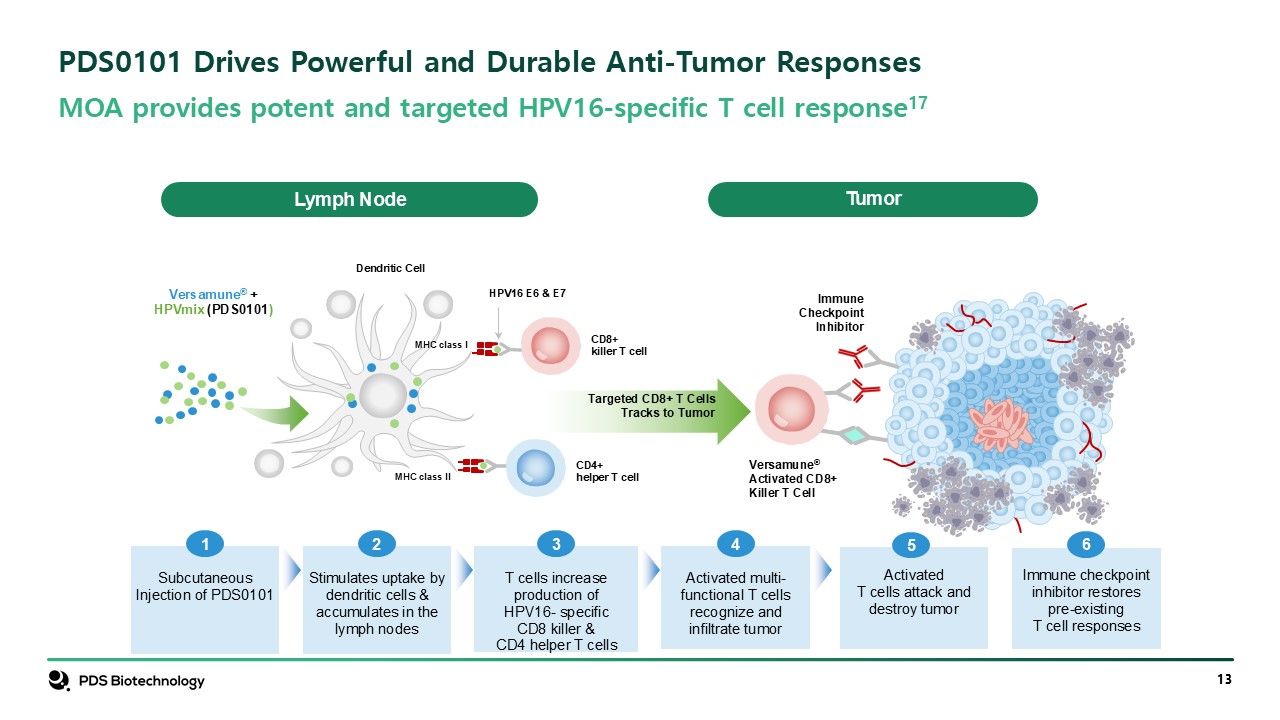
PDS0101 Drives Powerful and Durable Anti-Tumor Responses Lymph Node Tumor CD4+helper T cell CD8+killer T cell HPV16 E6 & E7 Versamune®Activated CD8+Killer T Cell ImmuneCheckpointInhibitor Versamune® +HPVmix (PDS0101) Targeted CD8+ T CellsTracks to Tumor Dendritic Cell MHC class I MHC class II Subcutaneous Injection of PDS0101 1 Stimulates uptake by dendritic cells & accumulates in the lymph nodes 2 T cells increaseproduction of HPV16- specificCD8 killer & CD4 helper T cells 3 Activated multi-functional T cells recognize and infiltrate tumor 4 Activated T cells attack anddestroy tumor 5 Immune checkpoint inhibitor restores pre-existing T cell responses 6 MOA provides potent and targeted HPV16-specific T cell response17

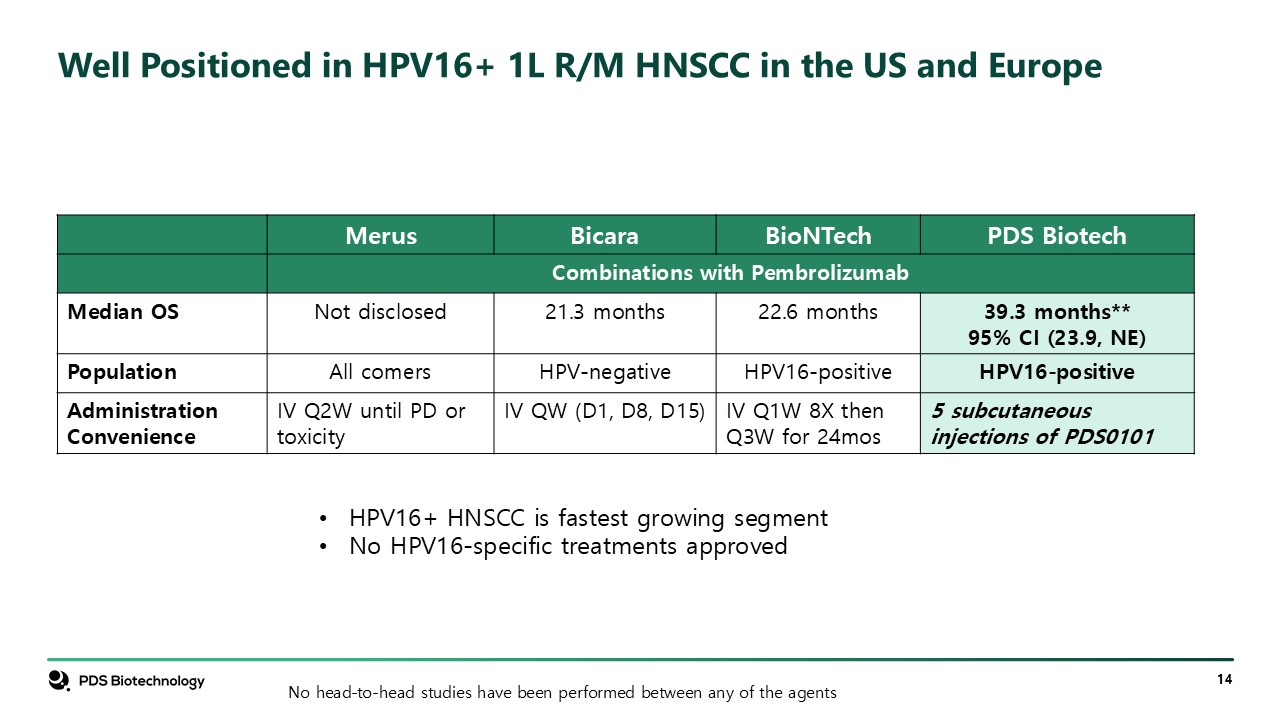
Well Positioned in HPV16+ 1L R/M HNSCC in the US and Europe Merus Bicara BioNTech PDS Biotech Combinations with Pembrolizumab Median OS Not disclosed 21.3 months 22.6 months 39.3 months** 95% CI (23.9, NE) Population All comers HPV-negative HPV16-positive HPV16-positive Administration Convenience IV Q2W until PD or toxicity IV QW (D1, D8, D15) IV Q1W 8X then Q3W for 24mos 5 subcutaneous injections of PDS0101 No head-to-head studies have been performed between any of the agents HPV16+ HNSCC is fastest growing segment No HPV16-specific treatments approved

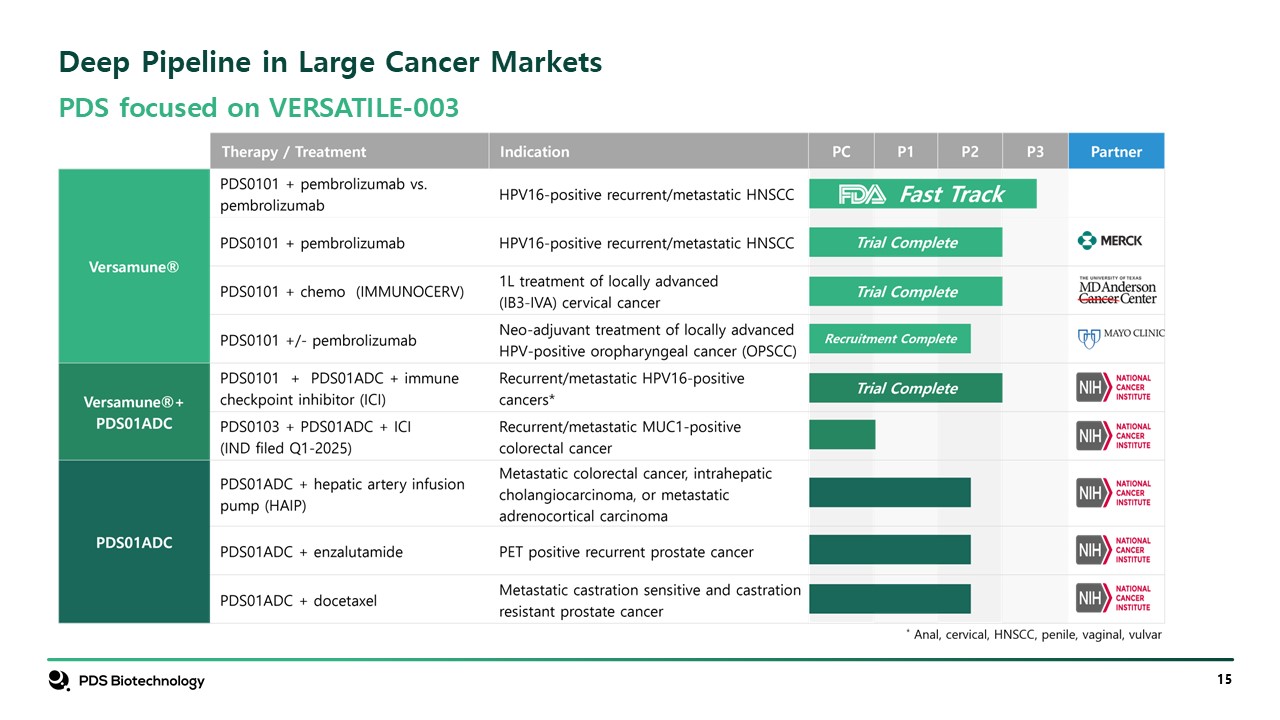
Deep Pipeline in Large Cancer Markets PDS focused on VERSATILE-003

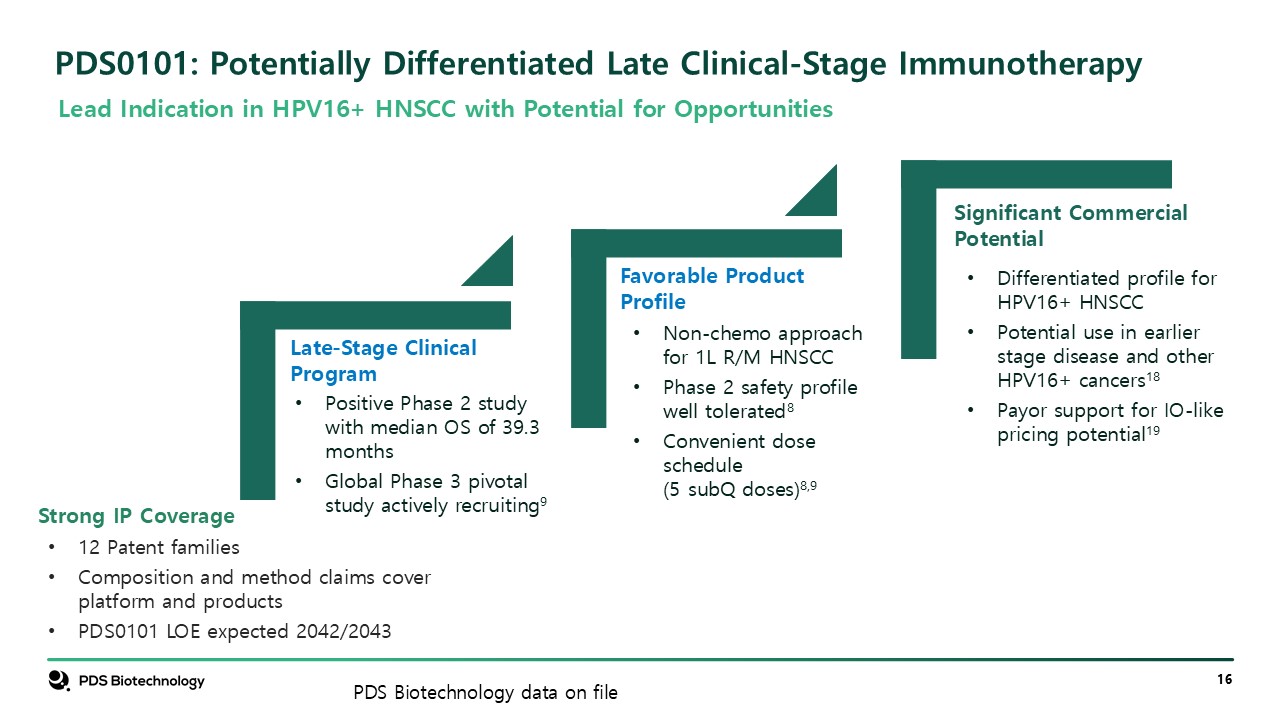
PDS0101: Potentially Differentiated Late Clinical-Stage Immunotherapy Lead Indication in HPV16+ HNSCC with Potential for Opportunities Strong IP Coverage 12 Patent families Composition and method claims cover platform and products PDS0101 LOE expected 2042/2043 Late-Stage Clinical Program Positive Phase 2 study with median OS of 39.3 months Global Phase 3 pivotal study actively recruiting9 Favorable Product Profile Non-chemo approach for 1L R/M HNSCC Phase 2 safety profile well tolerated8 Convenient dose schedule (5 subQ doses)8,9 Significant Commercial Potential Differentiated profile for HPV16+ HNSCC Potential use in earlier stage disease and other HPV16+ cancers18 Payor support for IO-like pricing potential19 PDS Biotechnology data on file

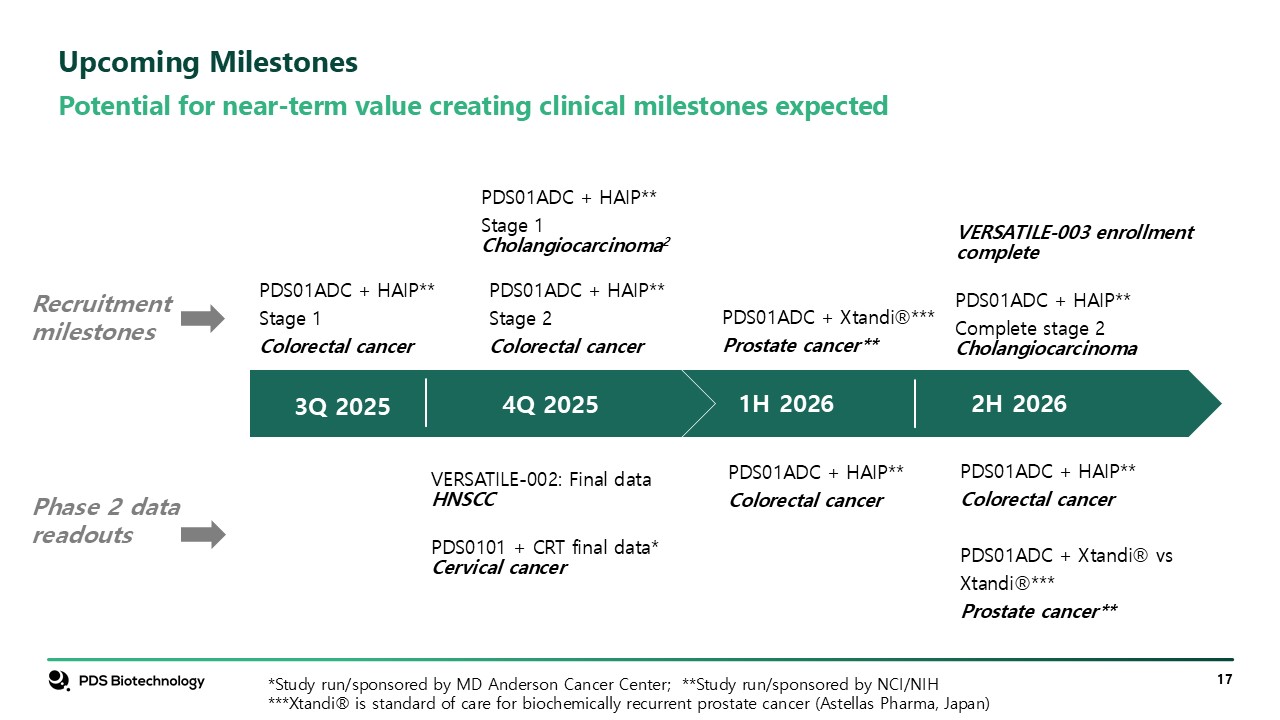
Potential for near-term value creating clinical milestones expected Upcoming Milestones 1H 2026 VERSATILE-003 enrollment complete PDS01ADC + HAIP** Complete stage 2 Cholangiocarcinoma PDS01ADC + HAIP** Stage 2 Colorectal cancer PDS01ADC + HAIP** Stage 1 Cholangiocarcinoma2 PDS01ADC + HAIP** Colorectal cancer PDS01ADC + Xtandi® vs Xtandi®*** Prostate cancer** *Study run/sponsored by MD Anderson Cancer Center; **Study run/sponsored by NCI/NIH ***Xtandi® is standard of care for biochemically recurrent prostate cancer (Astellas Pharma, Japan) PDS01ADC + Xtandi®*** Prostate cancer** VERSATILE-002: Final data HNSCC PDS0101 + CRT final data* Cervical cancer 2H 2026 PDS01ADC + HAIP** Colorectal cancer 4Q 2025 Phase 2 data readouts PDS01ADC + HAIP** Stage 1 Colorectal cancer Recruitment milestones 3Q 2025

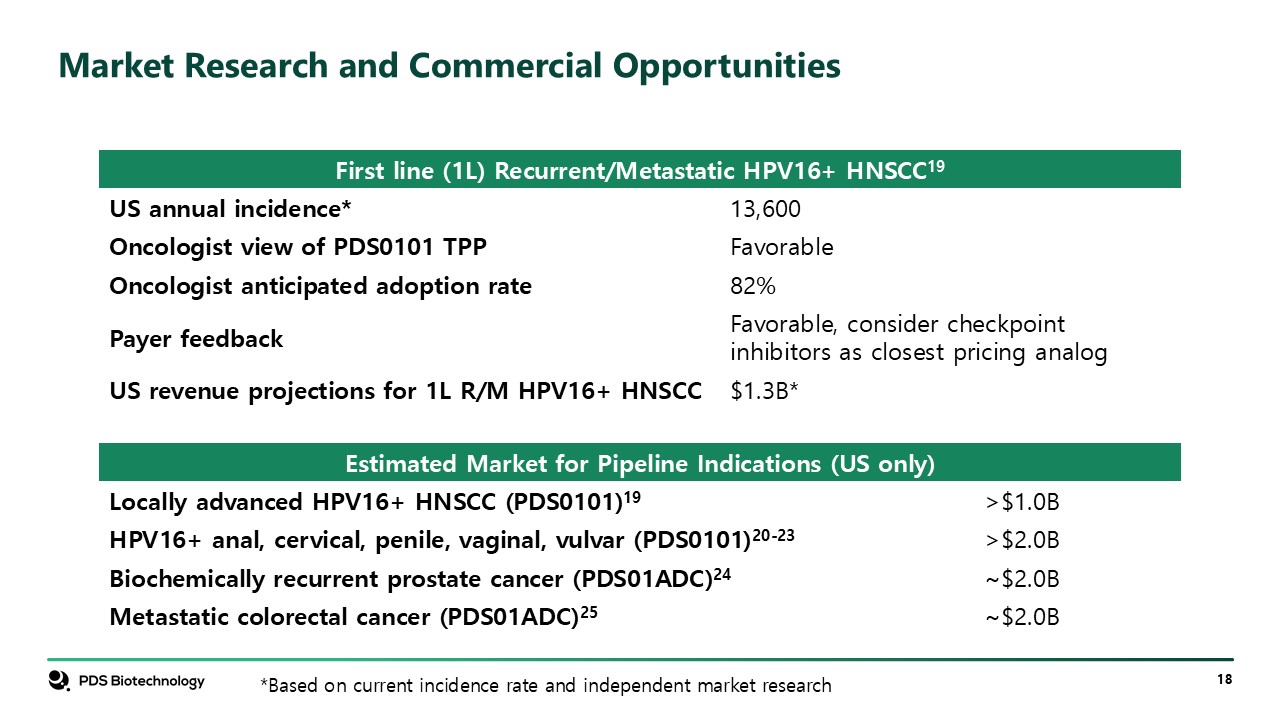
Market Research and Commercial Opportunities First line (1L) Recurrent/Metastatic HPV16+ HNSCC19 US annual incidence* 13,600 Oncologist view of PDS0101 TPP Favorable Oncologist anticipated adoption rate 82% Payer feedback Favorable, consider checkpoint inhibitors as closest pricing analog US revenue projections for 1L R/M HPV16+ HNSCC $1.3B* Estimated Market for Pipeline Indications (US only) Locally advanced HPV16+ HNSCC (PDS0101)19 >$1.0B HPV16+ anal, cervical, penile, vaginal, vulvar (PDS0101)20-23 >$2.0B Biochemically recurrent prostate cancer (PDS01ADC)24 ~$2.0B Metastatic colorectal cancer (PDS01ADC)25 ~$2.0B *Based on current incidence rate and independent market research

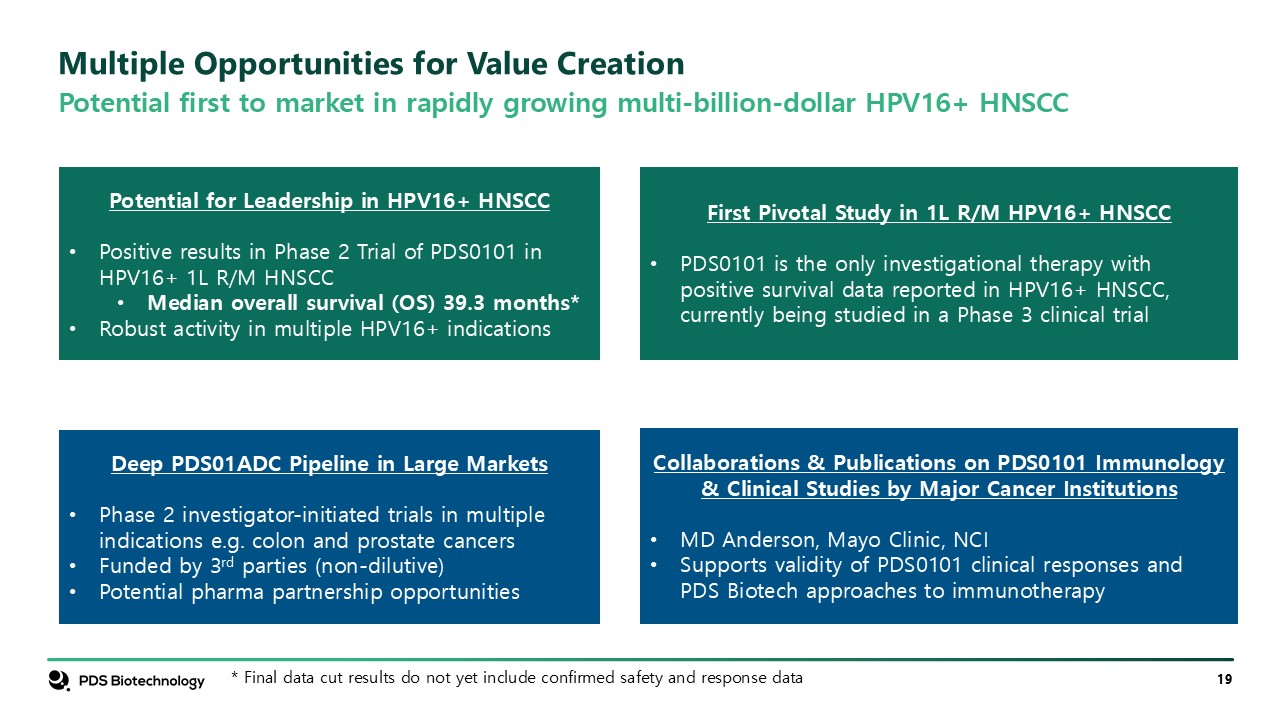
Multiple Opportunities for Value Creation Potential for Leadership in HPV16+ HNSCC Positive results in Phase 2 Trial of PDS0101 in HPV16+ 1L R/M HNSCC Median overall survival (OS) 39.3 months* Robust activity in multiple HPV16+ indications First Pivotal Study in 1L R/M HPV16+ HNSCC PDS0101 is the only investigational therapy with positive survival data reported in HPV16+ HNSCC, currently being studied in a Phase 3 clinical trial Deep PDS01ADC Pipeline in Large Markets Phase 2 investigator-initiated trials in multiple indications e.g. colon and prostate cancers Funded by 3rd parties (non-dilutive) Potential pharma partnership opportunities Collaborations & Publications on PDS0101 Immunology & Clinical Studies by Major Cancer Institutions MD Anderson, Mayo Clinic, NCI Supports validity of PDS0101 clinical responses and PDS Biotech approaches to immunotherapy Potential first to market in rapidly growing multi-billion-dollar HPV16+ HNSCC * Final data cut results do not yet include confirmed safety and response data

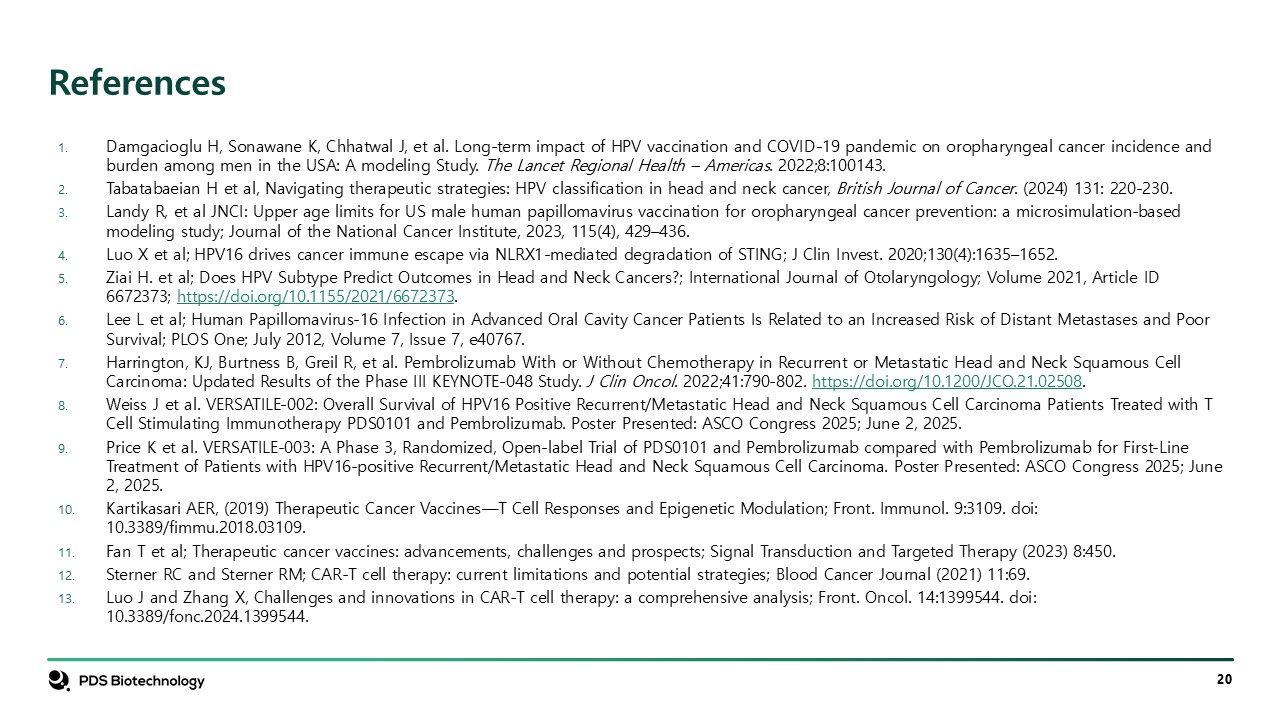
References Damgacioglu H, Sonawane K, Chhatwal J, et al. Long-term impact of HPV vaccination and COVID-19 pandemic on oropharyngeal cancer incidence and burden among men in the USA: A modeling Study. The Lancet Regional Health – Americas. 2022;8:100143. Tabatabaeian H et al, Navigating therapeutic strategies: HPV classification in head and neck cancer, British Journal of Cancer. (2024) 131: 220-230. Landy R, et al JNCI: Upper age limits for US male human papillomavirus vaccination for oropharyngeal cancer prevention: a microsimulation-based modeling study; Journal of the National Cancer Institute, 2023, 115(4), 429–436. Luo X et al; HPV16 drives cancer immune escape via NLRX1-mediated degradation of STING; J Clin Invest. 2020;130(4):1635–1652. Ziai H. et al; Does HPV Subtype Predict Outcomes in Head and Neck Cancers?; International Journal of Otolaryngology; Volume 2021, Article ID 6672373; https://doi.org/10.1155/2021/6672373. Lee L et al; Human Papillomavirus-16 Infection in Advanced Oral Cavity Cancer Patients Is Related to an Increased Risk of Distant Metastases and Poor Survival; PLOS One; July 2012, Volume 7, Issue 7, e40767. Harrington, KJ, Burtness B, Greil R, et al. Pembrolizumab With or Without Chemotherapy in Recurrent or Metastatic Head and Neck Squamous Cell Carcinoma: Updated Results of the Phase III KEYNOTE-048 Study. J Clin Oncol. 2022;41:790-802. https://doi.org/10.1200/JCO.21.02508. Weiss J et al. VERSATILE-002: Overall Survival of HPV16 Positive Recurrent/Metastatic Head and Neck Squamous Cell Carcinoma Patients Treated with T Cell Stimulating Immunotherapy PDS0101 and Pembrolizumab. Poster Presented: ASCO Congress 2025; June 2, 2025. Price K et al. VERSATILE-003: A Phase 3, Randomized, Open-label Trial of PDS0101 and Pembrolizumab compared with Pembrolizumab for First-Line Treatment of Patients with HPV16-positive Recurrent/Metastatic Head and Neck Squamous Cell Carcinoma. Poster Presented: ASCO Congress 2025; June 2, 2025. Kartikasari AER, (2019) Therapeutic Cancer Vaccines—T Cell Responses and Epigenetic Modulation; Front. Immunol. 9:3109. doi: 10.3389/fimmu.2018.03109. Fan T et al; Therapeutic cancer vaccines: advancements, challenges and prospects; Signal Transduction and Targeted Therapy (2023) 8:450. Sterner RC and Sterner RM; CAR-T cell therapy: current limitations and potential strategies; Blood Cancer Journal (2021) 11:69. Luo J and Zhang X, Challenges and innovations in CAR-T cell therapy: a comprehensive analysis; Front. Oncol. 14:1399544. doi: 10.3389/fonc.2024.1399544.

References (continued) Yoshida-Court K, Gjyshi O, Lin L, et al. IMMUNOCERV, an ongoing Phase II trial combining PDS0101, an HPV-specific T cell immunotherapy with chemotherapy and radiation for treatment of locally advanced cervical cancers (NCT04580771). Poster Presented at: SITC; November 8-12, 2022; Boston MA. Seo A., et al, Human Papilloma Virus Circulating Cell-Free DNA Kinetics in Patients with Cervical Cancer Undergoing Definitive Chemoradiation, Clinical Cancer Research, Jan. 10, 2025. Floudas CS et al, Novel Combination Immunotherapy and Clinical Activity in Patients With HPV-Associated Cancers: A Nonrandomized Clinical Trial; JAMA Oncol. 2025;11;(4):394-399. doi:10.1001/jamaoncol.2024.6998. Gandhapudi SK, Ward M, Bush JPC, Bedu-Addo F, Conn G, Woodward JG. Antigen Priming with Enantiospecific Cationic Lipid Nanoparticles Induces Potent Antitumor CTL Responses through Novel Induction of a Type I IFN Response. J Immunol. 2019;202:3524-3536. Routman DM et al., Initial results of MC200710 investigating therapeutic vaccine (PDS0101) alone or with pembrolizumab prior to surgery or radiation therapy for locally advanced HPV associated oropharyngeal carcinoma, a Phase 2 window of opportunity trial. Poster Presented: ASCO Congress 2025; June 2, 2025. Triangle Research Group. PDS Proprietary Market Research Report. 2024. Guerendiain D et al; HPV status and HPV16 viral load in anal cancer and its association with clinical outcome; Cancer Medicine. 2022;11:4193–4203. https://www.hpvworld.com/articles/hpv-genotype-specific-risk-for-cervical-cancer/ Li Z. et al, Prevalence of human papillomavirus DNA and p16INK4a positivity in vulvar cancer and vulvar intraepithelial neoplasia: a systematic review and meta-analysis; The Lancet Oncology; Volume 24, Issue 4, p403-414April 2023. Olesen TB et al, Prevalence of human papillomavirus DNA and p16INK4a in penile cancer and penile intraepithelial neoplasia: a systematic review and meta-analysis, The Lancet Oncology, Volume 20, Issue 1, p145-158, January 2019. Spratt DE; Biochemical recurrence (BCR) among patients (pts) with prostate cancer (PC) after radiation therapy (RT); Journal of Clinical Oncology; Volume 41, Number 16_suppl; https://doi.org/10.1200/JCO.2023.41.16_suppl.e17111. https://www.delveinsight.com/report-store/metastatic-colorectal-cancer-market

Thank You NASDAQ: PDSB August 2025