Operator
With the end, welcome to Angel Oak Morgan Shreet, first quarter 2026 earnings conference call. At this time, all lines are in listen-only mode. Following the presentation, we will conduct a question-and-answer session. If at any time during this call you require immediate assistance, please play a story zero for operator assistance. Please note that this event is being recorded. I would now like to turn the conference over to Mr. Casey Cullerher. Please go ahead. Good morning.
Thank you for joining us today for Angel Oak Mortgage Reit's first quarter 2026 earnings conference call. This morning, we filed our press release detailing these results, which is available in the investors section on our website at www.angeloakreit.com. As a reminder, remarks made on today's conference call may include forward-looking statements. Forward-looking statements are subject to risks and uncertainties that may cause actual results to differ materially from those discussed today. We do not undertake any obligation to update our forward-looking statements in light of new information or future events. For a more detailed discussion of the factors that may affect the company's results, please refer to our earnings release for this quarter and to our most recent SEC filings. During this call, we will be discussing certain non-GAAP financial measures. More information about these non-GAAP financial measures and reconciliations to the most directly comparable GAAP financial measures are contained in our earnings release and SEC filings. This morning's conference call is hosted by Angel Oak Mortgage Reads Chief Executive Officer Sreeni Prabhu and Chief Financial Officer Brandon Filson. Management will make some prepared comments, after which we will open up the call to your questions. Additionally, we recommend reviewing our earnings supplement posted on our website. Now, I will turn the call over to Srini.
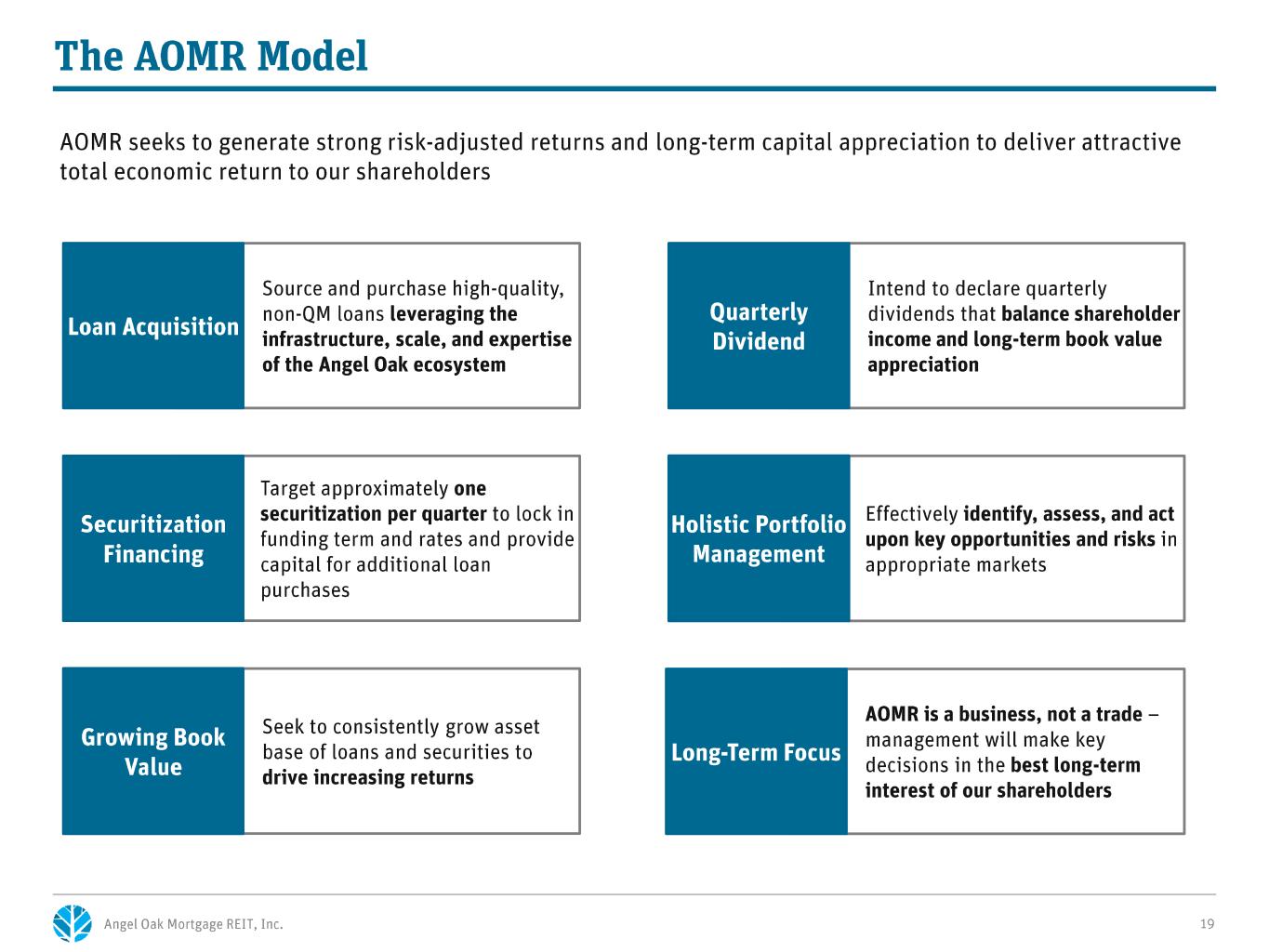
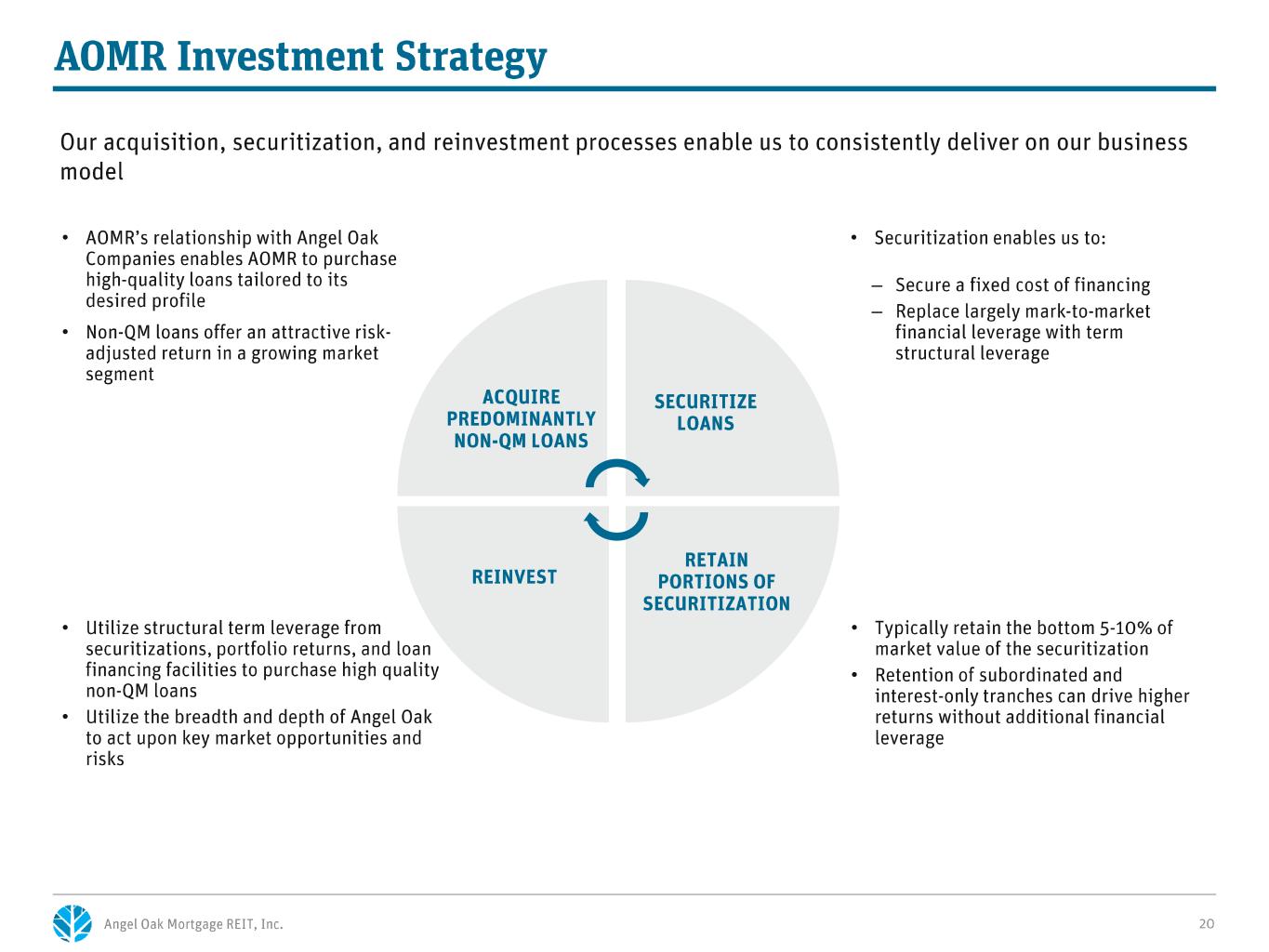
Thank you, Casey, and thank you all for joining us today. First quarter unfolded in a global environment that was largely supportive to uneven economic growth and geopolitical tensions, including renewed conflict in the Middle East, weighed on investors towards the end of the quarter. Inflation showed gradual improvement while labor markets cooled modestly, and the Federal Reserve maintained a measured data-driven approach to policy decisions. Uncertainty weighed on risk sentiment at times, but also reinforced the values of discipline, liquidity, and steady execution. Within this setting, our platform performed well, supported by our focus on credit quality, funding discipline, and repeatable processes. Despite broader macro pressures, securization markets remained open to the corridor. Investor demand continued to favor high-quality collateral and experience issues, even as spreads reflected global headlines, rate volatility, and period of reduced risk appetite. We were pleased to complete the AOMT 2026-2 Securization shortly before the onset of the conflict in the Middle East, taking advantage of favorable market conditions and underscoring the benefits of our methodical, repeatable Securization Approach. We remain selective in our use of these markets, staying focused on sound structures, conservative leverage, and economics that meet our return thresholds. Our first quarter results reflected our established operating growth trend with another consecutive quarter of net interest income expansion and prudent expense management. The positive earnings trend helped offset unfavorable valuation impacts during the quarter, which were driven by rates and spreads increasing and becoming more volatile. Looking forward, the need for non-QM lending solutions remains durable, and we see value in maintaining a cautious but active posture. Our priorities remain consistent, growing earnings, executing reliably in capital markets, and positioning the portfolio to perform across a wide range of economic outcomes. With that, I'll turn it over to Brandon, who will walk us through our first quarter financial performance in greater detail.
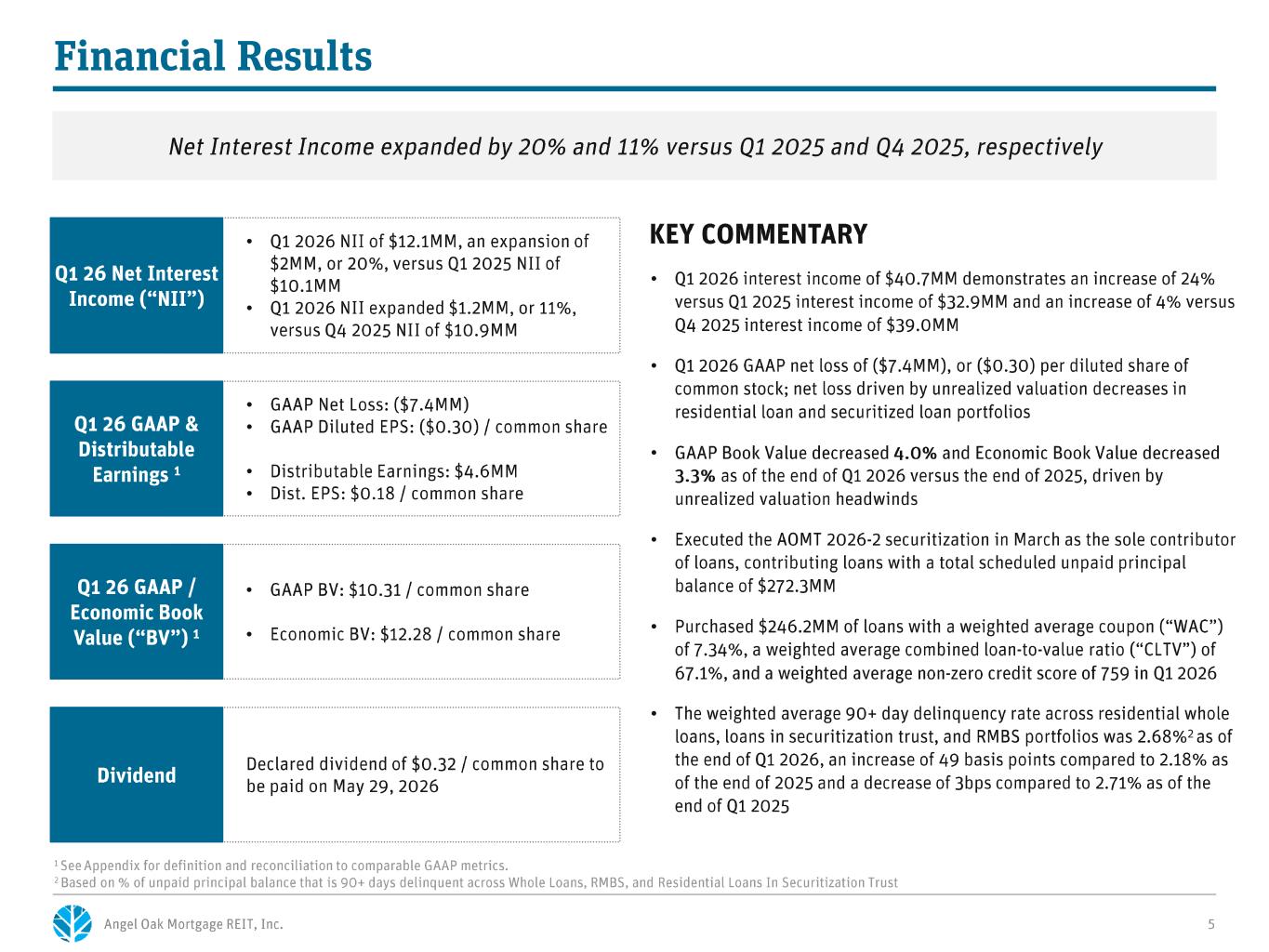
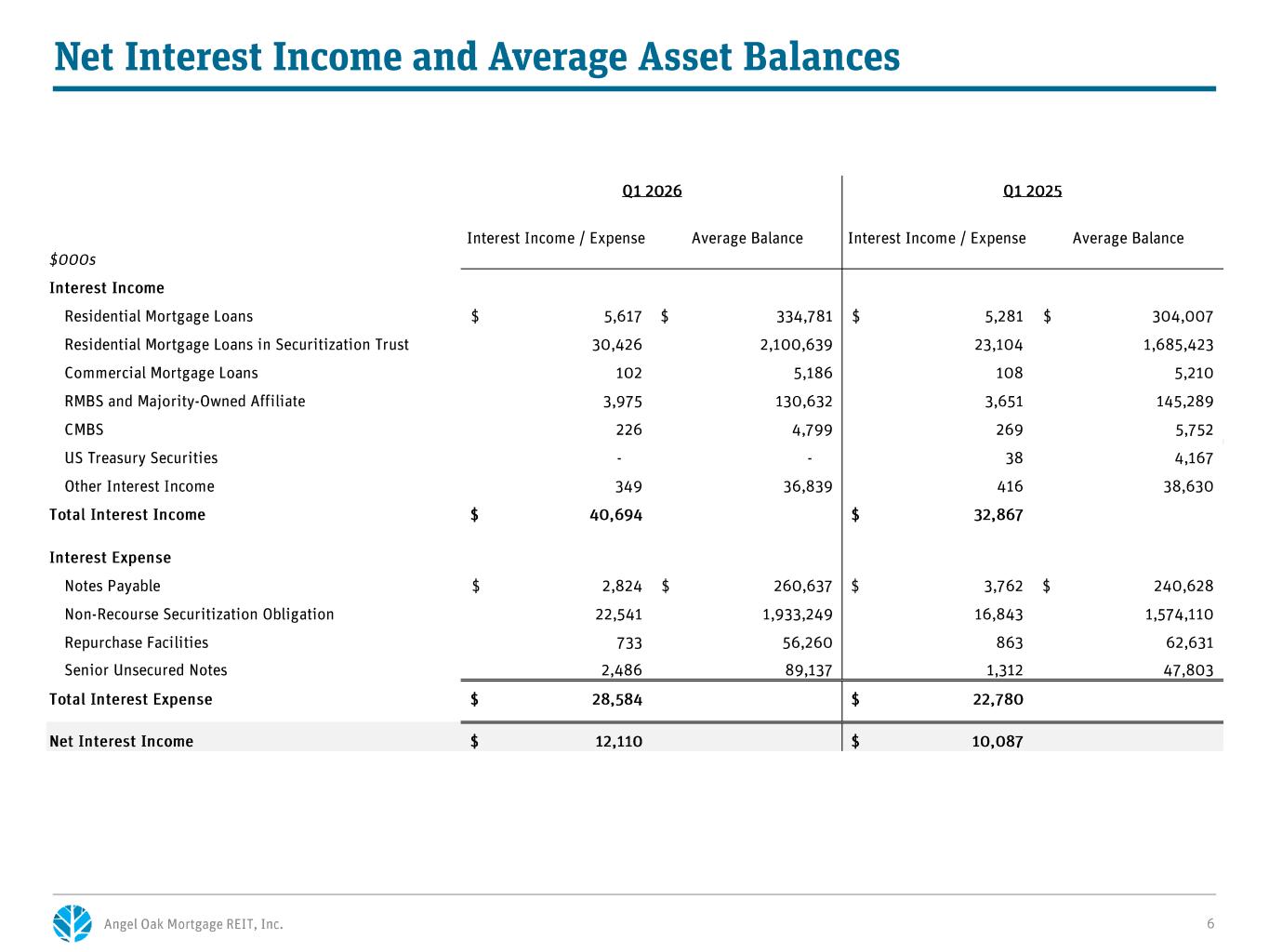
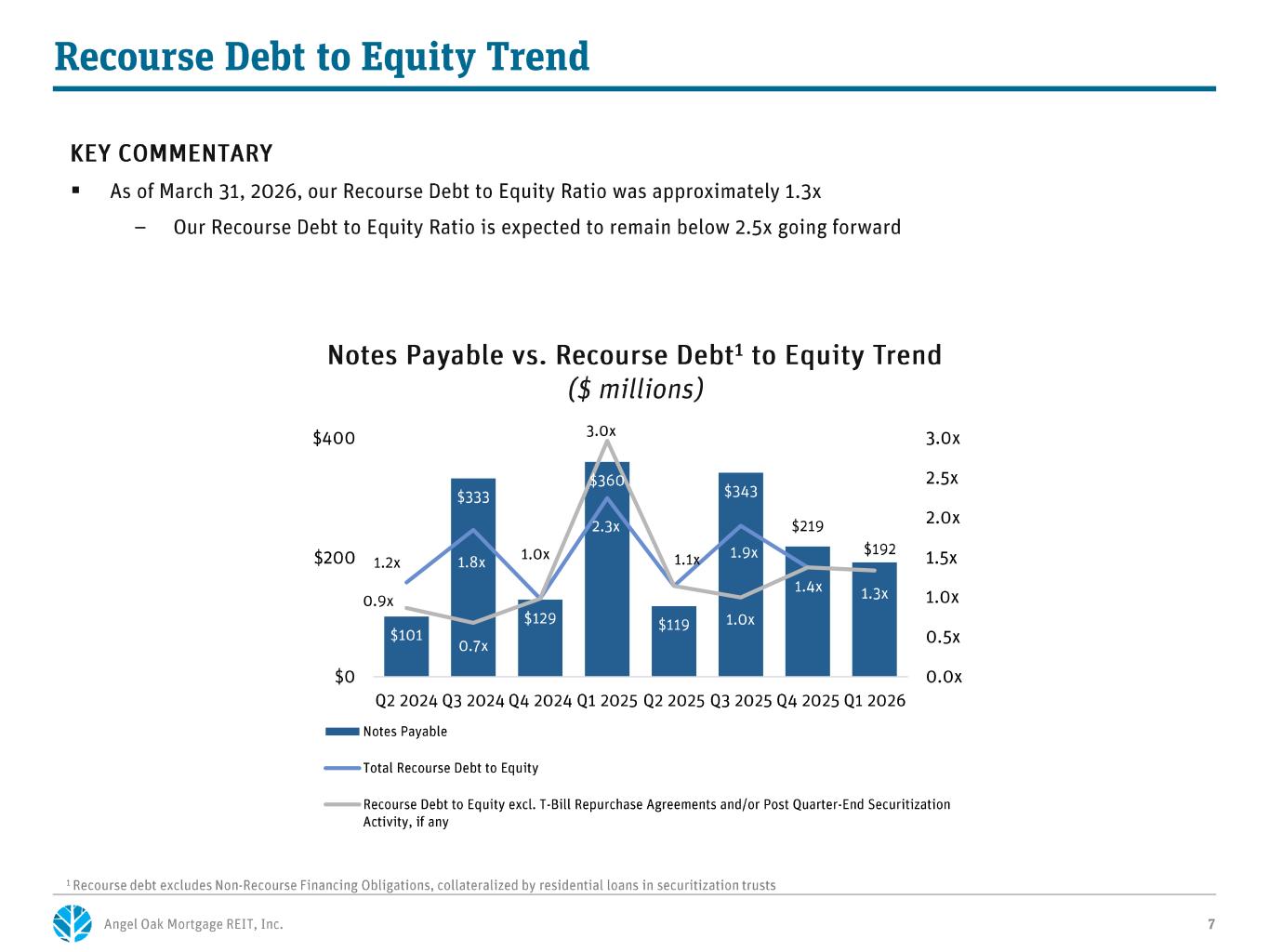
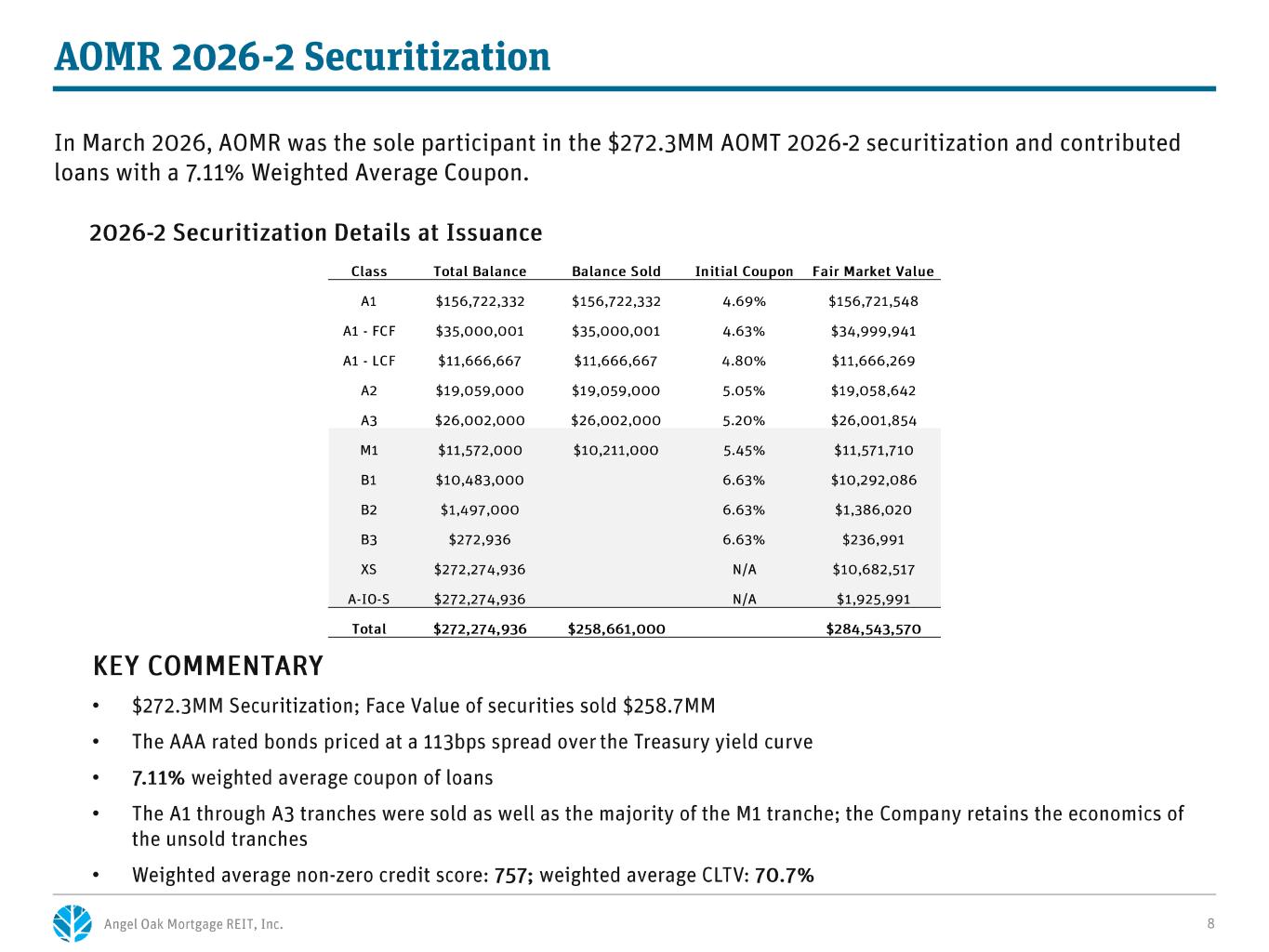
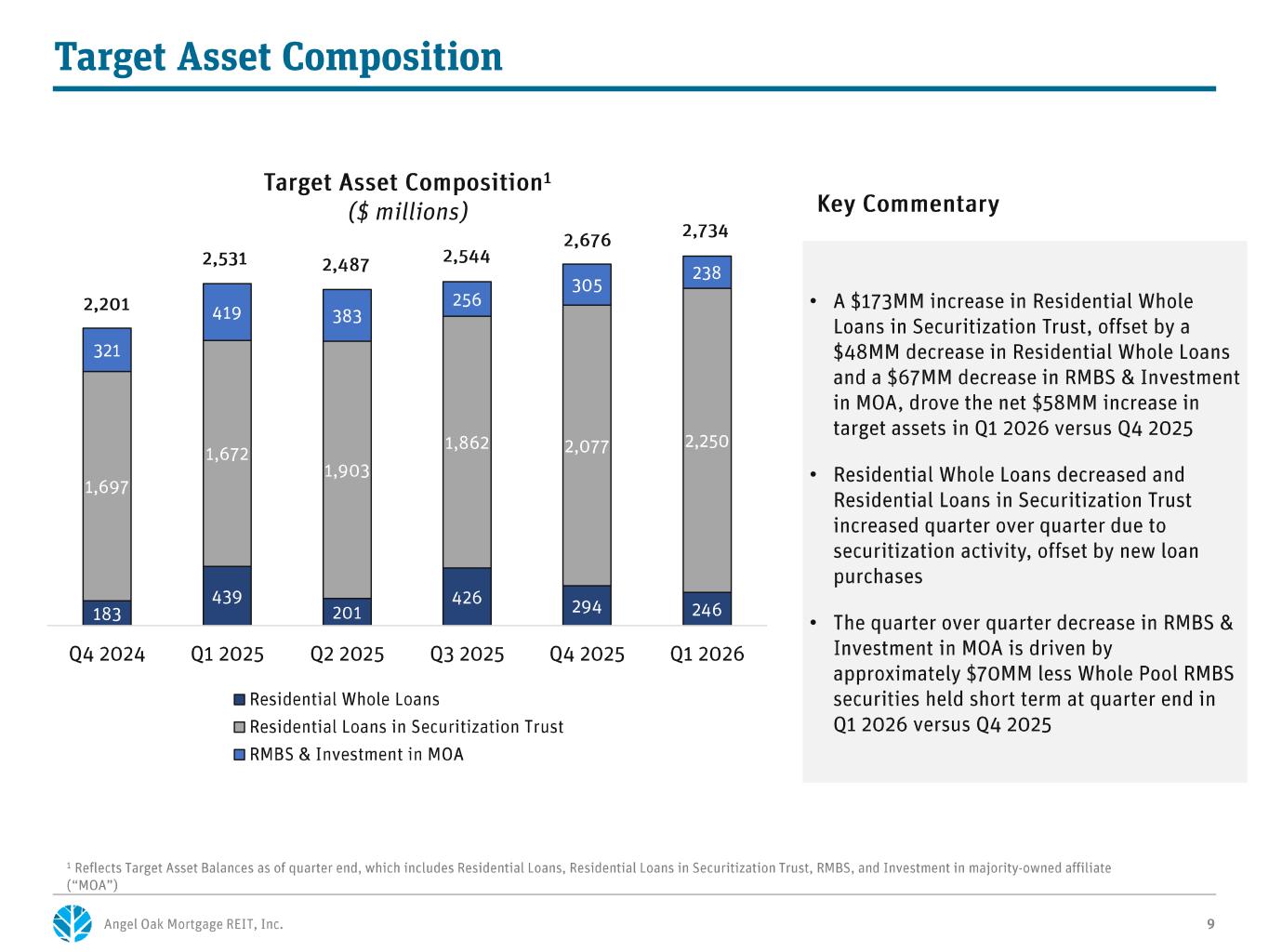
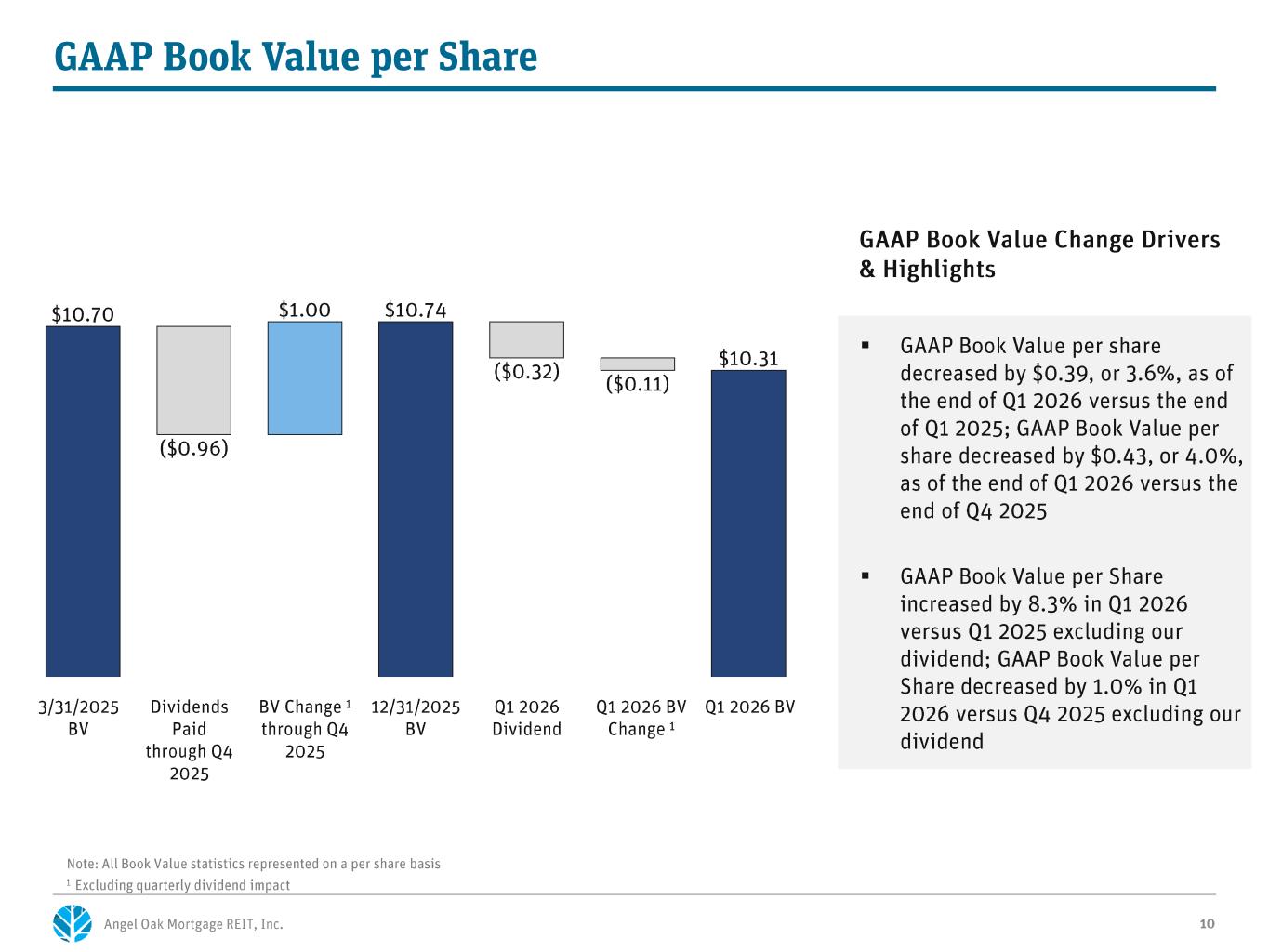
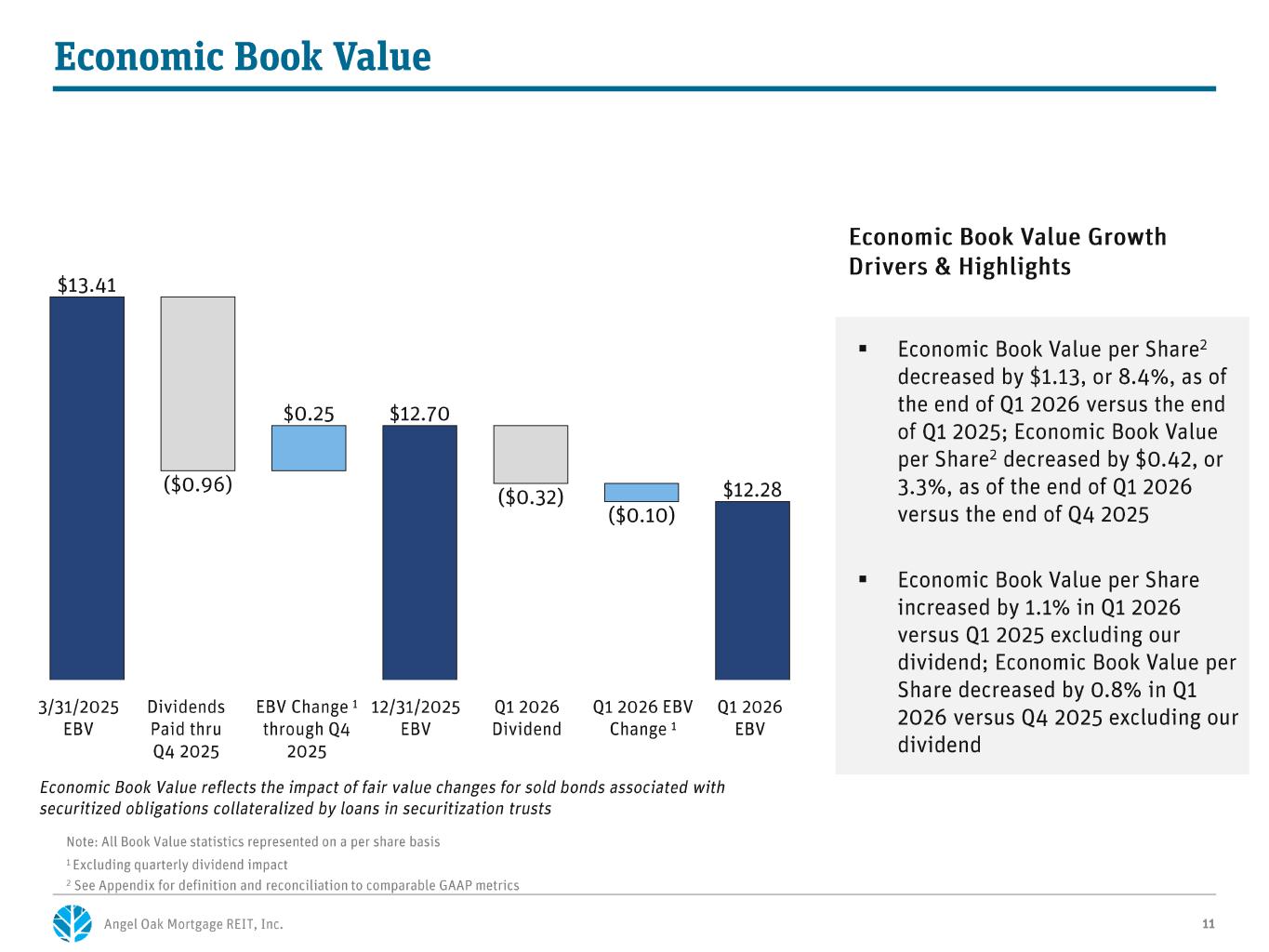
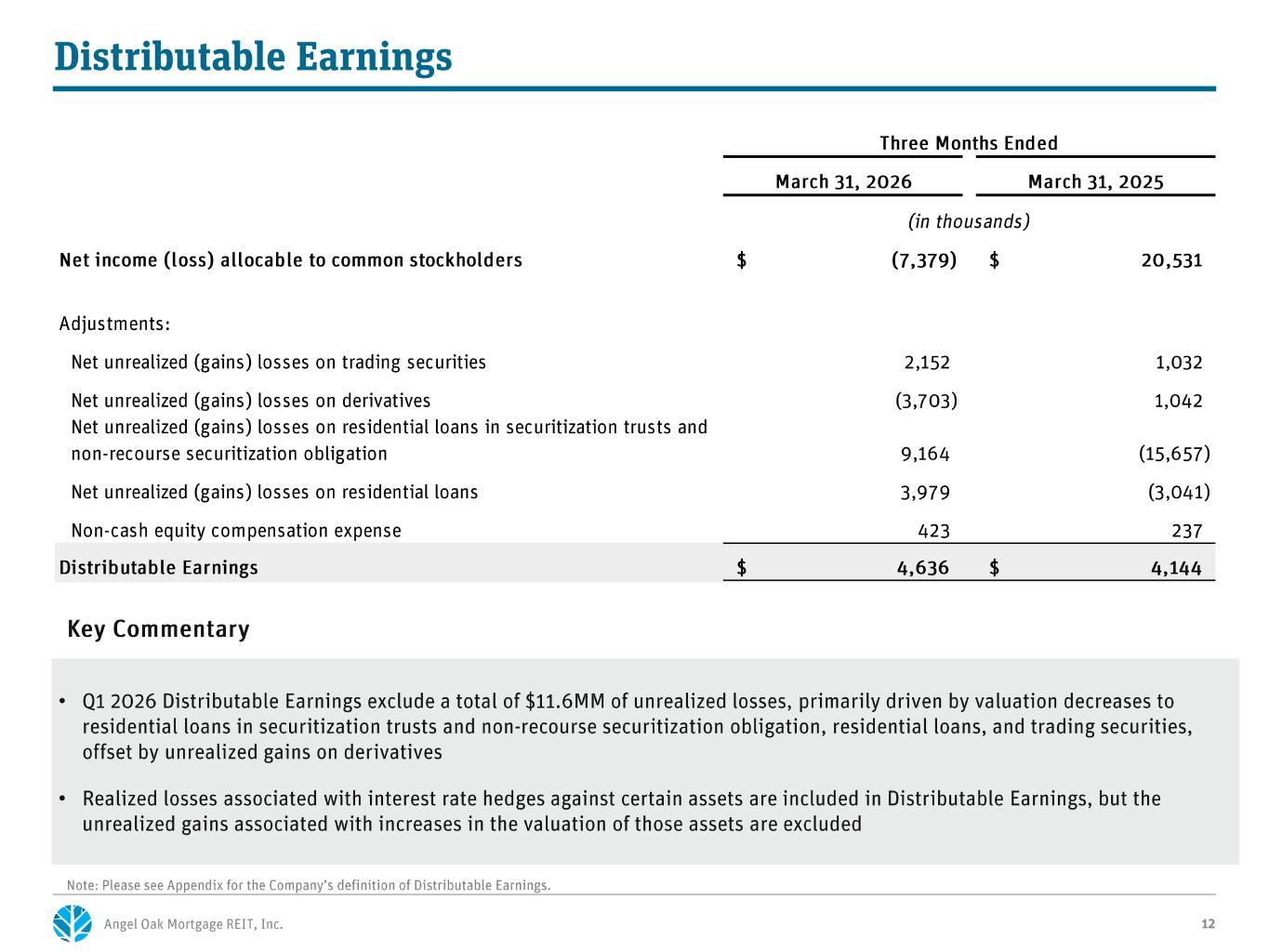
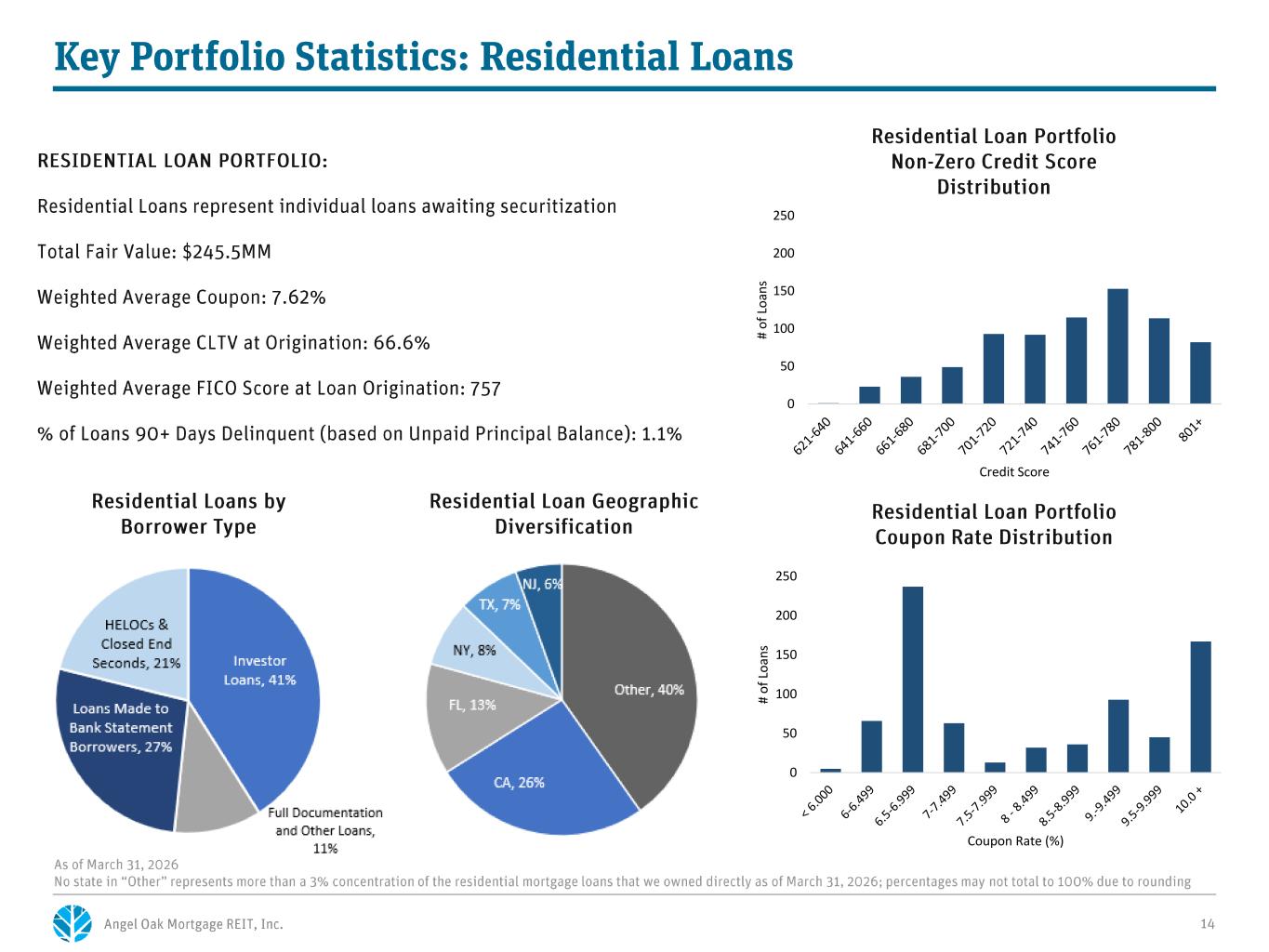
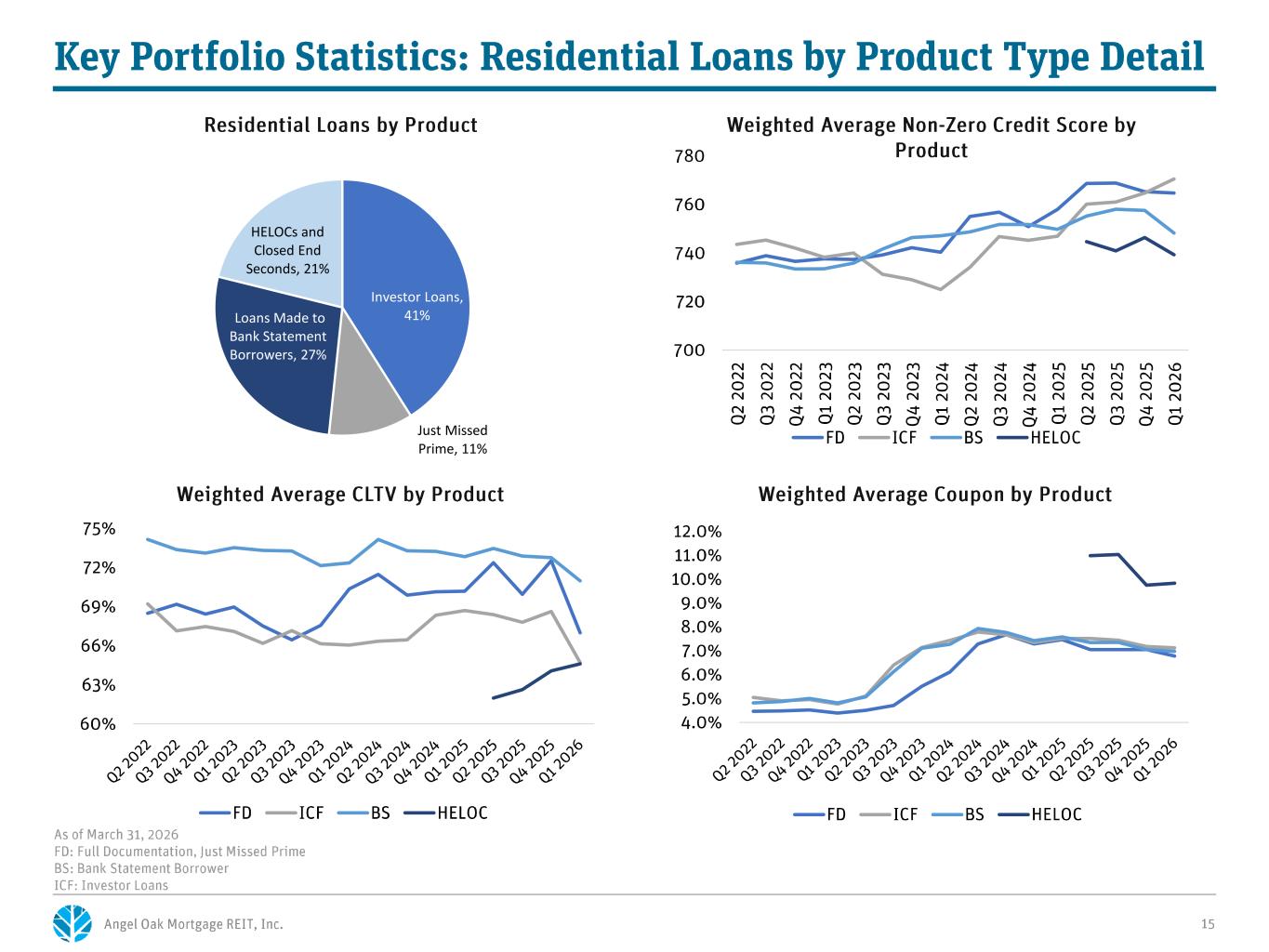
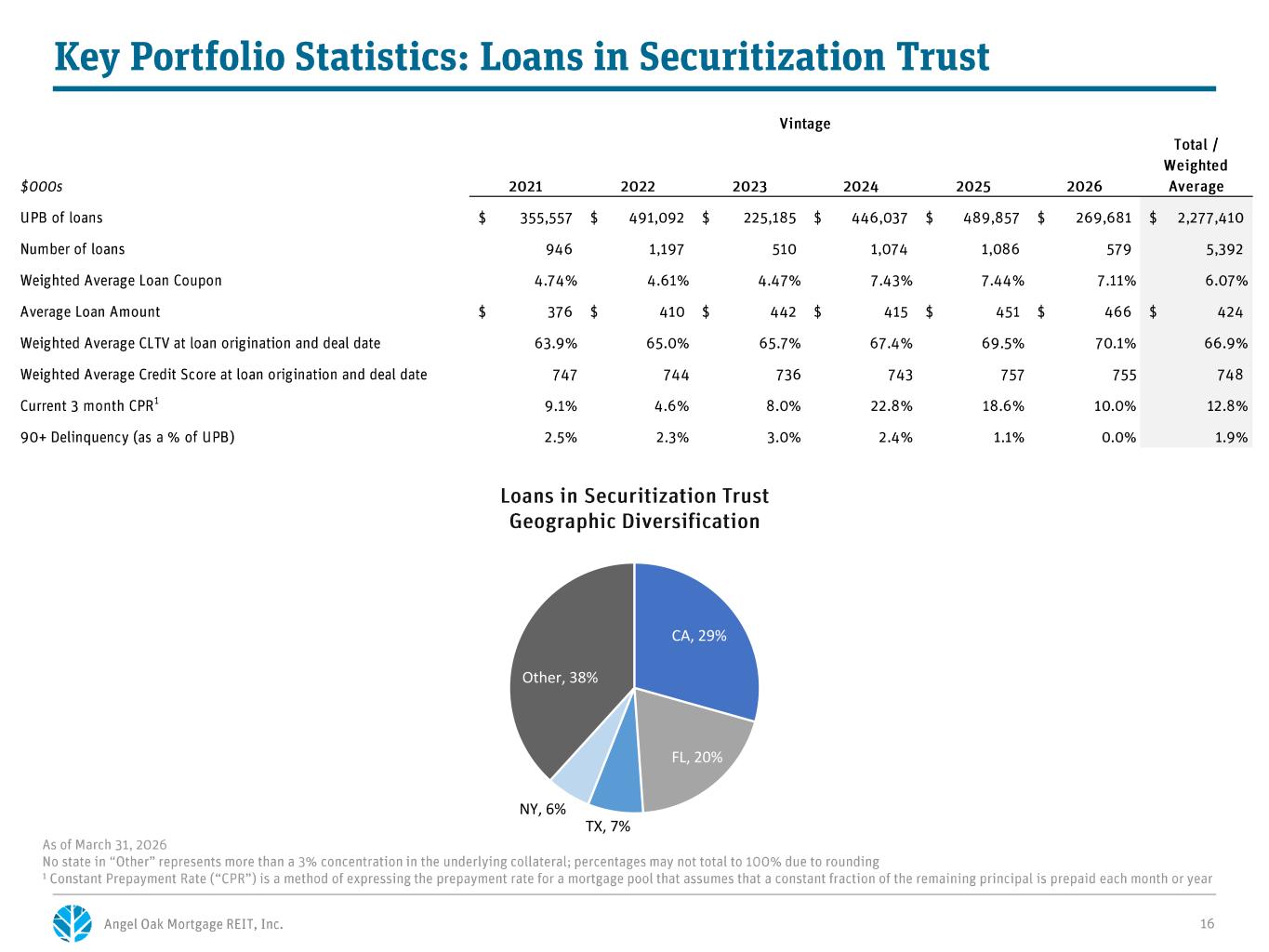
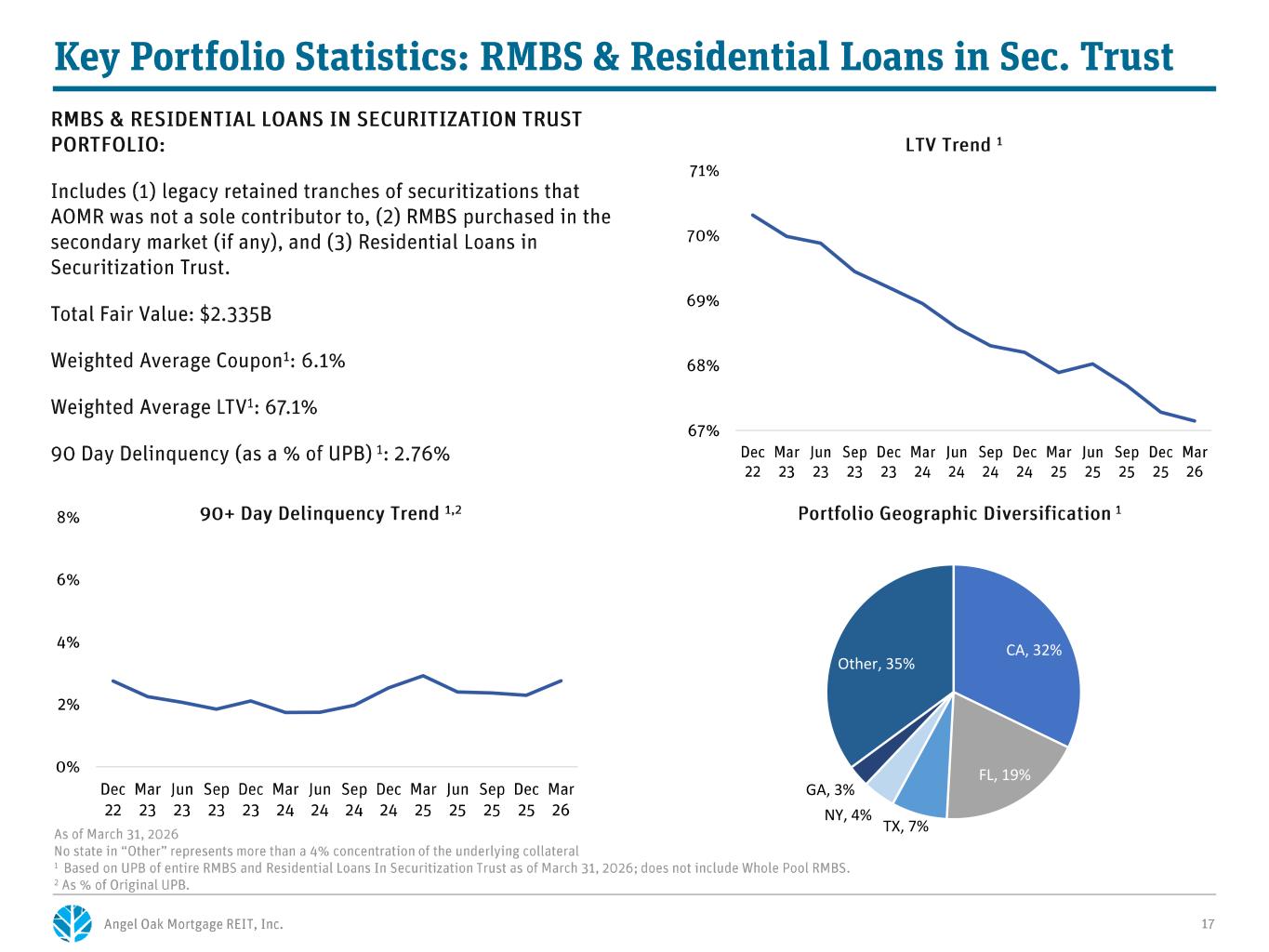
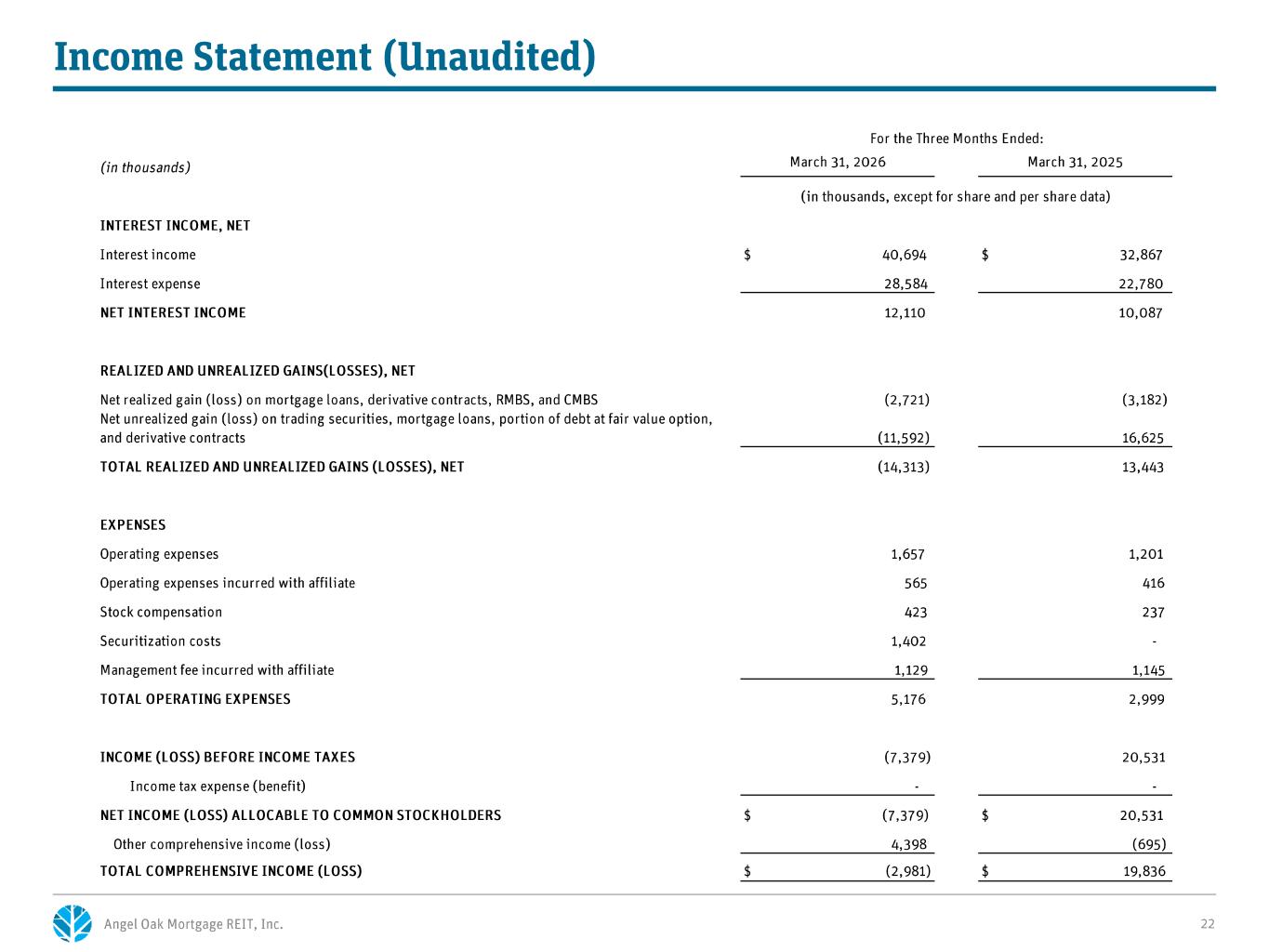
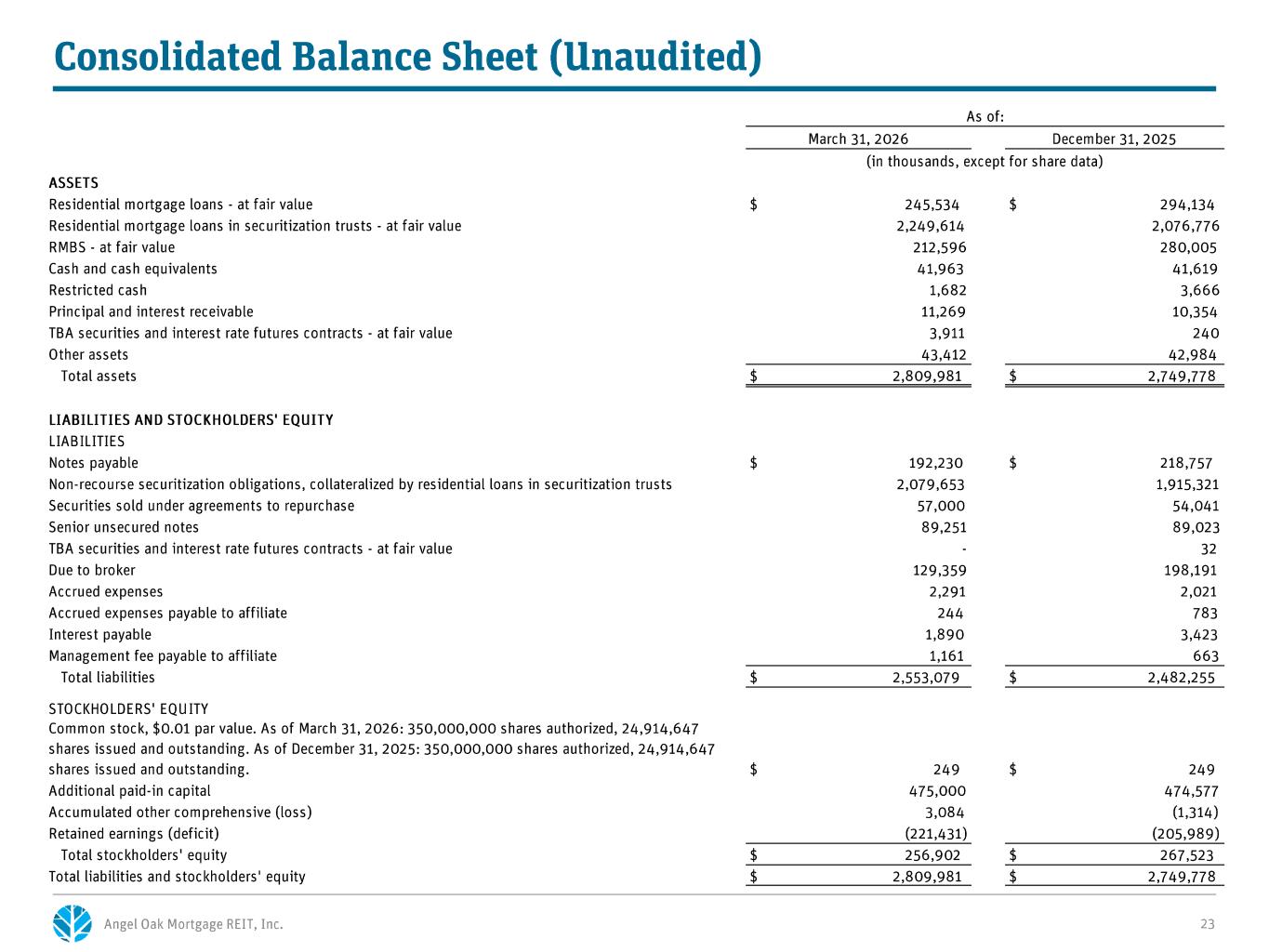
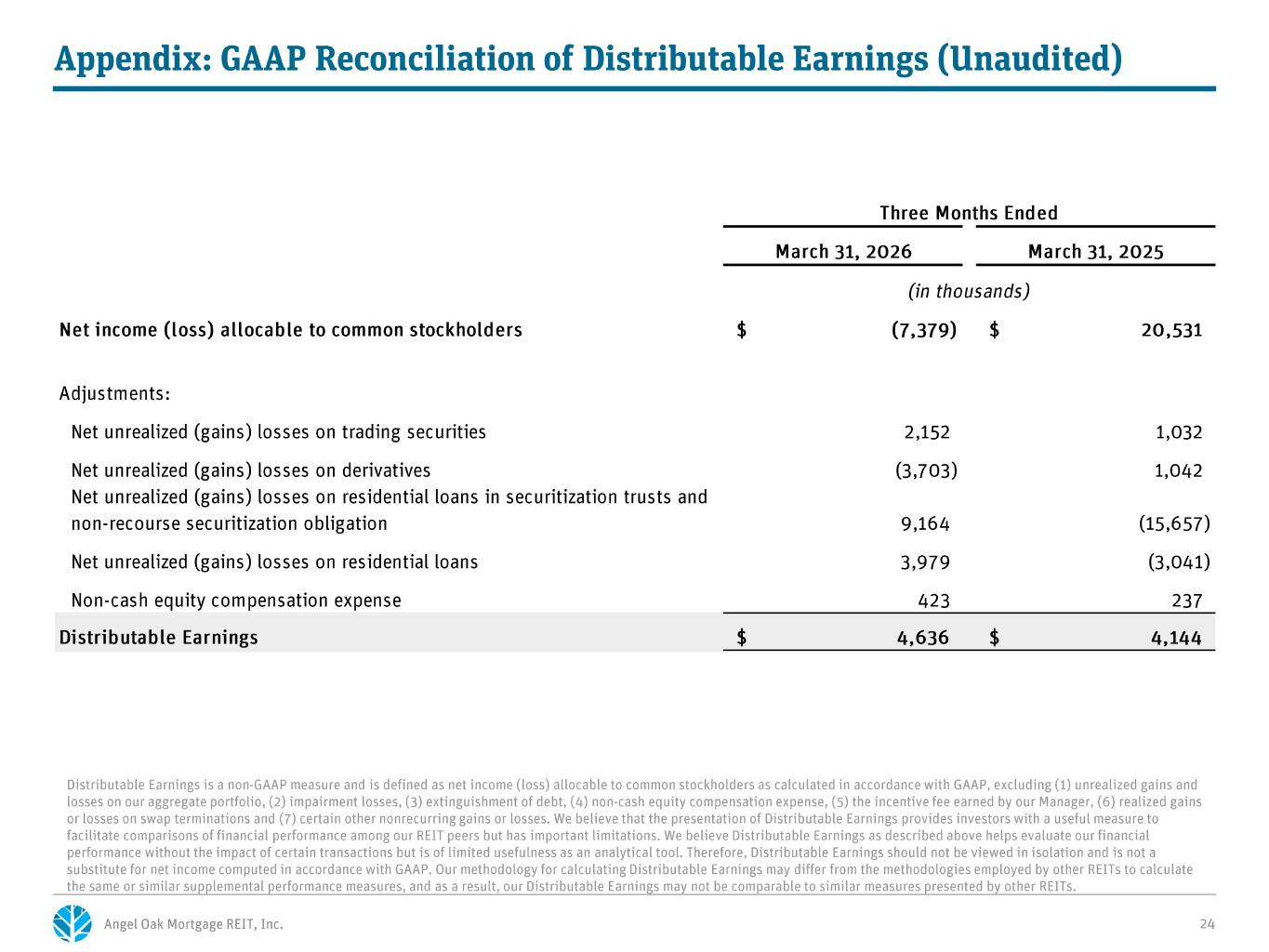
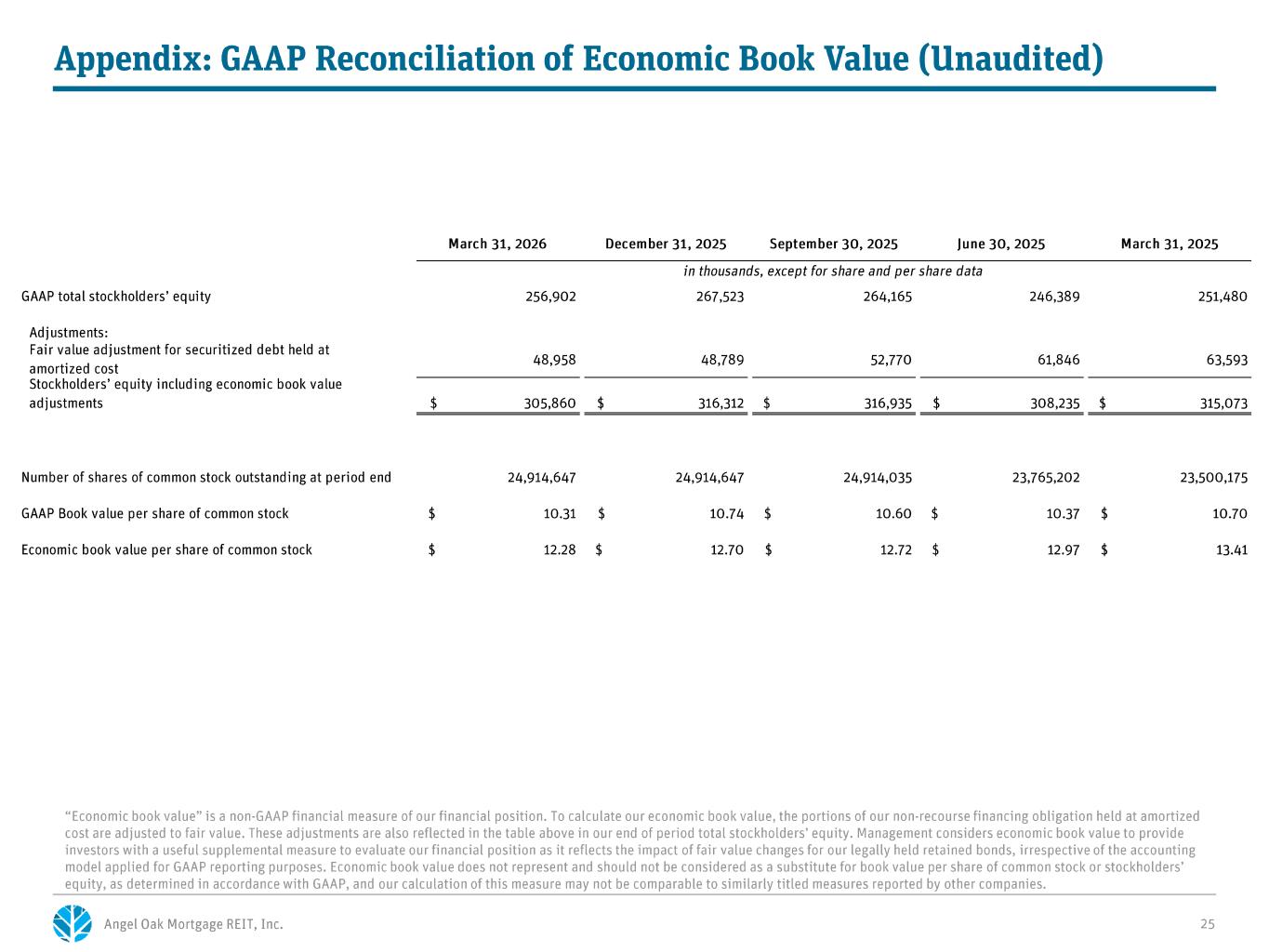
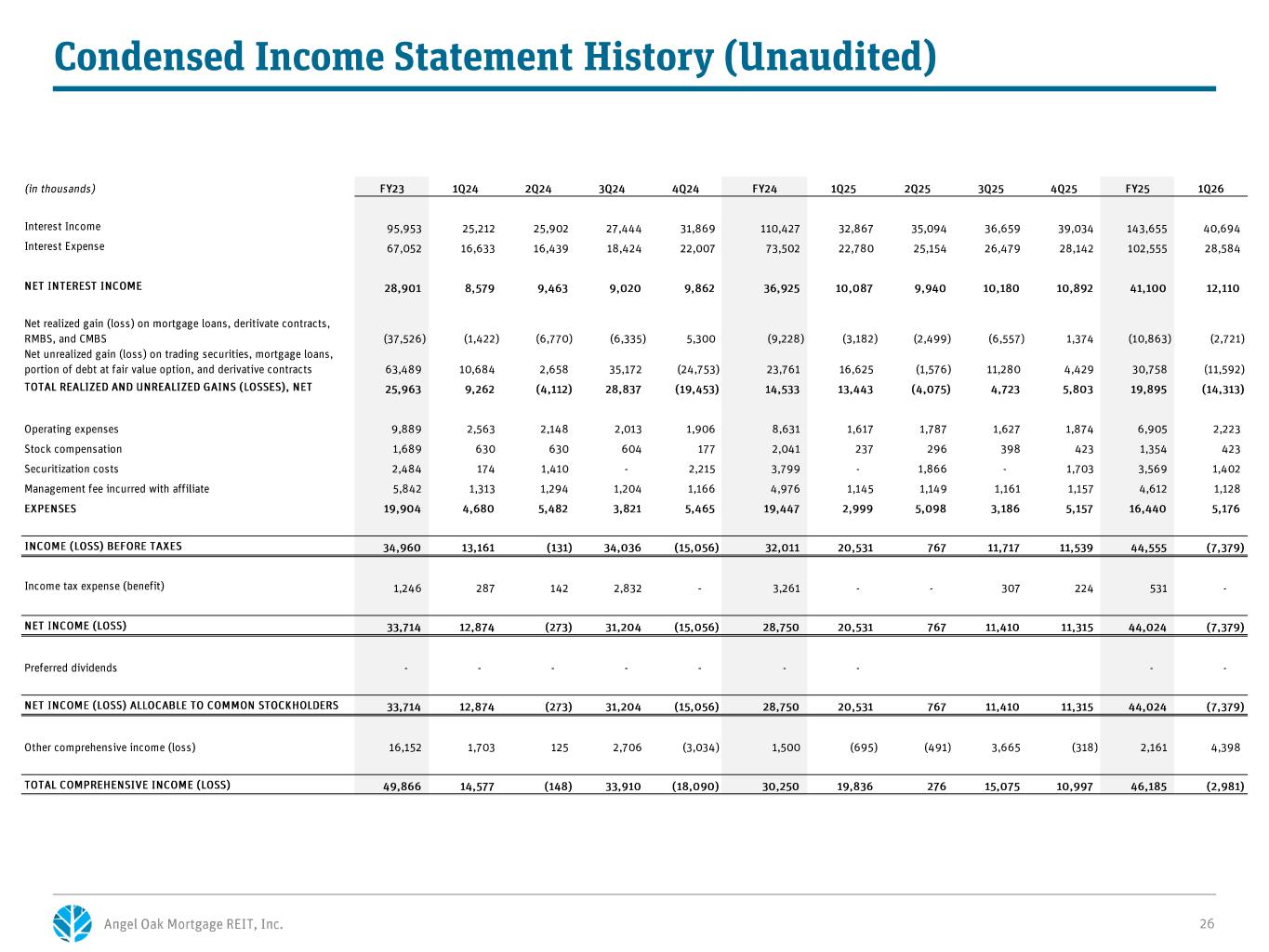
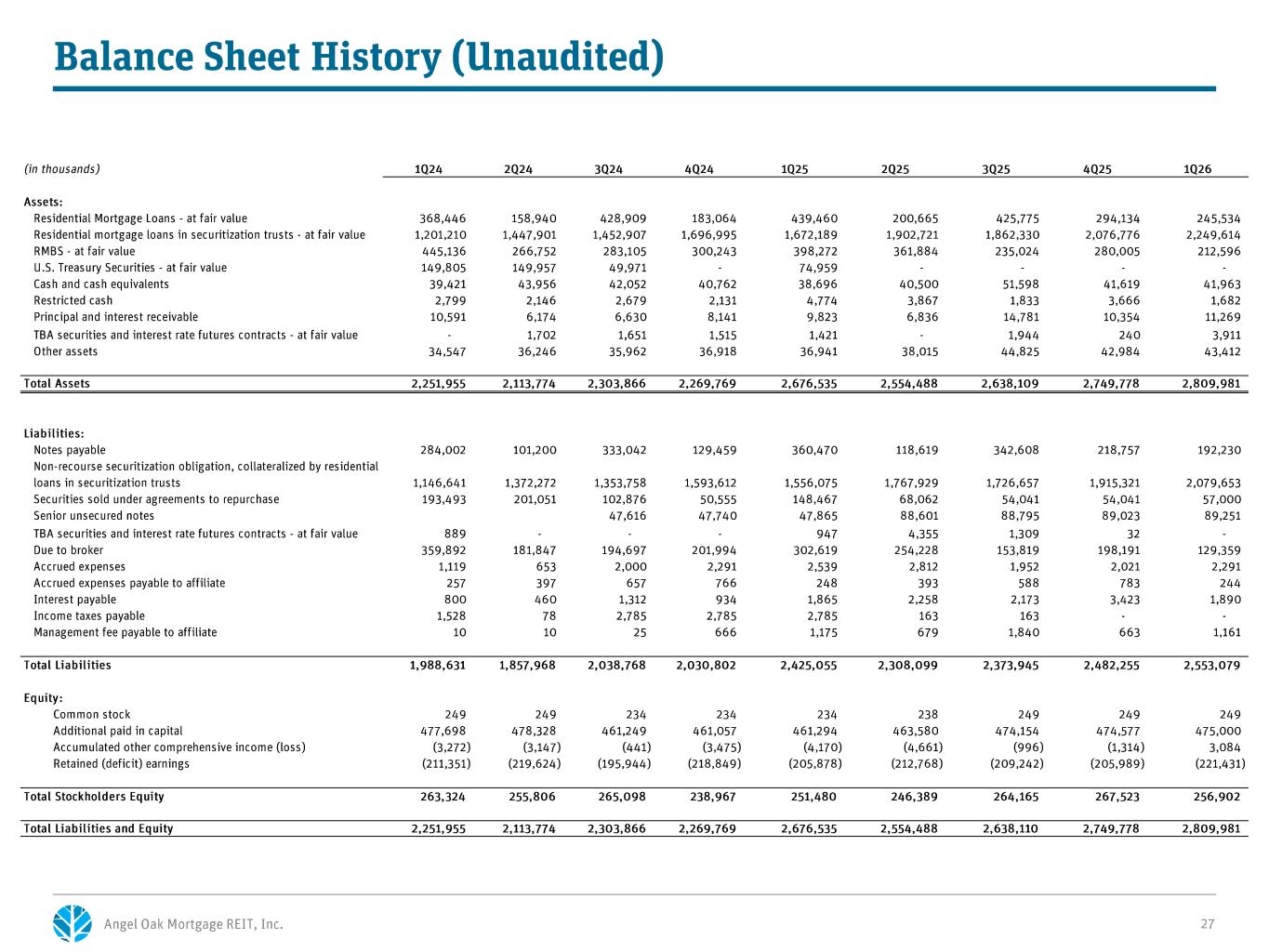
Thank you, Shreeni. First quarter results from an interest, income, and expense perspective were in line with expectations and reflected contributions from assets added in the quarter and in prior periods, along with a continued focus on cost control. To that end, as Sherini mentioned, we continued our earnings growth trajectory established in 2025 with another consecutive quarter of net interest income growth. Interest rates were generally stable throughout the quarter, supporting consistent mortgage market activity and enabling continued purchases of accretive non-QM loans. Execution of the AONT 2026-2 securitization in early March, which I will detail shortly, was strong and well-timed, and we expect to continue our trend of four securitizations per year, or roughly one per quarter. While spread, widening, and rate increases associated with global pension drove a decrease to book value of our portfolio, underlying fundamentals remain supportive, and strong operating earnings mitigated the impact of valuation decreases, which we believe are temporary due to the ongoing conflict in our aim. In the first quarter, we had a gap net loss of $7.4 million, or a loss of $0.30 per common deleted share. Loss was driven by unrealized valuation changes on our securitized and unsecuritized loan portfolios, largely tied to macroeconomic market volatility toward the end of the quarter, which offset positive operating growth. Comparatively, in the first quarter of 2025, we had gotten that income of $20.5 million, or $0.87 per diluted common share. That income was attributable to unrealized valuation gains of our securitized and non-securitized loan portfolios, as well as operating income. Distributable earnings for the quarter were $4.6 million. Differences versus gap results were primarily driven by the removal of the unrealized fair value movements just described. Our securitized loan portfolio and residential loan portfolio combined for $13.1 million of unrealized losses, which were offset by $1.6 million of net unrealized gains in our trading securities and hedge portfolios. In the first quarter of 2025, distributable earnings were $4.1 million. Interest income for the quarter was $40.7 million, and net interest income was $12.1 million. This compares to interest income of $32.9 million and net interest income of $10.1 million in Q1 2025, showcasing 24% and 20% growth, respectively. Compared to the fourth quarter of 2025, interest income and net interest income grew by 4% and 11% respectively. Performance has been supported by targeted asset purchases, growing net interest margin, and consistent securitization market access during all of 2025, and specifically Q425 and Q126. Operating expenses for the quarter were $5.2 million, excluding non-cash stock compensation expenses and securitization costs. First quarter operating expenses were $3.4 million. The increase compared to a year ago and prior quarter is due to increases in professional service fees and loan diligence fees associated with a larger overall balance and consistent purchases of target assets. Going forward, we expect to maintain similar operating expense levels and will continue to be as efficient as possible with our expense structure. Loan purchases during the quarter totaled $246.2 million and continued to reflect conservative credit profiles, moderate loan-to-value ratios, and current market coupons that we believe remain attractive on a risk-adjusted basis. The weighted average coupon of loans purchased during the quarter was 7.3%, the weighted average CLTV was 67%, and the weighted average credit score was 759. Our credit underwriting metrics have continued to improve over time as we target our desired credit and return profile. As of the end of the quarter, our loans and securitization trust portfolio carried a weighted average coupon of 6.1% with a weighted average funding cost of approximately 4.5%. We intend to continue to access securitization markets through our disciplined, methodical securitization strategy. As mentioned, we were able to take advantage of favorable market conditions with our AOMT 2026-2 securitization in March, just before the onset of the renewed conflict in the Middle East. We were the sole contributor to AOMT 2026-2, which had a $272 million unpaid principal balance and a weighted average coupon of 7.1%, a weighted average non-zero credit score of 757, and a weighted average CLTB of 70.7%. The AAA-rated senior bonds priced favorably at 113 basis points spread over the Treasury yield curve. As of quarter in, gap book value per share was $10.31. Economic book value, which fair values all non-recourse securitization obligations, was $12.28. Compared to the end of 2025, gap book value per share decreased 4%, and an economic book value decreased 3.3%. Changes in book value to the quarter were reflective of operating income offset by a quarterly dividend payment than a previously discussed market-driven valuation decrease within a portfolio. While the market continues to display volatility tied to geopolitical tension, we estimate that, as of today, book value has increased slightly since the end of the first quarter due to continued accretive asset purchases and incremental earnings generation. The balance sheet remained well-positioned with cash of $42 million and recourse debt-to-acquity of 1.3 times. We aim to maintain liquidity and available financing capacity to provide flexibility to respond to changing our conditions. We ended the quarter with unsecuritized residential whole loans at a fair value of $245.5 million, financed with $192.2 million of warehouse debt, $2.2 billion of residential mortgage loans and securitization trusts, and $238.3 million of RMBS, including $25.7 million of investments in co-mingled securitization entities, which are included in other assets on our balance sheet. We finished the quarter with an undrawn loan financing capacity of approximately $1.1 billion with four high-quality lending partners. Credit performance continued to be solid, with portfolio-wide 90-plus day delinquency at approximately 2.7%, which is inclusive of our residential loan, securitized loan, and RMBX portfolios. This is materially flat compared to Q1 of 2025. It represents an increase of approximately 50 basis points from Q4 of 2025. Despite the increase compared to the prior quarter, performance across the Angel Oak shelf remains strong, and we believe that the performance of our collateral relative to the non-QM securitization market is a key differentiator of our platform. We expect our differentiated credit performance to translate into lower losses than comparable non-QM platforms across the full credit cycle. This view is supported by our proactive migration of credit spectrum, conservative LTVs, and disciplined underwriting approach, which we believe positioned the portfolio to perform consistently even in more challenging environments. Three-month prepaid speeds on our non-QM, RMBS, and securitized loan portfolios were 12% at the end of the quarter compared to 11.2% in the fourth quarter of 2025. As we have mentioned in previous quarters, we expect prepaid speeds to increase its rates decrease and homeowners are incentivized to refinance. With that said, we model our returns based on historical prepaid speeds to approximately 20% to 30%. While prepaid speeds are likely to tick upward if newly originated coupon rates continue to decrease, the majority of our portfolio still has coupon rates that are below newly originated coupon rates, and we expect that mortgage rates would need to fall meaningfully in order to produce a significant impact to the returns on our portfolio. Lastly, the company declared a $0.32 per share common dividend payable on May 29, 2026 to common shareholders of record as of May 22, 2026. For additional details on our financial results and portfolio composition, please refer to the earnings supplement available on our website.
Thank you, Brandon. The proven, well-established Angel of Origination, Purchase, and Securization Platform provides us with confidence to perform well in a variety of macro environments. The fundamental backdrop of our business is positive, and while risk remains, we will continue to focus on what we can control. Expansion of earnings, consistent synchronization market activity, and disciplined credit selection and management. With that, we will open the call for your questions.
Operator
Ladies and gentlemen, we will now begin the question and answer session. If you have a question, please press TOR followed by the number one on your touchtone phone. You will hear a prompt that her hand has been raised. If you would like to be drawn from the polling process, please press TOR to the number two. If you are using a speakerphone, please make sure to lift your handset before pressing any keys. Your first question comes from the line of Marisa Lobel from UBS. Please go ahead.
Good morning. Thanks for taking my question. On HELOCs, you participated in one securitization in 2025, and you guided to about two a year. So how is the HELOC pipeline building relative to non-QM?
Hey, Marissa, thanks. We are building our current HELOC pipeline right now. After the securitization 26-2, we went and bought some HELOCs as well. We kind of have enough to co-mingle with some other angel of the entities. So we're looking forward to another HELOC securitization in the coming months. But I think that pacing is still about correct.
Okay, great. Thank you. And then just looking at the loans and securitization trust, notice the 2024 vintage is picking up in speeds about 23, up a bit from last quarter, delinquency a little bit up. So how should we think about that, and how is that impacting the valuation of the retained tranches on those deals?
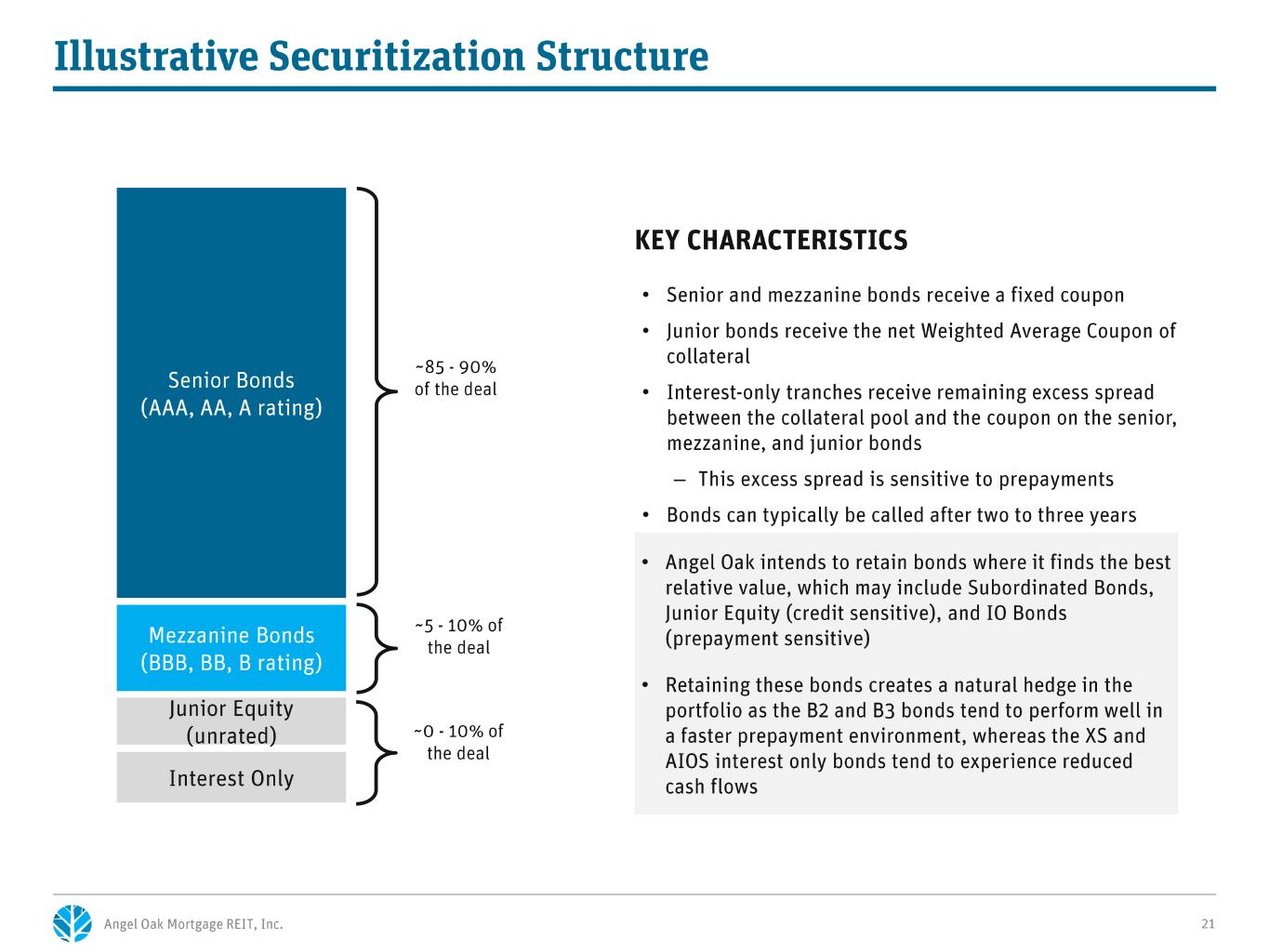
I think the – yeah, I think the speed increase is a little bit expected as rates started to come down. So the 24 deals had a lot of loans that were generated with much higher coupons. So, you know, the increase isn't necessarily, you know, a surprise to us. We expect to model the 25 to 30 CPR kind of over the life of the securitizations in like a normal kind of rate environment. You know, the return profile seems about the same during that period from certainly what we modeled. The delinquencies are, you know, something we're monitoring, but nothing that's sticking out to us. And, you know, if you remember, some of the retained tranches we have, we have a little bit of a hedging effect on our retained positions because, you know, we have the interest-only bond and then we have the junior unrated equity piece. And as speeds increase, obviously, the valuations or the anticipated returns of the high yield would start to decrease. But that B3 or unrated bond and the bonds directly above it start to, the valuation increases as it's expected.
They'll get paid off soon.
Okay, great. Thanks for all the color.
Operator
The next question comes from the line of Matthew Erner from Jones Trading. Please go ahead.
Hey, good morning, guys. Thanks for taking the question. In prior quarters, you've talked a little bit about calling legacy securitizations, kind of the 21s, 22s. As of last quarter, you guys kind of intended to call two of those throughout the year. Is that still the plan? And then what are you guys seeing there in terms of re-securitization that you could achieve?
That's something we're literally monitoring every day. As you probably have this ability to, that decision bases a lot on what the funding costs of the deal you're calling, how they are levered, what's left in the stack, and current funding cost, which over, if we're talking in the middle or late of February, that answer was a little different than it is today, but it's something we're monitoring. So, what we probably have to see is a little cessation or dramatic reduction in some of the volatility in the rate markets for that go, no-go decision to effectively be accretive to call the deals.
Got it. Yeah, that's helpful. And then as a follow-up to that, what kind of ROEs are you guys seeing in the market? I think it was mid-teens last quarter trending a little bit lower. Is that still kind of the expectation? And then low 20s on HELOCs? Yeah.
I mean, I think that's our long-term expectation. If we were to do a deal today with the, you know, increase in treasuries and increase in the spreads, you know, we'd be looking maybe lower teens to high 12s. So it has taken a little bit off, but we're not necessarily in the market right now with the securitization. We hope that when things come back into play for us to securitize, we're back up to that 15 to 20 number.
Got it. That's helpful. Thank you, guys.
Operator
Your next question comes from the line of Timothy Diagostino from BRLE Securities. Please go ahead.
Yeah, hi. Good morning. Thanks for taking the questions. Regarding operating expenses, it seemed like this quarter it was elevated a little bit at about $1.7 million. I was wondering if there's anything in particular in that line item that increased it. Thank you.
Yeah, mainly that's going to be professional service fees and loan diligence fees as we continue to buy loans. And professional service fees in this instance are really related to our ATM program that we have out there that we didn't issue any shares on this quarter. So we had, you know, we expense those costs versus putting it through like a contract equity account.
And then I just want to touch on securitization costs as well. You know, if you do one securitization a quarter for the non-QM space, is the pricing on that generally going to be around $1.5 million or would it be less? And then the price for a non-QM or the cost for a non-QM securitization, how does that differ to a HELOC securitization? Just trying to understand that expense line item better as well.
Yeah, I mean, securitization expense, there's a decent amount of fixed costs that go into that. And then there's obviously some variable costs. So it's kind of sensitive on how big the deal is, and especially on like HELOC securitization, how much of the HELOC securitization we are participating in, because we will take our pro rata share of the deal cost. But really it's, you can kind of back into like a basis point percentage on securitization based on the amount that we securitize in the port, which typically, you know, is somewhere around 50 basis points. It could be a little less, could be a little more, but certainly if we got a larger deal out, it'd be a little less than that. And, you know, about as small as we've been doing lately, 300 million or so, it's about 50 basis points.
Operator
Ladies and simple minutes, a reminder, if you would like to ask a question, please press TAR, followed by the number one on your touchstone phone. And if you're using a speakerphone, please make sure to lift your handset before pressing any case. Your next question comes from the line of Doug Harter from BTIG. Please go ahead.
Hi, thanks for taking my question. This is Brendan Greeney on for Doug. How did whole loan pricing of non-QM loans hold up in March for securitization spreads?
Yeah, I mean, the hold-on pricing, you know, decreased quite a bit. That's really where most of that valuation decrease we have and the losses we had on the unrealized during the quarter. You know, we lost about a point off of our hold-on pricing in Q1, and that's really just a reflection of where the current spreads are and the current treasury-based rates.
Okay, thank you. And where are spreads today on AAAs and securitization?
It would probably be about 1.35 to 1.45, depending on the exact timing and exact collateral that was out there.
Okay. Thank you very much.
Operator
Thank you. There are no further questions at this time. I would like to turn the call back to Mr. Brandon Filson for closing comments. Sir, please go ahead.
We'd like to thank everybody for your time and interest in Angel of Mortgage Read. As always, if you have any further questions or comments, please feel free to give us a call and reach out.
Otherwise, we look forward to connecting again with you next quarter.
Operator
Ladies and gentlemen, this concludes today's conference call. Thank you very much for your participation. You may now disconnect.