Operator
Hello, and welcome to Columbia Banking System Second Quarter 2025 Earnings Conference Call. At this time, all participants are in a listen-only mode. After the speaker's presentation, there will be a question and answer session. To ask the question during the session, you will need to press star 11 on your telephone. You will then hear an automatic message advising your hand is raised. To withdraw your question, please press star 11 again. I would now like to turn the conference over to Jackie Bolin, Investor Relations Director, to begin the call. You may begin.
Thank you, Tawanda. Good afternoon, everyone. Thank you for joining us as we review our second quarter results. The earnings release and corresponding presentation are available on our website at columbiabankingsystem.com. During today's call, we will make forward-looking statements which are subject to risks and uncertainties and are intended to be covered by the safe harbor provisions of federal securities law. For a list of factors that may cause actual results to differ materially from expectations, please refer to the disclosures contained within our SEC filings. We will also reference non-GAAP financial measures, and I encourage you to review the non-GAAP reconciliations provided in our earnings materials. I will now hand the call over to Columbia's President and CEO, Clint Stein.
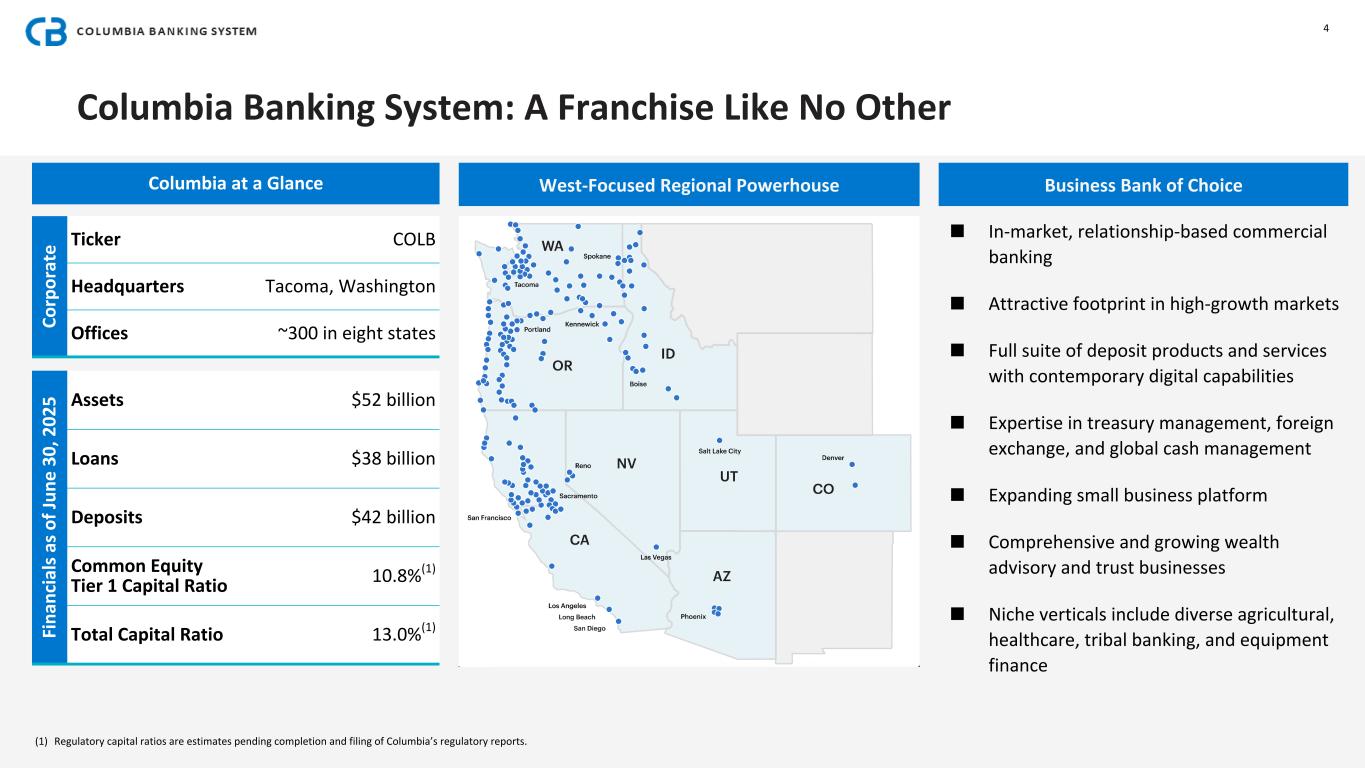
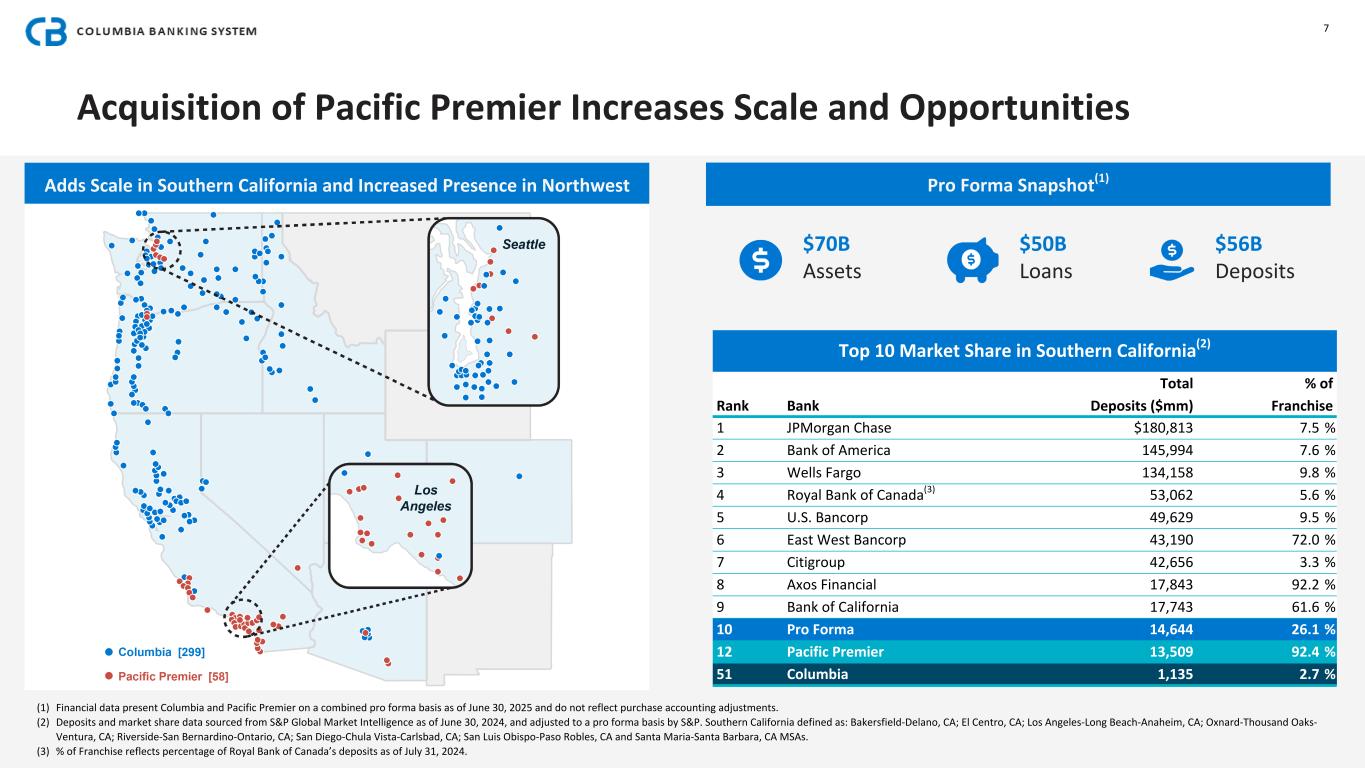
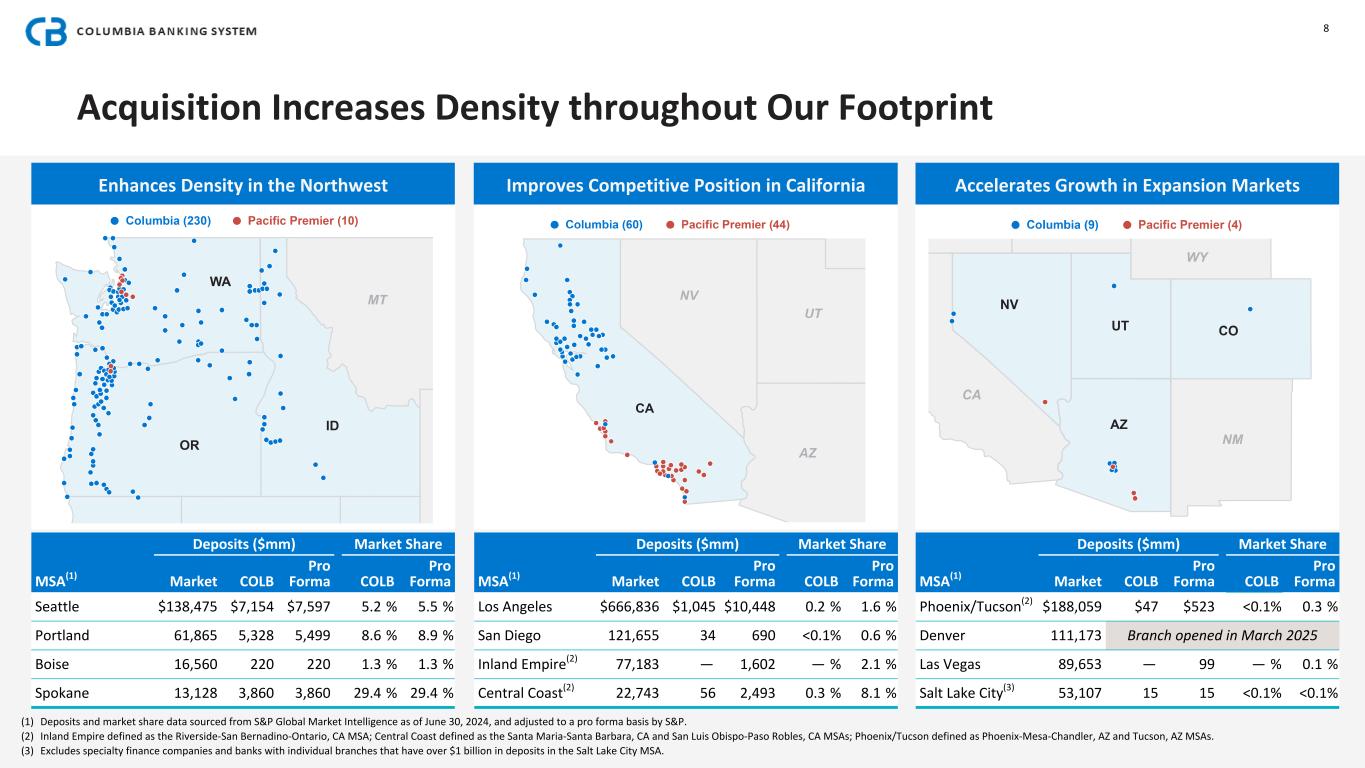
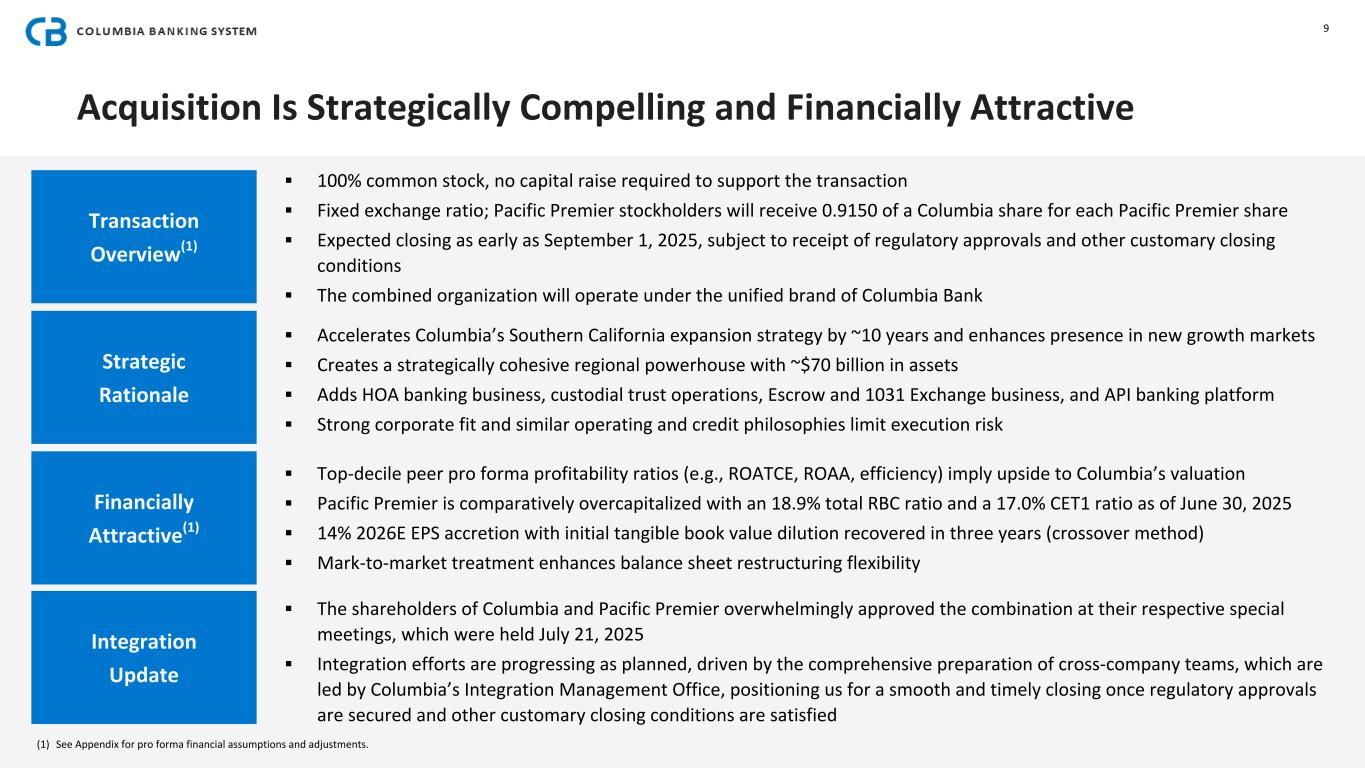
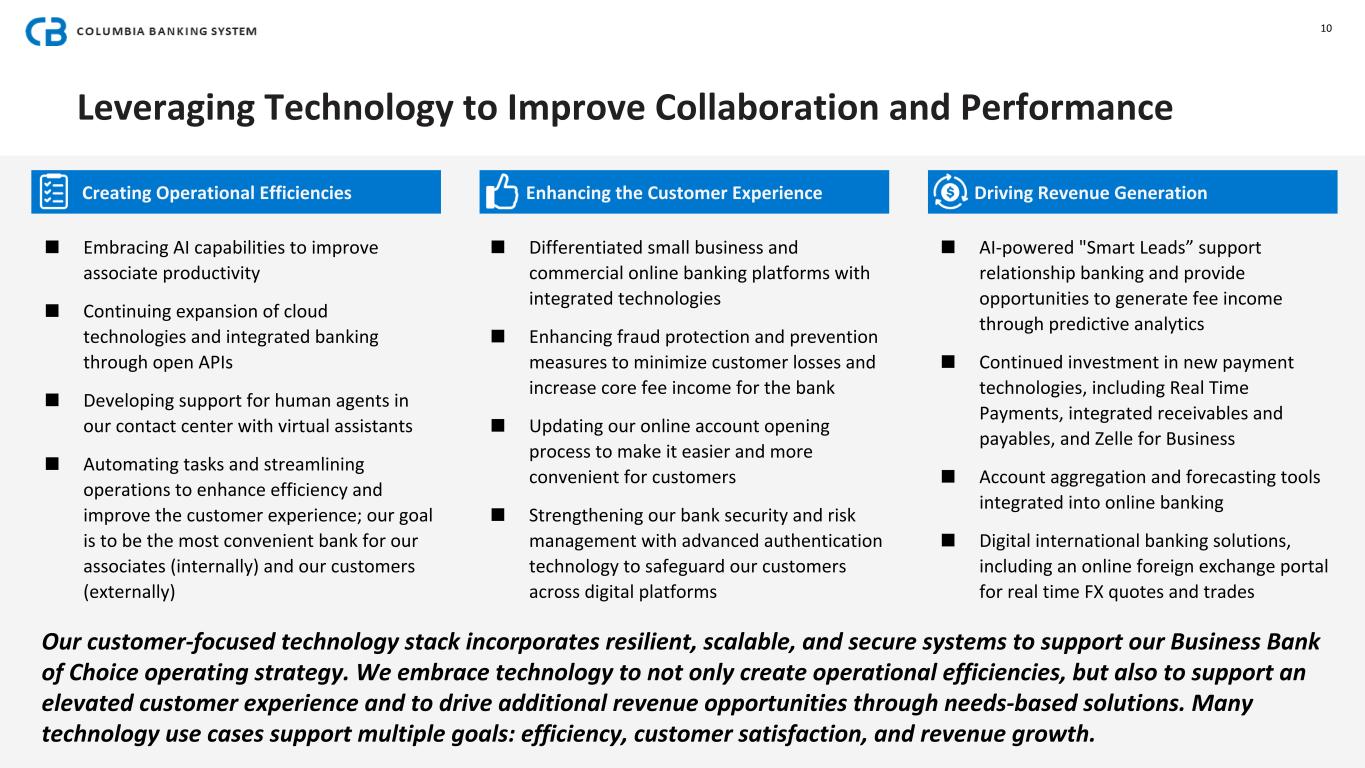
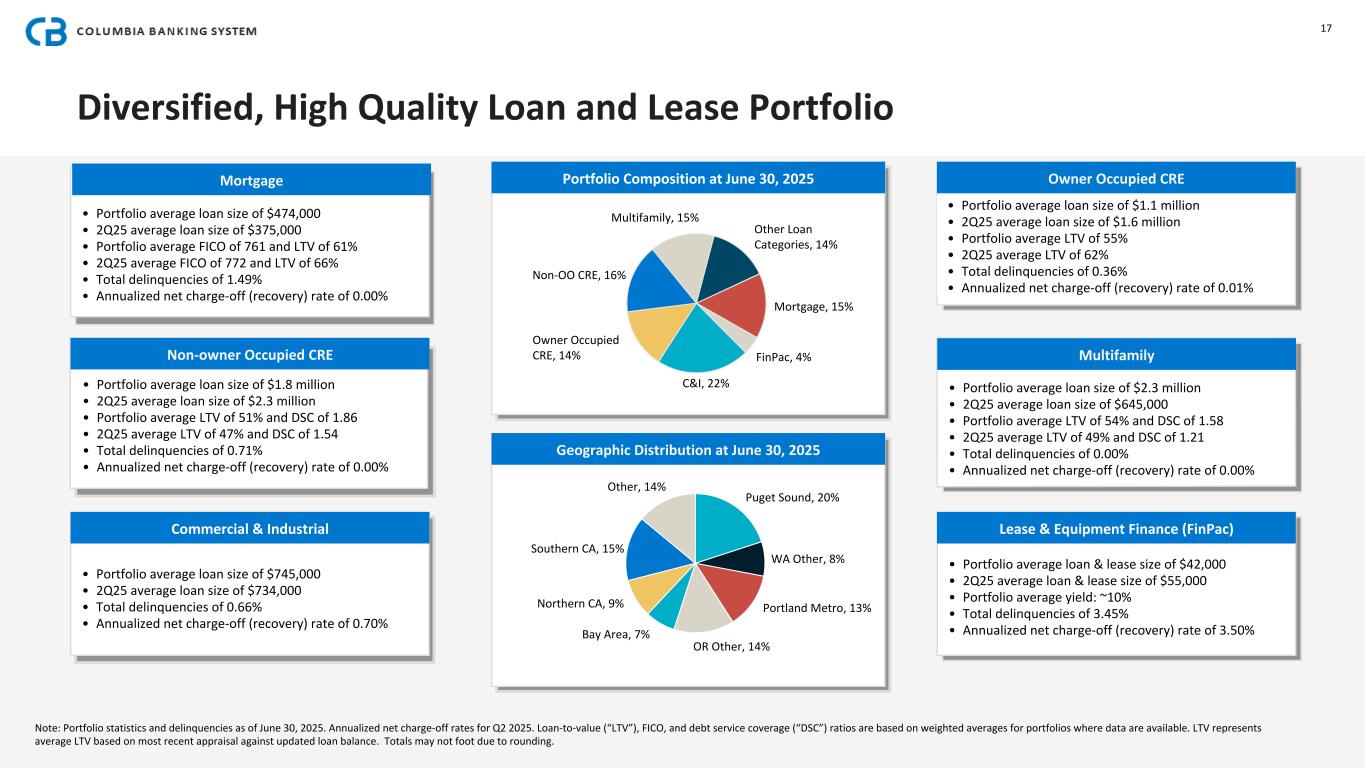
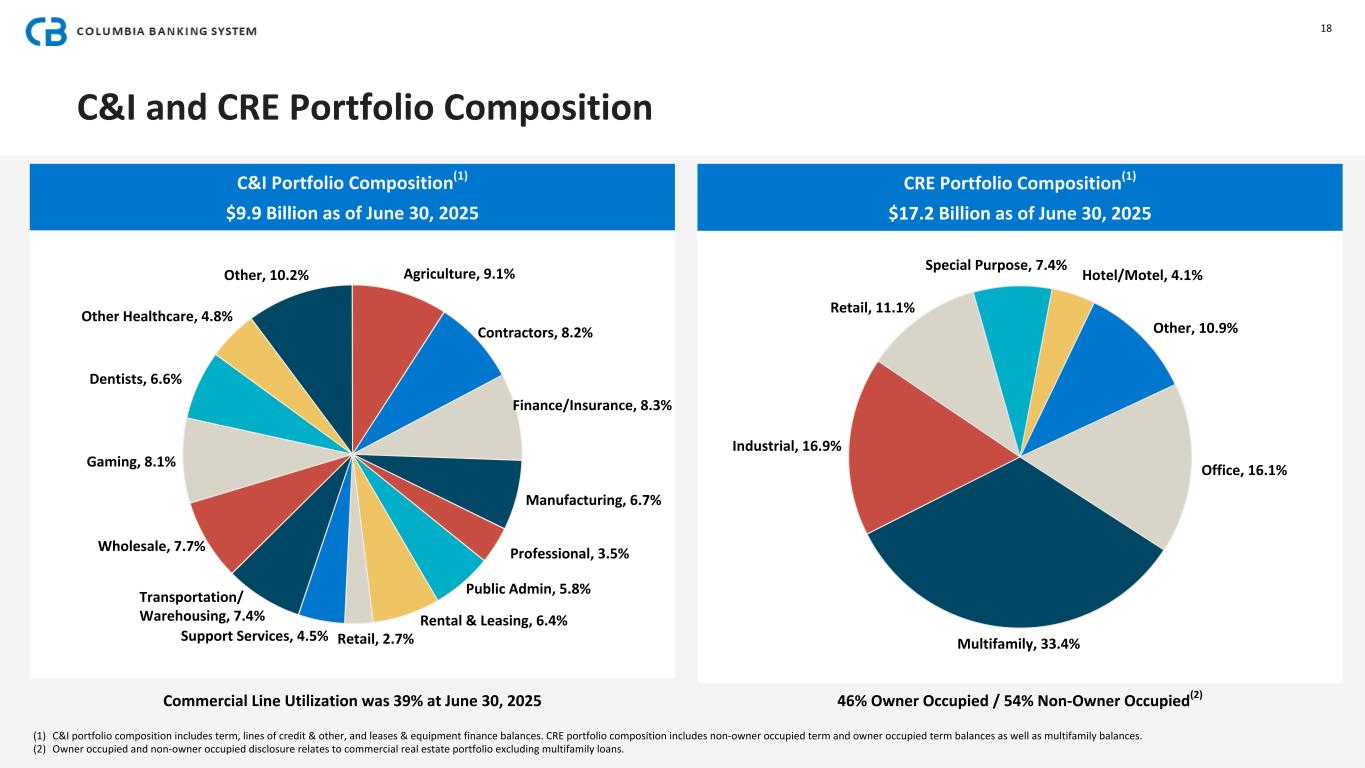
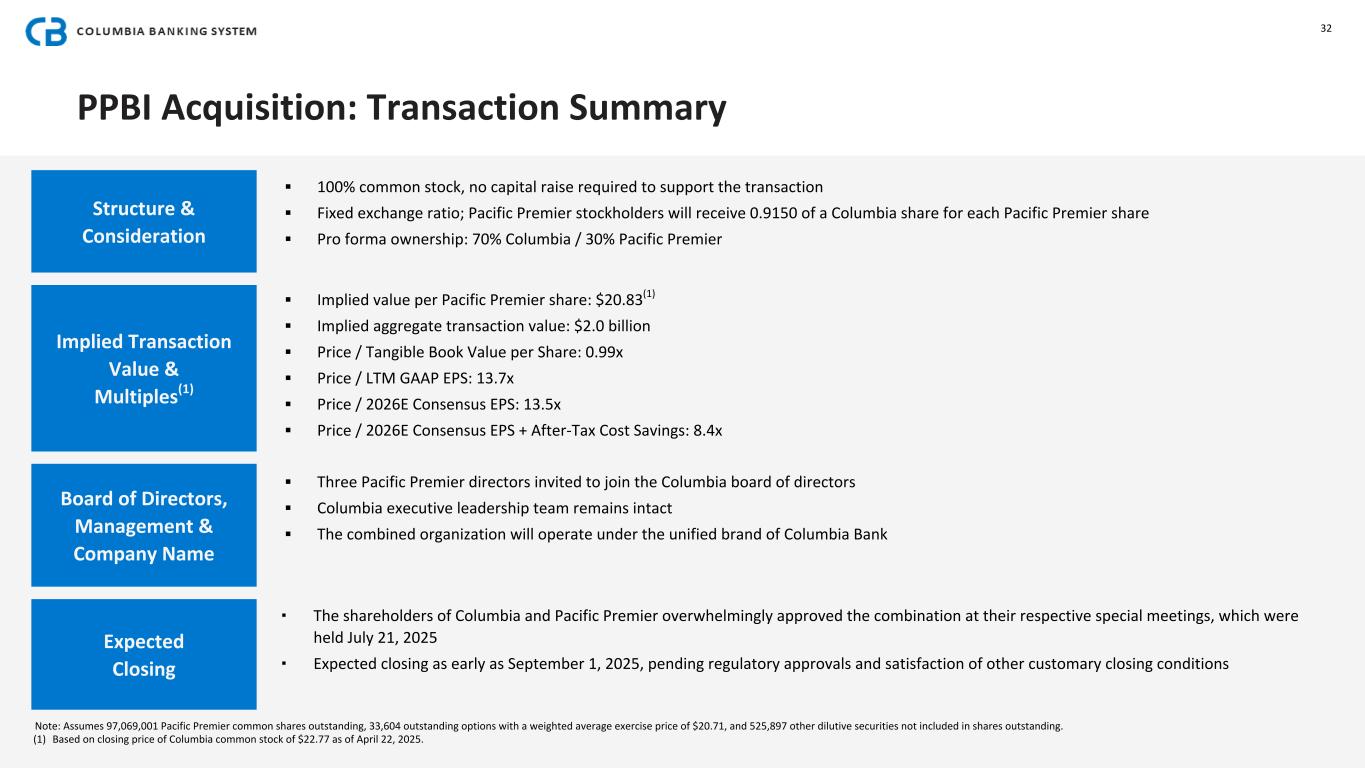
Thank you, Jackie. Good afternoon, everyone. Our second quarter operating results are up 14% from the year-ago quarter. Our improved performance is a product of our focus on profitability, balance sheet optimization, and the impact of our operational efficiency initiative we executed during the first half of 2024. The results of the initiative and ensuing organizational focus on stable, recurring performance is evident in our results over the past six quarters. Specific to the current quarter, our net interest margin expanded. We had a meaningful increase in our core fee income, continued our disciplined approach to expenses, and our credit metrics remain healthy. Our loan portfolio was up slightly at quarter end, and I'm pleased with its ongoing remix. Commercial loan growth offset intentional runoff in transactional real estate loans. Collaboration across teams and departments, the cornerstone of our business bank of choice strategy, enabled us to win business and attract new relationships. We continue to prioritize profitability and credit quality over growth for growth's sake. Deposit balances declined during the second quarter due to anticipated seasonal activity such as tax payments and owner distributions. Customers also continue to use their own cash to make investments in their businesses or pay down debt. While this serves as a headwind to both loan and deposit growth, it speaks to the quality of our customers. Columbia has always been a through-the-cycle lender to top business operators within their industries. Macroeconomic uncertainty around tariffs is causing companies to pivot in a manner best suited for their business. For some, this creates opportunities for growth and market share gain. For others, it drives a conservative outlook that has the limited need to borrow and has elongated our pipelines. Our disciplined approach and deep relationships continue to serve us well. Columbia is positioned to not only navigate the current environment, but to capitalize on strategic opportunities, including our upcoming acquisition of Pacific Premier. Integration planning remains on track, as both companies hosted their individual special shareholders meeting earlier this week, and we received overwhelming approval for the transaction. Since the announcement in April, I have said many times that Pacific Premier is the most seasoned counterparty we have ever worked with. PAC Premier's prior M&A experience contributes to the continued excitement we see from their employees who will join our team. They're raring to go, impatiently waiting to become part of Columbia. The M&A experience of Steve, Eddie, and the entire PAC Premier organization has us well positioned for a smooth and timely closing, which we believe could come as early as September 1st. Although integrating Pacific Premier is our highest priority, its impact on our overall current operations is minimal. Approximately 100 or roughly 2% of Columbia's 4,700 associates are focused on integration activities. The remaining 98% are running and growing our company. We continue to plan for the future by strategically expanding and adjusting our footprint. Investment and improvement in our tech stack remains a priority as we are constantly anticipating our needs one, three, five, and in some cases, 10 years into the future. For instance, we are not losing ground on AI. Today, we have 83 different platforms and solutions that use a form of AI that ranges from basic to powerful. We have one group focused on running our current AI solutions and implementation of successful use cases that can improve operational effectiveness and employee efficiency, and another group that focuses on fintech partnerships and longer-term emerging opportunities. For example, we are evaluating the legislative changes and proposals surrounding Stablecoin. We are studying and monitoring developments, so we're ready to make informed decisions when it's time to act. We continue to enhance our embedded banking capabilities to make banking easier for our customers and attract new business. Our embedded banking capabilities will get supercharged by Pacific Premier's existing solutions. What PAC Premier brings to the tech stack is so impressive that we recently announced internally that the PAC Premier Chief Information Officer will remain as the CIO of Columbia. Tom and I have already had strategic technology discussions that span well beyond our anticipated systems conversion in early 26. Over the past year, we have discussed the reinvestment of a portion of the 2024 expense initiative reductions into growing our density in Southern California. Considering the market density PAC Premier provides us, we are shifting this investment to the Intermountain States, specifically Utah and Colorado, as we look to build a meaningful presence organically in these markets. We often say people are Columbia's greatest asset. We continue to put action behind this statement with investment in our people as we develop the next generation of leadership of our company. We have an expanded internship program and added to our robust in-house educational offerings. We are sending a record number of people to banking school this year, and we expanded our executive leadership talent with the addition of Judy Geim, who joined Columbia in June as our CHRO. Judy brings over 20 years of comprehensive human resource leadership experience for publicly traded companies she's also overseeing the workforce and cultural integration of multiple multiple newly combined companies in eight short weeks Judy has already advanced our human capital management activities and we're thrilled to have her on the team and as previously announced we are unifying our brand under the Columbia name effective July 1st um qua bank changed its legal name to Columbia Bank, and we will begin doing business publicly under the Columbia Bank name and brand beginning September 1st. Our simplified family of brands ensures clarity as we deepen our presence throughout the West. It's a busy and exciting time at Columbia, and I want to thank our associates for their hard work and contribution to another period of solid performance with our second quarter results. I am as enthusiastic as I have ever been in my 20 years with Columbia about our future as we continue to serve our customers and communities in support of generating long-term shareholder value. I'll now turn the call over to Ron.
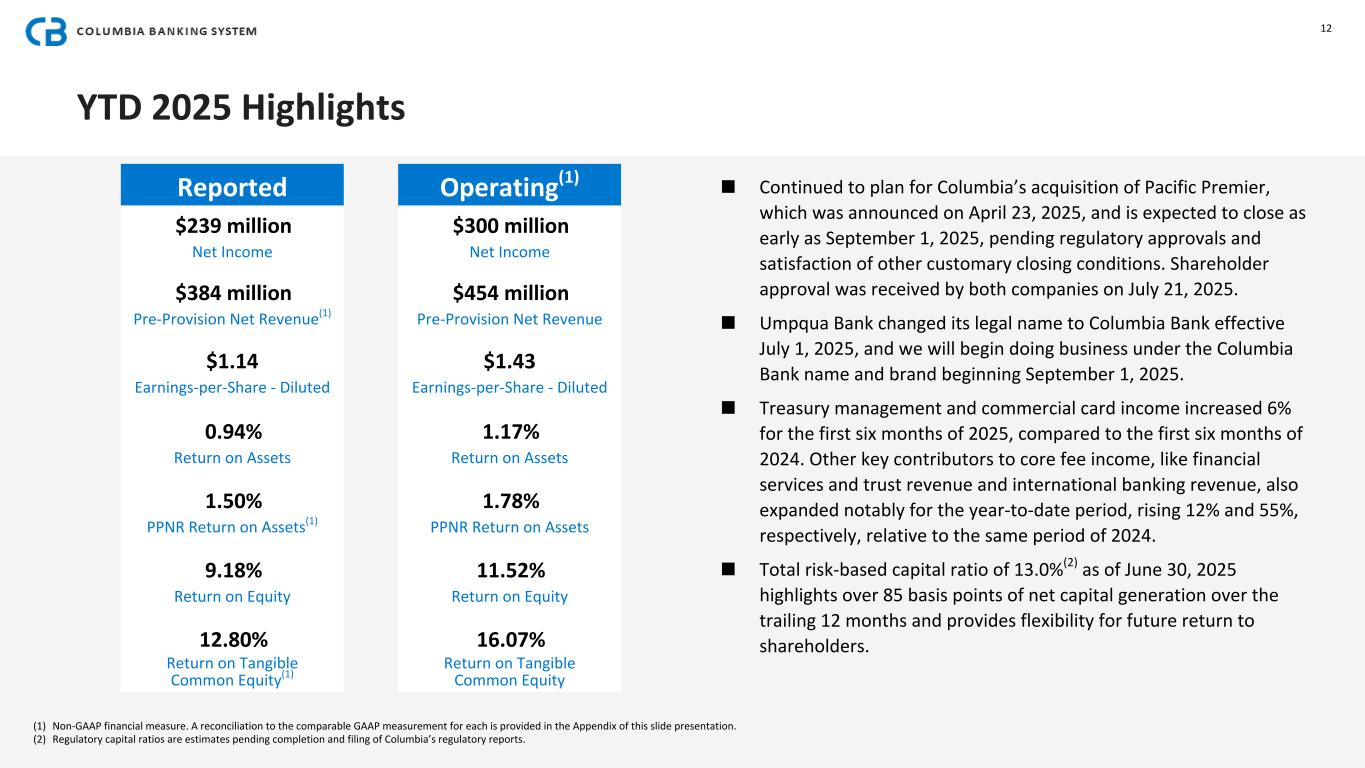
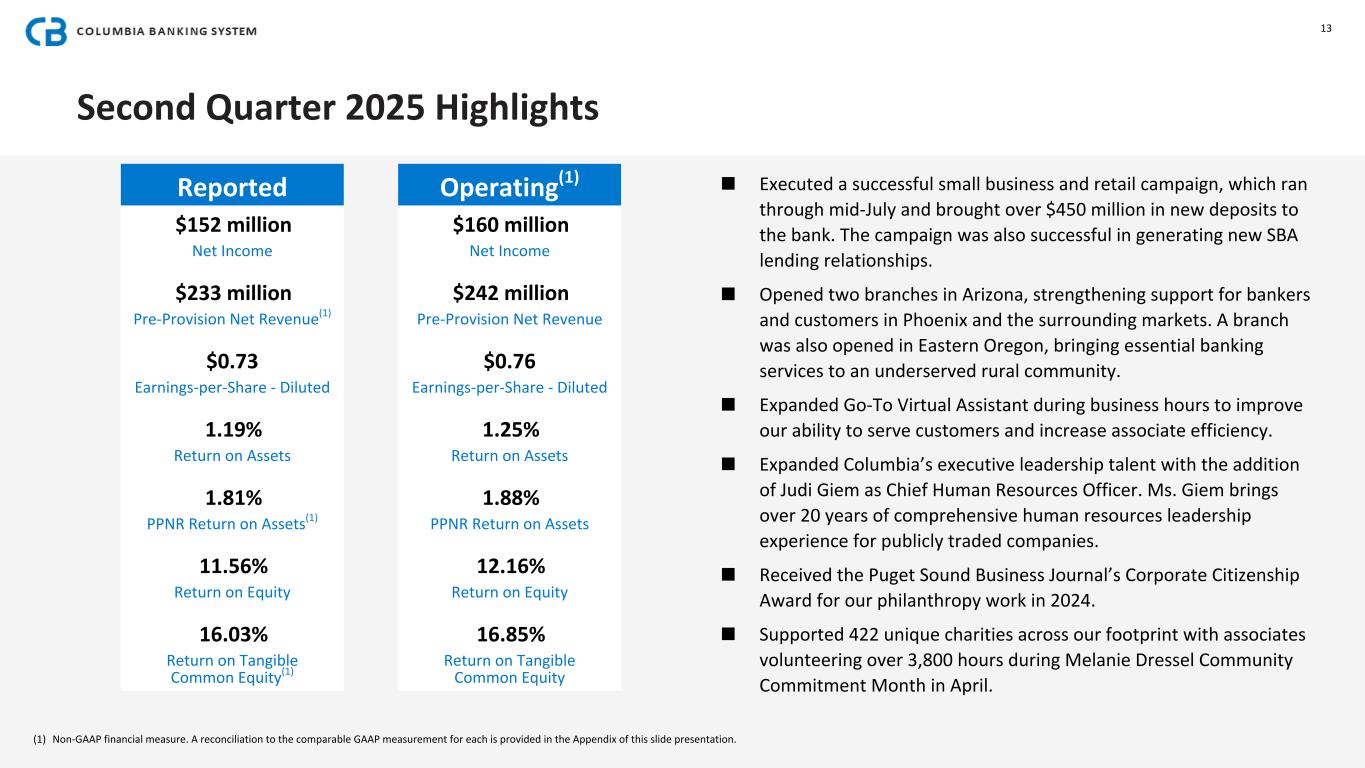
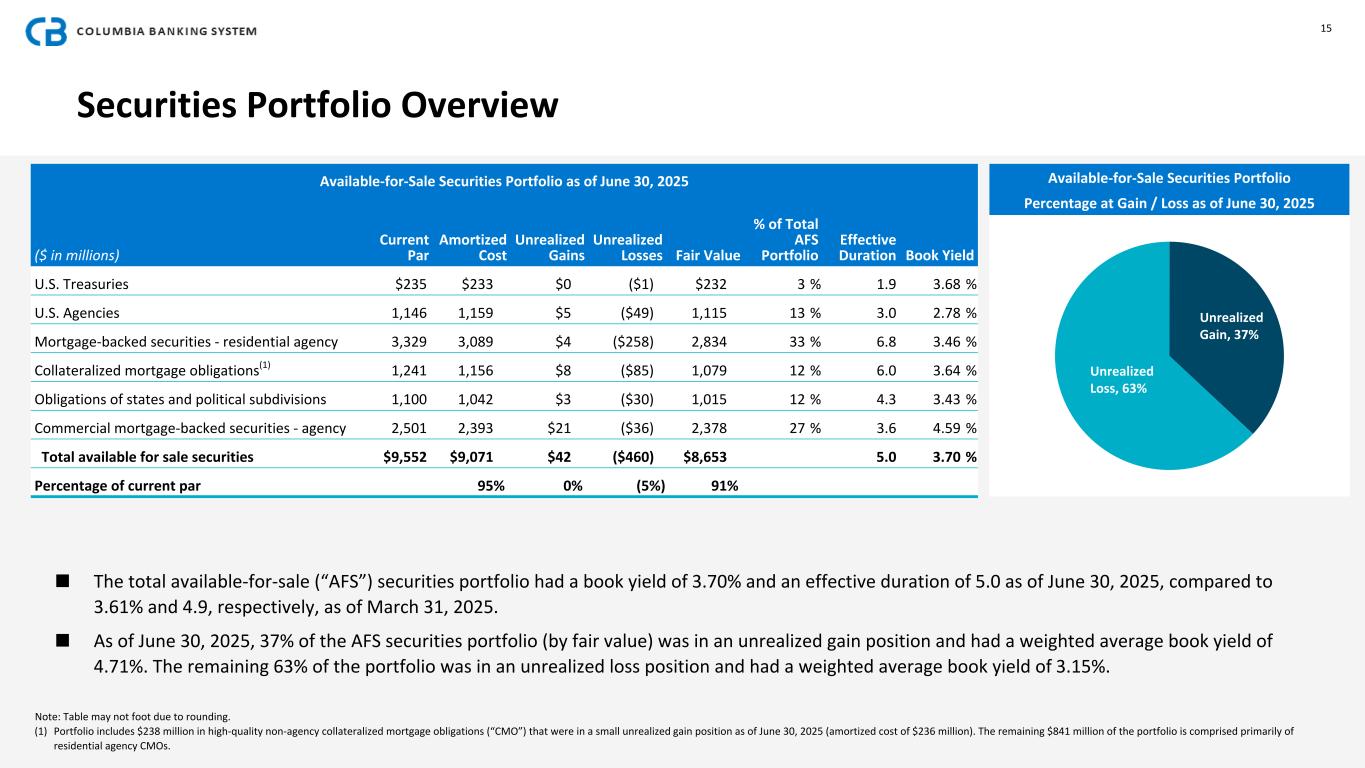
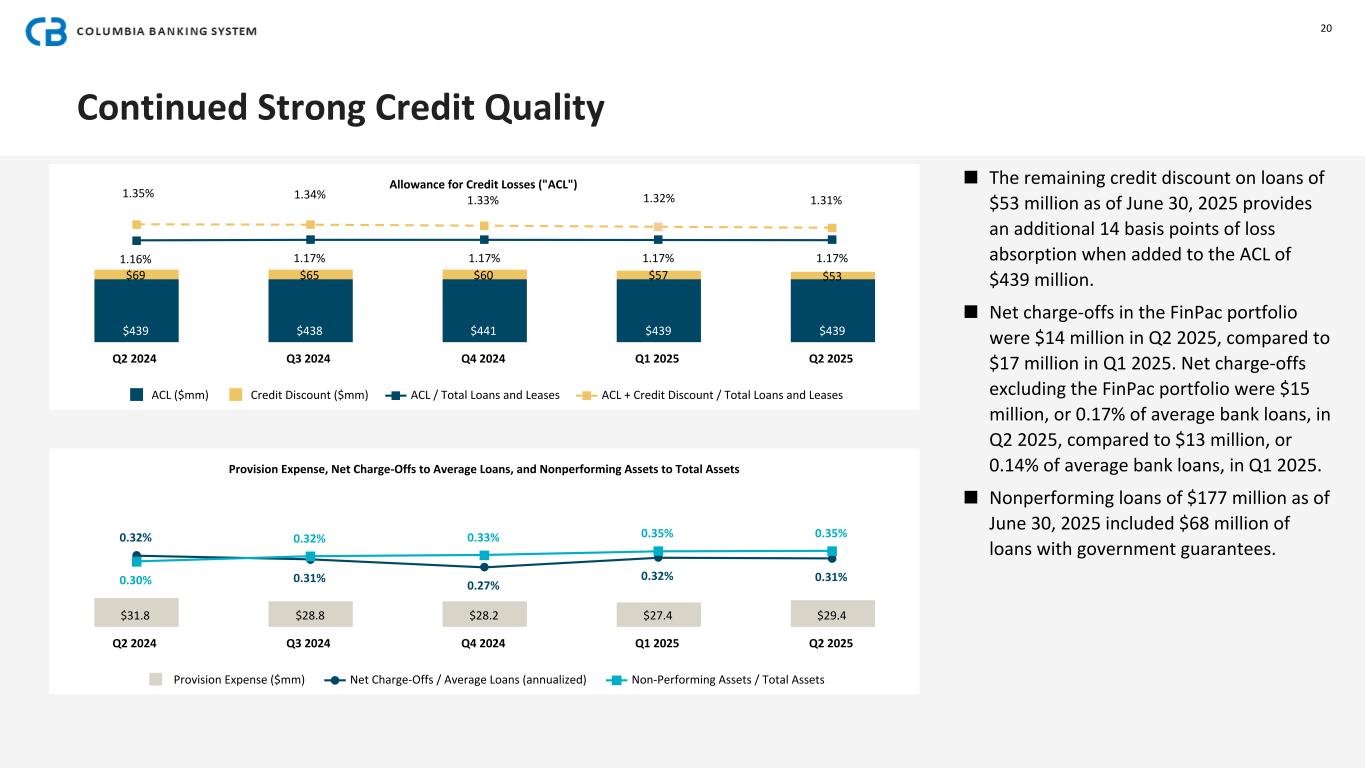
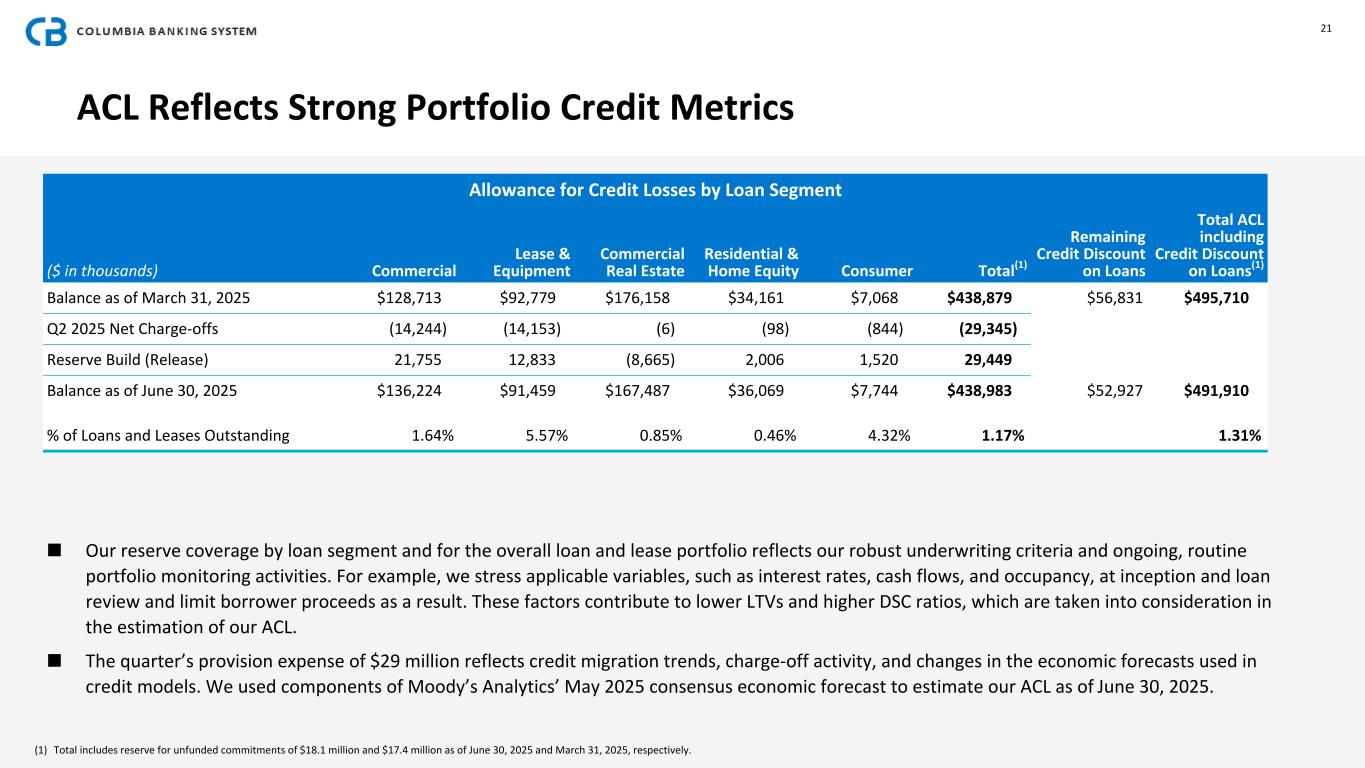
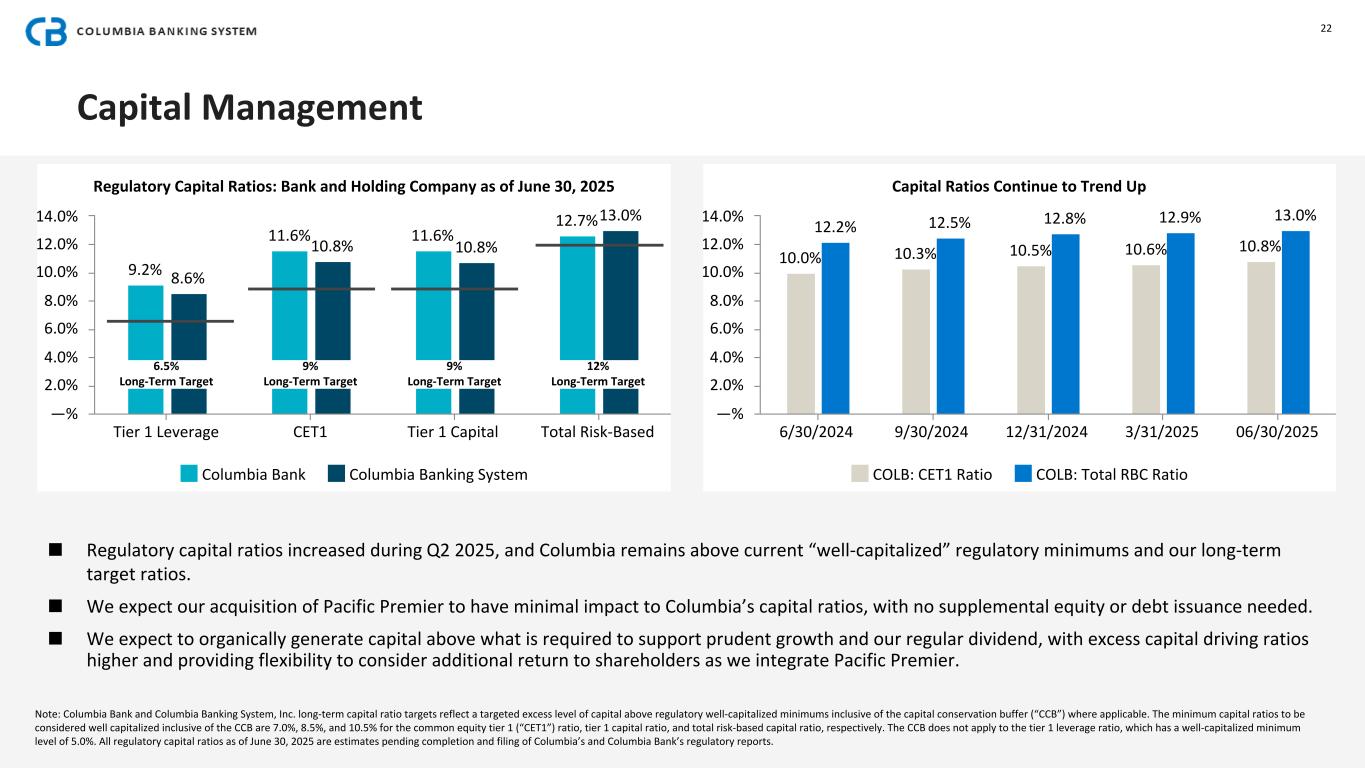
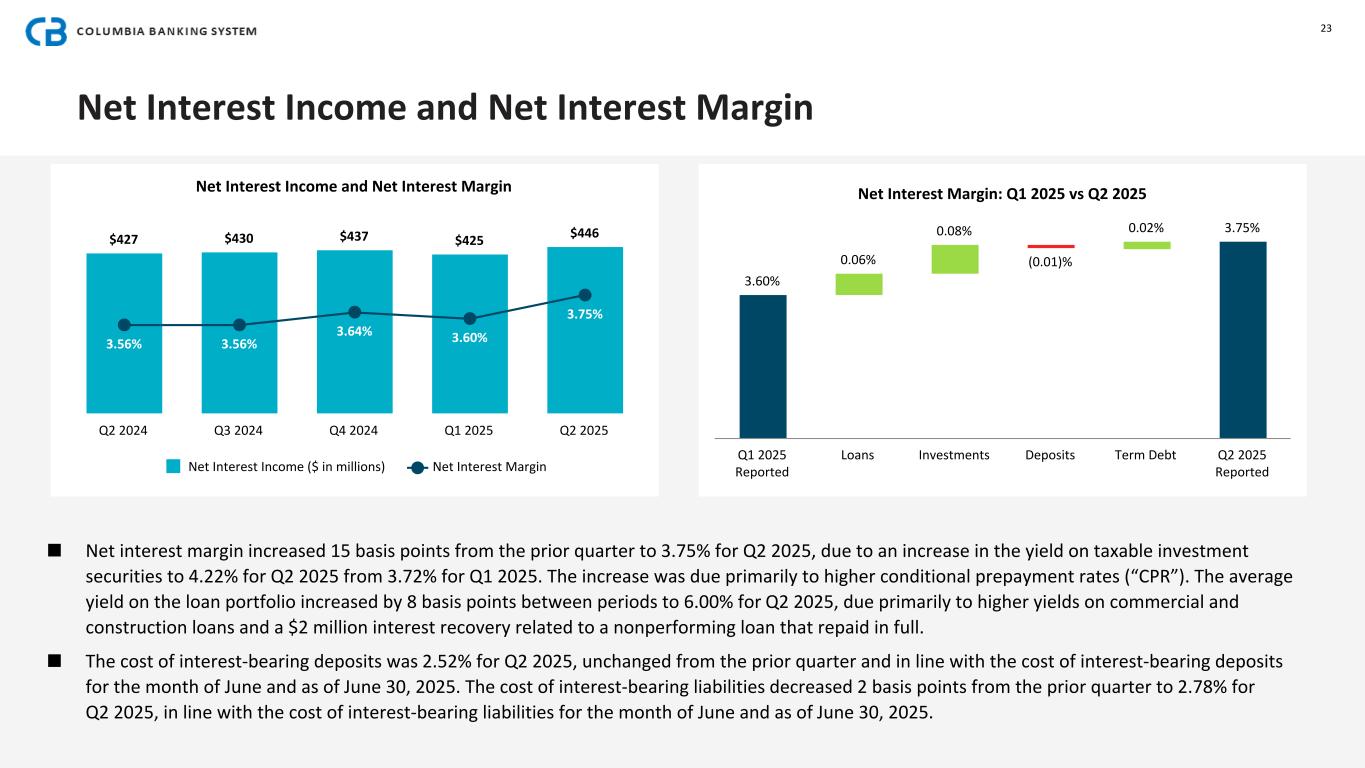
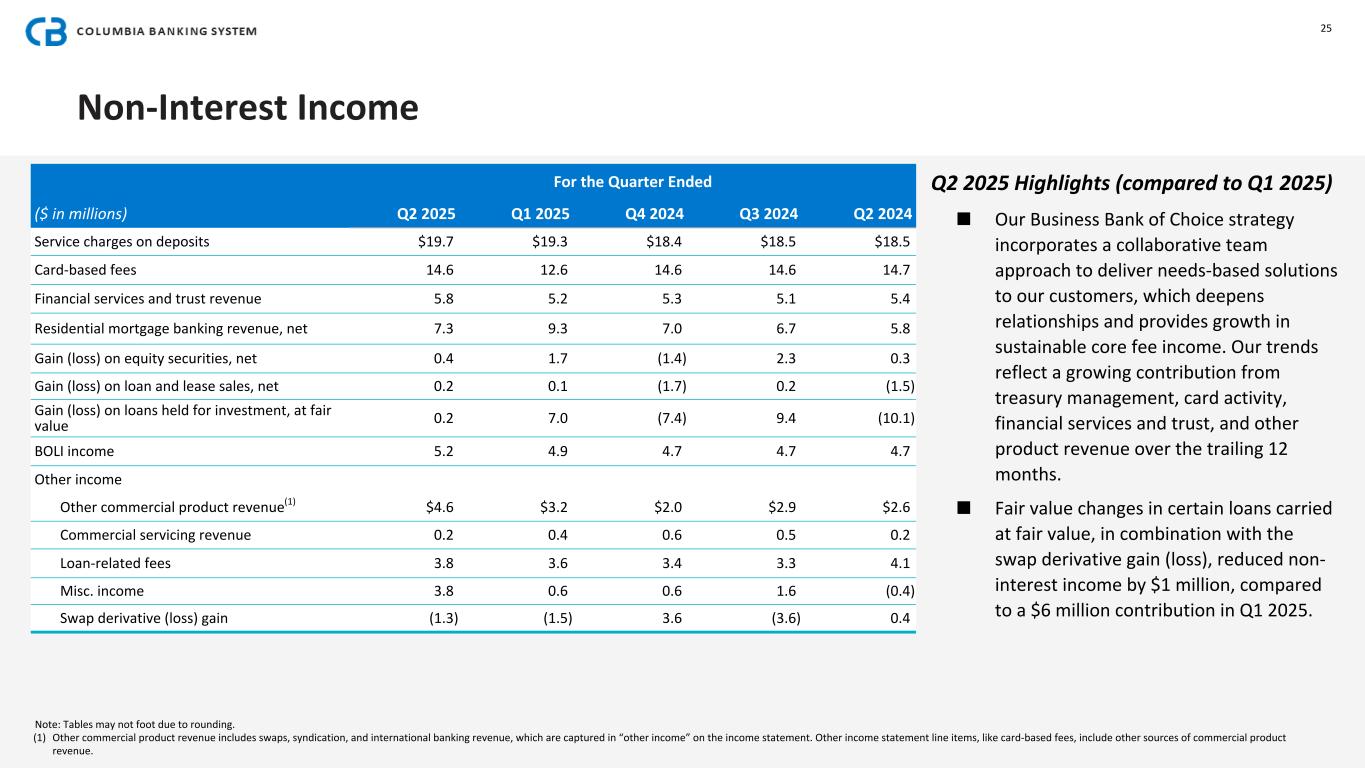
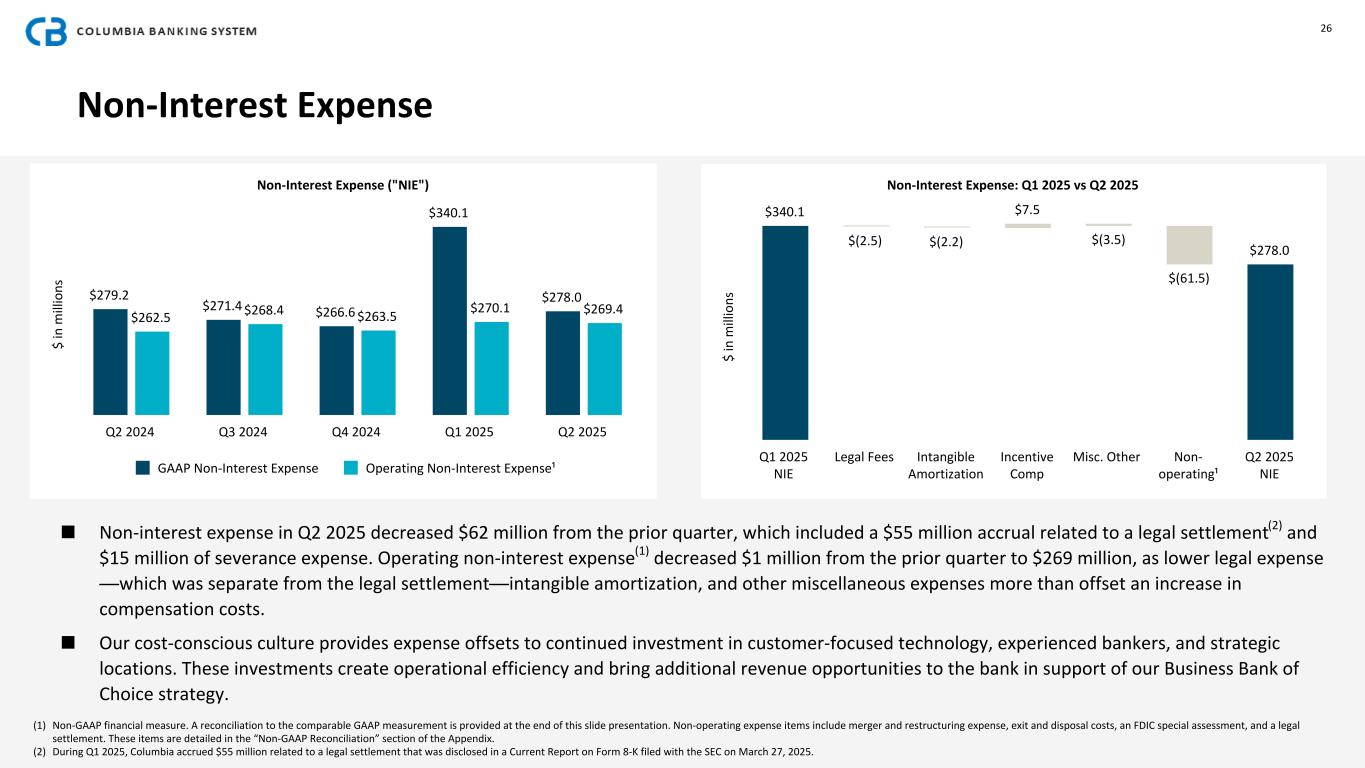
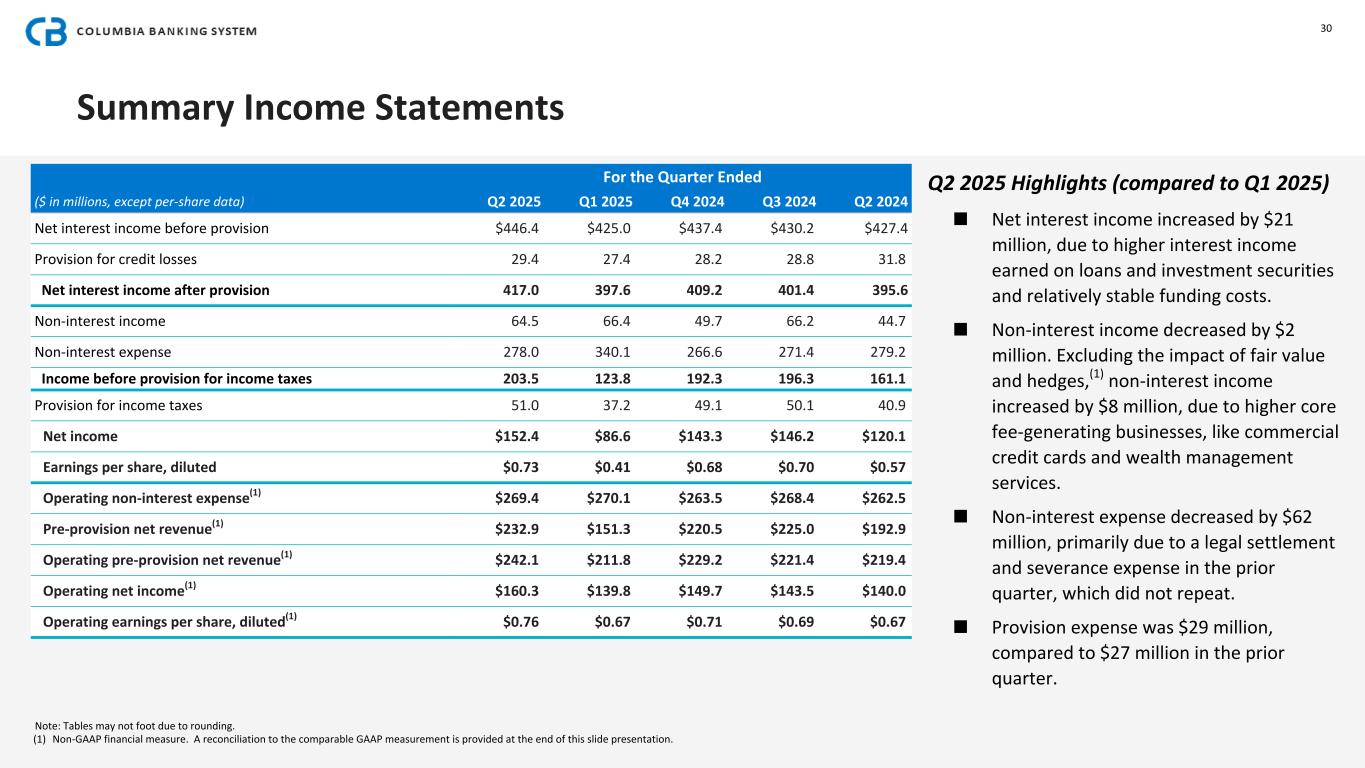
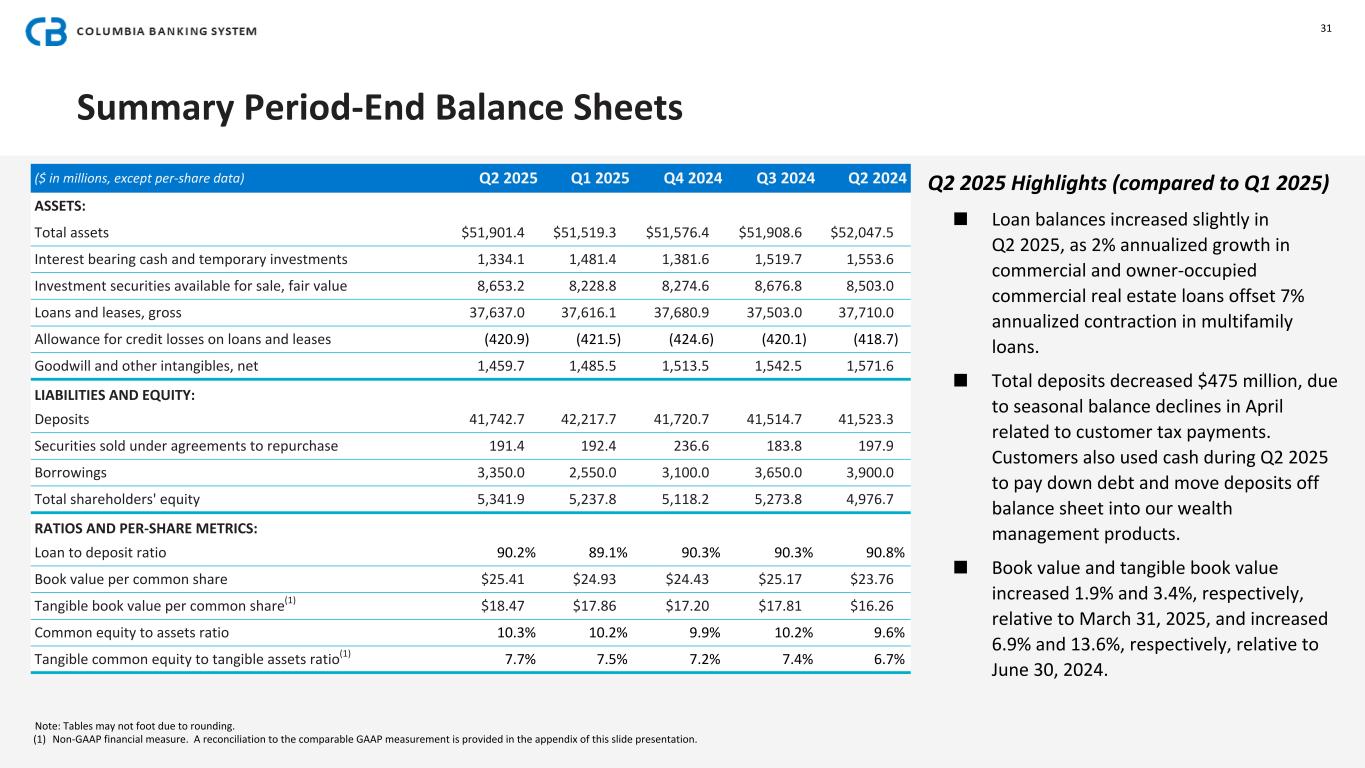
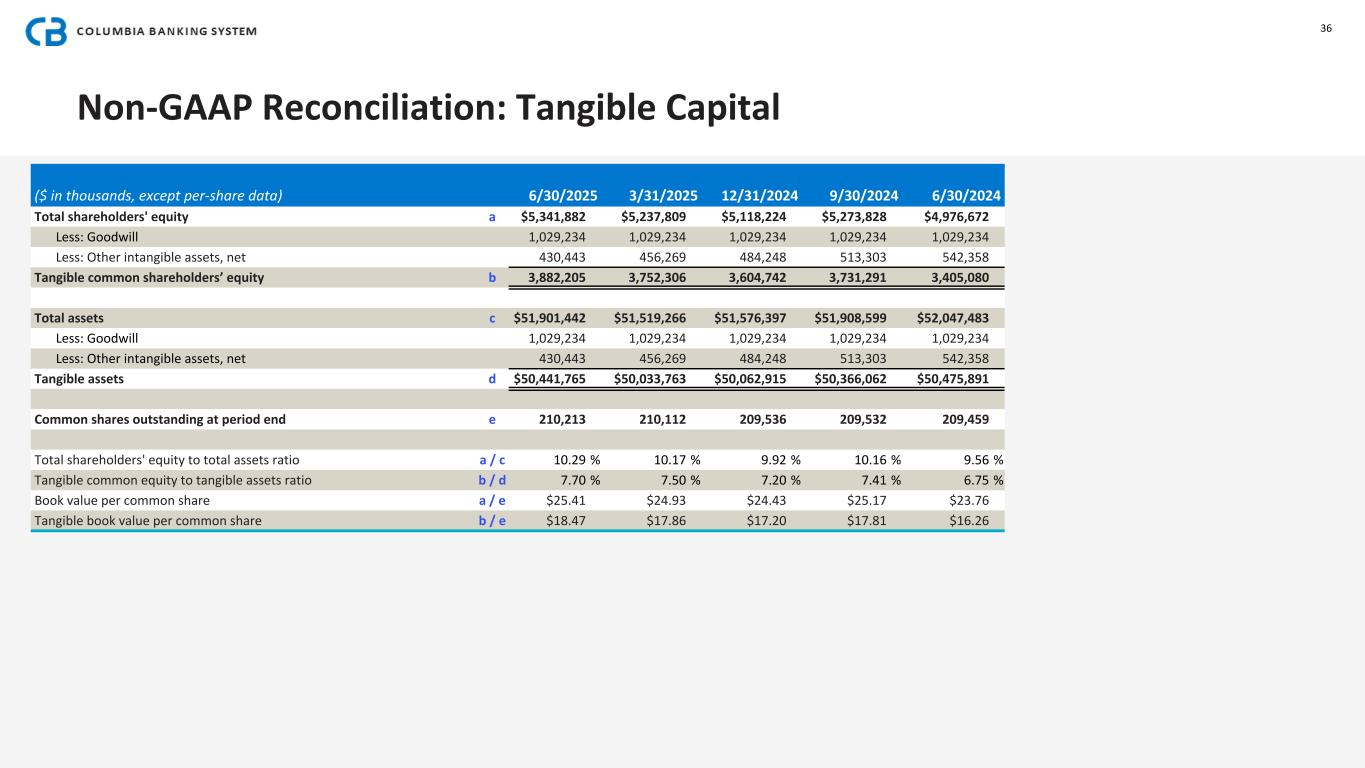
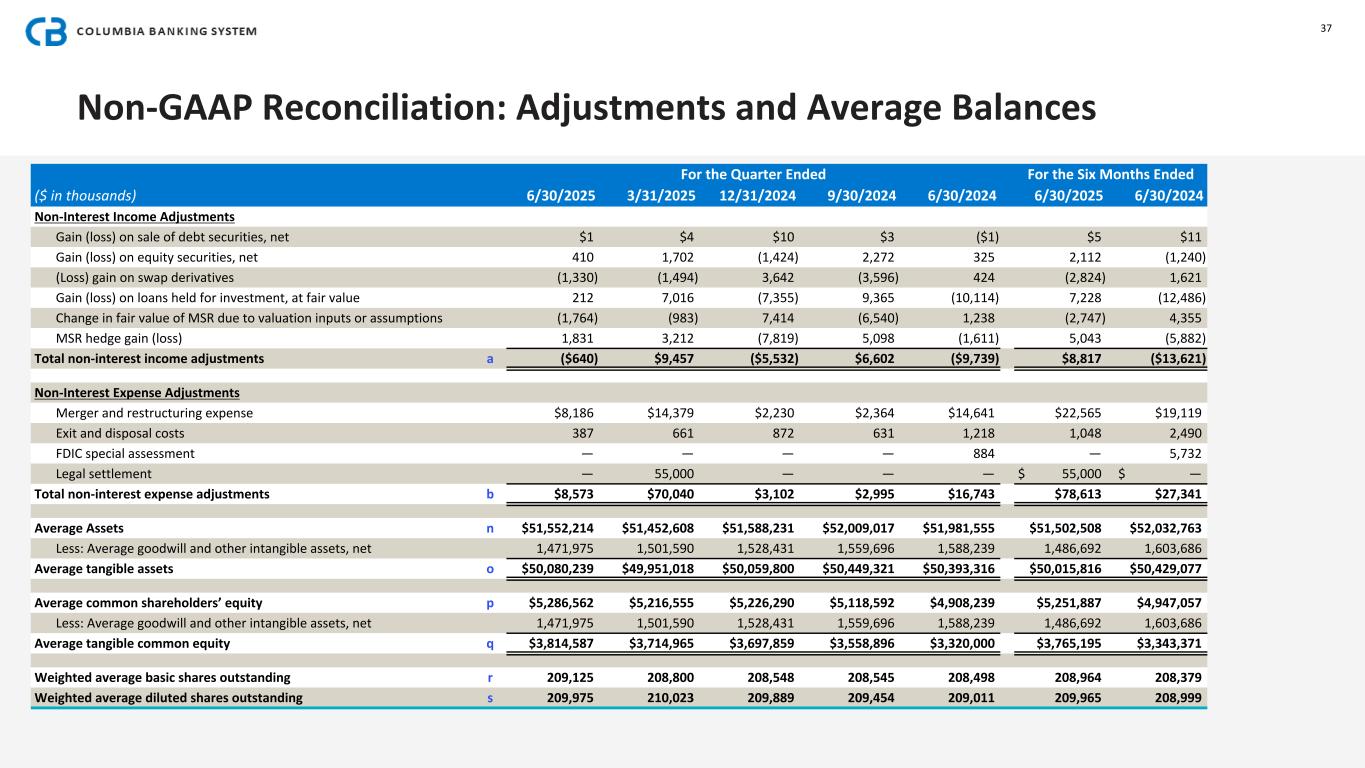
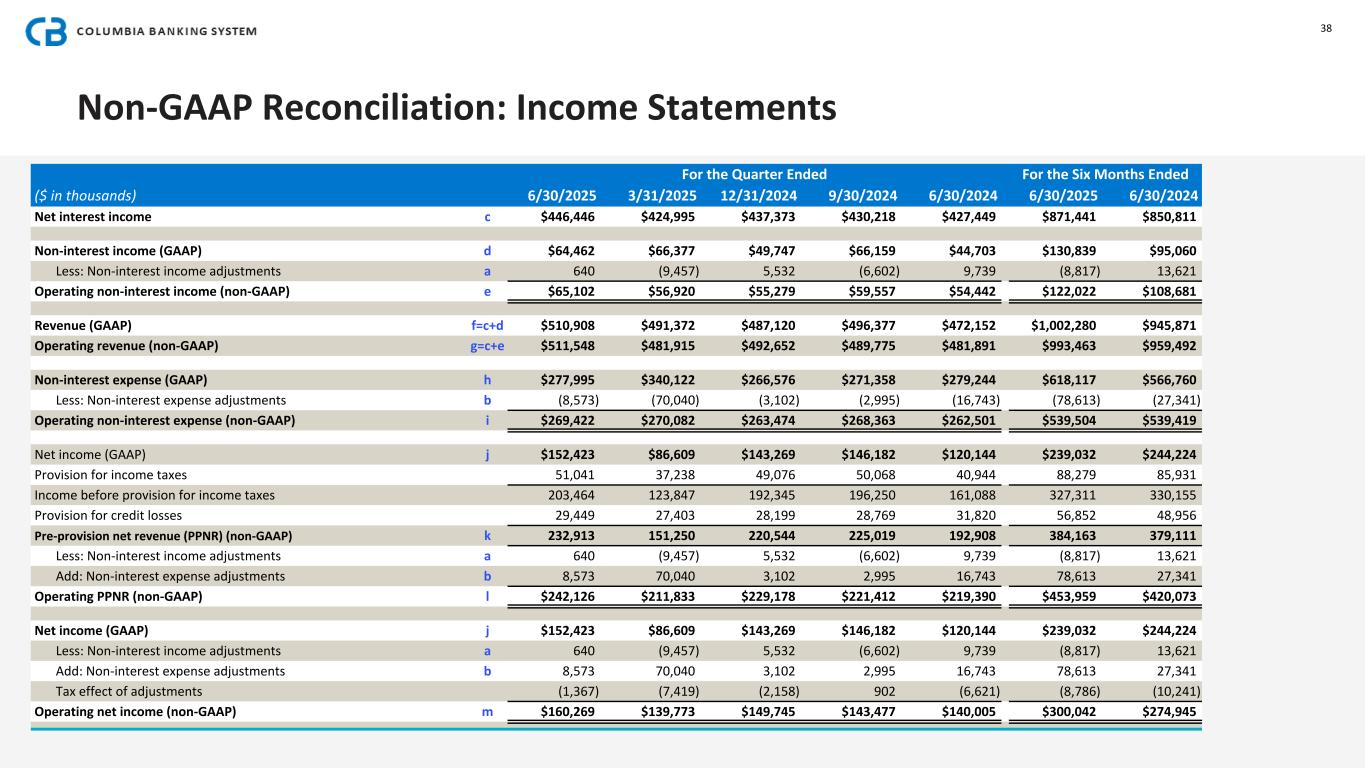
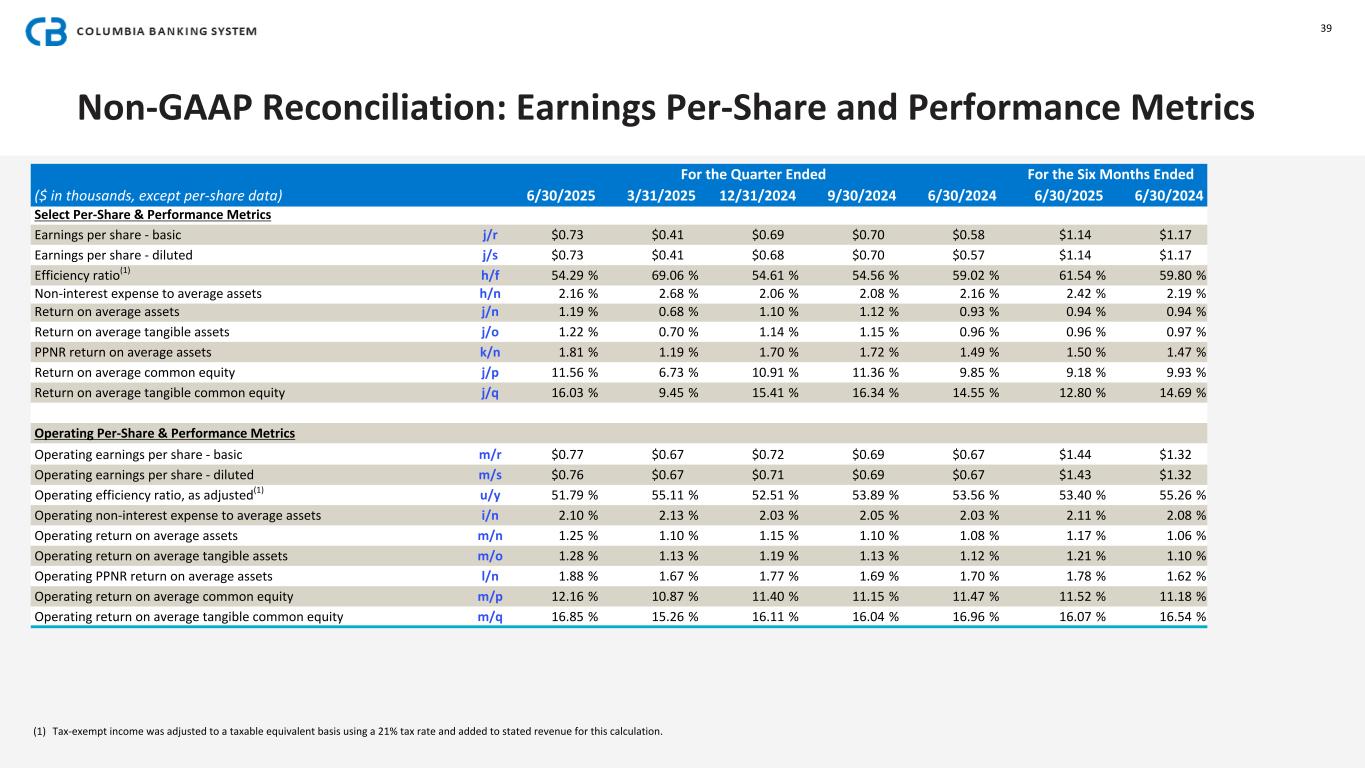
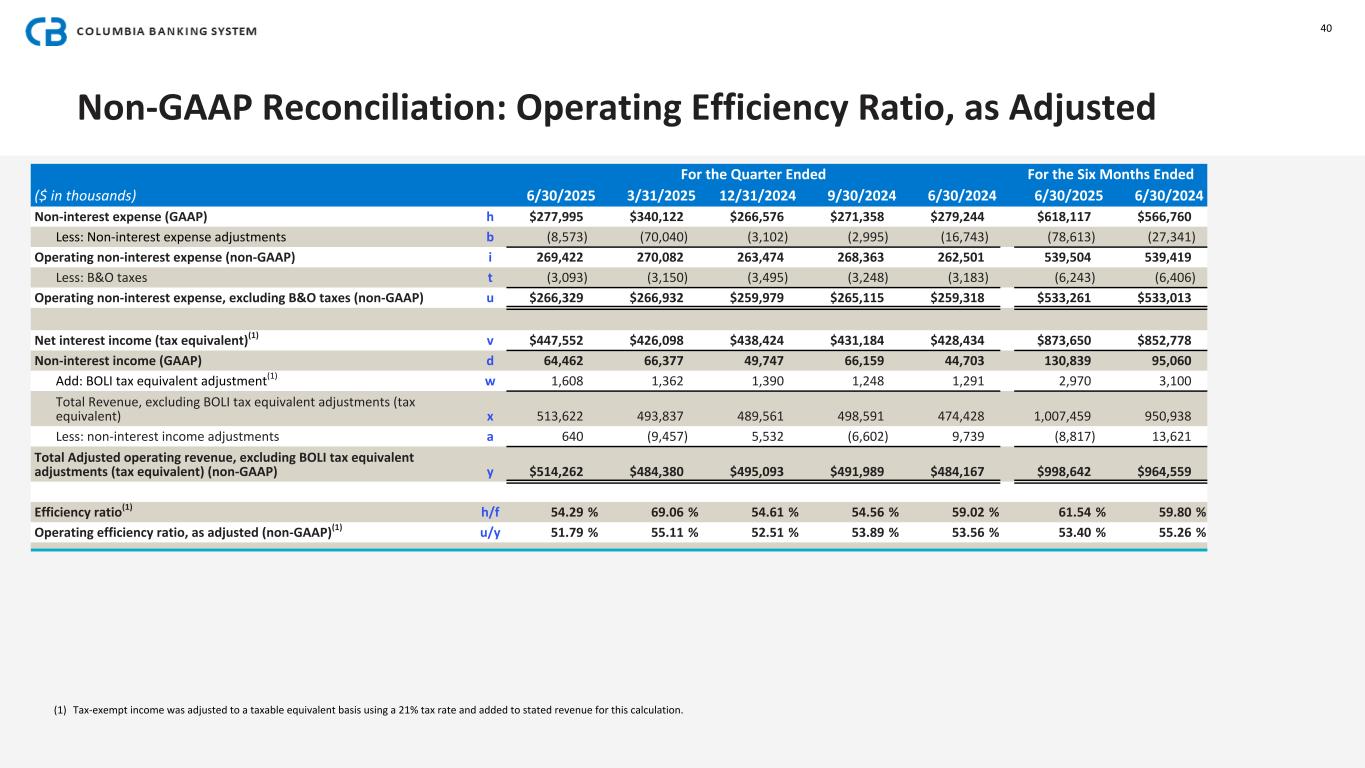
Okay, thank you, Clint. We reported second quarter EPS of $0.73 and operating EPS of $0.76. Operating excludes merger and restructuring expense, along with other fair value and hedging items detailed in our non-GAAP disclosures, which I encourage you to review. Our operating return on average tangible equity was 16.85%, while operating PPNR increased 14% from the first quarter to $242 million. The main drivers for earnings and operating PPNR growth this quarter were rising earning asset yields and lower costs of interest-supparing liabilities, both driving a 15 basis point improvement in our NIM, along with improving core fee non-interest income and flat operating non-interest expense. the textbook definition of operating leverage. On the balance sheet, we increased available for sale investments by 5% to reduce our pro forma asset sensitivity and use wholesale borrowings to fund this along with seasonal customer deposit outflows. Our tangible book value per share increased by 3% while regulatory capital ratios continue to build with our tier one common at 10.8% and total risk-based capital ratio at 13%. Capital ratios will continue to build, allowing for additional forms of allocation and shareholder return next year. I mentioned earlier our NIM increased 15 basis points to 3.75% this quarter. A little over half of that came from higher investment securities yields, which can fluctuate a bit due to varying CPR speeds. We also got a one basis point benefit from an interest recovery. But more fundamentally, we saw higher loan yields added about five basis points to the NIM, and lower funding costs added about one basis point. So good underlying trends. Our provision for credit loss was $29 million for the quarter, and our overall allowance for credit losses remains robust at 1.17% of total loans. In non-interest income, with $64.5 million for the quarter, on page 22 of our earnings release, we detail the non-operating fair value changes. Excluding those items, our operating non-interest income of $65.1 million for Q2 was up $8 million or 14%, reflecting strong core fee income growth. Also noted on page 22, total gap expense for the quarter was $278 million, while operating expenses were relatively flat with Q1 at $269 million. Annual lifts and compensation and incentives were offset by lower services, marketing, and other expense, along with lower intangible amortization. Now we now hand the call to Chris.
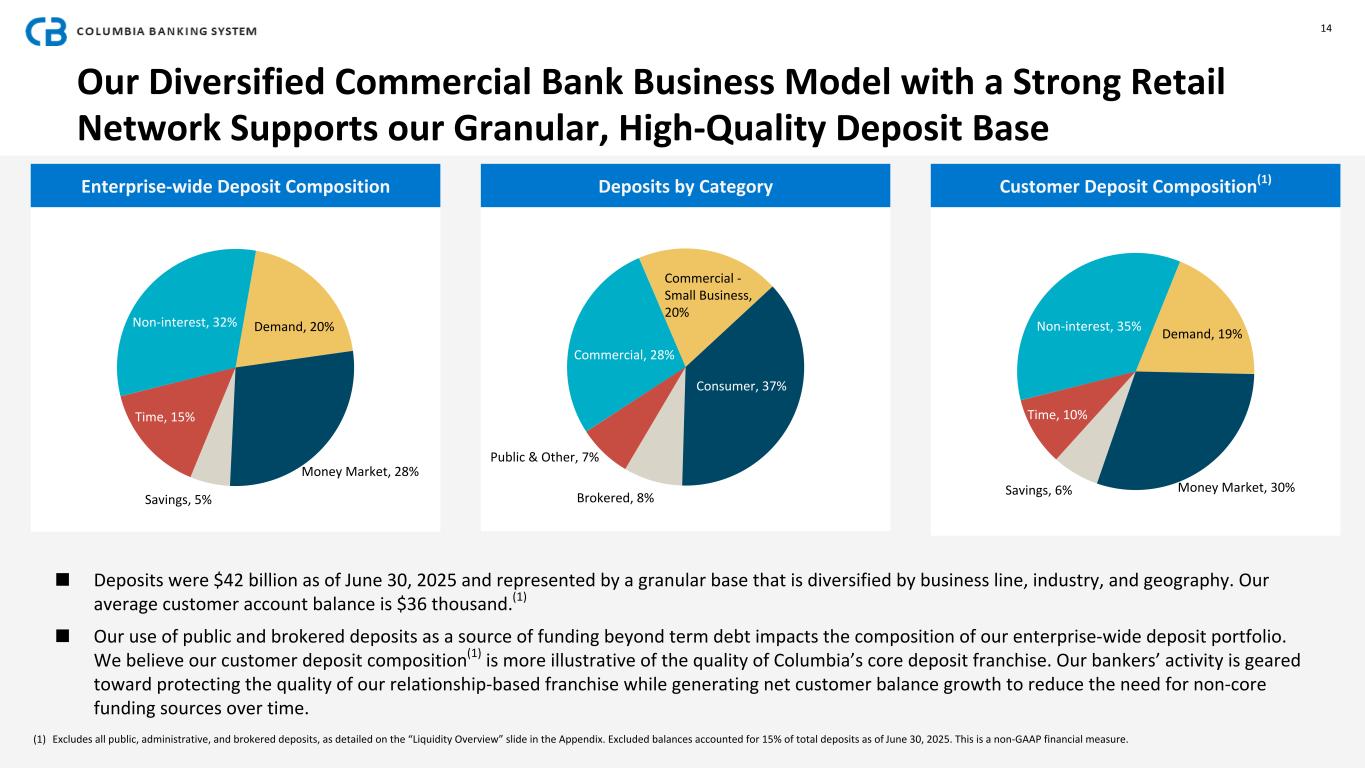
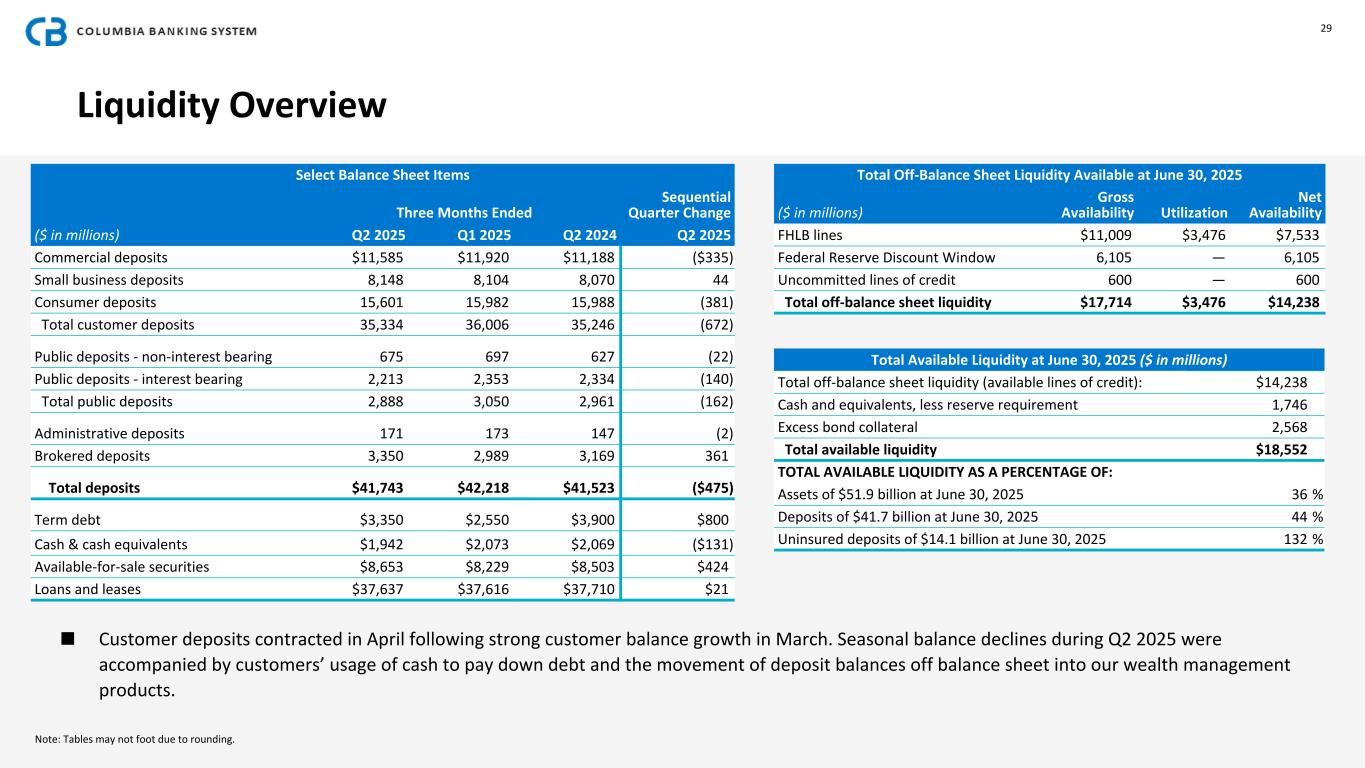
Thanks, Ron. As Clint noted, seasonal tax payments in April contributed to customer balance contraction during the second quarter, which followed strong customer balance growth in March. Customers also put their deposits to work by paying down debt and moving funds into our wealth management products. In aggregate, these trends reduced our commercial and consumer balances during the second quarter but we saw modest growth in our small business deposits a recent campaign which ran through mid-july brought over 450 million dollars in new core deposits to the bank offsetting other balance declines the campaign was also successful in generating new sba relationships loan growth was centered in commercial portfolios during the quarter as owner-occupied CRE and commercial line balance increases offset multifamily and residential loan contraction our teams remain focused on relationship driven activity which includes core income core fee income generation as Ron noted operating non-interest income was up eight million dollars from the prior card based fee income swap related income financial services, and trust revenue, along with our other core banking income sources. We continue to target a higher contribution from core fee income to overall revenue, and we see revenue synergy opportunities through the Pacific Premier acquisition. Not only will Pacific Premier's custodial trust business complement our existing wealth management platform, but their expertise in HOA banking, escrow, and 1031 exchange businesses also offer additional revenue-generating opportunities. We also expect to see deeper customer relationships as we introduce Pacific Premier Branches to the CB way, which proactively offers need-based solutions to our customers. We enhanced our customer and community support with the recent opening of three branches. We added a second location in Phoenix and our first in Mesa to go along with our Scottsdale, Arizona office as we effectively serve this attractive and growing market in the state. We also opened a branch in eastern Oregon, restoring essential banking services to a bankless rural community. Our DeNovo branch strategy supports bankers already serving customers in our markets and strengthens opportunities to bring new relationships. We will now hand the call back to Clint.
Thanks, Chris. We remain laser-focused on optimizing our financial performance and enhancing long-term tangible book value. We also expect to return excess capital to our shareholders. Our CET1 and total capital ratios were 10.8% and 13% at quarter end, both well above our long-term targets. We expect our acquisition of Pacific Premier to meaningfully enhance our capital generation capabilities, which already exceed what is required to support prudent growth and our regular dividend. In the near future, as we integrate Pacific Premier, we will have additional flexibility to return excess capital. This concludes our prepared remarks. Chris, Tori, Ron, Frank, and I are happy to take your questions now. Tawanda, please open the call for Q&A.
Operator
Ladies and gentlemen, as a reminder to ask the question, please press Start 11 on your telephone, then wait for your name to be announced. To withdraw your question, please press start 1-1 again. Please stand by while we compile the Q&A roster. Our first question comes from the line of David Fester with Raymond James. Your line is open.
Hey, good afternoon, everybody.
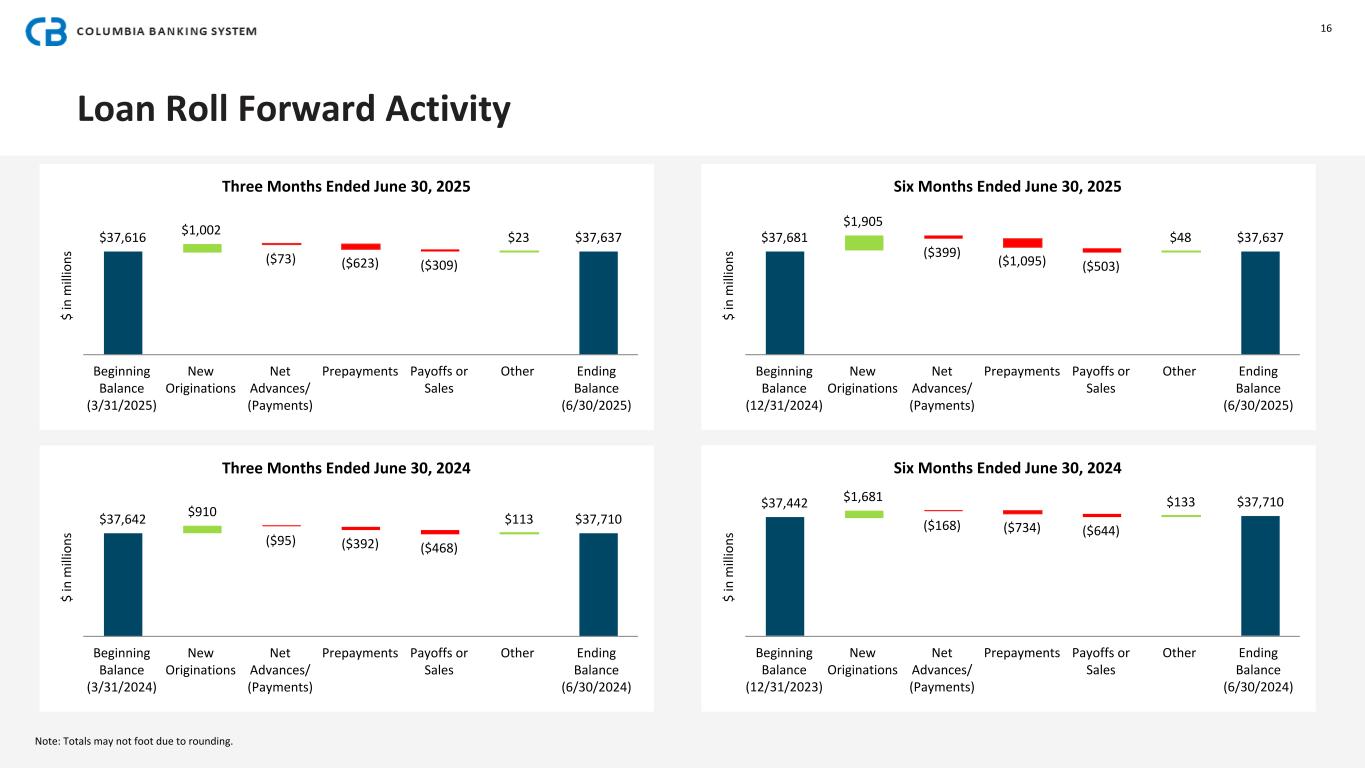
I wanted to start on kind of the growth side and the loan side. You touched on, and you can see it in the deck, you got a double-digit increase in originations. I was hoping you could touch on what's driving that. Is that client demand increasing, maybe just giving a bit more certainty or less fears around the tariffs? Or is it more a function of just increasing productivity of your bankers and market share gains? Just kind of curious, your thoughts on that, client sentiment, and just how do you think about, you know, originations ultimately maybe being able to outpace strategic runoff and the payoffs and paydowns in the remainder of the year?
As usual, David, I think in every quarter you'll probably get this comment from a, you pack a lot into a single question, but I'll start off and then maybe see if Tori and Chris have anything to add. Yeah, I think it's a combination. If you look at the roll forward that we have in the earnings deck, it really kind of tells the story. And we've seen this over the years from time to time, depending on the macroeconomic environment, where bottom line growth maybe is hard to come by because of what's going on in our established book with businesses selling and or the strength of their balance sheet. and using their own cash as opposed to borrowing. So when I look at the activities and the excitement that our bankers have, we had the opportunity to have breakfast with a handful of leaders in one of our markets yesterday, and they're still just very excited about the opportunities that they're seeing. So I think it is in those newer markets that they're doing the right things and they're putting totals on the books, And then that helps kind of the current of the runoff in the legacy portfolio, either through amortizations or just paydowns and prepayments. But broadly, it's utilization of cash when we see that activity. We're not really experiencing what we'd call leakage through the back door with customers going elsewhere. That's my two cents. Clint, I'll step back and see if Tori has anything to add.
This is Tori. I would echo all of Clint's comments, actually really quite excited and happy with the activity level, certainly with commercial RMs. We had production for the quarter, which is roughly 30% higher than Q1 and about 18% higher than Q2 last year. So the activity level is really strong and really good coming from de novo markets, coming from our legacy markets, a lot of good momentum on the CNI front. I think, you know, in particular, with everything that's going on in the economy, we were just subject to some payoffs or company sales, just things a little more abnormality than usual. But the pipeline's strong, the activities are good, and I feel great about, you know, the banker's ability to deepen relationships and bring new relationships into the company.
Okay, that's great. And then, you know, maybe just I'm curious with the deal close approaching, encouraged by your commentary about potentially even closing it by September 1st, you know, it's a much swifter timeline for approval and closing than the last deal. a testament to the improving regulatory backdrop, I guess. I'm just kind of curious, has your thoughts on the optimization of Pacific Premier's balance sheet changed at all? Or is there anything that maybe you execute ahead of the close, just kind of given the increased certainty and visibility into close?
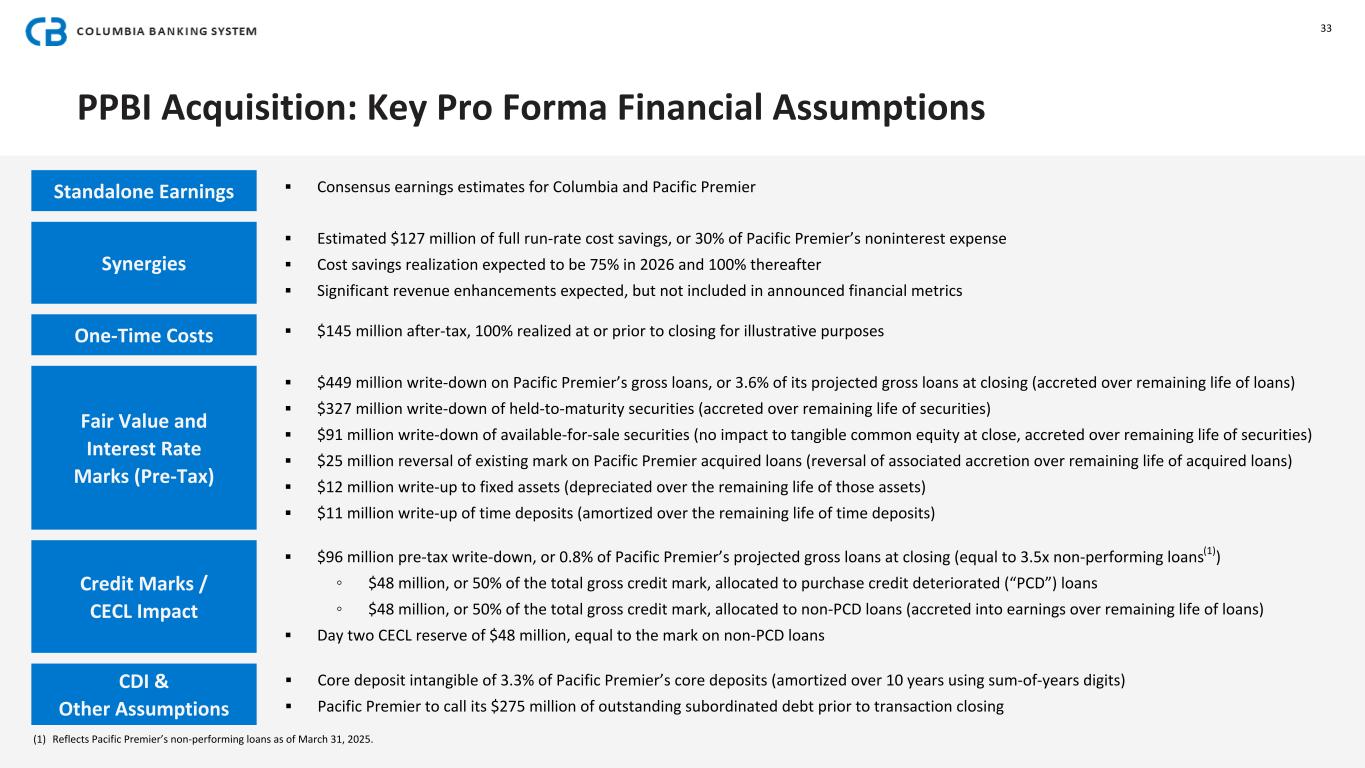
There's several different threads we could pull on that. If it's specific to the PAC Premier Balance Sheet, we would want to take advantage of getting the day one fair value marks, otherwise you hard code a loss in there. You know, we have done a little bit in terms of just, you know, Ron did some pre-purchase of some securities that we think that better fit the portfolio, and so we've done that, and then we'll sell some of the securities that are in the PAC Premier book. In terms of other things, like specific to loans and things of that nature, we've looked at a lot of different scenarios, and we're very active in looking at what those scenarios are. Broadly, we have zero credit concerns, so that's something that gives us pause, given that these things will reset to a market rate with purchase accounting. But nonetheless, we're still challenging ourselves to look at multiple scenarios. I don't know, Ron, you have anything to add?
I think you hit the nail on the head.
Okay, that's helpful. And then maybe last one for me. I mean, Chris touched on a focus on increasing fee revenue contributions. You guys have done a great job building out some fee income lines. Pat Ramirez also brings a couple unique business lines. I'm curious maybe some of the initiatives on the fee income side that you've got and then just is there anything as we're sitting here as a 70 billion asset bank like that you need or other lines or anything that you might need to be more competitive in that you know as just being a much larger financial institution is there anything that needs to be built out okay uh david story so let me start with initiatives first um i think there are quite a few we like purposefully have been working the fee side of the house for quite some time i mean several years and there's tremendous momentum kind of quarter after quarter after quarter and it's very deliberate starting
with full relationship banking you know you know making sure that if we're going to lend money to somebody we have their deposits and we have as much of their fee income business as we can get And, you know, we've got a few initiatives where we've looked at, you know, first of all, we talked about just four in previous calls, but we have a predictive analytics program that provides kind of a next best offer based on customers' activity in their accounts, and we feed those to the treasury management folks and the RMs throughout the company. It's got like a 50% closure rate on that, so it's working extraordinarily well. We do, you know, we have full relationship review process that we do throughout the company. We do something called working capital assessments where we get together and kind of whiteboard with our commercial customers on how they use their cash in their entire working capital cycle to look for opportunities to provide kind of a needs-based solution. So it's very deliberate in the approach, and it's producing a lot of really strong results. And I'll just give you a couple of numbers that I think we look at, you know, Chris and I look at all the time. On the treasury management side, kind of year over year, we're up 6%. In commercial card year over year, we're up 14%. In merchant services, we're up 10%. In international banking, we're up 50%. On the trust side, we're up 12%. So we've got some really nice momentum spread throughout the company. and, you know, it's something that personally I'm very, you know, proud of the team's results and looking forward to continuing to do it quarter after quarter. So, Chris, anything else you want to add to that?
Yeah, thanks, Dory. David, I'd add in there, you think about the initiatives that we've been running now, private bank health care teams.
Just one more add on to that would be the last part of your question on Pacific Premier. I'm super excited about the Pacific Premier becoming a part of the Columbia family. great opportunity on the fee side there as well with our in particular treasury management our leasing business some great that's awesome and HOA for sure thank you please stand by for our next question our next question comes from of Matthew Klopp with Piper Sandler your line is open hey good afternoon thanks for the question just a quick one
on accretion I know you guys it looks like you pulled it out of the deck. And I know most of that accretion is real. It's not credit mark related that disappears. So, but for the sake of modeling, would you be able to provide us that number? And I know there was a recovery on the loan within the loan yield of 2 million, I think you called out, but just trying to drill down on the interest income a little.
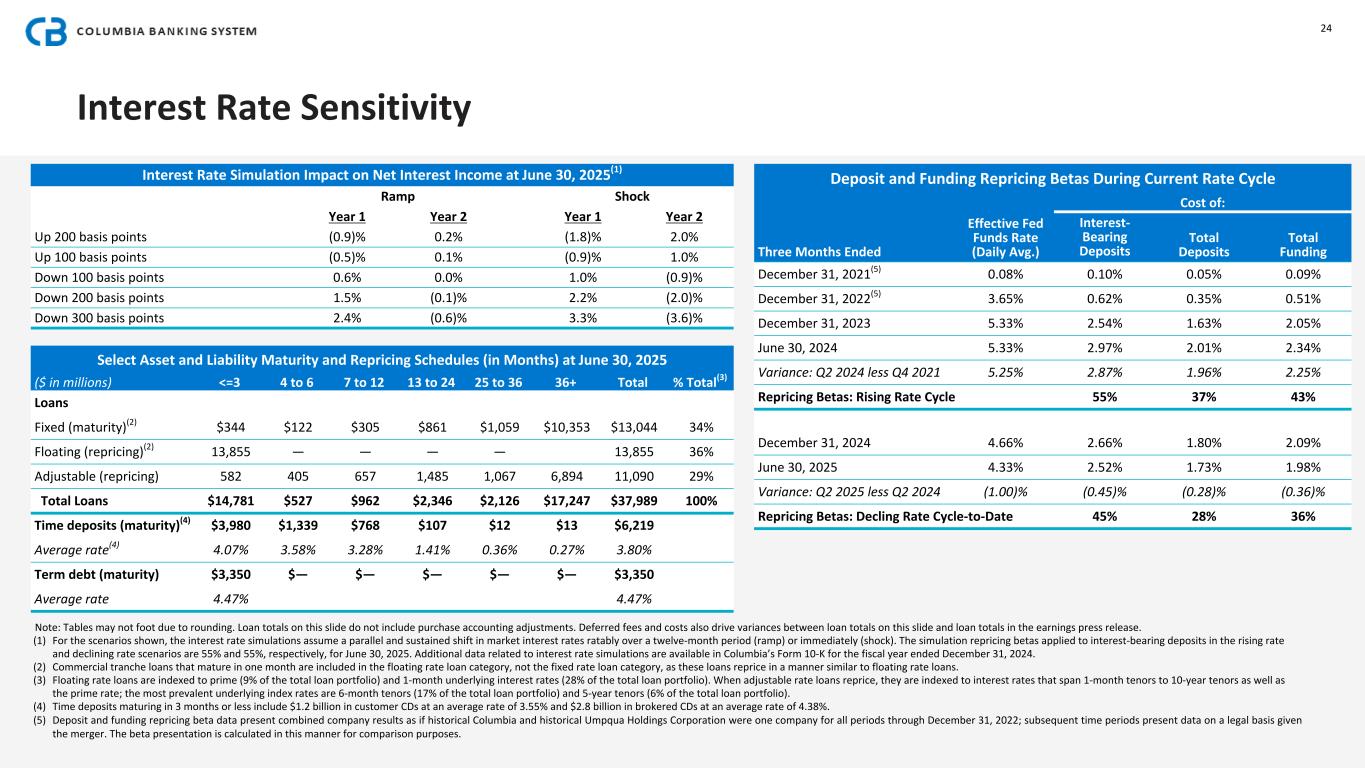
Yeah, Matt. Yeah, obviously we view the the you know the income is core driven by rate not credit I'll add the credit mark was three bits consistent with q1 but back to from a modeling standpoint I would I would utilize you know the yields you see for the quarter along with slide 24 it is in our deck it's got some great data there just from a repricing standpoint around loans and and deposits and then the bond portfolio it's pretty static we've got a good slide in there on the bond portfolio, but you can see the yield there from a modeling standpoint. And the key there is duration.
Okay. And then just the securities growth you had in the quarter, the borrowings, you know, the increase in borrowings and some brokered. I mean, how much of that is related to the PBBI deal? And how should we think about, you know, those balances going forward? Yeah, no, we did.
Back in the late April, we added $600 million of par, but it was about $500 million a book, so deeply discounted bonds, low coupon type stuff with duration. And the goal with that was to reduce the pro forma asset sensitivity of the combined company post-close. We utilize wholesale funds for that and we'll pay those off, as Clint mentioned, right post-close once we sell off a portion of their portfolio.
Okay. And then just any updated thoughts on the deposit growth with Outlook, you know, Legacy, Columbia, X, PBBI, and, you know, any thoughts on your, or updated thoughts on your pricing strategy? I mean, it looks like you've held rates fairly stable since April, and whether or not you might get ahead of the Fed or kind of wait for the Fed to cut.
Yeah, thanks, Matt. Yeah, we've kind of, we've slowed the repricing on that aspect. I think the team's done a fabulous job of working through the decreased cycle, but they had actually started much in front of that. And so there was, I think that that has given us this time period of things have been pretty stable. We see periodically go out there and offer up in excess of 4% for certain things. We see a few case by capers that are made, but we're feeling pretty good about our ability to compete with those, where we fall in the stack ranking of kind of the lowest to highest rates. and but we're always looking at at the portfolios we're always looking at the the tranches that are in there and if we can make a minor tweak of a basis point or two we so it's a very active process that we go through both from the competitive market and then just looking into what our flows are and on the back side is as well CD pricing has been pretty much solid in the same plus months. I'm not seeing a lot of activity. We're still renewing at a rate that we're satisfied with, and those rates continue to come down. And then more importantly, it's the new business. It is offset a little bit somewhat, as we saw in the first six months of this year, and it's taking advantage of some of our wealth management activities as well.
So, the companies or company to trust or some other place and start to see a normal resurgence a little bit in Q3 so it feels there I think with this relationship banking I mean all the bankers throughout the company know that it's about loans deposits in corporate income okay and then last one for me
maybe for Clint just your appetite for cleaning up the capital stack and from you know, Legacy, Umpqua, you know, just speak to the opportunity there and your appetite if you could. Thanks.
Yeah. Well, Matt, you've known me for a long time and, you know, I like as clean of a capital stack as possible. And, you know, we've done some analysis and we look at what the capital stack of our peer banks looks like and in addition to the excess capital generation that we expect, that we've had really over the last two and a half years and we expect that to accelerate with PAC Premier and so I think that gives us a lot of flexibility as we move forward to clean some things up and optimize that capital stack.
Operator
Will you stand by for our next question? Our next question comes from the line of Jeff Rulis with DA Davidson. Your line is open.
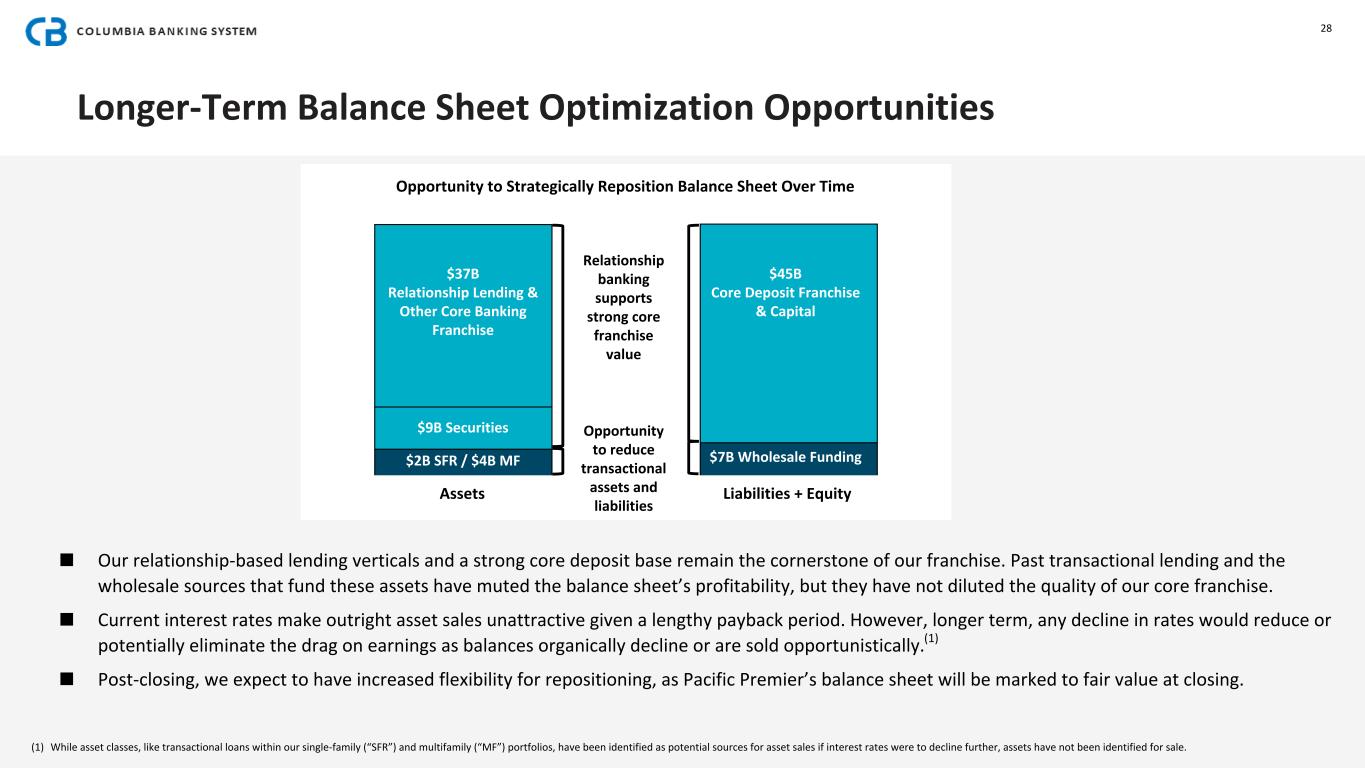
Thanks. Good afternoon. I wanted to check in on that slide 28, again, the $6 billion of transactional assets. Do you have kind of a timeline or maturity schedule on that or kind of a forecast on how long that would take to kind of purge from the balance sheet?
Yeah, it depends on a couple of factors. So, one, if the Fed were to lower rates, probably, what, we're on 150 basis points or so, that would certainly give us the opportunity to accelerate those as a lot of those would enter into kind of a refi window and we just wouldn't be competitive and they would run off someplace else. Otherwise, as we think about kind of the repricing, we had some repricing this quarter. We have some more that as we go through the rest of the balance of 25, 26, it really starts to pick up from a repricing standpoint, 27, 28. So that's really kind of the timeline. line. I've said this before to various investors that we've been talking about this for nearly a year and a half, and I wish there was an easy fix. The easy fix isn't the one that creates the most shareholder value. The easy fix would be just to rip the Band-Aid and sell them, but the earn back on that would be about 10 years. And so when we're looking at a two to three-year kind of workout and wind down of these portfolios, that makes the most economic sense.
Gotcha. Yeah, I understood that, you know, it's tough to – the sales could accelerate, but just trying to get a – on a net growth, I guess, through the end of 26 is a reasonable window. Would you say that a quarter of that balance, if just straight maturities, could exit? Just trying to put a number on it because it's against growth. You talked a lot about the origination activity and positive about that, but the net effect of that is how much you're really going to grow in 26.
Yeah. What I'd point you back to is that right now, these portfolios are an earnings headwind for us. So, you know, we can improve and increase profitability through the repricing and or runoff in those as we affect this remix. So, I know that a lot of models are just based on a growth projection, but that doesn't take into account the earnings headwind that we're replacing this with, as well as what we're replacing it with our new CNI names and full relationships that have fee income capabilities and all the things that Tori previously discussed. I think that you could see growth remain muted. You could even see us contract the balance sheet a little bit, but we would end up with a more profitable institution, and that's really what I was trying to drive home in my prepared remarks when I said we're going to stick to our discipline and not grow just for the sake of growth.
Gotcha. Thanks, Clint. Maybe on the margin, just circling back, Ron, it sounds like the securities yield bump pretty considerable this quarter. What the timing of those purchases, i.e., could there be a tail of benefit that stretches into Q3 on that? I'm trying to get into where you think on margin from a carry-forward basis.
Yeah, I mean, those were done late in April, and granted, when we close with PPBI, we'll have the ability to restructure that portfolio as well. So there should be, all else being equal, a bit of a lift into Q3 just from a full quarter margin standpoint of the investment yields. But keep in mind, we put them on with wholesale funds. So, you know, the net margin of that just trade-in of itself was not intended to approximate our margin for this, you know, month or two or a couple month period of time prior to close. So, we will expand that back out post-close with reducing the wholesale funds we put them on with. So, another long way of saying I think the second quarter bond yields are closer to the norm than the first quarter.
The first quarter was artificially low Ron what was the margin for the month of June a month of June margin would have been 379 adjusted for timing differences throughout the quarter got it and then last one just on the expense base can we look at you know 278 reported if we X the acquisition expenses is 270 of a firm number to kind of grow off of or flatline any any comment on expense levels from here pre PPBI yeah Jeff this is Clint I'll say a couple of things and
then turn it over to Ron you know part of what we've talked about was that we were going to invest in in increasing our density in Southern California and And so we overshot our 2024 expense initiative to create some expense offsets to enable us to do that with PAC Premier and what that brings to us. We no longer need to do that, but it creates an opportunity to then go to phase two of our long-term organic growth strategy, which was to make those investments in the intermountain states and specifically Utah and Colorado and Arizona. And so we're actively in that process, but it's delayed the actual spend and hitting our run rate. So I think if you go with the 270 and cast that forward, it's going to be a little bit light because it's not going to include that level of investment. I'll step back and let Ron clean up anything that I meant.
No, I think you're spot on because we talked earlier in the year about a range for $25 of $1 to $1.01 billion of expense ex-CDI amortization. And here the last couple quarters, we've come in below that $975 this quarter on that measure, and it goes right to what Quinn just talked about.
Operator
As a reminder, ladies and gentlemen, that's star 1-1 to ask the question. Please stand by for our next question. Our next question comes from the line of Chris McGrady with KBW. Your line is open.
Thanks for the question. Clinton, Ron, I want to make sure I get the balance sheet size right. That's kind of where my head is spinning. If I think about the two earning asset bases, it's 48 and 16. To get to 64, I'm trying to get a sense of kind of pro forma. Is there anything – it seems like you upped it about $400, $500 with the purchases, but is that just you're going to sell a piece of that PPVI, $3.5 billion loans? I'm just trying to get kind of an opening day earning asset base to go from.
Yeah, yeah. I'd say at close, we'll net sell half a billion dollars of PPVI bonds where the marks are hard-coded to pay down the wholesale funding that we put on as part of this trade in late April.
Okay, so my math on kind of mid-60s earning assets would seem reasonable?
Okay, perfect. Thank you for that. And then in terms of the margin, again, just clarification, has your combined margins of the two companies structurally changed when you announced the merger? Obviously, your bond yields were up notably, but is the structural combined margin of these two companies materially different than 90 days ago?
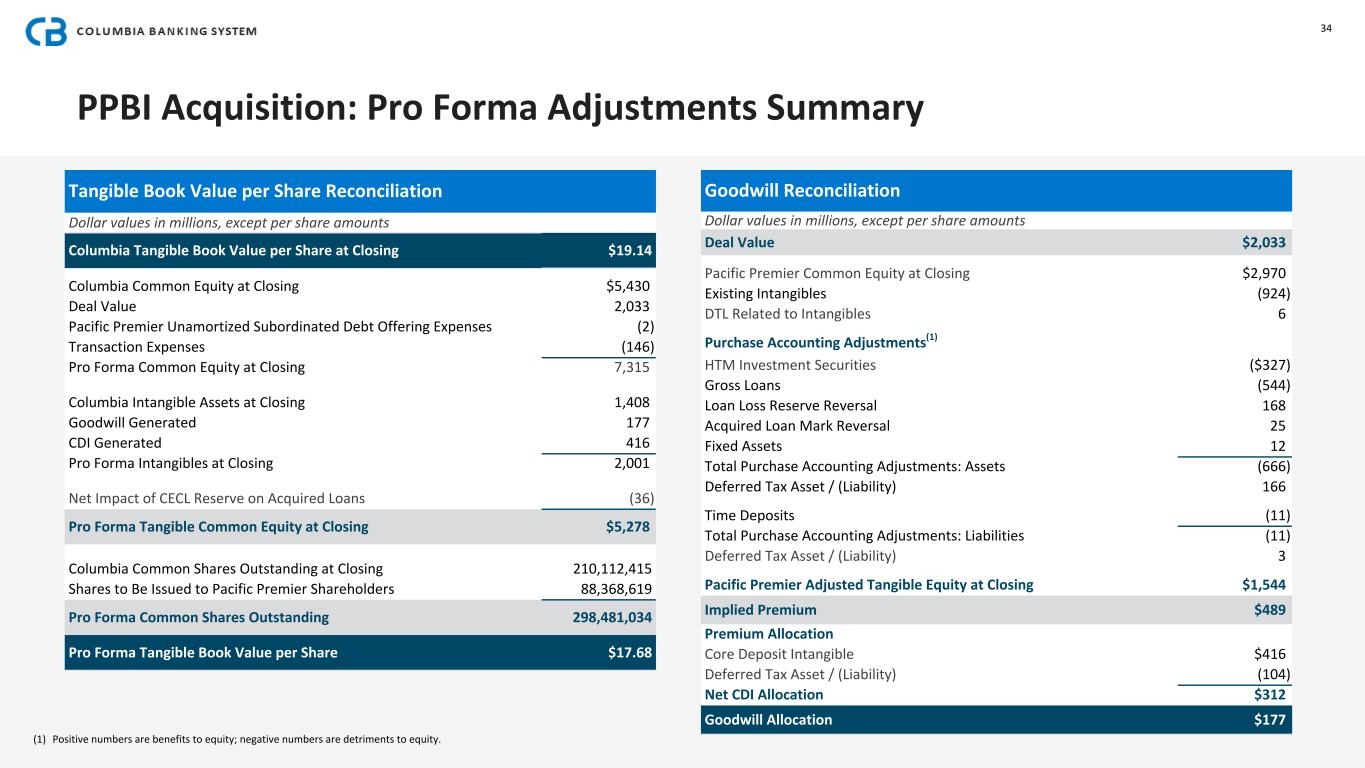
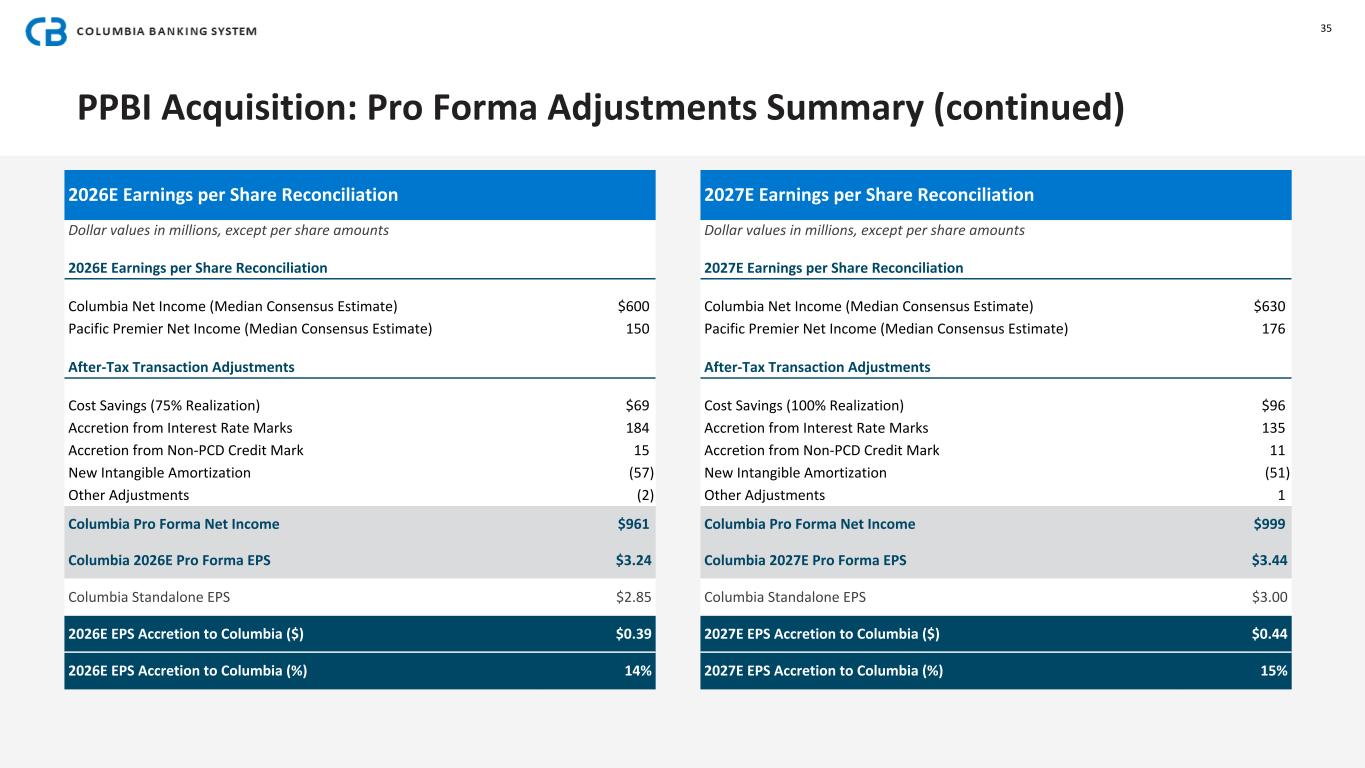
I say, well, our margins increased compared to 90 days ago. And again, when you look to the combined effects of the deal, I just default back to the materials we also included here in the appendix of the earnings presentation around the deal math. So that's really more a function of where are those NIMS at today compared to what was in the consensus, which was the basis for the math.
Okay, but the message is you're feeling better about your margin. I can make the assumption on PBVN. Okay, thanks. Appreciate it.
Operator
Thank you. Ladies and gentlemen, I am showing no further questions in the queue. I will now like to turn the call back over to Jackie for closing remarks.
Thank you, Shalanda. Thank you for joining this afternoon's call. Please contact me if you have any questions or would like to schedule a follow-up discussion with members of management. Have a good rest of the day.
Operator
Ladies and gentlemen, that concludes today's conference call. Thank you for your participation. You may now disconnect.