Operator
Good afternoon, and thank you for joining us. Welcome to Grove Collaborative Holdings, Inc.'s First Quarter 2025 Earnings Conference Call. All lines are currently muted to minimize background noise. After the presentation, we will open the floor for questions. Please note that this call is being recorded. Presenting today are Grove's CEO, Jeff Yurcisin, and Interim CFO, Tom Siragusa. Before they begin their remarks, I will outline the forward-looking statements. Some comments made today regarding future prospects, financial results, business strategies, industry trends, and Grove's capacity to handle business risks may be classified as forward-looking. This includes statements about expectations for revenue and profitability, product expansion, improvements in net revenue per order and order frequency, expectations for the first quarter of 2025 being the lowest revenue quarter, and anticipated revenue growth for the second and third quarters of 2025. There is also guidance on fourth quarter revenue growth, and projections of 2025 revenue declining by approximately mid-single-digit to low double-digit percentage points year-over-year. Adjusted EBITDA for 2025 is expected to be negative low single-digit to positive low single-digit millions. This encompasses the anticipated effects of the eCommerce platform transition and the impact of tariffs along with our ability to mitigate those effects. These statements reflect our current views and are subject to a variety of risks and uncertainties that might lead to actual outcomes differing significantly from those projected, including risks discussed in Grove's SEC filings. We are not obligated to update any forward-looking statements except as required by applicable securities laws. You can find more information about the risk factors in Grove's recent SEC filings available on our Investor Relations website at investors.grove.co. Today, we will also talk about certain non-GAAP financial measures that adjust GAAP results to exclude certain items. Additional information on these non-GAAP measures and reconciliations to the most comparable GAAP measures can be found in Grove's earnings release on our Investor Relations website. Now, I will hand the call over to Jeff Yurcisin to begin.
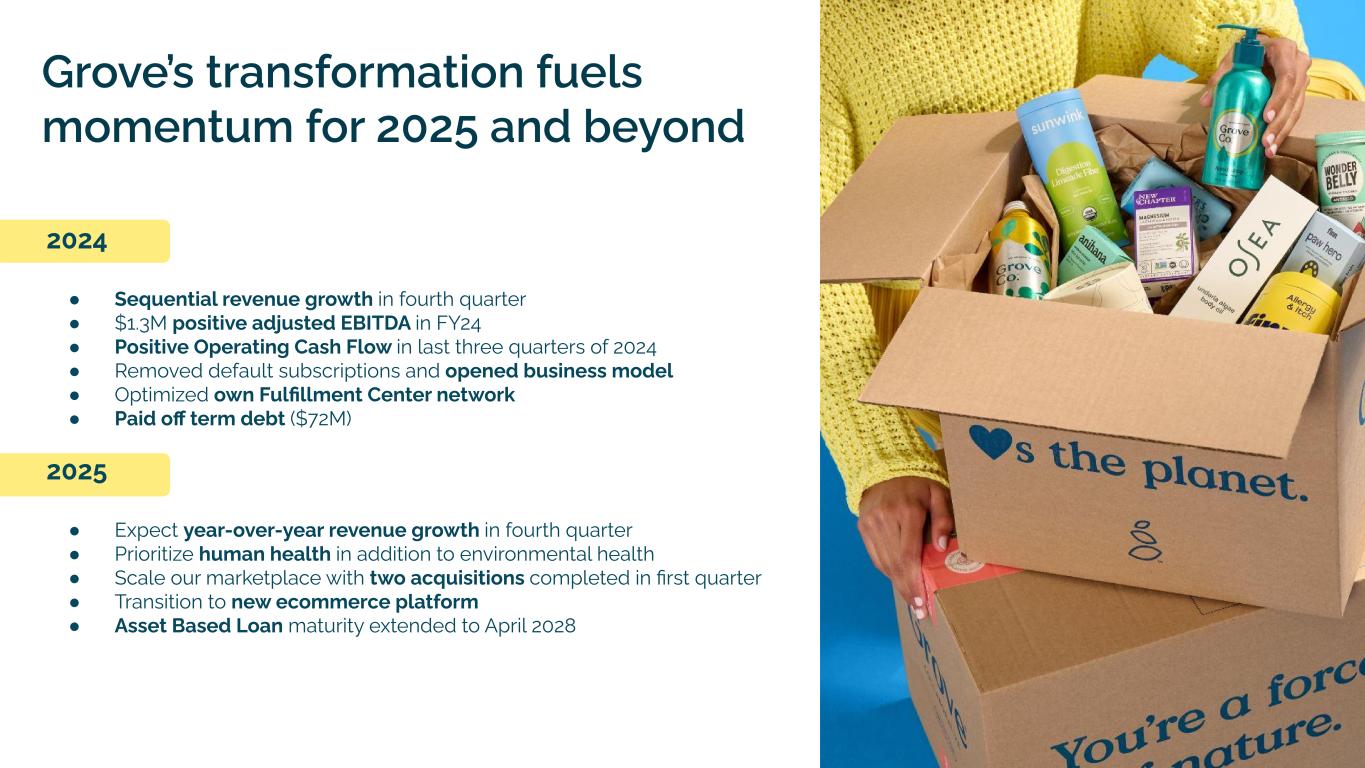
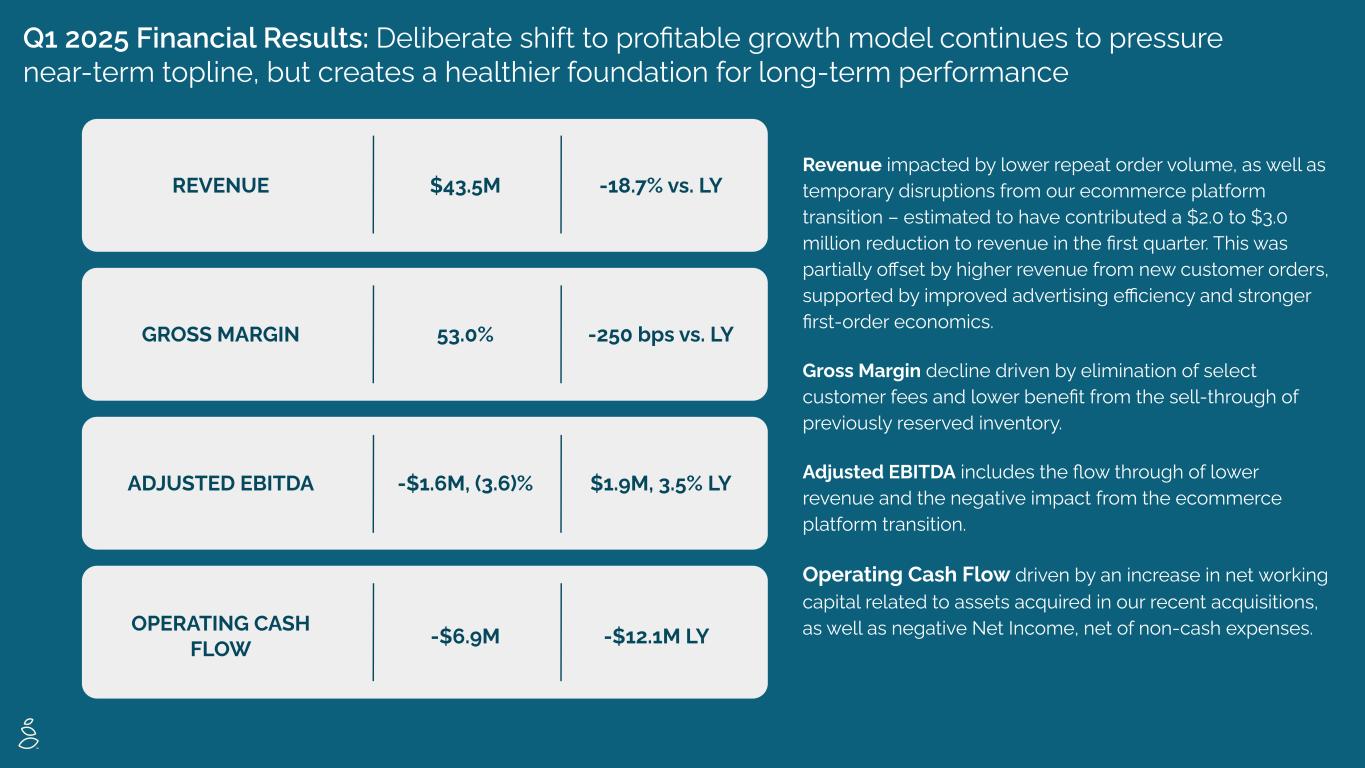
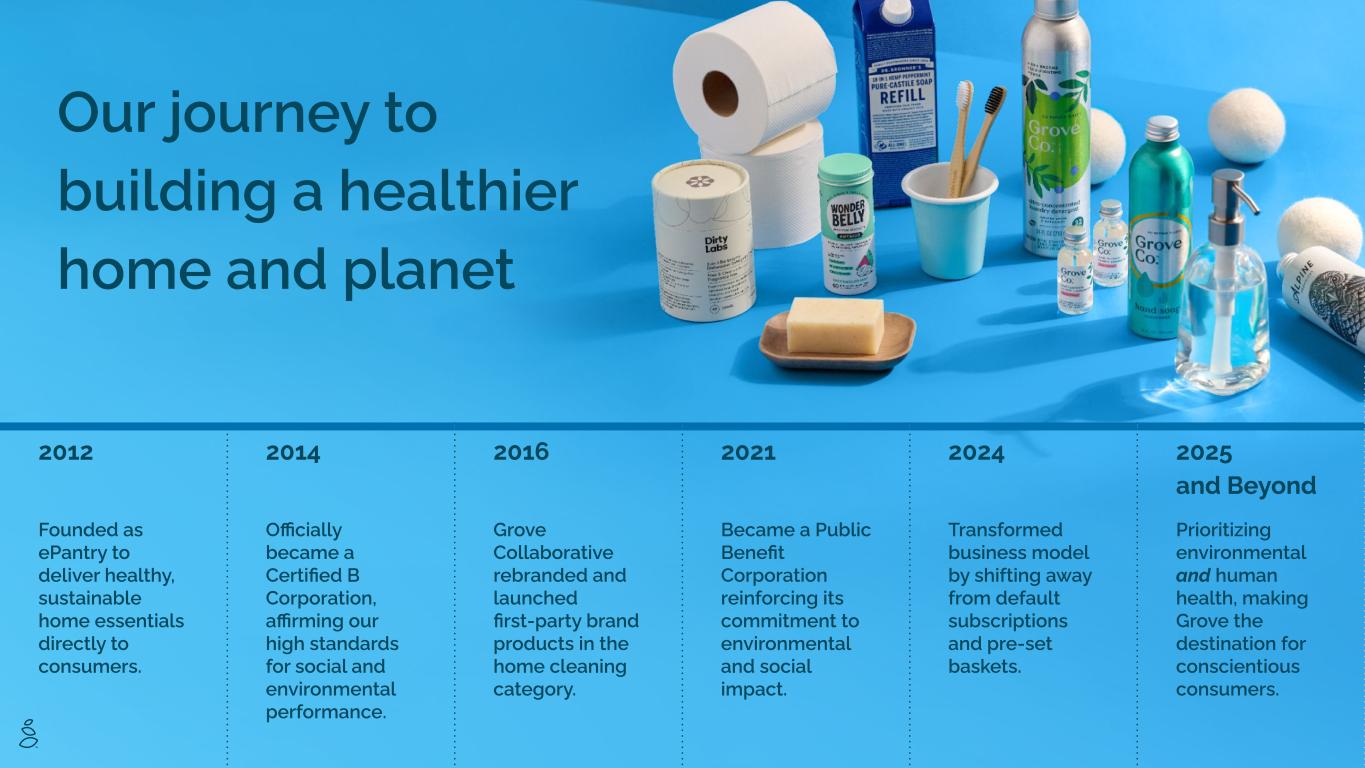
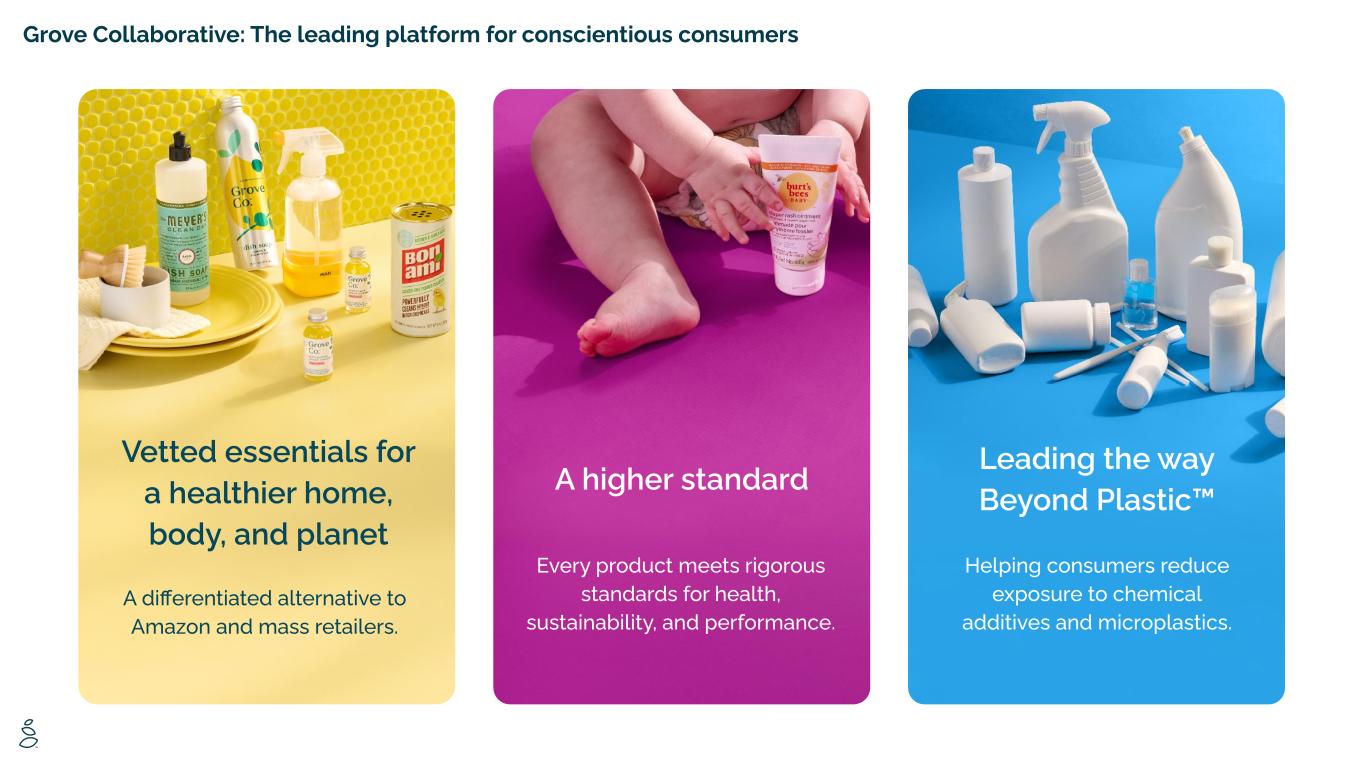
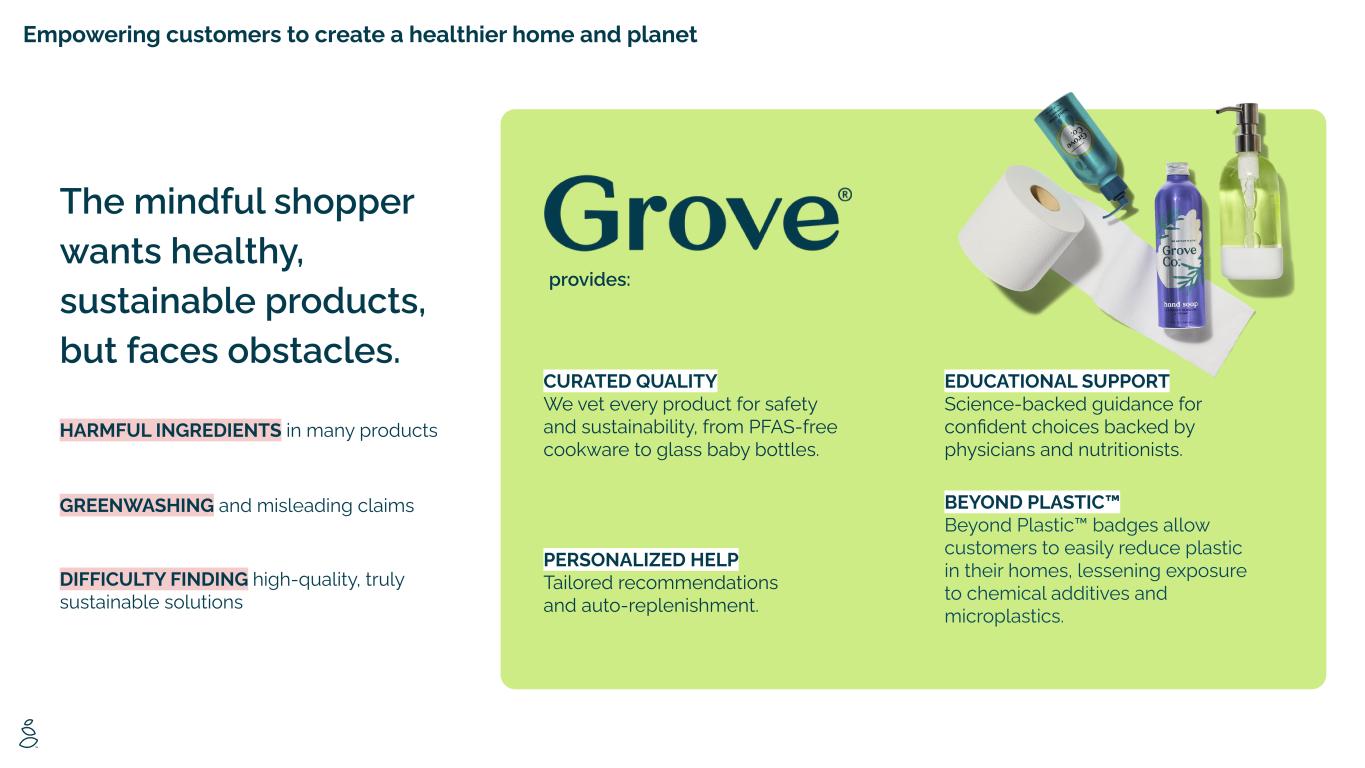
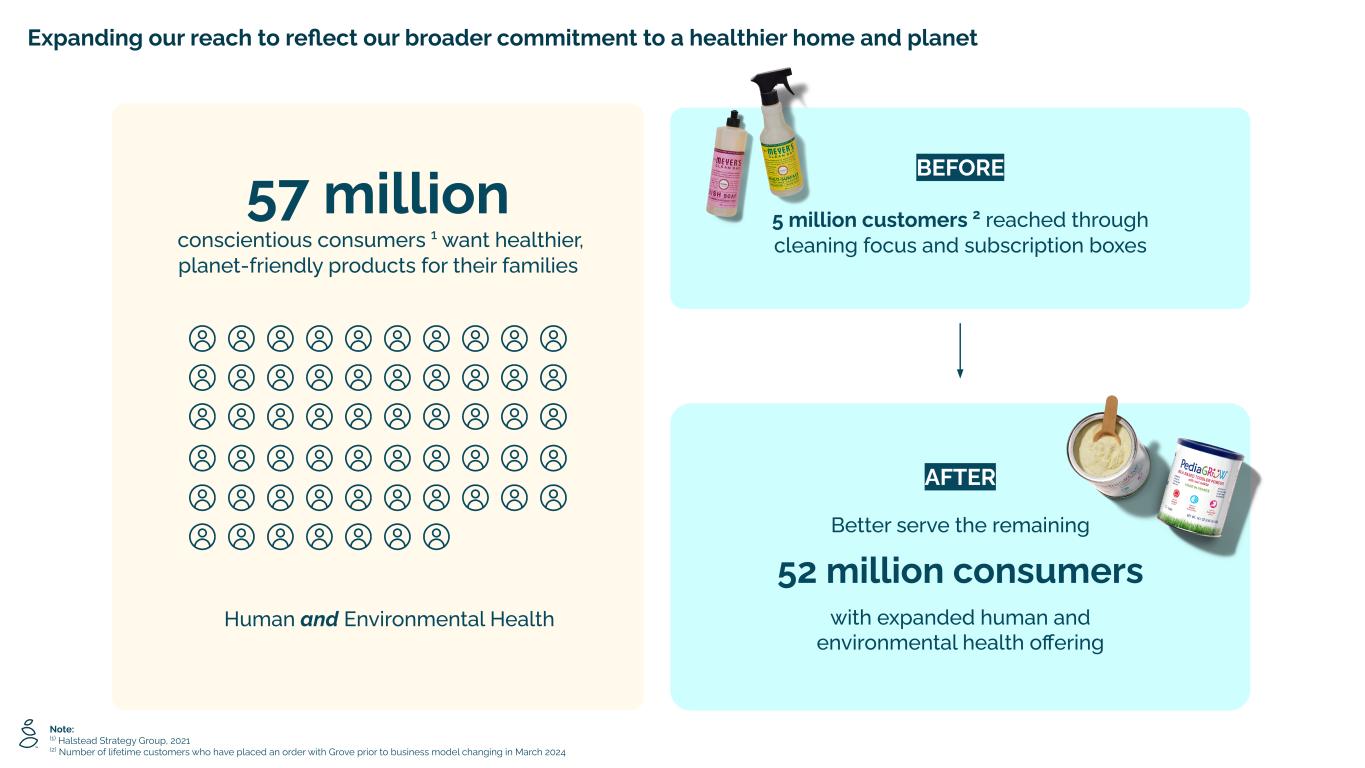
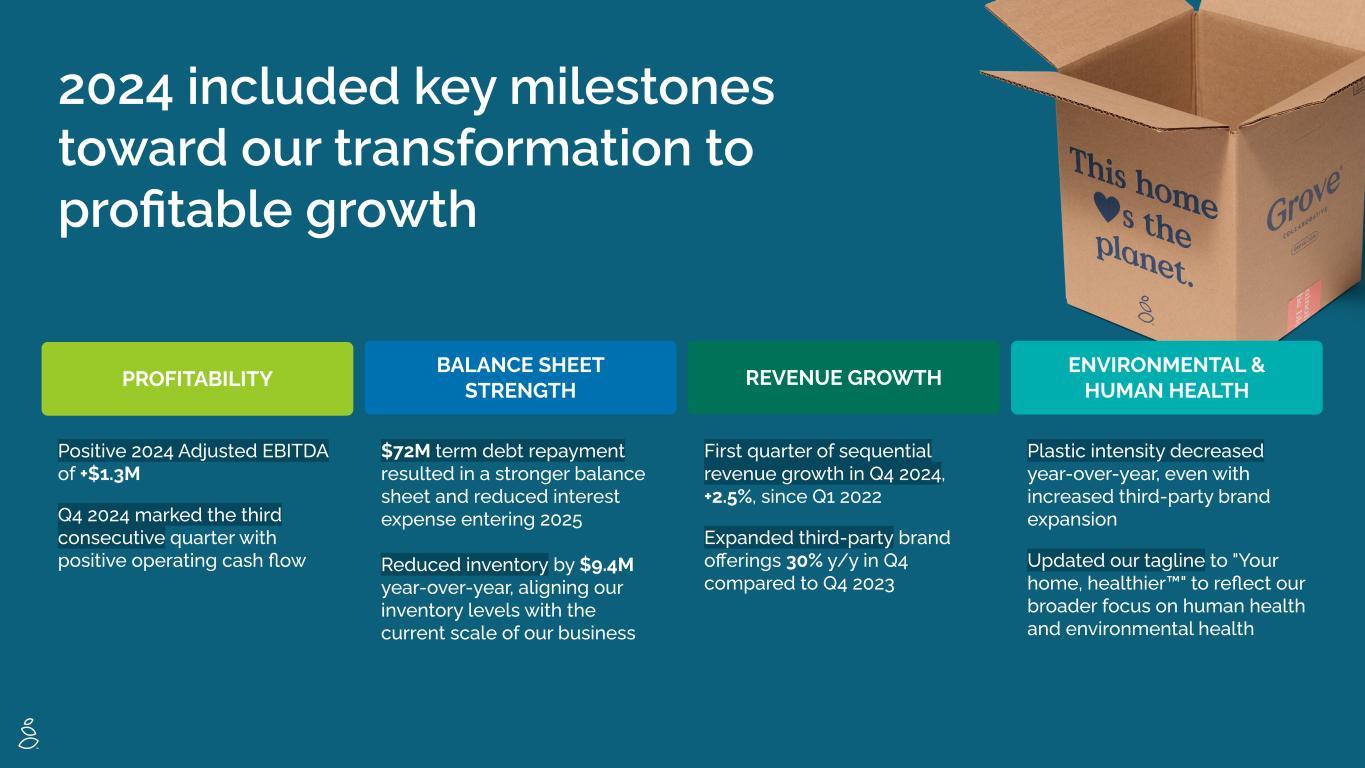
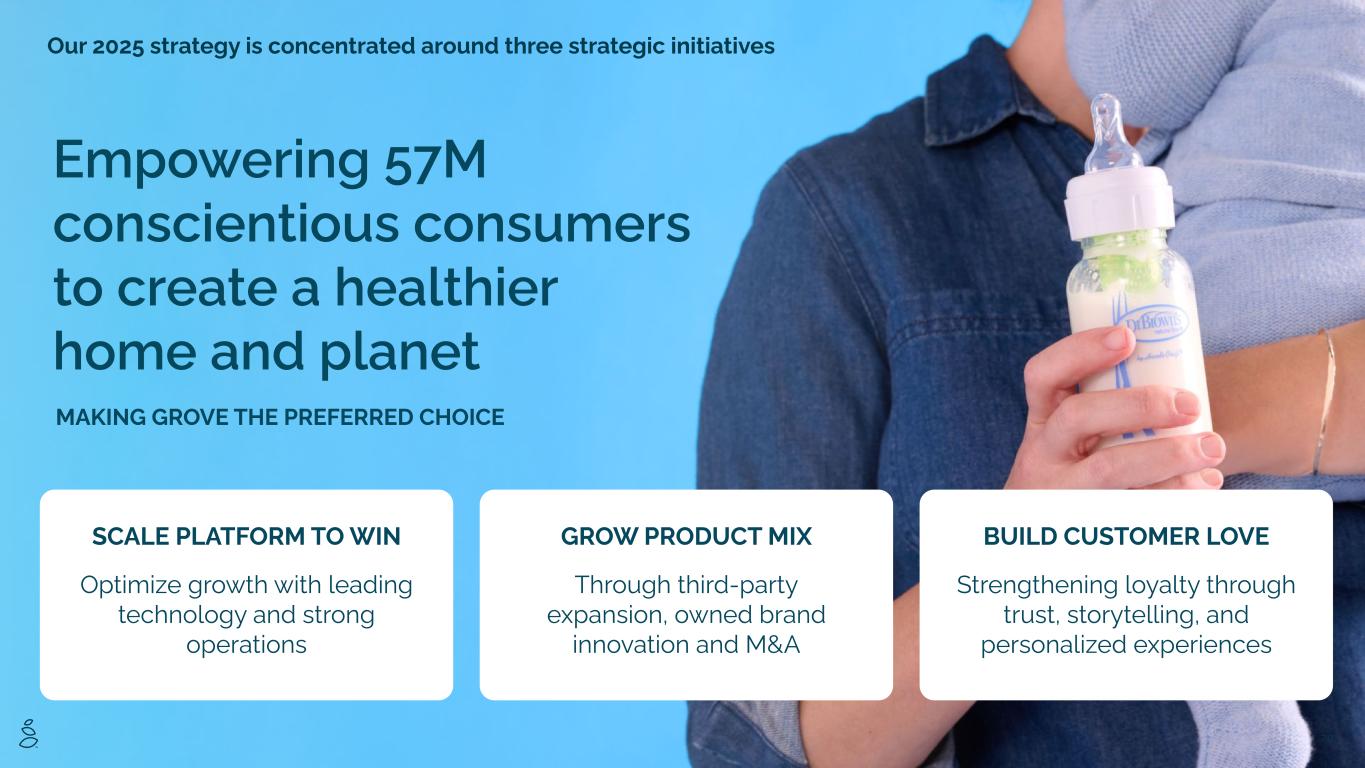
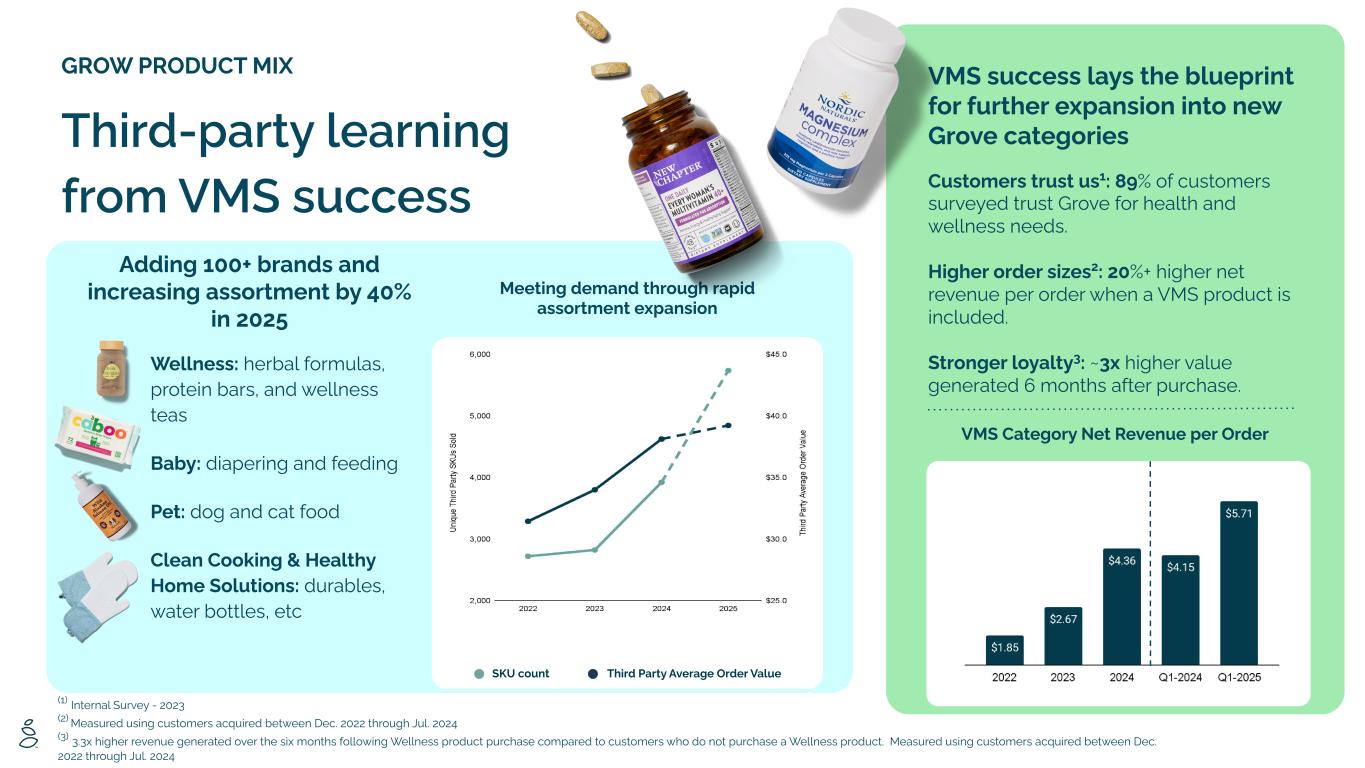
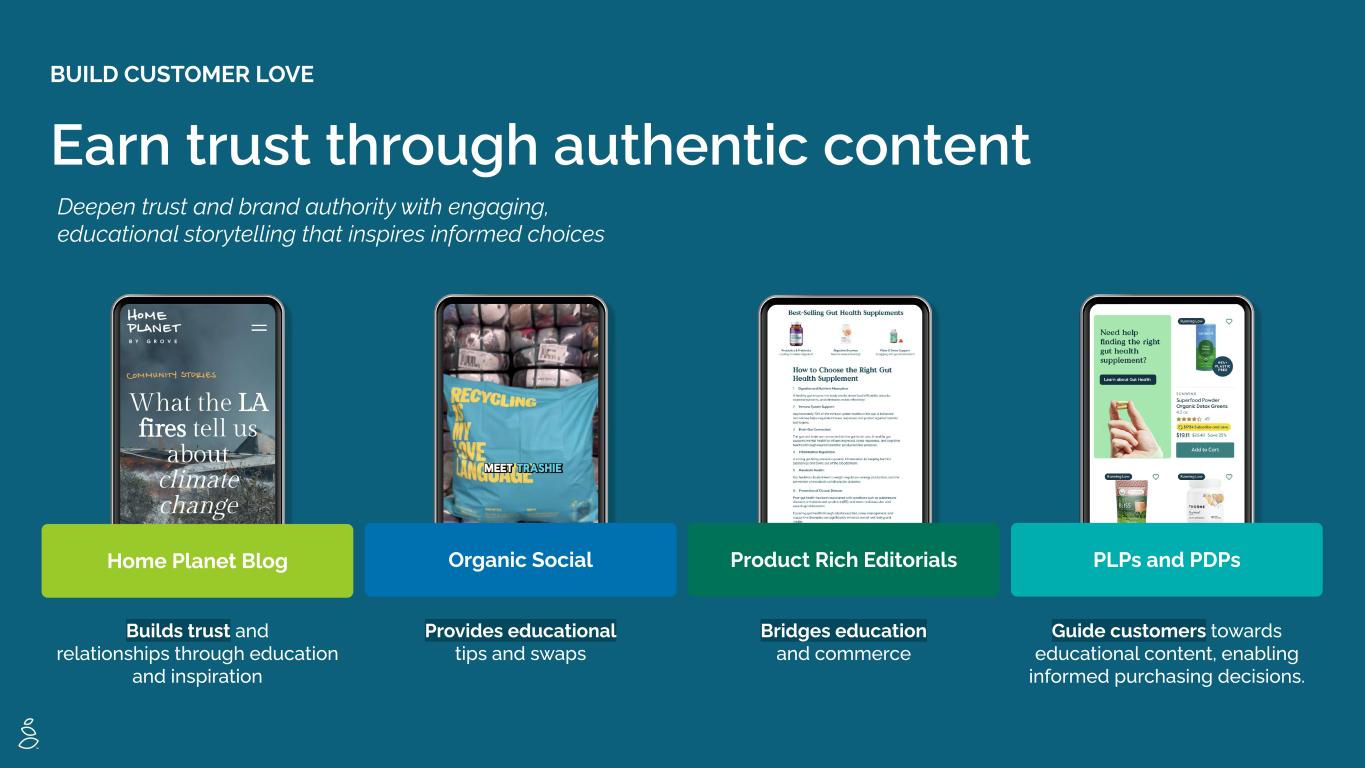
Thank you, operator. Good afternoon, everyone, and thank you for joining us today. Our strategy is centered on creating the best possible experience for the 57 million conscientious consumers who are actively seeking a trusted partner to help them make healthier, more sustainable choices for their families and the planet. We're building Grove into a destination defined by trust, high standards, sustainability and personal wellness. And we believe this clear point of differentiation will drive long-term customer loyalty and profitable growth. We are still in the middle of our transformation. And while we are disappointed with the first quarter results that we will discuss today, we are encouraged by the internal progress we've seen in recent weeks, including stronger first-order conversion rates and order economics. As I've shared in previous, we remain focused on four strategic pillars: one, sustained profitability; two, balance sheet strength; three, revenue growth; and four, environmental and human health. These priorities continue to guide our decisions, align our teams and drive measurable progress toward building a stronger, more resilient company. Before we dive into the pillars, I want to address two important topics: our eCommerce platform migration and the evolving tariff landscape. In early March, we executed the migration of our eCommerce platform, which we announced in August of '24. This move represents a foundational shift in which we transition from internally built technology to scalable, industry-leading platforms supported by external partners. These new systems provide enhanced flexibility, faster development cycles and a stronger infrastructure for future growth. In the weeks following launch, order conversion and volume were negatively impacted. We estimate the migration resulted in a $2 million to $3 million revenue impact in Q1 based on a comparison of pre- and post-launch order volume and revenue per order. The impact of this disruption, along with its potential downstream effects on customer retention, has been factored into our revised full-year guidance, which Tom will cover shortly. We are actively implementing win-back strategies to re-engage affected customers and rebuild trust due to the outages. As of today, we have addressed the most critical issues identified, and our team is now focused on improving the overall customer experience, including enhancing navigation for discovery, embedding content into the shopping experience, fine-tuning merchandising and rolling out new features that elevate site performance and engagement. Importantly, this new platform enables capabilities we previously didn't have, such as faster deployment of customized landing pages, more flexible promotional strategies and new customer acquisition offers beyond our historical free-gift model. These tools are important for driving scalable growth and deeper customer engagement in the quarters ahead. Despite the challenges we experienced, we still firmly believe that this transition was the right decision for our business. We are excited about the expanded capabilities it will provide us. Turning to tariffs. Like many in the consumer goods space, we're navigating a macroeconomic environment with newly implemented tariffs. We've taken several steps to protect both our margins and our customers, including targeted pricing adjustments on the most impacted items, renegotiations with suppliers and a strategic review of our sourcing across China, Mexico, Canada and the U.S. For some products, like our bamboo paper products, we are evaluating sourcing alternatives outside of China, where China produces the majority of the world's bamboo. Our teams are actively exploring diversified sourcing strategies and monitoring policy developments closely. While there is still uncertainty around how these tariffs will evolve, we believe our mitigation efforts will position us to adapt quickly. With that, let's move into the strategic pillars at the core of our transformation, starting with our first pillar, sustained profitability. Adjusted EBITDA for the first quarter was a negative $1.6 million or a margin of negative 3.7%. This reflects the seasonal softness typical of Q1 as well as the impact of our eCommerce platform disruption. We remain committed to strengthening our underlying cost structure and driving operating efficiencies across the business. As we stabilize our eCommerce platform and scale new revenue initiatives, we expect profitability to improve. We continue to take deliberate actions to position Grove for long-term sustainable margin expansion. This includes a reduction in technology headcount in the first quarter following our platform transition as well as a heightened focus on advertising efficiency and first-order economics to drive healthy, sustainable customer acquisition. These changes are showing early signs of positive impact and set a stronger foundation as we look ahead to the rest of the year. Next, we move to our second pillar, balance sheet strength. Following the end of the quarter, we amended our asset-based loan facility, extending its maturity to April 2028 among other changes. Tom will share more details later on. Our third pillar is revenue growth. The first quarter of 2025 delivered $43.5 million of revenue, down 18.7% year-over-year and below the fourth quarter of 2024. Despite the decline, we made progress on several key growth drivers. We're seeing early gains from our refined messaging and media strategy. Our expanded tagline, 'Your home, healthier' is resonating with customers, and we're leaning into creative that showcases Grove's differentiated value across home care, personal care, wellness and more. We also enhanced the shopping experience with more guided inspirational content and launched a new customer offer that positions Grove as the go-to destination for a broader range of home and lifestyle needs, building beyond our heritage in home cleaning. In addition, as previously announced, we completed the asset acquisitions of existing third-party brand, Grab Green, as well as wellness brand, 8Greens. We are still integrating the brands into our operations, but we have migrated our customers to the Grove website and are beginning to advertise these brands to our existing customers. We also significantly expanded our third-party assortment, growing the number of brands offered by 41% year-over-year and individual products by 54%. New additions include well-known names like Billie, Cocofloss, Hydro Flask, Solaray, The Neighborgoods and The Unscented Company. Throughout 2025, we plan to continue expanding our assortment, particularly in clean beauty, personal care, kitchen and pantry, baby and wellness, which we expect will drive improvements to both net revenue per order and order frequency. Our fourth and final pillar is environmental and human health. We continue to lead with our mission. Our focus on sustainability and personal health is resonating with customers and guiding our strategy. This is what differentiates us. We've rolled out new educational content to help consumers make healthier, more sustainable choices, including our new blog, Home Planet, which acts as a trusted companion for eco-conscious living. We've also upgraded our product pages and published rich editorial content that explains not just which products we recommend, but why they meet our standards. These efforts are building customer trust, essential for long-term loyalty and further strengthening the Grove brand. Last week, we also released our '24-'25 sustainability report, outlining progress on key commitments around plastic, carbon, ingredient standards, forest health and equity. This report also highlights the partnerships and innovation fueling our long-term environmental and social goals, including the approval of science-based targets to reduce emissions. Lastly, when it comes to human health, our team has been working cross-functionally to develop new category level standards, making our vetting process even more transparent for customers through new certification requirements and an expanded list of banned ingredients. Our strategy and mission remain our North Star, backed by a creative collaborative team that's solving hard problems with focus and resilience. I remain confident that we are on the right path. With that, I'll turn it over to Tom for a deeper dive into our financials. Tom, please go ahead.
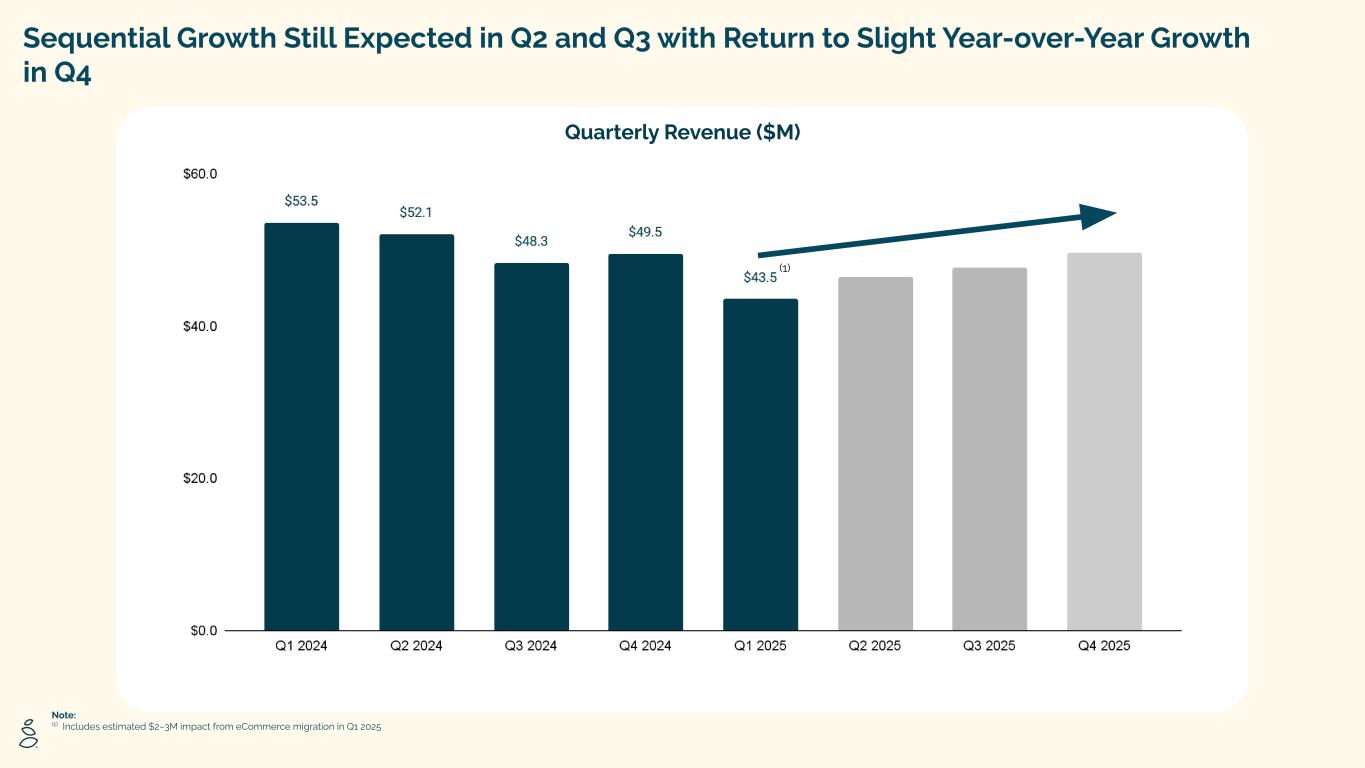
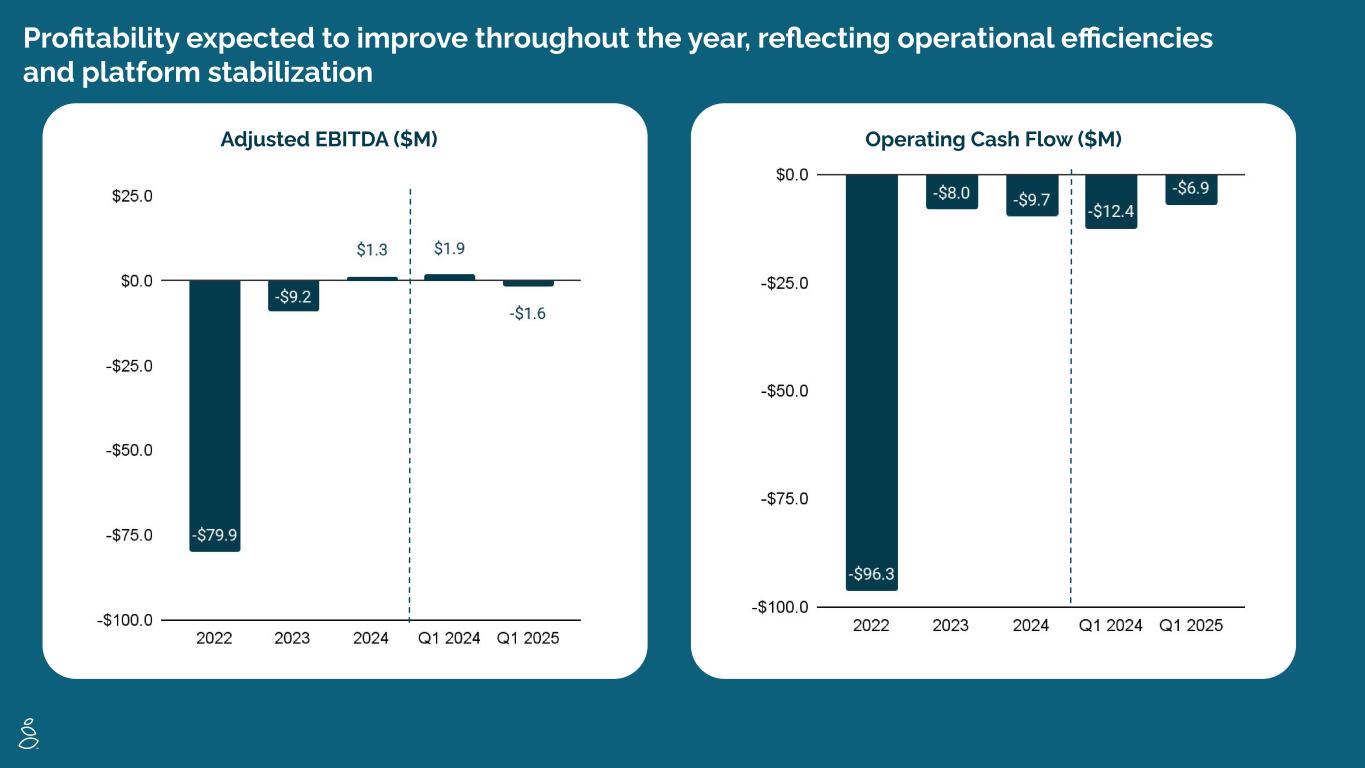
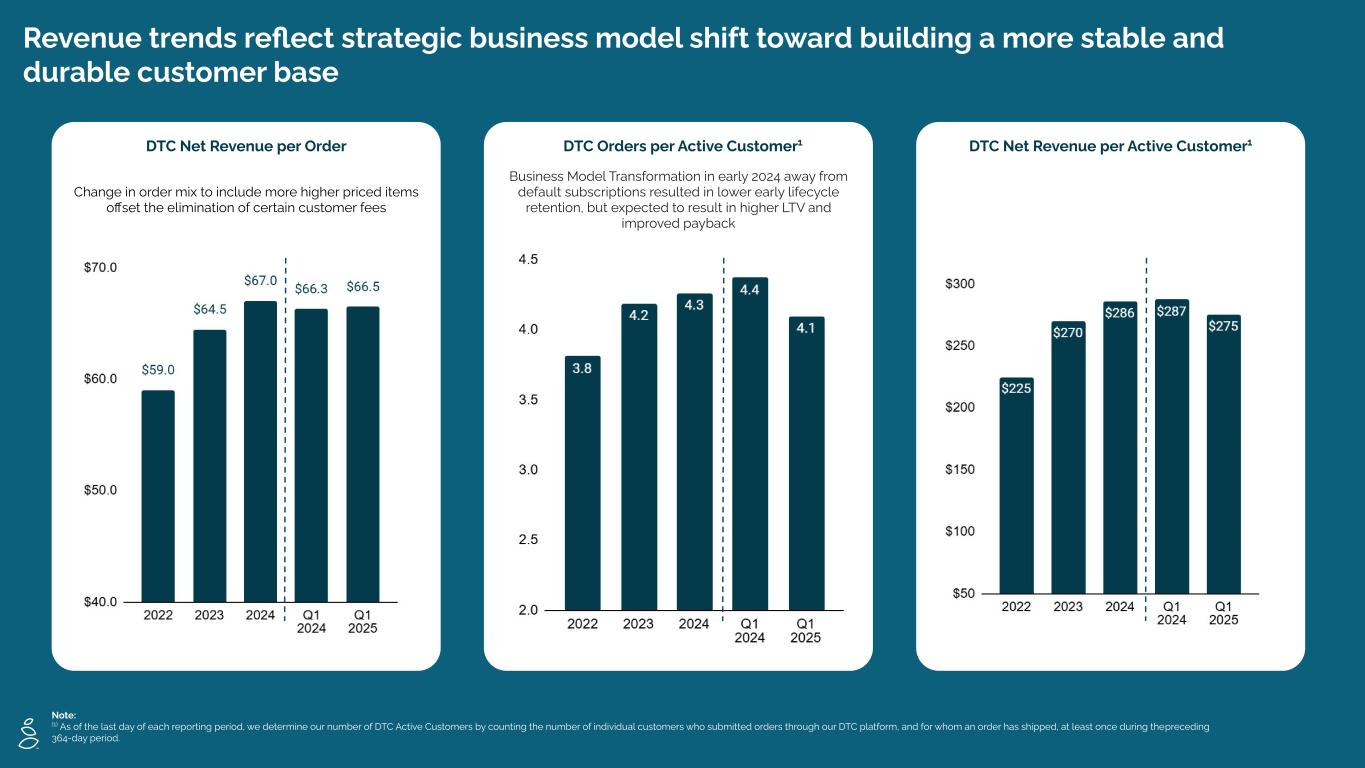
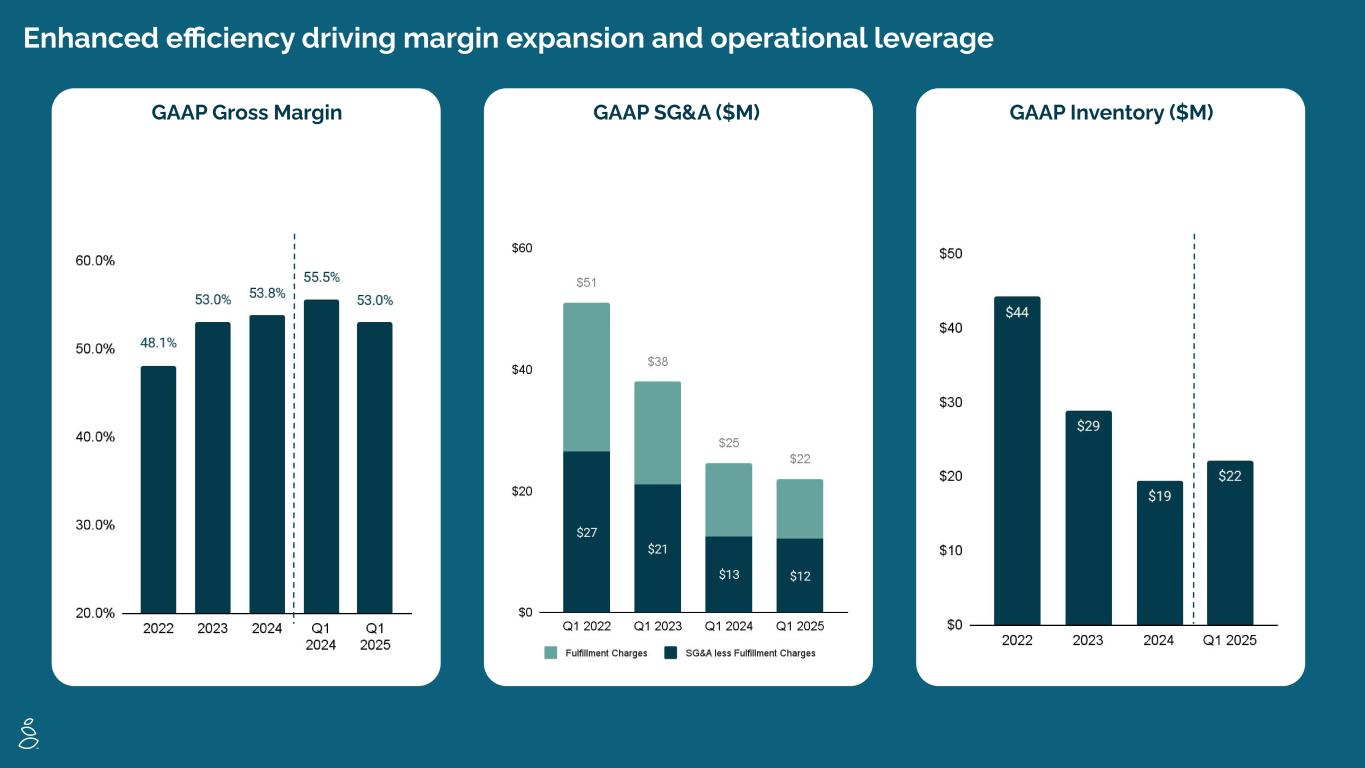
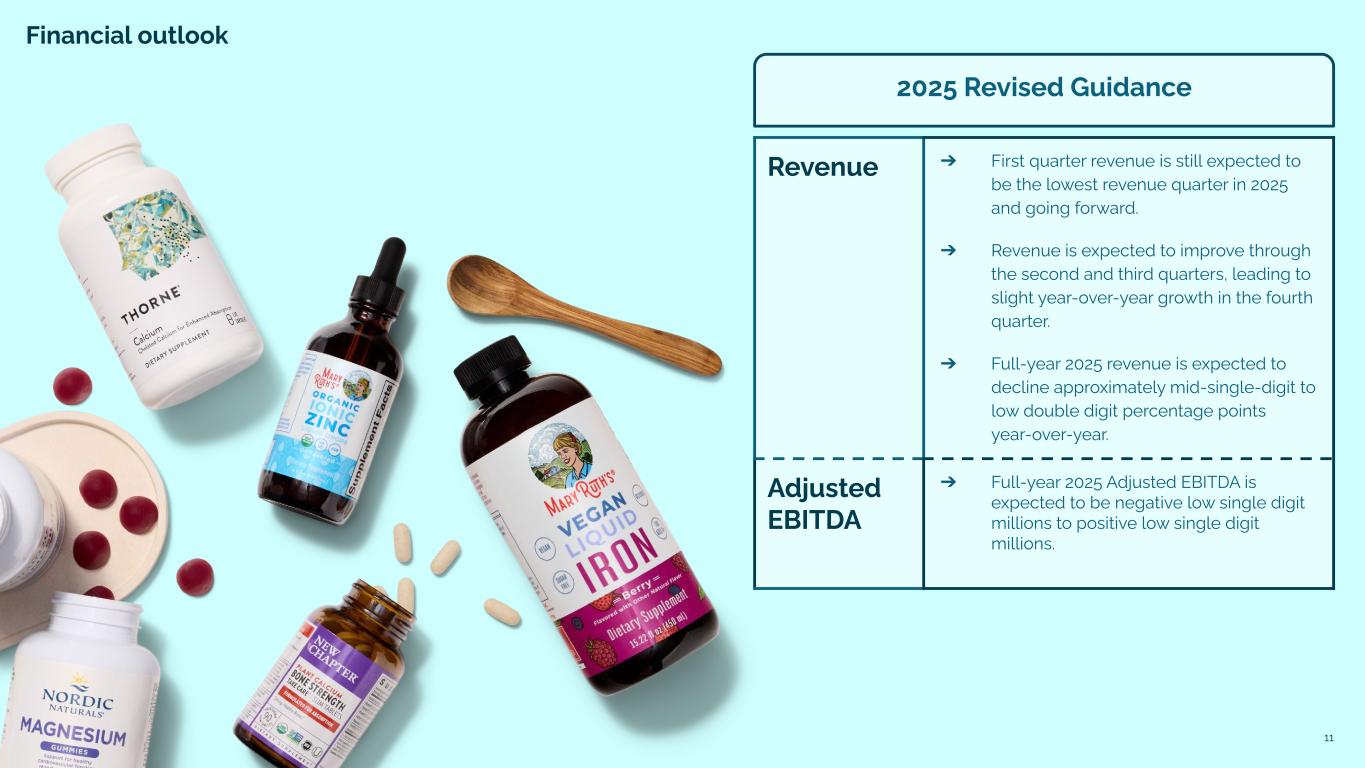
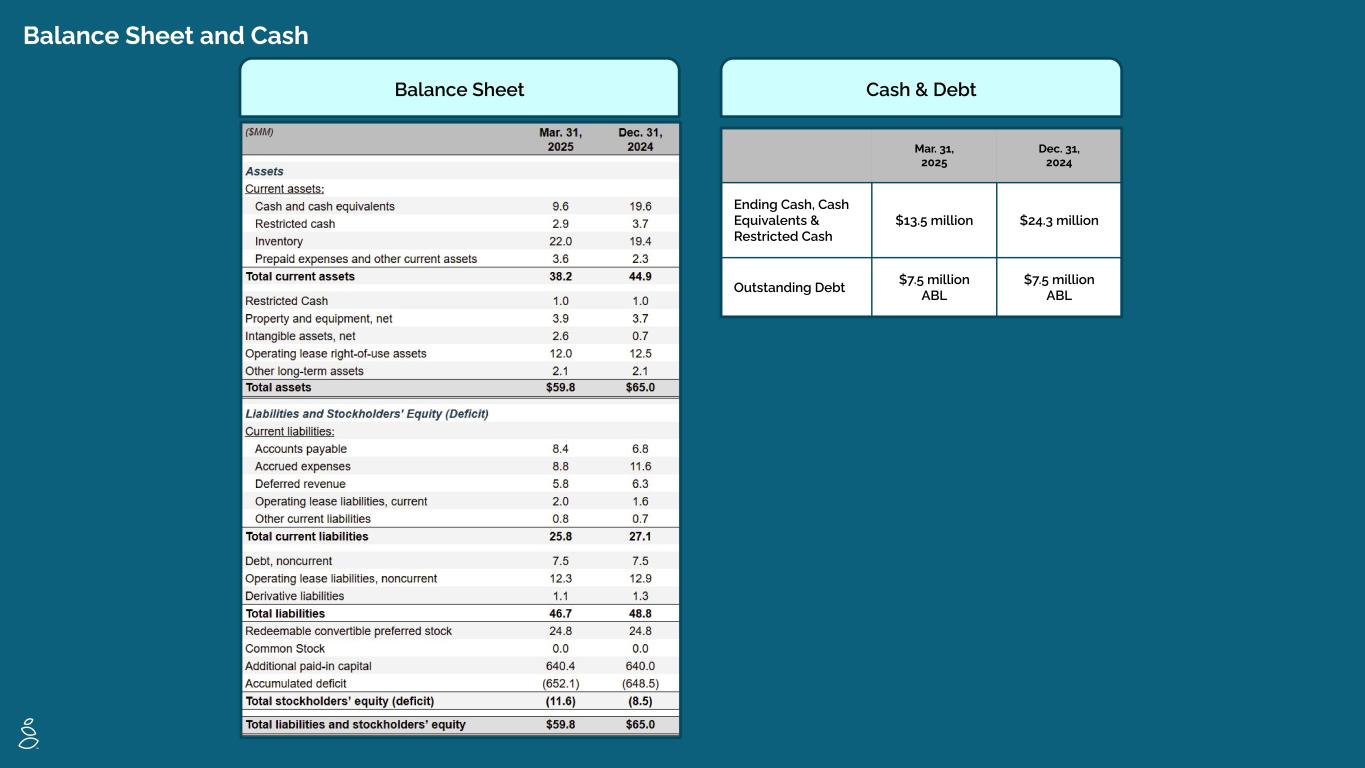
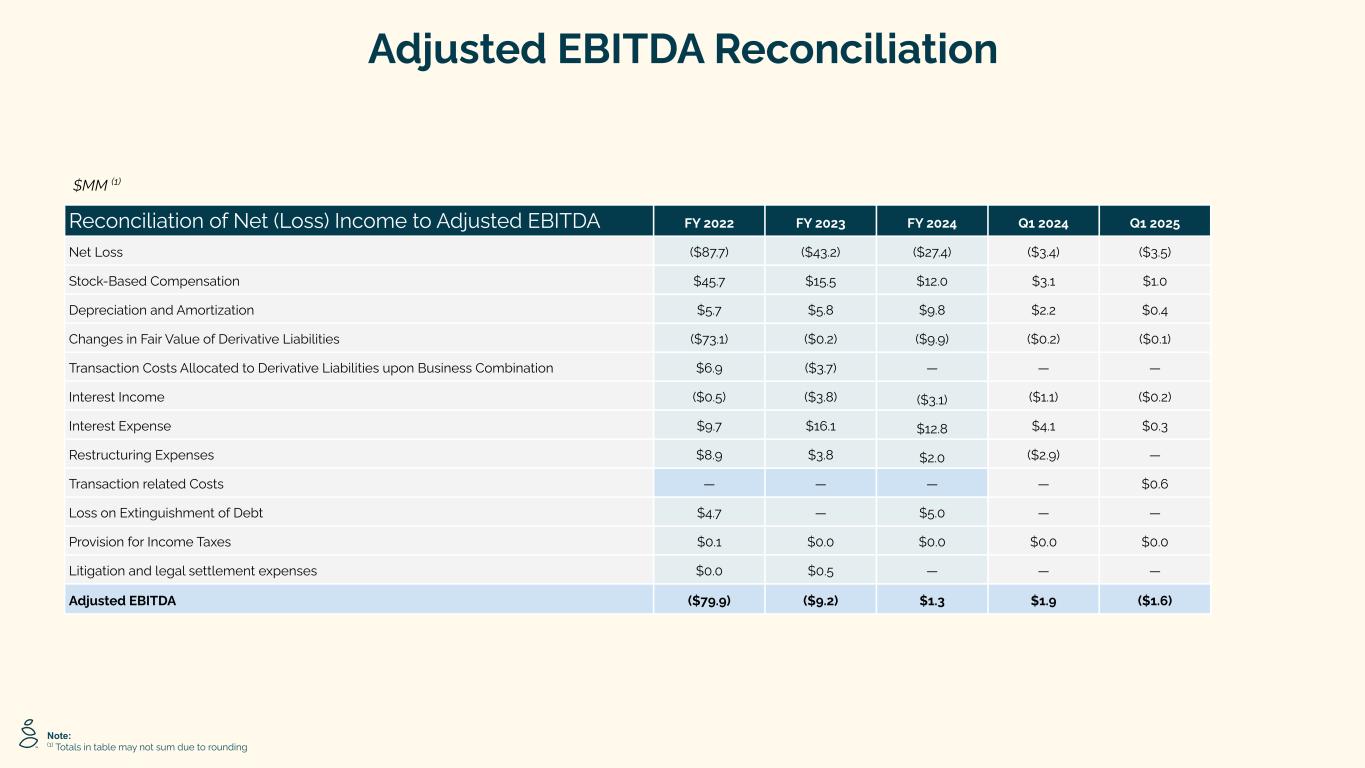
Thank you, Jeff. Unlike previous calls where we shared both quarter-over-quarter and year-over-year comparisons, we are now focusing primarily on year-over-year comparisons unless otherwise noted, as we shift our focus from sequential improvements to year-over-year improvements. Starting with the top line. Revenue for the first quarter was $43.5 million, down 18.7% year-over-year. This decline was primarily driven by lower repeat order volume, which reflects both a smaller active customer base and the temporary disruptions from our eCommerce platform transition. The reduced customer base is largely the result of lower advertising spend across 2024 and prior years, which in turn led to fewer new customer acquisitions in those years. And given that many of our customers placed multiple orders over time, this drop in acquisition impacted repeat order volume and revenue in the current period. This trend is consistent with our deliberate strategy to prioritize holistic P&L transformation and profitable growth amidst our turnaround, a strategy that continues to put near-term pressure on the top line. As Jeff previously mentioned, further contributing to the decline, we estimate the eCommerce platform transition contributed a $2 million to $3 million revenue headwind in the current quarter. Partially offsetting these pressures was higher revenue from new customer orders, supported by improved advertising efficiency and stronger first-order economics. These gains allowed us to responsibly increase customer acquisition spend in the quarter. Total orders for the quarter were 622,000, a decline of 20% year-over-year, primarily driven by a smaller base of active customers and short-term disruption during our eCommerce platform migration. Active customers totaled 678,000 at quarter end, down 16% compared to the prior year. Both declines reflect the lagging impact of reduced advertising spend throughout 2024 and earlier, which resulted in lower customer acquisition and retention leading into this year. DTC net revenue per order was $66.49, a 0.3% increase primarily driven by a change in order mix to include higher-priced items, especially as a result of our expanded third-party assortment. This was partially offset by the elimination of certain customer fees in 2024. Our gross margin was 53%, a decline of 260 basis points. The reduction reflects the absence of certain customer fees previously charged, along with a smaller benefit from the sell-through of previously reserved inventory. Turning to advertising. We invested $2.8 million in the quarter, a $0.8 million increase year-over-year. Despite the challenges presented by the platform migration, we leaned into channels that were delivering improved returns. Our investment was driven by improved new customer conversion and order economics that resulted from improved messaging and new customer acquisition strategies. These gains allowed us to scale spend while maintaining healthy customer acquisition costs. Our focus remains on allocating spend to our highest performing channels while diversifying through new formats, including Connected TV and influencer campaigns in the coming quarters. Product development expense was $1.8 million, a decline of 50.9% year-over-year, reflecting our continued effort to streamline operations. This includes reductions in technology headcount following the platform migration and lower depreciation costs resulting from our legacy platform, which was fully depreciated for financial statement purposes in 2024. SG&A expense was $22 million, down 10.6% year-over-year. The reduction was driven by lower stock compensation, reduced depreciation and amortization, and lower fulfillment costs from fewer orders. Notably, the first quarter of 2024 included a one-time $2.9 million gain from restructuring, primarily related to the amendment of our corporate headquarters lease, which did not repeat this year. Adjusted EBITDA was negative $1.6 million or a margin of negative 3.7% compared to positive $1.9 million or a 3.5% margin in the first quarter of 2024. This includes the flow-through of lower revenue in the quarter as well as the negative impact from the eCommerce platform transition. Operating cash flow was negative $6.9 million. This was primarily driven by an increase in working capital related to assets acquired in our recent acquisitions, as well as negative net income, net of noncash expenses. Turning to the balance sheet. We ended the quarter with $13.5 million in cash, cash equivalents and restricted cash, down from $24.3 million in the fourth quarter. The reduction is primarily driven by negative operating cash flow and the asset acquisitions of Grab Green and 8Greens. We also ended the quarter with an inventory balance of $22.1 million, an increase of $2.7 million from Q4, largely due to inventory acquired through the Grab Green and 8Greens transactions. And lastly, as Jeff noted, we finalized an amendment to our asset-based loan facility subsequent to the end of the quarter. This amendment extends the maturity to April 2028, increases availability under the facility by removing the minimum liquidity covenant and includes other modifications, including amending the interest rate and certain other covenants. Full details can be found in our 8-K filing from May 9, 2025. Now turning to our outlook. For the 12-month period ending December 31, 2025, we are providing the following revised guidance. For revenue, we still expect Q1 to be our lowest revenue quarter of 2025 and going forward. Revenue is still expected to improve through the second and third quarters, leading to slight year-over-year growth in the fourth quarter. And we now expect full-year 2025 revenue to decline approximately mid-single-digit to low double-digit percentage points year-over-year. Full-year 2025 adjusted EBITDA is now expected to be negative low single-digit to positive low single-digit millions. This guidance includes our estimates of the full-year impact of the eCommerce platform transition, including the first quarter impact, as well as the projected ongoing effect throughout the remainder of the year from reduced order volume tied to customer attrition during the transition. The adjusted EBITDA outlook also incorporates the known tariff-related impact, inclusive of mitigation strategies currently underway. We have assumed we are able to offset most of the tariff impact through a combination of targeted pricing adjustments, supplier renegotiations and strategic sourcing shifts, if necessary. However, there remains some uncertainty around the duration and scope of trade policy changes, all of which could affect product costs and gross margin in future quarters if mitigation efforts fall short. I'll conclude by saying that it's never easy to revise our annual guidance so soon after initially providing it, and we share in that disappointment. However, we remain firmly committed to transparency, accountability and executing the strategy that will position Grove for long-term sustainable growth. While we're encouraged by recent improvements in new customer metrics, we recognize that these gains will take time to meaningfully impact our financial results. I would like to turn the call back over to Jeff for some closing remarks.
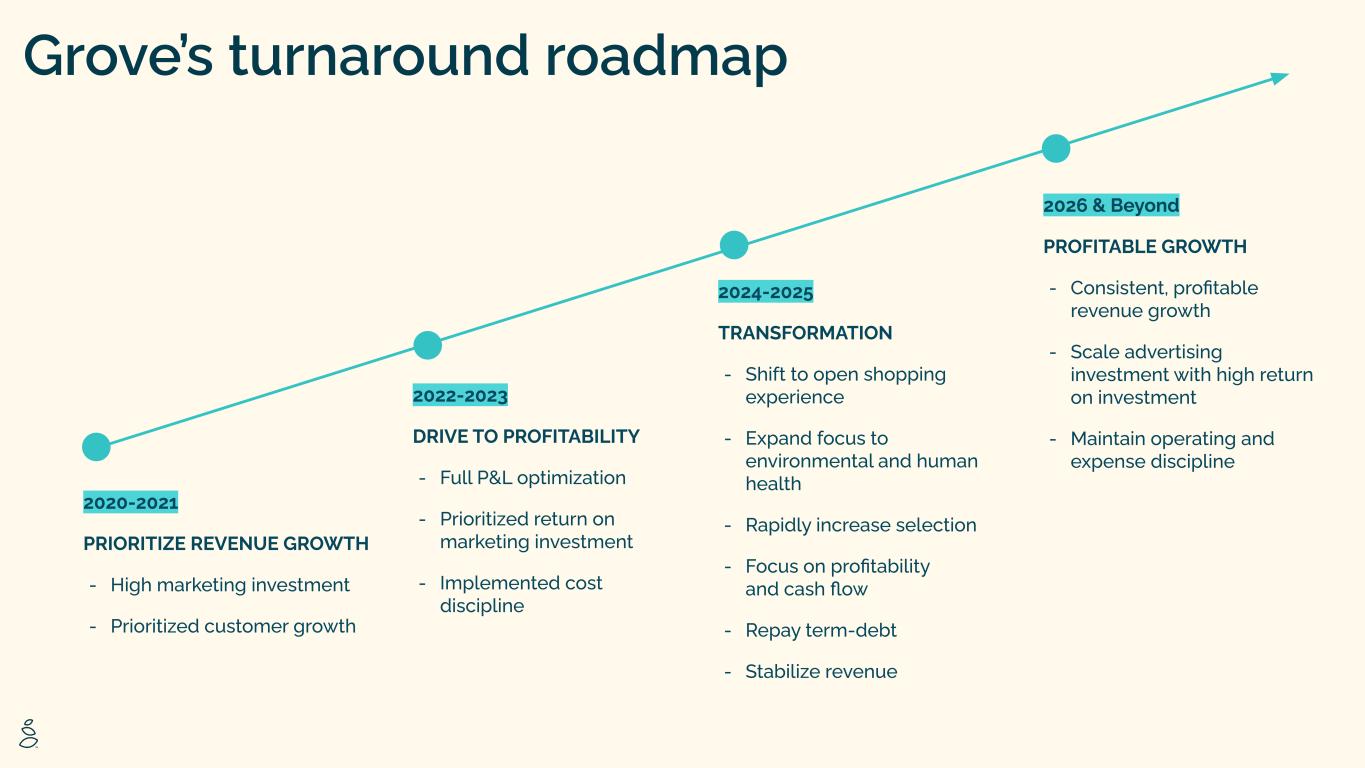
Thank you, Tom. I want to emphasize that Q1 was our revenue trough and that we are guiding towards year-over-year growth in Q4. We're seeing green shoots across the business and know that our transformation is working. At Grove, we often talk to our customers about progress over perfection. The idea that meaningful impact comes from taking consistent steps forward despite it not being the ideal we planned for. That mindset is one we fully embraced in our turnaround journey. Our focus remains on cumulative progress and long-term transformation. It starts with building the right customer experience and solving a unique customer problem, and this will drive revenue growth. We are making significant changes to Grove's business to help position us for lasting success, and that work is actively underway from removing our dated experience in early '24 to completing the migration of our eCommerce platform in early '25. We are rebuilding the foundation of Grove for greater resilience, scalability and growth. With that, we're happy to answer any questions you have. Operator, please open the line for questions.
Operator
Thank you. Our first question is from Susan Anderson with Canaccord Genuity. Please proceed.
Speaker 3
Hi, good evening. Thanks for taking my questions. I was wondering, I think you mentioned that marketing helped to drive some new customers to the platform. I'm just curious, have you been able to layer on some additional marketing yet? And where are you at now with your marketing as a percent of sales? And how should we think about it as well as we go throughout the rest of the year?
Thank you, Susan. We were pleased with our Q1 performance until the platform transition. We've managed to address most of the major issues that arose during this transition. What's encouraging is our progress with new customers. During this migration, we've developed new landing pages and dynamic offers, and we're seeing stronger performance daily compared to our initial expectations regarding new customer acquisition. While we aren't disclosing specific numbers for new customer growth right now, we're feeling very positive about our internal performance metrics. You also asked about our advertising spend. This quarter, we invested 6.4% in advertising. We're noticing positive returns and plan to increase our advertising investment over time as we see better results in customer acquisition than we have in recent years.
Speaker 3
Okay. Great. And then just really quick a follow-up on the platform transition. I guess, did you mention where you're at with that? Is it complete now? Do you think you're beyond those issues? Or how long should we think about it impacting the rest of the year?
Great question. I think we are through the most challenging parts of this transition period. Now in any transition, you have a new customer experience that has its own nuances and impacts to the financials. But all impacts have been kind of baked into our revenue guidance that we just updated, and we are seeing progress week-over-week.
Speaker 3
Okay. Great. And then maybe if I could just add one more, just how you're thinking about kind of the trajectory of sales for the third party and then your brands? As we kind of go throughout the rest of the year, should we think of it as just kind of like a steady improvement each quarter to get to that positive growth in the fourth quarter? Or is it going to be more lumpy than that?
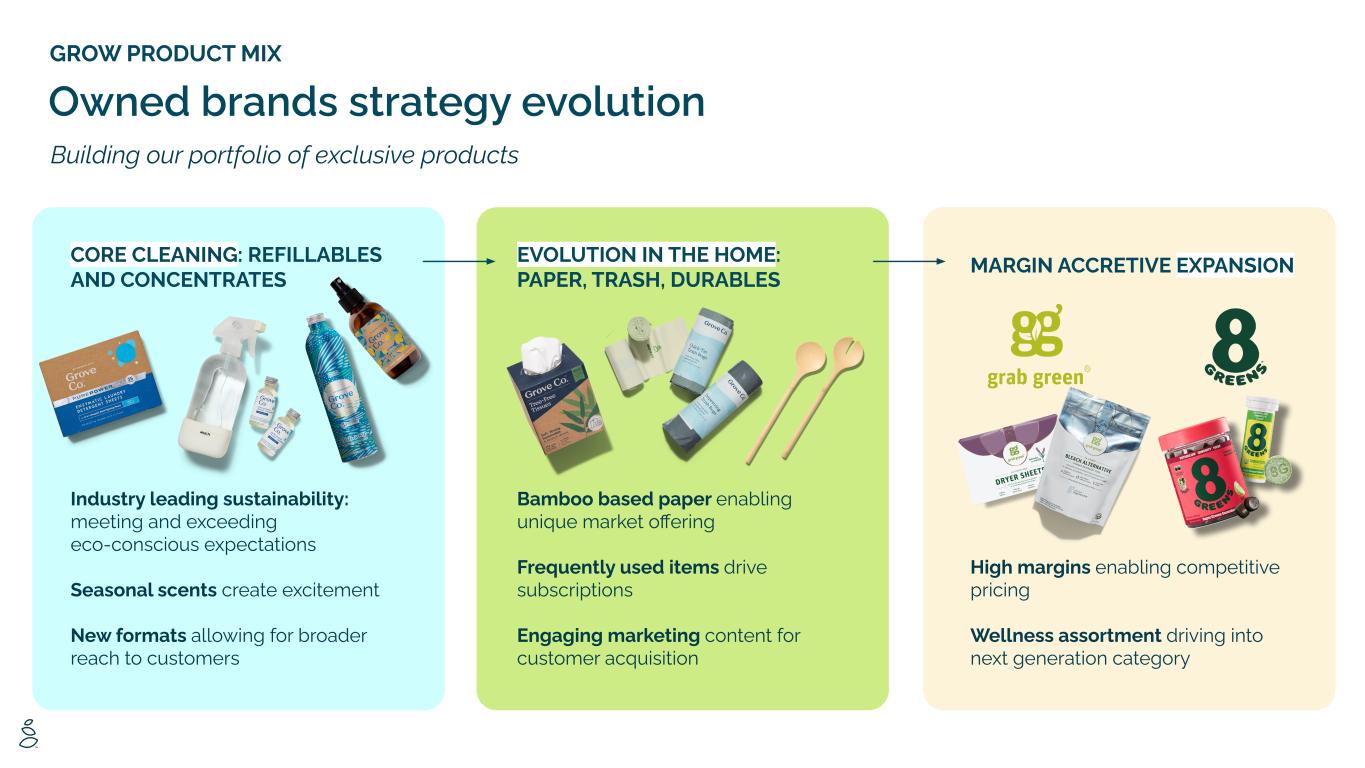
I see it as being a bit more steady. We're expecting year-over-year growth in Q4 and a more consistent growth pattern sequentially. Regarding our own brands versus third-party brands, a few changes over the past few years have affected our customer experience, which no longer directs customers to our own brand products as it used to with our set basket. Consequently, the percentage of revenue from our own brands continues to drop. However, this is less concerning than it was a few years ago because we are establishing better partnerships with our third-party partners, and the margin gap is not as significant as it once was. As third-party sales increase within our total sales, we still maintain stability in our gross margins or at least in our contribution margins.
Operator
There are no further questions. I would like to turn the conference back over to management for closing comments.
Thank you very much. I appreciate you joining the call, and I hope you have a great evening. Thank you.
Operator
Thank you. This will conclude today's conference. You may disconnect your lines at this time, and thank you for your participation.