Welcome to IdaCorp's fourth quarter and year-end 2025 earnings call.
Operator
Today's call is being recorded and our website is live. A replay will be available later today and for the next 12 months on the IdaCorp website. If you need assistance at any time during the presentation, please press star zero on your telephone. I will now turn the call over to Amy Shaw, Vice President of Finance and Compliance and Risk.
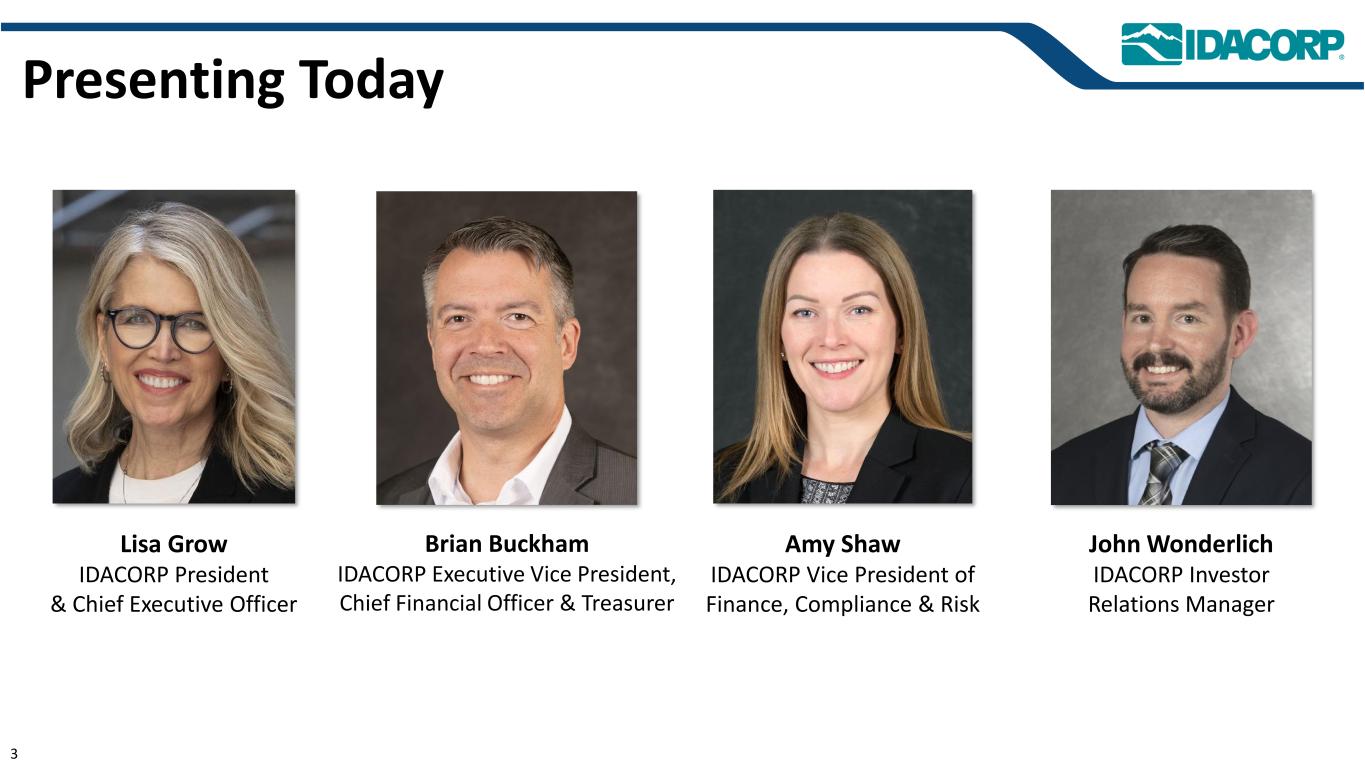
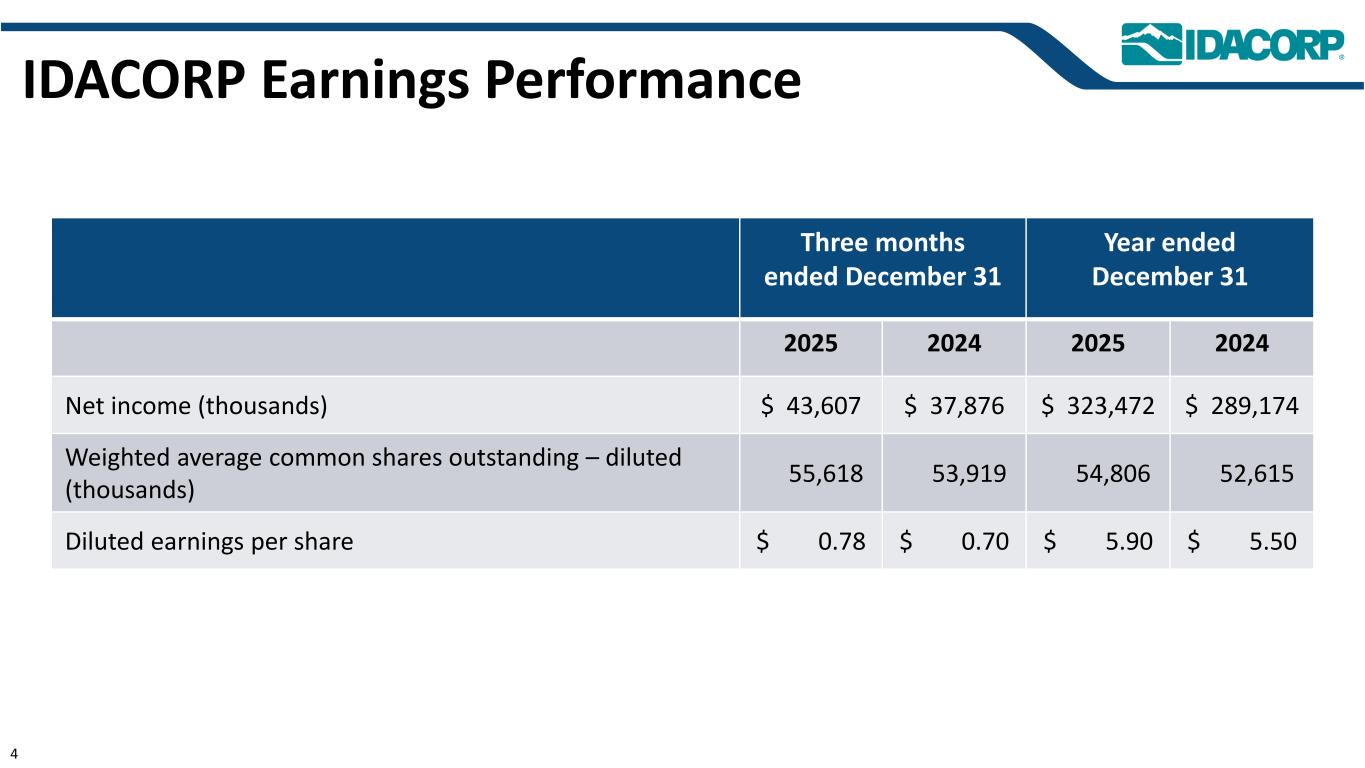
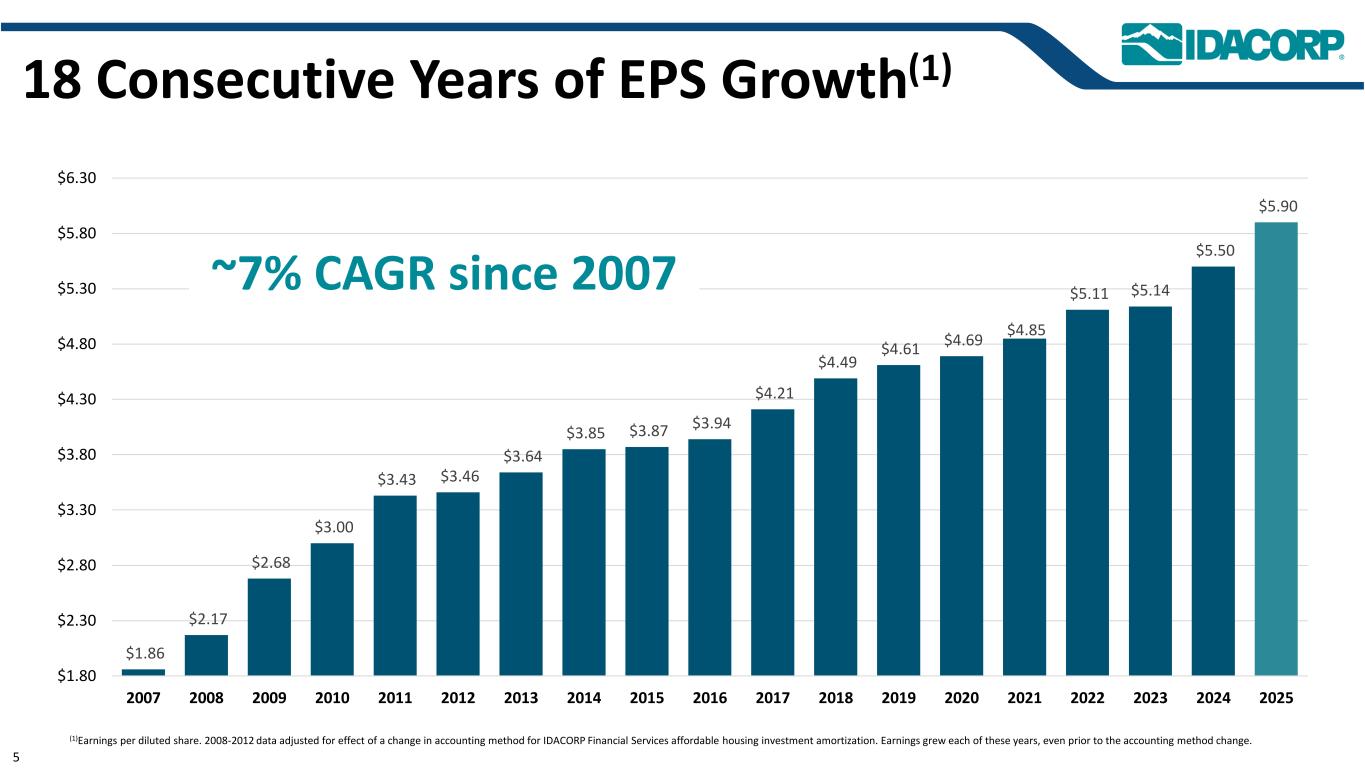
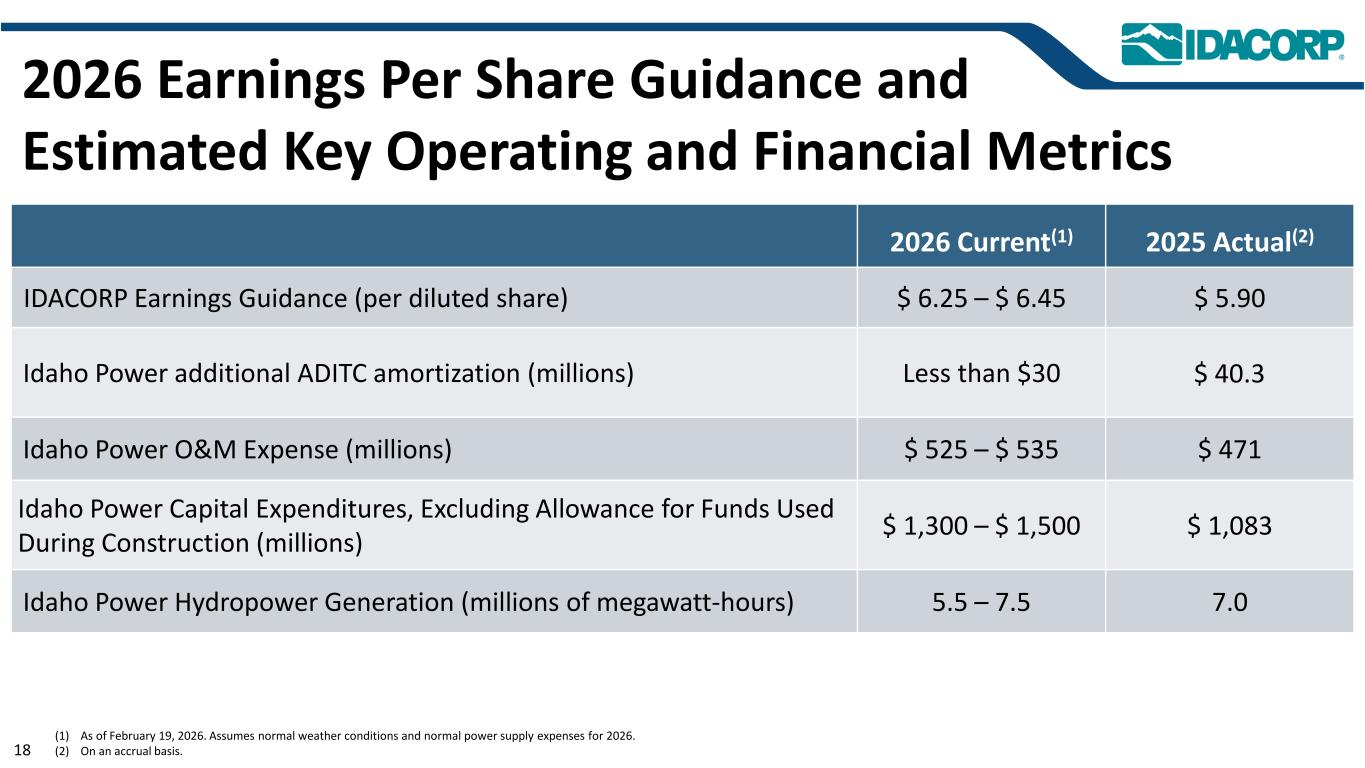
Thank you. Good afternoon, everyone. We appreciate you joining our call. The slides we'll reference during today's call are available on IDA Corps' website. As noted on slide two, our discussion today includes forward-looking statements, including earnings guidance, spending forecasts, financing plans, regulatory plans and actions, and estimates and assumptions that reflect our current views on what the future holds, all of which are subject to risks and uncertainties. These risks and uncertainties may cause actual results to differ materially from statements made today, and we caution against placing undue reliance on any forward-looking statements. We've included our cautionary note on forward-looking statements and various risk factors in more detail for your review in our filings with the Securities and Exchange Commission. As shown on slide three, also presenting today, we have Lisa Groh, President and CEO, Brian Buckham, EDP, CFO and Treasurer, and John Wanderlick, Investor Relations Manager. Slide four shows a summary of our full-year financial results. IDACORP's diluted earnings per share were 590 compared to 550 last year. This made 2025 our 18th consecutive year of EPS growth as noted on Slide 5. We ended up 15% per share above the midpoint of our original EPS guidance for 2025. These results include additional tax credit amortization of about $40 million for 2025 compared to almost $30 million of additional tax credit amortization in 2024. Today, we initiated our full year, 2026, IDACorp Earnings Guidance Estimates in the range of 625 to 645 diluted earnings per share, which includes our expectation that Idaho Power will use less than $30 million of additional tax credit amortization to support earnings. These estimates assume historically normal weather conditions throughout the year and normal power supply expenses. Now I'll turn the call over to Lisa.
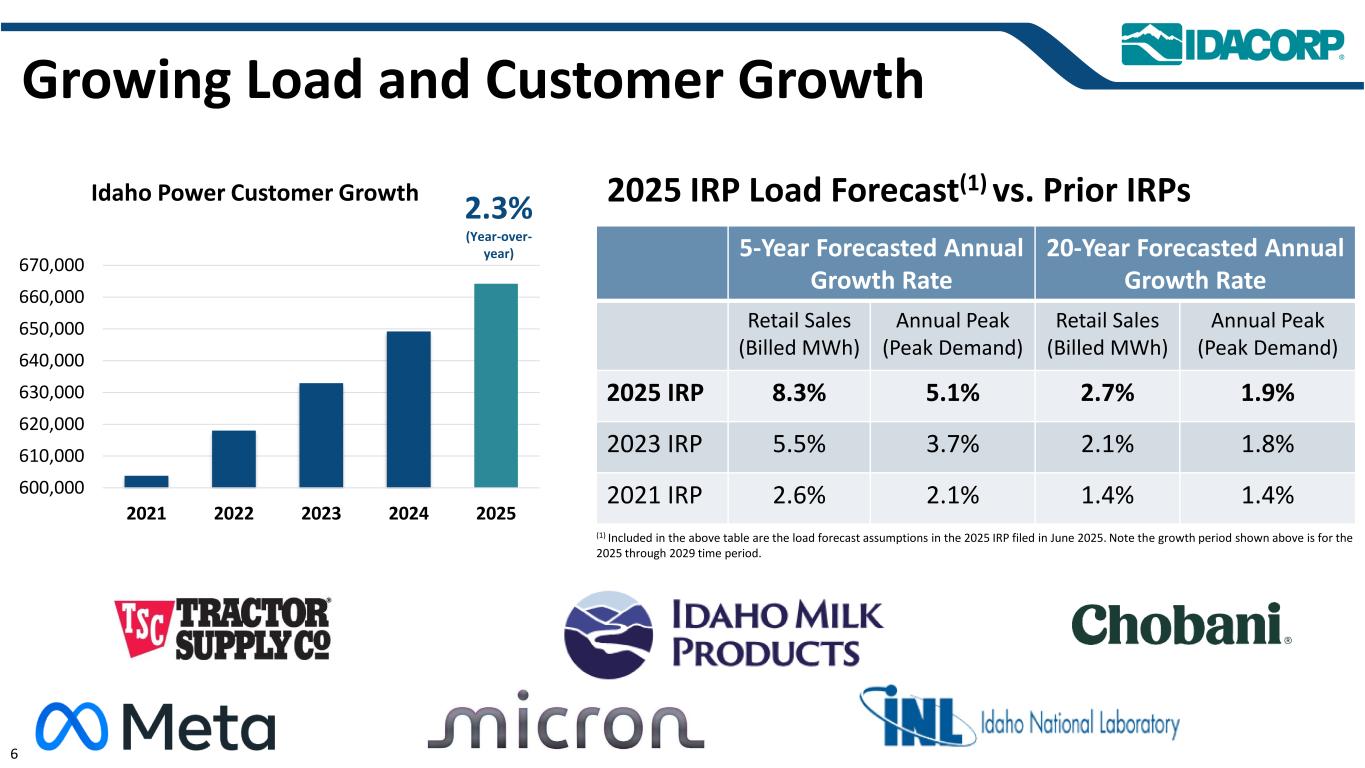
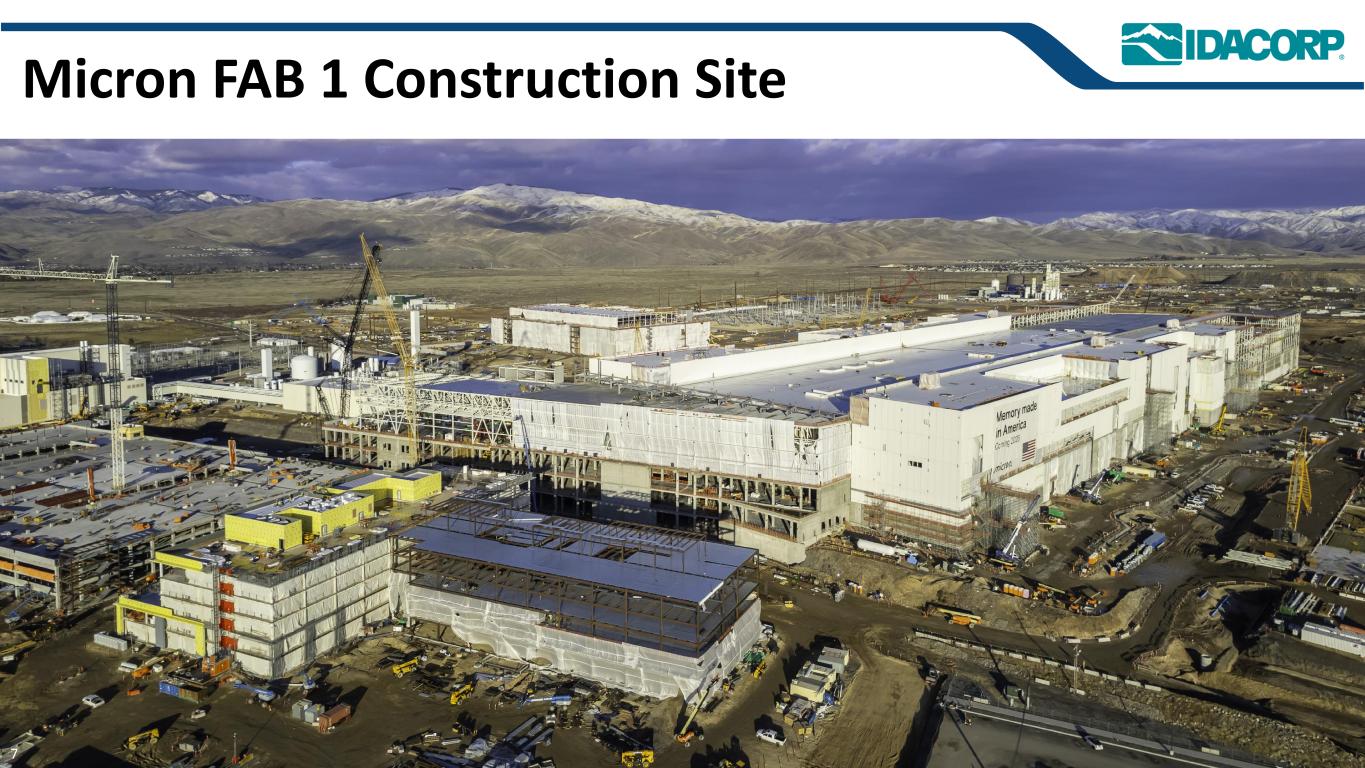
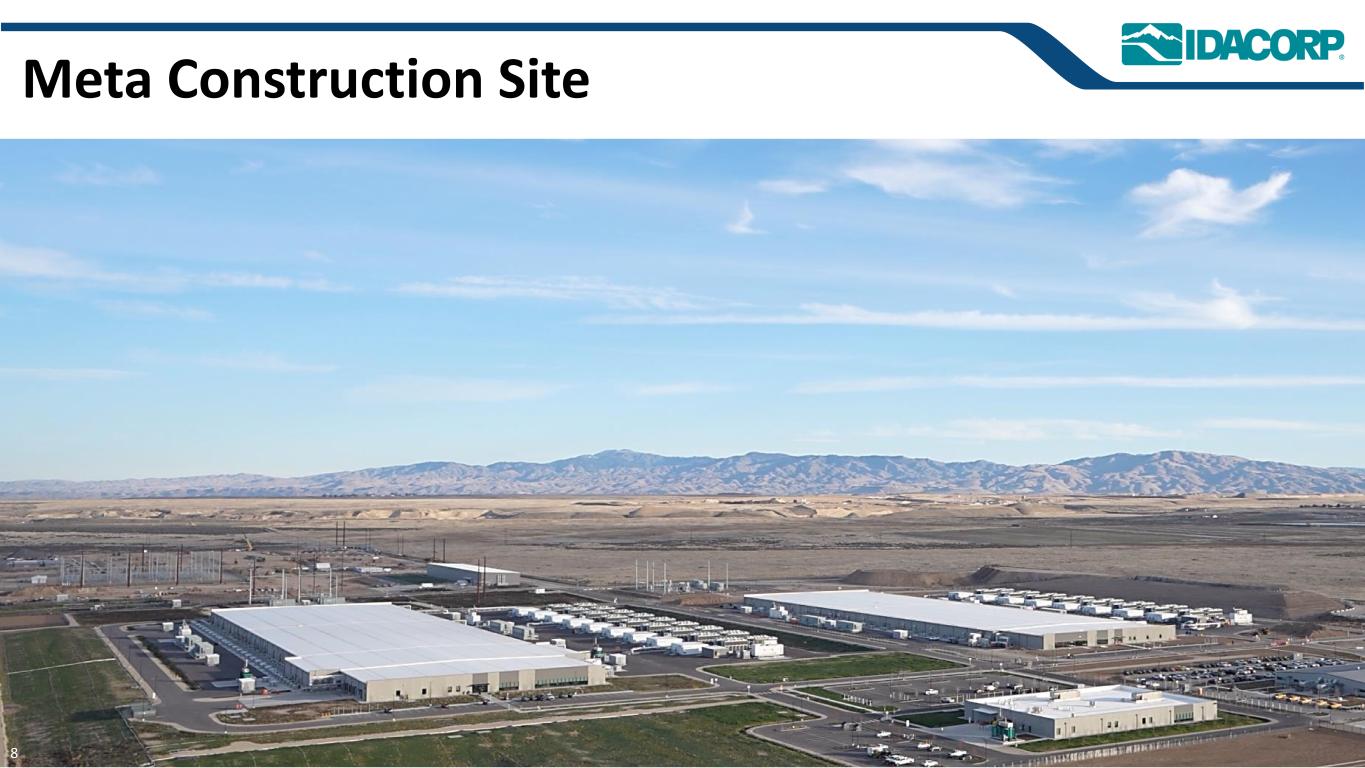
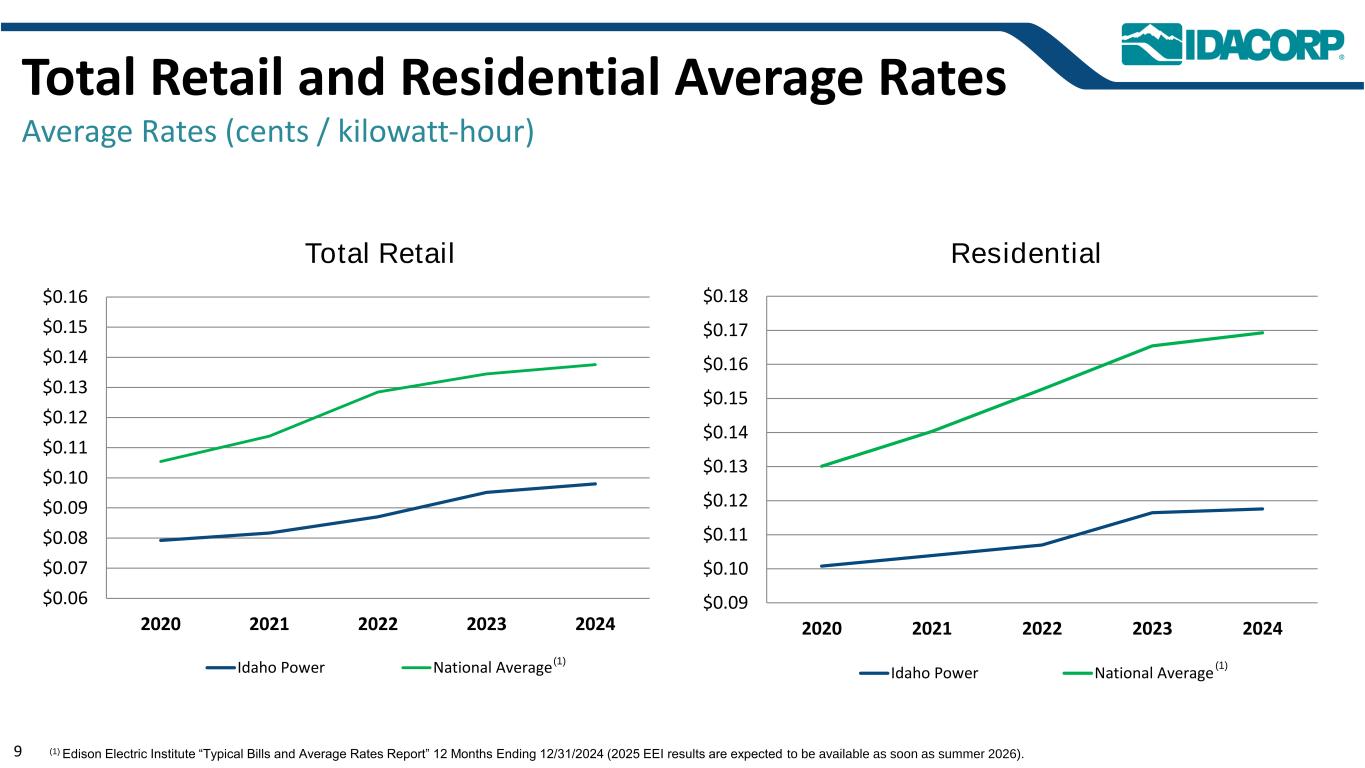
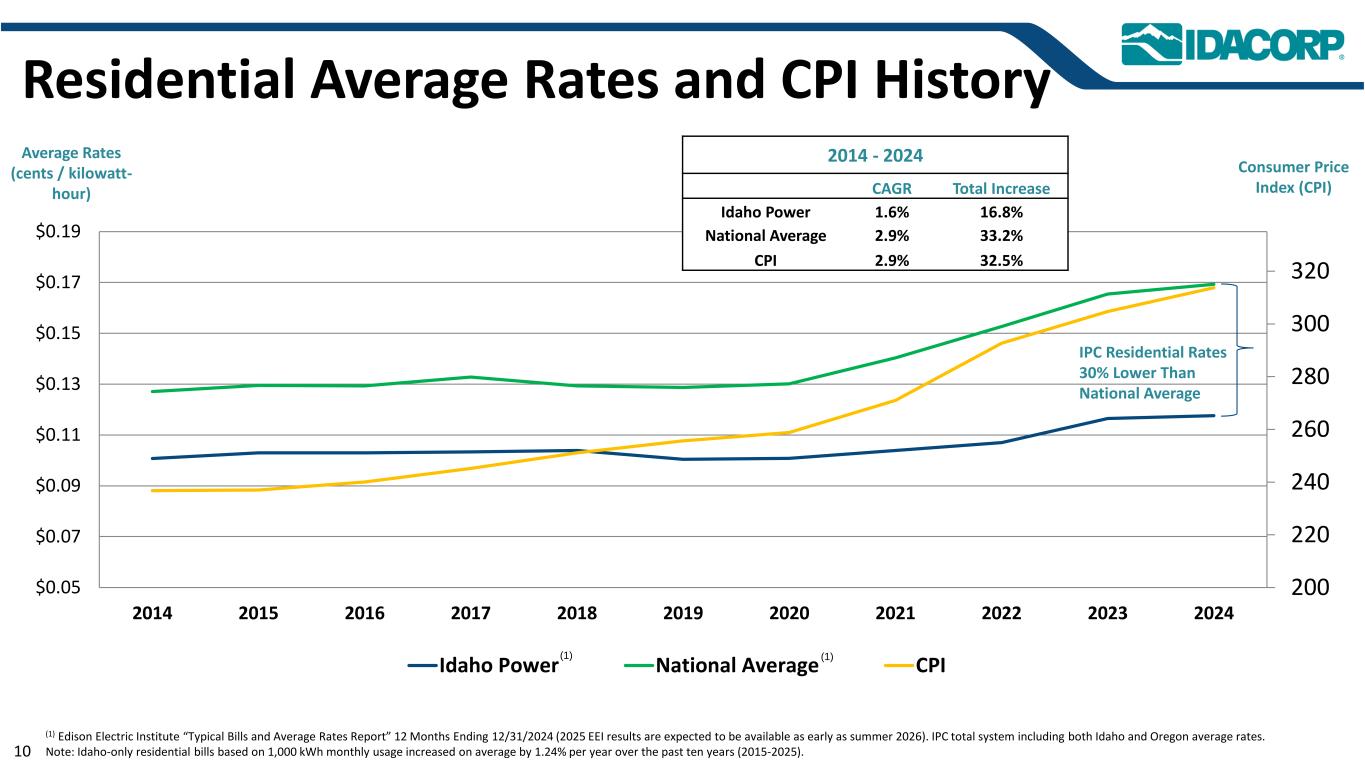
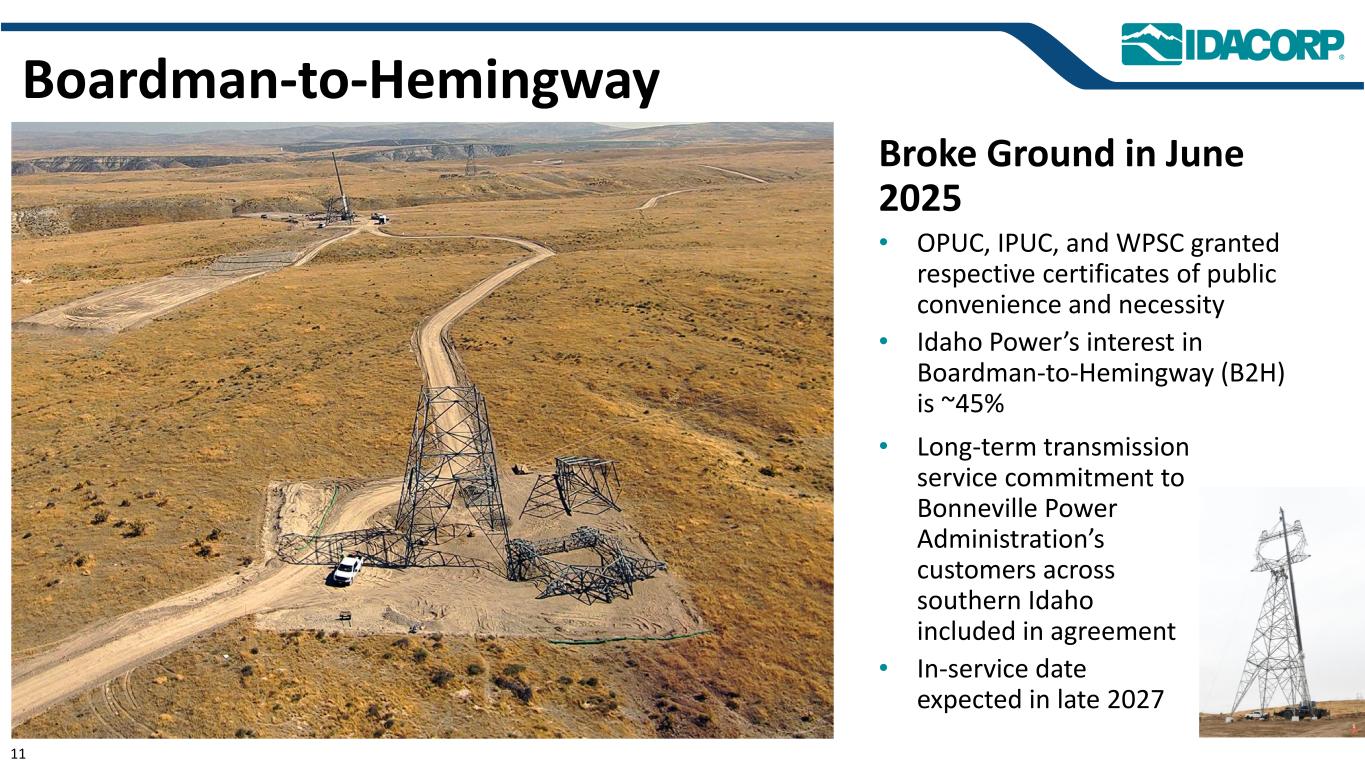
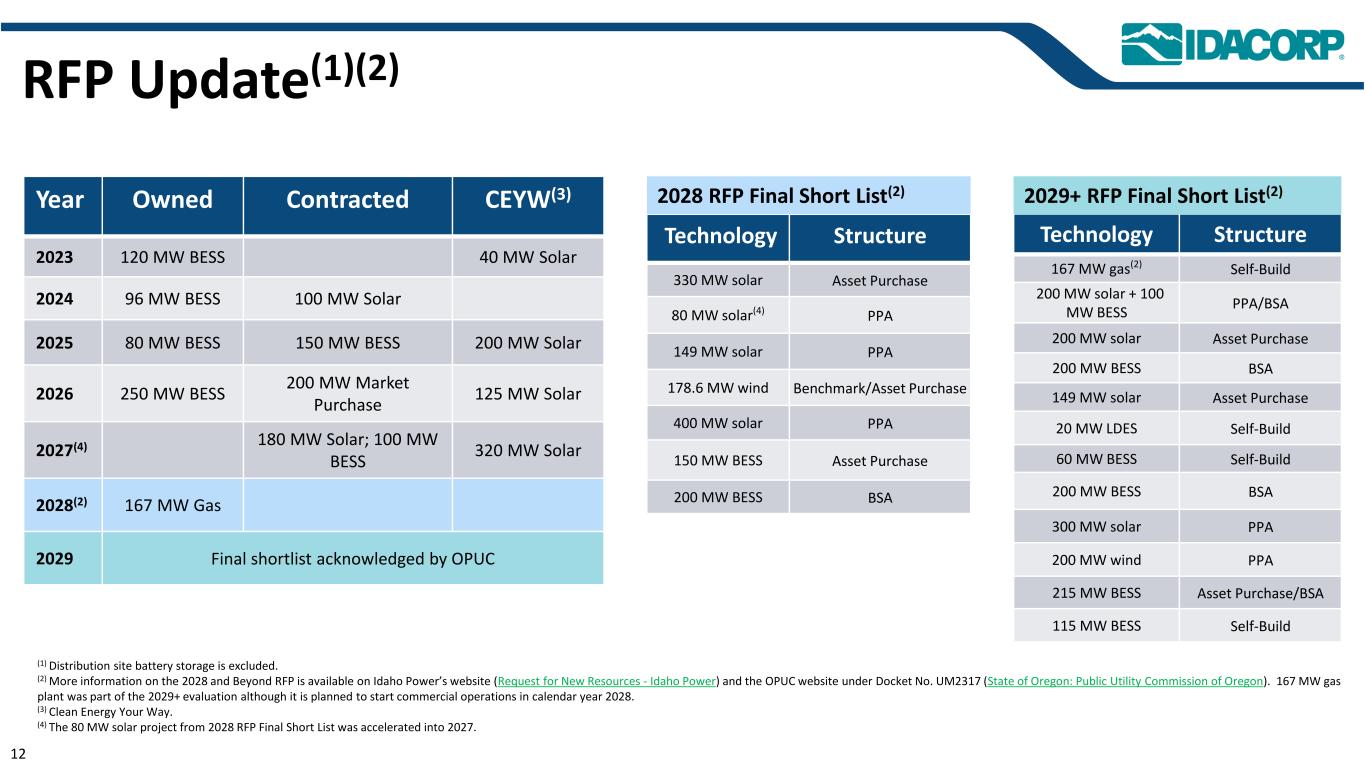
Thank you, Amy. And thanks to everyone for joining us today. As we look back on 2025, it was a particularly busy and exciting year for IDACOR. Our employees continued to shine, achieving strong results for our customers and owners. Our company produced its 18th year of consecutive earnings per share growth, as Amy mentioned. We sold a record amount of energy to our retail customers, broke ground on the B2H transmission project, and recorded among the best reliability scores in company history. And we did it all while staying true to our core values of safety first, integrity always and respect for all. We also settled our general rate case proceeding in Idaho with a constructive outcome for our company and our customers. I want to again extend my thanks to our outstanding employees for their hard work and commitment to helping us build a secure energy future that powers our customers' lives and businesses. As you can see on slide six, growth remains robust across Idaho Power Service Area, outperforming national trends and highlighting our region's economic vitality. In 2025, our customer base grew 2.3%, including 2.5% for residential customers, bringing the number of meters customers we serve to more than 660,000. This growth is happening across most customer classes with extensive residential, commercial, and industrial construction continuing throughout our service area. In 2025, Mifron's new semiconductor facility continued to advance towards completion. The size is impressive, as you can see on slide seven. Meta also made significant progress on construction of its data center, which you can see on slide eight, and that project began taking power last year. Additionally, Idaho Power helped bring several other major industrial projects online, including a tractor supply distribution warehouse and a major expansion of Chobani's yogurt production facility. Along with steady interest from our core industries of food processing, manufacturing, distribution and warehousing, we're also seeing increased inquiries from other energy-intensive customers looking to operate within our service area. We work closely with prospective large customers to set realistic and thoughtful timelines to meet their energy needs while ensuring they are not imposing costs on our other customers. The solution to serving load growth from new large customers, in our mind, has several important elements. We first have to comply with the laws of physics in delivering power. It has to be at a price the customer will pay. We need to procure reliable resources and have them available on the timeline we agree to with the customer. It has to be appropriately de-risked operationally and on the credit side through special contracts with the customer. And it cannot be subsidized by other customers. As far as we've been able to find, we're serving the fastest low growth rate in the nation, and we're doing it with a thoughtful and measured approach to ensure there are benefits to our company and its owner, at the same time mitigate what might otherwise be a risk of cost shifting to our other customers, were it not for our growth pays for growth regulatory model in Idaho. Notably, last year, Micron announced it would build a second semiconductor facility in Boise. The load and CapEx projections we're providing today don't yet include this expansion, but we're working through the details with Micron. As we've noted previously and continues to be our practice, Idaho Power's public growth projections only include projects that have signed contracts or large financial commitments for customer-funded infrastructure. With this approach, our growth forecast for large load customers is based only on committed projects. We also have a significant pipeline that includes a diverse mix of prospective large load customers, and that pipeline exceeds our current 4,000 megawatt peak load. But we don't have – if we don't include any of them in our load projections, as speculation and hope are not how we like to forecast. Turning to Slides 9 and 10, affordability continues to be one of Idaho Power's key focus areas. We work hard to keep our costs down and provide exceptional value for our customers, and our rates have increased at a much lower pace than national averages. We believe that even after implementing our 2025 Idaho general rate case outcome, our prices remain well below the national average. We're proud of our low rates and despite considerable infrastructure investment and expansion of our customer base, we expect rates to remain in check with our regulatory methodology in Idaho. Case in point for affordability based on current projections, we're not planning to file a general rate case in Idaho on June 1st of this year. While we anticipate higher depreciation and interest expense associated with growth and infrastructure build-out, as well as wildfire mitigation costs, we expect revenues from new large load contracts will help offset those additional costs. And we continue to benefit from our culture of careful and thoughtful spending. We'll watch revenues and cash flow during the year as part of our continuing assessment of the need and timing of a rate case. As seen on slide 11, we continue to be full speed ahead on our major infrastructure projects. Work is progressing quickly on our B2H project with 80 towers already completed and many more under construction. We expect B2H to be in service by late 2027. Permitting is nearly complete on the SWIPP North transmission project and we expect construction to begin this year as well. We anticipate the project will be completed as early as 2028. We also continue to work with Pacific Corps on the Gateway West transmission project. We anticipate a critical section of the line between our Hemingway and Midpoint substations will come online as early as 2028. With those expectations, we should have several new large transmission projects added to our system in 2027 and 2028. Transmission takes a great deal of time to permit, so we're glad we got started early. Moving to resource planning, we recently received acknowledgment of our 2025 IRP from our Idaho and Oregon Commission. Turning to slide 12, Idaho Power is adding generation and storage resources that will help it maintain excellent reliability as demand grows. In 2025, the 200-megawatt Pleasant Valley solar project came online as part of our Clean Energy Your Way program, and we added 230 megawatts of battery storage to the resource portfolio. Additional projects are underway to help us continue meeting growing customer demand, including 250 megawatts of batteries and 125 megawatts of solar which are both set to be in service later this spring. Idaho Power has announced plans to construct 167 megawatts of natural gas fuel generating capacity next to the existing Bennett Mountain Power Plant in 2028. We're proud that this company-owned project was the most cost-effective resource in the RFP. As we've mentioned And on prior calls, we're working hard to solve the generation needs in 29 and 30, which is a deficit of around 200 megawatts of incremental firm capacity needed each year. We expect to procure additional resources to solve for those deficits. The additional gas plant near Bennett Mountain, as well as other resources we expect to construct, are included in our CapEx forecast that Brian will discuss. We filed a request for a CPCN for the capacity addition next to the Bennett Mountain plant, and we plan to file requests for CPCNs for other new resources in the relative near term. You'll see those requests on the Idaho Commission website when we file them. In other news on generation resources, in 2025, Unit 1 of the Valmy coal-fired power plant was converted to natural gas, and we also burned the last of our coal at our other volume unit, which is currently being converted to natural gas. We expect that conversion to be completed this summer. I'll end by discussing this morning's announcement regarding our Oregon service area. We've entered into a definitive asset purchase agreement with the Oregon Trail Electric Cooperative for the sale of our distribution system and some transmission assets in Oregon. After the transaction, we'd have no regulated retail operations in Oregon, so we'd provide power to OTEC for some period of time under a power purchase agreement. The base purchase price for the transaction is $154 million, which is subject to various adjustments. Completion of the transaction is subject to a number of conditions, including approval by the Idaho and Oregon Public Utility Commission and from FERC. Oregon represents a small portion of our overall service area, projected to be less than 3% of our total sales by 2030. We're confident OTEC will provide a strong local focus and dedicated service for Eastern Oregon, while Idaho Power concentrates on supporting rapidly growing Idaho communities. If the sale is approved, Idaho Power's 20,000 customers in Oregon will transfer to OTEC While Idaho Power would no longer directly serve Oregon Electric customers, it would retain ownership of its Oregon generation facilities and a large majority of its Oregon transmission assets, including D2H, which will help serve Oregon residents and businesses. We're working closely with OCAT to prepare for a smooth transition and make the appropriate regulatory filings to support the sale. It's too early to determine, but we expect regulatory approval could take 10 months or longer. And with that, I will turn the time over to Brian.
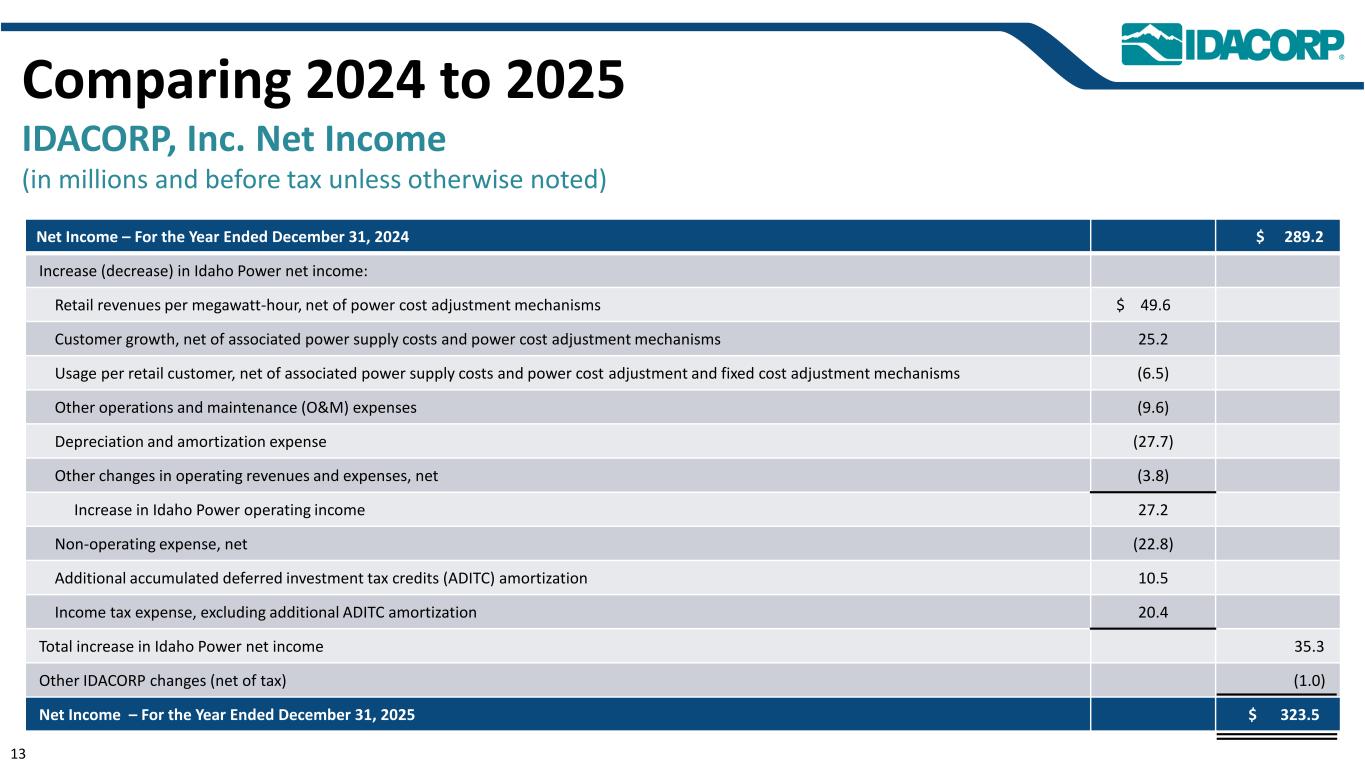
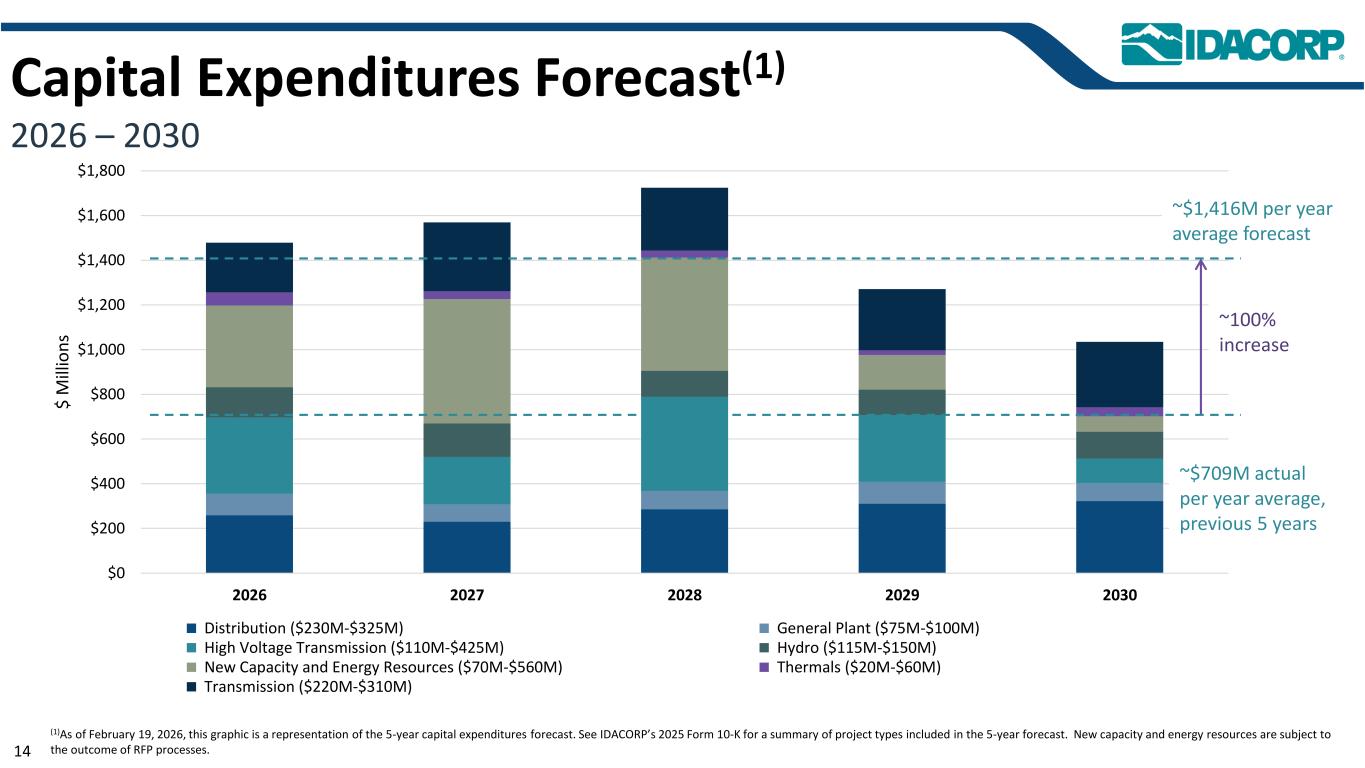
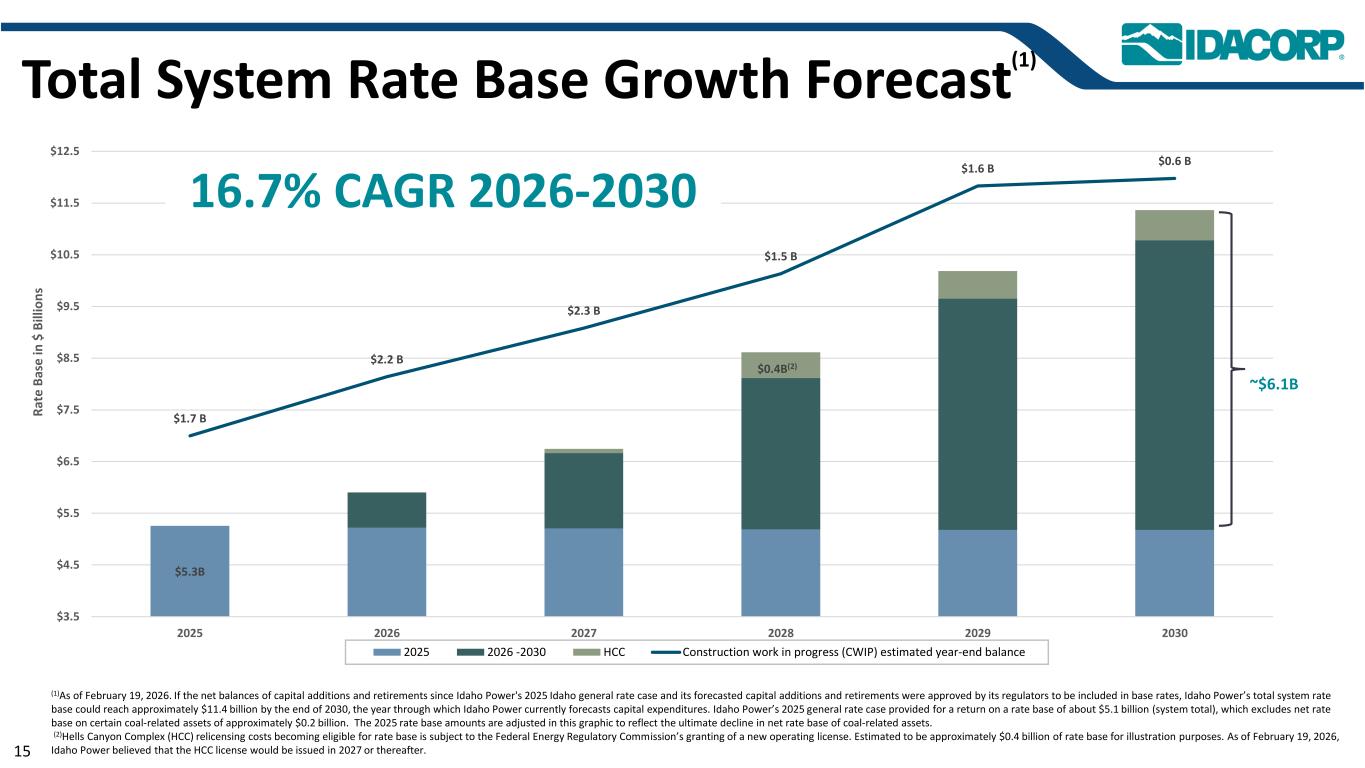
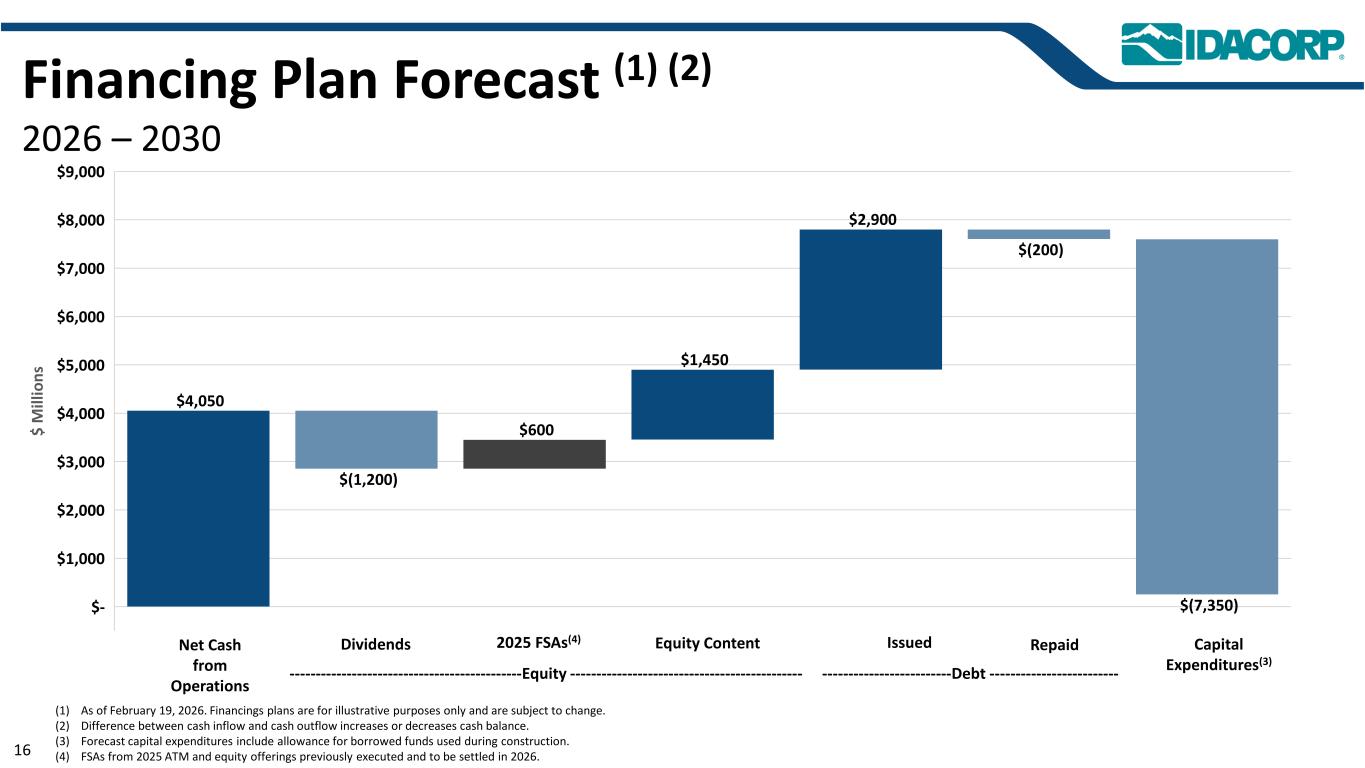
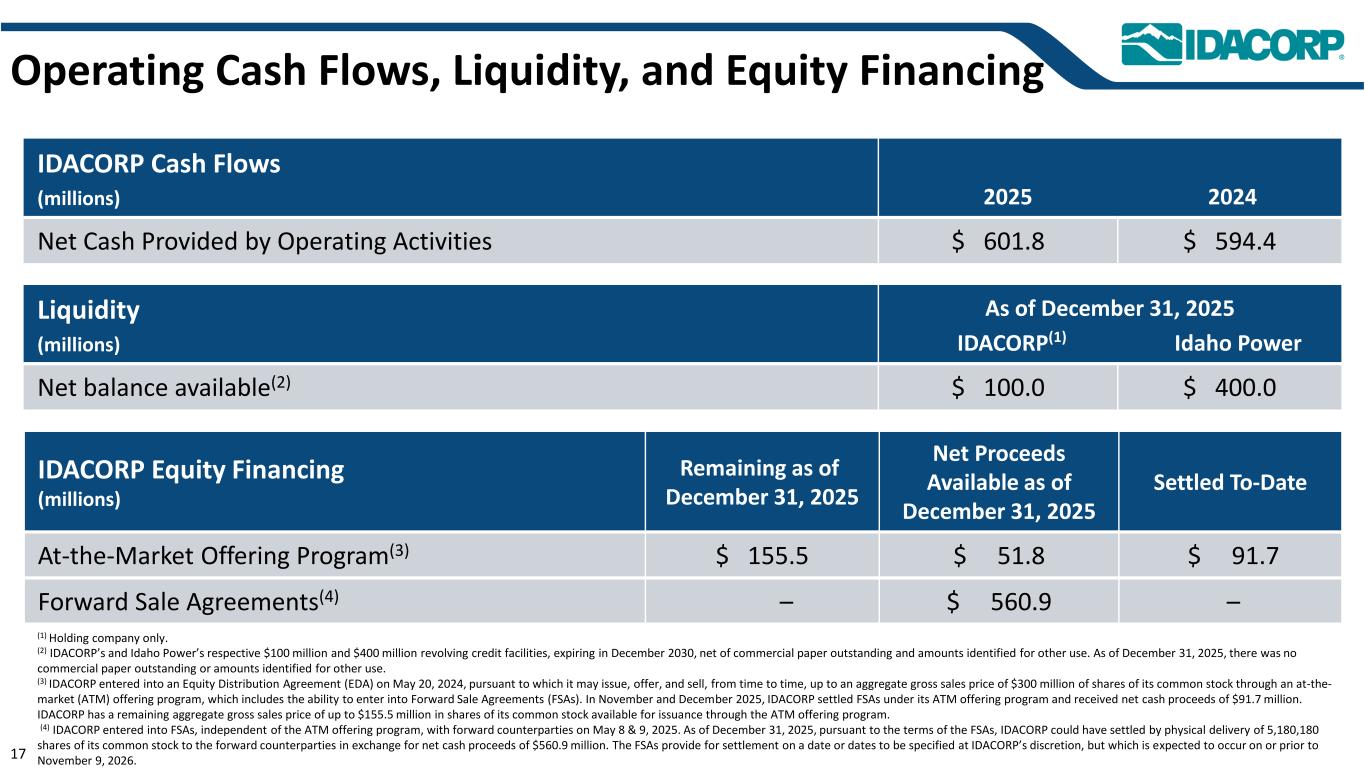
Thanks, Lisa. I'm going to start on slide 13, which has our usual reconciliation. Just running through the table, IACORP's net income increased over $34 million compared to operating income at Idaho Power from the January rating. Our benefits, usage on a per-customer basis decreased operating income by $6.5 million, and that was because temperatures were milder in 2025 versus the prior year, so both years. O&M was another offset, albeit smaller than we originally anticipated. Total other O&M expenses increased less than $10 million, mostly from increased labor-related costs. We ended up at the low end of our O&M guidance. Good outcome there. Depreciation and amortization expense increased nearly $28 million for the year, which was expected with the increase in system investments. In the second quarter last year, a new lease battery storage facility began operations, so something new on our financial. Other changes in operating revenues and expenses decreased operating income by a net $3.8 million. And this was because of the year-over-year impact of the conclusion of property tax litigation in 2020. Also, the timing of recording and adjusting regulations. Those items were partially offset by the expense, the decrease in power supply expenses. The non-operating expense increased by about $23 million. That was mainly driven by an increase in interest expense because our long-term debt balance has increased. interest on the new finance lease also contributed to the increase so as I noted before this is offset partially offsetting those items with increased AFUD we predict will be two million dollars of addition that was only an increase of that are related to taxes the recon table and moving to slide 14 we've updated our five-year capex forecast as promised you can see that it increased considerably we're currently forecasting spending one around seven billion dollars that's a doubling of our and to give you some perspective on our update, our 2026-2030 forecast is a 26% increase in CapEx compared to the CapEx graph. The bars are shaped a lot like they were at this time last year, but the difference is in the scale on the left side of the chart. It's much different in terms of doesn't yet include the reason it's important that we reiterate the importance of the new large load customers. As we look at a possible utility financially healthy, meaning we need to convert our capital investments into rate base and provide returns to our debt and equity holders. On slide 15, we rolled forward our rate-based forecast for the 2021 rate-based coming out of our 2025 Idaho general rate case was $5.3 billion. It was $4.6 billion coming out. We forecast that by 2030, rate-based could reach over $11 billion, which is more than double our 2020. That's an incredible amount of growth in rate-based. In case in point, if you look at the cash flow statement, you'll see additions to PP&E in 2025 were nearly $1.2 billion. dollars and quick on the balance sheet is over 1.7 billion dollars and I think that illustrates how busy we've been over the past few years. And amidst this increasingly long growth cycle it's obviously important that Ida Corp and Ida Power keep their balance sheets strong. As part of that we continue to target an average 50-50 debt equity capital ratio and a simple balance sheet. We don't have any holding company debt or any particularly sizable maturities coming up and our capital structure has just medium term notes and moving to On slide 16, you can see growth capital, cash flows from operations are expected to increase as we move through the forecast window, particularly with large load revenues coming in with greater And it's important to note that any additional capex needs to serve. We already mentioned the execution of a definitive agreement to sell Idaho Power's Oregon distribution assets. I'll just add that from a financing perspective, we look to offset some of the equity needs that transaction would give us business. It may be a one-time gain from the asset. On slide 17, cash flows from operations eclipsed $600 million. The strong cash flows also help moderate our financing needs and leads. Today is to reiterate something I noted at this time. Over the forecast window we talked about today, we expect to see what we believe to be among the leading actual earnings growth and earnings quality profiles in the industry. I think it's important to note that when you do your analysis, our expectations are on a gap basis. So we baseline our growth expectations off of a very strong year with no non-gap exclusions or exceptions. Again, as an example of those providing the debt and equity capital for our growth and recognize the importance of generating returns for them, we're focused on the things that matter to them. Strong risk mitigated execution, an already in-process infrastructure build-out, sustained affordability for customers, actual rate-based growth from permitted and in-flight projects, real near-term earnings accretion, customer revenue diversity, and long-term durability of our earnings growth and returns. That's the paradigm we've been working under and what I know you've all come to expect from us. With that I'll turn it over to John.
Thanks Brian. This marks my one-year anniversary of conference calls in my IR role so Brian asked me to give a new fun fact about myself. Last year I noted that I was an assistant coach for a third grade basketball team and I'm happy to let you know that I was promoted from the role of assistant to the head coach to a full assistant coach this year. And I moved up the ladder to fourth grade basketball. Turning to slide 18, you can see our 2026 full year earnings guidance and key operating metrics. This guidance assumes normal weather throughout 2026 and normal power supply expenses. We expect IDACORP's diluted earnings per share this year to be in the range of $6.25 to $6.45. The midpoint of this range reflects an 8% EPS growth rate over 2025 actual results, premised on what we would consider a conservative set of assumptions. We expect that Idaho Power will use less than $30 million of additional investment tax credit amortization in 2026, so less than the amount in 2025. We expect full-year O&M expense to be in the range of $525 to $535 million, and I'd like to provide some context on that range. The largest driver of the increase over the prior year is wildfire mitigation costs, which are offset by revenues from the general rate case. So it's not apples-to-apples comparison between 2025 actuals and the 2026 estimate. As we continue to expand our system to accommodate growth, we do expect to also see higher O&M We also continue to experience inflationary pressure on labor and professional services, but our culture of spending wisely to help ensure affordability for our customers is very much intact. We continue to focus on keeping costs as low as possible while keeping the system safe and reliable. We anticipate spending between $1.3 and $1.5 billion on CapEx in 2026. As the five-year forecast showed, we continue to expect higher CapEx numbers as we respond to strong growth in our service area.
Operator
Finally, given our current forecast of hydropower operating conditions, we expect hydropower generation to be within the range of 5.5 to 7.5 million megawatt hours for the year with that we're happy to address any questions you might have we are now ready to begin the question and answer session for attendees who have joined the Q&A line if you would like to ask a question please do so by pressing star one on your phone please ensure your mute function is turned off before you ask your question we will take as many questions as time permits on a first come basis once again that is star one on your phone to ask a question now your
first question comes from line of David Arcaro of Morgan Stanley your line is open okay great hey thanks so much let's see I was wondering if you could give an update on maybe your customer you know load pipeline what are the latest discussions you're having in terms of either expansions of you know current large load customers and how is the pipeline shaping up for new companies coming into your service territory?
Well, I'll give it started. We certainly, you know, it just continues to, you know, we get a lot of inquiries, a lot of folks that are very interested, you know, some bigger than others and really from across many industries, so it isn't focused on just one. I'll let Adam give a little more color, and it's true, too, that we have NDAs, so there's some things that we can't talk about.
Yeah, I feel like a little bit of a broken record. This is Adam saying the same thing. It's kind of a diverse amount of data centers to permit calls. A lot of them under our authority can't get into the ...
Just one thing I'll add. The last time you've seen a formal of those ...
Yeah, I appreciate that color. That's helpful. I wanted to also just ask about the equity needs. side of things with the refresh here. Maybe there are a couple of moving pieces, but I was wondering if you could just give a sense for what the rule of thumb would be, Brian, maybe just on, you know, for incremental capex, how do you think about the funding split in terms of external equity from where we stand now, you know, given your latest operating cash flow kind of outlook here? And maybe in the context there, I was curious, any repairs tax impact from the guidance there?
Yeah, Dave, sure. On the repairs tax side, you know, the assumptions that we use in our forecast tend to stay relatively stable. It does adjust from time to time each year, but not a major update in our repairs tax deduction. On the equity need side, any incremental capex that we add to the forecast is probably financed 50-50 debt equity, at least beyond what we have now in the update that we provided this morning. What I will say, though, is in a lot of instances, these large load customers come with large load cash flows, and that can certainly impact ultimately. And if you look at the equity numbers that we put in our estimate right now, it does have some what it looks like if you look at the incremental increase. That's the fondest.
Operator
Your next question comes from the line of Michael Lonegan of Barclays. Your line is open.
Thanks for taking my question. So, obviously, you mentioned your current capital plan does not include Micron FAB2. Would you be able to help us understand the size of that investment opportunity in the latter part of your plan?
We're just working with Micron to determine that, so we don't have anything to share in terms of size today, so more to come as we work our way through the FAB.
Yeah, Michael, this is Adam. They haven't given publicly a loan ram.
Okay, great. thank you and then secondly for me obviously a sizable cap tax increase with today's update you know modest increase in equity content needs um you know you're on track for significant cash flow generation increases like you said with the large customer ramp up just wondering you know where did you end 2025 on ffo to debt and where do you anticipate being over the course of the plan and do you think there's an opportunity for movies to take your rating off negative watch Yeah, Michael, thank you for the question.
I think the answer to that is yes, I think there is an opportunity for that, though we do have pretty substantial capital investment. And so we have, at the end of 2025, I'd say on Moody's, I think we were at about 14.3%. We're somewhat navigating that. We expect to come out of that with large-load revenues, as you mentioned, and the cash flows to support it. But again, we're maintaining a really strong balance sheet. The outcomes of our rate cases help.
Again, we usually- thank you taking my question thank you your next question comes from line of
Operator
shara perezda of wells fargo your line is open good afternoon team this is whitney mutalama on for shar and many congratulations to john on the promo to yeah yes so you currently have precedent for large load arrangements including a certain tariff that's tied to i think I think it's tariff Schedule 33 tied to a special contract, do you expect to move towards a standardized large load tariff rather than negotiating special contracts case by case? And if so, what would drive that decision?
At this point, we don't have plans for that. Each customer really comes with their own unique needs, and so we really try to make sure that we understand them and meet them so they really are tariffs of one, if you will that are very catered to the customer okay so nothing in the near term got it thank you your next question comes from my name is Julien Jumelaine Smith of Jefferies your line is open hey yeah Brian Russo on for
Julie hey you know you mentioned you know the downward slope of capex in the outer years and, you know, you take a conservative approach to what you include, what could be upside there? Is there anything left on the 28 and 29 RFPs that would be additive? Or is this, you know, another, say, another RFP that would be needed for, you know, the post-2030 timeframe?
Yeah, Brian, this is Adam. Yeah, we are looking at an RFP in the post-2031-32 timeframe. As you know, we had one for 2028, we had one for 2029, the 2029 and later RFPs really only provided one natural gas project. That was the project that you've heard us speak about that's getting built right now. We're actually moving that project into 2028, and so as we look at 2029 and 2030, we're We're going to have to evaluate some options to increase power production there, and we hope to give you an update on that here relatively in her opening comments that we do have some options there, and they will go public here in the near future.
Right. Is one of those options brownfield development, and I think it's a Peregrine facility?
Yes, Peregrine 1. Yep, absolutely. We have an energy site there. And just as a quick reminder, too, we don't have any generation resources for Micron FAP2. FAP2 is not in the load, nor is diode.
Okay, great. And then the less than 30-minute ADITC usage in 26, you know, notable, as you mentioned earlier. Would that be like the inflection? Or, you know, with the likely stayout this year of filing a rate case, you know, How should we look at post-2026 support for earnings?
Well, certainly, as the large loads start to come online, we start to see those revenues help push out the need for rate cases and hopefully lower the need for the use of ADITCs. And so, so far, we're keeping on schedule and we're optimistic. And so we – I don't know that I would call it an inflection point necessarily, but certainly we are starting to see some of that revenue come in.
And, Brian, what I would add is I think one way to look at this is the late take – And then just lastly, you know, obviously not surprising the assumption on the hydropower forecast, but could you just – you know, what the current hydro conditions are and drought conditions,
understanding that you've got very strong mechanisms, but I'm just curious, you know, with the dynamic with irrigation sales as we move into the to the spring or a high probability of a dry and and hot you know irrigation season yeah you know it's really interesting you know if you're a skier out west it's been kind of a bummer of a winter but what our hydrologists are telling us is that we actually in the on the east side of our system we're actually it really at normal level, and that's where, you know, we get the most generation from because it flows through all of our hydro resources. And then, you know, certainly at lower levels, there is less snow than we historically see, but it's been actually quite wet this winter, so it didn't necessarily become snow at the lower levels, but that also helps keep those soils wet so that the runoff from the higher elevations makes it to the river. So, overall, we're actually pretty optimistic. I will also tell you that yesterday it looked like Christmas here, so we're starting to see some storms. So, it ain't over until it's over, I guess. So, we aren't necessarily done with the snowpack accumulation. But, of course, we live out west, so we're pretty used to having fluctuations. There are drought cycles that happen, and yeah, we have mechanisms, and then we also work very carefully as we prepare for summer operations, knowing what we're – with the conditions as we go into those operating seasons. Adam, I don't know what you would add.
No, I agree. You covered it.
Okay, great. Well, thank you very much.
Operator
Your next question comes from the line of Chris Ellinghouse of Siebert Williams-Schenk. Your line is open.
Hey, everybody. So if you're going to forego the middle year rate case for this year, would you expect to stay on a similar mid-year cadence going forward?
It's been our cadence historically, but we are constantly looking at our financial situation and make a determination then. So, if something changed and we needed to do it sooner or later, we would do it at that We do have a requirement that we have to give notice when we're going to file, so we tell people before we do it. Nathan, you would add Tim?
This is Tim Tatum. The only thing I'd add is cases in the fall, targeting a June 1st effective date. so we would have the opportunity annual power cost adjustment update center so that's another time that we could look at to file we'll keep the customer growth continued sort of a little more moderate in the back half of the year do
you have any better sense today you know what what's affecting residential growth Is it the interest rate environment or whatever you might know about?
Those are always the key drivers. It does seem like there's been a little bit more activity, if you will, of buying and It kind of was frozen up as people were kind of stuck in their homes and interest rates, and that seems to have been relieved a little bit. I don't know if people just got used to it or needed to do something for other reasons, but I don't think it's necessarily – I mean, we still have good growth, and so whether it sort of ebbs and flows with – they're going to need places really driving a lot of this growth as well.
Yeah, I wanted to say, given the large new employers, is there going to be some lumpiness to what the residential customer growth looks like for the next five years?
It very well could. You know, it's never perfectly matched, so it looks like people are gearing up to provide housing for sure.
Okay. Brian, do you have any estimate for what the weather impact was for the year?
A specific number, I can show you, you know, the way I would look at it is from a sales volume perspective. You know, if you look at a 1.5 adjusted basis, it's 2.3 percent, so weather did certainly We had a great cooling degree days in both of the last, but again, no, I would say there are parts of the year.
Do you have an estimate for 2027 that mitigates, you know, the large capex and equity dilution and whatnot? have you got a an estimate for what 2027 looks like in terms of financing no in terms of large load growth we can tell you Chris that that's when a lot of that growth is going to start acceleration in the CapEx and AFUDC and
the rate case does that leave I say not necessarily I wouldn't assume that there's a few different factors that influence ADIDC usage one of them is it's just the book equity number, can be what's the amount of depreciation. Settlement is to smooth out some of those years where ADITC is.
I just don't see the big sag in the ROE that would require it to be much bigger than last year thus far. So also, you sort of reduced the dividend payout target with the dividend increase in September. Can you give us any thoughts about, you know, what do you see as a minimum that's accepted? Can you – do you feel like you can dip below 50 percent? You know, is there really a range that you're wanting to maintain at a minimum or a minimum growth rate? Have you got any insights there?
We're always looking at that, certainly. You know, we're just trying to make sure that we're not issuing equity to pay dividends and rather, you know, it's been sort of the consensus that it's better to invest in the company and get the returns there. But I don't really know that we have – we do have that stated range, but we sort of take it as we go through this time period and try to make, you know, recommendations to our board that makes sense.
Okay. I appreciate the details.
Thank you. And thanks for the books, Chris.
Operator
Your next question comes from the line of David Arcaro of Morgan Stanley. Your line is open.
Hi, David. Thanks for letting me back on. Just one more that I wanted to check in with you on.
I was wondering just any thoughts on the prospect here for a depreciation and interest expense tracker just going forward from a regulatory standpoint whether that's something you might seek again in the future well certainly something that we have looked at and talked about and you know when we looked at our forecasts for this year and sort of determined that we don't need to go in for a rate case immediately we didn't see that we there was a need this year but it's definitely something that we will keep a close eye on because as you know with this big capital program that those are significant impacts to our financials so so we are interested in that we'll continue the dialogue on that it's just not something that we're working on right this minute got it okay great well thanks so much thank you and a final opportunity press star 1 to signal for your question and we'll pause for just a moment with no further questions that concludes the Q question and answer session for today Ms. Grohl I will turn the conference back to you thank you again to all of you for joining us today and your continued interest in IDACOR and John basketball career coaching career and we hope you all have a great evening thank you this concludes today's conference call you may now disconnect