Operator
Thank you for joining Oak Tree Specialty Lending Corporation's fourth fiscal quarter and full year 2025 conference call. Today's conference call is being recorded. I'll now turn the call to Clark Currie, OCSL's Head of Investor Relations.
Thank you, Operator. Our fourth quarter and full year 2025 earnings release, which we issued this morning, along with the accompanying slide presentation, can be accessed on the Investor's section of our website, oaktreespecialtylending.com. Before we begin, I want to remind you that the comments on today's call include forward-looking statements reflecting current views with respect to, among other things, future operating results and financial performance. Actual results could differ materially from those implied or expressed in the forward-looking statements. Please refer to the relevant SEC filings for a discussion of these factors in further detail. Oaktree undertakes no duty to update or revise any forward-looking statements. I'd also like to remind you that nothing on this call constitutes an offer to sell or solicitation of an offer to purchase any interest in an Oak Tree fund. Investors and others should note that OCSL uses the investor section of its corporate website to announce material information. The company encourages investors, the media, and others to review information that it shares on its website. Now, I will turn the call over to Matt Pendo, president of OCSL. Matt.
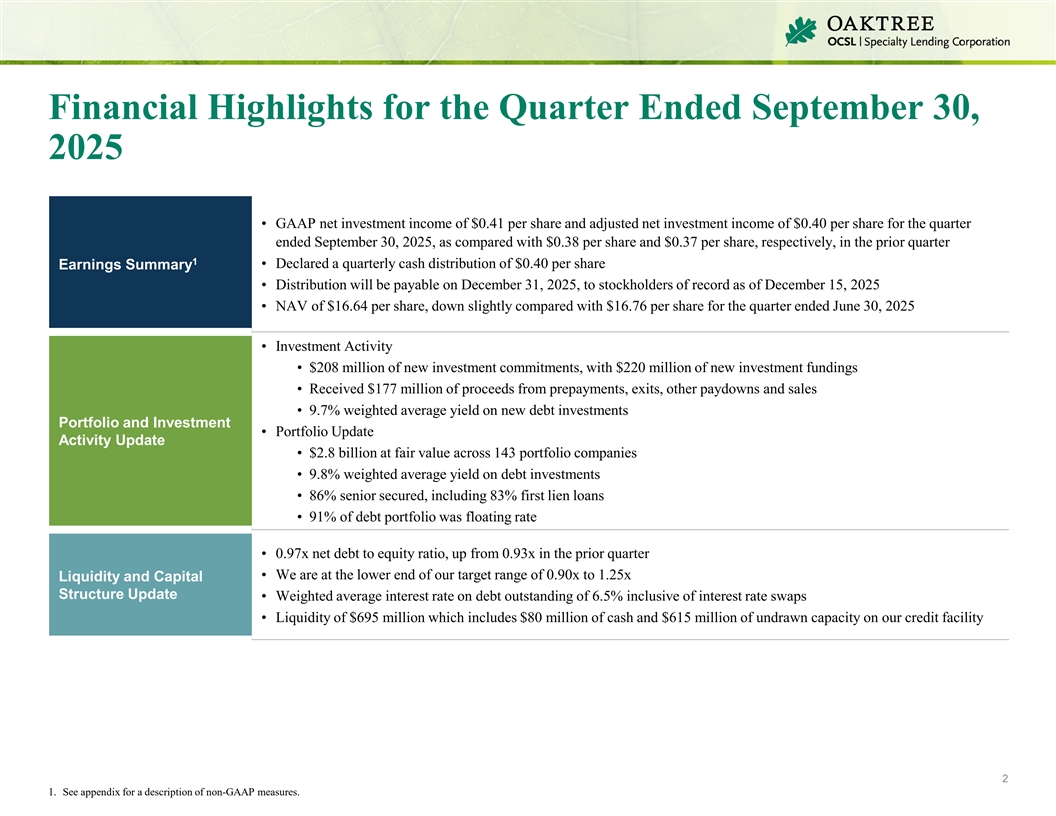
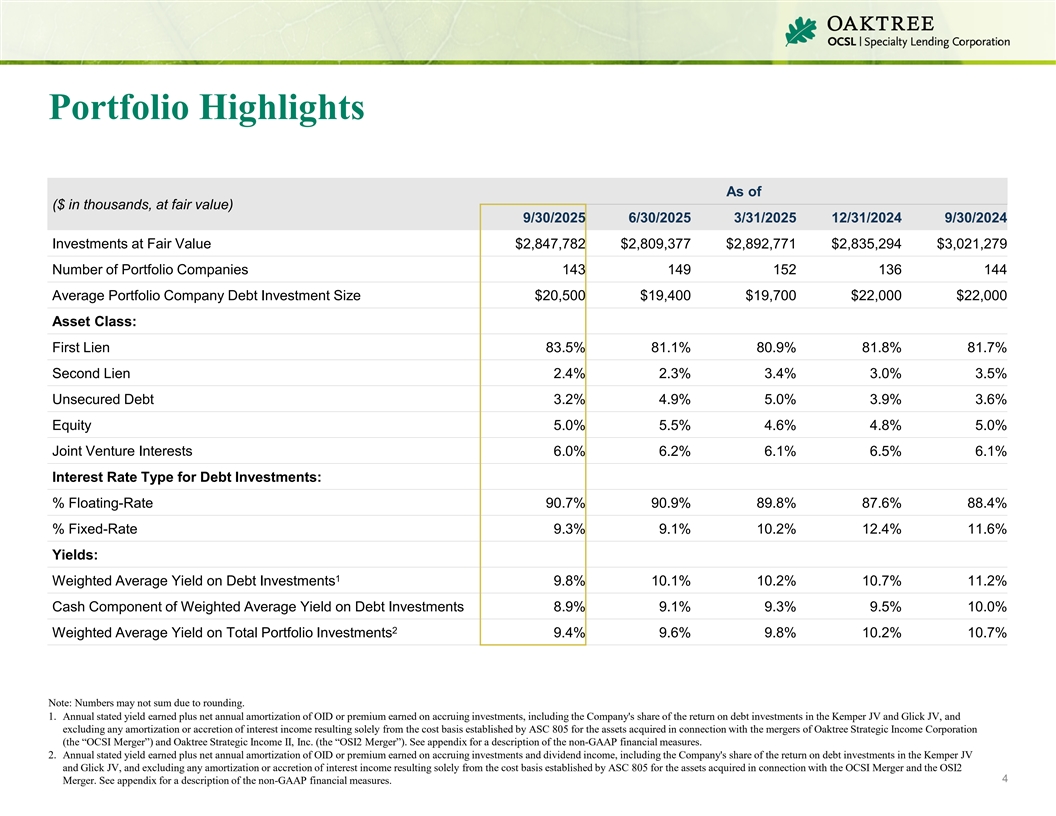
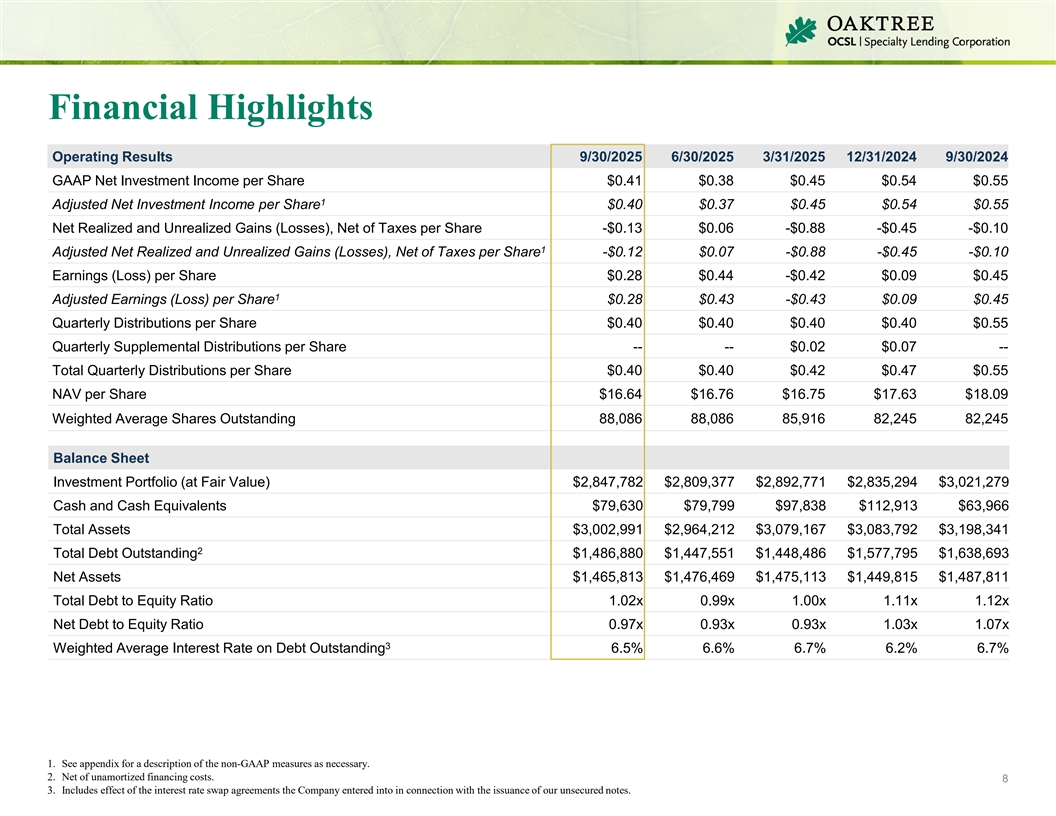
Thank you, Clark, and thank you all for joining our call today. I'll begin the call with an overview of our results for the fiscal year and fourth quarter. Armin Panozian, our CEO and co-CIO, will then share commentary on the current market environment. And Raghav Khanna, our co-CIO, will provide details on our portfolio and investment activity. Chris McCown, our CFO and treasurer, will then review our financial results before we open the call for questions. The fourth quarter and second half of fiscal 2025 reflected steady improvement for OCSL, even as the macro environment remained choppy. As we will discuss in more detail, our team worked hard to turn around non-income-producing positions, find interesting investment opportunities, and reduce our cost of capital. In the fourth quarter, we achieved adjusted net investment income of $0.40 per share, up from $0.37 in the prior quarter. This sequential improvement reflects the return to more normalized prepayment fees, higher dividend income, and lower interest expense from our refinancings earlier this year and lower base rates. Additionally, we continue to make progress reducing our non-accruals, a key strategic focus. At year-end, non-accruals were 2.8% of the portfolio measured at fair value, down 20 basis points from the third quarter, and down 100 basis points from last year. Last week, the Board approved a dividend of $0.40 per share for the quarter, consistent with our dividend policy and fourth-quarter earnings. While the Federal Reserve September rate cut did not affect fourth-quarter earnings, lower base rates will impact net investment income in the December quarter. As we've said before, we have several levers at both the corporate and JV levels to help offset lower base rates and support net investment income. First, we can prudently increase balance sheet leverage to enhance earnings power and deploy capital into interesting investment opportunities. Our balance sheet is conservatively levered at 0.97 times and provides us with ample financial flexibility. Second, we can continue to optimize our JVs. Finally, reducing non-accruals and equity positions will improve our earnings power. We have line of sight into, one, putting a portion of our previously non-accruing loans onto accrual status, two, monetizing a portion of our non-accruals, and three, monetizing equity positions. Any proceeds we receive from realizations of non-accurals and equity will be reinvested into income-generating assets. On an ongoing basis, we will continue to evaluate these levers and their potential contributions to earnings and our dividend. Now, I will pass the call over to Armin for an update on the market environment.
Thanks, Matt. Turning to the current market environment, we see many conflicting themes. Private credit deal flow showed modest improvement during the quarter, although the overall quality of deals was mixed. We continued to see a steady supply of high-quality opportunities alongside an increasing number of lower-quality deals coming to market. Sponsors are pursuing dividend recapitalizations more often as exit activity remains subdued compared to historical levels. Momentum in Europe slowed relative to what we observed in our third quarter, given ongoing political and economic uncertainty. but we still see some interesting deal flow from that region. Ample liquidity in the broadly syndicated loan and private debt markets has driven sponsors to dual-track financing. We have seen an increasing share of $1 billion-plus LBOs opting for the broadly syndicated market and a tightening of the illiquidity premium. However, since the Fed rate cut in September, we have witnessed slightly more price discipline and are cautiously optimistic that private credit spreads have bottomed out at SOFR plus 450. PIC and looser covenants remain popular tools for private debt managers to win mandates and allocations, but we remain extremely disciplined in our credit documentation and acceptance of PIC. As a percentage of total investment income, PIC was 6.4% at quarter end. We prefer to use PIC judiciously and in situations such as financing a high ROE project or carve-out acquisition that requires the pick option only for a defined period, after which a project or acquisition generates the necessary cash flow to cover the debt's full cash interest payment. Despite a mixed environment, our long-term outlook on private credit remains bullish. Issuers continue to value the speed and assurance of deal execution with a sophisticated partner. For investors, we think private debt will continue to deliver a premium spread relative to other floating-rate asset classes and with lower volatility. To talk more about our portfolio and new investments, I will turn it over to Rago.
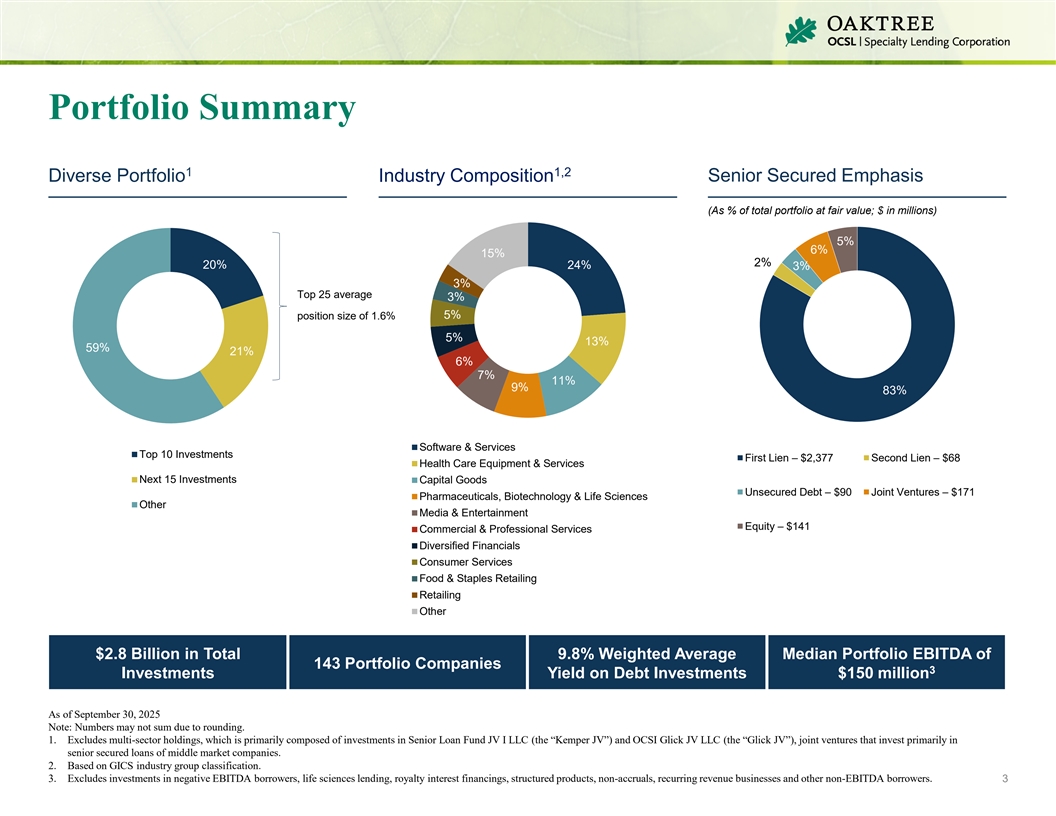
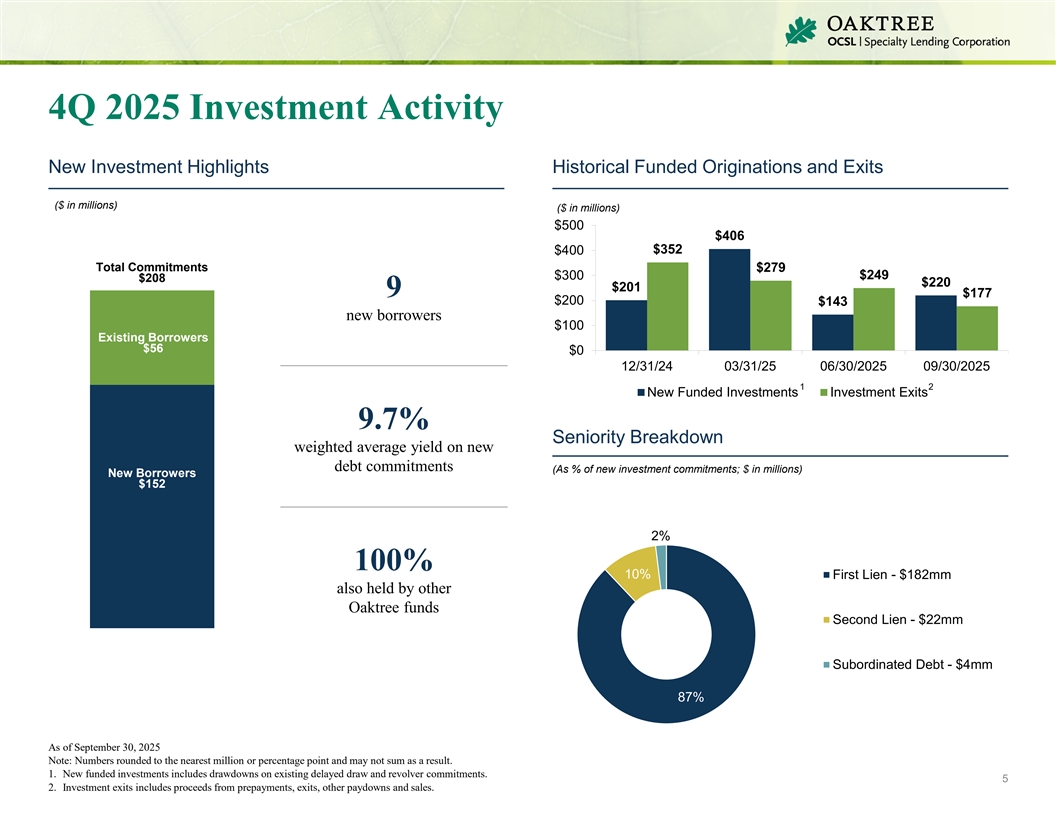
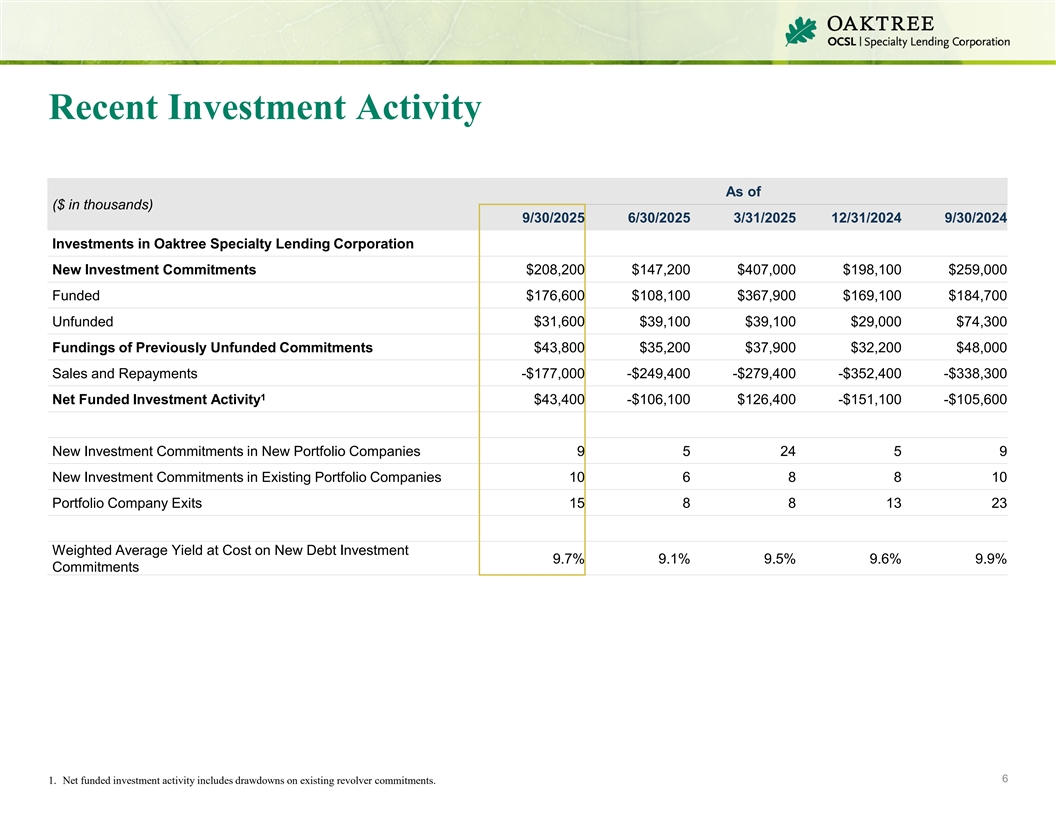
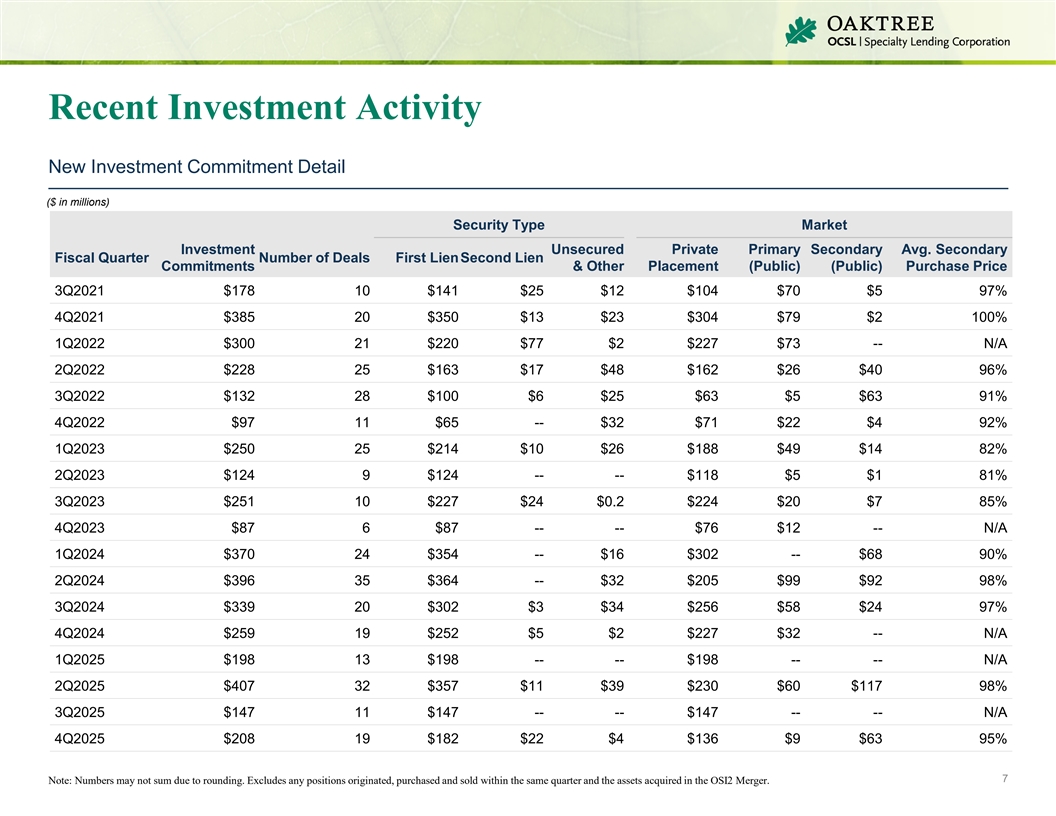
Thanks, Armin. I'll start with a review of our investment activity in the fourth quarter. Our pipeline improved during the quarter, yet given heightened competition and tighter spreads, as Armin mentioned, we're taking a highly selective approach to new investments. We continue to prioritize senior secured loans to market-leading businesses with durable fundamentals, reliable cash flow, and strong downside protection. At the same time, we're focused on diversifying the portfolio, avoiding industry concentration risk and limiting exposure to more cyclical sectors. Turning to origination and repayment activity for the quarter. New funded investment commitments, including drawdowns from existing commitments, amounted to $220 million, up 54% from the prior quarter. Pre-payments from exits, other paydowns, and sales were $177 million, and the weighted average spread on deployments during the quarter was approximately SOFR plus 570. First lien loans represented 88% of our new originations. One notable investment during the quarter was Walgreens Boots Alliance, and integrated health care, pharmacy, and retailer with a 170-year heritage. The company was taken private by Sycamore Partners for over $20 billion, and the sponsor subsequently split the conglomerate into four operating businesses. Each segment required its own bespoke lending solution, and the sponsor thought lenders who could move quickly to underwrite the distinct challenges and transformation opportunities of the retail and pharmaceutical businesses. Oaktree strategies worked collaboratively to consider various capital structures. Ultimately, Oaktree funds acted as joint lead arranger for the $2.5 billion first-in, last-out, first-link term loan to support the U.S. retail business. the filo was priced at SOFR plus 700 with 2.5 points of OID, which is attractive for the industry risk and complexity of the deal. Oaktree's deep expertise in inventory appraisal and long track record of investing in filos made us comfortable with the collateral coverage of the loan. This transaction is a great example of how Oaktree is positioned to capitalize on complicated, yet compelling investment opportunities. Turning to our portfolio, over 40% of our portfolio companies were marked up during the quarter by about 70 basis points on a weighted average basis, reflecting improving fundamentals in several portfolio companies. As of September 30th, 83% of our portfolio was comprised of first lien senior secured debt, and the weighted average yield on debt investments was 9.8%. The median EBITDA of our portfolio companies was approximately $150 million, an $11 million decrease from the prior quarter. Portfolio company weighted average leverage increased slightly to 5.2 times from 5.1 times, and weighted average interest coverage remained unchanged at 2.2 times. As Matt mentioned, we have made tangible progress reducing non-accruals and resolving challenged investments, which contributed to a decline in non-accruals this quarter. I'll cover those now, starting with an update on Mosaic Companies. We have been working closely with Mosaic to realize value for the separation of its three business segments. Two of these segments were sold, and the third is in a liquidation process. As you may recall, these efforts resulted in a significant cash paydown during the June quarter, and we received additional cash paydowns in the September quarter and after quarter end. Inception to date, the paydowns we received amount to a little over 70% of our original invested cost, and when combined with coupon payments, have resulted in generating positive IRR over the life of this loan. We believe the proactive actions we took following Mosaic's tariff-related headwinds earlier this year helped maximize our recovery in a challenging situation. We also made progress in monetizing our investment in Olden Therapeutics, whose loan is secured by certain royalty rights and public shares of ADC Therapeutics. Following an increase in ADC's share price, we sold a portion of our ADC shares and used the proceeds to reduce the outstanding loan amount. Our remaining position in Oven Therapeutics continues to be marked at 99 spot 5, reflecting our view that we will continue monetizing the collateral, supporting this loan, and recover substantially all of the remaining loan balance. While the issuer is not new to our non-accrual list, we added Baymark's first lien loan to non-accrual status. The company's second lien loan was put on non-accrual in the third quarter. We are working closely with other lenders and the company to maximize value. I'll now turn the call over to Chris to review our financial results. Thank you, Raghav.
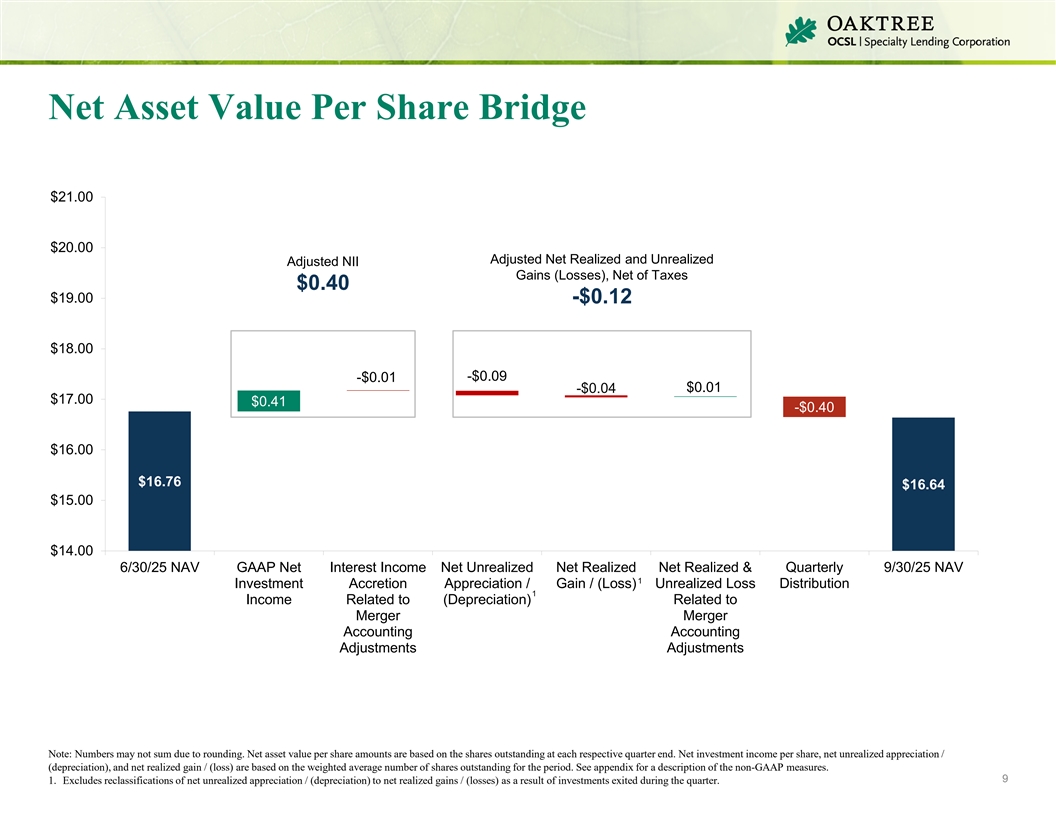
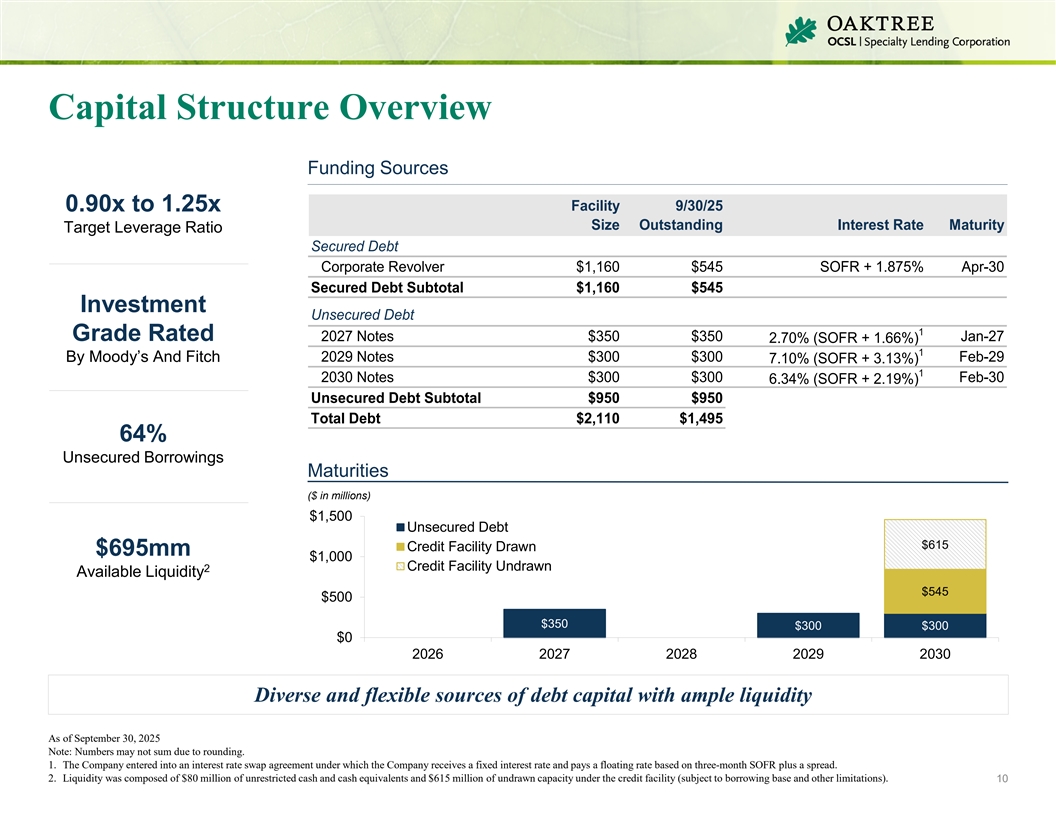
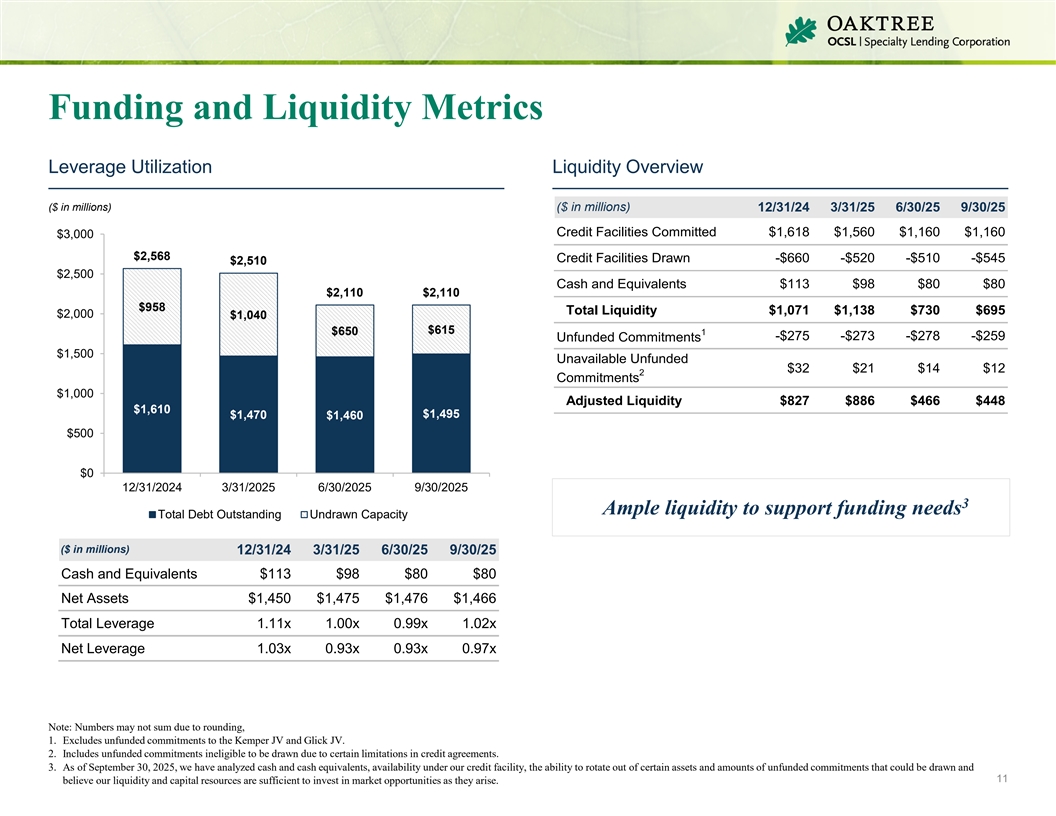
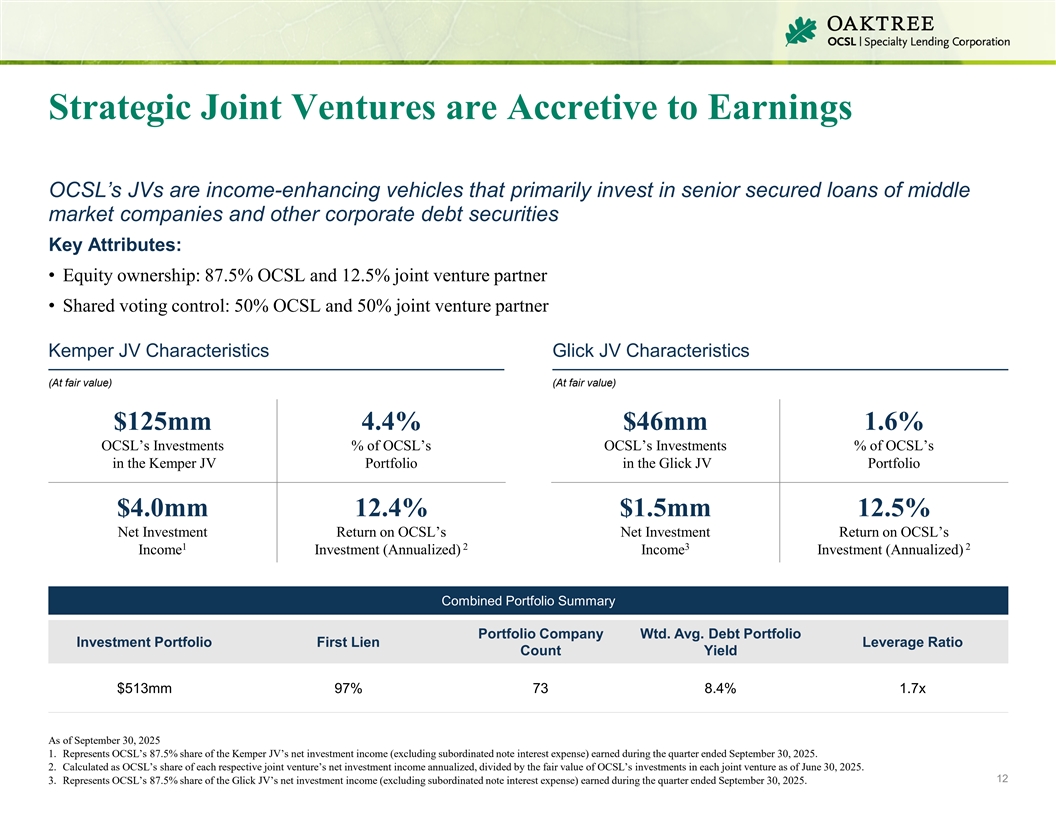
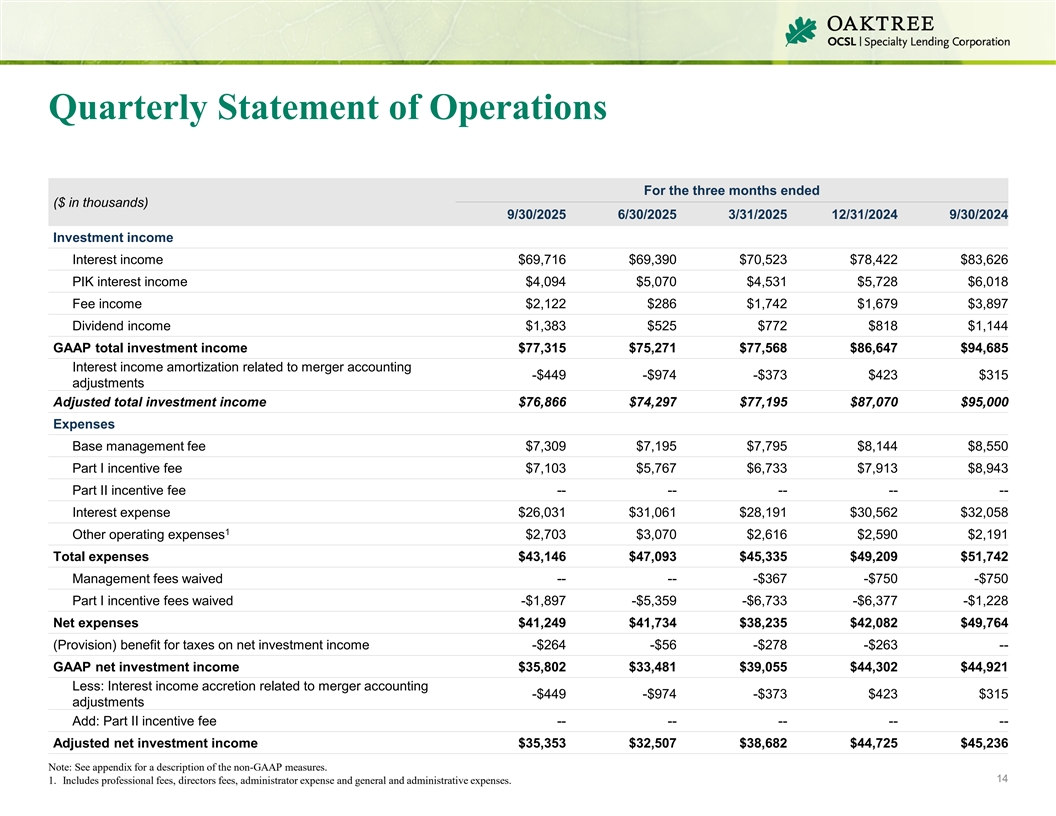
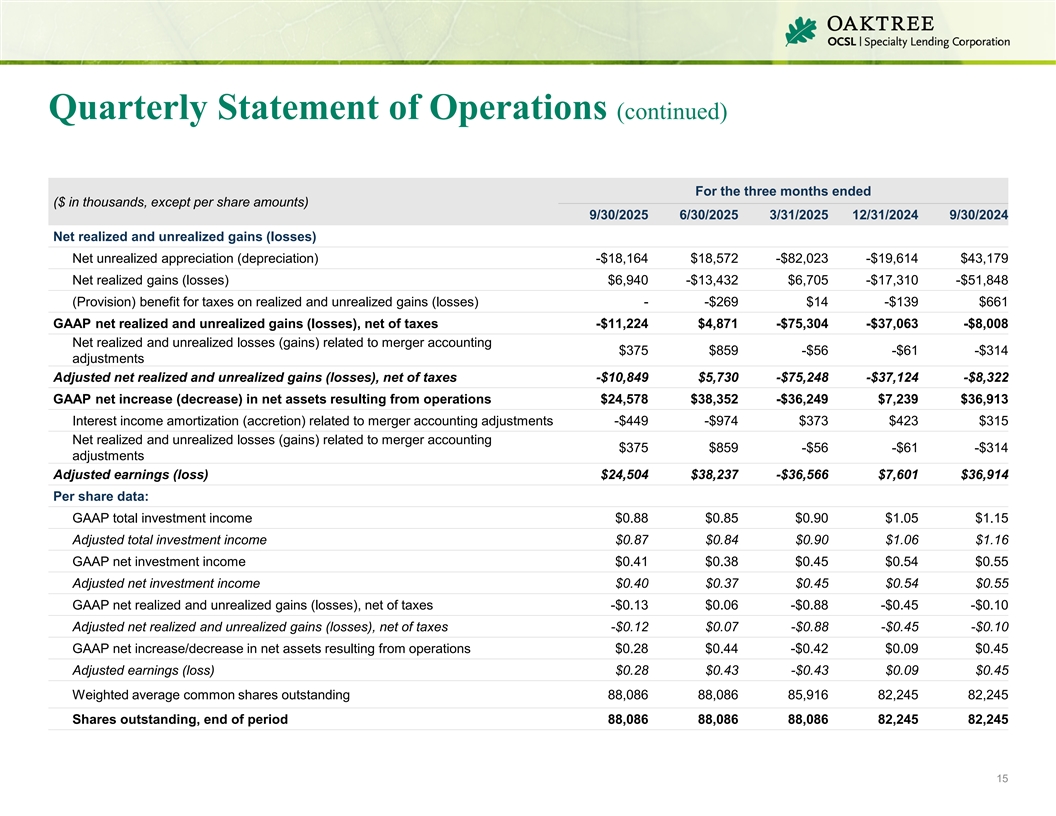
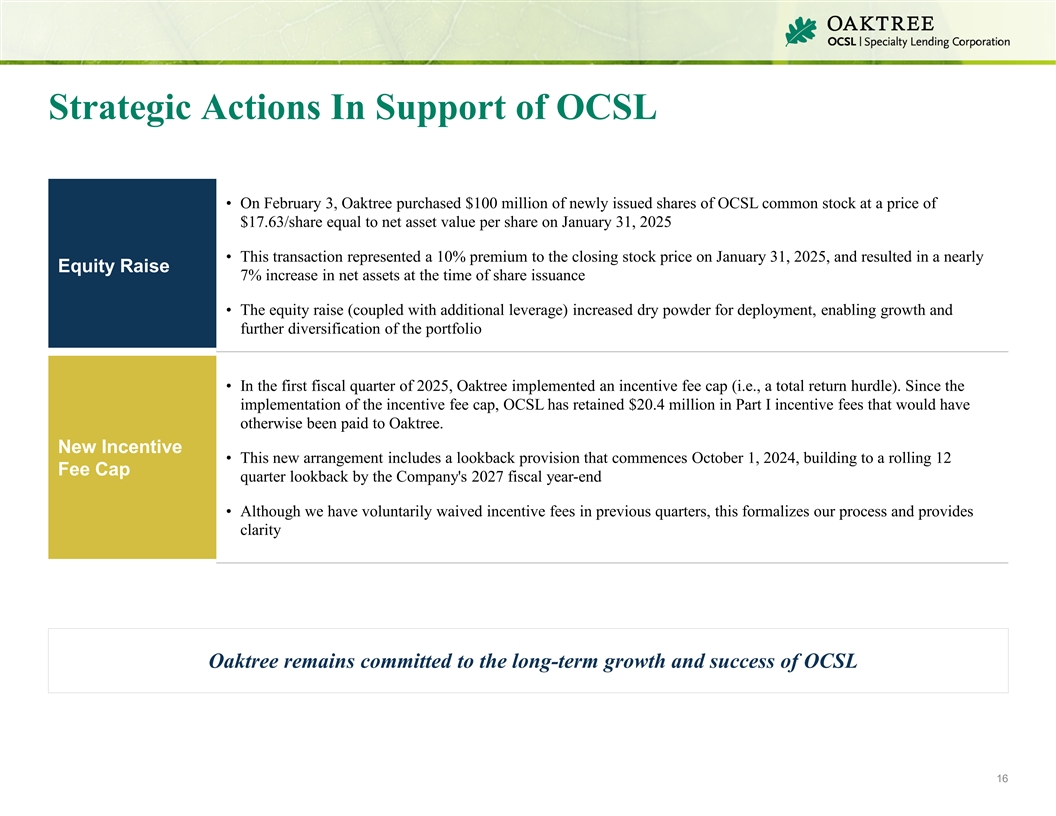
In our fourth fiscal quarter ending September 30, 2025, we delivered adjusted net investment income of $35.4 million or 40 cents per share as compared to $32.5 million or 37 cents per share in the prior quarter. The increase for the quarter reflects the return to normalized levels of fee income and interest expense following the one-time items that impacted the results in the third quarter. NAV per share was $16.64 down from $16.76 in the third quarter due to unrealized depreciation on certain debt and equity investments. Adjusted total investment income increased to $76.9 million compared to $74.3 million in the third quarter, primarily driven by higher prepayment fees and dividend income. Net expenses declined modestly compared to the third quarter. Interest expense decreased due to the refinancing of our syndicated credit facility completed earlier this year and lower reference rates. Additionally, as you may recall, our June quarter results were impacted by non-cash and non-recurring interest expense related to the acceleration of deferred financing costs, primarily in connection with the termination of the Citibank SPV facility. Our weighted average cost of borrowing was 6.5% at September 30th, down from 6.6% in the third quarter. Further, we waived approximately $1.9 million in incentive fees as a result of our total return hurdle. Our leverage ratio at quarter end was 0.97 times, up slightly from 0.93 times last quarter, and total debt outstanding was $1.5 billion. Our target leverage range of 0.9 times to 1.25 times remains unchanged, and driven by our disciplined pace of capital deployment, we remain at the low end of the range unsecured debt represented 64 percent of total debt at quarter end down slightly from prior quarter we have ample dry powder to fund investment commitments with liquidity of approximately 695 million dollars including 80 million dollars of cash and 615 million dollars of undrawn capacity on our credit facility unfunded commitments excluding those related to the joint ventures were $258.9 million, approximately $246.9 million of which can be drawn immediately as the remaining amount is subject to portfolio companies meeting certain milestones before the funds can be drawn. Turning to our two joint ventures, together the JVs currently hold $513 million of investments, primarily in broadly syndicated loans spread across 73 portfolio companies. During the fourth fiscal quarter, the JVs generated ROEs of 12.4% in aggregate. Leverage at the JVs was 1.7 times, compared to 1.3 times last quarter. In addition, we received a $525,000 dividend from the Kemper JV. With that, I'll turn the call back to the operator to open the call for questions.
Operator
Thank you. We will now begin the question and answer session at this time i would like to remind everyone in order to ask a question press star one on your telephone keypad we will pause for just a moment to compile the q a roster and your first question comes from the line of melissa waddell with jp morgan your line is open good morning thanks for taking my questions today um definitely noted the turnaround in in the level of new net funding activity this quarter.
I know that typically December is a seasonally busy quarter, but I'm just curious if you have any early insight into sort of expectations around investment activity in the December quarter this year and any outsized repayments that we should be thinking about.
Thanks, Melissa. In terms of outsized repayments, we don't expect any at this time for the quarter end of December. As far as deployment, nothing really stands out either direction, either on the heavy side or the light side relative to past December quarters. We certainly have seen some tightening in the spreads, and so we're judicious about how we're deploying, but I don't see us materially deviating from past quarters in terms of deployment or leverage levels for the quarter.
Okay, I appreciate that. One of the other things related to your comment about spreads tightening, I did notice that the yield on new investments this quarter was a step higher, about 60 bits higher compared to last quarter. I'm assuming that relates to sort of the complexity of the Walgreens deal, the complexity and size of the Walgreens deal. I guess, one, is that right? And then, two, what's your view on sort of a pipeline for transactions like that where there might be more complexity and pricing involved? Thanks very much.
Hey, Melissa, it's Chris. Thanks for the question. I'll start. Maybe Armin can add a little bit in terms of pipeline. Yeah, in terms of the quarter-on-quarter change, I mean, you're right in noting Walgreens. I think the other thing I would just note about the June quarter is that on balance, we had a little bit higher originations into URIBOR index loans. So when you're looking at the absolute coupons, June was a little bit lower as a result of that. We do hedge all of that back to U.S. dollars. There is a little bit of a pickup when you take into account that that hedging impact, but that does create a little bit of noise, you know, kind of quarter to quarter. Armand, do you have anything?
Yeah, you know, we do have a very active origination function in non-sponsored direct lending. I think Walgreens stands out as a pretty high spread loan. I don't see anything that we would be originating in the December quarter that's quite that high in spread. But we do have a few things that we're working on that might be sort of higher than the 450 to 500 spread. It's typical of sponsor lending, but I think it's too early at this point to provide forward guidance. I just don't think that the Walgreens deal is not repeatable, I don't think, in the fourth quarter.
I'm sorry, the fourth calendar quarter. Yep. Understood.
Operator
And your next question comes from the line of Sean Paul Adams with Bees Bradley Securities. Your line is open.
Hey, guys, good morning. On the nonaccrual still in the books, it seems like there's still a heavy skew towards healthcare and pharma. Can you just share a little bit more color about what's going on in those particular Sure.
This is Armand. You know, we have or we had a couple of sort of chunky positions in the life sciences space. It's not many in number, but they were unfortunately in some larger positions that continue to be the subject of workouts, SIO2 being the most material of them, which is a name that we've talked about on past calls. But that's really what it is. We continue to sort of work out situations that at this point are several years, have been in the portfolio for several years. You know, they're all sort of stable to maybe slightly improving, but still not at the position where we're either going to exit or whether we're going to, you know, move them into accrual status, unfortunately. We haven't added other kind of life sciences or healthcare names that have created problems in the recent quarters, but again, these small handful of positions that were put on a few years ago continue to sort of weigh on the non-accrual bucket. Got it. And as a quick follow-up, is there any, you know, workout strategies going on with those longstanding on the cools? They're more operational workouts. They're not, they have already been from a capital structure perspective restructured, but operational improvements are being made. We're working closely with management teams to, you know, drive that performance. But, you know, and when possible, we are working with the management to sell assets and either, you know, fund cash burn or repay, you know, or make distributions to our position. But there's nothing – I wouldn't say that there's anything significant or monumental that would be happening in the near term with respect to those positions. It's just kind of blocking and tackling with an operational turnaround. I appreciate the color.
Operator
Again, if you would like to ask a question, press star 1 on your telephone keypad. Thank you. I'm not showing any further questions in the queue. I would now like to turn it back to Clark Currie for closing remarks.
Thank you, operator. And thanks to everybody for joining. Please reach out with any questions. We're happy to jump on the phone. Have a great day.
Operator
And as that concludes our today's conference call, thank you all for joining, you may now disconnect.