Operator
Good morning. My name is Tiffany and I will be your conference operator today. At this time, I would like to welcome everyone to the Orristown Financial Services, Inc. third quarter 2025 earnings conference call. All lines have been placed on mute to prevent any background noise. After the speaker's remarks, there will be a question and answer session. If you would like to ask a question during the Q&A session, simply press star followed by the number one on your telephone keypad. If you would like to withdraw your question, press the pound key. I will now turn the call over to Tom Quinn, President and Chief Executive Officer of Orristown Financial Services, Inc. and Orristown Bank, who will begin the conference. Mr. Quinn, please go ahead.
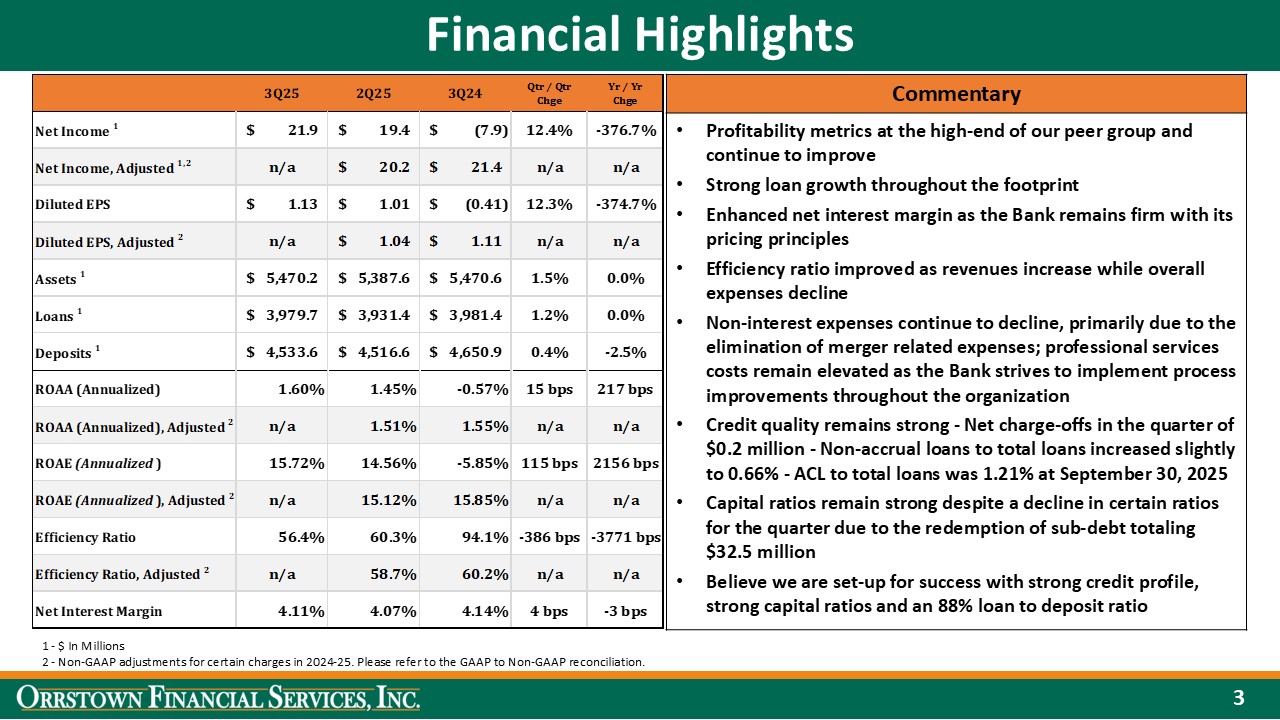
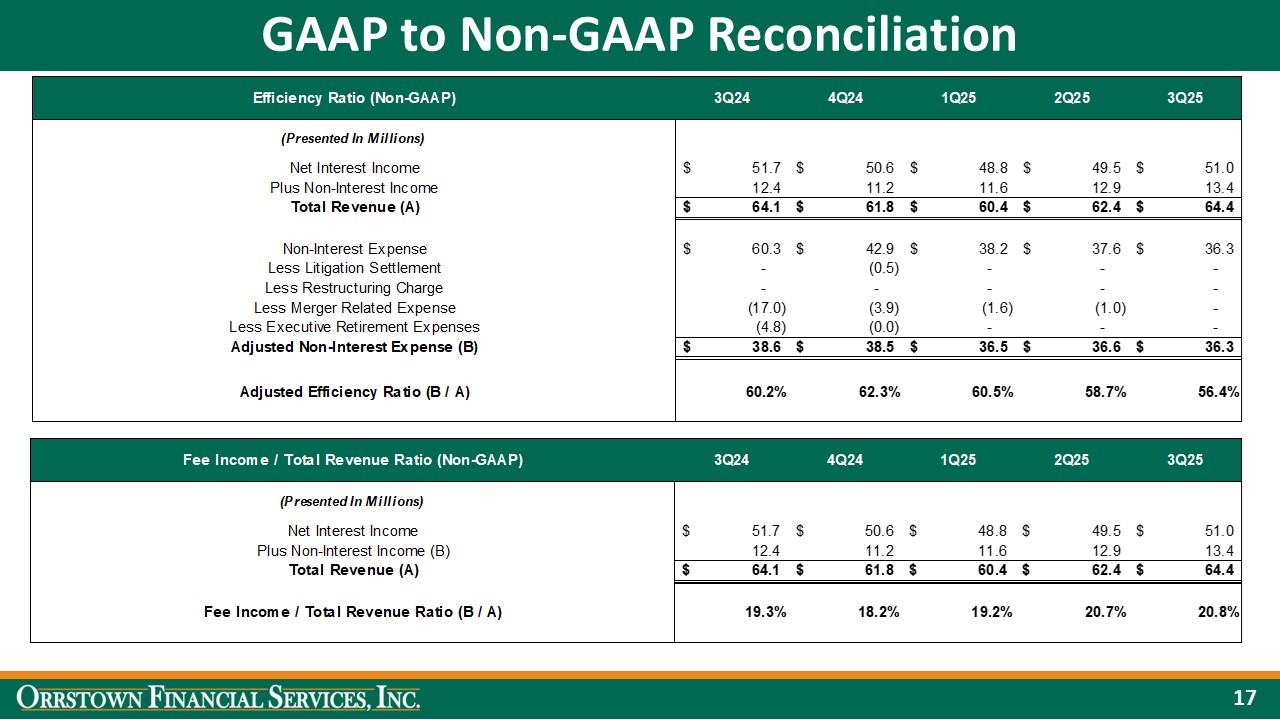
Thank you, Tiffany, and good morning. I'd like to thank everyone for participating in Orstown's third quarter 2025 earnings conference call, both by telephone and through the webcast. If you have not read the earnings release we issued yesterday afternoon, you may access it along with the financial tables and schedules by going to our website, www.orstown.com. Once there, you can click on the investor relations link and then on the events and presentation link. Also, before we start, I would like to mention that today's presentation may contain forward-looking information. Cautionary statements about the information are included in the earnings release, the investor presentation, and our SEC filings. The presentation also includes non-GAAP financial measures as identified in the earnings release and the investor presentation. The appropriate reconciliations to GAAP are included in the appendices. Joining me today on the call are Orrstown Bank's Senior Executive Vice President and Chief Operating Officer Adam Metz, as well as Executive Vice President and Chief Financial Officer Neil Kalani. Our Chief Revenue Officer Zach Curry, Chief Risk Officer Bob Karate, and our Chief Credit Officer Dave Chikowski will also participate on the call. Our financial highlights for the quarter are summarized on slide three of the deck. We delivered another quarter of excellent results. Loan growth was strong. In the third quarter, we achieved 4.9% annualized loan growth after taking some steps early in the year to align the acquired portfolio with our risk profile. We have seen good growth in the last two quarters. An interest margin was 4.11 for the third quarter of 25 compared to 4.07 for the second quarter of 25. We believe that we are pricing loans prudently and managing funding costs well, which is evidenced by the stable margin. Fee income remained a core strength of the organization during the third quarter. Fee income as a percentage of operating revenue was 20.8%. The second consecutive quarter that this ratio was nearly 21%. Expenses continue to decline. Non-interest expense declined by $1.3 million compared to the prior quarter. Our efficiency ratio decreased from 60.3% to 56.4% quarter to quarter. All this translated into our strongest quarter of earnings on record with diluted EPS of $1.13. Our return on assets of 1.60% and return on equity nearly 16%. We believe that our successful execution of last year's merger with Codorus Valley is evident in our financial performance. At this time, I would like to turn the call over to Adam Metz for a discussion on our balance sheet. Adam?
Thank you, Tom. Good morning, everyone. We have previously discussed the steps that we've taken to proactively protect the bank's risk profile and position the bank to be successful in all economic scenarios. These steps seem particularly relevant given the credit concerns disclosed by other institutions last week. As a reminder, these steps included managing our CRE portfolio of reduced concentration, stress testing the CNI portfolio for the potential impact of tariffs, reviewing our TM platform for clients sending foreign wires and proactively discussing strategies with them, and reevaluated lending relationships above $2 million, adjusted risk ratings as deemed appropriate, and presented some of them with exit plans. Our relationship banking model requires our sales teams to keep in touch close with our clients. We have regular conversations with our clients on a variety of topics, recently including tariffs, the government shutdown, the Pennsylvania budget impasse, and general economic conditions, helping them navigate the evolving landscape and plan accordingly. After the first quarter, we indicated that these steps had resulted in higher-than-expected reductions in loan balances, but expressed optimism that steps had taken to protect credit quality and laid a solid foundation for future growth. We believe that this solid foundation was reflected in our third quarter results. As Tom said, in the third quarter, we achieved 4.9% annualized loan growth. We continue to lean into our relationship banking model, where high engagement and local decision-making differentiate us in the market and allow us to meet client needs with speed and care. Importantly, credit quality remains sound. Net charge-offs were again nominal in the quarter. Classified loans decreased by $1.7 million to $64.1 million at quarter end. Although non-accrual loans increased by $3.8 million to $26.2 million at quarter end, most of this increase was primarily related to one relationship within the commercial construction and development portfolio. We are mindful of some economic uncertainty and its potential impact on the overall business environment. We remain focused on credit quality and plan to continue to grow prudently. And we, along with an independent third party, regularly evaluate our portfolio for new risk considerations. We view our capital position as an organizational strength, which provides us with significant strategic flexibility for the future. We are well capitalized by all measures. Neil Kalani, our CFO, will now discuss our third quarter results in more detail. Neil? Thank you, Adam. Good morning, everyone.
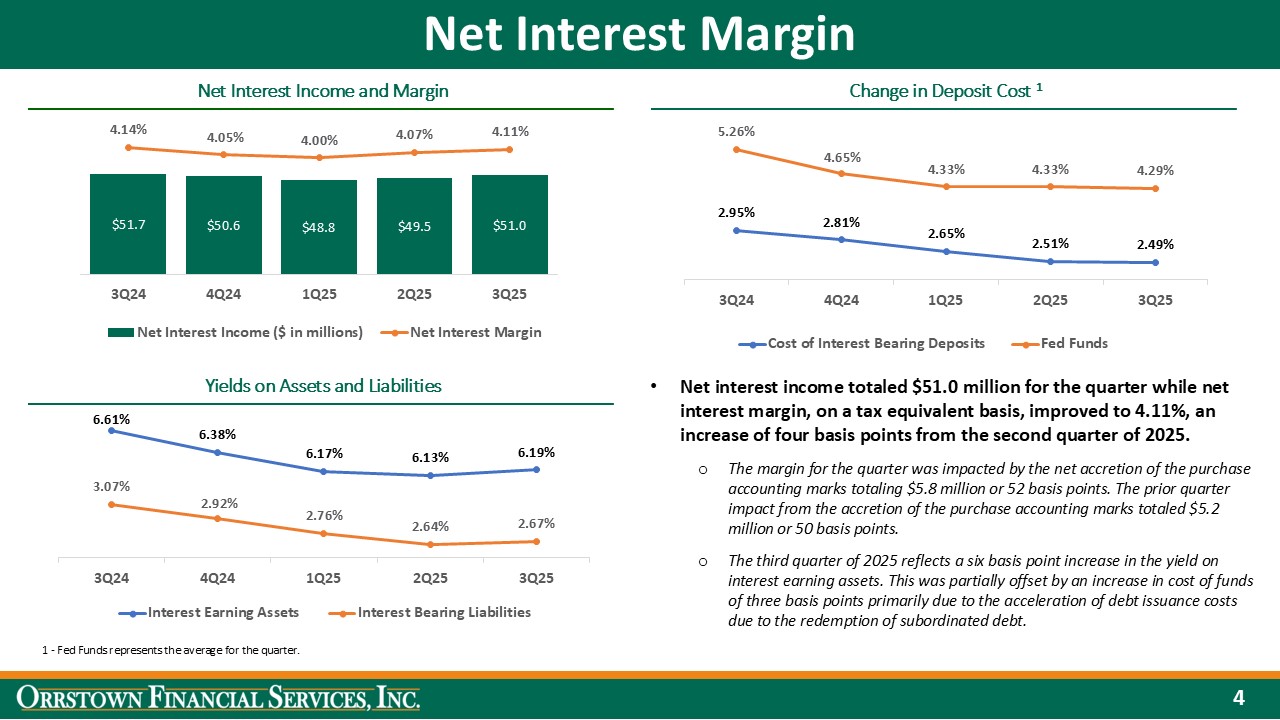
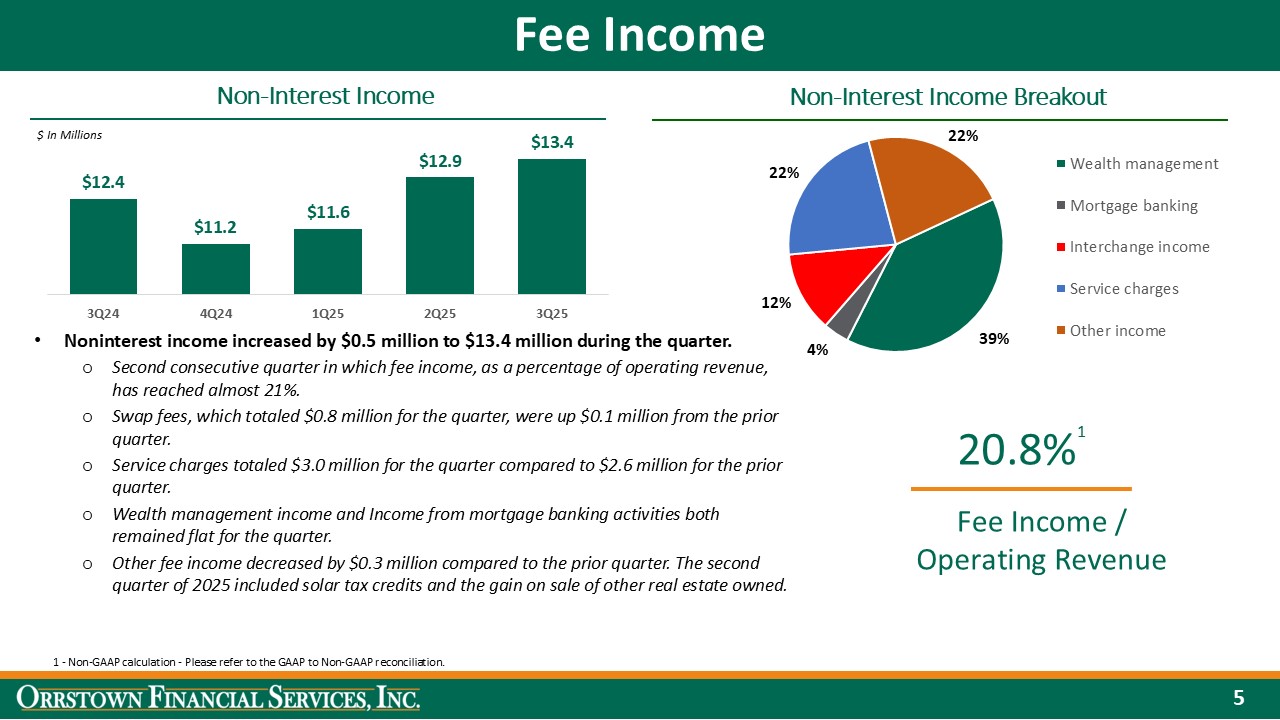
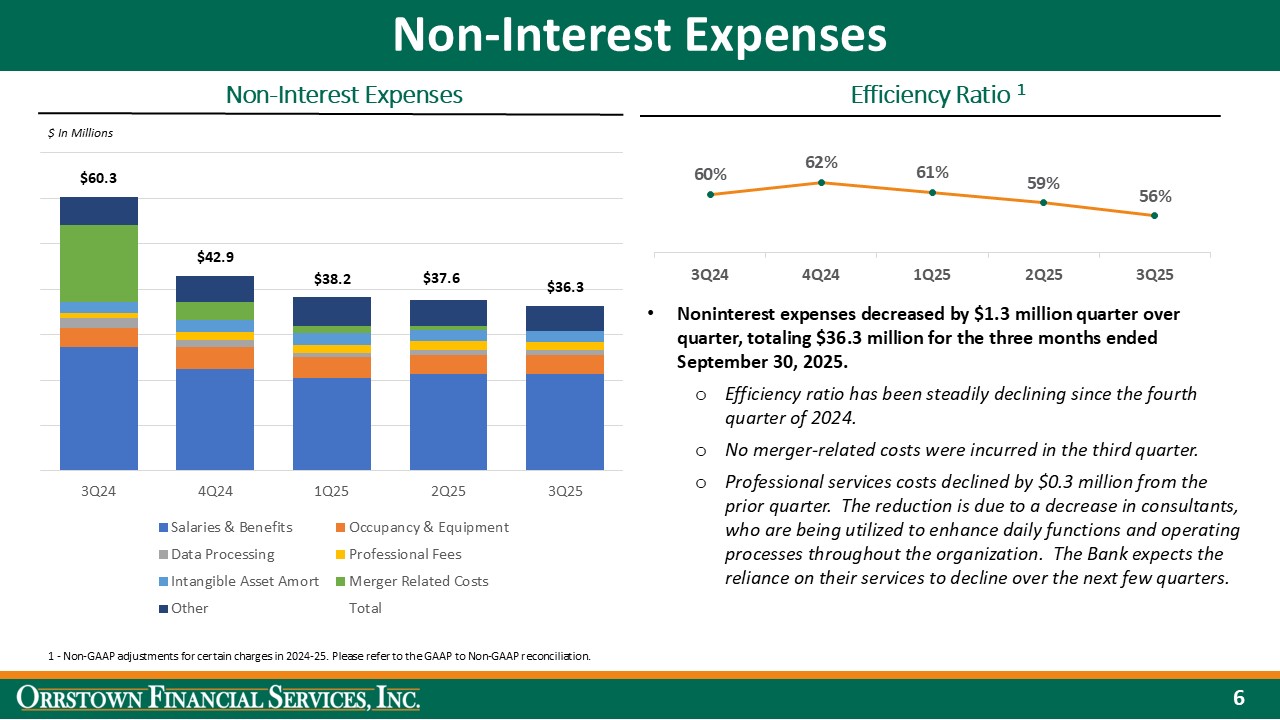
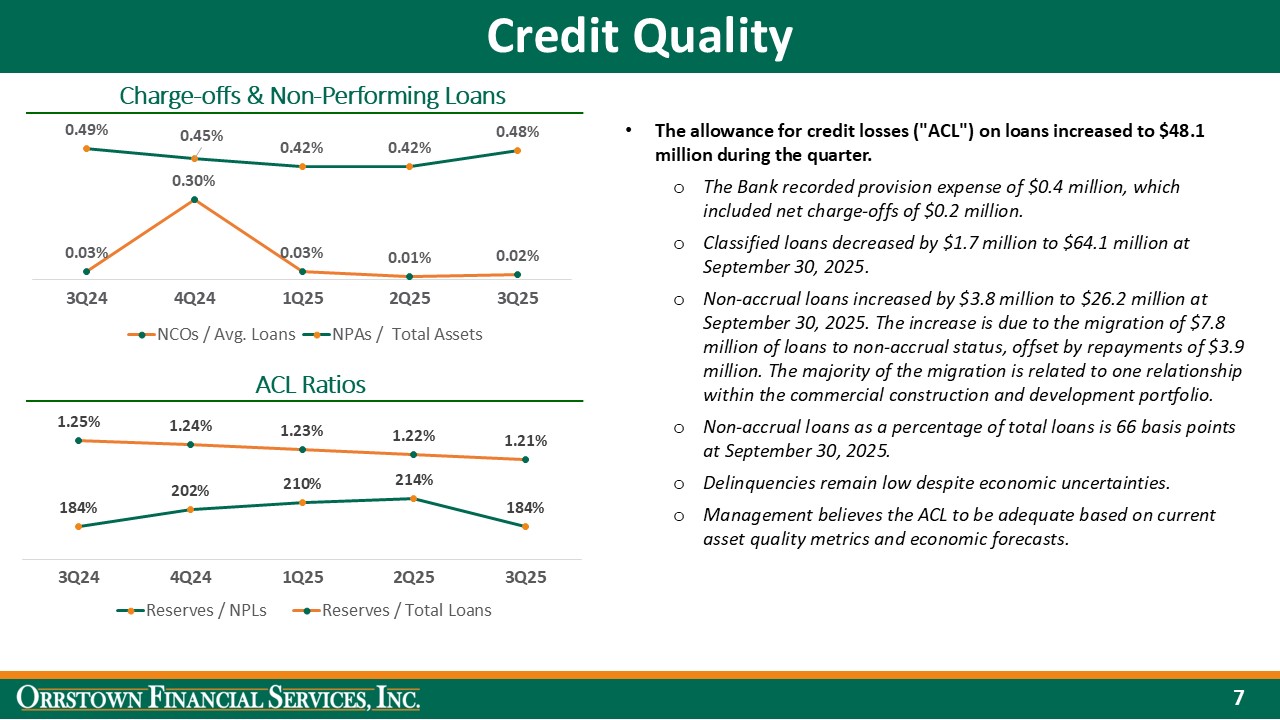
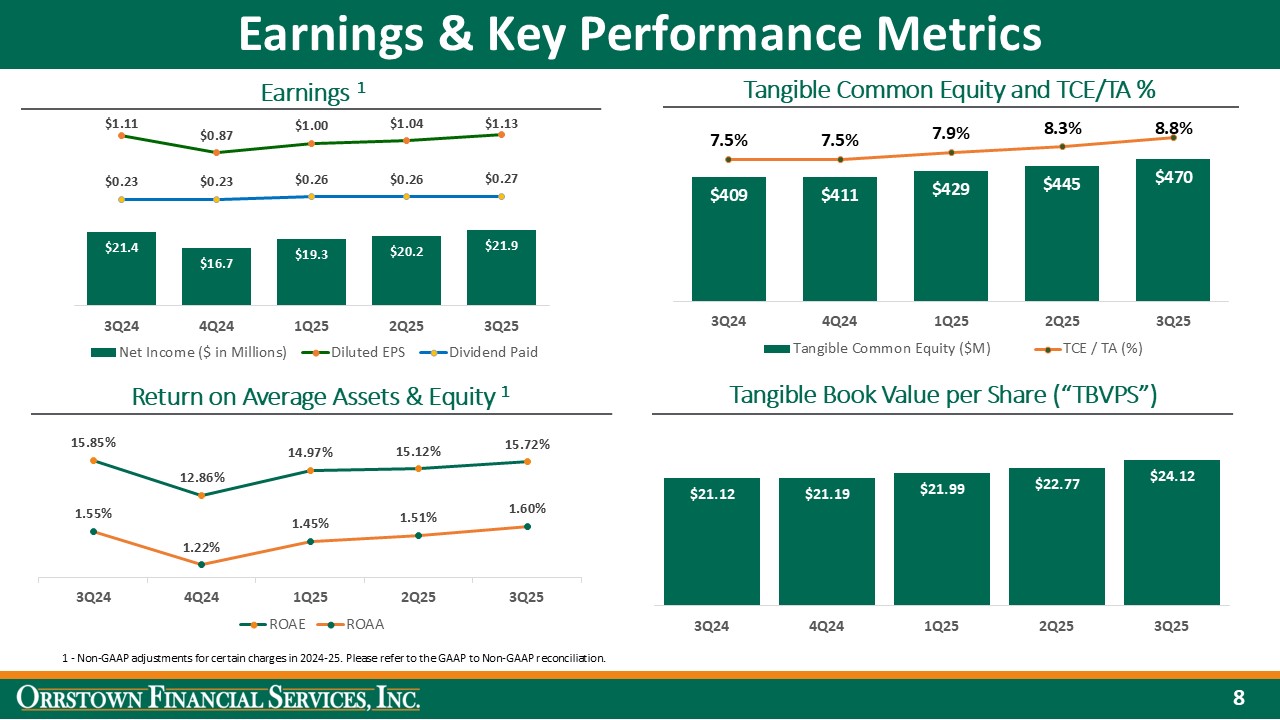
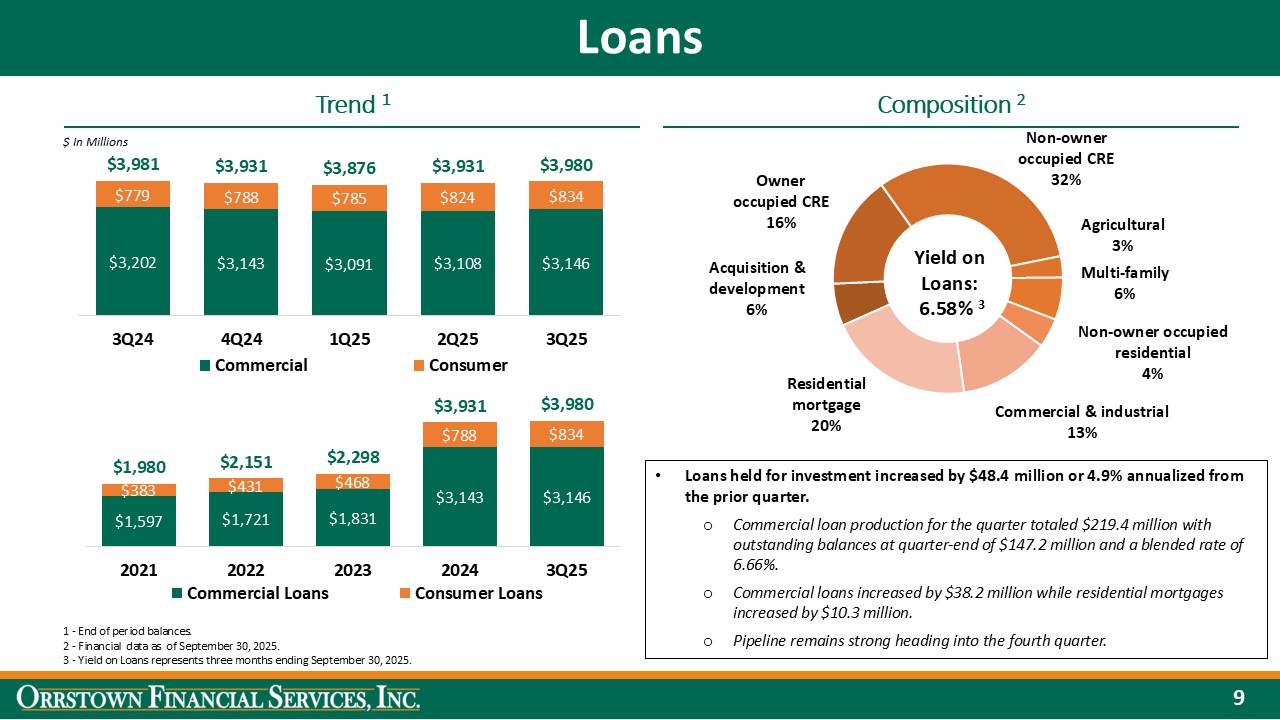
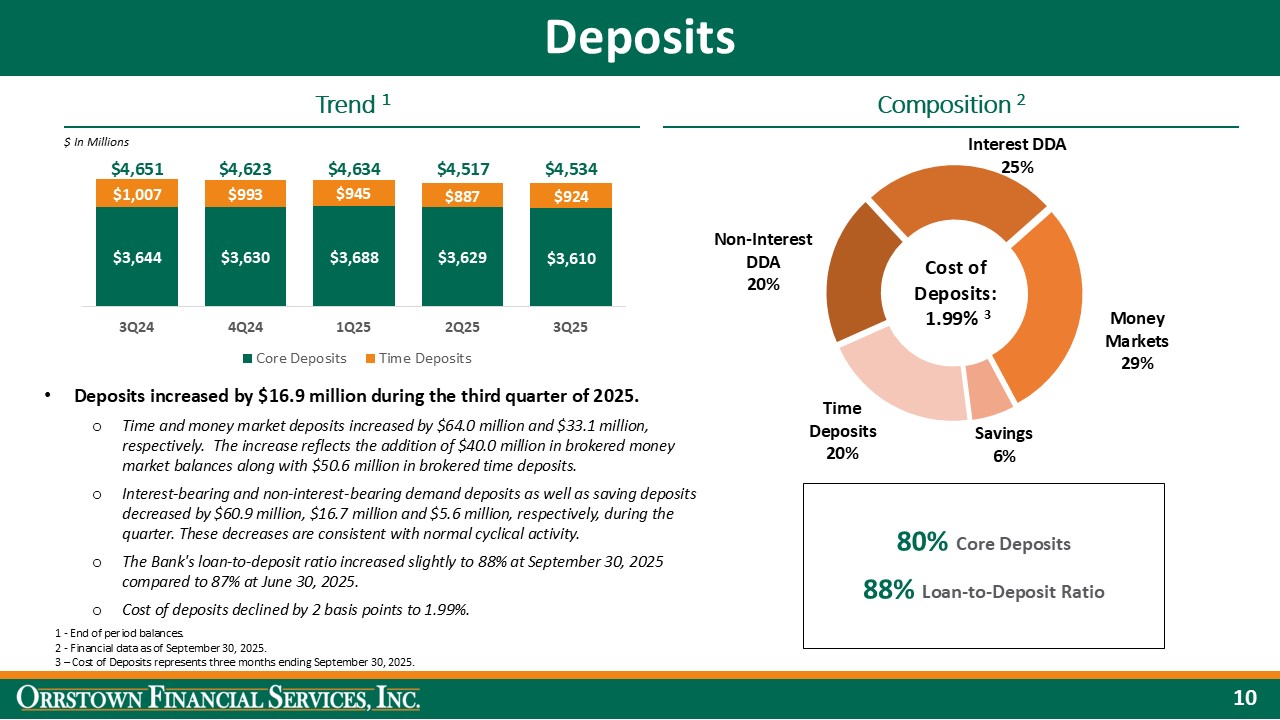
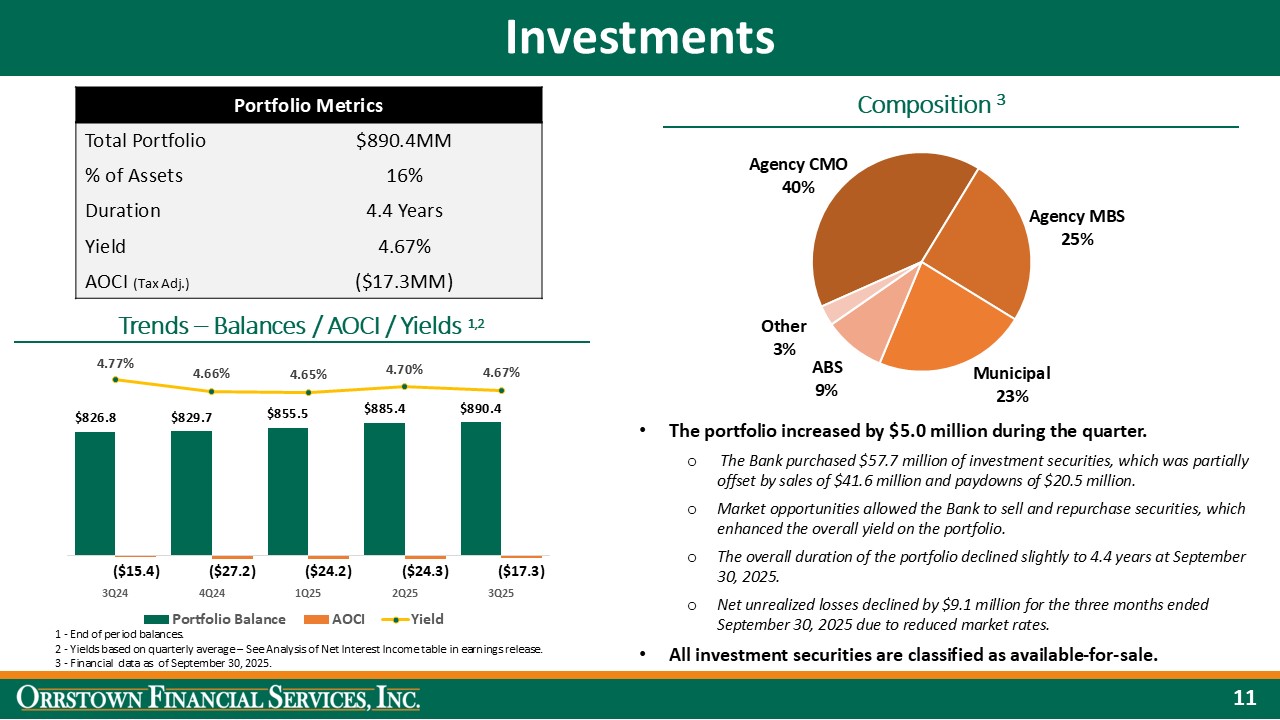
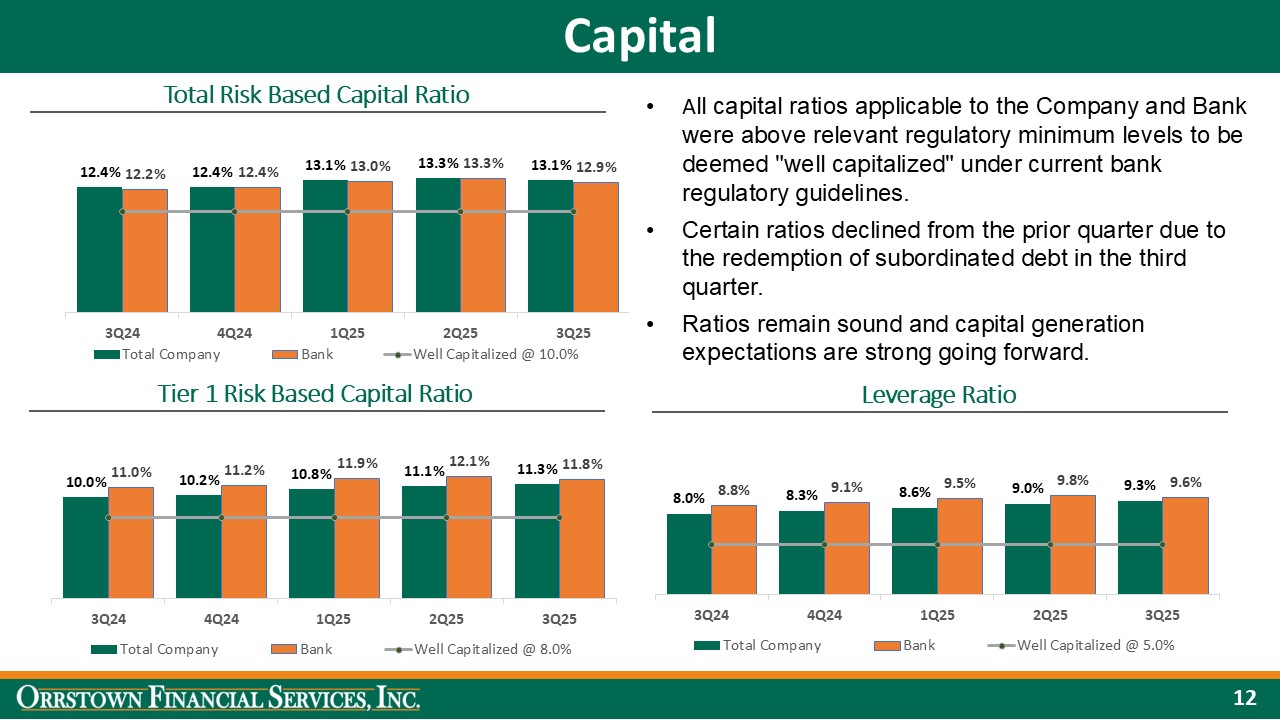
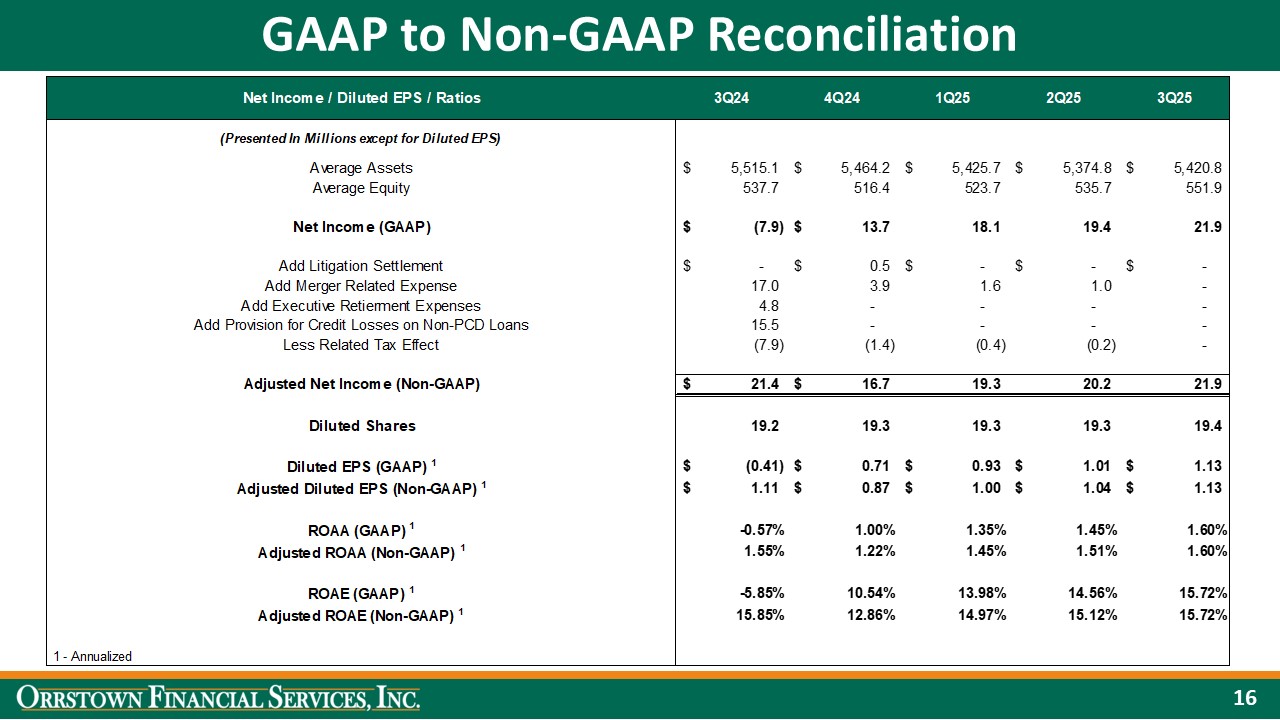
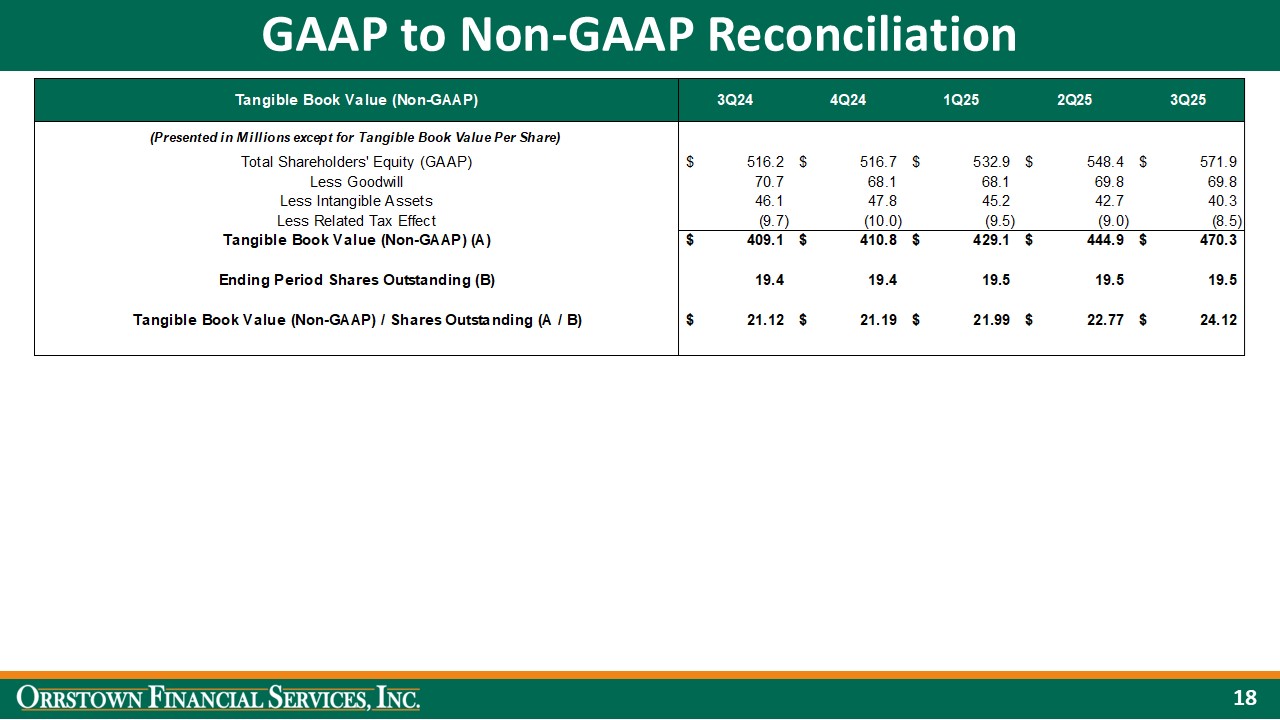
The third quarter was another successful quarter for us. We recorded $21.9 million of net income, or $113 in earnings per diluted share. This equates to return on average assets of 1.6%, return on average equity of 15.7%, and return on average tangible common equity around 20%. All of these metrics place us near the top of our peer group and were achieved through multiple avenues. Looking at slide four, the margin increased by four basis points to 4.11 in the third quarter. Loan pricing on new originations and increased purchase accounting accretion drove loan yields higher while the acceleration of $300,000 of debt issuance costs associated with a subordinated debt redemption increased the cost of funds a bit. On September 30th, the company redeemed $32.5 million of subordinated debt notes, which were at a rate of 7.72% for most of the second quarter. This action will reduce interest expense going forward while the company maintains its flexibility from a capital perspective. The other notable result from this quarter is the increase in loan interest to $66.0 million from $63.2 million in the second quarter. We place a significant focus on generating the necessary growth to offset the impact of the reduction in purchase accounting accretion on loans over time and maintaining a margin near its current levels. Being asset sensitive as rates come down, I do expect margin to contract. Competition remains heavy on both loan and deposit pricing, and that will certainly factor into our ability to maintain or increase the margin. Fee incomes discussed on slide five. We saw an increase in non-interest income to $13.4 million in the third quarter from $12.9 million for the second quarter. This represents almost 21% of revenues. Swap fees were substantial at $800,000. Service charges increased by $400,000 due to higher volumes than credit card incentives earned. Wealth management continues to perform extremely well, and we're starting to see mortgage volumes increase. I would expect the normalized quarterly run rate to be in the $12.5 to $13 million range going forward. The team continues to succeed in generating additional avenues of fee income, but it's going to fluctuate from quarter to quarter. On slide 6, you can see that the non-interest expenses have declined by $1.3 million from the prior quarter. The key highlight here is that we no longer have merger-related expenses. The efficiency ratio decreased again to 56% with the continued goal of getting below 55%. The numbers still include the impact of additional third-party consulting services that are expected to continue but will decline over the next several periods. Considering the decline in expenses while continuing to invest in the bank's future, I would expect a quarterly run rate around $36 million going forward, plus some standard inflationary impact next year. Our credit quality is discussed on slide 7. Once again, we recorded a small provision with a small amount of net charge-offs. Our allowance coverage ratio was 1.21% that's September 30th, which we continue to believe adequately addresses the risk of loss in the loan portfolio. As Tom always says, and Adam just reiterated, we lead with risk. Therefore, we are cognizant of general industry concerns about credit, and our proactive approach helps us properly assess our portfolio, identify risks, and take any steps necessary to mitigate them. Slide 8 covers the positive trends in our key metrics for the past year. The growth in the earnings metrics noted in those charts speaks for itself. In addition, TCE has grown to 8.8%, and our tangible book value per share has returned to pre-merger levels, with a strong buildup expected from here. Our loan portfolio was discussed on slide 9. Both Tom and Adam covered our growth for the quarter, but we're now close to $4 billion in loans with an average yield of 6.58%. We had $224 million of loan production during the third quarter and continue to have a solid pipeline. Payoffs continue to have some impact on the loan growth during the third quarter. On slide 10, deposits increased by $17 million. We tapped into some brokered options for the first time in a while as a team works on building long-term core deposits. The cost of deposits declined again by a couple basis points in the third quarter. We adjusted deposit pricing downward later in the third quarter, and that impact is expected to be reflected in the fourth quarter. As I've discussed in the past, we held deposit rates higher than previously anticipated. We determined now was the appropriate time to start adjusting them to be more in line with market rates. The 88% loan-to-deposit ratio provides us with sufficient liquidity to fund our loan pipeline without placing a heavy reliance on alternative funding sources slide 11 highlights the performance of the investment portfolio we continue to take strategic actions with the portfolio to ensure it performs well in the current environment the yield of 4.67 percent remains at the top of peer levels net unrealized losses decreased by 9 million as market rates declined and the duration declined slightly from the prior quarter to 4.4. Our regulatory capital ratios are addressed on slide 12, and the total risk-based capital ratio did decline during the quarter as a result of the redemption of subordinated debt. But despite that, we feel good about our current capital position, as well as our ability to grow capital rapidly in the future. I'd like to now turn a call back over to Adam Metz for his closing remarks.
Adam. Thank you, Neil. The numbers speak for themselves. We are proud of our quarterly results. As Tom said, we believe that our successful execution of last year's merger is evident in our financial performance. We are optimistic about the future, both in the short and long term. We would now like to open the call to questions. Before we get started, the operator will briefly review the instructions with you.
Operator
At this time, I would like to remind everyone, in order to ask a question, press star and then the number one on your telephone keypad. We will pause for just a moment to compile the Q&A roster. Your first question comes from the line of Tim Switzer with KBW. Your line is open.
Hey, good morning. Thank you for taking my question.
I have a follow-up on your, Neil, your commentary regarding the NIM. I understand the asset sensitivity here and with the fed rate cuts probably expect to see some near-term pressure um how should we think about the trajectory of the downward movement assuming we get maybe one or two more rate cuts over the next uh few months and you know is there a good rule of thumb at all you guys have for you know how many uh base points for the NIM each 25 basis point cut is um it's going to vary a little bit I put out there kind of the guidance I've given is the 4.0% to 4.15 range.
Obviously, the accretion fluctuates, so that's going to impact that. Down a couple cuts, whether it's 225 basis point cuts, isn't going to impact us substantially. what what will impact is just competitive pricing the where we if we consistently price the loans where they're at and we're able to continue to pull deposit costs down we should be able to maintain where we're at through the next couple cuts but depending on where the market is and and push it to to generate new loans we'll see where that pricing falls out so that's that's more so a factor is a competitive side of things and continuing to grow the balance sheet and where the margin is going to end up. And we've taken with the sub debt reduction and some other things and some deposit reductions that we took recently and we'll continue to look at.
My hope is that we maintain around here with, again, purchase accounting being around here to potentially like five basis points lower um so in that in that range with the potential that any accretion might might have some positive or negative impact depending on the timing okay got you and um your comments regarding the comp the heavy competition on both loan and deposits are you able to write any commentary around where that's coming from is it the larger competitors in your market others closer to your size there any geographies or categories where it's a little bit more competitive?
I think it really depends on the market. As we talked about, our growth markets lean towards the Baltimore, Lancaster, Harrisburg markets, and those competitors vary in those markets. And so I don't know that we see consistent, but on any given relationship or any given opportunity, it does remain competitive.
And Tim, to add to what I just said and clarify what i just said the other like just from a numbers perspective yeah as rates as the rates come down we will have some negative impact to the margin but it's the it's the actions that we take going forward to that can offset that so there's a big focus on that from a pricing perspective to we know we know the model just on a standalone basis um with no with no on a static basis is going to have the margin come down but we can take steps to to offset that okay okay that makes sense and on the loan side of competition do you have a sense for how much of that is being
driven by you know maybe some competitors who had pulled back on cre or other areas momentarily and now they're kind of reentering or um is it just that you know maybe long growth demand is a little bit more tepid. And so there's just less of the pie.
Yeah, I think we see a mix of that, Tim. But I would tell you that we have been able heretofore to get the price that we sort of set to the markets. In fact, they've done better than that. And I think that's a tribute, as I said in my comments, I think it really is a tribute to our relationship model. We're very high touch, very engaged with our clients and our prospects, and it makes a difference.
Well, thank you for answering all my questions. Thanks, Tim.
Operator
Your next question comes from the line of Gregory Zingoni with Piper Sandler. Your line is open.
Good morning, guys. Great quarter, and hope everyone's doing well. Just to go back to the NIMH for a second, do you have a spot NIMH for September?
Okay. And then pivoting to credit for a minute, would you be able to provide some color on what those largest credits are in classified today?
Speaker 4
Yes. The larger credits are, you know, there's some CRE. There's an auto dealer. and, you know, a variety of other C&I credits.
Would you be able to pin down a dollar figure in terms of maybe like your top one or two credits in there?
Speaker 4
The top couple of credits would total, in classified, total about $20 million.
And you said it's roughly probably two or three credits that make up that balance?
Okay. And then since quarter end, are there any new updates with any of those balances that you could share with us today?
Speaker 4
Well, I would tell you, you know, the you know, we talked about some of the the movement into classified and there was a an owner occupied credit that we received a, you know, was was million three. and it had moved into non-accrual, we had moved it to non-accrual in the third quarter. Subsequently, we've received a pay down of just under $900,000 on that. So that just demonstrates, I think, that we're pretty conservative in our decisions to move credits into non-accrual. And as another point worth noting on our non-accrual balances is that um approximately 50 of them are current for for um you know their their monthly principal and interest payments okay awesome thank you for the color on that last question for me the uh the early five percent loan guide for next year do you do you have a lending focus in mind for how you want the uh the mix to look like thank you yeah i mean like as we've talked about we feel like we have some CRE capacity.
We were very proactive in addressing that pre-merger and immediately post-merger. But we've recently, in the last quarter here, we've hired some additional talent on the C&I side, particularly in our middle market group. And so we have some opportunity there. We feel like we can deliver a unique experience in the middle market space. And as I've said, talent wins. And I think we have some real talent there.
Thanks, everyone. Thank you.
Operator
Your next question comes from the line of David Long with Raymond James. Your line is open.
Good morning, everyone. Neil, you mentioned that you may see some NIMH pressure with the rate cuts. But then you said that you can take some steps to offset such compression. What are – specifically, what are some of the tools that you have to help you avoid some NIM compression, if that looks like we're going to see the rate cuts?
It really comes from the pricing perspective. If we've got – so we've made some adjustments to deposit costs, and we've been intentionally higher kind of coming out – as I talked about in the past, coming out of the system conversion and the merger. just from a client perspective, it made a lot of sense to not push down on rates as quickly as others may have. So we have some capacity there to pull down and the new funding opportunities impacts that as well. But the other piece of it, again, it's, again, the answer is really competitive driven. On the loan pricing side, we can continue to price at the levels that we have been, and then we should be able to maintain. But there's that balance of generating the growth and also kind of maintaining the margin. So we need to find that sweet spot. So if it makes sense for us as an organization to generate that growth, we may come down a little more on the margin. But a lot of, again, it's market-driven, competitive-driven.
Sure. Got it. And then with that outlook, you know, the 4 to 4.15 on the NIM, what are your assumptions on the shape of the curve over the next several quarters? And how much does that, you know, if we do see a flatter curve or an inverted curve, How much pressure could that put on the NIMH versus your expectations?
My modeling assumes the existing – our modeling assumes the existing curve. It probably would have been – I would expect it to flatten out a little bit over time. But, again, we'll just – we'll manage against that. That's part of the thought process and seeing some contraction there. there's longer-term rates to work their way back up that will that will benefit us so if we start to see some steepening and slope there it'll benefit us right thanks that concludes the Q&A portion of the presentation Mr. Quinn I turn the call back over to you for concluding remarks thank you operator and thank you all for participating today as always if we can clarify
any of the items discussed on the call this morning or in our earnings release, please feel free to give a call or contact us. And I wish you all a wonderful day. Thank you. Bye now.
Operator
This concludes the Orstown Financial Services, Inc. third quarter 2025 earnings conference call. You may disconnect your line at this time.