Operator
Good day and thank you for standing by. Welcome to the Acumen Pharmaceuticals Q1 2025 Conference Call and Webcast. At this time, all participants are in a listen-only mode. Please be advised that today’s conference is being recorded. After the speaker’s presentation, there will be a question-and-answer session. I would like to hand the conference over to your speaker today, Alex Braun, Head of Investor Relations.
Thanks, Josh. Good morning. And welcome to the Acumen conference call to discuss our business update and financial results for the quarter ended March 31, 2025. With me today are Dan O'Connell, our CEO; and Matt Zuga, our CFO and Chief Business Officer. Dan and Matt have some prepared remarks and then we’ll open the call for questions. Joining for the Q&A session, we also have Dr. Jim Doherty, our President and Chief Development Officer; and Dr. Eric Siemers, our Chief Medical Officer. Before we begin, we encourage listeners to go to the Investor section of the Acumen website to find our press release issued this morning that we’ll discuss today. Please note that during today’s conference call, we may make forward-looking statements within the meaning of the federal securities laws, including statements concerning our financial outlook and expected business plans. These statements are subject to risks and uncertainties that could cause actual results to differ materially from those described in the forward-looking statements. Please see Slide 2 of our corporate presentation, our press release issued this morning, and our most recent annual and quarterly reports filed with the SEC for important risk factors that could cause our actual results to differ materially from those expressed or implied in the forward-looking statements. We undertake no obligation to update or revise the information provided on this call or in the accompanying presentation as a result of new information or future results or developments. So, with that, I’ll turn the call over to Dan.
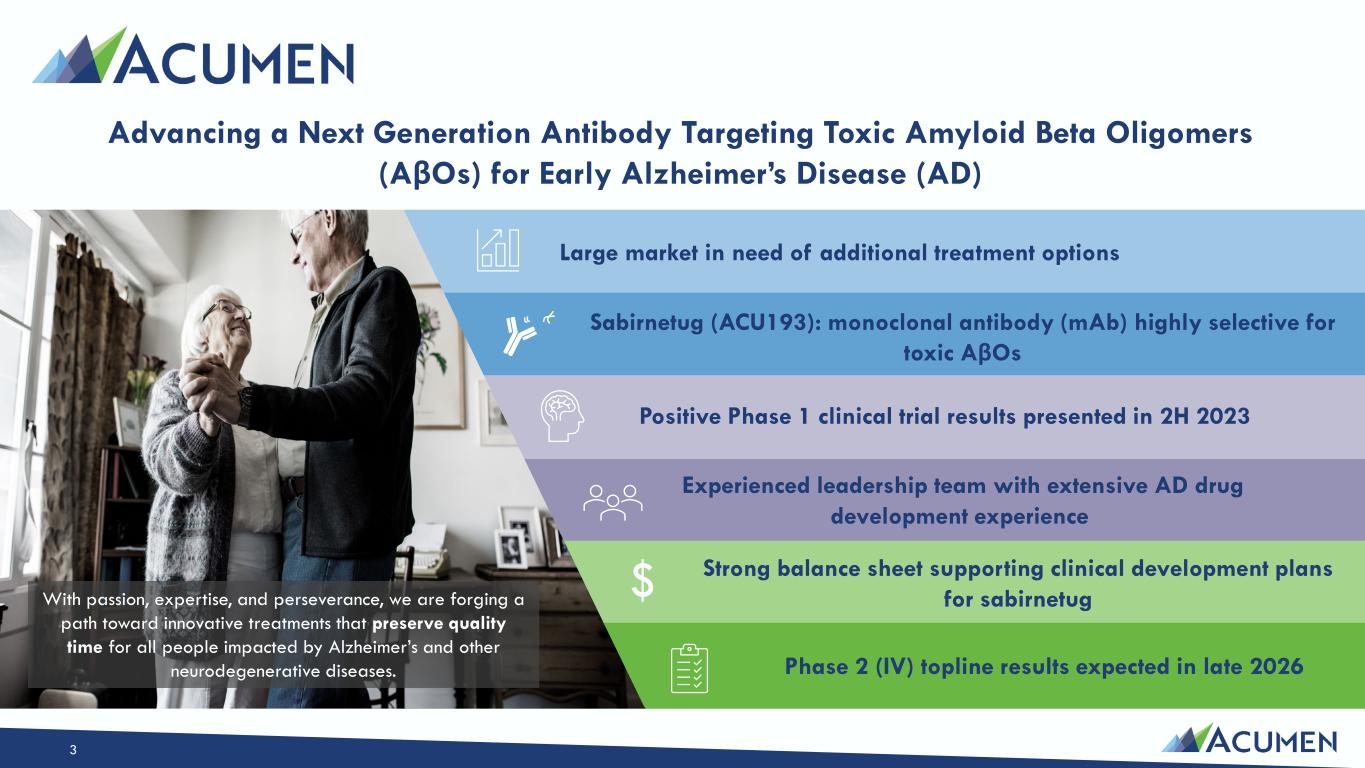
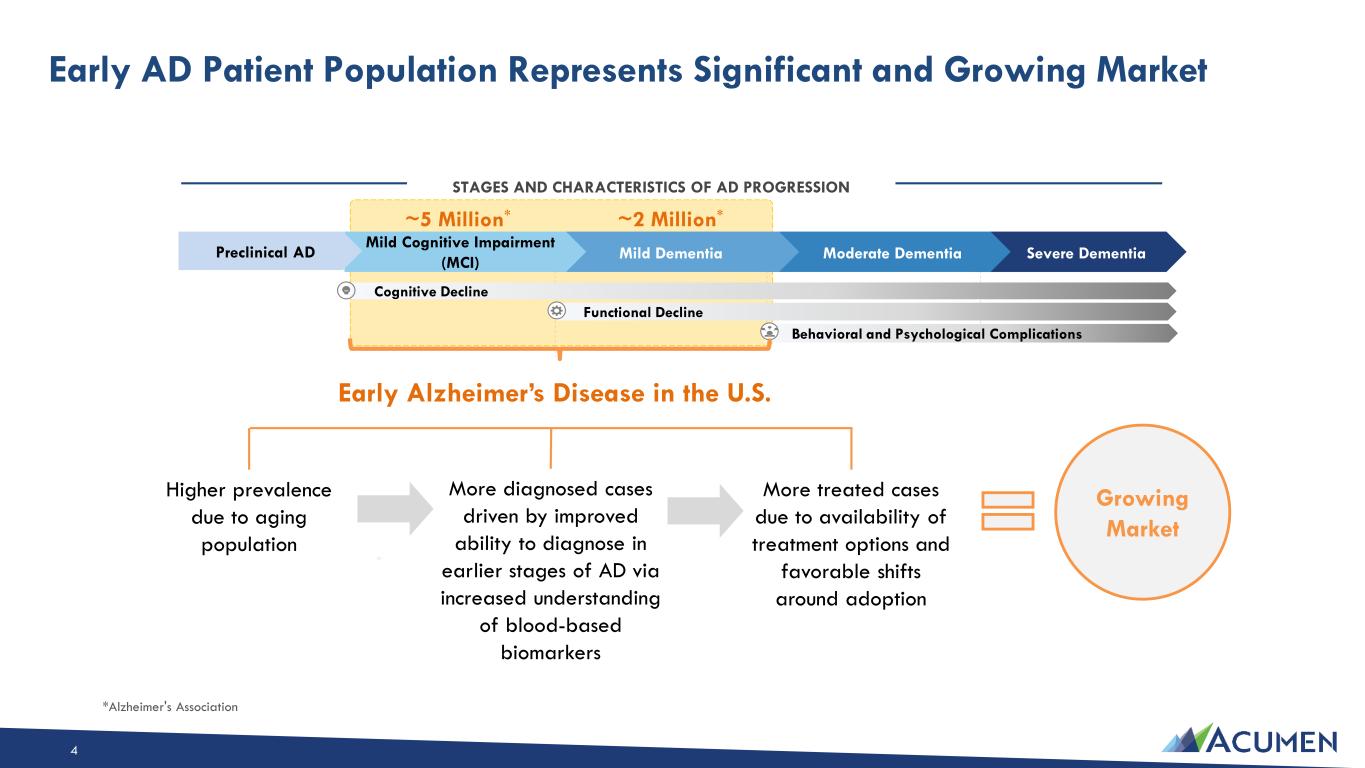
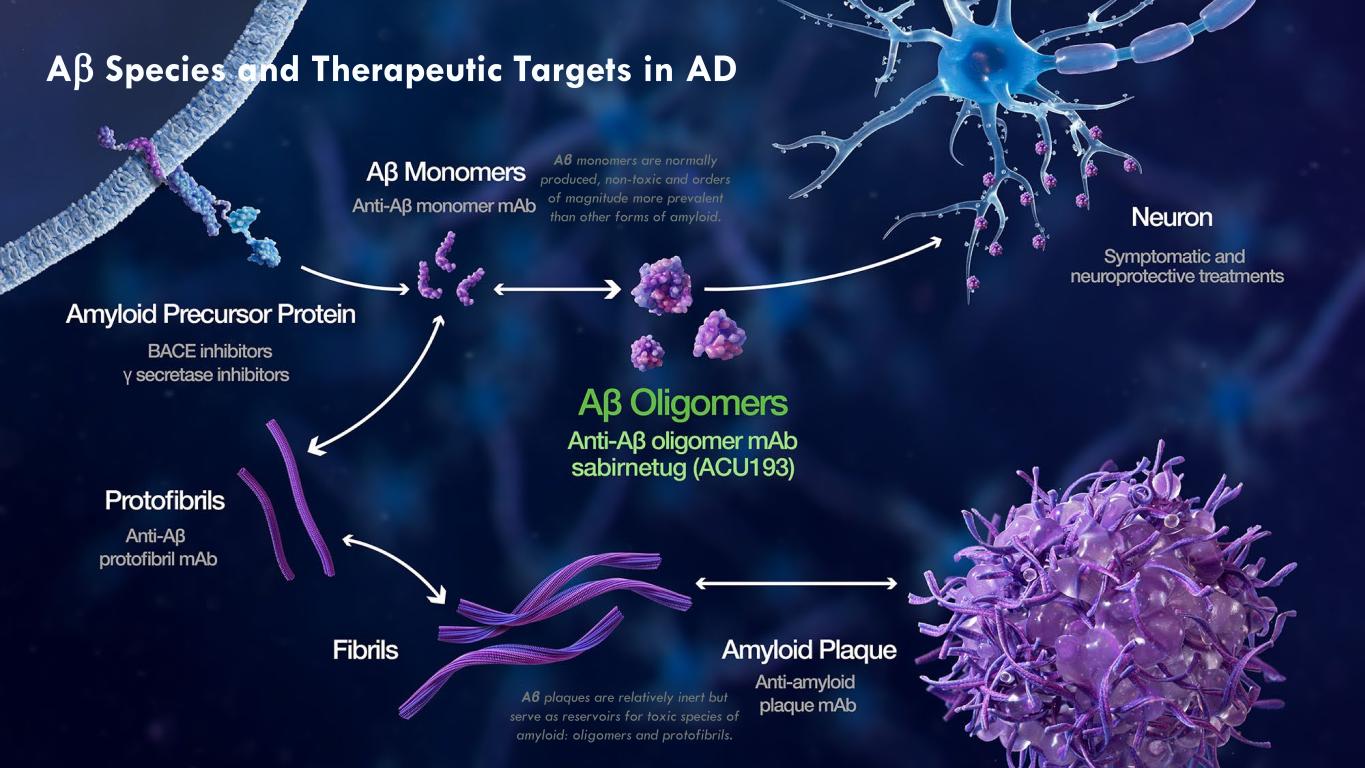
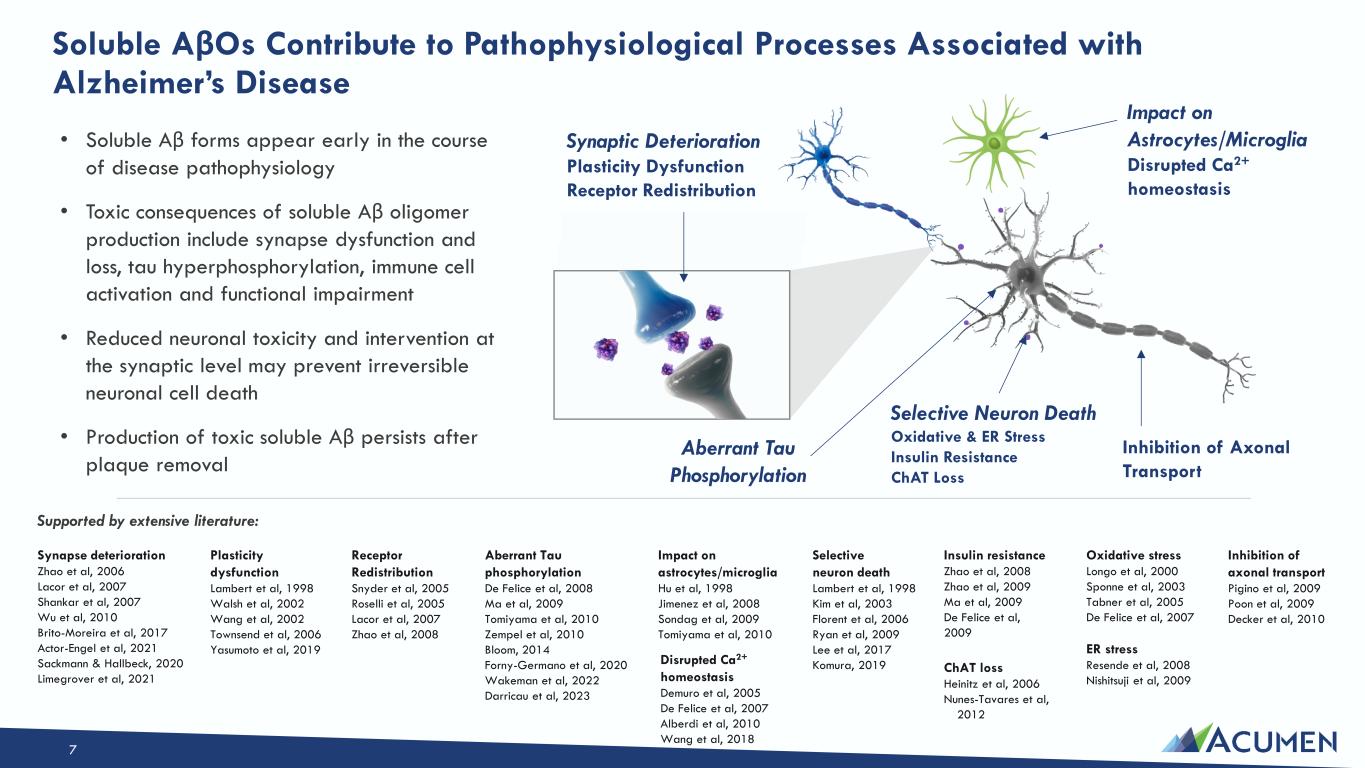
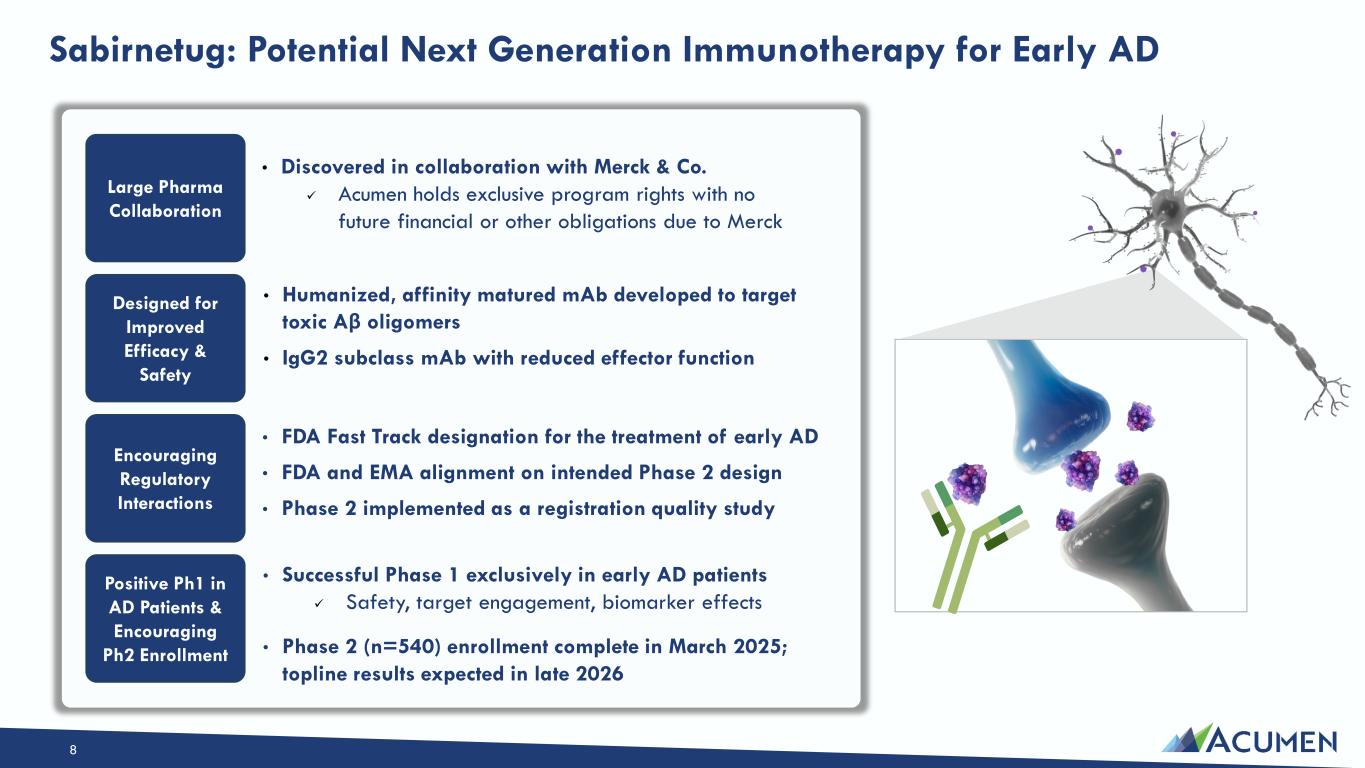
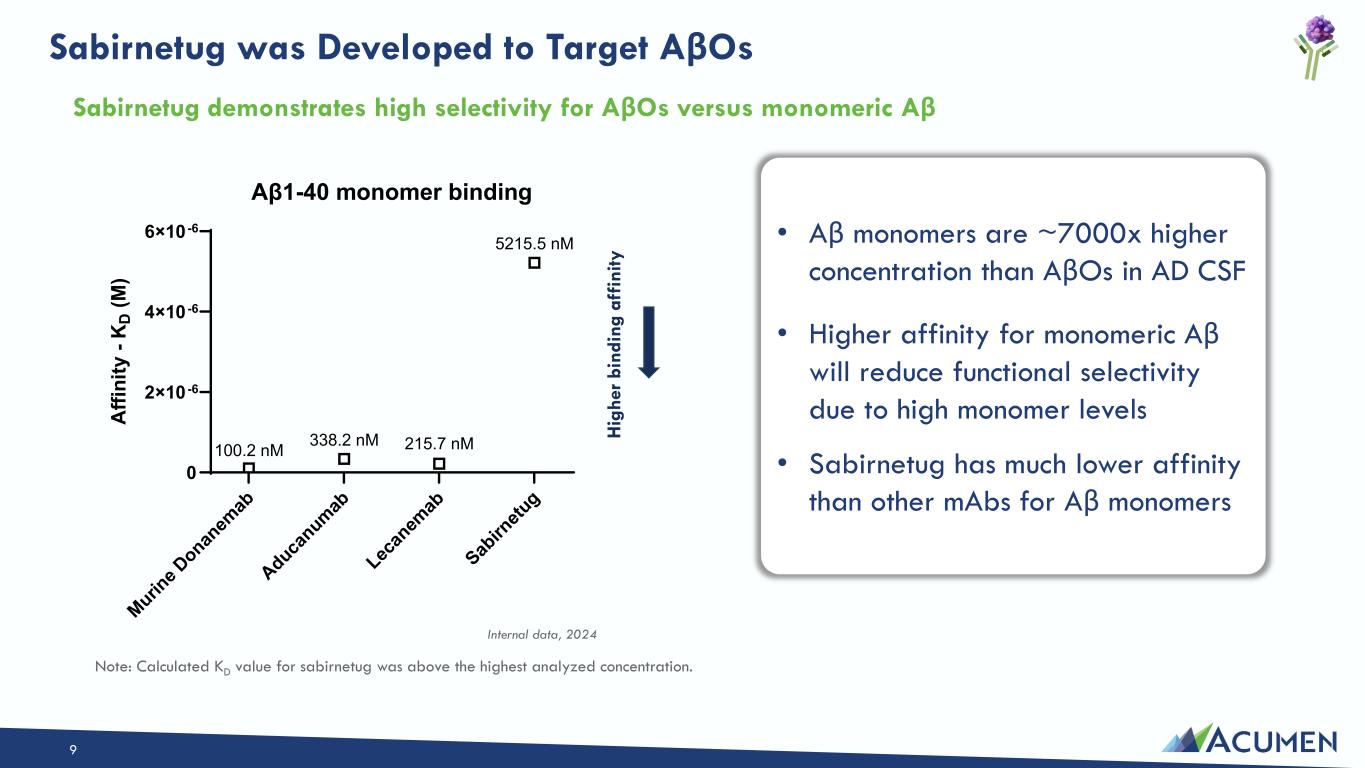
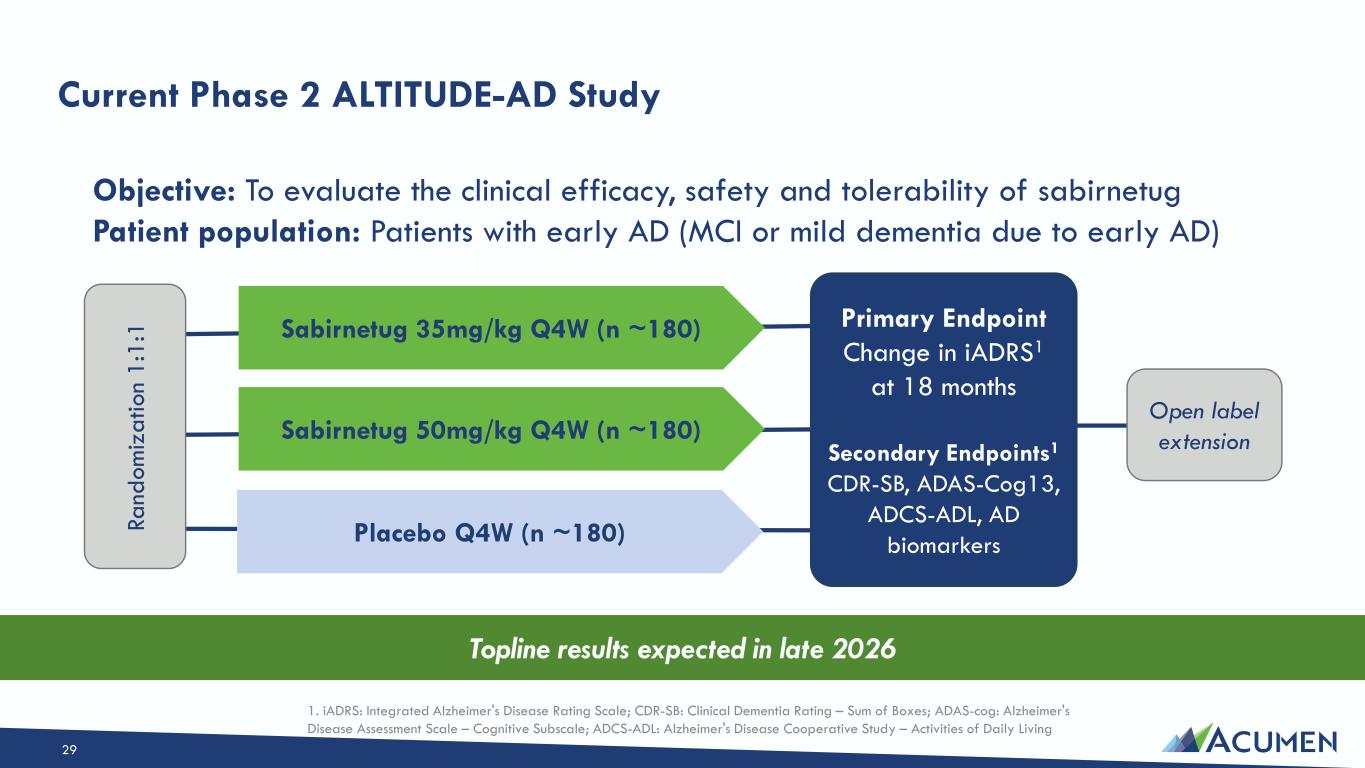
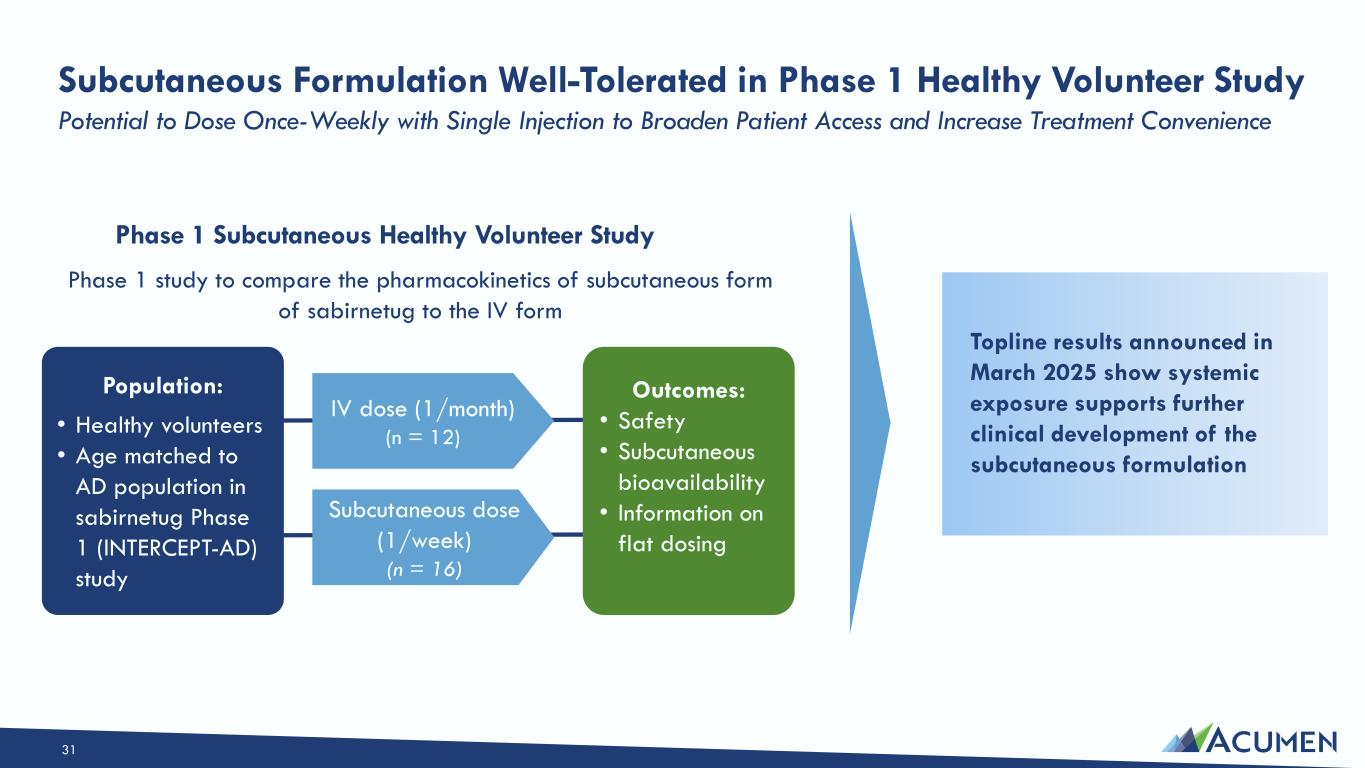
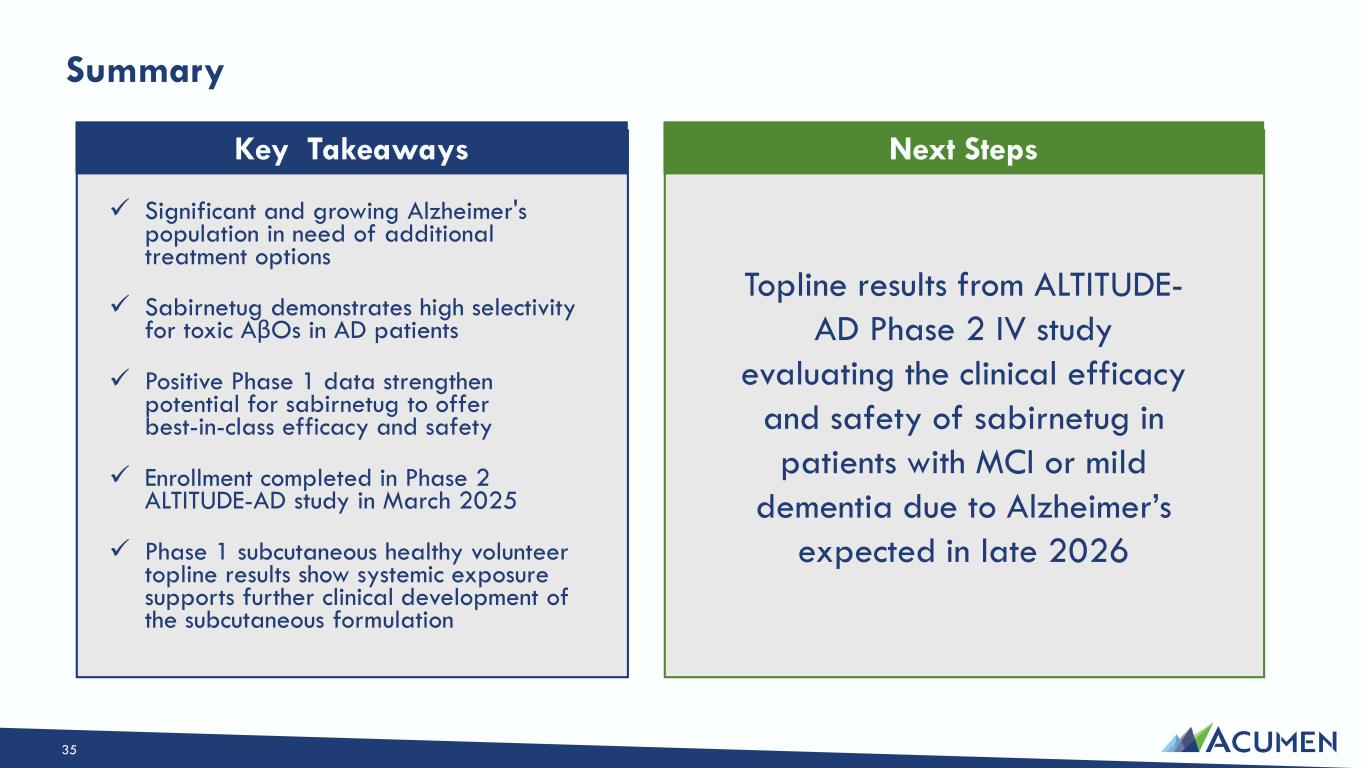
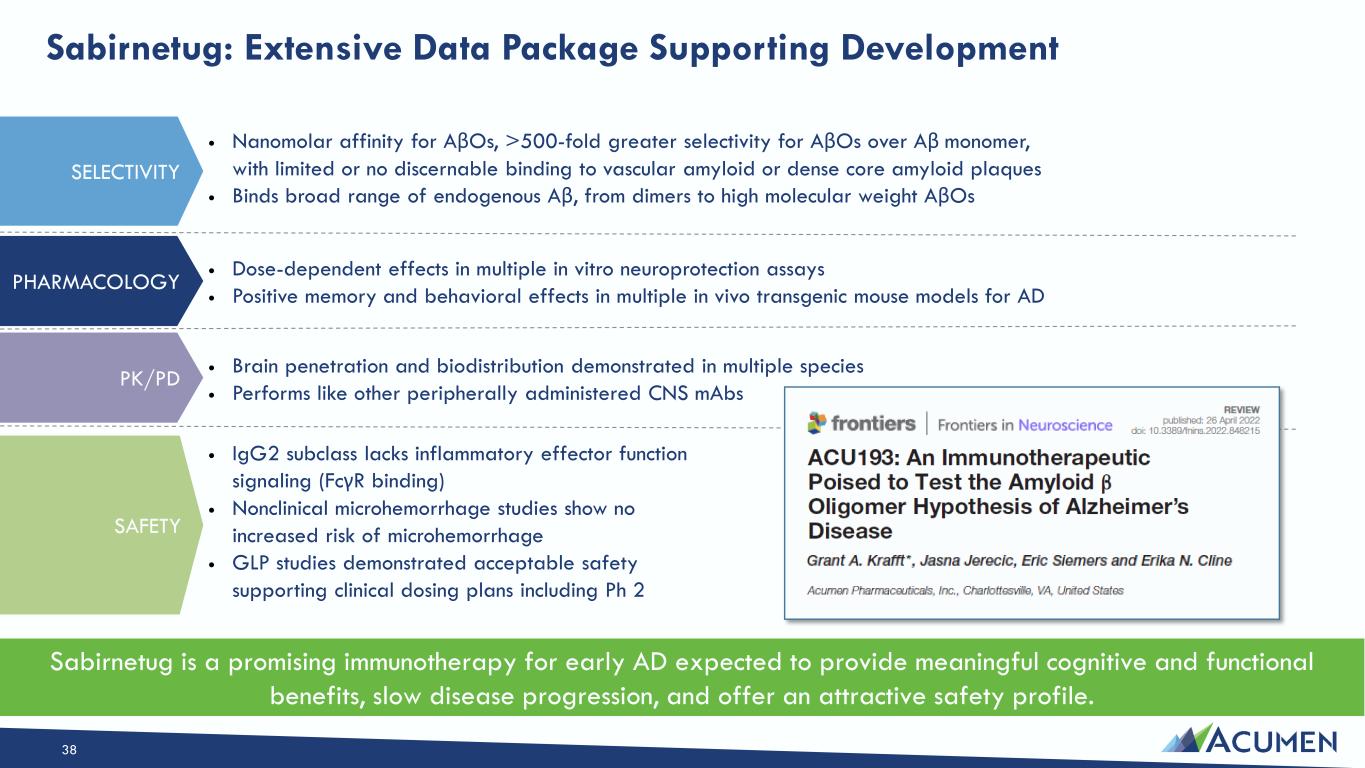
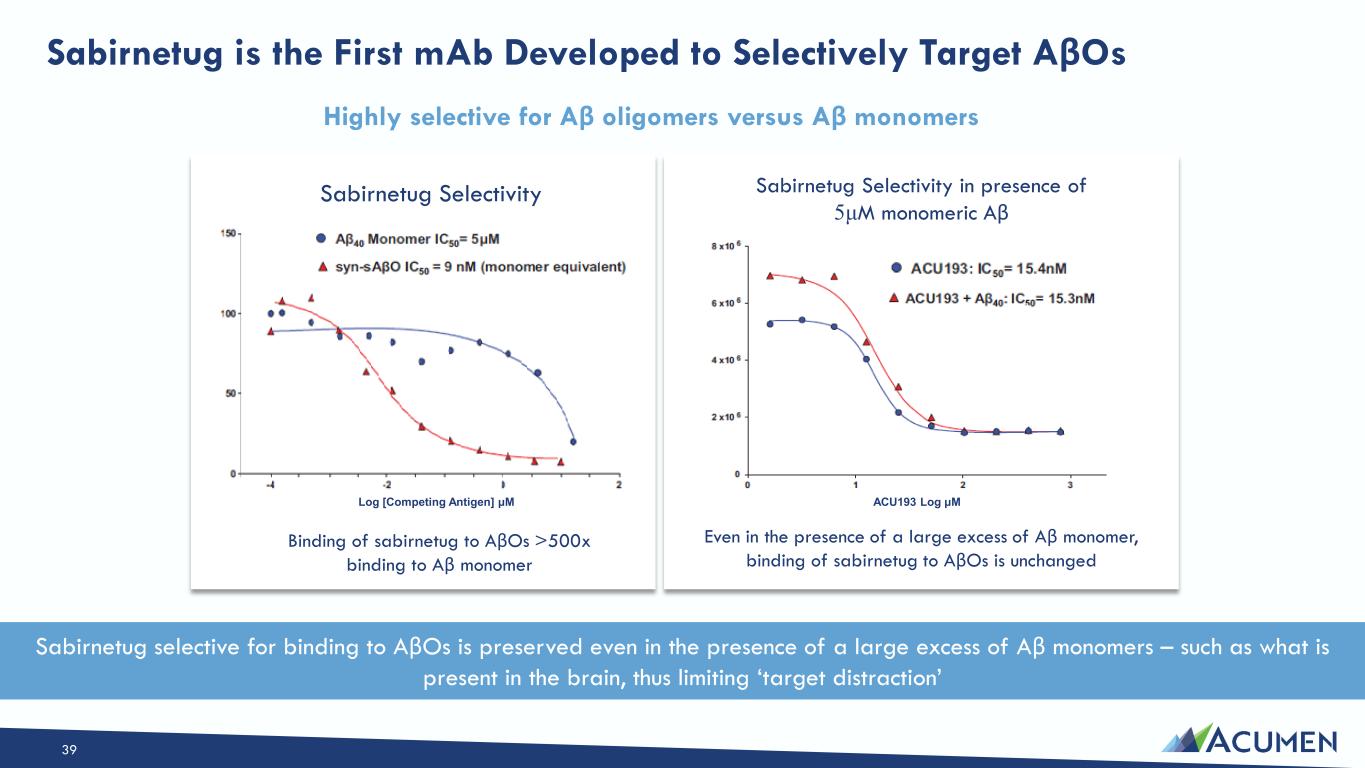
Great. Thanks, Alex. Good morning, everyone, and thanks for joining us today. As we noted in our year-end call in late March, Acumen continues to build momentum towards our goal of establishing Sabirnetug as a next-generation treatment option for patients with mild cognitive impairment or mild dementia, known as early Alzheimer’s disease or early AD. In the first quarter, we completed enrollment of our 542-participant Phase 2 study, ALTITUDE-AD, which is designed to evaluate the clinical efficacy and safety of Sabirnetug in patients with early AD. We completed enrollment of ALTITUDE in roughly 10 months, much faster than expected. We attribute the rapid pace of enrollment to the interest in Sabirnetug’s therapeutic potential, as supported by an extensive non-clinical data set and positive Phase 1 results, innovative participant screening methods used in the trial, and strong execution by our team and clinical partners. We expect topline results for ALTITUDE-AD in late 2026, inclusive of the key efficacy and safety measures. In April, we presented at two major Alzheimer’s medical conferences, ADPD and AAN. Consistent with the rapidly growing focus on the utility of fluid biomarkers in AD, our presentations highlighted an innovative use of a plasma phospho-tau 217 screening procedure in ALTITUDE-AD. Our study, combined with multiple recent clinical investigations, support the use of plasma p-tau 217 as a sensitive indicator of the presence of amyloid pathology. Our objective for the p-tau 217 screening was to reduce the number of negative PET scans, thereby streamlining the screening process. In our INTERCEPT Phase 1 study, only 40% of individuals screened for participation in the study tested positive on amyloid PET. In comparison, by screening for a specific threshold of p-tau 217 in ALTITUDE prior to a PET scan, 81% of screened individuals that met or exceeded the threshold tested positive on amyloid PET, a significant improvement. The use of the p-tau 217 screening assay improved enrollment efficiency, decreased patient burden, and reduced screening costs in ALTITUDE. We believe this approach contributed to our very rapid enrollment rate and serves as a clear example of how we consistently implement innovative approaches to AD drug development based on insights and emerging data from the field. Building off the INTERCEPT manuscript and biomarker changes published in Q1 in the Journal for the Prevention of Alzheimer’s Disease, at ADPD and AAN, we also presented posters detailing other innovations our team has made to deepen the conversation around Sabirnetug’s therapeutic potential. These innovations include insights into the early effects of Sabirnetug on synaptic biomarkers in AD, methods to develop A-beta oligomer selective assays, and a non-clinical model to test more precisely the interactions between Sabirnetug and A-beta oligomers that better replicates the human brain environment. Methods posters like these are important as they align with our view that A-beta oligomers are the most toxic form of amyloid in the Alzheimer’s brain, and thus advancements to such assays and tools can help inform oligomer preference of selective drugs like Sabirnetug. As communicated on our year-end call, during the first quarter, we also completed a Phase 1 study investigating subcutaneous administration of Sabirnetug, comparing subcutaneous and intravenous administration of Sabirnetug in healthy volunteers. Importantly, results from the study showed that Sabirnetug was well-tolerated with systemic exposure supporting the continued development of this route of administration. Our next steps for the development of Sabirnetug for subcutaneous administration involve ongoing formulation of drug delivery assessments. We are confident in Sabirnetug as an innovative and differentiated potential treatment for people with Alzheimer’s disease. Our team is driven each day by the opportunity to make a difference in the fight against this devastating disease. We continue to execute to establish Sabirnetug’s therapeutic potential and are excited to be on track to share the Phase 2 results late next year. And with that, I’ll turn the call over to Matt for the financials.
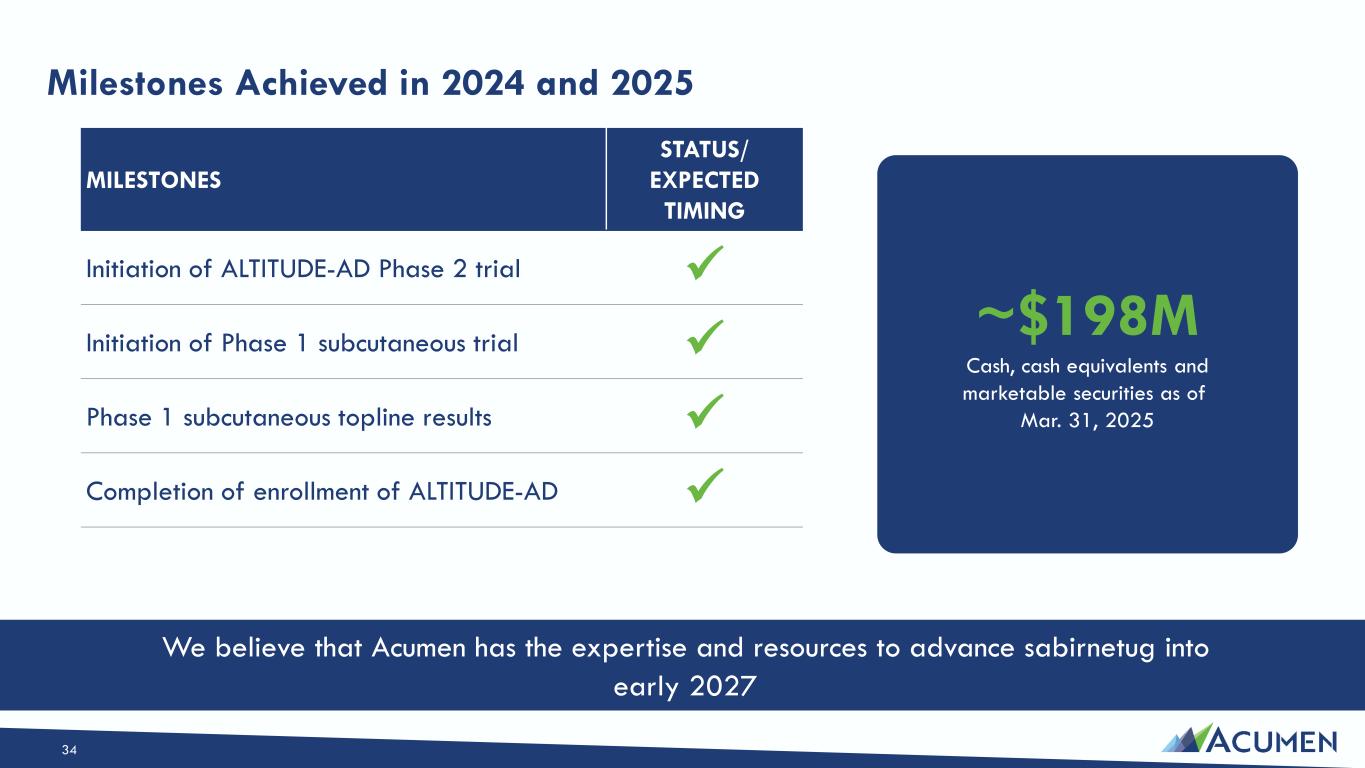
Thank you, Dan. As a reminder, our first quarter 2025 financial results are available in the press release we issued this morning and in our 10-Q we will file later today. As of March 31st, we had $197.9 million in cash and marketable securities on our balance sheet, which is expected to support our current clinical and operational activities into early 2027. R&D expenses were $25.3 million in the first quarter. The increase over the prior year was primarily due to the increased spending to support the ALTITUDE-AD trial, which completed enrollment in March 2025. G&A expenses were $5.1 million in the quarter, roughly flat to the same period in the prior year. This led to a loss from operations of $30.4 million and a net loss of $28.8 million in the quarter. We are off to a strong start with ALTITUDE-AD and we look forward to sharing topline results, which are expected in late 2026. We remain dedicated to delivering a potential next-generation treatment option for the benefit of patients, caregivers, and shareholders. And with that, we can open the call for Q&A.
Operator
Thank you. Our first question comes from Paul Matteis with Stifel. You may proceed.
Speaker 4
Hi. This is Matthew for Paul. Thanks for taking our question and congrats on the progress. So, a quick question on the subcu. Once the formulation and drug delivery assessments are complete, how are you thinking about incorporating that into your future development plan? Thank you.
Thanks, Matthew. And we’ve got Jim and Eric on the call. I’m going to direct that one to Jim initially to provide comment.
Speaker 5
Thanks, Dan. And hi, Matthew. Yeah. So, your question is, as we get to the next stages in our understanding of the subcu development, how do we integrate it into the program? And I think there’s a couple of options that we have in front of us. And the team is working very hard on establishing what’s going to be the most efficient pathway. And I think basically the major options would include incorporating an arm of subcu administration into an ongoing Phase 3 study for IV Sabirnetug drugs that’s planned based on outcomes from the ALTITUDE-AD IV study or alternatively doing a standalone study looking at the effects of subcu Sabirnetug drugs to be able to compare to the program. So, those are the two major pathways. And at this time, the team is still evaluating what’s going to be the most efficient path forward. Ultimately, that’s our goal is to be able to most rapidly and effectively evaluate both opportunities for patients.
Operator
Thank you. Our next question comes from Pete Stavropoulos with Cantor Fitzgerald. You may proceed.
Speaker 6
Hi. This is Sarah Medeiros on for Pete. We have a couple of questions. The first question being, can you just remind us the powering assumptions for ALTITUDE and if there is an interim and futility look built into the study?
Sure. Eric, do you want to quickly hit on that?
Speaker 7
Yeah. Sure. So, we do not have an interim analysis in the study. Initially, there was some discussion about that possibility, but we made the decision not to do an interim analysis. There’s really no need to do that. And in terms of the powering, we haven’t disclosed any specific numbers, but I can just tell you that the powering is very appropriate for a Phase 2 study. It’s 542 people. So, it’s not a small Phase 2. It’s actually a fairly good-size Phase 2 study, but the powering is appropriate for a Phase 2 study.
Speaker 6
Great. And just a quick follow-up. There’s been a lot of progress in the Alzheimer’s space, many of which show that changes in biomarkers start to appear far in advance of symptoms, as well as some of the underlying pathologies like various cow species. How do these updates inform your approach and assumptions about the disease and clinical studies? And understanding that the data is in late 2026, what do you expect to show at the topline?
Speaker 7
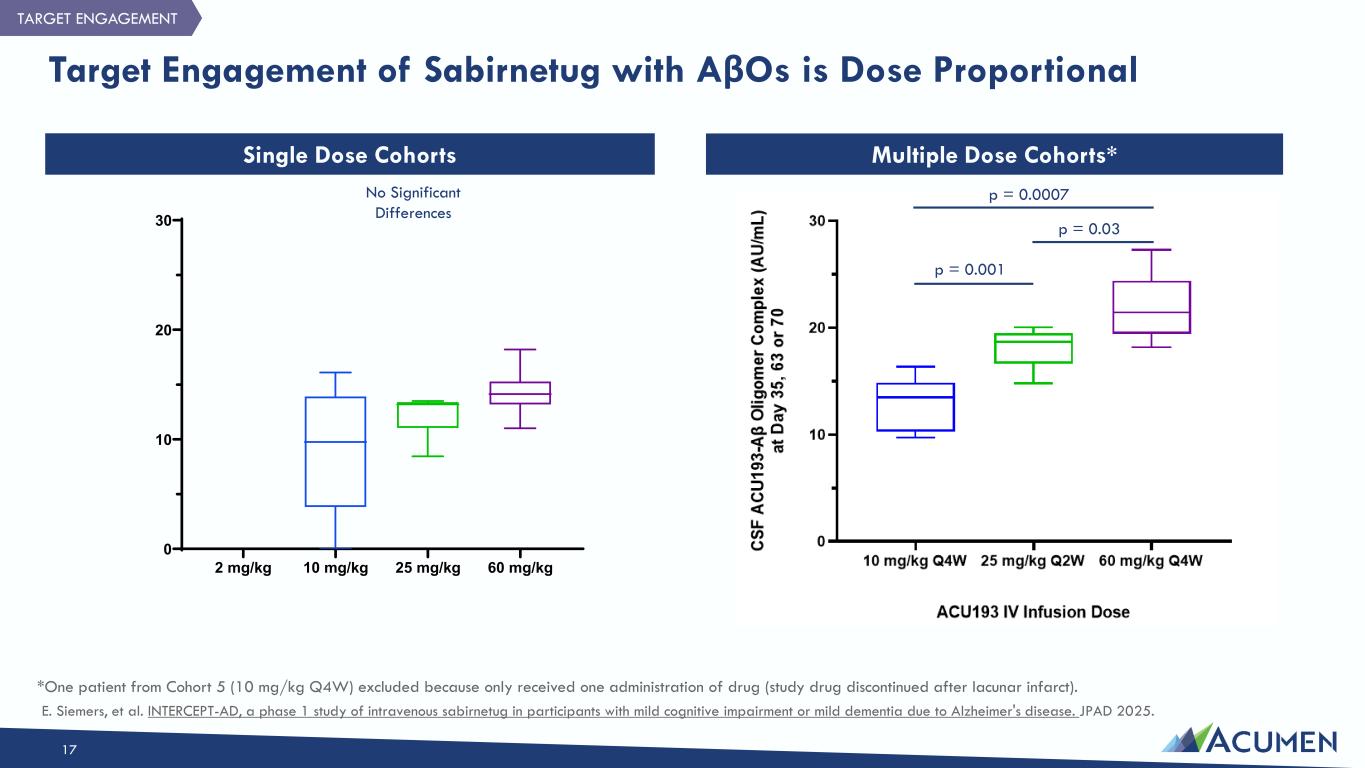
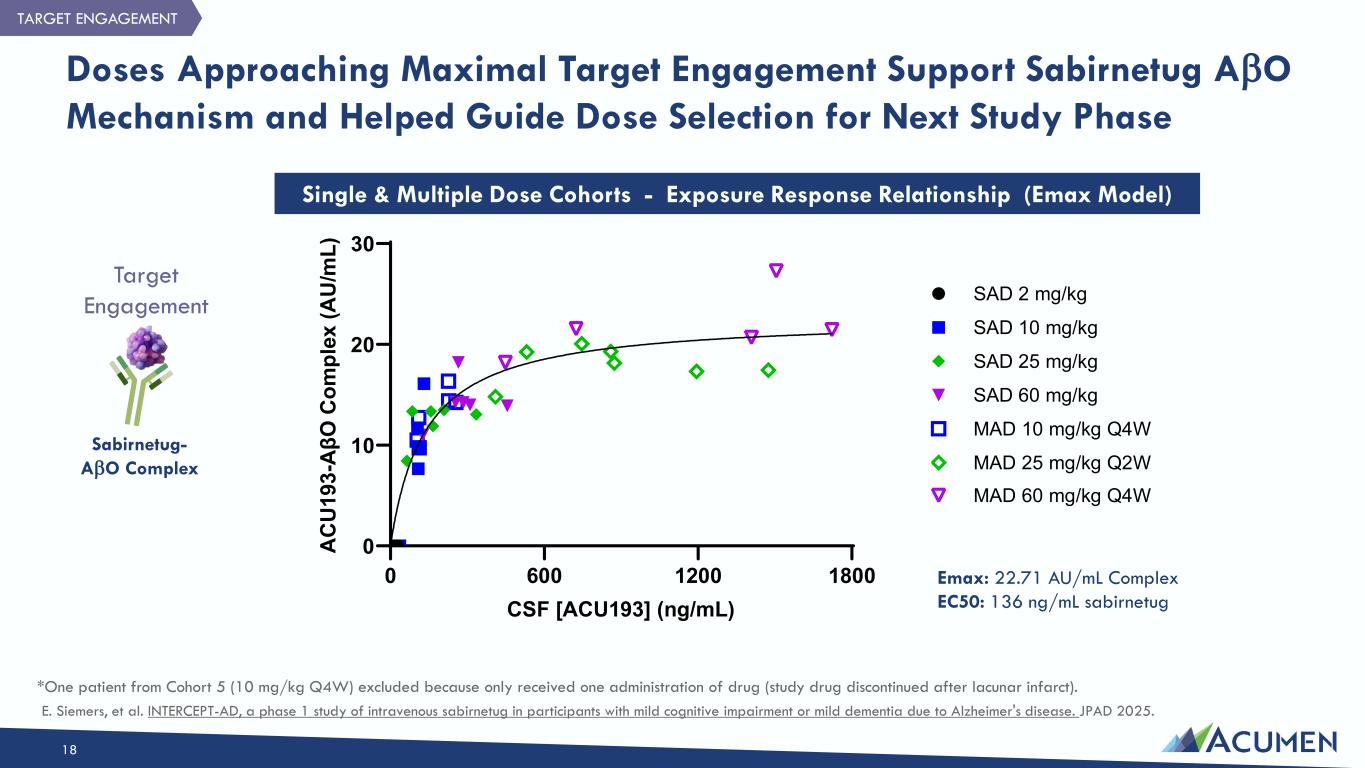
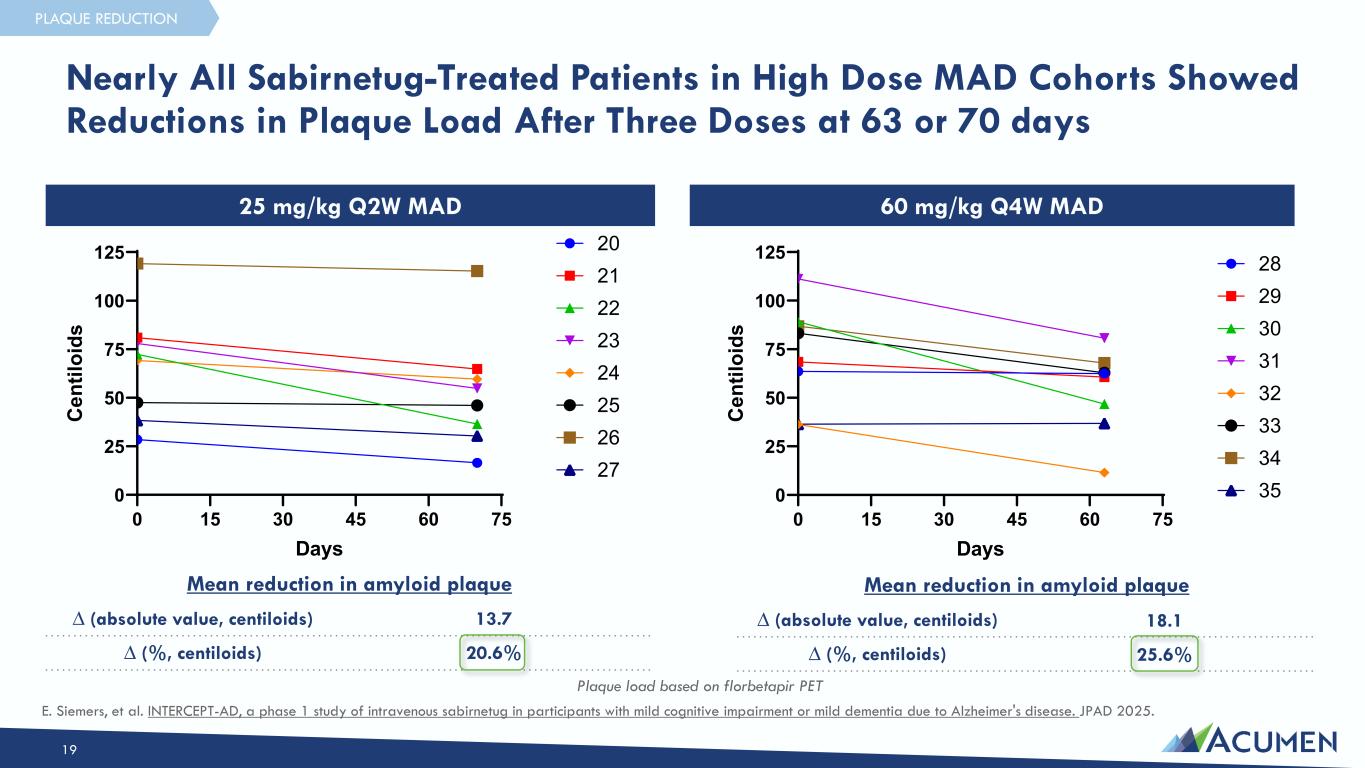
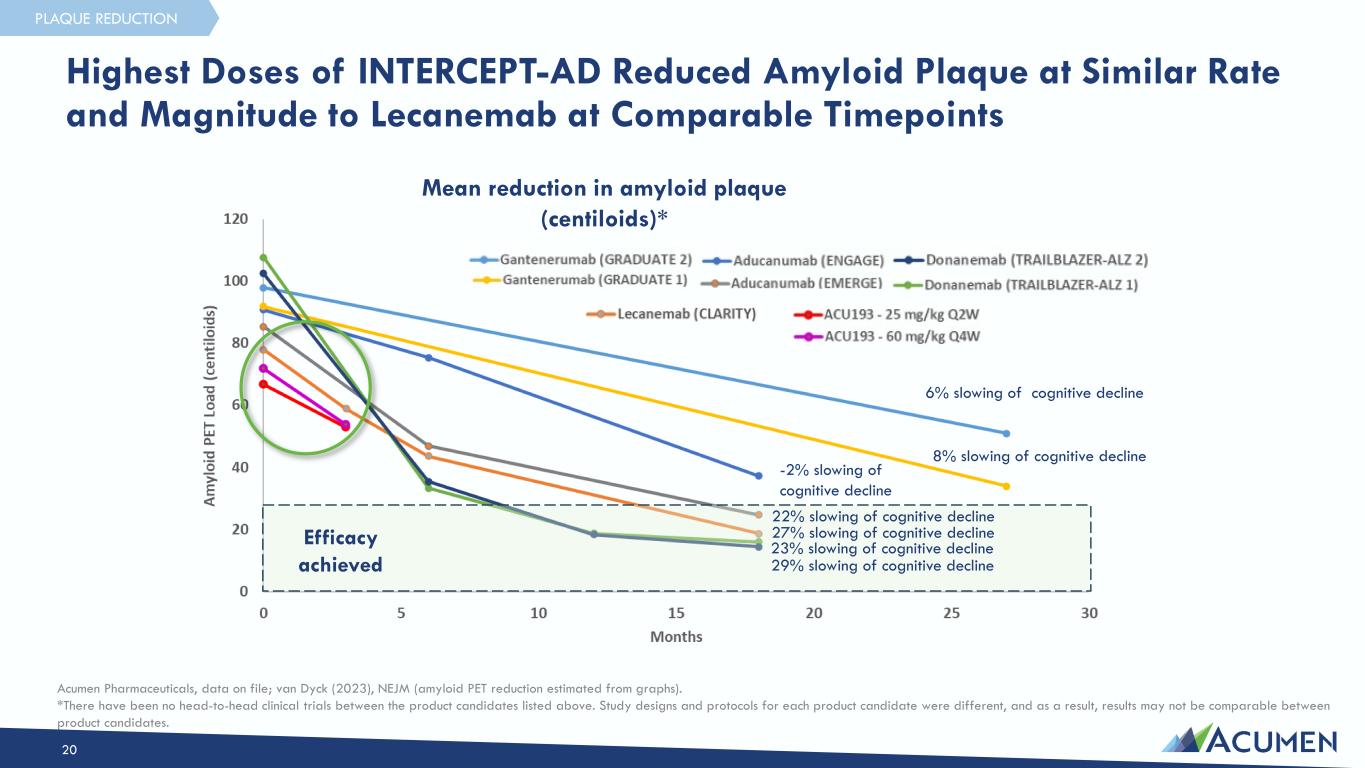
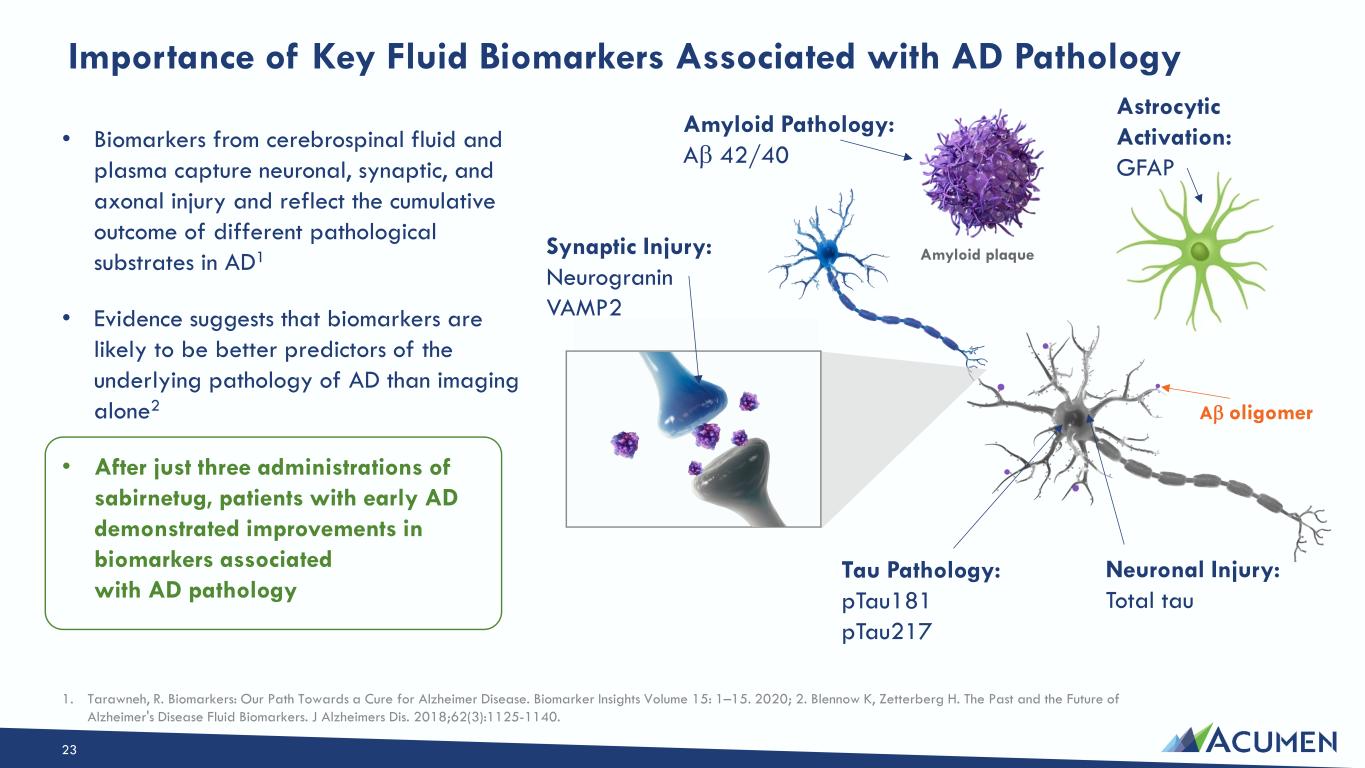
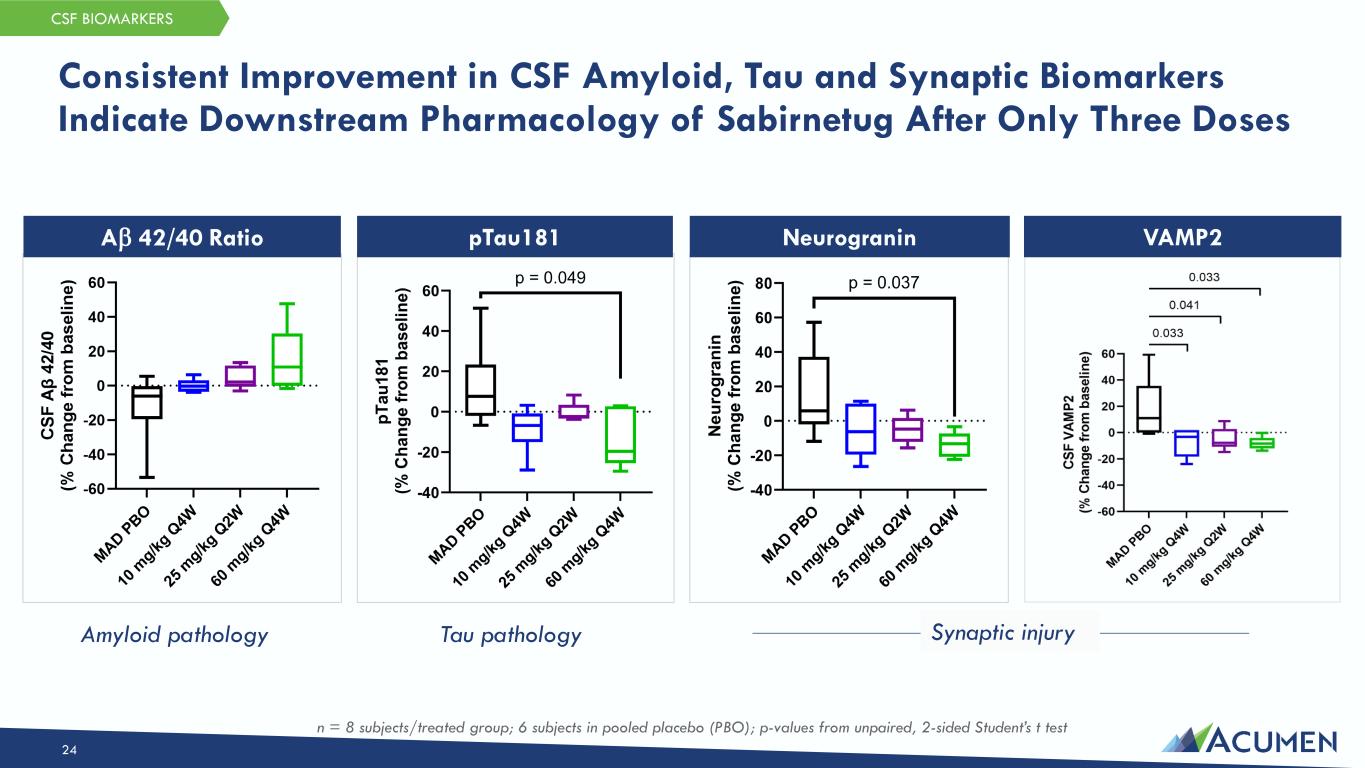
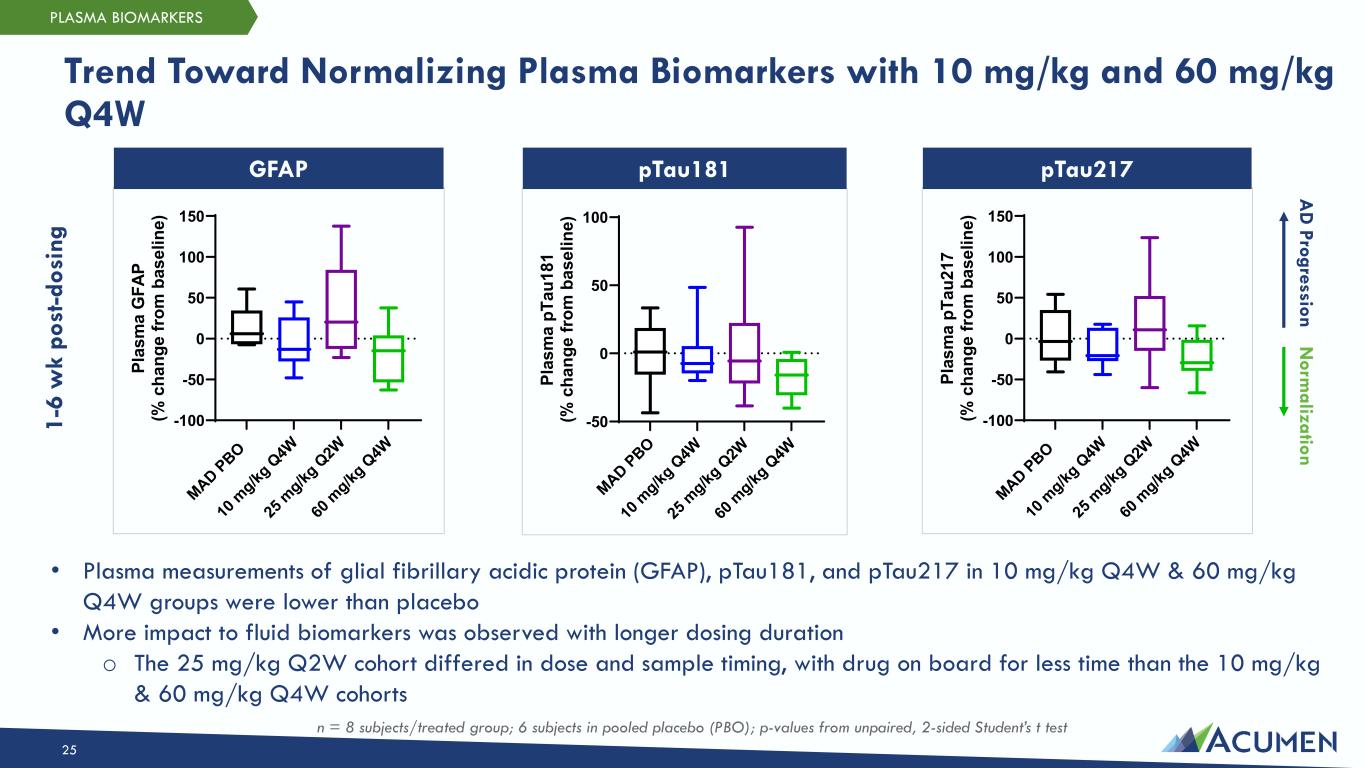
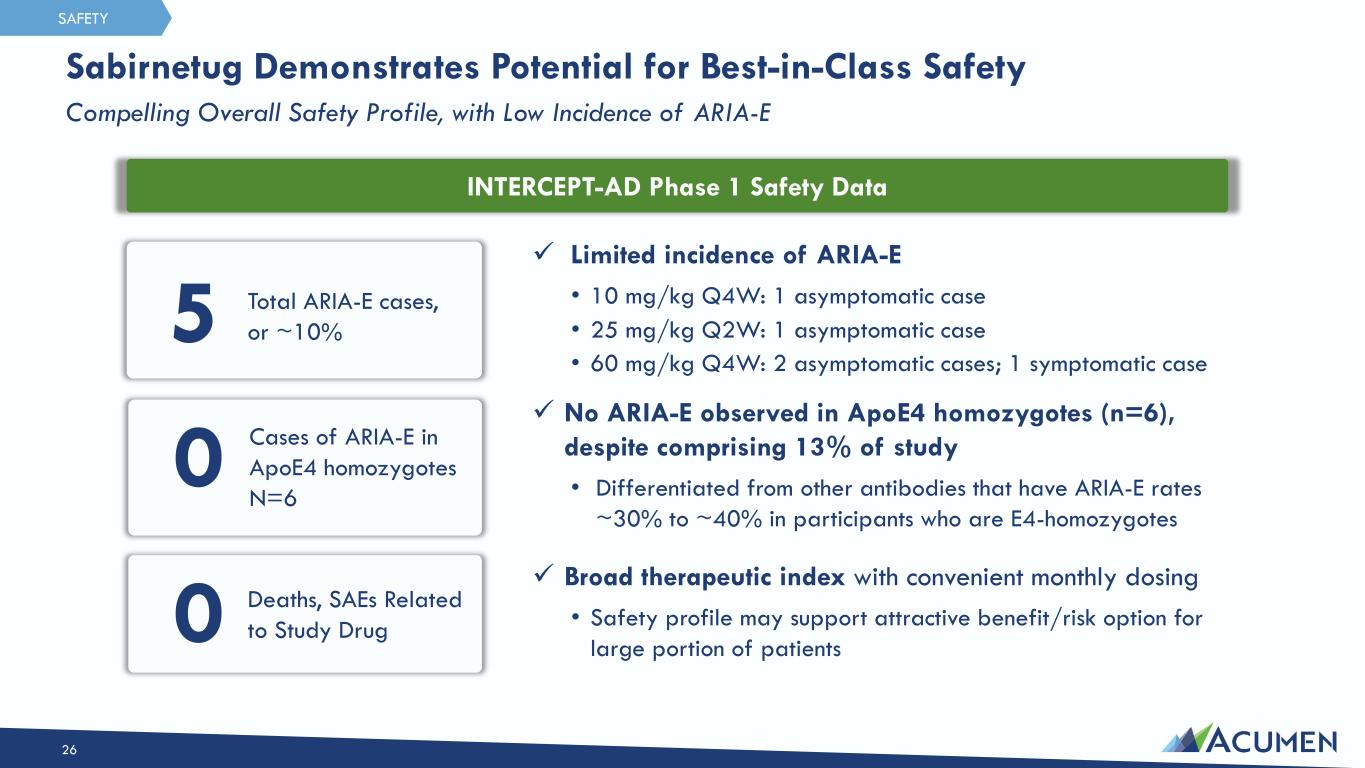
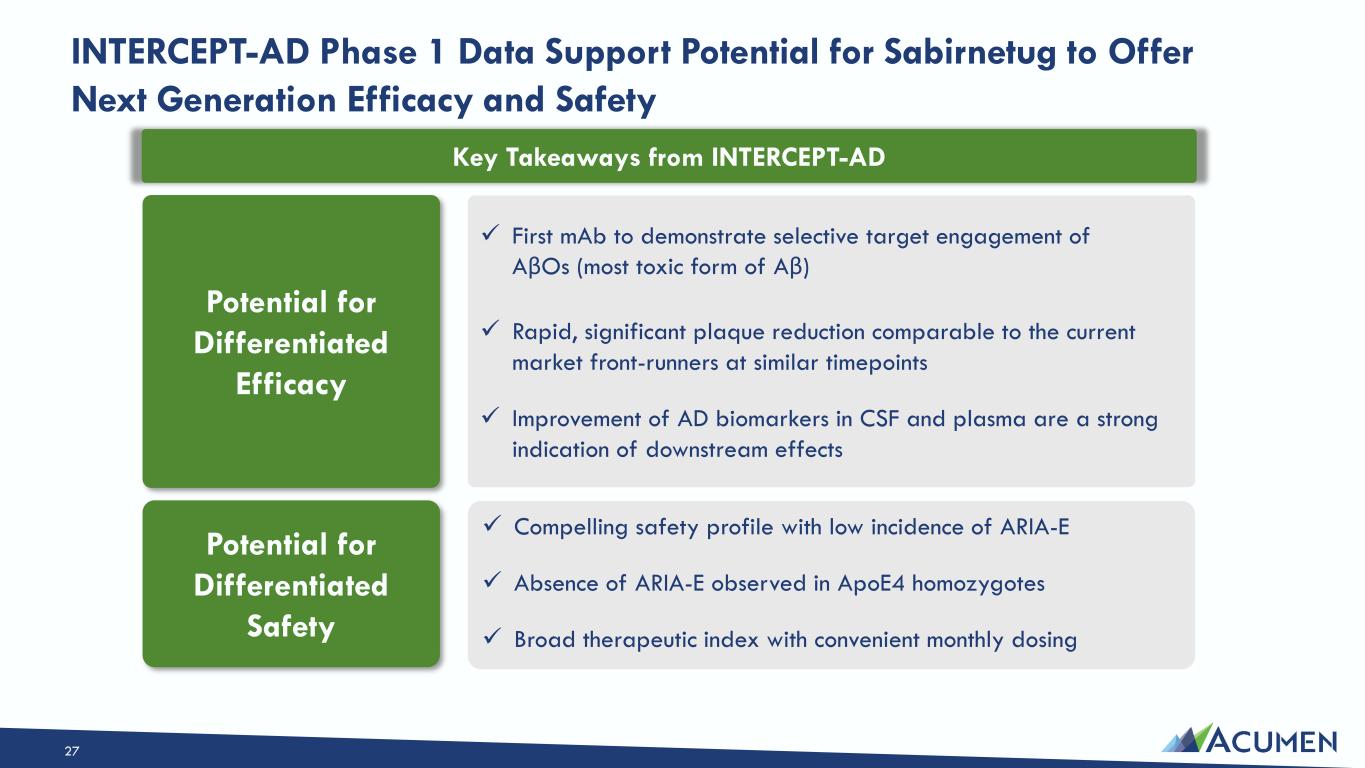
Thank you for the question. The field has made significant advances recently, particularly concerning blood-based plasma biomarkers, which five years ago seemed unlikely, but we are beginning to see progress now. In our development plan for Sabirnetug, during our Phase 1 study, we included several biomarkers. Notably, even in the multiple dose cohorts, where participants received only three doses of the drug, we observed changes in these biomarkers that are now commonly monitored. While not everything was statistically significant due to the Phase 1 nature of the study, the trends were consistent. We noted normalization of the A-beta 42 over 40 ratio, which is linked to amyloid plaque levels, decreases in various p-tau species, and directional changes in GFAP, an astrocyte marker. So, even after just three doses in our Phase 1 study, the results were promising. The field is evolving rapidly, and while there isn't yet a widely accepted surrogate biomarker for Alzheimer’s disease, we expect that clinical outcomes will still be necessary for approval. Our Phase 2 study will primarily focus on clinical measures, specifically the IDRIS scale. However, these biomarkers provide valuable insights into central pharmacology. We were pleased to find evidence of central pharmacology of Sabirnetug in Alzheimer's patients despite it being a Phase 1 study. For someone like me, who has been in this field for a long time, witnessing these rapid advances, especially those based on better-understood biomarkers, is encouraging. We now have the technology and tools to measure them more effectively.
And maybe just to amplify a little bit on what Eric’s saying, as you can hear, we think a lot about biomarkers and including biomarkers in our trials as do most of the field at this point. So as Eric was saying, there’s been a tremendous amount of advancement in the last few years, building off a long history of trying to address these issues. And I think you can see that progress is being made in understanding how to stage Alzheimer’s patients as they move through this progressive disorder. And also different types of biomarkers may inform mechanism of action kind of questions. So we’ve put some emphasis on synaptic biomarkers to be measures of underlying synaptic health and activity. So we do think that by the time we’re looking at readout from ALTITUDE-AD, there’s going to be a lot of value in biomarkers as context to add to the primary endpoint, which as Eric rightly points out are the cognitive endpoints. But there’s a richness to the data that these biomarkers are bringing. And so for us, we think it’s going to be an important part of the story. And in addition to the markers that we’re currently measuring, we’re also careful to do plasma sampling to allow us to do additional work as the field continues to learn.
Speaker 6
Great. Thank you.
Operator
Thank you. Our next question comes from Tom Shrader with BTIG. You may proceed.
Speaker 8
Good morning. Thanks for taking the questions fairly related to the last questioner. But as it seems like the commercial antibodies are getting some traction and two companies are working very hard. Are you finding that poses any risk to your trial? Is your dropout rate about where you thought it would be given you have a placebo arm and then I have a mechanistic follow-up?
Yeah. Good question. Oh, go ahead, Eric. Sure.
Speaker 7
Well, okay. Yeah. So, no, it’s a great question. And it’s something that we’ve thought about quite a bit is, because there now are two FDA approved drugs, at least in the United States, could that be a risk to our study? And so far, that’s just not been the case. And as you know, the launch of both of those drugs, with lecanemab being a little, having a little more history to it now, has been relatively slow. And a lot of that we think is due to just infrastructure not being present and it’ll continue to be built. But the bottom line is for our ALTITUDE study, again, as Dan mentioned previously, the enrollment rate was much higher than we had actually projected. So we enrolled 542 people in 10 months, which is pretty substantial. But then in terms of discontinuation rates, this is an ongoing blinded trial and we finished enrollment relatively short period of time ago, but so far the discontinuation rate looks quite good. So we’re not seeing problems with these marketed drugs. One of the things to keep in mind is that, we do have an open-label extension at the end of the study. So people who get randomized into ALTITUDE, so it’s a three-arm study, one arm is placebo. So chances are two out of three that you’re not on placebo. And then when you get to the open-label extension, 100% of people will be on drugs. So we think that’s one of the study design aspects that’s really made this an attractive study for people and so far the study’s progressing very nicely.
Speaker 8
Okay. And then for plasma p-tau 217 and you guys are all over this marker. Is this the best guess for a useful treatment biomarker or is that not likely to be the case? And do you have a sense of where we sit today? What’s likely to be the best treatment biomarker? Do you think your synaptic markers that are kind of novel have a better chance? But where do we stand on a treatment biomarker? We understand staging biomarkers are quite advanced?
Speaker 5
Yeah. Tom, this is Jim. Happy to take that one. As I was saying, we do definitely think that these plasma-based biomarkers are going to be continuing to evolve. And I think, as you just said, staging is one clear use, and I think that’s coming along. I think markers of activity or efficacy, I think, everyone is asking that question. I think at this point we don’t yet know. Certainly, p-tau 217 is going to be critical in whatever plays out. I think my guess and our guess is that we’re likely to see a series of markers that are used to both understand where patients are in their Alzheimer’s journey, but also to be used to assess ongoing cognitive level. I don’t think we’re likely to see a single marker giving a clear, progressive marker of cognitive activity. You’re likely to see multiple markers giving you a sense as patients continue. And I think beyond that, we’ll just have to wait and see. But that would be my guess, is that we’ll see a number of different markers correlating with the progression of disease. And that’s part of what’s happening right now, is there are a lot of studies ongoing trying to work out which markers at which time are correlating with function. So stay tuned.
Speaker 7
Yeah. And an interesting thing about that question is that these biomarkers can be used either for diagnostic purposes or to assess drug effects. A lot of times the same biomarker can be used to do both. And so it gets a little confusing in terms of what’s the purpose of your biomarker, but you can use them either as a diagnostic or as evidence of drug effects.
Speaker 8
Okay. Great. Thank you.
Operator
Thank you. Our next question comes from Ting Liu with UBS. You may proceed.
Speaker 9
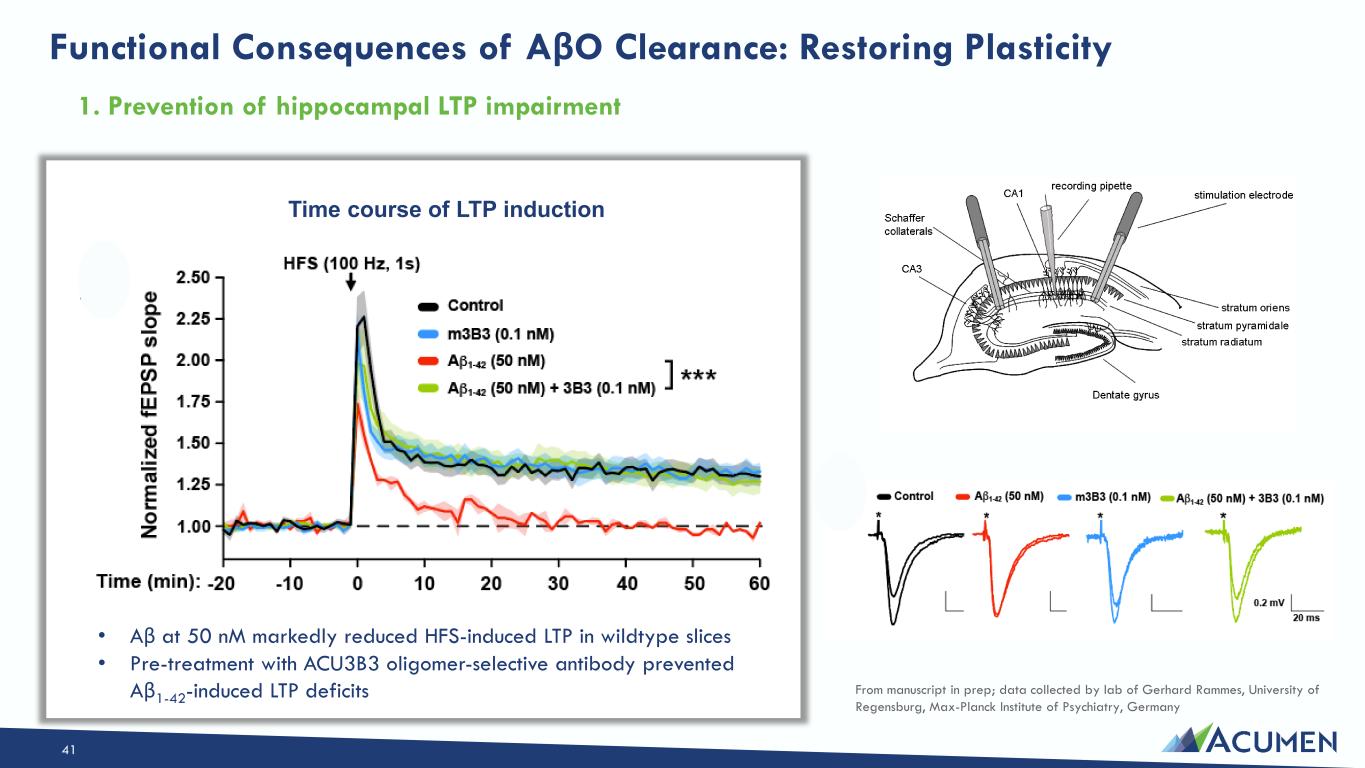
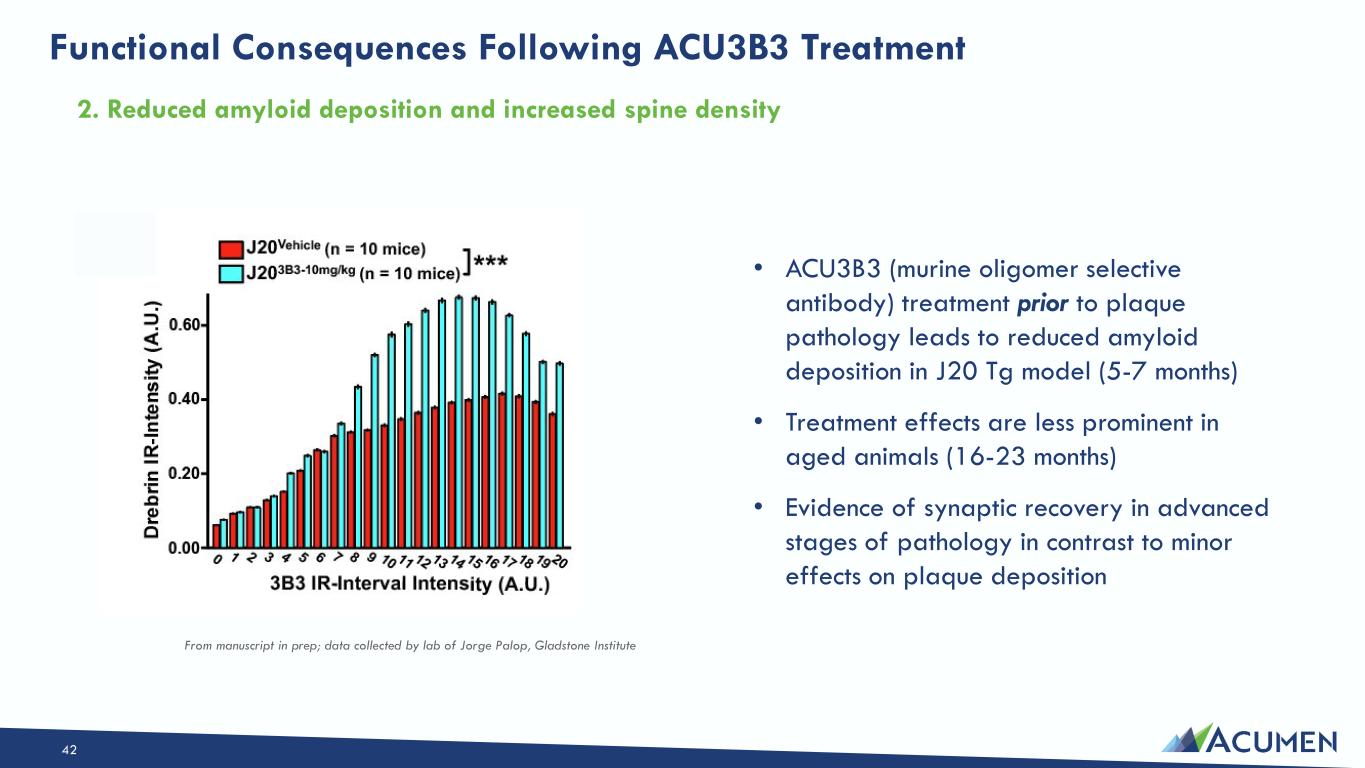
Oh! Good morning and thank you for taking our question. I have a follow-up question on biomarkers, maybe focusing on the synaptic biomarkers, given there is increasing interest in the field on how oligomer target therapy may differentiate in promoting synaptic recoveries, which are not much evidenced in the plot-targeted therapies yet. However, we’ve seen some recent data from Roche, and they have shown trontinemab also meaningfully reduced synaptic biomarkers like neurogranning. So can I ask what are your thoughts over the Roche data? Also, maybe if you could talk about the overall, like about your updated thoughts on how competitive, on the competitive position of Sabirnetug versus trontinemab? Thank you.
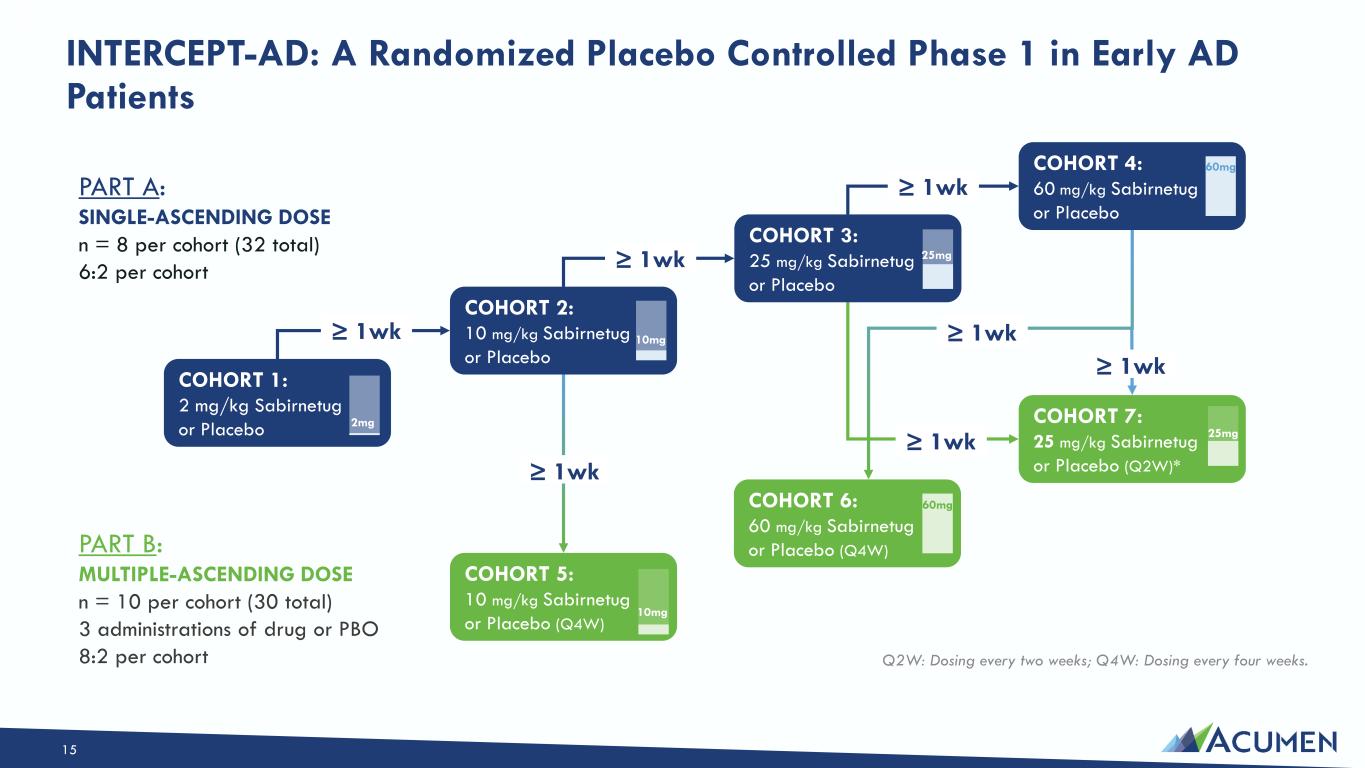
Thank you, Ting. Eric, I believe your overview of the INTERCEPT results aligns with what we’re seeing. The study was short in duration, yet it significantly impacted both A-beta tau and synaptic markers. Notably, the presynaptic marker VAMP2 showed significant results across the higher-dose groups. Given the brief nature of the INTERCEPT study, we’re optimistic that ALTITUDE-AD is set to yield more substantial and broader results. We are now ready to report on the study next year, and I’m excited about that possibility.
Speaker 7
Yeah. Right. I mean, INTERCEPT may not have been the very first study to measure these synaptic biomarkers, but it was certainly one of the first. And as you point out with trontinemab now, for example, it’s something that the field is looking at broadly. So we’re pleased that we were one of the first studies to show effects on synaptic biomarkers. And obviously we’ll look at those in our ALTITUDE study in addition.
Speaker 9
Thank you all. Those are really helpful.
Operator
Thank you. I would now like to turn the call back over to Alex Braun for any closing remarks.
Great. Thanks, Josh. And thanks everyone for taking the time and for joining us today. We are available at the company anytime for additional questions. And with that, I hope you all have a great day.
Operator
Thank you. This concludes the conference. Thank you for your participation. You may now disconnect.