Operator
Good day, and welcome to the Acumen Pharma 3rd Quarter 2025 Conference Call and Webcast. At this time, all participants are in listen-only mode. After the speaker's presentation, there will be a question and answer session. To ask a question, please press star 11. If your question hasn't answered and you'd like to remove yourself from the queue, press star 11 again. As a reminder, this call may be recorded. I would like to turn the call over to Alex Braun, Head of Investor Relations. Please go ahead.
Thanks, Michelle. Well, good morning, and welcome to the Acumen Conference call to discuss our business update and financial results for the quarter-ended September 30th, 2025. With me today are Dan O'Connell, our Chief Executive Officer, and Matt Zuga, our CFO and Chief Business Officer. Matt and Dan have some brief prepared remarks, and then we'll open the call for questions. Joining for the Q&A session, we also have Dr. Jim Doherty, our Chief Development Officer, and Dr. Eric Siemers, our Chief Medical Officer. Before we begin, we encourage listeners to go to the Investors section of the Acumen website to find our press release issue this morning that we'll discuss today. Please note that during today's conference call, we may make forward-looking statements within the meaning of the federal securities laws, including statements concerning our financial outlook and expected business plans. These statements are subject to risks and uncertainties that could cause actual results to differ materially from those described in the forward-looking statements. Please see slide two of our corporate presentation, our press release issue this morning, and our most recent annual and quarterly reports, files of the FCC for important risk factors that could cause our actual results to differ materially from those expressed or implied in the forward-looking statements. We undertake no obligation to update or revise the information provided on this call or in the accompanying presentation as a result of new information or future results or developments. So with that, I'll turn the call over to Dan.
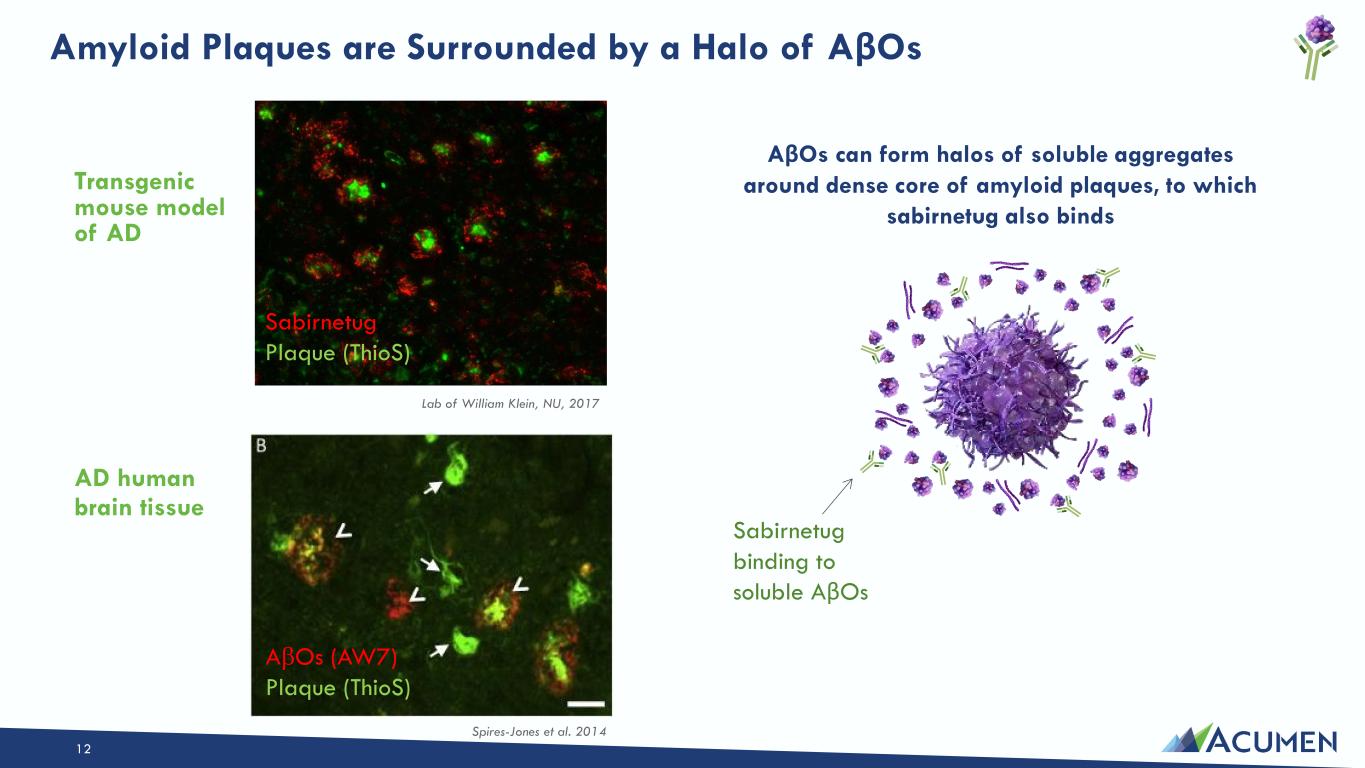
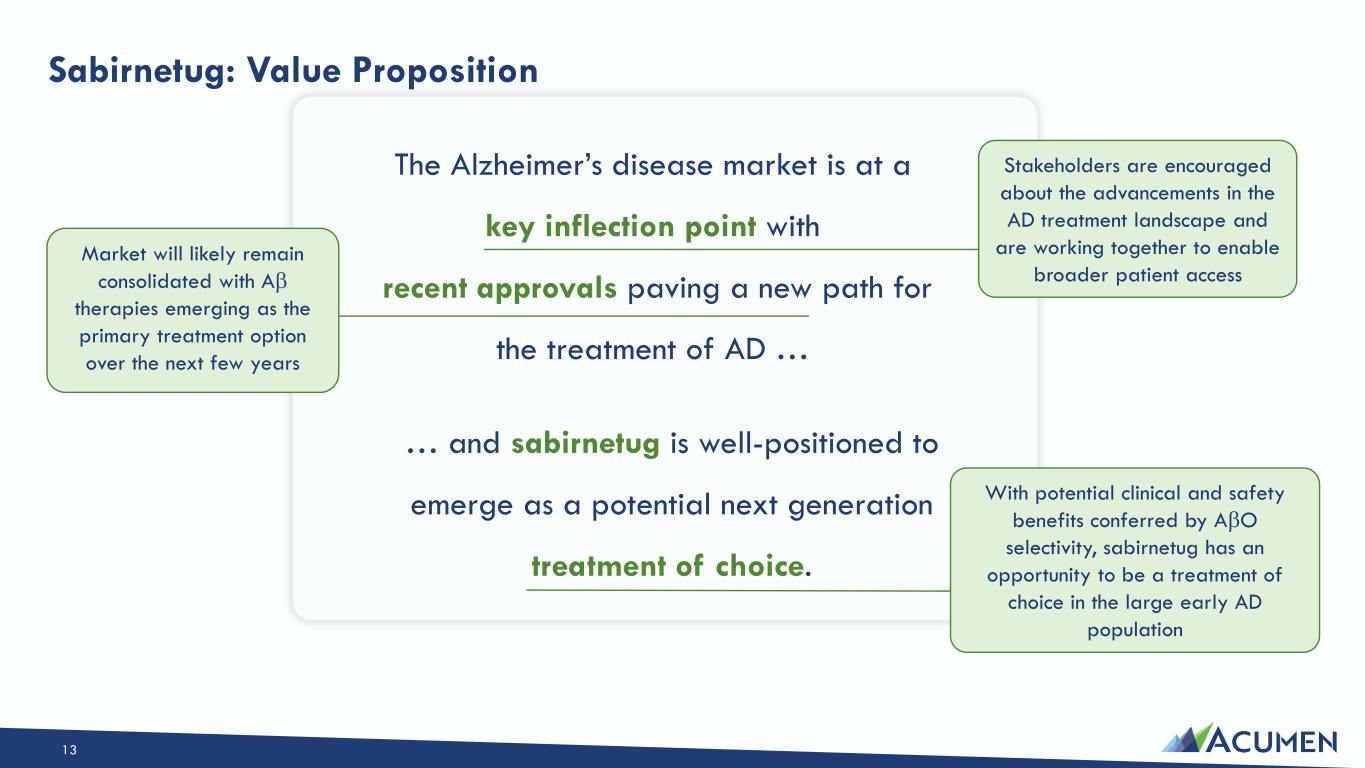
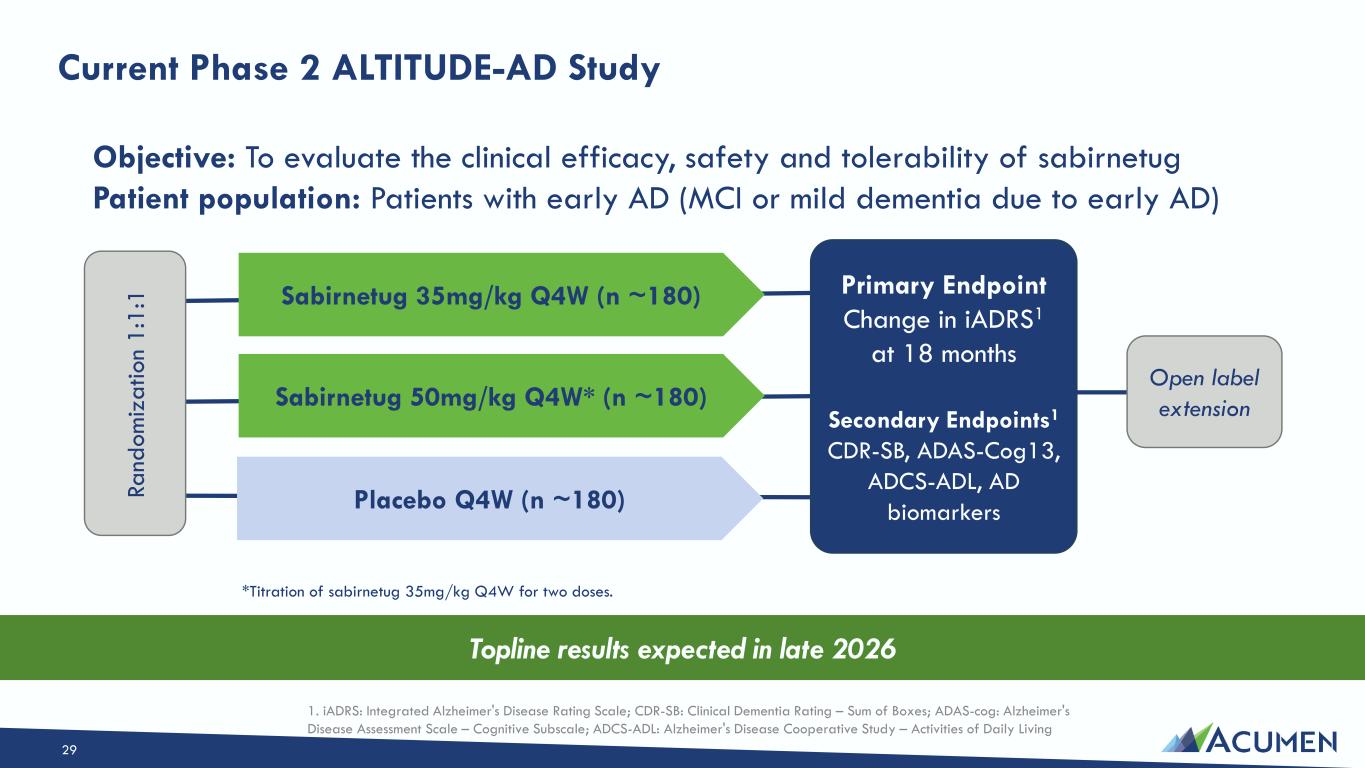
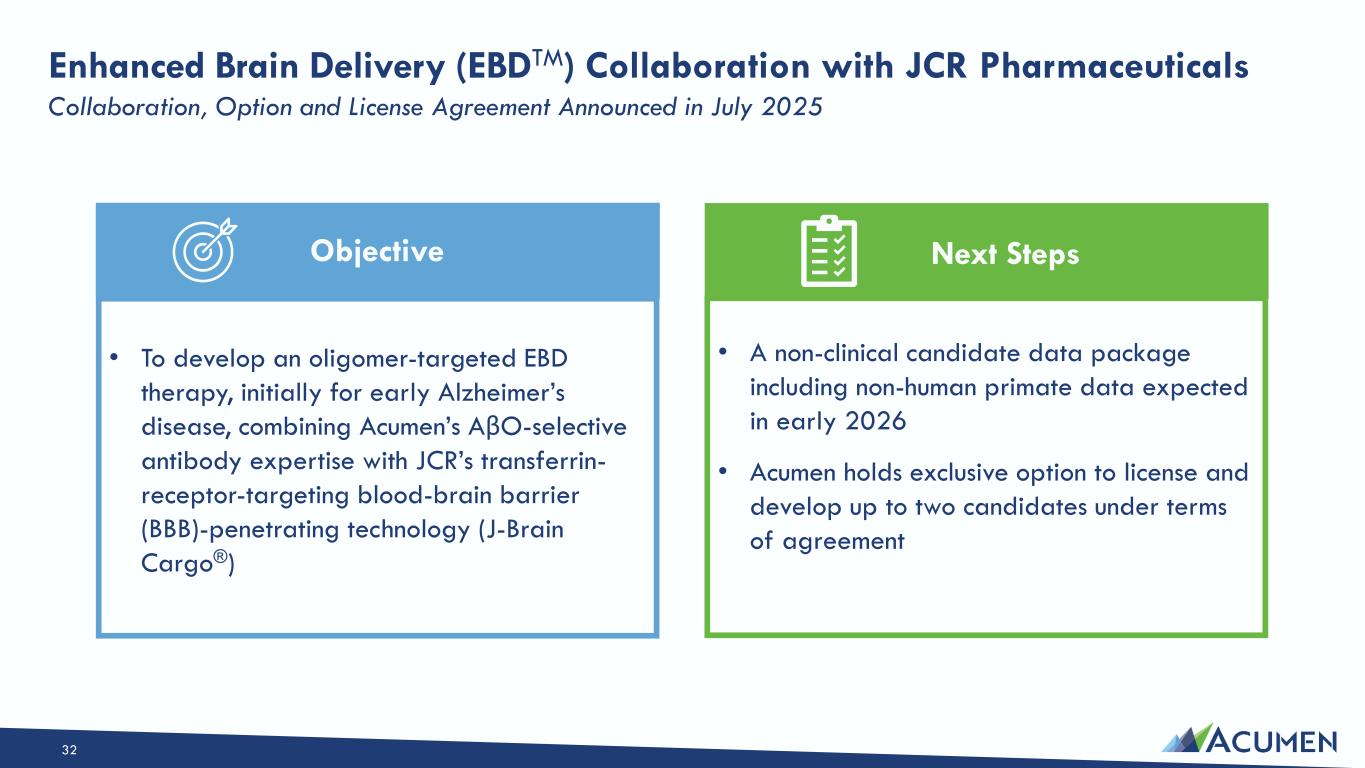
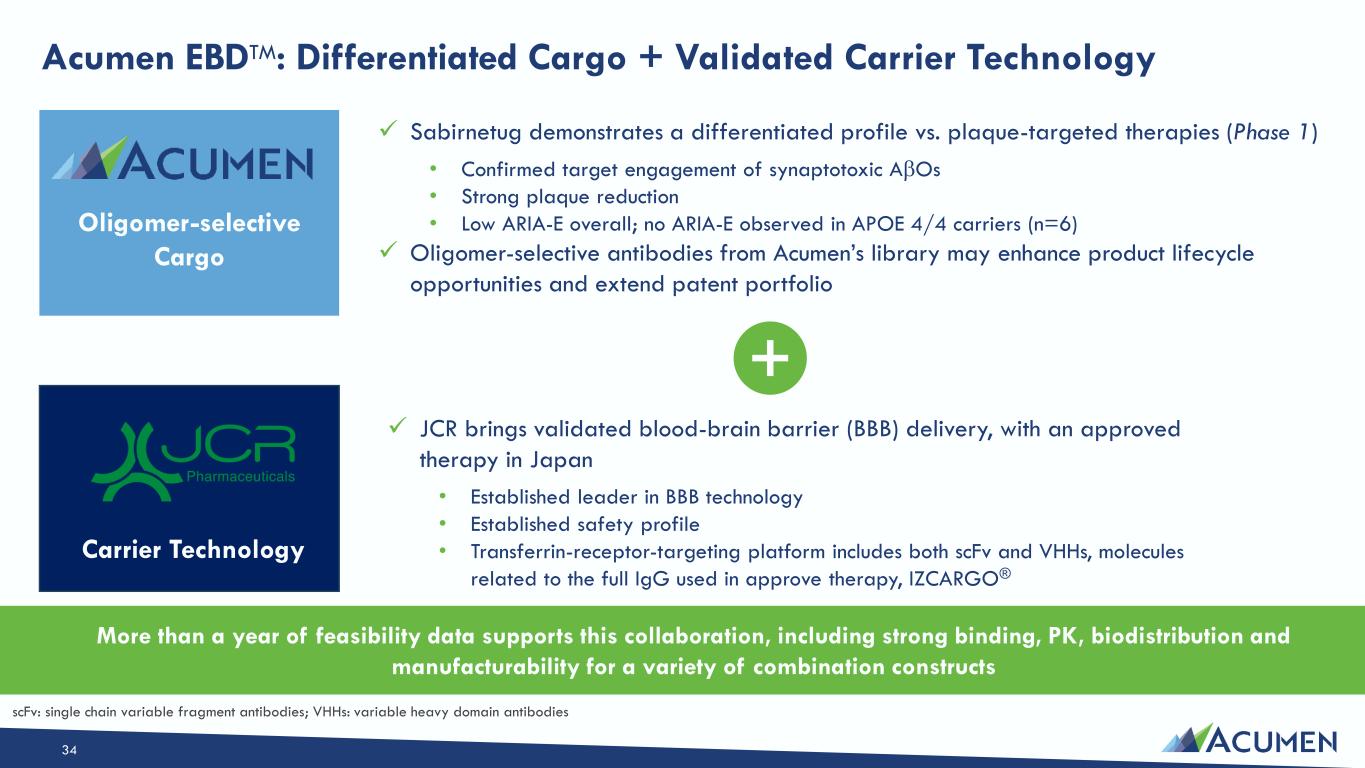
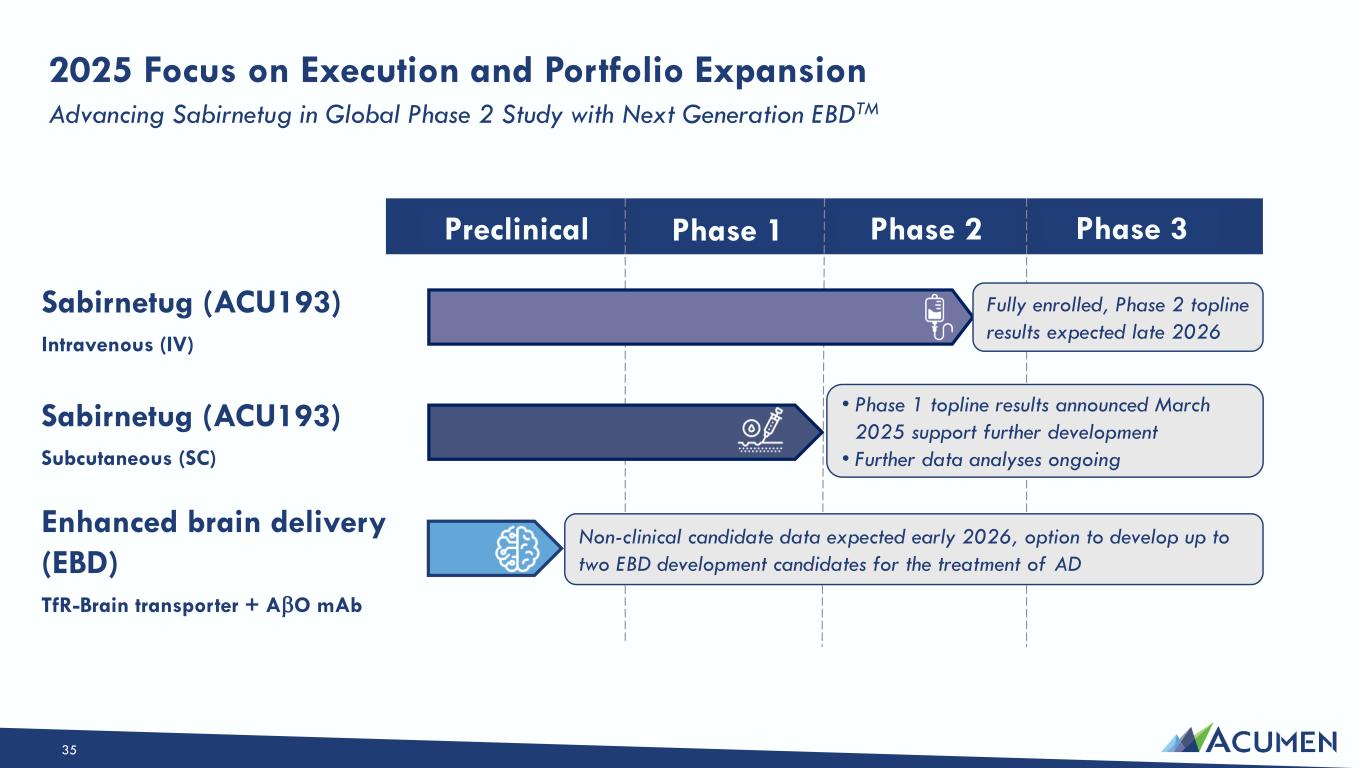
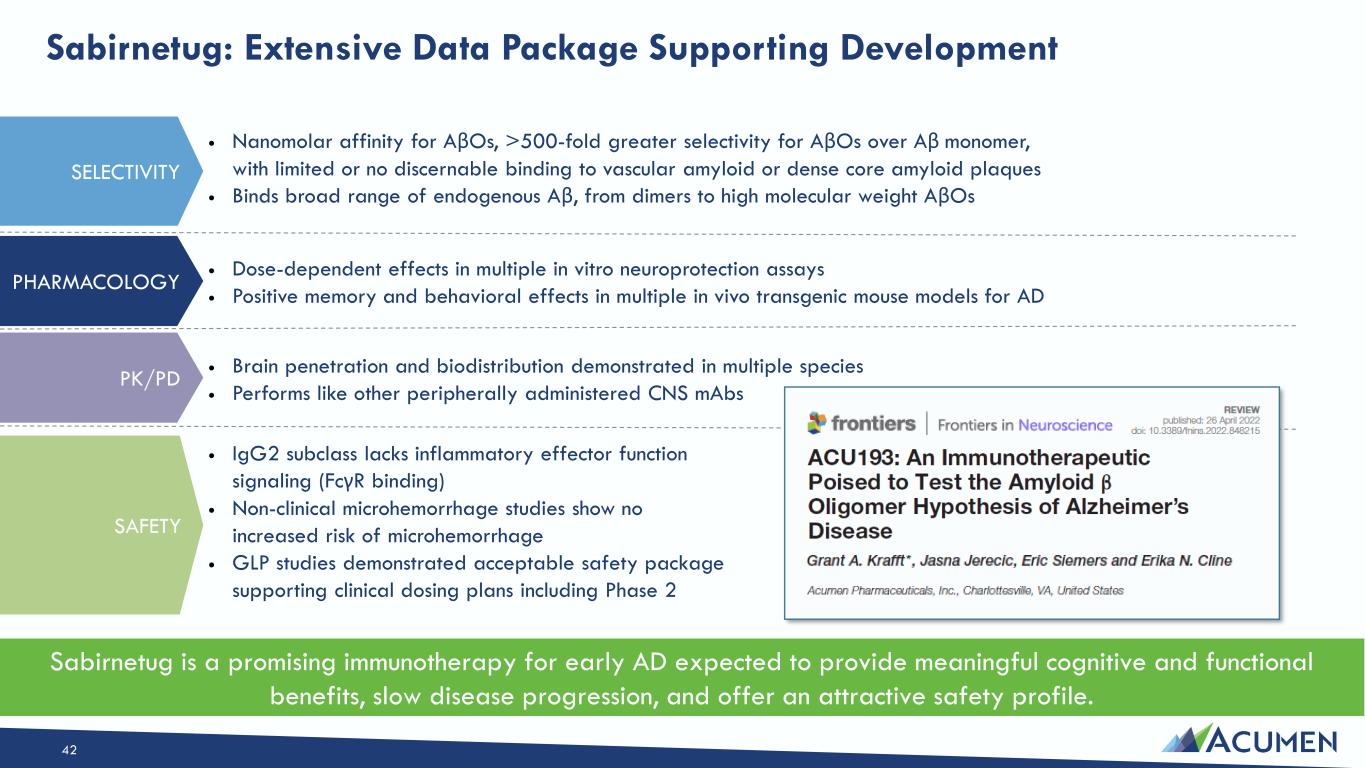
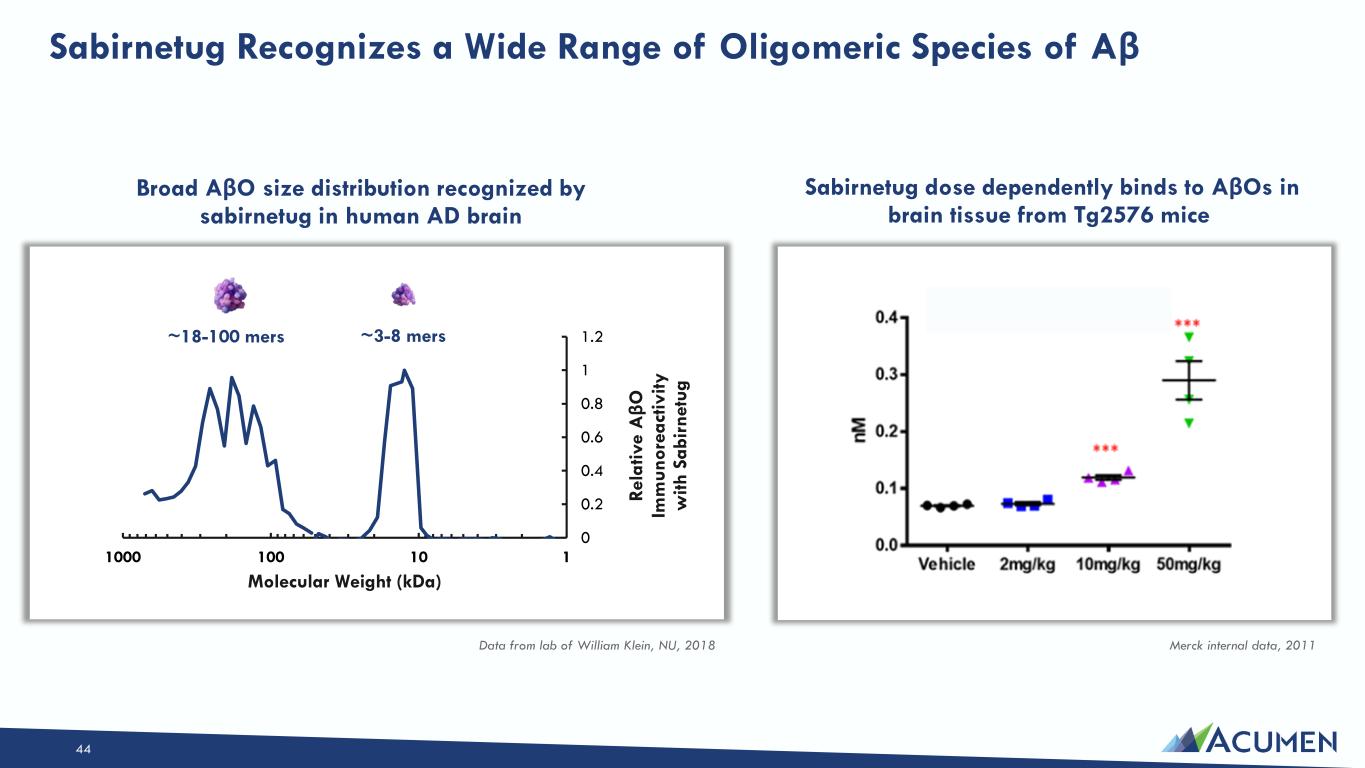
Great. Thanks, Alex. Good morning, everyone, and thank you for joining us today. In the third quarter, we continued our track record of operational execution on two fronts, the steady progression of our Phase II Altitude AD trial and the generation of additional non-clinical data supporting our Enhanced Brain Delivery, or EBD, program. Our core hypothesis remains that synaptotoxic A-beta oligomers play a pivotal role in the development of Alzheimer's disease and as such stand as a highly attractive therapeutic target for safe and efficacious treatment of AD. Altitude is investigating Sobernatug, our humanized monoclonal antibody, with high selectivity for A-beta oligomers. Sobernatug's selectivity for toxic oligomers is central to why we believe it could unlock potentially greater clinical efficacy and improve safety relative to antibodies targeting amyloid plaque. We've made rapid progress in this substantial 18-month study. Some of the 542 participants enrolled in the trial are already beginning to complete the placebo-controlled phase, with the first participants scheduled to be dosed in the open-label extension as soon as today. In the open label extension, all participants have the opportunity to receive Soberna Tug at 35 milligrams per kilogram every four weeks for up to 52 weeks. The OLE represents not only our commitment to the participants involved in altitude, but will also provide us with valuable long-term safety and additional efficacy data to supplement the broader data package supporting Soberna Tug. Based on our strong execution, we continue to expect top-line results for altitude AD in late 2026, inclusive of the key efficacy and safety measures. For our EBD program, we recognized for some time that pairing a differentiated A-beta oligomer-directed cargo with a validated blood-brain barrier carrier technology could offer an attractive next-generation product opportunity in Alzheimer's. As you heard on our Q2 call in August, we announced a strategic collaboration, option, and license agreement with JCR Pharmaceuticals to develop an Alzheimer's disease product combining our A-beta oligomer-selective antibody expertise with JCR's transferrin receptor targeting blood-brain barrier technology. As part of this effort, on the cargo or effector side of the construct, we are evaluating Cibernatug and other oligomer-selective antibodies from our library, including an antibody we're calling ACE234 that may have even greater selectivity for oligomers over monomers as compared with suburnotype. For the carrier portion, we're exploring both single chain and variable heavy domain antibody constructs from JCR's extensive TFR targeting libraries, which we consider cutting-edge approaches in the BBB space. The program is progressing nicely, and we expect to present murine data using some of our constructs at upcoming medical conferences. We continue to anticipate a non-clinical data package inclusive of a non-human primate study in early 2026, which will inform our decision to advance up to two development candidates under our exclusive option agreement with JCR. Finally, I would like to highlight the addition of Dr. George Golombeski to our board as chairman. With his addition, the board has increased to eight, and George brings more than 30 years of experience in the biotechnology industry and is a highly recognized and experienced biopharma leader with a strong track record in business development, licensing, and strategic initiatives. His deep expertise aligns well with our current goals as we continue to advance our ongoing phase two trial and EBD program to drive value for shareholders and Alzheimer's patients alike. And with that, I'll turn the call over to Matt for the financials.
As a reminder, our third quarter 2025 financial results are available in the press release we issued this morning and in our 10-Q we will file later today. As of September 30th, we had $136.1 million in cash and marketable securities on the balance sheet, which is expected to support our current clinical and operational activities into early 2027. R&D expenses were $22 million in the third quarter. The decrease over the prior year was primarily due to a reduction of CRO costs associated with the Altitude AD clinical trial, for which we completed enrollment in March 2025, following dosing of the first patient in May 2024. GNA expenses were $4.5 million in the third quarter, the decrease primarily due to reductions in legal fees, audit, and other accounting services expenses and recruiting expenses. This led to a loss from operations and a net loss of $26.5 million in the quarter. 2026 will be a very exciting year for Acumen. We are confident in our strong execution of Altitude AD, and we look forward to sharing top-line results in late 2026. Our EBD program also offers optionality in further unlocking the potential of targeting synaptotoxic A-beta oligomers for improved outcomes in treating Alzheimer's disease. And we will have more to share on that in early 2026. Through this two-pronged approach, we remain dedicated to delivering potential next-generation treatment options for the benefit of patients, caregivers, and shareholders. And with that, we can open the call for Q&A. Operator?
Operator
Thank you. As a reminder, to ask a question, please press star 1-1. And our first question comes from Jason Zemansky with Bank of America. Your line is open.
Good morning. Congrats on the progress, and thanks for taking our questions. Two, if I may, please. Can you disclose what you're looking for in the early transferrin data in terms of a go-no-go decision? I mean, what does it take to feel confident the delivery mechanism is efficient enough? And then maybe secondarily, can you talk a little bit about the evoke trials, the NOVO studies of Wegovia in Alzheimer's and you know if it's positive how does that impact the space and and your approach thanks so much hey thanks Jason I'm actually going to invite Jim Doherty our chief development officer to comment actually on both of those questions I think Jim is a good source of response yeah happy to Dan and thanks Jason for the question as we think about the EBD program you know we do see an awful lot of opportunity and potential by really being able to increase the penetration of Sobernatog or Sobernatog-like antibody in the
brain. And, you know, there's not an absolute number that we think about as a target for the fold increase that we're looking for or something like that. But I can certainly tell you, as we look at the profile of Sobernatog, we remain very confident in Sobernatog's overall profile, and we're excited about where we are in phase two. So as you think about a next generation approach, we're really just looking at enhancing the overall profile for subvernotug. So given the relatively low penetration of any monoclonal antibody into the CNS, a moderate increase in exposure level could have beneficial effects in multiple different dimensions. And we see opportunities when it comes to efficacy, when it comes potentially to safety, given the findings so far with monoclonal antibodies being used with EBD for Alzheimer's disease, and even for things like drug delivery when it comes to total volume delivered and things like that. So as we think about it, we're looking for a meaningful increase in the overall exposure, and we can achieve that at relatively low levels because of the potent effects of Cepernodog already. On the evokes side of things, we are watching, as with everyone else, watching very closely to see what's happening. with the GLP-1 studies from Novo. We think the science is really pretty interesting. It's certainly an evolving space and clear that improving metabolic profile overall is having effects in a number of different patient populations. And I think there's really good science behind the concept that improved metabolic profile could have a real effect for Alzheimer's patients. So we're interested to see the outcomes. I think the key questions always come down to, in the specific trial how well the agent is going to be delivered into the CNS, and I think that's a fair question for Evoke and Evoke Plus, but we're just really glad to see activity going for other complementary mechanisms of action in treatment of AD. It's clear that there are a lot of patients who need help, and I think some of these other alternative approaches could be interesting to pair with amyloid approaches like sabernatug.
Operator
Thank you. Our next question comes from Tom Schrader with BTIG. Your line is open.
Good morning. Thanks for taking the questions.
You made an interesting comment about possibly replacing sabernatug with something that's more oligomer-focused. focused uh maybe you can outline your thoughts there because what the shuttles allow you to do is remove plaque safely so the other approach is to use something that's more plaque focused because you know if you can do it safely you might as well so i'm just curious you know the thoughts of insiders and then for early data for the the shuttle is the sense that the it's all about anemia is the sense that the anemia goes entirely with the shuttle domain so that your anemia should really be based on data from your partner or is the anemia potentially also related to
the actual payload your actual antibody thanks for your thoughts yes thanks tom i'll make a quick comment and then jimmy would like to add on i think one of the one of the important facets of the jcr collaboration was for us to explore diversity of constructs and so that's really where we're not seeking to replace SevernaTug, but we're going to explore, you know, what other possibilities exist as we sort of work through this discovery phase effort. So that's, I think that's the principle at play in terms of things beyond SevernaTug. So we think that's an interesting, you know, gives us some redundancy and diversity in that early stage program. And we're, you know, we're here to, you know, so far we're seeing some interesting results and are excited to, you know, complete the data package by early next year. Jim, do you want to take the further question from Tom on anemia and how we're thinking about epithopes and selectivity?
Yeah, happy to, Dan. Tom, we, as well as others, are really excited about the technology, and I think there's a lot of opportunity. It really comes down to framing it the way Dan's framed it earlier in the call around the combination of cargo and carrier. So, obviously, the final product is going to have elements of both, but that also means that your overall profile is going to be dictated by the components. So, when you think about things like the risk factors, I mean, the risk factor for ARIA that has been associated with transferrin-based approaches comes with the technology. So no reason for us to think that the profile to date with Cibarnatug shows any sign of such considerations, but it certainly is the case with technology. So our ways of thinking about it are at the moment, we are very much focused on understanding what the combination of pairing a monoclonal A-beta for soluble oligomers with transferrin. So as we do testing for individual constructs, we're looking at the risks or, you know, potential for seeing anemia-related effects with the constructs. But we do think that it's likely, if we see anything like that, the contribution will be coming from the transferrin-based construct. So ultimately, at the end of the day, this is why you do testing and select a particular candidate molecule to sort of maximize benefits and minimize risks. But from first principles, that's our thinking, and that's where the expectation would be, is that it would be a risk carried by the transferrin technology. Part of the reason that we selected JCR as a partner is they've got a track record in the clinic of being able to minimize that risk with their constructs. Perfect. Thanks for the thoughts.
Operator
Thank you. Our next question comes from Jeff Meacham with Citi. Your line is open.
Hi, guys. It's Ross on for Jeff. Thank you for taking our question. We have a question on the non-clinical data package. Specifically, we're curious what data we could expect to see, and specifically in regards to what biomarkers you would be looking at. Thank you.
Thanks, Ross. Jim, you want to take that?
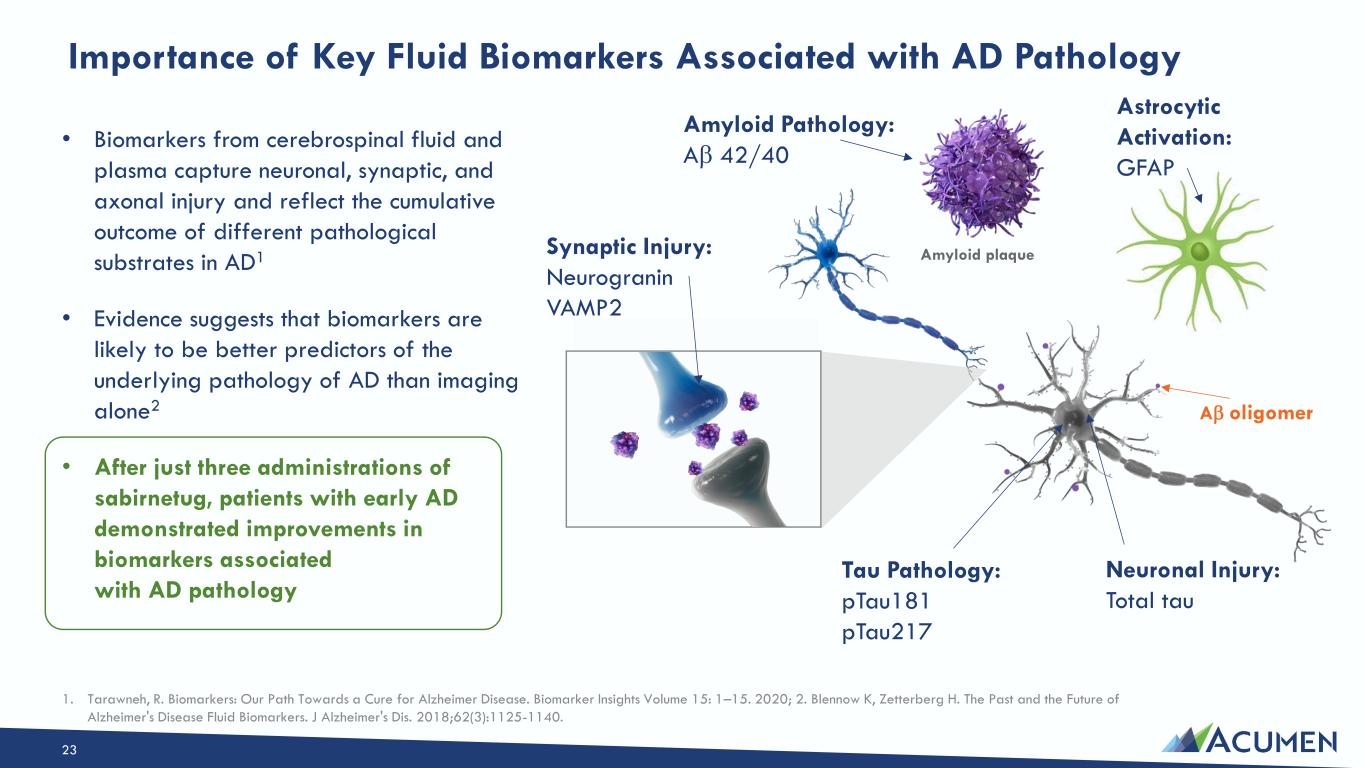
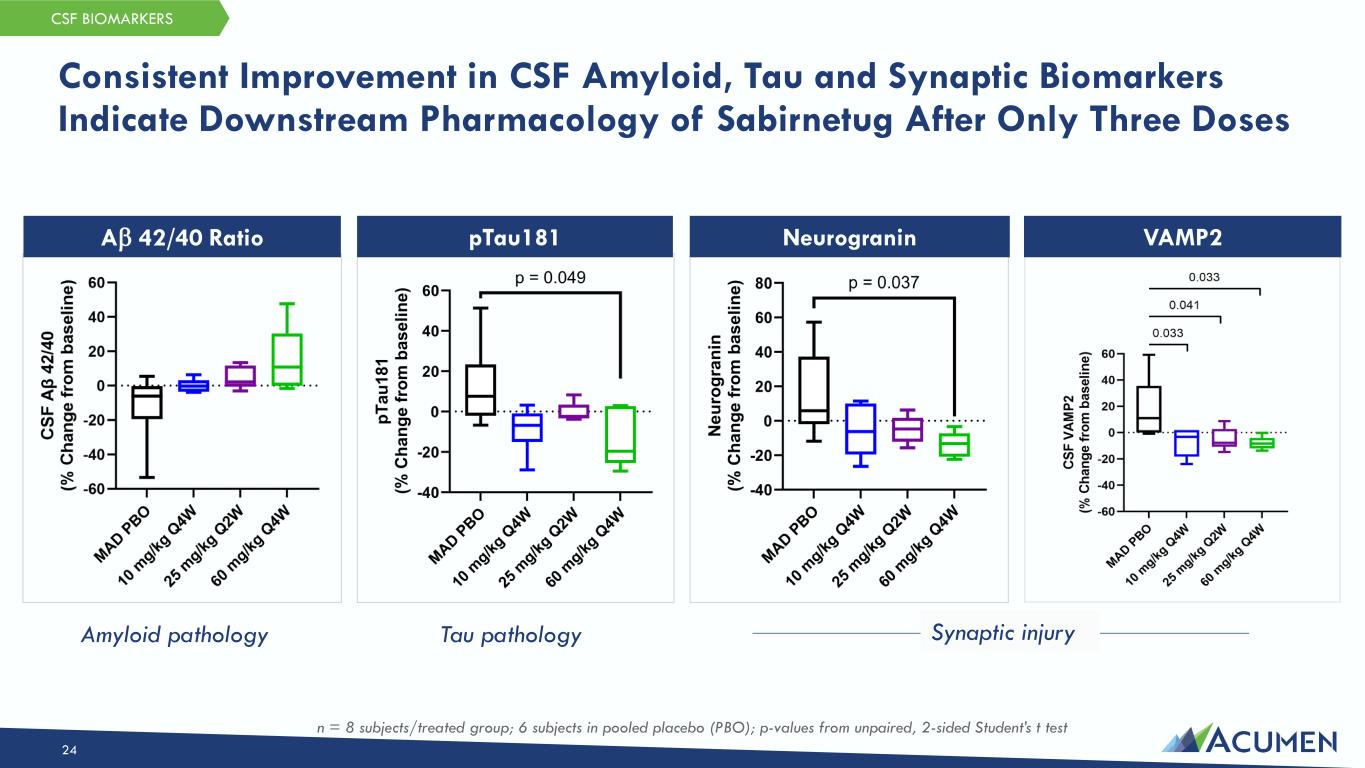
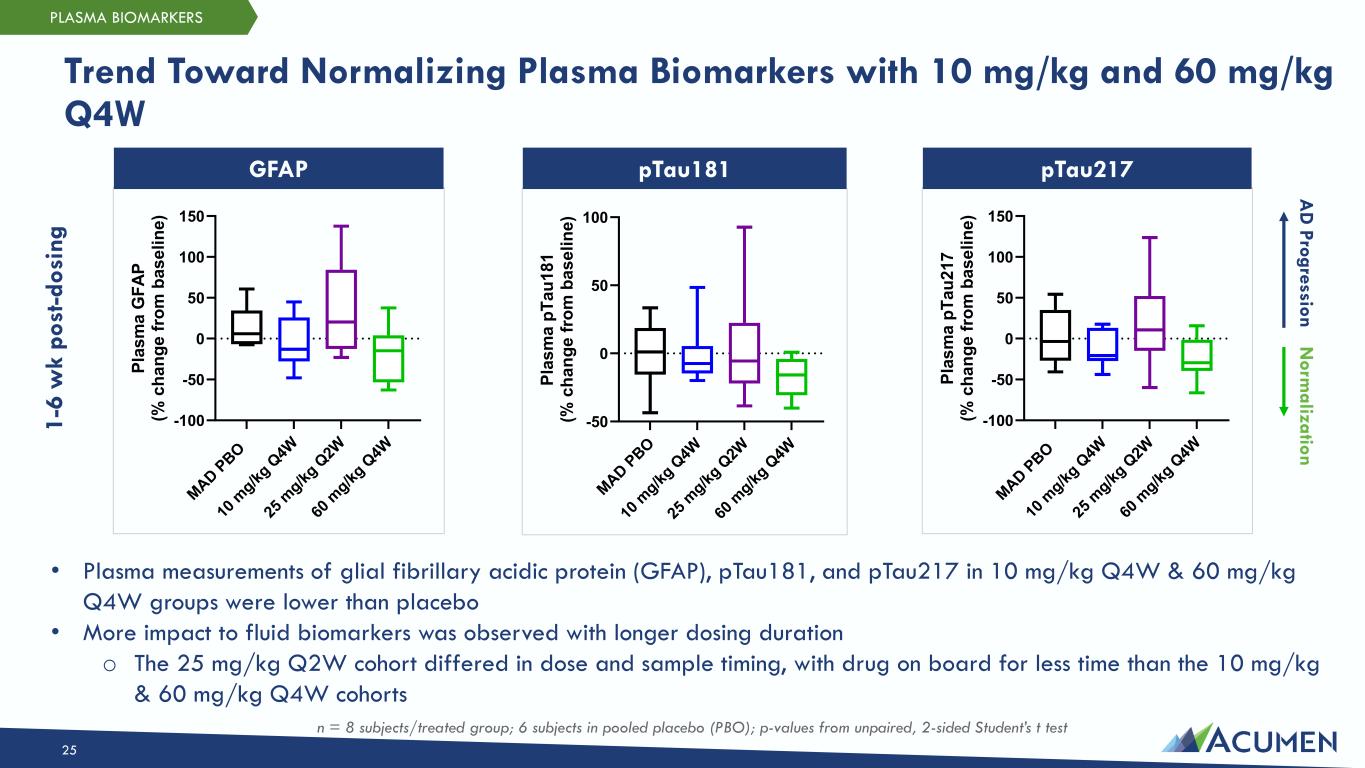
Yeah, thanks for the question, Ross. Yeah, as we think about data package, I guess there's a couple of ways that we think about that. One would be the data package that goes into a candidate selection decision, which we're targeting for the early part of 2026. And there you can expect to see a number of preclinical studies looking at both the target profile for the new construct. So we want to make sure that the subvernotug-like profile that we have is not negatively impacted by adding the cargo and the carrier construct. And then, of course, we're also very much interested in the impact of the carrier construct on PK profile, both looking at the increase in brain penetration, but also looking at the pharmacokinetics. That is one place where there is diversity from candidate to candidate. So we'll be looking at PK profile. We'll be looking at binding to oligomer and other A-beta targets. And we'll be looking at some murine animal models as well to see if we can see profiles consistent with what we've demonstrated to date with supernatug. So that's the, and of course, very importantly, we'll also be including a primate PK study because, of course, the murine stuff is very important, but no substitute for looking at what's happening in the primate brain, especially with the transferrin receptor constructs, which the primate version of transferrin is a little different than the murine. So that's how we're thinking about delivery of the package for selecting a candidate to move forward with. The program moving forward after that, we benefit very much from the fact that Sobernatug is currently in mid-stage clinical trials. And we've spent, as you know, a lot of effort in understanding biomarker profiles for the original Sobernatug. And so we see a real opportunity as we go into early phase clinical developments to build off of that. And so what you'll see is a lot of the same biomarkers that we've looked at in the Sobernatug program. So thinking about the plasma-based biomarkers, looking at A-beta 4042 levels, looking at P-tau levels, including P-tau 217, and then also including the downstream synaptic markers like neurogranin and VAMP2. And really, it gives us a lot to build on from our LEAP program to be able to understand how the carrier-enhanced subrata-tug program is doing.
Operator
Thank you. Our next question comes from Paul Matisse with Stiefel. Your line is open.
Hi, this is Matthew on for Paul. Thanks for taking our question, and congrats on the progress. I guess on the shuttle program, I was wondering, will both candidates be advanced in unison or is there a chance of advancing one and then waiting for the altitude results before advancing the other? And in terms of selecting the other non-supernatal candidate, other than specificity, were there other things you considered that might be optimized? Thanks.
Yeah, thanks for the question. I think it's too early for us to say whether we'll be advancing one or two and which of the two might move forward. So I think this is going to be data dependent in early 26. And I do think we're looking at a combination of factors around the Soberna plug, the 234. I mean, we're still generating more data around selectivity and other properties, but are intrigued to think that, you know, there's other profiles even still beyond primary Soberna plug that could be candidates for further development.
Operator
Thank you. Our next question comes from Pete Stapropoulos with Cantor. Your line is open.
Hi, Dan and team. This is Samantha on the line for PEAT. Congrats on the progress, and thanks so much for taking our question. So, my first question, I know we're about a year or so away from altitude data, but I'm wondering what your current thinking is in terms of the bar and what's the minimum you'd like to see out of this study to move forward from both a clinical scale perspective and biomarker data? And then I just have a quick follow-up.
Thanks, Samantha. But Jim or Eric, you guys want to provide a primary response on that?
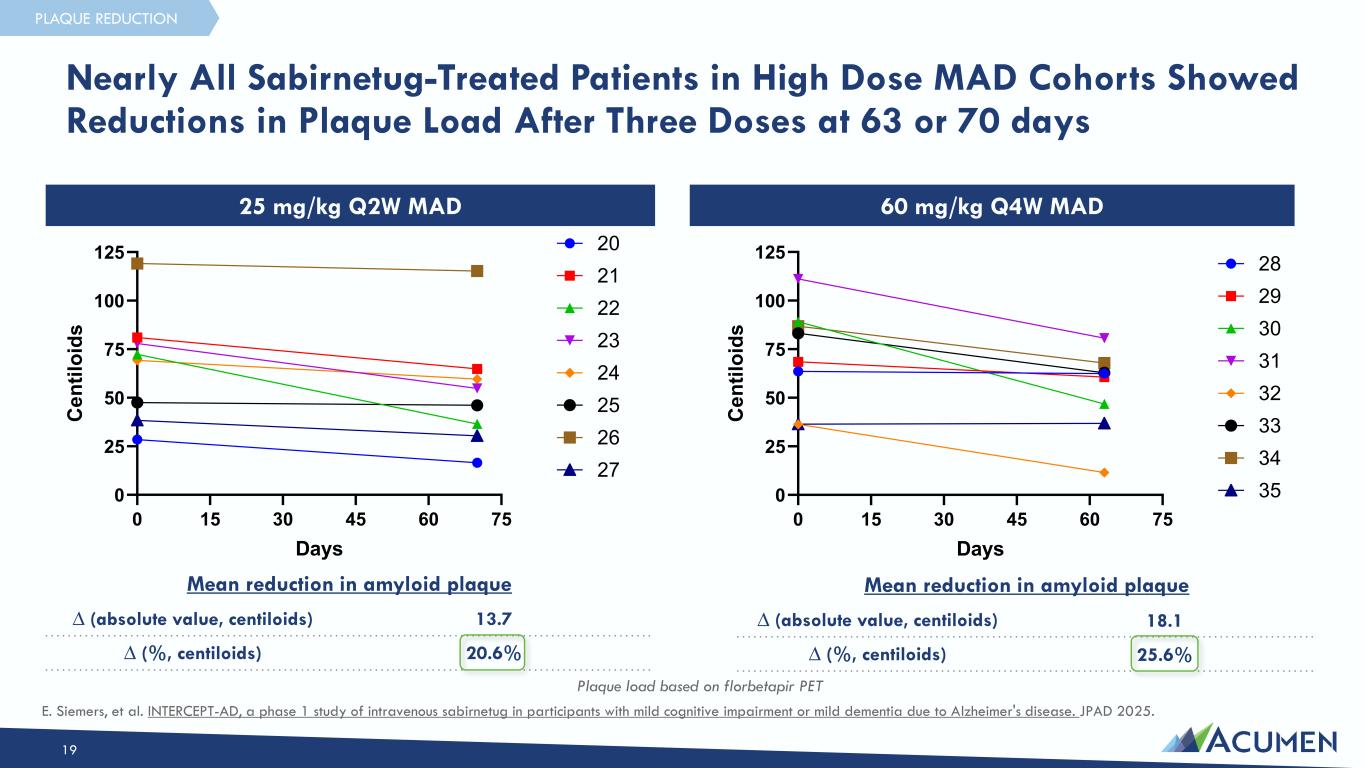
Yeah, so let me start, and I'll invite Eric to jump in. Great to hear from you, Samantha. And I think the answer to the question is this is – we talk a lot about testing the oligomer hypothesis, and we think for a lot of reasons there's a vast amount of evidence that speaks to oligomers having an important role in the pathophysiology of Alzheimer's disease. And I think our phase one data so far supports that. But the value, the key value in the altitude study is it's the first true demonstration looking at clinical scales. And so obviously the major impact for the study is to understand the effect on those clinical scales. So we're, of course, looking for a clear and demonstrable effect when you come down to change from progression rate. But we're also going to be looking at what the overall impact of that is and looking at the effects of suburban talk on multiple scales. So we certainly have IDRIS as our primary, but there are a number of scales that are going to go into that. And really, in addition to just looking for a clear signal, we're going to be looking for what's the type of response in those various scales. And I think it's the same kind of thing around the biomarker work. We're very excited with the biomarker signals we're seeing after three months of dosing from the Intercept study. And so this gives us much more data over a much longer period of time with an 18-month primary endpoint. So that's kind of how we're looking at the readout itself. But let me turn it over to Eric and see if he has any other color that he wants to add.
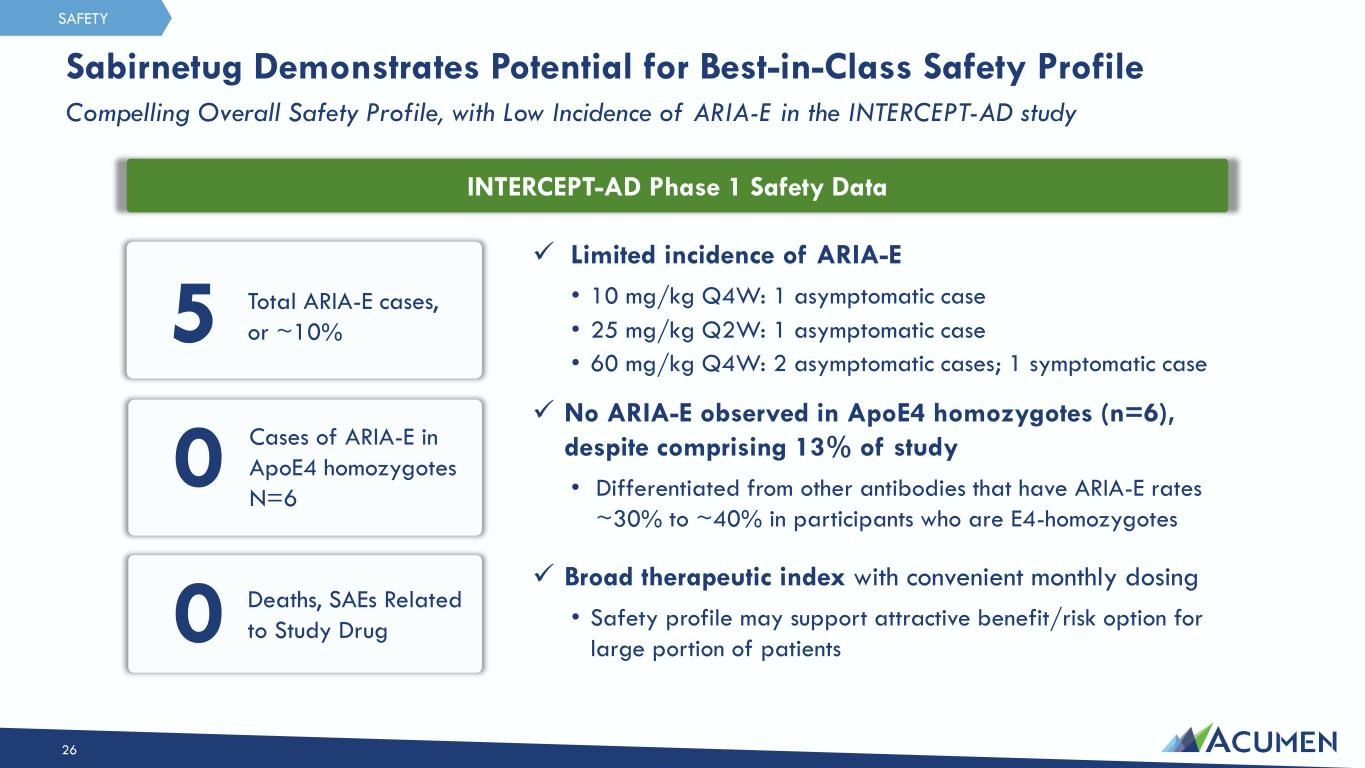
Yeah, well, it's a great question, and thanks. Because at the end of a study, like a fairly large phase two study, like altitude, it's really a matter of safety and efficacy. And as Jim mentioned, our primary outcome is the scale called the IGRIS, which is a combination of cognition and function. So that's going to be our primary outcome in terms of efficacy. Although, as Jim mentioned, we've got a lot of secondary measures in there, too. And then you have to combine that with safety. And it's the two of those in combination that give you the therapeutic index. And in a study as large as altitude with 542 people, you really can get a sense of what that therapeutic index is. Now, beyond that, as you know, in our phase one study, we actually had some, I would say, fairly impressive biomarker responses, which really tells us not only do we have target engagement in terms of binding to oligomers, but we're also having effects on the downstream pathology in Alzheimer's disease. And, of course, we'll look for those kind of biomarkers in altitude, but based on the fact that we saw those even in our small phase one study, I think that could give us a real potential for being differentiated from other treatments. Thanks, Eric.
Operator
Thank you. I'm showing no further questions at this time. I'd like to turn the call back over to Alex Braun for closing remarks.
Thanks, Michelle. Thanks to everyone who tuned in today to listen to our Q3 update. We are always available at the company for any further questions, so please don't hesitate to get in touch. With that, have a great day.
Operator
Thank you for your participation. You may now disconnect.