Operator
Hello, everyone, and welcome to the Banner Corporation's fourth quarter 2024 conference call and webcast. My name is Marie, and I will be operating your call today. During the presentation, you can register a question by pressing star followed by one on your telephone keypad. If you change your mind, please press star followed by two. I will now hand over to your host, Mark Grecovich, the president and CEO of Banner Corporation.
Please go ahead. thank you marie and good morning and happy new year everyone i would also like to welcome you to the fourth quarter in full year 2024 earnings call for banner corporation joining me on the call today is rob butterfield banner corporations jill rice and rich arnold our heads read our forward-looking safe harbor statement sure mark good morning our presentation today discusses Banner's business outlook and will include forward-looking statements.
Those statements include descriptions of management's plans, objectives, or goals for future operations, products or services, forecasts of financial or other performance measures, the statements about Banner's general outlook for economic and other conditions. We also may make other forward-looking statements in the question and answer period following management's discussion. These forward-looking statements are subject to a number of risks and uncertainties and actual results may differ materially from those discussed today. Information on the risk factors that could cause actual results to differ are available from the earnings press release that was released yesterday and the recently filed Form 10-Q for the quarter ended September 30th, 2024. Forward-looking statements are effective only as of the date they are made and Banner assumes no obligation to update information concerning its expectations. Mark?
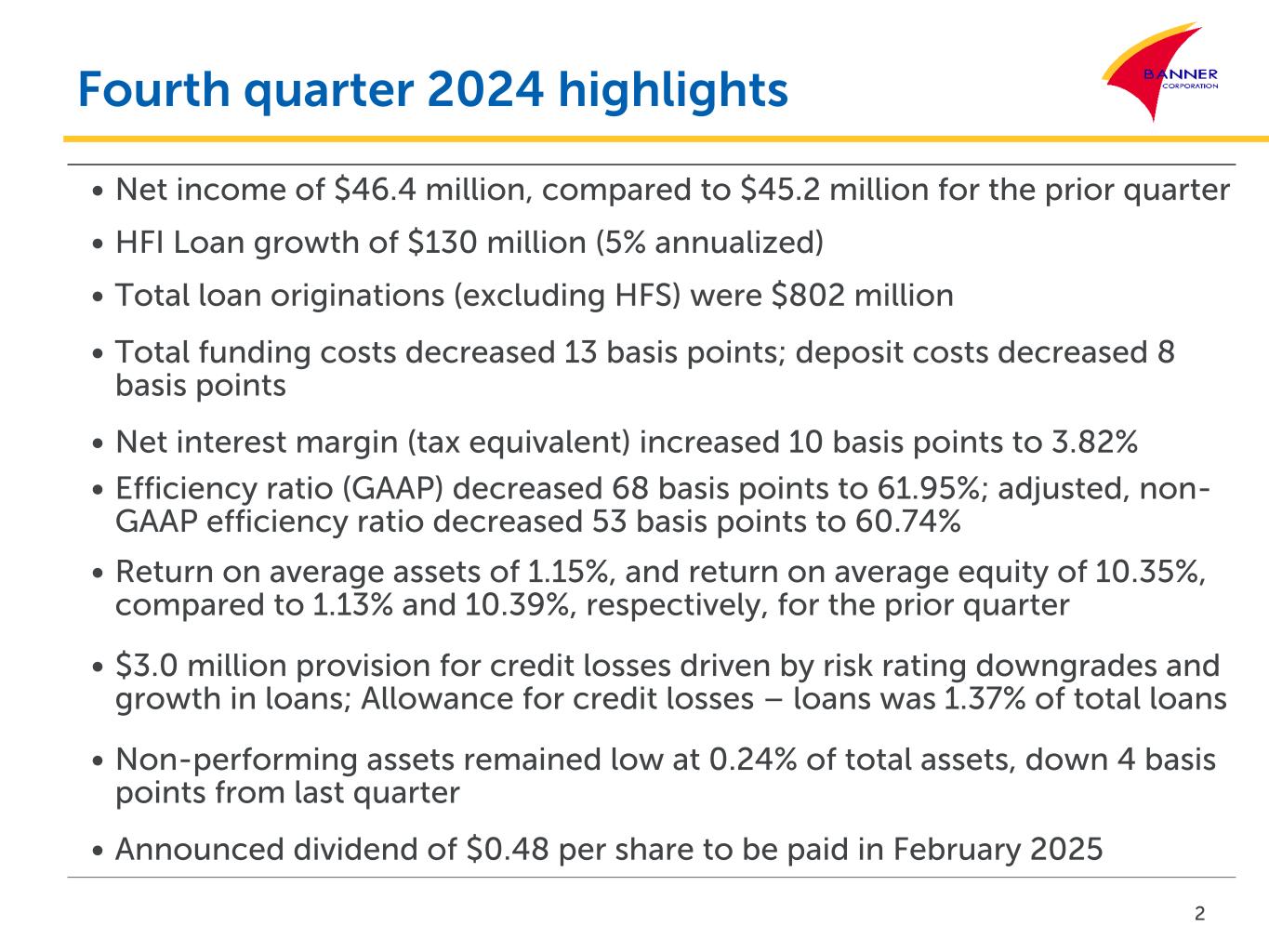
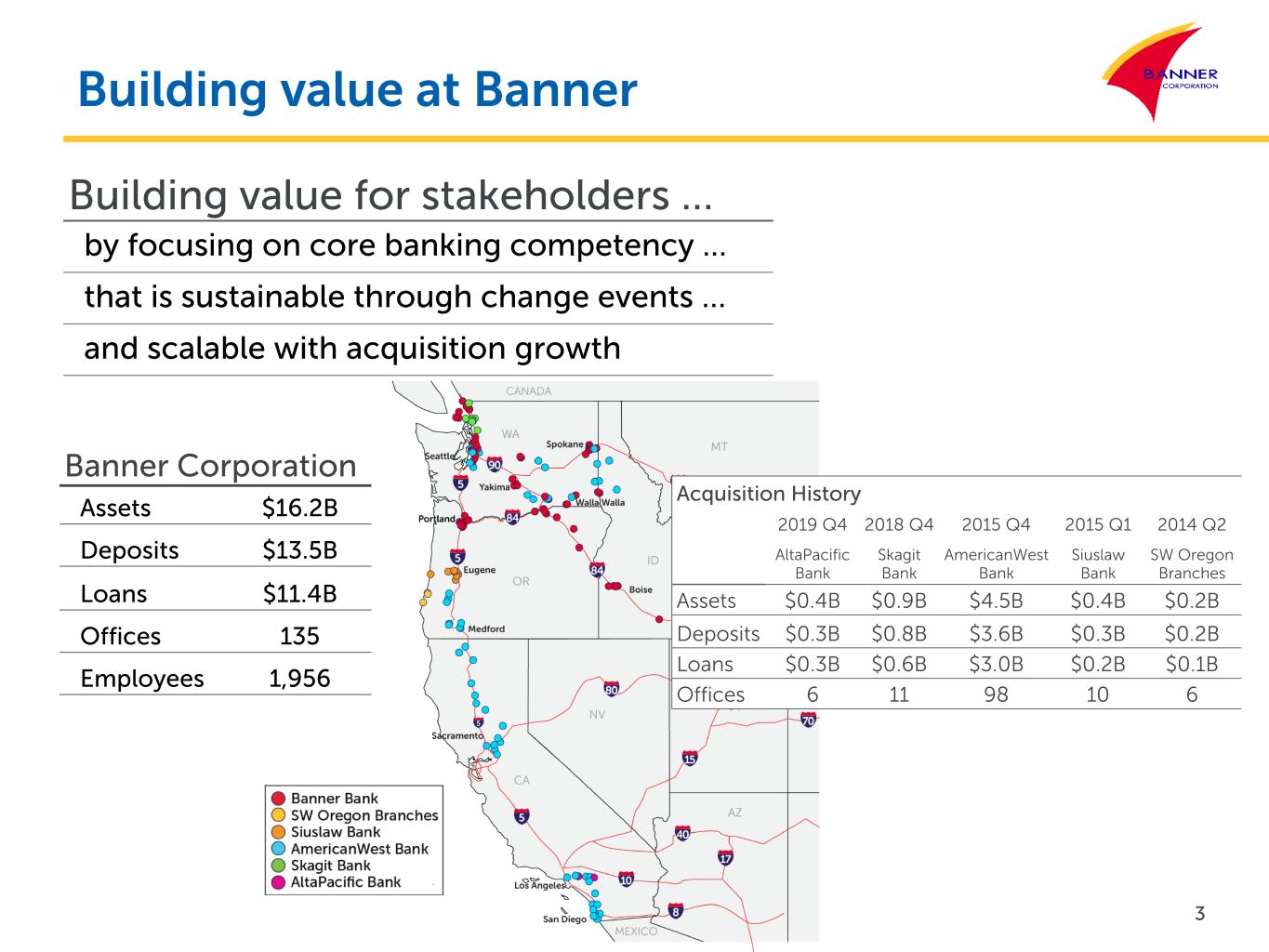
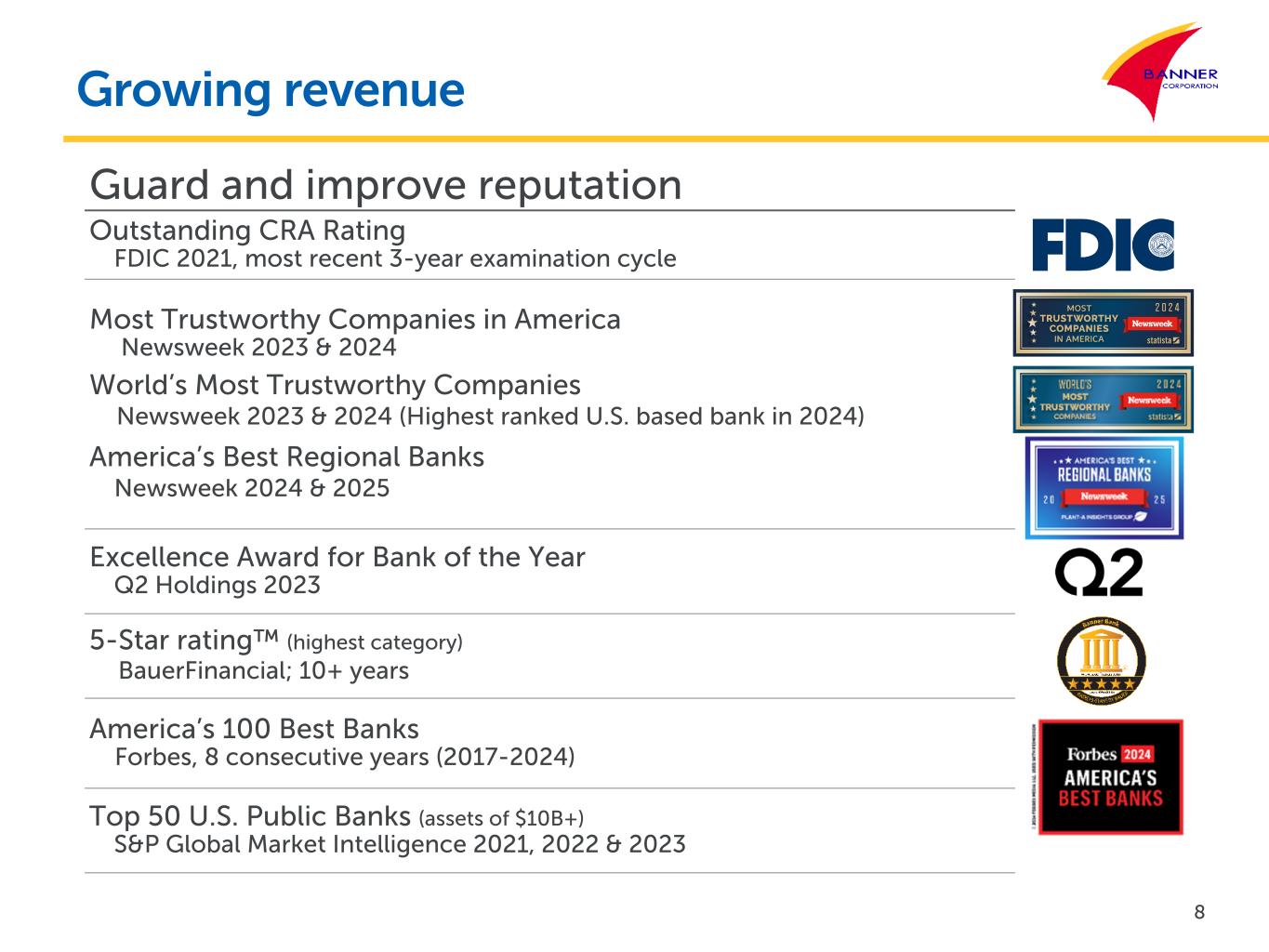
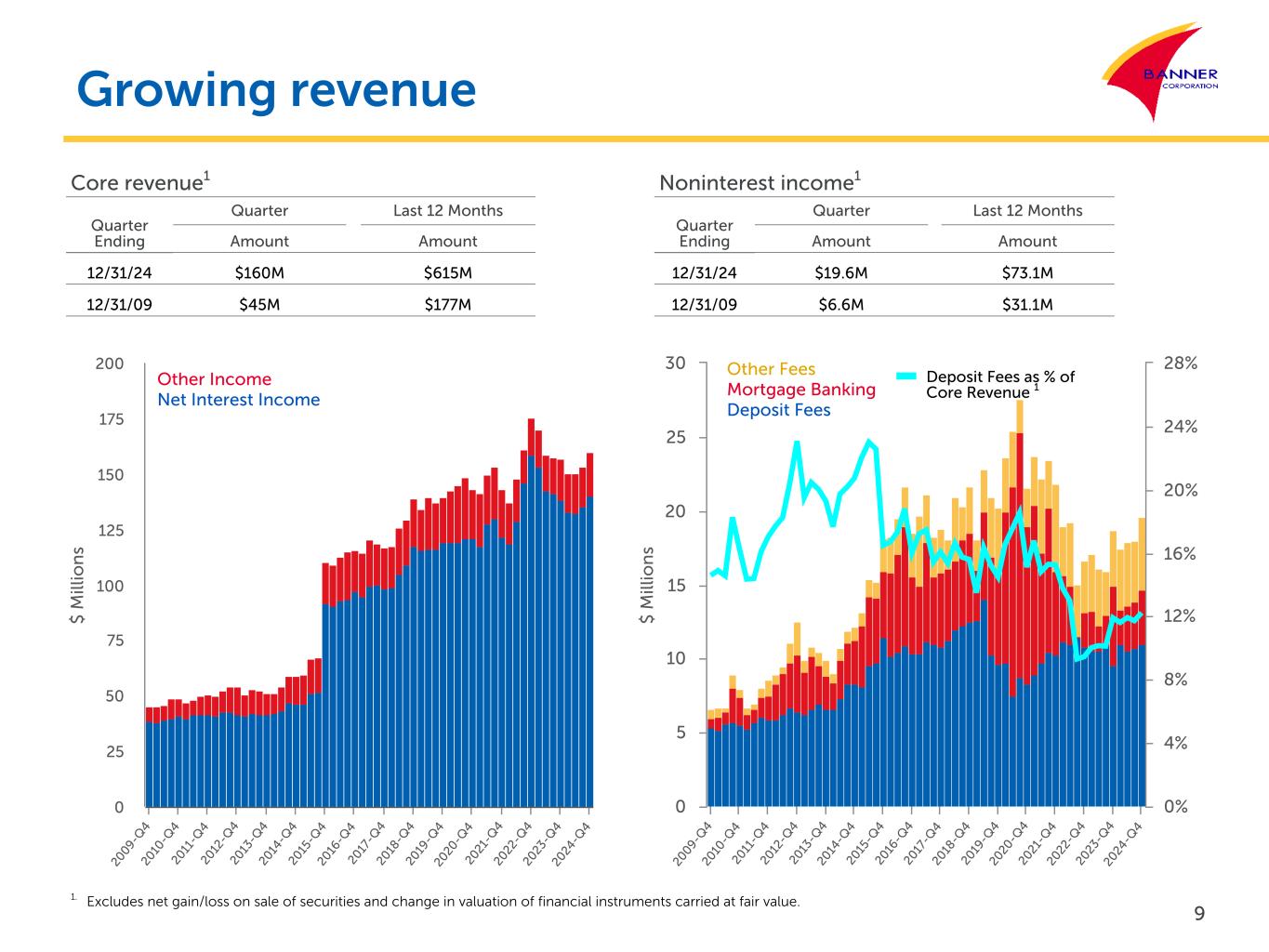
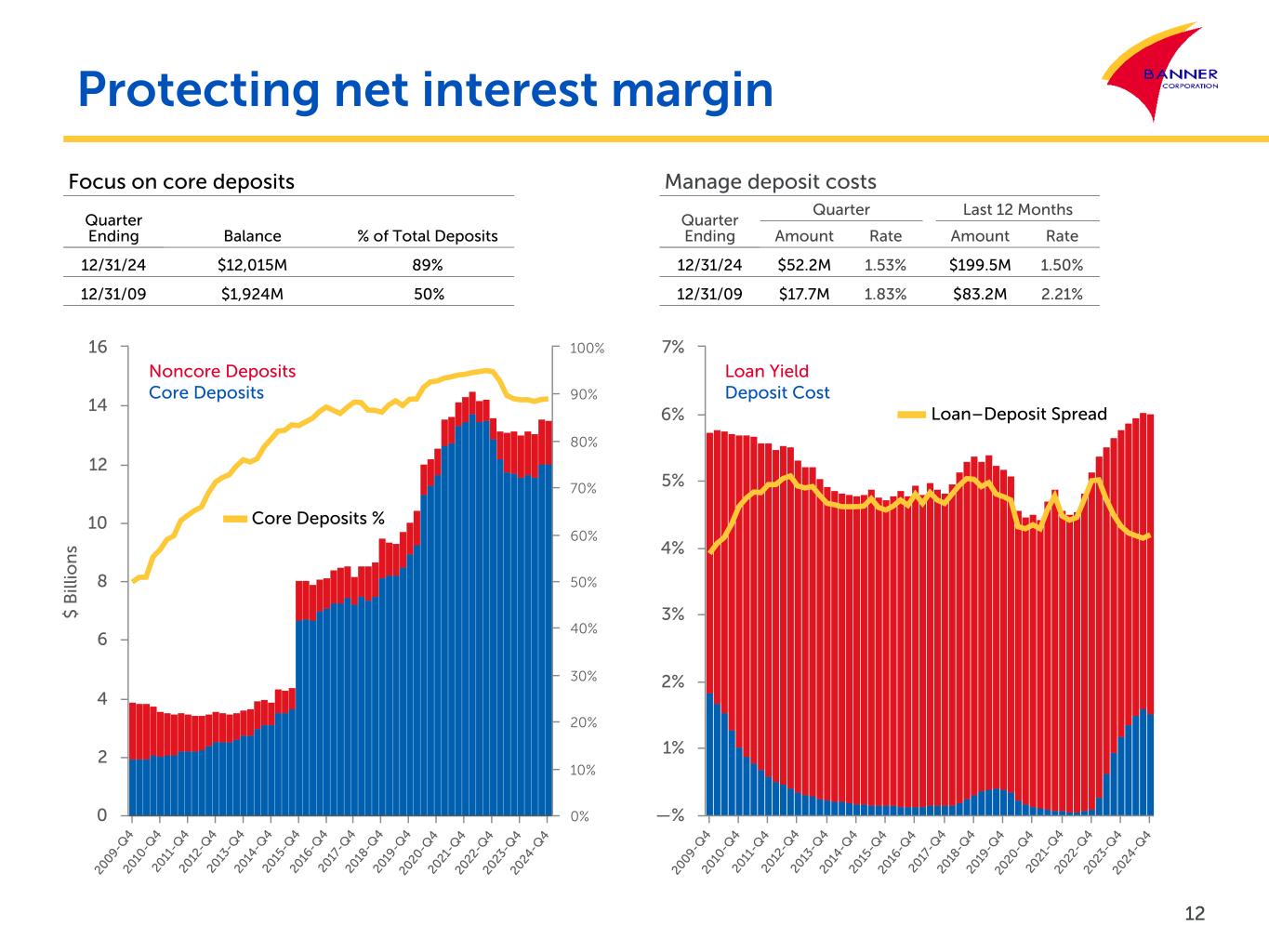
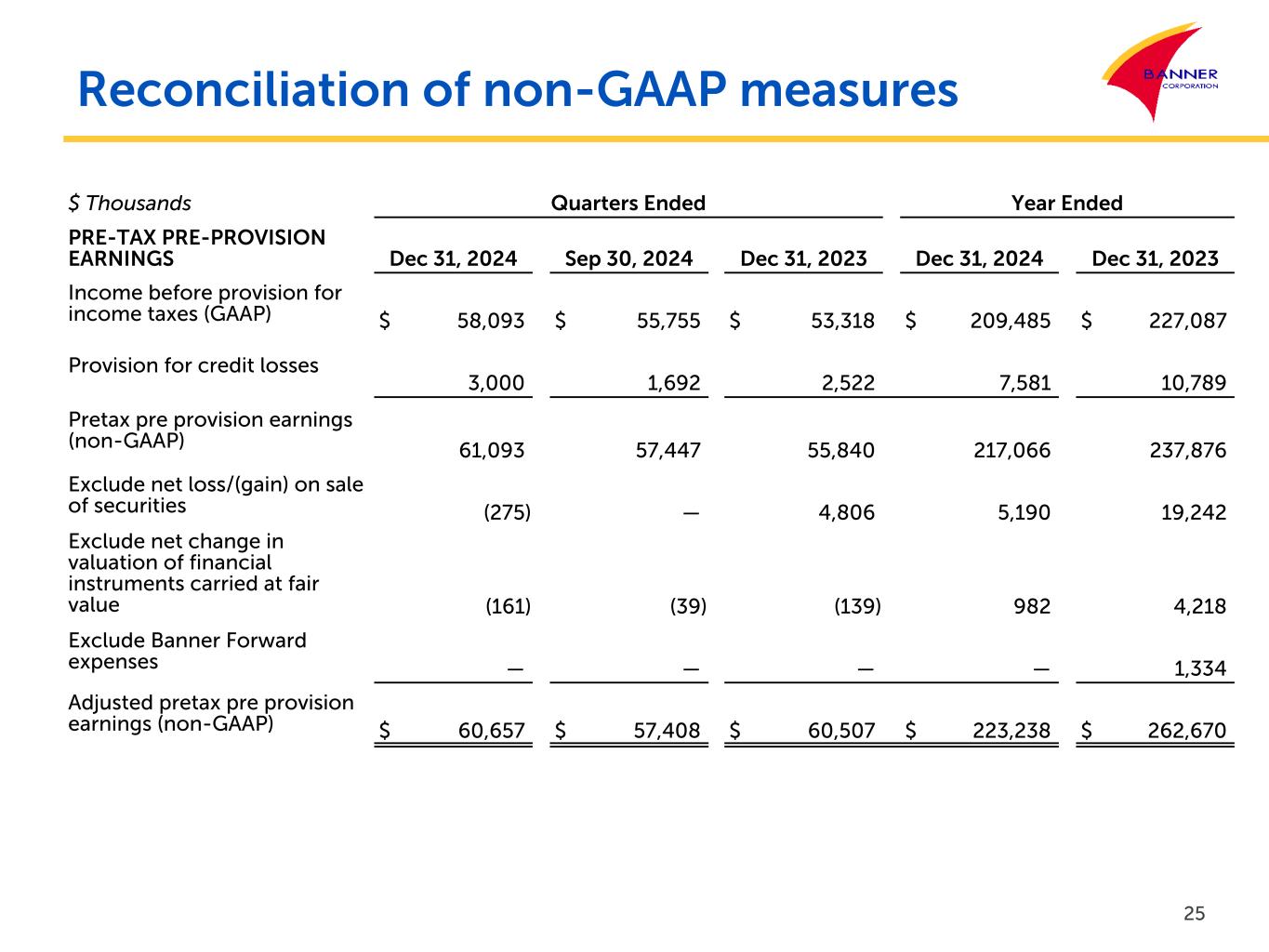
Thank you, Rich. Today we will cover a full year 2024 performance. Second, the actions Banner continues to take to support all of our stakeholders, including our Banner team, our clients, our communities. Jill Rice will provide comments on the current status of our loan portfolio. And finally, Rob Butterfield will provide more detail on our operating performance for the quarter, as well as comments on our balance sheet. Before I get started, we want to recognize the devastation that is the result of the California wildfires, and our thoughts and prayers are with all of those impacted. And I want to thank all of my 2,000 colleagues in our company who are working extremely hard to assist our clients and our communities. Banner has lived our core values summed up as the past 134 years. Our overarching goal continues to be to do the right thing for our clients, our communities, and to provide a consistent and reliable source of commerce and capital through all economic cycles and change events. I'm pleased to report again to you that is exactly what we continue to do. The entire Banner team that are living our core values overview of our performance reported a net profit available to common shareholders of 46.4 million dollars or one dollar and 34 cents per diluted share for the quarter ended december 31st 2024. this compares to a net profit to common shareholders of one dollar and 24 cents per share for the fourth quarter of 2023 and one dollar and 30 cents per share for the third quarter of 2024. For the full year ended December 31st, 2024, Banner reported net income available to common shareholders of $168.9 million. Our strategy to maintain a moderate risk profile and the investments we have made and continue to make to improve the operating performance have positioned the company well for the future. Rob will discuss these details shortly. To illustrate the core earnings power of Banner, I would direct your attention to pre-tax, pre-provisioned earnings, excluding gains and losses on the sale of securities, and changes in fair value of financial instruments. Our full year 2024 core earnings were $223.2 million. dollars there's fourth quarter 2024 revenue from core operations was 160 million dollars compared to 154 million dollars for the third quarter of 2024 for the full year 2024 revenue from core operations was 615 million dollars we continue to benefit from a strong core deposit base that has proved to be resilient and loyal to Banner, a very good net interest margin, and core expense. Overall, this resulted in a return on average assets of 1.15% for the fourth quarter of 2024. Once again, our core performance reflects continued execution on our super community bank strategy, new client relationships, maintaining our core funding position, promoting client loyalty and advocacy through our responsive service model, and demonstrating our safety and soundness through all economic cycles and change events. To that point, our core deposits continued to represent 89% of total deposits. Further, we continued our strong organic generation of new relationships, and our loans increased 5% and our core deposits increased 4% over the same period last year. Reflective of the solid performance, coupled with our strong regulatory capital ratios and the fact that we increased our tangible common equity per share by 9% from the same period last year, we announced a core dividend of 48 cents per common share. We have published our environmental, social, and governance report which reflects the continued maturation of our approach to ESG. Banner has always been committed to doing the right thing in support of our clients, the many communities we serve. The accomplishments highlighted in this report are meant to reflect the deep connection we have with all of our stakeholders and our commitment to creating positive change in the communities we serve. Finally, I'm pleased to say that we continue to receive marketplace recognition and validation of our business model and our value proposition. Banner, again, was named one of America's 100 best banks and one of the best banks in the world by Forbes. Newsweek named Banner one of the most trustworthy companies in America and the world again this year. And just recently named Banner one of the best regional banks. And S&P Global Market Intelligence ranked Banner's financial performance among the top 50 public banks with more than $10 billion in assets. and the digital banking provider q2 holdings awarded banner bank their bank of the year for excellence additionally the croal bond rating agency affirmed all of banner's investment grade debt and deposit ratings and as we've noted previously banner bank received an outstanding cra rating in our most recent cra examination let me now turn the call over to jill to discuss trends in our loan portfolio, and her comments on Banner's credit quality.
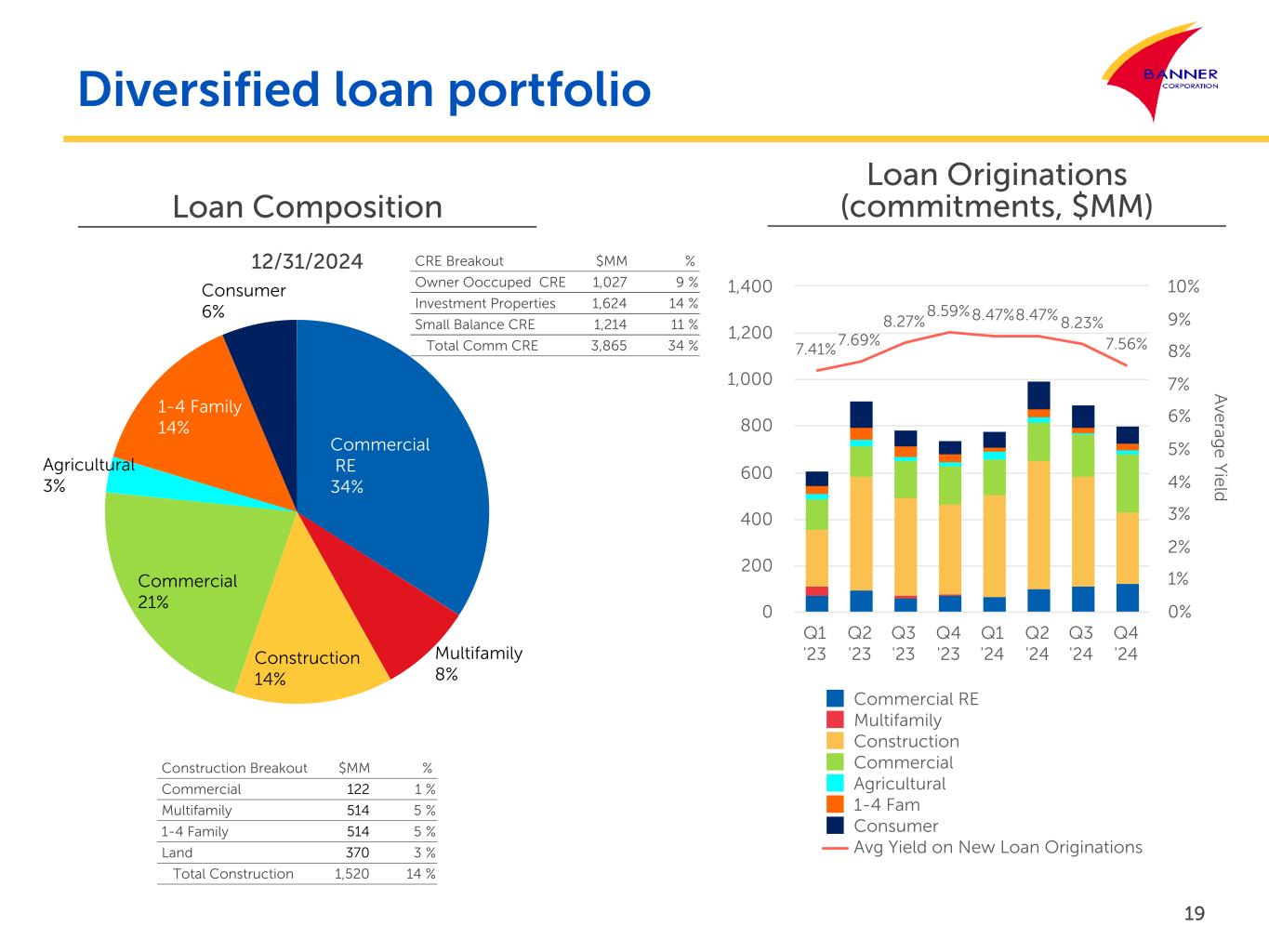
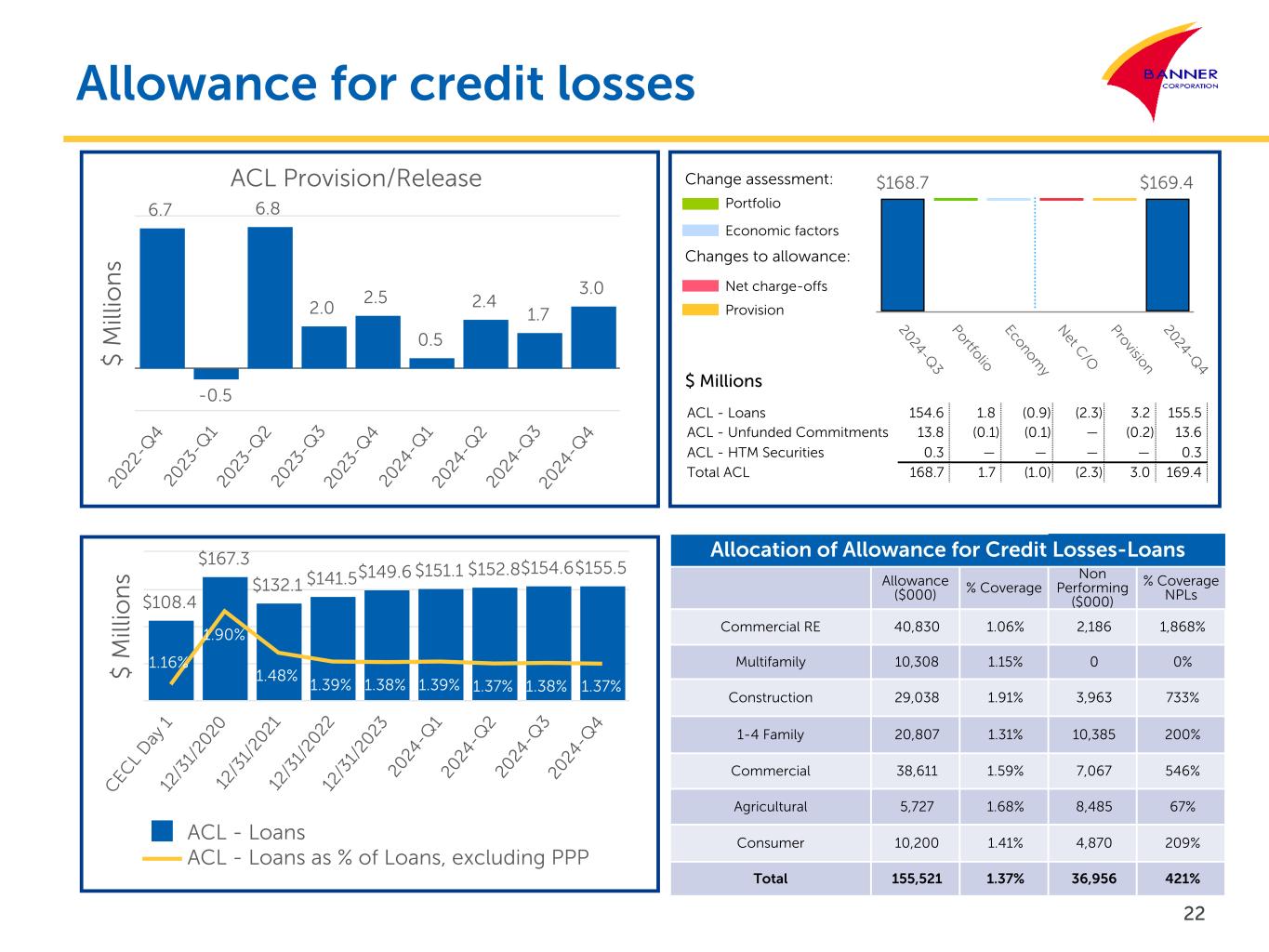
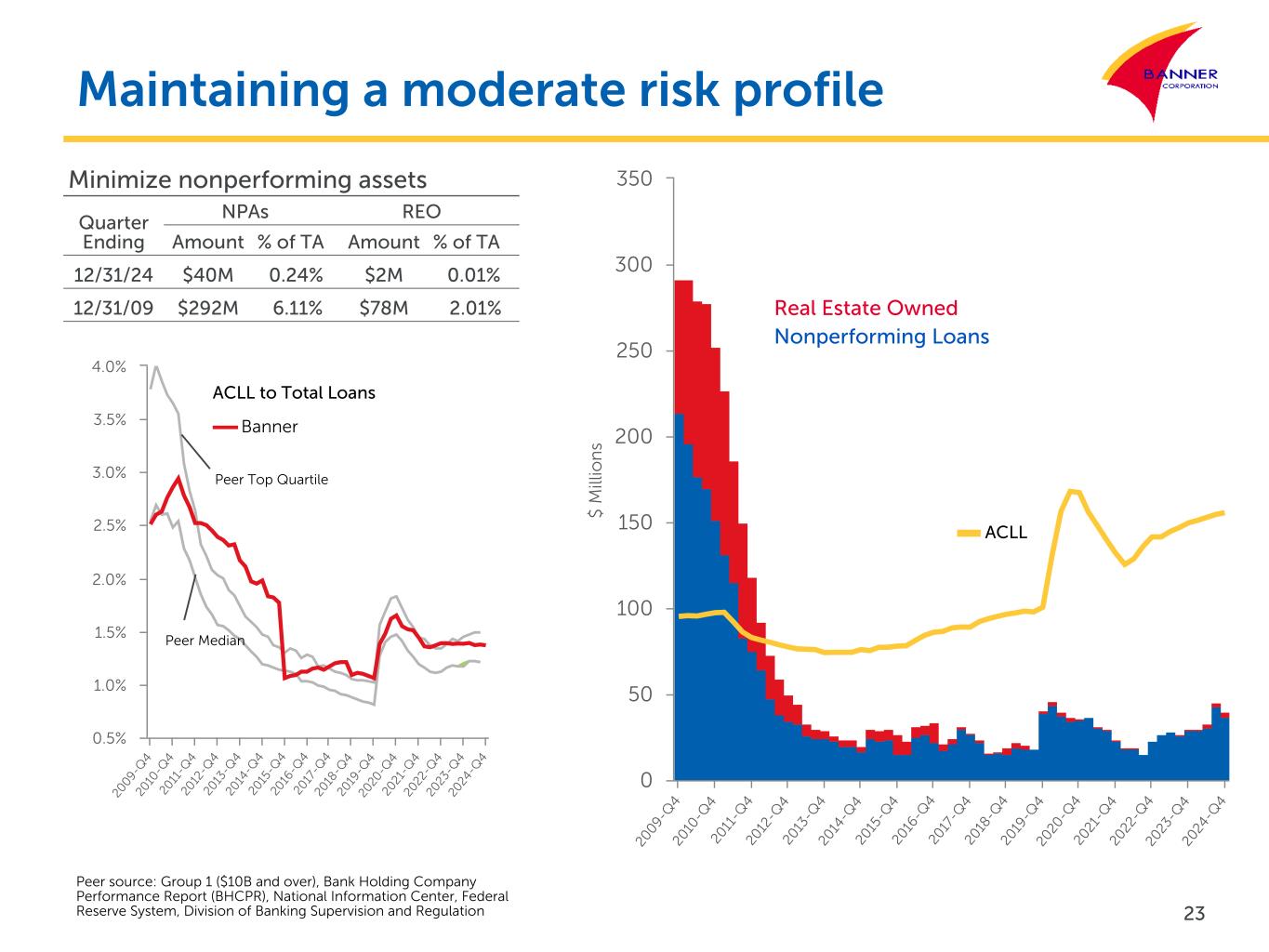
Thank you, Mark, and good morning, everyone. Before I discuss Banner's credit metrics and loan portfolio as of year-end, I, too, want to acknowledge the large-scale devastation that has affected the greater Los Angeles community from the recent wildfires. Banner's exposure from the Palisades and Eaton fires is limited to roughly $1 million in HELOC commitments as of the most recent updates. however the personal losses experienced by these clients their family and their entire neighborhood is nothing short of heartbreaking recognizing that the road to recovery and rebuilding will be long and arduous it is important to say that we will look for ways in which we can support our clients and the communities we serve in those efforts now turning to the loan portfolio delinquent loans ended the quarter at 0.49 percent up nine basis points when compared to both the linked quarter and to the year ending 2023. Adversely classified loans increased $42 million in the quarter and now total 1.69% of total loans compared to 1.34% as of the linked quarter and 1.16% as of year end of 2023. It is important to note that the increase in adversely classified loans is not concentrated in any one business line or industry and similar to the rise in delinquencies is reflective of the impact the current economic environment has had on certain borrowers. Non-performing assets declined $6 million in the quarter and represent 0.24% of total assets, consisting of $37 million in non-performing loans, $2.4 million in REO, and $300,000 in other repossessed assets. While elevated in comparison to recent years, these credit metrics remain modest in light of Banner's loan loss reserve and capital positions and are indicative of our culture of early and proactive portfolio management. The net provision for credit losses for the quarter was $3 million, including a $3.2 million provision for loan losses and a release of $200,000 related to unfunded loan commitments. Loan losses in the quarter totaled $4 million and were offset in part by recoveries totaling $1.8 million. For the year, net losses totaled nominal two basis points of average total loans. The provision is the result of the increase in adverse declassified loans as well as the moderate loan growth experienced this quarter and now provides coverage of 1.37 percent of total loans. This compares to coverage of 1.38 percent as of both the linked quarter and as of year-end 2023. Loan originations decline moderately when compared to the linked quarter, largely due to muted construction and development loan closings and further impacted by reduced consumer demand in the quarter. Loan outstandings, however, grew by $130 million in the quarter and were up $544 million year-over-year, representing 5% growth. I am pleased to note that during the quarter, our commercial lending teams were successful in bringing previous clients back to Banner, as well as closing new and expanding existing relationships. This included several new commercial real estate loans reflected in the growth of both owner and investor CRE totals. Together with small balance CRE, commercial real estate totals were up 72 million, or 8%, on an annualized basis. Similar growth is reflected in the commercial and small business loan totals, up 37 million and 16 million, respectively, quarter-over-quarter. C&I utilization is up 1% this quarter, and year-over-year commercial balances grew by 5%, with small business loans growing another 8%. The reduction in multifamily construction quarter over quarter reflects the payoff of affordable housing projects upon completion of construction and receipt of the various term funding sources. Year over year, however, the multifamily construction portfolio is up 2% as we continue to support both affordable housing projects and to a lesser extent, middle income projects to strong developers across the footprint. the residential construction portfolio at five percent of total loans continues to perform well the for sale product is still benefiting from a reduced level of resale inventory in this higher interest rate environment and while modestly increasing the level of completed and unsold starts remains below historical norms the percentage of all-in-one custom construction projects has continued decline over the past year with commitments down approximately 30 percent as the higher rate environment has muted demand for this product land and land development loans were basically flat in the quarter but have increased by 10 year over year as builders seek to replenish lot inventories that will be necessary in the coming years together when you consider residential commercial and multi-family construction along with land and land development the total construction exposure remains at an acceptable 14 of total loans as expected the agricultural Central loans began their seasonal decline with balances down 6 million or 2% in comparison to the linked quarter, and lastly, we reported modest growth of 16 million or 1% in the consumer mortgage portfolio in the quarter, moderated in large part by the 35 million pooled portfolio sale during the fourth quarter. I will close by reiterating that our credit metrics remain solid and reflective of our moderate risk profile. we continue our long history of robust quarterly portfolio reviews and the level of adversely classified assets remains modest as a percentage of total loans at the close of 2023 i messaged that our credit quality metrics should not be expected to further improve given the economic uncertainty at the time that statement proved true as did my follow-up that we remain well positioned to navigate the balance of the economic cycle we were and we are well positioned to navigate this cycle with a granular loan portfolio that is supported by a strong balance sheet, a robust reserve for credit losses, and capital levels well in excess of regulatory requirements. With that, I will hand the microphone over to Rob for his comments. Rob.
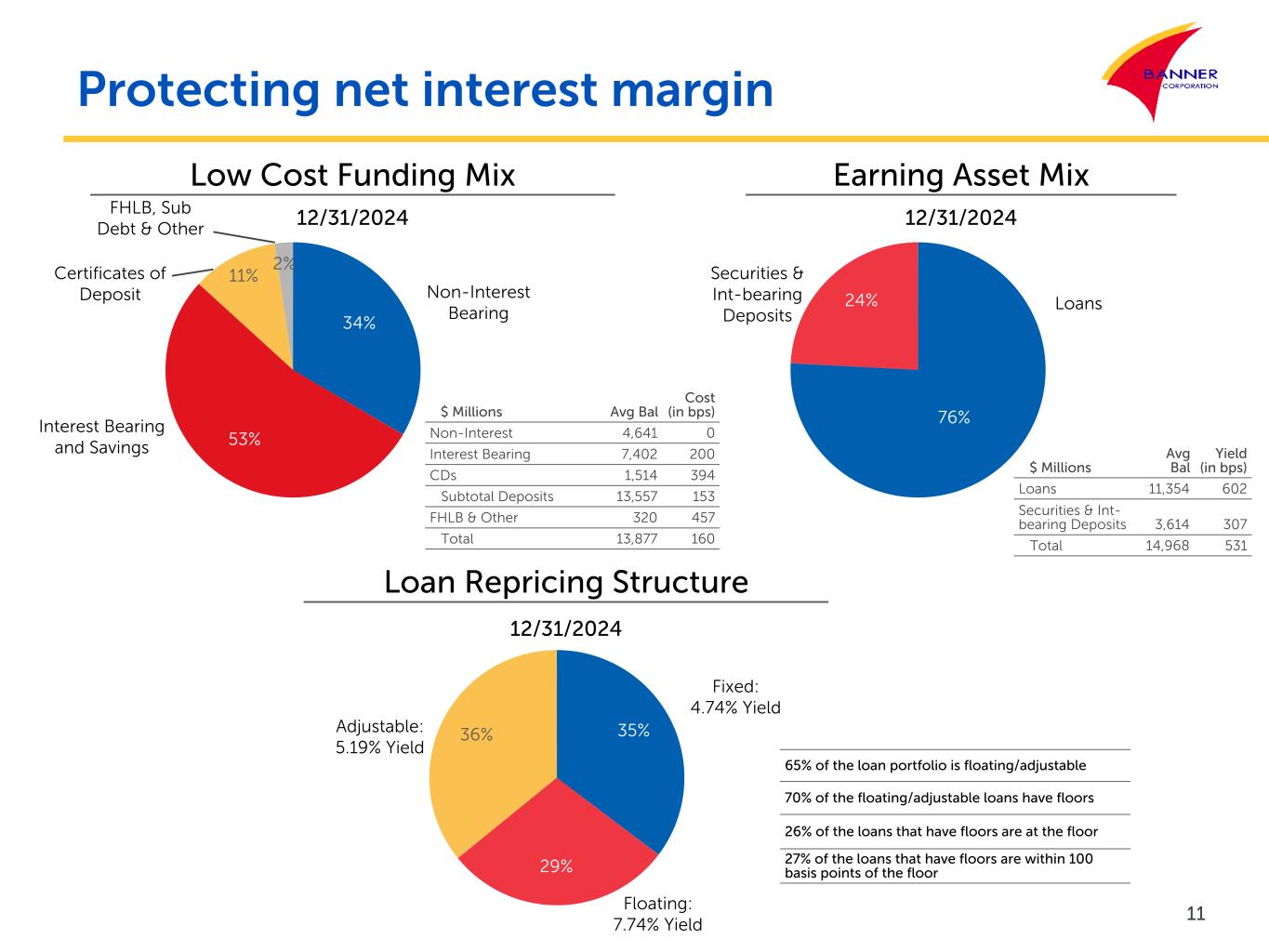
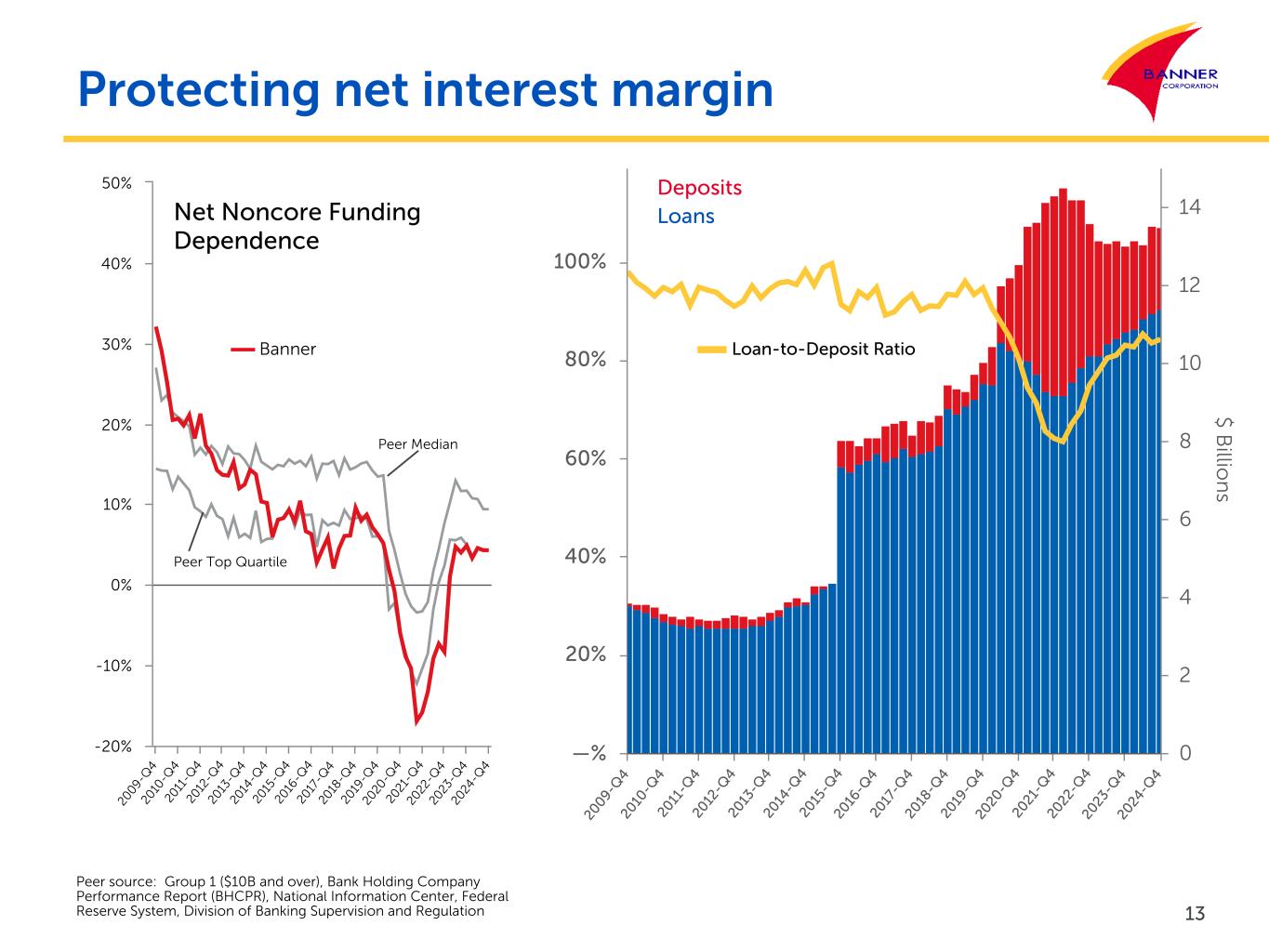
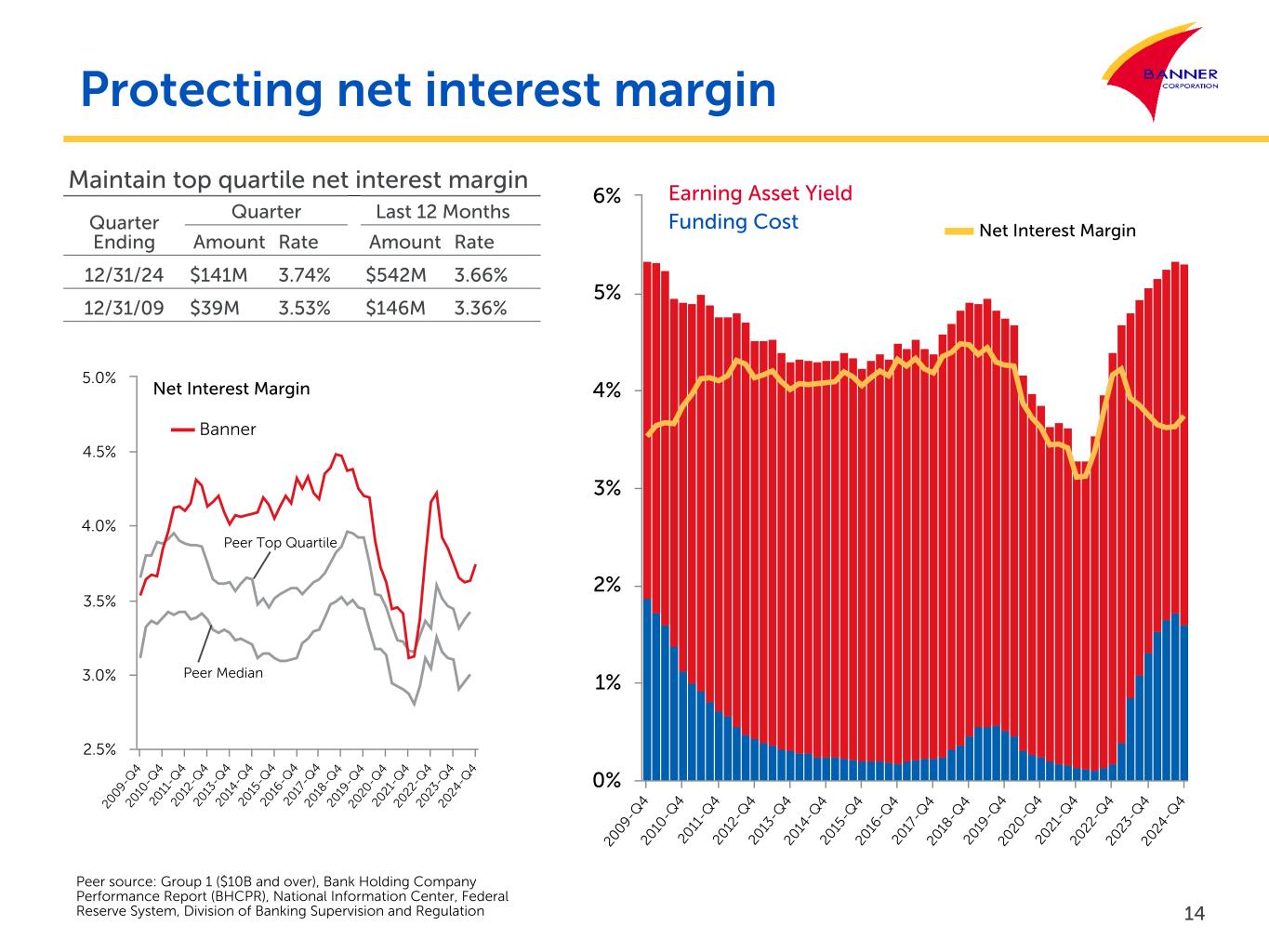
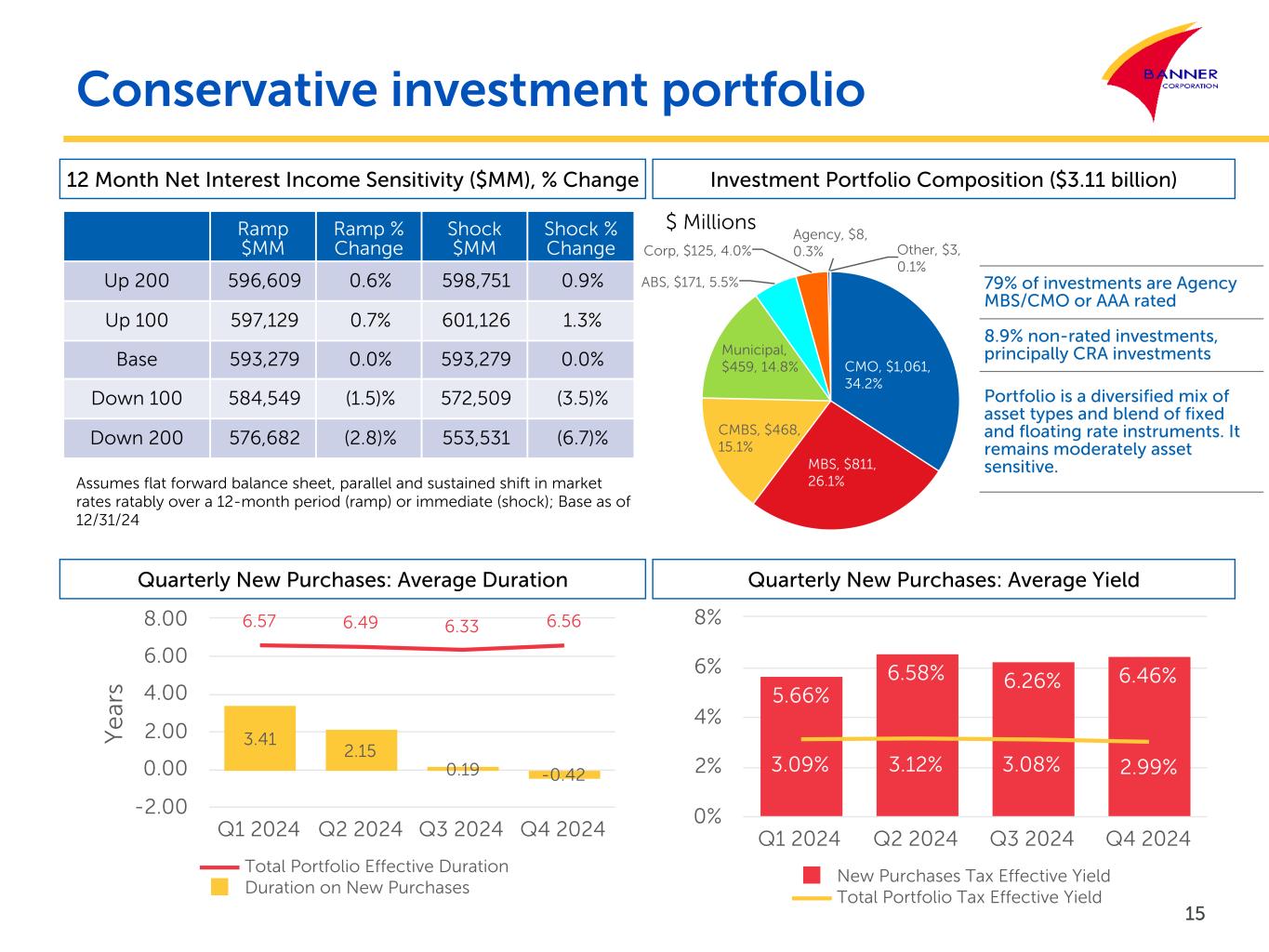
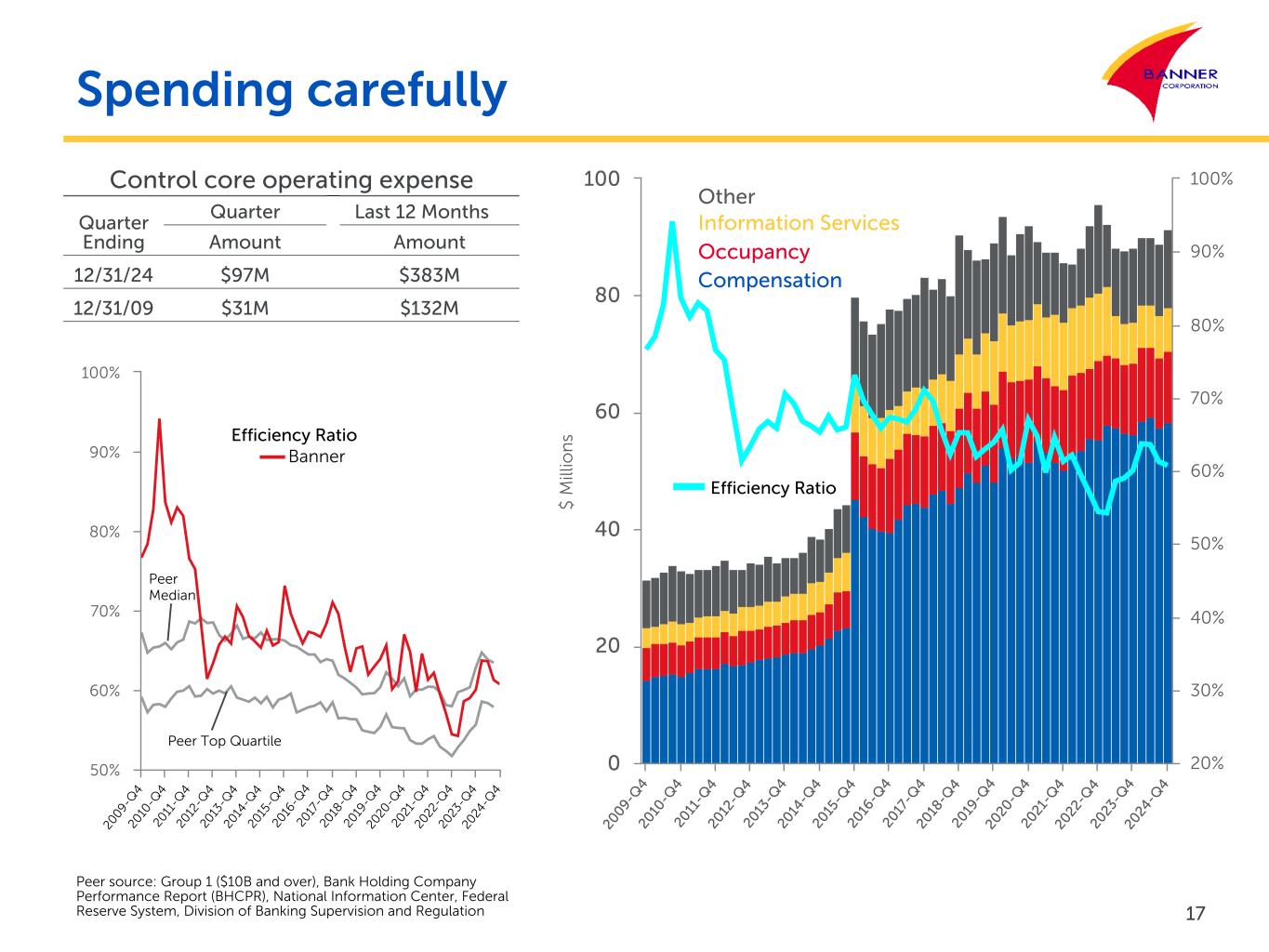
Thank you, Jill. We reported $1.34 per diluted share for the fourth quarter compared to $1.30 per diluted share for the prior quarter. The 4% increase in earnings per share was primarily due to increases in net interest income and non-interest income, partially offset by higher expenses compared to the prior quarter. Total loans increased $83 million during the quarter, with portfolio loans increasing $130 million, partially offset by health for sale loans decreasing $47 million. The decrease in health for sale loans was primarily due to a pulled loan sale of $35 million. The loan to deposit ratio ended the quarter at 84%. Total securities decreased $146 million primarily due to fair value decreases as a result of interest rates increasing during the quarter as well as normal portfolio cash flows. Deposits decreased by $24 million during the quarter due to time deposits decreasing $22 million while core deposits were essentially flat. Core deposits into the quarter at 89% of total deposits same as the prior quarter. Total borrowings increased $32 million during the quarter. Banner's liquidity and capital profile continue to remain strong with robust core funding base, a low reliance on wholesale borrowing, and significant off-balance sheet borrowing capacity. In addition, all of our capital ratios are in excess of regulatory well-capitalized levels. Net interest income increased $4.9 million from the prior quarter due to tax equivalent net interest margin increasing 10 basis points to 3.82 percent and average earning assets increasing 91 million. The 10 basis point increase in net interest margin was driven by the 13 basis point decrease in funding cost as a result of deposit cost decreasing 8 basis points and a larger percentage of funding coming from lower costing deposits as a result of average borrowing balances declining 180 million. The current quarter also benefited from a balance sheet hedge with a negative carry maturing during the quarter, which added four basis points to margin. Non-interest-bearing deposits into the quarter at 34 percent of total deposits. The increase in average earning assets was due to average loan balances increasing 112 million, partially offset by total average interest-bearing cash and investment balances decreasing 21 million the yield on earning assets decreased two basis points driven by loan yields decreasing two basis points and yields on investment and cash decreasing five basis points the decrease in loan yields was a result of variable variable rate loans repricing down due to reductions in the fed funds interest rate partially offset by adjustable rate loans repricing higher, as well as new production continuing to come on at interest rates above the overall portfolio yield and the benefit of the previously mentioned balance sheet hedge maturing. The average rate on new loan production for the quarter was 7.56%. Total non-interest income increased two million from the prior quarter, primarily due to a gain of 735,000 on the sale of a non-performing loan and a gain of $508,000 on the previously mentioned pooled loan sale. Total non-interest expense increased $3.2 million from the prior quarter. The increase reflected higher professional fees and marketing expenses as well as the prior quarter benefiting from a payroll tax refund of $800,000. Our capital and liquidity position gives us the capacity to grow the balance sheet in 2025. This concludes my prepared comments. Now I'll turn it back to Mark.
Thank you, Jill and Rob, for your comments. That concludes our prepared remarks. And Marie, we will now open the call and welcome questions.
Operator
To ask a question, please press star followed by one on your telephone keypad now. If you change your mind, please press star followed by two. When preparing to ask your question, please ensure that your device is unmuted locally. Our first question is from Jeffrey Lee of DA Davidson. Please go ahead.
Thank you. Good morning. Good morning, Jeff. A quick question for Rob on the margin.
Were there recoveries at all in the quarter that that helped margin or were absent that no yeah yeah nothing of an unusual nature there jeff yeah it was really it was really just the uh funding cost that was probably the surprise there i mean we saw the decline in deposit cost of eight basis points but funding costs were down 13 basis points really because our average outstanding fhlp advances were essentially zero for the quarter so the spread between funding costs and deposit costs benefited it and then then we also had that balance sheet hedge that i mentioned in my prepared comments that rolled off about halfway through the quarter that was at a negative carry so that added four
basic points to the margin um on the hedge do we do we kind of treat that as um it's just um it's not one time in nature the benefit was but the it got as if that um i guess i'm trying to back into kind of core margin, nothing artificial in the 382 is kind of what I'm getting at, I suppose.
Yeah, that's correct. Yeah, now that the balance sheet hedge is rolled off, we'll continue to get that benefit each quarter going forward. So the 382 was a pure number.
And Rob, do you have the the december average on margin yeah it was a few basis points higher than the quarterly uh deposit costs were deposit costs for three basis points lower so deposit costs for 150 compared to 153 for the quarter so call it call it two or three basis points higher for december compared to the quarter and as you view 25 in terms of rate positioning you know say where to be done with cuts you get a couple is there any kind of general sensitivity from here um sounds like you're gaining ground on the deposit cost front um more of a wind at the back of the
margin but um just trying to check in on your view of 25. sure yeah if we first look at the first quarter of the year given the rate cut that we saw in december i would expect them to be relatively flat in q1 as loan yields will be down a few basis points that's 29 of our portfolio that are floating will reprice down within 30 days and this will be partially offset by adjustable rate loans continue to reprice up. On the funding side, I would expect to see some decline in deposit costs in the first quarter, but we'll likely see an increase in some of the wholesale borrowing just because Q4 was so unusually low. So I think this will result in the funding cost seeing a smaller reduction in the first quarter compared to deposit cost.
If I just think about the rest of the year in general, I would expect NIM to be flat to down in a quarter following a rate cut assuming no rate cut i would expect that margin would be up a few basis points each quarter i appreciate it that's uh really helpful um maybe mark uh strategically um wanted to check in on the on the mortgage business you know how to how to appear in the in the region with law fed exiting that announcing the exit of the mortgage business or the single family mortgage business are originating um you see any opportunity in that given your
your platform and expertise uh in that in that segment yeah thanks thanks for the question jeff look i think mortgage banking has been um a strength of this organization for 134 years That's what we were founded on. We have focused our mortgage banking business in conjunction with our community bank and retail banking platform. And we continue to see great opportunity in the mortgage operation. And I think as more people exit, I think we have a core competency that we'll be able to take advantage of quite a bit of the market disruption that's occurring now we need some cooperation obviously with interest rates um and hopefully with some some of the burden to get projects to to build i think we're going to have some good opportunity in the mortgage banking um and one quick last one uh jill um five percent growth in 24 thinking
similar levels in 25 as you sit today?
Yeah, we are targeting mid-single-digit growth rates for 2025, Jeff. You know, our commercial pipelines were healthy at the end of the year, even with the strong pull-through. The only thing that, you know, I caveat all of my loan growth with the negative implications of the interest rate environment, potential immigration reform, tariffs, you know, all of that could cause that to pull back some. but as of right now yes we're targeting great uh thank you thanks jeff our next question is from andrew terrell of stephens please go ahead hey good morning good morning andrew um hey if i could
just start on um appreciate all the color on the margin um and the loan growth there just on expenses um how should we be thinking about expense growth in in 2025 and can you maybe highlight any any specific kind of investments here you're looking to make in the year sure thanks Andrew it's Rob so so yeah I mean in in general what I would say for expenses is that I would start with Q4 as kind of a current run rate and then I would expect to see an increase from that in 2025 just based on normal inflationary increases normal wage increases that type of stuff as far as investments that we're making right now, I mean, we've talked about the new loan and deposit origination system that's expected to go live in Q2 this year. Initially, I would expect that will add to expenses initially as we get it fully rolled out.
But once that's fully rolled out, I would expect it to start to create some efficiencies within the organization and add to the scalability of the organization as we continue to grow the balance sheet. got it okay um and if i could just ask a follow-up on the margin um i guess i'm trying to better understand if if the margin was up you know 10 basis points in in the quarter i get that you know four of that was um related to the hedge benefit but that you know carries forward and it sounds like you're you're at a pretty decent kind of starting point december um so far i'm i'm curious as to how the margin could maybe not not go up in the first quarter is it really just you know lagged kind of floating asset repricing down and you don't have as much benefit on the deposit cost side or can you just expand on the on the one key margin dynamics a bit yeah i think that's i think you hit it there i mean we have the the guaranteed reduction on the variable rate product and we know that's coming.
But the other side of it is the deposit cost side of it, which is a little more uncertain out there right now. I think what we saw is that the first 50 basis points, I would say industry-wide, competitor-wise, we saw a higher deposit beta being taken on the first 50 basis points. And then the last two 25 basis points cuts, what we've seen there is now that there's this potential you know higher for longer slower slow down and rate rate cuts from the Fed it seems like some of the competitors are starting to slow down at this point what's the beta that they're taking out of that so I'm building in part of that just this this idea that we might not be able to get as much out of the the December 25 basis point rate cut on the deposit side.
Got it. Understood. And that makes a lot of sense. Okay. Thank you for taking the questions.
Operator
We have a question from David Feaster of Redmond James. Please go ahead.
Hey, good morning, everybody.
I just wanted to follow up kind of on the loan growth side. First of all, if you could just touch on kind of the pulse of your clients, um what you're hearing i mean you know uh with the new year the new election and all that what's the pulse of your clients what are you hearing there and then you saw a nice uptick in cni originations curious where you're seeing opportunity and kind of what drove that thanks david so you know as i initially said that there's a level of optimism among the clients but it's tempered with a kind of wait and see what really happens with some of these other you know activities with the change in the administration.
But the C&I loan growth, as we've talked about before, it takes a long time to pull that through. That's been in the pipeline for some time, and it is across the market. So we saw C&I growth. If you were looking at the loan portfolio growth, California, we saw C&I growth there. We saw C&I growth in Washington. And then in the growth you're seeing in Washington and California, it's really owner-occupied and non-owner-occupied as well more in the non-owner investor real estate in the california market owner occupied in washington but you know our our opportunities are still diversified across the footprint in both product and geography okay perfect and then again you guys have done a great job you know working on on reducing deposit costs and you know you alluded to some of the the dynamics and the prepared remarks about deposit balances and interest bearing movement, all that kind of stuff.
But I'm just curious, as you have these conversations with your clients to reduce deposit costs, you guys have done a great job doing it earlier with less lag. Have you seen any attrition? Have you had any pushback at all?
And just how do you think about your ability to further reduce deposit costs and also on the other side, continue driving core deposit growth? yeah David so what I would say there is that you know the the the conversations that we have directly with the clients is is more tied to the exception price clients and they tend to be you know some of our larger business clients are more sophisticated in nature and so I think they've been receptive to the reductions that we've done there to this point just because they understand you know, the interest rate environment and that all interest rates are going down from a market standpoint. So I think as long as we remain competitive in the interest rates that we're paying them, which we are, then we haven't seen much pushback there necessarily. And I can't say there's been any real exiting of clients or changing related to the reductions that we've done to this point these clients are long-term loyal clients to banner we've been you know obviously there to support their business growth over the years and we're paying them competitive rates and David this is mark let me just add that you know we do put in the release that we actually increase the number of accounts that we had at the end of the year compared to the last quarter but the average balance has stayed the same.
So even though we've had some rate reductions, we really haven't seen.
That's helpful. And then just touching on credit broadly, I mean, credit, you guys do a very good job, you know, proactively and aggressively managing credit, you know, quick to downgrade, slow to upgrade and all that. Curious, is there anything that you're seeing broadly, you know, that that's causing you any concern or just curious what you're seeing on the credit side?
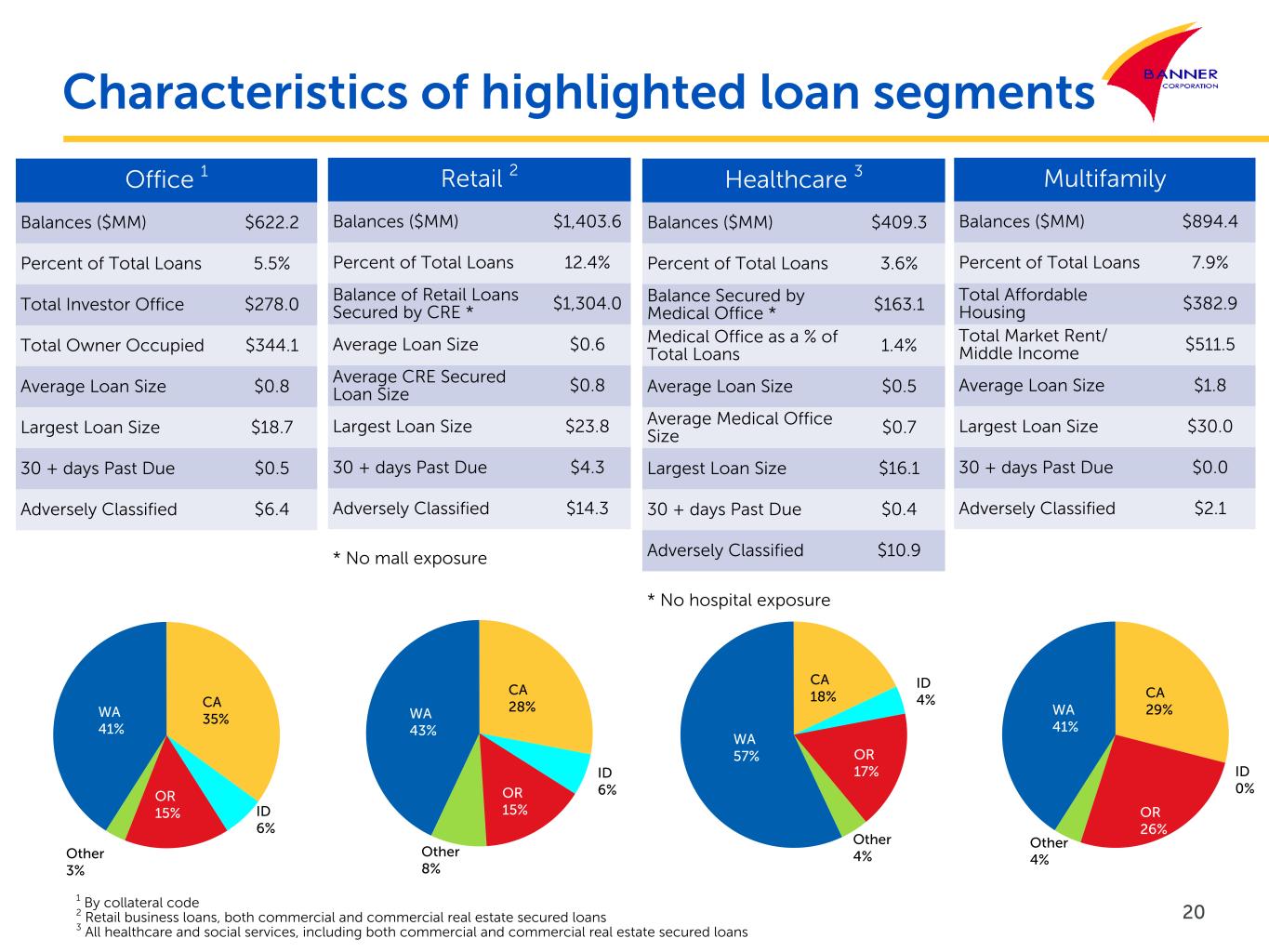
And then just specifically within the ag segment, just looking at the the reserve allocation uh that you guys provide you continue to increase the allocation to ag curious what you're seeing there and is there anything that you're specifically worried about on that front so to ag the lower commodity prices have certainly impacted some of the borrowers within that portfolio and that could put more strain on the smaller borrowers in the near term as you think about the reserving there we had the downgrade to substandard last quarter in the ag portfolio part of the downgrade in this quarter as well are two additional ag credits in the northern california market so that's why you're seeing the reserve growing in that portfolio i think it's important to reiterate that the ag portfolio is three percent of the loan book so it's a pretty small percentage in total but certainly we're watching that whole ag market with commodity prices and the cost of just general operations. Outside of that, I expect that further credit deterioration is really going to be more idiosyncratic, but the higher interest rate environment has been seen most notably across the consumer and small business sectors. So we're continuing to keep our eyes there.
Okay, that's helpful. Thanks, everybody.
Operator
As a reminder, to ask a question, please press star followed by one on your telephone keypad. We have a question from Andrew Leish of Piper Sandler. Please go ahead.
Good morning, everyone. Good morning. We've heard quite a bit of optimism from your peers for the M&A environment for 2025. Mark, how has been the cadence and the pace of your conversations with prospective targets?
Well, thank you for the question, Andrew. It is the same that it has been. I think everybody's recognizing that it's still going to be a competitive environment. And even though that we've got a bit of a tailwind behind us, it's going to be competitive. It's going to continue to be competitive. There's continued investment that needs to be made in technology and scale will matter. And so I would characterize the conversations as being positive and much more realistic in terms of what needs to be done over the course of the next several years. And scale is going to mean that you can reinvest in your franchise and continue to take market share or at least hold on to market share by reinvesting in your organization and that's going to take scale so i would characterize the conversations as positive got it um you've uh covered all my other questions i'll step back thanks thank you andrew we have a question from kelly mota of kbw please go ahead hi good morning thanks for the question um i i apologize um if
this has been covered already i joined a bit late um but you know looking across your your four state footprint you're in some some really great markets wondering you know of your your footprint are there areas where you're looking to add scale or density pick up teams um and if where you're seeing the best growth opportunities right now whether it be just driven by the economic engine of that msa versus um also just market share gains thank you kelly this is mark i i i think you summed it up very very well which is
we're in some very excellent markets that we feel excited about in terms of growth and what may happen over the next several years in terms of economic prosperity in our regions rise one particular market outside of any other in our footprint. What I would concentrate on is we feel very good where we're at. We're creating brands in all of our markets. And with the amount of market disruption that's occurring and continues to occur, quite frankly, we've been very good at hiring and adding additional banks to fit the banner culture and will help us continue to build a brand. So I think there's going to be continued opportunity as they want to associate themselves with an organization can deliver and we're gaining attention and being the employer of choice.
Got it. That's helpful. And then maybe just one more follow-up question on the loan growth outlook. It feels like many of our banks are getting more optimistic about their loan growth prospects. You guys grew loans 5% this year, and I think you reiterated mid-single digits again. Is that number conservative, and what could be the factors that could drive you above that growth rate, or are you really trying to stay balanced on growth? I'm just wondering if there's potential upside to that growth number and how that could look and play out.
Sure, I think, I mean, on the one hand, market disruption could give a lot of upside to that number, but I can't ignore the potential downsides either, which is the uncertainty that I talked about, Kelly, with the, you know, interest rate environment that we don't, you know, hire for longer. immigration reform that could have a significant impact on several of our clients and you know the ability to continue to grow and then tariffs as well in our marketplace you know that certainly will have an impact so i got to play middle of the road there because you've got positives and negatives so that's where we're at the mid single digit got it fair enough thank you joe
Operator
We currently have no further questions, so I will hand back to Mark for closing remarks.
Thank you, Marie. As I've stated, we're very proud of the Banner team and our 2024 performance. Thank you for your interest in Banner and for joining our call today. We look forward to reporting our results to you again next quarter. Have a great day, everyone. Thank you.
Operator
This concludes today's call. Thank you for joining. You may now disconnect your lines.