Operator
Good day, ladies and gentlemen, and welcome to Chimera Investment Corporation's First Quarter 2025 Earnings Call. All lines have been placed on a listen-only mode, and we will open the floor for questions and comments following the presentation. It is my pleasure to turn the floor over to your host, Victor Falvo, Head of Capital Markets. Welcome, Sir. The floor is yours.
Speaker 1
Thank you, operator, and thank you everyone for participating in Chimera's first quarter 2025 earnings conference call. Before we begin, I'd like to review the Safe Harbor statements. During this call, we will be making forward-looking statements which are predictions, projections, or other statements about future events. These events are based on current expectations and assumptions that are subject to risks and uncertainties which are outlined in the risk factors section in our most recent annual and quarterly SEC filings. Actual events and results may differ materially from these forward-looking statements. We encourage you to read the forward-looking statement disclaimers in our earnings release and our quarterly and annual filings. During the call today, we may also discuss non-GAAP financial measures. Please refer to our SEC filings and earnings supplement for reconciliation to the most comparable GAAP measures. Additionally, the content of this conference call may contain time-sensitive information that is accurate only as of the date of this earnings call. We do not undertake and specifically disclaim any obligation to update or revise this information. I will now turn the conference over to our President and Chief Executive Officer, Phil Kardis.
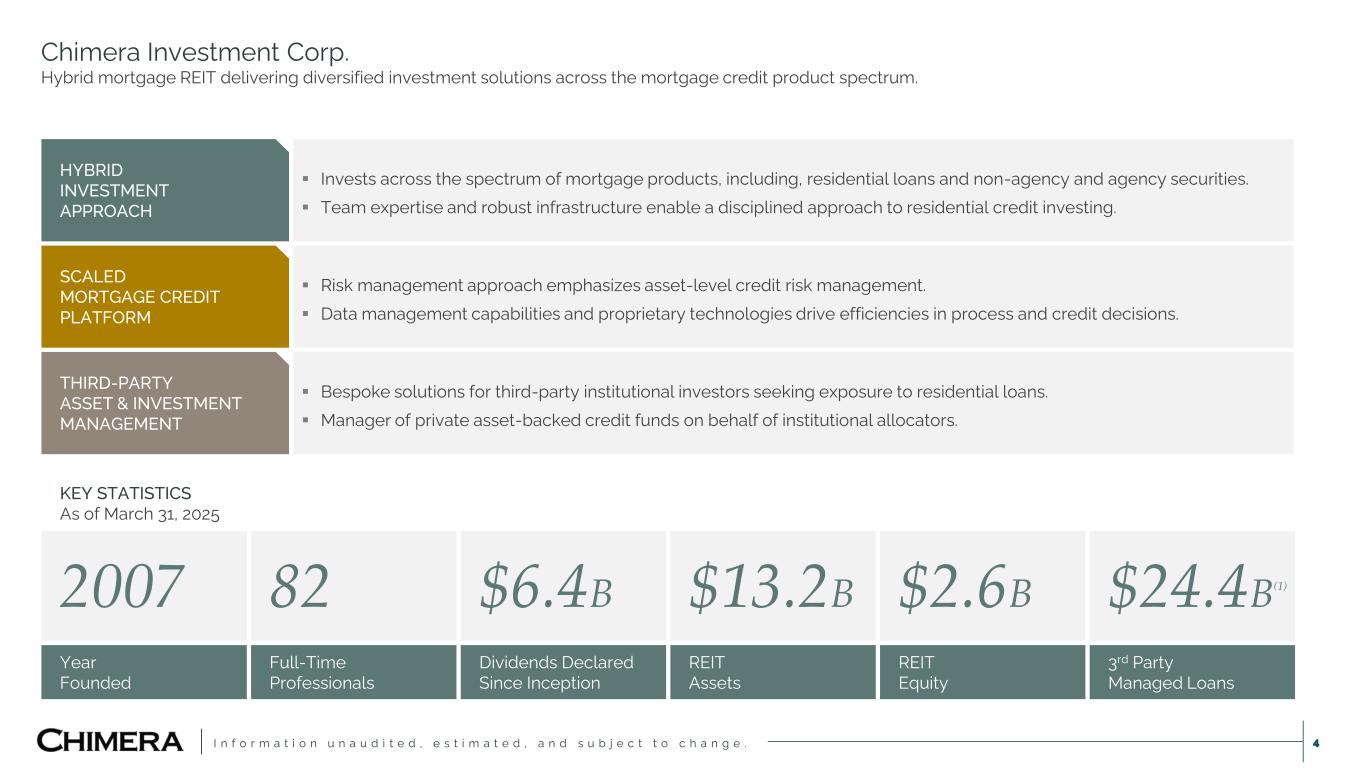
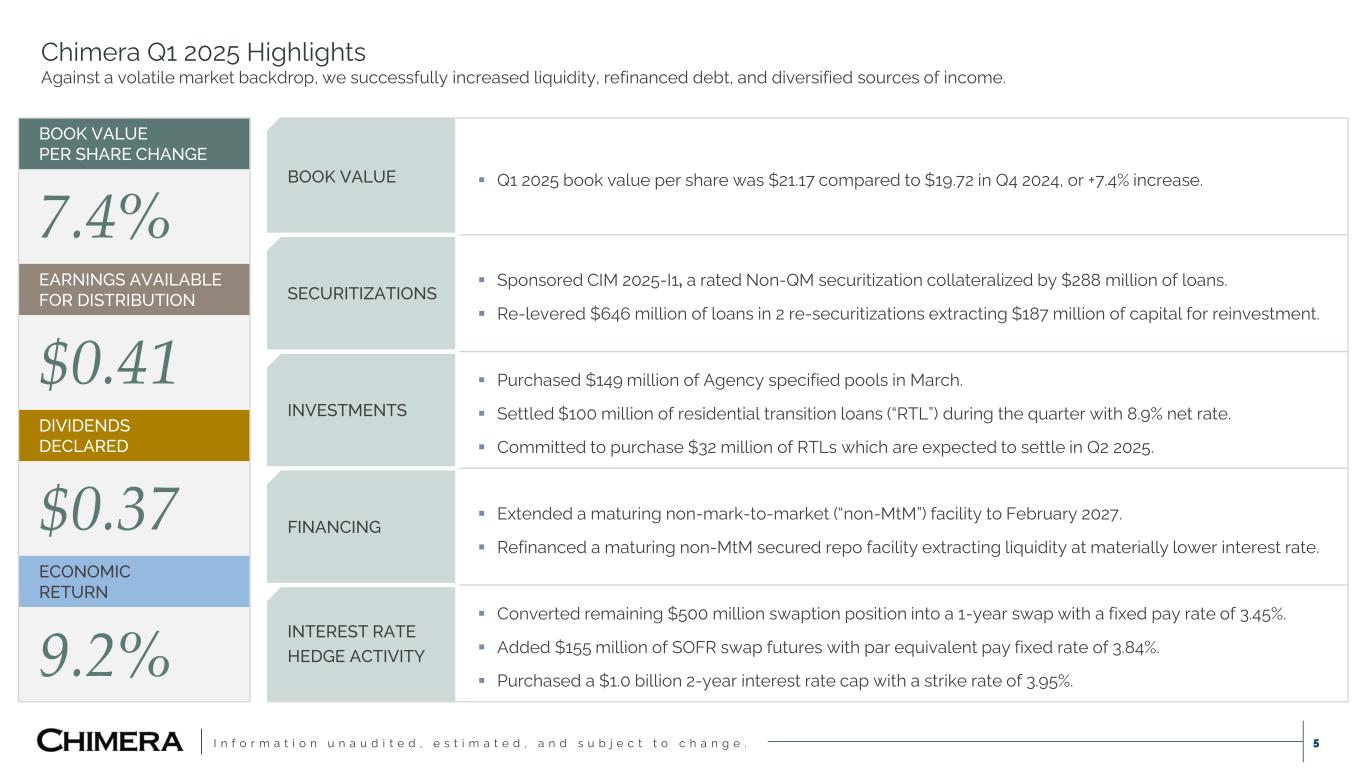
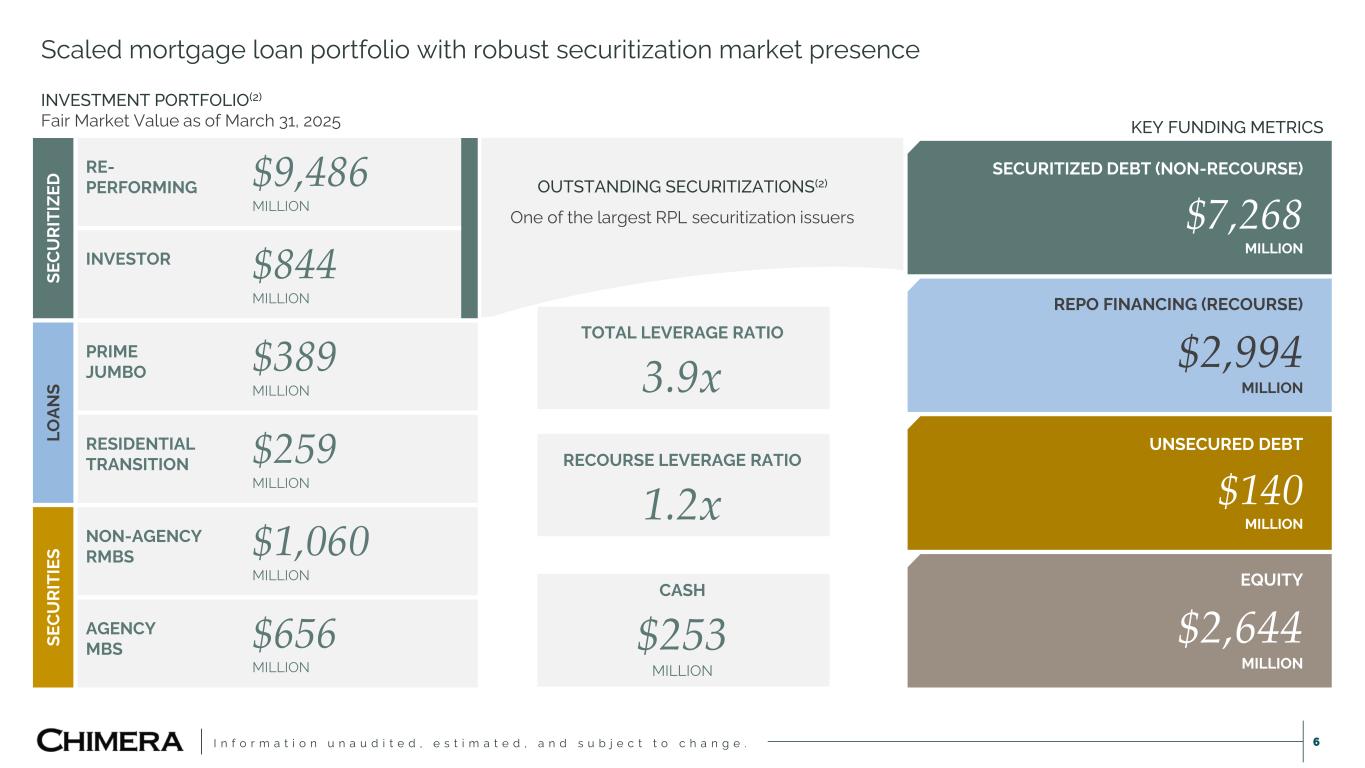
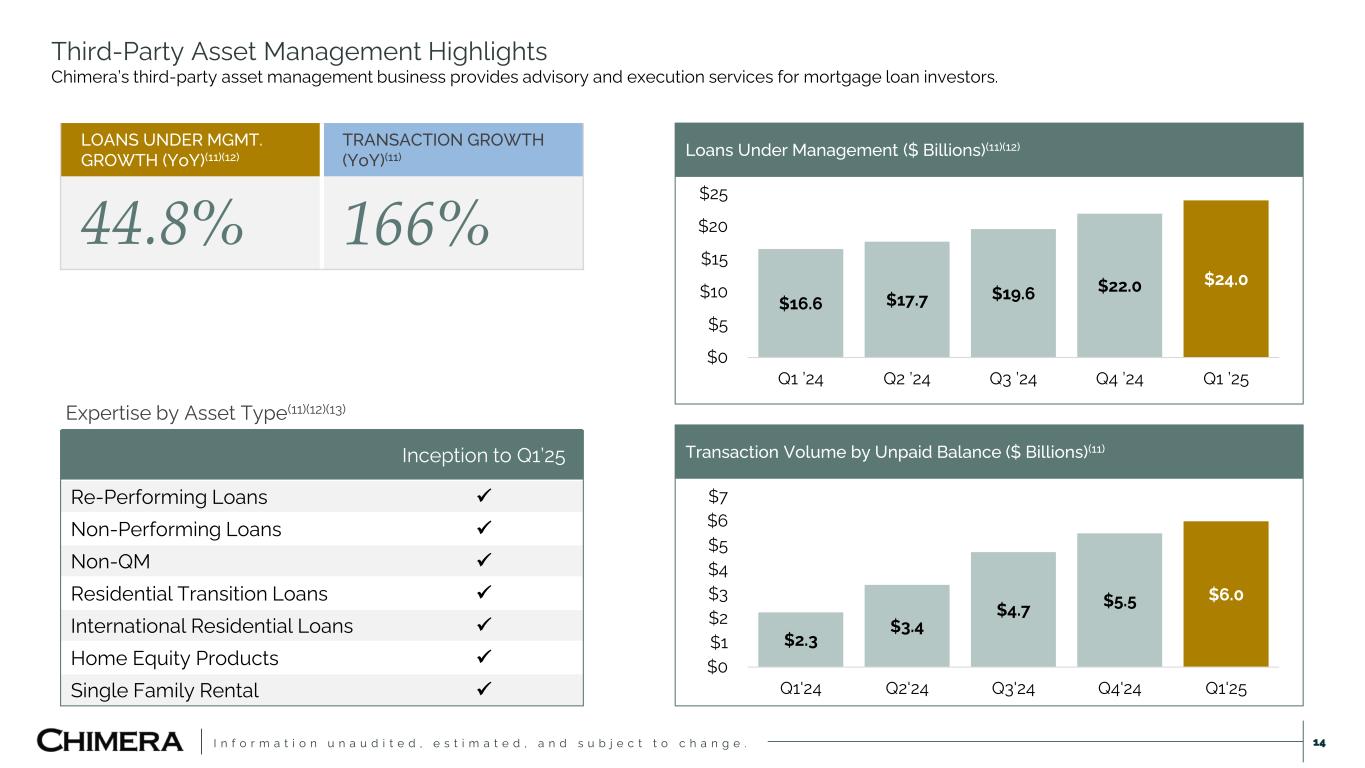
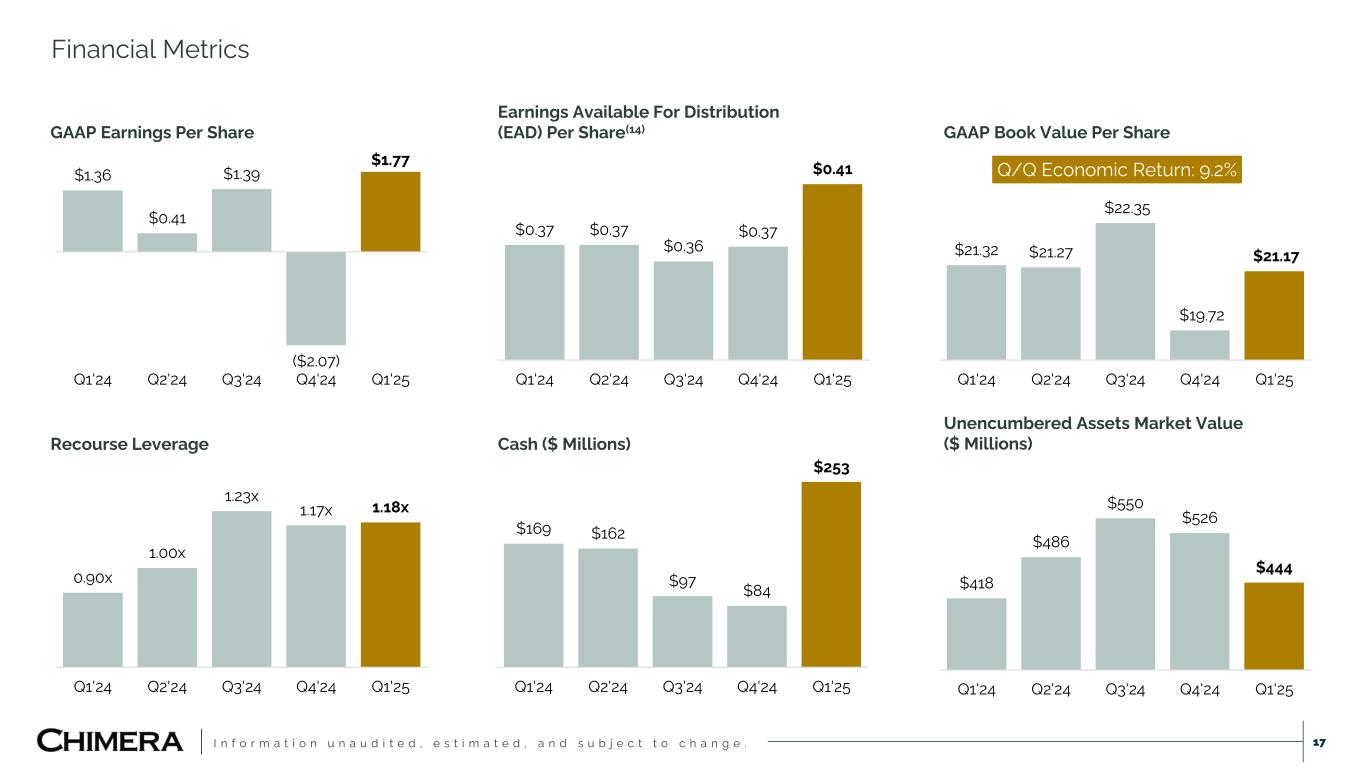
Thanks, Vic, and good morning, and welcome to Chimera Investment Corporation's first quarter 2025 earnings call. It’s great to have you with us today. Joining me on the call are Jack Macdowell, our Chief Investment Officer; Subra Viswanathan, our Chief Financial Officer; and Vic Falvo, our Head of Capital Markets and Investor Relations. After my remarks, Subra will review the financial results, and then Jack will review the portfolio before opening the call for questions. This has been a strong quarter for Chimera. Earnings available for distribution improved by 11%, our book value increased by 7.4%, and our economic return was 9.2%. This quarter also marked something new; it was our first full quarter into acquiring Palisades. The integration was fast, seamless, cultural fit, excellent; strategic alignment, even better. Whether it's third-party advisory, portfolio oversight, or core investment strategy, Palisades is now part of the Chimera platform. Third-party loans under management by Palisades Advisory Services are up 43% year-over-year, including an increase of $1.5 billion during the first quarter to nearly $24 billion. Today, when you combine our on-balance sheet assets with the assets we manage for others, we're at nearly $37 billion. That's everything in the residential mortgage market, from reperforming, jumbo prime, residential transition and non-QM loans to agency RMBs and residential equity products. It's a deep, diversified residential mortgage platform, and is backed by over $2.6 billion in equity. Why does this matter? Because we are not just adding businesses, we're building capabilities, we're diversifying our revenue, and it's already having a real impact on our bottom line. We also made impactful balance sheet moves. This quarter, we exercised our call rights on all our non-Remic securitizations and issued two new securitizations backed by those loans. This was effectively a cashout refinancing that unlocked $187 million at a reinvestment hurdle below 6%, and there's more. In January, we acquired and securitized $288 million in non-QM loans. We're holding retained bonds unlevered on our balance sheet, and expect a low teen return. In March, we picked up $149 million of agency specified pools. We also settled a $100 million residential transition loans during the quarter. In each case, we expected mid-teen levered returns. And lastly, we refinanced two key non-mark to market facilities before market volatility hit; increasing their capacity, improving their terms, and extending their maturities. Importantly, we extracted more than $100 million of additional cash from these refinancings. So what's next? Even in a volatile market we're holding steady. As of earlier this week, we estimate the current book value to be flat to slightly down from the end of the first quarter. We're continuing to grow our third-party loans under management. We're adding agency RMBS assets to deliver returns, liquidity, and flexibility; and we're doing it all with a stronger balance sheet and more liquidity than we had at the start of the year. Looking ahead to the rest of 2025, we're staying focused. We expect to diversify the portfolio, grow recurring fee income, add liquidity, and look for opportunities to add accretive platforms. Here's the big takeaway. We're not just playing defense, we're building Chimera into a hybrid mortgage REIT that's resilient and diversified. Now, I'll hand it off to Subra to walk you through the financials.
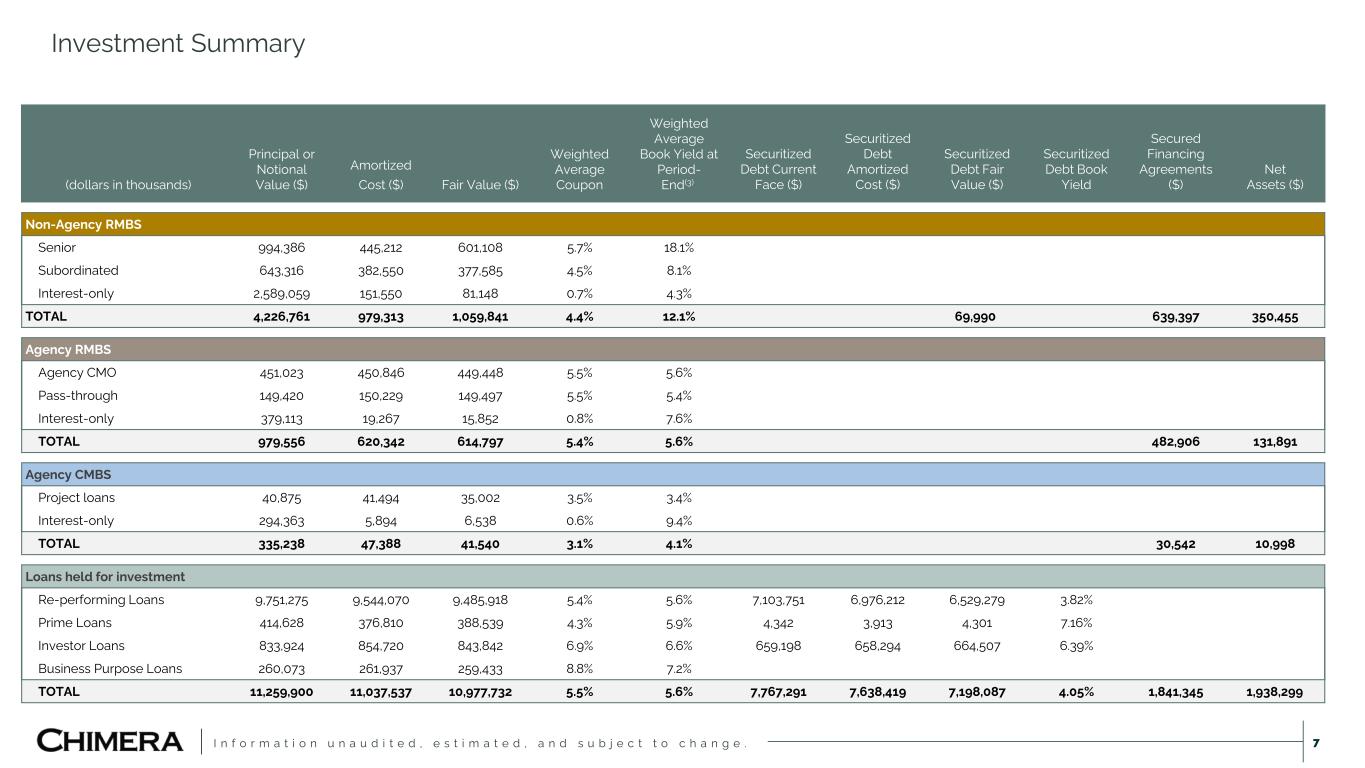
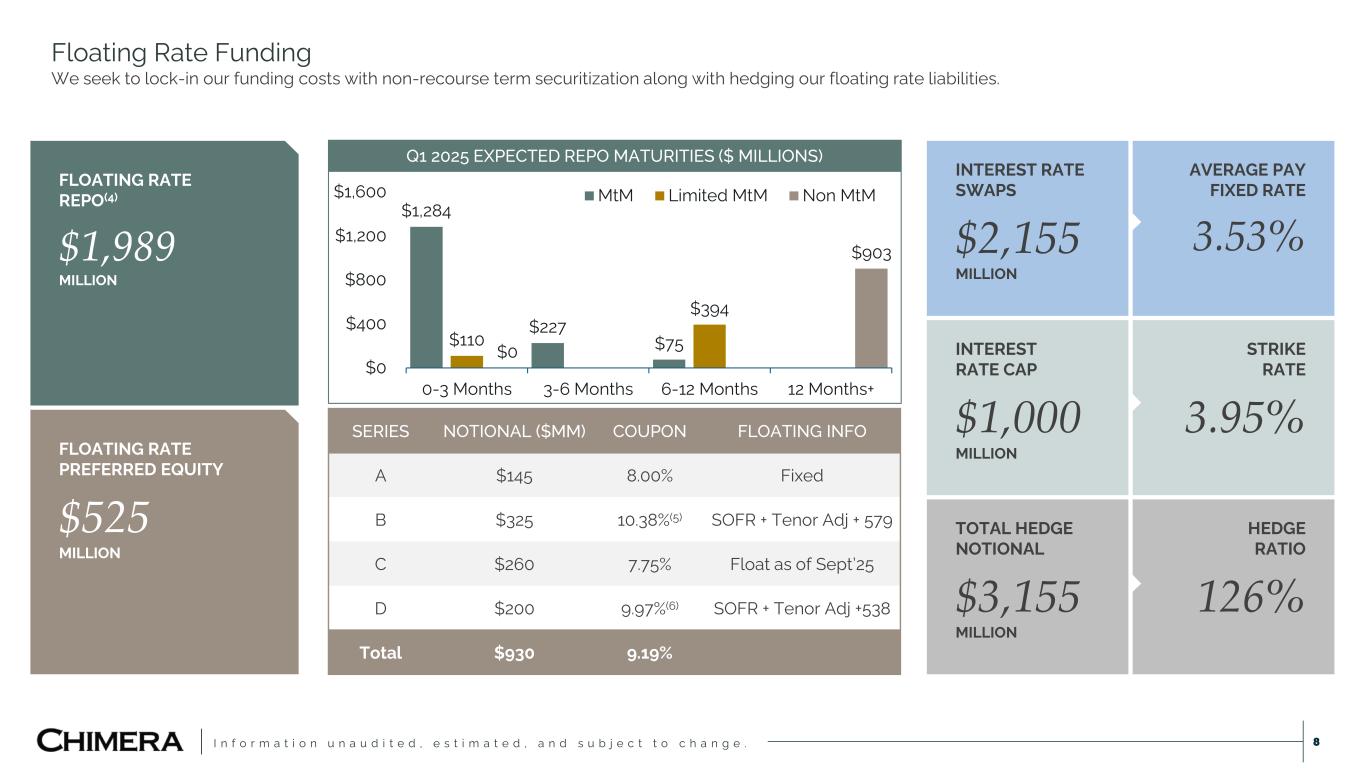
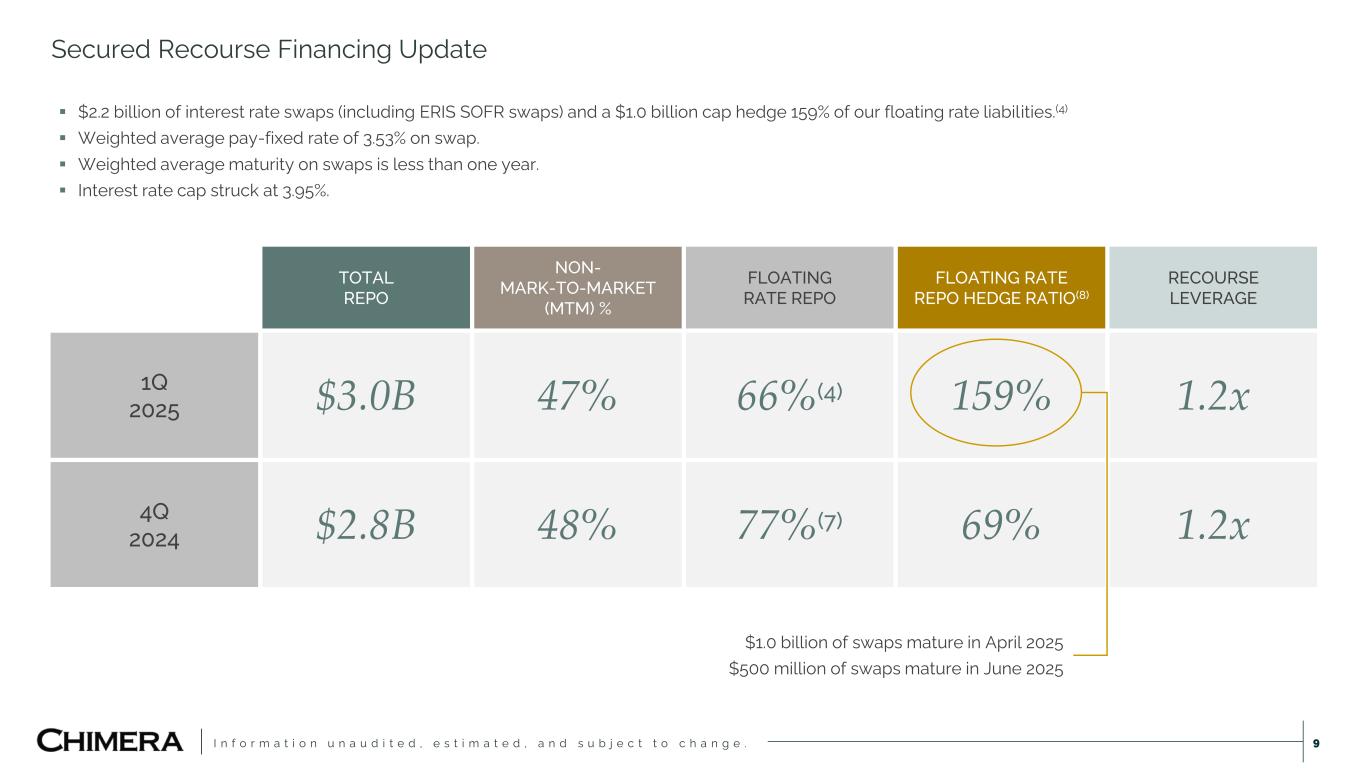
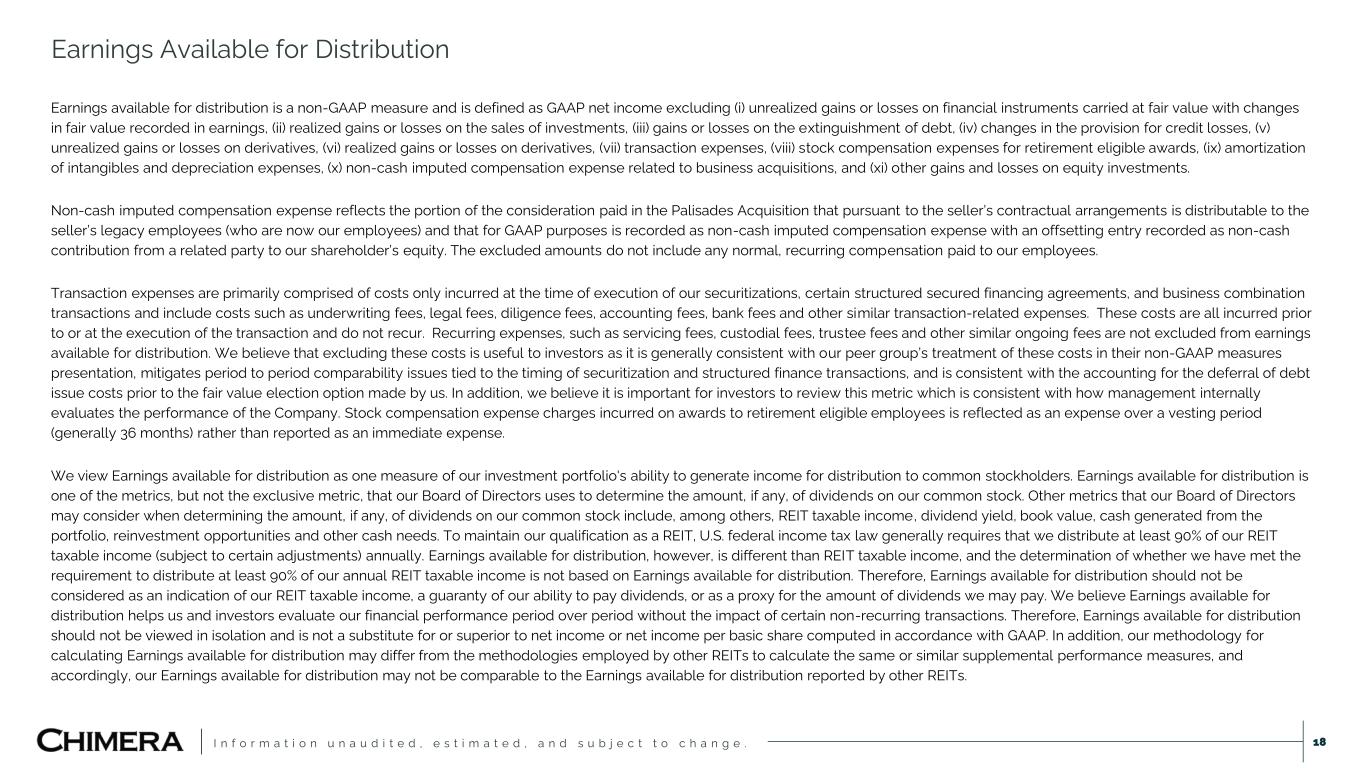
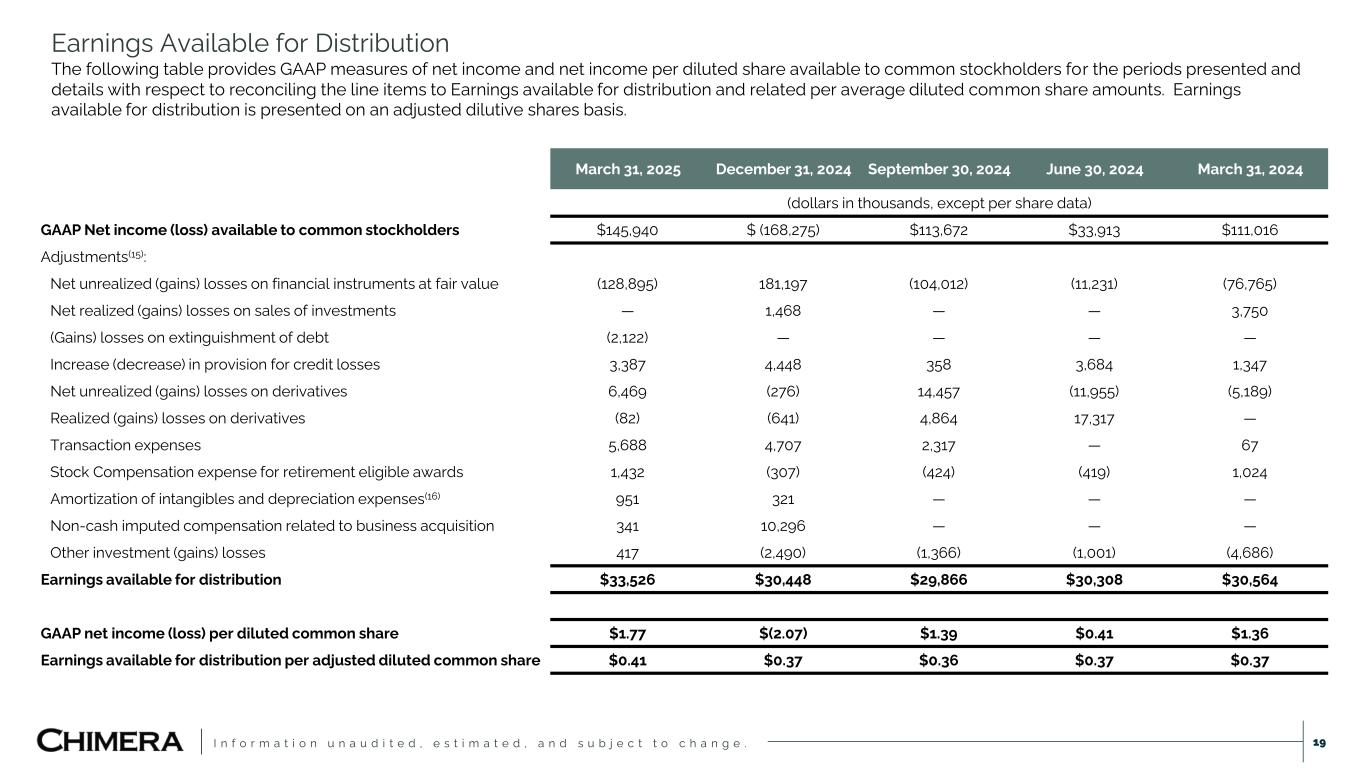
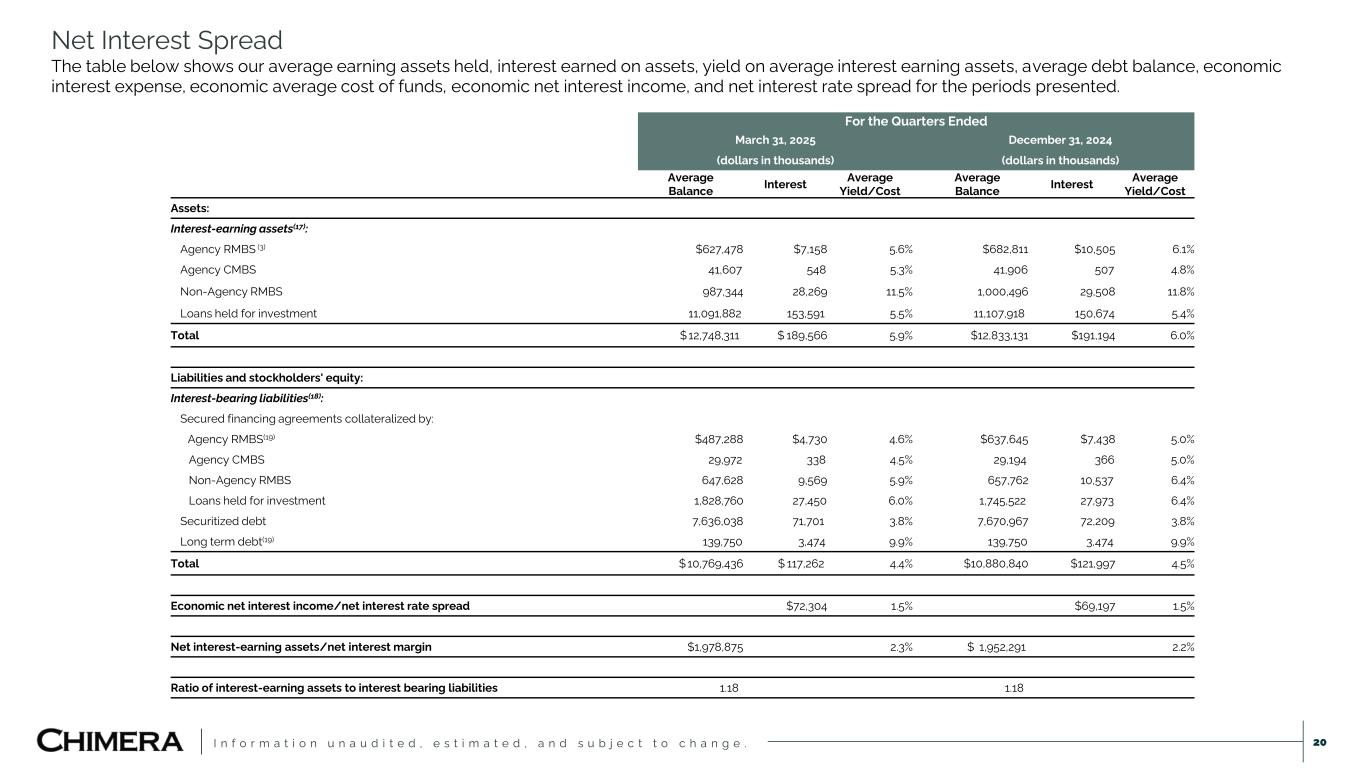
Thank you, Phil. I will review Chimera’s financial highlights for the first quarter of 2025. GAAP net income for the first quarter was $145.9 million, or $1.77 per share. GAAP book value at the end of the first quarter was $21.17 per share. For the first quarter, our economic return on GAAP book value was 9.2% based on the quarterly change in book value and the $0.37 first quarter dividend per common share. On an earnings available for distribution basis, net income for the first quarter was $33.5 million or $0.41 per share. Our economic net interest income for the first quarter was $72.3 million. For the first quarter, the yield on average interest-earning assets was 5.9%, our average cost of funds was 4.4%, and our net interest spread was 1.5%. Total leverage for the first quarter was 3.9 to 1, while recourse leverage ended the quarter at 1.2 to 1. For liquidity and securitized financing, the company ended the quarter with $697 million in total cash and unencumbered assets. In January, we closed on our CIM 2025-I1 securitization. As part of a strategy to mitigate securitization execution risk on certain securitizations, we will short 2-year Treasury future contracts to protect the net interest spread of CIM 2025-I1. This short position was closed out in January. In March, we exercised our call rights and terminated 7 outstanding CIM securitizations and refinanced the loans with 2 new CIM securitizations, enabling the company to extract $187 million in cash. Jack will review in more detail the economics of this activity during his prepared remarks. For repo and hedging, we had $2 billion floating rate sensitivity on our outstanding repo liabilities, and we had $3.2 billion in notional value of various interest rate hedges. Of this total, we have $1.5 billion hedge positions rolling off during the second quarter which will result in a more balanced library hedge position. We had $1.4 billion in either non or limited mark-to-market features on outstanding repo agreements representing 47% of our secured recourse funding. During the quarter, we converted a long position in $500 million swaption into a 1-year pay fixed interest rate swaps with a rate of 3.45%. This quarter we also entered into a $1 billion 2-year interest rate cap with a 3.95% strike to protect against future interest rate movements as existing interest rate swaps matured. We executed on a total of $155 million pay fixed EAD swap futures at a weighted average far rate equivalent pay fixed rate of 3.84%. For the first quarter of 2025, our economic net interest income return on average equity was 11.2%. Our GAAP return on average equity was 25.9%, and our EAD return on average equity was 8.1%. And lastly, compensation, general, administrative, and servicing expenses were marginally quarter-over-quarter when excluding included compensation expenses related to the Palisades acquisition. Our transactional expenses were $5.7 million this quarter, reflecting the costs associated with increased securitization activity. I will now turn the call over to Jack to review our portfolio and securitization activity.
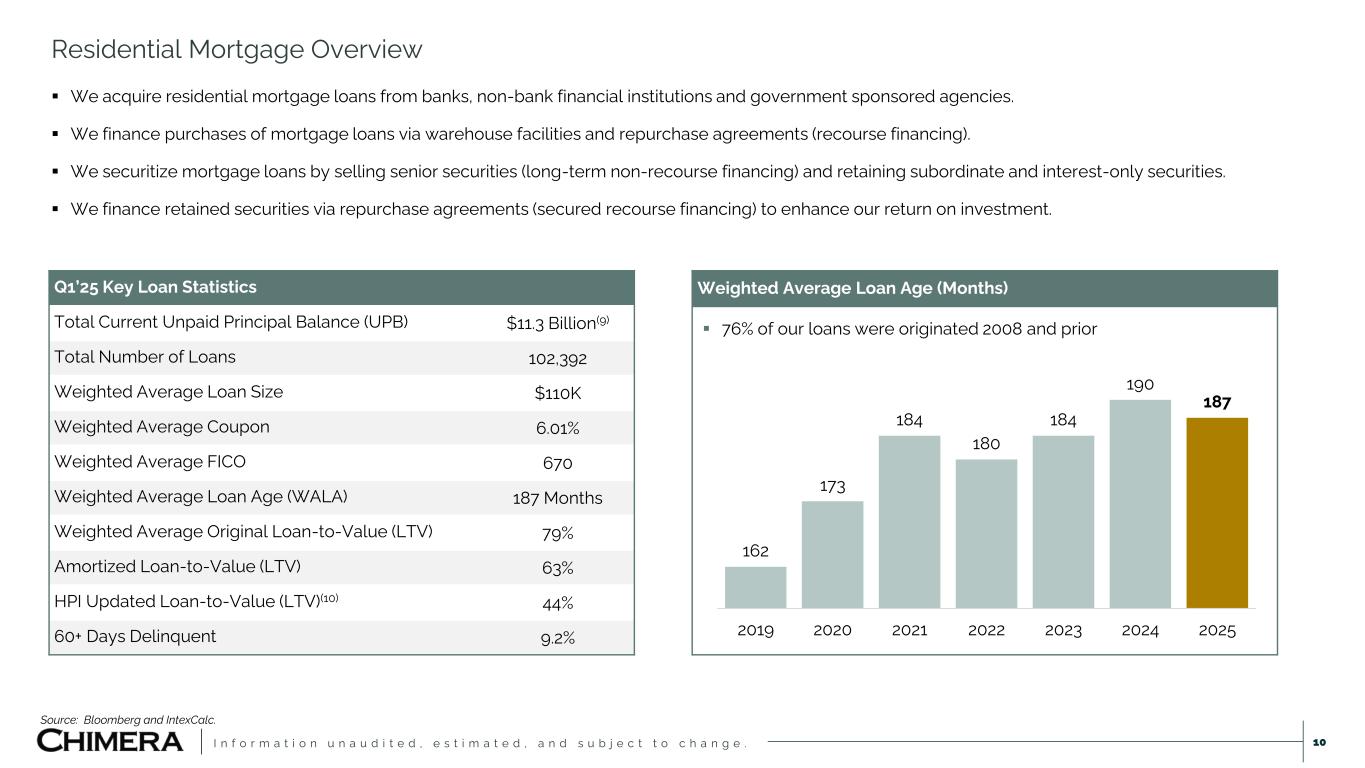
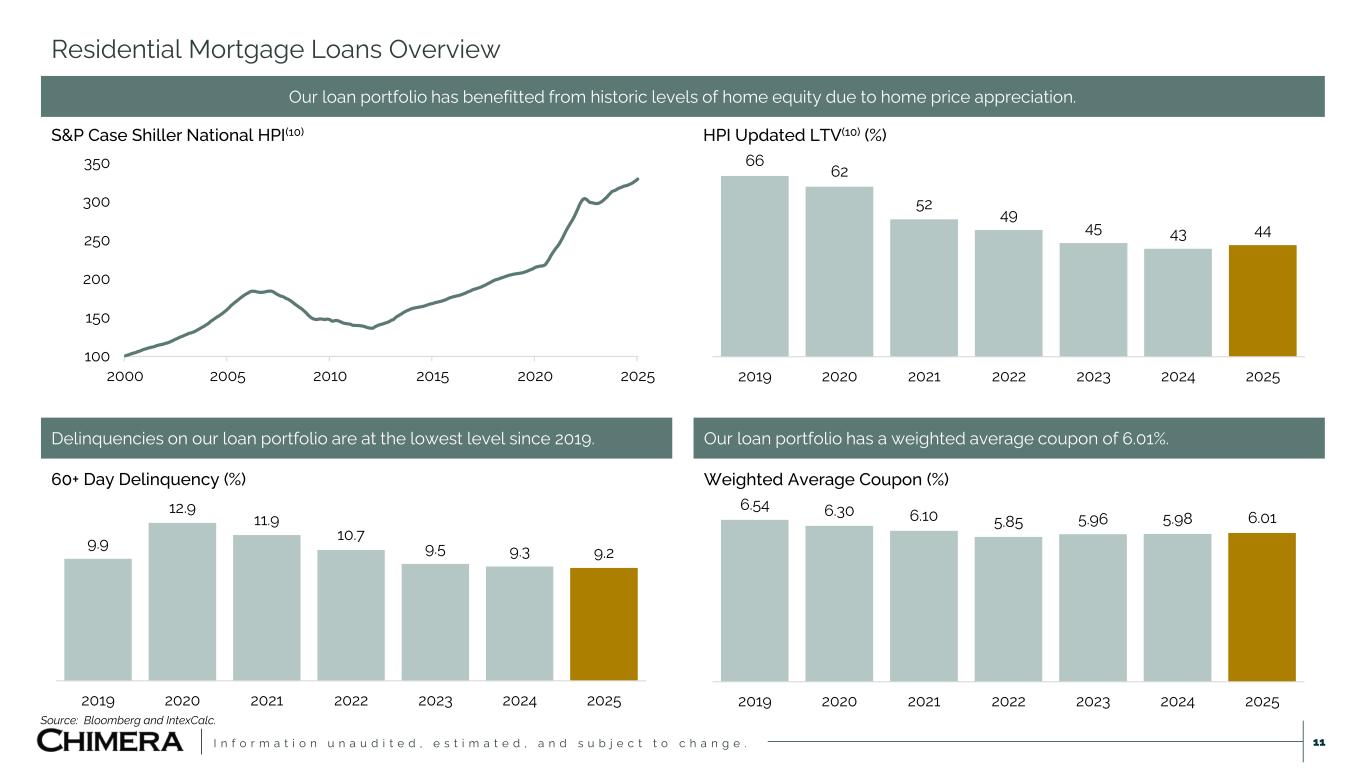
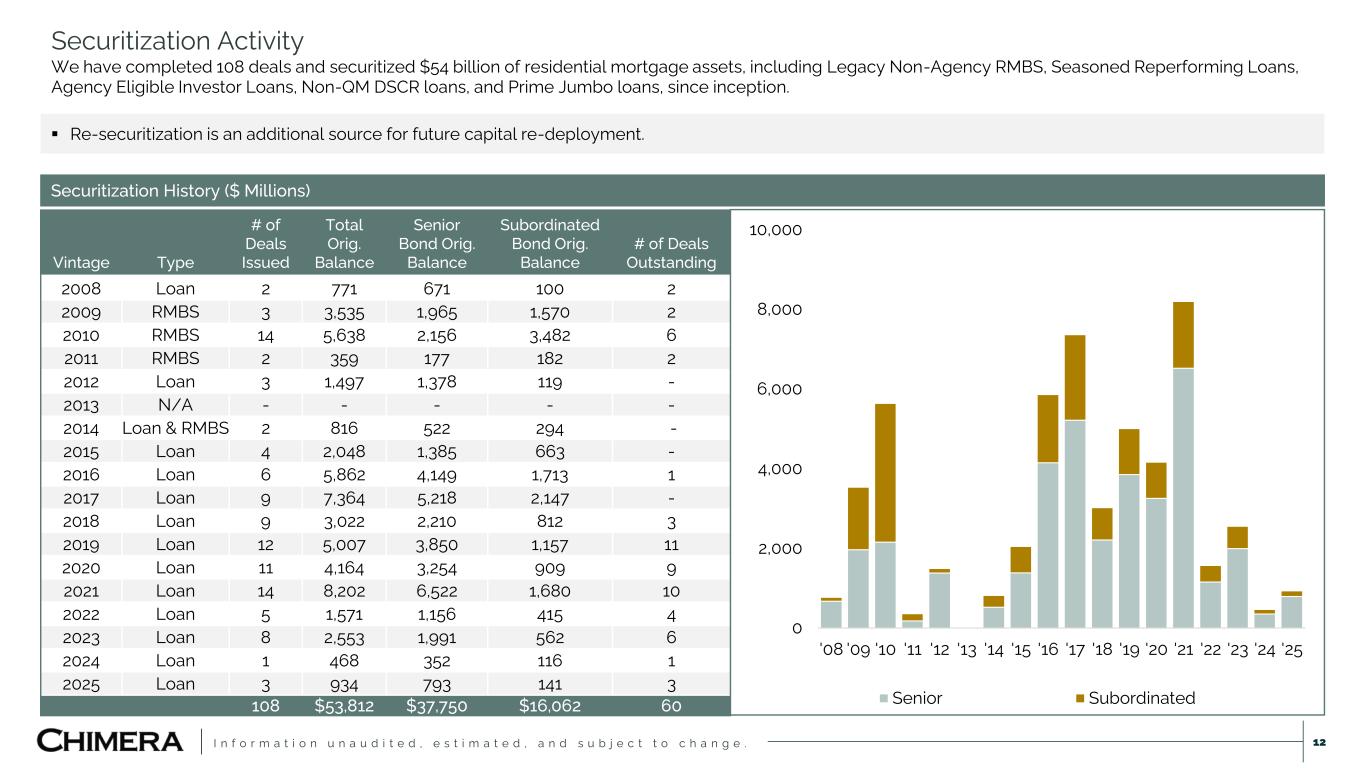
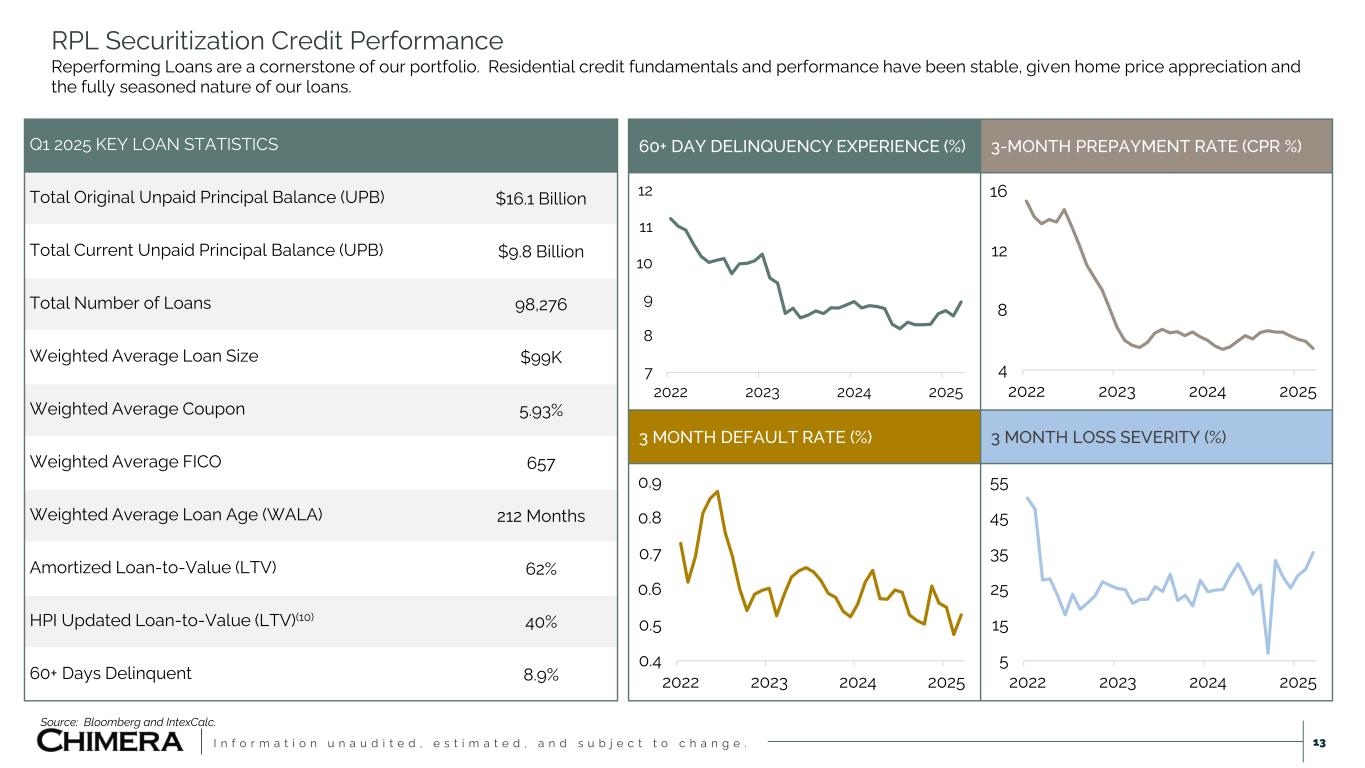
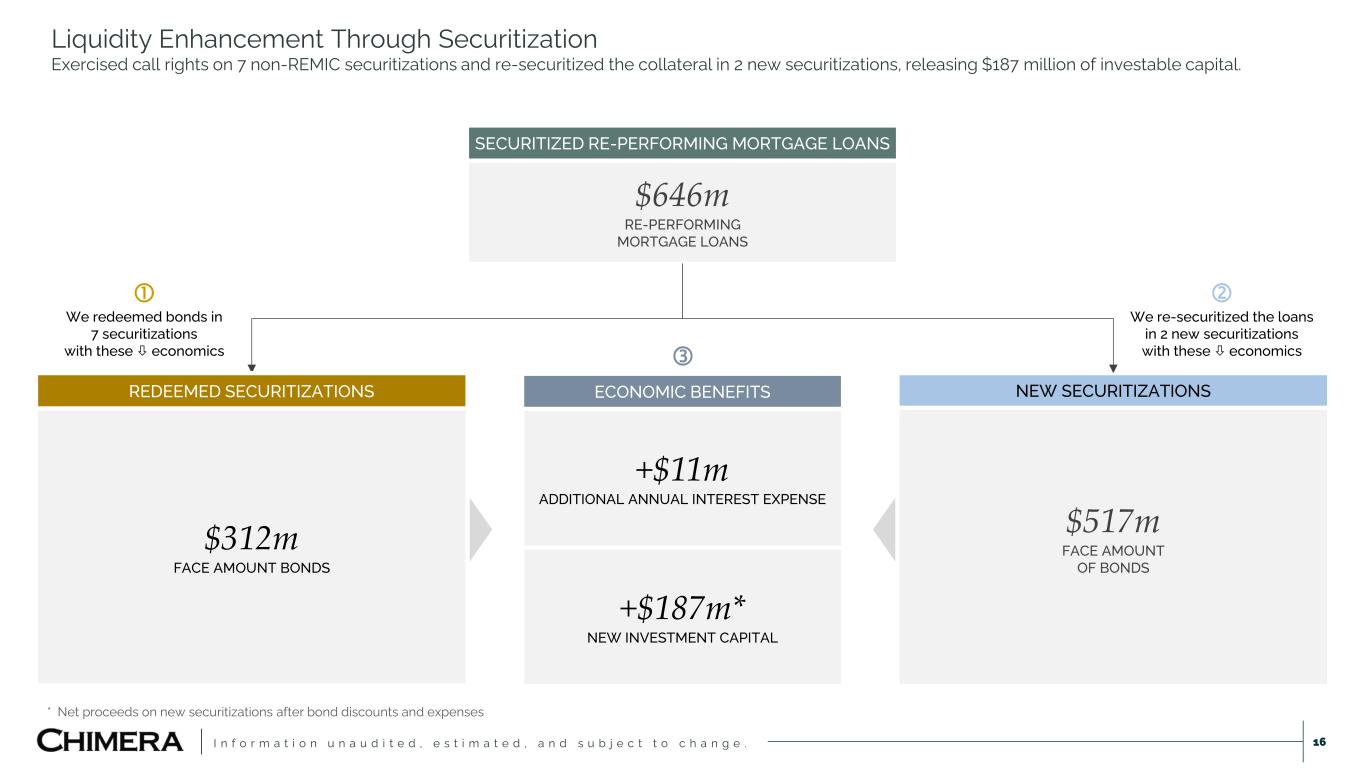
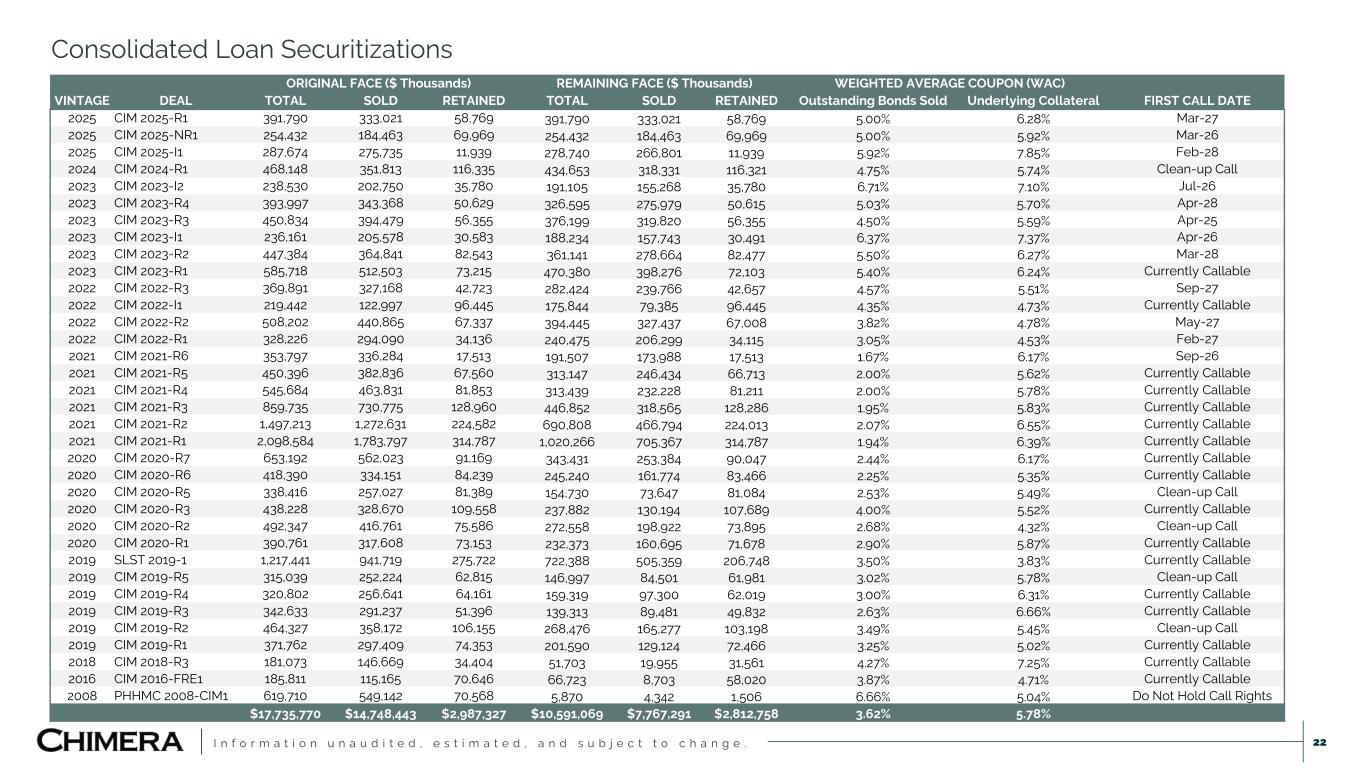
Thanks, Subra and good morning, everyone. I'll provide a brief overview of our investment activity during the first quarter, as well as provide insight as to how we were positioned heading into April’s volatility. During the quarter, markets continued adjusting to the new administration's policy priorities, namely immigration reform, efforts to improve government efficiency, and an emphasis on redefining global trade partnerships. Interest rate volatility remained contained through mid-February but spiked on February 19 after the January FOMC minutes reinforced a more hawkish higher-for-longer stance. Volatility peaked in early March and then eased following the lease of a softer-than-expected February PPI and a well-received 10-year Treasury auction on March 12. Over the course of the quarter, Treasury yields rallied 36 basis points across 2s and 10s maintaining the year-end curve steepness of 33 basis points. Credit spreads widened during the period, with investment grade and high yield corporate spreads gapping out by 14 basis points and 60 basis points, respectively. Constructed products non-QM AAA spreads widened by 25 basis points, while BBB's backed up by 10. In the agency space, current coupon OAS traded within an 18 basis point range versus swaps, and 13 basis points versus treasuries, ending the quarter roughly unchanged. Housing conditions continue to moderate. National home price growth in February was 3.9% year-over-year, with markets in Texas and Florida flat to down, while northeast cities along with Chicago and Cleveland posting stronger gains in the 6% to 8% range. Resale inventory rose 20% year-over-year but remains roughly 46% below pre-pandemic levels. Affordability remains challenged with 30-year mortgage rates averaging around 7% throughout the quarter based on bank rate statistics. Existing home sales declined to a 4 million unit annualized pace marking the slowest first quarter print since 2009. Single-family housing starts were down 14% from the prior quarter, as builders remained cautious in the face of rate pressures, price uncertainty, and input cost volatility. That said, mortgage credit fundamentals remain healthy. Borrower equity is at record levels, and both delinquency and foreclosure activity remain near historic lows. Early April brought renewed volatility tied to the announcement of U.S. tariffs. The Move Index surged more than 50% in just over a week, and unusually treasury yields sold off amid the volatility on speculation of foreign selling and reported unwind of levered basis trades. Credit spreads widened across both corporate and structured product markets. While volatility has since moderated, forecasts have generally shifted to reflect lower growth expectations and increased inflation risk for the balance of the year. Amid this backdrop, our season reperforming loan portfolio which comprises the majority of our GAAP assets continue to perform in line with expectations. Serious delinquencies were stable at 8.9%, and prepayments took down to 5.5%. Our Palisades Advisory Services asset management team remained focused on integrating the portfolio into our systems with an emphasis on driving positive outcomes in the loan book. Our book value increased 7.4% during the quarter, largely driven by compression and performing loans, which was partially offset by wider yields in the non-performing loan cohort. Yields on securitized debt were largely unchanged as spreads widened rapidly in the last week of March neutralizing much of the rate rally during the quarter. We continue to deploy capital in a deliberate and disciplined manner. In light of the macro backdrop, we have built additional liquidity and positioned our portfolio to withstand volatility, spread widening, and funding shocks if they were to emerge. Importantly, this should also allow us to be opportunistic during periods of market dislocation. During the quarter, we settled a $288 million DSCR securitization and purchased $149 million of specified pools. We also closed $100 million of short duration residential transition loans and committed to another $32 million for settlement in the second quarter. Our team continues to actively evaluate MSR opportunities with potential for us to execute in that sector later in 2025 as a way to generate attractive returns while simultaneously helping to balance the duration risk in other parts of the portfolio. As mentioned by Phil and Subra, some of the quarter’s most impactful activity was on the liability side. We refinanced two structured repo lines with combined capacity of more than $610 million, extending the maturities by 18 and 24 months, while lowering costs and securing mostly fixed-rate non-mark-to-market terms. This unlocked more than $100 million of investable cash at attractive rates. I'm going to pause briefly and ask that you turn your attention to Page 16 of our investor presentation. Here, we added a supplemental slide that walks through a series of transactions we completed in March. As part of these transactions, we exercised our redemption rights on all $312 million of its outstanding securities tied to our seven non-remit securitizations. These deals collateralized by $646 million of season loans have built significant embedded equity over the years as senior bonds paid down and loan performance improved. We refinanced those loans into two new securitizations totaling $517 million in senior bonds, one Remic and one non-Remic transaction, further enhancing the cash flow profile of our retained interest and releasing $187 million of cash for reinvestment. As you can see from the middle box on the slide, while our overall cost of funds went down, the additional debt will increase our annual run rate interest expense by approximately $11 million. That implies our breakeven return-on-capital is approximately 5.8%, meaning any incremental return generated in excess of 5.8% should be accretive to earnings. Overall, we view these transactions as foundational. They reflect our ability to generate capital organically, enhance liquidity, and continue positioning the portfolio for resilience and optionality. These actions left us well positioned entering April. We ended the quarter with $253 million in cash, and $444 million of unencumbered assets. This allowed us to comfortably hold cash during the initial period of volatility. Importantly, the resilience of our liability structure limited margin calls to less than $20 million during the volatility, despite the market dislocation. By mid-to-late April, we began selectively adding agency MBS exposure at attractive entry points. However, we remain cautious and expect a relatively high bar for capital deployment given the ongoing uncertainty in current macro environment. As we mentioned last quarter, our focus remains on constructing a durable portfolio that supports attractive risk-adjusted returns to recyclers. Agency MBS and MSRs remain areas of emphasis complementing our core credit-related loan investments. We continue to evaluate non-QM and DSER loans. However, we anticipate any near-term investments to be opportunistic in nature given our stated portfolio objectives. We continue to recycle capital in our short-duration residential transition loan book and intended to maintain that allocation as a component of our strategy moving forward. This was a strong quarter. We deployed capital tactically into accretive investments, raised cash organically, and significantly improved the flexibility of our funding stack, all of which helped us navigate April's volatility and positions us well going forward. As always, we remain focused on disciplined risk management and thoughtful portfolio construction. That concludes our remarks. We'll now open the line for questions.
Operator
We'll take our first question from Doug Harter from UBS.
Speaker 5
Can you clarify what you mean by book value being flat to slightly down in the second quarter? What do you consider to be slightly down in numerical terms?
I think as of Tuesday, Doug, is down about 40 basis points.
Speaker 5
Great. That's very helpful. How should we consider the timing for deploying the additional $187 million of investment capital that was made available through the re-securitization? With that in mind and considering the earnings power you delivered this quarter, what are your thoughts on dividends?
Yes. I can provide an update on the capital deployment. So far, we have deployed about a third to 40% of the total capital. As mentioned earlier, the standards for capital deployment, especially in the credit sector, are relatively high at the moment. Our current priority is to build up our liquidity reserves, which we consider crucial for both our short-term and long-term strategies. We have been directing some of that capital into agency mortgage-backed securities, which we find to be an attractive option. This approach, alongside our strategy for managing duration risk, helps stabilize our book value volatility. For now, this is where our focus lies. We estimate that we might have around a third to 40% of the capital allocated at this point, and we aim to deploy the remaining funds in the next 4 to 8 weeks, depending on our cash reserves and similar factors.
And Doug, just to fill about the dividend. That's something that we'll probably start thinking about in the next month or so. And as you know, there's a variety of factors that go into that in terms of what we look at for a board determination. But I think it's just premature at this point for us to think about that, given the market volatility; we'll see how things play out over the next month or so.
Operator
Thank you. And we'll take our next question from Trevor Cranston from Citizens.
Speaker 6
Looking at the third-party business, the growth seems like it’s been pretty consistent over a lots of several quarters. Could you talk about the outlook for that business in terms of the growth potential over the next year or two?
We believe there is significant growth potential in this area, and we are optimistic. However, various factors will influence this. As third parties continue to acquire loans, we offer them a valuable service in the essential aspects of the process. We see potential for continued growth as we attract new clients. That will ultimately depend on the direction of the mortgage market, but we are experiencing growth with our existing clients while also adding some new ones.
Speaker 6
Got it. That's helpful. Regarding the flat book value performance, starting with the second quarter, have you seen credit spreads fully recover from the widening in early April, or can you walk us through the factors affecting the flat book value?
Yes, that's a good question. From a credit spread perspective, since April until now, we have observed some widening in spreads. While there has been a retracement from the widest point, it has only recovered about halfway. Does that make sense?
Speaker 6
Yes. So how do you achieve a flat book value? Is that influenced by the effects of the interest rate components?
Yes, you need to consider that our book value is influenced by both our assets and liabilities. The change in book value will also be impacted by how interest rates move along the curve. Some of our securitized debt has a shorter duration, while our loans have a longer duration. The way we maintain a flat book value from one quarter to the next is that the decline in loan value due to wider credit spreads has been offset by changes in the securitized debt, resulting in them balancing each other out.
Speaker 6
Yes, got you. Okay. That makes sense.
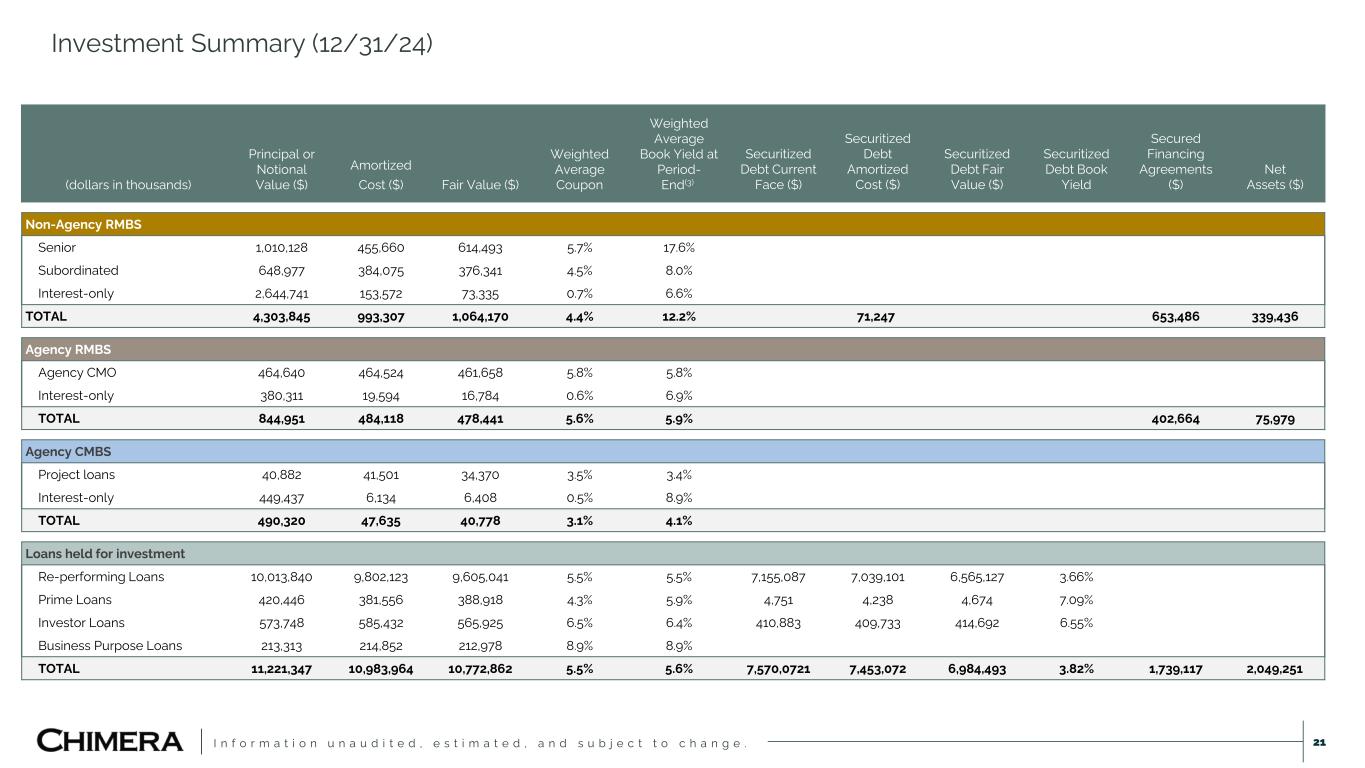
And just one thing that I would point out too; we tried to add additional disclosure in the investor presentation. So we put a couple of new slides in there that provide additional detail with respect to our loan and securitized debt portfolio. So hopefully having that information will help the market get a sense of how the book value is moving into different components, but it is a new loss portfolio.
Operator
And we'll take our next question from Bose George from KBW.
Speaker 7
In terms of book value going forward, after the hedges roll off in the second quarter, what is your portfolio duration going to look like?
Keep in mind that what we are doing on the agency side and in the first quarter was relatively small. We hedge the floating rate interest rate risk on our short-duration repo. The hedges we have, along with our swaps and caps, are not really meant to protect book value. When we buy loans and securitize them, we effectively lock in our net interest margin and provide a hedge for our assets. With the consolidation of the loans and securitization on our balance sheet, we do see some volatility in book value. However, our hedge strategy indicates that when those hedges roll off, it will increase our exposure to floating rate liabilities, but it won't significantly impact the volatility of our book value. From a portfolio construction standpoint, we are focused on book value, but we are not looking to hedge our book value risk and incur those costs because of how we finance our portfolio. We believe that by adding an agency component and incorporating MSRs, we can naturally add yield-generating assets that will help balance the duration volatility in our credit book.
Speaker 7
Okay, great. Thanks. Regarding the deployable capital, there was $187 million mentioned. Was there another figure you referred to earlier in the call? I thought it was $100 million, so I wanted to confirm if it was just $187 million or if there was another number as well.
Yes. In the first quarter, we engaged in several activities, including the re-securitization of our non-Remic transactions, which amounted to $187 million. Additionally, we refinanced two structured repo facilities, reducing our cost of funds in those facilities. We extended the term to 18 to 24 months and, in total, were able to free up about $100 million in investable cash.
Speaker 7
Okay. And so should we see that $100 million as kind of fully deployable; so it's really $287 million that you can invest?
Operator
And we'll take our next question from Eric Hagen from BTIG.
Speaker 8
How should we think about the sensitivity to higher delinquency rates moving forward, particularly regarding the RPL portfolio and the non-QM loans, as well as some of the newer issue loans you've mentioned? On one hand, the RPL portfolio is inherently linked to being delinquent, and the delinquency rate is already fairly high, while the non-QM starts from a lower level. What are your expectations for how each of these asset classes might react to rising delinquency rates?
Yes, that's a great question. Being focused on credit, we consider this constantly. I wouldn't describe the delinquencies in the RPL portfolios as high for that type of product. Looking at the RPL universe, a delinquency rate around 10% is quite average. The trends in our portfolio have shown that this level has remained stable over time. These are distinct borrower groups; they have substantial equity and have been in their homes for over 17 years. Sometimes, life events lead to temporary delinquencies for a month or two, which requires engagement from the servicers. This is where our Palisades asset management capability becomes essential, ensuring that when a hardship occurs—often short-term—servicers make contact with borrowers to understand their situations and work together toward solutions. On the non-QM side, we've noticed that despite the general upward trend in delinquency rates in these portfolios, the amount of equity and the credit quality are encouraging. We're closely observing this trend, not just in our portfolio, but across the market as we consider capital deployment. From a sensitivity perspective, we understand credit risk is inherent in our operations, which is why we have a robust management team and infrastructure in place to manage this risk effectively. Currently, due to the equity in the market and the sound credit fundamentals we're witnessing in mortgage finance, we aren't overly concerned about significant risk from an increase in policy delinquencies in our portfolio.
Speaker 8
That's really good color. I appreciate that. You mentioned the 2 new loan facilities, if that’s what I heard you say. What's the advanced rate on those facilities? And are those specifically for the subordinate securities that you guys retain? And the counterparty on those facilities; are those banks or non-banks?
Yes. The facilities are structural repo options. We're not going to disclose the advance rate because the assets are primarily our derivatives or retained positions. The advance rate is not very meaningful without understanding the underlying collateral. These arrangements were made through our banking relationships.
Speaker 8
Got it. And are there margin call holidays or such on the structure repo facilities?
That's a great question. We have extended the terms of our facilities, which are non-mark-to-market or have limited mark-to-market features. This is a significant initiative for us, and even during the volatility in April, our margin calls were kept to less than $20 million throughout that period. This highlights the effectiveness of our efforts in structuring our various financing lines.
Operator
And there appear to be no further questions at this time. I'll turn the floor to Phil Kardis for closing remarks.
Hi, this is Phil Kardis. And I want to thank everyone for participating in our first quarter 2025 earnings call. And we look forward to speaking to you in a couple of months for our second quarter earnings call. Thank you.
Operator
Thank you. Ladies and gentlemen, this does conclude today's teleconference. We thank you for your participation. You may disconnect your lines at this time and have a great day.