Operator
Good morning, all, and thank you for joining us for the C&O Financial Group, first quarter 2025 earnings call. My name is Carly, and I'll be coordinating the call today. If you'd like to register a question during the call, you can do so by pressing star followed by one on your telephone keypad, and to move the search line of questioning, we'll be star followed by two. I'd like to hand over to our host, Adam Orville. The floor is yours.
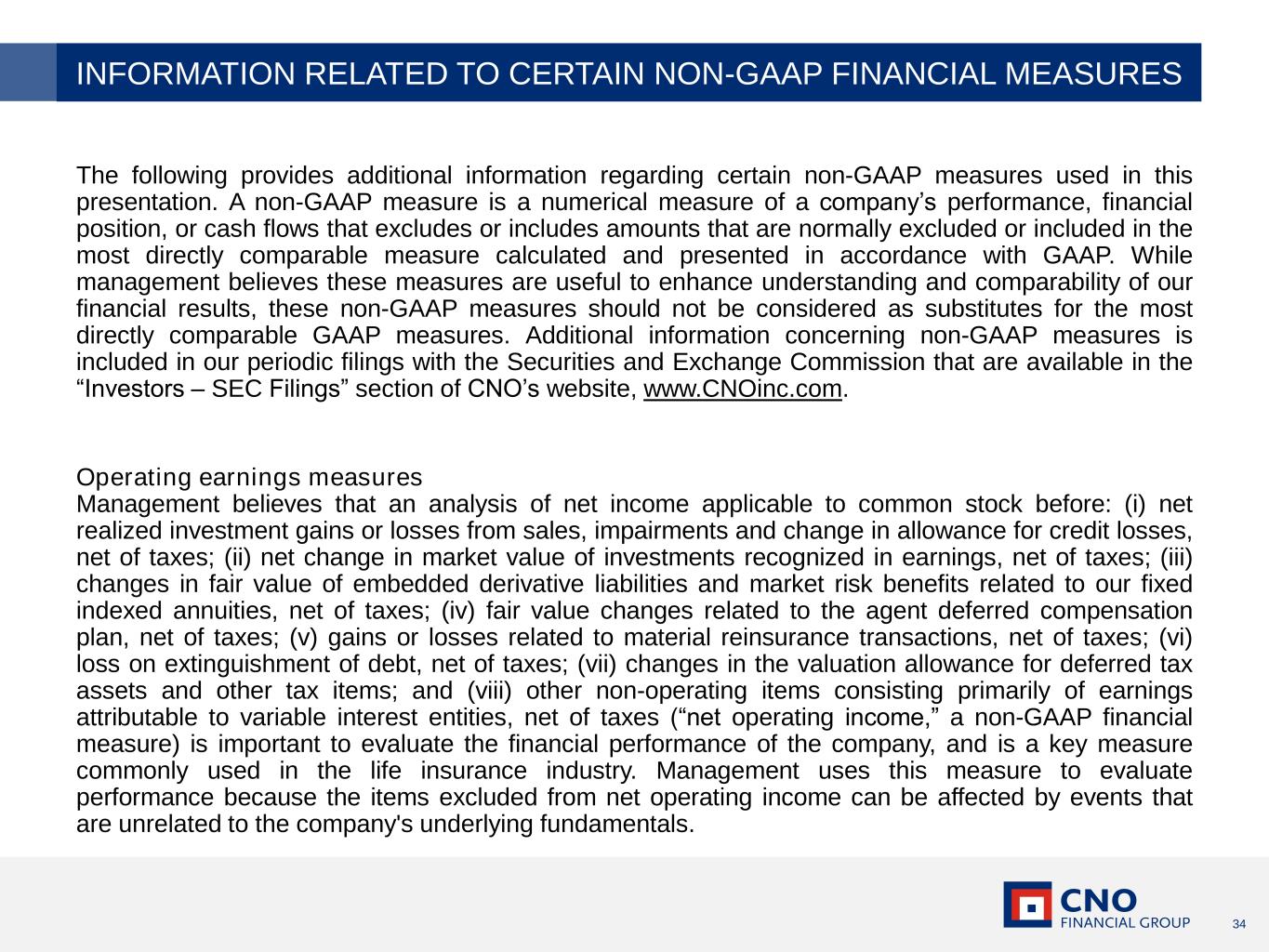
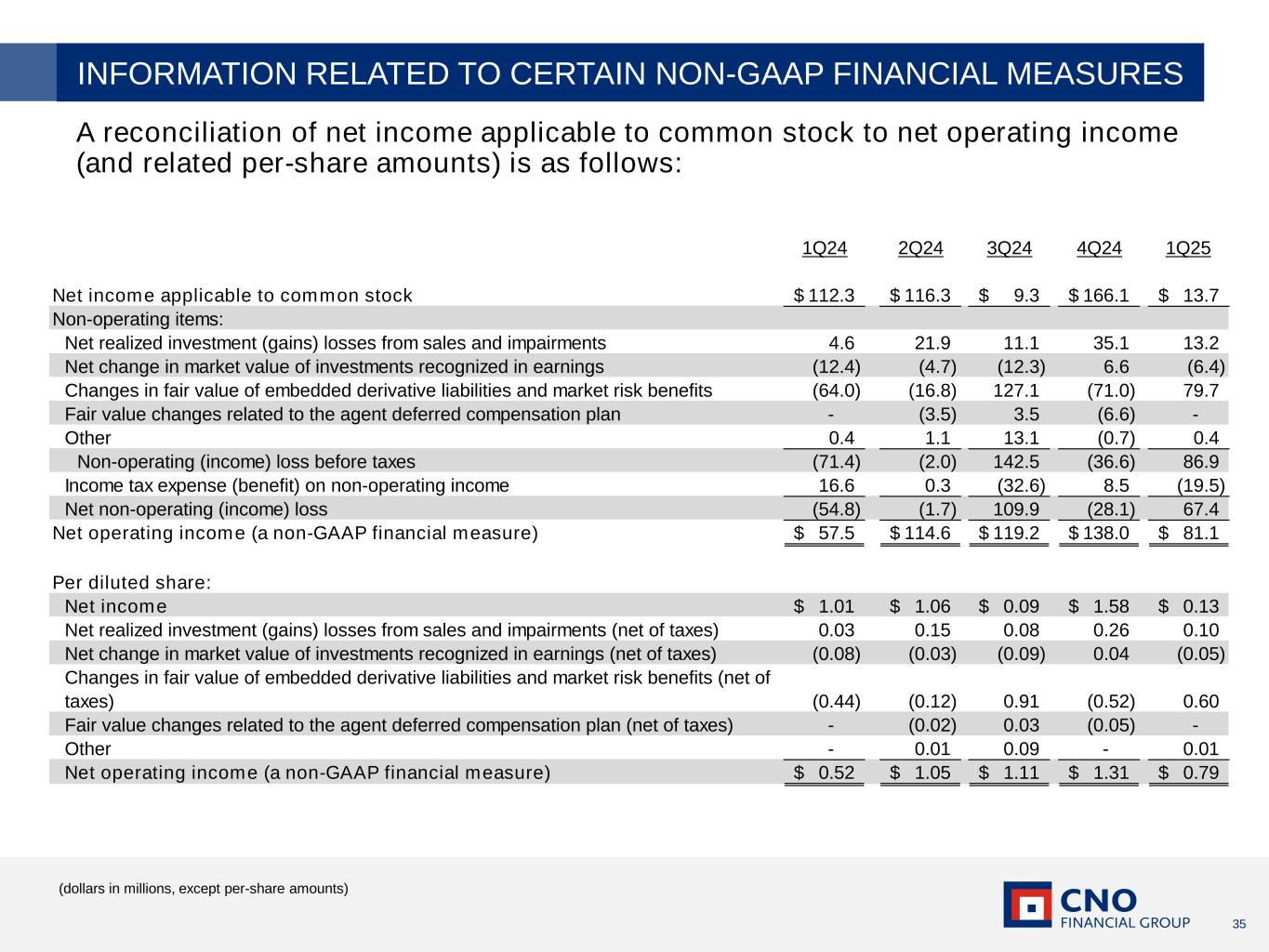
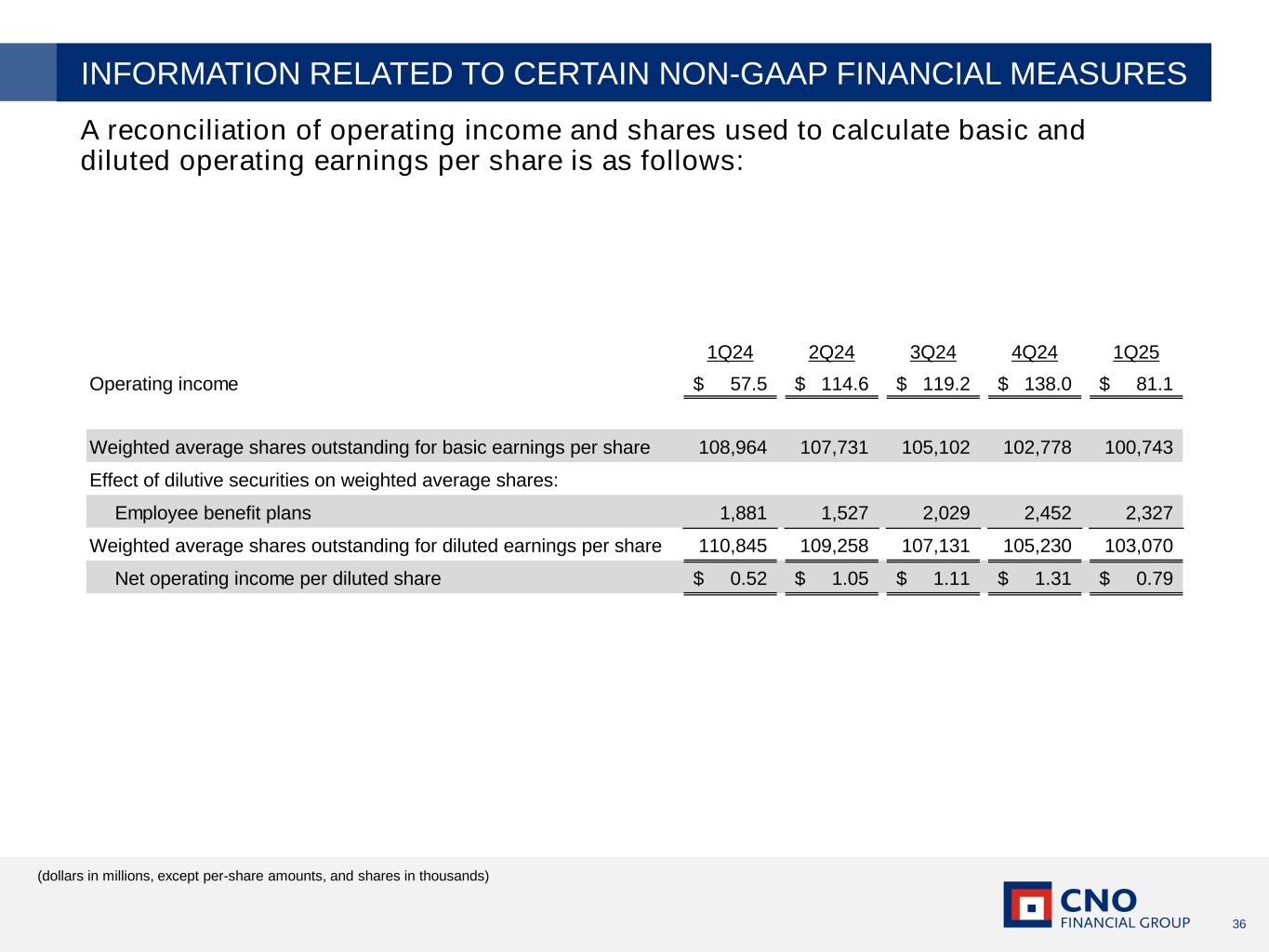
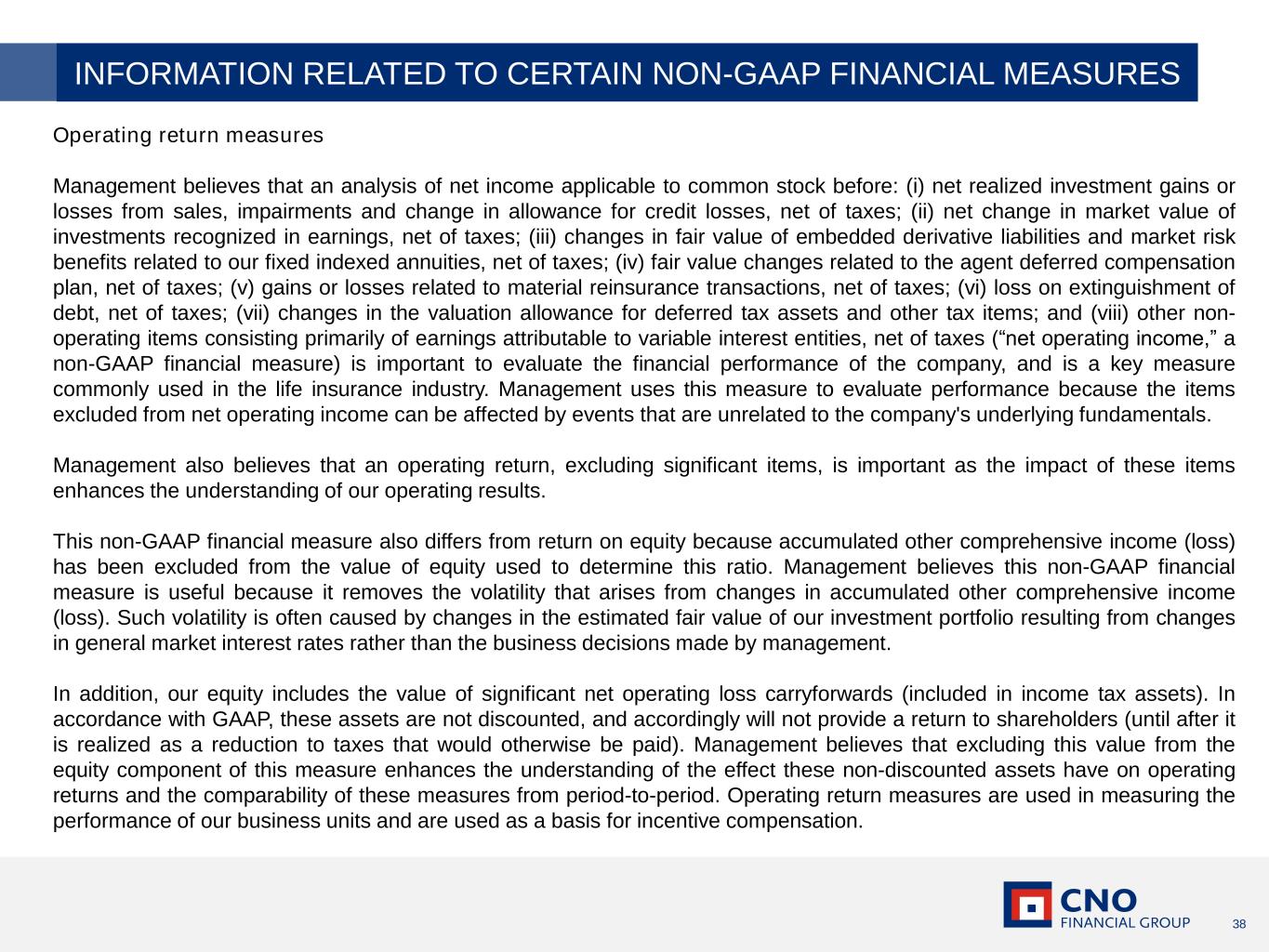
Good morning, and thank you for joining us on C&O Financial Group's first quarter. Today's presentation will include remarks from Gary Bajwani, Chief Executive Officer, and Paul McDonough, Chief Financial Officer. Following the presentation, we will also have other business leaders available for the information contained in yesterday's press release. You should obtain the release by visiting the media section of our website at cnoinc.com. This morning's presentation is also available in the investors section of our website and was filed in a form 8K yesterday. Let me remind you that any forward-looking statements we make today are subject to a number of factors which may cause actual results to be materially different than those contemplated by the forward-looking statements. Today's presentation contains a number of non-GAAP measures, which should not be considered as substitutes for the most directly comparable GAAP measures. You'll find a reconciliation of the non-GAAP measures to the corresponding GAAP measures in the appendix. The rest of the presentations we'll be making performed by any comparisons made will refer to changes between 2020 and 2024. And with that, I'll turn the call over to Gary.
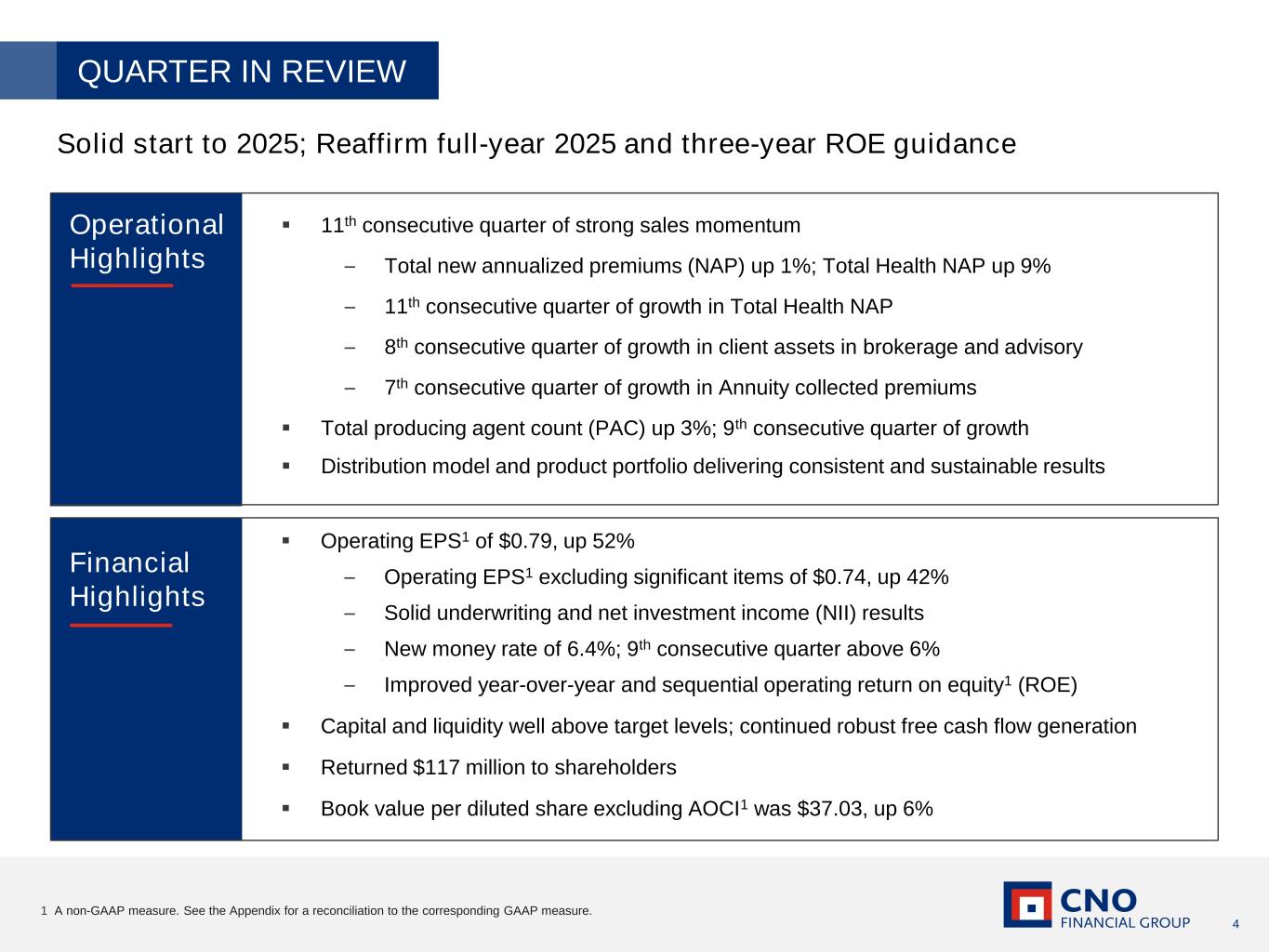
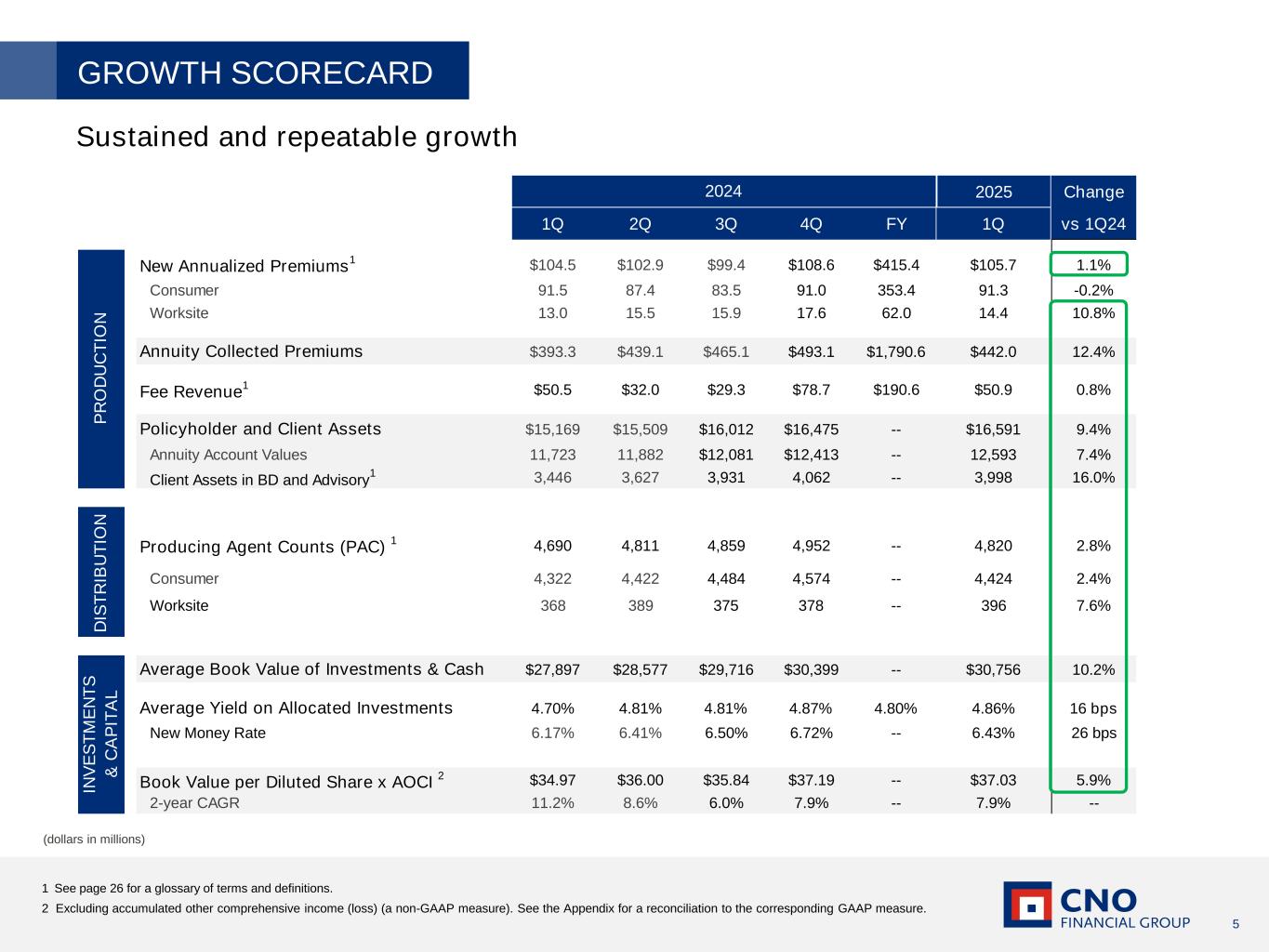
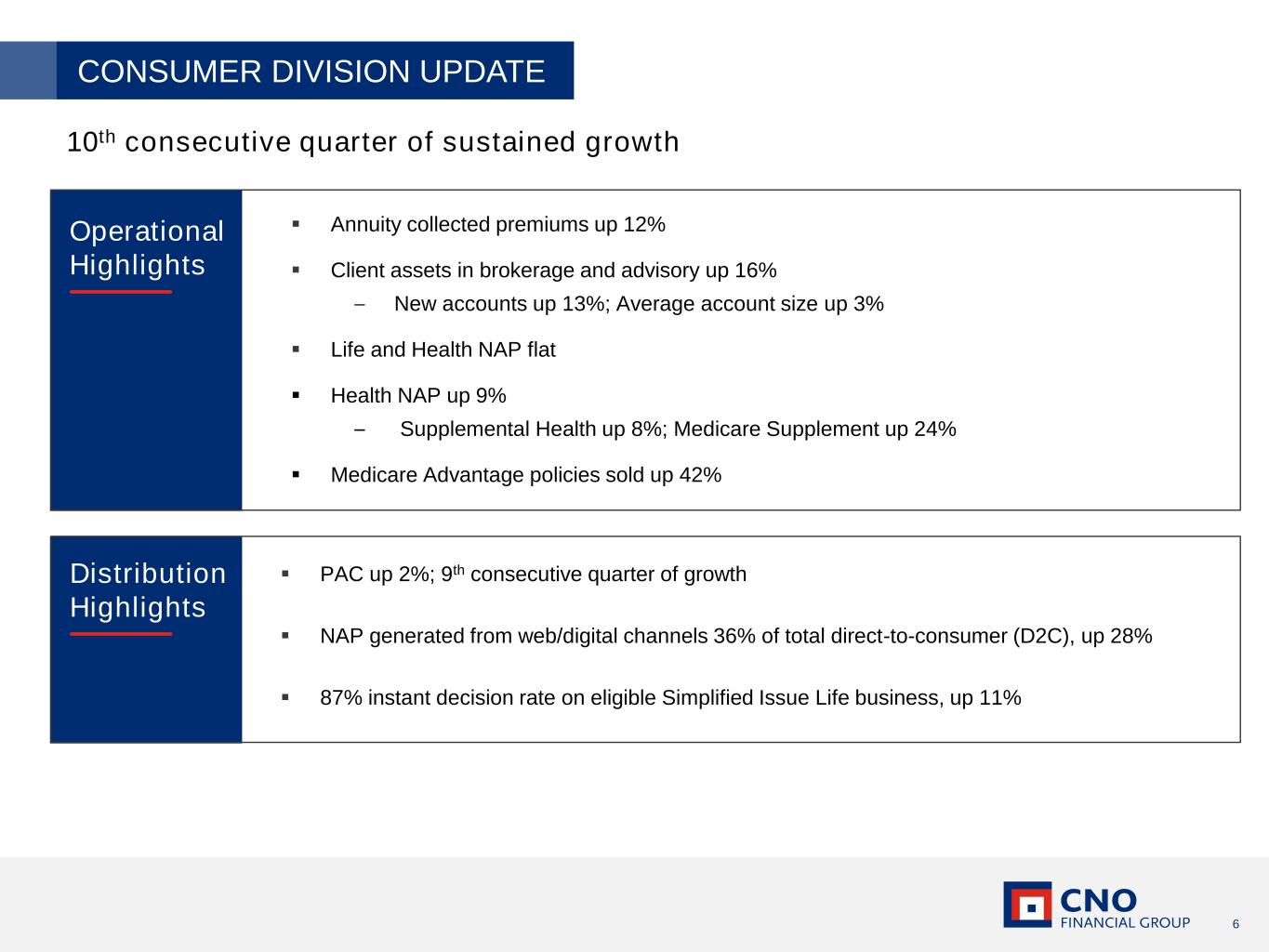
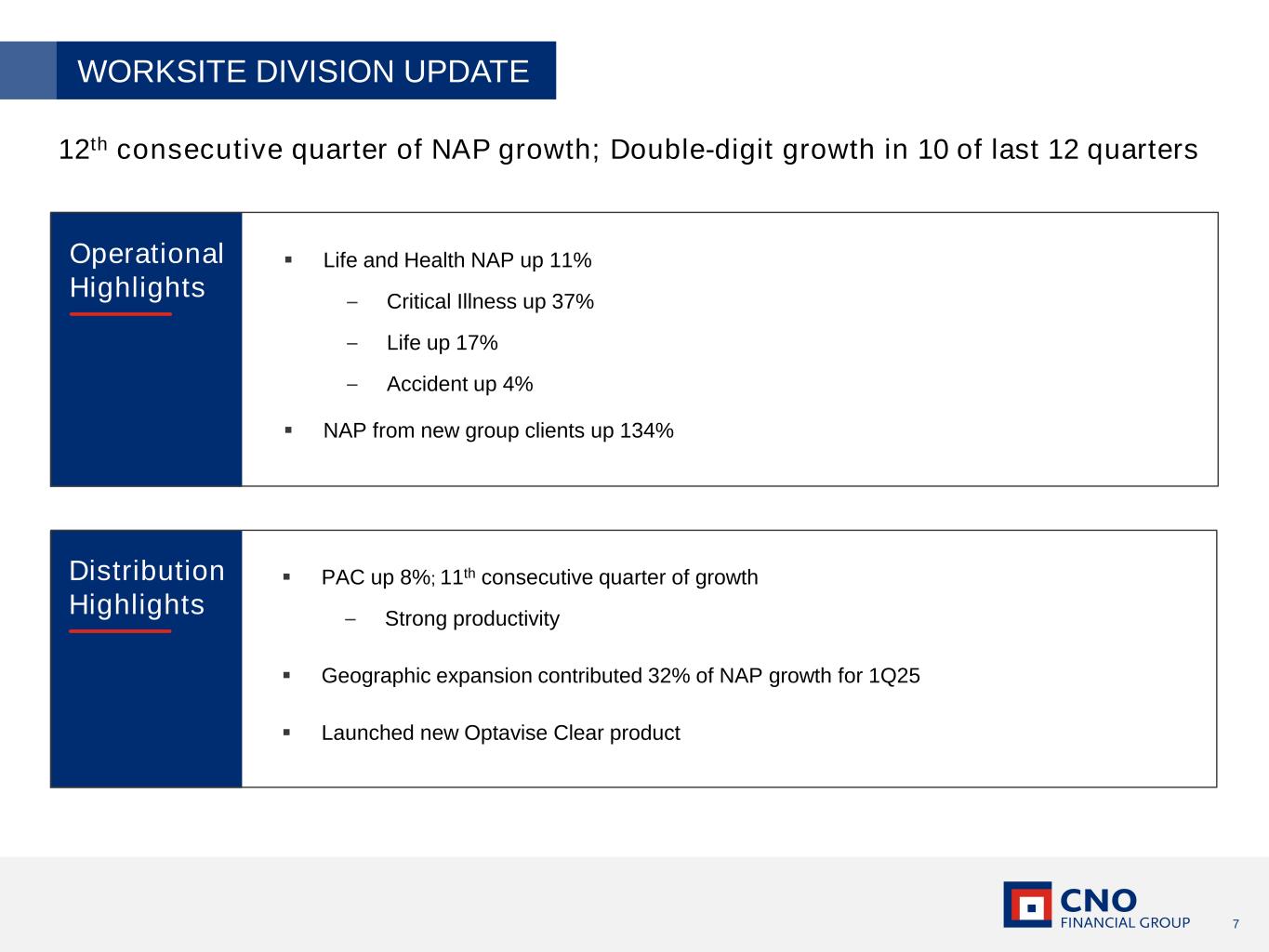
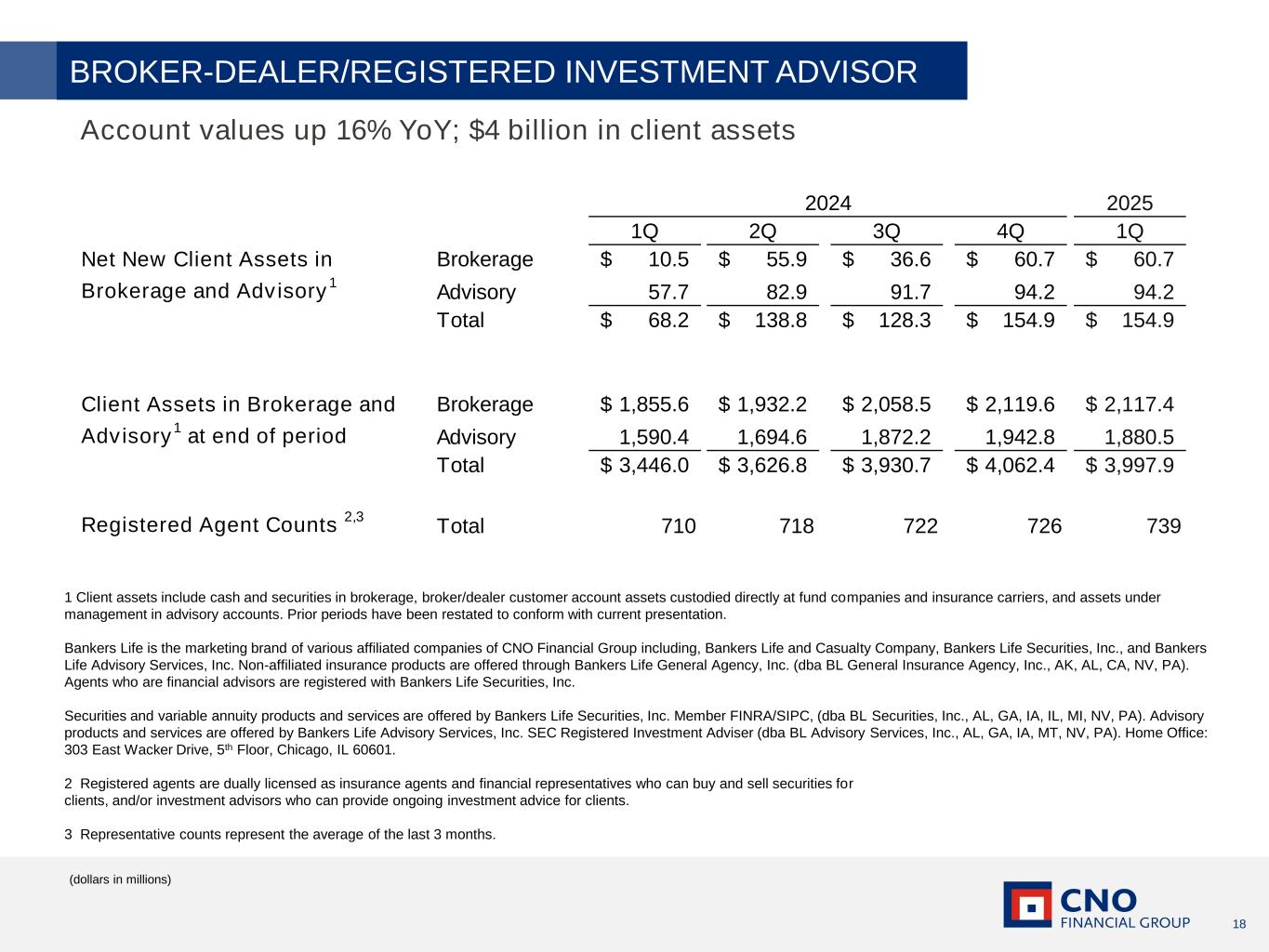
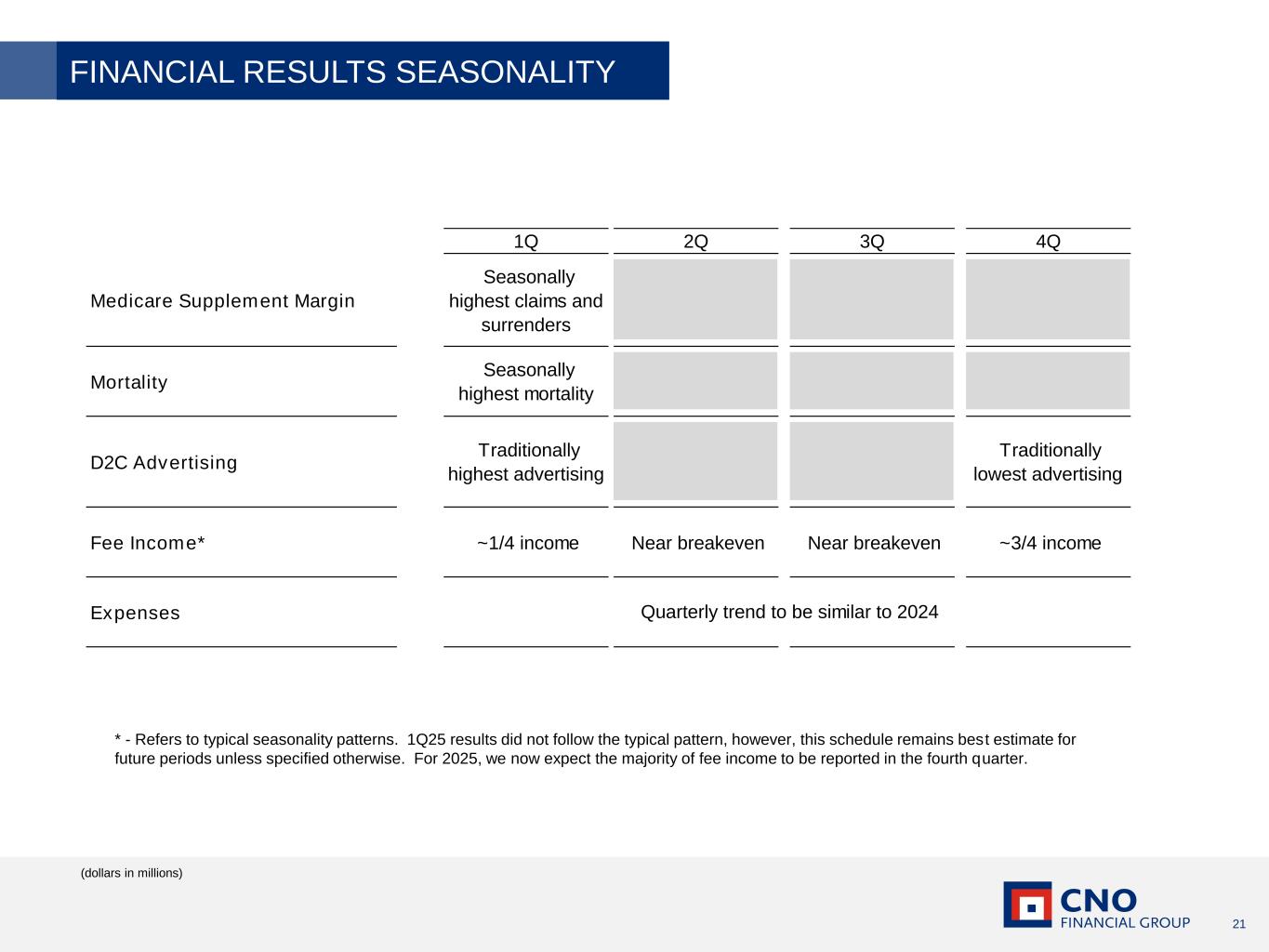
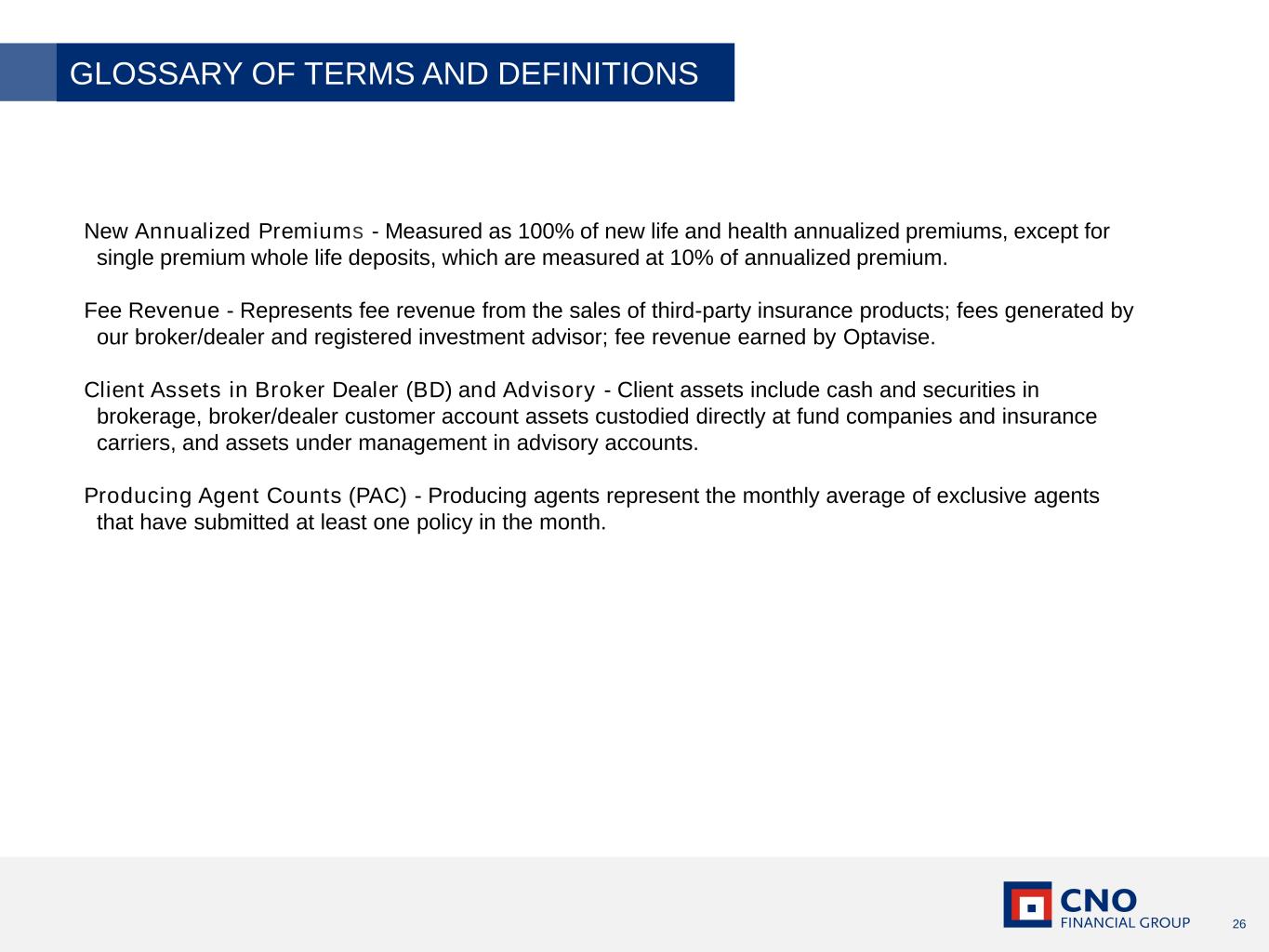
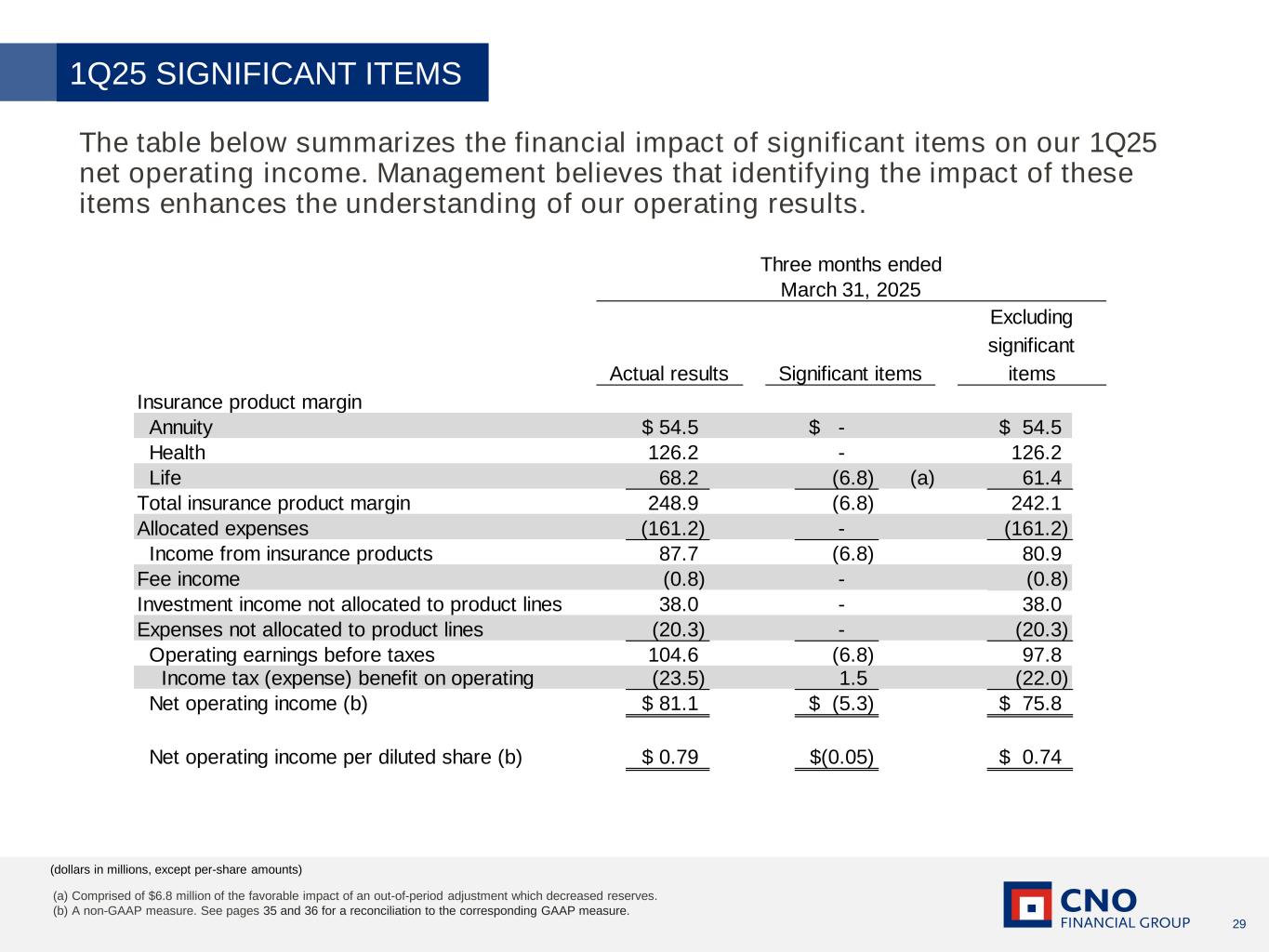
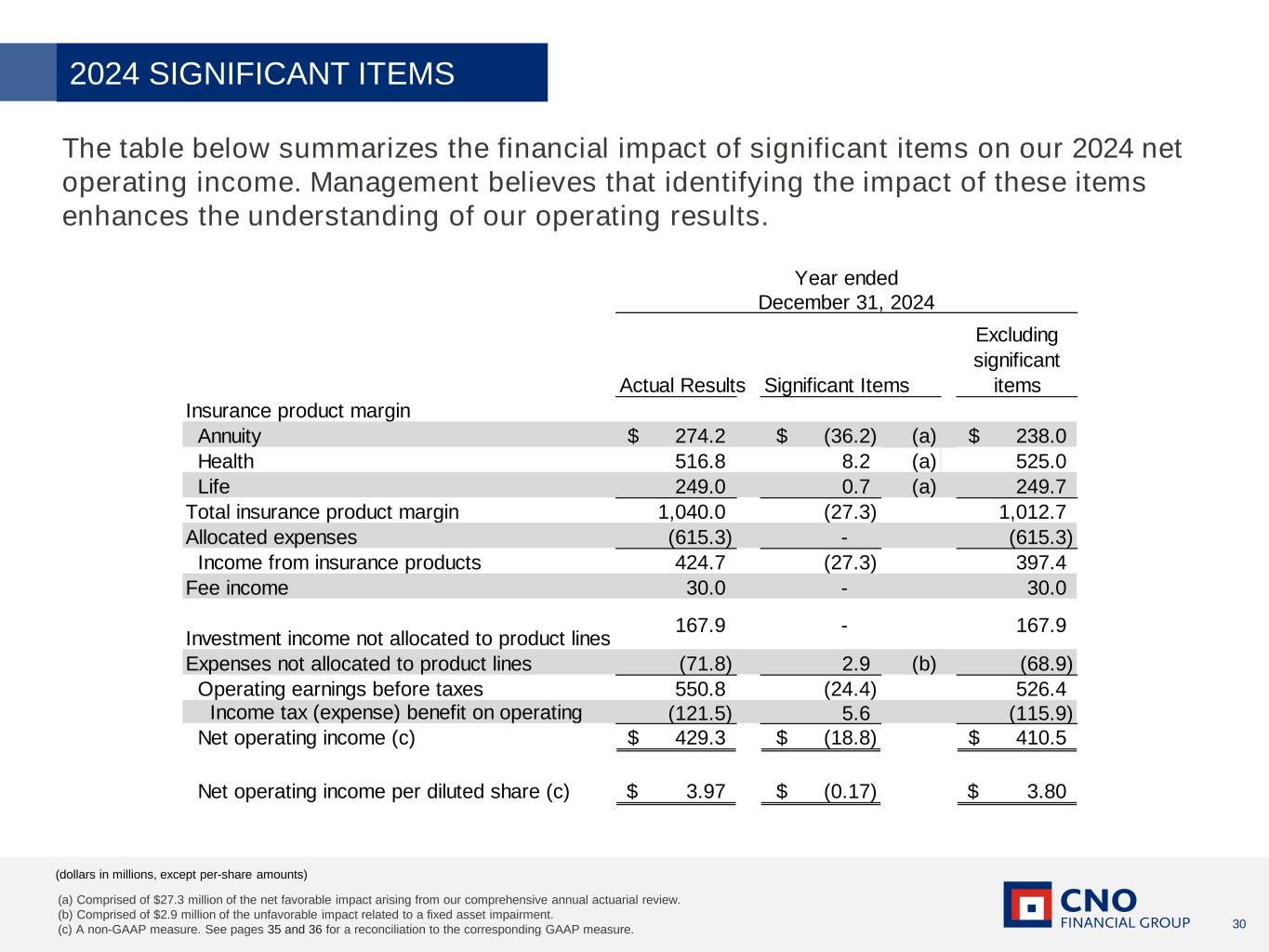
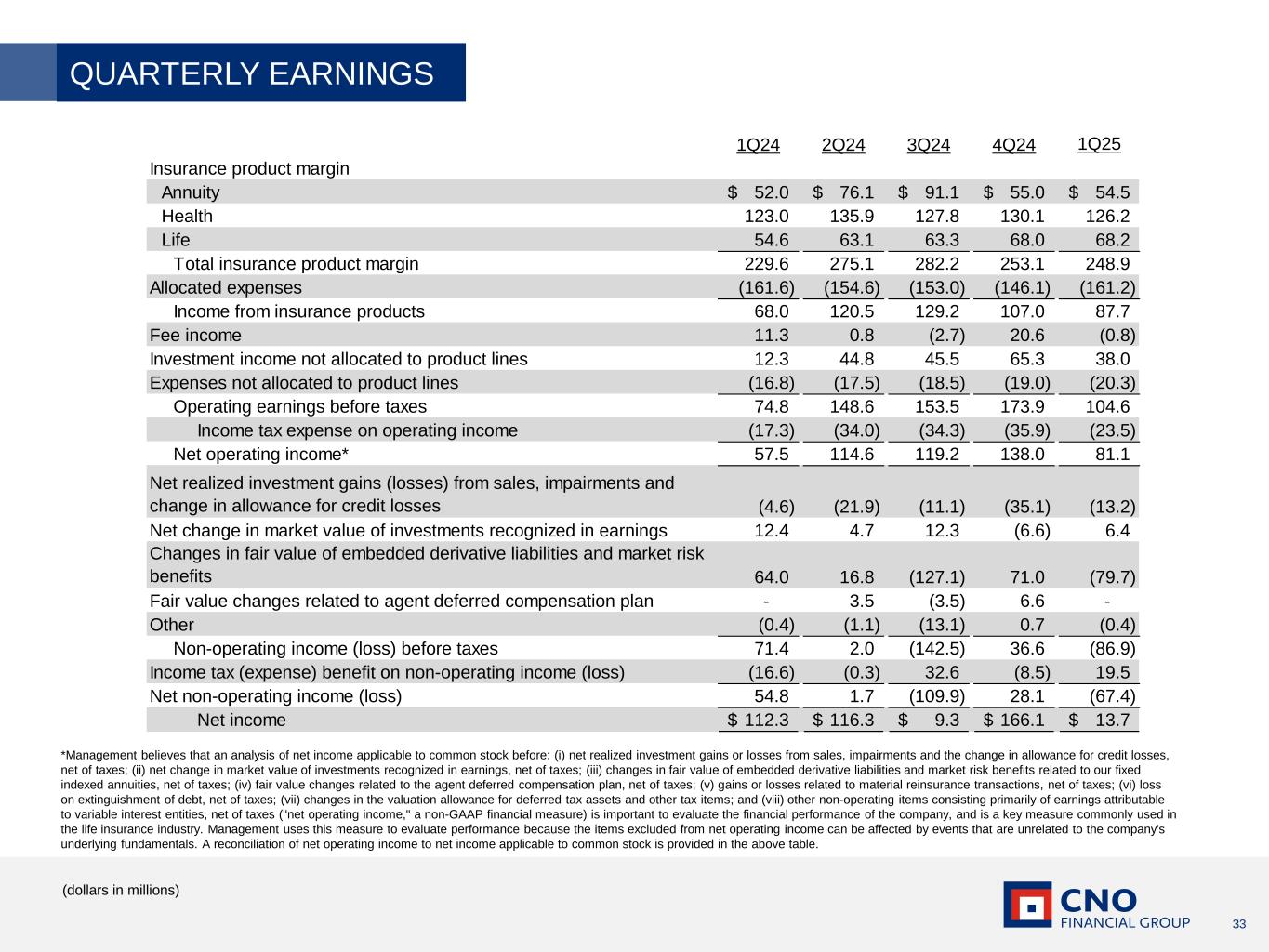
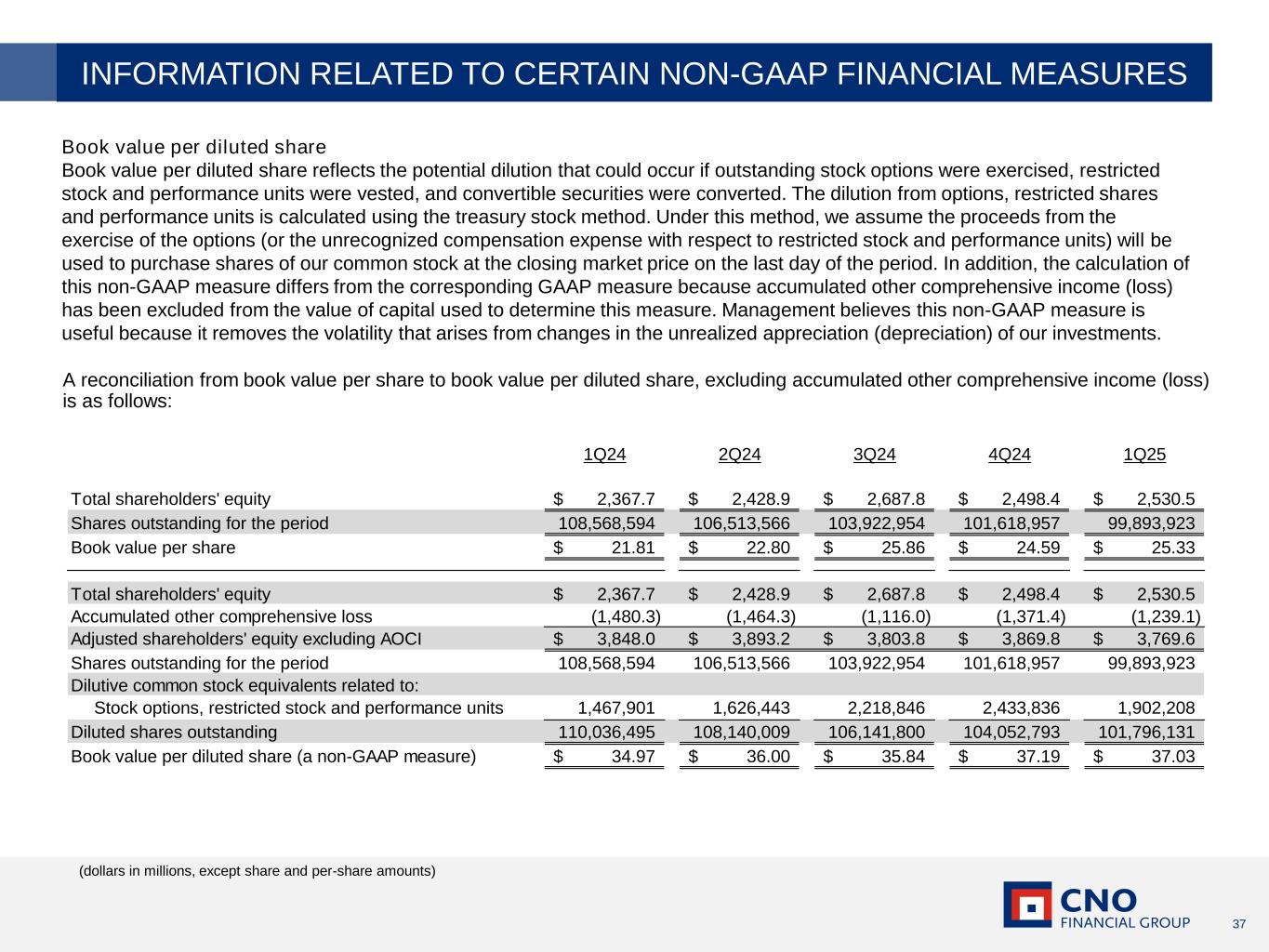
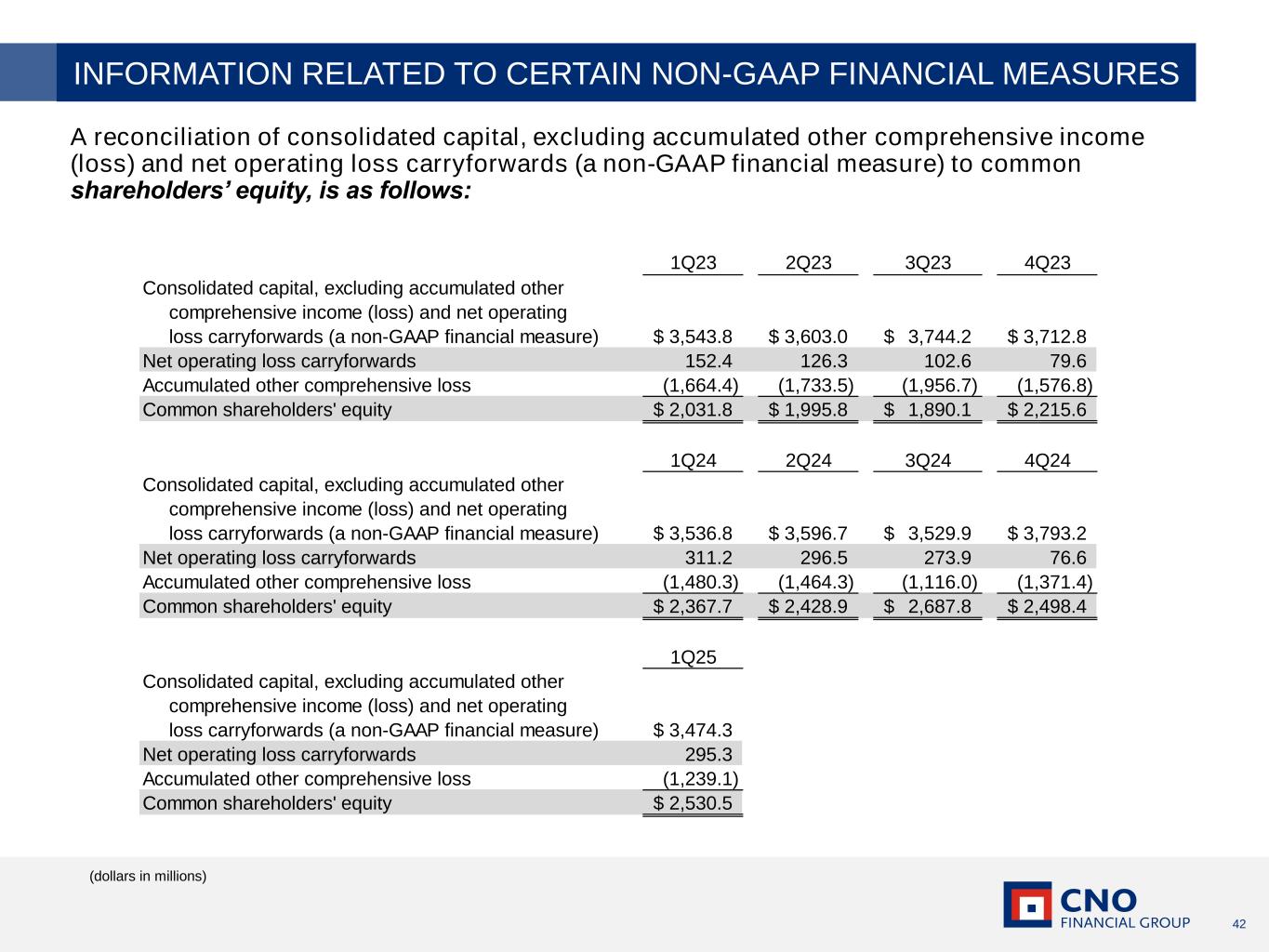
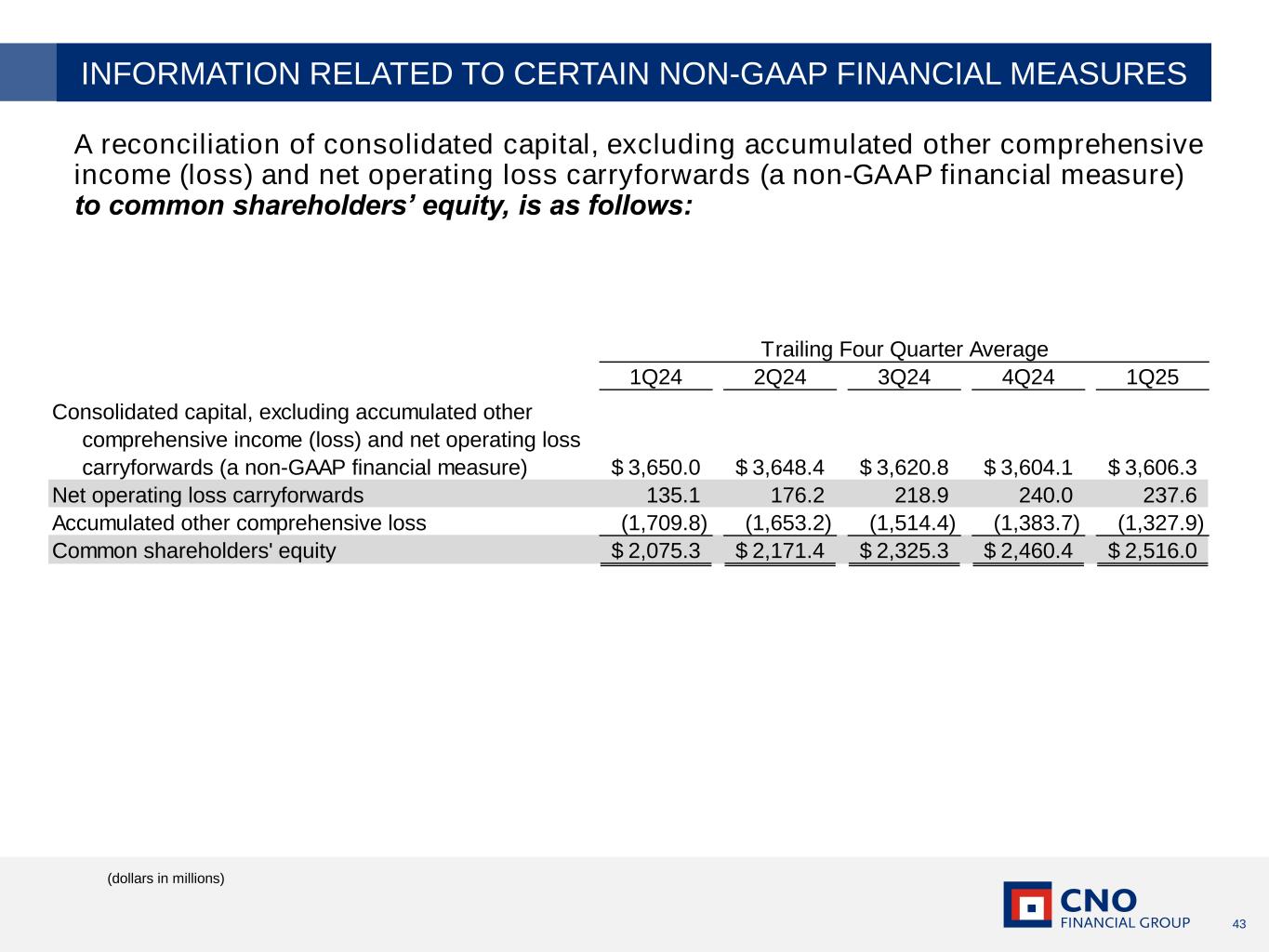
Good morning, everyone, and thank you for joining us. CNO is off to a solid start in the quarter, building on strong 2024 performance. Our first quarter results enable us to reaffirm our full year 2025 and three-year ROE guidance. Operating earnings per diluted share were $0.79, up 52%, and $0.74, up 42%, excluding significant items. Our first quarter performance reinforces our commitment to grow earnings while improving profitability. C&O also delivered our 11th consecutive quarter of strong sales momentum and our 9th consecutive quarter of growth in producing agent count. I'll cover these results in more detail in each division's comments. Earnings continue to benefit from favorable insurance product margin and strong investment results reflecting growth in the business and expansion of the portfolio book yield. New money rates have exceeded 6% for nine consecutive quarters now. Capital and liquidity remain well above target levels after returning $117 million to shareholders. Book value per diluted share, excluding AOCI, was $3,703, up 6%. Paul will go into greater detail on our financial performance. Most importantly, the core areas of our business continue to perform well, including production, agent force metrics, policyholder persistency, underwriting margin, capital management, and overall investment management. Visibility into macroeconomic drivers, such as interest rates, is deteriorating. However, our track record demonstrates our ability to navigate volatility. As we look to the balance of the year, we remain squarely focused on leveraging our business model to enable sustained profitable growth, executing on our strategic priorities, and driving ROE expansion. Turning to slide five, all but one of our growth scorecard metrics were up for the quarter. As a reminder, our growth scorecard focuses on three key drivers of our performance, production, distribution, and investments in capital. I'll discuss each division in the next two slides. Paul will cover investments in capital in more detail during his remarks. Beginning with the consumer division on slide six, the consumer division posted another solid start to the year. Our capabilities to reach the underserved middle-income market remain a key differentiator for our consumer business. We marry a virtual connection with local agents who deliver the last mile of sales and service to build lasting relationships with our customers. This personal interaction is especially valuable to customers during times of uncertainty and market volatility. Our agents maintained positive sales momentum in the quarter with financial and health products continuing their consistent, strong performance. Annuity collected premiums were up 12%, our seventh consecutive quarter of growth. Account values were up 7%, and premium per policy was up 19%. Our strong annuity performance comes on the heels of a record 2024. for our captive distribution and the long-term relationships that our agents build with their clients enable stability in our block of business we delivered our eighth consecutive quarter of brokerage and advisory group client assets and brokerage and advisory were up 16 for the quarter new accounts were up 13 and average account size was up three percent persistency remains strong with our investment clients. When combined with our annuity account values, our clients now entrust us with more than $16 billion of their assets, up 9%. Sustained growth in brokerage and advisory and annuities reflects a critical but largely unmet need within our market for retirement income solutions. It has long been our position that middle-income customers need and deserve access to professional guidance and retirement products, as do more affluent customers. We consider it a great privilege to serve this market. Total NAP was flat for the quarter. Health NAP was up 9%, the 11th consecutive quarter of growth. Supplemental Health NAP was up 8%. Sustained growth in our health results demonstrates strong consumer demand for ways to cover out-of-pocket gaps in medical coverage and safeguard against the growing cost of healthcare. Our Medicare portfolio continues to deliver strong sales growth. Medicare supplement NAP was up 24% and Medicare Advantage policies were up 42%. Recall that Medicare Advantage sales are not reflected in NAP. As a reminder, we manufacture MedSupp products and distribute M.A. policies from third-party carriers. The strategic choice to optimize our Medicare portfolio adds balance and diversification and enables us to offer more coverage options for our customers' health care needs. With more than 11,000 people in the U.S. turning 65 every day, Medicare is a year-round business for C&O. Persistency in both MedSupp and MedAdvantage continues to benefit from the client relationships our agents establish. Long-term care NAP was down in the quarter on a strong comparable, as the current product first launched in late 2023. Long-term care remains a strong product in our portfolio and fills a critical retirement care need. We continue to see a growing need for practical long-term care solutions within our target market. Life production was down in the quarter, primarily driven by lower lead volumes in our direct-to-consumer business. Lower D-to-C leads were due in part to elevated TV advertising costs and an intentional pullback in marketing spend to optimize production with expense. This seasonal fluctuation is consistent with previous first quarter results following the presidential election. Our second quarter results will confirm if the prior trend persists. Over the last several years, we have proactively diversified our non-television direct marketing to include more web and digital channels. Web and digital now account for over 36% of sales generated by D2C leads, up 28% year-over-year. Looking ahead, we remain confident in our ability to generate direct-to-consumer sales at an attractive rate of return. We continue to see long-term value in our diversified and integrated approach to reach middle-income consumers. Finally, producing agent count was up 2%, marking our ninth consecutive quarter of growth. Our customers look for technology to supplement, not replace human interaction. Investments in technology continue to enable customer experience and drive operational efficiency. Accelerated underwriting on a portion of our simplified life products remains a prime example. It delivered an 87% instant decision rate on submitted policies in the quarter, up 11% over fourth quarter 2024. Next, slide seven and our worksite division performance. Our worksite division is also off to a solid start to the year. Worksite insurance sales were up 11%, our 12th consecutive quarter of growth. Highlights included critical illness insurance up 37%, life insurance up 17%, and accident insurance up 4%. Our critical illness product was launched in the fall of 2023 and still shows strong momentum. We have also experienced steady growth in life sales, which now make up 28% of our total worksite insurance sales. Strategic growth initiatives also contributed significantly to our worksite NAF performance. Our geographic expansion initiative delivered 32% of the NAF growth in the quarter. This is the sixth consecutive quarter of growth generated by this program. NAP from new group clients was up 134%. As a reminder, this program helps agents cultivate and acquire new employer groups for insurance sales. Producing agent count was up 8%, marking our 11th consecutive quarter of growth. Agent productivity was up 10%. Over the past year, our worksite leadership team has implemented new training and sales technology tools to enhance our agent experience and productivity. We expect these programs to further bolster the attractiveness of the strong career opportunity we offer. Fee sales were down for the quarter off a small base. The first quarter is historically a life-selling period for our worksite fee products. We expect to see improvement in the second and third quarters. In late February, we introduced a new product called Optivize Clear. Optivize Clear enhances our services offerings in three ways. It brings together our benefits, advocacy, education, and employee communications services into a single package for employers. Second, it adds new capabilities, such as our new Medicare advocacy services. And finally, it offers an enhanced technology experience to help make it easier for employees to navigate their benefits. Optivize Clear can be purchased as a standalone product or in combination with our benefits administration technology and voluntary insurance benefits. Early feedback from our brokers and clients has been positive. And with that, I'll turn it over to Paul.
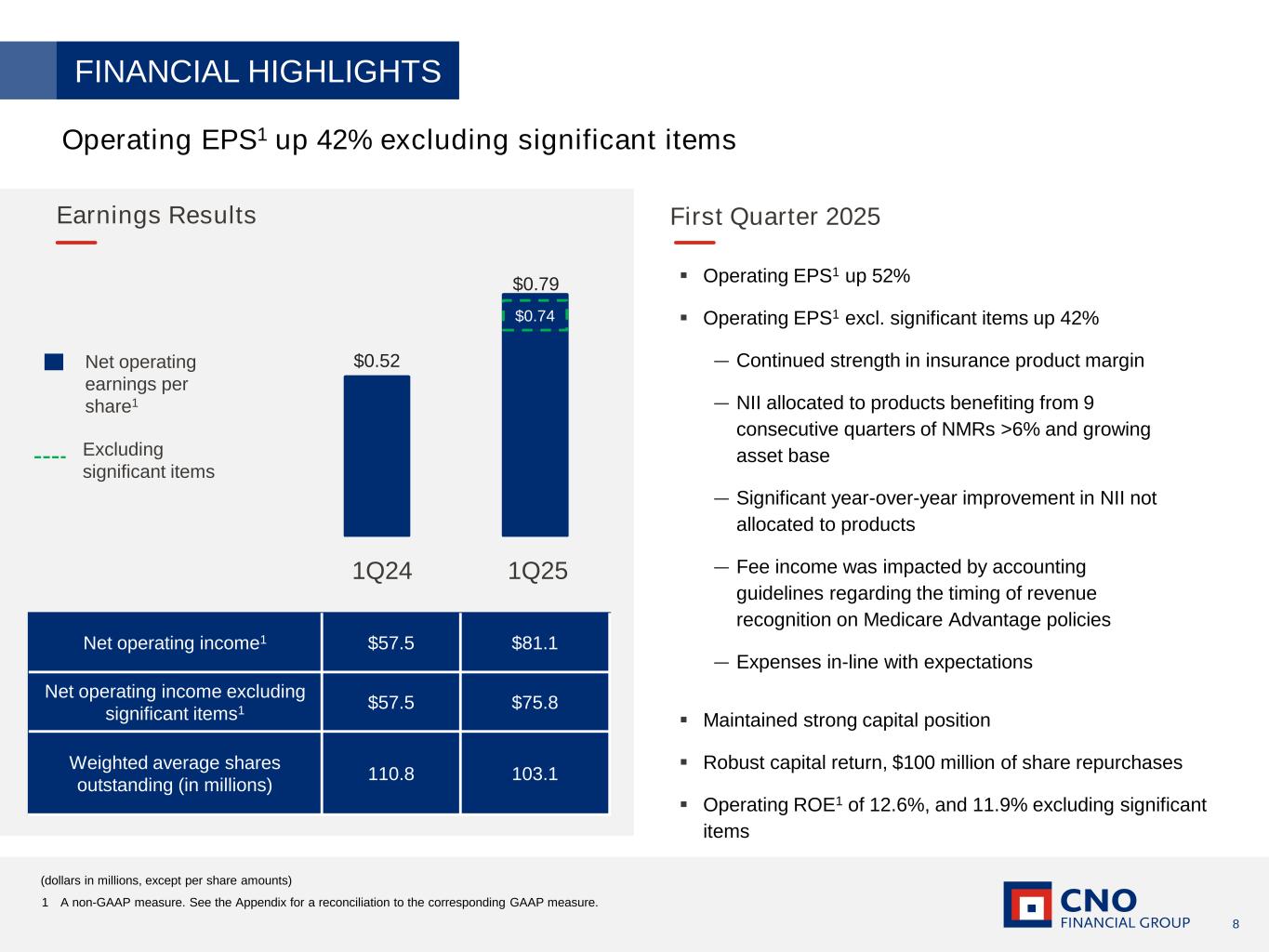
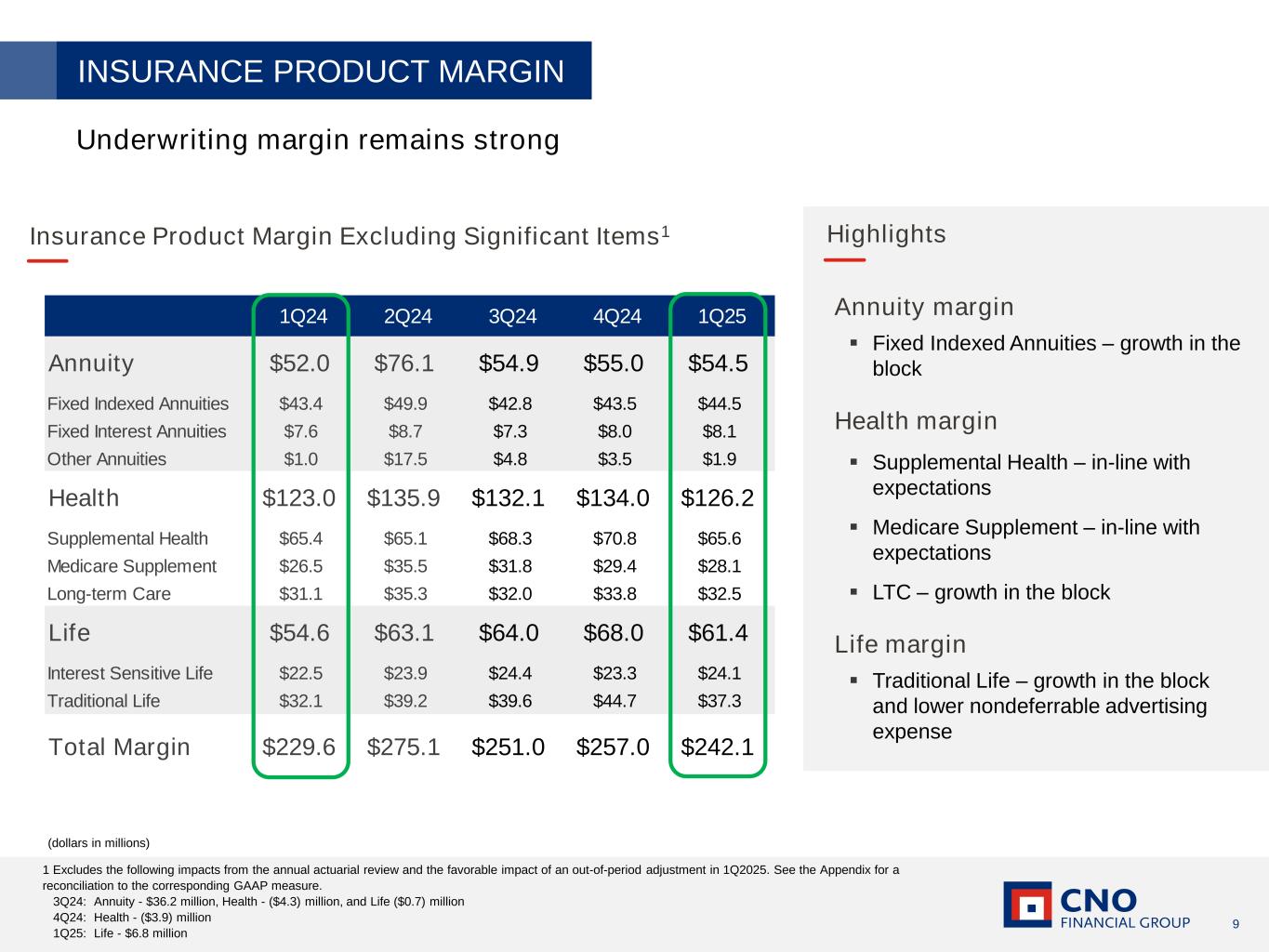
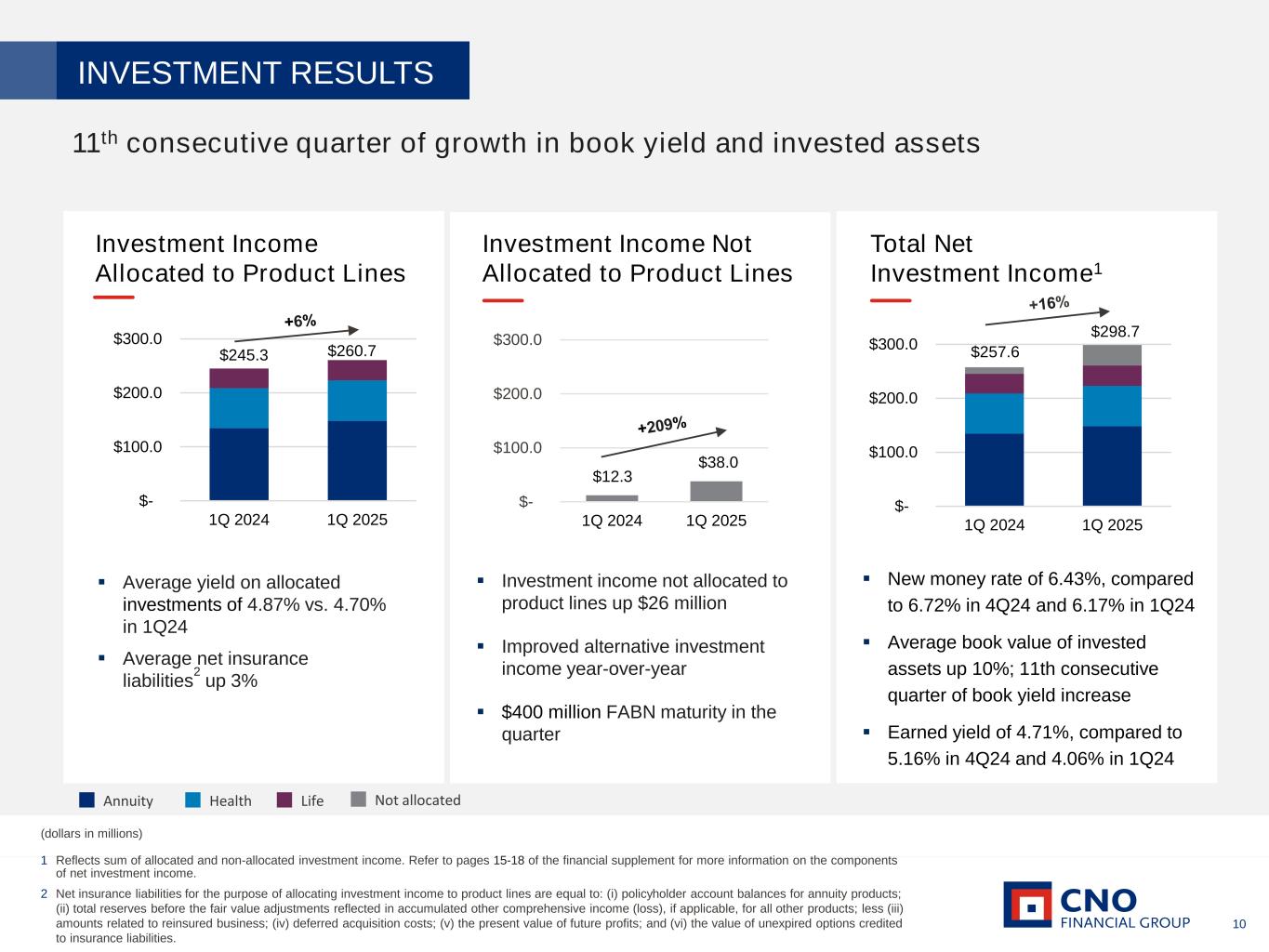
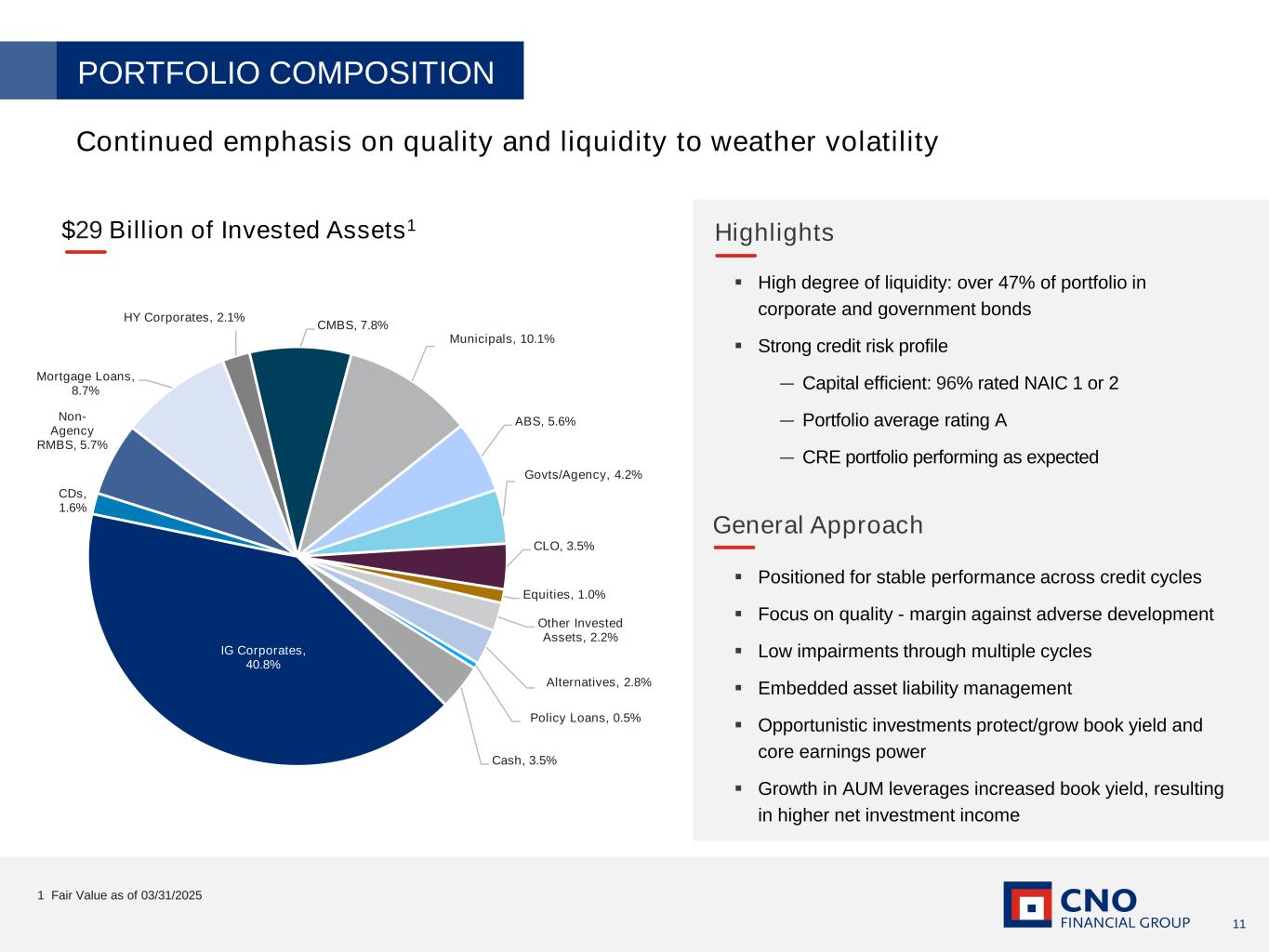
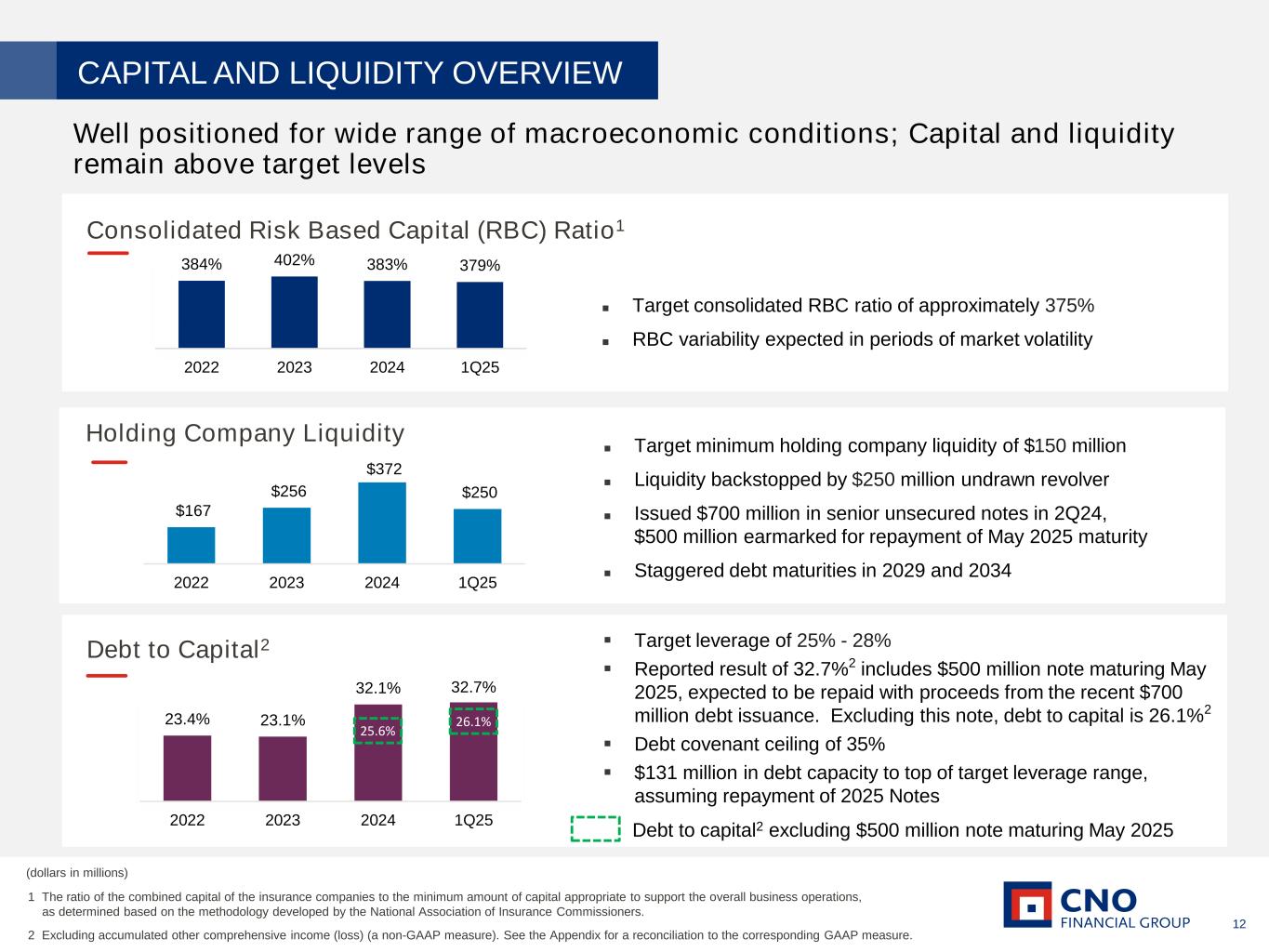
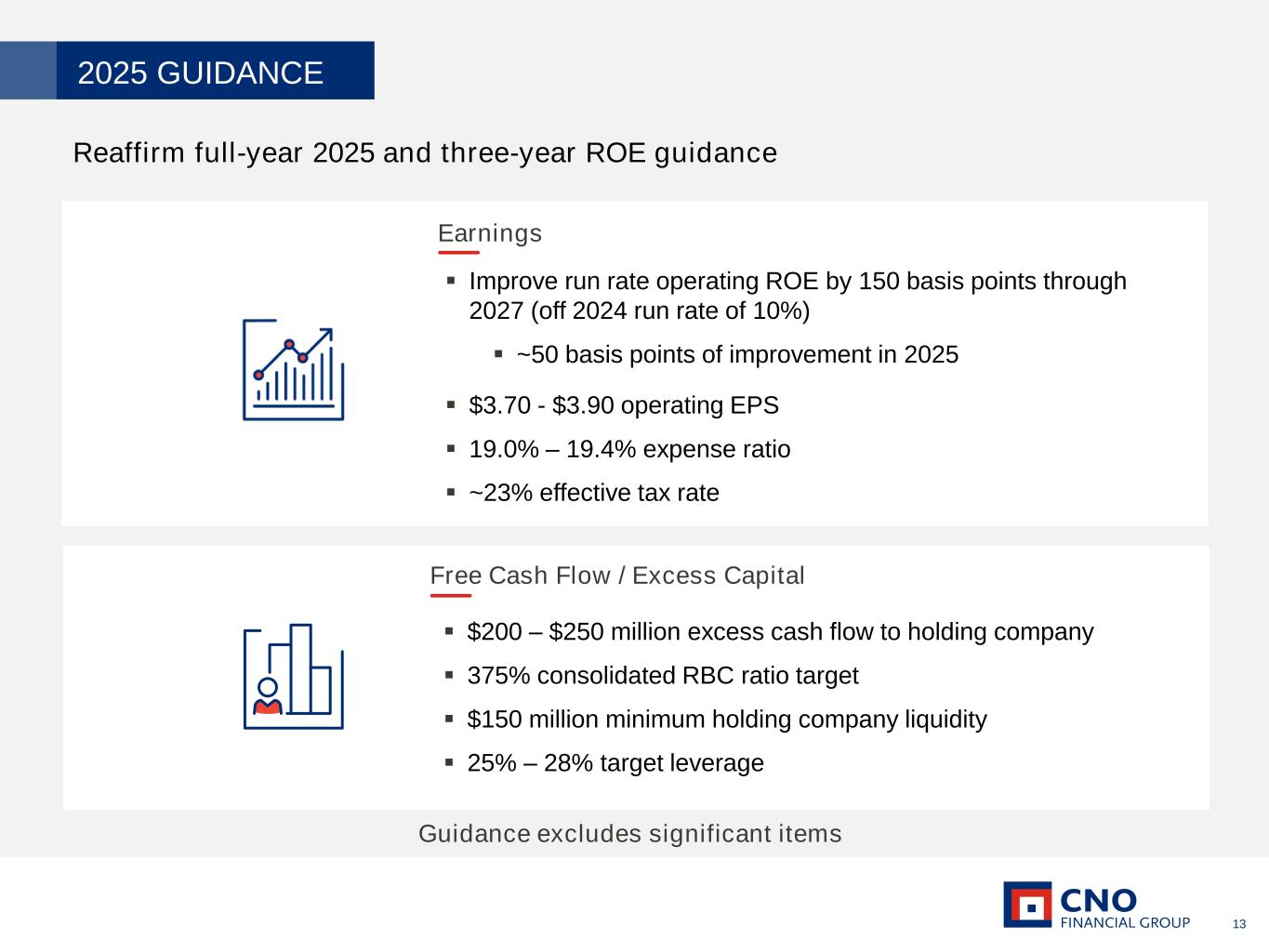
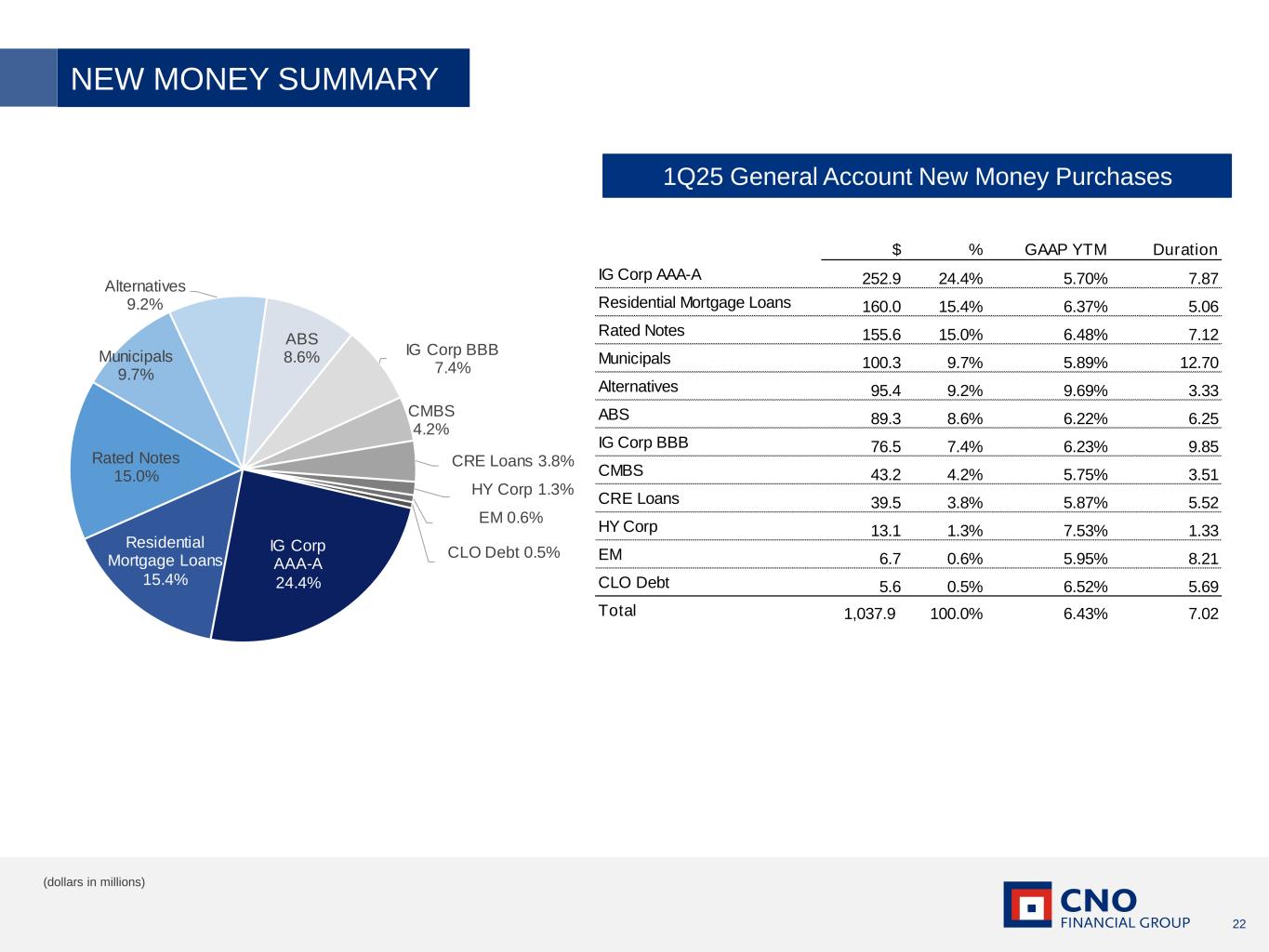
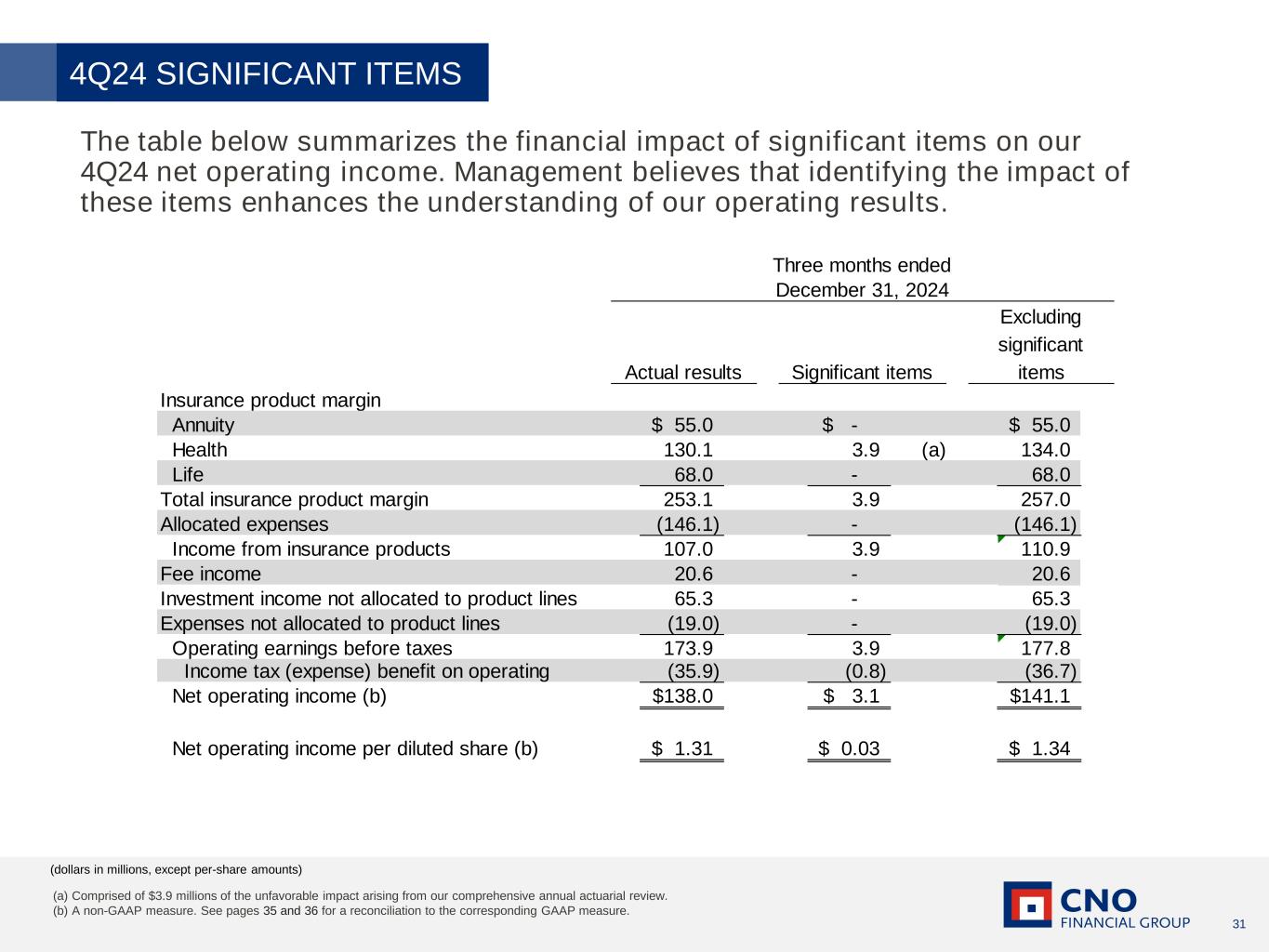
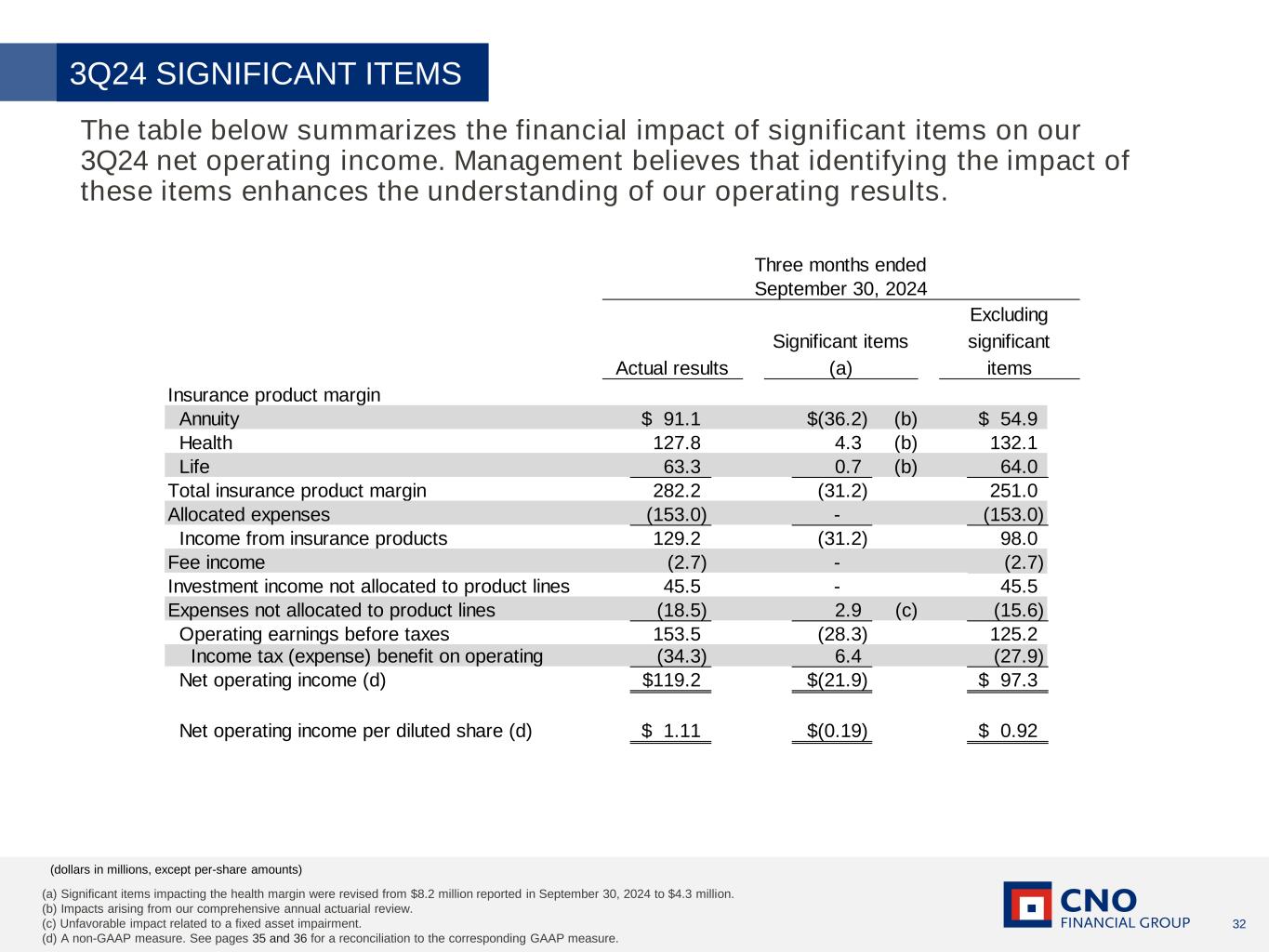
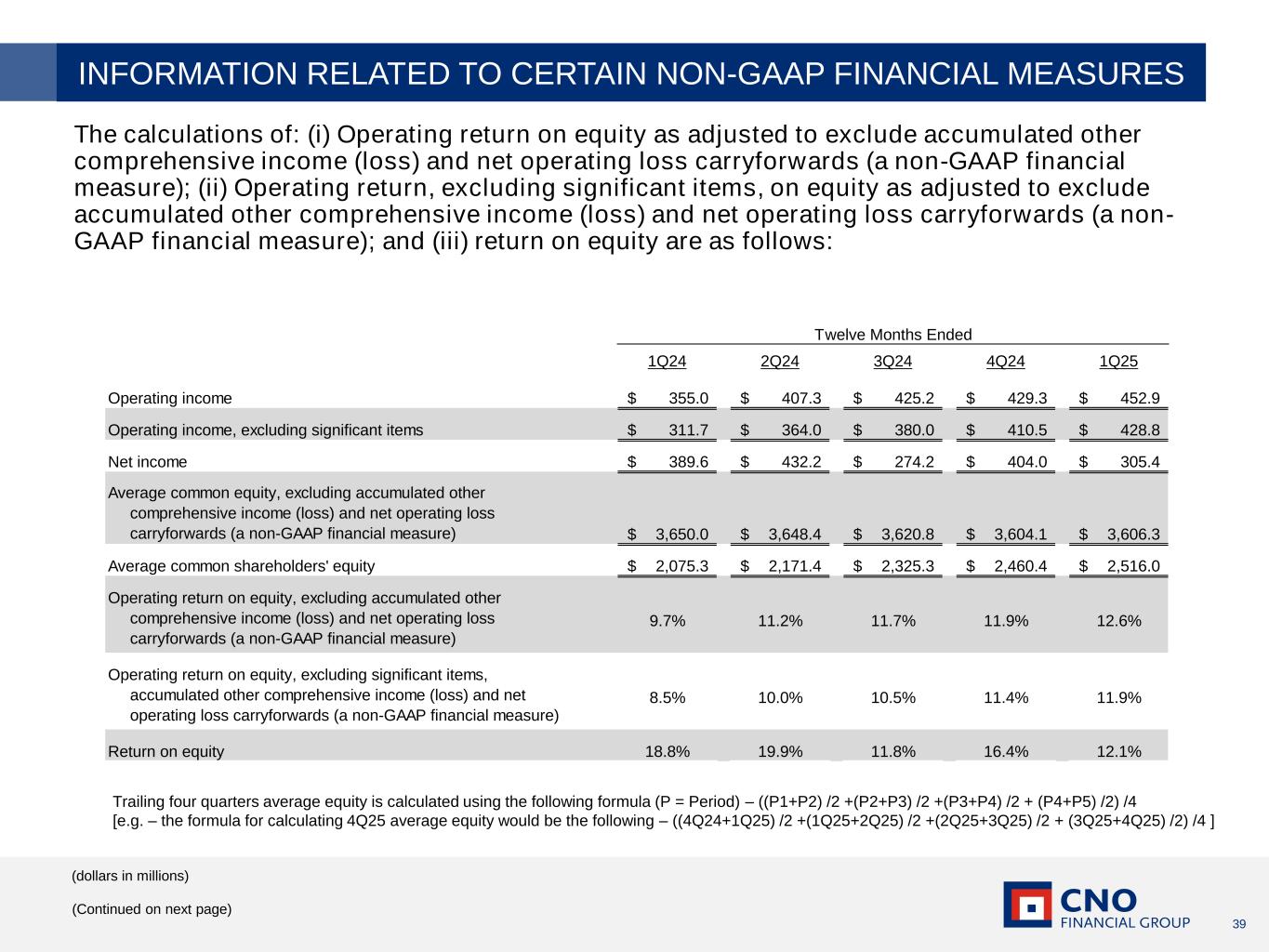
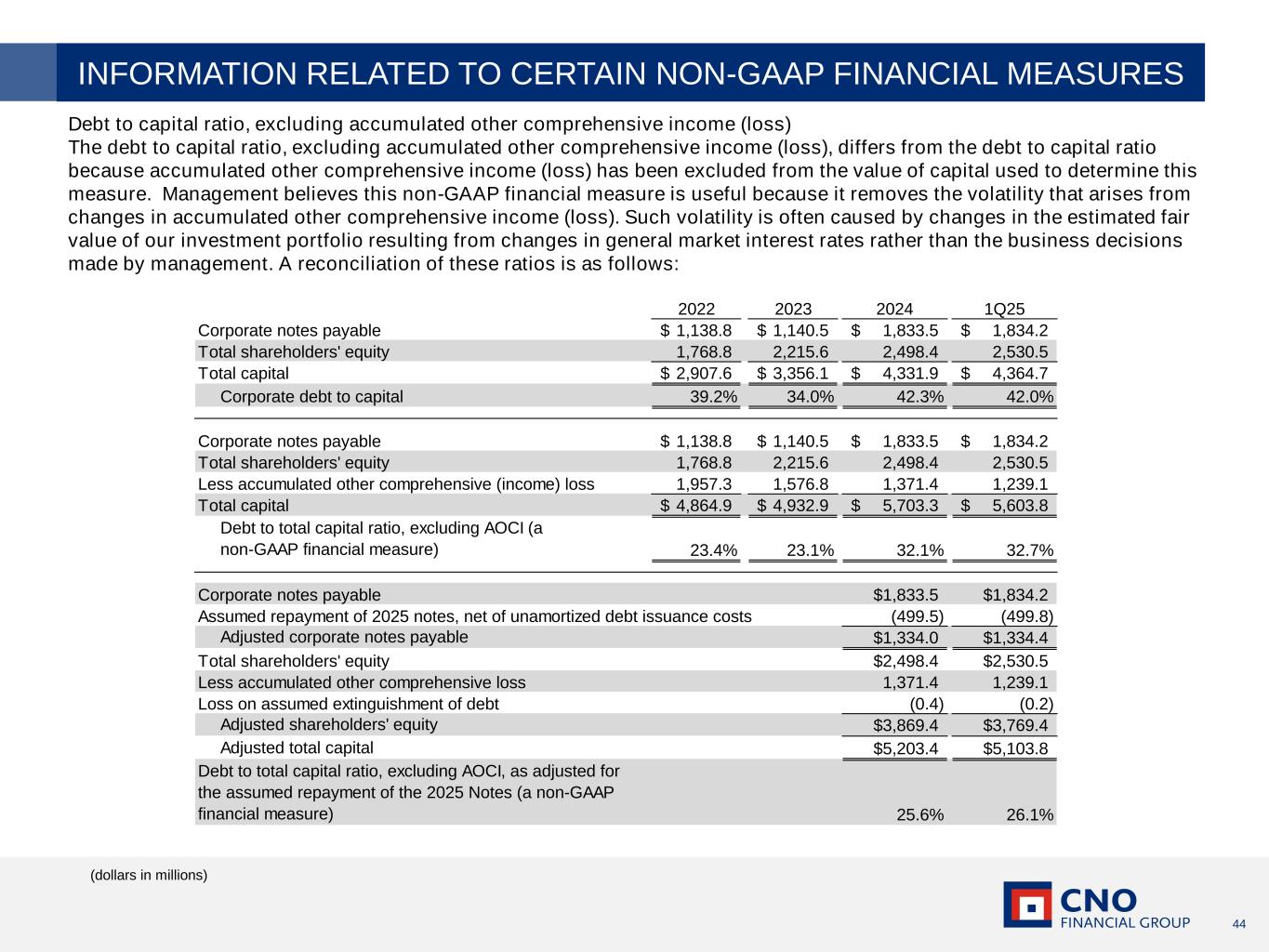
Thank you, Gary, and good morning, everyone. Turning to the financial highlights on slide eight, operating earnings per share, excluding significant items, were up 42% in the quarter, reflecting growth in the business, stable insurance product margins, sustained new money rates above portfolio rates, resulting in increased book yields, alternative returns still a bit below our long-term run rate expectations, but much improved year over year, and lastly, continued discipline in expense and capital management. Fee income was adversely impacted in the quarter by ASC 606 Revenue Recognition Accounting for the sale of third-party Medicare Advantage policies by Banker's Life agents in our consumer division. The underlying dynamics of that business are actually quite healthy. As Gary mentioned, the MA policies sold in the quarter increased 42%. The accounting rules, however, create volatility in the timing of revenue recognition. I expect the adverse impacts noted in the first quarter of this year to be largely offset by anticipated increases in fee revenue recognition in some future periods we continue to manage our capital and hold co liquidity targets while in the quarter deploying 100 million dollars of excess capital on share repurchases contributing to a seven percent reduction in weighted average diluted shares outstanding on a trailing 12-month basis operating return on equity excluding significant items was 11.9 percent turning to slide nine insurance product margin was up across all three product categories and each of the underlying products with total insurance product margin excluding significant items up eight percent the results continue to benefit from growth in the business, solid persistency, and higher investment returns. Turning to slide 10, net investment income remains strong in the quarter. This was the 11th consecutive quarter of growth in book yield and invested assets. The new money rate was 6.43%, the ninth consecutive quarter above 6%. The average yield on allocated investments was 4.87%, up 17 basis points year over year. The increase in yield, along with growth in the business, drove a 6% increase in net investment income allocated to products for the quarter. Investment income not allocated to products was up considerably, primarily due to improved alternative investment income versus the prior year. Total investment income was up 16% for the quarter, marking the sixth consecutive quarter of growth. Our new investments in the quarter comprised approximately $1 billion of assets with an average rating of single A and an average duration of seven years. Our new investments are summarized in more detail on slide 22 of the presentation. Turning to slide 11, the market value of invested assets grew 11% in the quarter, with roughly 60% of the increase, a result of growth in the business and market appreciation on the investment portfolio, and the remainder due to recent FABN issuances. Approximately 96% of our fixed maturity portfolio at quarter end was investment grade rated with an average rating of single A, reflecting our up in quality bias over the last several years. Our portfolio is high-quality, liquid, and delivering durable results. Turning to slide 12, our capital position remains strong. At quarter end, our consolidated risk-based capital ratio was 379%. Available hold co-liquidity was $250 million, dollars well above our target minimum leverage at quarter end was 32.7 percent as reported adjusting for the senior notes that will be paid off at maturity in may of this year leverage at quarter end was 26.1 percent within our target range of 25 to 28 percent turning to slide 13 and our 2025 guidance as gary mentioned we are reaffirming all guidance announced in February, as summarized on this slide. Certainly economic conditions today are more volatile than they were back in February, and the outlook is far less certain. That admittedly creates additional risk, perhaps skewed to the downside in the near term, but one can also envision upside scenarios. The bottom line is our balance sheet and business model position us well to navigate through uncertainty as demonstrated most recently in the strong performance of our business through the COVID-19 pandemic. In addition, our stress testing indicates that we could absorb the impacts of a severe recession if that were to come to pass without dropping below our target capital and liquidity levels. Longer term, we remain very focused and committed to improving run rate ROE by 150 basis points over the 2025 to 2027 period from about 10% in 2024. And with that, I'll turn it back to Gary.
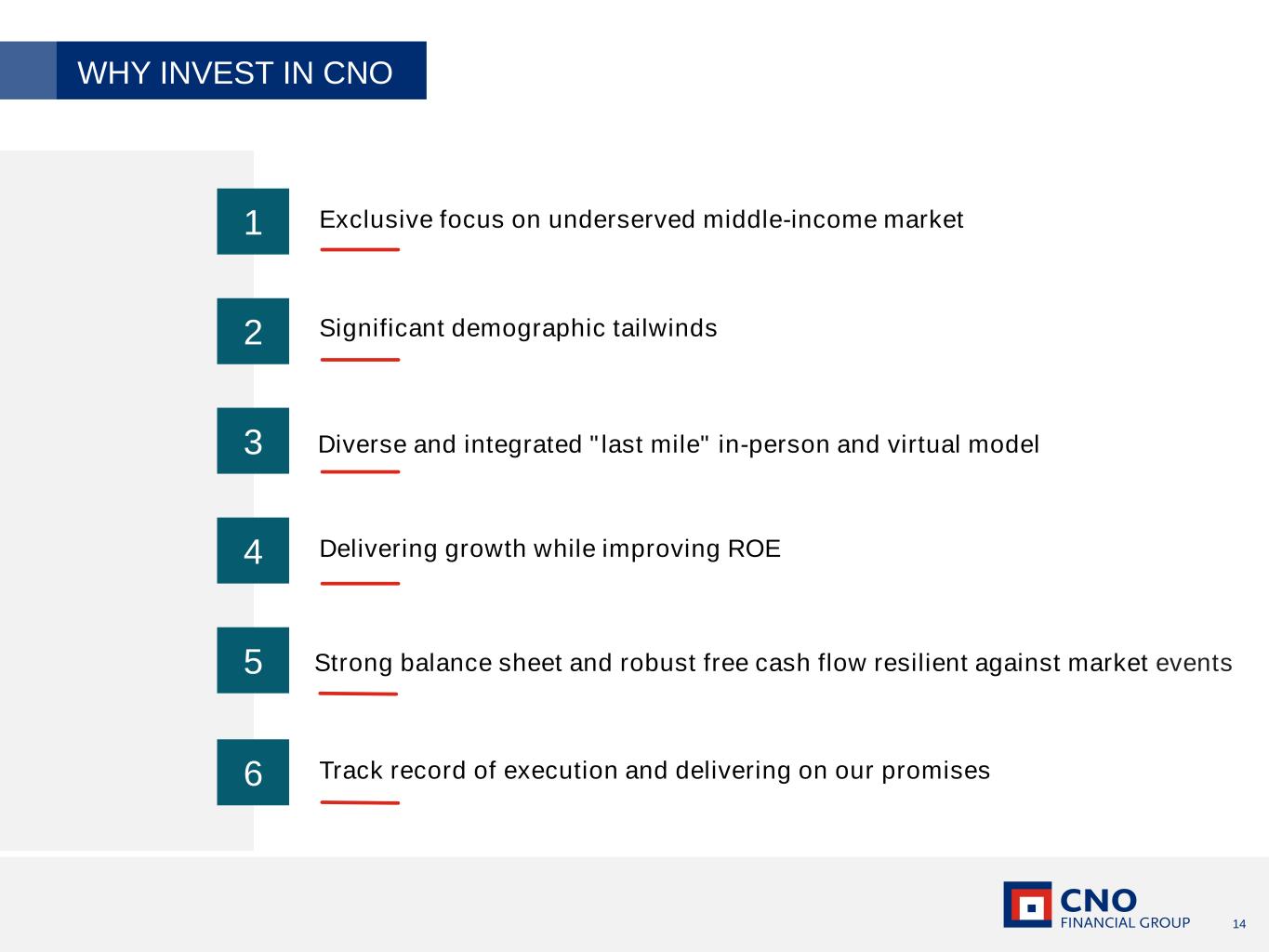
Thanks, Paul. Our financial health is strong and our business model is resilient. During times of uncertainty, our customers and clients need professional guidance and financial security products more than ever. Our associates, agents, and independent partners are here to help. Our track record has demonstrated our ability to navigate market events for a position of strength. We remain confident in our capabilities to deliver profitable growth and drive ROE expansion in 2025 and beyond. Before we open up the line for questions, I'm pleased to share a program update. Starting in June, we will launch a new series of CNO investor briefings. These programs will focus on one area of CNO's business, provide a deeper look at that area's strategy and approach, and offer an opportunity for Q&A with members of management and their leadership team. Our first investor briefing will feature a one-hour virtual session on CNO investments led by our Chief Investment Officer, Eric Johnson. Program registration will open in May. Event details will be announced soon, so please ensure that you are signed up to receive our email alerts. We thank you for your support of and interest in C&O Financial Group. We will now open it up to questions. Operator.
Operator
Thank you very much. We'd like to open the lines for Q&A. If you'd like to ask a question, please press star followed by one on your telephone keypad and to remove your cell phone questioning will be star followed by two. As a reminder to raise a question will be star followed by one. Our first question comes from Wes Carmichael of Autonomous. Wes, your line is not open.
Hey, good morning. Just on buybacks, they're a bit higher this quarter at $100 million. And just thinking ahead to the second quarter and maybe a little bit of pressure on the stock today, would you expect kind of in the current more choppy macro environment, you might want to lean in to the buyback again? Or is this maybe a little bit of a time to be more cautious given potential recession fears and volatility in market?
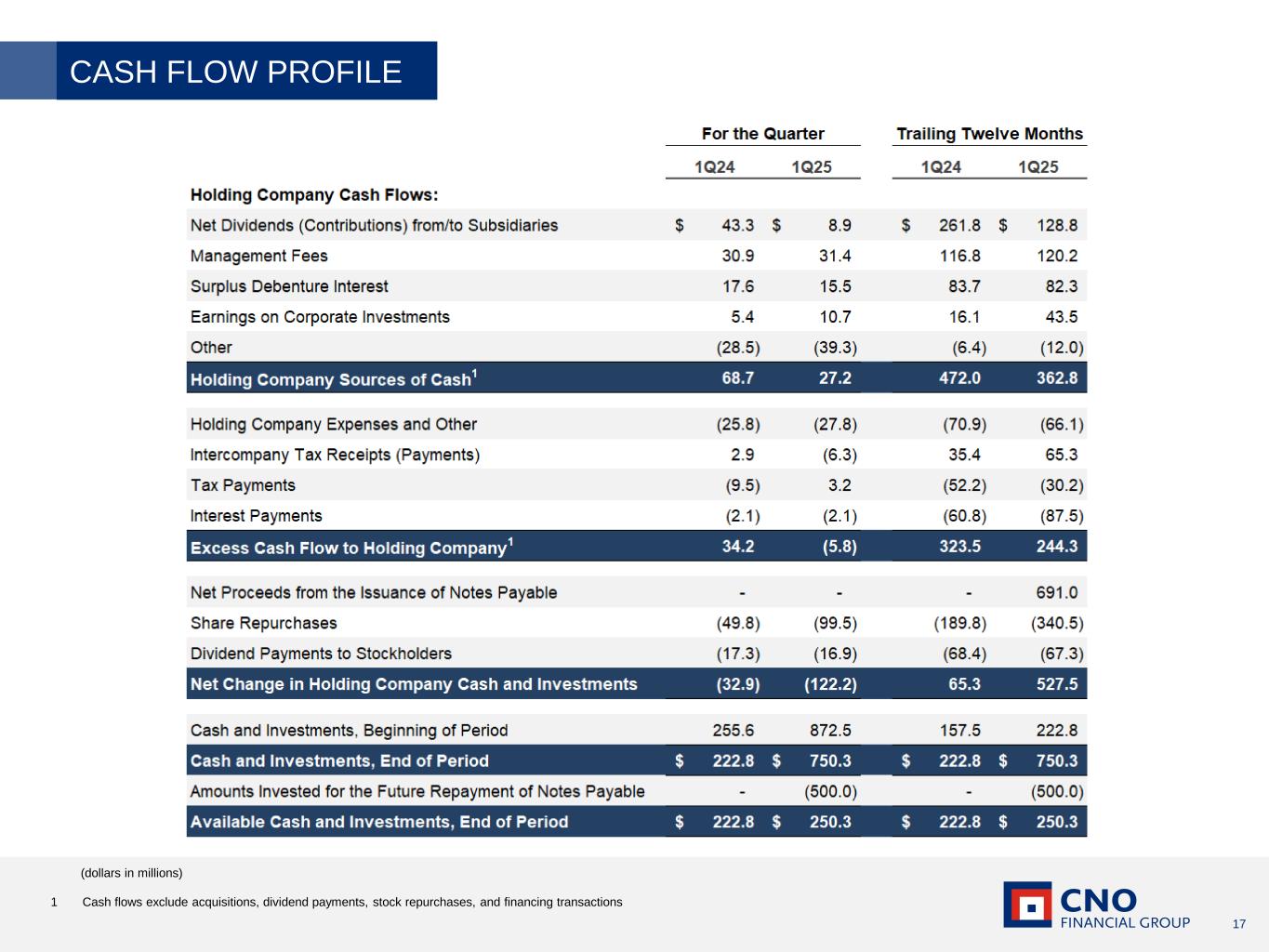
Hey, Wes, good morning. it's paul um so the short answer is that uh we're inclined to continue to lean in uh as you know our our share buyback levels have been uh somewhat elevated the last two quarters 90 million and 4q 100 million in in the in this first quarter um we're still sitting on 250 million dollars of cash flow at the holdco against our minimum of 150 so that you know creates some capacity um that would suggest uh uh you know the potential for some continuation of of uh of these elevated levels helpful thanks paul and just switching to the fee revenue um topic that we
talked about with medicare advantage and the timing there i know you said some of that is likely to reverse in future periods is there any color you can share on how the gap accounting revenue recognition differs from the cash flow from fees in the period?
Sure. So, Wes, I think this is a question that's pretty common across all of our sell-side coverage and I think probably with our investors as well. So, let me give you a fairly long-winded response just to provide some information and context. So, as I'm sure you appreciate under ASC 606 accounting, we are required to estimate lifetime revenue and expenses from each issued MedAdvantage policy that we sell for third parties. And we base that estimate on our experience and the related data that we have with each of the carriers that issue the policies. We have more experience and related data with three primary carriers of the roughly 21 MedAdvantage carriers that we represent the sale of a policy to one of those three primary carriers translates to higher revenue and income than a sale to any of the other carriers because with those other carriers we apply a constraint on our estimated lifetime revenue and income due to the more limited experience and related data we have with those carriers in the first quarter we saw a significant an increase in the percentage of new sales with these other carriers, and also in the percentage of exchanges where a policy holder is shifting from one of our three primary carriers to one of the other carriers. And this dynamic drove the decline in fee income year over year, notwithstanding the increase in the number of met advantage policies that we sold and issued in the quarter. As we develop more credible experience with the newer carriers we anticipate the assumptions between the three primary carriers and the newer carriers would converge in other words you would expect to relax the constraints we are currently applying to the newer carriers so if it plays out like we expect we would see a reversal in some future period of some of the adverse impacts we experienced in the first quarter of this year the final point i think worth making is is that um we're not seeing an increase in the number of exchanges as a percentage of the total policies issued so this is a healthy and growing part of our business but there's some noise in the timing of revenue and income recognition under gap accounting driven by a changing mix of sales between the three primary carriers and the newer carriers. So I'll stop there. I know that was a lot, but hopefully that provides some helpful information and context.
Operator
Thank you very much. Our next question comes from John Barnbridge. John, your line is not open.
Good morning. Thank you for the opportunity to ask the question. Just kind of following up on that fee income commentary, Paul. You said there'd be a reversal possibly in a future period. Does that reversal like occur possibly into a year or is it over a multi-year period? Thank you.
Hey, John. You know, it's hard to say. It certainly could. We certainly could see some of that inside of calendar 2025. It could extend beyond that. But the thing I would emphasize, John, is that our guidance hasn't changed. We're reaffirming our full year guidance. Fee income is a small piece of that. Our guidance for fee income was that it would be in 2025, a bit below what it was in 2024, largely because of this dynamic, which we foreshadowed back in February. We anticipated this sales mix and the impact that it would have. It's a bit more pronounced. It's actually quite a bit more pronounced than we had anticipated. And I think that's a dynamic, not just with us, but more broadly in this market. Again, we haven't seen an increase in the exchanges as a percentage of the total sales issued. So in that context, it's stable. So our guidance for fee income hasn't changed i still expect it to be a bit lower than it was in 2024 you know maybe by a bit more than we thought back in february um but again fee income is a small component of the overall earnings and uh we reaffirm uh our full year guidance for earnings in total um on a per share basis thank you for that and my other question you talk about a octavis clear product launch Can you maybe discuss how you view the opportunity set within that for arguably a customer set that has demographic tailwinds?
Hey, John, this is Gary. So as you might imagine, we're really bullish on this. This really lets us bring together a bunch of services that we have historically offered to the worksite customers and bring them together in one consolidated offering. Now, there's one exception to that. there's a new medicare advice service that we're also providing and relatively speaking that's new to us but we're really encouraged by the early reactions now it's early that's why we're sounding a little bit cautious but we're very encouraged by the early reactions we think that the demand for this will grow and we're we're very bullish in what the future potential is thank you thank you very much our next question comes from brian kruger of keith and woods ryan your line is nice good morning um i had a question on direct to consumer life sales can you i understand the uh
the headwind that you had from um from the political election and higher ad costs but i guess at this point is it your expectation that we'll have a bounce back in both ad spend and and sales for direct to consumer for the balance of the year?
Ryan, this is Gary. Thanks for the question. I would say at a high level, yes. There's one caveat I'd put on that. There has over the last three, so this is my third election being here at CNO. And over that period of time, there's been a broader shift away from broadcast television to streaming and this type of thing. So it's hard for us to tell how much of a bounce back we'll have in this traditional media setting, given that overlay. If it weren't for that overlay, I would say absolutely yes, that's our expectation. We just don't know how to protect that. Now, on the positive side, because we've seen this coming, us and everybody else, we've been moving more and more of our advertising efforts to other social media channels. And you'll recall from my script, I believe I quoted 36% of our sales now come from those non-traditional broadcast television areas. So that's the one caveat I would put on that expectation. But we have been preparing for it, and we've been seeing good success in those alternate media channels.
Got it. Thanks. And then could you give a little bit more color on the trends you're seeing in consumer agent recruiting and retention? Had a good string of growth. Are you still optimistic about continued growth from here?
Short answer is yes. We remain optimistic on our ability to give a good career path to these folks that are interested in this. historically we've seen that when unemployment pressure rises our agent recruiting picks up so if there is going to be an increase in unemployment we would expect that to help us but even without that as you pointed out we've strung together many many quarters now so we think we've got an offering and a model here that really resonates with people that are willing to consider this as a career so we expect our agent counts to grow and we expect our productivity to grow certainly over a longer time frame great thank you great thank you very much
our next question comes from sunny kamath of jeffrey's sunny your line is now open uh hi thanks um maybe just to follow up on ryan's second question it looks like the consumer um pack was down maybe three percent from the fourth quarter and and maybe lower than uh third and fourth quarter of last year, maybe flat to 2Q. So I know you just talked about recruiting growth, but what is the outlook for PAC in the consumer division? Thanks.
I expect us to continue to grow that. We experience quarter to quarter fluctuations. So on a sequential basis, there may be some bumps in it, but I believe that on an annual basis, if you look at similar periods year over year, meaning Q1 to Q1, I expect this to continue to show growth. Certainly over a longer period, meaning over the full year, absolutely. Into a quarter or into a year, there may be some bumps here and there, but nothing significant. We're not seeing anything that tells us our models are not holding up in terms of the longer term projections for both agent count growth and productivity growth.
And then maybe just in terms of your target market, how are you thinking about the appetite that they would have for insurance products? I mean, if we do see a bigger impact from tariffs and costs continue to rise or we go into a recession, can you just talk about sort of the health of that market?
Yeah, overall, look, if we go into a recession, it of course depends on just how deep that is, right? It's very hard to predict that. But the things that don't change in a recession, 11,000 people still turn 65 every day. That doesn't change. Those people are living longer. The lifespans are growing. Medical costs are going up. And there are fewer alternatives. For those reasons, recession or no, we expect there to be continued strong interest in our products. Now, are we immune to a recession or an economic downturn? Of course not. We'll be impacted. But I don't think we'll be impacted nearly as significantly as manufacturers of other hard goods, as an example, or other discretionary purchases. I think we'll weather that much better than others have. And I would point to recent experiences, not least of which is the pandemic. We came through that, I think, relatively well. And even with the period of prior inflation that we had over the last year or two, we came through that quite well.
So I think that supports our view that the demand and need for these products is relatively resilient not immune but relatively resilient to some of these macroeconomic pressures got it thank you thank you very much my next question comes from jack mutton of bmo jack your line is not open hi good morning um just a question on on your medicare business um a big health insurance recently flagged some margin issues with medicare advantage i'm wondering if you expect consumers to shift toward medicare supplement if there's higher price on the Medicare Advantage side? How many impacts we could see on your Medicare Advantage fee income if those carriers are raising rates?
Jack, thanks for the question. So first, you know, there's been a couple other questions about our Medicare Advantage business, and I just want to emphasize one thing. I would kill to have another quarter like the one we just had. 42% growth in policies, and the only bump here was the timing of that fee recognition. I want to make sure that really came across loud and clear. I would kill to have another quarter like the one we just had. It was absolutely a fantastic quarter. Now, to your point, I think that some demand will be impacted on MA. We may see, I don't know if we'll see them shifting back to MedSup or other types of plans, or it's a little early to call that, but there's been a long secular trend away from MedSup towards MedAdvantage. And I think that will abate somewhat because I think carriers are going to start reeling in some of the benefits that they had in the MA space. So I do expect to see that. I don't think that will have a material impact on us because our view is that those consumers that may have considered MA to the extent they consider med sup especially with us um frankly i'd rather sell a med sup because we manufacture and collect the distribution margin on that whereas with ma it's just simply a distribution market so we view ourselves as being in a good position if that happens and remember if those ma underwriting results worsen those don't impact us because we're strictly a distributor on the ma side so whatever happens on the shift between that demand we regard it generally speaking as left pocket right pocket uh if they want to buy ma from us we're thrilled to sell it to them we like the margin we get on that it's great if they want to shift to buy med stuff instead we're happy to sell them that too we we enjoy that product um so we don't see that having a material impact if that transition materializes that's helpful thank you and um just to follow up um in the slide that you you referenced a potential rbc ratio variability if you could elaborate on that like what you're seeing?
And would you expect any potential impacts in the second quarter, given the market volatility we've seen in April?
Sure. Hey, Jack, it's Paul. I'll take that one. So we ended the quarter with RBC of 379 against our target of 375. The 379 was impacted by a couple of things that I would describe as timing that are likely to, you know, reverse or unwind over time. And I pointed to two things in particular. One is an increase in not admitted assets, which will certainly reverse. And the other is the accounting for, the statutory accounting for FIAs, which has a dynamic where when equities, equity markets, equity indexes are declining like they did in the first quarter, That has an adverse impact on our stat net income and stat capital because the options that we use, the one-year call options that we use to hedge our exposure to equities that, you know, comes through the par rate in the FIA product, those are mark-to-market. And that mark is mostly offset by the change in the liability, but not entirely. So you have a little bit of a disconnect there. From a staff accounting perspective, economically, it's a nearly perfect hedge. And so that had an impact in the first quarter, essentially unwinding positive impacts in prior quarters when equities were up, because this moves the same way in both directions. So those are the two things, Jack, that I'd point to in the quarter.
Appreciate it. Thank you.
Operator
Thank you very much. Our next question comes from Wilma Burtis from Raymond James. Wilma, your line is now open.
Hey, good morning. Could you give us a little bit more color on the geographic expansion and worksite?
Yeah, so we've – hi, Wilma. This is Gary. We've undertaken this now for, I think, about a year, year and a half. We've seen substantial growth in our sales because of this. We expect that to continue. We are looking at new geographies, but we're being slow at how we do that. uh maybe disciplined is a better word um uh and and we expect that to continue so so we like what we see we expect the trend to continue in the current new geographies if you will the ones that we've already opened and we are continuing to look at new opportunities um and it seems like you still feel confident on delivering 50 bits of roe improvement in 2025. could you talk about what is ongoing there to uh just you know this year that's going to help improve on the expense side and any risks that you're seeing to that to that figure thanks sure hey wellness paul um
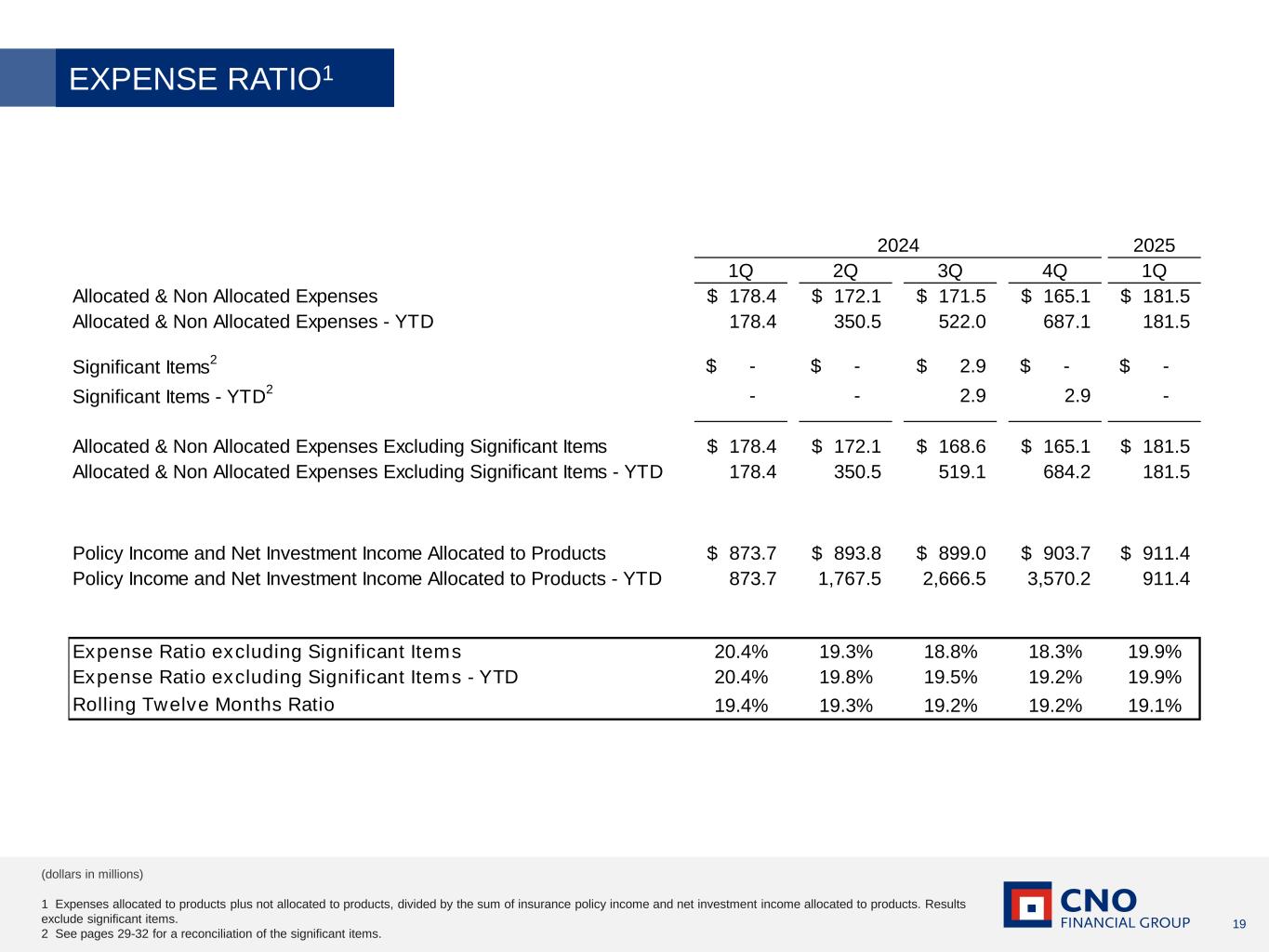
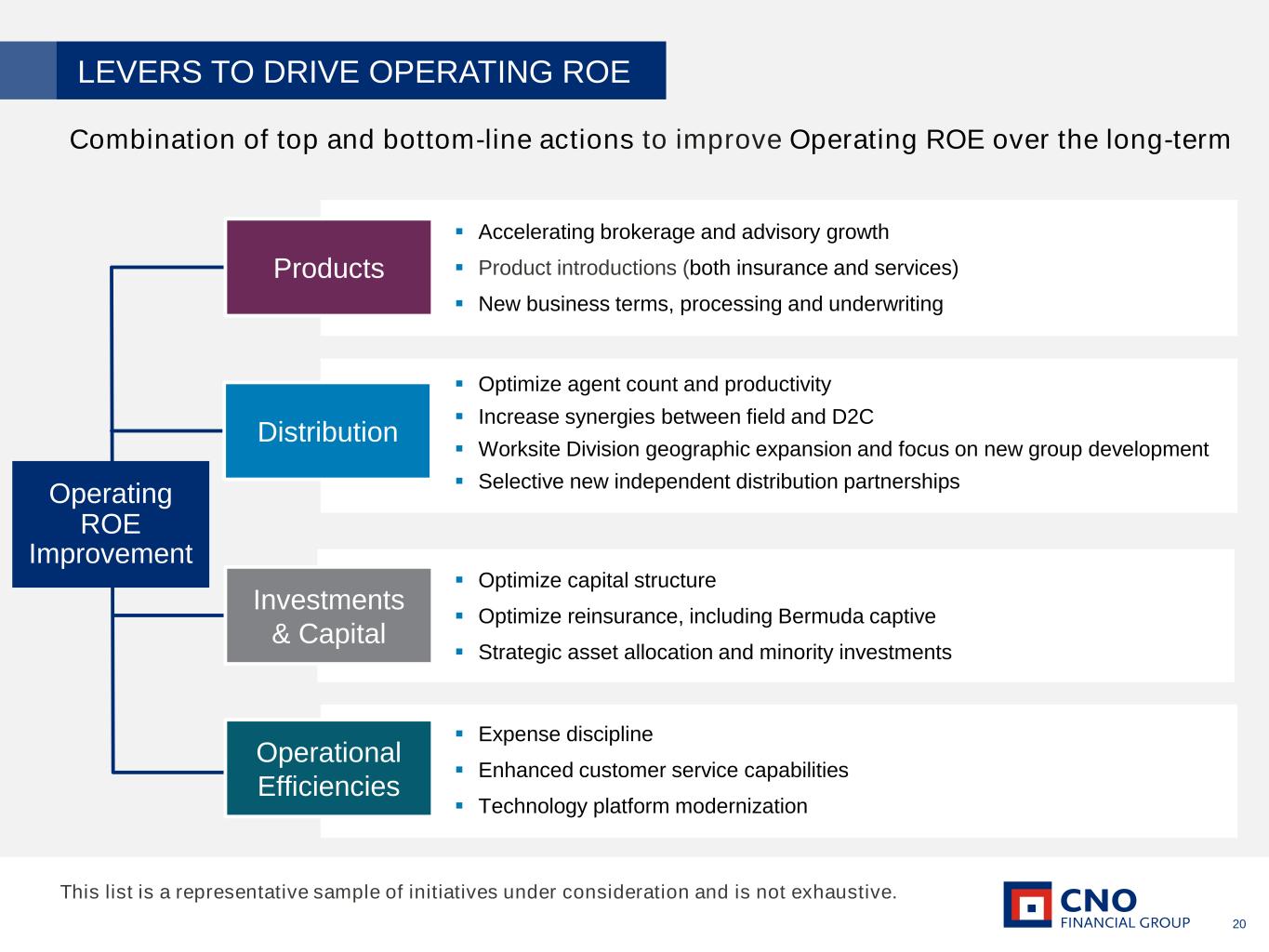
you know so so as i've said in the past uh there's a multitude of things that is contributing to the improvement in our roe um expenses is one uh you know growth in the business is is another um which contributes to uh the the growth in our insurance product margin the higher interest rates You know, we've been putting new money to work above portfolio yields for the last several quarters. Nine, I think is the number. You know, we're looking at the enforced business and levers we pull there, the pricing of new business, the management of capital, including the capital dynamics of the reinsurance tree with our new Bermuda company. All of those things are contributing to ROE improvement in 2025, and we expect will continue to drive ROE improvement over the next couple of years, along with other things that we're currently contemplating to some degree more of the same, but some other things likely on the margin as well. So hopefully that's a helpful woman. There's not really any single silver bullet. It's all of those things in aggregate.
Operator
Thank you very much. Our next question comes from Tom Gallagher of Ebercourt ISI. Tom, your line is now open.
Good morning, Paul. Just wanted to circle back on your comment on the drag from the equity market weakness on the FIA, on the fair value, of the derivatives what what kind of magnitude was that um and i'm also asking just because obviously markets are weaker into 2q should we expect similar or a larger drag yeah so the the magnitude in the first quarter time was about 25 million um if we were to have uh another say five percent i think was the equities were down about five percent in the quarter that translated to
this 25 million again mostly that was giving back the benefit that we saw in you know previous quarters when the when the markets were up if we were we'd have to be down another 15 percent at a similar order of magnitude impact in the second quarter um you know so it it it it The impact declines, you know, from where we are today versus where we are in December and really depends on kind of where you are. The other thing I would say, Tom, is it's entirely timing, right? The whole thing nets to zero over the one year. You know, if you're thinking about one option, it would be net zero over the life of that one year option. So it's really just timing. Got it, Paul. so you you'll earn some of that back over the balance of the year is that the right way to think about it as the options expire uh i mean in the context of a single option yes um in the context of the entire portfolio um you know it's going to move up and down with with equities uh you know with varying degrees of magnitude um but if you know if you put the thing in runoff yes it it all unwind to zero but if you're looking at a calendar year i guess a similar gotcha okay thanks and then similar question for the med advantage revenue recognition drag on gap is there were there also similar impacts on uh cash flows how should we think about that yeah so the the cash flows are are you know much simpler right you you sell a policy and and the cash flows that you would expect emerge from there. This is just pure accounting, right? You've got to predict, estimate what the lifetime cash flows will be. And on that basis, you book your revenue and your expenses and your income.
So you would have had stronger cash flows than as reported from a gap perspective in Q1. Is that a fair conclusion?
Yeah, for sure. I mean, what's happening in Q1 is by virtue of going from the three primary carriers, you know, where we don't apply any constraint to smaller carriers where we do, there's an experience adjustment that's translating to, you know, the result that we booked in the quarter. Okay, thanks.
Operator
Beth? Great, thank you very much. We currently have no further questions, so I'd like to hand back to Adam Orville for any further remarks.
Thank you, operator, and thank you all for participating in today's call. As a reminder, if you are interested in receiving details on our upcoming investor briefing, please ensure that you are signed up to receive our email alerts. Have a great rest of your day.
Operator
As we conclude today's call, we'd like to thank everyone for joining. You may now disconnect your lines.