
Corbus Pharmaceuticals Holdings, Inc 8-K, filed Oct 20, 2025
Corbus Pharmaceuticals Holdings, Inc. (CRBP)
About this 8-K
Corbus Pharmaceuticals Holdings, Inc filed this 8-K on October 20, 2025, reporting on events of October 18, 2025.
Items reported
- Item 7.01: Regulation FD disclosure
- Item 8.01: Other events
- Item 9.01: Financial statements and exhibits
UNITED STATES
SECURITIES AND EXCHANGE COMMISSION
WASHINGTON, D.C. 20549
FORM
CURRENT REPORT
Pursuant to Section 13 or 15(d) of the Securities Exchange Act of 1934
Date of Report (Date of earliest event reported): |
(Exact name of Registrant as Specified in Its Charter)
(State or Other Jurisdiction |
(Commission File Number) |
(IRS Employer |
||
|
|
|
|
|
|
||||
|
||||
(Address of Principal Executive Offices) |
|
(Zip Code) |
||
Registrant’s Telephone Number, Including Area Code: ( |
(Former Name or Former Address, if Changed Since Last Report)
Check the appropriate box below if the Form 8-K filing is intended to simultaneously satisfy the filing obligation of the registrant under any of the following provisions:
Securities registered pursuant to Section 12(b) of the Act:
|
|
Trading |
|
|
|
|
The |
Indicate by check mark whether the registrant is an emerging growth company as defined in Rule 405 of the Securities Act of 1933 (§ 230.405 of this chapter) or Rule 12b-2 of the Securities Exchange Act of 1934 (§ 240.12b-2 of this chapter).
Emerging growth company
If an emerging growth company, indicate by check mark if the registrant has elected not to use the extended transition period for complying with any new or revised financial accounting standards provided pursuant to Section 13(a) of the Exchange Act. ☐
Item 7.01 Regulation FD Disclosure.
On October 18, 2025, Corbus Pharmaceuticals Holdings, Inc. (the “Company”) issued a press release announcing data from its Phase 1/2 clinical study of CRB-701 (SYS6002) that was presented at the 2025 European Society for Medical Oncology Congress (“ESMO25”) on October 19, 2025. A copy of the press release is furnished as Exhibit 99.1 and is incorporated herein by reference.
The Company also updated its presentation used by management to describe its business. A copy of the presentation is furnished as Exhibit 99.2 and is incorporated herein by reference.
The information in this Current Report on Form 8-K under Item 7.01, including the information contained in Exhibits 99.1 and 99.2, is being furnished to the Securities and Exchange Commission (the “SEC”), and shall not be deemed to be “filed” for the purposes of Section 18 of the Securities Exchange Act of 1934, as amended (the “Exchange Act”), or otherwise subject to the liabilities of that section, and shall not be deemed to be incorporated by reference into any filing under the Securities Act of 1933, as amended, or the Exchange Act, except as shall be expressly set forth by a specific reference in such filing.
Item 8.01 Other Events.
On October 18, 2025, the Company announced data from its Phase 1/2 clinical study of CRB-701 that was presented at ESMO25 on October 19, 2025.
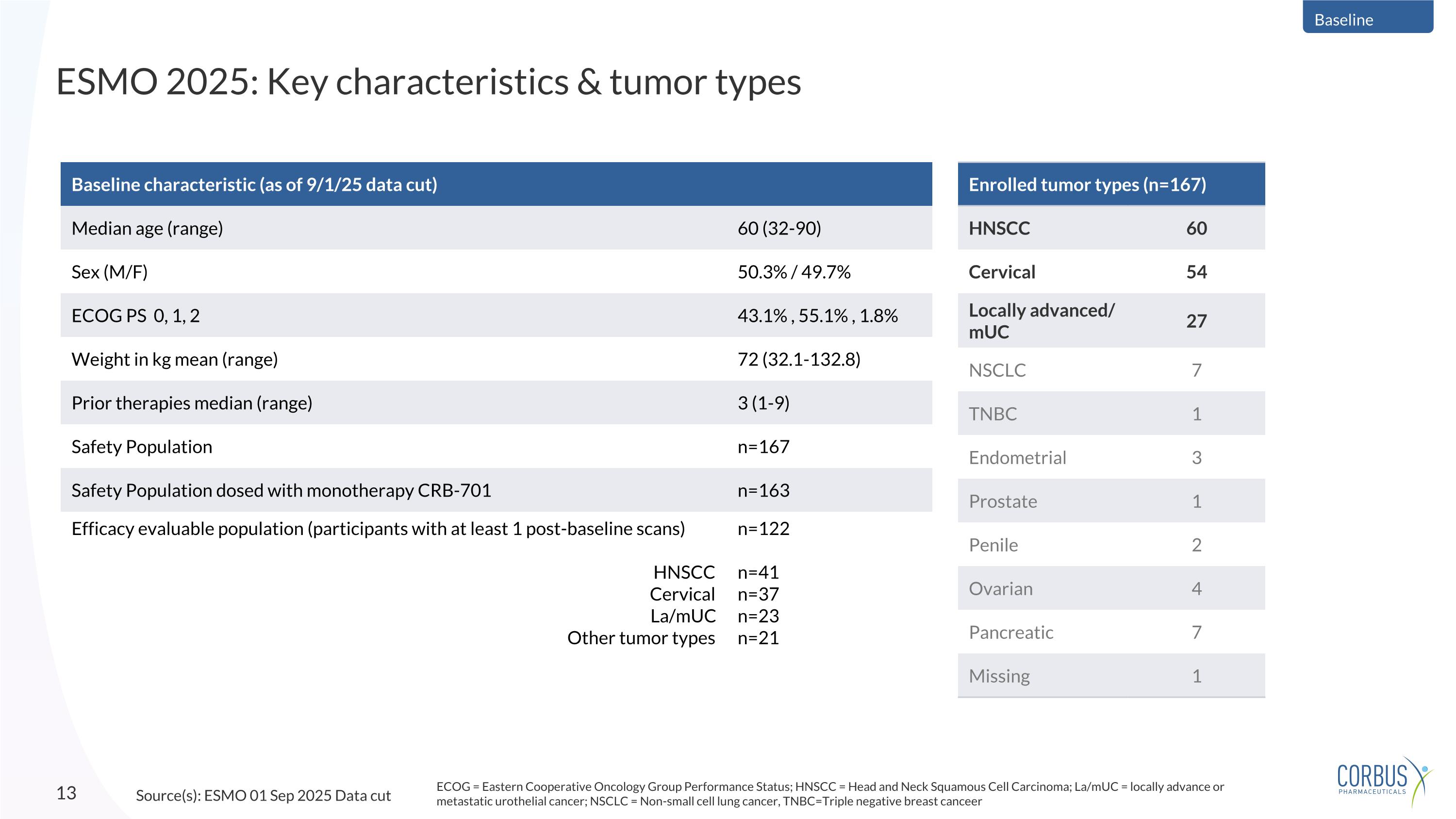
Data as of September 1, 2025 was presented from 167 patients, of whom 1221 were evaluable for efficacy. The tumor types being investigated were head and neck squamous cell carcinoma (HNSCC, n=41), cervical cancer (n=37) and locally advanced/metastatic urothelial (mUC, n=23) tumors. In addition, 21 patients who had other solid-tumor types were enrolled during dose escalation.
The multi-center Phase 1/2 study is being conducted in the U.S and Europe. The study was designed as an “all comers” trial with no enrollment restrictions for biomarkers (Nectin-4, PDL-1 or HPV status) or the number of prior lines of therapy. Patients were heavily pretreated with a median of 3 prior lines of therapy (range: 1–9), and the mean age was 60 years (range: 30–90). Baseline performance status, as assessed by the Eastern Cooperative Oncology Group (ECOG), was ≤2 for all patients, with 43.1% classified as ECOG 0, 55.1% as ECOG 1, and 1.8% as ECOG 2.
---------------------------
1 122 evaluable patients includes 84 patients with either HNSCC, cervical or mUC tumors dosed at 2.7 mg/kg (n=38) or 3.6 mg/kg (n=46), 7 patients with either HNSCC, cervical or mUC tumors dosed during dose escalation at 1.8 mg/kg, 21 patients who had other solid-tumor types that were enrolled during dose escalation, 8 non-evaluable patients, 1 patient with a -60.7% reduction in the size of mUC tumor not included in ORR and DCR calculations due to missing data and 1 patient with a HNSCC tumor dosed with the combination of CRB-701 (at 2.7 mg/kg) and pembrolizumab.
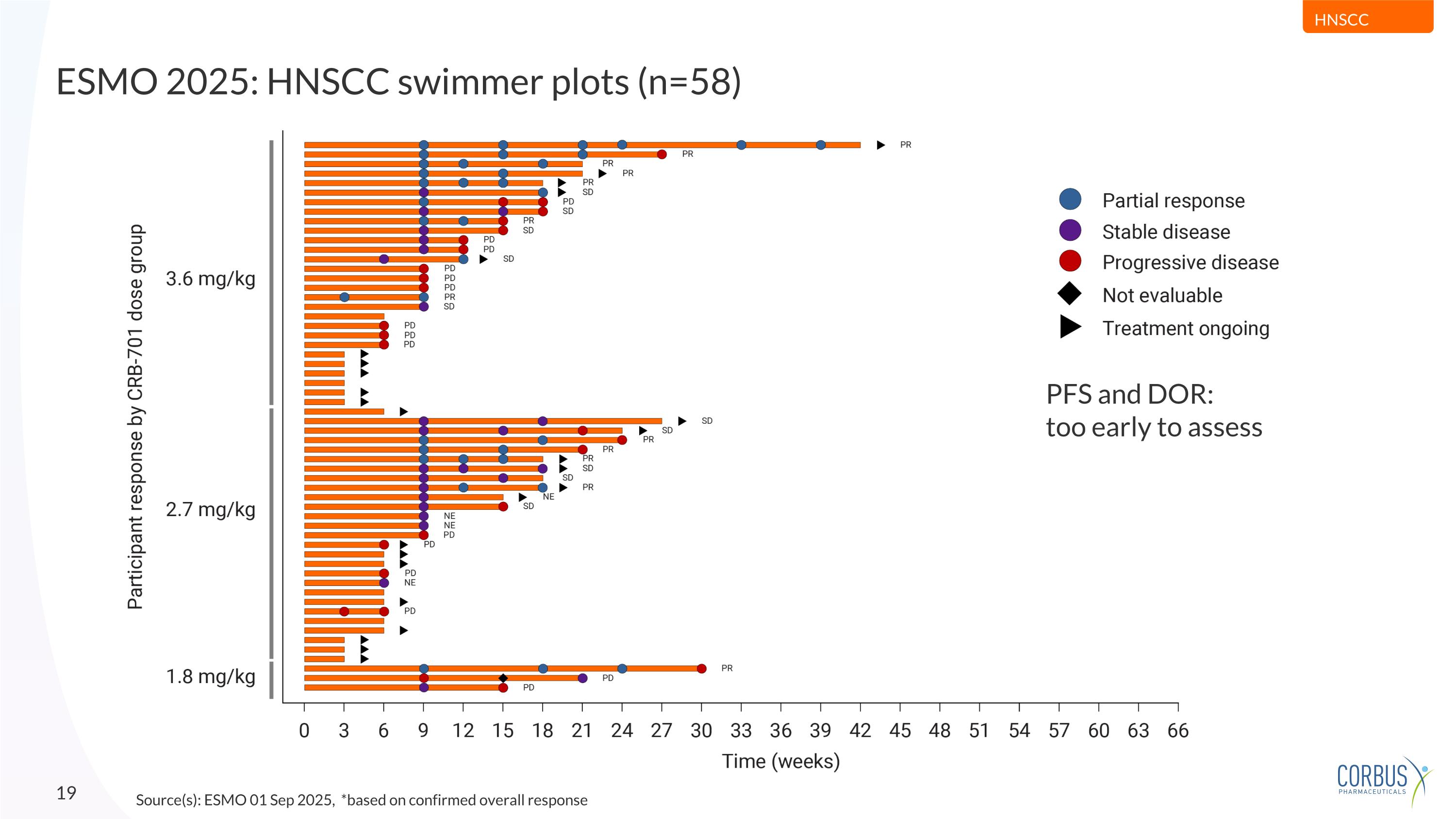
Efficacy in Response Evaluable Patients (n=84) dosed either at 2.7 mg/kg or 3.6 mg/kg
HNSCC (n=33) |
||
Dose |
2.7 mg/kg |
3.6 mg/kg |
ORR* |
33.3% (4/12) |
47.6% (10/21) |
DCR** |
75.0% |
61.9% |
Response confirmation*** |
All confirmed |
7 confirmed 3 unconfirmed: 1 discontinued and 2 ongoing |
Cervical (n=34) |
||
Dose |
2.7 mg/kg |
3.6 mg/kg |
ORR* |
22.2% (4/18) |
37.5% (6/16) |
DCR** |
66.6% |
68.8% |
Response confirmation*** |
2 confirmed 2 unconfirmed and ongoing |
3 confirmed 3 unconfirmed: 1 discontinued and 2 ongoing |
mUC (n=17) |
||
Dose |
2.7 mg/kg |
3.6 mg/kg |
ORR* |
50.0% (4/8) |
55.6% (5/9) |
DCR** |
75.0% |
88.9% |
Response confirmation*** |
2 confirmed 2 unconfirmed and ongoing |
3 confirmed 2 unconfirmed: 1 discontinued and 1 ongoing |
*Objective response rate (ORR) calculated using patient’s unconfirmed best overall response (BOR) per RECISTv1.1, excluding non-evaluable patients (n=9). **Disease control rate (DCR) calculated by summing numbers of response-evaluable patients who achieve a BOR of complete response (CR), partial response (PR) or stable disease (SD). *** Treatment status as of September 1, 2025.
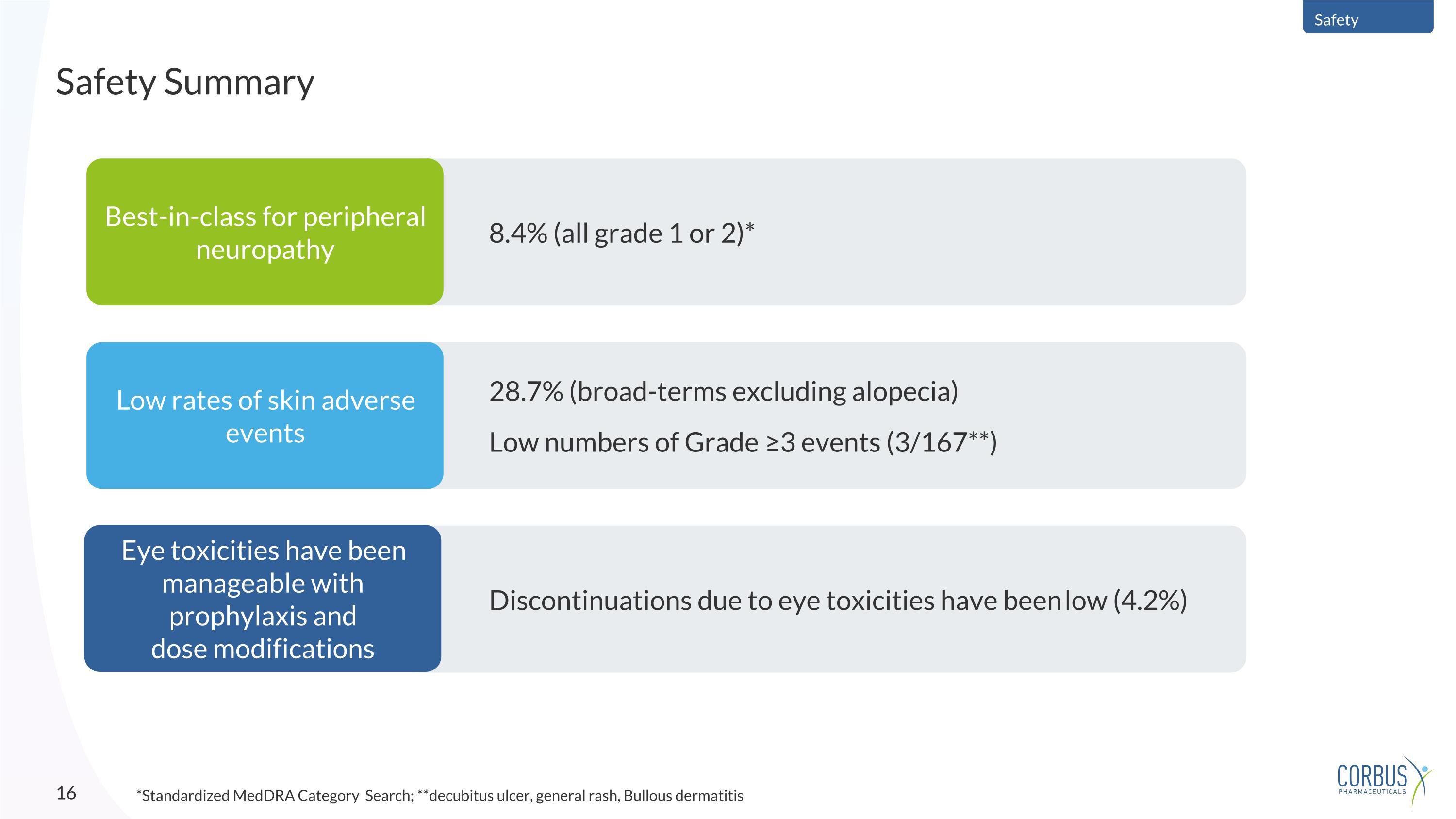
Safety (n=167)
Biomarkers
Nectin-4 (all tumor types)
HPV status (HNSCC)
PD(L)-1 (HNSCC)
Item 9.01 Financial Statements and Exhibits.
(d) Exhibits
Exhibit No. |
|
Description |
99.1 |
|
|
99.2 |
|
|
104 |
|
Cover Page Interactive Data File (embedded within the Inline XBRL document). |
SIGNATURES
Pursuant to the requirements of the Securities Exchange Act of 1934, the registrant has duly caused this report to be signed on its behalf by the undersigned thereunto duly authorized.
|
|
|
Corbus Pharmaceuticals Holdings, Inc. |
|
|
|
|
Date: |
October 20, 2025 |
By: |
/s/ Yuval Cohen |
|
|
|
Name: Yuval Cohen |
Exhibit 99.1
Corbus Pharmaceuticals Presents CRB-701 Robust Clinical Responses in HNSCC and Cervical Cancers at ESMO25
Norwood, MA, October 18th, 2025 (GLOBE NEWSWIRE) Corbus Pharmaceuticals Holdings, Inc. (NASDAQ: CRBP) (“Corbus” or the “Company’) today announced data from its Phase 1/2 clinical study of CRB-701 (SYS6002) will be presented as a poster at the 2025 European Society for Medical Oncology (ESMO25) Congress being held in Berlin, Germany. The poster titled, “Phase 1/2 study of the next-generation Nectin-4-targeting antibody–drug conjugate CRB-701 (SYS6002) in patients with urothelial and non-urothelial solid tumors” by Perez et al (link: https://d1io3yog0oux5.cloudfront.net/_0ea6f15a2476fe51ee10889d1a2bca38/corbuspharma/files/docs/ESMO_25_Final_Poster.pdf) will be presented tomorrow, October 19, 2025, from 12:00-12:45 CEST (Poster #967P). Data as of September 1, 2025 will be presented from 167 patients, of whom 1221 were evaluable for efficacy. The tumor types being investigated were head and neck squamous cell carcinoma (HNSCC, n=41), cervical cancer (n=37) and locally advanced/metastatic urothelial (mUC, n=23) tumors. In addition, 21 patients who had other solid-tumor types were enrolled during dose escalation.
The multi-center Phase 1/2 study is being conducted in the U.S and Europe. The study was designed as an “all comers” trial with no enrollment restrictions for biomarkers (Nectin-4, PDL-1 or HPV status) or the number of prior lines of therapy. Patients were heavily pretreated with a median of 3 prior lines of therapy (range: 1–9), and the mean age was 60 years (range: 30–90). Baseline performance status, as assessed by the Eastern Cooperative Oncology Group (ECOG), was ≤2 for all patients, with 43.1% classified as ECOG 0, 55.1% as ECOG 1, and 1.8% as ECOG 2.
-----------------------------------------
1 122 evaluable patients includes 84 patients with either HNSCC, cervical or mUC tumors dosed at 2.7 mg/kg (n=38) or 3.6 mg/kg (n=46), 7 patients with either HNSCC, cervical or mUC tumors dosed during dose escalation at 1.8 mg/kg, 21 patients who had other solid-tumor types that were enrolled during dose escalation, 8 non-evaluable patients, 1 patient with a -60.7% reduction in the size of mUC tumor not included in ORR and DCR calculations due to missing data and 1 patient with a HNSCC tumor dosed with the combination of CRB-701 (at 2.7 mg/kg) and pembrolizumab.
Efficacy in Response Evaluable Patients (n=84) dosed either at 2.7 mg/kg or 3.6 mg/kg
HNSCC (n=33) |
||
Dose |
2.7 mg/kg |
3.6 mg/kg |
ORR* |
33.3% (4/12) |
47.6% (10/21) |
DCR** |
75.0% |
61.9% |
Response confirmation*** |
All confirmed |
7 confirmed 3 unconfirmed: 1 discontinued and 2 ongoing |
Cervical (n=34) |
||
Dose |
2.7 mg/kg |
3.6 mg/kg |
ORR* |
22.2% (4/18) |
37.5% (6/16) |
DCR** |
66.6% |
68.8% |
Response confirmation*** |
2 confirmed 2 unconfirmed and ongoing |
3 confirmed 3 unconfirmed: 1 discontinued and 2 ongoing |
mUC (n=17) |
||
Dose |
2.7 mg/kg |
3.6 mg/kg |
ORR* |
50.0% (4/8) |
55.6% (5/9) |
DCR** |
75.0% |
88.9% |
Response confirmation*** |
2 confirmed 2 unconfirmed and ongoing |
3 confirmed 2 unconfirmed: 1 discontinued and 1 ongoing |
*Objective response rate (ORR) calculated using patient’s unconfirmed best overall response (BOR) per RECISTv1.1, excluding non-evaluable patients (n=9). **Disease control rate (DCR) calculated by summing numbers of response-evaluable patients who achieve a BOR of complete response (CR), partial response (PR) or stable disease (SD). *** Treatment status as of September 1, 2025.
Safety (n=167)
Biomarkers
Nectin-4 (all tumor types)
HPV status (HNSCC)
PD(L)-1 (HNSCC)
“I’m immensely gratified and encouraged by the pace of enrollment and response rate seen in the study to date,” stated Dominic Smethurst, Chief Medical Officer of Corbus. “It comes at a time when there is a stark unmet need
for the many HNSCC patients not responding to front-line therapy. The emerging CRB-701 safety and efficacy data is showing differentiation from other experimental agents in HNSCC, and we are looking forward to continuing the development of this novel ADC.”
“Following progression on immunotherapy and platinum-based chemotherapy, there is a huge unmet need for patients with recurrent/metastatic head and neck cancer,” stated Dr. Ari Rosenberg, Principal Investigator on this study and Assistant Professor of Hematology and Oncology at the University of Chicago. “Survival is poor, and there is substantial morbidity along with functional and quality of life impacts of recurrent disease, where standard treatments in this setting are quite limited in terms of their efficacy.” Dr. Rosenburg added, “Although data is still early with CRB-701, the lower systemic toxicity burden we are seeing compared with other ADCs or cytotoxics is quite exciting along with this preliminary efficacy signal. I look forward to seeing further data regarding this exciting compound.”
“I would like to thank all the patients, study physicians, and the Corbus team for their continued collaboration as we develop CRB-701,” said Yuval Cohen, PhD, Chief Executive Officer of Corbus. “We look forward to discussions with regulatory authorities and other potential stakeholders to determine the fastest and most efficient path to market. We aim to provide those updates in Q1 2026.”
Next steps
The Company plans to meet with the FDA this year to review the data and expects to initiate registrational studies by mid-2026.
The ongoing CRB-701 Phase 1/2 clinical trial (NCT06265727) (link: https://www.clinicaltrials.gov/study/NCT06265727?term=CRB-701&rank=1) is evaluating the safety, pharmacokinetics, and efficacy of CRB-701 in patients with advanced solid tumors known to be associated with high Nectin-4 expression. The study is enrolling patients primarily with either HNSCC or cervical tumors.
HNSCC KOL Event
Corbus will host an in-person and virtual HNSCC KOL event during ESMO25 to review and discuss the data. The event will be held at the Berlin Marriott Hotel starting tomorrow October 19, 2025 at 10AM CEST. The event will feature insights from leading HNSCC experts: Ari Rosenberg, MD – University of Chicago, Glenn Hanna, MD – Dana-Farber Cancer Institute, and Cesar Augusto Perez Batista, MD – Sarah Cannon Research Institute. A live question-and-answer session will follow the formal presentation. To register for the HNSCC KOL event, click here (link: https://lifescievents.com/event/vak208zhgo/). A replay of the event will also be available on the Company website.
About CRB-701
CRB-701 (SYS6002) is a next-generation antibody drug conjugate (ADC) targeting Nectin-4, that contains a site-specific, cleavable linker and a homogenous drug antibody ratio of 2, using MMAE as the payload. Nectin-4 is a clinically validated, tumor-associated antigen in urothelial cancer. The FDA has granted two Fast Track designations to CRB-701 in HNSCC and cervical cancer.
About Corbus
Corbus Pharmaceuticals Holdings, Inc. is an oncology and obesity company with a diversified portfolio and is committed to helping people defeat serious illness by bringing innovative scientific approaches to well understood biological pathways. Corbus’ pipeline includes CRB-701, a next-generation antibody drug conjugate that targets the expression of Nectin-4 on cancer cells to release a cytotoxic payload, CRB-601, an anti-integrin monoclonal antibody which blocks the activation of TGFβ expressed on cancer cells, and CRB-913, a highly peripherally restricted CB1 inverse agonist for the treatment of obesity. Corbus is headquartered in Norwood, Massachusetts. For more information on Corbus visit corbuspharma.com and our Corporate Presentation (link:
https://d1io3yog0oux5.cloudfront.net/_3132315d411d2836a3ef075a804f13a0/corbuspharma/db/269/4915/pdf/Corporate+Presentation++Final+October+19%2C+2025.pdf) here. Connect with us on X, LinkedIn and Facebook.
Forward-Looking Statements
This press release contains certain forward-looking statements within the meaning of Section 27A of the Securities Act of 1933 and Section 21E of the Securities Exchange Act of 1934 and Private Securities Litigation Reform Act, as amended, including those relating to the Company's restructuring, trial results, product development, clinical and regulatory timelines, market opportunity, competitive position, possible or assumed future results of operations, business strategies, potential growth opportunities and other statement that are predictive in nature. These forward-looking statements are based on current expectations, estimates, forecasts and projections about the industry and markets in which we operate and management's current beliefs and assumptions.
These statements may be identified by the use of forward-looking expressions, including, but not limited to, "expect," "anticipate," "intend," "plan," "believe," "estimate," "potential,” "predict," "project," "should," "would" and similar expressions and the negatives of those terms. These statements relate to future events or our financial performance and involve known and unknown risks, uncertainties, and other factors on our operations, clinical development plans and timelines, which may cause actual results, performance or achievements to be materially different from any future results, performance or achievements expressed or implied by the forward-looking statements. Such factors include those set forth in the Company's filings with the Securities and Exchange Commission. Prospective investors are cautioned not to place undue reliance on such forward-looking statements, which speak only as of the date of this press release. The Company undertakes no obligation to publicly update any forward-looking statement, whether as a result of new information, future events or otherwise.
All product names, logos, brands and company names are trademarks or registered trademarks of their respective owners. Their use does not imply affiliation or endorsement by these companies.
INVESTOR CONTACTS:
Sean Moran
Chief Financial Officer
Corbus Pharmaceuticals
smoran@corbuspharma.com
Dan Ferry
Managing Director
LifeSci Advisors, LLC
daniel@lifesciadvisors.com

Connecting Innovation to Purpose Corporate Presentation October 19, 2025 Exhibit 99.2
This presentation contains certain forward-looking statements within the meaning of Section 27A of the Securities Act of 1933 and Section 21E of the Securities Exchange Act of 1934 and Private Securities Litigation Reform Act, as amended, including those relating to the Company’s trial results, product development, clinical and regulatory timelines, market opportunity, competitive position, possible or assumed future results of operations, business strategies, potential growth opportunities, including timing or completion of trials and presentation of data and other statements that are predictive in nature. These forward-looking statements are based on current expectations, estimates, forecasts and projections about the industry and markets in which we operate and management’s current beliefs and assumptions. These statements may be identified by the use of forward-looking expressions, including, but not limited to, “expect,” “anticipate,” “intend,” “plan,” “believe,” “estimate,” “potential,” “predict,” “project,” “should,” “would” and similar expressions and the negatives of those terms. These statements relate to future events or our financial performance and involve known and unknown risks, uncertainties, and other factors, on our operations, clinical development plans and timelines, which may cause actual results, performance or achievements to be materially different from any future results, performance or achievements expressed or implied by the forward-looking statements. Such factors include those set forth in the Company’s filings with the Securities and Exchange Commission. Prospective investors are cautioned not to place undue reliance on such forward-looking statements, which speak only as of the date of this presentation. The Company undertakes no obligation to publicly update any forward-looking statement, whether as a result of new information, future events or otherwise. This presentation includes limited observations derived from separate clinical settings that are not, and should not be interpreted as, direct or indirect head‑to‑head comparisons of CRB‑701, CRB‑913 or CRB-601 with any other product. The observations described herein are subject to change as additional data become available, and future clinical trials of CRB‑701, CRB‑913 or CRB-601 may not reproduce, validate, or otherwise confirm these observations. All product names, logos, brands and company names are trademarks or registered trademarks of their respective owners. Their use does not imply affiliation or endorsement by these companies. Forward-Looking Statements

Clinical data readouts expected for all three drug candidates in 2nd half of 2025 $117M Cash, cash equivalents and investments as of June 30, 2025. Approximately 12.3M Common Shares Outstanding (~14.2M Fully-Diluted Shares). SAD/MAD data: Q4 2025 CRB-913 Dose escalation: Q4 2025 CRB-601 ESMO 2025: Clinical update in HNSCC, Cervical and Bladder CRB-701

Therapy Disease Indication Sponsor Pre-Clinical Phase 1 Phase 2 Phase 3 Milestones Next-Generation Nectin-4 targeting ADC CRB-701 Next-generation Nectin-4 targeting ADC Nectin-4 positive solid tumors CSPC (China) Multiple cohorts expanding Corbus (US + Europe) Dose optimization in mUC, HNSCC & cervical Highly peripherally-restricted CB1R inverse agonist CRB-913 CB1 inverse agonist Obesity and related conditions Corbus SAD/MAD dosing completed Anti-Integrin mAb CRB-601 Anti-⍺vβ8 mAb (TGFβ-targeting) ⍺vβ8 enriched solid tumors Corbus First patient dosed December 2024 A diversified pipeline with differentiated clinical risk profiles FDA Fast Track Designation granted HNSCC and Cervical

CRB-701 Next Generation Nectin-4 Targeting ADC
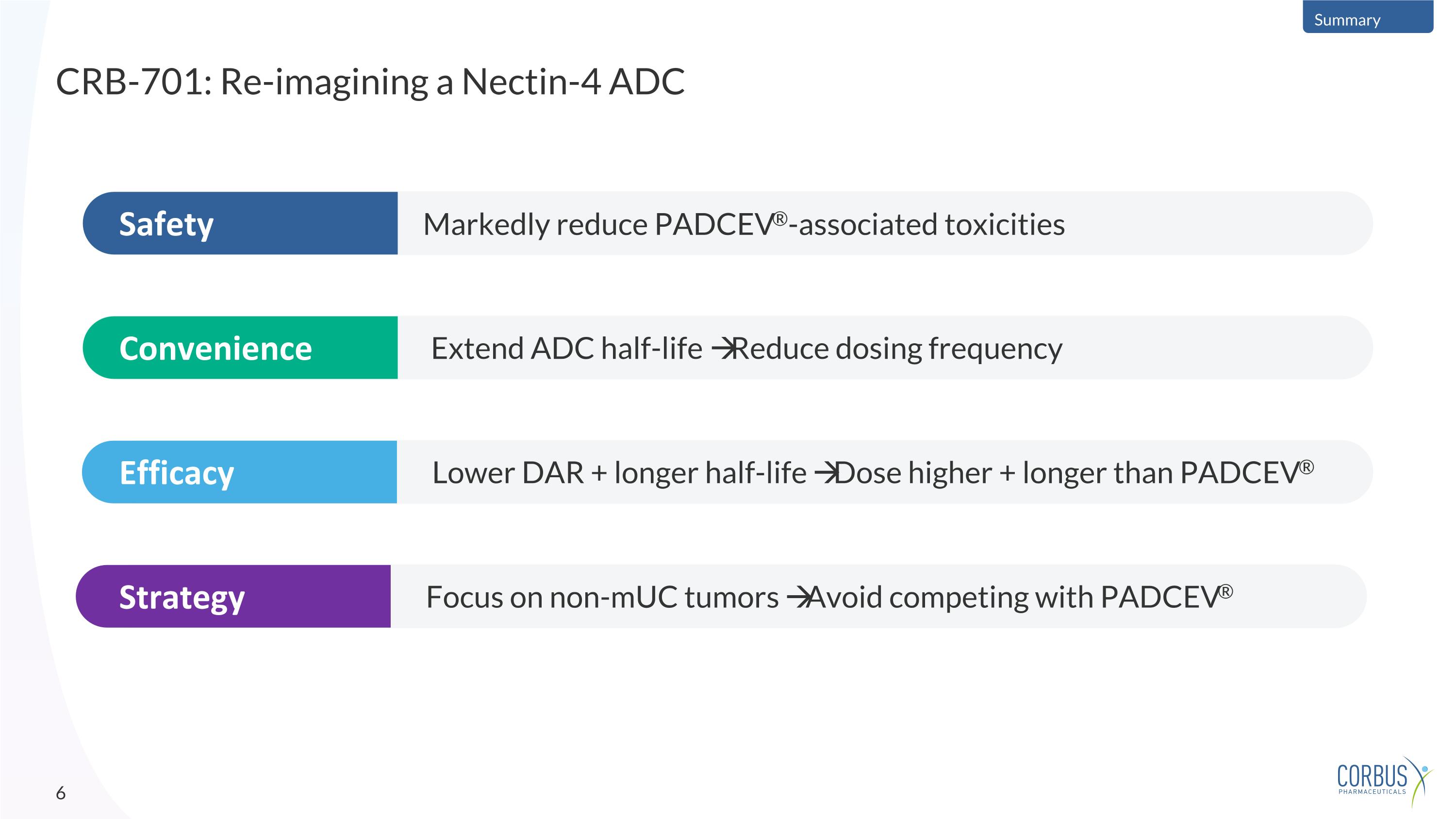
CRB-701: Re-imagining a Nectin-4 ADC Extend ADC half-life Reduce dosing frequency Convenience Lower DAR + longer half-life Dose higher + longer than PADCEV® Efficacy Markedly reduce PADCEV®-associated toxicities Safety Focus on non-mUC tumors Avoid competing with PADCEV® Strategy Summary

CRB-701: Proprietary components novel design MMAE = Monomethyl auristatin E ADCC = antibody-dependent cellular cytotoxicity. CDC = complement dependent cytotoxicity Source(s): Modified image from Corbus data on file; Corbus data on file Novel Nectin-4 Antibody ADCC + CDC functionality Glutamine Focused Side chain conjugation Payload: MMAE Microtubule disruption Cathepsin-B Cleavage Site An Improved ADC Construct Precise & stable DAR of 2 —> Longer half life Improved binding affinity & selectivity —> 2x rate of internalization vs. PADCEV® Improved linker stability —> Reduced free MMAE Structure

Best responses seen in tumors with highest Nectin-4 expression-mUC, cervical & HNSCC1 Source(s): 1. Corbus data on file; 2. AACR 2023 Poster CRB-701 demonstrates better efficacy than EV in patient-derived tumor model expressing low levels of Nectin-42 Elevated Nectin-4 expression: urothelial, cervical, head and neck. breast, ovarian, colorectal, rectal, esophageal, gastric, lung, thyroid, prostate, cholangiocarcinoma, pancreatic cancer, testicular cancer Other highly expressing tumors BLCA=Bladder Cancer (urothelial) CESC=Cervical Cancer (squamous) HNSC = Head and neck Cancer (Squamous) Mean Tumor Volume ± SEM CRB-701 PADCEV® 74.5% p<0.05 53.7% p=0.70 Nectin-4

Company 21-day PK Comparison % ADC % Free MMAE Cmax AUC0-21d Cmax AUC0-21d PADCEV® 1.24 mg/kg Q1W x 3 PADCEV® Benchmark 100% 100% 100% 100% 2.7 mg/kg Q3W Matched for MMAE dose (DAR) 183% 274% 35% 38% 3.6 mg/kg Q3W 2.9-fold PADCEV® ADC Dose® 228% 361% 59% 62% Key differentiator: Lower levels of free MMAE for CRB-701 vs. PADCEV® Source(s): PADCEV® reference data from BLA761137 17 December 2019 Corbus data: ESMO 01 Sep 2025 Data cut PK
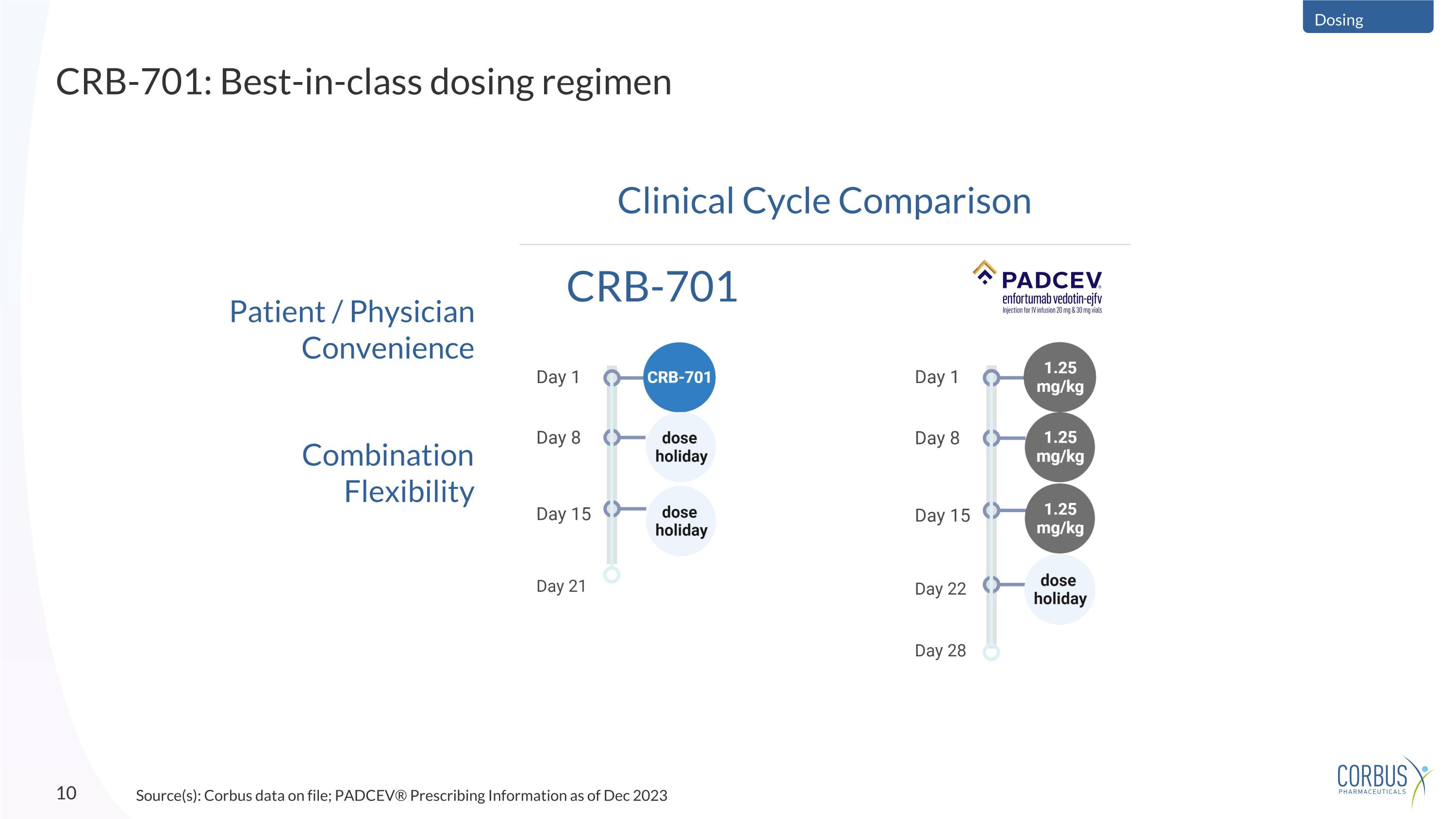
CRB-701: Best-in-class dosing regimen Source(s): Corbus data on file; PADCEV® Prescribing Information as of Dec 2023 CRB-701 Clinical Cycle Comparison Patient / Physician Convenience Combination Flexibility Dosing
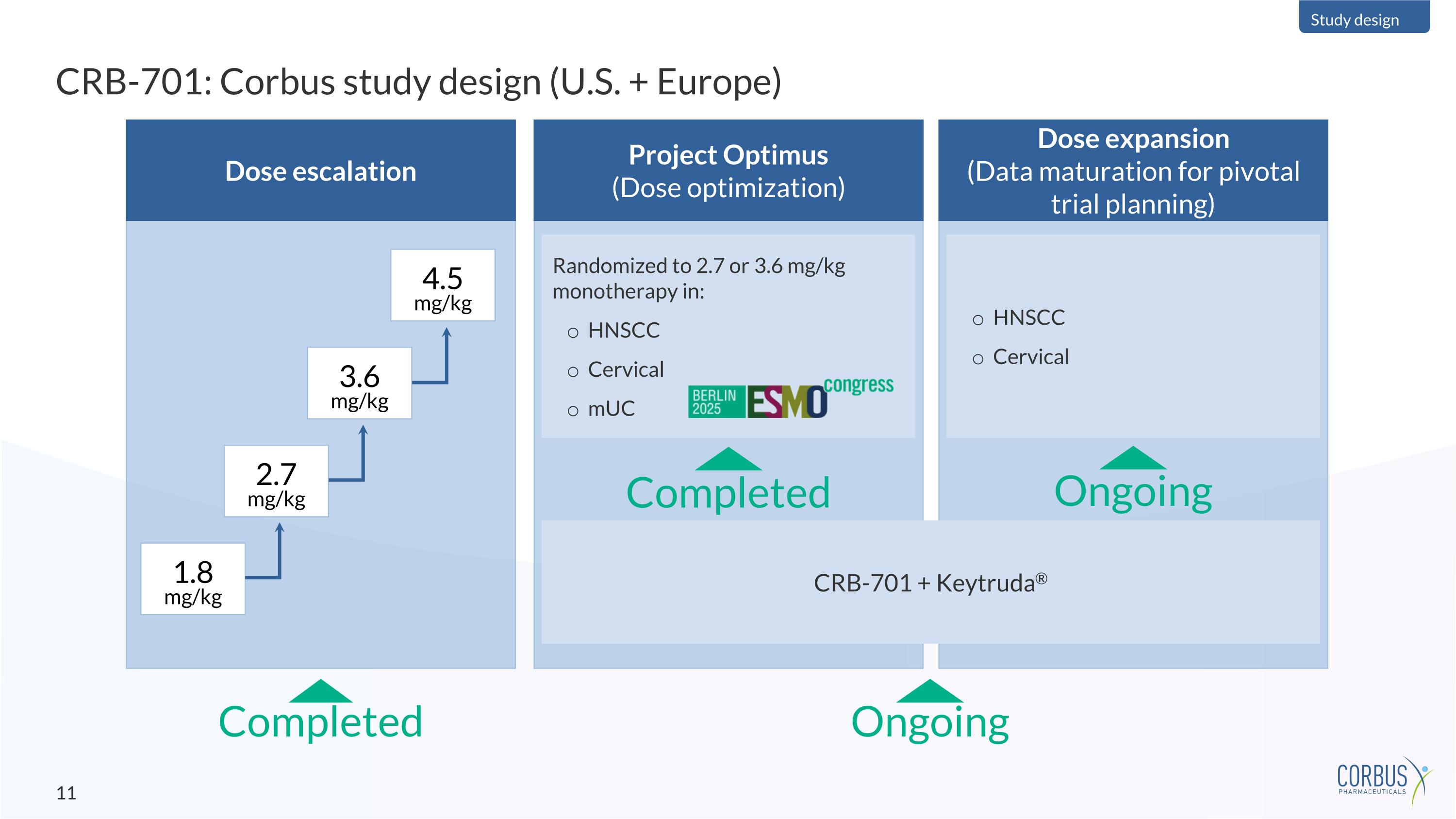
CRB-701: Corbus study design (U.S. + Europe) 1.8 mg/kg 2.7 mg/kg 3.6 mg/kg 4.5 mg/kg Completed Dose expansion (Data maturation for pivotal trial planning) Dose escalation Project Optimus (Dose optimization) Randomized to 2.7 or 3.6 mg/kg monotherapy in: HNSCC Cervical mUC CRB-701 + Keytruda® Ongoing Completed Ongoing HNSCC Cervical Study design

Head & Neck Squamous Cell Carcinoma Cervical Cancer mUC 5-Year Survival Not pursuing as a stand-alone company U.S. Incident Patient Population Funnel 2025 Current Treatment Emerging indications of interest: HNSCC + cervical cancer Source: SEER Bladder Cancer; Census.gov; Weir et al., 2021; American Cancer Society; Chu et al., 2022; Hoffman-Censits et al., 2022. SEER Cervical Cancer; Census.gov; Weir et al., 2021; American Cancer Society; Mizuho Analyst Report; Corbus Corporate Deck. SEER Oral Cavity & Pharynx Cancer; SEER Laryngeal Cancer; American Cancer Society; Sanders et al., 2022. LifeSci Consulting Qualitative Market Research Localized Regional Distant 86% 66% 37% ~68% locally adv / metastatic ~80% 1L-treated ~60% progress to 2L+ ~55% locally adv / metastatic ~95% 1L-treated ~37% progress to 2L+ Localized Regional Distant 88% 70% 39% Prevalence 1L Carbo + Paclitaxel + Beva +/- Keytruda® Keytruda® + Platinum + Paclitaxel 2L Tivdak® Single-Agent Chemo Single-Agent or Combo Chemotherapy Keytruda® + Platinum + 5-FU
ESMO 2025: Key characteristics & tumor types Source(s): ESMO 01 Sep 2025 Data cut Baseline characteristic (as of 9/1/25 data cut) Median age (range) 60 (32-90) Sex (M/F) 50.3% / 49.7% ECOG PS 0, 1, 2 43.1% , 55.1% , 1.8% Weight in kg mean (range) 72 (32.1-132.8) Prior therapies median (range) 3 (1-9) Safety Population n=167 Safety Population dosed with monotherapy CRB-701 n=163 Efficacy evaluable population (participants with at least 1 post-baseline scans) HNSCC Cervical La/mUC Other tumor types n=122 n=41 n=37 n=23 n=21 Enrolled tumor types (n=167) HNSCC 60 Cervical 54 Locally advanced/ mUC 27 NSCLC 7 TNBC 1 Endometrial 3 Prostate 1 Penile 2 Ovarian 4 Pancreatic 7 Missing 1 ECOG = Eastern Cooperative Oncology Group Performance Status; HNSCC = Head and Neck Squamous Cell Carcinoma; La/mUC = locally advance or metastatic urothelial cancer; NSCLC = Non-small cell lung cancer, TNBC=Triple negative breast canceer Baseline

ESMO 2025: TEAEs ≥15% (n=167) Sources: ESMO 01 Sep 2025 Data cut Adverse Events of Interest N=167 (%) Peripheral neuropathy Broad Terms* 8.4% Eye Overall 56.9% Grade 3 9% Grade 4 & 5 0 Skin Pruritus 14.4% Dry skin 10.2% Rash 9.0% Rash maculo-papular 4.8% Dermatitis acneiform 3.6% Erythema 1.8% Dermatitis bullous 1.2% Rash pustular 1.2% Rash erythematous 0.6% Rash macular 0.6% Rash pruritic 0.6% Skin disorder 0.6% Skin reaction 0.6% Skin ulcer 0.6% No related Grade 4 or 5 *Standardized MedDRA Category Search Safety

ESMO 2025: Favorable emerging safety profile vs. Nectin-4-MMAE peers Source(s): 1. NDA/BLA Multidisciplinary Review and Evaluation BLA 761137 PADCEV® (enfortumab vedotin) 2. Torras, O. Reig, et al. "652P BT8009 monotherapy in enfortumab vedotin (EV)-naïve patients with metastatic urothelial carcinoma (mUC): Updated results of Duravelo-1."Annals of Oncology 35 (2024): S515-S516. 3. ASCO 2024, Zhang, et al. 4. SGO plenary March 2024, Yang et al. 5. ESMO 01 Sep 2025 Data cut *Rash (Broad terms): Skin and subcutaneous tissue disorders SOC, excluding alopecia PADCEV® 1 BT80092 9MW-28213,4 CRB-7015 Upper dose limit 1.25 mg/kg 5 mg/m2 1.25 mg/kg 2.7mg/kg 3.6mg/kg Schedule D1, D8, D15 /28 days Q1W D1, D8, D15 /28 days Q3W ≥ Grade 3 AE rate 62.5% (n=237/379) 53% (n=24/45) 70% 35.7% (n=25/70) 35.5% (n=27/76) Peripheral neuropathy (broad terms) 48% (n=182/379) 36% (n=16/45) 22.5% (n=54/240) 8.6% (6/70) 6.6% (5/76) Rash (broad terms*) 50.7% (n=192/379) 18% (n=8/45) 30% (n=72/240) 32.9% (n=23/70) 23.7% (n=18/76) Neutropenia (Gr 3) 10% (31/310) 4% (n=2/45) 27.9% (n=67/240) 0% 0% Dose reduction 27.7% (n=105/379) 27% (n=12/45) Not released 10% (7/70) 19.7% (15/76) Dose interruptions 55.9% (n=212/379) 53% (n=24/45) Not released 38.6% (27/70) 51.3% (39/76) Discontinuations 20.6% (78/379) 4% (n=2/45) Not released 5.7% (4/70) 7.9% (6/76) Safety
Safety Summary *Standardized MedDRA Category Search; **decubitus ulcer, general rash, Bullous dermatitis Safety 28.7% (broad-terms excluding alopecia) Low numbers of Grade ≥3 events (3/167**) Discontinuations due to eye toxicities have been low (4.2%) Best-in-class for peripheral neuropathy 8.4% (all grade 1 or 2)* Low rates of skin adverse events Eye toxicities have been manageable with prophylaxis and dose modifications

HNSCC baseline characteristics vs. peers Source(s): * ESMO 01 Sep 2025 Data cut; **ESMO ASIA data Dec 2024; *** Swiecicki et al, 2024 Baseline characteristic CRB-701* Petosemtamab** HNSCC PADCEV®*** Median age (range) 62 (35-76) 60 (31–77) 65 (33-81) Sex (M/F) 90% / 10% 79% / 21% 87% / 13% ECOG PS 0,1, 2 48.3%, 50%, 1.7% 30%, 70%, 0% 34.8%, 65.2%, 0% Prior lines median (range) 3 (1-9) 2 (1-4) 1 line 15.2% 2 lines 17.4% ≥3 lines 67.4% HPV/P16 Status (Positive/Negative/Missing) 28.3% / 15.0% / 56.7% 46% / 46% / 8% 43.5% / 13% / 43.5% Disease status at Study Entry (Locally Recurrent/Metastatic) 15% / 85% Not disclosed Not disclosed Nectin-4 H-Score (Range) 13-285 N/A 20-300 PD-L1 Criteria Agnostic PD1(L1)-1 Positive Agnostic HNSCC

ESMO 2025: HNSCC waterfall plot (n=41) Source: ESMO 01 Sep 2025 Data cut, ,Note: NE = Non-Evaluable. 2.7 mg/kg 3.6 mg/kg ORR 33.3% (4/12) 47.6% (10/21) DCR 75% 61.9% Response confirmation All confirmed 7 confirmed 3 unconfirmed: 1 discontinued and 2 ongoing ORR% = ( CR+PR) / Response evaluable patients DCR% = (CR+PR+SD) /Response evaluable patients 8 patients excluded from ORR & DCR calculations 4 non-evaluable patients 1 patient received combination of CRB-701 and pembrolizumab (+24% PD) 3 patients dosed at 1.8mg/kg * HNSCC
ESMO 2025: HNSCC swimmer plots (n=58) Source(s): ESMO 01 Sep 2025, *based on confirmed overall response PFS and DOR: too early to assess HNSCC HNSCC

CRB-701 biomarker populations: Observed efficacy Nectin-4 Responses seen across wide range of IHC H-score expressions HPV Responses seen in HPV positive and negative patients PD(L)-1 Responses in PD(L)-1 positive and negative patients Source(s): Corbus data on file HNSCC
Case Study #1: Clinical improvement in participant with resistant disease Source(s): Corbus Data on file As of 22 Sep 2025 – Participant is ongoing with a PR and tumor reduction of -73% with negative NavDx ctDNA. Remaining disease is PET negative/cold – being considered as a clinical (not formal) CR. Prior therapies Carboplatin+docetaxel+5FU 3 weeks (PD) then Cisplatin 4 weeks (PD) then pembrolizumab 6 weeks (PD) then experimental bispecific antibody (PD) 61-year-old male patient with HNSCC PD-L1 <1 recently had 1 year tumor assessment images. He was previously suffering with significantly reduced performance status (ECOG 2) and on supplemental oxygen, now riding his bicycle, off oxygen and has gained 15 pounds with an ECOG of 0. – USA Study Physician HNSCC

Source: Corbus data on file Case Study #2: Response seen in patient pre-treated with petosemtamab Patient had a partial response (after previously showing stable disease while on petosemtamab) Patient was heavily pre-treated with 4 lines of prior therapy HNSCC Adjuvant 1st line (completed) Cisplatin Locally advanced (completed) Local advanced (progressed) pembrolizumab Locally advanced (progressed) petosemtamab Metastatic (ongoing treatment) CRB-701 PR (-60.8% ) ongoing Cisplatin paclitaxel pembrolizumab

CRB-701 compared to petosemtamab or PADCEV® in 2L HNSCC Source(s): *ESMO 01 Sep 2025 Data cut; ** Swiecicki et al, 2024; ***ESMO ASIA data Dec 2024. Petosemtamab*** HNSCC PADCEV®** CRB-701* Dosing regimen 1500mg Q2W 1.25mg/kg on d1/8/15 of 28-day 3.6mg/kg Q3W Target population PD(L)-1 +ve only (HPV+/-) PD(L)-1 agnostic (HPV+/-) PD(L)-1 agnostic (HPV+/-) Efficacy (ORR) 36% 23.9% 47.6% TEAEs Grade 3 & greater 59% 34.8% 35.5% HNSCC

Target patient populations for CRB-701 in HNSCC 1L Multiple MOAs being evaluated CRB-701 combo data with pembrolizumab expected mid-2026 24,000* annual cases in USA No ADCs approved Orthogonal mechanism to EGFR Existing late line Tx ORR ~10% Petosemtamab ORR 36% 2L+ Source(s): LifeSci Consulting Qualitative Market Research HNSCC

CRB-701 HNSCC: Next steps planned Convenience kit components Mid-2026 start registrational studies Engage with FDA to determine registrational pathway CRB-701 & pembrolizumab combination data mid 2026 HNSCC
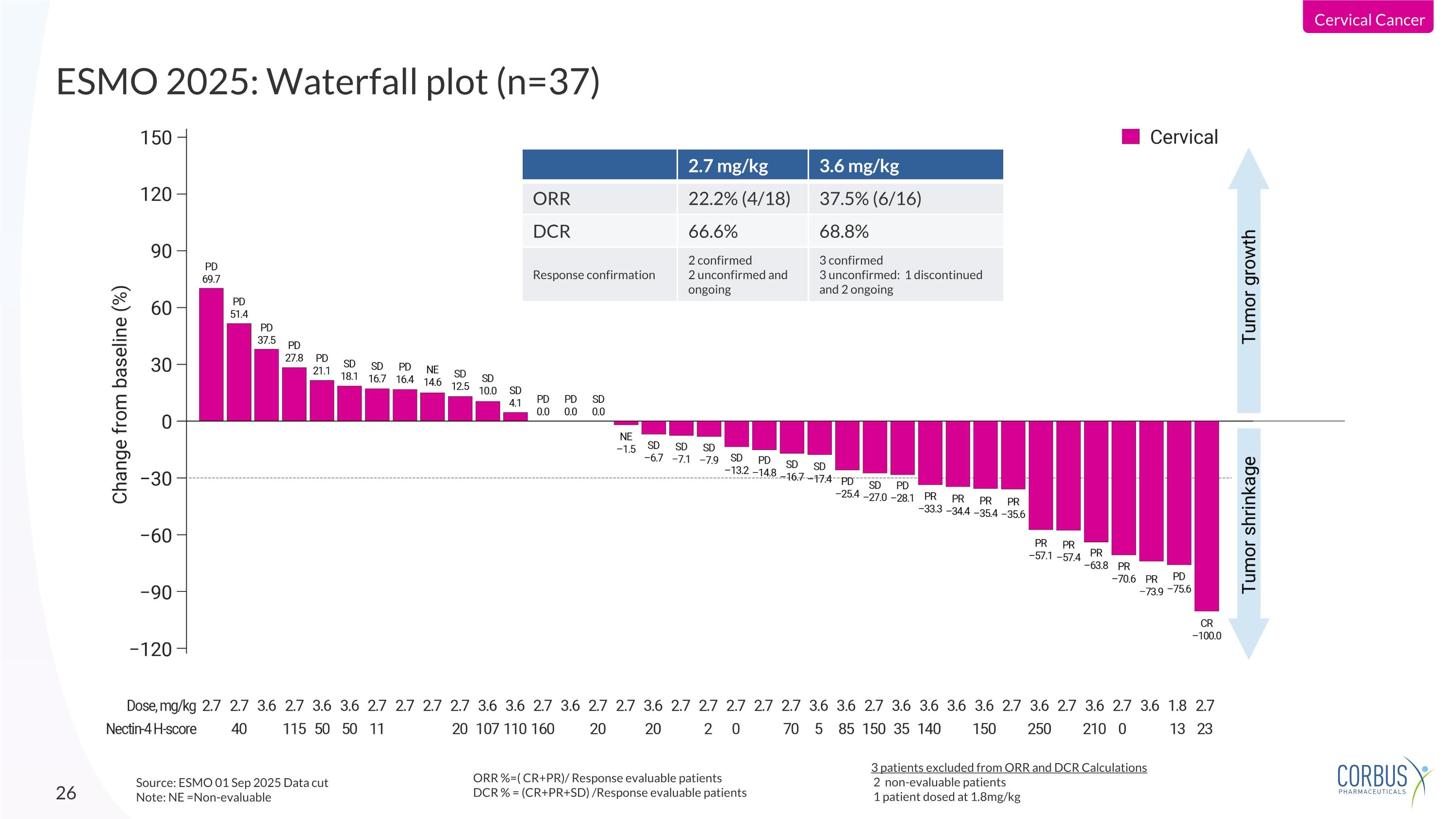
ESMO 2025: Waterfall plot (n=37) Source: ESMO 01 Sep 2025 Data cut Note: NE =Non-evaluable ORR %=( CR+PR)/ Response evaluable patients DCR % = (CR+PR+SD) /Response evaluable patients 2.7 mg/kg 3.6 mg/kg ORR 22.2% (4/18) 37.5% (6/16) DCR 66.6% 68.8% Response confirmation 2 confirmed 2 unconfirmed and ongoing 3 confirmed 3 unconfirmed: 1 discontinued and 2 ongoing 3 patients excluded from ORR and DCR Calculations 2 non-evaluable patients 1 patient dosed at 1.8mg/kg Cervical Cancer

ESMO 2025: Swimmer plots (n=54) Source(s): ESMO 01 Sep 2025 Data cut, based on confirmed overall response PFS and DOR: too early to assess Cervical Cancer

ESMO 2025: CRB-701 compared to Tivdak® Sources: ESMO 01 Sep 2025 Data cut *Tivdak® Package Insert CRB-701 Tivdak® Mechanism Nectin-4 ADC with MMAE payload (DAR 2) Tissue factor ADC with MMAE payload (DAR 4) Target population 2L 2L Median Age 54 (32-78) 51 (26-80) ECOG (0, 1, 2, missing) 51.9%, 48.1%, 0%, 0% 61%, 39%, 0%, 0% Prior lines of therapy median (range) 3 (1, 8) 1 line: 61% 2 lines: 38% Unknown: 1% Dosing regimen 3.6 mg/kg Q3W 2 mg/kg Q3W Efficacy (ORR) 37.5% 17.8%* TEAEs Grade 3 & greater 35.5% (n=76) 46% (n=405) Cervical Cancer
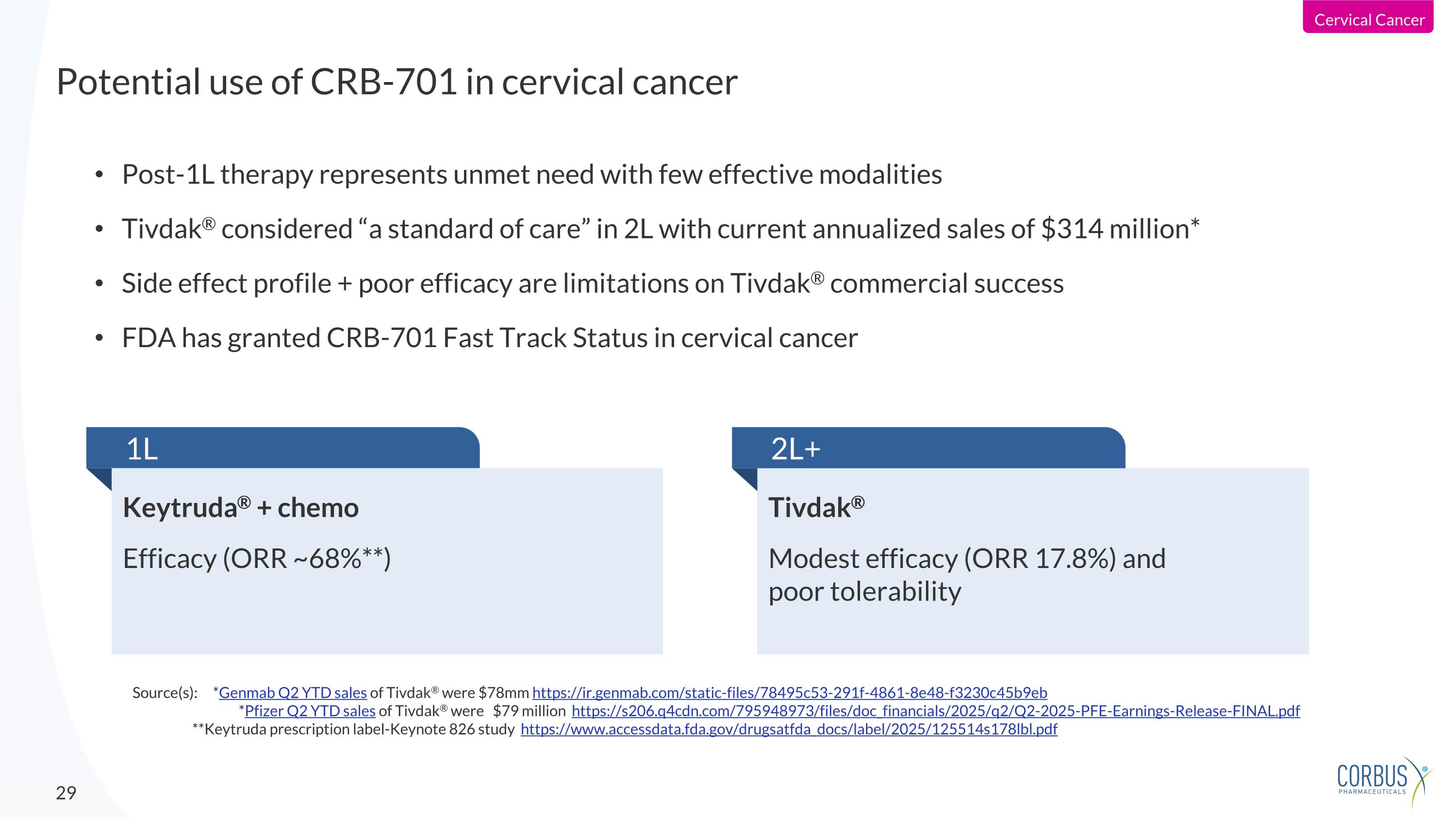
Post-1L therapy represents unmet need with few effective modalities Tivdak® considered “a standard of care” in 2L with current annualized sales of $314 million* Side effect profile + poor efficacy are limitations on Tivdak® commercial success FDA has granted CRB-701 Fast Track Status in cervical cancer Potential use of CRB-701 in cervical cancer Source(s): *Genmab Q2 YTD sales of Tivdak® were $78mm https://ir.genmab.com/static-files/78495c53-291f-4861-8e48-f3230c45b9eb *Pfizer Q2 YTD sales of Tivdak® were $79 million https://s206.q4cdn.com/795948973/files/doc_financials/2025/q2/Q2-2025-PFE-Earnings-Release-FINAL.pdf **Keytruda prescription label-Keynote 826 study https://www.accessdata.fda.gov/drugsatfda_docs/label/2025/125514s178lbl.pdf 1L Keytruda® + chemo Efficacy (ORR ~68%**) Tivdak® Modest efficacy (ORR 17.8%) and poor tolerability 2L+ Cervical Cancer

ESMO 2025: Waterfall plot (n=23) Source: ESMO 01 Sep 2025 Data cut Note: NE = Non-Evaluable ORR% = ( CR+PR) / Response evaluable patients DCR% = (CR+PR+SD)/ Response evaluable patients 2.7 mg/kg 3.6 mg/kg ORR 50.0% (4/8) 55.6% (5/9) DCR 75.0% 88.9% Response confirmation 2 confirmed 2 unconfirmed and ongoing 3 confirmed 2 unconfirmed: 1 discontinued and 1 ongoing 6 patients excluded from the ORR and DCR calculation 1 patient with a tumor reduction of -60.7% (PR) excluded due to missing data 2 non-evaluable patients 3 patients dosed at 1.8mg/kg Bladder Cancer

ESMO 2025 Swimmer plots (n=27) Source(s): ESMO 01 Sep 2025 Data cut, based on confirmed overall response PFS and DOR: too early to assess Bladder Cancer
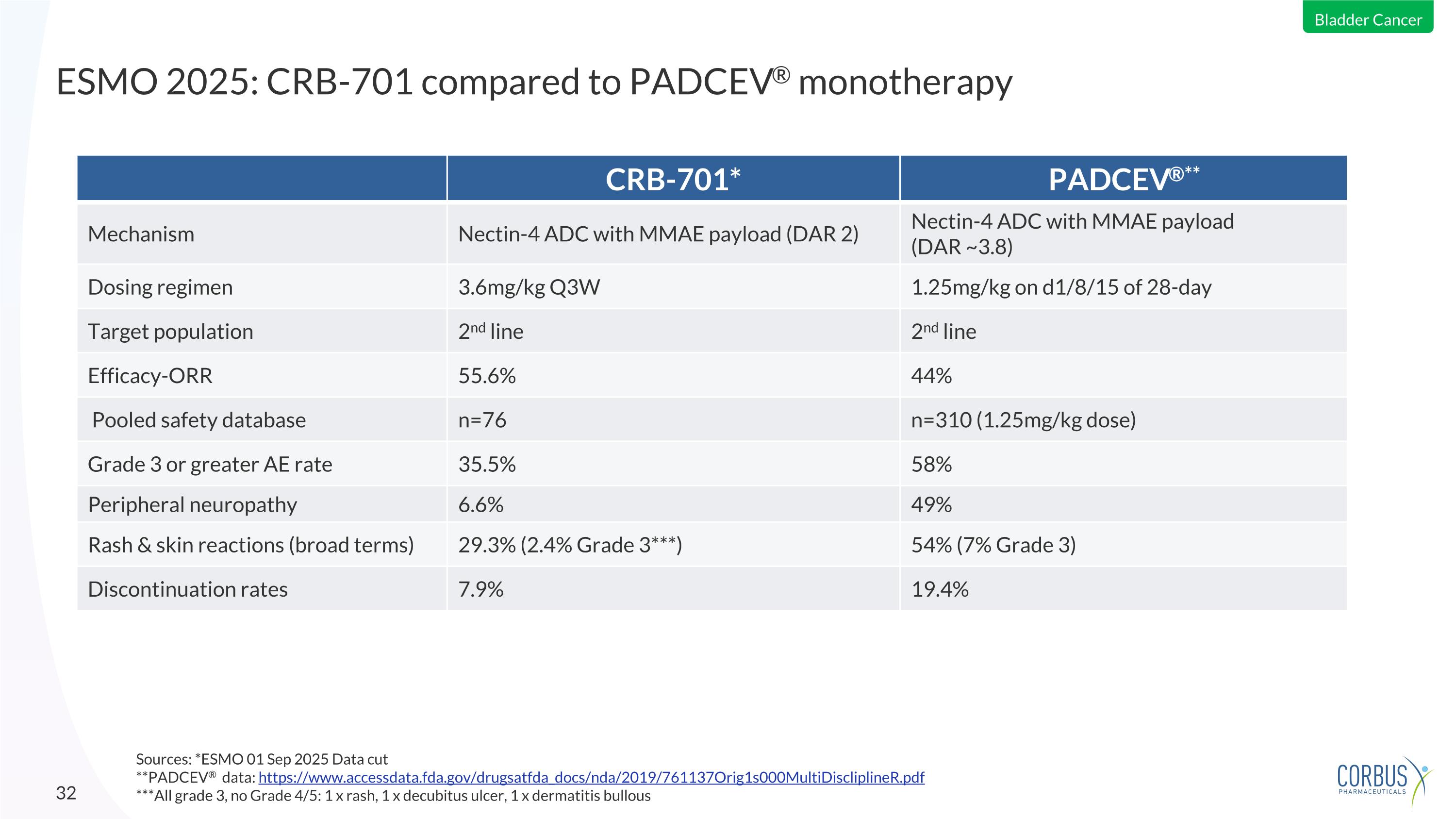
ESMO 2025: CRB-701 compared to PADCEV® monotherapy Sources: *ESMO 01 Sep 2025 Data cut **PADCEV® data: https://www.accessdata.fda.gov/drugsatfda_docs/nda/2019/761137Orig1s000MultiDiscliplineR.pdf ***All grade 3, no Grade 4/5: 1 x rash, 1 x decubitus ulcer, 1 x dermatitis bullous CRB-701* PADCEV®** Mechanism Nectin-4 ADC with MMAE payload (DAR 2) Nectin-4 ADC with MMAE payload (DAR ~3.8) Dosing regimen 3.6mg/kg Q3W 1.25mg/kg on d1/8/15 of 28-day Target population 2nd line 2nd line Efficacy-ORR 55.6% 44% Pooled safety database n=76 n=310 (1.25mg/kg dose) Grade 3 or greater AE rate 35.5% 58% Peripheral neuropathy 6.6% 49% Rash & skin reactions (broad terms) 29.3% (2.4% Grade 3***) 54% (7% Grade 3) Discontinuation rates 7.9% 19.4% Bladder Cancer
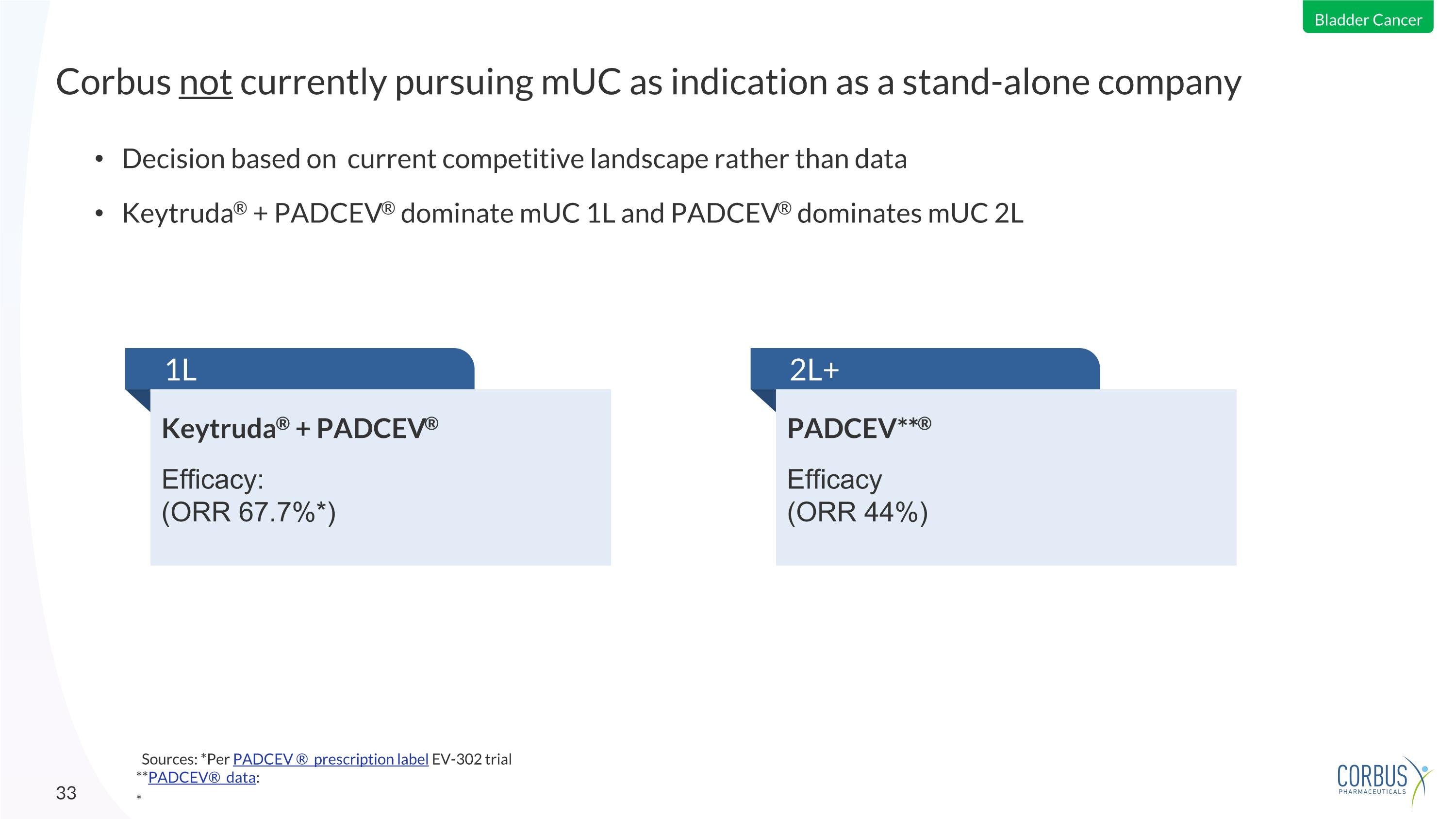
Decision based on current competitive landscape rather than data Keytruda® + PADCEV® dominate mUC 1L and PADCEV® dominates mUC 2L Corbus not currently pursuing mUC as indication as a stand-alone company * 1L Keytruda® + PADCEV® Efficacy: (ORR 67.7%*) PADCEV**® Efficacy (ORR 44%) 2L+ Bladder Cancer Sources: *Per PADCEV ® prescription label EV-302 trial **PADCEV® data:

CRB-913 Oral cannabinoid Type-1 inverse agonist for superior incretin therapy in obesity

CB1 is a well-understood receptor in metabolism Source(s): Targeting the endocannabinoid system in diabesity: Fact or fiction?, Drug Discovery Today, Deeba et al. Mar 2021. >9K papers in PubMed on CB1 and metabolism

Predictable MOA for weight loss Orthogonal MOA to incretins Low GI AEs Once-daily pill Non-sarcopenic Large scale synthesis Attributes of CB1 small-molecule inverse agonism Predictable MOA for weight loss Orthogonal MOA to incretins Low GI AEs Once-daily pill Non-sarcopenic Large scale synthesis

Monlunabant CRB-913 Next-generation CB1 inverse agonists are peripherally restricted Source(s): Cinar et al 2020 Rimonabant Otenabant Ibipinabant Taranabant First-generation (2000-2007) Next-generation (2020 onwards) Designed to target the brain with high BBB penetration FDA rejection due to safety concerns (2007) Designed to be peripherally restricted with minimal BBB penetration avoid safety issues

CRB-913 is designed as best-in-class next-generation CB1 inverse agonist Best-in-class peripheral restriction Protect lean mass (muscle) Retain 1st gen efficacy Enhance efficacy of incretin analogs

Ibipinabant (2004-2008) JD-5037 (2012-2018) / CRB-4001 (2018-2021) Completed Phase IIb (Solvay/BMS) Small, lipid soluble molecule High BBB penetration Oral Same backbone as Inversago compounds (MRI/INV family) CRB-4001 (JD5037) licensed from Jenrin in 2018 Extensive pre-IND studies carried out PK didn’t support TPP Oral CRB-913 New IP published – patent coverage through 2043 PK profile optimized for TPP Favorable multi-species bioavailability (>50%) Lower mfg. cost vs. incretins Oral CRB-913 is the outcome of a multi-year medicinal chemistry campaign
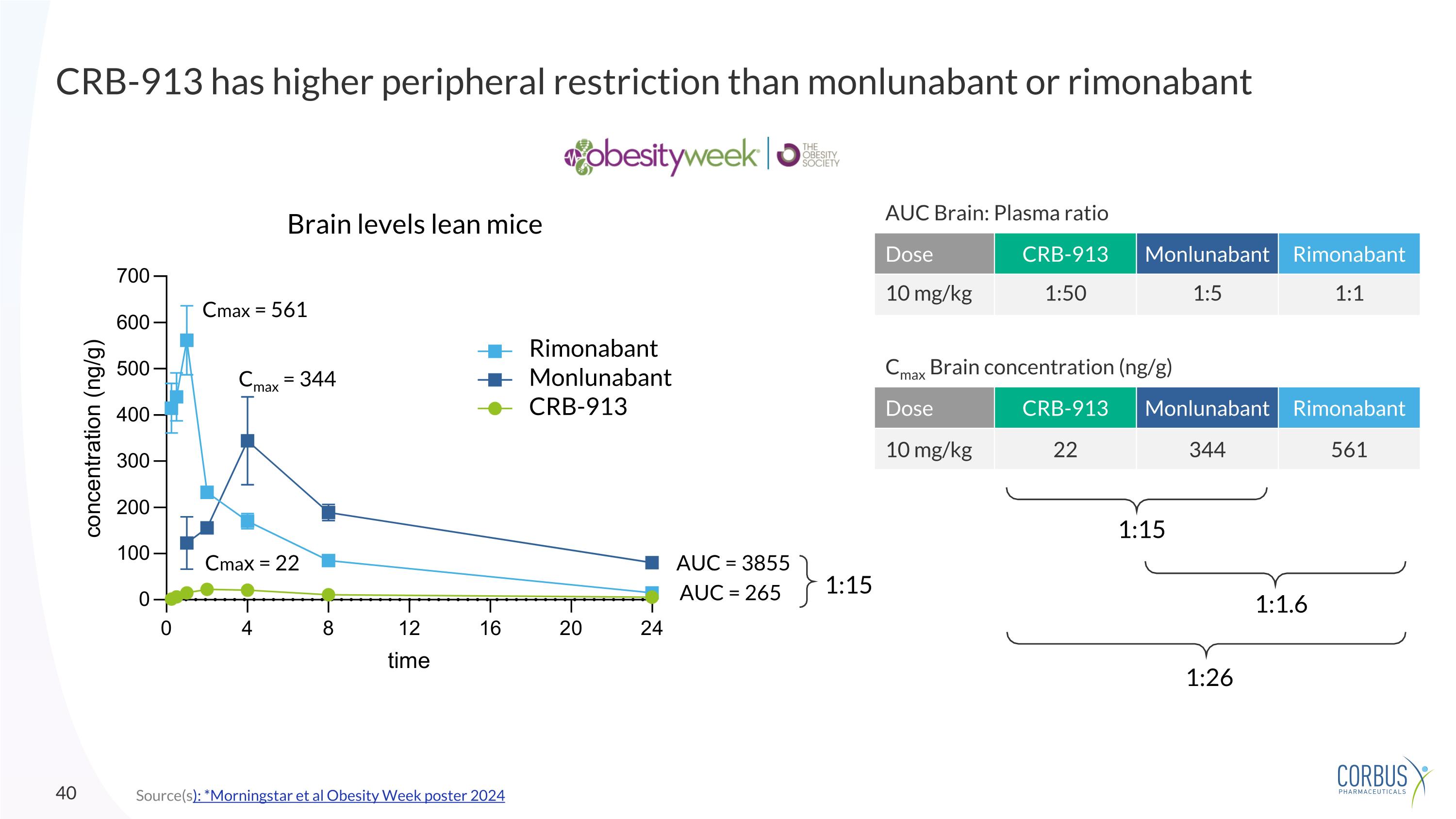
CRB-913 has higher peripheral restriction than monlunabant or rimonabant Source(s): *Morningstar et al Obesity Week poster 2024 Cmax Brain concentration (ng/g) Dose CRB-913 Monlunabant Rimonabant 10 mg/kg 22 344 561 1:15 1:26 1:1.6 Cmax = 561 Cmax = 344 Cmax = 22 AUC = 3855 AUC = 265 1:15 Brain levels lean mice Rimonabant Monlunabant CRB-913 AUC Brain: Plasma ratio Dose CRB-913 Monlunabant Rimonabant 10 mg/kg 1:50 1:5 1:1

Planned clinical development pathway to determination of dose response curve 25 mg/day 28-day (n=37) Canada 10, 20 and 50 mg/day 16 wks (n=240) Canada Additional dose response study planned (n=600) 🌎 Ph1a SAD MAD U.S. Ph1b Obese non-T2D 90 days RCT N = 240 U.S. Phase 2 U.S Q1-Q3 2025 Q4 ‘25 – H2 ‘26 H2 ‘26 – H1 ‘27 2025-2026 (?) 2023-2024 2022-2023

CRB-913: Potential clinical usage and supportive pre-clinical data Incretin analog therapy for insensitive/ intolerant / high-risk patients Combination with oral incretin agonists potentially enhances efficacy OR improve tolerability “Induction/maintenance” model: goal to potentially maintain weight loss post incretin analog therapy 1 2 3

CRB-601 Potential “best-in-class” ⍺vβ8 mAb

CRB-601 has the potential to enhance checkpoint inhibition Convenience kit components Focus on adopting a precision-targeted approach Novel mechanism to target TGFb in the tumor microenvironment Large opportunity potential if POC is validated

Targeting the integrin ⍺vβ8 represents a novel approach to regulating TGFβ Source(s): Huang et al., 2021. Recent progress in TGFβ inhibitors for cancer therapy.
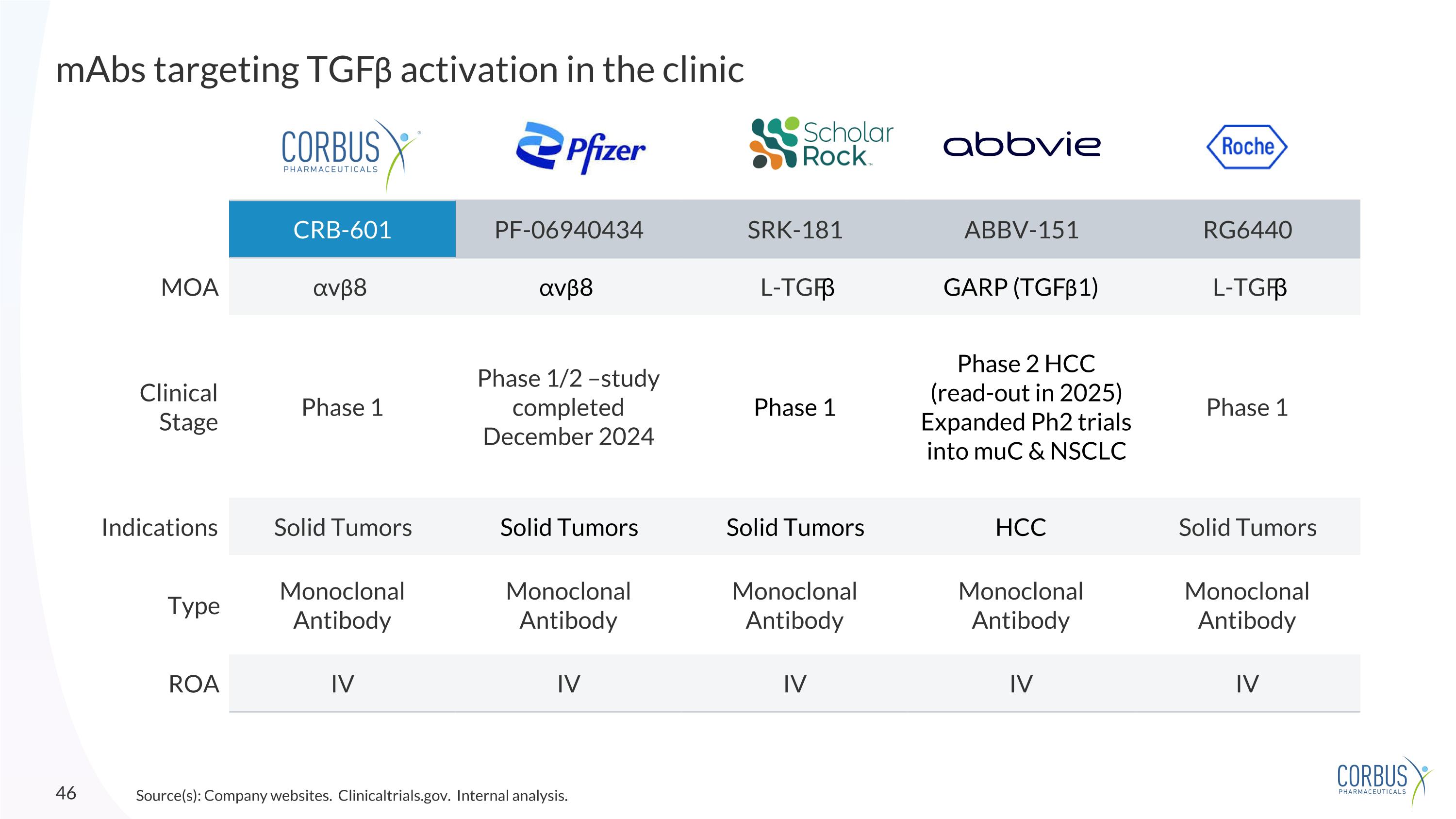
CRB-601 PF-06940434 SRK-181 ABBV-151 RG6440 MOA ⍺vβ8 ⍺vβ8 L-TGFβ GARP (TGFβ1) L-TGFβ Clinical Stage Phase 1 Phase 1/2 –study completed December 2024 Phase 1 Phase 2 HCC (read-out in 2025) Expanded Ph2 trials into muC & NSCLC Phase 1 Indications Solid Tumors Solid Tumors Solid Tumors HCC Solid Tumors Type Monoclonal Antibody Monoclonal Antibody Monoclonal Antibody Monoclonal Antibody Monoclonal Antibody ROA IV IV IV IV IV mAbs targeting TGFβ activation in the clinic Source(s): Company websites. Clinicaltrials.gov. Internal analysis.

Leadership Upcoming Catalysts Financials

Management team Yuval Cohen, PhD Chief Executive Officer, Director Sean Moran, CPA, MBA Chief Financial Officer Dominic Smethurst Chief Medical Officer, MA MRCP Ian Hodgson, PhD Chief Operating Officer Christina Bertsch, M.A. Head of Human Resources Corbus co-founder and Chief Executive Officer since 2014. Previously the President and co-founder of Celsus Therapeutics from 2005. Corbus co-founder and Chief Financial Officer since 2014. Prior senior financial management experience in emerging biotech and medical device companies. Dr. Smethurst, MA MRCP, joined Corbus as our Chief Medical Officer in February 2024. He most recently served as CMO of Bicycle Therapeutics. Dr. Hodgson joined Corbus in 2022. Previously he held senior leadership positions in biotech and contract research organizations. Most recently served as V.P., Head of Clinical Services at TMC Pharma. Accomplished senior human resource executive providing strategic HR consulting services to both large and small businesses across a variety of industries.
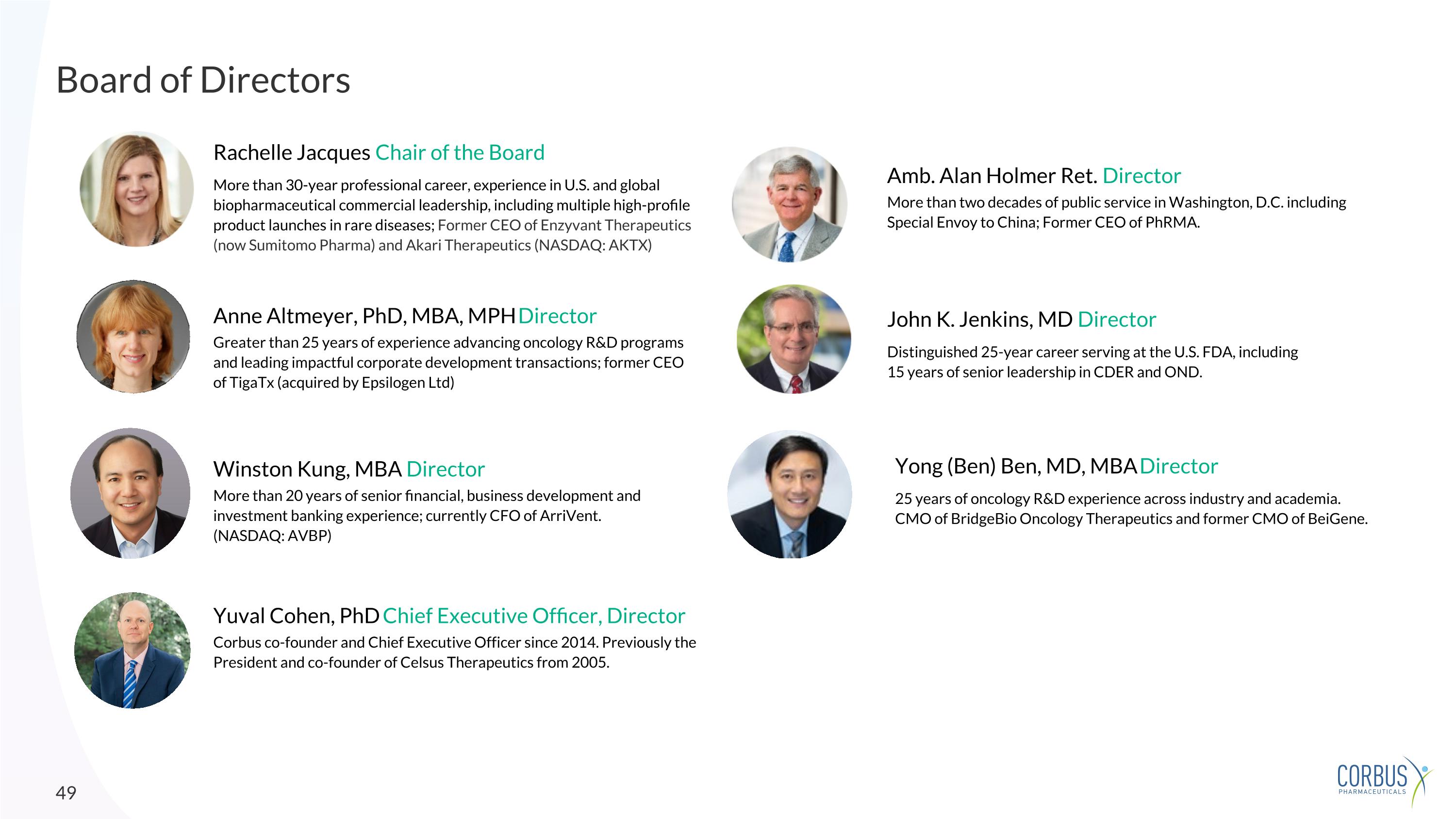
Board of Directors Winston Kung, MBA Director More than 20 years of senior financial, business development and investment banking experience; currently CFO of ArriVent. (NASDAQ: AVBP) Yuval Cohen, PhD Chief Executive Officer, Director Corbus co-founder and Chief Executive Officer since 2014. Previously the President and co-founder of Celsus Therapeutics from 2005. Anne Altmeyer, PhD, MBA, MPH Director Greater than 25 years of experience advancing oncology R&D programs and leading impactful corporate development transactions; former CEO of TigaTx (acquired by Epsilogen Ltd) Yong (Ben) Ben, MD, MBA Director 25 years of oncology R&D experience across industry and academia. CMO of BridgeBio Oncology Therapeutics and former CMO of BeiGene. John K. Jenkins, MD Director Distinguished 25-year career serving at the U.S. FDA, including 15 years of senior leadership in CDER and OND. Rachelle Jacques Chair of the Board More than 30-year professional career, experience in U.S. and global biopharmaceutical commercial leadership, including multiple high-profile product launches in rare diseases; Former CEO of Enzyvant Therapeutics (now Sumitomo Pharma) and Akari Therapeutics (NASDAQ: AKTX) Amb. Alan Holmer Ret. Director More than two decades of public service in Washington, D.C. including Special Envoy to China; Former CEO of PhRMA.

CRB-701 CRB-913 CRB-601 2025 Upcoming anticipated corporate milestones Complete Ph1 SAD/MAD Q4 2025 Start Ph1B study Q4 2025 Complete Phase 1B Mid 2026 Ph1 dose escalation Q4 2025 Regulatory update Q1 2026 Start monotherapy Ph2/3 registrational study Mid 2026 CRB-701+ pembrolizumab Mid 2026