Operator
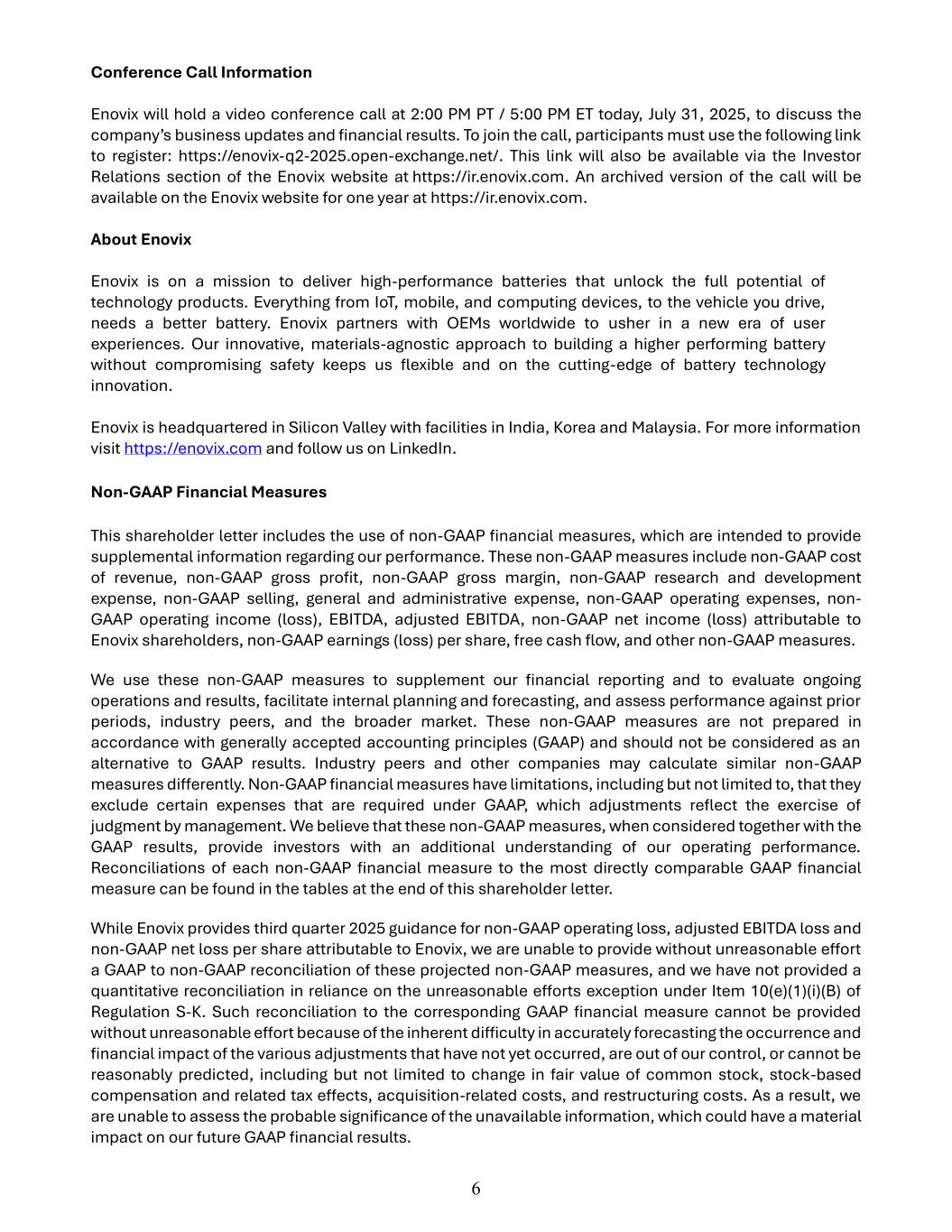
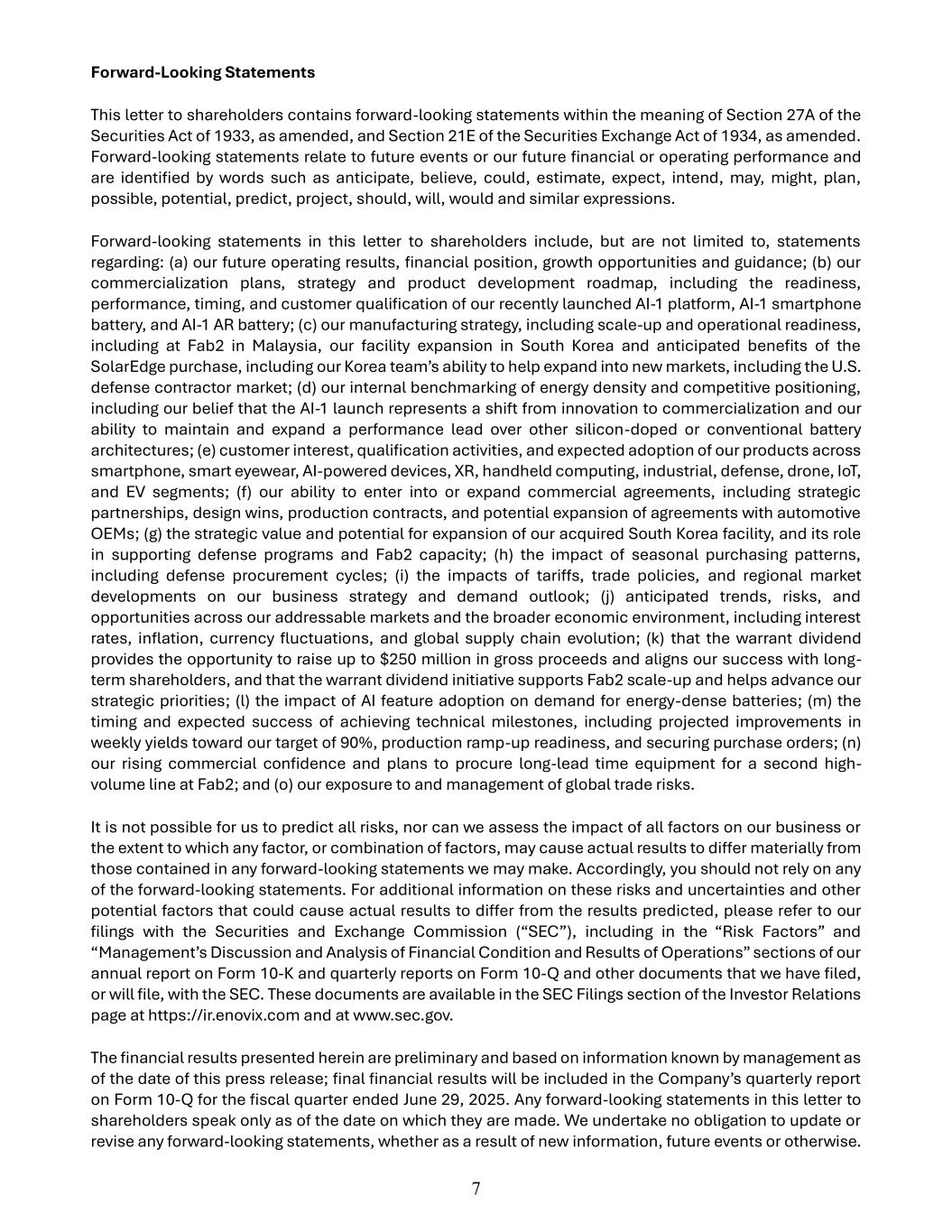
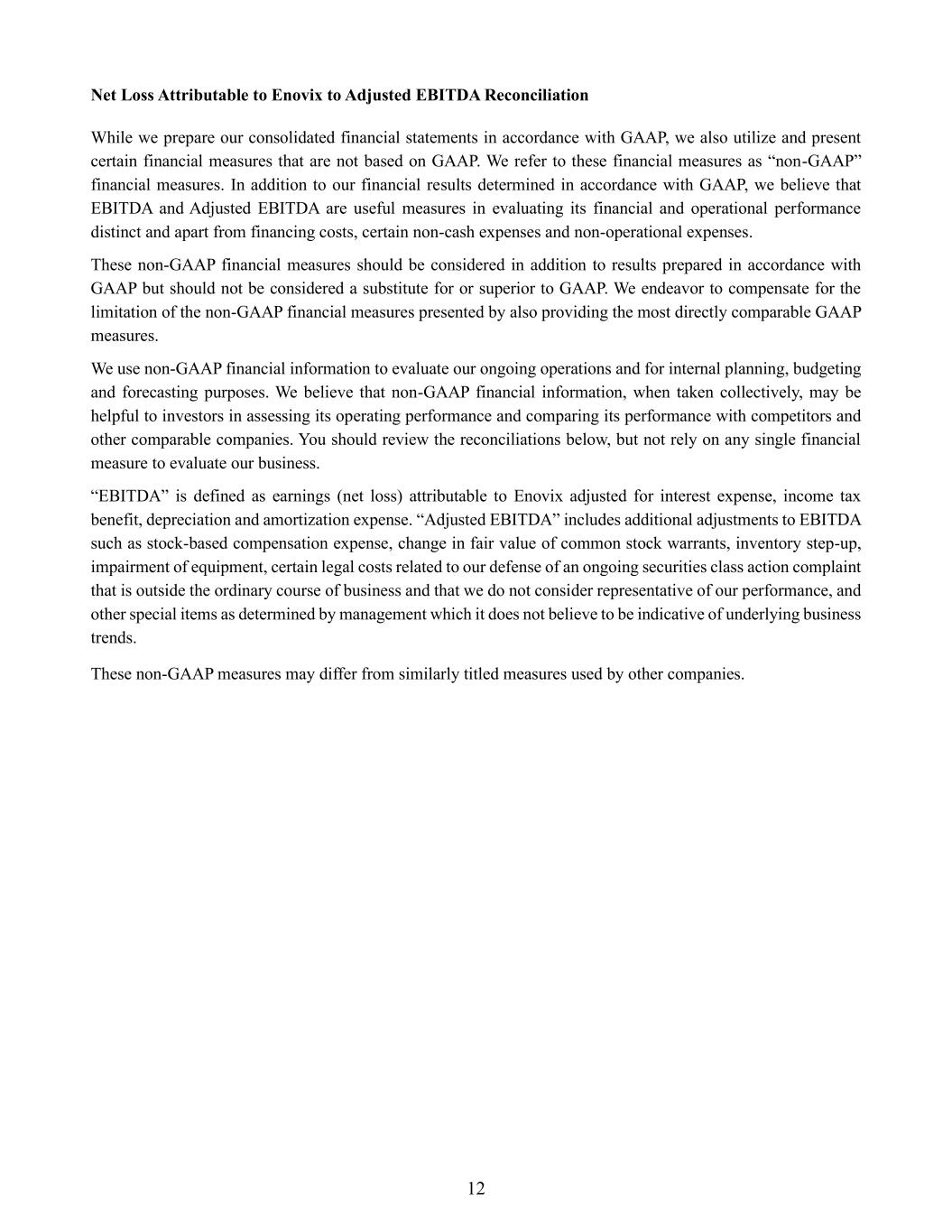
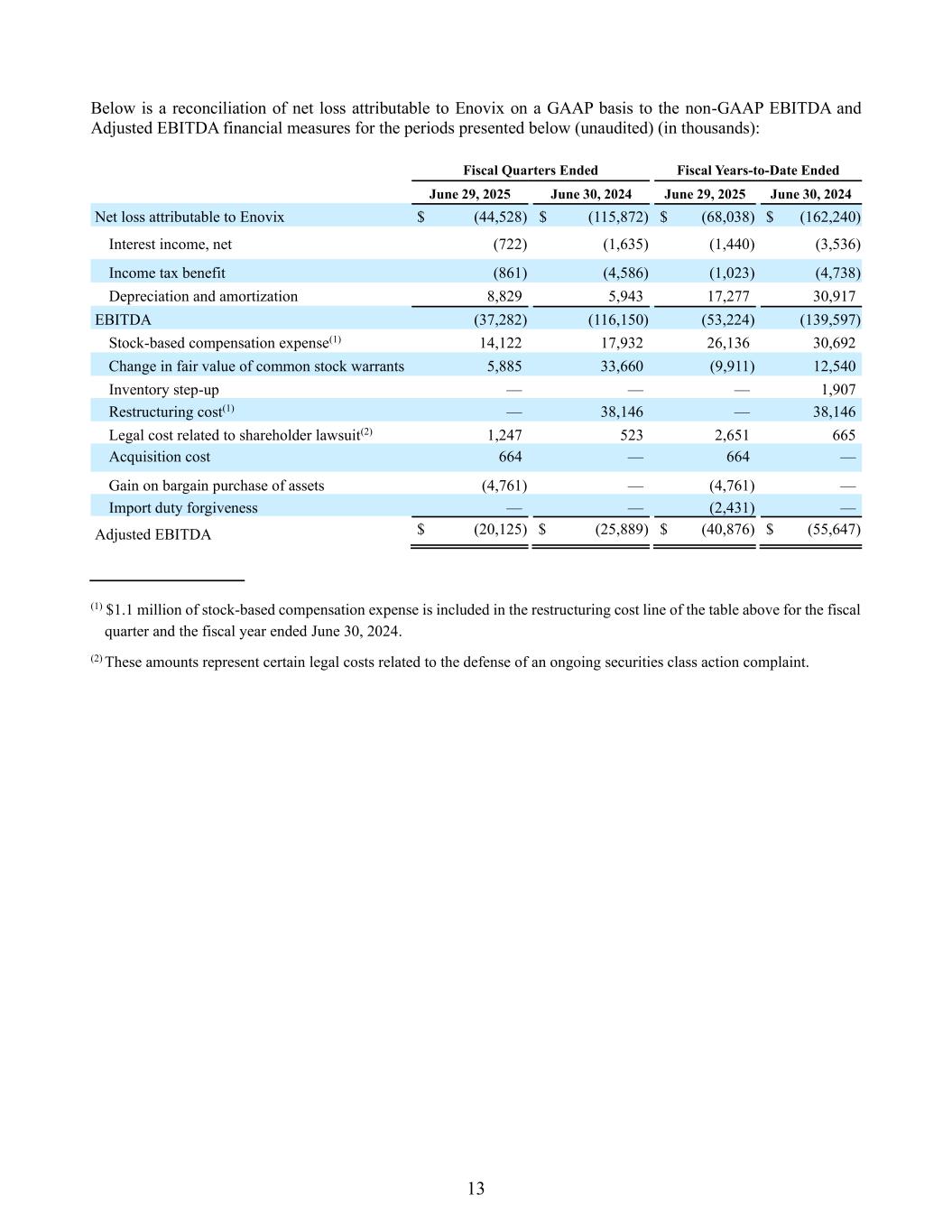
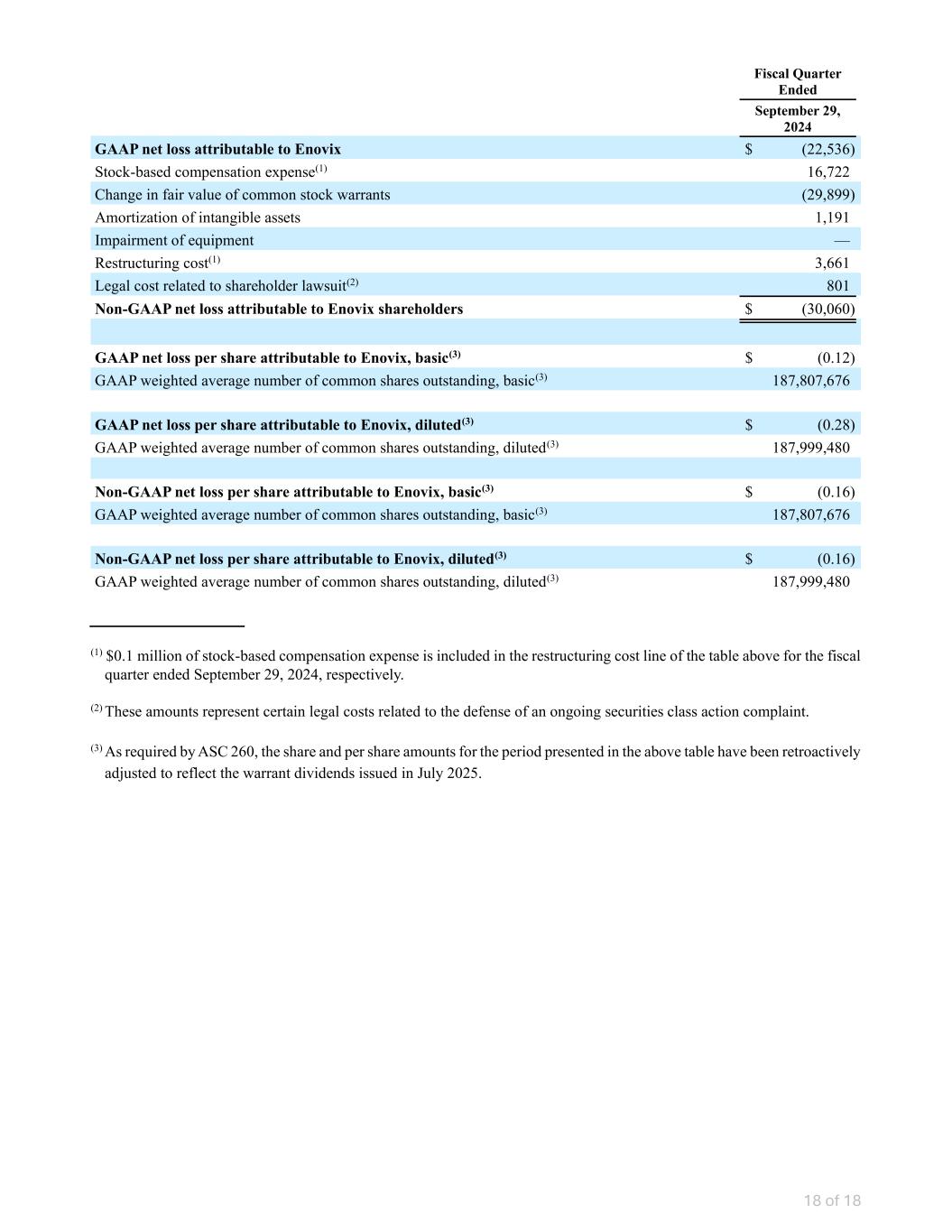
Letter and our filings with the Securities and Exchange Commission. All of our statements are made as of today, July 31, 2025, based on information currently available to us. We can give no assurance that these statements will be proven to be correct, and we do not intend and undertake no duty to update these statements, except as required by law. During this call, we will also discuss non-GAAP financial measures, which are not in accordance with generally accepted accounting principles. You can find a reconciliation to the GAAP financial measures to non-GAAP financial measures in our shareholder letter, which is posted on the Investor Relations page of our website. With that, I'll turn the call over to Raj. Raj?
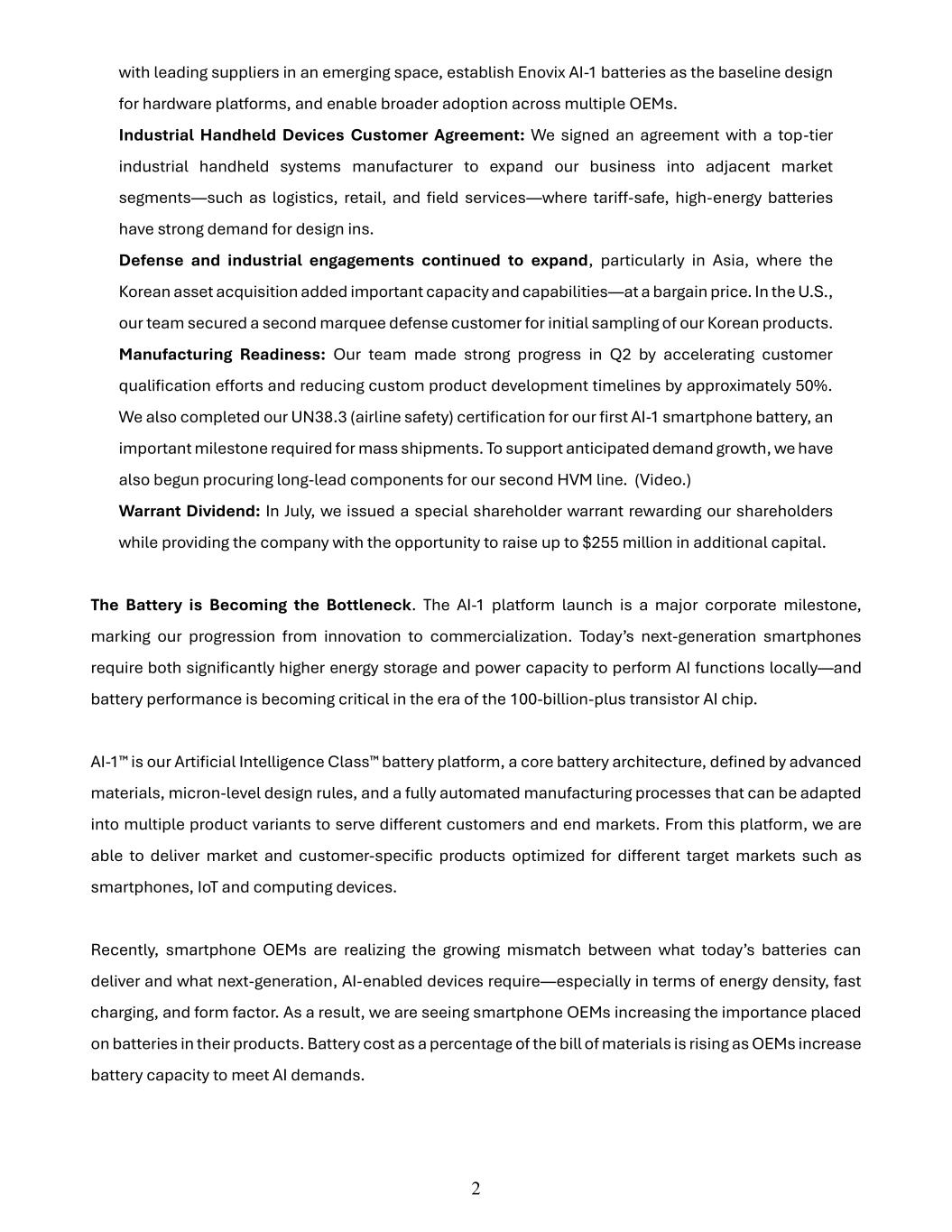
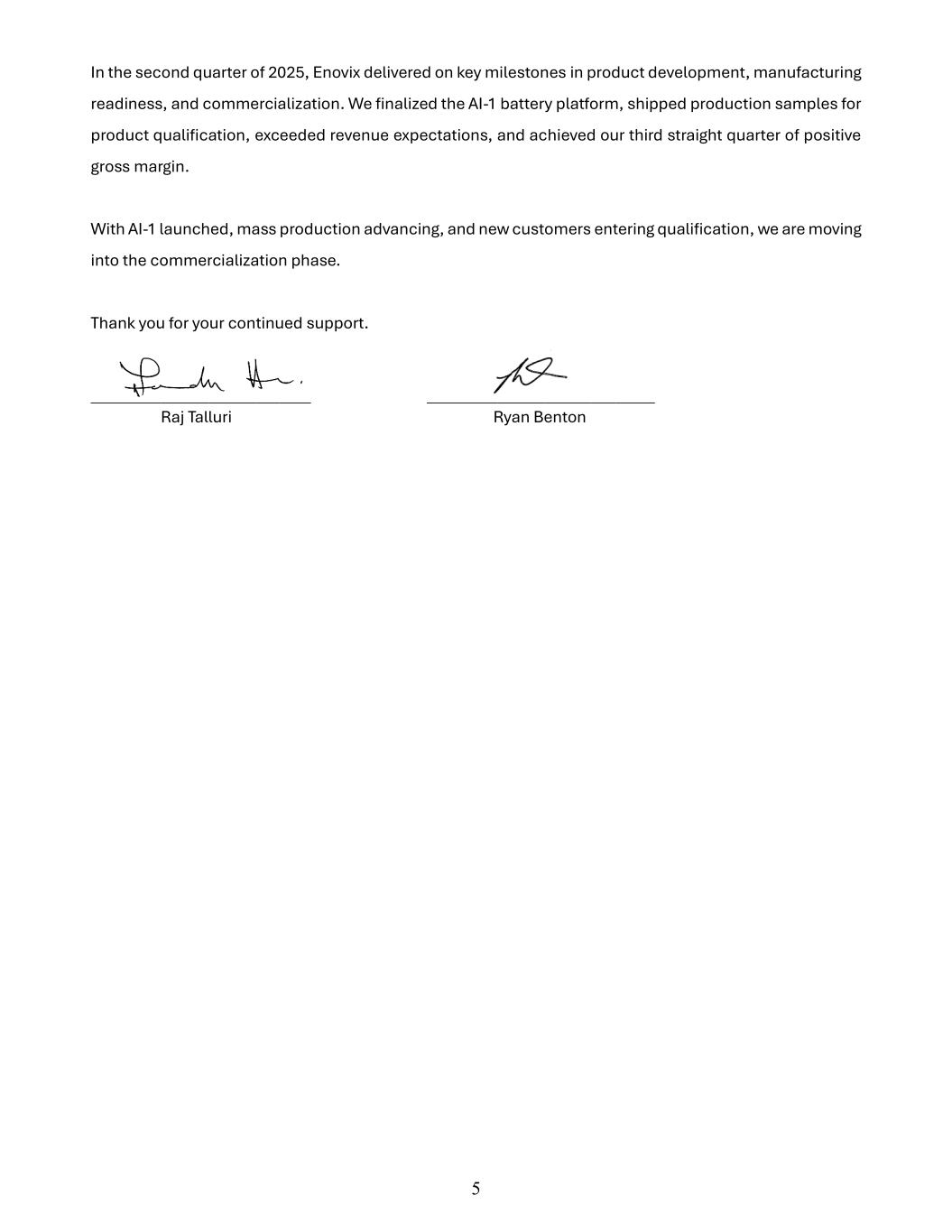
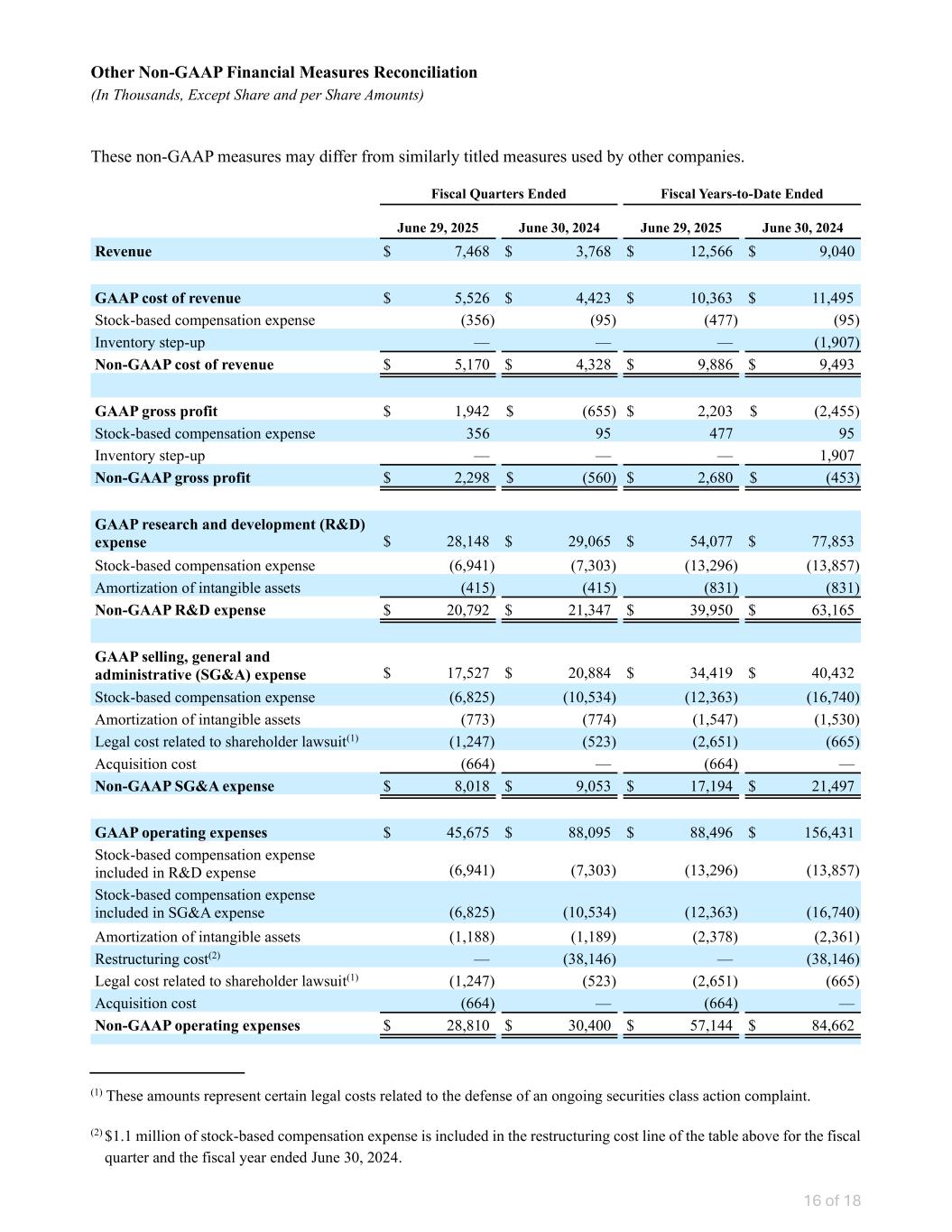
Thank you, Rob, and thank you all for joining us for this presentation, and thank you, TJ, for joining us today. Fellow shareholders, the company made great progress in Q2 on all fronts. We launched our A1 product platform. We hit key milestones with many of our strategic customers. We launched a warrant dividend to simultaneously reward our shareholders and also fund our future growth. Fab2 in Malaysia has made the first A1 batteries from our high-volume manufacturing line. Now, with our product sampling to two major smartphone OEMs and a leading eyewear company and strategic IoT customers, we are truly now moving into the commercialization phase of our journey. Now, in terms of highlights for the quarter, there are a few highlights, and I'm going to walk you through them using our shareholder letter in the backdrop here, and I'll point you to the things I'm talking about. Revenue: we delivered Q2 revenue of $7.5 million, above the guidance range, and it's up 98% year-on-year. This was driven by strong demand for our products. Our non-GAAP gross margin reached 31%, reflecting the higher margin of the defense products that we get from our Korean factory. We launched the A1 platform, which is a leadership platform with core battery architecture, incorporating advanced materials and design rules that meet all the requirements of the smartphone market. We believe it has the highest watt hours per liter, 900 watt hours per liter battery with a 3C charge rate, and we feel it goes up to 1,000 cycles. This is the first platform that has a 100% active silicon anode, and it's in commercial qualification with our customers now. We have over 400 patents on top of this technology that we have built. Achieving high energy density with long cycle life and fast charging is really the key value of this platform, and we have received a lot of interest from our customers to qualify this product. For our small battery, we achieve 26.3 watt hours per liter. And I’m going to have TJ talk a little bit about what that number means.
Speaker 2
Thank you. I decided to put in here a little peek work on this thing. The battery is 1.8 cubic inches. And then you may ask, how much energy is 26.3 watt hours in that little package? The answer is that if you do a calculation, it's enough to lift a 5,000-pound truck. This is the working height of 4.7 feet, three times in that little battery. We are currently working on a demonstration to do that for real, except I'm going to use a Lamborghini instead of a truck.
Thank you, TJ. So a couple of other highlights I want to talk about. We have now sampled this battery to our lead smartphone OEM, and they are conducting all the necessary tests to ensure this battery works well in the phone they want to launch. This testing takes time; up to 1,000 cycles takes multiple months, since they conduct the full cycle life test when they put a new battery in. We started sampling them in July, so we expect the tests to be completed in three months. If everything goes well, we should be getting orders from them to move to mass production. We've also made a lot of progress in smart eyewear. The AI-1 battery in smart eyewear represents tremendous value because there isn't much space to put a big battery. Typically, batteries fit in very small lengths. Sometimes manufacturers use two batteries, one on each side. One key thing about these smart glasses is that AI is having a huge impact on the usability because users can interact with these glasses, which often include cameras that observe the real world and change the user experience based on that information. This necessitates a significant amount of energy density in a small package, a critical advantage for us. We have sampled this to multiple AR customers and increased the amount of samples we provided this year. As the AI use cases grow, processing must speed up, memories must run faster, and more data must be computed. This means we need a roadmap of product technology so we can keep increasing energy density in a compact size. On the right side, you can see our roadmap of different technologies that will help us achieve that. Another thing I find important in markets like AR is that it’s crucial to become the battery of choice for the ecosystem made up of processors, waveguide optics and various sensors. We are working with key players in this ecosystem, ensuring our batteries meet their performance requirements for different use cases. This positions the Enovix battery to become a standard in reference designs. The progress we made this quarter supports this vision. As I mentioned before, creating a battery that meets smartphone market demands for high energy density, long cycle life, and fast charge is challenging; however, succeeding in this area allows us to cater to various other markets. We’ve seen this recently with the IoT sector, where a leading customer in industrial handheld markets signed an agreement with us to test our batteries in their next generation products. Moreover, in light of recent tariff situations, the defense sector has shown increased interest in batteries produced in countries with more favorable tariff situations. Our Korean asset, which we acquired, significantly aids our growth in this market, and we’ve started sampling to multiple customers now. Our factory in Penang is coming together well, and in Q2 we accelerated our customer qualification efforts. Multiple customers have visited our factory. As I mentioned, in the lithium-ion battery space, making custom batteries is essential. We have reduced the time it takes to create a custom battery by 50%. Our factory's machines can produce batteries of different sizes, and we’ve improved our reconfiguration speed. The AI-1 smartphone battery has also passed the UN 8.3 certification, crucial for airline safety certification for our first battery, enabling us to ship these to our customers. As we build confidence with our customers through sampling and qualification, we’ve begun placing initial purchase orders to enhance factory capacity and procure long-lead-time items for the second HVM line. We showcased a video recently documenting the entire factory producing AI smartphone batteries for our customers, so let’s play that. Awesome. I hope you got to see that video, and we are thrilled about that factory. It perfectly represents what a state-of-the-art battery factory should look like, as evidenced in the production of our cells. In July, we also issued a special shareholder warrant dividend, rewarding all our shareholders and enabling us to raise additional capital to expand the rest of the factory showcased in that video. The asset we acquired in Korea to bolster our defense battery capabilities included additional coating equipment, crucial for ramping battery production in Fab2 as we aim for higher volumes. Coating is a critical aspect of battery manufacturing. In this process, we take large copper and aluminum rolls, apply the latest anode and cathode powders, and coat them with precise density for optimal performance. This capability enhances our cost-effectiveness and allows us to prototype new materials rapidly. Previously, it took us 20 weeks to prototype a new material; we can now do it in under 7 weeks due to owning our coating technology. This is the benefit of vertical integration in battery manufacturing. I'm not going to go through all of the details in the investor letter, but I want to highlight that the battery is a bottleneck and is becoming increasingly so as users aim to maximize the performance of their devices. This has become even more apparent with the rise of AI applications across smartphones and other consumer electronics. Recently, I noted a mid-tier smartphone featuring an 8,000 milliamp-hour battery. This shift is significant, as these batteries used to be around 6,600 milliamp-hours. While manufacturers made the batteries larger to accommodate this, the percentage of battery cost in premium smartphones is on the rise while device size remains unchanged. High energy density is therefore critical. Our ability to produce the AI-1 battery with a solid roadmap for even greater energy density will create additional tailwinds, offering higher ASPs over time and granting us access to a much larger market.
Speaker 2
Can I make a point?
Speaker 2
One quick point on the battery bottleneck: A typical AI chip is larger than most PC chips, containing around 100 billion transistors. Imagine a chip the size of a commemorative postage stamp but drawing amps of current, even if it operates in nano-amperes or nano-watts at a node-by-node basis. This state-of-the-art chip is already being produced at 3 nanometer nodes, requiring significant power.
Thank you, TJ. I'm going to turn it over to Ryan now to talk about the financials.
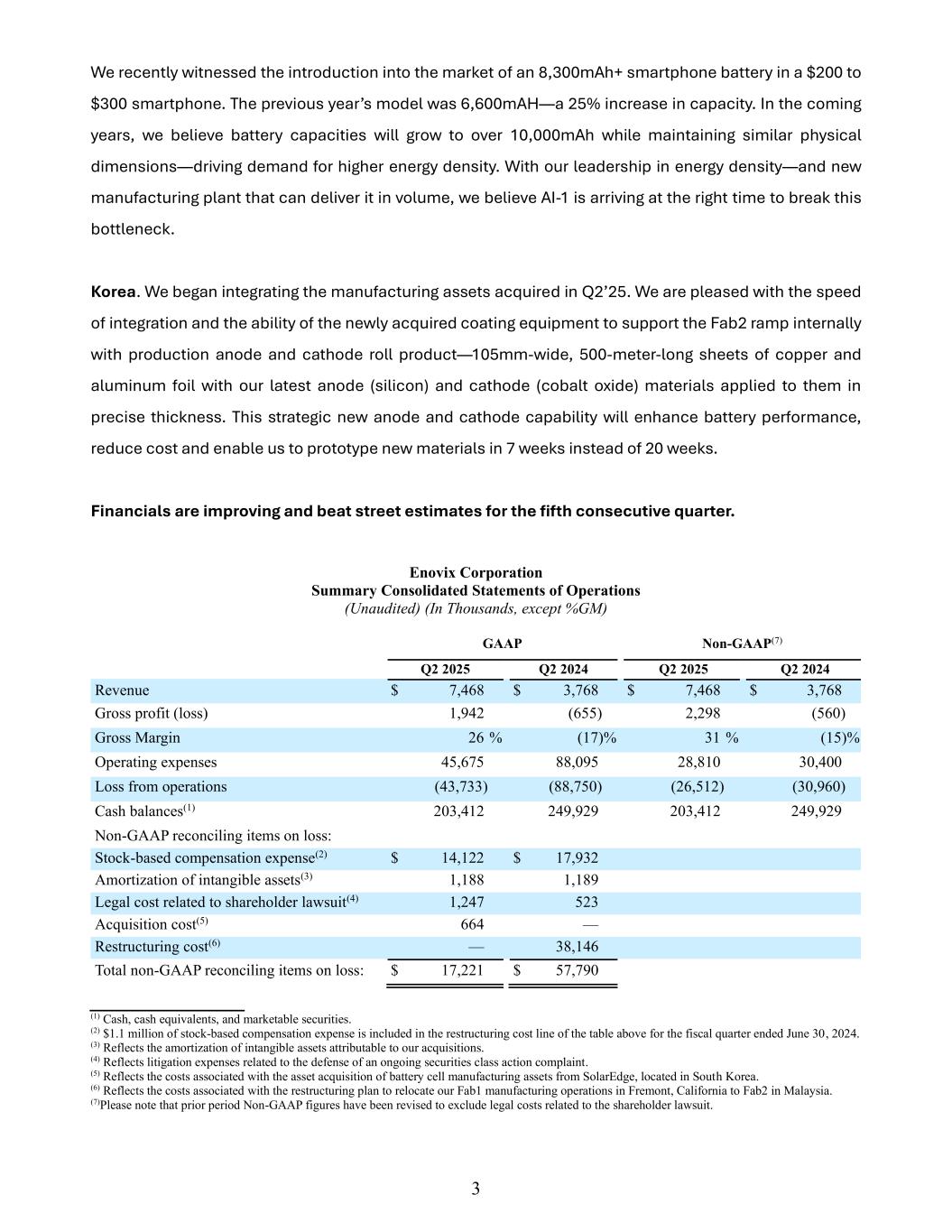
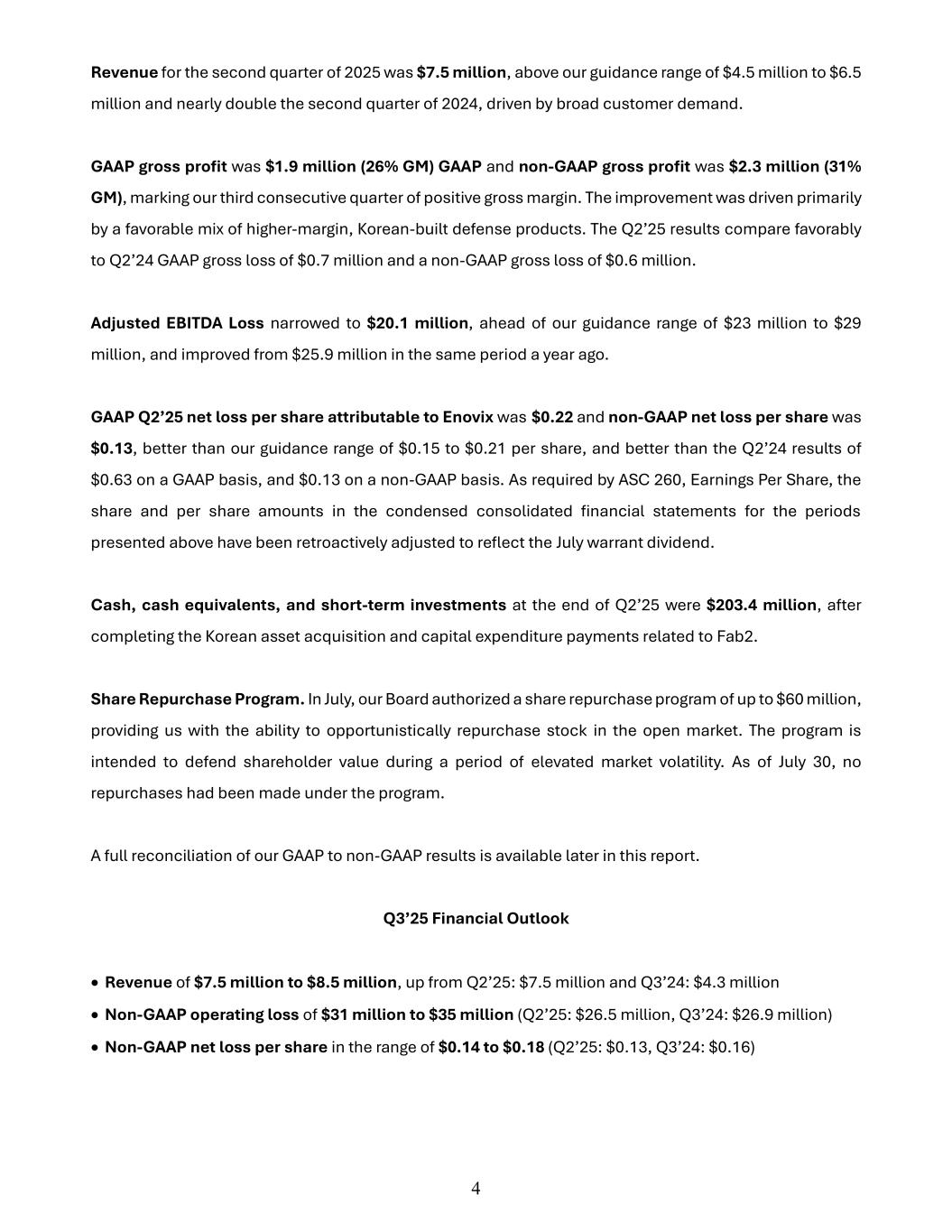
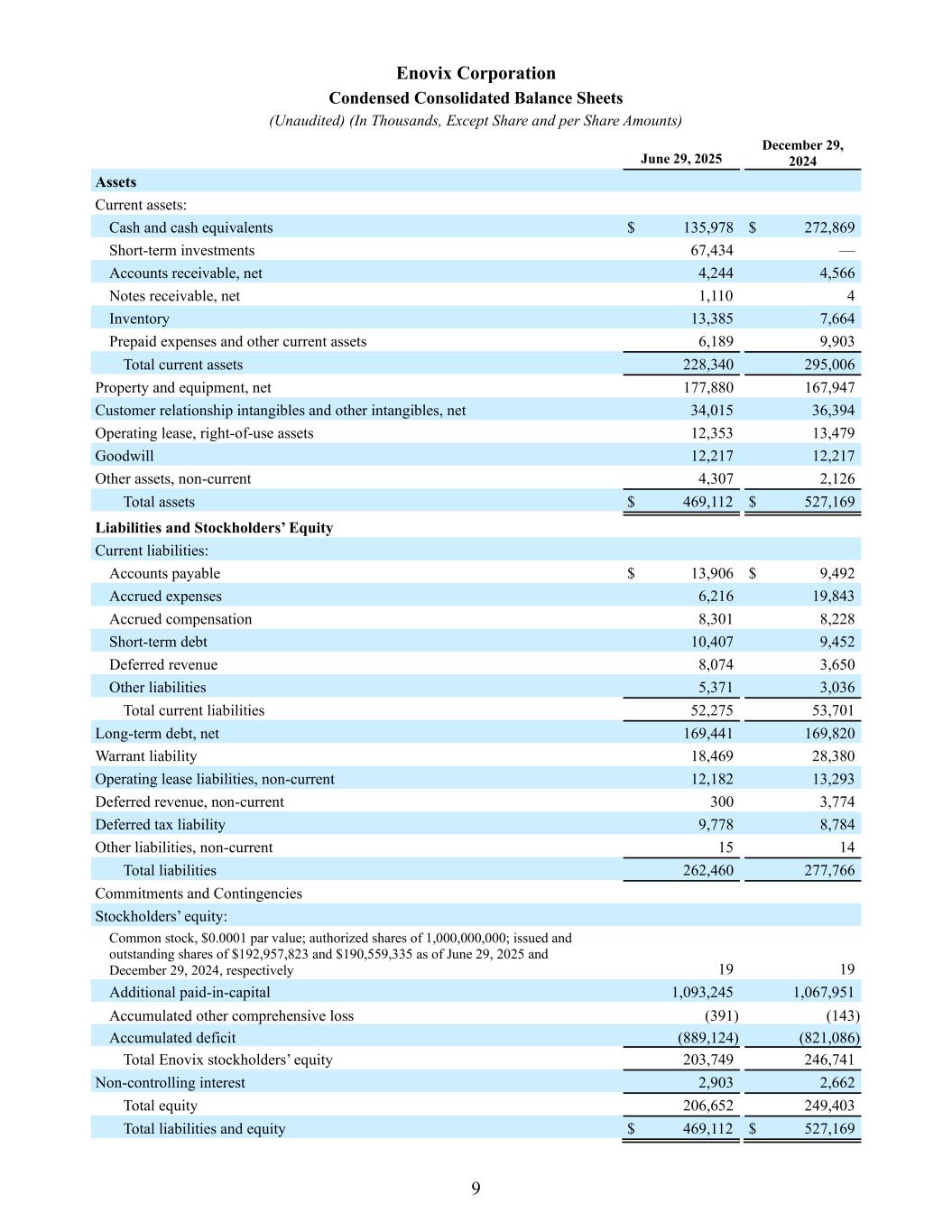
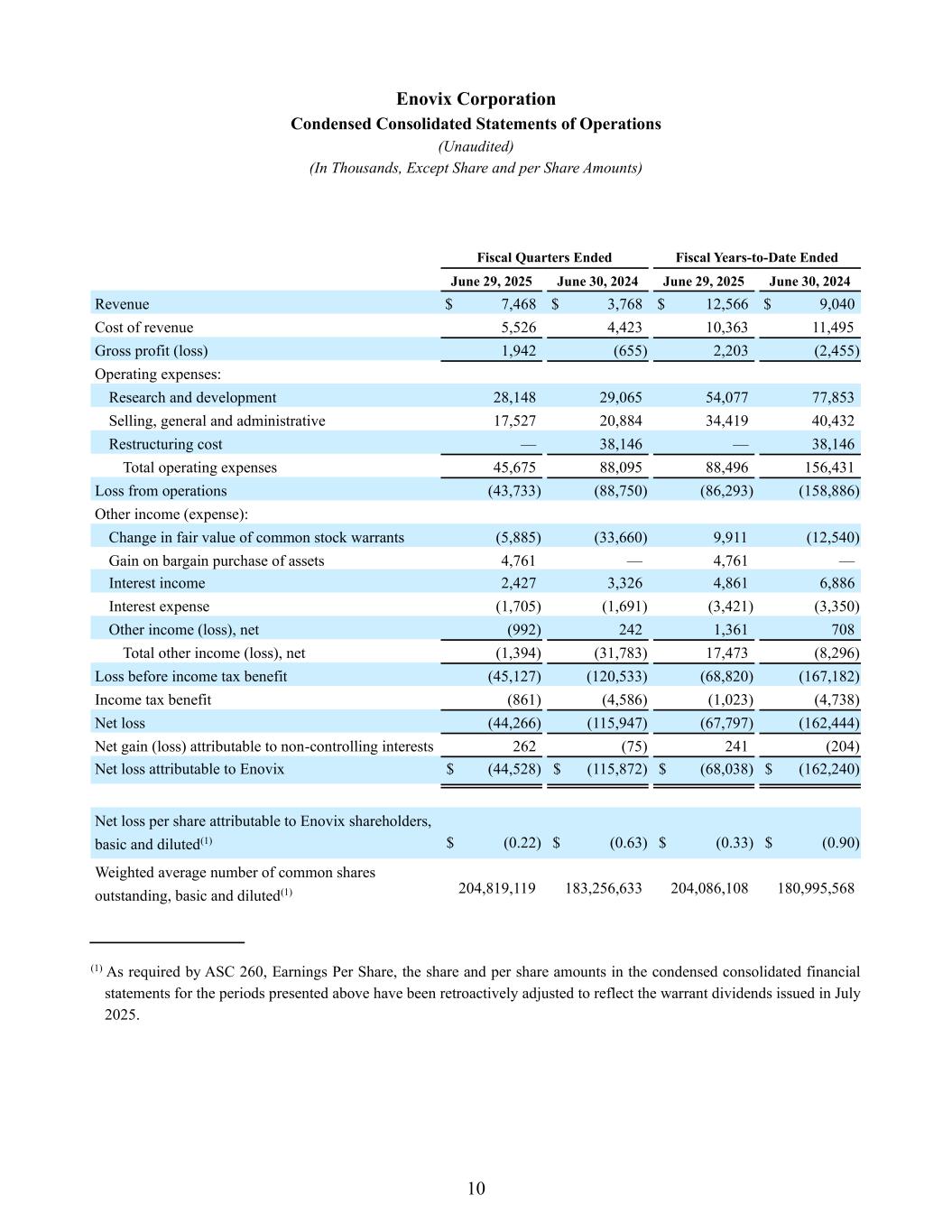
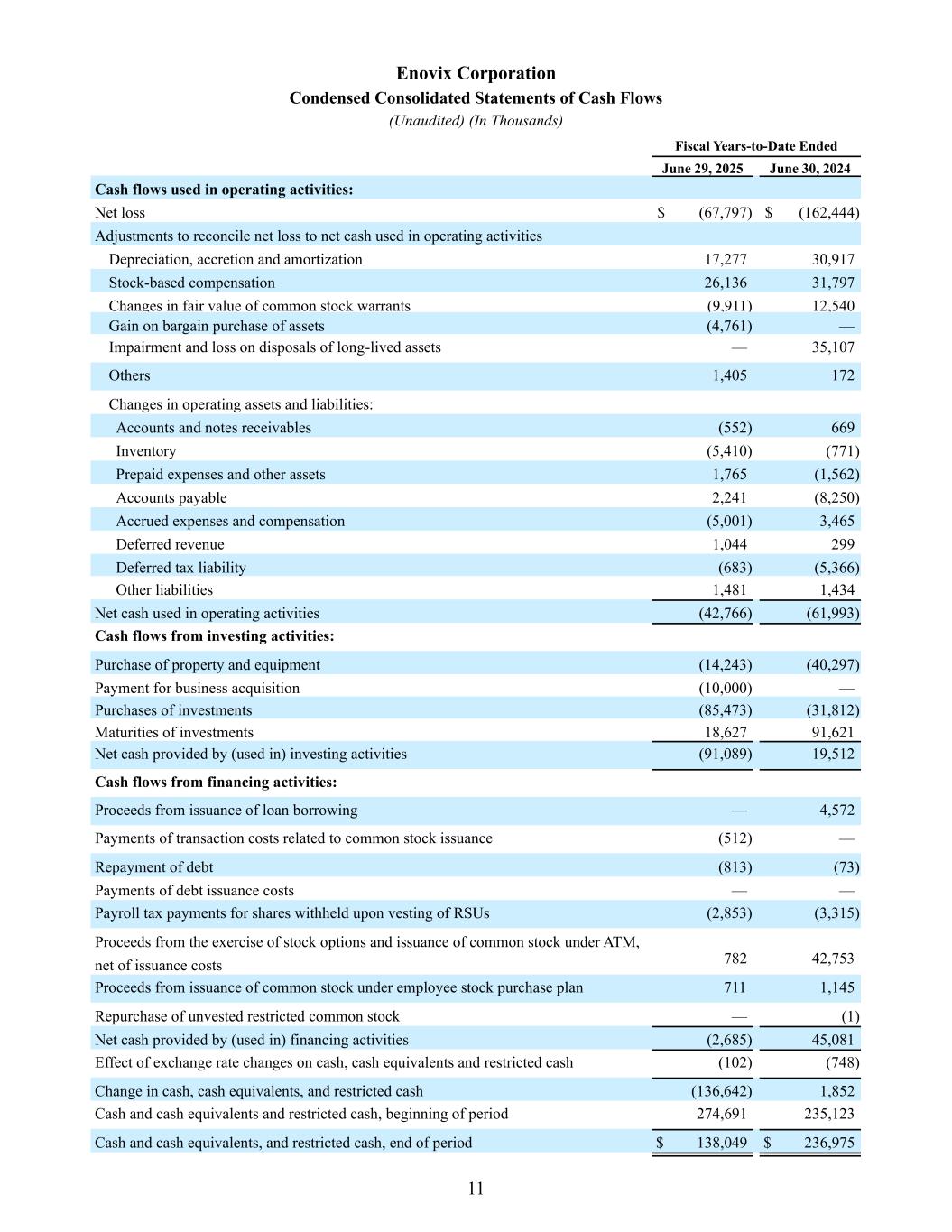
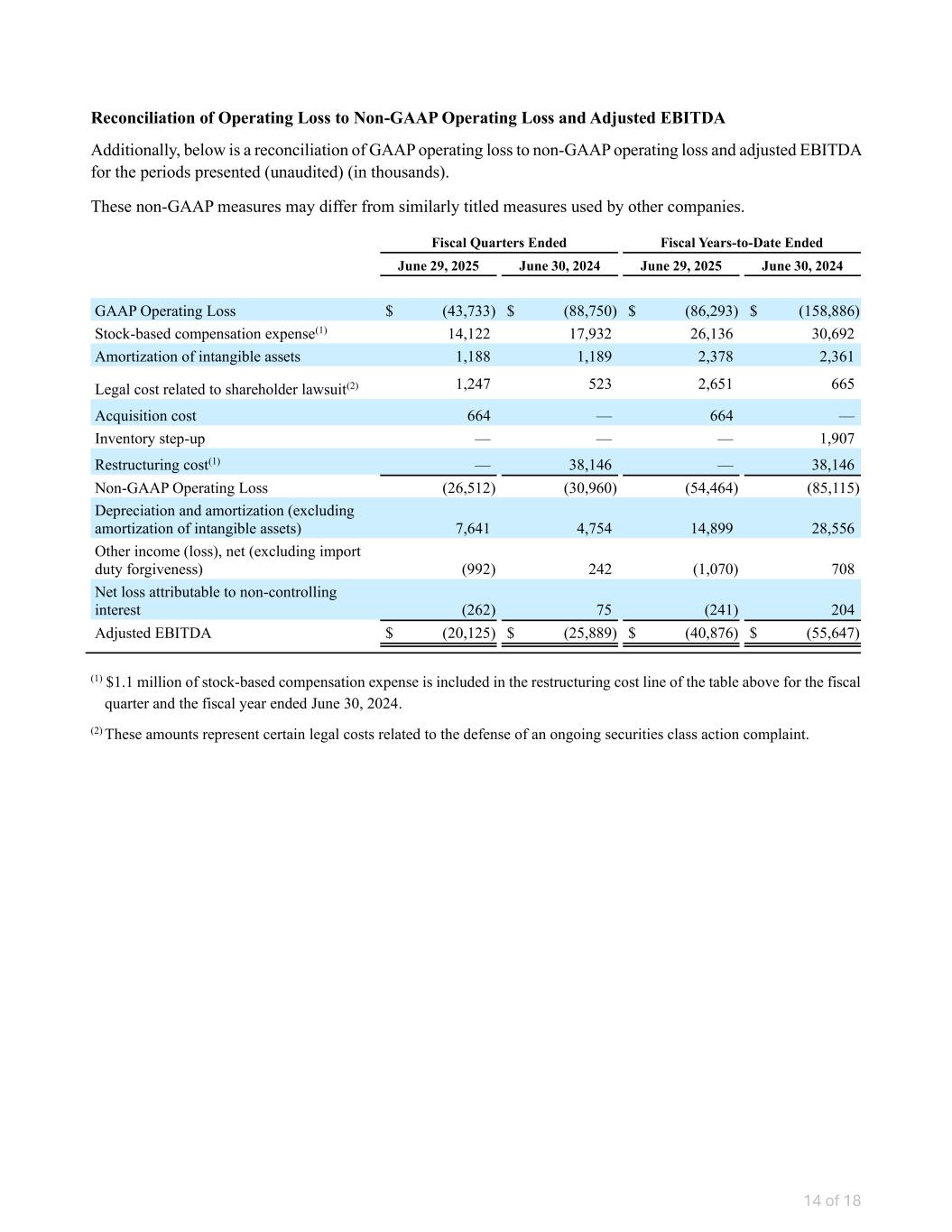
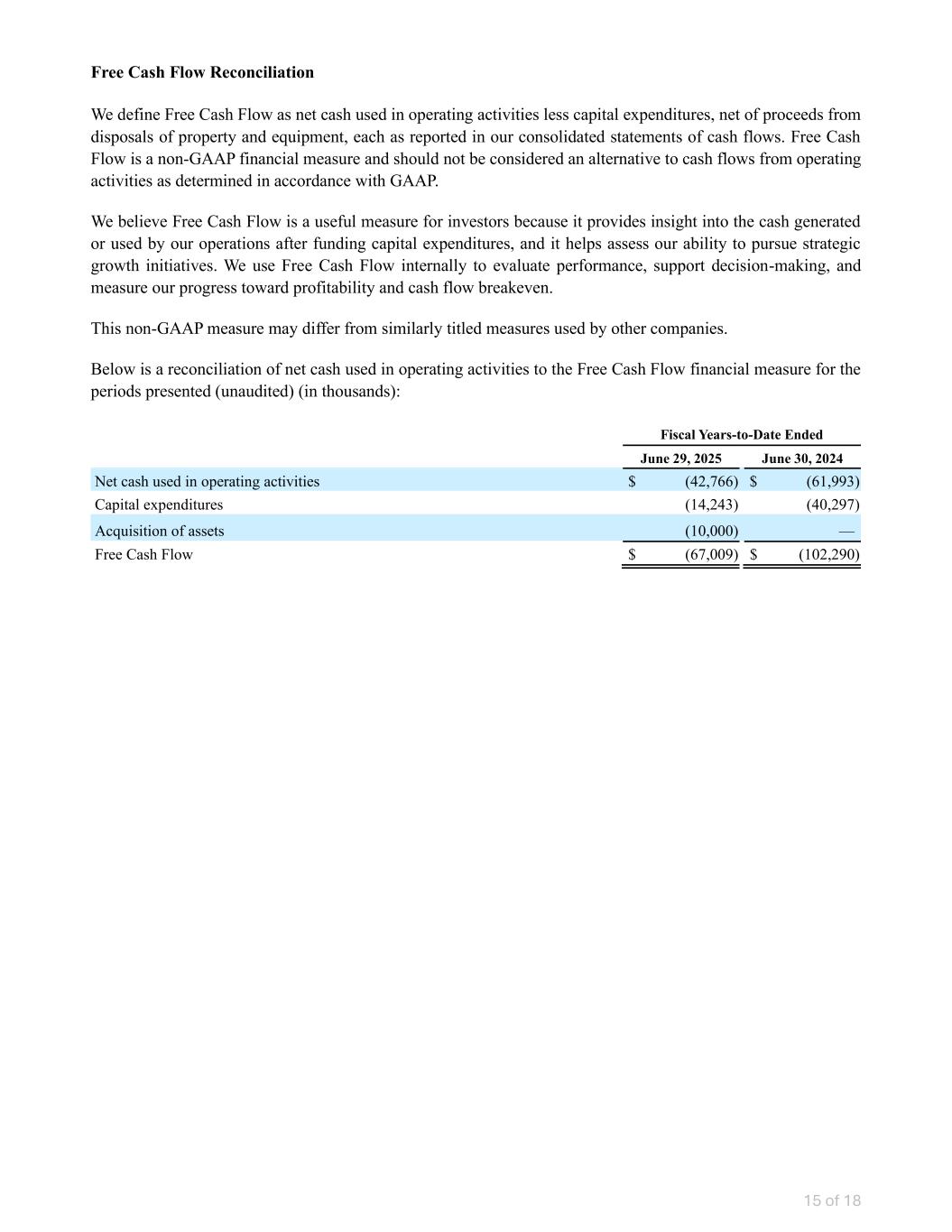
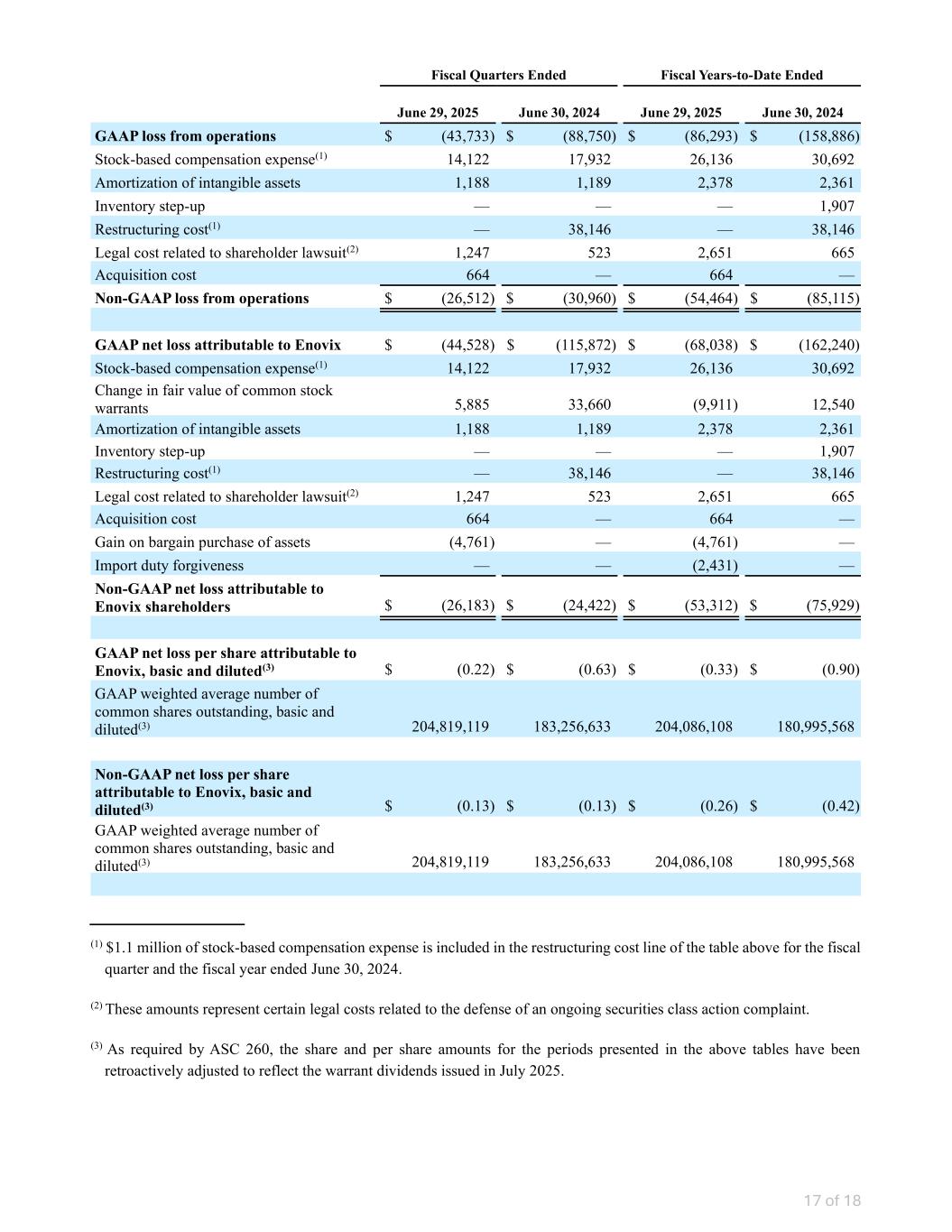
Thank you, Raj. Thanks, TJ. First, a quick housekeeping point: On July 7th, we issued preliminary results, which include positive adjustments. Now, let’s discuss the Q2 results. Our revenue reached $7.5 million, significantly above our guidance range of $4.5 million to $6.5 million, as Raj mentioned, and is up 98% year-over-year. This marks the fifth consecutive quarter that we've exceeded the midpoint of our guidance, a strong achievement. Additionally, our gross margin improved, reaching 31%, bolstered by a favorable product mix, particularly within the defense sector. Our operating expenses totaled $28.8 million for the quarter, down 5% year-over-year, reflecting discipline in spend while we continue to advance our mission of building out Fab2 and driving our R&D efforts. The loss on operations is evident but shows year-over-year improvement. Moving on to net loss per share, we recorded a loss of $0.13 quarterly, an improvement from our guidance range of 15% to 21%. In terms of cash, we concluded Q2 with $203.4 million, which includes completed payments for previous acquisitions and additional capital expenditures related to Fab2. Additionally, the Board authorized a $60 million share buyback program, though we haven't yet made any purchases under the program; however, we remain prepared, especially in light of market volatility. Outlook for Q3 suggests we anticipate revenue growth sequentially and surpassing last year’s figures. While we expect net operating loss to increase slightly, this is primarily due to a less favorable product mix and heightened operating expenses related to manufacturing scalability. The projected net loss per share for Q3 is estimated between $0.14 and $0.18, aligned with the $0.13 reported in Q2. That's it.
Thank you. Can I go for Q&A?
Operator
We will now begin the Q&A session. Please note that this call is being recorded. Before we go to live questions, we are going to read the two most highly voted questions submitted by shareholders ahead of this call. The first question is, when will Enovix batteries appear in products?
Yes. Thank you for that question. As I mentioned, we are currently sampling our AI-1 battery to multiple customers, particularly in the smartphone industry. We expect our first products to launch using our battery, and they are presently in cycling and testing. As I indicated earlier, this process requires at least three months to complete all tests, and once we pass these assessments, we await a purchase order and anticipate the smartphones to launch. Our timeline now rests in the hands of our customers, but we expect results to materialize as testing and qualifications are finalized.
Operator
The second question is, can you explain the need for the warrant? What will the money be used for? Is it for the new lines or a new facility? How many lines can you fit in your facility?
The proceeds from the warrant, if exercised, will be utilized to complete the build-out of Fab2. Currently, we have one high-volume line operational and the facility is capable of supporting four additional lines. The raised funds will also be allocated for general working capital purposes, contributing to our ongoing strategic initiatives like continued R&D development. Regarding warrants, I can provide recent progress updates. As of yesterday, approximately $34 million worth of warrants have been exercised, bolstering our capital reserve.
Operator
Our first question comes from Colin Rusch with Oppenheimer.
Speaker 4
Congrats on all the progress. Can you talk a little bit about where you're at with the customers in terms of specs getting finalized for some of these new products? I know you've talked about one customer getting launched here later this year, but I assume you're making meaningful progress with other engagements as well. When can we expect to see incremental announcements regarding product finalizations or specifications being finalized over the next several quarters?
Yes. Thank you, Colin. Spec-wise, we have finalized specifications with our first customer, to which we tailored the battery and shipped them the cells for testing. They are currently performing cycle life tests involving charge and discharge at various intervals. As I stated in the call, our batteries now seem capable of achieving up to 1,000 cycles. In our announcement regarding AI-1, we were initially anticipating performance capped at 800 cycles, but we’ve made further progress. We feel confident in our technology as customers conduct these evaluations. We've just shipped battery samples to our second customer, the second smartphone OEM, after ensuring we met all specifications of the first one. They will test for required cycle life, performance trade-offs, and we expect to receive exact dimensions for the battery needed for the launch next year. Next year's smartphones will incorporate slightly different battery specifications based on choice of displays, cameras, and more. We anticipate being able to produce these to meet those dimensions, aiming for production sometime later next year. Furthermore, we are getting increased interest from more customers, and we plan to begin sampling throughout the year. TJ, do you want to add anything?
Speaker 5
Colin, I would like to make a comment from a Board perspective. I have quarterly Board meetings, along with other extended sessions focusing on manufacturing and R&D. The process for finalizing specs is critical and more significant than specifications alone. Meeting certain metrics is important; however our success will hinge on building to customer specifications. Previously, my experience pre-Raj Enovix demonstrated that we focused on a set of specs, but we were failing to meet customer expectations. However, under Raj's leadership, we’ve engaged with customers to fully understand their testing and specifications. Essentially, we have ongoing collaborations where customers have influenced our specifications — they had provided documentation elaborating on their necessary specifications and test validation.
Yes, thank you for that insight. To add to that, we understand that iterating on specifications and customer engagement is vital as we innovate and build batteries suited for evolving devices.
Speaker 4
That's incredibly helpful. I appreciate that, TJ. Shifting to capital equipment regarding the potential for expansion, can you elaborate on the preparedness of your capital equipment suppliers to support an expansion? Any modifications considered on the line now that you've made significant progress on testing each of the systems?
Absolutely. A few weeks ago, I was in Asia visiting our equipment suppliers. Notably, we are now working with suppliers accustomed to producing complex semiconductor equipment, a significant growth compared to our previous fabrication efforts. I encountered a supplier capable of integrating remarkably delicate copper pins in the dice with micron precision. We are leveraging these advanced technologies for our battery production and have begun initial proof-of-concept installations. Suppliers have already visited our factory in Penang and are familiar with their units' placement, so our readiness for expansion is progressing optimally, with exciting advancements in semiconductor manufacturing being integrated into our battery production methods.
Operator
Our next question comes from Jeff Osborne with TD Securities.
Speaker 6
I have two questions. If you win the two phone engagements and the eyewear, sounds like they would launch three to four months post-sampling started this month. How do we evaluate the need for working capital growth? Are you operating as if you will win? What are the lead times for materials required to ramp up Line 1 and Fab2?
Yes. I'll start from the last part. We're certainly operating to win — that's our mindset right now. As mentioned, our balance sheet ended the last quarter over $200 million, which positions us well for ramping manufacturing.
Speaker 6
Good to hear. And another question regarding the balance sheet — I've had inquiries about the warrant structure being somewhat unique. If only a portion of the warrants were exercised, is there a minimum level that could let you avoid needing future capital raises? You mentioned $34 million exercised so far. Considering the impending ramp into the middle of next year, how do you plan to fully build out Fab2? Is exercising half the warrant sufficient?
In our view, the capital from the warrants alone will not suffice for the complete build-out of all four lines. We've previously provided estimates indicating that the cost for those lines is between $50 million to $60 million. Moreover, while the $34 million raised from exercised warrants will significantly contribute to increasing our capacity with two lines running, we would need additional capital for comprehensive expansion.
Operator
Our next question comes from Mark Shooter from William Blair.
Speaker 7
As we get closer to commercialization, I would like to revisit discussions regarding ASPs. Given the skyrocketing battery costs as you were initially pursuing the smartphone market and the trends towards 10,000 milliamp-hours, what do you see now regarding ASPs? How might the AI-1 establish pricing power against existing competitors?
Great question, Mark. As I mentioned, two to three years ago, it would have been hard to believe that future smartphones would feature a 10,000 milliamp-hour battery, but that’s the reality today. Additionally, we are observing this capacity increase across all tiers — once thought exclusive to premium smartphones, now even a $200 phone has batteries nearing 6,000-8,000 milliamp-hours. This shift mirrors trends we observed with features like high megapixel cameras becoming mainstream. Consequently, prices per amp-hour are likely to continue to increase, in charge with various battery specifications, leading us to redefine models and factory loadings, particularly considering larger batteries require more capacity. This is positive because not only do we expect to see ASPs rise, but also a premium for higher-capacity batteries without enlarging the phones, underpinning the importance of energy density. Producing the AI-1 battery with a strong roadmap for higher energy density will enable us to benefit from further increases in ASPs and penetration into larger markets. On the AR/VR and smart eyewear market, recently launched products indicate increased engagement. We are sampling among various eyewear companies, and this industry is still in its infancy. Products will evolve, requiring higher ASPs and margins. The key point here is that true AR requires significant energy density in a compact form, making our product critical for this opportunity. Let me illustrate an engineering point, this is an Enovix illustration of smart glasses and our batteries fit perfectly into these designs. We utilize laser cutting for our anode and cathode, enabling us to create batteries that fit precise forms. The small battery depicted here indicates high potential watt-hours per liter due to our patented compression system, ensuring efficient energy density while retaining safety standards. This optimization makes our technology particularly suited for AR applications, balancing performance requirements effectively.
Operator
Our next question comes from Ananda Baruah from Loop Capital.
Speaker 8
Two questions, if I could. Raj, can you remind us how we should perceive when you'll gain visibility into production volumes? How do you foresee this dynamic evolving through the qualification process with the first smartphone OEM and subsequently engaging the second?
Certainly. This is an essential question, and I receive it often. The battery industry operates differently from semiconductors. Initially, we sample standard-sized batteries that match customer specifications — not exact sizes but appropriate capacity — followed by extensive customer evaluations which typically extend a few months. Once we finalize specific dimensions based on their requirements, we’ll customize the battery, conduct additional tests, and await customer feedback. This usually starts with one SKU, before expanding our involvement to multiple SKUs. Progressing in this manner will help us secure additional opportunities in the market. Presently, we’re focused on one customer testing, establishing ourselves as a viable supplier. Following that, I expect faster engagement with additional SKUs.
Speaker 8
To follow up on that, TJ — if possible to share your thoughts, my inquiry concerns anticipated timelines. If we assume the first negotiations are wrapped up in three or four months, could we reasonably perceive further engagement into second and third SKUs toward early next year? Are we positioned to be operating as a recognized and valid supplier by spring?
Yes, that’s a fair way to approach it. The initial customer specification process is crucial for ensuring our products meet their requirements; if alternate battery shapes arise, it may extend production timelines. However, once we establish that we meet specifications adeptly, further engagement should flourish rapidly. It’s essential to recognize the scale of this market, with more than 1.2 billion units being sold. The opportunity to supply millions of batteries exists, and while the initial stages are detailed, as we firmly establish our offerings, we anticipate swift growth.
Operator
Our next question comes from Tony Stoss from Craig-Hallum.
Speaker 9
Quick question regarding the investor letter, mentioning you've passed the airline safety certification. How important was this? Are there any additional hurdles before you can ship in volume to your first smartphone customer?
The certification of UN 8.3 is critically important because shipping batteries by air without it is complicated. Being able to pass this is essential for ensuring we can deliver safe products in a recognized battery standard. As for additional certification requirements, while we have further testing to perform specific to customers, we currently have some pre-qualifications completed but expect our customers to execute their own distinct tests. This process is rigorous and may vary from one customer to another.
Speaker 2
I would like to make an additional note regarding factory ramp-up. Historically, early production runs were limited; however, we are in an advantageous position within Penang, Malaysia, where expertise and quality control are prevalent in semiconductor manufacturing. We have access to skilled personnel and high-quality equipment capable of handling precise specifications as we specifically target customer feedback to optimize production. This means we anticipate a more seamless ramp-up this time. Additionally, while every factory ramp has its challenges, our preparation for dealing with potential setbacks and ensures our concerns will be meaningfully addressed during the process.
Speaker 9
Thanks for that insight, TJ. Lastly, regarding the eyewear customer, many companies in this sector currently partnered with other battery suppliers. How challenging would it be for you to replace those and establish a foothold? Is that a situation where we need to wait for multiple generations of products or could we expect results in a year or two?
We are engaged in sampling at this point. The AR market is quite substantial, and customer interests suggest plenty of room for iteration and competition. As I noted, energy density demands in this sector are especially high due to restricted space for batteries; a stronger, safer product like ours is bound to make an impression. We believe that with our superior batteries, we can leverage early engagement and customer feedback to cultivate long-term partnerships and revenue streams.
Operator
Our next question comes from Derek Soderberg from Cantor Fitzgerald.
Speaker 10
Two questions: Raj, what are smartphone OEMs currently paying for batteries in flagship models? Also, regarding the industrial handheld opportunity, is this potentially in the millions of devices annually?
The pricing determined by OEMs will fluctuate based on energy density considerations. We've seen that per amp-hour prices can reach around $1.50 to $2. Thus, if, for example, an 8 amp-hour battery is produced, you might expect to see costs between $15 to $16. Regarding the industrial handheld marketplace, we’ve established customer engagement indicating considerable potential for millions of units annually.
Operator
Our next question comes from –-
I'm sorry, let me address that second question. The industrial handheld market definitely has customers that we are engaging with right now. There is an opportunity for millions of units annually, which includes both product launches and replacement batteries.
Operator
Our next question comes from Gus Richard from Northland.
Speaker 11
As you ramp up production, will you wait for purchase orders before building inventory or will you stock some? I know each device requires customized dimensions.
There is some misunderstanding regarding the ongoing sampling — these are not merely 1Z or 2Z units; there are considerable inventories utilized in the qualification and R&D processes. Thus, we're adequately positioned and prepared to meet foreseeable demand.
Speaker 2
From a funding perspective, we cannot build excessive inventory. The advantage of our manufacturing process is linear; if one part fails, the preceding components also halt. Our cycle time is anticipated to be below 30 days. If we receive a 30-day take-or-pay purchase order, which is standard, we’ll be able to fulfill orders more rapidly, unlike previous challenges in semiconductor manufacturing.
Operator
There are no further questions at this time. With that, I'd like to turn it over to Dr. Raj Talluri for closing remarks.
Thank you all for joining us, and thank you for your support. This was a really good quarter, and I look forward to seeing you again next quarter. Thank you.