Operator
Good morning, and welcome to the Limbach Holdings Third Quarter 2025 Earnings Conference Call. I will now turn the conference over to your host, Lisa Fortuna of Financial Profiles. You may proceed.
Speaker 1
Good morning, and thank you for joining us today to discuss Limbach Holdings' financial results for the third quarter of 2025. Yesterday, Limbach issued its earnings release and filed its Form 10-Q for the period ended September 30, 2025. Both documents as well as an updated investor presentation are available on the Investor Relations section of the company's website at limbachinc.com. Management may refer to select slides during today's call and encourages investors to review the presentation in its entirety. On today's call are Michael McCann, President and Chief Executive Officer; and Jayme Brooks, Executive Vice President and Chief Financial Officer. We will begin with prepared remarks and then open the call to questions. Before we begin, I would like to remind you that today's comments will include forward-looking statements under federal securities laws. Forward-looking statements are identified by words such as will, be, intend, believe, expect, anticipate, or other comparable words and phrases. Statements that are not historical facts such as those about expected financial performance are also forward-looking statements. Actual results may differ materially from those contemplated by such forward-looking statements. A discussion of the factors that could cause a material difference in the company's results compared to these forward-looking statements is contained in Limbach's SEC filings, including reports on Form 10-K and 10-Q. Please note that on today's call, we will be referring to non-GAAP measures. You can find the reconciliation of these non-GAAP measures to the most directly comparable GAAP measures in our third quarter 2025 earnings release and in our investor presentation, both of which can be found on Limbach's Investor Relations website and have been furnished in the Form 8-K filed with the SEC. With that, I'll now turn the call over to President and CEO, Mike McCann.
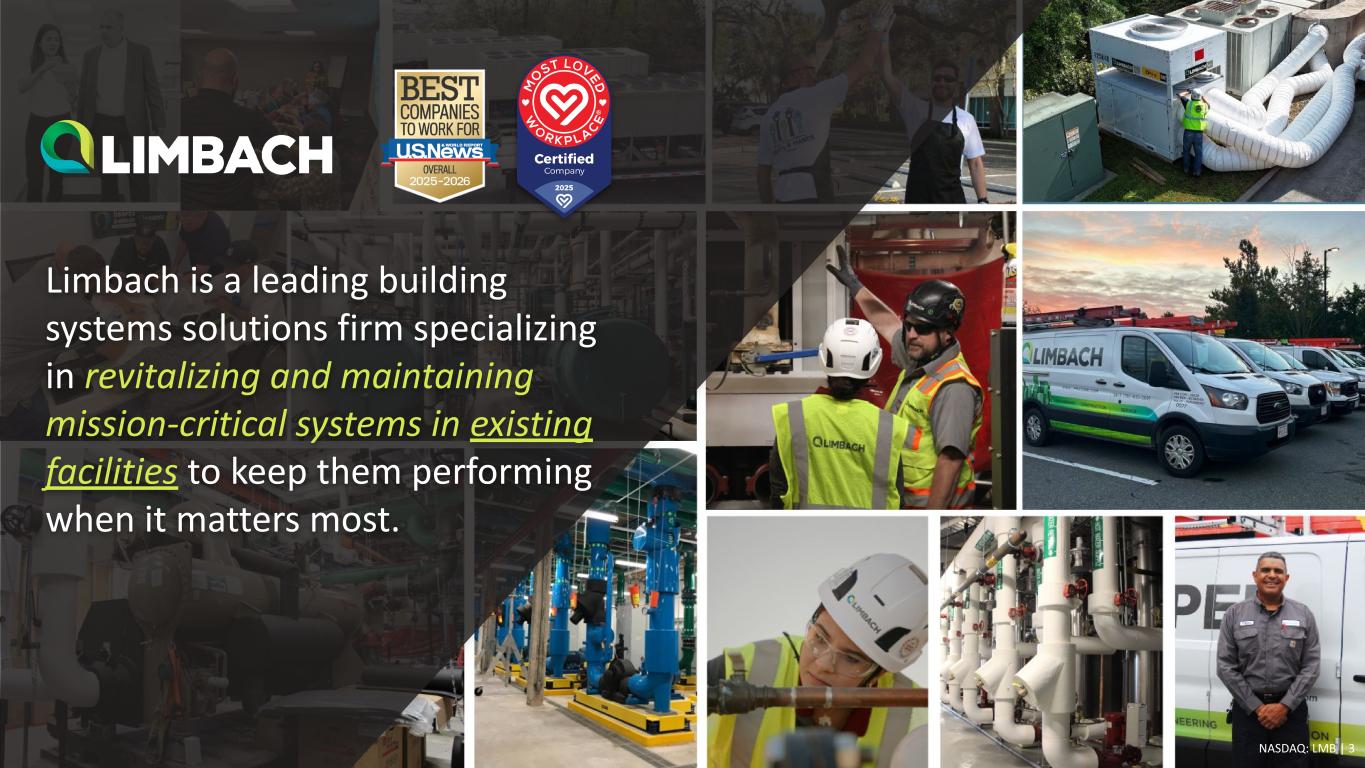
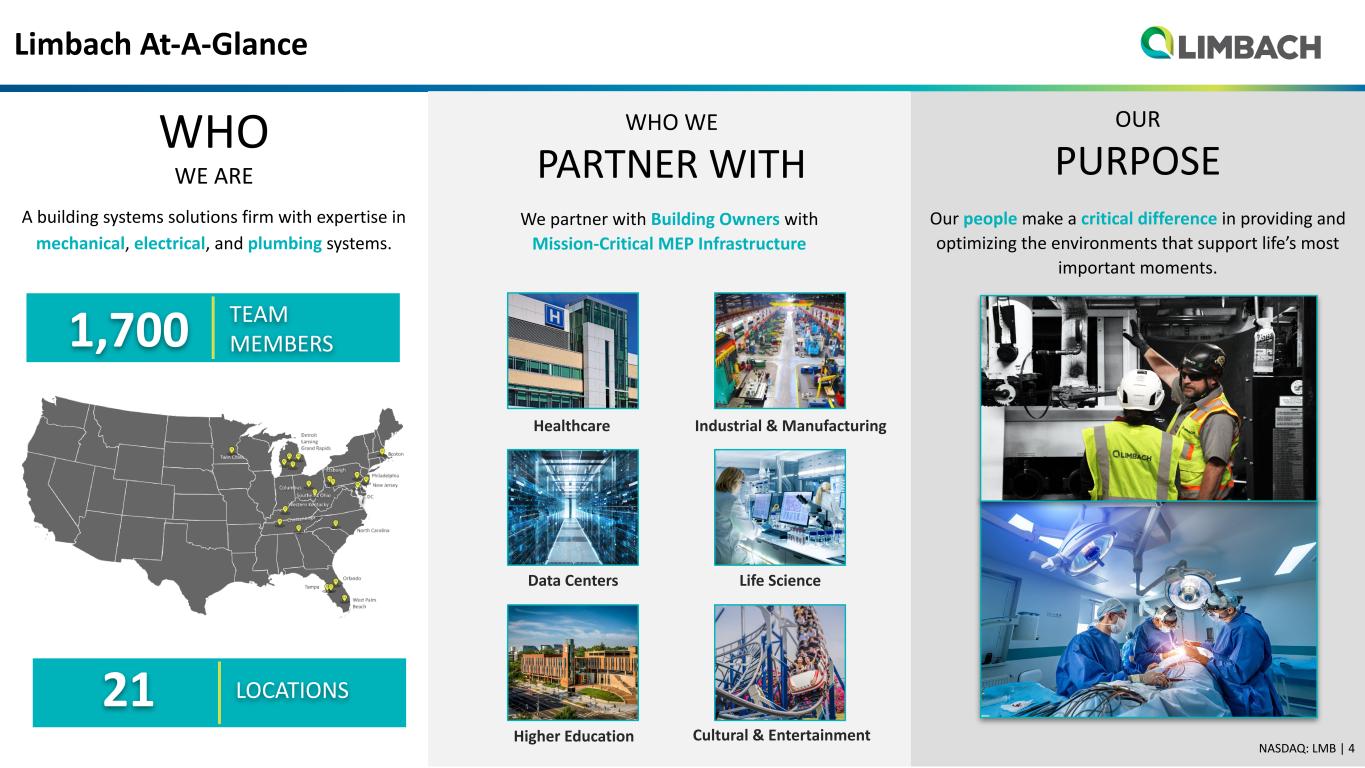
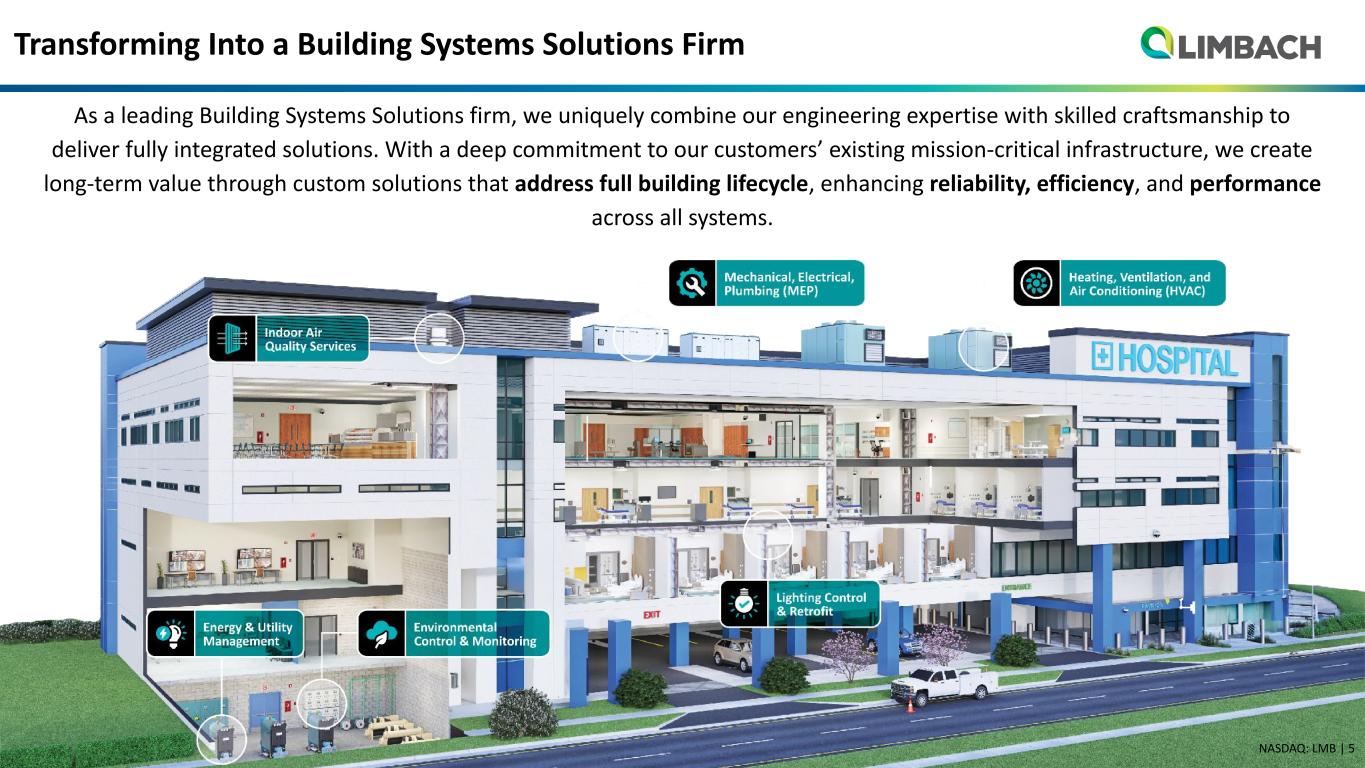
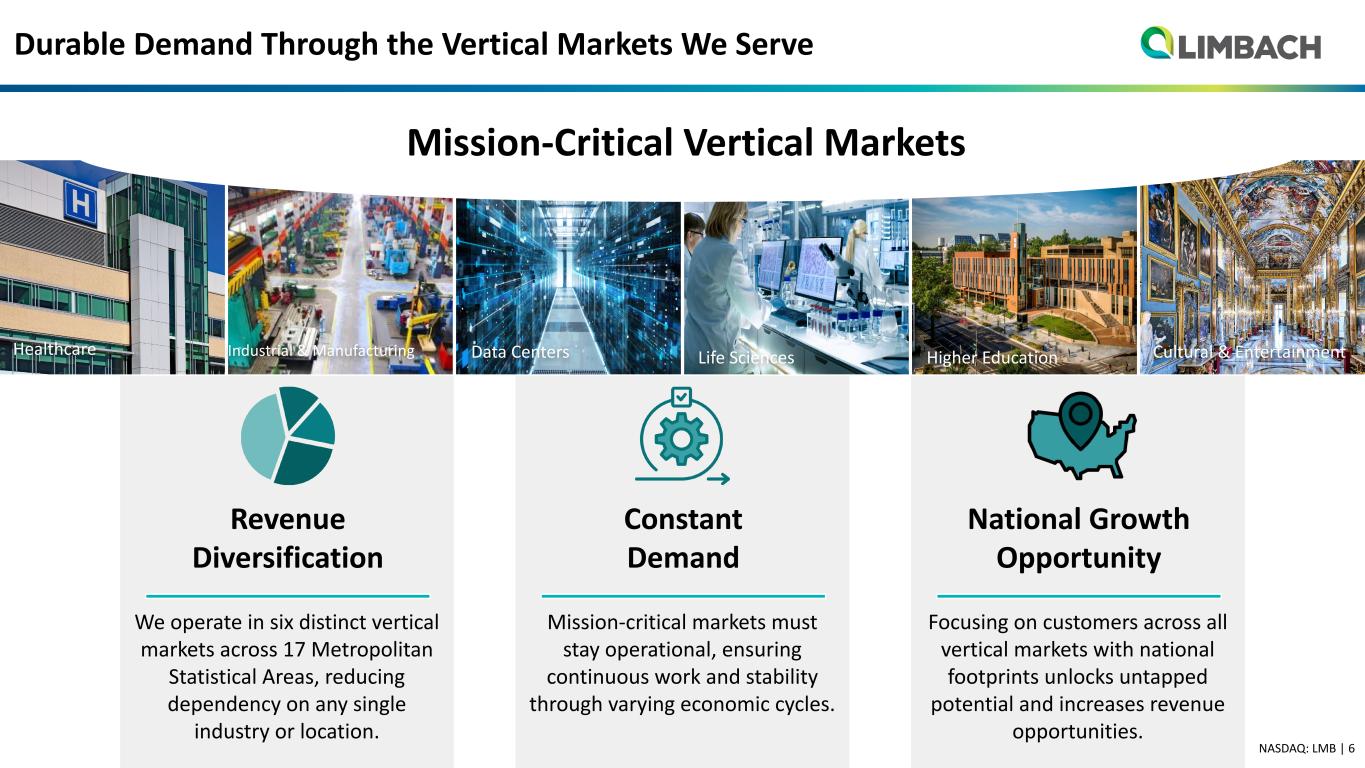
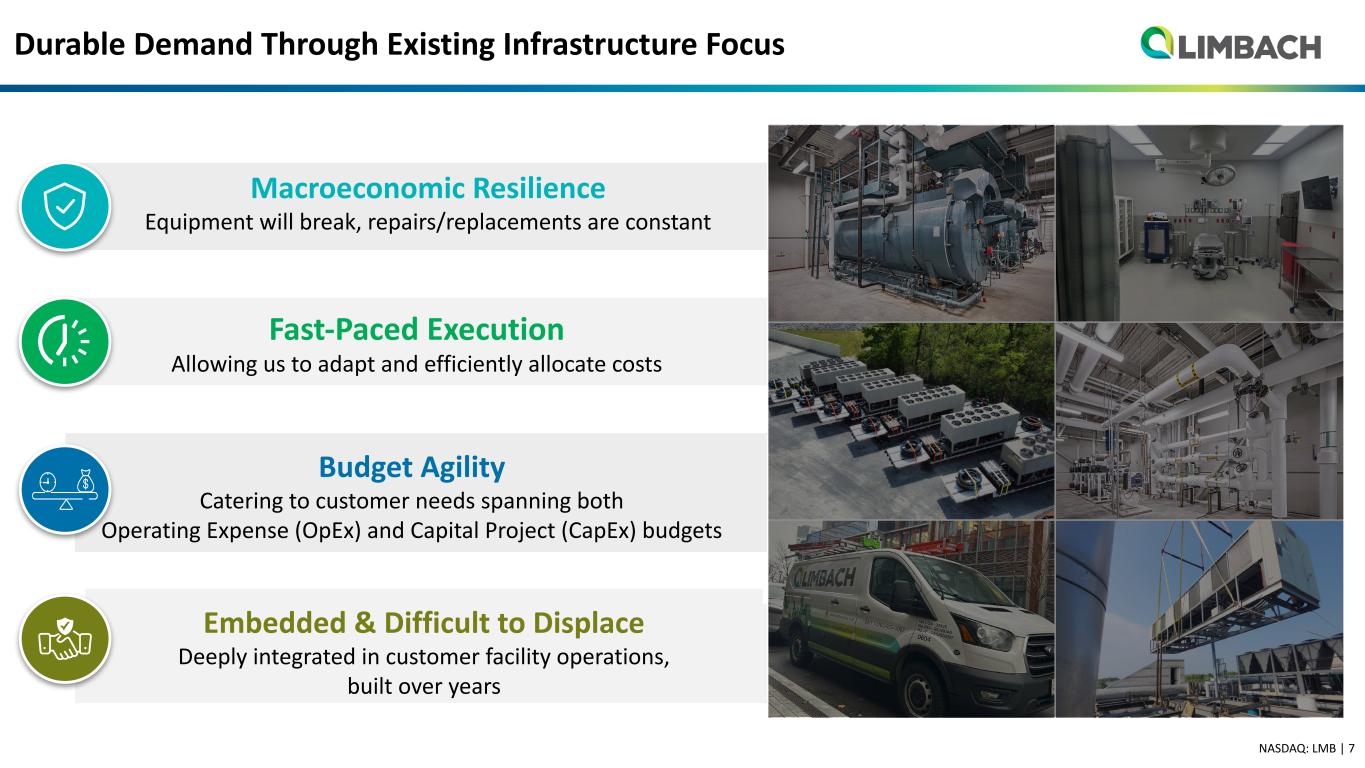
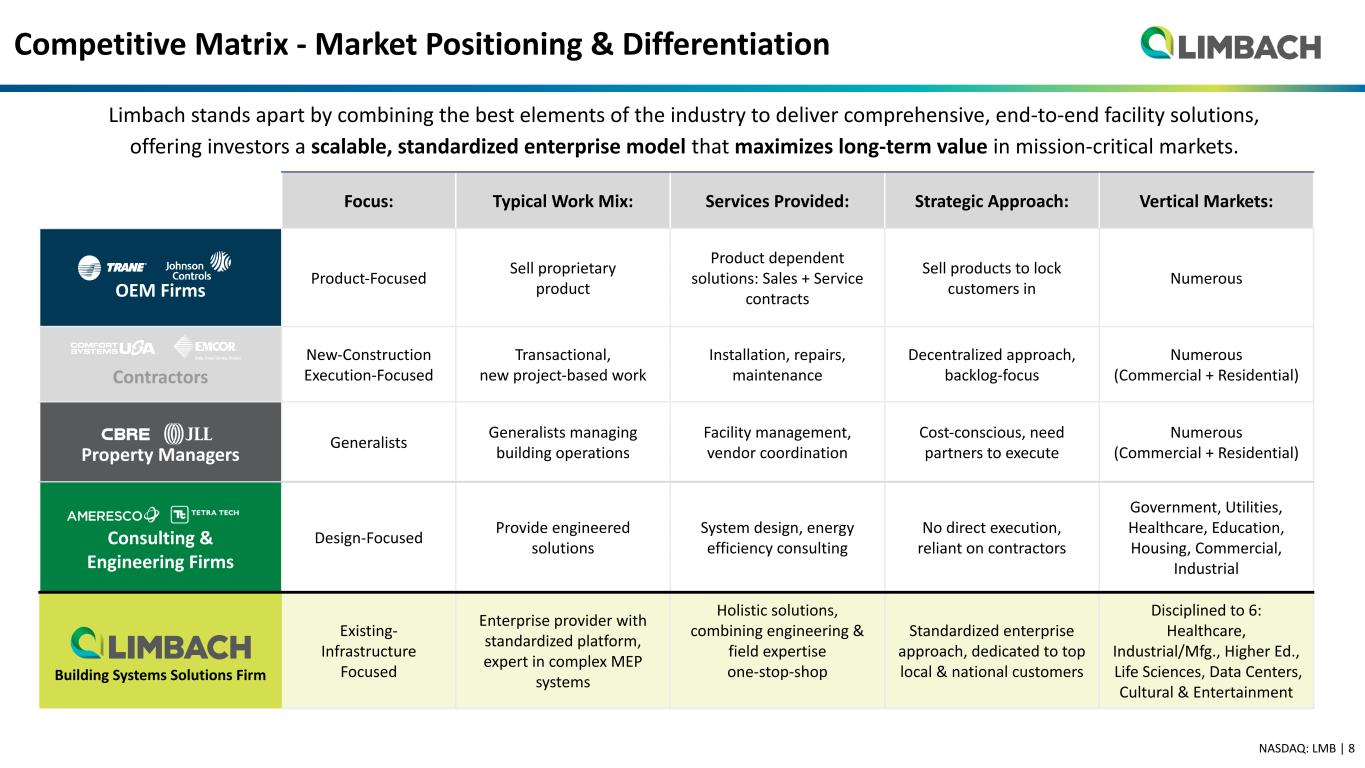
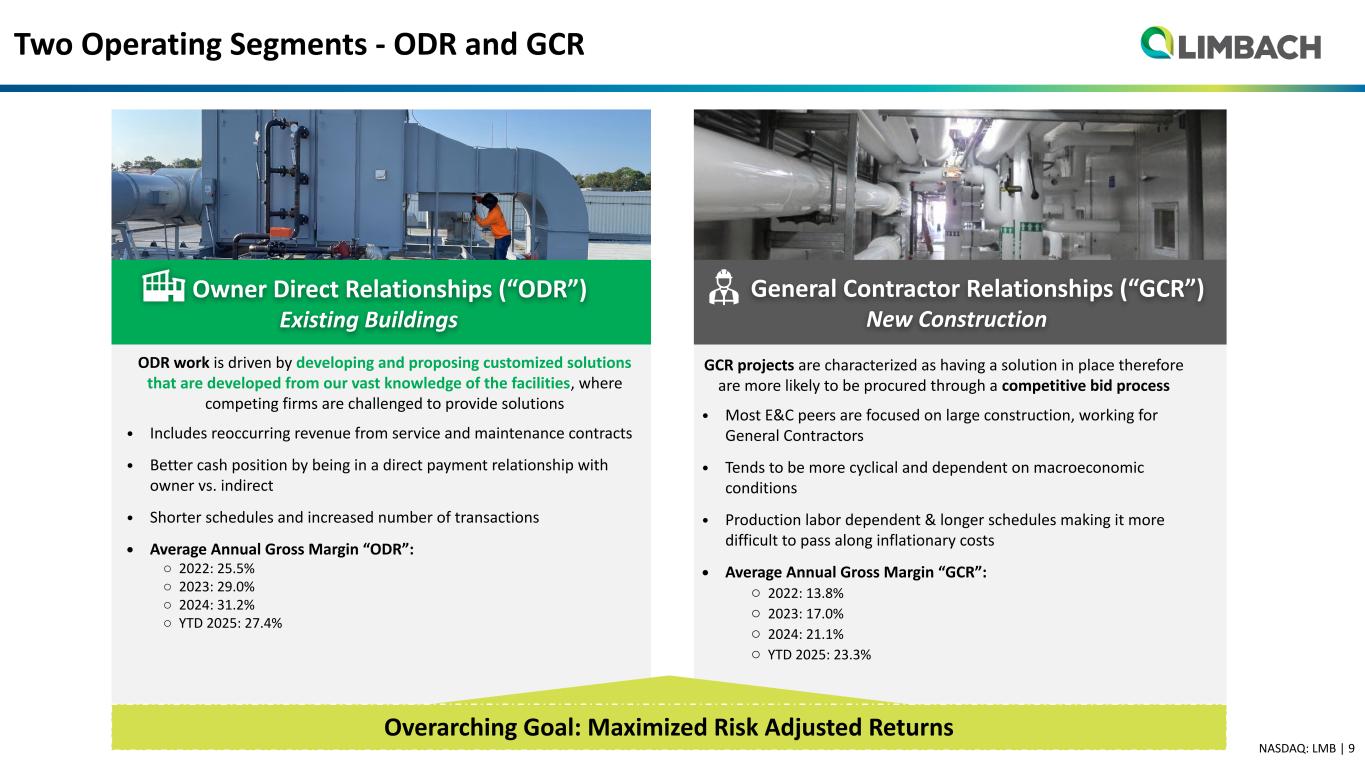
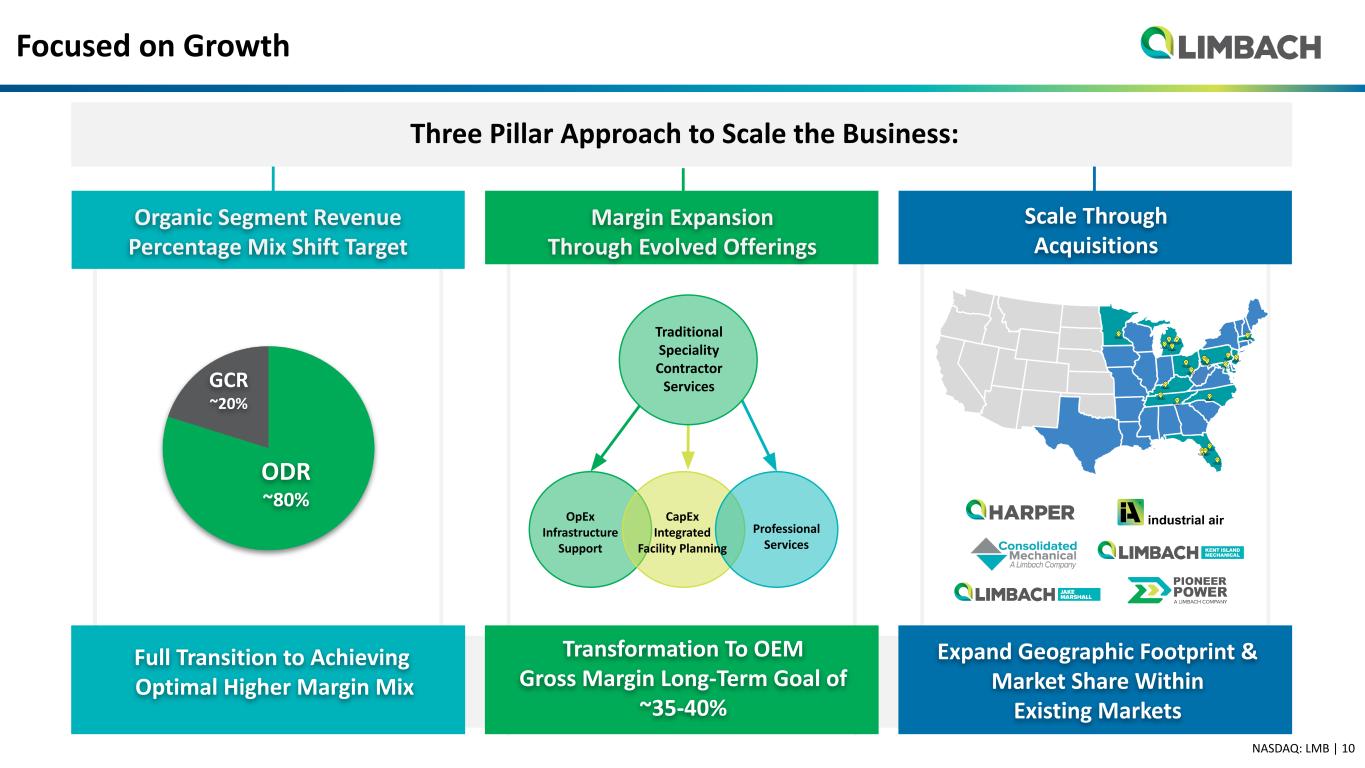
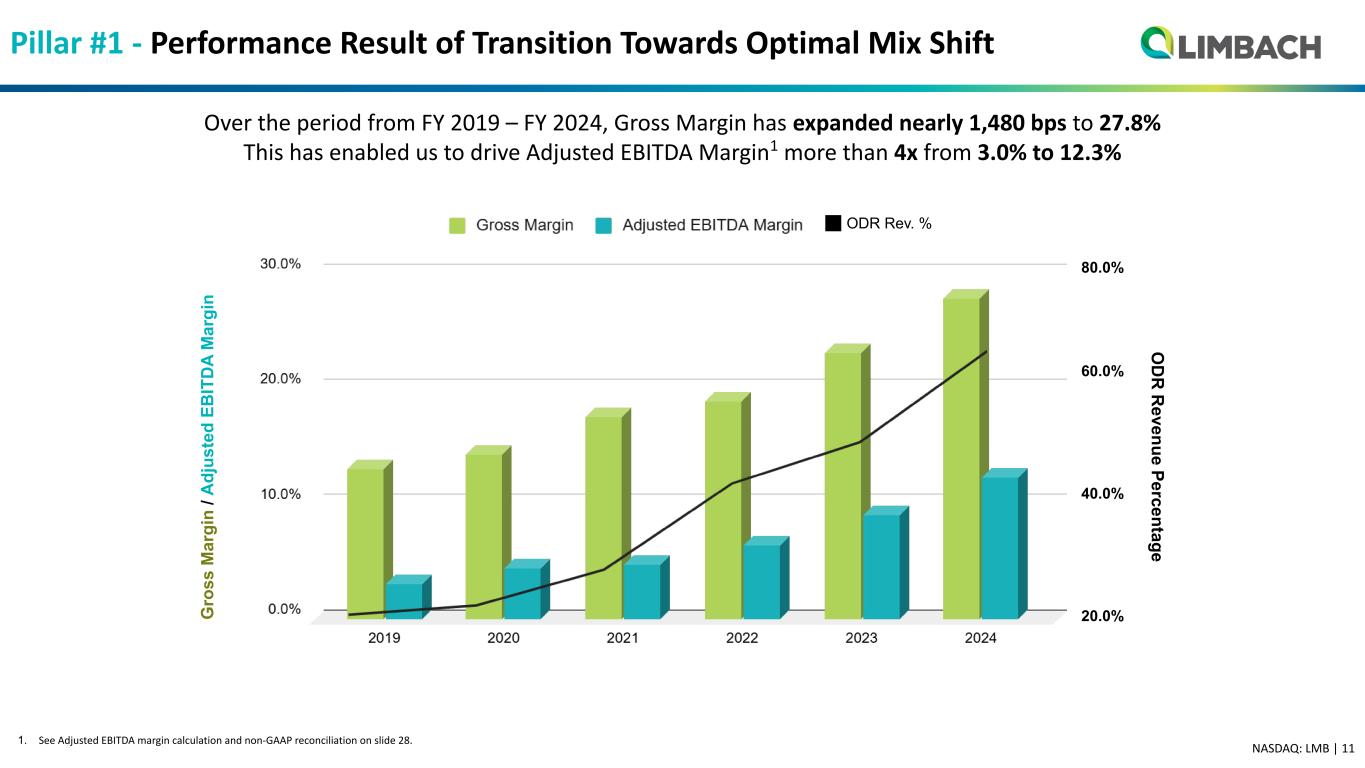
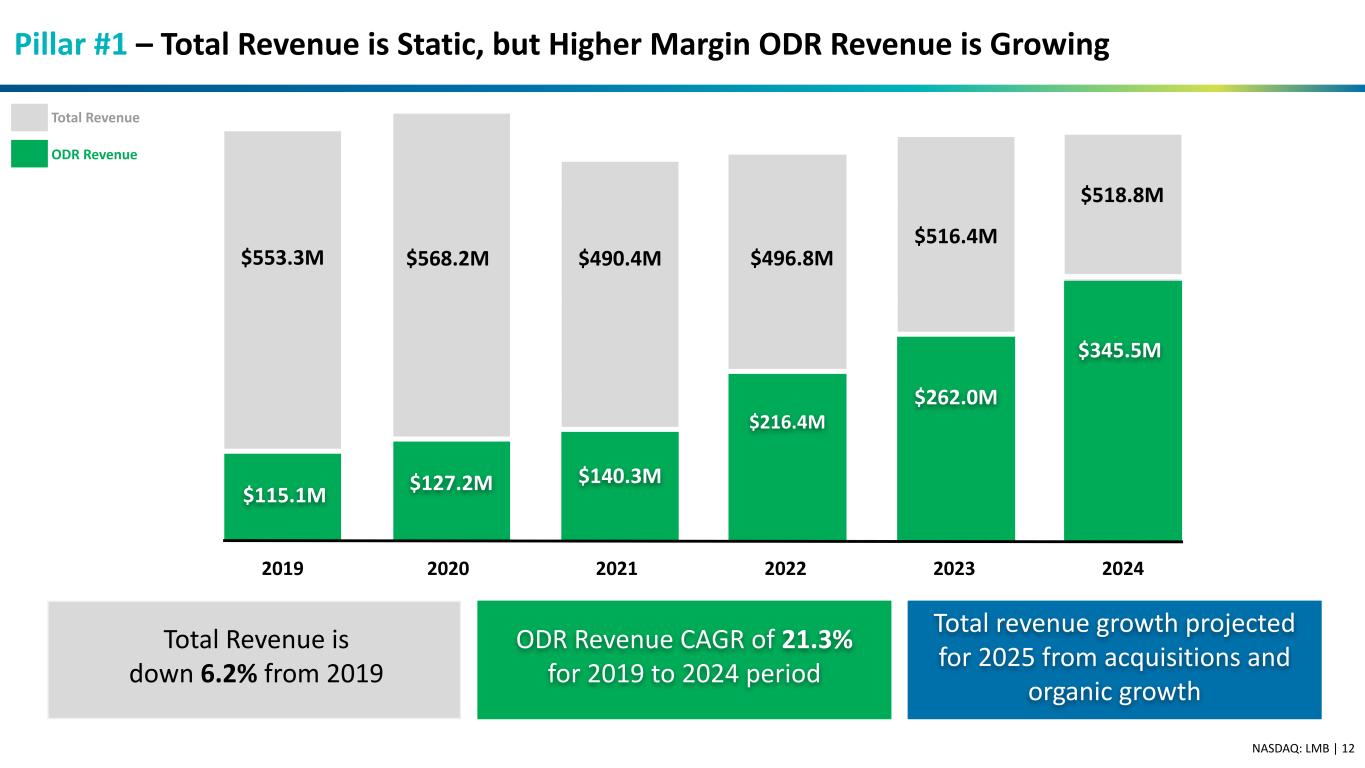
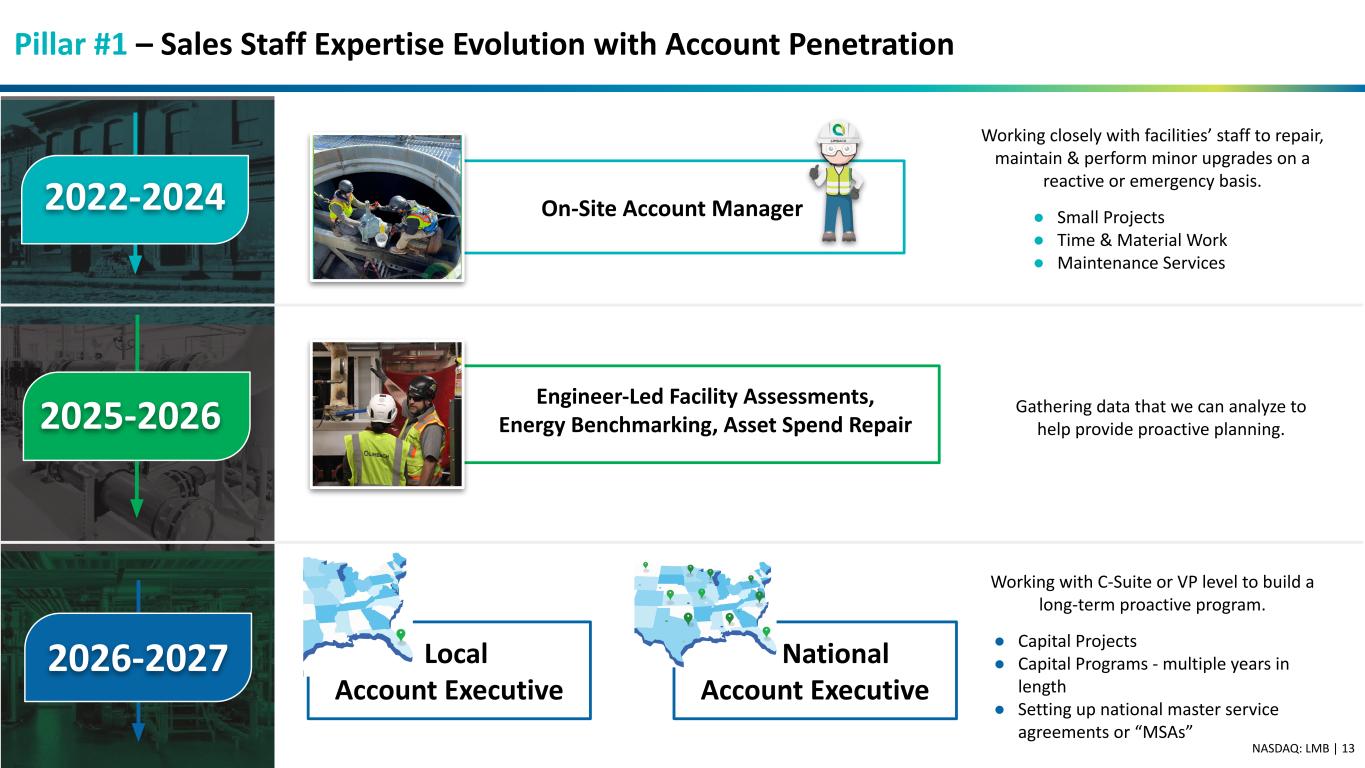
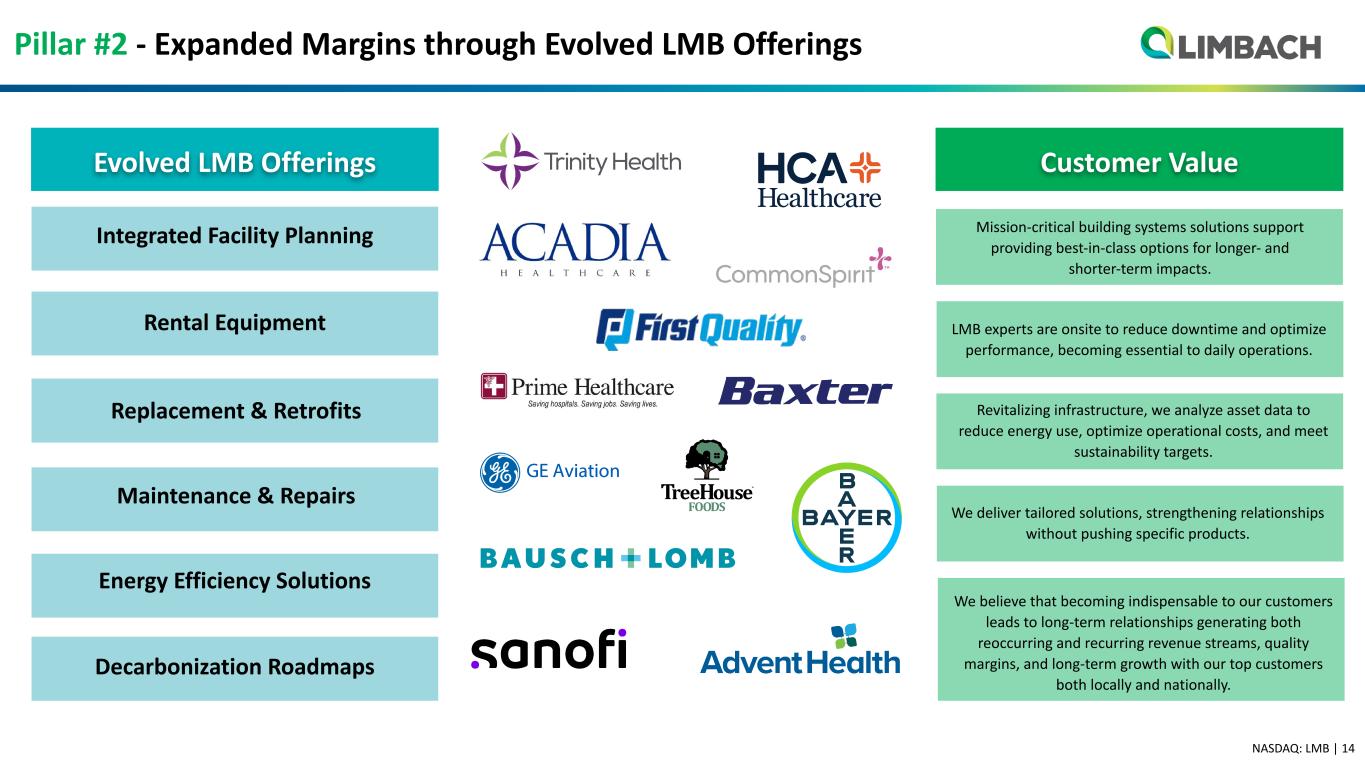
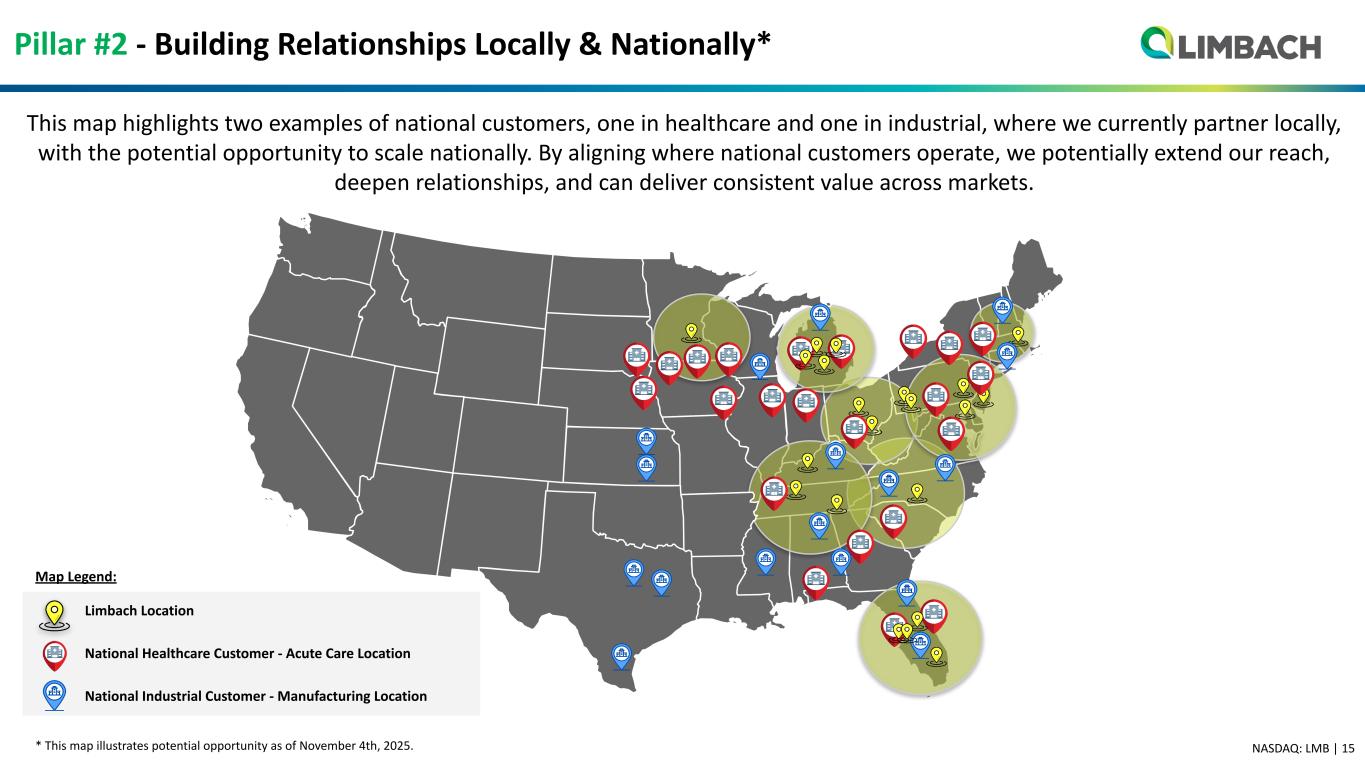
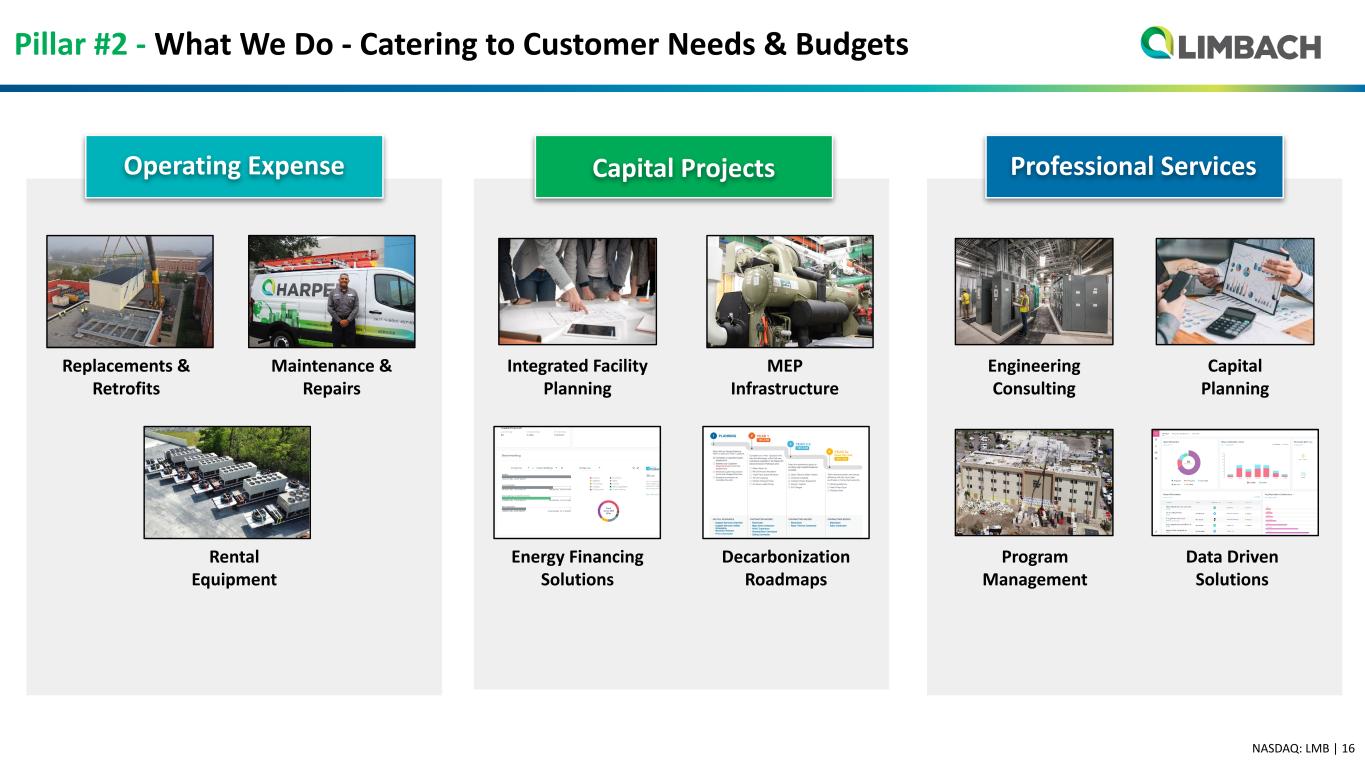
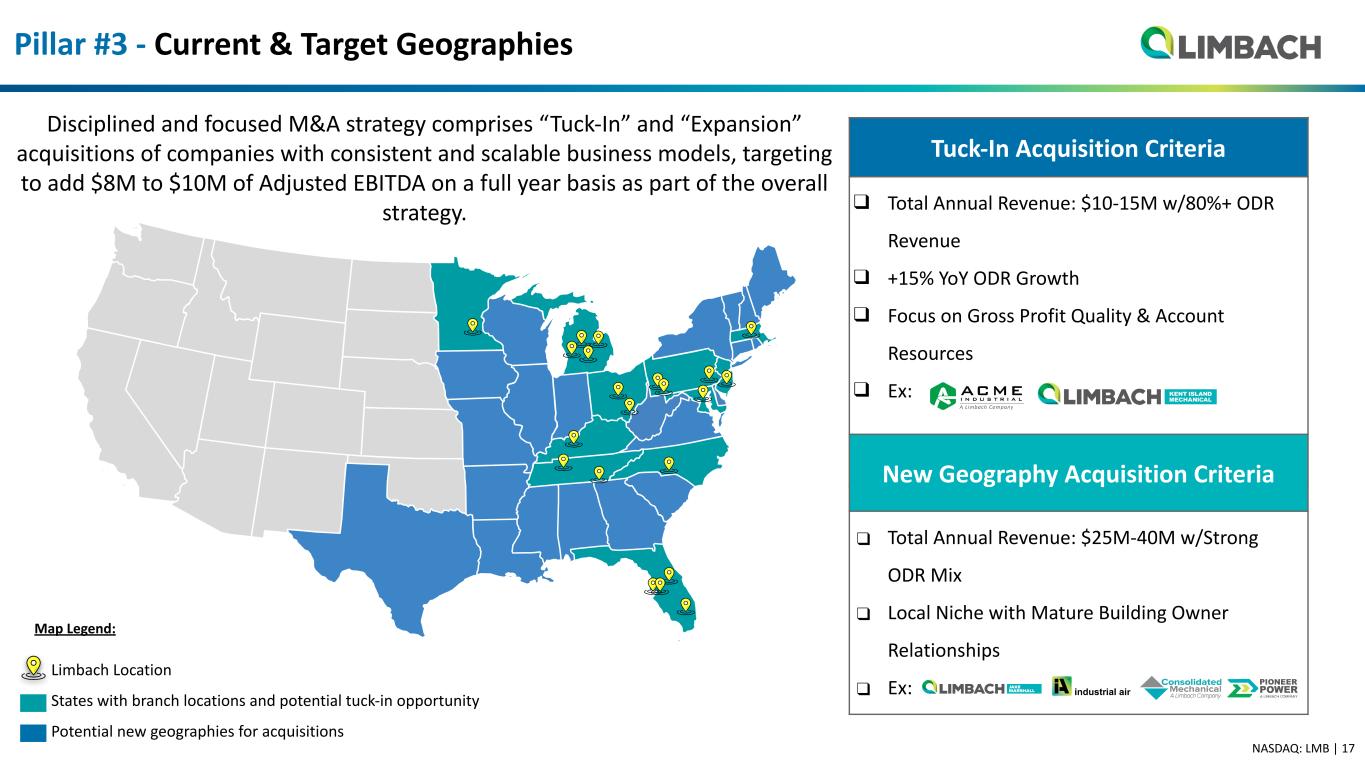
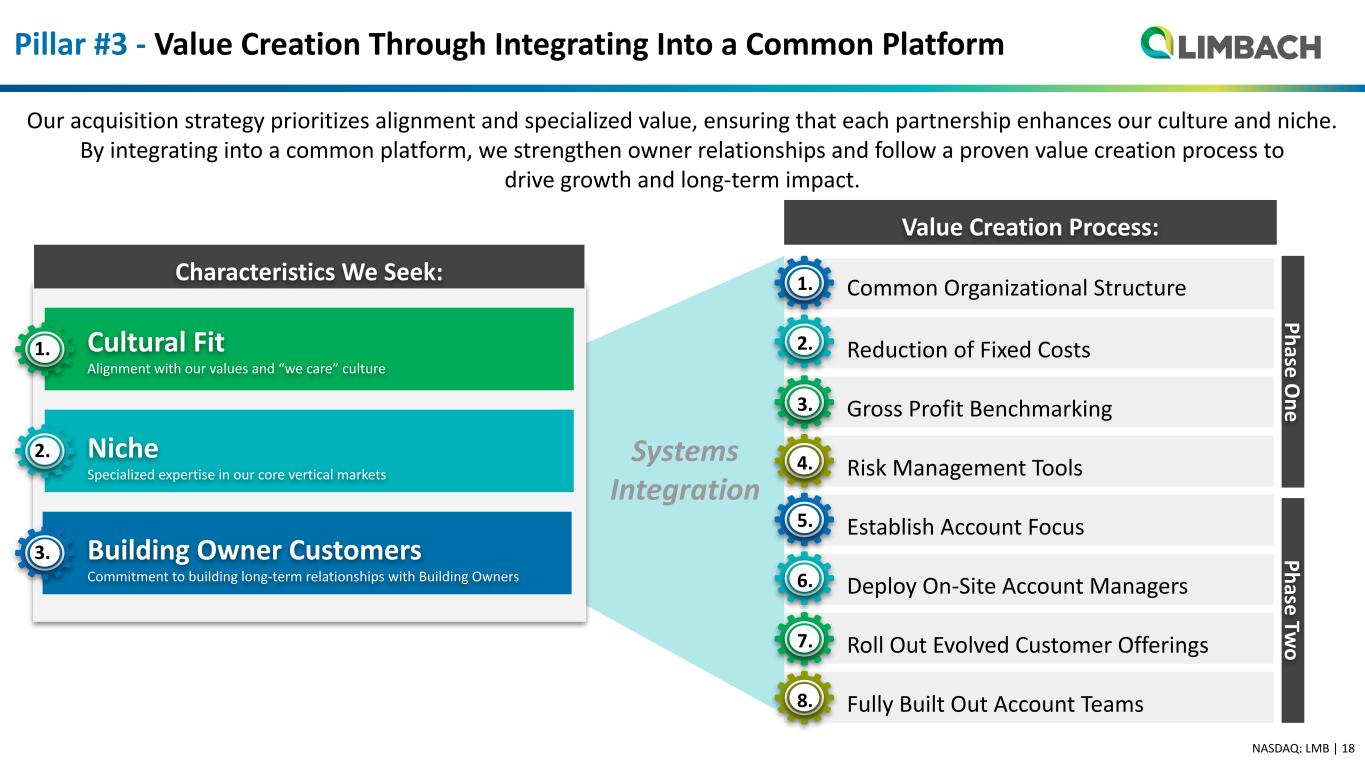
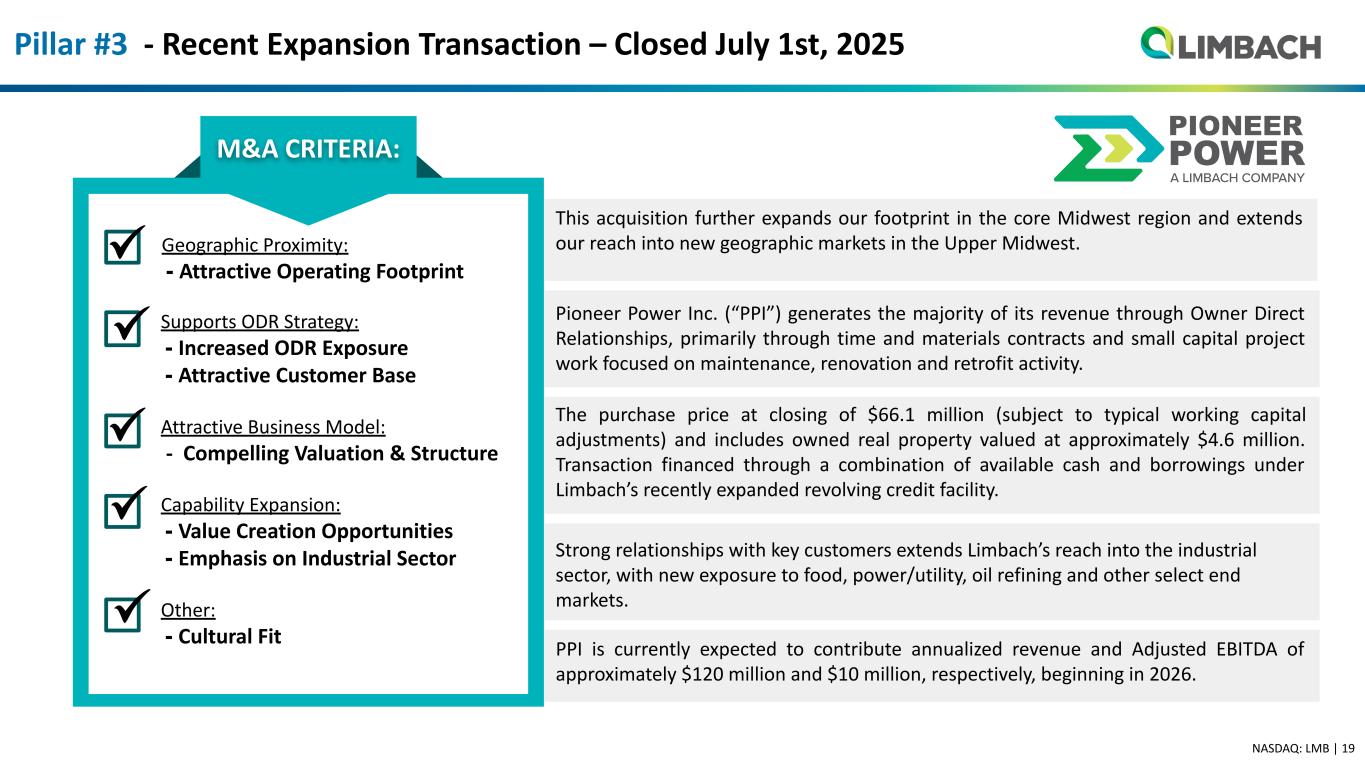
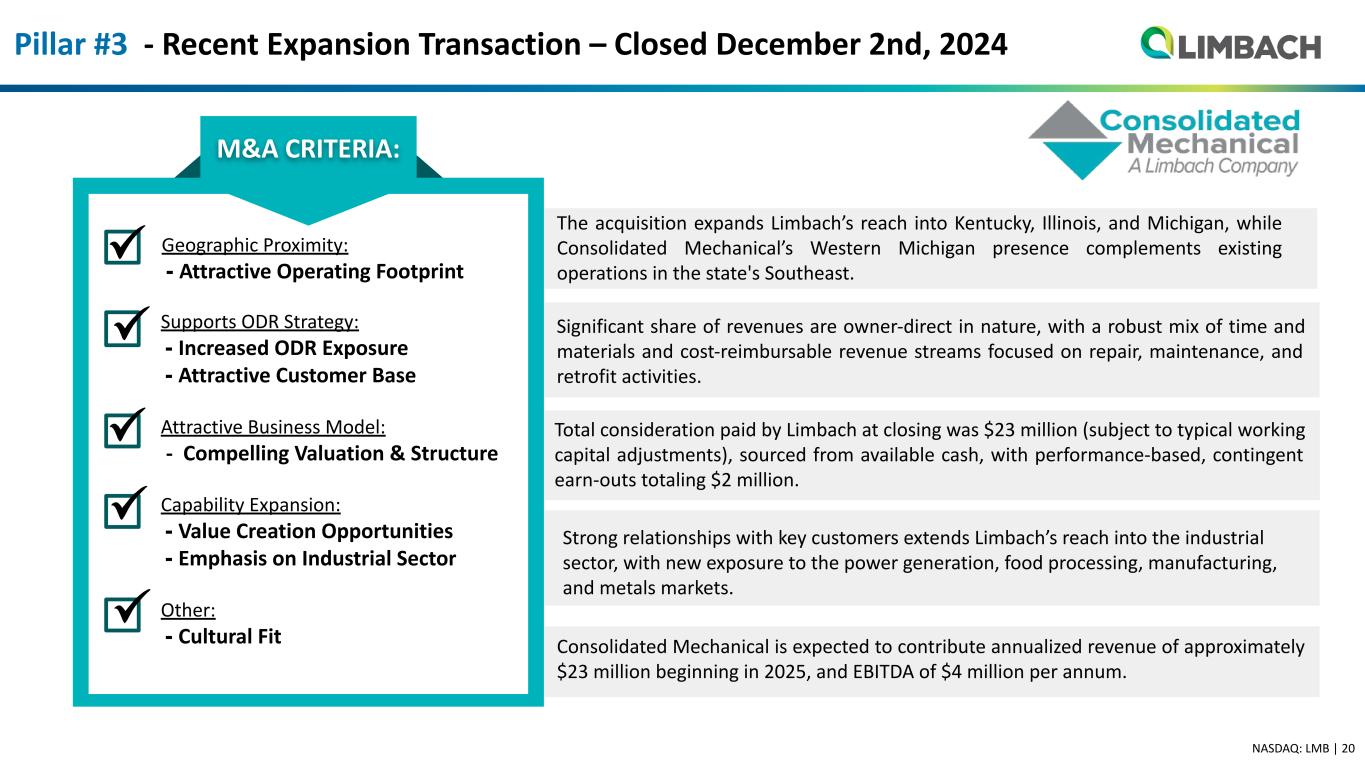
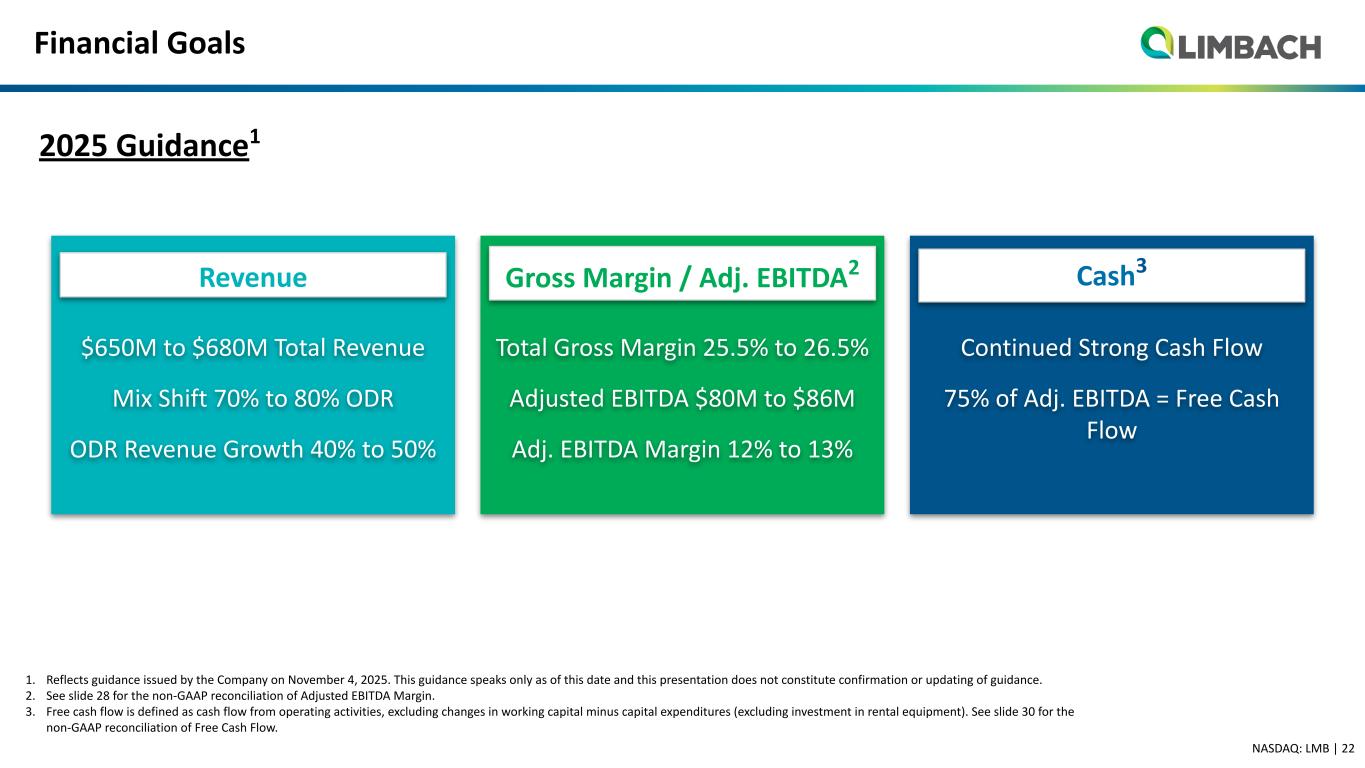
Good morning, and welcome, everyone. Thank you for joining us today. At Limbach, we play a critical role as an enterprise provider of building system solutions, ensuring the reliability and continuity of mission-critical infrastructure across our customers' facilities. We're focused on industries with long-term durable demand where facility assets simply cannot fail. We believe our distinct capabilities position us to deliver sustained growth and attractive risk-adjusted returns. As a reminder, our growth strategy is underpinned by three core pillars. The first pillar is scaling our owner-direct relationships or ODR business. Here, we're focused on working in partnership with owners of mission-critical facilities in existing building environments. This work consists mostly of routine maintenance, emergency repairs, small capital projects, and larger retrofit and renovation projects. Some of this work is contractual and some is predictable given the age and complexity of mechanical systems. The second pillar is enhancing profitability and increasing wallet share through the introduction of expanded product and service offerings. We have strong and growing relationships with our owner-direct customers built on daily performance, trust and our vast knowledge of their critical building systems. As a result, there is a win-win opportunity for us to expand our service offerings to these customers by introducing new capabilities to solve a greater breadth of issues for owners. As our capability expands over time, we can deliver more value to both the owner and Limbach. Unlike traditional E&C firms that rely on reactive bidding in response to a project, we're seeing these facilities every day providing solutions. By working directly with owners, we have a better grasp of risk and value. In order to further leverage these relationships, we're formalizing a scalable structure by building a proactive sales team that positions Limbach as a building system solutions provider. The third pillar is strategic M&A aimed at extending the reach of the Limbach brand, strengthening our market presence and expanding our capabilities. Through targeted acquisitions, we seek to diversify our vertical market exposure and broaden our geographic footprint while adding new products and offerings that align well with our ODR value proposition. Over the past couple of months, we received a number of questions from investors who want to better understand our various revenue streams, particularly in the ODR segment. So let me walk through the ODR business and break down the sources of our revenue. There are three quick burning revenue streams: maintenance contracts, work orders, and time and material or T&M work. Maintenance contracts generate predictable recurring revenues that are usually smaller in nature, but which have strong margins. Our maintenance contracts run 1 to 3 years in length prior to renewal and are built around routine service for specific equipment at customer sites. Work orders and T&M work often result from problems identified during scheduled maintenance or for emergency repairs or opportunistic upgrades of system components. In some parts of the market, this is referred to as break-fix work. Any one individual work order may not be predictable, but in a large complex facility, there's generally an estimable amount of this kind of work in any given year. It's usually quick burning and completed on an on-demand basis or as directed basis. It can be priced based on labor rates and material markups that are prenegotiated with customers anticipating the need to act fast when the work happens or as small fixed price jobs less than $10,000. For example, large industrial customers usually schedule seasonal shutdowns when their facility reduces production and output of repairs and maintenance. This provides us with the opportunity to execute a high volume of this type of small work in a short period of time. Because T&M work is performed on what's essentially a cost-plus basis, the risk profile is different than, say, a large fixed price project. Taken together, all these work streams account for approximately one-third of the ODR revenue for year-to-date 2025. Irrespective of the specific structure of the revenue, when executing this kind of work, Limbach most often becomes an extension of the facility staff regardless of the contractual relationship. Fixed-price projects greater than $10,000 in our ODR segment can range from quick burning work that is booked and executed in the same month or quarter to projects that typically last less than a year. They're usually performed within existing facilities are typically tied in some way to an existing customer relationship and often a maintenance and service relationship. This means we're operating in an environment where we know the systems, the sites and the customers. This preexisting knowledge reduces uncertainty and enhances our ability to manage outcomes. As a result, the risk profile of these ODR projects is very different than GCR projects. Additionally, the average ODR project size is approximately $245,000 as compared to the average GCR project size of approximately $2.9 million. Both of those are year-to-date 2025 data points. This ODR project work accounts for approximately two-thirds of our ODR revenue. So at a high level, our intentional pivot towards owner-direct relationship has reshaped our revenue mix to become more diversified and lower risk with more margin consistency. We believe this mix should provide greater resilience through economic cycles and reflects our focus on stability, predictability, and long-term value creation. On a consolidated basis, ODR revenue as a percentage of total revenue has steadily increased since 2019. We began to shift our strategy. ODR represents 76.6% of total revenue in the third quarter of 2025 and 74.1% on a year-to-date basis, in line with our targeted goal between 70% to 80% for the year. Going forward, the strategy continues to focus on ODR growth and a reduction in GCR revenue. Keeping in mind, businesses we acquired at the time of acquisition typically do not have an evolved ODR strategy as Limbach. However, whether we're speaking about an acquired business or a legacy business, this strategy is driving margin expansion and earnings growth over time while we believe reducing our overall risk profile. Turning to backlog. The strategic shift from GCR to ODR means that a larger percentage of our revenue is now generated from quick burning shorter-term projects that can be booked and completed within the same quarter, and therefore, it's not captured in backlog at quarter end. As a result, backlog alone is no longer as predictable a leading indicator of future revenue as it was in 2018 or even 2022 with a heavy GCR focus, which is typical for E&C companies. Occasionally, we will book projects with building owners that span multiple quarters. This work is captured in the backlog. However, it's a smaller portion of the overall revenue mix and can experience quarter-to-quarter fluctuations. So today, looking only at backlog, we'll miss a large percentage of our current revenue streams. Earlier I described our work order and T&M revenue streams and highlighted the industrial shutdown work we engage in. Most of these revenue streams never get captured and included in the quarterly backlog number, and they represent a far larger number than they did several years ago. Instead of the large high-risk multiyear projects that were a core element of our legacy business model, we're now focused on building a diversified business with multiple revenue streams and what we think is durable demand. Selective M&A remains a cornerstone of our growth strategy, enabling us to expand both our geographic footprint and deepen market share within existing regions and to expand our product and service offerings. Over the last couple of years, our focus has been broadening our footprint in ways that enhance diversity and position us to serve national customers. Our approach has always been conservative, and we've remained disciplined and selective in what we pursue even when the M&A market has gotten overheated. To date, we've acquired six high-quality cash flow generating businesses at fair values and have used risk-mitigating structures where possible. We believe the Limbach brand and our unique business model positions us to engage with great companies that, over time, we can reposition to align with our owner-focused vision. After closing, our goal is to improve margins further by implementing our value creation processes. Our main focus in every deal is to expand the quality of gross profit through benchmarking, building a proactive sales team and leveraging operational standards, using the same tools that have transformed our business units over the last six years and led to much higher margins at lower risk. We believe we can expect better results at acquired companies than what we underwrote at the time of the closing of these transactions. At Pioneer Power, our most recent acquisition, we're actively executing the first phase of our value creation strategy. During diligence, we identified improving Pioneer Power's lower EBITDA and gross margins as a great opportunity for the intermediate term. We are now transitioning Pioneer Power to Limbach's accounting system and operating systems. Once complete, we can start to focus on improving the quality of gross profit and providing access to other parts of the Limbach operating platform. We've got a talented team in the Twin Cities. We want to make sure that we deploy all the tools at our disposal to support them and to allow the business unit to flourish. We evaluate a large volume of acquisition opportunities each year and intentionally walk away from the majority of them. Under my leadership, we will never buy a business just to do a deal. Our track record reflects disciplined underwriting, strategic fit and a focus on asymmetrical returns. There is a meaningful upside to our company if we're right and limited downside if we're wrong. There are times we lose competitors willing to pay higher multiples, and we're perfectly comfortable with that. Next, I'll provide an overview of the environment in our core vertical markets. Healthcare has long been one of our strongest, most strategic end markets across all operating regions. Given the mission-critical nature of the healthcare facilities, customers can defer repairs briefly, but delays in capital spending rarely extend beyond a single quarter. While some customers experienced temporary delays during the summer months in funding both operating and capital expenditures, we're now seeing spending patterns normalize as the year progresses. Our sales teams have engaged with core customers and emphasize the importance of long-term planning. Increasingly, we're hearing that cost certainty is more important to our customers than simply achieving the lowest cost. This can be achieved by implementing proactive programs, which help avoid reactionary spending and minimize risk to business operations caused by building system downtime. On our latest earnings call, we shared that a national healthcare owner engaged us to conduct facility assessments across 20 locations. In Q3, this initiative has already translated into $12 million in capital projects at four sites. We'll serve as a design builder for these MEP infrastructure projects, three of which are outside our current geographic footprint. For those out-of-market projects, we'll lead budgeting, design and procurement and utilize a network of subcontractor partners where necessary. In industrial manufacturing markets, our customers continue to execute seasonal shutdowns and facility upgrades in order to optimize the production of their plants and facilities. During the quarter, both Pioneer Power and Consolidated Mechanical benefitted from this type of activity, which is a core element of their local business models. In the data center market, Limbach remains focused on supporting hyperscale operators through existing building projects and specialized services, primarily in the Columbus, Ohio market. In Q3, we provided specialty fabrication services to one of our customers, enabling on-site contractors to concentrate on their core workloads while we offered supplemental support. That arrangement provided Limbach with what we think is the optimal balance of risk return and resource allocation. While our current footprint and risk profile limits the scale of data center work, we see meaningful growth potential through our national sales efforts and future geographic expansion through strategic acquisitions. In the life science and higher education market, some of our higher education clients have adopted a cautious approach to spending during ongoing policy uncertainty in Washington, D.C. While the need for our services remains essential to maintaining mission-critical facilities, many temporary pause capital projects. Encouragingly, these clients have begun communicating anticipated spending needs for the coming year, and we are proactively aligning the resources in preparation for ramp-up. One major client has already requested full-time technician support beginning in January. In the culture and entertainment vertical, we continue to see consistent spending from our key customers. Our recent involvement in capital planning discussions provided valuable insight into some clients' 2026 budgets. Notably, our largest customer in this segment has shared plans for significantly expanding capital and operating budgets next year. They've invited us to review their respective project list and provide input on the work we'd like to pursue, allowing us to proactively plan and allocate resources for 2026. Next, I'll provide an update on sales and marketing initiatives. For the past three years, we've made deliberate investments in building our sales team, which has resulted in a higher SG&A relative to many of our E&C peers. Our training efforts are focused on equipping the team to anticipate owner challenges and craft solutions that are difficult to commoditize. We believe this investment will soon begin to yield measured results, both by leveraging SG&A more effectively and by enhancing the quality and consistency of gross profit. As we head into Q4, our priority is to deepen sales training to ensure a strong start to 2026. In many cases, we're not competing against local contractors. Instead, we're working directly for owners in a proactive capacity, helping them anticipate issues and plan their budgets accordingly. A recent example from Florida illustrates this approach well. Over the past two years, we've supported a $25 billion annual revenue healthcare customer with emergency repairs and small capital upgrades. During a routine inspection of the main cooling feed, our on-site account manager identified signs of deterioration. We conducted non-destructive testing and the piping was on the verge of failure. In response, we developed a proposal that clearly outlined the ROI and presented it to the facility manager who then escalated it to the CFO and the Chief Medical Officer. In Q3, the project was funded and we were awarded Phase 1 of the repair. This is a prime example of a capital project where we weren't competing for the work. Instead, we earned it by identifying the issue early and presenting a compelling data-backed justification for the investment. One of our key differentiators is our ability to offer professional services, including MEP engineering, facility assessments, program management and commissioning. These services are particularly attractive to national customers who can leverage our domain experience even in markets where we might not have field execution capabilities. These services, along with program management are a key driver of margin expansion. During the quarter, we had one of our national healthcare customers engage us to analyze a hospital in New Mexico, both from a cost and engineering perspective as they're considering making a substantial investment in the facility. This initial research has the potential to become a design build infrastructure project. We find that customers appreciate our ability to provide an engineered solution that we can also build. While currently, our professional service resources are dedicated to national healthcare owners, in the future, we're looking to expand these capabilities into our data center and industrial manufacturing vertical markets. As we broaden our services portfolio, which includes the expansion of our professional services and solutions-based selling, we see a path to achieving long-term gross margins in the 35% to 40% range, driven by two key dynamics: First, our ability to deepen customer relationships by shifting from reactive transactional sales to proactive consultative solution sales. This approach enables us to build long-term operating and capital programs that are tailored to solving our customers' needs rather than competing solely on price. Second, our ability to bundle offerings creates margin layering opportunities. For example, an infrastructure project may include a rental component, allowing us to mark up both individual elements and the overall project cost. These strategies position us well to deliver sustainable growth at attractive margins. Moving to guidance. We are reaffirming our 2025 guidance of total revenue in the range of $650 million to $680 million and adjusted EBITDA of $80 million to $86 million. Of note, we have made some updates to our underlying assumptions used to model 2025 guidance to better reflect current market conditions, project timing, and operational performance trends. These updates influence our outlook and are incorporated into the public-issued guidance ranges for total revenue and adjusted EBITDA. As I mentioned earlier, we are on track for total ODR revenue to be 70% to 80% of total revenue. Total ODR revenue growth is expected to be 40% to 50% with ODR organic revenue growth of 20% to 25%. Total organic revenue growth is expected in the range of 7% to 10%, from 10% to 15% previously discussed, as we originally anticipated a more positive mix shift towards ODR and GCR. Pioneer Power's revenue performance this quarter exceeded our initial expectations. While Pioneer Power's current margin profile differs from Limbach's consolidated performance, we're actively integrating Pioneer into Limbach's platform, and we have a path to implement operational and commercial enhancements that we expect to expand margins over time. Because of the higher revenue contribution of Pioneer, total gross margin is expected to be 25.5% to 26.5% from 28% to 29%. Additionally, SG&A as a percentage of total revenue is expected to be between 15% to 17% from 18% to 19%, primarily due to the higher revenue contribution. Now I'll turn it over to Jayme to walk through the financials.
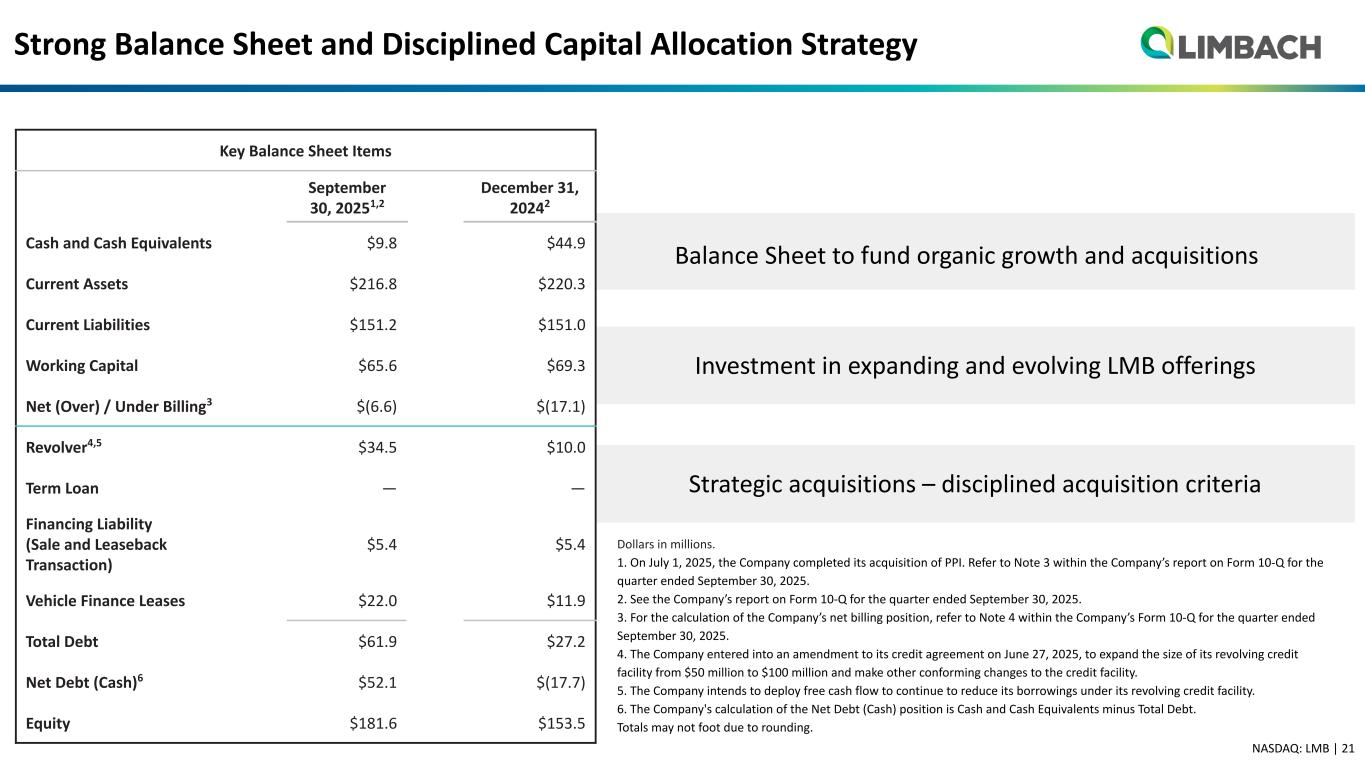
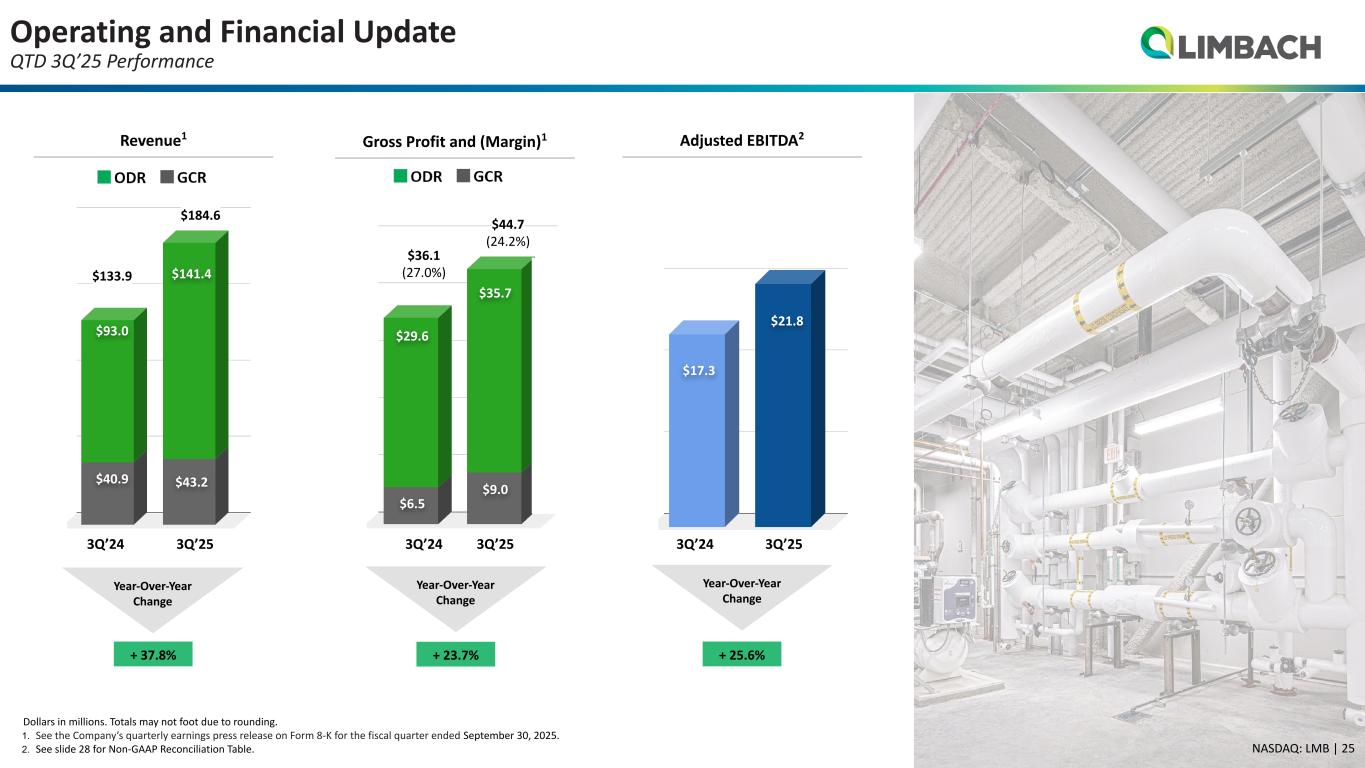
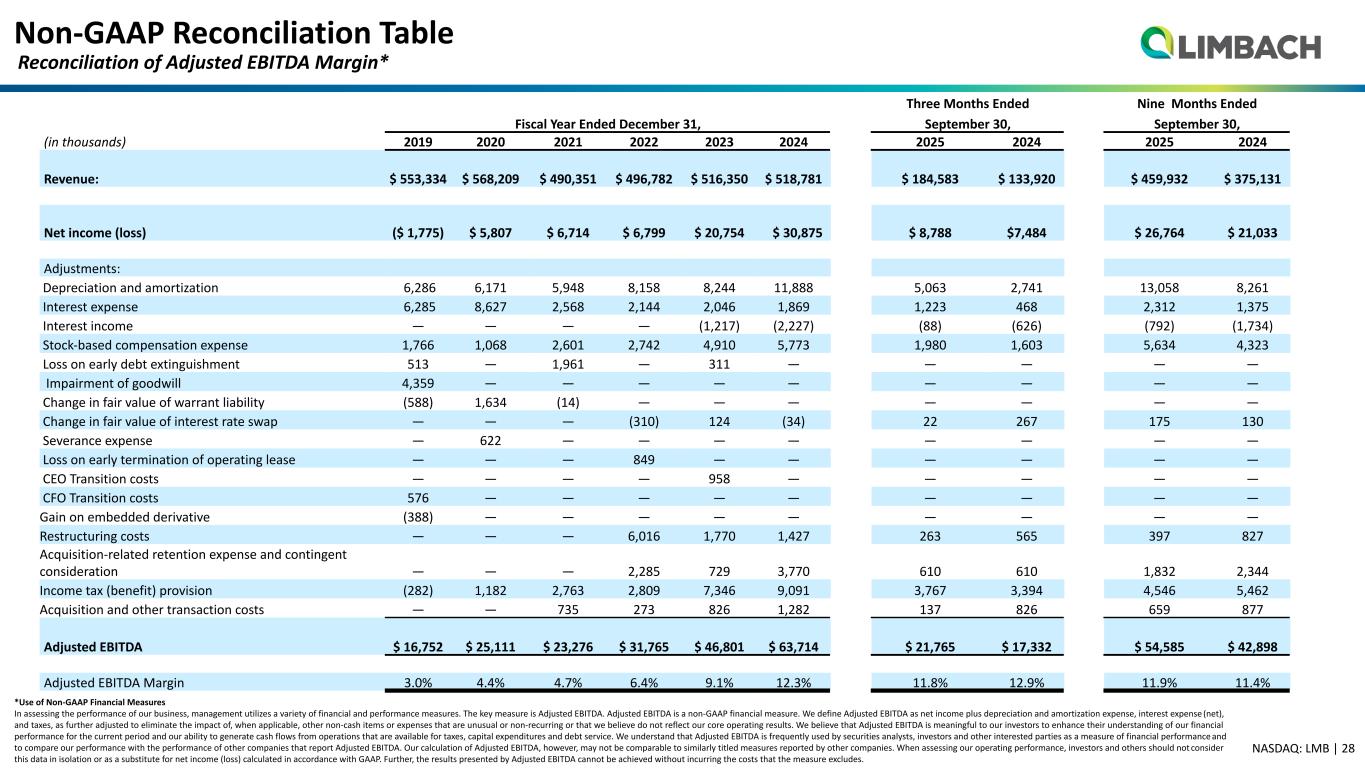
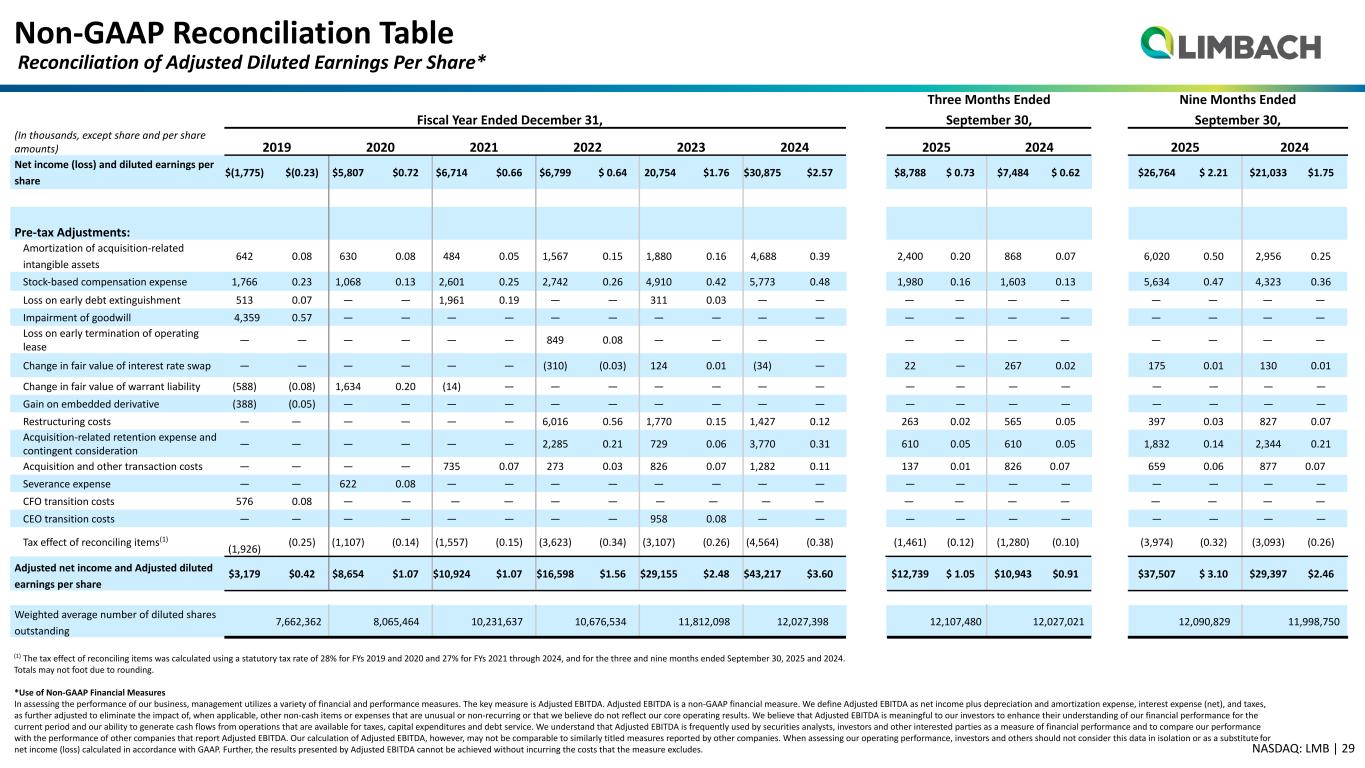
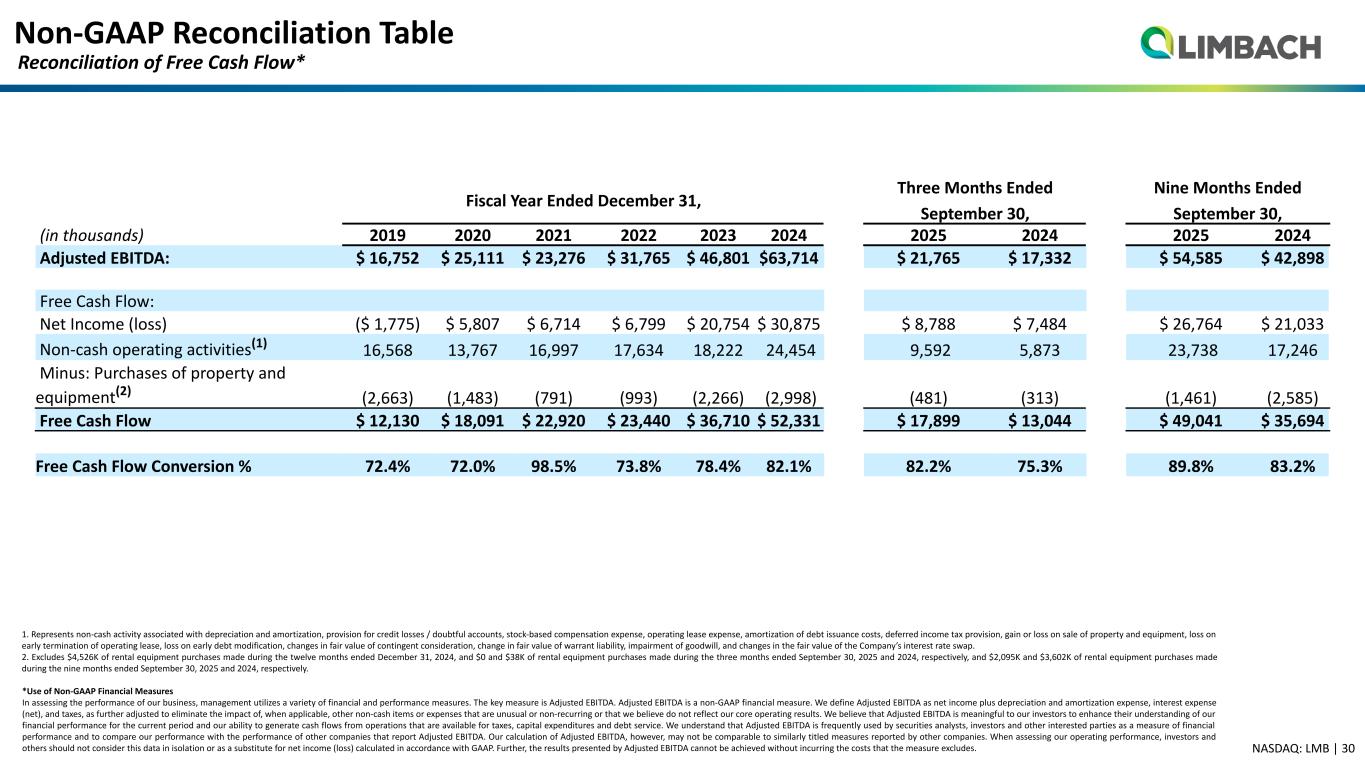
Our Form 10-Q and earnings press release filed yesterday provide comprehensive details of our financial results, so I will focus on the highlights for the third quarter. All comparisons are third quarter 2025 versus third quarter 2024, unless otherwise noted. We generated total revenue of $184.6 million compared to $133.9 million in 2024. Total revenue growth was 37.8%, while ODR revenue grew 52% to $141.4 million. Of the total ODR revenue growth of 52%, 39.8% was from acquisitions and 12.2% was organic. GCR revenue increased 5.6% to $43.2 million, of which 25.1% was growth from acquisitions, offset by an organic revenue decrease of 19.5%, which is as designed as we continue our mix shift towards ODR. ODR revenue accounted for 76.6% of total revenue for the third quarter, up from 69.4% in Q3 2024. Total gross profit for the quarter increased 23.7% from $36.1 million to $44.7 million, reflecting the ongoing growth of our ODR segment. Total gross margin on a consolidated basis for the quarter was 24.2%, down from 27% in 2024, driven by the lower gross margin profile of Pioneer Power revenue. Our strategy with acquisitions is focused on improving the acquired company's gross margin to align with our broader operating model over time. ODR gross profit comprised approximately 80% of the total gross profit dollars or $35.7 million. ODR gross profit increased $6 million or 20.3%, driven by higher sales volume, partially offset by lower ODR segment margins of 25.2% compared to 31.9% in the year-ago period. The decrease in segment margin was primarily attributable to Pioneer Power's lower gross margin profile. GCR gross profit increased $2.5 million or 39.3% due to higher margins of 20.8% compared to 15.8%, driven by our ongoing focus on higher quality projects. SG&A expense for the third quarter was $28.3 million, an increase of approximately 19.3% from $23.7 million. This increase includes SG&A associated with Pioneer Power, Kent Island, and Consolidated Mechanical, where Kent Island was part of the company for only one month in the third quarter last year and Pioneer and Consolidated Mechanical were not part of the company during the entire third quarter last year. As a percentage of revenue, SG&A expense decreased to 15.3% as compared to 17.7%, primarily due to the increased revenue in the third quarter of 2025 provided by Pioneer Power. Adjusted EBITDA for the quarter was $21.8 million, up 25.6% from $17.3 million in Q3 '24. Adjusted EBITDA margin was 11.8% compared to 12.9% in Q3 last year. Net income for the quarter increased 17.4% from $7.5 million to $8.8 million, and earnings per diluted share grew 17.7% from $0.62 to $0.73. Adjusted net income grew 16.4% from $10.9 million to $12.7 million and adjusted earnings per diluted share grew 15.4% from $0.91 to $1.05. Turning to cash flow. Our operating cash inflow during the third quarter was $13.3 million compared to $4.9 million during the third quarter last year, primarily due to the timing of accrued expenses, offset by the timing of billings that impacted changes in working capital. Free cash flow, defined as cash flow from operating activities, excluding changes in working capital, minus capital expenditures excluding our investment in additional rental equipment, was $17.9 million in the third quarter compared to $13 million in Q3 last year, representing a $4.8 million increase. The free cash flow conversion of adjusted EBITDA for the quarter was 82% versus 75.3% last year. For full year 2025, we currently continue to target a free cash flow conversion rate of at least 75% and expect CapEx to have a run rate of approximately $3 million. This amount excludes an additional investment of $3.5 million in rental equipment for 2025, of which $2.1 million occurred in the first nine months of the year. Turning to our balance sheet. As of September 30, we had $9.8 million in cash and cash equivalents and total debt of $61.9 million, which includes $34.5 million borrowed on our revolving credit facility, of which $10 million is at a hedge rate of an applicable margin plus 3.12%. As a reminder, at the end of June, we expanded our revolving credit facility from $50 million to $100 million. On July 1, we used a combination of cash and an additional drawdown of approximately $40 million to fund the Pioneer Power acquisition. During the quarter, we paid down the revolving credit facility $17.3 million. And as of September 30, our total liquidity defined as cash and availability on our revolving credit facility is $70.3 million. Additionally, we intend to deploy free cash flow to continue to reduce our borrowings under the revolving credit facility. With this expanded facility and our expected cash generation from the business, we believe our balance sheet remains strong, and we are well-positioned to support our continued growth initiatives and strategic M&A transactions. That concludes our prepared remarks. I'll now ask the operator to begin Q&A.
Operator
Our first question comes from the line of Chris Moore with CJS Securities.
Speaker 4
So it looks like $47.3 million of Q3 revenue was acquisition-related, $37 million of that ODR, $10.3 million GCR. Can you give us a sense in terms of how much revenue Pioneer contributed to that $47 million and the split between ODR and GCR within Pioneer?
Yes. Pioneer Power continues to exceed our expectations in terms of production. By the end of the year, we anticipate that their contribution for the second half of 2025 will be closer to $60 million, primarily from an owner-direct perspective. A significant portion of this strong contribution is coming from the Industrial segment, along with some shutdown work and strong customer relationships, which is reassuring after the acquisition. Additionally, we are eager to see improvements from Pioneer in terms of margin, and we believe there is a solid foundation to build upon. Currently, we are in the process of transitioning their finance and operating systems, and we are already noticing opportunities to benchmark their gross profit and identify further chances for growth.
Speaker 4
Got it. So the $60 million you're talking about for the second half, it looks like the bulk of that is in ODR. Am I looking at that correctly?
Speaker 4
Okay. I understand that the gross margins should be increasing. Why are they currently lower? Are they doing different work for clients or focusing on a different vertical? Any thoughts on that?
Yes, it's quite interesting. We see that one of the main opportunities with all their acquisitions is an increase in margin. This is the common strategy we notice. Often, it comes down to their effective business operations and strong relationships. It's about understanding benchmarks, especially now that we have insights from our industrial base and other contracts we've acquired; we always examine it from a margin standpoint. This can often be quite revealing. Additionally, how they approach the market matters. They market themselves based on their brand reputation. However, we contribute significantly with our proactive sales team, which often makes a difference. Ultimately, it's about leveraging strong customer relationships and branding while recognizing key factors that enable margin expansion over time. Interestingly, we've analyzed this not only with Pioneer Power, which is a major contributor, but also with other acquisitions, and we consistently find the same elements at play. It takes time, but we still follow the same strategy and see numerous opportunities.
Speaker 4
Got it. Very helpful. Maybe just the last one. Just SG&A as a percentage of revenue, 15.3% versus 18.7% in Q2. The target range is coming down. Is it reasonable to think that SG&A as a percentage of revenue would tick up a bit in '26 versus the 15% to 17% that we're talking about in '25?
Yes. The big piece of that SG&A reduction was due to the different profile from Pioneer of lower gross profit, but also lower SG&A as well, too. There are some investments that we're going to need to make going into 2026. And that's not only from a Pioneer and other acquisitions but also from an overall business as well, too. Jayme, anything you want to comment on that?
Yes, we have a lower rate for this fiscal year, but looking ahead to next year, as Mike mentioned, we are focusing on the proactive sales force aspect specifically related to Pioneer. We have not yet provided guidance for next year.
Operator
Our next question comes from the line of Brian Brophy with Stifel.
Speaker 5
I appreciate all the additional disclosure here. When I try to, I guess, back out PPI from ODR, it looks like gross margins kind of on the core business were down a little bit from a year ago. Is that correct? And can you give us, I guess, a sense of the magnitude and what the driver was?
From a margin perspective, I'll let Jayme provide the exact financial numbers. Our margins tend to vary from quarter to quarter, depending on the mix of work in that period. As we mentioned earlier, about one-third of our work is quick-turnaround, while two-thirds is fixed-price projects, which average around $245,000 year-to-date. Ultimately, the variation in margins is influenced by the dynamic mix of quick-burning versus fixed-price projects from quarter to quarter.
Yes, I want to emphasize that it will vary from quarter to quarter based on the mix, and it is primarily influenced by the PPI margin for this quarter.
Speaker 5
Okay. And then can you give us a sense on ODR organic growth in the first half of the year? I guess the 20% to 25% guidance for 2025 seems to imply an acceleration in the fourth quarter. I just want to understand if that is accurate and what's driving that acceleration?
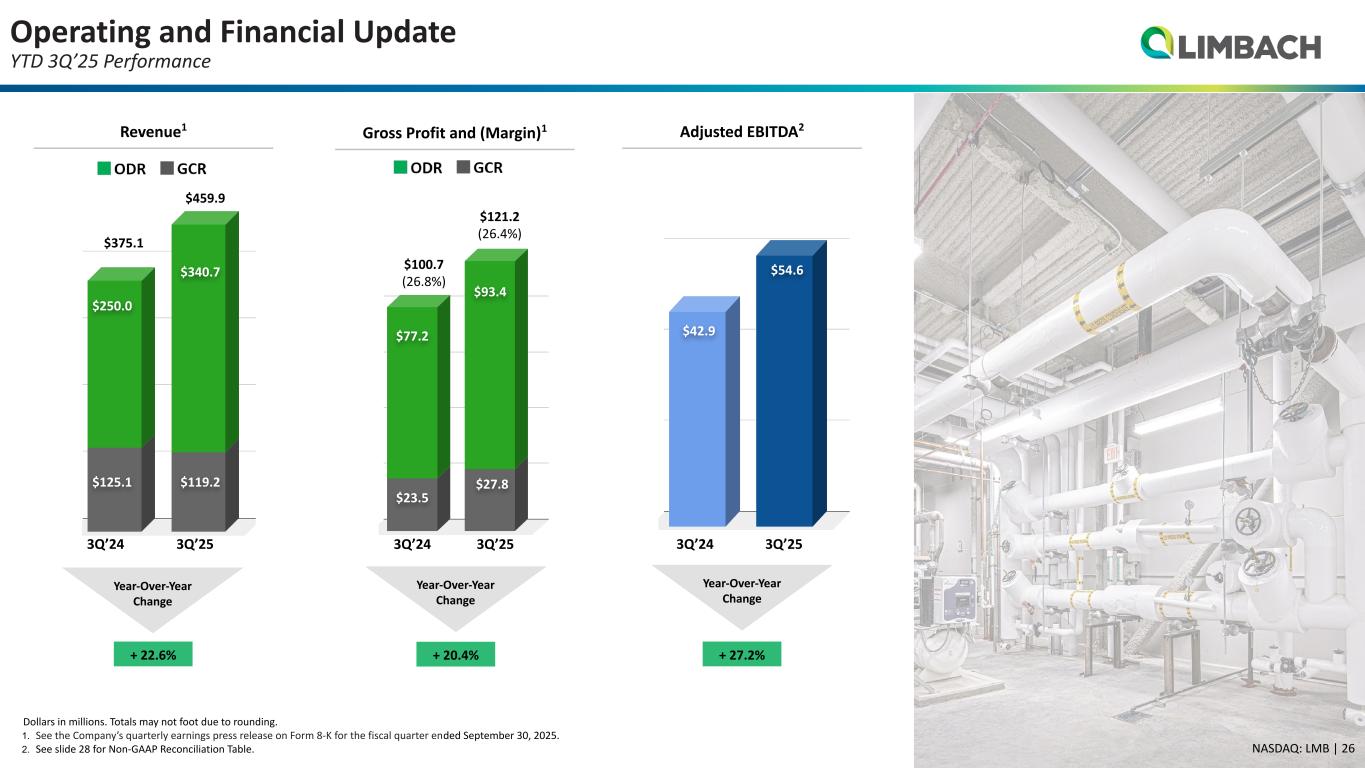
Yes. Year-to-date, we're 14.4% organic ODR, and we've talked about a range of 20% to 25% for a full year. So that does imply some acceleration. A couple of things that we're really looking at even from a Q4 perspective include continuing quick burning work from a revenue perspective, budgets that need to be spent by year-end. A lot of people have delayed that OpEx spend, and they're in a position right now where they have to spend those dollars, small projects that are churning. And I think that's also a result of that sales team. The last three years, we've invested in the sales team. The recent sales team investment that we hired in Q4 and early Q1, it's been about nine or twelve months. We've been in a position with customers, and that allows us to have visibility when looking into Q4 from that perspective.
Speaker 5
Okay. That's very helpful. And then in your opening comments, you mentioned the $12 million of capital projects that were awarded from this facility assessment award that you talked about last quarter. Do you anticipate that potentially driving further awards? Or do you think that's kind of the extent of the opportunity and additional follow-on awards from these facility assessments?
Yes, this is really exciting. We've learned a lot through our evolution. Often, local relationships begin with a maintenance project or quick turnaround work. On the national side, we initially focused on healthcare and are now considering data centers and industrial as we expand. Often, this work starts with professional services like facility assessments and engineering, which helps redefine our entry point. These customers prioritize cost certainty, quality, and consistency. We have begun to develop numerous national relationships, which usually start with facility assessments leading to a pro forma. For instance, those 20 assessments resulted in $12 million worth of projects across four sites, three of which were outside our usual geography. Looking ahead, we are excited about the prospects of multiple customers stemming from various assessments providing us with another avenue for work. Additionally, we see a unique opportunity in integrating local maintenance and service agreements with quick project agreements alongside national relationships. The combination of these two areas presents a significant opportunity for us.
Speaker 5
Appreciate the color there. Last one for me. Past three years, you've talked about hiring about 40 salespeople a year. Curious how you're thinking about investing in the sales staff this year relative to the prior pace.
Yes, it's interesting. We are definitely considering our sales staff as we enter the new year, similar to how we have approached it over the last three years. We have made over 120 hires during that time and are focused on continuing to support our sales team. This will be a significant aspect of next year, particularly in terms of sales enablement. We want to provide them with the resources they need to be successful and facilitate connections for them. This will be a major focus for the upcoming year, emphasizing sales enablement as much as traditional sales staffing. We are also looking forward to production, as it takes time to fully onboard sales staff. Whether in professional services, data analysis, or financial analysis for our customers, these are the areas we are excited about to ensure our sales team achieves their maximum potential next year.
Operator
Our next question comes from the line of Rob Brown with Lake Street Capital.
Speaker 6
Congrats on the progress. Kind of back to the organic growth, how do you think about the longer-term organic growth? It was the guidance tweaked a little down this quarter. But what do you sort of think of as the long-term organic growth and what needs to happen to kind of get there?
Yes. From an organic growth standpoint, this involves both our GCR efforts and our owner-direct initiatives. Regarding GCR, our aim is to be highly selective, which may lead to occasional declines, as seen in this period, due to our focus on quality. We will continue to pursue opportunities in the owner-direct area. On the owner-direct front, we are developing a long-term sales team and a sustainable model for success over several quarters and years. While we haven't set specific targets for beyond this year, we believe that the insight into a 20% to 25% growth in owner-direct organic will be informative for investors. We are committed to making investments that prepare us for the future.
Speaker 6
Okay. Regarding the opportunity for overall margin improvement at Pioneer, what is the timeline for that? Is the goal to return gross margins to their previous levels?
Yes. For Pioneer specifically, a lot of our efforts are focused on transitioning to the accounting and operating system, which is crucial for us. While it might not be the most exciting work, it is essential as it provides visibility and enables us to utilize a common platform. The initial phase, which includes structure and gross profit benchmarking, can take almost a year. However, that doesn’t mean we aren’t making progress in the meantime. We first examine the gross profit benchmarking to identify opportunities and low-hanging fruit. We have seen success with other projects and see no reason why this one would be different. Looking ahead to next year, we definitely see opportunities in this area as well. Overall, our success hinges on our proactive selling ability. Over the past couple of years, we have excelled in understanding customer needs through operational expenditure work. For example, we have worked closely with a customer in Florida for the past two to three years, addressing all their issues from an operational perspective, resulting in high-margin work. At some point, they paused, realizing they were spending significantly on operational expenses. It became our responsibility to explain that this spending was necessary due to certain reasons, which ultimately led to a capital project when we identified deterioration in their cooling system. We managed to structure a significant capital project with multiple phases to resolve their long-term issues. This exemplifies how recurring operational spending can convert into capital projects, and those projects are not highly competitive for us. We work on creating a financial model that provides cost certainty, with the potential for significant margins on such opportunities. Our strategy combines continuous improvement from Pioneer Power, following our strategic plan while balancing reactive operational relationships and developing proactive programs and projects as well. These elements will be key as we move into next year.
Operator
Our next question comes from the line of Gerry Sweeney with ROTH Capital Partners.
Speaker 7
I want to discuss the concerns about organic growth since that has been a topic of interest. There were some inquiries regarding your performance in organic growth, and you noted that the fourth quarter appears to be relatively strong. Are you expecting a budget flush? I have reviewed a few fourth quarters compared to the third quarters, and while not every year shows this, there have been several occasions when revenue significantly increased. I would like to hear your insights on how you expect this to unfold.
I wouldn't describe it as a budget flush, but rather as a combination of factors related to our customer relationships, ensuring they are properly utilizing their budgets as the year ends. There are opportunities where spending can be significant. We are also considering what they will renew next year. It varies by industry. In healthcare, for example, we engage in numerous discussions with customers. The same goes for higher education and industrial manufacturing, where spending has remained stable. The key factor is the relationship between spending in 2025 and 2026. Our work is centered on mission-critical facilities. While some may pause their spending, they will ultimately need to invest, and it's our responsibility to help facilitate that. We're working to manage this dynamic with our clients.
Speaker 7
Got it. How much visibility do you have in ODR? Like as of today, can you see out to the end of the year? Obviously, there could be some emergency work, et cetera. But what does visibility in ODR really look like?
We provided more details about the balance between one-third of the work being quick projects and two-thirds consisting of smaller projects. We hope this adds some clarity. The one-third portion is typically more predictable in terms of execution, while the two-thirds represent fixed price work that is generally smaller in scope. By focusing on a core group of customers, we aim to better understand their spending patterns. Additionally, our sales team is equipped to handle customer relationships effectively, which plays a significant role in our revenue dynamics. As we move into the coming years, we expect to enhance our visibility in this area.
Speaker 7
Got it. Switching gears, you talked a little bit about local growth or developing relationships on the local level, which certainly has its benefits, but also looking to develop national relationships. How far along are you on the ladder on the national relationship in terms of sales, building that out? There are different animals, local and national.
It's interesting. When we first started out, we thought this would happen very quickly. We began this journey around four or five years ago, and realized it takes time, with different levels of customer engagement. With larger clients, the decision-makers are often not at the C-suite level, but rather a few levels down. After four or five years of effort, this year stands out as we've built enough trust to receive pilot work projects. These projects involve running programs across multiple facilities, including project work, engineering, and staff augmentation. The hard work we've put in has allowed us to secure a larger portion of their budget. For instance, the $12 million in projects from facility assessments is something we couldn't have achieved two years ago due to a lack of trust. Often, decision-makers need to spend their budget after going through evaluations, and competition isn't really a factor at that stage. We're starting to see a successful approach within healthcare, which we believe can also be applied to other sectors like industrial manufacturing and technology. We're optimistic that by utilizing the same strategy, the timeline won't be as lengthy. A key aspect of this is acting as a trusted advisor through our professional services, enabling us to make long-term decisions in collaboration with them when they are ready to spend.
Operator
There are no further questions at this time. I'd like to pass the floor back over to Mike McCann for closing remarks.
In closing, our priorities as we close out 2025 are as follows: continuing to drive top line growth, further expanding our customer relationships to turn technical sales into financial sales, ongoing successful integration of Pioneer in building our M&A pipeline. At Limbach, we're building a long-term business model designed to deliver durable demand over time. We're making strategic investments where others may not, and we bring a unique combination of an account-focused, engineering expertise and the ability to execute those solutions directly with building owners. These relationships are rooted in a long-term partnership, where through consultative engagement, we're helping our clients develop multiyear capital plans that go beyond traditional backlog. We believe this differentiated business model positions us for sustained growth and risk-adjusted returns. We look forward to meeting and speaking with many of you before the end of the year. On December 2, we're attending the UBS Global Industrials and Transportation Conference in Florida. We hope to see some of you there. Thank you again for your interest in Limbach, and have a great rest of your day.
Operator
This concludes today's teleconference. You may disconnect your lines at this time. Thank you for your participation.