Operator
Good day, and welcome to the OPENLANE, Inc. Third Quarter 2025 Earnings Conference Call. Please note that this event is being recorded. I would now like to turn the conference over to Bill Wright, Vice President of Investor Relations. Thank you, and over to you.
Thank you, operator. Good morning, everyone. Welcome to OPENLANE's Third Quarter 2025 Earnings Call. With me today are Peter Kelly, CEO of OPENLANE; and Brad Herring, EVP and CFO of OPENLANE. Our remarks today include forward-looking statements within the meaning of the Private Securities Litigation Reform Act of 1995. Such forward-looking statements involve risks and uncertainties that may cause our actual results or performance to differ materially from such statements. Factors that could cause such differences include those discussed in our press release issued today and in our SEC filings. Certain non-GAAP financial measures as defined under the SEC rules will be discussed on this call. Reconciliations of GAAP to non-GAAP measures are provided in our earnings materials and available in the Investor Relations section of our website. Please note that all financial and operational metrics presented during the call are on a year-over-year basis unless otherwise specifically noted. With that, I'll turn the call over to Peter.
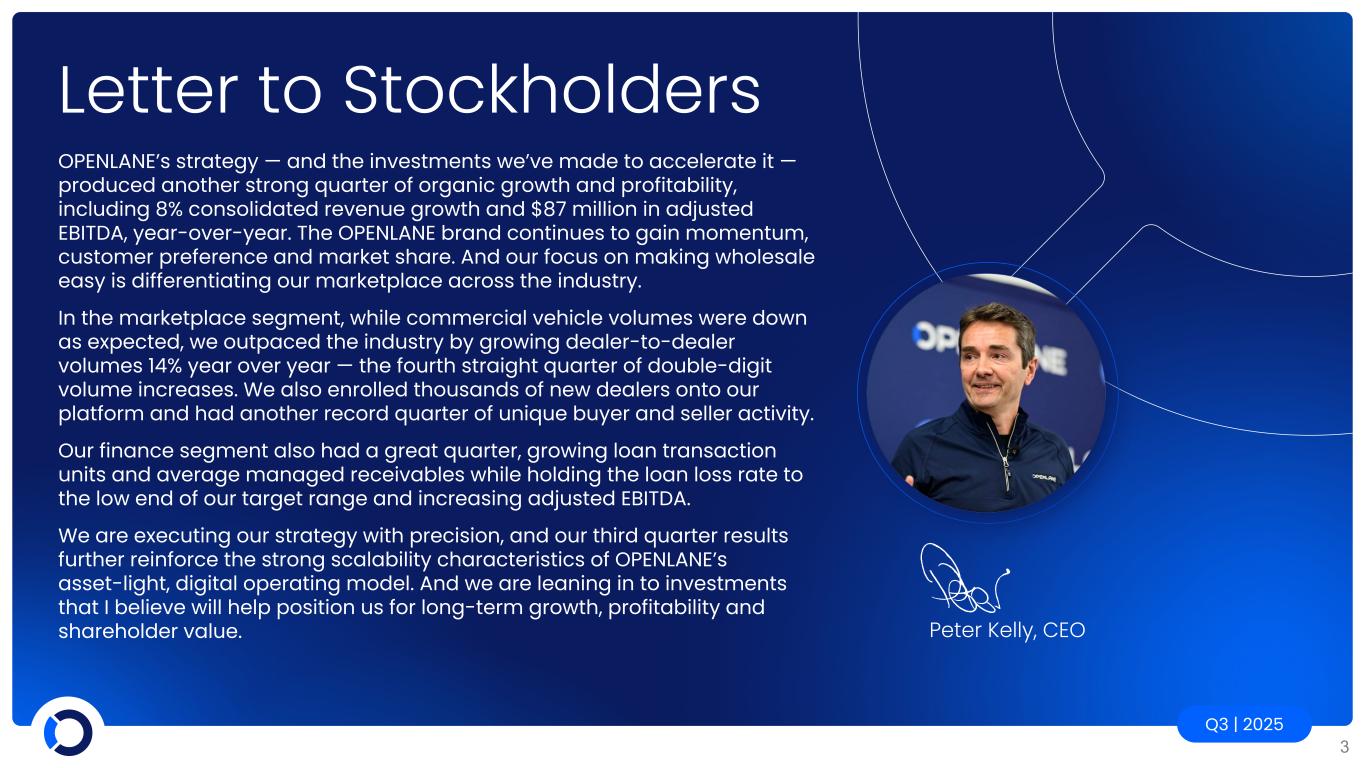
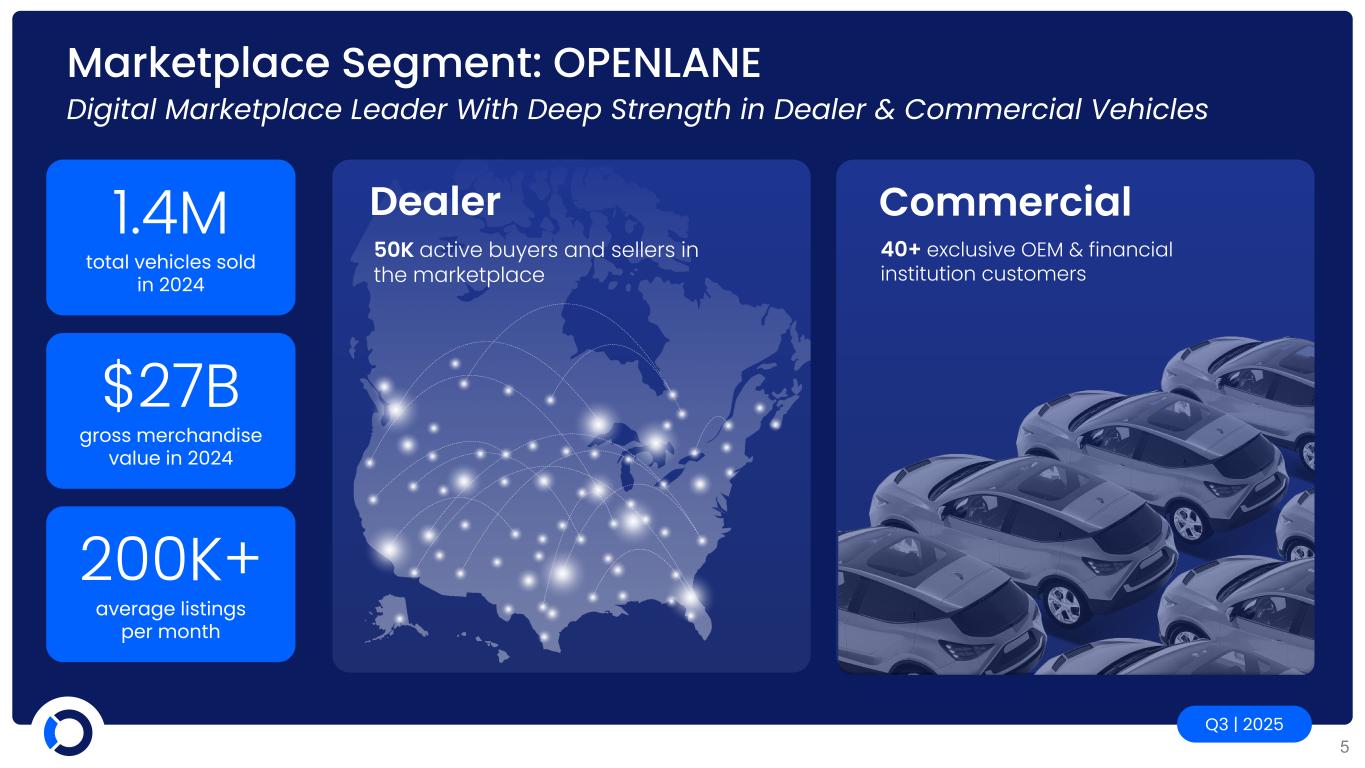
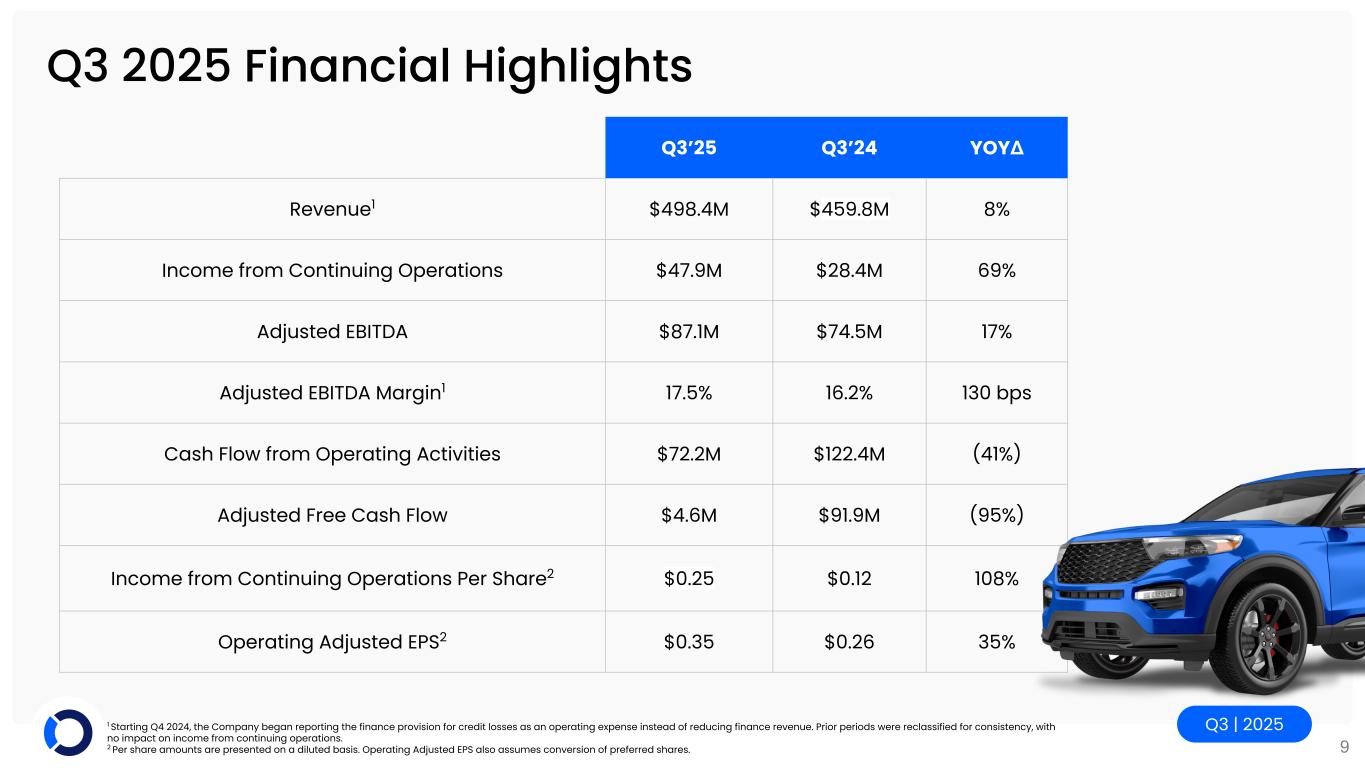
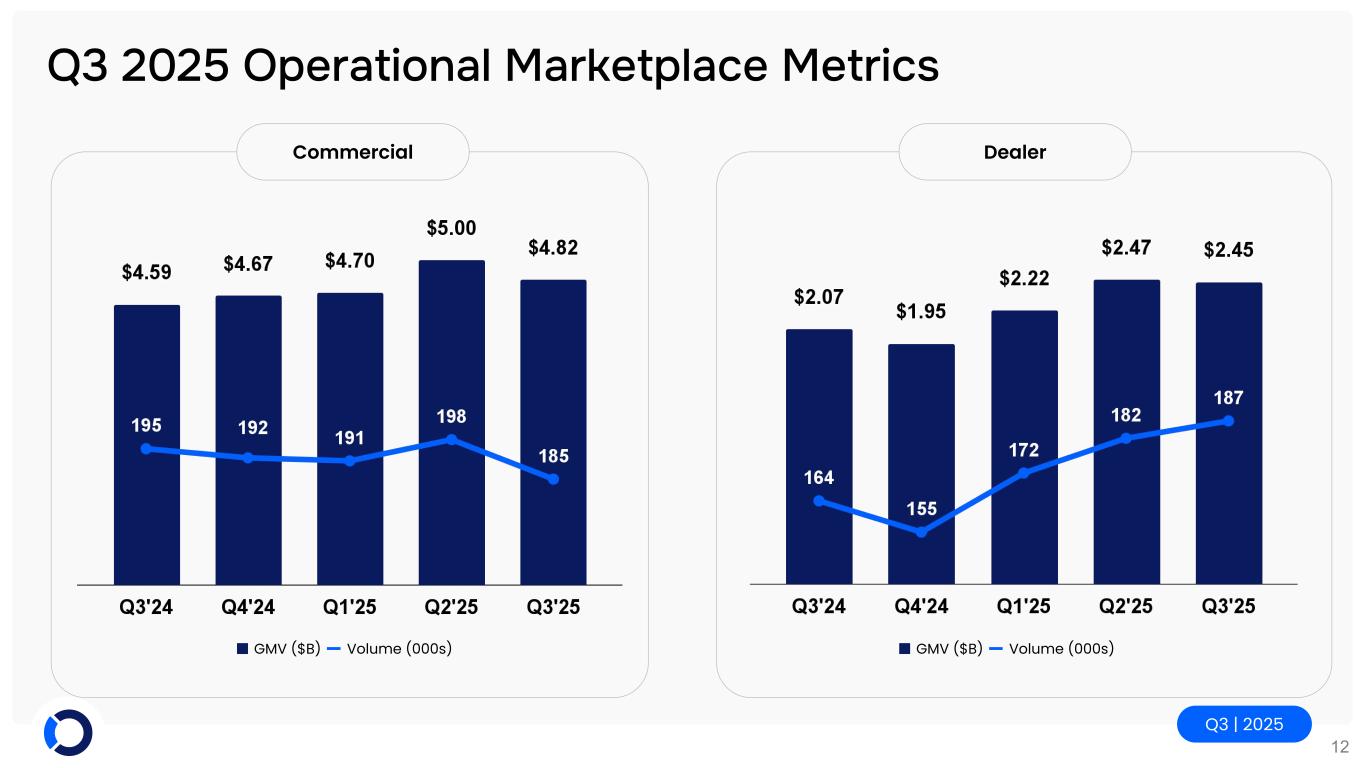
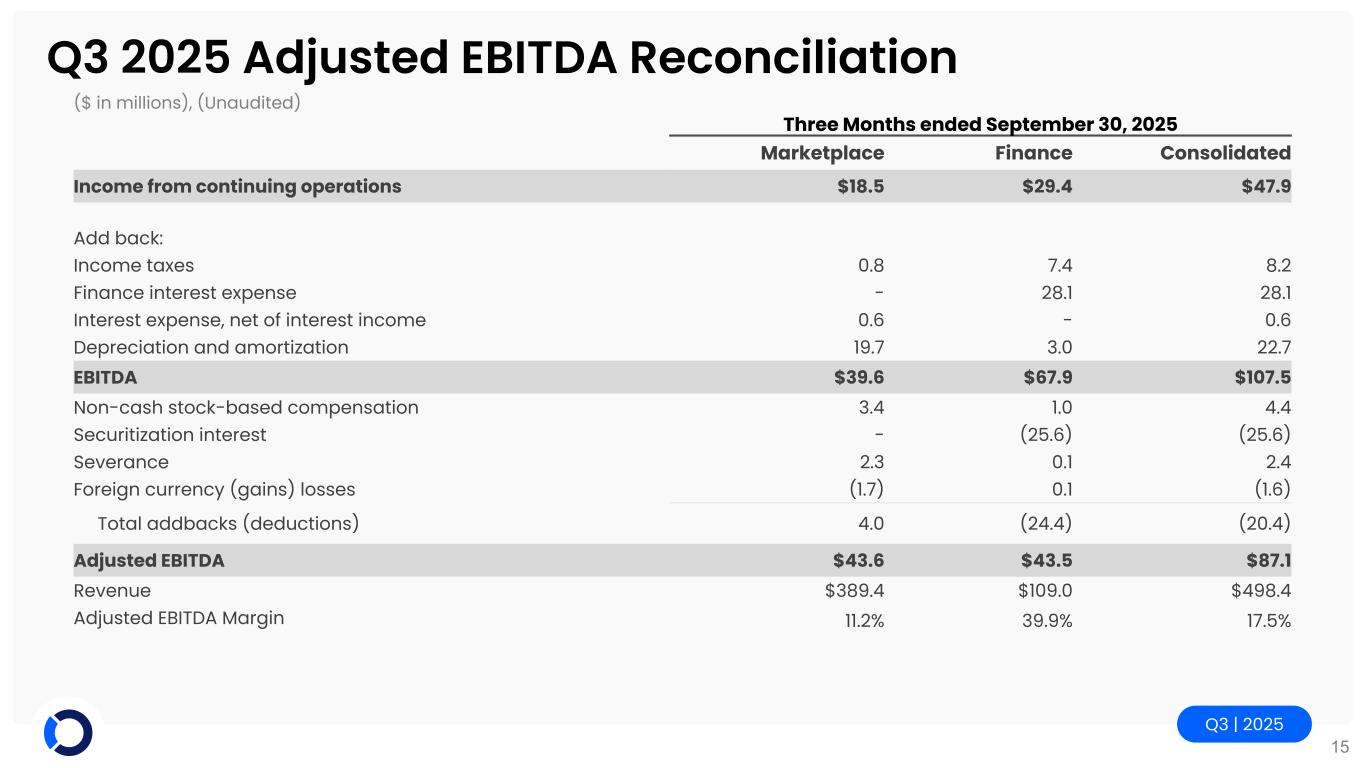
Thank you, Bill, and good morning, everyone. I'm pleased to be here today to share OPENLANE's strong third quarter results. Let me begin by welcoming Bill Wright to his first OPENLANE earnings call as our Vice President of Investor Relations. As detailed in our press release, Bill is a seasoned financial leader with strong industry relationships and a proven track record of driving stockholder value. And we look forward to introducing him to you more broadly in the months ahead. Moving to our results. OPENLANE's strategy and the investments we've made to accelerate it produced another strong quarter of organic growth and profitability. The OPENLANE brand continues to gain momentum, customer preference and market share. And our focus on making wholesale easy is further differentiating our marketplace across the industry. On a consolidated basis, we grew revenue by 8% and delivered $87 million in adjusted EBITDA, representing 17% growth. As a reminder, these results were achieved against the prior year that included contributions from the automotive keys business that we divested during the fourth quarter of 2024. In the Marketplace segment, while commercial vehicle volumes were down as expected, we grew dealer-to-dealer volumes by 14% year-over-year, representing the fourth straight quarter of double-digit volume increases. We also generated a 20% increase in auction fee revenue and a 22% increase in Marketplace adjusted EBITDA. Our Finance segment also had a great quarter, growing loan transaction units and average managed receivables while holding the loan loss rate to 1.6% and increasing adjusted EBITDA by 12% year-over-year. In summary, I believe our third quarter results further reinforce the strong scalability characteristics of OPENLANE's asset-light digital operating model. We are executing our 2025 plan with precision and leaning into investments that will help position us for long-term growth, profitability, and shareholder value. Based on these factors, we are further increasing our 2025 guidance, and Brad will discuss those specifics in just a few minutes. So now let me turn to OPENLANE's strategy and our outlook for the business and our industry. As a reminder, our strategy for growth is anchored in our purpose, which is to make wholesale easy so our customers can be more successful. And we are making wholesale easy by focusing on three enabling priorities. First, by delivering the best marketplace, expanding to more buyers and sellers and offering the most diverse commercial and dealer inventory available; second, by delivering the best technology, innovative products and services that help our customers make informed decisions and achieve better outcomes; and third, by delivering the best customer experience, keeping our marketplace fast, fair and transparent, making it easy for customers to transact and making OPENLANE the most preferred marketplace. So let's start with more detail on the marketplace, where we increased our gross merchandise value to $7.3 billion while organically growing overall volumes, auction fee revenue, and gross profit. This was driven by another standout performance in dealer-to-dealer, particularly in the United States. But before I turn to that, I want to spend a few moments on commercial. As expected, Q3 commercial volumes declined year-over-year, but the rate of decline was less than what we saw in Q2. We remain confident that off-lease volumes will begin to inflect during the second quarter of 2026. And given our clear market leadership position, our long-standing customer relationships and our deep integrations with OEM, captive finance, and financial institution customers, OPENLANE remains best positioned to capture this reemerging opportunity. In dealer-to-dealer, OPENLANE executed very well across the business. The U.S. drove the majority of OPENLANE's double-digit volume increase in dealer with Canada also contributing solid mid- to upper single-digit growth. In the U.S., we also conducted a record number of dealer vehicle inspections during the quarter and the year-on-year growth in unique vehicles offered for sale exceeded the year-on-year growth in vehicles sold. We continue to expand our customer base, enrolling thousands of new dealers onto OPENLANE and had another record quarter of customer engagement with double-digit increases in unique buyer and seller activity. We also continue to make solid progress in our efforts to increase our market share with North America's largest franchise dealer groups. Based on our analysis of AuctionNet and other publicly available data, OPENLANE's dealer growth in North America during the quarter significantly outpaced the industry and resulted in meaningful market share gains. On our last call, we received a few questions about the why behind our accelerated growth and specifically what OPENLANE has been doing differently. And while I believe our success is a result of our strategic focus on delivering the best marketplace, technology and customer experience, I believe there are several primary drivers that are fueling our growth and fortifying our competitive position for the future. First, our brand and platform consolidation work has dramatically simplified our company and clarified our purpose. That simplification enables us to focus our investments and resources on growth and prevent any distraction from pursuing non-core activities. Second, I would highlight the uniqueness of our inventory and marketplace participants. Our leading private label programs directly connect us to the majority of franchise dealers in North America. And in dealer, our go-to-market investments are helping us increase market penetration and wallet share. This combination of franchise and independent customers with a broad selection of inventory is highly differentiating for OPENLANE. Third, we are empowering our marketplace with innovation and technology, injecting AI and OPENLANE intelligence into key areas such as vehicle recommendations, pricing and condition report transparency. During the quarter, we released our new Audio Boost feature, which allows dealers to visualize and listen to actual engine recordings, easily identify AI-detected anomalies and even compare that audio to other ideal or healthy engine reporting. Next, I want to credit our ongoing work to leverage AFC and their extensive network of local independent dealers to power the OPENLANE marketplace. AFC is a category leader and contributes meaningfully to our financial results. Additionally, there remains a significant opportunity to cross-register dealers, integrate our technology and bundle new products and services, all efforts that we are actively advancing. During the third quarter, we increased the number of AFC dealers registered on OPENLANE by over 900 basis points. And now nearly half of all AFC dealers can directly transact on our marketplace. Additionally, we introduced a new AFC recommendations carousel that suggests OPENLANE vehicles to AFC dealers whenever a floor plan loan is paid off. Though still in the early stages, this feature has already driven several hundred new OPENLANE registrations and more than 300 unique OPENLANE marketplace engagements each week. And we have grown both AFC floorings on OPENLANE and OPENLANE purchases floored on AFC by double digits year-to-date. And finally, we continue to invest in people and technology to deliver an exceptional customer experience. OPENLANE is a digital marketplace leader in a relationship business, and our relationship-first approach is helping the OPENLANE brand grow preference and keep our transactional NPS scores in the great to excellent range. So when you add all this up, I believe OPENLANE offers a very compelling value proposition to our customers. It provides a fast, easy and efficient platform to buy and sell, one that delivers better outcomes for buyers and sellers at a highly competitive price point. As one of our dealer customers recently commented on our NPS survey response, OPENLANE has made wholesaling much easier. I used to have to pay a lot of freight to get to the auction, and now you guys come to me. Thanks for making my job easier and more profitable. I think that customer statement sums up very nicely what we're trying to do for all of our customers, which is to make their jobs easier and their businesses more profitable. Looking beyond OPENLANE, there are also a number of industry and economic trends that we are monitoring that may impact our business going forward. First, we continue to track new vehicle affordability, loan delinquencies, and general economic uncertainty. These could have positive short-term side effects as consumers turn to used vehicles, but potentially longer-term challenges if retail new vehicle sales were to meaningfully decline or consumer retail credit tightens. Next, the tariff situation remains relevant and may still be a headwind, though there is more clarity today than there was six months ago, and manufacturers and consumers appear to be adjusting. New lease origination rates were healthy in the third quarter and consumer lease equity is declining. So I remain confident that the commercial vehicle volume recovery will begin early next year and extend through 2027 and beyond. And according to our analysis, the wholesale industry continues to shift from physical to digital channels, a positive for both our dealer and commercial customers. So just to summarize, we had another strong quarter of financial and operating results. We're executing our strategy with focus and discipline, and that strategy is resonating with our customers. Because of that, I believe the key elements of our value proposition for investors remain very compelling. OPENLANE is an asset-light, highly scalable digital marketplace leader, focused on making wholesale easy for automotive dealers, manufacturers and commercial sellers. There is a large addressable market in North America and Europe, and we are uniquely well positioned in both dealer and commercial. Our customer surveys and third-party research suggest we are the most preferred pure-play digital marketplace in the industry. Our technology advantage is a competitive differentiator. Our floor plan finance business, AFC, is a high-performing business that is highly synergistic with the marketplace. We are cash flow positive with a strong balance sheet, and we believe our business has the capability to deliver meaningful growth, profitability, and cash generation over the next several years. So with that, I will turn the call over to Brad.
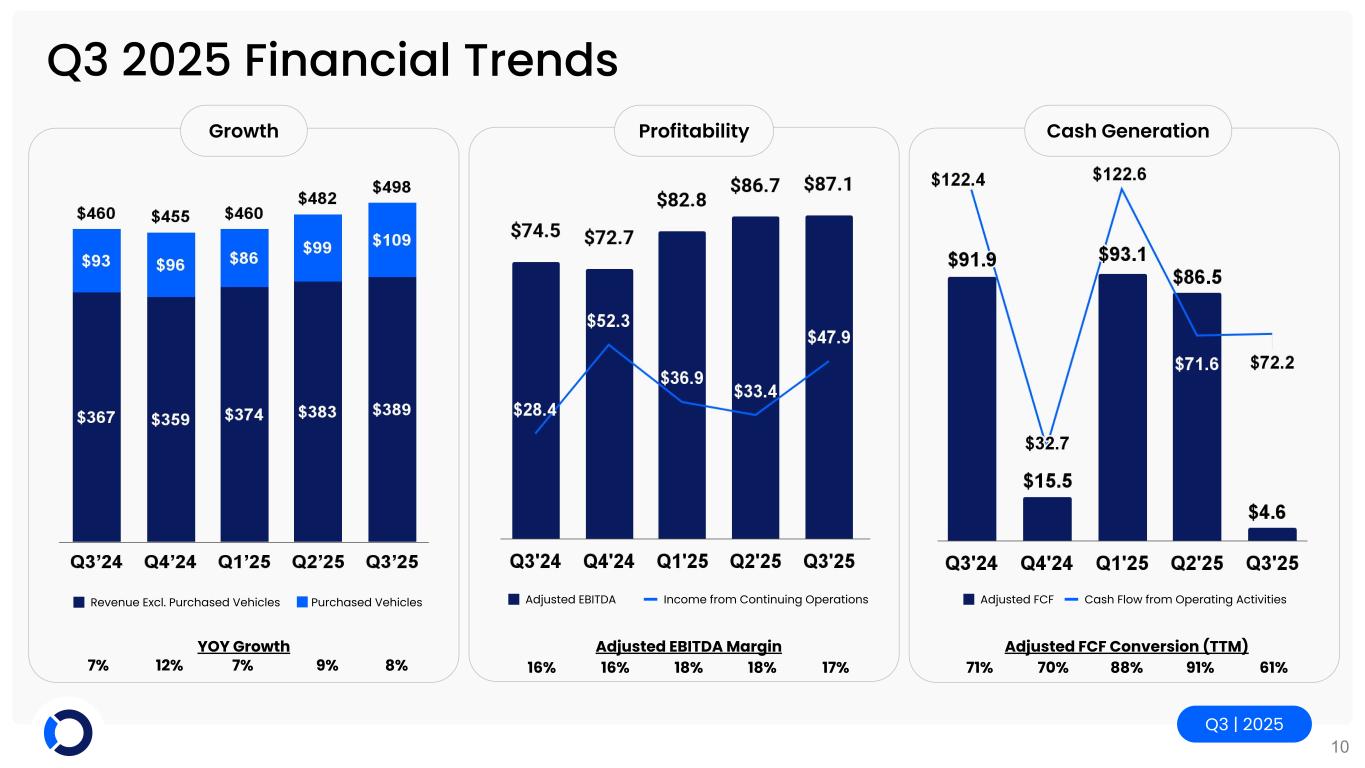
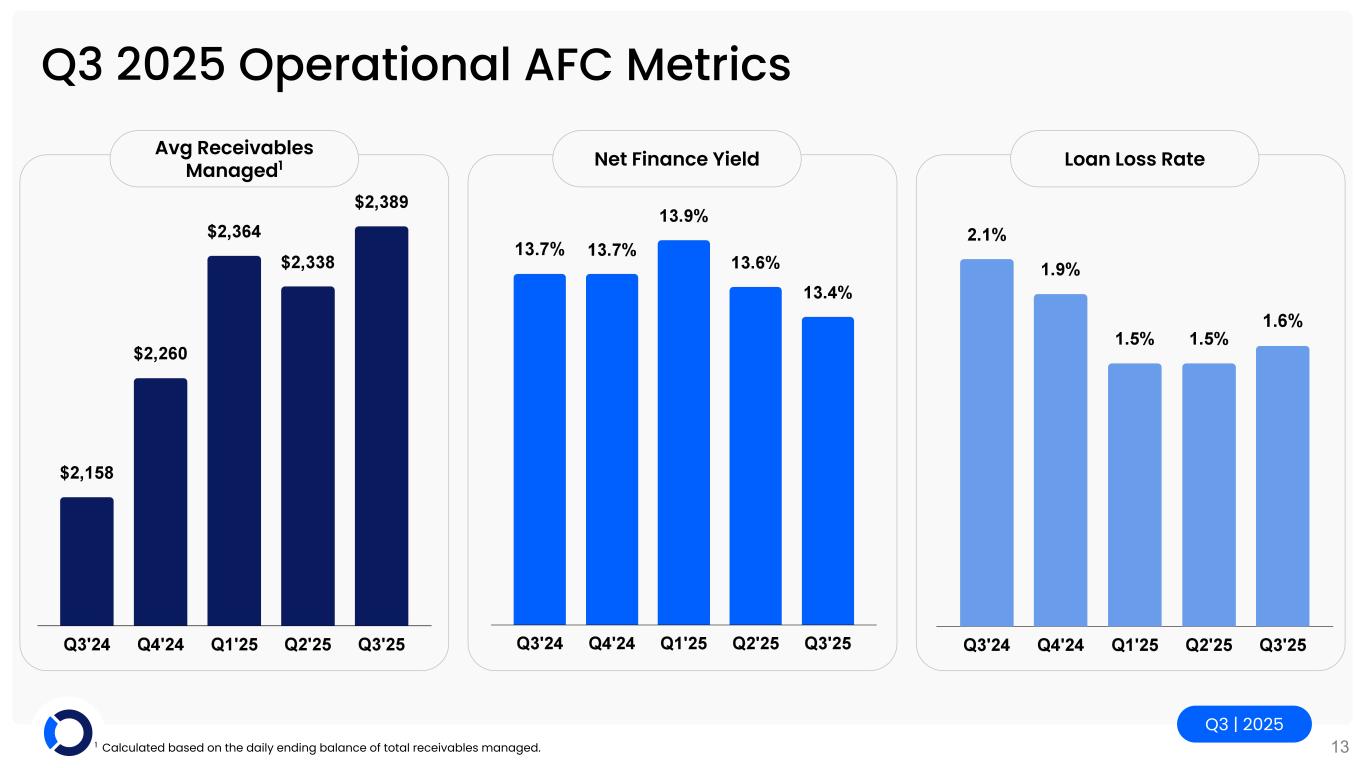
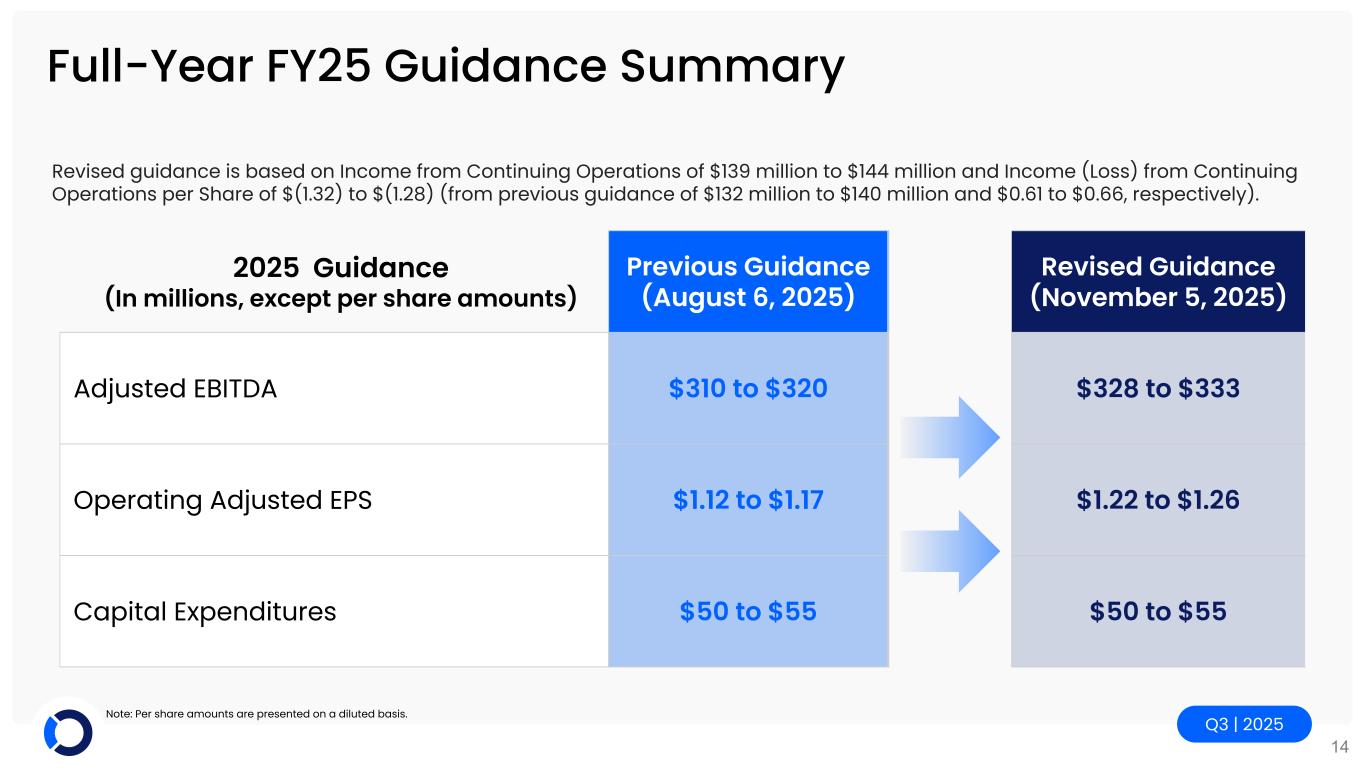
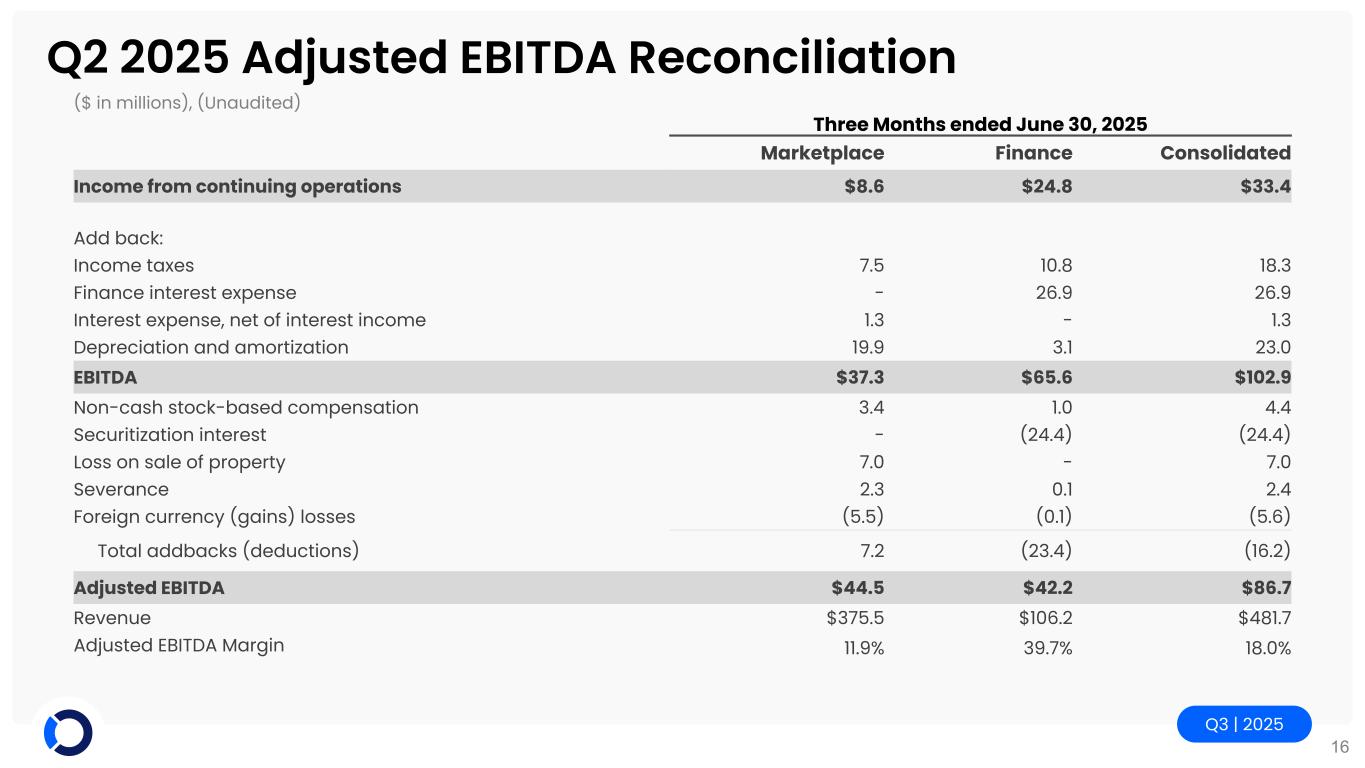
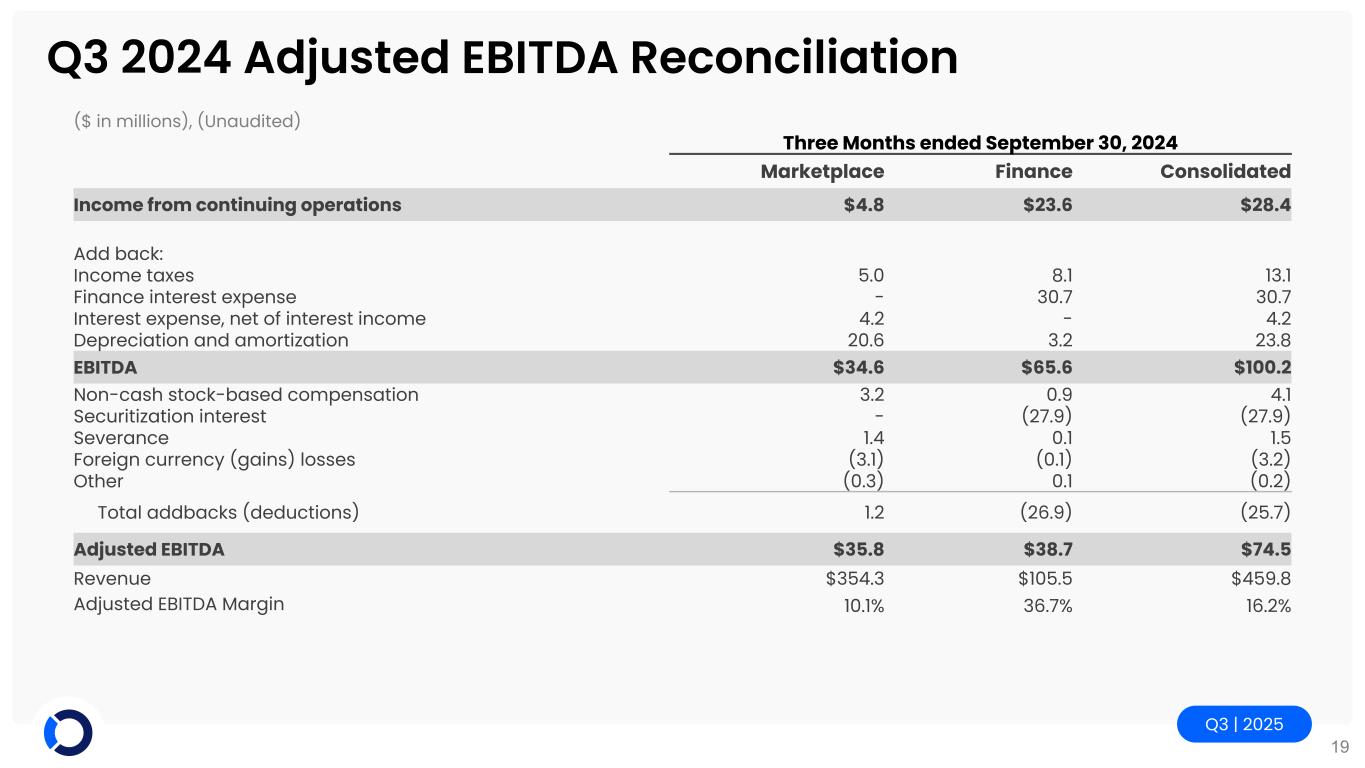
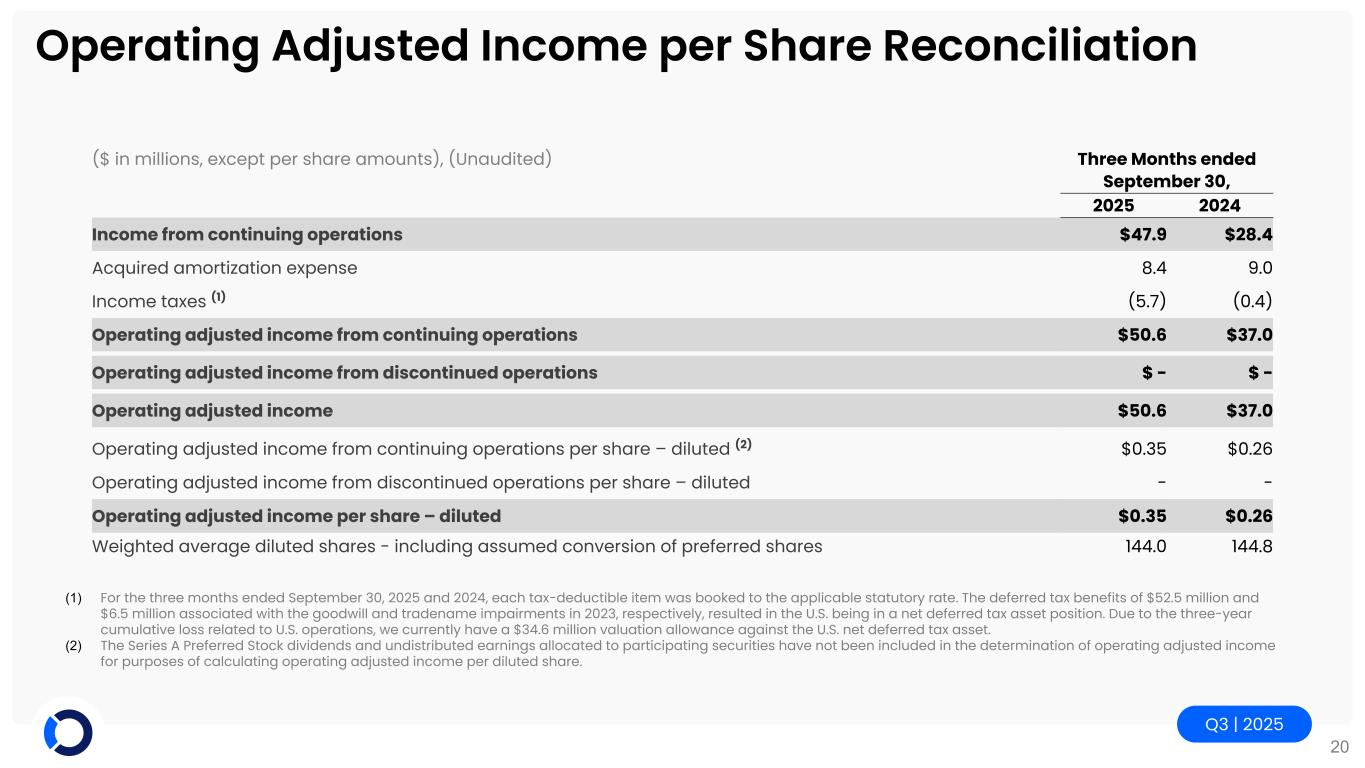
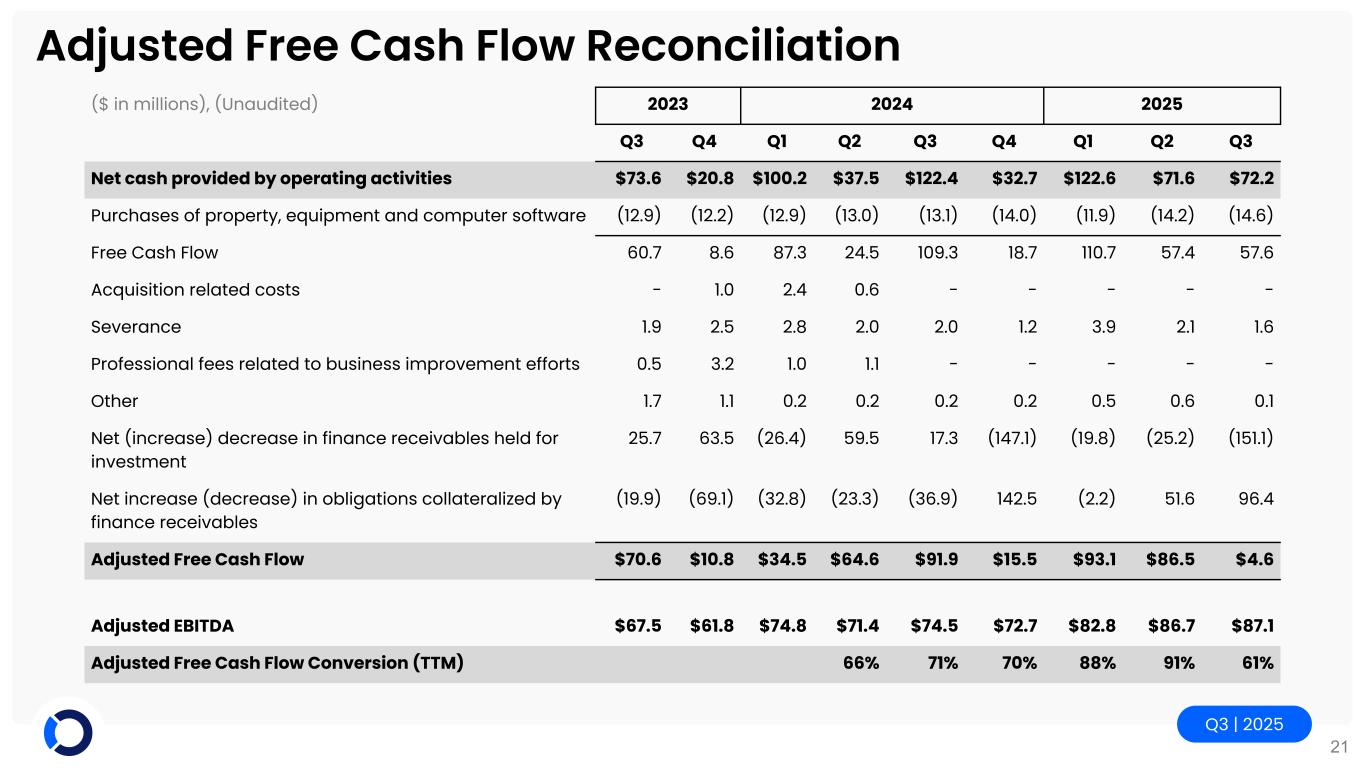
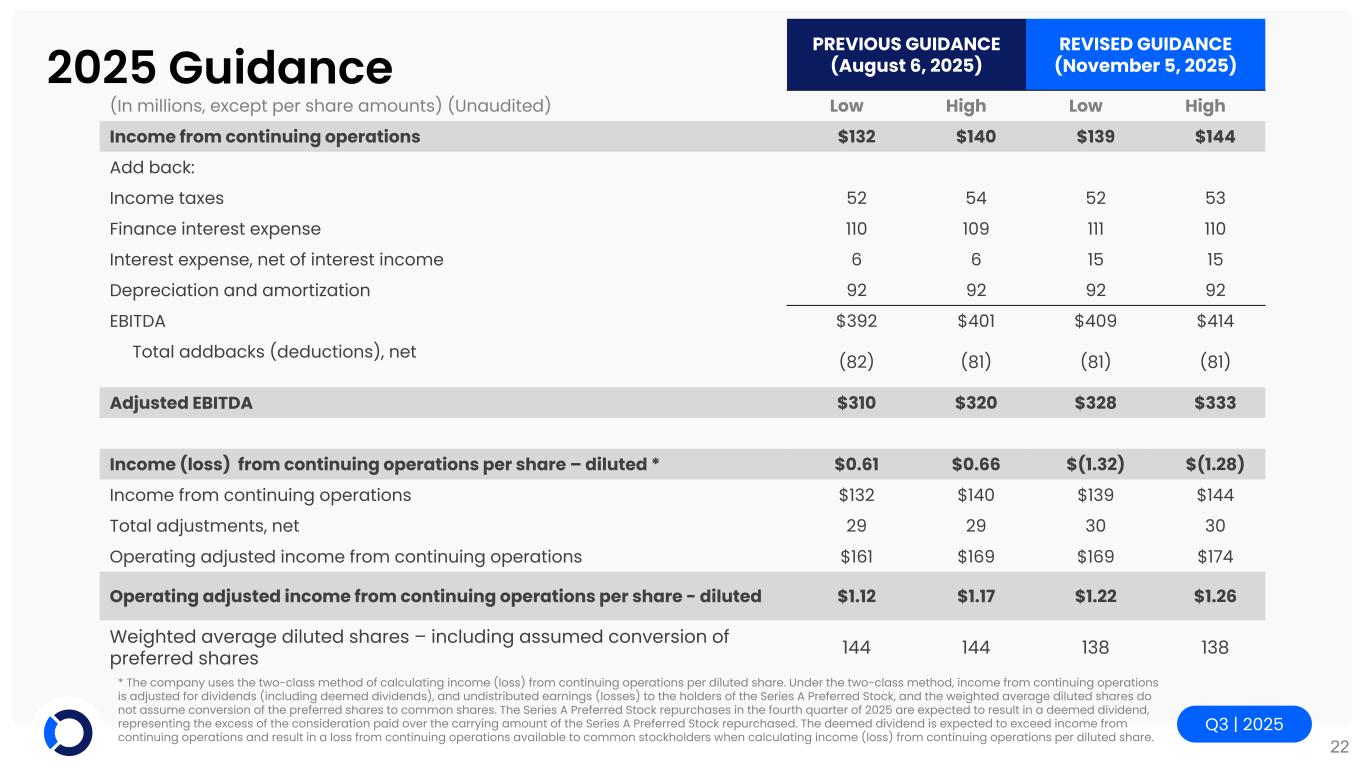
Thanks, Peter, and good morning to everyone joining us today. Starting with consolidated revenues, we're reporting revenues in the quarter of $498 million, which represents growth of 8%. Just as we reported last quarter, the key driver of our revenue growth was in our Marketplace segment, which we'll dive into a bit more shortly. Consolidated SG&A for the quarter was $111 million, which is up 14%. The year-over-year increase was split nearly equally between higher incentives related to 2025 performance and targeted investments we've made in our go-to-market and marketing efforts. Excluding the incremental incentives and our growth investments, our core SG&A actually declined 1 percentage point as we continue to monetize efficiencies in our back-office functions. Consolidated adjusted EBITDA for the quarter was $87 million, which represents an increase of 17%. The resulting adjusted EBITDA margin for the quarter was approximately 17%, which reflects margin expansion of 130 basis points over the same period last year. Consolidated adjusted free cash flow for the quarter was $5 million, which represents a conversion rate of 5%. I mentioned on the call last quarter that we'll be talking about free cash conversion more on an LTM basis given the volatility and timing considerations across quarters. On an LTM basis, our conversion rate was 61%, which is lower than our previously mentioned expectation of 75%. The main driver for the lower conversion rate was strong growth in our financing segment that used cash on hand to fund a portion of the $140 million increase in our loan portfolio. This increase typically shows up in Q4 as dealers build inventory for the spring tax sales season. However, this year, we pulled forward that growth into Q3 with some initiatives targeted to opportunistically grab share in selected markets. We anticipate that the timing of portfolio expansion and contraction will return back to a more normal pattern in the next few quarters, and we continue to expect a rolling 12-month conversion rate of 75% or higher. Moving to the results in our business segments. I'll start with the marketplace. GMV processed over our digital platform was $7.3 billion, which represents a 9% increase. GMV growth is broken down as 19% growth in the dealer category and 4% in the commercial category. As Peter mentioned, the primary source of GMV growth in the dealer category was in the U.S., where we continue to win share by taking advantage of the migration to digital platforms and providing favorable outcomes for our customers. Auction fees in the marketplace grew by 20%, driven mostly by the previously mentioned volume growth in the U.S. dealer business as well as some modest pricing adjustments that were put in place over the last 12 months. Services revenues dropped 3% due to a comp that included the automotive keys business, which we sold in Q4 of last year. Excluding the impact of that divestiture, our services revenue was up 4% tied mostly to the transport revenue from higher volumes. Adjusted EBITDA for the Marketplace segment was $44 million, representing an adjusted EBITDA margin of 11%, reflecting growth of 22% and 110 basis points of margin expansion. Excluding the divestiture of our keys business in Q4 of 2024, the year-over-year comparisons would have been 27% growth and 150 basis points of margin expansion. We continue to have a high degree of confidence in our ability to grow our Marketplace segment while simultaneously expanding margins due to the structural scale characteristics that generate high pass-through rates off of our technology platform. We look for this dynamic to continue with the resurgence of U.S. lease returns in 2026. Turning to our financing segment. Our average outstanding receivables managed in the quarter was $2.4 billion, which is up 11% year-over-year. Year-over-year growth was driven by a 5% increase in the average balance per transaction and a 5% increase in transaction counts. These are both positive for our business. Net yield for the quarter was 13.4%, which is down 30 basis points year-over-year. The decrease was driven by lower yields generated from transactional fees, partially offset by higher net interest yields. The yield driven by transactional fees declined solely due to the increase in the underlying asset values. The Q3 provision for credit losses was 1.6%, which is consistent with our results from last quarter and 50 basis points lower than last year. We remain highly focused on our proprietary underwriting and dealer level monitoring efforts that enable us to grow our floor plan portfolio while maintaining relatively low credit losses. With regard to our loan loss provision, we reiterate a target loss rate in the 1.5% to 2% range. With a fair amount of news in the markets about credit quality, I want to make a few comments about our financing business. First and foremost, we do not see any red flags or credit concerns across our floor plan portfolio. To help with those new to the story, I'll make two distinct points about our financing segment. First, we offer secured floor plan financing to independent dealers that meet our strict underwriting and ongoing monitoring requirements. We do not offer consumer financing for purchases that are made through our dealership customers. Second, our secured dealer loans are less than 60 days duration, which limits our exposure for losses generated by short- and medium-term fluctuations in consumer sentiment or macro conditions. That said, any extended deterioration in consumer credit could potentially impact new and used car markets over the long term. The net result and the changes of the portfolio balance, the net yield and loss provisions are an adjusted EBITDA for the finance segment of $44 million, which was up 12%. Moving to capital considerations, we had a few items to highlight in the quarter. Most notably, in Q3, we announced our intent to repurchase approximately 53% of our outstanding Series A convertible preferred shares. This purchase was funded through a term loan offering that was completed in early Q4. With the capital raise complete, the purchase of Series A convertible preferred shares was subsequently closed on October 8. Assuming the conversion of the remaining preferred shares, this transaction reduces our fully diluted shares by approximately 19 million shares from 144 million shares to 125 million shares. The transaction also increases our debt outstanding by $550 million. In addition to the repurchase of the convertible preferred shares, we continue to selectively repurchase common shares in Q3. Year-to-date through the end of the third quarter, we've repurchased 1.5 million shares of common stock at an average price of $24.35 per share. With regard to liquidity, we ended the quarter with a cash balance of $119 million and capacity of over $400 million on our existing revolver facilities. Now let's talk about full year guidance. When we guided to the back half of the year on our Q2 call, we mentioned a number of uncertainties that were still looming at the time of our print. While many of those uncertainties are still not completely resolved and may linger into next year, it's clear that the headwinds did not materialize in the quarter to the degree that they could have. That said, with our strong Q3 results and factoring the Q4 seasonal patterns, we are revising our full year estimate for 2025 adjusted EBITDA to $328 million to $333 million. This is up from our previous guidance of $310 million to $320 million. The main drivers of this increase are continued strength in our North American dealer business and prudent portfolio growth and credit management in our Finance segment. To summarize, we're very pleased with the performance of both our Marketplace and financing segments and continue to make progress unlocking the cross-pollination value between the two. As we look to the future, we remain confident in our ability to expand our share in the very large U.S. dealer space as well as capture our market-leading share of a commercial category that is poised for growth after being largely dormant for the past 24 months. Before we take Q&A, we hope to see many of you over the next few weeks as we will be attending several conferences in November and December. Specifically, we will be attending the Wells Fargo Annual TMT Summit in Rancho Palos Verdes on November 18, the Stephens Annual Investment Conference in Nashville on November 20, the UBS Global Technology and AI Conference in Scottsdale on December 3, and the BofA 2025 Auto Dealer Day Conference in New York City on December 10. Now I'll pass the call back to the operator for questions.
Operator
We have the first question from Jeff Lick from Stephens.
Speaker 4
Congrats on a great quarter. Peter, could you share your thoughts on the AuctionNet data? Specifically, how do you view the actual market growth in units compared to last year? Also, could you discuss where you see opportunities for gaining market share or building new relationships with dealers and how that might develop over time?
Thank you, Jeff. I appreciate your comments and your question. We were specifically discussing dealer-to-dealer volumes, which were up 14%. We're very pleased with this growth, primarily driven by the U.S. market, while Canada experienced mid- to upper single-digit growth, positioning the U.S. at a high teens growth rate year-on-year. This strong growth in U.S. dealer-to-dealer is significant since we are still a relatively small player in that market, which represents the largest total addressable market for us. Therefore, this is an important growth opportunity, and we are very focused on it. The AuctionNet dealer volumes also saw low single-digit growth, providing a comparative growth rate. As for what’s driving this growth, we believe the industry is transitioning from a predominantly physical model to a more digital one. Currently, over 70% of the volumes are still physical, but digital share is increasing, and we are a leader in digital solutions. We're committed to making our platform intuitive for sellers and buyers, implementing innovations such as Audio Boost, and improving condition reports. We have been increasing our go-to-market investments since the first half of last year with a disciplined approach, adding resources in promising areas, and I am very pleased with the progress. Additionally, we have two distinguishing advantages: on the franchise dealer side, we offer private label programs for OEMs, meaning most franchise dealers are our customers through these programs. This provides an entry point to engage with them, converting them into buyers and sellers in our open sale. On the independent dealer side, we have AFC, a leader in floor plans for independent dealers. Currently, 50% of AFC dealers are registered on the OPENLANE marketplace, although not all are actively buying yet. This indicates significant potential to enhance participation beyond that 50% and to increase our wallet share with those already in the marketplace. These are the key areas we are focusing on. This marks our fourth consecutive quarter of double-digit growth in the dealer sector, and I am pleased with this momentum as we remain committed to executing our plan and capturing more market share in the dealer-to-dealer category.
Speaker 4
Awesome. Just a quick follow-up. Any update on the onboarding of the additional OE customer in the captive finance sector and lease returns? I think you mentioned that should happen sometime in Q4. I'm curious about the timing and how you see that ramping up in terms of magnitude.
The update on the timing is that it will actually be in early Q1. I spent some time with that customer this week, and the technology is ready to go live. However, the customer decided they wanted to de-risk the situation and avoid a December launch, preferring to launch at the start of the new year. We’re looking forward to this early Q1 launch and are closely collaborating with the customer on the onboarding and migration process for all their dealers.
Operator
We have the next question from Craig Kennison from Baird.
Speaker 5
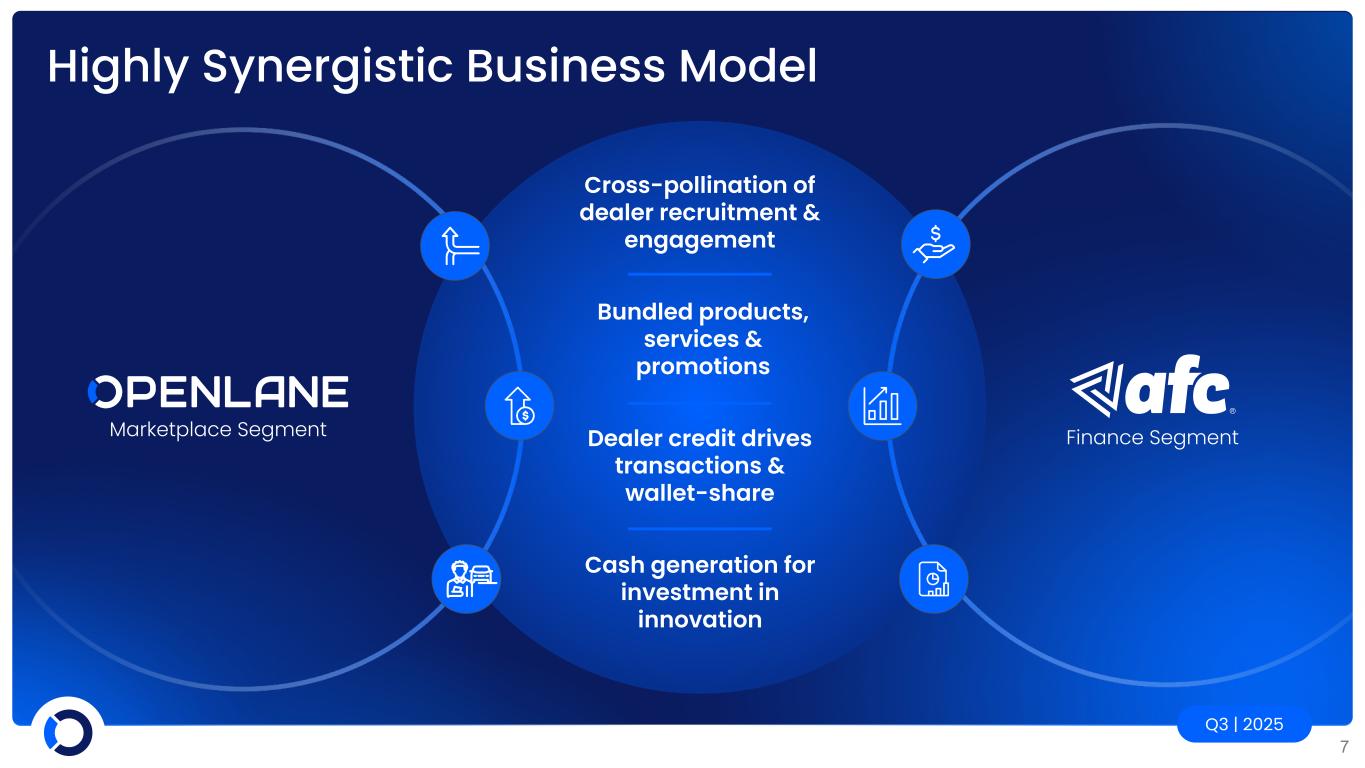
I'm looking at Slide 7, and I'm just wondering if you can provide any tangible examples that illustrate how OPENLANE and AFC are able to cross-pollinate each other's platform.
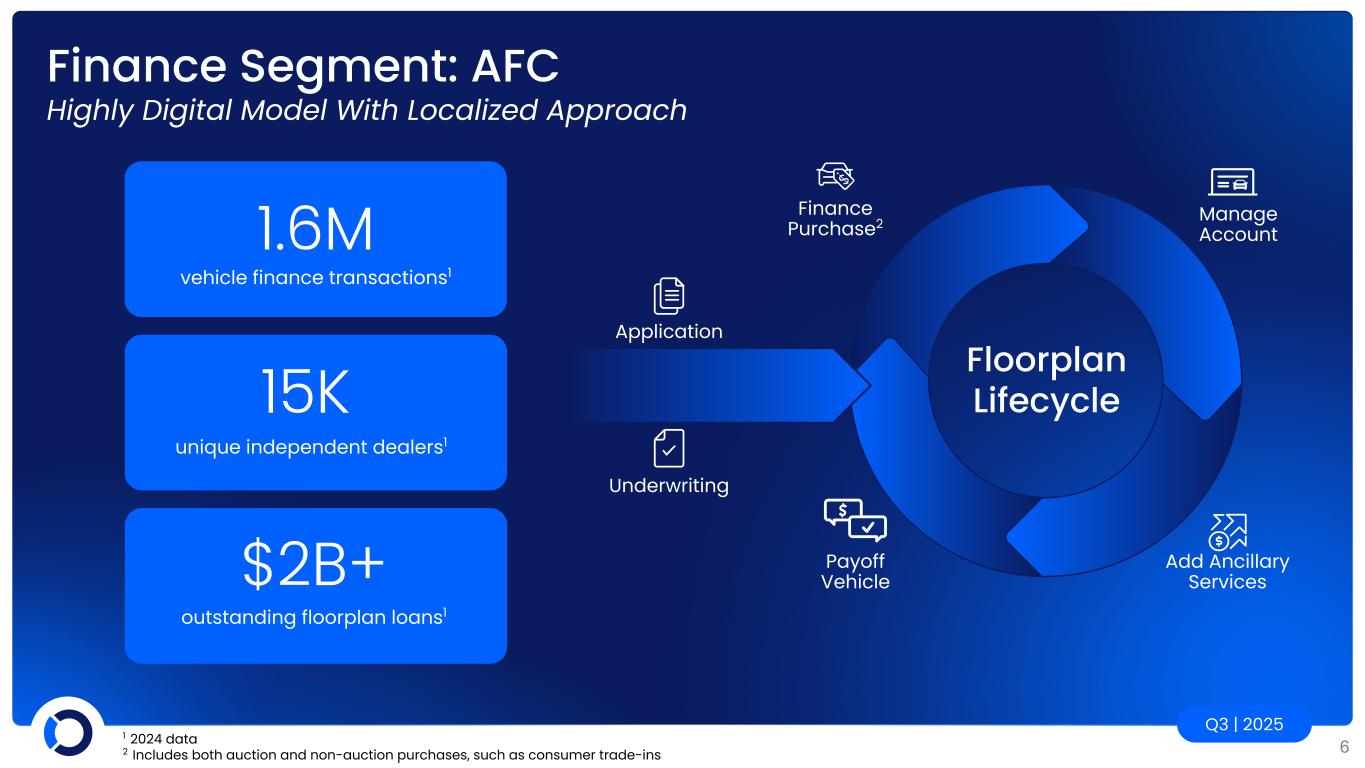
Thank you, Craig, for the question and your comments. At the highest level, we serve commercial customers, which are fewer in number, and we also serve dealers, who can be either franchise or independent. Both groups are essential for us. Franchise dealers typically purchase our commercial cars and mainly operate in the D2D market, while independent dealers mostly buy D2D vehicles but also purchase some commercial cars. The independent dealer segment is crucial for us, and we aim to create synergy between our marketplace and AFC. When independent dealers seek inventory, they usually source it from the wholesale market since they don't receive much retail trade-in. We want to ensure they have the financing needed to acquire vehicles and manage their inventory for the roughly 60 days it takes before resale. AFC provides the liquidity and capital necessary for them to stock their lots, which is vital for our business. We monitor how many vehicles this dealer group buys and the percentage financed through AFC, as they also use other floor plans and cash. A significant part of our focus is on increasing this attach rate. Currently, AFC has around 12,000 dealers with floor plan relationships in the U.S., but many are not yet purchasing cars through OPENLANE. About half are registered, and among those, many are actively buying, but the other half is still not signed up and mostly relies on physical auctions. We plan to engage this group and educate them about the advantages of our online system, such as time savings, convenience, lower fees, and purchase guarantees. We've seen success with this approach, noting a 900 basis point increase from 40% to 49% in just one quarter. We are actively working on this initiative, including running an advisory board with independent dealers to understand their needs better and enhance our service to them. This remains a key area of focus for us.
Operator
We have the next question from the line of Gary Prestopino from Barrington Research.
Speaker 6
Peter, you gave some AuctionNet data. You said units were up single digits. Is that the entire market? Or is that just the dealer-to-dealer? And if it is dealer-to-dealer, what was the entire market up in the quarter?
I don't have the exact number. That was dealer-to-dealer, Gary. But I think dealer was up low single digits. I believe commercial was up mid- to high single digits. Overall, I think the market for physical sales was up mid-single digits. I'm recalling this from memory, but that's my understanding. We compare across categories, dealer-to-dealer, and commercial to commercial. This does not encompass the entire industry as some of it is digital, which isn't included in those figures. Furthermore, particularly in the dealer-to-dealer space, there is likely a significant volume of transactions that occur informally, such as through wholesalers or directly between dealers, that aren't accurately measured or reported. Therefore, we don't factor that into the numbers we do, since there isn't a reliable published figure available.
Speaker 6
Okay. And then just my second question would be this. If your dealer-to-dealer units were up about 14% in the quarter, correct, could you give us some idea, and I think this would be really helpful from showing the progress that you're making in market share gains. How much of that was same store versus new conquest in that 14% unit growth?
I don't have an exact number for you right now, Gary, but we did discuss this earlier in the week. Overall dealer volumes increased by 14%, with U.S. figures closer to the high teens. Additionally, we observed growth in the number of vehicles offered for sale, which actually outpaced sales, falling into the approximately 20% range. We also noted significant double-digit growth in both active buyers and sellers in our marketplace, reaching all-time record levels in the third quarter. Large dealer groups have also increased, as has our share with the biggest franchise dealer groups. These are all positive indicators. The growth we experienced stemmed from two main factors: the customers who were active a year ago increased their volumes, contributing to our overall growth, and new dealers we’ve added since last year played a significant role as well. Generally, when we onboard a new dealer, their adoption rate tends to increase over time rather than seeing immediate sales from the start. Initially, they might list only a portion of their inventory and their conversion rate may be low. However, as they recognize the advantages and ease of using our services, their volume usually begins to increase steadily over time. That's typically what we observe, Gary.
Operator
We have the next question from the line of Rajat Gupta from JPMorgan.
Speaker 7
Congratulations on the strong execution. To follow up on some earlier questions, I'm interested in your growth on the U.S. D2D side, particularly regarding your market share gains last quarter, which appear to be better than before. Have you noticed any changes in reaction from your physical or digital competitors? For instance, Manheim recently acquired their inspection business while you are bringing yours in-house, and it seems they are adjusting their digital strategy. I'm curious if there has been any shift in competitor reactions. I also have a quick follow-up.
Thank you, Rajat. I appreciate your question and your comments. I wouldn't say there was anything particularly significant in the recent quarter regarding that topic. Our main focus is on our offerings and the feedback we receive from our dealers. I mentioned some initiatives in my previous comments. Of course, we also monitor our customers' activities. Notably, Manheim acquired two physical auctions, possibly in the quarter before last. They've also been rebranding their digital platforms. Overall, I would characterize the competitive landscape as relatively stable. One notable trend over the past year is the exit of some smaller digital disruptive business models from the market, such as CarOffer, which is owned by CarGurus, and EBlock in California. This suggests a degree of market consolidation. Dealers are now more aware of the digital platforms available to them, and I believe OPENLANE is a leader in this space. Our presence and preference among dealers have significantly improved over the past 12 to 24 months. However, I cannot point to anything specific in the last quarter that I believe is worth highlighting during this call.
Speaker 7
Understood. You attribute much of this to your own product and market penetration, along with a noticeable shift towards digital auctions continuing.
Absolutely, that's where our focus is, for sure. Sorry, I know you said you have a follow-up.
Speaker 7
Yes. Just one on SG&A. I remember like last quarter, you had mentioned that you want to have some more flexibility for investments. If I look at the marketplace, SG&A, it actually went down sequentially. I know seasonally, volumes are down, so it explains some of it. But I would imagine SG&A to tick up given this seems like an interesting time and opportunity for you to just capture more share. I'm curious if this is just more like a timing thing? Or are you just like seeing a lot of leverage? Or is it both? Just any more color there would be helpful on how we should think about SG&A going forward as well.
Rajat, this is Brad. I'll take that. I appreciate the question. Yes, you're going to see some timing fluctuations within a quarter. We're making some targeted investments when those present themselves. And at the same time, I mentioned some of the cost synergies that we're able to monetize in our back office. So some of those could be a little bit lumpy in terms of timing as well. So when I really target my SG&A numbers going forward, I'm looking on an annual basis because you could see some quarterly alignment or misalignment between when the investments get made or when the synergies offset. So I'd like to look at that on a 12-month basis.
Operator
We have the next question from the line of Bob Labick from CJS Securities.
Speaker 8
Congratulations on the strong results. I want to start with a question we haven't discussed in a while. The revenue from purchased cars seems to be at its highest level ever, and it has been increasing over the last several quarters. In the past, you've mentioned that this is a breakeven situation, but it seems unlikely that you would continue to grow this segment if it's truly breakeven. Could you remind us of the motivation behind increasing purchased cars and the profitability associated with that?
Yes, let me start. If Brad wants to provide any context from a CFO perspective, he can chime in here as well. You are correct that we've seen growth. There are two main factors contributing to the growth in purchased vehicles. One is our European business, which we don't often discuss on these calls. Over 90% of our volume is from North America, but we do have a solid business in Europe, primarily focused on cross-border transactions. From an accounting and regulatory standpoint, when we move a vehicle across borders, we need to take ownership of that vehicle. This means that it appears on our books temporarily as we move it, for example, from France to Romania. As our European business expands, the volume and revenue from purchased vehicles also increase. This segment is profitable, and we generate a margin from it. Personally, I would prefer to account for it on a net basis, as I view the value of the car itself as low-calorie revenue; for instance, if a car is sold for EUR 17,000, we recognize that same amount as purchased vehicle revenue while also earning some additional fees. Europe accounts for more than half of the volume, but another significant factor for growth is our North American business. In previous calls, I've mentioned how we've developed guaranteed products for buyers and sellers. For example, if a buyer purchases a vehicle, they can opt for an as-described guarantee. If they receive the vehicle and find something amiss, they can return it to us. At that point, we take ownership of the vehicle, which then falls under the purchased vehicle category. There might be cases where we incur a small loss if the buyer finds an issue with the vehicle they purchased. However, we evaluate the overall economics. For instance, if we sell 10,000 of those policies in a month, generating a certain amount of revenue that is recognized under auction fees, and then we take back 300 cars incurring a loss, we assess how those revenues and losses balance out. We aim to manage this so that it remains neutral or slightly positive for us. Ultimately, our goal is to provide peace of mind for buyers, allowing them to purchase confidently in the marketplace. These are the factors driving our growth. I consider this as low-calorie revenue, which doesn't inherently contribute much gross profit due to these dynamics. However, it is more an accounting matter, and it does play a role in supporting our marketplace business.
And Paul, I'll just add this is Brad. About 70% of that number in the quarter was from Europe. So think of a split of 70-30 between Europe and the U.S.
Speaker 8
Super. For my follow-up, I’d like to shift the conversation. Regarding off-lease, you've mentioned a stabilization in institutional leasing, with a decline each quarter this year. Lease equity is now below 1,000 but still not at zero. My question is about where the cars are positioned in the funnel concerning lessee grounding, dealer closed, and open. As the market evolves next year and more off-lease vehicles come into play, how will that affect the P&L? I assume it will lead to higher gross profit, or gross margin, and lower ARPU, but could you elaborate on how the return of off-lease units will influence things next year?
Thanks, Bob. I’ll address the first part of your question and then let Brad discuss the P&L impacts. To begin with, lease originations are performing strongly. While this doesn’t have an immediate effect on our business, it suggests positive growth for off-lease vehicles and lease portfolios over the next few years. I'm noticing more lease additions advertised on TV and strong lease offers, which is encouraging. There’s also an increase in dealership inventory, typically associated with higher incentives and lease originations. Overall, I believe leasing will become a significant aspect of the automotive retail landscape in the U.S. and Canada, just as it has in the past, except for the last few years. In my opinion, leasing is making a comeback. Looking at the off-lease side, we know that off-lease maturities will hit a low point in 2025. This has been well documented. Maturities will rise next year and again in 2027. However, we are also seeing a decline in lease equity, which is currently below $1,000, and I expect this trend to continue. Used vehicle values are likely to face more pressure, while residual values within those portfolios are trending upward due to increasing MSRPs and average retail prices. Consequently, we expect consumers to have less equity in their leases and fewer buyouts, resulting in more vehicles being returned. Evidence of this is already emerging, and those cars will likely flow deeper into the sales process. In the last quarter, our commercial volume sold in the open channel in the U.S. nearly doubled compared to last year, despite a decrease at the top of the funnel. This indicates that while there are fewer vehicles at the top, they are moving further down the funnel, and OPENLANE is converting a higher percentage in the bottom segment, which is our most profitable channel. This is promising as we plan for 2026 and 2027. A crucial part of our strategy is to maintain a liquid marketplace with thousands of buyers and a diverse pool of off-lease vehicles, hopefully increasing those volumes in 2026. Brad, I’ll now turn it over to you to discuss the ARPUs.
Yes, Paul (sic) [Bob]. So if you think about how do you translate that kind of into numbers, what you'll see when the commercial recovery comes back in, you will see kind of a blended tick down in our ARPUs because you'll see the yields or the ARPUs on the commercial side are going to be less than they are on the dealer side. So on a blended basis, that's going to come down some. But what you're also going to see is that gross margin in the marketplace in the high 40s, call it around 50%, you'll see that number start to tick up slightly because the commercial vehicles do come in with a higher gross margin with kind of a lower incremental cost attached to them because of the scale that we get in these private label platforms. So I hope that helps.
Speaker 8
Yes, very helpful. And the info from Peter on the commercial open channel up two times year-over-year is super. That's a great trend for you. So congratulations on that.
Operator
This concludes our question-and-answer session. I would like to turn the conference back over to Peter Kelly, the CEO, for any closing remarks.
Thank you very much, Maron, and thank you all for your questions for joining us on the call today. We look forward to seeing you at the upcoming conferences in November and December and remain confident in OPENLANE's ability to deliver meaningful growth, profitability, and cash generation over the next several years. Look forward to talking to our next call in early 2026. Thank you very, very much.
Operator
Thank you. The conference has now concluded. Thank you for attending today's presentation. You may now disconnect.