Operator
Good afternoon, and welcome to the Relmada Therapeutics Second Quarter 2025 Earnings Conference Call. As a reminder, this conference call is being recorded and will be available for replay on the Relmada website. I would now like to turn the call over to Brian Ritchie from LifeSci Advisors. Please go ahead, Mr. Ritchie.
Thank you. Good day, everyone, and thank you for joining us today. This afternoon, Relmada issued a press release providing a business update and outlining its financial results for the three months ended June 30, 2025. Please note that certain information discussed on the call today is covered under the safe harbor provision of the Private Securities Litigation Reform Act. We caution listeners that during this call, Relmada's management team will be making forward-looking statements. Actual results could differ materially from those stated or implied by these forward-looking statements due to risks and uncertainties associated with the company's business. These forward-looking statements are qualified by the cautionary statements contained in Relmada's press release issued today and the company's SEC filings, including in the annual report on Form 10-K and in the quarterly report on Form 10-Q for the quarter ended June 30, 2025, filed after the close today. This conference call also contains time-sensitive information that is accurate only as of the date of this live broadcast on August 7, 2025. Relmada undertakes no obligation to revise or update any forward-looking statements to reflect events or circumstances after the date of this conference call. With me on today's call are Relmada's CEO, Dr. Sergio Traversa, who will briefly provide a summary of recent business highlights; Dr. Raj Pruthi, Relmada's CMO, who will provide an overview of NDV-01; and Relmada's CFO, Maged Shenouda, who will provide an update on sepranolone and a review of the company's Q2 financial results. After that, we will open the call for a brief Q&A session. Now I would like to turn the call over to Sergio Traversa. Sergio?
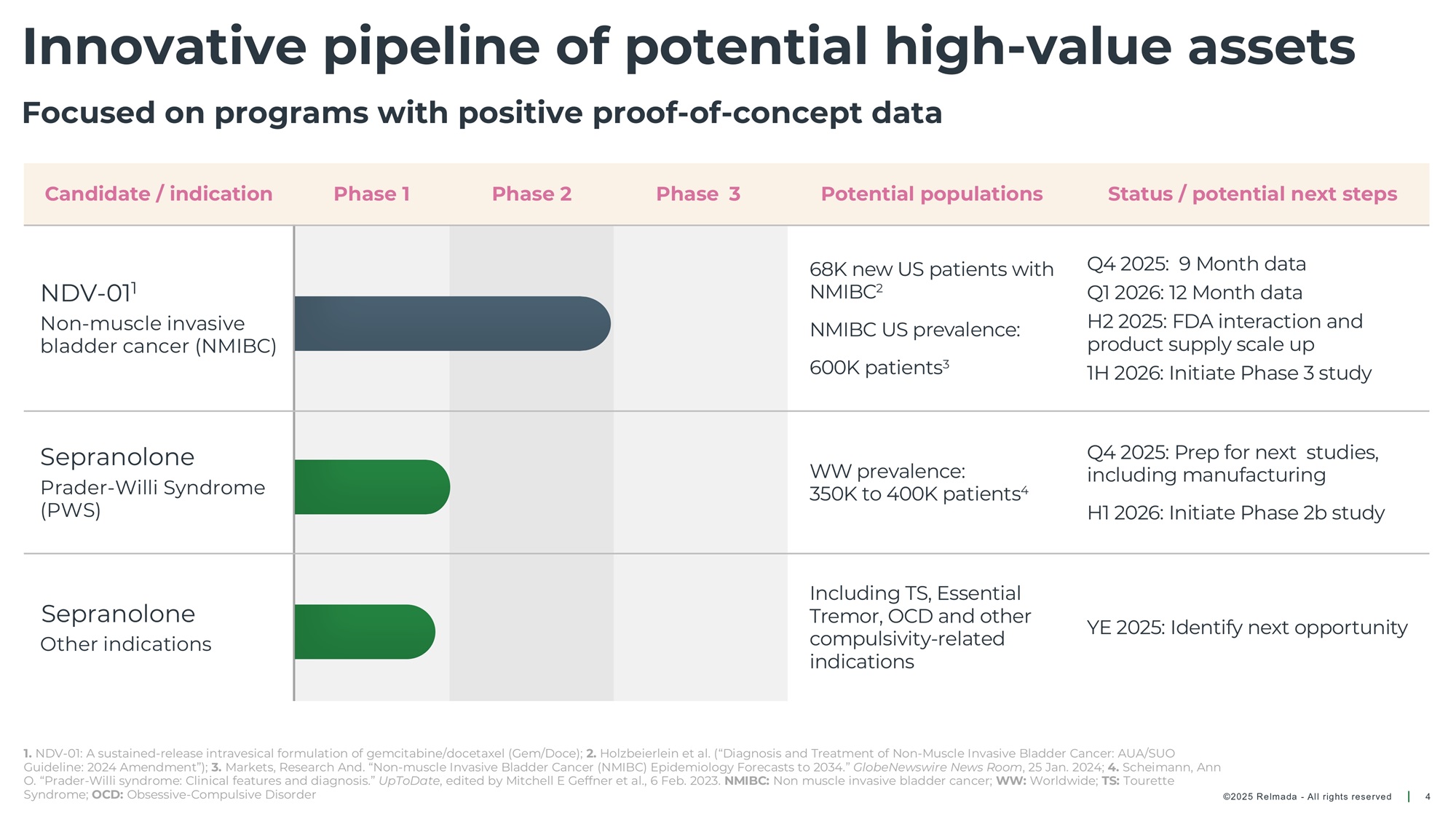
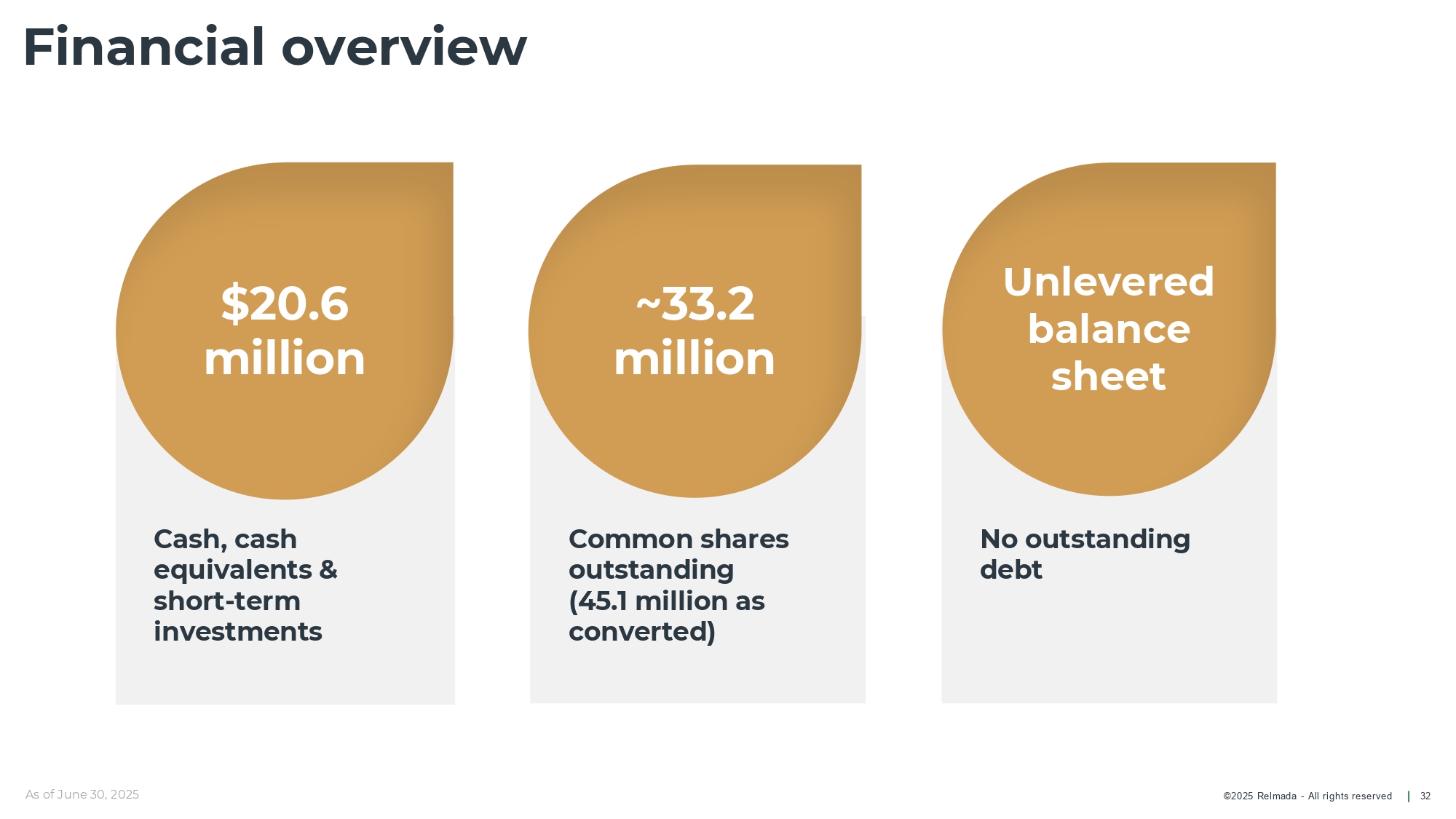
Thank you, Brian. Good afternoon, and welcome, everyone, to the Relmada Second Quarter 2025 Conference Call. During today's call, I will provide an overview of our recent progress and upcoming milestones. After that, Raj Pruthi will review the updated 6-month Phase II data for NDV-01 that we announced today. Maged will provide an update on sepranolone and review our financial results, then make a few closing remarks, and we'll take your questions. Relmada is making good progress this year. To get started, I would like to highlight 4 points. First, we are excited about the 2 product candidates that we added to the company: NDV-01 for non-muscle invasive bladder cancer or NMIBC and sepranolone for compulsivity disorders, starting with Prader-Willi syndrome, or PWS. NDV-01 and sepranolone are well aligned with our product acquisition criteria. They have demonstrated proof-of-concept data and good overall safety in the initial studies, and they have the potential to be first-in-class programs. In addition, they each address significant and underserved markets with potential to expand beyond the first indication. Second, we are pleased to report that the 6 months follow-up from the Phase II study of NDV-01 produced impressive response rates with 91% of patients achieving high-grade disease-free status at any time point following NDV-01 treatment. As a reminder, NDV-01 is a sustained release formulation of gemcitabine and docetaxel, or Gem/Doce. Third, we have expanded our team with the addition of 2 highly respected experts in bladder cancer and urologic oncology: Dr. Raj Pruthi as Chief Medical Officer, Oncology and Dr. Yair Lotan as Chair of our Clinical Advisory Board. We believe their contributions will be instrumental to our success. And fourth, we have made significant progress toward our objective of bringing each program to patients as soon as possible with preparation underway to begin the next set of studies for NDV-01 and sepranolone in 2026. With 2 promising product candidates, an expanded management team, a Clinical Advisory Board, a $20.6 million cash balance, and a clean balance sheet, I believe Relmada is well positioned to take the next value-creating steps for each program. Next, I would like to ask Dr. Pruthi to update you on NDV-01 and the new 6-month follow-up data. Raj is an accomplished urology expert with extensive clinical experience in the development of novel therapy for non-muscle invasive bladder cancer. Raj, on you.
Speaker 3
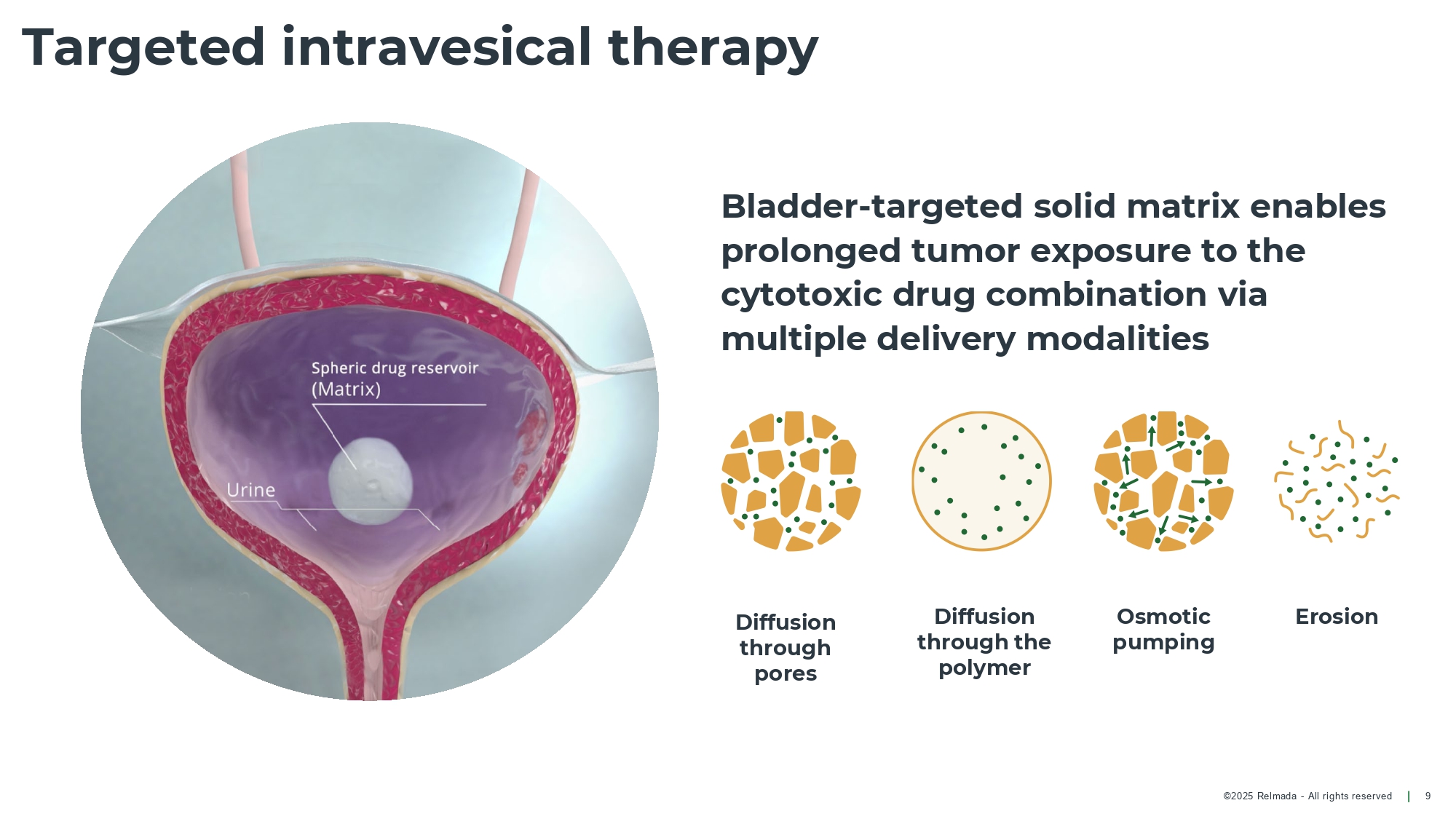
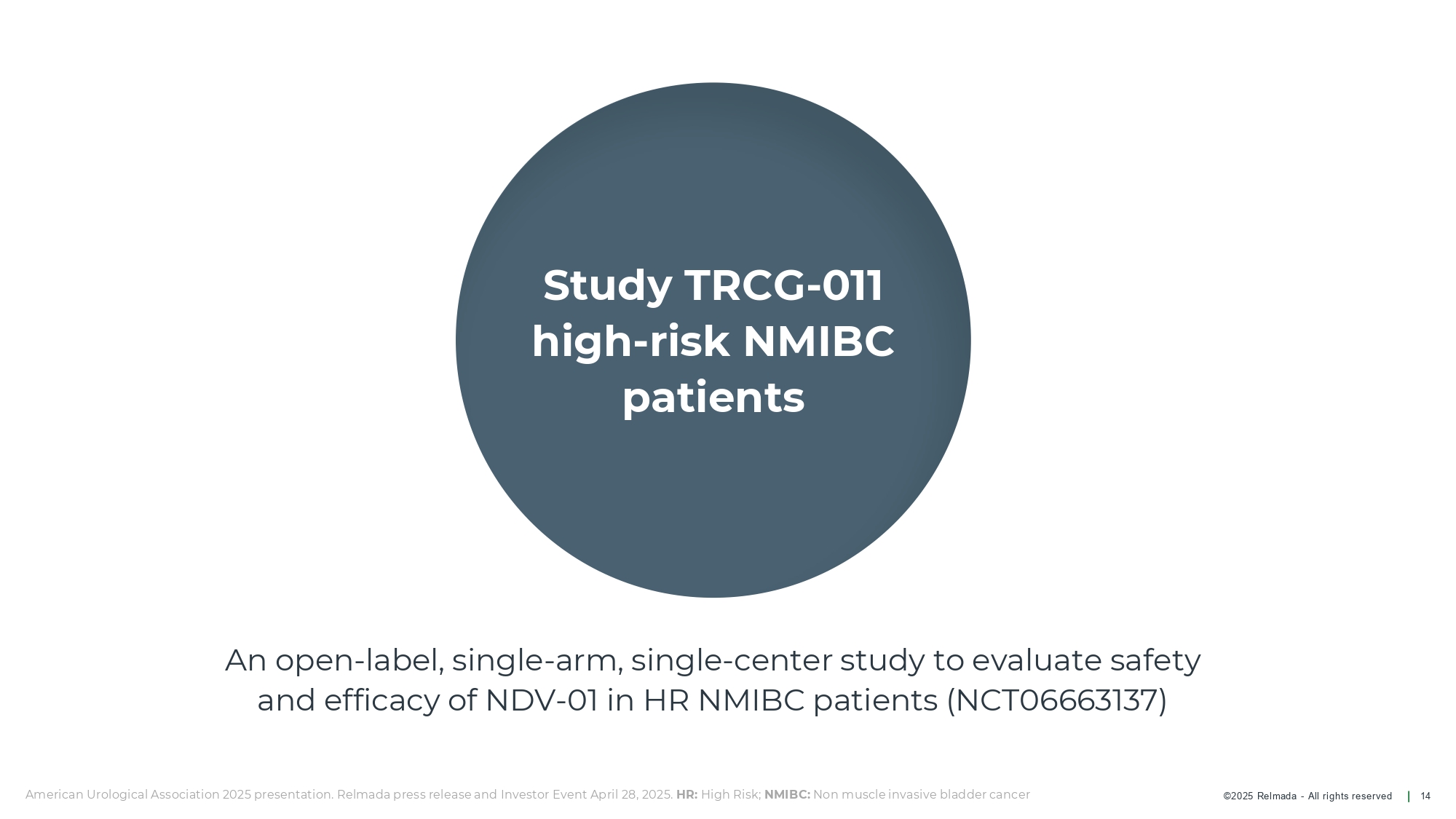
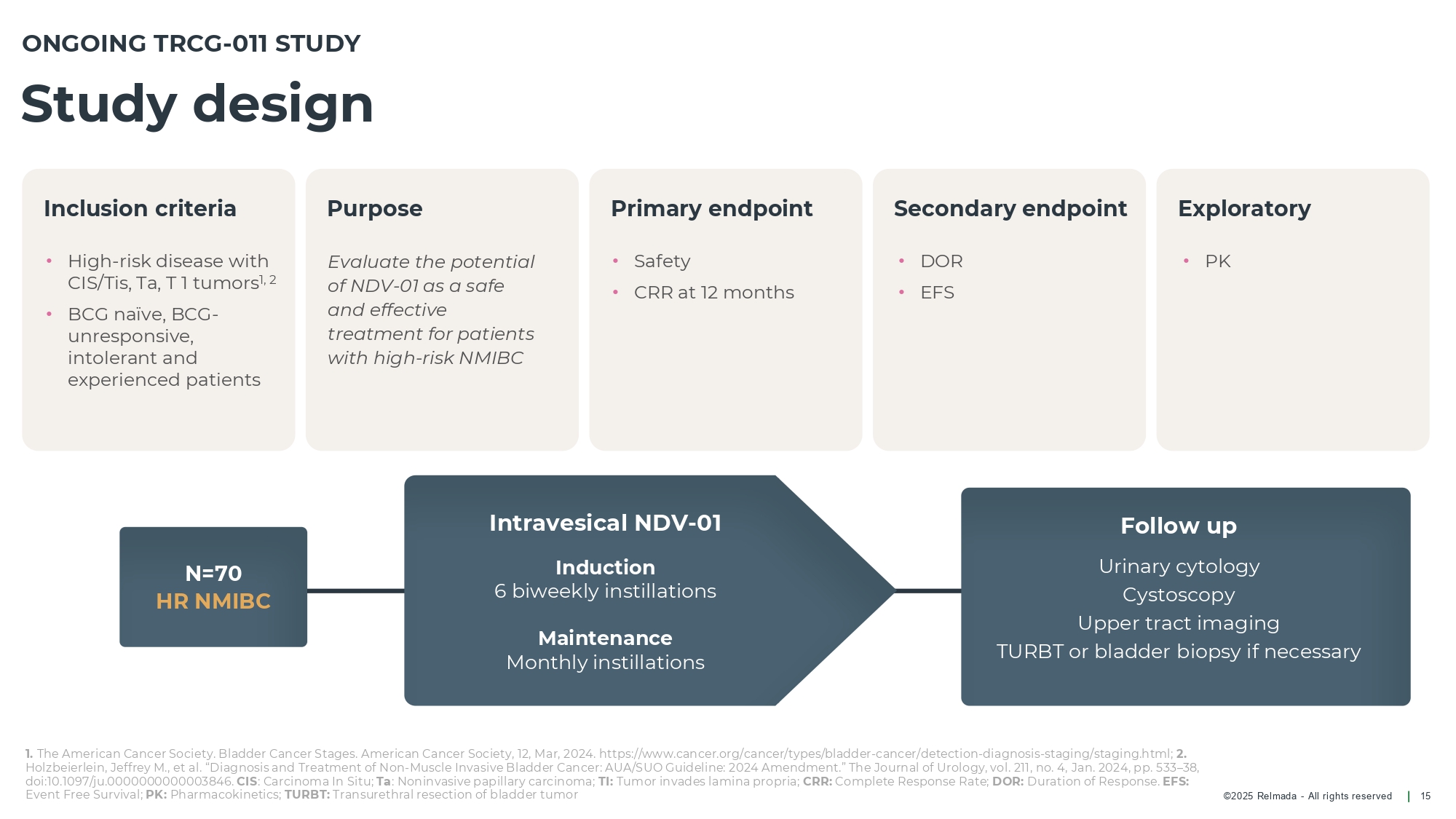
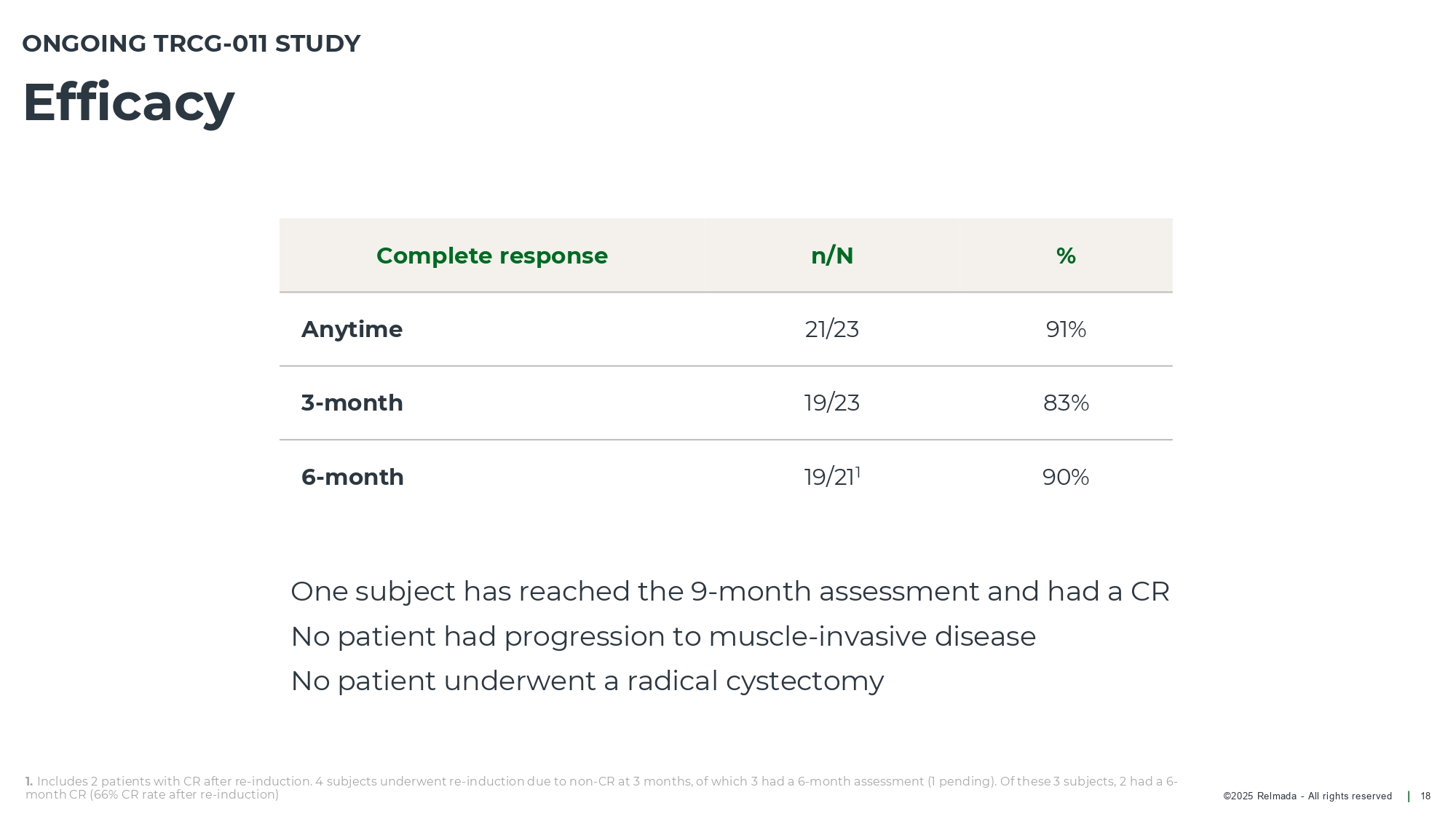
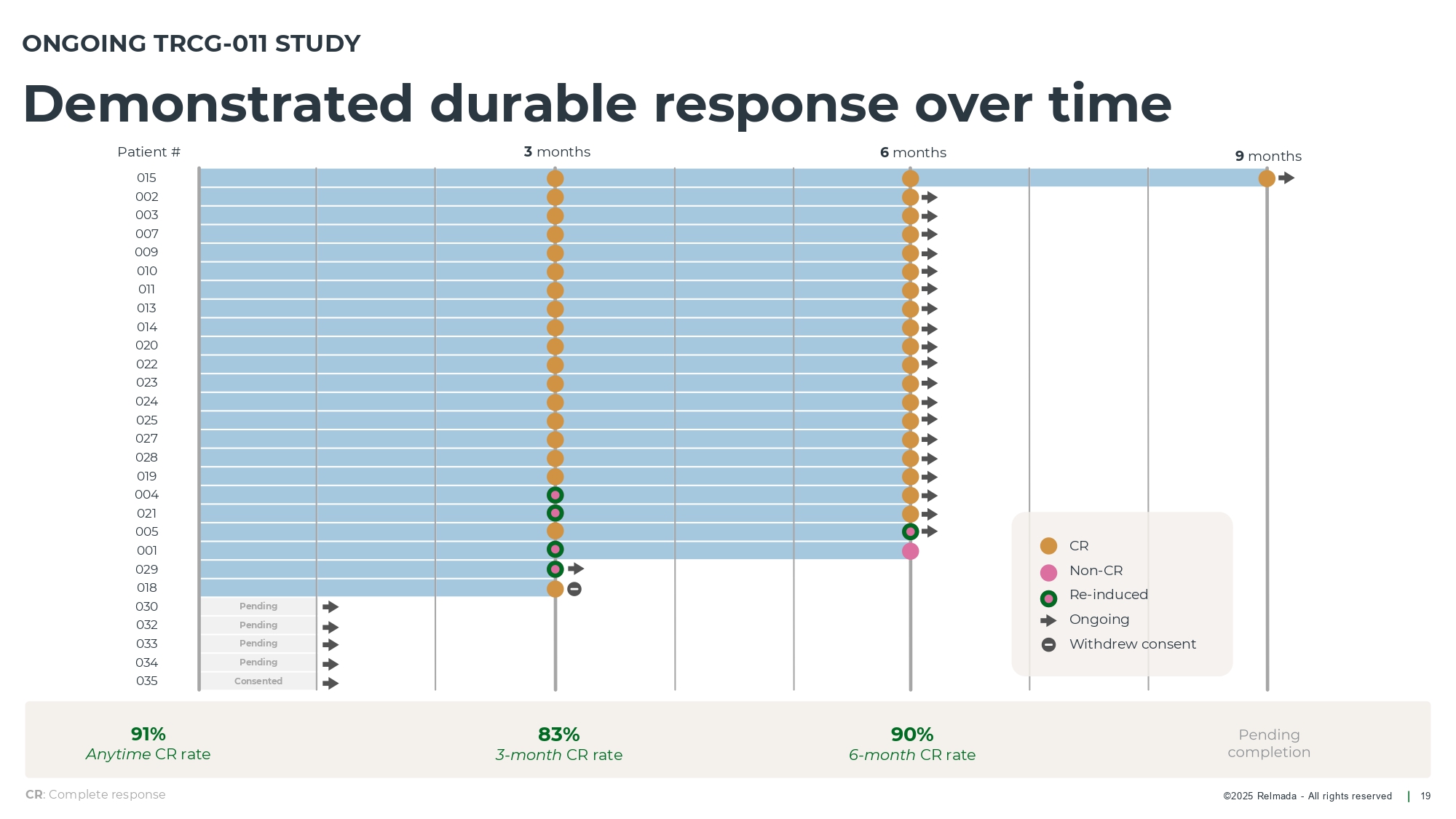
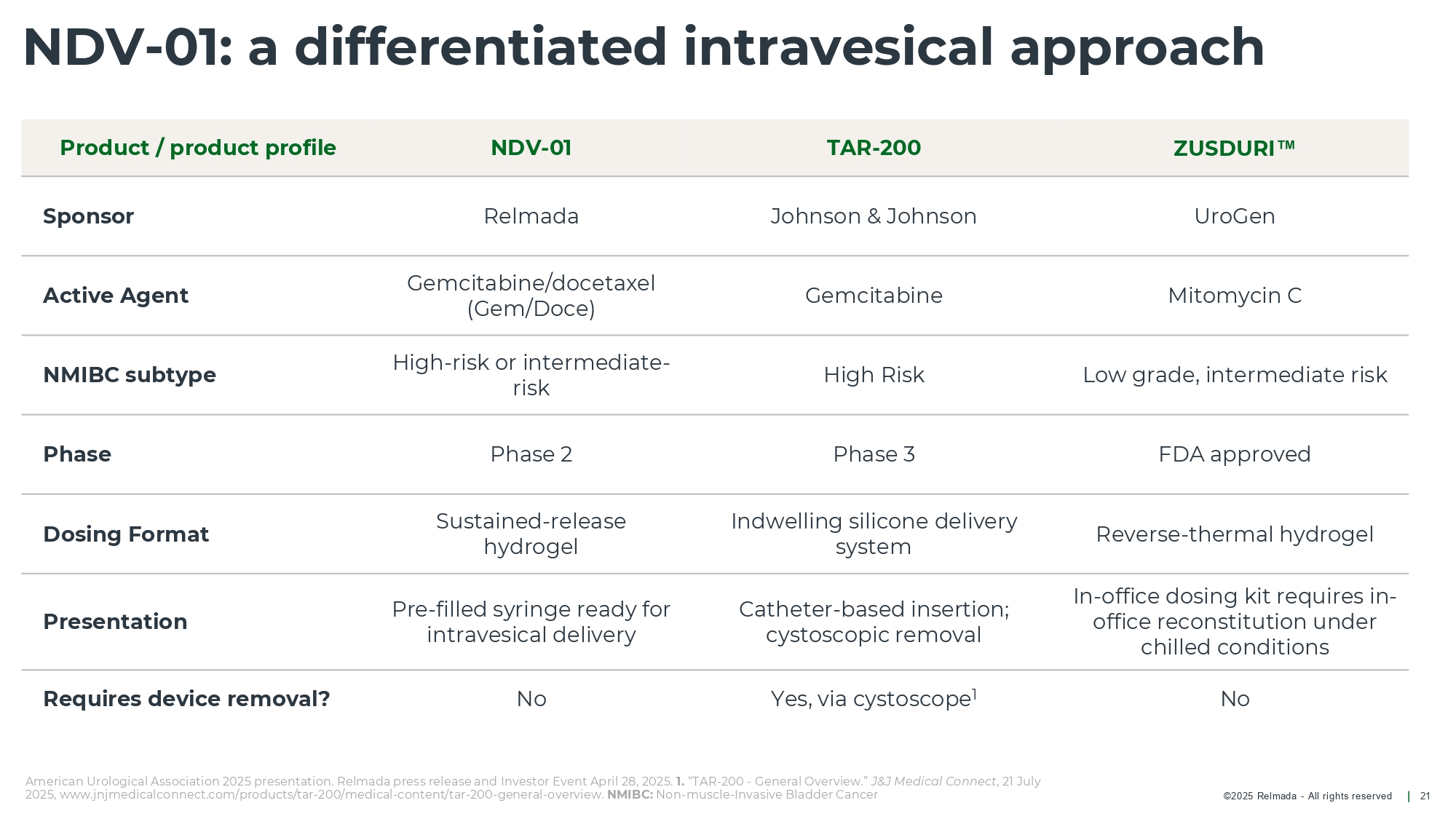
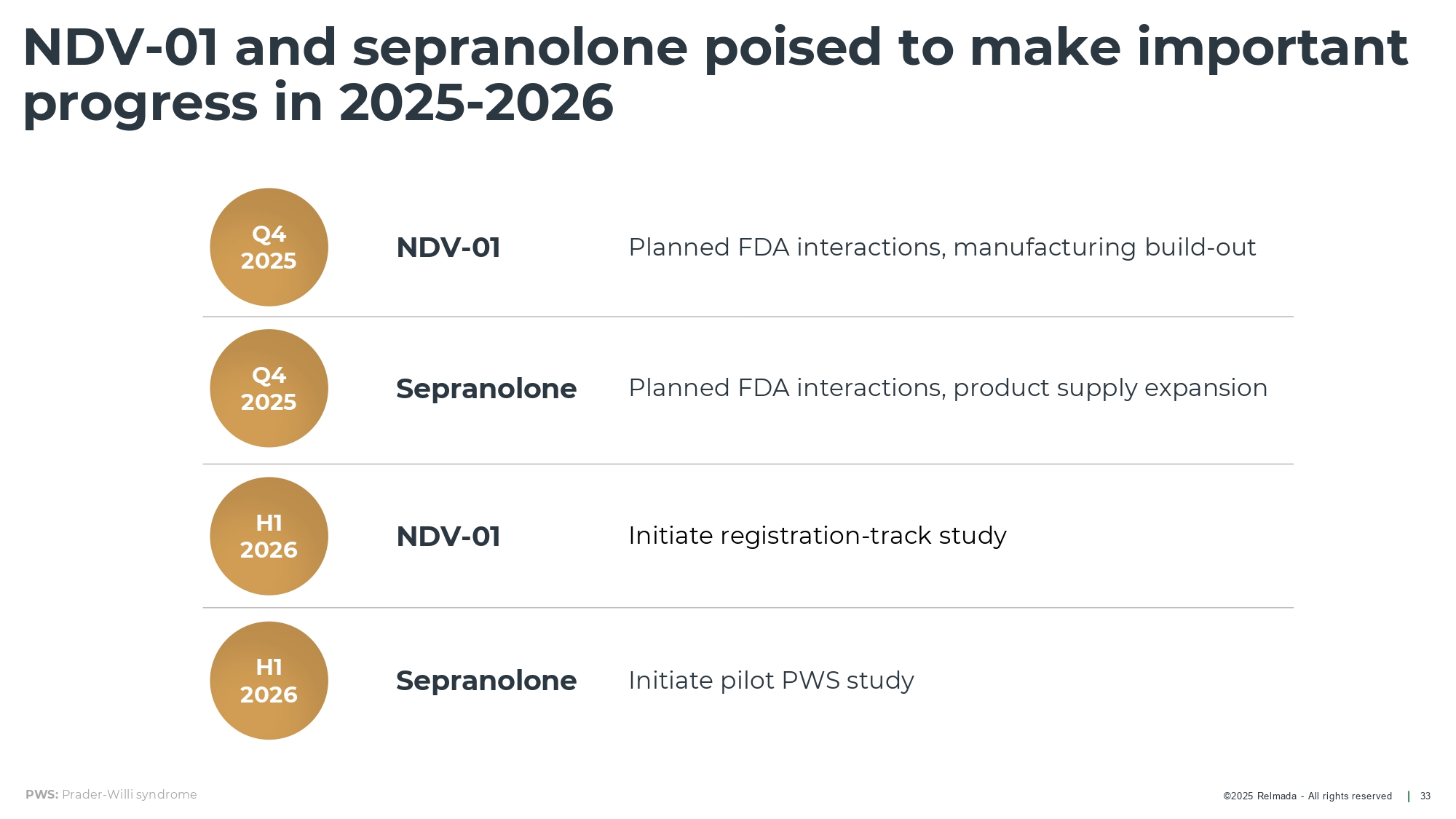
Thank you, Sergio, and good afternoon, everyone. I'm excited to be part of the Relmada team. This afternoon, I'm pleased to provide a brief overview of NDV-01 and share the positive 6-month follow-up data from our Phase II open-label study in patients with high-grade non-muscle invasive bladder cancer. There are about 85,000 new cases of bladder cancer diagnosed each year in the United States, and 600,000 people in the U.S. living with bladder cancer. About 50% of new cases of bladder cancer have high-grade disease, which has a high risk of recurrence and potentially progression. I joined Relmada because I believe that NDV-01 has the unique potential to become a class-leading bladder-sparing therapy for NMIBC. This is an exciting time for our patients. NDV-01 is a novel sustained-release intravascular formulation of 2 chemotherapy agents, gemcitabine and docetaxel, or Gem/Doce. It was designed to build on data over the past decade from academic centers showing that combination use of these 2 agents achieved response rates and recurrence-free survival that were comparable to or better than the historical standard of care, BCG. And for those who are unresponsive to BCG, it can provide an effective second-line option to avoid cystectomy. The sustained-release formulation of NDV-01 is intended to accomplish 4 objectives: First, prolonged bladder exposure to Gem/Doce. Second, to minimize systemic toxicity. Third, to overcome cumbersome handling in preparation. And fourth, to simplify administration, decreasing the burden on patients and providers. NDV-01 is provided to study sites in a ready-to-use dose that can be administered in the office in less than 10 minutes without the need for a specialized pharmacy, biocontainment hood, or unique dedicated equipment. Moving to the Phase II study, NDV-01 is being evaluated in a single-arm, single-center ex-U.S. clinical trial in patients with high-risk NMIBC. Patients are treated with NDV-01 in a 5-week induction phase followed by a monthly maintenance for up to 1 year, with regular assessments done with cystoscopy, cytology, and if needed, biopsy. The Phase II study was designed to enroll up to 70 subjects with localized non-metastatic high-risk NMIBC. The primary endpoints are safety and complete response or CRR at 12 months. Secondary efficacy endpoints include duration of response and event-free survival. Efficacy assessments for the 6-month follow-up included analysis of the data at 6 months and at any time point. These are the same safety and efficacy parameters that were applied to the 3-month data that were presented at the American Urologic Association meeting in April. For the 6-month efficacy assessment, we observed a complete response rate of 90% based on 21 patients at 6 months. Looking at the data at any time point, we observed a complete response rate of 91% or 23 patients at any time. Of patients with BCG unresponsive disease, we see an 88% CR at any time. And in carcinoma in situ or CIS patients, we see a 100% CR at any time. The assessment of disease-free status at 6 months showed again that 90% of the 21 evaluable patients achieved disease-free status at the 6-month assessment. This is based on the 29 patients enrolled, which included 7 with concomitant CIS and 22 with papillary disease, that is TA or T1. In the study, 5 of these patients have been re-induced; 4 at 3 months and 1 at 6 months. NDV-01 continues to demonstrate favorable safety. At the 6-month follow-up, there were no treatment-related adverse events greater than grade 3. The most common treatment-related adverse events were urinary dysuria and hematuria, with hematuria only seen in 4% of the patients. The majority of the patients with dysuria experienced grade 1, which resolved within 24 hours. No patients had treatment discontinuations related to adverse events. These durable 6-month follow-up data are consistent with our expectations and the known efficacy of Gem/Doce. The results reported today raise our confidence in the potential for NDV-01 as a promising, effective, safe, and durable treatment for non-muscle invasive bladder cancer. Our goal is to bring NDV-01 to patients as soon as possible. We intend to initiate a Phase III study for NDV-01 in the first half of 2026. Our efforts in the coming months will be focused on completing study preparations, including plans to interact with the Food and Drug Administration on our proposed trial design and transfer production to a contract manufacturer to complete scale-up and production of clinical batches. Now I'd like to turn the call over to our Chief Financial Officer, Maged Shenouda, to talk more about sepranolone and our financial results. Maged?
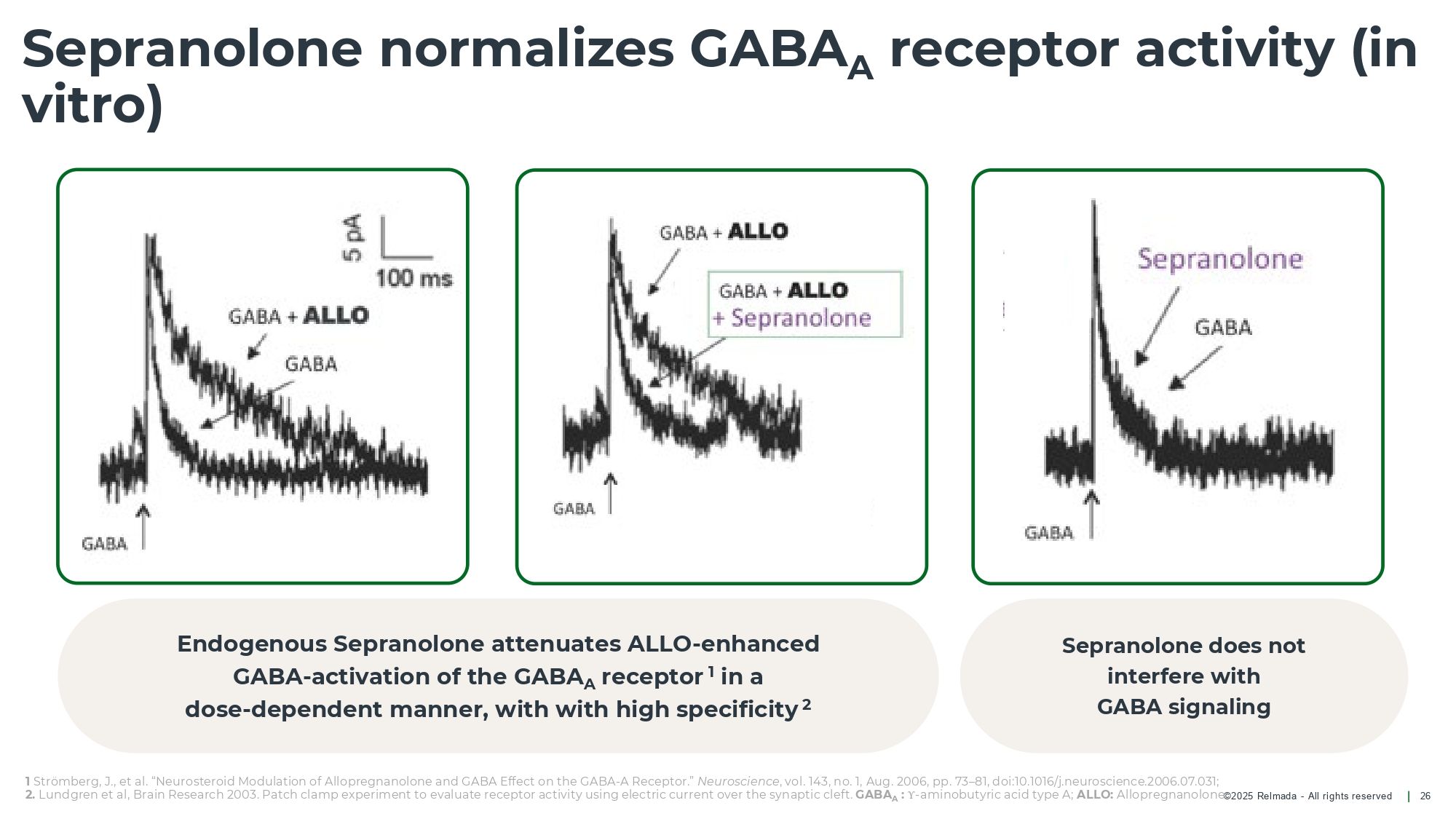
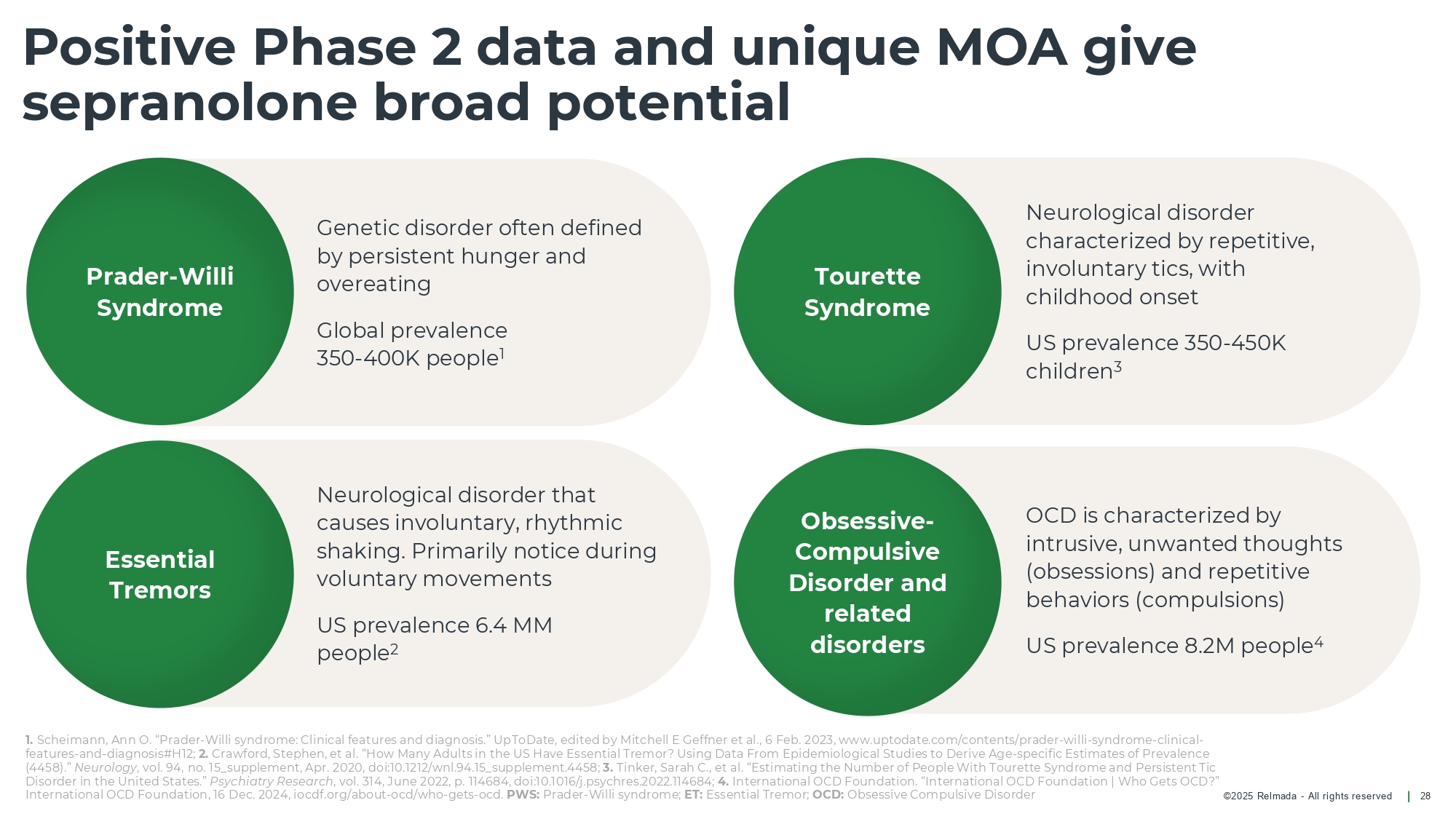
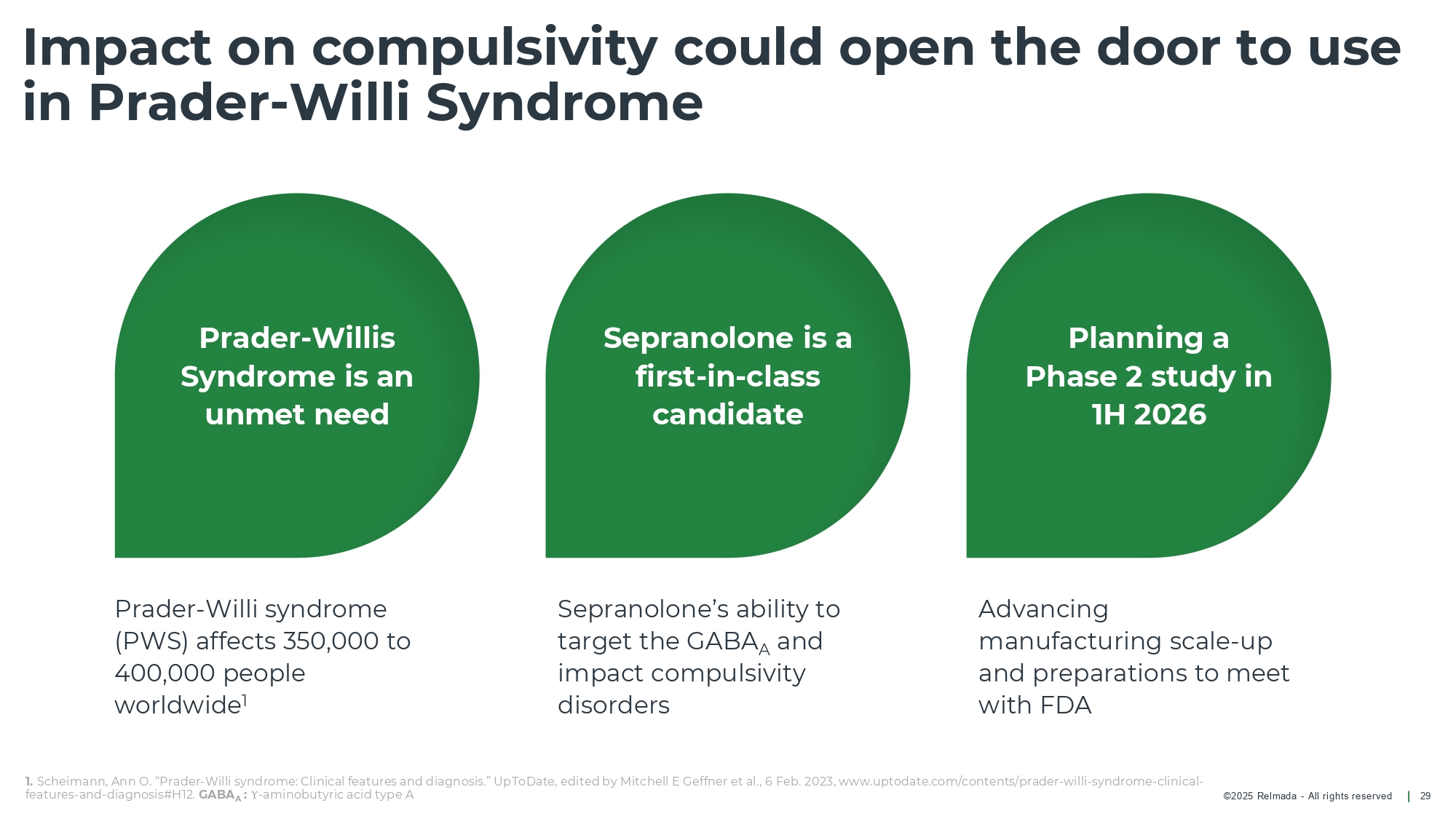
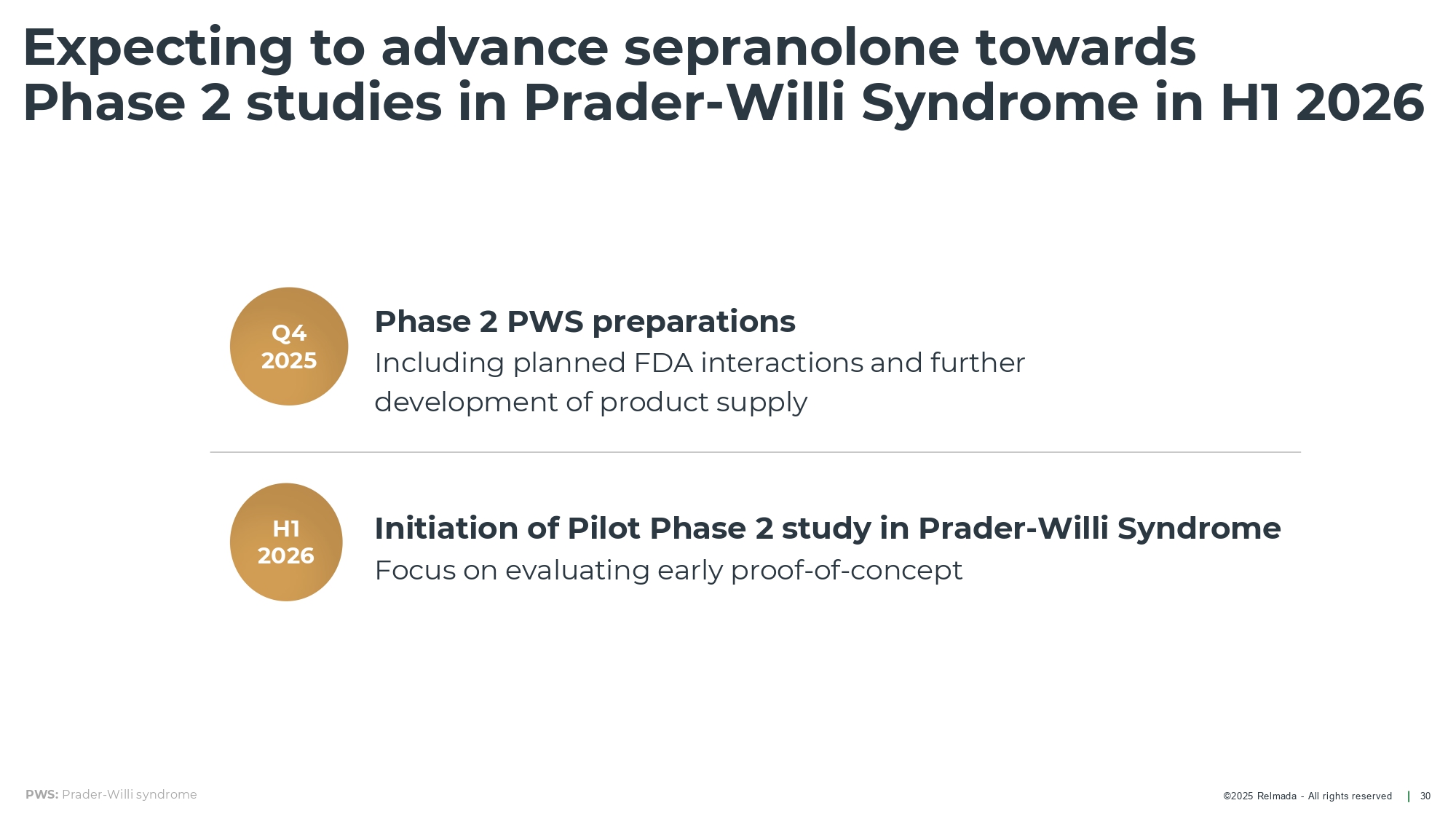
Thank you, Raj. I'll spend a few minutes on sepranolone and then provide you with an overview of our second quarter financial results. Sepranolone is a member of a new subgroup of neurosteroids called GAMSA, or GABA-A modulating steroid antagonists. We believe sepranolone's novel action on the GABA neurotransmitter pathway gives it a unique potential to alleviate the repetitive symptoms in disorders where compulsive behaviors are a common feature. These disorders affect millions of people in the U.S. and around the world and include indications such as Prader-Willi syndrome and Tourette syndrome. We have selected Prader-Willi syndrome, or PWS, as the first clinical indication that we will evaluate with sepranolone. It affects approximately 350,000 people worldwide, including approximately 20,000 people in the U.S. PWS is a complex genetic disorder, often defined by persistent hunger and overeating. Current treatment is focused on improving the excessive compulsive behaviors and other medical complications that characterize this disorder. Phase II data from a study in patients with Tourette syndrome provided proof of concept for sepranolone's mechanism of action in compulsivity disorders and demonstrated that the compound has good overall tolerability. We intend to initiate a proof-of-concept study in PWS in the first half of 2026. Our efforts in the coming months will be focused on completing study preparations, including plans to interact with the FDA on our proposed trial design and setting up our product supply chain, including contract manufacturers. Moving now to our financials, we believe our disciplined development strategy and 2 promising innovative product candidates have significantly enhanced Relmada's pipeline and long-term value proposition. We think we are poised to make excellent progress in our upcoming milestones through the end of this year and beyond. As noted by Brian, this afternoon, we issued a press release announcing our business and financial results for the second quarter ended June 30, 2025. As of June 30, 2025, Relmada had cash, cash equivalents, and short-term investments of approximately $20.6 million compared to $44.9 million as of December 31, 2024. Cash used in operations in the second quarter ended June 30, 2025, was $6.4 million compared to $13.3 million for the same period in 2024. Looking ahead, we are prioritizing the advancement of NDV-01. As we advance our clinical and regulatory strategy for each program, we expect to have a line of sight to our cash requirements and runway. During today's call, I will review the second quarter 2025 financial results. Information regarding the 6-month results are included in our press release and 10-Q issued this afternoon. Research and development expenses for the second quarter of 2025 totaled $2.8 million compared to $10.7 million for the second quarter of 2024, a decrease of $7.9 million. The lower spend was primarily driven by lower study costs, with the wind down of clinical trials for REL-1017, partially offset by an increase in costs associated with the ramp-up of NDV-01 and sepranolone activities and an increase in R&D employee compensation. General and administrative expenses for the second quarter of 2025 totaled $7.4 million compared to $8.1 million for the second quarter of 2024, a decrease of approximately $696,000. The decrease was primarily driven by a decrease in stock-based compensation expenses, partially offset by an increase in employee and consulting service costs. The net loss for the second quarter of 2025 was $9.9 million or $0.30 per basic and diluted share compared with a net loss of $17.8 million or $0.59 for basic and diluted shares for the second quarter of 2024. Before we open the call for questions, I will turn back to Sergio for some closing comments. Sergio?
Thank you, Maged. I'd like to leave you with these key messages from today's call. 2025 is off to a strong start for Relmada. First, we are excited about our innovative new programs, NDV-01 for non-muscle invasive bladder cancer or NMIBC and sepranolone for compulsivity disorder. They are well aligned with our strategic objectives. And second, we are pleased to report that the 6 months follow-up from the Phase II study of NDV-01 produced impressive response rates, with 91% of high-risk patients achieving disease-free status at any time point following NDV-01 treatment. Third, we have expanded our team with the addition of 2 highly respected experts in bladder cancer and urologic oncology: Dr. Raj Pruthi as Chief Medical Officer, Oncology; and Dr. Yair Lotan as Chair of the Clinical Advisory Board. We believe that their contributions will be instrumental to our success. And fourth, we are preparing to begin a Phase III study for NDV-01 in the first half of 2026. In addition, we expect to initiate the Phase II study with sepranolone in Prader-Willi syndrome, also in 2026. With 2 promising product candidates, an expanded management team and clinical advisory board, $20.6 million in cash balance, and a clean balance sheet, we believe Relmada is well positioned to take the next value-creating steps for each program. With our progress comes our gratitude for your support and for taking time to join the call today. We look forward to updating you on our continued progress throughout the year. Operator, I would now like to open the call for questions.
Operator
Our first question is from Uy Ear with Mizuho Securities.
Speaker 5
Congratulations on the six months of data; it looks very encouraging. Can you help us understand how the current data and the recent approval UroGen received for their product influence your strategy for NDV-01 going forward? Are you focusing more on high-grade conditions, or are you considering a shift toward a larger, less competitive market in non-grade, non-invasive bladder cancer? That's my first question. My second question is related to your meetings with the FDA. What are you hoping to achieve in those discussions, and what type of data will you be presenting? Let's stick to these two questions for now.
Sergio here, thank you all for the questions. I believe Raj is the right person to answer your questions. Raj?
Speaker 3
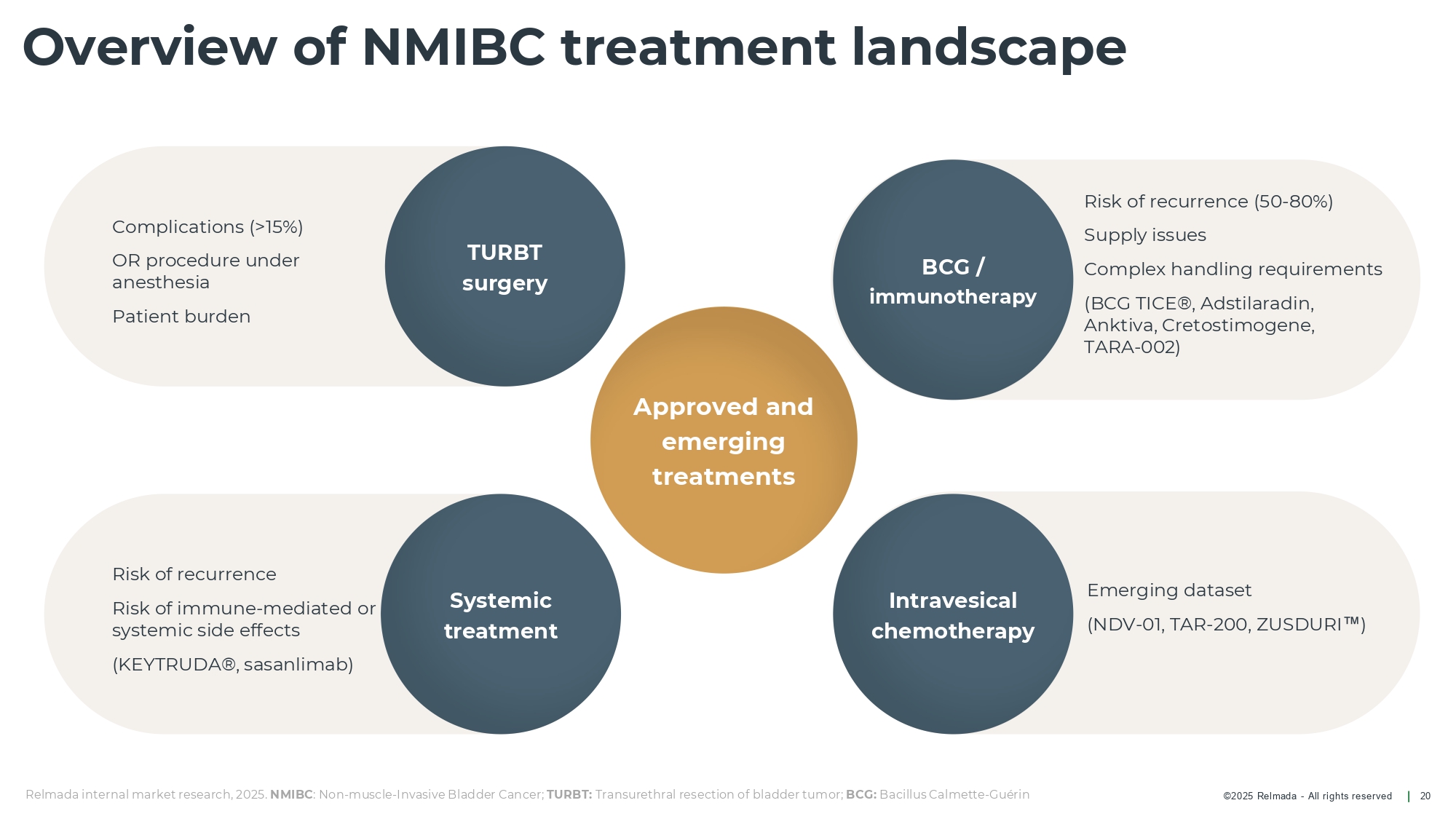
Thank you for your question. Your first inquiry pertains to whether we should pursue a high-risk approach or take a UroGen-style approach focused on low-grade intermediate risk. Let me address that first. The second part of your question involves our strategy moving forward with the FDA. You made an excellent point regarding the opportunities in the low-grade intermediate risk category, as the incidence and prevalence in this population are substantial. These patients often not only develop new tumors annually but also experience recurrences at approximately a 50% rate. Consequently, the prevalence of these cases increases, and the patient burden related to TURBT is significant. UroGen's approval earlier this year established a strong precedent for getting approval through a single-arm open-label study in this area, which will facilitate conversations with the FDA. This represents a prime opportunity for any chemoablative agent. We are observing that chemoablation is increasingly being considered as an alternative to TURBT, which sees about 100,000 procedures each year. This offers a more appealing option for clinicians and is favored by patients. Therefore, I believe this is a valuable opportunity. However, the data we provided demonstrates substantial efficacy in high-grade disease as well, creating clinical evidence for urologists and potentially influencing guideline inclusion. The FDA pathway for high-grade disease is also promising, as evidenced by TAR-200 or Edstellron, Behring, and ANTivA, KEYTRUDA, all of which are pursuing BCG treatments or have already achieved approvals. The high-risk patient group is smaller and more challenging to enroll due to being often BCG unresponsive with CIS. Nonetheless, we possess clinical data indicating our effectiveness in high-risk disease. In summary, there are two viable opportunities that align well with NDV-01. Regarding your second question about our discussions with the FDA, our primary focus will be to explore whether the UroGen pathway, which has set a precedent this year, could be a feasible route for us with a single-arm open-label study in chemoablation. That will be our main inquiry with them. I hope I have addressed your questions adequately.
Speaker 5
Yes. So maybe I can ask a follow-up, if it's possible. So if you have to sort of look between the data that you have in hand, which is in high grade, and what you would like to move in or potentially a better opportunity, which is below the intermediate grade, where do you sort of see more risks? Maybe just help us understand like what would give you the confidence to move into the low to intermediate grade?
Speaker 3
Great question. I believe that talking with the FDA will be crucial. Another appealing option is that we see it as a quicker route to FDA approval. We can enroll participants in those trials more rapidly among low-grade intermediate patients since there are many more of them. Therefore, I see this as a faster path to FDA approval and getting this into the hands of urologists. The risk is present, as we only have one previous study, which was with UroGen. The positive aspect of that is it received approval this year. However, I think the FDA will assist us in making that decision.
Speaker 5
Okay. Another question, if I may. How should we kind of think about R&D going forward? The R&D has dropped meaningfully. I understand why, I guess, you're trying to conserve cash to prioritize NDV-01.
Yes, it's Sergio. I can address that. The decrease in R&D expenses is due to the lack of patient enrollment. The primary cost in R&D comes from enrolling patients. We plan to resume this once we initiate both the Phase II trial for sepranolone and the Phase III trial for NDV-01 in the first half of next year. Until then, costs are lower because we are focusing on manufacturing and preparing, along with discussions with the FDA, which are not high-cost activities. So, don't assume that the reduction in R&D expenses indicates a slowdown in activity. We have sufficient financial resources to proceed with current requirements. Expenses will increase once we start enrolling patients.
Operator
Thank you. Ladies and gentlemen, this does conclude our question-and-answer session and our call for today. We thank you for your participation, and you may disconnect your lines at this time.