Operator
Greetings, and welcome to the Simpson Manufacturing Company Fourth Quarter and Full Year 2024 Earnings Conference Call. At this time all participants are in a listen-only mode. A question-and-answer session will follow the formal presentation. As a reminder, this conference is being recorded. It is now my pleasure to introduce Kim Orlando. Thank you. You may begin.
Operator
Good afternoon, ladies and gentlemen, and welcome to Simpson Manufacturing Company's Fourth Quarter and Full Year 2024 Earnings Conference Call. Any statements made on this call that are not statements of historical fact are forward-looking statements. Such statements are based on certain estimates and expectations and are subject to a number of risks and uncertainties. Actual future results may vary materially from those expressed or implied by the forward-looking statements. We encourage you to read the risks described in the company's public filings and reports, which are available on the SEC's or the company's corporate website. Except to the extent required by applicable securities laws, we undertake no obligation to update or publicly revise any of the forward-looking statements that we make here today, whether as a result of new information, future events or otherwise. On this call, we will also refer to non-GAAP measures, such as adjusted EBITDA, which is reconciled to the most comparable GAAP measure of net income in the company's earnings press release. Please note that the earnings press release was issued today at approximately 4:15 p.m. Eastern Time. The earnings press release is available on the Investor Relations page of the company's website. Today's call is being webcast, and a replay will also be available on the Investor Relations page of the company's website. Now I would like to turn the conference over to Michael Olosky, Simpson's President and Chief Executive Officer.
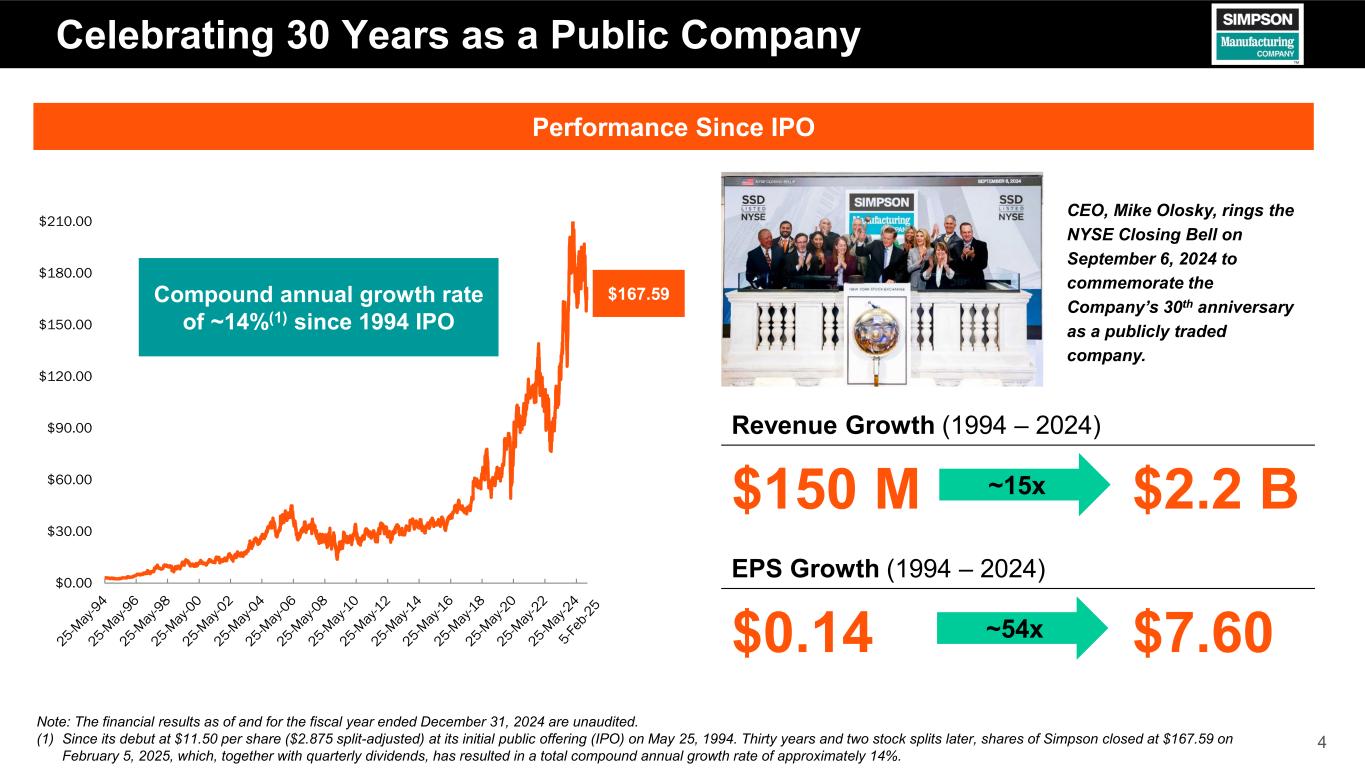
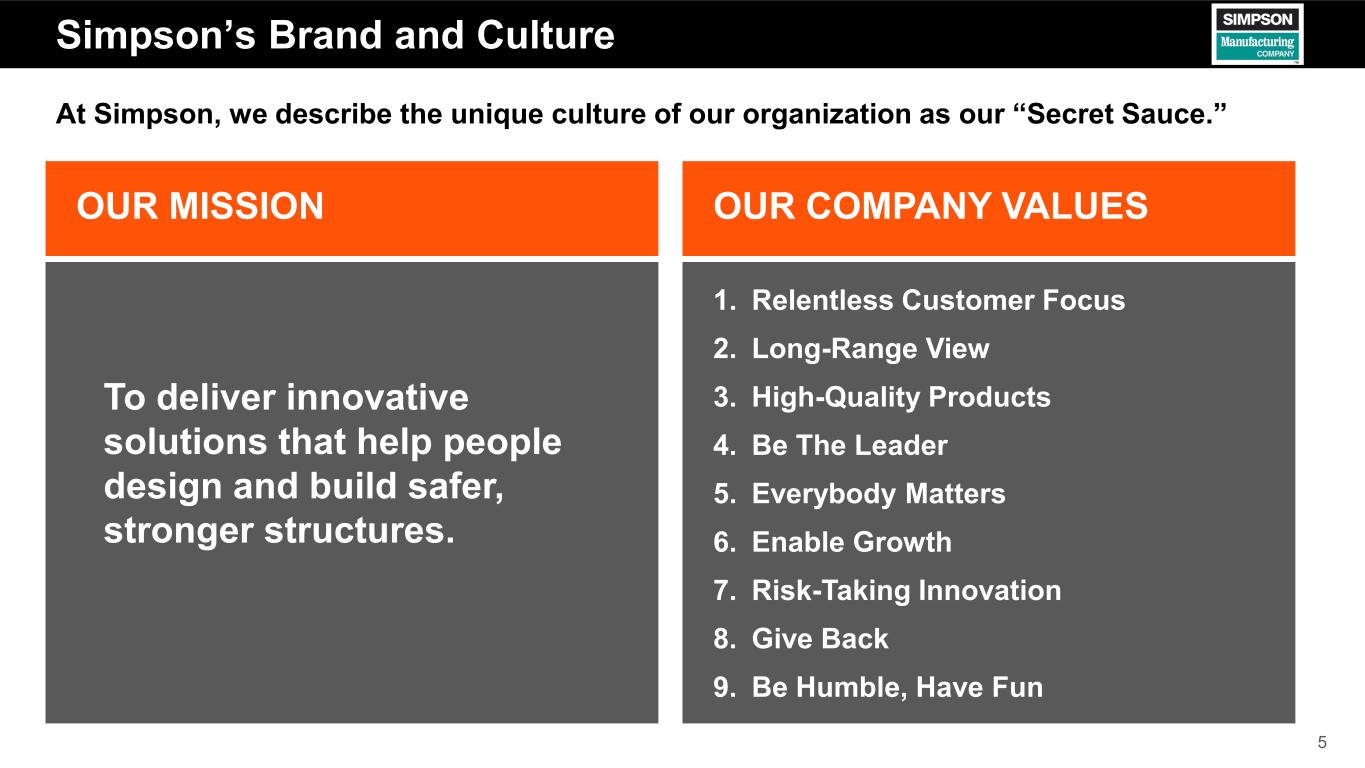
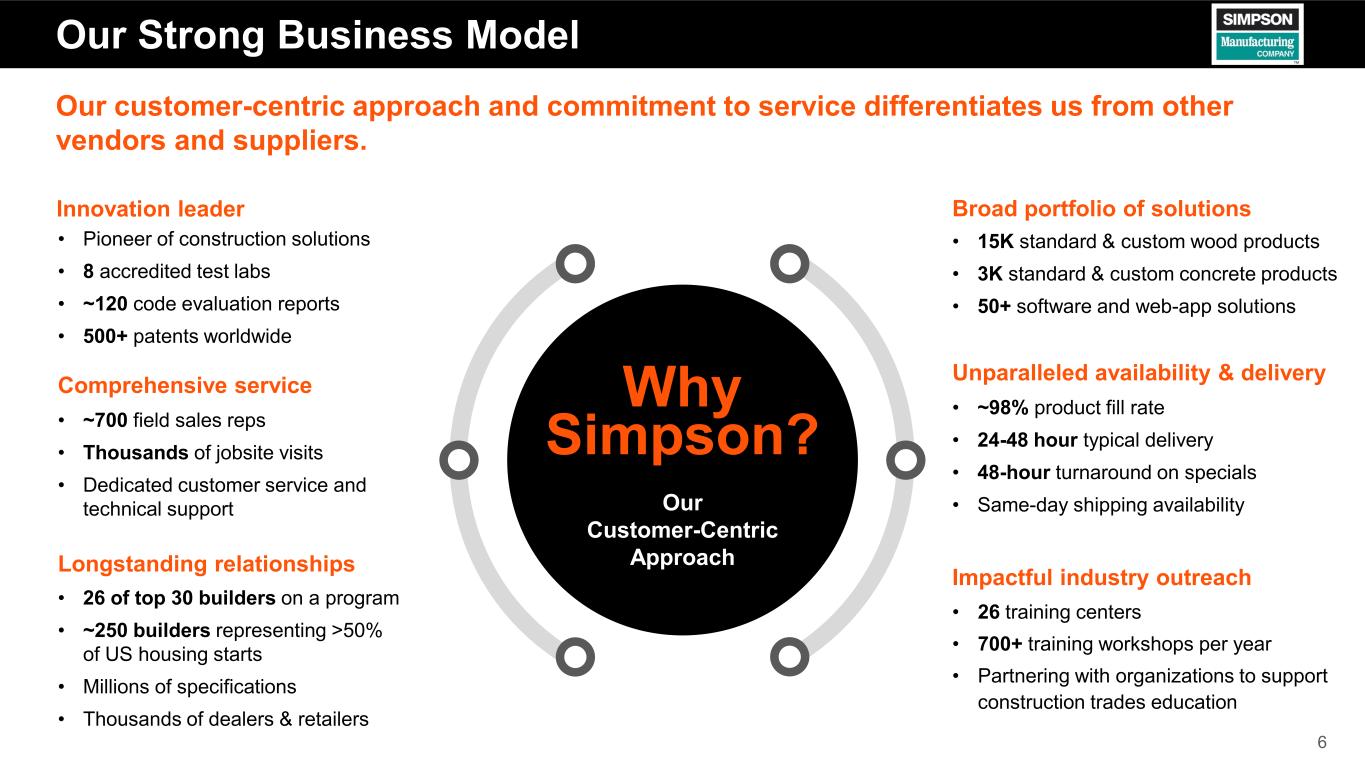
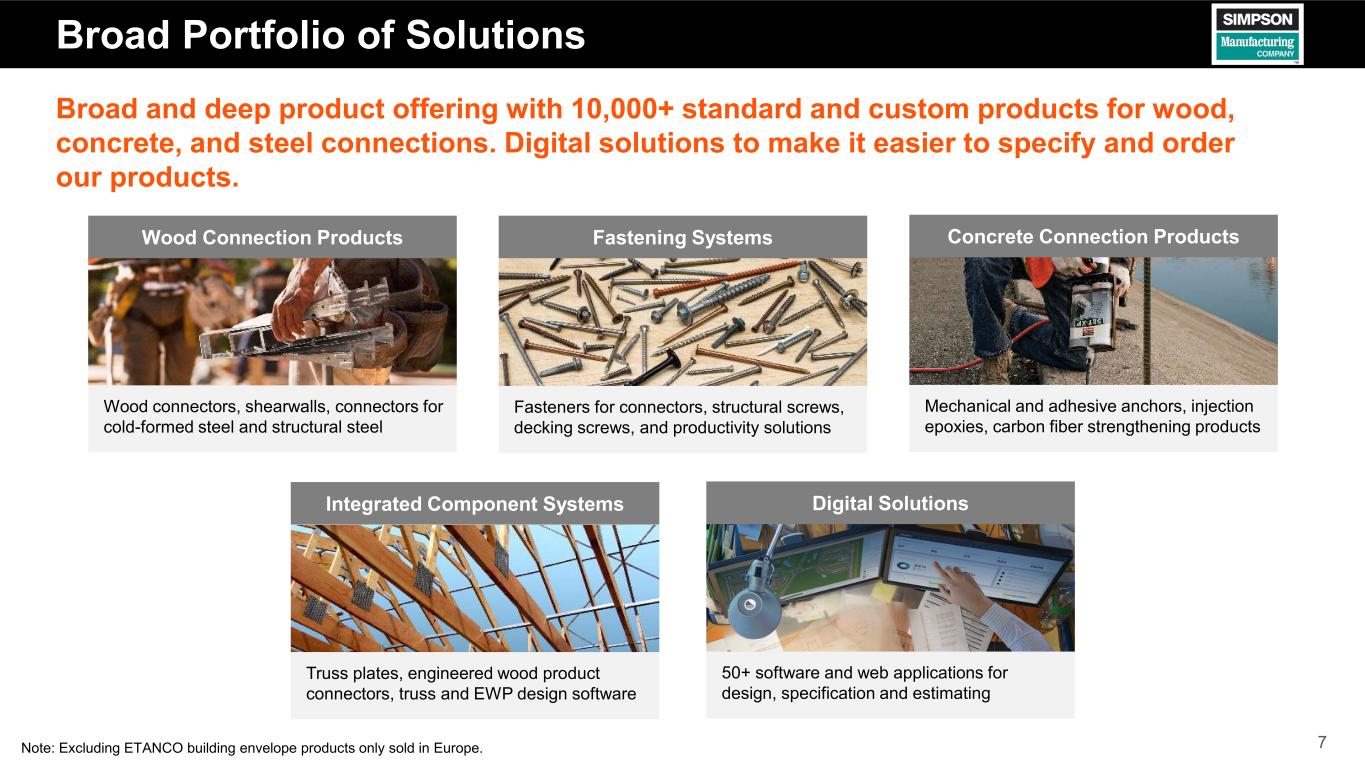
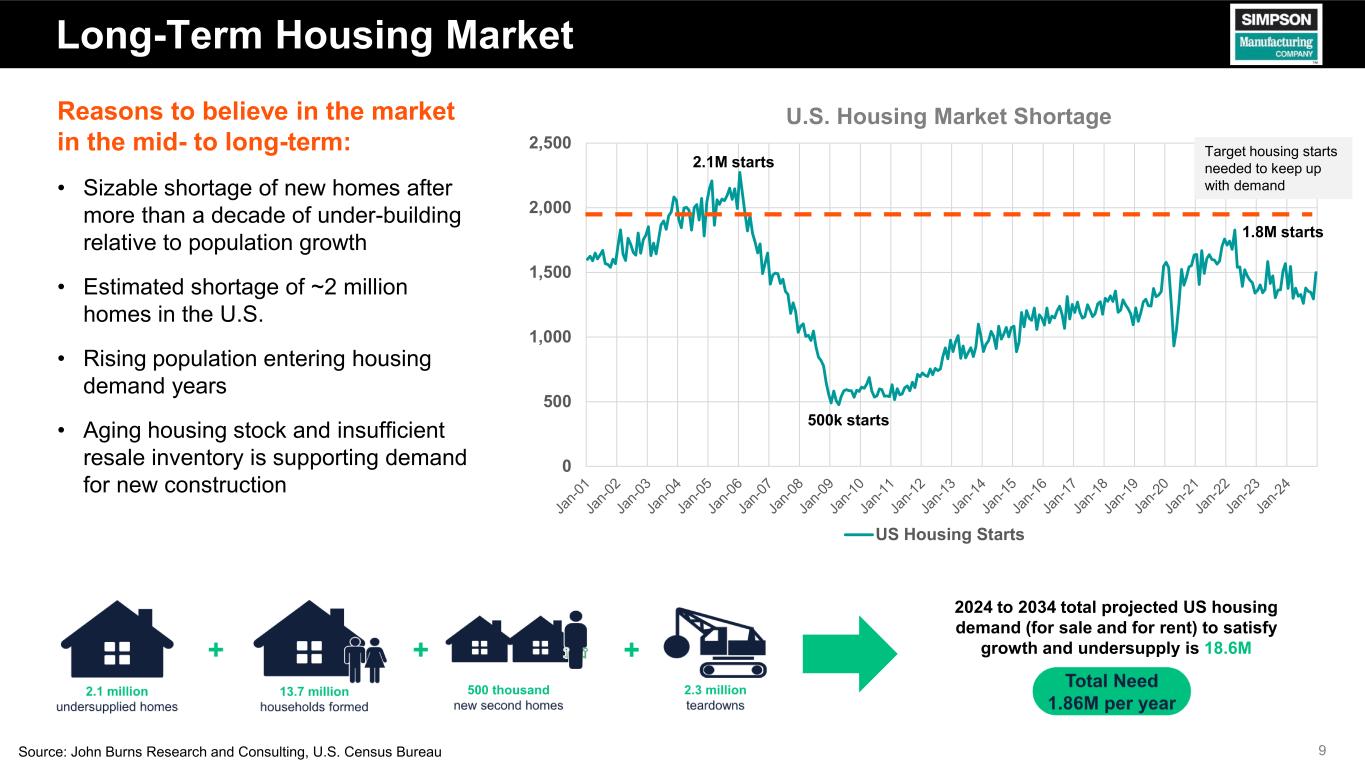
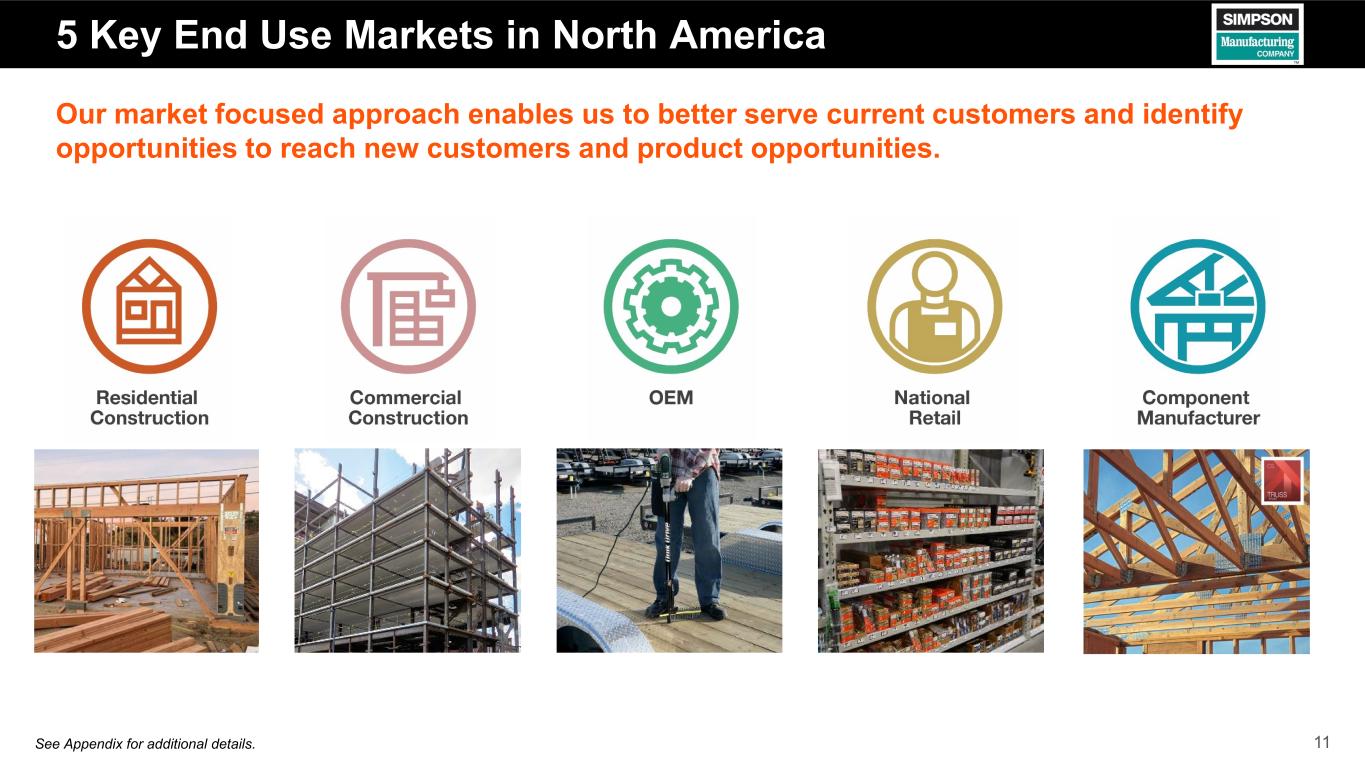
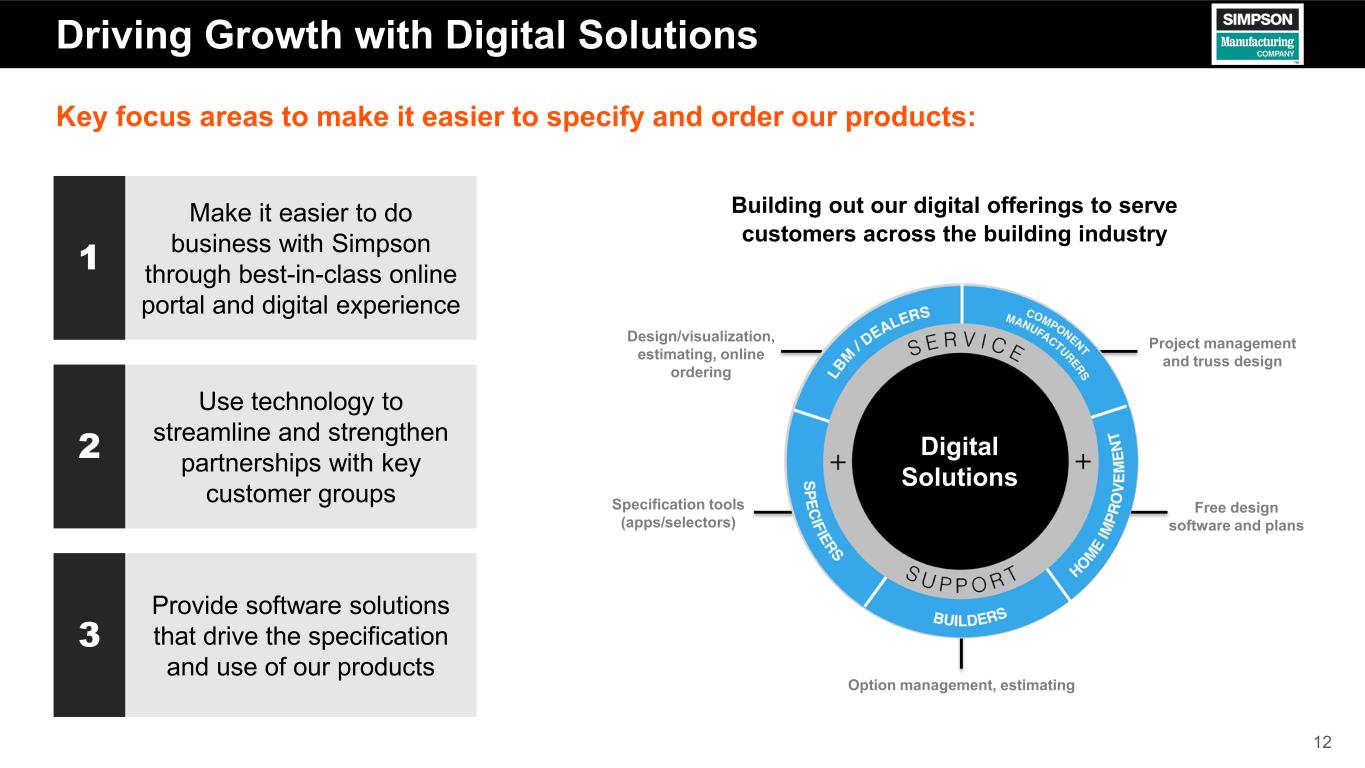
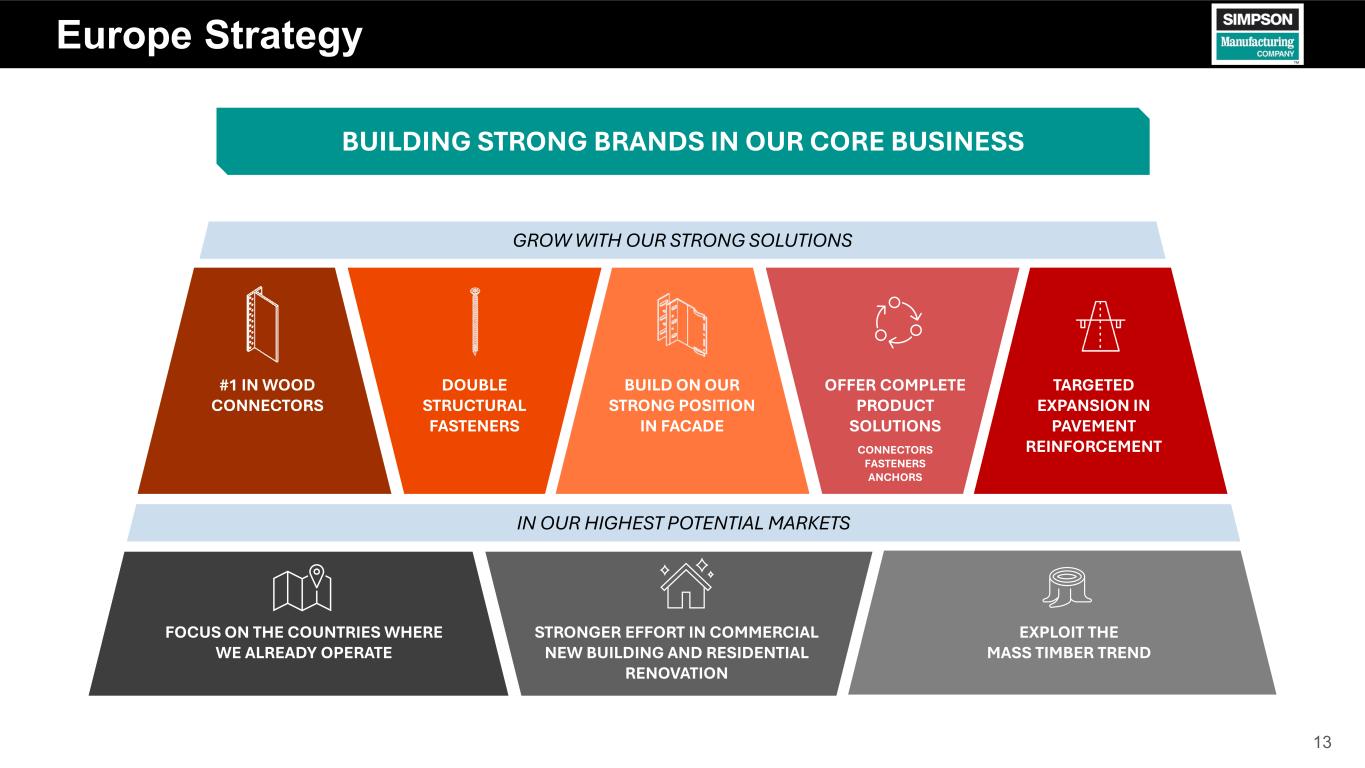
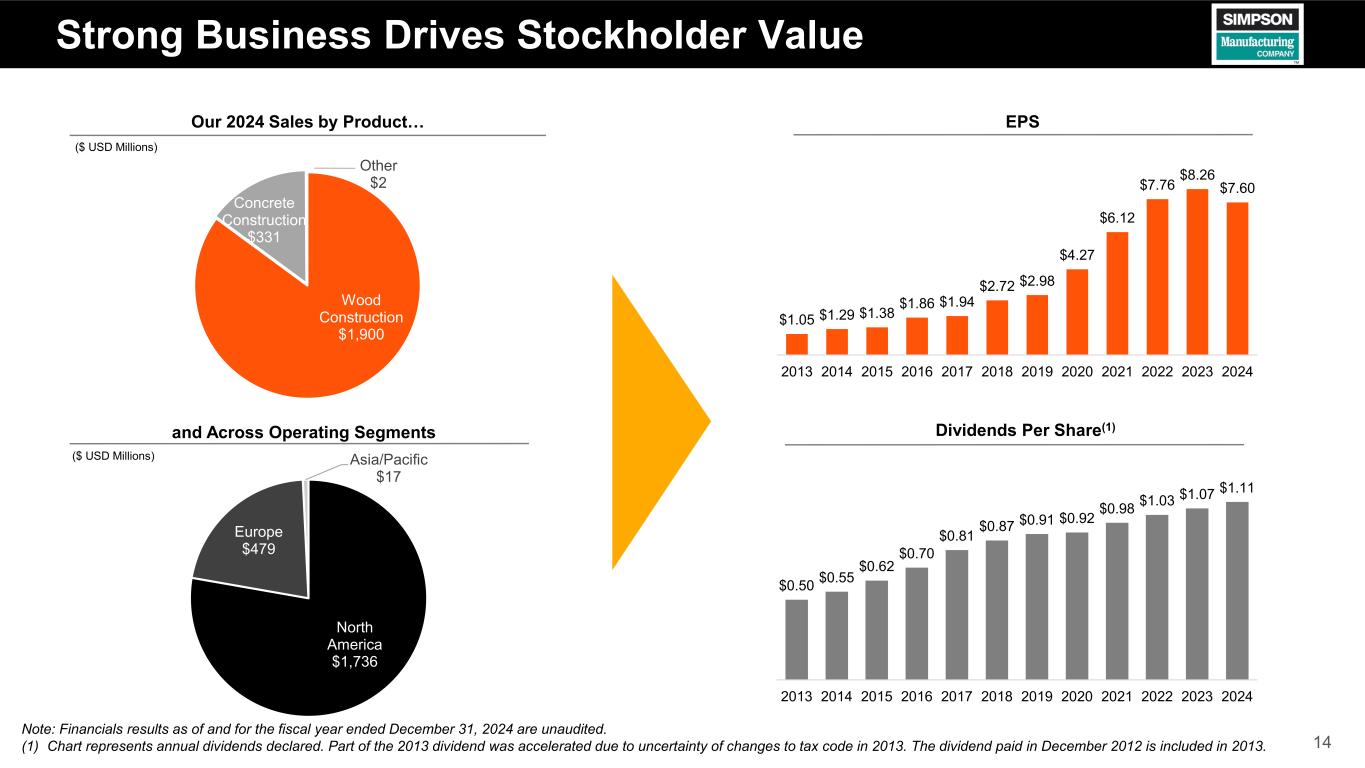
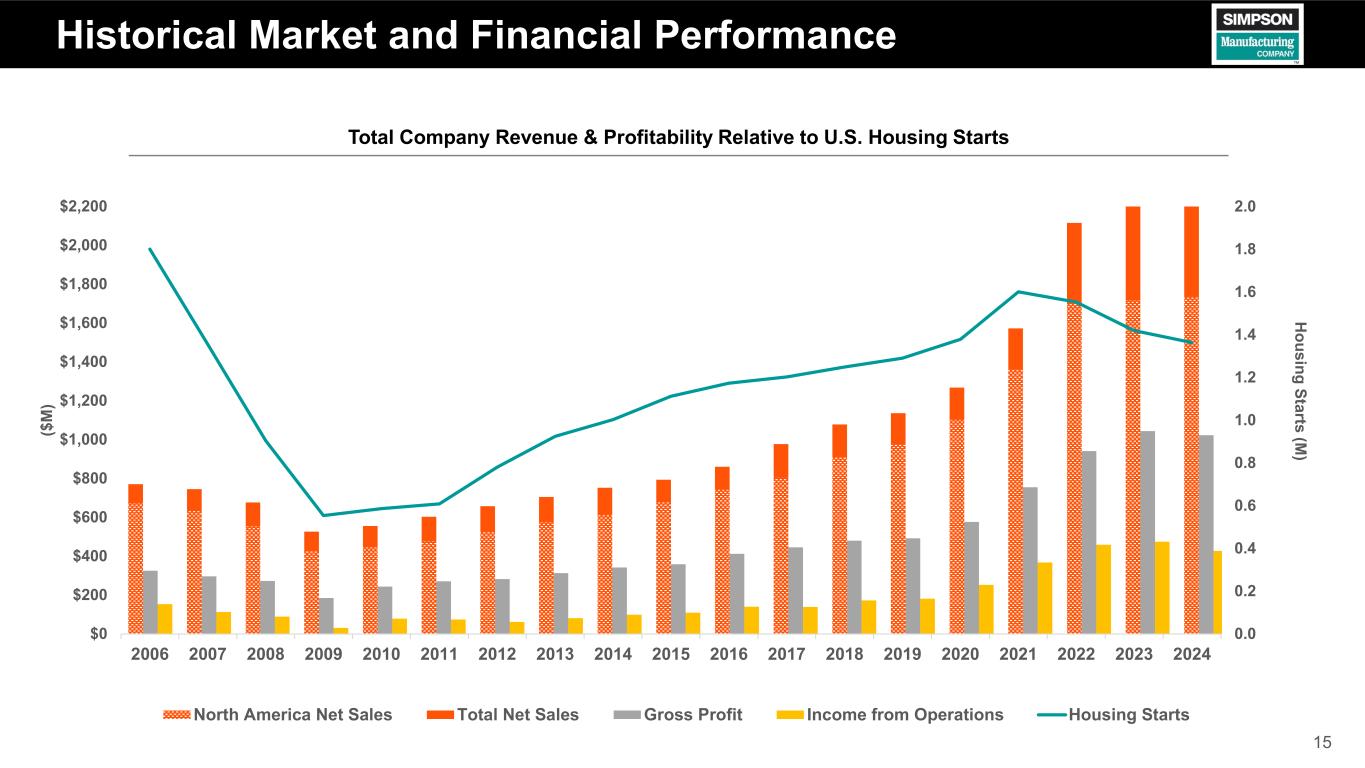
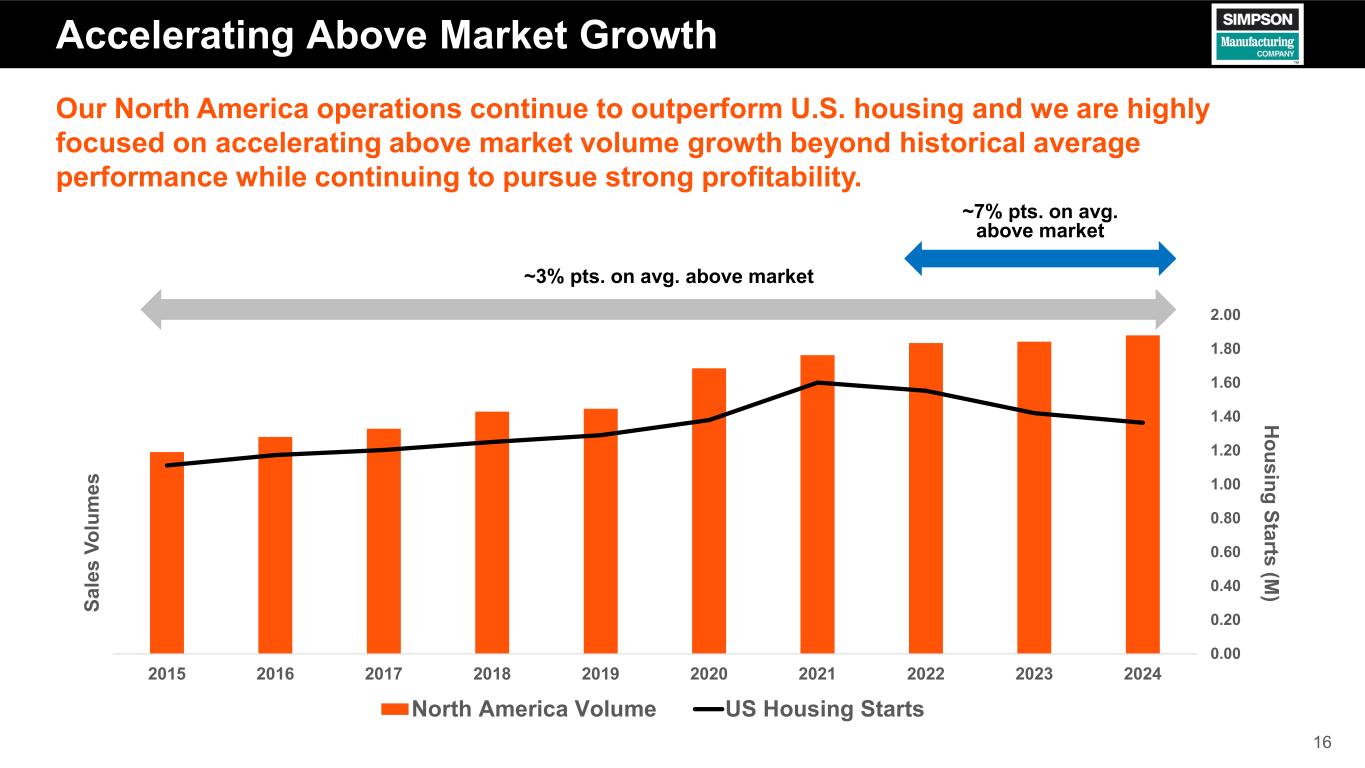
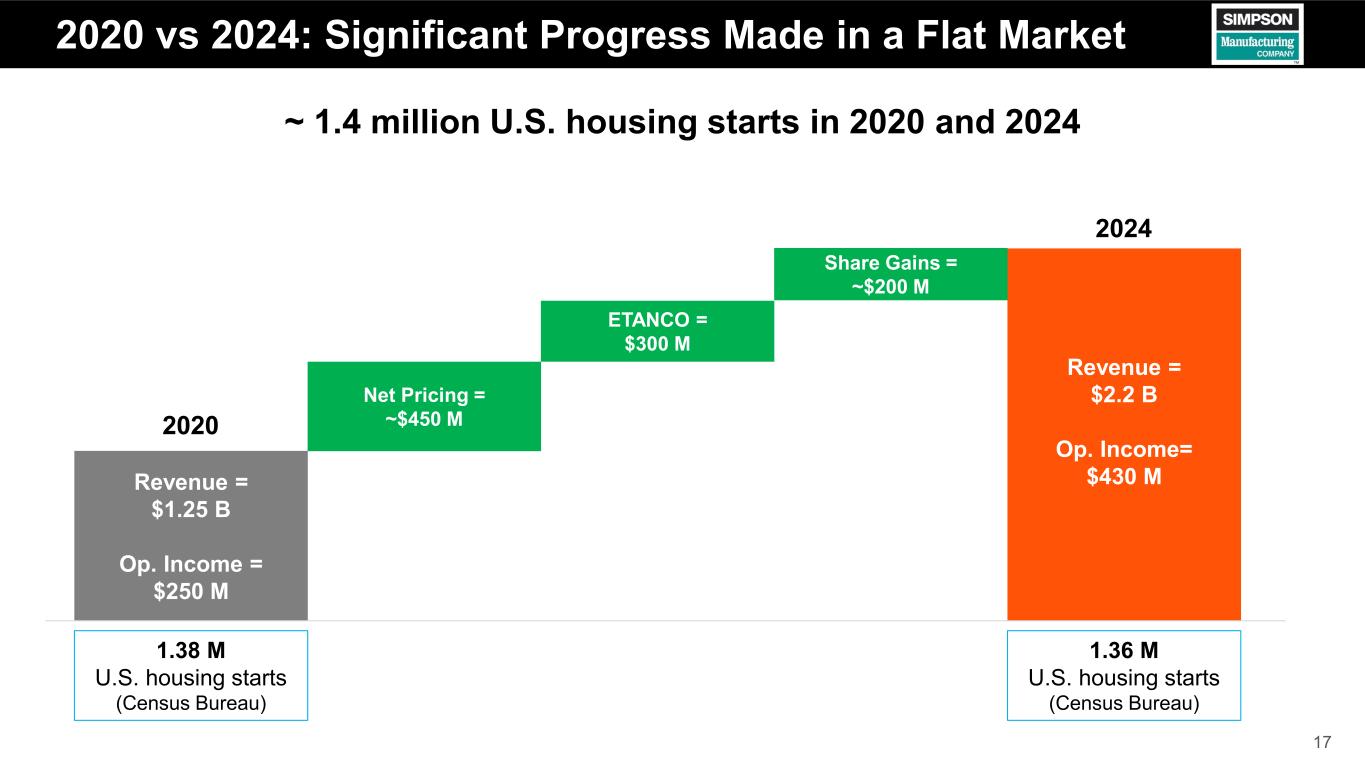
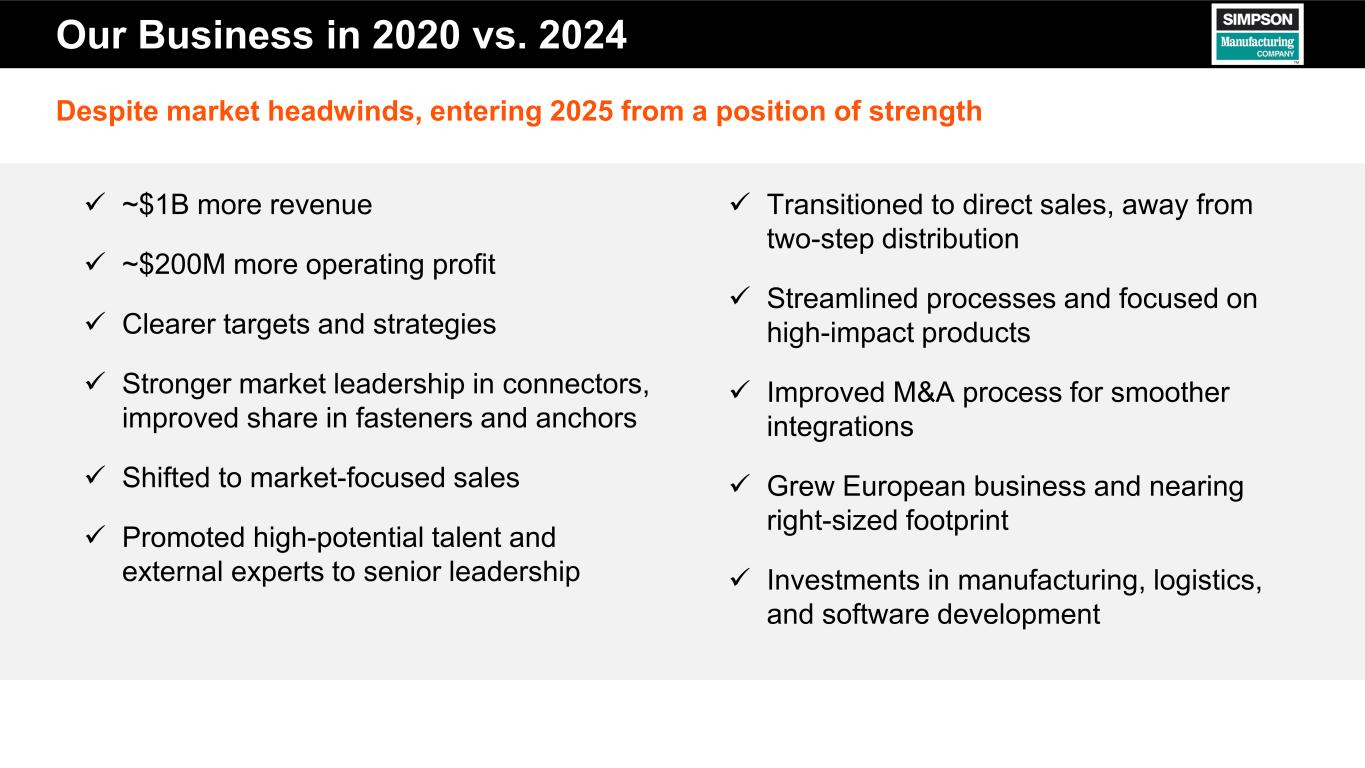
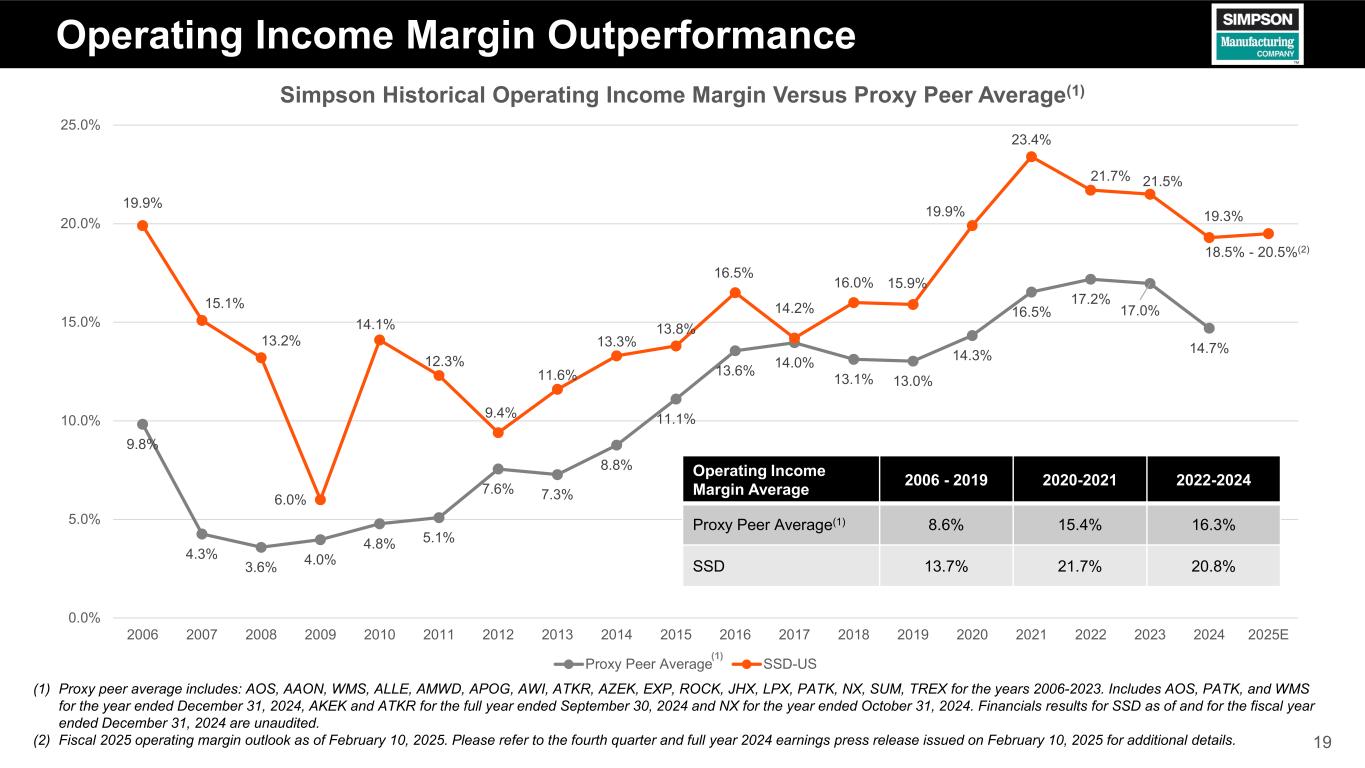
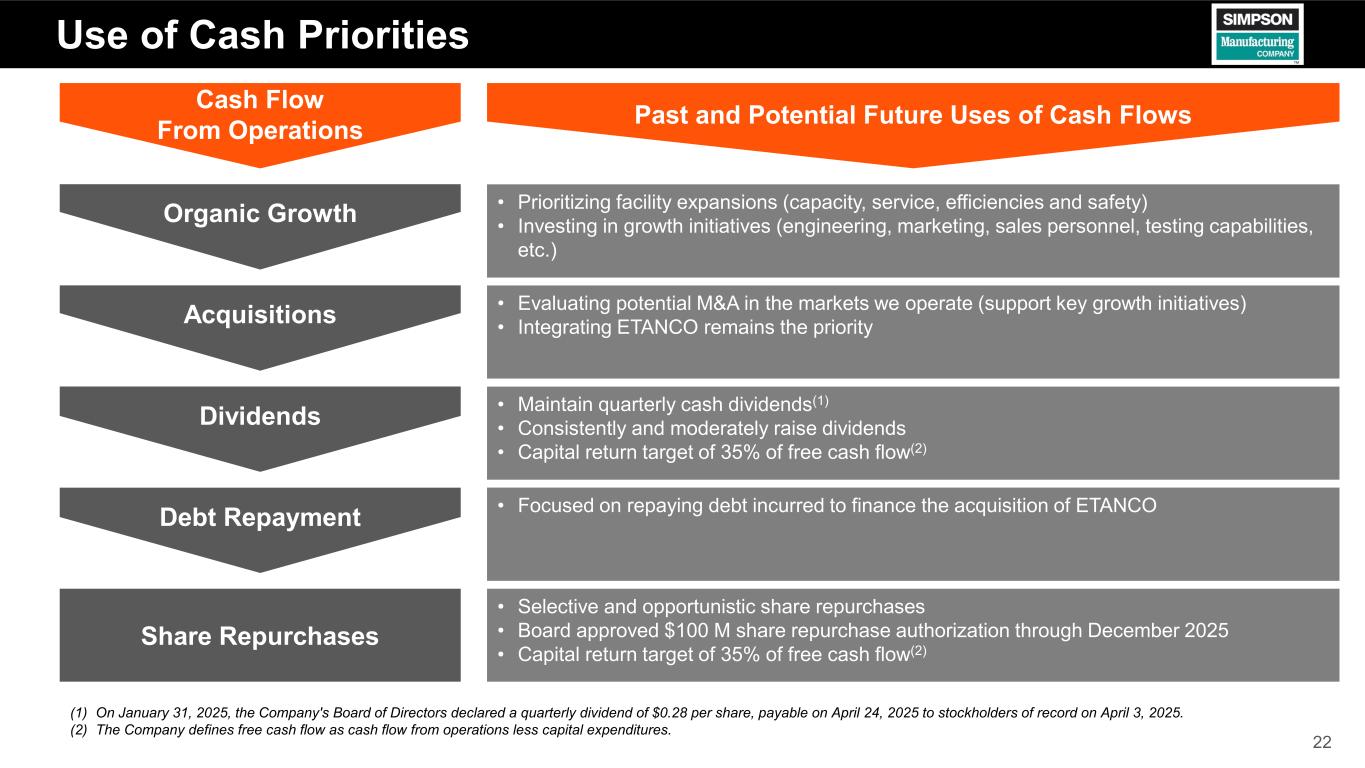
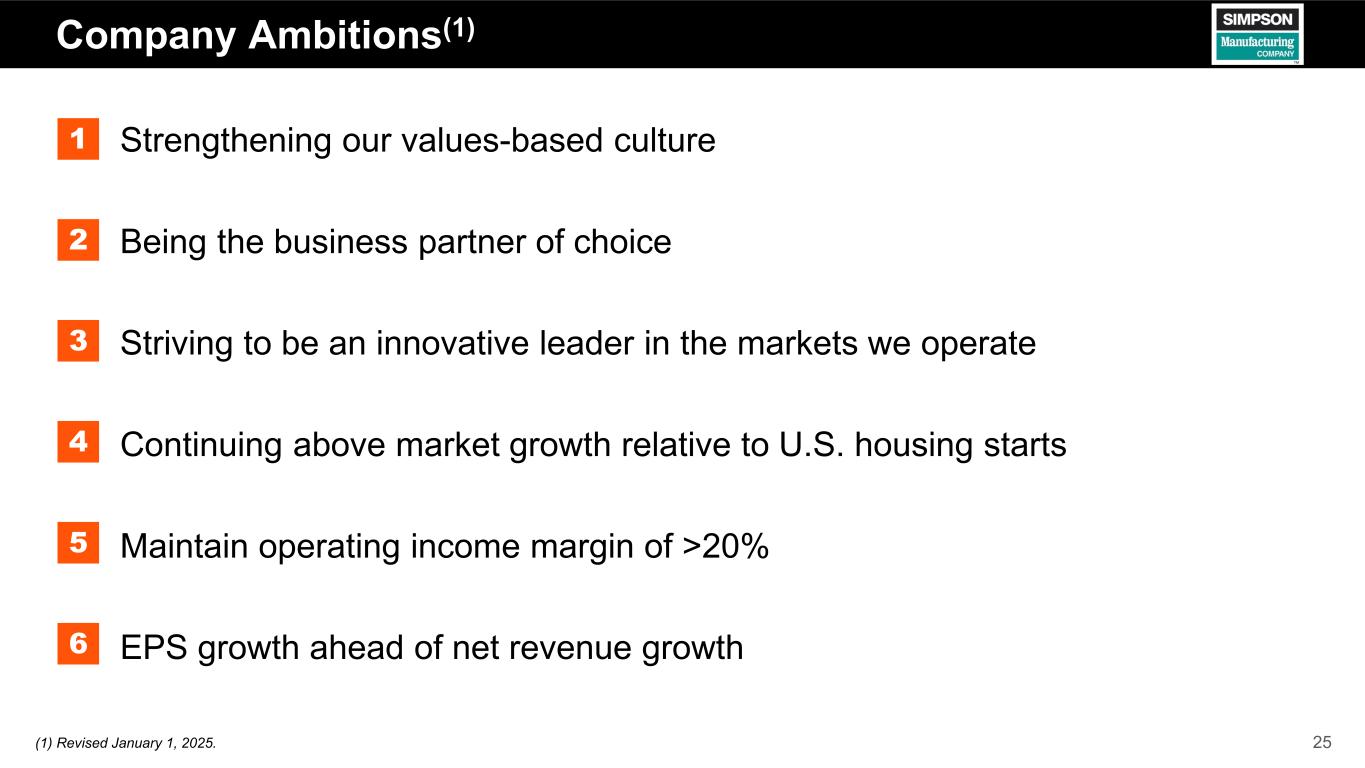
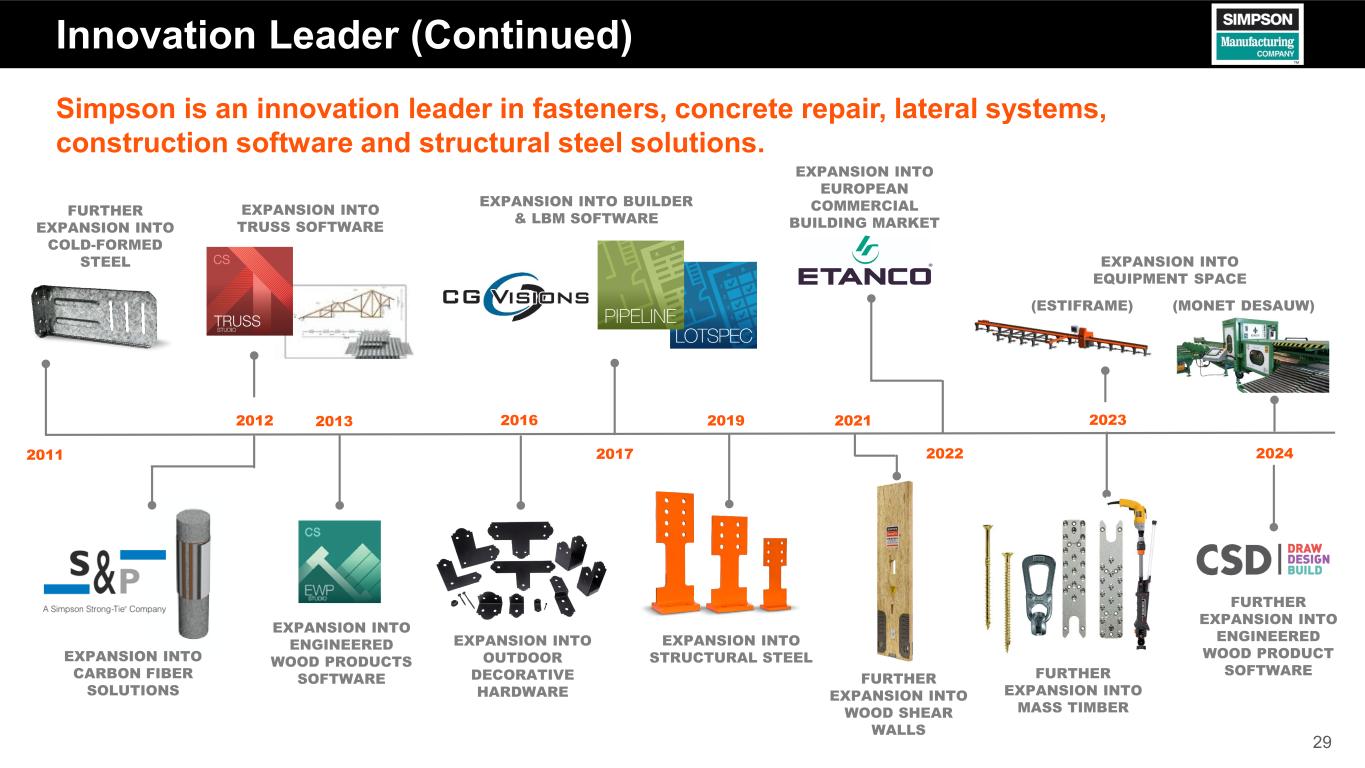
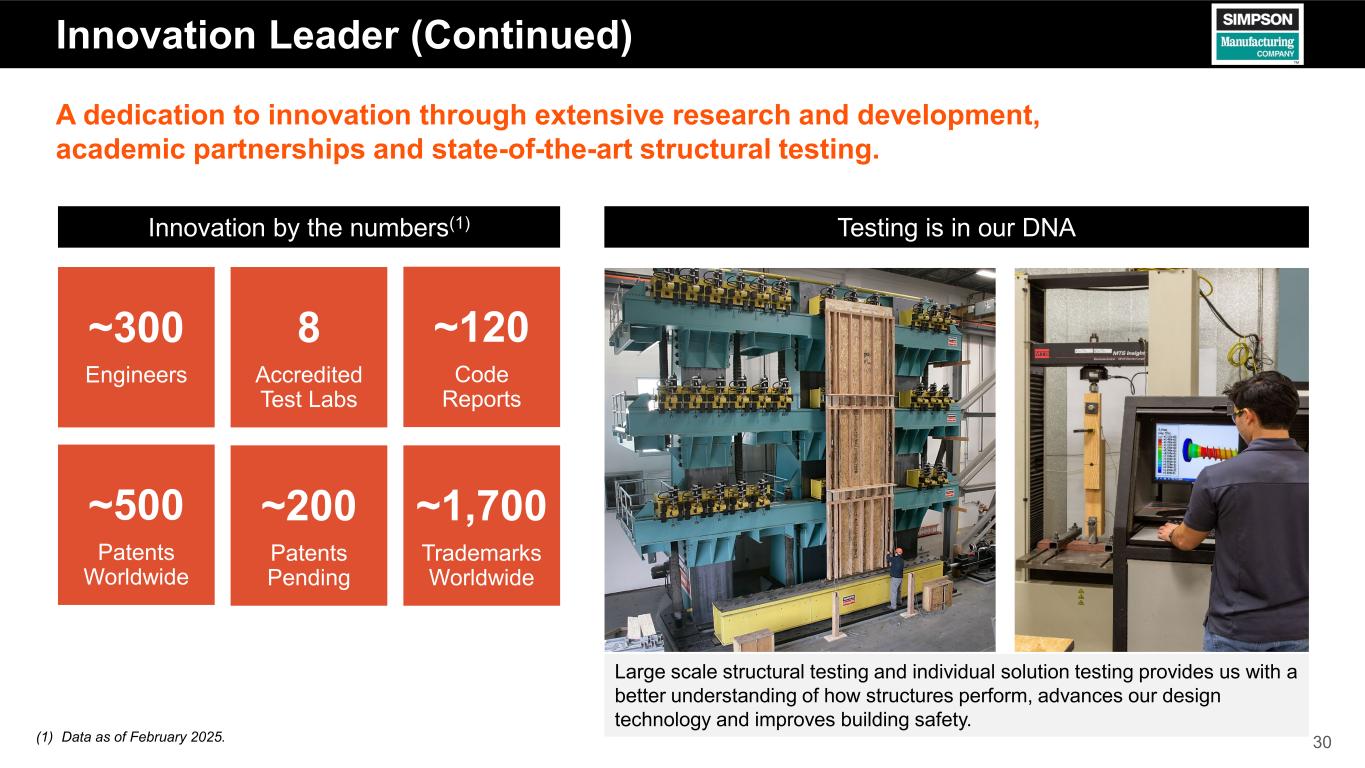
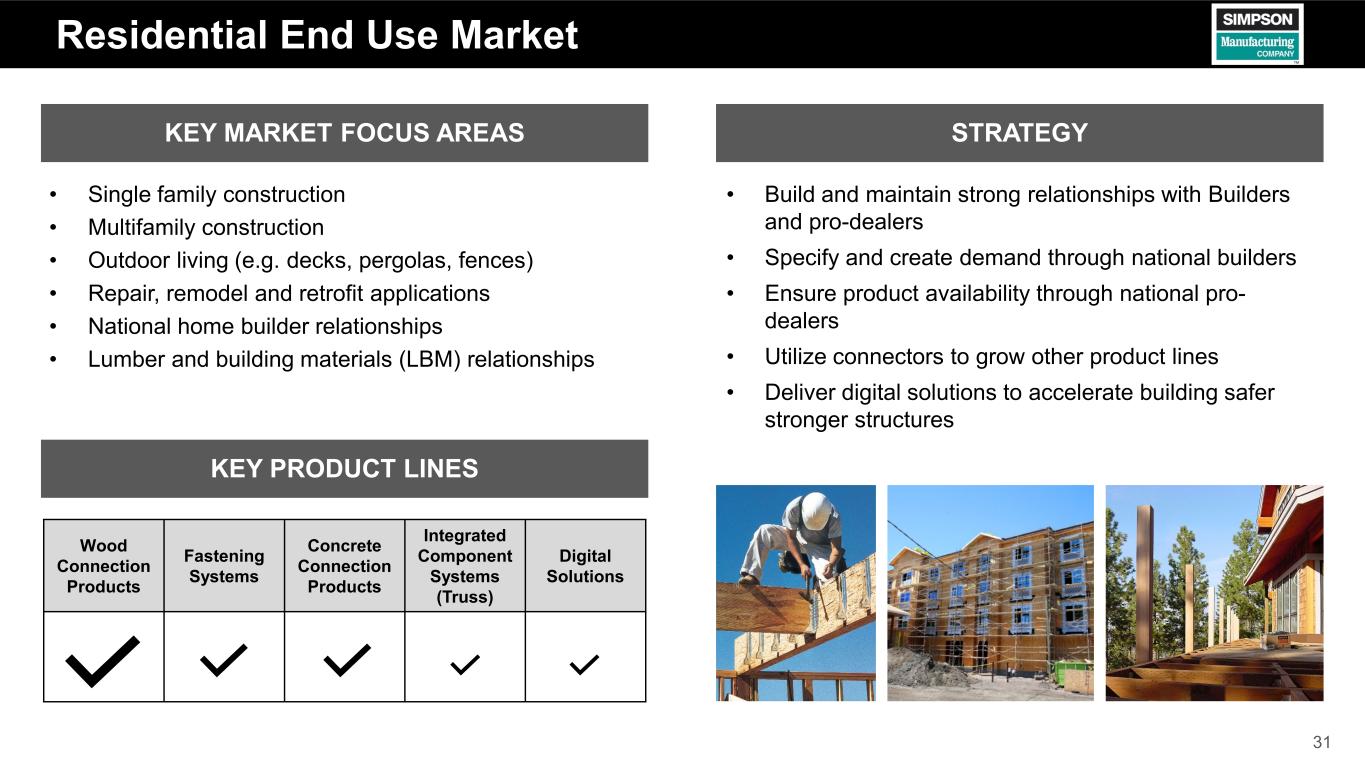
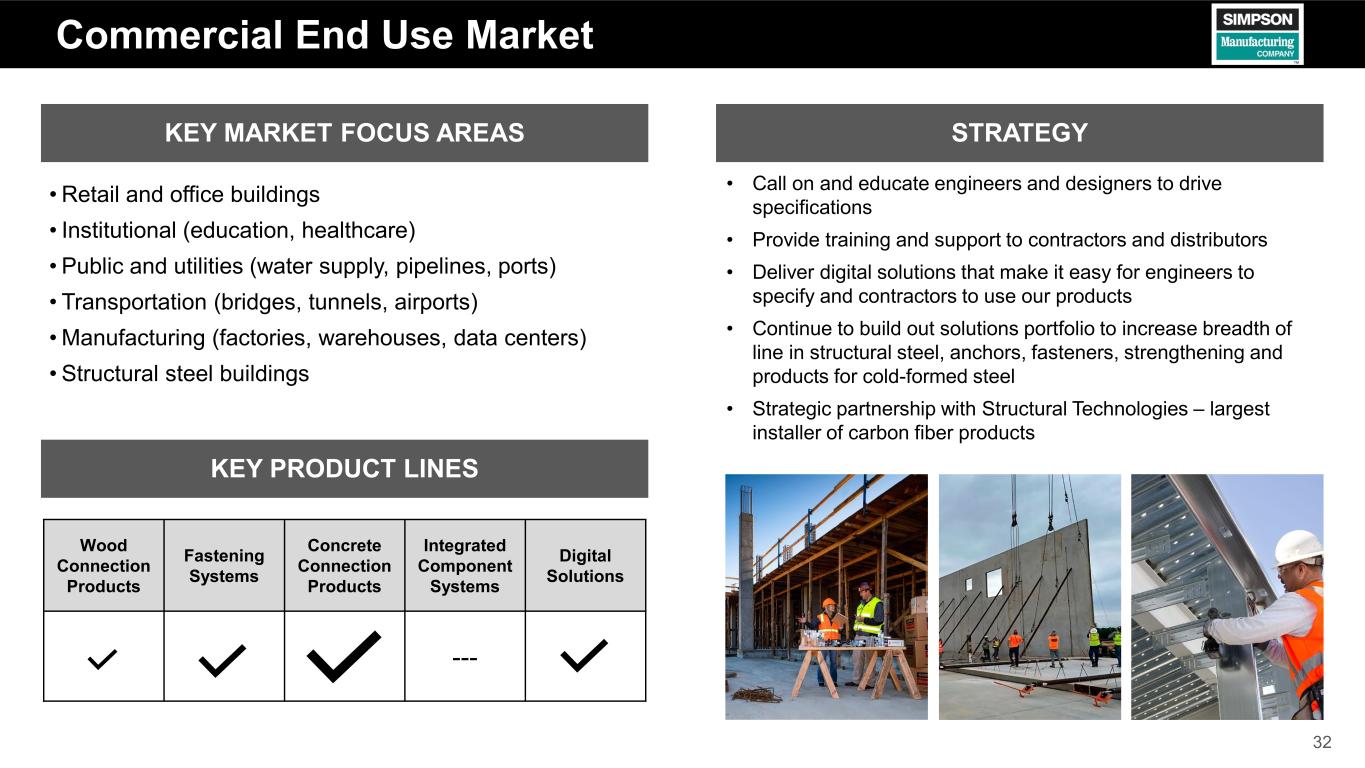
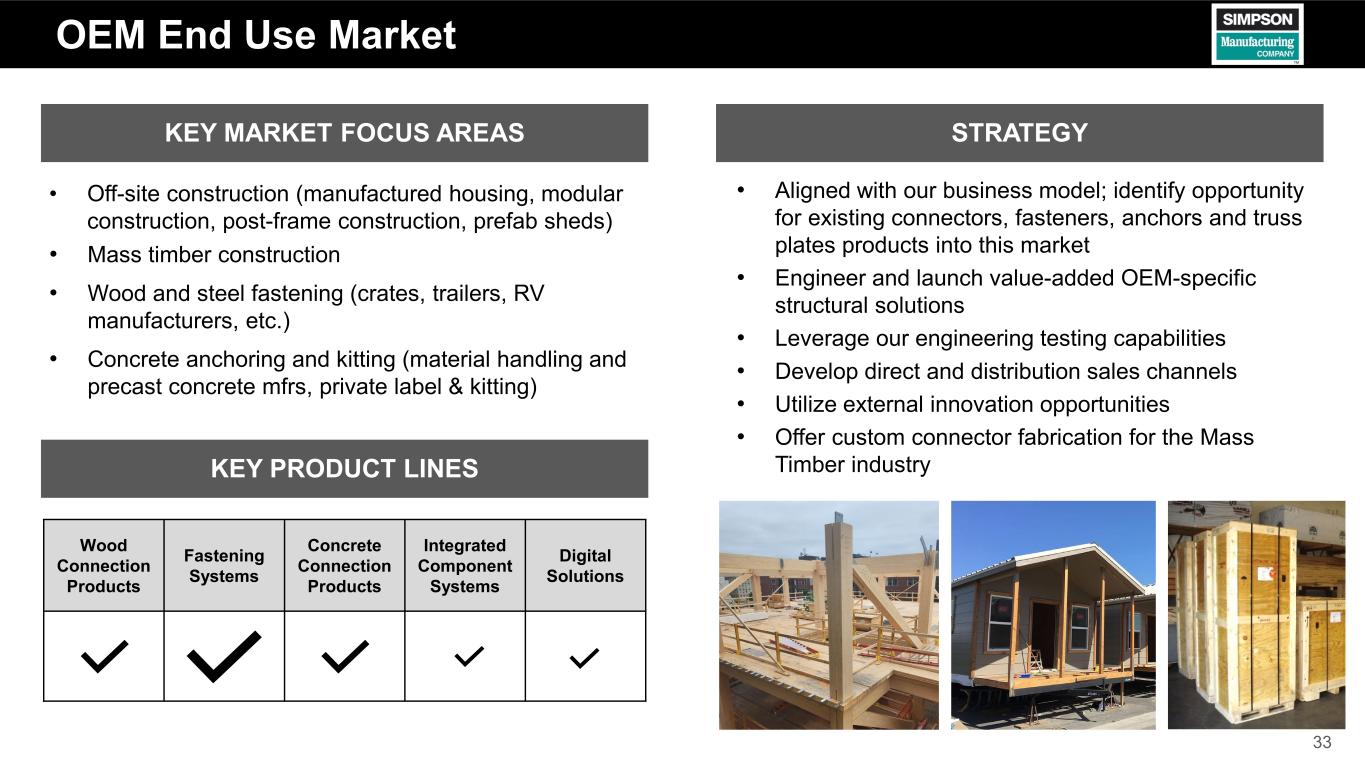
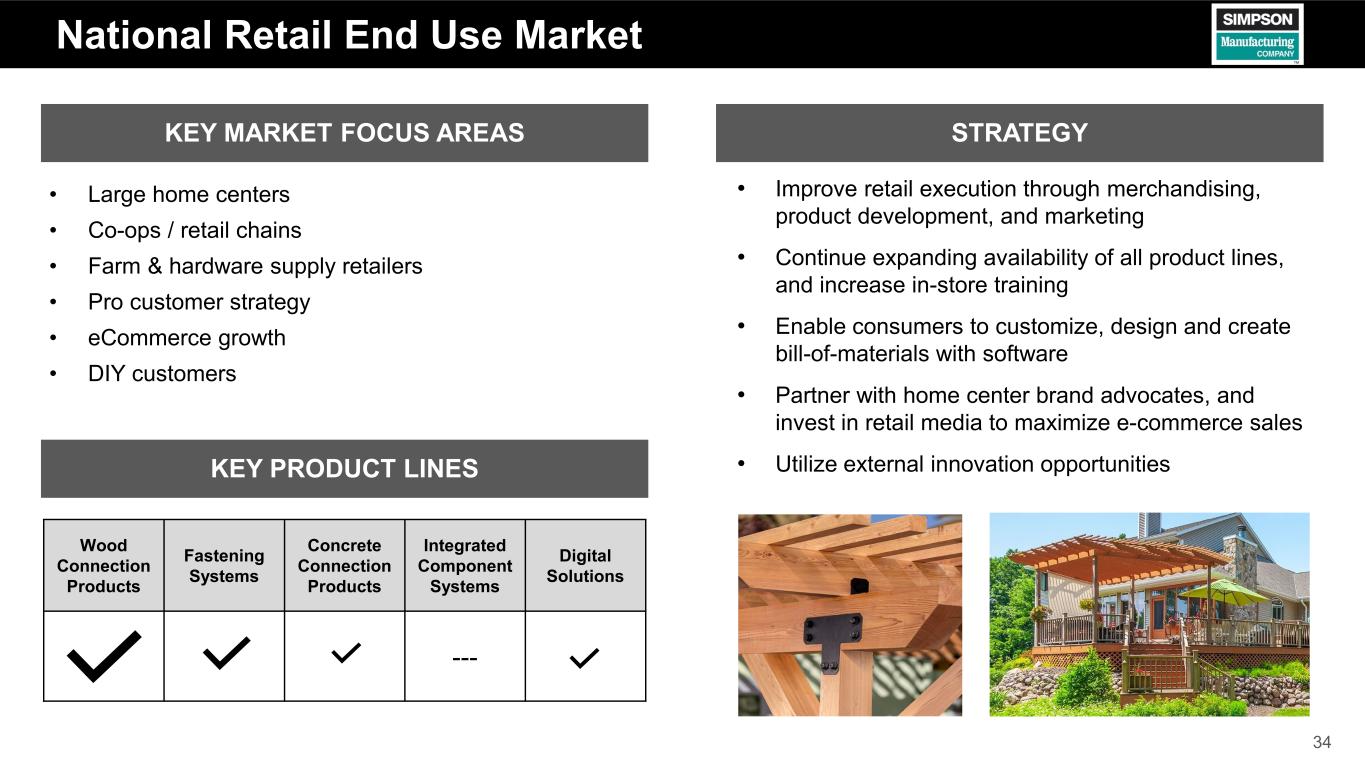
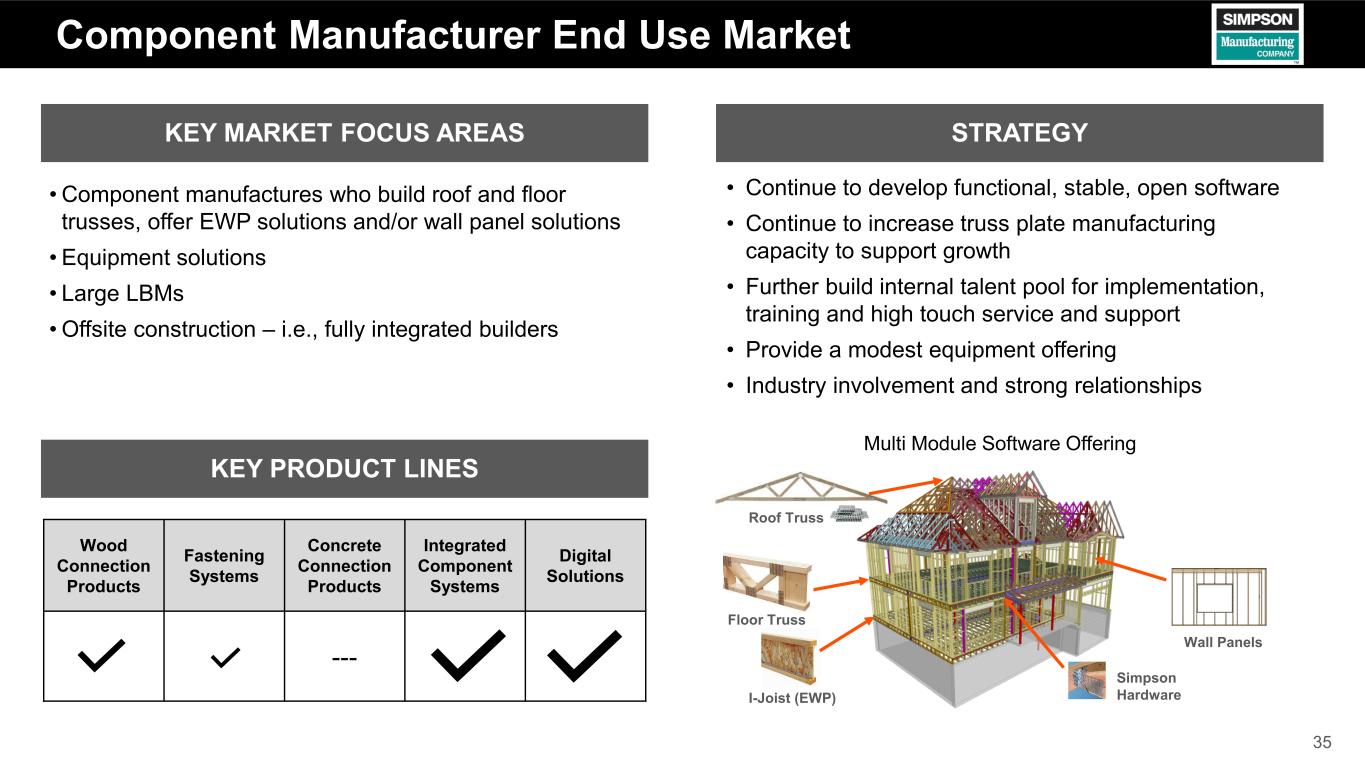
Thanks, Kim. Good afternoon, everyone, and thank you for joining today's call. With me today is Matt Dunn, our new Chief Financial Officer, effective at the start of this year. As many of you know, Matt has been with Simpson since last summer as our SVP of Finance and worked very closely with Brian Magstadt, our former CFO, to ensure a smooth transition. We are excited to have Matt on board, with Brian remaining on as an executive adviser through June. Today, my remarks will provide an overview of our 2024 performance, highlights from our key end markets, and updates to our core company financial ambitions. Matt will then walk you through our fourth quarter financials and fiscal 2025 outlook in greater detail. Before we jump in, I'd like to take a moment to express our heartfelt sympathy to those that were impacted by the California wildfires last month. The Simpson team and their families are safe, and the fires did not impact our facilities or consolidated results. In line with one of our core values to give back, we donated to the American Red Cross. We have a long history in California, and our thoughts remain with our customers, our team, their families and friends, and the affected communities. Now turning to our results. Our full year 2024 net sales were $2.23 billion, reflecting modest growth over 2023 levels in a year where housing markets in both the U.S. and Europe remain challenged. On a trailing 12-month basis, I’m pleased that our buying volume growth in North America exceeded U.S. housing starts by approximately 600 basis points, in line with our ambition to continue growing above the market. Net sales in North America totaled $1.74 billion versus $1.72 billion in 2023 on higher sales volumes. This included approximately $12 million from our 2024 acquisitions. Our North American volume performance was broad-based in 2024, with sales to all end markets demonstrating above-market growth. The national retail market saw mid-single-digit increases despite a challenging repair and renovation market. Contributing to the above-market performance was our increased shelf space and enhanced share gains within our innovative high-quality fastener solutions. In the component manufacturing market, volumes improved in the high single-digit range versus last year. Our enhanced suite of digital and equipment solutions contributed to increasing truss plate and connector sales. In the commercial market, we delivered modest volume growth over 2023 despite the significant downturn in the commercial market led by our cold-formed steel product line and the launch of several innovative new solutions. In residential, volume performance was down modestly. We are growing the market size and taking share through product line expansions, cross-selling of fasteners and anchors, and new customer conversions. And finally, in OEM, we delivered high single-digit volume growth year-over-year, reflecting share gains as our solutions for mass timber construction gained momentum. However, OEM still remains a relatively small contributor to our overall revenues. Turning to Europe, our 2024 net sales of $479.2 million were relatively flat compared to the prior year and decreased by about 1% on a local currency basis. On a volume basis, our European business also outperformed the local market, driven by new applications and customer wins. Our ETANCO Facade connection products continue to drive solid growth. Through the execution of significant effective synergies this past year, we have made strides towards rightsizing our European footprint following the 2022 ETANCO acquisition. On a consolidated basis, our 2024 gross margin declined to 46% from 47.1% in 2023, driven by higher input and labor costs, and investments in our footprint to provide even better service to our customers. Product and customer mix has and will continue to be a gross margin headwind going forward. Our resulting operating margin declined by approximately 220 basis points to 19.3% versus last year, reflecting investments ahead of the anticipated market growth that did not materialize in 2024. Consolidated adjusted EBITDA totaled $520.1 million in 2024, a decline of 6.2% year-over-year, resulting in an adjusted EBITDA margin of 23.3%. In the first half of 2024, we continued investing in our people, engineering, equipment, and digital solutions to better support our customers' needs in anticipation of sustained market growth. In the second half of 2024, we slowed the rate of investments as the housing market outlook softened. We recognize our investments have not been commensurate with volume growth now in year three of a down market. As such, we will continue to closely monitor the market in 2025 and will control costs accordingly to preserve our margins while simultaneously ensuring we retain our workforce of highly skilled labor. Next, I'd like to highlight some adjustments we've made to our core company financial ambitions, strengthening our values-based culture, being the business partner of choice, and striving to be an innovative leader in the markets we operate, all remain central to who we are as a company. As it pertains to our three financial ambitions, we are dedicated to continuing above-market growth relative to U.S. housing starts, maintaining an operating income margin at or above 20%, and driving EPS growth ahead of net revenue growth. As we have stated previously, we believe our business is capable of achieving a 20% operating income margin in a growing market environment. For 2025, we expect U.S. housing starts will improve in the low single-digit range from 2024 levels with growth weighted towards the second half of the year. In addition, we expect the European housing starts will remain relatively consistent with 2024 levels, with more meaningful growth delayed further into 2026 and beyond. As a long-term oriented growth company with strong margins, we believe we can drive EPS growth ahead of net revenue growth. We remain committed to returning at least 35% of our free cash flow to our shareholders. In light of these new financial ambitions, we see ROIC being relatively flat in the near to mid-term and above our weighted average cost of capital. Despite market headwinds, we firmly believe we are entering into the next phase of Simpson's growth from a position of strength. Since 2020, we have added approximately $1 billion in revenue and $200 million in operating profit. We realigned our sales team by end market, significantly reduced 2-step distribution, and made significant investments in our field sales and engineering teams. We have made significant footprint investments in both production and warehouses. Our investment in Tennessee enables us to resource and fasten in anchor production; additional warehouse capabilities enhance next-day delivery for our North American customers. This, along with significant investments in digital solutions, have further strengthened our business model, thus driving hardware sales and creating value for our customers, making us the partner of choice. Additionally, we strengthened our senior leadership team through a combination of internal development and external experts; the result is we are now in an even stronger market leadership position in connectors with significant gains in both fasteners and anchors. Before I conclude, I would like to touch on one of the corporate development with the appointment of Angela Drake as an independent nonemployee director for the company effective January 1, 2025. We are pleased to welcome Angela to our Board and look forward to benefiting from her wealth of expertise through her extensive experience in financial leadership roles at leading manufacturing companies. In summary, we are pleased with our continued above-market growth in a declining housing starts market. We continue to believe in the mid- to long-term prospects of the housing market and are well positioned to take advantage of that growth when it does occur. We feel confident about our ability to continue outperforming U.S. housing starts. With that, I'd like to turn the call over to Matt, who will discuss our financial results and outlook in greater detail.
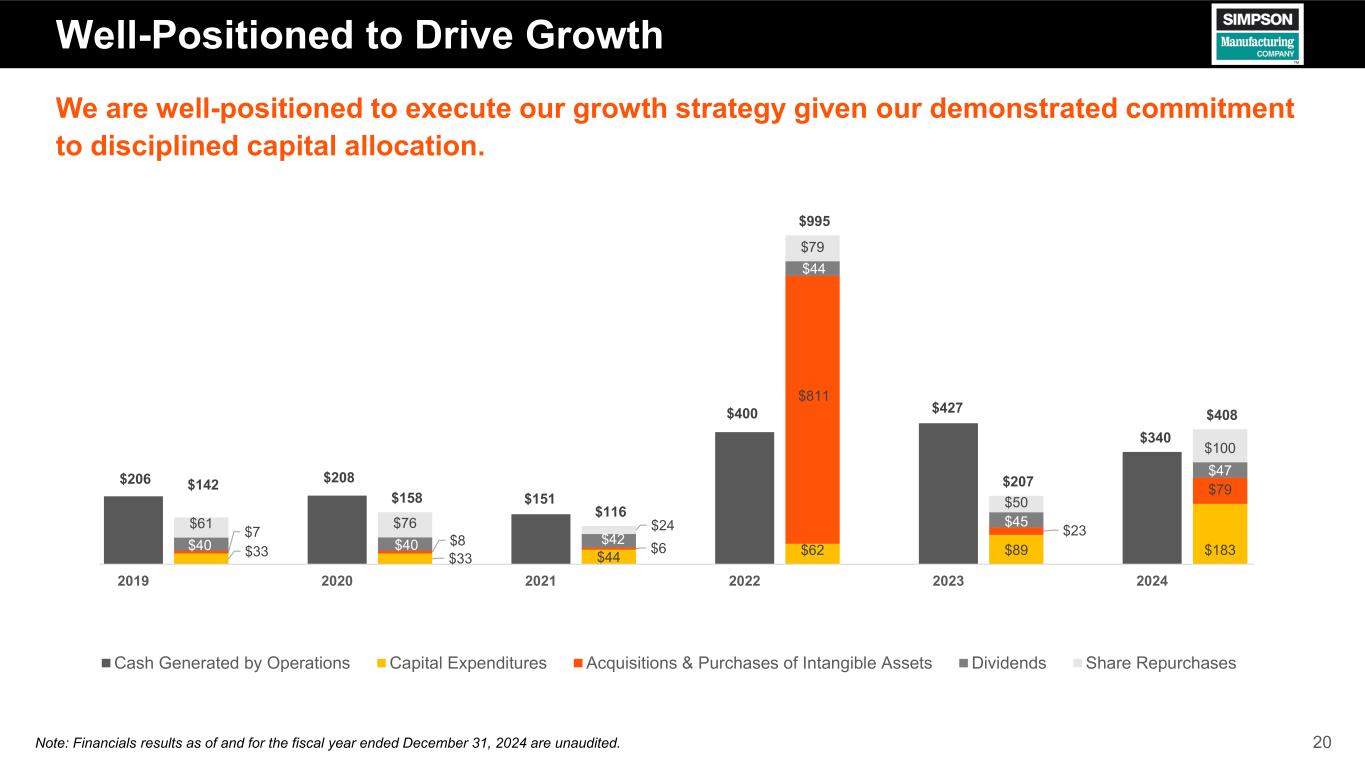
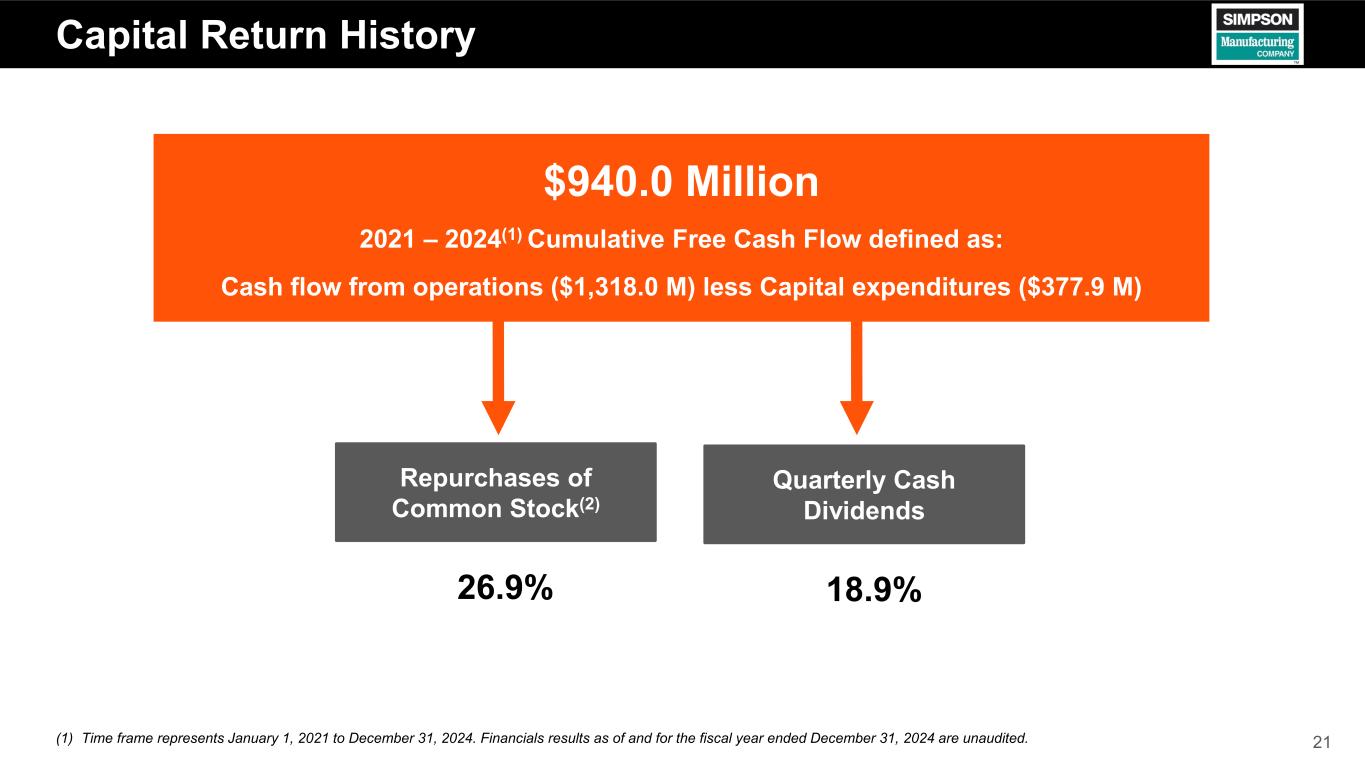
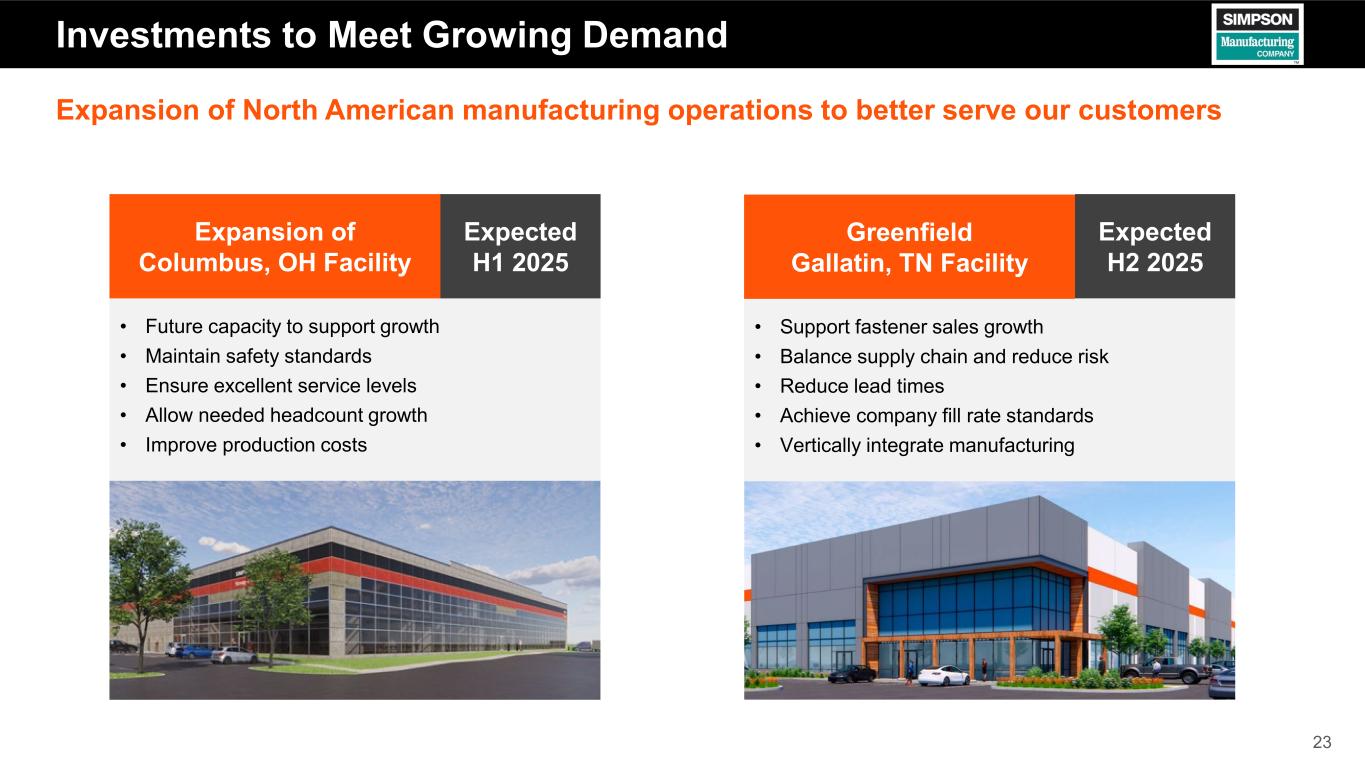
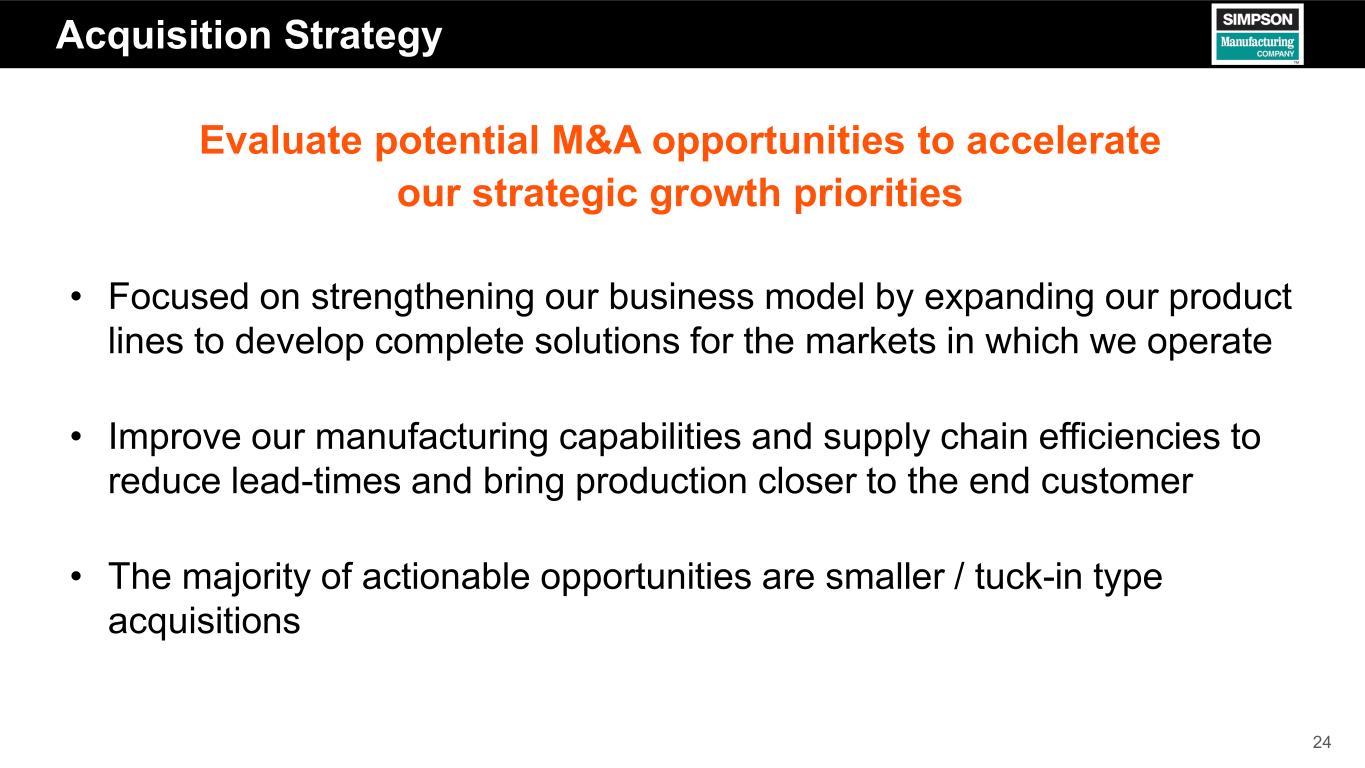
Thanks, Mike, for the kind words, and good afternoon, everyone. Thank you for joining us on our earnings call today. I've enjoyed being part of the Simpson team for the past 8 months, and I'm honored to now serve as the company's CFO. Before I begin, I'd like to mention that unless otherwise stated, all financial measures discussed in my prepared remarks refer to the fourth quarter of 2024, and all comparisons will be year-over-year comparisons versus the fourth quarter of 2023. Now turning to our results. Our consolidated net sales increased 3.1% year-over-year to $517.4 million. Within the North America segment, net sales increased by 4.4% to $404.8 million. In Europe, net sales declined by 1.5% to $108.1 million, primarily due to lower sales volumes. Globally, wood construction product sales were up 3.6%, and concrete construction product sales were up 0.4%. Consolidated gross profit increased 3.3% to $227.7 million, resulting in a gross margin of 44% compared to 43.9%. On a segment basis, our gross margin in North America was 47%, consistent with the prior year, as lower material costs offset higher labor, factory, and warehouse costs as a percentage of net sales. Our gross margin in Europe decreased to 32.3% from 34.2%, primarily due to higher labor, warehouse, and freight costs, which were partially offset by lower material costs all as a percentage of net sales. From a product perspective, our fourth quarter gross margin on wood products was 43.4% compared to 44% and was 45.8% for concrete products compared to 42.8%. Now turning to expenses. Total Q4 operating expenses were $150 million, an increase of 1.1%, primarily due to increased personnel and professional fees, which were partially offset by a reduction in variable incentive compensation. For the full year of 2024, total operating expenses were $590.5 million, an increase of 4.7%, primarily due to increased personnel, computer software, and hardware costs, and higher professional fees, which were partially offset by a reduction in variable incentive compensation. As a percentage of net sales, total 2024 operating expenses were 26.5% compared to 25.5%. We have experienced increases in all of our major input costs over the past several years, with the exception of steel. As Mike alluded, we will continue to monitor the market in 2025, and incremental investments will be very limited until we see a more meaningful improvement in the housing market. Further detail our fourth quarter SG&A, our research and development and engineering expenses increased 0.6% to $25.3 million, primarily due to an increase in personnel costs, partially offset by lower incentive compensation. Selling expenses increased 3.6% to $54.4 million, primarily due to higher personnel costs. On a segment basis, selling expenses in North America were up 5.4%. And in Europe, they were down modestly. General and administrative expenses were essentially flat at $71 million as we grew our revenue and reduced our G&A as a percentage of sales. As a result, our fourth quarter consolidated income from operations totaled $76.8 million, an increase of 7.4% from $71.6 million. Our consolidated operating income margin was 14.9%, up from 14.3%. In North America, income from operations increased 7% to $85.4 million, primarily due to higher gross profit, which was partially offset by increased personnel costs. In Europe, income from operations decreased 75.2% to $0.8 million due to a lower gross profit. As previously mentioned, we have been incurring costs this year to support the optimization of the European footprint, including the realization of defensive synergies from ETANCO, which resulted in $2 million and $5.7 million in restructuring and severance charges in the fourth quarter and full year of 2024, respectively. A 15% operating income margin in Europe remains our mid-term goal. As a reminder, our assumptions to achieve this target include improved economic conditions, the anticipated realization of our offensive synergies and broader secular trends, including the growing use of wood construction and increasingly stringent environmental regulations that drive new applications. Our fourth quarter effective tax rate was 27.5% and approximately 110 basis points higher than the prior year period. Accordingly, net income totaled $55.4 million or $1.31 per fully diluted share compared to $54.8 million or $1.28 per fully diluted share. Adjusted EBITDA for the fourth quarter was $102 million, an increase of 9.9%. Now turning to our balance sheet and cash flow. Our balance sheet remained healthy with cash and cash equivalents totaling $239.4 million at December 31, 2024, down $100.1 million from our balance at September 30, 2024, due primarily to the paydown of $75 million of debt in December. Our debt balance was approximately $388.1 million, net of capitalized finance costs and our net debt position was $145.7 million. We have $450 million remaining available for borrowing on our primary line of credit. Our inventory position as of December 31, 2024, was $593.2 million, which was up $9.8 million compared to our balance as of September 30, 2024, on higher pounds. We generated strong cash flow from operations of $117.7 million in the fourth quarter and $339.8 million for the full year of 2024. With regard to capital allocation, our strategy remains duly focused on both growth and shareholder returns. In 2024, we invested $183 million for capital expenditures, including our investments for facility upgrades and expansions, $79 million for acquisitions, $46.5 million in dividends paid to our shareholders, and $100 million in repurchases of our common stock. We also paid down $100.8 million in debt we incurred to finance the acquisition of ETANCO. In 2024, we repurchased a total of 559,179 shares of common stock at an average price of $178.83 per share for a total of $100 million. As previously announced in October, our Board authorized the repurchase of up to $100 million of our common stock effective January 1 through year-end 2025. The investments in our facilities to expand our operations and manufacturing capacity are driven by our relentless customer focus and commitment to providing world-class service. We are pleased with the progress made on the expansion of our facility in Columbus, Ohio, and our new fastener facility in Gallatin, Tennessee. Both projects remain on budget and are expected to open early in the second quarter and in the second half of 2025, respectively. As we have shared, we will concurrently evaluate and pursue M&A opportunities that accelerate progress on our key growth initiatives and improve our operating efficiencies. Next, I'll turn to our 2025 financial outlook. Based on business trends and conditions as of today, February 10, our guidance for the full year ending December 31, 2025, is as follows: We expect our operating margin to be in the range of 18.5% to 20.5%. While the midpoint of the range is below our stated ambition to maintain an operating margin at or greater than 20%, we are working hard to offset significant input cost increases over the past three years and we'll carefully evaluate avenues to preserve our profitability. Additional key assumptions include: U.S. housing starts to be up low single digits from 2024 levels. If housing starts are up low single digits, we'd expect to trend toward the higher end of the range. If the market growth is flat or slightly down, we would expect to be closer to the low end of the range. Additionally, we are expecting a slightly lower overall gross margin based on the addition of new warehouses and increases in labor, factory, and tooling as a percentage of net sales and an ongoing mix headwind from products and customers that have impacted our margins. As we stated, we are working to balance our growth-focused investments while ensuring we deliver a strong operating income margin in the current challenging housing market. Next, interest expense on our term loan, which had borrowings of $388.1 million as of December 31, 2024, expected to be approximately $6.3 million, including the benefit from interest rate and cross-currency swaps mitigating substantially all of the volatility from changes in interest rates. Interest on our cash and money markets is expected to offset this expense. Our effective tax rate is estimated to be in the range of 25.5% to 26.5%, including both federal and state income tax rates based on current tax laws. And finally, our capital expenditures are estimated to be in the range of $150 million to $170 million, which includes approximately $75 million for the completion of both the Columbus facility expansion and the new Gallatin fastener facility. In closing, I'd echo Mike's comments while we faced a challenging 2024 in the housing market, with the third consecutive year of a decline in starts. We were very pleased with our volume outperformance versus the market in the U.S. and Europe. While the investments we have made to support future growth in anticipation of an improved housing market resulted in lower-than-anticipated profitability, we will continue to be diligent with expense management and cautious on future investments. We believe we are well positioned to take share and drive further outperformance when the housing market ultimately rebounds. With that, I will now turn the call over to the operator to begin the Q&A session.
Operator
And our first question comes from Daniel Moore with CJS Securities. Please proceed with your question.
Speaker 3
Good afternoon, Mike. Matt, thank you for taking the questions. To start off, I would like to clarify the outlook. You provided good detail but mentioned that you believe a low to mid-single-digit recovery in U.S. housing starts is possible, although the margin guidance suggests it could remain flat or decline at the lower end. Does this indicate a weaker beginning to the year? What are your expectations for housing starts in the first quarter and the first half of the year? Additionally, could you discuss your ability to exceed market performance if we do experience flat to declining starts over the next few quarters?
Dan, it's Mike. Good question. When we began our budgeting process, we relied on a firm called Zonda to provide a regional breakdown for our various businesses. Initially, we anticipated a 3.7% year-over-year growth in total housing starts for 2025. The most recent figure, however, has come in at 2.8%. We believe this number may decrease slightly. We expect the second half of the year to be stronger, as feedback from our customers indicates improved conditions in that timeframe. Consequently, we're projecting low single-digit starts for the year and will monitor the situation closely.
Speaker 3
Very helpful. You described it well, but could you discuss the last quarter? You mentioned that you remain committed to an operating margin of at least 20%. Given the possibility of slightly lower U.S. housing start growth, has your gross margin outlook changed? Or are you focused on the investments necessary for long-term growth, regardless of the short-term demand environment?
Yes, Dan, this is Matt. I think at the time we said that in the last quarter call, we were expecting, as Mike said, housing starts to be a little bit more favorable as the tailwind than they're currently looking like they're going to be on the overall year. And so that's probably the single biggest factor on the market. Obviously, other things are changing by the minute in terms of tariffs and related things. So, digesting that as it becomes news, but certainly plan to protect our margins and make the moves necessary as we alluded to. So, I think there are a couple of paths to get to that 20%. A lot of it just depends on what happens in the market from a tailwind standpoint. And then what happens with tariffs and related pricing. I would say we are confident that we can continue to outpace the market as we have done for the last number of years, even at an accelerated pace in the last two to three years.
Speaker 3
Very helpful. One more, and I'll jump back in queue. But just talk about your working capital and cash flow from operations expectations for '25. And then looking out to '26, where do you see CapEx kind of leveling off once we get through the build-out in Columbus and Gallatin?
I'll start with CapEx first. So this year's guide, $150 million to $170 million, about half of that is related to the completion of Gallatin and Columbus, which we've been talking for a number of quarters here. I think as we roll into 2026, and we're not providing firm guidance there, but we do have a pretty sizable amount each year that's kind of like base CapEx based on safety, capacity, additional warehouses, productivity improvement. So I think looking to make sure we're rightsizing the investment with the growth that we're seeing. And so finishing up those two projects that are completing this year, and then we'll evaluate 2026 when we get there.
Operator
And our next question comes from Tim Wojs with Baird. Please proceed with your question.
Speaker 4
Hey. Hey guys. Good afternoon. So just on the guidance, I just want to make sure I understand it. So at the midpoint at 19.5% OM margin, what are you assuming for starts and your revenue growth?
I believe that if you consider the midpoint of the range, it essentially reflects a stable market, in my view. Furthermore, we continue to outperform the market. While we don't provide specific revenue guidance, if you look back over a longer timeframe, we've consistently outperformed the market. Therefore, I would estimate our performance to be a few points ahead of the market.
Speaker 4
The midpoint would indicate a flat market where you slightly outperform, leading to minimal leverage on the operating margin. Regarding tariffs, what is the threshold at which you would consider raising prices in response to tariffs or general inflationary pressures? It seems from your comments that, aside from steel, you are experiencing a significant amount of inflation, along with some mix headwinds in the business. So, what is the point at which you begin to contemplate price increases?
Tim, let me give you a little bit of background. So obviously, all things tariffs, especially today is a pretty fluid situation. As a reminder, for a little context, can we purchase 150-plus variations of steel. And that steel is made specifically for us. So it's not a direct correlation to some of the indices you see. And for the most part, Tim, all of the connectors that we produce in the U.S. are with U.S.-made steel. So we have seen some steel producers over the last 4 to 6 weeks announce a couple of price increases based off of what happened today. We are expecting additional price increases coming. And from a Simpson perspective, from a pricing view, last time we had a price increase was 2022. We had a price decrease in January of 2023. And really, since then, we've seen significant inflation in all of our production and transportation costs, except for the steel raw materials side and obviously, the tariff story changed that. So we're kind of looking at it in two buckets. There's a tariff bucket and there's all the other cost buckets. So if the tariffs remain, we believe we'll have to preserve our margins and high level of service; we're going to need to pass some of that on. We're also looking at the other cost buckets, doing everything we can to drive those down. But again, if we're not able to offset some of those cost increases we see everywhere else, we may need to take action to preserve our margins and level of service again from that view. So that's the way we're thinking about the tariff bucket and all the other cost bucket.
Yes, Tim, this is Matt. I would just add that up until today, the previous tariffs related to imports from China, Canada, and Mexico included Canada and Mexico being put on pause. From a China standpoint, we import a relatively low volume of our cost of goods from China, resulting in a tariff impact of less than $10 million. We are currently waiting to see how the new tariffs on non-U.S. steel will affect the market. If steel costs rise from domestic suppliers, we will need to adjust our pricing to recover those expenses. Additionally, there are some antidumping tariffs and related lawsuits that we are monitoring closely, as they will have a court appearance in early April. Again, as Mike mentioned, we source the majority of our steel from the U.S.
Speaker 4
That's all really helpful. Regarding the share gains, historically, you've achieved 200 to 300 basis points above starts, and this has significantly improved over the past couple of years. As you look ahead to 2025, what is the outlook for these share gains compared to your historical performance or the last few years? Does it seem more aligned with the recent past, or does it align more with the 250 basis points?
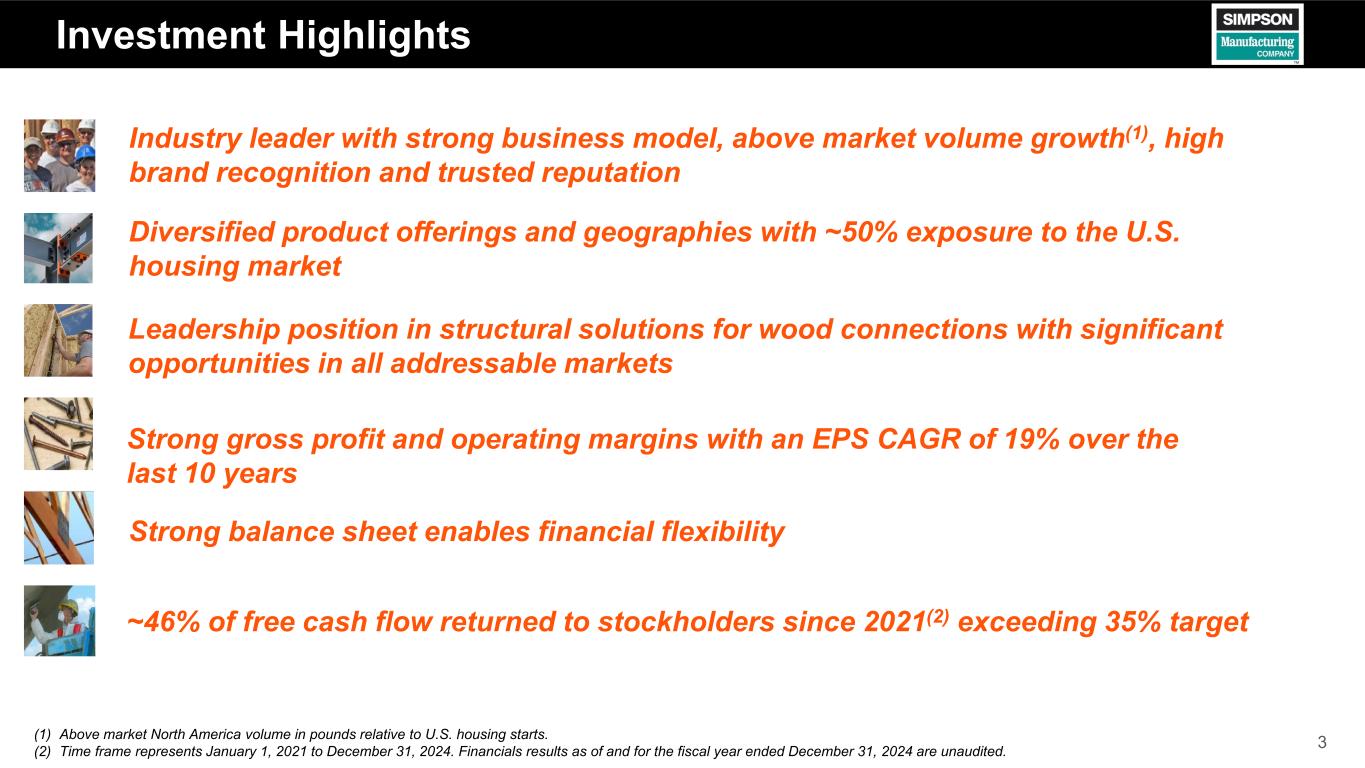
Good question. As you know, we are not providing specific revenue guidance. Over the last eight years, we have been 300 basis points above housing starts, and in the last three years that number has increased to about 700 basis points above U.S. housing starts. We’re measuring volume in pounds, and last year saw a difference of about 600 basis points, which we are pleased with. The key driver has been our investment in the business. Even in a down market, we see this as an opportunity to expand through new products and applications, allowing us to gain market share. Moving forward, we expect to be above our long-term average, but we will need to assess how the year unfolds. We have a robust CRM tool from Salesforce that gives us some visibility. We are tracking various jobs that we are quoting. The visibility in the building construction industry isn't the best, but we do have some moderate visibility into our share gains.
Operator
And our next question comes from Kurt Yinger with D.A. Davidson. Please proceed.
Speaker 5
Great, thanks. And good afternoon, everyone. The commentary around higher input costs the last couple of years and the higher factory tooling and warehouse costs absorbed this year. How much of that would you say is a function of some of the investments you've made in the warehouse operations to kind of support the stronger growth or maybe just a function of under absorption versus more general inflationary pressures that you've kind of had to absorb? How would you kind of bucket that?
I think the answer to that Kurt really is all the above, as you mentioned. So there were some investments as we moved away from 2-step distribution, mostly in the Northwest, and a little bit in the Midwest and Northeast. So there, we needed to get some warehouses closer to our customer. Ideally, we want to be 1-day shipping with all of our customers. So that's part of the investment. And that also sets us up to be able to cross-sell and help us drive organic growth. So we have some investment there. Certainly, the volume assumptions really driven by market, we've been off on. Again, we went into last year thinking it was going to be 3-ish percent market tailwind, and it finished down 4%. So that's a 600, 700 basis point swing from just a tailwind from a market perspective. And then we see costs across the board going up. Freight electricity in California, we've got a new contract for electricity that's hitting us, labor across the board is going up. And we're working really hard by automating where we can, driving productivity improvements where we can to offset that, and we are still working through that as we speak, Kurt.
Yes. And I think, Kurt, Mike mentioned it earlier on the last time we took a price increase was in 2022, and then we actually took a decrease in 2023. And while steel has been consistent to maybe slightly down over that period, everything else has gone up, and we've worked diligently to offset as much of that cost as we could through productivity, but haven't been able to offset all of it. And I think that's why we're kind of out looking depending on what happens with tariffs and some of these other things, there's definitely cost pressure that we're going to have to address.
Speaker 5
Okay. Okay. That makes sense. And then maybe just thinking longer term in light of kind of what you talked about around financial ambitions and the 20% operating margin kind of threshold. If we were to think three to five years from now, how are you guys thinking about, I guess, the ceiling or maybe a more ambitious view of kind of margin expansion here versus continuing to reinvest pretty aggressively behind growth and any thoughts around the timeline for when maybe those priorities shift at all?
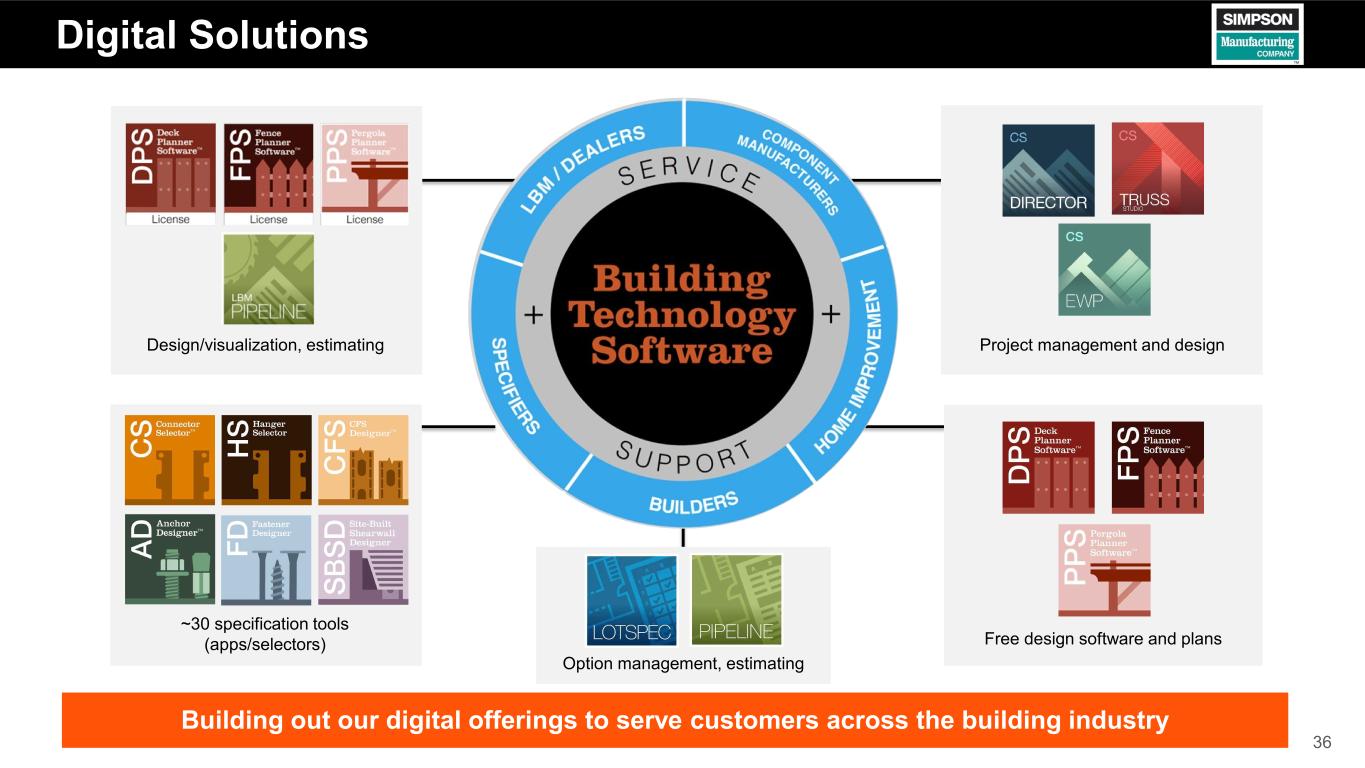
Kurt, so our view on this is we want to be a growth company with strong profitability. So as long as we continue to have good visibility into growth opportunities, we will continue to reinvest back in the business. As you've heard me say it before, it is a people-intensive business. We need more salespeople out in the field, taking up new applications. We need more engineers developing new products. We want more people developing digital solutions. And we think there's a lot of opportunity around that space. And that's part of the reason why, again, we've done so well versus the market in the last couple of years because we've invested. So at this point, strong profitability means at or above 20% with a little bit of tail and a little bit of market growth to help us grow into that and then continue to drive above-market volume growth.
Yes. To add to that, we believe the best return for shareholders is to maintain above-market growth while achieving a very strong operating margin. If our outlook on growth or performance changes, we may reconsider our approach to operating income and SG&A investments. However, as long as we continue to grow and surpass the market, we believe this is the best strategy for the mid to long term.
Speaker 5
Okay. That makes sense. And then just last one. I think you had said that the operating margin outlook kind of contemplates some gain on sale related to the old Gallatin site. Would you be able to size that for us?
Yes, in the earnings release, we indicated the contract sales price. The gain is expected to be in the range of $10 million to $12 million.
Operator
And that looks like that is the final question. And that also does conclude today's teleconference. We thank you for your participation, and you may disconnect your lines at this time.