Operator
Greetings, and welcome to the Simpson Manufacturing Co. Second Quarter 2025 Earnings Conference Call. A reminder, this conference is being recorded. It is now my pleasure to introduce your host, Kim Orlando with ADDO Investor Relations. Thank you, Kim. You may begin.
Good afternoon, ladies and gentlemen, and welcome to Simpson Manufacturing Company's Second Quarter 2025 Earnings Conference Call. Any statements made on this call that are not statements of historical fact are forward-looking statements. Such statements are based on certain estimates and expectations and are subject to a number of risks and uncertainties. Actual future results may vary materially from those expressed or implied by the forward-looking statements. We encourage you to read the risks described in the company's public filings and reports, which are available on the SEC's or the company's corporate website. Except to the extent required by applicable securities laws, we undertake no obligation to update or publicly revise any of the forward-looking statements that we make here today, whether as a result of new information, future events, or otherwise. On this call, we will also refer to non-GAAP measures such as adjusted EBITDA, which is reconciled to the most comparable GAAP measure of net income in the company's earnings press release. Please note that the earnings press release was issued today at approximately 4:15 p.m. Eastern Time. The earnings press release is available on the Investor Relations page of the company's website at ir.simsonmfg.com. Today's call is being webcast, and a replay will also be available on the Investor Relations page of the company's website. Now I would like to turn the conference over to Mike Olosky, Simpson's President and Chief Executive Officer.
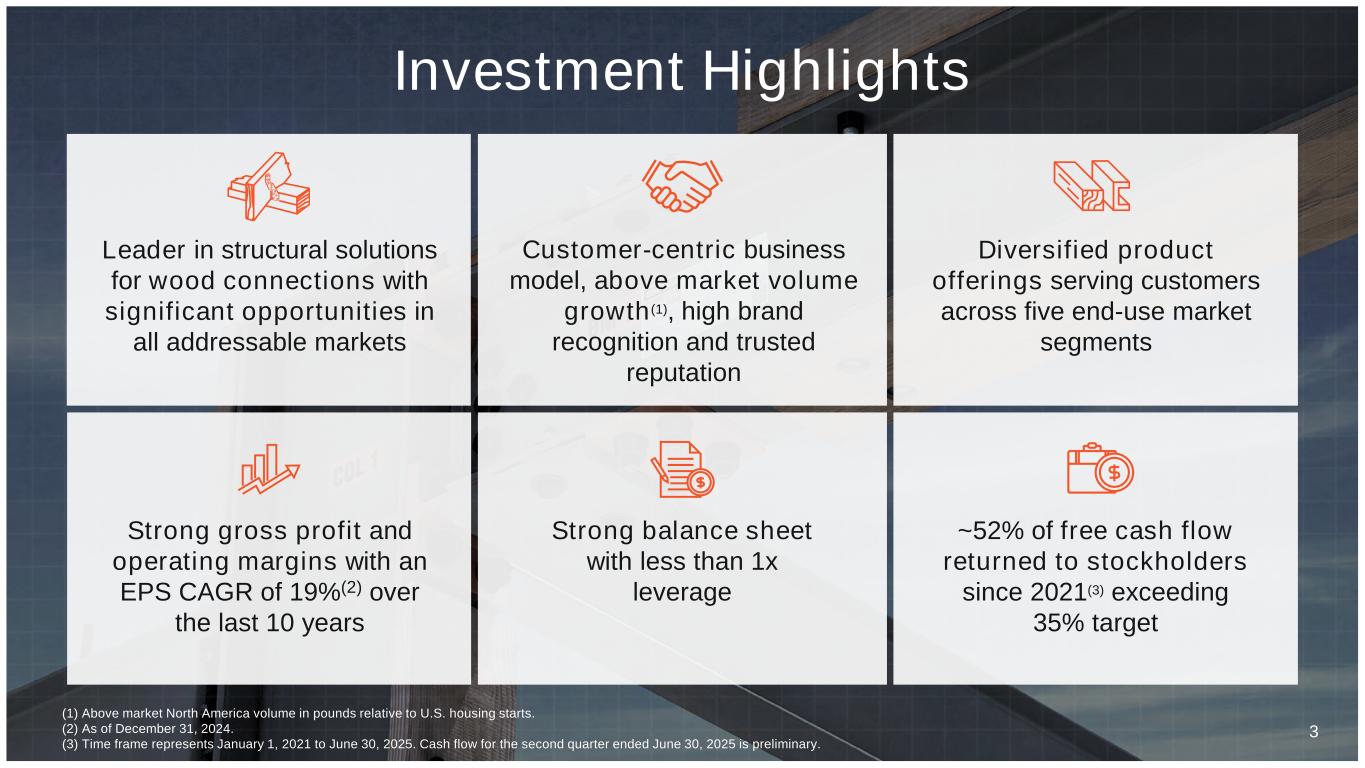
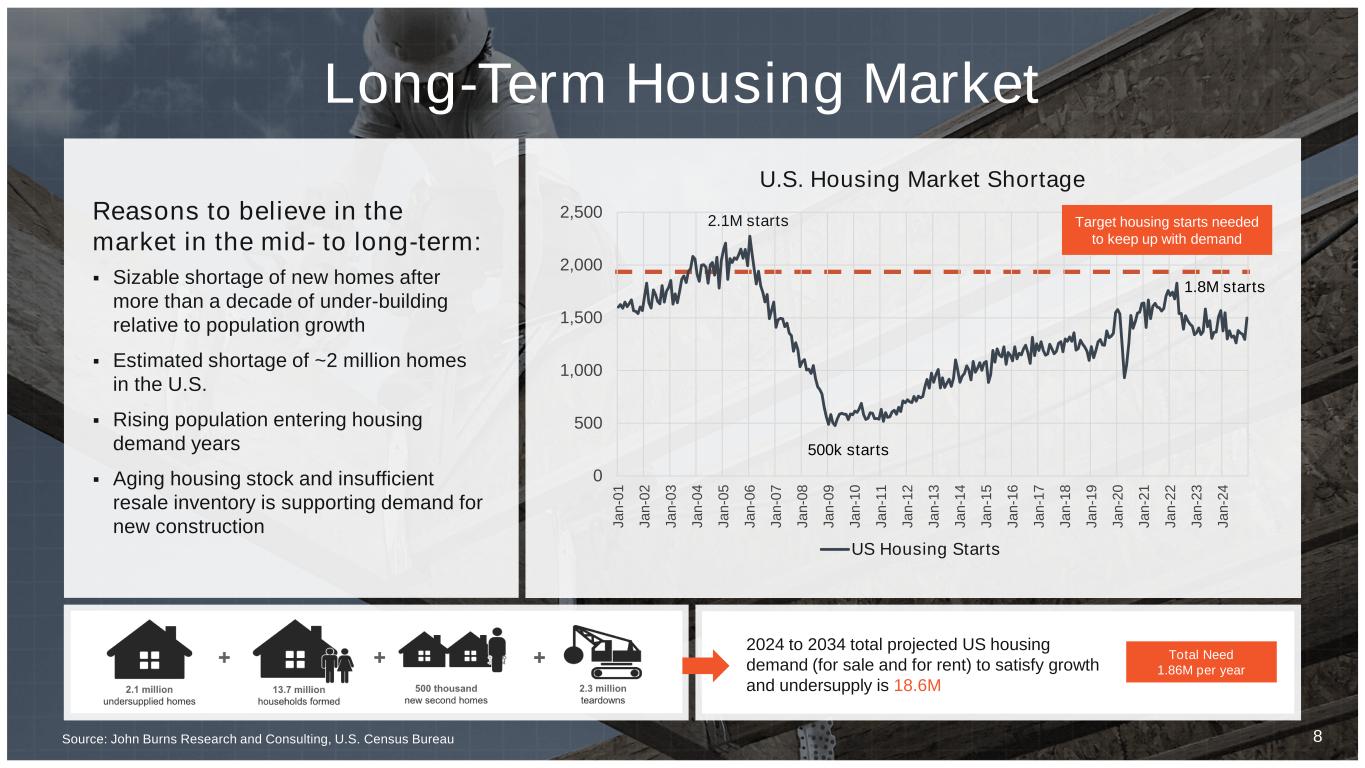
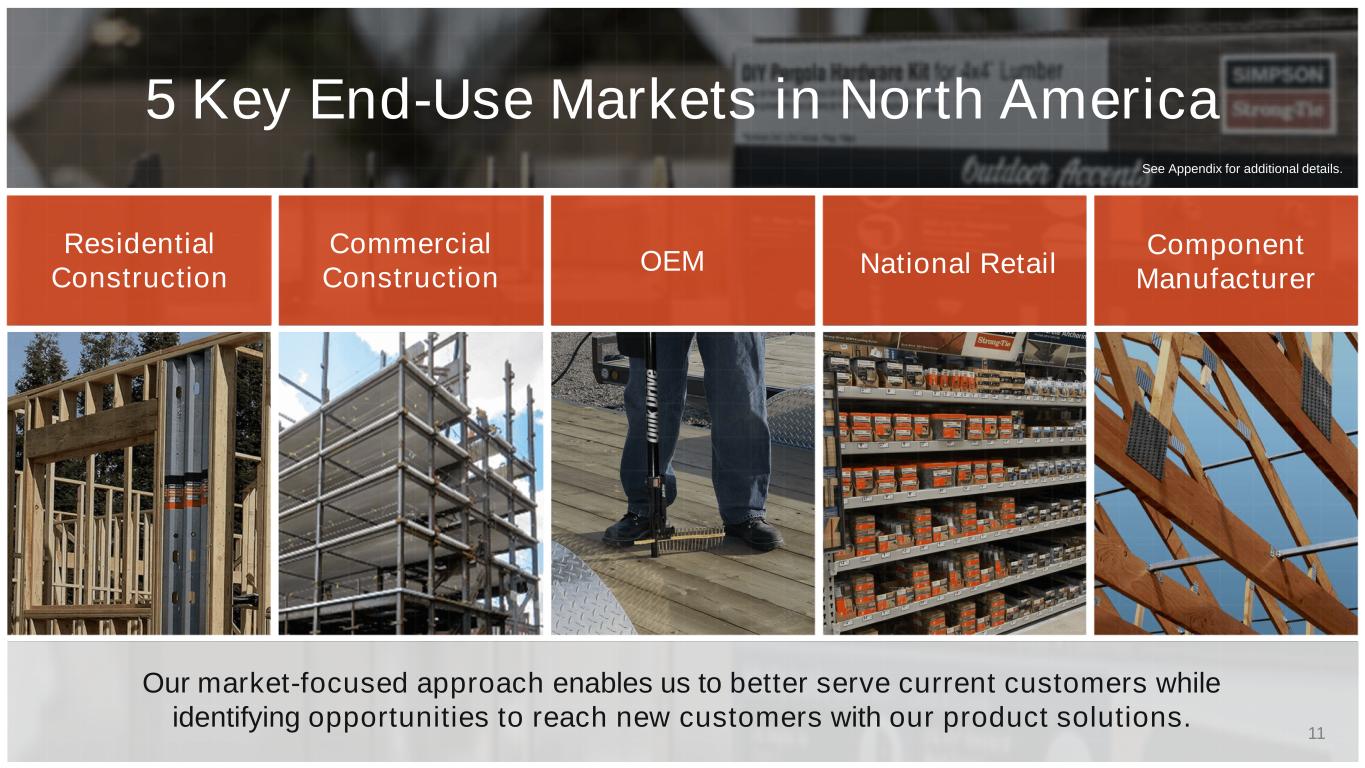
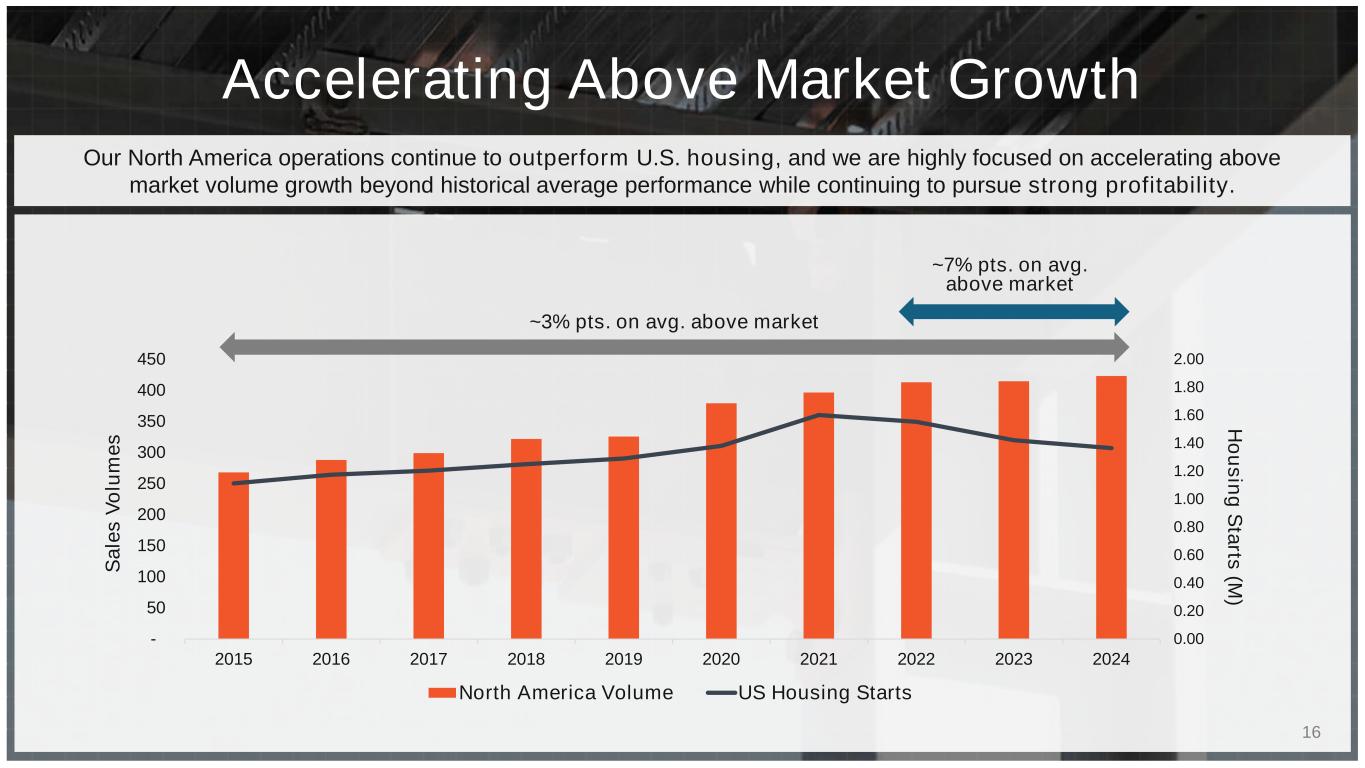
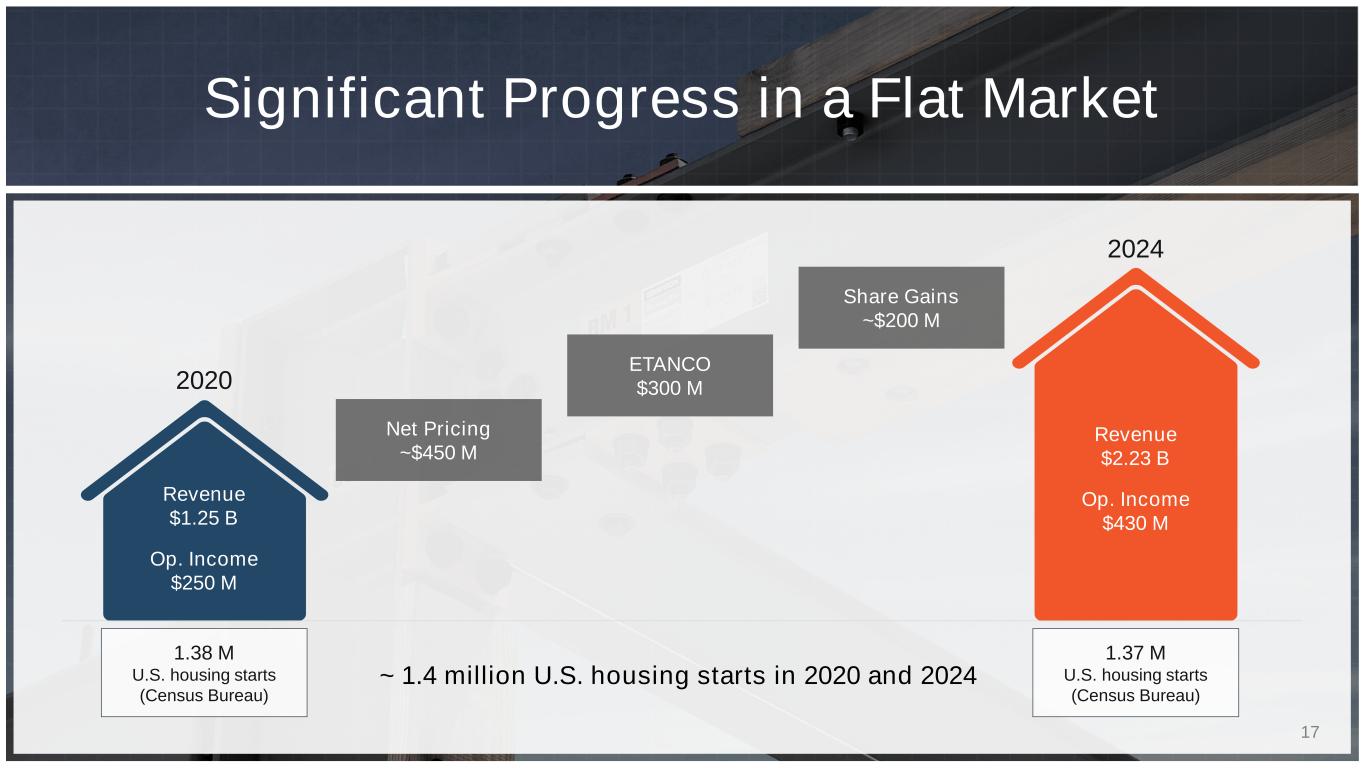
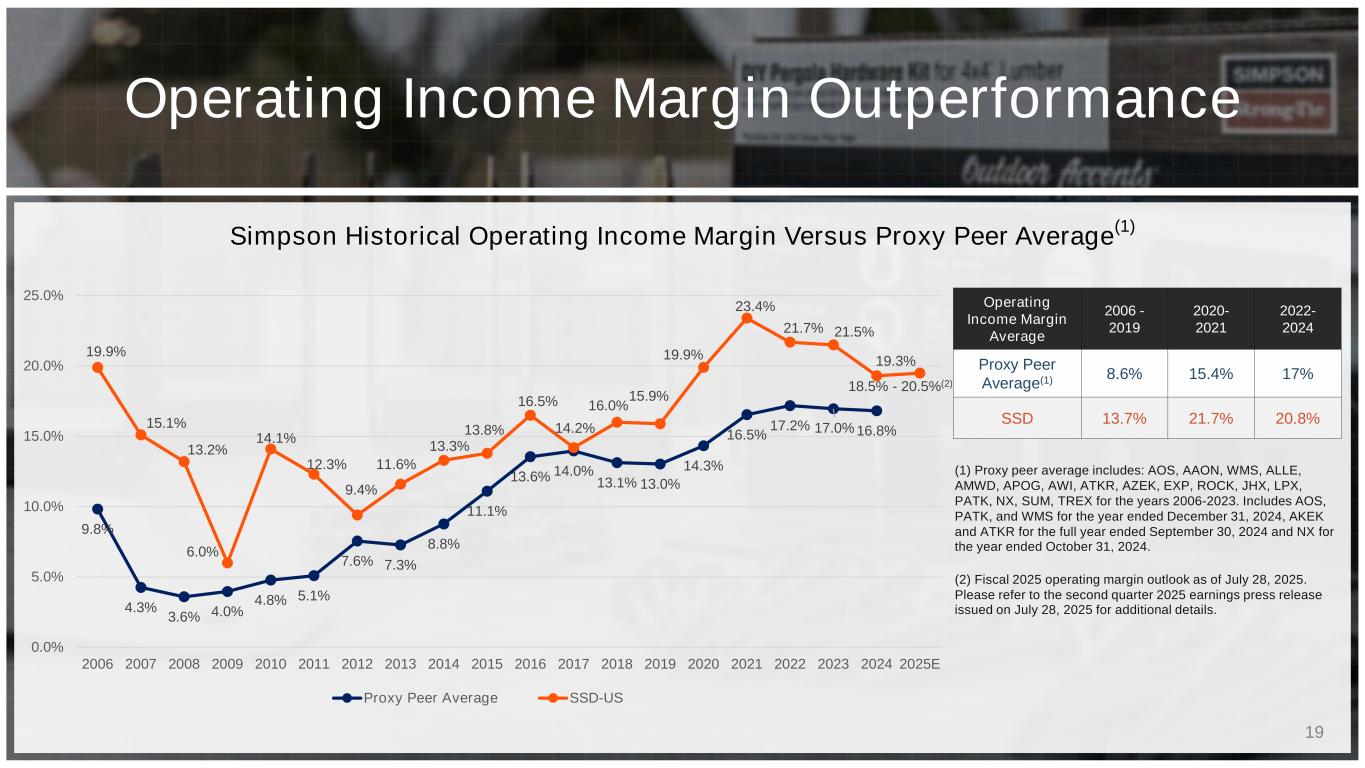
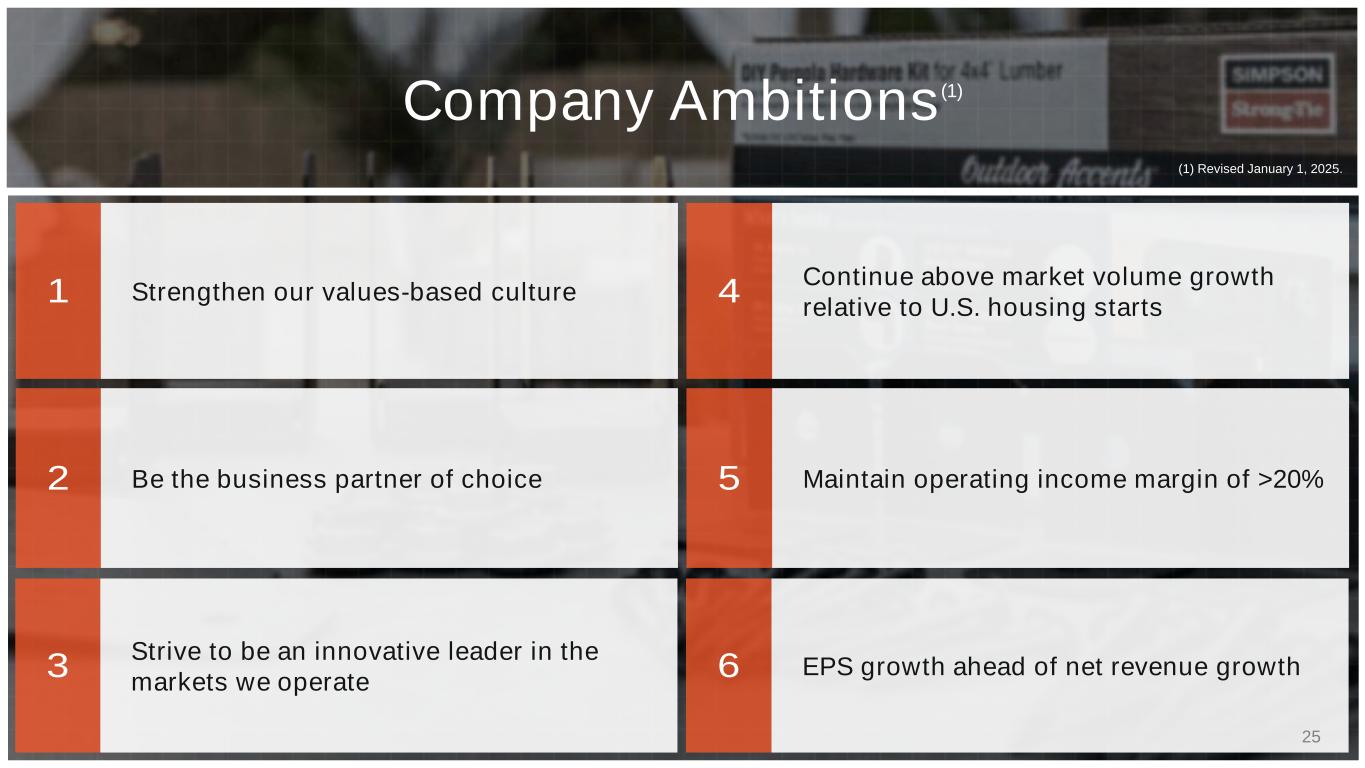
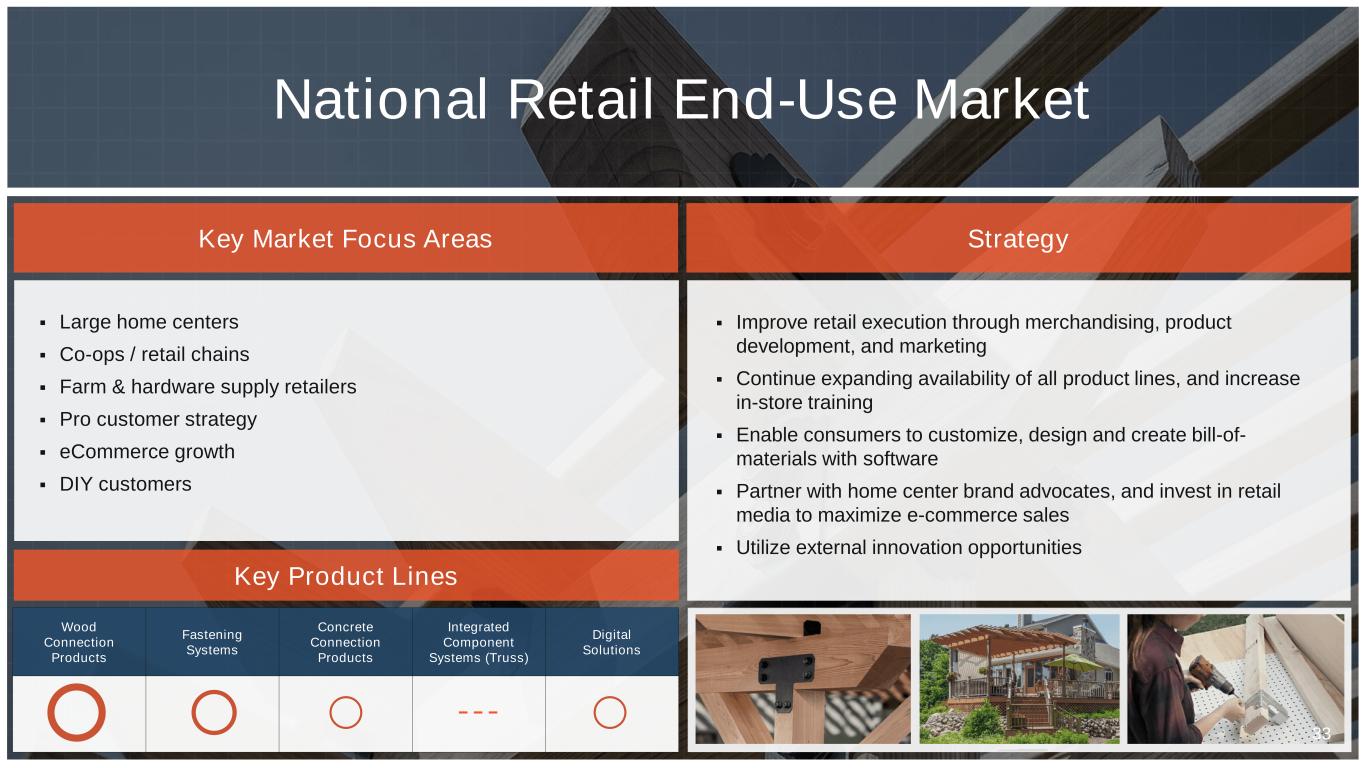
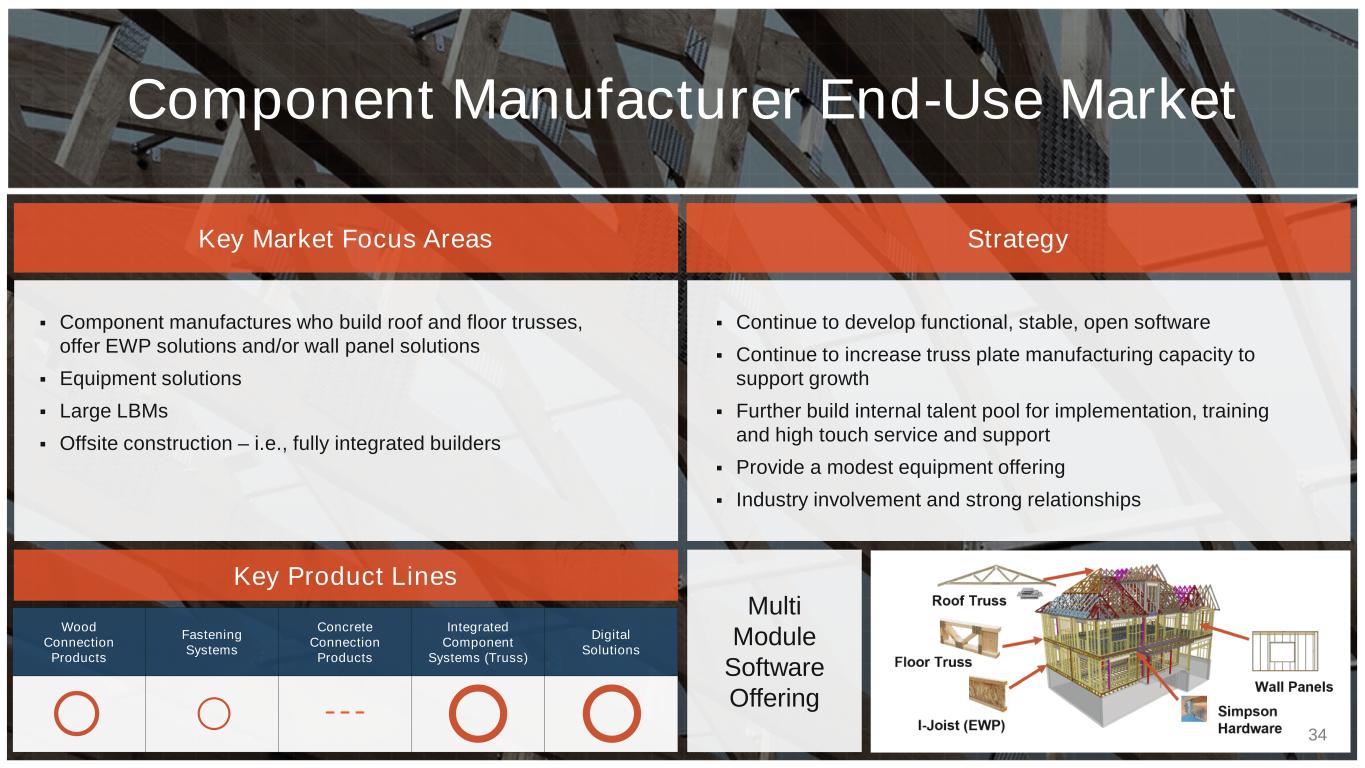
Thanks, Kim. Good afternoon, everyone, and thank you for joining today's call. With me today is Matt Dunn, our Chief Financial Officer. Today, my remarks will provide an overview of our second quarter performance and highlights from our key end markets. Matt will then walk you through our financials and our fiscal 2025 outlook in greater detail. Now turning to our results. Our net sales of $631.1 million reflected growth over the prior year quarter in a challenging residential housing market in both the U.S. and Europe. While our second quarter volumes were relatively flat year-on-year, our North American volumes once again exceeded U.S. housing starts by approximately 240 basis points over the last 12 months. In North America, net sales totaled $492.7 million, up 6.4% from $463 million last year. Our results included a contribution of roughly $9 million from our 2024 acquisitions. Additionally, we benefited from a partial month contribution from the price increases that went into effect on June 2. Collectively, these items offset our flat volumes. As a reminder, software services and equipment are not included in our volume calculations. Our North American volume results were mixed in the second quarter, though sales to all of our end markets continue to demonstrate at or above market growth on a trailing 12-month basis. The OEM business had a strong quarter with volume up double digits over Q2 2024. We saw significant growth in solutions for mass timber and continued momentum in off-site construction, including post-frame, shed and modular manufacturers. In the commercial business, volumes improved mid-single digits year-over-year, driven by the continued strong performance of our adhesive and cold-formed steel product lines. Our takeoff services, which generate an accurate bill of material, continue to add value and build customer loyalty, helping us win additional cold-formed steel projects. In the component manufacturer business, we delivered mid-single-digit volume growth year-over-year. Our customer-centric digital solutions and expanded equipment offering contributed to the above-market performance. In the second quarter, we expanded our customer base and launched key enhancements to our digital solutions portfolio, strengthening existing partnerships and delivering greater value to our customers. Our national retail business experienced relatively flat shipment growth, while point-of-sale performance improved with mid-single-digit gains. This was driven by new product listings and expanded retail space secured in late 2024. Growth was primarily fueled by our strong performance in our Outdoor Accents product line and anchoring products, increased e-commerce activity and pro growth initiatives within our two largest retail partners. In the residential business, volumes declined slightly versus last year due to continued challenging market conditions. We remain focused on driving customer conversions and expanding product lines with a particular emphasis on delivering integrated equipment and software solutions tailored for pro suppliers and billers. Additionally, we're encouraged by the recent momentum in the multifamily market. Finally, I'm proud to share that our dedication to relentless customer service resulted in several renewed partnership agreements with key builders and a supplier award announced in the second quarter from David Weekly Homes. Turning to Europe. Our net sales of $133.4 million increased 2.7% compared to the prior year, but decreased by $2.8 million on a local currency basis. Although volumes were down year-over-year, our European business continues to outperform local markets, driven by new application launches and recent customer wins. Consolidated gross margin was 46.7%, consistent with the prior year quarter despite higher input and labor costs. As a reminder, on June 2, we implemented targeted price increases in North America in direct response to rising input costs, both material and non-material, as well as a portion related to recent trade policy actions. While our supply chain is primarily domestic, we do source certain components, including fasteners from countries affected by the newly imposed tariffs. These increases offset some, but not all of the incremental tariff-related costs as of the date of our price increase announcement, resulting in a modest negative impact to gross margin. Looking ahead, the expansion of tariffs on steel and related metals announced in early June could prompt additional pricing actions, which we are currently evaluating. However, we believe that disciplined cost management, targeted pricing strategies, and ongoing productivity initiatives position us to maintain our gross margins while continuing to make selective investments in enhanced customer service. Our second quarter operating margin was relatively flat with the prior year at 22.2%. Consolidated adjusted EBITDA totaled $159.9 million, an increase of 4.8% year-over-year. Next, I'd like to touch on our three financial ambitions. First, continuing above-market growth relative to U.S. housing starts. For 2025, we are updating our assumption for U.S. housing starts to be down in the low single digits compared to 2024. In Europe, housing starts are expected to remain broadly in line with 2024 levels. We are focusing on continuing to grow above the market. Next, maintaining an operating income margin at or above 20%. In a favorable growing market environment, we are confident in our ability to sustain at least a 20% operating margin. And finally, as a growth-focused company with industry-leading margins, we believe we can consistently drive EPS growth ahead of net sales growth, as evidenced by our year-to-date earnings per share increasing by approximately 260 basis points ahead of our revenue growth. In summary, we delivered a solid quarter with revenue growth on stable volumes that outpaced the broader market despite continued macro housing headwinds. Our solid operating margin and disciplined cost control underscore the resilience of our team and our business model. We continue to believe in the prospects of the housing market in the mid- to long term. In the short term, we remain focused on being the partner of choice and maintaining our margins in this dynamic operating environment. With that, I'd like to turn the call over to Matt, who will discuss our financial results and outlook in greater detail.
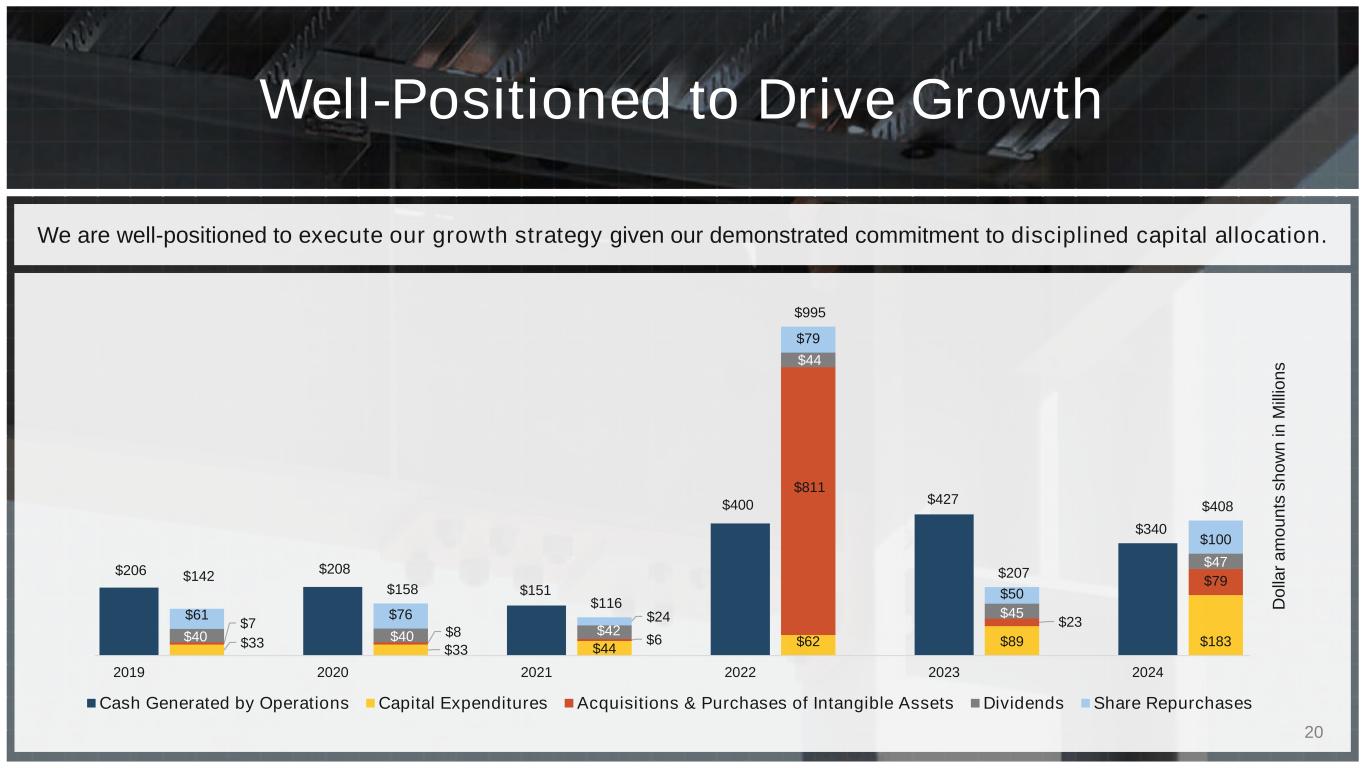
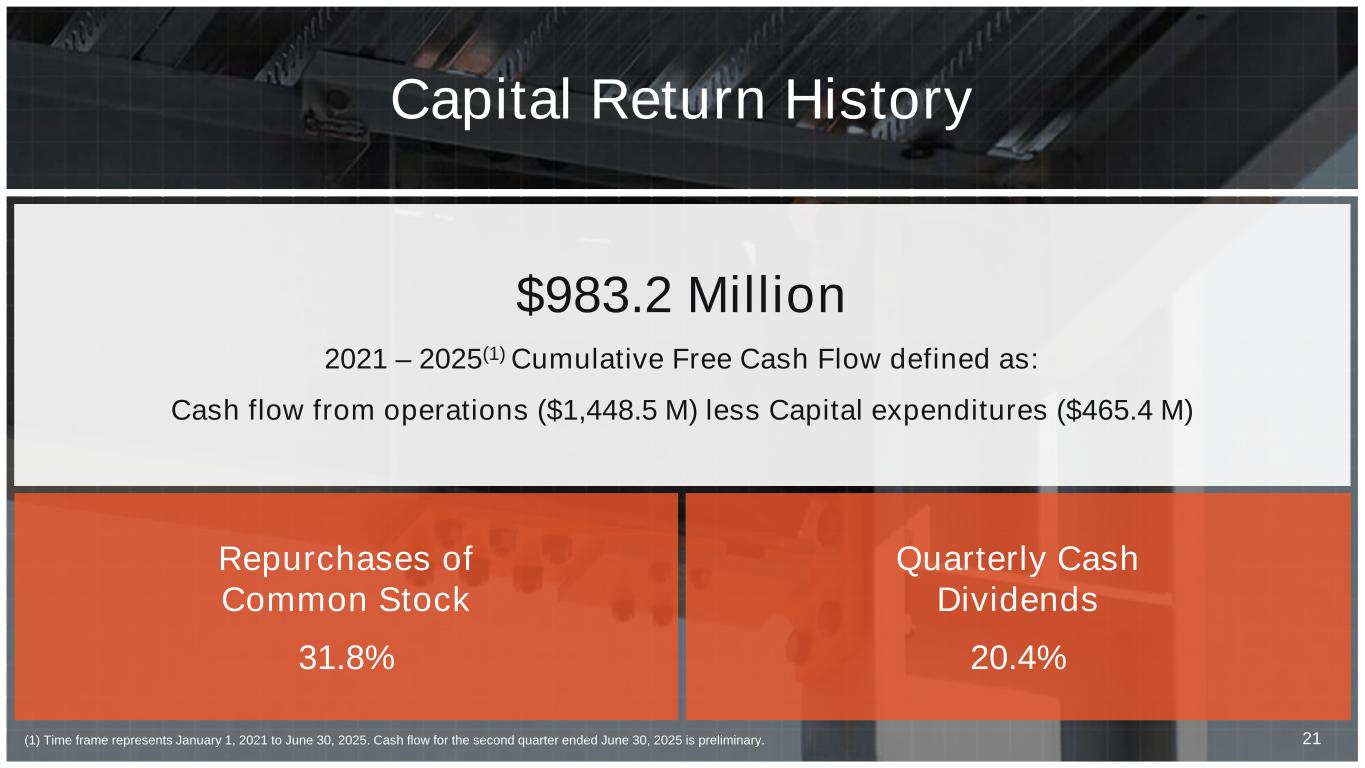
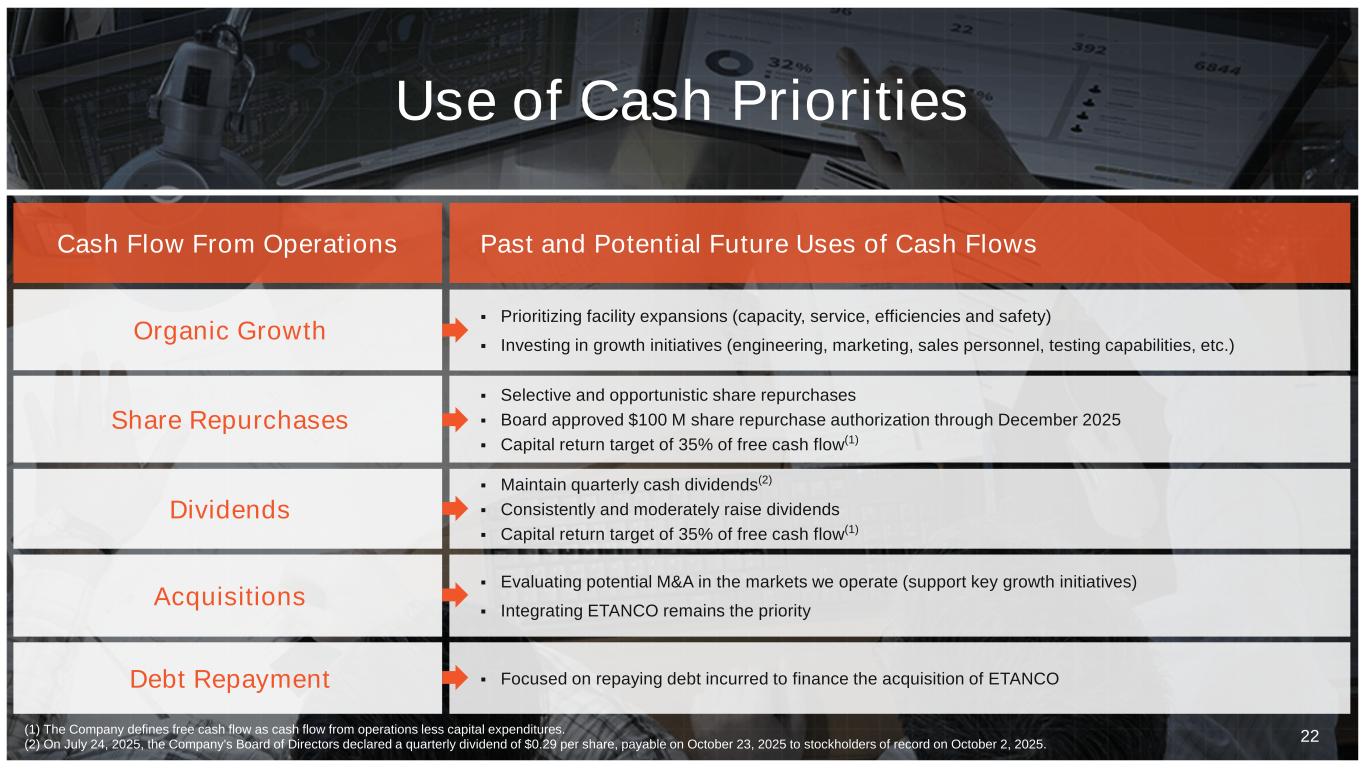
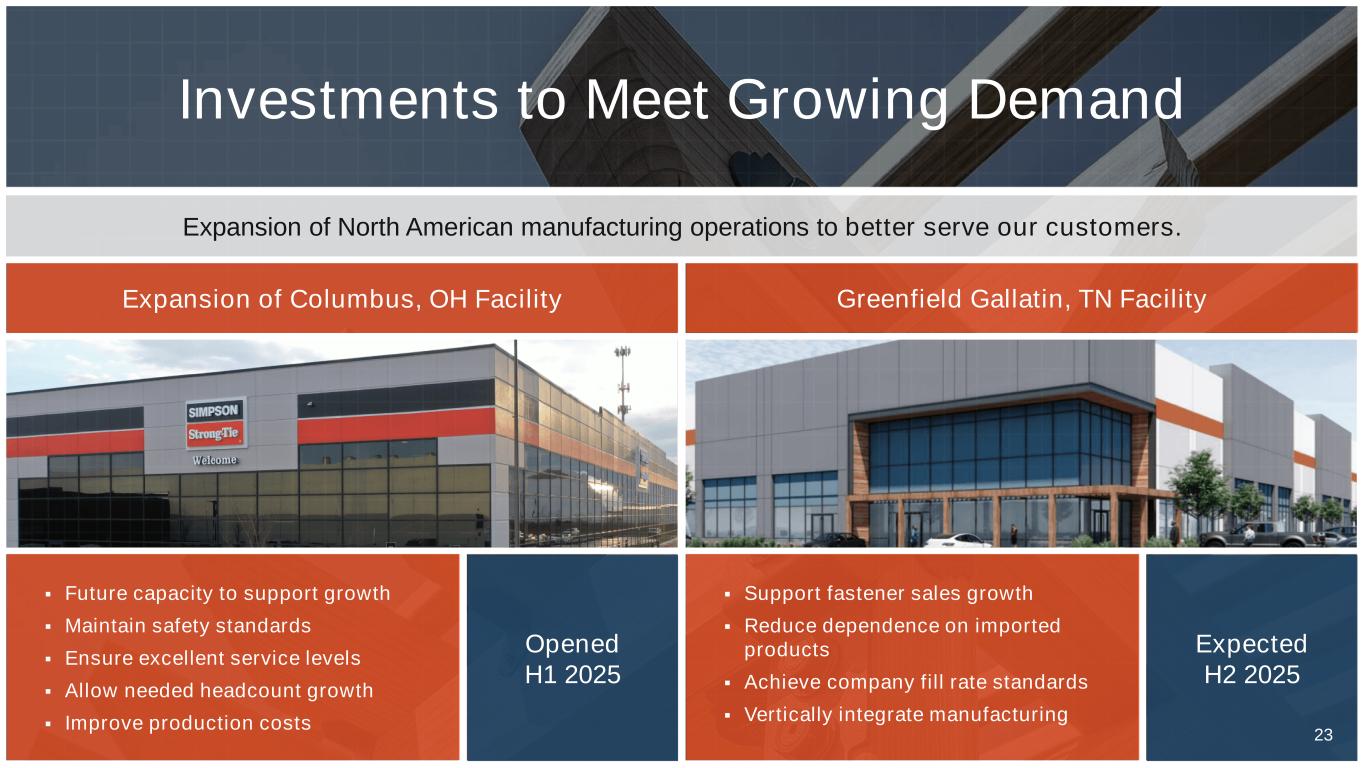
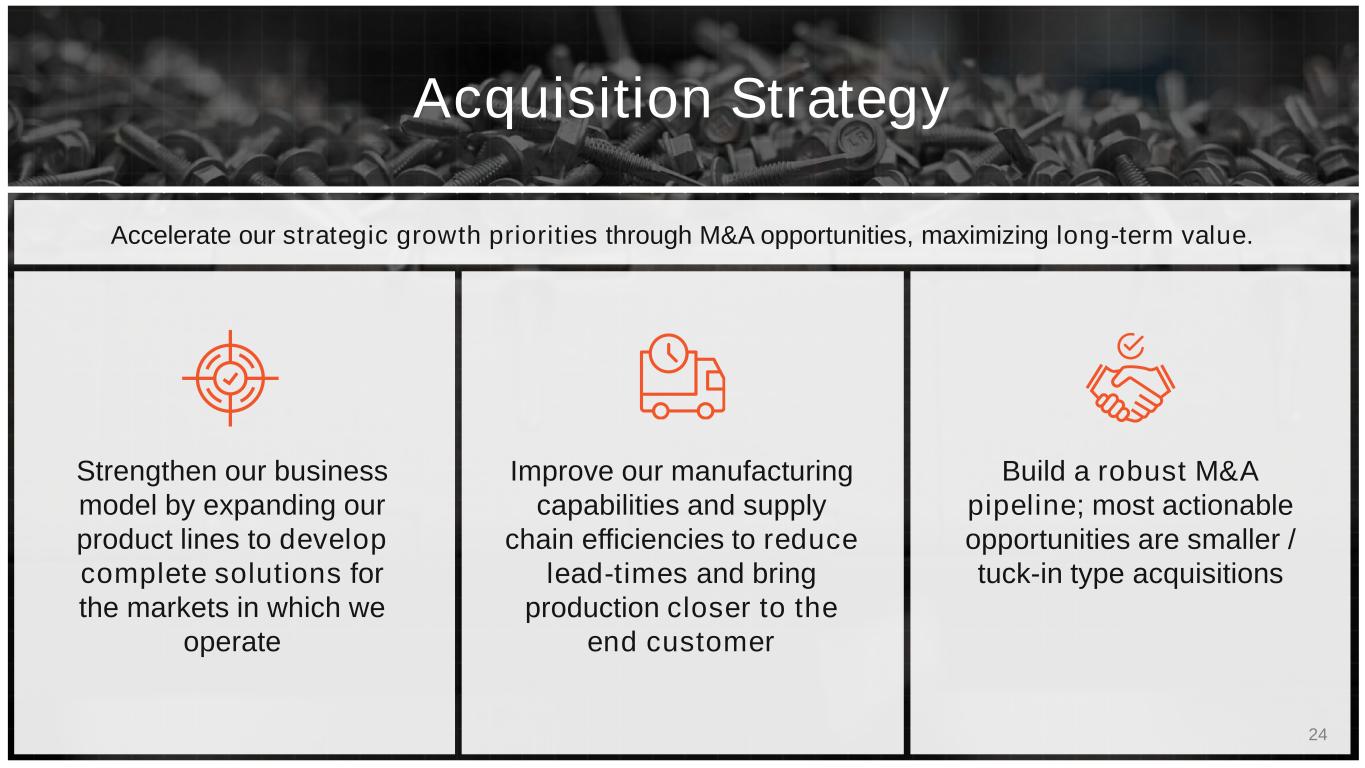
Good afternoon, everyone. Thank you for joining us on our earnings call today. Before I begin, I'd like to mention that unless otherwise stated, all financial measures discussed in my prepared remarks refer to the second quarter of 2025, and all comparisons will be year-over-year comparisons versus the second quarter of 2024. Now turning to our results. Our consolidated net sales increased 5.7% year-over-year to $631.1 million. Within the North America segment, net sales increased 6.4% to $492.7 million. In Europe, net sales increased 2.7% to $133.4 million, primarily due to the positive effect of approximately $7 million in foreign currency translation, which was partly offset by lower sales volume. Globally, wood construction products sales were up 5% and concrete construction product sales were up 9.2%. Consolidated gross profit increased 5.7% to $294.5 million, resulting in a gross margin of 46.7%, in line with the second quarter of 2024. On a segment basis, our gross margin in North America was 49.7%, marginally lower than the 50% reported in the prior year due primarily to higher warehouse costs as a percentage of net sales. Our gross margin in Europe increased to 36.2% from 35.4%, primarily due to lower material costs. From a product perspective, our second quarter gross margin was 47.1% for wood products compared to 47.2% and was 45% for concrete products compared to 47.5%. Now turning to expenses. Total Q2 operating expenses were $154.4 million, an increase of 6.5%, driven by higher personnel costs, primarily from our 2024 acquisitions, as well as variable compensation and computer software and hardware costs. As of June 30, our headcount was down slightly from the start of the year. As a percentage of net sales, Q2 2025 operating expenses were 24.5% compared to 24.3% last year. We are focused on ensuring our spending results in above-market growth while targeting an operating income margin above 20% that is consistent with our long-term strategic objective. Given the current outlook for housing starts and the recent price increases, in addition to the year-to-date headcount reductions mentioned above, we anticipate the cadence of SG&A investment will continue to moderate. To further detail our second quarter SG&A, our research and development and engineering expenses increased by 4.1% to $20.8 million. Selling expenses increased by 3.6% to $56.4 million, primarily due to higher travel-related costs. On a segment basis, selling expenses in North America were up 6.5% and in Europe, they were down 5.8%. General and administrative expenses increased by 9.4% to $77.2 million, largely as a result of higher personnel costs, including increased variable compensation and computer hardware and software costs. As a result, our second quarter consolidated income from operations totaled $140.2 million, an increase of 6.1% from $132.2 million. Our consolidated operating income margin was 22.2%, generally consistent with last year at 22.1%. In North America, income from operations increased 2.7% to $135.7 million, driven by higher net sales. In Europe, income from operations increased 29% to $15.7 million due to reduced operating expenses on higher gross margins, including a slight favorability from foreign exchange. This resulted in our highest second quarter operating income margin in more than a decade of 11.7% compared to 9.4% last year. Our midterm goal in Europe remains an operating income margin of 15%, predicated on improved market conditions. Our second quarter effective tax rate was 25.8%, approximately 50 basis points below the prior year period. Accordingly, net income totaled $103.5 million or $2.47 per fully diluted share compared to $97.8 million or $2.31 per fully diluted share. Adjusted EBITDA for the second quarter was $159.6 million, an increase of 4.8%, resulting in a margin of 25.3%. Now turning to our balance sheet and cash flow. Our balance sheet remained healthy with cash and cash equivalents totaling $190.4 million at June 30, 2025, up $40.1 million from our balance at March 31, 2025, due to higher net income and lower inventory levels. Our debt balance was approximately $374.5 million, net of capitalized finance costs and our net debt position was $184.1 million. We have $450 million remaining available for borrowing on our primary line of credit. Our inventory position as of June 30, 2025, was $586.6 million, which was down $32.2 million compared to our balance as of March 31, 2025, with lower pounds of inventory on hand. Our disciplined capital allocation strategy ensures that our investments are aligned with market dynamics and long-term value creation. We generated strong cash flow from operations of $124.7 million for the second quarter. This enabled us to invest $39.9 million for capital expenditures, including our investments for facility upgrades and expansions, pay $11.8 million in dividends to our stockholders and pay down $5.6 million of our term loan. In addition, we repurchased 216,645 shares of common stock at an average price of $161.55 per share for a total of $35 million. As of June 30, $40 million remained available for repurchases through year-end 2025 under our $100 million authorization. Next, I'll turn to growth investments. We held the grand opening of our expanded Columbus, Ohio facility in May. The project finished on time and under budget. Our Gallatin, Tennessee facility is scheduled to open in the third quarter of 2025 and is expected to become fully operational by the end of this year. This facility will play a critical role in helping to support growth and enhance operational efficiency across our fastener product lines. As a reminder, this new greenfield expansion will enable us to manufacture approximately 50% of our fastener products in-house. This shift to primarily domestic production will reduce our tariff exposure, improve responsiveness to customer demand and enable us to more effectively compete for larger projects with short lead times that we could not historically fulfill with imported fasteners. Additionally, we are continuing to integrate our 2024 acquisitions. At the same time, we are evaluating potential M&A opportunities in alignment with our strategic objectives. Next, I'll turn to our 2025 financial outlook. Based on business trends and conditions as of today, July 28, we are reaffirming our guidance for the full year ending December 31, 2025, as follows: we continue to expect our operating margin to be in the range of 18.5% to 20.5%. Additional key assumptions include our revised expectation for U.S. housing starts to be down in the low single-digit range from 2024 levels. Additionally, we're expecting a slightly lower overall gross margin based on the recently imposed tariffs, which we anticipate will be partly offset by the price increases that went into effect on June 2 as well as the addition of new facilities as a percentage of net sales. Our margin guidance also includes a projected benefit of $12 million to $13 million from the sale of the original Gallatin, Tennessee property based on a contracted sales price of $19.1 million. Next, interest expense on our term loan, which had borrowings of $374.5 million as of June 30, 2025, is expected to be approximately $2 million, including the benefit from interest rate and cross-currency swaps, mitigating substantially all of the volatility from changes in interest rates. Interest on our cash and money markets is expected to offset this expense. Our effective tax rate is estimated to be in the range of 25.5% to 26.5%, including both federal and state income tax rates based on current laws. And finally, we are reducing our capital expenditures outlook to be in the range of $140 million to $160 million, which includes approximately $70 million to $75 million for the completion of both the Columbus facility expansion and the new Gallatin Fastener facility. In closing, we performed well in the first half of 2025. We are focused on achieving our financial ambitions through the balance of the year despite ongoing macroeconomic uncertainty, and we'll continue to monitor our investments to ensure that they are aligned with market conditions. We also remain committed to returning at least 35% of our free cash flow to stockholders, reinforcing our emphasis on balancing growth with maximizing stockholder returns. As always, we are focused on being the partner of choice by providing our customers with world-class service, support, and innovation. With that, I will now turn the call over to the operator to begin the Q&A session.
Operator
Our first question comes from Dan Moore with CJS Securities.
Speaker 4
Maybe start, just make sure I heard correctly. I think you said a $9 million contribution in the quarter from acquisitions and then the balance of revenue growth predominantly price with volumes relatively flat. Is that the right way to kind of think about the buckets in the quarter?
Yes, Dan, this is Matt. The $9 million from acquisitions in the quarter is correct, which is acquisitions we acquired last year that we haven't quite anniversaried. There was a little bit of exchange rate help in the quarter as well from Europe, I think about $7 million. And then pricing was really the balance of it. Volume largely flat.
Speaker 4
Perfect. And then margins, obviously, a solid quarter, generated operating margins of a little over 22%, bringing the first half margin to nearly 21%, yet we're maintaining the full year outlook with 19.5% at the midpoint. I realize there's seasonality. The fourth quarter is usually lighter, but it implies a bit of a step down. Are you expecting gross margin headwinds from tariffs, and is there anything else? Is there possibly some conservatism built in given the uncertain macro environment?
Actually, Dan, you expressed that very well in your last statement regarding the significant uncertainty. When we examine the market, the forecasts from Zonda, and the feedback from our customers, it appears that the second half will be somewhat challenging. There is an additional round of tariffs that took effect after we announced our price increase in April, which we need to consider. There are many unknowns, and we want to ensure that we are doing everything possible to meet our guidance.
Speaker 4
I appreciate the help. I have a housekeeping question regarding what prompted the reclassification of expenses. Does this have any implications for our overall spending or investment going forward?
No, there was a change that we made when we brought on a new CTO mid-last year. We wanted to align the work with the leadership. We moved some funds from one area of SG&A to another, but it was essentially just a reallocation with no real change in the work being done or the spend. It was more of a housekeeping matter, as you mentioned.
Speaker 4
Okay. I have a couple of quick questions about cash flow and capital allocation. You experienced a slight inventory benefit this quarter. How should we view working capital for the rest of the year? Additionally, you are continuing to buy back stock, especially since the price has dropped a bit. I believe there is $40 million remaining in the buyback authorization. Do you plan to replenish that, or should we consider the $100 million as the total amount available for the remainder of the year?
Yes, I'll take the last part there on the stock repurchase. We're sitting at $60 million through the front half of the year against our $100 million authorization from the Board. I think like in our outlook, there's a lot of uncertainty, but we remain focused on returning free cash flow to shareholders and being opportunistic when we have that opportunity. So I think the authorization for the year is clear, and we're always looking to do what we can there from the standpoint of being opportunistic. So nothing specific there yet, but more to come.
Speaker 4
Helpful. And just kind of working capital as we think about the...
Working capital, I think seasonally, the higher volume quarters for us are Q2 and Q3, where we tend to work down inventory a bit. There's a lot of wildcards out there about steel pricing and inventory levels. So as you know, we tend to try to hedge steel prices through inventory more so than a specific hedging program. So we remain kind of vigilant and opportunistic in the market based on what we see from a steel standpoint and also knowing that the volume forecast is a bit variable. So I think not a whole lot different than where we've been from that standpoint. The cost of inventory certainly is going up on imported items from a tariff standpoint. So while the dollars may be going up a bit, the pounds are flat to down.
Operator
Our next question comes from the line of Tim Wojs with Baird.
Speaker 5
Maybe just first, just a clarification. On the North America business, were volumes up in Q2? Or is that organic number predominantly price?
The volumes are pretty much flat on the quarter, Tim. The revenue number is driven by price, the carryover of the acquisitions, which generally don't have volume, if you think about equipment and software, which was two of the big acquisitions from last year. They don't factor in the volume calculation. And then the last piece is a little bit of exchange rate help coming from Europe.
Speaker 5
In North America, you only had a couple of weeks of price increase during the quarter. I'm trying to understand how you achieved a 5% increase with just a few weeks of pricing, especially considering the volumes were relatively flat. It seems like there's something I'm not quite grasping.
Tim, if you look at year-to-date volumes in North America, we are down roughly 1% versus prior year...
Yes, year-to-date, down 1% versus prior year North American volumes.
Speaker 5
Okay. So the price contribution was like mid-single digits in the quarter?
Yes, I think that's right. I mean the volume on the quarter, I think, is up slightly in North America because we were down a little bit in the first quarter. So maybe we're getting a point of volume in North America, getting a point from the acquisitions and then the balance is pretty much pricing in the quarter.
Speaker 5
Okay. Okay. Got you. And then I guess when you're thinking about just kind of a more difficult housing kind of market, has your ability to take share changed at all, either positively or negatively? Or is it pretty similar to like when the market was growing 2 or 3 years ago? Do you guys have to do anything differently?
Yes, Tim, our position remains consistent. In a rapidly growing market, the focus is on service and ensuring that job sites are operational. When the market slows and affordability becomes a priority, we concentrate on supporting our customers' success. This includes value engineering and reducing installation costs, as well as utilizing tools like our EstiFrame saw for developing cutting packages. We also offer improved software that produces more accurate bills of materials and minimizes waste. Overall, while our business model stays largely the same, the emphasis shifts depending on whether we're in a fast-growing market or a more price-sensitive environment.
Speaker 5
Okay. Regarding the headcount you mentioned, is it lower due to normal turnover, or did the organization implement more structural changes?
Yes. Tim, we've been leveraging attrition to help us get to that point where we're below prior year.
Speaker 5
Okay. It sounds like that will continue.
Yes. I mean we are committed to the guide, and we're committed to getting to 20% with a little bit of help from the market. And until things pick up, we need to be very cost disciplined, and that's one of the ways we're being cost disciplined.
Operator
Our next question comes from the line of Kurt Yinger with D.A. Davidson.
Speaker 6
Just wanted to, I guess, stick with pricing to start. Maybe you could just confirm, is the 8% kind of weighted average increase in North America still the right way to think about kind of the back half as that's fully implemented for a quarter? And then secondly, you kind of referenced some of the incremental tariff headwinds relative to when you announced the price increases. I guess going forward, how do you kind of balance competitive dynamics? You alluded to affordability just a minute ago versus that end goal of making sure the business is positioned to maintain a 20% operating margin?
Yes, yes, Kurt, you're right. The weighted average 8% is the right way to think about it. That was our the net of the kind of the published list price increases that went out in early April and were implemented in June. In terms of how we think about it going forward, I'll let Mike jump in here.
Yes. Kurt, when we look at it, I mean, we're focused on helping our customers win. We're focused on making sure that we're delivering great service and innovative solutions and our products are adding a lot of value associated with that. So we believe that's worth a modest premium. At the same time, we're doing everything we can to make sure that we can control costs. So in a slow to low-growth market, we can get close to that 20% operating income.
Speaker 6
Got it. When considering the modest premium and ensuring alignment with the traditional spread, do you feel that there are increases in the market that might enable you to make a smaller move?
I mean, Kurt, I would say, just stepping back, our connector business is largely sourced with U.S. steel, like the tariffs don't have a direct impact, although they impact steel prices. I think where we see bigger tariff impact is on imported items and fasteners and anchors, and we compete against a number of different competitors in those spaces, some of which are similar footprint to us and that some is domestically sourced and some is imported. Others are exclusively imported. So we're watching what's happening with various competitors in the space, where we're positioned in the market and trying to strike that balance. So obviously, we're getting additional tariff costs from the tariffs that were announced June 4, the additional 25% on imports. We have not announced any pricing related to that, obviously, because our price increase was announced in April. So it's something we're watching very closely. I think ultimately, it just kind of depends where that all nets out and where we see competition and making sure that we're delivering what we need to deliver, but at the same time, focused on affordability challenges in the market and making sure that we continue to deliver good customer service.
Speaker 6
Okay. Okay. That's great. And then could you maybe just talk about kind of order progression through the quarter? Anything visible to you guys in terms of maybe a little bit of prebuying ahead of the price increase? We saw May and June starts obviously sequentially weaker. Have you kind of seen that same type of progression on a year-over-year basis in your business? Can you just talk maybe a little bit more about that from a monthly perspective?
Yes. So Kurt, we did not see any substantial prebuying. And when we look at the market forecast for the second half of the year and how our second half is starting, it's very much in line with the market forecast. So things are definitely softer.
Speaker 6
Okay. Perfect. And then just lastly, I think you mentioned customer expansion in the component manufacturer space. Can you maybe just provide a little bit more color there? And then I think you had also referenced maybe some improvements on the software side. So any detail there would be great.
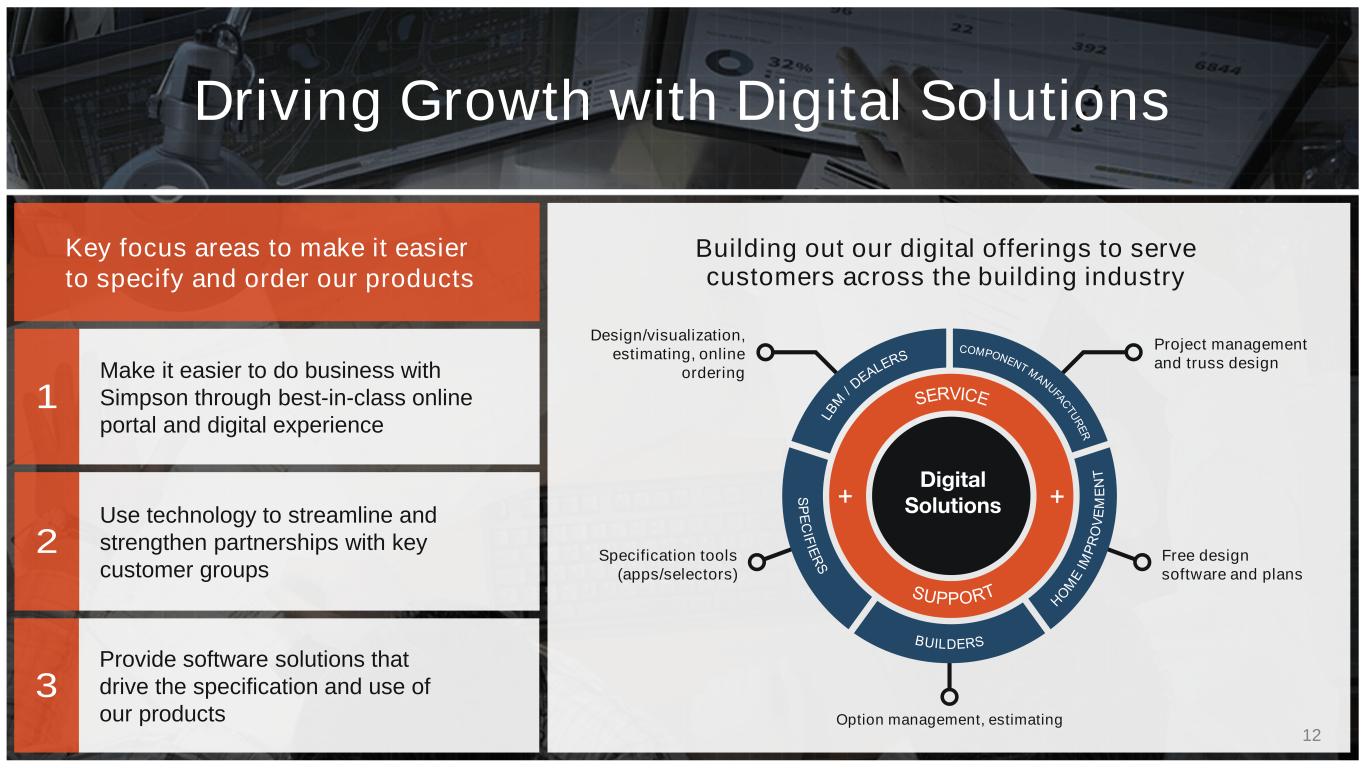
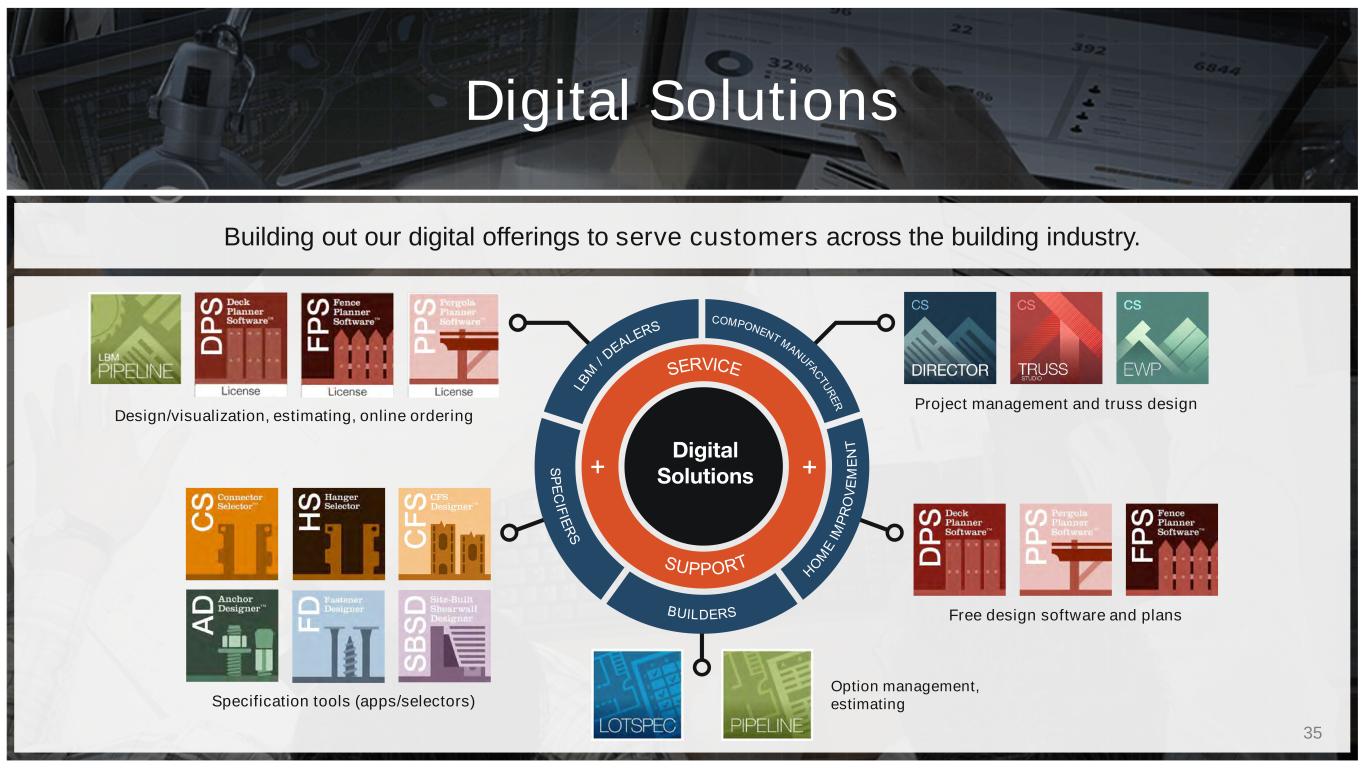
Yes. So we continue, we believe, to make really good progress on the software perspective. We've got a couple of areas we're working on to improve the engineering part of our trust solutions. We are also working on tools that can help our customers manage their overall project list. We've got tools that we're working on to help them improve the - basically the supply chain and the manufacturing of the trusses. And we're making good progress in that space. When we look at the solutions that we have today, it's a really good fit for a lot of customers. And as a result, we continue to pick up share and deliver the value proposition that we've been delivering to everybody else.
Operator
There are no further questions at this time. This concludes today's teleconference. You may disconnect your lines at this time. Thank you for your participation.