Operator
Greetings, and welcome to the Simpson Manufacturing Company fourth quarter and full year 2025 earnings conference call. At this time, all participants are in a listen-only mode. The question and answer session will follow the formal presentation. If anyone should require operator assistance, please press star zero on your telephone keypad. As a reminder, this conference is being recorded. It is now my pleasure to introduce your host, Kim Orlando, from Vesta Relations. Thank you, Kim. You may begin.
Good afternoon, ladies and gentlemen, and welcome to Simpson Manufacturing Company's fourth quarter and full year 2025 earnings conference call. Any statements made on this call that are not statements of historical fact are forward-looking statements. Such statements are based on certain estimates and expectations and are subject to a number of risks and uncertainties. Actual future results may vary materially from those expressed or implied by the forward-looking statement. We encourage you to read the risks described in the company's public filings and reports, which are available on the SEC's or the company's corporate website. Except to the extent required by applicable securities laws, we undertake no obligation to update or publicly revise any of the forward-looking statements that we make here today, whether as a result of new information, future events, or otherwise. On this call, we will also refer to non-GAAP measures such as adjusted EBITDA, which is reconciled to the most comparable GAAP measure of net income in the company's earnings press Please note that the earnings press release was issued today at approximately 4.15 p.m. Eastern Time. The earnings press release is available on the Investor Relations page of the company's website at ir.SimpsonMFG.com. Today's call is being webcast and a replay will also be available on the Investor Relations page of the company's website. Now I would like to turn the conference over to Mike Oloski, Simpson's President and Chief Executive Officer.
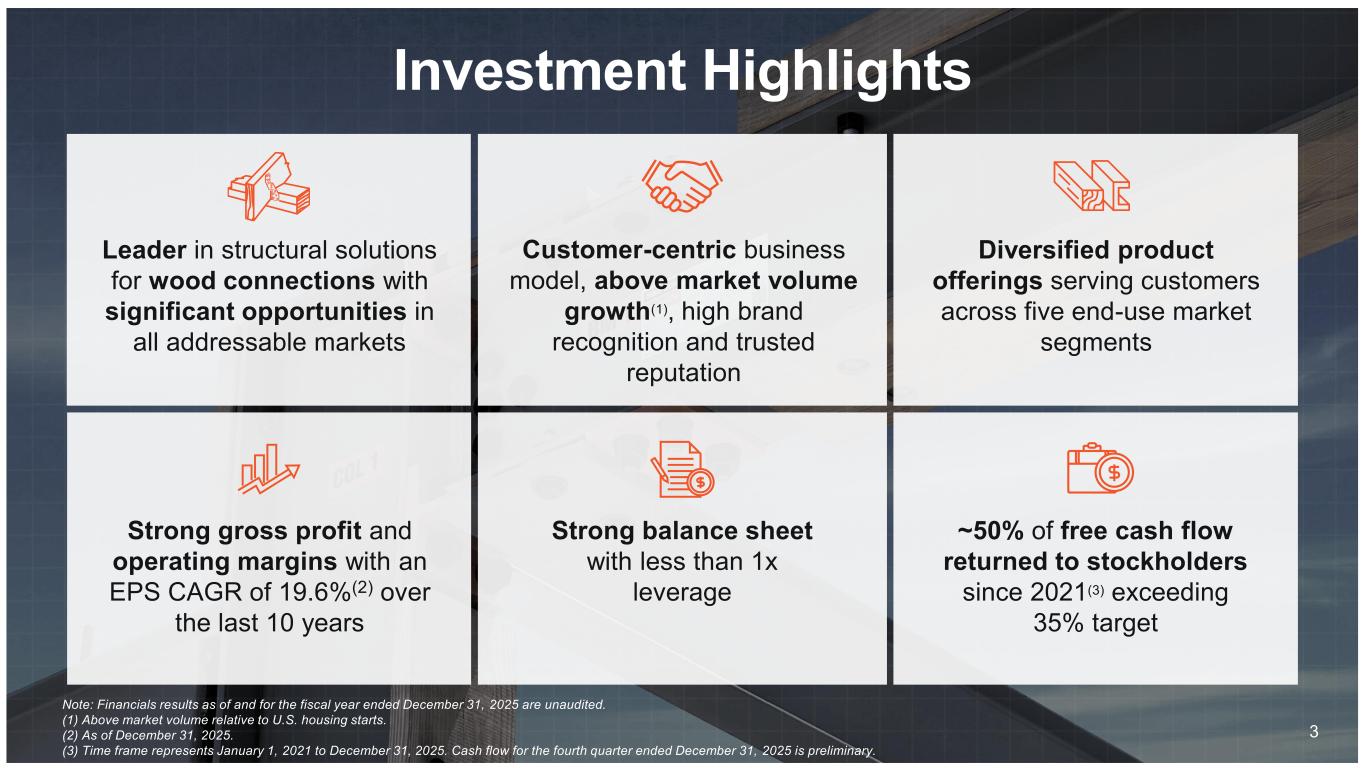
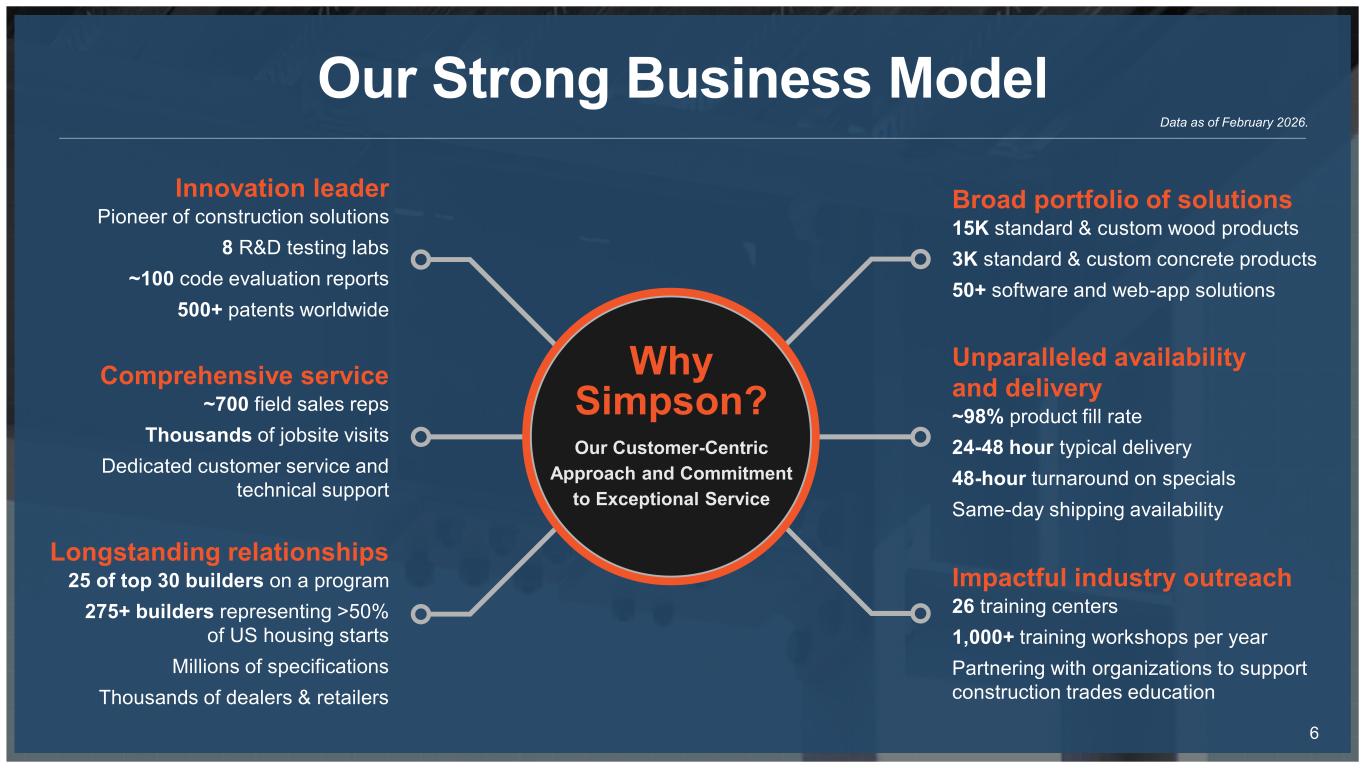
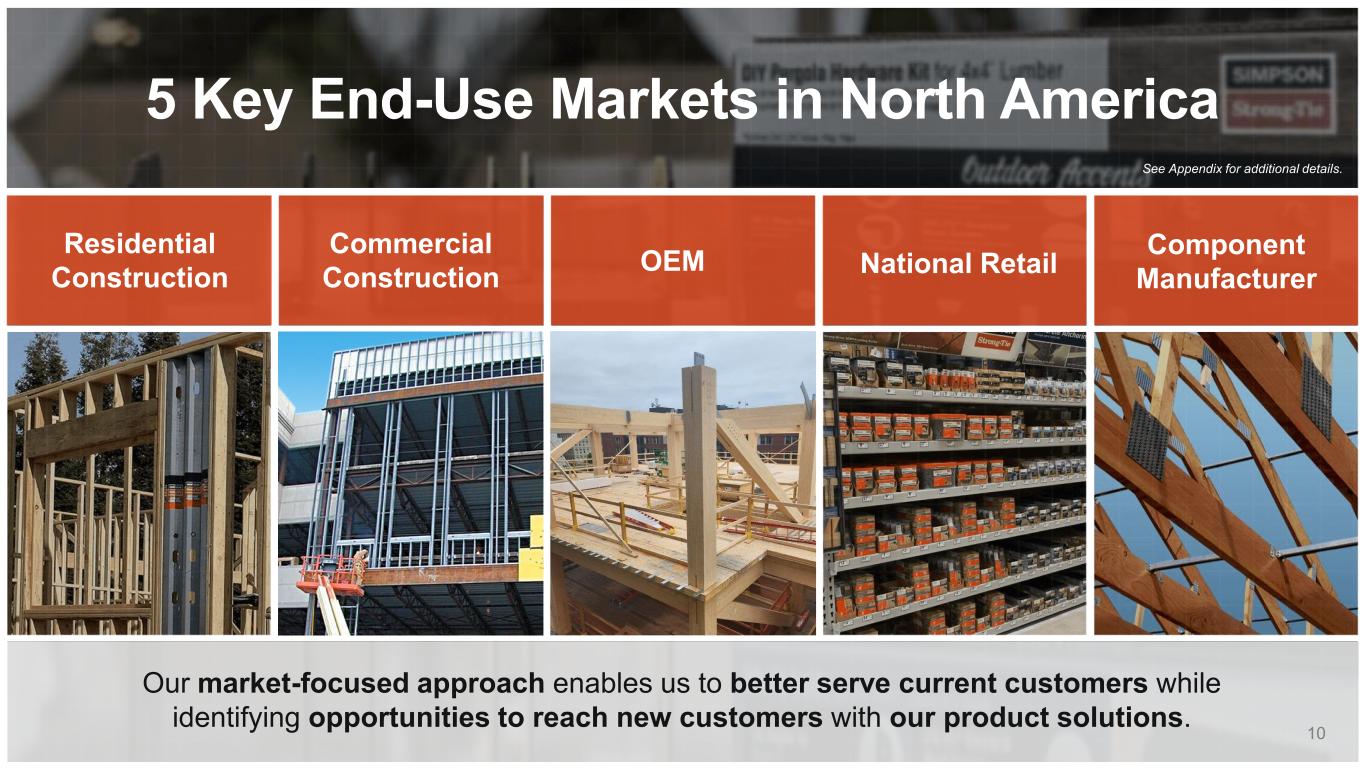
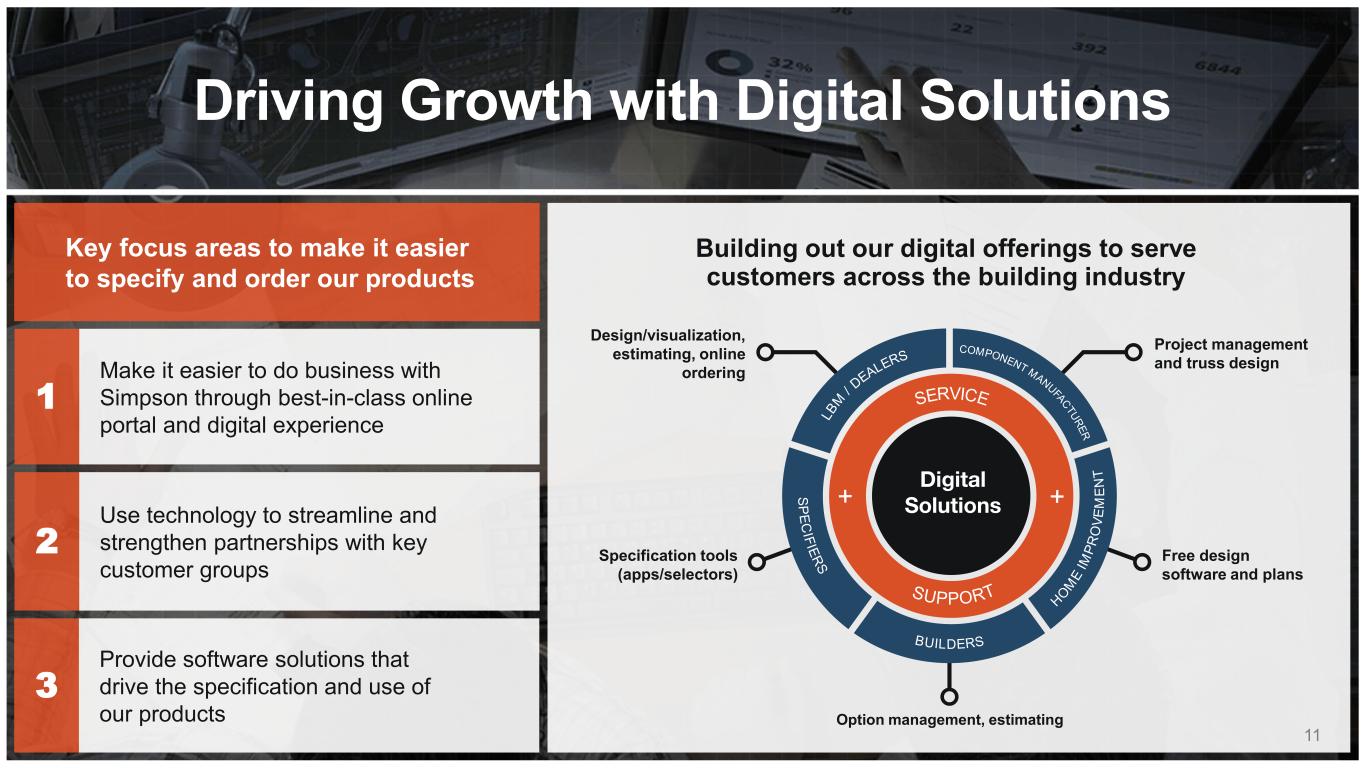
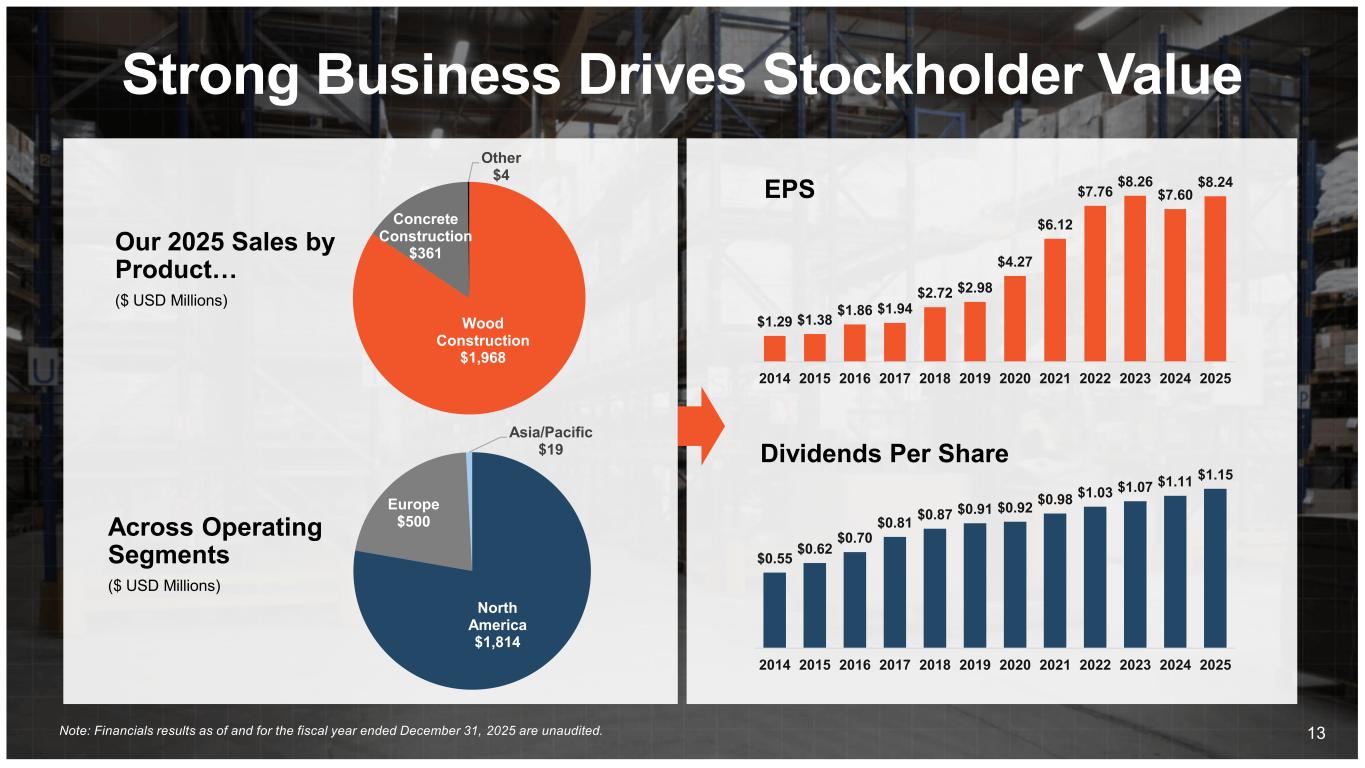
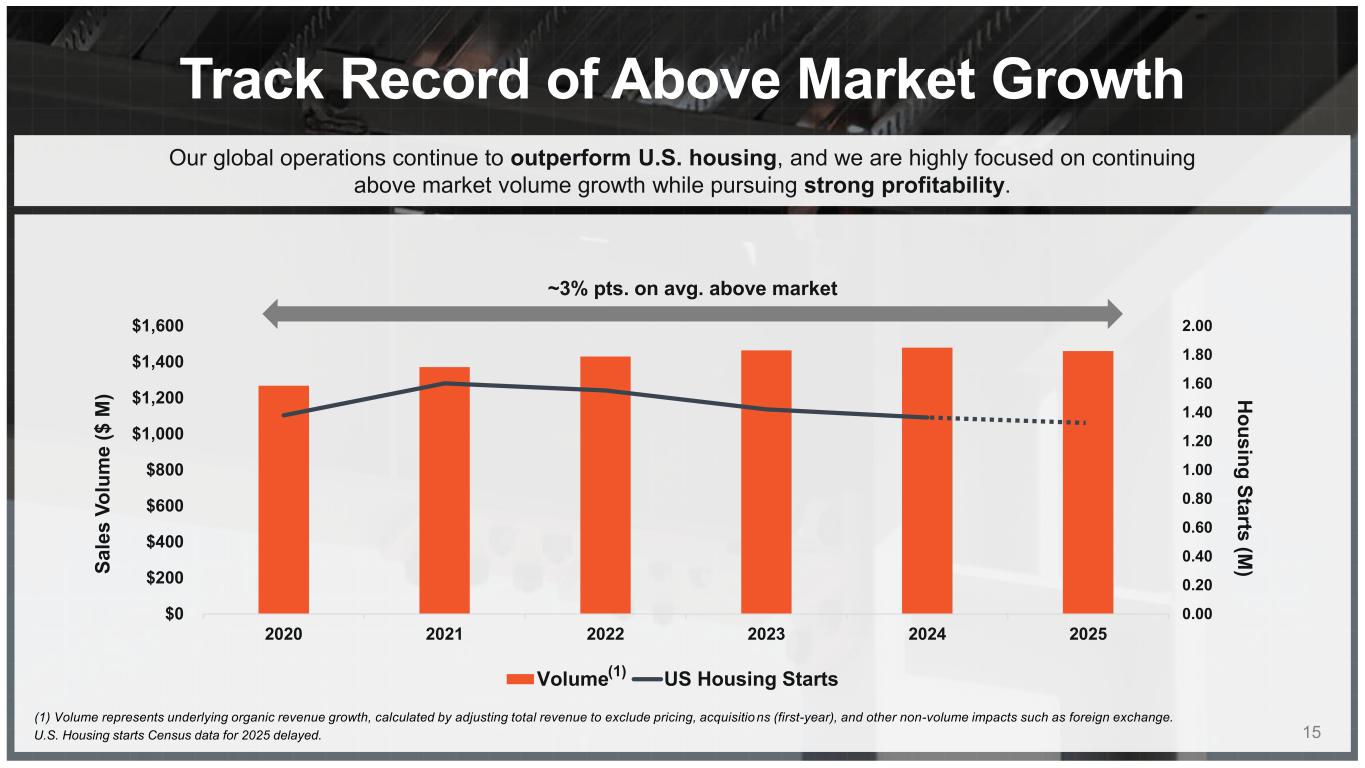
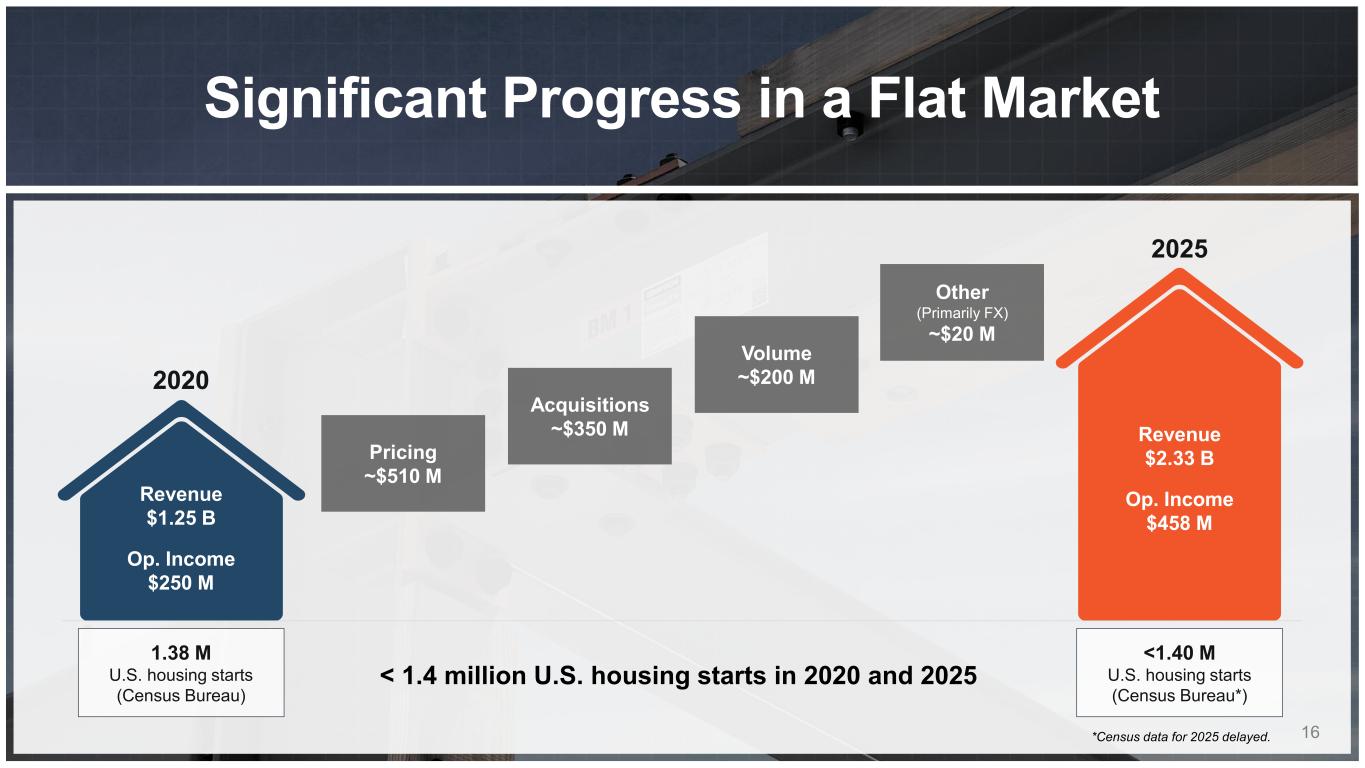
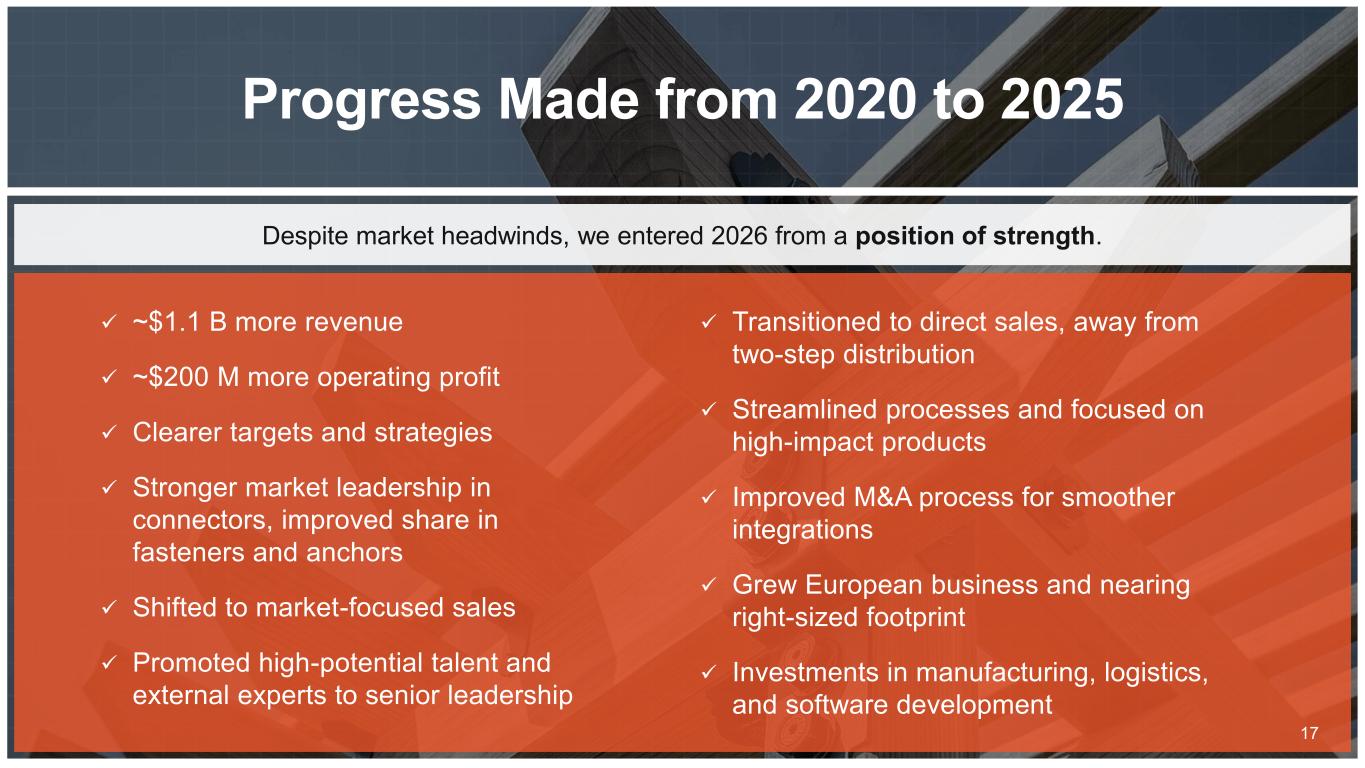
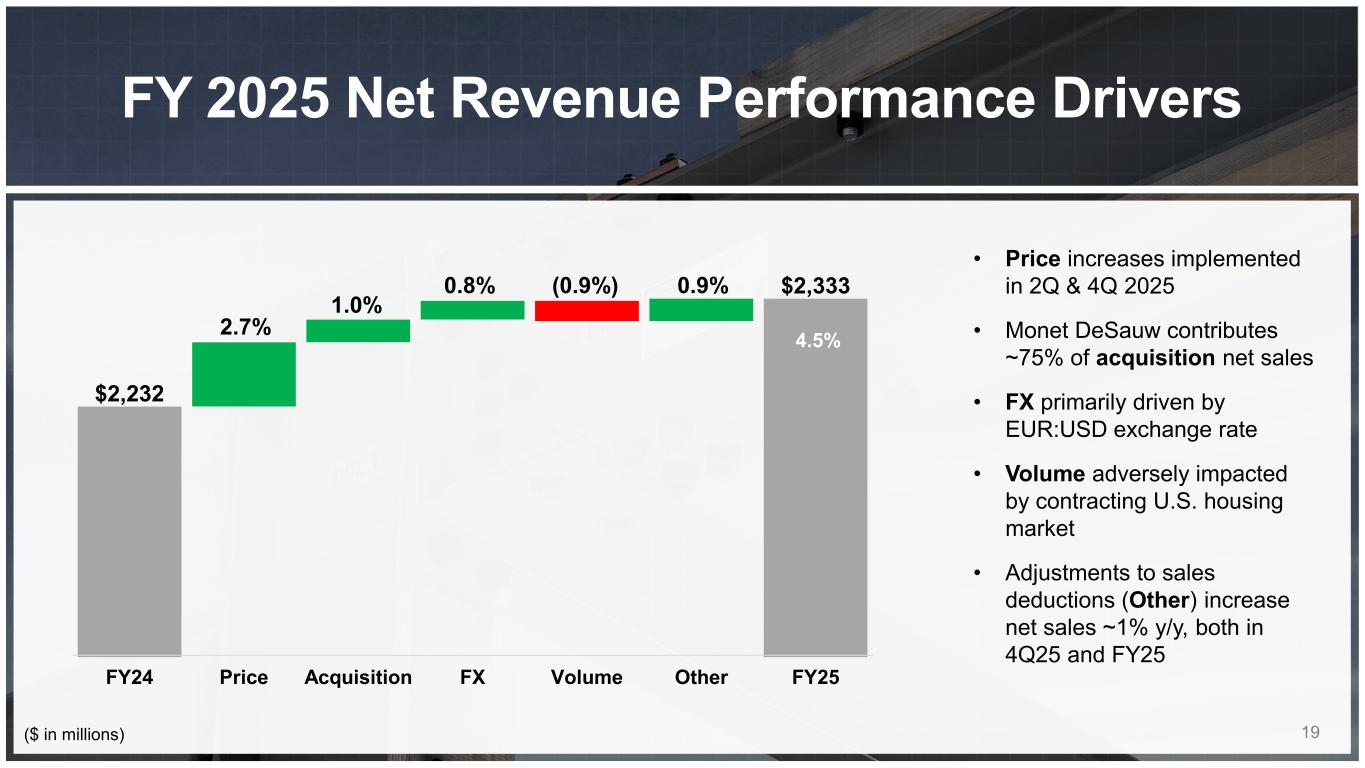
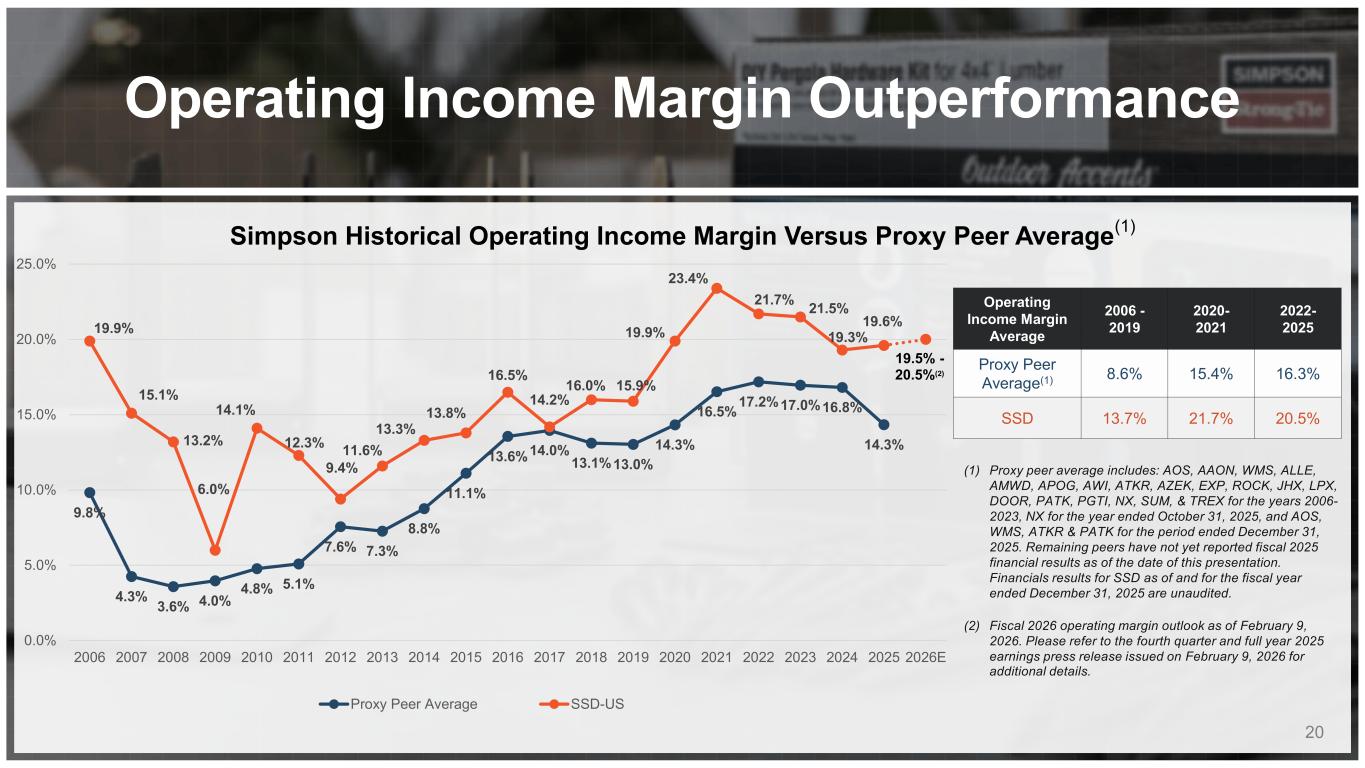
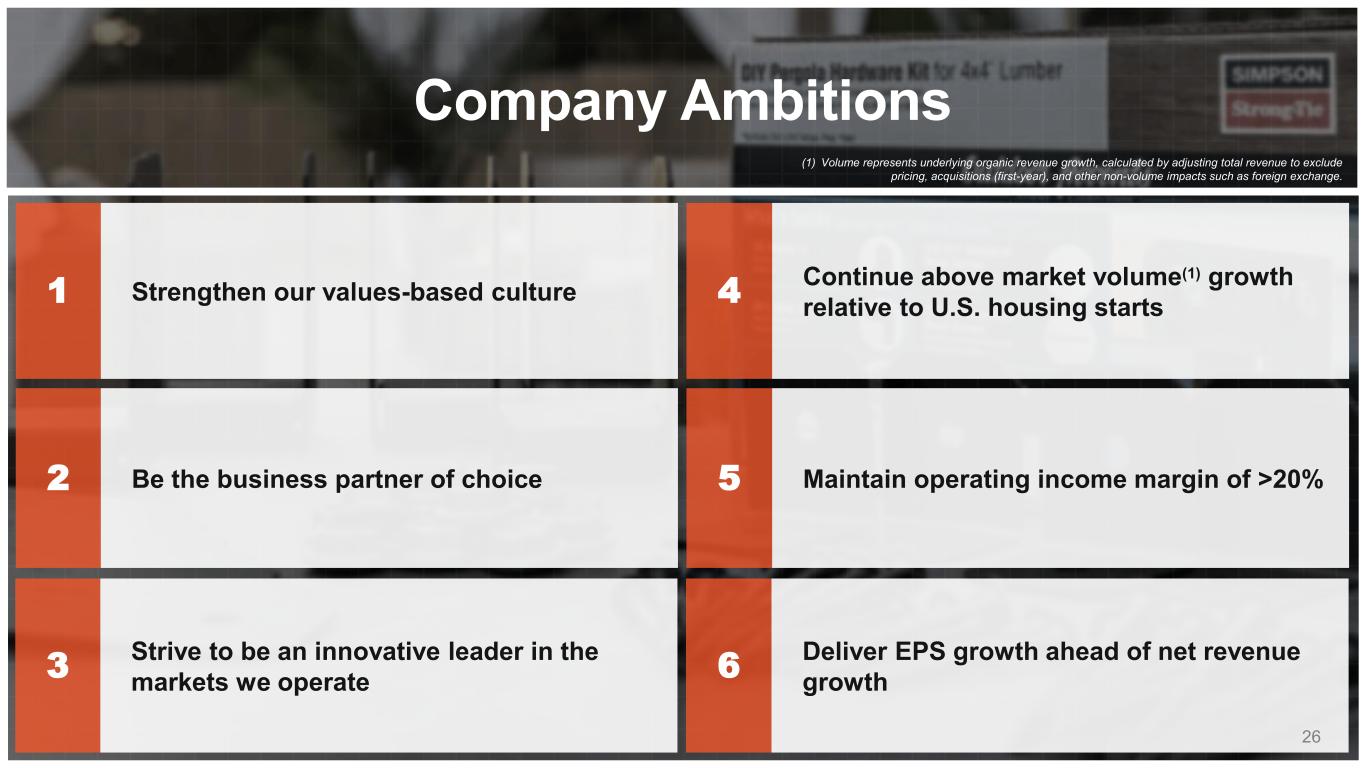
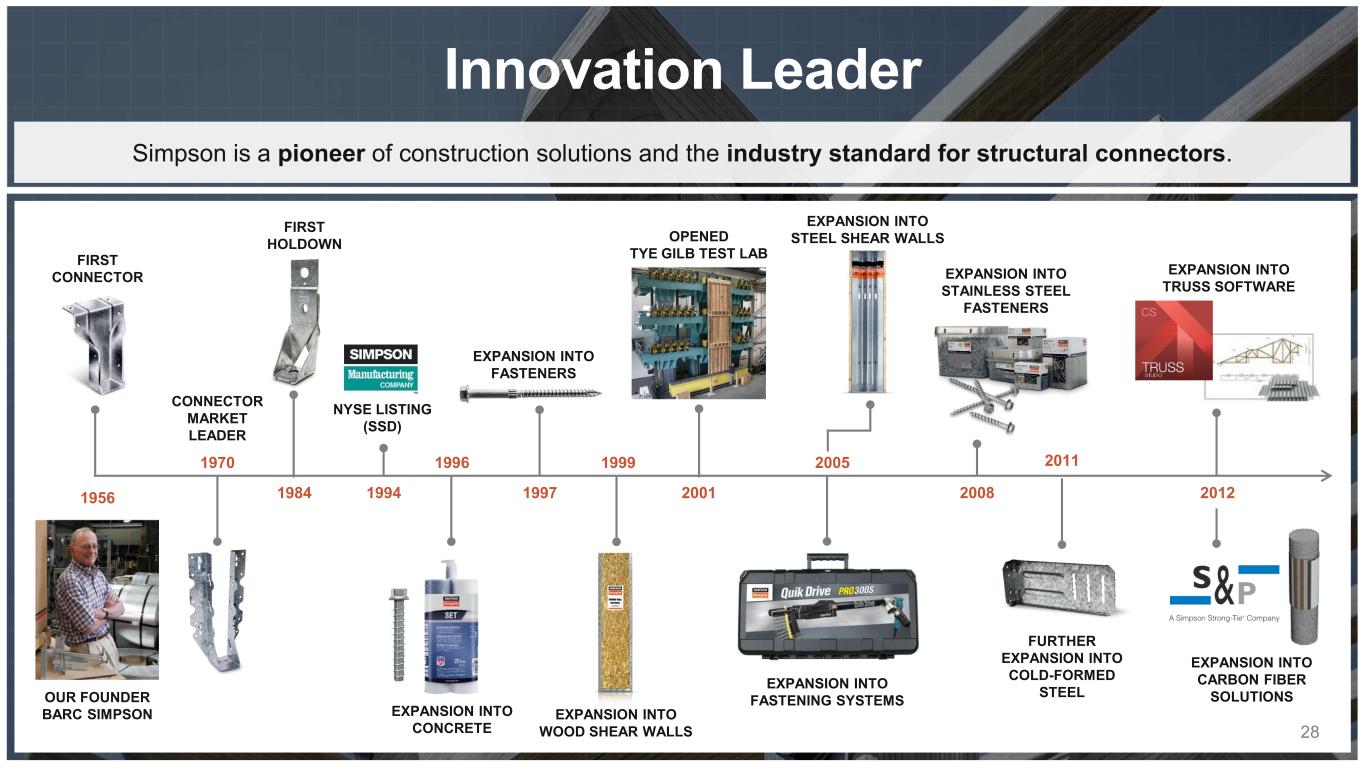
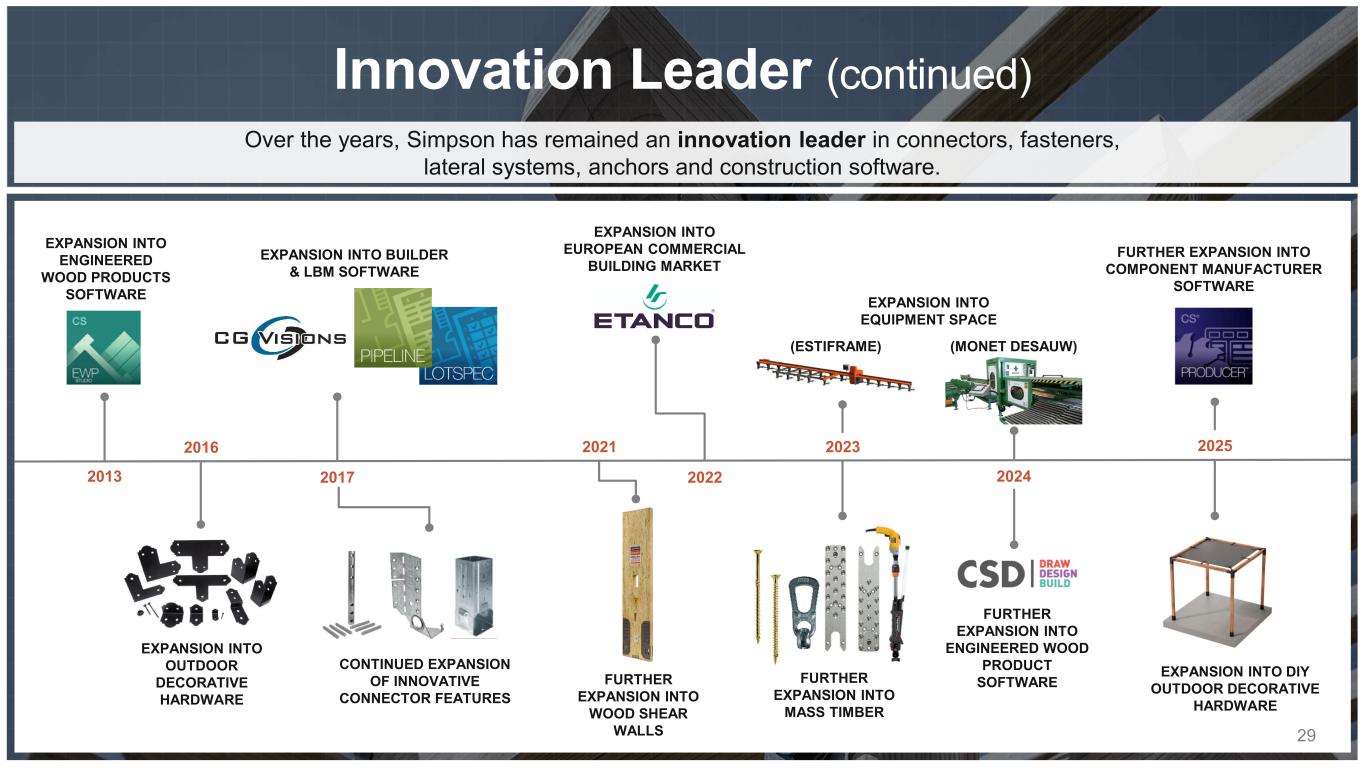
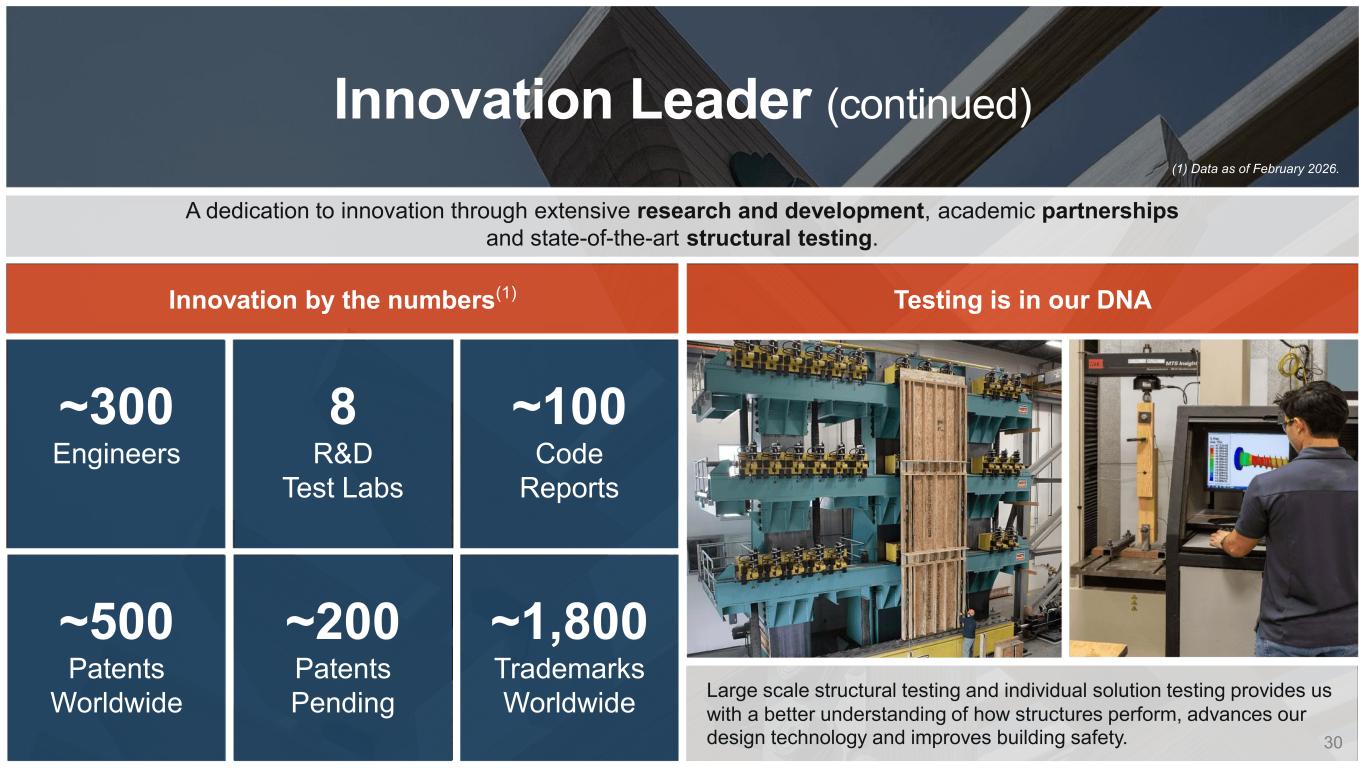
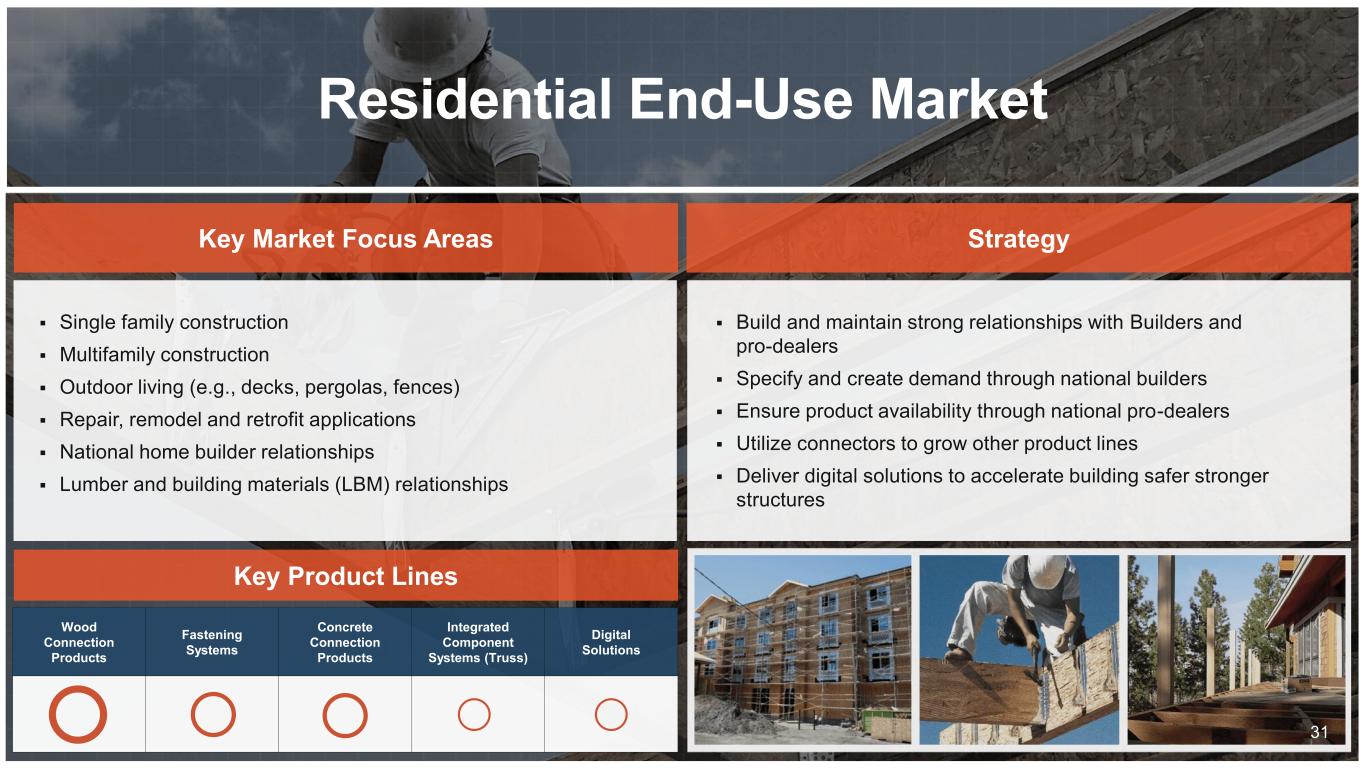
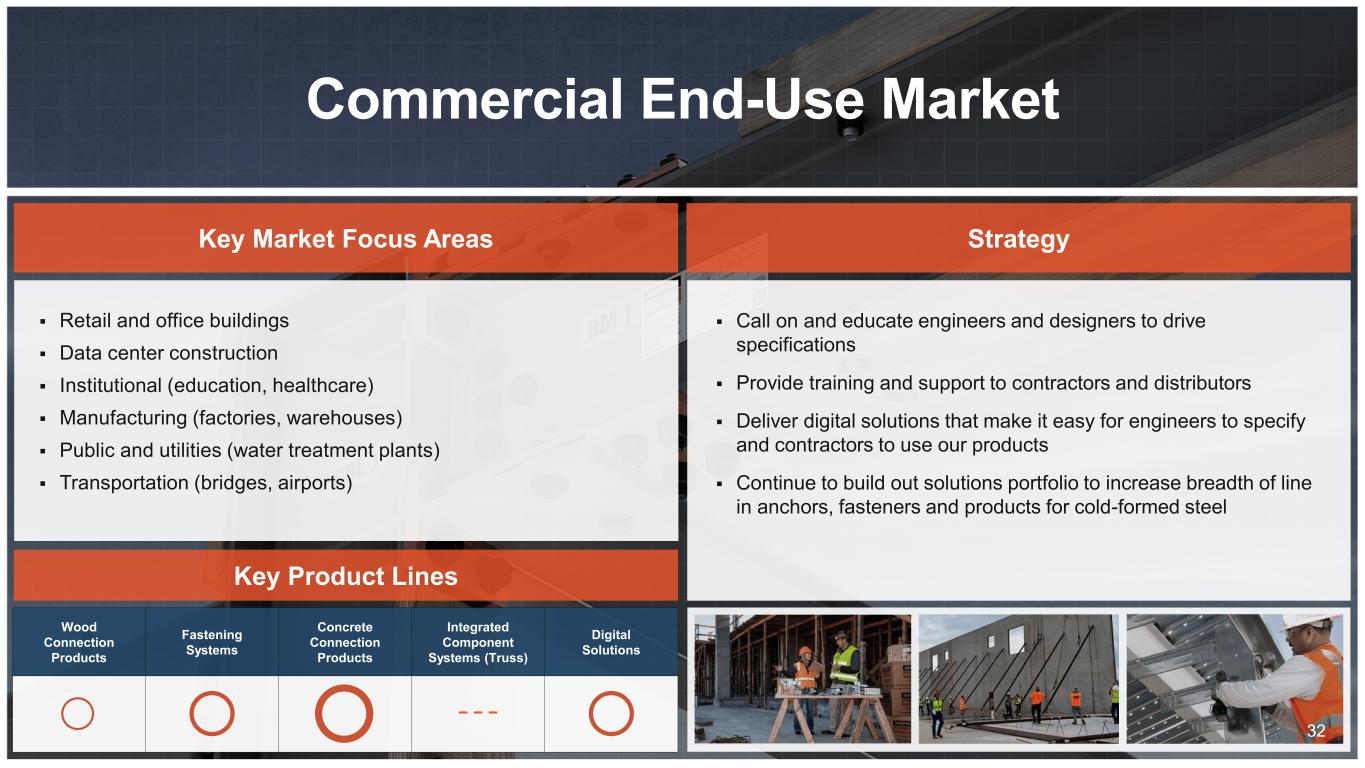
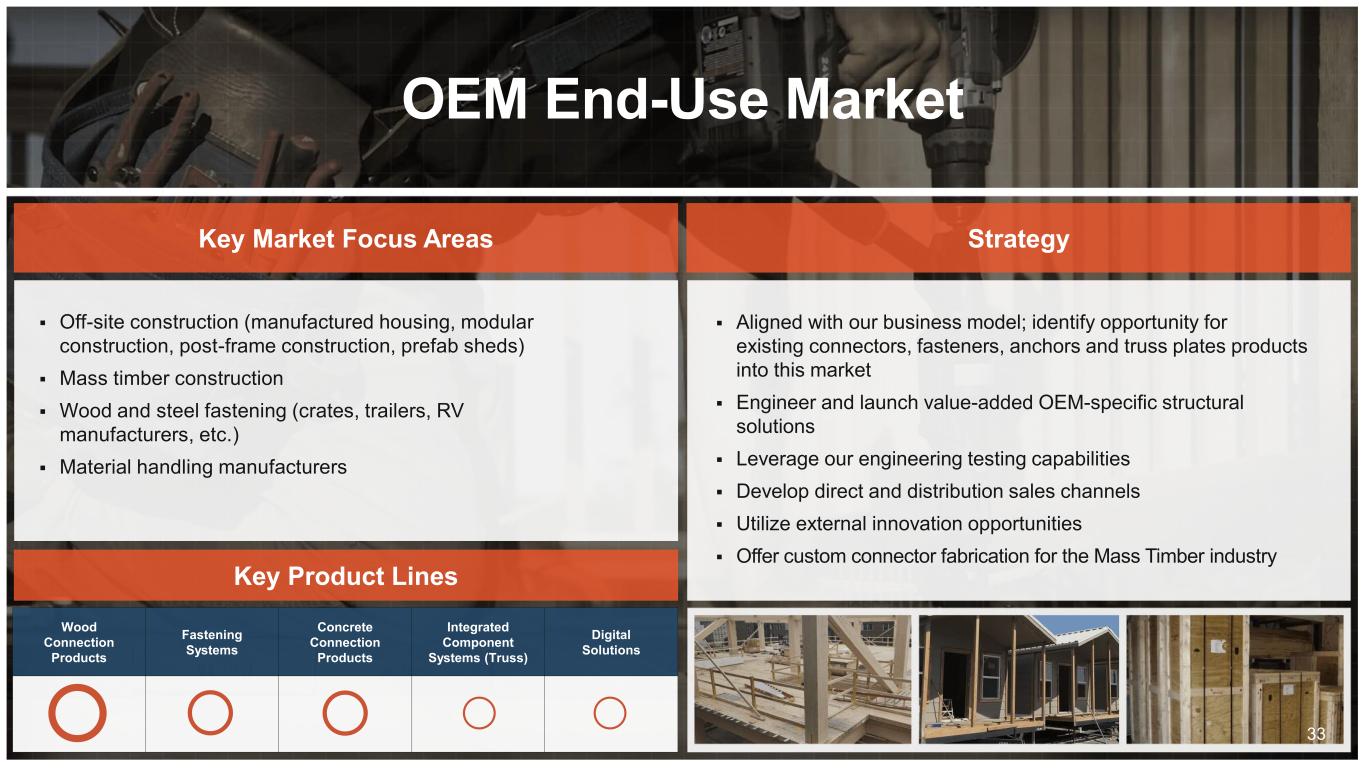
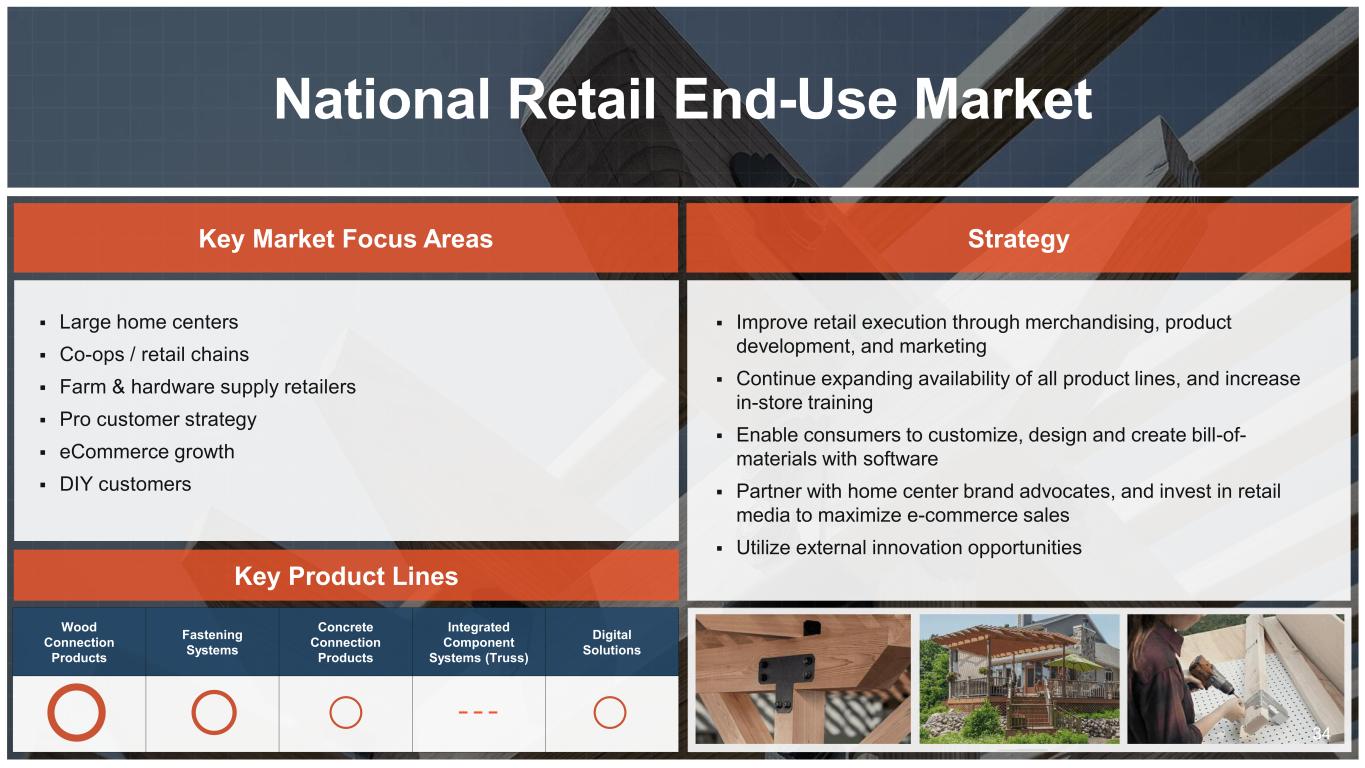
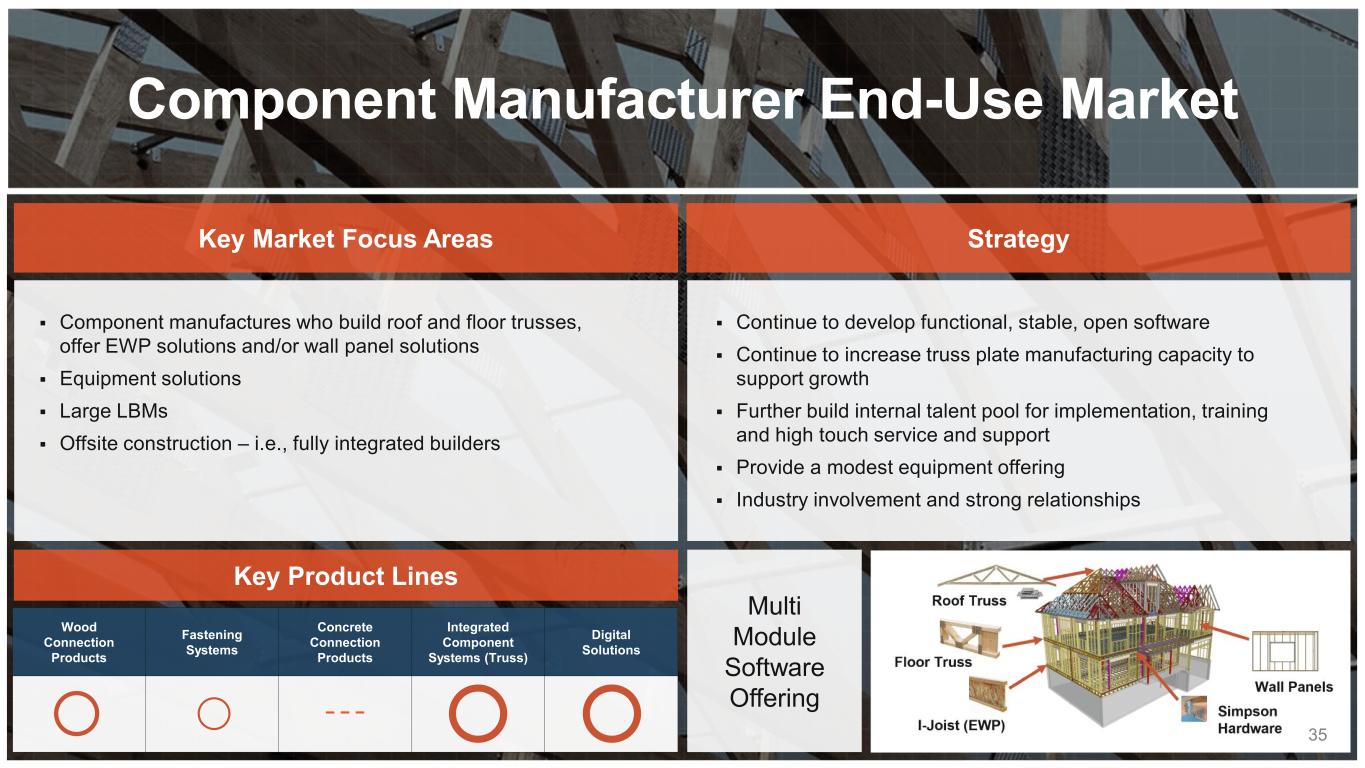
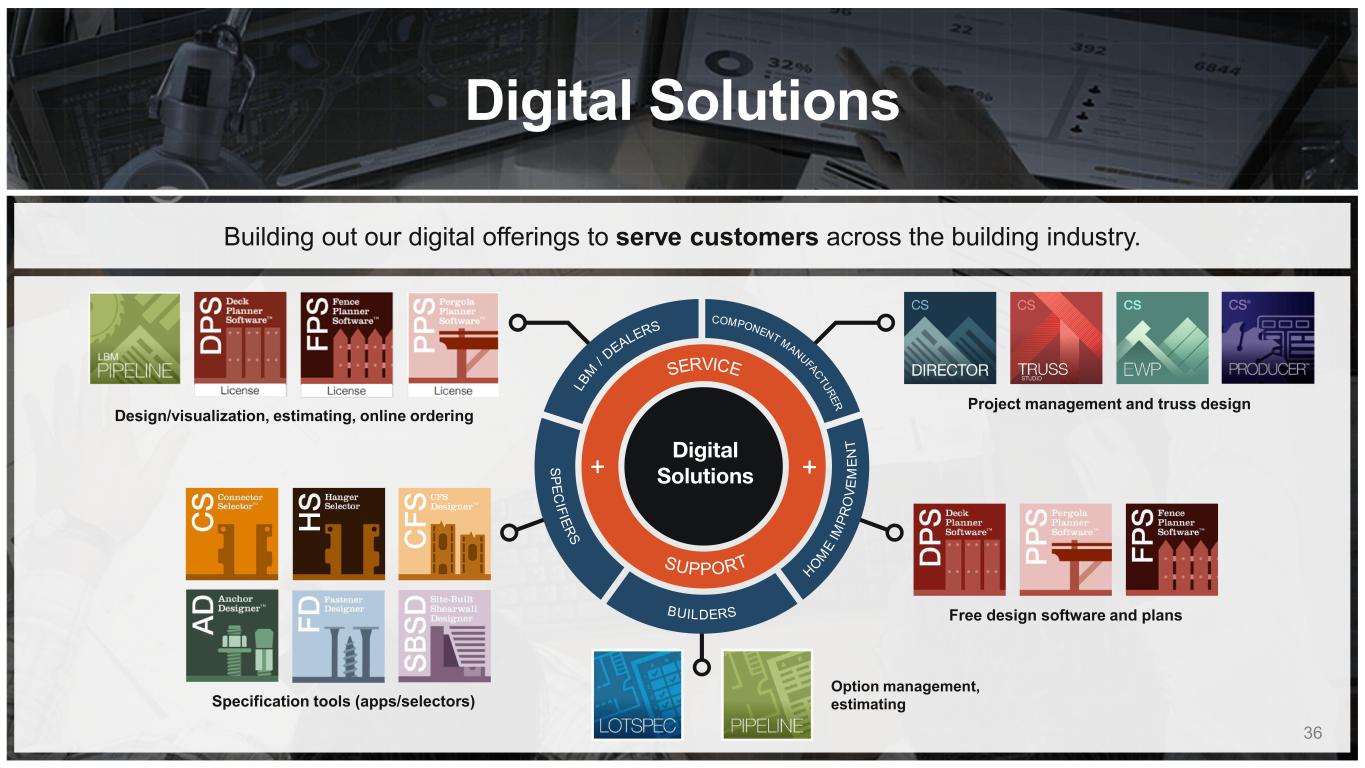
Mike Oloski, Chief Executive Officer Thanks Kim, good afternoon everyone and thank you for joining today's call. I'm joined by Matt Dunn, our Chief Financial Officer. This afternoon I'll begin with an overview of our 2025 performance, a review of trends across our end markets and an update on our strategic priorities, and that will follow with a deeper dive into our financial results and our fiscal 2026 outlook. Before we start, I want to highlight that for the second consecutive year, we achieved a total recordable incident rate of less than 1.0, our best result in company history. We also saw a meaningful reduction in lost time injuries and a decrease in incident severity. We are extremely proud of our employees for keeping safety at the forefront of everything we do. Their commitment demonstrates the values that define Simpson, above all that everybody matters. Now turning to our results, I'm pleased to report full year 2025 net sales of $2.3 billion, up 4.5% from 2024 in a challenging market. As outlined in our investor presentation, approximately 3% of this growth came from pricing, 1% from acquisitions, and 1% from and foreign exchange. These gains were partially offset by approximate 1% decline in volume due to weaker housing starts. Historically, our volume metrics focused on North American unit sales measured in pound shift, which did not capture the growing contributions from our more premium offerings, including software, services, and equipment. We believe this revenue bridge provides a more complete view of our consolidated business. In North America, full year net sales were $1.8 billion, up 4.5% from prior year, including an approximate $60 million benefit from pricing actions. North American volumes were down year over year, pressured by lower housing starts at a more challenging regional mix with the most pronounced declines in the southern and western United States, where our content per unit is typically higher due to stronger building codes. Even with these headwinds, our focus on innovation, customer service, and operational excellence continued to drive solid performance. We continued to win business in soft markets, demonstrating the resilience of our portfolio and the value we delivered to our customers. As we look at full-year results across North American end markets, performance was mixed by market segment, but we saw encouraging developments across several parts of the business. The OEM business delivered a strong year with volume up double digits. We saw particularly strong growth with off-site construction manufacturers and mass timber projects, where our products and support model are a great fit for complex applications with high performance requirements. We succeed by combining innovative products that meet demanding load requirements and improve ease of installation with deep technical and field support throughout the project lifecycle. Although OEM remains a smaller part of our portfolio today, we believe we are growing well above market and see substantial runway for continued expansion. The component manufacturing business continues to grow with volumes up in the low single digits driven by new customer acquisitions and expanded capabilities, including software. We continue to convert new customers to our software and trust plate solutions with growth supported by our design services and a broader solution set. As a reminder, CS Producer, our cloud-based trust production management software announced last quarter, represents an important milestone in our digital roadmap. extending our capabilities beyond design into production planning and daily operations. In addition, our Monet to Saw acquisition continues to perform well in a challenging market, strengthening our equipment offering and deepening customer relationships. Together, these capabilities position us well to capitalize on what we view as one of our most attractive long-term growth opportunities. In our commercial business, 2025 volumes were essentially flat year-over-year in a commercial market that was down mid-single digits. We saw strong growth in cold-formed steel and anchoring products supported by our takeoff service that streamlines design and procurement for customers. We are also seeing increased adoption of our third-generation anchoring pieces, which deliver reliable performance across a wide range of applications and conditions, backed by our testing, code evaluation, and engineering expertise. Our residential business volume declined modestly, reflecting continued challenging market conditions, particularly in the West and the South. We continue to expand our digital solutions with LLBM and Builder customers, partnering with them to improve efficiency across estimating design and project workflows, further reinforcing our value proposition to our customers. We also saw steady growth in our multifamily business, supported by increased quoting activity. In single-family, we strengthen our competitive position by securing multi-year renewals and new national contracts with key builders. These wins highlight the strength of our supply chain network, proximity to customers, and the value of our digital and technical capabilities. With programs now in place with 25 of the top 30 U.S. national builders, we are well positioned as the residential market recovers. Our national retail business saw a mid-single-digit decline in shipments versus 2024, while point-of-sale volume performance declined in the low single digits. This was driven in part by regional differences and a difficult comparison to new product listings and expanded retail space we secured in late 2024. Throughout the year, we focused on bay expansion programs with our largest retail partners. We also expand our decorative hardware portfolio with the launch of the Outdoor Accent Sage System, now testing in select markets. Our emphasis on customer service, disciplined execution, merchandising support, and in-market testing continues to strengthen our retail partnerships and positions us well for ongoing growth. In Europe, four-year net sales totaled $499.6 million, up 4.3% year-over-year, which was up slightly on a local currency basis. Lions outperformed the market and were slightly higher compared to 2024. Our consolidated gross margin was relatively flat year-over-year at 45.9%. As previously discussed, our 2025 price increases, which we expect will contribute at least $100 million in annualized net sales, helped offset increased costs, including those attributed to tariffs. Our 2025 operating margin was 19.6%, up 30 basis points year over year, which included approximately $13.1 million in strategic cost savings initiatives and footprint optimization costs. Our 2025 operating margin also included a $12.9 million gain from the sale of our Gallatin Tennessee facility. Adjusted EBITDA total $544.3 million, a 3.3% increase year over year. Next, I'd like to detail the progress we made in our financial ambitions in 2025, which will guide our strategy throughout 2026. First, continuing above-market volume growth relative to U.S. housing starts. Since roughly half of our business remains tied to U.S. housing starts, this continues to be the most accurate benchmark for evaluating our volume performance. While the government shutdown delayed the release of official housing starts data from the Census Bureau, we will resume this comparison once it becomes available. That said, we continue to monitor starts estimates from multiple sources. Based on those benchmarks, we believe our consolidated volumes of down 1% in 2025 slightly outperformed an expected average market decline in the single digits. Second, maintaining an operating income margin at or above 20%. We made good progress in 2025 despite the down market, adding 30 basis points to our operating income margin, narrowing the gap to our 20% target, even with housing starts being down approximately 500 basis points versus our initial market forecast. And third, as a growth focused company with industry leading margins, we believe we can consistently drive EPS growth ahead of net sales growth. In 2025, EPS growth outpaced revenue by 390 basis points, highlighting the leverage in our model and the durability of our margin profile. In summary, 2025 was a year of strong execution despite continued softness in US and European housing markets. We maintain an exceptional 98% product delivery fill rate and customer satisfaction remained high, contributing to eight major awards recognizing our service and product innovation. We made progress by launching new products, bringing new manufacturing capabilities online, expanding our warehouse footprint, and strengthening our digital capabilities. Combined with our pricing actions, cost savings initiatives, and new business plans, we believe we are well positioned for continued success. Looking ahead to 2026, we believe we can continue above market volume growth relative to U.S. housing starts, which we expect will be relatively flat year-over-year with continued challenging regional mixed headwinds. In Europe, we expect slight growth in the market in 2026. I'd also like to highlight that 2026 marks a special milestone for Simpson's strong tie as we celebrate 70 years of growth and innovation. Since our founding in 1956 by Bark Simpson, our company has been defined by a spirit of problem-solving, integrity, and unwavering commitment to building safer, stronger structures. What began with a single-joice hanger has grown into a global portfolio of trusted solutions backed by advanced technology, rigorous testing, and a team dedicated to excellence. We're proud to honor the legacy that brought us here while continuing to build our future together with our employees, customers, and partners as we break new ground for the next generation. With that, I'd like to turn the call over to Matt, who will discuss our financial results and outlook in greater detail.
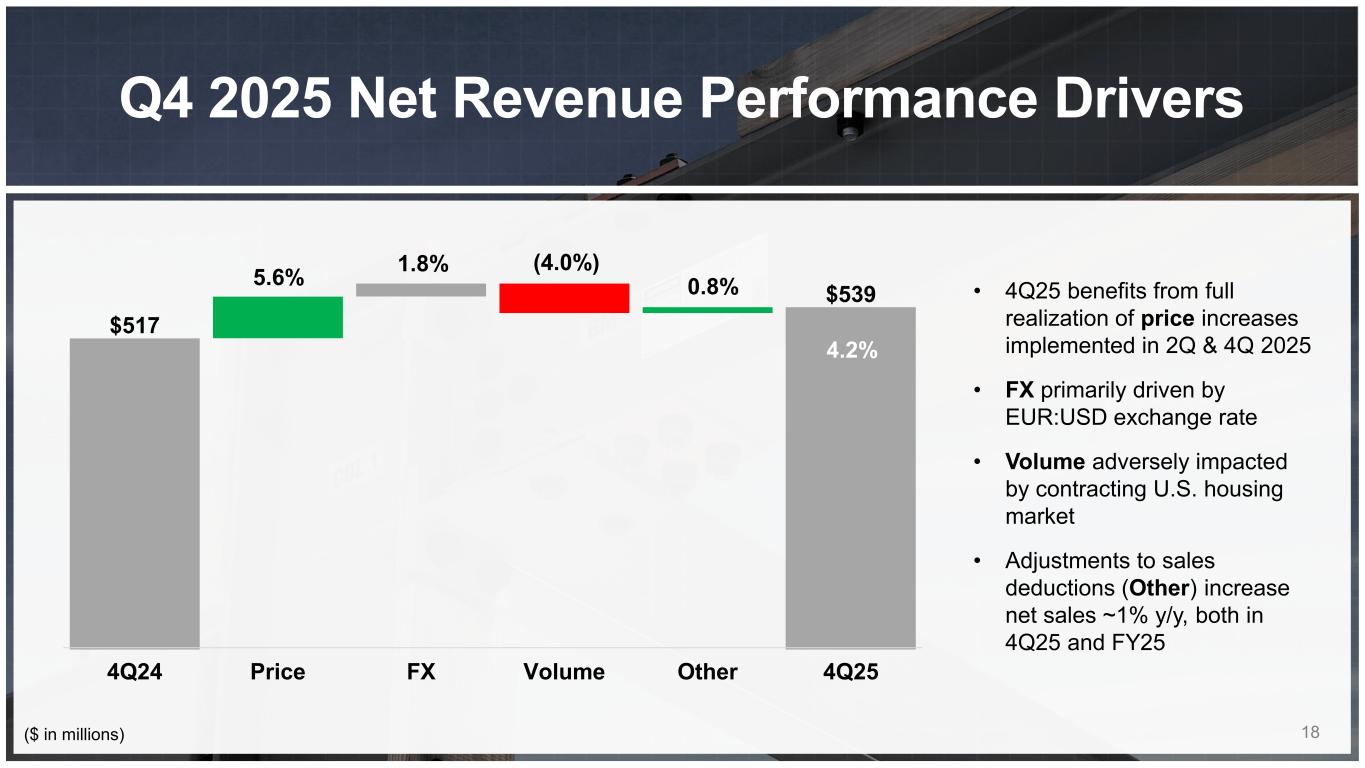
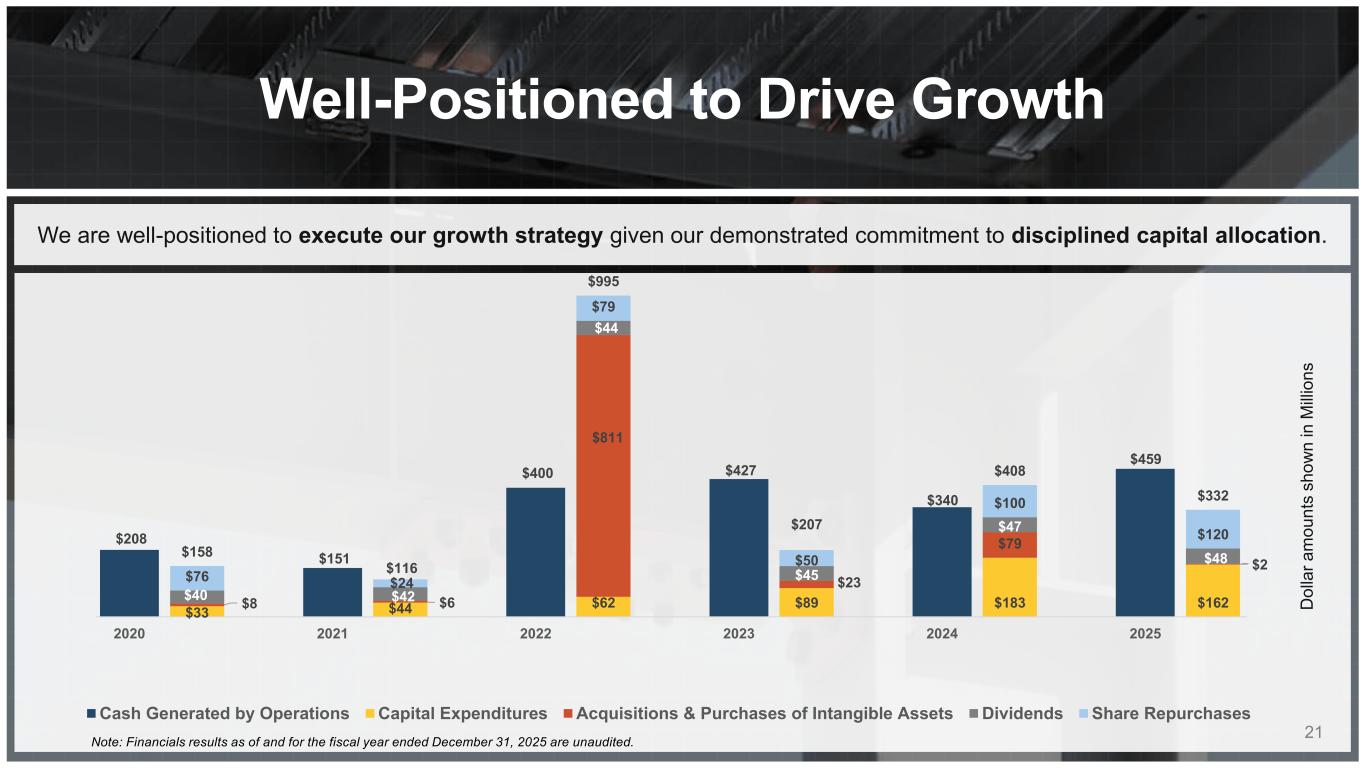
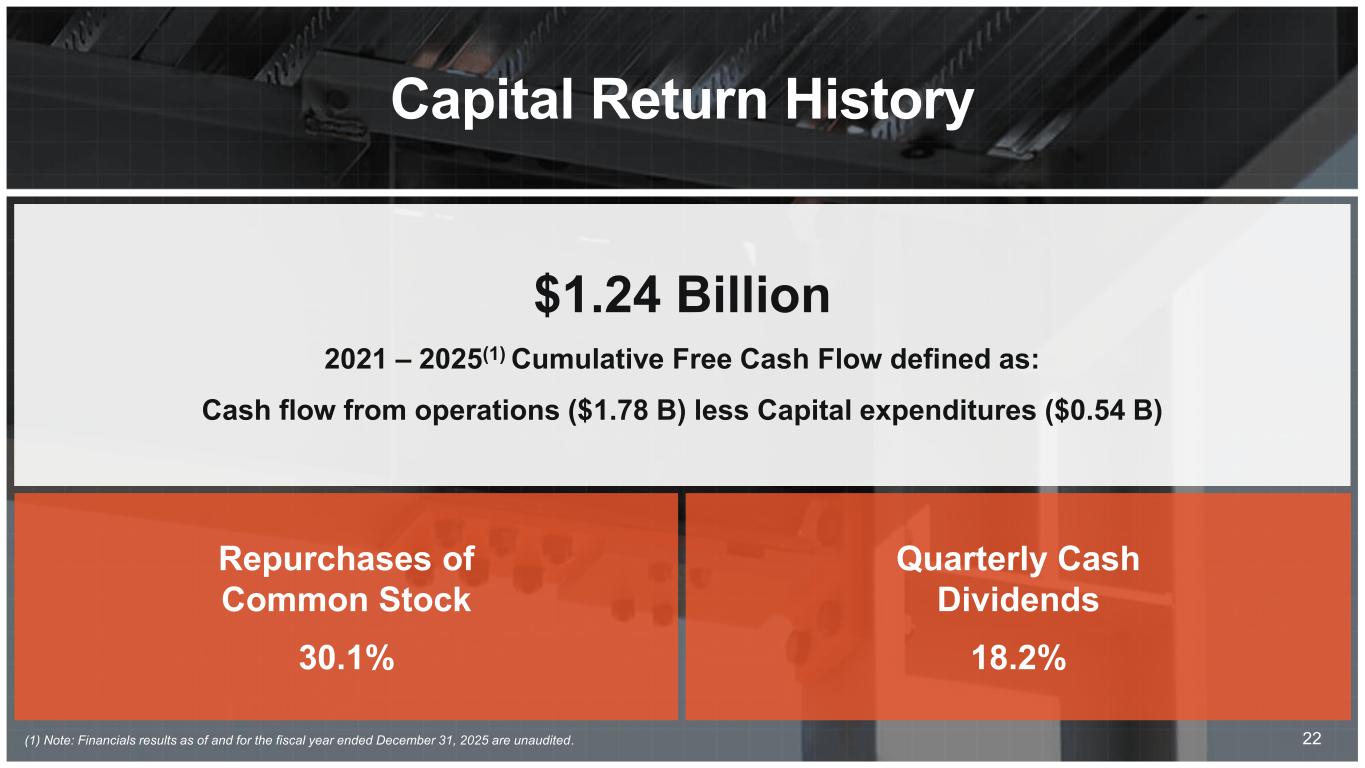
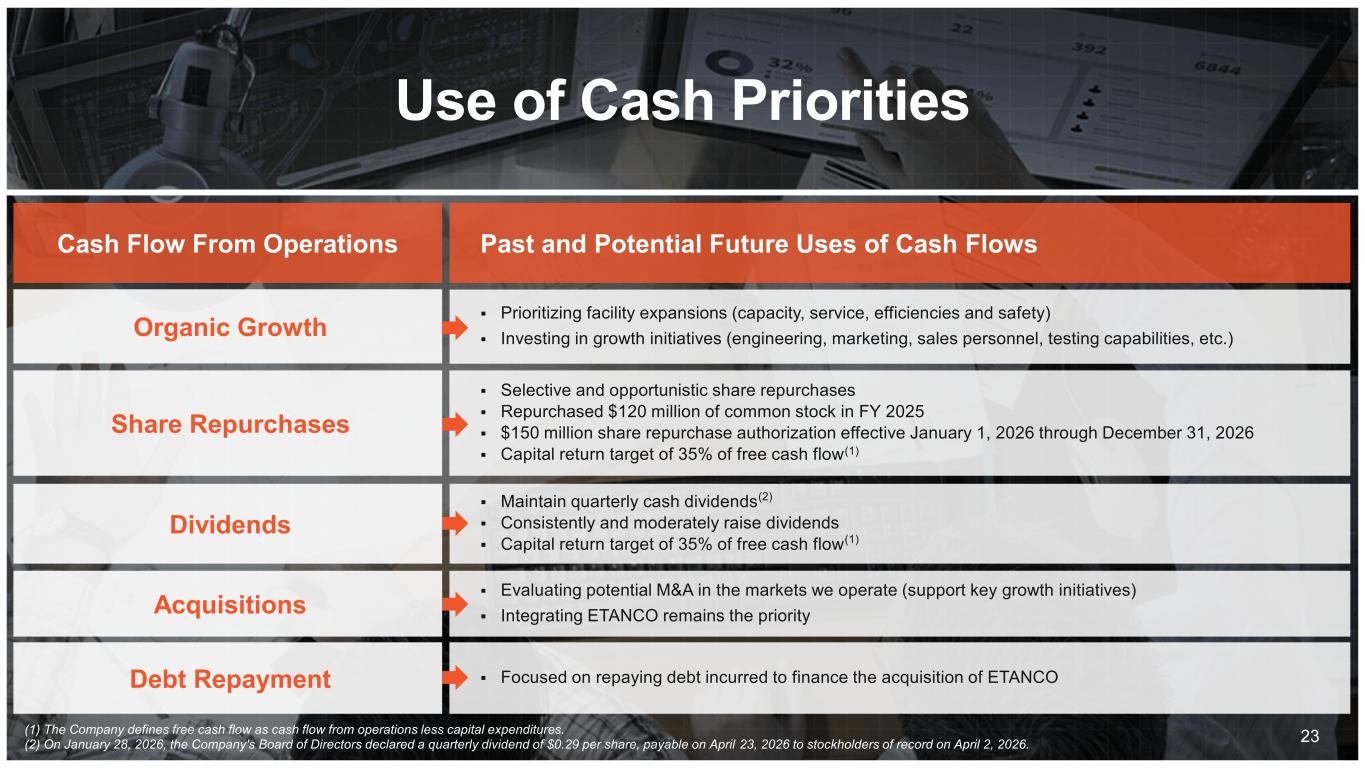
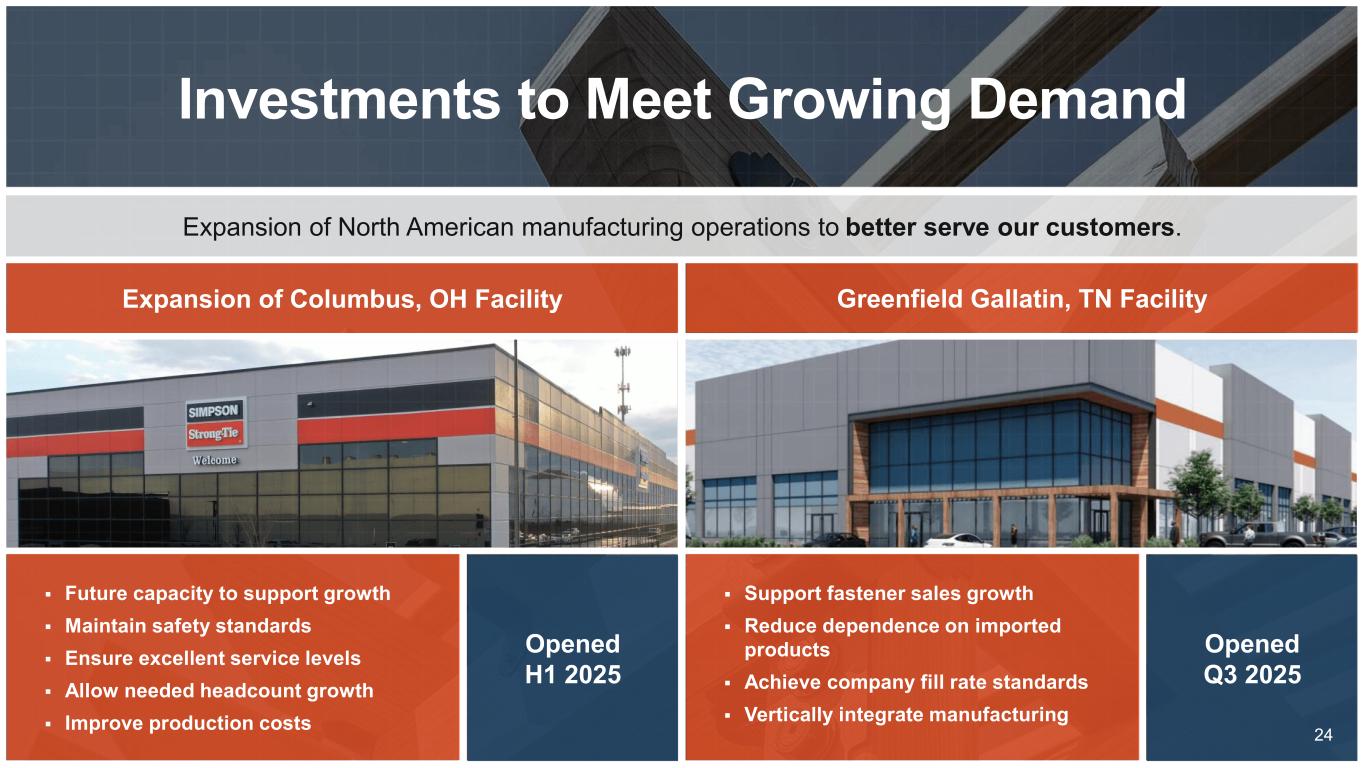
Good afternoon, everyone. Thank you for joining us on our earnings call today. Before I begin, I'd like to mention that unless otherwise stated, all financial measures discussed in my prepared remarks refer to the fourth quarter of 2025, and all comparisons will be year-over-year comparisons versus the fourth quarter of 2024. Now turning to our results. Our consolidated net sales increased 4.2% year-over-year to $539.3 million. Within the North America segment, net sales increased 3% to $416.9 million. In Europe, net sales increased 9.1% to $117.9 million, primarily due to the positive effect of approximately $9.1 million in foreign currency translation and a modest improvement in sales volumes and pricing. Globally, wood construction product sales were up 2.1% and concrete construction product sales were up 15.3% as a larger percentage of these products are imported and included in tariff-driven price increases. Consolidated gross profit increased 3.4%, $235.1 million, resulting in a gross margin of 43.6%, down 30 basis points from the fourth quarter of 2024. On a segment basis, our gross margin in North America was 46.2%, below the 46.9% reported in the prior year, reflecting the impact from tariffs and higher factory overhead and labor costs, which were partially offset by lower warehouse costs as a percentage of net sales. Our gross margin in Europe increased to 33.6% from 32.3%, primarily due to lower material and freight costs, partly offset by higher factory and overhead, warehouse, and labor costs as a percentage of net sales. From a product perspective, our fourth quarter gross margin was 43.5% for wood products, compared to 43.4% in the prior year period. For concrete products, gross margin was 46% compared to 45.8% a year ago, with the improvement partly due to the recent pricing actions. Now, turning to expenses, while SG&A headcount was down approximately 7% year-over-year, total Q4 operating expenses increased 8.2% to $161.8 million, primarily driven by the timing of higher charitable donations in advance of tax deductibility changes for 2026, variable incentive compensation, and personnel costs, including severance-related costs. For the full year of 2025, total operating expenses were $627 million, an increase of 6.5%, primarily due to variable incentive costs, personnel costs, including severance-related costs, digital subscription costs, and timing of charitable donations. As a percentage of net sales, total 2025 operating expenses were 26.9%, compared to 26.4% last year. Our full-year 2025 operating expenses included approximately $8 million in severance-related costs associated with our strategic cost savings initiatives, which we anticipate will deliver annualized cost savings of at least $30 million. To further detail our fourth-curve SG&A, our research and development and engineering expenses decreased by 4.8% to $21.1 million, primarily due to the previous reclassification of digital technology from R&D to G&A. Selling expenses increased by 6.3% to $56.1 million, primarily due to the higher variable compensation and commissions. On a segment basis, selling expenses in North America were up 5% and in Europe they were up 10.4% primarily due to FX. General and administrative expenses increased by 13.5% to $84.7 million due to the timing of charitable donations, the aforementioned reclassification of digital technology from R&D, severance-related costs, and a negative foreign exchange effect, as well as increases in variable compensation and software costs. As a result, our fourth quarter consolidated income from operations told $74.8 million, a decrease of 2.7% from $76.9 million. Our consolidated operating income margin was 13.9%, down from 14.9% last year. In North America, income from operations decreased 3.6% to $82.3 million due to higher operating expenses, which were partly offset by higher gross profit. Our fourth quarter operating income margin in North America was 19.7% compared to 21.1% last year. In Europe, income from operations increased 260% to $2.8 million due primarily to increased gross profit, partly offset by increases in operating expenses due to the negative effect of approximately $2.9 million in foreign currency translation. Income from operations included $4.7 million, resulting from our footprint optimization and strategic cost-saving efforts to enhance our profitability. Our fourth quarter operating income margin in Europe was 2.3% compared to 0.7% last year. Our fourth quarter effective tax rate was 24.8%, approximately 270 basis points below the prior year period. Accordingly, net income totaled $56.2 million or $1.35 per fully diluted share compared to $55.5 million or $1.31 per fully diluted share. Adjusted EBITDA for the fourth quarter was $104.7 million, a decrease of 0.9%, resulting in a margin of 19.8%. Now turning to our balance sheet and liquidity, late in the quarter, we amended and restated our credit agreement, which includes $600 million revolving credit facility and a $300 million five-year term loan. As of December 31st, 2025, we had $74.2 million drawn on the revolver, resulting in $525.8 million of remaining availability. Our debt balance was approximately $374.2 million, down $16.9 million from December 31st, 2024, and cash and cash equivalents totaled $384.1 million, resulting in a net cash position of $9.9 million. Our inventory position as of December 31st, 2025 was $594.2 million, which was essentially flat compared to December 31st, 2024 and includes an approximately $16 million increase from foreign currency translation. Pounds of inventory on hand in North America were down double digits with a nearly double-digit increase in cost per pound. We generated strong cash flow from operations of $155.6 million for the fourth quarter and $458.6 million for the full year of 2025. With regard to capital allocation, our strategy remains duly focused on growth and shareholder returns. In 2025, we invested $161.5 million for capital expenditures, including our investments for facility upgrades and expansions, $47.6 million in dividends to our stockholders, and $120 million in repurchases of our common stock. As previously announced in October, the board authorized a new share repurchase program for 2026 to repurchase up to $150 million worth of our shares through the end of 2026. This reflects our confidence in the long-term prospects of the business and our commitment to returning capital to shareholders. Next, I'll turn to our 2026 financial outlook. Based on business trends and conditions as of today, February 9th, our guidance for the full year ending December 31st, 2026 is as follows. We expect our consolidated operating margin to be in the range of 19.5 to 20.5%. Additional key assumptions include a slightly lower overall gross margin based on imposed tariffs and increased depreciation costs, an expected $3 to $5 million of footprint optimization costs in Europe, and a projected $10 to $12 million benefit on the sale of vacant land. Our effective tax rate is estimated to be in the range of 25 to 26 percent, including both federal and state income tax rates based on current tax laws. And finally, our capital expenditures outlook is expected to be in the range of $75 million to $85 million. In summary, we closed out a strong 2025 despite a challenging market environment, and we continued to execute with discipline across the business. Our pricing actions helped offset tariff-related cost pressures, supporting margin resilience even as we navigated higher input costs. Cost savings initiatives implemented in the fall are beginning to take hold and will drive meaningful efficiencies as we move into 2026. As we look ahead, we remain committed to disciplined capital deployment, supported by our expanded share repurchase authorization, and our plan to return at least 35% of free cash flow to shareholders. With that, I will now turn the call over to the operator to begin the Q&A session.
Operator
Thank you. We will now be conducting a question and answer session. If you would like to ask a question please press star one on your telephone keypad a confirmation tone will indicate your line is in the question queue you may press star two if you would like to remove your question from the queue for participants using speaker equipment it may be necessary to pick up your handset before pressing the star keys one moment please while we pull for questions thank you our first question comes from the line of dan moore with cgs securities please proceed hi this is will on One for Dan, can you talk about the upside and downside cases to your outlook for flat
Will
Analyst — CGS Securities
North American housing starts? And can you also add some more color to your expectations for Simpson's growth in that Good to talk to you.
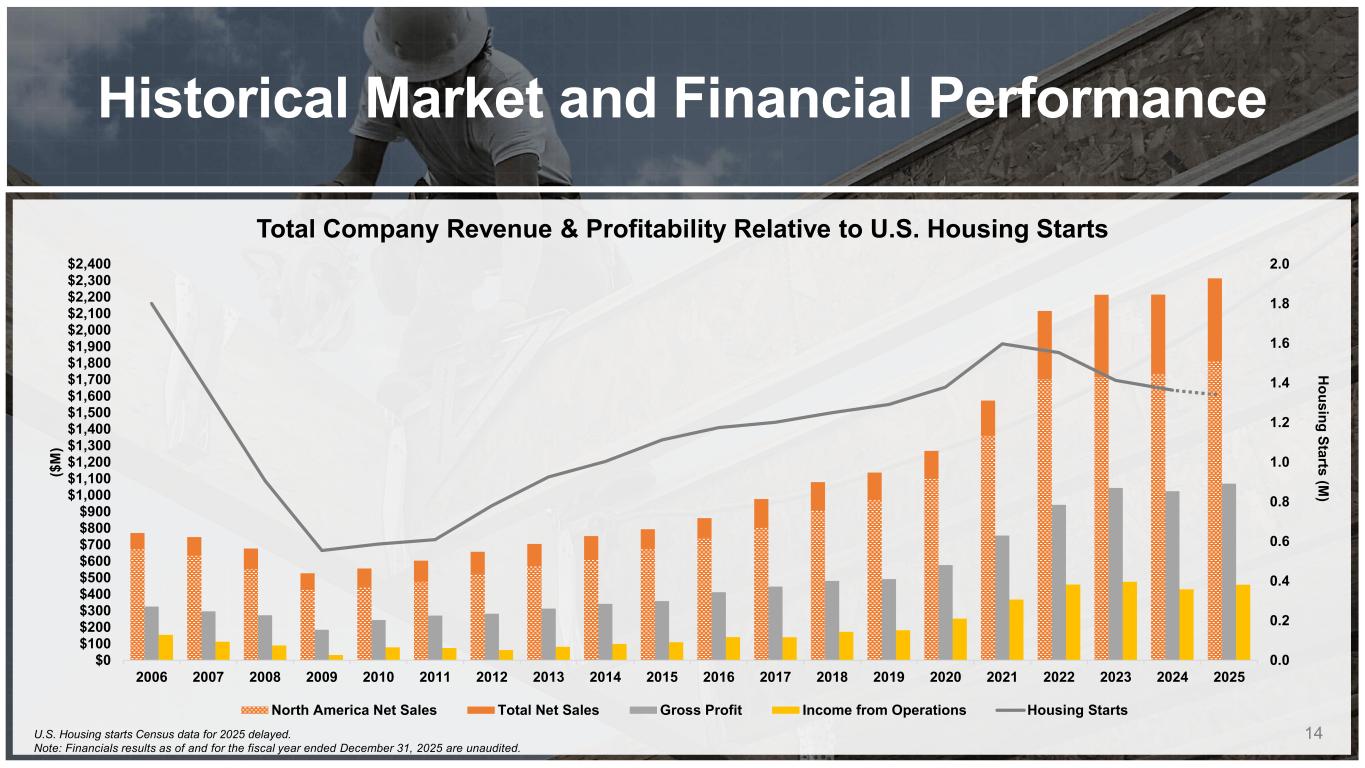
So, Will, as you know, the last couple of years, housing market forecasts have started pretty optimistically and ended flat to down. So our view, just taking into account last year as an example, we were coming into 2025, I think it was going to be up two to three percentage points. We think now, based off the consensus, it's going to be down maybe two to three percentage points, so four to five, 600 basis points swing. As a result of that, we're really taking a conservative view on the market this year. So our assumptions are basically flattish, and we're going to be pretty careful about how we invest until we really see the market pick up significantly. If you look at how we've done versus the market, and let's use 2020 as kind of the anchor year because 2020 housing starts are roughly the same as 2025, we've outpaced the market from a volume perspective by roughly 300 basis points. That's not always going to be a straight line up. Well, some years may be plus or minus a little bit one way or another over the long haul, though we hope to consistently keep that long-term average still.
Yeah, Will, this is Matt, and if you look at kind of how that impacts our growth as As you asked on the second part of your question, we expect to continue to outperform the market at some level, consistent with what Mike was saying, historical average, knowing it's not always a perfect straight line at that historical average. We do have some carryover impact of the pricing that we took in 2025, partly through the year. In the middle of our guidance of 19.5 to 20.5 is that 20% mark that we want to be at. So we believe we can get to that 20% in a flattish market. And then if there's upside in the market, that would provide upside. And if the housing starts turn out to be down again, obviously create some risk that we would have to work through, but wanted to kind of capture that in our overall guide.
Will
Analyst — CGS Securities
Thank you. That's very helpful. And just one more. In Europe, can you add some more color to the outlook for growth entering 2026, and what steps can you take to enhance growth should the overall market remain stagnant?
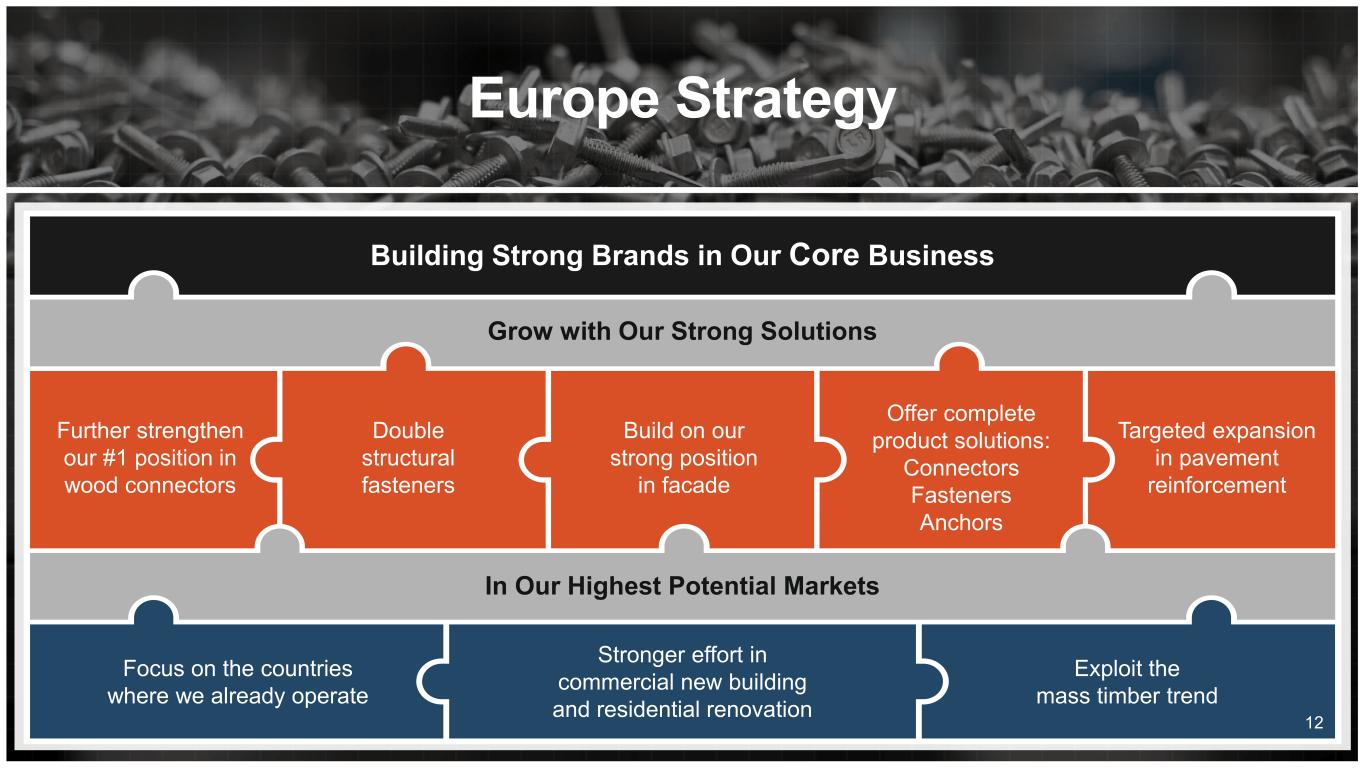
So, first, we're very happy with the progress the European team has made over the last year. we've seen a meaningful improvement in margin. We believe they're also growing above the kind of European market and it's a mix based off the countries and the segments that we're operating in. So they've made some good progress. The indications from a market perspective, let me just do market, for the European, our European footprint is roughly low single digits for this year. So we are seeing a little bit of an uptick there. And the European strategy really is to focus on the markets we're in with the products and solutions we're in and the customers we're currently serving to just basically expand share and continue to roll out new innovations across those markets. And if we do that, we hope to continue to drive above market growth in Europe as well. And as you know, Will, the ambition there is we want to get the European and business focused on profitability, and we are targeting 15% in the midterm, but we do need a little bit of growth to get us there. So we're being cautious on our investments and over-indexing on profitability in Europe.
Will
Analyst — CGS Securities
Thank you. Thank you, Will.
Operator
Thank you. Our next question comes from the line of Trey Groms with Stevens. Please proceed.
Hey, it's Trey Groms with Stevens. Hey, Mike and Matt, how are you?
Good, Trey. Good, Trey. How are you doing?
Doing well, thanks. So I wanted to maybe stick with the in-market kind of outlook. You know, you're kind of talking about flattish on the housing front. And sorry if I missed this, but maybe if you could dive into, you know, kind of any kind of expectations you have around the commercial side or maybe R&R here in the U.S.
So if you look at last year, let's start with that, the commercial business, and we use a provider, Dodge, to help us narrow in the numbers. When we look at the commercial starts, again, relative to our business, we think the market growth was down maybe single digits last year. We're anticipating the market growth for the commercial business to be, I believe, right around flattish for the year, maybe up 1% or 2% to be determined as things develop. If you look at national retail for 2025, national retail, when we use Cleveland Research, so that is a big bucket that we're looking at that was up low single digits. The market forecast for the national retail business, and what I've heard from some of the big box retailers, is flat to low single digit going forward. And, again, our ambition is, overall, we want to grow the company faster than U.S. housing starts, but in each of those individual segments, we want our businesses to outperform those markets as well.
Yep. Yep, got it. Thank you for that. And then, Matt, maybe if we could dive into your comment earlier on the gross margin outlook for 26, You know, expecting maybe a slightly lower gross margin percent, and he kind of went through some of the things there. But if he could maybe dive in a little deeper on the puts and takes, you know, you mentioned we're going to see some kind of carryover pricing benefits. I know there's probably still some, you know, negative incremental impacts from tariff costs rolling through, those types of things. if maybe you could help us kind of, you know, bridge into the gross margin expectation for slightly lower this year. Sure.
And we put a couple extra slides this time, Trey, in our investor deck to kind of give a bridge or a waterfall on Q4 revenue and then total 25 revenue to kind of, you know, back up some of the numbers we're talking here. But let's talk price first. So, the price increases that we took during 2025, one was effective late Q2, kind of middle or early June, and then second was middle of October is when it went effective. I know it's quite a bit smaller than the first one on some of our tariff items. But $100 million of annualized pricing, you'll see in those charts that I referenced that we realized about $60 million of that during 2025. So, an incremental 40 flowing through and essentially in the first half of 2026. From a tariff standpoint, we also have about $100 million of annualized tariff costs. And those map a little bit differently when you look at them across fiscal years because the tariffs didn't start until kind of partway through the year. And then we also had inventory to cover us for a little bit at the beginning there. And now what you're seeing as we kind of exit Q4 into Q1 is that, you know, essentially all the products that are on its way out, our doors are fully tariffed. And so you have the dynamic of, at the end of the day, on an annualized basis, about $100 million in pricing and $100 million in tariff-related cost increase, which creates some gross margin, you know, erosion in and of itself just being the same absolute dollars. And then, you know, from a timing standpoint, a little bit more favorable in 25, a little bit less of that favorability in 26 because the mix between those two buckets shifts a So put that with, you know, a little bit of increased depreciation from our new facilities. Certainly there were some cost offsets by getting into those new facilities, so that's not a huge driver necessarily. It's really a tariff story, but expecting that gross margin to be down a little bit in 2026 and, you know, that's assuming no more incremental tariffs and not planning any further price increases. but that's all included kind of in our overall guide of getting to that 20% as kind of the midpoint of our operating income guide.
Yep, got it. Okay, thank you for that. It was super helpful going through the detail. And I guess, you know, since the outlook for the EBIT margin, you know, kind of getting into that, or operating income margin, kind of getting to that 20% range at your midpoint, as you mentioned, And it sounds like there's, you know, the SG&A, like you're going to see some, you know, some leverage there, I guess, kind of benefiting from some of the cost outs and some things like that. Is that the right way to kind of forecast or model in the SG&A?
Yeah, absolutely. You know, we've referenced the cost savings initiative work that we started earlier this year, or sorry, in 2025 during late Q3, early Q4. We saw a little bit of savings from that in Q4, but it was more than offset by the cost of it from a severance and restructuring standpoint. We're expecting absolute operating expense dollars to be down in fiscal 2026. I don't know if we sized it, but in the 10 to $15 million range in absolute versus the 2025 endpoint. So certainly going to get some leverage there as a percentage of net sales.
Thanks again for taking my question. Yeah, sorry, go ahead, Mike, sorry. Yeah, remember that includes some FX impact that we are also seeing in here.
Yeah, that includes about a $5 million expected FX herd in OPEX in 26. So even with that, kind of down 10 to 15 million, which if you think about it, we sized that $30 million cost savings up or savings from the cost savings initiatives that we took on. We got a little bit of the savings in Q4. Majority of it is already kind of starting in 2026. a few offsets, exchange rates, certainly, as well as there are other inflationary costs that go up from a benefit standpoint and things. But even with all of that, expecting total offsets to be down $10 to $15 million versus 2025's endpoint on dollars.
Thanks so much for the excellent color. Best of luck.
Operator
Thank you. Our next question comes from the line of Tim Weiss with Baird. Please proceed.
Hey, guys. Good afternoon. Thanks for the time.
Hey, I guess one of the things you haven't mentioned, Matt, is steel. And it has kind of perked up here recently. So I guess is that just something you're pretty comfortable with this year, just given kind of the inventory timing and those types of things? I guess, how do we think about steel kind of in the gross margin price this year, relative to what's in there.
Tim, let me start. Remember, we're buying 150 plus different flavors, so there's not a direct correlation to some of the stuff that you see in the market. And we also use spot buys, so we're not on a contract that typically sees some of the big swings that you maybe see in the latest market data.
Yeah, and then Tim, I'd say we're comfortable kind of where we're at and what we're seeing in steel prices with kind of what we've been included in the guide as you know we we do these spot buys and we tend to you know get at least a few months out ahead in terms of having steel coverage and inventory or at least you know sitting at the processors ready to go so not expecting any impact on our gross margin based on what we know now I mean obviously steel changed significantly we'd have to revisit kind of the pricing equation but what we're seeing now not expecting to have to do that in 26 okay okay that's helpful and then i guess as you guys think about the market in in 26 and i know you use kind of third-party forecasts
but as you're starting to talk to your customers and how they're starting to prepare for 2026 is that forecast kind of merging with their expectations as you've kind of gone through the last three to four months?
Yes, it is. But I would say, Tim, as you know, we have a very, very fragmented end customer base. So we're talking with a lot of the bigger builders. We're seeing their numbers. We do, quote, multifamily, and we do some takeoff work and some engineering work. And from a multifamily perspective, pretty much everywhere but the South, we're seeing things are pretty busy. We're especially optimistic on the western part of the U.S., where we're seeing some of our partners and customers actually hire people and seeing them get pretty full workload. So that's good news, but we add it all up. We don't really get significantly detailed forecasts across all of our markets from our customers. So we're just going with the assumption that we get from Zonda, who's our leading provider in there, because they provide regional data. We're also working with another firm that can give us some local data, and we're just going to be conservative on the forecast until we see an extended pickup.
Okay. And then the fact that you called out the regional variance, is that just you guys stating the data point that you guys have more content in the south and the west? Is it just that as simple as that? Or is there an expectation that that performance by region changes significantly versus kind of what we're seeing today?
Now, so the driver behind that, and if you look at two markets in particular Tim, the California and the Florida markets over the last couple years have been down significantly. We believe we've got probably 10x the content in those houses that we would in something in the middle of the U.S. so when those markets put down appreciate you know significantly that that gives a pretty big headwind. We have not really seen any change in that mixed story yet at this point and we're assuming that's not going to change in at least in the short term and that's all part of you know how we're thinking about the market going forward with the assumption that's going to be roughly flat.
Yeah and I think to answer your question is a little further Tim I mean we are not implying any difference in our share performance of the markets it's more the mixed impact of those states being you know where we have you know more exposure based on the content per home.
Okay yeah I completely understand okay awesome thank you guys.
Operator
Thank you. Our next question comes from the line of Kurt Inger with DA Davidson. Please proceed.
Great, thanks, and good afternoon. Hey, Kurt. Appreciate the bridge in the presentation. I guess by my math, it might imply North America volumes down maybe mid-single digits, 5% in Q4. I guess as you think about the shape of 2026 and the flat housing starts here, it seems like we still have a gap, at least through the first half. Do you expect that Q4 performance is sort of indicative of how we should be thinking about the first half of the year and then some improvements in the back half? Any color there would be great.
Kurt, as you know, it's a little lumpy. So, we try not to do a quarter and quarter comparison. and we try to do that trailing 12-month story. And, again, the census data is not available all the way through the end of the year, but everything we've heard from our customers and all the people that are doing the forecast, volume is going to be down. Housing start volume, market now, just to be specific, going to be down probably 2% or 3% for the year we are, best guess. As you saw, total company volume down roughly 1% for the year, US a little bit lower than that, but all told, we continue to believe that we can drive good above market volume growth. Not every year is going to be perfectly straight up. There's some puts and takes, but we tend to believe that we've got a good plan going forward to continue the long-term average.
I appreciate that. I guess if I just think about kind of the trend in volume and performance kind of through year-end, you know, where we'll kind of start the year. Is there anything that you're seeing or hearing that would suggest, you know, we see like any meaningful inflection of the near term or a little bit of softness kind of lingering to start 2026?
Yeah, I would just say if you watch the weather forecast and the weather news, I think from an overall market perspective, that probably didn't help it. but we're not, it's too early in the year, Kurt, to comment on it one way or another.
Okay, I appreciate that. Just on the $30 million cost reductions, did any of that sort of hit and prove beneficial in Q4 or is that sort of all a tailwind as we think about kind of 2026 operating expenses?
Yeah, let's break down the 30 a little bit, Kurt. So if you take that 30 million, roughly two-thirds of it is in you would see the the benefit or you will see the benefit in OPEX and roughly a third of it you'll see it in cost of goods behind some kind of non-manufacturing choices that we made we did see you know a little bit of help in Q4 because a lot of the actions that we took were kind of right at the start of Q4 or even late Q3 but that was offset by the one-time costs for the most part so it's pretty neutral in terms of the P&L impact in Q4 and then you're gonna then we're gonna get the incremental savings in 2026 above what we saw in Q4 and then obviously we don't have the same amount of one-time cost or restructuring cost in 26 although we did call out a little bit that we're gonna have due to some European footprint optimization so I think the net net of that is kind of what I was saying earlier I think to Tray's question of we expect absolute OPEX dollars to be down 15 to $20 million versus where they ended 2025, and that includes $5 million of exchange hurt, you know, things we're having to eat on other things that are going up in cost in terms of benefits and workforce and things. So I'm expecting to see those flow through pretty regularly throughout 26 because the choices and the actions that we've taken are essentially already done, so we're starting to realize those benefits.
Got it, okay, thanks for that, Matt. And lastly, at the outset of the call, you had kind of referenced software and services and that adding an element to the bridge. I guess, do you maybe provide a little bit more color there and talk about any ways in which you're maybe incrementally monetizing those as we kind of look into 2026?
Yeah, I'll take the first part and then, you know, Mike chime in if you want to. But, you know, as you know, Kurt, the way we used to report volumes on a pound-ship basis, which was really only on things that could be measured in pounds, and that was really only applicable for our North America business. So it didn't include things like equipment where we've made acquisitions and investments in a big part of our go-for-go story and component manufacturing as well as software and services. So I feel like this is probably a more common way to report volume, you know, backing things out of revenue in terms of acquisitions and exchange rate and pricing. But as we head into 2026, as you probably saw at some of our events that we've had where we talked about some of the software development, we are focused on the component manufacturing-related software and bringing that to market in 2026, which we believe opens up the largest growth opportunity for us, which is in the hardware side of the component manufacturing, but requires the software to be there. And then we also have a number of tools that we're working on in terms of, like, takeoffs and services and software that we believe we can monetize. It's very early days, so, you know, wouldn't have anything to call out there. Mike, anything to add?
Good summary, Matt, very good summary. Third, we do believe that there's opportunity for digital services and solutions to help our customers address the affordability story by just making them more productive and having a more accurate bill of materials. We've got a new pipeline tool that we've released. It's in testing with some customers now. We have a pipeline auto takeoff tool that we're developing. We've rolled out estimating services in various parts of the business. So we think that there's some things that we can do to make a meaningful impact. The number is not big enough at this point that we want to share it, but we do think that that'll be part of our longer-term growth story. Got it. Appreciate the color, guys. All right, thank you.
Operator
Thank you. There are no further questions at this time. With that, this concludes today's teleconference. You may disconnect your lines at this time. Thank you for your participation.