Operator
Good day, and welcome to the Wabtec First Quarter 2026 Earnings Conference Call. All participants will be in listen-only mode. Should you need assistance, please signal a conference specialist by pressing the star key followed by zero. After today's presentation, there will be an opportunity to ask questions. To ask a question, you may press star, then 1 on a touch-tone phone.
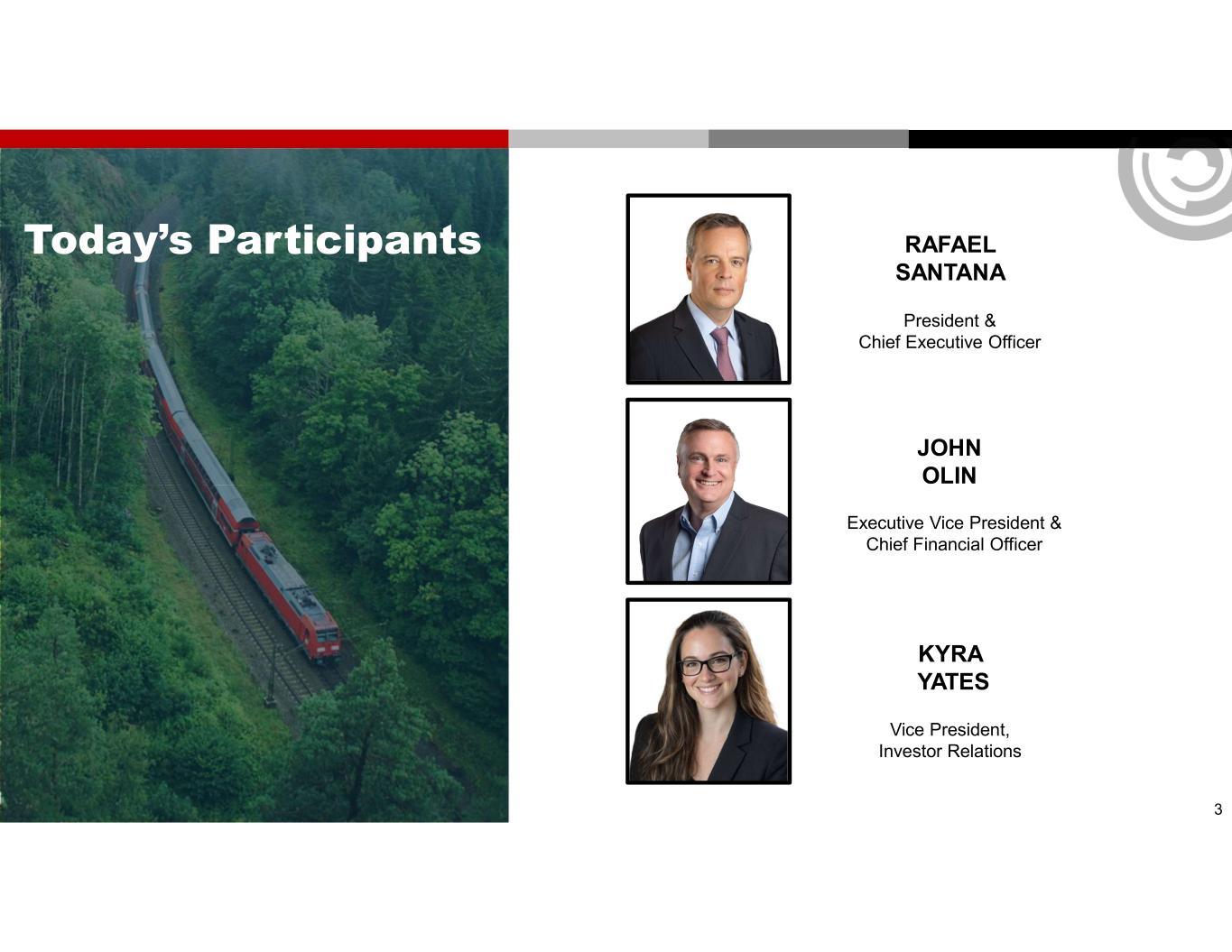
To withdraw your question, please press star, then 2. please note this event is being recorded i would now like to turn the conference over to kyra yates vice president of investor relations please go ahead thank you operator good morning everyone and welcome to wab tech's first quarter 2026 earnings call with us today are president and ceo rafael santana cfo john olin and senior vice president of finance john mastlers today's slide presentation along with our earnings release and financial disclosures were posted to our website earlier today and can be accessed on the investor relations tab some statements we are making are forward looking and based on our best view of the world and our business today for more detailed risks uncertainties and assumptions relating to our forward looking statements please see the disclosures in our earnings release and presentation we will also discuss non-gap financial metrics and encourage you to read our disclosures and reconciliation tables carefully as you consider these metrics. I will now turn the call over to Raphael.
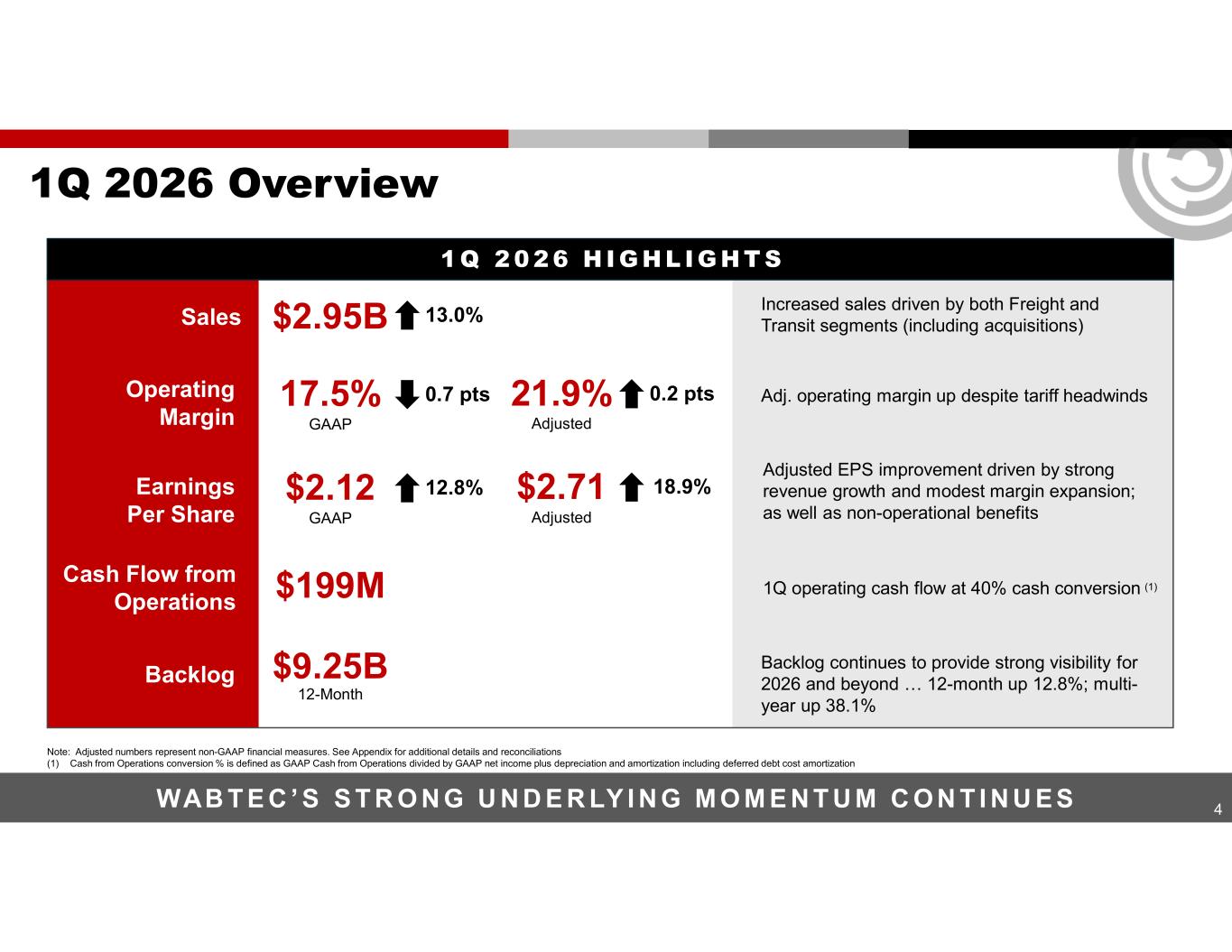
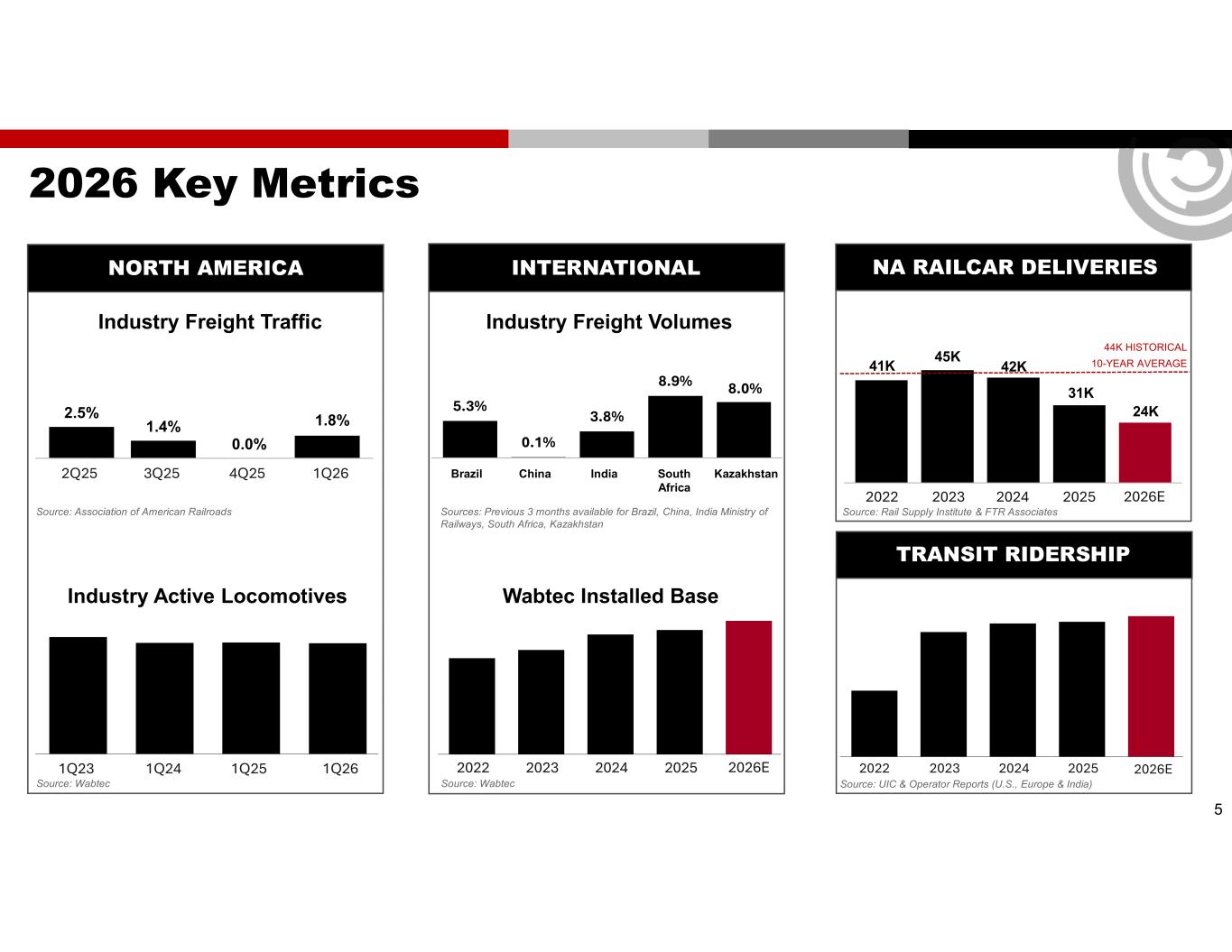
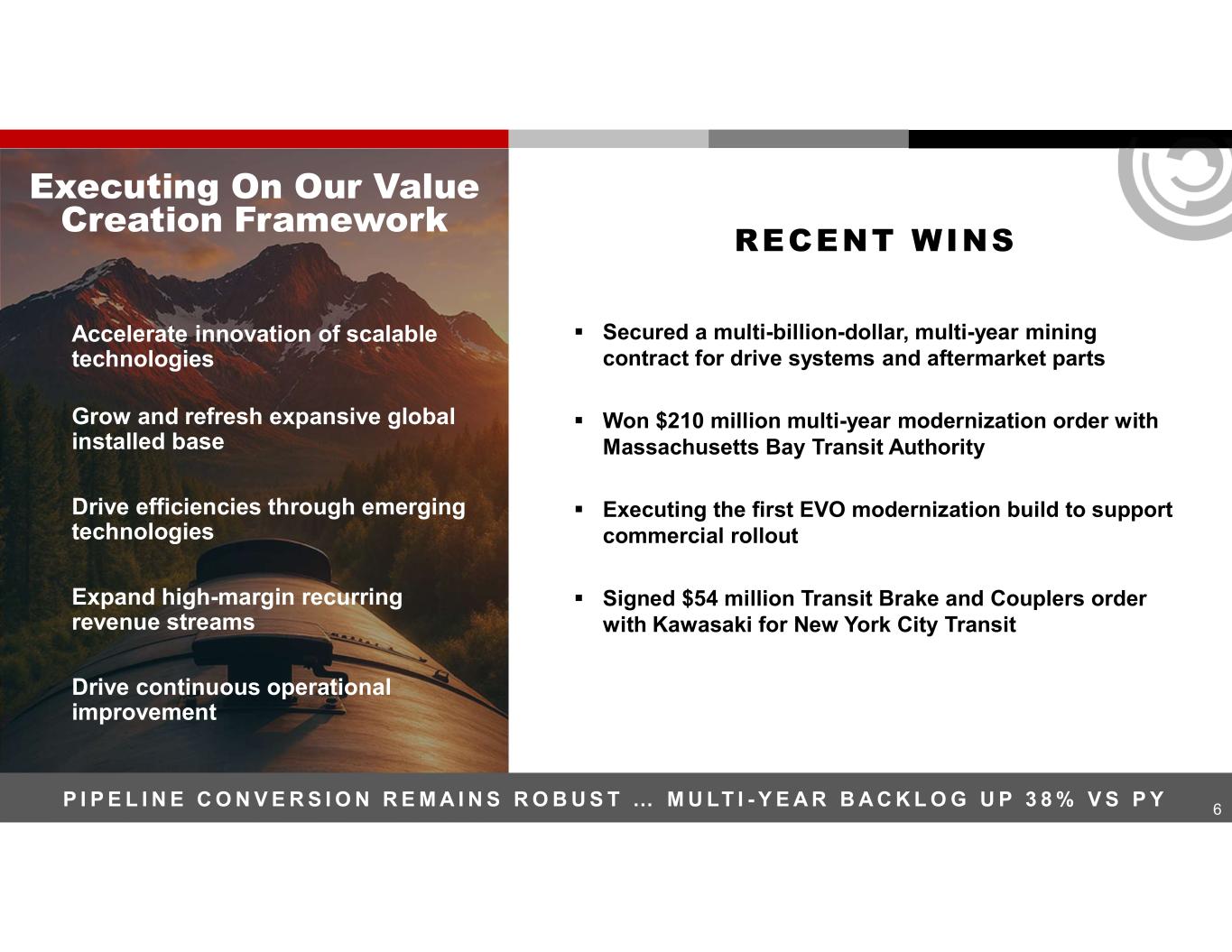
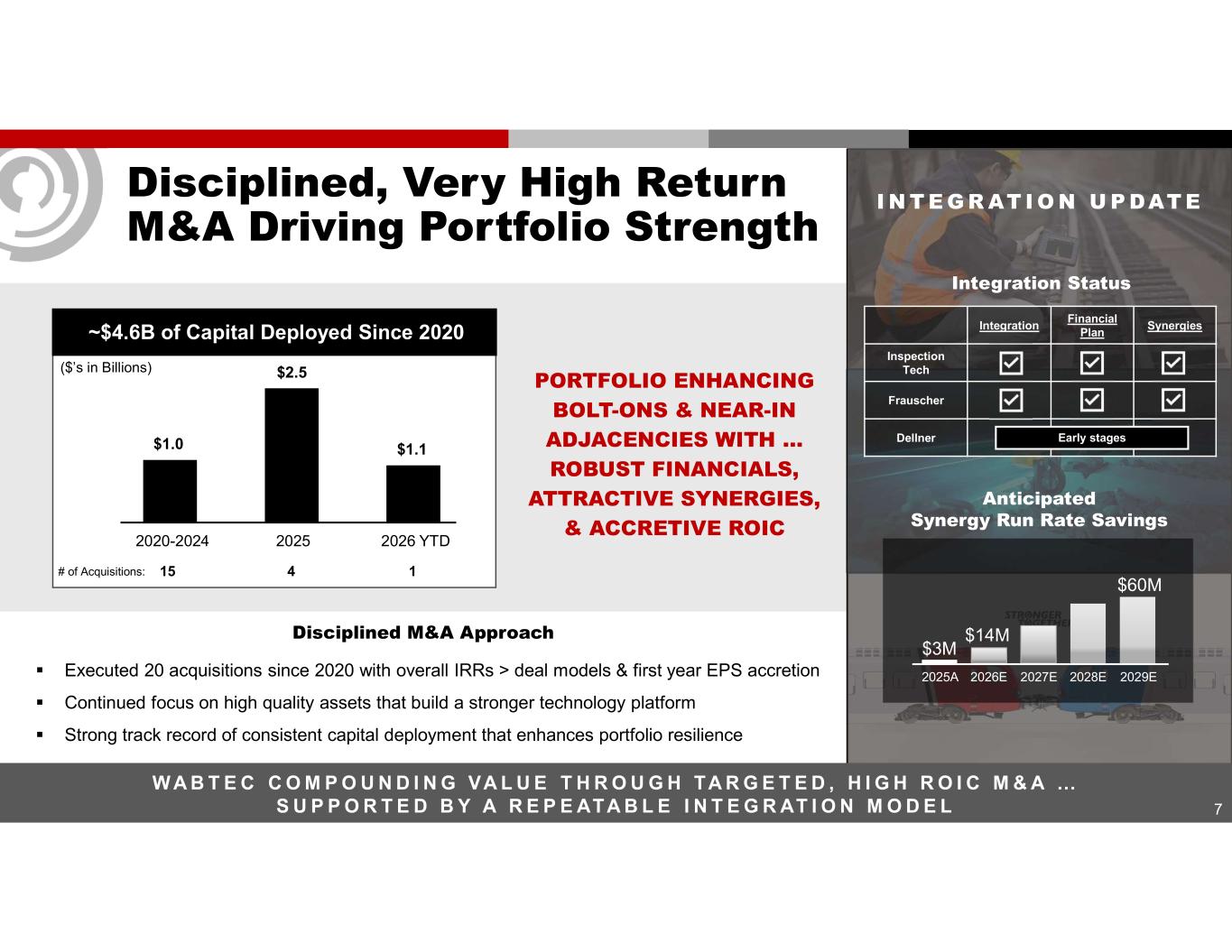
At WabTech, we are focused on advancing mission-critical transportation and industrial technologies. We are committed to building a more efficient, high-performing global platform that drives and compounds long-term value for our customers, shareholders, and for our employees. We are inspired by the progress we are making, and we remain dedicated to executing this strategy as we report out our first quarter results. With that, let's move to slide four on our business, my perspectives on the quarter, and progress against our long-term value creation framework, and then John will cover the financials. The team delivered a strong first quarter with operational results ahead of our expectations. EPS also benefited from non-operational benefits driven by currency fluctuations and taxes. Momentum that we had as we exited 2025 was clearly evident in our first quarter operational execution, pipeline conversion, up 13%, and adjusted EPS was up 19% from the year-ago quarter. Total cash flow from operations for the quarter was $199 million. It gains a key strength. 12-month backlog was up 13% from the prior year, while the multi-year backlog exceeded $30 billion, up 38%. These backlog results provide strong visibility and reflect continued momentum across our businesses, positioning as well as we execute. Initial position remains strong. We continue to execute against our capital allocation framework and expect to continue to compound long-term value for our shareholders. Shifting our focus to slide five, let's talk about our 2026 and market expectations in more detail. While key metrics across our freight markets remain mixed, we continue to be encouraged by the overall strength and resilience of our business. We are seeing solid momentum in our international markets and the pipeline of opportunities across geographies. In North America, it's up 2% in the quarter. Despite this traffic growth, the industry's active locomotive fleet was down slightly. While WAPTAC's active fleet trended up when compared to last year's internationally, car loads continue to grow at a robust core market, such as Kazakhstan, Africa, and India. significant investments to expand and upgrade infrastructure are supporting our international orders pipeline looking at the north american rail car built demand for new rail cars is down compared to the prior year and it's projected to be approximately 24 000 cars for 2026 which is down 22% from 2025. The industry forecast remained unchanged from last quarter. Finally, turning to the transit sector, we continue to see positive underlying indicators for growth. Ridership continues to increase in key markets such as Europe and India, and we are seeing strong backlogs of car builders supported by higher levels of public investments for fleet expansions and renewals. Let's turn to slide six. For recent business, during the quarter, we secured a multi-billion dollar, multi-year mining order. This win reflects our close collaboration with our customers and the strength of our differentiated technology and lifecycle support offerings. In North America, we secured a $210 million multi-year modernization with MBTA that highlights our ability, efficiency, and lifecycle value for our company. We also continue to make progress on innovation as we are executing the first EVO modernization build to support our commercial rollout of this new product. This represents an important milestone as we transition from development to commercialization and begin to scale this technology across our stall bays for years to come. Moving to our transit segment, we signed a $54 million break and couplage order with Kawasaki for the New York City Transit, further validating the positive impact of the recent downer acquisition in enhancing our transit portfolio. Overall, these successes continue to demonstrate our leadership in the markets we serve, the strength of our pipeline, and the commitment of the WAPTAC team to deliver meaningful results for our customers and for our business. Moving to slide seven, before turning it over to John, I want to briefly discuss our acquisition strategy and history. Our strategy remains disciplined, targeted, and focused on driving long-term value creation. Since 2020, we have deployed over $4.5 billion of capital across 20 acquisitions, largely centered on both on and year-end adjacent opportunities that enhance our portfolio and farther strengthens Wattak's position as a leading industrial technology company. These transactions are highly strategic. They expand our capabilities. They deepen customer relationships, and they deliver strong synergy potential while meeting our financial objectives. Calpro deployment has been highly focused on the quality of assets purchased and on their investment returns for our shareholders. We have remained patient and selective in an effort to improve portfolio resilience and position us for profitable growth over time. With regard to our most recent acquisition of inspection technologies, Frousher and Delner, these businesses are off to a great start with WAPDAC. While still early, they are delivering ahead of our acquisition plan. Our integration of these acquisitions, we continue to execute very well. Currently, our teams are making solid progress where our integration plan is firmly in place and early synergy realization is also tracking as expected. We're already seeing early benefits and expect synergy run rate savings to scale meaningfully over the coming years. Overall, our approach to M&A is to execute targeted, high ROIC acquisitions supported by repeatable integration model aimed at delivering sustained profitable growth as we accelerate the compounding of value for all of our stakeholders. With that, I'll turn the call over to John to review the quarter segment results in our overall finance.
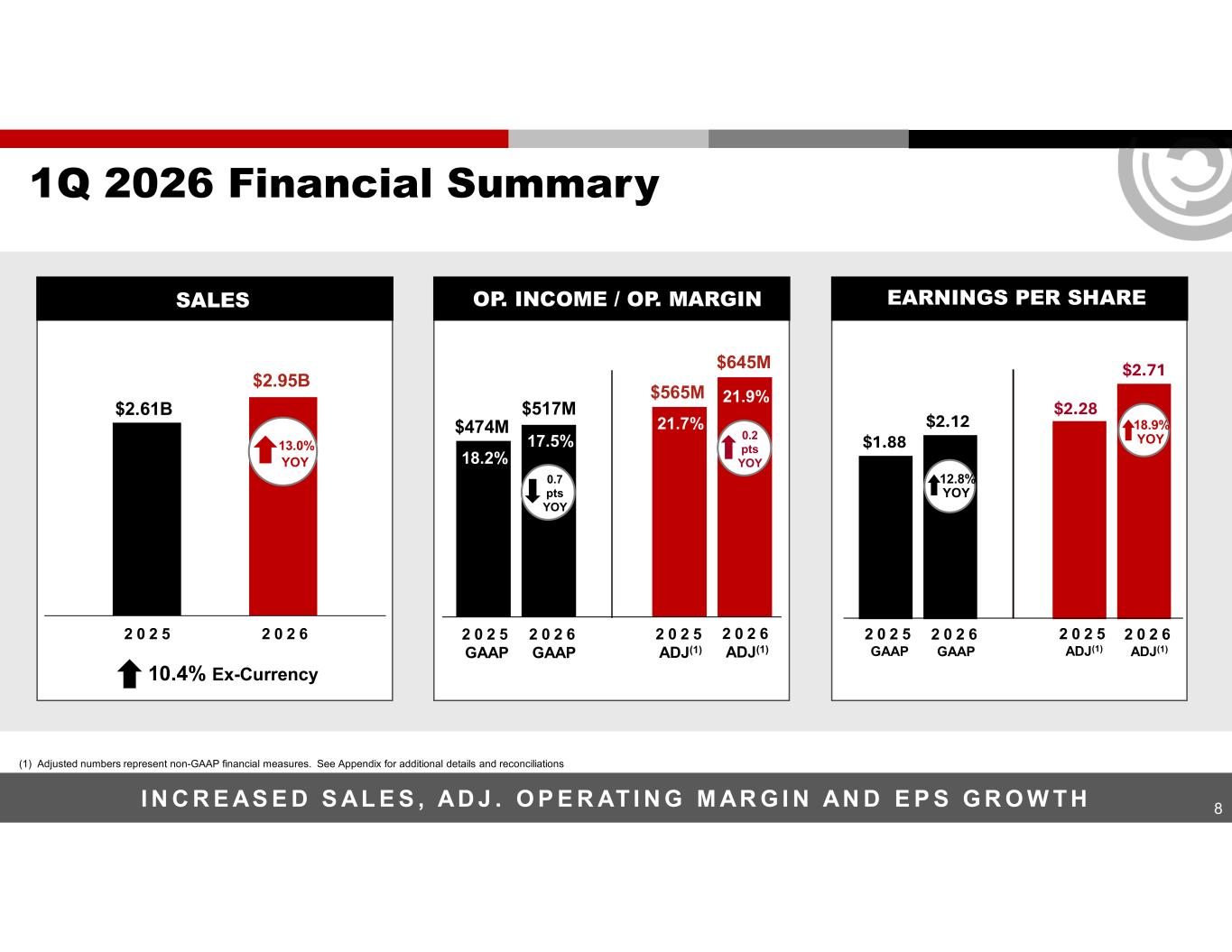
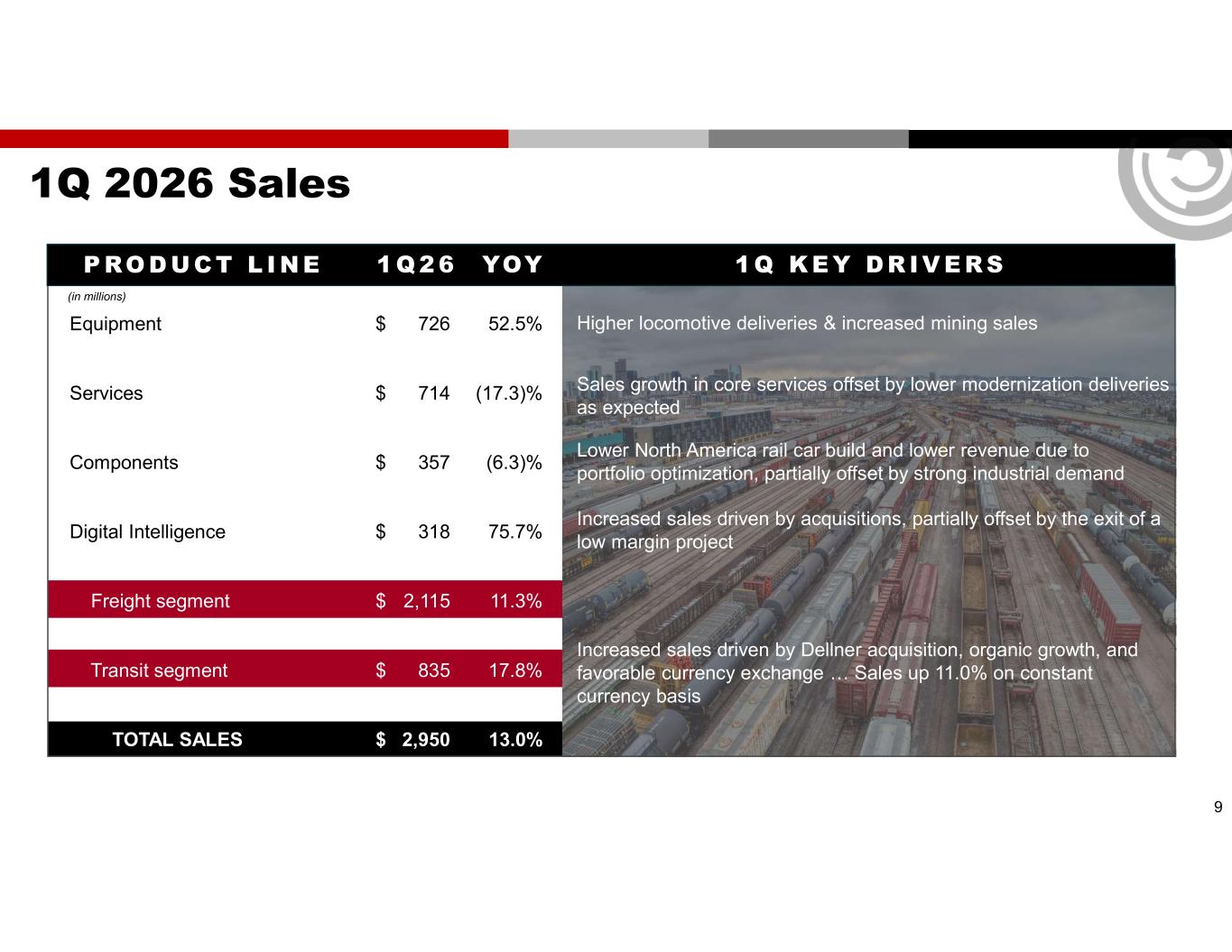
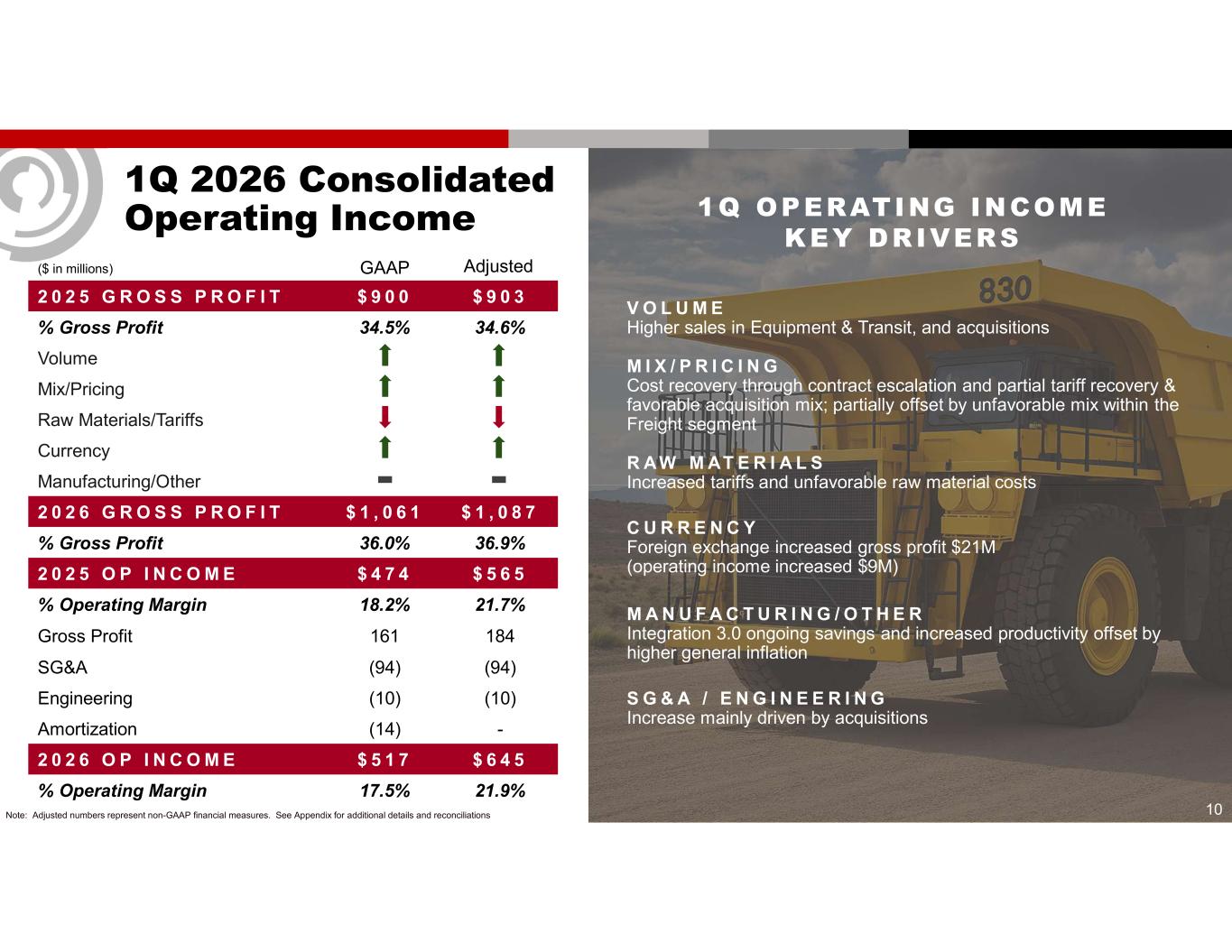
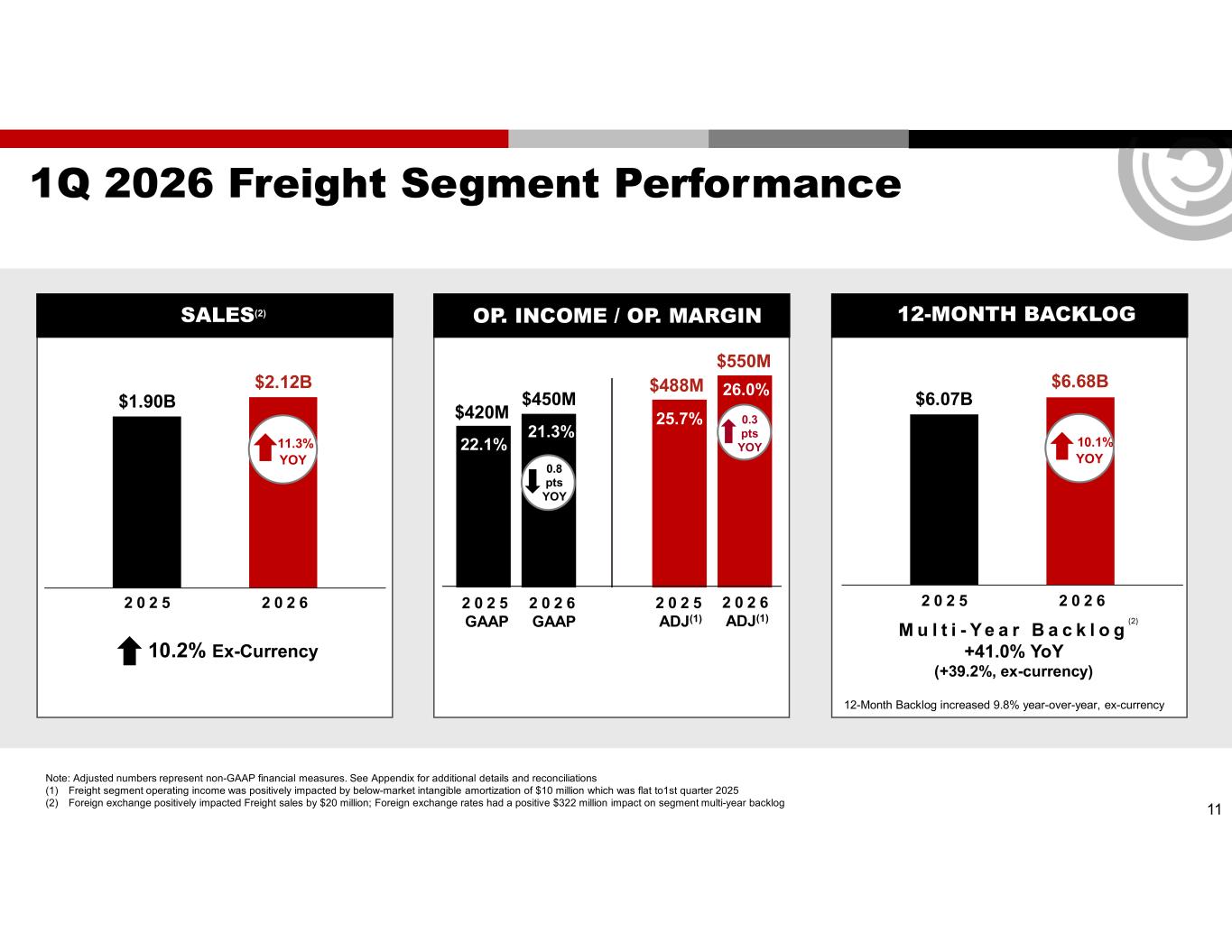
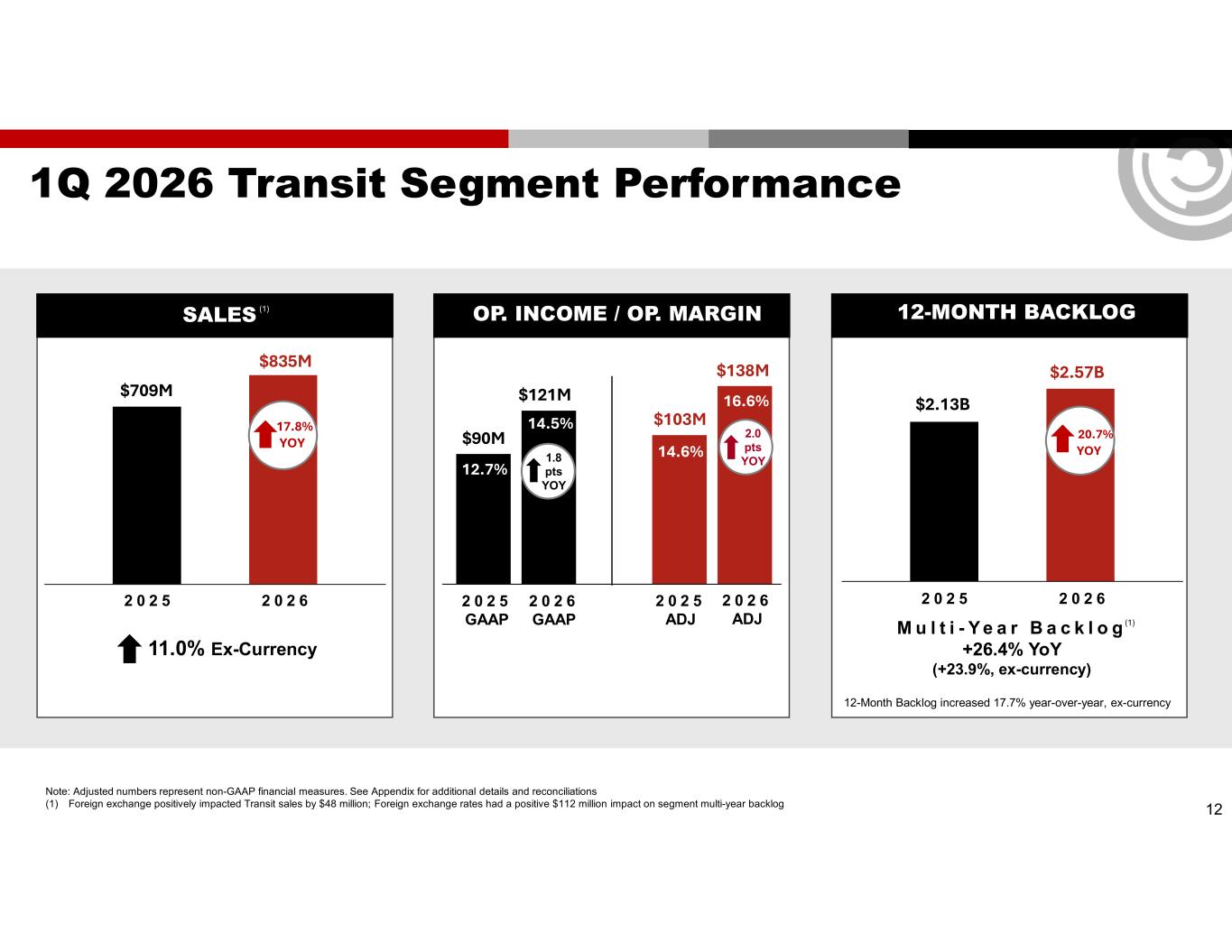
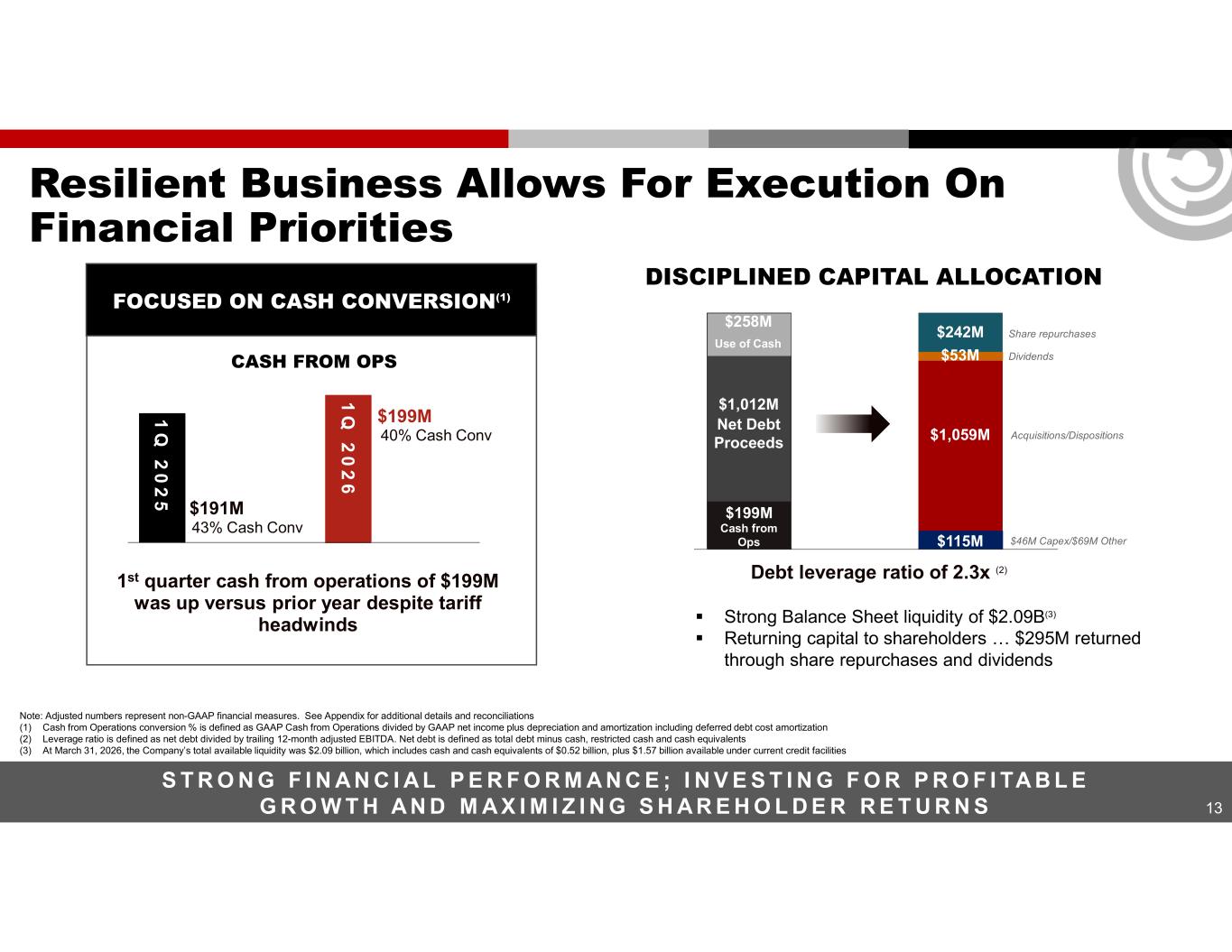
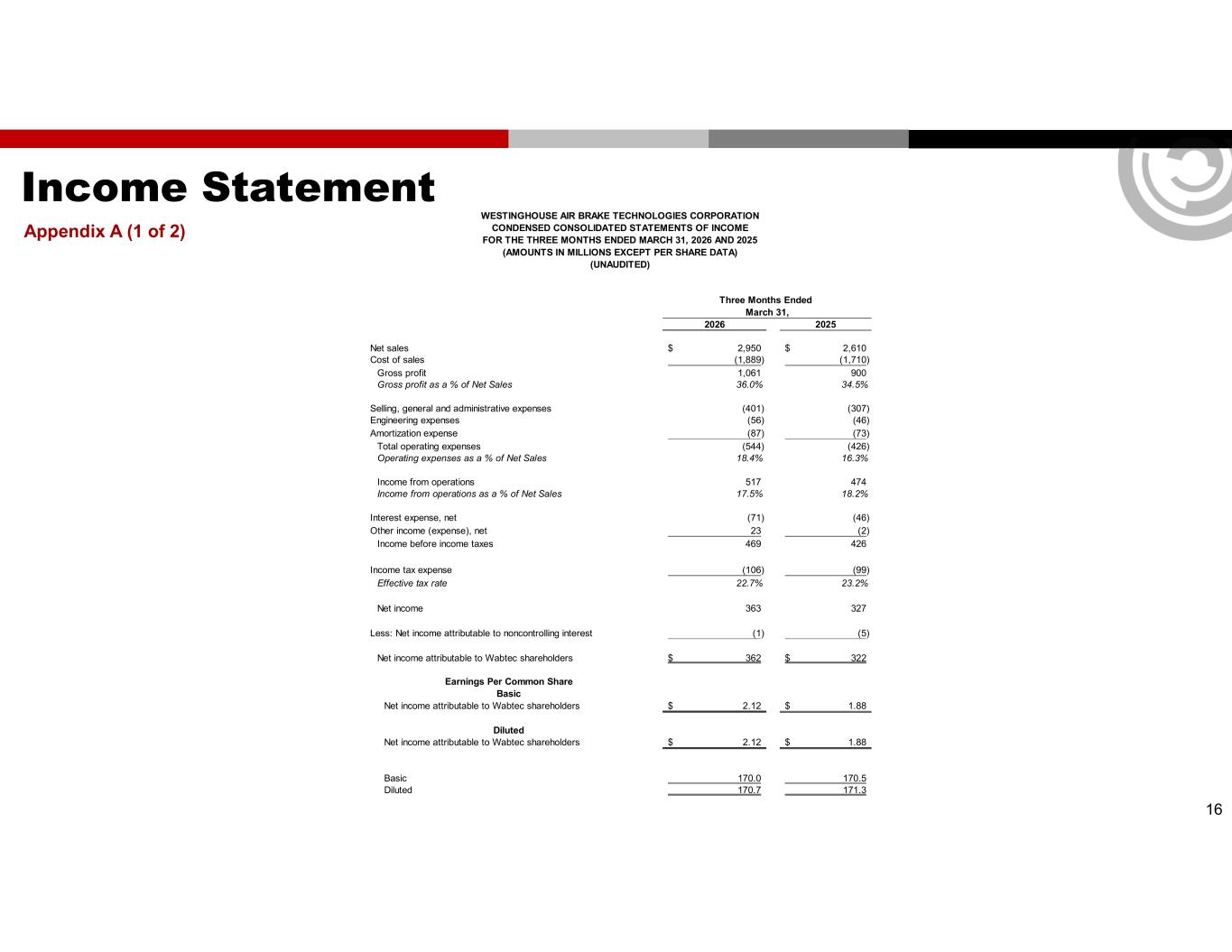
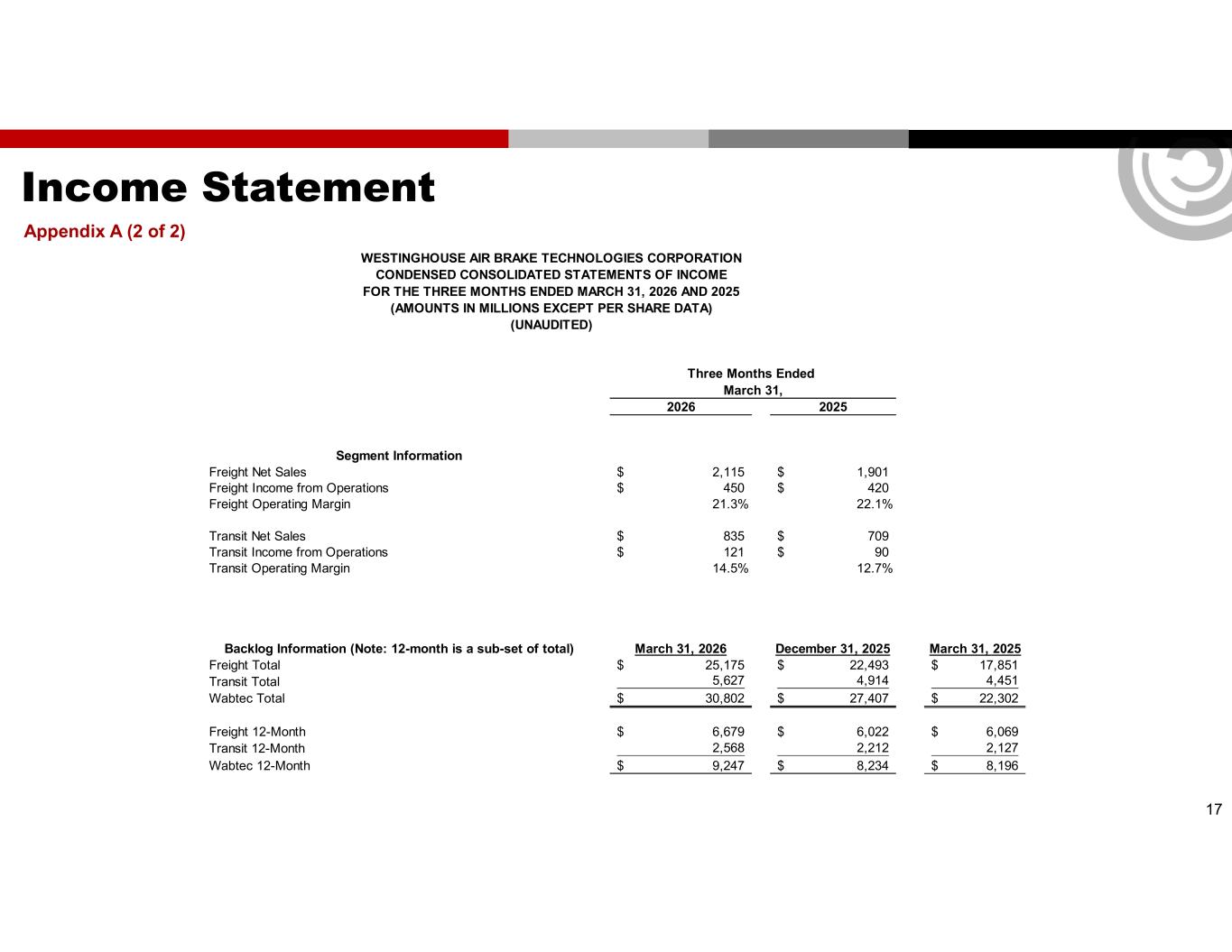
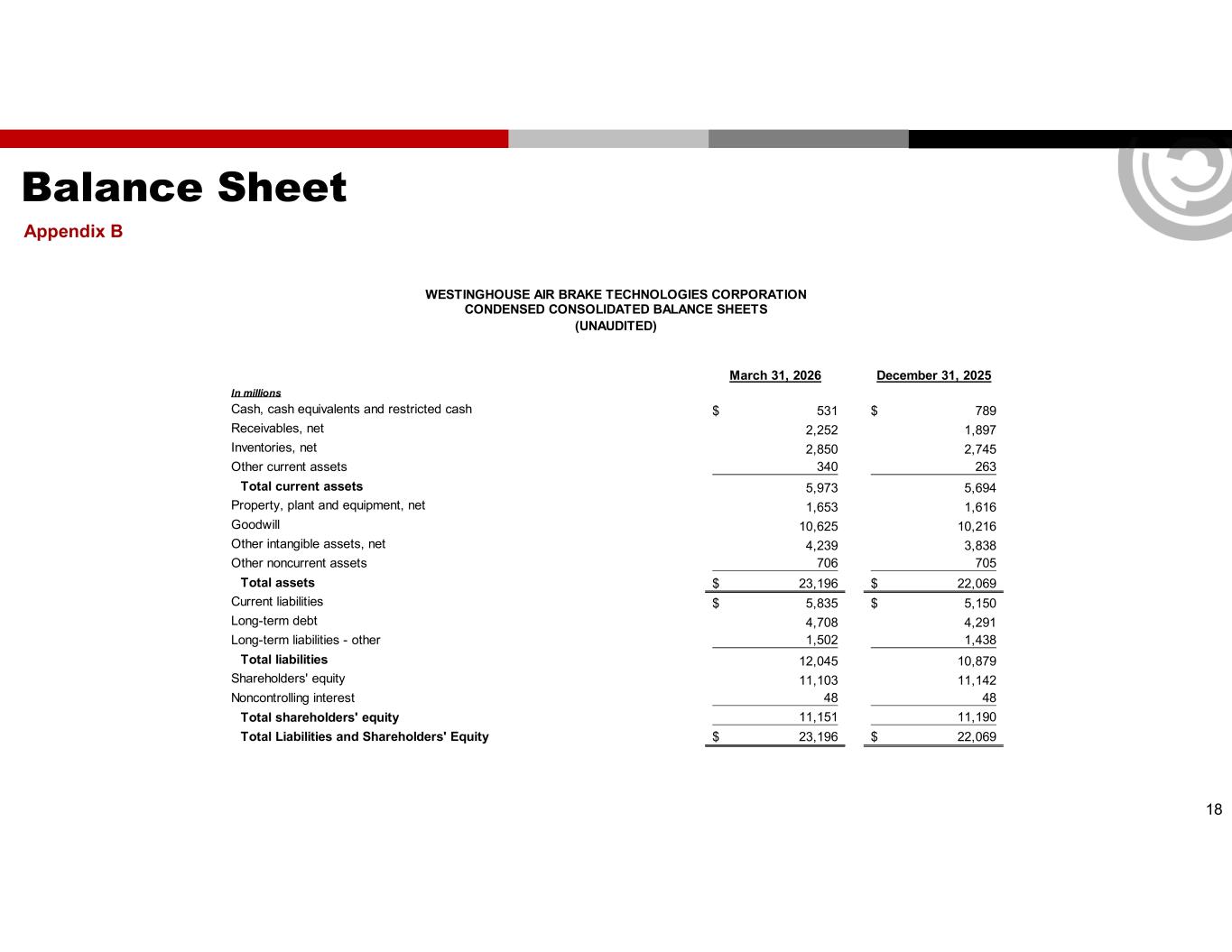
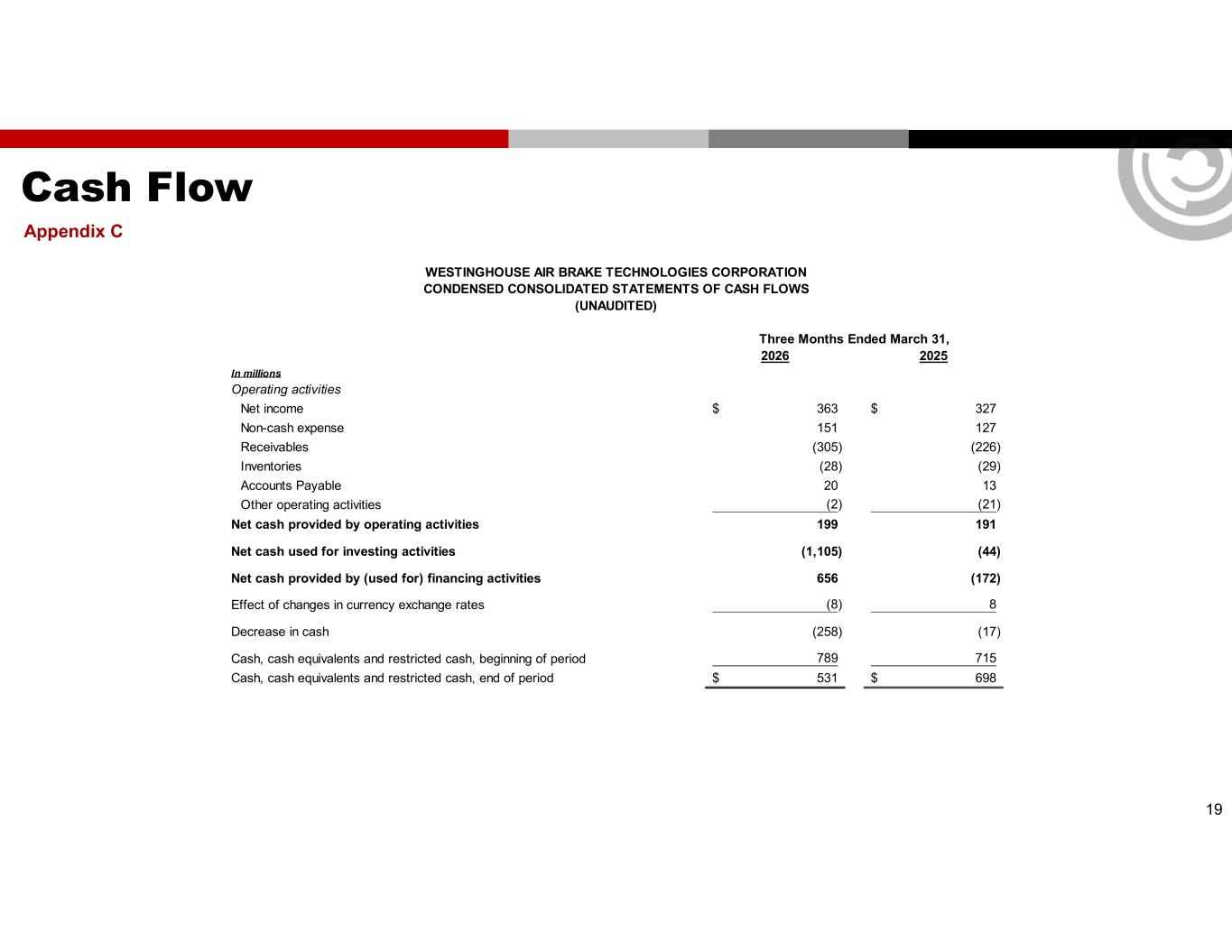
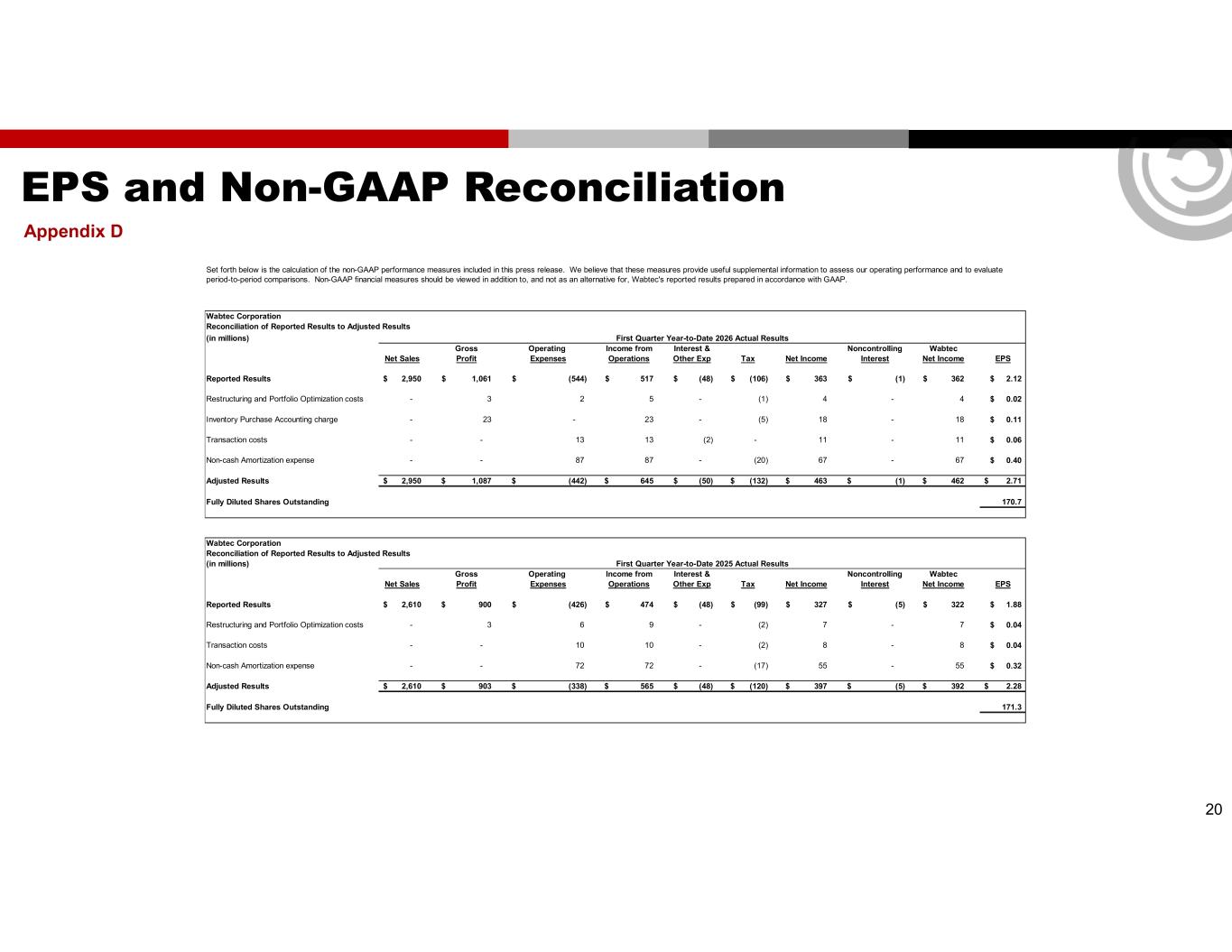
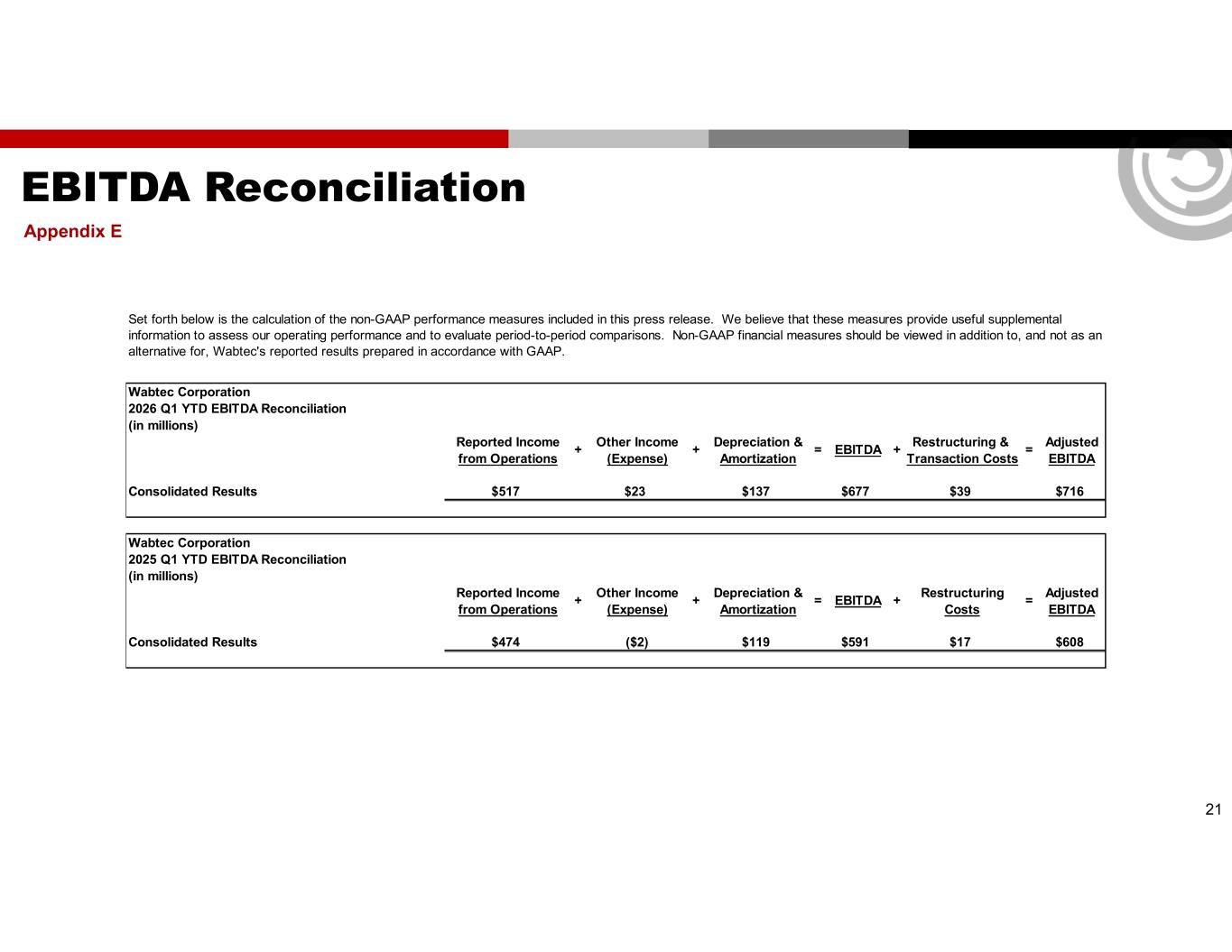
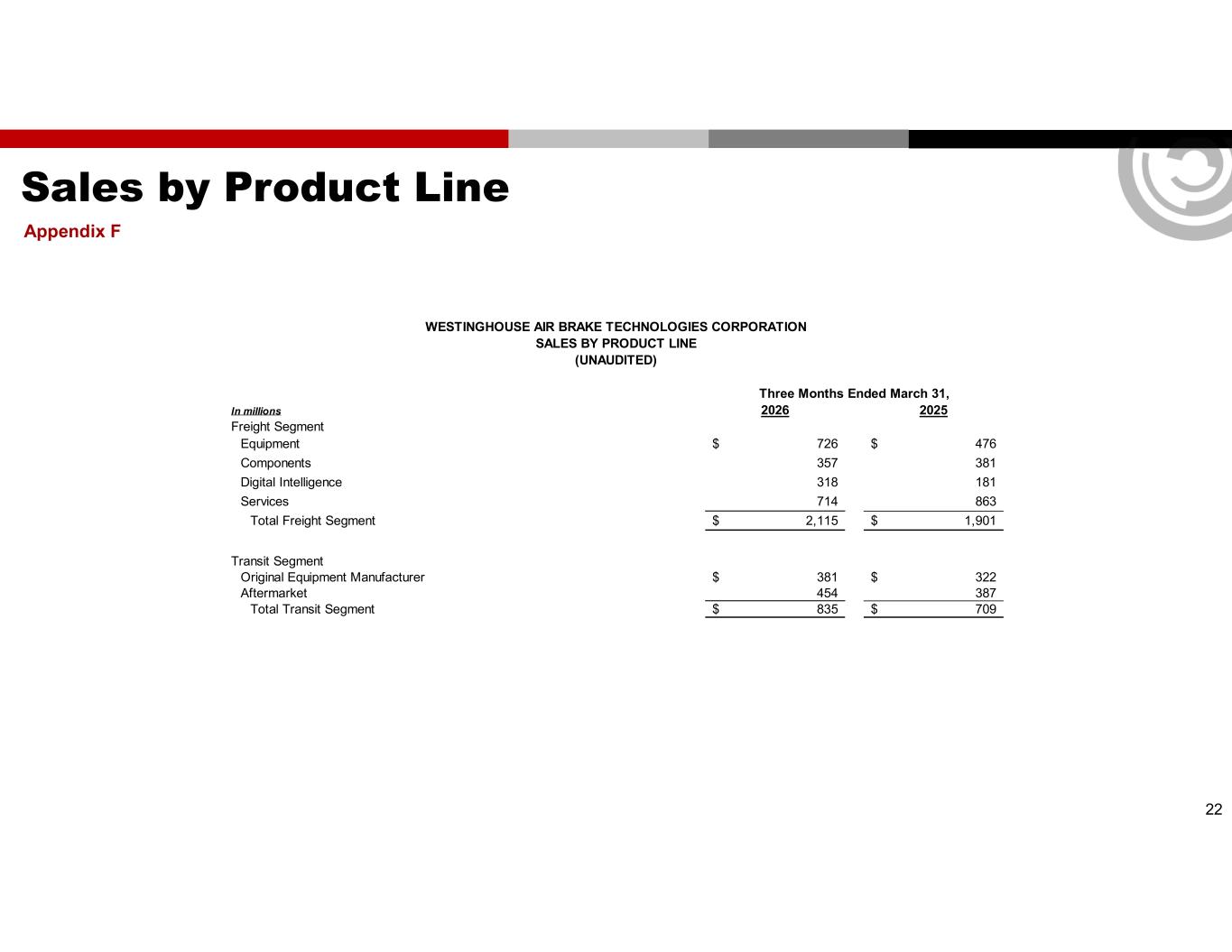
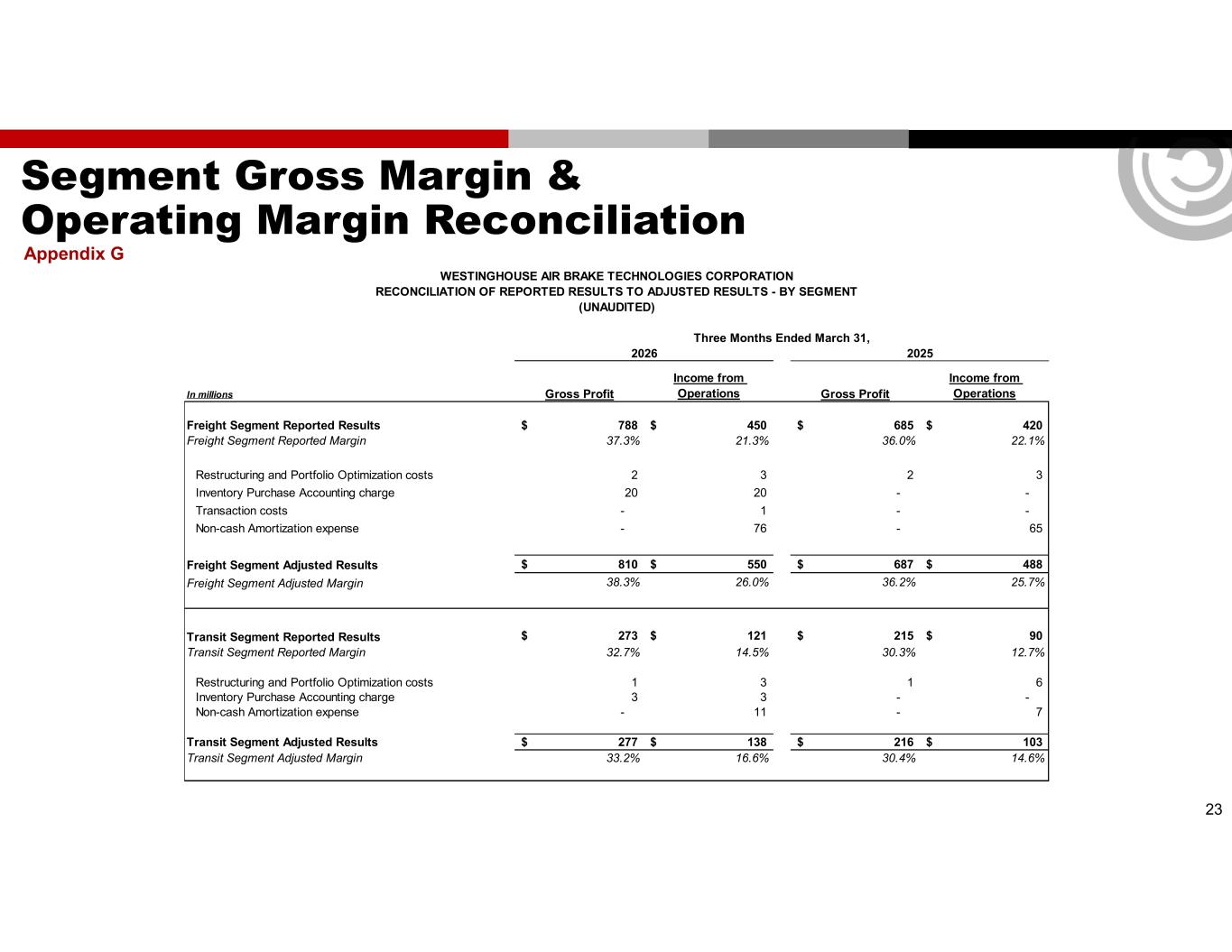
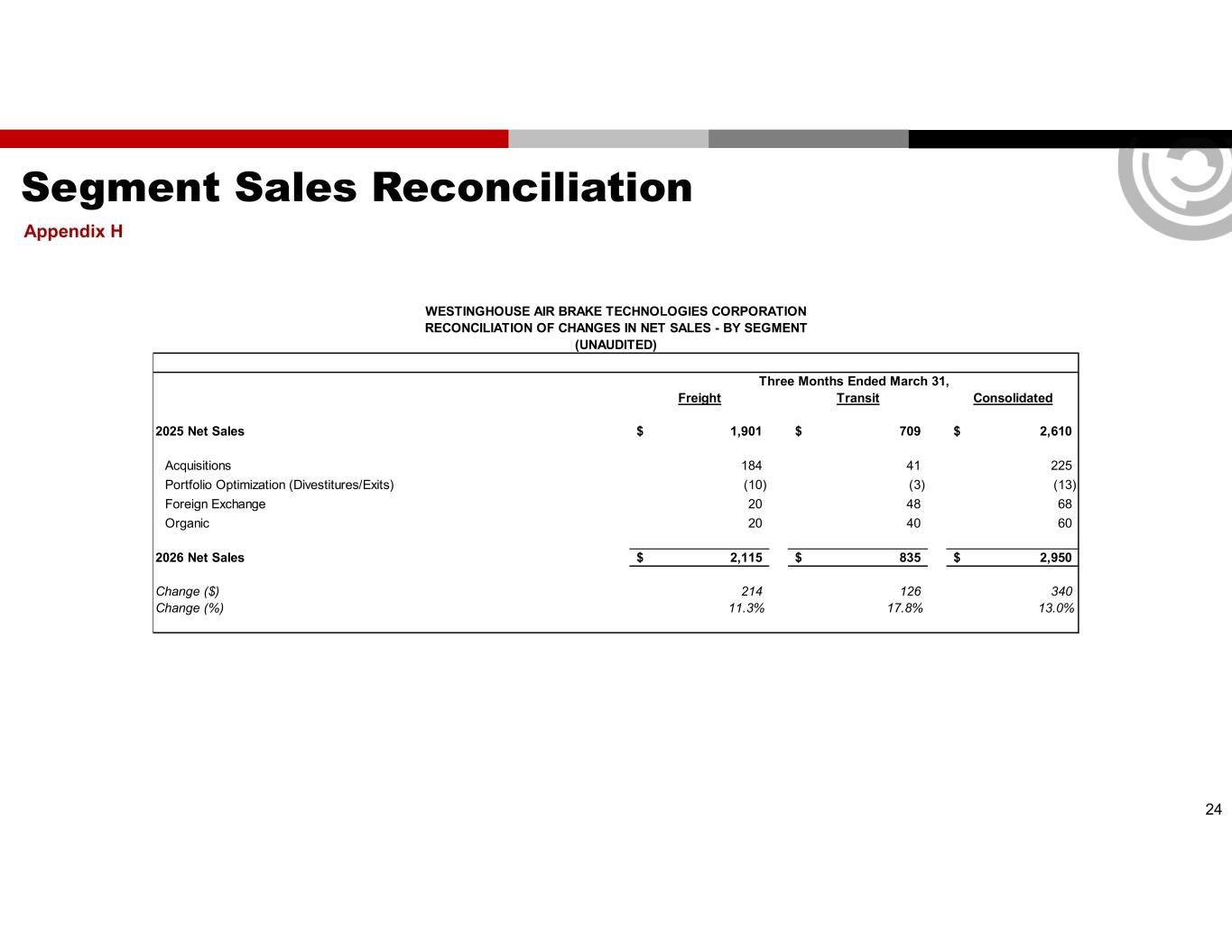
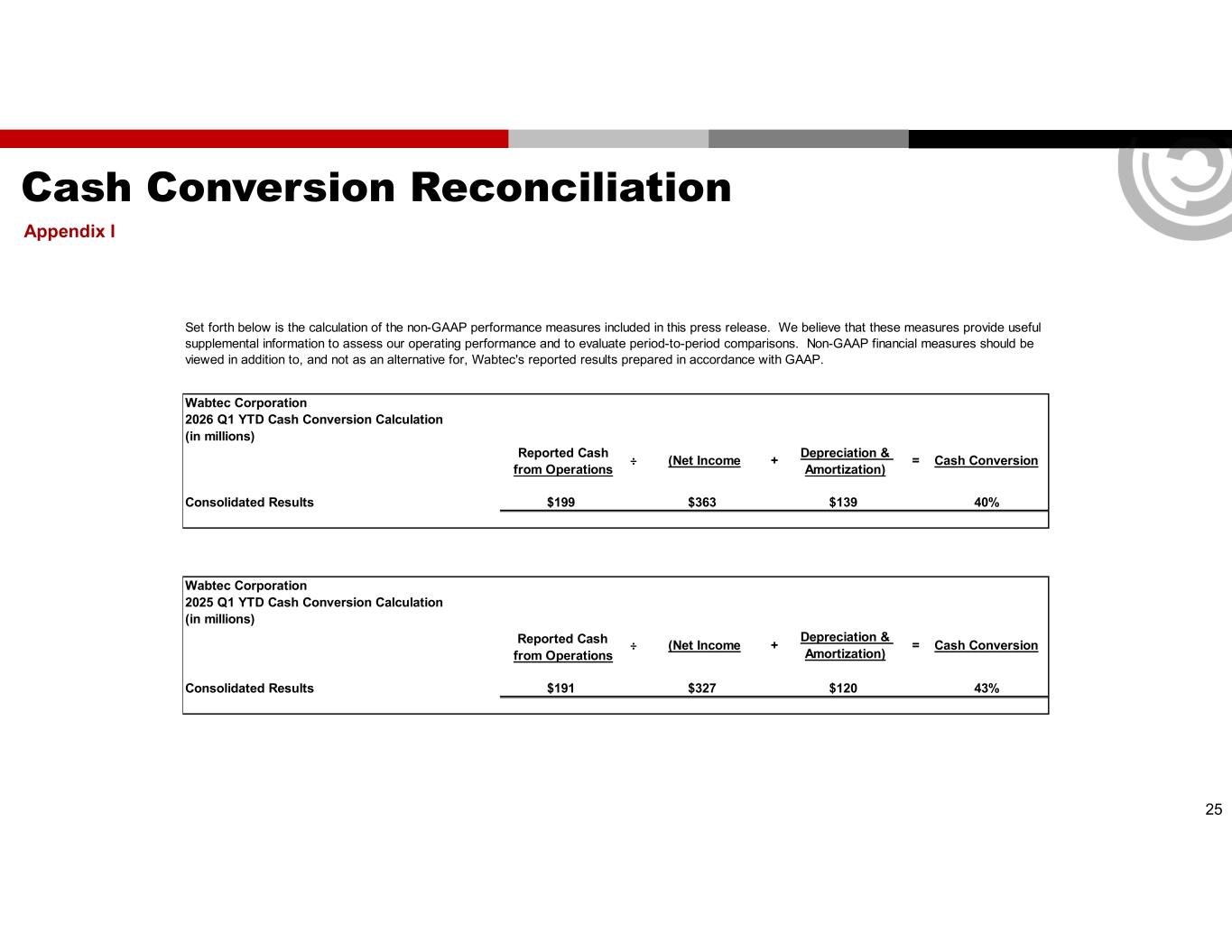
Thanks, Rafael, and hello, everyone. Turning to slide 8, I'll review our first quarter results in more detail. As a reminder, last quarter we expected first half of this year to be characterized by robust revenue growth behind continued organic growth, coupled with the revenue benefit from our recent acquisitions. Furthermore, we expected our margins to expand modestly in the first half of 2026 as we lapped very tough comps from the first half of 2025 and experienced significant headwinds from tariffs. As Rafael mentioned, our first quarter operational results came in slightly better than expected. This performance included the impact of an exit from a low-margin digital project which was fully reflected in the quarter. In addition to the better-than-expected operational results, we experienced better-than-expected non-operational results. This favorability was generated in two areas. First, other income was significantly favorable on a year-over-year basis, which resulted primarily from the impact of currency fluctuations on our international assets and liabilities. Next, we experienced favorable timing and our effective tax rate. In the quarter, our adjusted effective tax rate was 22.2%. Our expectations for the full year remain at approximately 24.5%. Having said that, sales for the first quarter were $2.95 billion, which reflects a 13.0% increase versus the prior year. With strong contributions from both the freight and transit segments, excluding the impact of currency, Q1 sales were up 10.4%. Organic growth in the quarter reflects a digital portfolio exit. Excluding that impact, organic growth was in line with our expectations for the first quarter. For the quarter, GAAP operating income was $517 million. The increase was predominantly driven by higher sales. Gap operating margin was down in the quarter due to non-cash purchase accounting adjustments resulting from our recent acquisitions. Adjusted operating margin for Q1 was 21.9%, up 0.2 percentage points versus prior year. This modest improvement was achieved despite the year-over-year tough comps, tariff-related headwinds and the digital portfolio exit earnings per diluted share was two dollars and twelve cents which was up twelve point eight percent versus the year ago quarter during the quarter we had net pre-tax charges of 41 million dollars for purchase accounting adjustments and transaction costs associated with our recent acquisitions as well as restructuring costs which were related to our integration and portfolio optimization initiatives to further integrate and streamline Wabtex operations. Adjusted earnings per diluted share was $2.71, up 18.9% versus the prior year. Overall, the quarter reflects the strength of our execution, the resilience of the business, and solid momentum as we move through the year. Turning to slide nine, let's review our product lines in more detail. First quarter consolidated sales were up 13.0 percent. Equipment sales were up 52.5 percent from last year's first quarter. This was driven by higher locomotive deliveries and increased mining sales. Our services sales were down 17.3 percent due to lower modernization deliveries, as we expected, which was partially offset by core services sales growth. In Q2, we expect to post another quarter of strong equipment growth and lower year-over-year services revenues driven by lower modernization deliveries. Component sales were down 6.3% versus last year due to the industry's decline in the North American rail car build, and due to lower revenue from our portfolio optimization efforts, partially offset by increased industrial product sales. Digital intelligence sales were up 75.7% from last year. This was driven by contributions from the inspection technologies and Frausher acquisitions. In our transit segment, sales were up 17.8%, driven by a partial quarter of the Delner acquisition and growth across our products and services businesses. Foreign currency exchange had a favorable impact on sales in the quarter of 6.8 percentage points. Moving to slide 10, GAAP gross margin was 36.0 percent, which was up 1.5 percentage points from first quarter last year. Adjusted gross margin was up 2.3 percentage points during the quarter. GAAP operating margin was 17.5%, which was down 0.7 percentage points versus last year. Adjusted operating margin improved 0.2 percentage points to 21.9%. Operating margin was positively impacted by cost recovery from contractual price escalation, increased productivity, and integration savings, partially offset by rising manufacturing costs, higher year-over-year tariff costs, unfavorable mix, and the digital portfolio exit. Adjusted and gap SG&A expenses were higher year-over-year due largely to the SG&A expense associated with our acquisitions. Engineering expense was $56 million, $10 million higher than first quarter last year, primarily due to acquisitions. We continue to invest engineering resources and current business opportunities, but more importantly, we are investing in our future as a leading industrial tech company focused on improving our customers' fuel efficiency, labor productivity, capacity utilization, and safety. Now let's take a look at segment results on slide 11, starting with the freight segment. As I already discussed, freight segment sales were up a strong 11.3%. percent gap segment operating income was 450 million dollars driving an operating margin of 21.3 percent down 0.8 percentage points versus last year the app operating income included 24 million dollars of purchase accounting adjustments resulting from our recent acquisitions and restructuring costs for our integration and portfolio optimization initiatives adjusted Adjusted operating income for the freight segment was $550 million, up 12.7% versus the prior year. Adjusted operating margin in the freight segment was 26.0%, up 0.3 percentage points from the prior year. The increase was driven by higher gross margin of 2.1 percentage points, partially offset by an increase of 1.8 percentage points of our operating expense as expressed as a percent of revenue. The key driver of this is due to the mix of higher gross margin businesses as a result of our acquisitions of inspection technologies and frauture. Finally, the freight segment's 12-month backlog was $6.68 billion. Our 12-month backlog was up 10.1 percent, while the multi-year backlog of $25.18 billion was up 41.0%. Turning to slide 12, transit segment sales were up 17.8% at $835 million. When adjusting for foreign currency, transit sales were up 11.0%. The acquisition of Dellner added a partial quarter of revenue, adding approximately 5.8 percentage points of sales growth. Gap operating income was $121 million, which reflected the quarter's robust revenue growth and operating margin expansion. These strong results were partially offset by $6 million of restructuring costs and the costs associated with our acquisition of Delner in the first quarter. Adjusted segment operating income was $138 million. Adjusted Operating Income as a percent of revenue was 16.6%, up 2.0 percentage points from prior year, driven by increased gross margin, which was partially offset by higher operating expenses as a percent of revenue. Finally, transit 12-month backlog for the quarter was $2.57 billion. Our 12-month backlog was up 20.7%, while the multi-year backlog was up 26.4%. Now, let's turn to our financial position on slide 13. First quarter cash flow generation was $199 million, resulting in a cash conversion of 40%. We are off to a solid start for the year, with cash flow up slightly versus last year's first quarter cash flow of $191 million. Our balance sheet and financial position continues to be very strong, as evidenced by, first, our liquidity position, which ended the quarter at $2.09 billion, and our net debt leverage ratio, which ended the first quarter at 2.3 times. Our leverage ratio remained in our stated range of two to two and a half times, even after funding the purchase of DelNord during the quarter for approximately $1 billion. dollars. We continue to allocate capital in a disciplined way to maximize returns with an expectation of compounding our earnings for our shareholders. During the quarter, we repurchased 242 million dollars of our shares and paid 53 million dollars in dividends. With that, I'd like to turn the call over to Rafael to talk about our 2026 financial guidance.
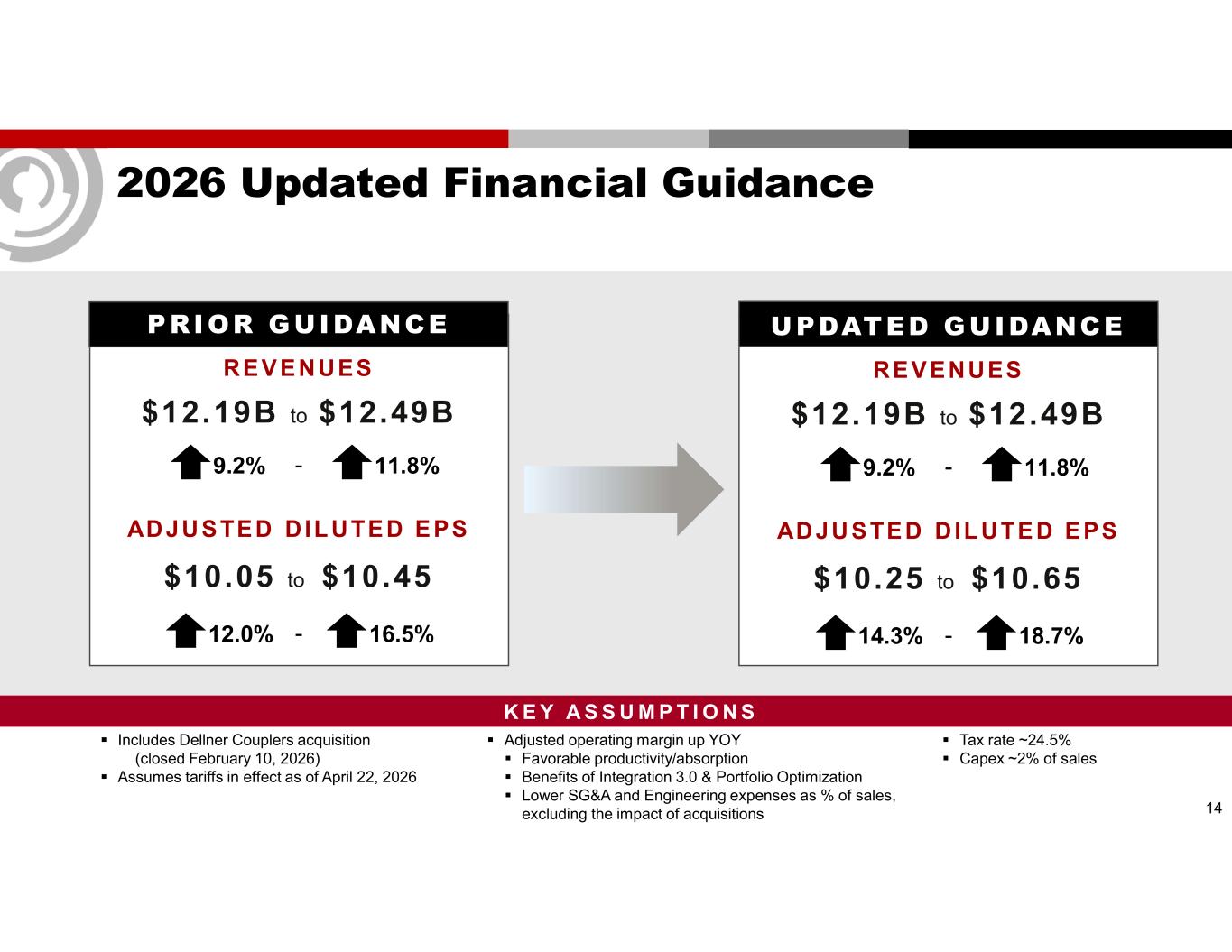
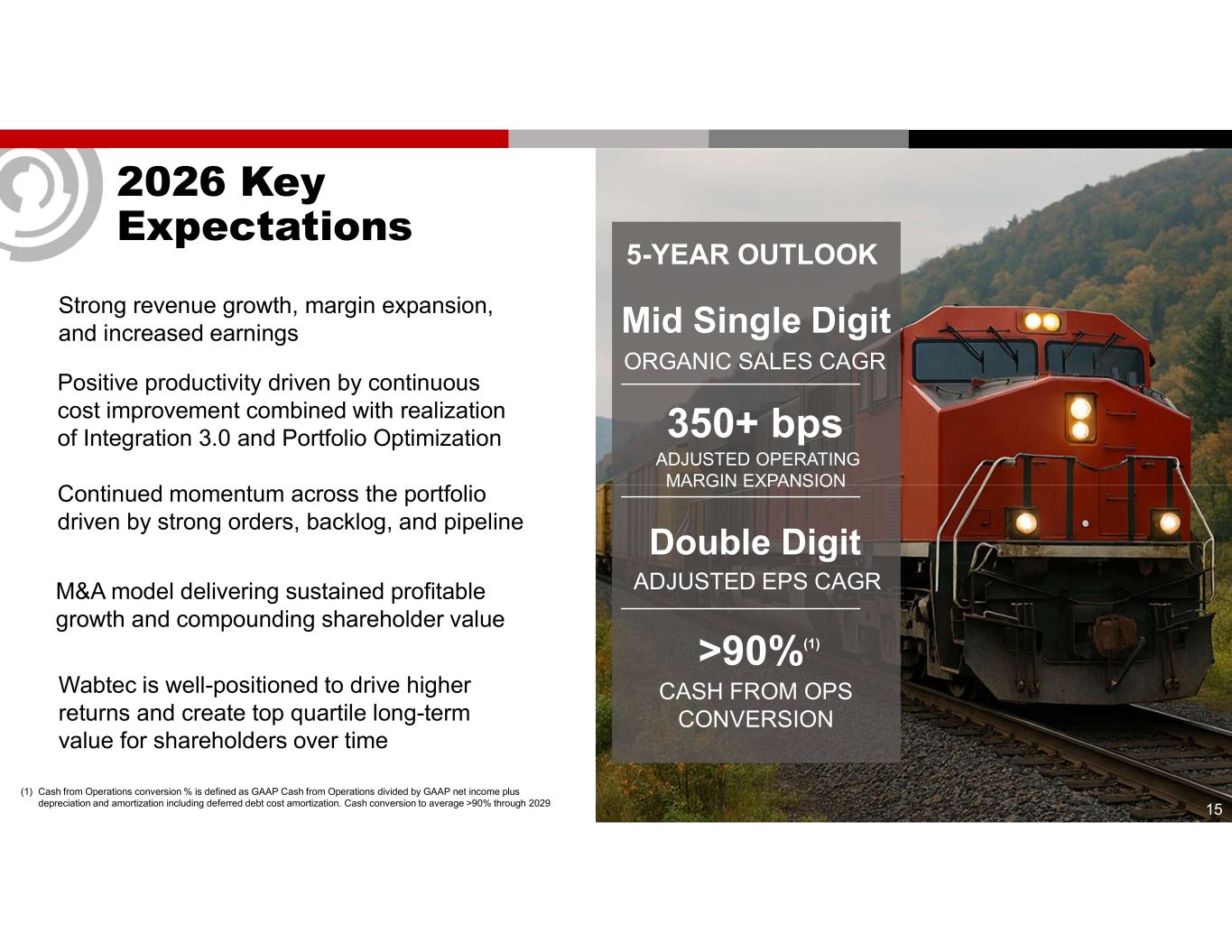
Thanks, John. Now let's turn to slide 14 to discuss our 2026 outlook and guidance. Overall, the team delivered a strong first quarter with operational results ahead of our expectations. EPS also benefited from non-operational favorability driven by currency fluctuations in taxes. Importantly, we continue to see underlying demand for our products and solutions across the business. That demand is reflected in a strong pipeline, and both our 12-month and multi-year backlogs provide clear visibility into profitable growth ahead. Our team remains fully committed to driving top-line growth, margin expansion, and executing with discipline. With that backdrop, we are increasing our previous adjusted EPS midpoint guidance, and And we now expect adjusted EPS to be in the range of $10.25 to $10.65, representing approximately 17% growth at the midpoint. Our revenue guidance remains unchanged. Now let's wrap up on slide 15. As you heard today, our teams continue to execute against our value creation framework and our five-year outlook, driven by strength of our resilient install base, world-class team, innovative technologies, and our customer-focused approach. With solid underlying demand for our products and continued focus on operational discipline, we feel strong about the company's future and our ability to deliver profitable growth and long-term shareholder value. Additionally, our recent acquisitions are running ahead of plan and strengthening our financial position. I believe Optex is well positioned as a leading industrial technology company with the capabilities and foundation to drive sustainable, profitable growth for years to come. With that, I want to thank you for your time this morning. I'll now turn the call over to Kyra to begin the Q&A portion of our discussion.
Thank you, Rafael. We will now move on to questions. But before we do, and out of consideration for others on the call, I ask that you limit yourself to one question and one follow-up question. If you have additional questions, please rejoin the queue. Operator, we are now ready for our first question.
Operator
We will now begin the question and answer session. To ask a question, you may press star, then one on your touchtone phone. If you are using a speakerphone, please pick up your handset before pressing the keys. If at any time your question has been addressed and you would like to withdraw your question, please press star and then two. The first question comes from Ken Hexter with Bank of America.
Please go ahead. hey great um so uh good afternoon good morning um just maybe uh john a little bit of update on the tariff mitigation given the the recent 232 updates what what talk about the impact we've got a lot of questions over the last few days uh the impact that that you see on the business on rafael if you want to talk about if it's affected orders or slowed down things just what's gone on and maybe the cost implications for you thanks let me start and i'll uh let john going to the details.
Number one, as we look into tariffs, any tariffs that have been announced up to this point are included in the guidance. The other comment I would make, we're not seeing any impact with regards to revenues. We continue the guidance as per the same time last time. What we are seeing is we are executing better in the business and that's reflected with the guidance on higher profit rate for the year. But, John?
Thanks, Rafael. Ken, when we look at all the activity that's been in the market with regards to the tariff regime change of the Section 232s, as we look at the way it was and the way it will be, two things come to mind. Number one is there is no difference. We're largely indifferent between that from a financial standpoint. The second thing is, is from an administrative standpoint, the new tariff regime is certainly much easier to administer. But again, no overall impact to that. As Raphael had mentioned, as you look at our guidance, everything that we know with regards to tariffs is built in there, and really business as usual. We continue to pull the levers on our four-pronged approach, And while, as Rafael had mentioned, this is a heck of a headwind on a year-over-year basis from a gross perspective, the team is doing a fantastic job at mitigating these tariffs. As we've talked, we're going to see timing of this. We're going to feel margin pressure in the first half of the year because of tariffs, and that pressure will dissipate in the back half as we start to lap a more steady tariff cost and lap some of the costs that were in last year. but we're moving, we're moving fine with regards to our plan to cover the tariffs, Ken.
Great. And if I can get my follow-up on just the outlook and the long-term outlook, you know, sounds great, still everything on track and great backlog growth, but the near term, I just want to understand the messaging here. So you've taken the midpoint up about 20 cents. I guess you had a huge tax benefit this quarter. You had the below the line gain, John, you talked about.
So if you add the two together is that the 20 cents or is there something going on on the cost side that you're trying to tell us is getting better and i don't know tax normalizes itself and so that's not the i just want to understand maybe more details on that messaging for that outlook um sure ken when we look at the 20 cent um increase it's reflecting um two things and the way to think about it is roughly half of it call it 10 cents is due to the operational side of things and the other 10 cents is due to the non-operational. So let's take a look at both of those, Ken. As we look at the operational, as Rafael had said, we came in slightly favorable to our expectations and we managed an exit of a digital project. So we went back and looked at that and how much of that was structural versus timing and all those types of things. And we're doing a better job, even though our costs are rising quite a bit, we're doing a good job of managing them through all the levers that we commonly pull um and so we we took that across the remainder of the year and then we netted out that against um higher costs that we're seeing and that's largely ken in terms of of inflation um and while we do have price escalators um the timing of that and the fact that 40 are not covered by price escalators has our cost rising and this is largely behind metals we're seeing copper, aluminum, steel up. We're seeing precious metals up. Silver impacts us as well. And transportation costs are up as well as we're seeing some pressure on memory chips in our digital business. So when we take all of that in aggregate with the structural improvement that we had in the first quarter and that we think will extend to the remainder of the year, that nets out to a 10 cent increase to the overall eps guidance the second piece as you pointed out ken and you're thinking about it exactly the right way is 10 cents is non-operational that is driven by two pieces and one is the currency fluctuations you know ken we don't know if currencies are going to go up or down from here but what we've said is that net other income which was up on on an adjusted basis, $23 million, is largely going to stick. Now, that could be right or wrong, but that's the way we're thinking about it. In terms of the tax piece, is we had favor billing in the quarter, but actually it'll be a little bit of a headwind for the remainder of the year as we still expect the 24.5% full-year rate. So, again, very good news. We are holding our revenue forecast. We came in right where we expected to on revenue. And so I think the way to think about this is that we're holding revenue, and it'll be a little bit more profitable as we go forward and as we run the company in a better fashion.
Great. Thanks for the time. Appreciate the thoughts.
Operator
And the next question comes from Angel Costello with Morgan Stanley. Please go ahead.
Hi, good morning. Thanks for taking my question. I just wanted to maybe talk a little bit more about the revenue part of the guidance. So you had, I guess, if you could talk a little bit about why that was unchanged, I guess, when I look at the backlog and the strength in that continuing of, you know, strong book to bill, kind of three quarters back to back of strong growth in that sequentially end year over year. Just curious if there's any offsets to the degree of confidence you're seeing of, you know, maybe how much of your revenue is perhaps covered for clear 26 or just how we should think about that unchanged guide in light of the backlog.
Angel, let me start here with a few comments in terms of potential headwinds and upside drivers as we think about the year. On the headwinds, I think we would probably highlight the freight car deliveries potentially being farther down than what it is. There's certainly what John mentioned in terms of the inflation in our input cost. Electronics continue to be one that it's certainly a headwind and obsolescence as well. On the flip side of that, I'll probably start with OBSO assets because that can drive, I think, some upside for us in terms of the opportunity to continue to modernize subsystems for our customers. The strong momentum on acquisitions being had a plan for the quarter, I think that's also positive. I think we're seeing really we're gaining traction on new product introductions, and that's really across more than a couple of businesses. And we're seeing incremental demand on existing projects. Maybe midterm, longer term is North America CapEx recovery. But what I'll say is, despite of these dynamics, I mean, we're faced right now with probably the most significant financial headwind this business has had since 19, which is the tariffs. We're executing well. We've been able to mitigate those. The business momentum is strong. and we feel we're ready to deliver on both the guidance that we've given and the long-term projections.
That's very helpful. And maybe just to, I guess, clarify on that tariffs point, I think it sounds like the Section 232 is essentially neutral to your tariff expectations on a net basis, but I think previously you had talked about the first half as being kind of peak paying from a tariff standpoint, and first quarter gross profit margin was very solid. So just curious, as we think about the cadence of the incremental tariffs or any of these changes or your assumptions in the cost you mentioned on inflation, is gross profit margin in 1Q, should we view that as kind of a low point for the year, or how should we think about the cadence of the quarters?
Yeah. The second question's got several of them in there, Gene, Joe. The first part of it is on tariffs. on tariffs, as we've talked about, and I think our team has forecasted them very well, right? A tariff comes in, it's got to flow through inventory, and then it comes out of inventory, and we saw our tariff obligation grow through the beginning of last year in through August as the 232s really began to take hold. So what we've said all along is that it's going to be about three quarters out as we start to see this stuff rise. We saw a significant rise in the absolute level of tariffs moving from Q3 to Q4, an exponential gain, right? And we're seeing a similar thing as we move into Q1. Now in Q2, we're going to start to see it plateau in terms of the absolute. And again, the 232s was largely neutral, so we don't expect a big change to that. And as that now plateaus in the back half in terms of overall tariffs, we're going to see the base kind to creep up here not a ton in the third quarter but we'll see um some more of that in the fourth quarter in which we paid tariffs on the previous year um so again we feel we got them forecasted but as i mentioned um angel it will um it will provide headwinds on our margins squeeze our margins in the first half um and that will dissipate in the back half as we start to lap the year ago piece the second thing is when you you talk about the cadence um you know last quarter we spoke very much about we're going to see higher revenue growth in the first half than the second half and that's largely due to how we lapped the acquisitions that we have and in particular inspection technologies. I think you're seeing exactly that in the first quarter. We're right on what we planned in terms of revenue growth. The second piece is we said we would see modest operating margin growth and we saw that in the first quarter of the two-tenths of a percentage point gain so we're feeling really good about where we're sitting again with a little bit of underlying favorability that we're extending and taking our guidance up for when we look at the second quarter the remainder of the half we haven't changed our perspective of that at all I think as you look at the second half you should think about it's going to mirror pretty closely the I'm sorry the second quarter it's going to pretty closely mirror the first quarter in terms of revenue growth in terms of margin growth and in terms of eps less the operational um benefit that we had in the first quarter yeah well thank you
thanks angel and the next question comes from scott group with wolf research please go ahead hey thanks good morning so um on the backlog strength how much if if any is just assuming backlog of some of the acquisitions or is this all sort of net you know new orders and ultimately i'm I'm trying to just understand like how to think about this backlog translating into revenue. It's up like 13% exiting Q1. Like is there a path to, you know, as we look ahead like sort of high single digit type organic and, you know, rest of the year?
Great. Great, Scott. I'll take the first part of that. And then I'm sure Raphael will have something to say with regards to the backlog in general. When we look at our first quarter backlog, we're, very happy. We're seeing momentum, underlying momentum in that backlog. But on the face of it, we are being favored by the Delner acquisition in particular. Delner's backlog is very similar to the remainder of the company's. So when we look at the 12-month backlog, Scott, we posted a 12.8% growth rate. But Delner accounts for about three percentage points of that on an enterprise-wide basis. And on a just a freight basis, when you look at the 12 months, it counts for about 12 percentage points of that backlog growth that we, I'm sorry, in transit that we saw in the transit group. Transit was up 20.7 percent. 12 of that was driven by Delner. Multi-year is very similar.
When we look at the multi-year backlog, we were up 38.1 percent on an enterprise-wide basis and about three and a half percentage points of that is driven by Dell learn and transit was up 26% in terms of their backlog and about 15 and a half percent of that was Dell learn Scott don't think our dad is I mean we've talked a while now and about this very strong pipeline of opportunities we have and we're continuing to convert that into backlog this is really strong momentum across both geographies and a number of sizable opportunities that we're advancing I think a piece of it is really anchored in our install base so think about service agreements that really drive recurring revenue for those fleets they're going to be running out there so that service parts upgrades so that's a positive at the same time on the equipment front we are continuing to expand on existing agreements and as we extend this technology differentiation in the market we're seeing customers investing and extending some of these agreements so our overall install base continues to grow in that regard internationally we will continue to see strength here we see it certainly in freight across africa australia brazil and east asia in transit But it's predominantly, as I think about India and Europe, and in North America, which would be my last comment, while the overall fleet renewal remains muted, we continue to see very specific customers investing for cost reduction, efficiency, service, and reliability, and that continues to provide, I think, strong opportunities ahead.
Okay, helpful. And then maybe just, John, I just want to clarify your comment about Q2, similar with 1Q. When you say similar with 1Q, you're talking about the 270 or more like the 250 if you exclude the tax and the other income? I wasn't sure exactly what you were trying to say, so I just hope you can clarify.
Just in general, Scott, the second quarter is going to look a lot like the financial performance of the first quarter in terms of revenue growth, in terms of margin growth, and in terms of absolute EPS, with the exception of the non-operational items. We don't expect the repeat. So we'll be in the same range as the first quarter.
Operator
Very helpful. Thank you, guys. Appreciate it. And the next question comes from Ben Moore with Citigroup. Please go ahead.
Hi, morning. Thanks for taking our questions. I wanted to just ask about your 12-month versus multi-year backlog and get a sense from you in terms of the 12-month backlog being up 13% in one queue. Do you get a sense that they should normally convert to organic growth in, say, roughly one to two quarters? And then the greater than 12-month backlog is up 50% year-over-year. How should we see that converting to revenues flowing into 2027? Should we see a lot of that flowing in 1Q27?
This is Ben. I'm sorry, Ben. This is John. Looking at, in particular, in the 12-month backlog, in the multi-year, you know, what we always stress is there is a fair amount of volatility in these. You know, it's not a straight and direct line to that. And I'd love to share an example with you of that on the 12-month. In the prior two years ending in the December quarter, we had a low growth in our 12-month backlog of 1.4% and a high growth of 14.5%. And when you average those about 8%, that's exactly what we had in revenue growth over that two-year period of time. I would not say that it translates on a one-month lag or a two-month lag, but over time, it is going to emulate what our revenue growth is, or at least 70% of that coverage in the revenue growth. But I do think that there is volatility in it, and we're not always going to see that straight line or that straight connection. Where we're at today, we feel real good about it. In terms of the multi-year, that is a really tough equation to answer when you're talking of some contracts that are a year and a half long or two years and some that are seven years and so on and so forth. I think the takeaway with regards to the multi-year is we've seen very good growth on it, and this is what Raphael has been talking about for the last year in terms of that international pipeline. And I think the takeaway is that we're seeing markets around the world and the replacement market in North America being very strong. And they're looking and seeking our equipment, and we're supplying it, and we've got good visibility into the future now, certainly with the multi-year at over $30 billion.
Great. Thanks so much. Maybe as a follow-up, you mentioned the organic growth in 1Q was actually in line if we exclude the digital portfolio exit. And so we'd imagine that should be roughly kind of the mid-single digits, roughly around 5%. Can you talk to cadence of organic revenue expectations through the rest of 26 to meet your mid-single digits? Any other expected exits that can drive it differently? And then maybe as a second part, we've been getting asked a lot about the Alstom recent guide poll on their internal and supplier bottlenecks and affecting the ramp-up, including their Karadia platform, where you have a door and HVAC contract in Norway. Any outlook and thoughts from you on possible delays of payment from that?
I'll take the first part of your question, and Rafael will talk about Alstom. So, Ben, no, we don't provide cadence in terms of our organic growth. And this is largely a function of our large equipment and when it's planned to go out. And we've got quarters that we're expecting a little bit under the average. As you aptly pointed out, we expect our organic growth to be in the mid-single-digit range on a four-year basis. But that isn't to be taken that every quarter's at 5%. They move around depending on how we're delivering it. We do not see any other exits that we're showing in the first quarter outside of a portfolio optimization program, right? and we're going to continue to do the things that strengthen this company's foundation to reduce complexity and to improve profitability and invest in the things that require our focus. This digital project was not one of those and it was exited in the first quarter and we feel great that it's behind us. But overall organic growth in the quarter was on track when you exclude that and we still expect organic growth to be in the mid single-digit range on four-year basis.
General and Alstom, your specific question, number one, I'm not going to comment on any customer specifics. What I will tell you is that most of our business in transit is done with transit operators. We provide what I'll call mission and safety critical systems. Those are things like brakes, couplers, and doors, and we're continuing to see strong demand and commitment from governments that continue to invest in public transportation there. The project delays That has been a reality, which it's been amplified during COVID. I think our teams have continued to manage that well. With that being said, we're continuing to see record backlogs there for our customers, and we're continuing to partner with them to improve on-time delivery, improve quality, improve costs. So that's very much that continues to be how our teams are progressing and managing that well.
Thanks for the time and insights.
Operator
And the next question comes from Jerry Revich with Wells Fargo Securities. Please go ahead.
Yes, hi. Good morning, everyone. Raphael, John, hi. Over the past couple of years, you've had a nice ramp up in international orders. Can you just talk about, based on outstanding bids, tenders, your expectations, what do you expect the bookings opportunity to look like for your international business over the balance of this year?
Thanks for the question. I think that's, if I have to look at some of the opportunities, I mean, international looks quite strong, and it's connected back to my early comments on really some of that being anchored into the installed base. Think about some of the fleets that we've added and the need to service, the need to provide really support for those services. So that's recurring revenue is quite strong from that perspective. It's, of course, tied to some of the geographies I have mentioned here, and I do expect the continued conversion of some of that. But it's not limited to that. If you think about the equipment front, it's what I also mentioned, which it's really connected to expanding some even existing agreements on customers interested on taking additional units. And as we provide here really more technology differentiation, I think we're also advancing it there. So I think what's important to highlight here is this pipeline of opportunities continue to be strong, despite of the fact that we are really staring right now at a backlog that's at an all-time high. We continue to expect a strong conversion here. It's never completely balanced. It goes with, I'm going to call it the lumpiness of some very sizable orders, but it's positive. It's reflected in the 12-month backlog, and it's reflected really on greater visibility than we've had since 19 here for the future. So that gives us really, I think, a strong ground to continue to improve the footprint.
And Rafael, on that note, obviously shipments can be lumpy, but it looks like based on contract ramps in Kazakhstan, Guinea, a couple of large miners, It looks like on paper, your deliveries in the international market should still be up 27 versus 26, even though this is a big delivery year just based on existing contracts. Is that the right way to think about it, or is India production coming down or any other moving pieces that we need to keep in mind as we think about deliveries in 27, given your backlog comments and what looks like a step up in contract time for shipments?
Yeah, it's early to start providing, I'll call, comments in 27. But what I'll tell you is the way we manage the business, it's really based on what I'll call a multi-year coverage. And it's really looking at our visibility across 12, 18, 24, and 36 months. And that has continued to strengthen, which really reinforces our confidence on our ability to continue to deliver sustained, profitable growth over time. Very much aligned with the guidance we've provided, not just for the year, but the long-term guidance we've provided. So that's the strongest visibility we've had.
Operator
And the next question comes from Kami Zachariah with J.P. Morgan. Please go ahead.
Hey, good morning. Thank you so much for your time. My question is not related to rail, per se. Can you remind us whether you have any LNG or natural gas variations of your marine engines or even locomotives that could be used for non-rail power generation? The reason I ask, we've seen recently some industrial companies to marine engine makers to power data centers, for example. So just curious, are you receiving any business queries that might be looking to use your locomotives or marine engines for power generation for industrial purposes?
Let me make a couple comments. I'll start with marine. We certainly have an engine that fits into marine. it's tier four compliant uh it's one that really plays on the niche and so we're continuing to uh support uh customers there when it comes down to the power gen uh we do have an engine that's of course able to generate power in that regard uh we've seen a very specific and limited uh opportunities are connected to that TAMI but well if you think about a locomotive it's it's really a generator on wheels providing power to the traction motors that really make that train move so but we've seen I'll call
very specific and limited opportunities there understood that's helpful and one quick follow-up your equipment revenues up more than 50% in the quarter could you provide some color how to think about the rest of the year would grow be lumpy to the next three quarters or how should we sort of think about it as we try to model it yeah Tammy this is John remember this is a function of the fact that our new locomotives go through the equipment group and modernizations go through
the service group so and when we do a run of locomotives we we like to stick with the same customer in the same model and so from time to time you're going to see this flip right a year ago in the first half we saw services running very much favorable and equipment was down and that was just a function of during the first two quarters of last year we were running more of the mods than in the back half of the year, and we saw that flip in the back half. And the way to look at our first half is going to be stronger growth on our equipment group as we do more new locomotives and a little bit less on the service side, and that'll somewhat temper in the back half. But overall, we've talked about we expect the combined mods and locos on a worldwide basis to be up and versus in in north america we would expect the combined mods and locals to be down a little bit on a full year basis um and but you're going to see this lumpiness um as as raphael mentioned earlier between our groups in equipment and in services and and really need to look at those um more more together i mean the only thing i would add here is um on modernization as we've made that comment before.
That's down. It's down significantly. It's down double digits and it's largely driven by the North American market.
Operator
And the next question comes from Steve Volkman with Jeffries. Please go ahead.
Hi. Good morning, guys. I sort of guess I had the same question, but I want to ask it slightly differently. When you look at the backlog, especially the 12-month backlog, it sounds like what you're saying is the services kind of recovers in that scenario, and I'm trying to figure out how I should think about that impacting margins. I assume that would be a tailwind, but any color there would be great.
So, Steve, by and large, as we look across our backlogs, the backlog typically has more profit in it today than it did yesterday. So, with regards to that, yes, we see higher profitability in the backlog that we're generating today versus in the past, and that's what we wake up to do every day, and that's the value that we add to our equipment that we're able to reflect it in that backlog. Again, we're going to see movement and variation in the 12-month backlog, but as we look in the first quarter, we're very pleased to see it sitting at 12.8. When you take out currency see is about a percentage point. When you take out the Delner piece, that's about three points. So we're still in that 8%, 8.5% range and feel good as we look forward.
Okay, great. And then maybe just slightly differently, you seem to be getting some good improvement in gross margins, but also making some investments, I guess, on operating expenses. And what's the outlook for that? When should we start to expect sort of more leverage on SG&A?
So, let's talk a little bit about that. So, during the quarter, we had a gross margin up 2.3 percentage points, and we saw SG&A as a percent of revenue up 1.2 percentage points, Steve, and that netted out at the 20 basis points that we were up. So, what's driving the gross margin is our continual and significant focus on productivity lean propagation certainly integration 3.0 has been running favorable portfolio optimization and being more selective so that is helping our top line across the cut of the company the other piece that we're seeing in gross margin is the fact that M&A is coming in at a higher level than the average so we're getting a benefit on that in the year and then the third piece, Steve, is what I would call acquisition mix, right? We are mixing in across the year about $800 million of revenue, and the revenue that's coming from both Inspection Technologies and Frauscher, their margin structure is more one of higher gross margin, but also higher SG&A. And so when we mix that in, that's driving some of that lift that we're seeing in gross margin, but it's also driving the lift that we're seeing in SG&A as a percent of revenue. I think we've got another strong quarter in the second quarter because we'll have evident in on still a year-over-year, very good comparison. We purchased inspection technologies at the beginning of the third quarter, and so we'll start to see that growth dissipate a little bit, and it'll really just be Prousher that we'll be driving it. So that's just more of a structural change in the overall P&L.
Operator
Okay, thank you.
Operator
And the next question comes from Harrison Bayer with Susquehanna. Please go ahead.
Hi, thanks for taking my question. Just taking a step back, I'm curious if, you know, either Raphael or John, if you could assess maybe some of the competitive dynamics for both new and mod locomotives in both North America and internationally, particularly, you know, if there's any competitive pressures from, you know, any of your competitors and how maybe the North American rails are looking at their options as they need to pivot to potential growth in the future. Thank you.
Number one, competition is very active out there. I do want to highlight that. I'm not going to go into any specific comments with regards to a specific competitor, but we are continuing to win share of wallet with our customers at large. And it's really a function of us really continuing to extend this technology leadership that we have on our platforms. It's not only the technology and new products, but also the ability to continue to extend the life of some of these assets with really increased efficiency, increased safety, increased availability, and that's continuing to provide that. But it's very active in the marketplace. We're having to work hard to make sure we continue to drive our win rate up.
Thank you. And maybe as a follow-up, do you think that with maybe some help of the commercialization of your Evo platform later this year that you could see some benefit to your services revenue growth in the second half and potentially whether or not you can grow services revenue on a full-year basis this year versus last year.
So here's the way I'd approach it. We're very happy and encouraged with what I'm seeing across our technology stack. This includes, as you described, the EVO Advantage program. We do expect that to unlock significant opportunities here in terms of modernization for us not just to continue what you saw on the modernization story, but continue to amplify that. I think the advancement we're making on what I call automation and digital does include things like zero to zero, which we're on track to get approval this year. And if you connect that to the next generation of positive train control, I think we're redefining and we're expanding our addressable markets, which will further support profitable growth ahead. The only other one I want to highlight to you here, just in the sense of technology, is we're making strong progress in hybrid battery electric programs. I think you've heard from us last quarter on the recent extension of the agreement we had with New York City Transit, which is opening not just new opportunities for us. That's really, I'm going to say, redefining and expanding addressable markets that we can go after. So that's a positive for the business. It will support services, but we'll redefine the opportunities we have about the business at large.
Operator
And the next question comes from Steve Barger with KeyBank Capital Markets. Please go ahead.
Just a couple of quick ones for me. um following up on 232 you said there was no real financial impact from the rule change is that because you've shifted to more local for local in terms of how you're supplying final production or is that just how the math works for your product mix crossing the border um i i think it's a little bit of both um steve um i i mean it mixes neutral um but we've we've done a lot of work on mitigating those tariffs right and the gross tariffs are pretty burdensome but on a net basis our operations folks have done a fantastic job but on the face of that that doesn't change it doesn't change dramatically with the tariff regime change but overall when you net the two together both the mitigants as well as the the change in the 232 top line or gross tariffs we're neutral.
Got it. And then now that you've had Delner for a couple of months, can you talk about what it brings you in terms of ability to sell transit deals and how we should think about any margin impact on transit over time?
So I'll start with number one product on where they play. So very positive from that perspective. It's a function of the technology. It has the reliability it brings, and I think what we're seeing here is an opportunity to amplify on where we win share of wallet with customers here. So we're already penetrating with a couple customers that we would have traditionally done last business, so that's a positive there, and we're on track to execute on the cost of energy. So it's really an opportunity on both ends of this spectrum to operate the business, better execute for the cost synergies, which we have planned for on the other side, on the flip side of that, drive growth synergies, which we have not planned for in this context. So we remain very positive about some of this. And I think we also have the opportunity to continue to expand on building on that pipeline of opportunities and converting that into orders, multi-year orders in the case of those.
And, Steve, it will certainly bring up the transit margin. Remember, we bought Delner at higher than the company average, and the company average is higher than transits. So this will have a positive impact on transit margins.
Operator
This concludes our question and answer session. I would like to turn the conference back over to Kyra Yates for any closing remarks.
Thank you, Dave, and thank you, everyone, for your participation today. We look forward to speaking with you again next quarter.
Operator
The conference is now concluded. Thank you for attending today's presentation. you may now disconnect.