Operator
Good morning, afternoon, and evening, and welcome to the Alerus Financial Corporation Earnings Conference Call. All participants will be in listen-only mode. After today's presentation, there will be an opportunity to ask questions. Please note this event is being recorded. This call may include forward-looking statements and the company's actual results may differ materially from those indicated in any forward-looking statement. Important factors that could cause actual results to differ materially from those indicated in the forward-looking statement are listed in the earnings release and the company's SEC filings. I would now like to turn the conference over to Alerus Financial Corporation's President and CEO, Katie Lorenson to begin. Please go ahead.
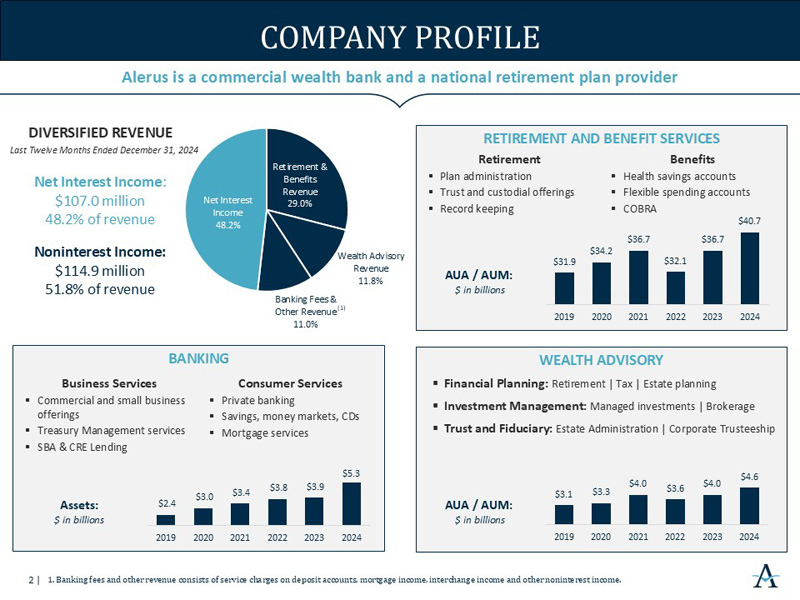
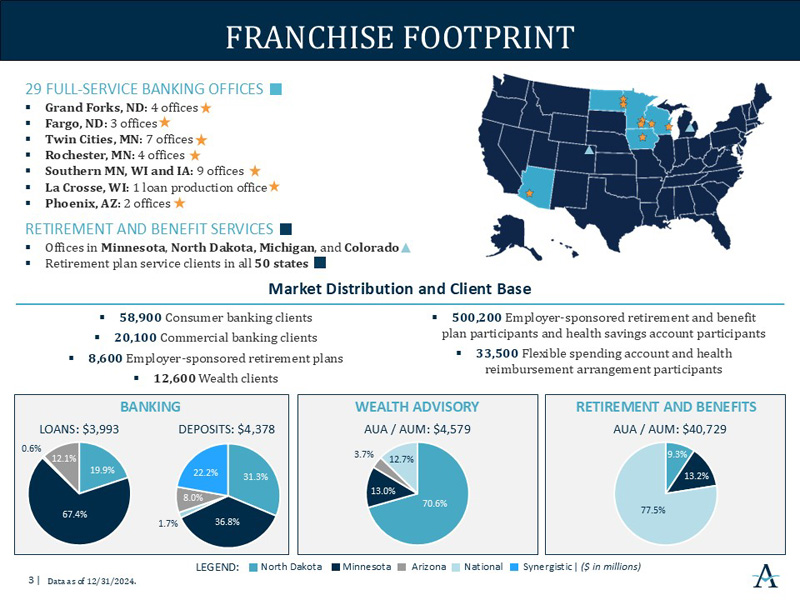
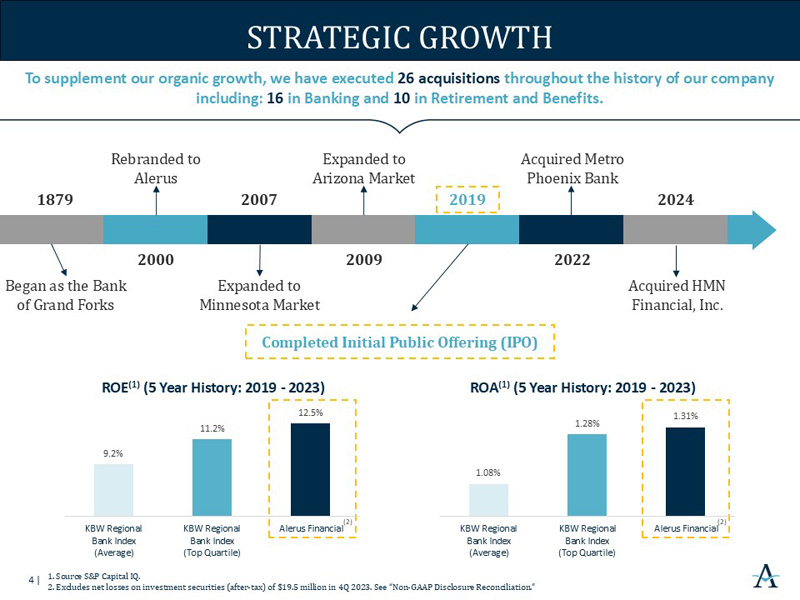
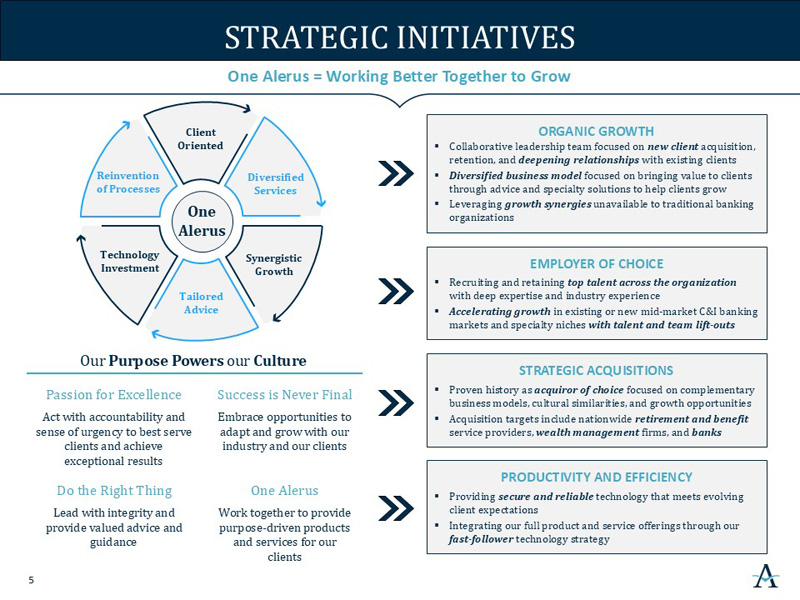
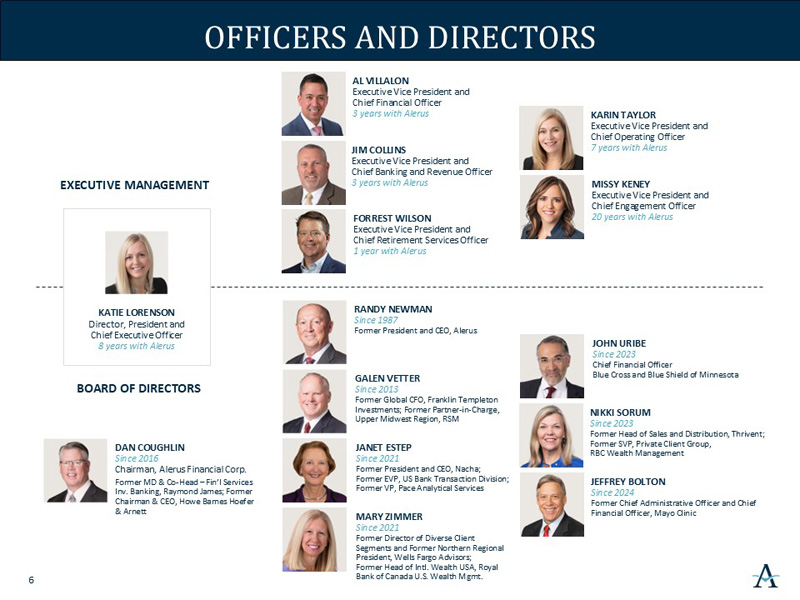
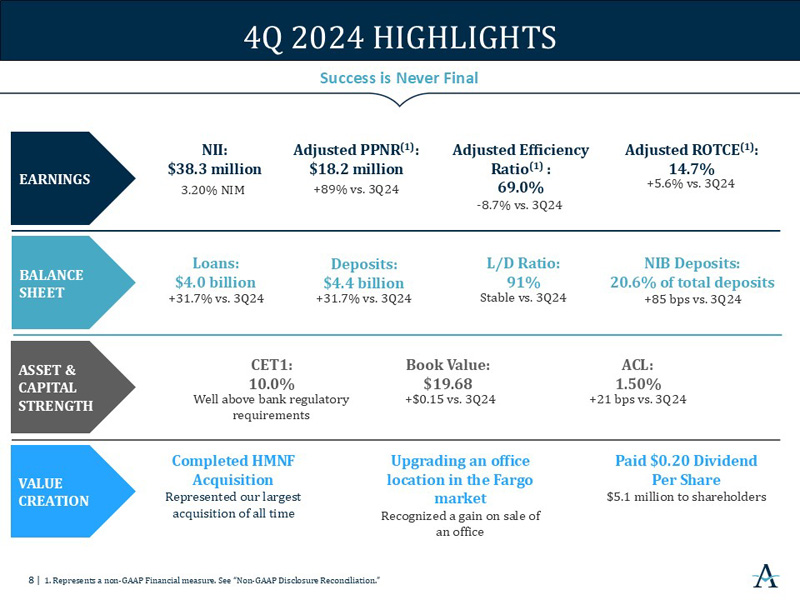
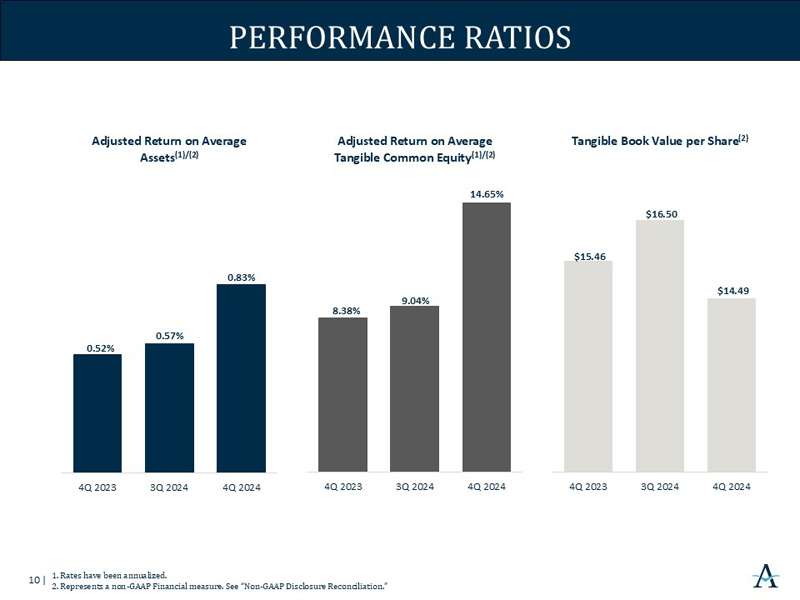
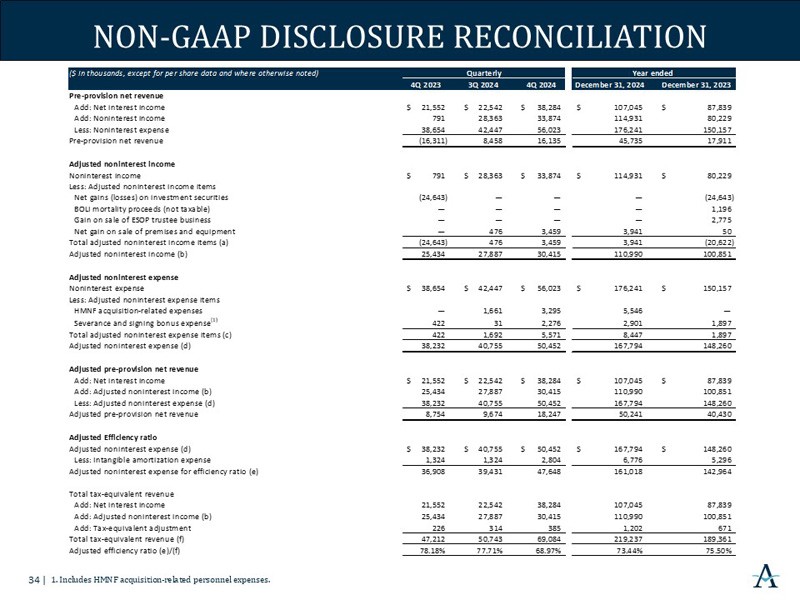
Thank you. Good morning, everyone, and thank you for joining us today to discuss Alerus Financial Corporation's fourth quarter and full year 2024 financial results. I'm Katie Lorenson, President and CEO, and I'm pleased to be here with our Chief Financial Officer, Al Villalon; our Chief Operating Officer, Karin Taylor; our Chief Banking and Revenue Officer, Jim Collins; and our Chief Retirement Services Officer, Forrest Wilson. Each of these leaders continues to play a crucial role in driving our company's progress toward transformational growth and top-tier performance. Before we dive into the details, I want to express my heartfelt gratitude to our dedicated employees, our loyal clients, and the shareholders and supportive communities we serve. Your trust and confidence in Alerus have been instrumental in our historical success, and we are deeply appreciative of your continued support. Now, let's get into the highlights of our performance. We ended 2024 on a strong note with performance improving, including an adjusted return on tangible equity eclipsing 14%. This quarter marked meaningful and deliberate progress in our journey back to top-tier profitability. The clear highlight for the quarter was the successful closing and conversion of our acquisition of Home Federal and our launch into the vibrant Rochester and Southern Minnesota markets. This acquisition, the largest in our company's history, pushed our total assets to over $5 billion and increased our client base by nearly 50%. In addition, we are on track with our projected cost savings, and deal expenses were 5% less than our original estimates. When we announced this transaction last year, we expected the combination to help drive top-quartile performance metrics, and we fully anticipate this to be the case. I am pleased to share with all of you that within the more than 30% reported growth of loans and deposits, we continue to see robust organic growth in all Alerus markets on both sides of our balance sheet. I'm beyond proud of the talented team members we have attracted and retained at Alerus. Our continued success in gaining market share and adding new clients throughout our footprints and in our various verticals, including C&I, government, not-for-profit, and equipment leasing, has been transformational. Even with this organic growth and our continued focus on being highly selective in allocating our capital and dry powder to franchise-accretive, holistic relationships, the pipelines moving into 2025 remain robust. We are disciplined and vigilant in our proactive monitoring and identification of credit as trends are normalizing. This involves closely tracking loan performance and making adjustments as needed to mitigate risk. Meanwhile, we continued to build reserves, with balances increasing to 1.5% at the end of the year. Our net interest income saw a substantial increase of nearly 70%, and our net interest margin improved by 97 basis points to 3.2%. Al will get into the specifics and all the moving parts, but I wanted to commend the team for their concerted efforts to improve pricing discipline. Non-interest income, which represents nearly half of our total revenues, grew by almost 20% quarter-over-quarter, supported by improvements across all fee-based businesses and gains on sale of offices as we constantly look to invest in and optimize our branch footprint. It is important to note our core fee income grew 10% on a year-over-year basis across all business lines and is our ultimate differentiator. In our Retirement business, we saw core year-over-year growth in revenue of 6%, with another record level of new plan sales in 2024. Our talented team continues to execute on several key strategic initiatives to grow our business, our core revenues, and make meaningful operational improvements. We remain especially bullish on this business given the tailwinds coming with SECURE Act 2.0, which aims to increase the number of businesses offering retirement plans and has provisions to support higher participation in those plans, in addition to growing opportunities for M&A. Aside from the top-line revenue growth, the value of the Retirement business is multifaceted due to the stability and durability it brings to our company. In addition to the synergies we leverage in deposits and the capture of Wealth business. In our Wealth business, we saw year-over-year growth of 19% in revenues. We are focused on growing our Wealth business with the long-term goal to have our AUM match the asset side of our bank. We intend to continue to add to our deep bench of talented producers, as well as reinvest in systems, automation, and process improvement. Our focus is on improving the client experience in addition to creating more capacity for our talented team members to keep growing the clients. Although it was a noisy quarter from an expense management perspective, we achieved a notable improvement in our adjusted efficiency ratio, which decreased to 68.97% from 77.71% in the third quarter. Process improvement, automation, and continued progress toward higher profitability through prudent expense management remain key priorities into 2025 and beyond. Capital levels decreased as expected during the quarter due to the acquisition and organic growth. The acquisition is highly accretive to earnings, and we expect to continue to build back capital levels with our superior business mix, delivering superior returns. As we look to capital allocation, we will continue to prioritize franchise-building organic growth in addition to maintaining a long dividend history. Thank you, and I'll now turn it over to Al for a more detailed review of our financial results.
Speaker 2
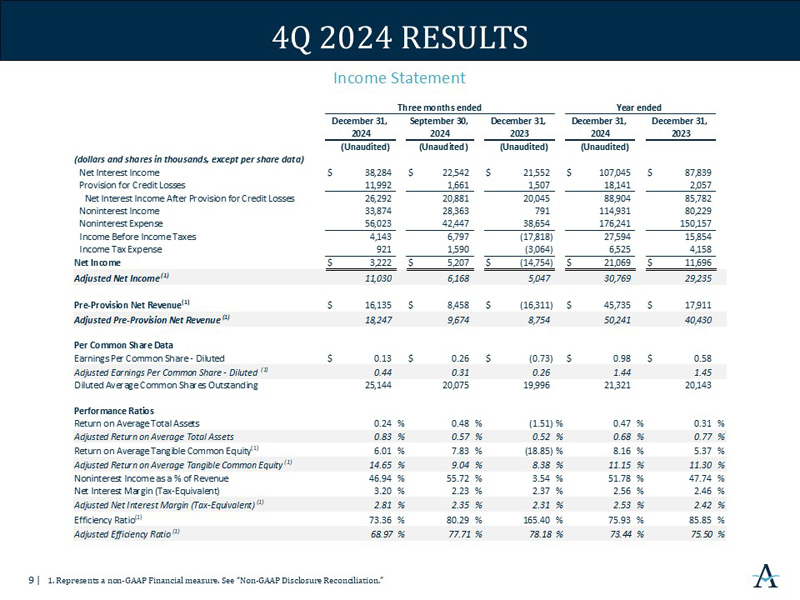
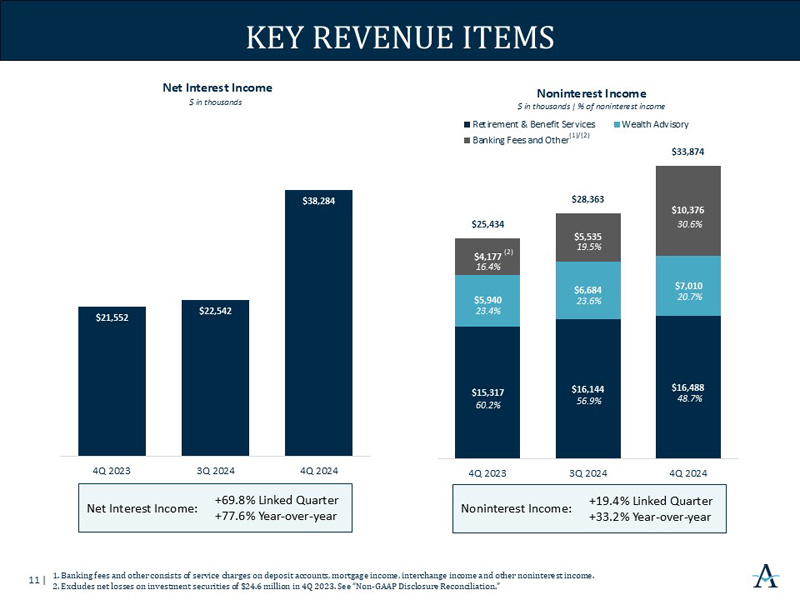
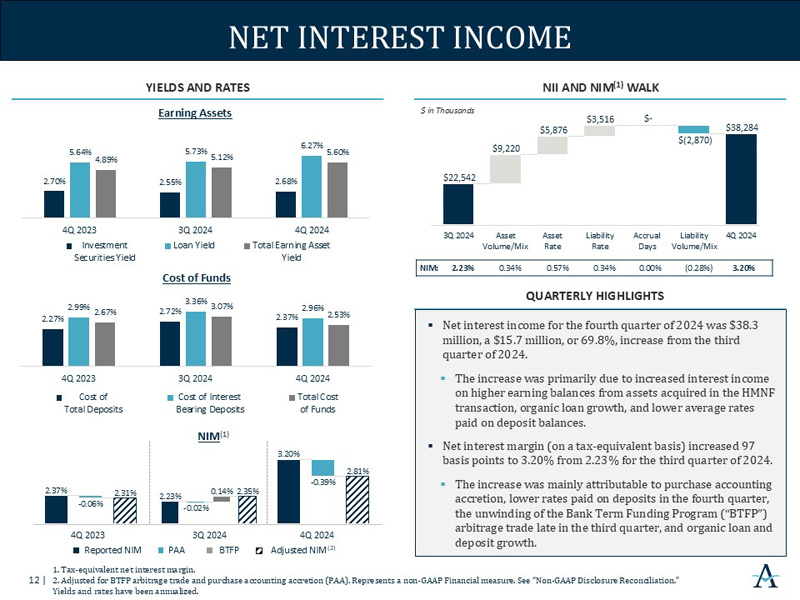
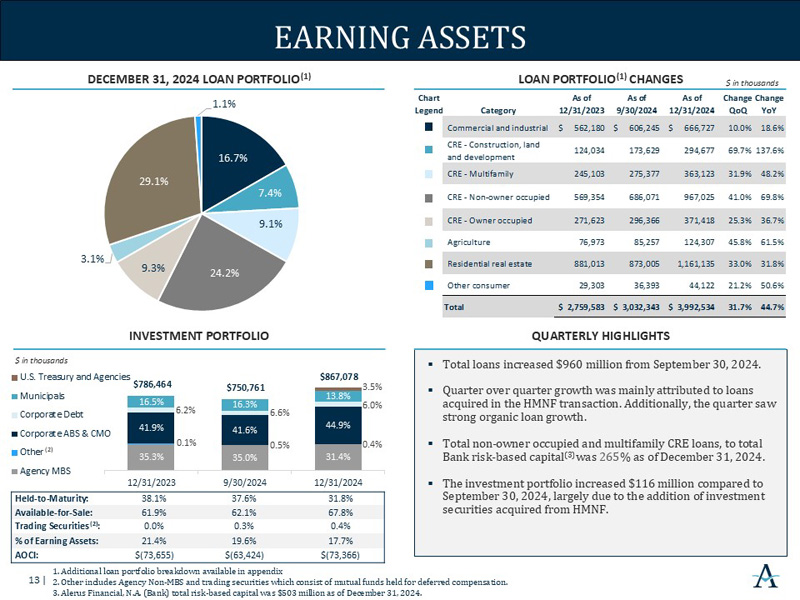
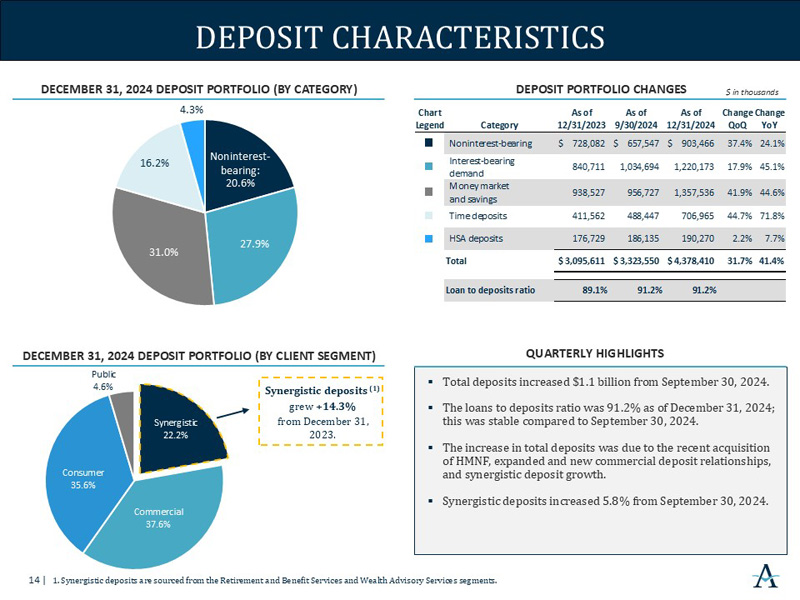
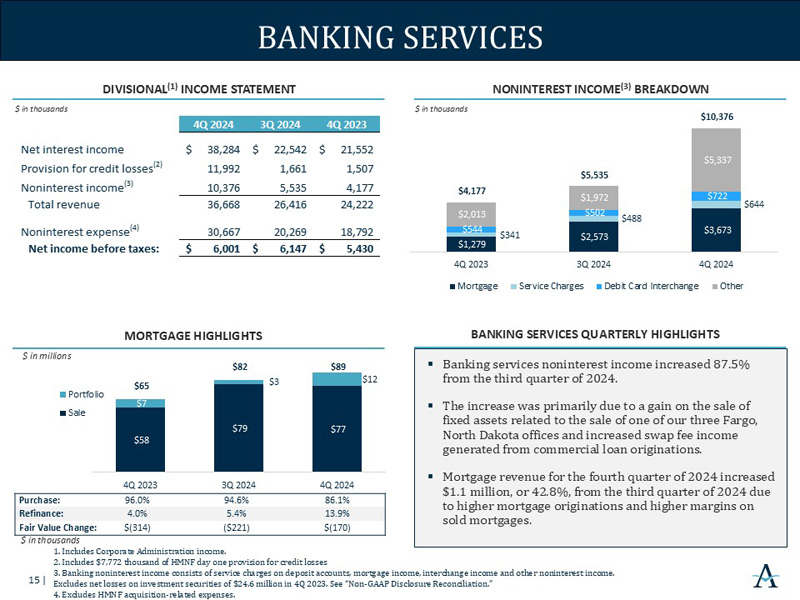
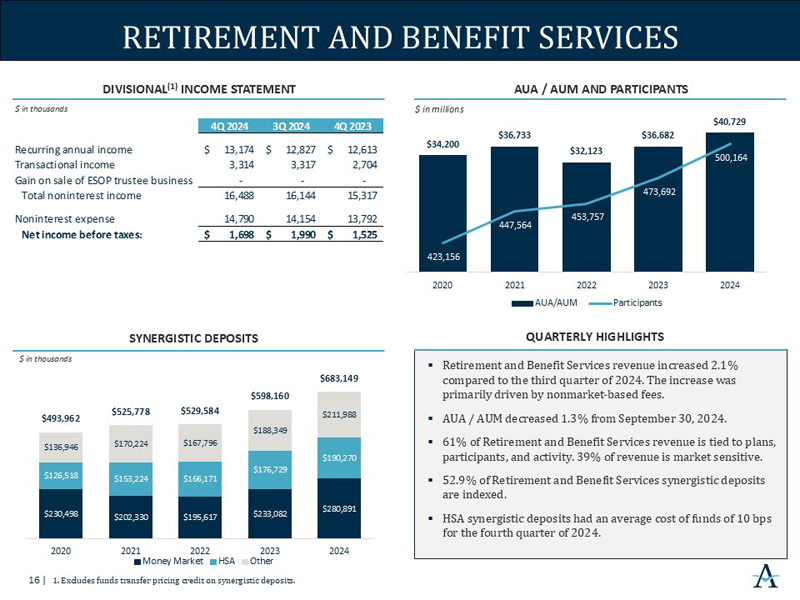
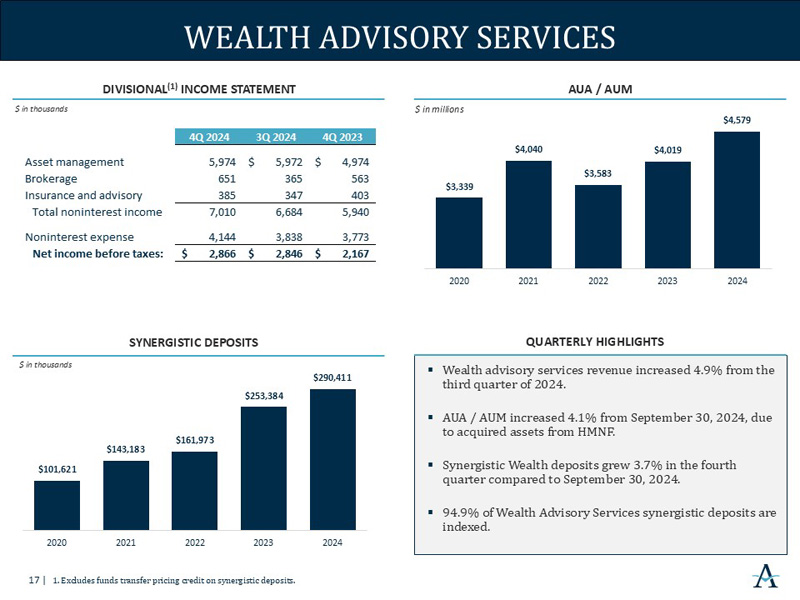
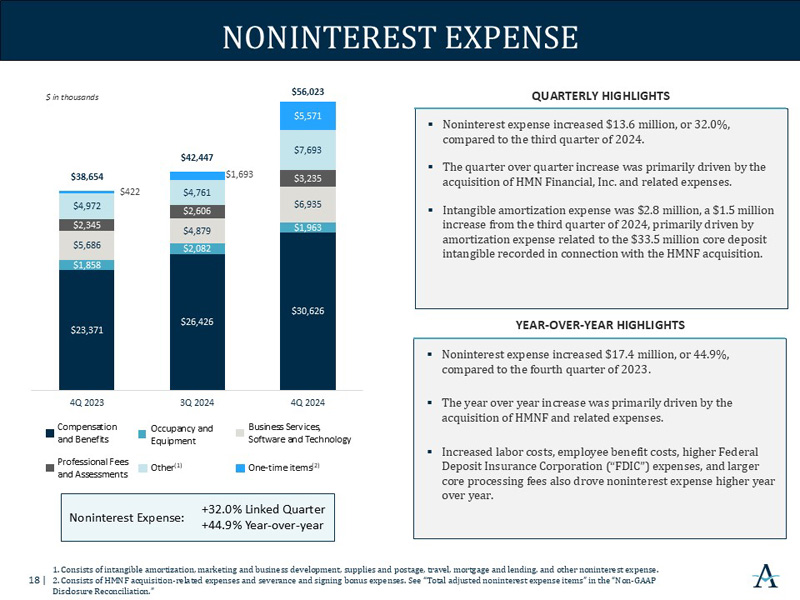
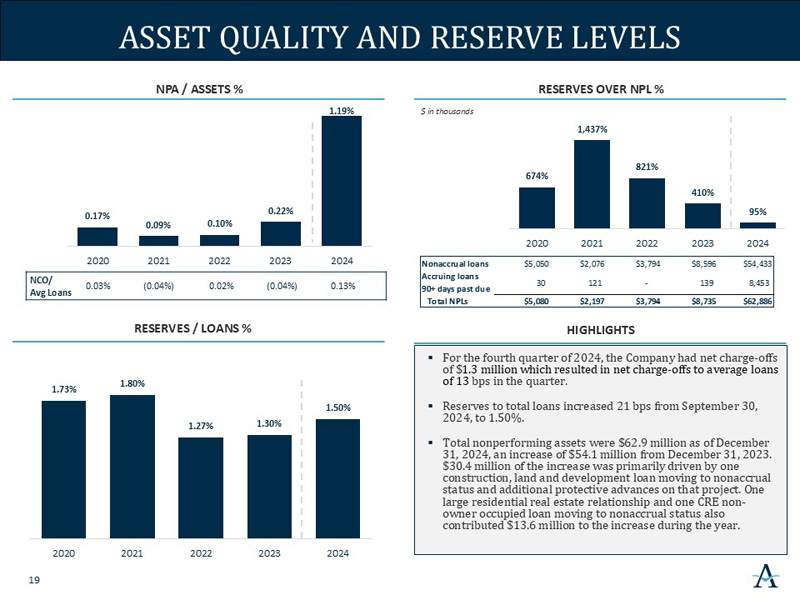
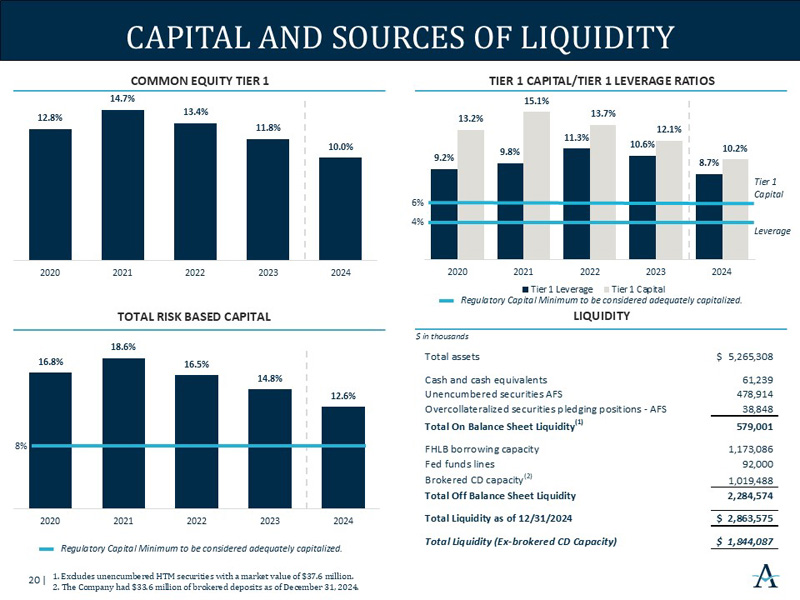
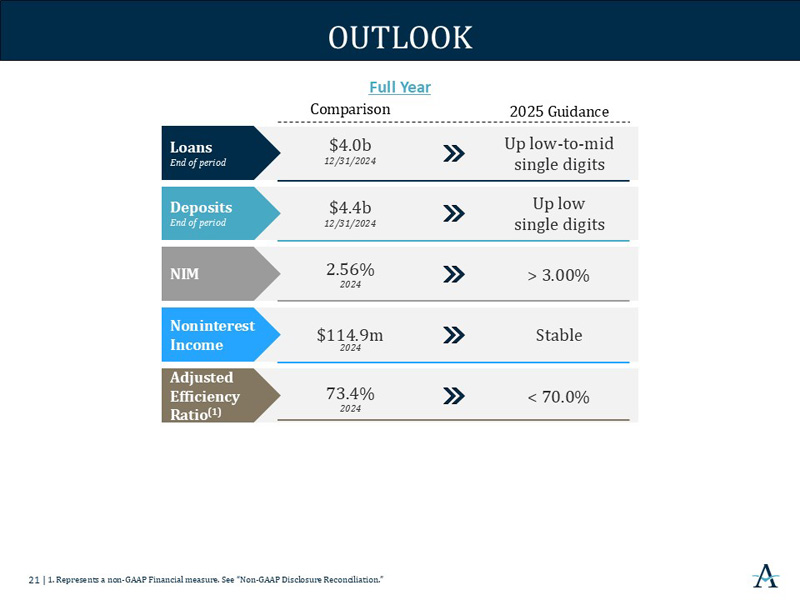
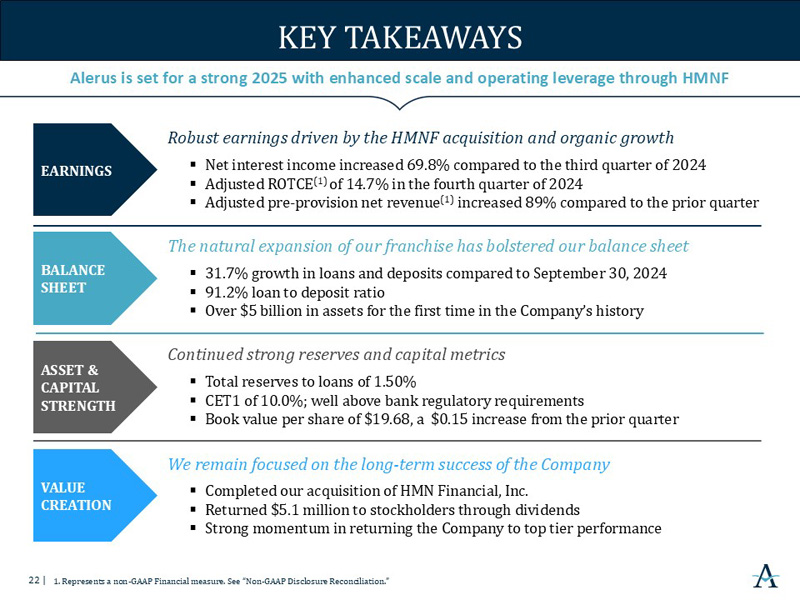
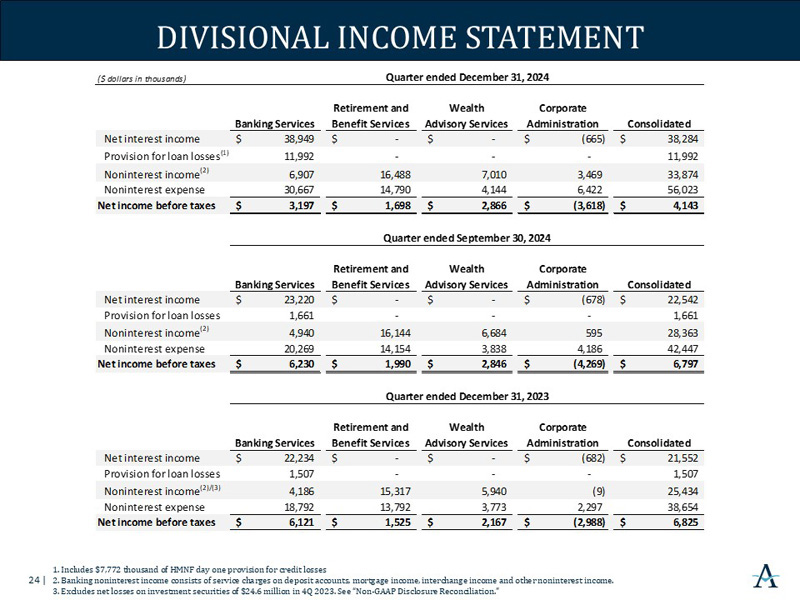
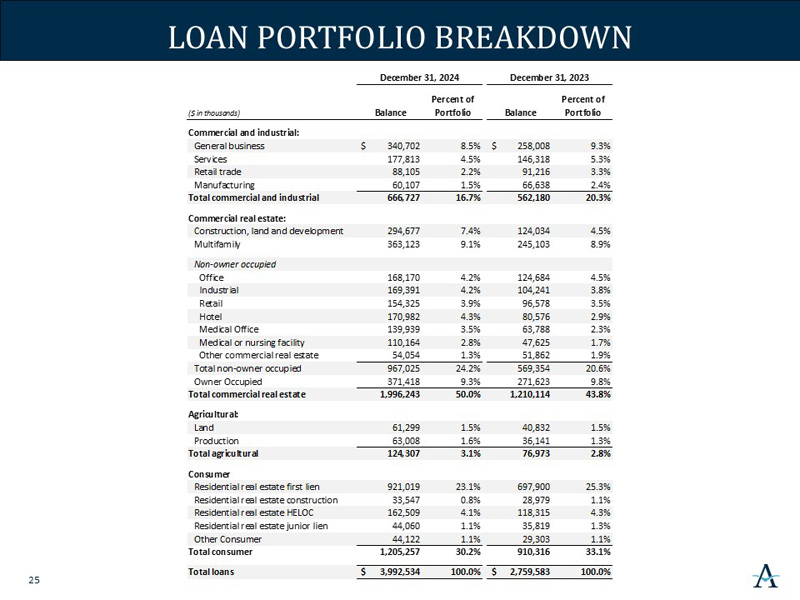
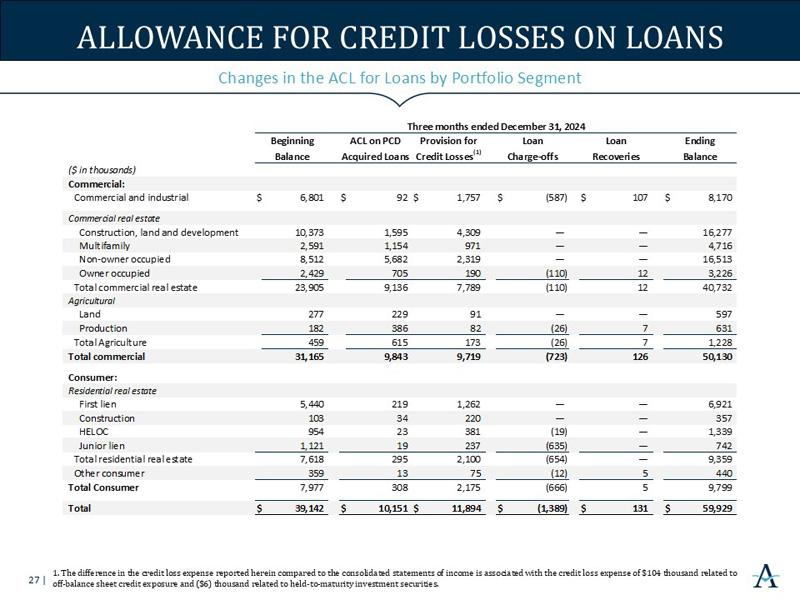
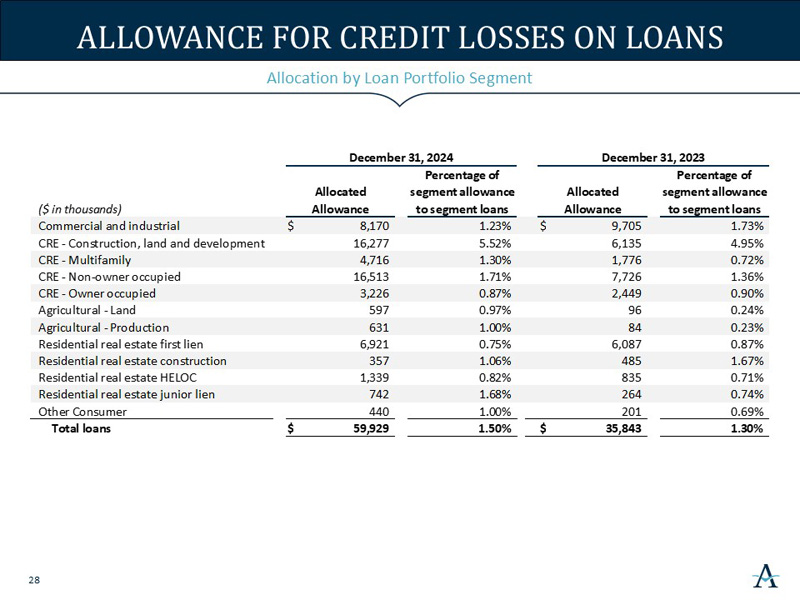
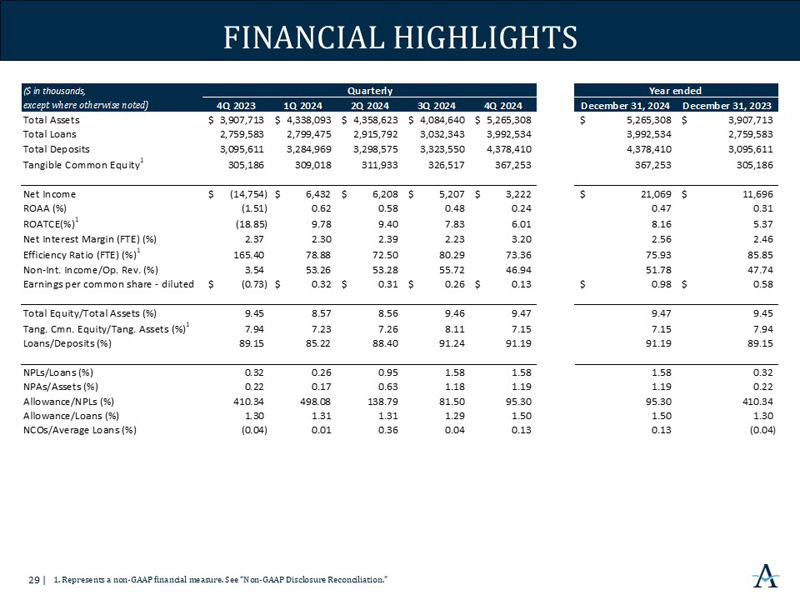
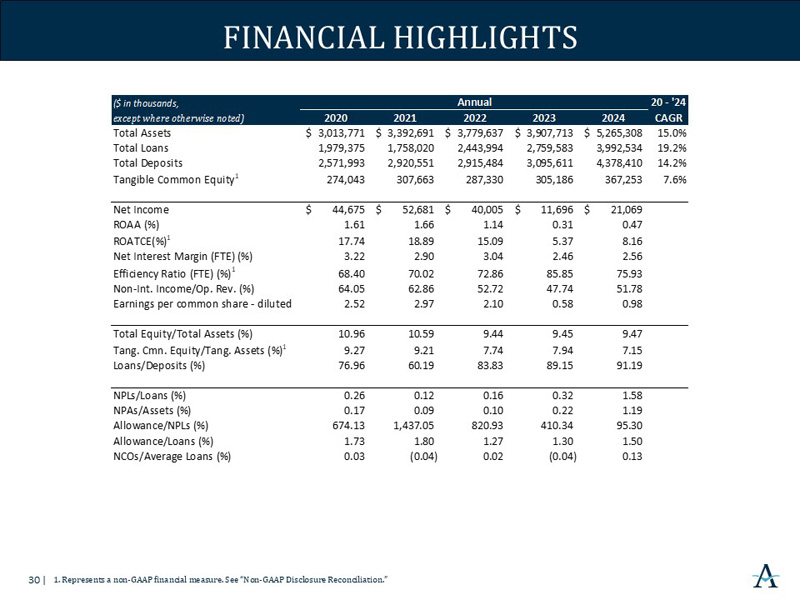
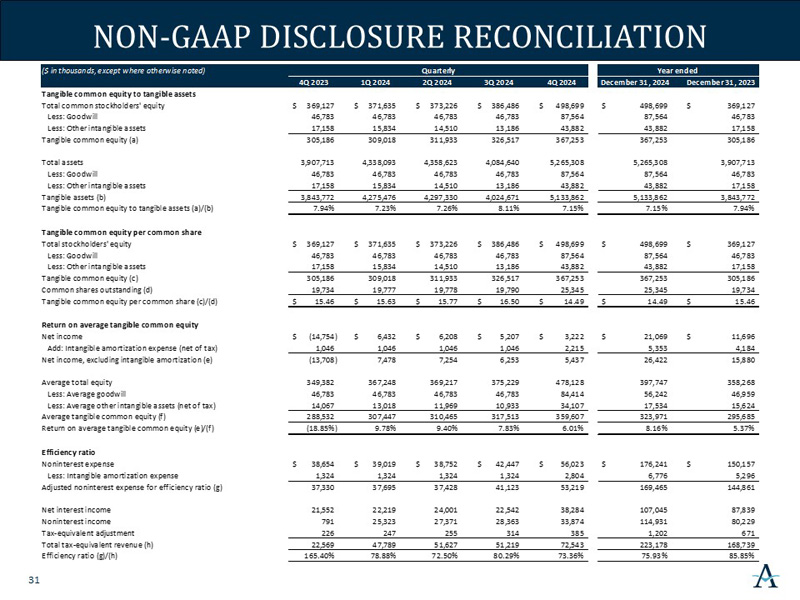
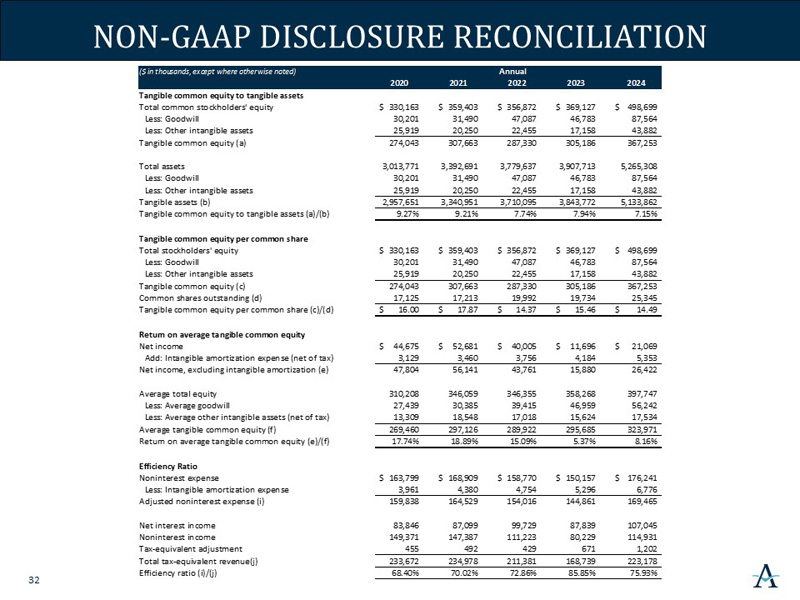
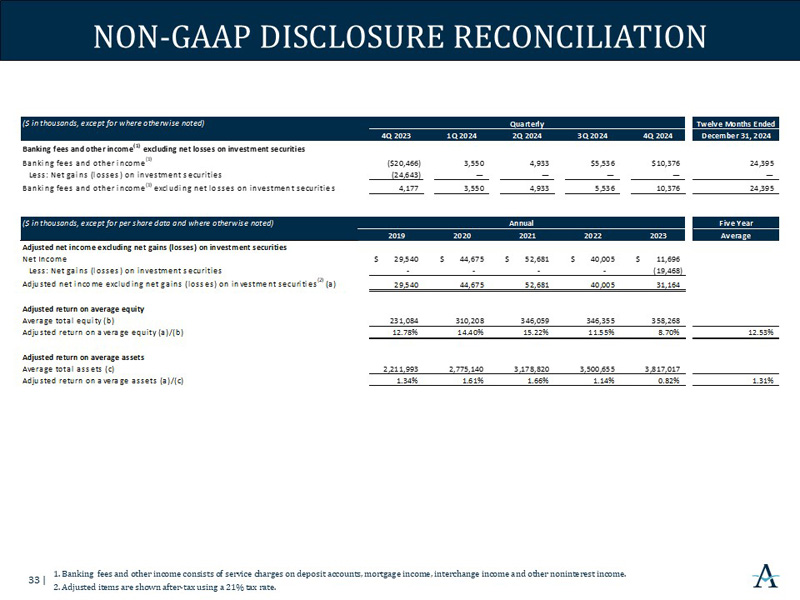
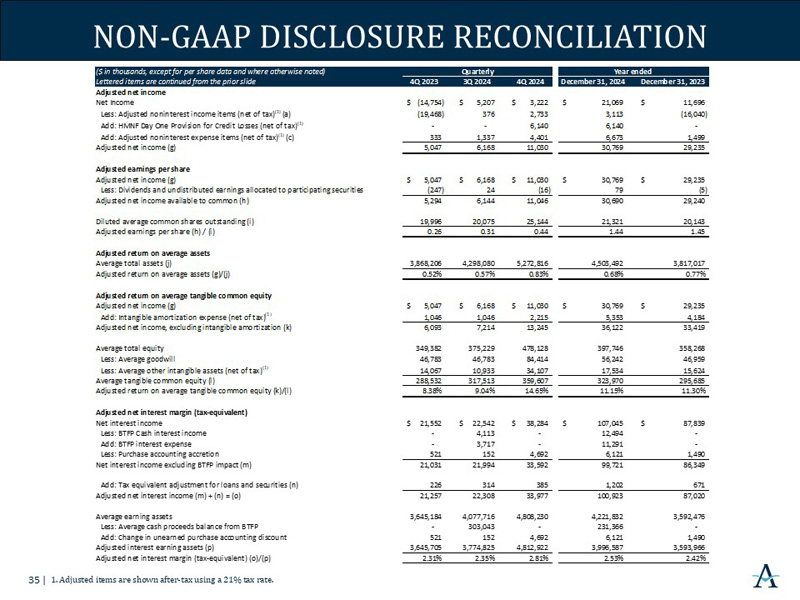
Thanks, Katie. I'll start my commentary on Page 11 of our investor deck that is posted in the Investor Relations section of our website. Let's start on our key revenue drivers. On a reported basis, net interest income increased 69.8% over the prior quarter, while fee income grew 19.4%. The increase in both was primarily driven by the acquisition of Home Federal. Fee income represented almost 47% of revenues during the quarter. Let's dive into the drivers of net interest income on the next slide. Turning to Page 12, in the fourth quarter, net interest income increased to $38.3 million, and our reported net interest margin increased 97 basis points to 3.2%. As you can see on the bottom left, our adjusted net interest margin was 2.81%, or a 46 basis point improvement over the last quarter. Our net interest margin improved mainly due to the acquisition of Home Federal, organic balance sheet growth, and repricing of both loans and deposits. We saw a 54 basis point improvement in our cost of funds mainly due to the Home Federal acquisition, as our cost of funds dropped from 3.07% to 2.53%. Of the 100 basis point decline in the Fed's funds so far, we have seen our deposit beta around 30%. We anticipate our deposit beta to be around 45% once all Fed cuts have been fully priced in. Total earning asset yield increased 48 basis points to 5.6%, again due to the acquisition of Home Federal and the remixing of the investment portfolio. Let's turn to Page 13 to talk about our earning assets. Total loans grew 31.7% over the prior quarter, mainly due to the acquisition of Home Federal. Outside of the acquisition, Alerus still saw organic loan growth of $157 million or over 5% from the prior quarter. Turning to Page 14, on a period-ending basis, our deposits also increased 31.7% from the prior quarter. Excluding the acquisition of Home Federal, Alerus still saw organic deposit growth of $93 million or almost 3% from the prior quarter. Given an increase in deposits, our loan-to-deposit ratio remains steady at 91.2% and still below our target level of 95%. Turning to Page 15, I will now talk about our banking segment, which also includes our mortgage business. I will focus on the fee income components now, since net interest income was previously discussed. Overall non-interest income for banking was up $4.8 million or over 87% from the prior quarter. Most of the increase was from a $3.5 million gain recognized in the sale of one of our offices in the Fargo market. Excluding gains on properties from both quarters, non-interest income was up over 37%. In the fourth quarter, there was $1 million fee income related to client swaps. Just a reminder, these swap fees tend to be lumpy from quarter-to-quarter based on client appetite. On Page 16, I will provide some highlights on our Retirement business. Total revenue from the business increased 2.1%, mainly due to non-market-based fees from our HSA business. While assets under management decreased 1.3%, mainly due to market performance, we did see organic net inflows of over $37 million. We continued to see steady organic growth in plan participants as well. Participants within Retirement grew 1.6% during the quarter. New business production continues to be strong, with over 500 opportunities won this year. Synergistic deposits within retirement grew 6.6% over the prior quarter. HSA deposits, which carry low cost of funds around 10 basis points, grew 2.2% over the previous quarter. Turning to Page 17, you can see highlights for our Wealth Management business. On a linked quarter basis, revenues increased 4.9%, while end-of-quarter assets under management increased 4.1%, mainly due to the acquisition of Home Federal. Synergistic deposits here grew over 3.7% from the previous quarter. Page 18 provides an overview of our non-interest expense. During the quarter, non-interest expense increased 32% over the previous quarter, mainly due to the acquisition of Home Federal. Within the quarter, we had $3.3 million of merger-related expenses and $2.3 million in severance and signing bonus expenses. Excluding these one-time expenses, our adjusted efficiency ratio was 68.97% versus 77.71% in the prior quarter. Turning to Page 19. You can see our credit metrics. During the quarter, net charge-offs were 13 basis points. Non-performing assets increased to $62.9 million, mainly due to one construction land and development deal. As a percentage of total assets, NPAs increased from 1.18% in the prior quarter to 1.19%. Our allowance for credit losses is now at 1.5% of total loans. Within the allowance, we have over $6.9 million related to non-PCD loans acquired in the Home Federal deal, otherwise known as the CECL double count. I'll discuss our capital liquidity on Page 20. We continue to remain well capitalized as our Tier 1 equity capital to risk-weighted assets is at 10%, while our tangible common equity ratio is at 7.15%. On the bottom right, you'll see a breakdown in the sources of $2.9 billion in potential liquidity. Overall, we continue to remain well positioned from both a liquidity and capital standpoint to support future growth or weather any economic uncertainty. Turning to Page 21 now, I'll provide some guidance. On this slide, you'll see the 2024 starting points used for the guidance given for 2025. So we expect the following: First, loan growth of low to mid-single-digits based on a bigger combined balance sheet at the end of 2024. Deposit growth of low-single-digits; a net interest margin greater than 3% for 2025, with no further rate cuts by the Fed being factored in. Within the reported margin, we also expect 30 to 35 basis points of purchase account accretion in each quarter. We will start the year closer to 3%. If the improvement in our margin was linear, which it won't be due to the timing of projected balance sheet growth and the timing of purchase account accretion, you would see 3 to 4 basis points improvement each quarter in the margin. Reminder that in the second and third quarters of each year, we typically see seasonal outflows from our public funds which will affect the margin. Next, with no market appreciation being factored in or revenue synergies from the Home Federal deal, we continue to expect our fee income to remain stable year-over-year on a reported basis that you see here. Reminder that our reported fee income of $114.9 million had gains from property sold and fee income from client swaps. So on an adjusted basis, excluding both property gains and swaps, our core fee income would be up mid-single-digits. Lastly, we expect our adjusted efficiency ratio for one-time items to be below 70% for 2025, as we continue to realize cost savings from Home Federal. There will be some volatility from quarter-to-quarter due to the timing of expected cost saves and the seasonality of some expenses. To summarize on Page 22, excluding the largest merger in company history, we continued to see both strong organic loan and strong deposit growth in the quarter. For the fourth quarter, our adjusted pre-provision net revenue grew nearly 90% over the prior quarter. For the full year, we saw our adjusted PPNR increased almost 25% compared to 2023. While we are a little over three months since the official completion of the merger, we continue to see strong momentum in our new markets. Beyond growth, as Katie mentioned, process improvement, automation, and continued improvement of profitability through prudent expense management remain key priorities heading into 2025 and beyond. With that, I will now open up for Q&A.
Speaker 3
Hey, everyone, good morning. Thanks for taking the questions. Hope you're doing well.
Speaker 3
I appreciate all the commentary around kind of the reported margin outlook and just kind of the impact from accretion going forward. But if we take kind of the 2.81% core margin coming out of the fourth quarter. Can you kind of just speak to some of the repricing benefits that you have on the right side of the balance sheet and kind of what that implies for kind of the trajectory of the core margin over the first half of 2025?
Speaker 2
Yes. Currently, our deposit beta is approximately 30%. We expect it to reach 45% in the first half of this year, indicating there is still some potential for movement. To simplify, at a 30% beta on 100 basis points, we've seen a 30 basis point improvement, translating to over $9 million in gains. You can anticipate an additional improvement of over $4 million on the right side of the balance sheet. On the left side, we have loans that will be paying down throughout the year, and we anticipate an additional 3 to 4 basis points of improvement each quarter.
Speaker 3
Okay. That’s helpful. Maybe a question for Katie. Now that you have HMNF combined and are operating on a consolidated basis going forward, what do you see as some of the challenges or major opportunities as you continue to integrate that franchise?
Sure. Thanks, Nate. Well, I would say our opportunities and our priorities are very much aligned across all markets, and that relates to a focus on continued organic growth, specifically full relationship, C&I, private banking, government, not-for-profit business, all verticals that we've had good success in the markets that we're in and that we view we will have continued success as we enter into our new markets. We will also continue to invest in Wealth Management business. As I mentioned, our goal there is to have our assets under management keep pace with our banking assets, as well as some opportunities for expansion of our Retirement business.
Speaker 3
Okay, that's really helpful. And maybe you could just kind of speak to capital management priorities for this year. Obviously, TCE took a step back with the addition of the acquisition. Well, just curious how you're thinking about managing capital and kind of where you'd like to see some of the capital ratios get back to by the end of 2025?
Yes. From a capital position standpoint, it's in line with where we expected it to be subsequent to closing the deal. The earnings accretion from the acquisition is strong. And so we expect to continue to build that back throughout the year. And then, of course, our capital-light annuitized business from wealth and retirement will aid in a faster build back of capital than most. And so our priority is on organic growth, on our dividends, and we're always looking at opportunities to optimize our balance sheet and profitably grow our company. Regulatory, we're above our regulatory ratios. From a safety and soundness standpoint, obviously, that's very important. But we'll look to build back that TCE ratio over the course of 2025.
Speaker 3
Okay. Great. And then if I could just sneak one more in for Al. Just curious if there's any more kind of balance sheet optimization initiatives that you guys are planning on undertaking as HMNF is integrated?
Speaker 2
Yes, thanks for that, Nate. We're constantly exploring opportunities to optimize our balance sheet. There are numerous factors we are considering. The timing for this is still to be determined since we want to ensure minimal disruption to our clients, particularly as we enter new markets and work with new clients.
Speaker 3
Okay. I appreciate all the color. Thank you, everyone.
Operator
The next question comes from Brendan Nosal with Hovde Group.
Speaker 4
Hey, folks, I hope you're doing well. Thanks for taking the question.
Speaker 4
Maybe just to start off, I wonder if you could help us unpack the fee guide a little bit more. I mean if I look at core fees for the quarter, they were like $30.4 million. I guess if you annualize that, that's like $122 million, but the outlook is calling for flat fees in the range of $115 million versus the annualized $122 million. So just help us understand why the kind of the quarterly run rate is going to step down about 6% from the core run rate in the fourth quarter and what those main drivers are? Thanks.
Speaker 2
Thank you for that, Brendan. To clarify, you need to consider that we should subtract approximately $3.5 million from the sale of our Fargo property as it was a one-time gain recognized in our total fee income. Additionally, we had swap fees amounting to around $1 million in that run rate. If we look at the full year on a calendar basis, let's approximate it to $115 million for simplicity. By removing around $4 million to $5 million from that figure, we can find a more accurate starting point for fee income. It's important to note that swap income and revenue from client-related swaps, as well as property sales, can be variable and one-time occurrences.
Speaker 4
Okay. All right. That's helpful color. Maybe moving on to the cost base. I guess, versus what I was looking for cost maybe came in a little bit heavier than I was expecting even after backing out the merger charges and the severance and signing bonuses. Can you just help us kind of pinpoint the run rate on the expense base as we turn the calendar here and how you expect it to progress across the year as cost savings when the deal come through? Thanks.
Speaker 2
Yes. As we think about cost saves, Brendan, I would think about that as probably going to be a little bit more front-end loaded than back-end loaded because as we just closed on the merger back on October 9th, and we converted in December. So there's going to take time for a lot of the contracts and other things to roll off, so that's going to be more in the front half of this year. So you'll get a cleaner number as the year progresses and probably more in the back half of the year.
Speaker 4
And then is there any kind of thoughts on the actual dollar run rate as we move through the year at this point?
Speaker 2
No, because right now, a lot of it is going to, the one thing that's a variable in there too, because we have some moving parts especially when it comes to production. So as we have loan and deposit production coming in, that's going to create some volatility in there in terms of, because our biggest comp, our biggest line is going to be comp in terms of expenses. So there's going to be some volatility there based on production. So I would just say that if you're looking on a quarter-to-quarter basis is that it will probably be more a little bit lumpy in the first half than the back half. But that's why I gave the guide, if you look at the full year run rate because if we're basing on the full year you've got that $170 plus million that is for a full year run rate, and we're looking for low single-digit growth in there. So you can separate it out by quarter and then just say like, okay, a little front half will be a little more heavy than the back half.
Speaker 4
Okay. All right. Thanks for taking the questions, folks. Appreciate it.
Speaker 2
And I apologize for that growth rate is low-double-digits. Sorry, sorry.
Operator
The next question comes from Jeff Rulis with D.A. Davidson.
Speaker 5
Thanks. Good morning, Al, just to clarify that, you said the full year core '24 expenses were $170 million and expect to grow those low-double-digit in '25?
Speaker 2
Yes. Well, if you look at it in terms of efficiency ratio, that's from the simple math that I was doing. So that's how I get to less than 70%.
Speaker 5
If I could revisit the margin, reported at 3.20% and adjusted at 2.80%, with an expectation of 3% or higher, do you foresee a decrease in accretion in the first quarter? Alternatively, what is the expected accretion amount for 2025?
Speaker 2
Yes. We're averaging around low 30s from an accretion standpoint. The range I've given is 30 to 35 basis points, likely a bit higher in the early part of the year and trending towards the lower end in the second half.
Speaker 5
Do you have a dollar figure, Al, on the accretion for the full year?
Speaker 2
I can get to you that offline. Let me get that for you.
Speaker 5
Okay. And just as I, again, thinking about that, I appreciate the basis point addition. You talked about the core, sounds like some tailwinds, so the expectation is that continues to lift as you get positive impact. But maybe as you say, the second half accretion tails off a bit kind of on net, barring other changes looking like a fairly stable margin across the year as those puts and takes occur?
Speaker 2
Yes. The way I would think about it is that we'd still see core margin improvement during the course of the year from where we start to end. But again, what I'm saying is that our margin will probably be lumpy here and there, given the timing of deposit inflows. So as we start the year, we'll probably have a little bit lower margin; as we end the year, it will be a higher margin, and then we'll have core margin improvement year-over-year. And to think about the total purchasing accounting accretion, I found the number here; we're thinking anywhere from around approximately around $4 million a quarter.
Speaker 5
Perfect. Okay. Thank you. And then just housekeeping, you said the organic loan and deposit growth in the quarter; that was $157 million and $93 million respectively.
Speaker 2
Let me just double check here. That is correct. So I have $157 million for organic loan growth and $93 million for organic deposit growth.
Speaker 5
Okay, thanks. I'll step back.
Operator
Our next question comes from Damon DelMonte with KBW.
Speaker 6
Good morning, everyone. Hope everybody's doing well today. Just to kind of follow-up on the loan growth question there. So very strong. I think that you annualized that linked quarters, it's about 20%. And I think the guide going forward for this year is low to mid-single-digits. So you guys have had numerous quarters in a row of very strong loan growth. So just kind of curious as to what leads to the guidance in that low to mid-single-digit range?
Speaker 2
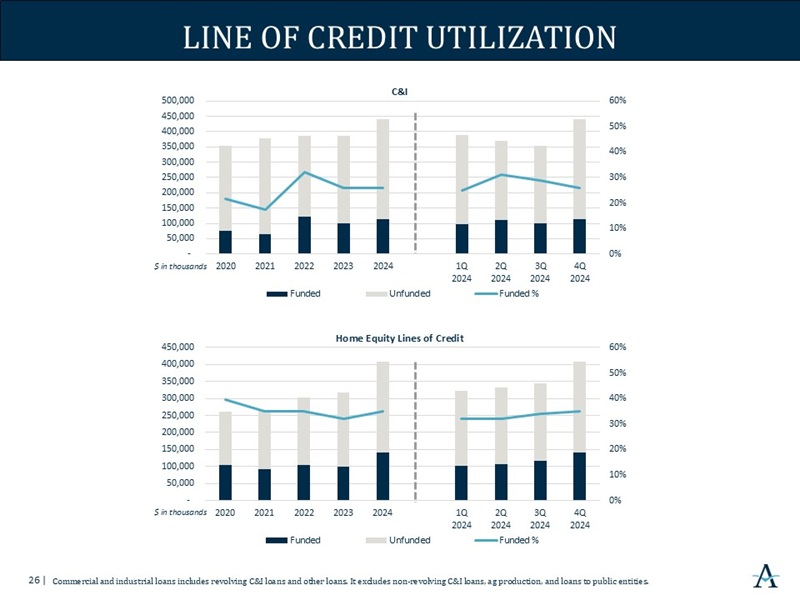
Thanks, Damon. I will tell you, we do have some, the strategy that we've invoked the last couple of years we're continuing on bringing on talent that we did the last couple of years. We picked up some pretty good talent from Southern Minnesota, both in leadership and C&I talent. We will continue to focus on C&I and kind of slow down a little bit on investor CRE. But as the investor CRE slows down a little bit, we still have a lot of fundings of current loans and the commitments that will fund up on the CRE side. And the C&I side, we're really focused on that higher-end business banking and commercial, which comes with a lot of lines of credit, different levels of usage and full relationships. So there's still a lot of work to do. The teams build pretty good pipelines. And even with some of the disruptions in a lot of our markets with other acquisitions, we'll be opportunistic with. But that really continues to be the focus, and that's where we're at from that standpoint.
Speaker 6
Got it. Okay. Appreciate that. And then with regard to the credit trends this quarter, again, that was just driven by one or two credits. I may have missed that in the initial commentary.
Yeah, Damon, this is Karin. Good morning.
Speaker 6
Hi. Good morning.
Yes, the increase in nonperforming was primarily driven by advances on that large multifamily construction project we've talked about in the past. And then, of course, there was that one deal that was over 90 days past due and accruing; that loan is now current.
Speaker 6
Got it. Okay. And then just lastly, just to circle back on expenses, Al. So if I'm understanding this correctly, if you're putting the core operating expenses for '24 around $170 million. You're talking low double-digit growth when you layer in the impact from the transaction, understanding that the cost saves will come as the year progresses?
Speaker 2
That's correct. And I'm looking at core expenses somewhere in like mid-$170 million, like $175 million, $176 million is where my starting point is.
Speaker 6
Okay. And then depending on low-double-digits to that?
Speaker 2
So as we consider this, the timing for the contracts and the cost savings will take some time. The merger is only about three months old at this point.
Speaker 6
Got it. Okay, great. That's all that I had. Thank you.
Operator
The next question comes from David Long with Raymond James.
Speaker 8
Good morning, everyone.
Speaker 8
Good morning. Within the Retirement Benefit Services division, your synergistic deposits have experienced significant growth over time. What is the competitive landscape in that area? Can we anticipate that the growth from these synergistic deposits will continue to exceed expectations?
Speaker 9
Yes. Hey, David, this is Forrest Wilson. Thanks for the question. As far as synergistic deposits go, I think you can expect the continued kind of steady trend. There is some opportunity in the HSA space, which has a much higher margin, I think, as Al mentioned in his deck. The cost of those funds to us is only 10 or so basis points. So there's a nice spread there, and that market is growing pretty rapidly. We have not taken advantage of that historically. I think there's some opportunity there. So we're working right now to see if we can do better in that market in terms of growth. But I don't think you'll see any big changes in the short-term in terms of our trends.
Speaker 8
Got it. And then as we're talking about assets under management here and maybe even talk a little bit about wealth too, but market appreciation has contributed. How much do you attribute to the appreciation versus Alerus bringing in net new business?
Speaker 9
Yes, I can take that on the retirement side. And then Al, maybe you'll have a couple of comments, but that's something that I look at very closely. I'm very pleased to see that we're growing participants and plans very nicely. The assets, as you point out, have been fueled by market performance quite a bit. And that's been a little concerning. I was happy in the fourth quarter. We turned that corner, and we saw if you take out the market performance, it was actually a loss in the fourth quarter. But if you take that out, we grew assets about $38 million on the retirement side. Just when you look at cash flow coming in minus money going out, so that would be sales and participant contributions, things like that, and taking away any terminations or even on a participant level or a plan level. So kind of had on that net basis turned the corner in the fourth quarter, albeit just a little bit, but that's a good leading indicator of where we want to continue to grow and find that organic growth even in the asset side. So that's kind of the status. Hopefully, that helps, David.
Speaker 10
David, this is Jim Collins on the wealth side.
Speaker 10
Yes, we've had some good market growth. But I will tell you, as we're working on improving platforms on the wealth side, we've had tremendous customer growth, new relationships, specifically in North Dakota and specifically in Minneapolis. We're working on all markets to continue that. But client acquisition has been very strong the last two quarters, and I think we'll continue that trend the next going forward, specifically as we swap out platforms and have a more streamlined backroom. But we will continue to invest in talent and wealth. As Katie mentioned earlier, the strategy of building a strong commercial bank and segueing that wealth in through private banking and then into wealth advisory service is clearly working for us.
Speaker 8
Got it. Thanks. And Al, I assume with your discussion on the expenses, any increase in talent is already incorporated into that?
Speaker 2
Yes, that's correct. And David, since you brought up expenses, I just want to make sure what I was commenting earlier on an earlier question that I was referring to an unadjusted noninterest expense number of $176 million. So that's the growth rate people should be basing off of.
Operator
So our next question comes from Nathan Race with Piper Sandler.
Speaker 3
Yeah, thanks for taking a follow-up. Yes. Just, again, to clarify on expenses, the low double-digit growth from $176 million in 2024. That doesn't include any one-time costs tied to the acquisition, correct?
Speaker 2
No, it does not. It includes just basically everything that's rolling off from the cost saves.
Speaker 3
Okay. Got it. Thank you for clarifying.
Operator
And the next question comes from Jeff Rulis with D.A. Davidson.
Speaker 5
Thanks. Al, the merger costs by line item, can we assume a piece of that was in professional fees? Do you have any other detail that we can map that?
Speaker 2
Yes. I'd say a chunk of it was also in salary and compensation line.
Speaker 5
Okay. If that's the bulk of it too?
Yes. We determined that funding completion of that project is going to result in the most viable option to get it completed quickly and to reduce potential losses. So we will continue to fund that. It is over 90% complete. The interior is expected to be complete by the end of the first quarter. Exterior work will continue into the second quarter, just given the climate in which we live. And so you will see our exposure on that increase over the next couple of quarters.
Speaker 5
Do you have a dollar figure on additional funding through completion?
Yes. So our current book balance is about $28 million, and that would increase to $36 million to $37 million.
Speaker 5
What is the plan for resolving the project after it is completed, and what is the possible timeline for that?
Our agreement includes the expectation that it is listed for sale immediately upon completion. In addition, they have started leasing. And to date they are ahead of the agreed-upon leasing milestones.
Speaker 5
Okay. And the completion date, roughly, is it this summer or?
We expect it in the May, June timeframe in order to get all that outside completion done.
Speaker 5
Okay. Thank you.
Operator
Thank you. And this concludes our question-and-answer session. So I would like to turn the conference back over to Katie Lorenson for any closing remarks.
Thank you. Thank you to everyone for joining our call today. Looking ahead, we remain committed to driving sustainable and profitable growth while building and delivering value to our shareholders. Our strategic mantra is all about getting better and not just bigger. And our mission for 2025 is to focus and execute, keep bringing in profitable business and managing our expenses. We will continue to prioritize our organic growth opportunities and selectively take market share while maintaining strong asset quality. We've made meaningful progress in our performance. We're optimistic about the opportunities that lie ahead and are confident in our ability to navigate the evolving financial landscape. In closing, I want to reiterate my gratitude to our team members, our clients, and our shareholders. Your dedication and support have been the foundation of our success. And together we will continue to build on our progress, our achievements, and navigate the future with discipline and optimism. Thank you, everyone.
Operator
The conference has now concluded. Thank you for attending today's presentation. You may now disconnect.